EP2886129A1 - Prävention und Gegenaktion von diätinduzierter Thrombosegefahr - Google Patents
Prävention und Gegenaktion von diätinduzierter Thrombosegefahr Download PDFInfo
- Publication number
- EP2886129A1 EP2886129A1 EP13198969.1A EP13198969A EP2886129A1 EP 2886129 A1 EP2886129 A1 EP 2886129A1 EP 13198969 A EP13198969 A EP 13198969A EP 2886129 A1 EP2886129 A1 EP 2886129A1
- Authority
- EP
- European Patent Office
- Prior art keywords
- vitamin
- etp
- day
- value
- use according
- Prior art date
- Legal status (The legal status is an assumption and is not a legal conclusion. Google has not performed a legal analysis and makes no representation as to the accuracy of the status listed.)
- Withdrawn
Links
Images


Classifications
-
- A—HUMAN NECESSITIES
- A61—MEDICAL OR VETERINARY SCIENCE; HYGIENE
- A61K—PREPARATIONS FOR MEDICAL, DENTAL OR TOILETRY PURPOSES
- A61K31/00—Medicinal preparations containing organic active ingredients
- A61K31/12—Ketones
- A61K31/122—Ketones having the oxygen directly attached to a ring, e.g. quinones, vitamin K1, anthralin
-
- A—HUMAN NECESSITIES
- A23—FOODS OR FOODSTUFFS; TREATMENT THEREOF, NOT COVERED BY OTHER CLASSES
- A23K—FODDER
- A23K20/00—Accessory food factors for animal feeding-stuffs
- A23K20/10—Organic substances
- A23K20/158—Fatty acids; Fats; Products containing oils or fats
-
- A—HUMAN NECESSITIES
- A23—FOODS OR FOODSTUFFS; TREATMENT THEREOF, NOT COVERED BY OTHER CLASSES
- A23K—FODDER
- A23K20/00—Accessory food factors for animal feeding-stuffs
- A23K20/10—Organic substances
- A23K20/174—Vitamins
-
- A—HUMAN NECESSITIES
- A23—FOODS OR FOODSTUFFS; TREATMENT THEREOF, NOT COVERED BY OTHER CLASSES
- A23L—FOODS, FOODSTUFFS OR NON-ALCOHOLIC BEVERAGES, NOT OTHERWISE PROVIDED FOR; PREPARATION OR TREATMENT THEREOF
- A23L33/00—Modifying nutritive qualities of foods; Dietetic products; Preparation or treatment thereof
- A23L33/10—Modifying nutritive qualities of foods; Dietetic products; Preparation or treatment thereof using additives
- A23L33/115—Fatty acids or derivatives thereof; Fats or oils
- A23L33/12—Fatty acids or derivatives thereof
-
- A—HUMAN NECESSITIES
- A23—FOODS OR FOODSTUFFS; TREATMENT THEREOF, NOT COVERED BY OTHER CLASSES
- A23L—FOODS, FOODSTUFFS OR NON-ALCOHOLIC BEVERAGES, NOT OTHERWISE PROVIDED FOR; PREPARATION OR TREATMENT THEREOF
- A23L33/00—Modifying nutritive qualities of foods; Dietetic products; Preparation or treatment thereof
- A23L33/10—Modifying nutritive qualities of foods; Dietetic products; Preparation or treatment thereof using additives
- A23L33/15—Vitamins
-
- A—HUMAN NECESSITIES
- A61—MEDICAL OR VETERINARY SCIENCE; HYGIENE
- A61K—PREPARATIONS FOR MEDICAL, DENTAL OR TOILETRY PURPOSES
- A61K31/00—Medicinal preparations containing organic active ingredients
- A61K31/185—Acids; Anhydrides, halides or salts thereof, e.g. sulfur acids, imidic, hydrazonic or hydroximic acids
- A61K31/19—Carboxylic acids, e.g. valproic acid
- A61K31/20—Carboxylic acids, e.g. valproic acid having a carboxyl group bound to a chain of seven or more carbon atoms, e.g. stearic, palmitic, arachidic acids
- A61K31/202—Carboxylic acids, e.g. valproic acid having a carboxyl group bound to a chain of seven or more carbon atoms, e.g. stearic, palmitic, arachidic acids having three or more double bonds, e.g. linolenic
-
- A—HUMAN NECESSITIES
- A61—MEDICAL OR VETERINARY SCIENCE; HYGIENE
- A61K—PREPARATIONS FOR MEDICAL, DENTAL OR TOILETRY PURPOSES
- A61K31/00—Medicinal preparations containing organic active ingredients
- A61K31/33—Heterocyclic compounds
- A61K31/395—Heterocyclic compounds having nitrogen as a ring hetero atom, e.g. guanethidine or rifamycins
- A61K31/435—Heterocyclic compounds having nitrogen as a ring hetero atom, e.g. guanethidine or rifamycins having six-membered rings with one nitrogen as the only ring hetero atom
- A61K31/44—Non condensed pyridines; Hydrogenated derivatives thereof
- A61K31/455—Nicotinic acids, e.g. niacin; Derivatives thereof, e.g. esters, amides
-
- A—HUMAN NECESSITIES
- A61—MEDICAL OR VETERINARY SCIENCE; HYGIENE
- A61K—PREPARATIONS FOR MEDICAL, DENTAL OR TOILETRY PURPOSES
- A61K31/00—Medicinal preparations containing organic active ingredients
- A61K31/59—Compounds containing 9, 10- seco- cyclopenta[a]hydrophenanthrene ring systems
- A61K31/592—9,10-Secoergostane derivatives, e.g. ergocalciferol, i.e. vitamin D2
-
- A—HUMAN NECESSITIES
- A61—MEDICAL OR VETERINARY SCIENCE; HYGIENE
- A61K—PREPARATIONS FOR MEDICAL, DENTAL OR TOILETRY PURPOSES
- A61K31/00—Medicinal preparations containing organic active ingredients
- A61K31/60—Salicylic acid; Derivatives thereof
- A61K31/612—Salicylic acid; Derivatives thereof having the hydroxy group in position 2 esterified, e.g. salicylsulfuric acid
- A61K31/616—Salicylic acid; Derivatives thereof having the hydroxy group in position 2 esterified, e.g. salicylsulfuric acid by carboxylic acids, e.g. acetylsalicylic acid
-
- A—HUMAN NECESSITIES
- A61—MEDICAL OR VETERINARY SCIENCE; HYGIENE
- A61K—PREPARATIONS FOR MEDICAL, DENTAL OR TOILETRY PURPOSES
- A61K31/00—Medicinal preparations containing organic active ingredients
- A61K31/70—Carbohydrates; Sugars; Derivatives thereof
- A61K31/7135—Compounds containing heavy metals
- A61K31/714—Cobalamins, e.g. cyanocobalamin, i.e. vitamin B12
-
- A—HUMAN NECESSITIES
- A61—MEDICAL OR VETERINARY SCIENCE; HYGIENE
- A61K—PREPARATIONS FOR MEDICAL, DENTAL OR TOILETRY PURPOSES
- A61K45/00—Medicinal preparations containing active ingredients not provided for in groups A61K31/00 - A61K41/00
- A61K45/06—Mixtures of active ingredients without chemical characterisation, e.g. antiphlogistics and cardiaca
-
- A—HUMAN NECESSITIES
- A61—MEDICAL OR VETERINARY SCIENCE; HYGIENE
- A61P—SPECIFIC THERAPEUTIC ACTIVITY OF CHEMICAL COMPOUNDS OR MEDICINAL PREPARATIONS
- A61P7/00—Drugs for disorders of the blood or the extracellular fluid
- A61P7/02—Antithrombotic agents; Anticoagulants; Platelet aggregation inhibitors
-
- A—HUMAN NECESSITIES
- A61—MEDICAL OR VETERINARY SCIENCE; HYGIENE
- A61P—SPECIFIC THERAPEUTIC ACTIVITY OF CHEMICAL COMPOUNDS OR MEDICINAL PREPARATIONS
- A61P9/00—Drugs for disorders of the cardiovascular system
Definitions
- This invention relates to the field of nutrition and the influence of dietary vitamin K content on the complex interactions between procoagulant and anticoagulant factors resulting in the controlled process of haemostasis. Even minor impairments in the synthesis or activity of one of the individual components in this cascade may result in an increased risk for either prolonged bleeding or a thrombosis tendency.
- This invention describes the preparation of nutraceutical and pharmaceutical products which may counteract or prevent an increased thrombosis tendency.
- vitamin K is provided in preparing pharmaceutical or nutraceutical products for counteracting an increased thrombosis risk caused by poor vitamin K status.
- the most likely mechanism underlying the vitamin K-insufficiency-induced thrombosis risk is undercarboxylation of vascular protein S.
- vitamin K is a menaquinone, most preferably selected from the long-chain menaquinones MK-7 through MK-10.
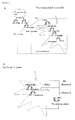
- Blood coagulation is a complex process which can be initiated either via the intrinsic pathway or via the extrinsic pathway (see Figure 1A ). Activation of the various coagulation factors is accomplished by proteolytic cleavage by which they are converted into either another proteolytic enzyme (e.g.: factors X, IX, VII and II) or an activated structural protein (factors VIII, V, and fibrinogen).
- coagulation factor XII is surface-activated to subsequently activate factors XI, IX and X in this cascade.
- tissue factor (TF) activates factor VII which further activates factor X.
- Thrombin is the key enzyme, degrading fibrinogen into fibrin monomers which rapidly aggregate into a complex fibrin network generally known as a blood clot.
- coagulation factors belong to the family of the "Gla-proteins", which means that they contain the unusual amino acid gammacarboxyglutamate (Gla): prothrombin (also known as coagulation factor II), factor VII, factor IX and factor X ( C. Vermeer, E. Theu Giveaway: Menopause Int. 2011;17:19-23 ).
- Gla-residues in these proteins are formed by the action of vitamin K in a posttranslational carboxylation step by which a number of well-identified glutamate residues are converted into Gla.
- Gla-residues form calcium-binding groups in these proteins. In case calcium ions are bound the proteins undergo a conformational change (as is the case with the clotting factors), but Gla-residues may also facilitate binding of the Gla-protein to calcium salt crystals (e.g. in osteocalcin and matrix Gla-protein). At this time 17 Gla-proteins are known, and in all cases the Gla-residues are essential for their biological activity. All four vitamin K-dependent clotting factors are exclusively synthesized in the liver. As early as in 1929 vitamin K was discovered because of its procoagulant activity (the character K stems from the German word Koagulation) and until now vitamin K has been generally regarded as a vitamin that promotes blood coagulation.
- proteins C, S, and Z are known: proteins C, S, and Z.
- protein C is activated by thrombin cleavage into activated protein C (APC); thrombomodulin acts as a cofactor in this step.
- APC activated protein C
- APC on its turn, inactivates the clotting factors Va and VIIIa and these steps are greatly enhanced by protein S which acts as a cofactor for APC.
- protein C is exclusively synthesized in the liver, protein S is synthesized for 50% in the liver and 50% in the blood vessels.
- MGP matrix Gla-protein
- MGP is a potent inhibitor of vascular calcification, and its full carboxylation is essential for maximal calcification inhibitory activity ( Schurgers, L.J., Cranenburg, E., Vermeer, C. Thromb. Haemostas. 2008;100:593-596 ).
- Vitamin K is a group name for a family of related compounds generally classified as phylloquinone (vitamin K1) and menaquinones (vitamin K2).
- Vitamin K1 (phylloquinone) consists of a methylated naphthoquinone ring structure, at the 3-position conjugated with a side chain composed of 4 isoprenoid units one of which is unsaturated.
- Phylloquinone is of plant origin and nutritionally relevant sources are green leafy vegetables. Whereas phylloquinone is one single compound, the menaquinones form a group of compounds having the methylated naphthoquinone ring in common, but differing with respect to the length and the degree of saturation of the polyisoprenoid side chain.
- Vitamin K2 is a group of compounds called menaquinones ("MK") which are all 2-methyl-3-all-trans-polyprenylated-1,4-naphthoquinones having the following structural formula:
- menaquinones are denoted as MK-n, where n gives the number of isoprenoid residues all of which are unsaturated.
- So MK-8 stands for vitamin K2 having a side chain comprising 8 isoprenoid residues and 8 double bonds in that chain.
- vitamin K2 is a group name referring to all menaquinones of the MK-n structure. Natural forms of vitamin K2 found in the human diet include MK-4 through MK-13, shorter or longer menaquinones have been reported but are rarely found in food. Menaquinones are of bacterial origin and are mainly found in fermented foods such as cheese, curd cheese, sauerkraut and the Japanese food natto (fermented soy beans) ( M.J. Shearer, X. Fu, S.L. Booth: Adv. Nutr. 2012;3:182-195 ).
- WO 2008/006607 A2 discloses pharmaceutical and nutraceutical products comprising vitamin K2, preferably in combination with one or more polyunsaturated fatty acids, which are useful in the treatment or prophylaxis of disorders of the cardiovascular system.
- This patent application differs from the present invention inter alia in that the claimed effects of vitamin K regard prevention of vascular calcification, whereas it is silent on reducing thrombosis risk by increased vitamin K intake.
- ETP is the most sensitive biomarker for thrombosis risk, for instance during pregnancy, oral contraceptive use or congenital factor V Leiden .
- patients with atrial fibrillation patients after surgery, those needing bedrest, or subjects undertaking long-distance air flight travelling are known to be at increased thrombosis risk, but in these cases thrombosis risk is caused by other risk factors such as irregular blood flow or stasis of the blood and may not be reflected by elevated ETP values.
- extra vitamin K intake may decrease thrombosis risk via improved protein S carboxylation.
- the effect of vitamin K intervention may be monitored by ETP.
- the triage theory posits that, when the availability of a micronutrient is inadequate, nature ensures that micronutrient-dependent functions required for short-term survival are protected at the expense of functions whose lack has only longer-term consequences, such as diseases associated with aging ( J.C. McCann, B. Ames: Am. J. Clin. Nutr. 2009;90:889-907 ). Without doubt, bleeding is the most lethal short-term consequence of vitamin K deficiency. Consequently, mechanisms have developed during evolution resulting in preferential maturation of blood clotting factors, all synthesized in the liver. Since an adequate supply of vitamin K is vital to clotting factor maturation, it is understandable that the pharmacokinetics of vitamin K result in preferential supply of the liver.
- vitamin K Following intestinal absorption, all forms of vitamin K are incorporated into triglyceride-rich lipoproteins which are readily taken up from the blood stream by the liver. Under conditions of poor vitamin K supply, the liver is capable of utilizing all forms of vitamin K for the synthesis of the clotting factors II, VII, IX and X.
- vitamin K2 notably the long chain menaquinones
- vitamin K-insufficiency will sooner be detected from the occurrence of incompletely carboxylated extra-hepatic Gla-proteins than from uncarboxylated clotting factors.
- the present invention is based on the hypothesis that - like MGP - also vascular protein S is produced as a mixture of carboxylated and uncarboxylated or partly carboxylated species. If in analogy to MGP also vascular protein S is carboxylated for 70-80%, the anticoagulant activity of the total pool of circulating protein S will be 90% of maximal in healthy volunteers and 70-80% in subjects with a poor vitamin K status, such as chronic kidney disease patients.
- the present invention relates to vitamin K for use in a method for preventing, decreasing and/or counteracting thrombosis risk, preferably increased thrombosis risk, in mammalian subjects, preferably human subjects.
- vitamin K used for preventing, decreasing and/or counteracting thrombosis risk is either phylloquinone (vitamin K1) or menaquinone. Compared to phylloquinone, menaquinones are more prone to improve the vascular vitamin K status.
- the active ingredient for use according to the invention is preferably selected from one of the menaquinones (vitamin K2) and combinations thereof, and most preferably it is selected from the long-chain menaquinones MK-7, MK-8, MK-9 or MK-10. Also encompassed are any combinations of the long-chain menaquinones MK-7, MK-8, MK-9 or MK-10.
- vitamin K in particular at least one menaquinone
- vitamin K may be prepared in the form of a concentrate.
- Typical examples of this approach are (i) the preparation of vitamin K by organic synthesis, followed by standard purification techniques including chromatography and crystallization and (ii) microbial production, e.g. deep tank fermentation, which is known in the art.
- These vitamin K products, in particular menaquinone products have the advantage that they have a controlled constant quality, can be obtained at reasonable costs and can easily be incorporated in pharmaceutical or nutraceutical products without negatively affecting the taste.
- Products resulting from organic synthesis may be used in a pure form, wherein "pure” means that the isolation product contains ⁇ 80%, preferably ⁇ 90%, ⁇ 95%, ⁇ 98% or ⁇ 99.5 % by weight phylloquinone, menaquinone(s) or mixtures thereof and, consequently, ⁇ 20% preferably ⁇ 10%, ⁇ 5%, ⁇ 2%, or ⁇ 0.5% by weight of other constituents.
- Products resulting from microbial fermentation may be used in a pure form or a partially purified form, wherein partially purified means vitamin K concentrations ranging between 0.1% to 20% (w/w).
- the vitamin K concentrates may be used as such or added to a pharmaceutical or nutraceutical formulation, e.g. those described herein. Further, they may be used for fortifying food products.
- the endogenous vitamin K content of foods may be increased, for instance in the production of cheese.
- Starter ferments for cheese production often contain lactic acid or propionic acid bacteria, which are known to produce menaquinones.
- the vitamin K content of foods may be substantially increased without the need of fortification.
- Vitamin K for use according to the invention will preferably be administered in addition to the normal dietary intake of vitamin K.
- the dose of vitamin K to be administered according to the invention to achieve the desired effect of preventing, decreasing and/or counteracting thrombosis risk, preferably increased thrombosis risk, in other words the "effective amount" of vitamin K will vary within certain limits.
- an effect will be seen when administering an amount of vitamin K, preferably menaquinone(s), in the range of between 5 and 10000 ⁇ g/day, preferably between and 25 and 2000 ⁇ g/day, more preferably between 50 and 1000 ⁇ g/day, and most preferably between 100-500 ⁇ g/day.
- vitamin K preferably menaquinone(s)
- the presence of a mildly increased thrombosis risk is defined by an Endogenous Thrombin Potential (ETP) between 1 and 2 standard deviations above the average of healthy young adults, and the presence of a pronouncedly increased thrombosis risk is defined by an ETP of at least 2 standard deviations above the average of healthy young adults.
- ETP Endogenous Thrombin Potential
- the skilled clinician can diagnose an increased thrombosis risk, for instance in subjects with recurrent atrial fibrillation or long term bed rest. If the ucOC/tOC ratio in these subjects is > 0, increased vitamin K intake according to the invention will be a valid strategy to decrease the thrombosis risk.
- Healthy young adults within the present invention means men and women between 25 and 45 years of age, not using medication, oral contraceptives or food supplements and no diagnosed congenital or acquired disease, body mass index between 20 and 25, Caucasian race, and with a blood lipid profile (LDL, HDL, cholesterol) within the normal range.
- LDL blood lipid profile
- ETP values depend on reagents and conditions applied in the assay.
- the average ETP in the normal healthy population is 1800 nM ⁇ min, with a standard deviation (SD) of about 400 nM ⁇ min.
- SD standard deviation
- a mildly increased thrombosis risk is then defined at ETP values between 2200 nM ⁇ min and ⁇ 2600 nM ⁇ min, and a more pronouncedly increased thrombosis risk at ETP values ⁇ 2600 nM ⁇ min.
- the ETP reflects the amount of thrombin that can be formed in a period of time following activation of platelet-poor plasma.
- the amount of thrombin generated is monitored using a chromogenic substrate for thrombin, and results from three independent principles: the circulating concentration of coagulation factors, the concentration of coagulation inhibitors (proteins C and S) and the concentration of thrombin inhibitors such as antithrombin III.
- Typical ETP curves show a rapid increase of thrombin formed in the first 6-8 minutes after activation, followed by a decline caused by thrombin inhibitors such as antithrombin III. After 30-35 minutes all thrombin has been cleared from the sample.
- the rate of thrombin generation in the initial phase depends on the concentration and activity of coagulation and anticoagulation factors, whereas the decline in the second phase largely depends on the concentration of antithrombin III.
- the ETP is expressed as the area under the curve during the first 30 minutes of thrombin formation.
- vitamin K is for use in a method for preventing and/or decreasing thrombosis risk, wherein the ETP is maintained below a threshold value of 1 standard deviation above the average of healthy young adults during the entire period of vitamin K treatment.
- an exemplary ETP threshold value is 2200 nM ⁇ min.
- Suitable periods of vitamin K treatment are e.g. 2 weeks, 1 month, 3 months, 6 months, 9 months, 1 year, 2 years, 3 years and up to 5 years.
- Vitamin K is for use in a method for counteracting thrombosis risk, wherein the ETP value is reduced by at least 10%, preferably by at least 20% of the subject's baseline value.
- the baseline ETP value of any given subject may be determined for example according to the methods described herein.
- vitamin K used according to the present invention is to be admistered to specific groups of subjects.
- mammalian subjects according to the invention are in particular human subjects.
- Vitamin K may, in the context of the invention, be administered to healthy or apparently healthy human subjects, preferably healthy or apparently healthy adult human subjects, which may benefit from vitamin K supplementation.
- these subjects are characterized in that they have a regular vitamin K status and a normal thrombosis risk.
- the vitamin K status may e.g. be determined using the ucOC/tOC ratio, i.e. the amount of circulating uncarboxylated osteocalcin (ucOC) relative to the total amount of osteocalcin (tOC).
- the vitamin K status may also be determined using other methods, e.g. the carboxylation degree of the vascular Gla-protein MGP, but since this assay is not yet commercially available, the ucOC/tOC ratio will be used throughout this document.
- healthy or apparently healthy subjects according to the invention are in particular those having
- a "normal ucOC/tOC ratio" in the context of the invention will typically be > 0. More particularly, a "normal ucOC/tOC ratio" in the context of the invention is an ucOC/tOC ratio ⁇ 0.125, more particularly > 0 and ⁇ 0.125.
- a "normal ETP value" in the context of the invention is particularly one that is not higher than 10% above the average standard ETP value of healthy adult control subjects, more particularly an ETP value of ⁇ 1980 nM ⁇ min.
- a further specific group of subjects to which vitamin K may be administered according to the invention are human subjects characterized in that they have a normal vitamin K status, but an elevated thrombosis risk. More particularly, those subjects have either
- ETP may have a normal value, and the thombosis risk is increased e.g. because of the altered blood flow. Nonetheless, an increased thrombosis risk in these cases can still be determined by a skilled clinician based on parameters other than the ETP value.
- a “elevated ETP value” in the context of the invention is particularly one that is higher than 10% (> 10%) above the average standard ETP value of healthy control subjects, more particularly an ETP value of >1980 nM ⁇ min.
- Suitable average standard ETP values may e.g. be obtained from a pool of blood or plasma samples from healthy test subjects, which in particular do not suffer from a disease or condition known to be associated with high thrombosis risk and which do not belong to one of the known high thrombosis risk groups, in particular pregnant women, estrogen users (e.g. for birth control), regular smokers, and transplant recipients.
- subjects are diagnosed to have a "low” or “poor” vitamin K status in particular if an above average ucOC/tOC ratio is measured. More particularly, an "above average ucOC/tOC ratio" in the context of the invention is an ucOC/tOC ratio > 0.125.
- vitamin K by administration of vitamin K to these groups of subjects in accordance with the invention, in particular in doses > 10 micrograms per day ( ⁇ g/d), more particularly > 100 ⁇ g/d a significant reduction in the ETP value, and thus in the thrombosis risk can be achieved.
- the effect is most pronounced in subjects with both a poor vitamin K status and an elevated thrombosis risk at baseline.
- Subjects with a poor vitamin K status are in particular human subjects suffering from a disease selected from the group consisting of gastrointestinal disease, malabsorption, bile obstruction, chronic kidney disease, coronary artery calcification, peripheral artery disease, atherosclerosis, arteriosclerosis, calcifylaxis, atrial fibrillation, and/or from a condition requiring long-term bedrest.
- a disease selected from the group consisting of gastrointestinal disease, malabsorption, bile obstruction, chronic kidney disease, coronary artery calcification, peripheral artery disease, atherosclerosis, arteriosclerosis, calcifylaxis, atrial fibrillation, and/or from a condition requiring long-term bedrest.
- Exemplary conditions where long-term bed rest i.e. bed rest for at least seven days, preferably at least two weeks, is commonly prescribed are acute pain in the spine or joints; maternal or fetal complications of pregnancy, such as preterm labor, high blood pressure, incompetent cervix, or fetal growth problems, twin pregnancy; cardiac diseases; and acute gout.
- Subjects with an increased or elevated thrombosis risk according to the invention are in particular human subjects selected from pregnant women, estrogen users, smokers, patients after surgery, transplant recipients such as renal transplant recipients, patients requiring long-term bedrest, and/or patients suffering from Crohn's disease, congenital thrombophilia (e.g. congenital factor V Leiden ), bile obstruction, atrial fibrillation and/or chronic kidney disease.
- congenital thrombophilia e.g. congenital factor V Leiden
- bile obstruction e.g. congenital factor V Leiden
- atrial fibrillation e.g. congenital factor V Leiden
- chronic kidney disease e.g. congenital thrombophilia
- an increased thrombosis risk can be diagnosed by a skilled clinician even in subjects with a normal ETP value, for instance in subjects with recurrent atrial fibrillation or long-term bed rest. If the ucOC/tOC ratio in these subjects is > 0,
- patients who have already developed a thrombus or embolism and who are treated with anti-thrombotics other than coumarin derivatives may also be given supplemental vitamin K. This has the effect of preventing extension of the thrombus and/or formation of a second thrombus.
- vitamin K is contained in a pharmaceutical or nutraceutical composition.
- Pharmaceutical compositions will, in addition to vitamin K as an active ingredient, typically also contain at least one pharmaceutically acceptable carrier, diluent, or excipient.
- a "pharmaceutically acceptable" carrier, diluent or excipient is typically a compound or mixture of compounds which is physiologically acceptable (e.g. has a physiologically acceptable pH) while retaining the therapeutic properties of the substance with which it is administered.
- physiologically acceptable e.g. has a physiologically acceptable pH
- Such carriers, diluents and excipients are well known to the skilled person.
- a “nutraceutical” is commonly defined as any substance that may be considered a food or part of a food and provides medical or health benefits, including the prevention and treatment of disease. Such products may range from isolated nutrients, dietary supplements and diets to genetically engineered "designer” foods, herbal products and processed foods such as cereals, soups and beverages.
- the use of vitamin K is provided in the preparation of a food supplement, fortified food, nutraceutical or pharmaceutical product for decreasing or preventing thrombosis risk, especially in subjects known to be at risk for thrombosis including (but not limited to): pregnant women, estrogen users (both for birth control and postmenopausal complaints), cigarette smokers, patients with Crohn's disease, bile obstruction or congenital factor V Leiden , chronic kidney disease or renal transplant recipients.
- vitamin K or the vitamin K-containing pharmaceutical or nutraceutical composition is free of any further pharmaceutically and/or nutraceutically active ingredients.
- the composition may contain further ingredients, but is free of polyunsaturated fatty acids.
- free of means containing less than 0.1 % by weight, preferably less than 0.01% by weight, more preferably no detectable amount of the respective compound(s).
- said vitamin K-containing nutraceutical products may further comprise other compounds known to counteract or prevent elevated thrombosis risk.
- examples are so-called "heart-healthy ingredients” such as omega-3 fatty acids, either in pure form or as constituent of marine or vegetable oils (e.g. fish oil, krill oil or walnut oil), vitamins D and B12, and nicotinic acid.
- Further examples are flavonoids, stanols, sterols, phytosterols, fiber, betaglucan, carotenoids, coenzyme Q10, vitamin E, polyphenols and resveratrol.
- pharmaceutic compounds such as low-dose aspirin.
- nutraceutical compositions may, in addition to vitamin K, comprise at least one heart-healthy ingredient such as omega-3 fatty acids, vitamin D, vitamin B12, and/or nicotinic acid.
- said vitamin K-containing pharmaceutical products may further comprise other medicines known to counteract or prevent elevated thrombosis risk such as platelet aggregation inhibitors (e.g.: clopidogrel, ticlopidin, aspirin, cilostazol, dipyridamole, terutraban), heparin and related substances (e.g.: LMW heparin, synthetic pentasaccharide Xa inhibitors), and the new generation of oral anticoagulants (e.g.: direct thrombin inhibitors such as dabigatran and argatroban; or direct factor Xa inhibitors such as rivaroxaban and apixaban).
- vitamin K may be combined with cholesterol-lowering drugs such as statins, nicotinic acid, bile acid resins and fibrates.
- compositions may, in addition to vitamin K, comprise at least one pharmaceutically active agent known to have a favorable outcome on cardiovascular disease such as aspirin, ACE inhibitors, angiotensin receptor antagonists, beta blockers, statins, direct thrombin inhibitors, factor Xa inhibitors and/or heparin-related anticoagulants.
- pharmaceutically active agent known to have a favorable outcome on cardiovascular disease such as aspirin, ACE inhibitors, angiotensin receptor antagonists, beta blockers, statins, direct thrombin inhibitors, factor Xa inhibitors and/or heparin-related anticoagulants.
- the pharmaceutical or nutraceutical composition in addition to vitamin K may comprise at least one heart-healthy food or food product, e.g. omega-3 fatty acids, vitamin D, vitamin B12, and/or nicotinic acid, and at least one pharmaceutically active agent known to have a favorable outcome on cardiovascular disease, e.g. aspirin, ACE inhibitors, angiotensin receptor antagonists, beta blockers, statins, direct thrombin inhibitors, factor Xa inhibitors and/or heparin-related anticoagulants.
- at least one heart-healthy food or food product e.g. omega-3 fatty acids, vitamin D, vitamin B12, and/or nicotinic acid
- at least one pharmaceutically active agent known to have a favorable outcome on cardiovascular disease e.g. aspirin, ACE inhibitors, angiotensin receptor antagonists, beta blockers, statins, direct thrombin inhibitors, factor Xa inhibitors and/or heparin-related anticoagulants.
- vitamin K according to the invention in combination with another active substance may take place simultaneously or consecutively, but particularly within a short interval. If they are administered simultaneously, the two active substances are given to the subject together; if they are administereded consecutively, the two active substances are given to the patient within a period of less than or equal to e.g. 12 hours.
- Suitable daily doses of vitamin K, in particular of menaquinone to be used in the present invention are in the range between 5 and 5000 micrograms per day, preferably between 25 and 1000 micrograms per day, more preferably between 50 and 500 micrograms and most preferably between 100 and 250 micrograms per day.
- these ranges are preferably twice as high, i.e. in the range of between 10 and 10 000 ⁇ g/day, preferably between and 50 and 2 000 ⁇ g/day, more preferably between 100 and 1 000 ⁇ g/day, and most preferably between 200-500 ⁇ g/day.
- the invention relates to a method of preventing, decreasing and/or counteracting thrombosis risk, preferably increased thrombosis risk, wherein said method comprises the step of administering an effective amount of vitamin K, preferably menaquinone, more preferably MK-7, MK-8, MK-9 and/or MK-10, to a mammalian subject, preferably a human subject.
- vitamin K preferably menaquinone, more preferably MK-7, MK-8, MK-9 and/or MK-10
- vitamin K is stable at room temperature with no significant loss after 2 years of storage.
- the route of administration is preferably systemic (e.g. orally or parenterally), most preferably in the form of capsules, tablets or fortified foods. Since it is a fat-soluble vitamin, it is preferably formulated in oil, for instance fish oil or sunflower seed oil and manufactured in the form of soft or hard gelatin capsules. Vitamin K can also be formulated in tablets comprising pharmaceutically acceptable inactive ingredients such as starch, cellulose, magnesium stearate or mixtures thereof. These products can be prepared by conventional manners known in the art and typically have a weight between 100 milligrams and 1 gram.
- fat-soluble vitamins including vitamin K can be prepared in a water-soluble form.
- the dose of vitamin K per capsule or tablet is typically between 5 and 500 micrograms, preferably between 25 and 250 micrograms, and most preferably between 50 and 250 micrograms.
- the dose required to significantly decrease a subject's thrombosis risk can be assessed by measuring ETP on a monthly basis during the first months of treatment.
- Additional biomarkers to be used are desphospho-uncarboxylated matrix Gla-protein (dp-ucMGP, a circulating marker for vascular vitamin K status) and the ucOC/tOC ratio (a widely accepted biomarker for extra-hepatic vitamin K status).
- formulations may also contain other heart-healthy ingredients including vitamins D and B12, purified ⁇ -3 fatty acids, marine oils and the like.
- formulations may also contain other drugs used in the cardiovascular area, for example ACE inhibitors, angiotensin receptor antagonists, beta blockers, statins and the like. These additives may be combined with vitamin K by preparing a combination product (all in one), but can also be manufactured in separate formulations.
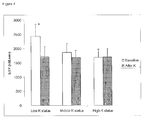
- FIG. 3B shows the ETP curves from the same subject as in Figure 2B , but now after 3 months of vitamin K treatment. This demonstrates that vitamin K supplementation may decrease the thrombosis risk, as measured by ETP. The effect is stronger in subjects having a low vitamin K status at baseline than in those with a high vitamin K status.
- ETP was measured in plasma from 8 successive hemodialysis patients and compared with plasma from 12 healthy adults. It was found that in the healthy subjects the ETP ranged between 1325 and 2680 (nmol/l) ⁇ min whereas in the hemodialysis patients the values were significantly higher (range: 2177-3412 (nmol/l) ⁇ min).
- vitamin K status is an independent risk factor for thrombosis as measured by ETP, and that this risk factor can be annihilated by increased vitamin K intake.
- the dose of vitamin K required will depend on the condition of the subjects, and will be higher for those characterized by poor vitamin K status resulting from diet or disease.
Landscapes
- Health & Medical Sciences (AREA)
- Life Sciences & Earth Sciences (AREA)
- Chemical & Material Sciences (AREA)
- Animal Behavior & Ethology (AREA)
- Pharmacology & Pharmacy (AREA)
- Medicinal Chemistry (AREA)
- General Health & Medical Sciences (AREA)
- Public Health (AREA)
- Veterinary Medicine (AREA)
- Epidemiology (AREA)
- Polymers & Plastics (AREA)
- Engineering & Computer Science (AREA)
- Food Science & Technology (AREA)
- Zoology (AREA)
- Mycology (AREA)
- Animal Husbandry (AREA)
- Nutrition Science (AREA)
- General Chemical & Material Sciences (AREA)
- Nuclear Medicine, Radiotherapy & Molecular Imaging (AREA)
- Organic Chemistry (AREA)
- Chemical Kinetics & Catalysis (AREA)
- Molecular Biology (AREA)
- Oil, Petroleum & Natural Gas (AREA)
- Bioinformatics & Cheminformatics (AREA)
- Diabetes (AREA)
- Cardiology (AREA)
- Heart & Thoracic Surgery (AREA)
- Hematology (AREA)
- Pharmaceuticals Containing Other Organic And Inorganic Compounds (AREA)
- Acyclic And Carbocyclic Compounds In Medicinal Compositions (AREA)
- Medicines That Contain Protein Lipid Enzymes And Other Medicines (AREA)
Priority Applications (9)
| Application Number | Priority Date | Filing Date | Title |
|---|---|---|---|
| EP13198969.1A EP2886129A1 (de) | 2013-12-20 | 2013-12-20 | Prävention und Gegenaktion von diätinduzierter Thrombosegefahr |
| PCT/EP2014/078866 WO2015092018A1 (en) | 2013-12-20 | 2014-12-19 | Prevention and counteraction of diet-induced thrombosis risk |
| HUE14816271A HUE056231T2 (hu) | 2013-12-20 | 2014-12-19 | Étrend indukálta trombózis kockázatának megelõzése és ellensúlyozása |
| PL14816271T PL3082865T3 (pl) | 2013-12-20 | 2014-12-19 | Zapobieganie i przeciwdziałanie ryzyku zakrzepicy spowodowanej dietą |
| US15/106,135 US20160310445A1 (en) | 2013-12-20 | 2014-12-19 | Prevention and counteraction of diet-induced thrombosis risk |
| PT148162712T PT3082865T (pt) | 2013-12-20 | 2014-12-19 | Prevenção e neutralização do risco de trombose induzida por dieta |
| DK14816271.2T DK3082865T3 (da) | 2013-12-20 | 2014-12-19 | Forebyggelse og modvirkning af kostinduceret tromboserisiko |
| EP14816271.2A EP3082865B1 (de) | 2013-12-20 | 2014-12-19 | Prävention und gegenaktion von diätinduzierter thrombosegefahr |
| ES14816271T ES2896945T3 (es) | 2013-12-20 | 2014-12-19 | Prevención y neutralización de riesgo de trombosis inducida por la dieta |
Applications Claiming Priority (1)
| Application Number | Priority Date | Filing Date | Title |
|---|---|---|---|
| EP13198969.1A EP2886129A1 (de) | 2013-12-20 | 2013-12-20 | Prävention und Gegenaktion von diätinduzierter Thrombosegefahr |
Publications (1)
| Publication Number | Publication Date |
|---|---|
| EP2886129A1 true EP2886129A1 (de) | 2015-06-24 |
Family
ID=49882890
Family Applications (2)
| Application Number | Title | Priority Date | Filing Date |
|---|---|---|---|
| EP13198969.1A Withdrawn EP2886129A1 (de) | 2013-12-20 | 2013-12-20 | Prävention und Gegenaktion von diätinduzierter Thrombosegefahr |
| EP14816271.2A Active EP3082865B1 (de) | 2013-12-20 | 2014-12-19 | Prävention und gegenaktion von diätinduzierter thrombosegefahr |
Family Applications After (1)
| Application Number | Title | Priority Date | Filing Date |
|---|---|---|---|
| EP14816271.2A Active EP3082865B1 (de) | 2013-12-20 | 2014-12-19 | Prävention und gegenaktion von diätinduzierter thrombosegefahr |
Country Status (8)
| Country | Link |
|---|---|
| US (1) | US20160310445A1 (de) |
| EP (2) | EP2886129A1 (de) |
| DK (1) | DK3082865T3 (de) |
| ES (1) | ES2896945T3 (de) |
| HU (1) | HUE056231T2 (de) |
| PL (1) | PL3082865T3 (de) |
| PT (1) | PT3082865T (de) |
| WO (1) | WO2015092018A1 (de) |
Cited By (5)
| Publication number | Priority date | Publication date | Assignee | Title |
|---|---|---|---|---|
| IT201700085412A1 (it) * | 2017-07-26 | 2019-01-26 | Pharmanutra S P A | Composizione per uso nella prevenzione e nel trattamento di patologie dell'apparato cardiovascolare |
| WO2021206560A1 (en) * | 2020-04-09 | 2021-10-14 | Emphysema Solutions Bv | Use of vitamin k in preventing or counteracting covid-19 disease and diagnostic test to estimate the risk of developing severe disease or mortality by covid-19 |
| US12246036B2 (en) | 2017-08-02 | 2025-03-11 | Pharmanutra S.P.A. | Composition for use in the prevention and in the treatment of iron deficiency |
| US12297406B2 (en) | 2019-05-27 | 2025-05-13 | Alesco S.R.L. | Method for preparing a composition comprising cetylated fatty acids |
| US12383525B2 (en) | 2019-05-27 | 2025-08-12 | Pharmanutra S.P.A. | Compositions comprising cetylated fatty acids and use thereof for the treatment of arthritis and joint inflammatory conditions |
Families Citing this family (1)
| Publication number | Priority date | Publication date | Assignee | Title |
|---|---|---|---|---|
| CN113557032A (zh) * | 2019-03-12 | 2021-10-26 | 凯丹斯制药公司 | 维生素k与抗凝剂组合用途 |
Citations (4)
| Publication number | Priority date | Publication date | Assignee | Title |
|---|---|---|---|---|
| US20050261257A1 (en) * | 2002-08-30 | 2005-11-24 | Vitak Bv | Compositions for treating or preventing cardiovascular disease |
| WO2008006607A2 (en) | 2006-07-14 | 2008-01-17 | Nattopharma Asa | Pharmaceutical and nutraceutical products comprising vitamin k2 |
| WO2012161572A1 (en) * | 2011-05-20 | 2012-11-29 | Friesland Brands B.V. | Composition comprising vitamin k2 |
| WO2013122465A1 (en) * | 2012-02-15 | 2013-08-22 | Friesland Brands B.V. | Food composition comprising vitamin k and saturated fat and its use |
Family Cites Families (1)
| Publication number | Priority date | Publication date | Assignee | Title |
|---|---|---|---|---|
| US20100130618A1 (en) * | 2007-07-24 | 2010-05-27 | Viridis Biopharma Pvt. Ltd. | Treatment of human disease conditions and disorders using vitamin k analogues and derivatives |
-
2013
- 2013-12-20 EP EP13198969.1A patent/EP2886129A1/de not_active Withdrawn
-
2014
- 2014-12-19 ES ES14816271T patent/ES2896945T3/es active Active
- 2014-12-19 US US15/106,135 patent/US20160310445A1/en not_active Abandoned
- 2014-12-19 EP EP14816271.2A patent/EP3082865B1/de active Active
- 2014-12-19 WO PCT/EP2014/078866 patent/WO2015092018A1/en not_active Ceased
- 2014-12-19 PL PL14816271T patent/PL3082865T3/pl unknown
- 2014-12-19 DK DK14816271.2T patent/DK3082865T3/da active
- 2014-12-19 PT PT148162712T patent/PT3082865T/pt unknown
- 2014-12-19 HU HUE14816271A patent/HUE056231T2/hu unknown
Patent Citations (4)
| Publication number | Priority date | Publication date | Assignee | Title |
|---|---|---|---|---|
| US20050261257A1 (en) * | 2002-08-30 | 2005-11-24 | Vitak Bv | Compositions for treating or preventing cardiovascular disease |
| WO2008006607A2 (en) | 2006-07-14 | 2008-01-17 | Nattopharma Asa | Pharmaceutical and nutraceutical products comprising vitamin k2 |
| WO2012161572A1 (en) * | 2011-05-20 | 2012-11-29 | Friesland Brands B.V. | Composition comprising vitamin k2 |
| WO2013122465A1 (en) * | 2012-02-15 | 2013-08-22 | Friesland Brands B.V. | Food composition comprising vitamin k and saturated fat and its use |
Non-Patent Citations (10)
| Title |
|---|
| B. DAHLBÄCK; B.O VILLOUTREIX, ARTERIOSCLER. THROMB. VASC. BIOL., vol. 25, 2005, pages 1311 - 1320 |
| C. VERMEER; E. THEUWISSEN, MENOPAUSE INT., vol. 17, 2011, pages 19 - 23 |
| C. VERMEER; M.J. SHEARER; A. ZITTERMANN; C. BOLTON-SMITH; P. SZULC; S. HODGES; P. WALTER; W RAMBECK; E. STÖCKLIN; P. WEBER, EUR. J. NUTR., vol. 43, 2004, pages 1 - 11 |
| E. DE SMEDT; R. A1 DIERI; H.M. SPRONK; K. HAMULYAK; H. TEN CATE; H.C. HEMKER, THROMB. HAEMOST., vol. 100, 2008, pages 343 - 349 |
| E. THEUWISSEN; E. SMIT; C. VERMEER, ADV. NUTR., vol. 3, 2012, pages 166 - 173 |
| J.C. MCCANN; B. AMES, AM. J. CLIN. NUTR., vol. 90, 2009, pages 889 - 907 |
| L.J. SCHURGERS; C. VERMEER, BIOCHIM. BIOPHYS. ACTA, vol. 1570, 2002, pages 27 - 32 |
| M.J. SHEARER; X FU, S.L, BOOTH: ADV. NUTR., vol. 3, 2012, pages 182 - 195 |
| RONDEN J E ET AL: "Modulation of arterial thrombosis tendency in rats by vitamin K and its side chains.", ATHEROSCLEROSIS 11 JUL 1997, vol. 132, no. 1, 11 July 1997 (1997-07-11), pages 61 - 67, XP002723037, ISSN: 0021-9150 * |
| SCHURGERS, L.J.; CRANENBURG; VERMEER, C., THROMB. HAEMOSTAS., vol. 100, 2008, pages 593 - 596 |
Cited By (8)
| Publication number | Priority date | Publication date | Assignee | Title |
|---|---|---|---|---|
| IT201700085412A1 (it) * | 2017-07-26 | 2019-01-26 | Pharmanutra S P A | Composizione per uso nella prevenzione e nel trattamento di patologie dell'apparato cardiovascolare |
| WO2019021232A1 (en) * | 2017-07-26 | 2019-01-31 | Pharmanutra S.P.A. | Composition for use in the prevention and treatment of pathologies of the cardiovascular apparatus |
| IL272138B1 (en) * | 2017-07-26 | 2023-05-01 | Pharmanutra S P A | The composition for use in the prevention and treatment of cardiovascular pathologies of the device |
| IL272138B2 (en) * | 2017-07-26 | 2023-09-01 | Pharmanutra S P A | The composition for use in the prevention and treatment of cardiovascular pathologies of the device |
| US12246036B2 (en) | 2017-08-02 | 2025-03-11 | Pharmanutra S.P.A. | Composition for use in the prevention and in the treatment of iron deficiency |
| US12297406B2 (en) | 2019-05-27 | 2025-05-13 | Alesco S.R.L. | Method for preparing a composition comprising cetylated fatty acids |
| US12383525B2 (en) | 2019-05-27 | 2025-08-12 | Pharmanutra S.P.A. | Compositions comprising cetylated fatty acids and use thereof for the treatment of arthritis and joint inflammatory conditions |
| WO2021206560A1 (en) * | 2020-04-09 | 2021-10-14 | Emphysema Solutions Bv | Use of vitamin k in preventing or counteracting covid-19 disease and diagnostic test to estimate the risk of developing severe disease or mortality by covid-19 |
Also Published As
| Publication number | Publication date |
|---|---|
| US20160310445A1 (en) | 2016-10-27 |
| PL3082865T3 (pl) | 2021-12-27 |
| DK3082865T3 (da) | 2021-11-15 |
| HUE056231T2 (hu) | 2022-02-28 |
| EP3082865B1 (de) | 2021-08-11 |
| WO2015092018A1 (en) | 2015-06-25 |
| ES2896945T3 (es) | 2022-02-28 |
| PT3082865T (pt) | 2021-11-16 |
| EP3082865A1 (de) | 2016-10-26 |
Similar Documents
| Publication | Publication Date | Title |
|---|---|---|
| EP3082865B1 (de) | Prävention und gegenaktion von diätinduzierter thrombosegefahr | |
| CA2657748C (en) | Pharmaceutical and nutraceutical products comprising vitamin k2 | |
| Shearer | Vitamin K in parenteral nutrition | |
| US20040048919A1 (en) | Compositions and methods for reduction of inflammatory symptoms and/or biomarkers in female subjects | |
| CN105263340A (zh) | 使用营养化合物二氢槲皮素(紫杉叶素)及组合有二氢槲皮素(紫杉叶素)的阿拉伯半乳糖降低和控制与代谢综合症和高胆固醇血症相关的心脏代谢风险因素的方法 | |
| HK1217433A1 (zh) | 使用含有槲皮素的组合物治疗血栓性疾病的方法 | |
| MX2008015418A (es) | Usos terapeuticos de los extractos de tomate. | |
| Rysz et al. | The use of plant sterols and stanols as lipid-lowering agents in cardiovascular disease | |
| JP2008530076A (ja) | トマト抽出物の治療的使用 | |
| Fakhree et al. | impact of Vitamin K on human health | |
| US20260034137A1 (en) | Compositions and Methods for Cellular Ageing, Stress Resilience, Autophagy, Inflammation and Longevity | |
| Mekhfi et al. | Effect of Argan Oil on Platelet Aggregation and Bleeding Time: A Beneficial Nutritional Property. | |
| JP2008500322A (ja) | 腫瘍性疾患及び炎症を治療するための医薬製品 | |
| KR20070108291A (ko) | 알레르기 증상의 예방 또는 개선 작용을 갖는 음식물 및당해 음식물의 제조방법 | |
| JP7627279B2 (ja) | ヒドロキシチロソールの経口バイオアベイラビリティを改善するポリフェノールの使用及びポリフェノールをベースとする組成物 | |
| WO2002055071A1 (en) | Compositions and methods for regulating lipoproteins and hypercholesterolmia with limonoids flavonoids and tocotrienols | |
| JP2005187454A (ja) | ビタミンe含有ldl低下剤及び/又は動脈硬化抑制剤組成物 | |
| EP2854788B1 (de) | Verwendung von vitamin k zur verringerung des allotransplantatversagens und patientensterblichkeit nach nierentransplantation | |
| Bruno | The Role of Tocopherols in Health | |
| Bruno | 6 The Role of Tocopherols | |
| CN113557032A (zh) | 维生素k与抗凝剂组合用途 | |
| CZ119697A3 (en) | Dietary foodstuffs and pharmaceutical preparations inhibiting blood sedimentation rate | |
| KR20240038006A (ko) | 고콜레스테롤혈증, 고지혈증, 심혈관 질환 및 대사 증후군의 치료에 사용하기 위한 조합 | |
| Albert et al. | Aspirin, antioxidants, and alcohol | |
| EP1673988A1 (de) | Mikronährstoffzusammensetzung zur kognitiven und Gefühlsverbesserung |
Legal Events
| Date | Code | Title | Description |
|---|---|---|---|
| PUAI | Public reference made under article 153(3) epc to a published international application that has entered the european phase |
Free format text: ORIGINAL CODE: 0009012 |
|
| 17P | Request for examination filed |
Effective date: 20131220 |
|
| AK | Designated contracting states |
Kind code of ref document: A1 Designated state(s): AL AT BE BG CH CY CZ DE DK EE ES FI FR GB GR HR HU IE IS IT LI LT LU LV MC MK MT NL NO PL PT RO RS SE SI SK SM TR |
|
| AX | Request for extension of the european patent |
Extension state: BA ME |
|
| STAA | Information on the status of an ep patent application or granted ep patent |
Free format text: STATUS: THE APPLICATION IS DEEMED TO BE WITHDRAWN |
|
| 18D | Application deemed to be withdrawn |
Effective date: 20160105 |