EP2887954B1 - Compositions de nanoparticules neurothérapeutiques - Google Patents
Compositions de nanoparticules neurothérapeutiques Download PDFInfo
- Publication number
- EP2887954B1 EP2887954B1 EP13831430.7A EP13831430A EP2887954B1 EP 2887954 B1 EP2887954 B1 EP 2887954B1 EP 13831430 A EP13831430 A EP 13831430A EP 2887954 B1 EP2887954 B1 EP 2887954B1
- Authority
- EP
- European Patent Office
- Prior art keywords
- cell
- nanoparticles
- lif
- cells
- nanoparticle
- Prior art date
- Legal status (The legal status is an assumption and is not a legal conclusion. Google has not performed a legal analysis and makes no representation as to the accuracy of the status listed.)
- Active
Links
Images
















Classifications
-
- B—PERFORMING OPERATIONS; TRANSPORTING
- B82—NANOTECHNOLOGY
- B82Y—SPECIFIC USES OR APPLICATIONS OF NANOSTRUCTURES; MEASUREMENT OR ANALYSIS OF NANOSTRUCTURES; MANUFACTURE OR TREATMENT OF NANOSTRUCTURES
- B82Y5/00—Nanobiotechnology or nanomedicine, e.g. protein engineering or drug delivery
-
- A—HUMAN NECESSITIES
- A61—MEDICAL OR VETERINARY SCIENCE; HYGIENE
- A61K—PREPARATIONS FOR MEDICAL, DENTAL OR TOILETRY PURPOSES
- A61K47/00—Medicinal preparations characterised by the non-active ingredients used, e.g. carriers or inert additives; Targeting or modifying agents chemically bound to the active ingredient
- A61K47/30—Macromolecular organic or inorganic compounds, e.g. inorganic polyphosphates
- A61K47/42—Proteins; Polypeptides; Degradation products thereof; Derivatives thereof, e.g. albumin, gelatin or zein
-
- A—HUMAN NECESSITIES
- A61—MEDICAL OR VETERINARY SCIENCE; HYGIENE
- A61K—PREPARATIONS FOR MEDICAL, DENTAL OR TOILETRY PURPOSES
- A61K38/00—Medicinal preparations containing peptides
- A61K38/16—Peptides having more than 20 amino acids; Gastrins; Somatostatins; Melanotropins; Derivatives thereof
- A61K38/17—Peptides having more than 20 amino acids; Gastrins; Somatostatins; Melanotropins; Derivatives thereof from animals; from humans
- A61K38/18—Growth factors; Growth regulators
- A61K38/1808—Epidermal growth factor [EGF] urogastrone
-
- A—HUMAN NECESSITIES
- A61—MEDICAL OR VETERINARY SCIENCE; HYGIENE
- A61K—PREPARATIONS FOR MEDICAL, DENTAL OR TOILETRY PURPOSES
- A61K38/00—Medicinal preparations containing peptides
- A61K38/16—Peptides having more than 20 amino acids; Gastrins; Somatostatins; Melanotropins; Derivatives thereof
- A61K38/17—Peptides having more than 20 amino acids; Gastrins; Somatostatins; Melanotropins; Derivatives thereof from animals; from humans
- A61K38/18—Growth factors; Growth regulators
- A61K38/185—Nerve growth factor [NGF]; Brain derived neurotrophic factor [BDNF]; Ciliary neurotrophic factor [CNTF]; Glial derived neurotrophic factor [GDNF]; Neurotrophins, e.g. NT-3
-
- A—HUMAN NECESSITIES
- A61—MEDICAL OR VETERINARY SCIENCE; HYGIENE
- A61K—PREPARATIONS FOR MEDICAL, DENTAL OR TOILETRY PURPOSES
- A61K38/00—Medicinal preparations containing peptides
- A61K38/16—Peptides having more than 20 amino acids; Gastrins; Somatostatins; Melanotropins; Derivatives thereof
- A61K38/17—Peptides having more than 20 amino acids; Gastrins; Somatostatins; Melanotropins; Derivatives thereof from animals; from humans
- A61K38/19—Cytokines; Lymphokines; Interferons
- A61K38/20—Interleukins [IL]
- A61K38/204—IL-6
-
- A—HUMAN NECESSITIES
- A61—MEDICAL OR VETERINARY SCIENCE; HYGIENE
- A61K—PREPARATIONS FOR MEDICAL, DENTAL OR TOILETRY PURPOSES
- A61K38/00—Medicinal preparations containing peptides
- A61K38/16—Peptides having more than 20 amino acids; Gastrins; Somatostatins; Melanotropins; Derivatives thereof
- A61K38/17—Peptides having more than 20 amino acids; Gastrins; Somatostatins; Melanotropins; Derivatives thereof from animals; from humans
- A61K38/19—Cytokines; Lymphokines; Interferons
- A61K38/20—Interleukins [IL]
- A61K38/2093—Leukaemia inhibitory factor [LIF]
-
- A—HUMAN NECESSITIES
- A61—MEDICAL OR VETERINARY SCIENCE; HYGIENE
- A61K—PREPARATIONS FOR MEDICAL, DENTAL OR TOILETRY PURPOSES
- A61K47/00—Medicinal preparations characterised by the non-active ingredients used, e.g. carriers or inert additives; Targeting or modifying agents chemically bound to the active ingredient
- A61K47/50—Medicinal preparations characterised by the non-active ingredients used, e.g. carriers or inert additives; Targeting or modifying agents chemically bound to the active ingredient the non-active ingredient being chemically bound to the active ingredient, e.g. polymer-drug conjugates
- A61K47/69—Medicinal preparations characterised by the non-active ingredients used, e.g. carriers or inert additives; Targeting or modifying agents chemically bound to the active ingredient the non-active ingredient being chemically bound to the active ingredient, e.g. polymer-drug conjugates the conjugate being characterised by physical or galenical forms, e.g. emulsion, particle, inclusion complex, stent or kit
- A61K47/6905—Medicinal preparations characterised by the non-active ingredients used, e.g. carriers or inert additives; Targeting or modifying agents chemically bound to the active ingredient the non-active ingredient being chemically bound to the active ingredient, e.g. polymer-drug conjugates the conjugate being characterised by physical or galenical forms, e.g. emulsion, particle, inclusion complex, stent or kit the form being a colloid or an emulsion
- A61K47/6907—Medicinal preparations characterised by the non-active ingredients used, e.g. carriers or inert additives; Targeting or modifying agents chemically bound to the active ingredient the non-active ingredient being chemically bound to the active ingredient, e.g. polymer-drug conjugates the conjugate being characterised by physical or galenical forms, e.g. emulsion, particle, inclusion complex, stent or kit the form being a colloid or an emulsion the form being a microemulsion, nanoemulsion or micelle
-
- A—HUMAN NECESSITIES
- A61—MEDICAL OR VETERINARY SCIENCE; HYGIENE
- A61K—PREPARATIONS FOR MEDICAL, DENTAL OR TOILETRY PURPOSES
- A61K9/00—Medicinal preparations characterised by special physical form
- A61K9/48—Preparations in capsules, e.g. of gelatin, of chocolate
- A61K9/4841—Filling excipients; Inactive ingredients
- A61K9/4866—Organic macromolecular compounds
-
- A—HUMAN NECESSITIES
- A61—MEDICAL OR VETERINARY SCIENCE; HYGIENE
- A61P—SPECIFIC THERAPEUTIC ACTIVITY OF CHEMICAL COMPOUNDS OR MEDICINAL PREPARATIONS
- A61P25/00—Drugs for disorders of the nervous system
- A61P25/14—Drugs for disorders of the nervous system for treating abnormal movements, e.g. chorea, dyskinesia
- A61P25/16—Anti-Parkinson drugs
-
- A—HUMAN NECESSITIES
- A61—MEDICAL OR VETERINARY SCIENCE; HYGIENE
- A61P—SPECIFIC THERAPEUTIC ACTIVITY OF CHEMICAL COMPOUNDS OR MEDICINAL PREPARATIONS
- A61P25/00—Drugs for disorders of the nervous system
- A61P25/28—Drugs for disorders of the nervous system for treating neurodegenerative disorders of the central nervous system, e.g. nootropic agents, cognition enhancers, drugs for treating Alzheimer's disease or other forms of dementia
-
- C—CHEMISTRY; METALLURGY
- C07—ORGANIC CHEMISTRY
- C07K—PEPTIDES
- C07K16/00—Immunoglobulins [IG], e.g. monoclonal or polyclonal antibodies
- C07K16/18—Immunoglobulins [IG], e.g. monoclonal or polyclonal antibodies against material from animals or humans
- C07K16/28—Immunoglobulins [IG], e.g. monoclonal or polyclonal antibodies against material from animals or humans against receptors, cell surface antigens or cell surface determinants
- C07K16/2863—Immunoglobulins [IG], e.g. monoclonal or polyclonal antibodies against material from animals or humans against receptors, cell surface antigens or cell surface determinants against receptors for growth factors, growth regulators
Definitions
- the invention is in the field of compositions for neuroprotection, particularly compositions that promote and protect neural cells in the central nervous system of a mammal such as a human. Also described are methods for repairing tissues of the central nervous system of a mammal such as a human.
- Neurodegenerative diseases represent the largest area of unmet clinical need in the Western world. They are characterised by a progressive loss of the structure or function of neurons in the nervous system (neurodegeneration) and include Alzheimer's Disease (AD), Parkinson's Disease (PD) and a host of other rarer conditions such as Huntington's Disease (HD), Frontotemporal dementia (FTD) and Amyotrophic Lateral Sclerosis (ALS).
- AD Alzheimer's Disease
- PD Parkinson's Disease
- HD Huntington's Disease
- FTD Frontotemporal dementia
- ALS Amyotrophic Lateral Sclerosis
- NDD Neurodegenerative disorders
- PD central nervous system
- nigrostriatal dopaminergic pathway the loss of the nigrostriatal dopaminergic pathway and the presence of alpha synuclein-containing Lewy bodies.
- Parkinson's Disease is a degenerative disorder of the central nervous system (CNS) that currently affects approximately 1% of people over 65 years of age and is likely to become more common as the population ages and lives longer. It is characterised clinically by the development of bradykinesia, rigidity and a resting tremor, which has been attributed in part to the progressive degeneration of the dopaminergic input from the substantia nigra to the striatum of the brain. It is increasingly being understood that PD is a disorder which has widespread pathology from its onset and that, therefore, the nigral pathology is only part of a much more diffuse pathological process. However, the core loss of the dopaminergic nigrostriatal pathway is not disputed.
- the progressive loss of dopamine can be treated with a range of symptomatic dopaminergic drug therapies, particularly in the early stages of the disease.
- a range of problems arise including the development of drug-induced motor complications such as "on-off” fluctuations and levodopa-induced dyskinesias (LID).
- drug therapies become increasingly disappointing in terms of a reliable therapeutic benefit.
- NDD neurodegenerative disease
- Stopping or slowing down the disease process at the early stages of NDD conditions would represent a very major therapeutic advance with far reaching benefits to those afflicted, and within the health care organisations worldwide.
- LIF leukaemia inhibitory factor
- damage to cells within the CNS may arise following traumatic injury, hypoxic injury as may occur in newborns, and axonal damage occuring as a result of demeylinating disorders.
- Nanomedicine is now recognised worldwide as representing new opportunities in clinical medicine.
- untreatable illnesses including NDD present key future targets for nano-therapeutic intervention.
- CNS endogenous neural stem and precursor cells constitute up to 10% of the brain, providing a potential resource of healthy cells can be exploited to replace diseased neural tissue by stimulation with neural growth factors.
- Xiaowei Li et al. 2012 discloses the use of biodegradable nanoparticles of 400nm in diameter for the release of LIF to neural stem cells in combination with a hydrogel containing HGF.
- WO2009129476 discloses the concept of targeting a molecular cargo (e. g. in a synthetic vesicle) to a neuronal cell by using a specific target moiety.
- WO2009053718 discloses the use of biodegradable nanoparticles comprising LIF and a target binding moiety directed to the surface of a T lymphocyte for modulating immune response.
- the present invention seeks to overcome or at least reduce the problems that exist in the treatment of tissue damage within the CNS including that caused by neurodegenerative diseases by providing a nanotherapeutic composition for targeted delivery of factors to expand, and/or to protect and/or to differentiate neural stem cells, and/or neural progenitor cells and/or induced pluripotent stem cells.
- This includes recruiting the endogenous stem cells that exist in the adult brain and which are able to replace damaged cells and so maintain good brain function.
- the invention enables (i) expansion and protection of healthy brain cells; (ii) improved cell therapy for NDD; and (iii) development of neuronal models of clinical disease to identify new therapies including nanotherapeutics to abrogate the clinical disease process.
- critical neural growth factors direct to neural progenitor cells either ex vivo, or direct to endogenous cells within the brain, the invention will stop or even reverse disease progression.
- a first aspect of the invention provides a composition for use in the treatment of neurodegenerative disease (NDD) or central nervous system (CNS) damage comprising:
- the targeting moiety is further able to bind selectively to the surface of one or more of the group consisting of: a pluripotent stem cell; a totipotent stem cell; an embryonic stem cell (ESC); an induced pluripotent stem cell (iPSC); a T lymphocyte; an ectodermal cell; a neural cell; a neuroglial cell.
- a pluripotent stem cell a totipotent stem cell; an embryonic stem cell (ESC); an induced pluripotent stem cell (iPSC); a T lymphocyte; an ectodermal cell; a neural cell; a neuroglial cell.
- the nanoparticles comprise a biodegradable polymer layer that encapsulates the LIF.
- the nanoparticles comprise a lipid layer that encapsulates the LIF so as to form a liposome nanoparticle, optionally the lipid layer may comprise a phospholipid bilayer.
- the targeting moiety can be selected from a monoclonal antibody; a polyclonal antibody; an antigen-binding antibody fragment; a ligand; an aptamer and a small molecule.
- the targeting moiety binds specifically to a Thy-1 antigen present on the surface of the neural stem cell and/or the neural progenitor cell and/or the induced pluripotent stem cell.
- the nanoparticles further comprise one or more of the following therapeutic (compounds) biologics: brain-derived neurotrophic factor (BDNF) or an agonist thereof; epidermal growth factor (EGF) or an agonist thereof; glial cell-derived neurotrophic factor (GDNF) or an agonist thereof; retinoic acid and derivatives thereof; ciliary neurotrophic factor (CTNF) or an agonist thereof; Wnt5A.
- BDNF brain-derived neurotrophic factor
- EGF epidermal growth factor
- GDNF glial cell-derived neurotrophic factor
- CNF ciliary neurotrophic factor
- the nanoparticles suitably have a diameter of at least about 100nm and at most about 200nm.
- the nanoparticles are capable of degrading of a period of time in order to effect timed release of the encapsulated LIF.
- the period of time may be selected from the group consisting of: 1, 2, 3, 4, 5, 6, 7, 8, 9, 10, 12 days; 1, 2, 3, 4, 5 or 6 weeks; and up to six months.
- Also described herein is a method for expanding a population of stem cells having the capacity to act as a neural precursor cell comprising exposing the cells to a plurality of biodegradable nanoparticles, wherein the nanoparticles comprise a targeting moiety that is able to bind selectively to the surface of the stem cells and wherein the nanoparticles further comprise leukaemia inhibitory factor (LIF).
- LIF leukaemia inhibitory factor
- the stem cells having the capacity to act as a neural precursor cell are selected from one or more of the group consisting of: neural stem cells; neural progenitor cells; pluripotent stem cells; totipotent stem cells; embryonic stem cells (ESCs); induced pluripotent stem cell (iPSCs); induced neural cells (iN); induced dopaminergic cells (iDA); induced oligodendrocytes (iOD); ectodermal cells; precursor cells having commitment to a neurectodermal lineage; neural cells; and neuronal cells.
- the nanoparticles comprise a biodegradable polymer layer that encapsulates the LIF.
- the polymer comprises poly(lactic)-co-glycolic acid (PLGA) and/or PLA or a suitable biocompatible equivalent.
- the nanoparticles comprise a lipid layer that encapsulates the LIF so as to form a liposome nanoparticle, suitably a phospholipid bilayer.
- the nanoparticles comprise a targeting moiety that is selected from a monoclonal antibody; a polyclonal antibody; an antigen-binding antibody fragment; a ligand; and a small molecule.
- the targeting moiety may bind specifically to a Thy-1 antigen present on the surface of the stem cell.
- the nanoparticles further comprise one or more of the compounds selected from: brain-derived neurotrophic factor (BDNF) or an agonist thereof; epidermal growth factor (EGF) or an agonist thereof; glial cell-derived neurotrophic factor (GDNF) or an agonist thereof; retinoic acid and derivatives thereof; ciliary neurotrophic factor (CTNF) or an agonist thereof; Wnt5A.
- BDNF brain-derived neurotrophic factor
- EGF epidermal growth factor
- GDNF glial cell-derived neurotrophic factor
- CNF ciliary neurotrophic factor
- the method may be carried out in vitro, ex vivo or in vivo.
- Also described herein is a method for treating a subject suffering from a neurodegenerative disease (NDD) or CNS damage comprising administering to the subject a pharmaceutical composition comprising a plurality of biodegradable nanoparticles, wherein the nanoparticles comprise a targeting moiety that is able to bind selectively to the surface of a neural precursor cell and wherein the nanoparticles further comprise leukaemia inhibitory factor (LIF).
- the neural precursor cell comprises a neural stem cell and/or a neural progenitor cell.
- the targeting moiety is further able to bind selectively to the surface of one or more of the group consisting of: a pluripotent stem cell; a totipotent stem cell; an embryonic stem cell (ESC); an induced pluripotent stem cell (iPSC); induced neural cells (iN); induced dopaminergic cells (iDA); induced oligodendrocytes (iOD); a T lymphocyte; an ectodermal cell; a precursor cell having commitment to a neurectodermal lineage; a neural cell; and a neuronal cell.
- a pluripotent stem cell a totipotent stem cell
- an embryonic stem cell ESC
- iPSC induced pluripotent stem cell
- iN induced neural cells
- iDA induced dopaminergic cells
- iOD induced oligodendrocytes
- T lymphocyte an ectodermal cell
- a precursor cell having commitment to a neurectodermal lineage a neural cell
- the subject is an animal, suitably a mammal, optionally selected from the group consisting of: sheep; cattle; rodents; rabbits; pigs; cats; dogs; and primates.
- a mammal optionally selected from the group consisting of: sheep; cattle; rodents; rabbits; pigs; cats; dogs; and primates.
- the primate may be a human.
- a further aspect of the invention provides for a nanoparticle for use in the treatment of neurodegenerative disease (NDD) and/or central nervous system (CNS) damage comprising:
- the biodegradable carrier material degrades at a rate that allows for controlled release of the LIF over a pre-determined period of time.
- the targeting moiety binds specifically to a Thy-1 antigen present on the surface of the stem cell.
- the moiety binds specifically to a NCAM antigen present on the surface of the cell.
- the moiety binds specifically to a GDNF receptor ⁇ 1 (GDNFR- ⁇ 1) located on the surface of the cell.
- the nanoparticle device further comprises one or more of the following therapeutic compounds: brain-derived neurotrophic factor (BDNF) or an agonist thereof; epidermal growth factor (EGF) or an agonist thereof; glial cell-derived neurotrophic factor (GDNF) or an agonist thereof; retinoic acid and derivatives thereof; ciliary neurotrophic factor (CTNF) or an agonist thereof; Wnt5A.
- BDNF brain-derived neurotrophic factor
- EGF epidermal growth factor
- GDNF glial cell-derived neurotrophic factor
- CNF ciliary neurotrophic factor
- the nanoparticle device has a diameter of at least about 100nm and at most about 200nm.
- compositions or nanoparticle devices as described above for use in the treatment of NDD and CNS damage.
- the compositions or nanoparticle devices are for use in the treatment of one or more diseases selected from the group consisting of: Alzheimer's Disease (AD), Parkinson's Disease (PD); Huntington's Disease (HD); Frontotemporal dementia (FTD); and Amyotrophic Lateral Sclerosis (ALS).
- AD Alzheimer's Disease
- PD Parkinson's Disease
- HD Huntington's Disease
- FTD Frontotemporal dementia
- ALS Amyotrophic Lateral Sclerosis
- composition for the treatment of NDD and CNS repair comprising:
- the term “comprising” means any of the recited elements are necessarily included and other elements may optionally be included as well.
- Consisting essentially of means any recited elements are necessarily included, elements that would materially affect the basic and novel characteristics of the listed elements are excluded, and other elements may optionally be included.
- Consisting of means that all elements other than those listed are excluded. Embodiments defined by each of these terms are within the scope of this invention.
- antibody denotes a protein that is produced in response to an antigen that is able to combine with and bind to the antigen, preferably at a specific site on the antigen, known as an epitope.
- the term as used herein includes antibodies of polyclonal and monoclonal origin, unless stated otherwise. Also included within the term are antigen binding fragments of naturally or non-naturally occurring antibodies, for example, the "Fab fragment”, “Fab' fragment” (a Fab with a heavy chain hinge region) and "F(ab')2 fragment” (a dimer of Fab' fragments joined by a heavy chain hinge region).
- growth factor denotes a naturally occurring substance capable of stimulating cellular growth, proliferation and differentiation. Growth factors are important for regulating a variety of cellular processes and typically act as signaling molecules between cells. Certain combinations of growth factors create gradients able to guide cell differentiation in a temporal and spatial manner.
- IPS cells induced pluripotent stem cells
- IPS cells induced pluripotent stem cells
- IPS cells can be used to generate immuno-compatible cell types for cell based therapy, thereby avoiding the use of immune suppressive treatment.
- compositions of the invention and methods as described can be utilised with any stem cells that exhibit the capacity to act as a neural precursor cell or to differentiate into a neural stem cell.
- stem cells may be selected from one or more of the group consisting of: neural stem cells; neural progenitor cells; pluripotent stem cells; totipotent stem cells; embryonic stem cells (ESCs); induced pluripotent stem cell (iPSCs); ectodermal cells; precursor cells having commitment to a neurectodermal lineage; neural cells; and neuronal cells.
- the stem cells are ESCs
- the ESCs may be derived from sources other than a human embryo.
- neural stem cells denotes self-renewing multipotent cells that are capable of generating the main phenotypes of the nervous system, including neurons, astrocytes and oligodendrocytes.
- neural progenitor cells denotes oligopotent cells that are at a further stage of differentiation compared to NSCs and are destined to differentiate into specific target cells.
- induced neuron iN
- induced dopaminergic cell iDA
- induced oligodendrocyte iOD
- the invention provides nanoparticle-mediated delivery of compounds, such as growth factors, signalling proteins, cytokines and small molecules in novel combinations, as a novel means to repair damaged tissue in the CNS of an animal, such as a human.
- compounds such as growth factors, signalling proteins, cytokines and small molecules in novel combinations.
- the clinical benefit is considerable for patients with neurodegenerative diseases or other tissue damage within the CNS including demyelinating injury.
- Compounds may be delivered individually or in combinatorial compositions, thereby allowing for synergistic therapeutic activity to be localised to the point of need in the recipient.
- LIF is a member of the IL-6 family of cytokines, which are growth factors.
- LIF is a secreted signalling factor that binds to and signals via heterodimers of the LIF-specific receptor subunit, "gp190" and the signal-transducing receptor subunit "gp130".
- Downstream, intracellular signal propagation following LIF/LIF-R engagement occurs via both (i) the JAK/STAT pathway especially via the transcription factor STAT-3, and (ii) the MAPKinase pathway.
- the immune system there is an extraordinar ability to discriminate between "self " and "non-self” that is orchestrated by antigen-specific T lymphocytes.
- Genomic plasticity enables differentiation of na ⁇ ve CD4+ T lymphocytes into either regulatory cells (Treg) that express the transcription factor Foxp3 and actively prevent auto-immune self-destruction, or effector cells (Teff) that attack and destroy their cognate target.
- Treg regulatory cells
- Teff effector cells
- LIF supports Treg maturation in contrast to IL-6 which drives development of the pathogenic Th17 effector phenotype ( Gao et al 2009 Cell Cycle ).
- the inventors have previously demonstrated that nanoparticle-mediated targeted delivery of LIF can be used to guide tolerogenesis in a patient (see International ( PCT) Publication No. WO 2009/053718 .
- the inventors made the unexpected discovery that nanoparticle-mediated targeted delivery of LIF to neural precursor has a profound protective effect that is markedly superior to that of soluble LIF.
- the cells were of the CNS where there is commitment to a neural cell fate, such as for neural stem cells, neural, neuronal oligodendrocyte and glial progenitor cells. This enables these nano-LIF-treated cell populations to be used therapeutically with unexpectedly high efficacy, such as in the treatment of NDD and other CNS conditions,
- LIF is thought to act predominantly as an injury factor, optimising the pool of neural precursors available for repopulation during repair ( Pitman et al 2004, Mol Cell Neuroscience ). LIF promotes neural stem cell self-renewal in the adult brain, regulating the emergence of more differentiated cell types, which ultimately leads to an expansion of the neural stem cell pool (Bauer, S. et al., 2006). LIF also stimulates the proliferation of parenchymal glial progenitors, in particular oligodendrocyte progenitor cells, through the activation of gp130 receptor signaling within these cells.
- LIF has both reparative and protective activities that makes it a suitable candidate for the treatment of CNS demyelinating disorders and injuries (Deverman, B.E. et al., 2012). Furthermore, LIF has been shown to directly prevent oligodendrocyte death in animal models of multiple sclerosis, which is a disabling inflammatory demyelinating disease of the CNS, and this effect complements endogenous LIF receptor signalling, which already serves to limit oligodendrocyte loss during immune attack (Butzkueven, H. et al., 2002). LIF has also been shown to up-regulate the re-expression of NPCs in the brain of a Parkinson's Disease mouse model (Liu, J. et al., 2009).
- LIF recombinant LIF
- rLIF recombinant LIF
- the inventors In order to harness the immense therapeutic potential of LIF as a therapeutic within the CNS, the inventors have created a device that permits (i) specific targeting to sites of need within the CNS and (ii) provides low dose paracrine-type delivery of cargo sustained over several days or weeks, followed by complete degradation and elimination of the degradation products device including via CSF transit flow.
- the continuous low dose paracrine-type delivery of LIF achieves profound efficacy in promoting and protecting the CNS-derived cells as is shown in the Examples described herein.
- LIF-containing nanoparticles are provided that are capable of being targeted at neural stem cells and/or neural progenitor cells, in particular at specific markers located on the surface of these cells.
- the nanoparticles can be targeted to stem cells committed to or capable of following a neural lineage, including neural stem cells and neural progenitor cells in vitro (for example to test the nanoparticle efficacy and cytokine release rate, etc.), ex vivo (for later transplantation of LIF expanded neural cell populations into a patient) and/or in vivo (i.e. direct administration of nanoparticles into a patient requiring treatment for a neurodegenerative disorder).
- the nanoparticle - also referred to as the nanoparticle device - suitably comprises a biodegradable non-toxic polymer that encapsulates LIF polypeptide (multiple cytokine polypeptides are typically encapsulated) either alone or in combination with one or more other factors.
- the LIF represents a cargo load that is delivered by the nanoparticle.
- the polymer comprises the copolymer poly(lactic)-co-glycolic acid (PLGA), which is an FDA approved biodegradable and biocompatible copolymer that allows for the slow release of LIF into the micro-environment of the target cell(s).
- PLGA undergoes hydrolysis (biodegrades) in the body to produce the original monomers, lactic acid and glycolic acid.
- Nanoparticulate devices and compositions are described in US-2010/0151436 .
- the nanoparticle polymer may comprise a combination of PLGA and poly(lactic acid) (otherwise known as polylactide - PLA).
- PLA is biodegradable thermoplastic aliphatic polyester derived from renewable resources.
- the ratios of PLGA and PLA can be varied to provide optimal delivery of LIF to neural stem cells and/or neural progenitor cells. The ratios can also be varied depending on whether the nanoparticles are to be delivered in vitro, ex vivo or in vivo.
- the above-described polymers have several features that make them ideal materials for use in the nanoparticles of the present invention: 1) control over the size range of the nanoparticles, an important feature for ensuring that the nanoparticles can pass through biological barriers (such as the blood brain barrier) when used in active therapy (i.e.
- the nanoparticles of the invention are sized at least 50 nm (nanometres), suitably at least approximately 100 nm and typically at most 200 nm, although up to 300 nm in diameter.
- the nanoparticle device has a diameter of approximately 100 nm. This is so that they are below the threshold for reticuloendothelial system (mononuclear phagocyte system) clearance, i.e. the particle is small enough not to be destroyed by phagocytic cells as part of the body's defence mechanism.
- the nanoparticle device of the invention may suitably deliver the encapsulated cargo over a period of time that may be controlled by the particular choice or formulation of the encapsulating biodegradable non-toxic polymer or biocompatible material.
- One exemplary temporal release profile comprises a pulse of LIF release - characterized by release of up to 50% by weight of the amount of the cargo - associated with the nanoparticulate device in 1-5 days following the introduction into a subject. Following the pulse, the residual amount is slowly released over an extended period of time (e.g., 1, 2, 3, 4, 5, 6, 7, 8, 9, 10, 12 days or 2, 3, 4, 5 or more weeks) following the pulse period.
- the initial pulse may be reduced to less than 50% of the amount of the cargo, less than 30% or even less than 10% by weight of the total cargo.
- the device may be configured so as to only deliver the cargo over a sustained period of time of 1, 2, 3, 4, 5, 6, 7, 8, 9, 10, 12 days, 2, 3, 4, 5 or more weeks, or up to six months. It will be appreciated that the release profile will be best optimised to suit the clinical needs of the patient and the particular NDD that is being treated.
- Targeting of the nanoparticles to a specified cell surface marker on the cell of choice is typically achieved by locating a targeting moiety, such as an antibody, on the surface of the nanoparticle.
- the targeting moiety is able to bind selectively to the cell of choice via affinity-targeted ligand interactions, Cell-specific targeting is achieved by the choice of surface-bound antibody.
- the nanoparticles of the invention further comprise a surface exposed antibody that specifically binds to the cell of choice.
- Suitable targeting moieties include monoclonal antibodies, polyclonal antibodies, antigen binding antibody fragments, ligands, and small molecules.
- Suitable antibody fragments or derivatives from a variety of sources may include: F ab , scF v , Bis-scF v , V H , V L , V-NAR, VhH or any other antigen-binding single domain antibody fragment.
- the specific binding activity may also be localised within another antibody-like affinity binding protein including lactoferrins, cathelicidins, ficolins, collagenous lectins and defensins.
- the nanoparticle polymer can suitably be decorated with functional avidin or streptavidin groups on the nanoparticle surface to enable modification of the surface through the robust attachment of biotinylated ligands such as specific cell-targeting antibodies.
- Thy-1 antigen (Reif and Allen, 1964) has been identified as one suitable target to localise nanoparticles of the invention to the surface of neural stem cells and neural progenitor cells. It may be beneficial to target the nanoparticles to the Thy-1 antigen rather than a cell surface receptor so as to avoid any potential interference of receptor function of the target cell.
- Thy-1 also known as CD90 - Cluster of Differentiation 90
- CD90 - Cluster of Differentiation 90 is a 25-37 kDa heavily N-glycosylated, glycophosphatidylinositol anchored conserved cell surface protein with a single V-like immunoglobulin domain. It can be used as a marker for a variety of stem cells, including neural stem cells, and for the axonal processes of mature neurons.
- T lymphocytes also express Thy-1 on their cell surface.
- the co-targeting of the nanoparticles of the invention to neural committed stem cells, neural progenitor cells and additionally T lymphocytes is of great benefit when using the nanoparticles to expand and protect a population of neural stem cells and/or neural progenitor cells ex vivo for transplantation into a subject.
- T lymphocytes mature towards T reg under the influence of LIF so that, when the time comes for cell transplantation, a population of the transplanted cells treated with nanoparticles of the invention will be surrounded by an artificial stroma comprising, for example, LIF-containing nanoparticles that promote both cell survival and repress adverse immune reactions to enhance engraftment of transplanted cells in the CNS.
- LIF's neurogenic and tolerogenic dual characteristics make it an ideal choice of factor for endogenous support of brain repair and suppression of inappropriate immune activity and a profound synergistic effect is provided by the LIF encapsulated nanoparticles.
- IL6 a potent inducer of pathogenic inflammatory TH17 lymphocytes and neurodegenerative disease progression
- LIF directly suppresses both IL6 activity and TH17 cell development and instead promotes tolerogenic T reg cells (Gao et al 2009; Park et al 2011).
- T reg opposes TH17-driven dopaminergic neurodegeneration in a mouse model of Parkinson's Disease (Reynolds et al 2010); and that LIF opposes pathogenic TH17 cells in an experimental allergic encephalitis (EAE) model of multiple sclerosis, a demyelinating disease of the CNS (Cao et al 2011).
- EAE experimental allergic encephalitis
- one alternative target is the glial cell line derived neurotrophic factor receptor ⁇ 1 (GDNF-R ⁇ 1).
- GDNF-R ⁇ 1 glial cell line derived neurotrophic factor receptor ⁇ 1
- the nanoparticle may comprise an anti-Thy-1 antibody in its surface.
- GDNF-R ⁇ 1 is the target cell surface marker the nanoparticle may comprise an anti- GDNF-R ⁇ 1 antibody on its surface.
- the nanoparticles of the invention enable the sustained delivery of factors, such as multiple LIF molecules, to ensure a relatively high concentration of factor precisely within the microenvironment of the targeted cells to expand and protect the cells, whilst avoiding toxic systemic exposure of the recipient subject to the therapeutic cytokine.
- factors such as multiple LIF molecules
- the nanoparticles are suspended in a biocompatible solution to form a composition that can be targeted to a location on a cell, within a tissue or within the body of a patient or animal (e.g. the composition can be used in vitro, ex vivo or in vivo ).
- the biocompatible solution may be phosphate buffered saline or any other pharmaceutically acceptable carrier solution.
- One or more additional pharmaceutically acceptable carriers such as diluents, adjuvants, excipients or vehicles
- Pharmaceutical formulations and compositions of the invention are formulated to conform to regulatory standards and can be administered orally, intravenously, topically, or via other standard routes. Administration can be systemic or local or intranasal or intrathecal.
- other growth factors, signalling proteins and small molecules may be encapsulated within the nanoparticles either in addition to or instead of LIF to expand, protect and/or differentiate neural stem cells, neural progenitor cells or other pluripotent cells having the capacity to differentiate into neural cells.
- LIF may be encapsulated within the nanoparticles either in addition to or instead of LIF to expand, protect and/or differentiate neural stem cells, neural progenitor cells or other pluripotent cells having the capacity to differentiate into neural cells.
- the provision of other factors and/or molecules in addition to LIF may augment the efficacy of LIF or the tolerogenic effect of the composition when used in vivo.
- BDNF brain-derived neurotrophic factor
- EGF epidermal growth factor
- GDNF glial cell-derived neurotrophic factor
- CNF ciliary neurotrophic factor
- RA retinoic acid
- Derivatives of retinoic acid may include, but are not limited to, 9-cis RA, 13-cis RA, N-(4-hydroxyphenyl) retinamide (4-HPR), and all-trans retinoic acid (ATRA).
- Agonists of neural growth factors can also be encapsulated in the nanoparticles.
- the BDNF agonist 7,8 dihydroxyflavone (7,8,DHF) is shown in the present Examples to increase the yield of TH+ neuronal cells in primary rat E14 VM tissue treated with nanoparticles that encapsulate the agonist.
- Optional additional factors such as anti-oxidants, or transforming growth factor beta (TGF- ⁇ ) that promotes responsiveness to GDNF, or retinoic acid that plays an important role in multipotency, may also be included in the nanoparticles.
- TGF- ⁇ transforming growth factor beta
- Single or multiple agents may be combined with LIF in the same nanoparticle, or may be used individually in one nanoparticle, for nanoparticle delivery to target cells.
- this growth factor has a unique role as a mediator of dopamine-induced precursor cell proliferation in the sub-ventricular zone of the brain.
- EGF receptors are reduced in Parkinson's Disease, therefore targeted paracrine delivery of nanoparticles containing EGF can increase dopamine-induced precursor cell proliferation due to the increase in EGF potency.
- Wnt5a (Wingless-type MMTV integration site family member 5A) is a signaling protein that in humans is encoded by the WNT5A gene.
- Members of the Wnt5a class of proteins activate non-canonical Wnt pathways, which involve different kinases such as protein kinase C, calmodulin-dependent protein kinase II and c-Jun N-terminal kinase, as well as phosphatases and GTPases.
- Non-canonical Wnt pathways inhibit the canonical Wnt- ⁇ -catenin pathway.
- Human frizzled-5 (hFz5) is a receptor for the human Wnt5A protein. Wnt5A has been implicated as a tumour suppressor gene.
- Wnt5A has been identified for use in the treatment of primary midbrain precursor cells to induce their differentiation into dopaminergic (DA) neurons. Therefore, sustained nanoparticle delivery of Wnt5a (either with or without LIF) to dopaminergic precursor cell populations will support DA cell differentiation in addition to increasing dopaminergic precursor cell recovery ex vivo and also their survival following subsequent transplantation into patients suffering from Parkinson's Disease.
- the nanoparticles may also comprise as the cargo - in addition to or instead of LIF - the small molecule XAV939 (structure shown below).
- XAV939 is a known inhibitor of the Wnt/ ⁇ -catenin signalling pathway that mediates ⁇ -catenin degradation by inhibiting the poly-ADP-ribosylating enzymes tankyrase 1 and tankyrase 2, which in turn stabilises axin. Both tankyrase isoforms interact with a highly conserved domain of axin and stimulate its degradation through the ubiquitin-proteasome pathway (Huang et al., 2009).
- XAV939 promotes remyelination of demyelinated nerve axons by stabilising Axin2.
- Axin2 itself is regulatory and provides a therapeutic target in new born brain injury and for remyelination.
- Axin2 is expressed in immature oligodendrocyte precursor cells (OPC), including those residing in active MS lesions.
- OPC immature oligodendrocyte precursor cells
- Axin2 plays a role in feedback regulation of the wnt signalling pathway: since wnt signalling can act to inhibit OPC differentiation in both adult remyelination models and developmental myelination, manipulation of Axin2 levels in OPC can repress wnt signalling and promote accelerated differentiation of OPC to oligodendrocytes (OD) capable of remyelinating nerve axons within the CNS.
- OD oligodendrocytes
- XAV939 promotes remyelination (Fancy et al. 2011). Direct injection of XAV939 direct into spinal cord lesions promotes markedly accelerated OD differentiation after demyelinating injury.
- the nano-XAV939 device of the present invention targeted to the surface of, for example, demyelinated axons provides a non-invasive focussed means of simarly promoting remyelination.
- the nanoparticles and compositions of the invention can be delivered to target cells in vitro, for example to test their efficacy, and also ex vivo for the transplantation of LIF expanded and/or protected target cells into the adult brain of patients suffering from neurodegenerative disease.
- Cell therapy promotes brain repair by maintaining or replacing populations of vulnerable neurons and/or expanding the endogenous neural stem cells and progenitor cells that populate the brain, providing an enriched source of healthy precursor cells with the potential to mediate repair.
- Cell therapy can provide precursor cells as autografts (for example, derived from patient skin fibroblasts by trans-differentiation to a required phenotypic precursor cell - IPS cell) or allografts (for example, from foetal precursor cells).
- the transplanted cells may be dopaminergic cells.
- the nanoparticles and compositions of the invention can also be delivered to target cells in vivo.
- In vivo use requires that the nanoparticles of the invention are able to cross the blood brain barrier so that they can access the target cells within the brain of the patient.
- Self-administered intra-nasal delivery of the nanoparticles and compositions of the invention is one way in which the nanoparticles can reach the target cells to promote endogenous repair and replacement of damaged brain tissues, and to protect healthy brain structure from toxic damage associated with disease states.
- the nanoparticles and compositions of the invention can be used in the treatment of various neurodegenerative diseases, including Alzheimer's Disease, Parkinson's Disease, Amyotrophic lateral sclerosis and Huntington's Disease, amongst others, and will provide huge socio-economic benefit to patients suffering from neurodegenerative diseases and their families.
- dopaminergic cell replacement therapy is the focus for the treatment of Parkinson's Disease.
- IPS cells are an alternative source of cells for therapy and the nanoparticles and compositions of the invention can be targeted to IPS cells to expand, protect and/or differentiate these cells for use in cellular therapy in the treatment of NDD and CNS trauma.
- the nanoparticle devices of the invention may be used to expand or admix with stem cell preparations ex-vivo prior to introduction into a subject.
- the stem cells may be adult derived, foetal-derived, derived from IPS cells, or from any other allogenic
- the invention further provides for combinatorial compositions that comprise mixtures of populations of nanoparticles that comprise more than one therapeutic agent per nanoparticle, or different nanparticles each comprising a different therapeutic agent, for the treatment of neurodegenerative disease.
- Such combinatorial compositions may suitably comprise a pharmaceutically acceptable carrier solution; at least a first population of biodegradable nanoparticles, wherein the first nanoparticles comprise a targeting moiety that is able to bind selectively to the surface of a neural stem cell and/or a neural progenitor cell and wherein the first nanoparticles further comprise leukaemia inhibitory factor (LIF); and at least second population of biodegradable nanoparticles, wherein the second population of nanoparticles comprise a targeting moiety that is able to bind selectively to the surface of a neural stem cell and/or a neural progenitor cell and wherein the second nanoparticles further comprise one or more other than LIF.
- LIF leukaemia inhibitory factor
- the second nanoparticles may comprise compounds selected from: brain-derived neurotrophic factor (BDNF); epidermal growth factor (EGF); glial cell-derived neurotrophic factor (GDNF); ciliary neurotrophic factor (CTNF); retinoic acid, and derivatives thereof; Wnt5A; and XAV939.
- BDNF brain-derived neurotrophic factor
- EGF epidermal growth factor
- GDNF glial cell-derived neurotrophic factor
- CNF ciliary neurotrophic factor
- retinoic acid and derivatives thereof
- Wnt5A XAV939.
- VM ventral mesencephalon
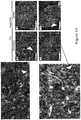
- Figure 1b shows that both components of the LIF receptor complex are expressed by dopaminergic neurons in E14 ventral mesencephalon (VM) cultures.
- the LIF receptor is a heterodimer consisting of two proteins: gp130 and gp190.
- the VM of E14 rat foetuses was dissected and dissociated in medium with or without 0.1ng/ml soluble LIF.
- the tissue was then plated in monolayer culture and grown for 2, 3 or 5 days prior to fixing.
- Dissociated cells were seeded in monolayer cultures and fixed after 2, 3 or 5 days in vitro (DIV).
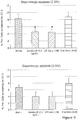
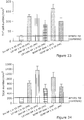
- Culture derived from cells dissociated in LIF supplemented medium were found via immunocytochemical analysis to contain significantly more tyrosine hydroxylase positive neurons after 2 days in vitro but not later time points. Subsequent immunocytochemistry of fixed culture demonstrated that cultures derived from tissue dissociated in the presence of 0.1ng/ml LIF had significantly more TH+ neurons after 2 days in vitro; this effect was lost at 3 and 5 days in vitro ( Figure 2 ).
- Dopaminergic cell count in E14 VM cultures can be increased by supplementing growth medium with 0.1 ng / ml soluble LIF
- the VM of E14 rat foetuses was dissected and dissociated in standard conditions.
- Primary E14 VM tissue was dissociated and grown as monolayer cultures. After plating cells were chronically treated with soluble LIF in their growth medium ranging from 0.1ng/ml to 100ng/ml. Subsequent immunocytochemistry demonstrated that supplementation of growth medium with 0.1ng/ml LIF was able to significantly increase the number of tyrosine hydroxylase positive neurons after 3 and 5 days in vitro ( Figure 3 ).
- Treatment of E14 VM cultures with all LIF dosages above 0.1ng/ml had no significant effect on the number of TH positive neurons.
- Dopaminergic neurons express the glial cell line derived neurotrophic factor receptor ⁇ 1
- E14 VM was mixed with LIF nanoparticles (targeted or non-targeted) or empty nanoparticles (targeted or non-targeted) immediately prior to plating in monolayer culture.
- E14 VM tissue was mixed with 100 ⁇ l of a 1mg/ml nanoparticle solution immediately prior to plating.
- Nanoparticles were either empty nanoparticles (with or without surface bound anti-GDNFR- ⁇ 1 antibodies) or LIF nanoparticles (with or without anti-GDNFR- ⁇ 1 antibodies).
- tissue was grown as neurospheres in expansion medium with or without 0.1ng/ml soluble LIF.
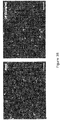
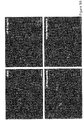
- Primary ventral midbrain tissue was expanded in medium containing the mitogens EGF and FGF-2 for 5 days. These neurospheres were then dissociated into single cells and plated in monolayer culture in the absence of LIF. After 5 days of growth these cultures were analysed via immunocytochemistry for neural and astroglial differentiation ( Figure 6 , showing morphology + or - LIF).
- Figure 7 showing results after 5 and 10 days).
- E14 VM monolayer cultures, treated with soluble LIF or LIF/empty nanoparticles were fixed after 2, 3 or 5 days.
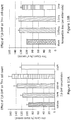
- Immunocytochemical analysis for cells positive for tyrosine hydroxylase, cleaved caspase-3 (CC-3) and a condensed nucleus demonstrated a significant reduction in dopaminergic apoptosis. It was found that LIF treatment resulted in reduced numbers of apoptotic dopaminergic neurons after 2 days in vitro ( Figure 9 ). A trend towards reduced apoptosis in the presence of LIF remained after 3 days in vitro but did not reach statistical significance. Together with the finding that LIF does not bias E14 VM towards neural differentiation, this result suggests the increase in TH+ cells seen with chronic LIF treatment is an effect of increased dopaminergic cell survival.
- Anti-Thy-1 directed nanotherapy either nanoparticle-delivered BDNF, or nanoparticle-delivered 7,8 dihydroxy-flavone (7,8-DHF) improves yield of TH+ cells and this is comparable to treatment with soluble BDNF, or soluble 7,8-DHF
- BDNF brain-derived neurotrophic factor
- 7,8-DHF 7,8-dihydroxy flavone
- Results show (i) maturation of TH+ neurons within the neurosphere microenvironment; (ii) differentiation of TH+ neurons grown in monolayer. Passage 2 also contains dopaminergic (DA) cells. These amplified cells were used to test LIF-nano effects on DA cell maturation and overall cell survival.
- DA dopaminergic
- hfVM human foetal ventral mesencephalon
- hfVM cells were prepared as for the in vitro experiments as outlined in Figure 17 , primary human fetal mesencephalon tissue was stored at 4°C for upto 4 days in Hibernate E storage medium. The cells were then seeded on coverslips and cultured 4d in differentiation medium after which cells were stained by DAPI to enumerate nuclei and for tyrosine hydroxylase to identify and enumerate differentiated dopaminergic cells. Pooled tissue was then prepared for cell transplantation following the clinical TransEuro Protocol.
- the protocol summarised in Figure 18 follows that of the TransEuro clinical trial assessing hfVM cell grafts as cell therapy in patients with Parkinson's disease: http://www.transeuro.org.uk.
- the harvested cells were divided into four aliquots in proliferation medium and treated with nanoparticles targeted to Thy-1 and carrying a cargo of (i) no cargo; (ii) LIF; (iii) XAV939; or (iv) retinoic acid for upto 24h.
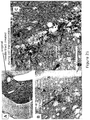
- the cells were then transplanted in to the striatum of nude rats aged between 12 - 16 weeks following the protocol in Figure 22 using standard techniques. At 3 months the rats were perfused with BrdU according to standard protocols and then culled when the brain was harvested and sectioned for immune-cytochemical analysis.
- cytokine was dissolved in 200 ⁇ L PBS or 1 mg of XAV939 dissolved in DMSO at a concentration of 10 mg/ml (100 ul) was added dropwise with vortexing to 100 mg PGLA (50/50 monomer ratio, Durect Corp. cat. B0610-2) in 2 ml dichloromethane.
- PGLA 50/50 monomer ratio, Durect Corp. cat. B0610-2
- the resulting emulsion was added to 4 ml of aqueous surfactant solution containing 2.5 mg/ml polyvinyl alcohol (PVA) (Sigma-Aldrich cat.
- PVA polyvinyl alcohol
- Targeted nanoparticles were formed by reacting the avidin-coated NPs in PBS with 4 ⁇ l biotin-antibody (0.5 mg/ml) per mg NP for 15 minutes and used immediately. Nanoparticle size and morphology are analyzed via scanning electron microscopy and dynamic light scattering in 1x PBS (Brookhaven Instruments, ZetaPALS). Drug or cytokine release was measured by incubating particles in PBS at 37°C and measuring cytokine or drug concentrations in supernatant fractions by ELISA or UV Spectroscopy.
- Total encapsulation was approximated as the amount of LIF or XAV939 released over a seven day period and percent encapsulation efficiency calculated as total encapsulation divided by maximum theoretical encapsulation.
- Capture of biotinylated ligands was quantified using biotin-R-phycoerythrin as a model protein. NPs were suspended at 1.0 mg/ml in 1x PBS, and 200 ul added to eppendorfs containing varying concentrations of biotin-R-PE. NPs were reacted for 15-30 minutes at room temperature, centrifuged for 10 minutes at 12k RPM, and the remaining biotin-R-PE in the supernatant quantified by fluorescence at excitation/emission 533/575nm.
- Stable avidin-lipid conjugates were formed using a zero-length crosslinking agent to create a covalent bond between the lipid carboxyl end groups and free amines on the avidin protein.
- Fatty acid (Palmitic acid, Sigma) was first reacted in 0.1x PBS with 1-ethyl-3-[3-dimethylaminopropyl] carbodiimide (EDC) and N-hydroxylsulfosuccinimide (sulfo-NHS) (Invitrogen) to convert the terminal carboxyl group to an amine-reactive sulfo-NHS ester.
- the above protocol may be adapted for encapsulation of the other compounds described herein.
Landscapes
- Health & Medical Sciences (AREA)
- Life Sciences & Earth Sciences (AREA)
- Chemical & Material Sciences (AREA)
- Engineering & Computer Science (AREA)
- General Health & Medical Sciences (AREA)
- Medicinal Chemistry (AREA)
- Pharmacology & Pharmacy (AREA)
- Bioinformatics & Cheminformatics (AREA)
- Animal Behavior & Ethology (AREA)
- Veterinary Medicine (AREA)
- Public Health (AREA)
- Epidemiology (AREA)
- Immunology (AREA)
- Proteomics, Peptides & Aminoacids (AREA)
- Gastroenterology & Hepatology (AREA)
- Zoology (AREA)
- Nanotechnology (AREA)
- Organic Chemistry (AREA)
- Neurosurgery (AREA)
- Neurology (AREA)
- Biomedical Technology (AREA)
- Molecular Biology (AREA)
- Biophysics (AREA)
- Psychology (AREA)
- Biotechnology (AREA)
- Genetics & Genomics (AREA)
- Crystallography & Structural Chemistry (AREA)
- Medical Informatics (AREA)
- General Engineering & Computer Science (AREA)
- Biochemistry (AREA)
- Dispersion Chemistry (AREA)
- Chemical Kinetics & Catalysis (AREA)
- General Chemical & Material Sciences (AREA)
- Nuclear Medicine, Radiotherapy & Molecular Imaging (AREA)
- Inorganic Chemistry (AREA)
- Psychiatry (AREA)
- Hospice & Palliative Care (AREA)
- Medicines Containing Material From Animals Or Micro-Organisms (AREA)
- Medicinal Preparation (AREA)
- Pharmaceuticals Containing Other Organic And Inorganic Compounds (AREA)
Claims (12)
- Composition destinée à être utilisée dans le traitement d'une maladie neurodégénérative (NDD) ou de lésions du système nerveux central (CNS) comprenant :a) une solution support pharmaceutiquement acceptable ; etb) une pluralité de nanoparticules biodégradables, les nanoparticules ayant un diamètre d'au moins 50 nm et d'au plus 300 nm, les nanoparticules étant constituées d'une matrice polymère biodégradable, le polymère comprenant de l'acide poly(lactique)-co-glycolique (PLGA) et/ou PLA, la matrice polymère biodégradable comprenant un facteur inhibiteur de leucémie (LIF), les nanoparticules comprenant en outre un fragment cible situé sur la surface de la nanoparticule, le fragment cible étant choisi parmi un anticorps monoclonal et un fragment d'antigène de liaison de celui-ci ; le fragment cible se liant sélectivement à la surface d'une cellule choisie dans le groupe constitué :d'une cellule souche neuronale ;d'une cellule progénitrice neuronale ;d'une cellule précurseur qui est engagée dans une lignée neurectodermique ; etd'une cellule neuronale.
- Composition destinée à être utilisée selon une quelconque revendication précédente, dans laquelle le fragment cible se lie spécifiquement à un antigène présent à la surface de la cellule souche neuronale choisie parmi :Thy-1 ;NCAM ; etle récepteur du facteur neurotrophique dérivé de la lignée cellulaire gliale α1 (GDNFR-a1).
- Composition destinée à être utilisée selon une quelconque revendication précédente, dans laquelle les nanoparticules comprennent en outre au moins un des composés thérapeutiques suivants :un facteur neurotrophique dérivé du cerveau (BDNF) ;7,8 dihydroxyflavone (7,8-DHF) ;un facteur de croissance épidermique (EGF) ;un facteur neurotrophique dérivé des cellules gliales (GDNF) ;l'acide rétinoïque et ses dérivés ;un facteur neurotrophique ciliaire (CTNF) ; etWnt5A.
- Composition destinée à être utilisée selon une quelconque revendication précédente, dans laquelle les nanoparticules sont capables de se dégrader au cours d'une certaine période de temps afin d'effectuer la libération temporisée du LIF encapsulé.
- Composition destinée à être utilisée selon la revendication 4, dans laquelle la période de temps est choisie dans le groupe constitué de :1, 2, 3, 4, 5, 6, 7, 8, 9, 10, 12 jours;1, 2, 3, 4, 5 ou 6 semaines ; etjusqu'à six mois.
- Nanoparticule destinée à être utilisée dans le traitement d'une maladie neurodégénératives (NDD) et/ou de lésions du système nerveux central (CNS) comprenant :un matériau de support biodégradable, un composé thérapeutique et un fragment cible ;le matériau de support étant configuré de manière à encapsuler le composé thérapeutique et le matériau de support définissant en outre une surface, sur laquelle et à l'intérieur de laquelle se trouve le fragment cible, la nanoparticule étant en outre caractérisée en ce que le composé thérapeutique comprend le LIF et le fragment cible situé en surface comprend un anticorps ou un fragment liant un antigène à un anticorps, qui se lie spécifiquement à un antigène présent à la surface cellulaire d'une cellule choisie dans le groupe constitué :d'une cellule souche neuronale ;d'une cellule progénitrice neuronale ;d'une cellule précurseur qui est engagée dans une lignée neurectodermique ;et d'une cellule neuronale, et la nanoparticule ayant un diamètre d'au moins 50 nm et d'au plus 300 nm.
- Nanoparticule destinée à être utilisée selon la revendication 6, dans laquelle le matériau de support biodégradable se dégrade à un rythme qui permet une libération contrôlée du LIF au cours d'une période de temps prédéterminée.
- Nanoparticule destinée à être utilisée selon les revendications 6 ou 7, dans laquelle le fragment cible se lie spécifiquement à un antigène présent à la surface de la cellule précurseur choisie parmi au moins une cellule :Thy-1 ;NCAM ; etGDNFR-α1.
- Nanoparticule destinée à être utilisée selon les revendications 6 à 8, dans laquelle la nanoparticule a un diamètre d'au moins 100 nm et d'au plus 200 nm.
- Nanoparticule destinée à être utilisée selon les revendications 6 à 9, dans laquelle la maladie neurodégénérative est choisie dans le groupe constitué de :la maladie d'Alzheimer (MA), la sclérose en plaques (SP) ;la maladie de Parkinson (MP) ;la maladie de Huntington (HD) ;la démence frontotemporale (FTD) ; etla sclérose latérale amyotrophique (SLA).
- Nanoparticule destinée à être utilisée selon les revendications 6 à 10, dans laquelle les lésions du CNS comprennent les lésions hypoxiques chez les nouveau-nés.
- Composition combinatoire destinée à être utilisée dans le traitement d'une maladie neurodégénérative et/ou des lésions du système nerveux central (CNS) comprenant :a) la solution de support pharmaceutiquement acceptable et la première population de nanoparticules biodégradables selon la revendication 1 ; etb) une seconde population de nanoparticules biodégradables, les nanoparticules ont un diamètre d'au moins 50 nm et d'au plus 300 nm, la seconde population de nanoparticules comprenant un fragment cible qui est capable de se lier sélectivement à la surface d'une cellule souche neuronale et/ou d'une cellule progénitrice neuronale et les secondes nanoparticules comprennent en outre au moins un composé choisi parmi :un facteur neurotrophique dérivé du cerveau (BDNF) ;7,8 dihydroxyflavone (7,8-DHF) ;un facteur de croissance épidermique (EGF) ;un facteur neurotrophique dérivé des cellules gliales (GDNF) ;l'acide rétinoïque et ses dérivés ;un facteur neurotrophique ciliaire (CTNF) ;Wnt5A ; etXAV939.
Applications Claiming Priority (3)
| Application Number | Priority Date | Filing Date | Title |
|---|---|---|---|
| US201261692519P | 2012-08-23 | 2012-08-23 | |
| US201261707723P | 2012-09-28 | 2012-09-28 | |
| PCT/US2013/056246 WO2014031883A1 (fr) | 2012-08-23 | 2013-08-22 | Compositions de nanoparticules neurothérapeutiques et dispositifs associés |
Publications (3)
| Publication Number | Publication Date |
|---|---|
| EP2887954A1 EP2887954A1 (fr) | 2015-07-01 |
| EP2887954A4 EP2887954A4 (fr) | 2016-03-30 |
| EP2887954B1 true EP2887954B1 (fr) | 2020-05-06 |
Family
ID=50150386
Family Applications (1)
| Application Number | Title | Priority Date | Filing Date |
|---|---|---|---|
| EP13831430.7A Active EP2887954B1 (fr) | 2012-08-23 | 2013-08-22 | Compositions de nanoparticules neurothérapeutiques |
Country Status (4)
| Country | Link |
|---|---|
| US (2) | US20150231266A1 (fr) |
| EP (1) | EP2887954B1 (fr) |
| CA (1) | CA2921491C (fr) |
| WO (1) | WO2014031883A1 (fr) |
Families Citing this family (7)
| Publication number | Priority date | Publication date | Assignee | Title |
|---|---|---|---|---|
| US9597385B2 (en) | 2012-04-23 | 2017-03-21 | Allertein Therapeutics, Llc | Nanoparticles for treatment of allergy |
| EP2887954B1 (fr) | 2012-08-23 | 2020-05-06 | Susan Marie Metcalfe | Compositions de nanoparticules neurothérapeutiques |
| CN105188741A (zh) | 2013-04-03 | 2015-12-23 | 阿勒丁医疗公司 | 新型纳米颗粒组合物 |
| HRP20221427T1 (hr) | 2017-10-06 | 2023-01-06 | Eluciderm Inc. | Kompozicije i postupci za liječenje rana |
| WO2021091582A1 (fr) * | 2019-11-08 | 2021-05-14 | The Methodist Hospital | Compositions de neurosomes/astrosomes et procédés d'utilisation |
| CN114729323B (zh) * | 2019-11-22 | 2024-09-17 | 诺和诺德股份有限公司 | 旋转聚集的神经微球及其应用 |
| CN114870023A (zh) * | 2022-05-12 | 2022-08-09 | 成都市第三人民医院 | 一种缓释的视神经保护药物纳米合成材料及其制备方法和应用 |
Family Cites Families (24)
| Publication number | Priority date | Publication date | Assignee | Title |
|---|---|---|---|---|
| CA2301693A1 (fr) * | 1997-09-19 | 1999-04-01 | Klaus Unsicker | Cytokines ayant une activite neurotrophique |
| AUPP053197A0 (en) | 1997-11-26 | 1997-12-18 | Amrad Operations Pty. Limited | Compositions |
| WO2001064239A1 (fr) | 2000-03-03 | 2001-09-07 | The Walter And Eliza Hall Institute Of Medical Research | Methode de traitement |
| US6565888B1 (en) | 2000-08-23 | 2003-05-20 | Alkermes Controlled Therapeutics, Inc. | Methods and compositions for the targeted delivery of biologically active agents |
| US7260622B2 (en) * | 2000-11-29 | 2007-08-21 | Ncr Corporation | Method of limiting access to network sites for a network kiosk |
| US20020128179A1 (en) | 2000-12-01 | 2002-09-12 | Tacon William C. | Shaped microparticles for pulmonary drug delivery |
| CA2449054C (fr) * | 2001-05-30 | 2011-01-04 | The Scripps Research Institute | Liposome de ciblage d'integrine pour liberation d'acide nucleique |
| CA2364095C (fr) * | 2001-07-20 | 2011-07-12 | Neurostasis, Inc | Production de cellules gliales radiales |
| ES2432527T3 (es) * | 2001-12-11 | 2013-12-04 | University Of Virginia Patent Foundation | Uso de pramipexol para tratar la esclerosis lateral amiotrófica |
| WO2004084950A2 (fr) * | 2003-03-24 | 2004-10-07 | Case Western Reserve University | Procedes et compositions de ciblage cellulaire |
| CN1875101A (zh) | 2003-09-02 | 2006-12-06 | 北卡罗来纳-查佩尔山大学 | 生物可降解聚合物-配体偶联物及其在细胞亚群的分离和细胞的低温保藏、培养和移植中的应用 |
| JP2007511616A (ja) | 2003-11-19 | 2007-05-10 | バーンズ−ジューイッシュ ホスピタル | 増強された薬物送達 |
| GB0402051D0 (en) | 2004-01-29 | 2004-03-03 | Metcalfe Su | Fate determination in immunity |
| WO2005122734A2 (fr) | 2004-06-14 | 2005-12-29 | The Research Foundation Of State University Of New York | Systeme de distribution de nanospheres/microspheres permettant de traiter un traumatisme medullaire |
| JP2008512350A (ja) | 2004-07-01 | 2008-04-24 | イェール ユニバーシティ | 標的化され、そして高密度で薬物が負荷されるポリマー性物質 |
| US20080260650A1 (en) | 2004-10-28 | 2008-10-23 | The General Hospital Corporation | Methods of Detection and Therapy of Inflamed Tissues Using Immune Modulation |
| WO2008052046A2 (fr) * | 2006-10-24 | 2008-05-02 | Case Western Reserve University | Compositions de revêtement de membranes cellulaires et procédés d'utilisation correspondants |
| WO2008109347A2 (fr) | 2007-03-02 | 2008-09-12 | Yale University | Procédés d'administration ex vivo de médicaments à des greffons en utilisant des nanoparticules polymères |
| EP2630966B1 (fr) | 2007-10-12 | 2017-04-19 | Massachusetts Institute of Technology | Nano-technologie de vaccin |
| GB0721081D0 (en) | 2007-10-26 | 2007-12-05 | Metcalfe Susan M | Immuno-modulatory composition |
| WO2009129476A2 (fr) * | 2008-04-17 | 2009-10-22 | Banyan Biomarkers, Inc. | Vésicule synthétique reliée à un anticorps, contenant des molécules d’agent actif |
| CN101658533A (zh) * | 2008-08-29 | 2010-03-03 | 首都医科大学宣武医院 | 抗肿瘤药物的干细胞递送 |
| CN102781965A (zh) * | 2009-10-06 | 2012-11-14 | 安吉奥开米公司 | 用于转运治疗剂的组合物和方法 |
| EP2887954B1 (fr) | 2012-08-23 | 2020-05-06 | Susan Marie Metcalfe | Compositions de nanoparticules neurothérapeutiques |
-
2013
- 2013-08-22 EP EP13831430.7A patent/EP2887954B1/fr active Active
- 2013-08-22 WO PCT/US2013/056246 patent/WO2014031883A1/fr not_active Ceased
- 2013-08-22 CA CA2921491A patent/CA2921491C/fr not_active Expired - Fee Related
-
2015
- 2015-02-20 US US14/628,050 patent/US20150231266A1/en not_active Abandoned
-
2018
- 2018-05-25 US US15/990,259 patent/US10835611B2/en not_active Expired - Fee Related
Non-Patent Citations (1)
| Title |
|---|
| None * |
Also Published As
| Publication number | Publication date |
|---|---|
| CA2921491A1 (fr) | 2014-02-27 |
| WO2014031883A1 (fr) | 2014-02-27 |
| US20150231266A1 (en) | 2015-08-20 |
| EP2887954A4 (fr) | 2016-03-30 |
| US10835611B2 (en) | 2020-11-17 |
| EP2887954A1 (fr) | 2015-07-01 |
| US20180271985A1 (en) | 2018-09-27 |
| CA2921491C (fr) | 2022-06-21 |
Similar Documents
| Publication | Publication Date | Title |
|---|---|---|
| US10835611B2 (en) | Neurotherapeutic nanoparticle compositions comprising leukemia inhibitory factor | |
| Pan et al. | UMSC-derived exosomes promote retinal ganglion cells survival in a rat model of optic nerve crush | |
| Yu et al. | Angiogenic microspheres promote neural regeneration and motor function recovery after spinal cord injury in rats | |
| Somaa et al. | Peptide-based scaffolds support human cortical progenitor graft integration to reduce atrophy and promote functional repair in a model of stroke | |
| Huang et al. | Rat bone mesenchymal stem cell‐derived exosomes loaded with miR‐494 promoting neurofilament regeneration and behavioral function recovery after spinal cord injury | |
| Luo et al. | Inhibition of CSPG receptor PTPσ promotes migration of newly born neuroblasts, axonal sprouting, and recovery from stroke | |
| EP2590661B1 (fr) | Procédé amélioré de différenciation de cellules souches in vivo par la libération de proteines morphogenes grace à de la silice mésoporeuse et ingrédients pharmaceutiques correspondants. | |
| Maisano et al. | Differentiation and functional incorporation of embryonic stem cell-derived GABAergic interneurons in the dentate gyrus of mice with temporal lobe epilepsy | |
| EP3368553B1 (fr) | Produits thérapeutiques à base de polymère pour le brunissement inductif de graisse | |
| US20240180971A1 (en) | Composition used for therapeutic treatment of skin disease | |
| Garbayo et al. | Neuroprotective properties of marrow‐isolated adult multilineage‐inducible cells in rat hippocampus following global cerebral ischemia are enhanced when complexed to biomimetic microcarriers | |
| Chung et al. | Polybutylcyanoacrylate nanoparticles for delivering hormone response element-conjugated neurotrophin-3 to the brain of intracerebral hemorrhagic rats | |
| Huang et al. | The role of Chito-oligosaccharide in regulating ovarian germ stem cells function and restoring ovarian function in chemotherapy mice | |
| Wang et al. | Human Umbilical Cord‐Mesenchymal Stem Cells Survive and Migrate within the Vitreous Cavity and Ameliorate Retinal Damage in a Novel Rat Model of Chronic Glaucoma | |
| Xiao et al. | Supramolecular Peptide Amphiphile Nanospheres Reprogram Tumor‐associated Macrophage to Reshape the Immune Microenvironment for Enhanced Breast Cancer Immunotherapy | |
| He et al. | Exosome-specific loading Sox10 for the treatment of Cuprizone-induced demyelinating model | |
| He et al. | The aOECs facilitate the neuronal differentiation of neural stem cells in the inflammatory microenvironment through up-regulation of bioactive factors and activation of wnt3/β-catenin pathway | |
| Costa-Ferro et al. | Extracellular vesicles derived from mesenchymal stem cells alleviate depressive-like behavior in a rat model of chronic stress | |
| Krityakiarana et al. | Proof-of concept that an acute trophic factors intervention after spinal cord injury provides an adequate niche for neuroprotection, recruitment of nestin-expressing progenitors and regeneration | |
| EP4229180A1 (fr) | Procédés de génération de cellules ciliées de l'oreille interne | |
| EP1109887A1 (fr) | Production et utilisation de cellules dopaminergiques pour traiter des deficiences dopaminergiques | |
| KR20220009270A (ko) | 엔도텔린 수용체 길항제를 봉입한 나노입자 및 이를 유효성분으로 포함하는 암의 예방 또는 치료용 약학적 조성물 | |
| Lin et al. | The effects of pigment epithelium-derived factor and associated peptides on the differentiation of retinal ganglion cells from human-induced pluripotent stem cells | |
| Ris | Origin, Diversity, and Roles of Microglia | |
| Villain et al. | Macroglial alterations after isolated optic nerve sheath fenestration in rabbit |
Legal Events
| Date | Code | Title | Description |
|---|---|---|---|
| PUAI | Public reference made under article 153(3) epc to a published international application that has entered the european phase |
Free format text: ORIGINAL CODE: 0009012 |
|
| 17P | Request for examination filed |
Effective date: 20150320 |
|
| AK | Designated contracting states |
Kind code of ref document: A1 Designated state(s): AL AT BE BG CH CY CZ DE DK EE ES FI FR GB GR HR HU IE IS IT LI LT LU LV MC MK MT NL NO PL PT RO RS SE SI SK SM TR |
|
| AX | Request for extension of the european patent |
Extension state: BA ME |
|
| DAX | Request for extension of the european patent (deleted) | ||
| RA4 | Supplementary search report drawn up and despatched (corrected) |
Effective date: 20160226 |
|
| RIC1 | Information provided on ipc code assigned before grant |
Ipc: A61K 38/18 20060101AFI20160222BHEP Ipc: B82Y 5/00 20110101ALI20160222BHEP Ipc: A61P 25/16 20060101ALI20160222BHEP Ipc: A61K 9/14 20060101ALI20160222BHEP Ipc: A61K 38/19 20060101ALI20160222BHEP Ipc: A61K 39/395 20060101ALI20160222BHEP Ipc: A61P 25/28 20060101ALI20160222BHEP Ipc: A61K 47/48 20060101ALI20160222BHEP Ipc: C07K 16/28 20060101ALI20160222BHEP Ipc: A61K 38/20 20060101ALI20160222BHEP Ipc: C12N 5/0797 20100101ALI20160222BHEP |
|
| STAA | Information on the status of an ep patent application or granted ep patent |
Free format text: STATUS: EXAMINATION IS IN PROGRESS |
|
| 17Q | First examination report despatched |
Effective date: 20180604 |
|
| REG | Reference to a national code |
Ref country code: DE Ref legal event code: R079 Ref document number: 602013068885 Country of ref document: DE Free format text: PREVIOUS MAIN CLASS: A61K0038180000 Ipc: A61K0038200000 |
|
| GRAP | Despatch of communication of intention to grant a patent |
Free format text: ORIGINAL CODE: EPIDOSNIGR1 |
|
| STAA | Information on the status of an ep patent application or granted ep patent |
Free format text: STATUS: GRANT OF PATENT IS INTENDED |
|
| RIC1 | Information provided on ipc code assigned before grant |
Ipc: A61P 25/28 20060101ALI20190415BHEP Ipc: A61K 38/20 20060101AFI20190415BHEP |
|
| INTG | Intention to grant announced |
Effective date: 20190515 |
|
| RAP1 | Party data changed (applicant data changed or rights of an application transferred) |
Owner name: METCALFE, SUSAN MARIE Owner name: YALE UNIVERSITY |
|
| RIN1 | Information on inventor provided before grant (corrected) |
Inventor name: METCALFE, SUSAN MARIE Inventor name: FAHMY, TAREK |
|
| GRAJ | Information related to disapproval of communication of intention to grant by the applicant or resumption of examination proceedings by the epo deleted |
Free format text: ORIGINAL CODE: EPIDOSDIGR1 |
|
| STAA | Information on the status of an ep patent application or granted ep patent |
Free format text: STATUS: EXAMINATION IS IN PROGRESS |
|
| INTC | Intention to grant announced (deleted) | ||
| GRAP | Despatch of communication of intention to grant a patent |
Free format text: ORIGINAL CODE: EPIDOSNIGR1 |
|
| STAA | Information on the status of an ep patent application or granted ep patent |
Free format text: STATUS: GRANT OF PATENT IS INTENDED |
|
| INTG | Intention to grant announced |
Effective date: 20191119 |
|
| GRAS | Grant fee paid |
Free format text: ORIGINAL CODE: EPIDOSNIGR3 |
|
| GRAA | (expected) grant |
Free format text: ORIGINAL CODE: 0009210 |
|
| STAA | Information on the status of an ep patent application or granted ep patent |
Free format text: STATUS: THE PATENT HAS BEEN GRANTED |
|
| AK | Designated contracting states |
Kind code of ref document: B1 Designated state(s): AL AT BE BG CH CY CZ DE DK EE ES FI FR GB GR HR HU IE IS IT LI LT LU LV MC MK MT NL NO PL PT RO RS SE SI SK SM TR |
|
| REG | Reference to a national code |
Ref country code: GB Ref legal event code: FG4D |
|
| REG | Reference to a national code |
Ref country code: AT Ref legal event code: REF Ref document number: 1265698 Country of ref document: AT Kind code of ref document: T Effective date: 20200515 Ref country code: CH Ref legal event code: EP |
|
| REG | Reference to a national code |
Ref country code: DE Ref legal event code: R096 Ref document number: 602013068885 Country of ref document: DE |
|
| REG | Reference to a national code |
Ref country code: IE Ref legal event code: FG4D |
|
| REG | Reference to a national code |
Ref country code: CH Ref legal event code: NV Representative=s name: TR-IP CONSULTING LLC, CH |
|
| REG | Reference to a national code |
Ref country code: NL Ref legal event code: FP |
|
| REG | Reference to a national code |
Ref country code: SE Ref legal event code: TRGR |
|
| REG | Reference to a national code |
Ref country code: LT Ref legal event code: MG4D |
|
| PG25 | Lapsed in a contracting state [announced via postgrant information from national office to epo] |
Ref country code: PT Free format text: LAPSE BECAUSE OF FAILURE TO SUBMIT A TRANSLATION OF THE DESCRIPTION OR TO PAY THE FEE WITHIN THE PRESCRIBED TIME-LIMIT Effective date: 20200907 Ref country code: FI Free format text: LAPSE BECAUSE OF FAILURE TO SUBMIT A TRANSLATION OF THE DESCRIPTION OR TO PAY THE FEE WITHIN THE PRESCRIBED TIME-LIMIT Effective date: 20200506 Ref country code: NO Free format text: LAPSE BECAUSE OF FAILURE TO SUBMIT A TRANSLATION OF THE DESCRIPTION OR TO PAY THE FEE WITHIN THE PRESCRIBED TIME-LIMIT Effective date: 20200806 Ref country code: GR Free format text: LAPSE BECAUSE OF FAILURE TO SUBMIT A TRANSLATION OF THE DESCRIPTION OR TO PAY THE FEE WITHIN THE PRESCRIBED TIME-LIMIT Effective date: 20200807 Ref country code: LT Free format text: LAPSE BECAUSE OF FAILURE TO SUBMIT A TRANSLATION OF THE DESCRIPTION OR TO PAY THE FEE WITHIN THE PRESCRIBED TIME-LIMIT Effective date: 20200506 Ref country code: IS Free format text: LAPSE BECAUSE OF FAILURE TO SUBMIT A TRANSLATION OF THE DESCRIPTION OR TO PAY THE FEE WITHIN THE PRESCRIBED TIME-LIMIT Effective date: 20200906 |
|
| PG25 | Lapsed in a contracting state [announced via postgrant information from national office to epo] |
Ref country code: RS Free format text: LAPSE BECAUSE OF FAILURE TO SUBMIT A TRANSLATION OF THE DESCRIPTION OR TO PAY THE FEE WITHIN THE PRESCRIBED TIME-LIMIT Effective date: 20200506 Ref country code: BG Free format text: LAPSE BECAUSE OF FAILURE TO SUBMIT A TRANSLATION OF THE DESCRIPTION OR TO PAY THE FEE WITHIN THE PRESCRIBED TIME-LIMIT Effective date: 20200806 Ref country code: LV Free format text: LAPSE BECAUSE OF FAILURE TO SUBMIT A TRANSLATION OF THE DESCRIPTION OR TO PAY THE FEE WITHIN THE PRESCRIBED TIME-LIMIT Effective date: 20200506 Ref country code: HR Free format text: LAPSE BECAUSE OF FAILURE TO SUBMIT A TRANSLATION OF THE DESCRIPTION OR TO PAY THE FEE WITHIN THE PRESCRIBED TIME-LIMIT Effective date: 20200506 |
|
| REG | Reference to a national code |
Ref country code: AT Ref legal event code: MK05 Ref document number: 1265698 Country of ref document: AT Kind code of ref document: T Effective date: 20200506 |
|
| PG25 | Lapsed in a contracting state [announced via postgrant information from national office to epo] |
Ref country code: AL Free format text: LAPSE BECAUSE OF FAILURE TO SUBMIT A TRANSLATION OF THE DESCRIPTION OR TO PAY THE FEE WITHIN THE PRESCRIBED TIME-LIMIT Effective date: 20200506 |
|
| PG25 | Lapsed in a contracting state [announced via postgrant information from national office to epo] |
Ref country code: DK Free format text: LAPSE BECAUSE OF FAILURE TO SUBMIT A TRANSLATION OF THE DESCRIPTION OR TO PAY THE FEE WITHIN THE PRESCRIBED TIME-LIMIT Effective date: 20200506 Ref country code: IT Free format text: LAPSE BECAUSE OF FAILURE TO SUBMIT A TRANSLATION OF THE DESCRIPTION OR TO PAY THE FEE WITHIN THE PRESCRIBED TIME-LIMIT Effective date: 20200506 Ref country code: SM Free format text: LAPSE BECAUSE OF FAILURE TO SUBMIT A TRANSLATION OF THE DESCRIPTION OR TO PAY THE FEE WITHIN THE PRESCRIBED TIME-LIMIT Effective date: 20200506 Ref country code: RO Free format text: LAPSE BECAUSE OF FAILURE TO SUBMIT A TRANSLATION OF THE DESCRIPTION OR TO PAY THE FEE WITHIN THE PRESCRIBED TIME-LIMIT Effective date: 20200506 Ref country code: CZ Free format text: LAPSE BECAUSE OF FAILURE TO SUBMIT A TRANSLATION OF THE DESCRIPTION OR TO PAY THE FEE WITHIN THE PRESCRIBED TIME-LIMIT Effective date: 20200506 Ref country code: ES Free format text: LAPSE BECAUSE OF FAILURE TO SUBMIT A TRANSLATION OF THE DESCRIPTION OR TO PAY THE FEE WITHIN THE PRESCRIBED TIME-LIMIT Effective date: 20200506 Ref country code: AT Free format text: LAPSE BECAUSE OF FAILURE TO SUBMIT A TRANSLATION OF THE DESCRIPTION OR TO PAY THE FEE WITHIN THE PRESCRIBED TIME-LIMIT Effective date: 20200506 Ref country code: EE Free format text: LAPSE BECAUSE OF FAILURE TO SUBMIT A TRANSLATION OF THE DESCRIPTION OR TO PAY THE FEE WITHIN THE PRESCRIBED TIME-LIMIT Effective date: 20200506 |
|
| REG | Reference to a national code |
Ref country code: DE Ref legal event code: R097 Ref document number: 602013068885 Country of ref document: DE |
|
| PG25 | Lapsed in a contracting state [announced via postgrant information from national office to epo] |
Ref country code: PL Free format text: LAPSE BECAUSE OF FAILURE TO SUBMIT A TRANSLATION OF THE DESCRIPTION OR TO PAY THE FEE WITHIN THE PRESCRIBED TIME-LIMIT Effective date: 20200506 Ref country code: SK Free format text: LAPSE BECAUSE OF FAILURE TO SUBMIT A TRANSLATION OF THE DESCRIPTION OR TO PAY THE FEE WITHIN THE PRESCRIBED TIME-LIMIT Effective date: 20200506 |
|
| PLBE | No opposition filed within time limit |
Free format text: ORIGINAL CODE: 0009261 |
|
| STAA | Information on the status of an ep patent application or granted ep patent |
Free format text: STATUS: NO OPPOSITION FILED WITHIN TIME LIMIT |
|
| PG25 | Lapsed in a contracting state [announced via postgrant information from national office to epo] |
Ref country code: MC Free format text: LAPSE BECAUSE OF FAILURE TO SUBMIT A TRANSLATION OF THE DESCRIPTION OR TO PAY THE FEE WITHIN THE PRESCRIBED TIME-LIMIT Effective date: 20200506 |
|
| 26N | No opposition filed |
Effective date: 20210209 |
|
| PG25 | Lapsed in a contracting state [announced via postgrant information from national office to epo] |
Ref country code: LU Free format text: LAPSE BECAUSE OF NON-PAYMENT OF DUE FEES Effective date: 20200822 |
|
| REG | Reference to a national code |
Ref country code: BE Ref legal event code: MM Effective date: 20200831 |
|
| PG25 | Lapsed in a contracting state [announced via postgrant information from national office to epo] |
Ref country code: SI Free format text: LAPSE BECAUSE OF FAILURE TO SUBMIT A TRANSLATION OF THE DESCRIPTION OR TO PAY THE FEE WITHIN THE PRESCRIBED TIME-LIMIT Effective date: 20200506 |
|
| PG25 | Lapsed in a contracting state [announced via postgrant information from national office to epo] |
Ref country code: BE Free format text: LAPSE BECAUSE OF NON-PAYMENT OF DUE FEES Effective date: 20200831 |
|
| PGFP | Annual fee paid to national office [announced via postgrant information from national office to epo] |
Ref country code: NL Payment date: 20210827 Year of fee payment: 9 |
|
| PGFP | Annual fee paid to national office [announced via postgrant information from national office to epo] |
Ref country code: SE Payment date: 20210825 Year of fee payment: 9 |
|
| PG25 | Lapsed in a contracting state [announced via postgrant information from national office to epo] |
Ref country code: TR Free format text: LAPSE BECAUSE OF FAILURE TO SUBMIT A TRANSLATION OF THE DESCRIPTION OR TO PAY THE FEE WITHIN THE PRESCRIBED TIME-LIMIT Effective date: 20200506 Ref country code: MT Free format text: LAPSE BECAUSE OF FAILURE TO SUBMIT A TRANSLATION OF THE DESCRIPTION OR TO PAY THE FEE WITHIN THE PRESCRIBED TIME-LIMIT Effective date: 20200506 Ref country code: CY Free format text: LAPSE BECAUSE OF FAILURE TO SUBMIT A TRANSLATION OF THE DESCRIPTION OR TO PAY THE FEE WITHIN THE PRESCRIBED TIME-LIMIT Effective date: 20200506 |
|
| PG25 | Lapsed in a contracting state [announced via postgrant information from national office to epo] |
Ref country code: MK Free format text: LAPSE BECAUSE OF FAILURE TO SUBMIT A TRANSLATION OF THE DESCRIPTION OR TO PAY THE FEE WITHIN THE PRESCRIBED TIME-LIMIT Effective date: 20200506 |
|
| REG | Reference to a national code |
Ref country code: SE Ref legal event code: EUG |
|
| REG | Reference to a national code |
Ref country code: NL Ref legal event code: MM Effective date: 20220901 |
|
| PG25 | Lapsed in a contracting state [announced via postgrant information from national office to epo] |
Ref country code: SE Free format text: LAPSE BECAUSE OF NON-PAYMENT OF DUE FEES Effective date: 20220823 |
|
| PGFP | Annual fee paid to national office [announced via postgrant information from national office to epo] |
Ref country code: IE Payment date: 20230207 Year of fee payment: 10 Ref country code: FR Payment date: 20230208 Year of fee payment: 10 Ref country code: CH Payment date: 20230214 Year of fee payment: 10 |
|
| PGFP | Annual fee paid to national office [announced via postgrant information from national office to epo] |
Ref country code: GB Payment date: 20230207 Year of fee payment: 10 Ref country code: DE Payment date: 20230214 Year of fee payment: 10 |
|
| PG25 | Lapsed in a contracting state [announced via postgrant information from national office to epo] |
Ref country code: NL Free format text: LAPSE BECAUSE OF NON-PAYMENT OF DUE FEES Effective date: 20220901 |
|
| REG | Reference to a national code |
Ref country code: DE Ref legal event code: R119 Ref document number: 602013068885 Country of ref document: DE |
|
| REG | Reference to a national code |
Ref country code: CH Ref legal event code: PL |
|
| GBPC | Gb: european patent ceased through non-payment of renewal fee |
Effective date: 20230822 |
|
| PG25 | Lapsed in a contracting state [announced via postgrant information from national office to epo] |
Ref country code: CH Free format text: LAPSE BECAUSE OF NON-PAYMENT OF DUE FEES Effective date: 20230831 |
|
| REG | Reference to a national code |
Ref country code: IE Ref legal event code: MM4A |
|
| PG25 | Lapsed in a contracting state [announced via postgrant information from national office to epo] |
Ref country code: IE Free format text: LAPSE BECAUSE OF NON-PAYMENT OF DUE FEES Effective date: 20230822 |
|
| PG25 | Lapsed in a contracting state [announced via postgrant information from national office to epo] |
Ref country code: GB Free format text: LAPSE BECAUSE OF NON-PAYMENT OF DUE FEES Effective date: 20230822 |
|
| PG25 | Lapsed in a contracting state [announced via postgrant information from national office to epo] |
Ref country code: IE Free format text: LAPSE BECAUSE OF NON-PAYMENT OF DUE FEES Effective date: 20230822 Ref country code: GB Free format text: LAPSE BECAUSE OF NON-PAYMENT OF DUE FEES Effective date: 20230822 Ref country code: FR Free format text: LAPSE BECAUSE OF NON-PAYMENT OF DUE FEES Effective date: 20230831 Ref country code: DE Free format text: LAPSE BECAUSE OF NON-PAYMENT OF DUE FEES Effective date: 20240301 |