EP2888689B1 - Vérification de données - Google Patents
Vérification de données Download PDFInfo
- Publication number
- EP2888689B1 EP2888689B1 EP13717810.9A EP13717810A EP2888689B1 EP 2888689 B1 EP2888689 B1 EP 2888689B1 EP 13717810 A EP13717810 A EP 13717810A EP 2888689 B1 EP2888689 B1 EP 2888689B1
- Authority
- EP
- European Patent Office
- Prior art keywords
- data
- verification
- data verification
- algorithms
- server system
- Prior art date
- Legal status (The legal status is an assumption and is not a legal conclusion. Google has not performed a legal analysis and makes no representation as to the accuracy of the status listed.)
- Not-in-force
Links
Images


Classifications
-
- G—PHYSICS
- G06—COMPUTING OR CALCULATING; COUNTING
- G06Q—INFORMATION AND COMMUNICATION TECHNOLOGY [ICT] SPECIALLY ADAPTED FOR ADMINISTRATIVE, COMMERCIAL, FINANCIAL, MANAGERIAL OR SUPERVISORY PURPOSES; SYSTEMS OR METHODS SPECIALLY ADAPTED FOR ADMINISTRATIVE, COMMERCIAL, FINANCIAL, MANAGERIAL OR SUPERVISORY PURPOSES, NOT OTHERWISE PROVIDED FOR
- G06Q20/00—Payment architectures, schemes or protocols
- G06Q20/30—Payment architectures, schemes or protocols characterised by the use of specific devices or networks
- G06Q20/306—Payment architectures, schemes or protocols characterised by the use of specific devices or networks using TV related infrastructures
-
- H—ELECTRICITY
- H04—ELECTRIC COMMUNICATION TECHNIQUE
- H04L—TRANSMISSION OF DIGITAL INFORMATION, e.g. TELEGRAPHIC COMMUNICATION
- H04L9/00—Cryptographic mechanisms or cryptographic arrangements for secret or secure communications; Network security protocols
- H04L9/32—Cryptographic mechanisms or cryptographic arrangements for secret or secure communications; Network security protocols including means for verifying the identity or authority of a user of the system or for message authentication, e.g. authorization, entity authentication, data integrity or data verification, non-repudiation, key authentication or verification of credentials
- H04L9/3215—Cryptographic mechanisms or cryptographic arrangements for secret or secure communications; Network security protocols including means for verifying the identity or authority of a user of the system or for message authentication, e.g. authorization, entity authentication, data integrity or data verification, non-repudiation, key authentication or verification of credentials using a plurality of channels
-
- G—PHYSICS
- G06—COMPUTING OR CALCULATING; COUNTING
- G06Q—INFORMATION AND COMMUNICATION TECHNOLOGY [ICT] SPECIALLY ADAPTED FOR ADMINISTRATIVE, COMMERCIAL, FINANCIAL, MANAGERIAL OR SUPERVISORY PURPOSES; SYSTEMS OR METHODS SPECIALLY ADAPTED FOR ADMINISTRATIVE, COMMERCIAL, FINANCIAL, MANAGERIAL OR SUPERVISORY PURPOSES, NOT OTHERWISE PROVIDED FOR
- G06Q20/00—Payment architectures, schemes or protocols
- G06Q20/38—Payment protocols; Details thereof
- G06Q20/40—Authorisation, e.g. identification of payer or payee, verification of customer or shop credentials; Review and approval of payers, e.g. check credit lines or negative lists
- G06Q20/401—Transaction verification
- G06Q20/4016—Transaction verification involving fraud or risk level assessment in transaction processing
-
- G—PHYSICS
- G06—COMPUTING OR CALCULATING; COUNTING
- G06F—ELECTRIC DIGITAL DATA PROCESSING
- G06F21/00—Security arrangements for protecting computers, components thereof, programs or data against unauthorised activity
- G06F21/10—Protecting distributed programs or content, e.g. vending or licensing of copyrighted material ; Digital rights management [DRM]
- G06F21/12—Protecting executable software
- G06F21/14—Protecting executable software against software analysis or reverse engineering, e.g. by obfuscation
-
- G—PHYSICS
- G06—COMPUTING OR CALCULATING; COUNTING
- G06F—ELECTRIC DIGITAL DATA PROCESSING
- G06F21/00—Security arrangements for protecting computers, components thereof, programs or data against unauthorised activity
- G06F21/30—Authentication, i.e. establishing the identity or authorisation of security principals
- G06F21/31—User authentication
- G06F21/33—User authentication using certificates
-
- G—PHYSICS
- G06—COMPUTING OR CALCULATING; COUNTING
- G06F—ELECTRIC DIGITAL DATA PROCESSING
- G06F21/00—Security arrangements for protecting computers, components thereof, programs or data against unauthorised activity
- G06F21/50—Monitoring users, programs or devices to maintain the integrity of platforms, e.g. of processors, firmware or operating systems
- G06F21/55—Detecting local intrusion or implementing counter-measures
- G06F21/56—Computer malware detection or handling, e.g. anti-virus arrangements
-
- H—ELECTRICITY
- H04—ELECTRIC COMMUNICATION TECHNIQUE
- H04L—TRANSMISSION OF DIGITAL INFORMATION, e.g. TELEGRAPHIC COMMUNICATION
- H04L63/00—Network architectures or network communication protocols for network security
- H04L63/14—Network architectures or network communication protocols for network security for detecting or protecting against malicious traffic
- H04L63/1441—Countermeasures against malicious traffic
-
- H—ELECTRICITY
- H04—ELECTRIC COMMUNICATION TECHNIQUE
- H04L—TRANSMISSION OF DIGITAL INFORMATION, e.g. TELEGRAPHIC COMMUNICATION
- H04L63/00—Network architectures or network communication protocols for network security
- H04L63/14—Network architectures or network communication protocols for network security for detecting or protecting against malicious traffic
- H04L63/1441—Countermeasures against malicious traffic
- H04L63/145—Countermeasures against malicious traffic the attack involving the propagation of malware through the network, e.g. viruses, trojans or worms
-
- H—ELECTRICITY
- H04—ELECTRIC COMMUNICATION TECHNIQUE
- H04L—TRANSMISSION OF DIGITAL INFORMATION, e.g. TELEGRAPHIC COMMUNICATION
- H04L63/00—Network architectures or network communication protocols for network security
- H04L63/14—Network architectures or network communication protocols for network security for detecting or protecting against malicious traffic
- H04L63/1441—Countermeasures against malicious traffic
- H04L63/1466—Active attacks involving interception, injection, modification, spoofing of data unit addresses, e.g. hijacking, packet injection or TCP sequence number attacks
-
- H—ELECTRICITY
- H04—ELECTRIC COMMUNICATION TECHNIQUE
- H04L—TRANSMISSION OF DIGITAL INFORMATION, e.g. TELEGRAPHIC COMMUNICATION
- H04L63/00—Network architectures or network communication protocols for network security
- H04L63/12—Applying verification of the received information
- H04L63/123—Applying verification of the received information received data contents, e.g. message integrity
Definitions
- the present invention relates to data verification.
- a connection is made between a transacting device, such as a Personal Computer (PC) or a smartphone, and a transacting organisation, such as a bank.
- a secure connection is established between the transacting device and the transacting organisation, for example using Transport Layer Security (TLS).
- TLS Transport Layer Security
- the user authenticates themselves to the bank via the secure connection.
- the user starts a transaction session.
- the fifth stage which is the transacting stage, the user sends a transaction request to the bank, the bank sends a request back to the user to verify that the details of the transaction are correct and the user confirms (or otherwise) the transaction request. This may be repeated as necessary.
- the transaction verification session ends.
- a transaction request is entered by the user into the browser or mobile application.
- the entered data is altered by the malware before the bank receives it.
- the bank sends back a transaction verification request which includes the altered data.
- the received data is altered back again to the original transaction data by the malware before the user sees it and consequently confirms the transaction.
- the bank receives a confirmation from an authenticated user and proceeds unaware that it is processing a fraudulent transaction.
- page poisoning Another type of attack is so-called page poisoning, where the user is presented with what ostensibly is a valid login page from a bank but the page is altered to ask for additional credentials during login that are used to allow malware to automatically generate covert fraudulent transaction(s) unbeknownst to the user while the user is logged in.
- page poisoning There are currently no viable defences to page poisoning. This is a serious dilemma for online-banking.
- the only possible options are: a) use a dedicated device, for example a dedicated PC for online-banking that is not used to browse the Internet generally; or b) use a bootable CD to load a clean-room operating system. Both options are actively being considered by the banking industry because there is currently no viable alternative to these two approaches.
- spear phishing Yet another type of attack is so-called spear phishing, where the user is fooled into yielding their credentials without visiting the banking site. These attacks typically target high-net-worth individuals and organisations. These credentials are then used by a remote server to automatically generate covert fraudulent transaction(s) in a variety of complex ways that fool a bank's behavioural anomaly detection systems. There is currently no defence to a spear fishing attack and it is arguably the most damaging attack to a bank's reputation.
- US 2012/198528 A1 describes a method and system for detecting interference with a remote visual interface, such as a HTML webpage, at a client computer, particularly to determine if a malicious attach such as an HTML attack has occurred.
- a remote visual interface such as a HTML webpage
- the web server receives a request for a page, a script is embedded in the page, and as a consequence the client computer requests at least one session key and at least one one time password from an enterprise server.
- the client computer also performs a check of the HTML interface present on the client computer, which an attack of this type would change.
- the result of the interface check, encrypted with the session key and one time password is sent to the enterprise server, so that a comparison with the expected value for the website can be performed.
- a method of verifying data in a data communication system comprising:
- a method of verifying data in a data communication system comprising:
- a user equipment for verifying data in a data communication system comprising:
- a data verification provider server system for verifying data in a data communication system, the data communication system comprising:
- the data communication system comprises a data verification provider server system and user equipment potentially comprising one or more malicious software elements that can communicate data via a first data communication channel.
- the method comprises: establishing a second data communication channel, separate from the first data communication channel, for communicating data with the data verification provider server system; receiving, via the second data communication channel, data identifying one or more algorithms to be used to derive output data from given input data, the one or more algorithms being associated with a given data verification request from the data verification provider server system and varying between different data verification requests from the data verification provider server system; using the one or more algorithms and received input data to derive output data; and transmitting the output data derived using the one or more algorithms via the second data communication channel, whereby the data verification provider server system may compare the derived output data with expected output data for the given data verification request to determine a data verification result.
- Varying the one or more algorithms increases the behavioural inconsistency across different data verification requests. Since malware exploits behavioural consistency in its attack on the data verification process, the likelihood of a successful attack by malware may be reduced.
- the one or more algorithms associated with the given data verification request from the data verification provider server system vary in relation to the given data verification request from the data verification provider server system. For example, a first algorithm associated with the given data verification request may be used to derive first output data in relation to the given data verification request and a second, different algorithm associated with the given data verification request may be used to derive second output data in relation to the given data verification request.
- the one or more algorithms vary non-deterministically between different data verification requests from the data verification provider server system.
- the method comprises: selecting one or more locations in memory at which to store the one or more algorithms, at least some of the one or more locations being selected so as to vary between different data verification requests from the data verification provider server system; and storing the one or more algorithms in the selected one or more locations in memory.
- the method comprises: selecting one or more decoy algorithms to be stored along with the one or more algorithms in memory; and storing the one or more algorithms and the selected one or more decoy algorithms in the memory.
- the method comprises storing the one or more algorithms in protected memory at the communication device.
- the method comprises receiving data to be verified via the second data communication channel.
- the method comprises identifying data to be verified to a user via a user interface.
- Some embodiments comprise receiving user input via a user interface, the user input corresponding to a data verification response from a user.
- the method comprises using at least the received user input as input data for the one or more algorithms.
- the method comprises using at least some data to be verified as input data for the one or more algorithms.
- the method comprises establishing the second data communication channel using a shared secret key.
- the method comprises generating the shared secret key in cooperation with the data verification provider server system as part of an establishment procedure for establishing the second data communication channel.
- the method further comprises: receiving one or more data verification software elements from a remote source via a data communication network; and using the one or more data verification software elements to perform data verification.
- the method comprises receiving at least part of the one or more data verification software elements, or data identifying a remote location at which the one or more data verification software elements are retrievable, via the first data communication channel.
- the method comprises receiving at least part of the one or more data verification software elements, or data identifying a remote location at which the one or more data verification software elements are retrievable, via the second data communication channel.
- the one or more data verification software elements are selected to vary between different data verification requests from the data verification provider server system.
- the method comprises: identifying one or more locations in memory at which to store the one or more data verification software elements, at least some of the one or more locations varying between different data verification requests from the data verification provider server system; and storing the one or more data verification software elements in the identified one or more locations in memory.
- the method comprises: receiving, via the second data communication channel, data identifying one or more further algorithms to be used to derive output data from given input data, the one or more further algorithms being associated with the given data verification request from the data verification provider server system and varying between different data verification requests from the data verification provider server system; using the one or more further algorithms and received input data to derive further output data; and transmitting the further output data via the second data communication channel, whereby the data verification provider server system may compare the derived further output data with expected further output data for the given data verification request to determine a data verification result.
- the data communication system comprises a data verification provider server system.
- the user equipment potentially comprises one or more malicious software elements that can communicate data via a first data communication channel.
- the user equipment comprises: one or more processors operable to establish a second data communication channel, separate from the first data communication channel, for communicating data with the data verification provider server system; one or more receivers operable to receive, via the second data communication channel, data identifying one or more algorithms to be used to derive output data from given input data, the one or more algorithms being associated with a given data verification request from the data verification provider server system and varying between different data verification requests from the data verification provider server system; one or more processors operable to use the one or more algorithms and received input data to derive output data; and one or more transmitters operable to transmit the output data derived using the one or more algorithms via the second data communication channel, whereby the data verification provider server system may compare the derived output data with expected output data for the given data verification request to
- the data communication system comprises a data verification provider server system and user equipment potentially comprising one or more malicious software elements that can communicate data via a first data communication channel.
- the method comprises: establishing a second data communication channel, separate from the first data communication channel, for communicating data with the data verification provider server system; receiving, via the second data communication channel, data identifying one or more algorithms to be used to derive output data from given input data, the one or more algorithms being associated with a given data verification request from the data verification provider server system and varying between different data verification requests from the data verification provider server system; using the one or more algorithms and received input data to derive output data; and transmitting the output data derived using the one or more algorithms via the second data communication channel, whereby the data verification provider server system may compare the derived output data with expected output data for the given data verification request to determine a data verification result.
- a computer program product comprising a non-transitory computer-readable storage medium having computer readable instructions stored thereon.
- the computer readable instructions are executable by a computerised device to cause the computerised device to perform a method for verifying data in a data communication system.
- the data communication system comprises a data verification provider server system and user equipment potentially comprising one or more malicious software elements that can communicate data via a first data communication channel.
- the method comprises: establishing a second data communication channel, separate from the first data communication channel, for communicating data with the data verification provider server system; receiving, via the second data communication channel, data identifying one or more algorithms to be used to derive output data from given input data, the one or more algorithms being associated with a given data verification request from the data verification provider server system and varying between different data verification requests from the data verification provider server system; using the one or more algorithms and received input data to derive output data; and transmitting the output data derived using the one or more algorithms via the second data communication channel, whereby the data verification provider server system may compare the derived output data with expected output data for the given data verification request to determine a data verification result.
- the data communication system comprises a data verification provider server system and user equipment potentially comprising one or more malicious software elements that can communicate data via a first data communication channel.
- the method comprises: establishing a second data communication channel, separate from the first data communication channel, for communicating data with the user equipment; selecting one or more algorithms to be used to derive output data from given input data for a given data verification request, the one or more algorithms being selected so as to vary between different data verification requests; associating the selected one or more algorithms with the given data verification request; transmitting data identifying the selected one or more algorithms via the second data communication channel; receiving output data via the second data communication channel; comparing the received output data with expected output data for the given data verification request, the expected output data being determined using the selected one or more algorithms; and determining a data verification result based at least partly on said comparing.
- the method comprises selecting the one or more algorithms non-deterministically for the given data verification request.
- the method comprises transmitting data via the second data communication channel to instruct the user equipment to select one or more locations in memory at which to store the one or more algorithms, at least some of the one or more locations being selected so as to vary between different data verification requests from the data verification provider server system, whereby the user equipment may store the one or more algorithms in the selected one or more locations in memory.
- the method comprises transmitting data via the second data communication channel to instruct the user equipment to select one or more decoy algorithms to be stored along with the one or more algorithms in memory, whereby the user equipment may store the one or more algorithms and the selected one or more decoy algorithms in the memory.
- the method comprises transmitting data to be verified via the second data communication channel.
- the method comprises transmitting data via the second data communication channel to instruct the user equipment to identify data to be verified to a user via a user interface.
- the method comprises establishing the second data communication channel using a shared secret key.
- the method comprises generating the shared secret key in cooperation with the user equipment as part of an establishment procedure for establishing the second data communication channel.
- the method comprises transmitting at least part of one or more data verification software elements such that at least part of the one or more data verification software elements, or data identifying a remote location at which the at least part of the one or more data verification software elements are retrievable, is transmittable to the user equipment via the first data communication channel, the one or more data verification software elements being useable by the user equipment to perform data verification.
- the method comprises transmitting at least part of one or more data verification software elements via the second data communication channel, the one or more data verification software elements being useable by the user equipment to perform data verification.
- the method comprises selecting the one or more data verification software elements to be used in relation to the given data verification request, data verification software elements being selected so as to vary between different data verification requests.
- the method comprises transmitting data via the second data communication channel to instruct the user equipment to select one or more locations in memory at which to store the at least part of the one or more data verification software elements, at least some of the one or more locations being selected so as to vary between different data verification requests.
- the method comprises: selecting one or more further algorithms to be used to derive output data from given input data for the given data verification request, the one or more further algorithms being selected so as to vary between different data verification requests; associating the selected one or more further algorithms with the given data verification request; transmitting data identifying the selected one or more further algorithms via the second data communication channel; receiving output data via the second data communication channel; comparing the received output data with further expected output data for the given data verification request, the further expected output data being determined using the selected one or more further algorithms; and determining a data verification result based at least partly on said comparing.
- a data verification provider server system for verifying data in a data communication system.
- the data communication system comprises user equipment potentially comprising one or more malicious software elements that can communicate data via a first data communication channel.
- the data verification provider server system comprises: one or more processors operable to establish a second data communication channel, separate from the first data communication channel, for communicating data with the user equipment; one or more processors operable to select one or more algorithms to be used to derive output data from given input data for a given data verification request, the one or more algorithms being selected so as to vary between different data verification requests; one or more processors operable to associate the selected one or more algorithms with the given data verification request; one or more transmitters operable to transmitting data identifying the selected one or more algorithms via the second data communication channel; one or more receivers operable to output data via the second data communication channel; one or more processors operable to compare the received output data with expected output data for the given data verification request, the expected output data being determined using the selected one or more algorithms; and one
- the data communication system comprises a data verification provider server system and user equipment potentially comprising one or more malicious software elements that can communicate data via a first data communication channel.
- the method comprises: establishing a second data communication channel, separate from the first data communication channel, for communicating data with the user equipment; selecting one or more algorithms to be used to derive output data from given input data for a given data verification request, the one or more algorithms being selected so as to vary between different data verification requests; associating the selected one or more algorithms with the given data verification request; transmitting data identifying the selected one or more algorithms via the second data communication channel; receiving output data via the second data communication channel; comparing the received output data with expected output data for the given data verification request, the expected output data being determined using the selected one or more algorithms; and determining a data verification result based at least partly on said comparing.
- a computer program product comprising a non-transitory computer-readable storage medium having computer readable instructions stored thereon.
- the computer readable instructions are executable by a computerised device to cause the computerised device to perform a method of verifying data in a data communication system.
- the data communication system comprises a data verification provider server system and user equipment potentially comprising one or more malicious software elements that can communicate data via a first data communication channel.
- the method comprises: establishing a second data communication channel, separate from the first data communication channel, for communicating data with the user equipment; selecting one or more algorithms to be used to derive output data from given input data for a given data verification request, the one or more algorithms being selected so as to vary between different data verification requests; associating the selected one or more algorithms with the given data verification request; transmitting data identifying the selected one or more algorithms via the second data communication channel; receiving output data via the second data communication channel; comparing the received output data with expected output data for the given data verification request, the expected output data being determined using the selected one or more algorithms; and determining a data verification result based at least partly on said comparing.
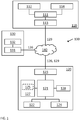
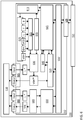
- Figure 1 is a schematic representation of a data communication system 100.
- the data communication system 100 may be used to verify data in accordance with various embodiments described herein.
- the data communication system 100 comprises a data verification provider server system 110 associated with a data verification provider.
- the data verification provider server system 110 is used to verify data in the data communication system 100, in cooperation with user equipment 120 associated with a user and a data processing organisation server system 130 associated with a data processing organisation.
- the data verification provider server system 110 communicates with the user equipment 120 via an appropriate interface, such as a data communications network 140 (for example the Internet).
- the data verification provider server system 110 also communicates with the data processing organisation server system 130 via an appropriate interface, for example the data communications network 140 or another type of connection such as leased lines.
- the data verification provider server system 110 and/or the data processing organisation server system 130 may comprise one or more servers that may be co-located or located in different physical locations.
- the user equipment 120 may comprise a single user device such as a PC, a smartphone, a tablet computing device, a laptop computing device, a smart television or the like. Alternatively, the user equipment 120 may comprise several such devices, for example a PC which is used to make requests requiring verification and an associated smartphone that is used to perform secure data verification.
- the user equipment 120 comprises one or more processors 121 that carry out instructions, for example embodied in one or more computer programs that may be stored in a memory 122.
- the user equipment 120 includes a network interface 123 via which the user equipment 120 can communicate, in other words transmit and receive, data via the data communication network 140.
- the user equipment 120 includes one or more user interfaces (UIs) 124 via which the user equipment 120 can output data for a user and receive input data from the user.
- the user interface(s) 124 may, for example, comprise a touch-sensitive screen that both displays data for the user and also captures user input.
- the user equipment 120 is potentially infected in that it potentially comprises one or more malicious software elements (hereinafter referred to generally as "malware") 125.
- the malware 125 can, amongst other things, manipulate data communicated between the user equipment 120 and the data processing organisation server system 130 via a first data communication channel 126. In some cases, the user equipment 120 is not, in fact, infected by malware 125. Nevertheless, the data verification techniques described herein may still be used.
- the user equipment 120 comprises one or more legitimate software elements 127 that are potentially compromised by the one or more malicious software elements 125.
- the legitimate software element(s) 127 may be, for example, a web browser software application, a dedicated online banking application or the like.
- the user equipment 120 comprises one or more data verification software elements 128.
- the data verification software element(s) 128 are different from the potentially compromised legitimate software element(s) 127.
- the data verification software element(s) 128 may be, for example, a JavaTM Applet, a virtual verification device, a dedicated data verification application or the like.
- the data verification software element(s) 128 may be installed on the user equipment 120 prior to a given data verification request or may be downloaded on-demand for some or all data verification requests involving the user equipment 120.
- the user equipment 120 receives the data verification software element(s) 128 from a remote source via the data communications network 140 or in another manner.
- the user equipment 120 receives the data verification software element(s) 128, or data (such as a Uniform Resource Locator (URL)) identifying a remote location at which the data verification software element(s) 128 is retrievable, via the first data communication channel 126.
- data such as a Uniform Resource Locator (URL)
- URL Uniform Resource Locator
- the data verification software element(s) 128 are selected so as to vary between different data verification requests from the data verification provider server system 110.
- a first verification software element 128 may be used in relation to a first data verification request from the data verification provider server system 110 and a second, different data verification software element 128 may be used in relation to a second data verification request from the data verification provider server system 110.
- the first and second data verification software elements 128 are different in that at least one characteristic of the way in which they perform data verification is different between the first and second verification software elements 128.
- the first data verification software element 128 may present data to be verified by the user via the user interface 124 differently to the way in which the second data verification software element 128 presents data to be verified by the user via the user interface 124.
- the first data verification software element 128 may derive a data verification result differently to the way in which the second data verification software element 128 derives a data verification result. Varying the nature of the verification software elements 128 in this way introduces a degree of inconsistency into the data verification process which reduces the likelihood of the malware 125, which relies upon behavioural consistency, being able to compromise the data verification process.
- the way in which the data verification software elements 128 vary for different data verification requests is selected so as to reduce the likelihood of the malware 125 being able to determine the way in which a data verification software element 128 will perform data verification given knowledge by the malware 125 of the way in which one or more previous data verification software element(s) 128 performed data verification.
- the data verification software element(s) 128 may be selected randomly or non-deterministically to increase the likelihood that the malware 125 will be unable to determine how the verification software element(s) 128 will perform data verification within the relevant timeframe of a given data verification request.
- the user equipment 120 identifies one or more locations in memory 122 at which to store and/or load and/or run the data verification software element(s) 128. At least some of the one or more locations may be selected so as to vary between different data verification requests from the data verification provider server system 110. In other words, the location in which data verification software element(s) 128 used in relation to a first data verification request are stored may be selected to be different from the location in which data verification software element(s) 128 used in relation to a second data verification request are stored.
- the way in which the memory location(s) vary for different data verification requests is selected so as to reduce the likelihood of the malware 125 being able to determine the memory location(s) in which the verification software element(s) 128 is stored given knowledge by the malware 125 of the memory location(s) in which previous verification software element(s) 128 were stored.
- the memory location(s) are selected randomly or non-deterministically to increase the likelihood that the malware 125 will be unable to determine the memory location(s) in which the verification software element(s) 128 are stored within the relevant timeframe of a given data verification request.
- the user equipment 120 establishes a second data communication channel 129, separate from the first data communication channel, for communicating data with the data verification provider server system 110.
- the first data communication channel 126 since the first data communication channel 126 is potentially compromised, in some embodiments, only a first part of the data verification software element(s) 128 (or data identifying a remote location at which the first part of the data verification software element(s) 128 is retrievable) is communicated via the first data communication channel 126. One or more further parts of the data verification software element(s) 128 that are required to be able to complete the data verification process may be retrieved from the data verification provider server system 110 via the second data communication channel 129.
- the second data communication channel 129 is established using a shared secret key; the secret key being shared between the user equipment 120 and the data verification provider server system 110.
- the second data communication channel 129 is established between the data verification software element(s) 128 and the data verification provider server system 110.
- the second data communication channel 129 may be established using a shared secret key; the secret key being shared between the data verification software element(s) 128 and the data verification provider server system 110.
- the shared secret key is stored in the memory 122 in such a way as to minimise the likelihood of the malware 125 being able to identify the shared secret key if it can access the memory 122. This is to reduce the likelihood of the malware 125 being able to decode or decrypt communications sent between the data verification software element(s) 128 and the data verification provider server system 110.
- a new shared secret key may be generated each time a new data communication channel 129 is established between the user equipment 120 and the data verification provider server system 110. As such, even if the malware 125 determines or obtains a shared secret key relating to a previously established data communication channel 129, the previously generated shared secret key is not useful for decrypting communications over the new data communication channel.
- the shared secret key is generated by the user equipment 120 in cooperation with the data verification provider server system 110 as part of an establishment procedure for establishing the second data communication channel 129.
- the user equipment 120 receives, via the second data communication channel 129, data identifying one or more algorithms to be used to derive output data from given input data. In some embodiments, the user equipment 120 receives the one or more algorithms themselves via the second data communication channel 129. In some embodiments, the user equipment 120 may already have access to the one or more algorithms (possibly along with other algorithms) and the data received via the second data communication channel 129 identifies the particular one or more algorithms.
- the one or more algorithms are associated with, or are bound to, a given data verification request from the data verification provider server system 110 and are selected so as to vary between different data verification requests from the data verification provider server system 110. Varying the algorithms between different data verification requests removes some of the behavioural consistency that is currently exploited in the three types of attack described above, as will now be explained.
- the user equipment 120 uses the one or more algorithms along with received input data to derive output data.
- the input data may be received as a result of user interaction via the user interface 124, may be received via the data communications network 140 via the network interface 123 or may be received in some other way.
- the received input data is input into the one or more algorithms and the output data is thereby derived.
- the term 'algorithm' is intended to mean a process that takes input data and generates output data and is not limited to, for example, a mathematical function that defines a relationship between an input value and an output value.
- Other types of algorithm such as an algorithm that transforms input data in one form into output data in another form are envisaged.
- the one or more algorithms are selected such that the input data is difficult to determine given the output data; a hash function or cryptographic hash function may be used to provide such functionality.
- a first algorithm may be used in relation to a first data verification request and a second, different algorithm may be used in relation to a second data verification request. Varying the algorithm removes some of the behavioural consistency that is currently being exploited by malware 125.
- a first algorithm, f 1 may take first input data, A, and generate corresponding output data, ⁇ .
- the first algorithm, f 1 may take second, different input data, B, and generate corresponding output data, ⁇ (which is different from ⁇ ).
- a second, different algorithm, f 2 may take the first input data, A, and generate corresponding output data, ⁇ (which is different from ⁇ and ⁇ ).
- the second algorithm, f 2 may take the second input data, B, and generate corresponding output data, ⁇ (which is different from ⁇ , ⁇ and ⁇ ).
- the first input data, A may correspond to a user confirming displayed data to be verified as being correct and the second input data, B, may correspond to a user rejecting displayed data to be verified as being incorrect.
- the data verification provider server system 110 if the data verification provider server system 110 receives a value other than ⁇ in relation to the first data verification request, the data verification provider server system 110 considers the data as not having been verified to be correct and takes an appropriate action, such as terminating the data verification process.
- the corresponding output data may be made to vary in relation to different data verification requests by varying the algorithm that is used to derive the output. It is also possible to vary the input data corresponding to confirmation and rejection for different data verification requests.
- malware 125 can somehow obtain the first algorithm, f 1 , and input data, A and/or B, and the corresponding output data, ⁇ and/or ⁇ , such knowledge cannot be used in itself to derive ⁇ or ⁇ ( ⁇ or ⁇ as the case may be), since the second algorithm, f 2 , is used to derive the corresponding result.
- the one or more algorithms vary non-deterministically between different data verification requests from the data verification provider server system 110. This introduces inconsistency in such a way that the malware 125 cannot determine, in advance, which one or more algorithms will be required to derive the correct output data for a given data verification request.
- the user equipment 120 selects one or more locations in the memory 122 at which to store the one or more algorithms. In some embodiments, the user equipment 120 determines the one or more locations in the memory 122 at which to store the one or more algorithms itself, for example from a set of possible memory locations. In some embodiments, the user equipment 120 receives instructions or other data, for example from the data verification provider server system 110, that identify the memory location(s) at which to store the one or more algorithms. The instructions may, for example, be received in the second part of the data verification software element(s) 128, for example after one or more initial checks have been performed, if the data verification software element(s) 128 are provided in multiple parts.
- At least some of the one or more locations in the memory 122 are selected so as to vary between different data verification requests from the data verification provider server system 110. This introduces a degree of inconsistency in terms of where the one or more algorithms are stored, which reduces the likelihood of the malware 125 being able to identify the relevant memory location(s). If the one or more algorithms are consistently stored in the same memory location(s) each time data verification is performed, the malware 125 may be able to learn the memory location(s) and try to identify the one or more algorithms each time data verification is performed.
- the user equipment 120 selects one or more decoy algorithms to be stored along with the one or more algorithms in the memory 122 and stores the one or more algorithms and the selected one or more decoy algorithms in the memory 122. This may be implemented, for example, using a jump table that includes both the one or more algorithms and the selected one or more decoy algorithms, where the entry or entries in the jump table corresponding to the one or more algorithms is known only to the data verification software element(s) 128 and not to the malware 125.
- the user equipment 120 may generate the one or more decoy algorithms itself or may receive the one or more decoy algorithms from a remote source, such as from the data verification provider server system 110, via the second data communication channel 129.
- the user equipment 120 stores the one or more algorithms in protected memory. This makes it difficult for the malware 125 to access the one or more algorithms, but relies upon the extent to which the protected part of the memory 122 is, in fact, protected from access by the malware 125 or other malicious software elements.
- the user equipment 120 receives data to be verified via the second data communication channel 129. In some embodiments, the user equipment 120 receives data to be verified in a different manner, such as via the first data communication channel, via the user interface 124 or the like.
- the user equipment 120 identifies data to be verified to the user via the user interface 124.
- the way in which the data to be verified is identified to the user depends on implementation, but may involve displaying the data to the user in a visual manner, outputting audio that identifies the data to be verified or the like.
- Different mechanisms for identifying the data to be verified to the user for different data verification requests so as to increase inconsistency in relation to different data verification instances.
- the user equipment 120 receives user input via the user interface 124.
- the user input corresponds to a data verification response from a user.
- the user may indicate, for example, that the data to be verified is correct, is incorrect, or may provide another form of response.
- the data to be verified may be details of a transaction to be processed, such as the transaction amount, payee details and the like.
- the responses available to the user may be to confirm/accept the transaction, refuse/decline the transaction and/or to report the transaction as being fraudulent.
- the user equipment 120 uses at least the received user input as input data for the one or more algorithms.
- the data verification provider server system 110 may use at least some of the data to be verified as an input into an algorithm and derive a given output value. The user equipment 120 would then be required to derive the same output value to confirm the integrity of the data to be verified. This is only possible if the user equipment 120 has used the same at least some of the data to be verified as an input into the same algorithm, which provides some degree of assurance as to the integrity of the data to be verified at the user equipment 120.
- the user equipment 120 transmits the output data derived using the one or more algorithms via the second data communication channel 129.
- the data verification provider server system 110 may then compare the derived output data, received via the second data communication channel, with expected output data for the given data verification request to determine a data verification result.
- the data verification techniques described above may be used multiple times in relation to a given data verification request.
- the user equipment 120 receives, via the second data communication channel 129, data identifying one or more further algorithms to be used to derive output data from given input data.
- the one or more further algorithms are associated with the given data verification request from the data verification provider server system 110 and are selected so as to vary between different data verification requests from the data verification provider server system 110.
- the user equipment 120 uses the one or more further algorithms and received input data to derive further output data.
- the user equipment 120 then transmits the further output data via the second data communication channel 129.
- the data verification provider server system 110 may then compare the derived further output data with expected further output data for the given data verification request to determine a data verification result.
- a first algorithm, f 1 may take first input data, A, and generate corresponding output data, ⁇ .
- the first algorithm, f 1 may take second, different input data, B, and generate corresponding output data, ⁇ (which is different from ⁇ ).
- the data verification provider server system 110 may require, say, ⁇ to be received from the user equipment 120. If the data verification provider server system 110 receives ⁇ from the user equipment 120, rather than completing data verification processing, it may expect to receive further output data from the user equipment 120. For example, the data verification provider server system 110 may have transmitted an algorithm, g 1 , which is different from f 1 and f 2 to the user equipment 120 and may determine how to proceed with data verification processing depending upon whether it receives an expected value derived using the algorithm g 1 from the user equipment 120. In some embodiments, the data verification provider server system 110 may transmit the algorithm g 1 to the user equipment 120 if and only if the data verification provider server system 110 received ⁇ from the user equipment 120 at the first verification step.
- the data verification provider server system 110 comprises one or more processors 111 that carry out instructions, for example embodied in one or more computer programs that may stored in a memory 112.
- the data verification provider server system 110 includes a network interface 113 via which the data verification provider server system 110 can communicate, in other words transmit and receive, data via the data communication network 140.
- the data verification provider server system 110 comprises one or more verification process controllers 114 which, under the control of the one or more processors 111 are used to perform various processes and sub-processes relating to data verification.
- the data verification provider server system 110 cooperates with the user device 120 to establish the second data communication channel 129.
- the one or more verification process controllers 114 are used to select one or more algorithms to be used to derive output data from given input data for a given data verification request.
- the one or more verification process controllers 114 select the one or more algorithms being so as to vary between different data verification requests.
- the one or more verification process controllers 114 associate the selected one or more algorithms with the given data verification request.
- Data identifying the selected one or more algorithms is transmitted via the second data communication channel 129.
- Output data is received via the second data communication channel 129.
- the one or more verification process controllers 114 compare the received output data with expected output data for the given data verification request, the expected output data being determined using the selected one or more algorithms.
- the one or more verification process controllers 114 determine a data verification result based at least partly on the comparing.
- the data processing organisation server system 130 includes a network interface 131 and logic 132 that initiates and coordinates data verification processing for a give data verification request, in relation to the user equipment 120 and the data verification provider server system 110.
- the transaction hijacking attack can thereby be defended against by removing or at least reducing the behavioural consistency that is generally being exploited by malware 125.
- the page poisoning attack is made possible by virtue of the fact that data processing organisations currently display the same login page(s) for each transaction via the browser making for easy manipulation by malware 125.
- the verification process may be made inconsistent or 'polymorphic' such that a per-instance mutation of the output data is sent via an out-of-band-channel, the second data communication channel 129, to the data verification provider server system 110.
- This is made possible by varying the algorithm(s) used to derive the output data for different requests.
- the output data still varies across different requests. This eliminates or at least reduces the behaviourally consistency vulnerability exploit.
- the spear fishing attack is currently possible because the entire online interface to a data processing organisation is consistent. With the correct credentials, the entire user engagement including an Internet Protocol (IP) address associated with the user equipment 120 can be simulated without any actual involvement of the real user. Again, it is the behavioural consistency in this high-level business process handling the entire online-session that makes this exploit possible.
- IP Internet Protocol
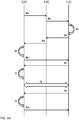
- Figure 2 is a signalling diagram depicting a method of verifying data in accordance with some embodiments.
- the method may be employed in a data communication system 100 such as that depicted in Figure 1 and described above, which includes data verification provider server system 110 and user equipment 120 potentially comprising malware 125 that can communicate data via a first data communication channel 126.
- the user equipment 120 establishes a second data communication channel 129, separate from the first data communication channel 126, for communicating data with the data verification provider server system 110.
- the user equipment 120 receives, via the second data communication channel 129, data identifying one or more algorithms to be used to derive output data from given input data.
- the one or more algorithms are associated with a given data verification request from the data verification provider server system 110 and are selected so as to vary between different data verification requests from the data verification provider server system 110.
- the user equipment 120 uses the one or more algorithms and received input data to derive output data.
- the user equipment 120 transmits the output data derived using the one or more algorithms via the second data communication channel 129.
- the data verification provider server system 110 may then compare the derived output data with expected output data for the given data verification request to determine a data verification result.
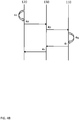
- Figure 3 is a signalling diagram depicting a method of verifying data in accordance with some embodiments.
- the method may be employed in a data communication system 100 such as that depicted in Figure 1 and described above, which includes data verification provider server system 110 and user equipment 120 potentially comprising malware 125 that can communicate data via a first data communication channel 126.
- the data verification provider server system 110 establishes a second data communication channel 129, separate from the first data communication channel, for communicating data with the user equipment 120.
- the data verification provider server system 110 selects one or more algorithms to be used to derive output data from given input data for a given data verification request.
- the one or more algorithms are selected so as to vary between different data verification requests.
- the data verification provider server system 110 associates the selected one or more algorithms with the given data verification request.
- the data verification provider server system 110 transmits data identifying the selected one or more algorithms via the second data communication channel 129.
- the data verification provider server system 110 receives output data via the second data communication channel 129.
- the data verification provider server system 110 compares the received output data with expected output data for the given data verification request.
- the expected output data is determined using the selected one or more algorithms.
- the data verification provider server system 110 determines a data verification result based at least partly on said comparing.
- Various embodiments described herein are indeed to address the transaction lifecycle vulnerability described above, while also allowing secure transaction verification to be performed on transaction-originating user equipment 120, even if the user equipment is infected, for example with malware 125.
- the data verification mechanisms described herein do not try to defeat the malware 125, but instead can operate within infected environments.
- the verification process described herein introduces a new per-transaction-level polymorphic protection mechanism that augments the existing broader session-level protection mechanisms that are currently in use.
- This provides a verification system that may be both more intuitive and cost-effective than using, for example, digipasses and may avoid the need to have a separate operational mobile phone in order to transact online. It also helps to mitigate the risk of brand damage to the data processing organisations from enforcing the use of additional devices on their customer base.
- the user is presented with the actual transaction request received by the data processing organisation server system 130 for verification and the data processing organisation server system 130 receives the user's actual response to their transaction verification request.
- the server-side data verification provider server system 110 associated with the data verification provider manages the infrastructure required to instantiate and support the verification process.
- the client-side data verification software element(s) 128 manage and perform the actual transaction verification with the transacting user on the same user equipment 120 the user used to issue the transaction request, even if the user equipment 120 is infected with the malware 125.
- the verification process in addition to using industry-standard encryption algorithms, is polymorphic.
- the client-side data verification software element(s) 128, the one or more algorithms and the encoding or encryption used for communications between the data verification software element(s) 128 and the data verification provider server system 110 morphs or varies across different transaction verification requests, for example in a non-deterministic manner.
- Communications between the data verification software elements 128 and the data verification provider server system 110 are performed through a secure, out-of-band data channel, the second data communication channel 129, in encoded form and are tunnelled through a TLS-encrypted connection via the data communications network 140.
- the security protocols used are such that the encoding used by the transaction verification process instances is specific to those instances.
- the data verification software element(s) 128 to be used for any given transaction request are downloaded on-demand per transaction, they cannot be tampered with on the user equipment 120, for example by the malware 125 or otherwise, beforehand.
- the data verification software element(s) 128 are both small in size, for example to allow sub-second download speeds over broadband, and also efficient to ensure negligible demand on resources on the user equipment 120.
- JavaTM Applets may be used to interact with users transacting via browsers and a mobile Application Programming Interface (API) may be provided with a small digital footprint for a data processing organisation server system 130's mobile applications.
- API Application Programming Interface
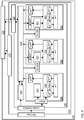
- Figure 4 is a signalling diagram depicting a method of verifying data in accordance with some embodiments.
- a transaction request is transmitted from the user equipment 120 to the data processing organisation server system 130 via the first data communication channel 126. It is not known whether or not the user equipment 120 is compromised and therefore whether or not the transaction request has been modified by malware on the user equipment 120.
- the data processing organisation server system 130 transmits a transaction verification request relating to the user's transaction request to the data verification provider server system 110.
- the data verification provider server system 110 receives the transaction verification request.
- the data verification provider server system 110 a specific Transaction Verification Initiator (TVI) to the data processing organisation server system 130 to be incorporated into the data processing organisation server system 130's response to the user's transaction request.
- TVI Transaction Verification Initiator
- the data processing organisation server system 130 transmits an initial response to the user's transaction request, along with the TVI, to the user equipment 120 via the first data communication channel 126.
- the receiving of the data processing organisation server system 130's response along with the TVI triggers the transaction verification process for the user's transaction request with the user to be automatically initiated on the user equipment 120.
- the transaction verification request page includes a HTML-encoded TVI that triggers a signed Virtual Verification Device Loader (VVDL) to be downloaded.
- VVDL Virtual Verification Device Loader
- the VVDL is or loads the data verification software element(s) 128 described above.
- the TVI is send as encoded data that the mobile application simply passes to a mobile API which contains a bootstrap loader that downloads the VVDL 128.
- the user equipment 120 requests and then downloads the VVDL 128 from a network location associated with the data verification provider server system 110.
- the VVDL 128 automatically installs in its own protected memory space and initiates the verification process for verifying the user's transaction request. Attempts to affect verification initiation by altering the TVI will invalidate its digital signature and verification will not be initiated. This renders such an attack both futile, and readily apparent to the user, as the user will not be able to approve the transaction. Attempts to appropriate and subvert the download and installation of the VVDL 128 are equally futile as the VVDL 128, the data to be verified, the encoding and verification process itself morphs or varies for each transaction request in a non-deterministic manner.
- the VVDL 128 and the data verification provider server system 110 cooperate to establish the second data communication channel 129 and the data verification provider server system 110 transmits encoded data to be used to verify the transaction to the VVDL 128 via the second data communication channel 129.
- the VVDL 128 performs various verification tests described in detail below and the user indicates their response to the data verification request.
- the VVDL 128 transmits an encoded response to the data verification provider server system 110 via the second data communication channel 129.
- response data is displayed to the user of the user equipment 120 by the VVDL 128 in an unencoded form.
- the user enters the displayed response data via the user interface 124 into the legitimate software element(s) 128, which the user equipment 120 transmits to the data processing organisation server system 130 via the first data communication channel 126.
- the data processing organisation server system 130 transmits a request to the data verification provider server system 110 to request confirmation of the user's response, based on the response data received from the user equipment 120 at step 4o.
- a response verification module at the data verification provider server system 110 compares the response data received via the second data communication channel 129 with the encoded response data received from the data processing organisation server system 130.
- steps 4n to 4q need not be performed.
- the data verification provider server system 110 may be able to determine the user's response to the data verification request based on the encoded data received via the second data communication channel at step 4m and may transmit the result of its determination to the data processing organisation server system 130 when it has determined the user's response.
- the data verification provider server system 110 transmits the result of the comparison to the data processing organisation server system 130 such that the data processing organisation server system 130 can determine the user's actual response.
- the data processing organisation server system 130 transmits an appropriate notification to the user equipment 120 to inform the user of the result of the verification process or takes a different action if appropriate.
- the verification process described herein is on-device and does not require the use of a separate physical verification devices such as security tokens as it creates and installs virtual verification devices on demand that use a three-factor polymorphic authenticity verification model, which will now be described in more detail, and includes the following sub-processes:
- the selected VCD is used both to control the verification process for that user's transaction request and to uniquely identify the user's transaction request within the data verification provider server system 110, such that the relationship between the data verification provider server system 110 and the user's transaction request cannot be predetermined and used as an attack vector.
- the data verification provider server system 110 uses the verification control data to generate the TVI for the user's transaction request.
- the data processing organisation server system 130 sends the TVI to the user equipment 120 via the first data communication channel 126.
- the TVI is encoded appropriately for the user equipment 120.
- Initiation of the verification process for a given transaction request is then either triggered automatically by the browser 127 (if the user is transacting via the browser) in response to receiving a transaction verification request page from the data processing organisation server system 130 or by the mobile application 127 used to submit the user's transaction request (if the user is transacting via a mobile application).
- the TVI includes some or all of the following:
- the public modulo prime and the public base generator are public (as opposed to being private) and may be re-used, shared or known across a large population without compromise to the security of a Diffie-Hellman key exchange that uses them. Furthermore, as only values for both the public modulo prime and the public base generator with high computational time complexity are used, the data verification provider server system 110 holds pre-computed ⁇ p, g ⁇ sets that are randomly assigned to the user's transaction request space at runtime.
- the VVDL 128 incorporates and ⁇ PE for this user's transaction request, which it uses to generate a result as a proof of in-session execution (PSE) as follows.
- PSE proof of in-session execution
- the VVDL 128 then establishes an out-of-band HTTPS session with the data verification provider server system 110 and checks the authenticity of the connection by checking the returned certificate to prevent host address spoofing. If the certificate is invalid, verification is aborted.
- HTTPS is not used to establish a secure connection, but only to ensure the authenticity of the connection as it is assumed that data over the HTTPS connection is being intercepted.
- the VVDL 128 sends [[TI, LPK],DS(LPK, )] to the data verification provider server system 110, where LPK is the VVDL 128 public key. This includes the and LPK are digitally signed using that LPK's matching private key to prevent a man-in-the-middle attack.
- the data verification provider server system 110 checks the authenticity of LPK and that is correct; in other words it compares the received result of the in-session executing test with an expected result of the in-session executing test. If both checks pass, data verification provider server system 110 activates the verification session unless a verification session for this transaction request has already been activated. If a verification session for this transaction request has already been activated, the entire verification session is aborted and the data processing organisation is informed of the failed attempt by the malware 125 on the user equipment 120 to spoof the verification process for the user's transaction request.
- VVDL 128 must be running in session and the session is using the correct VVDL 128 based on the fact that the transaction identifier, TI, cannot be predetermined, is specific to this user's transaction request and was needed to compute .
- the HIP test function can be configured to integrate with or support a data processing organisation's HIP test of choice, such as OTP and password character challenge and response.
- the data verification provider server system 110 has a CAPTCHA processor that may be used to provide the HIP test. This is at least as secure as OTP and does not require a separate OTP device and is substantially more secure than password challenge/response variants that are readily and easily broken.
- EPK is the data verification provider server system 110's public key for this Diffie-Hellman exchange that VVDL 128 uses to compute their shared secret key, SSK.
- SSK is known only to VVDL 128 and to the data verification provider server system 110.
- the SSK can only be known to VVDL 128, at the user equipment 120, even if the VVDL 128 itself has been hijacked in a complex way by malware. Despite such a hijack being theoretically complex and very difficult to achieve in real-time, it is assumed that this might be possible and will be determined next. The computed SSK however, regardless of such an attack, is still secure and safe to use.
- mSSK is the mutation value, required by to morph the shared secret key, SSK, to a master key K* known to the data verification provider server system 110 such that SSK ⁇ mSSK ⁇ K*, which seeds the key generator used to secure further communications and to decrypt eData.
- This operation does not weaken the security guarantees of the shared secret key, but simply morphs the shared secret key to an alternative secret key K* with the help of Diffie-Hellman key exchange, where K* was established using a CSPRNG associated with the verification control data associated with this transaction request.
- eData when decoded, contains [TKN1, , HDS] where TKN1 is a nonce token and ⁇ PE is required to compute .
- HDS is the HIP test data set ⁇ HC 1 , SV 1 ⁇ , ..., ⁇ HC n , SV n ⁇ .
- HC is a HIP CAPTCHA and SV is its matched shadow value such that the result, , of F PH ⁇ PE TI , HC ⁇ v , SV is sent to the data verification provider server system 110, where HC-v is the entered value for HC.
- the shadow values, SV prevent the known value cryptanalysis attack on the encrypted data stream.
- Each HDS ⁇ HDS 1 , .., HDS n ⁇ and the images of the contained HIP CAPTCHA are non-repeating and are based on CSPRNG nonces.
- each HIP CAPTCHA is imprinted using random data to prevent the known patterns cryptanalysis attack on the encrypted data stream.
- the anti-cryptanalysis shadow value feature is based on one-time-pads which are proven to be unbreakable if implemented correctly.
- the digital signature, DS, contained in the data block, is computed using a cryptographically secure, one-way function that is collision resistant; such as SHA-2.
- a data integrity function F D PH A B fails, the verification process aborts gracefully, informs the data processing organisation server system 130 of the failure and takes any remedial action as dictated by the data processing organisation server system 130; for example restarting the verification mechanism using new verification control data.
- the VVDL 128 challenges the user to the HIP test, which must be completed in a finite time and sends the encrypted block [TI, TKN1, ] to the between the user equipment 120 and the data verification provider server system 110 via its secure out-of-band data channel.
- the malware will not only have now failed the HIP test, but it will also not be able to read or manipulate the data transmissions between the VVDL 128 and the between the user equipment 120 and the data verification provider server system 110 because the encrypted data channel's end-point is contained within the VVDL 128 itself and not within, for example, the browser 127 which would cause the security vulnerability exploited by MitB malware.
- the one or more malicious software elements 125 are now unable to decrypt this data communication channel, any MitB attack is rendered ineffectual. If is correct, the data verification provider server system 110 can proceed to verify the transaction request in question. In the event that the HIP test fails to be completed successfully, the transaction verification process is immediately but gracefully aborted and the data processing organisation server system 130 is notified so that it can information the user appropriately.
- Transaction verification proof may be considered to be a three-step process: P ⁇ C ⁇ R, where P is the presentation stage in which the transaction request received by the data processing organisation server system 130 is presented to the user on the user device 120 via the user interface 124, C is the capture stage in which the user's response to the verification request is captured by the VVDL 128 via the user interface 124 and R is the result stage in which the encoded response is sent back to the data verification provider server system 110 for processing.
- F PV ⁇ R generates the result, R
- F PV ( ⁇ K TI , TKN 1 , TKN 2 generates the key, K PV , needed to decrypt the eTRD to produce TRD, where TRD contains the transaction verification data required by .
- the transaction verification proof for a given user's transaction request may be generalised as following the following steps.
- K PV is derived by: K PV ⁇ F PV ⁇ K TI , TKN 1 , TKN 2 .
- TRD is derived by: TRD ⁇ F PV TI eTRD K PV .
- the verification process aborts gracefully, informs the data processing organisation server system 130 and takes any remedial action as dictated by the data processing organisation server system 130 such as restarting the verification mechanism using new verification control data.
- the user's response, R is derived by: R ⁇ F PV TRD .
- TRD may be image or value data.
- the data verification provider server system 110 has a secure image rendering engine which may be used if the data processing organisation server system 130 wishes to present the transaction request details it has received from the user as an image.
- the rendering engine combines a background image, BG, with the transactional data and a date and/or time stamp.
- the background image, BG is chosen from a replenished set ⁇ BG 1 , ..., BG n ⁇ of branded images that all look the same to the user but are imprinted with non-visible random data (noise) using steganography to obfuscate the image bit pattern.
- TRD is value data then TRD is rendered with the data processing organisation server system 130's template of choice and is known to the VVDL 128 in a manner determined by to perform the presentation and capture stages, where the determination of the presentation and capture stages are encoded into the given .
- the user's response, R is determined either by a HIP operation such as CAPTCHA, OTP or the like, or via runtime-generated confirm and reject buttons as per the data processing organisation server system 130's requirements. If button generation is used, the buttons are encoded with response or confirm codes that are supplied in the eTRD, that are specific to the user's transaction request and that are used by ⁇ R .
- R PV The result of the transaction verification test, is derived by: R PV ⁇ F PV ⁇ R ( TI , HMAC TI TRD R , TKN 2 .
- the VVDL 128 then sends the data block [TI, TKN2, R PV ] to the data verification provider server system 110.
- the user is redirected as appropriate depending on the user's response, R.
- the output from each verification step is also transaction request specific, varies between different requests and is encrypted directly within the data verification software element(s) 128 based on runtime-generated Diffie-Hellman secret keys known only to the data verification software element(s) 128 and the data verification provider server system 110, before being transmitted over the TLS-encrypted second data communication channel. Furthermore, all secret keys are generated within protected memory and held in opaque form.
- Figure 5 is a schematic representation of user equipment in accordance with some embodiments.
- the user equipment may be used to verify data in accordance with some embodiments.
- the user equipment 120 includes a network interface 124 which enables the user equipment 120 to communicate via the data communications network 140.
- the user equipment 120 establishes a first data communication channel 126 with the data processing organisation server system 130 via which it receives Transaction Verification Initiation (TVI) data.
- TVI Transaction Verification Initiation
- the user equipment 120 uses the TVI data to download a VVDL 410.
- the VVDL 510 loads the virtual verification device 128.
- the virtual verification device 128 includes a U TR verification process controller 520 which is used to control the verification process on the user equipment 120.
- the U TR verification process controller 520 cooperates with a DH key exchange module 530 and the data verification provider server system 110 to establish the second data communication channel 129 between the user equipment 120 and the data verification provider server system 110.
- the VVDL 510 also includes encoded data, eData PE , to be used by an in-session execution verifier module 540 to perform a PSE test.
- the in-session execution verifier module 540 includes a key generator engine 541 that identifies the key required to decode the encoded data eData PE and passes the key to an encoding/decoding module 542 that decodes the encoded data eData PE using the key.
- the decoded data comprises ⁇ PE and other data which are used to derive a result of the PSE test, , using .
- the result of the PSE test is encoded by the encoding/decoding module 542 to produce an encoded result of the PSE test, , which is passed by the in-session execution verifier module 540 to the U TR verification process controller 520.
- the U TR verification process controller 420 then transmits the encoded result of the PSE test, , to the data verification provider server system 110 via the second data communication channel 129.
- the virtual verification device 128 also includes a HIP verifier module 550 which performs HIP tests.
- the HIP verifier module 550 includes a key generator engine 551 that identifies the key required to decode the encoded data eData PH using both the encoded data eData PH and the DH SSK and passes the key to an encoding/decoding module 552 that decodes the encoded data eData PH using the key.
- the decoded data comprises ⁇ PH and other data which are used to derive a result of the HIP test, , using the .
- the result of the HIP test is encoded by the encoding/decoding module 552 to produce an encoded result of the HIP test, , which is passed by the HIP verifier module 550 to the U TR verification process controller 520.
- the U TR verification process controller 520 then transmits the encoded result of the HIP test, , to the data verification provider server system 110 via the second data communication channel 129.
- the virtual verification device 128 also includes a transaction request module 560 which performs transaction verification tests.
- the transaction request module 560 includes a key generator engine 561 that identifies the key required to decode the encoded data eData PV using both the encoded data eData PV and the DH SSK and passes the key to an encoding/decoding module 562 that decodes the encoded data eData PV using the key.
- the decoded data comprises ⁇ PV and other data which are used to derive a result of the transaction verification test, , using the .
- the result of the transaction verification test is encoded by the encoding/decoding module 562 to produce an encoded result of the transaction verification test, , which is passed by the transaction verification module 560 to the U TR verification process controller 520.
- the U TR verification process controller 520 then transmits the encoded result of the transaction verification test, , to the data verification provider server system 110 via the second data communication channel 129.
- Figure 6 is a schematic representation of data verification provider server system 110 in accordance with some embodiments.
- the data verification provider server system 110 may be used to verify data in accordance with some embodiments.
- the data verification provider server system 110 is depicted in combination with relevant parts of the data processing organisation server system 130, showing the interaction between the data verification provider server system 110 and the data processing organisation server system 130. As explained above in relation to Figure 4 , the data verification provider server system 110 also interacts with the user equipment 120 to perform data verification.
- the data processing organisation server system 130 has a network interface 131 via which it communicates with the data verification provider server system 110.
- the data processing organisation server system 130 also includes a transaction verification business process engine 132 which is used to inject transaction verification requests into the data verification provider server system 110.
- the data verification provider server system 110 includes an injector module 605 which receives user transaction requests from the data processing organisation server system 130.
- the data verification provider server system 110 includes a random data generator engine 610 which can be used to generate data, such as algorithms, in a non-deterministic manner.
- the random data generator engine 610 passes such data to a data verification software element generator engine 615, which passes data verification software element data to a data verification software element pool module 620.
- the a data verification software element pool module 520 stores sets of DH parameters, VCD, L, , and ⁇ and passes these items to a VCD pre-processor module 625 that generates VCD to be used in the transaction verification process.
- the VCD pre-processor module 625 passes VCD to a verification session handler (VSH) to U TR binding engine 630 that binds verification sessions to user transaction requests.
- VSH verification session handler
- the VSH to U TR binding engine 630 generates a VSH for a given transaction request and passes the generated VSH to the injector module 605 which then passes the VSH TR to the data processing organisation 130 for communication to the user equipment 120 via the first data communication channel 126.
- the VSH to U TR binding engine 630 also passes the generated VSH to verification session manager 635 which handles the verification session at the data verification provider server system 110.
- the verification session manager 635 communicates with a VSH persistence engine 640 to ensure that the correct VSH is being used in relation to a given transaction, with an enterprise integration services module 645 which enables the data verification provider server system 110 to facilitate integration with the data processing organisation, and with a verification controller 650 which is responsible for controlling the verification process in cooperation with the user equipment 120 via the second data communication channel 129.
- the verification controller 650 is controlled by a verification CPU 655.
- the data verification provider server system 110 includes a query module 660 which receives a query in relation to a given user transaction request from the data processing organisation server system 130.
- the query is handled by a verification response comparator 665 which is also controlled by the verification CPU 655.
- a response to the query is communicated to the data processing organisation server system 130 via the query module 660.
- Embodiments described herein relate to an online transaction verification process.
- the transaction verification process creates a virtual, out-of-band one-time-use transaction verification device at runtime within a physical user device that can be used to perform transaction verification securely in real time. The likelihood of real-time malware-related online transactional fraud may thus be reduced.
- the transaction verification process has been designed to operate successfully even on severely infected user devices.
- data processing organisation server system 130 and the data verification provider server system 110 have been described above in some embodiments as separate entities, it will be appreciated that they may be combined to form a single logical entity that provides, for example, both transaction processing and transaction verification for users.
Landscapes
- Engineering & Computer Science (AREA)
- Computer Security & Cryptography (AREA)
- Theoretical Computer Science (AREA)
- Computer Hardware Design (AREA)
- General Engineering & Computer Science (AREA)
- Software Systems (AREA)
- Physics & Mathematics (AREA)
- General Physics & Mathematics (AREA)
- Computer Networks & Wireless Communication (AREA)
- Signal Processing (AREA)
- Business, Economics & Management (AREA)
- Computing Systems (AREA)
- General Health & Medical Sciences (AREA)
- Virology (AREA)
- Health & Medical Sciences (AREA)
- Accounting & Taxation (AREA)
- Strategic Management (AREA)
- General Business, Economics & Management (AREA)
- Multimedia (AREA)
- Technology Law (AREA)
- Finance (AREA)
- Data Exchanges In Wide-Area Networks (AREA)
- Computer And Data Communications (AREA)
Claims (19)
- Procédé de vérification de données dans un système de communication de données (100), le système de communication de données (100) comprenant :un système de serveur fournisseur de vérification de données (110) ; etun équipement utilisateur (120) comprenant potentiellement un ou plusieurs éléments logiciels malveillants (125) qui peuvent communiquer des données via un premier canal de communication de données (126),le procédé comprenant les étapes suivantes au niveau de l'équipement utilisateur (120) :la réception d'un ou plusieurs éléments logiciels de vérification de données (128) à utiliser afin de réaliser une vérification de données pour une requête de vérification de données spécifique à partir d'une source éloignée via un réseau de communication de données (140), dans lequel les un ou plusieurs éléments logiciels de vérification de données (128) varient entre différentes requêtes de vérification de données à partir du système de serveur fournisseur de vérification de données (110) ;l'établissement, en utilisant les un ou plusieurs éléments logiciels de vérification de données (128), d'un second canal de communication de données (129), séparé du premier canal de communication de données (126), pour la communication de données avec le système de serveur fournisseur de vérification de données (110) ;la réception, via le second canal de communication de données (129), de données identifiant un ou plusieurs algorithmes à utiliser afin de dériver des données de sortie à partir de données d'entrée spécifiques, les un ou plusieurs algorithmes étant associés à une requête de vérification de données spécifique à partir du système de serveur fournisseur de vérification de données (110) et variant entre différentes requêtes de vérification de données à partir du système de serveur fournisseur de vérification de données (110) ;l'utilisation des un ou plusieurs algorithmes et de données d'entrée reçues afin de dériver des données de sortie ; etla transmission des données de sortie dérivées en utilisant les un ou plusieurs algorithmes via le second canal de communication de données (129), de sorte que le système de serveur fournisseur de vérification de données (110) peut fonctionner afin de comparer les données de sortie dérivées avec des données de sortie attendues pour la requête de vérification de données spécifique afin de déterminer un résultat de vérification de données.
- Procédé selon la revendication 1, dans lequel les un ou plusieurs algorithmes varient de manière non déterministe entre différentes requêtes de vérification de données à partir du système de serveur fournisseur de vérification de données.
- Procédé selon la revendication 1 ou 2, comprenant :la sélection d'un ou plusieurs emplacements dans une mémoire (122) où il convient de stocker les un ou plusieurs algorithmes, au moins certains des un ou plusieurs emplacements étant sélectionnés de façon à varier entre différentes requêtes de vérification de données à partir du système de serveur fournisseur de vérification de données (110) ; etle stockage des un ou plusieurs algorithmes dans les un ou plusieurs emplacements sélectionnés dans la mémoire (122).
- Procédé selon une quelconque revendication précédente, comprenant :la sélection d'un ou plusieurs algorithmes leurres à stocker avec les un ou plusieurs algorithmes dans la mémoire (122) ; etle stockage des un ou plusieurs algorithmes et des un ou plusieurs algorithmes leurres sélectionnés dans la mémoire (122).
- Procédé selon une quelconque revendication précédente, comprenant le stockage des un ou plusieurs algorithmes dans une mémoire protégée au niveau de l'équipement utilisateur (120).
- Procédé selon une quelconque revendication précédente, comprenant la réception de données à vérifier via le second canal de communication de données (129).
- Procédé selon une quelconque revendication précédente, comprenant l'identification de données à vérifier pour un utilisateur via une interface utilisateur (124).
- Procédé selon une quelconque revendication précédente, comprenant la réception d'une entrée utilisateur via une interface utilisateur (124), l'entrée utilisateur correspondant à une réponse de vérification de données en provenance d'un utilisateur, le procédé comprenant de manière optionnelle l'utilisation d'au moins l'entrée utilisateur reçue en tant que données d'entrée pour les un ou plusieurs algorithmes.
- Procédé selon une quelconque revendication précédente, comprenant la réception d'au moins une partie des un ou plusieurs éléments logiciels de vérification de données (128), ou de données identifiant un emplacement éloigné où les un ou plusieurs éléments logiciels de vérification de données (128) peuvent être récupérées, via le premier canal de communication de données (126).
- Procédé selon une quelconque revendication précédente, comprenant :l'identification d'un ou plusieurs emplacements dans une mémoire (122) dans lesquels stocker les un ou plusieurs éléments logiciels de vérification de données (128), au moins certains des un ou plusieurs emplacements variant entre différentes requêtes de vérification de données à partir du système de serveur fournisseur de vérification de données (110) ; etle stockage des un ou plusieurs éléments logiciels de vérification de données (128) dans les un ou plusieurs emplacements identifiés dans une mémoire (122).
- Procédé de vérification de données dans un système de communication de données (100), le système de communication de données (100) comprenant :un système de serveur fournisseur de vérification de données (110) ; etun équipement utilisateur (120) comprenant un ou plusieurs éléments logiciels de vérification de données (128) qui peuvent être utilisés par l'équipement utilisateur afin de réaliser une vérification de données pour une requête de vérification de données spécifique et qui varient entre différentes requêtes de vérification de données, et comprenant potentiellement un ou plusieurs éléments logiciels malveillants (125) qui peuvent communiquer des données via un premier canal de communication de données (126),le procédé comprenant les étapes suivantes au niveau du système de serveur fournisseur de vérification de données (110) :l'établissement d'un second canal de communication de données (129), séparé du premier canal de communication de données (126), pour la communication de données avec l'équipement utilisateur (120) ;la sélection d'un ou plusieurs algorithmes à utiliser afin de dériver des données de sortie à partir de données d'entrée spécifiques pour une requête de vérification de données spécifique, les un ou plusieurs algorithmes étant sélectionnés de façon à varier entre différentes requêtes de vérification de données ;l'association des un ou plusieurs algorithmes sélectionnés avec la requête de vérification de données spécifique ;la transmission de données identifiant les un ou plusieurs algorithmes sélectionnés via le second canal de communication de données (129) ;la réception de données de sortie via le second canal de communication de données (129) ;la comparaison des données de sortie reçues avec des données de sortie attendues pour la requête de vérification de données spécifique, les données de sortie attendues étant déterminées en utilisant les un ou plusieurs algorithmes sélectionnés ; etla détermination d'un résultat de vérification de données basé au moins partiellement sur ladite comparaison.
- Procédé selon la revendication 11, comprenant la sélection des un ou plusieurs algorithmes de manière non déterministe pour la requête de vérification de données spécifique.
- Procédé selon la revendication 11 ou 12, comprenant la transmission de données à vérifier via le second canal de communication de données (129).
- Procédé selon l'une quelconque des revendications 11 à 13, comprenant la transmission de données via le second canal de communication de données (129) pour ordonner à l'équipement utilisateur (120) d'identifier des données à vérifier pour un utilisateur via une interface utilisateur (124).
- Procédé selon l'une quelconque des revendications 11 à 14, comprenant l'établissement du second canal de communication de données (129) en utilisant une clé secrète partagée, le procédé comprenant de manière optionnelle la génération de la clé secrète partagée en coopération avec l'équipement utilisateur (120) en tant que partie d'une procédure d'établissement pour l'établissement du second canal de communication de données (129).
- Equipement utilisateur (120) pour la vérification de données dans un système de communication de données (100), le système de communication de données (100) comprenant :un système de serveur fournisseur de vérification de données (110) ; etl'équipement utilisateur (120) comprenant potentiellement un ou plusieurs éléments logiciels malveillants (125) qui peuvent communiquer des données via un premier canal de communication de données (126), dans lequel l'équipement utilisateur (120) comprend :un ou plusieurs récepteurs pouvant fonctionner afin de recevoir un ou plusieurs éléments logiciels de vérification de données (128) à utiliser afin de réaliser une vérification de données pour une requête de vérification de données spécifique à partir d'une source éloignée via un réseau de communication de données (140), dans lequel les un ou plusieurs éléments logiciels de vérification de données (128) varient entre différentes requêtes de vérification de données à partir du système de serveur fournisseur de vérification de données (110) ;un ou plusieurs processeurs pouvant fonctionner afin d'établir, en utilisant les un ou plusieurs éléments logiciels de vérification de données (128), un second canal de communication de données (129), séparé du premier canal de communication de données (126), pour la communication de données avec le système de serveur fournisseur de vérification de données (110) ;un ou plusieurs récepteurs pouvant fonctionner afin de recevoir, via le second canal de communication de données (129), des données identifiant un ou plusieurs algorithmes à utiliser afin de dériver des données de sortie à partir de données d'entrée spécifiques, les un ou plusieurs algorithmes étant associés à une requête de vérification de données spécifique à partir du système de serveur fournisseur de vérification de données (110) et variant entre différentes requêtes de vérification de données à partir du système de serveur fournisseur de vérification de données (110) ;un ou plusieurs processeurs pouvant fonctionner afin d'utiliser les un ou plusieurs algorithmes et des données d'entrée reçues afin de dériver des données de sortie ; etun ou plusieurs émetteurs pouvant fonctionner afin de transmettre les données de sortie dérivées en utilisant les un ou plusieurs algorithmes via le second canal de communication de données (129), de sorte que le système de serveur fournisseur de vérification de données (110) peut fonctionner afin de comparer les données de sortie dérivées avec des données de sortie attendues pour la requête de vérification de données spécifique afin de déterminer un résultat de vérification de données.
- Logiciel informatique adapté pour réaliser un procédé de vérification de données dans un système de communication de données (100), le système de communication de données (100) comprenant :un système de serveur fournisseur de vérification de données (110) ; etun équipement utilisateur (120) comprenant potentiellement un ou plusieurs éléments logiciels malveillants (125) qui peuvent communiquer des données via un premier canal de communication de données (126),le procédé comprenant les étapes suivantes au niveau de l'équipement utilisateur (120) :la réception d'un ou plusieurs éléments logiciels de vérification de données (128) à utiliser afin de réaliser une vérification de données pour une requête de vérification de données spécifique à partir d'une source éloignée via un réseau de communication de données (140), dans lequel les un ou plusieurs éléments logiciels de vérification de données (128) varient entre différentes requêtes de vérification de données à partir du système de serveur fournisseur de vérification de données (110) ;l'établissement, en utilisant les un ou plusieurs éléments logiciels de vérification de données (128), d'un second canal de communication de données (129), séparé du premier canal de communication de données (126), pour la communication de données avec le système de serveur fournisseur de vérification de données (110) ;la réception, via le second canal de communication de données (129), de données identifiant un ou plusieurs algorithmes à utiliser afin de dériver des données de sortie à partir de données d'entrée spécifiques, les un ou plusieurs algorithmes étant associés à une requête de vérification de données spécifique à partir du système de serveur fournisseur de vérification de données (110) et variant entre différentes requêtes de vérification de données à partir du système de serveur fournisseur de vérification de données (110) ;l'utilisation des un ou plusieurs algorithmes et de données d'entrée reçues afin de dériver des données de sortie ; etla transmission des données de sortie dérivées en utilisant les un ou plusieurs algorithmes via le second canal de communication de données (129), de sorte que le système de serveur fournisseur de vérification de données (110) peut fonctionner afin de comparer les données de sortie dérivées avec des données de sortie attendues pour la requête de vérification de données spécifique afin de déterminer un résultat de vérification de données.
- Système de serveur fournisseur de vérification de données (110) pour la vérification de données dans un système de communication de données (100), le système de communication de données (100) comprenant :un équipement utilisateur (120) comprenant un ou plusieurs éléments logiciels de vérification de données (128) qui peuvent être utilisés par l'équipement utilisateur (120) afin de réaliser une vérification de données pour une requête de vérification de données spécifique et qui varient entre différentes requêtes de vérification de données, et comprenant potentiellement un ou plusieurs éléments logiciels malveillants (125) qui peuvent communiquer des données via un premier canal de communication de données (126),le système de serveur fournisseur de vérification de données (110) comprenant :un ou plusieurs processeurs pouvant fonctionner afin d'établir un second canal de communication de données (129), séparé du premier canal de communication de données (126), pour la communication de données avec l'équipement utilisateur (120) ;un ou plusieurs processeurs pouvant fonctionner afin de sélectionner un ou plusieurs algorithmes à utiliser afin de dériver des données de sortie à partir de données d'entrée spécifiques pour une requête de vérification de données spécifique, les un ou plusieurs algorithmes étant sélectionnés de façon à varier entre différentes requêtes de vérification de données ;un ou plusieurs processeurs pouvant fonctionner afin d'associer les un ou plusieurs algorithmes sélectionnés avec la requête de vérification de données spécifique ;un ou plusieurs émetteurs pouvant fonctionner afin de transmettre des données identifiant les un ou plusieurs algorithmes sélectionnés via le second canal de communication de données (129) ;un ou plusieurs récepteurs pouvant fonctionner afin de sortir des données via le second canal de communication de données (129) ;un ou plusieurs processeurs pouvant fonctionner afin de comparer les données de sortie reçues avec des données de sortie attendues pour la requête de vérification de données spécifique, les données de sortie attendues étant déterminées en utilisant les un ou plusieurs algorithmes sélectionnés ; etun ou plusieurs processeurs pouvant fonctionner afin de déterminer un résultat de vérification de données basé au moins partiellement sur ladite comparaison.
- Logiciel informatique adapté pour réaliser un procédé de vérification de données dans un système de communication de données (100), le système de communication de données (100) comprenant :un système de serveur fournisseur de vérification de données (110) ; etun équipement utilisateur (120) comprenant un ou plusieurs éléments logiciels de vérification de données (128) qui peuvent être utilisés par l'équipement utilisateur afin de réaliser une vérification de données pour une requête de vérification de données spécifique et qui varient entre différentes requêtes de vérification de données, et comprenant potentiellement un ou plusieurs éléments logiciels malveillants (125) qui peuvent communiquer des données via un premier canal de communication de données (126),le procédé comprenant les étapes suivantes au niveau du système de serveur fournisseur de vérification de données (110) :l'établissement d'un second canal de communication de données (129), séparé du premier canal de communication de données (126), pour la communication de données avec l'équipement utilisateur (120) ;la sélection d'un ou plusieurs algorithmes à utiliser afin de dériver des données de sortie à partir de données d'entrée spécifiques pour une requête de vérification de données spécifique, les un ou plusieurs algorithmes étant sélectionnés de façon à varier entre différentes requêtes de vérification de données ;l'association des un ou plusieurs algorithmes sélectionnés avec la requête de vérification de données spécifique ;la transmission de données identifiant les un ou plusieurs algorithmes sélectionnés via le second canal de communication de données (129) ;la réception de données de sortie via le second canal de communication de données (129) ;la comparaison des données de sortie reçues avec des données de sortie attendues pour la requête de vérification de données spécifique, les données de sortie attendues étant déterminées en utilisant les un ou plusieurs algorithmes sélectionnés ; etla détermination d'un résultat de vérification de données basé au moins partiellement sur ladite comparaison.
Priority Applications (1)
| Application Number | Priority Date | Filing Date | Title |
|---|---|---|---|
| EP17177215.5A EP3252636A1 (fr) | 2012-08-23 | 2013-03-14 | Vérification de données |
Applications Claiming Priority (2)
| Application Number | Priority Date | Filing Date | Title |
|---|---|---|---|
| GB1215075.1A GB2505231B (en) | 2012-08-23 | 2012-08-23 | Data verification |
| PCT/GB2013/050640 WO2014029959A1 (fr) | 2012-08-23 | 2013-03-14 | Vérification de données |
Related Child Applications (2)
| Application Number | Title | Priority Date | Filing Date |
|---|---|---|---|
| EP17177215.5A Division EP3252636A1 (fr) | 2012-08-23 | 2013-03-14 | Vérification de données |
| EP17177215.5A Division-Into EP3252636A1 (fr) | 2012-08-23 | 2013-03-14 | Vérification de données |
Publications (3)
| Publication Number | Publication Date |
|---|---|
| EP2888689A1 EP2888689A1 (fr) | 2015-07-01 |
| EP2888689B1 true EP2888689B1 (fr) | 2017-07-05 |
| EP2888689B8 EP2888689B8 (fr) | 2017-08-30 |
Family
ID=47045321
Family Applications (2)
| Application Number | Title | Priority Date | Filing Date |
|---|---|---|---|
| EP13717810.9A Not-in-force EP2888689B8 (fr) | 2012-08-23 | 2013-03-14 | Vérification de données |
| EP17177215.5A Withdrawn EP3252636A1 (fr) | 2012-08-23 | 2013-03-14 | Vérification de données |
Family Applications After (1)
| Application Number | Title | Priority Date | Filing Date |
|---|---|---|---|
| EP17177215.5A Withdrawn EP3252636A1 (fr) | 2012-08-23 | 2013-03-14 | Vérification de données |
Country Status (5)
| Country | Link |
|---|---|
| US (1) | US20150170150A1 (fr) |
| EP (2) | EP2888689B8 (fr) |
| CA (1) | CA2911878A1 (fr) |
| GB (2) | GB2505231B (fr) |
| WO (1) | WO2014029959A1 (fr) |
Families Citing this family (5)
| Publication number | Priority date | Publication date | Assignee | Title |
|---|---|---|---|---|
| JP6438011B2 (ja) * | 2014-04-25 | 2018-12-12 | 株式会社セキュアブレイン | 不正検知ネットワークシステム及び、不正検知方法 |
| US10397262B2 (en) * | 2017-07-20 | 2019-08-27 | Biocatch Ltd. | Device, system, and method of detecting overlay malware |
| CN107896218A (zh) * | 2017-11-29 | 2018-04-10 | 郑州云海信息技术有限公司 | 一种自动化检测验证码回传逻辑漏洞的方法及系统 |
| CN114861197B (zh) * | 2022-03-14 | 2026-03-31 | 山东浪潮通软信息科技有限公司 | 一种针对异构系统集成的接口验证方法、设备及存储介质 |
| CN117294482B (zh) * | 2023-09-14 | 2024-08-16 | 广电运通集团股份有限公司 | 基于多方安全隐私计算的数据验证方法和装置 |
Family Cites Families (11)
| Publication number | Priority date | Publication date | Assignee | Title |
|---|---|---|---|---|
| US5815657A (en) * | 1996-04-26 | 1998-09-29 | Verifone, Inc. | System, method and article of manufacture for network electronic authorization utilizing an authorization instrument |
| FI112418B (fi) * | 2000-02-01 | 2003-11-28 | Nokia Corp | Menetelmä datan eheyden tarkastamiseksi, järjestelmä ja matkaviestin |
| US8150767B2 (en) * | 2000-02-16 | 2012-04-03 | Mastercard International Incorporated | System and method for conducting electronic commerce with a remote wallet server |
| US7389426B2 (en) * | 2005-11-29 | 2008-06-17 | Research In Motion Limited | Mobile software terminal identifier |
| US8117461B2 (en) * | 2006-09-13 | 2012-02-14 | Igt | Method of randomly and dynamically checking configuration integrity of a gaming system |
| US8689193B2 (en) * | 2006-11-01 | 2014-04-01 | At&T Intellectual Property Ii, L.P. | Method and apparatus for protecting a software application against a virus |
| US7933413B2 (en) * | 2007-02-02 | 2011-04-26 | Microsoft Corporation | Key exchange verification |
| KR101412747B1 (ko) * | 2007-07-18 | 2014-07-01 | 삼성전자주식회사 | 데이터를 인증하는 방법 및 상기 방법을 수행하는 시스템 |
| US8893967B2 (en) * | 2009-05-15 | 2014-11-25 | Visa International Service Association | Secure Communication of payment information to merchants using a verification token |
| US10535044B2 (en) * | 2010-01-08 | 2020-01-14 | Intuit Inc. | Authentication of transactions in a network |
| AU2011200413B1 (en) * | 2011-02-01 | 2011-09-15 | Symbiotic Technologies Pty Ltd | Methods and Systems to Detect Attacks on Internet Transactions |
-
2012
- 2012-08-23 GB GB1215075.1A patent/GB2505231B/en active Active
- 2012-08-23 GB GB1411956.4A patent/GB2513494B/en active Active
-
2013
- 2013-03-14 CA CA2911878A patent/CA2911878A1/fr not_active Abandoned
- 2013-03-14 EP EP13717810.9A patent/EP2888689B8/fr not_active Not-in-force
- 2013-03-14 WO PCT/GB2013/050640 patent/WO2014029959A1/fr not_active Ceased
- 2013-03-14 EP EP17177215.5A patent/EP3252636A1/fr not_active Withdrawn
-
2015
- 2015-02-20 US US14/628,082 patent/US20150170150A1/en not_active Abandoned
Also Published As
| Publication number | Publication date |
|---|---|
| GB2505231B (en) | 2014-10-01 |
| EP3252636A1 (fr) | 2017-12-06 |
| CA2911878A1 (fr) | 2014-02-27 |
| GB2513494B (en) | 2015-07-29 |
| US20150170150A1 (en) | 2015-06-18 |
| WO2014029959A1 (fr) | 2014-02-27 |
| GB2513494A (en) | 2014-10-29 |
| GB2505231A (en) | 2014-02-26 |
| GB201411956D0 (en) | 2014-08-20 |
| EP2888689A1 (fr) | 2015-07-01 |
| GB201215075D0 (en) | 2012-10-10 |
| EP2888689B8 (fr) | 2017-08-30 |
Similar Documents
| Publication | Publication Date | Title |
|---|---|---|
| KR102035312B1 (ko) | 사용자 중심의 인증 방법 및 시스템 | |
| US10445487B2 (en) | Methods and apparatus for authentication of joint account login | |
| US11501294B2 (en) | Method and device for providing and obtaining graphic code information, and terminal | |
| US8386784B2 (en) | Apparatus and method for securely submitting and processing a request | |
| CN107135073B (zh) | 接口调用方法和装置 | |
| US9779224B2 (en) | Methods and systems for client-enhanced challenge-response authentication | |
| US8869238B2 (en) | Authentication using a turing test to block automated attacks | |
| EP3840329B1 (fr) | Détection et prévention d'attaques de type intermédiaire sur une connexion chiffrée | |
| US8880885B2 (en) | Mutual authentication schemes | |
| US20090055642A1 (en) | Method, system and computer program for protecting user credentials against security attacks | |
| CN107979467B (zh) | 验证方法及装置 | |
| US20120198528A1 (en) | Methods and systems to detect attacks on internet transactions | |
| CN105306473B (zh) | 一种防止注入攻击的方法、客户端、服务器和系统 | |
| CN111130799B (zh) | 一种基于tee进行https协议传输的方法及系统 | |
| US9942042B1 (en) | Key containers for securely asserting user authentication | |
| KR20130131682A (ko) | 웹 서비스 사용자 인증 방법 | |
| CN108111497A (zh) | 摄像机与服务器相互认证方法和装置 | |
| EP2888689B1 (fr) | Vérification de données | |
| JP6059788B2 (ja) | カード装置を用いたネットワーク認証方法 | |
| CN114944921A (zh) | 登录认证方法、装置、电子设备及存储介质 | |
| CN116881936A (zh) | 可信计算方法及相关设备 | |
| Kim et al. | Session replication attack through QR code sniffing in passkey CTAP registration | |
| CN109428869B (zh) | 钓鱼攻击防御方法和授权服务器 | |
| KR20210005841A (ko) | 전자 장치의 무결성 검사 | |
| CN115277240A (zh) | 一种物联网设备的认证方法及装置 |
Legal Events
| Date | Code | Title | Description |
|---|---|---|---|
| PUAI | Public reference made under article 153(3) epc to a published international application that has entered the european phase |
Free format text: ORIGINAL CODE: 0009012 |
|
| 17P | Request for examination filed |
Effective date: 20150323 |
|
| AK | Designated contracting states |
Kind code of ref document: A1 Designated state(s): AL AT BE BG CH CY CZ DE DK EE ES FI FR GB GR HR HU IE IS IT LI LT LU LV MC MK MT NL NO PL PT RO RS SE SI SK SM TR |
|
| AX | Request for extension of the european patent |
Extension state: BA ME |
|
| DAX | Request for extension of the european patent (deleted) | ||
| GRAP | Despatch of communication of intention to grant a patent |
Free format text: ORIGINAL CODE: EPIDOSNIGR1 |
|
| RIC1 | Information provided on ipc code assigned before grant |
Ipc: G06F 21/56 20130101ALI20160202BHEP Ipc: G06F 21/14 20130101ALI20160202BHEP Ipc: H04L 29/06 20060101AFI20160202BHEP Ipc: G06Q 20/40 20120101ALN20160202BHEP |
|
| INTG | Intention to grant announced |
Effective date: 20160217 |
|
| GRAS | Grant fee paid |
Free format text: ORIGINAL CODE: EPIDOSNIGR3 |
|
| GRAJ | Information related to disapproval of communication of intention to grant by the applicant or resumption of examination proceedings by the epo deleted |
Free format text: ORIGINAL CODE: EPIDOSDIGR1 |
|
| GRAL | Information related to payment of fee for publishing/printing deleted |
Free format text: ORIGINAL CODE: EPIDOSDIGR3 |
|
| INTC | Intention to grant announced (deleted) | ||
| GRAP | Despatch of communication of intention to grant a patent |
Free format text: ORIGINAL CODE: EPIDOSNIGR1 |
|
| RIC1 | Information provided on ipc code assigned before grant |
Ipc: G06Q 20/40 20120101ALN20160721BHEP Ipc: H04L 29/06 20060101AFI20160721BHEP Ipc: G06F 21/56 20130101ALI20160721BHEP Ipc: G06F 21/14 20130101ALI20160721BHEP |
|
| INTG | Intention to grant announced |
Effective date: 20160818 |
|
| GRAJ | Information related to disapproval of communication of intention to grant by the applicant or resumption of examination proceedings by the epo deleted |
Free format text: ORIGINAL CODE: EPIDOSDIGR1 |
|
| GRAL | Information related to payment of fee for publishing/printing deleted |
Free format text: ORIGINAL CODE: EPIDOSDIGR3 |
|
| REG | Reference to a national code |
Ref country code: DE Ref legal event code: R079 Ref document number: 602013023097 Country of ref document: DE Free format text: PREVIOUS MAIN CLASS: G06F0021140000 Ipc: H04L0029060000 |
|
| GRAP | Despatch of communication of intention to grant a patent |
Free format text: ORIGINAL CODE: EPIDOSNIGR1 |
|
| INTG | Intention to grant announced |
Effective date: 20170119 |
|
| RIC1 | Information provided on ipc code assigned before grant |
Ipc: G06F 21/56 20130101ALI20170106BHEP Ipc: G06Q 20/40 20120101ALN20170106BHEP Ipc: G06F 21/14 20130101ALI20170106BHEP Ipc: H04L 29/06 20060101AFI20170106BHEP |
|
| GRAA | (expected) grant |
Free format text: ORIGINAL CODE: 0009210 |
|
| AK | Designated contracting states |
Kind code of ref document: B1 Designated state(s): AL AT BE BG CH CY CZ DE DK EE ES FI FR GB GR HR HU IE IS IT LI LT LU LV MC MK MT NL NO PL PT RO RS SE SI SK SM TR |
|
| REG | Reference to a national code |
Ref country code: GB Ref legal event code: FG4D |
|
| REG | Reference to a national code |
Ref country code: CH Ref legal event code: EP |
|
| REG | Reference to a national code |
Ref country code: AT Ref legal event code: REF Ref document number: 907330 Country of ref document: AT Kind code of ref document: T Effective date: 20170715 |
|
| REG | Reference to a national code |
Ref country code: IE Ref legal event code: FG4D |
|
| RBV | Designated contracting states (corrected) |
Designated state(s): AL AT BE BG CH CY CZ DE DK EE ES FI FR GR HR HU IE IS IT LI LT LU LV MC MK MT NL NO PL PT RO RS SE SI SK SM TR |
|
| REG | Reference to a national code |
Ref country code: DE Ref legal event code: R096 Ref document number: 602013023097 Country of ref document: DE |
|
| REG | Reference to a national code |
Ref country code: NL Ref legal event code: MP Effective date: 20170705 |
|
| REG | Reference to a national code |
Ref country code: AT Ref legal event code: MK05 Ref document number: 907330 Country of ref document: AT Kind code of ref document: T Effective date: 20170705 |
|
| REG | Reference to a national code |
Ref country code: LT Ref legal event code: MG4D |
|
| PG25 | Lapsed in a contracting state [announced via postgrant information from national office to epo] |
Ref country code: SE Free format text: LAPSE BECAUSE OF FAILURE TO SUBMIT A TRANSLATION OF THE DESCRIPTION OR TO PAY THE FEE WITHIN THE PRESCRIBED TIME-LIMIT Effective date: 20170705 Ref country code: FI Free format text: LAPSE BECAUSE OF FAILURE TO SUBMIT A TRANSLATION OF THE DESCRIPTION OR TO PAY THE FEE WITHIN THE PRESCRIBED TIME-LIMIT Effective date: 20170705 Ref country code: LT Free format text: LAPSE BECAUSE OF FAILURE TO SUBMIT A TRANSLATION OF THE DESCRIPTION OR TO PAY THE FEE WITHIN THE PRESCRIBED TIME-LIMIT Effective date: 20170705 Ref country code: AT Free format text: LAPSE BECAUSE OF FAILURE TO SUBMIT A TRANSLATION OF THE DESCRIPTION OR TO PAY THE FEE WITHIN THE PRESCRIBED TIME-LIMIT Effective date: 20170705 Ref country code: NL Free format text: LAPSE BECAUSE OF FAILURE TO SUBMIT A TRANSLATION OF THE DESCRIPTION OR TO PAY THE FEE WITHIN THE PRESCRIBED TIME-LIMIT Effective date: 20170705 Ref country code: NO Free format text: LAPSE BECAUSE OF FAILURE TO SUBMIT A TRANSLATION OF THE DESCRIPTION OR TO PAY THE FEE WITHIN THE PRESCRIBED TIME-LIMIT Effective date: 20171005 Ref country code: HR Free format text: LAPSE BECAUSE OF FAILURE TO SUBMIT A TRANSLATION OF THE DESCRIPTION OR TO PAY THE FEE WITHIN THE PRESCRIBED TIME-LIMIT Effective date: 20170705 |
|
| PG25 | Lapsed in a contracting state [announced via postgrant information from national office to epo] |
Ref country code: IS Free format text: LAPSE BECAUSE OF FAILURE TO SUBMIT A TRANSLATION OF THE DESCRIPTION OR TO PAY THE FEE WITHIN THE PRESCRIBED TIME-LIMIT Effective date: 20171105 Ref country code: RS Free format text: LAPSE BECAUSE OF FAILURE TO SUBMIT A TRANSLATION OF THE DESCRIPTION OR TO PAY THE FEE WITHIN THE PRESCRIBED TIME-LIMIT Effective date: 20170705 Ref country code: BG Free format text: LAPSE BECAUSE OF FAILURE TO SUBMIT A TRANSLATION OF THE DESCRIPTION OR TO PAY THE FEE WITHIN THE PRESCRIBED TIME-LIMIT Effective date: 20171005 Ref country code: LV Free format text: LAPSE BECAUSE OF FAILURE TO SUBMIT A TRANSLATION OF THE DESCRIPTION OR TO PAY THE FEE WITHIN THE PRESCRIBED TIME-LIMIT Effective date: 20170705 Ref country code: GR Free format text: LAPSE BECAUSE OF FAILURE TO SUBMIT A TRANSLATION OF THE DESCRIPTION OR TO PAY THE FEE WITHIN THE PRESCRIBED TIME-LIMIT Effective date: 20171006 Ref country code: ES Free format text: LAPSE BECAUSE OF FAILURE TO SUBMIT A TRANSLATION OF THE DESCRIPTION OR TO PAY THE FEE WITHIN THE PRESCRIBED TIME-LIMIT Effective date: 20170705 Ref country code: PL Free format text: LAPSE BECAUSE OF FAILURE TO SUBMIT A TRANSLATION OF THE DESCRIPTION OR TO PAY THE FEE WITHIN THE PRESCRIBED TIME-LIMIT Effective date: 20170705 |
|
| REG | Reference to a national code |
Ref country code: FR Ref legal event code: PLFP Year of fee payment: 6 |
|
| REG | Reference to a national code |
Ref country code: DE Ref legal event code: R097 Ref document number: 602013023097 Country of ref document: DE |
|
| PG25 | Lapsed in a contracting state [announced via postgrant information from national office to epo] |
Ref country code: RO Free format text: LAPSE BECAUSE OF FAILURE TO SUBMIT A TRANSLATION OF THE DESCRIPTION OR TO PAY THE FEE WITHIN THE PRESCRIBED TIME-LIMIT Effective date: 20170705 Ref country code: CZ Free format text: LAPSE BECAUSE OF FAILURE TO SUBMIT A TRANSLATION OF THE DESCRIPTION OR TO PAY THE FEE WITHIN THE PRESCRIBED TIME-LIMIT Effective date: 20170705 Ref country code: DK Free format text: LAPSE BECAUSE OF FAILURE TO SUBMIT A TRANSLATION OF THE DESCRIPTION OR TO PAY THE FEE WITHIN THE PRESCRIBED TIME-LIMIT Effective date: 20170705 |
|
| PLBE | No opposition filed within time limit |
Free format text: ORIGINAL CODE: 0009261 |
|
| STAA | Information on the status of an ep patent application or granted ep patent |
Free format text: STATUS: NO OPPOSITION FILED WITHIN TIME LIMIT |
|
| PG25 | Lapsed in a contracting state [announced via postgrant information from national office to epo] |
Ref country code: EE Free format text: LAPSE BECAUSE OF FAILURE TO SUBMIT A TRANSLATION OF THE DESCRIPTION OR TO PAY THE FEE WITHIN THE PRESCRIBED TIME-LIMIT Effective date: 20170705 Ref country code: SM Free format text: LAPSE BECAUSE OF FAILURE TO SUBMIT A TRANSLATION OF THE DESCRIPTION OR TO PAY THE FEE WITHIN THE PRESCRIBED TIME-LIMIT Effective date: 20170705 Ref country code: IT Free format text: LAPSE BECAUSE OF FAILURE TO SUBMIT A TRANSLATION OF THE DESCRIPTION OR TO PAY THE FEE WITHIN THE PRESCRIBED TIME-LIMIT Effective date: 20170705 Ref country code: SK Free format text: LAPSE BECAUSE OF FAILURE TO SUBMIT A TRANSLATION OF THE DESCRIPTION OR TO PAY THE FEE WITHIN THE PRESCRIBED TIME-LIMIT Effective date: 20170705 |
|
| 26N | No opposition filed |
Effective date: 20180406 |
|
| PG25 | Lapsed in a contracting state [announced via postgrant information from national office to epo] |
Ref country code: SI Free format text: LAPSE BECAUSE OF FAILURE TO SUBMIT A TRANSLATION OF THE DESCRIPTION OR TO PAY THE FEE WITHIN THE PRESCRIBED TIME-LIMIT Effective date: 20170705 |
|
| PG25 | Lapsed in a contracting state [announced via postgrant information from national office to epo] |
Ref country code: MC Free format text: LAPSE BECAUSE OF FAILURE TO SUBMIT A TRANSLATION OF THE DESCRIPTION OR TO PAY THE FEE WITHIN THE PRESCRIBED TIME-LIMIT Effective date: 20170705 |
|
| REG | Reference to a national code |
Ref country code: BE Ref legal event code: MM Effective date: 20180331 |
|
| PG25 | Lapsed in a contracting state [announced via postgrant information from national office to epo] |
Ref country code: LU Free format text: LAPSE BECAUSE OF NON-PAYMENT OF DUE FEES Effective date: 20180314 |
|
| PG25 | Lapsed in a contracting state [announced via postgrant information from national office to epo] |
Ref country code: BE Free format text: LAPSE BECAUSE OF NON-PAYMENT OF DUE FEES Effective date: 20180331 |
|
| PG25 | Lapsed in a contracting state [announced via postgrant information from national office to epo] |
Ref country code: MT Free format text: LAPSE BECAUSE OF NON-PAYMENT OF DUE FEES Effective date: 20180314 |
|
| PG25 | Lapsed in a contracting state [announced via postgrant information from national office to epo] |
Ref country code: TR Free format text: LAPSE BECAUSE OF FAILURE TO SUBMIT A TRANSLATION OF THE DESCRIPTION OR TO PAY THE FEE WITHIN THE PRESCRIBED TIME-LIMIT Effective date: 20170705 |
|
| PG25 | Lapsed in a contracting state [announced via postgrant information from national office to epo] |
Ref country code: PT Free format text: LAPSE BECAUSE OF FAILURE TO SUBMIT A TRANSLATION OF THE DESCRIPTION OR TO PAY THE FEE WITHIN THE PRESCRIBED TIME-LIMIT Effective date: 20170705 |
|
| PG25 | Lapsed in a contracting state [announced via postgrant information from national office to epo] |
Ref country code: HU Free format text: LAPSE BECAUSE OF FAILURE TO SUBMIT A TRANSLATION OF THE DESCRIPTION OR TO PAY THE FEE WITHIN THE PRESCRIBED TIME-LIMIT; INVALID AB INITIO Effective date: 20130314 Ref country code: MK Free format text: LAPSE BECAUSE OF NON-PAYMENT OF DUE FEES Effective date: 20170705 Ref country code: CY Free format text: LAPSE BECAUSE OF FAILURE TO SUBMIT A TRANSLATION OF THE DESCRIPTION OR TO PAY THE FEE WITHIN THE PRESCRIBED TIME-LIMIT Effective date: 20170705 |
|
| PG25 | Lapsed in a contracting state [announced via postgrant information from national office to epo] |
Ref country code: AL Free format text: LAPSE BECAUSE OF FAILURE TO SUBMIT A TRANSLATION OF THE DESCRIPTION OR TO PAY THE FEE WITHIN THE PRESCRIBED TIME-LIMIT Effective date: 20170705 |
|
| REG | Reference to a national code |
Ref country code: DE Ref legal event code: R079 Ref document number: 602013023097 Country of ref document: DE Free format text: PREVIOUS MAIN CLASS: H04L0029060000 Ipc: H04L0065000000 |
|
| PGFP | Annual fee paid to national office [announced via postgrant information from national office to epo] |
Ref country code: DE Payment date: 20220329 Year of fee payment: 10 Ref country code: CH Payment date: 20220328 Year of fee payment: 10 |
|
| PGFP | Annual fee paid to national office [announced via postgrant information from national office to epo] |
Ref country code: FR Payment date: 20220328 Year of fee payment: 10 |
|
| P01 | Opt-out of the competence of the unified patent court (upc) registered |
Effective date: 20230507 |
|
| REG | Reference to a national code |
Ref country code: DE Ref legal event code: R119 Ref document number: 602013023097 Country of ref document: DE |
|
| REG | Reference to a national code |
Ref country code: CH Ref legal event code: PL |
|
| PG25 | Lapsed in a contracting state [announced via postgrant information from national office to epo] |
Ref country code: LI Free format text: LAPSE BECAUSE OF NON-PAYMENT OF DUE FEES Effective date: 20230331 Ref country code: FR Free format text: LAPSE BECAUSE OF NON-PAYMENT OF DUE FEES Effective date: 20230331 Ref country code: DE Free format text: LAPSE BECAUSE OF NON-PAYMENT OF DUE FEES Effective date: 20231003 Ref country code: CH Free format text: LAPSE BECAUSE OF NON-PAYMENT OF DUE FEES Effective date: 20230331 |
|
| PGFP | Annual fee paid to national office [announced via postgrant information from national office to epo] |
Ref country code: IE Payment date: 20240326 Year of fee payment: 12 |
|
| PG25 | Lapsed in a contracting state [announced via postgrant information from national office to epo] |
Ref country code: IE Free format text: LAPSE BECAUSE OF NON-PAYMENT OF DUE FEES Effective date: 20250314 |