EP2893005B1 - Méthode permettant de générer des cellules immunomodulatrices, cellules préparées à l'aide de celle-ci, et leur utilisation - Google Patents
Méthode permettant de générer des cellules immunomodulatrices, cellules préparées à l'aide de celle-ci, et leur utilisation Download PDFInfo
- Publication number
- EP2893005B1 EP2893005B1 EP13835382.6A EP13835382A EP2893005B1 EP 2893005 B1 EP2893005 B1 EP 2893005B1 EP 13835382 A EP13835382 A EP 13835382A EP 2893005 B1 EP2893005 B1 EP 2893005B1
- Authority
- EP
- European Patent Office
- Prior art keywords
- cells
- hgf
- cell
- mscs
- immunomodulatory
- Prior art date
- Legal status (The legal status is an assumption and is not a legal conclusion. Google has not performed a legal analysis and makes no representation as to the accuracy of the status listed.)
- Active
Links
Images








Classifications
-
- C—CHEMISTRY; METALLURGY
- C12—BIOCHEMISTRY; BEER; SPIRITS; WINE; VINEGAR; MICROBIOLOGY; ENZYMOLOGY; MUTATION OR GENETIC ENGINEERING
- C12N—MICROORGANISMS OR ENZYMES; COMPOSITIONS THEREOF; PROPAGATING, PRESERVING, OR MAINTAINING MICROORGANISMS; MUTATION OR GENETIC ENGINEERING; CULTURE MEDIA
- C12N5/00—Undifferentiated human, animal or plant cells, e.g. cell lines; Tissues; Cultivation or maintenance thereof; Culture media therefor
- C12N5/06—Animal cells or tissues; Human cells or tissues
- C12N5/0602—Vertebrate cells
- C12N5/0634—Cells from the blood or the immune system
- C12N5/0636—T lymphocytes
-
- A—HUMAN NECESSITIES
- A61—MEDICAL OR VETERINARY SCIENCE; HYGIENE
- A61K—PREPARATIONS FOR MEDICAL, DENTAL OR TOILETRY PURPOSES
- A61K40/00—Cellular immunotherapy
- A61K40/10—Cellular immunotherapy characterised by the cell type used
-
- A—HUMAN NECESSITIES
- A61—MEDICAL OR VETERINARY SCIENCE; HYGIENE
- A61K—PREPARATIONS FOR MEDICAL, DENTAL OR TOILETRY PURPOSES
- A61K40/00—Cellular immunotherapy
- A61K40/20—Cellular immunotherapy characterised by the effect or the function of the cells
- A61K40/22—Immunosuppressive or immunotolerising
-
- A—HUMAN NECESSITIES
- A61—MEDICAL OR VETERINARY SCIENCE; HYGIENE
- A61K—PREPARATIONS FOR MEDICAL, DENTAL OR TOILETRY PURPOSES
- A61K40/00—Cellular immunotherapy
- A61K40/40—Cellular immunotherapy characterised by antigens that are targeted or presented by cells of the immune system
- A61K40/41—Vertebrate antigens
- A61K40/416—Antigens related to auto-immune diseases; Preparations to induce self-tolerance
-
- A—HUMAN NECESSITIES
- A61—MEDICAL OR VETERINARY SCIENCE; HYGIENE
- A61K—PREPARATIONS FOR MEDICAL, DENTAL OR TOILETRY PURPOSES
- A61K40/00—Cellular immunotherapy
- A61K40/40—Cellular immunotherapy characterised by antigens that are targeted or presented by cells of the immune system
- A61K40/41—Vertebrate antigens
- A61K40/418—Antigens related to induction of tolerance to non-self
-
- A—HUMAN NECESSITIES
- A61—MEDICAL OR VETERINARY SCIENCE; HYGIENE
- A61P—SPECIFIC THERAPEUTIC ACTIVITY OF CHEMICAL COMPOUNDS OR MEDICINAL PREPARATIONS
- A61P29/00—Non-central analgesic, antipyretic or antiinflammatory agents, e.g. antirheumatic agents; Non-steroidal antiinflammatory drugs [NSAID]
-
- A—HUMAN NECESSITIES
- A61—MEDICAL OR VETERINARY SCIENCE; HYGIENE
- A61P—SPECIFIC THERAPEUTIC ACTIVITY OF CHEMICAL COMPOUNDS OR MEDICINAL PREPARATIONS
- A61P37/00—Drugs for immunological or allergic disorders
- A61P37/02—Immunomodulators
-
- A—HUMAN NECESSITIES
- A61—MEDICAL OR VETERINARY SCIENCE; HYGIENE
- A61P—SPECIFIC THERAPEUTIC ACTIVITY OF CHEMICAL COMPOUNDS OR MEDICINAL PREPARATIONS
- A61P43/00—Drugs for specific purposes, not provided for in groups A61P1/00-A61P41/00
-
- C—CHEMISTRY; METALLURGY
- C12—BIOCHEMISTRY; BEER; SPIRITS; WINE; VINEGAR; MICROBIOLOGY; ENZYMOLOGY; MUTATION OR GENETIC ENGINEERING
- C12N—MICROORGANISMS OR ENZYMES; COMPOSITIONS THEREOF; PROPAGATING, PRESERVING, OR MAINTAINING MICROORGANISMS; MUTATION OR GENETIC ENGINEERING; CULTURE MEDIA
- C12N5/00—Undifferentiated human, animal or plant cells, e.g. cell lines; Tissues; Cultivation or maintenance thereof; Culture media therefor
- C12N5/06—Animal cells or tissues; Human cells or tissues
- C12N5/0602—Vertebrate cells
- C12N5/0634—Cells from the blood or the immune system
- C12N5/0636—T lymphocytes
- C12N5/0637—Immunosuppressive T lymphocytes, e.g. regulatory T cells or Treg
-
- C—CHEMISTRY; METALLURGY
- C12—BIOCHEMISTRY; BEER; SPIRITS; WINE; VINEGAR; MICROBIOLOGY; ENZYMOLOGY; MUTATION OR GENETIC ENGINEERING
- C12N—MICROORGANISMS OR ENZYMES; COMPOSITIONS THEREOF; PROPAGATING, PRESERVING, OR MAINTAINING MICROORGANISMS; MUTATION OR GENETIC ENGINEERING; CULTURE MEDIA
- C12N2501/00—Active agents used in cell culture processes, e.g. differentation
- C12N2501/10—Growth factors
- C12N2501/12—Hepatocyte growth factor [HGF]
Definitions
- the present invention relates to an in vitro method for generating cells with specific functions.
- the present invention relates to a method for generating immunomodulatory cells.
- Document D1 describes a human bone marrow stromal cells suppress T-lymphocyte proliferation induced by cellular or nonspecific mitogenic stimuli.
- Document D2 describes an interaction between hepatocyte growth factor and its receptor (c-MET) prolongs the survival of chronic lymphocytic leukemic cells through STAT3 phosphorylation: a potential role of mesenchymal cells in the disease.
- Document D3 describes a human mesenchymal stem cells modulated allogeneic immune cell responses.
- Document D4 discloses a composition comprising an isolated MDSC and an anti-tumor agent, and the cell surface markers of MDSC.
- Immune suppression drug is generally applied for treatment/ prevention of autoimmune diseases and transplantation rejection which decreases the immune response.
- the immune suppression drug companies various side effects including suppressing whole immune system and causing the patient being easily infected.
- Biological agent is also applied to said treatment, which includes such as anti-cytokine therapy, T cell depletion therapy, B cell depletion therapy and tolerance induction therapy.
- cell therapy including providing adoptive T-cell or stem cell is a new choice for treatment/ prevention of autoimmune diseases and transplantation rejection but it is still developing.
- MSCs Human mesenchymal stem cells
- BM bone marrow
- fetal tissues such as fetal lung and blood.
- MSCs have been implicated in modulating the proliferative capacity and effector functions of T cells, B cells, monocyte-derived dendritic cells (DCs) and natural killer lymphocytes (NKs).
- DCs monocyte-derived dendritic cells
- NKs natural killer lymphocytes
- Hepatocyte growth factor is a well-known mitogen and a developmentally important molecule. Also known as scatter factor, HGF not only imparts strong growth signals but also induces cells to migrate; hence, HGF has been well-studied in the context of cancer growth and metastasis. Less is known about its non-mitogenic effects. HGF is secreted by mesenchymal cells and targets and acts primarily upon epithelial cells and endothelial cells, but also acts on haemopoietic progenitor cells. It has been shown to have a major role in embryonic organ development, in adult organ regeneration and in wound healing.
- HGF and HGF- ⁇ as mediators for suppression of T-cell proliferation in a mixed lymphocyte reaction, which is proved by providing neutralizing antibodies against TGF- ⁇ and HGF, then the proliferative response of T cell being restored ( Di Nicola et al., Blood 2002;99:3838-3843 ).
- these factors are irrelative to the suppressive effect by MSCs on T cells stimulated with mitogens, and different mechanisms depending on the stimuli are suggested ( Le Blanc et al., Scand J Immunol 2004;60:307-315 ; Rasmusson I et al., Exp Cell Res 2005;305:33-41 ). Accordingly, the functions and interactions between HGF and immune system are still unclear.
- the present application describes an in vitro method for generating immunomodulatory cells according to claim 1 comprising treating peripheral mononuclear cells with a hepatocyte growth factor to induce differentiation of the peripheral mononuclear cells into immunomodulatory leukocytes.
- the present application also describes an immunomodulatory cell prepared accordingly and claimed in claim 11.
- the present application provides an in vitro method for generating immunomodulatory cells comprising treating peripheral mononuclear cells with a hepatocyte growth factor to induce differentiation of the peripheral mononuclear cells into immunomodulatory leukocytes.
- the hepatocyte growth factor can be a recombinant protein or a natural protein such as a protein produced by mesenchymal stem cells (MSCs) or other cell lines.
- HGF is from MSCs.
- HGF is a secreted protein produced by MSC.
- MSC is obtained from mammalian, for example but not limitation, human, monkey, mouse, rat, swine, rabbit, dog, cat and the like.
- HGF treatment can be achieved by providing HGF as well as providing MSC to contact with the peripheral mononuclear cells.
- the peripheral mononuclear cells can be co-cultured with MSC, which produces HGF and secretes it to environment.
- the concentration of HGF for induction may be, for example but not limitation, between 3 to 40 ng per milliliter (ml) of the medium.
- the HGF concentration may be 5 ng/ml, 10 ng/ml, 15 ng/ml, 20 ng/ml, 25 ng/ml, 30 ng/ml, 40 ng/ml or between any two above values.
- 5-30 ng/ml is preferred, 10-30 ng/ml is more preferred.
- the peripheral mononuclear cell means any blood cell has a round nucleus.
- the peripheral mononuclear cells contains lymphocytes, monocytes, macrophages, basophils and dendritic cells.
- the lymphocyte consists of T cells, B cells and NK cells.
- the peripheral mononuclear cells are from a mammalian.
- HGF induces the peripheral mononuclear cells to differentiate into immunomodulatory leukocytes such as a myeloid-derived suppressor cell (MDSC), a monocyte and the like.
- immunomodulatory leukocytes such as a myeloid-derived suppressor cell (MDSC), a monocyte and the like.
- the immunomodulatory leukocyte can suppress proliferation of an activated allogeneic lymphocyte.
- the myeloid-derived suppressor cell has several immunomodulatory functions including, such as, producing arginase, producing nitric oxide synthase, inducing regulatory T cells.
- the MDSC exhibits CD11b and CD33, and is CD14 negative, nemaly, the MDSC exhibits CD14 - CD11b + CD33 + .
- the quantity of MDSC can be expanded by 1.5 to 5 folds.
- the MDSC occupies trace of the untreated peripheral mononuclear cells, such as about 1%, but is expanded to more than about 3% after treatment of HGF.
- the MDSC can be expanded to occupy about 3-10% of the peripheral mononuclear cells, and about 3-5 % is more preferred.
- the monocyte has several immunomodulatory functions including, such as, producing IL-10, producing an anti-inflammatory cytokine, modulating immune response toward Th2-dominant response, and the like.
- the monocyte is induced to be able to produce IL-10 (i.e. IL10 + ).
- the induced monocyte also exhibits CD14 and is CD16 negative, nemaly, the induced monocyte exhibits CD14 + CD16 - IL10 + .
- the generated CD14 + CD16 - IL10 + monocyte can be more than about 3% of the peripheral mononuclear cells by using the method of the present application while the untreated peripheral mononuclear cells contains none of CD14 + CD16 - IL10 + but only CD14 + CD16 - IL10 - monocyte.
- the CD14 + CD16 - IL10 + monocyte is, based on the quantity of the peripheral mononuclear cells, about 5%.
- the present application also provides an immunomodulatory cell prepared according to the above method.
- the immunomodulatory cell is derived from the peripheral mononuclear cell which is co-cultured with MSC and/or treated by a MSC-secreted HGF and therefore cell differentiation is induced.
- the immunomodulatory cell is a CD14 - CD11b + CD33 + MDSC.
- the immunomodulatory cell is a CD 14 + CD16 - IL10 + monocyte.
- the present application develops a simple, straight-forward, and rapid method to generate immunomodulatory cells from peripheral mononuclear cells. This methodology can be further used to generate immune-modulating cells for clinical application in autoimmune diseases and graft rejection after organ transplantation.
- the present application further provides a method for treating a disease caused by abnormal immune response.
- the disease caused by abnormal immune response is, such as, graft rejection of organ transplantation or autoimmune disease comprising system lupus erythematosus, multiple sclerosis, rheumatoid arthritis, type 1 diabetes mellitus, coeliac disease, Sjögren's syndrome, Hashimoto's thyroiditis, Graves' disease, idiopathic thrombocytopenic purpura, and the like.
- HGF is administered to a patient subjecting the disease.
- the patient can be a mammalian.
- the administered HGF is in protein form, MSC-secreted HGF is preferred, and human-sourced MSC-secreted HGF is more preferred.
- it is workable to administer a mesenchymal stem cell which generates HGF to the patient.
- the patient's peripheral mononuclear cells can be induced to differentiate into immunomodulatory leukocytes such as MDSC, monocyte and the like.
- the immunomodulatory leukocytes derived from the cell differentiation exhibit various immune functions to regulate the patient's immune system, and the abnormal immune response can be modulated accordingly.
- MSCs were cultured in low glucose-Dulbecco's modified Eagle's medium (DMEM; Gibco-Invitrogen) with 10% fetal bovine serum (FBS; HyClone).
- DMEM low glucose-Dulbecco's modified Eagle's medium
- FBS fetal bovine serum
- CM fetal bovine serum
- PBLs Human peripheral blood lymphocytes (PBLs) from buffy coat samples chosen at random were obtained from healthy volunteers after informed consent as approved by the institutional review board. PBLs were separated by Ficoll-Paque (1.077 g/ml; Gibco-Invitrogen) density gradient centrifugation as previously described.
- CD14 + and CD4 + T cells were purified from PBLs by using the MACS (magnetic cell sorting) CD14 and CD4 Isolation Kits (Miltenyi Biotec) according to the manufacturer's instructions, respectively. Briefly, PBLs were incubated with the appropriate magnetic beads in 4°C for 20 minutes. After the incubation, the PBLs and magnetic beads complex were washed with phosphate-buffered saline (PBS) containing 1% FBS and isolated to positive and negative fractions by AutoMACS (Miltenyi Biotec). The positive fraction was collected, and the purities of the CD14 + and CD4 + T cells were demonstrated to be greater than 98% by FACS analysis and cultured in RPMI-1640 medium.
- MACS magnetic cell sorting
- BD FACSCalibur flow cytometric system (BD Biosciences, Mississauga, Canada). All antibodies were purchased from BD Biosciences except for CD14, CD33, and CD11b from BioLegend (San Diego, CA, USA); ARG1 from R&D Systems (Minneapolis,MN, USA); iNOS from Abcam (Cambridge, UK); and c-met from eBiosciences (San Diego, CA, USA).
- PBL were co-cultured with MSCs or cancer cell lines (10:1 ratio) for 3 days then assessed for CD14-CD11b+CD33-, which were the cell surface markers used also for FACS cell sorting of MDSCs with the BD Aria Cell Sorter (BD Biosciences).
- Some experiments were performed with magnetic bead-negatively selected CD14- cells according to manufacturer's instructions (Miltenyi Biotec, Bergisch Gladbach, Germany) instead of PBL.
- Recombinant human HGF R&D Systems was added to PBLs at the indicated doses. MDSC suppression analysis Assessment of PBL cell division was performed as follows.
- allogeneic PBL were labeled with 2.5 ⁇ mol/L of the fluorescent dye, carboxyfluorescein succinimidyl ester (CFSE; Molecular Probes/Gibco-Invitrogen, Grand Island, NY, USA) for 10 minutes, then stimulated with anti-CD3/CD28 beads (Gibco-Invitrogen).
- CFSE carboxyfluorescein succinimidyl ester
- MSC-expanded MDSCs were sorted by FACS cell sorting for homogeneity then co-cultured with stimulated allogeneic PBL for 3 days at various effector-to-target (E:T) ratios.
- E:T effector-to-target
- siRNA small interfering RNA
- MSCs can expand high numbers of functional CD14-CD11b+CD33-MDSCs from PBLs
- MSCs were co-cultured with allogeneic human PBLs and assayed for MDSCs, which in the human system are characterized as expressing CD33 and CD11b but not CD14.
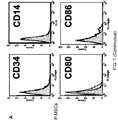
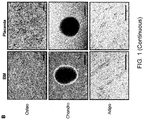
- both bone marrow and placental MSCs can increase the numbers of CD14-CD11b+CD33- cells from PBL.
- the properties and biological functions of MSC-expanded CD14-CD11b+CD33- cells (“MSC-induced MDSCs") are tested and the results are shown in Fig. 2C-2F .
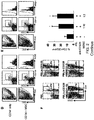
- MSC-induced MDSCs are functional to suppress lymphocyte proliferation by co-culturing in a dose-dependent manner ( Fig. 2C ).
- MSC-induced MDSCs can express AGR1 and iNOS ( Fig. 2D & 2E ) and induce high numbers of CD4+CD25 high Tregs from stimulated PBL ( Fig. 2F ) Thus, MSC-induced MDSCs have multiple immunomodulatory functions.
- Fig. 3A the expansion of MDSCs by MSCs was not affected by transwell separation of cells, indicating that cell-cell contact was not needed and implicating secreted factors in this process.
- MSCs secrete a number of stromal-related factors such as RANTES/CCL5, HGF, and IL-6.
- IL-6 has been implicated in the expansion of MDSCs, however, using both blocking antibodies and siRNA knockdown studies, IL-6 did not contribute to the expansion of MDSCs by MSCs (data not shown).
- HGF was highly secreted by MSCs, whether this molecule is involved in MSC expansion of MDSCs should be assessed. As shown in Fig. 3C , the addition of recombinant HGF can result in the expansion of MDSCs, and this effect is dose-dependent up to a concentration of 30ng/ml of HGF, which is approximately the upper limit found in the conditioned medium of MSCs ( Fig. 3B ). HGF-expanded MDSCs also express iNOS and ARG1, as well as possess suppressive effector function ( Fig. 3D &3E, respectively). To ascertain the involvement of HGF in MSC expansion of MDSCs, the secretion of HGF was suppressed by MSCs with RNA interference by siRNA.
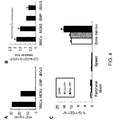
- HGF from other cell lines were also tested. As shown in Fig. 4A & 4B , the level of HGF secreted by several cell lines correlates with the number of MDSCs expanded.
- HGF recombinant HGF was intravenously injected into wildtype C57BL/6 mice. After 3 days, an increase of CD11b+Gr1+ MDSCs in the bone marrow of these mice can be observed ( Fig. 4C ), indicating that HGF can expand MDSCs in an in vivo setting.
- HGF-mediated expansion of MDSCs is investigated.
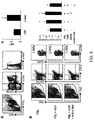
- the expression of c-met-the cognate receptor for HGF-on MDSCs was examined, and it was found that CD14- leukocytes constitutively express low levels of c-met ( Fig. 5A ), and when c-met on CD14- cells was blocked with neutralizing antibodies, the expansion of MDSCs by HGF was abrogated ( Fig. 5B ).
- HGF-induced STAT3 phosphorylation in MDSCs was examined to confirm the effects of the HGF/c-met axis were mediated through STAT3. As shown in Fig.
- exogenous addition of HGF induces an increase over baseline levels of phosphorylated STAT3 (pSTAT3), which indicates activation of the pathway.
- STAT3 inhibitor cpd188 is added in the presence of exogenous HGF, the increased levels of pSTAT3 in MDSCs is abrogated in a dose-dependent fashion ( Fig. 5D ).
- HGF mediates the expansion of MDSCs by binding to its receptor c-met, which leads to increased phosphorylation of STAT3.
- HGF especially secreted by MSCs
- MSCs can lead to the expansion of MDSCs.
- HGF especially secreted by MSCs
- the expansion of MDSCs induced by MSCs is via the HGF/c-met axis with the downstream involvement of STAT3.
- MDSCs expanded by co-culture with MSCs or HGF are functional, expressing iNOS and ARG1, as well as harboring suppressive function and inducing Tregs. Therefore, HGF-induced MDSCs achieve immunomodulatory functions.
- Said immunomodulatory functions can be therapeutic for autoimmune diseases and other immune-related diseases such as graft-versus-host disease.
- MSCs can induce a population of immunomodulatory IL-10-producing CD 14+ monocytes through secretion of hepatocyte growth factor (HGF).
- HGF hepatocyte growth factor
- the presence of these immunomodulatory monocytes suppresse T cell proliferation as well as alter T cell effector function from a Th1 to Th2 profile.
- the interaction between HGF and CD14+ monocytes is also examined, and the signaling pathway involved in IL-10 production by these immunomodulatory monocytes
- Human placenta-derived MSCs were isolated and expanded as described in Example 1.
- Human histiocytic lymphoma cell line U937 and human acute T cell leukemia cell line Jurkat, were obtained from American Type Culture Collection (ATCC) and cultured according to published protocol.
- U937 were treated with ERK1/2 inhibitor U0126 (Cell signaling), p38 MAPK inhibitor SB203580 (Merck), and STAT3 inhibitor cpd188 (Merck) for 30 min before recombinant human HGF (rhHGF; Peprotech) treatment.
- PBLs or CD14-depleted PBLs were stimulated with human T-activator anti-CD3/CD28 Dynabeads (Gibco-Invitrogen) or mitogen phytohemagglutinin (PHA, 100 ⁇ g/ml; Sigma-Aldrich) with or without MSC culture medium and rhHGF.
- CD4+ T cells stimulated with anti-CD3/CD28 beads were cocultured with rhHGF-treated HLA-mismatched CD14+ cells at different ratios. After 72 hours, the CFSE-labeled cells (5 x 10⁵ cells/well) were harvested and washed twice with 0.1%. Analysis of cell division was performed by FACS as previously reported.
- CM from of MSCs cultured with or without CD 14+ cells were analyzed. Cytokine profiles were performed using Human Quantitative Antibody Arrays (RayBiotech) and processed according to the manufacturer's recommendation. Briefly, the membranes were be blocked by incubation with the blocking buffer at room temperature for 30 minutes and incubated with the sample at room temperature for 90 minutes. Membranes were washed 3 times with Wash Buffer I and 2 times with Wash Buffer II at room temperature for 5 minutes per wash and incubated with biotin-conjugated antibodies at room temperature for 90 minutes. Finally, the membranes were washed and incubated with horseradish peroxidase-conjugated streptavidin at room temperature for 2 hours and with detection buffer for 2 minutes.
- a luminescence detector (GenePix 4000B Microarray Scanner, Axon Instruments, Inc.) was used for detection, with the data digitized and subjected to image analysis (GenePix Pro software, Axon Instruments, Inc.). Relative protein concentrations were obtained by subtracting the background staining and normalizing to the positive controls on the same membrane.
- RNA silencing of HGF secretion in MSCs was performed by using two different HGF-silencing RNA (HGF siRNA) (Stealth Select RNAiTM siRNA, Gibco-Invitrogen) along with manufacturer recommended negative control siRNAs (StealthTM negative control) according to manusfacturer's recommendation.
- HGF siRNA HGF-silencing RNA
- StepalthTM negative control manufacturer recommended negative control siRNAs
- siRNAs were transfected into MSCs by using LipofectamineTM RNAiMAX (Gibco-Invitrogen) following the manufacturer's recommended procedures. Briefly, the transfection mix was added to the cells 24 hours after plating in serum-free medium for 4 to 6 hours, and replace with complete medium. After 3 days of culture, knockdown of HGF in MSCs was confirmed by ELISA of the CM.
- PBLs CD 14+ cells, leukemia cell lines
- BD FACSCalibur BD Biosciences
- All antibodies for flow cytometry analysis except for c-Met were purchased from BD Biosciences.
- IFN- ⁇ , IL-4 and IL13 production of anti-CD3/CD28 stimulated CD4+ T cells cultured with or without HGF-treated CD 14+ cells were measured after 72 hours of incubation. Cells were resuspended in the presence of 50 ⁇ g/ml phorbol 12-myristate 13-acetate (PMA; Sigma-Aldrich), 0.745 ⁇ g/ml ionomycin (Sigma-Aldrich) and 4 ⁇ M monensin (BioLegend) for 4-6 hours.
- PMA phorbol 12-myristate 13-acetate
- ionomycin Sigma-Aldrich
- BioLegend 4 ⁇ M monensin
- the cells were incubated with anti-human IFN- ⁇ FITC (BioLegend), anti-human IL-4 PE (BioLegend) or anti-human IL13 PE (BD Biosciences) for 45 minutes at 4°C.
- FITC- and PE-conjugated isotype controls were used in parallel. The cells were washed twice, and suspended in PBS-BSA for FACS analysis.
- mice C57BL/6 were injected intravenously with or without 200ng of recombinant mouse HGF (rmHGF; Peprotech) diluted in 150 ⁇ l PBS. After 8 days, BM cells were extracted from mouse femurs by lavage with PBS, and spleens were removed, triturated at 4°C with the end of a 3-ml syringe, and filtered through nylon mesh. The cell suspension was then centrifuged, red blood cells lysed, and the resulting single-cell suspension washed.
- rmHGF mouse HGF
- B- and T-lymphocytes were depleted by magnetic sorting (auto-MACS) of splenocytes using CD45R/B220 PE (Biolegend, clone: RA3-6B2), CD90.2 PE (eBioscience, clone: 53-2.1), and anti-PE magnetic beads, respectively.
- the cell suspension was incubated with anti-mouse CD11b PE (BioLegend) and anti-mouse IL10 PerCPCy5.5 (BD Biosciences), and then detected by FACS.
- RNA isolation and reverse transcription-polymerase chain reaction RT-PCR
- IL-10 forward primer 5'-CTGTGAAAACAAGAGCAAGGC-3'
- reverse primer 5'-GAAGCTTCTGTTGGCTCCC-3' reverse primer 5'-GCACAGCTTCTCCTTAATGTCACGC-3'.
- Protein was obtained from cells as previously reported.21 Primary antibodies against ERK1/2, STAT3, and ⁇ -Tubulin were obtained from Santa Cruz Biotechnology; and that for phospho-ERK1/2, phospho-STAT3, p38 MAPK, phospho-p38 MAPK, Akt, and phospho-Akt were obtained from Cell Signaling Technologies.
- HGF is involved in suppressing the proliferation of anti-CD3/28-activated PBLs
- MSCs are strongly immunomodulatory towards T lymphocytes with effects mediated through secreted factors.
- the conditioned medium (CM) of MSCs can suppress the proliferation of PBLs activated with either PHA, which preferentially stimulate monocytes, or anti-CD3/28, which specifically stimulate T lymphocytes.
- MSC-CM exerted a slightly stronger suppressive effect on anti-CD3/28-stimulated PBLs than PHA-stimulated PBLs.
- the cytokine profile is changed from a pro-inflammatory Th1 milieu-represented by IFN- ⁇ and TNF- ⁇ -to a more immunomodulatory milieu-represented by IL-10 ( Fig. 7B ).
- HGF is the most highly secreted molecule in MSC-CM. Then rhHGF was added to activated PBLs. It was surprised that rhHGF can suppress the proliferation of PBLs activated by anti-CD3/28 but not by PHA ( Fig. 7D ), suggesting that the immunosuppressive effects of HGF are directed at T lymphocytes. Interestingly, there is no dose-dependent effect of HGF on suppressing PBL proliferation. Further, HGF knockdown experiments in MSCs by siRNA was performed, and the ELISA result was shown in Fig. 7E .
- HGF is the ligand for c-Met, a tyrosine-kinase receptor. Based on suppressive results of HGF on anti-CD3/28-activated but not PHA-activated PBLs, it appears that the immunomodulatory effects of HGF target T cells. However, c- Met did not express on primary T cells (data not shown) or on Jurkat cells, a T cell leukemia cell line ( Fig. 8A ). It has been previously reported that T cells do not express c- Met, but monocytes express low levels of this receptor.
- Monocytes which are CD14+ cells, comprise about 10% of human PBLs, and it was found that the human monocytic leukemia cell line U937, as well as primary CD14+ monocytes from donor PBLs express c-Met ( Fig. 8A and 8B ).
- the CD14+-bead selected monocytes was treated with rhHGF and co-cultured with anti-CD3/28-stimulated CD4+ cells.
- T-cell proliferation can be inhibited by HGF-treated CD14+ cell, and the suppressive effects were increased as the ratio of effector to target cell (CD14+ to CD4+ cells response) was increase.
- the dose of HGF did not have an effect on the monocyte-mediated suppression, as same as Fig. 7D .
- Co-culture of anti-CD3/28-activated PBLs with HGF-treated CD 14+ monocytes changed the cytokine profile from a more Th1 toward a Th2 profile ( Fig. 8E ).
- HGF significantly induces IL-10 production
- Monocytes are a major component of the cellular influx into an inflammatory environment, differentiating into DCs or macrophages with either pro- and anti-inflammatory properties depending on the environmental stimuli.
- HGF HGF modulate CD 14+ monocyte differentiation
- change of surface marker expression towards the DC and macrophage lineages was analyzed.
- HGF treatment there was no change in the expression level of either DC-related markers of CD11b, CD11c, and HLA-DR or macrophage-related markers of CD206 ( Fig. 9A ).
- no expression of DC-SIGN, CD68 and CD73 was detected.
- the fraction of CD16- cells were slightly increased ( Fig. 9B ), and the subset of CD 14+ monocytes have been reported to be immunomodulatory.
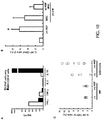
- Fig. 10A quantitative cytokine array analysis of CD14+ cells co-cultured with MSCs show a significant reduction in production of proinflammatory cytokine including IFN- ⁇ and TNF- ⁇ , and a significantly increase of the anti-inflammatory cytokine-IL-10.
- the data shows that immunosuppressive effects of MSCs can be due to the reduction of IFN- ⁇ and the increased production of IL-10.
- primary CD14+ cells were cultured with rhHGF and the IL-10 concentration in the culture medium were measured.
- Fig. 10B CM from HGF-treated CD14+ cells as well as MSC-CM-treated CD14+ cells had high levels of IL-10 production above baseline levels.
- HGF IL-10-producing monocytes population in splenocytes, but not BM cells or peripheral blood (data not shown).
- HGF is involved in the production of IL-10 from CD14+ monocytes.
- HGF induce secretion of IL-10 via ERK1/2 phosphorylation
- IL-10 in monocytes induced by HGF.
- the monocytic cell line U937 cells was treated with HGF and changes in gene expression of IL-10 were assessed.
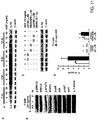
- Fig. 11A an increase in IL-10 transcripts which peaked at 6 hrs of rhHGF treatment, suggesting that HGF may be directly responsible for IL-10 production.
- HGF triggers many intracellular signaling pathways, and of these downstream pathways, PI3K/AKT, Ras/ERK1/2, p38/ MAPKs, and STAT3 are also involved in mediating IL-10 gene expression.
- PI3K/AKT PI3K/AKT
- Ras/ERK1/2 Ras/ERK1/2
- p38/ MAPKs p38/ MAPKs
- STAT3 are also involved in mediating IL-10 gene expression.
- phosphorylation of ERK1/2, STAT3, and p38/MAPK but not AKT is enhanced after HGF treatment of U937 cells.
- U937 cells were simultaneously treated with HGF and specific inhibitors: U0126 (p-ERK1/2 inhibitor), SB203580 (p38/MAPK inhibitor), and cpd188 (pSTAT3 inhibitor).
- IL-10 gene expression was abrogated in a dose-dependent manner in U0126 and SB203580 groups, but only ERK1/2 inhibition resulted in a significant reduction of IL-10 protein production after HGF treatment.
- HGF (especially secreted by MSCs) act on CD14+ monocytes to modulate allogeneic T cell function and enhance IL-10 via ERK1/2.
- MSC-secreted HGF act directly on CD14+ monocytes-which express c-Met, the receptor for HGF-to suppress activated CD4+ cell proliferation.
- CD14+ monocytes are required for the suppressive effects of MSC-secreted HGF on activated CD4+ cells, including increasing the fraction of immunomodulatory CD14+CD16-monocytes, inducing IL-10 production, as well as modulating T cell cytokine profile from a Th1 to Th2 profile.
- HGF induce IL-10 production by CD14+ monocytes through the ERK1/2 pathway.
- the above examples shed light on one of the mechanisms behind the strong immunomodulatory properties of MSCs, as well as highlight the important role of immunomodulatory monocytes in altering T cell effector function.
- HGF induces phosphorylation of ERK1/2 and p38MAPK in monocytes and HGF-induced IL-10 production is only blocked by ERK1/2 inhibitor, suggesting that Ras/Raf signaling pathway is involved in HGF-induced IL-10 secretion by monocytes.
- ERK1/2 is responsible for the phosphorylation and activation of several transcription factors controlling IL-10 expression in immune cells, including MAF, JUN, GATA3 and SMAD4, which are not substrates for p38. Therefore, these transcription factors may have a critical role in HGF-induced IL-10 production in monocytes.
- HGF can induce an immunomodulatory phenotype directly and very rapidly in CD 14+ monocytes (within 3 days) with cells remain non-adherant, suggesting that no differentiation has yet occurred.
- a subset of circulating peripheral blood monocytes which are CD14++CD16- can produce higher levels of anti-inflammatory cytokines, including IL-10. Circulating CD 14+ monocytes are a large component of PBLs, and if immunoregulatory monocytes can be rapidly induced, these leukocytes could make a significant contribution to the amount of circulating immunoregulatory cells overall.
Landscapes
- Health & Medical Sciences (AREA)
- Life Sciences & Earth Sciences (AREA)
- Engineering & Computer Science (AREA)
- General Health & Medical Sciences (AREA)
- Biomedical Technology (AREA)
- Immunology (AREA)
- Chemical & Material Sciences (AREA)
- Organic Chemistry (AREA)
- Animal Behavior & Ethology (AREA)
- Veterinary Medicine (AREA)
- Public Health (AREA)
- Bioinformatics & Cheminformatics (AREA)
- Wood Science & Technology (AREA)
- Zoology (AREA)
- Genetics & Genomics (AREA)
- Biotechnology (AREA)
- Epidemiology (AREA)
- Cell Biology (AREA)
- Biochemistry (AREA)
- Microbiology (AREA)
- Hematology (AREA)
- General Engineering & Computer Science (AREA)
- Nuclear Medicine, Radiotherapy & Molecular Imaging (AREA)
- Pharmacology & Pharmacy (AREA)
- Medicinal Chemistry (AREA)
- General Chemical & Material Sciences (AREA)
- Chemical Kinetics & Catalysis (AREA)
- Rheumatology (AREA)
- Pain & Pain Management (AREA)
- Medicines Containing Material From Animals Or Micro-Organisms (AREA)
- Micro-Organisms Or Cultivation Processes Thereof (AREA)
- Medicines That Contain Protein Lipid Enzymes And Other Medicines (AREA)
Claims (11)
- Procédé in vitro destiné à générer des cellules immunomodulatrices, comprenant le traitement de cellules mononucléaires périphériques avec un facteur de croissance des hépatocytes (HGF) afin d'induire une différenciation des cellules mononucléaires périphériques dans des leucocytes immunomodulateurs,
dans lequel la concentration du HGF s'étend de 3 à 40 ng/ml, et
dans lequel les cellules immunomodulatrices comprennent une cellule myéloïde suppressive présentant CD14-CD11b+CD33+, un monocyte présentant CD14+CD16-IL10+, ou une combinaison de ceux-ci. - Procédé selon la revendication 1, dans lequel les cellules mononucléaires périphériques proviennent d'un mammifère.
- Procédé selon la revendication 1, dans lequel le facteur de croissance des hépatocytes est une protéine recombinante ou une protéine naturelle.
- Procédé selon la revendication 3, dans lequel le facteur de croissance des hépatocytes provient d'une cellule souche mésenchymateuse (MSC).
- Procédé selon la revendication 1, dans lequel le leucocyte immunomodulateur supprime la prolifération d'un lymphocyte allogénique activé.
- Procédé selon la revendication 1, dans lequel la cellule myéloïde suppressive produit l'arginase et la synthase d'oxyde nitrique.
- Procédé selon la revendication 1, dans lequel la cellule myéloïde suppressive induit des cellules régulatrices T.
- Procédé selon la revendication 1, dans lequel le monocyte produit IL-10.
- Procédé selon la revendication 1, dans lequel le monocyte produit une cytokine anti-inflammatoire.
- Procédé selon la revendication 1, dans lequel le monocyte module la réponse immunitaire vers la réponse à dominance Th2.
- Population de cellules immunomodulatrices préparée selon la revendication 1, laquelle contient des cellules myéloïdes suppressives CD14-CD11b+CD33+, et des monocytes CD14+CD16-IL10+.
Applications Claiming Priority (2)
| Application Number | Priority Date | Filing Date | Title |
|---|---|---|---|
| US13/607,976 US8927278B2 (en) | 2012-09-10 | 2012-09-10 | Method for generating immunomodulatory cells, the cells prepared therefrom, and use thereof |
| PCT/US2013/058788 WO2014039985A1 (fr) | 2012-09-10 | 2013-09-09 | Méthode permettant de générer des cellules immunomodulatrices, cellules préparées à l'aide de celle-ci, et leur utilisation |
Publications (3)
| Publication Number | Publication Date |
|---|---|
| EP2893005A1 EP2893005A1 (fr) | 2015-07-15 |
| EP2893005A4 EP2893005A4 (fr) | 2016-03-09 |
| EP2893005B1 true EP2893005B1 (fr) | 2018-06-13 |
Family
ID=50233866
Family Applications (1)
| Application Number | Title | Priority Date | Filing Date |
|---|---|---|---|
| EP13835382.6A Active EP2893005B1 (fr) | 2012-09-10 | 2013-09-09 | Méthode permettant de générer des cellules immunomodulatrices, cellules préparées à l'aide de celle-ci, et leur utilisation |
Country Status (5)
| Country | Link |
|---|---|
| US (1) | US8927278B2 (fr) |
| EP (1) | EP2893005B1 (fr) |
| JP (2) | JP6058802B2 (fr) |
| CN (1) | CN104781395B (fr) |
| WO (1) | WO2014039985A1 (fr) |
Families Citing this family (1)
| Publication number | Priority date | Publication date | Assignee | Title |
|---|---|---|---|---|
| CN113584116A (zh) * | 2021-08-19 | 2021-11-02 | 深圳科诺医学检验实验室 | 一种间充质干细胞免疫调控功能的检测方法 |
Family Cites Families (5)
| Publication number | Priority date | Publication date | Assignee | Title |
|---|---|---|---|---|
| US20060002932A1 (en) * | 2004-06-04 | 2006-01-05 | Duke University | Methods and compositions for enhancement of immunity by in vivo depletion of immunosuppressive cell activity |
| US7696170B2 (en) * | 2005-01-24 | 2010-04-13 | Kringle Pharma Inc. | Fibrosis inhibitor for implanted organ |
| CA2913024A1 (fr) * | 2006-11-03 | 2008-05-08 | Aastrom Biosciences, Inc. | Populations de cellules mixtes pour technique de reparation et de separation tissulaire en traitement cellulaire |
| CN101914494A (zh) * | 2010-07-27 | 2010-12-15 | 郑州大学 | 经血源性间充质干细胞分离培养及其免疫调节作用 |
| EP2629803A2 (fr) * | 2010-10-20 | 2013-08-28 | Mount Sinai School Of Medicine | Méthodes et compositions pour le traitement de tumeurs au moyen des cellules myéloïdes suppressives |
-
2012
- 2012-09-10 US US13/607,976 patent/US8927278B2/en active Active
-
2013
- 2013-09-09 CN CN201380047132.3A patent/CN104781395B/zh active Active
- 2013-09-09 EP EP13835382.6A patent/EP2893005B1/fr active Active
- 2013-09-09 JP JP2015531293A patent/JP6058802B2/ja active Active
- 2013-09-09 WO PCT/US2013/058788 patent/WO2014039985A1/fr not_active Ceased
-
2016
- 2016-08-31 JP JP2016169230A patent/JP6374924B2/ja active Active
Non-Patent Citations (1)
| Title |
|---|
| None * |
Also Published As
| Publication number | Publication date |
|---|---|
| CN104781395A (zh) | 2015-07-15 |
| US20140073569A1 (en) | 2014-03-13 |
| HK1212727A1 (zh) | 2016-06-17 |
| JP2015529086A (ja) | 2015-10-05 |
| US8927278B2 (en) | 2015-01-06 |
| JP2017018127A (ja) | 2017-01-26 |
| CN104781395B (zh) | 2019-11-22 |
| JP6374924B2 (ja) | 2018-08-15 |
| EP2893005A4 (fr) | 2016-03-09 |
| WO2014039985A1 (fr) | 2014-03-13 |
| JP6058802B2 (ja) | 2017-01-18 |
| EP2893005A1 (fr) | 2015-07-15 |
Similar Documents
| Publication | Publication Date | Title |
|---|---|---|
| Martinez et al. | Overexpression of hypoxia-inducible factor 1 alpha improves immunomodulation by dental mesenchymal stem cells | |
| Chen et al. | Induction of immunomodulatory monocytes by human mesenchymal stem cell-derived hepatocyte growth factor through ERK1/2 | |
| Panchision et al. | Optimized flow cytometric analysis of central nervous system tissue reveals novel functional relationships among cells expressing CD133, CD15, and CD24 | |
| Freud et al. | Evidence for discrete stages of human natural killer cell differentiation in vivo | |
| Xia et al. | Gr-1+ CD11b+ myeloid-derived suppressor cells suppress inflammation and promote insulin sensitivity in obesity | |
| AU2016274633A1 (en) | Methods for the production of TCR gamma delta+ T cells | |
| CN103635573A (zh) | 包含γδT细胞的淋巴细胞系、其组合物及生产方法 | |
| Sato et al. | Human cd1c+ myeloid dendritic cells acquire a high level of retinoic acid–producing capacity in response to vitamin d3 | |
| Fukuda et al. | Functional endothelial progenitor cells selectively recruit neurovascular protective monocyte-derived F4/80+/Ly6c+ macrophages in a mouse model of retinal degeneration | |
| JP7648055B2 (ja) | ヒト不死化ミエロイド系細胞を使用したin vitroにおける物質の安全性評価方法 | |
| Cifù et al. | The exposure to osteoarthritic synovial fluid enhances the immunomodulatory profile of adipose mesenchymal stem cell secretome | |
| Nalin et al. | Notch regulates innate lymphoid cell plasticity during human NK cell development | |
| Kawabata et al. | Naive rat umbilical cord matrix stem cells significantly attenuate mammary tumor growth through modulation of endogenous immune responses | |
| Muzzioli et al. | Zinc improves the development of human CD34+ cell progenitors towards Natural Killer cells and induces the expression of GATA-3 transcription factor | |
| EP2454363B1 (fr) | Procédé d'utilisation de cellules directrices pour l'activation et la différentiation de cellules souches/progénitrices spécifiques | |
| TW202134427A (zh) | 含有nk細胞之細胞集團之製造方法 | |
| Nagaya et al. | Mechanisms of the immunosuppressive effects of mouse adipose tissue-derived mesenchymal stromal cells on mouse alloreactively stimulated spleen cells | |
| EP2893005B1 (fr) | Méthode permettant de générer des cellules immunomodulatrices, cellules préparées à l'aide de celle-ci, et leur utilisation | |
| Kerenyi | LT-HSC methylcellulose assay | |
| TWI486449B (zh) | 製備免疫調節細胞之方法、依該方法所製備之細胞及其應用 | |
| Roy et al. | Inhibition of SRC-mediated integrin signaling in bone marrow niche enhances hematopoietic stem cell function | |
| Gerstner et al. | Specific phenotype and function of CD56-expressing innate immune cell subsets in human thymus | |
| CN107106604B (zh) | 提升及抑制免疫调节细胞表达之方法 | |
| HK1212727B (zh) | 产生免疫调节细胞之方法、依该方法所制备之细胞及其应用 | |
| KR101590248B1 (ko) | 조혈전구세포 및 조혈작용을 조절하는 유전자 TC1(C8orf4)의 용도 |
Legal Events
| Date | Code | Title | Description |
|---|---|---|---|
| PUAI | Public reference made under article 153(3) epc to a published international application that has entered the european phase |
Free format text: ORIGINAL CODE: 0009012 |
|
| 17P | Request for examination filed |
Effective date: 20150407 |
|
| AK | Designated contracting states |
Kind code of ref document: A1 Designated state(s): AL AT BE BG CH CY CZ DE DK EE ES FI FR GB GR HR HU IE IS IT LI LT LU LV MC MK MT NL NO PL PT RO RS SE SI SK SM TR |
|
| AX | Request for extension of the european patent |
Extension state: BA ME |
|
| RAP1 | Party data changed (applicant data changed or rights of an application transferred) |
Owner name: NATIONAL HEALTH RESEARCH INSTITUTES |
|
| DAX | Request for extension of the european patent (deleted) | ||
| RA4 | Supplementary search report drawn up and despatched (corrected) |
Effective date: 20160208 |
|
| RIC1 | Information provided on ipc code assigned before grant |
Ipc: C12N 5/0783 20100101AFI20160202BHEP |
|
| 17Q | First examination report despatched |
Effective date: 20170119 |
|
| GRAP | Despatch of communication of intention to grant a patent |
Free format text: ORIGINAL CODE: EPIDOSNIGR1 |
|
| INTG | Intention to grant announced |
Effective date: 20180102 |
|
| GRAS | Grant fee paid |
Free format text: ORIGINAL CODE: EPIDOSNIGR3 |
|
| GRAA | (expected) grant |
Free format text: ORIGINAL CODE: 0009210 |
|
| AK | Designated contracting states |
Kind code of ref document: B1 Designated state(s): AL AT BE BG CH CY CZ DE DK EE ES FI FR GB GR HR HU IE IS IT LI LT LU LV MC MK MT NL NO PL PT RO RS SE SI SK SM TR |
|
| REG | Reference to a national code |
Ref country code: GB Ref legal event code: FG4D |
|
| REG | Reference to a national code |
Ref country code: CH Ref legal event code: EP Ref country code: AT Ref legal event code: REF Ref document number: 1008531 Country of ref document: AT Kind code of ref document: T Effective date: 20180615 |
|
| REG | Reference to a national code |
Ref country code: IE Ref legal event code: FG4D |
|
| REG | Reference to a national code |
Ref country code: DE Ref legal event code: R096 Ref document number: 602013039015 Country of ref document: DE |
|
| REG | Reference to a national code |
Ref country code: FR Ref legal event code: PLFP Year of fee payment: 6 |
|
| REG | Reference to a national code |
Ref country code: NL Ref legal event code: MP Effective date: 20180613 |
|
| REG | Reference to a national code |
Ref country code: LT Ref legal event code: MG4D |
|
| PG25 | Lapsed in a contracting state [announced via postgrant information from national office to epo] |
Ref country code: NO Free format text: LAPSE BECAUSE OF FAILURE TO SUBMIT A TRANSLATION OF THE DESCRIPTION OR TO PAY THE FEE WITHIN THE PRESCRIBED TIME-LIMIT Effective date: 20180913 Ref country code: CY Free format text: LAPSE BECAUSE OF FAILURE TO SUBMIT A TRANSLATION OF THE DESCRIPTION OR TO PAY THE FEE WITHIN THE PRESCRIBED TIME-LIMIT Effective date: 20180613 Ref country code: SE Free format text: LAPSE BECAUSE OF FAILURE TO SUBMIT A TRANSLATION OF THE DESCRIPTION OR TO PAY THE FEE WITHIN THE PRESCRIBED TIME-LIMIT Effective date: 20180613 Ref country code: BG Free format text: LAPSE BECAUSE OF FAILURE TO SUBMIT A TRANSLATION OF THE DESCRIPTION OR TO PAY THE FEE WITHIN THE PRESCRIBED TIME-LIMIT Effective date: 20180913 Ref country code: FI Free format text: LAPSE BECAUSE OF FAILURE TO SUBMIT A TRANSLATION OF THE DESCRIPTION OR TO PAY THE FEE WITHIN THE PRESCRIBED TIME-LIMIT Effective date: 20180613 Ref country code: LT Free format text: LAPSE BECAUSE OF FAILURE TO SUBMIT A TRANSLATION OF THE DESCRIPTION OR TO PAY THE FEE WITHIN THE PRESCRIBED TIME-LIMIT Effective date: 20180613 Ref country code: ES Free format text: LAPSE BECAUSE OF FAILURE TO SUBMIT A TRANSLATION OF THE DESCRIPTION OR TO PAY THE FEE WITHIN THE PRESCRIBED TIME-LIMIT Effective date: 20180613 |
|
| PG25 | Lapsed in a contracting state [announced via postgrant information from national office to epo] |
Ref country code: LV Free format text: LAPSE BECAUSE OF FAILURE TO SUBMIT A TRANSLATION OF THE DESCRIPTION OR TO PAY THE FEE WITHIN THE PRESCRIBED TIME-LIMIT Effective date: 20180613 Ref country code: HR Free format text: LAPSE BECAUSE OF FAILURE TO SUBMIT A TRANSLATION OF THE DESCRIPTION OR TO PAY THE FEE WITHIN THE PRESCRIBED TIME-LIMIT Effective date: 20180613 Ref country code: GR Free format text: LAPSE BECAUSE OF FAILURE TO SUBMIT A TRANSLATION OF THE DESCRIPTION OR TO PAY THE FEE WITHIN THE PRESCRIBED TIME-LIMIT Effective date: 20180914 Ref country code: RS Free format text: LAPSE BECAUSE OF FAILURE TO SUBMIT A TRANSLATION OF THE DESCRIPTION OR TO PAY THE FEE WITHIN THE PRESCRIBED TIME-LIMIT Effective date: 20180613 |
|
| REG | Reference to a national code |
Ref country code: AT Ref legal event code: MK05 Ref document number: 1008531 Country of ref document: AT Kind code of ref document: T Effective date: 20180613 |
|
| PG25 | Lapsed in a contracting state [announced via postgrant information from national office to epo] |
Ref country code: NL Free format text: LAPSE BECAUSE OF FAILURE TO SUBMIT A TRANSLATION OF THE DESCRIPTION OR TO PAY THE FEE WITHIN THE PRESCRIBED TIME-LIMIT Effective date: 20180613 |
|
| PG25 | Lapsed in a contracting state [announced via postgrant information from national office to epo] |
Ref country code: AT Free format text: LAPSE BECAUSE OF FAILURE TO SUBMIT A TRANSLATION OF THE DESCRIPTION OR TO PAY THE FEE WITHIN THE PRESCRIBED TIME-LIMIT Effective date: 20180613 Ref country code: IS Free format text: LAPSE BECAUSE OF FAILURE TO SUBMIT A TRANSLATION OF THE DESCRIPTION OR TO PAY THE FEE WITHIN THE PRESCRIBED TIME-LIMIT Effective date: 20181013 Ref country code: PL Free format text: LAPSE BECAUSE OF FAILURE TO SUBMIT A TRANSLATION OF THE DESCRIPTION OR TO PAY THE FEE WITHIN THE PRESCRIBED TIME-LIMIT Effective date: 20180613 Ref country code: EE Free format text: LAPSE BECAUSE OF FAILURE TO SUBMIT A TRANSLATION OF THE DESCRIPTION OR TO PAY THE FEE WITHIN THE PRESCRIBED TIME-LIMIT Effective date: 20180613 Ref country code: RO Free format text: LAPSE BECAUSE OF FAILURE TO SUBMIT A TRANSLATION OF THE DESCRIPTION OR TO PAY THE FEE WITHIN THE PRESCRIBED TIME-LIMIT Effective date: 20180613 Ref country code: CZ Free format text: LAPSE BECAUSE OF FAILURE TO SUBMIT A TRANSLATION OF THE DESCRIPTION OR TO PAY THE FEE WITHIN THE PRESCRIBED TIME-LIMIT Effective date: 20180613 Ref country code: SK Free format text: LAPSE BECAUSE OF FAILURE TO SUBMIT A TRANSLATION OF THE DESCRIPTION OR TO PAY THE FEE WITHIN THE PRESCRIBED TIME-LIMIT Effective date: 20180613 |
|
| PG25 | Lapsed in a contracting state [announced via postgrant information from national office to epo] |
Ref country code: SM Free format text: LAPSE BECAUSE OF FAILURE TO SUBMIT A TRANSLATION OF THE DESCRIPTION OR TO PAY THE FEE WITHIN THE PRESCRIBED TIME-LIMIT Effective date: 20180613 Ref country code: IT Free format text: LAPSE BECAUSE OF FAILURE TO SUBMIT A TRANSLATION OF THE DESCRIPTION OR TO PAY THE FEE WITHIN THE PRESCRIBED TIME-LIMIT Effective date: 20180613 |
|
| REG | Reference to a national code |
Ref country code: DE Ref legal event code: R097 Ref document number: 602013039015 Country of ref document: DE |
|
| PLBE | No opposition filed within time limit |
Free format text: ORIGINAL CODE: 0009261 |
|
| STAA | Information on the status of an ep patent application or granted ep patent |
Free format text: STATUS: NO OPPOSITION FILED WITHIN TIME LIMIT |
|
| PG25 | Lapsed in a contracting state [announced via postgrant information from national office to epo] |
Ref country code: MC Free format text: LAPSE BECAUSE OF FAILURE TO SUBMIT A TRANSLATION OF THE DESCRIPTION OR TO PAY THE FEE WITHIN THE PRESCRIBED TIME-LIMIT Effective date: 20180613 |
|
| REG | Reference to a national code |
Ref country code: CH Ref legal event code: PL |
|
| 26N | No opposition filed |
Effective date: 20190314 |
|
| PG25 | Lapsed in a contracting state [announced via postgrant information from national office to epo] |
Ref country code: SI Free format text: LAPSE BECAUSE OF FAILURE TO SUBMIT A TRANSLATION OF THE DESCRIPTION OR TO PAY THE FEE WITHIN THE PRESCRIBED TIME-LIMIT Effective date: 20180613 Ref country code: DK Free format text: LAPSE BECAUSE OF FAILURE TO SUBMIT A TRANSLATION OF THE DESCRIPTION OR TO PAY THE FEE WITHIN THE PRESCRIBED TIME-LIMIT Effective date: 20180613 |
|
| REG | Reference to a national code |
Ref country code: BE Ref legal event code: MM Effective date: 20180930 |
|
| REG | Reference to a national code |
Ref country code: IE Ref legal event code: MM4A |
|
| PG25 | Lapsed in a contracting state [announced via postgrant information from national office to epo] |
Ref country code: LU Free format text: LAPSE BECAUSE OF NON-PAYMENT OF DUE FEES Effective date: 20180909 |
|
| PG25 | Lapsed in a contracting state [announced via postgrant information from national office to epo] |
Ref country code: IE Free format text: LAPSE BECAUSE OF NON-PAYMENT OF DUE FEES Effective date: 20180909 |
|
| PG25 | Lapsed in a contracting state [announced via postgrant information from national office to epo] |
Ref country code: LI Free format text: LAPSE BECAUSE OF NON-PAYMENT OF DUE FEES Effective date: 20180930 Ref country code: CH Free format text: LAPSE BECAUSE OF NON-PAYMENT OF DUE FEES Effective date: 20180930 Ref country code: BE Free format text: LAPSE BECAUSE OF NON-PAYMENT OF DUE FEES Effective date: 20180930 |
|
| PG25 | Lapsed in a contracting state [announced via postgrant information from national office to epo] |
Ref country code: AL Free format text: LAPSE BECAUSE OF FAILURE TO SUBMIT A TRANSLATION OF THE DESCRIPTION OR TO PAY THE FEE WITHIN THE PRESCRIBED TIME-LIMIT Effective date: 20180613 |
|
| PG25 | Lapsed in a contracting state [announced via postgrant information from national office to epo] |
Ref country code: MT Free format text: LAPSE BECAUSE OF NON-PAYMENT OF DUE FEES Effective date: 20180909 |
|
| PG25 | Lapsed in a contracting state [announced via postgrant information from national office to epo] |
Ref country code: TR Free format text: LAPSE BECAUSE OF FAILURE TO SUBMIT A TRANSLATION OF THE DESCRIPTION OR TO PAY THE FEE WITHIN THE PRESCRIBED TIME-LIMIT Effective date: 20180613 |
|
| PG25 | Lapsed in a contracting state [announced via postgrant information from national office to epo] |
Ref country code: PT Free format text: LAPSE BECAUSE OF FAILURE TO SUBMIT A TRANSLATION OF THE DESCRIPTION OR TO PAY THE FEE WITHIN THE PRESCRIBED TIME-LIMIT Effective date: 20180613 |
|
| PG25 | Lapsed in a contracting state [announced via postgrant information from national office to epo] |
Ref country code: MK Free format text: LAPSE BECAUSE OF NON-PAYMENT OF DUE FEES Effective date: 20180613 Ref country code: HU Free format text: LAPSE BECAUSE OF FAILURE TO SUBMIT A TRANSLATION OF THE DESCRIPTION OR TO PAY THE FEE WITHIN THE PRESCRIBED TIME-LIMIT; INVALID AB INITIO Effective date: 20130909 |
|
| PGFP | Annual fee paid to national office [announced via postgrant information from national office to epo] |
Ref country code: DE Payment date: 20250929 Year of fee payment: 13 |
|
| PGFP | Annual fee paid to national office [announced via postgrant information from national office to epo] |
Ref country code: GB Payment date: 20250929 Year of fee payment: 13 |
|
| PGFP | Annual fee paid to national office [announced via postgrant information from national office to epo] |
Ref country code: FR Payment date: 20250925 Year of fee payment: 13 |