EP2893729B1 - Régulation d'utilisation pour un groupe d'abonnés - Google Patents
Régulation d'utilisation pour un groupe d'abonnés Download PDFInfo
- Publication number
- EP2893729B1 EP2893729B1 EP12755875.7A EP12755875A EP2893729B1 EP 2893729 B1 EP2893729 B1 EP 2893729B1 EP 12755875 A EP12755875 A EP 12755875A EP 2893729 B1 EP2893729 B1 EP 2893729B1
- Authority
- EP
- European Patent Office
- Prior art keywords
- user
- user equipment
- rules function
- group
- usage
- Prior art date
- Legal status (The legal status is an assumption and is not a legal conclusion. Google has not performed a legal analysis and makes no representation as to the accuracy of the status listed.)
- Active
Links
Images


Classifications
-
- H—ELECTRICITY
- H04—ELECTRIC COMMUNICATION TECHNIQUE
- H04L—TRANSMISSION OF DIGITAL INFORMATION, e.g. TELEGRAPHIC COMMUNICATION
- H04L41/00—Arrangements for maintenance, administration or management of data switching networks, e.g. of packet switching networks
- H04L41/08—Configuration management of networks or network elements
- H04L41/0893—Assignment of logical groups to network elements
-
- H—ELECTRICITY
- H04—ELECTRIC COMMUNICATION TECHNIQUE
- H04L—TRANSMISSION OF DIGITAL INFORMATION, e.g. TELEGRAPHIC COMMUNICATION
- H04L41/00—Arrangements for maintenance, administration or management of data switching networks, e.g. of packet switching networks
- H04L41/04—Network management architectures or arrangements
- H04L41/046—Network management architectures or arrangements comprising network management agents or mobile agents therefor
-
- H—ELECTRICITY
- H04—ELECTRIC COMMUNICATION TECHNIQUE
- H04L—TRANSMISSION OF DIGITAL INFORMATION, e.g. TELEGRAPHIC COMMUNICATION
- H04L67/00—Network arrangements or protocols for supporting network services or applications
- H04L67/14—Session management
- H04L67/141—Setup of application sessions
-
- H—ELECTRICITY
- H04—ELECTRIC COMMUNICATION TECHNIQUE
- H04W—WIRELESS COMMUNICATION NETWORKS
- H04W4/00—Services specially adapted for wireless communication networks; Facilities therefor
- H04W4/24—Accounting or billing
-
- H—ELECTRICITY
- H04—ELECTRIC COMMUNICATION TECHNIQUE
- H04L—TRANSMISSION OF DIGITAL INFORMATION, e.g. TELEGRAPHIC COMMUNICATION
- H04L41/00—Arrangements for maintenance, administration or management of data switching networks, e.g. of packet switching networks
- H04L41/08—Configuration management of networks or network elements
- H04L41/0894—Policy-based network configuration management
Definitions
- the present invention relates to usage control for a subscriber group.
- Usage monitoring can be applied to an accumulated usage of network resources on a per IP-CAN session and user basis. This capability is required for enforcing dynamic policy decisions based on the total network usage in real-time.
- a PCRF that uses usage monitoring for making dynamic policy decisions sets and sends applicable thresholds to a PCEF or TDF for monitoring.
- the usage monitoring thresholds may be based e.g. on volume or on actively used time.
- the PCEF or TDF notifies the PCRF when a threshold is reached and reports the accumulated usage since the last report for usage monitoring.
- the usage monitoring capability can be applied to an individual service data flow, a group of services data flows, or to all traffic of an IP-CAN session in the PCEF. Usage monitoring, if activated, is performed both for service data flows associated with predefined PCC rules and dynamic PCC rules, including rules with deferred activation and/or deactivation times while those rules are active.
- a usage monitoring group when only a single user / UE is concerned, is a set of service data flow(s)/application(s) of a user / UE that share a common traffic usage allowance and need to be monitored together for usage monitoring control purposes.
- a usage monitoring group comprises service data flows/applications of several users / UEs that share a common traffic usage allowance and need to be monitored together for usage monitoring control purposes.
- the present invention aims at overcoming the above drawbacks.
- the invention aims at enabling coordinated usage control for a subscriber group, which avoids extra processing load in PCRFs and delays between triggering events and policy enforcement actions.
- Fig. 1 shows a schematic block diagram illustrating a logical architecture of a PCC functionality to which the present invention may be applied.
- the PCC functionality is comprised by the functions of a PCEF included in a gateway node, a BBERF, a PCRF, an AF, a TDF, an OCS, an OFCS and an SPR or UDR.
- the PCEF is connected to the PCRF, the OCS and the OFCS via Gx, Gy and Gz interfaces, respectively.
- the PCRF is connected to the BBERF, the AF, the TDF and the OCS via Gxx, Rx, Sd and Sy interfaces, respectively.
- the SPR/UDR is applied to store PCC related subscription data.
- An Sp/Ud interface between PCRF and SPR/UDR is used to access subscription data in the SPR/UDR.
- the PCC architecture extends the architecture of an IP-CAN, where the PCEF is a functional entity in a gateway node implementing IP access to a PDN.
- the membership of a user/UE in a usage group is identified by group identity information, e.g. a parameter (Subscriber Group ID), in the user's subscription data in a subscriber database, e.g. the SPR/UDR.
- group identity information e.g. a parameter (Subscriber Group ID)
- subscriber Group ID e.g. the SPR/UDR.
- the group identity information is used for binding users / UEs or IP-CAN sessions of different users to the same PCRF.
- Fig. 2 shows a flow chart illustrating usage control for a subscriber group according to an embodiment of the invention.
- step S21 a session establishment request for a user / user equipment is received.
- step S22 it is detected if the user / user equipment belongs to a usage group, based on group identity information that is allocated to the user / user equipment and identifies the usage group. In case the user / user equipment does not belong to a usage group (No in S22), the process advances to step S23 in which a rules function, e.g. a PCRF, is selected according to a usual procedure.
- a rules function e.g. a PCRF
- step S22 In case it is detected in step S22 that the user / user equipment belongs to a usage group (Yes in S22), the process advances to step S24 in which it is detected, based on the group identity information, whether or not a rules function (first rules function) out of several rules functions has been allocated to another user / user equipment of the same usage group. In case it is detected that no rules function has been allocated to users / user equipments of the usage group (No in S24), the process advances to step S25 in which a rules function (first rules function), e.g. a PCRF, is selected according to a usual procedure.
- first rules function e.g. a PCRF
- step S24 In case it is detected that the first rules function has been allocated (Yes in S24), the process advances to step S26 in which the first rules function is selected for the user equipment.
- the above process may be performed by a DRA supporting session establishment for the user equipment (UE) between a PCEF and a PCRF shown in Fig. 1 .
- UE user equipment
- the PCEF contacts the DRA for finding/discovering a PCRF for the UE or IP-CAN session.
- This event triggers the DRA to find out whether the user / UE belongs to a usage group. This can be done by acquiring/requesting (from the subscription database) the possible Subscriber Group ID (or IDs) allocated to the user and corresponding to the user ID received within the IP-CAN session establishment.
- the DRA checks whether it has already allocated a PCRF to another user / IP-CAN session that uses the same Subscriber Group ID, i.e. belongs to the same usage group (see step S24). If yes, the DRA selects that PCRF (step S26). If no, the DRA selects a PCRF based on usual procedures (step S25).
- a usage monitoring group is taken as an example of a usage group, wherein the common resource for the usage group is a data volume or time based quota.
- the basis of and purpose for the usage group can be to control and manage not just a data volume or time based quota but any resources, e.g. bearers in general or bearers dedicated to specific type of services / applications or bearers with specific/dedicated quality requirements or bit rates / bandwidth on a common or shared bearer or applications / services using common / shared bearer resources, meant to be available to or used by the members of the usage group.
- Fig. 3 shows a signaling diagram illustrating a first implementation example of the invention.
- a DRA is supposed to have a similar Sp / Ud interface to a subscription database (SPR / UDR) as a PCRF has as shown in Fig. 1 .
- SPR / UDR subscription database
- a PCEF contacts the DRA for finding/discovering a PCRF for the UE or IP-CAN session (step A2).
- the DRA sends a request (step A3) to the SPR / UDR to find out whether the user / UE belongs to a usage monitoring group, and if yes, to get the Subscriber Group ID parameter / parameters (step A4).
- step A5 the DRA checks whether it has already allocated a PCRF to another user / IP-CAN session that uses the same Subscriber Group ID, i.e. belongs to the same usage monitoring group. If yes, the DRA selects that PCRF. If no, the DRA may select a PCRF according to a usual procedure (not shown in Fig. 3 ).
- step A6 the DRA sends a response message to the PCEF in which the PCEF is redirected to the selected PCRF.
- steps A7-A9 session establishment between the PCEF and the selected PCRF is performed, possibly using also subscriber information from the SPR/UDR.
- the DRA when the DRA operates as a proxy instead of operating in the redirect mode, the DRA requests the session establishment from the selected PCRF (step A10) which may obtain the subscriber information from the SPR/UDR (step A11) and responds to the PCEF with PCC rules, parameters, etc. (step A12).
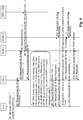
- Fig. 4 shows a signaling diagram illustrating a second implementation example of the invention.
- a DRA does not have an interface to a subscription database (SPR / UDR).
- a PCEF contacts the DRA for finding/discovering a PCRF for the UE or IP-CAN session (step B2).
- the DRA may select a PCRF according to a usual procedure (step B3) (PCRF-1 in Fig. 4 ) and let the PCRF get subscription data of the UE from the SPR/UDR (steps B4 and B5) and forward it to the DRA (step B6).
- step B3 may be a dedicated request from the DRA to the PCRF to find out whether the user / UE belongs to a usage monitoring group, and if yes, to provide the DRA with the Subscriber Group ID parameter / parameters.
- step B7 the DRA checks whether it has already allocated a PCRF to another user / IP-CAN session that uses the same Subscriber Group ID, i.e. belongs to the same usage monitoring group. If yes, the DRA selects that PCRF (PCRF-2 in Fig. 4 ). If no, the DRA may select a PCRF according to a usual procedure (not shown in Fig. 4 ), e.g. can use the PCRF-1 already selected in step B3.
- the DRA may have to send a cancellation message (step B15, cancellation response in step B16) to the PCRF contacted first upon the IP-CAN session establishment in step B3 (PCRF-1 in Fig. 4 ), to cancel the connection towards the rules function contacted in step B3 (PCRF-1 in Fig. 4 ), depending on how the message exchange in steps B3 and B6 between DRA and PCRF is defined.
- step B8 the DRA sends a response message to the PCEF in which the PCEF is redirected to the selected PCRF (PCRF-2 in Fig. 4 ).
- step B9-B11 session establishment between the PCEF and the selected PCRF is performed, possibly using also the subscriber information from the SPR/UDR.
- the DRA when the DRA operates as a proxy instead of operating in the redirect mode, the DRA requests the session establishment from the selected PCRF (step B12) which may obtain the subscriber information from the SPR/UDR (step B13) and responds to the PCEF with PCC rules, parameters, etc. (step B14).
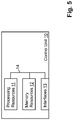
- FIG. 5 for illustrating a simplified block diagram of an electronic device that is suitable for use in practicing the exemplary embodiments of this invention.
- a control unit 10 which may be part of or used by a DRA shown in Figs. 3 and 4 , or may implement the process illustrated in Fig. 2 , comprises processing resources 11, memory resources 12 and interfaces 13 which are connected by a link 14.
- the memory resources 12 may include a program comprising program instructions that, when executed by the processing resources, enable the electronic device to operate in accordance with the exemplary embodiments of this invention, as detailed above.
- the exemplary embodiments of this invention may be implemented by computer software stored in the memory resources 12 and executable by the processing resources 11 of the control unit 10, or by hardware, or by a combination of software and/or firmware and hardware in the control unit 10.
- the memory resources 12 may be of any type suitable to the local technical environment and may be implemented using any suitable data storage technology, such as semiconductor-based memory devices, magnetic memory devices and systems, optical memory devices and systems, fixed memory and removable memory.
- the processing resources 11 may be of any type suitable to the local technical environment, and may include one or more of general purpose computers, special purpose computers, microprocessors, digital signal processors (DSPs) and processors based on a multi-core processor architecture, as non-limiting examples.
- an apparatus of a communication network which may comprise or use the control unit 10, e.g. the DRA as shown in Figs. 3 or 4 , and/or which may execute the process shown in Fig. 2 , comprises means for detecting that a user or user equipment attaching to the communication network belongs to a usage group, based on group identity information that is allocated to the user or user equipment and identifies the usage group, means for detecting, based on the group identity information, whether or not a first rules function out of several rules functions has been allocated to another user or user equipment of the usage group, and means for, in case it is detected that the first rules function has been allocated to another user or user equipment of the usage group, selecting, for the user or user equipment, the first rules function.
- the means for detecting that a user or user equipment attaching to the communication network belongs to a usage group may comprise means for requesting the group identity information from a database based on an identifier of the user or user equipment, received with a session establishment request for the user or user equipment.
- the means for detecting that a user or user equipment attaching to the communication network belongs to a usage group may comprise means for selecting a rules function of the several rules functions, and means for requesting the group identity information from the selected rules function based on an identifier of the user or user equipment, received with a session establishment request for the user or user equipment.
- the apparatus may further comprise means for, in case it is detected that the first rules function has not been allocated to another user or user equipment of the usage group, using, for the user or user equipment, the selected rules function. Otherwise, the apparatus may comprise means for, in case it is detected that the first rules function has been allocated to another user or user equipment of the usage group, sending a cancellation message to cancel the connection towards the selected rules function.
- the apparatus may further comprise means for sending a redirect message to redirect the user or user equipment to the first/selected rules function, for requesting the session establishment from the first/selected rules function.
- the apparatus may comprise means for sending a request message to request the session establishment from the first/selected rules function.
- the usage group may manage usage of at least one of bearers common to / shared by the usage group, bit rates / bandwidth on a bearer common to / shared by the usage group, and applications / services using a bearer common to / shared by the usage group.
- the usage group may comprise a usage monitoring group for monitoring volume or time based usage of resources shared by the usage monitoring group.
- the means for detecting, selecting, requesting, using and sending may be implemented by the processing resources 11, memory resources 12 and interfaces 13 of the control unit 10.
Landscapes
- Engineering & Computer Science (AREA)
- Computer Networks & Wireless Communication (AREA)
- Signal Processing (AREA)
- Business, Economics & Management (AREA)
- Accounting & Taxation (AREA)
- Mobile Radio Communication Systems (AREA)
Claims (11)
- Un procédé destiné à une utilisation par un agent de routage Diameter d'un réseau de communication, le procédé comprenant :la détection qu'un utilisateur ou un équipement d'utilisateur rattaché au réseau de communication appartient à un groupe d'utilisation en fonction d'informations d'identité de groupe qui sont attribuées à l'utilisateur ou à l'équipement d'utilisateur et identifient le groupe d'utilisation, la détection comprenant la demande des informations d'identité de groupe à partir d'une base de données en fonction d'un identifiant de l'utilisateur ou de l'équipement d'utilisateur reçu avec une demande d'établissement de session pour l'utilisateur ou pour l'équipement d'utilisateur,la détection, en fonction des informations d'identité de groupe, si ou non une première fonction de règles parmi plusieurs fonctions de règles a été attribuée à un autre utilisateur ou un autre équipement d'utilisateur du groupe d'utilisation, et dans le cas où il est détecté que la première fonction de règles a été attribuée à un autre utilisateur ou un autre équipement d'utilisateur du groupe d'utilisation, la sélection, pour l'utilisateur ou pour l'équipement d'utilisateur, de la première fonction de règles.
- Un procédé destiné à une utilisation par un appareil d'un réseau de communication, le procédé comprenant :la détection qu'un utilisateur ou un équipement d'utilisateur rattaché au réseau de communication appartient à un groupe d'utilisation en fonction d'informations d'identité de groupe qui sont attribuées à l'utilisateur ou à l'équipement d'utilisateur et identifient le groupe d'utilisation, la détection comprenant la sélection d'une fonction de règles parmi plusieurs fonctions de règles et la demande des informations d'identité de groupe à partir de la fonction de règles sélectionnée en fonction d'un identifiant de l'utilisateur ou de l'équipement d'utilisateur reçu avec une demande d'établissement de session pour l'utilisateur ou pour l'équipement d'utilisateur,la détection, en fonction des informations d'identité de groupe, si ou non une première fonction de règles parmi les plusieurs fonctions de règles a été attribuée à un autre utilisateur ou un autre équipement d'utilisateur du groupe d'utilisation, etdans le cas où il est détecté qu'aucune première fonction de règles n'a été attribuée à un autre utilisateur ou un autre équipement d'utilisateur du groupe d'utilisation, l'utilisation pour l'utilisateur ou pour l'équipement d'utilisateur de la fonction de règles sélectionnée, etdans le cas où il est détecté que la première fonction de règles a été attribuée à un autre utilisateur ou un autre équipement d'utilisateur du groupe d'utilisation, l'envoi d'un message d'annulation destiné à l'annulation de la connexion vers la fonction de règles sélectionnée, et l'utilisation pour l'utilisateur ou pour l'équipement d'utilisateur de la première fonction de règles.
- Le procédé selon la revendication 1 ou 2, comprenant :l'envoi d'un message de redirection destiné à la redirection de l'utilisateur ou de l'équipement d'utilisateur vers la première fonction de règles ou la fonction de règles sélectionnée, de façon à demander l'établissement de session à partir de la première fonction de règles ou de la fonction de règles sélectionnée.
- Le procédé selon l'une quelconque des revendications 1 à 3, comprenant :l'envoi d'un message de demande destiné à la demande de l'établissement de session à partir de la première fonction de règles ou de la fonction de règles sélectionnée.
- Un produit de programme informatique comprenant un programme destiné à un dispositif de traitement, contenant des parties de code logiciel destinées à l'exécution des étapes selon l'une quelconque des revendications 1 à 4, lorsque le programme est exécuté sur le dispositif de traitement.
- Le produit de programme informatique selon la revendication 5, dans lequel le produit de programme informatique comprend un support lisible par ordinateur sur lequel les parties de code logiciel sont conservées en mémoire.
- Le produit de programme informatique selon la revendication 5, dans lequel le programme peut être chargé directement dans une mémoire interne du dispositif de traitement.
- Un agent de routage Diameter d'un réseau de communication, comprenant :un moyen de détection qu'un utilisateur ou un équipement d'utilisateur rattaché au réseau de communication appartient à un groupe d'utilisation en fonction d'informations d'identité de groupe qui sont attribuées à l'utilisateur ou à l'équipement d'utilisateur et identifient le groupe d'utilisation, le moyen de détection que l'utilisateur ou l'équipement d'utilisateur appartient à un groupe d'utilisateurs comprenant un moyen de demande des informations d'identité de groupe à partir d'une base de données en fonction d'un identifiant de l'utilisateur ou de l'équipement d'utilisateur reçu avec une demande d'établissement de session pour l'utilisateur ou pour l'équipement d'utilisateur,un moyen de détection, en fonction des informations d'identité de groupe, si ou non une première fonction de règles parmi plusieurs fonctions de règles a été attribuée à un autre utilisateur ou un autre équipement d'utilisateur du groupe d'utilisation, etun moyen, dans le cas où l'appareil détecte que la première fonction de règles a été attribuée à un autre utilisateur ou un autre équipement d'utilisateur du groupe d'utilisation, de sélection, pour l'utilisateur ou pour l'équipement d'utilisateur, de la première fonction de règles.
- Un appareil d'un réseau de communication, comprenant :un moyen de détection qu'un utilisateur ou un équipement d'utilisateur rattaché au réseau de communication appartient à un groupe d'utilisation en fonction d'informations d'identité de groupe qui sont attribuées à l'utilisateur ou à l'équipement d'utilisateur et identifient le groupe d'utilisation, le moyen de détection que l'utilisateur ou l'équipement d'utilisateur appartient à un groupe d'utilisateurs comprenant un moyen de sélection d'une fonction de règles parmi plusieurs fonctions de règles et un moyen de demande des informations d'identité de groupe à partir de la fonction de règles sélectionnée en fonction d'un identifiant de l'utilisateur ou de l'équipement d'utilisateur reçu avec une demande d'établissement de session pour l'utilisateur ou pour l'équipement d'utilisateur,un moyen de détection, en fonction des informations d'identité de groupe, si ou non une première fonction de règles parmi les plusieurs fonctions de règles a été attribuée à un autre utilisateur ou un autre équipement d'utilisateur du groupe d'utilisation, etun moyen, dans le cas où l'agent de routage Diameter détecte qu'aucune première fonction de règles n'a été attribuée à un autre utilisateur ou un autre équipement d'utilisateur du groupe d'utilisation, d'utilisation pour l'utilisateur ou pour l'équipement d'utilisateur de la fonction de règles sélectionnée, etun moyen, dans le cas où l'agent de routage Diameter détecte que la première fonction de règles a été attribuée à un autre utilisateur ou un autre équipement d'utilisateur du groupe d'utilisation, d'envoi d'un message d'annulation destiné à l'annulation de la connexion vers la fonction de règles sélectionnée et d'utilisation pour l'utilisateur ou pour l'équipement d'utilisateur de la première fonction de règles.
- L'appareil selon la revendication 8 ou 9, comprenant :un moyen d'envoi d'un message de redirection destiné à la redirection de l'utilisateur ou de l'équipement d'utilisateur vers la première fonction de règles ou la fonction de règles sélectionnée pour la demande de l'établissement de session à partir de la première fonction de règles ou de la fonction de règles sélectionnée.
- L'appareil selon l'une quelconque des revendications 8 à 10, comprenant :un moyen d'envoi d'un message de demande destiné à la demande de l'établissement de session à partir de la première fonction de règles ou de la fonction de règles sélectionnée.
Applications Claiming Priority (1)
| Application Number | Priority Date | Filing Date | Title |
|---|---|---|---|
| PCT/EP2012/067463 WO2014037047A1 (fr) | 2012-09-07 | 2012-09-07 | Régulation d'utilisation pour un groupe d'abonnés |
Publications (2)
| Publication Number | Publication Date |
|---|---|
| EP2893729A1 EP2893729A1 (fr) | 2015-07-15 |
| EP2893729B1 true EP2893729B1 (fr) | 2017-11-08 |
Family
ID=46799260
Family Applications (1)
| Application Number | Title | Priority Date | Filing Date |
|---|---|---|---|
| EP12755875.7A Active EP2893729B1 (fr) | 2012-09-07 | 2012-09-07 | Régulation d'utilisation pour un groupe d'abonnés |
Country Status (3)
| Country | Link |
|---|---|
| US (1) | US10116490B2 (fr) |
| EP (1) | EP2893729B1 (fr) |
| WO (1) | WO2014037047A1 (fr) |
Families Citing this family (3)
| Publication number | Priority date | Publication date | Assignee | Title |
|---|---|---|---|---|
| WO2014067568A1 (fr) * | 2012-10-31 | 2014-05-08 | Nokia Solutions And Networks Oy | Gestion d'un groupe géré par politique |
| CN106793838B (zh) | 2014-05-07 | 2019-07-30 | Hbi品牌服饰企业有限公司 | 内裤、制作内裤的方法以及至少部分地制造内裤的方法 |
| WO2016000842A1 (fr) * | 2014-06-30 | 2016-01-07 | Telefonaktiebolaget L M Ericsson (Publ) | Agrégation d'informations d'encombrement |
Family Cites Families (12)
| Publication number | Priority date | Publication date | Assignee | Title |
|---|---|---|---|---|
| CA2036946C (fr) * | 1990-04-06 | 2001-10-16 | Kenneth V. Deugau | Molecules de liaison pour indexation |
| US7136645B2 (en) * | 1998-10-09 | 2006-11-14 | Netmotion Wireless, Inc. | Method and apparatus for providing mobile and other intermittent connectivity in a computing environment |
| US6507643B1 (en) * | 2000-03-16 | 2003-01-14 | Breveon Incorporated | Speech recognition system and method for converting voice mail messages to electronic mail messages |
| AU2002227156A1 (en) * | 2000-12-01 | 2002-06-11 | Visigen Biotechnologies, Inc. | Enzymatic nucleic acid synthesis: compositions and methods for altering monomer incorporation fidelity |
| US8224900B2 (en) * | 2009-02-09 | 2012-07-17 | Novell, Inc. | Network-aware communications |
| KR101584603B1 (ko) * | 2009-11-10 | 2016-01-14 | 노키아 솔루션스 앤드 네트웍스 오와이 | 통신 트래픽 브레이크아웃을 제공하기 위한 통신 네트워크의 네트워크 디바이스 및 방법 |
| CN102075900B (zh) * | 2009-11-23 | 2014-03-12 | 中兴通讯股份有限公司 | 一种实现用量监测控制的方法及系统 |
| CN102421198B (zh) * | 2010-09-28 | 2016-03-30 | 中兴通讯股份有限公司 | 一种将更新信息通知核心网的方法及系统 |
| US20140233390A1 (en) * | 2011-09-06 | 2014-08-21 | Nec Europe Ltd. | Method and system for congestion avoidance in mobile communication networks |
| US8713704B2 (en) * | 2011-09-24 | 2014-04-29 | Elwha Llc | Behavioral fingerprint based authentication |
| US10440499B2 (en) * | 2014-06-16 | 2019-10-08 | Comcast Cable Communications, Llc | User location and identity awareness |
| US9338862B2 (en) * | 2014-06-25 | 2016-05-10 | Abl Ip Holding Llc | Techniques for remote communication with a photocontrol device |
-
2012
- 2012-09-07 WO PCT/EP2012/067463 patent/WO2014037047A1/fr not_active Ceased
- 2012-09-07 EP EP12755875.7A patent/EP2893729B1/fr active Active
- 2012-09-07 US US14/426,838 patent/US10116490B2/en active Active
Non-Patent Citations (1)
| Title |
|---|
| None * |
Also Published As
| Publication number | Publication date |
|---|---|
| US10116490B2 (en) | 2018-10-30 |
| US20150236891A1 (en) | 2015-08-20 |
| WO2014037047A1 (fr) | 2014-03-13 |
| EP2893729A1 (fr) | 2015-07-15 |
Similar Documents
| Publication | Publication Date | Title |
|---|---|---|
| CN102148689B (zh) | 策略和计费规则功能实体的选择方法、装置及系统 | |
| US9154314B2 (en) | Method and system for implementing usage monitoring control | |
| US8750825B2 (en) | Methods, systems, and computer readable media for inter-carrier roaming cost containment | |
| CA2682979C (fr) | Procede, systeme et entite de realisation de detection d'evenement | |
| JP6468502B2 (ja) | 課金セッション管理方法および装置 | |
| EP2521305B1 (fr) | Procédé, dispositif et système destinés à commander une police de séance d'utilisateur | |
| US20100186064A1 (en) | Method and device for obtaining capabilities of policy and charging enforcement function | |
| US20110320544A1 (en) | Diameter session audits | |
| EP3262787A1 (fr) | Facturation et commande de services périphériques | |
| US8983429B2 (en) | Temporarily disable out-of-credit PCC rule | |
| CN102223240B (zh) | 提供服务方法、业务代理装置、策略和计费规则功能装置 | |
| US9820183B2 (en) | User plane congestion control | |
| JP2014529277A (ja) | Syに基づく統合されたポリシーおよび課金制御 | |
| WO2011085621A1 (fr) | Procédé et système de traitement de service | |
| US20120290713A1 (en) | Mid-session change support in usage monitoring | |
| WO2016119818A1 (fr) | Sélection de règle de politique dynamique | |
| CN102123035B (zh) | 策略和计费规则功能实体的选择方法、装置及系统 | |
| WO2015055063A1 (fr) | Procédé de contrôle d'accès à une application et appareil d'entité de fonction d'application | |
| CN104205727B (zh) | 移动分组核心网络中的会话终止 | |
| US9485105B2 (en) | Method and telecommunications network utilizing more than one online charging system for a given user | |
| WO2015120731A1 (fr) | Procédé et dispositif de commande de politique de réseau visité | |
| EP2893729B1 (fr) | Régulation d'utilisation pour un groupe d'abonnés | |
| CN101610529A (zh) | 策略控制系统和通信系统中的策略控制方法 | |
| CN102158835B (zh) | 机器类型通信信息传输方法和设备及系统 | |
| WO2009138016A1 (fr) | Procédé, appareil et système de transmission d’information |
Legal Events
| Date | Code | Title | Description |
|---|---|---|---|
| PUAI | Public reference made under article 153(3) epc to a published international application that has entered the european phase |
Free format text: ORIGINAL CODE: 0009012 |
|
| 17P | Request for examination filed |
Effective date: 20150407 |
|
| AK | Designated contracting states |
Kind code of ref document: A1 Designated state(s): AL AT BE BG CH CY CZ DE DK EE ES FI FR GB GR HR HU IE IS IT LI LT LU LV MC MK MT NL NO PL PT RO RS SE SI SK SM TR |
|
| AX | Request for extension of the european patent |
Extension state: BA ME |
|
| DAX | Request for extension of the european patent (deleted) | ||
| 17Q | First examination report despatched |
Effective date: 20160706 |
|
| REG | Reference to a national code |
Ref country code: DE Ref legal event code: R079 Ref document number: 602012039507 Country of ref document: DE Free format text: PREVIOUS MAIN CLASS: H04W0004260000 Ipc: H04L0012240000 |
|
| GRAP | Despatch of communication of intention to grant a patent |
Free format text: ORIGINAL CODE: EPIDOSNIGR1 |
|
| RIC1 | Information provided on ipc code assigned before grant |
Ipc: H04L 12/24 20060101AFI20170426BHEP Ipc: H04W 4/26 20090101ALN20170426BHEP |
|
| INTG | Intention to grant announced |
Effective date: 20170522 |
|
| RIC1 | Information provided on ipc code assigned before grant |
Ipc: H04L 12/24 20060101AFI20170512BHEP Ipc: H04W 4/26 20090101ALN20170512BHEP |
|
| GRAS | Grant fee paid |
Free format text: ORIGINAL CODE: EPIDOSNIGR3 |
|
| GRAA | (expected) grant |
Free format text: ORIGINAL CODE: 0009210 |
|
| AK | Designated contracting states |
Kind code of ref document: B1 Designated state(s): AL AT BE BG CH CY CZ DE DK EE ES FI FR GB GR HR HU IE IS IT LI LT LU LV MC MK MT NL NO PL PT RO RS SE SI SK SM TR |
|
| REG | Reference to a national code |
Ref country code: GB Ref legal event code: FG4D |
|
| REG | Reference to a national code |
Ref country code: CH Ref legal event code: EP Ref country code: AT Ref legal event code: REF Ref document number: 945139 Country of ref document: AT Kind code of ref document: T Effective date: 20171115 |
|
| REG | Reference to a national code |
Ref country code: IE Ref legal event code: FG4D |
|
| REG | Reference to a national code |
Ref country code: DE Ref legal event code: R096 Ref document number: 602012039507 Country of ref document: DE |
|
| REG | Reference to a national code |
Ref country code: NL Ref legal event code: MP Effective date: 20171108 |
|
| REG | Reference to a national code |
Ref country code: LT Ref legal event code: MG4D |
|
| REG | Reference to a national code |
Ref country code: AT Ref legal event code: MK05 Ref document number: 945139 Country of ref document: AT Kind code of ref document: T Effective date: 20171108 |
|
| PG25 | Lapsed in a contracting state [announced via postgrant information from national office to epo] |
Ref country code: LT Free format text: LAPSE BECAUSE OF FAILURE TO SUBMIT A TRANSLATION OF THE DESCRIPTION OR TO PAY THE FEE WITHIN THE PRESCRIBED TIME-LIMIT Effective date: 20171108 Ref country code: FI Free format text: LAPSE BECAUSE OF FAILURE TO SUBMIT A TRANSLATION OF THE DESCRIPTION OR TO PAY THE FEE WITHIN THE PRESCRIBED TIME-LIMIT Effective date: 20171108 Ref country code: ES Free format text: LAPSE BECAUSE OF FAILURE TO SUBMIT A TRANSLATION OF THE DESCRIPTION OR TO PAY THE FEE WITHIN THE PRESCRIBED TIME-LIMIT Effective date: 20171108 Ref country code: NL Free format text: LAPSE BECAUSE OF FAILURE TO SUBMIT A TRANSLATION OF THE DESCRIPTION OR TO PAY THE FEE WITHIN THE PRESCRIBED TIME-LIMIT Effective date: 20171108 Ref country code: SE Free format text: LAPSE BECAUSE OF FAILURE TO SUBMIT A TRANSLATION OF THE DESCRIPTION OR TO PAY THE FEE WITHIN THE PRESCRIBED TIME-LIMIT Effective date: 20171108 Ref country code: NO Free format text: LAPSE BECAUSE OF FAILURE TO SUBMIT A TRANSLATION OF THE DESCRIPTION OR TO PAY THE FEE WITHIN THE PRESCRIBED TIME-LIMIT Effective date: 20180208 |
|
| PG25 | Lapsed in a contracting state [announced via postgrant information from national office to epo] |
Ref country code: BG Free format text: LAPSE BECAUSE OF FAILURE TO SUBMIT A TRANSLATION OF THE DESCRIPTION OR TO PAY THE FEE WITHIN THE PRESCRIBED TIME-LIMIT Effective date: 20180208 Ref country code: GR Free format text: LAPSE BECAUSE OF FAILURE TO SUBMIT A TRANSLATION OF THE DESCRIPTION OR TO PAY THE FEE WITHIN THE PRESCRIBED TIME-LIMIT Effective date: 20180209 Ref country code: IS Free format text: LAPSE BECAUSE OF FAILURE TO SUBMIT A TRANSLATION OF THE DESCRIPTION OR TO PAY THE FEE WITHIN THE PRESCRIBED TIME-LIMIT Effective date: 20180308 Ref country code: AT Free format text: LAPSE BECAUSE OF FAILURE TO SUBMIT A TRANSLATION OF THE DESCRIPTION OR TO PAY THE FEE WITHIN THE PRESCRIBED TIME-LIMIT Effective date: 20171108 Ref country code: LV Free format text: LAPSE BECAUSE OF FAILURE TO SUBMIT A TRANSLATION OF THE DESCRIPTION OR TO PAY THE FEE WITHIN THE PRESCRIBED TIME-LIMIT Effective date: 20171108 Ref country code: RS Free format text: LAPSE BECAUSE OF FAILURE TO SUBMIT A TRANSLATION OF THE DESCRIPTION OR TO PAY THE FEE WITHIN THE PRESCRIBED TIME-LIMIT Effective date: 20171108 Ref country code: HR Free format text: LAPSE BECAUSE OF FAILURE TO SUBMIT A TRANSLATION OF THE DESCRIPTION OR TO PAY THE FEE WITHIN THE PRESCRIBED TIME-LIMIT Effective date: 20171108 |
|
| PG25 | Lapsed in a contracting state [announced via postgrant information from national office to epo] |
Ref country code: SK Free format text: LAPSE BECAUSE OF FAILURE TO SUBMIT A TRANSLATION OF THE DESCRIPTION OR TO PAY THE FEE WITHIN THE PRESCRIBED TIME-LIMIT Effective date: 20171108 Ref country code: CY Free format text: LAPSE BECAUSE OF FAILURE TO SUBMIT A TRANSLATION OF THE DESCRIPTION OR TO PAY THE FEE WITHIN THE PRESCRIBED TIME-LIMIT Effective date: 20171108 Ref country code: DK Free format text: LAPSE BECAUSE OF FAILURE TO SUBMIT A TRANSLATION OF THE DESCRIPTION OR TO PAY THE FEE WITHIN THE PRESCRIBED TIME-LIMIT Effective date: 20171108 Ref country code: EE Free format text: LAPSE BECAUSE OF FAILURE TO SUBMIT A TRANSLATION OF THE DESCRIPTION OR TO PAY THE FEE WITHIN THE PRESCRIBED TIME-LIMIT Effective date: 20171108 Ref country code: CZ Free format text: LAPSE BECAUSE OF FAILURE TO SUBMIT A TRANSLATION OF THE DESCRIPTION OR TO PAY THE FEE WITHIN THE PRESCRIBED TIME-LIMIT Effective date: 20171108 |
|
| REG | Reference to a national code |
Ref country code: DE Ref legal event code: R097 Ref document number: 602012039507 Country of ref document: DE |
|
| PG25 | Lapsed in a contracting state [announced via postgrant information from national office to epo] |
Ref country code: IT Free format text: LAPSE BECAUSE OF FAILURE TO SUBMIT A TRANSLATION OF THE DESCRIPTION OR TO PAY THE FEE WITHIN THE PRESCRIBED TIME-LIMIT Effective date: 20171108 Ref country code: RO Free format text: LAPSE BECAUSE OF FAILURE TO SUBMIT A TRANSLATION OF THE DESCRIPTION OR TO PAY THE FEE WITHIN THE PRESCRIBED TIME-LIMIT Effective date: 20171108 Ref country code: SM Free format text: LAPSE BECAUSE OF FAILURE TO SUBMIT A TRANSLATION OF THE DESCRIPTION OR TO PAY THE FEE WITHIN THE PRESCRIBED TIME-LIMIT Effective date: 20171108 Ref country code: PL Free format text: LAPSE BECAUSE OF FAILURE TO SUBMIT A TRANSLATION OF THE DESCRIPTION OR TO PAY THE FEE WITHIN THE PRESCRIBED TIME-LIMIT Effective date: 20171108 |
|
| PLBE | No opposition filed within time limit |
Free format text: ORIGINAL CODE: 0009261 |
|
| STAA | Information on the status of an ep patent application or granted ep patent |
Free format text: STATUS: NO OPPOSITION FILED WITHIN TIME LIMIT |
|
| REG | Reference to a national code |
Ref country code: FR Ref legal event code: PLFP Year of fee payment: 7 |
|
| 26N | No opposition filed |
Effective date: 20180809 |
|
| PG25 | Lapsed in a contracting state [announced via postgrant information from national office to epo] |
Ref country code: SI Free format text: LAPSE BECAUSE OF FAILURE TO SUBMIT A TRANSLATION OF THE DESCRIPTION OR TO PAY THE FEE WITHIN THE PRESCRIBED TIME-LIMIT Effective date: 20171108 |
|
| PG25 | Lapsed in a contracting state [announced via postgrant information from national office to epo] |
Ref country code: MC Free format text: LAPSE BECAUSE OF FAILURE TO SUBMIT A TRANSLATION OF THE DESCRIPTION OR TO PAY THE FEE WITHIN THE PRESCRIBED TIME-LIMIT Effective date: 20171108 |
|
| REG | Reference to a national code |
Ref country code: CH Ref legal event code: PL |
|
| REG | Reference to a national code |
Ref country code: BE Ref legal event code: MM Effective date: 20180930 |
|
| REG | Reference to a national code |
Ref country code: IE Ref legal event code: MM4A |
|
| PG25 | Lapsed in a contracting state [announced via postgrant information from national office to epo] |
Ref country code: LU Free format text: LAPSE BECAUSE OF NON-PAYMENT OF DUE FEES Effective date: 20180907 |
|
| PG25 | Lapsed in a contracting state [announced via postgrant information from national office to epo] |
Ref country code: IE Free format text: LAPSE BECAUSE OF NON-PAYMENT OF DUE FEES Effective date: 20180907 |
|
| PG25 | Lapsed in a contracting state [announced via postgrant information from national office to epo] |
Ref country code: LI Free format text: LAPSE BECAUSE OF NON-PAYMENT OF DUE FEES Effective date: 20180930 Ref country code: BE Free format text: LAPSE BECAUSE OF NON-PAYMENT OF DUE FEES Effective date: 20180930 Ref country code: CH Free format text: LAPSE BECAUSE OF NON-PAYMENT OF DUE FEES Effective date: 20180930 |
|
| PG25 | Lapsed in a contracting state [announced via postgrant information from national office to epo] |
Ref country code: MT Free format text: LAPSE BECAUSE OF NON-PAYMENT OF DUE FEES Effective date: 20180907 |
|
| PG25 | Lapsed in a contracting state [announced via postgrant information from national office to epo] |
Ref country code: TR Free format text: LAPSE BECAUSE OF FAILURE TO SUBMIT A TRANSLATION OF THE DESCRIPTION OR TO PAY THE FEE WITHIN THE PRESCRIBED TIME-LIMIT Effective date: 20171108 |
|
| PG25 | Lapsed in a contracting state [announced via postgrant information from national office to epo] |
Ref country code: PT Free format text: LAPSE BECAUSE OF FAILURE TO SUBMIT A TRANSLATION OF THE DESCRIPTION OR TO PAY THE FEE WITHIN THE PRESCRIBED TIME-LIMIT Effective date: 20171108 |
|
| PG25 | Lapsed in a contracting state [announced via postgrant information from national office to epo] |
Ref country code: MK Free format text: LAPSE BECAUSE OF NON-PAYMENT OF DUE FEES Effective date: 20171108 Ref country code: HU Free format text: LAPSE BECAUSE OF FAILURE TO SUBMIT A TRANSLATION OF THE DESCRIPTION OR TO PAY THE FEE WITHIN THE PRESCRIBED TIME-LIMIT; INVALID AB INITIO Effective date: 20120907 |
|
| PG25 | Lapsed in a contracting state [announced via postgrant information from national office to epo] |
Ref country code: AL Free format text: LAPSE BECAUSE OF FAILURE TO SUBMIT A TRANSLATION OF THE DESCRIPTION OR TO PAY THE FEE WITHIN THE PRESCRIBED TIME-LIMIT Effective date: 20171108 |
|
| REG | Reference to a national code |
Ref country code: DE Ref legal event code: R079 Ref document number: 602012039507 Country of ref document: DE Free format text: PREVIOUS MAIN CLASS: H04L0012240000 Ipc: H04L0041000000 |
|
| PGFP | Annual fee paid to national office [announced via postgrant information from national office to epo] |
Ref country code: DE Payment date: 20240730 Year of fee payment: 13 |
|
| PGFP | Annual fee paid to national office [announced via postgrant information from national office to epo] |
Ref country code: GB Payment date: 20250731 Year of fee payment: 14 |
|
| PGFP | Annual fee paid to national office [announced via postgrant information from national office to epo] |
Ref country code: FR Payment date: 20250808 Year of fee payment: 14 |