EP2896176B1 - Industriesteuerungssystem mit interner erzeugung für sichere netzwerkkommunikation - Google Patents
Industriesteuerungssystem mit interner erzeugung für sichere netzwerkkommunikation Download PDFInfo
- Publication number
- EP2896176B1 EP2896176B1 EP12762169.6A EP12762169A EP2896176B1 EP 2896176 B1 EP2896176 B1 EP 2896176B1 EP 12762169 A EP12762169 A EP 12762169A EP 2896176 B1 EP2896176 B1 EP 2896176B1
- Authority
- EP
- European Patent Office
- Prior art keywords
- peer
- peers
- networked components
- networked
- industrial control
- Prior art date
- Legal status (The legal status is an assumption and is not a legal conclusion. Google has not performed a legal analysis and makes no representation as to the accuracy of the status listed.)
- Active
Links
- 238000004891 communication Methods 0.000 title claims description 84
- 238000000034 method Methods 0.000 claims description 41
- 238000003860 storage Methods 0.000 claims description 14
- 230000008672 reprogramming Effects 0.000 claims description 2
- 230000008569 process Effects 0.000 description 17
- 230000015654 memory Effects 0.000 description 12
- 230000004044 response Effects 0.000 description 9
- 230000006870 function Effects 0.000 description 6
- 238000004519 manufacturing process Methods 0.000 description 6
- 238000012545 processing Methods 0.000 description 6
- 238000010586 diagram Methods 0.000 description 4
- 238000012795 verification Methods 0.000 description 3
- 230000005540 biological transmission Effects 0.000 description 2
- 238000002156 mixing Methods 0.000 description 2
- 238000012544 monitoring process Methods 0.000 description 2
- 239000000126 substance Substances 0.000 description 2
- 238000012360 testing method Methods 0.000 description 2
- 238000010200 validation analysis Methods 0.000 description 2
- 230000004913 activation Effects 0.000 description 1
- 238000004378 air conditioning Methods 0.000 description 1
- 238000013459 approach Methods 0.000 description 1
- 238000004140 cleaning Methods 0.000 description 1
- 230000008878 coupling Effects 0.000 description 1
- 238000010168 coupling process Methods 0.000 description 1
- 238000005859 coupling reaction Methods 0.000 description 1
- 238000009795 derivation Methods 0.000 description 1
- 238000013461 design Methods 0.000 description 1
- 238000005553 drilling Methods 0.000 description 1
- 239000012530 fluid Substances 0.000 description 1
- 230000003993 interaction Effects 0.000 description 1
- 238000011835 investigation Methods 0.000 description 1
- 238000005304 joining Methods 0.000 description 1
- 238000012986 modification Methods 0.000 description 1
- 230000004048 modification Effects 0.000 description 1
- 230000003287 optical effect Effects 0.000 description 1
- -1 pneumatic Substances 0.000 description 1
- 238000009877 rendering Methods 0.000 description 1
- 238000009987 spinning Methods 0.000 description 1
- 238000012546 transfer Methods 0.000 description 1
- 230000001960 triggered effect Effects 0.000 description 1
- 238000003466 welding Methods 0.000 description 1
Images

Classifications
-
- H—ELECTRICITY
- H04—ELECTRIC COMMUNICATION TECHNIQUE
- H04L—TRANSMISSION OF DIGITAL INFORMATION, e.g. TELEGRAPHIC COMMUNICATION
- H04L63/00—Network architectures or network communication protocols for network security
- H04L63/06—Network architectures or network communication protocols for network security for supporting key management in a packet data network
-
- H—ELECTRICITY
- H04—ELECTRIC COMMUNICATION TECHNIQUE
- H04L—TRANSMISSION OF DIGITAL INFORMATION, e.g. TELEGRAPHIC COMMUNICATION
- H04L9/00—Cryptographic mechanisms or cryptographic arrangements for secret or secure communications; Network security protocols
- H04L9/08—Key distribution or management, e.g. generation, sharing or updating, of cryptographic keys or passwords
- H04L9/0816—Key establishment, i.e. cryptographic processes or cryptographic protocols whereby a shared secret becomes available to two or more parties, for subsequent use
- H04L9/0819—Key transport or distribution, i.e. key establishment techniques where one party creates or otherwise obtains a secret value, and securely transfers it to the other(s)
-
- H—ELECTRICITY
- H04—ELECTRIC COMMUNICATION TECHNIQUE
- H04L—TRANSMISSION OF DIGITAL INFORMATION, e.g. TELEGRAPHIC COMMUNICATION
- H04L63/00—Network architectures or network communication protocols for network security
- H04L63/06—Network architectures or network communication protocols for network security for supporting key management in a packet data network
- H04L63/061—Network architectures or network communication protocols for network security for supporting key management in a packet data network for key exchange, e.g. in peer-to-peer networks
Definitions
- the present embodiments relate to communications in an industrial control system (ICS).
- ICS industrial control system
- secure network communications for an ICS are established.
- each member of the ICS network may need to ensure the authenticity and/or integrity of any received messages. Confidentiality of message contents may also be required.
- public/private key pairs are used, such as using a public-key infrastructure (PKI) system.
- PKI public-key infrastructure
- a third party validation authority binds devices for communication through registration and issuance of certificates. The registration authority ensures that the binding of the certificates to devices is performed.
- this approach often necessitates complex infrastructure and administrative overhead for certificate and key management using third parties.
- Document US 2006 / 285 693 A1 discloses a method for secure cryptographic key exchange using virtual LANS.
- Document US 2012 / 036 568 A1 discloses a provisioning device which provides, in advance, setting information necessary for joining in a wireless network to a first field device.
- Document DE 10 2008 038913 A1 discloses a method for protecting the communication between logic circuits.
- Document US 2009 / 169 006 A1 discloses a method for coupling devices where on both devices a registration process has to be initiated.
- the present invention discloses a method with the features of claim 1, a system with the features of claim 8 and a non-transitory computer readable storage medium with the features of claim 12.
- the preferred embodiments described below include methods, systems, instructions, and computer readable media for internal generation for secure network communications.
- the ICS is assembled in a known-good environment prior to connecting to another network. While in the known-good environment, one or more components of the ICS auto-negotiate with other components, assigning security tokens. These certificates are used to internally secure communications between the components prior to any connection to other devices and without relying on external provisioning of the security tokens during commissioning of the ICS.
- a method for internal generation for secure network communications.
- An industrial control system is commissioned.
- the industrial control system includes a plurality of networked components in a known-good environment. Encryption keys are exchanged between the networked components in the known-good environment without download of the encryption keys to the commissioned industrial control system. Communications between the networked components are secured with the encryption keys.
- An industrial control network includes one or more programmable logic controllers, one or more human machine interface devices, and one or more operator stations.
- An engineering station is configured to establish peers between one or more programmable logic controllers, one or more human machine interface devices, and one or more operator stations in an industrial control network.
- the members of the peer groups are configured to assign security tokens to the peers of the peer groups in the industrial control network, to communicate between the peers within peer groups based on the security tokens, and to limit communication outside of the peer groups based on the security tokens.
- a non-transitory computer readable storage medium has stored therein data representing instructions executable by a programmed processor for internal generation of secure network communications.
- the storage medium includes instructions for providing identification to a first component of an industrial control network, receiving identities of peers and a project, running a key-exchange algorithm without access outside of the industrial control network, assigning security tokens to the peers as an output of the key-exchange algorithm, and communicating pursuant to the project as a function of the security tokens.
- ICS By allowing network devices to maintain and auto-negotiate their own key/certificate store in a distributed manner, secure communications may be provided in ICS. Since the ICS is commissioned in known-good environment, internal auto-negotiation provides security without external verification. This method requires none of the infrastructure and administrative overhead associated with PKI. Therefore, from the user's perspective, the process may be much simpler. The engineer of the ICS may have little or no involvement in establishing the security.
- the network is provisioned in a known-good environment, such as in the case of new or newly formed industrial control systems.
- commissioning is complete, a command is broadcast on the network to start the auto-negotiation process.
- network messages use cryptographic methods to ensure integrity and authenticity. Confidentiality may also be provided. All of the inter-networked devices then operate with a sufficient (e.g., same) trust level.
- Figure 1 shows a system for internal generation of secure network communications.
- the system is an industrial control system using an industrial control network.
- the industrial control network implements industrial processes using field devices.
- the system may monitor and control a manufacturing process using communications with field devices (e.g., programmable logic controllers or remote terminal units).
- field devices e.g., programmable logic controllers or remote terminal units.
- the system provides control capabilities and a user interface for interacting with the control and data acquisition of the process.
- the field devices are panels, programmable logic controllers, and/or remote terminal units.
- three programmable logic controllers 20A-C, a human-machine interface device 22, and an operator station 24 are shown. Additional, different, or fewer field devices may be provided. Other controllers, monitors, or devices for monitoring physical processes or characteristics and/or controlling manufacturing or production may be used.
- the human-machine interface device 22 is a panel, personal computer, portable handheld controller, safety switch, user input, display device, and/or other component for human interaction with the system.
- the human-machine interface device 22 is a button for shutting down operation of a robotic component by an operator (e.g., a safety or emergency trigger). More than one human-machine interface device 22 may be provided.
- the operator station 24 is a panel, computer, display, monitor station (e.g., bank of lights with or without associated inputs), and/or other device for monitoring performance of or a part of the industrial control process.
- the operator station 24 includes one or more status displays indicating the operation of one or more of the programmable logic controllers 20A-C and/or any activation of the human-machine interface device 22. Sensor and/or actuator status may be displayed. More than one operation station 24 may be provided.
- the programmable logic controllers 20A-C are panels, computers, processors, circuits, or other programmable devices for automation of electromechanical, chemical, pneumatic, fluid, electrical, mechanical, or other processes.
- the programmable logic controllers 20A-C control machinery on assembly lines, heating-ventilation-air conditioning (HVAC), refinery flow, mixing, or other devices or processes.
- HVAC heating-ventilation-air conditioning
- the programmable logic controllers 20A-C output in response to input conditions within a limited time.
- the programmable logic controllers 20A-C may include sensors and/or actuators.
- the sensors may be temperature, pressure, rate, current, voltage, inductance, capacitance, chemical, flow, or other sensors. Any number of sensors may be used.
- the actuators may be magnetic, electric, pneumatic, or other devices for altering, moving, drilling, welding, mixing, spinning, changing or otherwise actuating.
- the sensors and actuators communicate with or are part of the field devices for control and measuring.
- the programmable logic controllers 20A-C may be configured to operate based on programming.
- the actions to perform and/or the set points for when to perform the actions may be programmed.
- the work flow or series of actions may be configured.
- the programmable logic controllers 20A-C are configured to control one or more aspects of the industrial process based on triggers and/or report events associated with the industrial process.
- the system of the industrial control network includes one or more controller stations.
- the control is centralized in an engineering station 26.
- Distributed control of the system may be used.
- the engineering station 26 is a supervisory control and data acquisition (SCADA) system or other component for configuring, diagnosing, or otherwise arranging for operation of the industrial control network.
- SCADA supervisory control and data acquisition
- Figure 2 shows one embodiment of one or more of the programmable logic controllers 20A-C, human-machine interface devices 22, operator stations 24, and engineering station 26.
- Each device is the same or different.
- the programmable logic controllers 20A-C are purpose built to withstand stresses and forces in the industrial environment and/or are computers.
- the human-machine interface devices 22 are switches or buttons with communications capabilities, computers, or field panels.
- the operator stations 24 are field panels or computers.
- the engineering station 26 is a personal computer with one or more cards for interfacing or communicating with the other components.
- the components include a processor 12, memory 14, and network interface 16. These parts provide for securing communications in the ICS. Additional, different, or fewer parts may be provided.
- a memory 14 or processor 12 are not provided in a human-machine interface 24.
- a display is provided for the engineering station 26 and/or operator station 24. Any type of display may be used, such as LEDs, monitor, LCD, projector, plasma display, CRT, or printer.
- the processor 12 is a general processor, central processing unit, control processor, graphics processor, digital signal processor, three-dimensional rendering processor, image processor, application specific integrated circuit, field programmable gate array, digital circuit, analog circuit, combinations thereof, or other now known or later developed device for use in the industrial control network.
- the processor 12 is a single device or multiple devices operating in serial, parallel, or separately.
- the processor 12 may be a main processor of a computer, such as a laptop or desktop computer, or may be a processor for handling tasks in a purpose-built system, such as in a programmable logic controller 20A-C.
- the processor 26 is configured by software and/or hardware.
- the memory 14 is a graphics processing memory, video random access memory, system memory, random access memory, cache memory, hard drive, optical media, magnetic media, flash drive, buffer, database, combinations thereof, or other now known or later developed memory device for storing data.
- the memory 14 stores one or more datasets representing sensor readings, set points, and/or actuator status.
- the memory 14 may store calculated values or other information for reporting or operating in the network. For example, event data is stored.
- the memory 14 or other memory is a non-transitory computer readable storage medium storing data representing instructions executable by the programmed processor 12 for internal generation of secure network communications.
- the instructions for implementing the processes, methods and/or techniques discussed herein are provided on computer-readable storage media or memories, such as a cache, buffer, RAM, removable media, hard drive or other computer readable storage media.
- Computer readable storage media include various types of volatile and nonvolatile storage media. The functions, acts or tasks illustrated in the figures or described herein are executed in response to one or more sets of instructions stored in or on computer readable storage media.
- processing strategies may include multiprocessing, multitasking, parallel processing, and the like.
- the instructions are stored on a removable media device for reading by local or remote systems.
- the instructions are stored in a remote location for transfer through a computer network or over telephone lines.
- the instructions are stored within a given computer, CPU, GPU, or system.
- the network interface 16 is a physical connector and associated electrical communications circuit for networked communications.
- the network interface 16 is an Ethernet connector and corresponding circuit.
- a network card is provided.
- wireless or other wired connection is provided.
- the field devices and engineering station 26 are connected through one or more communications networks.
- a field network interconnects the field devices.
- the field network may be wired and/or wireless. Any communications format may be used, such as PROFINET, HTTP, FTP, Ethernet, or Medbus TCP.
- the field devices communicate to indicate events and to implement control, such as determining the status of operation of one programmable logic controller 20A to control another device with another programmable logic controller 20B.
- the engineering station 26 and field devices are configured by software and/or hardware to perform various functions.
- the engineering station 26 is configured to download operating programs to the field devices and to set peer groups for communications between the field devices.
- the auto-negotiation may occur without setting peer groups, such as treating the entire network as a peer group.
- the field devices are configured to auto-negotiate security tokens and communicate using the security established with the security tokens.
- the auto-negotiation occurs without access outside of the industrial control network.
- the auto-negotiation may be performed by the engineering station rather than the field devices.
- the industrial control network may or may not connect with other networks.
- the industrial control network When first established or commissioned, the industrial control network is a stand-alone network or not connected to devices networked with other networks.
- the industrial control network is commissioned in a known-good environment. By avoiding connections to other devices or networks, the various components of the network are free of any software viruses or undesired software being transferred to the industrial control network.
- a connection with a firewall is not provided, but may be used while maintaining the known-good environment based on firewall settings.
- the components of the industrial control network are new (built new or refurbished from a factory or otherwise certified as clean), so are unpackaged and connected.
- the components may be powered on prior to or after connection into the industrial control network.
- the industrial control network Once connected with each other but not with other networks or not with devices used for other purposes than commissioning, the industrial control network is in a known-good environment.
- the known-good environment may be established for existing industrial control networks in other embodiments, such as by formatting or cleaning the components.
- the communications are secured with security tokens in the known-good environment. Establishing communications and assigning of security tokens occurs prior to any connection of the industrial control network to another network or non-commissioning device.
- the security for limiting communications is automatically negotiated by and between the components of the network without access to remote sources.
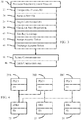
- Figure 3 shows a method for internal generation for secure network communications.
- the method is implemented by the system of Figure 1 , a component of Figure 2 , or another system and/or component.
- the acts are performed in the order shown or other orders.
- acts 40 and 42 are performed at a same time as part of a same process.
- acts 48 and 46 are performed in any order or at a same time.
- Additional, different, or fewer acts may be provided.
- the acts of Figure 3 focus on the operations of the field devices. Additional or different acts are provided for the engineering station 26, whether acting as a field device or as the centralized control. For example, acts for assigning peer groups and downloading programs are performed by the engineering station.
- act 30 the industrial control network is commissioned.
- the components are placed and connected.
- the networked components are powered on and any tests are performed to confirm operation of the components and the network. Any acts for provisioning the industrial control system are performed.
- the commissioning occurs in the known-good environment.
- the networked components are configured to operate without connection external to the industrial control system. Acts 32-44 are performed in the known-good environment. Once communications are secured, the network may be connected to other devices.
- the commissioning includes acts to arrange for and to exchange security tokens for establishing secure communications.
- the commissioning is completed, and the exchange of security tokens occurs after commissioning and before operation of the industrial control process.
- the engineering station 26 begins an auto-negotiation process to establish secure communications without connection to a third party or other source outside the network.
- the engineering station 26 is configured to establish peers between the programmable logic controllers 20A-C, human machine interface devices 22, and operator stations 24 in the industrial control network. To establish peers, the identities are read from the field devices. Messaging may be used to obtain the identities. Because the engineering station 26 has access to all of the field devices on the network, the engineering station 26 retrieves the physical or logical identifiers from each of the field devices.
- the field devices provide identification.
- the field device has a physical identification. Alternatively, a logical identification is created during commissioning.
- the identifier is provided by messaging, transmission, or storage in a readable register. The identifier is unique to the field device, distinguishing each field device of the network from the other field devices.
- the engineering station 26 configures the network for operation.
- An engineer programs the network using the engineering station 26.
- the programs or projects to be implemented by the various field devices are selected or created.
- the programs are for programming the programmable components, such as the programmable logic controllers 20A-C and/or the operator station 24.
- Other components e.g., human-machine interface device 22
- components of the network are to communicate with some, but not all, of the other components.
- a given field device communicates with another field device, but not a different field device.
- peer groups are established.
- the components are arranged in the peer groups. This arrangement occurs in an insecure state or prior to exchanging security keys.
- the engineer assigns components to peer groups.
- Each peer group is a collection of components (i.e., peers) that communicate with each other.
- a given component may be in one or multiple peer groups.
- the engineering station 26 communicates the peer identities to the field devices.
- the peer assignments are downloaded.
- Each field device is provided with the identities of any other field devices in the same peer group.
- the identities of just the components needed for communication are provided to each given component.
- the identities of components with which a given component is not to communicate is also provided for redundancy.
- the communications may be limited to just peers. Further security is provided by encrypting the communications and/or verifying authenticity of peers.
- the identities of peers are received at each of the field devices.
- the peer identification is received with or separate from the programming.
- the programming itself includes the peer identities for specific types of communication or functions.
- the identities are provided in a collection for specific use in negotiating secure communications.
- Figure 4 shows an example peer grouping in the industrial control network of Figure 1 .
- Three peer groups are used.
- a first group is of the engineering station 26, the programmable logic controller 20C, and the human-machine interface device 22.
- a second group is the two programmable logic controllers 20A and 20B and the human-machine interface device 22.
- a third group is the programmable logic controller 20B and the operator station 24. Other grouping may be used.
- the engineering station 26 sends the identities of these peers to the peers.
- the programming for the programmable logic controller 20A includes the identities (logical or physical) of the programmable logic controller 20B and the human-machine interface device 22.
- the programmable logic controller 20B receives the identities of the programmable logic controller 20A and the human-machine interface device 22 in one peer group and the operator station 24 in another peer group.
- the operating system or firmware of the components includes instructions for authentication and/or encryption.
- the instructions are activated or performed when communications are to begin in act 36. Alternatively, the instructions are performed in a set-up or commissioning process prior to a need to communicate between peers.
- one or more of the components of the industrial control network determines that communication is to occur with a peer.
- the communication is called for by the programming.
- the communication is a first call for the peer or for the peer group.
- the beginning of communications triggers establishing secure communications. Rather than or in addition to performing the communication, the call for communication triggers automatic negotiation of security for communications.
- the component needing to communicate checks for automatic negotiation of security.
- the component needing to communicate with a peer first checks a flag in memory to determine if automatically negotiated security is to be used. If not, then the communication is enabled without further security or other security provisioning is performed.
- the component configured for automated negotiation checks the peers to determine compatibility. If security is to be automatically negotiated, the component messages the peers. The message requests a response indicating whether the peers are configured for automatic negotiation.
- Older devices may not be configured for automatic negotiation, so a different process to secure communications is performed or the communications proceed without further security.
- communications with one or more components are not secured and communications with other components is secured.
- the communication with the non-supporting component is not further secured, but all other communications are secured; or communications within the peer group with the non-supporting component are not secured, but communications in other peer groups are secured.
- the component sending the message receives a message from a peer requesting whether the component is configured for automated negotiation
- two peers may be performing the process at a same time.
- the message is received prior to completion of the automatic negotiation. If the message from the peer is received prior to sending the same type of message from the component, the component does not send the message and lets the other peer lead the automatic negotiation. If the message was already sent, then both the component and the peer have sent the same message. Both components stop automatically negotiating and begin random or predetermined timeouts of different lengths. When the timeout expires, the process is attempted again. Since the timeouts are of different lengths, a conflict is not likely to occur. Once the security is automatically negotiated within a peer group, further negotiation is not performed unless triggered by the engineering station or some other event.
- the peers In response to receiving the message, the peers communicate their configuration regarding automatic negotiation of security. For example, each peer checks the flag and indicates a capability to participate in the automated negotiation. The peers respond to the message. The response is provided to the requesting component, but may be provided to other peers as well. In alternative embodiments, the lead component reads compatibility without messaging, is provided compatibility from the engineering station without messaging, or assumes compatibility.
- the requesting or lead component receives responses from the peers. When a positive response is received, the automated negotiation continues to secure the communications. The communications are secured using auto-negotiation when all or some of the peers have the automatic negotiated security capability.
- a key-exchange algorithm is run.
- the component leading the automatic negotiation runs the algorithm.
- the lead component enumerates through the peers in the corresponding peer group and uses a key-exchange algorithm to assign a security token in act 42 to each peer and to exchange the security tokens with the corresponding peers in act 44.
- the peers run the appropriate algorithm as well. For example, the peers may generate keys as well for implementing two-way communications in a public-private key arrangement.
- Any key-exchange algorithm may be used. HTTPS, IPSEC, SSL, PKI or other cryptographic method may be used. For example, the algorithm randomly generates key pairs. One private key is kept by the component and the other public key is sent to the peer. Each peer receives a key for encrypting messages and/or digital signatures. The keys are the security tokens. Symmetric or asymmetric (e.g., RSA) key algorithms may be used. In another example, a stateful connection is negotiated using a handshaking procedure. The lead component sends a digital certificate to the peers. The peers may or may not likewise send digital certificates to the lead component. The certificates may be used to generate shared secrets between the lead component and each peer for later authentication and/or encryption. The shared secret and/or the certificates are security tokens. In yet another example, the engineering station acts as an authentication server in a PKI system. As another example, preloaded and negotiated keys are used and the exchange algorithm confirms operability using the preloaded keys.
- the keys are assigned to the peers. Any security token may be used.
- the key-exchange algorithm outputs security tokens for each of the peers.
- the security tokens are assigned by acknowledging a token already stored on the peer.
- the peer provides security token information in response to messaging from the lead component of the peer group.
- the security tokens are generated or assigned without access outside of the industrial control network.
- the members of the peer groups are configured to assign security tokens to the peers of the peer groups without a validation authority or third party verification service. Since the network is not connected to other networks and/or is being commissioned in a known-good environment, the key exchange may be implemented assuming the components of the network, at least originally, are to be trusted.
- the security tokes are provided or generated from within the industrial control network by components (e.g., peers or engineering station) of the network. Without download of the encryption keys to the industrial control system during or after commissioning, the encryption keys are exchanged between the components in the known-good environment.
- the security tokens are assigned free of communications with the Internet or an intranet other than the industrial control network.
- the security tokens are assigned by generating encryption keys, digital certificates, and/or shared secrets within the network. For example, the engineering station randomly generates the security tokens upon request or automatically.
- the security tokens are transmitted to the lead component and/or the peers.
- the security tokens may be generated and sent with the programming or after the programming. In other embodiments, the security tokens are randomly generated at the components, such as by the lead component and/or by peers. Key derivation functions may be used rather than random generation.
- the security tokens are pre-stored on the components.
- a manufacturer pre-installs the security tokens on the components to be used together in a same network.
- the security tokens are assigned by loading from storage.
- the security tokens are exchanged.
- the digital certificates, public key, shared secret, or other information is provided from one peer to another.
- the exchange may be one way, broadcast, or two way. For example, any peers within a peer group that may or do communicate with each other exchange security tokens with each other. For one-way communications, the exchange may be from one peer to the other, but not the reverse. Some key exchanges (e.g., symmetric) may allow two-way secure communications with a one-way exchange.
- the security tokens are transmitted between peers or from one peer to another peer. The exchange occurs in the known-good environment.
- Components not in a peer group with a given component do not exchange security token information with the given component.
- the key, shared secret, or certificate for authentication and/or encryption is not available for secure communications from the given component to the components of outside peer groups.
- the peer groups are exclusive. Communications outside the peer groups is restricted or not allowed.
- the security tokens are used for securing communications.
- the communications between peers or from one peer to another are secured based on the security tokens.
- messages e.g., requests, responses, broadcasts, transmissions
- the messages are provided using secure communications.
- the messages themselves are encrypted.
- the security token is used to encrypt or encipher. This allows the receiving peer to decrypt or decipher the message with the exchanged security token.
- the security tokens are used for authentication. Digital identities are generated based on the security tokens. The messages are signed with the unique digital identity. The security token is used to authenticate the source of a received message.
- communications without use of the security key are limited. Using either authentication and/or encryption, the messages are verified. If messages do not use the security key information, the message is discarded, ignored, or forwarded (e.g., flagged for investigation). The component may not act upon the message other than in this limited manner. To provide security, communications with a networked component not in the peer group are not allowed. If the component is not authenticated or the message cannot be decrypted, the communications is not allowed.
- Communications with the engineering computer may require security tokens (e.g., engineering station 26 included in every peer group) or may operate outside of the secure communications channels.
- the engineering station 26 may reprogram the components of a peer group in order to re-negotiate the security for adding a component.
- the trust for the added component is initially assumed based on the representation from the engineering station.
- the trust of the peer group is based on the previously negotiated security.
- a newly negotiated security (e.g., new generation and exchange of security tokens) may be performed to add the component.
Landscapes
- Engineering & Computer Science (AREA)
- Computer Security & Cryptography (AREA)
- Computer Networks & Wireless Communication (AREA)
- Signal Processing (AREA)
- Computer Hardware Design (AREA)
- Computing Systems (AREA)
- General Engineering & Computer Science (AREA)
- Data Exchanges In Wide-Area Networks (AREA)
- Computer And Data Communications (AREA)
- Programmable Controllers (AREA)
Claims (12)
- Verfahren zum internen Erzeugen sicherer Netzwerkkommunikationen, wobei das Verfahren Folgendes umfasst:Inbetriebnehmen (30) eines Industriesteuersystems, das in einer erwiesenermaßen sicheren Umgebung mehrere vernetzte Komponenten und eine Engineering-Station umfasst,Übermitteln entsprechender Peer-Zuordnungen an die vernetzten Komponenten durch die Engineering-Station, wobei jede Peer-Zuordnung für jede vernetzte Komponente entsprechend spezifiziert, welche der anderen vernetzten Komponenten Peers derselben in einer Peer-Gruppe sind,Austauschen (44) von Verschlüsselungsschlüsseln zwischen den vernetzten Komponenten in jeder entsprechenden Peer-Gruppe in der erwiesenermaßen sicheren Umgebung durch die vernetzten Komponenten, ohne Herunterladen der Verschlüsselungsschlüssel in das in Betrieb genommene Industriesteuersystem, undSichern (46) von Kommunikationen zwischen den vernetzten Komponenten mit den Verschlüsselungsschlüsseln durch die vernetzten Komponenten.
- Verfahren nach Anspruch 1, wobei das Inbetriebnehmen (30) in einer erwiesenermaßen sicheren Umgebung das anfängliche Betreiben der vernetzten Komponenten ohne Verbindung außerhalb des Industriesteuersystems umfasst, oder wobei das Inbetriebnehmen (30) das Inbetriebnehmen (30) mit den vernetzten Komponenten umfasst, die eine Engineering-Station (26), eine Bedienerstation und eine programmierbare Logiksteuerung umfassen, die miteinander vernetzt sind.
- Verfahren nach Anspruch 1, wobei das Inbetriebnehmen (30) das Inbetriebnehmen (30) mit einer der vernetzten Komponenten umfasst, die eine Engineering-Station (26) umfasst, und wobei das Austauschen (44) Folgendes umfasst:Übermitteln (46) entsprechender Peer-Zuordnungen an die anderen vernetzten Komponenten durch die Engineering-Station (26) undAustauschen (44) der Verschlüsselungsschlüssel für die Kommunikation zwischen Peers und nicht für andere Kommunikationen.
- Verfahren nach Anspruch 3, wobei das Übermitteln (46) ferner das Übermitteln (46) von Betriebsprogrammen an die vernetzten Komponenten von der Engineering-Station (26) umfasst, wobei die Peer-Zuordnungen Kennungen der in Peer-Gruppen vernetzten Komponenten umfasst, die mit den Programmen gesendet werden, wobei das Übermitteln (46) und das Austauschen (44) mit dem Industriesteuersystem in der erwiesenermaßen sicheren Umgebung erfolgen.
- Verfahren nach Anspruch 1, wobei das Austauschen (44) Folgendes umfasst:Beginnen durch eine erste der vernetzten Komponenten, die mit peer-zugeordneten der vernetzten Komponenten kommunizieren muss,Prüfen (38) auf eine automatische ausgehandelte Sicherheitsfunktion der Peers durch die erste der vernetzten Komponenten undAustauschen (44), wenn alle Peers die automatische ausgehandelte Sicherheitsfunktion besitzen,wobei das Austauschen (44) insbesondere das Benachrichtigen der Peers umfasst, dass die erste vernetzte Komponente den Austausch (44) führt.
- Verfahren nach Anspruch 1, wobei das Sichern (46) der Kommunikationen das Chiffrieren mit den Verschlüsselungsschlüsseln oder das Erzeugen digitaler Identitäten als eine Funktion der Verschlüsselungsschlüssel umfasst.
- Verfahren nach Anspruch 1, ferner das Abweisen (48) einer weiteren vernetzten Komponente für die sicheren Kommunikationen ohne Neuprogrammierung durch eine Engineering-Station (26) umfassend.
- System zum internen Erzeugen sicherer Netzwerkkommunikationen, wobei das System Folgendes umfasst:ein Industriesteuernetzwerk, das mehrere vernetzte Komponenten umfasst, die eine oder mehrere Mensch-Maschine-Schnittstellengeräte (22), eine oder mehrere programmierbare Logiksteuerungen (20A-C) und eine oder mehrere Bedienungsstationen (24) umfasst,eine Engineering-Station (26), die dafür konfiguriert ist, Peers zwischen der einen oder den mehreren programmierbaren Logiksteuerungen (20A-C), der einen oder den mehreren Mensch-Maschine-Schnittstellengeräten (22) und der einen oder den mehreren Bedienungsstationen (24) in einem Industriesteuernetzwerk durch Übermitteln entsprechender Peer-Zuordnungen an die vernetzten Komponenten durch die Engineering-Station einzurichten, wobei jede Peer-Zuordnung für jeder vernetzte Komponente entsprechend spezifiziert, welche der anderen vernetzten Komponenten Peers selbiger in einer Peer-Gruppe sind,wobei Elemente der vernetzten Komponenten in jeder Peer-Gruppe dafür konfiguriert sind, einander Sicherheits-Tokens zuzuweisen, um miteinander basierend auf den Sicherheits-Tokens zu kommunizieren und um Kommunikation außerhalb der Peer-Gruppen basierend auf den Sicherheits-Tokens zu begrenzen.
- System nach Anspruch 8, wobei das Einrichten und Zuweisen (42) vor einer Verbindung des Industriesteuernetzwerks mit einem anderen Netzwerk erfolgen und wobei das Konfiguriertsein der Elemente zum Zuweisen das Konfiguriertsein zum Bereitstellen der Sicherheits-Tokens aus dem Industriesteuernetzwerk umfasst.
- System nach Anspruch 8, wobei das Konfiguriertsein der Engineering-Station (26) zum Einrichten das Konfiguriertsein für Folgendes umfasst:Lesen von Kennungen von der einen oder den mehreren programmierbaren Logiksteuerungen (20A-C), der einen oder den mehreren Mensch-Maschine-Schnittstellengeräten (22) und der einen oder den mehreren Bedienungsstationen (24) undHerunterladen von Betriebsprogrammen in die eine oder mehreren programmierbaren Logiksteuerungen (20A-C), die eine oder mehreren Mensch-Maschine-Schnittstellengeräte (22) und die eine oder mehreren Bedienungsstationen (24), wobei das Herunterladen Kennungen für die Peers beinhaltet.
- System nach Anspruch 8, wobei das Konfiguriertsein der Elemente zum Kommunizieren das Konfiguriertsein der Elemente zum Signieren von Nachrichten mit dem Sicherheits-Token, zum Verschlüsseln von Nachrichten mit Hilfe des Sicherheits-Tokens oder beides umfasst.
- Nichtflüchtiges computerlesbares Speichermedium, auf dem Daten gespeichert sind, die Befehle darstellen, welche von einem programmierten Prozessor zur internen Erzeugung von sicheren Netzwerkkommunikationen ausgeführt werden können, wobei das Speichermedium Befehle zum Durchführen des Verfahrens nach einem der Ansprüche 1 bis 7 umfasst.
Applications Claiming Priority (1)
| Application Number | Priority Date | Filing Date | Title |
|---|---|---|---|
| PCT/US2012/055095 WO2014042638A1 (en) | 2012-09-13 | 2012-09-13 | Industrial control system with internal generation for secure network communications |
Publications (2)
| Publication Number | Publication Date |
|---|---|
| EP2896176A1 EP2896176A1 (de) | 2015-07-22 |
| EP2896176B1 true EP2896176B1 (de) | 2020-05-13 |
Family
ID=46888705
Family Applications (1)
| Application Number | Title | Priority Date | Filing Date |
|---|---|---|---|
| EP12762169.6A Active EP2896176B1 (de) | 2012-09-13 | 2012-09-13 | Industriesteuerungssystem mit interner erzeugung für sichere netzwerkkommunikation |
Country Status (4)
| Country | Link |
|---|---|
| US (1) | US9628267B2 (de) |
| EP (1) | EP2896176B1 (de) |
| CN (1) | CN104737513B (de) |
| WO (1) | WO2014042638A1 (de) |
Families Citing this family (8)
| Publication number | Priority date | Publication date | Assignee | Title |
|---|---|---|---|---|
| US8973124B2 (en) | 2012-04-30 | 2015-03-03 | General Electric Company | Systems and methods for secure operation of an industrial controller |
| EP2913955A1 (de) * | 2014-02-28 | 2015-09-02 | Gemalto SA | Verfahren zur Authentifizerung zweier Geräte um einen sicheren Kanal zu errichten |
| FR3038097B1 (fr) * | 2015-06-26 | 2017-06-23 | Schneider Electric Ind Sas | Systeme de securite pour systeme de controle industriel |
| CN106982162B (zh) * | 2016-01-19 | 2020-02-21 | 华为技术有限公司 | 用于转发业务流的方法、装置和系统 |
| DE102017200991A1 (de) | 2017-01-23 | 2018-07-26 | Siemens Aktiengesellschaft | Verfahren und Sicherheitsvorrichtung zum manipulationsgeschützten Bereitstellen einer Sicherheitszonenkennung an ein Gerät |
| ES2916385T3 (es) * | 2018-09-21 | 2022-06-30 | Inventio Ag | Método y grupo de ascensores configurados para establecer una comunicación de datos segura entre una pluralidad de controladores en cada uno de una pluralidad de ascensores del grupo de ascensores |
| CN111786987B (zh) * | 2020-06-29 | 2023-04-25 | 杭州海康机器人股份有限公司 | 一种任务下发方法、装置、系统及设备 |
| EP3955537B1 (de) * | 2020-08-10 | 2023-06-07 | Siemens Aktiengesellschaft | Verfahren zur verwaltung von schlüsseln einer sicherheitsgruppe |
Family Cites Families (13)
| Publication number | Priority date | Publication date | Assignee | Title |
|---|---|---|---|---|
| US7536548B1 (en) * | 2002-06-04 | 2009-05-19 | Rockwell Automation Technologies, Inc. | System and methodology providing multi-tier-security for network data exchange with industrial control components |
| US7398550B2 (en) * | 2003-06-18 | 2008-07-08 | Microsoft Corporation | Enhanced shared secret provisioning protocol |
| US20050100166A1 (en) * | 2003-11-10 | 2005-05-12 | Parc Inc. | Systems and methods for authenticating communications in a network medium |
| US8239858B2 (en) * | 2004-02-25 | 2012-08-07 | Research In Motion Limited | Method and system for selecting a program for download |
| US7643817B2 (en) * | 2005-05-18 | 2010-01-05 | General Dynamics C4 Systems, Inc. | Method and apparatus for rapid secure session establishment on half-duplex AD-hoc group voice cellular network channels |
| US7747021B2 (en) * | 2005-05-18 | 2010-06-29 | General Dynamics C4 Systems, Inc. | Method and apparatus for fast secure session establishment on half-duplex point-to-point voice cellular network channels |
| JP3925660B2 (ja) * | 2005-06-09 | 2007-06-06 | オムロン株式会社 | 通信マスタ局の起動時制御方法 |
| US7822982B2 (en) * | 2005-06-16 | 2010-10-26 | Hewlett-Packard Development Company, L.P. | Method and apparatus for automatic and secure distribution of a symmetric key security credential in a utility computing environment |
| CN101335692B (zh) * | 2007-06-27 | 2013-03-13 | 华为技术有限公司 | 协商pcc和pce之间安全能力的方法及其网络系统 |
| US8280057B2 (en) * | 2007-09-04 | 2012-10-02 | Honeywell International Inc. | Method and apparatus for providing security in wireless communication networks |
| DE102008038913A1 (de) | 2008-08-13 | 2010-02-25 | Phoenix Contact Gmbh & Co. Kg | Verfahren zum Bearbeiten einer Logikschaltung |
| US8874951B1 (en) * | 2010-04-05 | 2014-10-28 | Cloudpic Global Inc. | Private peer-to-peer network platform for secure collaborative production and management of digital assets |
| JP5170585B2 (ja) * | 2010-08-09 | 2013-03-27 | 横河電機株式会社 | プロビジョニング装置 |
-
2012
- 2012-09-13 EP EP12762169.6A patent/EP2896176B1/de active Active
- 2012-09-13 WO PCT/US2012/055095 patent/WO2014042638A1/en not_active Ceased
- 2012-09-13 CN CN201280076588.8A patent/CN104737513B/zh not_active Expired - Fee Related
- 2012-09-13 US US14/427,796 patent/US9628267B2/en not_active Expired - Fee Related
Non-Patent Citations (1)
| Title |
|---|
| None * |
Also Published As
| Publication number | Publication date |
|---|---|
| US9628267B2 (en) | 2017-04-18 |
| US20150280910A1 (en) | 2015-10-01 |
| CN104737513B (zh) | 2018-11-16 |
| EP2896176A1 (de) | 2015-07-22 |
| WO2014042638A1 (en) | 2014-03-20 |
| CN104737513A (zh) | 2015-06-24 |
Similar Documents
| Publication | Publication Date | Title |
|---|---|---|
| EP2896176B1 (de) | Industriesteuerungssystem mit interner erzeugung für sichere netzwerkkommunikation | |
| US10356046B2 (en) | Restricting communications in industrial control | |
| EP3619888B1 (de) | Automatisierte zertifikatsregistrierung für vorrichtungen in industriereglerystemen oder anderen systemen | |
| CN106664311B (zh) | 支持异构电子设备之间差异化的安全通信 | |
| CN107040368B (zh) | 用于车辆的受保护的通信的方法 | |
| US8837740B2 (en) | Device and method for securing a negotiation of at least one cryptographic key between units | |
| CN107784223B (zh) | 用于将证书传输到设备中的仪器的计算机装置 | |
| CN107925576B (zh) | 控制器、通信方法、以及通信系统 | |
| CN111343613A (zh) | 在过程控制系统中建立安全的低能量无线通信的方法和装置 | |
| WO2014068632A1 (ja) | 設備管理装置、設備管理システム及びプログラム | |
| JP2017514390A (ja) | 産業用プログラマブルデバイスと携帯用プログラマブルデバイスとの間の電子データ交換を保護するための方法およびシステム | |
| JP2015156786A (ja) | 産業用制御システムに関する安全な電源 | |
| AU2014265058A1 (en) | Policy-Based Secure Communication with Automatic Key Management for Industrial Control and Automation Systems | |
| CN102957584A (zh) | 家庭网络设备的管理方法、控制设备和家庭网络设备 | |
| CN113273235A (zh) | 针对网络中的设备的密钥协商及供应 | |
| JP2022514492A (ja) | 通信モジュール | |
| CN110268675B (zh) | 可编程硬件安全模块和可编程硬件安全模块上的方法 | |
| US12512982B2 (en) | Method for changing an existing access key in a field device in automation technology | |
| CN118974727A (zh) | 用于运行自动化系统的方法和设备 | |
| JP2006524004A (ja) | 加入更新のための秘密識別子 | |
| CN117009945B (zh) | 一种应用于plc系统的身份认证方法及系统 | |
| CN115955303B (zh) | 可信校验方法、装置、可读存储介质及电子设备 | |
| US12445843B2 (en) | Method for wireless communication, wireless port connection device, and computer program product | |
| KR20250115130A (ko) | 사물인터넷 단말기의 인증 및 암호화 시스템 및 이를 이용한 방법 | |
| JP6789021B2 (ja) | 監視装置 |
Legal Events
| Date | Code | Title | Description |
|---|---|---|---|
| PUAI | Public reference made under article 153(3) epc to a published international application that has entered the european phase |
Free format text: ORIGINAL CODE: 0009012 |
|
| 17P | Request for examination filed |
Effective date: 20150318 |
|
| AK | Designated contracting states |
Kind code of ref document: A1 Designated state(s): AL AT BE BG CH CY CZ DE DK EE ES FI FR GB GR HR HU IE IS IT LI LT LU LV MC MK MT NL NO PL PT RO RS SE SI SK SM TR |
|
| AX | Request for extension of the european patent |
Extension state: BA ME |
|
| DAX | Request for extension of the european patent (deleted) | ||
| RAP1 | Party data changed (applicant data changed or rights of an application transferred) |
Owner name: SIEMENS AKTIENGESELLSCHAFT |
|
| STAA | Information on the status of an ep patent application or granted ep patent |
Free format text: STATUS: EXAMINATION IS IN PROGRESS |
|
| 17Q | First examination report despatched |
Effective date: 20180404 |
|
| GRAP | Despatch of communication of intention to grant a patent |
Free format text: ORIGINAL CODE: EPIDOSNIGR1 |
|
| STAA | Information on the status of an ep patent application or granted ep patent |
Free format text: STATUS: GRANT OF PATENT IS INTENDED |
|
| INTG | Intention to grant announced |
Effective date: 20200108 |
|
| GRAS | Grant fee paid |
Free format text: ORIGINAL CODE: EPIDOSNIGR3 |
|
| GRAA | (expected) grant |
Free format text: ORIGINAL CODE: 0009210 |
|
| STAA | Information on the status of an ep patent application or granted ep patent |
Free format text: STATUS: THE PATENT HAS BEEN GRANTED |
|
| AK | Designated contracting states |
Kind code of ref document: B1 Designated state(s): AL AT BE BG CH CY CZ DE DK EE ES FI FR GB GR HR HU IE IS IT LI LT LU LV MC MK MT NL NO PL PT RO RS SE SI SK SM TR |
|
| REG | Reference to a national code |
Ref country code: GB Ref legal event code: FG4D |
|
| REG | Reference to a national code |
Ref country code: CH Ref legal event code: EP |
|
| REG | Reference to a national code |
Ref country code: DE Ref legal event code: R096 Ref document number: 602012070086 Country of ref document: DE |
|
| REG | Reference to a national code |
Ref country code: AT Ref legal event code: REF Ref document number: 1271706 Country of ref document: AT Kind code of ref document: T Effective date: 20200615 |
|
| REG | Reference to a national code |
Ref country code: LT Ref legal event code: MG4D |
|
| REG | Reference to a national code |
Ref country code: NL Ref legal event code: MP Effective date: 20200513 |
|
| PG25 | Lapsed in a contracting state [announced via postgrant information from national office to epo] |
Ref country code: SE Free format text: LAPSE BECAUSE OF FAILURE TO SUBMIT A TRANSLATION OF THE DESCRIPTION OR TO PAY THE FEE WITHIN THE PRESCRIBED TIME-LIMIT Effective date: 20200513 Ref country code: FI Free format text: LAPSE BECAUSE OF FAILURE TO SUBMIT A TRANSLATION OF THE DESCRIPTION OR TO PAY THE FEE WITHIN THE PRESCRIBED TIME-LIMIT Effective date: 20200513 Ref country code: PT Free format text: LAPSE BECAUSE OF FAILURE TO SUBMIT A TRANSLATION OF THE DESCRIPTION OR TO PAY THE FEE WITHIN THE PRESCRIBED TIME-LIMIT Effective date: 20200914 Ref country code: IS Free format text: LAPSE BECAUSE OF FAILURE TO SUBMIT A TRANSLATION OF THE DESCRIPTION OR TO PAY THE FEE WITHIN THE PRESCRIBED TIME-LIMIT Effective date: 20200913 Ref country code: GR Free format text: LAPSE BECAUSE OF FAILURE TO SUBMIT A TRANSLATION OF THE DESCRIPTION OR TO PAY THE FEE WITHIN THE PRESCRIBED TIME-LIMIT Effective date: 20200814 Ref country code: NO Free format text: LAPSE BECAUSE OF FAILURE TO SUBMIT A TRANSLATION OF THE DESCRIPTION OR TO PAY THE FEE WITHIN THE PRESCRIBED TIME-LIMIT Effective date: 20200813 Ref country code: LT Free format text: LAPSE BECAUSE OF FAILURE TO SUBMIT A TRANSLATION OF THE DESCRIPTION OR TO PAY THE FEE WITHIN THE PRESCRIBED TIME-LIMIT Effective date: 20200513 |
|
| PG25 | Lapsed in a contracting state [announced via postgrant information from national office to epo] |
Ref country code: LV Free format text: LAPSE BECAUSE OF FAILURE TO SUBMIT A TRANSLATION OF THE DESCRIPTION OR TO PAY THE FEE WITHIN THE PRESCRIBED TIME-LIMIT Effective date: 20200513 Ref country code: RS Free format text: LAPSE BECAUSE OF FAILURE TO SUBMIT A TRANSLATION OF THE DESCRIPTION OR TO PAY THE FEE WITHIN THE PRESCRIBED TIME-LIMIT Effective date: 20200513 Ref country code: BG Free format text: LAPSE BECAUSE OF FAILURE TO SUBMIT A TRANSLATION OF THE DESCRIPTION OR TO PAY THE FEE WITHIN THE PRESCRIBED TIME-LIMIT Effective date: 20200813 Ref country code: HR Free format text: LAPSE BECAUSE OF FAILURE TO SUBMIT A TRANSLATION OF THE DESCRIPTION OR TO PAY THE FEE WITHIN THE PRESCRIBED TIME-LIMIT Effective date: 20200513 |
|
| REG | Reference to a national code |
Ref country code: AT Ref legal event code: MK05 Ref document number: 1271706 Country of ref document: AT Kind code of ref document: T Effective date: 20200513 |
|
| PG25 | Lapsed in a contracting state [announced via postgrant information from national office to epo] |
Ref country code: NL Free format text: LAPSE BECAUSE OF FAILURE TO SUBMIT A TRANSLATION OF THE DESCRIPTION OR TO PAY THE FEE WITHIN THE PRESCRIBED TIME-LIMIT Effective date: 20200513 Ref country code: AL Free format text: LAPSE BECAUSE OF FAILURE TO SUBMIT A TRANSLATION OF THE DESCRIPTION OR TO PAY THE FEE WITHIN THE PRESCRIBED TIME-LIMIT Effective date: 20200513 |
|
| PG25 | Lapsed in a contracting state [announced via postgrant information from national office to epo] |
Ref country code: RO Free format text: LAPSE BECAUSE OF FAILURE TO SUBMIT A TRANSLATION OF THE DESCRIPTION OR TO PAY THE FEE WITHIN THE PRESCRIBED TIME-LIMIT Effective date: 20200513 Ref country code: CZ Free format text: LAPSE BECAUSE OF FAILURE TO SUBMIT A TRANSLATION OF THE DESCRIPTION OR TO PAY THE FEE WITHIN THE PRESCRIBED TIME-LIMIT Effective date: 20200513 Ref country code: SM Free format text: LAPSE BECAUSE OF FAILURE TO SUBMIT A TRANSLATION OF THE DESCRIPTION OR TO PAY THE FEE WITHIN THE PRESCRIBED TIME-LIMIT Effective date: 20200513 Ref country code: EE Free format text: LAPSE BECAUSE OF FAILURE TO SUBMIT A TRANSLATION OF THE DESCRIPTION OR TO PAY THE FEE WITHIN THE PRESCRIBED TIME-LIMIT Effective date: 20200513 Ref country code: DK Free format text: LAPSE BECAUSE OF FAILURE TO SUBMIT A TRANSLATION OF THE DESCRIPTION OR TO PAY THE FEE WITHIN THE PRESCRIBED TIME-LIMIT Effective date: 20200513 Ref country code: AT Free format text: LAPSE BECAUSE OF FAILURE TO SUBMIT A TRANSLATION OF THE DESCRIPTION OR TO PAY THE FEE WITHIN THE PRESCRIBED TIME-LIMIT Effective date: 20200513 Ref country code: ES Free format text: LAPSE BECAUSE OF FAILURE TO SUBMIT A TRANSLATION OF THE DESCRIPTION OR TO PAY THE FEE WITHIN THE PRESCRIBED TIME-LIMIT Effective date: 20200513 |
|
| REG | Reference to a national code |
Ref country code: DE Ref legal event code: R097 Ref document number: 602012070086 Country of ref document: DE |
|
| PG25 | Lapsed in a contracting state [announced via postgrant information from national office to epo] |
Ref country code: SK Free format text: LAPSE BECAUSE OF FAILURE TO SUBMIT A TRANSLATION OF THE DESCRIPTION OR TO PAY THE FEE WITHIN THE PRESCRIBED TIME-LIMIT Effective date: 20200513 Ref country code: PL Free format text: LAPSE BECAUSE OF FAILURE TO SUBMIT A TRANSLATION OF THE DESCRIPTION OR TO PAY THE FEE WITHIN THE PRESCRIBED TIME-LIMIT Effective date: 20200513 |
|
| REG | Reference to a national code |
Ref country code: CH Ref legal event code: NV Representative=s name: SIEMENS SCHWEIZ AG, CH |
|
| PLBE | No opposition filed within time limit |
Free format text: ORIGINAL CODE: 0009261 |
|
| STAA | Information on the status of an ep patent application or granted ep patent |
Free format text: STATUS: NO OPPOSITION FILED WITHIN TIME LIMIT |
|
| 26N | No opposition filed |
Effective date: 20210216 |
|
| PG25 | Lapsed in a contracting state [announced via postgrant information from national office to epo] |
Ref country code: MC Free format text: LAPSE BECAUSE OF FAILURE TO SUBMIT A TRANSLATION OF THE DESCRIPTION OR TO PAY THE FEE WITHIN THE PRESCRIBED TIME-LIMIT Effective date: 20200513 |
|
| REG | Reference to a national code |
Ref country code: CH Ref legal event code: PL |
|
| GBPC | Gb: european patent ceased through non-payment of renewal fee |
Effective date: 20200913 |
|
| PG25 | Lapsed in a contracting state [announced via postgrant information from national office to epo] |
Ref country code: SI Free format text: LAPSE BECAUSE OF FAILURE TO SUBMIT A TRANSLATION OF THE DESCRIPTION OR TO PAY THE FEE WITHIN THE PRESCRIBED TIME-LIMIT Effective date: 20200513 |
|
| REG | Reference to a national code |
Ref country code: BE Ref legal event code: MM Effective date: 20200930 |
|
| PG25 | Lapsed in a contracting state [announced via postgrant information from national office to epo] |
Ref country code: LU Free format text: LAPSE BECAUSE OF NON-PAYMENT OF DUE FEES Effective date: 20200913 |
|
| PG25 | Lapsed in a contracting state [announced via postgrant information from national office to epo] |
Ref country code: IE Free format text: LAPSE BECAUSE OF NON-PAYMENT OF DUE FEES Effective date: 20200913 Ref country code: GB Free format text: LAPSE BECAUSE OF NON-PAYMENT OF DUE FEES Effective date: 20200913 Ref country code: LI Free format text: LAPSE BECAUSE OF NON-PAYMENT OF DUE FEES Effective date: 20200930 Ref country code: CH Free format text: LAPSE BECAUSE OF NON-PAYMENT OF DUE FEES Effective date: 20200930 Ref country code: BE Free format text: LAPSE BECAUSE OF NON-PAYMENT OF DUE FEES Effective date: 20200930 |
|
| REG | Reference to a national code |
Ref country code: DE Ref legal event code: R079 Ref document number: 602012070086 Country of ref document: DE Free format text: PREVIOUS MAIN CLASS: H04L0029060000 Ipc: H04L0065000000 |
|
| PG25 | Lapsed in a contracting state [announced via postgrant information from national office to epo] |
Ref country code: TR Free format text: LAPSE BECAUSE OF FAILURE TO SUBMIT A TRANSLATION OF THE DESCRIPTION OR TO PAY THE FEE WITHIN THE PRESCRIBED TIME-LIMIT Effective date: 20200513 Ref country code: MT Free format text: LAPSE BECAUSE OF FAILURE TO SUBMIT A TRANSLATION OF THE DESCRIPTION OR TO PAY THE FEE WITHIN THE PRESCRIBED TIME-LIMIT Effective date: 20200513 Ref country code: CY Free format text: LAPSE BECAUSE OF FAILURE TO SUBMIT A TRANSLATION OF THE DESCRIPTION OR TO PAY THE FEE WITHIN THE PRESCRIBED TIME-LIMIT Effective date: 20200513 |
|
| PG25 | Lapsed in a contracting state [announced via postgrant information from national office to epo] |
Ref country code: MK Free format text: LAPSE BECAUSE OF FAILURE TO SUBMIT A TRANSLATION OF THE DESCRIPTION OR TO PAY THE FEE WITHIN THE PRESCRIBED TIME-LIMIT Effective date: 20200513 |
|
| PGFP | Annual fee paid to national office [announced via postgrant information from national office to epo] |
Ref country code: DE Payment date: 20220620 Year of fee payment: 11 |
|
| PGFP | Annual fee paid to national office [announced via postgrant information from national office to epo] |
Ref country code: FR Payment date: 20220921 Year of fee payment: 11 |
|
| PGFP | Annual fee paid to national office [announced via postgrant information from national office to epo] |
Ref country code: IT Payment date: 20220926 Year of fee payment: 11 |
|
| REG | Reference to a national code |
Ref country code: DE Ref legal event code: R119 Ref document number: 602012070086 Country of ref document: DE |
|
| PG25 | Lapsed in a contracting state [announced via postgrant information from national office to epo] |
Ref country code: FR Free format text: LAPSE BECAUSE OF NON-PAYMENT OF DUE FEES Effective date: 20230930 Ref country code: DE Free format text: LAPSE BECAUSE OF NON-PAYMENT OF DUE FEES Effective date: 20240403 |
|
| PG25 | Lapsed in a contracting state [announced via postgrant information from national office to epo] |
Ref country code: IT Free format text: LAPSE BECAUSE OF NON-PAYMENT OF DUE FEES Effective date: 20230913 |
|
| PG25 | Lapsed in a contracting state [announced via postgrant information from national office to epo] |
Ref country code: IT Free format text: LAPSE BECAUSE OF NON-PAYMENT OF DUE FEES Effective date: 20230913 |