EP2901794B1 - System und verfahren zur priorisierung von ressourcenzuweisungen in mehreren personalisierten mobiltelefonvorrichtungen - Google Patents
System und verfahren zur priorisierung von ressourcenzuweisungen in mehreren personalisierten mobiltelefonvorrichtungen Download PDFInfo
- Publication number
- EP2901794B1 EP2901794B1 EP13840858.8A EP13840858A EP2901794B1 EP 2901794 B1 EP2901794 B1 EP 2901794B1 EP 13840858 A EP13840858 A EP 13840858A EP 2901794 B1 EP2901794 B1 EP 2901794B1
- Authority
- EP
- European Patent Office
- Prior art keywords
- persona
- priority
- significance
- data bearer
- information
- Prior art date
- Legal status (The legal status is an assumption and is not a legal conclusion. Google has not performed a legal analysis and makes no representation as to the accuracy of the status listed.)
- Not-in-force
Links
Images




Classifications
-
- H—ELECTRICITY
- H04—ELECTRIC COMMUNICATION TECHNIQUE
- H04W—WIRELESS COMMUNICATION NETWORKS
- H04W72/00—Local resource management
- H04W72/12—Wireless traffic scheduling
-
- H—ELECTRICITY
- H04—ELECTRIC COMMUNICATION TECHNIQUE
- H04W—WIRELESS COMMUNICATION NETWORKS
- H04W72/00—Local resource management
- H04W72/50—Allocation or scheduling criteria for wireless resources
- H04W72/56—Allocation or scheduling criteria for wireless resources based on priority criteria
Definitions
- the invention relates to a method of scheduling uplink transmissions and to a user equipment for operating in a multiple persona environment.
- a cellular mobile device including but not limited to, a tablet, a smart phone, a laptop, or a modem
- UE User Equipment
- An example of such a multiple-use scenario is a Corporate/Home dual-persona mode, where a UE is coupled to one network to access corporate data and to another to access personal data. The UE may need to connect simultaneously to multiple networks, depending on the applications being used by the device, In a similar manner, a multiple-use scenario may occur when accessing data while making a phone call. It would be desirable to facilitate such connections
- Document US20110700907 discloses a method for scheduling uplink transmission between multiple users assigning priorities to each of them.
- the 3rd Generation Partnership Project (3GPP) is a collaboration agreement established in December 1998 to bring together a number of telecommunications standards bodies, known as "Organizational Partners," that currently include the Association of Radio Industries and Business (ARIB), the China Communications Standards Association (CCSA), the European Telecommunications Standards Institute (ETSI), the Alliance for Telecommunications Industry Solutions (ATIS), the Telecommunications Technology Association (TTA), and the Telecommunication Technology Committee (TTC).
- ARIB Association of Radio Industries and Business
- CCSA China Communications Standards Association
- ETSI European Telecommunications Standards Institute
- ATIS Telecommunications Industry Solutions
- TTA Telecommunications Technology Association
- TTC Telecommunication Technology Committee
- 3GPP provides globally applicable standards as Technical Specifications and Technical Reports for a 3rd Generation Mobile System based on evolved GSM core networks and radio access technologies that they support (e.g., Universal Terrestrial Radio Access (UTRA) for both Frequency Division Duplex (FDD) and Time Division Duplex (TDD) modes).
- UTRA Universal Terrestrial Radio Access
- 3GPP also provides standards for maintenance and development of the Global System for Mobile communication (GSM) as Technical Specifications and Technical Reports including evolved radio access technologies (e.g., General Packet Radio Service (GPRS) and Enhanced Data rates for GSM Evolution (EDGE)).
- GSM Global System for Mobile communication
- GPRS General Packet Radio Service
- EDGE Enhanced Data rates for GSM Evolution
- 3GPP is currently studying the evolution of the 3G Mobile System and considers contributions (views and proposals) directed toward the evolution of the ULTRA Network (UTRAN).
- a set of high-level requirements was identified by 3GPP workshops including: reduced cost per bit; increased service provisioning (i.e., more services at lower cost with better quality); flexibility of use of existing and new frequency bands; simplified architecture with open interfaces; and reduced/reasonable terminal power consumption.
- UTRA & UTRAN Long Term Evolution (UTRAN-LTE, also known as 3GPP-LTE and E-UTRA) was started in December 2004 with the objective to develop a framework for the evolution of the 3GPP radio-access technology towards a high-data-rate, low-latency and packet-optimized radio-access technology.
- the study considered modifications to the radio-interface physical layer (downlink and uplink) such as means to support flexible transmission bandwidth up to 20 MHz, introduction of new transmission schemes, and advanced multi-antenna technologies.
- OFDM orthogonal frequency division multiplex
- RF radio frequency
- IFFT inverse fast Fourier transform
- N the integer size, of the N-point IFFT depends on the number of OFDM channels.
- the output of the IFFT is a set of complex time-domain samples.
- a parallel-to-serial conversion is applied to this time-domain sample stream before conversion from the digital domain to analog domain by a digital-to-analog converter (DAC).
- DAC digital-to-analog converter
- QCI QoS Class Identifier
- EPC Evolved Packet Core
- SDF Service Data Flow
- a given application running on a UE receives a certain priority or QCI:
- QCI determines the forwarding treatment of the application data packets throughout the LTE network nodes.
- GBR Guaranteed Bit Rate
- ARP Allocation and Retention Priority
- ARP is also used to decide which bearers to drop during exceptional resource limitations (e.g., at handover).
- ARP ranges from 1 to 15 in decreasing level of priority.
- An ARP Pre-emption Capability flag of a given service determines if the current service can pre-empt other, less prioritized services.
- An ARP Pre-emption Vulnerability flag indicates if resources can be relinquished in favor of other services.
- FIG. 1 is a table illustrating the various QCI levels.
- Column 102 is the defined QCI level. As described above, the QCI level is numbered from 1 to 9.
- Column 104 is the resource type (guaranteed bit rate or non-guaranteed bit rate).
- Column 106 is the priority level of the QCI level. It should be noted that the priority level is not the same as the QCI level. For example, the QCI level with the highest priority is QCI level 5.
- Column 108 is the maximum packet delay budget, in milliseconds, of the QCI level.
- Column 110 is the maximum acceptable packet error loss rate for the QCI level.
- Column 112 shows exemplary services that may use a particular QCI level. In some embodiments, the default bearer is QCI level 9.
- QCI is set solely based on the intrinsic requirements of a single given application, it cannot handle the precedence of a persona-QCI was not designed with multiple-persona UEs in mind. This is because there is no one-to-one correspondence between a persona and an application.
- MP Multiple-Persona
- IMS IP Multimedia Subsystem
- persona 1 may be a corporate persona, where the UE connects to his employer's network.
- Persona 2 may be a personal persona, where the UE connects to the user's home network. This may be desirable for any number of reasons. For example, an employer may wish to limit the bandwidth on its network. Getting users to obtain some information from their own home network may help to alleviate this problem. Or an employer may have specific applications that it only wants to run on its own network for privacy reasons. There may be many other reasons why one would desire to have multiple personas on a UE.
- persona 1 may be assigned a higher "significance" than persona 2.
- Significance is a term that indicates a new form of priority that is specific to personas, more particularly, information as to which persona is to receive precedence over other personas.
- persona 1 may correspond to the buffered streaming session while persona 2 (P2, lower significance), is running the IMS signaling application.
- the LTE QoS priority which favors the IMS signaling application
- persona significance which favors the buffered streaming session. Therefore, a solution should be devised to honor the significance of persona P1 by giving applications running on P1 priority over applications running on P2.
- the underlying MP system is aware of the significance of each persona and requires the connectivity system to uphold and enforce the implied precedence of P1.
- Possible problems that may need to be solved include the potential conflict between the persona significance and the existing Quality-of-Service (QoS) framework (also referred to as 'radio priority') within an LIE cellular communication system.
- QoS Quality-of-Service
- the ARP should be aligned with the persona significance so that P1 receives priority in the network.
- a standard cellular system is distributed in the sense that for a specific task, different nodes of the cellular infrastructure may contribute functions to complete the task. Ideally, one would like to reduce the interaction of the nodes to minimize the signaling burden.
- the accommodation of persona significance can be confined to the UE device or it can be achieved in concert with other network nodes.
- the uplink (UL) scheduler is the central element where the outcome should be influenced by the persona significance.
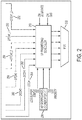
- FIG. 2 illustrates a scenario where four data bearers 250, 252, 254, 256 (downlink traffic channels 1_1, 1_2, 2_1, and 2_2) from two personas, in addition to three signaling bearers 260, 262, 264 (2 dedicated control channel (DCCH) and common control channel (CCCH)) are incident on the UE scheduler 210 in the uplink direction.
- the inputs to the scheduler are UL grants received from the eNodeB 230, the buffer status per LCG 232, QoS requirements of the traffic bearers 234, and Logical Channel Group (LCG) priority 236.
- Scheduler 210 uses those inputs to determine the priority of data bearers 250-256 and signal bearers 260-264.
- Multiplexer (“mux”) 220 aggregates all the transport channels into a single physical channel.
- persona significance information 238 is directly input to the UL scheduler.
- Persona significance information includes an indication of the significance order of the active personas on the UE.
- the internal algorithm of the scheduler can be modified from a single-persona design to accommodate the use of personas. As a result, the prioritization will be determined at the granularity of individual bearers.
- Scheduler 210 instead of only evaluating inputs 230 through 236, also weights persona significance 238, in order to determine which signal to transmit first.
- FIG. 3 illustrates a scheduler similar to that illustrated in FIG. 2 .
- Four data bearers 350, 352, 354, 356 (downlink traffic channels 1_1, 1_2, 2_1, and 2_2) from two personas, in addition to three signaling bearers 360, 362, 364 (2 dedicated control channel (DCCH) and common control channel (CCCH)) are incident on the UE scheduler 310 in the uplink direction.
- DCCH dedicated control channel
- CCCH common control channel
- UE scheduler 310 has several inputs including UL grants received from the eNodeB 330, the buffer status per LCG 332, and QoS requirements of the traffic bearers 334.
- the Logical Channel Group priorities 336 are pre-adjusted in MP Priority Control block 338. This entity is responsible for elevating the priority of the logical channel groups corresponding to the more significant persona.
- Another input to MP Priority Control block 338 is Radio Resource Control (RRC) 350.
- RRC 350 serves to handle mobility, resource allocation, session management, and the like.
- FIG. 3 has just four input signals 330, 332, 334, and 338 to the scheduler 310. In this scheme, the internal logic of scheduler 310 need not be re-designed, at the cost of less granular control of the priority only at the LCG level.
- the MP attributes input to the MP priority control can be, but are not limited to, an indication of which persona is more significant.
- up to four LCGS can be formed from the logical channels (data radio bearers).
- care will be taken to form LCGS from the bearers of the same persona.
- there will be an MP-aware binding mechanism to bind radio bearers of the same persona to a given logical group.
- the UL scheduler in the eNodeB also determines the Prioritized Bit Rate (PBR) of the radio bearers.
- PBR Prioritized Bit Rate
- the UL scheduler in the UE can still enforce the significance of the persona by allocating the leftover capacity of the MAC Protocol Data Unit (PDU) to the data bearers corresponding to the more significant persona. Either of the two schemes above can be used in this case too.
- One benefit of the UE-only solution is that it does not involve other network nodes.
- indirect DL flow shaping may be used the UE.
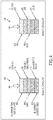
- FIG. 4 shows one such embodiment.
- FIG. 4 illustrates a downlink scheduler 400 and an uplink scheduler 450 in an eNodeB where the DL resources are allocated among different UEs and also among bearers of the same UE. UL grants are determined for a single UE.
- Inputs to the DL scheduler 400 include QoS parameters 402, CQI 404, significance (SGFC) 406, available subcarriers 408, UE capability 410, and eNB buffer status 412.
- Another input is data stream 440, which is being prioritized in scheduler 400. Each of these inputs is evaluated to determine the transmission order of the data stream.
- Inputs to UL scheduler 450 include QoS parameters 452, logical channel priority 454, SGFC 456, buffer status report (BSR) 458, UE scheduling request (SR) 460, and data stream 480.
- QoS parameters 452 logical channel priority 454, SGFC 456, buffer status report (BSR) 458, UE scheduling request (SR) 460, and data stream 480.
- BSR buffer status report
- SR UE scheduling request
- UE scheduler 500 is illustrated in FIG. 5 .
- UE scheduler 500 has several inputs, including QoS parameters 502, logical channel priority 504, SGFC 506, logical channel buffer status 508, and uplink grants 510.
- SGFC input 506 serves to enforce persona significance.
- the scheduler design in FIG. 5 is less complex than that of FIGs. 2 and 3 because most of the priority decisions are made in the eNodeB.
- Data stream 540 is being prioritized in scheduler 500.
- the SGFC parameter still needs to be conveyed to the network and to the eNodeB. In one embodiment, this can be done by adding an SGFC field to the QoS structure for the activated bearer.
- the EPS-subscribed QoS profile retrieved from the Home Subscriber Server (HSS) node has the following components:
- An embodiment with eNodeB awareness produces a comprehensive solution to the MP problem, but at the cost of extending the MP concept to other LTE network nodes.
- an EPS Subscribed QoS Profile is set individually for each Access Point Name (APN) IP connectivity of the MP UE terminates in separate packet domains based on the requirement of enabling connectivity control for each per persona.
- APN Access Point Name
- the APR parameter in the QoS profile of the APN can be configured based on the significance of the persona in such a way that GBR services of the more significant persona will assume a lower ARP value.
- eNodeB admission control prioritizes these services during congestion.
- the handling of different bearers during exceptional resource limitations can be adjusted taking the MP concept into account. For example, bearers that are assigned to a persona with low significance can be dropped first at handover (if needed). It is to be noted that this solution does not need the eNodeB to be MP-aware as it only depends on programming MP-related QoS profiles into the HSS database per APN.
- FIG. 6 presents an exemplary matrix that illustrates how a persona can be prioritized in an exemplary embodiment. It should be understood that other matrices are possible where different applications may have different priority over other applications.
- the persona/QoS matrix 600 of FIG. 6 shows one possible approach to resolving significance/QCI conflict in a more flexible manner. Areas 610 correspond to use cases where the more significant persona (P1) is running an application that already has priority over the application being executed by P2. In these situations, no action needs to be taken.
- Areas 620 are those where QCI rules would have the application being executed by P2 prioritized over the application being executed by P1-in the absence of persona rules, the P2 application would have priority over the application run by P1. This is not desirable. So in these situations, the persona significance overrules the QCI rules and the application that would normally have less precedence is actively prioritized over the other application, using the methods described above.
- the application being executed by P2 is prioritized over the application being executed by P1, even though it has a lower significance.
- There may be several reasons to prioritize a P2 application over a P2 application For example, a stringent delay requirement of a P2 application may require that the P2 application be prioritized over P1. It should be understood that there may be other reasons why a P2 application is prioritized over a P2 application. This application is not intended to be limited by any such prioritization. In FIG. 6 , these situations may include situations when P2 is operating an IMS signaling application, live video, or a VoIP application (applications with a QoS priority level of 1, 2, or 4).
- games with a QoS priority level of 3, are never prioritized over P1 applications, even if the game application would normally be prioritized over the application running in P1.
- the setting was purposely made in this manner to discourage users from using game applications. This is further shown in area 640, which represents prioritizations that impractical.
- persona 1 never allows games to run on its network. Therefore, all the matrix entries involving a game application running on P1 are shown as not allowed.
- FIG. 6 is based on an exemplary scheme of setting priority among applications of two personalities.
- the flexibility of an embodiment of this invention is that different network operators can provide different matrices 600. For example, another corporate provider may not have a policy of banning games running on P1, and merely give it a very low priority instead of banning games altogether. Even though the same logic can be applied for cases when the personalities spawn more than one application/service, or more than two personalities are involved, priority resolution scheme becomes multidimensional and more complex to formulate. It should also be noted that, although the examples presented here discuss two personas, the schemes and methods and systems presented herein may be extended to three or more personas.
- a method of scheduling uplink transmissions in a wireless communications system may comprise: receiving a first signal from a first data bearer, the first signal originating from a first persona; receiving a second signal from a second data bearer, the second signal originating from a second persona; receiving persona significance information regarding the first and second data bearers; and using the persona significance information to determine the priority between the first data bearer and the second data bearer.
- the persona significance information comprises an indication of the significance order of the first persona and the second persona.
- the first signal from the first data bearer may be prioritized. If the persona significance informations indicates that the second persona has higher significance than the first persona, then the second signal from the second data bearer may be prioritized.
- the method may be performed by an evolved Node B or by user equipment (UE).
- the method may further comprise: receiving first inputs regarding uplink grants; receiving second inputs regarding a buffer status; receiving third inputs regarding QoS requirements; and receiving fourth inputs regarding logical channel group priority.
- the step of using the persona significance information further comprises using the first, second, third, and fourth inputs in conjunction with said persona significance information to determine the priority between the first data bearer and the second data bearer.
- the method may further comprise: receiving first inputs regarding uplink grants; receiving second inputs regarding a buffer status; receiving third inputs regarding QoS requirements; and receiving fourth inputs regarding logical channel group priority.
- the inputs regarding logical group priority may be combined with the persona significance information before the step of using the persona significance information.
- the third inputs regarding QoS requirements include QoS priority level information and the step of using the persona significance information comprises: evaluating the persona significance information; and evaluating QoS priority level information.
- the priority is granted to a data bearer based on said persona significance information and said QoS priority level information.
- the priority is granted to the data bearer with the higher persona significance information. In another embodiment, the priority is granted to the data bearer with the higher persona significance information unless the data bearer with the lower persona significance information has a QoS priority level of 1, 2, or 4.
- the wireless communications system may be a Long Term Evolution (LTE) system.
- LTE Long Term Evolution
- a user equipment (UE) for operating in a multiple persona environment may comprise: a scheduler comprising a receiver arranged to receive a signal from a first data bearer, receive a signal from a second data bearer, and receive persona significance information regarding the first and second data bearers.
- the user equipment may further comprise a processor arranged to use the persona significance information to determine the priority between the first data bearer and the second data bearer.
- the scheduler is further arranged to: receive first inputs regarding uplink grants; receive second inputs regarding a buffer status; receive third inputs regarding QoS requirements; and receive fourth inputs regarding logical channel group priority.
- the processor may be arranged to use said first, second, third, and fourth inputs in conjunction with said persona significance information to determine the priority between the first data bearer and the second data bearer.
- the third inputs regarding QoS requirements include QoS priority level information; and the processor is further arranged to: evaluate the persona significance information; evaluate QoS priority level information; and grant priority to a data bearer based on said persona significance information and said QoS priority level information.
- the processor is further arranged to grant priority to the data bearer with the higher persona significance information.
- the processor is further arranged to grant priority to the data bearer with the higher persona significance information unless the data bearer with the lower persona significance information has a QoS priority level of 1, 2, or 4.
- an evolved node B may comprise: a scheduler which comprises: a receiver arranged to receive a signal from a first data bearer, receive a signal from a second data bearer, and receive persona significance information regarding the first and second data bearers; a processor arranged to use the persona significance information to determine the priority between the first data bearer and the second data bearer.
- the scheduler is further arranged to: receive first inputs regarding uplink grants; receive second inputs regarding a buffer status; receive third inputs regarding QoS requirements; and receive fourth inputs regarding logical channel group priority; and wherein said processor is arranged to use said first, second, third, and fourth inputs in conjunction with said persona significance information to determine the priority between the first data bearer and the second data bearer.
- the third inputs regarding QoS requirements include QoS priority level information; and the processor is further arranged to: evaluate the persona significance information; evaluate QoS priority level information; and grant priority to a data bearer based on said persona significance information and said QoS priority level information.
- the processor may be further arranged to grant priority to the data bearer with the higher persona significance information. In another embodiment, the processor is further arranged to grant priority to the data bearer with the higher persona significance information unless the data bearer with the lower persona significance information has a QoS priority level of 1, 2, or 4.
- the terms “plurality” and “a plurality” as used herein may include, for example, “multiple” or “two or more.”
- the terms “plurality” or “a plurality” may be used throughout the specification to describe two or more components, devices, elements, units, parameters, and the like.
- a plurality of station may include two or more stations.
Landscapes
- Engineering & Computer Science (AREA)
- Computer Networks & Wireless Communication (AREA)
- Signal Processing (AREA)
- Mobile Radio Communication Systems (AREA)
Claims (10)
- Verfahren zum Planen von Uplink-Übertragungen in einem drahtlosen Kommunikationssystem, umfassend:Empfangen eines ersten Signals von einem ersten Datenträger (350, 352, 354, 356), wobei das erste Signal von einer ersten Persona stammt;Empfangen eines zweiten Signals von einem zweiten Datenträger (350, 352, 354, 356), wobei das zweite Signal von einer zweiten Persona stammt;Empfangen von Persona-Signifikanzinformationen bezüglich des ersten und zweiten Datenträgers (350, 352, 354, 356), wobei die Persona-Signifikanzinformationen eine Anzeige der Signifikanzreihenfolge der ersten Persona umfasst und die zweite Persona Vorrang vor den Personas erhalten soll;Empfangen von Logikkanalgruppenprioritäten (336), wobei die Logikkanalgruppen aus den Trägern der gleichen Persona ausgebildet sind;Verwenden der Persona-Signifikanzinformationen zum Bestimmen der Priorität zwischen dem ersten Datenträger (350, 352, 354, 356) und dem zweiten Datenträger (350, 352, 354, 356); wobei die Priorität der Logikkanalgruppen (332), die den signifikanteren Personas entsprechen, erhöht wird;Bestimmen einer priorisierten Bitrate, PBR, der Datenträger; undZuweisen einer Restkapazität einer MAC-Protokolldateneinheit, PDU (Protocol Data Unit), zu den Datenträgern, die der signifikanteren Persona entsprechen.
- Verfahren nach Anspruch 1, wobei:falls die Persona-Signifikanzinformationen anzeigen, dass die erste Persona eine höhere Signifikanz als die zweite Persona aufweist, dann Priorisieren des ersten Signals vom ersten Datenträger (350, 352, 354, 356); undfalls die Persona-Signifikanzinformationen anzeigen, dass die zweite Persona eine höhere Signifikanz als die erste Persona aufweist, dann Priorisieren des zweiten Signals vom zweiten Datenträger (350, 352, 354, 356).
- Verfahren nach Anspruch 1, ferner umfassend:Empfangen von ersten Eingaben bezüglich Uplink-Bewilligungen (330);Empfangen von zweiten Eingaben bezüglich eines Pufferstatus (332);Empfangen von dritten Eingaben bezüglich QoS-Anforderungen (334); undEmpfangen von vierten Eingaben bezüglich der Logikkanalgruppenpriorität (336); wobei der Schritt des Verwendens der Persona-Signifikanzinformationen ferner das Verwenden der ersten, zweiten, dritten und vierten Eingaben in Verbindung mit den Persona-Signifikanzinformationen zum Bestimmen der Priorität zwischen dem ersten Datenträger (350, 352, 354, 356) und dem zweiten Datenträger umfasst.
- Verfahren nach Anspruch 1, ferner umfassend:Empfangen von ersten Eingaben bezüglich Uplink-Bewilligungen (330);Empfangen von zweiten Eingaben bezüglich eines Pufferstatus (332);Empfangen von dritten Eingaben bezüglich QoS-Anforderungen (334); undEmpfangen von vierten Eingaben bezüglich der Logikkanalgruppenpriorität (336); wobei die Eingaben bezüglich der Logikgruppenpriorität vor dem Schritt des Verwendens der Persona-Signifikanzinformationen mit den Persona-Signifikanzinformationen kombiniert werden.
- Verfahren nach Anspruch 3, wobei
die dritten Eingaben bezüglich der QoS-Anforderungen (334) QoS-Prioritätsstufeninformationen einschließen; und wobei ferner der Schritt des Verwendens der Persona-Signifikanzinformationen umfasst:Bewerten der Persona-Signifikanzinformationen; undBewerten der QoS-Prioritätsstufeninformationen;Bewilligen einer Priorität für einen Datenträger basierend auf den Persona-Signifikanzinformationen und den QoS-Prioritätsstufeninformationen. - Verfahren nach Anspruch 5, wobei der Schritt des Bewilligens einer Priorität ferner umfasst:Bewilligen der Priorität des Datenträgers (350, 352, 354, 356) mit den höheren Persona-Signifikanzinformationen.
- Verfahren nach Anspruch 5, wobei der Schritt des Bewilligens einer Priorität ferner umfasst:Bewilligen einer Priorität für den Datenträger (350, 352, 354, 356) mit den höheren Persona-Signifikanzinformationen, es sei denn, der Datenträger (350, 352, 354, 356) mit den niedrigeren Persona-Signifikanzinformationen weist eine QoS-Prioritätsstufe von 1, 2 oder 4 auf.
- Benutzergerät, UE (User Equipment), zum Betreiben in einer Umgebung für mehrere Personas, umfassend:einen Scheduler (310), umfassend:einen Empfänger, der angeordnet ist, um ein Signal von einem ersten Datenträger (350, 352, 354, 356) von einer ersten Persona zu empfangen, ein Signal von einem zweiten Datenträger (350, 352, 354, 356) von einer zweiten Persona zu empfangen und Persona-Signifikanzinformationen bezüglich des ersten und zweiten Datenträgers (350, 352, 354, 356) zu empfangen, wobei die Persona-Signifikanzinformationen eine Anzeige der Signifikanzreihenfolge der ersten Persona umfasst und die zweite Persona Vorrang vor den Personas erhalten soll;einen Steuerblock für mehrere Personas, MP, (338), der angeordnet ist, um die Priorität von Logikkanalgruppen zu erhöhen, die der signifikanteren Persona entsprechen, wobei die Logikkanalgruppen aus den Trägern der gleichen Persona ausgebildet sind; undeinen Prozessor, der angeordnet ist, um die Persona-Signifikanzinformationen zu verwenden, um die Priorität zwischen dem ersten Datenträger (350, 352, 354, 356) und dem zweiten Datenträger (350, 352, 354, 356) zu bestimmen;wobei der Scheduler ferner angeordnet ist, um eine priorisierte Bitrate, PBR, der Datenträger zu bestimmen und eine Restkapazität einer MAC-Protokolldateneinheit, PDU (Protocol Data Unit), den Datenträgern zuzuweisen, die der signifikanteren Persona entsprechen.
- Benutzergerät nach Anspruch 8, wobei:der Scheduler (310) ferner angeordnet ist zum:Empfangen von ersten Eingaben bezüglich Uplink-Bewilligungen (330);Empfangen von zweiten Eingaben bezüglich eines Pufferstatus (332);Empfangen von dritten Eingaben bezüglich QoS-Anforderungen (334); undEmpfangen von vierten Eingaben bezüglich der Logikkanalgruppenpriorität (336); undwobei der Prozessor angeordnet ist, um die ersten, zweiten, dritten und vierten Eingaben in Verbindung mit den Persona-Signifikanzinformationen zum Bestimmen der Priorität zwischen dem ersten Datenträger (350, 352, 354, 356) und dem zweiten Datenträger zu verwenden.
- Benutzergerät nach Anspruch 9, wobei:die dritten Eingaben bezüglich der QoS-Anforderungen (334) QoS-Prioritätsstufeninformationen einschließen; undwobei der Prozessor ferner angeordnet ist zum:Bewerten der Persona-Signifikanzinformationen;Bewerten der QoS-Prioritätsstufeninformationen; undBewilligen einer Priorität für einen Datenträger (350, 352, 354, 356) basierend auf den Persona-Signifikanzinformationen und den QoS-Prioritätsstufeninformationen, wobei der Prozessor eine Priorität für den Datenträger mit den höheren Persona-Signifikanzinformationen bewilligt, es sei denn, der Datenträger (350, 352, 354, 356) mit den niedrigeren Persona-Signifikanzinformationen weist eine QoS-Prioritätsstufe von 1, 2 oder 4 auf.
Applications Claiming Priority (2)
| Application Number | Priority Date | Filing Date | Title |
|---|---|---|---|
| US13/629,550 US8989207B2 (en) | 2012-09-27 | 2012-09-27 | System and method for resource allocation priority in multiple-persona cellular devices |
| PCT/US2013/044751 WO2014051717A1 (en) | 2012-09-27 | 2013-06-07 | System and method for resource allocation priority in multiple-persona cellular devices |
Publications (3)
| Publication Number | Publication Date |
|---|---|
| EP2901794A1 EP2901794A1 (de) | 2015-08-05 |
| EP2901794A4 EP2901794A4 (de) | 2016-05-04 |
| EP2901794B1 true EP2901794B1 (de) | 2018-02-21 |
Family
ID=50338775
Family Applications (1)
| Application Number | Title | Priority Date | Filing Date |
|---|---|---|---|
| EP13840858.8A Not-in-force EP2901794B1 (de) | 2012-09-27 | 2013-06-07 | System und verfahren zur priorisierung von ressourcenzuweisungen in mehreren personalisierten mobiltelefonvorrichtungen |
Country Status (6)
| Country | Link |
|---|---|
| US (1) | US8989207B2 (de) |
| EP (1) | EP2901794B1 (de) |
| CN (1) | CN104641713B (de) |
| ES (1) | ES2670502T3 (de) |
| HU (1) | HUE037018T2 (de) |
| WO (1) | WO2014051717A1 (de) |
Families Citing this family (17)
| Publication number | Priority date | Publication date | Assignee | Title |
|---|---|---|---|---|
| US9014091B2 (en) * | 2012-09-24 | 2015-04-21 | Intel Corporation | Network architecture for dual active personae cellular mobile devices |
| WO2015087042A1 (en) * | 2013-12-03 | 2015-06-18 | British Telecommunications Public Limited Company | Mobile handover |
| JP2015115756A (ja) * | 2013-12-11 | 2015-06-22 | ソニー株式会社 | 通信制御装置、通信制御方法及びプログラム |
| WO2015193699A1 (en) * | 2014-06-16 | 2015-12-23 | Telefonaktiebolaget L M Ericsson (Publ) | Wireless communication network bearer management |
| WO2015193751A1 (en) * | 2014-06-16 | 2015-12-23 | Telefonaktiebolaget L M Ericsson (Publ) | Service aware admission control of radio bearers |
| CN105592554B (zh) * | 2014-10-23 | 2020-07-03 | 中兴通讯股份有限公司 | 一种上行业务的调度方法和基站 |
| US9906985B2 (en) * | 2015-01-30 | 2018-02-27 | Huawei Technologies Co., Ltd. | Method and device for selecting uplink data |
| WO2017029539A1 (en) * | 2015-08-18 | 2017-02-23 | Telefonaktiebolaget Lm Ericsson (Publ) | Decreasing free-riding data traffic in uplink scheduling |
| KR102165163B1 (ko) * | 2016-01-19 | 2020-10-14 | 도이체 텔레콤 악티엔 게젤샤프트 | 전기 통신 네트워크와 사용자 장비 사이의 통신을 핸들링하기 위한 방법 |
| CN108260160B (zh) * | 2016-12-29 | 2021-10-22 | 普天信息技术有限公司 | 调度用户的方法和系统 |
| US11310810B2 (en) * | 2017-06-15 | 2022-04-19 | Samsung Electronics Co., Ltd. | Method and apparatus for performing scheduling request to support plurality of services efficiently |
| CN111903180B (zh) | 2018-03-28 | 2021-08-06 | 英国电讯有限公司 | 在无线通信网络中为设备建立承载的方法和装置 |
| US11337262B2 (en) | 2018-03-28 | 2022-05-17 | British Telecommunications Public Limited Company | Predictive bearers in a wireless communication network |
| EP3777461B1 (de) | 2018-03-29 | 2024-08-07 | British Telecommunications public limited company | Dediziertes trägermanagement |
| KR102326496B1 (ko) | 2018-09-27 | 2021-11-15 | 에스케이텔레콤 주식회사 | 핸드오버 관리 방법 |
| US10777074B1 (en) | 2019-11-20 | 2020-09-15 | Motorola Solutions, Inc. | Method and device for preempting a transmission during a group call |
| US11861048B2 (en) | 2022-03-31 | 2024-01-02 | Motorola Solutions, Inc. | Operation mode selection and synchronization for converged devices |
Family Cites Families (12)
| Publication number | Priority date | Publication date | Assignee | Title |
|---|---|---|---|---|
| FI106768B (fi) | 1998-05-20 | 2001-03-30 | Nokia Networks Oy | Solunvalinta pakettiverkossa |
| EP1540499A4 (de) | 2002-05-21 | 2010-06-02 | Jesse Russell | Erweiterte mehrfachnetzwerk-client-einrichtung für breitband-multimedia-zugriff auf private und öffentliche drahtlose netzwerke |
| US20040224684A1 (en) | 2003-05-07 | 2004-11-11 | Dorsey Donald A. | Method for a radiotelephone to search for higher priority networks |
| US6999763B2 (en) | 2003-08-14 | 2006-02-14 | Cisco Technology, Inc. | Multiple personality telephony devices |
| AU2011239299B2 (en) * | 2004-03-31 | 2014-03-20 | Interdigital Technology Corporation | Wireless communication method and apparatus for reporting traffic volume measurement information to support enhanced uplink data transmissions |
| EP1892901A3 (de) * | 2004-10-01 | 2011-07-13 | Panasonic Corporation | Dienstqualitätsbewusste Koordination für Aufwärtsübertragung auf dedizierten Kanälen |
| CN101374260B (zh) * | 2007-08-22 | 2011-11-09 | 华为技术有限公司 | Pcc规则和承载关联的实现方法、装置和系统 |
| US8064382B2 (en) * | 2007-09-28 | 2011-11-22 | Wireless Technology Solutions Llc | Apparatus and method for scheduling in a wireless communication system |
| US20100103869A1 (en) | 2008-10-28 | 2010-04-29 | Nortel Networks Limited | Transferring data in a mobile telephony network |
| US8688095B2 (en) * | 2009-08-26 | 2014-04-01 | At&T Intellectual Property I, L.P. | Multiple user profiles and personas on a device |
| US9681464B2 (en) * | 2009-09-18 | 2017-06-13 | Industrial Technology Research Institute | Cooperative transmission within heterogeneous stations |
| FI3319395T3 (fi) * | 2010-12-03 | 2023-08-01 | Interdigital Patent Holdings Inc | Menetelmä ja laite moniradioliityntätekniikan kantoaaltojen yhdistämisen suorittamiseksi |
-
2012
- 2012-09-27 US US13/629,550 patent/US8989207B2/en active Active
-
2013
- 2013-06-07 EP EP13840858.8A patent/EP2901794B1/de not_active Not-in-force
- 2013-06-07 CN CN201380044818.7A patent/CN104641713B/zh active Active
- 2013-06-07 HU HUE13840858A patent/HUE037018T2/hu unknown
- 2013-06-07 ES ES13840858.8T patent/ES2670502T3/es active Active
- 2013-06-07 WO PCT/US2013/044751 patent/WO2014051717A1/en not_active Ceased
Non-Patent Citations (1)
| Title |
|---|
| LG ELECTRONICS INC: "Discussion on Buffer Status Reporting Procedure", 3GPP DRAFT; R2-081084 DISCUSSION ON BSR PROCEDURE, 3RD GENERATION PARTNERSHIP PROJECT (3GPP), MOBILE COMPETENCE CENTRE ; 650, ROUTE DES LUCIOLES ; F-06921 SOPHIA-ANTIPOLIS CEDEX ; FRANCE, vol. RAN WG2, no. Sorrento, Italy; 20080205, 5 February 2008 (2008-02-05), XP050138870 * |
Also Published As
| Publication number | Publication date |
|---|---|
| US20140086159A1 (en) | 2014-03-27 |
| WO2014051717A1 (en) | 2014-04-03 |
| US8989207B2 (en) | 2015-03-24 |
| EP2901794A1 (de) | 2015-08-05 |
| CN104641713A (zh) | 2015-05-20 |
| CN104641713B (zh) | 2018-10-09 |
| ES2670502T3 (es) | 2018-05-30 |
| HUE037018T2 (hu) | 2018-08-28 |
| EP2901794A4 (de) | 2016-05-04 |
Similar Documents
| Publication | Publication Date | Title |
|---|---|---|
| EP2901794B1 (de) | System und verfahren zur priorisierung von ressourcenzuweisungen in mehreren personalisierten mobiltelefonvorrichtungen | |
| TWI829237B (zh) | 用於低潛時無線通信的方法及裝置 | |
| US8532030B2 (en) | Techniques for initiating communication in a wireless network | |
| US9363702B2 (en) | Method and system for enabling device-to-device communication | |
| CN103222293B (zh) | 动态频谱管理、分配和共享的技术 | |
| CN102215593B (zh) | 一种基于比例公平的改进lte调度方法 | |
| CN101731018A (zh) | 基站装置和通信控制方法 | |
| US12356341B2 (en) | Maximum power reduction based on traffic priority | |
| CN103648178A (zh) | 用于多载波通信系统的上行链路控制方法 | |
| KR20160117485A (ko) | 멀티 티어드 공유 액세스 동작 | |
| EP3706488B1 (de) | Verfahren für die zuweisung von uplink-datenpaketressourcen und benutzerendgerät | |
| US12490138B2 (en) | Aggregated maximum bit rate for logical channels | |
| CN111096031A (zh) | 用于资源隙配置并将用户设备分配到资源隙以控制来自用户设备的信道访问的方法和装置 | |
| WO2021244299A1 (zh) | 通信方法及通信设备 | |
| US8787286B2 (en) | Method and apparatus for admitting a request for allocation of wireless connection resources in a communication system | |
| CN108271213A (zh) | 通信控制方法、非授权传输方法及装置 | |
| US20230128949A1 (en) | Maximum power reduction based on power headroom | |
| CN101478789A (zh) | 一种宽带无线城域网基站的上行带宽分配方法 | |
| Elhadad et al. | Enhanced fair earliest due date first scheduling strategy for multimedia applications in LTE downlink framework | |
| Rakesh et al. | A survey of mobile WiMAX IEEE 802.16 m standard | |
| WO2014162003A1 (en) | Method and apparatus for enabling uplink scheduling prioritization in a radio access network (ran) | |
| US20240098772A1 (en) | Uplink Latency Enhancements | |
| US11224012B1 (en) | Simulating continuous millimeter wave band access to a telecommunications network | |
| CN117897934A (zh) | 用于切片调度的方法和装置 | |
| EP3198813B1 (de) | Verfahren, vorrichtung und system |
Legal Events
| Date | Code | Title | Description |
|---|---|---|---|
| PUAI | Public reference made under article 153(3) epc to a published international application that has entered the european phase |
Free format text: ORIGINAL CODE: 0009012 |
|
| 17P | Request for examination filed |
Effective date: 20150213 |
|
| AK | Designated contracting states |
Kind code of ref document: A1 Designated state(s): AL AT BE BG CH CY CZ DE DK EE ES FI FR GB GR HR HU IE IS IT LI LT LU LV MC MK MT NL NO PL PT RO RS SE SI SK SM TR |
|
| AX | Request for extension of the european patent |
Extension state: BA ME |
|
| RAP1 | Party data changed (applicant data changed or rights of an application transferred) |
Owner name: INTEL DEUTSCHLAND GMBH Owner name: INTEL CORPORATION |
|
| DAX | Request for extension of the european patent (deleted) | ||
| RA4 | Supplementary search report drawn up and despatched (corrected) |
Effective date: 20160406 |
|
| RIC1 | Information provided on ipc code assigned before grant |
Ipc: H04W 72/12 20090101AFI20160331BHEP Ipc: H04W 72/10 20090101ALI20160331BHEP |
|
| 17Q | First examination report despatched |
Effective date: 20170301 |
|
| GRAP | Despatch of communication of intention to grant a patent |
Free format text: ORIGINAL CODE: EPIDOSNIGR1 |
|
| INTG | Intention to grant announced |
Effective date: 20170901 |
|
| GRAS | Grant fee paid |
Free format text: ORIGINAL CODE: EPIDOSNIGR3 |
|
| GRAA | (expected) grant |
Free format text: ORIGINAL CODE: 0009210 |
|
| AK | Designated contracting states |
Kind code of ref document: B1 Designated state(s): AL AT BE BG CH CY CZ DE DK EE ES FI FR GB GR HR HU IE IS IT LI LT LU LV MC MK MT NL NO PL PT RO RS SE SI SK SM TR |
|
| REG | Reference to a national code |
Ref country code: GB Ref legal event code: FG4D |
|
| REG | Reference to a national code |
Ref country code: CH Ref legal event code: EP |
|
| REG | Reference to a national code |
Ref country code: AT Ref legal event code: REF Ref document number: 973048 Country of ref document: AT Kind code of ref document: T Effective date: 20180315 |
|
| REG | Reference to a national code |
Ref country code: IE Ref legal event code: FG4D |
|
| REG | Reference to a national code |
Ref country code: DE Ref legal event code: R096 Ref document number: 602013033499 Country of ref document: DE |
|
| REG | Reference to a national code |
Ref country code: NL Ref legal event code: FP Ref country code: ES Ref legal event code: FG2A Ref document number: 2670502 Country of ref document: ES Kind code of ref document: T3 Effective date: 20180530 |
|
| REG | Reference to a national code |
Ref country code: FR Ref legal event code: PLFP Year of fee payment: 6 |
|
| REG | Reference to a national code |
Ref country code: LT Ref legal event code: MG4D |
|
| PG25 | Lapsed in a contracting state [announced via postgrant information from national office to epo] |
Ref country code: FI Free format text: LAPSE BECAUSE OF FAILURE TO SUBMIT A TRANSLATION OF THE DESCRIPTION OR TO PAY THE FEE WITHIN THE PRESCRIBED TIME-LIMIT Effective date: 20180221 Ref country code: CY Free format text: LAPSE BECAUSE OF FAILURE TO SUBMIT A TRANSLATION OF THE DESCRIPTION OR TO PAY THE FEE WITHIN THE PRESCRIBED TIME-LIMIT Effective date: 20180221 Ref country code: HR Free format text: LAPSE BECAUSE OF FAILURE TO SUBMIT A TRANSLATION OF THE DESCRIPTION OR TO PAY THE FEE WITHIN THE PRESCRIBED TIME-LIMIT Effective date: 20180221 Ref country code: LT Free format text: LAPSE BECAUSE OF FAILURE TO SUBMIT A TRANSLATION OF THE DESCRIPTION OR TO PAY THE FEE WITHIN THE PRESCRIBED TIME-LIMIT Effective date: 20180221 Ref country code: NO Free format text: LAPSE BECAUSE OF FAILURE TO SUBMIT A TRANSLATION OF THE DESCRIPTION OR TO PAY THE FEE WITHIN THE PRESCRIBED TIME-LIMIT Effective date: 20180521 |
|
| REG | Reference to a national code |
Ref country code: EE Ref legal event code: FG4A Ref document number: E015733 Country of ref document: EE Effective date: 20180516 |
|
| REG | Reference to a national code |
Ref country code: HU Ref legal event code: AG4A Ref document number: E037018 Country of ref document: HU |
|
| PG25 | Lapsed in a contracting state [announced via postgrant information from national office to epo] |
Ref country code: BG Free format text: LAPSE BECAUSE OF FAILURE TO SUBMIT A TRANSLATION OF THE DESCRIPTION OR TO PAY THE FEE WITHIN THE PRESCRIBED TIME-LIMIT Effective date: 20180521 Ref country code: RS Free format text: LAPSE BECAUSE OF FAILURE TO SUBMIT A TRANSLATION OF THE DESCRIPTION OR TO PAY THE FEE WITHIN THE PRESCRIBED TIME-LIMIT Effective date: 20180221 Ref country code: LV Free format text: LAPSE BECAUSE OF FAILURE TO SUBMIT A TRANSLATION OF THE DESCRIPTION OR TO PAY THE FEE WITHIN THE PRESCRIBED TIME-LIMIT Effective date: 20180221 Ref country code: SE Free format text: LAPSE BECAUSE OF FAILURE TO SUBMIT A TRANSLATION OF THE DESCRIPTION OR TO PAY THE FEE WITHIN THE PRESCRIBED TIME-LIMIT Effective date: 20180221 |
|
| PG25 | Lapsed in a contracting state [announced via postgrant information from national office to epo] |
Ref country code: PL Free format text: LAPSE BECAUSE OF FAILURE TO SUBMIT A TRANSLATION OF THE DESCRIPTION OR TO PAY THE FEE WITHIN THE PRESCRIBED TIME-LIMIT Effective date: 20180221 Ref country code: RO Free format text: LAPSE BECAUSE OF FAILURE TO SUBMIT A TRANSLATION OF THE DESCRIPTION OR TO PAY THE FEE WITHIN THE PRESCRIBED TIME-LIMIT Effective date: 20180221 Ref country code: AL Free format text: LAPSE BECAUSE OF FAILURE TO SUBMIT A TRANSLATION OF THE DESCRIPTION OR TO PAY THE FEE WITHIN THE PRESCRIBED TIME-LIMIT Effective date: 20180221 Ref country code: IT Free format text: LAPSE BECAUSE OF FAILURE TO SUBMIT A TRANSLATION OF THE DESCRIPTION OR TO PAY THE FEE WITHIN THE PRESCRIBED TIME-LIMIT Effective date: 20180221 |
|
| REG | Reference to a national code |
Ref country code: GR Ref legal event code: EP Ref document number: 20180401294 Country of ref document: GR Effective date: 20181012 |
|
| REG | Reference to a national code |
Ref country code: DE Ref legal event code: R097 Ref document number: 602013033499 Country of ref document: DE |
|
| PG25 | Lapsed in a contracting state [announced via postgrant information from national office to epo] |
Ref country code: DK Free format text: LAPSE BECAUSE OF FAILURE TO SUBMIT A TRANSLATION OF THE DESCRIPTION OR TO PAY THE FEE WITHIN THE PRESCRIBED TIME-LIMIT Effective date: 20180221 Ref country code: SM Free format text: LAPSE BECAUSE OF FAILURE TO SUBMIT A TRANSLATION OF THE DESCRIPTION OR TO PAY THE FEE WITHIN THE PRESCRIBED TIME-LIMIT Effective date: 20180221 Ref country code: CZ Free format text: LAPSE BECAUSE OF FAILURE TO SUBMIT A TRANSLATION OF THE DESCRIPTION OR TO PAY THE FEE WITHIN THE PRESCRIBED TIME-LIMIT Effective date: 20180221 |
|
| PLBE | No opposition filed within time limit |
Free format text: ORIGINAL CODE: 0009261 |
|
| STAA | Information on the status of an ep patent application or granted ep patent |
Free format text: STATUS: NO OPPOSITION FILED WITHIN TIME LIMIT |
|
| 26N | No opposition filed |
Effective date: 20181122 |
|
| PG25 | Lapsed in a contracting state [announced via postgrant information from national office to epo] |
Ref country code: SI Free format text: LAPSE BECAUSE OF FAILURE TO SUBMIT A TRANSLATION OF THE DESCRIPTION OR TO PAY THE FEE WITHIN THE PRESCRIBED TIME-LIMIT Effective date: 20180221 |
|
| PG25 | Lapsed in a contracting state [announced via postgrant information from national office to epo] |
Ref country code: LU Free format text: LAPSE BECAUSE OF NON-PAYMENT OF DUE FEES Effective date: 20180607 Ref country code: MC Free format text: LAPSE BECAUSE OF FAILURE TO SUBMIT A TRANSLATION OF THE DESCRIPTION OR TO PAY THE FEE WITHIN THE PRESCRIBED TIME-LIMIT Effective date: 20180221 |
|
| REG | Reference to a national code |
Ref country code: EE Ref legal event code: GB1A Ref document number: E015733 Country of ref document: EE |
|
| REG | Reference to a national code |
Ref country code: DE Ref legal event code: R081 Ref document number: 602013033499 Country of ref document: DE Owner name: INTEL CORPORATION, SANTA CLARA, US Free format text: FORMER OWNERS: INTEL CORPORATION, SANTA CLARA, CALIF., US; INTEL DEUTSCHLAND GMBH, 85579 NEUBIBERG, DE Ref country code: DE Ref legal event code: R081 Ref document number: 602013033499 Country of ref document: DE Owner name: GUANGDONG OPPO MOBILE TELECOMMUNICATIONS CORP., CN Free format text: FORMER OWNERS: INTEL CORPORATION, SANTA CLARA, CALIF., US; INTEL DEUTSCHLAND GMBH, 85579 NEUBIBERG, DE |
|
| REG | Reference to a national code |
Ref country code: HU Ref legal event code: FH1C Ref country code: HU Ref legal event code: GB9C Owner name: INTEL CORPORATION, US Free format text: FORMER OWNER(S): INTEL CORPORATION, US; INTEL DEUTSCHLAND GMBH, DE |
|
| REG | Reference to a national code |
Ref country code: GB Ref legal event code: 732E Free format text: REGISTERED BETWEEN 20190704 AND 20190710 |
|
| REG | Reference to a national code |
Ref country code: ES Ref legal event code: PC2A Owner name: INTEL CORPORATION Effective date: 20190814 |
|
| REG | Reference to a national code |
Ref country code: NL Ref legal event code: PD Owner name: INTEL CORPORATION; US Free format text: DETAILS ASSIGNMENT: CHANGE OF OWNER(S), ASSIGNMENT; FORMER OWNER NAME: INTEL DEUTSCHLAND GMBH Effective date: 20190816 |
|
| REG | Reference to a national code |
Ref country code: CH Ref legal event code: NV Representative=s name: ERICA GATLAND RWS TRANSLATIONS, GB Ref country code: CH Ref legal event code: PUE Owner name: INTEL CORPORATION, US Free format text: FORMER OWNER: INTEL CORPORATION, DE |
|
| REG | Reference to a national code |
Ref country code: AT Ref legal event code: PC Ref document number: 973048 Country of ref document: AT Kind code of ref document: T Owner name: INTEL CORPORATION, US Effective date: 20190719 |
|
| REG | Reference to a national code |
Ref country code: SK Ref legal event code: PC4A Ref document number: E 27284 Country of ref document: SK Owner name: INTEL CORPORATION, SANTA CLARA, CA, US Free format text: FORMER OWNER: INTEL CORPORATION, SANTA CLARA CA, US; INTEL DEUTSCHLAND GMBH, NEUBIBERG, DE Effective date: 20190828 |
|
| REG | Reference to a national code |
Ref country code: BE Ref legal event code: PD Owner name: INTEL CORPORATION; US Free format text: DETAILS ASSIGNMENT: CHANGE OF OWNER(S), CESSION; FORMER OWNER NAME: INTEL DEUTSCHLAND GMBH Effective date: 20190813 |
|
| PG25 | Lapsed in a contracting state [announced via postgrant information from national office to epo] |
Ref country code: MT Free format text: LAPSE BECAUSE OF NON-PAYMENT OF DUE FEES Effective date: 20180607 |
|
| PG25 | Lapsed in a contracting state [announced via postgrant information from national office to epo] |
Ref country code: TR Free format text: LAPSE BECAUSE OF FAILURE TO SUBMIT A TRANSLATION OF THE DESCRIPTION OR TO PAY THE FEE WITHIN THE PRESCRIBED TIME-LIMIT Effective date: 20180221 |
|
| PG25 | Lapsed in a contracting state [announced via postgrant information from national office to epo] |
Ref country code: PT Free format text: LAPSE BECAUSE OF FAILURE TO SUBMIT A TRANSLATION OF THE DESCRIPTION OR TO PAY THE FEE WITHIN THE PRESCRIBED TIME-LIMIT Effective date: 20180221 |
|
| PG25 | Lapsed in a contracting state [announced via postgrant information from national office to epo] |
Ref country code: MK Free format text: LAPSE BECAUSE OF NON-PAYMENT OF DUE FEES Effective date: 20180221 |
|
| REG | Reference to a national code |
Ref country code: CH Ref legal event code: NV Representative=s name: DR. GRAF AND PARTNER AG INTELLECTUAL PROPERTY, CH Ref country code: CH Ref legal event code: PUE Owner name: GUANGDONG OPPO MOBILE TELECOMMUNICATIONS CORP., CN Free format text: FORMER OWNER: INTEL CORPORATION, US |
|
| REG | Reference to a national code |
Ref country code: ES Ref legal event code: PC2A Owner name: GUANGDONG OPPO MOBILE TELECOMMUNICATIONS CORP., LTD Effective date: 20200630 |
|
| PG25 | Lapsed in a contracting state [announced via postgrant information from national office to epo] |
Ref country code: IS Free format text: LAPSE BECAUSE OF FAILURE TO SUBMIT A TRANSLATION OF THE DESCRIPTION OR TO PAY THE FEE WITHIN THE PRESCRIBED TIME-LIMIT Effective date: 20180621 |
|
| REG | Reference to a national code |
Ref country code: AT Ref legal event code: UEP Ref document number: 973048 Country of ref document: AT Kind code of ref document: T Effective date: 20180221 |
|
| REG | Reference to a national code |
Ref country code: GB Ref legal event code: 732E Free format text: REGISTERED BETWEEN 20200723 AND 20200729 |
|
| REG | Reference to a national code |
Ref country code: BE Ref legal event code: PD Owner name: GUANGDONG OPPO MOBILE TELECOMMUNICATIONS CORP., LTD.; CN Free format text: DETAILS ASSIGNMENT: CHANGE OF OWNER(S), CESSION; FORMER OWNER NAME: INTEL CORPORATION Effective date: 20200708 |
|
| REG | Reference to a national code |
Ref country code: NL Ref legal event code: PD Owner name: GUANGDONG OPPO MOBILE TELECOMMUNICATIONS CORP., LTD.; CN Free format text: DETAILS ASSIGNMENT: CHANGE OF OWNER(S), ASSIGNMENT; FORMER OWNER NAME: INTEL DEUTSCHLAND GMBH Effective date: 20200807 |
|
| REG | Reference to a national code |
Ref country code: SK Ref legal event code: PC4A Ref document number: E 27284 Country of ref document: SK Owner name: GUANGDONG OPPO MOBILE TELECOMMUNICATIONS CORP., CN Free format text: FORMER OWNER: INTEL CORPORATION, SANTA CLARA, CA, US Effective date: 20200907 |
|
| REG | Reference to a national code |
Ref country code: DE Ref legal event code: R081 Ref document number: 602013033499 Country of ref document: DE Owner name: GUANGDONG OPPO MOBILE TELECOMMUNICATIONS CORP., CN Free format text: FORMER OWNER: INTEL CORPORATION, SANTA CLARA, CALIF., US Ref country code: DE Ref legal event code: R082 Ref document number: 602013033499 Country of ref document: DE Representative=s name: MANITZ FINSTERWALD PATENT- UND RECHTSANWALTSPA, DE |
|
| REG | Reference to a national code |
Ref country code: HU Ref legal event code: GB9C Owner name: GUANGDONG OPPO MOBILE TELECOMMUNICATIONS CORP., CN Free format text: FORMER OWNER(S): INTEL CORPORATION, US; INTEL DEUTSCHLAND GMBH, DE; INTEL CORPORATION, US |
|
| PGFP | Annual fee paid to national office [announced via postgrant information from national office to epo] |
Ref country code: NL Payment date: 20210517 Year of fee payment: 9 Ref country code: SK Payment date: 20210520 Year of fee payment: 9 Ref country code: EE Payment date: 20210524 Year of fee payment: 9 Ref country code: GR Payment date: 20210521 Year of fee payment: 9 Ref country code: FR Payment date: 20210630 Year of fee payment: 9 Ref country code: DE Payment date: 20210616 Year of fee payment: 9 |
|
| REG | Reference to a national code |
Ref country code: AT Ref legal event code: PC Ref document number: 973048 Country of ref document: AT Kind code of ref document: T Owner name: GUANG DONG OPPO MOBILE TELECOMMUNICATIONS CORP, CN Effective date: 20210630 |
|
| PGFP | Annual fee paid to national office [announced via postgrant information from national office to epo] |
Ref country code: IE Payment date: 20210520 Year of fee payment: 9 Ref country code: HU Payment date: 20210526 Year of fee payment: 9 Ref country code: AT Payment date: 20210519 Year of fee payment: 9 Ref country code: BE Payment date: 20210628 Year of fee payment: 9 Ref country code: GB Payment date: 20210622 Year of fee payment: 9 Ref country code: CH Payment date: 20210628 Year of fee payment: 9 |
|
| PGFP | Annual fee paid to national office [announced via postgrant information from national office to epo] |
Ref country code: ES Payment date: 20210707 Year of fee payment: 9 |
|
| REG | Reference to a national code |
Ref country code: DE Ref legal event code: R119 Ref document number: 602013033499 Country of ref document: DE |
|
| REG | Reference to a national code |
Ref country code: EE Ref legal event code: MM4A Ref document number: E015733 Country of ref document: EE Effective date: 20220630 |
|
| REG | Reference to a national code |
Ref country code: SK Ref legal event code: MM4A Ref document number: E 27284 Country of ref document: SK Effective date: 20220607 |
|
| REG | Reference to a national code |
Ref country code: CH Ref legal event code: PL |
|
| REG | Reference to a national code |
Ref country code: NL Ref legal event code: MM Effective date: 20220701 |
|
| REG | Reference to a national code |
Ref country code: AT Ref legal event code: MM01 Ref document number: 973048 Country of ref document: AT Kind code of ref document: T Effective date: 20220607 |
|
| REG | Reference to a national code |
Ref country code: BE Ref legal event code: MM Effective date: 20220630 |
|
| GBPC | Gb: european patent ceased through non-payment of renewal fee |
Effective date: 20220607 |
|
| PG25 | Lapsed in a contracting state [announced via postgrant information from national office to epo] |
Ref country code: NL Free format text: LAPSE BECAUSE OF NON-PAYMENT OF DUE FEES Effective date: 20220701 |
|
| PG25 | Lapsed in a contracting state [announced via postgrant information from national office to epo] |
Ref country code: LI Free format text: LAPSE BECAUSE OF NON-PAYMENT OF DUE FEES Effective date: 20220630 Ref country code: IE Free format text: LAPSE BECAUSE OF NON-PAYMENT OF DUE FEES Effective date: 20220607 Ref country code: FR Free format text: LAPSE BECAUSE OF NON-PAYMENT OF DUE FEES Effective date: 20220630 Ref country code: CH Free format text: LAPSE BECAUSE OF NON-PAYMENT OF DUE FEES Effective date: 20220630 Ref country code: AT Free format text: LAPSE BECAUSE OF NON-PAYMENT OF DUE FEES Effective date: 20220607 |
|
| PG25 | Lapsed in a contracting state [announced via postgrant information from national office to epo] |
Ref country code: SK Free format text: LAPSE BECAUSE OF NON-PAYMENT OF DUE FEES Effective date: 20220607 Ref country code: HU Free format text: LAPSE BECAUSE OF NON-PAYMENT OF DUE FEES Effective date: 20220608 Ref country code: GR Free format text: LAPSE BECAUSE OF NON-PAYMENT OF DUE FEES Effective date: 20230109 Ref country code: GB Free format text: LAPSE BECAUSE OF NON-PAYMENT OF DUE FEES Effective date: 20220607 Ref country code: EE Free format text: LAPSE BECAUSE OF NON-PAYMENT OF DUE FEES Effective date: 20220630 Ref country code: DE Free format text: LAPSE BECAUSE OF NON-PAYMENT OF DUE FEES Effective date: 20230103 Ref country code: BE Free format text: LAPSE BECAUSE OF NON-PAYMENT OF DUE FEES Effective date: 20220630 |
|
| REG | Reference to a national code |
Ref country code: ES Ref legal event code: FD2A Effective date: 20230731 |
|
| PG25 | Lapsed in a contracting state [announced via postgrant information from national office to epo] |
Ref country code: ES Free format text: LAPSE BECAUSE OF NON-PAYMENT OF DUE FEES Effective date: 20220608 |