EP2905944A1 - Echtzeitkommunikationsverfahren und system für webseiten sowie endgerät - Google Patents
Echtzeitkommunikationsverfahren und system für webseiten sowie endgerät Download PDFInfo
- Publication number
- EP2905944A1 EP2905944A1 EP14801045.7A EP14801045A EP2905944A1 EP 2905944 A1 EP2905944 A1 EP 2905944A1 EP 14801045 A EP14801045 A EP 14801045A EP 2905944 A1 EP2905944 A1 EP 2905944A1
- Authority
- EP
- European Patent Office
- Prior art keywords
- terminal
- port
- client
- address
- nat
- Prior art date
- Legal status (The legal status is an assumption and is not a legal conclusion. Google has not performed a legal analysis and makes no representation as to the accuracy of the status listed.)
- Withdrawn
Links
- 238000004891 communication Methods 0.000 title claims abstract description 69
- 238000000034 method Methods 0.000 title claims abstract description 61
- 230000008569 process Effects 0.000 claims abstract description 37
- 230000000977 initiatory effect Effects 0.000 claims abstract description 24
- 238000013507 mapping Methods 0.000 claims description 61
- 230000008859 change Effects 0.000 claims description 37
- 238000013519 translation Methods 0.000 claims description 4
- 230000003116 impacting effect Effects 0.000 abstract description 5
- 230000006870 function Effects 0.000 description 11
- 230000004044 response Effects 0.000 description 7
- 230000005540 biological transmission Effects 0.000 description 5
- 238000010586 diagram Methods 0.000 description 4
- 230000008878 coupling Effects 0.000 description 3
- 238000010168 coupling process Methods 0.000 description 3
- 238000005859 coupling reaction Methods 0.000 description 3
- 230000008901 benefit Effects 0.000 description 2
- 230000002452 interceptive effect Effects 0.000 description 2
- 108700023290 Stanford University protocol Proteins 0.000 description 1
- 238000013461 design Methods 0.000 description 1
- 238000005516 engineering process Methods 0.000 description 1
- 239000000284 extract Substances 0.000 description 1
- 230000007246 mechanism Effects 0.000 description 1
- 230000003287 optical effect Effects 0.000 description 1
- 238000012545 processing Methods 0.000 description 1
- 230000011664 signaling Effects 0.000 description 1
Images




Classifications
-
- H—ELECTRICITY
- H04—ELECTRIC COMMUNICATION TECHNIQUE
- H04L—TRANSMISSION OF DIGITAL INFORMATION, e.g. TELEGRAPHIC COMMUNICATION
- H04L65/00—Network arrangements, protocols or services for supporting real-time applications in data packet communication
- H04L65/1066—Session management
- H04L65/1069—Session establishment or de-establishment
-
- H—ELECTRICITY
- H04—ELECTRIC COMMUNICATION TECHNIQUE
- H04L—TRANSMISSION OF DIGITAL INFORMATION, e.g. TELEGRAPHIC COMMUNICATION
- H04L67/00—Network arrangements or protocols for supporting network services or applications
- H04L67/01—Protocols
- H04L67/02—Protocols based on web technology, e.g. hypertext transfer protocol [HTTP]
-
- H—ELECTRICITY
- H04—ELECTRIC COMMUNICATION TECHNIQUE
- H04L—TRANSMISSION OF DIGITAL INFORMATION, e.g. TELEGRAPHIC COMMUNICATION
- H04L51/00—User-to-user messaging in packet-switching networks, transmitted according to store-and-forward or real-time protocols, e.g. e-mail
- H04L51/04—Real-time or near real-time messaging, e.g. instant messaging [IM]
- H04L51/046—Interoperability with other network applications or services
-
- H—ELECTRICITY
- H04—ELECTRIC COMMUNICATION TECHNIQUE
- H04L—TRANSMISSION OF DIGITAL INFORMATION, e.g. TELEGRAPHIC COMMUNICATION
- H04L61/00—Network arrangements, protocols or services for addressing or naming
- H04L61/09—Mapping addresses
- H04L61/25—Mapping addresses of the same type
- H04L61/2503—Translation of Internet protocol [IP] addresses
- H04L61/256—NAT traversal
- H04L61/2575—NAT traversal using address mapping retrieval, e.g. simple traversal of user datagram protocol through session traversal utilities for NAT [STUN]
-
- H—ELECTRICITY
- H04—ELECTRIC COMMUNICATION TECHNIQUE
- H04L—TRANSMISSION OF DIGITAL INFORMATION, e.g. TELEGRAPHIC COMMUNICATION
- H04L61/00—Network arrangements, protocols or services for addressing or naming
- H04L61/09—Mapping addresses
- H04L61/25—Mapping addresses of the same type
- H04L61/2503—Translation of Internet protocol [IP] addresses
- H04L61/256—NAT traversal
- H04L61/2589—NAT traversal over a relay server, e.g. traversal using relay for network address translation [TURN]
-
- H—ELECTRICITY
- H04—ELECTRIC COMMUNICATION TECHNIQUE
- H04L—TRANSMISSION OF DIGITAL INFORMATION, e.g. TELEGRAPHIC COMMUNICATION
- H04L65/00—Network arrangements, protocols or services for supporting real-time applications in data packet communication
- H04L65/40—Support for services or applications
- H04L65/401—Support for services or applications wherein the services involve a main real-time session and one or more additional parallel real-time or time sensitive sessions, e.g. white board sharing or spawning of a subconference
-
- H—ELECTRICITY
- H04—ELECTRIC COMMUNICATION TECHNIQUE
- H04L—TRANSMISSION OF DIGITAL INFORMATION, e.g. TELEGRAPHIC COMMUNICATION
- H04L69/00—Network arrangements, protocols or services independent of the application payload and not provided for in the other groups of this subclass
- H04L69/40—Network arrangements, protocols or services independent of the application payload and not provided for in the other groups of this subclass for recovering from a failure of a protocol instance or entity, e.g. service redundancy protocols, protocol state redundancy or protocol service redirection
-
- H—ELECTRICITY
- H04—ELECTRIC COMMUNICATION TECHNIQUE
- H04L—TRANSMISSION OF DIGITAL INFORMATION, e.g. TELEGRAPHIC COMMUNICATION
- H04L61/00—Network arrangements, protocols or services for addressing or naming
- H04L61/09—Mapping addresses
- H04L61/25—Mapping addresses of the same type
- H04L61/2503—Translation of Internet protocol [IP] addresses
- H04L61/2514—Translation of Internet protocol [IP] addresses between local and global IP addresses
Definitions
- the present invention relates to the field of communications technologies, and in particular, to a method and a system for web real-time communication and a terminal.
- WebRTC Web Real-time Communication, web real-time communication
- WebRTC can implement functions such as audio and video communication and multi-party conferencing that are performed between browsers or between a browser and a traditional terminal. After two communication parties who use WebRTC negotiate through a signaling path to establish a call, a media stream can be directly transmitted between browsers.
- terminals for example, smartphones or tablet computers
- WebRTC WebRTC
- WebRTC between terminals may be interrupted.
- Embodiments of the present invention provide a method and a system for web real-time communication and a terminal.
- a disconnected terminal can automatically initiate a process of restoring or establishing a media channel so that the web real-time communication is reconnected automatically, which avoids impacting use experience of a user.
- a method for web real-time communication including:
- the process of restoring or establishing a media channel includes:
- the process of restoring or establishing a media channel further includes:
- the process of restoring or establishing a media channel further includes:
- the process of restoring or establishing a media channel includes:
- a terminal including:
- the channel restoration initiating module includes:
- the channel restoration initiating module further includes:
- the channel restoration initiating module further includes:
- the channel restoration initiating module includes:
- a system for web real-time communication including: a first terminal and a second terminal that perform web real-time communication, where the first terminal and the second terminal separately save property information of a current media channel, and when a network connection is restored within a preset time threshold after network disconnection occurs to the first terminal, the first terminal is configured to automatically initiate, according to the property information, a process of restoring or establishing a media channel, and continue web real-time communication with the second terminal through the restored or established media channel.
- the first terminal specifically includes a first NAT client, and the first NAT client corresponds to a first NAT server; the first NAT client is configured to send, when a private IP address and a port do not change, a first request message to the first NAT server, where the first request message is used to request the first NAT server to reestablish an original media channel; and the first NAT server is configured to receive the first request message and reestablish the original media channel according to property information of the original media channel.
- the STUN client when the first NAT client is a STUN client, and the first NAT server is a STUN server, the STUN client is configured to send, when a change occurs to a private IP address and a port, a second request message to the STUN server, where the second request message carries information about an original public IP address and an original port that are of the STUN client; the STUN server is configured to establish a mapping relationship between information about a new IP address and a new port that are of the STUN client and the information about the original public IP address and the original port that are of the STUN client, and establish a new media channel according to the mapping relationship.
- the TURN client when the first NAT client is a TURN client, and the first NAT server is a TURN server, the TURN client is configured to send, when a change occurs to a private IP address and a port, a third request message to the TURN server, where the third request message carries information about an original public IP address and an original port that are of the TURN server; and the TURN server is configured to establish a mapping relationship between information about a new IP address and a new port that are of the TURN client and the information about the original public IP address and the original port that are of the TURN server, and establish a new media channel according to the mapping relationship.
- a NAT client on the terminal is configured to send a UPnP port mapping request to the UPnP gateway device, receive information about a port that is allocated, according to the port mapping request, by the UPnP gateway device, and reestablish an original media channel according to an original IP address and the allocated port.
- the disconnected first terminal can automatically initiate a process of restoring or establishing a media channel, so as to restore or establish a media channel and continue web real-time communication with the second terminal through the restored media channel.
- the web real-time communication between the terminals of both parties can be reconnected automatically, which avoids impacting use experience of a user brought by communication interruption.
- FIG. 1 is a flowchart of an embodiment of a method for web real-time communication according to the present invention. Specifically, the method may include the following steps:
- Step 101 A first terminal performs NAT (Network Address Translator, web real-time communication) with a second terminal, where the first terminal and the second terminal separately save property information of a current media channel.
- NAT Network Address Translator, web real-time communication
- the property information of the media channel refers to, in a case that the media channel is properly connected, configuration information that relates to the current media channel and is recorded by the terminal.
- Step 102 When a network connection is restored within a preset time threshold after network disconnection occurs to the first terminal, automatically initiate, according to the property information, a process of restoring or establishing a media channel;
- the process of restoring or establishing a media channel is automatically initiated by a network-disconnected terminal, so as to implement automatic NAT reconnection.
- a time threshold is preset on the terminal side to record time taken to restore a network connection after network disconnection. It can be learned that what is implemented in this embodiment is that the terminal can automatically initiate NAT reconnection when short network disconnection suddenly occurs, so that a terminal user does not perceive communication interruption at all.
- a specific configuration value of the time threshold may be set according to an actual application scenario, which is not specifically limited herein.
- Step 103 The first terminal continues web real-time communication with the second terminal through the restored or established media channel.
- the disconnected first terminal can automatically initiate a process of restoring or establishing a media channel to restore or establish a media channel and continue web real-time communication with the second terminal through the restored media channel.
- the web real-time communication between the two terminals of both parties is reconnected automatically, which avoids impacting use experience of a user brought by communication interruption.
- a NAT translation problem generally exists in a current terminal communications network.
- an IP address that is generally obtained by a mobile phone terminal is an intranet address of an operator. Therefore, the mobile phone terminal only has a private IP address of a local area network in which the mobile phone terminal is located no matter whether the mobile phone terminal accesses the Internet through Wi-Fi or a 3G connection.
- a public IP needs to be obtained by using NAT translation in order to communicate with a terminal that is in an external network, and a problem of NAT server traversal for communication exists.
- the process of restoring or establishing a media channel described in the foregoing step 102 may specifically include the following implementation manner:
- the first NAT client When a private IP address and a port that are of a first NAT client on the first terminal do not change, the first NAT client sends a first request message to a first NAT server to which the first NAT client belongs, where the first request message is used to request the first NAT server to reestablish an original media channel; and the first NAT server receives the first request message and reestablishes, according to property information of the original media channel, the original media channel.
- the private IP address and the port that are of the first NAT client on the first terminal do not change, and property information of a related media channel does not change.
- the property information of the current media channel is saved in the first NAT server, the property information of the current media channel can be directly used to send the first request message to the first NAT server, so that the first NAT server reestablishes the original media channel according to the property information of the original media channel.
- the second terminal should also save the related property information of the media channel. This is because the second terminal may learn, according to the property information, that the communications terminal that initiates the process of restoring or establishing a media channel is the first terminal with which the second terminal previously communicates, and therefore the process does not need to be re-authenticated by the second terminal, and a connection may be established directly, which further shortens time of NAT reconnection.
- a NAT server may include: a STUN server and a TURN server. The following separately describes the two NAT traversal manners briefly.
- the STUN NAT traversal manner is introduced first.
- VoIP Voice over Internet Protocol, IP telephony
- a VOIP terminal of a private network obtains an external address of an outlet NAT server in advance, and then fills in address information in payload with the external address of the outlet NAT server instead of a private IP address of a terminal within the private network.
- content in the payload does not need to be modified when it is forwarded by the NAT server and it is only necessary to translate an IP address in a packet header according to a common NAT process, where IP address information in the payload is consistent with address information in the packet header.
- An application program on the VOIP terminal that is, a STUN client (STUN CLIENT) sends a request STUN message to a STUN server (STUN SERVER) by using the UDP.
- STUN SERVER receives the request message and generates a response message, where the response message carries a source port of the request message, that is, an external port that corresponds to the STUN client and is on the NAT server. Then, the response message is sent to the STUN client by means of NAT.
- the STUN client learns an external address of the NAT server thereof by using content in a message body of the response message and fills in a UDP load of a subsequent call protocol with the external address of the NAT server to notify a peer terminal that an RTP (Real-time Transport Protocol, Real-time Transport Protocol) receiving address and an RTP receiving port number of a local terminal are an external address and an external port number of the NAT.
- RTP Real-time Transport Protocol, Real-time Transport Protocol
- a VOIP terminal in a private network Similar to STUN, in a TURN manner, a VOIP terminal in a private network also obtains a service address of a TURN server (TURN Server) on a public network in advance by using a mechanism, and then directly fills in address information in packet payload with the public address of the TURN server.
- a public address and a port of the TURN server are allocated as an external receiving address and an external receiving port of the VOIP terminal in the private network, which means that all packets sent by a terminal in the private network need to be forwarded by the TURN Server.
- the process of restoring or establishing a media channel in the foregoing step 102 may further specifically include the following implementation manner:
- the STUN client sends a second request message to a STUN server to which the STUN client belongs, where the second request message carries information about an original public IP address and an original port that are of the STUN client; and the STUN server establishes a mapping relationship between information about a new IP address and a new port that are of the STUN client and the information about the original public IP address and the original port that are of the STUN client, and establishes a new media channel according to the mapping relationship.
- the process of restoring or establishing a media channel in the foregoing step 102 may further specifically include the following implementation manner:
- the TURN client sends a third request message to a TURN server to which the TURN client belongs, where the third request message carries information about an original public IP address and an original port that are of the TURN server; and the TURN server establishes a mapping relationship between information about a new IP address and a new port that are of the TURN client and the information about the original public IP address and the original port that are of the TURN server, and establishes a new media channel according to the mapping relationship.
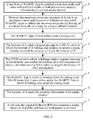
- Step 0. A and B use a WebRTC App to establish a real-time audio or video call (in a specific application, it may be implemented by using an RTCPeerConnection object), and when the call is connected, NAT clients (that is, browsers Browser) of both parties store property information of a current media channel.
- NAT clients that is, browsers Browser
- information stored by the clients of both parties may include:
- Step 1 Network disconnection occurs to the terminal of A due to an incidental reason and, by using the prior art, a browser of A learns that a network connection is gone, a WebRTC server (WebRTC server) learns that A is disconnected, and that a browser of B no longer receives a media stream of A.
- the browsers of both parties may notify the WebRTC Apps to which the browsers respectively belong of a current network error type, that is, no network connection, by using a callback function RTCPeerConnectionErrorCallback.
- Step 2 The WebRTC Apps of both parties respond to the "no network connection" error type by starting a timing event.
- An App developer may preset a time threshold T, and when there is still no network connection beyond this time, a browser notifies the App of call disconnection and clears previously stored property related information of a media channel. If the network connection is resumed in a time less than T, the following steps are performed:
- Step 3 The browser of A sends a request message to a STUN server to which the browser of A belongs, requesting to restore the media channel to the browser of B.
- This request message may carry the foregoing Transaction ID for a purpose of notifying the STUN server to which the browser of A belongs that the call needs to be held.
- Step 4 The browser of A notifies the WebRTC App to which the browser of A belongs that the network reconnection is resumed, and that the media channel is restored.
- Step 5 The WebRTC App to which A belongs clears the timing event. After B learns that A is online again, the WebRTC App to which B belongs also clears the timing event.
- Step 6 The browser of A resets the Local Description and Remote Description in the property information of the media channel.
- Step 7 A still uses an original Reflexive IP/Port to transmit a media stream to B and the call between the two parties is restored.
- a STUN manner is still used to implement NAT traversal.
- a change occurs to an IP address and a port that are of a terminal of A.
- FIG. 3 the following implementation steps are included:
- a and B use a WebRTC App to establish a real-time audio or video call, and when the call is connected, NAT clients (that is, browsers Browser) of both parties store property information of a current media channel.
- NAT clients that is, browsers Browser
- the property information of the media channel may include: a transaction identifier, a reflexive IP address/port number, a destination IP address/port number, a local description, a remote description, and the like.
- Step 1 Network disconnection occurs to the terminal of A due to an incidental reason, a browser of A learns that a network connection is gone, a WebRTC server (WebRTC server) learns that A is disconnected, and that a browser of B no longer receives a media stream of A.
- the browsers of both parties may notify the WebRTC Apps to which the browsers respectively belong of a current network error type, that is, no network connection, by using a callback function RTCPeerConnectionErrorCallback.
- Step 2 The WebRTC Apps of both parties respond to the "no network connection" error type by starting a timing event.
- Step 3 The browser of A sends a request message to a STUN server to which the browser of A belongs, requesting to restore the media channel between the browser of A and the browser of B.
- This request message carries information about the original Reflexive IP/Port, and the information may be carried by adding an XOR-MAPPED-ADDRESS or MAPPED-ADDRESS attribute in the request message.
- the MAPPED-ADDRESS attribute indicates a reflexive transmission address of a client, where the address includes an 8-bit address family, a 16-bit port, and an IP address of a fixed length, and this attribute directly presents the transmission address; and the XOR-MAPPED-ADDRESS attribute indicates a transmission address that is processed by using an XOR function.
- Step 4 The STUN server to which A belongs sends a response message to the browser, and notifies the browser of A that transmission address information of a NAT outlet is the original Reflexive IP/Port information.
- the STUN server extracts the Reflexive IP/Port information from the XOR-MAPPED-ADDRESS or MAPPED-ADDRESS attribute, uses the Reflexive IP/Port information as the transmission address of the NAT outlet of the client, and returns the Reflexive IP/Port information to the client.
- the XOR-MAPPED-ADDRESS or MAPPED-ADDRESS attribute is also set to the Reflexive IP/Port.
- a NAT mapping relationship exists between a changed private IP /Port and the original Reflexive IP/Port, so that A may continue using the original Reflexive IP/Port to transmit a media stream to B.
- Step 5 The WebRTC App to which A belongs clears the timing event. After B learns that A is online again, the WebRTC App to which B belongs also clears the timing event.
- Step 6 The browser of A resets the Local Description and Remote Description in the property information of the media channel.
- Step 7 A still uses the original Reflexive IP/Port to transmit a media stream to B and the call between the two parties is restored.
- a TURN manner is used to implement NAT traversal, and an IP address and a port that are of a terminal of A do not change. As shown in FIG. 4 , the following implementation steps are included:
- a and B use a WebRTC App to establish a real-time audio or video call (in a specific application, it may be implemented by using an RTCPeerConnection object), and when the call is connected, NAT clients (that is, browsers Browser) of both parties store property information of a current media channel, where the stored information may include:
- Step 1 Network disconnection occurs to the terminal of A due to an incidental reason and, by using the prior art, a browser of A learns that a network connection has been lost, a WebRTC server (WebRTC server) learns that A has already lost the connection, and that a browser of B no longer receives a media stream of A.
- the browsers of both parties may notify the WebRTC Apps to which the browsers respectively belong of a current network error type, that is, no network connection, by using a callback function RTCPeerConnectionErrorCallback.
- Step 2 The WebRTC Apps of both parties respond to the "no network connection" error type by starting a timing event.
- Step 3 The browser of A sends a request message to a TURN server, requesting to restore the media channel between the browser of A and the browser of B.
- Step 4 The browser of A notifies the WebRTC App to which the browser of A belongs that the network connection is resumed, and the media channel is restored.
- Step 5 The WebRTC App to which A belongs clears the timing event. After B learns that A is online again, the WebRTC App to which B belongs also clears the timing event.
- Step 6 The browser of A resets the Local Description and Remote Description in the property information of the media channel.
- Step 7 The browser of A still uses the original Reflexive IP/Port to send media stream data to the TURN server.
- Step 8 The TURN server still uses an original Relayed IP/Port to forward the media stream data to B and the call between both parties is restored.
- a TURN manner is still used to implement NAT traversal.
- a change occurs to an IP address and a port that are of a terminal of A.
- FIG. 5 the following implementation steps are included:
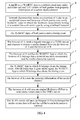
- Step 0. A and B use a WebRTC App to establish a real-time audio or video call (in a specific application, it may be implemented by using an RTCPeerConnection object), and when the call is connected, NAT clients (that is, browsers Browser) of both parties store property information of a current media channel, where the stored information may include: a relayed IP address/port number, a reflexive IP address/port number, a destination IP address/port number, a local description, and a remote description.
- NAT clients that is, browsers Browser
- Step 1 Network disconnection occurs to the terminal of A due to an incidental reason and, by using the prior art, a browser of A learns that a network connection has been lost, a WebRTC server (WebRTC server) learns that A has already lost the connection, and that a browser of B no longer receives a media stream of A.
- the browsers of both parties may notify the WebRTC Apps to which the browsers respectively belong of a current network error type, that is, no network connection, by using a callback function RTCPeerConnectionErrorCallback.
- Step 2 The WebRTC Apps of both parties respond to the "no network connection" error type by starting a timing event.
- Step 3 The browser of A sends a request message to a TURN server and requests to restore the media channel between the browser of A and the browser of B.
- the request message carries the original Relayed IP/Port information, so that a home TURN server establishes a NAT mapping relationship between information about a new IP address and a new port and the original Relayed IP/Port information.
- Step 4 The TURN server to which A belongs establishes a NAT mapping relationship between information about a new IP address and a new port and the original Relayed IP/Port information.
- Step 5 The TURN server to which A belongs sends a response message to the browser to feed back the NAT mapping relationship.
- Step 6 The browser of A notifies the WebRTC App to which the browser of A belongs that the network connection is resumed, and the media channel is restored.
- Step 7 The WebRTC App to which A belongs clears the timing event. After B learns that A is online again, the WebRTC App to which B belongs also clears the timing event.
- Step 8 The browser of A resets the Local Description and Remote Description in the property information of the media channel.
- Step 9 The browser of A still uses the original Reflexive IP/Port to send media stream data to the TURN server.
- Step 10 The TURN server still uses the original Relayed IP/Port to forward the media stream data to B and the call between the two parties is restored.
- a NAT client on the terminal sends a UPnP port mapping request to the UPnP gateway device, receives information about a port that is allocated, according to the port mapping request, by the UPnP gateway device, and reestablishes an original media channel according to an original IP address and the allocated port.
- UPnP Universal Plug and Play, Universal Plug and Play
- the present invention further provides a terminal.
- FIG. 6 is a block diagram of a first embodiment of a terminal according to the present invention, and the terminal may include:
- the disconnected terminal can automatically initiate a process of restoring or establishing a media channel to restore or establish a media channel and continue web real-time communication with the peer second terminal through the restored media channel.
- the web real-time communication between the terminals of both parties is reconnected automatically, which avoids impacting use experience of a user brought by communication interruption.
- the channel restoration initiating module 604 may include:
- the foregoing first request message sending submodule is applicable to NAT traversal implemented in a STUN manner and a TURN manner.
- the channel restoration initiating module 604 may further include:
- the channel restoration initiating module 604 may further include:
- the present invention further provides an implementation manner of another channel restoration initiating module, and as shown in FIG. 8 , the channel restoration initiating module may include:
- the present invention further provides a system for web real-time communication, and the system includes: a first terminal and a second terminal that perform web real-time communication, where the first terminal and the second terminal separately save property information of a current media channel; and when a network connection is restored within a preset time threshold after network disconnection occurs to the first terminal, the first terminal is configured to automatically initiate, according to the property information and within the preset time threshold, a process of restoring or establishing a media channel, and continue web real-time communication with the second terminal through the restored or established media channel.
- the first terminal specifically includes a first NAT client, where the first NAT client corresponds to a first NAT server.
- the first NAT client is configured to send, when a private IP address and a port do not change, a first request message to the first NAT server, where the first request message is used to request the first NAT server to reestablish an original media channel.
- the first NAT server is configured to receive the first request message and reestablish the original media channel according to property information of the original media channel.
- the STUN client is configured to send, when a change occurs to a private IP address and a port, a second request message to the STUN server, where the second request message carries information about an original public IP address and an original port that are of the STUN client;
- the STUN server is configured to establish a mapping relationship between information about a new IP address and a new port that are of the STUN client and the information about the original public IP address and the original port that are of the STUN client, and establish a new media channel according to the mapping relationship.
- the TURN client is configured to send, when a change occurs to a private IP address and a port, a third request message to the TURN server, where the third request message carries information about an original public IP address and an original port that are of the TURN server; and the TURN server is configured to establish a mapping relationship between information about a new IP address and a new port that are of the TURN client and the information about the original public IP address and the original port that are of the TURN server, and establish a new media channel according to the mapping relationship.
- a NAT client on the terminal is configured to send a UPnP port mapping request to the UPnP gateway device, receive information about a port that is allocated, according to the port mapping request, by the UPnP gateway device, and reestablish the original media channel according to an original IP address and the allocated port.
- the disclosed system, apparatus, and method may be implemented in other manners.
- the described apparatus embodiment is merely exemplary.
- the unit division is merely logical function division and may be other division in actual implementation.
- a plurality of units or components may be combined or integrated into another system, or some features may be ignored or not performed.
- the displayed or discussed mutual couplings or direct couplings or communication connections may be implemented through some interfaces.
- the indirect couplings or communication connections between the apparatuses or units may be implemented in electronic, mechanical, or other forms.
- the units described as separate parts may or may not be physically separate, and parts displayed as units may or may not be physical units, may be located in one position, or may be distributed on a plurality of network units. Some or all of the units may be selected according to actual needs to achieve the objectives of the solutions of the embodiments.
- functional units in the embodiments of the present invention may be integrated into one processing unit, or each of the units may exist alone physically, or two or more units are integrated into one unit.
- the functions When the functions are implemented in the form of a software functional unit and sold or used as an independent product, the functions may be stored in a computer-readable storage medium. Based on such an understanding, the technical solutions of the present invention essentially, or the part contributing to the prior art, or a part of the technical solutions may be implemented in a form of a software product.
- the software product is stored in a storage medium and includes several instructions for instructing a computer device (which may be a personal computer, a server, or a network device) or a processor to perform all or a part of the steps of the methods described in the embodiments of the present invention.
- the foregoing storage medium includes: any medium that can store program code, such as a USB flash drive, a removable hard disk, a read-only memory (ROM, Read-Only Memory), a random access memory (RAM, Random Access Memory), a magnetic disk, or an optical disc.
- program code such as a USB flash drive, a removable hard disk, a read-only memory (ROM, Read-Only Memory), a random access memory (RAM, Random Access Memory), a magnetic disk, or an optical disc.
Landscapes
- Engineering & Computer Science (AREA)
- Computer Networks & Wireless Communication (AREA)
- Signal Processing (AREA)
- Multimedia (AREA)
- Computer Security & Cryptography (AREA)
- Business, Economics & Management (AREA)
- General Business, Economics & Management (AREA)
- Data Exchanges In Wide-Area Networks (AREA)
Applications Claiming Priority (2)
| Application Number | Priority Date | Filing Date | Title |
|---|---|---|---|
| CN201310189867.1A CN104184755A (zh) | 2013-05-21 | 2013-05-21 | 一种网页实时通信方法、系统及终端 |
| PCT/CN2014/075902 WO2014187214A1 (zh) | 2013-05-21 | 2014-04-22 | 一种网页实时通信方法、系统及终端 |
Publications (2)
| Publication Number | Publication Date |
|---|---|
| EP2905944A1 true EP2905944A1 (de) | 2015-08-12 |
| EP2905944A4 EP2905944A4 (de) | 2016-06-15 |
Family
ID=51932806
Family Applications (1)
| Application Number | Title | Priority Date | Filing Date |
|---|---|---|---|
| EP14801045.7A Withdrawn EP2905944A4 (de) | 2013-05-21 | 2014-04-22 | Echtzeitkommunikationsverfahren und system für webseiten sowie endgerät |
Country Status (4)
| Country | Link |
|---|---|
| US (1) | US20150304364A1 (de) |
| EP (1) | EP2905944A4 (de) |
| CN (1) | CN104184755A (de) |
| WO (1) | WO2014187214A1 (de) |
Cited By (2)
| Publication number | Priority date | Publication date | Assignee | Title |
|---|---|---|---|---|
| EP3379889A4 (de) * | 2016-01-28 | 2018-10-31 | Huawei Technologies Co., Ltd. | Verfahren und endgerät zur steuerung einer dienstverbindung |
| DE102014115895B4 (de) | 2013-10-31 | 2023-01-26 | Avaya Inc. | Bereitstellen eines Ursprungseinblicks für Webanwendungen über Session-Traversal-Utilities-for-Network-Address-Translation(STUN)-Nachrichten und verwandte Verfahren, Systeme und computerlesbare Medien |
Families Citing this family (20)
| Publication number | Priority date | Publication date | Assignee | Title |
|---|---|---|---|---|
| FR3004047A1 (fr) * | 2013-03-29 | 2014-10-03 | France Telecom | Technique de cooperation entre une pluralite d'entites clientes |
| US9282125B2 (en) | 2013-07-30 | 2016-03-08 | Unify Gmbh & Co. Kg | Apparatus and method for communications involving a legacy device |
| JP6415105B2 (ja) * | 2014-05-16 | 2018-10-31 | キヤノン株式会社 | 通信装置、制御方法およびプログラム |
| US20160191461A1 (en) * | 2014-12-31 | 2016-06-30 | Futurewei Technologies, Inc. | TURN Relay Service Reuse For NAT Traversal During Media Session Resumption |
| CN106303702A (zh) * | 2015-06-11 | 2017-01-04 | 阿里巴巴集团控股有限公司 | 连接状态检测方法、装置和智能电视系统 |
| US10033866B2 (en) | 2016-02-19 | 2018-07-24 | At&T Intellectual Property I, L.P. | Facilitation of an internet protocol multimedia platform |
| CN106453567A (zh) * | 2016-10-18 | 2017-02-22 | 合肥浮点信息科技有限公司 | 一种通信网络防中断保存处理系统 |
| CN108259448B (zh) * | 2016-12-30 | 2020-12-15 | 广州华多网络科技有限公司 | 一种防止连麦时异常断线的方法及装置 |
| CN111083295B (zh) * | 2019-12-31 | 2024-08-16 | 北京讯鸟软件有限公司 | 基于浏览器的电话通信方法和设备 |
| CN112218388A (zh) * | 2020-09-15 | 2021-01-12 | 贵阳朗玛信息技术股份有限公司 | 一种断网重连的方法及装置 |
| CN112804213B (zh) * | 2020-12-31 | 2023-05-12 | Oppo广东移动通信有限公司 | 通信断线重连方法及装置、系统、可读介质和电子设备 |
| CN112954823B (zh) * | 2021-01-29 | 2023-06-27 | Oppo广东移动通信有限公司 | 重建数据连接的方法、终端设备及存储介质 |
| CN114268599A (zh) * | 2021-12-21 | 2022-04-01 | 北京青云科技股份有限公司 | 即时通信连接的建立与即时通信方法、装置、设备及介质 |
| CN114598572A (zh) * | 2022-03-28 | 2022-06-07 | 洛阳萃泽信息科技有限公司 | 一种用于机床联网的方法及工业网关 |
| CN114710461B (zh) * | 2022-03-31 | 2024-03-12 | 中煤科工集团重庆智慧城市科技研究院有限公司 | 多端音视频即时通讯方法及系统 |
| CN114666317B (zh) * | 2022-04-14 | 2023-07-18 | 广州公评科技有限公司 | 一种基于网页即时通信技术的外呼系统 |
| US11979616B1 (en) | 2023-01-27 | 2024-05-07 | SimpliSafe, Inc. | Managing remote access to image capture devices |
| US11908196B1 (en) | 2023-01-30 | 2024-02-20 | SimpliSafe, Inc. | Security event processing |
| US11750514B1 (en) * | 2023-02-24 | 2023-09-05 | SimpliSafe, Inc. | Connectivity candidate filtering |
| CN117411860B (zh) * | 2023-10-31 | 2024-06-21 | 慧之安信息技术股份有限公司 | 基于WebRTC的可切换中继转发控制方法和系统 |
Family Cites Families (15)
| Publication number | Priority date | Publication date | Assignee | Title |
|---|---|---|---|---|
| US20010040887A1 (en) * | 1997-10-09 | 2001-11-15 | Yuri Shtivelman | Apparatus and methods enhancing call routing to and within call-centers |
| US7127255B2 (en) * | 2002-10-01 | 2006-10-24 | Trango Systems, Inc. | Wireless point to multipoint system |
| US7689212B2 (en) * | 2002-11-18 | 2010-03-30 | Lg Electronics Inc. | Mobile communication system exchanging state information and operation method thereof |
| US7647614B2 (en) * | 2004-06-07 | 2010-01-12 | Sling Media, Inc. | Fast-start streaming and buffering of streaming content for personal media player |
| US8437307B2 (en) * | 2007-09-03 | 2013-05-07 | Damaka, Inc. | Device and method for maintaining a communication session during a network transition |
| JP4266188B2 (ja) * | 2004-06-30 | 2009-05-20 | 株式会社東芝 | 通信システム及びこの通信システムで使用される通信端末装置、及び通信システムで使用される通信方法 |
| US8014915B2 (en) * | 2006-06-21 | 2011-09-06 | Sungkyunkwan University Foundation For Corporate Collaboration | Vehicle management system and method using ECU |
| CN100502572C (zh) * | 2006-11-30 | 2009-06-17 | 华为技术有限公司 | 增大多媒体消息业务系统容量的方法及系统 |
| US8656017B2 (en) * | 2007-05-16 | 2014-02-18 | Microsoft Corporation | Peer-to-peer collaboration system with edge routing |
| CN101557388B (zh) * | 2008-04-11 | 2012-05-23 | 中国科学院声学研究所 | 一种基于UPnP和STUN技术相结合的NAT穿越方法 |
| US8457557B2 (en) * | 2009-04-24 | 2013-06-04 | Skullcandy, Inc. | Wireless synchronization mechanism |
| EP2486527A1 (de) * | 2009-10-06 | 2012-08-15 | Telefonaktiebolaget LM Ericsson (publ) | Kontrolle von benutzerinteressen und -identität im internet |
| CN102131152B (zh) * | 2010-01-15 | 2016-08-03 | 中兴通讯股份有限公司 | 一种维持即时消息业务连续性的方法及系统 |
| US8352563B2 (en) * | 2010-04-29 | 2013-01-08 | Damaka, Inc. | System and method for peer-to-peer media routing using a third party instant messaging system for signaling |
| US9049122B2 (en) * | 2012-09-11 | 2015-06-02 | Cisco Technology, Inc. | Bandwidth probing messages |
-
2013
- 2013-05-21 CN CN201310189867.1A patent/CN104184755A/zh active Pending
-
2014
- 2014-04-22 WO PCT/CN2014/075902 patent/WO2014187214A1/zh not_active Ceased
- 2014-04-22 EP EP14801045.7A patent/EP2905944A4/de not_active Withdrawn
-
2015
- 2015-06-30 US US14/755,236 patent/US20150304364A1/en not_active Abandoned
Cited By (2)
| Publication number | Priority date | Publication date | Assignee | Title |
|---|---|---|---|---|
| DE102014115895B4 (de) | 2013-10-31 | 2023-01-26 | Avaya Inc. | Bereitstellen eines Ursprungseinblicks für Webanwendungen über Session-Traversal-Utilities-for-Network-Address-Translation(STUN)-Nachrichten und verwandte Verfahren, Systeme und computerlesbare Medien |
| EP3379889A4 (de) * | 2016-01-28 | 2018-10-31 | Huawei Technologies Co., Ltd. | Verfahren und endgerät zur steuerung einer dienstverbindung |
Also Published As
| Publication number | Publication date |
|---|---|
| WO2014187214A1 (zh) | 2014-11-27 |
| US20150304364A1 (en) | 2015-10-22 |
| CN104184755A (zh) | 2014-12-03 |
| EP2905944A4 (de) | 2016-06-15 |
Similar Documents
| Publication | Publication Date | Title |
|---|---|---|
| EP2905944A1 (de) | Echtzeitkommunikationsverfahren und system für webseiten sowie endgerät | |
| US10536490B2 (en) | Apparatus and method for communications involving a legacy device | |
| US8650312B2 (en) | Connection establishing management methods for use in a network system and network systems using the same | |
| US9332583B2 (en) | Multipoint communication device and method of performing switching from multipoint communication to point-to-point communication | |
| US20150350723A1 (en) | Video Communication Method, Home Terminal, and Home Server | |
| US10230771B2 (en) | Media session | |
| CN103718532A (zh) | 一种数据传输方法、装置及终端设备 | |
| WO2016107454A1 (en) | Turn relay service reuse for nat traversal during media session resumption | |
| CN109495599B (zh) | 数据传输方法和系统、电子装置及计算机可读存储介质 | |
| CN108141409A (zh) | 通信系统、地址通知装置、通信控制装置、终端、通信方法以及程序 | |
| US11671487B1 (en) | Port prediction for peer-to-peer communications | |
| CN105516640A (zh) | 一种视频通讯会话异常的检测方法及系统 | |
| EP2987295B1 (de) | Lokale regelung zusätzlicher mediensitzungen für einen paketbasierten anruf | |
| CN105978780A (zh) | 一种端口切换方法及装置 | |
| US10375175B2 (en) | Method and apparatus for terminal application accessing NAS | |
| US20130107697A1 (en) | Network Connection System of Network Electronic Device and Method to Solve Terminal Device Unable to Reach Electronic Device Caused by Router Not Supporting NAT Loopback | |
| US20160191573A1 (en) | Systems and methods for modifying a state of a software client | |
| CN105519049B (zh) | 一种报文传输方法、装置及系统 | |
| US9124693B2 (en) | Method and system for on-hold messaging for off network calls | |
| CN110784943A (zh) | 一种VoWiFi语音业务断网重连的处理方法和装置 | |
| CN103796229B (zh) | 一种会话链路控制方法及装置 | |
| US10159027B2 (en) | Media degradation recovery during a communication session | |
| WO2015039579A1 (zh) | 不对称组网系统视频呼叫方法及终端、服务器和系统 | |
| EP3745666B1 (de) | Mediensteuerungsverfahren und -einrichtung für konvergierte vorrichtung und kommunikationsendgerät | |
| WO2016029820A1 (zh) | 一种业务处理方法及系统、设备 |
Legal Events
| Date | Code | Title | Description |
|---|---|---|---|
| PUAI | Public reference made under article 153(3) epc to a published international application that has entered the european phase |
Free format text: ORIGINAL CODE: 0009012 |
|
| 17P | Request for examination filed |
Effective date: 20150507 |
|
| AK | Designated contracting states |
Kind code of ref document: A1 Designated state(s): AL AT BE BG CH CY CZ DE DK EE ES FI FR GB GR HR HU IE IS IT LI LT LU LV MC MK MT NL NO PL PT RO RS SE SI SK SM TR |
|
| AX | Request for extension of the european patent |
Extension state: BA ME |
|
| RA4 | Supplementary search report drawn up and despatched (corrected) |
Effective date: 20160519 |
|
| RIC1 | Information provided on ipc code assigned before grant |
Ipc: H04L 29/12 20060101AFI20160512BHEP |
|
| DAX | Request for extension of the european patent (deleted) | ||
| 17Q | First examination report despatched |
Effective date: 20170209 |
|
| RAP1 | Party data changed (applicant data changed or rights of an application transferred) |
Owner name: HUAWEI DEVICE (DONGGUAN) CO., LTD. |
|
| STAA | Information on the status of an ep patent application or granted ep patent |
Free format text: STATUS: THE APPLICATION HAS BEEN WITHDRAWN |
|
| 18W | Application withdrawn |
Effective date: 20180704 |