EP2907376A1 - Procédé d'amélioration de plantes - Google Patents
Procédé d'amélioration de plantes Download PDFInfo
- Publication number
- EP2907376A1 EP2907376A1 EP14305193.6A EP14305193A EP2907376A1 EP 2907376 A1 EP2907376 A1 EP 2907376A1 EP 14305193 A EP14305193 A EP 14305193A EP 2907376 A1 EP2907376 A1 EP 2907376A1
- Authority
- EP
- European Patent Office
- Prior art keywords
- plant
- nucleic acid
- plants
- seq
- promoter
- Prior art date
- Legal status (The legal status is an assumption and is not a legal conclusion. Google has not performed a legal analysis and makes no representation as to the accuracy of the status listed.)
- Ceased
Links
Images
Classifications
-
- C—CHEMISTRY; METALLURGY
- C12—BIOCHEMISTRY; BEER; SPIRITS; WINE; VINEGAR; MICROBIOLOGY; ENZYMOLOGY; MUTATION OR GENETIC ENGINEERING
- C12N—MICROORGANISMS OR ENZYMES; COMPOSITIONS THEREOF; PROPAGATING, PRESERVING, OR MAINTAINING MICROORGANISMS; MUTATION OR GENETIC ENGINEERING; CULTURE MEDIA
- C12N15/00—Mutation or genetic engineering; DNA or RNA concerning genetic engineering, vectors, e.g. plasmids, or their isolation, preparation or purification; Use of hosts therefor
- C12N15/09—Recombinant DNA-technology
- C12N15/63—Introduction of foreign genetic material using vectors; Vectors; Use of hosts therefor; Regulation of expression
- C12N15/79—Vectors or expression systems specially adapted for eukaryotic hosts
- C12N15/82—Vectors or expression systems specially adapted for eukaryotic hosts for plant cells, e.g. plant artificial chromosomes (PACs)
- C12N15/8241—Phenotypically and genetically modified plants via recombinant DNA technology
- C12N15/8261—Phenotypically and genetically modified plants via recombinant DNA technology with agronomic (input) traits, e.g. crop yield
-
- C—CHEMISTRY; METALLURGY
- C12—BIOCHEMISTRY; BEER; SPIRITS; WINE; VINEGAR; MICROBIOLOGY; ENZYMOLOGY; MUTATION OR GENETIC ENGINEERING
- C12N—MICROORGANISMS OR ENZYMES; COMPOSITIONS THEREOF; PROPAGATING, PRESERVING, OR MAINTAINING MICROORGANISMS; MUTATION OR GENETIC ENGINEERING; CULTURE MEDIA
- C12N15/00—Mutation or genetic engineering; DNA or RNA concerning genetic engineering, vectors, e.g. plasmids, or their isolation, preparation or purification; Use of hosts therefor
- C12N15/09—Recombinant DNA-technology
- C12N15/63—Introduction of foreign genetic material using vectors; Vectors; Use of hosts therefor; Regulation of expression
- C12N15/79—Vectors or expression systems specially adapted for eukaryotic hosts
- C12N15/82—Vectors or expression systems specially adapted for eukaryotic hosts for plant cells, e.g. plant artificial chromosomes (PACs)
- C12N15/8216—Methods for controlling, regulating or enhancing expression of transgenes in plant cells
- C12N15/8222—Developmentally regulated expression systems, tissue, organ specific, temporal or spatial regulation
- C12N15/823—Reproductive tissue-specific promoters
- C12N15/8234—Seed-specific, e.g. embryo, endosperm
-
- C—CHEMISTRY; METALLURGY
- C12—BIOCHEMISTRY; BEER; SPIRITS; WINE; VINEGAR; MICROBIOLOGY; ENZYMOLOGY; MUTATION OR GENETIC ENGINEERING
- C12Q—MEASURING OR TESTING PROCESSES INVOLVING ENZYMES, NUCLEIC ACIDS OR MICROORGANISMS; COMPOSITIONS OR TEST PAPERS THEREFOR; PROCESSES OF PREPARING SUCH COMPOSITIONS; CONDITION-RESPONSIVE CONTROL IN MICROBIOLOGICAL OR ENZYMOLOGICAL PROCESSES
- C12Q1/00—Measuring or testing processes involving enzymes, nucleic acids or microorganisms; Compositions therefor; Processes of preparing such compositions
- C12Q1/68—Measuring or testing processes involving enzymes, nucleic acids or microorganisms; Compositions therefor; Processes of preparing such compositions involving nucleic acids
- C12Q1/6876—Nucleic acid products used in the analysis of nucleic acids, e.g. primers or probes
- C12Q1/6888—Nucleic acid products used in the analysis of nucleic acids, e.g. primers or probes for detection or identification of organisms
- C12Q1/6895—Nucleic acid products used in the analysis of nucleic acids, e.g. primers or probes for detection or identification of organisms for plants, fungi or algae
-
- C—CHEMISTRY; METALLURGY
- C12—BIOCHEMISTRY; BEER; SPIRITS; WINE; VINEGAR; MICROBIOLOGY; ENZYMOLOGY; MUTATION OR GENETIC ENGINEERING
- C12Q—MEASURING OR TESTING PROCESSES INVOLVING ENZYMES, NUCLEIC ACIDS OR MICROORGANISMS; COMPOSITIONS OR TEST PAPERS THEREFOR; PROCESSES OF PREPARING SUCH COMPOSITIONS; CONDITION-RESPONSIVE CONTROL IN MICROBIOLOGICAL OR ENZYMOLOGICAL PROCESSES
- C12Q2600/00—Oligonucleotides characterized by their use
- C12Q2600/13—Plant traits
-
- Y—GENERAL TAGGING OF NEW TECHNOLOGICAL DEVELOPMENTS; GENERAL TAGGING OF CROSS-SECTIONAL TECHNOLOGIES SPANNING OVER SEVERAL SECTIONS OF THE IPC; TECHNICAL SUBJECTS COVERED BY FORMER USPC CROSS-REFERENCE ART COLLECTIONS [XRACs] AND DIGESTS
- Y02—TECHNOLOGIES OR APPLICATIONS FOR MITIGATION OR ADAPTATION AGAINST CLIMATE CHANGE
- Y02A—TECHNOLOGIES FOR ADAPTATION TO CLIMATE CHANGE
- Y02A40/00—Adaptation technologies in agriculture, forestry, livestock or agroalimentary production
- Y02A40/10—Adaptation technologies in agriculture, forestry, livestock or agroalimentary production in agriculture
- Y02A40/146—Genetically Modified [GMO] plants, e.g. transgenic plants
Definitions
- the invention disclosed herein provides a method for producing transgenic plant with increased yield compared to non transgenic control plants.
- the present invention further relates to a nucleic construct increasing yield of the transgenic plants, and cell, seed and plant comprising the nucleic construct and method of producing and using such cell, seed and plant.
- One strategy to increase the yield is to increase the seed size, provided that there is not a concomitant decrease in seed number.
- Stress conditions can correspond for example to abiotic stress like light stress, extreme temperatures (heat, cold and freezing), drought (lack of precipitations) or soil contamination by salt. All these environmental stresses can more or less impair plant development growth and ultimately yield.
- Drought stress or water deficit, occurs when water supply in the soil is reduced and/or water loss by transpiration or evaporation occurs continuously. When drought stress intensity is strong, it is called dessication. In field conditions, drought stress can also be combined to heat stress.
- Heat Shock transcription factors genes are known to encode for heat shock transcription factors involved in the regulation of the expression of heat shock proteins (HSPs) which are essential in plant response to damage stress.
- Hsfs genes have been isolated from various different plant species and amongst the same specie: 21 genes are identified in Arabidopsis thaliana, 23 from Oryza sativa and 25 from Zea mays ( Lin et al, BMC genomics 2011, 12:76 ).
- Hsfs genes structure and function are highly conserved in plant kingdom. One of the most conserved structures are the DNA Binding Domain (DBD and the oligomerization domains (HR-A/B).
- DBD DNA Binding Domain
- HR-A/B oligomerization domains
- Hsfs were long thought to belong to 2 classes, ie, class A and class B, but most recent reports indicate that there are three classes of plant Hsfs (classes A, B and C), based on peculiarities in the flexible linker and the HR-A/B domains ( Nover et al, Cell Stress & Chaperones (2001) 6 (3), 177-189 and Miller and Mittler, Annals of Botany 98: 279-288, 2006 ).
- the HR-A/B region of class B Hsfs are similar to all non-plant Hsfs, whereas all class A and class C Hsfs have an extended HR-A/B region due to an insertion of 21 (class A) and 7 (class C) amino acid residues between the A and B parts
- Class A HsFs that comprise the largest group, further contain a C-terminal activation domain (CTAD), that is the least conserved in sequence and size (Nover et al., 2001).
- CTAD C-terminal activation domain
- the function of the class A Hsfs as transcriptional activators depends on a short AHA motif found in the CTAD, enriched with aromatic, large hydrophobic and acidic amino acids (Nover and Scharf, 1997; Doring et al., 2000).
- AHA domains are crucial for the interaction of Hsfs with the transcriptional machinery, as was shown by pull-down experiments and functional analysis of class A Hsfs (Yuan and Gurley, 2000; Kotak et al., 2004).
- Hsfs are expressed in many different tissues or in specific tissues.
- Hsf3 or HsfA1b
- HsfA9 gene is exclusively expressed in seeds.
- Tomato HsfA1 gene is one of the most well-known Hsfs gene involved in heat tolerance.
- HsfA1 is identified as a master regulator of induced thermotolerance in tomato.
- Mishra et al (Genes and Dev,16:1555-1567, 2002 ) have obtained a tomato plant constitutively overexpressing HSFA1 protein 10 fold compared to wild type plant not transformed. They have shown that these plants are more tolerant to different heat stress treatments compared to the wild type plants and co-suppressed HsfA1 lines.
- US 8,445,747 describes the overexpression under a strong promoter of heat shock protein in order to increase water productivity and water use efficiency in plant.
- Examples show the overexpression in Arabidopsis plant of HSF3 protein under a strong promoter CaMV35S.
- the transgenic and wild type plants are grown in drought and well watered conditions. In drought conditions, plants are not watered for 1-, 11 days to 2 weeks then rewatered until seed set.
- Transgenic plants overexpressing HSF3 have a higher seed yield in well watered conditions and after water deficit stress. Seed yield is assessed by measuring seed biomass or number of seeds per plant.
- WO 2011/061656 and US 20060150283 describe thousands of protein sequences as being involved in yield increase under normal or stress conditions. The sequence can be overexpressed or inhibited. A long list of different potential promoters that may be used is also given. Notably, it is suggested to use seed specific promoters.
- Table VIIIA shows that SEQ ID N°8206, encoding for an HSF2 protein in Arabidopsis, is used to transform an Arabidopsis plant by overexpression in cytoplasm, i.e. through non targeted expression.
- the vectors used are listed in table VII and they all comprise constitutive promoters. The result shows that Arabidopsis plants expressing HSF2 with a constitutive promoter harbor an increased biomass production (median weight) when plants are grown under limited nitrogen supply.
- the complexity of the plant response is such that, as of today, no transgenic plant product harboring improved yield has been commercialized.
- the invention disclosed herein provides a method for producing a monocotyledon plant with increased yield in normal and/or drought conditions as compared to a wild type not transformed plant.
- the method comprises the step of transforming a plant with a gene coding for a HsF protein of class A, under the control of a promoter that is functional (i.e. that is capable of driving expression of the gene) in the endosperm of said monocotyledon plant.
- said promoter is not the natural promoter of said Hsf gene (ie is a heterologous promoter with regards to said Hsf gene).
- Gene can be expressed in specific part of the seeds by using specific promoters
- the kernel consists of a number of parts, some derived from maternal tissue and others from the fertilization process.
- the kernel maternally inherits a number of tissues, including a protective, surrounding pericarp and a pedicel.
- the pedicel is a short stalk-like tissue which attaches the kernel to the cob and provides nutrient transfer from maternal tissue into the kernel.
- the kernel also contains tissues resulting from the fertilization activities, including the new embryo as well as the endosperm.
- the embryo is the miniature progenitor of the next generation, and contains cells for root and shoot growth of a new, young maize plant. It is also one tissue in which oils and proteins are stored in the kernel.
- the endosperm functions more as a nutritive tissue and provides the energy in the form of stored starch, proteins and oil, needed for the germination and initial growth of the embryo.
- the endosperm which forms most of the volume and weight of the kernel, can be divided into three parts: starchy endosperm, aleurone layer and basal transfer layer.
- the role of the starchy endosperm is to provide the nutrients to the seed. It is thus mainly composed by cells filled with reserves, such as starch granules, or protein bodies. These cells die during dessication of the seed and this compartment is thus composed of dead cells in mature seeds.
- the aleurone layer is a maternal one-celled layer of cells in contact with the pericarp. Basically, these cells accumulate lipids and storage proteins. The cells remain active until maturation and play an important role during germination.
- the basal endosperm transfer layer (BETL) cells are in contact with the pedicel at the base of the endosperm. They transport the nutrients from the mother plant to the embryo surrounding region, as direct transport is not possible since vascular tissue does not extend beyond the pedicel.
- WO 2010147825 A1 or the PzsS3a promoter, which is endosperm specific in maize ( Yu-feng et al, Biotechnology letters, 2011, vol. 33, no7, pp. 1465-1471 ), the alpha globulin promoter from rice, the oat globulin promoter, the rice or wheat glutelin promoter, blz2, rice transcription factor RISBZ1..
- BETL-1 Hueros et al, Plant Cell, Vol. 7, 747-757, 1995
- BETL-2 Hueros et al, Plant Cell, Vol. 7, 747-757, 1995
- BETL-9 described as sequence 18 from US20090307795 .
- Some promoters functional in the starchy endosperm are illustrated in Wiley et al ( Plant Molecular Biology, May 2007, Volume 64, Issue 1-2, pp 125-136 ), Kawakatsu et al (Journal of experimental botany, 2008, vol. 59, no15, pp. 4233-4245 ), Lamacchia et al (Journal of experimental botany, 2001, vol. 52, no355, pp. 243-250 ) or Lovegrove et al (Plant physiology, 2013, vol. 163, no1, pp. 95-107 ) who describe use of a starchy endosperm-specific promoter for making transgenic wheat lines.
- endosperm promoters are described in US 8,552,256 , US 8,466,342 , US 8,227,664 (see in particular Table 1 of this document), or US 7,847,160 .
- HMWG promoter High Molecular Weight Glutenin of wheat ( Anderson OD et al, NUCLEIC ACIDS RESEARCH, vol. 17, 1989, pages 461-462 , Colot et al, Mol Gen Genet. 1989 Mar;216(1):81-90 .
- a sequence for this promoter is described as SEQ ID N° 8.
- promoters active or even specific of the starchy endosperm are for example the waxy, zein or bronze promoters of maize ( Russell et Fromm Transgenic Research, 6 157-168 (1997 )).
- the invention thus relates to a nucleic acid construct comprising
- Said nucleic acid may be called an "expression cassette”.
- a promoter "functional in a given tissue" of a plant is a promoter that allows expression of a nucleic acid sequence operatively linked to it in said given tissue of said plant.
- said promoter is predominantly functional in the endosperm, i.e. said promoter can be active in other tissues than the endosperm, but the principal expression of a nucleic acid sequence encoding a protein operatively linked to it is in the endosperm. This can be verified, using various techniques known by the person skilled in the art, such as quantification of the RNA expression of said nucleic acid sequence in various tissues by Northern blot, or of the protein expression in various tissues by Western blot.
- the promoter can be specific to the endosperm (or to a tissue of the endosperm).
- a promoter specific to a given tissue is active exclusively in said tissue, i.e. it is not possible to detect expression of a nucleic acid sequence encoding a protein operatively linked to it in other tissues than said given tissue.
- said promoter functional in the endosperm is functional in the BETL.
- said promoter may be predominantly functional in the BETL or specific to the BETL.
- said promoter active in the endosperm is functional in the starchy endosperm.
- said promoter may be predominantly functional in the starchy endosperm or specific to the starchy endosperm.
- said promoter active in the endosperm is functional in the aleurone.
- said promoter may be predominantly functional in the aleurone or specific to the aleurone.
- a preferred promoter is the HMWG promoter, a representative sequence of which is SEQ ID N° 8. It is to be noted that, although SEQ ID N° 8 is herein used to define the HMWG promoter, a sequence that is at least 90 % identical, preferably at least 95 % identical, more preferably at least 96 % identical, more preferably at least 97 % identical, more preferably at least 98 % identical, more preferably at least 99 % identical, more preferably at least 99.5 % identical, more preferably at least 99.7 % identical, more 15 preferably at least 99.9 % identical, more preferably at least 99.95 % identical to SEQ ID N° 8 can also be considered as being a HMWG promoter.
- sequences of particular interest are the ones that also present an e-value that is lower than 1 x e-150 when performing a blastn with SEQ ID N° 8 as a query, and the following parameters: sequences
- HMWG promoter SEQ ID N° 8 being a specific sequence of this generic family, the sequences having the accession number as indicated above being other species of this genus.
- Such sequences can easily be checked for their ability to induce expression of a gene in the endosperm, and in particular in the starchy endosperm. Comparing the patterns of expression of a modified promoter and of the promoter depicted by SEQ ID N° 8 can be performed using any reporter gene known in the art, such as the luciferase, GUS or GFP genes.
- a "class A Hsf protein” is intended to designate a protein as classified as such in Nover et al, Cell Stress & Chaperones (2001) 6 (3), 177-189 and Miller and Mittler, Annals of Botany 98: 279-288, 2006 .
- This protein thus contains an extended HR-A/B region containing an insertion of 21 amino acid residues between the A and B parts.
- This protein further contains a C-terminal activation domain (CTAD), which presents a AHA motif in the CTAD, enriched with aromatic, large hydrophobic and acidic amino acids.
- CTAD C-terminal activation domain
- the class A Hsf further contains another hydrophobic repeat (HR-C) found at the C-terminal domain.
- Class A HsF proteins are well known by the person skilled in the art. Among preferred proteins that can be used in the nucleic acid consztruct described above, one can cite the proteins listed in Figure 2 of Miller and Mittler (2006).
- Arabidopsis protein the sequence of an allele of which is depicted by SEQ ID N° 1.
- soybean protein the sequence of an allele of which is represented by SEQ ID N° 5.
- sequences SEQ ID N° 1 to SEQ ID N° 7 represent and exemplify alleles of class A HsF proteins in various plants. There exists different other alleles of this protein in said plants, and different other class A Hsf proteins in said plants or in other plants, which all possess the same activity than this protein, and can be used in the above-identified nucleic acid construct.
- the proteins that can be used in the context of the above construct are preferably the ones, the sequence of which presents a Max score above 500, and a E value of 0.0 or less than 1e -170 , with at least one sequence chosen in the group consisting of SEQ ID N° 1, SEQ ID N° 2, SEQ ID N° 3, SEQ ID N° 4, SEQ ID N° 5, SEQ ID N° 6 and SEQ ID N° 7.
- sequence would also preferably present an identity (as indicated by the BLAST2P software) equal or above 70%, preferably, equal or above 80% more preferably equal or above 90%, more preferably equal or above 92%, more preferably equal or above 93%, more preferably equal or above 94%, more preferably equal or above 95%, more preferably equal or above 96%, more preferably equal or above 97%, more preferably equal or above 98%, more preferably equal or above 99% more preferably equal or above 99.5%, more preferably equal or above 99.8% with SEQ ID N ° 1.
- sequence would also preferably present an identity (as indicated by the BLAST2P software) equal or above 70%, preferably, equal or above 80% more preferably equal or above 90%, more preferably equal or above 92%, more preferably equal or above 93%, more preferably equal or above 94%, more preferably equal or above 95%, more preferably equal or above 96%, more preferably equal or above 97%, more preferably equal or above 98%, more preferably equal or above 99% more preferably equal or above 99.5%, more preferably equal or above 99.8% with SEQ ID N ° 2.
- sequence would also preferably present an identity (as indicated by the BLAST2P software) equal or above 70%, preferably, equal or above 80% more preferably equal or above 90%, more preferably equal or above 92%, more preferably equal or above 93%, more preferably equal or above 94%, more preferably equal or above 95%, more preferably equal or above 96%, more preferably equal or above 97%, more preferably equal or above 98%, more preferably equal or above 99% more preferably equal or above 99.5%, more preferably equal or above 99.8% with SEQ ID N ° 3.
- sequence would also preferably present an identity (as indicated by the BLAST2P software) equal or above 70%, preferably, equal or above 80% more preferably equal or above 90%, more preferably equal or above 92%, more preferably equal or above 93%, more preferably equal or above 94%, more preferably equal or above 95%, more preferably equal or above 96%, more preferably equal or above 97%, more preferably equal or above 98%, more preferably equal or above 99% more preferably equal or above 99.5%, more preferably equal or above 99.8% with SEQ ID N ° 4.
- sequence would also preferably present an identity (as indicated by the BLAST2P software) equal or above 70%, preferably, equal or above 80% more preferably equal or above 90%, more preferably equal or above 92%, more preferably equal or above 93%, more preferably equal or above 94%, more preferably equal or above 95%, more preferably equal or above 96%, more preferably equal or above 97%, more preferably equal or above 98%, more preferably equal or above 99% more preferably equal or above 99.5%, more preferably equal or above 99.8% with SEQ ID N ° 5.
- sequence would also preferably present an identity (as indicated by the BLAST2P software) equal or above 70%, preferably, equal or above 80% more preferably equal or above 90%, more preferably equal or above 92%, more preferably equal or above 93%, more preferably equal or above 94%, more preferably equal or above 95%, more preferably equal or above 96%, more preferably equal or above 97%, more preferably equal or above 98%, more preferably equal or above 99% more preferably equal or above 99.5%, more preferably equal or above 99.8% with SEQ ID N ° 6.
- sequence would also preferably present an identity (as indicated by the BLAST2P software) equal or above 70%, preferably, equal or above 80% more preferably equal or above 90%, more preferably equal or above 92%, more preferably equal or above 93%, more preferably equal or above 94%, more preferably equal or above 95%, more preferably equal or above 96%, more preferably equal or above 97%, more preferably equal or above 98%, more preferably equal or above 99% more preferably equal or above 99.5%, more preferably equal or above 99.8% with SEQ ID N ° 7.
- said nucleic acid comprises the HMWG promoter operably linked to the Arabidopsis class A Hsf depicted by SEQ ID N° 1.
- said nucleic acid may contain SEQ ID N° 9.
- the invention also encompasses a vector containing the nucleic acid construct (expression cassette) of the invention.
- a vector such as a plasmid, can thus be used for transforming host cells.
- the construction of vectors for transformation of host cells is within the capability of one skilled in the art following standard techniques.
- the decision as to whether to use a vector for transforming a cell, or which vector to use, is guided by the method of transformation selected, and by the host cell selected.
- the vector can be the minimal nucleic acid sequences necessary to confer the desired phenotype, without the need for additional sequences.
- Possible vectors include the Ti plasmid vectors, shuttle vectors designed merely to maximally yield high numbers of copies, episomal vectors containing minimal sequences necessary for ultimate replication once transformation has occured, transposon vectors, including the possibility of RNA forms of the gene sequences.
- the selection of vectors and methods to construct them are commonly known to persons of ordinary skill in the art and are described in general technical references ( Mullis, K B (1987), Methods in Enzymology ).
- any vector which produces a plant carrying the introduced DNA sequence should be sufficient.
- any vector which introduces a substantially intact RNA which can ultimately be converted into a stably maintained DNA sequence should be acceptable.
- any additional attached vector sequences which confer resistance to degradation of the nucleic acid fragment to be introduced, which assists in the process of genomic integration or provides a means to easily select for those cells or plants which are actually, in fact, transformed are advantageous and greatly decrease the difficulty of selecting useable transgenic plants.
- the vector can exist, for example, in the form of a phage, a plasmid or a cosmid.
- the construction of such expression vectors for transformation is well known in the art and uses standard techniques. Mention may be made of the methods described by Sambrook et al. (1989).
- a vector is generally defined as being a nucleic acid molecule that possesses elements that allows it to be maintained within said host cell (such as an origin of replication that works in this bacterial host cell).
- the invention also encompasses a host cell containing the nucleic acid construct (expression cassette) as described above.
- the host cell can be any prokaryotic or eukaryotic cell. Any of a large number of available and well-known host cells may be used in the practice of this invention. The selection of a particular host is dependent upon a number of factors recognized by the art. These include, for example, compatibility with the chosen expression vector, bio-safety and costs.
- Useful hosts include bacteria such as E. coli sp. or Agrobacterium.
- a plant host cell may be also used, notably an angiosperm plant cell, monocotyledon as dicotyledon plant cell, particularly a cereal or oily plant cell, selected in particular from the group consisting of maize, wheat, barley, rice, rape and sunflower, preferentially maize. Another preferred plant is wheat. Another preferred plant is rice. Another preferred plant is barley.
- the host cell used in carrying out the invention is Agrobacterium tumefaciens, according to the method described in the article of An et al., 1986, or Agrobacterium rhizogenes, according to the method described in the article of Jouanin et al., 1987.
- said expression cassette is stably integrated within the genome of said host cell.
- Stable integration within the genome means that the expression cassette can be transmitted to the progeny of said host cell upon division.
- the invention also encompasses a plant containing at least one cell containing the expression cassette as defined above, preferably stably integrated within its genome.
- a part of a transgenic plant, in particular fruit, seed, grain or pollen, comprising such a cell or generated from such a cell is also encompassed by the invention.
- the present invention provides transgenic plants (or parts of them) including the expression cassette as described above.
- the regeneration can be performed by known methods.
- the seeds which grow by fertilization from this plant also contain this transgene in their genome.
- Said plant or part of a plant according to the invention can be a plant or a part of it from various species, notably an Angiosperm, Monocotyledons as Dicotyledons.
- cereal plant denotes a plant that is capable of producing oil, and preferably that is cultivated for oil production.
- Said plant is preferably selected from the group consisting of maize, rice, wheat, barley, rape and sunflower.
- said plant is maize.
- said plant is wheat.
- the invention thus relates in particular to a transgenic maize or a transgenic wheat, containing at least one cell comprising, stably integrated in its genome, the expression cassette as disclosed above.
- said plant in particular said maize, comprises multiple cells containing, stably integrated in their genome, the expression cassette as described above.
- said plant comprises multiple cells containing, stably integrated in their genome, the expression cassette as described above.
- expression of the class A HsF protein is thus predominant in the endosperm, and especially in the aleurone, starchy endosperm and/or BETL. This may be observed by performing Northern blot on RNA obtained from different organs of the plant, and detecting an expression at least ten times higher in the endosperm than in other organs.
- said transgene (comprising the expression cassette as disclosed) is present in all cells of said plant, in particular said maize or wheat.
- the transgene is introduced within the plant cells such as being expressed transiently, or through a genetic construct not integrated in the genome.
- agro-infiltration or any other methods, such as injection or spray, are contemplated for transient expression.
- Hybrid plants obtained by crossing plants according to the invention also form part of the invention, when they contain at least one cell containing the expression cassette of the invention.
- transgenes conferring male sterility, male fertility, resistance to a herbicide (notably glyphosate, glufosinate, imidazolinone, sulfonylurea, L-phosphinotricine, triazine, benzonitrile), resistance to insects (notably a transgene coding for a Bacillus thuringiensis toxin), tolerance to water stress.
- a herbicide notably glyphosate, glufosinate, imidazolinone, sulfonylurea, L-phosphinotricine, triazine, benzonitrile
- resistance to insects notably a transgene coding for a Bacillus thuringiensis toxin
- tolerance to water stress notably a transgene coding for a Bacillus thuringiensis toxin
- transgenic plants comprising an expression cassette according to the invention present an increased yield as compared to control plants corresponding to non-transgenic plants not comprising said expression cassette.
- Said increased yield may be observed in normal conditions or in stress conditions.
- Increased yield in stress conditions can be measured by the ability of the transgenic plant to maintain yield under stress conditions compared to normal conditions (which is considered to be achieved when the yield observed in stressed conditions is at least 90%, 94%, 95%, 96%, 97%, 98%, 99% or 100% of the yield obtained for the same plant in non-stressed (normal) conditions). It can also be measured by the ability of the transgenic plant to increase yield under stress conditions compared to control plants grown under stress conditions (at least 101%, 102%, 103%, 104%, 105%, 106%, 107%, 108%, 109%, 110%, 111%, 112%, 113%, 114%, 115%).
- stress conditions comprise specific conditions that are applied to a plant at a specific development stage such as that they induce a yield decrease of at least 8%, 10%, preferentially at least 15% and more preferentially at least 20% between the control plants in normal and in stress conditions.
- heat stress conditions may be applied during the flowering stage (in particular for wheat) or hydric stress before the flowering stage or after the fertilization, (in particular during the grain filling stage for maize).
- the invention also relates to various methods of making or using the plants of the invention.
- the invention also relates to a method for obtaining a transgenic plant containing at least one cell comprising a transgene comprising the nucleic acid construct as described above, comprising the steps consisting of:
- transgene comprises the nucleic acid construct as disclosed above, comprising the steps of
- step c) is preferably performed, by genotyping using molecular markers (for example microsatellite markers), making it possible to define the contribution of each of the two parents to the progeny.
- molecular markers for example microsatellite markers
- Plants in particular maize or wheat which possess the transgene, may also be selected from the progeny, in a conventional manner by molecular biology methods (such as PCR or Southern blotting).
- Said generated plant can also be used in a selection (breeding) process for obtaining a plant with improved yield.
- the invention thus also relates to a method for producing a plant that can be used in a selection (breeding) process or scheme for obtaining a plant with improved yield, comprising the step of transforming a plant cell with a vector according to the invention, and regenerating a transgenic plant which comprises at least one cell which contain the transgene comprising the expression cassette as described above.
- the introgression of the transgene in a given plant is in particular carried out by selection, according to methods known in the art (crossing and self-pollination).
- the plants are in particular selected using molecular markers.
- Selection is important as it is often preferable to sow and harvest plant lines that have been optimized, in particular for the location in which they are cultured. Consequently, one needs to introduce the transgene in said adapted lines having otherwise agronomic quality characteristics.
- the invention also relates to a method for growing a plant, comprising the step of sowing a plant seed, wherein said plant seed contains the nucleic acid construct as described above, and growing plants from this sowed seed.
- the invention also relates to a method for increasing plant yield under normal conditions, comprising the step of sowing plant seeds, wherein said plant seeds contain the expression cassette of the invention and growing plants from these sowed seeds, and wherein the yield obtained from said grown plants is increased as compared to the yield obtained from isogenic plants grown from seeds which do not contain said expression cassette
- the invention also relates to a method for increasing or maintaining plant yield under stressed conditions, comprising the step of sowing plant seeds, wherein said plant seeds contain the nucleic acid construct as described above, and growing plants from these sowed seeds, wherein at least part of the growing phase is made under stress conditions, and wherein the yield obtained from said grown plants is increased as compared to the yield obtained from plants grown from seeds which do not contain said nucleic acid construct or the yield obtained from said grown plants is maintained as compared to the yield obtained from plants containing said nucleic acid construct and grown in normal conditions.
- the invention also relates to a method of growing plants, comprising the step of sowing seeds containing the nucleic acid construct as described above, , and growing plants from the sowed seeds.
- the invention may also comprise the step of harvesting said plants.
- the invention also relates to a method for harvesting plants comprising the step of harvesting plants of the invention.
- a hydric stress is applied to the plants during their growth.
- a method for selecting i.e. screening, identifying) a plant that can be used in a selection (breeding) process for obtaining a plant with improved yield, which comprises the step of selecting, in a population of plants, the plants containing the expression cassette as described above, is also part of the invention.
- a breeding process for obtaining a plant with improved yield is performed as follows: the yield of a plurality of plants gives the reference yield level which is to be improved.
- the plant with improved yield is obtained, when the yield observed after sowing and harvesting said plant is higher than the yield of reference.
- Said plant with improved yield is obtained by known methods in the art, by crossing, back-crossing and stabilizing plants which present a yield
- the selection is performed through the use of a marker that is specific to the transgene.
- the selection step is thus preferably preceded by a step comprising genotyping said population of cereals.
- the selection step is preceded by a step comprising extracting the RNA from the individuals in said population.
- the selection step is preceded by a step comprising extracting proteins from the individuals in said population.
- said population is the progeny obtained from crossing a transgenic plant, wherein said transgene comprises the expression cassette as described above, with a plant line which does not contain said transgene (the receiver plant line).
- a method for identifying a plant with improved yield which comprises the step of identifying, in a population of plants, the plants containing the expression cassette as described above, is also part of the invention. Improved yield is determined after comparison with a isogenic plant which does not contain the expression cassette.
- the identification is performed through the use of a marker that is specific to the transgene.
- the identification step is thus preferably preceded by a step comprising genotyping said population of cereals.
- the identification step is preceded by a step comprising extracting the RNA from the individuals in said population.
- the identification step is preceded by a step comprising extracting proteins from the individuals in said population.
- said population is the progeny obtained from crossing a transgenic plant, wherein said transgene comprises the expression cassette as described above, with a plant line which does not contain said transgene (the receiver plant line).
- the invention also relates to a method for obtaining a hybrid plant, wherein said hybrid plant contains the expression cassette as described above stably integrated within its genome.
- Said method comprises the step of crossing a first homozygous line, which contains said expression cassette stably integrated within its genome, with a second homozygous line.
- This plant can be homozygous (if each homozygous parent has the expression cassette as described above stably integrated within its genome) or heterozygous for the transgene present on said expression cassette.
- the methods are applied to a cereal (in particular, rice, maize, wheat, barley). It is preferred when said plant is maize or wheat.
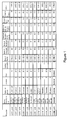
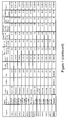
- Figure 1 represents the results obtained for different events bearing the AtHSF3 coding sequence operably linked to either the CsVMV promoter + the actin intron (constitutive promoter) or the HMWG promoter (promoter active in the endosperm).
- the AtHSF3 coding sequence (AT5G16820) was codon optimized for maize expression by a gene synthesis service provider (Genscript) and cloned into the pENTR4 vector (Invitrogen). The AtHSF3 sequence was then cloned via a GATEWAY LR reaction, between a CsVMV promoter (Verdaguer et al (1996)) plus a rice actin intron (McElroy et al 1990), and an Arabidopsis Sac66 polyadenylation sequence (Jenkins et al (1999)), into the destination binary plasmid pBIOS886 forming pBIOS1695.
- the binary vector pBIOS886 is a derivative of pSB12 (Komari et al.(1996)) containing a pActin+actin intron-selectable marker- nos polyA chimeric gene for selection of maize transformants and a GATEWAY R1 R2 cassette between a CsVMV promoter+ actin intron and a Sac66 polyadenylation sequence).
- AtHSF3 was linked to the wheat HMWG promoter by performing a GATEWAY LR reaction between pENTR4-AtHSF3 and the destination binary plasmid pBIOS976 forming pBIOS1698.
- the binary vector pBIOS976 is a derivative of pSB12 (Komari et al.(1996)) containing a pActin+actin intron-selectable marker- nos polyA chimeric gene for selection of maize transformants and a GATEWAY R1 R2 cassette between a HMWG promoter and a Sac66 polyadenylation sequence).
- pBIOS1695 and pBIOS1698 were transferred into agrobacteria LBA4404 (pSB1) according to Komari et al (1996) forming respectively strain T 01748 and strain T 01751.
- Maize cultivar A188 was transformed with these agrobacterial strains essentially as described by Ishida et al (1996).
- Hybrids with a tester line were obtained from T3 plants issued from the AtHSF3 transgenic maize line (pro CsVMV + AtHSF3 + Sac66 term or proHMWG + AtHSF3 + Sac66 term) chosen according to example 1.
- the transformants (T0) plant was first crossed with the A188 line thereby producing T1 plants.
- T1 plants were then self-pollinated twice, producing T3 plants which are homozygous lines containing the transgene. These T3 plants were then crossed with the tester line thereby leading to a hybrid.
- This hybrid is at a T4 level with regards to the transformation step and is heterozygous for the transgene. These hybrid plants are used in field experiments.
- the experimental block comprises 5 to 6 replicates.
- the experimental design was Randomized complete block or Lattice in both stressed locations and non-stressed locations.
- Each replicate comprised of two row plots with about up to 70 plants per plot at a density of 75 000 plants/ha.
- Controls were used present in this experiment as described above (null segregant and a control equivalent (A188 crossed with the tester line).
- a drought stressed location is a location where the grain yield potential of the site has not been reached due to a drought stress.
- a non-stressed location is a location where the grain yield potential has been reached by a commercial hybrid variety.
- the drought stress intensity is evaluated by measuring the yield lost between the drought stress treatment (WUE) and a reference treatment irrigated with an optimal amount of water, which is at least, equivalent to the maximum evapotranspiration (ETM) of the crop.
- WUE drought stress treatment
- ETM maximum evapotranspiration
- a yield lost of -30% is targeted with a common distribution of the drought location between -10% and -40% of yield.
- a moderate drought stressed location is typically a location with a yield lost below -20%, a moderate stressed location below -30%.
- the targeted growth stage period is typically from tasseling to R2 growth stage.
- the drought stress period can spread out from a period between V10 and R4 growth stage.
- Figure 1 shows that expressing the class A HsF protein under the control of a constitutive promoter (CSVMV promoter) leds to a decrease in yield, in normal or stressed conditions, whereas use of an endosperm promoter (HMWG promoter) leads to a maintained or increased yield in normal or stressed conditions.
- CSVMV promoter constitutive promoter
- HMWG promoter endosperm promoter
Landscapes
- Health & Medical Sciences (AREA)
- Life Sciences & Earth Sciences (AREA)
- Genetics & Genomics (AREA)
- Engineering & Computer Science (AREA)
- Chemical & Material Sciences (AREA)
- Biomedical Technology (AREA)
- Organic Chemistry (AREA)
- Wood Science & Technology (AREA)
- Zoology (AREA)
- Biotechnology (AREA)
- General Engineering & Computer Science (AREA)
- Bioinformatics & Cheminformatics (AREA)
- Molecular Biology (AREA)
- General Health & Medical Sciences (AREA)
- Physics & Mathematics (AREA)
- Microbiology (AREA)
- Biochemistry (AREA)
- Biophysics (AREA)
- Cell Biology (AREA)
- Plant Pathology (AREA)
- Proteomics, Peptides & Aminoacids (AREA)
- Analytical Chemistry (AREA)
- Pregnancy & Childbirth (AREA)
- Reproductive Health (AREA)
- Developmental Biology & Embryology (AREA)
- Botany (AREA)
- Mycology (AREA)
- Immunology (AREA)
- Breeding Of Plants And Reproduction By Means Of Culturing (AREA)
- Micro-Organisms Or Cultivation Processes Thereof (AREA)
Priority Applications (6)
| Application Number | Priority Date | Filing Date | Title |
|---|---|---|---|
| EP14305193.6A EP2907376A1 (fr) | 2014-02-14 | 2014-02-14 | Procédé d'amélioration de plantes |
| PCT/EP2015/053046 WO2015121396A1 (fr) | 2014-02-14 | 2015-02-13 | Procédé d'amélioration des plantes |
| CA2939163A CA2939163A1 (fr) | 2014-02-14 | 2015-02-13 | Procede d'amelioration des plantes |
| AU2015216999A AU2015216999A1 (en) | 2014-02-14 | 2015-02-13 | Method for plant improvement |
| US15/118,605 US20170051300A1 (en) | 2014-02-14 | 2015-02-13 | Method for plant improvement |
| EP15704533.7A EP3104685A1 (fr) | 2014-02-14 | 2015-02-13 | Procédé d'amélioration des plantes |
Applications Claiming Priority (1)
| Application Number | Priority Date | Filing Date | Title |
|---|---|---|---|
| EP14305193.6A EP2907376A1 (fr) | 2014-02-14 | 2014-02-14 | Procédé d'amélioration de plantes |
Publications (1)
| Publication Number | Publication Date |
|---|---|
| EP2907376A1 true EP2907376A1 (fr) | 2015-08-19 |
Family
ID=50159182
Family Applications (2)
| Application Number | Title | Priority Date | Filing Date |
|---|---|---|---|
| EP14305193.6A Ceased EP2907376A1 (fr) | 2014-02-14 | 2014-02-14 | Procédé d'amélioration de plantes |
| EP15704533.7A Withdrawn EP3104685A1 (fr) | 2014-02-14 | 2015-02-13 | Procédé d'amélioration des plantes |
Family Applications After (1)
| Application Number | Title | Priority Date | Filing Date |
|---|---|---|---|
| EP15704533.7A Withdrawn EP3104685A1 (fr) | 2014-02-14 | 2015-02-13 | Procédé d'amélioration des plantes |
Country Status (5)
| Country | Link |
|---|---|
| US (1) | US20170051300A1 (fr) |
| EP (2) | EP2907376A1 (fr) |
| AU (1) | AU2015216999A1 (fr) |
| CA (1) | CA2939163A1 (fr) |
| WO (1) | WO2015121396A1 (fr) |
Families Citing this family (1)
| Publication number | Priority date | Publication date | Assignee | Title |
|---|---|---|---|---|
| WO2026008891A1 (fr) * | 2024-07-05 | 2026-01-08 | KWS SAAT SE & Co. KGaA | Plante cultivée modifiée ayant une expression accrue d'un ou de plusieurs facteurs de transcription spécifiques de l'esr ou la betl de la plante |
Citations (12)
| Publication number | Priority date | Publication date | Assignee | Title |
|---|---|---|---|---|
| WO1999050427A2 (fr) | 1998-03-27 | 1999-10-07 | Max-Plack-Gesellschaft Zur Förderung Der Wissenschaften E.V. | Nouveaux genes specifiques de la couche basale de cellules de transfert de l'endosperme (betl) |
| US20060150283A1 (en) | 2004-02-13 | 2006-07-06 | Nickolai Alexandrov | Sequence-determined DNA fragments and corresponding polypeptides encoded thereby |
| WO2008064341A1 (fr) * | 2006-11-21 | 2008-05-29 | Ceres, Inc. | Séquences nucléotidiques et polypeptides correspondants procurant une tolérance à la chaleur dans les plantes |
| WO2009102965A2 (fr) * | 2008-02-15 | 2009-08-20 | Ceres, Inc. | Tolérance à la sécheresse et à la chaleur chez les plantes |
| WO2009127441A2 (fr) * | 2008-04-16 | 2009-10-22 | Universität Potsdam | Facteurs de transcription impliqués dans le stress hydrique des végétaux |
| US20090307795A1 (en) | 2006-02-16 | 2009-12-10 | Biogemma | Zmtcrr-1 plant signal transduction gene and promoter |
| US7847160B2 (en) | 2007-08-15 | 2010-12-07 | Pioneer Hi-Bred International, Inc. | Seed-preferred promoters |
| WO2010147825A1 (fr) | 2009-06-09 | 2010-12-23 | Pioneer Hi-Bred International, Inc. | Promoteur d'endosperme précoce et procédés d'utilisation |
| WO2011061656A1 (fr) | 2009-11-17 | 2011-05-26 | Basf Plant Science Company Gmbh | Plantes à rendement accru |
| US8227664B2 (en) | 2003-12-22 | 2012-07-24 | Cropdesign N.V. | Plants having increased yield and method for making the same |
| US8445747B2 (en) | 2007-03-15 | 2013-05-21 | Plant Bioscience Limited | Plant responses |
| US8552256B2 (en) | 2008-04-11 | 2013-10-08 | National Institute Of Agrobiological Sciences | Gene capable of being expressed specifically in endosperm of plant, promoter for the gene, and use of the gene and the promoter |
-
2014
- 2014-02-14 EP EP14305193.6A patent/EP2907376A1/fr not_active Ceased
-
2015
- 2015-02-13 WO PCT/EP2015/053046 patent/WO2015121396A1/fr not_active Ceased
- 2015-02-13 AU AU2015216999A patent/AU2015216999A1/en not_active Abandoned
- 2015-02-13 CA CA2939163A patent/CA2939163A1/fr not_active Abandoned
- 2015-02-13 US US15/118,605 patent/US20170051300A1/en not_active Abandoned
- 2015-02-13 EP EP15704533.7A patent/EP3104685A1/fr not_active Withdrawn
Patent Citations (13)
| Publication number | Priority date | Publication date | Assignee | Title |
|---|---|---|---|---|
| WO1999050427A2 (fr) | 1998-03-27 | 1999-10-07 | Max-Plack-Gesellschaft Zur Förderung Der Wissenschaften E.V. | Nouveaux genes specifiques de la couche basale de cellules de transfert de l'endosperme (betl) |
| US8227664B2 (en) | 2003-12-22 | 2012-07-24 | Cropdesign N.V. | Plants having increased yield and method for making the same |
| US20060150283A1 (en) | 2004-02-13 | 2006-07-06 | Nickolai Alexandrov | Sequence-determined DNA fragments and corresponding polypeptides encoded thereby |
| US20090307795A1 (en) | 2006-02-16 | 2009-12-10 | Biogemma | Zmtcrr-1 plant signal transduction gene and promoter |
| WO2008064341A1 (fr) * | 2006-11-21 | 2008-05-29 | Ceres, Inc. | Séquences nucléotidiques et polypeptides correspondants procurant une tolérance à la chaleur dans les plantes |
| US8445747B2 (en) | 2007-03-15 | 2013-05-21 | Plant Bioscience Limited | Plant responses |
| US7847160B2 (en) | 2007-08-15 | 2010-12-07 | Pioneer Hi-Bred International, Inc. | Seed-preferred promoters |
| WO2009102965A2 (fr) * | 2008-02-15 | 2009-08-20 | Ceres, Inc. | Tolérance à la sécheresse et à la chaleur chez les plantes |
| US8552256B2 (en) | 2008-04-11 | 2013-10-08 | National Institute Of Agrobiological Sciences | Gene capable of being expressed specifically in endosperm of plant, promoter for the gene, and use of the gene and the promoter |
| WO2009127441A2 (fr) * | 2008-04-16 | 2009-10-22 | Universität Potsdam | Facteurs de transcription impliqués dans le stress hydrique des végétaux |
| WO2010147825A1 (fr) | 2009-06-09 | 2010-12-23 | Pioneer Hi-Bred International, Inc. | Promoteur d'endosperme précoce et procédés d'utilisation |
| US8466342B2 (en) | 2009-06-09 | 2013-06-18 | Pioneer Hi Bred International Inc | Early endosperm promoter and methods of use |
| WO2011061656A1 (fr) | 2009-11-17 | 2011-05-26 | Basf Plant Science Company Gmbh | Plantes à rendement accru |
Non-Patent Citations (24)
| Title |
|---|
| ALTSCHUL ET AL., FEBS J., vol. 272, 2005, pages 5101 - 5109 |
| ALTSCHUL ET AL., NUCLEIC ACIDS RES., vol. 25, 1997, pages 3389 - 3402 |
| ANDERSON OD ET AL., NUCLEIC ACIDS RESEARCH, vol. 17, 1989, pages 461 - 462 |
| BECHTOLD ULRIKE ET AL: "Arabidopsis HEAT SHOCK TRANSCRIPTION FACTORA1b overexpression enhances water productivity, resistance to drought, and infection", JOURNAL OF EXPERIMENTAL BOTANY, vol. 64, no. 11, August 2013 (2013-08-01), pages 3467 - 3481, XP002726254 * |
| CHAUHAN HARSH ET AL: "A seed preferential heat shock transcription factor from wheat provides abiotic stress tolerance and yield enhancement in transgenic Arabidopsis under heat stress environment.", PLOS ONE 2013, vol. 8, no. 11, E79577, 2013, pages 1 - 13, XP002726253, ISSN: 1932-6203 * |
| COLOT ET AL., MOL GEN GENET., vol. 216, no. 1, March 1989 (1989-03-01), pages 81 - 90 |
| GOMEZ ET AL., PIANT CELL., vol. 21, no. 7, July 2009 (2009-07-01), pages 2022 - 2035 |
| HUEROS ET AL., PLANT CELL, vol. 7, 1995, pages 747 - 757 |
| HWANG ET AL., PLANT CELL REPORTS, vol. 20, no. 7, 2001, pages 647 - 654 |
| ISHIDA ET AL., NATURE BIOTECHNOLOGY, vol. 14, 1996, pages 745 - 750 |
| J. EXP. BOT., vol. 64-11, 2013, pages 3467 - 3481 |
| KAWAKATSU ET AL., JOURNAL OF EXPERIMENTAL BOTANY, vol. 59, no. 15, 2008, pages 4233 - 4245 |
| LAMACCHIA ET AL., JOURNAL OF EXPERIMENTAL BOTANY, vol. 52, no. 355, 2001, pages 243 - 250 |
| LE QING QU ET AL., JOURNAL OF EXPERIMENTAL BOTANY, vol. 59, no. 9, 2008, pages 2417 - 2424 |
| LIN ET AL., BMC GENOMICS, vol. 12, 2011, pages 76 |
| LOVEGROVE ET AL., PLANT PHYSIOLOGY, vol. 163, no. 1, 2013, pages 95 - 107 |
| MILLER; MITTLER, ANNALS OF BOTANY, vol. 98, 2006, pages 279 - 288 |
| MISHRA ET AL., GENES AND DEV, vol. 16, 2002, pages 1555 - 1567 |
| MULLIS, K B, METHODS IN ENZYMOLOGY, 1987 |
| NOVER ET AL., CELL STRESS & CHAPERONES, vol. 6, no. 3, 2001, pages 177 - 189 |
| PRAENDL R ET AL: "HSF3, a new heat shock factor from Arabidopsis thaliana, derepresses the heat shock response and confers thermotolerance when overexpressed in transgenic plants", MOLECULAR AND GENERAL GENETICS, vol. 258, 1 May 1998 (1998-05-01), SPRINGER VERLAG, BERLIN, DE, pages 269 - 278, XP002135096, ISSN: 0026-8925, DOI: 10.1007/S004380050731 * |
| RUSSELL, FROMM TRANSGENIC RESEARCH, vol. 6, 1997, pages 157 - 168 |
| WILEY ET AL., PLANT MOLECULAR BIOLOGY, vol. 64, no. 1-2, May 2007 (2007-05-01), pages 125 - 136 |
| YU-FENG ET AL., BIOTECHNOLOGY LETTERS, vol. 33, no. 7, 2011, pages 1465 - 1471 |
Also Published As
| Publication number | Publication date |
|---|---|
| AU2015216999A1 (en) | 2016-08-25 |
| CA2939163A1 (fr) | 2015-08-20 |
| EP3104685A1 (fr) | 2016-12-21 |
| WO2015121396A1 (fr) | 2015-08-20 |
| US20170051300A1 (en) | 2017-02-23 |
Similar Documents
| Publication | Publication Date | Title |
|---|---|---|
| US10913954B2 (en) | Abiotic stress tolerant plants and methods | |
| US10982225B2 (en) | Flowering time-regulating genes and related constructs and applications thereof | |
| HU225428B1 (en) | Methods for altering organ mass, controlling fertility and enhancing asexual reproduction in plants | |
| US20260049327A1 (en) | Method for producing plants with minimized biomass byproduct and associated plants thereof | |
| US20210371868A1 (en) | Flowering time-regulating gene cmp1 and related constructs and applications thereof | |
| US10626406B2 (en) | Method for plant improvement | |
| EP2907376A1 (fr) | Procédé d'amélioration de plantes | |
| US20160369295A1 (en) | Drought tolerant plants and related constructs and methods involving genes encoding dtp4 polypeptides | |
| Tehseen et al. | Development of male sterility by silencing Bcp1 gene of Arabidopsis through RNA interference | |
| EP2909323B1 (fr) | Procédé d'amélioration de plantes | |
| EP2902411A1 (fr) | Procédé d'amélioration de plantes | |
| WO2014084883A1 (fr) | Plantes transgéniques ayant des caractéristiques améliorées | |
| AU2016239420B2 (en) | Method of plant improvement using aspartate kinase - homoserine dehydrogenase |
Legal Events
| Date | Code | Title | Description |
|---|---|---|---|
| PUAI | Public reference made under article 153(3) epc to a published international application that has entered the european phase |
Free format text: ORIGINAL CODE: 0009012 |
|
| AK | Designated contracting states |
Kind code of ref document: A1 Designated state(s): AL AT BE BG CH CY CZ DE DK EE ES FI FR GB GR HR HU IE IS IT LI LT LU LV MC MK MT NL NO PL PT RO RS SE SI SK SM TR |
|
| AX | Request for extension of the european patent |
Extension state: BA ME |
|
| STAA | Information on the status of an ep patent application or granted ep patent |
Free format text: STATUS: THE APPLICATION HAS BEEN REFUSED |
|
| 18R | Application refused |
Effective date: 20150919 |