EP2907875A1 - Neues Verfahren zur Bereitstellung eines künstlichen Säuger-Chromosome mit mehreren Genen - Google Patents
Neues Verfahren zur Bereitstellung eines künstlichen Säuger-Chromosome mit mehreren Genen Download PDFInfo
- Publication number
- EP2907875A1 EP2907875A1 EP13075089.6A EP13075089A EP2907875A1 EP 2907875 A1 EP2907875 A1 EP 2907875A1 EP 13075089 A EP13075089 A EP 13075089A EP 2907875 A1 EP2907875 A1 EP 2907875A1
- Authority
- EP
- European Patent Office
- Prior art keywords
- ace
- recombination
- site
- gene
- interest
- Prior art date
- Legal status (The legal status is an assumption and is not a legal conclusion. Google has not performed a legal analysis and makes no representation as to the accuracy of the status listed.)
- Withdrawn
Links
- 108090000623 proteins and genes Proteins 0.000 title claims abstract description 228
- 238000000034 method Methods 0.000 title claims description 35
- 210000000723 mammalian artificial chromosome Anatomy 0.000 title description 10
- 230000006798 recombination Effects 0.000 claims abstract description 143
- 238000005215 recombination Methods 0.000 claims abstract description 143
- 239000013598 vector Substances 0.000 claims abstract description 119
- 230000014509 gene expression Effects 0.000 claims abstract description 76
- 210000004507 artificial chromosome Anatomy 0.000 claims abstract description 63
- 230000010354 integration Effects 0.000 claims abstract description 58
- 230000008685 targeting Effects 0.000 claims abstract description 56
- 239000003550 marker Substances 0.000 claims description 103
- 210000000349 chromosome Anatomy 0.000 claims description 68
- 210000004027 cell Anatomy 0.000 claims description 64
- 108010061833 Integrases Proteins 0.000 claims description 41
- 102100034343 Integrase Human genes 0.000 claims description 38
- 238000011144 upstream manufacturing Methods 0.000 claims description 35
- 238000012217 deletion Methods 0.000 claims description 31
- 230000037430 deletion Effects 0.000 claims description 31
- 102000018120 Recombinases Human genes 0.000 claims description 28
- 108010091086 Recombinases Proteins 0.000 claims description 28
- 108700019146 Transgenes Proteins 0.000 claims description 28
- 210000004962 mammalian cell Anatomy 0.000 claims description 25
- 230000001225 therapeutic effect Effects 0.000 claims description 20
- 239000013604 expression vector Substances 0.000 claims description 12
- 108010051219 Cre recombinase Proteins 0.000 claims description 11
- 238000010367 cloning Methods 0.000 claims description 11
- 230000002255 enzymatic effect Effects 0.000 claims description 7
- 102000004190 Enzymes Human genes 0.000 claims description 6
- 108090000790 Enzymes Proteins 0.000 claims description 6
- 239000003795 chemical substances by application Substances 0.000 claims description 6
- 238000006911 enzymatic reaction Methods 0.000 claims description 6
- 239000003623 enhancer Substances 0.000 claims description 4
- 108020004414 DNA Proteins 0.000 description 44
- 150000007523 nucleic acids Chemical class 0.000 description 36
- 108020004707 nucleic acids Proteins 0.000 description 34
- 102000039446 nucleic acids Human genes 0.000 description 34
- 210000002230 centromere Anatomy 0.000 description 22
- 102000004169 proteins and genes Human genes 0.000 description 22
- 239000013612 plasmid Substances 0.000 description 16
- 108020004487 Satellite DNA Proteins 0.000 description 14
- 238000002474 experimental method Methods 0.000 description 13
- 229930193140 Neomycin Natural products 0.000 description 11
- 229960004927 neomycin Drugs 0.000 description 11
- 238000001415 gene therapy Methods 0.000 description 9
- BRZYSWJRSDMWLG-CAXSIQPQSA-N geneticin Chemical compound O1C[C@@](O)(C)[C@H](NC)[C@@H](O)[C@H]1O[C@@H]1[C@@H](O)[C@H](O[C@@H]2[C@@H]([C@@H](O)[C@H](O)[C@@H](C(C)O)O2)N)[C@@H](N)C[C@H]1N BRZYSWJRSDMWLG-CAXSIQPQSA-N 0.000 description 9
- 238000011160 research Methods 0.000 description 9
- 108020004440 Thymidine kinase Proteins 0.000 description 8
- IRSCQMHQWWYFCW-UHFFFAOYSA-N ganciclovir Chemical compound O=C1NC(N)=NC2=C1N=CN2COC(CO)CO IRSCQMHQWWYFCW-UHFFFAOYSA-N 0.000 description 8
- 238000003780 insertion Methods 0.000 description 8
- 230000037431 insertion Effects 0.000 description 8
- RXWNCPJZOCPEPQ-NVWDDTSBSA-N puromycin Chemical compound C1=CC(OC)=CC=C1C[C@H](N)C(=O)N[C@H]1[C@@H](O)[C@H](N2C3=NC=NC(=C3N=C2)N(C)C)O[C@@H]1CO RXWNCPJZOCPEPQ-NVWDDTSBSA-N 0.000 description 8
- 230000014616 translation Effects 0.000 description 8
- 108010034791 Heterochromatin Proteins 0.000 description 7
- 102000006601 Thymidine Kinase Human genes 0.000 description 7
- 229960002963 ganciclovir Drugs 0.000 description 7
- 230000002068 genetic effect Effects 0.000 description 7
- 210000004458 heterochromatin Anatomy 0.000 description 7
- 238000004519 manufacturing process Methods 0.000 description 7
- 108091028043 Nucleic acid sequence Proteins 0.000 description 6
- 230000002759 chromosomal effect Effects 0.000 description 6
- 208000037265 diseases, disorders, signs and symptoms Diseases 0.000 description 6
- 230000003321 amplification Effects 0.000 description 5
- 108010005774 beta-Galactosidase Proteins 0.000 description 5
- 238000002659 cell therapy Methods 0.000 description 5
- 230000000694 effects Effects 0.000 description 5
- 239000012634 fragment Substances 0.000 description 5
- 238000003199 nucleic acid amplification method Methods 0.000 description 5
- 239000013600 plasmid vector Substances 0.000 description 5
- 230000010076 replication Effects 0.000 description 5
- 241000894007 species Species 0.000 description 5
- 238000001890 transfection Methods 0.000 description 5
- 230000009261 transgenic effect Effects 0.000 description 5
- 108091026890 Coding region Proteins 0.000 description 4
- 102000053602 DNA Human genes 0.000 description 4
- 241001465754 Metazoa Species 0.000 description 4
- 206010028980 Neoplasm Diseases 0.000 description 4
- 108091000080 Phosphotransferase Proteins 0.000 description 4
- 230000027455 binding Effects 0.000 description 4
- 208000035475 disorder Diseases 0.000 description 4
- 238000005516 engineering process Methods 0.000 description 4
- 210000000056 organ Anatomy 0.000 description 4
- 102000020233 phosphotransferase Human genes 0.000 description 4
- 230000008569 process Effects 0.000 description 4
- 229950010131 puromycin Drugs 0.000 description 4
- 230000008707 rearrangement Effects 0.000 description 4
- 238000005204 segregation Methods 0.000 description 4
- 229940104230 thymidine Drugs 0.000 description 4
- 241000282412 Homo Species 0.000 description 3
- 102000012330 Integrases Human genes 0.000 description 3
- 108020001027 Ribosomal DNA Proteins 0.000 description 3
- 102000005936 beta-Galactosidase Human genes 0.000 description 3
- 230000003115 biocidal effect Effects 0.000 description 3
- 230000015572 biosynthetic process Effects 0.000 description 3
- 230000032823 cell division Effects 0.000 description 3
- HAAZLUGHYHWQIW-KVQBGUIXSA-N dGTP Chemical compound C1=NC=2C(=O)NC(N)=NC=2N1[C@H]1C[C@H](O)[C@@H](COP(O)(=O)OP(O)(=O)OP(O)(O)=O)O1 HAAZLUGHYHWQIW-KVQBGUIXSA-N 0.000 description 3
- MHMNJMPURVTYEJ-UHFFFAOYSA-N fluorescein-5-isothiocyanate Chemical compound O1C(=O)C2=CC(N=C=S)=CC=C2C21C1=CC=C(O)C=C1OC1=CC(O)=CC=C21 MHMNJMPURVTYEJ-UHFFFAOYSA-N 0.000 description 3
- 238000005755 formation reaction Methods 0.000 description 3
- 238000000338 in vitro Methods 0.000 description 3
- 210000000415 mammalian chromosome Anatomy 0.000 description 3
- 230000021121 meiosis Effects 0.000 description 3
- 230000011278 mitosis Effects 0.000 description 3
- 239000000523 sample Substances 0.000 description 3
- 238000010186 staining Methods 0.000 description 3
- 238000009168 stem cell therapy Methods 0.000 description 3
- 238000009580 stem-cell therapy Methods 0.000 description 3
- 210000001519 tissue Anatomy 0.000 description 3
- 238000013519 translation Methods 0.000 description 3
- YBJHBAHKTGYVGT-ZKWXMUAHSA-N (+)-Biotin Chemical compound N1C(=O)N[C@@H]2[C@H](CCCCC(=O)O)SC[C@@H]21 YBJHBAHKTGYVGT-ZKWXMUAHSA-N 0.000 description 2
- FWBHETKCLVMNFS-UHFFFAOYSA-N 4',6-Diamino-2-phenylindol Chemical compound C1=CC(C(=N)N)=CC=C1C1=CC2=CC=C(C(N)=N)C=C2N1 FWBHETKCLVMNFS-UHFFFAOYSA-N 0.000 description 2
- 108091060290 Chromatid Proteins 0.000 description 2
- 108010077544 Chromatin Proteins 0.000 description 2
- 241000196324 Embryophyta Species 0.000 description 2
- 108091029865 Exogenous DNA Proteins 0.000 description 2
- 208000010055 Globoid Cell Leukodystrophy Diseases 0.000 description 2
- 208000028226 Krabbe disease Diseases 0.000 description 2
- 241000124008 Mammalia Species 0.000 description 2
- 241000699670 Mus sp. Species 0.000 description 2
- 210000004504 adult stem cell Anatomy 0.000 description 2
- 238000004458 analytical method Methods 0.000 description 2
- 230000003476 anti-centromere Effects 0.000 description 2
- 230000001580 bacterial effect Effects 0.000 description 2
- 230000008901 benefit Effects 0.000 description 2
- 230000001413 cellular effect Effects 0.000 description 2
- 238000006243 chemical reaction Methods 0.000 description 2
- 239000003153 chemical reaction reagent Substances 0.000 description 2
- 210000004756 chromatid Anatomy 0.000 description 2
- 210000003483 chromatin Anatomy 0.000 description 2
- 238000011161 development Methods 0.000 description 2
- 230000018109 developmental process Effects 0.000 description 2
- 230000004069 differentiation Effects 0.000 description 2
- 201000010099 disease Diseases 0.000 description 2
- 210000001671 embryonic stem cell Anatomy 0.000 description 2
- 210000003527 eukaryotic cell Anatomy 0.000 description 2
- 239000000835 fiber Substances 0.000 description 2
- 238000001476 gene delivery Methods 0.000 description 2
- 210000000688 human artificial chromosome Anatomy 0.000 description 2
- 238000010348 incorporation Methods 0.000 description 2
- 210000004263 induced pluripotent stem cell Anatomy 0.000 description 2
- 210000002415 kinetochore Anatomy 0.000 description 2
- 238000000386 microscopy Methods 0.000 description 2
- 239000002773 nucleotide Substances 0.000 description 2
- 125000003729 nucleotide group Chemical group 0.000 description 2
- 238000002135 phase contrast microscopy Methods 0.000 description 2
- 230000003252 repetitive effect Effects 0.000 description 2
- 238000012552 review Methods 0.000 description 2
- 210000001082 somatic cell Anatomy 0.000 description 2
- 239000000126 substance Substances 0.000 description 2
- 108091032973 (ribonucleotides)n+m Proteins 0.000 description 1
- YKBGVTZYEHREMT-KVQBGUIXSA-N 2'-deoxyguanosine Chemical class C1=NC=2C(=O)NC(N)=NC=2N1[C@H]1C[C@H](O)[C@@H](CO)O1 YKBGVTZYEHREMT-KVQBGUIXSA-N 0.000 description 1
- 108091029461 Constitutive heterochromatin Proteins 0.000 description 1
- 241000699802 Cricetulus griseus Species 0.000 description 1
- 239000003298 DNA probe Substances 0.000 description 1
- 238000012270 DNA recombination Methods 0.000 description 1
- 230000004543 DNA replication Effects 0.000 description 1
- 102000052510 DNA-Binding Proteins Human genes 0.000 description 1
- 108700020911 DNA-Binding Proteins Proteins 0.000 description 1
- 108010014303 DNA-directed DNA polymerase Proteins 0.000 description 1
- 102000016928 DNA-directed DNA polymerase Human genes 0.000 description 1
- 241000006271 Discosoma sp. Species 0.000 description 1
- 108010042407 Endonucleases Proteins 0.000 description 1
- 102000004533 Endonucleases Human genes 0.000 description 1
- 241000701959 Escherichia virus Lambda Species 0.000 description 1
- 208000026350 Inborn Genetic disease Diseases 0.000 description 1
- 241000699666 Mus <mouse, genus> Species 0.000 description 1
- 108091081062 Repeated sequence (DNA) Proteins 0.000 description 1
- 108700008625 Reporter Genes Proteins 0.000 description 1
- 241000283984 Rodentia Species 0.000 description 1
- 240000004808 Saccharomyces cerevisiae Species 0.000 description 1
- 241000700584 Simplexvirus Species 0.000 description 1
- 208000037919 acquired disease Diseases 0.000 description 1
- 238000003975 animal breeding Methods 0.000 description 1
- 238000010171 animal model Methods 0.000 description 1
- 238000013459 approach Methods 0.000 description 1
- 230000002457 bidirectional effect Effects 0.000 description 1
- 230000008238 biochemical pathway Effects 0.000 description 1
- 230000005540 biological transmission Effects 0.000 description 1
- 229960000074 biopharmaceutical Drugs 0.000 description 1
- 229960002685 biotin Drugs 0.000 description 1
- 235000020958 biotin Nutrition 0.000 description 1
- 239000011616 biotin Substances 0.000 description 1
- 201000011510 cancer Diseases 0.000 description 1
- 238000004113 cell culture Methods 0.000 description 1
- 230000030833 cell death Effects 0.000 description 1
- 210000001726 chromosome structure Anatomy 0.000 description 1
- 230000002079 cooperative effect Effects 0.000 description 1
- 230000000875 corresponding effect Effects 0.000 description 1
- 238000001514 detection method Methods 0.000 description 1
- 239000003814 drug Substances 0.000 description 1
- 239000007850 fluorescent dye Substances 0.000 description 1
- 238000003197 gene knockdown Methods 0.000 description 1
- 238000003208 gene overexpression Methods 0.000 description 1
- 208000016361 genetic disease Diseases 0.000 description 1
- 230000006801 homologous recombination Effects 0.000 description 1
- 238000002744 homologous recombination Methods 0.000 description 1
- 210000003917 human chromosome Anatomy 0.000 description 1
- 238000007901 in situ hybridization Methods 0.000 description 1
- 238000001727 in vivo Methods 0.000 description 1
- 230000001939 inductive effect Effects 0.000 description 1
- 238000002955 isolation Methods 0.000 description 1
- 239000000463 material Substances 0.000 description 1
- 230000000394 mitotic effect Effects 0.000 description 1
- 238000012986 modification Methods 0.000 description 1
- 230000004048 modification Effects 0.000 description 1
- 210000002894 multi-fate stem cell Anatomy 0.000 description 1
- 230000007935 neutral effect Effects 0.000 description 1
- 210000001672 ovary Anatomy 0.000 description 1
- 229940049954 penicillin Drugs 0.000 description 1
- 230000002085 persistent effect Effects 0.000 description 1
- 210000001778 pluripotent stem cell Anatomy 0.000 description 1
- 230000008488 polyadenylation Effects 0.000 description 1
- 238000000746 purification Methods 0.000 description 1
- 108010054624 red fluorescent protein Proteins 0.000 description 1
- 230000001105 regulatory effect Effects 0.000 description 1
- 230000006833 reintegration Effects 0.000 description 1
- 102000053632 repetitive DNA sequence Human genes 0.000 description 1
- 230000003362 replicative effect Effects 0.000 description 1
- 108091008146 restriction endonucleases Proteins 0.000 description 1
- 230000011218 segmentation Effects 0.000 description 1
- 210000000130 stem cell Anatomy 0.000 description 1
- 108091035539 telomere Proteins 0.000 description 1
- 102000055501 telomere Human genes 0.000 description 1
- 210000003411 telomere Anatomy 0.000 description 1
- 231100000419 toxicity Toxicity 0.000 description 1
- 230000001988 toxicity Effects 0.000 description 1
- 238000012546 transfer Methods 0.000 description 1
- 230000001052 transient effect Effects 0.000 description 1
- 239000013603 viral vector Substances 0.000 description 1
- 230000003612 virological effect Effects 0.000 description 1
- 238000002689 xenotransplantation Methods 0.000 description 1
Images

Classifications
-
- C—CHEMISTRY; METALLURGY
- C12—BIOCHEMISTRY; BEER; SPIRITS; WINE; VINEGAR; MICROBIOLOGY; ENZYMOLOGY; MUTATION OR GENETIC ENGINEERING
- C12N—MICROORGANISMS OR ENZYMES; COMPOSITIONS THEREOF; PROPAGATING, PRESERVING, OR MAINTAINING MICROORGANISMS; MUTATION OR GENETIC ENGINEERING; CULTURE MEDIA
- C12N15/00—Mutation or genetic engineering; DNA or RNA concerning genetic engineering, vectors, e.g. plasmids, or their isolation, preparation or purification; Use of hosts therefor
- C12N15/09—Recombinant DNA-technology
- C12N15/63—Introduction of foreign genetic material using vectors; Vectors; Use of hosts therefor; Regulation of expression
-
- C—CHEMISTRY; METALLURGY
- C12—BIOCHEMISTRY; BEER; SPIRITS; WINE; VINEGAR; MICROBIOLOGY; ENZYMOLOGY; MUTATION OR GENETIC ENGINEERING
- C12N—MICROORGANISMS OR ENZYMES; COMPOSITIONS THEREOF; PROPAGATING, PRESERVING, OR MAINTAINING MICROORGANISMS; MUTATION OR GENETIC ENGINEERING; CULTURE MEDIA
- C12N15/00—Mutation or genetic engineering; DNA or RNA concerning genetic engineering, vectors, e.g. plasmids, or their isolation, preparation or purification; Use of hosts therefor
- C12N15/09—Recombinant DNA-technology
- C12N15/63—Introduction of foreign genetic material using vectors; Vectors; Use of hosts therefor; Regulation of expression
- C12N15/79—Vectors or expression systems specially adapted for eukaryotic hosts
- C12N15/85—Vectors or expression systems specially adapted for eukaryotic hosts for animal cells
-
- C—CHEMISTRY; METALLURGY
- C12—BIOCHEMISTRY; BEER; SPIRITS; WINE; VINEGAR; MICROBIOLOGY; ENZYMOLOGY; MUTATION OR GENETIC ENGINEERING
- C12N—MICROORGANISMS OR ENZYMES; COMPOSITIONS THEREOF; PROPAGATING, PRESERVING, OR MAINTAINING MICROORGANISMS; MUTATION OR GENETIC ENGINEERING; CULTURE MEDIA
- C12N15/00—Mutation or genetic engineering; DNA or RNA concerning genetic engineering, vectors, e.g. plasmids, or their isolation, preparation or purification; Use of hosts therefor
- C12N15/09—Recombinant DNA-technology
- C12N15/87—Introduction of foreign genetic material using processes not otherwise provided for, e.g. co-transformation
- C12N15/90—Stable introduction of foreign DNA into chromosome
-
- C—CHEMISTRY; METALLURGY
- C12—BIOCHEMISTRY; BEER; SPIRITS; WINE; VINEGAR; MICROBIOLOGY; ENZYMOLOGY; MUTATION OR GENETIC ENGINEERING
- C12N—MICROORGANISMS OR ENZYMES; COMPOSITIONS THEREOF; PROPAGATING, PRESERVING, OR MAINTAINING MICROORGANISMS; MUTATION OR GENETIC ENGINEERING; CULTURE MEDIA
- C12N15/00—Mutation or genetic engineering; DNA or RNA concerning genetic engineering, vectors, e.g. plasmids, or their isolation, preparation or purification; Use of hosts therefor
- C12N15/09—Recombinant DNA-technology
- C12N15/63—Introduction of foreign genetic material using vectors; Vectors; Use of hosts therefor; Regulation of expression
- C12N15/79—Vectors or expression systems specially adapted for eukaryotic hosts
- C12N15/85—Vectors or expression systems specially adapted for eukaryotic hosts for animal cells
- C12N15/8509—Vectors or expression systems specially adapted for eukaryotic hosts for animal cells for producing genetically modified animals, e.g. transgenic
-
- C—CHEMISTRY; METALLURGY
- C12—BIOCHEMISTRY; BEER; SPIRITS; WINE; VINEGAR; MICROBIOLOGY; ENZYMOLOGY; MUTATION OR GENETIC ENGINEERING
- C12N—MICROORGANISMS OR ENZYMES; COMPOSITIONS THEREOF; PROPAGATING, PRESERVING, OR MAINTAINING MICROORGANISMS; MUTATION OR GENETIC ENGINEERING; CULTURE MEDIA
- C12N2800/00—Nucleic acids vectors
- C12N2800/20—Pseudochromosomes, minichrosomosomes
-
- C—CHEMISTRY; METALLURGY
- C12—BIOCHEMISTRY; BEER; SPIRITS; WINE; VINEGAR; MICROBIOLOGY; ENZYMOLOGY; MUTATION OR GENETIC ENGINEERING
- C12N—MICROORGANISMS OR ENZYMES; COMPOSITIONS THEREOF; PROPAGATING, PRESERVING, OR MAINTAINING MICROORGANISMS; MUTATION OR GENETIC ENGINEERING; CULTURE MEDIA
- C12N2800/00—Nucleic acids vectors
- C12N2800/20—Pseudochromosomes, minichrosomosomes
- C12N2800/208—Pseudochromosomes, minichrosomosomes of mammalian origin, e.g. minichromosome
-
- C—CHEMISTRY; METALLURGY
- C12—BIOCHEMISTRY; BEER; SPIRITS; WINE; VINEGAR; MICROBIOLOGY; ENZYMOLOGY; MUTATION OR GENETIC ENGINEERING
- C12N—MICROORGANISMS OR ENZYMES; COMPOSITIONS THEREOF; PROPAGATING, PRESERVING, OR MAINTAINING MICROORGANISMS; MUTATION OR GENETIC ENGINEERING; CULTURE MEDIA
- C12N2800/00—Nucleic acids vectors
- C12N2800/30—Vector systems comprising sequences for excision in presence of a recombinase, e.g. loxP or FRT
-
- C—CHEMISTRY; METALLURGY
- C12—BIOCHEMISTRY; BEER; SPIRITS; WINE; VINEGAR; MICROBIOLOGY; ENZYMOLOGY; MUTATION OR GENETIC ENGINEERING
- C12N—MICROORGANISMS OR ENZYMES; COMPOSITIONS THEREOF; PROPAGATING, PRESERVING, OR MAINTAINING MICROORGANISMS; MUTATION OR GENETIC ENGINEERING; CULTURE MEDIA
- C12N2800/00—Nucleic acids vectors
- C12N2800/40—Systems of functionally co-operating vectors
Definitions
- ACE artificial chromosome expression system
- the invention is useful for: i , gene therapeutic applications aimed at the treatment of simple and complex disorders and cancers ii, cell therapy applications including: stem cell research, iPSC (induced pluripotent stem cell) production and research, production of differentiated cell lines from pluripotent and multipotent stem cells to study the differentiation process and also produce differentiated cell types for cell therapy iii, multiple protein productions from one producer cell line for basic research and industry iv, production of immortalized and transiently immortalized somatic cell lines which are difficult to expand by differentiation methods or direct ACE delivery v, single and multiple gene overexpression research vi, single and multiple gene knock-down research.
- stem cell research iPSC (induced pluripotent stem cell) production and research
- differentiated cell lines from pluripotent and multipotent stem cells to study the differentiation process and also produce differentiated cell types for cell therapy iii
- multiple protein productions from one producer cell line for basic research and industry iv production of immortalized and transiently immortalized somatic cell lines which are difficult to expand
- Mammalian artificial chromosomes are natural chromosome-based vectors that can replicate in mammalian cells just as endogenous chromosomes and are capable to carry vast amount of recombinant genetic material. They are reasonably stable and typically segregate well in both mitosis and meiosis.
- MACs typically comprise a mammalian centromere, a region of specialized chromatin found within the chromosome that provides the foundation for the assembly of kinetochore, a protein structure where upon mitosis or meiosis the spindle fibers attach before segregation of sister chromatids.
- centromere confers the ability to a chromosome to segregate to daughter cells.
- centromere In higher eukaryotic cells, in particular in animal and plant cells, the boundary of a centromere is formed by highly repetitive DNA sequences which, via DNA binding proteins, create a genetically inactive zone around the centromere called pericentric heterochromatin. While no specific gene expression is observed in this region, the centromere could be detected by specific antibodies.
- Hadlaczky et al. [Proc.Natl.Acad.Sci.U.S.A 88, 8106-8110 (1991 )] in 1991 described the isolation of a fragment of putative centromeric DNA by using such anti-centromere antibodies. By co-transfecting this DNA with a selectable marker gene into a cell line, dicentric chromosomes, carrying an additional functional centromere, were obtained.
- SATACs satellite DNA based artificial chromosomes
- SATACs in gene therapy at that time was reviewed by Hadlaczky G [ Hadlaczky, G. Satellite DNA-based artificial chromosomes for use in gene therapy. Curr.Opin.Mol.Ther 3, 125-132 (2001 )].
- Lindenbaum et al. described an artificial chromosome expression system (ACEs) called platform ACEs developed from SATACs, which comprised multiple site-specific recombination sites. Thereby it became possible to introduce multiple transgenes into an artificial chromosome provided that specific and different selection marker gene was applied for each transgene.
- the recombination site used by Lindenbaum et al. was the lambda att site designed for recombination directed integration in the presence of lambda integrase. This recombination site is unidirectional i.e. facilitates integration, while effectively prevents the excision of already integrated sequences upon further exposure to the integrase [see also Lindenbaum M.
- Gene therapy might be an extremely promising field for applications of such vectors.
- a novel gene therapy method was developed called combined mammalian artificial chromosome-stem cell therapy and it has been shown that the ACE system is suitable for the treatment of an animal model for a devastating human disorder, Krabbe's disease, by delivering a therapeutic gene into mutant mice. Treated mutant mice lived more than four times longer.
- This gene therapy method used a novel therapeutic approach called combined mammalian artificial chromosome-stem cell therapy (CoMAC-Stem) [ Katona, R.L. et al. A combined artificial chromosome-stem cell therapy method in a model experiment aimed at the treatment of Krabbe's disease in the Twitcher mouse. Cell. Mol. Life Sci 65, 3830-3838 (2008 )].
- CoMAC-Stem combined mammalian artificial chromosome-stem cell therapy
- the art still needs, however, an efficient vector system, e.g. for gene therapy applications, wherein multiple transgenes,
- the present inventors have recognized that it is possible to load multiple, in principle unlimited number of genes onto any chromosome vectors engineered with appropriate recombination/acceptor sites.
- genes are loaded onto artificial chromosome expression systems (ACEs) by using a restricted number of, preferably only two selectable marker genes that could be removed from the ACEs. It has been also recognized that this is particulary desired before therapeutic applications.
- the present inventors have also found that only a small number of, preferably only two selectable marker genes are sufficient to load multiple of genes onto said artificial chromosomes if a given arrangement of elements in a loading vector as disclosed herein (the superloading vector) is applied and these selectable marker genes then can be removed from the artificial chromosomes.
- the invention relates to a system for loading genes of interest into an artificial chromosome expression system (ACE) that has been engineered to include multiple sites for site-specific recombination directed integration said system comprising at least
- the invention also relates to targeting vector for loading genes of interest into an artificial chromosome expression system (ACE) that has been engineered to include multiple sites for site-specific, recombination directed integration, said ACE having
- both the upstream and downstream deletion recombination sites are LoxP recombination sites in direct orientation for the enzymatic action of Cre recombinase enzyme, which enzyme, if required, is capable to fulfill of its enzymatic reaction on the LoxP sites and by this step both the positive selectable marker gene and the negative selectable marker gene cassette can be removed from the ACE chromosome.
- the integrase is a lambda integrase, preferably an ACE integrase and the integrase sites are an AttP-AttB integrase site pair, wherein preferably multiple AttP sites are present on the ACE as recombination acceptor sites wherein the AttB site is present on the loading vector as a recombination donor site.
- the gene of interest is a therapeutic gene of interest.
- the invention also relates to a method for loading multiple (preferably 3 to 200) genes of interest into an ACE, said method comprising the steps of
- recombination sites are used which are sites as defined herein.
- one or both of the recombinases are transiently expressed from an additional expression vector operable in the cell or form the ACE.
- the invention also relates to a use of a targeting vector as defined herein for loading (inserting or integrating) multiple genes of interest into an ACE, said ACE having
- the targeting vector is preferably used in a method as defined above.
- the invention also relates to a kit for loading genes of interest into an artificial chromosome expression system (ACE) that has been engineered to include multiple sites for site-specific recombination directed integration, said kit comprising at least
- the invention also relates to an artificial chromosome expression system (ACE) having multiple (preferably 3 to 200) genes of interest loaded/inserted into pre-engineered sites for site-specific, recombination directed integration.
- ACE artificial chromosome expression system
- said ACE can be or is obtained by a method according to the invention.
- said ACE comprises or carries one or more of the genes of interest without any selectable marker gene being operably linked thereto.
- At least one gene of interest without any selectable marker gene is present in an expression cassette, said expression cassette comprising at least
- chromosome is a nucleic acid molecule with associated proteins, that comprises a centromeric region, telomers and is capable of replication and segregation in a cell upon cell division.
- natural or endogenous chromosomes i.e. chromosomes essentially identical to intact chromosomes found in nature or in a non-transformed cell
- chromosomes typically have a centromeric region, telomeric regions, region(s) of nucleic acids between the centromeric region and the telomeric regions, and origins of replication.
- a centromere is a nucleic acid segment with associated proteins, within the chromosome having a nucleic acid sequence that confers an ability on the chromosome to segregate to daughter cells through mitotic and meiotic division.
- the centromere is the region within the chromosome that provides the foundation for the assembly of kinetochore, a protein structure where upon mitosis or meiosis the spindle fibers attach before segregation of sister chromatids.
- the DNA sequence of the centromere and the associated proteins together define this function.
- a given centromere may not necessarily derived from the same species in which it is introduced but should have the ability to ensure segregation in that species.
- centromere defines the species specificity of the chromosome.
- a mammalian chromosome like a mammalian artificial chromosome can replicate and segregate in mammals and also a human chromosome, like a human artificial chromosome can replicate and segregate in humans and mammals.
- Satellite DNA is a type of DNA sequence which is highly repetitive. Satellite DNA is usually located in regions surrounding the centromere. In the repeat elements of the satellite DNA, the nucleotide sequence may be identical or similar, i.e. largely homologous, for example having an at least 50%, 60%, 70%, 80% 90% or 95%s sequence identity. In humans, the primary centromeric repeat unit is called ⁇ -satellite (or alphoid), although a number of other sequence types are found in this region.
- centromere and the satellite DNA optionally forming part of the centromere are typically associated with proteins forming together heterochromatin, in which the region of satellite DNA is called pericentric or pericentromeric heterochromatin, which is a kind of constitutive heterochromatin, i.e. constitutively packed into a highly condensed form of chromatin and genetically inactive.
- a "vector” as used herein is a nucleic acid molecule, preferably DNA (DNA vector), with or without one or more associated protein, carrying or useful for carrying a foreign or pre-defined DNA fragment.
- the vector comprises means, e.g. a sequence suitable for inserting such a fragment, e.g. a cloning site, e.g. a multicloning site and/or a recombination site.
- Vectors also comprise an origin of replication and preferably a selectable marker gene.
- a vector is useful as a gene delivery vehicle i.e. as a vehicle to transfer genetic material into a cell.
- An "artificial chromosome” is a chromosomal vector, which is a chromosome that does not occur in nature in its engineered form, is made by human intervention, and still capable of replicating and segregating alongside natural or endogenous chromosomes upon cell division.
- Artificial chromosomes are preferably "stable", i.e. they are "stably maintained” in a cell, i.e. at least about 80% or 85%, preferably 90%, more preferably 95% of the cells retain the chromosome upon cell division.
- Amplification-based artificial chromosomes are artificial chromosomes derived from natural or endogenous artificial chromosomes by "amplification”, understood herein as a process in which one or more segments of DNA are duplicated or multiplied to yield multiple copies of similar or identical DNA segments on the same chromosome, preferably joined as tandem or inverted repeats.
- “Synthesized artificial chromosomes” are artificial chromosomes that are produced by joining the essential components (at least the centromere, telomeres and origins of replication) in vitro.
- “Reporter artificial chromosomes” comprise one or more reporter constructs comprising a reporter gene operably linked with a regulatory region.
- an "artificial chromosome expression system” refers to an artificial chromosome comprising many copies of a recombination site, preferably an integration site for introduction of a DNA segment e.g. an expression cassette comprising a gene of interest and one or more marker genes of which at least one is a selectable marker gene.
- a “platform artificial chromosome (expression system)” or “artificial chromosome (expression system) platform” (platform ACEs or ACEs platform) as used herein is an artificial chromosome expression system that has been engineered to include or comprise more than one sites for site-specific, recombination-directed integration.
- Preferred artificial chromosomes according to the invention are "satellite DNA based artificial chromosomes" (SATAC), artificial chromosomes which consist essentially of neutral, i.e. genetically inactive and/or non coding and/or not protein coding sequences, i.e. form heterochromatin (or their majority is heterochromatin or they consist essentially of heterochromatin), except engineered or foreign or heterologous sequence segments which preferably comprise one or more genes or one or more sites for insertion of genes.
- SATAC satellite DNA based artificial chromosomes
- a “recognition sequence” as used herein is a sequence of nucleotides in a nucleic acid that a nucleic acid binding molecule or complex (a protein, DNA or RNA molecule, or combinations thereof, e.g. restriction endonuclease, modification methylase or a recombinase) recognizes and binds.
- a nucleic acid binding molecule or complex a protein, DNA or RNA molecule, or combinations thereof, e.g. restriction endonuclease, modification methylase or a recombinase
- Recombination is the breaking and rejoining of one or more nucleic acid molecules, preferably DNA strands to form new nucleic acid molecules encoding a novel, preferably rearranged set of genetic information.
- a "recombination site” is a definite site in a nucleic acid comprising a recognition sequence where upon binding of said nucleic acid binding molecule or complex, preferably a recombinase, a rearrangement in the nucleic acid occurs.
- This rearrangement, i.e. the recombination event can be e.g. addition of a nucleic acid segment, i.e. insertion or integration or deletion of a nucleic acid segment or other rearrangement of the nucleic acid sequence.
- “Integration” is a type of recombination (event) wherein at least two nucleic acid molecules are broken at specific sites and a first (donor) nucleic acid having broken, i.e.
- partial specific sites at each end is integrated into the broken i.e. partial specific sites of a second (acceptor) nucleic acid thereby forming new nucleic acid molecule comprising the sequence or a part thereof of the first nucleic acid within the sequence or a part thereof of the second nucleic acid.
- "Removal”, “deletion” or “excision” (used interchangeably herein) of a nucleic acid segment from a nucleic acid is a type of recombination (event) wherein said nucleic acid is broken at two specific sites, the segment between the two broken, therefore partial, specific sites is cut and removed and the two partial specific sites are linked together to form a single specific site.
- the recombination site can be e.g. an insertion or integration site or a deletion (recombination) site.
- the recombination site is unidirectional if recombination can not be reversed, i.e. if said site facilitates e.g. deletion while prevents reintegration of the deleted sequence or facilitates integration while prevents excision of already integrated sequences upon further exposure to the recombinase.
- a recombinase is an enzyme that catalyses the exchange of DNA segments, e.g. their removal or deletion, insertion or integration, and/or rearrangement at specific recombination sites.
- An "integrase” is a recombinase catalysing an integration recombination event.
- An "integration site” is a donor or an acceptor recombination site of an integrase enzyme.
- An "acceptor recombination site” is the specific site of the second (acceptor) nucleic acid into which the first (donor) nucleic acid is integrated.
- a "donor recombination site” is the specific site of the first (donor) nucleic acid which is recombined with the acceptor recombination site in the second (acceptor) nucleic acid when broken to arrive at integration of the said first (donor) nucleic acid or a part thereof into the second (acceptor) nucleic acid.
- Recombination may require (further) recombination proteins, e.g. excisive protein(s), integrative protein(s), enzymes, associated proteins and co-factor involved in the recombination reaction.
- recombination proteins e.g. excisive protein(s), integrative protein(s), enzymes, associated proteins and co-factor involved in the recombination reaction.
- a "positive selectable marker” is a gene that confers selective advantage to the organism in which it is expressed, preferably when a specific condition is provided to said organism (selection), e.g. said organism is contacted with a specific substance.
- a "negative selectable marker” is a gene that confers selective disadvantage to the organism in which it is expressed, preferably when a specific condition is provided to said organism (selection), e.g. said organism is contacted with a specific substance.
- the negative selectable marker gene when expressed, would eliminate the organism upon selection whereas the same organism would survive under selection if the marker gene is not expressed.
- An example is the thymidine kinase gene, which makes the host sensitive to ganciclovir selection.
- SATACs mammalian satellite DNA based artificial chromosomes
- This technology is based on the finding that de novo centromere formation can be initiated by targeted integration of any exogenous DNA sequence into the satellite/rDNA region of certain host chromosomes of mammalian cells and thereby self-replicating artificial chromosomes can be obtained.
- the de novo formed new chromosomes comprise exogenous DNA as well as endogenous satellite DNA and also rDNA sequences.
- SATACs mammalian artificial chromosomes
- these mammalian artificial chromosomes provide a suitable chromosomal environment for stable, persisting expression of the integrated exogenous genetic material.
- SATACs represent a novel protein production platform both for cellular protein production and for production of e.g. therapeutic molecules in transgenic animals.
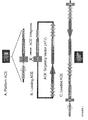
- FIG. 1 An example of this system is shown on Figure 1 .
- the system includes an entry vector that contains an expression cassette including a multiple cloning site for inserting a gene of interest ( Figure 1 ). This expression cassette is moved then into the ACE targeting vector (ATV) by using yeast homing endonucleases ( Figure 1 ).
- the ATV plasmid also carries a selectable marker gene (in this example neomycin) without a promoter.
- This vector has the recombination recognition site for the ACE integrase just upstream from the translation start of the selectable marker gene ( Figure 1 ).
- the ATV vector harboring the gene of interest is then co-transfected with a plasmid that expresses ACE integrase into a Platform-ACE carrying cell line.
- the ACE integrase catalyzes recombination between its recognition site on the Platform-ACE and on the ATV vector. This recombination is working in one direction (i.e. unidirectional), i.e.
- the ATV vector integrates into the ACE chromosome by site specific recombination event.
- This event results in the so called “loaded” ACE chromosome, where the gene of interest is built into the ACE ( Figure 1 ). It is possible to select for this event, because the site specific recombination is cleverly designed so that the promoterless neomycin marker gene gets a promoter and thereby the "loaded" ACE chromosome containing cells lines could be selected by Geneticin resistance.
- While the Platform-ACE chromosome has about 50 to 200 loading sites, which is alone very impressive, however, delivery vectors of this kind suffer from certain limitations. Specifically, these vectors can be loaded with as many gene of interest as many selectable marker genes are available and that number is seriously limited. This limits the number of useful genes that can be loaded onto the artificial chromosome. However, loading multiple genes onto the ACE chromosome may well be important (e.g. in multiple transgenesis experiments, examinations and understanding of biochemical pathways, development of therapeutic applications for cancer and complex diseases). There is a limited number of selection marker genes available and also there is a risk of serious side effects caused by the unwanted expression of these marker genes in mammalian cells, organs and organisms. Furthermore, some of the selectable marker genes may have unwanted side effects when they are expressed in high copy number in certain tissues and organs in the body. These facts limit the therapeutic applications of the ACE system.
- the present inventors have invented a novel method that makes it possible to load unlimited number of genes onto ACEs by using only two selectable marker genes that could be removed from the ACEs, before therapeutic applications.
- a new vector system is disclosed herein which can utilize only one selectable marker gene cassette for the delivery of the gene of interest and this vector can be recycled and used for new gene loading by utilizing a simple method.
- the genes of interest can be loaded onto mammalian artificial chromosomes, preferably an artificial chromosome expression system (ACEs), which comprise unidirectional recombination sites, preferably integrase recognition sites and promoters directly upstream from the recombination sites.
- ACEs artificial chromosome expression system
- the site specific recombination is designed so that the positive selectable marker is promoterless in the selectable marker gene cassette of the targeting vector (the loading vector or "superloading" vector) whereas gets a promoter upon integration into the chromosome and thereby the "loaded" ACE chromosome containing cells lines can be selected by the positive selectable marker.
- the promoterless positive selectable marker is therefore located just downstream from the integrase recognition site, i.e. sufficiently close to the promoter after integration so that expression may occur, i.e. the promoter and the gene become operably linked.
- the targeting vector also comprises a negative selectable marker gene together with an appropriate promoter and optionally other sequences facilitating expression of this marker gene.
- the negative selectable marker gene is transcribed from the opposite DNA strand compared to the positive selectable marker gene.
- the two selectable marker genes are flanked by two recombination sites which are or capable of functioning as deletion recombination sites.
- the expression cassette of the gene of interest is not within the removable DNA segment i.e. between the deletion recombination sites.
- both deletion recombination sites can be found on the targeting (superloading) vector.
- the same type of targeting vector with the same selectable markers can be applied and either the same or a different gene of interest can be loaded onto one or more further insertion recombination site(s) of the artificial chromosome.
- platform-ACE chromosome As a platform-ACE chromosome (platform ACEs) has about 50 to 200 loading sites, a large number of genes can be loaded onto this vector with the use of only two selectable marker genes. Moreover, no unnecessary foreign sequences remain on the loaded artificial chromosome, which provides a further advantage, in particular in gene therapy applications.
- system comprises further elements as follows.
- recombinases integrated or deletion or excision recombinases
- useful in the present invention can be provided by expression from expression vectors.
- the cells carrying the artificial chromosome may be engineered to express said recombinases.
- a variety of recombination sites can be applied according to the present invention.
- the att site can be applied as described among other in US2012064578 or in Lindenbaum M. et al. Nucleic Acids Research, 32(21) (2004 ).
- attB and attP sites are applied which, upon the unidirectional recombination, i.e. integration are converted onto attR and attL sites.
- the preferred integrase catalyzing integration is a bacterial lambda phage integrase specific to these sites.
- integrases as integrases from R4, TP901-1 and Bxb1 phages were found to mediate DNA recombination to attB and attP sites in mammalian cells [ Yamaguchi S et al. PLoS ONE 6(2) 17267 (2011 )].
- the recombination site attB is an approximately 33 base pair sequence containing two 9 base pair core type integrase binding sites and a 7 base pair long overlap region, whereas the attP site is approximately 240 base pair long and comprises sites for the integrase as well as sites for auxiliary proteins [see Landy A. Curr Opin Genet Dev. 3(5) 699-707. (1993 )].
- a deletion recombination site is a recombination site, which is suitable for deletion of a pre-selected DNA segment flanked by the recombination sites or specific elements thereof.
- a deleting recombination site can be a bi-directional recombination site if applied so that a DNA segment flanked by the recombination sites or site elements can be removed from a DNA molecule comprising said segment.
- An example for deleting recombination site is the loxP sites of the Cre/lox site-specific recombination system provided that two lox sites flanking the removable DNA segment are present in the same orientation on the DNA molecule.
- the Cre/lox recombination system is a system capable of inducing the following three types of recombination events:
- the Cre/lox system is applied as an unidirectional deleting recombination system, i.e. the lox sites (preferably two lox sites) are present only on the superloading vector (i.e. in cis) in the same orientation flanking the DNA segment to be removed so as to avoid both inversion and reciprocal exchange.
- any artificial chromosome expression system as defined herein can be applied provided that it meets the requirements as described herein for integration of the targenting vector or a part.
- Preferred ACEs are those disclosed by Lindenbaum et al. in US2012064578 .
- Highly preferred artificial chromosomes according to the invention are mammalian artificial chromosomes.
- ACEs of the invention Preferred basis for ACEs of the invention are SATACs that can be engineered in different mammalian species including humans, and can be purified and transferred into many types of recipient somatic cells and zygotes.
- Transgenic animals have successfully been generated with purified SATACs, and the transmission of the artificial chromosome through several generations has been achieved. Moreover, tissue-specific expression of a therapeutic gene in transgenic offspring has been demonstrated.
- Stable and heritable SATACs with large carrying capacity may serve as potential vectors for animal breeding and in production of humanized cells, tissues and organs for xenotransplantation.
- In vitro synthesized artificial chromosomes are artificial chromosomes that are produced by joining the essential components (at least the centromere, and origins of replication) in vitro.
- Preferred engineered chromosomes are amplification-based artificial chromosomes obtained by a so-called amplification event induced by introduction of heterologous nucleic acid into ribosomal DNA (rDNA) in a chromosome, resulting in chromosomal fragments comprising repeated segments, i.e. an ordered segmentation that can be visualized by known techniques, e.g. by anti-centromere antibodies and which cannot be observed in endogenous chromosomes.
- rDNA ribosomal DNA
- exemplary selectable markers are e.g. the neomycin and thymidine kinase selectable gene cassettes, which are preferred.
- the pSTRFP plasmid was produced by cloning the coding sequence of mCherry gene into the pST plasmid vector (from pmR-mCherry, Clontech, 632542).
- the pSTLZ plasmid was produced by cloning the coding sequence of beta-galactosidase gene into the pST plasmid vector (from pCH110, Amersham).
- the pCre-GFP plasmid was used to transiently express Cre recombinase to remove the neomycin-thymidine kinase selectable marker gene cassette flanked by direct loxP sites from ACE chromosomes (gift from Jim Downing's laboratory and available from Clontech Laboratories, Inc.).
- the pCXLamIntROK plasmid vector was used to transiently express ACE integrase for site-specific loading transgenes onto ACE chromosomes as previously described Lindenbaum M. et al. Nucleic Acids Research, 32(21) (2004 )
- the Platform ACE-carrying Y2913D-SFS Chinese hamster ovary (CHO DG44) cell line was obtained from Chromos Molecular Systems Inc. It was cultured in MEM alpha (Gibco, 22571), 5% FCS, streptomycin-penicillin (Gibco, 15070 - 063) and 10 mg/ml Puromycin (Sigma, P-7255).
- 1D9-16, RFPG18 and RFPG18-12 cell lines were cultured in the same medium as described above except that Puromycin was omitted.
- 1D9-16 and RFPG18-12 cell lines were cultured in the presence of 400 ug/ml G418 (Sigma, G-5013).
- RFPG18 cell line was cultured in the presence of 10 um ganciclovir (Sigma, G-2536).
- Plasmid transfection experiments were performed with the Superfect reagent (Qiagen, 301305) as described by the manufacturer.
- Fluorescence in situ hybridization (FISH) experiments were performed with a standard protocol. The following DNA sequence was labeled with FITC fluorescent dye and used as a probe: pPur (Clontech, 631601) plasmid for ACE detection. DNA probes were labeled either with Roche DIG Nick Translation Mix (1745816) or with Roche Biotin Nick Translation Mix (1745824).
- Genomic DNA samples were isolated with the Wizard Genomic DNA Purification Kit (Promega, A1125). Site-specific integration of transgenes into the ACE chromosome was detected by PCR experiments with the following primers: 193AF: 5'-ACCCCCTTGCGCTAATGCTCTGTTA and NeoRl 5'-TCGATGAATCCAGAAAAGCGGCCA. The expected product size is 818 bp.
- the new selectable marker gene cassette consists of a promoterless neomycin gene just downstream from the integrase recognition site and a thymidine kinase (derived from Herpes simplex virus) expression cassette including an SV40 promoter and an SV40 polyadenylation signal.
- the thymidine kinase expression unit is transcribed from the opposite DNA strand compared to the neomycin gene.
- the neomycin and thymidine kinase selectable gene cassette is flanked by loxP sites in direct orientation.
- LoxP is the recognition site for the site specific recombination enzyme, Cre. Cre enzyme is able to catalyze recombination between these two loxP sites, and by this event the whole selectable marker gene cassette is removed. This phenomenon is exploited in our gene loading system.
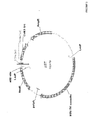
- This new type of ATV plasmid is called "superloading" vector (pST, Figure 2 ) and on overview of the "superloading" cycle is presented on Figure 3 .
- the first gene of interest is cloned into the superloading vector through the steps described before 7 . Since we report here a proof of concept experiment, we have chosen the coding sequence of mCherry red fluorescent protein (Discosoma sp .) as the first gene to load onto ACE and constructed the pSTRFP superloading vector. Then this superloading vector was transfected into the ACE carrying cell line along with the ACE integrase expressing vector. Twenty-four hours after transfection antibiotic selection was started by Geneticin to grow colonies that are carrying the superloading vector correctly targeted onto the ACE. Correct targeting to ACE was verified by PCR reactions specific to site-specific integration on purified genomic DNA samples from Geneticin antibiotic resistant cell lines.
- dGTP deoxyguanosine triphosphate
- This new DNA construct was called pSTLZ and it had contained the same selectable marker gene cassette flanked by direct repeats of loxP sites as the pSTRFP vector.
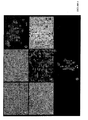
- the pSTLZ plasmid was co-transfected with the ACE integrase expressing plasmid into the RFPG18 cell line. Geneticin resistant cell lines were isolated. Correct ACE targeting was determined by site-specific PCR experiments. Cell lines were also tested for the positivity of LacZ staining ( Figure 4F ). Next we have sorted out those cell lines that demonstrated correct ACE targeting, were positive for LacZ staining ( Figure 4F ) and also emitted red fluorescence ( Figure 4E ). These cell lines were further analyzed for the size and chromosomal intactness of ACE chromosomes by FISH analysis ( Figure 4G ).
- the novel method and system according to the invention makes it possible to load a practically unlimited number of genes onto ACEs by using only two selectable marker genes that could be removed from the ACEs.
- the invention is useful in efficient production of gene products including pharmaceutical proteins, transgenic plants and animals.
- This novel technology could revolutionize gene therapeutic applications aimed at the treatment of complex disorders and cancers. It could also speed up cell therapy by allowing researchers to engineer a chromosome with a predetermined set of genetic factors that could help differentiate adult stem cells, embryonic stem cells and iPS cells into adult cell types with therapeutic value.
- ACE System artificial chromosome engineering system
Landscapes
- Genetics & Genomics (AREA)
- Health & Medical Sciences (AREA)
- Life Sciences & Earth Sciences (AREA)
- Engineering & Computer Science (AREA)
- Zoology (AREA)
- Wood Science & Technology (AREA)
- Organic Chemistry (AREA)
- Biomedical Technology (AREA)
- Chemical & Material Sciences (AREA)
- Biotechnology (AREA)
- General Engineering & Computer Science (AREA)
- Bioinformatics & Cheminformatics (AREA)
- Molecular Biology (AREA)
- Microbiology (AREA)
- Physics & Mathematics (AREA)
- Plant Pathology (AREA)
- Biophysics (AREA)
- Biochemistry (AREA)
- General Health & Medical Sciences (AREA)
- Mycology (AREA)
- Micro-Organisms Or Cultivation Processes Thereof (AREA)
- Cell Biology (AREA)
Applications Claiming Priority (1)
| Application Number | Priority Date | Filing Date | Title |
|---|---|---|---|
| HU1200662A HU230368B1 (hu) | 2012-11-16 | 2012-11-16 | Új módszer az emlős mesterséges kromoszóma több génnel való feltöltésére |
Publications (1)
| Publication Number | Publication Date |
|---|---|
| EP2907875A1 true EP2907875A1 (de) | 2015-08-19 |
Family
ID=67435798
Family Applications (1)
| Application Number | Title | Priority Date | Filing Date |
|---|---|---|---|
| EP13075089.6A Withdrawn EP2907875A1 (de) | 2012-11-16 | 2013-11-15 | Neues Verfahren zur Bereitstellung eines künstlichen Säuger-Chromosome mit mehreren Genen |
Country Status (3)
| Country | Link |
|---|---|
| US (1) | US20140295501A1 (de) |
| EP (1) | EP2907875A1 (de) |
| HU (1) | HU230368B1 (de) |
Cited By (2)
| Publication number | Priority date | Publication date | Assignee | Title |
|---|---|---|---|---|
| EP3443083A4 (de) * | 2016-04-12 | 2019-11-20 | SynPloid Biotek, LLC | Sequenzielle ladungen von mehreren freisetzungsvektoren unter verwendung eines einzigen auswählbaren markers |
| WO2023275720A1 (en) * | 2021-06-28 | 2023-01-05 | Inpamac Biotech Canada Inc. | Compositions, constructs, cells and methods for increased recombinant protein expression by site-specific integration |
Families Citing this family (9)
| Publication number | Priority date | Publication date | Assignee | Title |
|---|---|---|---|---|
| US11155836B2 (en) | 2015-02-09 | 2021-10-26 | CarryGenes Bioengineering | Compositions and methods for monitoring in real-time construction and bioengineering of mammalian synthetic chromosomes |
| CN108884475A (zh) * | 2016-04-11 | 2018-11-23 | 应用干细胞有限公司 | 转基因的位点特异性整合 |
| JP7497139B2 (ja) * | 2016-04-12 | 2024-06-10 | キャリージーンズ バイオエンジニアリング | 生合成経路を発現する合成染色体の作成方法及びその使用 |
| AU2017250265B2 (en) * | 2016-04-12 | 2023-08-17 | CarryGenes Bioengineering | Methods for creating synthetic chromosomes having gene regulatory systems and uses thereof |
| CA3046509A1 (en) | 2016-12-15 | 2018-06-21 | Synploid Biotek, Llc | Methods of cell renewal |
| WO2018169892A1 (en) * | 2017-03-15 | 2018-09-20 | Synploid Biotek, Llc | Compositions and methods of chromosomal silencing |
| WO2019050875A1 (en) | 2017-09-05 | 2019-03-14 | Synploid Biotek, Llc | LINEAR REPORTER SYNTHESIS CHROMOSOMES AND METHODS OF USE |
| CN109837307B (zh) * | 2017-11-24 | 2023-09-19 | 中国科学院脑科学与智能技术卓越创新中心 | 建立含外源染色体的胚胎干细胞的方法 |
| WO2021092204A1 (en) * | 2019-11-05 | 2021-05-14 | Spotlight Therapeutics | Methods and compositions for nucleic acid-guided nuclease cell targeting screen |
Citations (10)
| Publication number | Priority date | Publication date | Assignee | Title |
|---|---|---|---|---|
| EP0473253A1 (de) | 1990-05-09 | 1992-03-04 | Biological Research Center Of The Hungarian Academy Of Sciences | Säuger-Zentromere mit menschlichen DNS-Sequenzen, die mit einem dominanten Marker assoziiert sind |
| US5288625A (en) | 1991-09-13 | 1994-02-22 | Biologic Research Center Of The Hungarian Academy Of Sciences | Mammalian artificial chromosomes |
| WO1997040183A2 (en) | 1996-04-10 | 1997-10-30 | The Biological Research Center Of The Hungarian Academy Of Sciences | Artificial chromosomes, uses thereof and methods for preparing artificial chromosomes |
| EP0939120A1 (de) * | 1998-02-27 | 1999-09-01 | Gesellschaft für biotechnologische Forschung mbH (GBF) | Methode zum marker-freien, wiederholten Austausch von DNA-Expressionskassetten im Genom von Zellen oder Bestandteilen davon |
| US6077697A (en) | 1996-04-10 | 2000-06-20 | Chromos Molecular Systems, Inc. | Artificial chromosomes, uses thereof and methods for preparing artificial chromosomes |
| US20080295192A1 (en) | 1999-06-30 | 2008-11-27 | University Of Utah | Self-induced deletion of dna |
| US20110099644A1 (en) * | 2005-06-15 | 2011-04-28 | Yu-Wen Zhang | Mig-6 knockout mice and elucidation of association of mig-6 with early onset degenerative joint disease and role as a tumor suppressor |
| US20120064578A1 (en) | 2001-05-30 | 2012-03-15 | Edward Perkins | Chromosome-based platforms |
| US8695191B2 (en) | 2005-10-04 | 2014-04-15 | Sanyo Machine Works, Ltd. | Method and device for assembling swash plate-type fluid machine |
| US8835682B2 (en) | 2008-12-23 | 2014-09-16 | Chiesi Farmaceutici S.P.A. | Alkaloid aminoester derivatives and medicinal composition thereof |
-
2012
- 2012-11-16 HU HU1200662A patent/HU230368B1/hu not_active IP Right Cessation
-
2013
- 2013-11-15 EP EP13075089.6A patent/EP2907875A1/de not_active Withdrawn
- 2013-11-15 US US14/349,767 patent/US20140295501A1/en not_active Abandoned
Patent Citations (14)
| Publication number | Priority date | Publication date | Assignee | Title |
|---|---|---|---|---|
| US5891691A (en) | 1990-05-09 | 1999-04-06 | The Biological Research Center Of The Hungarian Academy Of Sciences | Method of producing a cell carrying an excess of mammalian centromeres and the cell line carrying an excess of mammalian centromeres |
| EP0473253A1 (de) | 1990-05-09 | 1992-03-04 | Biological Research Center Of The Hungarian Academy Of Sciences | Säuger-Zentromere mit menschlichen DNS-Sequenzen, die mit einem dominanten Marker assoziiert sind |
| US5712134A (en) | 1990-05-09 | 1998-01-27 | The Biological Research Center Of The Hungarian Academy Of Sciences | Method of producing a cell carrying an excess of mammalian centromeres |
| US5288625A (en) | 1991-09-13 | 1994-02-22 | Biologic Research Center Of The Hungarian Academy Of Sciences | Mammalian artificial chromosomes |
| US6025155A (en) | 1996-04-10 | 2000-02-15 | Chromos Molecular Systems, Inc. | Artificial chromosomes, uses thereof and methods for preparing artificial chromosomes |
| WO1997040183A2 (en) | 1996-04-10 | 1997-10-30 | The Biological Research Center Of The Hungarian Academy Of Sciences | Artificial chromosomes, uses thereof and methods for preparing artificial chromosomes |
| US6077697A (en) | 1996-04-10 | 2000-06-20 | Chromos Molecular Systems, Inc. | Artificial chromosomes, uses thereof and methods for preparing artificial chromosomes |
| US6743967B2 (en) | 1996-04-10 | 2004-06-01 | Chromos Molecular Systems Inc. | Artificial chromosomes, uses thereof and methods for preparing artificial chromosomes |
| EP0939120A1 (de) * | 1998-02-27 | 1999-09-01 | Gesellschaft für biotechnologische Forschung mbH (GBF) | Methode zum marker-freien, wiederholten Austausch von DNA-Expressionskassetten im Genom von Zellen oder Bestandteilen davon |
| US20080295192A1 (en) | 1999-06-30 | 2008-11-27 | University Of Utah | Self-induced deletion of dna |
| US20120064578A1 (en) | 2001-05-30 | 2012-03-15 | Edward Perkins | Chromosome-based platforms |
| US20110099644A1 (en) * | 2005-06-15 | 2011-04-28 | Yu-Wen Zhang | Mig-6 knockout mice and elucidation of association of mig-6 with early onset degenerative joint disease and role as a tumor suppressor |
| US8695191B2 (en) | 2005-10-04 | 2014-04-15 | Sanyo Machine Works, Ltd. | Method and device for assembling swash plate-type fluid machine |
| US8835682B2 (en) | 2008-12-23 | 2014-09-16 | Chiesi Farmaceutici S.P.A. | Alkaloid aminoester derivatives and medicinal composition thereof |
Non-Patent Citations (25)
| Title |
|---|
| CSONKA, E. ET AL.: "Novel generation of human satellite DNA-based artificial chromosomes in mammalian cells", J.CELL SCI, vol. 113, 2000, pages 3207 - 3216, XP002331033 |
| DUNCAN, A.; HADLACZKY, G.: "Chromosomal engineering", CURR. OPIN. BIOTECHNOL, vol. 18, 2007, pages 420 - 424, XP022350912, DOI: doi:10.1016/j.copbio.2007.09.004 |
| HADLACZKY ET AL., PROC.NATL.ACAD.SCI.U.S.A, vol. 88, 1991, pages 8106 - 8110 |
| HADLACZKY, G, CURR.OPIN.MOL.THER, vol. 3, 2001, pages 125 - 132 |
| HADLACZKY, G: "Satellite DNA-based artificial chromosomes for use in gene therapy", CURR:OPIN. L.T ER, vol. 3, 2001, pages 125 - 132, XP002956897 |
| KATONA R L ET AL: "A combined artificial chromosome-stem cell therapy method in a model experiment aimed at the treatment of Krabbe's disease in the Twitcher mouse", CMLS CELLULAR AND MOLECULAR LIFE SCIENCES, vol. 65, no. 23, 14 October 2008 (2008-10-14), BIRKHÄUSER-VERLAG, BA, pages 3830 - 3838, XP019652167, ISSN: 1420-9071, DOI: 10.1007/S00018-008-8442-2 * |
| KATONA, R.L. ET AL.: "A combined artificial chromosome-stem cell therapy method in a model experiment aimed at the treatment of Krabbe's disease in the Twitcher mouse", CELL. MOL. LIFE SCI, vol. 65, 2008, pages 3830 - 3838, XP019652167, DOI: doi:10.1007/s00018-008-8442-2 |
| KENNARD M. L.: "Mammalian Chromosome Engineering", METHODS IN MOLECULAR BIOLOGY, vol. 738, 2011, pages 217 - 238 |
| KUROIWA Y ET AL.: "Manipulation of human minichromosomes to carry greater than megabase-sized chromosome inserts", NATURE BIOTECHNOL, vol. 18, 2000, pages 1086 - 1090, XP002949330, DOI: doi:10.1038/80287 |
| KUROIWA Y ET AL: "MANIPULATION OF HUMAN MINICHROMOSOMES TO CARRY GREATER THAN MEGABASE-SIZED CHROMOSOME INSERTS", NATURE BIOTECHNOLOGY, vol. 18, 1 October 2000 (2000-10-01), NATURE PUBLISHING GROUP, US, pages 1086 - 1090, XP002949330, ISSN: 1087-0156, DOI: 10.1038/80287 * |
| LANDY A., CURR OPIN GENET DEV., vol. 3, no. 5, 1993, pages 699 - 707 |
| LINDENBAUM M. ET AL., NUCLEIC ACIDS RESEARCH, vol. 32, no. 21, 2004 |
| LINDENBAUM M. ET AL., NUCLEIC ACIDS RESEARCH, vol. 32, no. 21, 2004, pages EL72 |
| LINDENBAUM M. ET AL.: "A mammalian artificial chromosome engineering system (ACE System) applicable to biopharmaceutical protein production, transgenesis and gene-based cell therapy", NUCLEIC ACIDS RESEARCH, vol. 32, no. 21, 2004, XP002741726, DOI: doi:10.1093/nar/gnh169 |
| LINDENBAUM MICHAEL ET AL: "A mammalian artificial chromosome engineering system (ACE System) applicable to biopharmaceutical protein production, transgenesis and gene-based cell therapy.", NUCLEIC ACIDS RESEARCH, vol. 32, no. 21, E172, 2004, pages 1 - 15, XP002741726, ISSN: 1362-4962 * |
| LINDENBAUM, M. ET AL., NUCLEIC ACIDS RES, vol. 32, 2004, pages E 172 |
| MORTENSEN, R.; CHESTNUT, J. D.; HOEFFLER, J. P; KINGSTON, R. E.: "Selection ofTransfected Mammalian Cells", CURRENT PROTOCOLS IN NEUROSCIENCE, 2001, pages 4.6.1 - 4.6.20 |
| NAGY ANDRAS: "Cre Recombinase: The Universal Reagent for Genome Tailoring", GENESIS, vol. 26, 2000, pages 99 - 109, XP002274068 |
| NERN, A ET AL., PNAS, vol. 108, no. 34, 2011, pages 14198 - 14203 |
| PRAZNOVSZKY ET AL.: "De novo chromosome formation in rodent cells", PROC. NATL. ACAD. SCI. U.S.A, vol. 88, 1991, pages 11042 - 11046, XP002037029, DOI: doi:10.1073/pnas.88.24.11042 |
| TOTH ANNA ET AL: "Novel Method to Load Multiple Genes onto a Mammalian Artificial Chromosome", PLOS ONE, vol. 9, no. 1, E85565, January 2014 (2014-01-01), pages 1 - 9, XP002741725 * |
| VILE R.: "Selectable Markers for Eukaryotic Cells", PRACTICAL MOLECULAR VIROLOGY: VIRAL VECTORS FOR GENE EXPRESSION SERIES: METHODS IN MOLECULAR BIOLOGY, vol. 8, 1991, pages 49 - 60 |
| YAMAGUCHI S ET AL., PLOS ONE, vol. 6, no. 2, 2011, pages 17267 |
| YAMAGUCHI S ET AL.: "A Method for Producing Transgenic Cells Using a Multi-Integrase System on a Human Artificial Chromosome Vector", PLOS ONE, vol. 6, no. 2, 2011, pages 17267, XP002741727, DOI: doi:10.1371/journal.pone.0017267 |
| YAMAGUCHI SHIGEYUKI ET AL: "A Method for Producing Transgenic Cells Using a Multi-Integrase System on a Human Artificial Chromosome Vector", PLOS ONE, vol. 6, no. 2, E17267, February 2011 (2011-02-01), XP002741727 * |
Cited By (4)
| Publication number | Priority date | Publication date | Assignee | Title |
|---|---|---|---|---|
| EP3443083A4 (de) * | 2016-04-12 | 2019-11-20 | SynPloid Biotek, LLC | Sequenzielle ladungen von mehreren freisetzungsvektoren unter verwendung eines einzigen auswählbaren markers |
| WO2023275720A1 (en) * | 2021-06-28 | 2023-01-05 | Inpamac Biotech Canada Inc. | Compositions, constructs, cells and methods for increased recombinant protein expression by site-specific integration |
| WO2024003606A1 (en) * | 2021-06-28 | 2024-01-04 | Inpamac Biotech Canada Inc. | Constructs, compositions, cells and methods for increased recombinant protein expression by targeted integration and amplification |
| WO2024003607A1 (en) * | 2021-06-28 | 2024-01-04 | Inpamac Biotech Canada Inc. | Constructs, compositions, cells and methods for cell therapy |
Also Published As
| Publication number | Publication date |
|---|---|
| HUP1200662A2 (en) | 2014-05-28 |
| HU230368B1 (hu) | 2016-03-29 |
| US20140295501A1 (en) | 2014-10-02 |
Similar Documents
| Publication | Publication Date | Title |
|---|---|---|
| EP2907875A1 (de) | Neues Verfahren zur Bereitstellung eines künstlichen Säuger-Chromosome mit mehreren Genen | |
| Feng et al. | Site-specific chromosomal integration in mammalian cells: highly efficient CRE recombinase-mediated cassette exchange | |
| Wirth et al. | Road to precision: recombinase-based targeting technologies for genome engineering | |
| CA3036926C (en) | Modified stem cell memory t cells, methods of making and methods of using same | |
| Kouprina et al. | A new generation of human artificial chromosomes for functional genomics and gene therapy | |
| Dieken et al. | Efficient modification of human chromosomal alleles using recombination-proficient chicken/human microcell hybrids | |
| Katoh et al. | Construction of a novel human artificial chromosome vector for gene delivery | |
| US20010008025A1 (en) | Artificial chromosomes, uses thereof and methods for preparing artificial chromosomes | |
| Kouprina et al. | Human artificial chromosome with regulated centromere: a tool for genome and cancer studies | |
| KR20170096999A (ko) | 신규한 cho 통합 부위 및 이의 용도 | |
| JP7418796B2 (ja) | 細胞株の開発のための相同組換えベクターの高速生成のためのdnaプラスミド | |
| US20230159958A1 (en) | Methods for targeted integration | |
| EP2449115A2 (de) | Verfahren und kits für die leistungsstarke manipulation von bedingten maus-allelen | |
| Toth et al. | Novel method to load multiple genes onto a mammalian artificial chromosome | |
| US20250340866A1 (en) | A screening method | |
| WO1998037175A1 (en) | Method of constructing vectors for homologous recombination directed mutagenesis | |
| US6924146B1 (en) | Method of constructing vectors for homologous recombination directed mutagenesis | |
| JP2017201975A (ja) | ベクターシステム、遺伝子発現方法、標的遺伝子ノックアウト方法、標的遺伝子ノックダウン方法、標的遺伝子編集方法、及び遺伝子発現キット | |
| JP5999602B2 (ja) | 遺伝子ターゲティングベクター、その作製方法及び利用方法 | |
| JP2002515764A (ja) | 組換え不能細胞において核酸の相同的組換えに基づく修飾を前成する方法及びその修飾した核酸産物の使用 | |
| Nehlsen et al. | Replicating minicircles: overcoming the limitations of transient and stable expression systems | |
| US20260125678A1 (en) | Dna immortalization construct and performing primary cell immortalization | |
| Kumari et al. | Transgenic animals in biotechnology | |
| EP4361265A1 (de) | Optimierung der bearbeitungswirksamkeit von crispr-nukleasen mit kollateraler aktivität | |
| CA2429724C (en) | Artificial chromosomes, uses thereof and methods for preparing artificial chromosomes |
Legal Events
| Date | Code | Title | Description |
|---|---|---|---|
| PUAI | Public reference made under article 153(3) epc to a published international application that has entered the european phase |
Free format text: ORIGINAL CODE: 0009012 |
|
| AK | Designated contracting states |
Kind code of ref document: A1 Designated state(s): AL AT BE BG CH CY CZ DE DK EE ES FI FR GB GR HR HU IE IS IT LI LT LU LV MC MK MT NL NO PL PT RO RS SE SI SK SM TR |
|
| AX | Request for extension of the european patent |
Extension state: BA ME |
|
| XX | Miscellaneous (additional remarks) |
Free format text: EURO-PCT APPLICATION 13843030.1 (PCT/IB2013/060167, NOT PUBLISHED) CONTINUES NOW AS EUROPEAN APPLICATION EP 13075089.6. |
|
| STAA | Information on the status of an ep patent application or granted ep patent |
Free format text: STATUS: THE APPLICATION IS DEEMED TO BE WITHDRAWN |
|
| 18D | Application deemed to be withdrawn |
Effective date: 20160220 |