EP2911364B1 - Verfahren und vorrichtung zur verwaltung von zugangsinformationen zur registrierung einer vorrichtung in einem intelligenten heimdienst - Google Patents
Verfahren und vorrichtung zur verwaltung von zugangsinformationen zur registrierung einer vorrichtung in einem intelligenten heimdienst Download PDFInfo
- Publication number
- EP2911364B1 EP2911364B1 EP15155192.6A EP15155192A EP2911364B1 EP 2911364 B1 EP2911364 B1 EP 2911364B1 EP 15155192 A EP15155192 A EP 15155192A EP 2911364 B1 EP2911364 B1 EP 2911364B1
- Authority
- EP
- European Patent Office
- Prior art keywords
- controller
- controlled device
- validity period
- period
- service server
- Prior art date
- Legal status (The legal status is an assumption and is not a legal conclusion. Google has not performed a legal analysis and makes no representation as to the accuracy of the status listed.)
- Active
Links
Images



Classifications
-
- H—ELECTRICITY
- H04—ELECTRIC COMMUNICATION TECHNIQUE
- H04L—TRANSMISSION OF DIGITAL INFORMATION, e.g. TELEGRAPHIC COMMUNICATION
- H04L63/00—Network architectures or network communication protocols for network security
- H04L63/08—Network architectures or network communication protocols for network security for authentication of entities
- H04L63/083—Network architectures or network communication protocols for network security for authentication of entities using passwords
- H04L63/0846—Network architectures or network communication protocols for network security for authentication of entities using passwords using time-dependent-passwords, e.g. periodically changing passwords
-
- H—ELECTRICITY
- H04—ELECTRIC COMMUNICATION TECHNIQUE
- H04L—TRANSMISSION OF DIGITAL INFORMATION, e.g. TELEGRAPHIC COMMUNICATION
- H04L41/00—Arrangements for maintenance, administration or management of data switching networks, e.g. of packet switching networks
- H04L41/08—Configuration management of networks or network elements
- H04L41/0803—Configuration setting
- H04L41/0813—Configuration setting characterised by the conditions triggering a change of settings
- H04L41/0816—Configuration setting characterised by the conditions triggering a change of settings the condition being an adaptation, e.g. in response to network events
-
- H—ELECTRICITY
- H04—ELECTRIC COMMUNICATION TECHNIQUE
- H04L—TRANSMISSION OF DIGITAL INFORMATION, e.g. TELEGRAPHIC COMMUNICATION
- H04L12/00—Data switching networks
- H04L12/28—Data switching networks characterised by path configuration, e.g. LAN [Local Area Networks] or WAN [Wide Area Networks]
- H04L12/2803—Home automation networks
- H04L12/2807—Exchanging configuration information on appliance services in a home automation network
- H04L12/2809—Exchanging configuration information on appliance services in a home automation network indicating that an appliance service is present in a home automation network
-
- H—ELECTRICITY
- H04—ELECTRIC COMMUNICATION TECHNIQUE
- H04L—TRANSMISSION OF DIGITAL INFORMATION, e.g. TELEGRAPHIC COMMUNICATION
- H04L12/00—Data switching networks
- H04L12/28—Data switching networks characterised by path configuration, e.g. LAN [Local Area Networks] or WAN [Wide Area Networks]
- H04L12/2803—Home automation networks
- H04L12/2823—Reporting information sensed by appliance or service execution status of appliance services in a home automation network
- H04L12/2825—Reporting to a device located outside the home and the home network
-
- H—ELECTRICITY
- H04—ELECTRIC COMMUNICATION TECHNIQUE
- H04L—TRANSMISSION OF DIGITAL INFORMATION, e.g. TELEGRAPHIC COMMUNICATION
- H04L67/00—Network arrangements or protocols for supporting network services or applications
- H04L67/50—Network services
- H04L67/60—Scheduling or organising the servicing of application requests, e.g. requests for application data transmissions using the analysis and optimisation of the required network resources
-
- H—ELECTRICITY
- H04—ELECTRIC COMMUNICATION TECHNIQUE
- H04L—TRANSMISSION OF DIGITAL INFORMATION, e.g. TELEGRAPHIC COMMUNICATION
- H04L9/00—Cryptographic mechanisms or cryptographic arrangements for secret or secure communications; Network security protocols
- H04L9/32—Cryptographic mechanisms or cryptographic arrangements for secret or secure communications; Network security protocols including means for verifying the identity or authority of a user of the system or for message authentication, e.g. authorization, entity authentication, data integrity or data verification, non-repudiation, key authentication or verification of credentials
- H04L9/321—Cryptographic mechanisms or cryptographic arrangements for secret or secure communications; Network security protocols including means for verifying the identity or authority of a user of the system or for message authentication, e.g. authorization, entity authentication, data integrity or data verification, non-repudiation, key authentication or verification of credentials involving a third party or a trusted authority
- H04L9/3213—Cryptographic mechanisms or cryptographic arrangements for secret or secure communications; Network security protocols including means for verifying the identity or authority of a user of the system or for message authentication, e.g. authorization, entity authentication, data integrity or data verification, non-repudiation, key authentication or verification of credentials involving a third party or a trusted authority using tickets or tokens, e.g. Kerberos
Definitions
- the present invention generally relates to access information management, and more particularly, to a method and an apparatus for managing access information for registration of a device in a smart home service.
- Electrical and electronic appliances that are used in home are able to be connected to a wired/wireless system to enable bidirectional communication.
- a smart home service of a smart phone is able to control these appliances.
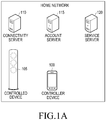
- FIG. 1A shows a configuration of a home network that offers a general smart home service.
- the home network includes a controller device 100, a controlled device 105, a connectivity server 110, an account server 115, and a service server 120.
- the controller device 100 enables a user to check a status of a home appliance used in the smart home service or to control the home appliance.
- the controller device 100 may be embodied as a mobile device or a television (TV).
- the controlled device 105 is controlled by the controller device 100, and may be embodied as a home appliance, such as a washing machine, an air conditioner, etc.
- the account server 115 manages the user's account with respect to the controller device 100. When the user logs in, the account server 115 enables the controller device 100 to connect to the connectivity server 110 and the service server 120 based on the user's log-in information.
- the connectivity server 110 establishes a communication channel for message transfer between the controller device 100 and the controlled device 105.
- the connectivity server 110 also provides presence information informing whether the corresponding appliance can connect to the connectivity server 110, and a Network Address Translation (NAT) Traversal function for allowing remote interconnection by passing through a fire wall.
- the connectivity server 110 and the account server 115 are common servers that can be used in other services as well as the smart home service.
- the service server 120 is dedicated to the smart home service, and stores and manages information about smart home devices for circulation of information about smart home devices. Also, the service server 120 may manage all information for controlling smart home devices. The user can access the service server 120 using a smart home mobile application that is executed on the controller device 100 to newly register or read device information, or to register, read, or delete control information for centrally controlling controlled devices for the smart home service.
- WO 2013/175901 discloses a method of generating a token required to transfer an access authority to a cooperating system to a cooperation asking system.
- a refresh token is issued to update a token without confirmation to a user after a valid period of a token has expired.
- An access management service stores a refresh token issued at the time of first authorization processing linked to tokens reissued when a series of token is issued using refresh tokens. Then, upon designation of the refresh token issued first, all refresh tokens linked to the refresh token issued first are invalidated.
- an aspect of the present invention provides a method and an apparatus for managing access information for registration of a device in a smart home service.
- a method for managing access information for registration of a device by a controller device in a smart home service, the method comprising the steps of: checking a validity period of a refresh token for updating an access token of the controlled device included in a device list for the smart home service, wherein the device list is received from a service server; and requesting, by the controller device, the service server to re-register the controlled device, if a period from a current time until an end of the validity period is less than a predetermined threshold period.
- a method for managing access information for registration of a device by a service server in a smart home service comprising the steps of: transmitting a device list for the smart home service, to a controller device, which is requested by the controller device and includes information for checking a validity period of a refresh token of the controlled device; and receiving from the controller device a request for re-registering the controlled device if a period from a current time until an end of the validity period is less than a predetermined threshold period.
- a controller device in a smart home service includes a transceiver and a controller.
- the transceiver is configured to receive from a service server a device list for the smart home service.
- the controller is configured to check a validity period of a refresh token for updating an access token of the controlled device included in the device list, and to control the transceiver to request the service server to re-register the controlled device if a period from a current time until an end of the validity period is less than a predetermined threshold period.
- a service server in a smart home service includes a transceiver and a controller.
- the controller is control the transceiver to transmit to a controller device a device list which is requested by the controller device and includes information for checking a validity period of a refresh token of the controlled device, control the transceiver to receive from the controller device a request for re-registering the controlled device, if a period from a current time until an end of the validity period is less than a predetermined threshold period.
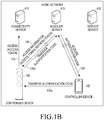
- FIG. 1B is a diagram illustrating a method of registering a device for a general smart home service.
- the method of registering a device for a general smart home service is described based on a home network shown in FIG. 1A . It is assumed that a user executes a smart home application on the controller device 100. If an IDentifier (ID) and a password are input, the user may log into the account server 115. Since the log-in state is maintained for a predetermined validity period, as long as the user does not logs out, the user does not need to again log into the account server 115 for the predetermined validity period.
- IDentifier IDentifier
- the user may log into the account server 115. Since the log-in state is maintained for a predetermined validity period, as long as the user does not logs out, the user does not need to again log into the account server 115 for the predetermined validity period.
- the user wants to use a smart home service using the controller device 100 the user needs to discover devices for the smart home service, and
- the user may select a controlled device 105 from among the discovered devices as a device that is to be registered in the connectivity server 110.
- device to device authentication between the controller device 100 and the controlled device 105 may be performed in order to transmit/receive information between the controller device 100 and the controlled device 105.
- the device discovery, information collection, and authentication, as described above, must be performed before the controlled device 105 is registered in the connectivity server 110.step
- the controller device 100 requests the account server 115 to send an authentication code, and acquires the authentication code from the account server 115, in order to register the controlled device 105 in the connectivity server 110, in step 130.
- the authentication code is a kind of key value for acquiring an access token that is used by the controlled device 105 from the account server 115.
- the controller device 100 transfers the authentication code to the controlled device 105, in step 135a. At this time, the authentication code may be transferred together with an ID.
- the controlled device 105 transfers the authentication code to the account server 115, in step 135b.
- the account server 115 receives the authentication code, and verifies whether the authentication code has been issued by the account server 115.
- the account server 115 transfers access information to the controlled device 105, in step 140.
- the access information may include, for example, an access token and a refresh token.
- the access token is used as a value for authenticating authority for use of the controlled device 105 through the connectivity server 110.
- the access token has a predetermined validity period, and if the predetermined validity period expires, the access token is no longer valid. Accordingly, the access token needs to be updated within the predetermined validity period. When the access token is updated, the refresh token is used.
- the controlled device 105 may inform the controller device 100 of the successful reception of the access token.
- the controller device 100 may receive device information from the controlled device 105, and perform a procedure for registering the controlled device 105 in the service server 120.
- the service server 120 may perform a registration procedure of including the controlled device 105 in a device list for the smart home service, and then transfer registration-related information to the controlled device 105.
- the controlled device 105 accesses the connectivity server 110 using the registration-related information and the access token, in step 145.
- a validity period of the access token may be set to be different from a validity period of the refresh token.
- FIG. 1C is a diagram illustrating a problem that occurs in the method of registering the device for the general smart home service.
- the validity period of the access token may be set to 30 days, and the validity period of the refresh token may be set to 90 days.
- the controlled device 105 requests access to the connectivity server 110 using an access token with a refresh token whose validity period has expired, in step 150.
- the connectivity server 110 determines that the access token is invalid, and determines that registration of the controlled device 105 is disallowed.
- the connectivity server 110 requests the controller device 100 to check whether the controlled device 105 is available in the smart home service, that is, the presence of the controlled device 105, in step 160a.
- the controller device 100 receives the presence check request, and discovers the controlled device 105, in step 160b. However, since the validity period of the controlled device 105 has already expired, although it has connected to the connectivity server 110 through the registration procedure described above, the controller device 100 determines the controlled device 105 as a "connection-disabled device", in step 165.
- step the service server 120 transfers the information of the controlled device 105 to the controller device 100 when the smart home application is executed on the controller device 100, in step 155. Then, a problem occurs in which the controlled device 105 appears in a connection-disabled state in an available device list on the smart home application or the controlled device 105 does not appear in the available device list.
- a problem which involves the disabling of a connection to a connectivity service since access information of a device can be not recognized, can be resolved.
- an account server updates access information of controlled devices, and transfers the updated access information to a service server.
- the service server manages validity periods of access information for devices for a smart home service, based on the updated access information.
- the service server also includes the updated access information in a device list, and transfers the device list to a controller device.
- the controller device determines whether a validity period of access information of a controlled device has expired by checking the validity periods of access information for devices included in the device list.
- the service server maps a validity period of a refresh token included in access information of each device included in the stored device list, and transfers the device list to the controller device according to a request from the controller device.
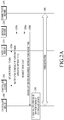
- FIG. 2A is a diagram illustrating a method of managing access information of devices for a smart home service, according to an embodiment of the present invention.
- a home network includes a controller device 200, a controlled device 205, a connectivity server 210, an account server 215, and a service server 220. It is assumed that the controlled device 205 has been registered for a general smart home service through the controller device 200 and the connectivity server 210, and that the validity period of a refresh token of an already acquired access token with respect to the controlled device 205 has expired.
- the account server 215 updates refresh tokens of controlled devices, and transfers the update result to the service server 220. For example, the account server 215 updates a refresh token of the controlled device 205, in step 225a. The controlled device 205 notifies the service server 220 of the updated refresh token, in step 225b.
- the service server 220 receives the updated refresh tokens of the controlled devices from the account server 215, and manages validity periods of the refresh tokens of the controlled devices. For example, the service server 220 may map a user ID of the controlled device 205 to a Unique User IDentifier (UUID), Info, status, refresh time, etc. of the controller device 205, and store the results of the mapping.
- UUID Unique User IDentifier
- Info represents a model name, manufacturing company, specification, etc. of the controlled device 205
- status represents an step mode, setting information, etc. of the controlled device 205.
- the status may include step mode information, which is one of blowing, cooling, sleep mode, setting temperature, and wind speed.
- the refresh time represents a time at which the validity period of the corresponding refresh token expires.
- the refresh time may be stored in the form of year/month/date: YY/mm/dd.
- the service server 220 may update a current refresh time of each controlled device to a "refresh time" acquired from the update result.
- the service server 220 transfers a device list to the controller device 200 in response to the request, in step 230b.
- the device list may include resources of devices and updated refresh times. Accordingly, if the controller device 200 receives the device list, the controller device 200 determines connectivity states of devices determined to be connected for the smart home service, that is, whether the refresh token of the corresponding device has expired, in step 235, as described in greater detail below with respect to FIG. 2B .
- FIG. 2B is a flowchart illustrating an step in which the controller device checks access information of devices based on the device list acquired from the service server, according to the embodiment of the present invention illustrated in FIG. 2A .
- the controller device 200 checks a validity period of a refresh token of a controlled device (for example, the controlled device 205) determined to be connected for the smart home service, from the received device list, instep step 250.
- the controller device 200 determines whether a period from a current time to a refresh time of the refresh token exceeds a maximum threshold period, in order to notify updating of a validity period, instep step 255.
- the period from the current time to the refresh time may be calculated by subtracting the current time from the refresh time.
- the controller device 200 determines that the period from the current time to the refresh time does not exceed the maximum threshold period, the controller device 200 notifies the user that the controlled device 205 needs to be re-registered, instep step 260.
- a notification informing that the controller device 200 needs to be re-registered may be displayed in the form of a pop-up window on an application for the smart home service. If the controller device 200 determines that the period from the current time to the refresh time exceeds the maximum threshold period, the service server 200 terminates step.
- the controller device 200 receives the re-registration notification, and perform a procedure of re-registering the controlled device 205 in the service server 220, in step 240.
- the re-registration procedure may depend on whether the controlled device 205 is discovered in a procedure of discovering devices for the smart home service. If the controlled device 205 is discovered, the controller device 200 may perform a re-registration procedure with the service server 220. However, if the controlled device 205 is not discovered, the controller device 200 may perform a re-registration procedure for connecting the controlled device 205 to the service server 220 and registering the controlled device 205 in the service server 220.
- a procedure of collecting device information may be omitted since the controller device 200 has acquired device information of the controlled device 205 through the service server 220 in the previous registration procedure. Also, since access-related information acquired from the account server 215, that is, the refresh token, has expired, the controller device 200 may perform a registration procedure for registering the controlled device 205 in the connectivity server 210, as described above with reference to FIG. 1B .
- a controlled device transfers the update result to a service server.
- the service server then manages validity periods of refresh tokens for devices.
- the service server checks validity periods of devices included in a device list to thereby determine whether the validity period of the corresponding device has expired.
- the service server sets a re-registration flag indicating whether a validity period of a refresh token of each of devices included in the stored device list has expired, and transfers the resultant device list to a controller device according to a request from the controller device.
- the controller device checks the set re-registration flag from the device list received from the service server to determine whether the validity period of a refresh token of the corresponding device has expired.
- FIG. 3A is a diagram illustrating a method of managing access information of devices for a smart home service, according to an embodiment of the present invention.
- a home network includes a controller device 300, a controlled device 305, a connectivity server 310, an account server 315, and a service server 320. It is assumed that the controlled device 305 has been registered for a general smart home service through the controller device 300 and the connectivity server 310, and that the validity period of a refresh token of an already acquired access token with respect to the controlled device 305 has expired.
- the account server 315 updates a refresh token of the controlled device 305, and transfers the updated refresh token to the controlled device 305, in step 330.
- the controlled device 305 notifies the service server 320 of the update result, in step 335.
- the update result may include Refresh Token Issue Time, which is a time at which the refresh token is updated.
- the service server 320 receives a request for a device list from the controller device 300, in step 340, the service server 320 manages validity times of refresh tokens of devices, in step 345, as in the embodiment of FIG. 2A . That is, the service server 320 maps a user ID of the controlled device 305 to a UUID, Info, status, refresh time, etc., of the controlled device 305, and stores the results of the mapping. The service server 320 updates a current refresh time of each controlled device to a "refresh time" acquired from the update result.
- the service server 320 determines whether validity periods of devices registered by the controller device 300 have expired, based on a device list of the devices, and sets and manages re-registration flags according to the results of the determination.
- the re-registration flag is an indicator indicating that a refresh token of the corresponding device needs to be updated.
- FIG. 3B is a flowchart illustrating step in which the service server manages a validity period of a refresh token for each device included in the device list, according to the embodiment of the present invention illustrated in FIG. 3A .
- the service server 320 checks validity periods of refresh tokens of devices included in the stored device list, in step 346.
- the service server 320 determines whether a period to a refresh time of a refresh token of each device exceeds a maximum threshold period set in advance in order to notify of the updating of a validity period. The period to the refresh time may be calculated by subtracting the current time from the refresh time. If the service server 320 determines that the period to the refresh time does not exceed the maximum threshold period, the service server 320 sets a re-registration flag of the corresponding device, instep step 348. If the service server 320 determines that the period to the refresh time exceeds the maximum threshold period, the service server 320 terminates step.
- the service server 320 transfers the device list to the controller device 300, in step 350.
- the device list may include resource information of devices and Refresh Token Issue Time, which is a time at which the refresh token of each device is updated.
- the controller device 300 receives the device list, and determines whether the validity period of the refresh token of the controlled device 305 has expired, in step 355, as described in greater detail below with respect to FIG. 3C .
- FIG. 3C is a flowchart illustrating an step in which the controller device determines whether a validity period of a refresh token of the controlled device has expired, according to the embodiment of the present invention illustrated in FIG. 3A .
- the controller device 300 acquires a re-registration flag of each device from the received device list, instep step 356.
- the controller device 300 determines whether there is a device with a set re-registration flag, instep step 357. If the controller device 300 discovers a device with a set re-registration flag, the controller device 300 notifies a user that the device has been re-registered, instep step 358. If the controller device 300 determines that there is no device with a set re-registration flag, the controller device 300 terminates step.
- the controller device 300 determines that the validity period of the refresh token of the controlled device 305 has expired, and notifies a user that the controlled device 305 has been re-registered.
- the controller device 300 transfers a service right request to the account server 315, in step 360a.
- the service right request may include an application ID and a password for the smart home service.
- the account server 315 identifies the controller device 300 based on the application ID and the password, and transfers a service right response to the controller device 300, in step 360b.
- the service right response may include an authentication code.
- the controller device 300 performs device-to-device authentication with the controlled device 305, in step 365.
- the controller device 300 transfers a request for registration in the connectivity server 310 to the controlled device 305, in step 370.
- the registration request may include the authentication code acquired from the account server 315.
- the controlled device 305 transfers an access information request including the authentication code to the account server 315, in step 380a.
- the account server 315 transfers access information (that is, an access token and a refresh token) corresponding to the access information request to the controlled device 305, in step 380b.
- the controlled device 305 logs into the connectivity server 310 using the access token, in step 385, and notifies the controller device 300 of registration in the connectivity server 310, in step 390.
- a controller device determines whether a validity period of a refresh token of a controlled device has expired based on Refresh Token Issue Time included in a device list acquired from a service server. If the controller device determines that the validity period of the refresh token of the controlled device has expired, the controller device requests the service server to re-register the controlled device, and to set a flag indicating that a request for re-register of the device. The service server re-registers the device, sets the flag according to the request from the controller device, and transfers a device list including the flag to the controller device.
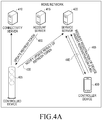
- FIG. 4A is a diagram illustrating a method of managing access information for a smart home service, according to an embodiment of the present invention.
- a home network is composed of a controller device 400, a controlled device 405, a connectivity server 410, an account server 415, and a service server 420.
- the account server 415 updates a refresh token of the controlled device 405 and transfers the update result to the controlled device 405, in step 430.
- the controlled device 405 notifies the service server 420 of the update result, in step 435.
- the update result may include Refresh Token Issue Time, which is a time at which the refresh token is updated.
- the service server 420 manages validity periods of refresh tokens of devices included in a stored device list. That is, the service server 420 updates a current refresh time of a refresh token of each device to a "refresh time" acquired from the update result.
- the service server 420 transfers a device list in which Refresh Token Issue Time of each device is mapped to the controller device 400.
- the controller device 400 determines whether a validity period of a refresh token of each device included in the device list has expired.
- FIG. 4B is a flowchart illustrating an step in which the controller device determines whether a validity period of a refresh token of each device included in the device list has expired, according to the embodiment of the present invention illustrated in FIG. 4A .
- the controller device 400 checks a Refresh Token Issue Time of each device included in the device list, in step 445.
- the controller device 400 determines whether a time difference between a current time and the Refresh Token Issue Time of the corresponding device is less than a predetermined validity period of a refresh token, in step 450. If the controller device 400 determines that the time difference is less than the predetermined validity period of the refresh token, the controller device 400 notifies a user that the device needs to be re-registered, instep step 455.
- the controller device 400 requests the service server 420 to re-register the device while inserting a re-registration flag indicating that the device has been re-registered into a device list, in stepstep 460 (and step 465 of FIG. 4A ).
- the service server 420 re-registers the device, inserts a re-registration flag into a device list, and manages the device list, according to the request.
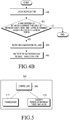
- FIG. 5 is a diagram illustrating a configuration of an apparatus of managing a refresh token of a controlled device, according to an embodiment of the present invention.
- an apparatus 500 includes a controller 505, a transceiver 510, and a validity period-of-refresh token manager 515.
- the apparatus 500 may operate as a controller device or a servicer server, according to an embodiment of the present invention.
- the apparatus 500 operates as a controller device. If the controller 505 receives a device list through the transceiver 510, the controller 505 checks a refresh time for each device included in the device list. The validity period-of-refresh token manager 515 determines whether the validity period of a refresh token of the corresponding device has expired, according to an instruction from the controller 505. That is, if the validity period-of-refresh token manager 515 determines that a period from a current time to the refresh time is less than a maximum threshold period, the validity period-of-refresh token manager 515 notifies the controller 505 of the result of the determination. The controller 505 determines that the corresponding device needs to be re-registered, and notifies a user of re-registration of the device through the transceiver 510.
- the apparatus 500 operates as a service server.
- the service server 500 operates in a manner similar to that of the controller device in the embodiment of FIG. 2A .
- the controller 505 sets and manages a re-registration flag of the corresponding device.
- the transceiver 510 receives a request for a device list from a controller device
- the controller 505 controls the transceiver 510 to transmit the device list in which re-registration flags of devices are set to the controller device.
- the controller device checks a set re-registration flag of the corresponding device from the device list to determine whether the validity period of the refresh token of the corresponding device has expired.
- the apparatus 500 operates as a controller device.
- the validity period-of-refresh token manager 515 of the controller device 500 determines whether a validity period of a refresh token of the corresponding device has expired. If the validity period-of-refresh token manager 515 determines that the validity period of the refresh token of the corresponding device has expired, the controller 505 notifies a user of re-registration of the device through the transceiver 510. Then, the controller 505 re-registers the device, and requests setting and managing of a re-registration flag through the transceiver 510.
Landscapes
- Engineering & Computer Science (AREA)
- Automation & Control Theory (AREA)
- Computer Networks & Wireless Communication (AREA)
- Signal Processing (AREA)
- Computer Hardware Design (AREA)
- Computer Security & Cryptography (AREA)
- Computing Systems (AREA)
- General Engineering & Computer Science (AREA)
- Telephonic Communication Services (AREA)
- Computer And Data Communications (AREA)
- Mobile Radio Communication Systems (AREA)
- Selective Calling Equipment (AREA)
Claims (12)
- Verfahren zum Verwalten von Zugangsinformationen für eine Registrierung einer gesteuerten Einheit (205, 305, 405) durch eine Controller-Einheit (200, 300, 400, 500) in einem intelligenten Heimdienst, wobei das Verfahren die Schritt aufweist zum:Prüfen eines Gültigkeitszeitraums (235, 250, 355, 357, 445) eines Aktualisierungstokens zum Aktualisieren eines Zugangstokens der gesteuerten Einheit, die in einer Einheitenliste für den intelligenten Heimdienst (155, 230b, 350, 440) enthalten ist, wobei die Einheitenliste von einem Diensteserver (220, 320, 420) empfangen wird;und Auffordern, durch die Controller-Einheit, des Diensteservers, die gesteuerte Einheit erneut zu registrieren, wenn ein Zeitraum von einem aktuellen Zeitpunkt bis zu einem Ende des Gültigkeitszeitraums kleiner als ein vorbestimmter Schwellenwert-Zeitraum (255, 450) ist.
- Verfahren nach Anspruch 1, wobei das Prüfen des Gültigkeitszeitraums des Aktualisierungstokens ein Prüfen eines ersten Kennzeichens aufweist, das angibt, ob der Gültigkeitszeitraum des Aktualisierungstokens abgelaufen ist (357), wobei das erste Kennzeichen in der Einheitenliste enthalten ist.
- Verfahren nach Anspruch 1, wobei das Prüfen des Gültigkeitszeitraums des Aktualisierungstokens aufweist:ein Erfassen einer Aktualisierungszeit des Aktualisierungstokens der gesteuerten Einheit aus der Einheitenliste (230b, 350, 440);ein Berechnen einer Zeitdifferenz zwischen der aktuellen Zeit und der Aktualisierungszeit, wobei die Zeitdifferenz der Zeitraum ab der aktuellen Zeit bis zum Ende des Gültigkeitszeitraums ist;und ein Prüfen des Gültigkeitszeitraums des Aktualisierungstokens auf Grundlage der Zeitdifferenz (255, 450).
- Verfahren nach Anspruch 1, wobei ein Auffordern des Diensteservers, die gesteuerte Einheit erneut zu registrieren, ein Anweisen des Diensteservers aufweist, ein zweites Kennzeichen zu setzen, das eine erneute Registrierung der gesteuerten Einheit für die Einheitenliste angibt (460, 465).
- Verfahren zum Verwalten von Zugangsinformationen für eine Registrierung einer gesteuerten Einheit (205, 305, 405) durch einen Diensteserver (220, 320, 420, 500) in einem intelligenten Heimdienst, wobei das Verfahren die Schritt aufweist zum:Übertragen einer Einheitenliste für den intelligenten Heimdienst (155, 230b, 350, 440) an eine Controller-Einheit (200, 300, 400), die von der Controller-Einheit (230a, 340, 440) angefordert wird und Informationen zum Prüfen eines Gültigkeitszeitraums eines Aktualisierungstokens der gesteuerten Einheit enthält;und ein Empfangen, von der Controller-Einheit, einen Anforderung, die gesteuerte Einheit erneut zu registrieren, wenn ein Zeitraum von einem aktuellen Zeitpunkt bis zu einem Ende des Gültigkeitszeitraums kleiner als ein vorbestimmter Schwellenwert-Zeitraum ist.
- Verfahren nach Anspruch 5, ferner aufweisend:ein erneutes Registrieren der gesteuerten Einheit;ein Einfügen eines Kennzeichens, das eine erneute Registrierung der gesteuerten Einheit in der Einheitenliste (460, 465) angibt;und ein Übertragen der Einheitenliste an die Controller-Einheit auf Grundlage der Anforderung von der Controller-Einheit.
- Controller-Einheit (200, 300, 400, 500) zum Verwalten von Zugangsinformationen für eine Registrierung einer gesteuerten Einheit (205, 305, 405) in einem intelligenten Heimdienst, wobei die Controller-Einheit aufweist:einen Senderempfänger (510). der konfiguriert ist, um von einem Diensteserver (220, 320, 420) eine Einheitenliste für den intelligenten Heimdienst (155, 230b, 350, 440) zu empfangen;und einen Controller (505), der konfiguriert ist zum Prüfen eines Gültigkeitszeitraums (235, 250, 355, 357, 445) eines Aktualisierungstokens zum Aktualisieren eines Zugangstokens der gesteuerten Einheit, die in der Einheitenliste enthalten ist, und zum Steuern des Senderempfängers, den Diensteserver aufzufordern, die gesteuerte Einheit erneut zu registrieren, wenn ein Zeitraum von einem aktuellen Zeitpunkt bis zu einem Ende des Gültigkeitszeitraums kleiner als ein vorbestimmter Schwellenwert-Zeitraum (255, 450) ist.
- Controller-Einheit nach Anspruch 7, wobei der Controller ferner konfiguriert ist zum Prüfen eines ersten Kennzeichens, das angibt, ob der Gültigkeitszeitraum des Aktualisierungstokens abgelaufen ist (357), wobei das erste Kennzeichen in der Einheitenliste enthalten ist.
- Controller-Einheit nach Anspruch 7, wobei der Controller ferner konfiguriert ist zum:
Erfassen einer Aktualisierungszeit des Aktualisierungstokens der gesteuerten Einheit aus der Einheitenliste (230b, 350, 440), Berechnen einer Zeitdifferenz zwischen der aktuellen Zeit und der Aktualisierungszeit, wobei die Zeitdifferenz der Zeitraum ab der aktuellen Zeit bis zum Ende des Gültigkeitszeitraums ist, und Prüfen des Gültigkeitszeitraums des Aktualisierungstokens auf Grundlage der Zeitdifferenz (255, 450). - Controller-Einheit nach Anspruch 7, wobei der Controller ferner konfiguriert ist, denen Senderempfänger zu steuern, eine Anweisung an den Diensteserver zu übertragen, ein zweites Kennzeichen zu setzen, das eine erneute Registrierung der gesteuerten Einheit für die Einheitenliste angibt (460, 465).
- Diensteserver (220, 320, 420, 500) zum Verwalten von Zugangsinformationen für eine Registrierung einer gesteuerten Einheit (205, 305, 405) in einem intelligenten Heimdienst, wobei der Diensteserver aufweist:einen Senderempfänger (510);und einen Controller (505), der konfiguriert ist zum:
Steuern des Senderempfängers, um an einen Controller-Einheit (200, 300, 400), eine Einheitenliste (155, 230b, 350, 440) zu übertragen, die durch die Controller-Einheit (230a, 340, 440) angefordert wird und Informationen zum Prüfen eines Gültigkeitszeitraums eines Aktualisierungstokens der gesteuerten Einheit enthält, Steuern des Senderempfängers, um von der Controller-Einheit eine Anforderung für eine erneute Registrierung der gesteuerten Einheit zu empfangen, wenn ein Zeitraum von einem aktuellen Zeitpunkt bis zu einem Ende des Gültigkeitszeitraums kleiner als ein vorbestimmter Schwellenwert-Zeitraum ist. - Diensteserver nach Anspruch 11, wobei der Controller ferner konfiguriert ist zum:
erneuten Registrieren der gesteuerten Einheit, Einfügen eines Kennzeichens, das eine erneute Registrierung der gesteuerten Einheit für die Einheitenliste (460, 465) angibt, und Steuern des Senderempfängers, die Einheitenliste mit dem Kennzeichen auf Grundlage der Anforderung der Controller-Einheit an die Controller-Einheit zu übertragen.
Applications Claiming Priority (1)
| Application Number | Priority Date | Filing Date | Title |
|---|---|---|---|
| KR1020140019190A KR102133755B1 (ko) | 2014-02-19 | 2014-02-19 | 스마트 홈 서비스에서 기기 등록을 위한 접속 정보 관리 방법 및 장치 |
Publications (2)
| Publication Number | Publication Date |
|---|---|
| EP2911364A1 EP2911364A1 (de) | 2015-08-26 |
| EP2911364B1 true EP2911364B1 (de) | 2019-08-28 |
Family
ID=52473784
Family Applications (1)
| Application Number | Title | Priority Date | Filing Date |
|---|---|---|---|
| EP15155192.6A Active EP2911364B1 (de) | 2014-02-19 | 2015-02-16 | Verfahren und vorrichtung zur verwaltung von zugangsinformationen zur registrierung einer vorrichtung in einem intelligenten heimdienst |
Country Status (3)
| Country | Link |
|---|---|
| US (1) | US9948510B2 (de) |
| EP (1) | EP2911364B1 (de) |
| KR (1) | KR102133755B1 (de) |
Families Citing this family (25)
| Publication number | Priority date | Publication date | Assignee | Title |
|---|---|---|---|---|
| CN105137787B (zh) * | 2015-08-13 | 2018-05-18 | 小米科技有限责任公司 | 用于控制家电设备的方法和装置 |
| CN105652672A (zh) * | 2015-12-29 | 2016-06-08 | 小米科技有限责任公司 | 控制智能设备的方法及装置 |
| US10423133B2 (en) * | 2016-02-17 | 2019-09-24 | Lutron Technology Company Llc | Configuring a load control system |
| US10924479B2 (en) * | 2016-07-20 | 2021-02-16 | Aetna Inc. | System and methods to establish user profile using multiple channels |
| US10846389B2 (en) * | 2016-07-22 | 2020-11-24 | Aetna Inc. | Incorporating risk-based decision in standard authentication and authorization systems |
| US10136351B2 (en) * | 2016-08-30 | 2018-11-20 | Huawei Technologies Co., Ltd. | Mobile edge computing for tele-operation |
| US10505946B2 (en) * | 2016-11-15 | 2019-12-10 | Vmware, Inc. | Adaptive token cache management |
| US10749677B2 (en) | 2017-04-18 | 2020-08-18 | Samsung Electronics Co., Ltd. | Method and apparatus for access control in distributed blockchain-based internet of things (IoT) network |
| KR102044522B1 (ko) * | 2018-05-24 | 2019-11-13 | 엘지전자 주식회사 | 이동 단말 및 이동 단말의 전자 기기 등록 처리 방법 |
| JP7038208B2 (ja) * | 2018-06-18 | 2022-03-17 | 株式会社Nttドコモ | サービス提供装置 |
| CN108833237B (zh) * | 2018-07-20 | 2021-01-26 | 京东方科技集团股份有限公司 | 智能家居网关及其管控方法 |
| US10999074B2 (en) * | 2018-07-31 | 2021-05-04 | Apple Inc. | Dual-token authentication for electronic devices |
| CN109120697A (zh) * | 2018-08-20 | 2019-01-01 | 常州信息职业技术学院 | 一种基于网络通信的服务调用方法和装置 |
| US11243822B2 (en) * | 2018-10-01 | 2022-02-08 | Google Llc | Automatic link based message verification |
| CN109240119A (zh) * | 2018-11-15 | 2019-01-18 | 海南高信通科技有限公司 | 一种基于app的智能家居控制系统 |
| CN110336720B (zh) * | 2019-06-29 | 2021-08-20 | 华为技术有限公司 | 设备控制方法和设备 |
| US11411736B2 (en) | 2020-03-03 | 2022-08-09 | Microsoft Technology Licensing, Llc | Automatic renewal of a verifiable claim |
| US11438328B2 (en) * | 2020-04-30 | 2022-09-06 | Vmware, Inc. | Methods and apparatus to refresh a token |
| CN115398858A (zh) * | 2020-05-29 | 2022-11-25 | Oppo广东移动通信有限公司 | 请求处理方法、装置、设备及存储介质 |
| KR20230022513A (ko) * | 2021-08-09 | 2023-02-16 | 삼성전자주식회사 | 원격 인증 방법 및 상기 방법을 수행하는 전자 장치 |
| CN114338076B (zh) * | 2021-11-11 | 2023-04-07 | 清华大学 | 适用于智能家居环境的分布式跨设备访问控制方法及装置 |
| CN114006698B (zh) * | 2021-12-31 | 2022-03-08 | 荣耀终端有限公司 | token刷新方法、装置、电子设备及可读存储介质 |
| US12386930B2 (en) * | 2023-03-14 | 2025-08-12 | Rubrik, Inc. | Identifier mapping techniques for cross node consistency |
| CN116204543B (zh) * | 2023-05-04 | 2023-08-08 | 天津金城银行股份有限公司 | 一种票据保活的方法、系统、计算机和可读存储介质 |
| JP2025007244A (ja) * | 2023-06-30 | 2025-01-17 | キヤノン株式会社 | 情報処理装置およびその制御方法とプログラム |
Family Cites Families (5)
| Publication number | Priority date | Publication date | Assignee | Title |
|---|---|---|---|---|
| KR20080107737A (ko) | 2007-06-08 | 2008-12-11 | 한화에스앤씨주식회사 | 스마트 홈에서 디지털 콘텐츠를 사용하는 멀티유저/디바이스의 사용 권한을 제어하기 위한 접근 제어장치및 그 제어방법 |
| US20100093389A1 (en) * | 2008-10-14 | 2010-04-15 | Sony Ericsson Mobile Communications Ab | Responding to a paging request from a gsm network by setting up the call through a umts network |
| US20110195714A1 (en) * | 2010-02-05 | 2011-08-11 | Qualcomm Incorporated | Methods and apparatus for performing registration across radio access technologies |
| US20130159490A1 (en) * | 2011-12-16 | 2013-06-20 | Intellectual Discovery Co., Ltd. | Method and apparatus for smart home service based on cloud |
| JP6006533B2 (ja) * | 2012-05-25 | 2016-10-12 | キヤノン株式会社 | 認可サーバー及びクライアント装置、サーバー連携システム、トークン管理方法 |
-
2014
- 2014-02-19 KR KR1020140019190A patent/KR102133755B1/ko not_active Expired - Fee Related
-
2015
- 2015-02-16 EP EP15155192.6A patent/EP2911364B1/de active Active
- 2015-02-19 US US14/626,535 patent/US9948510B2/en active Active
Non-Patent Citations (1)
| Title |
|---|
| None * |
Also Published As
| Publication number | Publication date |
|---|---|
| US9948510B2 (en) | 2018-04-17 |
| KR20150098077A (ko) | 2015-08-27 |
| KR102133755B1 (ko) | 2020-07-15 |
| EP2911364A1 (de) | 2015-08-26 |
| US20150236908A1 (en) | 2015-08-20 |
Similar Documents
| Publication | Publication Date | Title |
|---|---|---|
| EP2911364B1 (de) | Verfahren und vorrichtung zur verwaltung von zugangsinformationen zur registrierung einer vorrichtung in einem intelligenten heimdienst | |
| US9479504B2 (en) | Method and apparatus for controlling access between home device and external server in home network system | |
| EP3086506B1 (de) | Vorrichtung und verfahren zur registrierung einer heimvorrichtung in einem heimnetzwerksystem | |
| US9319413B2 (en) | Method for establishing resource access authorization in M2M communication | |
| KR102318279B1 (ko) | 무선 통신 시스템에서 인증 정보 송수신 방법 및 장치 | |
| US9906956B1 (en) | Using power-line networks to facilitate network access | |
| KR102213640B1 (ko) | 홈 네트워크 시스템에서 사용자 디바이스가 홈 디바이스 관련 정보를 전달하는 장치 및 방법 | |
| US9319412B2 (en) | Method for establishing resource access authorization in M2M communication | |
| US10575178B2 (en) | Bluetooth device networking method and system | |
| KR102269417B1 (ko) | 멀티 사용자들이 홈 네트워킹을 지원하는 어플리케이션 기반의 기기를 등록하는 방법 및 장치 | |
| EP3073699A1 (de) | System und verfahren zur steuerung des gemeinsamen zugangs zu intelligenten vorrichtungen | |
| KR101328779B1 (ko) | 이동 단말기, 서버 및 이를 이용한 정보 제공 방법 | |
| US20150358792A1 (en) | Wireless communication system, pairing apparatus, method for pairing plural devices and program for causing computer to implement that method | |
| RU2632161C2 (ru) | Способ и устройство для предоставления информации | |
| KR101929868B1 (ko) | 연결 확립 방법, 장치, 및 시스템 | |
| US20130219197A1 (en) | Remote power management system and method | |
| KR20110129029A (ko) | 센서노드의 인증관리와 Subscription 기능을 가진 시스템과, 그 시스템의 운용 방법 | |
| JP2017163244A (ja) | 情報処理システム、情報処理装置、情報処理方法、情報処理プログラム | |
| WO2017182002A1 (zh) | 一种设备控制方法、装置及存储介质 | |
| MX2015004797A (es) | Dispositivos y metodo para controlar acceso a una cuenta. | |
| CN114760112A (zh) | 一种面向无线局域网络的智能家居设备入网方法、系统、设备及存储介质 | |
| US20170094035A1 (en) | Management method and management device | |
| CN106773797A (zh) | 一种信息处理方法、系统及管理平台 | |
| KR102340693B1 (ko) | 사용자 권한 설정 방법 및 이를 수행하는 홈 사물 인터넷 서비스 시스템 | |
| JP2014102561A (ja) | 通信装置、通信システム、情報処理方法及びプログラム |
Legal Events
| Date | Code | Title | Description |
|---|---|---|---|
| PUAI | Public reference made under article 153(3) epc to a published international application that has entered the european phase |
Free format text: ORIGINAL CODE: 0009012 |
|
| AK | Designated contracting states |
Kind code of ref document: A1 Designated state(s): AL AT BE BG CH CY CZ DE DK EE ES FI FR GB GR HR HU IE IS IT LI LT LU LV MC MK MT NL NO PL PT RO RS SE SI SK SM TR |
|
| AX | Request for extension of the european patent |
Extension state: BA ME |
|
| 17P | Request for examination filed |
Effective date: 20160225 |
|
| RBV | Designated contracting states (corrected) |
Designated state(s): AL AT BE BG CH CY CZ DE DK EE ES FI FR GB GR HR HU IE IS IT LI LT LU LV MC MK MT NL NO PL PT RO RS SE SI SK SM TR |
|
| STAA | Information on the status of an ep patent application or granted ep patent |
Free format text: STATUS: EXAMINATION IS IN PROGRESS |
|
| 17Q | First examination report despatched |
Effective date: 20171123 |
|
| GRAP | Despatch of communication of intention to grant a patent |
Free format text: ORIGINAL CODE: EPIDOSNIGR1 |
|
| STAA | Information on the status of an ep patent application or granted ep patent |
Free format text: STATUS: GRANT OF PATENT IS INTENDED |
|
| INTG | Intention to grant announced |
Effective date: 20190403 |
|
| GRAS | Grant fee paid |
Free format text: ORIGINAL CODE: EPIDOSNIGR3 |
|
| GRAA | (expected) grant |
Free format text: ORIGINAL CODE: 0009210 |
|
| STAA | Information on the status of an ep patent application or granted ep patent |
Free format text: STATUS: THE PATENT HAS BEEN GRANTED |
|
| AK | Designated contracting states |
Kind code of ref document: B1 Designated state(s): AL AT BE BG CH CY CZ DE DK EE ES FI FR GB GR HR HU IE IS IT LI LT LU LV MC MK MT NL NO PL PT RO RS SE SI SK SM TR |
|
| REG | Reference to a national code |
Ref country code: GB Ref legal event code: FG4D |
|
| REG | Reference to a national code |
Ref country code: CH Ref legal event code: EP |
|
| REG | Reference to a national code |
Ref country code: DE Ref legal event code: R096 Ref document number: 602015036553 Country of ref document: DE |
|
| REG | Reference to a national code |
Ref country code: AT Ref legal event code: REF Ref document number: 1173831 Country of ref document: AT Kind code of ref document: T Effective date: 20190915 |
|
| REG | Reference to a national code |
Ref country code: IE Ref legal event code: FG4D |
|
| REG | Reference to a national code |
Ref country code: NL Ref legal event code: MP Effective date: 20190828 |
|
| REG | Reference to a national code |
Ref country code: LT Ref legal event code: MG4D |
|
| PG25 | Lapsed in a contracting state [announced via postgrant information from national office to epo] |
Ref country code: NL Free format text: LAPSE BECAUSE OF FAILURE TO SUBMIT A TRANSLATION OF THE DESCRIPTION OR TO PAY THE FEE WITHIN THE PRESCRIBED TIME-LIMIT Effective date: 20190828 Ref country code: LT Free format text: LAPSE BECAUSE OF FAILURE TO SUBMIT A TRANSLATION OF THE DESCRIPTION OR TO PAY THE FEE WITHIN THE PRESCRIBED TIME-LIMIT Effective date: 20190828 Ref country code: HR Free format text: LAPSE BECAUSE OF FAILURE TO SUBMIT A TRANSLATION OF THE DESCRIPTION OR TO PAY THE FEE WITHIN THE PRESCRIBED TIME-LIMIT Effective date: 20190828 Ref country code: BG Free format text: LAPSE BECAUSE OF FAILURE TO SUBMIT A TRANSLATION OF THE DESCRIPTION OR TO PAY THE FEE WITHIN THE PRESCRIBED TIME-LIMIT Effective date: 20191128 Ref country code: SE Free format text: LAPSE BECAUSE OF FAILURE TO SUBMIT A TRANSLATION OF THE DESCRIPTION OR TO PAY THE FEE WITHIN THE PRESCRIBED TIME-LIMIT Effective date: 20190828 Ref country code: FI Free format text: LAPSE BECAUSE OF FAILURE TO SUBMIT A TRANSLATION OF THE DESCRIPTION OR TO PAY THE FEE WITHIN THE PRESCRIBED TIME-LIMIT Effective date: 20190828 Ref country code: NO Free format text: LAPSE BECAUSE OF FAILURE TO SUBMIT A TRANSLATION OF THE DESCRIPTION OR TO PAY THE FEE WITHIN THE PRESCRIBED TIME-LIMIT Effective date: 20191128 Ref country code: PT Free format text: LAPSE BECAUSE OF FAILURE TO SUBMIT A TRANSLATION OF THE DESCRIPTION OR TO PAY THE FEE WITHIN THE PRESCRIBED TIME-LIMIT Effective date: 20191230 |
|
| PG25 | Lapsed in a contracting state [announced via postgrant information from national office to epo] |
Ref country code: LV Free format text: LAPSE BECAUSE OF FAILURE TO SUBMIT A TRANSLATION OF THE DESCRIPTION OR TO PAY THE FEE WITHIN THE PRESCRIBED TIME-LIMIT Effective date: 20190828 Ref country code: RS Free format text: LAPSE BECAUSE OF FAILURE TO SUBMIT A TRANSLATION OF THE DESCRIPTION OR TO PAY THE FEE WITHIN THE PRESCRIBED TIME-LIMIT Effective date: 20190828 Ref country code: IS Free format text: LAPSE BECAUSE OF FAILURE TO SUBMIT A TRANSLATION OF THE DESCRIPTION OR TO PAY THE FEE WITHIN THE PRESCRIBED TIME-LIMIT Effective date: 20191228 Ref country code: ES Free format text: LAPSE BECAUSE OF FAILURE TO SUBMIT A TRANSLATION OF THE DESCRIPTION OR TO PAY THE FEE WITHIN THE PRESCRIBED TIME-LIMIT Effective date: 20190828 Ref country code: AL Free format text: LAPSE BECAUSE OF FAILURE TO SUBMIT A TRANSLATION OF THE DESCRIPTION OR TO PAY THE FEE WITHIN THE PRESCRIBED TIME-LIMIT Effective date: 20190828 Ref country code: GR Free format text: LAPSE BECAUSE OF FAILURE TO SUBMIT A TRANSLATION OF THE DESCRIPTION OR TO PAY THE FEE WITHIN THE PRESCRIBED TIME-LIMIT Effective date: 20191129 |
|
| REG | Reference to a national code |
Ref country code: AT Ref legal event code: MK05 Ref document number: 1173831 Country of ref document: AT Kind code of ref document: T Effective date: 20190828 |
|
| PG25 | Lapsed in a contracting state [announced via postgrant information from national office to epo] |
Ref country code: TR Free format text: LAPSE BECAUSE OF FAILURE TO SUBMIT A TRANSLATION OF THE DESCRIPTION OR TO PAY THE FEE WITHIN THE PRESCRIBED TIME-LIMIT Effective date: 20190828 |
|
| PG25 | Lapsed in a contracting state [announced via postgrant information from national office to epo] |
Ref country code: DK Free format text: LAPSE BECAUSE OF FAILURE TO SUBMIT A TRANSLATION OF THE DESCRIPTION OR TO PAY THE FEE WITHIN THE PRESCRIBED TIME-LIMIT Effective date: 20190828 Ref country code: EE Free format text: LAPSE BECAUSE OF FAILURE TO SUBMIT A TRANSLATION OF THE DESCRIPTION OR TO PAY THE FEE WITHIN THE PRESCRIBED TIME-LIMIT Effective date: 20190828 Ref country code: AT Free format text: LAPSE BECAUSE OF FAILURE TO SUBMIT A TRANSLATION OF THE DESCRIPTION OR TO PAY THE FEE WITHIN THE PRESCRIBED TIME-LIMIT Effective date: 20190828 Ref country code: IT Free format text: LAPSE BECAUSE OF FAILURE TO SUBMIT A TRANSLATION OF THE DESCRIPTION OR TO PAY THE FEE WITHIN THE PRESCRIBED TIME-LIMIT Effective date: 20190828 Ref country code: RO Free format text: LAPSE BECAUSE OF FAILURE TO SUBMIT A TRANSLATION OF THE DESCRIPTION OR TO PAY THE FEE WITHIN THE PRESCRIBED TIME-LIMIT Effective date: 20190828 Ref country code: PL Free format text: LAPSE BECAUSE OF FAILURE TO SUBMIT A TRANSLATION OF THE DESCRIPTION OR TO PAY THE FEE WITHIN THE PRESCRIBED TIME-LIMIT Effective date: 20190828 |
|
| PG25 | Lapsed in a contracting state [announced via postgrant information from national office to epo] |
Ref country code: SM Free format text: LAPSE BECAUSE OF FAILURE TO SUBMIT A TRANSLATION OF THE DESCRIPTION OR TO PAY THE FEE WITHIN THE PRESCRIBED TIME-LIMIT Effective date: 20190828 Ref country code: SK Free format text: LAPSE BECAUSE OF FAILURE TO SUBMIT A TRANSLATION OF THE DESCRIPTION OR TO PAY THE FEE WITHIN THE PRESCRIBED TIME-LIMIT Effective date: 20190828 Ref country code: IS Free format text: LAPSE BECAUSE OF FAILURE TO SUBMIT A TRANSLATION OF THE DESCRIPTION OR TO PAY THE FEE WITHIN THE PRESCRIBED TIME-LIMIT Effective date: 20200224 Ref country code: CZ Free format text: LAPSE BECAUSE OF FAILURE TO SUBMIT A TRANSLATION OF THE DESCRIPTION OR TO PAY THE FEE WITHIN THE PRESCRIBED TIME-LIMIT Effective date: 20190828 |
|
| REG | Reference to a national code |
Ref country code: DE Ref legal event code: R097 Ref document number: 602015036553 Country of ref document: DE |
|
| PLBE | No opposition filed within time limit |
Free format text: ORIGINAL CODE: 0009261 |
|
| STAA | Information on the status of an ep patent application or granted ep patent |
Free format text: STATUS: NO OPPOSITION FILED WITHIN TIME LIMIT |
|
| PG2D | Information on lapse in contracting state deleted |
Ref country code: IS |
|
| 26N | No opposition filed |
Effective date: 20200603 |
|
| PG25 | Lapsed in a contracting state [announced via postgrant information from national office to epo] |
Ref country code: SI Free format text: LAPSE BECAUSE OF FAILURE TO SUBMIT A TRANSLATION OF THE DESCRIPTION OR TO PAY THE FEE WITHIN THE PRESCRIBED TIME-LIMIT Effective date: 20190828 |
|
| REG | Reference to a national code |
Ref country code: CH Ref legal event code: PL |
|
| REG | Reference to a national code |
Ref country code: BE Ref legal event code: MM Effective date: 20200229 |
|
| PG25 | Lapsed in a contracting state [announced via postgrant information from national office to epo] |
Ref country code: MC Free format text: LAPSE BECAUSE OF FAILURE TO SUBMIT A TRANSLATION OF THE DESCRIPTION OR TO PAY THE FEE WITHIN THE PRESCRIBED TIME-LIMIT Effective date: 20190828 Ref country code: LU Free format text: LAPSE BECAUSE OF NON-PAYMENT OF DUE FEES Effective date: 20200216 |
|
| PG25 | Lapsed in a contracting state [announced via postgrant information from national office to epo] |
Ref country code: CH Free format text: LAPSE BECAUSE OF NON-PAYMENT OF DUE FEES Effective date: 20200229 Ref country code: LI Free format text: LAPSE BECAUSE OF NON-PAYMENT OF DUE FEES Effective date: 20200229 |
|
| PG25 | Lapsed in a contracting state [announced via postgrant information from national office to epo] |
Ref country code: FR Free format text: LAPSE BECAUSE OF NON-PAYMENT OF DUE FEES Effective date: 20200229 Ref country code: IE Free format text: LAPSE BECAUSE OF NON-PAYMENT OF DUE FEES Effective date: 20200216 |
|
| PG25 | Lapsed in a contracting state [announced via postgrant information from national office to epo] |
Ref country code: BE Free format text: LAPSE BECAUSE OF NON-PAYMENT OF DUE FEES Effective date: 20200229 |
|
| PGFP | Annual fee paid to national office [announced via postgrant information from national office to epo] |
Ref country code: GB Payment date: 20210122 Year of fee payment: 7 Ref country code: DE Payment date: 20210120 Year of fee payment: 7 |
|
| REG | Reference to a national code |
Ref country code: DE Ref legal event code: R079 Ref document number: 602015036553 Country of ref document: DE Free format text: PREVIOUS MAIN CLASS: H04L0029060000 Ipc: H04L0065000000 |
|
| PG25 | Lapsed in a contracting state [announced via postgrant information from national office to epo] |
Ref country code: MT Free format text: LAPSE BECAUSE OF FAILURE TO SUBMIT A TRANSLATION OF THE DESCRIPTION OR TO PAY THE FEE WITHIN THE PRESCRIBED TIME-LIMIT Effective date: 20190828 Ref country code: CY Free format text: LAPSE BECAUSE OF FAILURE TO SUBMIT A TRANSLATION OF THE DESCRIPTION OR TO PAY THE FEE WITHIN THE PRESCRIBED TIME-LIMIT Effective date: 20190828 |
|
| PG25 | Lapsed in a contracting state [announced via postgrant information from national office to epo] |
Ref country code: MK Free format text: LAPSE BECAUSE OF FAILURE TO SUBMIT A TRANSLATION OF THE DESCRIPTION OR TO PAY THE FEE WITHIN THE PRESCRIBED TIME-LIMIT Effective date: 20190828 |
|
| REG | Reference to a national code |
Ref country code: DE Ref legal event code: R119 Ref document number: 602015036553 Country of ref document: DE |
|
| GBPC | Gb: european patent ceased through non-payment of renewal fee |
Effective date: 20220216 |
|
| PG25 | Lapsed in a contracting state [announced via postgrant information from national office to epo] |
Ref country code: GB Free format text: LAPSE BECAUSE OF NON-PAYMENT OF DUE FEES Effective date: 20220216 Ref country code: DE Free format text: LAPSE BECAUSE OF NON-PAYMENT OF DUE FEES Effective date: 20220901 |