EP2912064B1 - Jam-c-antikörper und verfahren zur behandlung von krebs - Google Patents
Jam-c-antikörper und verfahren zur behandlung von krebs Download PDFInfo
- Publication number
- EP2912064B1 EP2912064B1 EP13786389.0A EP13786389A EP2912064B1 EP 2912064 B1 EP2912064 B1 EP 2912064B1 EP 13786389 A EP13786389 A EP 13786389A EP 2912064 B1 EP2912064 B1 EP 2912064B1
- Authority
- EP
- European Patent Office
- Prior art keywords
- jam
- antibody
- seq
- cells
- cdr
- Prior art date
- Legal status (The legal status is an assumption and is not a legal conclusion. Google has not performed a legal analysis and makes no representation as to the accuracy of the status listed.)
- Active
Links
Images








Classifications
-
- C—CHEMISTRY; METALLURGY
- C07—ORGANIC CHEMISTRY
- C07K—PEPTIDES
- C07K16/00—Immunoglobulins [IG], e.g. monoclonal or polyclonal antibodies
- C07K16/18—Immunoglobulins [IG], e.g. monoclonal or polyclonal antibodies against material from animals or humans
- C07K16/28—Immunoglobulins [IG], e.g. monoclonal or polyclonal antibodies against material from animals or humans against receptors, cell surface antigens or cell surface determinants
- C07K16/2803—Immunoglobulins [IG], e.g. monoclonal or polyclonal antibodies against material from animals or humans against receptors, cell surface antigens or cell surface determinants against the immunoglobulin superfamily
-
- A—HUMAN NECESSITIES
- A61—MEDICAL OR VETERINARY SCIENCE; HYGIENE
- A61K—PREPARATIONS FOR MEDICAL, DENTAL OR TOILETRY PURPOSES
- A61K45/00—Medicinal preparations containing active ingredients not provided for in groups A61K31/00 - A61K41/00
- A61K45/06—Mixtures of active ingredients without chemical characterisation, e.g. antiphlogistics and cardiaca
-
- A—HUMAN NECESSITIES
- A61—MEDICAL OR VETERINARY SCIENCE; HYGIENE
- A61K—PREPARATIONS FOR MEDICAL, DENTAL OR TOILETRY PURPOSES
- A61K47/00—Medicinal preparations characterised by the non-active ingredients used, e.g. carriers or inert additives; Targeting or modifying agents chemically bound to the active ingredient
- A61K47/50—Medicinal preparations characterised by the non-active ingredients used, e.g. carriers or inert additives; Targeting or modifying agents chemically bound to the active ingredient the non-active ingredient being chemically bound to the active ingredient, e.g. polymer-drug conjugates
- A61K47/51—Medicinal preparations characterised by the non-active ingredients used, e.g. carriers or inert additives; Targeting or modifying agents chemically bound to the active ingredient the non-active ingredient being chemically bound to the active ingredient, e.g. polymer-drug conjugates the non-active ingredient being a modifying agent
- A61K47/68—Medicinal preparations characterised by the non-active ingredients used, e.g. carriers or inert additives; Targeting or modifying agents chemically bound to the active ingredient the non-active ingredient being chemically bound to the active ingredient, e.g. polymer-drug conjugates the non-active ingredient being a modifying agent the modifying agent being an antibody, an immunoglobulin or a fragment thereof, e.g. an Fc-fragment
- A61K47/6835—Medicinal preparations characterised by the non-active ingredients used, e.g. carriers or inert additives; Targeting or modifying agents chemically bound to the active ingredient the non-active ingredient being chemically bound to the active ingredient, e.g. polymer-drug conjugates the non-active ingredient being a modifying agent the modifying agent being an antibody, an immunoglobulin or a fragment thereof, e.g. an Fc-fragment the modifying agent being an antibody or an immunoglobulin bearing at least one antigen-binding site
- A61K47/6851—Medicinal preparations characterised by the non-active ingredients used, e.g. carriers or inert additives; Targeting or modifying agents chemically bound to the active ingredient the non-active ingredient being chemically bound to the active ingredient, e.g. polymer-drug conjugates the non-active ingredient being a modifying agent the modifying agent being an antibody, an immunoglobulin or a fragment thereof, e.g. an Fc-fragment the modifying agent being an antibody or an immunoglobulin bearing at least one antigen-binding site the antibody targeting a determinant of a tumour cell
- A61K47/6867—Medicinal preparations characterised by the non-active ingredients used, e.g. carriers or inert additives; Targeting or modifying agents chemically bound to the active ingredient the non-active ingredient being chemically bound to the active ingredient, e.g. polymer-drug conjugates the non-active ingredient being a modifying agent the modifying agent being an antibody, an immunoglobulin or a fragment thereof, e.g. an Fc-fragment the modifying agent being an antibody or an immunoglobulin bearing at least one antigen-binding site the antibody targeting a determinant of a tumour cell the tumour determinant being from a cell of a blood cancer
-
- A—HUMAN NECESSITIES
- A61—MEDICAL OR VETERINARY SCIENCE; HYGIENE
- A61K—PREPARATIONS FOR MEDICAL, DENTAL OR TOILETRY PURPOSES
- A61K47/00—Medicinal preparations characterised by the non-active ingredients used, e.g. carriers or inert additives; Targeting or modifying agents chemically bound to the active ingredient
- A61K47/50—Medicinal preparations characterised by the non-active ingredients used, e.g. carriers or inert additives; Targeting or modifying agents chemically bound to the active ingredient the non-active ingredient being chemically bound to the active ingredient, e.g. polymer-drug conjugates
- A61K47/51—Medicinal preparations characterised by the non-active ingredients used, e.g. carriers or inert additives; Targeting or modifying agents chemically bound to the active ingredient the non-active ingredient being chemically bound to the active ingredient, e.g. polymer-drug conjugates the non-active ingredient being a modifying agent
- A61K47/68—Medicinal preparations characterised by the non-active ingredients used, e.g. carriers or inert additives; Targeting or modifying agents chemically bound to the active ingredient the non-active ingredient being chemically bound to the active ingredient, e.g. polymer-drug conjugates the non-active ingredient being a modifying agent the modifying agent being an antibody, an immunoglobulin or a fragment thereof, e.g. an Fc-fragment
- A61K47/6835—Medicinal preparations characterised by the non-active ingredients used, e.g. carriers or inert additives; Targeting or modifying agents chemically bound to the active ingredient the non-active ingredient being chemically bound to the active ingredient, e.g. polymer-drug conjugates the non-active ingredient being a modifying agent the modifying agent being an antibody, an immunoglobulin or a fragment thereof, e.g. an Fc-fragment the modifying agent being an antibody or an immunoglobulin bearing at least one antigen-binding site
- A61K47/6875—Medicinal preparations characterised by the non-active ingredients used, e.g. carriers or inert additives; Targeting or modifying agents chemically bound to the active ingredient the non-active ingredient being chemically bound to the active ingredient, e.g. polymer-drug conjugates the non-active ingredient being a modifying agent the modifying agent being an antibody, an immunoglobulin or a fragment thereof, e.g. an Fc-fragment the modifying agent being an antibody or an immunoglobulin bearing at least one antigen-binding site the antibody being a hybrid immunoglobulin
- A61K47/6877—Medicinal preparations characterised by the non-active ingredients used, e.g. carriers or inert additives; Targeting or modifying agents chemically bound to the active ingredient the non-active ingredient being chemically bound to the active ingredient, e.g. polymer-drug conjugates the non-active ingredient being a modifying agent the modifying agent being an antibody, an immunoglobulin or a fragment thereof, e.g. an Fc-fragment the modifying agent being an antibody or an immunoglobulin bearing at least one antigen-binding site the antibody being a hybrid immunoglobulin the antibody being an immunoglobulin containing regions, domains or residues from different species
-
- A—HUMAN NECESSITIES
- A61—MEDICAL OR VETERINARY SCIENCE; HYGIENE
- A61K—PREPARATIONS FOR MEDICAL, DENTAL OR TOILETRY PURPOSES
- A61K47/00—Medicinal preparations characterised by the non-active ingredients used, e.g. carriers or inert additives; Targeting or modifying agents chemically bound to the active ingredient
- A61K47/50—Medicinal preparations characterised by the non-active ingredients used, e.g. carriers or inert additives; Targeting or modifying agents chemically bound to the active ingredient the non-active ingredient being chemically bound to the active ingredient, e.g. polymer-drug conjugates
- A61K47/69—Medicinal preparations characterised by the non-active ingredients used, e.g. carriers or inert additives; Targeting or modifying agents chemically bound to the active ingredient the non-active ingredient being chemically bound to the active ingredient, e.g. polymer-drug conjugates the conjugate being characterised by physical or galenical forms, e.g. emulsion, particle, inclusion complex, stent or kit
- A61K47/6901—Conjugates being cells, cell fragments, viruses, ghosts, red blood cells or viral vectors
-
- A—HUMAN NECESSITIES
- A61—MEDICAL OR VETERINARY SCIENCE; HYGIENE
- A61P—SPECIFIC THERAPEUTIC ACTIVITY OF CHEMICAL COMPOUNDS OR MEDICINAL PREPARATIONS
- A61P35/00—Antineoplastic agents
-
- C—CHEMISTRY; METALLURGY
- C07—ORGANIC CHEMISTRY
- C07K—PEPTIDES
- C07K16/00—Immunoglobulins [IG], e.g. monoclonal or polyclonal antibodies
- C07K16/18—Immunoglobulins [IG], e.g. monoclonal or polyclonal antibodies against material from animals or humans
- C07K16/28—Immunoglobulins [IG], e.g. monoclonal or polyclonal antibodies against material from animals or humans against receptors, cell surface antigens or cell surface determinants
- C07K16/2839—Immunoglobulins [IG], e.g. monoclonal or polyclonal antibodies against material from animals or humans against receptors, cell surface antigens or cell surface determinants against the integrin superfamily
- C07K16/2842—Immunoglobulins [IG], e.g. monoclonal or polyclonal antibodies against material from animals or humans against receptors, cell surface antigens or cell surface determinants against the integrin superfamily against integrin beta1-subunit-containing molecules, e.g. CD29, CD49
-
- C—CHEMISTRY; METALLURGY
- C07—ORGANIC CHEMISTRY
- C07K—PEPTIDES
- C07K16/00—Immunoglobulins [IG], e.g. monoclonal or polyclonal antibodies
- C07K16/18—Immunoglobulins [IG], e.g. monoclonal or polyclonal antibodies against material from animals or humans
- C07K16/28—Immunoglobulins [IG], e.g. monoclonal or polyclonal antibodies against material from animals or humans against receptors, cell surface antigens or cell surface determinants
- C07K16/30—Immunoglobulins [IG], e.g. monoclonal or polyclonal antibodies against material from animals or humans against receptors, cell surface antigens or cell surface determinants from tumour cells
- C07K16/3061—Blood cells
-
- G—PHYSICS
- G01—MEASURING; TESTING
- G01N—INVESTIGATING OR ANALYSING MATERIALS BY DETERMINING THEIR CHEMICAL OR PHYSICAL PROPERTIES
- G01N33/00—Investigating or analysing materials by specific methods not covered by groups G01N1/00 - G01N31/00
- G01N33/48—Biological material, e.g. blood, urine; Haemocytometers
- G01N33/50—Chemical analysis of biological material, e.g. blood, urine; Testing involving biospecific ligand binding methods; Immunological testing
- G01N33/53—Immunoassay; Biospecific binding assay; Materials therefor
- G01N33/575—Immunoassay; Biospecific binding assay; Materials therefor for cancer
- G01N33/57505—Immunoassay; Biospecific binding assay; Materials therefor for cancer of the blood, e.g. leukaemia
-
- A—HUMAN NECESSITIES
- A61—MEDICAL OR VETERINARY SCIENCE; HYGIENE
- A61K—PREPARATIONS FOR MEDICAL, DENTAL OR TOILETRY PURPOSES
- A61K39/00—Medicinal preparations containing antigens or antibodies
- A61K2039/505—Medicinal preparations containing antigens or antibodies comprising antibodies
-
- A—HUMAN NECESSITIES
- A61—MEDICAL OR VETERINARY SCIENCE; HYGIENE
- A61K—PREPARATIONS FOR MEDICAL, DENTAL OR TOILETRY PURPOSES
- A61K39/00—Medicinal preparations containing antigens or antibodies
- A61K2039/505—Medicinal preparations containing antigens or antibodies comprising antibodies
- A61K2039/507—Comprising a combination of two or more separate antibodies
-
- C—CHEMISTRY; METALLURGY
- C07—ORGANIC CHEMISTRY
- C07K—PEPTIDES
- C07K2317/00—Immunoglobulins specific features
- C07K2317/20—Immunoglobulins specific features characterized by taxonomic origin
- C07K2317/24—Immunoglobulins specific features characterized by taxonomic origin containing regions, domains or residues from different species, e.g. chimeric, humanized or veneered
-
- C—CHEMISTRY; METALLURGY
- C07—ORGANIC CHEMISTRY
- C07K—PEPTIDES
- C07K2317/00—Immunoglobulins specific features
- C07K2317/50—Immunoglobulins specific features characterized by immunoglobulin fragments
- C07K2317/56—Immunoglobulins specific features characterized by immunoglobulin fragments variable (Fv) region, i.e. VH and/or VL
- C07K2317/565—Complementarity determining region [CDR]
-
- C—CHEMISTRY; METALLURGY
- C07—ORGANIC CHEMISTRY
- C07K—PEPTIDES
- C07K2317/00—Immunoglobulins specific features
- C07K2317/70—Immunoglobulins specific features characterized by effect upon binding to a cell or to an antigen
- C07K2317/73—Inducing cell death, e.g. apoptosis, necrosis or inhibition of cell proliferation
-
- C—CHEMISTRY; METALLURGY
- C07—ORGANIC CHEMISTRY
- C07K—PEPTIDES
- C07K2317/00—Immunoglobulins specific features
- C07K2317/70—Immunoglobulins specific features characterized by effect upon binding to a cell or to an antigen
- C07K2317/76—Antagonist effect on antigen, e.g. neutralization or inhibition of binding
-
- G—PHYSICS
- G01—MEASURING; TESTING
- G01N—INVESTIGATING OR ANALYSING MATERIALS BY DETERMINING THEIR CHEMICAL OR PHYSICAL PROPERTIES
- G01N2800/00—Detection or diagnosis of diseases
- G01N2800/52—Predicting or monitoring the response to treatment, e.g. for selection of therapy based on assay results in personalised medicine; Prognosis
Definitions
- the present invention relates generally to the fields of molecular biology, hematology and oncology. More particularly, it concerns JAM-C-targeted antibodies and therapies and anti-cancer therapies with such antibodies.
- stromal cells in specialized tissue microenvironments such as bone marrow (BM) and secondary lymphoid organs, are essential for disease progression.
- BM bone marrow
- cytokines secreted by them favor viability, differentiation, proliferation, and retention of B cells and provide protection from conventional chemotherapy (Bertrand et al ., 2000; Burger et al., 2009).
- chemokines and adhesion molecules are important in the homing of normal and malignant B cells and in lymphoma dissemination (Hartmann et al., 2009; Jin et al., 2006; Luster et al., 2005; Matsunaga et al., 2003; Mori et al., 2004; Okada and Cyster, 2006; Spiegel et al., 2004; Tavor et al ., 2004).
- Homing of circulating lymphocytes to secondary lymphoid organs is a multistep process, involving engagement of L-selectin, which mediates lymphocyte rolling along the luminal surface of HEVs, followed by activation of lymphocyte integrins and transmigration through the endothelial cell layer.
- L-selectin mediates lymphocyte rolling along the luminal surface of HEVs
- lymphocyte integrins transmigration through the endothelial cell layer.
- B and T lymphocytes migrate toward specific microenvironments, such as B-cell follicles and the paracortex, respectively.
- lymphocytes enter this organ via the terminal branches of the central arterioles, which guide them into the marginal zone (Kraal et al., 1995; Miyasaka and Tanaka, 2004).
- WO 2005/050231 discloses that a rat mAb against mouse and human JAM-C (H33) blocks neovascularization in vitro and inhibits angiogenesis in tumor growth in mice bearing Lewis lung carcinoma cells. This antibody is also shown to reduce the number of macrophages in the tumor.
- JAM-C Junctional adhesion molecule C
- LEUKEMIA BASINGSTOKE
- B-cell lymphomas can be classified as JAM-C negative (CLL, MCL and FL) or JAM-C positive (HCL and MZBL).
- JAM-C can serve as a diagnostic marker for these different types of B-cell lymphomas.
- JAM-C-binding polypeptides The ability of JAM-C-binding proteins to prevent or reduce B-cell lymphoma seeding of the spleen is considered a major medical advance.
- lymphoid tissues include bone marrow, lymph nodes, and the spleen.
- the preferred lymphoid tissue is the spleen.
- a method for treating JAM-C positive B-cell lymphoma comprising administering an amount of a JAM-C-binding antibody effective to treat the B-cell lymphoma of the patient.
- a method comprises treating a patient who either has previously been determined to have a JAM-C positive B-cell lymphoma or is determined to have a JAM-C positive B-cell lymphoma.
- the JAM-C-binding protein may be an antibody, which may be a monoclonal antibody, a polyclonal antibody, a chimeric antibody, an affinity matured antibody, a humanized antibody, a human antibody, or an antigen-binding antibody fragment.
- the antibody is a monoclonal antibody or a humanized antibody.
- preferred fragments include Fab, Fab', Fab'-SH, F(ab') 2 , or scFv molecules.
- the JAM-C-binding protein is a JAM-B polypeptide.
- the JAM-B polypeptide may be a soluble JAM-B polypeptide ( e . g ., amino acids 1-238 of NCBI accession number NP_067042.1; SEQ ID NO: 3).
- Such a polypeptide may be produced recombinantly (see e.g., U.S. Patent Publn. 2005/0136060 ).
- the antibody may be attached to an agent to be targeted to a JAM-C-expressing cell.
- the agent may be a cytotoxic agent, a cytokine, an anti-angiogenic agent, a chemotherapeutic agent, a diagnostic agent, an imaging agent, a radioisotope, a pro-apoptosis agent, an enzyme, a hormone, a growth factor, a peptide, a protein, an antibiotic, an antibody, a Fab fragment of an antibody, an antigen, a survival factor, an anti-apoptotic agent, a hormone antagonist, a virus, a bacteriophage, a bacterium, a liposome, a microparticle, a magnetic bead, a microdevice, a cell, a nucleic acid, or an expression vector.
- the coding regions for the respective protein molecule and antibody may be aligned in frame to permit the production of a "fused" molecule where desired.
- the antibody may be conjugated to the molecule using conventional conjugation techniques.
- An exemplary means of carrying out such a determination will involve simply obtaining a sample of the lymphoma, such as might be obtained from the patient's blood or a biopsy of an involved organ or lymph node, and conducting an immunological analysis using, for example, anti-JAM-C antibodies.
- the method will further comprise reporting that the patient is a candidate for JAM-C-targeted therapy.
- reports are provided to a health care provider, such as a hospital, physician, or the like.
- the present invention is directed towards an isolated or recombinant monoclonal antibody that specifically binds to a JAM-C polypeptide.
- an antibody competes for the binding of a JAM-C polypeptide with the H225, Hj223.3, or Hj20 monoclonal antibody.
- Preferred antibodies compete for binding of the JAM-C polypeptide with the H225 or Hj223.3 monoclonal antibodies.
- the antibody may comprise all or part of the heavy chain variable region and/or the light chain variable region of the H225, Hj223.3, or Hj20 monoclonal antibodies.
- the antibody may comprise an amino acid sequence that corresponds to a first, second, and/or third complementarity determining region (CDR) from the light variable and/or heavy variable chain of the H225, Hj223.3, or Hj20 monoclonal antibodies of the present embodiments.
- CDR complementarity determining region
- the isolated antibody comprises CDR sequences at least 80%, 90% or 95% identical to the CDR regions of the H225, Hj223.3, Hj20 or Hj41.5 heavy and light chain amino acid sequences.
- an antibody comprises CDR regions identical to the H225, Hj223.3, or Hj20 , except for one or two amino acid substitutions, deletions or insertions at one or more of the CDRs.
- the antibody can comprise CDRs wherein the CDR sequences comprise 1 or 2 amino acid substitutions in the V H CDR1, V H CDR2, V H CDR3, V L CDR1, V L CDR2 and/or V L CDR3 relative to the CDRs of a H225, Hj223.3, or Hj20 monoclonal antibody.
- an antibody of the embodiments comprises (a) a first VH CDR at least 80% identical to VH CDR1 of H225 (SEQ ID NO: 12), Hj223.3 (SEQ ID NO: 24), or Hj20 (SEQ ID NO: 18); (b) a second VH CDR at least 80% identical to VH CDR2 of H225 (SEQ ID NO: 13), Hj223.3 (SEQ ID NO: 13), or Hj20 (SEQ ID NO: 19); (c) a third VH CDR at least 80% identical to VH CDR3 of H225 (SEQ ID NO: 14); Hj223.3 (SEQ ID NO: 25), or Hj20 (SEQ ID NO: 20); (d) a first VL CDR at least 80% identical to VL CDR1 of H225 (SEQ ID NO: 15), Hj223.3 (SEQ ID NO: 15), or Hj20 (SEQ ID NO: 21); (e) a second VL CDR at least 80% identical to VH CDR1 of H
- the isolated antibody comprises CDR sequences at least 80%, 90% or 95% identify to the CDR regions of the H225, Hj20 or Hj223.3 heavy and light chain amino acid sequences.
- an antibody comprises CDR regions identical to the H225, Hj20 or Hj223.3 antibody, except for one or two amino acid substitutions, deletions or insertions at one or more of the CDRs.
- the antibody can comprise CDRs wherein the CDR sequences comprise 1 or 2 amino acid substitutions in the V H CDR1, V H CDR2, V H CDR3, V L CDR1, V L CDR2 and/or V L CDR3 relative to the CDRs of a H225, Hj20 or Hj223.3.
- an antibody comprises a V H CDR1 having the sequence GYTFTSX 1 X 2 (SEQ ID NO: 31), wherein X 1 is Phe, Tyr or Trp, preferably Phe or Tyr and wherein X 2 is Tyr or Asp; a V H CDR2 having the sequence of IX 3 X 4 GX 5 GX 6 T (SEQ ID NO: 32), wherein X 3 is Asn or Tyr, X 4 Thr or Pro; X 5 is Ser or Asn; and X 6 is Gly or Asn ( e.g., SEQ ID NO: 13 or 19); a V H CDR3 having the sequence of ARDNSGYVLDY (SEQ ID NO: 14), ARGDGVDY (SEQ ID NO: 20) or ARDEDTTPFDY (SEQ ID NO: 25);
- the isolated antibody comprises a first V H , a second V H , a third V H , a first V L , a second V L , and a third V L CDR sequence at least 80% identical to the corresponding CDR sequence of monoclonal antibody H225, which are represented by SEQ ID NOs: 12, 13, 14, 15, 16, and 17, respectively.
- the isolated antibody comprises CDR sequences that are identical to the CDR sequences of monoclonal antibody H225.
- the isolated antibody comprises a V H domain at least about 80% identical to the V H domain of H225 (SEQ ID NO: 4) and a V L domain at least about 80% identical to the V L domain of H225 (SEQ ID NO: 5). In one aspect, the isolated antibody comprises V H and V L domains identical to those of monoclonal antibody H225.
- the isolated antibody comprises a first V H , a second V H , a third V H , a first V L , a second V L , and a third V L CDR sequence at least 80% identical to the corresponding CDR sequence of monoclonal antibody Hj223.3, which are represented by SEQ ID NOs: 24, 13, 25, 15, 16, and 17, respectively.
- the isolated antibody comprises CDR sequences that are identical to the CDR sequences of monoclonal antibody Hj223.3.
- the isolated antibody comprises a V H domain at least about 80% identical to the V H domain of Hj223.3 (SEQ ID NO: 8) and a V L domain at least about 80% identical to the V L domain of Hj223.3 (SEQ ID NO: 9). In one aspect, the isolated antibody comprises V H and V L domains identical to those of monoclonal antibody Hj223.3.
- the isolated antibody comprises a first V H , a second V H , a third V H , a first V L , a second V L , and a third V L CDR sequence at least 80% identical to the corresponding CDR sequence of monoclonal antibody Hj20, which are represented by SEQ ID NOs: 18, 19, 20, 21, 22, and 23, respectively.
- the isolated antibody comprises CDR sequences that are identical to the CDR sequences of monoclonal antibody Hj20.
- the isolated antibody comprises a V H domain at least about 80% identical to the V H domain of Hj20 (SEQ ID NO: 6 and a V L domain at least about 80% identical to the V L domain of Hj20 (SEQ ID NO: 7). In one aspect, the isolated antibody comprises V H and V L domains identical to those of monoclonal antibody Hj20.
- the isolated antibody comprises a first V H , a second V H , a third V H , a first V L , a second V L , and a third V L CDR sequence at least 80% identical to the corresponding CDR sequence of monoclonal antibody Hj41.5, which are represented by SEQ ID NOs: 24, 26, 27, 28, 29, and 30, respectively. Also described is that the isolated antibody comprises CDR sequences that are identical to the CDR sequences of monoclonal antibody Hj41.5.
- the isolated antibody comprises a V H domain at least about 80% identical to the V H domain of Hj41.5 (SEQ ID NO: 10 and a V L domain at least about 80% identical to the V L domain of Hj41.5 (SEQ ID NO: 11).
- the isolated antibody comprises V H and V L domains identical to those of monoclonal antibody Hj20.
- an antibody of the embodiments may be an IgG (e.g., IgG1, IgG2, IgG3 or IgG4), IgM, IgA, or an antigen binding fragment thereof.
- the antibody may be a Fab', a F(ab')2 a F(ab')3, a monovalent scFv, a bivalent scFv, or a single domain antibody.
- the antibody may be a human, humanized, or de-immunized antibody.
- the isolated antibody is the H225, Hj223.3, or Hj20 antibody.
- the antibody may be conjugated to an imaging agent, a chemotherapeutic agent, a toxin, or a radionuclide.
- a recombinant polypeptide comprising an antibody V H domain comprising CDRs 1-3 of the V H domain of H225 (SEQ ID NOs: 12, 13 and 14); CDRs 1-3 of the V H domain of Hj223.3 (SEQ ID NOs: 24, 13 and 25); or CDRs 1-3 of the V H domain of Hj20 (SEQ ID NOs: 18, 19 and 20).
- a recombinant polypeptide comprising an antibody V L domain comprising CDRs 1-3 of the V L domain of H225 (SEQ ID NOs: 15, 16 and 17); Hj223.3 (SEQ ID NOs: 15, 16 and 17); or Hj20 (SEQ ID NOs: 21, 22 and 23).
- an isolated polynucleotide molecule comprising nucleic acid sequence encoding an antibody or a polypeptide comprising an antibody V H or V L domain disclosed herein.
- a host cell that produces a monoclonal antibody or recombinant polypeptide of the embodiments.
- the host cell is a mammalian cell, a yeast cell, a bacterial cell, a ciliate cell, or an insect cell.
- the host cell is a hybridoma cell.
- an antibody of the present invention comprising expressing one or more polynucleotide molecule(s) encoding a V L or V H chain of an antibody disclosed herein in a cell and purifying the antibody from the cell.
- compositions comprising an antibody or antibody fragment as discussed herein.
- Such a composition further comprises a pharmaceutically acceptable carrier and may or may not contain additional active ingredients.
- the antibody is a monoclonal antibody of the present invention, such as H225 or Hj223.3, or a recombinant polypeptide comprising antibody segment derived therefrom.
- the cancer may be a breast cancer, lung cancer, head & neck cancer, prostate cancer, esophageal cancer, tracheal cancer, skin cancer brain cancer, liver cancer, bladder cancer, stomach cancer, pancreatic cancer, ovarian cancer, uterine cancer, cervical cancer, testicular cancer, colon cancer, rectal cancer or skin cancer.
- the cancer is a JAM-C positive B-cell lymphoma.
- the antibody may be administered systemically. In additional aspects, the antibody may be administered intravenously, intradermally, intratumorally, intramuscularly, intraperitoneally, subcutaneously, or locally.
- the method may further comprise administering at least a second anticancer therapy to the subject. Examples of the second anticancer therapy include, but are not limited to, surgical therapy, chemotherapy, radiation therapy, cryotherapy, hormonal therapy, immunotherapy, or cytokine therapy.
- the method may further comprise administering a composition of the present invention more than one time to the subject, such as, for example, 1, 2, 3, 4, 5, 6, 7, 8, 9, 10, 15, 20 or more times.
- a method for detecting a cancer in a subject comprising testing for the presence of elevated JAM-C relative to a control in a sample from the subject, wherein the testing comprises contacting the sample with an antibody disclosed herein.
- the method may be an in vitro or in vivo method.
- Certain embodiments are directed to an antibody or recombinant polypeptide composition comprising an isolated and/or recombinant antibody or polypeptide that specifically binds JAM-C.
- the antibody or polypeptide has a sequence that is, is at least, or is at most 80, 85, 90, 95, 96, 97, 98, 99, or 100% identical (or any range derivable therein) to all or part of any monoclonal antibody provided herein.
- the isolated and/ or recombinant antibody or polypeptide has, has at least, or has at most 10, 11, 12, 13, 14, 15, 16, 17, 18, 19, 20, 21, 22, 23, 24, 25, 26, 27, 28, 29, 30, 31, 32, 33, 34, 35, 36, 37, 38, 39, 40, 41, 42, 43, 44, 45, 46, 47, 48, 49, 50, 51, 52, 53, 54, 55, 56, 57, 58, 59, 60, 61, 62, 63, 64, 65, 66, 67, 68, 69, 70, 71, 72, 73, 74, 75, 76, 77, 78, 79, 80, 81, 82, 83, 84, 85, 86, 87, 88, 89, 90, 91, 92, 93, 94, 95, 96, 97, 98, 99, 100 or more contiguous amino acids from any of the sequences provided herein or a combination of such sequences.
- an antibody or polypeptide of the embodiments comprises one or more amino acid segments of the any of the amino acid sequences disclosed herein.
- the antibody or polypeptide can comprise 1, 2, 3, 4, 5, 6, 7, 8, 9, 10 or more amino acid segments comprising about, at least or at most 5, 6, 7, 8, 9, 10, 11, 12, 13, 14, 15, 16, 17, 18, 19, 20, 21, 22, 23, 24, 25 to 25, 26, 27, 28, 29, 30, 31, 32, 33, 34, 35, 36, 37, 38, 39, 40, 41, 42, 43, 44, 45, 46, 47, 48, 49, 50, 51, 52, 53, 54, 55, 56, 57, 58, 59, 60, 61, 62, 63, 64, 65, 66, 67, 68, 69, 70, 71, 72, 73, 74, 75, 76, 77, 78, 79, 80, 81, 82, 83, 84, 85, 86, 87, 88, 89, 90, 91, 92, 93, 94, 95
- an antibody or polypeptide of the embodiments comprises an amino acid segment of the any of the amino acid sequences disclosed herein, wherein the segment begins at amino acid position 1, 2, 3, 4, 5, 6, 7, 8, 9, 10, 11, 12, 13, 14, 15, 16, 17, 18, 19, 20, 21, 22, 23, 24, 25 to 25, 26, 27, 28, 29, 30, 31, 32, 33, 34, 35, 36, 37, 38, 39, 40, 41, 42, 43, 44, 45, 46, 47, 48, 49, 50, 51, 52, 53, 54, 55, 56, 57, 58, 59, 60, 61, 62, 63, 64, 65, 66, 67, 68, 69, 70, 71, 72, 73, 74, 75, 76, 77, 78, 79, 80, 81, 82, 83, 84, 85, 86, 87, 88, 89, 90, 91, 92, 93, 94, 95, 96, 97, 98, 99, 100, 101, 102, 103, 104
- an antibody or polypeptide of the embodiments comprises an amino acid segment that is at least 80, 85, 90, 95, 96, 97, 98, 99, or 100% identical (or any range derivable therein) to a V, VJ, VDJ, D, DJ, J or CDR domain of a JAM-C-binding antibody (as provided in Table 1).
- a polypeptide may comprise 1, 2 or 3 amino acid segment that are at least 80, 85, 90, 95, 96, 97, 98, 99, or 100% identical (or any range derivable therein) to CDRs 1, 2, and/or 3 a JAM-C-binding antibody as provided in Table 1.
- a composition comprising a JAM-C binding antibody for use in the treatment of cancer in a patient.
- the use of a JAM-C binding antibody in the manufacture of a medicament for the treatment of a JAM-C positive B-cell lymphoma is provided.
- Said JAM-C binding antibody may be any JAM-C binding antibody of the embodiments.
- Embodiments discussed in the context of methods and/or compositions of the invention may be employed with respect to any other method or composition described herein. Thus, an embodiment pertaining to one method or composition may be applied to other methods and compositions of the invention as well.
- encode or "encoding” with reference to a nucleic acid are used to make the invention readily understandable by the skilled artisan; however, these terms may be used interchangeably with “comprise” or “comprising,” respectively.
- the present invention is based, in part, on the finding that B-cell lymphoma engraftment is controlled by JAM-C.
- anti-JAM-C antibodies block adhesion of JAM-C-expressing B cells to their ligand, JAM-B, which is expressed on, for example, human and murine lymphatic endothelial cells.
- JAM-B which is expressed on, for example, human and murine lymphatic endothelial cells.
- the inventors used adoptive transfer of human B cells into immune deficient NOD/SCID mice to perform short-term homing assays.
- lymphoma cells e.g., JAM-Cpos B-cell lymphoma cells
- spleen supportive microenvironments, including the spleen, where malignant cells survive and proliferate thus contributing to disease progression.
- certain embodiments concern polypeptides (e.g., polypeptides comprising antibody CDR domains) that specifically bind to JAM-C and block homing to and engraftment of JAM-Cpos lymphoma cells in the bone marrow, lymph nodes, and spleen.
- polypeptides e.g., polypeptides comprising antibody CDR domains
- JAM-C Junctional adhesion molecule C
- JAM-C belongs to the Ig superfamily and is composed of two extracellular Ig-like domains and a cytoplasmic tail with a PDZ binding motif (Weber et al., 2007).
- JAM-C has been described as an endothelial adhesion molecule localized at tight junctions and expressed by high endothelial venules and lymphatic vessels in lymphoid organs.
- JAM-C expression has also been described on human hematopoietic cells, e.g., platelets, some activated T cells, and NK cells (Bradfield et al., 2007), and JAM-C is expressed on the surface of normal and malignant B cells.
- JAM-Cneg chronic lymphocytic leukemia (CLL), follicular lymphoma (FL), diffuse large B lymphoma (DLBL)
- JAM-Cpos e.g., marginal zone B-cell lymphoma (MZBL), hairy cell leukemia (HCL) lymphomas.
- CLL chronic lymphocytic leukemia
- FL follicular lymphoma
- DLBL diffuse large B lymphoma
- MZBL marginal zone B-cell lymphoma
- HCL hairy cell leukemia
- JAM-C is an adhesion molecule localized at endothelial tight junctions. In humans, it is also present on platelets, dendritic cells, and subsets of T, NK, and B cells (Bradfield et al., 2007). While the function of JAM-C at vascular tight junctions has been described (Orlova et al., 2006; Sacharidou et al., 2010; Li et al., 2009), little is known about the role of JAM-C on circulating hematopoietic cells.
- JAM-C Several interactions for JAM-C have been described, including homophilic JAM-C/JAM-C, heterophilic JAM-C/MAC-1 (alphaM-beta2), and heterophilic JAM-C/JAM-B interactions (Weber et al., 2007).
- JAM-B expressed by endothelial cells, seems to be the major ligand for JAM-C (Arrate et al ., 2001; Liang et al., 2002).
- JAM-C on human leukocytes could interact with vascular JAM-B to mediate leukocyte adhesion and transmigration.
- an antibody or a fragment thereof that binds to at least a portion of JAM-C protein and inhibits JAM-C-mediated colonization of lymphoid tissues by B cells and its associated use in treatment of diseases are contemplated.
- the term "antibody” is intended to refer broadly to any immunologic binding agent, such as IgG, IgM, IgA, IgD, and IgE as well as polypeptides comprising antibody CDR domains that retain antigen binding activity.
- the antibody may be selected from the group consisting of a chimeric antibody, an affinity matured antibody, a polyclonal antibody, a monoclonal antibody, a humanized antibody, a human antibody, or an antigen-binding antibody fragment or a natural or synthetic ligand.
- the anti-JAM-C antibody is a monoclonal antibody or a humanized antibody.
- polyclonal or monoclonal antibodies, antibody fragments, and binding domains and CDRs may be created that are specific to JAM-C protein, one or more of its respective epitopes, or conjugates of any of the foregoing, whether such antigens or epitopes are isolated from natural sources or are synthetic derivatives or variants of the natural compounds.
- antibody fragments suitable for the present embodiments include, without limitation: (i) the Fab fragment, consisting of V L , V H , C L , and C H1 domains; (ii) the "Fd” fragment consisting of the V H and C H1 domains; (iii) the "Fv” fragment consisting of the V L and V H domains of a single antibody; (iv) the "dAb” fragment, which consists of a V H domain; (v) isolated CDR regions; (vi) F(ab')2 fragments, a bivalent fragment comprising two linked Fab fragments; (vii) single chain Fv molecules ("scFv”), wherein a V H domain and a V L domain are linked by a peptide linker that allows the two domains to associate to form a binding domain; (viii) bi-specific single chain Fv dimers (see U.S.
- Antibody-like binding peptidomimetics are also contemplated in embodiments. Liu et al. (2003) describe "antibody like binding peptidomimetics" (ABiPs), which are peptides that act as pared-down antibodies and have certain advantages of longer serum half-life as well as less cumbersome synthesis methods.
- ABSiPs antibody like binding peptidomimetics
- JAM-C mRNA sequences may be used to produce recombinant proteins and peptides as well known to people skilled in the art.
- mRNA sequences could be engineered into a suitable expression system, e.g., yeast, insect cells, or mammalian cells, for production of a JAM-C protein or peptide.
- suitable expression system e.g., yeast, insect cells, or mammalian cells
- expression systems may be used to produce a soluble JAM-C polypeptide provided here in SEQ ID NO: 2.
- Animals may be inoculated with an antigen, such as a FLAG-tagged soluble JAM-C protein (see SEQ ID NO: 2), in order to produce antibodies specific for JAM-C protein.
- an antigen is bound or conjugated to another molecule to enhance the immune response.
- a conjugate is any peptide, polypeptide, protein, or non-proteinaceous substance bound to an antigen that is used to elicit an immune response in an animal.
- Antibodies produced in an animal in response to antigen inoculation comprise a variety of non-identical molecules (polyclonal antibodies) made from a variety of individual antibody producing B lymphocytes.
- a polyclonal antibody is a mixed population of antibody species, each of which may recognize a different epitope on the same antigen. Given the correct conditions for polyclonal antibody production in an animal, most of the antibodies in the animal's serum will recognize the collective epitopes on the antigenic compound to which the animal has been immunized. This specificity is further enhanced by affinity purification to select only those antibodies that recognize the antigen or epitope of interest.
- a monoclonal antibody is a single species of antibody wherein every antibody molecule recognizes the same epitope because all antibody producing cells are derived from a single B-lymphocyte cell line.
- the methods for generating monoclonal antibodies generally begin along the same lines as those for preparing polyclonal antibodies.
- rodents such as mice and rats are used in generating monoclonal antibodies.
- rabbit, sheep, or frog cells are used in generating monoclonal antibodies. The use of rats is well known and may provide certain advantages.
- Mice e.g., BALB/c mice) are routinely used and generally give a high percentage of stable fusions.
- Hybridoma technology involves the fusion of a single B lymphocyte from a mouse previously immunized with a JAM-C antigen with an immortal myeloma cell (usually mouse myeloma).
- This technology provides a method to propagate a single antibody-producing cell for an indefinite number of generations, such that unlimited quantities of structurally identical antibodies having the same antigen or epitope specificity (monoclonal antibodies) may be produced.
- the antibody is a chimeric antibody, for example, an antibody comprising antigen binding sequences from a non-human donor grafted to a heterologous non-human, human, or humanized sequence (e.g., framework and/or constant domain sequences).
- a heterologous non-human, human, or humanized sequence e.g., framework and/or constant domain sequences.
- Methods have been developed to replace light and heavy chain constant domains of the monoclonal antibody with analogous domains of human origin, leaving the variable regions of the foreign antibody intact.
- "fully human" monoclonal antibodies are produced in mice transgenic for human immunoglobulin genes.
- Methods have also been developed to convert variable domains of monoclonal antibodies to more human form by recombinantly constructing antibody variable domains having both rodent, for example, mouse, and human amino acid sequences.
- Antibodies may be produced from any animal source, including birds and mammals.
- the antibodies are ovine, murine (e.g., mouse and rat), rabbit, goat, guinea pig, camel, horse, or chicken.
- newer technology permits the development of and screening for human antibodies from human combinatorial antibody libraries.
- bacteriophage antibody expression technology allows specific antibodies to be produced in the absence of animal immunization, as described in U.S. Pat. No. 6,946,546 . These techniques are further described in: Marks (1992); Stemmer (1994); Gram et al. (1992); Barbas et al. (1994); and Schier et al. (1996).
- antibodies to JAM-C will have the ability to neutralize or counteract the effects of JAM-C regardless of the animal species, monoclonal cell line, or other source of the antibody.
- Certain animal species may be less preferable for generating therapeutic antibodies because they may be more likely to cause allergic response due to activation of the complement system through the "Fc" portion of the antibody.
- whole antibodies may be enzymatically digested into "Fc" (complement binding) fragment, and into antibody fragments having the binding domain or CDR. Removal of the Fc portion reduces the likelihood that the antigen antibody fragment will elicit an undesirable immunological response, and thus, antibodies without Fc may be preferential for prophylactic or therapeutic treatments.
- antibodies may also be constructed so as to be chimeric or partially or fully human, so as to reduce or eliminate the adverse immunological consequences resulting from administering to an animal an antibody that has been produced in, or has sequences from, other species.
- Substitutional variants typically contain the exchange of one amino acid for another at one or more sites within the protein, and may be designed to modulate one or more properties of the polypeptide, with or without the loss of other functions or properties. Substitutions may be conservative, that is, one amino acid is replaced with one of similar shape and charge.
- Conservative substitutions are well known in the art and include, for example, the changes of: alanine to serine; arginine to lysine; asparagine to glutamine or histidine; aspartate to glutamate; cysteine to serine; glutamine to asparagine; glutamate to aspartate; glycine to proline; histidine to asparagine or glutamine; isoleucine to leucine or valine; leucine to valine or isoleucine; lysine to arginine; methionine to leucine or isoleucine; phenylalanine to tyrosine, leucine or methionine; serine to threonine; threonine to serine; tryptophan to tyrosine; tyrosine to tryptophan or phenylalanine; and valine to isoleucine or leucine.
- substitutions may be non-conservative such that a function or activity of the polypeptide is affected.
- Non-conservative changes typically involve substituting a residue with one that is chemically dissimilar, such as a polar or charged amino acid for a nonpolar or uncharged amino acid, and vice versa.
- Proteins may be recombinant, or synthesized in vitro. Alternatively, a non-recombinant or recombinant protein may be isolated from bacteria. It is also contemplated that a bacteria containing such a variant may be implemented in compositions and methods. Consequently, a protein need not be isolated.
- compositions there is between about 0.001 mg and about 10 mg of total polypeptide, peptide, and/or protein per ml.
- concentration of protein in a composition can be about, at least about or at most about 0.001, 0.010, 0.050, 0.1, 0.2, 0.3, 0.4, 0.5, 0.6, 0.7, 0.8, 0.9, 1.0, 1.5, 2.0, 2.5, 3.0, 3.5, 4.0, 4.5, 5.0, 5.5, 6.0, 6.5, 7.0, 7.5, 8.0, 8.5, 9.0, 9.5, 10.0 mg/ml or more (or any range derivable therein).
- about, at least about, or at most about 1, 2, 3, 4, 5, 6, 7, 8, 9, 10, 11, 12, 13, 14, 15, 16, 17, 18, 19, 20, 21, 22, 23, 24, 25, 26, 27, 28, 29, 30, 31, 32, 33, 34, 35, 36, 37, 38, 39, 40, 41, 42, 43, 44, 45, 46, 47, 48, 49, 50, 51, 52, 53, 54, 55, 56, 57, 58, 59, 60, 61, 62, 63, 64, 65, 66, 67, 68, 69, 70, 71, 72, 73, 74, 75, 76, 77, 78, 79, 80, 81, 82, 83, 84, 85, 86, 87, 88, 89, 90, 91, 92, 93, 94, 95, 96, 97, 98, 99, or 100% may be an antibody that binds JAM-C.
- An antibody or preferably an immunological portion of an antibody can be chemically conjugated to, or expressed as, a fusion protein with other proteins.
- a fusion protein with other proteins.
- all such fused proteins are included in the definition of antibodies or an immunological portion of an antibody.
- Embodiments provide antibodies and antibody-like molecules against JAM-C, polypeptides and peptides that are linked to at least one agent to form an antibody conjugate or payload.
- it is conventional to link or covalently bind or complex at least one desired molecule or moiety.
- a molecule or moiety may be, but is not limited to, at least one effector or reporter molecule.
- Effector molecules comprise molecules having a desired activity, e . g ., cytotoxic activity.
- Non-limiting examples of effector molecules that have been attached to antibodies include toxins, therapeutic enzymes, antibiotics, radio-labeled nucleotides and the like.
- reporter molecule is defined as any moiety that may be detected using an assay.
- reporter molecules that have been conjugated to antibodies include enzymes, radiolabels, haptens, fluorescent labels, phosphorescent molecules, chemiluminescent molecules, chromophores, luminescent molecules, photoaffinity molecules, colored particles or ligands, such as biotin.
- Some attachment methods involve the use of a metal chelate complex employing, for example, an organic chelating agent such a diethylenetriaminepentaacetic acid anhydride (DTPA); ethylenetriaminetetraacetic acid; N-chloro-p-toluenesulfonamide; and/or tetrachloro-3-6?-diphenylglycouril-3 attached to the antibody.
- DTPA diethylenetriaminepentaacetic acid anhydride
- Monoclonal antibodies may also be reacted with an enzyme in the presence of a coupling agent such as glutaraldehyde or periodate.
- Conjugates with fluorescein markers are prepared in the presence of these coupling agents or by reaction with an isothiocyanate.
- Certain aspects of the present embodiments can be used to prevent or treat a disease or disorder associated with JAM-C-mediated B-cell homing to lymphoid tissues.
- Functioning of JAM-C may be reduced by any suitable drugs to prevent B-cell colonization of lymphoid tissues.
- such substances would be an anti-JAM-C antibody.
- Treatment and “treating” refer to administration or application of a therapeutic agent to a subject or performance of a procedure or modality on a subject for the purpose of obtaining a therapeutic benefit of a disease or health-related condition.
- a treatment may include administration of a pharmaceutically effective amount of an antibody that inhibits the JAM-C-mediated colonization of lymphoid tissues by cancerous B cells.
- Subject and “patient” refer to either a human or non-human, such as primates, mammals, and vertebrates. In particular embodiments, the subject is a human.
- therapeutic benefit refers to anything that promotes or enhances the well-being of the subject with respect to the medical treatment of this condition. This includes, but is not limited to, a reduction in the frequency or severity of the signs or symptoms of a disease.
- treatment of cancer may involve, for example, a reduction in the size of a tumor, a reduction in the invasiveness of a tumor, reduction in the growth rate of the cancer, or prevention of metastasis. Treatment of cancer may also refer to prolonging survival of a subject with cancer.
- compositions may comprise, for example, at least about 0.1% of an active compound.
- an active compound may comprise between about 2% to about 75% of the weight of the unit, or between about 25% to about 60%, for example, and any range derivable therein.
- compositions of the present embodiments are advantageously administered in the form of injectable compositions either as liquid solutions or suspensions; solid forms suitable for solution in, or suspension in, liquid prior to injection may also be prepared. These preparations also may be emulsified.
- phrases "pharmaceutical or pharmacologically acceptable” refers to molecular entities and compositions that do not produce an adverse, allergic, or other untoward reaction when administered to an animal, such as a human, as appropriate.
- the preparation of a pharmaceutical composition comprising an antibody or additional active ingredient will be known to those of skill in the art in light of the present disclosure.
- animal (e.g ., human) administration it will be understood that preparations should meet sterility, pyrogenicity, general safety, and purity standards as required by FDA Office of Biological Standards.
- aqueous solvents e.g ., water, alcoholic/aqueous solutions, saline solutions, parenteral vehicles, such as sodium chloride, Ringer's dextrose, etc .
- non-aqueous solvents e.g ., propylene glycol, polyethylene glycol, vegetable oil, and injectable organic esters, such as ethyloleate
- dispersion media coatings, surfactants, antioxidants, preservatives (e.g ., antibacterial or antifungal agents, anti-oxidants, chelating agents, and inert gases), isotonic agents, absorption delaying agents, salts, drugs, drug stabilizers, gels, binders, excipients, disintegration agents, lubricants, sweetening agents, flavoring agents, dyes, fluid and nutrient replenishers, such like materials and combinations thereof, as would be known to one of ordinary skill in the art.
- the pH e.g ., water, alcoholic/aqueous solutions
- unit dose refers to physically discrete units suitable for use in a subject, each unit containing a predetermined quantity of the therapeutic composition calculated to produce the desired responses discussed above in association with its administration, i.e., the appropriate route and treatment regimen.
- the quantity to be administered depends on the effect desired.
- the actual dosage amount of a composition of the present embodiments administered to a patient or subject can be determined by physical and physiological factors, such as body weight, the age, health, and sex of the subject, the type of disease being treated, the extent of disease penetration, previous or concurrent therapeutic interventions, idiopathy of the patient, the route of administration, and the potency, stability, and toxicity of the particular therapeutic substance.
- a dose may also comprise from about 1 ⁇ g/kg/body weight to about 1000 mg/kg/body weight (this such range includes intervening doses) or more per administration, and any range derivable therein.
- a derivable range from the numbers listed herein, a range of about 5 ⁇ g/kg/body weight to about 100 mg/kg/body weight, about 5 ⁇ g/kg/body weight to about 500 mg/kg/body weight, etc., can be administered.
- the practitioner responsible for administration will, in any event, determine the concentration of active ingredient(s) in a composition and appropriate dose(s) for the individual subject.
- the active compounds can be formulated for parenteral administration, e . g ., formulated for injection via the intravenous, intramuscular, sub-cutaneous, or even intraperitoneal routes.
- parenteral administration e . g .
- such compositions can be prepared as either liquid solutions or suspensions; solid forms suitable for use to prepare solutions or suspensions upon the addition of a liquid prior to injection can also be prepared; and, the preparations can also be emulsified.
- the pharmaceutical forms suitable for injectable use include sterile aqueous solutions or dispersions; formulations including sesame oil, peanut oil, or aqueous propylene glycol; and sterile powders for the extemporaneous preparation of sterile injectable solutions or dispersions.
- the form must be sterile and must be fluid to the extent that it may be easily injected. It also should be stable under the conditions of manufacture and storage and must be preserved against the contaminating action of microorganisms, such as bacteria and fungi.
- the proteinaceous compositions may be formulated into a neutral or salt form.
- Pharmaceutically acceptable salts include the acid addition salts (formed with the free amino groups of the protein) and which are formed with inorganic acids such as, for example, hydrochloric or phosphoric acids, or such organic acids as acetic, oxalic, tartaric, mandelic, and the like. Salts formed with the free carboxyl groups can also be derived from inorganic bases such as, for example, sodium, potassium, ammonium, calcium, or ferric hydroxides, and such organic bases as isopropylamine, trimethylamine, histidine, procaine and the like.
- a pharmaceutical composition can include a solvent or dispersion medium containing, for example, water, ethanol, polyol (for example, glycerol, propylene glycol, and liquid polyethylene glycol, and the like), suitable mixtures thereof, and vegetable oils.
- a solvent or dispersion medium containing, for example, water, ethanol, polyol (for example, glycerol, propylene glycol, and liquid polyethylene glycol, and the like), suitable mixtures thereof, and vegetable oils.
- the proper fluidity can be maintained, for example, by the use of a coating, such as lecithin, by the maintenance of the required particle size in the case of dispersion, and by the use of surfactants.
- the prevention of the action of microorganisms can be brought about by various antibacterial and antifungal agents, for example, parabens, chlorobutanol, phenol, sorbic acid, thimerosal, and the like.
- isotonic agents for example, sugars or sodium chloride.
- Prolonged absorption of the injectable compositions can be brought about by the use in the compositions of agents delaying absorption, for example, aluminum monostearate and gelatin.
- compositions and methods of the present embodiments involve an antibody or an antibody fragment against JAM-C to inhibit its activity in colonization of lymphoid tissues by B cells, in combination with a second or additional therapy.
- Such therapy can be applied in the treatment of any disease that is associated with JAM-C-mediated colonization of lymphoid tissues by B cells.
- the disease may be B-cell lymphoma.
- the methods and compositions including combination therapies, enhance the therapeutic or protective effect, and/or increase the therapeutic effect of another anti-cancer or anti-hyperproliferative therapy.
- Therapeutic and prophylactic methods and compositions can be provided in a combined amount effective to achieve the desired effect, such as the killing of a cancer cell and/or the inhibition of cellular hyperproliferation. This process may involve contacting the cells with both an antibody or antibody fragment and a second therapy.
- a tissue, tumor, or cell can be contacted with one or more compositions or pharmacological formulation(s) comprising one or more of the agents (i.e., antibody or antibody fragment or an anti-cancer agent), or by contacting the tissue, tumor, and/or cell with two or more distinct compositions or formulations, wherein one composition provides 1) an antibody or antibody fragment, 2) an anti-cancer agent, or 3) both an antibody or antibody fragment and an anti-cancer agent.
- the agents i.e., antibody or antibody fragment or an anti-cancer agent
- two or more distinct compositions or formulations wherein one composition provides 1) an antibody or antibody fragment, 2) an anti-cancer agent, or 3) both an antibody or antibody fragment and an anti-cancer agent.
- a combination therapy can be used in conjunction with chemotherapy, radiotherapy, surgical therapy, or immunotherapy.
- contacted and “exposed,” when applied to a cell are used herein to describe the process by which a therapeutic construct and a chemotherapeutic or radiotherapeutic agent are delivered to a target cell or are placed in direct juxtaposition with the target cell.
- both agents are delivered to a cell in a combined amount effective to kill the cell or prevent it from dividing.
- An inhibitory antibody may be administered before, during, after, or in various combinations relative to an anti-cancer treatment.
- the administrations may be in intervals ranging from concurrently to minutes to days to weeks.
- the antibody or antibody fragment is provided to a patient separately from an anti-cancer agent, one would generally ensure that a significant period of time did not expire between the time of each delivery, such that the two compounds would still be able to exert an advantageously combined effect on the patient.
- a course of treatment will last 1-90 days or more (this such range includes intervening days). It is contemplated that one agent may be given on any day of day 1 to day 90 (this such range includes intervening days) or any combination thereof, and another agent is given on any day of day 1 to day 90 (this such range includes intervening days) or any combination thereof. Within a single day (24-hour period), the patient may be given one or multiple administrations of the agent(s). Moreover, after a course of treatment, it is contemplated that there is a period of time at which no anti-cancer treatment is administered.
- This time period may last 1-7 days, and/or 1-5 weeks, and/or 1-12 months or more (this such range includes intervening days), depending on the condition of the patient, such as their prognosis, strength, health, etc. It is expected that the treatment cycles would be repeated as necessary.
- Administration of any compound or therapy of the present embodiments to a patient will follow general protocols for the administration of such compounds, taking into account the toxicity, if any, of the agents. Therefore, in some embodiments there is a step of monitoring toxicity that is attributable to combination therapy.
- chemotherapeutic agents may be used in accordance with the present embodiments.
- the term "chemotherapy” refers to the use of drugs to treat cancer.
- a "chemotherapeutic agent” is used to connote a compound or composition that is administered in the treatment of cancer. These agents or drugs are categorized by their mode of activity within a cell, for example, whether and at what stage they affect the cell cycle. Alternatively, an agent may be characterized based on its ability to directly cross-link DNA, to intercalate into DNA, or to induce chromosomal and mitotic aberrations by affecting nucleic acid synthesis.
- chemotherapeutic agents include alkylating agents, such as thiotepa and cyclosphosphamide; alkyl sulfonates, such as busulfan, improsulfan, and piposulfan; aziridines, such as benzodopa, carboquone, meturedopa, and uredopa; ethylenimines and methylamelamines, including altretamine, triethylenemelamine, trietylenephosphoramide, triethiylenethiophosphoramide, and trimethylolomelamine; acetogenins (especially bullatacin and bullatacinone); a camptothecin (including the synthetic analogue topotecan); bryostatin; callystatin; CC-1065 (including its adozelesin, carzelesin and bizelesin synthetic analogues); cryptophycins (particularly cryptophycin 1 and cryptophycin 8); dolastatin;
- paclitaxel and docetaxel gemcitabine 6-thioguanine; mercaptopurine; platinum coordination complexes, such as cisplatin, oxaliplatin, and carboplatin; vinblastine; platinum; etoposide (VP-16); ifosfamide; mitoxantrone; vincristine; vinorelbine; novantrone; teniposide; edatrexate; daunomycin; aminopterin; xeloda; ibandronate; irinotecan (e.g., CPT-11); topoisomerase inhibitor RFS 2000; difluorometlhylornithine (DMFO); retinoids, such as retinoic acid; capecitabine; carboplatin, procarbazine,plicomycin, gemcitabien, navelbine, farnesyl-protein tansferase inhibitors, transplatinum, and pharmaceutically acceptable salts
- DNA damaging factors include what are commonly known as ⁇ -rays, X-rays, and/or the directed delivery of radioisotopes to tumor cells.
- Other forms of DNA damaging factors are also contemplated, such as microwaves, proton beam irradiation ( U.S. Patents 5,760,395 and 4,870,287 ), and UV-irradiation. It is most likely that all of these factors affect a broad range of damage on DNA, on the precursors of DNA, on the replication and repair of DNA, and on the assembly and maintenance of chromosomes.
- Dosage ranges for X-rays range from daily doses of 50 to 200 roentgens for prolonged periods of time (3 to 4 wk), to single doses of 2000 to 6000 roentgens.
- Dosage ranges for radioisotopes vary widely, and depend on the half-life of the isotope, the strength and type of radiation emitted, and the uptake by the neoplastic cells.
- immunotherapeutics generally, rely on the use of immune effector cells and molecules to target and destroy cancer cells.
- Rituximab (Rituxan®) is such an example.
- the immune effector may be, for example, an antibody specific for some marker on the surface of a tumor cell.
- the antibody alone may serve as an effector of therapy or it may recruit other cells to actually affect cell killing.
- the antibody also may be conjugated to a drug or toxin (chemotherapeutic, radionuclide, ricin A chain, cholera toxin, pertussis toxin, etc .) and serve merely as a targeting agent.
- the effector may be a lymphocyte carrying a surface molecule that interacts, either directly or indirectly, with a tumor cell target.
- Various effector cells include cytotoxic T cells and NK cells.
- the tumor cell must bear some marker that is amenable to targeting, i.e ., is not present on the majority of other cells.
- Common tumor markers include CD20, carcinoembryonic antigen, tyrosinase (p97), gp68, TAG-72, HMFG, Sialyl Lewis Antigen, MucA, MucB, PLAP, laminin receptor, erb B, and p155.
- An alternative aspect of immunotherapy is to combine anticancer effects with immune stimulatory effects.
- Immune stimulating molecules also exist including: cytokines, such as IL-2, IL-4, IL-12, GM-CSF, gamma-IFN, chemokines, such as MIP-1, MCP-1, IL-8, and growth factors, such as FLT3 ligand.
- cytokines such as IL-2, IL-4, IL-12, GM-CSF, gamma-IFN
- chemokines such as MIP-1, MCP-1, IL-8
- growth factors such as FLT3 ligand.
- immunotherapies currently under investigation or in use are immune adjuvants, e . g ., Mycobacterium bovis, Plasmodium falciparum, dinitrochlorobenzene, and aromatic compounds ( U.S. Patents 5,801,005 and 5,739,169 ; Hui and Hashimoto, 1998; Christodoulides et al., 1998); cytokine therapy, e.g ., interferons ⁇ , ⁇ , and ⁇ , IL-1, GM-CSF, and TNF (Bukowski et al., 1998; Davidson et al., 1998; Hellstrand et al., 1998); gene therapy, e.g., TNF, IL-1, IL-2, and p53 (Qin et al., 1998; Austin-Ward and Villaseca, 1998; U.S.
- immune adjuvants e.g ., Mycobacterium bovis, Plasmodium falciparum, dinitrochlorobenzene
- Patents 5,830,880 and 5,846,945 ); and monoclonal antibodies, e . g ., anti-CD20, anti-ganglioside GM2, and anti-p185 (Hollander, 2012; Hanibuchi et al., 1998; U.S. Patent 5,824,311 ). It is contemplated that one or more anti-cancer therapies may be employed with the antibody therapies described herein.
- Curative surgery includes resection in which all or part of cancerous tissue is physically removed, excised, and/or destroyed and may be used in conjunction with other therapies, such as the treatment of the present embodiments, chemotherapy, radiotherapy, hormonal therapy, gene therapy, immunotherapy, and/or alternative therapies.
- Tumor resection refers to physical removal of at least part of a tumor.
- treatment by surgery includes laser surgery, cryosurgery, electrosurgery, and microscopically-controlled surgery (Mohs' surgery).
- a cavity may be formed in the body.
- Treatment may be accomplished by perfusion, direct injection, or local application of the area with an additional anti-cancer therapy. Such treatment may be repeated, for example, every 1, 2, 3, 4, 5, 6, or 7 days, or every 1, 2, 3, 4, and 5 weeks or every 1, 2, 3, 4, 5, 6, 7, 8, 9, 10, 11, or 12 months. These treatments may be of varying dosages as well.
- agents may be used in combination with certain aspects of the present embodiments to improve the therapeutic efficacy of treatment.
- additional agents include agents that affect the upregulation of cell surface receptors and GAP junctions, cytostatic and differentiation agents, inhibitors of cell adhesion, agents that increase the sensitivity of the hyperproliferative cells to apoptotic inducers, or other biological agents. Increases in intercellular signaling by elevating the number of GAP junctions would increase the anti-hyperproliferative effects on the neighboring hyperproliferative cell population.
- cytostatic or differentiation agents can be used in combination with certain aspects of the present embodiments to improve the anti-hyperproliferative efficacy of the treatments.
- Inhibitors of cell adhesion are contemplated to improve the efficacy of the present embodiments.
- Examples of cell adhesion inhibitors are focal adhesion kinase (FAKs) inhibitors and Lovastatin. It is further contemplated that other agents that increase the sensitivity of a hyperproliferative cell to apoptosis, such as the antibody c225, could be used in combination with certain aspects of the present embodiments to improve the treatment efficacy.
- kits are envisioned containing therapeutic agents and/or other therapeutic and delivery agents.
- the present embodiments contemplates a kit for preparing and/or administering a therapy of the embodiments.
- the kit may comprise one or more sealed vials containing any of the pharmaceutical compositions of the present embodiments.
- the kit may include, for example, at least one JAM-C antibody as well as reagents to prepare, formulate, and/or administer the components of the embodiments or perform one or more steps of the inventive methods.
- the kit may also comprise a suitable container, which is a container that will not react with components of the kit, such as an eppendorf tube, an assay plate, a syringe, a bottle, or a tube.
- a suitable container which is a container that will not react with components of the kit, such as an eppendorf tube, an assay plate, a syringe, a bottle, or a tube.
- the container may be made from sterilizable materials such as plastic or glass.
- the kit may further include an instruction sheet that outlines the procedural steps of the methods set forth herein, and will follow substantially the same procedures as described herein or are known to those of ordinary skill in the art.
- the instruction information may be in a computer readable media containing machine-readable instructions that, when executed using a computer, cause the display of a real or virtual procedure of delivering a pharmaceutically effective amount of a therapeutic agent.
- Example 1 Blocking of normal human B cell homing to lymphoid organs by anti-JAM-C antibody
- B cell homing assays human B cells obtained from healthy donors or from patients with a leukemic B-cell lymphoma were injected into the tail vein of non-irradiated 4-8 week-old NOD/SCID mice (4-20 x 10 6 cells per mouse).
- B cells were incubated 30 min prior to injection with rabbit-(Ody et al., 2007) or goat- (R&D) anti-JAM-C affinity-purified antibodies (10 ⁇ g/mL), with anti-alpha-4 integrin antibody (0.5 ⁇ g/mL, clone HP2/1, AbD Serotec), or a combination of both.
- mice were sacrificed and blood, liver, BM, spleen, and LNs (mesenteric, inguinal, brachial, axillary, and cervical) were collected.
- Human B cells from the different organs were detected by flow cytometry using human-specific anti-CD45 and anti-CD19 antibodies and quantified by normalizing the number of B cells detected in 10 6 cells acquired by FACS, per 10 6 of injected B cells. Non-injected mice were used as controls.
- NOD.CB17-Prkdcscid/J mice were bred under defined flora conditions at the University Medical Center, University of Geneva, in sterile micro isolator cages. All experiments were approved by the Animal Care Committee of Geneva and by the Swiss National Veterinary Law.
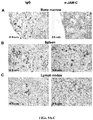
- tissue sections were stained with the B-cell marker anti-CD79.
- a reduced number of B cells were observed in the tissue sections when cells were incubated with anti-JAM-C antibodies ( FIG. 9 ).
- mice paraffin-embedded BM, spleen, and LN sections were obtained from mice one hour after cell injection. H&E staining was performed according to standard procedures. Immunohistochemistry was performed using mouse monoclonal biotinylated antibodies against CD79 ⁇ (clone JCB117, Dako) at a dilution of 1:50. Antigen retrieval was performed with 10 min in a microwave oven at 98 °C in a 10 mM citrate buffer pH 6. Visualization was accomplished by horseradish peroxidase with Dako Envison (Dako). At the end of the procedure, cell nuclei were counterstained with hematoxylin for 5 min. Images were visualized under light microscopy with an Axioskop 40 (Carl Zeiss) and captured with a Nikon D70 digital camera (Nikon).
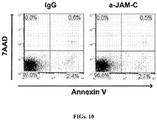
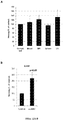
- B cells were pre-incubated with anti-JAM-C antibody and quantified in the liver one hour post-injection. As shown in FIG. 12B , cells treated with anti-JAM-C antibody partially redistributed to the liver.
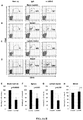
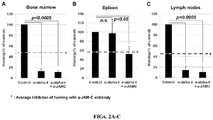
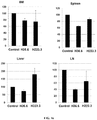
- alpha-4 integrin (VLA-4) is an important adhesion molecule implicated in B cell homing (Hartmann et al., 2009; Luster et al., 2005), the inventors compared the effects of anti-JAM-C antibody treatment to treatment with anti-alpha-4 integrin antibody or treatment with a combination of anti-JAM-C and anti-alpha-4 integrin antibodies on B cell homing.
- Alpha-4 integrin antibody decreased homing to BM and LNs to a greater extent than anti-JAM-C alone but had no effect on homing to the spleen.
- the combination of both antibodies resulted in inhibition of homing to all three lymphoid organs ( FIG. 2 ).
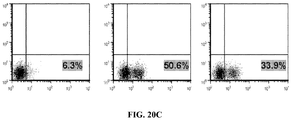
- JAM-C expression 163 human B-cell lymphomas for JAM-C expression ( FIG. 3 ).
- the expression of JAM-C in B-cell lymphomas revealed a disease-specific pattern distinguishing JAM-Cpos from JAM-Cneg B-cell lymphomas. Therefore, JAM-C expression clearly allows the distinction between JAM-Cpos lymphomas (MZBL, MCL, HCL) and JAM-Cneg lymphomas (CLL, FL).
- JAM-C expression cell samples were incubated with JAM-C rabbit antiserum at a dilution of 1:2000 after incubation with normal human serum. Reactivity was revealed with a human absorbed goat anti-rabbit IgG-PE or IgG-Alexa (Southern Biotechnology, Birmingham, AL). Preimmune serum of the same rabbit at the same dilution was used as a control. Samples were obtained using a FC-500 flow cytometer (BD) and analyzed using FCS express software.
- BD flow cytometer
- Example 3 Blocking of malignant lymphoma B cell homing to lymphoid organs by anti-JAM-C antibodies
- JAM-C is involved in normal B lymphocyte homing
- Blood, BM, spleen, and LNs were analyzed one hour after injection.
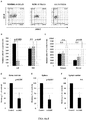
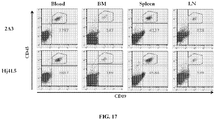
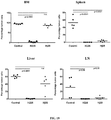
- the homing of JAM-Cpos lymphoma B cells to LNs was reduced by 77% compared to normal B lymphocytes, while no difference in migration to BM or spleen was observed ( FIG. 4B-C ).
- JAM-Cneg CLL B cells failed to reach LNs and BM of NOD/SCID mice, but were found primarily in blood and spleen ( FIG. 4B-C ). Similarly to normal B lymphocytes, the homing of JAM-Cpos lymphoma B cells to BM, spleen, and LNs was substantially decreased by anti-JAM-C antibody ( FIG. 4D- F ).
- Example 4 Selective blocking of adhesion of JAM-C positive B cells to mouse and human JAM-B by anti-JAM-C antibodies
- JAM-C molecular ligands of JAM-C on B cells. Although homotypic JAM-C/JAM-C and heterotypic JAM-C/JAM-B interactions have been reported, the endothelial ligand for JAM-C on B cells had not been described. To investigate this interaction, adhesion assays were performed. Culture plates were coated with recombinant human and murine JAM-B Fc, human JAM-C Fc, human VCAM-1 Fc as a positive control, and JAM-A Fc as a negative control.
- the JAM-Cneg B cell line Raji was transfected with the full-length human JAM-C cDNA and mock-transfected cells were used as a control ( FIG. 5A ). Whereas mock-transfected Raji cells adhered only to VCAM-1, JAM-C transfected Raji cells adhered to JAM-B and VCAM-1, but adhered neither to JAM-C nor to JAM-A ( FIG. 5B-C ). Binding to VCAM-1 occurred through alpha-4 integrin, as it was abrogated by incubation of cells with anti-alpha-4 integrin antibody.
- JAM-Cpos Raji cells Incubation of JAM-Cpos Raji cells with anti-human JAM-C antibody selectively inhibited the binding of Raji cells to murine and human JAM-B without affecting the binding to VCAM-1 ( FIG. 5B ,D ).
- JAM-Cneg JAM-Cneg
- Jeko-1 JAM-Cpos
- the human cell lines Jeko-1 (MCL) and K1718 (MZBL) were a kind gift from J.A. Martinez-Climent (Laboratory of Molecular Oncology, Center for Applied Medical Research, University of Navarra, Spain).
- the cell line HUVEC was produced in the inventor's laboratory. Cell line phenotypes were tested and authenticated by flow cytometry before use.
- NUNC 269787 adhesion plates were successively coated with anti-huFc antibody (Jackson Immuno Research) at 2.5 ⁇ g/mL, Fc-labeled proteins at 2.5 ⁇ g/mL, and blocked with 1% BSA (purified fraction V, Sigma). Cells were labeled with CFSE as recommended by the manufacturer (Invitrogen) and Fc-receptors were blocked (Fc-blocking solution; Miltenyi Biotech). The cells were then incubated in DMEM without Phenol red in the presence of rabbit IgG or anti-human JAM-C affinity-purified polyclonal antibody for 15 minutes at RT.
- JAM-B as a ligand for JAM-C
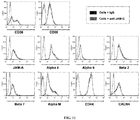
- binding assays of soluble JAM-B Fc were performed with various B and non-B cell lines, expressing different levels of JAM-C.
- a clear correlation between the level of expression of JAM-C and the binding of JAM-B was found ( FIG. 13B ).
- JAM-C For soluble protein binding assays, different cell types expressing different levels of JAM-C were used, including: Raji pcDNA (mock-transfected control) and K1718 as JAM-Cneg cells; Raji HuJAM-C X, Raji HuJAM-C Y (two different batches of JAM-C transfected Raji cells), Jeko-1, HUVEC, transfected MDCK, CHO, and K562 as JAM-Cpos cells. Cells (2x10 5 cells per well) were incubated with either recombinant human IgG1 Fc (R&D) as a control or human JAM-B Fc (R&D) at 1 ug/mL for 60 min at 4 °C in PBS-BSA.
- Raji pcDNA knock-transfected control
- K1718 two different batches of JAM-C transfected Raji cells
- Jeko-1 JAM-C transfected Raji cells
- HUVEC JAM-C trans
- JAM-B is known to interact with ⁇ 4 ⁇ 1 integrin expressed by T cells, and this interaction occurs only on cells that concomitantly express JAM-C (Cunningham et al., 2002).
- Jeko-1 and K1718 cells both alpha-4 integrin positive
- binding of soluble JAM-B Fc was analyzed by flow cytometry.
- JAM-B Fc bound to JAM-Cpos Jeko-1 cells but not to JAM-Cneg K1718 cells.
- Example 5 Surface plasmon resonance identifies JAM-B but not JAM-C as a ligand for JAM-C
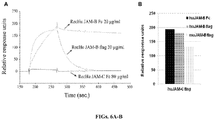
- soluble human JAM-C-FLAG protein was covalently immobilized to a Biacore CM5 sensor chip. Immobilization was assessed by testing the binding of anti-JAM-C monoclonal and polyclonal antibodies. Under these conditions, soluble recombinant JAM-B Fc and JAM-B FLAG bound to immobilized JAM-C, demonstrating a clear JAM-B/JAM-C interaction, while binding of soluble JAM-C Fc to immobilized JAM-C was not detected ( FIG. 6A ).
- JAM-B FLAG was observed to dissociate rapidly, whereas the JAM-B Fc interaction with JAM-C remained stable. This kinetic pattern may be due to the dimeric form of the Fc-tagged molecule forming a more stable interaction with JAM-C than the monomeric form of JAM-B FLAG. Homotypic JAM-C/JAM-C interaction was never observed under these conditions, even when injecting higher concentrations of JAM-C Fc. This suggests that the JAM-C/JAM-B interaction is of much higher affinity than JAM-C/JAM-C binding.
- Example 6 Vascular endothelial cells in lymphoid tissues express JAM-B and interact with JAM-C positive B cells
- JAM-B has been localized in cell-cell junctions of blood vessels, including high endothelial venules (HEV) in lymph nodes of normal mice (Pfeiffer et al., 2008).
- HEV high endothelial venules
- the presence of JAM-B in murine bone marrow endothelial cells has been confirmed by flow cytometry and immunofluorescence (Arcangeli et al., 2011).
- LN and spleen sections were stained for JAM-B, and BM was analyzed by flow cytometry for the presence of JAM-B-positive endothelial cells.
- JAM-B co-localized with PECAM-1 on blood vessels in spleen and LNs, and CD45neg, PECAMpos BM endothelial cells stained positive for JAM-B ( FIG. 14 ).
- JAM-B staining on human lymphoid tissue was carried out.
- Co-localization of JAM-B and endothelial specific VE-Cadherin (VE-CAD) was observed in the vasculature of human tonsils.
- Double staining experiments were carried out to determine the localization of JAM-Cpos B cells in relation to JAM-B-expressing endothelial cells of blood vessels.
- Lymph nodes of NOD/SCID mice injected with JAM-Cpos human B cells, were collected one hour after injection and stained with anti-human CD20 and anti-mouse JAM-B antibodies. Immunofluorescence was performed on cryosections from LNs of NOD/SCID mice obtained one hour after the inoculation of human B cells. Human B cells were found adjacent to JAM-Bpos endothelial cells ( FIG. 14 ).
- JAM-B JAM-B on murine endothelial BM cells
- femur and tibia were dissected, crushed, and digested in PBS containing 2 mg/mL collagenase (Sigma-Aldrich) for 45 min.
- PBS containing 2 mg/mL collagenase
- cryosections were obtained from the spleen and LNs of injected mice and from human tonsils. Sections were fixed in cold methanol-acetone for 5 min, dried, and rehydrated in 0.1% BSA-PBS for 15 min at RT. Mouse samples were incubated for 1 hour with rabbit anti-mouse JAM-B affinity-purified polyclonal antibody (1/100, obtained after immunization with a murine JAM-B-FLAG fusion protein) and rat anti-mouse PECAM-1 antibody GC51 (1 ⁇ g/mL) (Piali et al., 1995) or mouse anti-human CD20 antibody (clone L26, Dako).
- Tonsil sections were incubated with rabbit anti-human JAM-B affinity purified antibody (1/100) and mouse anti-human VE-CAD 55-7H1 (BD Biosciences). Sections were washed 3 x 5 min at room temperature and incubated for an additional hour with affinity-purified DyLight 649 F(ab)2 donkey anti-rabbit, DyLight 488 F(ab)2 donkey anti-rat (Jackson Laboratories), and human serum-adsorbed, DyLight 488 goat anti-mouse antibodies (KPL).
- Nuclei were counterstained with DAPI (200 ng/mL, Invitrogen), slides were mounted in Moewiol (Sigma-Aldrich), and fluorescence was scanned on a LSM 510Meta confocal microscope (Carl Zeiss).
- Example 7 Decreased lymphoma engraftment by anti-JAM-C antibody treatment
- JAM-Cpos B cell line Jeko-1 (Jeon et al., 1998) was injected into the tail veins of NOD/SCID mice. Animals were treated for three weeks with either anti-JAM-C antibody or with control IgG (10 ⁇ g/mouse, two times per week), and tumor burdens were evaluated on day 24.
- Jeko-1 cells (5x10 6 cells) were injected intravenously into 4-8 week-old NOD/SCID mice. Twenty-four hours after the injection, mice were treated with either rabbit IgG (control group) or anti-JAM-C antibody (10 ⁇ g/mouse). Subsequently, antibodies were administrated intravenously two times per week for three weeks. Mice were monitored for general condition and weight loss, and sacrificed at day 24. Blood, liver, BM, spleen, and LNs were collected and analyzed for the presence of Jeko-1 cells by flow cytometry using human-specific anti-CD45 and anti-CD19 antibodies.
- Example 8 Short-term in vivo homing is blocked by anti-JAM-C monoclonal antibodies
- mice Normal human B cells were incubated with monoclonal anti-JAM-C antibody or an isotype control for 30 min and then tested for in vivo homing in NOD/SCID mice. One hour after injection, the mice were sacrificed and the organs were analyzed by FACS analysis for CD45pos and CD19pos cells. The number of B cells was quantified as the number of CD45pos-CD19pos cells per 10 6 total acquired cells per 10 6 injected B cells. Four monoclonal antibodies were tested: H225 (IgG1), Hj20 (IgG1), H36.6 (IgG1) and H223.3 (IgG2).
- Antibody H225 was found to decrease homing to the spleen by 63% compared to the control, while antibodies Hj20 and H223.3 were found to decrease homing to the spleen by only 16% and 14%, respectively ( FIGs. 15 and 16 ). Likewise, H225 decreased homing to the bone marrow, liver, and lymph nodes to a greater extent than Hj20 and H223.3. Antibody Hj41.5 failed to block homing of normal human B cells ( FIG. 17 ).
- V H and V L chains of antibodies H225 (SEQ ID NO: 4 and 5), Hj20 (SEQ ID NO: 6 and 7), H223.3 (SEQ ID NO: 8 and 9), and Hj41.5 (SEQ ID NO: 10 and 11) were sequenced and the complementarity determining regions (CDRs) determined.
- Total RNA was extracted from the hybridoma cell pellets and cDNA was created from the RNA by reverse-transcription with an oligo(dT) primer. PCR reactions using variable domain primers to amplify both the V H and V L regions of the monoclonal antibody DNA were performed. The products were extracted and gel purified and then cloned into the Invitrogen sequencing vector pCR2.1 and transformed into TOP10 for positive transformants. Selected colonies were picked and analyzed through sequencing, from which a consensus sequence for each antibody was generated (Table 1). The CDRs were determined by the IMGT numbering system (Lefranc et al., 1999).
- Antibody H225 comprises V H CDR sequences corresponding to SEQ ID NOs: 12, 13, and 14 and V L CDR sequences corresponding to SEQ ID NOs: 15, 16, and 17.
- Antibody Hj20 comprises V H CDR sequences corresponding to SEQ ID NOs: 18, 19, and 20 and V L CDR sequences corresponding to SEQ ID NOs: 21, 22, and 23.
- Antibody Hj223.3 comprises V H CDR sequences corresponding to SEQ ID NOs: 24, 13, and 25 and V L CDR sequences corresponding to SEQ ID NOs: 15, 16, and 17.
- Antibody Hj41.5 comprises V H CDR sequences corresponding to SEQ ID NOs: 24, 26, and 27 and V L CDR sequences corresponding to SEQ ID NOs: 28, 29, and 30.
- Example 9 Decreased lymphoma engraftment by monoclonal anti-JAM-C antibodies treatment
- JAM-Cpos B cell line Jeko-1 was injected into the tail veins of NOD/SCID mice. Animals were treated for three weeks with either control IgG1, either anti-JAM-C Hj20 monoclonal antibody or anti-JAM-C H225 monoclonal antibody (50 ⁇ g/mouse, two times per week), and tumor burdens were evaluated on day 26. The percentage of Jeko-1 cells recovered from the spleen and LNs of mice treated with anti-JAM-C Hj20 monoclonal antibody was reduced compared to control animals by 93% and 98%, respectively ( FIG. 18 ).
- mice treated with anti-JAM-C H225 monoclonal antibody the percentage of Jeko-1 cells recovered from the BM, spleen, LNs, and liver was significantly reduced compared to control animals by 95%, 100%, 99%, and 100%, respectively ( FIG. 18 ). These results demonstrate that anti-JAM-C antibody treatment not only inhibited homing of B cells to lymphoid organs, but also reduced long-term lymphoma engraftment.
- Jeko-1 cells (5 x 10 6 cells) were injected intravenously into 4-8 week-old NOD/SCID mice.
- mice Six days after the injection, mice were treated with either IgG1 (control group), either anti-JAM-C Hj20 monoclonal antibody or anti-JAM-C H225 monoclonal antibody (50 ⁇ g/mouse).
- IgG1 control group
- anti-JAM-C Hj20 monoclonal antibody 50 ⁇ g/mouse
- antibodies were administrated intravenously two times per week for three weeks. Mice were monitored for general condition and weight loss, and sacrificed at day 26.
- Blood, liver, BM, spleen, and LNs were collected and analyzed for the presence of Jeko-1 cells by flow cytometry using human-specific anti-CD45 and anti-CD19 antibodies.
- Example 10 Anti-JAM-C antibodies decrease B cell proliferation
- JAM-Cpos normal and lymphoma cells were cultured with CD40L and cytokines and with either a control IgG (10 ⁇ g/mL) or a JAM-C mAb (10 ⁇ g/mL). Proliferation was quantified by flow cytometry using Draq5 and EdU-staining. Treatment with JAM-C mAb reduced the number of proliferating cells by about 25% ( FIG. 19A ).
- the normal B cells were cultured with either JAM-C mAb in suspension or bead-bound anti-JAM-C mAb.
- the JAM-Cpos lymphoma cells were cultured with JAM-C mAB in suspension. Anti-JAM-C mAb reduced the proliferation of both normal and malignant JAM-Cpos B cells ( FIGs. 19B-D ).
- the inventors assayed the level of ERK phosphorylation in Jeko-1 cells, primary B cells, and primary JAM-Cpos lymphoma cells treated with anti-JAM-C mAb.
- Primary B cells and primary JAM-Cpos lymphoma cells were activated with CD40L and cytokines.
- Jeko-1 cells and primary B cells treatment for 30 min and 3 h resulted in a statistically significant reduction in phospho-ERK levels ( FIGs. 20A and B ).
- treatment with anti-JAM-C mAb resulting in a reduction of phospho-ERK levels from 50.6% to 33.9% ( FIG. 20C ).
Landscapes
- Health & Medical Sciences (AREA)
- Life Sciences & Earth Sciences (AREA)
- Chemical & Material Sciences (AREA)
- Immunology (AREA)
- Medicinal Chemistry (AREA)
- General Health & Medical Sciences (AREA)
- Organic Chemistry (AREA)
- Cell Biology (AREA)
- Engineering & Computer Science (AREA)
- Molecular Biology (AREA)
- Hematology (AREA)
- Pharmacology & Pharmacy (AREA)
- Animal Behavior & Ethology (AREA)
- Public Health (AREA)
- Veterinary Medicine (AREA)
- Biochemistry (AREA)
- Epidemiology (AREA)
- Genetics & Genomics (AREA)
- Biophysics (AREA)
- Proteomics, Peptides & Aminoacids (AREA)
- Bioinformatics & Cheminformatics (AREA)
- Biomedical Technology (AREA)
- Urology & Nephrology (AREA)
- Oncology (AREA)
- Chemical Kinetics & Catalysis (AREA)
- General Chemical & Material Sciences (AREA)
- Nuclear Medicine, Radiotherapy & Molecular Imaging (AREA)
- Microbiology (AREA)
- Biotechnology (AREA)
- Food Science & Technology (AREA)
- Physics & Mathematics (AREA)
- Analytical Chemistry (AREA)
- General Physics & Mathematics (AREA)
- Pathology (AREA)
- Virology (AREA)
- Peptides Or Proteins (AREA)
- Medicines Containing Antibodies Or Antigens For Use As Internal Diagnostic Agents (AREA)
- Mycology (AREA)
Claims (14)
- Eine Zusammensetzung umfassend eine wirksame Menge eines JAM-C-bindenden Antikörpers, der die Adhäsion eines JAM-C-exprimierendem B-Zell-Lymphoms an JAM-B unterbindet, zur Verwendung in einem Verfahren zur Behandlung eines JAM-C positiven B-Zell-Lymphoms in einem Patienten.
- Die Zusammensetzung zur Verwendung nach Anspruch 1, wobei der Antikörper ein monoklonaler Antikörper, ein polyklonaler Antikörper, ein chimärer Antikörper, ein affinitätsgereifter Antikörper, ein humanisierter Antikörper, ein menschlicher Antikörper oder ein antigenbindendes Antikörperfragment ist.
- Die Zusammensetzung zur Verwendung nach Anspruch 2, wobei der Antikörper ein monoklonaler Antikörper ist.
- Die Zusammensetzung zur Verwendung nach Anspruch 1, wobei der Antikörper an ein Mittel gebunden ist, das zielgerichtet zu einer JAM-C-exprimierende Zelle geführt werden soll.
- Die Zusammensetzung zur Verwendung nach Anspruch 4, wobei das Mittel ein zytotoxisches Mittel, ein Zytokin, ein anti-angiogenes Mittel, ein Chemotherapeutikum, ein Diagnostikum, ein Bildgebungsmittel, ein Radioisotop, ein Pro-Apoptosemittel, ein Enzym, ein Hormon, ein Wachstumsfaktor, ein Peptid, ein Protein, ein Antibiotikum, ein Antikörper, ein Fab-Fragment eines Antikörpers, ein Antigen, ein Überlebensfaktor, ein Anti-Apoptosemittel, ein Hormonantagonist, ein Virus, ein Bakteriophage, ein Bakterium, ein Liposom, ein Mikropartikel, eine Magnetkügelchen, ein Mikrogerät, eine Zelle, eine Nukleinsäure oder ein Expressionsvektor ist.
- Die Zusammensetzung zur Verwendung nach Anspruch 1, wobei der JAM-C-bindende Antikörper Folgendes umfasst:(a) eine erste VH CDR mit SEQ ID NO: 12;(b) eine zweite VH CDR mit SEQ ID NO: 13;(c) eine dritte VH CDR mit SEQ ID NO: 14;(d) eine erste VL CDR mit SEQ ID NO: 15;(e) eine zweite VL CDR mit SEQ ID NO: 16; und(f) eine dritte VL CDR mit SEQ ID NO: 17.
- Die Zusammensetzung zur Verwendung nach Anspruch 1, wobei der JAM-C-bindende Antikörper Folgendes umfasst:(a) eine erste VH CDR mit SEQ ID NO: 24;(b) eine zweite VH CDR mit SEQ ID NO: 13;(c) eine dritte VH CDR mit SEQ ID NO: 25;(d) eine erste VL CDR mit SEQ ID NO: 15;(e) eine zweite VL CDR mit SEQ ID NO: 16; und(f) eine dritte VL CDR mit SEQ ID NO: 17.
- Die Zusammensetzung zur Verwendung nach Anspruch 1, wobei der JAM-C-bindende Antikörper Folgendes umfasst:(a) eine erste VH CDR mit SEQ ID NO: 18;(b) eine zweite VH CDR mit SEQ ID NO: 19;(c) eine dritte VH CDR mit SEQ ID NO: 20;(d) eine erste VL CDR mit SEQ ID NO: 21;(e) eine zweite VL CDR mit SEQ ID NO: 22; und(f) eine dritte VL CDR mit SEQ ID NO: 23.
- Die Zusammensetzung zur Verwendung nach Anspruch 1, wobei der JAM-C-bindende Antikörper Folgendes umfasst:(i) eine VH-Domäne, die zur VH-Domäne von H225 wie in SEQ ID NO: 4 dargestellt zu mindestens etwa 80% identisch ist, und eine VL-Domäne, die zur VL-Domäne von H225 wie in SEQ ID NO: 5 dargestellt zu mindestens etwa 80% identisch ist; oder(ii) eine VH-Domäne, die zur VH-Domäne von Hj223.3 wie in SEQ ID NO:8 dargestellt zu mindestens etwa 80% identisch ist, und eine VL-Domäne, die zur VL-Domäne von Hj223.3 wie in SEQ ID NO: 9 dargestellt zu mindestens etwa 80% identisch ist; oder(iii) eine VH-Domäne, die zur VH-Domäne von Hj20 wie in SEQ ID NO:6 dargestellt zu mindestens etwa 80% identisch ist, und eine VL-Domäne, die zur VL-Domäne von Hj20 wie in SEQ ID NO: 7 dargestellt zu mindestens etwa 80% identisch ist;und wobei die Fähigkeit des JAM-C-bindenden Antikörpers, die Adhäsion des JAM-C-exprimierenden B-Zell-Lymphoms an JAM-B zu unterbinden, erhalten bleibt.
- Die Zusammensetzung zur Verwendung nach Anspruch 1, wobei die Behandlung die Verringerung des langfristigen B-Zell-Lymphomanwachsens bei einem Patienten mit einem JAM-C-positiven B-Zell-Lymphom umfasst.
- Ein ex vivo-Verfahren zur Identifizierung eines Lymphompatienten, der ein Kandidat für die JAM-C-Behandlung ist, umfassend das Bestimmen, ob das Lymphom ein JAM-C-positives B-Zell-Lymphom ist, wobei, wenn das Lymphom ein JAM-C-positives Lymphom ist, der Patient dann ein Kandidat für eine JAM-C-gerichtete Therapie ist, wobei die JAM-C-gerichtete Therapie die Zusammensetzung zur Verwendung nach einem der Ansprüche 1 bis 10 umfasst.
- Ein isolierter JAM-C-bindender Antikörper, umfassend:(a) eine erste VH CDR mit SEQ ID NO: 12;(b) eine zweite VH CDR mit SEQ ID NO: 13;(c) eine dritte VH CDR mit SEQ ID NO: 14;(d) eine erste VL CDR mit SEQ ID NO: 15;(e) eine zweite VL CDR mit SEQ ID NO: 16; und(f) eine dritte VL CDR mit SEQ ID NO: 17.
- Der isolierte Antikörper nach Anspruch 12, wobei der Antikörper Folgendes umfasst:
eine VH-Domäne, die zur VH-Domäne von H225 wie in SEQ ID NO: 4 dargestellt zu mindestens etwa 80% identisch ist, und eine VL-Domäne, die zur VL-Domäne von H225 wie in SEQ ID NO: 5 dargestellt zu mindestens etwa 80% identisch ist. - Der isolierte Antikörper nach Anspruch 12 oder 13, wobei der Antikörper ein menschlicher, humanisierter oder entimmunisierter Antikörper ist.
Applications Claiming Priority (3)
| Application Number | Priority Date | Filing Date | Title |
|---|---|---|---|
| US201261717796P | 2012-10-24 | 2012-10-24 | |
| US201361773933P | 2013-03-07 | 2013-03-07 | |
| PCT/US2013/066534 WO2014066590A1 (en) | 2012-10-24 | 2013-10-24 | Jam-c antibodies and methods for treatment of cancer |
Publications (2)
| Publication Number | Publication Date |
|---|---|
| EP2912064A1 EP2912064A1 (de) | 2015-09-02 |
| EP2912064B1 true EP2912064B1 (de) | 2019-04-24 |
Family
ID=49519141
Family Applications (1)
| Application Number | Title | Priority Date | Filing Date |
|---|---|---|---|
| EP13786389.0A Active EP2912064B1 (de) | 2012-10-24 | 2013-10-24 | Jam-c-antikörper und verfahren zur behandlung von krebs |
Country Status (6)
| Country | Link |
|---|---|
| US (3) | US9803014B2 (de) |
| EP (1) | EP2912064B1 (de) |
| AU (1) | AU2013334583B2 (de) |
| CA (1) | CA2888345C (de) |
| DK (1) | DK2912064T3 (de) |
| WO (1) | WO2014066590A1 (de) |
Families Citing this family (2)
| Publication number | Priority date | Publication date | Assignee | Title |
|---|---|---|---|---|
| EP2912064B1 (de) * | 2012-10-24 | 2019-04-24 | Research Development Foundation | Jam-c-antikörper und verfahren zur behandlung von krebs |
| WO2017172260A1 (en) | 2016-03-31 | 2017-10-05 | Ngm Bioparmaceuticals, Inc. | Binding proteins and methods of use thereof |
Family Cites Families (66)
| Publication number | Priority date | Publication date | Assignee | Title |
|---|---|---|---|---|
| NL154598B (nl) | 1970-11-10 | 1977-09-15 | Organon Nv | Werkwijze voor het aantonen en bepalen van laagmoleculire verbindingen en van eiwitten die deze verbindingen specifiek kunnen binden, alsmede testverpakking. |
| US3817837A (en) | 1971-05-14 | 1974-06-18 | Syva Corp | Enzyme amplification assay |
| US3939350A (en) | 1974-04-29 | 1976-02-17 | Board Of Trustees Of The Leland Stanford Junior University | Fluorescent immunoassay employing total reflection for activation |
| US3996345A (en) | 1974-08-12 | 1976-12-07 | Syva Company | Fluorescence quenching with immunological pairs in immunoassays |
| US4196265A (en) | 1977-06-15 | 1980-04-01 | The Wistar Institute | Method of producing antibodies |
| US4277437A (en) | 1978-04-05 | 1981-07-07 | Syva Company | Kit for carrying out chemically induced fluorescence immunoassay |
| US4275149A (en) | 1978-11-24 | 1981-06-23 | Syva Company | Macromolecular environment control in specific receptor assays |
| US4366241A (en) | 1980-08-07 | 1982-12-28 | Syva Company | Concentrating zone method in heterogeneous immunoassays |
| US4957939A (en) | 1981-07-24 | 1990-09-18 | Schering Aktiengesellschaft | Sterile pharmaceutical compositions of gadolinium chelates useful enhancing NMR imaging |
| US4867973A (en) | 1984-08-31 | 1989-09-19 | Cytogen Corporation | Antibody-therapeutic agent conjugates |
| US4472509A (en) | 1982-06-07 | 1984-09-18 | Gansow Otto A | Metal chelate conjugated monoclonal antibodies |
| US4606855A (en) | 1982-07-26 | 1986-08-19 | Mex Research Associates C/O Leon Reimer | Monoclonal antibody to digoxin |
| US4469797A (en) | 1982-09-23 | 1984-09-04 | Miles Laboratories, Inc. | Digoxigenin immunogens, antibodies, labeled conjugates, and related derivatives |
| US4816567A (en) | 1983-04-08 | 1989-03-28 | Genentech, Inc. | Recombinant immunoglobin preparations |
| DE3330160A1 (de) | 1983-08-20 | 1985-03-07 | Boehringer Ingelheim KG, 6507 Ingelheim | Monoklonaler antikoerper mit hoher affinitaet zum digoxin |
| DE3342870A1 (de) | 1983-11-26 | 1985-06-05 | Boehringer Mannheim Gmbh, 6800 Mannheim | Digitalis-antikoerper, verfahren zu ihrer herstellung und ihre verwendung zur therapie von digitalis-intoxikationen |
| US4767720A (en) | 1985-08-29 | 1988-08-30 | Hsc Research Development Corporation | Antidigoxin antibodies |
| US4938948A (en) | 1985-10-07 | 1990-07-03 | Cetus Corporation | Method for imaging breast tumors using labeled monoclonal anti-human breast cancer antibodies |
| US4946778A (en) | 1987-09-21 | 1990-08-07 | Genex Corporation | Single polypeptide chain binding molecules |
| US5001225A (en) * | 1986-12-08 | 1991-03-19 | Georgetown University | Monoclonal antibodies to a pan-malarial antigen |
| US5091513A (en) | 1987-05-21 | 1992-02-25 | Creative Biomolecules, Inc. | Biosynthetic antibody binding sites |
| US5824311A (en) | 1987-11-30 | 1998-10-20 | Trustees Of The University Of Pennsylvania | Treatment of tumors with monoclonal antibodies against oncogene antigens |
| WO1989006692A1 (en) | 1988-01-12 | 1989-07-27 | Genentech, Inc. | Method of treating tumor cells by inhibiting growth factor receptor function |
| US4870287A (en) | 1988-03-03 | 1989-09-26 | Loma Linda University Medical Center | Multi-station proton beam therapy system |
| US5223409A (en) | 1988-09-02 | 1993-06-29 | Protein Engineering Corp. | Directed evolution of novel binding proteins |
| JPH049249A (ja) | 1990-04-27 | 1992-01-14 | Kusuda:Kk | 塗型剤吹き付け機 |
| GB9015198D0 (en) | 1990-07-10 | 1990-08-29 | Brien Caroline J O | Binding substance |
| CA2090126C (en) | 1990-08-02 | 2002-10-22 | John W. Schrader | Methods for the production of proteins with a desired function |
| US5164296A (en) | 1990-08-31 | 1992-11-17 | University Of Maryland At Baltimore | Assay methods involving ouabain |
| US5656434A (en) | 1990-12-28 | 1997-08-12 | Suntory Limited | Monoclonal antibody against cardiac glycoside and utilization thereof |
| US5871907A (en) | 1991-05-15 | 1999-02-16 | Medical Research Council | Methods for producing members of specific binding pairs |
| US5858657A (en) | 1992-05-15 | 1999-01-12 | Medical Research Council | Methods for producing members of specific binding pairs |
| WO1994004679A1 (en) | 1991-06-14 | 1994-03-03 | Genentech, Inc. | Method for making humanized antibodies |
| ATE255131T1 (de) | 1991-06-14 | 2003-12-15 | Genentech Inc | Humanisierter heregulin antikörper |
| US5565332A (en) | 1991-09-23 | 1996-10-15 | Medical Research Council | Production of chimeric antibodies - a combinatorial approach |
| US5770376A (en) | 1992-12-02 | 1998-06-23 | Biomedical Sciences Research Laboratories, Inc. | Method of diagnosing and treating myocardial infarction and hypertension |
| US5801029A (en) | 1993-02-16 | 1998-09-01 | Onyx Pharmaceuticals, Inc. | Cytopathic viruses for therapy and prophylaxis of neoplasia |
| US5801005A (en) | 1993-03-17 | 1998-09-01 | University Of Washington | Immune reactivity to HER-2/neu protein for diagnosis of malignancies in which the HER-2/neu oncogene is associated |
| US5420253A (en) | 1993-09-09 | 1995-05-30 | Willmar Poultry Company, Inc. | Method for purifying egg yolk immunoglobulins |
| GB9325182D0 (en) | 1993-12-08 | 1994-02-09 | T Cell Sciences Inc | Humanized antibodies or binding proteins thereof specific for t cell subpopulations exhibiting select beta chain variable regions |
| PT744958E (pt) | 1994-01-31 | 2003-11-28 | Univ Boston | Bancos de anticorpos policlonais |
| US5861499A (en) | 1994-02-10 | 1999-01-19 | Imclone Systems Incorporated | Nucleic acid molecules encoding the variable or hypervariable region of a monoclonal antibody that binds to an extracellular domain |
| GB9506466D0 (en) | 1994-08-26 | 1995-05-17 | Prolifix Ltd | Cell cycle regulated repressor and dna element |
| US5760395A (en) | 1996-04-18 | 1998-06-02 | Universities Research Assoc., Inc. | Method and apparatus for laser-controlled proton beam radiology |
| US5739169A (en) | 1996-05-31 | 1998-04-14 | Procept, Incorporated | Aromatic compounds for inhibiting immune response |
| US6709659B1 (en) | 1996-08-02 | 2004-03-23 | Zymogenetics, Inc. | Antibodies that bind testis-specific insulin homolog polypeptides |
| US6406867B1 (en) | 1996-08-16 | 2002-06-18 | Human Genome Sciences, Inc. | Antibody to human endokine alpha and methods of use |
| US6709873B1 (en) | 1997-04-09 | 2004-03-23 | Isodiagnostika Inc. | Method for production of antibodies to specific sites of rapamycin |
| US6861572B1 (en) | 1997-11-14 | 2005-03-01 | Origen Therapeutics, Inc. | Production of proteins in eggs |
| US6913745B1 (en) | 1997-12-02 | 2005-07-05 | Neuralab Limited | Passive immunization of Alzheimer's disease |
| US6432673B1 (en) | 1998-12-07 | 2002-08-13 | Zymogenetics, Inc. | Growth factor homolog ZVEGF3 |
| US20020064528A1 (en) | 2000-01-28 | 2002-05-30 | Zhenping Zhu | Antibodies specific to KDR and uses thereof |
| US7442776B2 (en) * | 1999-10-08 | 2008-10-28 | Young David S F | Cancerous disease modifying antibodies |
| US6946546B2 (en) | 2000-03-06 | 2005-09-20 | Cambridge Antibody Technology Limited | Human antibodies against eotaxin |
| US6849259B2 (en) | 2000-06-16 | 2005-02-01 | Symphogen A/S | Polyclonal antibody composition for treating allergy |
| US6753407B2 (en) | 2000-08-15 | 2004-06-22 | North Carolina State University | Antimicrobial peptides isolated from fish |
| US8178098B2 (en) | 2001-04-03 | 2012-05-15 | National Jewish Health | Method to inhibit airway hyperresponsiveness using aerosolized T cell receptor antibodies |
| US6891024B2 (en) | 2001-05-24 | 2005-05-10 | The Curators Of The University Of Missouri | Monoclonal antibodies to Sarcocystis neurona and uses therefor |
| MXPA05000511A (es) | 2001-07-12 | 2005-09-30 | Jefferson Foote | Anticuepros super humanizados. |
| BRPI0312818B8 (pt) | 2002-07-19 | 2021-05-25 | Beth Israel Deaconess Medical Ct Inc | uso de uma medida do nível do polipeptídeo sflt-1 em uma amostra de uma paciente e uso de uma medida dos níveis de pelo menos dois dos peptídeos sflt1, vegf livre ou polipeptídio pigf livre em uma amostra de um paciente usando um métrico |
| US7393531B2 (en) * | 2003-01-21 | 2008-07-01 | Arius Research Inc. | Cytotoxicity mediation of cells evidencing surface expression of MCSP |
| EP1533617A1 (de) | 2003-11-19 | 2005-05-25 | RMF Dictagene S.A. | Angiogenese inhibierende Moleküle, deren Auswahl, Herstellung und Benutzung zur Behandlung und Diagnose von Krebs |
| US7642341B2 (en) | 2003-12-18 | 2010-01-05 | Merck Serono S.A. | Angiogenesis inhibiting molecules, their selection, production and their use in the treatment of cancer |
| WO2006084078A2 (en) | 2005-02-02 | 2006-08-10 | Raven Biotechnologies, Inc. | Jam-3 and antibodies that bind thereto |
| JP2010504955A (ja) | 2006-09-28 | 2010-02-18 | メルク セローノ ソシエテ アノニム | 接合部接着分子c(jam−c)結合化合物とその利用方法 |
| EP2912064B1 (de) * | 2012-10-24 | 2019-04-24 | Research Development Foundation | Jam-c-antikörper und verfahren zur behandlung von krebs |
-
2013
- 2013-10-24 EP EP13786389.0A patent/EP2912064B1/de active Active
- 2013-10-24 DK DK13786389.0T patent/DK2912064T3/da active
- 2013-10-24 WO PCT/US2013/066534 patent/WO2014066590A1/en not_active Ceased
- 2013-10-24 US US14/438,505 patent/US9803014B2/en active Active
- 2013-10-24 CA CA2888345A patent/CA2888345C/en active Active
- 2013-10-24 AU AU2013334583A patent/AU2013334583B2/en not_active Ceased
-
2017
- 2017-04-20 US US15/492,277 patent/US10385129B2/en active Active
-
2018
- 2018-02-01 US US15/886,802 patent/US10759857B2/en active Active
Non-Patent Citations (1)
| Title |
|---|
| None * |
Also Published As
| Publication number | Publication date |
|---|---|
| US9803014B2 (en) | 2017-10-31 |
| US10759857B2 (en) | 2020-09-01 |
| EP2912064A1 (de) | 2015-09-02 |
| AU2013334583A1 (en) | 2015-05-14 |
| CA2888345C (en) | 2020-04-21 |
| US20180171013A1 (en) | 2018-06-21 |
| US10385129B2 (en) | 2019-08-20 |
| HK1213584A1 (en) | 2016-07-08 |
| DK2912064T3 (da) | 2019-07-22 |
| AU2013334583B2 (en) | 2018-09-13 |
| WO2014066590A1 (en) | 2014-05-01 |
| US20150246971A1 (en) | 2015-09-03 |
| CA2888345A1 (en) | 2014-05-01 |
| US20170291944A1 (en) | 2017-10-12 |
Similar Documents
| Publication | Publication Date | Title |
|---|---|---|
| US11912758B2 (en) | Methods of treating metastasis, including inhibiting bone cancer metastasis, by administering an antibody which binds connexin 43 (Cx43) hemichannel | |
| EP2970494B1 (de) | Her3-spezifischer monoklonaler antikörper zur diagnostischen und therapeutischen verwendung | |
| US12152071B2 (en) | EGFL6 specific monoclonal antibodies and methods of their use | |
| US20220144944A1 (en) | Lilrb4-binding antibody and methods of use thereof | |
| US10759857B2 (en) | JAM-C antibodies and methods for treatment of cancer | |
| US11512141B2 (en) | Fibrinogen-like protein 2 (FGL2) monoclonal antibodies and their use in cancer detection and treatment | |
| US10729781B2 (en) | LGR4 specific monoclonal antibodies and methods of their use | |
| US20220363776A1 (en) | Methods and pharmaceutical composition for the treatment of ovarian cancer, breast cancer or pancreatic cancer | |
| HK1213584B (en) | Jam-c antibodies and methods for treatment of cancer | |
| US20230092390A1 (en) | Human 4-1bb agonist antibodies and methods of use thereof | |
| US20220162298A1 (en) | Compositions for treating osteosarcoma and methods of use |
Legal Events
| Date | Code | Title | Description |
|---|---|---|---|
| PUAI | Public reference made under article 153(3) epc to a published international application that has entered the european phase |
Free format text: ORIGINAL CODE: 0009012 |
|
| 17P | Request for examination filed |
Effective date: 20150421 |
|
| AK | Designated contracting states |
Kind code of ref document: A1 Designated state(s): AL AT BE BG CH CY CZ DE DK EE ES FI FR GB GR HR HU IE IS IT LI LT LU LV MC MK MT NL NO PL PT RO RS SE SI SK SM TR |
|
| AX | Request for extension of the european patent |
Extension state: BA ME |
|
| DAX | Request for extension of the european patent (deleted) | ||
| REG | Reference to a national code |
Ref country code: HK Ref legal event code: DE Ref document number: 1213584 Country of ref document: HK |
|
| STAA | Information on the status of an ep patent application or granted ep patent |
Free format text: STATUS: EXAMINATION IS IN PROGRESS |
|
| 17Q | First examination report despatched |
Effective date: 20161020 |
|
| REG | Reference to a national code |
Ref country code: DE Ref legal event code: R079 Ref document number: 602013054370 Country of ref document: DE Free format text: PREVIOUS MAIN CLASS: C07K0016280000 Ipc: A61P0035000000 |
|
| GRAP | Despatch of communication of intention to grant a patent |
Free format text: ORIGINAL CODE: EPIDOSNIGR1 |
|
| RIC1 | Information provided on ipc code assigned before grant |
Ipc: A61P 35/00 20060101AFI20181016BHEP |
|
| STAA | Information on the status of an ep patent application or granted ep patent |
Free format text: STATUS: GRANT OF PATENT IS INTENDED |
|
| INTG | Intention to grant announced |
Effective date: 20181122 |
|
| GRAS | Grant fee paid |
Free format text: ORIGINAL CODE: EPIDOSNIGR3 |
|
| GRAA | (expected) grant |
Free format text: ORIGINAL CODE: 0009210 |
|
| STAA | Information on the status of an ep patent application or granted ep patent |
Free format text: STATUS: THE PATENT HAS BEEN GRANTED |
|
| AK | Designated contracting states |
Kind code of ref document: B1 Designated state(s): AL AT BE BG CH CY CZ DE DK EE ES FI FR GB GR HR HU IE IS IT LI LT LU LV MC MK MT NL NO PL PT RO RS SE SI SK SM TR |
|
| REG | Reference to a national code |
Ref country code: GB Ref legal event code: FG4D |
|
| REG | Reference to a national code |
Ref country code: CH Ref legal event code: EP |
|
| REG | Reference to a national code |
Ref country code: AT Ref legal event code: REF Ref document number: 1123419 Country of ref document: AT Kind code of ref document: T Effective date: 20190515 Ref country code: IE Ref legal event code: FG4D |
|
| REG | Reference to a national code |
Ref country code: DE Ref legal event code: R096 Ref document number: 602013054370 Country of ref document: DE |
|
| REG | Reference to a national code |
Ref country code: CH Ref legal event code: NV Representative=s name: VALIPAT S.A. C/O BOVARD SA NEUCHATEL, CH |
|
| REG | Reference to a national code |
Ref country code: DK Ref legal event code: T3 Effective date: 20190718 |
|
| REG | Reference to a national code |
Ref country code: NL Ref legal event code: FP |
|
| REG | Reference to a national code |
Ref country code: SE Ref legal event code: TRGR |
|
| REG | Reference to a national code |
Ref country code: LT Ref legal event code: MG4D |
|
| REG | Reference to a national code |
Ref country code: NO Ref legal event code: T2 Effective date: 20190424 |
|
| PG25 | Lapsed in a contracting state [announced via postgrant information from national office to epo] |
Ref country code: PT Free format text: LAPSE BECAUSE OF FAILURE TO SUBMIT A TRANSLATION OF THE DESCRIPTION OR TO PAY THE FEE WITHIN THE PRESCRIBED TIME-LIMIT Effective date: 20190824 Ref country code: AL Free format text: LAPSE BECAUSE OF FAILURE TO SUBMIT A TRANSLATION OF THE DESCRIPTION OR TO PAY THE FEE WITHIN THE PRESCRIBED TIME-LIMIT Effective date: 20190424 Ref country code: FI Free format text: LAPSE BECAUSE OF FAILURE TO SUBMIT A TRANSLATION OF THE DESCRIPTION OR TO PAY THE FEE WITHIN THE PRESCRIBED TIME-LIMIT Effective date: 20190424 Ref country code: LT Free format text: LAPSE BECAUSE OF FAILURE TO SUBMIT A TRANSLATION OF THE DESCRIPTION OR TO PAY THE FEE WITHIN THE PRESCRIBED TIME-LIMIT Effective date: 20190424 Ref country code: HR Free format text: LAPSE BECAUSE OF FAILURE TO SUBMIT A TRANSLATION OF THE DESCRIPTION OR TO PAY THE FEE WITHIN THE PRESCRIBED TIME-LIMIT Effective date: 20190424 Ref country code: ES Free format text: LAPSE BECAUSE OF FAILURE TO SUBMIT A TRANSLATION OF THE DESCRIPTION OR TO PAY THE FEE WITHIN THE PRESCRIBED TIME-LIMIT Effective date: 20190424 |
|
| PG25 | Lapsed in a contracting state [announced via postgrant information from national office to epo] |
Ref country code: GR Free format text: LAPSE BECAUSE OF FAILURE TO SUBMIT A TRANSLATION OF THE DESCRIPTION OR TO PAY THE FEE WITHIN THE PRESCRIBED TIME-LIMIT Effective date: 20190725 Ref country code: RS Free format text: LAPSE BECAUSE OF FAILURE TO SUBMIT A TRANSLATION OF THE DESCRIPTION OR TO PAY THE FEE WITHIN THE PRESCRIBED TIME-LIMIT Effective date: 20190424 Ref country code: PL Free format text: LAPSE BECAUSE OF FAILURE TO SUBMIT A TRANSLATION OF THE DESCRIPTION OR TO PAY THE FEE WITHIN THE PRESCRIBED TIME-LIMIT Effective date: 20190424 Ref country code: BG Free format text: LAPSE BECAUSE OF FAILURE TO SUBMIT A TRANSLATION OF THE DESCRIPTION OR TO PAY THE FEE WITHIN THE PRESCRIBED TIME-LIMIT Effective date: 20190724 Ref country code: LV Free format text: LAPSE BECAUSE OF FAILURE TO SUBMIT A TRANSLATION OF THE DESCRIPTION OR TO PAY THE FEE WITHIN THE PRESCRIBED TIME-LIMIT Effective date: 20190424 |
|
| REG | Reference to a national code |
Ref country code: AT Ref legal event code: MK05 Ref document number: 1123419 Country of ref document: AT Kind code of ref document: T Effective date: 20190424 |
|
| PG25 | Lapsed in a contracting state [announced via postgrant information from national office to epo] |
Ref country code: IS Free format text: LAPSE BECAUSE OF FAILURE TO SUBMIT A TRANSLATION OF THE DESCRIPTION OR TO PAY THE FEE WITHIN THE PRESCRIBED TIME-LIMIT Effective date: 20190824 |
|
| REG | Reference to a national code |
Ref country code: DE Ref legal event code: R097 Ref document number: 602013054370 Country of ref document: DE |
|
| PG25 | Lapsed in a contracting state [announced via postgrant information from national office to epo] |
Ref country code: AT Free format text: LAPSE BECAUSE OF FAILURE TO SUBMIT A TRANSLATION OF THE DESCRIPTION OR TO PAY THE FEE WITHIN THE PRESCRIBED TIME-LIMIT Effective date: 20190424 Ref country code: EE Free format text: LAPSE BECAUSE OF FAILURE TO SUBMIT A TRANSLATION OF THE DESCRIPTION OR TO PAY THE FEE WITHIN THE PRESCRIBED TIME-LIMIT Effective date: 20190424 Ref country code: CZ Free format text: LAPSE BECAUSE OF FAILURE TO SUBMIT A TRANSLATION OF THE DESCRIPTION OR TO PAY THE FEE WITHIN THE PRESCRIBED TIME-LIMIT Effective date: 20190424 Ref country code: RO Free format text: LAPSE BECAUSE OF FAILURE TO SUBMIT A TRANSLATION OF THE DESCRIPTION OR TO PAY THE FEE WITHIN THE PRESCRIBED TIME-LIMIT Effective date: 20190424 Ref country code: SK Free format text: LAPSE BECAUSE OF FAILURE TO SUBMIT A TRANSLATION OF THE DESCRIPTION OR TO PAY THE FEE WITHIN THE PRESCRIBED TIME-LIMIT Effective date: 20190424 |
|
| PG25 | Lapsed in a contracting state [announced via postgrant information from national office to epo] |
Ref country code: SM Free format text: LAPSE BECAUSE OF FAILURE TO SUBMIT A TRANSLATION OF THE DESCRIPTION OR TO PAY THE FEE WITHIN THE PRESCRIBED TIME-LIMIT Effective date: 20190424 Ref country code: IT Free format text: LAPSE BECAUSE OF FAILURE TO SUBMIT A TRANSLATION OF THE DESCRIPTION OR TO PAY THE FEE WITHIN THE PRESCRIBED TIME-LIMIT Effective date: 20190424 |
|
| PLBE | No opposition filed within time limit |
Free format text: ORIGINAL CODE: 0009261 |
|
| STAA | Information on the status of an ep patent application or granted ep patent |
Free format text: STATUS: NO OPPOSITION FILED WITHIN TIME LIMIT |
|
| PG25 | Lapsed in a contracting state [announced via postgrant information from national office to epo] |
Ref country code: TR Free format text: LAPSE BECAUSE OF FAILURE TO SUBMIT A TRANSLATION OF THE DESCRIPTION OR TO PAY THE FEE WITHIN THE PRESCRIBED TIME-LIMIT Effective date: 20190424 |
|
| 26N | No opposition filed |
Effective date: 20200127 |
|
| PG25 | Lapsed in a contracting state [announced via postgrant information from national office to epo] |
Ref country code: MC Free format text: LAPSE BECAUSE OF FAILURE TO SUBMIT A TRANSLATION OF THE DESCRIPTION OR TO PAY THE FEE WITHIN THE PRESCRIBED TIME-LIMIT Effective date: 20190424 Ref country code: SI Free format text: LAPSE BECAUSE OF FAILURE TO SUBMIT A TRANSLATION OF THE DESCRIPTION OR TO PAY THE FEE WITHIN THE PRESCRIBED TIME-LIMIT Effective date: 20190424 |
|
| PG25 | Lapsed in a contracting state [announced via postgrant information from national office to epo] |
Ref country code: LU Free format text: LAPSE BECAUSE OF NON-PAYMENT OF DUE FEES Effective date: 20191024 |
|
| REG | Reference to a national code |
Ref country code: BE Ref legal event code: MM Effective date: 20191031 |
|
| PG25 | Lapsed in a contracting state [announced via postgrant information from national office to epo] |
Ref country code: BE Free format text: LAPSE BECAUSE OF NON-PAYMENT OF DUE FEES Effective date: 20191031 |
|
| PG25 | Lapsed in a contracting state [announced via postgrant information from national office to epo] |
Ref country code: CY Free format text: LAPSE BECAUSE OF FAILURE TO SUBMIT A TRANSLATION OF THE DESCRIPTION OR TO PAY THE FEE WITHIN THE PRESCRIBED TIME-LIMIT Effective date: 20190424 |
|
| PG25 | Lapsed in a contracting state [announced via postgrant information from national office to epo] |
Ref country code: MT Free format text: LAPSE BECAUSE OF FAILURE TO SUBMIT A TRANSLATION OF THE DESCRIPTION OR TO PAY THE FEE WITHIN THE PRESCRIBED TIME-LIMIT Effective date: 20190424 Ref country code: HU Free format text: LAPSE BECAUSE OF FAILURE TO SUBMIT A TRANSLATION OF THE DESCRIPTION OR TO PAY THE FEE WITHIN THE PRESCRIBED TIME-LIMIT; INVALID AB INITIO Effective date: 20131024 |
|
| PG25 | Lapsed in a contracting state [announced via postgrant information from national office to epo] |
Ref country code: MK Free format text: LAPSE BECAUSE OF FAILURE TO SUBMIT A TRANSLATION OF THE DESCRIPTION OR TO PAY THE FEE WITHIN THE PRESCRIBED TIME-LIMIT Effective date: 20190424 |
|
| P01 | Opt-out of the competence of the unified patent court (upc) registered |
Effective date: 20230516 |
|
| PGFP | Annual fee paid to national office [announced via postgrant information from national office to epo] |
Ref country code: IE Payment date: 20230925 Year of fee payment: 11 |
|
| PGFP | Annual fee paid to national office [announced via postgrant information from national office to epo] |
Ref country code: SE Payment date: 20230926 Year of fee payment: 11 Ref country code: NL Payment date: 20231016 Year of fee payment: 11 |
|
| PGFP | Annual fee paid to national office [announced via postgrant information from national office to epo] |
Ref country code: NO Payment date: 20231010 Year of fee payment: 11 Ref country code: DK Payment date: 20231016 Year of fee payment: 11 |
|
| REG | Reference to a national code |
Ref country code: DK Ref legal event code: EBP Effective date: 20241031 |
|
| REG | Reference to a national code |
Ref country code: SE Ref legal event code: EUG |
|
| REG | Reference to a national code |
Ref country code: NL Ref legal event code: MM Effective date: 20241101 |
|
| PG25 | Lapsed in a contracting state [announced via postgrant information from national office to epo] |
Ref country code: NO Free format text: LAPSE BECAUSE OF NON-PAYMENT OF DUE FEES Effective date: 20241031 |
|
| PG25 | Lapsed in a contracting state [announced via postgrant information from national office to epo] |
Ref country code: NL Free format text: LAPSE BECAUSE OF NON-PAYMENT OF DUE FEES Effective date: 20241101 |
|
| PG25 | Lapsed in a contracting state [announced via postgrant information from national office to epo] |
Ref country code: DK Free format text: LAPSE BECAUSE OF NON-PAYMENT OF DUE FEES Effective date: 20241031 |
|
| PG25 | Lapsed in a contracting state [announced via postgrant information from national office to epo] |
Ref country code: SE Free format text: LAPSE BECAUSE OF NON-PAYMENT OF DUE FEES Effective date: 20241025 |
|
| PG25 | Lapsed in a contracting state [announced via postgrant information from national office to epo] |
Ref country code: IE Free format text: LAPSE BECAUSE OF NON-PAYMENT OF DUE FEES Effective date: 20241024 |
|
| REG | Reference to a national code |
Ref country code: CH Ref legal event code: U11 Free format text: ST27 STATUS EVENT CODE: U-0-0-U10-U11 (AS PROVIDED BY THE NATIONAL OFFICE) Effective date: 20251101 |
|
| PGFP | Annual fee paid to national office [announced via postgrant information from national office to epo] |
Ref country code: DE Payment date: 20251024 Year of fee payment: 13 |
|
| PGFP | Annual fee paid to national office [announced via postgrant information from national office to epo] |
Ref country code: GB Payment date: 20251003 Year of fee payment: 13 |
|
| PGFP | Annual fee paid to national office [announced via postgrant information from national office to epo] |
Ref country code: FR Payment date: 20251003 Year of fee payment: 13 |
|
| PGFP | Annual fee paid to national office [announced via postgrant information from national office to epo] |
Ref country code: CH Payment date: 20251101 Year of fee payment: 13 |