EP2912466B1 - Procédés pour prédire la sensibilité d'un sujet à une thérapie avec anticorps activant les cellules t - Google Patents
Procédés pour prédire la sensibilité d'un sujet à une thérapie avec anticorps activant les cellules t Download PDFInfo
- Publication number
- EP2912466B1 EP2912466B1 EP13785397.4A EP13785397A EP2912466B1 EP 2912466 B1 EP2912466 B1 EP 2912466B1 EP 13785397 A EP13785397 A EP 13785397A EP 2912466 B1 EP2912466 B1 EP 2912466B1
- Authority
- EP
- European Patent Office
- Prior art keywords
- scd25
- subject
- ldh
- tumor
- expression level
- Prior art date
- Legal status (The legal status is an assumption and is not a legal conclusion. Google has not performed a legal analysis and makes no representation as to the accuracy of the status listed.)
- Not-in-force
Links
Images





Classifications
-
- G—PHYSICS
- G01—MEASURING; TESTING
- G01N—INVESTIGATING OR ANALYSING MATERIALS BY DETERMINING THEIR CHEMICAL OR PHYSICAL PROPERTIES
- G01N33/00—Investigating or analysing materials by specific methods not covered by groups G01N1/00 - G01N31/00
- G01N33/48—Biological material, e.g. blood, urine; Haemocytometers
- G01N33/50—Chemical analysis of biological material, e.g. blood, urine; Testing involving biospecific ligand binding methods; Immunological testing
- G01N33/53—Immunoassay; Biospecific binding assay; Materials therefor
- G01N33/575—Immunoassay; Biospecific binding assay; Materials therefor for cancer
- G01N33/5758—Immunoassay; Biospecific binding assay; Materials therefor for cancer involving compounds serving as markers for tumours, cancers or neoplasias, e.g. cellular determinants, receptors, heat shock/stress proteins, A-protein, oligosaccharides or metabolites
- G01N33/57585—Immunoassay; Biospecific binding assay; Materials therefor for cancer involving compounds serving as markers for tumours, cancers or neoplasias, e.g. cellular determinants, receptors, heat shock/stress proteins, A-protein, oligosaccharides or metabolites involving compounds identifiable in body fluids
-
- A—HUMAN NECESSITIES
- A61—MEDICAL OR VETERINARY SCIENCE; HYGIENE
- A61K—PREPARATIONS FOR MEDICAL, DENTAL OR TOILETRY PURPOSES
- A61K39/00—Medicinal preparations containing antigens or antibodies
- A61K39/395—Antibodies; Immunoglobulins; Immune serum, e.g. antilymphocytic serum
- A61K39/39533—Antibodies; Immunoglobulins; Immune serum, e.g. antilymphocytic serum against materials from animals
- A61K39/39541—Antibodies; Immunoglobulins; Immune serum, e.g. antilymphocytic serum against materials from animals against normal tissues, cells
-
- G—PHYSICS
- G01—MEASURING; TESTING
- G01N—INVESTIGATING OR ANALYSING MATERIALS BY DETERMINING THEIR CHEMICAL OR PHYSICAL PROPERTIES
- G01N33/00—Investigating or analysing materials by specific methods not covered by groups G01N1/00 - G01N31/00
- G01N33/48—Biological material, e.g. blood, urine; Haemocytometers
- G01N33/50—Chemical analysis of biological material, e.g. blood, urine; Testing involving biospecific ligand binding methods; Immunological testing
- G01N33/53—Immunoassay; Biospecific binding assay; Materials therefor
- G01N33/575—Immunoassay; Biospecific binding assay; Materials therefor for cancer
- G01N33/5751—Immunoassay; Biospecific binding assay; Materials therefor for cancer of the skin, e.g. melanoma
-
- G—PHYSICS
- G01—MEASURING; TESTING
- G01N—INVESTIGATING OR ANALYSING MATERIALS BY DETERMINING THEIR CHEMICAL OR PHYSICAL PROPERTIES
- G01N33/00—Investigating or analysing materials by specific methods not covered by groups G01N1/00 - G01N31/00
- G01N33/48—Biological material, e.g. blood, urine; Haemocytometers
- G01N33/50—Chemical analysis of biological material, e.g. blood, urine; Testing involving biospecific ligand binding methods; Immunological testing
- G01N33/53—Immunoassay; Biospecific binding assay; Materials therefor
- G01N33/575—Immunoassay; Biospecific binding assay; Materials therefor for cancer
- G01N33/5758—Immunoassay; Biospecific binding assay; Materials therefor for cancer involving compounds serving as markers for tumours, cancers or neoplasias, e.g. cellular determinants, receptors, heat shock/stress proteins, A-protein, oligosaccharides or metabolites
-
- A—HUMAN NECESSITIES
- A61—MEDICAL OR VETERINARY SCIENCE; HYGIENE
- A61K—PREPARATIONS FOR MEDICAL, DENTAL OR TOILETRY PURPOSES
- A61K39/00—Medicinal preparations containing antigens or antibodies
- A61K2039/51—Medicinal preparations containing antigens or antibodies comprising whole cells, viruses or DNA/RNA
- A61K2039/515—Animal cells
- A61K2039/5158—Antigen-pulsed cells, e.g. T-cells
-
- G—PHYSICS
- G01—MEASURING; TESTING
- G01N—INVESTIGATING OR ANALYSING MATERIALS BY DETERMINING THEIR CHEMICAL OR PHYSICAL PROPERTIES
- G01N2333/00—Assays involving biological materials from specific organisms or of a specific nature
- G01N2333/435—Assays involving biological materials from specific organisms or of a specific nature from animals; from humans
- G01N2333/705—Assays involving receptors, cell surface antigens or cell surface determinants
- G01N2333/715—Assays involving receptors, cell surface antigens or cell surface determinants for cytokines; for lymphokines; for interferons
- G01N2333/7155—Assays involving receptors, cell surface antigens or cell surface determinants for cytokines; for lymphokines; for interferons for interleukins [IL]
-
- G—PHYSICS
- G01—MEASURING; TESTING
- G01N—INVESTIGATING OR ANALYSING MATERIALS BY DETERMINING THEIR CHEMICAL OR PHYSICAL PROPERTIES
- G01N2333/00—Assays involving biological materials from specific organisms or of a specific nature
- G01N2333/90—Enzymes; Proenzymes
- G01N2333/902—Oxidoreductases (1.)
- G01N2333/904—Oxidoreductases (1.) acting on CHOH groups as donors, e.g. glucose oxidase, lactate dehydrogenase (1.1)
-
- G—PHYSICS
- G01—MEASURING; TESTING
- G01N—INVESTIGATING OR ANALYSING MATERIALS BY DETERMINING THEIR CHEMICAL OR PHYSICAL PROPERTIES
- G01N2800/00—Detection or diagnosis of diseases
- G01N2800/52—Predicting or monitoring the response to treatment, e.g. for selection of therapy based on assay results in personalised medicine; Prognosis
Definitions
- the present description relates to a method of assessing, predicting or monitoring the sensitivity of a subject having a tumor or cancer to an immunotherapeutic molecule acting on the subject's T cells, to a method of selecting an appropriate treatment of cancer, to a method of screening or identifying a compound suitable for improving the treatment of a cancer, and to the use of corresponding kits.
- the method of predicting or monitoring the sensitivity of a subject having a tumor to an immunotherapeutic molecule acting on the subject's T cells typically comprises a step a) of determining, in a biological sample from said subject, the expression level of soluble CD25 (sCD25) and, when the expression level is determined, a step b) of comparing at least said expression level to a reference expression level thereby assessing whether the subject having a tumor is responsive or resistant to the immunotherapeutic molecule.
- the method may further comprise a step a') of determining, in a biological sample from the subject, the expression level of lactic acid dehydrogenase (LDH) and, when the LDH expression level is determined, a step b') of comparing said LDH expression level to a reference expression level.
- a step a' of determining, in a biological sample from the subject, the expression level of lactic acid dehydrogenase (LDH) and, when the LDH expression level is determined, a step b') of comparing said LDH expression level to a reference expression level.
- LDH lactic acid dehydrogenase
- the treatment includes surgical removal of the tumor. If melanoma is found early, while it is still small and thin, and if it is completely removed, then the chance of cure is high. The likelihood of the melanoma coming back or spreading depends on how deeply it has gone into the layers of the skin. For melanomas that come back or spread, treatments include chemo- and immunotherapy, or radiation therapy.
- Metastatic melanoma is a poor prognosis disease. This cancer has the steepest incidence rate worldwide and considering skin cancers, it is the first cause of mortality with up to 12 200 deaths expected in 2012 ( American Cancer Society, 2008, Cancer Facts and Figures ). The five-year survival rate is 5-10 percent and the median survival is 6 to 10 months ( Balch et al., 2009, J Clin. Oncol ; Tsao et al., 2004, N Engl J Med ).
- Ipilimumab (Yervoy®) and Tremelimumab are monoclonal antibodies directed against cytotoxic T-lymphocyte-associated antigen 4. These fully human antibodies (IgG1 ⁇ ) downregulate an inhibitory pathway of T lymphocytes, and potentiate the immune response against melanoma cells ( Kaehler et al, 2010, Semin Oncol ). Ipilimumab in particular improves overall survival in patients with pretreated metastatic melanoma ( Hodi et al., 2010, N Engl J Med ). In this phase III randomized trial the median overall survival was 10.1 months in the Ipilimumab group (at the dose of 3 mg/kg), versus 6.4 months in the gp 100 group.
- irAEs immune-related adverse events
- the cutaneous and gastrointestinal irAEs are frequent, respectively 40% and 30% of patients, and can be life-threatening ( Di Giacomo et al., 2010, Semin Oncol ).
- Hodi et al. reported 12% of grade 3-4 severe colitis and 14 drug related deaths (2.1%) in 643 patients receiving Ipilimumab ( Hodi et al., 2010, N Engl J Med ).
- the irAEs are dose dependent, are usually manageable with high dose corticosteroids and might, in severe and steroid-resistant cases, require more potent immunosuppressive drugs like anti-TNF- ⁇ ( Wolchock et al., 2010, Lancet Oncol ; Weber et al., 2012, J Clin Oncol ).
- patterns of response to Ipilimumab are different from those to cytotoxic agents.
- New criteria of evaluation have been developed to replace the Response Evaluation Criteria in Solid Tumors (RECIST, WHO Criteria) that are more adapted to immunotherapeutic agents or molecules.
- Ipilimumab and other immunotherapeutic agents like anti-programmed death-1 (anti-PD-1) monoclonal antibodies, are now commonly evaluated using the so-called " immune-related response criteria" (Wolchock et al., 2009, Clin Cancer Res ).
- immune-related response criteria Wolchock et al., 2009, Clin Cancer Res .
- lymphocyte counts, the eosinophile counts and/or the percentages of Inducible T Cell Costimulator (ICOS) expressing CD4+ T cells after one or two cycles of therapy appear to indicate responders from non responders.
- ICOS Inducible T Cell Costimulator
- biomarkers of response to immunotherapeutic molecule acting on the patient's T cells namely soluble CD25 (sCD25) and lactic acid dehydrogenase (lactate dehydrogenase, LDH), advantageously allow an increase of the detection of responder from 1/10 (using markers of the art) to 1/3 (using the herein described biomarkers) and the method of the invention using anyone of these new biomarkers allows a false negative rate of 0% and has a negative predictive value of 100%. In other words, patients who will not respond to the treatment using the immunotherapeutic molecule will all be identified. In addition, both the sensitivity of the method and its specificity met the medical community's expected needs as they are respectively of 100% and of about 70%.
- a first method herein described is an in vitro or ex vivo method of predicting (or assessing) or monitoring the sensitivity of a subject having a tumor to an immunotherapeutic molecule acting on the subject's T cells for treating the tumor, which method comprises a step a) of determining, in a biological sample from said subject, preferably selected from a blood, a serum, a plasma sample or a derivative thereof, the expression level of soluble CD25 (sCD25) and of lactic acid dehydrogenase (LDH) and, when the sCD25 and LDH expression levels are determined, a step b) of comparing said sCD25 and LDH expression levels respectively to sCD25 and LDH reference expression levels, thereby assessing whether the subject having a tumor is sensitive or resistant to the immunotherapeutic molecule.
- a biological sample from said subject preferably selected from a blood, a serum, a plasma sample or a derivative thereof, the expression level of soluble CD25 (sCD25) and of lactic acid dehydrogena
- a particular method herein described, but not being part of the invention, is an in vitro or ex vivo method of selecting, for a subject having a tumor, a treatment comprising an immunotherapeutic molecule acting on the subject's T cells efficient against the tumor of a subject.
- This method preferably comprises the following steps:
- a further aspect relates to use of a specific kit in particular for assessing or monitoring the sensitivity of a subject having a tumor to an immunotherapeutic molecule acting on a subject's T cells selected from an anti-CTLA-4, anti-PD-1, anti-PDL-1, anti-PDL-2, anti-Tim3, anti-Lag3, anti-VISTA, anti-BTLA and an anti-OX40 antibody.
- a kit comprises as detection means at least one antibody specific to sCD25; a molecule allowing the antibody detection; at least one molecule allowing LDH detection; and, optionally, a leaflet providing the sCD25 and LDH respective reference expression levels in control population(s).
- the present invention comes from the inventors' discovery that while anti-CTLA4 Ab (such as Ipilimumab also identified as Yervoy®) or recombinant IL-2 (rIL-2), as a single agent, induces a significant but transient (anti-CTLA4 Ab) or no (rIL-2) control of tumor progression, on the contrary the combination of both IL-2, preferably rIL-2, and anti-CTLA4 antibody is markedly synergistic and surprisingly promotes long term disease free or stabilization of low tumor burdens.
- anti-CTLA4 Ab such as Ipilimumab also identified as Yervoy®
- rIL-2 recombinant IL-2
- soluble CD25 is equivalent to soluble IL-2R ⁇ chain and was first described in Rubin et al. ( Rubin et al., 1985, J Immunol ).
- An exemplary amino acid sequence is described in UniProtKB/Swiss-Prot database under the accession number P01589.
- sCD25 as biomarker allowing the identification of subjects having a cancer or tumor who will respond or not respond to an immunotherapeutic molecule acting on the subject's T cells or who will be further affected or poisoned by such an immunotherapeutic molecule.
- the immunotherapeutic molecule is typically an anti-CTLA4 antibody, in particular Ipilimumab or Tremelimumab.
- Ipilimumab or Tremelimumab an anti-CTLA4 antibody
- inventors further established that LDH and sCD25 respective serum levels represent valuable predictors of resistance to Ipilimumab or Tremelimumab.
- the cancer is a cancer that is usually or conventionally treated with one of the following therapy: a chemotherapy, a radiotherapy, an immunotherapy, in particular an antibody-based therapy (in particular an anti-CTLA4 antibody-based therapy), an hormonotherapy and a surgery.
- a chemotherapy a radiotherapy
- an immunotherapy in particular an antibody-based therapy (in particular an anti-CTLA4 antibody-based therapy)
- an hormonotherapy a surgery.
- the cancer or tumor may be any kind of cancer or neoplasia.
- the cancer is typically selected from a carcinoma, a sarcoma, a lymphoma, a melanoma, a paediatric tumour (such as neuroblastomas, ALK (anaplastic lymphoma kinase) lymphoma, osteosarcomas, medulloblastomas, glioblastomas, ependymomas, acute myeloid leukemia, acute lymphoblastic leukemia) and a leukaemia (also herein identified as "leukaemia tumor”).
- a paediatric tumour such as neuroblastomas, ALK (anaplastic lymphoma kinase) lymphoma, osteosarcomas, medulloblastomas, glioblastomas, ependymomas, acute myeloid leukemia, acute lymphoblastic leukemia
- a leukaemia also herein identified as "leukaemia tumor”
- the cancer is preferably selected from a melanoma, in particular an unresectable or metastatic melanoma ("MM"), preferably a melanoma that does not harbour a B- RAF mutation; a prostate cancer, in particular an hormonotherapy-resistant prostate cancer or a metastatic prostate cancer (for example a prostate cancer with bone metastases); a lung cancer, a renal cell carcinoma tumor, and a colon cancer.
- MM unresectable or metastatic melanoma
- the treatment may consist in exposing the subject to an irradiation selected for example from XR, gamma irradiations and/or UVC irradiations.
- Cancers sensitive to an immunotherapy are conventionally treated using a compound selected for example from IL-2 (Interleukine-2), IFN (Interferon) alpha (IFNa), and a vaccine.
- Cancers sensitive to an antibody-based therapy preferably to a monoclonal antibody-based therapy are conventionally treated using a specific antibody (Ab) such as for example an anti-CTLA4 Ab (such as in particular Ipilimumab or Tremelimumab), anti-CD20 (pan B-Cell antigen) Ab, anti-Her2/Neu (Human Epidermal Growth Factor Receptor-2/NEU) Ab, anti-CD20, anti-EGFR, anti-PD-1 (Programmed cell death protein 1) Ab, an anti-PDL-1 (Programmed cell death protein ligand 1) Ab, an anti-PDL2 (Programmed cell death protein ligand 2) Ab, anti-Tim3 (T cell immunoglobulin-3) Ab anti-Lag3 (Lymphocyte activation gene 3) Ab, anti-BTLA Ab,
- immunotherapies comprise compounds leading to apoptosis such as Fas ligands or soluble /membrane bound TRAIL (TNF-related-apoptosis-inducing-ligand) or soluble/membrane bound TNF (tumor necrosis factor) alpha (TNFa).
- TRAIL soluble /membrane bound TRAIL
- TNFa tumor necrosis factor alpha
- the treatment may use chemotherapeutic drug or agent, a cytotoxic agent or cell death inducer, in particular a genotoxic agent.
- the chemotherapeutic agent is an agent selected for example from an anthracyclin (DX, daunorubicin, idarubicin and MTX), an antimitotic agent (spindle poison such as vincristine or vinblastine), a DNA intercalating agent, a taxane (such as docetaxel, larotaxel, cabazitaxel, paclitaxel (PG-paclitaxel and DHA-paclitaxel), ortataxel, tesetaxel, and taxoprexin), gemcitabine, etoposide, mitomycine C, an alkylating agent (such as dacarbazine), a platin based component such as CDDP and OXP, and a TLR (Toll-like receptor)-3 ligand.
- an anthracyclin DX,
- the patient or subject is a mammal.
- the mammal is a human being, whatever its age or sex.
- the patient typically has a cancer or tumor.
- the tumor is a cancerous or malignant tumor.
- the subject is a subject who has not been previously exposed to a treatment of cancer or a subject who has received the administration of at least one, possibly two or three, therapeutic dose(s) of a molecule or agent for treating the cancer or tumor, preferably of an immunotherapeutic molecule or agent.
- a particular subpopulation of subjects is composed of subjects having or suffering of a metastatic melanoma, preferably of a melanoma that does not harbour a B- RAF mutation.
- a particular subpopulation of subjects is composed of subjects having hormonoresistant prostate cancer, typically together with bone metastases, in particular subjects treated with X-Rays or taxanes and an anti-CTLA4 Ab.
- Another particular subpopulation of subjects suffering of the herein mentioned cancer is composed of subjects having a metastatic cancer (any kind of metastases) or for whom the tumor is unresectable.
- Implementations of the herein described methods involve obtaining a (biological) sample from a subject.
- the sample is preferably a fluid sample and may include serum, blood, plasma, lymphatic fluid, spinal fluid, pleural effusion, ascites, a derivative thereof, or a combination thereof.
- Cells are not included in the sample because these aspects involve assaying for soluble, as opposed to cell bound, biomarkers.
- a method herein described is an in vitro or ex vivo method of predicting (or assessing) or monitoring the sensitivity of a subject having a tumor to an immunotherapeutic molecule acting on the subject's T cells for treating the tumor, which method comprises a step a) of determining, in a biological sample from said subject, preferably selected from a blood, a serum, a plasma sample or a derivative thereof, the expression level(s) of at least one compound selected from soluble CD25 (sCD25), IL-2, IL-15, and sCD122, for example sCD25, IL-2, IL-15, and/or the expression level of sCD122, and, when the corresponding expression level is determined, a step b) of comparing said expression level(s) to a reference expression level, thereby assessing or monitoring whether the subject having a tumor is sensitive (responsive) or resistant to the immunotherapeutic molecule.
- a biological sample from said subject preferably selected from a blood, a serum, a plasma sample or a derivative
- the sCD25, IL-2, IL-15 or sCD122 expression level determined in step a) is the sCD25, IL-2, IL-15 or sCD122 basal expression level in the subject, and step b) preferably further comprises comparing said basal expression level to a sCD25, IL-2, IL-15 or sCD122 response expression level in the subject determined after administration to said subject of the immunotherapeutic molecule.
- the method further comprises a step a') of determining, in a biological sample from said subject, preferably selected from a blood, a serum, a plasma sample or a derivative thereof, the expression level of lactic acid dehydrogenase (LDH) and, when the LDH basal expression level is determined, a step b') of comparing said basal LDH expression level to a reference expression level.
- a biological sample from said subject preferably selected from a blood, a serum, a plasma sample or a derivative thereof.
- the sCD25, IL-2, IL-15 or sCD122 basal expression level(s), and optionally the LDH basal expression level is/are determined before any administration to the subject of an immunotherapeutic molecule for treating the subject's tumor.
- sensitivity or “responsiveness” is intended herein the likelihood that a patient will respond to an immunotherapeutic treatment.
- resistant is intended herein the likelihood that a patient will not respond to an immunotherapeutic treatment.
- Predictive methods of the invention can be used clinically to make treatment decisions by choosing as soon as possible the most appropriate treatment modalities for a particular patient.
- the immunotherapeutic molecule acting on the subject's T cells for treating the tumor is selected from an anti-CTLA-4, in particular an anti-CTLA-4 monoclonal antibody, preferably selected from Ipilimumab (Yervoy®) and Tremelimumab; an anti-PD-1; anti-PDL-1; anti-PDL-2; anti-Tim3; anti-Lag3, anti-VISTA, anti-BTLA, and an anti-OX40 monoclonal or polyclonal antibody.
- the method advantageously further comprises a step of selecting a distinct or complementary therapeutic molecule, drug or composition, typically involving a "compensatory molecule", such as for example interleukin-2 (IL-2), interleukin-15 (IL-15), IL-2 superkine ( Levin, Nature 484, p529-33, 2012 ), sushi IL-15, a nanobody or nanobodies, an immunocytokine, a modified antibody directed against T cell antigens, or a receptor coupled to a cytokine (see below), to be used in combination with the originally preselected immunotherapeutic drug or with a distinct therapeutic drug, as the appropriate therapeutic treatment of cancer for the subject.
- a distinct or complementary therapeutic molecule typically involving a "compensatory molecule”
- IL-2 interleukin-2
- IL-15 interleukin-15
- IL-2 superkine Levin, Nature 484, p529-33, 2012
- sushi IL-15 a nanobody or nanobodies
- an immunocytokine a modified antibody directed against
- the step of determining the basal expression level(s) of at least one of sCD25, IL-2, IL-15, sLAG3 and sCD122, and optionally the basal expression level of LDH, in a biological sample of the subject is performed before any administration to the subject of a therapeutic dose of the immunotherapeutic molecule preliminary selected for treating cancer.
- the step of determining the response expression level of at least one of sCD25, IL-2, IL-15, sLAG3 and sCD122, and optionally the response expression level of LDH, in a biological sample of the subject is performed after administration to the subject of at least one therapeutic dose of the immunotherapeutic molecule.
- therapeutic dose refers to the dose typically administered in a classical cancer treatment protocol by physicians.
- the protocol comprises an intravenous administration of Ipilimumab over 90 minutes at the therapeutic dose of 3 or 10 mg/Kg of body weight every three weeks; and in the context of a metastatic hormonoresistant prostate cancer, the protocol comprises an intravenous administration of Ipilimumab over 90 minutes at the dose of 3 or 10 mg/Kg of body weight every three weeks.
- this step of determining the response expression level of the herein described biomarkers can be performed after the administration of a second immunotherapeutic dose to the subject.
- the method herein described is an in vivo , in vitro or ex vivo method of predicting or monitoring the sensitivity of a subject having a cancer as herein described, for example a melanoma, a prostate cancer, a kidney cancer, a breast cancer or a colon cancer, preferably a metastatic melanoma; and the immunotherapy is selected from Ipilimumab, Tremelimumab and a combination thereof.
- a method comprising a step a) of determining the sCD25, IL-2, IL-15, and/or sCD122 basal expression level(s), and optionally the LDH basal expression level, in a biological sample of the subject having a tumor, before any administration to the subject of any therapeutic dose of the immunotherapeutic molecule for treating the subject's tumor, a step a') of determining, in a biological sample of said subject having a tumor, the sCD25, IL-2, IL-15, and/or sCD122 response expression level(s), and optionally the LDH response expression level, after the administration to said subject of at least one therapeutic dose of the immunotherapeutic molecule for treating the tumor, and a step b) of comparing said response expression level to said basal expression level and to a reference expression level in a control population, a response expression level above both basal expression level and reference expression level, preferably a 1.5 fold increase of said response expression level when compared to the basal expression level, being indicative of the
- a method comprising a step a) of determining the sCD25, IL-2, IL-15, and/or sCD122 basal expression level(s), and optionally the LDH basal response expression level, in a biological sample of the subject having a tumor, before any administration to the subject of any therapeutic dose of the immunotherapeutic molecule for treating the subject's tumor, a step a') of determining, in a biological sample of said subject having a tumor, the sCD25, IL-2, IL-15, and/or sCD122 response expression level(s), and optionally the LDH response expression level, after the administration to said subject of at least one therapeutic dose of the immunotherapeutic molecule for treating the tumor, and a step b) of comparing said response expression level to said basal expression level and to a reference expression level in a control population, a response expression level identical to the basal expression level or below the reference expression level, being indicative of a resistance of the subject to the immunotherapeutic molecule.
- the basal expression level is the level of the selected biomarker, i.e. the level of the sCD25, IL-2, IL-15, sLAG3 or sCD122 polypeptide, and optionally of the LDH polypeptide, in a subject's biological sample obtained from said subject before the administration of the first dose of immunotherapeutic molecule to said subject;
- the response expression level is the selected biomarker expression level in a subject's biological sample obtained from said subject after the administration of at least the first dose of immunotherapeutic molecule to said subject;
- the "reference value” or “reference expression level” is the level of the selected biomarker in a control sample derived from one or more normal volunteers, and is typically the median value when obtained from the reference population. This reference value may vary, in particular for the sCD25 biomarker, depending on the subject's origin (typically Caucasian, Asian, Eurasian or African origin), on the cancer disease grade and on the selected kit.
- the candidate immunotherapeutic drug (herein identified as immunotherapy) being an anti-CTLA-4 antibody, preferably selected from Ipilimumab (Yervoy®) and Tremelimumab
- the reference expression level is for example of about 900 pg/ml or of about 80 pMol depending on the selected kit.
- a typical reference expression level for LDH is of about 500 IU.
- the tumor is a melanoma and a sCD25 basal expression level above a sCD25 reference expression level is indicative of a resistance of the subject to the immunotherapeutic molecule and a sCD25 basal expression level below said sCD25 reference expression level is indicative of a sensitivity of the subject to the immunotherapeutic molecule.
- Another particular method herein described is an in vitro method of assessing the sensitivity of a subject having a metastatic melanoma to an immunotherapeutic molecule acting on the subject's T cells for treating the tumor.
- This method comprises a step of determining, in a biological sample from said subject, preferably selected from a blood, a serum, a plasma sample or a derivative thereof, the respective basal expression levels of soluble CD25 (sCD25) and LDH, and, when the sCD25 and LDH basal expression level are determined, a step of comparing said sCD25 and LDH basal expression levels respectively to sCD25 and LDH reference expression levels, thereby assessing whether the subject having a tumor is sensitive or resistant to the immunotherapeutic molecule.
- the LDH reference expression level is typically of about 500 IU and a sCD25 basal expression level above a sCD25 reference expression level together with a LDH basal expression level above said LDH reference expression level are indicative of a resistance of the subject to the immunotherapeutic molecule, a sCD25 basal expression level below said sCD25 reference expression level together with a LDH basal expression level below said LDH reference expression level being on the contrary indicative of a sensitivity of the subject to the immunotherapeutic molecule.
- the method comprises a step a) of determining the sCD25 basal expression level, in a biological sample of the subject having a tumor, before any administration to the subject of an immunotherapeutic molecule for treating the subject's tumor, a step a') of determining, in a biological sample of the subject having a tumor, the sCD25 response expression level after the administration to said subject of at least one therapeutic dose of the immunotherapeutic molecule for treating the tumor, and a step b) of comparing said sCD25 response expression level to said sCD25 basal expression level and to a reference expression level in a control population, a sCD25 response expression level above both sCD25 basal expression level and reference expression level, preferably a 1.5 fold increase of said sCD25 response expression level when compared to the sCD25 basal expression level, being indicative of the sensitivity of the subject to the immunotherapeutic molecule.
- a further particular method herein described comprises a step a) of determining the sCD25 basal expression level, in a biological sample of the subject having a tumor, before any administration to the subject of an immunotherapeutic molecule for treating the subject's tumor, a step a') of determining, in a biological sample of the subject having a tumor, the sCD25 response expression level after the administration to said subject of at least one therapeutic dose of the immunotherapeutic molecule for treating the tumor, and a step b) of comparing said sCD25 response expression level to said sCD25 basal expression level and to a reference expression level in a control population, a sCD25 response expression level identical to the sCD25 basal expression level or below the reference expression level, being indicative of a resistance of the subject to the immunotherapeutic molecule.
- identification of a herein described soluble biomarker involves use of at least one polypeptide binding agent.
- this polypeptide binding agent may be specific or not to the soluble biomarker.
- the polypeptide binding agent may bind to a part of the biomarker (e.g. an epitope) that is not available when the biomarker is bound to a cell.
- different conformations may serve the basis for binding agents capable of distinguishing between soluble and bound biomarker.
- the polypeptide is, in particular aspects, an antibody.
- the antibody in further aspects in relation with CD25 or LDH, the antibody is a monoclonal antibody.
- the antibody in some aspects, immunologically binds to more than one epitope from the same soluble CD25 or LDH polypeptide.
- the anti-CD25 antibody may be the clone 24204 mAb (R&D systems) or the 11H2 mAb (Beckman Coulter).
- the antibody can be bi-specific, recognizing two different epitopes.
- the biomarker binding agent in particular the soluble biomarker binding agent, is an aptamer.
- the biomarker binding agent is labeled.
- the label is radioactive, fluorescent, chemiluminescent, an enzyme, or a ligand. It is also specifically contemplated that a binding agent is unlabeled, but may be used in conjunction with a detection agent that is labeled.
- a detection agent is a compound that allows for the detection or isolation of itself so as to allow detection of another compound that binds, directly or indirectly.
- An indirect binding refers to binding among compounds that do not bind each other directly but associate or are in a complex with each other because they bind the same compounds or compounds that bind each other.
- Other aspects herein described involve a second biomarker polypeptide binding agent in addition to a first biomarker polypeptide binding agent.
- the second binding agent may be any of the entities discussed above with respect to the first binding agent, such as an antibody. It is contemplated that a second antibody may bind to the same of different epitopes as the first antibody. It is also contemplated that the second antibody may bind the first antibody or another epitope than the one recognized by the first antibody. As discussed earlier, binding agents may be labeled or unlabeled. Any biomarker polypeptide binding agent used in herein described methods may be recognized using at least one detection agent.
- a detection agent may be an antibody that binds to a biomarker polypeptide binding agent, such as an antibody.
- the detection agent antibody in some aspects, binds to the Fc-region of a binding agent antibody.
- the detection agent is biotinylated, which is incubated, in additional aspects, with a second detection agent comprising streptavidin and a label.
- the label may be radioactive, fluorescent, chemiluminescent, an enzyme, or a ligand.
- the label is an enzyme, such as horseradish peroxidase.
- methods involving using an ELISA assay to identify a soluble biomarker polypeptide are also herein described.
- the ELISA assay is a sandwich assay. In a sandwich assay, more than one antibody will be employed.
- ELISA method can be used, wherein the wells of a microtiter plate are coated with a set of antibodies which recognize the protein of interest. A sample containing or suspected of containing the protein of interest is then added to the coated wells. After a period of incubation sufficient to allow the formation of antibody-antigen complexes, the plate(s) can be washed to remove unbound moieties and a detectably labelled secondary binding molecule added. The secondary binding molecule is allowed to react with any captured sample marker protein, the plate washed and the presence of the secondary binding molecule detected using methods well known in the art. Other herein described methods further include assaying a sample for a cell-bound polypeptide in addition to a soluble polypeptide. The second assay may be performed on the same sample as the identification of a soluble biomarker polypeptide or it may be performed on a different sample. It is contemplated that a sample may or may not include cells.
- a method of selecting, for a subject having a tumor, in particular a metastatic melanoma, prostate or colon cancer, a treatment comprising an immunotherapeutic molecule acting on the subject's T cells efficient against the tumor of the subject comprises a step a) of determining the sCD25, IL-2, IL-15, and/or sCD122 basal expression level(s), and optionally the LDH basal expression level, in a biological sample of the subject having a tumor, before any administration to the subject of an immunotherapeutic molecule for treating the subject's tumor, a step a') of determining, in a biological sample of the subject having a tumor, the sCD25, IL-2, IL-15, and/or sCD122 response expression level(s), and optionally the LDH basal expression level, after the administration to said subject of at least one therapeutic dose of the immunotherapeutic molecule for treating the tumor, and a step b) of comparing said response expression level to said basal expression level
- the accurate selection of the patients capable of responding to a particular immunotherapy is a solution for them to receive the most appropriate therapy as soon as possible and typically at the beginning of the treatment protocol.
- the additional compound is administered intravenously, preferably orally.
- the additional compound for example recombinant IL-15 or sushi IL-15
- doses for example of 0.25, 0.5, 1, 2, 3, 7, 10, 15 or 20 micrograms per kilogram.
- the appropriate treatment is a combination of said immunotherapeutic treatment with a compound selected from interleukin-2 (IL-2), IL-2 superkine, interleukin-15 (IL-15), sushi IL-15, radioimmunoconjugate of anti-CD25, immunotoxin, and any combination thereof.
- IL-2 interleukin-2
- IL-15 interleukin-15
- sushi IL-15 radioimmunoconjugate of anti-CD25, immunotoxin, and any combination thereof.
- Also herein described is a method of identifying an inappropriate treatment of a tumor for a subject having a tumor comprising applying the previously described method and, for a subject for whom the immunotherapeutic molecule is identified as being efficient as such against the subject's tumor, applying an additional step d) of determining, in a biological sample of said subject, the sCD25, IL-2, IL-15, and/or sCD122 response expression level(s), and optionally the LDH expression level, after the administration to said subject of the second therapeutic dose of the immunotherapeutic molecule for treating the tumor, an increase of the sCD25, IL-2, IL-15, and/or sCD122 response expression level(s), and optionally of the LDH expression level, when compared to the sCD25, IL-2, IL-15, and/or sCD122 response expression level(s), and optionally to the LDH expression level, determined after the administration to said subject of the first therapeutic dose of the immunotherapeutic molecule for treating the tumor, being the indication that the immunotherapeutic
- any classical method known by the skilled person of determining the presence or measuring the expression level of a compound of interest such as typically ELISA and radioimmunoassay can be used.
- a method for monitoring the immunotherapeutic treatment of a subject suffering from a cancer comprising i) determining the level(s) of a sCD25, IL-2, IL-15, sLag3 and/or sCD122 polypeptide(s), and optionally the LDH expression level, in a sample obtained from the subject before any immunotherapeutic treatment, ii) determining the level of the sCD25, IL-2, IL-15, and/or sCD122 polypeptide(s), and optionally the level of LDH polypeptide, in a sample obtained from the subject after said subject has been administered a first dose of the immunotherapeutic treatment iii) comparing the level determined at step i) with the level determined at step ii) and iii) concluding that the immunotherapeutic treatment is effective when the level(s) determined at step ii) is/are increased when compared to the level(s) determined at step i) or concluding that the immunotherapeutic treatment is
- a method herein described is a method for screening or identifying a compound suitable for improving the treatment of a cancer in a subject having a tumor, said method comprising determining the ability of a test compound to modify the expression of sCD25, IL-2, IL-15, and/or sCD122, and optionally of LDH, or compensate an abnormal expression thereof.
- a method of screening for candidate therapeutic agents for a cancer comprising i) providing a plurality of candidate compounds, ii) bringing the candidate compounds for example into contact with T cells containing mononuclear cells or with purified T cells harvested from blood or lymph nodes or tumor beds, with or without stimulation with anti-CD3/CD28 or PMA/ionomycine and/or ICOS ligands to monitor the release, in the supernatants, of candidate molecules of interest (such as sCD25, IL-2, IL-15, sLag3, and sCD122, and optionally LDH), iii) determining the level of the sCD25, IL-2, IL-15, and sCD122 polypeptide, and optionally LDH polypeptide, expressed/released by activated T cells or preparations enriched with such T cells, iv) comparing the level(s) determined at step iii) with the level(s) determined in the absence of the candidate compounds, and v) and positively selecting
- the candidate compound may be selected from the group consisting of peptides, peptidomimetics, small organic molecules, antibodies, aptamers or nucleic acids.
- the candidate compound may be selected from a library of compounds previously synthesised, or a library of compounds for which the structure is determined in a database, or from a library of compounds that have been synthesised de novo.
- the candidate compounds may be selected form small organic molecules.
- small organic molecule refers to a molecule of size comparable to those organic molecules generally sued in pharmaceuticals. The term excludes biological macromolecules (e.g.; proteins, nucleic acids, etc.); preferred small organic molecules range in size up to 2000 Da, and most preferably up to about 1000 Da.
- kits for assessing or monitoring the sensitivity of a subject having a tumor to an immunotherapeutic molecule acting on a subject's T cells preferably selected from an anti-CTLA-4, anti-PD-1, anti-PDL-1, anti-PDL-2, anti-Tim3, anti-Lag3, anti-VISTA, anti-BTLA and an anti-OX40 antibody (either mono- or polyclonal).
- Such a kit comprises detection means, possibly in suitable container means, selected from the group consisting of at least one antibody specific to sCD25, IL-2, sLAG3, IL-15, and/or sCD122 polypeptide binding agent (typically an antibody specific to the soluble biomarker); a molecule allowing the antibody detection; preferably at least one molecule allowing LDH detection (as routinely performed by the skilled person of the art); and, optionally, a leaflet providing the sCD25 IL-2, sLAG3, IL-15, sCD122 and/or LDH respective reference expression level(s) in a biological sample from a control or reference population.
- detection means possibly in suitable container means, selected from the group consisting of at least one antibody specific to sCD25, IL-2, sLAG3, IL-15, and/or sCD122 polypeptide binding agent (typically an antibody specific to the soluble biomarker); a molecule allowing the antibody detection; preferably at least one molecule allowing LDH detection (
- the binding agent is labeled or a detection agent is included in the kit.
- the kit may include a biomarker polypeptide binding agent attached to a non-reacting solid support, such as a tissue culture dish or a plate with multiple wells. It is further contemplated that such a kit includes a detectable agent in certain aspects herein described.
- kits for carrying out a herein disclosed method comprising, in suitable container means: (a) an agent that specifically recognizes all or part of a sCD25, IL-2, sLAG3, IL-15, sCD122 and/or LDH polypeptide(s); and, (b) a positive control that can be used to determine whether the agent is capable of specifically recognizing all or part of a sCD25, IL-2, sLAG3, IL-15, sCD122 and/or LDH polypeptide(s).
- the kit may also include other reagents that allow visualization or other detection of the sCD25, IL-2, sLAG3, IL-15, sCD122 and/or LDH polypeptide(s), such as reagents for colorimetric or enzymatic assays.
- kits as herein described for assessing or monitoring the sensitivity of a subject having a tumor to an immunotherapeutic molecule acting on a subject's T cells, preferably selected from an anti-CTLA-4, anti-PD-1, anti-PDL-1, anti-PDL-2, anti-Tim3, anti-Lag3, anti-OX40, anti-BTLA4, and/or anti-VISTA antibody (either mono- or polyclonal).
- an immunotherapeutic molecule acting on a subject's T cells preferably selected from an anti-CTLA-4, anti-PD-1, anti-PDL-1, anti-PDL-2, anti-Tim3, anti-Lag3, anti-OX40, anti-BTLA4, and/or anti-VISTA antibody (either mono- or polyclonal).
- Inclusion criteria were: a diagnosis of unresectable stage III or IV melanoma, at least one previous line of chemotherapy, and survival 12 weeks after the first perfusion.
- Ipilimumab infusions were administered at the dose of 3 mg/kg every 3 weeks. 3 patients were included. The median overall survival was 9.1 months (95% CI: 6.4-11.3) from the start of Ipilimumab. Immune related adverse events were noted in 45 patients (62%), including 20 grade 3-4 events (27.4%). No drug related death occurred. In univariate analysis, factors associated with improved overall survival were the number of Ipilimumab infusions ( ⁇ 4), the lymphocyte count at the start of the second course (cut off level at 1000/mm 3 ), and an eosinophil count increase of more than 100>mm 3 between the first two infusions.
- Ipilimumab results in the accumulation of ICOS expressing CD4+ T cells (and to a lesser extent of CD8+ T cells) and TH17 cells. Inventors concluded that these criteria do not predict adequately the clinical benefit of Ipilimumab in Phase III trials.
- mice C57/B16 WT mice are provided by Harlan, France.
- 1 million of tumor cells the fibrocarcoma cell line MCA 205 OVA or the colon carcinoma cell line MC38 OVA dim
- PBS the fibrocarcoma cell line
- mice are treated intraperitoneally (i.p) with 100 ⁇ g of anti-CTLA4 Ab (Bioxcell, Clone 9D9), 3 times every 3 days.
- anti-CTLA4 Ab Bioxcell, Clone 9D9
- Anti-IL-2 Ab eBioscience, Clone: JES6-1A12
- anti-IL-15 Ab eBioscience, Clone: AIO.3
- IgG control Ab eBioscience, Rat IgG2a
- Anti-CD122 Ab Bioxcell, Clone: TM-betal
- Anti-CD25 Ab (Bioxcell, Clone: PC-61.5.3) or IgG control Ab (Bioxcell, Rat IgG1) have been injected 1 day before and 1 day after the tumor inoculation (250 ⁇ g/mouse/time point, i.p).
- sCD25 serum levels have been performed using ELISA kit from Beckman Coulter, (capture mAb: Clone 24204, detection Ab: clone 33b3) for cohort 1 and 2, and by using Quantikine IL-2sRa from R&D system (capture mAb: clone 24204, detection Ab: clone MAB623) for cohort 3 and 4.
- the experiments have been performed according to the manufacturer's instructions.
- Tumor bearing mice have been treated (or not) by 3 injections of anti-CTLA4 Ab as described above. Two days after the last injections, tumors have been harvested and digested into a cell suspension (5 mice / group). CD45 positive and negative fractions have been purified using anti-CD45 Ab coated magnetic beads (Miltenyi) followed by Automacs cell separation (Miltenyi) according to the manufacturer's instructions. RNAs have been extracted and retro-transcripted.
- Cells have been stained in PBS 2% FCS in presence of FcRBlocking and fluorochrome coupled-antibodies and viability marker for 15min at 4°C. Then cells have been washed and resuspended in PBS for acquisition. For Intracellular detection of cytokines, cells have been stimulated with PMA/ionomycin during 4h in presence of GolgiStop. After the membrane staining, cells have been permeabilized using the BD Cytofix/Cytoperm Kit (BD Bioscience) accordingly to the manufacturer's intructions. Samples have been acquired and analysed on a FACSCanto II (BD Bioscience) using FACS Diva Software (BD Bioscience). All the antibodies (Anti-ICOSL, - LAG-3, -IFNg, -TNFa, -CD4, -CD3, - CD45) come from eBioscience. For viability, Vivid Yellow has been used (Molecular Probes).
- mice Ipilimumab relies on the IL-2R ⁇ /IL-2 signaling pathway, on IL-15 and IL-2R alpha chain
- mice Two transplantable mouse tumor models syngeneic of C57BL/6 mice i.e. MC38-OVA dim (colon cancer) and MCA205 sarcoma were established for 10 days and then treated (when reaching a size of 40mm 2 ) with systemic (iv) anti-CTLA4 antibodies (mouse Ipilimumab) every other 3-4 days for 12 days. Tumor size was monitored until sacrifize. Ipilimumab mediated transient tumor control in both tumor models ( Fig. 1A, Fig. 1B ) in a CD4+ and CD8+ T cell-dependent manner, since antibodies depleting CD4 or CD8+ T cells abrogated Ipilimumab-mediated antitumor effects (not shown).
- IL-15R ⁇ The transcription profile of cytokine and cytokine receptor encoding gene products revealed a markedly enhanced expression of IL-15R ⁇ in both CD45+ and CD45-fractions of tumor beds post-anti-CTLA4 Ab ( Fig. 2 ).
- Inventors then neutralize IL-15, IL-15 related cytokines (IL-2) and the corresponding receptors (CD25, CD122) during mouse Ipilimumab therapy using specific neutralizing antibodies directed against such molecules.
- IL-2 and CD122 Surprisingly neutralization of IL-2 and CD122 completely abolished the anti-CTLA4 Ab-mediated tumoricidal activity, in both MCA205 and MC38-OVA dim tumor models ( Fig. 3A, 3B ).
- Blockade of CD25 (IL-2R ⁇ chain) prior to tumor inoculation and Ipilimumab therapy also reduced the antitumor effects of Ipilimumab ( Fig. 4 ).
- neutralization of rIL-15 using specific antibodies targeting this cytokine abolished Ipilimumab-induced tumor stabilization ( Fig. 5 ).
- mice Ipilimumab and rIL-2 are synergistic
- MM metastatic melanoma
- inventors undertook the dosing of sCD25 in the serum of metastatic melanoma (MM) patients included in a Phase II trial or treated on compassionate basis with human Ipilimumab (3 or 10mg/kg). They first analyzed, as a positive control, sCD25 in MM treated with rIL-2 at 1, 2, 5, 9 million IU three times a week for 1 week using a first commercial ELISA kit revealing the normal ranges of sCD25 in normal volunteers and most MM (upper threshold of detection : 80pMol /1, Fig.8 ).
- a second commercial ELISA kit revealed a value of 900 pg/ml (not shown). Therefore, to analyze the kinetics of sCD25 rise in patients undergoing Ipilimumab therapy ( Fig. 8A, 8B and Fig. 9A, 9B ), inventors defined the following criteria.
- Basal levels of sCD25 should be in normal ranges (defined in normal volunteers i.e. ⁇ 80pMol or 900 pg/ml) before Ipilimumab initiation and should increase, preferably by 1.5 fold, after one cycle of therapy.
- Prediction Test for Clinical Response Prediction Test for Toxicity Parameters sCD25 under threshold ( ⁇ 80pM) AND Increase of sCD25 by 1.5 times post 1 st Ipilimumab injection sCD25 under threshold ( ⁇ 80pM) AND Increase of sCD25 by 1.5 times post 2nd Ipilimumab injection False Positive 8/28 2/8 False Negative 0/28 0/8 Correct Prediction 20/28 6/8 Sensitivity (%) 100 100 Specificity (%) 61.9 33.33 Predictive Positive Value (%) 46.67 71.43 Predictive Negative Value (%) 100 100 False Positive Rate (%) 53.33 28.57 False Negative Rate (%) 0 0 0
- the sensitivity of the test (dosing of sCD25 in serum) was 100%, the specificity of the test was 61.9%, the positive predictive value (PPV) was 46.67%, the negative predictive value (NPV) was 100%, the false positive rate (FPR) was 53.33%, the false negative rate (FNR) was 0%.
- MM metastatic melanoma
- Serum level of sCD25 increased continuously after each Ipilimuab-injection (i.e : post C2 > post C1 > baseline; Figure 10 ).
- continuous sCD25 elevation after 2 injections predict severe Ipilimumab related toxicity (grade III-IV toxicities). None of the patients whose sCD25 level didn't increase continuously develop toxicity.
- sCD25 serum levels inversely correlate with PSA serum levels.
- EXAMPLE 3 High serum levels of soluble CD25 compromise the efficacy of anti-CTLA4 blockade in mice / high soluble CD25 serum levels at baseline are associated with resistance to therapy in metastatic melanoma ("MM") patients / Baseline sCD25 and Lactate Dehydrogenase (LDH) serum levels predict resistance to CTLA4 blockade.
- MM metastatic melanoma
- LDH Lactate Dehydrogenase
- PBMC peripheral blood mononuclear cells
- mice The mouse IL-2R ⁇ Duo set® from R&D systems (Minneapolis, MN, USA) was used for the sCD25 dosage. Mice. Mice aged between 7 and 12 weeks were used.
- Female C57BL/6J mice were obtained from Harlan (Gannat, France). Ifnarl -/- C57BL/6J mice have been kindly provided by Gilles Uzé (UMR 5235, adjoin Fance). Animals were maintained in specific pathogen-free conditions at either the Institut Gustave Roussy (IGR, Villejuif, France) or at the Peter MacCallum Cancer Center (East Melbourne, Australia) and housed in a temperature-controlled environment with 12h light-dark cycle and received food and water ad libitum. Experiments were carried out in compliance with French and European laws and regulations or by the Peter MacCallum Animal Experimentation Ethics Committee.
- OVA-expressing mouse fibrosarcoma MCA205 cells (class I MHC H-2 b , syngenic for C57BL/6 mice) were cultured at 37°C under 5% CO 2 in RPMI-1640 medium supplemented with 10% heat-inactivated fetal bovine serum (FBS), 100 units/ml penicillin G sodium, 100 ⁇ g/ml streptomycin sulphate, 2mM L-glutamine, 1mM sodium pyruvate and non-essential amino acids, all from Gibco-Invitrogen (Carlsbad, CA, USA).
- FBS heat-inactivated fetal bovine serum
- penicillin G sodium 100 ⁇ g/ml streptomycin sulphate
- 2mM L-glutamine 1mM sodium pyruvate
- non-essential amino acids all from Gibco-Invitrogen (Carlsbad, CA, USA).
- OVA-expressing MCA205 cells selected in complete medium (as above) further supplemented with at 50 ⁇ g/ml Hygromycin B (Invitrogen, Life TechnologiesTM).
- Murine colon carcinoma MC38 OVA dim cells have been cultured in complete DMEM medium.
- mice were subcutaneously injected in the right flank with 1 x 10 6 MCA205-OVA cells. When tumor sizes reached 25 to 40 mm 2 , mice were injected intraperitoneally (i.p) either with 100 ⁇ g of anti-CTLA4 (clone 9D9, (kindly supplied by J. Allison, University of Texas, MD Anderson, Houston, Texas)) or with 100 ⁇ g of anti-PDl (clone RMP1-14) from BioXcell (West Riverside, NH, USA).
- Anti-CTLA4 Ab was a mouse anti-mouse CTLA-4 antibody derived by immunization of human CTLA-4 transgenic mice (Peggs et al .). Mice were injected 5 times at 3 days intervals with 9D9 or 4 times at 4 days intervals for RMP1-14 and tumor size were routinely monitored by means of a common caliper until endpoint reached.
- Anti-CD122 (clone TM-betal), anti-CD25 (clone PC-61.5.3), anti-ILlOR (clone 1B1.3A), anti-LAG3 (clone C9B7W), anti-ICOS (clone 17G9), rat IgG (LTF-2, HRPN) used in vivo were obtained from BioXcell and anti-IL-2 (JES6-1A12) and anti-IL-15 (AIO.3) were provided by eBioscience (San Diego, CA, USA).
- mice received 200 ⁇ g of anti-CD122, 250 ⁇ g of anti-CD25, 500 ⁇ g of anti-IL-lOR, 200 ⁇ g of anti-LAG3, 250 ⁇ g of anti-ICOS, injected i.p 1 day before each injection.
- Anti-IL-15 and anti-IL-2 were administered into the tumor bed at 20 ⁇ g on day 0 and day 3 and 10 ⁇ g per mouse on day 6 post anti-CTLA4.
- sCD25 Recombinant Human IL-2 Receptor a, Peprotech, Rocky Hill, NJ, USA
- Flow cytometry
- mice Eight-color flow cytometry analysis was performed with fluorescein isothiocyanate, phycoerythrin, phycoerythrin cyanin 7, Peridinin Chlorophyll Protein Cyanin 5.5, allophycocyanin cyanin 7, Pacific blue, allophycocyanin-conjugated antibodies The staining was performed on spleen and tumors dissected from mice two days after the third injection of anti-CTLA4. Briefly, excised tumors were cut in small pieces and digested in RPMI medium containing LiberaseTM at 25 ⁇ g/ml (Roche) and DNase1 at 150UI/ml (Roche) for 30 minutes at 37°C.
- Single cells suspension was obtained by crushing the pieces on a 100 ⁇ m cell strainer. Two millions of Splenocytes (after red blood cells lysis) or tumor cells were preincubated with purified anti-mouse CD16/CD32 (clone 93 purchased by eBioscience) for 15 minutes at 4°C, before the membrane staining. For intracellular staining, FoxP3 staining kit (eBioscience) was used according to the manufacturer's instructions. Dead cells were excluded using Live/Dead Fixable Yellow dead cell stain kit (Life TechnologiesTM). Stained samples were run on a Canto II (BD Bioscience, San Jose, CA, USA) cytometer and analyses were performed with FlowJo software (Tree Star, Ashland, OR, USA).
- cytokine staining cells were stimulated for 4 hours at 37°C with 50ng/ml of phorbol 12-myristate 13-acetate (PMA), 1 ⁇ g/ml of ionomycin (Calbiochem) and BD golgi STOPTM (BD Biosciences) according to the manufacturer's instructions.
- PMA phorbol 12-myristate 13-acetate
- ionomycin Calbiochem
- BD golgi STOPTM BD Biosciences
- Anti-CD45.2 (104), CD127 (A7R34), FoxP3 (FJK-16s), LAG3 (eBioC9B7W), ICOS (7E17G9), ICOSL (HK5.3), IL17a (eBio17B7), IFN- ⁇ (XMG1.2), TNF- ⁇ (MP6-XT22) and isotype controls rat IgG1 (eBRG1), IgG2a (eBRG2a), IgG2b (eBRG2b) were purchased from eBioscience.
- Anti-CD3 145-2C11
- CD25 PC61.5.3
- IL-10 554467
- CD11b M1/70
- rat IgG1 ⁇ were provided by BD Bioscience.
- Anti-CD4 (GK1.5), CD8 ⁇ (YTS1567.7), CD11c (N418), Rat IgG2a (RTK2758) were purchased from Biolegend (San Diego, CA, USA).
- Anti-CD25 (7D4) was provided by Miltenyi Biotech. Human: Anti-CD3 (BW262/56) and mouse IgG1 (IS5-21F5) were purchased from Miltenyi Biotech.
- Anti-CD4 (SK3), CD8 (SKI), CD25 (M-A251), CD45 (J33), mouse IgG1 (MOPC-21) were provided by BD Bioscience.
- Anti Foxp3 (PCH101) was purchased by eBioscience and anti-LAG3 from R&D systems.
- Bioinformatics and statistical analysis were analysed with Microsoft excel (Microsoft Co., Redmont, WA, USA), Prism 5 (GraphPad San Diego, CA, USA) and the environment R (R Foundation for Statistical Computing, Vienna, Austria). Data are presented as mean ⁇ SEM and p-values were computed by paired or unpaired t-test where applicable. Tumour growth modeling was carried out with linear mixed effect modelling on log pre-processed tumour volumes (Sugar et al .). Reported p-values are obtained from testing jointly that both tumour growth slopes and intercepts (on log scale) are the same between treatment groups of interests.
- OS Overall survivals
- ir-RC immune-related Response Criteria
- LRT Likelihood ratio test
- Regression models analyses were conducted on the log basis 2 transformed marker concentration and were evaluated with the use of Schoenfeld residuals. Therefore, hazard ratios and associated 95% confidence intervals are easily interpretable in term of doubling in concentration.
- Table 2 Characteristics of Patients Ipilimumab treatment Overall Survival Univariate Analsysis n (%) HR [95% CI], p value Nb of patients 262 Median Survival Time Weeks 41 (3-156) Age Mean (Min-Max) 59.78 [16.37;91.05] Gender Male 128 (59.8) 1 Female 86 (40.2) 0.90 [0.63;1.28], p ⁇ 0.5501 Metastasis M1a 29 (14.9) 1 M1b 35 (18) 1.99 [0.88;4.51], p ⁇ 0.099 M1c 130 (67) 5.22 [2.52;10.82], p ⁇ 1e-04 Nb of Ipilimumab Injection 1 7 (4.6) 1 2 18 (11.8) 0.21 [0.08;0.59], p ⁇ 0.0027 3 21 (13.7) 0.27 [0.10;0.72], p ⁇ 0.0087 4 101 (66) 0.13 [0.05;0.32], p ⁇ 1e-04 >4 6 (3.9) NA Dose of Ipilimumab 3
- Table 2 summarises the characteristics of the patients. Hazard ratios were estimated with the use of unstratified Cox proportional-hazards models. Lines represent 95% confidence.
- the metastasis (M) stage was classified according to the tumor-node-metastasis (TNM) categorization for melanoma. LDH, Lactate dehydrogenase.
- IU International Unit Table 3 : Characteristics of Patients Tremelimumab treatment n (%) Overall Survival Univariate Analsysis HR [95% CI], p value Nb of patients 20 Median Survival Time Weeks (Min-Max) 32 [12;132] Age Mean (Min-Max) 56.55 [27;81] 0.99 [0.95;1.03], p ⁇ 0.6822 Gender Male 16 (80) 1 Female 4 (20) 0.39 [0.07;2.26], p ⁇ 0.2167 Metastasis M1a 10 (50) 1 M1b 4 (20) 2.46 [0.61;9.95], p ⁇ 0.2053 M1c 6 (30) 0.97 [0.27;3.47], p ⁇ 0.9649 Nb of Tremelimumab Injection 1 12 (60) 1 2 4 (20) 0.21 [0.03;1.38], p ⁇ 0.0386 3 3 (15) 0.33 [0.05;2.09], p ⁇ 0.1498 4 1 (5) 0.8 [0.12;5.19], p ⁇ 0.7971 Clinical response RECIST
- Table 3 summarises the characteristics of the patients. Hazard ratios were estimated with the use of unstratified Cox proportional-hazards models. Lines represent 95% confidence.
- the metastasis (M) stage was classified according to the tumor-node-metastasis (TNM) categorization for melanoma. LDH, Lactate dehydrogenase.
- Soluble CD25 inhibits the efficacy of Ipilimumab
- Soluble CD25 inhibits the efficacy of Tremelimumab
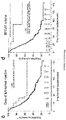
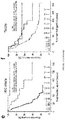
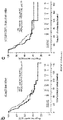
- sCD25 levels above a reference expression level at 3 weeks (T21) post-ipilimumab negatively predicted OS ( Fig 17d ) while the ratio between sCD25 at T21/T0 failed to do so ( Fig. 18c ).
- the basal sCD25 serum level represents a valuable predictor of resistance to ipilimumab or Tremelimumab.
- Fig. 17a-b Both preclinical ( Fig. 13e ) and clinical data ( Fig. 17a-b ) indicate that the antitumor efficacy of anti-CTLA4 blockade immunotherapy is compromised in patients presenting with basal serum levels of sCD25 above a reference expression level at diagnosis.
- sCD25 serum concentration added a negative prognostic value indicating a subset of about 25% patients doomed to fail ipilimumab therapy ( Fig. 17c ).
- Detecting high sCD25 basal concentrations at diagnosis is an indication to use humanised anti-CD25 therapeutic strategies (radioimmunoconjugates of anti-CD25 and immunotoxins) in MM prior to ipilimumab therapy.
Landscapes
- Health & Medical Sciences (AREA)
- Life Sciences & Earth Sciences (AREA)
- Engineering & Computer Science (AREA)
- Immunology (AREA)
- Chemical & Material Sciences (AREA)
- Biomedical Technology (AREA)
- Molecular Biology (AREA)
- Hematology (AREA)
- Urology & Nephrology (AREA)
- Medicinal Chemistry (AREA)
- Microbiology (AREA)
- General Health & Medical Sciences (AREA)
- Cell Biology (AREA)
- Physics & Mathematics (AREA)
- Food Science & Technology (AREA)
- Analytical Chemistry (AREA)
- Biochemistry (AREA)
- Biotechnology (AREA)
- General Physics & Mathematics (AREA)
- Pathology (AREA)
- Pharmacology & Pharmacy (AREA)
- Mycology (AREA)
- Bioinformatics & Cheminformatics (AREA)
- Epidemiology (AREA)
- Animal Behavior & Ethology (AREA)
- Public Health (AREA)
- Veterinary Medicine (AREA)
- Measuring Or Testing Involving Enzymes Or Micro-Organisms (AREA)
- Medicines Containing Antibodies Or Antigens For Use As Internal Diagnostic Agents (AREA)
- Oncology (AREA)
Claims (9)
- Méthode in vitro d'évaluation de la sensibilité d'un sujet ayant une tumeur à une molécule d'immunothérapie agissant sur les cellules T du sujet pour le traitement de la tumeur, laquelle méthode comprend une étape a) de détermination, dans un échantillon biologique dudit sujet, de préférence sélectionné parmi du sang, du sérum, un échantillon de plasma ou un dérivé de ceux-ci, les niveaux d'expression de CD25 soluble (sCD25) et de déshydrogénase d'acide lactique (LDH), et, quand les niveaux d'expression de sCD25 et LDH sont déterminés, une étape b) de comparaison desdits niveaux d'expression de sCD25 et LDH respectivement aux niveaux d'expression références de sCD25 et LDH, évaluant ainsi si le sujet ayant une tumeur est sensible ou résistant à la molécule d'immunothérapie.
- Méthode selon la revendication 1, dans laquelle les niveaux d'expression de sCD25 et LDH déterminés dans l'étape a) sont les niveaux d'expression de base de sCD25 et LDH chez le sujet, et dans laquelle l'étape b) comprend en outre une comparaison desdits niveaux d'expression de base de sCD25 et LDH aux niveaux d'expression de réponse de sCD25 et LDH chez le sujet déterminés après administration de la molécule d'immunothérapie audit sujet.
- Méthode selon la revendication 1 ou 2, dans laquelle la molécule d'immunothérapie agissant sur les cellules T du sujet pour le traitement de la tumeur est un anticorps anti-CTLA-4.
- Méthode selon la revendication 3, dans laquelle l'anticorps anti-CTLA-4 est un anticorps monoclonal sélectionné parmi Ipilimumab (Yervoy®) et Tremelimumab.
- Méthode selon l'une quelconque des revendications 1 à 4, dans laquelle la tumeur est un mélanome.
- Méthode selon la revendication 5, dans laquelle la tumeur est un mélanome métastatique ou non résécable.
- Méthode in vitro d'évaluation de la sensibilité d'un sujet ayant un mélanome métastatique à une molécule d'immunothérapie agissant sur les cellules T du sujet pour le traitement de la tumeur, laquelle méthode comprend une étape de détermination, dans un échantillon biologique dudit sujet, de préférence choisi parmi du sang, du sérum, un échantillon de plasma ou un dérivé de ceux-ci, les niveaux d'expression respectifs de base de CD25 soluble (sCD25) et LDH, et, quand les niveaux d'expression de base de sCD25 et LDH sont déterminés, une étape de comparaison desdits niveaux d'expression de base de sCD25 et LDH respectivement aux niveaux d'expression références de sCD25 et LDH obtenus auprès d'une population référence, évaluant ainsi si le sujet ayant un mélanome métastatique est sensible ou résistant à la molécule d'immunothérapie.
- Méthode selon la revendication 7, dans laquelle le niveau d'expression référence de LDH est d'environ 500 UI, un niveau d'expression de base de sCD25 supérieur à un niveau d'expression référence de sCD25 avec un niveau d'expression de base de LDH supérieur audit niveau d'expression de référence de LDH étant indicatif d'une résistance du sujet à la molécule d'immunothérapie, et un niveau d'expression de base de sCD25 inférieur audit niveau d'expression référence de sCD25 avec un niveau d'expression de base de LDH inférieur audit niveau d'expression de référence de LDH étant indicatif d'une sensibilité du sujet à la molécule d'immunothérapie.
- Utilisation in vitro d'un kit i) pour évaluer ou suivre la sensibilité ou résistance d'un sujet ayant une tumeur à un anticorps anti-CTLA-4 et/ou ii) pour déterminer la toxicité potentielle dudit anticorps anti-CTLA-4, dans laquelle le kit comprend comme moyen de détection au moins un anticorps spécifique du sCD25 ; une molécule permettant la détection de l'anticorps ; au moins une molécule permettant la détection de LDH ; et, optionnellement, une notice d'utilisation fournissant le/les niveau(x) d'expression(s) référence(s) respectif(s) de sCD25 et LDH dans la/les population(s) contrôle(s).
Priority Applications (1)
| Application Number | Priority Date | Filing Date | Title |
|---|---|---|---|
| EP13785397.4A EP2912466B1 (fr) | 2012-10-26 | 2013-10-25 | Procédés pour prédire la sensibilité d'un sujet à une thérapie avec anticorps activant les cellules t |
Applications Claiming Priority (4)
| Application Number | Priority Date | Filing Date | Title |
|---|---|---|---|
| US201261718771P | 2012-10-26 | 2012-10-26 | |
| EP12306329 | 2012-10-26 | ||
| PCT/EP2013/072367 WO2014064240A1 (fr) | 2012-10-26 | 2013-10-25 | Méthodes de prédiction de la sensibilité d'un sujet à l'immunothérapie |
| EP13785397.4A EP2912466B1 (fr) | 2012-10-26 | 2013-10-25 | Procédés pour prédire la sensibilité d'un sujet à une thérapie avec anticorps activant les cellules t |
Publications (2)
| Publication Number | Publication Date |
|---|---|
| EP2912466A1 EP2912466A1 (fr) | 2015-09-02 |
| EP2912466B1 true EP2912466B1 (fr) | 2018-08-29 |
Family
ID=47458798
Family Applications (1)
| Application Number | Title | Priority Date | Filing Date |
|---|---|---|---|
| EP13785397.4A Not-in-force EP2912466B1 (fr) | 2012-10-26 | 2013-10-25 | Procédés pour prédire la sensibilité d'un sujet à une thérapie avec anticorps activant les cellules t |
Country Status (3)
| Country | Link |
|---|---|
| US (1) | US9810692B2 (fr) |
| EP (1) | EP2912466B1 (fr) |
| WO (1) | WO2014064240A1 (fr) |
Families Citing this family (13)
| Publication number | Priority date | Publication date | Assignee | Title |
|---|---|---|---|---|
| CA2860170C (fr) | 2010-12-22 | 2022-06-14 | The Board Of Trustees Of The Leland Stanford Junior University | Super-agonistes et antagonistes de l'interleukine-2 |
| CN105722860A (zh) | 2013-09-24 | 2016-06-29 | 梅迪塞纳医疗股份有限公司 | 白介素-2融合蛋白及其应用 |
| GB201322725D0 (en) * | 2013-12-20 | 2014-02-05 | Immodulon Therapeutics Ltd | Cancer therapy |
| WO2015164815A1 (fr) | 2014-04-24 | 2015-10-29 | The Board Of Trustees Of The Leland Stanford Junior University | Superagonistes, agonistes et antagonistes partiels de l'interleukine-2 |
| WO2016073748A1 (fr) * | 2014-11-05 | 2016-05-12 | Board Of Regents, The University Of Texas System | Biomarqueurs et cibles pour immunothérapie anticancéreuse |
| US10983128B2 (en) | 2015-02-05 | 2021-04-20 | Bristol-Myers Squibb Company | CXCL11 and SMICA as predictive biomarkers for efficacy of anti-CTLA4 immunotherapy |
| AU2017343779A1 (en) * | 2016-10-13 | 2019-04-04 | Dana-Farber Cancer Institute, Inc. | Compositions and methods for predicting response and resistance to CTLA4 blockade in melanoma using a gene expression signature |
| WO2018156448A1 (fr) | 2017-02-21 | 2018-08-30 | The Board Of Regents Of The Uiversity Of Texas System | Prédiction et traitement de la toxicité immunothérapeutique |
| CN111201035A (zh) | 2017-06-19 | 2020-05-26 | 梅迪塞纳医疗股份有限公司 | Il-2超激动剂、激动剂及其融合体的用途和方法 |
| EP3502700A1 (fr) * | 2017-12-21 | 2019-06-26 | Fundació Privada Institut d'Investigació Oncològica de Vall-Hebron | Procédés basés sur la détection de foyers rad51 dans des cellules tumorales |
| WO2019195823A1 (fr) * | 2018-04-06 | 2019-10-10 | The Board Of Regents Of The University Of Texas System | Prédiction et traitement de la toxicité immunothérapeutique |
| CN113234159B (zh) * | 2021-05-12 | 2022-04-08 | 福州迈新生物技术开发有限公司 | 抗lag3蛋白单克隆抗体及其细胞株、制备方法和应用 |
| US20250012805A1 (en) * | 2021-11-10 | 2025-01-09 | Institut Gustave Roussy | Products and uses thereof for predicting the sensitivity of a subject to cancer immunotherapy and for selecting optimized therapy |
Family Cites Families (6)
| Publication number | Priority date | Publication date | Assignee | Title |
|---|---|---|---|---|
| IL75828A (en) * | 1985-07-17 | 1991-06-10 | Univ Ramot | Immobilization by biologically active proteins |
| US5292636A (en) * | 1986-03-31 | 1994-03-08 | T Cell Diagnostics, Inc. | Therapeutic and diagnostic methods using soluble T cell surface molecules |
| GB9704444D0 (en) * | 1997-03-04 | 1997-04-23 | Isis Innovation | Non-invasive prenatal diagnosis |
| US6355623B2 (en) * | 1998-09-24 | 2002-03-12 | Hopital-Sainte-Justine | Method of treating IBD/Crohn's disease and related conditions wherein drug metabolite levels in host blood cells determine subsequent dosage |
| WO2013142796A2 (fr) * | 2012-03-23 | 2013-09-26 | Bristol-Myers Squibb Company | Procédés de traitements au moyen d'anticorps anti-ctla4 |
| EP2912063A1 (fr) * | 2012-10-23 | 2015-09-02 | Bristol-Myers Squibb Company | Association d'anticorps anti-kir et anti-ctla-4 pour le traitement du cancer |
-
2013
- 2013-10-25 EP EP13785397.4A patent/EP2912466B1/fr not_active Not-in-force
- 2013-10-25 WO PCT/EP2013/072367 patent/WO2014064240A1/fr not_active Ceased
- 2013-10-25 US US14/438,275 patent/US9810692B2/en not_active Expired - Fee Related
Also Published As
| Publication number | Publication date |
|---|---|
| US9810692B2 (en) | 2017-11-07 |
| EP2912466A1 (fr) | 2015-09-02 |
| WO2014064240A1 (fr) | 2014-05-01 |
| US20150268243A1 (en) | 2015-09-24 |
Similar Documents
| Publication | Publication Date | Title |
|---|---|---|
| EP2912466B1 (fr) | Procédés pour prédire la sensibilité d'un sujet à une thérapie avec anticorps activant les cellules t | |
| Lin et al. | Pembrolizumab plus allogeneic NK cells in advanced non–small cell lung cancer patients | |
| JP7604099B2 (ja) | 免疫チェックポイント阻害薬によるがん治療に対する個別化応答の予測方法およびそのためのキット | |
| Hannani et al. | Anticancer immunotherapy by CTLA-4 blockade: obligatory contribution of IL-2 receptors and negative prognostic impact of soluble CD25 | |
| Pasero et al. | Highly effective NK cells are associated with good prognosis in patients with metastatic prostate cancer | |
| Ménard et al. | Ctla-4 blockade confers lymphocyte resistance to regulatory T-cells in advanced melanoma: surrogate marker of efficacy of tremelimumab? | |
| Wu et al. | VEGF neutralization plus CTLA-4 blockade alters soluble and cellular factors associated with enhancing lymphocyte infiltration and humoral recognition in melanoma | |
| US20190331682A1 (en) | Methods and kits for predicting the sensitivity of a subject to immunotherapy | |
| EP3215844B1 (fr) | Méthodes de prévision et de surveillance de la réponse de patients cancéreux à un traitement en mesurant les cellules myéloïdes suppressives (mdsc) | |
| WO2019222188A1 (fr) | Méthodes de traitement du cancer | |
| Felix et al. | Relevance of serum biomarkers associated with melanoma during follow-up of anti-CTLA-4 immunotherapy | |
| CA2865153C (fr) | Prediction de la sensibilite a un traitement par des produits therapeutiques d'immunomodulation et procede de surveillance des effets ascopaux au cours d'un tel traitement | |
| Nakamura et al. | Immunologic parameters as significant prognostic factors in lung cancer | |
| EP2898330B1 (fr) | Prédiction de la sensibilité d'un sujet vis-à-vis d'une chimiothérapie | |
| Ciszak et al. | Impaired ζ chain expression and IFN-γ production in peripheral blood T and NK cells of patients with advanced lung cancer | |
| US11573234B2 (en) | Predicting responders to cyclophosphamide therapy | |
| Bruno et al. | Influence of human immune cells on cancer: studies at the University of Colorado | |
| CN114245874A (zh) | 用于癌症免疫疗法的精准医学方法 | |
| AU2017248061A1 (en) | Methods and kits for predicting the sensitivity of a subject suffering of renal cancer to cancer treatment | |
| EP2937698A1 (fr) | Utilisation de la diversité combinatoire immunitaire comme marqueur prédictif pour identifier des patients susceptibles de répondre à un traitement anti-ctla4 | |
| Mai et al. | IL‐7 is expressed in malignant mesothelioma and has a prognostic value | |
| Zuazo et al. | Functional systemic CD4 immunity is a differential factor for clinical responses to PD-L1/PD-1 blockade therapy in lung cancer | |
| WO2023081915A1 (fr) | Il-8 en tant que biomarqueur prédictif et ses méthodes d'utilisation pour le traitement du cancer | |
| Kochan et al. | Functional systemic CD4 immunity is a differential factor for clinical responses to PD-L1/PD-1 blockade therapy in lung cancer | |
| Abdullah et al. | The Diagnostic Value of Anti-rituximab Ab in Iraqi Patient with Chronic Lymphocytic Leukemia |
Legal Events
| Date | Code | Title | Description |
|---|---|---|---|
| PUAI | Public reference made under article 153(3) epc to a published international application that has entered the european phase |
Free format text: ORIGINAL CODE: 0009012 |
|
| 17P | Request for examination filed |
Effective date: 20150512 |
|
| AK | Designated contracting states |
Kind code of ref document: A1 Designated state(s): AL AT BE BG CH CY CZ DE DK EE ES FI FR GB GR HR HU IE IS IT LI LT LU LV MC MK MT NL NO PL PT RO RS SE SI SK SM TR |
|
| AX | Request for extension of the european patent |
Extension state: BA ME |
|
| DAX | Request for extension of the european patent (deleted) | ||
| 17Q | First examination report despatched |
Effective date: 20160615 |
|
| GRAP | Despatch of communication of intention to grant a patent |
Free format text: ORIGINAL CODE: EPIDOSNIGR1 |
|
| INTG | Intention to grant announced |
Effective date: 20180425 |
|
| GRAS | Grant fee paid |
Free format text: ORIGINAL CODE: EPIDOSNIGR3 |
|
| GRAA | (expected) grant |
Free format text: ORIGINAL CODE: 0009210 |
|
| AK | Designated contracting states |
Kind code of ref document: B1 Designated state(s): AL AT BE BG CH CY CZ DE DK EE ES FI FR GB GR HR HU IE IS IT LI LT LU LV MC MK MT NL NO PL PT RO RS SE SI SK SM TR |
|
| REG | Reference to a national code |
Ref country code: GB Ref legal event code: FG4D |
|
| REG | Reference to a national code |
Ref country code: CH Ref legal event code: EP |
|
| REG | Reference to a national code |
Ref country code: AT Ref legal event code: REF Ref document number: 1035735 Country of ref document: AT Kind code of ref document: T Effective date: 20180915 |
|
| REG | Reference to a national code |
Ref country code: IE Ref legal event code: FG4D |
|
| REG | Reference to a national code |
Ref country code: DE Ref legal event code: R096 Ref document number: 602013042813 Country of ref document: DE |
|
| REG | Reference to a national code |
Ref country code: NL Ref legal event code: MP Effective date: 20180829 |
|
| REG | Reference to a national code |
Ref country code: LT Ref legal event code: MG4D |
|
| PG25 | Lapsed in a contracting state [announced via postgrant information from national office to epo] |
Ref country code: BG Free format text: LAPSE BECAUSE OF FAILURE TO SUBMIT A TRANSLATION OF THE DESCRIPTION OR TO PAY THE FEE WITHIN THE PRESCRIBED TIME-LIMIT Effective date: 20181129 Ref country code: SE Free format text: LAPSE BECAUSE OF FAILURE TO SUBMIT A TRANSLATION OF THE DESCRIPTION OR TO PAY THE FEE WITHIN THE PRESCRIBED TIME-LIMIT Effective date: 20180829 Ref country code: NL Free format text: LAPSE BECAUSE OF FAILURE TO SUBMIT A TRANSLATION OF THE DESCRIPTION OR TO PAY THE FEE WITHIN THE PRESCRIBED TIME-LIMIT Effective date: 20180829 Ref country code: LT Free format text: LAPSE BECAUSE OF FAILURE TO SUBMIT A TRANSLATION OF THE DESCRIPTION OR TO PAY THE FEE WITHIN THE PRESCRIBED TIME-LIMIT Effective date: 20180829 Ref country code: GR Free format text: LAPSE BECAUSE OF FAILURE TO SUBMIT A TRANSLATION OF THE DESCRIPTION OR TO PAY THE FEE WITHIN THE PRESCRIBED TIME-LIMIT Effective date: 20181130 Ref country code: FI Free format text: LAPSE BECAUSE OF FAILURE TO SUBMIT A TRANSLATION OF THE DESCRIPTION OR TO PAY THE FEE WITHIN THE PRESCRIBED TIME-LIMIT Effective date: 20180829 Ref country code: NO Free format text: LAPSE BECAUSE OF FAILURE TO SUBMIT A TRANSLATION OF THE DESCRIPTION OR TO PAY THE FEE WITHIN THE PRESCRIBED TIME-LIMIT Effective date: 20181129 Ref country code: RS Free format text: LAPSE BECAUSE OF FAILURE TO SUBMIT A TRANSLATION OF THE DESCRIPTION OR TO PAY THE FEE WITHIN THE PRESCRIBED TIME-LIMIT Effective date: 20180829 Ref country code: IS Free format text: LAPSE BECAUSE OF FAILURE TO SUBMIT A TRANSLATION OF THE DESCRIPTION OR TO PAY THE FEE WITHIN THE PRESCRIBED TIME-LIMIT Effective date: 20181229 |
|
| REG | Reference to a national code |
Ref country code: AT Ref legal event code: MK05 Ref document number: 1035735 Country of ref document: AT Kind code of ref document: T Effective date: 20180829 |
|
| PG25 | Lapsed in a contracting state [announced via postgrant information from national office to epo] |
Ref country code: HR Free format text: LAPSE BECAUSE OF FAILURE TO SUBMIT A TRANSLATION OF THE DESCRIPTION OR TO PAY THE FEE WITHIN THE PRESCRIBED TIME-LIMIT Effective date: 20180829 Ref country code: LV Free format text: LAPSE BECAUSE OF FAILURE TO SUBMIT A TRANSLATION OF THE DESCRIPTION OR TO PAY THE FEE WITHIN THE PRESCRIBED TIME-LIMIT Effective date: 20180829 Ref country code: AL Free format text: LAPSE BECAUSE OF FAILURE TO SUBMIT A TRANSLATION OF THE DESCRIPTION OR TO PAY THE FEE WITHIN THE PRESCRIBED TIME-LIMIT Effective date: 20180829 |
|
| PG25 | Lapsed in a contracting state [announced via postgrant information from national office to epo] |
Ref country code: PL Free format text: LAPSE BECAUSE OF FAILURE TO SUBMIT A TRANSLATION OF THE DESCRIPTION OR TO PAY THE FEE WITHIN THE PRESCRIBED TIME-LIMIT Effective date: 20180829 Ref country code: AT Free format text: LAPSE BECAUSE OF FAILURE TO SUBMIT A TRANSLATION OF THE DESCRIPTION OR TO PAY THE FEE WITHIN THE PRESCRIBED TIME-LIMIT Effective date: 20180829 Ref country code: EE Free format text: LAPSE BECAUSE OF FAILURE TO SUBMIT A TRANSLATION OF THE DESCRIPTION OR TO PAY THE FEE WITHIN THE PRESCRIBED TIME-LIMIT Effective date: 20180829 Ref country code: IT Free format text: LAPSE BECAUSE OF FAILURE TO SUBMIT A TRANSLATION OF THE DESCRIPTION OR TO PAY THE FEE WITHIN THE PRESCRIBED TIME-LIMIT Effective date: 20180829 Ref country code: CZ Free format text: LAPSE BECAUSE OF FAILURE TO SUBMIT A TRANSLATION OF THE DESCRIPTION OR TO PAY THE FEE WITHIN THE PRESCRIBED TIME-LIMIT Effective date: 20180829 Ref country code: RO Free format text: LAPSE BECAUSE OF FAILURE TO SUBMIT A TRANSLATION OF THE DESCRIPTION OR TO PAY THE FEE WITHIN THE PRESCRIBED TIME-LIMIT Effective date: 20180829 Ref country code: ES Free format text: LAPSE BECAUSE OF FAILURE TO SUBMIT A TRANSLATION OF THE DESCRIPTION OR TO PAY THE FEE WITHIN THE PRESCRIBED TIME-LIMIT Effective date: 20180829 |
|
| REG | Reference to a national code |
Ref country code: DE Ref legal event code: R119 Ref document number: 602013042813 Country of ref document: DE |
|
| PG25 | Lapsed in a contracting state [announced via postgrant information from national office to epo] |
Ref country code: SK Free format text: LAPSE BECAUSE OF FAILURE TO SUBMIT A TRANSLATION OF THE DESCRIPTION OR TO PAY THE FEE WITHIN THE PRESCRIBED TIME-LIMIT Effective date: 20180829 Ref country code: SM Free format text: LAPSE BECAUSE OF FAILURE TO SUBMIT A TRANSLATION OF THE DESCRIPTION OR TO PAY THE FEE WITHIN THE PRESCRIBED TIME-LIMIT Effective date: 20180829 Ref country code: DK Free format text: LAPSE BECAUSE OF FAILURE TO SUBMIT A TRANSLATION OF THE DESCRIPTION OR TO PAY THE FEE WITHIN THE PRESCRIBED TIME-LIMIT Effective date: 20180829 |
|
| REG | Reference to a national code |
Ref country code: CH Ref legal event code: PL |
|
| REG | Reference to a national code |
Ref country code: BE Ref legal event code: MM Effective date: 20181031 |
|
| PG25 | Lapsed in a contracting state [announced via postgrant information from national office to epo] |
Ref country code: MC Free format text: LAPSE BECAUSE OF FAILURE TO SUBMIT A TRANSLATION OF THE DESCRIPTION OR TO PAY THE FEE WITHIN THE PRESCRIBED TIME-LIMIT Effective date: 20180829 Ref country code: LU Free format text: LAPSE BECAUSE OF NON-PAYMENT OF DUE FEES Effective date: 20181025 |
|
| PLBE | No opposition filed within time limit |
Free format text: ORIGINAL CODE: 0009261 |
|
| STAA | Information on the status of an ep patent application or granted ep patent |
Free format text: STATUS: NO OPPOSITION FILED WITHIN TIME LIMIT |
|
| GBPC | Gb: european patent ceased through non-payment of renewal fee |
Effective date: 20181129 |
|
| REG | Reference to a national code |
Ref country code: IE Ref legal event code: MM4A |
|
| PG25 | Lapsed in a contracting state [announced via postgrant information from national office to epo] |
Ref country code: DE Free format text: LAPSE BECAUSE OF NON-PAYMENT OF DUE FEES Effective date: 20190501 |
|
| 26N | No opposition filed |
Effective date: 20190531 |
|
| PG25 | Lapsed in a contracting state [announced via postgrant information from national office to epo] |
Ref country code: BE Free format text: LAPSE BECAUSE OF NON-PAYMENT OF DUE FEES Effective date: 20181031 Ref country code: SI Free format text: LAPSE BECAUSE OF FAILURE TO SUBMIT A TRANSLATION OF THE DESCRIPTION OR TO PAY THE FEE WITHIN THE PRESCRIBED TIME-LIMIT Effective date: 20180829 Ref country code: FR Free format text: LAPSE BECAUSE OF NON-PAYMENT OF DUE FEES Effective date: 20181029 Ref country code: CH Free format text: LAPSE BECAUSE OF NON-PAYMENT OF DUE FEES Effective date: 20181031 Ref country code: LI Free format text: LAPSE BECAUSE OF NON-PAYMENT OF DUE FEES Effective date: 20181031 |
|
| PG25 | Lapsed in a contracting state [announced via postgrant information from national office to epo] |
Ref country code: IE Free format text: LAPSE BECAUSE OF NON-PAYMENT OF DUE FEES Effective date: 20181025 |
|
| PG25 | Lapsed in a contracting state [announced via postgrant information from national office to epo] |
Ref country code: GB Free format text: LAPSE BECAUSE OF NON-PAYMENT OF DUE FEES Effective date: 20181129 |
|
| PG25 | Lapsed in a contracting state [announced via postgrant information from national office to epo] |
Ref country code: MT Free format text: LAPSE BECAUSE OF NON-PAYMENT OF DUE FEES Effective date: 20181025 |
|
| PG25 | Lapsed in a contracting state [announced via postgrant information from national office to epo] |
Ref country code: TR Free format text: LAPSE BECAUSE OF FAILURE TO SUBMIT A TRANSLATION OF THE DESCRIPTION OR TO PAY THE FEE WITHIN THE PRESCRIBED TIME-LIMIT Effective date: 20180829 |
|
| PG25 | Lapsed in a contracting state [announced via postgrant information from national office to epo] |
Ref country code: PT Free format text: LAPSE BECAUSE OF FAILURE TO SUBMIT A TRANSLATION OF THE DESCRIPTION OR TO PAY THE FEE WITHIN THE PRESCRIBED TIME-LIMIT Effective date: 20180829 |
|
| PG25 | Lapsed in a contracting state [announced via postgrant information from national office to epo] |
Ref country code: CY Free format text: LAPSE BECAUSE OF FAILURE TO SUBMIT A TRANSLATION OF THE DESCRIPTION OR TO PAY THE FEE WITHIN THE PRESCRIBED TIME-LIMIT Effective date: 20180829 Ref country code: HU Free format text: LAPSE BECAUSE OF FAILURE TO SUBMIT A TRANSLATION OF THE DESCRIPTION OR TO PAY THE FEE WITHIN THE PRESCRIBED TIME-LIMIT; INVALID AB INITIO Effective date: 20131025 Ref country code: MK Free format text: LAPSE BECAUSE OF NON-PAYMENT OF DUE FEES Effective date: 20180829 |