EP2916510B1 - Netzwerkauthentifizierungsverfahren zur sicheren Benutzeridentitätsverifizierung mit Ortungsinformationen - Google Patents
Netzwerkauthentifizierungsverfahren zur sicheren Benutzeridentitätsverifizierung mit Ortungsinformationen Download PDFInfo
- Publication number
- EP2916510B1 EP2916510B1 EP14157510.0A EP14157510A EP2916510B1 EP 2916510 B1 EP2916510 B1 EP 2916510B1 EP 14157510 A EP14157510 A EP 14157510A EP 2916510 B1 EP2916510 B1 EP 2916510B1
- Authority
- EP
- European Patent Office
- Prior art keywords
- portable personal
- data
- user terminal
- electronic device
- positioning
- Prior art date
- Legal status (The legal status is an assumption and is not a legal conclusion. Google has not performed a legal analysis and makes no representation as to the accuracy of the status listed.)
- Active
Links
Images



Classifications
-
- H—ELECTRICITY
- H04—ELECTRIC COMMUNICATION TECHNIQUE
- H04L—TRANSMISSION OF DIGITAL INFORMATION, e.g. TELEGRAPHIC COMMUNICATION
- H04L63/00—Network architectures or network communication protocols for network security
- H04L63/08—Network architectures or network communication protocols for network security for authentication of entities
- H04L63/0853—Network architectures or network communication protocols for network security for authentication of entities using an additional device, e.g. smartcard, SIM or a different communication terminal
-
- H—ELECTRICITY
- H04—ELECTRIC COMMUNICATION TECHNIQUE
- H04L—TRANSMISSION OF DIGITAL INFORMATION, e.g. TELEGRAPHIC COMMUNICATION
- H04L63/00—Network architectures or network communication protocols for network security
- H04L63/08—Network architectures or network communication protocols for network security for authentication of entities
- H04L63/0876—Network architectures or network communication protocols for network security for authentication of entities based on the identity of the terminal or configuration, e.g. MAC address, hardware or software configuration or device fingerprint
-
- H—ELECTRICITY
- H04—ELECTRIC COMMUNICATION TECHNIQUE
- H04L—TRANSMISSION OF DIGITAL INFORMATION, e.g. TELEGRAPHIC COMMUNICATION
- H04L63/00—Network architectures or network communication protocols for network security
- H04L63/10—Network architectures or network communication protocols for network security for controlling access to devices or network resources
- H04L63/107—Network architectures or network communication protocols for network security for controlling access to devices or network resources wherein the security policies are location-dependent, e.g. entities privileges depend on current location or allowing specific operations only from locally connected terminals
Definitions
- the invention relates to network identity authentication, and more particularly to a network authentication method for secure verification of identity of a user.
- ICP Internet content provider
- an object of the present invention is to provide a network authentication method for secure verification of the identity of a user that can overcome the aforesaid drawbacks of the prior art.
- US 2004/250074 A1 discloses a method for providing secure access to an application service, in which a security token and a proximity token check that their locations are close to each other before initiating cryptographic processing between the security token and the application service.
- GB 2 492 614 A discloses another related authentication method performed in a terminal when it is within a predefined distance from a mobile device.
- EP 2 506 525 A1 discloses a related authorization method performed between a client device and a server device.
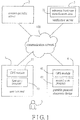
- a network authentication system is used to implement the first preferred embodiment of a network authentication method for secure identification of the identity of a user 5 according to the present invention.
- the network authentication system includes a user terminal 1, such as a personal computer or a notebook computer, operated by the user 5, a content-provider server 2, such as the server of an Internet content provider (ICP), a verification server 3, and a portable personal electronic device 4 carried by the user 5.
- the user terminal 1, the content-provider server 2 and the verification server 3 are connected to a communication network 100, such as the Internet.
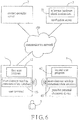
- the portable personal electronic device 4 is capable of connection with the communication network 100 and/or short-distance connection with the user terminal 1 (see, for instance, Figure 6 ).
- the identity of the user 5 is successfully authenticated by the network authentication system, the user 5 is allowed data access to the content-provider server 2 using the user terminal 1.
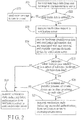
- Figure 2 is a flow chart of the first preferred embodiment of the network authentication method illustrating how the identity of the user 5 is verified.
- the first preferred embodiment of the network authentication method includes the following steps.
- step S21 the user 5 inputs user login data using a user input interface (not shown) of the user terminal 1 at a website provided by the content-provider server 2.
- the user login data is then transmitted from the user terminal 1 to the content-provider server 2 via the communication network 100.
- the user login data includes a user identification (ID) serving as a user identifier, and a password.
- ID user identification
- step S22 upon receipt of the user login data from the user terminal 1, the content-provider server 2 checks whether the user login data is correct. If the result is affirmative, the flow proceeds to step S23. Otherwise, the content-provider server 2 sends an error message to the user terminal 1 for displaying on a display device (not shown) of the user terminal 1 (step S20).
- step S23 the content-provider server 2 transmits a verification request, which includes the user identifier, to the verification server 3 via the communication network 100.
- the verification server 3 may be regarded as a third party appointed by the content-provider server 2 to perform identity authentication.
- step S24 after receipt of the verification request from the content-provider server 2, the verification server 3 further receives hardware identification data and positioning information that are associated with the user terminal 1 and the portable personal electronic device 4.
- the user terminal 1 includes a global positioning system (GPS) module 11, and pre-stores a first scan program 12.
- the portable personal electronic device 4 may be, but is not limited to, a smart phone or a tablet computer, includes a GPS module 41, and pre-stores a second scan program 42.
- two different network addresses e.g., IP addresses, are assigned respectively to the user terminal 1 and the portable personal electronic device 4.
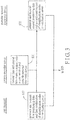
- Figure 3 shows a first procedure to be performed between steps S23 and S24, illustrating how the hardware identification data and the positioning information are provided to the verification server 3.
- the first procedure includes the following steps.
- step S31 after transmitting the verification request to the verification server 3, the content-provider server 2 further transmits first and second data requests respectively to the user terminal 1 and the portable personal electronic device 4 via the communication network 100.
- step S32 in response to the first data request from the content-provider server 2, the user terminal 1 performs GPS positioning using the GPS module 11 so as to obtain first positioning data that corresponds to a geographical location of the user terminal 1, executes the first scan program 12 to obtain a first combination of identification codes of certain ones of a plurality of hardware components of the user terminal 1, and transmits the first positioning data and the first combination of the identification codes to the verification server 3 via the communication network 100. It is noted that since generation of the first combination of the identification codes using execution of the first scan program 12 is known to those skilled in the art, details of the same are omitted herein for the sake of brevity.
- step S33 in response to the second data request from the content-provider server 2, the portable personal electronic device 4 performs GPS positioning using the GPS module 41 so as to obtain second positioning data that corresponds to a current geographical location of the portable personal electronic device 4, executes the second scan program 42 to obtain a second combination of identification codes of certain ones of a plurality of hardware components of the portable personal electronic device 4, and transmits the second positioning data and the second combination of the identification codes to the verification server 3 via the communication network 100.
- the first combination of the identification codes from the user terminal 1 and the second combination of the identification codes from the portable personal electronic device 4 cooperatively constitute the hardware identification data received by the verification server 3 in step S24.
- the first positioning data from the user terminal 1 and the second positioning data from the portable personal electronic device 4 cooperatively constitute the positioning information received by the verification server 3 in step S24.
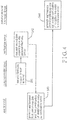
- FIG. 4 shows a second procedure to be conducted between step S23 and step S24, illustrating how the hardware identification data and the positioning information are provided to the verification server 3.
- the second procedure includes the following steps.
- step S41 the content-provider server 2 transmits a first data request to the user terminal 1 via the communication network 100.
- the verification server 3 in response to receipt of the verification request from the content-provider server 2, transmits a second data request to the portable personal electronic device 4 via the communication network 100.
- step S43 similar to step S32 of Figure 3 , the first combination of the identification codes, and the first positioning data both generated by the user terminal 1 are transmitted from the user terminal 1 to the verification server 3 via the communication network 100.
- step S44 similar to step S33 of Figure 3 , the second combination of the identification codes, and the second positioning data both generated by the portable personal electronic device 4 are transmitted from the portable personal electronic device 4 to the verification server 3 via the communication network 100.
- FIG. 5 shows a third procedure to be performed between step S23 and step S24, illustrating how the hardware identification data and the positioning information are provided to the verification server 3.
- the third procedure includes the following steps.
- step S51 similar to step S41 of Figure 4
- the first data request is transmitted from the content-provider server 2 to the user terminal 1.
- step S52 similar to step S43 of Figure 4
- the first combination of the identification codes, and the first positioning data both generated by the user terminal 1 are transmitted from the user terminal 1 to the verification server 3 via the communication network 100.
- step S53 of the third procedure essentially involves the periodic generation and transmission of the second positioning data and the second combination of the identification codes to the verification server 3 by the portable personal electronic device 4.
- the first combination of the identification codes from the user terminal 1, and the second combination of the identification codes, which is most recently received by the verification server 3 in step S24after the verification server 3 has received the verification request cooperatively constitute the hardware identification data.
- the first positioning data from the user terminal 1, and the second positioning data, which is most recently received by the verification server 3 in step S24 cooperatively constitute the positioning information.
- the user terminal 1 includes a short-distance wireless communication interface 13, and pre-stores the first scan program 12.
- the portable personal electronic device 4 is unable to connect with the communication network 100, includes a short-distance wireless communication interface 43, and pre-stores the second scan program 42.
- the short-distance wireless communication interfaces 13, 43 may use near field communication (NFC), Bluetooth or wireless fidelity (Wi-Fi) technology.
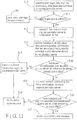
- Figure 7 shows a fourth procedure to be performed between step S23 and step S24 by the network authentication system of Figure 6 , illustrating how the hardware identification data and the positioning information are provided to the verification server 3.
- the fourth procedure includes the following steps.
- step S71 similar to step S41 of Figure 4 , the first data request is transmitted from the content-provider server 2 to the user terminal 1.
- step S72 in response to the first data request from the content-provider server 2, the user terminal 1 executes the first scan program 12 to obtain the first combination of the identification codes.
- the portable personal electronic device 4 is in close proximity to the user terminal 1 to establish a short-distance wireless communication link therewith using the short-distance wireless communication interfaces 13, 43, the user terminal 1 transmits the second data request to the portable personal electronic device 4 through the short-distance wireless communication link.
- step S73 in response to the second data request from the user terminal 1, the portable personal electronic device 4 executes the second scan program 42 to obtain the second combination of the identification codes and transmits the second combination of the identification codes to the user terminal 1 through the short-distance wireless communication link.
- the second combination of the identification codes serves as identification data associated with the portable personal electronic device 4.
- the user terminal 1 transmits, to the verification server 3 via the communication network 100, the hardware identification data, which consists of the first combination of the identification codes and the second combination of the identification codes, i.e., the identification data, as well as the positioning information, which indicates that the user terminal 1 and the portable personal electronic device 4 share the same network address, i.e., the network address assigned to the user terminal 1.
- the hardware identification data and the positioning information are obtained by the verification server 3.
- the portable personal electronic device 4 may be an electronic card, and pre-stores an identification code, which uniquely corresponds to the portable personal electronic device 4 (the electronic card) .
- the short-distance wireless communication interfaces 13, 43 may use radio frequency identification (RFID) technology.
- FIG 9 shows a fifth procedure to be performed between step S23 and step S24 by the network authentication system of Figure 8 , illustrating how the hardware identification data and the positioning information are provided to the verification server 3 .
- the fifth procedure includes the following steps.
- step S91 similar to step S71 of Figure 7 , the first data request is transmitted from the content-provider server 2 to the user terminal 1.
- step S92 similar to step S72 of Figure 7 , the first combination of the identification codes is generated by the user terminal 1, and the second data request is transmitted from the user terminal 1 to the portable personal electronic device 4 using short-distance wireless communication.
- step S93 in response to the second data request from the user terminal 1, the portable personal electronic device 4 transmits the identification code, which serves as the identification data, to the user terminal 1 using short-distance wireless communication.
- step S94 the user terminal 1 transmits the hardware identification data, which consists of the first combination of the identification codes and the identification code, i.e., the identification data, and the positioning information, which indicates that the user terminal 1 and the portable personal electronic device 4 are in close proximity to each other, via the communication network 100.
- the hardware identification data and the positioning information are obtained by the verification server 3.
- step S24 the method proceeds to step S25, where in response to the verification request, the verification server 3 determines whether the hardware identification data obtained thereby matches reference hardware identification data 31, which is pre-stored therein and which corresponds to the user identifier, i.e., the user ID. If the hardware identification data is determined to be a subset of the reference hardware identification data 31, the flow proceeds to step S26. Otherwise, the flow goes to step S28.
- the user terminal 1 and the portable personal electronic device 4 provided by the same owner are registered in the content-provider server 2, and are loaded respectively with the first scan program 12, and the second scan program 42 ( Figures 1 and 6 ) or the identification code ( Figure 8 ). Thereafter, the first and second scan programs 12, 42 are executed respectively by the user terminal 1 and the portable personal electronic device 4 to obtain the identification codes of the hardware components of the user terminal 1, and the identification codes of the hardware components of the portable personal electronic device 4 that cooperatively constitute the reference hardware identification data 31 corresponding to the user identifier of the owner.
- the first and second scan programs 12, 42 may obtain the identification codes of the certain ones of the hardware components of the user terminal 1, and the identification codes of the certain ones of the hardware components of the portable personal electronic device 4 to cooperatively constitute the reference hardware identification data 31.
- the identification codes obtained using execution of the first scan program 12 and associated with the user terminal 1, the identification code loaded in the portable personal electronic device 4 cooperatively constitute the reference hardware identification data 31 corresponding to the user identifier of the owner. Then, the reference hardware identification data 31 is stored in the verification server 3 for authentication purposes.
- the user terminal 1 operated by the user 5 and the portable personal electronic device 4 carried by the user 5 belong to the same owner.
- step S26 the verification server 3 determines, based on the positioning information, whether the user terminal 1 and the portable personal electronic device 4 are in close proximity to each other. For example, when the first positioning data generated in sub-steps S32, S43 and S52 of Figures 3 , 4 and 5 is identical to the second positioning data generated in sub-steps S33, S44 and S53 of Figures 3 , 4 and 5 , when the positioning information transmitted in sub-step S74 of Figure 7 indicates that the user terminal 1 and the portable personal electronic device 4 share the same network address or when the positioning information transmitted in sub-step S94 of Figure 9 indicates that the user terminal 1 and the portable personal electronic device 4 are in close proximity to each other, the verification server 4 determines that the user terminal 1 and the portable personal electronic device 4 are in close proximity to each other, and the flow then proceeds to step S27. Otherwise, the flow goes to step S28.
- step S26 when the user terminal 1 and the portable personal electronic device 4 are in close proximity to each other (step S26) while an affirmative determination is made in step S25, the user 5 is verified as the owner of the user terminal 1 and the portable personal electronic device 4.
- step S27 the verification server 3 transmits a verification reply indicating successful authentication of the identity of the user 5 to the content-provider server 2 via the communication network 100.
- the user 5 is allowed data access to the content-provider server 2.
- step S28 the verification server 3 transmits a verification reply indicating failed authentication of the identity of the user 5 to the content-provider server 2 via the communication network. Thus, the user 5 is denied data access to the content-provider server 2.
- FIG. 10 another network authentication system, which is a modification of the network authentication system of Figure 1 , is used to implement the second preferred embodiment of a network authentication method for secure identification of the identity of a user 5 according to the present invention.
- the user terminal 1' of the network authentication system of Figure 10 may be, but is not limited to, a point of sale (POS) terminal or an automated teller machine (ATM), and pre-stores first positioning data 14 corresponding to a geographical location of the user terminal 1'.
- the portable personal electronic device 4' is a portable personal communication device 4', which may be, but is not limited to, a smart phone or a tablet computer.
- the portable personal communication device 4' includes a GPS module 41, and pre-stores a scan program 42'. In this embodiment, if the identity of the user 5 is successfully authenticated by the network authentication system of Figure 10 , the user 5 is allowed data access to the content-provider server 2.
- Figure 11 is a flow chart of the second preferred embodiment of the network authentication method illustrating how the identity of the user 5 is verified.
- the second preferred embodiment of the network authentication method includes the following steps.
- step S10 the user 5 inputs user login data using a user input interface (not shown) of the user terminal 1' at a website provided by the content-provider server 2. Then, the user terminal 1' transmits the user login data and the first positioning data to the content-provider server 2 via the communication network 100.
- the user login data includes a user identification (ID) serving as a user identifier, and a password.
- step S11 upon receipt of the user login data and the first positioning data from the user terminal 1', the content-provider server 2 checks whether the user login data is correct. If the result is affirmative, the flow proceeds to step S12. Otherwise, the content-provider server 2 sends an error message to the user terminal 1' for displaying on a display device (not shown) of the user terminal 1' (step S9).
- step S12 the content-provider server 2 transmits a first request, which includes the user identifier, to the verification server 3 via the communication network 100.
- the verification server 3 may be regarded as a third party appointed by the content-provider server 2 to perform hardware identification authentication.
- step S13 after receipt of the first request from the content-provider server 2, the verification server 3 further receives hardware identification data and positioning information that are associated with the portable personal communication device 4' from the portable personal communication device 4' via the communication network 100. In one example, in response to the first request from the content-provider server 2, the verification server 3 transmits a second request for the hardware identification data and the second positioning data to the portable personal communication device 4' via the communication network 100.
- the portable personal communication device 4' performs GPS positioning to generate the second positioning data that corresponds to a current geographical location of the portable personal communication device 4', executes the scan program 42' to obtain a combination of identification codes of certain ones of a plurality of hardware components (not shown) of the portable personal communication device 4' that serves as the hardware identification data, and transmits the second positioning data and the hardware identification data to the verification server 3 via the communication network 100.
- the portable personal communication device 4' is operable to perform GPS positioning so as to obtain the second positioning data in a periodic manner, to execute the scan program 42' to obtain the combination of the identification codes that serves as the hardware identification data automatically, and to transmit the second positioning data and the hardware identification data to the verification server via the communication network 100 in a periodic manner.
- the verification server 3 receives the hardware identification data and the second positioning data periodically.
- step S14 the verification server 3 determines whether the hardware identification data obtained thereby is a subset of reference hardware identification data 31, which is pre-stored in the verification server 3 and which corresponds to the user identifier. If the result of the determination is affirmative, the flow proceeds to step S15. Otherwise, the flow goes to step S18.
- step S15 the verification server 3 transmits the second positioning data to the content-provider server 2. It should be noted that, when the portable personal communication device 4' periodically transmits the hardware identification data and the second positioning data, the second positioning data, which is most recently received by the verification server 3 in step S13 after receipt of the first request from the content-provider server 2, is transmitted to the content-provider server 2.
- step S16 the content-provider server 2 determines, based on the first positioning data and the second positioning data, whether the user terminal 1' and the portable personal communication device 4' are in close proximity to each other.
- the content-provider server 2 detects that the first positioning data is identical to the second positioning data
- the content-provider server 2 determines that the user terminal 1' and the portable personal communication device 4' are in close proximity to each other.
- the content-provider server 2 deems that the identity of the user 5 has been successfully authenticated (step S17).
- the user 5 is allowed data access to the content-provider server 2 using the user terminal 1' . Otherwise, the flow goes to step S19.
- step S18 when the hardware identification data is not found to be a subset of the reference hardware identification data 31, the verification server 3 transmits a failed verification reply to the content-provider server 2.
- step S19 in response to the failed verification reply from the verification server 3 in step S18, or when the user terminal 1' is determined as not in close proximity to the portable personal communication device 4' in step S16, the content-provider server 2 deems that authentication of the identity of the user 5 has failed. Thus, the user 5 is denied data access to the content-provider server 2.
- the network authentication method of this invention utilizes hardware identification verification and positioning verification for the user terminal 1, 1' and the portable personal electronic device 4, 4'. Accordingly, it is relatively difficult for hackers to simultaneously steal hardware and positioning information associated with the user terminal 1, 1' and the portable personal electronic device 4, 4', thereby ensuring secure verification of the identity of the user 5. Further, the user' s own smart phone or tablet computer is used as the portable personal electronic device 4, 4' without requiring additional identity verification devices. Therefore, the cost of identity authentication for the content-provider server 2 is minimized.
Landscapes
- Engineering & Computer Science (AREA)
- Computer Security & Cryptography (AREA)
- Computer Hardware Design (AREA)
- Computing Systems (AREA)
- General Engineering & Computer Science (AREA)
- Computer Networks & Wireless Communication (AREA)
- Signal Processing (AREA)
- Power Engineering (AREA)
- Mobile Radio Communication Systems (AREA)
- Telephonic Communication Services (AREA)
Claims (14)
- Netzwerkauthentifizierungsverfahren, zu implementieren durch ein Netzwerkauthentifizierungssystem zur sicheren Verifikation der Identität eines Benutzers (5), wobei das Netzwerkauthentifizierungssystem ein von einem Benutzer (5) betriebenes Benutzerterminal (1), einen Inhaltsbereitstellungsserver (2), einen Verifikationsserver (3) und ein vom Benutzer getragenes tragbares persönliches elektronisches Gerät (4) enthält, wobei das Benutzerterminal (1), der Inhaltsbereitstellungsserver (2) und der Verifikationsserver (3) mit einem Kommunikationsnetzwerk (100) verbunden sind, wobei das tragbare persönliche elektronische Gerät (4) zur Verbindung mit dem Kommunikationsnetzwerk (100) und/oder zu drahtloser Kommunikation auf kurze Entfernung mit dem Benutzerterminal (1) in der Lage ist, wobei das Netzwerkauthentifizierungsverfahren durch die folgenden Schritte gekennzeichnet ist:a) bei Empfang von korrekten Benutzerlogindaten, die eine Benutzeridentifikation enthalten, vom Benutzerterminal (1) über das Kommunikationsnetzwerk (100) überträgt der Inhaltsbereitstellungsserver (2) eine Verifikationsanfrage, die die Benutzeridentifikation enthält, über das Kommunikationsnetzwerk (100) an den Verifikationsserver (3);b) nach dem Empfang der Verifikationsanfrage vom Inhaltsbereitstellungsserver (2) empfängt der Verifikationsserver (3) ferner Hardwareidentifikationsdaten und Positionsinformationen, die mit dem Benutzerterminal (1) und dem tragbaren persönlichen elektronischen Gerät (4) verknüpft sind, über das Kommunikationsnetzwerk (100);c) auf die Verifikationsanfrage hin bestimmt der Verifikationsserver (3), ob die in Schritt b) erhaltenen Hard-, wareidentifikationsdaten mit Referenz-Hardwareidentifikationsdaten (31), die vorab im Verifikationsserver (3) gespeichert sind und die der Benutzeridentifikation entsprechen, übereinstimmen oder eine Teilmenge davon sind, und beurteilt, auf der Grundlage der Positionsinformationen, ob das Benutzerterminal (1) und das tragbare persönliche elektronische Gerät (4) sich in enger Nähe zueinander befinden; undd) wenn detektiert wird, dass eine Übereinstimmung vorliegt oder dass die Hardwareidentifikationsdaten eine Teilmenge der Referenz-Hardwareidentifikationsdaten (31) sind, und beurteilt wird, dass das Benutzerterminal (1) und das tragbare persönliche elektronische Gerät (4) sich in enger Nähe zueinander befinden, überträgt der Verifikationsserver (3) eine Verifikationsantwort, die eine erfolgreiche Authentifizierung der Identität des Benutzers (5) angibt, über das Kommunikationsnetzwerk (100) an den Inhaltsbereitstellungsserver (2).
- Netzwerkauthentifikationsverfahren nach Anspruch 1, wobei das tragbare persönliche elektronische Gerät (4) mit dem Kommunikationsnetzwerk (100) verbunden ist, zwei verschiedene Netzwerkadressen jeweils dem Benutzerterminal (1) und dem tragbaren persönlichen elektronischen Gerät (4) zugeschrieben sind, und das Netzwerkauthentifikationsverfahren zwischen den Schritten a) und b) ferner durch die folgenden Schritte gekennzeichnet ist:e) der Inhaltsbereitstellungsserver (2) überträgt eine erste Datenanfrage über das Kommunikationsnetzwerk (100) an das Benutzerterminal (1);f) auf die erste Datenanfrage vom Inhaltsbereitstellungsserver (2) hin führt das Benutzerterminal (1) eine GPS-Positionierung durch, um so einem geographischen Ort des Benutzerterminals (1) entsprechende erste Positionierungsdaten zu erhalten, führt ein darin vorab installiertes erstes Scanprogramm (12) aus, um eine erste Kombination von Identifikationscodes von bestimmten von mehreren Hardwarekomponenten des Benutzerterminals (1) zu erhalten, und überträgt die ersten Positionierungsdaten und die erste Kombination der Identifikationscodes über das Kommunikationsnetzwerk (100) an den Verifikationsserver (3); undg) das tragbare persönliche elektronische Gerät (4) führt GPS-Positionierung durch, um so einem momentanen geographischen Ort des tragbaren persönlichen elektronischen Geräts (4) entsprechende zweite Positionierungsdaten zu erhalten, führt ein darin vorab installiertes zweites Scanprogramm (42) durch, um eine zweite Kombination von Identifikationscodes von bestimmten von mehreren Hardwarekomponenten des tragbaren persönlichen elektronischen Geräts (4) zu erhalten, und überträgt die zweiten Positionierungsdaten und die zweite Kombination der Identifikationscodes über das Kommunikationsnetzwerk (100) an den Verifikationsserver (3); undgekennzeichnet dadurch, dass die in Schritt f) übertragene erste Kombination der Identifikationscodes und die in Schritt g) übertragene zweite Kombination der Identifikationscodes in Kooperation die vom Verifikationsserver (3) in Schritt b) empfangenen Hardwareidentifikationsdaten bilden und die in Schritt f) übertragenen ersten Positionierungsdaten und die in Schritt g) übertragenen zweiten Positionierungsdaten in Kooperation die vom Verifikationsserver (3) in Schritt b) empfangenen Positionierungsinformationen bilden.
- Netzwerkauthentifikationsverfahren nach Anspruch 2, gekennzeichnet dadurch, dass:in Schritt e) der Inhaltsbereitstellungsserver (2) ferner eine zweite Datenanfrage über das Kommunikationsnetzwerk (100) an das tragbare persönliche elektronische Gerät (4) überträgt, undin Schritt g) das tragbare persönliche elektronische Gerät (100) auf den Empfang der zweiten Datenanfrage vom Inhaltsbereitstellungsserver (2) hin GPS-Positionierung durchführt und das zweite Scanprogramm (42) ausführt.
- Netzwerkauthentifikationsverfahren nach Anspruch 2, ferner gekennzeichnet durch den folgenden Schritt vor Schritt g):f') auf den Empfang der Verifikationsanfrage vom Inhaltsbereitstellungsserver (2) hin überträgt der Verifikationsserver (3) eine zweite Datenanfrage über das Kommunikationsnetzwerk (100) an das tragbare persönliche elektronische Gerät (4) undgekennzeichnet dadurch, dass in Schritt g) das tragbare persönliche elektronische Gerät (4) auf den Empfang der zweiten Datenanfrage vom Verifikationsserver (3) hin GPS-Positionierung durchführt und das zweite Scanprogramm (42) ausführt.
- Netzwerkauthentifikationsverfahren nach Anspruch 2, gekennzeichnet dadurch, dass:in Schritt g) das tragbare persönliche elektronische Gerät (4) GPS-Positionierung durchführt, um so die zweiten Positionierungsdaten in einer periodisch wiederkehrenden Weise zu erhalten, das zweite Scanprogramm (42) automatisch ausführt, um die zweite Kombination der Identifikationscodes zu erhalten, und die zweiten Positionierungsdaten und die zweite Kombination der Identifikationscodes an den Verifikationsserver (3) in einer periodisch wiederkehrenden Weise überträgt unddie in Schritt f) übertragene erste Kombination der Identifikationscodes und die zweite Kombination der Identifikationscodes, die zuletzt in Schritt g) an den Verifikationsserver (3) übertragen wurde, nachdem der Verifikationsserver (3) die Verifikationsanfrage empfangen hat, in Kooperation die Hardwareidentifikationsdaten bilden und die in Schritt f) übertragenen ersten Positionsdaten und die zweiten Positionsdaten, die zuletzt in Schritt g) an den Verifikationsserver (3) übertragen wurden, nachdem der Verifikationsserver (3) die Verifikationsanfrage empfangen hat, in Kooperation die Positionierungsinformationen bilden.
- Netzwerkauthentifikationsverfahren nach Anspruch 2, gekennzeichnet dadurch, dass in Schritt c) der Verifikationsserver (3) bestimmt, dass sich das Benutzerterminal (1) und das tragbare persönliche elektronische Gerät (4) in enger Nähe zueinander befinden, wenn die ersten Positionierungsdaten mit den zweiten Positionierungsdaten identisch sind.
- Netzwerkauthentifikationsverfahren nach Anspruch 1, wobei das tragbare persönliche elektronische Gerät (4) zu drahtloser Kommunikation auf kurze Entfernung mit dem Benutzerterminal (1) in der Lage ist, wobei das Netzwerkauthentifikationsverfahren ferner durch die folgenden Schritte zwischen den Schritten a) und b) gekennzeichnet ist:h) der Inhaltsbereitstellungsserver (2) überträgt eine erste Datenanfrage über das Kommunikationsnetzwerk (100) an das Benutzerterminal (1);i) auf die erste Datenanfrage vom Inhaltsbereitstellungsserver (2) hin führt das Benutzerterminal (1) ein darin vorab installiertes erstes Scanprogramm (12) aus, um eine erste Kombination von Identifikationscodes von bestimmten von mehreren Hardwarekomponenten des Benutzerterminals (1) zu erhalten, und überträgt, bei Einrichtung einer drahtlosen Kommunikationsverbindung auf kurze Entfernung mit dem tragbaren persönlichen elektronischen Gerät (4), eine zweite Datenanfrage über die drahtlose Kommunikationsverbindung auf kurze Entfernung an das tragbare persönliche elektronische Gerät (4);j) auf die zweite Datenanfrage vom Benutzerterminal (1) hin überträgt das tragbare persönliche elektronische Gerät (4) damit verknüpfte Identifikationsdaten über die drahtlose Kommunikationsverbindung auf kurze Entfernung an das Benutzerterminal (1) undk) das Benutzerterminal (1) überträgt die Hardwareidentifikationsdaten, die aus der ersten Kombination der Identifikationscodes und den Identifikationsdaten bestehen, und die Positionierungsinformationen über das Kommunikationsnetzwerk (100) an den Verifikationsserver (3).
- Netzwerkauthentifikationsverfahren nach Anspruch 7, gekennzeichnet dadurch, dass in Schritt j) das tragbare persönliche elektronische Gerät (4) ein darin vorab installiertes zweites Scanprogramm (42) ausführt, um eine zweite Kombination von Identifikationscodes von bestimmten von mehreren Hardwarekomponenten des tragbaren persönlichen elektronischen Geräts (4) zu erhalten, wobei die zweite Kombination der Identifikationscodes als die Identifikationsdaten dient.
- Netzwerkauthentifikationsverfahren nach Anspruch 8, gekennzeichnet dadurch, dass im Schritt c) der Verifikationsserver (3) bestimmt, dass sich das Benutzerterminal (1) und das tragbare persönliche elektronische Gerät (4) in enger Nähe zueinander befinden, wenn die Positionierungsinformationen angeben, dass sich das Benutzerterminal (1) und das tragbare persönliche elektronische Gerät (4) die gleiche Netzwerkadresse teilen.
- Netzwerkauthentifikationsverfahren nach Anspruch 7, wobei das tragbare persönliche elektronische Gerät (4) eine elektronische Karte ist, gekennzeichnet dadurch, dass:im Schritt j) die Identifikationsdaten ein Identifikationscode sind, der vorab auf der elektronischen Karte gespeichert ist und der dieser eindeutig entspricht; undim Schritt k) die Positionierungsinformationen angeben, dass sich das Benutzerterminal (1) und das tragbare persönliche elektronische Gerät (4) in enger Nähe zueinander befinden.
- Netzwerkauthentifikationsverfahren, zu implementieren durch ein Netzwerkauthentifikationssystem zur sicheren Verifikation der Identität eines Benutzers (5), wobei das Netzwerkauthentifikationssystem ein von einem Benutzer (5) betriebenes Benutzerterminal (1), einen Inhaltsbereitstellungsserver (2), einen Verifikationsserver (3) und ein vom Benutzer (5) getragenes tragbares persönliches Kommunikationsgerät (4') enthält, wobei das Benutzerterminal (1), der Inhaltsbereitstellungsserver (2), der Verifikationsserver (3) und das tragbare persönliche Kommunikationsgerät (4') mit einem Kommunikationsnetzwerk (100) verbunden sind, wobei das Netzwerkauthentifikationsverfahren durch die folgenden Schritte gekennzeichnet ist:a) bei Empfang von korrekten Benutzerlogindaten, die eine Benutzeridentifikation enthalten, und von einem geographischen Ort des Benutzerterminals (1) entsprechenden ersten Positionierungsdaten vom Benutzerterminal (1) über das Kommunikationsnetzwerk (100), überträgt der Inhaltsbereitstellungsserver (2) an den Verifikationsserver (3) eine erste Anfrage, die die Benutzeridentifikation enthält, nach einem momentanen geographischen Ort des tragbaren persönlichen Kommunikationsgeräts (4') entsprechenden zweiten Positionierungsdaten über das Kommunikationsnetzwerk;b) bei Empfang der ersten Anfrage vom Inhaltsbereitstellungsserver (2) empfängt der Verifikationsserver (3) ferner Hardwareidentifikationsdaten und zweite Positionierungsdaten, die mit dem tragbaren persönlichen Kommunikationsgerät (4') verknüpft sind, vom tragbaren persönlichen Kommunikationsgerät (4') über das Kommunikationsnetzwerk (100);c) der Verifikationsserver (3) bestimmt, ob die in Schritt b) erhaltenen Hardwareidentifikationsdaten mit Referenz-Hardwareidentifikationsdaten (31), die vorab im Verifikationsserver (3) gespeichert sind und die der Benutzeridentifikation entsprechen, übereinstimmen oder eine Teilmenge davon sind, und überträgt die zweiten Positionierungsdaten an den Inhaltsbereitstellungsserver (2), falls eine Übereinstimmung vorliegt oder falls die Hardwareidentifikationsdaten eine Teilmenge der Referenz-Hardwareidentifikationsdaten (31) sind; undd) bei Empfang der zweiten Positionierungsdaten vom Verifikationsserver (3) beurteilt der Inhaltsbereitstellungsserver (2), auf der Grundlage der dadurch in Schritt a) empfangenen ersten Positionierungsdaten und der daran in Schritt c) übertragenen zweiten Positionierungsdaten, ob sich das Benutzerterminal (1) und das tragbare persönliche Kommunikationsgerät (4') in enger Nähe zueinander befinden, und beurteilt eine Authentifizierung der Identität des Benutzers (5) als erfolgreich, wenn beurteilt wird, dass sich das Benutzerterminal (1) und das tragbare persönliche Kommunikationsgerät (4') in enger Nähe zueinander befinden.
- Netzwerkauthentifikationsverfahren nach Anspruch 11, ferner durch die folgenden Schritte zwischen Schritt a) und b) gekennzeichnet:e) auf den Empfang der ersten Anfrage vom Inhaltsbereitstellungsserver (2) hin überträgt der Verifikationsserver (3) eine zweite Anfrage nach den Hardwareidentifikationsdaten und den zweiten Positionierungsdaten über das Kommunikationsnetzwerk (100) an das tragbare persönliche Kommunikationsgerät (4'); undf) auf die zweite Anfrage vom Verifikationsserver (3) hin führt das tragbare persönliche Kommunikationsgerät (4') GPS-Positionierung durch, um so die zweiten Positionierungsdaten, die einem momentanen geographischen Ort des tragbaren persönlichen Kommunikationsgeräts (4') entsprechen zu erzeugen, führt ein darin vorab installiertes Scanprogramm (42') aus, um eine Kombination von Identifikationscodes von bestimmten von mehreren Hardwarekomponenten des tragbaren persönlichen Kommunikationsgeräts (4'), die als die Hardwareidentifikationsdaten dient, zu erhalten, und überträgt die zweiten Positionsdaten und die Hardwareidentifikationsdaten über das Kommunikationsnetzwerk (100) an den Verifikationsserver (3).
- Netzwerkauthentifikationsverfahren nach Anspruch 11, ferner durch den folgenden Schritt gekennzeichnet:g) das tragbare persönliche Kommunikationsgerät (4') führt GPS-Positionierung durch, um so die zweiten Positionierungsdaten in einer periodisch wiederkehrenden Weise zu erzeugen, und führt ein darin vorab installiertes Scanprogramm (42') automatisch aus, um eine Kombination von Identifikationscodes von bestimmten von mehreren Hardwarekomponenten des tragbaren persönlichen Kommunikationsgeräts (4'), die als die Hardwareidentifikationsdaten dient, zu erhalten, und überträgt die zweiten Positionsdaten und die Hardwareidentifikationsdaten über das Kommunikationsnetzwerk (100) in einer periodisch wiederkehrenden Weise an den Verifikationsserver (3) undgekennzeichnet dadurch, dass in Schritt c) die zweiten Positionierungsdaten, die zuletzt in Schritt b) vom Verifikationsserver (3) nach dem Empfang der ersten Anfrage vom Inhaltsbereitstellungsserver (2) empfangen wurden, an den Inhaltsbereitstellungsserver (2) übertragen werden.
- Netzwerkauthentifikationsverfahren nach Anspruch 11, gekennzeichnet dadurch, dass in Schritt d) der Inhaltsbereitstellungsserver (2) beurteilt, dass sich das Benutzerterminal und das tragbare persönliche Kommunikationsgerät (4') in enger Nähe zueinander befinden, wenn die ersten Positionierungsdaten mit den zweiten Positionierungsdaten identisch sind.
Priority Applications (3)
| Application Number | Priority Date | Filing Date | Title |
|---|---|---|---|
| EP14157510.0A EP2916510B1 (de) | 2014-03-03 | 2014-03-03 | Netzwerkauthentifizierungsverfahren zur sicheren Benutzeridentitätsverifizierung mit Ortungsinformationen |
| PL14157510T PL2916510T3 (pl) | 2014-03-03 | 2014-03-03 | Sposób uwierzytelniania sieciowego dla bezpiecznej weryfikacji tożsamości użytkownika z wykorzystaniem informacji pozycjonowania użytkownika |
| ES14157510.0T ES2665553T3 (es) | 2014-03-03 | 2014-03-03 | Método de autenticación en red para una verificación segura de identidades de usuario utilizando información de posicionamiento de usuario |
Applications Claiming Priority (1)
| Application Number | Priority Date | Filing Date | Title |
|---|---|---|---|
| EP14157510.0A EP2916510B1 (de) | 2014-03-03 | 2014-03-03 | Netzwerkauthentifizierungsverfahren zur sicheren Benutzeridentitätsverifizierung mit Ortungsinformationen |
Publications (2)
| Publication Number | Publication Date |
|---|---|
| EP2916510A1 EP2916510A1 (de) | 2015-09-09 |
| EP2916510B1 true EP2916510B1 (de) | 2018-01-31 |
Family
ID=50272296
Family Applications (1)
| Application Number | Title | Priority Date | Filing Date |
|---|---|---|---|
| EP14157510.0A Active EP2916510B1 (de) | 2014-03-03 | 2014-03-03 | Netzwerkauthentifizierungsverfahren zur sicheren Benutzeridentitätsverifizierung mit Ortungsinformationen |
Country Status (3)
| Country | Link |
|---|---|
| EP (1) | EP2916510B1 (de) |
| ES (1) | ES2665553T3 (de) |
| PL (1) | PL2916510T3 (de) |
Families Citing this family (4)
| Publication number | Priority date | Publication date | Assignee | Title |
|---|---|---|---|---|
| CN105450592A (zh) | 2014-08-05 | 2016-03-30 | 阿里巴巴集团控股有限公司 | 安全校验方法、装置、服务器及终端 |
| CN107248995B (zh) * | 2017-06-28 | 2021-06-01 | 北京五八信息技术有限公司 | 账号验证方法及装置 |
| CN109167766B (zh) * | 2018-08-17 | 2021-08-31 | 陕西鑫创互娱网络科技有限公司 | 一种基于移动终端验证的网络平台登录验证方法及其系统 |
| CN118567337B (zh) * | 2024-08-02 | 2024-11-29 | 中联重科股份有限公司 | 锁机系统、方法、装置、工程机械、存储介质及电子设备 |
Family Cites Families (3)
| Publication number | Priority date | Publication date | Assignee | Title |
|---|---|---|---|---|
| US7269732B2 (en) * | 2003-06-05 | 2007-09-11 | Sap Aktiengesellschaft | Securing access to an application service based on a proximity token |
| JP2012216183A (ja) * | 2011-03-30 | 2012-11-08 | Sony Corp | サーバ装置およびサービス提供方法 |
| GB2492614B (en) * | 2012-02-28 | 2014-01-29 | Barclays Bank Plc | System and method for authenticating a payment transaction |
-
2014
- 2014-03-03 ES ES14157510.0T patent/ES2665553T3/es active Active
- 2014-03-03 PL PL14157510T patent/PL2916510T3/pl unknown
- 2014-03-03 EP EP14157510.0A patent/EP2916510B1/de active Active
Non-Patent Citations (1)
| Title |
|---|
| None * |
Also Published As
| Publication number | Publication date |
|---|---|
| PL2916510T3 (pl) | 2018-07-31 |
| EP2916510A1 (de) | 2015-09-09 |
| ES2665553T3 (es) | 2018-04-26 |
Similar Documents
| Publication | Publication Date | Title |
|---|---|---|
| US9680841B2 (en) | Network authentication method for secure user identity verification using user positioning information | |
| US10769264B2 (en) | Systems and methods for authentication via bluetooth device | |
| EP3535724B1 (de) | Überprüfung einer verbindung zwischen einer kommunikationsvorrichtung und einem benutzer | |
| US8898749B2 (en) | Method and system for generating one-time passwords | |
| US20160189136A1 (en) | Authentication of mobile device for secure transaction | |
| US20220116390A1 (en) | Secure two-way authentication using encoded mobile image | |
| US9549322B2 (en) | Methods and systems for authentication of a communication device | |
| US20130246268A1 (en) | Method and system for dedicated secure processors for handling secure processing in a handheld communication device | |
| US20160098693A1 (en) | Online purchase with mobile payment device and method | |
| KR20140007262A (ko) | 페어장치와 연동되는 애플리케이션 실행 및 결제방법, 이를 위한 디지털 시스템 | |
| EP3632071B1 (de) | Authentifizierung einer mobilen vorrichtung mittels verschiedener kanäle | |
| JP7834716B2 (ja) | 短距離トランシーバを介した検証済みメッセージングのためのシステムおよび方法 | |
| US20210105582A1 (en) | Identification verification and authentication system | |
| EP3579518B1 (de) | Zahlungsverfahren und vorrichtung auf der basis eines prüfungsterminals | |
| KR20150003297A (ko) | 사이버 id를 이용하여 보안 트랜잭션을 제공하는 방법 및 시스템 | |
| EP2916510A1 (de) | Netzwerkauthentifizierungsverfahren zur sicheren Benutzeridentitätsverifizierung mit Ortungsinformationen | |
| KR101576039B1 (ko) | 사용자 위치 확인 정보를 이용하여 사용자 신원 인증을 안전하게 보장하기 위한 네트워크 인증 방법 | |
| EP2916509B1 (de) | Netzwerkauthentifizierungsverfahren für sichere Benutzeridentitätsverifizierung | |
| JP5960181B2 (ja) | ユーザ位置情報を利用したユーザ識別情報を安全に検証するためのネットワーク認証方法 | |
| JP2016184350A (ja) | 認証情報生成プログラム、認証情報生成装置、及び認証情報生成方法 | |
| KR20150135171A (ko) | 고객 전화번호 입력에 기초한 로그인 처리 시스템 및 그 제어방법 | |
| KR20140023085A (ko) | 사용자 인증 방법, 인증 서버 및 사용자 인증 시스템 | |
| KR20140104615A (ko) | 사이트 정당성 입증 방법 | |
| KR20140110165A (ko) | 사이트 안심 이용 방법 | |
| KR20150075857A (ko) | Otp발생방법 및 시스템 |
Legal Events
| Date | Code | Title | Description |
|---|---|---|---|
| PUAI | Public reference made under article 153(3) epc to a published international application that has entered the european phase |
Free format text: ORIGINAL CODE: 0009012 |
|
| 17P | Request for examination filed |
Effective date: 20150623 |
|
| AK | Designated contracting states |
Kind code of ref document: A1 Designated state(s): AL AT BE BG CH CY CZ DE DK EE ES FI FR GB GR HR HU IE IS IT LI LT LU LV MC MK MT NL NO PL PT RO RS SE SI SK SM TR |
|
| AX | Request for extension of the european patent |
Extension state: BA ME |
|
| GRAP | Despatch of communication of intention to grant a patent |
Free format text: ORIGINAL CODE: EPIDOSNIGR1 |
|
| STAA | Information on the status of an ep patent application or granted ep patent |
Free format text: STATUS: GRANT OF PATENT IS INTENDED |
|
| INTG | Intention to grant announced |
Effective date: 20170821 |
|
| GRAS | Grant fee paid |
Free format text: ORIGINAL CODE: EPIDOSNIGR3 |
|
| GRAA | (expected) grant |
Free format text: ORIGINAL CODE: 0009210 |
|
| STAA | Information on the status of an ep patent application or granted ep patent |
Free format text: STATUS: THE PATENT HAS BEEN GRANTED |
|
| AK | Designated contracting states |
Kind code of ref document: B1 Designated state(s): AL AT BE BG CH CY CZ DE DK EE ES FI FR GB GR HR HU IE IS IT LI LT LU LV MC MK MT NL NO PL PT RO RS SE SI SK SM TR |
|
| REG | Reference to a national code |
Ref country code: GB Ref legal event code: FG4D Ref country code: CH Ref legal event code: EP |
|
| REG | Reference to a national code |
Ref country code: AT Ref legal event code: REF Ref document number: 968289 Country of ref document: AT Kind code of ref document: T Effective date: 20180215 |
|
| REG | Reference to a national code |
Ref country code: IE Ref legal event code: FG4D |
|
| REG | Reference to a national code |
Ref country code: DE Ref legal event code: R096 Ref document number: 602014020232 Country of ref document: DE |
|
| REG | Reference to a national code |
Ref country code: SE Ref legal event code: TRGR |
|
| REG | Reference to a national code |
Ref country code: FR Ref legal event code: PLFP Year of fee payment: 5 |
|
| REG | Reference to a national code |
Ref country code: ES Ref legal event code: FG2A Ref document number: 2665553 Country of ref document: ES Kind code of ref document: T3 Effective date: 20180426 |
|
| PGFP | Annual fee paid to national office [announced via postgrant information from national office to epo] |
Ref country code: NL Payment date: 20180323 Year of fee payment: 5 |
|
| REG | Reference to a national code |
Ref country code: NL Ref legal event code: FP |
|
| PGFP | Annual fee paid to national office [announced via postgrant information from national office to epo] |
Ref country code: IE Payment date: 20180327 Year of fee payment: 5 |
|
| REG | Reference to a national code |
Ref country code: LT Ref legal event code: MG4D |
|
| REG | Reference to a national code |
Ref country code: AT Ref legal event code: MK05 Ref document number: 968289 Country of ref document: AT Kind code of ref document: T Effective date: 20180131 |
|
| PG25 | Lapsed in a contracting state [announced via postgrant information from national office to epo] |
Ref country code: HR Free format text: LAPSE BECAUSE OF FAILURE TO SUBMIT A TRANSLATION OF THE DESCRIPTION OR TO PAY THE FEE WITHIN THE PRESCRIBED TIME-LIMIT Effective date: 20180131 Ref country code: FI Free format text: LAPSE BECAUSE OF FAILURE TO SUBMIT A TRANSLATION OF THE DESCRIPTION OR TO PAY THE FEE WITHIN THE PRESCRIBED TIME-LIMIT Effective date: 20180131 Ref country code: LT Free format text: LAPSE BECAUSE OF FAILURE TO SUBMIT A TRANSLATION OF THE DESCRIPTION OR TO PAY THE FEE WITHIN THE PRESCRIBED TIME-LIMIT Effective date: 20180131 Ref country code: NO Free format text: LAPSE BECAUSE OF FAILURE TO SUBMIT A TRANSLATION OF THE DESCRIPTION OR TO PAY THE FEE WITHIN THE PRESCRIBED TIME-LIMIT Effective date: 20180430 |
|
| PG25 | Lapsed in a contracting state [announced via postgrant information from national office to epo] |
Ref country code: RS Free format text: LAPSE BECAUSE OF FAILURE TO SUBMIT A TRANSLATION OF THE DESCRIPTION OR TO PAY THE FEE WITHIN THE PRESCRIBED TIME-LIMIT Effective date: 20180131 Ref country code: BG Free format text: LAPSE BECAUSE OF FAILURE TO SUBMIT A TRANSLATION OF THE DESCRIPTION OR TO PAY THE FEE WITHIN THE PRESCRIBED TIME-LIMIT Effective date: 20180430 Ref country code: LV Free format text: LAPSE BECAUSE OF FAILURE TO SUBMIT A TRANSLATION OF THE DESCRIPTION OR TO PAY THE FEE WITHIN THE PRESCRIBED TIME-LIMIT Effective date: 20180131 Ref country code: IS Free format text: LAPSE BECAUSE OF FAILURE TO SUBMIT A TRANSLATION OF THE DESCRIPTION OR TO PAY THE FEE WITHIN THE PRESCRIBED TIME-LIMIT Effective date: 20180531 Ref country code: AT Free format text: LAPSE BECAUSE OF FAILURE TO SUBMIT A TRANSLATION OF THE DESCRIPTION OR TO PAY THE FEE WITHIN THE PRESCRIBED TIME-LIMIT Effective date: 20180131 Ref country code: GR Free format text: LAPSE BECAUSE OF FAILURE TO SUBMIT A TRANSLATION OF THE DESCRIPTION OR TO PAY THE FEE WITHIN THE PRESCRIBED TIME-LIMIT Effective date: 20180501 |
|
| PG25 | Lapsed in a contracting state [announced via postgrant information from national office to epo] |
Ref country code: RO Free format text: LAPSE BECAUSE OF FAILURE TO SUBMIT A TRANSLATION OF THE DESCRIPTION OR TO PAY THE FEE WITHIN THE PRESCRIBED TIME-LIMIT Effective date: 20180131 Ref country code: AL Free format text: LAPSE BECAUSE OF FAILURE TO SUBMIT A TRANSLATION OF THE DESCRIPTION OR TO PAY THE FEE WITHIN THE PRESCRIBED TIME-LIMIT Effective date: 20180131 Ref country code: EE Free format text: LAPSE BECAUSE OF FAILURE TO SUBMIT A TRANSLATION OF THE DESCRIPTION OR TO PAY THE FEE WITHIN THE PRESCRIBED TIME-LIMIT Effective date: 20180131 |
|
| REG | Reference to a national code |
Ref country code: CH Ref legal event code: PL |
|
| REG | Reference to a national code |
Ref country code: DE Ref legal event code: R097 Ref document number: 602014020232 Country of ref document: DE |
|
| PG25 | Lapsed in a contracting state [announced via postgrant information from national office to epo] |
Ref country code: SK Free format text: LAPSE BECAUSE OF FAILURE TO SUBMIT A TRANSLATION OF THE DESCRIPTION OR TO PAY THE FEE WITHIN THE PRESCRIBED TIME-LIMIT Effective date: 20180131 Ref country code: CZ Free format text: LAPSE BECAUSE OF FAILURE TO SUBMIT A TRANSLATION OF THE DESCRIPTION OR TO PAY THE FEE WITHIN THE PRESCRIBED TIME-LIMIT Effective date: 20180131 Ref country code: MC Free format text: LAPSE BECAUSE OF FAILURE TO SUBMIT A TRANSLATION OF THE DESCRIPTION OR TO PAY THE FEE WITHIN THE PRESCRIBED TIME-LIMIT Effective date: 20180131 Ref country code: DK Free format text: LAPSE BECAUSE OF FAILURE TO SUBMIT A TRANSLATION OF THE DESCRIPTION OR TO PAY THE FEE WITHIN THE PRESCRIBED TIME-LIMIT Effective date: 20180131 Ref country code: SM Free format text: LAPSE BECAUSE OF FAILURE TO SUBMIT A TRANSLATION OF THE DESCRIPTION OR TO PAY THE FEE WITHIN THE PRESCRIBED TIME-LIMIT Effective date: 20180131 |
|
| PLBE | No opposition filed within time limit |
Free format text: ORIGINAL CODE: 0009261 |
|
| STAA | Information on the status of an ep patent application or granted ep patent |
Free format text: STATUS: NO OPPOSITION FILED WITHIN TIME LIMIT |
|
| REG | Reference to a national code |
Ref country code: BE Ref legal event code: MM Effective date: 20180331 |
|
| PG25 | Lapsed in a contracting state [announced via postgrant information from national office to epo] |
Ref country code: LU Free format text: LAPSE BECAUSE OF NON-PAYMENT OF DUE FEES Effective date: 20180303 |
|
| 26N | No opposition filed |
Effective date: 20181102 |
|
| PG25 | Lapsed in a contracting state [announced via postgrant information from national office to epo] |
Ref country code: BE Free format text: LAPSE BECAUSE OF NON-PAYMENT OF DUE FEES Effective date: 20180331 Ref country code: CH Free format text: LAPSE BECAUSE OF NON-PAYMENT OF DUE FEES Effective date: 20180331 Ref country code: LI Free format text: LAPSE BECAUSE OF NON-PAYMENT OF DUE FEES Effective date: 20180331 Ref country code: SI Free format text: LAPSE BECAUSE OF FAILURE TO SUBMIT A TRANSLATION OF THE DESCRIPTION OR TO PAY THE FEE WITHIN THE PRESCRIBED TIME-LIMIT Effective date: 20180131 |
|
| REG | Reference to a national code |
Ref country code: NL Ref legal event code: MM Effective date: 20190401 |
|
| REG | Reference to a national code |
Ref country code: DE Ref legal event code: R082 Ref document number: 602014020232 Country of ref document: DE Representative=s name: STREHL SCHUEBEL-HOPF & PARTNER MBB PATENTANWAE, DE Ref country code: DE Ref legal event code: R081 Ref document number: 602014020232 Country of ref document: DE Owner name: LYDSEC DIGITAL TECHNOLOGY CO., LTD., TW Free format text: FORMER OWNER: KEYPASCO AB, GOETEBORG, SE |
|
| REG | Reference to a national code |
Ref country code: ES Ref legal event code: PC2A Owner name: LYDSEC DIGITAL TECHNOLOGY CO., LTD Effective date: 20191112 |
|
| REG | Reference to a national code |
Ref country code: GB Ref legal event code: 732E Free format text: REGISTERED BETWEEN 20191205 AND 20191211 |
|
| PG25 | Lapsed in a contracting state [announced via postgrant information from national office to epo] |
Ref country code: IE Free format text: LAPSE BECAUSE OF NON-PAYMENT OF DUE FEES Effective date: 20190303 Ref country code: MT Free format text: LAPSE BECAUSE OF NON-PAYMENT OF DUE FEES Effective date: 20180303 Ref country code: NL Free format text: LAPSE BECAUSE OF NON-PAYMENT OF DUE FEES Effective date: 20190401 |
|
| PG25 | Lapsed in a contracting state [announced via postgrant information from national office to epo] |
Ref country code: TR Free format text: LAPSE BECAUSE OF FAILURE TO SUBMIT A TRANSLATION OF THE DESCRIPTION OR TO PAY THE FEE WITHIN THE PRESCRIBED TIME-LIMIT Effective date: 20180131 |
|
| PG25 | Lapsed in a contracting state [announced via postgrant information from national office to epo] |
Ref country code: PT Free format text: LAPSE BECAUSE OF FAILURE TO SUBMIT A TRANSLATION OF THE DESCRIPTION OR TO PAY THE FEE WITHIN THE PRESCRIBED TIME-LIMIT Effective date: 20180131 |
|
| PG25 | Lapsed in a contracting state [announced via postgrant information from national office to epo] |
Ref country code: MK Free format text: LAPSE BECAUSE OF NON-PAYMENT OF DUE FEES Effective date: 20180131 Ref country code: HU Free format text: LAPSE BECAUSE OF FAILURE TO SUBMIT A TRANSLATION OF THE DESCRIPTION OR TO PAY THE FEE WITHIN THE PRESCRIBED TIME-LIMIT; INVALID AB INITIO Effective date: 20140303 Ref country code: CY Free format text: LAPSE BECAUSE OF FAILURE TO SUBMIT A TRANSLATION OF THE DESCRIPTION OR TO PAY THE FEE WITHIN THE PRESCRIBED TIME-LIMIT Effective date: 20180131 |
|
| REG | Reference to a national code |
Ref country code: DE Ref legal event code: R079 Ref document number: 602014020232 Country of ref document: DE Free format text: PREVIOUS MAIN CLASS: H04L0029060000 Ipc: H04L0065000000 |
|
| PGFP | Annual fee paid to national office [announced via postgrant information from national office to epo] |
Ref country code: ES Payment date: 20250423 Year of fee payment: 12 |
|
| PGFP | Annual fee paid to national office [announced via postgrant information from national office to epo] |
Ref country code: SE Payment date: 20260309 Year of fee payment: 13 |
|
| PGFP | Annual fee paid to national office [announced via postgrant information from national office to epo] |
Ref country code: GB Payment date: 20260302 Year of fee payment: 13 |
|
| PGFP | Annual fee paid to national office [announced via postgrant information from national office to epo] |
Ref country code: DE Payment date: 20260305 Year of fee payment: 13 |
|
| PGFP | Annual fee paid to national office [announced via postgrant information from national office to epo] |
Ref country code: IT Payment date: 20260320 Year of fee payment: 13 |
|
| PGFP | Annual fee paid to national office [announced via postgrant information from national office to epo] |
Ref country code: FR Payment date: 20260302 Year of fee payment: 13 |
|
| PGFP | Annual fee paid to national office [announced via postgrant information from national office to epo] |
Ref country code: PL Payment date: 20260227 Year of fee payment: 13 |