EP2921562A1 - Procédé de détection d'un risque d'obésité ou d'un risque d'apparition d'un diabète - Google Patents
Procédé de détection d'un risque d'obésité ou d'un risque d'apparition d'un diabète Download PDFInfo
- Publication number
- EP2921562A1 EP2921562A1 EP15163160.3A EP15163160A EP2921562A1 EP 2921562 A1 EP2921562 A1 EP 2921562A1 EP 15163160 A EP15163160 A EP 15163160A EP 2921562 A1 EP2921562 A1 EP 2921562A1
- Authority
- EP
- European Patent Office
- Prior art keywords
- fstl3
- gene
- expression level
- biological sample
- risk
- Prior art date
- Legal status (The legal status is an assumption and is not a legal conclusion. Google has not performed a legal analysis and makes no representation as to the accuracy of the status listed.)
- Granted
Links
Images








Classifications
-
- C—CHEMISTRY; METALLURGY
- C12—BIOCHEMISTRY; BEER; SPIRITS; WINE; VINEGAR; MICROBIOLOGY; ENZYMOLOGY; MUTATION OR GENETIC ENGINEERING
- C12Q—MEASURING OR TESTING PROCESSES INVOLVING ENZYMES, NUCLEIC ACIDS OR MICROORGANISMS; COMPOSITIONS OR TEST PAPERS THEREFOR; PROCESSES OF PREPARING SUCH COMPOSITIONS; CONDITION-RESPONSIVE CONTROL IN MICROBIOLOGICAL OR ENZYMOLOGICAL PROCESSES
- C12Q1/00—Measuring or testing processes involving enzymes, nucleic acids or microorganisms; Compositions therefor; Processes of preparing such compositions
- C12Q1/68—Measuring or testing processes involving enzymes, nucleic acids or microorganisms; Compositions therefor; Processes of preparing such compositions involving nucleic acids
- C12Q1/6876—Nucleic acid products used in the analysis of nucleic acids, e.g. primers or probes
- C12Q1/6883—Nucleic acid products used in the analysis of nucleic acids, e.g. primers or probes for diseases caused by alterations of genetic material
-
- G—PHYSICS
- G01—MEASURING; TESTING
- G01N—INVESTIGATING OR ANALYSING MATERIALS BY DETERMINING THEIR CHEMICAL OR PHYSICAL PROPERTIES
- G01N33/00—Investigating or analysing materials by specific methods not covered by groups G01N1/00 - G01N31/00
- G01N33/48—Biological material, e.g. blood, urine; Haemocytometers
- G01N33/50—Chemical analysis of biological material, e.g. blood, urine; Testing involving biospecific ligand binding methods; Immunological testing
- G01N33/68—Chemical analysis of biological material, e.g. blood, urine; Testing involving biospecific ligand binding methods; Immunological testing involving proteins, peptides or amino acids
- G01N33/6893—Chemical analysis of biological material, e.g. blood, urine; Testing involving biospecific ligand binding methods; Immunological testing involving proteins, peptides or amino acids related to diseases not provided for elsewhere
-
- C—CHEMISTRY; METALLURGY
- C12—BIOCHEMISTRY; BEER; SPIRITS; WINE; VINEGAR; MICROBIOLOGY; ENZYMOLOGY; MUTATION OR GENETIC ENGINEERING
- C12Q—MEASURING OR TESTING PROCESSES INVOLVING ENZYMES, NUCLEIC ACIDS OR MICROORGANISMS; COMPOSITIONS OR TEST PAPERS THEREFOR; PROCESSES OF PREPARING SUCH COMPOSITIONS; CONDITION-RESPONSIVE CONTROL IN MICROBIOLOGICAL OR ENZYMOLOGICAL PROCESSES
- C12Q2600/00—Oligonucleotides characterized by their use
- C12Q2600/118—Prognosis of disease development
-
- C—CHEMISTRY; METALLURGY
- C12—BIOCHEMISTRY; BEER; SPIRITS; WINE; VINEGAR; MICROBIOLOGY; ENZYMOLOGY; MUTATION OR GENETIC ENGINEERING
- C12Q—MEASURING OR TESTING PROCESSES INVOLVING ENZYMES, NUCLEIC ACIDS OR MICROORGANISMS; COMPOSITIONS OR TEST PAPERS THEREFOR; PROCESSES OF PREPARING SUCH COMPOSITIONS; CONDITION-RESPONSIVE CONTROL IN MICROBIOLOGICAL OR ENZYMOLOGICAL PROCESSES
- C12Q2600/00—Oligonucleotides characterized by their use
- C12Q2600/158—Expression markers
-
- G—PHYSICS
- G01—MEASURING; TESTING
- G01N—INVESTIGATING OR ANALYSING MATERIALS BY DETERMINING THEIR CHEMICAL OR PHYSICAL PROPERTIES
- G01N2333/00—Assays involving biological materials from specific organisms or of a specific nature
- G01N2333/435—Assays involving biological materials from specific organisms or of a specific nature from animals; from humans
- G01N2333/46—Assays involving biological materials from specific organisms or of a specific nature from animals; from humans from vertebrates
- G01N2333/47—Assays involving proteins of known structure or function as defined in the subgroups
- G01N2333/4701—Details
- G01N2333/4728—Details alpha-Glycoproteins
-
- G—PHYSICS
- G01—MEASURING; TESTING
- G01N—INVESTIGATING OR ANALYSING MATERIALS BY DETERMINING THEIR CHEMICAL OR PHYSICAL PROPERTIES
- G01N2800/00—Detection or diagnosis of diseases
- G01N2800/04—Endocrine or metabolic disorders
- G01N2800/042—Disorders of carbohydrate metabolism, e.g. diabetes, glucose metabolism
-
- G—PHYSICS
- G01—MEASURING; TESTING
- G01N—INVESTIGATING OR ANALYSING MATERIALS BY DETERMINING THEIR CHEMICAL OR PHYSICAL PROPERTIES
- G01N2800/00—Detection or diagnosis of diseases
- G01N2800/50—Determining the risk of developing a disease
Definitions
- the present invention relates to a method of detecting obesity risk or diabetes onset risk in an individual not diagnosed as being obese or having diabetes.
- the root cause of type 2 diabetes mellitus is obesity due to high-fat diet and lack of exercise and an increase in insulin resistance associated therewith.
- Obesity (particularly, visceral fat obesity) and insulin resistance are a primary mechanism of risk accumulation in the metabolic syndrome. Therefore, it is extremely important to clarify the cause of obesity and insulin resistance and establish a prevention method and a treatment method based thereon for prevention/treatment of diseases such as arteriosclerosis and cardiovascular disease having type 2 diabetes mellitus as a background factor; however, the cause is not yet completely clarified.
- Patent Literature 1 the gene expression of adipocytes of type-2 diabetic patients is analyzed to search for up-regulated and down-regulated genes.
- Patent Literature 1 only describes the extraction of a group of genes which varied in the level of expression between type-2 diabetic patients and healthy individuals through global analysis, does not describe the relevance of the extracted genes for actual diseases (e.g., clinical conditions such as obesity and insulin resistance), and does not clarify how the extracted genes behave as gene markers related to type 2 diabetes mellitus and what type of diagnosis the extracted genes can be used for.
- Patent Literature 2 gene expression in liver tissue of type-2 diabetic patients is analyzed to search for enhanced (up-regulated) and attenuated (down-regulated) genes. Analysis is also performed on correlation between the searched genes and indexes (BMI, serum HbA1c, HOMA-R, MCR) related to the clinical conditions of type 2 diabetes mellitus, and the relevance of the extracted genes for actual diseases (e.g., clinical conditions such as obesity and insulin resistance) is studied.
- the individuals studied are type-2 diabetic patients and it is uncertain whether variations in extracted gene expression are the cause or the result of the clinical conditions of type 2 diabetes mellitus.
- Follistatin-like 3 is a secretory glycoprotein binding to activin and myostatin (Non-Patent Literatures 1 and 2).
- This protein consists of a signal peptide and two tandem segments including a follistatin-like domain (SMART accession SM00274) and a Kazal-like serine protease inhibitor domain (SMART accession SM00280).
- FSTL3 is mainly expressed in placenta, ovary, uterus, and testis and is also expressed in tissues of skin, heart, lung, and kidney.
- Activin is a cytokine belonging to the TGF- ⁇ super family and has a dimer structure as is the case with other TGF- ⁇ s. Due to differences in constituent subunits (called ⁇ -subunits), three major activin forms, activin A ( ⁇ A- ⁇ A), activin AB ( ⁇ A- ⁇ B), and activin B ( ⁇ B- ⁇ B), which are dimer polypeptide-growth factors, are known.
- An activin B receptor, ALK7 is reported as a negative regulator of the pancreatic ⁇ -cell function (Non-Patent Literature 3).
- Patent Literature 1 reports that the expression is down-regulated in diabetic patients as compared to healthy individuals.
- correlations between the FSTL3 expression and the obesity risk, the diabetes onset risk, or various clinical conditions in diabetic patients (such as insulin resistance and obesity) are not described, and thus, the effectiveness of FSTL3 as a diagnostic marker is not clear.
- An object of the present invention is to clarify largely-unknown causes of obesity and insulin resistance and to provide a gene and a polypeptide acting as an index (marker) suitable for detecting a risk of developing obesity (hereinafter sometimes referred to as "obesity risk”) and/or a risk of developing diabetes (hereinafter sometimes referred to as “diabetes onset risk”), and a risk of developing diabetes through obesity, specifically, a potential obesity risk and/or a potential diabetes onset risk (in particular, a risk of the worsening of insulin resistance), more specifically, a risk of developing obesity and/or diabetes in early phase in individuals not diagnosed as obesity or diabetes.
- the present invention provides a method of measuring the level of FSTL3 gene expression in a biological sample and correlating the measured level of expression with the detection of a risk of developing diabetes.
- the present invention also provides a method of measuring the level of FSTL3 gene expression in an individual with a BMI value less than 25 not clinically determined as obesity and correlating the measured level of expression with the detection of a risk of developing obesity.
- the present invention further provides a method of measuring the level of FSTL3 gene expression in an individual with a BMI value less than 25 and correlating the measured level of expression with the detection of a risk of developing diabetes.
- the present invention further provides a method of measuring the level of inhibin ⁇ B gene expression and correlating the ratio of expression level of FSTL3 gene to inhibin ⁇ B gene with the detection of a risk of developing obesity or diabetes.
- the inventors have performed a global analysis of genes having expression levels varied in association with obesity and insulin resistance in adipocytes and discovered that the mRNA expression level of FSTL3 in Japanese subjects with a BMI value of 22 or higher not diagnosed as having type 2 diabetes mellitus is increased as compared to subjects with a BMI value less than 22.
- the inventors also discovered that German subjects have positive correlation between the mRNA expression level of FSTL3 and obesity indices such as BMI value, thereby completing the present invention.
- Said FSTL3 is reported as a factor down-regulated (reduced in production) in type 2 diabetes mellitus in Patent Literature 1.
- the present invention relates to the followings.
- a risk of developing obesity (hereinafter sometimes referred to as “obesity risk”) and/or a risk of developing diabetes (hereinafter sometimes referred to as “diabetes onset risk”) and a risk of developing diabetes through obesity can be detected in early phase.
- the present invention was achieved based on new findings that FSTL3, conventionally recognized as a factor down-regulated (reduced in production) in type 2 diabetes mellitus, has positive correlation with indices of obesity such as BMI value.
- FSTL3 conventionally recognized as a factor down-regulated (reduced in production) in type 2 diabetes mellitus, has positive correlation with indices of obesity such as BMI value.
- Healthy Individual refers to an individual with a fasting blood glucose level less than 110 mg/dL or a two-hour post-load glucose level (2-hour PG) less than 140 mg/dL and a BMI value less than 25.
- BMI Body Mass Index
- body weight (kg) body weight/(body height (m)) 2 .
- a BMI value equal to or greater than 25 is determined as obesity.
- BMI Body Mass Index
- the term "BMI” as used herein is intended to refer to the index itself; however, “BMI” is used in the same meaning as a "BMI value” without distinction in some cases.
- subject includes both human and animal.
- a certain multiple means a real number greater than one.
- biological sample means a sample removed from a human or animal body and not returned to the same human or animal body.
- Preferred biological samples include body fluids such as blood, serum, plasma, urine, synovia, spinal fluid, cerebrospinal fluid, sperm, and lymph, and body tissues such as visceral and subcutaneous fat tissues; however, those capable of producing FSTL3 mRNA or FSTL3 protein are usable without limitation.
- body tissues such as visceral and subcutaneous fat tissues; however, those capable of producing FSTL3 mRNA or FSTL3 protein are usable without limitation.
- blood, serum, plasma, and visceral and subcutaneous fat tissues are more preferable.
- Cells derived from fat tissues can be collected with any known methods such as ERCP, secretin stimulation, fine-needle aspiration, cytological brushing, and large-diameter needle biopsy.
- Detection and/or measurement of FSTL3 gene and/or inhibin ⁇ B gene may include, for example, detection of the increase, decrease, and/or absence of a certain nucleic acid molecule such as mRNA (or cDNA), measurement/detection of an expressed polypeptide/protein, and measurement/detection of bioactivity (or absence thereof) of an expressed protein/polypeptide.
- the bioactivity may include enzyme activity, for example, activity related to signal-transducing pathways such as antigen recognition and effector events.
- detection refers to qualitative or quantitative determination of the presence of mRNA and/or polypeptide.
- measurement refers to the quantitative determination of the expression level of mRNA and/or polypeptide in a biological sample.
- gene amplification may be performed by using a nucleotide including all or a portion of the base sequence of FSTL3 gene as a probe or primer to measure the level of gene expression.
- the level of gene expression can be measured by methods such as Northern blotting method, the RT-PCR method, the real-time PCR method, the in situ hybridization method, and a method using a microarray (such as a gene chip), and all of these methods can be implemented by known methods.
- Gene expression may be measured as an amount of mRNA transcribed from a portion of the gene and can be measured by using a nucleotide probe or primer which hybridizes to the mRNA.
- a base length of the probe or primer is 10 to 50 nucleotides, preferably, 15 to 25 nucleotides.
- a method of detecting and/or measuring a polypeptide in a biological sample well-known methods in this technical field may be utilized.
- the methods include, but not limited to, Western blotting method, the ELISA method or RIA method, the chemiluminescent immunoassay method (CLIA method), the latex turbidimetric immunoassay method (LTIA method), and the enzyme immunoassay method utilizing electrochemical luminescence.
- a monoclonal antibody or a polyclonal antibody recognizing the polypeptide or a peptide fragment thereof can be produced by immunizing a mouse or a rabbit with purified protein, for example.
- a known antibody recognizing the polypeptide or a peptide fragment thereof is also usable.
- the preparation, usage, etc., of antibodies are described in Harlow, E. and Lane, D., Antibodies: A laboratory Manual, (1988), Cold Spring Harbor Laboratory Press .
- An antibody such as a polyclonal antibody is usable for detecting a peptide of the present invention in Western blotting method.
- An example of a method of detecting a marker is the ELISA method using an antibody capable of capturing an antigen and a secondary antibody capable of detecting the captured antigen.
- One aspect of the present invention includes a step of comparing the expression level of FSTL3 gene in a biological sample derived from a subject with the expression level of FSTL3 gene in healthy individuals (standard value S FSTL3 ).
- standard value S FSTL3 a value acquired by statistically processing the expression levels of FSTL3 gene in a plurality of healthy individuals is usable, for example.
- the expression level is increased by a certain multiple or more as compared to the standard value, it can be determined that the risk of developing obesity and diabetes is high.
- S FSTL3 of the expression level of FSTL3 gene
- an average value of expression levels of FSTL3 gene in biological samples derived from individuals with a BMI value less than 22 is usable, for example.
- the expression level is increased by a factor of 1000, preferably, by a factor of 100, more preferably, by a factor of 5 to 10, more preferably, by a factor of 3, more preferably, by a factor of 2, more preferably, by a factor of 1.5, it can be determined that the risk of developing diabetes or obesity is high.
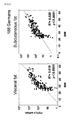
- the FSTL3 mRNA expression level acquired by substituting a BMI value of 18 in an equation of an approximate curve is about 10 in the case of visceral fat of Fig. 3 and, therefore, for example, if the FSTL3 mRNA expression level is 15 or more, it can be determined that the risk of developing diabetes or obesity is high.
- One aspect of the present invention includes a step of comparing an expression level of the FSTL3 protein in a biological sample derived from a subject with an expression level (standard value S FSTL3 ) in healthy individuals.
- an expression level for the expression level of the protein in healthy individuals, a value acquired by statistically processing the FSTL3 protein expression levels in a plurality of healthy individuals is usable, for example.
- the expression level is increased by a certain multiple or more as compared to the standard value, it can be determined that the risk of developing obesity and diabetes is high.
- the present invention provides a kit for correlating the expression level of FSTL3 gene in a biological sample with the detection of a degree of risk of developing diabetes, or a kit for correlating the expression level of FSTL3 gene in a biological sample with the detection of a degree of risk of developing obesity, the kit including (i) and (ii) as follows:
- the present invention also provides a kit for correlating the ratio of expression level of FSTL3 gene to inhibin ⁇ B gene in a biological sample with the detection of a degree of risk of developing diabetes, or a kit for correlating the said ratio with the detection of a degree of risk of developing obesity, the kit including (i) to (iii) as follows:
- the biological sample mentioned in relation to the kit above may be a biological sample derived from an individual with a BMI value less than 25.
- the probes for measuring the expression levels of FSTL3 gene and/or inhibin ⁇ B gene are not particularly limited as long as the probes have specificity as a probe normally used for measuring gene expression levels, and the sequence and the length of the bases preferred for the probes can be selected in consideration of the target base sequence by a technique using a calculation formula or an empirical technique that is a method well-known to those skilled in the art.
- a preferred probe base length is 10 to 50 nucleotides, preferably, 15 to 25 nucleotides as described in the section of "(Method of Detecting and/or Measuring mRNA in Biological Sample)".
- the instruction teaching a higher risk of developing diabetes or a higher risk of developing obesity may have descriptions of the purpose of measurement, a method of measurement, a guide for determination from the measurement result, etc., along with the teaching, and may have any name such as accompanying document and direction for use.
- the present invention provides a kit capable of detecting the risk of developing obesity and/or diabetes including one or a plurality of anti-FSTL3 monoclonal antibodies or antigen-binding fragments thereof.
- Another kit provided by the present invention is a kit capable of detecting the risk of developing obesity and diabetes including one or a plurality of nucleic acids capable of specifically binding to a nucleic acid coding for FSTL3 gene.
- the present invention provides a kit capable of detecting the risk of developing obesity and/or diabetes including one or a plurality of anti-activin B monoclonal antibodies or antigen-binding fragments thereof.
- Another kit provided by the present invention is a kit capable of detecting the risk of developing obesity and diabetes including one or a plurality of nucleic acids capable of specifically binding to a nucleic acid coding for activin B.
- visceral fat or subcutaneous fat was removed by the operator with the approval of subjects, frozen by liquid nitrogen, and stored at -80 °C.
- RNeasy registered trademark Lipid Tissue Midi Kit (manufactured by Qiagen) was used and operated in accordance with the recommended protocol. Details are as follows.
- RNA Up to 500 mg of human fat tissue was put into 5 ml of QIazol (registered trademark) Lysis Reagent and homogenized until a homogeneous sample was acquired. After adding 1 ml of chloroform, the sample was intensely stirred and centrifuged at 5,000xg for 15 minutes at 4 °C. An upper layer was removed and mixed with 3 mL of 70 % ethanol, transferred to a column set in a collection tube, and centrifuged at 5,000 ⁇ g for 5 minutes at room temperature. The column was washed in two steps and RNA remaining in the column was extracted with RNase-free water as total RNA.
- QIazol registered trademark
- a gene chip and a measurement device of Affymetrix, Inc. were used for gene chip measurement.
- the gene expression analysis with the gene chip was performed in conformity to the protocol recommended by Affymetrix. The procedure is as follows.
- Double-stranded cDNA was synthesized from the prepared total RNA by using SUPERSCRIPTChoice System manufactured by Gibco BRL. Fifteen ⁇ g of total RNA and 100 pmol of T7-(dT)24 primer were dissolved into DEPC-treated water to make 11 ⁇ L of solution.
- DEPC-treated water 30 ⁇ L of 5 ⁇ 2nd strand reaction buffer, 3 ⁇ L of 10 mM dNTP, 1 ⁇ L of 10 U/ ⁇ L DNA ligase, 4 ⁇ L of 10 U/ ⁇ L DNA polymerase I, and 2 ⁇ L of 2 U/ ⁇ L RNaseH were added to and mixed with the reaction solution and then reacted at 16 °C for two hours. Subsequently, 2 ⁇ L of 5 U/ ⁇ L T4 DNA polymerase was added and reacted at 16 °C for 5 minutes. To this solution, 10 ⁇ L of 0.5 M EDTA was added.
- Phenol-chloroform 1:1 mixed solution was added to this reaction solution and a tube containing these materials was vertically shaken for mixing purpose.
- the mixed solution was centrifuged at 15,000 rpm for 10 minutes at 4 °C and the aqueous layer was transferred to a new centrifugal tube.
- 1/10th volume of 3 M sodium acetate and three times volume of 100 % ethanol were added and sufficiently mixed.
- the mixture was left for 10 minutes at -80 °C and then centrifuged at 15,000 rpm for 10 minutes at 4 °C. After precipitated pellets were rinsed twice with 70 % ethanol and dried for 5 minutes at room temperature, 12 ⁇ L of DEPC-treated water was added.
- Biotin-labeled cRNA probes were synthesized from the double-stranded cDNA synthesized as above by using BioArray High Yield RNA Transcript Labeling Kit manufactured by Enzo Life Sciences, Inc. Five ⁇ L of the double-stranded cDNA, 17 ⁇ L of DEPC-treated water, 4 ⁇ L of 10 ⁇ HY buffer, 4 ⁇ L of 10 ⁇ biotin-labeled ribonucleotides, 4 ⁇ L of 10 ⁇ DTT, 4 ⁇ L of 10 ⁇ RNase inhibitor mix, and 2 ⁇ L of 20 ⁇ T7 RNA polymerase were mixed and reacted for 4 hours at 37 °C.
- the RNeasy mini spin column having the biotin-labeled cRNA probes adsorbed and washed as described above was transferred to a new centrifugal tube. After adding 30 ⁇ L of DEPC-treated water, the RNeasy mini spin column was left for one minute at room temperature. The column was centrifuged at 8,000 rpm for 15 seconds to elute a purified biotin-labeled cRNA probe solution.
- the fragmentation of the purified biotin-labeled cRNA probe solution was then performed.
- the biotin-labeled cRNA probe solution and 5 ⁇ Fragmentation buffer (1/5th volume of final solution volume was added) were mixed and adjusted to a biotin-labeled cRNA probe concentration of 0.5 ⁇ g/ ⁇ L and reacted for 35 minutes at 94 °C.
- the fragmentation of the probes to a length of about 100 bases was confirmed by performing 1 % agarose gel electrophoresis.
- hybridization the resultant fragmented biotin-labeled cRNA probes were evaluated by a test chip to confirm that no problem existed before performing a main test
- a Human Genome U133 Plus 2.0 Array hereinafter, human chip
- the hybridization was performed with the following procedure for both the test chip and the human chip.
- hybridization cocktail was heated for 5 minutes at 99 °C for heat denaturation and left for 5 minutes at 45 °C before centrifuging at 15,000 rpm for 5 minutes at room temperature. Eighty ⁇ L and 200 ⁇ L of supernatant were dispensed to the test chip and the human chip, respectively, and used for the hybridization.
- the gene chips were returned to room temperature and prehybridized with 1 ⁇ MES buffer (80 ⁇ L and 200 ⁇ L for the test chip and the human chip, respectively) at 45 °C for 10 minutes at 60 rpm.
- the prehybridization solution was removed and the heat-denatured hybridization cocktail was added for hybridization at 45 °C for 16 hours at 60 rpm.
- the hybridization cocktail was removed from the chips and non-stringent wash buffer was added for washing and staining with a Fluidic station (manufactured by Affymetrix). After the washing and staining, the chips were scanned by a scanner to capture image data.
- the data analysis of the hybridization was performed by using an analysis software for Affymetrix, GeneSpring (Agilent Technologies Inc.). A global expression profile of reliable 24293 probes except those with a low expression level and miss-hybridization was studied.
- a glucose clamp test was performed based on a method described in Am. J. Physiol. 1979 Sep; 237(3); E214-23 .
- An infusion rate of insulin was set to 20 mIU/kg/min and a glucose injection rate was defined as an injection rate of 30 minutes of the latter half of the test.
- Cells were lysed by using Lysis Buffer containing 25 mM Tris-HCl of pH7.4, 25 mM NaCl, 1 mM Na 3 VO 4 , 10 mM NaF, 10 mM Na 4 P 2 O 7 , 1 mM EGTA, 10 nM okadaic acid, 5 mg/mL leupeptin, 5 mg/mL aprotinin and 1mM phenylmethylsulfonyl fluoride (PMSF), and 1 % Nonident-P 40, and centrifuged at 12,000 rpm for 20 minutes after ultrasonic treatment to use supernatant thereof.
- Lysis Buffer containing 25 mM Tris-HCl of pH7.4, 25 mM NaCl, 1 mM Na 3 VO 4 , 10 mM NaF, 10 mM Na 4 P 2 O 7 , 1 mM EGTA, 10 nM okadaic acid, 5 mg/mL le
- a semi-dry method was employed for blotting of protein and a PVDF membrane was used for a transfer membrane.
- mouse anti-RGSH4 manufactured by QIAGEN
- goat anti-mouse IgG manufactured by BIO-RAD
- a chemiluminescence method was used for visualization.
- 6 ⁇ His Protein Ladder was used (molecular weight of 100, 75, 50, 30, and 15 kDa, manufactured by QIAGEN).
- RNA was electrophoresed in a denaturing gel and then transferred to a nylon membrane (Hybond-N + , manufactured by GE Healthcare Japan). Hybridization was performed by using [ ⁇ - 32 P]dCTP-labeled probes with a random primer method using Takara 6045 Random Primer DNA Labeling Kit. The nylon membrane after hybridization was imaged.
- the full length cDNA of mouse FSTL3 was introduced into pcDNA3.1/V5-HisA (manufactured by Invitrogen), excised by HindIII and EcoRV, and inserted according to the protocol of Takara Adenovirus Expression Vector Kit (manufactured by Takara) to produce adenovirus.
- the adenovirus was transfected to HEK293 cells by using CellPhect (registered trademark) Transfection Kit (manufactured by GE Healthcare) with the calcium phosphate method.
- HEK293 cells after transfection were seeded on a 96-well plate to select those recognized as dead cells, and then, HEK293 cells on greater plates were infected to produce a larger and larger amount of adenovirus.
- 5.0 ⁇ 10 10 pfu of the adenovirus was dissolved in 150 ⁇ L of PBS and administered from the tail vein (eighth week, ninth week). After one week, a glucose load test was conducted.
- antisense oligonucleotide was intraperitoneally administered twice a week, a total of eight times (80 mg/body) and a glucose load test was conducted in the next week of the last administration (after 28 days from the first day of administration).
- the oligonucleotides used were as follows.
- liver and the skeletal muscle were homogenized in Liver Buffer (having composition described in Table 2) containing 1 % Nonident-P 40.
- Liver Buffer having composition described in Table 2
- 7 mL and 4 mL of the Liver Buffer were respectively used.
- supernatant was dispensed into a tube.
- the dispensed supernatant was ultracentrifuged at 55,000 rpm for 1 hour at 4 °C and supernatant was pipetted and dispensed into a tube.
- SDS PAGE was performed with 10 % gel.
- reaction with a primary antibody Phospho-Akt (Ser473): cell signaling #92715
- a secondary antibody Goat anti-rabbit IgG HRP (Santa Cruz sc-2054)
- a factor of 5000 was performed for 2 hours at room temperature.
- genes having expression varied due to obesity and insulin resistance were globally analyzed for the fat tissues of 113 cases of Japanese subjects. These cases were made up of a broad range of ages from twenties to eighties.
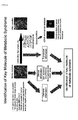
- the average BMI value of the subjects was 22.2. Although a BMI value equal to or greater than 25 is normally considered as obesity, this analysis was performed by classifying the cases with a BMI value equal to or greater than 22 as an overweight group (OW) and the cases with a BMI value less than 22 as a normal group (NW) (a BMI value of 22 is normally considered as standard body weight) and by integratively analyzing clinical information and expression information to attempt the identification of key molecules of the metabolic syndrome (see Fig. 1 ).
- OW overweight group
- NW normal group
- the table describes numerical numbers or values of age, BMI, systolic arterial pressure (mmHg), diastolic blood pressure (mmHg), waist circumference size (cm), fasting blood glucose level (mg/dL), HOMA-IR, HbAlc (%), total cholesterol (mg/dL), HDL cholesterol (mg/dL), and neutral fat (mg/dL).
- the numbers in the table represent average values ⁇ standard errors.
- an HOMA-IR value is an index of insulin resistance and it is determined under certain criteria that insulin resistance exists if an HOMA-IR value is greater than 2; however, the average value of the subjects of this study is 1.46, and diabetes has never developed in most of the cases.
- mRNA was extracted from collected subcutaneous fat to perform the cDNA microarray analysis.
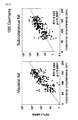
- the inventors examined correlation between expression of FSTL3 mRNA and BMI for 188 cases of German subjects independent of the 113 cases described above.
- the details of the 188 cases include 108 male and 80 female subjects of an average age of 55.3 ⁇ 15.2, of which 145 were non-diabetic subjects, 5 were IGT subjects, and 38 were type-2 diabetic subjects.
- strong positive correlation was identified between the level of FSTL3 mRNA expression and BMI (see Fig. 3 ).
- strong positive correlation was identified between the level of FSTL3 mRNA expression and abdominal circumference (see Fig. 4 ).
- Patent Literature 1 does not disclose biological samples and case groups used, it is not necessarily clear what factor caused the difference between Patent Literature 1 and this study.
- "Brief Description of Drawings" in paragraph 0115 of Patent Literature 1 includes a description of "type-2 diabetic patients", it can be determined that samples from patients who had already developed diabetes were used in Patent Literature 1, unlike the cases of from normal to obesity used in this study.
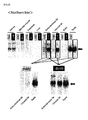
- the inventors performed the Northern blot analysis by using mRNA extracted from kidney, skeletal muscle, pancreas, liver, subcutaneous fat, visceral fat, brain, and testis to examine tissue-specific expression of FSTL3 mRNA.
- the analysis was performed for db / db mice ( db / db: BKS.Cg-+ Lepr db /+ Lepr db /Jcl* Lepr db /+ Lepr db , eight-week-old in the obesity/diabetes state) that are genetic obesity models and control mice (mysty: BKS.Cg-m +/+ Lepr db /Jcl * m ) .
- FSTL3 mRNA in the subcutaneous fat and the visceral fat was examined with the RT-PCR method and the Northern blot analysis when normal diet (Japan Laboratory Animals, Inc., mouse food MF) or high-fat diet (Clea High Fat diet 32, crude fat 32 %, fat-derived calorie 60 %) was fed to normal mice (C57/BL6 mice). Although the mice were put in an obese condition due to the high-fat diet, the collection of subcutaneous and visceral fat samples were performed during fasting. This was intended to eliminate the possibility of a temporary elevation in expression due to feeding.
- 3T3-L1 mouse embryonic fibroblasts differentiation of preadipocytes to mature adipocytes can be induced.
- the 3T3-L1 cells were acquired from ATCC.
- the composition of test medium was DMEM (Gibco 11995), 10 % FBS (GIBCO 10437), and 1 % penicillin/streptomycin (P/S) and the cells were cultured at a CO 2 concentration of 5 % and a temperature of 37.0 °C.
- FSTL3 is an adipokine secreted extracellularly from mature adipocytes.
- FSTL3 protein is secreted to the extracellular space of adipocytes means that body fluid (e.g., blood, serum) of a subject can be used for examination when FSTL3 protein or a metabolic product thereof is used as a diagnostic marker of obesity.
- body fluid e.g., blood, serum
- This is a non-invasive method as compared to the collection of subcutaneous fat or visceral fat and is advantageous for use in routine examination.
- FSTL3 is useful for determination of risk of developing diabetes or obesity.
- FSTL3 is a protein known that binds to activins to inhibit binding of activins to their receptors.
- the inventors paid attention to the behavior of activins.
- inhibin ⁇ B gene that is one of the genes coding activins
- correlation was examined between the level of inhibin ⁇ B mRNA expression and BMI value in early obesity.
- a homodimer formed from the product of inhibin ⁇ B gene is referred to as activin B.
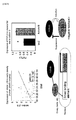
- Significant positive correlation was found between the level of inhibin ⁇ B mRNA expression and BMI value in early obesity (see upper left of Fig. 9 ).
- Adenovirus recombined with inhibin ⁇ B gene was administered to mice to examine the FSTL3 mRNA expression level in the visceral fat.
- activin B was expressed in the visceral fat, a rise in expression of FSTL3 mRNA was observed as compared to control mice (lacZ) (see upper right of Fig. 9 ).
- the level of FSTL3 mRNA expression is represented by a multiple where the level of 18sRNA expression in the same sample is defined as one and the level of inhibin ⁇ B mRNA expression is represented by a multiple where the level of cyclophilin A expression in the same sample is defined as one.
- mice were used for comparing blood glucose levels between mice with FSTL3 gene expressed by adenovirus in the liver and control mice (lacZ) until 120 minutes had elapsed in a glucose load test.
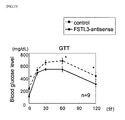
- the db / db mice were used for comparing blood glucose levels between db / db mice administered with FSTL3 antisense oligonucleotides and control db / db mice without administration until 120 minutes had elapsed in a glucose load test.
- Akt phosphorylation signals in the liver and the skeletal muscle were measured in the db / db mice administered with FSTL3 antisense oligonucleotides and the control db / db mice.
- the mice used in the ninth example were dissected after 31 days from the first day of the administration to extract the livers and the skeletal muscles and the Akt phosphorylation signals were measured in each of the regions.
- Akt phosphorylation of Akt was identified in both the livers and the skeletal muscles in the mice administered with FSTL3 antisense oligonucleotides (see Fig. 14 ).
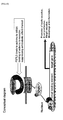
- FSTL3 is involved in induction of insulin resistance through inhibition of insulin signaling via Akt and it was found out that FSTL3 is an index (marker) suitable for detecting a risk of developing obesity and/or diabetes in early phase.
- the relationship between insulin sensitivity (glucose infusion rate in clamp test) and FSTL3 mRNA expression level in the visceral fat was analyzed.
- the relationship between FSTL3 mRNA expression level and glucose infusion rate is as depicted in Fig. 15 .
- the Spearman rank-correlation coefficient is -0.6175, P ⁇ 0.0001 and, therefore, significant negative correlation was confirmed. Therefore, it is believed that using an FSTL3 mRNA expression level in an individual with a BMI value less than 25 (normal value range in terms of obesity) as an index of preliminary stage of diabetes or preliminary stage of obesity is an effective approach.
- the present invention enables provision of a gene and a polypeptide acting as an index (marker) suitable for detecting a risk of developing obesity and/or a risk of developing diabetes, and a risk of developing diabetes through obesity, specifically, a potential obesity risk and/or a potential diabetes onset risk (in particular, insulin resistance deterioration risk), more specifically, a risk of developing obesity and/or diabetes in early phase in individuals not diagnosed as obesity or diabetes.
- an index suitable for detecting a risk of developing obesity and/or a risk of developing diabetes, and a risk of developing diabetes through obesity, specifically, a potential obesity risk and/or a potential diabetes onset risk (in particular, insulin resistance deterioration risk), more specifically, a risk of developing obesity and/or diabetes in early phase in individuals not diagnosed as obesity or diabetes.
- a method of correlating an expression level of FSTL3 gene in a biological sample with the detection of a degree of risk of developing diabetes comprising:
- a method of correlating an expression level of FSTL3 gene in a biological sample derived from an individual having a BMI value less than 25 with the detection of a degree of risk of developing diabetes comprising:
- a method of correlating an expression level of FSTL3 gene in a biological sample derived from an individual having a BMI value less than 25 with the detection of a degree of risk of developing obesity comprising:
- a method of correlating a ratio of expression level of FSTL3 gene to inhibin ⁇ B gene in a biological sample with the detection of a degree of risk of developing diabetes comprising:
- a method of correlating the ratio of expression level of FSTL3 gene to inhibin ⁇ B gene in a biological sample derived from an individual having a BMI value less than 25 with the detection of a degree of risk of developing diabetes comprising:
- a method of correlating a ratio of expression level of FSTL3 gene to inhibin ⁇ B gene in a biological sample derived from an individual having a BMI value less than 25 with the detection of a degree of risk of developing obesity comprising:
- a kit for correlating an expression level of FSTL3 gene in a biological sample with the detection of a degree of risk of developing diabetes comprising:
- a kit for correlating an expression level of FSTL3 gene in a biological sample derived from an individual having a BMI value less than 25 with the detection of a degree of risk of developing diabetes comprising:
- a kit for correlating an expression level of FSTL3 gene in a biological sample derived from an individual having a BMI value less than 25 with the detection of a degree of risk of developing obesity comprising:
- a kit for correlating a ratio of expression level of FSTL3 gene to inhibin ⁇ B gene in a biological sample with the detection of a degree of risk of developing diabetes comprising:
- a kit for correlating a ratio of expression level of FSTL3 gene to inhibin ⁇ B gene in a biological sample derived from an individual having a BMI value less than 25 with the detection of a degree of risk of developing diabetes comprising:
- a kit for correlating a ratio of expression level of FSTL3 gene to inhibin ⁇ B gene in a biological sample derived from an individual having a BMI value less than 25 with the detection of a degree of risk of developing obesity comprising:
Landscapes
- Life Sciences & Earth Sciences (AREA)
- Chemical & Material Sciences (AREA)
- Health & Medical Sciences (AREA)
- Engineering & Computer Science (AREA)
- Proteomics, Peptides & Aminoacids (AREA)
- Organic Chemistry (AREA)
- Analytical Chemistry (AREA)
- Immunology (AREA)
- Molecular Biology (AREA)
- Wood Science & Technology (AREA)
- Genetics & Genomics (AREA)
- Zoology (AREA)
- General Health & Medical Sciences (AREA)
- Microbiology (AREA)
- Biotechnology (AREA)
- Pathology (AREA)
- Physics & Mathematics (AREA)
- Biochemistry (AREA)
- Hematology (AREA)
- Urology & Nephrology (AREA)
- Biomedical Technology (AREA)
- Biophysics (AREA)
- Bioinformatics & Cheminformatics (AREA)
- General Engineering & Computer Science (AREA)
- General Physics & Mathematics (AREA)
- Medicinal Chemistry (AREA)
- Food Science & Technology (AREA)
- Cell Biology (AREA)
- Measuring Or Testing Involving Enzymes Or Micro-Organisms (AREA)
Applications Claiming Priority (2)
| Application Number | Priority Date | Filing Date | Title |
|---|---|---|---|
| JP2010122148 | 2010-05-27 | ||
| EP11786754.9A EP2578699A4 (fr) | 2010-05-27 | 2011-05-27 | Procédés de détection du risque d'obésité et du risque de déclenchement de diabète |
Related Parent Applications (1)
| Application Number | Title | Priority Date | Filing Date |
|---|---|---|---|
| EP11786754.9A Division EP2578699A4 (fr) | 2010-05-27 | 2011-05-27 | Procédés de détection du risque d'obésité et du risque de déclenchement de diabète |
Publications (2)
| Publication Number | Publication Date |
|---|---|
| EP2921562A1 true EP2921562A1 (fr) | 2015-09-23 |
| EP2921562B1 EP2921562B1 (fr) | 2017-03-08 |
Family
ID=45004040
Family Applications (2)
| Application Number | Title | Priority Date | Filing Date |
|---|---|---|---|
| EP11786754.9A Withdrawn EP2578699A4 (fr) | 2010-05-27 | 2011-05-27 | Procédés de détection du risque d'obésité et du risque de déclenchement de diabète |
| EP15163160.3A Active EP2921562B1 (fr) | 2010-05-27 | 2011-05-27 | Procédé de détection d'un risque d'obésité |
Family Applications Before (1)
| Application Number | Title | Priority Date | Filing Date |
|---|---|---|---|
| EP11786754.9A Withdrawn EP2578699A4 (fr) | 2010-05-27 | 2011-05-27 | Procédés de détection du risque d'obésité et du risque de déclenchement de diabète |
Country Status (4)
| Country | Link |
|---|---|
| US (1) | US20130143748A1 (fr) |
| EP (2) | EP2578699A4 (fr) |
| JP (2) | JP5422799B2 (fr) |
| WO (1) | WO2011149057A1 (fr) |
Cited By (1)
| Publication number | Priority date | Publication date | Assignee | Title |
|---|---|---|---|---|
| EP4686763A1 (fr) * | 2024-07-31 | 2026-02-04 | Institut National de la Recherche pour l'Agriculture, l'Alimentation et l'Environnement | Signatures géniques pour la prédiction de la prédisposition à l'obésité |
Families Citing this family (3)
| Publication number | Priority date | Publication date | Assignee | Title |
|---|---|---|---|---|
| HK1248808A1 (zh) * | 2015-06-11 | 2018-10-19 | 阿斯图特医药公司 | 用於肾损伤和肾衰竭的诊断和预後的方法和组合物 |
| US20190078074A1 (en) * | 2016-03-15 | 2019-03-14 | Hajime WATAHIKI | Obesity risk diagnosis kit and method for analyzing risk of obesity onset |
| JP7251722B2 (ja) * | 2018-09-27 | 2023-04-04 | 国立大学法人九州大学 | 糖尿病に関する情報を取得する方法及びその利用 |
Citations (3)
| Publication number | Priority date | Publication date | Assignee | Title |
|---|---|---|---|---|
| JP2005114725A (ja) | 2003-10-03 | 2005-04-28 | F Hoffmann La Roche Ag | 糖尿病の特異的マーカー |
| JP2006296346A (ja) | 2005-04-22 | 2006-11-02 | Kanazawa Univ | 糖尿病の病態と関連して発現変動する遺伝子およびその利用 |
| WO2008109779A2 (fr) * | 2007-03-07 | 2008-09-12 | The Johns Hopkins University | Utilisation d'un gène associé à la follistatine-like (flrg) pour accroître la masse musculaire |
Family Cites Families (3)
| Publication number | Priority date | Publication date | Assignee | Title |
|---|---|---|---|---|
| US20050123938A1 (en) * | 1999-01-06 | 2005-06-09 | Chondrogene Limited | Method for the detection of osteoarthritis related gene transcripts in blood |
| JP2005253434A (ja) * | 2004-03-15 | 2005-09-22 | Hokkaido Technology Licence Office Co Ltd | 2型糖尿病の診断方法 |
| US20080207594A1 (en) * | 2005-05-04 | 2008-08-28 | Davelogen Aktiengesellschaft | Use of Gsk-3 Inhibitors for Preventing and Treating Pancreatic Autoimmune Disorders |
-
2011
- 2011-05-27 WO PCT/JP2011/062226 patent/WO2011149057A1/fr not_active Ceased
- 2011-05-27 EP EP11786754.9A patent/EP2578699A4/fr not_active Withdrawn
- 2011-05-27 JP JP2012517332A patent/JP5422799B2/ja active Active
- 2011-05-27 EP EP15163160.3A patent/EP2921562B1/fr active Active
- 2011-05-27 US US13/699,806 patent/US20130143748A1/en not_active Abandoned
-
2013
- 2013-07-01 JP JP2013138299A patent/JP2013252136A/ja not_active Withdrawn
Patent Citations (3)
| Publication number | Priority date | Publication date | Assignee | Title |
|---|---|---|---|---|
| JP2005114725A (ja) | 2003-10-03 | 2005-04-28 | F Hoffmann La Roche Ag | 糖尿病の特異的マーカー |
| JP2006296346A (ja) | 2005-04-22 | 2006-11-02 | Kanazawa Univ | 糖尿病の病態と関連して発現変動する遺伝子およびその利用 |
| WO2008109779A2 (fr) * | 2007-03-07 | 2008-09-12 | The Johns Hopkins University | Utilisation d'un gène associé à la follistatine-like (flrg) pour accroître la masse musculaire |
Non-Patent Citations (8)
| Title |
|---|
| A. MUKHERJEE ET AL: "FSTL3 deletion reveals roles for TGF-beta family ligands in glucose and fat homeostasis in adults", PROCEEDINGS OF THE NATIONAL ACADEMY OF SCIENCES, vol. 104, no. 4, 23 January 2007 (2007-01-23), pages 1348 - 1353, XP055081057, ISSN: 0027-8424, DOI: 10.1073/pnas.0607966104 * |
| D. L. ALLEN ET AL: "Myostatin, activin receptor IIb, and follistatin-like-3 gene expression are altered in adipose tissue and skeletal muscle of obese mice", AJP: ENDOCRINOLOGY AND METABOLISM, vol. 294, no. 5, 19 February 2008 (2008-02-19), pages E918 - E927, XP055081060, ISSN: 0193-1849, DOI: 10.1152/ajpendo.00798.2007 * |
| HARLOW, E.; LANE, D.: "Antibodies: A laboratory Manual", 1988, COLD SPRING HARBOR LABORATORY PRESS |
| J. BIOL. CHEM., vol. 275, 2000, pages 40788 - 96 |
| J. BIOL. CHEM., vol. 277, no. 4073, 2002, pages 5 - 41 |
| PEIRIS HASSENDRINI N ET AL: "Brief Communication: Sexual dimorphic expression of myostatin and follistatin like-3 in a rat trans-generational under-nutrition model", NUTRITION & METABOLISM, BIOMED CENTRAL. LONDON, GB, vol. 7, no. 1, 20 May 2010 (2010-05-20), pages 44, XP021080313, ISSN: 1743-7075, DOI: 10.1186/1743-7075-7-44 * |
| PROC. NATL. ACAD. SCI. U. S. A., vol. 105, no. 20, 20 May 2008 (2008-05-20), pages 7246 - 51 |
| R. THADHANI ET AL: "First-Trimester Follistatin-Like-3 Levels in Pregnancies Complicated by Subsequent Gestational Diabetes Mellitus", DIABETES CARE, vol. 33, no. 3, 1 March 2010 (2010-03-01), pages 664 - 669, XP055081063, ISSN: 0149-5992, DOI: 10.2337/dc09-1745 * |
Cited By (2)
| Publication number | Priority date | Publication date | Assignee | Title |
|---|---|---|---|---|
| EP4686763A1 (fr) * | 2024-07-31 | 2026-02-04 | Institut National de la Recherche pour l'Agriculture, l'Alimentation et l'Environnement | Signatures géniques pour la prédiction de la prédisposition à l'obésité |
| WO2026027593A1 (fr) * | 2024-07-31 | 2026-02-05 | Institut National De Recherche Pour L'agriculture, L'alimentation Et L'environnement | Signatures de gènes pour la prédiction de la prédisposition à l'obésité |
Also Published As
| Publication number | Publication date |
|---|---|
| EP2578699A4 (fr) | 2013-11-06 |
| EP2921562B1 (fr) | 2017-03-08 |
| EP2578699A1 (fr) | 2013-04-10 |
| US20130143748A1 (en) | 2013-06-06 |
| JP5422799B2 (ja) | 2014-02-19 |
| JPWO2011149057A1 (ja) | 2013-07-25 |
| WO2011149057A1 (fr) | 2011-12-01 |
| JP2013252136A (ja) | 2013-12-19 |
Similar Documents
| Publication | Publication Date | Title |
|---|---|---|
| Böttcher et al. | Genetic variation in the visfatin gene (PBEF1) and its relation to glucose metabolism and fat-depot-specific messenger ribonucleic acid expression in humans | |
| Baranova et al. | Obesity-related differential gene expression in the visceral adipose tissue | |
| KR20150090246A (ko) | 암을 위한 분자 진단 테스트 | |
| JP3469551B2 (ja) | 子宮内膜癌および子宮癌の検出及び監視のための新規な方法 | |
| EP2921562B1 (fr) | Procédé de détection d'un risque d'obésité | |
| EP1560025A2 (fr) | Marquers specifiques pour diabète | |
| Badr et al. | A pilot study on the relation between irisin single-nucleotide polymorphism and risk of myocardial infarction | |
| JP5990871B2 (ja) | 疲労の判定方法 | |
| JPWO2003057874A1 (ja) | 腎疾患の疾患マーカー及びその利用 | |
| KR101501125B1 (ko) | 비만 진단용 조성물 | |
| KR101560706B1 (ko) | 비만 진단용 조성물 | |
| JP2004187620A (ja) | 腎疾患の疾患マーカーおよびその利用 | |
| JP4120778B2 (ja) | 骨代謝異常疾患マーカー及びその利用 | |
| WO2008155396A1 (fr) | Procédé permettant de tester un sujet supposé souffrir d'asthme ou être prédisposé à l'asthme | |
| CN111549114B (zh) | 心力衰竭的生物标志物及其应用 | |
| WO2014006163A1 (fr) | Hmga2 comme marqueur destiné au diagnostic du diabète | |
| AU2009297425A1 (en) | Biomarker for microdomain disorder | |
| KR102202120B1 (ko) | 알츠하이머 질환의 진단 또는 치료를 위한 Ube2h의 용도 | |
| US20040265829A1 (en) | Identification of genes involved in restenosis and in atherosclerosis | |
| KR101968962B1 (ko) | 비만 저항성 진단용 조성물 | |
| KR20180099123A (ko) | 항암제에 대한 저항성 예측용 바이오마커 | |
| CN108179181B (zh) | Rdx基因在临床用药中的应用 | |
| KR20250128413A (ko) | miRNA-4443, miRNA-660-5p 또는 miRNA-125a-5p를 이용하는 간섬유화 진단 또는 예후 예측용 조성물 | |
| WO2005012570A1 (fr) | Methode d'evaluation d'un compose efficace pour traiter l'obesite au moyen de slc25a10 | |
| Pellicciari et al. | The Use of miRNA Panel as a Growth Plate Marker of Short‐Term Response to GH |
Legal Events
| Date | Code | Title | Description |
|---|---|---|---|
| PUAI | Public reference made under article 153(3) epc to a published international application that has entered the european phase |
Free format text: ORIGINAL CODE: 0009012 |
|
| 17P | Request for examination filed |
Effective date: 20150410 |
|
| AC | Divisional application: reference to earlier application |
Ref document number: 2578699 Country of ref document: EP Kind code of ref document: P |
|
| AK | Designated contracting states |
Kind code of ref document: A1 Designated state(s): AL AT BE BG CH CY CZ DE DK EE ES FI FR GB GR HR HU IE IS IT LI LT LU LV MC MK MT NL NO PL PT RO RS SE SI SK SM TR |
|
| 17Q | First examination report despatched |
Effective date: 20160504 |
|
| GRAP | Despatch of communication of intention to grant a patent |
Free format text: ORIGINAL CODE: EPIDOSNIGR1 |
|
| INTG | Intention to grant announced |
Effective date: 20161031 |
|
| GRAS | Grant fee paid |
Free format text: ORIGINAL CODE: EPIDOSNIGR3 |
|
| GRAA | (expected) grant |
Free format text: ORIGINAL CODE: 0009210 |
|
| AC | Divisional application: reference to earlier application |
Ref document number: 2578699 Country of ref document: EP Kind code of ref document: P |
|
| AK | Designated contracting states |
Kind code of ref document: B1 Designated state(s): AL AT BE BG CH CY CZ DE DK EE ES FI FR GB GR HR HU IE IS IT LI LT LU LV MC MK MT NL NO PL PT RO RS SE SI SK SM TR |
|
| REG | Reference to a national code |
Ref country code: GB Ref legal event code: FG4D |
|
| REG | Reference to a national code |
Ref country code: CH Ref legal event code: EP Ref country code: AT Ref legal event code: REF Ref document number: 873580 Country of ref document: AT Kind code of ref document: T Effective date: 20170315 |
|
| REG | Reference to a national code |
Ref country code: IE Ref legal event code: FG4D |
|
| REG | Reference to a national code |
Ref country code: DE Ref legal event code: R096 Ref document number: 602011035853 Country of ref document: DE |
|
| REG | Reference to a national code |
Ref country code: FR Ref legal event code: PLFP Year of fee payment: 7 |
|
| REG | Reference to a national code |
Ref country code: LT Ref legal event code: MG4D |
|
| REG | Reference to a national code |
Ref country code: NL Ref legal event code: MP Effective date: 20170308 |
|
| PG25 | Lapsed in a contracting state [announced via postgrant information from national office to epo] |
Ref country code: NO Free format text: LAPSE BECAUSE OF FAILURE TO SUBMIT A TRANSLATION OF THE DESCRIPTION OR TO PAY THE FEE WITHIN THE PRESCRIBED TIME-LIMIT Effective date: 20170608 Ref country code: HR Free format text: LAPSE BECAUSE OF FAILURE TO SUBMIT A TRANSLATION OF THE DESCRIPTION OR TO PAY THE FEE WITHIN THE PRESCRIBED TIME-LIMIT Effective date: 20170308 Ref country code: LT Free format text: LAPSE BECAUSE OF FAILURE TO SUBMIT A TRANSLATION OF THE DESCRIPTION OR TO PAY THE FEE WITHIN THE PRESCRIBED TIME-LIMIT Effective date: 20170308 Ref country code: FI Free format text: LAPSE BECAUSE OF FAILURE TO SUBMIT A TRANSLATION OF THE DESCRIPTION OR TO PAY THE FEE WITHIN THE PRESCRIBED TIME-LIMIT Effective date: 20170308 Ref country code: GR Free format text: LAPSE BECAUSE OF FAILURE TO SUBMIT A TRANSLATION OF THE DESCRIPTION OR TO PAY THE FEE WITHIN THE PRESCRIBED TIME-LIMIT Effective date: 20170609 |
|
| RAP2 | Party data changed (patent owner data changed or rights of a patent transferred) |
Owner name: SEKISUI MEDICAL CO., LTD. Owner name: THE UNIVERSITY OF TOKYO |
|
| REG | Reference to a national code |
Ref country code: AT Ref legal event code: MK05 Ref document number: 873580 Country of ref document: AT Kind code of ref document: T Effective date: 20170308 |
|
| PG25 | Lapsed in a contracting state [announced via postgrant information from national office to epo] |
Ref country code: LU Free format text: LAPSE BECAUSE OF NON-PAYMENT OF DUE FEES Effective date: 20170531 Ref country code: ES Free format text: LAPSE BECAUSE OF FAILURE TO SUBMIT A TRANSLATION OF THE DESCRIPTION OR TO PAY THE FEE WITHIN THE PRESCRIBED TIME-LIMIT Effective date: 20170308 Ref country code: BG Free format text: LAPSE BECAUSE OF FAILURE TO SUBMIT A TRANSLATION OF THE DESCRIPTION OR TO PAY THE FEE WITHIN THE PRESCRIBED TIME-LIMIT Effective date: 20170608 Ref country code: LV Free format text: LAPSE BECAUSE OF FAILURE TO SUBMIT A TRANSLATION OF THE DESCRIPTION OR TO PAY THE FEE WITHIN THE PRESCRIBED TIME-LIMIT Effective date: 20170308 Ref country code: SE Free format text: LAPSE BECAUSE OF FAILURE TO SUBMIT A TRANSLATION OF THE DESCRIPTION OR TO PAY THE FEE WITHIN THE PRESCRIBED TIME-LIMIT Effective date: 20170308 Ref country code: RS Free format text: LAPSE BECAUSE OF FAILURE TO SUBMIT A TRANSLATION OF THE DESCRIPTION OR TO PAY THE FEE WITHIN THE PRESCRIBED TIME-LIMIT Effective date: 20170308 |
|
| PG25 | Lapsed in a contracting state [announced via postgrant information from national office to epo] |
Ref country code: NL Free format text: LAPSE BECAUSE OF FAILURE TO SUBMIT A TRANSLATION OF THE DESCRIPTION OR TO PAY THE FEE WITHIN THE PRESCRIBED TIME-LIMIT Effective date: 20170308 |
|
| PG25 | Lapsed in a contracting state [announced via postgrant information from national office to epo] |
Ref country code: AT Free format text: LAPSE BECAUSE OF FAILURE TO SUBMIT A TRANSLATION OF THE DESCRIPTION OR TO PAY THE FEE WITHIN THE PRESCRIBED TIME-LIMIT Effective date: 20170308 Ref country code: IT Free format text: LAPSE BECAUSE OF FAILURE TO SUBMIT A TRANSLATION OF THE DESCRIPTION OR TO PAY THE FEE WITHIN THE PRESCRIBED TIME-LIMIT Effective date: 20170308 Ref country code: EE Free format text: LAPSE BECAUSE OF FAILURE TO SUBMIT A TRANSLATION OF THE DESCRIPTION OR TO PAY THE FEE WITHIN THE PRESCRIBED TIME-LIMIT Effective date: 20170308 Ref country code: RO Free format text: LAPSE BECAUSE OF FAILURE TO SUBMIT A TRANSLATION OF THE DESCRIPTION OR TO PAY THE FEE WITHIN THE PRESCRIBED TIME-LIMIT Effective date: 20170308 Ref country code: SK Free format text: LAPSE BECAUSE OF FAILURE TO SUBMIT A TRANSLATION OF THE DESCRIPTION OR TO PAY THE FEE WITHIN THE PRESCRIBED TIME-LIMIT Effective date: 20170308 Ref country code: CZ Free format text: LAPSE BECAUSE OF FAILURE TO SUBMIT A TRANSLATION OF THE DESCRIPTION OR TO PAY THE FEE WITHIN THE PRESCRIBED TIME-LIMIT Effective date: 20170308 |
|
| PG25 | Lapsed in a contracting state [announced via postgrant information from national office to epo] |
Ref country code: PL Free format text: LAPSE BECAUSE OF FAILURE TO SUBMIT A TRANSLATION OF THE DESCRIPTION OR TO PAY THE FEE WITHIN THE PRESCRIBED TIME-LIMIT Effective date: 20170308 Ref country code: SM Free format text: LAPSE BECAUSE OF FAILURE TO SUBMIT A TRANSLATION OF THE DESCRIPTION OR TO PAY THE FEE WITHIN THE PRESCRIBED TIME-LIMIT Effective date: 20170308 Ref country code: IS Free format text: LAPSE BECAUSE OF FAILURE TO SUBMIT A TRANSLATION OF THE DESCRIPTION OR TO PAY THE FEE WITHIN THE PRESCRIBED TIME-LIMIT Effective date: 20170708 Ref country code: PT Free format text: LAPSE BECAUSE OF FAILURE TO SUBMIT A TRANSLATION OF THE DESCRIPTION OR TO PAY THE FEE WITHIN THE PRESCRIBED TIME-LIMIT Effective date: 20170710 |
|
| REG | Reference to a national code |
Ref country code: DE Ref legal event code: R097 Ref document number: 602011035853 Country of ref document: DE |
|
| REG | Reference to a national code |
Ref country code: CH Ref legal event code: PL |
|
| PLBE | No opposition filed within time limit |
Free format text: ORIGINAL CODE: 0009261 |
|
| STAA | Information on the status of an ep patent application or granted ep patent |
Free format text: STATUS: NO OPPOSITION FILED WITHIN TIME LIMIT |
|
| PG25 | Lapsed in a contracting state [announced via postgrant information from national office to epo] |
Ref country code: DK Free format text: LAPSE BECAUSE OF FAILURE TO SUBMIT A TRANSLATION OF THE DESCRIPTION OR TO PAY THE FEE WITHIN THE PRESCRIBED TIME-LIMIT Effective date: 20170308 Ref country code: MC Free format text: LAPSE BECAUSE OF FAILURE TO SUBMIT A TRANSLATION OF THE DESCRIPTION OR TO PAY THE FEE WITHIN THE PRESCRIBED TIME-LIMIT Effective date: 20170308 |
|
| 26N | No opposition filed |
Effective date: 20171211 |
|
| REG | Reference to a national code |
Ref country code: IE Ref legal event code: MM4A |
|
| PG25 | Lapsed in a contracting state [announced via postgrant information from national office to epo] |
Ref country code: LI Free format text: LAPSE BECAUSE OF NON-PAYMENT OF DUE FEES Effective date: 20170531 Ref country code: SI Free format text: LAPSE BECAUSE OF FAILURE TO SUBMIT A TRANSLATION OF THE DESCRIPTION OR TO PAY THE FEE WITHIN THE PRESCRIBED TIME-LIMIT Effective date: 20170308 Ref country code: CH Free format text: LAPSE BECAUSE OF NON-PAYMENT OF DUE FEES Effective date: 20170531 |
|
| PG25 | Lapsed in a contracting state [announced via postgrant information from national office to epo] |
Ref country code: LU Free format text: LAPSE BECAUSE OF NON-PAYMENT OF DUE FEES Effective date: 20170527 |
|
| REG | Reference to a national code |
Ref country code: BE Ref legal event code: MM Effective date: 20170531 |
|
| PG25 | Lapsed in a contracting state [announced via postgrant information from national office to epo] |
Ref country code: IE Free format text: LAPSE BECAUSE OF NON-PAYMENT OF DUE FEES Effective date: 20170527 |
|
| REG | Reference to a national code |
Ref country code: FR Ref legal event code: PLFP Year of fee payment: 8 |
|
| PG25 | Lapsed in a contracting state [announced via postgrant information from national office to epo] |
Ref country code: BE Free format text: LAPSE BECAUSE OF NON-PAYMENT OF DUE FEES Effective date: 20170531 |
|
| PG25 | Lapsed in a contracting state [announced via postgrant information from national office to epo] |
Ref country code: MT Free format text: LAPSE BECAUSE OF NON-PAYMENT OF DUE FEES Effective date: 20170527 |
|
| REG | Reference to a national code |
Ref country code: DE Ref legal event code: R082 Ref document number: 602011035853 Country of ref document: DE Representative=s name: HOFFMANN - EITLE PATENT- UND RECHTSANWAELTE PA, DE Ref country code: DE Ref legal event code: R081 Ref document number: 602011035853 Country of ref document: DE Owner name: UEKI, KOHJIRO, JP Free format text: FORMER OWNERS: SEKISUI MEDICAL CO., LTD., TOKYO, JP; THE UNIVERSITY OF TOKYO, TOKIO/TOKYO, JP Ref country code: DE Ref legal event code: R081 Ref document number: 602011035853 Country of ref document: DE Owner name: KADOWAKI, TAKASHI, JP Free format text: FORMER OWNERS: SEKISUI MEDICAL CO., LTD., TOKYO, JP; THE UNIVERSITY OF TOKYO, TOKIO/TOKYO, JP |
|
| REG | Reference to a national code |
Ref country code: GB Ref legal event code: 732E Free format text: REGISTERED BETWEEN 20190516 AND 20190522 |
|
| PG25 | Lapsed in a contracting state [announced via postgrant information from national office to epo] |
Ref country code: HU Free format text: LAPSE BECAUSE OF FAILURE TO SUBMIT A TRANSLATION OF THE DESCRIPTION OR TO PAY THE FEE WITHIN THE PRESCRIBED TIME-LIMIT; INVALID AB INITIO Effective date: 20110527 |
|
| PG25 | Lapsed in a contracting state [announced via postgrant information from national office to epo] |
Ref country code: CY Free format text: LAPSE BECAUSE OF FAILURE TO SUBMIT A TRANSLATION OF THE DESCRIPTION OR TO PAY THE FEE WITHIN THE PRESCRIBED TIME-LIMIT Effective date: 20170308 |
|
| PG25 | Lapsed in a contracting state [announced via postgrant information from national office to epo] |
Ref country code: MK Free format text: LAPSE BECAUSE OF FAILURE TO SUBMIT A TRANSLATION OF THE DESCRIPTION OR TO PAY THE FEE WITHIN THE PRESCRIBED TIME-LIMIT Effective date: 20170308 |
|
| PG25 | Lapsed in a contracting state [announced via postgrant information from national office to epo] |
Ref country code: TR Free format text: LAPSE BECAUSE OF FAILURE TO SUBMIT A TRANSLATION OF THE DESCRIPTION OR TO PAY THE FEE WITHIN THE PRESCRIBED TIME-LIMIT Effective date: 20170308 |
|
| PG25 | Lapsed in a contracting state [announced via postgrant information from national office to epo] |
Ref country code: AL Free format text: LAPSE BECAUSE OF FAILURE TO SUBMIT A TRANSLATION OF THE DESCRIPTION OR TO PAY THE FEE WITHIN THE PRESCRIBED TIME-LIMIT Effective date: 20170308 |
|
| PGFP | Annual fee paid to national office [announced via postgrant information from national office to epo] |
Ref country code: DE Payment date: 20250520 Year of fee payment: 15 |
|
| PGFP | Annual fee paid to national office [announced via postgrant information from national office to epo] |
Ref country code: GB Payment date: 20250522 Year of fee payment: 15 |
|
| PGFP | Annual fee paid to national office [announced via postgrant information from national office to epo] |
Ref country code: FR Payment date: 20250522 Year of fee payment: 15 |