EP2925735B1 - Inhibitors of sodium glucose cotransporter 1 - Google Patents
Inhibitors of sodium glucose cotransporter 1 Download PDFInfo
- Publication number
- EP2925735B1 EP2925735B1 EP13802774.3A EP13802774A EP2925735B1 EP 2925735 B1 EP2925735 B1 EP 2925735B1 EP 13802774 A EP13802774 A EP 13802774A EP 2925735 B1 EP2925735 B1 EP 2925735B1
- Authority
- EP
- European Patent Office
- Prior art keywords
- pyran
- tetrahydro
- methylthio
- methyl
- benzyl
- Prior art date
- Legal status (The legal status is an assumption and is not a legal conclusion. Google has not performed a legal analysis and makes no representation as to the accuracy of the status listed.)
- Active
Links
- 0 **[C@]([C@@](*)[C@@](*)[C@@]1*)O[C@]1c1ccc(*)c(Cc2ccc(*)cc2)c1 Chemical compound **[C@]([C@@](*)[C@@](*)[C@@]1*)O[C@]1c1ccc(*)c(Cc2ccc(*)cc2)c1 0.000 description 4
- LCTZUJGQLQPULD-ZOROSQJXSA-N CC(C)(C(N1CCN(C)CC1)=O)NC(CCCc1ccc(Cc2c(C)ccc([C@@H]([C@@H]([C@H]([C@@H]3O)O)O)O[C@@H]3SC)c2)cc1)=O Chemical compound CC(C)(C(N1CCN(C)CC1)=O)NC(CCCc1ccc(Cc2c(C)ccc([C@@H]([C@@H]([C@H]([C@@H]3O)O)O)O[C@@H]3SC)c2)cc1)=O LCTZUJGQLQPULD-ZOROSQJXSA-N 0.000 description 1
- HOZFGQUOCRRUKU-PUHDZGQXSA-N CC(C)(CO)NC(CCCOc1ccc(Cc2cc([C@@H]([C@@H]([C@H]([C@@H]3O)O)O)O[C@@H]3SC)ccc2Cl)cc1)=O Chemical compound CC(C)(CO)NC(CCCOc1ccc(Cc2cc([C@@H]([C@@H]([C@H]([C@@H]3O)O)O)O[C@@H]3SC)ccc2Cl)cc1)=O HOZFGQUOCRRUKU-PUHDZGQXSA-N 0.000 description 1
- APXKNAXMBOAREU-PUHDZGQXSA-N CC(C)(CO)NCCCOc1ccc(Cc2cc([C@@H]([C@@H]([C@H]([C@@H]3O)O)O)O[C@@H]3SC)ccc2C)cc1 Chemical compound CC(C)(CO)NCCCOc1ccc(Cc2cc([C@@H]([C@@H]([C@H]([C@@H]3O)O)O)O[C@@H]3SC)ccc2C)cc1 APXKNAXMBOAREU-PUHDZGQXSA-N 0.000 description 1
- ZFGADHNIDISSOK-QWQGWLCTSA-N CC(O[C@H]([C@H]([C@@H]1OC(C)=O)O)[C@H](c2ccc(C)c(Cc(cc3)ccc3O)c2)O[C@@H]1SC)=O Chemical compound CC(O[C@H]([C@H]([C@@H]1OC(C)=O)O)[C@H](c2ccc(C)c(Cc(cc3)ccc3O)c2)O[C@@H]1SC)=O ZFGADHNIDISSOK-QWQGWLCTSA-N 0.000 description 1
- YCPJUDVNAMDNHI-OVGKCMKNSA-N CC(O[C@H]([C@H]([C@H](c1ccc(C)c(Cc(cc2)ccc2OCCCOCc2ccccc2)c1)O[C@@H]1SC)OC(C)=O)[C@@H]1OC(C)=O)=O Chemical compound CC(O[C@H]([C@H]([C@H](c1ccc(C)c(Cc(cc2)ccc2OCCCOCc2ccccc2)c1)O[C@@H]1SC)OC(C)=O)[C@@H]1OC(C)=O)=O YCPJUDVNAMDNHI-OVGKCMKNSA-N 0.000 description 1
- SAQWAIHWORPWHP-XVEIJSAGSA-N CC(O[C@H]([C@H]([C@H](c1ccc(C)c(Cc2ccc(CCCCOS(C)(=O)=O)cc2)c1)O[C@@H]1SC)OC(C)=O)[C@@H]1OC(C)=O)=O Chemical compound CC(O[C@H]([C@H]([C@H](c1ccc(C)c(Cc2ccc(CCCCOS(C)(=O)=O)cc2)c1)O[C@@H]1SC)OC(C)=O)[C@@H]1OC(C)=O)=O SAQWAIHWORPWHP-XVEIJSAGSA-N 0.000 description 1
Images




Classifications
-
- C—CHEMISTRY; METALLURGY
- C07—ORGANIC CHEMISTRY
- C07H—SUGARS; DERIVATIVES THEREOF; NUCLEOSIDES; NUCLEOTIDES; NUCLEIC ACIDS
- C07H15/00—Compounds containing hydrocarbon or substituted hydrocarbon radicals directly attached to hetero atoms of saccharide radicals
- C07H15/02—Acyclic radicals, not substituted by cyclic structures
- C07H15/14—Acyclic radicals, not substituted by cyclic structures attached to a sulfur, selenium or tellurium atom of a saccharide radical
-
- A—HUMAN NECESSITIES
- A61—MEDICAL OR VETERINARY SCIENCE; HYGIENE
- A61P—SPECIFIC THERAPEUTIC ACTIVITY OF CHEMICAL COMPOUNDS OR MEDICINAL PREPARATIONS
- A61P1/00—Drugs for disorders of the alimentary tract or the digestive system
-
- A—HUMAN NECESSITIES
- A61—MEDICAL OR VETERINARY SCIENCE; HYGIENE
- A61P—SPECIFIC THERAPEUTIC ACTIVITY OF CHEMICAL COMPOUNDS OR MEDICINAL PREPARATIONS
- A61P13/00—Drugs for disorders of the urinary system
- A61P13/12—Drugs for disorders of the urinary system of the kidneys
-
- A—HUMAN NECESSITIES
- A61—MEDICAL OR VETERINARY SCIENCE; HYGIENE
- A61P—SPECIFIC THERAPEUTIC ACTIVITY OF CHEMICAL COMPOUNDS OR MEDICINAL PREPARATIONS
- A61P3/00—Drugs for disorders of the metabolism
-
- A—HUMAN NECESSITIES
- A61—MEDICAL OR VETERINARY SCIENCE; HYGIENE
- A61P—SPECIFIC THERAPEUTIC ACTIVITY OF CHEMICAL COMPOUNDS OR MEDICINAL PREPARATIONS
- A61P3/00—Drugs for disorders of the metabolism
- A61P3/04—Anorexiants; Antiobesity agents
-
- A—HUMAN NECESSITIES
- A61—MEDICAL OR VETERINARY SCIENCE; HYGIENE
- A61P—SPECIFIC THERAPEUTIC ACTIVITY OF CHEMICAL COMPOUNDS OR MEDICINAL PREPARATIONS
- A61P3/00—Drugs for disorders of the metabolism
- A61P3/06—Antihyperlipidemics
-
- A—HUMAN NECESSITIES
- A61—MEDICAL OR VETERINARY SCIENCE; HYGIENE
- A61P—SPECIFIC THERAPEUTIC ACTIVITY OF CHEMICAL COMPOUNDS OR MEDICINAL PREPARATIONS
- A61P3/00—Drugs for disorders of the metabolism
- A61P3/08—Drugs for disorders of the metabolism for glucose homeostasis
- A61P3/10—Drugs for disorders of the metabolism for glucose homeostasis for hyperglycaemia, e.g. antidiabetics
-
- A—HUMAN NECESSITIES
- A61—MEDICAL OR VETERINARY SCIENCE; HYGIENE
- A61P—SPECIFIC THERAPEUTIC ACTIVITY OF CHEMICAL COMPOUNDS OR MEDICINAL PREPARATIONS
- A61P3/00—Drugs for disorders of the metabolism
- A61P3/12—Drugs for disorders of the metabolism for electrolyte homeostasis
-
- A—HUMAN NECESSITIES
- A61—MEDICAL OR VETERINARY SCIENCE; HYGIENE
- A61P—SPECIFIC THERAPEUTIC ACTIVITY OF CHEMICAL COMPOUNDS OR MEDICINAL PREPARATIONS
- A61P35/00—Antineoplastic agents
-
- A—HUMAN NECESSITIES
- A61—MEDICAL OR VETERINARY SCIENCE; HYGIENE
- A61P—SPECIFIC THERAPEUTIC ACTIVITY OF CHEMICAL COMPOUNDS OR MEDICINAL PREPARATIONS
- A61P43/00—Drugs for specific purposes, not provided for in groups A61P1/00-A61P41/00
-
- A—HUMAN NECESSITIES
- A61—MEDICAL OR VETERINARY SCIENCE; HYGIENE
- A61P—SPECIFIC THERAPEUTIC ACTIVITY OF CHEMICAL COMPOUNDS OR MEDICINAL PREPARATIONS
- A61P9/00—Drugs for disorders of the cardiovascular system
-
- A—HUMAN NECESSITIES
- A61—MEDICAL OR VETERINARY SCIENCE; HYGIENE
- A61P—SPECIFIC THERAPEUTIC ACTIVITY OF CHEMICAL COMPOUNDS OR MEDICINAL PREPARATIONS
- A61P9/00—Drugs for disorders of the cardiovascular system
- A61P9/04—Inotropic agents, i.e. stimulants of cardiac contraction; Drugs for heart failure
-
- A—HUMAN NECESSITIES
- A61—MEDICAL OR VETERINARY SCIENCE; HYGIENE
- A61P—SPECIFIC THERAPEUTIC ACTIVITY OF CHEMICAL COMPOUNDS OR MEDICINAL PREPARATIONS
- A61P9/00—Drugs for disorders of the cardiovascular system
- A61P9/10—Drugs for disorders of the cardiovascular system for treating ischaemic or atherosclerotic diseases, e.g. antianginal drugs, coronary vasodilators, drugs for myocardial infarction, retinopathy, cerebrovascula insufficiency, renal arteriosclerosis
-
- A—HUMAN NECESSITIES
- A61—MEDICAL OR VETERINARY SCIENCE; HYGIENE
- A61P—SPECIFIC THERAPEUTIC ACTIVITY OF CHEMICAL COMPOUNDS OR MEDICINAL PREPARATIONS
- A61P9/00—Drugs for disorders of the cardiovascular system
- A61P9/12—Antihypertensives
-
- C—CHEMISTRY; METALLURGY
- C07—ORGANIC CHEMISTRY
- C07D—HETEROCYCLIC COMPOUNDS
- C07D309/00—Heterocyclic compounds containing six-membered rings having one oxygen atom as the only ring hetero atom, not condensed with other rings
- C07D309/02—Heterocyclic compounds containing six-membered rings having one oxygen atom as the only ring hetero atom, not condensed with other rings having no double bonds between ring members or between ring members and non-ring members
- C07D309/08—Heterocyclic compounds containing six-membered rings having one oxygen atom as the only ring hetero atom, not condensed with other rings having no double bonds between ring members or between ring members and non-ring members with hetero atoms or with carbon atoms having three bonds to hetero atoms with at the most one bond to halogen, e.g. ester or nitrile radicals, directly attached to ring carbon atoms
- C07D309/10—Oxygen atoms
-
- C—CHEMISTRY; METALLURGY
- C07—ORGANIC CHEMISTRY
- C07H—SUGARS; DERIVATIVES THEREOF; NUCLEOSIDES; NUCLEOTIDES; NUCLEIC ACIDS
- C07H5/00—Compounds containing saccharide radicals in which the hetero bonds to oxygen have been replaced by the same number of hetero bonds to halogen, nitrogen, sulfur, selenium, or tellurium
Definitions
- This invention relates to compounds that can be used to inhibit sodium glucose cotransporter 1 (SLGT1), compositions comprising them, and methods of their use.
- SLGT1 sodium glucose cotransporter 1
- Type 2 diabetes mellitus is a chronic disease characterized by hyperglycemia caused by hepatic glucose production, a deficiency in insulin secretion, and/or peripheral insulin resistance.
- hyperglycemia caused by hepatic glucose production
- deficiency in insulin secretion and/or peripheral insulin resistance.
- SLGT sodium glucose cotransporter
- DPP-4 dipeptidyl peptidase IV
- This invention is based on the discovery of novel and potent inhibitors of sodium glucose cotransporter 1 (SGLT1). Particular inhibitors are selective inhibitors of SGLT1. Particular inhibitors have low systemic exposure.
- SGLT1 sodium glucose cotransporter 1
- compositions comprising and methods of using compounds of the formula: or a pharmaceutically acceptable salt thereof, wherein:
- This invention is based on the discovery of novel and potent inhibitors of sodium glucose cotransporter 1 (SGLT1).
- alkyl means a straight chain or branched hydrocarbon having from 1 to 20 ( e . g ., 1 to 10 or 1 to 4) carbon atoms. Alkyl moieties having from 1 to 4 carbons are referred to as "lower alkyl.” Examples of alkyl groups include, but are not limited to, methyl, ethyl, propyl, isopropyl, n-butyl, t-butyl, isobutyl, pentyl, hexyl, isohexyl, heptyl, 4,4-dimethylpentyl, 2,2,4-trimethylpentyl, nonyl, decyl, undecyl and dodecyl.
- Cycloalkyl moieties may be monocyclic or multicyclic, and examples include cyclopropyl, cyclobutyl, cyclopentyl, cyclohexyl, and adamantyl. Additional examples of alkyl moieties have linear, branched and/or cyclic portions ( e . g ., 1-ethyl-4-methyl-cyclohexyl).
- alkyl includes saturated hydrocarbons as well as alkenyl and alkynyl moieties.
- aryl means an aromatic ring or an aromatic or partially aromatic ring system composed of carbon and hydrogen atoms.
- An aryl moiety may comprise multiple rings bound or fused together.
- Particular aryl moieties comprise from six to twelve carbon atoms in their rings, and are referred to as "C 6-12 -aryl.”
- Examples of aryl moieties include anthracenyl, azulenyl, biphenyl, fluorenyl, indan, indenyl, naphthyl, phenanthrenyl, phenyl, 1,2,3,4-tetrahydro-naphthalene, and tolyl.
- halogen and halo encompass fluorine, chlorine, bromine, and iodine.
- heteroalkyl refers to an alkyl moiety in which at least one of its carbon atoms has been replaced with a heteroatom ( e . g ., N, O or S).
- heteroatom e . g ., N, O or S.
- Particular heteroalkyl moieties are 1-4-membered, 1-10-membered and 4-20-membered, wherein the number of "members” is the number of carbon or heteroatoms making up the chain (in this case, 1-4, 1-10, or 4-20, respectively.) Examples comprise acetate, amine, amide, and ketone moieties.
- heteroaryl means an aryl moiety wherein at least one of its carbon atoms has been replaced with a heteroatom (e . g ., N, O or S).
- heteroatom e . g ., N, O or S.
- examples include acridinyl, benzimidazolyl, benzofuranyl, benzoisothiazolyl, benzoisoxazolyl, benzoquinazolinyl, benzothiazolyl, benzoxazolyl, furyl, imidazolyl, indolyl, isothiazolyl, isoxazolyl, oxadiazolyl, oxazolyl, phthalazinyl, pyrazinyl, pyrazolyl, pyridazinyl, pyridyl, pyrimidinyl, pyrimidyl, pyrrolyl, quinazolinyl, quinolinyl, tetrazolyl, thi
- heterocycle refers to an aromatic, partially aromatic or non-aromatic monocyclic or polycyclic ring or ring system comprised of carbon, hydrogen and at least one heteroatom ( e . g ., N, O or S).
- a heterocycle may comprise multiple ( i . e ., two or more) rings fused or bound together.
- Heterocycles include heteroaryls.
- Examples include benzo[1,3]dioxolyl, 2,3-dihydro-benzo[1,4]dioxinyl, cinnolinyl, furanyl, hydantoinyl, morpholinyl, oxetanyl, oxiranyl, piperazinyl, piperidinyl, pyrrolidinonyl, pyrrolidinyl, tetrahydrofuranyl, tetrahydropyranyl, tetrahydropyridinyl, tetrahydropyrimidinyl, tetrahydrothiophenyl, tetrahydrothiopyranyl and valerolactamyl.
- the term "locally acting” refers to compounds that have poor systemic exposure. Particular locally acting compounds have a maximum plasma concentration (C max ) of less than 250, 100,50, or 10 nM when orally administered at a dose of 10 mg/kg to a mouse, rat or human.
- Systemic exposure e . g ., C max
- C max can be measured by methods well known in the art, including liquid chromatography mass spectrometry.
- the terms “manage,” “managing” and “management” encompass preventing the recurrence of the specified disease or disorder in a patient who has already suffered from the disease or disorder, and/or lengthening the time that a patient who has suffered from the disease or disorder remains in remission.
- the terms encompass modulating the threshold, development and/or duration of the disease or disorder, or changing the way that a patient responds to the disease or disorder.
- pharmaceutically acceptable salts refers to salts prepared from pharmaceutically acceptable non-toxic acids or bases including inorganic acids and bases and organic acids and bases.
- suitable pharmaceutically acceptable base addition salts include, but are not limited to, metallic salts made from aluminum, calcium, lithium, magnesium, potassium, sodium and zinc or organic salts made from lysine, N,N'-dibenzylethylenediamine, chloroprocaine, choline, diethanolamine, ethylenediamine, meglumine (N-methylglucamine) and procaine.
- Suitable non-toxic acids include, but are not limited to, inorganic and organic acids such as acetic, alginic, anthranilic, benzenesulfonic, benzoic, camphorsulfonic, citric, ethenesulfonic, formic, fumaric, furoic, galacturonic, gluconic, glucuronic, glutamic, glycolic, hydrobromic, hydrochloric, isethionic, lactic, maleic, malic, mandelic, methanesulfonic, mucic, nitric, pamoic, pantothenic, phenylacetic, phosphoric, propionic, salicylic, stearic, succinic, sulfanilic, sulfuric, tartaric acid, and p-toluenesulfonic acid.
- inorganic and organic acids such as acetic, alginic, anthranilic, benzenesulfonic, benzoic, camphorsulfonic
- Non-toxic acids include hydrochloric, hydrobromic, phosphoric, sulfuric, and methanesulfonic acids.
- Examples of specific salts thus include hydrochloride and mesylate salts.
- Others are well-known in the art. See , e . g ., Remington's Pharmaceutical Sciences, 18th ed. (Mack Publishing, Easton PA: 1990 ) and Remington: The Science and Practice of Pharmacy, 19th ed. (Mack Publishing, Easton PA: 1995 ).
- the terms “prevent,” “preventing” and “prevention” contemplate an action that occurs before a patient begins to suffer from the specified disease or disorder, which inhibits or reduces the severity of the disease or disorder. In other words, the terms encompass prophylaxis.
- a “prophylactically effective amount” of a compound is an amount sufficient to prevent a disease or condition, or one or more symptoms associated with the disease or condition, or prevent its recurrence.
- a “prophylactically effective amount” of a compound means an amount of therapeutic agent, alone or in combination with other agents, which provides a prophylactic benefit in the prevention of the disease.
- the term “prophylactically effective amount” can encompass an amount that improves overall prophylaxis or enhances the prophylactic efficacy of another prophylactic agent.
- SGLT1 IC 50 is the IC 50 of a compound determined using the in vitro human SGLT1 inhibition assay described in the Examples, below.
- SGLT1 inhibitor refers to a compound that has an SGLT1 IC 50 of less than 100 nM. Particular SGLT1 inhibitors have an SGLT1 IC 50 of less than 50, 25 or 10 nM.
- SGLT2 IC 50 is the IC 50 of a compound determined using the in vitro human SGLT2 inhibition assay described in the Examples, below.
- substituted when used to describe a chemical structure or moiety, refers to a derivative of that structure or moiety wherein one or more of its hydrogen atoms is substituted with an atom, chemical moiety or functional group such as, but not limited to, alcohol, aldehylde, alkoxy, alkanoyloxy, alkoxycarbonyl, alkenyl, alkyl ( e .
- methyl, ethyl, propyl, t-butyl alkynyl, alkylcarbonyloxy (-OC(O)alkyl), amide (-C(O)NH-alkyl- or - alkylNHC(O)alkyl), amidinyl (-C(NH)NH-alkyl or -C(NR)NH 2 ), amine (primary, secondary and tertiary such as alkylamino, arylamino, arylalkylamino), aroyl, aryl, aryloxy, azo, carbamoyl (-NHC(O)O-alkyl- or -OC(O)NH-alkyl), carbamyl ( e .
- CONH 2 as well as CONH-alkyl, CONH-aryl, and CONH-arylalkyl
- carbonyl carboxyl, carboxylic acid, carboxylic acid anhydride, carboxylic acid chloride, cyano, ester, epoxide, ether ( e . g ., methoxy, ethoxy), guanidino, halo, haloalkyl ( e .
- substituted refers to a derivative of that structure or moiety wherein one or more of its hydrogen atoms is substituted with alcohol, alkoxy, alkyl ( e .
- amide (-C(O)NH-alkyl- or -alkylNHC(O)alkyl), amidinyl (-C(NH)NH-alkyl or-C(NR)NH 2 ), amine (primary, secondary and tertiary such as alkylamino, arylamino, arylalkylamino), aryl, carbamoyl (-NHC(O)O-alkyl- or -OC(O)NH-alkyl), carbamyl ( e .
- a “therapeutically effective amount” of a compound is an amount sufficient to provide a therapeutic benefit in the treatment or management of a disease or condition, or to delay or minimize one or more symptoms associated with the disease or condition.
- a “therapeutically effective amount” of a compound means an amount of therapeutic agent, alone or in combination with other therapies, which provides a therapeutic benefit in the treatment or management of the disease or condition.
- the term “therapeutically effective amount” can encompass an amount that improves overall therapy, reduces or avoids symptoms or causes of a disease or condition, or enhances the therapeutic efficacy of another therapeutic agent.
- treat contemplate an action that occurs while a patient is suffering from the specified disease or disorder, which reduces the severity of the disease or disorder, or retards or slows the progression of the disease or disorder.
- the term “include” has the same meaning as “include, but are not limited to,” and the term “includes” has the same meaning as “includes, but is not limited to.” Similarly, the term “such as” has the same meaning as the term “such as, but not limited to.”
- one or more adjectives immediately preceding a series of nouns is to be construed as applying to each of the nouns.
- the phrase "optionally substituted alky, aryl, or heteroaryl” has the same meaning as “optionally substituted alky, optionally substituted aryl, or optionally substituted heteroaryl.”
- a chemical moiety that forms part of a larger compound may be described herein using a name commonly accorded it when it exists as a single molecule or a name commonly accorded its radical.
- the terms “pyridine” and “pyridyl” are accorded the same meaning when used to describe a moiety attached to other chemical moieties.
- the two phrases “XOH, wherein X is pyridyl” and “XOH, wherein X is pyridine” are accorded the same meaning, and encompass the compounds pyridin-2-ol, pyridin-3-ol and pyridin-4-ol.
- any atom shown in a drawing with unsatisfied valences is assumed to be attached to enough hydrogen atoms to satisfy the valences.
- chemical bonds depicted with one solid line parallel to one dashed line encompass both single and double ( e . g ., aromatic) bonds, if valences permit.
- This invention is directed to compounds of the formula: or a pharmaceutically acceptable salt thereof, wherein:
- R 1 is optionally substituted C 1-4 -alkyl (e . g ., methyl, ethyl, propyl).
- n is 0. In others, n is 1. In others, n is 2.
- At least one R 2A is acyl.
- R 3 is optionally substituted C 1-4 -alkyl ( e . g ., methyl, ethyl, propyl). In others, R 3 is halo ( e . g ., chloro). In others, R 3 is optionally substituted C 1-4 -alkoxy.
- R 4 is R 4A .
- R 4 is -OR 4A .
- R 4A is optionally substituted C 4-10 -alkyl.
- R 4A is optionally substituted 4-10-membered heteroalkyl.
- R 4A is: -C 1-10 -alkyl-N(R 4C ) 2 ; -C 1-10 -alkyl-N(R 4C )C(O)R 4C ; -C 1-10 -alkyl-C(O)N(R 4C ) 2 ; -C 1-10 -alkyl-C(O)N(R 4C )-C 0-6 -alkyl-C(O)R 4C ; -C 1-10 -alkyl-C(O)N(R 4C )-C 0-6 -alkyl-C(O)N(R 4C ) 2 ; -C 1-10 -alkyl-N(R 4C )C(O)-C 0-6 -alkyl-N(R 4C ) 2 ; or -C 1-10 -alkyl-N(R 4C )C(O)-C 0-6 -alkyl-N(R 4C ) 2 ;
- Particular compounds of the invention are SGLT1 inhibitors, and have an SGLT1 IC 50 of less than 50, 25 or 10 nM.
- Particular compounds of the invention act locally in the gut, and have low systemic exposure. Low systemic exposure can afford benefits including fewer off-target adverse effects and reduced inhibition of SGLT2.
- Examples of low systemic exposure include a maximum concentration (C max ) of less than 3000 nM when orally administered to mice at a dose of 150 mg/kg; a C max of less than 500 nM when orally administered to mice at a dose of 50 mg/kg; or a C max of less than 100 nM when orally administered to mice at a dose of 15 mg/kg.
- a compound of the invention has a plasma C max of less than 250, 100, 50, or 10 nM when orally administered at a dose of 10 mg/kg to a mouse, rat or human. Exposure is determined by measuring plasma drug content using liquid chromatography-mass spectrometry, a technique well known in the art.
- Scheme 1 represents one general approach as applied to a particular subset of compounds of the invention.
- Scheme 2 Another general approach is represented by Scheme 2:
- reaction is heated in a microwave at 160°C for 20 minutes.
- the reaction is filtered over Celite with excess EtOAc.
- the organic layer is washed with H 2 O, saturated aqueous NaHSO 4 , and brine. It is dried with MgSO 4 and concentrated in vacuo. Flash chromatography provides the Heck adduct.
- amine nucleophilic displacement of an alkyl mesylate is shown below: Here, amine (2.5 equivalents), catalytic sodium iodide, and alkyl mesylate (1.0 equivalents) are heated to 80°C in isopropanol/CH 3 CN (1:1 v:v). Upon complete conversion, the reaction is cooled to room temperature, diluted with MeOH, and sodium methoxide is added. Acetate deprotection is typically complete within 30 minutes. Volatiles are removed in vacuo and the crude residue is purified by preparative HPLC to provide the desired compound after lyophilization.
- This disclosure relates to methods of treating or managing cardiovascular diseases and disorders, metabolic diseases and disorders, bowel diseases and disorders, and certain types of cancer.
- One embodiment of the disclosure relates to methods of treating a cardiovascular or metabolic disease or disorder, which comprises administering to a patient in need thereof a safe and efficacious amount of an SGLT1 inhibitor of the invention (i . e ., a compound disclosed herein).
- cardiovascular diseases and disorders diseases include atherosclerosis, cardiovascular disease, congestive heart failure, diabetes (Type 1 and 2), disorders associated with hemoconcentration (e . g ., hemochromatosis, polycythemia vera), hyperglycaemia, hypertension, hypomagnesemia, hyponatremia, lipid disorders, obesity, renal failure ( e . g ., stage 1, 2, or 3 renal failure), and Syndrome X.
- Particular patients suffer from, or are at risk of suffering from, type 2 diabetes mellitus.
- Another embodiment of the disclosure encompasses methods of treating or managing constipation-predominant irritable bowel syndrome (IBS-C) or chronic constipation a patient, which comprise administering to a patient in need thereof a safe and efficacious amount of an SGLT1 inhibitor of the invention.
- IBS-C constipation-predominant irritable bowel syndrome
- Another embodiment of the disclosure encompasses methods of treating or managing cancer in a patient, which comprise administering to a patient in need thereof a safe and efficacious amount of an SGLT1 inhibitor of the invention.
- Particular types of cancer are those in which the cancer cells exhibit enhanced SGLT gene expression. See , e . g ., Calvo, M.B., et al., Int. J. Endocrinology, vol. 2010, article ID 205357 . Examples include pancreatic cancer and lung cancer.
- a compound of the invention is administered adjunctively with another drug or pharmacologically active ingredient ("therapeutic agent.")
- therapeutic agent pharmacologically active ingredient
- second therapeutic agents include those known to be useful in its treatment, such as anti-diabetic agents; anti-hyperglycemic agents; hypolipidemic/lipid lowering agents; anti-obesity agents; anti-hypertensive agents and appetite suppressants.
- anti-diabetic agents examples include bisguanides (e . g ., metformin, phenformin), glucosidase inhibitors (e . g ., acarbose, miglitol), insulins (including insulin secretagogues and insulin sensitizers), meglitinides ( e . g ., repaglinide), sulfonylureas ( e . g ., glimepiride, glyburide, gliclazide, chlorpropamide, and glipizide), biguanide/glyburide combinations ( e . g ., Glucovance), thiazolidinediones ( e .
- troglitazone g ., troglitazone, rosiglitazone, and pioglitazone
- PPAR-alpha agonists PPAR-gamma agonists
- PPAR alpha/gamma dual agonists glycogen phosphorylase inhibitors
- inhibitors of fatty acid binding protein (aP2) inhibitors of glucagon-like peptide-1 (GLP-1) or other agonists of the GLP-1 receptor
- DPP-4 inhibitors g ., troglitazone, rosiglitazone, and pioglitazone
- PPAR-alpha agonists PPAR-gamma agonists
- PPAR alpha/gamma dual agonists PPAR alpha/gamma dual agonists
- glycogen phosphorylase inhibitors inhibitors of fatty acid binding protein (aP2), glucagon-like peptide-1 (GLP-1) or other agonists of the GLP-1 receptor, and dipeptid
- meglitinides examples include nateglinide (Novartis) and KAD1229 (PF/Kissei).
- thiazolidinediones examples include Mitsubishi's MCC-555 (disclosed in U.S. Pat. No. 5,594,016 ), Glaxo-Welcome's GL-262570, englitazone (CP-68722, Pfizer), darglitazone (CP-86325, Pfizer, isaglitazone (MIT/J&J), JTT-501 (JPNT/P&U), L-895645 (Merck), R-119702 (Sankyo/WL), NN-2344 (Dr. Reddy/NN), or YM-440 (Yamanouchi).
- Examples of PPAR-alpha agonists, PPAR-gamma agonists and PPAR alpha/gamma dual agonists include muraglitizar, peliglitazar, AR-H039242 (Astra/Zeneca), GW-409544 (Glaxo-Wellcome), GW-501516 (Glaxo-Wellcome), KRP297 (Kyorin Merck) as well as those disclosed by Murakami et al, Diabetes 47, 1841-1847 (1998 ), WO 01/21602 and in U.S. Pat. No. 6,653,314 .
- Examples of aP2 inhibitors include those disclosed in U.S. application Ser. No. 09/391,053, filed Sep. 7, 1999 , and in U.S. application Ser. No. 09/519,079, filed Mar. 6, 2000 , employing dosages as set out herein.
- DPP-4 inhibitors examples include sitagliptin (Janiuvia®, Merck), vildagliptin (Galvus®, Novartis), saxagliptin (Onglyza®, BMS-477118), linagliptin (BI-1356), dutogliptin (PHX1149T), gemigliptin(LG Life Sciences), alogliptin(SYR-322, Takeda), those disclosed in WO99/38501 , WO99/46272 , WO99/67279 (PROBIODRUG), WO99/67278 (PROBIODRUG), and WO99/61431 (PROBIODRUG), NVP-DPP728A (1-[[[2-[(5-cyanopyridin-2-yl)amino]ethyl]amino]acetyl]-2-cyano-(S)-pyrro- lidine) (Novartis) as disclosed by Hughes et al, Biochemistry, 38
- anti-hyperglycemic agents examples include glucagon-like peptide-1 (GLP-1), GLP-1(1-36) amide, GLP-1(7-36) amide, GLP-1(7-37) (as disclosed in U.S. Pat. No. 5,614,492 ), exenatide (Amylin/Lilly), LY-315902 (Lilly), liraglutide (NovoNordisk), ZP-10 (Zealand Pharmaceuticals A/S), CJC-1131 (Conjuchem Inc), and the compounds disclosed in WO 03/033671 .
- GLP-1 glucagon-like peptide-1
- GLP-1(1-36) examples include exenatide (Amylin/Lilly), LY-315902 (Lilly), liraglutide (NovoNordisk), ZP-10 (Zealand Pharmaceuticals A/S), CJC-1131 (Conjuchem Inc), and the compounds disclosed in WO 03/033671 .
- hypolipidemic/lipid lowering agents examples include MTP inhibitors, HMG CoA reductase inhibitors, squalene synthetase inhibitors, fibric acid derivatives, ACAT inhibitors, lipoxygenase inhibitors, cholesterol absorption inhibitors, Na + /bile acid co-transporter inhibitors, up-regulators of LDL receptor activity, bile acid sequestrants, cholesterol ester transfer protein (e.g., CETP inhibitors, such as CP-529414 (Pfizer) and JTT-705 (Akros Pharma)), and nicotinic acid and derivatives thereof.
- MTP inhibitors such as CP-529414 (Pfizer) and JTT-705 (Akros Pharma)
- MTP inhibitors examples include those disclosed in U.S. Pat. No. 5,595,872 , U.S. Pat. No. 5,739,135 , U.S. Pat. No. 5,712,279 , U.S. Pat. No. 5,760,246 , U.S. Pat. No. 5,827,875 , U.S. Pat. No. 5,885,983 and U.S. Pat. No. 5,962,440 .
- HMG CoA reductase inhibitors examples include mevastatin and related compounds, as disclosed in U.S. Pat. No. 3,983,140 , lovastatin (mevinolin) and related compounds, as disclosed in U.S. Pat. No. 4,231,938 , pravastatin and related compounds, such as disclosed in U.S. Pat. No. 4,346,227 , simvastatin and related compounds, as disclosed in U.S. Pat. Nos. 4,448,784 and 4,450,171 .
- Other HMG CoA reductase inhibitors which may be employed herein include, but are not limited to, fluvastatin, disclosed in U.S. Pat. No.
- hypolipidemic agents examples include pravastatin, lovastatin, simvastatin, atorvastatin, fluvastatin, cerivastatin, atavastatin, and ZD-4522.
- phosphinic acid compounds useful in inhibiting HMG CoA reductase include those disclosed in GB 2205837 .
- squalene synthetase inhibitors include ⁇ -phosphono-sulfonates disclosed in U.S. Pat. No. 5,712,396 , those disclosed by Biller et al., J. Med. Chem. 1988, Vol. 31, No. 10, pp 1869-1871 , including isoprenoid (phosphinyl-methyl)phosphonates, as well as other known squalene synthetase inhibitors, for example, as disclosed in U.S. Pat. Nos. 4,871,721 and 4,924,024 and in Biller, S. A., et al., Current Pharmaceutical Design, 2, 1-40 (1996 ).
- Examples of additional squalene synthetase inhibitors suitable for use herein include the terpenoid pyrophosphates disclosed by P. Ortiz de Montellano et al., J. Med. Chem., 1977, 20, 243-249 , the farnesyl diphosphate analog A and presqualene pyrophosphate (PSQ-PP) analogs as disclosed by Corey and Volante, J. Am. Chem. Soc. 1976, 98, 1291-1293 , phosphinylphosphonates reported by McClard, R. W. et al., J.A.C.S., 1987, 109, 5544 and cyclopropanes reported by Capson, T. L., PhD dissertation, June, 1987, Dept. Med. Chem. U of Utah, Abstract, Table of Contents, pp 16, 17, 40-43, 48-51 , Summary.
- fibric acid derivatives which may be employed in combination the compounds of this invention include fenofibrate, gemfibrozil, clofibrate, bezafibrate, ciprofibrate, clinofibrate and the like, probucol, and related compounds, as disclosed in U.S. Pat. No.
- bile acid sequestrants such as cholestyramine, colestipol and DEAE-Sephadex (Secholex, policexide), as well as lipostabil (Rhone-Poulenc), Eisai E-5050 (an N-substituted ethanolamine derivative), imanixil (HOE-402), tetrahydrolipstatin (THL), istigmastanylphos-phorylcholine (SPC, Roche), aminocyclodextrin (Tanabe Seiyoku), Ajinomoto AJ-814 (azulene derivative), melinamide (Sumitomo), Sandoz 58-035, American Cyanamid CL-277,082 and CL-283,546 (disubstituted urea derivatives), nicotinic acid, acipimox, acifran, neomycin, p-aminosalicylic acid, aspir
- bile acid sequestrants such as cholestyramine
- ACAT inhibitor examples include those disclosed in Drugs of the Future 24, 9-15 (1999 ), (Avasimibe); Nicolosi et al., Atherosclerosis (Shannon, Irel). (1998), 137(1), 77-85 ; Ghiselli, Giancarlo, Cardiovasc. Drug Rev. (1998), 16(1), 16-30 ; Smith, C., et al., Bioorg. Med. Chem. Lett.
- hypolipidemic agents include up-regulators of LD2 receptor activity, such as MD-700 (Taisho Pharmaceutical Co. Ltd) and LY295427 (Eli Lilly).
- cholesterol absorption inhibitors examples include SCH48461 (Schering-Plough), as well as those disclosed in Atherosclerosis 115, 45-63 (1995 ) and J. Med. Chem. 41, 973 (1998 ).
- ileal Na + /bile acid co-transporter inhibitors examples include compounds as disclosed in Drugs of the Future, 24, 425-430 (1999 ).
- lipoxygenase inhibitors include 15-lipoxygenase (15-LO) inhibitors, such as benzimidazole derivatives, as disclosed in WO 97/12615 , 15-LO inhibitors, as disclosed in WO 97/12613 , isothiazolones, as disclosed in WO 96/38144 , and 15-LO inhibitors, as disclosed by Sendobry et al., Brit. J. Pharmacology (1997) 120, 1199-1206 , and Cornicelli et al., Current Pharmaceutical Design, 1999, 5, 11-20 .
- 15-LO 15-lipoxygenase
- 15-LO 15-lipoxygenase
- benzimidazole derivatives as disclosed in WO 97/12615
- 15-LO inhibitors as disclosed in WO 97/12613
- isothiazolones as disclosed in WO 96/38144
- 15-LO inhibitors as disclosed by Sendobry et al., Brit. J. Pharmacology (1997)
- Suitable anti-hypertensive agents for use in combination with compounds of this invention include beta adrenergic blockers, calcium channel blockers (L-type and T-type; e.g., diltiazem, verapamil, nifedipine, amlodipine and mybefradil), diuretics (e.g., chlorothiazide, hydrochlorothiazide, flumethiazide, hydroflumethiazide, bendroflumethiazide, methylchlorothiazide, trichloromethiazide, polythiazide, benzthiazide, ethacrynic acid tricrynafen, chlorthalidone, furosemide, musolimine, bumetamide, triamtrenene, amiloride, spironolactone), renin inhibitors, ACE inhibitors ( e .
- beta adrenergic blockers calcium channel blockers (L-type and
- NEP neutral endopeptidase
- VEP-ACE inhibitors dual NEP-ACE inhibitors
- anti-obesity agents include beta 3 adrenergic agonists, a lipase inhibitors, serotonin (and dopamine) reuptake inhibitors, thyroid receptor beta drugs, 5HT 2C agonists, (such as Arena APD-356); MCHR1 antagonists such as Synaptic SNAP-7941 and Takeda T-226926, melanocortin receptor (MC4R) agonists, melanin-concentrating hormone receptor (MCHR) antagonists (such as Synaptic SNAP-7941 and Takeda T-226926), galanin receptor modulators, orexin antagonists, CCK agonists, NPY1 or NPY5 antagonsist, NPY2 and NPY4 modulators, corticotropin releasing factor agonists, histamine receptor-3 (H3) modulators, 11-beta-HSD-1 inhibitors, adinopectin receptor modulators, monoamine reuptake inhibitors or releasing agents, a ciliary
- beta 3 adrenergic agonists examples include AJ9677 (Takeda/Dainippon), L750355 (Merck), or CP331648 (Pfizer) or other known beta 3 agonists, as disclosed in U.S. Pat. Nos. 5,541,204 , 5,770,615 , 5,491,134 , 5,776,983 and 5,488,064 .
- lipase inhibitors examples include orlistat and ATL-962 (Alizyme).
- serotonin (and dopoamine) reuptake inhibitors include BVT-933 (Biovitrum), sibutramine, topiramate (Johnson & Johnson) and axokine (Regeneron).
- thyroid receptor beta compounds include thyroid receptor ligands, such as those disclosed in WO97/21993 (U. Cal SF), WO99/00353 (KaroBio) and GB98/284425 (KaroBio).
- monoamine reuptake inhibitors examples include fenfluramine, dexfenfluramine, fluvoxamine, fluoxetine, paroxetine, sertraline, chlorphentermine, cloforex, clortermine, picilorex, sibutramine, dexamphetamine, phentermine, phenylpropanolamine and mazindol.
- anorectic agents examples include dexamphetamine, phentermine, phenylpropanolamine, and mazindol.
- compositions comprising a compound of the invention optionally in combination with one or more second active ingredients, such as those described above in Section 5.4.
- compositions are single unit dosage forms suitable for oral administration to a patient.
- Discrete dosage forms suitable for oral administration include tablets ( e . g ., chewable tablets), caplets, capsules, and liquids ( e . g ., flavored syrups).
- Such dosage forms contain predetermined amounts of active ingredients, and may be prepared by methods of pharmacy well known to those skilled in the art. See , e . g ., Remington's Pharmaceutical Sciences, 18th ed. (Mack Publishing, Easton PA: 1990 ).
- Typical oral dosage forms are prepared by combining the active ingredient(s) in an intimate admixture with at least one excipient according to conventional pharmaceutical compounding techniques. Because of their ease of administration, tablets and capsules represent the most advantageous oral dosage unit forms. If desired, tablets can be coated by standard aqueous or nonaqueous techniques. Such dosage forms can be prepared by conventional methods of pharmacy. In general, pharmaceutical compositions and dosage forms are prepared by uniformly and intimately admixing the active ingredients with liquid carriers, finely divided solid carriers, or both, and then shaping the product into the desired presentation if necessary. Disintegrants may be incorporated in solid dosage forms to facility rapid dissolution. Lubricants may also be incorporated to facilitate the manufacture of dosage forms ( e . g ., tablets).
- Particular compounds of the invention may be bound to polymers and/or beads, which can be used to calibrate their delivery, metabolism and/or activity.
- certain compounds can be bound via R 4A to beads designed for enteric delivery to patients.
- the Weinreb amide (31.3g, 121 mmol) was taken up in 250 mL of dry THF. 4-Chloromagnesium bromide (1M in Et 2 O, 182 mL, 182 mmol) was added at room temperature, and the reaction stirred for 2 hours. If the reaction was not complete, additional Grignard reagent was added until LCMS indicated reaction completion. The reaction was quenched with a solution of saturated aqueous NH 4 Cl/brine (1:1 v:v) and extracted twice with EtOAc. The combined organic layers were washed with brine, dried over MgSO 4 , filtered, and the solvent removed in vacuo.
- the reaction was stirred for 30 min at -78°C, allowed to warm to room temperature and stirred for 60 min, quenched with 500 mL of a 1:1 (v:v) solution of saturated aqueous NH 4 Cl/brine.
- the aqueous layer was extracted two times with 300 mL of EtOAc.
- the combined organic layers were washed with brine, dried over MgSO 4 , filtered, and concentrated under vacuum.
- the crude residue was taken up in 100 mL of EtOAc and heated until most of the solids dissolved. 250 mL of hexanes was added and the flask was chilled in an ice bath for two hours.
- the crude material was dissolved in 350 mL of CH 3 CN. Triethylamine (57.5 mL, 414 mmol) and acetic anhydride (46.0 mL, 414 mmol) were added, followed by a catalytic amount of DMAP (100 mg). The reaction was stirred at room temperature for 1 hour. About 200 mL of CH 3 CN was removed in vacuo and the remainder was diluted with 600 mL of EtoAc. The organic layer was washed twice with 50% saturated aqueous NaHSO 4 . The acidic aqueous layers were backextracted with 300 mL of EtOAc. The combined organic layers were washed with brine, dried over MgSO 4 , filtered, and concentrated under vacuum.
- Trimethylsilyl trifluoromethanesulfonate (19.7 mL, 108.5 mmol) was added to a solution of (3S,4R,5S,6S)-6-(3-(4-chlorobenzyl)-4-methylphenyl)tetrahydro-2H-pyran-2,3,4,5-tetrayl tetraacetate ( 6 , 33.9 g, 63.8 mmol) and thiourea (9.71 g, 128 mmol) in 340 mL of dioxane. The reaction was heated to 80 °C for two hours, at which point LCMS analysis revealed the reaction was stalled.
- the Heck product ( 15 , 360 mg, 0.63 mmol) was dissolved in 10 mL of MeOH. Pd/C (10% wet, 100 mg) was added and the reaction was hydrogenated at 50 psi for 4 hours. Upon complete conversion, the reaction was filtered over Celite to remove the catalyst and the solvent was removed in vacuo. The crude residue was taken up in 4 mL of CH 2 Cl 2 and 2 mL of TFA was added. After stirring for 3 hours at room temperature, the reaction was quenched with saturated aqueous NaHCO 3 and extracted three times with EtOAc.
- reaction was quenched with saturated aqueous NaHCO 3 and the aqueous phase was extracted three times with EtOAc. The combined organic layers were washed with brine, dried over MgSO 4 , filtered, and the solvent removed in vacuo.
- Methanesulfonyl chloride (41 ⁇ L, 0.53 mmol) and triethylamine (80 ⁇ L, 0.58 mmol) were added to a solution of (2S,3S,4R,5S,6R)-2-(3-(4-(4-hydroxybutyl)benzyl)-4-methylphenyl)-6-(methylthio)tetrahydro-2H-pyran-3,4,5-triyl triacetate ( 22 , 247 mg, 0.44 mmol) in 5 mL CH 2 Cl 2 and stirred at room temperature for 2 hours. The reaction was quenched with 1 N aqueous HCl. The aqueous layer was extracted two times with EtOAc.
- the reaction was diluted with H 2 O, filtered, and purified by prep HPLC (C18 30 x 100 mm column, 5-100% CH 3 CN/10 mM aqueous ammonium formate, 45 mL/min). The regioisomers were separated cleanly. The respective product residues were treated with sodium methoxide (0.10 mL, 25 wt% in MeOH) in MeOH (2 mL) under nitrogen for 30 min.
- the reaction was stirred for 15 min at 0 °C and 15 min at room temperature, then quenched with saturated aqueous NH 4 Cl.
- the reaction was partially concentrated under vacuum, diluted with EtOAc, washed with H 2 O and twice with brine (with back extraction), dried over Na 2 SO 4 , and concentrated under vacuum to give 2.4 g of diol as a white solid.
- This material was treated with 1:1 ACOH/H 2 O (20 mL) at 100 °C under nitrogen for 22 hours.
- the reaction was cooled to room temperature, concentrated under vacuum, azeotroped twice with toluene, and placed under high vacuum.
- the residue, along with DMAP (61 mg, 0.5 mmol) was dissolved in CH 2 Cl 2 (25 mL) under nitrogen at 0 °C, and triethylamine (6.2 mL, 45 mmol) was added, followed by acetic anhydride (3.8 mL, 40 mmol).
- the reaction was stirred at room temperature for 18 hours, then quench with saturated aqueous NaHCO 3 (60 mL), stirred for 50 min, and extracted with twice with EtOAc.
- Phenol 38 was prepared in an analogous manner to (2S,3S,4R,5S,6R)-2-(3-(4-hydroxybenzyl)-4-methylphenyl)-6-(methylthio)tetrahydro-2H-pyran-3,4,5-triyl triacetate ( 37 ).
- the reaction was diluted with EtOAc, washed with saturated aqueous NaHCO 3 and brine (with back extraction), dried over MgSO 4 , filtered, and concentrated under vacuum.
- the material was purified by prep HPLC (C18 30 x 100 mm column, 20-60% CH 3 CN /10 mM aqueous ammonium formate, 45 mL/min) and lyophilized to give 35 mg (61% yield) of amide 41 as a white solid.
- the reaction was cooled to room temperature, diluted with EtOAc, washed with saturated aqueous NaHCO 3 and brine (with back extraction), dried over MgSO 4 , filtered, and concentrated under vacuum.
- the material was purified twice by prep HPLC (C18 30 x 100 mm column, 20-60% CH 3 CN/10 mM aqueous ammonium formate, 45 mL/min) and lyophilized to provide diol 53 as a white solid (12 mg, 27% yield).
- SGLT1 Human sodium/glucose co-transporter type 1 (SGLT1; accession number NP_000334; GI: 4507031) was cloned into pIRESpuro2 vector for mammalian expression (construct: HA-SGLT1-pIRESpuro2).
- HEK293 cells were transfected with the human HA-SGLT1-pIRESpuro2 vector and the bulk stable cell line was selected in presence of 0.5 ⁇ g/mL of puromycin.
- Human HA-SGLT1 cells were maintained in DMEM media containing 10% FBS, 1% GPS and 0.5 ⁇ g/mL of puromycin.
- the HEK293 cells expressing the human HA-SGLT1 were seeded in 384 well plates (30,000 cells/well) in DMEM media containing 10% FBS, 1% GPS and 0.5 ⁇ g/mL of puromycin, then incubated overnight at 37 C, 5% CO 2 . Cells were then washed with uptake buffer (140 mM NaCl, 2 mM KCI, 1 mM CaCl 2 , 1 mM MgCl 2 , 10 mM HEPES, 5 mM Tris, 1 mg/mL bovine serum albumin (BSA), pH 7.3). Twenty microliters of uptake buffer with or without testing compounds were added to the cells.
- uptake buffer 140 mM NaCl, 2 mM KCI, 1 mM CaCl 2 , 1 mM MgCl 2 , 10 mM HEPES, 5 mM Tris, 1 mg/mL bovine serum albumin (BSA), pH 7.3.
- uptake buffer containing 14 C-AMG 100 nCi
- uptake buffer 20 microliters of uptake buffer containing 14 C-AMG (100 nCi) were also added to cells.
- the cell plates were incubated at 37°C, 5% CO 2 for 1-2 hours.
- scintillation fluid was added (40 microliters/well) and 14 C-AMG uptake was measured by counting radioactivity using a scintillation coulter (TopCoulter NXT; Packard Instruments).
- SGLT2 Human sodium/glucose co-transporter type 2 (SGLT2; accession number P31639; GI:400337) was cloned into pIRESpuro2 vector for mammalian expression (construct: HA-SGLT2-pIRESpuro2).
- HEK293 cells were transfected with the human HA-SGLT2-pIRESpuro2 vector and the bulk stable cell line was selected in presence of 0.5 ⁇ g/mL of puromycin.
- Human HA-SGLT2 cells were maintained in DMEM media containing 10% FBS, 1% GPS and 0.5 ⁇ g/mL of puromycin.
- the HEK293 cells expressing the human HA-SGLT2 were seeded in 384 well plates (30,000 cells/well) in DMEM media containing 10% FBS, 1% GPS and 0.5 ⁇ g/mL of puromycin, then incubated overnight at 37 C, 5% CO 2 . Cells were then washed with uptake buffer (140 mM NaCl, 2 mM KCI, 1 mM CaCl 2 , 1 mM MgCl 2 , 10 mM HEPES, 5 mM Tris, 1 mg/mL bovine serum albumin (BSA), pH 7.3). Twenty microliters of uptake buffer with or without testing compounds were added to the cells.
- uptake buffer 140 mM NaCl, 2 mM KCI, 1 mM CaCl 2 , 1 mM MgCl 2 , 10 mM HEPES, 5 mM Tris, 1 mg/mL bovine serum albumin (BSA), pH 7.3.
- uptake buffer containing 14 C-AMG 100 nCi
- uptake buffer 20 microliters of uptake buffer containing 14 C-AMG (100 nCi) were added to the cells.
- the cell plates were incubated at 37°C, 5% CO 2 for 1-2 hours.
- scintillation fluid was added (40 microliters/well) and 14 C-AMG uptake was measured by counting radioactivity using a scintillation coulter (TopCoulter NXT; Packard Instruments).
- mice The in vivo tolerability and pharmacology of compounds of the invention was determined using 18 week-old male C57/Blk6 mice. The mice were switched to 10% low fat diet (LFD, D12450Bi) from regular chow and individually housed for one week before study.
- LFD low fat diet
- mice were then randomized into the following groups by their body weight: Compound Chemical Name or Composition
- A N-(2-methyl-1-((1-methylpiperidin-4-yl)amino)-1-oxopropan-2-yl)-4-(4-(2-methyl-5-((2S,3R,4R,5S,6R)-3,4,5-trihydroxy-6-(methylthio)tetrahydro-2H-pyran-2-yl)benzyl)phenyl)butanamide
- B N-(1-((2-(dimethylamino)ethyl)amino)-2-methyl-1-oxopropan-2-yl)-4-(4-(2-methyl-5-((2S,3R,4R,5S,6R)-3,4,5-trihydroxy-6-(methylthio)tetrahydro-2H-pyran-2-yl)benzyl)phenyl)butanamide
- C Compound Chemical Name or Composition
- mice received either vehicle or compound by oral gavage at 1 mg/kg and in a volume of 10 mL/kg once daily for 4 days. Body weight, food consumption and diarrhea were monitored daily. At 6 hours after the last dose, blood was collected from the mice by retro-orbital bleeding for baseline glucose. The mice were then given a glucose-containing meal, prepared by suspending 50 g of low fat diet (LFD) powder (10% kcal as fat; diet D12450B, Research Diets, New Brunswick, NJ) in 60 mL of water. Conscious mice received, by oral gavage, 20 mL/kg of this suspension, along with 5 mL/kg of 50% dextrose, which provided them with 9.2 g/kg glucose, 2.5 g/kg protein and 0.6 g/kg fat.
- LFD low fat diet
- FIG. 1A shows the effect of 1.0 mg/kg ("mpk") of compounds A-E on the blood glucose levels of the mice, compared to vehicle, as a function of time after their post meal challenge. Areas under the curves for each animal in the experiment are shown in Figure 1B .
- glucagon-like peptide-1 (tGLP-1) analysis.
- plasma was prepared by centrifuging blood samples at 1000 rpm for 10 minutes at 4°C.
- tGPL-1 was analyzed by ELISA (Glucagon-Like Peptide-1 Total ELISA Kit, catalog #EZGLP1T-36K, Millipore, St. Charles, MO) according to the protocol recommended by Millipore.
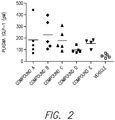
- Figure 2 shows the compounds' effect on plasma tGLP-1, compared to vehicle, for each mouse.
- Cecal contents were collected for glucose analysis immediately after collection of the final blood sample. This analysis was performed by adding five mL of cold MilliQ water to 1 gram of cecal contents. The mixture was then homogenized for 1 minute using a Mini Beadbeater (Biospec Products, Bartlesville, OK). The homogenate was centrifuged at 4°C for 25 minutes at the speed of 3750 rpm. The supernatant was collected. Cecal glucose was analyzed by Cobas Integra 400 Autoanalyzer (Roche Diagnostics). Figure 3 shows the results of this analysis for each mouse.
- mice Twelve week-old male KKay mice were purchased from The Jackson Laboratory (Bar Harbor, ME). They were switched to 45% high fat diet (HFD; diet D12451i, Research Diets) and housed individually for one week before study. The mice were randomized into the following groups by their HbA1c levels and body weights: Compound Dose Number of mice (N) Vehicle (0.1% Tween 80 in water) -- 9 Compound C 1.5 mg/kg 10 Compound C 4.5 mg/kg 10 where Compound C is (2S,3R,4R,5S,6R)-2-(3-(4-(3-((1-hydroxy-2-methylpropan-2-yl)amino)propoxy)benzyl)-4-methylphenyl)-6-(methylthio)tetrahydro-2H-pyran-3,4,5-triol.
- HFD high fat diet
- HbA1c was measured using a meter manufactured by Bayer according to the protocol recommended by Bayer.
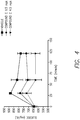
- Figure 5A mice treated with Compound C exhibited a significant, dose-dependent reduction in HbA1c.
- Figure 5B shows the change in the mice's HbA1c between days 0 and 27.
- mice On day 29, the mice again received a glucose bolus (2 g/kg, 10 mL/kg). Blood was collected at 60 minutes after glucose challenge and analyzed for tGLP-1. Plasma was prepared by centrifuging blood samples at 1000 rpm for 10 minutes at 4°C. tGPL-1 was analyzed by ELISA (Glucagon-Like Peptide-1 Total ELISA Kit, catalog #EZGLP1T-36K, Millipore, St. Charles, MO) according to the protocol recommended by Millipore. As shown in Figure 6 , a significant increase in postprandial tGLP-1 was observed in the 4.5 mpk group (p ⁇ 0.5).
- ELISA Glucagon-Like Peptide-1 Total ELISA Kit
Landscapes
- Health & Medical Sciences (AREA)
- Chemical & Material Sciences (AREA)
- Organic Chemistry (AREA)
- Engineering & Computer Science (AREA)
- Life Sciences & Earth Sciences (AREA)
- General Health & Medical Sciences (AREA)
- Bioinformatics & Cheminformatics (AREA)
- Animal Behavior & Ethology (AREA)
- Medicinal Chemistry (AREA)
- Pharmacology & Pharmacy (AREA)
- Veterinary Medicine (AREA)
- Public Health (AREA)
- Chemical Kinetics & Catalysis (AREA)
- General Chemical & Material Sciences (AREA)
- Nuclear Medicine, Radiotherapy & Molecular Imaging (AREA)
- Diabetes (AREA)
- Molecular Biology (AREA)
- Biotechnology (AREA)
- Biochemistry (AREA)
- Genetics & Genomics (AREA)
- Hematology (AREA)
- Cardiology (AREA)
- Obesity (AREA)
- Heart & Thoracic Surgery (AREA)
- Crystallography & Structural Chemistry (AREA)
- Urology & Nephrology (AREA)
- Emergency Medicine (AREA)
- Hospice & Palliative Care (AREA)
- Endocrinology (AREA)
- Vascular Medicine (AREA)
- Child & Adolescent Psychology (AREA)
- Pharmaceuticals Containing Other Organic And Inorganic Compounds (AREA)
- Saccharide Compounds (AREA)
- Epidemiology (AREA)
- Medicines That Contain Protein Lipid Enzymes And Other Medicines (AREA)
Priority Applications (4)
| Application Number | Priority Date | Filing Date | Title |
|---|---|---|---|
| PL13802774T PL2925735T3 (pl) | 2012-11-20 | 2013-11-18 | Inhibitory kotransportera sodowo-glukozowego 1 |
| PL18213751T PL3489226T3 (pl) | 2012-11-20 | 2013-11-18 | Inhibitory kotransportera glukozowo-sodowego 1 |
| EP18213751.3A EP3489226B1 (en) | 2012-11-20 | 2013-11-18 | Inhibitors of sodium glucose cotransporter 1 |
| DK18213751.3T DK3489226T3 (da) | 2012-11-20 | 2013-11-18 | Hæmmere for natriumglucose-cotransporter 1 |
Applications Claiming Priority (2)
| Application Number | Priority Date | Filing Date | Title |
|---|---|---|---|
| US201261728373P | 2012-11-20 | 2012-11-20 | |
| PCT/US2013/070556 WO2014081660A1 (en) | 2012-11-20 | 2013-11-18 | Inhibitors of sodium glucose cotransporter 1 |
Related Child Applications (2)
| Application Number | Title | Priority Date | Filing Date |
|---|---|---|---|
| EP18213751.3A Division EP3489226B1 (en) | 2012-11-20 | 2013-11-18 | Inhibitors of sodium glucose cotransporter 1 |
| EP18213751.3A Division-Into EP3489226B1 (en) | 2012-11-20 | 2013-11-18 | Inhibitors of sodium glucose cotransporter 1 |
Publications (2)
| Publication Number | Publication Date |
|---|---|
| EP2925735A1 EP2925735A1 (en) | 2015-10-07 |
| EP2925735B1 true EP2925735B1 (en) | 2019-03-13 |
Family
ID=49753472
Family Applications (2)
| Application Number | Title | Priority Date | Filing Date |
|---|---|---|---|
| EP13802774.3A Active EP2925735B1 (en) | 2012-11-20 | 2013-11-18 | Inhibitors of sodium glucose cotransporter 1 |
| EP18213751.3A Active EP3489226B1 (en) | 2012-11-20 | 2013-11-18 | Inhibitors of sodium glucose cotransporter 1 |
Family Applications After (1)
| Application Number | Title | Priority Date | Filing Date |
|---|---|---|---|
| EP18213751.3A Active EP3489226B1 (en) | 2012-11-20 | 2013-11-18 | Inhibitors of sodium glucose cotransporter 1 |
Country Status (25)
| Country | Link |
|---|---|
| US (3) | US9200025B2 (da) |
| EP (2) | EP2925735B1 (da) |
| JP (1) | JP6278971B2 (da) |
| KR (1) | KR102165224B1 (da) |
| CN (1) | CN108440614A (da) |
| AR (1) | AR093572A1 (da) |
| AU (1) | AU2013348233C1 (da) |
| BR (1) | BR112015011298B1 (da) |
| CA (1) | CA2891773C (da) |
| DK (2) | DK2925735T3 (da) |
| ES (2) | ES2869286T3 (da) |
| HK (1) | HK1252424A1 (da) |
| HU (2) | HUE043868T2 (da) |
| IL (1) | IL238590B (da) |
| MX (1) | MX365753B (da) |
| NZ (1) | NZ707859A (da) |
| PL (2) | PL2925735T3 (da) |
| PT (2) | PT3489226T (da) |
| RU (1) | RU2015123738A (da) |
| SG (1) | SG11201503923XA (da) |
| TR (1) | TR201908247T4 (da) |
| TW (1) | TWI636058B (da) |
| UA (1) | UA117574C2 (da) |
| WO (1) | WO2014081660A1 (da) |
| ZA (1) | ZA201503331B (da) |
Families Citing this family (22)
| Publication number | Priority date | Publication date | Assignee | Title |
|---|---|---|---|---|
| TWI499414B (zh) * | 2006-09-29 | 2015-09-11 | Lexicon Pharmaceuticals Inc | 鈉與葡萄糖第2型共同運輸體(co-transporter 2)的抑制物與其應用方法 |
| EP2925735B1 (en) | 2012-11-20 | 2019-03-13 | Lexicon Pharmaceuticals, Inc. | Inhibitors of sodium glucose cotransporter 1 |
| WO2014119787A1 (ja) | 2013-02-04 | 2014-08-07 | 大正製薬株式会社 | 便秘症の予防又は治療薬 |
| CN104478674B (zh) * | 2015-01-15 | 2016-03-09 | 佛山市赛维斯医药科技有限公司 | 一类烷氧苯基丙二醇衍生物和用途 |
| CN104478671B (zh) * | 2015-01-15 | 2016-03-09 | 佛山市赛维斯医药科技有限公司 | 一类双烷氧苯基丙二醇衍生物和用途 |
| CN104478675B (zh) * | 2015-01-15 | 2016-01-06 | 佛山市赛维斯医药科技有限公司 | 一类含烷氧苯基和三氟甲苯基丙二醇结构的衍生物和用途 |
| CN107540685B (zh) * | 2017-09-04 | 2020-05-05 | 杭州科巢生物科技有限公司 | 一种Sotagliflozin的制备方法及其中间体 |
| CN110066302B (zh) | 2018-01-23 | 2022-12-27 | 广东东阳光药业有限公司 | 吡喃葡萄糖基衍生物及其用途 |
| CN111630058B (zh) * | 2018-01-31 | 2022-02-15 | 广东东阳光药业有限公司 | 吡喃葡萄糖基衍生物及其用途 |
| US11596644B2 (en) | 2018-03-28 | 2023-03-07 | Avolynt | Method for treating post-prandial hypoglycemia |
| AU2019346497A1 (en) * | 2018-09-26 | 2021-04-08 | Lexicon Pharmaceuticals, Inc. | Crystalline forms of n-(1 -((2-(dimethylamino)ethyl)amino)-2-m ethyl-1 -oopropan-2-yl)-4-(4-(2-methyl-5- (2s,3r,4r,5s,6r)-3,4,5-trihydroxy-6-(methylthio)tetrahydro-2h-pyran-2-yl)benzyl) phenl)butanamide and methods of their synthesis |
| WO2020200153A1 (zh) | 2019-03-29 | 2020-10-08 | 南京明德新药研发有限公司 | 作为sglt1抑制剂的葡糖苷类衍生物及其应用 |
| WO2021004498A1 (en) * | 2019-07-10 | 2021-01-14 | Sunshine Lake Pharma Co., Ltd. | Glucopyranosyl derivatives and their uses |
| CA3145678C (en) * | 2019-07-26 | 2022-08-23 | Medshine Discovery Inc. | Sglt2/dpp4 inhibitor and application thereof |
| MX2022001029A (es) * | 2019-07-26 | 2022-05-24 | Dongbao Purple Star Hangzhou Biopharmaceutical Co Ltd | Inhibidor de sglts/dpp4 y aplicación del mismo. |
| WO2021227440A1 (zh) * | 2020-05-15 | 2021-11-18 | 上海喆邺生物科技有限公司 | 一类芳基葡糖苷衍生物及其制备方法和应用 |
| EP4119550B1 (en) | 2020-05-15 | 2025-08-20 | Shanghai Zheye Biotechnology Co., Ltd. | Aryl glucoside derivative and use thereof in drug |
| CN114599643B (zh) * | 2020-05-15 | 2023-04-14 | 上海喆邺生物科技有限公司 | 一种芳基葡糖苷衍生物 |
| CN117599188A (zh) * | 2020-07-06 | 2024-02-27 | 诺未科技(北京)有限公司 | 组合物及其在制备治疗癌症的药物中的应用 |
| CN116322675B (zh) * | 2020-09-27 | 2025-04-04 | 南京明德新药研发有限公司 | 葡糖苷类化合物的晶型及其应用 |
| US20250170157A1 (en) | 2023-11-10 | 2025-05-29 | Lexicon Pharmaceuticals, Inc. | Methods and compositions for the treatment of hepatic encephalopathy |
| WO2025245592A1 (en) * | 2024-05-31 | 2025-12-04 | Aché Laboratórios Farmacêuticos S.A. | Multi-target compounds, process for the preparation of the compounds, intermediates, pharmaceutical composition, pharmaceutically acceptable salts, combination, medicament, use of a compound and method of treatment |
Family Cites Families (81)
| Publication number | Priority date | Publication date | Assignee | Title |
|---|---|---|---|---|
| US3674836A (en) | 1968-05-21 | 1972-07-04 | Parke Davis & Co | 2,2-dimethyl-{11 -aryloxy-alkanoic acids and salts and esters thereof |
| US4027009A (en) | 1973-06-11 | 1977-05-31 | Merck & Co., Inc. | Compositions and methods for depressing blood serum cholesterol |
| JPS5612114B2 (da) | 1974-06-07 | 1981-03-18 | ||
| US4231938A (en) | 1979-06-15 | 1980-11-04 | Merck & Co., Inc. | Hypocholesteremic fermentation products and process of preparation |
| MX7065E (es) | 1980-06-06 | 1987-04-10 | Sankyo Co | Un procedimiento microbiologico para preparar derivados de ml-236b |
| US4450171A (en) | 1980-08-05 | 1984-05-22 | Merck & Co., Inc. | Antihypercholesterolemic compounds |
| US4448784A (en) | 1982-04-12 | 1984-05-15 | Hoechst-Roussel Pharmaceuticals, Inc. | 1-(Aminoalkylphenyl and aminoalkylbenzyl)-indoles and indolines and analgesic method of use thereof |
| US5354772A (en) | 1982-11-22 | 1994-10-11 | Sandoz Pharm. Corp. | Indole analogs of mevalonolactone and derivatives thereof |
| US4499289A (en) | 1982-12-03 | 1985-02-12 | G. D. Searle & Co. | Octahydronapthalenes |
| CA1327360C (en) | 1983-11-14 | 1994-03-01 | William F. Hoffman | Oxo-analogs of mevinolin-like antihypercholesterolemic agents |
| US4613610A (en) | 1984-06-22 | 1986-09-23 | Sandoz Pharmaceuticals Corp. | Cholesterol biosynthesis inhibiting pyrazole analogs of mevalonolactone and its derivatives |
| US4686237A (en) | 1984-07-24 | 1987-08-11 | Sandoz Pharmaceuticals Corp. | Erythro-(E)-7-[3'-C1-3 alkyl-1'-(3",5"-dimethylphenyl)naphth-2'-yl]-3,5-dihydroxyhept-6-enoic acids and derivatives thereof |
| US4647576A (en) | 1984-09-24 | 1987-03-03 | Warner-Lambert Company | Trans-6-[2-(substitutedpyrrol-1-yl)alkyl]-pyran-2-one inhibitors of cholesterol synthesis |
| ATE60571T1 (de) | 1984-12-04 | 1991-02-15 | Sandoz Ag | Inden-analoga von mevalonolakton und ihre derivate. |
| US4668794A (en) | 1985-05-22 | 1987-05-26 | Sandoz Pharm. Corp. | Intermediate imidazole acrolein analogs |
| AU598775B2 (en) | 1985-10-25 | 1990-07-05 | Sandoz Ag | Heterocyclic analogs of mevalonolactone |
| FR2596393B1 (fr) | 1986-04-01 | 1988-06-03 | Sanofi Sa | Derives de l'acide hydroxy-3 dihydroxyoxophosphorio-4 butanoique, leur procede de preparation, leur application comme medicament et les compositions les renfermant |
| US5614492A (en) | 1986-05-05 | 1997-03-25 | The General Hospital Corporation | Insulinotropic hormone GLP-1 (7-36) and uses thereof |
| US4681893A (en) | 1986-05-30 | 1987-07-21 | Warner-Lambert Company | Trans-6-[2-(3- or 4-carboxamido-substituted pyrrol-1-yl)alkyl]-4-hydroxypyran-2-one inhibitors of cholesterol synthesis |
| DK277488A (da) | 1987-05-22 | 1988-11-23 | Squibb & Sons Inc | Phosporholdige hmg-coa-reduktaseinhibitorer, deres anvendelse og fremstilling samt mellemprodukter ved fremstillingen |
| US4759923A (en) | 1987-06-25 | 1988-07-26 | Hercules Incorporated | Process for lowering serum cholesterol using poly(diallylmethylamine) derivatives |
| JP2569746B2 (ja) | 1987-08-20 | 1997-01-08 | 日産化学工業株式会社 | キノリン系メバロノラクトン類 |
| US4924024A (en) | 1988-01-11 | 1990-05-08 | E. R. Squibb & Sons, Inc. | Phosphorus-containing squalene synthetase inhibitors, new intermediates and method |
| US4871721A (en) | 1988-01-11 | 1989-10-03 | E. R. Squibb & Sons, Inc. | Phosphorus-containing squalene synthetase inhibitors |
| NO177005C (no) | 1988-01-20 | 1995-07-05 | Bayer Ag | Analogifremgangsmåte for fremstilling av substituerte pyridiner, samt mellomprodukter til bruk ved fremstillingen |
| US5506219A (en) | 1988-08-29 | 1996-04-09 | E. R. Squibb & Sons, Inc. | Pyridine anchors for HMG-CoA reductase inhibitors |
| US5753675A (en) | 1989-03-03 | 1998-05-19 | Novartis Pharmaceuticals Corporation | Quinoline analogs of mevalonolactone and derivatives thereof |
| FI94339C (fi) | 1989-07-21 | 1995-08-25 | Warner Lambert Co | Menetelmä farmaseuttisesti käyttökelpoisen /R-(R*,R*)/-2-(4-fluorifenyyli)- , -dihydroksi-5-(1-metyylietyyli)-3-fenyyli-4-/(fenyyliamino)karbonyyli/-1H-pyrroli-1-heptaanihapon ja sen farmaseuttisesti hyväksyttävien suolojen valmistamiseksi |
| US5177080A (en) | 1990-12-14 | 1993-01-05 | Bayer Aktiengesellschaft | Substituted pyridyl-dihydroxy-heptenoic acid and its salts |
| JP2648897B2 (ja) | 1991-07-01 | 1997-09-03 | 塩野義製薬株式会社 | ピリミジン誘導体 |
| US5595872A (en) | 1992-03-06 | 1997-01-21 | Bristol-Myers Squibb Company | Nucleic acids encoding microsomal trigyceride transfer protein |
| US5712396A (en) | 1992-10-28 | 1998-01-27 | Magnin; David R. | α-phosphonosulfonate squalene synthetase inhibitors |
| US5594016A (en) | 1992-12-28 | 1997-01-14 | Mitsubishi Chemical Corporation | Naphthalene derivatives |
| JP3254219B2 (ja) | 1993-01-19 | 2002-02-04 | ワーナー−ランバート・コンパニー | 安定な経口用のci−981製剤およびその製法 |
| US5739135A (en) | 1993-09-03 | 1998-04-14 | Bristol-Myers Squibb Company | Inhibitors of microsomal triglyceride transfer protein and method |
| US5776983A (en) | 1993-12-21 | 1998-07-07 | Bristol-Myers Squibb Company | Catecholamine surrogates useful as β3 agonists |
| US5488064A (en) | 1994-05-02 | 1996-01-30 | Bristol-Myers Squibb Company | Benzo 1,3 dioxole derivatives |
| US5385929A (en) | 1994-05-04 | 1995-01-31 | Warner-Lambert Company | [(Hydroxyphenylamino) carbonyl] pyrroles |
| US5612359A (en) | 1994-08-26 | 1997-03-18 | Bristol-Myers Squibb Company | Substituted biphenyl isoxazole sulfonamides |
| US5491134A (en) | 1994-09-16 | 1996-02-13 | Bristol-Myers Squibb Company | Sulfonic, phosphonic or phosphiniic acid β3 agonist derivatives |
| US5541204A (en) | 1994-12-02 | 1996-07-30 | Bristol-Myers Squibb Company | Aryloxypropanolamine β 3 adrenergic agonists |
| US5620997A (en) | 1995-05-31 | 1997-04-15 | Warner-Lambert Company | Isothiazolones |
| WO1997012613A1 (en) | 1995-10-05 | 1997-04-10 | Warner-Lambert Company | Method for treating and preventing inflammation and atherosclerosis |
| DE69636677D1 (de) | 1995-12-13 | 2006-12-14 | Univ California | Kristalle der mit einem Ligand komplexierten Ligandenbindedomäne des Schilddrüsenhormonrezeptors |
| US5770615A (en) | 1996-04-04 | 1998-06-23 | Bristol-Myers Squibb Company | Catecholamine surrogates useful as β3 agonists |
| US5962440A (en) | 1996-05-09 | 1999-10-05 | Bristol-Myers Squibb Company | Cyclic phosphonate ester inhibitors of microsomal triglyceride transfer protein and method |
| US5827875A (en) | 1996-05-10 | 1998-10-27 | Bristol-Myers Squibb Company | Inhibitors of microsomal triglyceride transfer protein and method |
| US5885983A (en) | 1996-05-10 | 1999-03-23 | Bristol-Myers Squibb Company | Inhibitors of microsomal triglyceride transfer protein and method |
| US5760246A (en) | 1996-12-17 | 1998-06-02 | Biller; Scott A. | Conformationally restricted aromatic inhibitors of microsomal triglyceride transfer protein and method |
| TW536540B (en) | 1997-01-30 | 2003-06-11 | Bristol Myers Squibb Co | Endothelin antagonists: N-[[2'-[[(4,5-dimethyl-3-isoxazolyl)amino]sulfonyl]-4-(2-oxazolyl)[1,1'-biphenyl]-2-yl]methyl]-N,3,3-trimethylbutanamide and N-(4,5-dimethyl-3-isoxazolyl)-2'-[(3,3-dimethyl-2-oxo-1-pyrrolidinyl)methyl]-4'-(2-oxazolyl)[1,1'-biphe |
| GB9713739D0 (en) | 1997-06-27 | 1997-09-03 | Karobio Ab | Thyroid receptor ligands |
| EP2823812A1 (en) | 1998-02-02 | 2015-01-14 | Trustees Of Tufts College | Dipeptidylpeptidase IV inhibitors for use in the treatment of Type II diabetes |
| EP1062222A1 (en) | 1998-03-09 | 2000-12-27 | Fondatech Benelux N.V. | Serine peptidase modulators |
| DE19823831A1 (de) | 1998-05-28 | 1999-12-02 | Probiodrug Ges Fuer Arzneim | Neue pharmazeutische Verwendung von Isoleucyl Thiazolidid und seinen Salzen |
| DE19828114A1 (de) | 1998-06-24 | 2000-01-27 | Probiodrug Ges Fuer Arzneim | Produgs instabiler Inhibitoren der Dipeptidyl Peptidase IV |
| DE19828113A1 (de) | 1998-06-24 | 2000-01-05 | Probiodrug Ges Fuer Arzneim | Prodrugs von Inhibitoren der Dipeptidyl Peptidase IV |
| PT1094816E (pt) | 1998-07-06 | 2009-03-10 | Bristol Myers Squibb Co | Sulfonamidas bifenílicas duplamente antagonistas receptores de angiotensina e endotelina |
| US6548529B1 (en) | 1999-04-05 | 2003-04-15 | Bristol-Myers Squibb Company | Heterocyclic containing biphenyl aP2 inhibitors and method |
| US7390824B1 (en) | 1999-09-07 | 2008-06-24 | Bristol-Myers Squibb Company | Method for treating diabetes employing an aP2 inhibitor and combination |
| TW200528436A (en) | 1999-09-22 | 2005-09-01 | Bristol Myers Squibb Co | Substituted acid derivatives useful as antiodiabetic and antiobesity agents and method |
| US6414002B1 (en) | 1999-09-22 | 2002-07-02 | Bristol-Myers Squibb Company | Substituted acid derivatives useful as antidiabetic and antiobesity agents and method |
| US6395767B2 (en) | 2000-03-10 | 2002-05-28 | Bristol-Myers Squibb Company | Cyclopropyl-fused pyrrolidine-based inhibitors of dipeptidyl peptidase IV and method |
| KR20040054729A (ko) | 2001-10-18 | 2004-06-25 | 브리스톨-마이어스 스큅 컴퍼니 | 인간 글루카곤-유사-펩티드-1 모방체, 및 당뇨병 및 이와관련된 증상의 치료에 있어서 이의 용도 |
| JP2004137245A (ja) | 2002-08-23 | 2004-05-13 | Kissei Pharmaceut Co Ltd | ピラゾール誘導体、それを含有する医薬組成物、その医薬用途及びその製造中間体 |
| US6995183B2 (en) | 2003-08-01 | 2006-02-07 | Bristol Myers Squibb Company | Adamantylglycine-based inhibitors of dipeptidyl peptidase IV and methods |
| TW200812995A (en) | 2006-05-19 | 2008-03-16 | Taisho Pharmaceutical Co Ltd | C-phenyl glycitol compound |
| CA2655937A1 (en) * | 2006-06-29 | 2008-01-03 | Taisho Pharmaceutical Co., Ltd. | C-phenyl 1-thioglucitol compound |
| TWI499414B (zh) * | 2006-09-29 | 2015-09-11 | Lexicon Pharmaceuticals Inc | 鈉與葡萄糖第2型共同運輸體(co-transporter 2)的抑制物與其應用方法 |
| US7846945B2 (en) | 2007-03-08 | 2010-12-07 | Lexicon Pharmaceuticals, Inc. | Piperdine-based inhibitors of sodium glucose co-transporter 2 and methods of their use |
| ES2375800T3 (es) * | 2007-07-26 | 2012-03-06 | Lexicon Pharmaceuticals, Inc. | Métodos y compuestos útiles para la preparación de inhibidores de cotransportador 2 de sódio-glucosa. |
| WO2009026537A1 (en) | 2007-08-23 | 2009-02-26 | Theracos, Inc. | Benzylbenzene derivatives and methods of use |
| TWI472521B (zh) * | 2008-07-17 | 2015-02-11 | Lexicon Pharmaceuticals Inc | (2s,3r,4r,5s,6r)-2-(4-氯-3-(4-乙氧苄基)苯基)-6-(甲硫)四氫-2h-哌喃-3,4,5-三醇的固體形態與其使用方法 |
| EP2298782A1 (en) | 2009-08-26 | 2011-03-23 | Sanofi-Aventis | Method for producing pyrazole glycoside derivatives |
| US20110077212A1 (en) * | 2009-09-25 | 2011-03-31 | Theracos, Inc. | Therapeutic uses of sglt2 inhibitors |
| KR20120087950A (ko) * | 2009-10-20 | 2012-08-07 | 노파르티스 아게 | 글리코시드 유도체 및 그의 용도 |
| WO2011070592A2 (en) * | 2009-12-09 | 2011-06-16 | Panacea Biotec Ltd. | Novel sugar derivatives |
| TWI562775B (en) * | 2010-03-02 | 2016-12-21 | Lexicon Pharmaceuticals Inc | Methods of using inhibitors of sodium-glucose cotransporters 1 and 2 |
| WO2012041898A1 (en) * | 2010-09-29 | 2012-04-05 | Celon Pharma Sp. Z O.O. | Combination of sglt2 inhibitor and a sugar compound for the treatment of diabetes |
| IL295438B2 (en) * | 2011-01-05 | 2026-05-01 | Lexicon Pharmaceuticals Inc | Compositions containing and methods for using inhibitors of sodium-glucose cotransporters 1 and 2 |
| CN103619862A (zh) * | 2011-04-14 | 2014-03-05 | 诺瓦提斯公司 | 糖苷衍生物及其用途 |
| EP2925735B1 (en) | 2012-11-20 | 2019-03-13 | Lexicon Pharmaceuticals, Inc. | Inhibitors of sodium glucose cotransporter 1 |
-
2013
- 2013-11-18 EP EP13802774.3A patent/EP2925735B1/en active Active
- 2013-11-18 HU HUE13802774A patent/HUE043868T2/hu unknown
- 2013-11-18 RU RU2015123738A patent/RU2015123738A/ru not_active Application Discontinuation
- 2013-11-18 KR KR1020157016124A patent/KR102165224B1/ko active Active
- 2013-11-18 AU AU2013348233A patent/AU2013348233C1/en active Active
- 2013-11-18 MX MX2015006124A patent/MX365753B/es active IP Right Grant
- 2013-11-18 PT PT182137513T patent/PT3489226T/pt unknown
- 2013-11-18 BR BR112015011298-6A patent/BR112015011298B1/pt active IP Right Grant
- 2013-11-18 UA UAA201506106A patent/UA117574C2/uk unknown
- 2013-11-18 PL PL13802774T patent/PL2925735T3/pl unknown
- 2013-11-18 CN CN201810447529.6A patent/CN108440614A/zh active Pending
- 2013-11-18 EP EP18213751.3A patent/EP3489226B1/en active Active
- 2013-11-18 ES ES18213751T patent/ES2869286T3/es active Active
- 2013-11-18 PT PT13802774T patent/PT2925735T/pt unknown
- 2013-11-18 JP JP2015542874A patent/JP6278971B2/ja active Active
- 2013-11-18 DK DK13802774.3T patent/DK2925735T3/da active
- 2013-11-18 DK DK18213751.3T patent/DK3489226T3/da active
- 2013-11-18 ES ES13802774T patent/ES2728246T3/es active Active
- 2013-11-18 SG SG11201503923XA patent/SG11201503923XA/en unknown
- 2013-11-18 PL PL18213751T patent/PL3489226T3/pl unknown
- 2013-11-18 TR TR2019/08247T patent/TR201908247T4/tr unknown
- 2013-11-18 HU HUE18213751A patent/HUE054063T2/hu unknown
- 2013-11-18 CA CA2891773A patent/CA2891773C/en active Active
- 2013-11-18 WO PCT/US2013/070556 patent/WO2014081660A1/en not_active Ceased
- 2013-11-18 US US14/082,786 patent/US9200025B2/en active Active
- 2013-11-18 NZ NZ707859A patent/NZ707859A/en unknown
- 2013-11-19 TW TW102142085A patent/TWI636058B/zh not_active IP Right Cessation
- 2013-11-20 AR ARP130104292A patent/AR093572A1/es unknown
-
2015
- 2015-05-03 IL IL238590A patent/IL238590B/en active IP Right Grant
- 2015-05-13 ZA ZA2015/03331A patent/ZA201503331B/en unknown
- 2015-11-17 US US14/943,505 patent/US9688710B2/en active Active
-
2017
- 2017-05-22 US US15/601,175 patent/US10106569B2/en active Active
-
2018
- 2018-09-12 HK HK18111721.3A patent/HK1252424A1/zh unknown
Non-Patent Citations (1)
| Title |
|---|
| None * |
Also Published As
Similar Documents
| Publication | Publication Date | Title |
|---|---|---|
| US10106569B2 (en) | Inhibitors of sodium glucose transporter 1 for constipation | |
| EP2542236B1 (en) | Combinations comprising 6-benzylphenyl-2- sulfurterahydropyran-3,4,5-triol derivatives as inhibitors of sodium -glucose cotransporters 1 and 2 for use in diabetic patients | |
| RU2669921C2 (ru) | Композиция, содержащая ингибиторы котранспортеров натрия-глюкозы 1 и 2, и способы их применения | |
| US10968192B2 (en) | Crystalline solid forms of N-(1-((2-(dimethylamino)ethyl)amino)-2-methyl-1-oxopropan-2-yl)-4-(4-(2-methyl-5-((2S,3R,4R,5S,6R)-3,4,5-trihydroxy-6-(methylthio)tetrahydro-2H-pyran-2-yl)benzyl)phenyl)butanamide and methods of their synthesis | |
| CN104854096B (zh) | 钠葡萄糖协同转运蛋白1的抑制剂 | |
| NZ612116B2 (en) | Compositions comprising and methods of using inhibitors of sodium-glucose cotransporters 1 and 2 |
Legal Events
| Date | Code | Title | Description |
|---|---|---|---|
| PUAI | Public reference made under article 153(3) epc to a published international application that has entered the european phase |
Free format text: ORIGINAL CODE: 0009012 |
|
| 17P | Request for examination filed |
Effective date: 20150612 |
|
| AK | Designated contracting states |
Kind code of ref document: A1 Designated state(s): AL AT BE BG CH CY CZ DE DK EE ES FI FR GB GR HR HU IE IS IT LI LT LU LV MC MK MT NL NO PL PT RO RS SE SI SK SM TR |
|
| AX | Request for extension of the european patent |
Extension state: BA ME |
|
| DAX | Request for extension of the european patent (deleted) | ||
| 17Q | First examination report despatched |
Effective date: 20160718 |
|
| STAA | Information on the status of an ep patent application or granted ep patent |
Free format text: STATUS: EXAMINATION IS IN PROGRESS |
|
| GRAP | Despatch of communication of intention to grant a patent |
Free format text: ORIGINAL CODE: EPIDOSNIGR1 |
|
| STAA | Information on the status of an ep patent application or granted ep patent |
Free format text: STATUS: GRANT OF PATENT IS INTENDED |
|
| INTG | Intention to grant announced |
Effective date: 20181004 |
|
| GRAS | Grant fee paid |
Free format text: ORIGINAL CODE: EPIDOSNIGR3 |
|
| GRAA | (expected) grant |
Free format text: ORIGINAL CODE: 0009210 |
|
| STAA | Information on the status of an ep patent application or granted ep patent |
Free format text: STATUS: THE PATENT HAS BEEN GRANTED |
|
| AK | Designated contracting states |
Kind code of ref document: B1 Designated state(s): AL AT BE BG CH CY CZ DE DK EE ES FI FR GB GR HR HU IE IS IT LI LT LU LV MC MK MT NL NO PL PT RO RS SE SI SK SM TR |
|
| REG | Reference to a national code |
Ref country code: GB Ref legal event code: FG4D |
|
| REG | Reference to a national code |
Ref country code: CH Ref legal event code: EP Ref country code: AT Ref legal event code: REF Ref document number: 1107507 Country of ref document: AT Kind code of ref document: T Effective date: 20190315 |
|
| REG | Reference to a national code |
Ref country code: IE Ref legal event code: FG4D |
|
| REG | Reference to a national code |
Ref country code: DE Ref legal event code: R096 Ref document number: 602013052379 Country of ref document: DE |
|
| REG | Reference to a national code |
Ref country code: CH Ref legal event code: NV Representative=s name: SCHMAUDER AND PARTNER AG PATENT- UND MARKENANW, CH |
|
| REG | Reference to a national code |
Ref country code: PT Ref legal event code: SC4A Ref document number: 2925735 Country of ref document: PT Date of ref document: 20190604 Kind code of ref document: T Free format text: AVAILABILITY OF NATIONAL TRANSLATION Effective date: 20190521 |
|
| REG | Reference to a national code |
Ref country code: DK Ref legal event code: T3 Effective date: 20190611 |
|
| REG | Reference to a national code |
Ref country code: SE Ref legal event code: TRGR |
|
| REG | Reference to a national code |
Ref country code: NL Ref legal event code: FP |
|
| REG | Reference to a national code |
Ref country code: LT Ref legal event code: MG4D |
|
| PG25 | Lapsed in a contracting state [announced via postgrant information from national office to epo] |
Ref country code: FI Free format text: LAPSE BECAUSE OF FAILURE TO SUBMIT A TRANSLATION OF THE DESCRIPTION OR TO PAY THE FEE WITHIN THE PRESCRIBED TIME-LIMIT Effective date: 20190313 Ref country code: LT Free format text: LAPSE BECAUSE OF FAILURE TO SUBMIT A TRANSLATION OF THE DESCRIPTION OR TO PAY THE FEE WITHIN THE PRESCRIBED TIME-LIMIT Effective date: 20190313 |
|
| PG25 | Lapsed in a contracting state [announced via postgrant information from national office to epo] |
Ref country code: HR Free format text: LAPSE BECAUSE OF FAILURE TO SUBMIT A TRANSLATION OF THE DESCRIPTION OR TO PAY THE FEE WITHIN THE PRESCRIBED TIME-LIMIT Effective date: 20190313 Ref country code: LV Free format text: LAPSE BECAUSE OF FAILURE TO SUBMIT A TRANSLATION OF THE DESCRIPTION OR TO PAY THE FEE WITHIN THE PRESCRIBED TIME-LIMIT Effective date: 20190313 Ref country code: RS Free format text: LAPSE BECAUSE OF FAILURE TO SUBMIT A TRANSLATION OF THE DESCRIPTION OR TO PAY THE FEE WITHIN THE PRESCRIBED TIME-LIMIT Effective date: 20190313 |
|
| REG | Reference to a national code |
Ref country code: NO Ref legal event code: T2 Effective date: 20190313 |
|
| REG | Reference to a national code |
Ref country code: GR Ref legal event code: EP Ref document number: 20190401676 Country of ref document: GR Effective date: 20190906 |
|
| REG | Reference to a national code |
Ref country code: HU Ref legal event code: AG4A Ref document number: E043868 Country of ref document: HU |
|
| REG | Reference to a national code |
Ref country code: ES Ref legal event code: FG2A Ref document number: 2728246 Country of ref document: ES Kind code of ref document: T3 Effective date: 20191023 |
|
| PG25 | Lapsed in a contracting state [announced via postgrant information from national office to epo] |
Ref country code: RO Free format text: LAPSE BECAUSE OF FAILURE TO SUBMIT A TRANSLATION OF THE DESCRIPTION OR TO PAY THE FEE WITHIN THE PRESCRIBED TIME-LIMIT Effective date: 20190313 Ref country code: SK Free format text: LAPSE BECAUSE OF FAILURE TO SUBMIT A TRANSLATION OF THE DESCRIPTION OR TO PAY THE FEE WITHIN THE PRESCRIBED TIME-LIMIT Effective date: 20190313 Ref country code: EE Free format text: LAPSE BECAUSE OF FAILURE TO SUBMIT A TRANSLATION OF THE DESCRIPTION OR TO PAY THE FEE WITHIN THE PRESCRIBED TIME-LIMIT Effective date: 20190313 Ref country code: AL Free format text: LAPSE BECAUSE OF FAILURE TO SUBMIT A TRANSLATION OF THE DESCRIPTION OR TO PAY THE FEE WITHIN THE PRESCRIBED TIME-LIMIT Effective date: 20190313 |
|
| PG25 | Lapsed in a contracting state [announced via postgrant information from national office to epo] |
Ref country code: SM Free format text: LAPSE BECAUSE OF FAILURE TO SUBMIT A TRANSLATION OF THE DESCRIPTION OR TO PAY THE FEE WITHIN THE PRESCRIBED TIME-LIMIT Effective date: 20190313 |
|
| REG | Reference to a national code |
Ref country code: DE Ref legal event code: R097 Ref document number: 602013052379 Country of ref document: DE |
|
| PG25 | Lapsed in a contracting state [announced via postgrant information from national office to epo] |
Ref country code: IS Free format text: LAPSE BECAUSE OF FAILURE TO SUBMIT A TRANSLATION OF THE DESCRIPTION OR TO PAY THE FEE WITHIN THE PRESCRIBED TIME-LIMIT Effective date: 20190713 |
|
| PLBE | No opposition filed within time limit |
Free format text: ORIGINAL CODE: 0009261 |
|
| STAA | Information on the status of an ep patent application or granted ep patent |
Free format text: STATUS: NO OPPOSITION FILED WITHIN TIME LIMIT |
|
| 26N | No opposition filed |
Effective date: 20191216 |
|
| PG25 | Lapsed in a contracting state [announced via postgrant information from national office to epo] |
Ref country code: SI Free format text: LAPSE BECAUSE OF FAILURE TO SUBMIT A TRANSLATION OF THE DESCRIPTION OR TO PAY THE FEE WITHIN THE PRESCRIBED TIME-LIMIT Effective date: 20190313 |
|
| PG25 | Lapsed in a contracting state [announced via postgrant information from national office to epo] |
Ref country code: LU Free format text: LAPSE BECAUSE OF NON-PAYMENT OF DUE FEES Effective date: 20191118 Ref country code: MC Free format text: LAPSE BECAUSE OF FAILURE TO SUBMIT A TRANSLATION OF THE DESCRIPTION OR TO PAY THE FEE WITHIN THE PRESCRIBED TIME-LIMIT Effective date: 20190313 |
|
| REG | Reference to a national code |
Ref country code: AT Ref legal event code: UEP Ref document number: 1107507 Country of ref document: AT Kind code of ref document: T Effective date: 20190313 |
|
| PG25 | Lapsed in a contracting state [announced via postgrant information from national office to epo] |
Ref country code: CY Free format text: LAPSE BECAUSE OF FAILURE TO SUBMIT A TRANSLATION OF THE DESCRIPTION OR TO PAY THE FEE WITHIN THE PRESCRIBED TIME-LIMIT Effective date: 20190313 |
|
| PG25 | Lapsed in a contracting state [announced via postgrant information from national office to epo] |
Ref country code: MT Free format text: LAPSE BECAUSE OF FAILURE TO SUBMIT A TRANSLATION OF THE DESCRIPTION OR TO PAY THE FEE WITHIN THE PRESCRIBED TIME-LIMIT Effective date: 20190313 |
|
| PG25 | Lapsed in a contracting state [announced via postgrant information from national office to epo] |
Ref country code: MK Free format text: LAPSE BECAUSE OF FAILURE TO SUBMIT A TRANSLATION OF THE DESCRIPTION OR TO PAY THE FEE WITHIN THE PRESCRIBED TIME-LIMIT Effective date: 20190313 |
|
| P01 | Opt-out of the competence of the unified patent court (upc) registered |
Effective date: 20230505 |
|
| PGFP | Annual fee paid to national office [announced via postgrant information from national office to epo] |
Ref country code: PL Payment date: 20250912 Year of fee payment: 13 Ref country code: NL Payment date: 20250912 Year of fee payment: 13 |
|
| PGFP | Annual fee paid to national office [announced via postgrant information from national office to epo] |
Ref country code: BG Payment date: 20250916 Year of fee payment: 13 Ref country code: GB Payment date: 20250925 Year of fee payment: 13 |
|
| PGFP | Annual fee paid to national office [announced via postgrant information from national office to epo] |
Ref country code: FR Payment date: 20250922 Year of fee payment: 13 |
|
| PGFP | Annual fee paid to national office [announced via postgrant information from national office to epo] |
Ref country code: SE Payment date: 20250910 Year of fee payment: 13 |
|
| PGFP | Annual fee paid to national office [announced via postgrant information from national office to epo] |
Ref country code: IE Payment date: 20250923 Year of fee payment: 13 |
|
| REG | Reference to a national code |
Ref country code: CH Ref legal event code: U11 Free format text: ST27 STATUS EVENT CODE: U-0-0-U10-U11 (AS PROVIDED BY THE NATIONAL OFFICE) Effective date: 20251201 |
|
| PGFP | Annual fee paid to national office [announced via postgrant information from national office to epo] |
Ref country code: PT Payment date: 20251118 Year of fee payment: 13 |
|
| PGFP | Annual fee paid to national office [announced via postgrant information from national office to epo] |
Ref country code: HU Payment date: 20251013 Year of fee payment: 13 |
|
| PGFP | Annual fee paid to national office [announced via postgrant information from national office to epo] |
Ref country code: DE Payment date: 20250923 Year of fee payment: 13 |
|
| PGFP | Annual fee paid to national office [announced via postgrant information from national office to epo] |
Ref country code: NO Payment date: 20251113 Year of fee payment: 13 |
|
| PGFP | Annual fee paid to national office [announced via postgrant information from national office to epo] |
Ref country code: AT Payment date: 20251027 Year of fee payment: 13 |
|
| PGFP | Annual fee paid to national office [announced via postgrant information from national office to epo] |
Ref country code: DK Payment date: 20251112 Year of fee payment: 13 Ref country code: IT Payment date: 20251022 Year of fee payment: 13 |
|
| PGFP | Annual fee paid to national office [announced via postgrant information from national office to epo] |
Ref country code: TR Payment date: 20251106 Year of fee payment: 13 Ref country code: BE Payment date: 20251003 Year of fee payment: 13 Ref country code: GR Payment date: 20251014 Year of fee payment: 13 |
|
| PGFP | Annual fee paid to national office [announced via postgrant information from national office to epo] |
Ref country code: CH Payment date: 20251201 Year of fee payment: 13 |
|
| PGFP | Annual fee paid to national office [announced via postgrant information from national office to epo] |
Ref country code: CZ Payment date: 20251107 Year of fee payment: 13 |
|
| PGFP | Annual fee paid to national office [announced via postgrant information from national office to epo] |
Ref country code: ES Payment date: 20251212 Year of fee payment: 13 |