EP2925866B1 - Zirkuläre rna zur hemmung von microrna - Google Patents
Zirkuläre rna zur hemmung von microrna Download PDFInfo
- Publication number
- EP2925866B1 EP2925866B1 EP13811114.1A EP13811114A EP2925866B1 EP 2925866 B1 EP2925866 B1 EP 2925866B1 EP 13811114 A EP13811114 A EP 13811114A EP 2925866 B1 EP2925866 B1 EP 2925866B1
- Authority
- EP
- European Patent Office
- Prior art keywords
- mir
- seq
- rna
- sequence
- doid
- Prior art date
- Legal status (The legal status is an assumption and is not a legal conclusion. Google has not performed a legal analysis and makes no representation as to the accuracy of the status listed.)
- Active
Links
Images













Classifications
-
- C—CHEMISTRY; METALLURGY
- C12—BIOCHEMISTRY; BEER; SPIRITS; WINE; VINEGAR; MICROBIOLOGY; ENZYMOLOGY; MUTATION OR GENETIC ENGINEERING
- C12N—MICROORGANISMS OR ENZYMES; COMPOSITIONS THEREOF; PROPAGATING, PRESERVING, OR MAINTAINING MICROORGANISMS; MUTATION OR GENETIC ENGINEERING; CULTURE MEDIA
- C12N15/00—Mutation or genetic engineering; DNA or RNA concerning genetic engineering, vectors, e.g. plasmids, or their isolation, preparation or purification; Use of hosts therefor
- C12N15/09—Recombinant DNA-technology
- C12N15/11—DNA or RNA fragments; Modified forms thereof; Non-coding nucleic acids having a biological activity
- C12N15/113—Non-coding nucleic acids modulating the expression of genes, e.g. antisense oligonucleotides; Antisense DNA or RNA; Triplex- forming oligonucleotides; Catalytic nucleic acids, e.g. ribozymes; Nucleic acids used in co-suppression or gene silencing
-
- A—HUMAN NECESSITIES
- A61—MEDICAL OR VETERINARY SCIENCE; HYGIENE
- A61K—PREPARATIONS FOR MEDICAL, DENTAL OR TOILETRY PURPOSES
- A61K31/00—Medicinal preparations containing organic active ingredients
- A61K31/70—Carbohydrates; Sugars; Derivatives thereof
- A61K31/7088—Compounds having three or more nucleosides or nucleotides
-
- C—CHEMISTRY; METALLURGY
- C12—BIOCHEMISTRY; BEER; SPIRITS; WINE; VINEGAR; MICROBIOLOGY; ENZYMOLOGY; MUTATION OR GENETIC ENGINEERING
- C12N—MICROORGANISMS OR ENZYMES; COMPOSITIONS THEREOF; PROPAGATING, PRESERVING, OR MAINTAINING MICROORGANISMS; MUTATION OR GENETIC ENGINEERING; CULTURE MEDIA
- C12N2310/00—Structure or type of the nucleic acid
- C12N2310/10—Type of nucleic acid
- C12N2310/11—Antisense
- C12N2310/113—Antisense targeting other non-coding nucleic acids, e.g. antagomirs
-
- C—CHEMISTRY; METALLURGY
- C12—BIOCHEMISTRY; BEER; SPIRITS; WINE; VINEGAR; MICROBIOLOGY; ENZYMOLOGY; MUTATION OR GENETIC ENGINEERING
- C12N—MICROORGANISMS OR ENZYMES; COMPOSITIONS THEREOF; PROPAGATING, PRESERVING, OR MAINTAINING MICROORGANISMS; MUTATION OR GENETIC ENGINEERING; CULTURE MEDIA
- C12N2310/00—Structure or type of the nucleic acid
- C12N2310/50—Physical structure
- C12N2310/51—Physical structure in polymeric form, e.g. multimers, concatemers
-
- C—CHEMISTRY; METALLURGY
- C12—BIOCHEMISTRY; BEER; SPIRITS; WINE; VINEGAR; MICROBIOLOGY; ENZYMOLOGY; MUTATION OR GENETIC ENGINEERING
- C12N—MICROORGANISMS OR ENZYMES; COMPOSITIONS THEREOF; PROPAGATING, PRESERVING, OR MAINTAINING MICROORGANISMS; MUTATION OR GENETIC ENGINEERING; CULTURE MEDIA
- C12N2310/00—Structure or type of the nucleic acid
- C12N2310/50—Physical structure
- C12N2310/53—Physical structure partially self-complementary or closed
- C12N2310/532—Closed or circular
-
- C—CHEMISTRY; METALLURGY
- C12—BIOCHEMISTRY; BEER; SPIRITS; WINE; VINEGAR; MICROBIOLOGY; ENZYMOLOGY; MUTATION OR GENETIC ENGINEERING
- C12N—MICROORGANISMS OR ENZYMES; COMPOSITIONS THEREOF; PROPAGATING, PRESERVING, OR MAINTAINING MICROORGANISMS; MUTATION OR GENETIC ENGINEERING; CULTURE MEDIA
- C12N2320/00—Applications; Uses
- C12N2320/30—Special therapeutic applications
-
- C—CHEMISTRY; METALLURGY
- C12—BIOCHEMISTRY; BEER; SPIRITS; WINE; VINEGAR; MICROBIOLOGY; ENZYMOLOGY; MUTATION OR GENETIC ENGINEERING
- C12N—MICROORGANISMS OR ENZYMES; COMPOSITIONS THEREOF; PROPAGATING, PRESERVING, OR MAINTAINING MICROORGANISMS; MUTATION OR GENETIC ENGINEERING; CULTURE MEDIA
- C12N2330/00—Production
- C12N2330/10—Production naturally occurring
-
- C—CHEMISTRY; METALLURGY
- C12—BIOCHEMISTRY; BEER; SPIRITS; WINE; VINEGAR; MICROBIOLOGY; ENZYMOLOGY; MUTATION OR GENETIC ENGINEERING
- C12N—MICROORGANISMS OR ENZYMES; COMPOSITIONS THEREOF; PROPAGATING, PRESERVING, OR MAINTAINING MICROORGANISMS; MUTATION OR GENETIC ENGINEERING; CULTURE MEDIA
- C12N2330/00—Production
- C12N2330/50—Biochemical production, i.e. in a transformed host cell
- C12N2330/51—Specially adapted vectors
-
- Y—GENERAL TAGGING OF NEW TECHNOLOGICAL DEVELOPMENTS; GENERAL TAGGING OF CROSS-SECTIONAL TECHNOLOGIES SPANNING OVER SEVERAL SECTIONS OF THE IPC; TECHNICAL SUBJECTS COVERED BY FORMER USPC CROSS-REFERENCE ART COLLECTIONS [XRACs] AND DIGESTS
- Y02—TECHNOLOGIES OR APPLICATIONS FOR MITIGATION OR ADAPTATION AGAINST CLIMATE CHANGE
- Y02A—TECHNOLOGIES FOR ADAPTATION TO CLIMATE CHANGE
- Y02A50/00—TECHNOLOGIES FOR ADAPTATION TO CLIMATE CHANGE in human health protection, e.g. against extreme weather
- Y02A50/30—Against vector-borne diseases, e.g. mosquito-borne, fly-borne, tick-borne or waterborne diseases whose impact is exacerbated by climate change
Definitions
- the present invention relates to inhibition of microRNAs (miRNA), other types of RNA and RNA-binding proteins.
- miRNA microRNAs
- the present invention relates to nucleic acid sequences that are circular and allow inhibition of the interactions between microRNAs and their RNA target.
- the present invention relates to nucleic acid sequences that are circular and acts as an RNA blocker or protein decoy.
- MicroRNAs are small important regulators of gene expression and are currently believed to regulate approximately 70% of human genes.
- miRNAs base-pair with target messenger RNA (mRNA) and recruit nucleases that degrade the targeted RNA from the termini and/or inhibit translation.
- mRNA target messenger RNA
- inhibiting miRNA activity is a promising approach not only in potential treatment of the disease but also in achieving a basic understanding of miRNA functions.
- Hansen et al (EMBO J, 2011, 30, 4414-22 ) is a publication by the present inventors in which the function of miR-671 and a circular antisense transcript of CDR1 is examined.
- the circular transcript is shown to be cleaved by miR-671, an unusual mechanism for a human miRNA, but no clear function or mechanism is identified.
- WO 2010/084371 is a patent application that discloses circular interfering RNA molecules (ciRNA) which comprise sense and antisense strands connected by a loop i.e. they are double stranded.
- ciRNA circular interfering RNA molecules
- miRNA-dependent gene silencing involving Ago2-mediated cleavage of a circular antisense RNA discloses that miRNAs can also regulate gene expression by targeting non-coding antisense transcripts in human cells. Specifically, it is shown that miR-671 directs cleavage of a circular antisense transcript of the Cerebellar Degeneration-Related protein 1 (CDR1) locus in an Ago2-slicer-dependent manner.
- CDR1 Cerebellar Degeneration-Related protein 1
- Capel et al. (Circular transcripts of the testis-determining gene Sry in adult mouse testis", CELL, vol. 73, no. 5, 4 June 1993 (1993-06-04), pages 1019-1030 ) discloses a circular RNA comprising 16 target sites for mi R-138. Said RNA comprises a splice acceptor and a splice donor site. Capel et al. further discloses a DNA vector comprising a promoter and 13 kb of the Sry locus and its transfection into COS and SN18 cells and RNA transcribed from said DNA.
- WO 2010/029303 A1 discloses a mirtron or a gene capable of expressing a mirtron for use in modifying the expression of a target gene in a mammalian cell to prevent or treat a disease, the sequence of the mirtron comprising: (i) a 5' splice site; (ii) a 3' splice site; (iii) a branch-point recognition sequence; (iv) a 3' polypyrimidine tract greater than 15 nucleotides in length; and (v) an antisense sequence that is at least partially complementary to a sequence in the target gene.
- WO 2007/112754 A2 discloses linear single stranded oligonucleotides comprising LNA's at the ends, which is complementary to a human microRNA sequence for use as a medicament.
- MicroRNA sponges competitive inhibitors of small RNAs in mammalian cells
- NATURE METHODS vol. 4, no. 9, 1 September 2007 (2007-09-01), pages 721-726
- microRNA inhibitors that can be expressed in cells, as RNAs produced from transgenes.
- Termed 'microRNA sponges', these competitive inhibitors are transcripts expressed from strong promoters, containing multiple, tandem binding sites to a microRNA of interest.
- WO 2010/084371 A1 discloses a circular interfering RNA (ciRNA) molecule comprising the sense and the antisense strands of an interfering RNA molecule targeting a gene of interest, wherein said sense and antisense strands are closed at one end by a loop structure and at the other end by a splice junction sequence generated by splicing activity of permuted intron-exon sequences, and wherein the circular RNA molecule inhibits the expression of the gene of interest in cells expressing said gene of interest.
- ciRNA circular interfering RNA
- WO 2011/103394 A2 discloses a method of gene inhibition by circular, circular-like, or bidirectional interfering nucleotide (iNA) duplexes. The method can silence one or more gene(s) through RNAi mechanism.
- iNA interfering nucleotide
- miRNA inhibition is usually performed with linear synthetic and chemically modified so-called anti-miRs.
- anti-miRs when introduced into cells in high concentration, attach itself to the miRNA and inactivate it.
- Inhibitors of the specific interactions between microRNAs and their mRNA target which are produced as a natural RNA by transcription inside the cells, but resistant to degradation by exonucleases, are desired.
- An aspect of the invention relates to a single stranded circular RNA polynucleotide which is at least partly complementary to a human or animal microRNA sequence, for use as a medicament; wherein the polynucleotide comprises a region of contiguous nucleobase sequence which is 100% complementary to the human or animal microRNA seed region.
- part of the disclosure relates to a RNA polynucleotide which is circular, which is capable of inhibiting the specific interaction between microRNAs and their mRNA target while being resistant to degradation by exonucleases.
- Another aspect of the invention relates to a pharmaceutical composition
- a pharmaceutical composition comprising
- Yet an aspect relates to in vitro use of a single stranded circular RNA polynucleotide as defined according to the invention for blocking and inhibition of RNA.
- RNA which is at least partly complementary to a human microRNA sequence.
- RNA polynucleotide comprising a splice acceptor site (SA) upstream of one or more copies of nucleic acid sequence that is partially complementary to a human microRNA sequence, and a splice donor site (SD) downstream of the nucleic acid sequence that is partially complementary to a human microRNA sequence.
- SA splice acceptor site
- SD splice donor site
- a polynucleotide including but not limited to a deoxyribonucleic acid (DNA) vector comprising a promoter and sequence encoding the RNA capable of circularization and which contains one or more nucleic acid sequences that are a guide sequence complementary to the seed sequence of a human microRNA sequence.
- Circularization of the transcript can be achieved by, but not limited to, providing a splice acceptor (SA) site upstream of a splice donor (SD) site in addition to an inverted repeat.
- SA splice acceptor
- SD splice donor
- Yet another aspect of the present invention is a DNA containing an inverted repeat partially or fully outside the RNA encoding segment to direct the circularization.
- Yet another aspect of the present invention is to express the RNA from a plasmid, virus or from a stably integrated DNA segment in the genome of the cell. Yet another aspect of the present invention is to obtain the circularization by using engineered RNA self-splicing or by enzymatic or chemical ligation in vitro prior to introduction to cells. Yet another aspect of the present invention is to use other RNA ligase activities in the cell to form circles including tRNA ligase. Yet another aspect of the present invention is to use stable intron lariats as RNA circles.
- SA splice acceptor site
- SD splice donor site
- compositions comprising the circular polynucleotide RNA of the present invention and a pharmaceutically acceptable diluent, carrier, or adjuvant.
- Yet a part of the disclosure relates to a method for inactivating the function of microRNA or reducing the effective amount of a microRNA in a cell or an organism or a method for de-repression of a microRNA targeted mRNA in a cell or an organism, comprising administering a pharmaceutical composition of the present invention, to the cell or the organism.
- Another part of the disclosure relates to the use of a polynucleotide circular RNA as of the present invention for the manufacture of a medicament for the treatment of a disease or medical disorder associated with the presence or over-expression of the microRNA.
- a further part of the disclosure relates to a method for the treatment of a disease or medical disorder associated with the presence or over-expression of the microRNA, comprising the step of administering a pharmaceutical composition of the present invention to a person in need thereof.
- the inventors present the idea of using circular RNA as efficient and stable miRNA inhibitors (also known as anti-miRs).
- a microRNA (abbreviated miRNA) is a short ribonucleic acid (RNA) molecule found in eukaryotic cells.
- a microRNA molecule has an average of 22 nucleotides.
- miRNAs are post-transcriptional regulators that bind to partly complementary sequences on target messenger RNA transcripts (mRNAs), usually resulting in translational repression or target degradation and gene silencing.
- mRNAs target messenger RNA transcripts
- miRNAs have also been reported to act as transcriptional silencers potentially through epigenetic effects.
- the human genome encode over 1000 miRNAs, which target more than 70% of mammalian genes and are abundant in many human cell types.
- RNA inhibitor will enable it to bind the miRNA but, remains resistant to miRNA destabilization mediated by for example but not limited to exonucleases. As a consequence the miRNA becomes unavailable for binding to and initiate degradation of their targeted RNAs such as mRNAs. Such target RNAs will thus be relieved of any repression caused by the said miRNA.
- sequences in the circular RNA can readily be exchanged to target any expressed miRNA of choice.
- RNA stability in target cells does not depend on potentially toxic and artificial building blocks normally used to increase RNA stability in target cells.
- RNAs with the capacity to inhibit interactions between a microRNA and its mRNA target are in the present context also called circular microRNA sponges and the effect is called "sponging".
- the inventors have devised a simple method, an insertion of inverted repeats flanking the sequence encoding the circular RNA, to produce large amounts circular RNA intracellularly from a conventional expression vector.
- Circular RNAs are produced exploiting the natural machinery for RNA biogenesis.
- RNA molecules can be expressed from a DNA vector, other RNA molecules, transient or stable viral transduction, or from transgenes incorporated in the genome.
- transgenes incorporated in the genome.
- inducible or tissue-specific promoters for expression of circular RNA molecules.
- RNA-671 exists that can cleave and quickly remove the circular RNA directed to microRNA-7.
- An aspect of the invention relates to a single stranded circular RNA polynucleotide which is at least partly complementary to a human or animal microRNA sequence, for use as a medicament; wherein the polynucleotide comprises a region of contiguous nucleobase sequence which is 100% complementary to the human or animal microRNA seed region.
- RNA that comprises a sequence which is at least partly complementary to a human microRNA sequence, wherein said RNA polynucleotide is circular.
- miRNA complementarity typically encompasses the 5' bases 2-7 of the microRNA, the microRNA seed region, and one miRNA can therefore target many different sites on the same mRNA or on many different mRNAs.
- MicroRNAs are therefore promiscuous.
- the sequence which is at least partly complementary or 100% complementary to a human microRNA sequence is also called the anti-miR sequence or blockmir sequence.
- Another embodiment of the present invention relates to the RNA polynucleotide of the present invention where at least part of the polynucleotide RNA is complementary to the mature human microRNA sequence.
- Another embodiment of the present invention relates to a polynucleotide comprising an antisense sequence to the seed sequence of a microRNA, wherein the polynucleotide is circular.
- the polynucleotide of the present invention can be purified or isolated from a sample, a cell culture or similar.
- RNA polynucleotide of the present invention an isolated and/or purified polynucleotide.
- RNA polynucleotide is capable of recruiting the RNAi machinery.
- RNA polynucleotide is not capable of recruiting the RNAi machinery.
- RNAi machinery refers to the cellular components necessary for the activity of siRNAs and microRNAs or for the RNAi pathway.
- RISC complex A major player of the RNAi machinery is the RNA induced silencing complex (the RISC complex).
- nucleobase refers to the base moiety of a nucleotide unit.
- the nucleotide unit may be of DNA, RNA, INA, LNA, 2'F and 2'MeO modified RNA or any other nucleic acid or any nucleic acid capable of specific base pairing.
- the nucleotide unit may also be part of PNA (peptide nucleic acid).
- the nucleotide unit may be a universal nucleotide unit.
- G pairs to C, A pairs to T and U and vice versa.
- G also pairs to U and vice versa to form a so-called wobble base pair.
- a wobble base pair is a non-Watson-Crick base pairing between two nucleotides in RNA molecules.
- the four main wobble base pairs are guanine-uracil, inosine-uracil, inosine-adenine, and inosine-cytosine (G-U, I-U, I-A and I-C).
- the base inosine (I) may comprise a part of a microRNA or any other polynucleotide of the invention and might optionally base pair to A, C and U.
- universal bases may be used.
- Universal bases can typically base pair to G, C, A, U and T.
- a complementary sequence refers to a contiguous sequence exclusively of Watson-Crick base pairs.
- the polynucleotide of the invention may also recruit RNase H to mediate cleavage of the target RNA.
- a lariat circle is formed during RNA spicing by the 2'OH of a specific adenosine in the intron attacking the 5' splice site, thereby forming the said lariat structure
- the disclosure also provides methods for providing microRNA targets of target RNAs, methods for validating microRNA target regions of target RNAs and methods of modulating the activity of target RNAs using polynucleotides of the invention.
- RNA comprising an antisense sequence that comprises a guide sequence corresponding partially to the sequence of a microRNA, with the proviso that the polynucleotide is not a microRNA.
- Such a polynucleotide is of interest because it can be used to block the target region of a target RNA, said target region being involved in microRNA regulation of the target RNA, thereby relieving the target RNA from the repression of specific miRNAs.
- the circular polynucleotide of the invention can also inhibit or block any other RNA in the cells. Therefore, in another preferred embodiment, the circular polynucleotide of the invention can be used to inhibit ribosomal RNAs, tRNAs, snRNAs, snoRNAs, siRNA, long non-coding RNA, piRNA and specific mRNA, referred to as RNA blocker. In this preferred embodiment, the circular polynucleotide of the invention can also block miRNA target sites relieving the target from miRNA-mediated repression.
- the inhibitory effect of the circular polynucleotide of the invention is not limited to RNA.
- Providing one or more binding sites for proteins can lead to a sequestering and inactivation of protein function referred to as protein decoy.
- Another preferred embodiment is to insert RNA sequences that bind cellular proteins with the aim to inactivate them.
- Yet another aspect and an embodiment is to use the circular polynucleotide of the invention as a scaffold to sequester proteins to enhance function, e.g. by dimerization or multimerization of the same protein or by bringing multiple proteins together to enhance function.
- the circular polynucleotide of the invention comprise a sequence selected from the group consisting of sequences that are capable of base pairing to the complementary sequence of a sequence selected from the group consisting of position 1-22, position 1-21, position 1-20, position 1-19, position 1-18, position 1-17, position 1-16, position 1-15, position 1-14, position 1-13, position 1-12, position 1-11, position 1-10, position 1-9, position 1-8, position 1-7, position 1-6, position 2-22, position 2-21, position 2-20, position 2-19, position 2-18, position 2-17, position 2-16, position 2-15, position 2-14, position 2-13, position 2-12, position 2-11, position 2-10, position 2-9, position 2-8, position 2-7, position 3-22, position 3-21, position 3-20, position 3-19, position 3-18, position 3-17, position 3-16, position 3-15, position 3-14, position 3-13, position 3-12, position 3-11, position 3-10, position 3-9, position 3-8, position 2-7, position 3-22, position 3-21, position 3-20,
- the circular polynucleotide of the invention comprise a sequence selected from the group consisting of sequences that are capable of base pairing to the complementary sequence of a sequence selected from the group consisting of position 1-22, position 1-21, position 1-20, position 1-19, position 1-18, position 1-17, position 1-16, position 1-15, position 1-14, position 1-13, position 1-12, position 1-11, position 1-10, position 1-9, position 1-8, position 1-7, position 1-6, position 2-22, position 2-21, position 2-20, position 2-19, position 2-18, position 2-17, position 2-16, position 2-15, position 2-14, position 2-13, position 2-12, position 2-11, position 2-10, position 2-9, position 2-8, position 2-7, position 3-22, position 3-21, position 3-20, position 3-19, position 3-18, position 3-17, position 3-16, position 3-15, position 3-14, position 3-13, position 3-12, position 3-11, position 3-10, position 3-9, position 3-8, position 2-7, position 3-22, position 3-21, position 3-20,
- phrases "are capable of base pairing to” is related to the term complementary sequence. I.e. a first sequence is capable of base pairing to a second sequence, which is complementary to the first sequence.
- the circular polynucleotide of the invention consists of an antisense sequence selected from the group consisting of sequences that are capable of base pairing to the sequence or the complementary sequence of a sequence selected from the group consisting selected from the group consisting of position 1-22, position 1-21, position 1-20, position 1-19, position 1-18, position 1-17, position 1-16, position 1-15, position 1-14, position 1-13, position 1-12, position 1-11, position 1-10, position 1-9, position 1-8, position 1-7, position 1-6, position 2-22, position 2-21, position 2-20, position 2-19, position 2-18, position 2-17, position 2-16, position 2-15, position 2-14, position 2-13, position 2-12, position 2-11, position 2-10, position 2-9, position 2-8, position 2-7, position 3-22, position 3-21, position 3-20, position 3-19, position 3-18, position 3-17, position 3-16, position 3-15, position 3-14, position 3-13, position 3-12, position 3-11, position 3-10, position 3-9, position 3-8, position 2-7
- the polynucleotide of the invention comprises an antisense or sense sequence that comprises a contiguous stretch of nucleotides, complementary or identical to the micro RNA target sequence of a target RNA selected from the group consisting of: less than 60 bases, less than 50 bases, less than 40 bases, less than 39 bases, less than 38 bases, less than 37 bases, less than 36 bases, less than 35, less than 34 bases, less than 33 bases, less than 32 bases, less than 31 bases, bases, less than 30 bases, less than 29 bases, less than 28 bases, less than 27 bases, less than 26 bases, less than 25 bases, less than 24 bases, less than 23 bases, less than 22 bases, less than 21 bases, less than 20 bases, less than 19 bases, less than 18 bases, less than 17 bases, less than 16 bases, less than 15 bases, less than 14 bases, less than 13 bases, less than 12 bases, less than 11 bases, less than 10 bases, less than 9 bases, less than 8 bases, less than 7 bases, more than 60 bases, more than 50 bases, more than
- a contiguous stretch of bases is intended to mean a non-interrupted sequence of bases that all fit into a duplex formed between the polynucleotide of the invention and the target RNA. I.e. there are preferably no bulges in the duplex and it is preferred that the sequences are complementary (see the definition of complementary sequences above).
- the polynucleotides of the invention comprise an antisense or sense sequence that comprises a contiguous stretch of bases complementary to the microRNA target sequence of a target RNA, said contiguous stretch of bases being selected from the group consisting of between 10 and 14 bases, between 12 and 16 bases, between 14 and 18 bases, between 16 and 20, between 10 and 25 bases, between 12 and 24 bases, between 14 and 22 bases, between 15 and 22 bases and between 15 and 20 bases.
- More preferred is a contiguous stretch of bases between 7 and 25 bases.
- adenosine (A) residue in the polynucleotide opposing the 5' nucleotide in the microRNA.
- the preferred microRNA targeted by the present polynucleotides are: miR-7-5p (SEQ ID NO 51), miR-7-1-3p (SEQ ID NO 52), miR-7-2-3p (SEQ ID NO 53), miR-21-5p (SEQ ID NO 54), miR-21-3p (SEQ ID NO 55), miR-96-5p (SEQ ID NO 56), miR-96-3p (SEQ ID NO 57), miR-185-5p (SEQ ID NO 58), miR-185-3p (SEQ ID NO 59), miR-324-5p (SEQ ID NO 60), miR-324a-3p (SEQ ID NO 61), miR-133b (SEQ ID NO 62), miR-205-5p (SEQ ID NO 63), miR-205-3p (SEQ ID NO 64), miR-200a-5p (SEQ ID NO 65), miR-200a-3p (SEQ ID NO 66), miR-200b-5p (SEQ ID NO 67), miR-200b-3p (S
- the polynucleotide of the present invention can also be defined by the sequence identity with a human microRNA or the complementary sequence of a human microRNA.
- Two sequences that are complementary at less than 100% of the sequence are defined as being at least partly complementary.
- identity is here defined as sequence identity between genes or proteins at the nucleotide, base or amino acid level, respectively. Specifically a DNA and an RNA sequence are considered identical if the transcript of the DNA sequence can be transcribed to the identical RNA sequence.
- sequence identity is a measure of identity between proteins at the amino acid level and a measure of identity between nucleic acids at nucleotide level.
- the protein sequence identity may be determined by comparing the amino acid sequence in a given position in each sequence when the sequences are aligned.
- the nucleic acid sequence identity may be determined by comparing the nucleotide sequence in a given position in each sequence when the sequences are aligned.
- sequences are aligned for optimal comparison purposes (e.g., gaps may be introduced in the sequence of a first amino acid or nucleic acid sequence for optimal alignment with a second amino or nucleic acid sequence).
- the amino acid residues or nucleotides at corresponding amino acid positions or nucleotide positions are then compared. When a position in the first sequence is occupied by the same amino acid residue or nucleotide as the corresponding position in the second sequence, then the molecules are identical at that position.
- the two sequences are the same length.
- the two sequences are of different length and gaps are seen as different positions.
- Gapped BLAST may be utilised.
- PSI-Blast may be used to perform an iterated search which detects distant relationships between molecules.
- NBLAST NBLAST
- XBLAST XBLAST
- Gapped BLAST programs
- sequence identity may be calculated after the sequences have been aligned e.g. by the BLAST program in the EMBL database (www.ncbi.nlm.gov/cgi-bin/BLAST).
- sequence identity may be calculated after the sequences have been aligned e.g. by the BLAST program in the EMBL database (www.ncbi.nlm.gov/cgi-bin/BLAST).
- the default settings with respect to e.g. "scoring matrix" and "gap penalty" may be used for alignment.
- the BLASTN and PSI BLAST default settings may be advantageous.
- the percent identity between two sequences may be determined using techniques similar to those described above, with or without allowing gaps. In calculating percent identity, only exact matches are counted.
- An embodiment of the present invention thus relates to sequences of the present invention that has some degree of sequence variation.
- the present invention has the sequence identity of the anti-miR or blockmir sequence comprised within the polynucleotide of the present invention 100 % sequence identity with the anti-miR or the microRNA sequence, such as at least 99%, such as at least 95%, such as at least 90%, such as at least 85%, such as at least 80%, such as at least 75%, such as at least 70%, such as at least 65%, such as at least 60%, such as at least 55%, such as at least 50%, such as at least 45%, such as at least 40%, such as at least 35%, such as at least 30%, such as at least 25% sequence identity.
- in another embodiment of the present invention are 7 out of 7 nucleotides at the 5' end overlapping, such as at least 6 out of 7, such as at least 5 out of 7, such as at least 4 out of 7, such as at least 3 out of 7, such as at least 2 out of 7 nucleotides at the 5' end.
- the present invention refers this complementarity to the match between the seed or anti-seed sequence of the microRNA and the sequence comprised within the polynucleotide which is at least party complementary.
- sequences in the present application are both RNA and DNA sequences
- the present invention contemplates the corresponding RNA sequence, and DNA and RNA complementary sequences as well.
- DNA sequence refers such DNA sequence also to the RNA equivalent i.e. with Ts exchanged with Us as well as their complimentary sequences.
- An expression vector otherwise known as an expression construct, is generally a plasmid or a virus or virus derived vector (such as but not limited to an adenoviral, retroviral, baculoviral or lentiviral vectors) that is used to introduce a specific gene (in the present context the DNA molecule of the present invention) into a target cell.
- a virus or virus derived vector such as but not limited to an adenoviral, retroviral, baculoviral or lentiviral vectors
- the expression vector Once the expression vector is inside the cell, it can express an RNA which subsequently may be translated into a protein.
- the circular RNA product will usually not be translated due to the lack of 5'-cap and poly-A tail. However, introduction of internal ribosome binding sites will potentially enable protein production from circular RNA products
- the expression vector may encode the RNA of the present invention which does not encode a protein because there is no poly-A tail.
- an expression vector which encodes a RNA that cannot be translated into a protein.
- the plasmid is frequently engineered to contain regulatory sequences that act as enhancer and promoter regions and lead to efficient transcription of the gene carried on the expression vector.
- the goal of a well-designed expression vector is the production of sufficient amounts of stable circular RNA to exert an effect as microRNA inhibitor, target RNA blocker or as protein decoy.
- Expression vectors are basic tools for biotechnology and the production of proteins such as insulin that are important for medical treatments of specific diseases like diabetes.
- a part of the disclosure relates to an expression vector comprising a DNA molecule as described above.
- a cassette is the expression vector that is prepared for insertion or the DNA molecule of the present invention.
- invention part of the disclosure relates to a cassette that is capable of expressing the RNA molecule of the present invention.
- the cassette or expression vector may be several sizes. Thus, in one embodiment of the present invention is the size of the cassette or expression vector less than 5 kb, such as less than 3 kb, such as less than 2 kb, such as less than 1 kb.
- the size 200-1500 bases such as 300-1200 bases, such as 400-1000 bases, such as 500-750 bases.
- Another part of the disclosure provides a cassette vector for expressing the nucleic acid sequences of the present invention, comprising, inserted therein, the nucleic acid sequence according to the invention and having an active promoter upstream thereof.
- a part of the disclosure relates to a DNA polynucleotide comprising a promoter, a nucleic acid sequence that is complementary to a human microRNA sequence, a splice acceptor site (SA) upstream of the nucleic acid sequence that is complementary to a human microRNA sequence, and a splice donor site (SD) downstream of the nucleic acid sequence that is complementary to a human microRNA sequence.
- SA splice acceptor site
- SD splice donor site
- DNA polynucleotide comprising a promoter a nucleic acid sequence that is a guide sequence corresponding to the seed sequence of a human microRNA sequence, a splice acceptor site (SA) upstream of the nucleic acid sequence that is a guide sequence corresponding to the seed sequence of a human microRNA sequence, and a splice donor site (SD) downstream of the nucleic acid sequence that is a guide sequence corresponding to the seed sequence of a human microRNA sequence.
- SA splice acceptor site
- SD splice donor site
- the DNA may comprise two or more of the nucleic acids of the present invention.
- a further part of the disclosure relates to a DNA polynucleotide comprising a promoter, two or more nucleic acid sequences that is selected from the group consisting of a nucleic acid sequence that is complementary to a human microRNA sequence and a nucleic acid sequence that is a guide sequence corresponding to the seed sequence of a human microRNA sequence, a splice acceptor site (SA) upstream of the two or more nucleic acid sequences that is selected from the group consisting of a nucleic acid sequence that is complementary to a human microRNA sequence and a nucleic acid sequence that is a guide sequence corresponding to the seed sequence of a human microRNA sequence, and a splice donor site (SD) downstream of the two or more nucleic acid sequences that is selected from the group consisting of a nucleic acid sequence that is complementary to a human microRNA sequence and a nucleic acid sequence that is a guide sequence corresponding to the seed sequence of a human microRNA sequence.
- SA splice
- DNA polynucleotide comprising a promoter, a nucleic acid sequence that acts as inhibitor of RNA or protein, a splice acceptor site (SA) upstream of the nucleic acid sequence that is a sequence acting as an RNA blocker or protein decoy, and a splice donor site (SD) downstream of the nucleic acid sequence that is a sequence acting as inhibitor of RNA or protein.
- SA splice acceptor site
- SD splice donor site downstream of the nucleic acid sequence that is a sequence acting as inhibitor of RNA or protein.
- DNA polynucleotide comprising a promoter, a nucleic acid sequence that acts as inhibitor of RNA or protein, a splice donor (SD) upstream of the nucleic acid sequence that is a sequence acting as an RNA blocker or protein decoy, and a splice acceptor site (SA) downstream of the nucleic acid sequence that is a sequence acting as inhibitor of RNA or protein.
- SD splice donor
- SA splice acceptor site downstream of the nucleic acid sequence that is a sequence acting as inhibitor of RNA or protein.
- the DNAs, vector or cassettes may comprise one or more introns.
- the DNAs, vector or cassettes comprises at least one intron.
- An inverted repeat is a sequence of nucleotides that is the reversed complement of another sequence further downstream, for example, 5'-GACTGC....GCAGTC---3'.
- Inverted repeats define the boundaries in transposons and retroviruses.
- Inverted repeats also indicate regions capable of self-complementary base pairing (regions within a single sequence which can base pair with each other).
- the DNA polynucleotide of the present invention further comprises inverted repeats.
- Another part of the disclosure relates to an RNA which transcribed from the DNA of the present invention.
- Another part of the disclosure relates to inverted repeats positioned in the DNA in part or fully outside the RNA coding segment.
- a further embodiment of the present invention relates to an RNA of the present invention which is capable of splicing.
- the DNA polynucleotide does not comprise a microRNA or does not comprise a sequence corresponding to the complete sequence of a microRNA.
- RNA or DNA polynucleotides disclosed in here are capable of expressing short RNA sequences of choice as circular RNAs.
- the size of the circular RNAs are 25-200 nucleotides, such as 40-100 nucleotides, such as 50-70 nucleotides.
- RNA sequences in one embodiment of the present invention microRNAs or anti-miRs.
- RNA sequences the HIV Rev Response Element (RRE) or other viral RNAs.
- the circular RNA comprises (streptavidin) aptamer sequences.
- the circular RNA comprises motifs for RNA binding proteins.
- the RNA produced from DNAs, vector or cassettes comprises motifs facilitating RNA-RNA interaction.
- RNA splicing occurs in nature; the type of splicing depends on the structure of the spliced sequence and the catalysts required for splicing to occur.
- a splice donor site (SD, the 5' end of the sequence) and an acceptor site (SA, 3' end of the sequence) are usually required for splicing.
- the splice donor site includes an almost invariant sequence GU at the 5' end of the polynucleotide, within a larger, less highly conserved region.
- SA splice acceptor site
- the RNA polynucleotide of the present invention comprises a splice acceptor site (SA) and a splice donor site (SD).
- SA splice acceptor site
- SD splice donor site
- branch point Upstream from the polypyrimidine tract is the branch point, which usually includes an adenine nucleotide.
- RNA polynucleotide comprises a region high in pyrimidines (C and U), or polypyrimidine tract.
- the splicing of the two ends of the polynucleotide may also be done by self-splicing which occurs through the function of a ribozyme that performs the functions of the spliceosome by RNA alone.
- the polynucleotide of the present invention comprises a ribozyme function that allows splicing of the two ends.
- the splicing is done by ribonucleases that cleave the RNA and ligases join the ends together.
- the splicing is done by an inverted group I intron.
- the polynucleotide of the present invention comprises a cis-acting regulatory site i.e. silencers and/or enhancers.
- Splicing enhancers are sites to which splicing activator proteins bind, increasing the probability that a nearby site will be used as a splice junction.
- activator proteins that bind to ISEs and ESEs are members of the SR protein family. Such proteins contain RNA recognition motifs and arginine and serine-rich (RS) domains.
- Splicing silencers are sites to which splicing repressor proteins bind, reducing the probability that a nearby site will be used as a splice junction.
- hnRNPs heterogeneous nuclear ribonucleoproteins
- PTB polypyrimidine tract binding protein
- Spliceosomal splicing and self-splicing involves a two-step biochemical process.
- Both steps involve transesterification reactions that occur between RNA nucleotides.
- Spliceosomal and self-splicing transesterification reactions occur via two sequential transesterification reactions.
- the 2'OH of a specific branch-point nucleotide within the intron that is defined during spliceosome assembly performs a nucleophilic attack on the first nucleotide of the intron at the 5' splice site forming the lariat intermediate.
- the 3'OH of the released 5' exon then performs a nucleophilic attack at the last nucleotide of the intron at the 3' splice site thus joining the exons and releasing the intron lariat.
- the splicing of the two ends of the polynucleotide is done in vitro.
- the splicing of the two ends of the polynucleotide is done in vivo e.g. where the polynucleotide is expressed and subsequently made circular through the function of the host splice machinery.
- the splicing of the two ends of the polynucleotide is regulated by introducing splice-enhancer or splice-repressor sequences.
- a promoter is a region of DNA that initiates transcription of a particular gene.
- Promoters are usually located near the genes they transcribe, on the same strand and upstream (towards the 3' region of the anti-sense strand).
- RNA polymerase For the transcription to take place the RNA polymerase must attach to the DNA near a gene.
- Promoters contain specific DNA sequences and response elements that provide a secure initial binding site for RNA polymerase and for transcription factors that recruit RNA polymerase.
- transcription factors have specific activator or repressor sequences of corresponding nucleotides that attach to specific promoters and regulate gene expressions.
- the core promoter is the minimal portion of the promoter required to properly initiate transcription which includes a Transcription Start Site (TSS) and elements directly upstream.
- TSS Transcription Start Site
- These elements are a binding site for a RNA polymerase and general transcription factor binding sites, e.g. a TATA box.
- the promoter is a core promoter.
- a proximal promoter is the proximal sequence upstream of the gene that tends to contain primary regulatory elements.
- These elements are usually approximately 250 bp upstream of the start site and they include specific transcription factor binding sites.
- a distal promoter is the distal sequence upstream of the gene that may contain additional regulatory elements, often with a weaker influence than the proximal promoter.
- These element are usually anything further upstream (but not an enhancer or other regulatory region whose influence is positional/orientation independent) and specific transcription factor binding sites.
- the promoter comprises a proximal and/or a distal promoter.
- the promoter is a cell or tissue-specific promoter that allows for expression in a desired type of cell or tissue.
- the nucleic acid sequences may be produced synthetically or transcribed in vitro from an expression vector.
- nucleic acid sequences may comprise, by direct incorporation or subsequent modification, alternative nucleobase units or modifications.
- one embodiment of the present invention relates to the RNA polynucleotide of the present invention, wherein at least one of the nucleobase units of the polynucleotide is a Locked Nucleic Acid (LNA) nucleobase unit, a INA unit, a TINA unit, a 2'-OMe RNA unit and/or a 2'-fluoro DNA unit.
- LNA Locked Nucleic Acid
- the nucleic acids of the present invention may be comprised within a cell.
- the cell, or in another embodiment, cell systems of this invention comprise primary cultures or other.
- Primary cultures refers, in one embodiment, to a culture of cells that is directly derived from cells or tissues from an individual, as well as cells derived by passage from these cells, or immortalized cells.
- cell line refers to a population of cells capable of continuous or prolonged growth and division in vitro.
- cell lines also includes immortalized cells.
- cell lines are clonal populations derived from a single progenitor cell. Such cell lines are also termed "cell clones”.
- cells derived from the cell clones referred to may not be precisely identical to the ancestral cells or cultures.
- such cell clones may be capable of supporting replication of a vector, virus, viral particle, etc., of this invention, without a significant decrease in their growth properties, and are to be considered as part of this invention.
- one embodiment of the present invention relates to a cell comprising the nucleic acid according to the present invention, the composition of the present invention.
- nucleic acid of the present invention relates to the RNA polynucleotide of the invention.
- One embodiment of the present invention relates to a composition
- a composition comprising a nucleic acid molecule according to the invention suspended in a suitable amount of a pharmaceutical acceptable diluent or excipient.
- this invention provides for compositions comprising an isolated nucleic acid ofthis invention.
- composition refers to any such composition suitable for administration to a subject, and such compositions may comprise a pharmaceutically acceptable carrier or diluent, for any of the indications or modes of administration as described.
- active materials in the compositions of this invention can be administered by any appropriate route, for example, orally, parenterally, intravenously, intradermally, subcutaneously, or topically, in liquid or solid form.
- composition is usually known as a pharmaceutical composition.
- An aspect of the invention relates to a pharmaceutical composition
- a pharmaceutical composition comprising
- one embodiment of the present invention relates to a pharmaceutical composition
- a pharmaceutical composition comprising a polynucleotide of the present invention, a pharmaceutically acceptable diluent, carrier, or adjuvant, wherein the circular polynucleotide is at least partly complementary to a human microRNA sequence or comprises a guide sequence corresponding to the seed sequence of a human microRNA sequence.
- any applicable drug delivery system may be used with the compositions and/or agents/vectors/cells/nucleic acids of this invention, for administration to a subject, and is to be considered as part of this invention.
- any of the methods of this invention whereby a nucleic acid, vector or cell of this invention is used, may also employ a composition comprising the same as herein described, and is to be considered as part of this invention.
- “Pharmaceutically acceptable” refers to molecular entities and compositions that are physiologically tolerable and do not typically produce an allergic or similar untoward reaction, such as gastric upset, dizziness and the like, when administered to a human.
- the term “pharmaceutically acceptable” means approved by a regulatory agency of the Federal or a state government or listed in the U.S. Pharmacopoeia or other generally recognized pharmacopoeia for use in animals, and more particularly in humans.
- excipient refers to a diluent, adjuvant, carrier, or vehicle with which the compound is administered.
- Such pharmaceutical carriers can be sterile liquids, such as water and oils, including those of petroleum, animal, vegetable or synthetic origin, such as peanut oil, soybean oil, mineral oil, sesame oil and the like. Water or aqueous solution saline solutions and aqueous dextrose and glycerol solutions are preferably employed as carriers, particularly for injectable solutions. Suitable pharmaceutical carriers are described in "Remington's Pharmaceutical Sciences" by E. W. Martin.
- adjuvant refers to a compound or mixture that enhances the immune response to an antigen.
- An adjuvant can serve as a tissue depot that slowly releases the antigen and also as a lymphoid system activator that non-specifically enhances the immune response. Often, a primary challenge with an antigen alone, in the absence of an adjuvant, will fail to elicit a humoral or cellular immune response.
- Adjuvants include, but are not limited to, complete Freund's adjuvant, incomplete Freund's adjuvant, saponin, mineral gels such as aluminum hydroxide, surface active substances such as lysolecithin, pluronic polyols, polyanions, peptides, oil or hydrocarbon emulsions, keyhole limpet hemocyanins, dinitrophenol, and potentially useful human adjuvants such as BCG (bacille Calmette-Guerin) and Corynebacterium parvmm.
- BCG Bacille Calmette-Guerin
- the adjuvant is pharmaceutically acceptable.
- one embodiment of the present invention relates to a composition
- a composition comprising a nucleic acid molecule according to the present invention suspended in a suitable amount of a pharmaceutical acceptable diluent or excipient.
- polynucleotides of the present invention can be used to regulate the function of microRNAs and thereby also the expression of specific genes.
- one part of the disclosure relates to a method for reducing the effective amount of a microRNA or microRNA target in a cell or an organism, comprising administering a pharmaceutical composition of the present invention, to the cell or the organism.
- One part of the disclosure relates to a method of the present invention, wherein the reduction of the effective amount of the microRNA or micro RNA target occurs via in vivo antagonism.
- a further part of the disclosure relates to a method for de-repression of a target RNA of a microRNA in a cell or an organism, comprising administering a pharmaceutical composition of the present invention, to the cell or the organism.
- Another aspect and an embodiment of the present invention relates to the use of a polynucleotide circular RNA of the present invention for the manufacture of a medicament for the treatment of a disease or medical disorder associated with the presence or over-expression of the microRNA.
- Another part of the disclosure relates to a method for the treatment of a disease or medical disorder associated with the presence or over-expression of the microRNA, comprising the step of administering a pharmaceutical composition of the present invention to a person in need of treatment.
- Another aspect and an embodiment of the present invention relates to the use of a polynucleotide circular RNA of the present invention for the manufacture of a medicament for the treatment of a disease or medical disorder associated with the presence or over-expression of the other RNA species or RNA-binding proteins.
- the disclosure can be used to cure or ameliorate diseases such as but not limited to those listed below miR2Disease, a manually curated database, aims at providing a comprehensive resource of miRNA deregulation in various human diseases.
- miR2Disease a manually curated database
- Each entry in the miR2Disease contains detailed information on a miRNA-disease relationship, including miRNA ID, disease name, a brief description of the miRNA-disease relationship, miRNA expression pattern in the disease state, detection method for miRNA expression, experimentally verified miRNA target gene(s), and literature reference.
- DOID Disease Ontology ID.
- Especially interesting disease target comprise
- onco-miRs such as miR-15, miR16, miR-17, miR-18, miR-19, miR-21, miR-155 or miR-191, as a potential cancer treatment.
- Circular RNA as RNA/motif blocker are:
- Blocking specific target sites for onco-miRs such as miR-17:E2F1, miR-19:PTEN, miR-21:PDCD4, or miR-155:SOCS1, as a potential cancer treatment.
- ORF Open-Reading-Frame
- Circular RNA as protein decoys Circular RNA as protein decoys:
- RNA-binding proteins involved in cancer progression such as Sam68 or SF2/ASF, as a potential cancer treatment.
- RNA-binding proteins involved in neurological degeneration such as Nova or Hu
- Part of the disclosure concerns a circular RNA polynucleotide which is at least partly complementary to a human or animal microRNA sequence.
- RNA polynucleotide refers to RNA polynucleotide consisting of a circular structure as well as a structure comprising a circular structure, such as a circular lariat.
- the invention concerns circular RNA polynucleotide having at least one mismatch to said microRNA.
- a preferred target sequence in the circular RNA has at least one mismatch to the microRNA that makes it resistant to endonucleolytic cleavage.
- said target sequence is not fully complementary to a non-native or wild-type sequence, but comprises a number of mutations selected among 1, 2, 3, 4, 5, 6, 7, 8, 9, or 10 mutations, insertions and/or deletions.
- the invention concerns circular RNA polynucleotide, wherein said circular RNA polynucleotide is resistant to endonucleolytic cleavage caused by said microRNA.
- a preferred sequence is resistant to endonucleolytic cleavage by the microRNA it regulate as interpreted from a simple assay where both the circular RNA and microRNA is expressed in the same cell.
- the assay demonstrated below microRNA-7, can be conducted by a skilled scientist for any other part of circular RNA and microRNA.
- microRNA-671 included as an example of a micro-RNA, that does not contain any mismatches in the central part and therefore is able to cleave the circular RNA, microRNA-671 included.
- a circular RNA polynucleotide according to the invention preferably allows inhibition of interactions between microRNA and their RNA target.
- a circular RNA polynucleotide according to the invention is preferably resistant to degradation by exonucleases or endonucleases.
- the invention concerns circular RNA polynucleotide, wherein said circular RNA polynucleotide contains more than one binding site for microRNA.
- the microRNA may be any microRNA.
- the invention concerns circular RNA polynucleotide, wherein said circular RNA polynucleotide contains at least two, such as three, at least four, such as five, at least six, such as seven, at least eight, such as nine binding sites for microRNA.
- the invention concerns circular RNA polynucleotide, wherein said circular RNA polynucleotide contains at least ten, such as fifteen, at least twenty, such as twenty five, at least thirty, such as thirty five binding sites for microRNA.
- the invention concerns circular RNA polynucleotide, for use as a medicament.
- the invention concerns circular RNA polynucleotide, for use in vivo or in vitro in laboratory work.
- An aspect of the invention relates to in vitro use of a single stranded circular RNA polynucleotide according to the invention for blocking and inhibition of RNA.
- the invention concerns circular RNA polynucleotide, for use in vivo or in vitro in laboratory work such as but not limited to inhibition of miRNAs, such as but not limited to miR-15, miR-16, miR-17, in cell cultures or organisms to study the relevance/loss-of function phenotype of the specific miRNA.
- miRNAs such as but not limited to miR-15, miR-16, miR-17
- Such uses comprise, but are not limited to:
- the circular RNA can contain natural and/or unnatural nucleotides, such as but not limited to -2'OMe, -2'F, or LNA, to modify the chemical properties of the circular RNA.
- Circular RNA can be introduced into cells, tissues or whole animals using either in vitro synthesized circular RNA or circular RNA expressing cassettes, such as but not limited to plasmids or retroviral vectors using delivery methods such as but not limited to transfection or electroporation.
- inducible promoters such as but not limited to Tet-on or LTR-Tat
- RNA circles from tissue specific promoters to allow tissue specific inhibition of RNA and protein in cells, tissue and whole animal.
- Control of circular RNA expression using recombination-based systems such as but not limited to Cre-Lox or Flp-In in cells, tissue and whole animal.
- RNA polynucleotide which comprises a splice acceptor site (SA) and a splice donor site (SD).
- the invention concerns circular RNA polynucleotide, which is at least partly complementary to a human or animal microRNA sequence, for use as a medicament, wherein the polynucleotide comprises a region of contiguous nucleobase sequence which is 100% complementary to the human or animal microRNA seed region. Also described is a circular RNA polynucleotide, wherein the polynucleotide comprises a region of contiguous nucleobase sequence which is partially complementary to the human or animal microRNA seed region.
- the invention concerns circular RNA polynucleotide comprising an antisense sequence that comprises a guide sequence corresponding to the seed sequence of microRNA.
- DNA comprising:
- nucleic acid sequence(s) is not microRNA or does not comprise a sequence corresponding to the complete sequence of microRNA.
- the invention concerns RNA polynucleotide, wherein at least one of the nucleobase units of the polynucleotide is selected among a Locked Nucleic Acid (LNA) unit, a Unlocked Nucleic Acid (UNA) unit, a TINA unit, a 2'-OMe RNA unit and a 2'-fluoro RNA unit.
- LNA Locked Nucleic Acid
- UNA Unlocked Nucleic Acid
- TINA 2'-OMe RNA unit
- 2'-fluoro RNA unit a cell comprising the circular RNA polynucleotide according to the invention.
- the present invention concerns a pharmaceutical composition
- a pharmaceutical composition comprising a circular polynucleotide according to the invention, and at least one of a pharmaceutically acceptable diluent, carrier and adjuvant, wherein the circular polynucleotide is at least partly complementary to a human or animal microRNA sequence or comprises a guide sequence complementary to the seed sequence of a human or animal microRNA sequence.
- the disclosure also concerns a method for inhibiting, inactivating or reducing the effective amount of microRNA in a cell or an organism, comprising administering to the cell or the organism an entity selected among the group consisting of a circular RNA and a pharmaceutical composition according to the invention.
- the disclosure concerns the method wherein the reduction of the effective amount of the microRNA occurs via in vivo antagonism.
- the disclosure also concerns a method for de-repression of a target mRNA of a microRNA in a cell or an organism, comprising administering to the cell or the organism an entity selected among the group consisting of a circular RNA polynucleotide, DNA, RNA, a cell and a pharmaceutical composition according to the invention.
- the disclosure also concerns a use of a circular RNA polynucleotide according to the invention for the manufacture of a medicament for the treatment, amelioration or prevention of a disease or medical disorder associated with the presence or over-expression of microRNA.
- a circular RNA polynucleotide according to the invention for the treatment, amelioration or prevention of a disease or medical disorder associated with the presence or over-expression of microRNA.
- the disclosure also concerns a method for the treatment, amelioration or prevention of a disease or medical disorder associated with the presence or over-expression of microRNA, comprising the step of administering an entity selected among the group consisting of a circular RNA polynucleotide, and a pharmaceutical composition according to the invention, to a person or animal in need of treatment.
- the disclosure also concerns the use, circular RNA polynucleotide, or method according to the invention, wherein the disease or medical disorder is selected from the group consisting of Parkinson's disease, cancer, a viral infection, Hepatitis C, diabetes, epilepsy, a neurological disease, insulin deficiency and blood sugar, and the following diseases and medical disorders: Abdominal Aortic Aneurysm, acute lymphoblastic leukemia (ALL), acute myeloid leukemia (AML), acute myocardial infarction, acute promyelocytic leukemia (APL), adenoma, adrenocortical carcinoma, alcoholic liver disease (ALD), Alzheimer's disease, anaplastic thyroid carcinoma (ATC), anxiety disorder, asthma, Astrocytoma, Atopic Dermatitis, autism spectrum disorder (ASD), B-cell chronic lymphocytic leukemia, B-cell lymphoma, Becker muscular dystrophy (BMD), bladder cancer, Brain Neoplasm, breast cancer, Burkitt lymphoma, cardiac
- the present invention concerns the in vitro use of a polynucleotide according to the invention for blocking and inhibition of RNA.
- the invention concerns the in vitro use, wherein said RNA is selected among miRNA target sites, open-reading-frames and non-coding RNA.
- the disclosure also concerns use of a polynucleotide according to the invention for assembly of proteins into new functional entities.
- Part of the disclosure concerns a method for expression of a polynucleotide according to the invention in a target cell using a viral vector.
- Part of the disclosure concerns a method for expression of a polynucleotide according to the invention, wherein said viral vector is selected among an adenoviral, retroviral, baculoviral Sindbis derived vector, polio virus derived vector and lentiviral vector.
- Part of the disclosure concerns a method for expression of a polynucleotide according to the invention in a target cell using DNA.
- Part of the disclosure concerns a method for expression of a polynucleotide according to the invention, wherein said DNA is selected among plasmids or linear DNA vectors.
- the disclosure concerns a method for delivery of a polynucleotide according to the invention by a method selected among chemical-based transfection, non-chemical methods, particle-based methods, nucleofection-based methods, heat-shock-based methods, homologous DNA recombination, CRISPR system, flip-in system, and Cre-lox system.
- the delivery may inter alia be performed by chemical-based transfection, such as but not limited to selected among the calcium phosphate method, liposome-based methods, polymers-based transfection or dendrimers-based transfection; Non-chemical methods, such as but not limited to electroporation, optical transfection, protoplast fusion, or hydrodynamic delivery; Particle-based methods, such as but not limited to magnetofection, impalefection or particle bombardment; Other methods, such as but not limited to nucleofection-based methods or heat-shock-based methods; Stable integration of circular RNA expression vector into host chromosome by, but not limited to, homologous DNA recombination, CRISPR system, flip-in system, and Cre-lox system.
- miRNA microRNA
- miRNAs are important regulators of gene expression acting by direct base pairing to 3'UTR target sites in mRNAs. Recently, miRNA activity has been shown to be affected by the presence of miRNA sponge transcripts, the so-called competing endogenous RNA (ceRNA) in humans and target mimicry expression in plants.
- miRNAs miRNAs
- ceRNA competing endogenous RNA
- CiRS-7 Circular RNA Sponge for miR-7
- the present inventors further show that the circular testis specific RNA, SRY, serves as a miR-138 sponge, suggesting that miRNA sponge effects achieved by circular RNA formation is a general phenomenon.
- miRNAs belong to an established class of small non-coding RNA species primarily involved in the post-transcriptional regulation of gene expression.
- the mature miRNA is incorporated into the RNA induced silencing complex, RISC, and targets specific mRNAs harbouring seed-match target sites in the 3' UTR.
- RISC recruits via GW182 a deadenylase complex that in turn facilitates polyA-tail removal thereby destabilizing the targeted mRNA.
- miRNA sponges Conceptual studies overexpressing miRNA target site concatamers, so-called miRNA sponges, were initially performed and showed to result in loss of miRNA function accompanied with elevated levels of endogenous targets.
- ncRNA endogenously expressed linear non-coding RNA
- ceRNA linear competing endogenous RNA
- miRNA sponges are widespread regulators of miRNA activity in higher eukaryotes.
- miRNA sponges or miRNA competing transcripts so far identified all share non-dramatic expression levels and a limited number of miRNA target sites, and it has been questioned whether their expression levels are sufficient for inflicting effective inhibition.
- cRNA circular RNA
- the present inventors demonstrate that the cRNA functions as a post-transcriptional regulator of a miRNA implicated in several human disease conditions. Searching for miRNA target sites within the circular RNA, the present inventors identified 73 conventional seed-targets for miR-7.
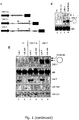
- the present inventors inserted the CiRS-7 exon along with the endogenous flanking sequence (approximately 1000 nt upstream and 200 nt downstream) into pcDNA3 (pcDNA3-CiRS-7-ir, Fig. 1c ).
- the present inventors copied part of the upstream flanking sequence and inserted it in an inverted orientation downstream (pcDNA3-CiRS-7, Fig. 1c ).
- the present inventors constructed a linear and polyadenylated miR-7 sponge containing all miR-7 sponge sites but excluding the splice sites and flanking sequences (CiRS-7-fs, Fig. 1c ).
- the present inventors By co-expressing the circular RNA- or the linear RNA-producing vectors with miR-7 or miR-769 expression vectors, the present inventors observed unaffected levels of CiRS-7, whereas the linear counterpart displayed miR-7 sensitivity presumably due to miRNA mediated deadenylation and subsequent degradation ( Fig. 1e ).
- CiRS-7 is resistant towards the conventional miRNA destabilization of mRNA and therefore not prone to miR-7 dependent regulation.
- CiRS-7 serves as a target for miR-7
- the present inventors conducted Ago2-IP in HEK293 cells transiently expressing miR-7 or miR-769 (control) together with myc-tagged Ago2.
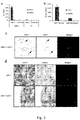
- this showed a high enrichment of endogenous CiRS-7 specifically in miR-7 transfected cells, suggesting that miR-7 indeed is facilitating Ago-association with the CiRS-7 ( Fig. 2a ).
- the present inventors devised a T7 transcript containing all putative miR-7 target sites in conjunction with or without a reported streptavidin-aptamer motif 20.
- the present inventors observed a significant enrichment of CiRS-7 in the miR-7 captured fraction compared to when using biotinylated miR-138 ( Fig. 2b ).
- the present inventors conclude that the widespread Ago-occupancy is caused by miR-7-directed association of Ago proteins to the prevalent and conserved miR-7 target sites in the cRNA.
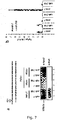
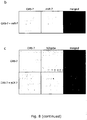
- RNA-FISH RNA-FISH on HEK293 cells ( Fig. 2c-d ) and HeLa cells ( Figure 8 , supplementary Fig. 2b-c ) co-transfected with CiRS-7 and miR-7.
- RNAs showed a distinct neuronal expression ( Fig. 2e-h ) comparable to GAPDH mRNA ( Figure 9 , supplementary Fig. 3a ), comprising both cortical pyramidal neurons and interneurons ( Fig. 2e-h ).
- CiRS-7 in the neuropil areas of the hippocampal CA1 and CA3, and in the molecular layer of the dentate gyrus ( Fig. 2e-f ), likely reflects that CiRS-7 is translocated into the dendritic tree.
- miR-7 is expressed in the nucleus and neuronal cell body ( Fig. 2g-h , Supplementary Fig 4a ), and notably, also in glial cells in the corpus callosum ( Fig. 2f ).
- RNAs are also expressed in thalamus ( Figure 9 , supplementary Fig. 3b , CiRS-7 only) and substantia nigra (data not shown).
- CiRS-7 coinciding with miR-7 expression strongly suggests that miR-7 is under control of CiRS-7 in rodent brain.
- CiRS-7 resulted in elevated levels of miR-7 ( Figure 10 , supplementary Fig 4c-d ), suggesting, collectively, that CiRS-7 and miR-7 have a clear impact on each other in terms of sublocalization within the cell.
- the present inventors constructed two luciferase reporter constructs each monitoring miR-7 activity by inserting a perfect miR-7 target ( Fig. 3a ) or the entire CiRS-7 sequence ( Fig. 3b ) into the 3'UTR of renilla luciferase (RL).
- CiRS-7 is indeed a highly efficient miRNA sponge.
- CiRS-7 reduced the knockdown efficiency exerted by miR-7 effectively ( Figure 11 , supplementary Fig. 5 ).
- CiRS-7 expression vector was stably inserted into Flp-In HeLa cells that otherwise have no or very little endogenous expression of CiRS-7.
- CiRS-7 levels comparable to the endogenous levels observed in HEK293, however approximately 100-fold less than total brain levels ( Figure 12 , supplementary Fig. 6a ).
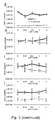
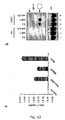
- CiRS-7 As in HEK293 cells, the stably expressed CiRS-7 in HeLa cells was sensitive towards miR-671 as previously published14 but remained resistant towards miR-7 ( Fig. 3c and 3g ; Figure 12 , supplementary Fig. 6b ).
- Transfecting miR-7 in a dose-gradient manner revealed that established miR-7 targets (SNCA22, EGFR23 and IRS224) responded more efficiently in the empty cell line without CiRS-7 expression (HeLa-EV) compared to CiRS-7-expressing cells (HeLa-CiRS-7) ( Fig. 3d-f ).
- miR-671 likely functions as an indirect regulator of miR-7 activity by targeting and reducing CiRS-7 levels.
- the present inventors inserted the SRY sequence into the 3'UTR of renilla and tested the knockdown potential of miR-138, expressed from a vector ( Figure 13 , supplementary Fig. 7a ).
- CiRS-7 likely serves as a crucial factor significantly engaged in the functioning of neurons as well as a responsible candidate in neurological disorders and brain tumour development.
- identifying circular SRY as a CiRS-138 potentially sheds light on the early but undisclosed mechanisms governing male determination.
- HEK293 Flp-In T-Rex cells were maintained under standard culture conditions. Transfections were conducted using either calcium phosphate using standard procedures or Lipofectamine 2000 (Invitrogen) according to supplier's protocol. The construction of pJEBB-769 has previously been published.
- pJEBB-7 and pJEBB-138 were constructed similarly; PCR amplification of miR-7-1 locus using miR-7 FW / miR-7 RE or miR-138 locus (in mouse) using miR-138 FW / miR-138 RE and inserting the fragments into a NotI and SalI digested eGFP expression cassette (pJEBB).
- pCK-7 was generated by digesting pJEBB-7 with NotI and XbaI and inserting the resulting fragment into NotI and XbaI digested pCK.
- pcDNA3-CiRS-7-ir was constructed by PCR amplifying the cRNA locus including 1000 bp upstream and 200 bp downstream the non-linear splice sites using CiRS-7 FW / CiRS-7 RE.
- the PCR fragment was inserted into HindIII and NotI digested pcDNA3 (Invitrogen).
- CiRS-7ir FW / CiRS-7ir RE was inserted into pcDNA3 using HindIII and XhoI.
- CiRS-7 was copy-pasted into pcDNA5 using HindIII and ApaI and transfected into Flp-InTM HeLa cells (Invitrogen) along with pOG44. 48 hrs after transfections, the cell media was supplemented with hygromycin B according to manufacturer's protocol.
- pcDNA3-SRY was constructed by PCR amplifying the SRY locus from male mouse DNA using SRY FW / SRY RE and inserting the amplicon into pcDNA3 using BamHI and NotI. Subsequently, SalI digested CMV promoter from pcDNA5 was inserted into the XhoI-site in an inverse orientation.
- Luciferase reporter vectors were constructed by inserting annealed primers (miR-7-psiCheck FW / miR-7-psiCheck RE) or PCR amplicons produced by CiRS-7-psiCheck FW / CiRS-7-psiCheck FW, SRY-psiCheck FW / SRY-psiCheck RE or EGFR-psiCheck FW / EGFR-psiCheck RE into psiCheck-2 vector.
- Dose-gradient transfection of miR-7 mimic was conducted using Lipofectamine 2000 (Invitrogen). In each case, a total concentration of 10 nM was used with varying ratios between miR-7 and N.C (negative control) as indicated.
- RNA was transferred to Amersham hybondTM-N+ membranes (GE Healthcare).
- the membranes were hybridized with 32P-labelled DNA sis (listed in Table S2) in Church buffer (0.5M NaPO4, 7% SDS, 1mM EDTA, 1% BSA, pH 7.5) at 37oC and washed in 2xSSC (300 mM NaCl, 30 mM Na-citrate, pH 7.0) with 0.1% SDS at room temperature.
- the membranes were exposed on phosphorimager screens and analyzed using Bio-Rad Quantity One® software (Bio Rad).
- agarose northern blot was performed with 5-10 ⁇ g RNA separated in 1.2% agarose. Subsequent hybridization and wash was carried out at 50oC, otherwise conducted as described above.
- Myc-Tagged Ago2 was co-transfected with either pJEBB-7 or pJEBB-769 in p10 dishes. Forty eight hours post-transfection, Ago-IP was performed as described previously26. Briefly, cells were lysed in 150 mM KCI, 25 mM Tris-HCI pH 7.4, 5 mM EDTA, 0.5% Triton X-100, 5 mM DTT supplemented with Ribolock
- T7 transcription was performed on PCR products containing the entire cRNA sequence with or without the inclusion of a streptavidin aptamer sequence using T7 MEGAscript (Ambion).
- the streptavidin-based capturing of RNA with associated proteins was conducted as previously published20.
- the T7 transcript was renatured and mixed with streptavidin beads (Dynabeads MyOneTM Streptavidin C1, Invitrogen) for 1 hr at 4oC and washed twice times in lysis buffer (10 mM HEPES pH 7.0, 200 mM NaCl, 1% Triton X-100, 10 mM MgCl2 and 1 mM DTT).
- streptavidin beads Dynabeads MyOneTM Streptavidin C1, Invitrogen
- RNA coupled beads were washed 5 times and RNA and protein were extracted and analysed by northern blot with probes listed in Table S2 and by western blot using anti-Ago2 (Abcam, ab57113) and anti-HuR (Santa Cruz, SC-5261) as a load control.
- Biotin-labelled miRNAs were transfected into HEK293 cells at a final concentration of 20 nM. Forty eight hours post transfection, cells were harvested and treated as described above.
- Cells were seeded on glass coverslips in 12-well plates and transfected with CiRS-7 and pCK-7 using calcium phosphate (HEK293 cells) or Lipofectamine 2000 (HeLa cells). 48 hrs post-transfection, cells were washed in PBS and fixed in 4% paraformaldehyde for 15 min and permeabilized overnight in 70% ethanol. Cells were then washed twice in PBSM, and rehydrated for 10 min in 50% formamide and 2xSSC.
- HEK293 cells calcium phosphate
- HeLa cells Lipofectamine 2000
- IF In case of IF, cells were blocked with 3% BSA in PBSM for 1 hr followed by incubation with primary antibody (hDcp1A27) in 3%BSA/PBSM supplemented with RNaseOUT (Fermentas) at 37oC. After washing three times in PBSM, cells were incubated with secondary antibody (Alexa Flour 488, A21206, Invitrogen). Then, cells were washed 3 times before proceeding with RNA FISH.
- primary antibody hDcp1A27
- RNaseOUT RNaseOUT
- Subcellular fractionation was performed as previously described. Briefly, cells grown in p10-dishes were gently lysed in 200 ul lysis buffer (10 mM Tris, pH 8.0, 140 mM NaCl, 1.5 mM MgCI2, 0.5% Nonidet P-40), incubated on ice, and centrifuged for 3 min at 1000xg. The supernatant was kept as the cytoplasmic fraction. The nuclear pellet was washed three times in 1 mL lysis buffer. RNA was subsequently purified using TRIzol (Invitrogen).
- HEK293 cells seeded in 12-well plates were transfected with 0.5 ⁇ g pcDNA3/pcDNA3-CiRS-7, 0.2 ⁇ g pJEBB-7/pJEBB-769, and 0.1 ⁇ g psiCheck vector, and harvested after 48 hrs using the Dual-Luciferase Reporter Assay kit (Promega).
- anti-miRTM miRNA Inhibitor MH10047, Applied Biosystems
- Luminescence was measured on a BMG FLUOstar luminometer (BMG labtech, Offenburg Germany).
- cDNA for qRT-PCR expression analyses was synthesized from total RNA by MLV-RT (Invitrogen) according to the supplied protocol using random hexamer primer.
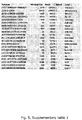
- qPCR was performed with Platinum SYBRGreen qPCR Supermix UDG (Invitrogen) on either a MxPro3000 cycler (Stratagene) or on a LightCycler 480 (Roche) according to standard procedures using primers listed in Figure 6 , Table S2. RNA levels were normalized to GAPDH.
- miR-7 (000386) and miR-769 (001998) assays (Applied Biosystems) were used adhering to manufacturer's protocol.
- a preferred target sequence in the circular RNA has at least one mismatch to the microRNA that make it resistant to endonucleolytic cleavage.
- a preferred sequence is resistant to endonucleolytic cleavage by the microRNA it regulate as interpreted from a simple assay where both the cicular RNA and microRNA is expressed in the same cell (See Figure 12b ).
- the assay, here demonstrated for microRNA-7 can be conducted by a skilled scientist for any other part of circular RNA and microRNA. As an example of a micro-RNA that do not contain any mismatches in the central part, and therefore is able to cleave the circular RNA, microRNA-671 included.
- the assay is a Northern blot using RNA from HeLa cells with empty vector expression cassette as a control for probe specificity (HeLa-EV, Fig 12b ) or Hela cells expressing circular RNA with 77 target sites for microRNA-7 (HeLa-ciRS-7, Fig 12b ).
- the blot was probed with antisense oligo complementary to the circular RNA (upper panel) and 18S (lower panel, loading control).
- the asterix (*) denotes the circular RNA.
- a preferred sponge sequence in the circular RNA has at least one mismatch to the microRNA that makes it resistant to Ago2-mediated endonucleolytic cleavage.
- a preferred sponge sequence is resistant to endonucleolytic cleavage by the microRNA, thus instead of being cleaved by the microRNA, it sequesters and inhibits the microRNA in cells where both the circular RNA and microRNA is expressed (See Figure 14 ).
- the assay, here demonstrated for microRNA-7 can be conducted by a skilled scientist for any other pair of circular RNA and microRNA.
- the circular RNA in this assay contains 74 sponge sites for microRNA-7 and 1 cleavage site for microRNA-671. Therefore, the observed effect is decreased and unchanged levels of circular RNA when introduced to microRNA-671 and microRNA-7, respectively ( Figure 14 ).
- Complementary DNA for qRT-PCR expression analyses was synthesized from 1 ug total RNA by MLV-RT (Invitrogen) according to the supplied protocol using random hexamer primer.
- Quantitative PCR was performed with Platinum SYBR Green qPCR Supermix UDG (Invitrogen) on either MxPro3000 cycler (Stratagene) or LightCycler 480 (Roche), using primers specific for ciRS-7 (ACGTCTCCAGTGTGCTGA / CTTGACACAGGTGCCATC) or GAPDH (GTCAGCCGCATCTTCTTTTG / GCGCCCAATACGACCAAATC).
Landscapes
- Health & Medical Sciences (AREA)
- Life Sciences & Earth Sciences (AREA)
- Genetics & Genomics (AREA)
- Engineering & Computer Science (AREA)
- Biomedical Technology (AREA)
- Chemical & Material Sciences (AREA)
- Molecular Biology (AREA)
- Wood Science & Technology (AREA)
- Bioinformatics & Cheminformatics (AREA)
- Zoology (AREA)
- General Engineering & Computer Science (AREA)
- Organic Chemistry (AREA)
- Biotechnology (AREA)
- General Health & Medical Sciences (AREA)
- Plant Pathology (AREA)
- Biophysics (AREA)
- Physics & Mathematics (AREA)
- Microbiology (AREA)
- Biochemistry (AREA)
- Veterinary Medicine (AREA)
- Public Health (AREA)
- Animal Behavior & Ethology (AREA)
- Epidemiology (AREA)
- Pharmacology & Pharmacy (AREA)
- Medicinal Chemistry (AREA)
- Pharmaceuticals Containing Other Organic And Inorganic Compounds (AREA)
- Medicines That Contain Protein Lipid Enzymes And Other Medicines (AREA)
Claims (9)
- Einsträngiges kreisförmiges RNA-Polynukleotid, das zumindest teilweise zu einer menschlichen oder tierischen microRNA-Sequenz komplementär ist, zur Verwendung als ein Medikament;
wobei das Polynukleotid eine Region von zusammenhängender Nukleobasensequenz umfasst, die zu der menschlichen oder tierischen microRNA-Seed-Region 100 % komplementär ist. - Einsträngiges kreisförmiges RNA-Polynukleotid zur Verwendung nach Anspruch 1, das eine Akzeptor-Spleißstelle (SA) und eine Spender-Spleißstelle (SD) umfasst.
- Einsträngiges kreisförmiges RNA-Polynukleotid zur Verwendung nach einem der vorhergehenden Ansprüche, wobei zumindest ein Teil des Polynukleotids zu der reifen menschlichen oder tierischen microRNA-Sequenz komplementär ist.
- Einsträngiges kreisförmiges RNA-Polynukleotid zur Verwendung nach einem der vorhergehenden Ansprüche, wobei zumindest eine der Nukleobaseneinheiten des Polynukleotids aus einer verbrückten Nukleinsäure (LNA)-Einheit, einer unverbrückten Nukleinsäure (UNA)-Einheit, einer TINA-Einheit, einer 2'-OMe-RNA-Einheit und einer 2'-Fluor-RNA-Einheit ausgewählt wird.
- Einsträngiges kreisförmiges RNA-Polynukleotid zur Verwendung nach einem der vorhergehenden Ansprüche, wobei die microRNA ausgewählt ist aus der Gruppe bestehend aus miR-7-5p (SEQ ID NO 51), miR-7-1-3p (SEQ ID NO 52), miR-7-2-3p (SEQ ID NO 53), miR-21-5p (SEQ ID NO 54), miR-21-3p (SEQ ID NO 55), miR-96-5p (SEQ ID NO 56), miR-96-3p (SEQ ID NO 57), miR-185-5p (SEQ ID NO 58), miR-185-3p (SEQ ID NO 59), miR-324-5p (SEQ ID NO 60), miR-324a-3p (SEQ ID NO 61), miR-133b (SEQ ID NO 62), miR-205-5p (SEQ ID NO 63), miR-205-3p (SEQ ID NO 64), miR-200a-5p (SEQ ID NO 65), miR-200a-3p (SEQ ID NO 66), miR-200b-5p (SEQ ID NO 67), miR-200b-3p (SEQ ID NO 68), miR-200c-5p (SEQ ID NO 69), miR-200c-3p (SEQ ID NO 70), miR-141-5p (SEQ ID NO 71), miR-141-3p (SEQ ID NO 72), miR-429 (SEQ ID NO 73), miR-132-5p (SEQ ID NO 74), miR-132-3p (SEQ ID NO 75), miR-134 (SEQ ID NO 76), miR-124-5p (SEQ ID NO 77), miR-124-3p (SEQ ID NO 78), miR-155-5p (SEQ ID NO 79), miR-155-3p (SEQ ID NO 80), miR-221-5p (SEQ ID NO 81), miR-221-3p (SEQ ID NO 82), miR-222-5p (SEQ ID NO 83), miR-222-3p (SEQ ID NO 84), miR-122-5p (SEQ ID NO 85), miR-122-3p (SEQ ID NO 86).
- Einsträngiges kreisförmiges RNA-Polynukleotid zur Verwendung nach einem der vorhergehenden Ansprüche, umfassend eine Sequenz ausgewählt aus der Gruppe bestehend aus Sequenzen, die zum Basen-Pairing mit der komplementären Sequenz einer Sequenz ausgewählt aus der Gruppe bestehend aus Position 1-20, Position 1-19, Position 1-18, Position 1-17, Position 1-16, Position 1-15, Position 1-14, Position 1-13, Position 1-12, Position 1-11, Position 1-10, Position 1-9, Position 1-8, Position 1-7, Position 1-6, Position 2-20, Position 2-19, Position 2-18, Position 2-17, Position 2-16, Position 2-15, Position 2-14, Position 2-13, Position 2-12, Position 2-11, Position 2-10, Position 2-9, Position 2-8, Position 2-7, Position 2-6, Position 3-20, Position 3-19, Position 3-18, Position 3-17, Position 3-16, Position 3-15, Position 3-14, Position 3-13, Position 3-12, Position 3-11, Position 3-10 und Position 3-9 einer menschlichen microRNA in der Lage ist.
- Pharmazeutische Zusammensetzung, umfassend- ein einsträngiges kreisförmiges RNA-Polynukleotid, das zumindest teilweise zu einer menschlichen oder tierischen microRNA-Sequenz komplementär ist, wobei das Polynukleotid eine Region von zusammenhängender Nukleobasensequenz umfasst, die zu der menschlichen oder tierischen microRNA-Seed-Region 100 % komplementär ist; und- zumindest einen von einem pharmazeutisch annehmbaren Verdünnungsmittel, Träger oder Wirkverstärker;zur Verwendung als ein Medikament.
- Einsträngiges kreisförmiges RNA-Polynukleotid nach einem der Ansprüche 1-6 zur Verwendung bei der Behandlung, Verbesserung oder Vorbeugung einer Krankheit oder medizinischen Erkrankung in Zusammenhang mit dem Vorhandensein oder der Überexpression von microRNA,
wobei die Krankheit oder medizinische Erkrankung ausgewählt ist aus der Gruppe bestehend aus Parkinson-Krankheit, Krebs, einer Virusinfektion, Diabetes, einer neurologischen Krankheit. - In-vitro-Verwendung eines einsträngigen kreisförmigen RNA-Polynukleotids, wie definiert in einem der Ansprüche 1-6 zum Blockieren und Hemmen von RNA.
Applications Claiming Priority (2)
| Application Number | Priority Date | Filing Date | Title |
|---|---|---|---|
| US201261731788P | 2012-11-30 | 2012-11-30 | |
| PCT/DK2013/050404 WO2014082644A1 (en) | 2012-11-30 | 2013-11-29 | Circular rna for inhibition of microrna |
Publications (2)
| Publication Number | Publication Date |
|---|---|
| EP2925866A1 EP2925866A1 (de) | 2015-10-07 |
| EP2925866B1 true EP2925866B1 (de) | 2018-07-25 |
Family
ID=49841468
Family Applications (1)
| Application Number | Title | Priority Date | Filing Date |
|---|---|---|---|
| EP13811114.1A Active EP2925866B1 (de) | 2012-11-30 | 2013-11-29 | Zirkuläre rna zur hemmung von microrna |
Country Status (4)
| Country | Link |
|---|---|
| US (1) | US20150299702A1 (de) |
| EP (1) | EP2925866B1 (de) |
| DK (1) | DK2925866T3 (de) |
| WO (1) | WO2014082644A1 (de) |
Families Citing this family (97)
| Publication number | Priority date | Publication date | Assignee | Title |
|---|---|---|---|---|
| WO2013066438A2 (en) | 2011-07-22 | 2013-05-10 | President And Fellows Of Harvard College | Evaluation and improvement of nuclease cleavage specificity |
| EP2996697B1 (de) * | 2013-05-15 | 2019-06-26 | Robert Kruse | Intrazelluläre translation von zirkulärer rna |
| US20150044192A1 (en) | 2013-08-09 | 2015-02-12 | President And Fellows Of Harvard College | Methods for identifying a target site of a cas9 nuclease |
| US9526784B2 (en) | 2013-09-06 | 2016-12-27 | President And Fellows Of Harvard College | Delivery system for functional nucleases |
| US9340799B2 (en) | 2013-09-06 | 2016-05-17 | President And Fellows Of Harvard College | MRNA-sensing switchable gRNAs |
| US9388430B2 (en) | 2013-09-06 | 2016-07-12 | President And Fellows Of Harvard College | Cas9-recombinase fusion proteins and uses thereof |
| CN106459995B (zh) | 2013-11-07 | 2020-02-21 | 爱迪塔斯医药有限公司 | 使用统治型gRNA的CRISPR相关方法和组合物 |
| US20150166984A1 (en) | 2013-12-12 | 2015-06-18 | President And Fellows Of Harvard College | Methods for correcting alpha-antitrypsin point mutations |
| WO2016022363A2 (en) | 2014-07-30 | 2016-02-11 | President And Fellows Of Harvard College | Cas9 proteins including ligand-dependent inteins |
| EP3054017A1 (de) * | 2015-02-03 | 2016-08-10 | Johann Wolfgang Goethe-Universität, Frankfurt am Main | Zirkuläre RNS zur Diagnose und Behandlung von kardiovaskulären Krankheiten |
| CN105492609A (zh) * | 2015-06-11 | 2016-04-13 | 深圳市第二人民医院 | CRISPR-Cas9特异性敲除猪GGTA1基因的方法及用于特异性靶向GGTA1基因的sgRNA |
| CN105518140A (zh) * | 2015-06-11 | 2016-04-20 | 深圳市第二人民医院 | CRISPR-Cas9特异性敲除猪vWF基因的方法及用于特异性靶向vWF基因的sgRNA |
| CN105518138B (zh) * | 2015-06-11 | 2021-07-27 | 深圳市第二人民医院 | CRISPR-Cas9特异性敲除猪GFRA1基因的方法及用于特异性靶向GFRA1基因的sgRNA |
| CN104940954B (zh) * | 2015-06-23 | 2017-12-26 | 同济大学 | MicroRNA‑7在制备抗胶质化药物中的应用 |
| AU2016312590B2 (en) * | 2015-08-26 | 2021-12-02 | Board Of Regents Of The University Of Texas System | Methods for treatment of polycystic kidney disease |
| SG10202104041PA (en) | 2015-10-23 | 2021-06-29 | Harvard College | Nucleobase editors and uses thereof |
| WO2017176929A1 (en) * | 2016-04-05 | 2017-10-12 | University Of Massachusetts | Compositions and methods for selective inhibition of grainyhead-like protein expression |
| CN105925684A (zh) * | 2016-05-12 | 2016-09-07 | 张理义 | 一种用于焦虑症诊断的lncRNA标志物、试剂盒及基因芯片 |
| US20230348911A1 (en) * | 2016-06-08 | 2023-11-02 | Aalborg Universitet | Antisense oligonucleotides for modulation of long noncoding rnas |
| US11814627B2 (en) | 2016-06-20 | 2023-11-14 | The Board Of The Leland Stanford Junior University | Circular RNAs and their use in immunomodulation |
| KR20250103795A (ko) | 2016-08-03 | 2025-07-07 | 프레지던트 앤드 펠로우즈 오브 하바드 칼리지 | 아데노신 핵염기 편집제 및 그의 용도 |
| US11661590B2 (en) | 2016-08-09 | 2023-05-30 | President And Fellows Of Harvard College | Programmable CAS9-recombinase fusion proteins and uses thereof |
| WO2018039438A1 (en) | 2016-08-24 | 2018-03-01 | President And Fellows Of Harvard College | Incorporation of unnatural amino acids into proteins using base editing |
| SG11201903089RA (en) | 2016-10-14 | 2019-05-30 | Harvard College | Aav delivery of nucleobase editors |
| WO2018119359A1 (en) | 2016-12-23 | 2018-06-28 | President And Fellows Of Harvard College | Editing of ccr5 receptor gene to protect against hiv infection |
| EP3592381A1 (de) | 2017-03-09 | 2020-01-15 | President and Fellows of Harvard College | Krebsimpfstoff |
| US11898179B2 (en) | 2017-03-09 | 2024-02-13 | President And Fellows Of Harvard College | Suppression of pain by gene editing |
| WO2018165629A1 (en) | 2017-03-10 | 2018-09-13 | President And Fellows Of Harvard College | Cytosine to guanine base editor |
| WO2018176009A1 (en) | 2017-03-23 | 2018-09-27 | President And Fellows Of Harvard College | Nucleobase editors comprising nucleic acid programmable dna binding proteins |
| WO2018209320A1 (en) | 2017-05-12 | 2018-11-15 | President And Fellows Of Harvard College | Aptazyme-embedded guide rnas for use with crispr-cas9 in genome editing and transcriptional activation |
| CN107345249B (zh) * | 2017-06-26 | 2021-05-28 | 中国人民解放军第一八一医院 | hsa_circRNA_103112在唐氏综合征的诊断、治疗及预后中的应用 |
| CN107190073B (zh) * | 2017-06-26 | 2020-12-15 | 中国人民解放军第一八一医院 | hsa_circRNA_104907在唐氏综合征的诊断、治疗及预后中的应用 |
| CN109251969A (zh) * | 2017-07-14 | 2019-01-22 | 戴勇 | 唐氏综合征母体胎源性circRNA差异性表达谱图谱模型及其构建方法和构建系统 |
| CN111801345A (zh) | 2017-07-28 | 2020-10-20 | 哈佛大学的校长及成员们 | 使用噬菌体辅助连续进化(pace)的进化碱基编辑器的方法和组合物 |
| EP3676376B1 (de) | 2017-08-30 | 2025-01-15 | President and Fellows of Harvard College | Hocheffiziente baseneditoren mit gam |
| US11795443B2 (en) | 2017-10-16 | 2023-10-24 | The Broad Institute, Inc. | Uses of adenosine base editors |
| CN107557473A (zh) * | 2017-10-27 | 2018-01-09 | 中南大学湘雅医院 | 胶质瘤诊断标志物circ6:79060478|79060818及应用 |
| CN107586849A (zh) * | 2017-10-27 | 2018-01-16 | 中南大学湘雅医院 | 脑组织来源的circ9:4117768|4118881的应用 |
| CN107586844A (zh) * | 2017-10-27 | 2018-01-16 | 中南大学湘雅医院 | 胶质瘤预后标志物Circ9:135881633|135883078的应用 |
| CN107586848A (zh) * | 2017-10-27 | 2018-01-16 | 中南大学湘雅医院 | 胶质瘤预后标志物circ8:127890589|127890998及应用 |
| CN107586845A (zh) * | 2017-10-27 | 2018-01-16 | 中南大学湘雅医院 | 胶质瘤诊断标志物Circ19:5604583|5604936及应用 |
| CN107604071A (zh) * | 2017-10-27 | 2018-01-19 | 中南大学湘雅医院 | 胶质瘤预后标志物circ19:5604583|5604936的应用 |
| CN107586846A (zh) * | 2017-10-27 | 2018-01-16 | 中南大学湘雅医院 | 胶质瘤诊断标志物Circ3:129880309|129880559及应用 |
| CN107604072A (zh) * | 2017-10-27 | 2018-01-19 | 中南大学湘雅医院 | 胶质瘤预后标志物circ15:98707562|98708107的应用 |
| CN107604076A (zh) * | 2017-10-27 | 2018-01-19 | 中南大学湘雅医院 | 胶质瘤诊断标志物Circ6:4891713|4892379及应用 |
| CN107604070A (zh) * | 2017-10-27 | 2018-01-19 | 中南大学湘雅医院 | 胶质瘤诊断标志物circ9:4117768|4118881及应用 |
| CN107604073A (zh) * | 2017-10-27 | 2018-01-19 | 中南大学湘雅医院 | 胶质瘤诊断标志物circ22:42890947|42891182及应用 |
| CN107586843A (zh) * | 2017-10-27 | 2018-01-16 | 中南大学湘雅医院 | 胶质瘤诊断标志物circ7:100812747|100813208及应用 |
| CN107641654A (zh) * | 2017-10-27 | 2018-01-30 | 中南大学湘雅医院 | 胶质瘤预后标志物circ11:66639700|66640123及应用 |
| CN107604075A (zh) * | 2017-10-27 | 2018-01-19 | 中南大学湘雅医院 | 胶质瘤预后标志物circ7:66286511|66286709及应用 |
| WO2019118949A1 (en) | 2017-12-15 | 2019-06-20 | The Broad Institute, Inc. | Systems and methods for predicting repair outcomes in genetic engineering |
| CA3084824A1 (en) | 2017-12-15 | 2019-06-20 | Flagship Pioneering Innovations Vi, Llc | Compositions comprising circular polyribonucleotides and uses thereof |
| CN108165549B (zh) * | 2017-12-26 | 2021-06-29 | 浙江自贸区锐赛生物医药科技有限公司 | 人工环状rna的通用表达框架及其应用 |
| CN108220438A (zh) * | 2018-01-04 | 2018-06-29 | 大连医科大学附属第二医院 | circCDH12在垂体腺瘤生物标记中的应用 |
| CN107937549A (zh) * | 2018-01-04 | 2018-04-20 | 大连医科大学附属第二医院 | circRNA‑PTN在垂体腺瘤生物标记中的应用 |
| CN108396064B (zh) * | 2018-02-28 | 2020-05-22 | 中南大学 | 检测环状RNA circRNF13的试剂在制备舌鳞癌患者预后制剂上的应用 |
| CN108277225A (zh) * | 2018-05-02 | 2018-07-13 | 中国医科大学附属口腔医院 | 一种环状rna在诊断和/或治疗成釉细胞瘤中的应用 |
| US12157760B2 (en) | 2018-05-23 | 2024-12-03 | The Broad Institute, Inc. | Base editors and uses thereof |
| CN108796086B (zh) * | 2018-07-04 | 2021-07-30 | 聊城市人民医院 | 一种环状RNAcircBCBM1及其非诊断性荧光定量检测方法 |
| EP3820495A4 (de) | 2018-07-09 | 2022-07-20 | The Broad Institute Inc. | Rna-programmierbare epigenetische rna-modifikatoren und deren verwendungen |
| CN109355290B (zh) * | 2018-09-27 | 2021-12-14 | 四川农业大学 | 一种植物环状rna表达框架及其应用 |
| WO2020092453A1 (en) | 2018-10-29 | 2020-05-07 | The Broad Institute, Inc. | Nucleobase editors comprising geocas9 and uses thereof |
| US12351837B2 (en) | 2019-01-23 | 2025-07-08 | The Broad Institute, Inc. | Supernegatively charged proteins and uses thereof |
| EP3942043A2 (de) | 2019-03-19 | 2022-01-26 | The Broad Institute, Inc. | Verfahren und zusammensetzungen zur editierung von nukleotidsequenzen |
| EP3946466A2 (de) | 2019-03-25 | 2022-02-09 | Flagship Pioneering Innovations VI, LLC | Zusammensetzungen mit modifizierten zirkulären polyribonukleotiden und verwendungen davon |
| WO2020214842A1 (en) | 2019-04-17 | 2020-10-22 | The Broad Institute, Inc. | Adenine base editors with reduced off-target effects |
| CN110093419B (zh) * | 2019-04-26 | 2023-10-27 | 北京大学深圳医院 | 环状rna的应用、试剂盒和药物组合物及其应用 |
| CN114269919B (zh) | 2019-07-12 | 2023-08-18 | 北京大学 | 采用工程化rna利用内源adar进行靶向的rna编辑 |
| BR112022005067A2 (pt) * | 2019-09-20 | 2022-09-06 | Univ Indiana Trustees | Fibroblastos vasculogênicos |
| US12435330B2 (en) | 2019-10-10 | 2025-10-07 | The Broad Institute, Inc. | Methods and compositions for prime editing RNA |
| US20230036370A1 (en) * | 2019-12-02 | 2023-02-02 | The Regents Of The University Of California | Engineering circular guide rnas |
| CN110859861A (zh) * | 2019-12-04 | 2020-03-06 | 武汉工程大学 | 植物病原微生物杀灭癌细胞或艾滋病病毒的用途 |
| US20230104113A1 (en) * | 2020-01-29 | 2023-04-06 | Flagship Pioneering Innovations Vi, Llc | Delivery of compositions comprising circular polyribonucleotides |
| CN111471769B (zh) * | 2020-04-22 | 2023-07-25 | 江苏同科医药科技有限公司 | 一种用于扩增环状rna的方法、特异性扩增引物及应用 |
| BR112022022603A2 (pt) | 2020-05-08 | 2023-01-17 | Broad Inst Inc | Métodos e composições para edição simultânea de ambas as fitas de sequência alvo de nucleotídeos de fita dupla |
| JP2023528039A (ja) * | 2020-05-26 | 2023-07-03 | シェイプ セラピューティクス インコーポレイテッド | 改変環状ポリヌクレオチド |
| CN111549123B (zh) * | 2020-06-12 | 2022-10-21 | 中山大学附属第三医院 | 环状rna 0089762的检测试剂盒及其应用 |
| KR20230028375A (ko) | 2020-06-25 | 2023-02-28 | 더 보드 어브 트러스티스 어브 더 리랜드 스탠포드 주니어 유니버시티 | 원형 rna 번역을 구동하는 유전 요소와 이를 사용하는 방법 |
| EP3929295A1 (de) | 2020-06-26 | 2021-12-29 | Universitat Pompeu Fabra | Künstliche rnas zur modulation von rna-fragmenten |
| CN111876479A (zh) * | 2020-06-29 | 2020-11-03 | 中国人民解放军总医院 | 基于尿沉渣特定微小rna无创鉴别诊断糖尿病肾病/非糖尿病性肾病方面的应用 |
| CN111893187B (zh) * | 2020-08-20 | 2023-09-05 | 广州医科大学附属第二医院 | circ AMOTL1在前列腺癌骨转移中的用途 |
| WO2022150974A1 (en) * | 2021-01-12 | 2022-07-21 | Peking University | Targeted rna editing by leveraging endogenous adar using engineered rnas |
| CN113344076B (zh) * | 2021-06-08 | 2022-03-22 | 汕头大学 | 一种基于集成学习的circRNA-miRNA相互作用关系预测方法 |
| CN114015693B (zh) * | 2021-11-22 | 2023-09-29 | 山西农业大学 | 一种环状rna、其检测试剂、试剂盒、应用及药物 |
| CN114645089B (zh) * | 2022-05-12 | 2022-07-26 | 深圳北京大学香港科技大学医学中心 | 一种与类风湿性关节炎相关的环状rna标志物及其应用 |
| CN114736962B (zh) * | 2022-05-24 | 2023-01-24 | 江苏大学附属医院 | circDHTKD1的抑制剂在制备调控气道上皮炎症的药物中的应用 |
| KR102832808B1 (ko) | 2022-09-02 | 2025-07-10 | 사회복지법인 삼성생명공익재단 | 전이성 대장암 진단용 신규 바이오마커 및 이의 용도 |
| CN116694638A (zh) * | 2023-02-20 | 2023-09-05 | 天津微环生物医药科技有限责任公司 | 环状核酸应用-miRNA抑制剂 |
| AU2024236558A1 (en) | 2023-03-15 | 2025-10-09 | Renagade Therapeutics Management Inc. | Delivery of gene editing systems and methods of use thereof |
| CN121263402A (zh) | 2023-03-15 | 2026-01-02 | 雷纳嘉德医疗管理公司 | 用于基因编辑以及作为疫苗和治疗剂的包含编码rna分子的脂质纳米颗粒 |
| WO2024196898A1 (en) * | 2023-03-17 | 2024-09-26 | Camford Labs Inc. | Chemically modified noncoding nucleotides |
| WO2025049959A2 (en) | 2023-09-01 | 2025-03-06 | Renagade Therapeutics Management Inc. | Gene editing systems, compositions, and methods for treatment of vexas syndrome |
| AU2024357861A1 (en) | 2023-10-12 | 2026-04-23 | Renagade Therapeutics Management Inc. | Nickase-retron template-based precision editing system and methods of use |
| CN117327791B (zh) * | 2023-10-19 | 2025-01-24 | 上海交通大学医学院附属仁济医院 | hsa_circ_0017469在制备结直肠癌早筛及预后评估的产品中的应用 |
| WO2025128871A2 (en) | 2023-12-13 | 2025-06-19 | Renagade Therapeutics Management Inc. | Lipid nanoparticles comprising coding rna molecules for use in gene editing and as vaccines and therapeutic agents |
| WO2025155753A2 (en) | 2024-01-17 | 2025-07-24 | Renagade Therapeutics Management Inc. | Improved gene editing system, guides, and methods |
| WO2025174765A1 (en) | 2024-02-12 | 2025-08-21 | Renagade Therapeutics Management Inc. | Lipid nanoparticles comprising coding rna molecules for use in gene editing and as vaccines and therapeutic agents |
Family Cites Families (4)
| Publication number | Priority date | Publication date | Assignee | Title |
|---|---|---|---|---|
| DK2666859T3 (en) * | 2006-04-03 | 2019-04-08 | Roche Innovation Ct Copenhagen As | PHARMACEUTICAL COMPOSITION CONTAINING ANTI-miRNA ANTISENSE OLIGONUCLEOTIDES |
| GB0816778D0 (en) * | 2008-09-12 | 2008-10-22 | Isis Innovation | Gene silencing |
| WO2010084371A1 (en) | 2009-01-26 | 2010-07-29 | Mitoprod | Novel circular interfering rna molecules |
| WO2011103394A2 (en) * | 2010-02-19 | 2011-08-25 | Agave Pharma Inc. | Methods for gene inhibition |
-
2013
- 2013-11-29 EP EP13811114.1A patent/EP2925866B1/de active Active
- 2013-11-29 WO PCT/DK2013/050404 patent/WO2014082644A1/en not_active Ceased
- 2013-11-29 DK DK13811114.1T patent/DK2925866T3/en active
- 2013-11-29 US US14/648,360 patent/US20150299702A1/en not_active Abandoned
Non-Patent Citations (1)
| Title |
|---|
| None * |
Also Published As
| Publication number | Publication date |
|---|---|
| DK2925866T3 (en) | 2018-10-29 |
| EP2925866A1 (de) | 2015-10-07 |
| WO2014082644A1 (en) | 2014-06-05 |
| US20150299702A1 (en) | 2015-10-22 |
Similar Documents
| Publication | Publication Date | Title |
|---|---|---|
| US20150299702A1 (en) | Circular rna for inhibition of microrna | |
| Nemeth et al. | Non-coding RNAs in disease: from mechanisms to therapeutics | |
| JP6538183B2 (ja) | マイクロrnaを有効成分として含む癌治療用医薬組成物 | |
| EP3222723B1 (de) | Entwicklung von universalwirkstoffen und -impfstoffen gegen krebs | |
| US8841267B2 (en) | Micro-RNA scaffolds, non-naturally occurring micro-RNAs, and methods for optimizing non-naturally occurring micro-RNAs | |
| Meister | Argonaute proteins: functional insights and emerging roles | |
| US8071752B2 (en) | Multi-targeting short interfering RNAs | |
| EP2208499A1 (de) | Nukleinsäure zur regulierung der zellproliferation | |
| CA3037288C (en) | Modulation of micrornas against myotonic dystrophy type 1 and antagonists of micrornas therefor | |
| US20110229880A1 (en) | Gene silencing | |
| US9422559B2 (en) | Production and utilization of a novel anti-cancer drug in therapy | |
| Wu et al. | Mir-434-5p mediates skin whitening and lightening | |
| CN104548134A (zh) | miR-144及其抑制剂的应用 | |
| Yoon et al. | MicroRNA-296 is enriched in cancer cells and downregulates p21WAF1 mRNA expression via interaction with its 3′ untranslated region | |
| JP2020037599A (ja) | 新規な治療用抗癌薬の製造及び使用 | |
| Seow et al. | Artificial mirtron-mediated gene knockdown: functional DMPK silencing in mammalian cells | |
| TWI382849B (zh) | 產生藉由基因靜默效應以用於皮膚維護之化妝品的方法以及編碼基因靜默效應物之基因重組核苷酸 | |
| WO2011111715A1 (ja) | 細胞周期を制御する核酸 | |
| JPWO2013065791A1 (ja) | 遺伝子発現抑制用二本鎖核酸分子 | |
| JP2009545300A (ja) | miRNAの使用及びmiRNAを含む組成物 | |
| US10808248B2 (en) | Short hairpin RNA compositions, methods of making and applications thereof | |
| US20100113577A1 (en) | Isolated nucleic acid molecules corresponding to micro rna 145 (mirna-145) and their use in treating colon cancer | |
| Ohishi et al. | A forward genetic screen to study mammalian RNA interference–essential role of RNase IIIa domain of Dicer1 in 3′ strand cleavage of dsRNA in vivo | |
| US20230272389A1 (en) | CIRCULAR miRNA SPONGES | |
| Liu et al. | Cell-and region-specific miR30-based gene knock-down with temporal control in the rat brain |
Legal Events
| Date | Code | Title | Description |
|---|---|---|---|
| PUAI | Public reference made under article 153(3) epc to a published international application that has entered the european phase |
Free format text: ORIGINAL CODE: 0009012 |
|
| 17P | Request for examination filed |
Effective date: 20150618 |
|
| AK | Designated contracting states |
Kind code of ref document: A1 Designated state(s): AL AT BE BG CH CY CZ DE DK EE ES FI FR GB GR HR HU IE IS IT LI LT LU LV MC MK MT NL NO PL PT RO RS SE SI SK SM TR |
|
| AX | Request for extension of the european patent |
Extension state: BA ME |
|
| DAX | Request for extension of the european patent (deleted) | ||
| 17Q | First examination report despatched |
Effective date: 20160601 |
|
| RIN1 | Information on inventor provided before grant (corrected) |
Inventor name: KJEMS, JOERGEN Inventor name: BIRKBALLE, HANSEN, THOMAS |
|
| RIN1 | Information on inventor provided before grant (corrected) |
Inventor name: KJEMS, JOERGEN Inventor name: BIRKBALLE, HANSEN, THOMAS |
|
| RIC1 | Information provided on ipc code assigned before grant |
Ipc: A61K 31/7088 20060101ALI20171106BHEP Ipc: C12N 15/113 20100101AFI20171106BHEP |
|
| GRAP | Despatch of communication of intention to grant a patent |
Free format text: ORIGINAL CODE: EPIDOSNIGR1 |
|
| INTG | Intention to grant announced |
Effective date: 20180205 |
|
| GRAS | Grant fee paid |
Free format text: ORIGINAL CODE: EPIDOSNIGR3 |
|
| GRAA | (expected) grant |
Free format text: ORIGINAL CODE: 0009210 |
|
| AK | Designated contracting states |
Kind code of ref document: B1 Designated state(s): AL AT BE BG CH CY CZ DE DK EE ES FI FR GB GR HR HU IE IS IT LI LT LU LV MC MK MT NL NO PL PT RO RS SE SI SK SM TR |
|
| REG | Reference to a national code |
Ref country code: GB Ref legal event code: FG4D |
|
| REG | Reference to a national code |
Ref country code: CH Ref legal event code: EP |
|
| REG | Reference to a national code |
Ref country code: AT Ref legal event code: REF Ref document number: 1021810 Country of ref document: AT Kind code of ref document: T Effective date: 20180815 |
|
| REG | Reference to a national code |
Ref country code: IE Ref legal event code: FG4D |
|
| REG | Reference to a national code |
Ref country code: DE Ref legal event code: R096 Ref document number: 602013040921 Country of ref document: DE |
|
| REG | Reference to a national code |
Ref country code: DK Ref legal event code: T3 Effective date: 20181016 |
|
| REG | Reference to a national code |
Ref country code: NL Ref legal event code: MP Effective date: 20180725 |
|
| REG | Reference to a national code |
Ref country code: LT Ref legal event code: MG4D |
|
| PG25 | Lapsed in a contracting state [announced via postgrant information from national office to epo] |
Ref country code: NL Free format text: LAPSE BECAUSE OF FAILURE TO SUBMIT A TRANSLATION OF THE DESCRIPTION OR TO PAY THE FEE WITHIN THE PRESCRIBED TIME-LIMIT Effective date: 20180725 |
|
| REG | Reference to a national code |
Ref country code: AT Ref legal event code: MK05 Ref document number: 1021810 Country of ref document: AT Kind code of ref document: T Effective date: 20180725 |
|
| PG25 | Lapsed in a contracting state [announced via postgrant information from national office to epo] |
Ref country code: NO Free format text: LAPSE BECAUSE OF FAILURE TO SUBMIT A TRANSLATION OF THE DESCRIPTION OR TO PAY THE FEE WITHIN THE PRESCRIBED TIME-LIMIT Effective date: 20181025 Ref country code: AT Free format text: LAPSE BECAUSE OF FAILURE TO SUBMIT A TRANSLATION OF THE DESCRIPTION OR TO PAY THE FEE WITHIN THE PRESCRIBED TIME-LIMIT Effective date: 20180725 Ref country code: BG Free format text: LAPSE BECAUSE OF FAILURE TO SUBMIT A TRANSLATION OF THE DESCRIPTION OR TO PAY THE FEE WITHIN THE PRESCRIBED TIME-LIMIT Effective date: 20181025 Ref country code: SE Free format text: LAPSE BECAUSE OF FAILURE TO SUBMIT A TRANSLATION OF THE DESCRIPTION OR TO PAY THE FEE WITHIN THE PRESCRIBED TIME-LIMIT Effective date: 20180725 Ref country code: LT Free format text: LAPSE BECAUSE OF FAILURE TO SUBMIT A TRANSLATION OF THE DESCRIPTION OR TO PAY THE FEE WITHIN THE PRESCRIBED TIME-LIMIT Effective date: 20180725 Ref country code: PL Free format text: LAPSE BECAUSE OF FAILURE TO SUBMIT A TRANSLATION OF THE DESCRIPTION OR TO PAY THE FEE WITHIN THE PRESCRIBED TIME-LIMIT Effective date: 20180725 Ref country code: FI Free format text: LAPSE BECAUSE OF FAILURE TO SUBMIT A TRANSLATION OF THE DESCRIPTION OR TO PAY THE FEE WITHIN THE PRESCRIBED TIME-LIMIT Effective date: 20180725 Ref country code: IS Free format text: LAPSE BECAUSE OF FAILURE TO SUBMIT A TRANSLATION OF THE DESCRIPTION OR TO PAY THE FEE WITHIN THE PRESCRIBED TIME-LIMIT Effective date: 20181125 Ref country code: GR Free format text: LAPSE BECAUSE OF FAILURE TO SUBMIT A TRANSLATION OF THE DESCRIPTION OR TO PAY THE FEE WITHIN THE PRESCRIBED TIME-LIMIT Effective date: 20181026 Ref country code: RS Free format text: LAPSE BECAUSE OF FAILURE TO SUBMIT A TRANSLATION OF THE DESCRIPTION OR TO PAY THE FEE WITHIN THE PRESCRIBED TIME-LIMIT Effective date: 20180725 |
|
| PG25 | Lapsed in a contracting state [announced via postgrant information from national office to epo] |
Ref country code: HR Free format text: LAPSE BECAUSE OF FAILURE TO SUBMIT A TRANSLATION OF THE DESCRIPTION OR TO PAY THE FEE WITHIN THE PRESCRIBED TIME-LIMIT Effective date: 20180725 Ref country code: LV Free format text: LAPSE BECAUSE OF FAILURE TO SUBMIT A TRANSLATION OF THE DESCRIPTION OR TO PAY THE FEE WITHIN THE PRESCRIBED TIME-LIMIT Effective date: 20180725 Ref country code: AL Free format text: LAPSE BECAUSE OF FAILURE TO SUBMIT A TRANSLATION OF THE DESCRIPTION OR TO PAY THE FEE WITHIN THE PRESCRIBED TIME-LIMIT Effective date: 20180725 |
|
| REG | Reference to a national code |
Ref country code: DE Ref legal event code: R097 Ref document number: 602013040921 Country of ref document: DE |
|
| PG25 | Lapsed in a contracting state [announced via postgrant information from national office to epo] |
Ref country code: EE Free format text: LAPSE BECAUSE OF FAILURE TO SUBMIT A TRANSLATION OF THE DESCRIPTION OR TO PAY THE FEE WITHIN THE PRESCRIBED TIME-LIMIT Effective date: 20180725 Ref country code: IT Free format text: LAPSE BECAUSE OF FAILURE TO SUBMIT A TRANSLATION OF THE DESCRIPTION OR TO PAY THE FEE WITHIN THE PRESCRIBED TIME-LIMIT Effective date: 20180725 Ref country code: ES Free format text: LAPSE BECAUSE OF FAILURE TO SUBMIT A TRANSLATION OF THE DESCRIPTION OR TO PAY THE FEE WITHIN THE PRESCRIBED TIME-LIMIT Effective date: 20180725 Ref country code: RO Free format text: LAPSE BECAUSE OF FAILURE TO SUBMIT A TRANSLATION OF THE DESCRIPTION OR TO PAY THE FEE WITHIN THE PRESCRIBED TIME-LIMIT Effective date: 20180725 Ref country code: CZ Free format text: LAPSE BECAUSE OF FAILURE TO SUBMIT A TRANSLATION OF THE DESCRIPTION OR TO PAY THE FEE WITHIN THE PRESCRIBED TIME-LIMIT Effective date: 20180725 |
|
| PG25 | Lapsed in a contracting state [announced via postgrant information from national office to epo] |
Ref country code: SK Free format text: LAPSE BECAUSE OF FAILURE TO SUBMIT A TRANSLATION OF THE DESCRIPTION OR TO PAY THE FEE WITHIN THE PRESCRIBED TIME-LIMIT Effective date: 20180725 Ref country code: SM Free format text: LAPSE BECAUSE OF FAILURE TO SUBMIT A TRANSLATION OF THE DESCRIPTION OR TO PAY THE FEE WITHIN THE PRESCRIBED TIME-LIMIT Effective date: 20180725 |
|
| PLBE | No opposition filed within time limit |
Free format text: ORIGINAL CODE: 0009261 |
|
| STAA | Information on the status of an ep patent application or granted ep patent |
Free format text: STATUS: NO OPPOSITION FILED WITHIN TIME LIMIT |
|
| 26N | No opposition filed |
Effective date: 20190426 |
|
| PG25 | Lapsed in a contracting state [announced via postgrant information from national office to epo] |
Ref country code: LU Free format text: LAPSE BECAUSE OF NON-PAYMENT OF DUE FEES Effective date: 20181129 Ref country code: MC Free format text: LAPSE BECAUSE OF FAILURE TO SUBMIT A TRANSLATION OF THE DESCRIPTION OR TO PAY THE FEE WITHIN THE PRESCRIBED TIME-LIMIT Effective date: 20180725 |
|
| REG | Reference to a national code |
Ref country code: BE Ref legal event code: MM Effective date: 20181130 |
|
| REG | Reference to a national code |
Ref country code: IE Ref legal event code: MM4A |
|
| PG25 | Lapsed in a contracting state [announced via postgrant information from national office to epo] |
Ref country code: SI Free format text: LAPSE BECAUSE OF FAILURE TO SUBMIT A TRANSLATION OF THE DESCRIPTION OR TO PAY THE FEE WITHIN THE PRESCRIBED TIME-LIMIT Effective date: 20180725 |
|
| PG25 | Lapsed in a contracting state [announced via postgrant information from national office to epo] |
Ref country code: IE Free format text: LAPSE BECAUSE OF NON-PAYMENT OF DUE FEES Effective date: 20181129 |
|
| PG25 | Lapsed in a contracting state [announced via postgrant information from national office to epo] |
Ref country code: BE Free format text: LAPSE BECAUSE OF NON-PAYMENT OF DUE FEES Effective date: 20181130 |
|
| PG25 | Lapsed in a contracting state [announced via postgrant information from national office to epo] |
Ref country code: MT Free format text: LAPSE BECAUSE OF NON-PAYMENT OF DUE FEES Effective date: 20181129 |
|
| PG25 | Lapsed in a contracting state [announced via postgrant information from national office to epo] |
Ref country code: TR Free format text: LAPSE BECAUSE OF FAILURE TO SUBMIT A TRANSLATION OF THE DESCRIPTION OR TO PAY THE FEE WITHIN THE PRESCRIBED TIME-LIMIT Effective date: 20180725 |
|
| PG25 | Lapsed in a contracting state [announced via postgrant information from national office to epo] |
Ref country code: PT Free format text: LAPSE BECAUSE OF FAILURE TO SUBMIT A TRANSLATION OF THE DESCRIPTION OR TO PAY THE FEE WITHIN THE PRESCRIBED TIME-LIMIT Effective date: 20180725 |
|
| PG25 | Lapsed in a contracting state [announced via postgrant information from national office to epo] |
Ref country code: CY Free format text: LAPSE BECAUSE OF FAILURE TO SUBMIT A TRANSLATION OF THE DESCRIPTION OR TO PAY THE FEE WITHIN THE PRESCRIBED TIME-LIMIT Effective date: 20180725 Ref country code: HU Free format text: LAPSE BECAUSE OF FAILURE TO SUBMIT A TRANSLATION OF THE DESCRIPTION OR TO PAY THE FEE WITHIN THE PRESCRIBED TIME-LIMIT; INVALID AB INITIO Effective date: 20131129 Ref country code: MK Free format text: LAPSE BECAUSE OF NON-PAYMENT OF DUE FEES Effective date: 20180725 |
|
| PGFP | Annual fee paid to national office [announced via postgrant information from national office to epo] |
Ref country code: GB Payment date: 20221122 Year of fee payment: 10 Ref country code: FR Payment date: 20221129 Year of fee payment: 10 Ref country code: DK Payment date: 20221122 Year of fee payment: 10 Ref country code: DE Payment date: 20221123 Year of fee payment: 10 |
|
| PGFP | Annual fee paid to national office [announced via postgrant information from national office to epo] |
Ref country code: CH Payment date: 20221122 Year of fee payment: 10 |
|
| P01 | Opt-out of the competence of the unified patent court (upc) registered |
Effective date: 20230527 |
|
| REG | Reference to a national code |
Ref country code: DE Ref legal event code: R119 Ref document number: 602013040921 Country of ref document: DE |
|
| REG | Reference to a national code |
Ref country code: DK Ref legal event code: EBP Effective date: 20231130 |
|
| REG | Reference to a national code |
Ref country code: CH Ref legal event code: PL |
|
| PG25 | Lapsed in a contracting state [announced via postgrant information from national office to epo] |
Ref country code: CH Free format text: LAPSE BECAUSE OF NON-PAYMENT OF DUE FEES Effective date: 20231130 |
|
| GBPC | Gb: european patent ceased through non-payment of renewal fee |
Effective date: 20231129 |
|
| PG25 | Lapsed in a contracting state [announced via postgrant information from national office to epo] |
Ref country code: CH Free format text: LAPSE BECAUSE OF NON-PAYMENT OF DUE FEES Effective date: 20231130 |
|
| PG25 | Lapsed in a contracting state [announced via postgrant information from national office to epo] |
Ref country code: DE Free format text: LAPSE BECAUSE OF NON-PAYMENT OF DUE FEES Effective date: 20240601 |
|
| PG25 | Lapsed in a contracting state [announced via postgrant information from national office to epo] |
Ref country code: DK Free format text: LAPSE BECAUSE OF NON-PAYMENT OF DUE FEES Effective date: 20231130 |
|
| PG25 | Lapsed in a contracting state [announced via postgrant information from national office to epo] |
Ref country code: GB Free format text: LAPSE BECAUSE OF NON-PAYMENT OF DUE FEES Effective date: 20231129 |
|
| PG25 | Lapsed in a contracting state [announced via postgrant information from national office to epo] |
Ref country code: FR Free format text: LAPSE BECAUSE OF NON-PAYMENT OF DUE FEES Effective date: 20231130 |
|
| PG25 | Lapsed in a contracting state [announced via postgrant information from national office to epo] |
Ref country code: GB Free format text: LAPSE BECAUSE OF NON-PAYMENT OF DUE FEES Effective date: 20231129 Ref country code: FR Free format text: LAPSE BECAUSE OF NON-PAYMENT OF DUE FEES Effective date: 20231130 Ref country code: DK Free format text: LAPSE BECAUSE OF NON-PAYMENT OF DUE FEES Effective date: 20231130 Ref country code: DE Free format text: LAPSE BECAUSE OF NON-PAYMENT OF DUE FEES Effective date: 20240601 |