EP2926221B1 - Clavier multilingue - Google Patents
Clavier multilingue Download PDFInfo
- Publication number
- EP2926221B1 EP2926221B1 EP13859413.0A EP13859413A EP2926221B1 EP 2926221 B1 EP2926221 B1 EP 2926221B1 EP 13859413 A EP13859413 A EP 13859413A EP 2926221 B1 EP2926221 B1 EP 2926221B1
- Authority
- EP
- European Patent Office
- Prior art keywords
- characters
- character
- selection event
- language
- languages
- Prior art date
- Legal status (The legal status is an assumption and is not a legal conclusion. Google has not performed a legal analysis and makes no representation as to the accuracy of the status listed.)
- Active
Links
Images








Classifications
-
- G—PHYSICS
- G06—COMPUTING OR CALCULATING; COUNTING
- G06F—ELECTRIC DIGITAL DATA PROCESSING
- G06F3/00—Input arrangements for transferring data to be processed into a form capable of being handled by the computer; Output arrangements for transferring data from processing unit to output unit, e.g. interface arrangements
- G06F3/01—Input arrangements or combined input and output arrangements for interaction between user and computer
- G06F3/02—Input arrangements using manually operated switches, e.g. using keyboards or dials
- G06F3/023—Arrangements for converting discrete items of information into a coded form, e.g. arrangements for interpreting keyboard generated codes as alphanumeric codes, operand codes or instruction codes
- G06F3/0233—Character input methods
-
- G—PHYSICS
- G06—COMPUTING OR CALCULATING; COUNTING
- G06F—ELECTRIC DIGITAL DATA PROCESSING
- G06F3/00—Input arrangements for transferring data to be processed into a form capable of being handled by the computer; Output arrangements for transferring data from processing unit to output unit, e.g. interface arrangements
- G06F3/01—Input arrangements or combined input and output arrangements for interaction between user and computer
- G06F3/018—Input/output arrangements for oriental characters
-
- G—PHYSICS
- G06—COMPUTING OR CALCULATING; COUNTING
- G06F—ELECTRIC DIGITAL DATA PROCESSING
- G06F40/00—Handling natural language data
- G06F40/20—Natural language analysis
- G06F40/263—Language identification
-
- G—PHYSICS
- G06—COMPUTING OR CALCULATING; COUNTING
- G06F—ELECTRIC DIGITAL DATA PROCESSING
- G06F3/00—Input arrangements for transferring data to be processed into a form capable of being handled by the computer; Output arrangements for transferring data from processing unit to output unit, e.g. interface arrangements
- G06F3/01—Input arrangements or combined input and output arrangements for interaction between user and computer
- G06F3/048—Interaction techniques based on graphical user interfaces [GUI]
- G06F3/0487—Interaction techniques based on graphical user interfaces [GUI] using specific features provided by the input device, e.g. functions controlled by the rotation of a mouse with dual sensing arrangements, or of the nature of the input device, e.g. tap gestures based on pressure sensed by a digitiser
- G06F3/0488—Interaction techniques based on graphical user interfaces [GUI] using specific features provided by the input device, e.g. functions controlled by the rotation of a mouse with dual sensing arrangements, or of the nature of the input device, e.g. tap gestures based on pressure sensed by a digitiser using a touch-screen or digitiser, e.g. input of commands through traced gestures
- G06F3/04886—Interaction techniques based on graphical user interfaces [GUI] using specific features provided by the input device, e.g. functions controlled by the rotation of a mouse with dual sensing arrangements, or of the nature of the input device, e.g. tap gestures based on pressure sensed by a digitiser using a touch-screen or digitiser, e.g. input of commands through traced gestures by partitioning the display area of the touch-screen or the surface of the digitising tablet into independently controllable areas, e.g. virtual keyboards or menus
-
- H—ELECTRICITY
- H04—ELECTRIC COMMUNICATION TECHNIQUE
- H04M—TELEPHONIC COMMUNICATION
- H04M2250/00—Details of telephonic subscriber devices
- H04M2250/70—Details of telephonic subscriber devices methods for entering alphabetical characters, e.g. multi-tap or dictionary disambiguation
Definitions
- the present invention generally relates to a method for generating specialty characters from a generic keyboard, and in particular to generating diacritics used by languages, such as European languages. More specifically, the present invention provides a method for generating diacritics required for many different languages from a universal keyboard.
- a conventional approach to providing diacritics essential to a language is to utilize "national keyboards" that generate language specific accented characters.
- diacritical characters are assigned a unique key on the keyboard.
- the diacritical characters "à”, “é” and “ù” are found on most French keyboards but not on Spanish keyboards while the diacritical characters “ä”, "ö” and “ü” are found on German keyboards.
- each keyboard is designed primarily for one language. Persons who write in more than one language are required to either switch keyboards and use a different keyboard driver application tailored to the desired language, or improvise to generate the desired diacritic.
- dead keys Conventional word processing applications make use of so-called "dead keys" to obviate the need for backspacing while entering accented characters that are not assigned a unique key. It will be appreciated that the keyboard would be much too large if every possible accented character were assigned a unique key. With a dead key, the operator initially selects the dead key appropriate to the required diacritic and then selects the appropriate character key to produce a diacritical character. This dead key enters the accent but does not advance the display. Reference is made to U.S. Pat. No. 4,204,089 .
- a compose key A key on a keyboard is designated as a "compose" key. Pressing the compose key and then a sequence of keys causes a keyboard driver application to interpret the sequence of two or three characters as a composition: However, the user is required to remember many different combinations to produce the desired diacritical character, slowing the keyboard entry speed of the user.
- Yet another conventional approach utilizes a repetition method.
- a user repeatedly presses a key to cycle through possible diacritics for the desired diacritical character. For example, one press of the letter "a” yields “a”. A second press of the letter “a” yields “a”. A third press of the letter “a” yields "a”. A fourth press of the letter “a” yields "ä”, etc. (Reference is made to U.S. Pat. No. 6,340,937 .)
- the user is required to either remember where in the cycle the desired character is produced or focus on the keyboard and screen when cycling through the possible characters. This approach also slows keyboard entry speed of the user.
- What is therefore needed is a system, a computer product, and an associated method that allow the use of a single keyboard (or an input keypad) to produce diacritics for different languages that use, for example, a Latin-based character set or a Roman character set. Further, a method is needed that allows a user of a U.S. keyboard to generate properly shaped diacritics in other languages in a user-friendly format. The need for such system and method has heretofore remained unsatisfied.
- US 2011/0202839 A1 concerns a configurable keyboard system including a layout generator for configuring a dynamic keyboard display and displaying the keyboard display on a user interface.
- US 2006/0100848 A1 discloses a diacritic chording system in which key combinations are chosen in such a way to aid memorization by positional association of the keys or by logic association of the keys within the diacritic chord.
- US 2005/0017955 A1 discloses a character input system using a keyboard having keys assigned at least one Brahmi-derived script character.
- the present invention provides a method of generating a plurality of language specific diacritic characters according to Claim 1, a computer program product according to Claim 5 and an adaptable character entry device according to Claim 6.
- Preferred embodiments are provided by the dependent claims.
- the reader should bear in mind that some embodiments or examples of the description may not comprise all features of the invention as claimed.
- the embodiments and/ or examples of the following description which are not covered by the claims, are provided for illustrative purpose only and are only intended to assist the reader in understanding the present invention. However, such embodiments and/or examples which are not covered by the claims do not form part of the present invention that is solely defined by the claims.
- the present invention allows users to type in many different languages from one keyboard layout, providing a universal keyboard for all languages using a Latin-based character set or a Roman character set. The key combination required to select a diacritic is consistent, independent of the language the user is typing.
- the invention provides a system for adapting a keyboard display to a definable input language.
- An exemplary system includes an adaptable keyboard comprising keys; a software application, operatively associated with the adaptable keyboard; and a computerized system enabled to receive data from the adaptable keyboard, process and present data and operate the application.
- the adaptable keyboard includes a key referred to an "inverse shift key", whose function is to invert the character corresponding to a key struck concurrently with the inverse shift key.
- inverse shift key whose function is to invert the character corresponding to a key struck concurrently with the inverse shift key.
- the comma becomes an apostrophe.
- the resulting symbol is the interrogative punctuation mark of Spanish.
- an open parenthesis will close.
- the inverse shift key functions to render selected keys of the adaptable keyboard language adaptable.
- the system also includes a screen or other display means upon which the characters entered are presented.
- the software application enables defining a language and adapting the presentation of each character in the screen according to the defined language, by controlling the display in the screens.
- the present system uses, for example, the normal U.S. QZERTY keyboard.
- the present invention provides the advantage that the user, rather than memorizing an unrelated key combination, can remember the required diacritic key by simply looking at the keyboard layout and applying the inverse shift key where appropriate. By building on existing keyboarding skills, the user can easily extend keyboarding capability to encompass a large number of diacritic characters.
- the present system provides a dialogue or a help screen overlay as a mnemonic to illustrate which keys provide the desired diacritical character. In this manner, a user can quickly learn the keys that produce diacritical characters for different languages.
- Encryption helps turn an insecure communication line into a secure one.
- Eavesdropping devices
- keyboards and other input devices that enable the input of text characters when using a computerized system, such as a keypad, for example, usually include one or more characters permanently printed upon each key.
- each key may comprise one or more letters, one or more numbers and/or one or more punctuation marks and/or command symbols.
- each press key is often limited to a maximum of two characters of two languages (e.g. English Latin characters and Hebrew characters, where each of the letter representing keys include two letters--one of each language. This creates a tremendous limitation both to the user and to the manufacturer.
- number shall mean one or an integer greater than one (i.e., a plurality).
- processor means a programmable analog and/or digital device that can store, retrieve, and process data; a computer; a workstation; a personal computer; a microprocessor; a microcontroller; a microcomputer; a central processing unit; a mainframe computer; a mini-computer; a server; a networked processor; or any suitable processing device or apparatus.
- characters means letters, digits, symbols and the like and can additionally include ideographic characters, components thereof, and the like.
- the term "mark” means a displayed symbol (e.g., without limitation, as is employed for punctuation or pronunciation).
- diacritical mark and "diacritic” mean a mark added to a letter or other character to indicate a special pronunciation, or a mark near or through an orthographic, phonetic or other character, or a combination of characters, indicating a phonetic value different from that given to an unmarked or otherwise marked element.
- diacritical marks and diacritics include: (1) an accent or accent mark (e.g., "" placed above the letter “e”, thus “é”, to provide an acute accent; "'” placed above the letter “e”, thus “è”, to provide a grave accent), which is a diacritical mark used to indicate stress or placed above a vowel to indicate a special pronunciation; (2) breve, which is a diacritical mark (e.g., U-shaped) placed over a vowel to indicate a relatively short sound; (3) cedilla, which is a diacritical mark (e.g., ",”) placed below the letter “c” to indicate that it is pronounced as an "s”; (4) circumflex, a diacritical mark (e.g., " ⁇ ”) placed above a vowel in some languages to indicate a special phonetic quality; (5) hacek or wedge (e.g., V-shaped), which are diacritical marks (e.g., an inverted circumflex) placed above certain letters
- reduced keypad means a keypad or other suitable keyboard in which multiple letters, symbols, and/or digits, and the like, are assigned to any given key.
- a touch-tone telephone includes a reduced keypad by providing twelve keys, of which ten have digits thereon, and of these ten keys eight have Latin letters assigned thereto. For instance, one of the keys includes the digit "2" as well as the letters "A", "B", and "C”.
- Other known reduced keypads have included other arrangements of keys, letters, symbols, digits, and the like.
- the input generally is an ambiguous input and is in need of some type of disambiguation in order to be useful for text entry purposes.
- full keypad means a keypad or other suitable keyboard in which plural letters are not assigned to any given key.
- some of the other keys may have multiple symbols and/or digits, and the like, assigned to each of those other keys.
- touchpad means an input apparatus structured using any suitable technology to determine the location of a user's finger (e.g., without limitation, X_Finger, Y_Finger) with respect to two axes (e.g., without limitation, a horizontal axis and a vertical axis; an X axis and a Y axis) of a planar or generally planar surface.
- a user's finger e.g., without limitation, X_Finger, Y_Finger
- two axes e.g., without limitation, a horizontal axis and a vertical axis; an X axis and a Y axis
- a "dialogue box” is a type of window used to enable reciprocal communication or "dialogue” between a computer and its user. It may communicate information to the user, prompt the user for a response, or both.
- a dialog box is most often used to provide the user with the means for specifying how to implement a command, or to respond to a question or an "alert".
- an "inverse shift key” transposes the character to which it is applied through a vertical axis, effectively flipping the character through a range of angles, for example, 90° , 180° or 270° based on the number of times the key is pushed.
- the keyboard of the invention includes more than one inverse shift key, each of which rotates a character through an angle selected from 90°, 180° or 270°.
- a single press of the inverse shift key in conjunction with the parenthesis key rotates the parenthesis through 90°, while two presses rotate it through 180°, closing the parenthesis.
- the degree of rotation effectuated by the inverse shift key is modulated by a second key, such as the right click on a mouse.
- a single press of the inverse shift key rotates a character through 90°
- a single press of the inverse shift key coupled with a right click on a mouse rotates the character through 180°.
- User defined language specific diacritical characters refers to a set of language specific diacritical characters relevant to a language or to multiple languages the user intends to use in conjunction with the systems, devices, methods and programs of the invention. These characters can include all language specific diacritical characters for a particular language or a subset of such characters.
- the present invention may be implemented in the testing or practice with methods and materials equivalent or similar to those described herein.
- a method, a computer executable code, a device and a system for adapting a keyboard display to a definable input language may comprise: an adaptable keyboard comprising keys; a software application, operatively associated with the adaptable keyboard; and a computerized system enabling to receive data from the adaptable keyboard, process and present data and operate the application, where the computerized system enables operating the software application and is operatively associated with the adaptable keyboard.
- the invention provides a method of generating a plurality of language specific diacritic characters for languages using a single layout for a character entry device.
- the method comprises monitoring the character entry device for a plurality of concurrent selection events wherein the selection events comprise at least a first selection event and a second selection event, wherein the first event is a character inversion event (e.g., deploying the inverse shift key); determining whether the first selection event and the second selection event in combination comprise a first language specific diacritic character, and emitting the first language specific diacritic character.
- a character inversion event e.g., deploying the inverse shift key
- determining whether the first selection event and the second selection event in combination comprise a first language specific diacritic character comprises comparing the character resulting from said first selection event and said second selection event with a table of language specific diacritic characters.
- the comparing is performed by the computer.
- the table of language specific diacritic characters is optionally input or selected by the operator.
- the table of language specific diacritic characters is limited to the characters relevant to the language selected by the operator.
- the table of language specific diacritic characters is limited to those characters input by the operator.
- the keyboard includes all symbols and diacritics by default. If the operator chooses, he'll/she'll have the option of specifying his/her language combinations in his/her settings. The rest is described in the features of the dialog box.
- the entry device is selected from a keyboard and a touchpad such as those found on a cellular telephone or a tablet. At least some of the character keys of the entry device are language adaptable by concurrent deployment of the character input key and the inverse shift key.
- an entry device that includes markings on the adaptable character keys indicating their adaptable identity(ies).
- markings on the adaptable character keys indicating their adaptable identity(ies).
- Various options are available for marking the keys including replaceable keys, programming the appearance on the keys of an electronic entry device, and removeable printed stickers adhered to the existing keys of a standard keyboard.
- a software application enables defining a language and adapting the presentation of each character in a display screen according to the defined language, by controlling the display in the screen.
- the characters are displayed in a dialogue box.
- the invention provides a computer program having executable instruction codes for generating language specific diacritics for a plurality of languages using a single layout for a character entry device.
- the program includes a first set of instruction codes for monitoring the character entry device for a plurality of concurrent selection events wherein the selection events comprise at least a first selection event and a second selection event, wherein said first selection event is a character inversion event (e.g., deploying the inverse shift key); a second set of instruction codes for determining whether the first selection event and the second selection event in combination comprise a first language specific diacritic character, and a third set of instruction codes for emitting the first language specific diacritic character.
- a character inversion event e.g., deploying the inverse shift key
- the program further comprises a fourth set of instruction codes for user input of a first language specific diacritic character mapped to the first selection event and the second selection event.
- the program further includes a fifth set of instructions coded for displaying the user input in a dialogue box.
- an adaptable character entry device e.g., keyboard
- An exemplary device includes keys, where at least some of the keys or points on a touchscreen of the adaptable entry device that are language adaptable through the concurrent deployment of the character input key and the inverse shift key.
- the invention provides a character entry device for generating language specific diacritics for a plurality of languages using a single layout.
- the device comprises a means for monitoring the character entry device for a plurality of concurrent selection events wherein the selection events comprise at least a first selection event and a second selection event, wherein the first selection event is a character inversion event; means for determining whether the first selection event and the second selection event in combination comprise a first language specific diacritic character, and means for emitting the first language specific diacritic character.
- the entry device is a standard keyboard with one additional key, the inverse shift key. This key is located at any position convenient on the keyboard.
- the keyboard includes a standard number of keys, e.g., U.S. keyboards have 101 keys traditionally; European keyboards have 102.
- the keyboard of the present invention has 102 keys.
- the entry device of the invention further includes a means to map the first selection event and the second selection event to a language specific diacritic which is displayed in a dialogue box.
- the present invention in some embodiments thereof, provides a system for adapting an entry device to enter a definable input language, to allow a user to select a language for typing and view characters relating to the selected language when using the keyboard for typing.
- a system for adapting an entry device e.g., keyboard
- an entry device comprising keys or points on touchscreen corresponding to characters
- a software application operatively associated with the adaptable entry device
- a computerized system enabled to receive data from the adaptable entry device, process and present data and operate the application.
- the adaptable entry device includes an inverse shift key configured to invert a character corresponding to a key struck concurrently with the inverse shift key, or these two regions on a touchscreen contacted concurrently.
- the software application includes a user interface, enabling users to select a language for entry device presentation; and a display control module for controlling the presentation of the keys of the entry device, by adapting the characters presented by at least some of the keys to represent characters utilized in the selected language.
- the software application further includes a languages module enabling the user to define a languages list for presentation and add or remove languages from the languages list.
- the languages module further enables retrieving languages data from at least one data source for adding new languages to the list; defining graphical parameters of the characters of each language; and storing the languages' characters and parameters in at least one database, and wherein the interface allows the users to select a language for presentation from the languages list and the display control module enables presenting characters of the selected language according to the defined characters graphical parameters of the selected language by retrieving data from the database.
- Exemplary graphical parameters include a font, a color, highlighting, italicizing and holding. Other graphical parameters of use will be apparent to those of skill in the art.
- the characters on the keys may be, for example, letters, numbers or punctuation marks. Each language may have different letters and symbols that are inverted by the inverse shift key.
- the system allows adapting each character to the language at use by changing the characters that defer from the previously used language.
- Some languages have more letters than others requiring fewer keys to be used to create language specific diacritical characters, where each language may have a different number of punctuation marks and other symbols used when writing text.
- the system enables transforming the presentation of the keys according to all the characters (symbols) required for the selected language.
- the methods, systems and devices of the invention are applicable to languages selected from English, French, German, Dutch, Germanyish, Spanish, Italian, Portugese, Swedish, Danish, Hungarian, Czech, Esperanto, Finnish, Romanian, Vietnamese, Welsh and Polish.
- the system includes a screen display through which a computer user may interact with the system to customize the operation of the system.
- the display is optionally in the form of a dialogue box.
- the dialogue box allows users of the present invention to moderate symbols of the unified languages in order to facilitate multilingual typing.
- the user can turn symbols on or off, based on their choice of language or on the individual symbols themselves. These changes are optionally applicable at all times, without having to restart the software.
- users will be able to save settings and name them, in order to conserve their preferred choices. Touch typing in several languages will be more natural and accessible than it ever has been.
- an iOS application displaying the input component, including the plurality of input members, which are characters on a standard keyboard, and an inverse shift key.
- the invention encompasses the application as well as its use, devices onto which the application is loaded and the use of such devices to enter text including one or more language specific diacritical characters.
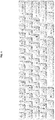
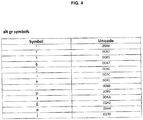
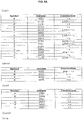
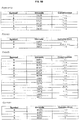
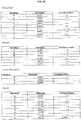
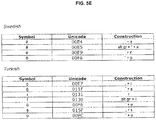
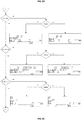
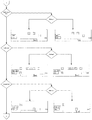
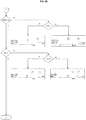
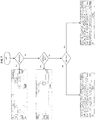
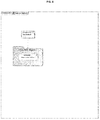
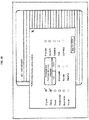
- FIGS. 1-7 See, attached FIGS. 1-7 .
Landscapes
- Engineering & Computer Science (AREA)
- Theoretical Computer Science (AREA)
- General Engineering & Computer Science (AREA)
- Physics & Mathematics (AREA)
- General Physics & Mathematics (AREA)
- Human Computer Interaction (AREA)
- Computational Linguistics (AREA)
- General Health & Medical Sciences (AREA)
- Health & Medical Sciences (AREA)
- Audiology, Speech & Language Pathology (AREA)
- Artificial Intelligence (AREA)
- Input From Keyboards Or The Like (AREA)
- User Interface Of Digital Computer (AREA)
- Auxiliary Devices For Music (AREA)
Claims (12)
- Procédé de génération d'une pluralité de caractères diacritique spécifiques à une langue pour une pluralité de langues à base latine ou des langues basées sur un ensemble de caractères romains en utilisant une configuration unique pour un dispositif d'entrée de caractères adaptable comprenant une touche majuscule inverse, dans lequel ladite pluralité de caractères diacritiques spécifiques à une langue est limitée à un ensemble desdits caractères diacritiques spécifiques à une langue caractéristiques d'une langue sélectionnée par un opérateur du dispositif d'entrée de caractères adaptable, le procédé comprenant :la surveillance du dispositif d'entrée de caractères pour une pluralité d'événements de sélection simultanée dans lequel les événements de sélection comprennent un premier événement de sélection, un deuxième événement de sélection et un troisième événement de sélection, dans lequel ledit premier événement de sélection est la sélection de la touche majuscule inverse ;la détermination si le premier événement de sélection, le deuxième événement de sélection et le troisième événement de sélection comprennent en combinaison un premier caractère diacritique spécifique à une langue, dans lequel la touche majuscule inverse est configurée pour inverser un caractère correspondant à un autre des événements de sélection simultanée, l'émission du premier caractère diacritique spécifique à une langue.
- Procédé selon la revendication 1, dans lequel la détermination si le premier événement de sélection, le deuxième événement de sélection et le troisième événement de sélection comprennent en combinaison un premier caractère diacritique spécifique à une langue comprend la comparaison du caractère résultant dudit premier événement de sélection, dudit deuxième événement de sélection et dudit troisième événement de sélection à une table de caractères diacritiques spécifiques à une langue.
- Procédé selon la revendication 1, dans lequel le dispositif d'entrée de caractères comprend un clavier comprenant en option une pluralité de touches qui sont marqués avec des caractères diacritiques disponibles, dans lequel en option les touches sont marquées de manière amovible d'une étiquette imprimée.
- Procédé selon la revendication 2, dans lequel ladite table de caractères diacritiques spécifiques à une langue comprend des données entrées par un utilisateur du procédé, et ces caractères sont affichés dans une boîte de dialogue.
- Programme informatique possédant des codes d'instruction exécutables qui, lorsqu'ils sont exécutés par un ordinateur, amènent l'ordinateur à exécuter un procédé selon l'une quelconque des revendications 1 à 4.
- Dispositif d'entrée de caractères adaptable comprenant une touche majuscule inverse destiné à générer une pluralité de caractères diacritiques spécifiques à une langue pour une pluralité de langues à base latine ou des langues basées sur un ensemble de caractères romains en utilisant une configuration unique, dans lequel ladite pluralité de caractères diacritiques spécifiques à une langue est limitée à un ensemble desdits caractères diacritiques spécifiques à une langue caractéristiques d'une langue sélectionnée par un opérateur du dispositif d'entrée de caractères adaptable, le dispositif d'entrée de caractères adaptable comprenant en outre :un moyen de surveillance du dispositif d'entrée de caractères pour une pluralité d'événements de sélection simultanée dans lequel les événements de sélection comprennent un premier événement de sélection, un deuxième événement de sélection et un troisième événement de sélection, dans lequel ledit premier événement de sélection est la sélection de la touche majuscule inverse ;un moyen de détermination si le premier événement de sélection, le deuxième événement de sélection et le troisième événement de sélection comprennent en combinaison un premier caractère diacritique spécifique à une langue, dans lequel la touche majuscule inverse est configurée pour inverser un caractère correspondant à un autre des événements de sélection simultanée, un moyen d'émission du premier caractère diacritique spécifique à une langue.
- Dispositif d'entrée de caractères adaptable selon la revendication 6, comprenant en outre un moyen d'émission d'un caractère diacritique si le premier événement de sélection, le deuxième événement de sélection et le troisième événement de sélection sont liés par une association logique prédéterminée sur le dispositif d'entrée de caractères.
- Dispositif d'entrée de caractères adaptable selon la revendication 6 ou 7, comprenant en outre un moyen d'association du premier événement de sélection et du deuxième événement de sélection à un caractère diacritique spécifique à une langue, qui est affiché dans une boîte de dialogue.
- Système d'adaptation d'un affichage de clavier à une langue d'entrée définissable, le système comprenant un dispositif d'entrée de caractères adaptable selon l'une quelconque des revendication 6 à 8 sous la forme d'un clavier adaptable ; une application logicielle, associée de manière opérationnelle au clavier adaptable ; et un système informatique permettant de recevoir des données provenant du clavier adaptable, pour traiter et présenter des données et faire fonctionner l'application, ladite application logicielle incluant : une interface d'utilisateur, permettant à des utilisateurs de sélectionner une langue pour la présentation du clavier ;
et un module de commande d'affichage permettant de commander la présentation des touches du clavier adaptable, en adaptant les caractères présentés par au moins certaines desdites touches pour représenter des caractères associés à ladite langue sélectionnée. - Système selon la revendication 9, dans lequel ladite application logicielle comprend en outre un module de langues permettant à l'utilisateur de définir une liste de langues à présenter et d'ajouter ou de supprimer des langues de la liste de langues.
- Système selon la revendication 10, dans lequel ledit module de langues permet en outre : la récupération de données de langue depuis au moins une source de données pour ajouter de nouvelles langues à la liste ; la définition de paramètres graphiques des caractères de chaque langue ; et le stockage desdits caractères et paramètres de langues dans au moins une base de données, et dans lequel ladite interface permet aux utilisateurs de sélectionner une langue à présenter parmi ladite liste de langues et ledit module de commande d'affichage permet de présenter des caractères de la langue sélectionnée en fonction des paramètres graphiques des caractères définis de la langue sélectionnée en récupérant des données depuis ladite base de données.
- Système selon la revendication 11, dans lequel lesdits paramètres graphiques incluent au moins l'une parmi : une police, une couleur, la mise en surbrillance et l'écriture en gras.
Applications Claiming Priority (3)
| Application Number | Priority Date | Filing Date | Title |
|---|---|---|---|
| US201261732195P | 2012-11-30 | 2012-11-30 | |
| US201361835417P | 2013-06-14 | 2013-06-14 | |
| PCT/US2013/072672 WO2014085822A2 (fr) | 2012-11-30 | 2013-12-02 | Clavier multilingue |
Publications (3)
| Publication Number | Publication Date |
|---|---|
| EP2926221A2 EP2926221A2 (fr) | 2015-10-07 |
| EP2926221A4 EP2926221A4 (fr) | 2016-08-17 |
| EP2926221B1 true EP2926221B1 (fr) | 2019-10-23 |
Family
ID=50828609
Family Applications (1)
| Application Number | Title | Priority Date | Filing Date |
|---|---|---|---|
| EP13859413.0A Active EP2926221B1 (fr) | 2012-11-30 | 2013-12-02 | Clavier multilingue |
Country Status (5)
| Country | Link |
|---|---|
| US (1) | US10078375B2 (fr) |
| EP (1) | EP2926221B1 (fr) |
| CA (1) | CA2931795C (fr) |
| ES (1) | ES2758699T3 (fr) |
| WO (1) | WO2014085822A2 (fr) |
Families Citing this family (5)
| Publication number | Priority date | Publication date | Assignee | Title |
|---|---|---|---|---|
| US10747427B2 (en) * | 2017-02-01 | 2020-08-18 | Google Llc | Keyboard automatic language identification and reconfiguration |
| US10963067B2 (en) * | 2019-02-25 | 2021-03-30 | Microsoft Technology Licensing, Llc | Multilayout keyboard |
| GB2595202B (en) * | 2020-02-25 | 2023-02-15 | Global Resale Llc | Replacing keyboard characters |
| CN116578193A (zh) * | 2023-03-27 | 2023-08-11 | 可之(宁波)人工智能科技有限公司 | 一种移动端自适应答案输入方法 |
| US12360611B2 (en) * | 2023-10-17 | 2025-07-15 | Dell Products L.P. | Information handling system keyboard lighting and language by key lattice coupling |
Family Cites Families (12)
| Publication number | Priority date | Publication date | Assignee | Title |
|---|---|---|---|---|
| US3945482A (en) * | 1973-12-14 | 1976-03-23 | Harvey Einbinder | Orthogonal input keyboards |
| GB1545406A (en) | 1977-12-16 | 1979-05-10 | Ibm | Keyboard apparatus |
| JP3578533B2 (ja) | 1995-11-13 | 2004-10-20 | 株式会社リコー | 画像表示制御装置 |
| US5802482A (en) * | 1996-04-26 | 1998-09-01 | Silicon Graphics, Inc. | System and method for processing graphic language characters |
| EP1103949A4 (fr) | 1999-04-20 | 2005-06-22 | Mitsubishi Electric Corp | Dispositif et procede d'affichage de caracteres |
| US6340937B1 (en) | 1999-12-09 | 2002-01-22 | Matej Stepita-Klauco | System and method for mapping multiple identical consecutive keystrokes to replacement characters |
| US7414616B2 (en) * | 2002-01-03 | 2008-08-19 | Mahesh Jayachandra | User-friendly Brahmi-derived Hindi keyboard |
| US7595742B2 (en) * | 2004-10-29 | 2009-09-29 | Lenovo (Singapore) Pte. Ltd. | System and method for generating language specific diacritics for different languages using a single keyboard layout |
| AU2004100974B4 (en) | 2004-11-27 | 2005-05-12 | Attard, Tracy Lee Mary Miss | Alpha letters - keyboard stickers |
| CN101882005B (zh) * | 2008-11-21 | 2013-10-16 | 杭州惠道科技有限公司 | 一种小尺寸电子设备键盘 |
| US8228211B2 (en) | 2009-09-11 | 2012-07-24 | Gabay Ran Yehoshua | Adaptable keyboard system |
| JP2013520878A (ja) * | 2010-02-18 | 2013-06-06 | スレイマン アルカジ, | 構成可能多言語キーボード |
-
2013
- 2013-12-02 EP EP13859413.0A patent/EP2926221B1/fr active Active
- 2013-12-02 ES ES13859413T patent/ES2758699T3/es active Active
- 2013-12-02 US US14/648,601 patent/US10078375B2/en active Active
- 2013-12-02 CA CA2931795A patent/CA2931795C/fr active Active
- 2013-12-02 WO PCT/US2013/072672 patent/WO2014085822A2/fr not_active Ceased
Non-Patent Citations (1)
| Title |
|---|
| None * |
Also Published As
| Publication number | Publication date |
|---|---|
| WO2014085822A3 (fr) | 2014-07-24 |
| US10078375B2 (en) | 2018-09-18 |
| EP2926221A2 (fr) | 2015-10-07 |
| HK1215976A1 (en) | 2016-09-30 |
| US20150309591A1 (en) | 2015-10-29 |
| ES2758699T3 (es) | 2020-05-06 |
| WO2014085822A2 (fr) | 2014-06-05 |
| CA2931795C (fr) | 2021-09-07 |
| CA2931795A1 (fr) | 2015-06-05 |
| EP2926221A4 (fr) | 2016-08-17 |
Similar Documents
| Publication | Publication Date | Title |
|---|---|---|
| US8381119B2 (en) | Input device for pictographic languages | |
| KR101441200B1 (ko) | 유동형 자판을 제공하는 단말기 및 그의 유동형 자판 표시 방법 | |
| US20140143703A1 (en) | Configurable multilingual keyboard | |
| US20120326988A1 (en) | Multilingual key input apparatus and method thereof | |
| EP2926221B1 (fr) | Clavier multilingue | |
| US9298277B1 (en) | Method for typing Arabic letters and associated diacritics | |
| JP2004523034A (ja) | 文字生成システム | |
| US8228211B2 (en) | Adaptable keyboard system | |
| US20120127000A1 (en) | Reconfigurable keyboard having electronically re-writable keys | |
| EP2234007A1 (fr) | Dispositif d'interface utilisateur d'ordinateur et procédé d'affichage | |
| EP1688827B9 (fr) | Procédé d'entrée de positionnement universel selon les axes X et Y | |
| HK1215976B (en) | Multilingual keyboard | |
| CN107003729A (zh) | 汉字输入方法及装置 | |
| US9563355B2 (en) | Method and system of data entry on a virtual interface | |
| TWI793232B (zh) | 具有多語言支援的觸控螢幕使用者介面 | |
| KR102138434B1 (ko) | 문자 입력 방법 | |
| JP2018036684A (ja) | コンテンツ表示装置および制御方法 | |
| KR101404364B1 (ko) | 유동형 자판을 구비한 임베디드 시스템 및 그 방법 | |
| KR20240134269A (ko) | 숫자 또는 도메인 입력을 쉽게 하는 키보드 | |
| KR20170112838A (ko) | 한글 복모음이 완성형으로 배정된 키보드 | |
| KR20140142654A (ko) | 유동형 자판을 구비한 임베디드 시스템 및 그 방법 | |
| HK40002103B (zh) | 字符输入装置 | |
| KR20170114290A (ko) | 한글 복모음이 완성형으로 배정된 키보드 | |
| KR20140074872A (ko) | 유동형 자판을 제공하는 단말기 및 그의 유동형 자판 표시 방법 | |
| HK1182240B (en) | Multilingual key input apparatus and method thereof |
Legal Events
| Date | Code | Title | Description |
|---|---|---|---|
| PUAI | Public reference made under article 153(3) epc to a published international application that has entered the european phase |
Free format text: ORIGINAL CODE: 0009012 |
|
| 17P | Request for examination filed |
Effective date: 20150629 |
|
| AK | Designated contracting states |
Kind code of ref document: A2 Designated state(s): AL AT BE BG CH CY CZ DE DK EE ES FI FR GB GR HR HU IE IS IT LI LT LU LV MC MK MT NL NO PL PT RO RS SE SI SK SM TR |
|
| AX | Request for extension of the european patent |
Extension state: BA ME |
|
| DAX | Request for extension of the european patent (deleted) | ||
| A4 | Supplementary search report drawn up and despatched |
Effective date: 20160718 |
|
| RIC1 | Information provided on ipc code assigned before grant |
Ipc: G06F 3/0488 20130101ALI20160712BHEP Ipc: G06F 3/01 20060101ALI20160712BHEP Ipc: G06F 3/023 20060101AFI20160712BHEP Ipc: G06F 17/27 20060101ALI20160712BHEP |
|
| REG | Reference to a national code |
Ref country code: HK Ref legal event code: DE Ref document number: 1215976 Country of ref document: HK |
|
| STAA | Information on the status of an ep patent application or granted ep patent |
Free format text: STATUS: EXAMINATION IS IN PROGRESS |
|
| 17Q | First examination report despatched |
Effective date: 20180508 |
|
| GRAP | Despatch of communication of intention to grant a patent |
Free format text: ORIGINAL CODE: EPIDOSNIGR1 |
|
| STAA | Information on the status of an ep patent application or granted ep patent |
Free format text: STATUS: GRANT OF PATENT IS INTENDED |
|
| INTG | Intention to grant announced |
Effective date: 20190403 |
|
| GRAS | Grant fee paid |
Free format text: ORIGINAL CODE: EPIDOSNIGR3 |
|
| GRAJ | Information related to disapproval of communication of intention to grant by the applicant or resumption of examination proceedings by the epo deleted |
Free format text: ORIGINAL CODE: EPIDOSDIGR1 |
|
| GRAL | Information related to payment of fee for publishing/printing deleted |
Free format text: ORIGINAL CODE: EPIDOSDIGR3 |
|
| STAA | Information on the status of an ep patent application or granted ep patent |
Free format text: STATUS: EXAMINATION IS IN PROGRESS |
|
| INTC | Intention to grant announced (deleted) | ||
| RAP1 | Party data changed (applicant data changed or rights of an application transferred) |
Owner name: POLYGLOTTE INC. |
|
| RIN1 | Information on inventor provided before grant (corrected) |
Inventor name: SEMECO, MARIA DANIELA |
|
| GRAR | Information related to intention to grant a patent recorded |
Free format text: ORIGINAL CODE: EPIDOSNIGR71 |
|
| STAA | Information on the status of an ep patent application or granted ep patent |
Free format text: STATUS: GRANT OF PATENT IS INTENDED |
|
| GRAA | (expected) grant |
Free format text: ORIGINAL CODE: 0009210 |
|
| STAA | Information on the status of an ep patent application or granted ep patent |
Free format text: STATUS: THE PATENT HAS BEEN GRANTED |
|
| INTG | Intention to grant announced |
Effective date: 20190911 |
|
| AK | Designated contracting states |
Kind code of ref document: B1 Designated state(s): AL AT BE BG CH CY CZ DE DK EE ES FI FR GB GR HR HU IE IS IT LI LT LU LV MC MK MT NL NO PL PT RO RS SE SI SK SM TR |
|
| REG | Reference to a national code |
Ref country code: GB Ref legal event code: FG4D |
|
| REG | Reference to a national code |
Ref country code: CH Ref legal event code: EP |
|
| REG | Reference to a national code |
Ref country code: IE Ref legal event code: FG4D |
|
| REG | Reference to a national code |
Ref country code: DE Ref legal event code: R096 Ref document number: 602013062112 Country of ref document: DE |
|
| REG | Reference to a national code |
Ref country code: CH Ref legal event code: NV Representative=s name: TR-IP CONSULTING LLC, CH Ref country code: AT Ref legal event code: REF Ref document number: 1194397 Country of ref document: AT Kind code of ref document: T Effective date: 20191115 |
|
| REG | Reference to a national code |
Ref country code: CH Ref legal event code: PCAR Free format text: NEW ADDRESS: ROUTE DU COUTSET 18, 1485 NUVILLY (CH) |
|
| REG | Reference to a national code |
Ref country code: NL Ref legal event code: MP Effective date: 20191023 |
|
| REG | Reference to a national code |
Ref country code: LT Ref legal event code: MG4D |
|
| PG25 | Lapsed in a contracting state [announced via postgrant information from national office to epo] |
Ref country code: NL Free format text: LAPSE BECAUSE OF FAILURE TO SUBMIT A TRANSLATION OF THE DESCRIPTION OR TO PAY THE FEE WITHIN THE PRESCRIBED TIME-LIMIT Effective date: 20191023 Ref country code: GR Free format text: LAPSE BECAUSE OF FAILURE TO SUBMIT A TRANSLATION OF THE DESCRIPTION OR TO PAY THE FEE WITHIN THE PRESCRIBED TIME-LIMIT Effective date: 20200124 Ref country code: LT Free format text: LAPSE BECAUSE OF FAILURE TO SUBMIT A TRANSLATION OF THE DESCRIPTION OR TO PAY THE FEE WITHIN THE PRESCRIBED TIME-LIMIT Effective date: 20191023 Ref country code: NO Free format text: LAPSE BECAUSE OF FAILURE TO SUBMIT A TRANSLATION OF THE DESCRIPTION OR TO PAY THE FEE WITHIN THE PRESCRIBED TIME-LIMIT Effective date: 20200123 Ref country code: BG Free format text: LAPSE BECAUSE OF FAILURE TO SUBMIT A TRANSLATION OF THE DESCRIPTION OR TO PAY THE FEE WITHIN THE PRESCRIBED TIME-LIMIT Effective date: 20200123 Ref country code: FI Free format text: LAPSE BECAUSE OF FAILURE TO SUBMIT A TRANSLATION OF THE DESCRIPTION OR TO PAY THE FEE WITHIN THE PRESCRIBED TIME-LIMIT Effective date: 20191023 Ref country code: PL Free format text: LAPSE BECAUSE OF FAILURE TO SUBMIT A TRANSLATION OF THE DESCRIPTION OR TO PAY THE FEE WITHIN THE PRESCRIBED TIME-LIMIT Effective date: 20191023 Ref country code: LV Free format text: LAPSE BECAUSE OF FAILURE TO SUBMIT A TRANSLATION OF THE DESCRIPTION OR TO PAY THE FEE WITHIN THE PRESCRIBED TIME-LIMIT Effective date: 20191023 Ref country code: PT Free format text: LAPSE BECAUSE OF FAILURE TO SUBMIT A TRANSLATION OF THE DESCRIPTION OR TO PAY THE FEE WITHIN THE PRESCRIBED TIME-LIMIT Effective date: 20200224 Ref country code: SE Free format text: LAPSE BECAUSE OF FAILURE TO SUBMIT A TRANSLATION OF THE DESCRIPTION OR TO PAY THE FEE WITHIN THE PRESCRIBED TIME-LIMIT Effective date: 20191023 |
|
| REG | Reference to a national code |
Ref country code: ES Ref legal event code: FG2A Ref document number: 2758699 Country of ref document: ES Kind code of ref document: T3 Effective date: 20200506 |
|
| PG25 | Lapsed in a contracting state [announced via postgrant information from national office to epo] |
Ref country code: IS Free format text: LAPSE BECAUSE OF FAILURE TO SUBMIT A TRANSLATION OF THE DESCRIPTION OR TO PAY THE FEE WITHIN THE PRESCRIBED TIME-LIMIT Effective date: 20200224 Ref country code: RS Free format text: LAPSE BECAUSE OF FAILURE TO SUBMIT A TRANSLATION OF THE DESCRIPTION OR TO PAY THE FEE WITHIN THE PRESCRIBED TIME-LIMIT Effective date: 20191023 Ref country code: HR Free format text: LAPSE BECAUSE OF FAILURE TO SUBMIT A TRANSLATION OF THE DESCRIPTION OR TO PAY THE FEE WITHIN THE PRESCRIBED TIME-LIMIT Effective date: 20191023 |
|
| PG25 | Lapsed in a contracting state [announced via postgrant information from national office to epo] |
Ref country code: AL Free format text: LAPSE BECAUSE OF FAILURE TO SUBMIT A TRANSLATION OF THE DESCRIPTION OR TO PAY THE FEE WITHIN THE PRESCRIBED TIME-LIMIT Effective date: 20191023 |
|
| REG | Reference to a national code |
Ref country code: DE Ref legal event code: R097 Ref document number: 602013062112 Country of ref document: DE |
|
| PG2D | Information on lapse in contracting state deleted |
Ref country code: IS |
|
| PG25 | Lapsed in a contracting state [announced via postgrant information from national office to epo] |
Ref country code: DK Free format text: LAPSE BECAUSE OF FAILURE TO SUBMIT A TRANSLATION OF THE DESCRIPTION OR TO PAY THE FEE WITHIN THE PRESCRIBED TIME-LIMIT Effective date: 20191023 Ref country code: CZ Free format text: LAPSE BECAUSE OF FAILURE TO SUBMIT A TRANSLATION OF THE DESCRIPTION OR TO PAY THE FEE WITHIN THE PRESCRIBED TIME-LIMIT Effective date: 20191023 Ref country code: RO Free format text: LAPSE BECAUSE OF FAILURE TO SUBMIT A TRANSLATION OF THE DESCRIPTION OR TO PAY THE FEE WITHIN THE PRESCRIBED TIME-LIMIT Effective date: 20191023 Ref country code: EE Free format text: LAPSE BECAUSE OF FAILURE TO SUBMIT A TRANSLATION OF THE DESCRIPTION OR TO PAY THE FEE WITHIN THE PRESCRIBED TIME-LIMIT Effective date: 20191023 Ref country code: IS Free format text: LAPSE BECAUSE OF FAILURE TO SUBMIT A TRANSLATION OF THE DESCRIPTION OR TO PAY THE FEE WITHIN THE PRESCRIBED TIME-LIMIT Effective date: 20200223 |
|
| REG | Reference to a national code |
Ref country code: AT Ref legal event code: MK05 Ref document number: 1194397 Country of ref document: AT Kind code of ref document: T Effective date: 20191023 |
|
| PLBE | No opposition filed within time limit |
Free format text: ORIGINAL CODE: 0009261 |
|
| STAA | Information on the status of an ep patent application or granted ep patent |
Free format text: STATUS: NO OPPOSITION FILED WITHIN TIME LIMIT |
|
| PG25 | Lapsed in a contracting state [announced via postgrant information from national office to epo] |
Ref country code: SM Free format text: LAPSE BECAUSE OF FAILURE TO SUBMIT A TRANSLATION OF THE DESCRIPTION OR TO PAY THE FEE WITHIN THE PRESCRIBED TIME-LIMIT Effective date: 20191023 Ref country code: SK Free format text: LAPSE BECAUSE OF FAILURE TO SUBMIT A TRANSLATION OF THE DESCRIPTION OR TO PAY THE FEE WITHIN THE PRESCRIBED TIME-LIMIT Effective date: 20191023 Ref country code: MC Free format text: LAPSE BECAUSE OF FAILURE TO SUBMIT A TRANSLATION OF THE DESCRIPTION OR TO PAY THE FEE WITHIN THE PRESCRIBED TIME-LIMIT Effective date: 20191023 |
|
| 26N | No opposition filed |
Effective date: 20200724 |
|
| PG25 | Lapsed in a contracting state [announced via postgrant information from national office to epo] |
Ref country code: IE Free format text: LAPSE BECAUSE OF NON-PAYMENT OF DUE FEES Effective date: 20191202 Ref country code: LU Free format text: LAPSE BECAUSE OF NON-PAYMENT OF DUE FEES Effective date: 20191202 |
|
| PG25 | Lapsed in a contracting state [announced via postgrant information from national office to epo] |
Ref country code: SI Free format text: LAPSE BECAUSE OF FAILURE TO SUBMIT A TRANSLATION OF THE DESCRIPTION OR TO PAY THE FEE WITHIN THE PRESCRIBED TIME-LIMIT Effective date: 20191023 Ref country code: AT Free format text: LAPSE BECAUSE OF FAILURE TO SUBMIT A TRANSLATION OF THE DESCRIPTION OR TO PAY THE FEE WITHIN THE PRESCRIBED TIME-LIMIT Effective date: 20191023 |
|
| PG25 | Lapsed in a contracting state [announced via postgrant information from national office to epo] |
Ref country code: CY Free format text: LAPSE BECAUSE OF FAILURE TO SUBMIT A TRANSLATION OF THE DESCRIPTION OR TO PAY THE FEE WITHIN THE PRESCRIBED TIME-LIMIT Effective date: 20191023 |
|
| PG25 | Lapsed in a contracting state [announced via postgrant information from national office to epo] |
Ref country code: MT Free format text: LAPSE BECAUSE OF FAILURE TO SUBMIT A TRANSLATION OF THE DESCRIPTION OR TO PAY THE FEE WITHIN THE PRESCRIBED TIME-LIMIT Effective date: 20191023 Ref country code: HU Free format text: LAPSE BECAUSE OF FAILURE TO SUBMIT A TRANSLATION OF THE DESCRIPTION OR TO PAY THE FEE WITHIN THE PRESCRIBED TIME-LIMIT; INVALID AB INITIO Effective date: 20131202 |
|
| PG25 | Lapsed in a contracting state [announced via postgrant information from national office to epo] |
Ref country code: TR Free format text: LAPSE BECAUSE OF FAILURE TO SUBMIT A TRANSLATION OF THE DESCRIPTION OR TO PAY THE FEE WITHIN THE PRESCRIBED TIME-LIMIT Effective date: 20191023 |
|
| PG25 | Lapsed in a contracting state [announced via postgrant information from national office to epo] |
Ref country code: MK Free format text: LAPSE BECAUSE OF FAILURE TO SUBMIT A TRANSLATION OF THE DESCRIPTION OR TO PAY THE FEE WITHIN THE PRESCRIBED TIME-LIMIT Effective date: 20191023 |
|
| PGFP | Annual fee paid to national office [announced via postgrant information from national office to epo] |
Ref country code: IT Payment date: 20221129 Year of fee payment: 10 Ref country code: GB Payment date: 20221117 Year of fee payment: 10 Ref country code: FR Payment date: 20221122 Year of fee payment: 10 Ref country code: DE Payment date: 20221123 Year of fee payment: 10 |
|
| PGFP | Annual fee paid to national office [announced via postgrant information from national office to epo] |
Ref country code: BE Payment date: 20221129 Year of fee payment: 10 |
|
| PGFP | Annual fee paid to national office [announced via postgrant information from national office to epo] |
Ref country code: ES Payment date: 20230113 Year of fee payment: 10 Ref country code: CH Payment date: 20230101 Year of fee payment: 10 |
|
| P01 | Opt-out of the competence of the unified patent court (upc) registered |
Effective date: 20230502 |
|
| REG | Reference to a national code |
Ref country code: DE Ref legal event code: R119 Ref document number: 602013062112 Country of ref document: DE |
|
| REG | Reference to a national code |
Ref country code: CH Ref legal event code: PL |
|
| GBPC | Gb: european patent ceased through non-payment of renewal fee |
Effective date: 20231202 |
|
| REG | Reference to a national code |
Ref country code: BE Ref legal event code: MM Effective date: 20231231 |
|
| PG25 | Lapsed in a contracting state [announced via postgrant information from national office to epo] |
Ref country code: DE Free format text: LAPSE BECAUSE OF NON-PAYMENT OF DUE FEES Effective date: 20240702 |
|
| PG25 | Lapsed in a contracting state [announced via postgrant information from national office to epo] |
Ref country code: GB Free format text: LAPSE BECAUSE OF NON-PAYMENT OF DUE FEES Effective date: 20231202 |
|
| PG25 | Lapsed in a contracting state [announced via postgrant information from national office to epo] |
Ref country code: BE Free format text: LAPSE BECAUSE OF NON-PAYMENT OF DUE FEES Effective date: 20231231 |
|
| PG25 | Lapsed in a contracting state [announced via postgrant information from national office to epo] |
Ref country code: FR Free format text: LAPSE BECAUSE OF NON-PAYMENT OF DUE FEES Effective date: 20231231 |
|
| PG25 | Lapsed in a contracting state [announced via postgrant information from national office to epo] |
Ref country code: CH Free format text: LAPSE BECAUSE OF NON-PAYMENT OF DUE FEES Effective date: 20231231 |
|
| PG25 | Lapsed in a contracting state [announced via postgrant information from national office to epo] |
Ref country code: GB Free format text: LAPSE BECAUSE OF NON-PAYMENT OF DUE FEES Effective date: 20231202 Ref country code: FR Free format text: LAPSE BECAUSE OF NON-PAYMENT OF DUE FEES Effective date: 20231231 Ref country code: DE Free format text: LAPSE BECAUSE OF NON-PAYMENT OF DUE FEES Effective date: 20240702 Ref country code: CH Free format text: LAPSE BECAUSE OF NON-PAYMENT OF DUE FEES Effective date: 20231231 Ref country code: BE Free format text: LAPSE BECAUSE OF NON-PAYMENT OF DUE FEES Effective date: 20231231 |
|
| REG | Reference to a national code |
Ref country code: ES Ref legal event code: FD2A Effective date: 20250124 |
|
| PG25 | Lapsed in a contracting state [announced via postgrant information from national office to epo] |
Ref country code: ES Free format text: LAPSE BECAUSE OF NON-PAYMENT OF DUE FEES Effective date: 20231203 |
|
| PG25 | Lapsed in a contracting state [announced via postgrant information from national office to epo] |
Ref country code: IT Free format text: LAPSE BECAUSE OF NON-PAYMENT OF DUE FEES Effective date: 20231202 |