EP2926831A1 - CD8+-T-Zellen-Epitope aus Polyomavirus-Hüllprotein VP1 zur Impfung - Google Patents
CD8+-T-Zellen-Epitope aus Polyomavirus-Hüllprotein VP1 zur Impfung Download PDFInfo
- Publication number
- EP2926831A1 EP2926831A1 EP14162790.1A EP14162790A EP2926831A1 EP 2926831 A1 EP2926831 A1 EP 2926831A1 EP 14162790 A EP14162790 A EP 14162790A EP 2926831 A1 EP2926831 A1 EP 2926831A1
- Authority
- EP
- European Patent Office
- Prior art keywords
- seq
- epitope
- compound
- peptide
- virus
- Prior art date
- Legal status (The legal status is an assumption and is not a legal conclusion. Google has not performed a legal analysis and makes no representation as to the accuracy of the status listed.)
- Withdrawn
Links
Images


Classifications
-
- A—HUMAN NECESSITIES
- A61—MEDICAL OR VETERINARY SCIENCE; HYGIENE
- A61K—PREPARATIONS FOR MEDICAL, DENTAL OR TOILETRY PURPOSES
- A61K39/00—Medicinal preparations containing antigens or antibodies
- A61K39/12—Viral antigens
-
- A—HUMAN NECESSITIES
- A61—MEDICAL OR VETERINARY SCIENCE; HYGIENE
- A61K—PREPARATIONS FOR MEDICAL, DENTAL OR TOILETRY PURPOSES
- A61K39/00—Medicinal preparations containing antigens or antibodies
- A61K2039/57—Medicinal preparations containing antigens or antibodies characterised by the type of response, e.g. Th1, Th2
- A61K2039/572—Medicinal preparations containing antigens or antibodies characterised by the type of response, e.g. Th1, Th2 cytotoxic response
-
- C—CHEMISTRY; METALLURGY
- C12—BIOCHEMISTRY; BEER; SPIRITS; WINE; VINEGAR; MICROBIOLOGY; ENZYMOLOGY; MUTATION OR GENETIC ENGINEERING
- C12N—MICROORGANISMS OR ENZYMES; COMPOSITIONS THEREOF; PROPAGATING, PRESERVING, OR MAINTAINING MICROORGANISMS; MUTATION OR GENETIC ENGINEERING; CULTURE MEDIA
- C12N2710/00—MICROORGANISMS OR ENZYMES; COMPOSITIONS THEREOF; PROPAGATING, PRESERVING, OR MAINTAINING MICROORGANISMS; MUTATION OR GENETIC ENGINEERING; CULTURE MEDIA dsDNA viruses
- C12N2710/00011—Details
- C12N2710/22011—Polyomaviridae, e.g. polyoma, SV40, JC
- C12N2710/22034—Use of virus or viral component as vaccine, e.g. live-attenuated or inactivated virus, VLP, viral protein
-
- Y—GENERAL TAGGING OF NEW TECHNOLOGICAL DEVELOPMENTS; GENERAL TAGGING OF CROSS-SECTIONAL TECHNOLOGIES SPANNING OVER SEVERAL SECTIONS OF THE IPC; TECHNICAL SUBJECTS COVERED BY FORMER USPC CROSS-REFERENCE ART COLLECTIONS [XRACs] AND DIGESTS
- Y02—TECHNOLOGIES OR APPLICATIONS FOR MITIGATION OR ADAPTATION AGAINST CLIMATE CHANGE
- Y02A—TECHNOLOGIES FOR ADAPTATION TO CLIMATE CHANGE
- Y02A50/00—TECHNOLOGIES FOR ADAPTATION TO CLIMATE CHANGE in human health protection, e.g. against extreme weather
- Y02A50/30—Against vector-borne diseases, e.g. mosquito-borne, fly-borne, tick-borne or waterborne diseases whose impact is exacerbated by climate change
Definitions
- the present invention relates to vaccines comprising at least one compound which comprises at least one antigenic determinant or epitope of polyomavirus capsid protein (VP1), wherein the antigenic determinant or epitope is a CD8+ T cell epitope, preferably HLA-A2-restricted or HLA-B7-restricted.
- the present invention furthermore relates to nucleic acids encoding the compound(s) and the use of the vaccines and nucleic acids for the prevention and/or treatment of an infection or reactivation with polyoma virus(es), such as in case of immunosuppression.
- the present invention furthermore relates to methods for the prevention and/or treatment of an infection or reactivation with polyoma viruses, comprising the step of administering a vaccine, nucleic acid or compound of the invention to a subject in need thereof.
- the human immune system is finely balanced to maintain the equilibrium between protection from pathogens and tolerance to self-antigens. There are several factors that can disturb this equilibrium and hence lower the efficiency of immune responses. For example, a state of immunosuppression, that leads to the reactivation of various latent viral or bacterial pathogens, which are otherwise controlled by the efficient immune system. Immunosuppression can be caused by malnutrition, ageing or infection and can also be induced by immunosuppressive agents.
- immunosuppression is used in the clinical setting to prevent the host from rejecting a transplant or for the treatment of autoimmune diseases.
- Immunosuppression is induced mainly by drugs or radiation.
- opportunistic infections occur due to the reactivation of latent viruses in the patients or from the donor organs. Viral reactivation is one of the major causes of mortality and morbidity in most of the transplanted patients.
- the most common opportunistic viral pathogen which is reactivated in a transplantation setting is CMV.
- Other viral pathogens like EBV, adenovirus, herpes simplex virus (HSV), BKV, and JCV are also reported in a significant number of cases.
- HIV related immunosuppression is characterized by a progressive depletion of CD4 + helper T cells. This state of immunosuppression is also a major cause for the reactivation of many latent viruses like CMV, EBV and JCV (Stoner et al., 1998; Bienaime et al., 2006).
- JCV was isolated from brain tissue of a patient with the initials "JC” who suffered from PML (Padgett et al., 1971), and BKV grew in cell cultures after inoculation with the urine from a renal transplant recipient with the initials "BK” (Sweet and Hilleman 1960). Eight additional human polyomaviruses have been identified since 2007.
- the asymptomatic primary contact with polyomaviruses occurs during childhood or early adulthood resulting in a lifelong persistence in immunocompetent individuals, leading to more than 80% seroprevalence in the adult population worldwide.
- Initial infections of host cells are facilitated by the interactions of BKV and JCV with negatively charged sialic acid containing receptors.
- the JC virus also uses the serotonin receptor (5HT 2A R) to infect glial cells.
- human polyomaviruses persist in the urinary tract, B lymphocytes and the brain (Chesters et al., 1983).
- PML multifocal leucoencephalopathy
- PML was considered as a rare opportunistic infection, but after the discovery of HIV, 80% of PML cases were contributed by HIV patients.
- tissue demyelination occurs due to the lytic activity of JCV in oligodendrocytes, which leads to the impairment of brain function and eventually to death.
- highly active antiretroviral therapy (HAART) in HIV patients has significantly improved the survival rate of PML patients (De Luca et al., 2008). Nevertheless, the mortality associated with PML still approaches >50% within the first year.
- immunomodulatory drugs like fludarabine, methotrexate, cyclophosphamide and monoclonal antibodies like natalizumab (in multiple sclerosis and Crohn's disease), rituximab (in MS, non-HL, RA, SLE, MG diseases) etc. are responsible for inhibiting the biological function of immune cells.
- natalizumab in multiple sclerosis and Crohn's disease
- rituximab in MS, non-HL, RA, SLE, MG diseases
- US 6,238,859 discloses virus-like particles composed of the VP1 protein of the JC virus, in particular non-infectious virus-like particles comprising several molecules of the virus protein VP1 of the JC virus as the only JCV component in the virus like particle.
- US 7,803,761 and US 8,158,576 describe viral capsid proteins, as a medicament for the treatment of disorders associated with inactivation of cellular proteins involved with quality control processes, particularly, chaperones, or the treatment of ARF (acute renal failure). More particularly, these patents relate to the medical use of the viral capsid proteins VP1, VP2 and VP3, in particular SV40 VP1 or a variant of SV40 VP1.
- US 2009/0062237 relates to methods and materials for evaluating immune competence in a subject to BK virus (BKV). This application describes a multitude of peptides derived from BKV.
- a vaccine comprising at least one compound, said at least one compound comprising at least one antigenic determinant or epitope of polyomavirus capsid protein (VP1), wherein said at least one VP1 antigenic determinant or epitope is selected from IGVTSLMNV SEQ ID NO. 1, IGITSMLNL SEQ ID NO. 2, IGVTSLMNVHSNGQA SEQ ID NO. 3, IGITSMLNLHAGSQK SEQ ID NO. 4, KTEVIGVTSLMNVHS SEQ ID NO. 5, KTEVIGITSMLNLHA SEQ ID NO. 6, KRRVKNPYPISFLLT SEQ ID NO. 7, KRSVKNPYPISFLLS SEQ ID NO. 8, KNPYPISFLLTDLIN SEQ ID NO. 9, KNPYPISFLLSDLIN SEQ ID NO. 10, VARIPLPNL SEQ ID NO. 11, TARIPLPNL SEQ ID NO. 12, and KNPYPISFL SEQ ID NO. 13.
- VP1 antigenic determinant or epitope is selected from
- this object is solved by providing a nucleic acid molecule coding for at least one peptide as defined herein or a plasmid comprising at least one such nucleic acid molecule.
- nucleic acid according to the present invention or the vaccine according to the present invention for use in medicine.
- this object is solved by providing the nucleic acid according to the present invention for use as a vaccine.
- this object is solved by providing the vaccine according to the present invention or the nucleic acid according to the present invention for use for the prevention and/or treatment of an infection or reactivation with polyoma virus(es).
- this object is solved by providing a compound comprising at least one antigenic determinant or epitope of polyomavirus capsid protein (VP1), wherein said at least one VP1 antigenic determinant or epitope is selected from IGVTSLMNV SEQ ID NO. 1, IGITSMLNL SEQ ID NO. 2, IGVTSLMNVHSNGQA SEQ ID NO. 3, IGITSMLNLHAGSQK SEQ ID NO. 4, KTEVIGVTSLMNVHS SEQ ID NO. 5, KTEVIGITSMLNLHA SEQ ID NO. 6, KRRVKNPYPISFLLT SEQ ID NO. 7, KRSVKNPYPISFLLS SEQ ID NO. 8, KNPYPISFLLTDLIN SEQ ID NO.
- VP1 antigenic determinant or epitope is selected from IGVTSLMNV SEQ ID NO. 1, IGITSMLNL SEQ ID NO. 2, IGVTSLMNVHSNGQA SEQ ID NO. 3, IGITSMLNLHAGSQK SEQ ID NO. 4, KTEVIGV
- KNPYPISFLLSDLIN SEQ ID NO. 10 KNPYPISFLLSDLIN SEQ ID NO. 10
- VARIPLPNL SEQ ID NO. 11 TARIPLPNL SEQ ID NO. 12
- KNPYPISFL SEQ ID NO. 13 for use for the prevention and/or treatment of an infection or reactivation with polyoma virus(es).
- this object is solved by a method for the prevention and/or treatment of an infection or reactivation with polyoma viruses, comprising the step of administering a vaccine according to the present invention, a nucleic acid according to the present invention or a compound according to the present invention to a subject in need thereof.
- this object is solved by providing a compound comprising at least one antigenic determinant or epitope of polyomavirus capsid protein (VP1), wherein said at least one VP1 antigenic determinant or epitope is selected from IGVTSLMNV SEQ ID NO. 1, IGITSMLNL SEQ ID NO. 2, IGVTSLMNVHSNGQA SEQ ID NO. 3, IGITSMLNLHAGSQK SEQ ID NO. 4, KTEVIGVTSLMNVHS SEQ ID NO. 5, KTEVIGITSMLNLHA SEQ ID NO. 6, KRRVKNPYPISFLLT SEQ ID NO. 7, KRSVKNPYPISFLLS SEQ ID NO. 8, KNPYPISFLLTDLIN SEQ ID NO. 9, KNPYPISFLLSDLIN SEQ ID NO. 10, VARIPLPNL SEQ ID NO. 11, and TARIPLPNL SEQ ID NO. 12.
- VP1 antigenic determinant or epitope is selected from IGVTSLMNV SEQ ID NO. 1, IGITSMLNL SEQ
- the present invention provides a vaccine comprising at least one compound.
- Said at least one compound of the invention comprises at least one antigenic determinant or epitope of polyomavirus capsid protein (VP1), wherein said at least one VP1 antigenic determinant or epitope is selected from p113 IGVTSLMNV SEQ ID NO. 1, IGITSMLNL SEQ ID NO. 2, OP29 IGVTSLMNVHSNGQA SEQ ID NO. 3, IGITSMLNLHAGSQK SEQ ID NO. 4, OP28 KTEVIGVTSLMNVHS SEQ ID NO. 5, KTEVIGITSMLNLHA SEQ ID NO. 6, OP72 KRRVKNPYPISFLLT SEQ ID NO. 7, KRSVKNPYPISFLLS SEQ ID NO.
- VP1 antigenic determinant or epitope is selected from p113 IGVTSLMNV SEQ ID NO. 1, IGITSMLNL SEQ ID NO. 2, OP29 IGVTSLMNVHSNGQA SEQ ID NO. 3, IGITSMLNLHAGSQK SEQ ID NO. 4,
- the vaccines of the invention are preferably peptide-based vaccines.
- the antigenic determinant or epitope is a CD8 + T cell epitope, preferably HLA-A2-restricted or HLA-B7-restricted.
- TCE T cell epitope
- a "T cell epitope” is a peptide sequence which is derived from an antigen, binds to HLA molecule and can elicit an immunogenic T cell response.
- a CD8 + TCE peptide is also naturally processed inside the antigen presenting cells (APCs).
- Epitope mapping is a process of identifying T cell determinants or TCE-specific to particular HLA restricted peptides from a relevant protein of pathogen. It is a crucial step in the development of peptide or T cell-based immunotherapies.
- the amino acid sequence of the antigenic determinant or epitope has a length of at least 9 amino acids, wherein the amino acid sequence of the antigenic determinant or epitope has a length of 9 to 100 amino acids, preferably 9 to 50 amino acids, more preferably 9 to 25 amino acids.
- the antigenic determinant or epitope has a length of 9 amino acids or 15 amino acids.
- amino acid sequence is also shown in SEQ ID NO. 14.
- amino acid sequence is also shown in SEQ ID NO. 15.
- a compound in a vaccine of the invention does not comprise a full-length viral capsid protein, such as VP1 or VP2, VP3 or others, such as VP1 of JCV or VP1 ofBKV.
- said at least one compound of the vaccine is a peptide, preferably a peptide consisting of said at least one VP 1 antigenic determinant or epitope.
- the compound, such as a peptide, according to the present invention comprises at least two VP1 antigenic determinants or epitopes.
- the compounds, such as peptides, of the present invention comprise 3, 4, 5 or more such antigenic determinants or epitopes.
- the vaccine comprises further component(s), such as
- Said further component(s) can be covalently attached to the compound or peptide of the vaccine.
- the amino acid sequence comprises modified amino acid(s), unnatural amino acid(s) or peptidomimetic(s).
- the vaccine of the present invention comprises at least two compounds (preferably two peptides) according to the invention.
- the vaccine(s) of the present invention comprise 3, 4, 5 or more of the compounds (such as peptide(s)) of the invention.
- the vaccine further comprises
- peptides are usually poor immunogens, the efficacy of peptide-based vaccine depends on the adequate presentation of the epitopes to the immune system.
- the carrier is a virus particle or parts thereof, an envelope protein of a viral vector or of a virus particle, a nanocarrier or a liposomal compound enveloping the peptide(s) in a micellular structure.
- the carrier is a virus like particle (VLP).
- VLPs virus-like particles
- Virus-like particles resemble viruses in size and shape, but are non-infectious because they do not contain any viral genetic material. Therefore, VLPs represent excellent antigens for various applications.
- the expression of viral structural proteins, such as Envelope or Capsid, can result in the self-assembly of virus like particles (VLPs).
- VLPs can be produced in a variety of expression systems including Escherichia coli, mammalian cell lines, insect cell lines, yeast, and plant cells.
- the vaccines of the present invention can further comprise excipient(s), such as pharmaceutically acceptable excipient(s), which can be necessary for the different administration regimes (e.g. via injection, such as subcutaneously or intradermally).
- excipient(s) such as pharmaceutically acceptable excipient(s)
- the present invention provides a nucleic acid molecule coding for at least one compound of the vaccine according to the present invention (and as defined above), preferably coding for at least one peptide of the invention.
- the present invention provides a plasmid comprising at least one such nucleic acid molecule.
- the nucleic acid molecules can be isolated nucleic acid molecules, plasmids comprising them, expression constructs comprising them, such as expression systems for DNA vaccines.
- nucleic acid(s) of the invention are DNA or RNA encoding the compounds/peptides of the invention.
- nucleic acid molecules of the invention are suitable for the transfection into antigen-presenting cells, such as DCs.
- the present invention provides the vaccine of the present invention or the nucleic acid of the present invention for use in medicine.
- the present invention provides the nucleic acid of the present invention for use as a vaccine.
- the present invention provides the vaccine of the present invention or the nucleic acid of the present invention for use for the prevention and/or treatment of an infection or reactivation with polyoma virus(es).
- the polyoma virus is JC virus (JCV) or BK virus (BKV).
- Polyomaviruses are small non-envelope particles encompassing the circular double-stranded deoxyribonucleic acid (DNA) genome.
- BKV and JCV genomes are approximately 5,300 bp and 5,130 bp in size, respectively (Ferenczy et al., 2012). All members of the polyomavirus family share common morphology and genome organization.
- the polyomavirus genome can be divided into three functional parts.
- VP1 is the only protein exposed on the surface of the capsid and thus determines the receptor specificity.
- the use comprises
- Said T-cell receptor cloning and transfection comprises
- chimeric antigen receptors is constructed and cloned.
- the use is carried out in case of/during immunosuppression.
- JCV causes PML during immunosuppressive conditions like the following:
- HIV immune-deficient condition
- Immunotherapy is one effective approach which is defined as the treatment of disease by manipulating the immune system of patients.
- Immunotherapeutic approaches have been evolved from infusion of non-antigen-specific T cells, a donor lymphocyte infusion (DLI) to the selection and isolation of antigen-specific T cells during the past few decades.
- DLI donor lymphocyte infusion
- DLI donor lymphocyte infusion
- a large number of donor T cells are also transfused into the host.
- these mature T cells are responsible for the protection against infectious diseases, they are also largely responsible for the unintended graft versus host disease (GvHD).
- GvHD graft versus host disease
- reconstitute the immune system by the adoptive transfer of donor T cells. This should be performed after few weeks or months from transplantation, in order to reduce the risk of GvHD.
- adoptive transfer is performed using peptide epitope-specific T cells the risk of GvHD is almost nil.
- JCV-associated infections a single case study using JCV-specific T cells as adoptive T cell therapy has been reported (Balduzzi et al., 2011).
- JCV-stimulated T cells were not single-epitope-specific rather, PBMCs were expanded using 15mer peptide pool of entire JCV-VP1 and LT-antigen proteins.
- the present invention further provides a compound comprising at least one antigenic determinant or epitope of polyomavirus capsid protein (VP1), wherein said at least one VP1 antigenic determinant or epitope is selected from p113 IGVTSLMNV SEQ ID NO. 1, IGITSMLNL SEQ ID NO. 2, OP29 IGVTSLMNVHSNGQA SEQ ID NO. 3, IGITSMLNLHAGSQK SEQ ID NO. 4, OP28 KTEVIGVTSLMNVHS SEQ ID NO. 5, KTEVIGITSMLNLHA SEQ ID NO. 6, OP72 KRRVKNPYPISFLLT SEQ ID NO. 7, KRSVKNPYPISFLLS SEQ ID NO.
- VP1 antigenic determinant or epitope is selected from p113 IGVTSLMNV SEQ ID NO. 1, IGITSMLNL SEQ ID NO. 2, OP29 IGVTSLMNVHSNGQA SEQ ID NO. 3, IGITSMLNLHAGSQK SEQ ID NO. 4,
- the compound is preferably as defined above.
- a compound of the invention does not comprise a full-length viral capsid protein, such as VP1 or VP2, VP3 or others, such as VP1 of JCV or VP1 of BKV.
- the present invention provides a method for the prevention and/or treatment of an infection or reactivation with polyoma viruses.
- Said method comprises the step of administering a vaccine according to the present invention, a nucleic acid of the present invention or a compound as defined in the present invention to a subject in need thereof.
- the subject in need thereof is an immune-suppressive patient.
- the polyoma virus is JC virus (JCV) or BK virus (BKV), as described above.
- the method comprises
- the present invention provides a compound comprising at least one antigenic determinant or epitope of polyomavirus capsid protein (VLP1), wherein said at least one VP1 antigenic determinant or epitope is selected from p113 IGVTSLMNV SEQ ID NO. 1, IGITSMLNL SEQ ID NO. 2, OP29 IGVTSLMNVHSNGQA SEQ ID NO. 3, IGITSMLNLHAGSQK SEQ ID NO. 4, OP28 KTEVIGVTSLMNVHS SEQ ID NO. 5, KTEVIGITSMLNLHA SEQ ID NO. 6, OP72 KRRVKNPYPISFLLT SEQ ID NO. 7, KRSVKNPYPISFLLS SEQ ID NO. 8, OP73 KNPYPISFLLTDLIN SEQ ID NO. 9, KNPYPISFLLSDLIN SEQ ID NO. 10, p83 VARIPLPNL SEQ ID NO. 11, and TARIPLPNL SEQ ID NO. 12.
- VLP1 antigenic determinant or epitope is selected from
- the antigenic determinant or epitope is a CD8 + T cell epitope, preferably HLA-A2-restricted or HLA-B7-restricted.
- the amino acid sequence of the antigenic determinant or epitope has a length of at least 9 amino acids, wherein the amino acid sequence of the antigenic determinant or epitope has a length of 9 to 100 amino acids, preferably 9 to 50 amino acids, more preferably 9 to 25 amino acids.
- the antigenic determinant or epitope has a length of 9 amino acids or 15 amino acids.
- a compound of the invention does not comprise a full-length viral capsid protein, such as VP1 or VP2, VP3 or others, such as VP1 of JCV or VP1 ofBKV.
- the compound of the invention is a peptide, preferably a peptide consisting of said at least one VP1 antigenic determinant or epitope.
- the compound, such as a peptide, according to the present invention comprises at least two VP1 antigenic determinants or epitopes.
- the compounds, such as peptides, of the present invention comprise 3, 4, 5 or more such antigenic determinants or epitopes.
- the compound/peptide comprises further component(s), such as
- the amino acid sequence comprises modified amino acid(s), unnatural amino acid(s) or peptidomimetic(s).
- Reactivation of polyomaviruses JCV and BKV in immunocompromised patients after transplantation results in severe complications related to the central nervous system (CNS) and the urogenital system, i.e. progressive multifocal leukoencephalopathy (PML) and hemorrhagic cystitis (HC).
- CNS central nervous system
- PML progressive multifocal leukoencephalopathy
- HC hemorrhagic cystitis
- Anti-viral drug treatment in this situation is not effective and therefore cure is largely dependent on the restoration of the immune system by tapering out of immunosuppressive drugs.
- restoration of immune system post transplantation might lead to graft versus host disease (GvHD).
- Adoptive transfer of virus-specific T cells constitute an alternative would avoid the risk of GvHD due to its specific reactivity to virus-infected cells.
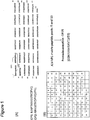
- HLA-A2 restricted epitopes p36 and p100
- p36 and p100 immunodominant human leukocyte antigen derived from VP1 protein
- virus-specific T cells were successfully maintained for a longer period of time (up to 5 weeks) with no loss of peptide-specificity and functional reactivity. Additionally, we demonstrated that JCV-VP1-peptide-specific T cells were cross-reactive to the BKV-VP1-p108-peptide when measured by multi-parametric flow cytometry and functional assays like ELISPOT and cytotoxicity assays.
- JCV-VP1-specific T cells Taken together, we observed JCV-VP1-specific T cells to two HLA-A2 restricted immunodominant peptides of high avidity with sustained peptide-specificity and high functional reactivity in long-term cultures. Furthermore, we identified novel, naturally processed JCV-VP1-derived CD8 + T cell epitopes (TCEs) restricted to HLA-A2 and HLA-B7. This new set of data will broaden the armamentarium of therapeutically useful peptides and contribute to the development of T cell immunotherapies against polyomavirus-related disease. Our long term goal includes enrichment and isolation of polyomavirus-specific T cell specificities for use as adoptive T cell transfer in the clinical setting. Cross-reactive T cells have the additional benefit that an appropriate immunotherapy can target both polyomaviruses simultaneously.
- the stimulation (at day 0) was initiated by JCV-VLP. This was a very important step, as it confirmed that the stimulating antigenic peptides were not artificial but naturally processed.
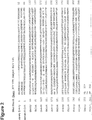
- restriction analysis was performed using HLA-transfectants loaded with individual 15mer peptides ( Figure 3 B ).
- T2 cells and K562 cells transfected with HLA-A2 or HLA-B7 alleles were used as APCs.
- 9mer peptides were predicted by the use of the SYFPEITHI software (http://www.syfpeithi.de/), synthesized and then tested individually ( Figure 3 C ).
- T cell responses were classified as weak (between 2 and 3), moderate (between 3 and 4) or strong ( ⁇ 4).
- the first step i.e. the identification of T cell specificities using the peptide matrix pool is a very crucial one.
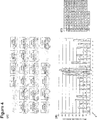
- a representative experiment employing peptide matrix pool stimulation is depicted in Figure 4 .
- JCV-VLP-stimulated CD8 + T cells were restimulated with 19 peptide matrix sub-pools in an ELISPOT plate with each restimulation in duplicate.
- Complete medium and SEB stimulation served as negative and positive controls, respectively.
- Two positive responding peptide sub-pools (sub-pools 10 and 11) were identified on the basis of number of IFN- ⁇ secreting cells (ellipses) ( Figure 4 A, B ).
- the common peptide present in both peptide sub-pools was selected with the help of matrix grid ( Figure 4 C ). This 15mer peptide (in this experiment: OP10) was used in subsequent experiments to analyze the T cell reactivity.
- HLA-A2 positive donors In addition to reactivity to p36 and p100-peptides, we found several other specificities in HLA-A2 positive donors (Table 1). Some of the T cell responses to a particular antigenic peptide were shared by more than three HDs ( ⁇ 25% HDs), for e.g. the peptides OP9, OP25, OP28, OP29, OP72 and OP78. In four different donors, stimulation by the two 15mers OP72 and OP78 resulted in positive signals. Especially donor#4318 showed a strong T cell response to the OP72 peptide in three independent experiments. The peptide OP29 was another 15mer peptide with strong signals in 33% of the donors we tested.
- HLA-B7 positive donors we observed moderately positive T cell responses to 15mer peptides at a frequency of one out of ten HDs (Table 2).
- Table 2 Antigenic peptides tested in ten HLA-B7 positive healthy donors (HDs).
- T cell responses in HDs Based on the frequency and strength of T cell responses in HDs, some of the candidate TCEs including p36 and p100 are summarized in Table 3. It was observed that the frequency of positive donors for all candidate TCEs were in the range of 25% to 41% with the top score for p100-peptide.
- the magnitude (index) of T cell responses To estimate the relative strength of T cell stimulation by each antigen peptide in a responding donor, we calculated the magnitude (index) of T cell responses. For example, a strong, moderate and weak T cell response to a particular antigenic peptide in a single donor was given a magnitude (index) of 1, 0.66 and 0.33 respectively.
- T cell responses to p100-peptide were very high while T cell responses to OP78 peptide were of lowest magnitude.
- Table 3 Donor frequencies specific to potential TCEs. JCV-VP1-peptides Total donors tested Positive donors Magnitude (index) of T cell response (maximum 1) p83 (SEQ ID NO. 7) 10 3 (30%) 0.55 OP29 (SEQ ID NO. 2) 12 4 (33%) 0.66 OP72 (SEQ ID NO. 5) 12 4 (33%) 0.58 OP78 12 4 (33%) 0.50 p113 (SEQ ID NO. 1) 12 3 (25%) 0.66 p100 22 9 (41%) 0.86 p36 22 7 (31 %) 0.59
- TCEs Novel T cell epitopes
- the HLA class I and class II haplotype is HLA-A3, HLA-A29; HLA-B7, HLA-B44; HLA-CW*07, HLA-CW*16; HLA-DRB1*0101, HLA-DRB1*0701; HLA-DQB1*05; HLA-DQB1*02; HLA-DQA1*0101; HLA-DQA1*0201.
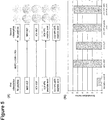
- This patient had a history of a severe HC. Due to his previous exposure to BKV, we decided to analyze the T cell response to BKV-VLP. In parallel, cross-reactivity to JCV was also measured using stimulation with JCV-VLP, the JCV-VP1-peptide pool and a pool of HLA-B7-binding peptides. HLA-B7-binding peptides were considered for two reasons.
- the amino acid sequence of the JCV-VP1-protein was screened and six nonamer HLA-B7-binding peptides were predicted on the basis of prediction scores using two programs SYFPEITHI (http://www.syfpeithi.de/) (score of more than 18) and BIMAS (http://www-bimas.cit.nih.gov/molbio/hla_bind/) (score of more than 180).
- SYFPEITHI http://www.syfpeithi.de/
- BIMAS http://www-bimas.cit.nih.gov/molbio/hla_bind/
- MLPCs were performed using individual peptides.
- CD8 + T cells were stimulated using DCs loaded with JCV-VLP.
- CD8 + T cells were restimulated in ELISPOT assays using JCV-VLP, the pool of HLA-B7-binding peptides and all the HLA-B7-binding peptides individually.
- ELISPOT assays complete medium and SEB served as negative and positive controls respectively. We observed that there were significantly high T cell responses to JCV-VLP.
- T cell responses to the pool of HLA-B7-binding peptides.
- the T cell response was low when compared to the individual peptides and VLP ( Figure 6 A, B ).
- the lower response might be due to peptide competition (six peptides in a pool) for binding to the presenting HLA molecules.
- HLA-A2 and HLA-B7 expressed in 50% and in 25% of the Caucasian population, respectively.
- HLA-A2 and HLA-B7 positive HDs were first screened for the presence of T cell responses to JCV infection.
- Two routinely practiced methods for the measurement of JCV infection in individuals are anti-VLP antibodies (in the serum) and JCV-DNA in the urine (Jelcic et al., 2013). However, these two methods do not measure T cell responses.
- VP1-peptide pool As stimulus in a T cell assay (MLPC).
- MLPC T cell assay
- VP1 is one out of five proteins of JCV, which has been considered to be highly immunogenic (Jelcic et al., 2013). Immunogenicity of VP1 was also confirmed in studies with BKV in HDs and patients. In this study, considering VP1-protein as the immunological target, we performed epitope mapping using an approach displayed in Figure 3 .
- VLP Virus like particles
- VLP are derived from VP1 and since VP1 constitutes almost 80% of the JCV-capsid, VLP shows morphological (Teunissen et al., 2013) and immunological resemblance to the virus in its natural form (Nicol et al., 2012). VLP can be safely used at the S1 level and using VLP allows the selection of naturally processed T cell specificities.
- VLP While using peptides, one might find some specificity which is normally not presented by virus-infected cells, VLP on the other hand has to be first internalized and then processed by the proteasome machinery into peptides to bind to the HLA class I molecule. In this process, all the resulting T cell determinants presented by HLA class I molecules are not artificial but naturally processed.
- HLA restricted peptide recognition Another important aspect in the identification of TCEs was to perform HLA restricted peptide recognition.
- Employing HLA-transfectants in ELISPOT assays was the key step because that way we were selecting a particular HLA restricted T cell specificity out of many VLP-stimulated HLA class I restricted T cell specificities.
- HLA-A2 and HLA-B7 restricted T cell specificities (Table 1 and Table 2). Some of them tested positive in more than 10% donors, e.g. the HLA-A2 restricted peptides OP28, OP29, OP72, OP78, p113 and the HLA-B7 restricted peptides OP23, OP53, p290, and p83. Out of these TCEs, some peptides tested positive in more than 25% of HDs (Table 3). Along with p36 and p100-peptides, these peptides can be also considered as immunodominant.
- Peripheral blood were diluted in PBS (Invitrogen, Darmstadt, Germany) and peripheral blood mononuclear cells (PBMCs) were separated using FicoLite-H separating solution (LINARIS, Dossenheim, Germany) by density gradient centrifugation.
- PBMCs peripheral blood mononuclear cells
- LINARIS FicoLite-H separating solution
- PBMCs were cryopreserved in 90% heat-inactivated fetal bovine serum (PAA, Linz, Austria) and 10% DMSO (Sigma-Aldrich, Steinheim, Germany) according to standard protocols.
- PBMCs Cryopreserved PBMCs were thawed, washed once with complete medium consists of Roswell Park Memorial Institute (RPMI-1640) containing 1% penicillin/streptomycin (Invitrogen Gibco, Grand Island, USA) and 1% L-Glutamine (Biochrom AG). Cells were then washed with separation buffer containing MACS buffer (AutoMACS rinsing solution, Miltenyi Biotec, Bergisch-Gladbach, Germany) and 0.5% bovine serum albumin (BSA, Miltenyi Biotec, Bergisch-Gladbach, Germany). CD8 + and CD8 - T cells were separated as positive and negative fraction through a MACS column (Miltenyi).
- CD8 - cells which served as APCs were irradiated with 30 Gy and loaded with appropriate peptides, peptide pool or proteins.
- CD8 - cells cultured in complete medium without any peptide stimulations served as negative control.
- CD8 - cells were co-cultured with CD8 + T cells in a ratio of 4:1 (20x10 5 : 5x10 5 ) in 24-well plates. The ratio of 4:1 for CD8- and CD8 + T cells were also maintained when MLPC was done in 96-well plates.
- ELISPOT plates Multiscreen IP 96-well plates, Millipore, Massachusetts, USA
- ELISPOT plates were first pre-wet activated by adding 15 ⁇ l, 35% ethanol, washed with PBS and then coated with anti-human IFN- ⁇ (Mabtech, Nacka Strand, Sweden) re-suspended in PBS. Plates were then incubated overnight at 4°C. Second day plates were washed with PBS to remove unbound antibodies and then blocked with PBS containing 10% FBS for 2 hours at RT. Autologous PBMCs and K562 cells loaded with peptides were used as target cells. Appropriate negative and positive control wells were prepared with complete medium and SEB-stimulation respectively.
- Effector cells from the cultured wells were then co-cultured with peptide loaded target cells in ELISPOT plate and incubated at 37°C, 5% CO 2 overnight.
- Third day plates were washed with PBS containing 0.05% tween 20 (Sigma-Aldrich) and biotin-linked secondary antibody was added in each well followed by 2 hours incubation at RT. Again after wash with PBS containing 0.05% tween 20, streptavidin-alkaline phosphatase (ALP) or streptavidin-horseradish peroxidase (HRP) was added and incubated for 2 hours at RT. Washes were first done with PBS containing 0.05% tween 20, followed by once with PBS.
- Substrate solution was prepared, added and reaction was developed for 3 minutes until visible spots were detected in positive control wells. Reaction was stopped with tap water and plate was air dried. Visible spots were counted and analyzed using an automated ELISPOT reader (CTL, Bonn, Germany).
Landscapes
- Health & Medical Sciences (AREA)
- Life Sciences & Earth Sciences (AREA)
- Pharmacology & Pharmacy (AREA)
- Epidemiology (AREA)
- Immunology (AREA)
- Medicinal Chemistry (AREA)
- Microbiology (AREA)
- Mycology (AREA)
- Virology (AREA)
- Chemical & Material Sciences (AREA)
- Animal Behavior & Ethology (AREA)
- General Health & Medical Sciences (AREA)
- Public Health (AREA)
- Veterinary Medicine (AREA)
- Medicines Containing Antibodies Or Antigens For Use As Internal Diagnostic Agents (AREA)
- Medicines That Contain Protein Lipid Enzymes And Other Medicines (AREA)
- Peptides Or Proteins (AREA)
Priority Applications (1)
| Application Number | Priority Date | Filing Date | Title |
|---|---|---|---|
| EP14162790.1A EP2926831A1 (de) | 2014-03-31 | 2014-03-31 | CD8+-T-Zellen-Epitope aus Polyomavirus-Hüllprotein VP1 zur Impfung |
Applications Claiming Priority (1)
| Application Number | Priority Date | Filing Date | Title |
|---|---|---|---|
| EP14162790.1A EP2926831A1 (de) | 2014-03-31 | 2014-03-31 | CD8+-T-Zellen-Epitope aus Polyomavirus-Hüllprotein VP1 zur Impfung |
Publications (1)
| Publication Number | Publication Date |
|---|---|
| EP2926831A1 true EP2926831A1 (de) | 2015-10-07 |
Family
ID=50396991
Family Applications (1)
| Application Number | Title | Priority Date | Filing Date |
|---|---|---|---|
| EP14162790.1A Withdrawn EP2926831A1 (de) | 2014-03-31 | 2014-03-31 | CD8+-T-Zellen-Epitope aus Polyomavirus-Hüllprotein VP1 zur Impfung |
Country Status (1)
| Country | Link |
|---|---|
| EP (1) | EP2926831A1 (de) |
Cited By (1)
| Publication number | Priority date | Publication date | Assignee | Title |
|---|---|---|---|---|
| CN110234358A (zh) * | 2016-07-18 | 2019-09-13 | 昆士兰医学研究所理事会 | 多病毒特异性的t细胞免疫疗法 |
Citations (4)
| Publication number | Priority date | Publication date | Assignee | Title |
|---|---|---|---|---|
| US6238859B1 (en) | 1995-11-22 | 2001-05-29 | Deutsches Primatenzentrum | Virus protein antigens of the JC virus |
| US20090062237A1 (en) | 2007-06-15 | 2009-03-05 | Mayo Foundation For Medical Education And Research | Evaluating immune competence |
| US7803761B2 (en) | 2006-06-18 | 2010-09-28 | Gene Vector Technologies (Gvt) | Viral capsid proteins and any peptides or compositions thereof for the treatment of pathologic disorders |
| EP2548567A1 (de) * | 2011-07-22 | 2013-01-23 | Universitätsklinikum Hamburg-Eppendorf | Polyomavirus-JC-Peptide und -Proteine in Impf- und Diagnoseanwendungen |
-
2014
- 2014-03-31 EP EP14162790.1A patent/EP2926831A1/de not_active Withdrawn
Patent Citations (5)
| Publication number | Priority date | Publication date | Assignee | Title |
|---|---|---|---|---|
| US6238859B1 (en) | 1995-11-22 | 2001-05-29 | Deutsches Primatenzentrum | Virus protein antigens of the JC virus |
| US7803761B2 (en) | 2006-06-18 | 2010-09-28 | Gene Vector Technologies (Gvt) | Viral capsid proteins and any peptides or compositions thereof for the treatment of pathologic disorders |
| US8158576B2 (en) | 2006-06-18 | 2012-04-17 | G.V.T. - Gene Vector Technologies Ltd. | Viral capsid proteins and any peptides or compositions thereof for the treatment of pathologic disorders |
| US20090062237A1 (en) | 2007-06-15 | 2009-03-05 | Mayo Foundation For Medical Education And Research | Evaluating immune competence |
| EP2548567A1 (de) * | 2011-07-22 | 2013-01-23 | Universitätsklinikum Hamburg-Eppendorf | Polyomavirus-JC-Peptide und -Proteine in Impf- und Diagnoseanwendungen |
Non-Patent Citations (29)
Cited By (1)
| Publication number | Priority date | Publication date | Assignee | Title |
|---|---|---|---|---|
| CN110234358A (zh) * | 2016-07-18 | 2019-09-13 | 昆士兰医学研究所理事会 | 多病毒特异性的t细胞免疫疗法 |
Similar Documents
| Publication | Publication Date | Title |
|---|---|---|
| US11707512B2 (en) | Cancer vaccine composition | |
| A Du Pasquier, Katherine W Clark, Philip S Smith, Jeffrey T Joseph, John M Mazullo, Umberto De Girolami, Norman L Letvin, Igor J Koralnik | JCV-specific cellular immune response correlates with a favorable clinical outcome in HIV-infected individuals with progressive multifocal leukoencephalopathy | |
| IL264064A (en) | Pre-AIDS vaccination and immunotherapy | |
| KR101547788B1 (ko) | Ctl 유도제 조성물 | |
| US10144766B2 (en) | Cytotoxic T Lymphocyte inducing immunogens for prevention treatment and diagnosis of dengue virus infection | |
| WO2016073595A1 (en) | T cells and dendritic cells for polyomavirus therapy | |
| Mani et al. | Cellular immunotherapy for patients with reactivation of JC and BK polyomaviruses after transplantation | |
| US9738690B2 (en) | Polyoma virus JC peptides and proteins in vaccination and diagnostic applications | |
| CN110713977B (zh) | 一种cd8 t细胞的培养扩增方法 | |
| Veltrop‐Duits et al. | Human CD4+ T cells stimulated by conserved adenovirus 5 hexon peptides recognize cells infected with different species of human adenovirus | |
| AU769538B2 (en) | Efficient ex vivo expansion of CD4+ and CD8+ T-cells from HIV infected subjects | |
| US20230372398A1 (en) | Virus specific t-cells and methods of treating and preventing viral infections | |
| CN101921310B (zh) | 登革病毒特异性hla-a2限制性表位肽及应用 | |
| Mani et al. | Definition and characterization of novel HLA-* A02-restricted CD8+ T cell epitopes derived from JCV polyomavirus with clinical relevance | |
| KR20190068529A (ko) | 폴리오마바이러스에 대한 면역요법 | |
| Sundaram et al. | Protective Efficacy of Multiepitope Human Leukocyte Antigen–A* 0201 Restricted Cytotoxic T-Lymphocyte Peptide Construct Against Challenge With Human T-Cell Lymphotropic Virus Type 1 Tax Recombinant Vaccinia Virus | |
| US20020064874A1 (en) | Method for obtaining specific T-lymphocytes, and for identifying unknown epitopes | |
| Shankar et al. | Effective lysis of HIV-1-infected primary CD4+ T cells by a cytotoxic T-lymphocyte clone directed against a novel A2-restricted reverse-transcriptase epitope | |
| JP2004242599A (ja) | Cd8+細胞傷害性tリンパ球エピトープペプチド及びその用途 | |
| Tagaram et al. | An SV40 VP1-derived epitope recognized by CD8+ T cells is naturally processed and presented by HLA-A⁎ 0201 and cross-reactive with human polyomavirus determinants | |
| Mani | CD8+ T cell epitopes derived from the polyomavirus capsid protein VP1 | |
| US20230338532A1 (en) | Immunosuppressant drug resistant armored tcr t cells for immune-therapy of organ transplant patients | |
| JP2024123281A (ja) | SARS-CoV-2由来のT細胞エピトープペプチド | |
| CN103965288B (zh) | 登革病毒特异性hla-a*2402限制性表位肽及应用 | |
| EP1146120A1 (de) | Verfahren zur Gewinnung von T-Lymphozyten und zur Identifizierung von unbekannten Epitopen |
Legal Events
| Date | Code | Title | Description |
|---|---|---|---|
| PUAI | Public reference made under article 153(3) epc to a published international application that has entered the european phase |
Free format text: ORIGINAL CODE: 0009012 |
|
| AK | Designated contracting states |
Kind code of ref document: A1 Designated state(s): AL AT BE BG CH CY CZ DE DK EE ES FI FR GB GR HR HU IE IS IT LI LT LU LV MC MK MT NL NO PL PT RO RS SE SI SK SM TR |
|
| AX | Request for extension of the european patent |
Extension state: BA ME |
|
| STAA | Information on the status of an ep patent application or granted ep patent |
Free format text: STATUS: THE APPLICATION IS DEEMED TO BE WITHDRAWN |
|
| 18D | Application deemed to be withdrawn |
Effective date: 20160408 |