EP2930246A1 - Neue mit verschiedenen Krankheiten und Störungen assoziierte Einzelnukleotidpolymorphismen - Google Patents
Neue mit verschiedenen Krankheiten und Störungen assoziierte Einzelnukleotidpolymorphismen Download PDFInfo
- Publication number
- EP2930246A1 EP2930246A1 EP14163779.3A EP14163779A EP2930246A1 EP 2930246 A1 EP2930246 A1 EP 2930246A1 EP 14163779 A EP14163779 A EP 14163779A EP 2930246 A1 EP2930246 A1 EP 2930246A1
- Authority
- EP
- European Patent Office
- Prior art keywords
- individual
- cancer
- snp
- nucleotides
- omega
- Prior art date
- Legal status (The legal status is an assumption and is not a legal conclusion. Google has not performed a legal analysis and makes no representation as to the accuracy of the status listed.)
- Granted
Links
Images



Classifications
-
- C—CHEMISTRY; METALLURGY
- C12—BIOCHEMISTRY; BEER; SPIRITS; WINE; VINEGAR; MICROBIOLOGY; ENZYMOLOGY; MUTATION OR GENETIC ENGINEERING
- C12Q—MEASURING OR TESTING PROCESSES INVOLVING ENZYMES, NUCLEIC ACIDS OR MICROORGANISMS; COMPOSITIONS OR TEST PAPERS THEREFOR; PROCESSES OF PREPARING SUCH COMPOSITIONS; CONDITION-RESPONSIVE CONTROL IN MICROBIOLOGICAL OR ENZYMOLOGICAL PROCESSES
- C12Q1/00—Measuring or testing processes involving enzymes, nucleic acids or microorganisms; Compositions therefor; Processes of preparing such compositions
- C12Q1/68—Measuring or testing processes involving enzymes, nucleic acids or microorganisms; Compositions therefor; Processes of preparing such compositions involving nucleic acids
- C12Q1/6876—Nucleic acid products used in the analysis of nucleic acids, e.g. primers or probes
- C12Q1/6883—Nucleic acid products used in the analysis of nucleic acids, e.g. primers or probes for diseases caused by alterations of genetic material
-
- C—CHEMISTRY; METALLURGY
- C12—BIOCHEMISTRY; BEER; SPIRITS; WINE; VINEGAR; MICROBIOLOGY; ENZYMOLOGY; MUTATION OR GENETIC ENGINEERING
- C12Q—MEASURING OR TESTING PROCESSES INVOLVING ENZYMES, NUCLEIC ACIDS OR MICROORGANISMS; COMPOSITIONS OR TEST PAPERS THEREFOR; PROCESSES OF PREPARING SUCH COMPOSITIONS; CONDITION-RESPONSIVE CONTROL IN MICROBIOLOGICAL OR ENZYMOLOGICAL PROCESSES
- C12Q1/00—Measuring or testing processes involving enzymes, nucleic acids or microorganisms; Compositions therefor; Processes of preparing such compositions
- C12Q1/68—Measuring or testing processes involving enzymes, nucleic acids or microorganisms; Compositions therefor; Processes of preparing such compositions involving nucleic acids
- C12Q1/6876—Nucleic acid products used in the analysis of nucleic acids, e.g. primers or probes
- C12Q1/6883—Nucleic acid products used in the analysis of nucleic acids, e.g. primers or probes for diseases caused by alterations of genetic material
- C12Q1/6886—Nucleic acid products used in the analysis of nucleic acids, e.g. primers or probes for diseases caused by alterations of genetic material for cancer
-
- C—CHEMISTRY; METALLURGY
- C12—BIOCHEMISTRY; BEER; SPIRITS; WINE; VINEGAR; MICROBIOLOGY; ENZYMOLOGY; MUTATION OR GENETIC ENGINEERING
- C12Q—MEASURING OR TESTING PROCESSES INVOLVING ENZYMES, NUCLEIC ACIDS OR MICROORGANISMS; COMPOSITIONS OR TEST PAPERS THEREFOR; PROCESSES OF PREPARING SUCH COMPOSITIONS; CONDITION-RESPONSIVE CONTROL IN MICROBIOLOGICAL OR ENZYMOLOGICAL PROCESSES
- C12Q2600/00—Oligonucleotides characterized by their use
- C12Q2600/106—Pharmacogenomics, i.e. genetic variability in individual responses to drugs and drug metabolism
-
- C—CHEMISTRY; METALLURGY
- C12—BIOCHEMISTRY; BEER; SPIRITS; WINE; VINEGAR; MICROBIOLOGY; ENZYMOLOGY; MUTATION OR GENETIC ENGINEERING
- C12Q—MEASURING OR TESTING PROCESSES INVOLVING ENZYMES, NUCLEIC ACIDS OR MICROORGANISMS; COMPOSITIONS OR TEST PAPERS THEREFOR; PROCESSES OF PREPARING SUCH COMPOSITIONS; CONDITION-RESPONSIVE CONTROL IN MICROBIOLOGICAL OR ENZYMOLOGICAL PROCESSES
- C12Q2600/00—Oligonucleotides characterized by their use
- C12Q2600/156—Polymorphic or mutational markers
Definitions
- the present invention relates to a method for identifying an individual who benefits from a high omega-3-fatty acid (n-3-FA) diet when being afflicted with certain diseases or indispositions.
- the method comprises the detection of at least one specific nucleotide at a single nucleotide polymorphism position in a nucleic acid sample obtained from an individual.
- the presence of one or more of the nucleotides at the corresponding single nucleotide polymorphism positions in the sample indicates that the respective individual benefits from an n-3-FA diet when being afflicted with certain diseases or indispositions, such as cancer.
- the present invention also provides methods for determining the responsiveness of a cancer disease to a high n-3-FA diet and for identifying individuals having a reduced risk of developing an aggressive cancer type and/or metastasis when being subjected to a high n-3-FA diet. Kits for the detection of the nucleotides at the corresponding single nucleotide polymorphism positions of the present invention are also provided.
- n-3 FAs may impede the formation of metastases are probably based on the fact that these fatty acids (FAs) serve as precursors in the biosynthesis of eicosanoids.
- Eicosanoids are tissue hormones with autocrine or paracrine actions which are involved in many physiological processes such as platelet function, immune responses and pain modulation.
- the dysregulation of eicosanoid biosynthesis has been linked to several pathological conditions, such as inflammation, infertility, allergy, degenerative diseases, atherosclerosis, ischemia, metabolic syndrome and, most importantly, cancer [4].
- FAs During eicosanoid biosynthesis, FAs have to be liberated from membrane phospholipids by lipolytic enzymes, which are predominantly phospholipases A2. Thereafter, cyclooxygenases (COX) or lipooxygenases (LOX), which are the first step enzymes in the transformation of n-3 or n-6 FAs, convert the previously liberated FAs into different eicosanoids. It has been found that eicosanoids derived from n-3 FAs are considerably less pro-metastatic and less inflammatory when compared to eicosanoids derived from n-6 FAs [5].
- COX cyclooxygenases
- LOX lipooxygenases
- PGE prostaglandin E
- AA arachidonic acid
- EPA eicosapentaenoic acid
- COX eicosapentaenoic acid
- omega-sensitive individuals it would be highly desirable to provide a method which allows for a simple and reliable identification of omega-sensitive individuals.
- the identification of such individuals would provide the advantage that therapies can be tailored more individually once the disease has occurred. For example, if a freshly diagnosed prostate cancer patient with a low-medium Gleason-Score is identified as omega-sensitive, it may be advisable to abstain from classical therapies like radiation or surgery but instead subject the patient to a diet which is high in n-3-FA and low in n-6-FA and monitoring the status of the disease in regular intervals (active surveillance). Accordingly, knowledge regarding the omega-sensitivity would be an important tool for deciding between alternative therapy options and could improve current therapies in terms of efficacy and reduced side effects [12]. So far, methods for the identification of omega-sensitive individuals are not available.
- LDL low-density lipoprotein
- LPC lysophosphatidylcholine
- n-3 FAs the "quality” (n-3/n-6 FA ratio) and “quantity” of the LDL and LPC particles can be modulated. Since metastatic tumor cells seem to have a higher LDL and LPC uptake, the diet strongly determines the n-3/n-6 FA ratio in metastatic tumor cells and thereby influences if cells either synthesize pro- or anti-metastatic eicosanoids. LDL and LPC could thus be regarded as Trojan horses, which become dangerous to the metastasizing tumor cells if they were enriched with n-3-FA.
- the inventors were able to correlate the increases in LDL, LPC and total cholesterol in response to an n-3 FAs diet to certain genetic variations in the ApoB 100 gene of individuals that underwent the study.
- ApoB 100 is the main apolipoprotein found in chylomicrons and LDL, which in turn are the major factors that contribute to the overall cholesterol level. Based on the information provided herein, it is possible to determine on the basis of a simple gene test whether or not an individual is omega-sensitive. This information is particularly relevant in individuals that suffer from a cancer disease, such as prostate cancer.
- Omega sensitivity may explain that a number of diseases and indispositions have been described in the literature where the intake of n-3-FAs was found to improve or ameliorate the conditions in approximately half of the patients treated with 3-FA, whereas the other half could evidently not benefit from n-3-FAs intake.
- diseases and indispositions include, for example, chronic inflammations [14-16], Alzheimer disease [17], depression [18], attention deficit hyperactivity disorder (ADHD) [19], premenstrual syndrome [20], hyperlipidemia [21], disturbances of the lipid metabolism [21], metabolic syndrome or diabetes [22-23], cardiovascular diseases [24], addiction [25], and overweight [26].
- the present invention is therefore likewise suitable for identifying patients who particularly benefit from an n-3 FAs diet when being afflicted with one or more of these diseases of indispositions.
- n-3-FA-diet Based on the SNPs identified by the present invention, it is feasible to identify individuals who respond to a high n-3-FA-diet with an increased production of LDL particles and LPC that carry n-3-FA. These individuals particularly benefit from the n-3-FA-diet when afflicted with cancer or any other of the above diseases or indispositions that could be influenced by n-3-FAs.
- the present invention thus relates to a method for identifying an omega-sensitive individual, i.e. an individual who benefits from a high n-3-FA diet when being afflicted with a disease or indisposition selected from the group consisting of cancer, chronic inflammation, Alzheimer disease, depression, attention deficit hyperactivity disorder (ADHD), premenstrual syndrome, hyperlipidemia, disturbances of the lipid metabolism, metabolic syndrome or diabetes, cardiovascular diseases, addiction, and overweight.
- a disease or indisposition selected from the group consisting of cancer, chronic inflammation, Alzheimer disease, depression, attention deficit hyperactivity disorder (ADHD), premenstrual syndrome, hyperlipidemia, disturbances of the lipid metabolism, metabolic syndrome or diabetes, cardiovascular diseases, addiction, and overweight.
- the method comprises the following steps:
- the method can be carried out with an individual who has been positively diagnosed with a certain disease or indisposition, such as a certain type of cancer, e.g. prostate cancer.
- a certain disease or indisposition such as a certain type of cancer, e.g. prostate cancer.
- the determination of the omega-sensitivity status is useful, as it provides information that can be used for selecting a particular treatment regimen for treating the disease or disposition.
- a cancer patient is positive for one or more of the SNPs depicted in any of SEQ ID NO: 1-4
- this means that the course of the disease can be positively influenced by a high n-3-FA diet in said patient, because the patient belongs to a subgroup of patients who benefits from high n-3-FA intake.
- n-3-FA diet it might be sufficient to put this patient to a high n-3-FA diet and closely monitor the disease in this patient.
- these patients should preferably also reduce the uptake of pro-metastatic n-6-FA.
- a high n-3-FA diet is not very effective in controlling the disease in said patient.
- Such a patient should be treated according to the standard guidelines for the respective cancer type, e.g. by means of radiation, chemotherapy or surgery.
- the method of the invention is also useful for being applied to a healthy individual, i.e. an individual who does not suffer from one of the above diseases or indispositions, such as a cancer disease.
- a healthy individual i.e. an individual who does not suffer from one of the above diseases or indispositions, such as a cancer disease.
- the determination of the omega-sensitivity status can be performed for precautionary purposes. If the tested individual contracts a disease at a later stage of his or her life, it will be advantageous if information regarding the omega-sensitivity status is available to the practitioner for deciding whether a dietary treatment approach is promising.
- an individual turn out to be omega-sensitive a change in diet toward higher doses of n-3-FA or the consumption of n-3-FA-supplements might result in primary prophylaxis against prostate cancer or one of the above diseases or indispositions.
- omega-sensitive patients were associated with a considerably lower risk for disease progression when being subjected to a high n-3-FA diet.
- the risk of developing metastasis was significantly reduced in n-3-FA-taking patients compared to patients that were not omega-sensitive [1-3] (secondary prophylaxis).
- the present invention for the first time allows the identification of omega-sensitive patients based on the genomic sequence of their ApoB 100 gene.
- the present invention relates to a method for identifying an individual who has a reduced risk of developing an aggressive cancer type and/or metastasis when being afflicted with a cancer disease, preferably prostate cancer, and subjected to a high omega-3-fatty acid (n-3-FA) diet.
- This method comprises the following steps:
- the information resulting from the new test of the invention can also be directly used to the benefit of a cancer patient for ameliorating the symptoms, such as and tumor-related cachexia and fatigue, and reducing the severity of a cancer disease.
- a cancer patient preferably a prostate cancer patient
- the diet of this patient should immediately be adapted to be high in n-3-FA and low in n-6-FA. The change in the diet will effectively ameliorate or even suppress the progression of the disease and the formation of metastasis.
- the invention relates to a method of reducing the severity of a disease or indisposition selected from the group consisting of cancer, chronic inflammation, Alzheimer disease, depression, attention deficit hyperactivity disorder (ADHD), premenstrual syndrome, hyperlipidemia, disturbances of the lipid metabolism, metabolic syndrome or diabetes, cardiovascular diseases, addiction, and overweight in a patient, comprising
- the invention relates to a method of determining the responsiveness of a cancer disease to a high omega-3-fatty acid (n-3-FA) diet, comprising
- the invention relates to a method for identifying an individual who is able to increase the plasma levels of lysophosphatidylcholine (LPC) and/or low-density lipoprotein (LDL) and/or total cholesterol in response to omega-3-fatty acid (n-3-FA) consumption, said method comprising
- the individual to be tested by one of the above methods of the invention will preferably be a human.
- the methods are not restricted to humans. Instead, it will likewise be possible to use these methods with all kinds of primates, such as lemurs, monkeys, orang-utans, gorillas, bonobos, and chimpanzees.
- primates such as lemurs, monkeys, orang-utans, gorillas, bonobos, and chimpanzees.
- the skilled person will be readily able to identify the gene loci provided herein for humans in other primates.
- the methods of the invention are performed in the context of treating cancer diseases.
- cancer diseases for which predictions can be made by using the SNPs identified in the present invention, include prostate cancer, pancreatic cancer, breast cancer, colon cancer, brain cancer, lung cancer, liver cancer, bladder cancer, skin cancer, ovarian cancer, stomach cancer, kidney cancer, and others.
- the cancer disease will be breast, lung or prostate cancer, more preferably prostate cancer.
- high n-3-FA diet refers to a diet which, either by itself or by way of supplementation, is rich in n-3 FA.
- a natural diet which contains high amounts of n-3 FA is fish, in particular salmon, herring, tuna and mackerel. The consumption of fish 3-4 times a week is therefore effective, e.g. in reducing the risk of developing an aggressive cancer type and/or metastasis in an omega-sensitive patient afflicted with a cancer disease. It is also possible to ingest high amounts of n-3 FA in the form of fish oil. In practice, however, it turned out that a high fish intake or the intake of fish oil is difficult, since a strict diet is not easily followed by all patients.
- n-3-FA diet may also be achieved by relying on n-3 FA supplementation.
- Supplementation includes both the admixture of n-3-FA into common food items and the separate administration of n-3-FA, e.g. in the form of capsules.
- the n-3 FA can be used in all forms which allow the admixture into food items or their direct administration.
- the n-3 FA can be used in the form of n-3 FA methyl esters or as free n-3 FA.
- the n-3-FA is administered in the form of marine phospholipids (MPL).
- MPL are a type of glycerophospholipids (GPLs) containing long chain n-3 FAs bound to phospholipids (PLs).
- GPLs glycerophospholipids
- PLs phospholipids
- Studies have demonstrated beneficial health effects, since the uptake and metabolism of n-3 FAs bound to PLs turned out to be more efficient than n-3 FAs bound to triglycerides [13]. As such, MPL have proven to be a good fish substitute. In addition, MPL have been proven to be much better tolerated than fish oil or n-3 FA methyl esters.
- MPL are administered in the form of soft gelatine capsules. Such capsules can be obtained from different manufacturers, such as Membramed Health Food GmbH (Hamburg, Germany).
- a high n-3-FA diet preferably means that the overall weekly intake of n-3 FAs will be in the range of 0.7 to 35 g. Such intake can be achieved by consuming fish 3-4 times a week.
- the overall daily intake of n-3 FAs will be in the range of 0.1 and 5 g n-3 FAs, preferably between 0.5 and 5 g, more preferably between 1.0 and 3 g, such as 1 g or 2 g.
- the overall daily intake of n-3 FAs will be in the range of 0.4 and 0.5 g n-3 FAs.
- the overall daily intake can be achieved by several administrations per day. For example, to achieve an overall daily intake of 1.5 g n-3 FAs, three capsules containing 500 mg n-3 FAs can be administered in the course of the day.
- a single nucleotide polymorphism refers to a single nucleotide position in a nucleic acid, such as a DNA or RNA, which is occupied by alternative nucleotides in different alleles in a given population.
- the position of the SNP is usually flanked by highly conserved sequences of the allele.
- a SNP can be located in a coding region of the DNA of the individual, in a non-coding region or in an intergenic region. Where the SNP is located in the coding region, it may be synonymous or non-synonymous.
- a synonymous or silent SNP is one that due to the degeneracy of the genetic code does not result in an amino acid change compared to the reference allele.
- a non-synonymous nucleotide substitution leads to an amino acid replacement which may give rise to an altered expression product. Alternatively, it may also lead to a premature termination of the translation process if a stop codon is formed by the substitution at the polymorphic site.
- substitution destroys a naturally occurring stop codon at the polymorphic site which leads to an extended read-through expression product.
- a SNP is not in a coding region of the genome, it may nevertheless affect protein expression, for example by influencing RNA splicing or DNA binding to transcription factors, and the like.
- a biallelic individual such as a human, has two alleles for each gene and therefore may be homozygous or heterozygous with respect to a given allele at a particular SNP position.
- a biallelic organism such as a human
- a single nucleotide polymorphism can result in three different genotypes. For example, an A/C polymorphism can give rise to a first homozygous genotype "AA”, a second homozygous genotype "CC” and a heterozygous genotype "AC”.
- Each of the above methods of the invention comprises a detecting step in which the presence of at least one of the nucleotides shown in position 101 of SEQ ID NO: 1-4 are detected at the corresponding SNP positions in the nucleic acid of the individual to be tested.
- the methods of the invention will include the detection of at least one nucleotide which is complementary to the nucleotide shown in position 101 of SEQ ID NO: 1-4. If the detection is performed based on the complementary DNA strand, the detection will be directed to nucleotides shown in position 101 of SEQ ID NO:5-8.
- the polynucleotides shown in SEQ ID NOs: 1-4 each represent a section of human genomic DNA containing an SNP that was found to be associated with omega-sensitivity.
- the polynucleotides shown in SEQ ID NOs:5-8 represent the reverse complementary sequences of SEQ ID NOs: 1-4, respectively.
- the polymorphic site is located at nucleotide position 101 in each of SEQ ID NO:1-8, while the flanking sequences upstream (i.e. nucleotides 1-100) and downstream (i.e. nucleotides 102-201) of the SNP position represent human genomic DNA which is normally conserved between different individuals.
- flanking sequences are depicted herein to allow for the location of the SNPs within the genomic sequence of the individual to be tested and the generation of primers and probes useful in detection of the SNP.
- omega allele For each of the SNPs identified herein in the context with omega-sensitivity, there are two possible allele forms, which are referred to herein as the "omega allele” and the “non-omega allele.
- the omega allele is the allele which is found in individuals who respond to a high n-3-FA-diet by increasing plasma levels of LDL and/or total cholesterol.
- the omega allele is found in cancer patients that have been shown to benefit from a high n-3-FA diet.
- the non-omega allele was found to be present in individuals who do not respond to a high n-3-FA-diet by increasing plasma levels of LDL and/or total cholesterol.
- the non-omega allele is found in cancer patients who are not affected by a high n-3-FA diet.
- the sequences of SEQ ID NO: 1-4, as well as their reverse complement sequences in SEQ ID NO:5-8, represent the omega allele, i.e. the detection of these sequences indicates that the tested individual is omega-sensitive.
- the presence of at least one of the nucleotides shown in position 101 in SEQ ID NO:1-4 or SEQ ID NO:5-8 is considered as detected, if a biallelic individual, such as a human, carries two of the omega alleles, i.e. the individual is homozygous with respect to said omega allele. If the individual is homozygous, both alleles comprise the sequence of the omega allele, whereas in a heterozygous individual only one allele corresponds to the omega allele while the other is a non-omega allele.
- Table 1 indicates the exact position of the sequences of SEQ ID NOs:1-8 on chromosome 2.
- the nature of the omega allele and the non-omega allele are also provided. It can be seen in Table 1 that the sequences of SEQ ID NOs:1-4, and their corresponding complements of SEQ ID NO:5-8, refer to different SNP locations in chromosome 2.
- the detection of one of the SNPs shown in SEQ ID NO: 1-4 can be achieved by identifying in the nucleic acid of the individual to be tested the nucleotide which corresponds to position 101 of any of the sequences depicted in SEQ ID NO: 1-4.
- Each of the sequences set forth in SEQ ID NO: 1-4 are located on the same DNA strand. As stated above, the detection may also be performed on the basis of one or more of the complement sequences provided in SEQ ID NO:5-8.
- the above methods can include the testing of one or more of the SNPs shown in SEQ ID NO:1-4.
- the SNPs of SEQ ID NOs:1-4 provide reliable results when tested independently from each other, the significance of the results can be improved by testing a nucleic acid sample for more than one of the SNPs.
- step (b) of the above methods includes the testing of combinations of the different SNPs provided in SEQ ID NOs:1-4.
- the combination to be tested according to the present invention may comprise two, preferably three, and even more preferably all four SNP positions.
- step (b) of the above described methods can include the detection of the SNP of SEQ ID NOs:1 in combination with the SNP of SEQ ID NOs:2, the SNP of SEQ ID NOs:1 in combination with the SNP of SEQ ID NOs:3, the SNP of SEQ ID NOs:1 in combination with the SNP of SEQ ID NOs:4, the SNP of SEQ ID NOs:2 in combination with the SNP of SEQ ID NOs:3, the SNP of SEQ ID NOs:2 in combination with the SNP of SEQ ID NOs:4, or the SNP of SEQ ID NOs:3 in combination with the SNP of SEQ ID NOs:4.
- the detection at some or even all of the SNP positions can be performed by analyzing the complementary DNA strand. Accordingly, the detection may include one or more of the sequences depicted in SEQ ID NO:5-8 rather than to the corresponding sequences of SEQ ID NO: 1-4.
- step (b) of the above methods comprise the detection of all four SNPs set forth in SEQ ID NOs:1-4.
- the detection at some or all of the SNP positions can be performed by analyzing the complementary DNA strand. Accordingly, the detection may be directed to one or more of the sequences depicted in SEQ ID NO:5-8 rather than to the sequences of SEQ ID NO:1-4.
- the methods of the present invention are performed with a nucleic acid sample obtained from the individual to be tested.
- the nucleic acid is preferably genomic DNA or a nucleic acid which is derived from genomic DNA, such as cDNA.
- the nucleic acid used for detecting the SNPs is RNA.
- the DNA or RNA which is subjected to SNP detection can be obtained from a cell or tissue sample of the individual to be tested, such as from biopsy material, skin cells or body fluids.
- the nucleic acid sample is derived from a blood sample of the individual to be tested.
- the nucleic acid sample is derived from a mucosa swab.
- genomic DNA may for example be isolated as described in standard textbooks [8]. More conveniently, commercially available kits can be used for isolating genomic DNA, for example, the QIAamp DNA mini kit (Qiagen) or the ChargeSwitch Genomic DNA Purification Kit (Invitrogen).
- Methods for isolating DNA usually involve the lysis of the cells of the cell or tissue sample obtained from the test person. Cell lysis may be performed by disrupting the plasma membrane of the cells, for example, by boiling the sample or by use of detergents such as SDS or the like. The RNA of the sample is then normally digested by using RNAse. Protein contaminants can be readily degraded by incubating the sample with proteinase K. Genomic DNA can be recovered by alcohol precipitation or by binding to an anion exchange column.
- RNA may be provided from a cell or tissue sample of the individual. Typically, the complete RNA is isolated from the cell or tissue sample.
- Methods for isolating RNA are well known in the art and are discussed in detail in the literature. These methods regularly involve the lysis of the cells of the respective cell or tissue samples. Cell lysis may be performed by use of detergents which are capable of disrupting the plasma membrane of the cells. For example, buffers containing guanidine thiocyanate and/or SDS may be used for cell lysis.
- the methods may also comprise steps in which the DNA of the cells is enzymatically digested in order to obtain pure RNA without traces of DNA which might interfere with the further downstream applications.
- Inhibitors of enzymes which lead to the degradation of the RNA may also be added to the lysis buffer. Kits for preparing highly purified RNA are available from several manufactures, such as Qiagen and others.
- RNA isolated from the cell or tissue sample will normally comprise different types of RNA.
- the RNA obtained from the tissue sample is total RNA comprising mRNA, transfer RNA (tRNA) and ribosomal RNA (rRNA).
- tRNA transfer RNA
- rRNA ribosomal RNA
- the mRNA is separated from other RNA molecules.
- Methods for enriching or purifying mRNA are known in the art. For example, an affinity chromatography using oligo(dT) or poly(U) coupled to a solid matrix, such as a cellulose or Sephadex matrix can be performed, as most mRNAs contain a poly(A) tail at their 3' terminus [9].
- Poly(A)+ mRNA which has bound to the affinity matrix can be eluted using 2 mM EDTA/0.1% SDS.
- the presence of one or more of the SNP sequences of SEQ ID NOs:1-4 can be detected according to methods that are well known in the art.
- the detection of a specific nucleotide at a SNP site in a polynucleotide is commonly referred to as genotyping of the SNP.
- genotyping Several methods suitable for SNP genotyping are known in the field. Each of those methods can be used for carrying out detection step (b) of the methods of the invention described above.
- PCR-based methods are used in a first step to amplify a nucleic acid sequence comprising the putative SNP site of interest. These methods may include PCR, RT-PCR, NASBA and the like. The PCR products obtained in this way can subsequently be subjected to common nucleotide sequencing techniques. Where the nucleic acid sample to be examined is DNA, especially genomic DNA, standard PCR techniques can be used. Where the nucleic acid sample is RNA, in particular mRNA, a RT-PCR approach is used.
- TaqMan PCR is a fluorophore-based real time PCR method which detects accumulation of a specific amplified product during PCR.
- a single-stranded oligonucleotide probe is added to the reaction which is complementary to a segment of 10-50 nucleotides within the DNA template and located between the two PCR primers.
- a fluorophore and a quencher dye are covalently attached to the 5' and 3' ends of the probe, respectively.
- the quencher dye can also be attached to an internal nucleotide, while the fluorophore is attached to the 5' or 3' end of the probe or vice versa.
- the close proximity between fluorophore and quencher dye attached to the probe inhibits fluorescence emission from the fluorophore when said fluorophore is selectively excited.
- the 5' exonuclease activity of the Taq polymerase cleaves the oligonucleotide probe which is hybridized to the template DNA, thereby spatially separating the fluorophore and the quencher dye.
- Fluorescence is detected during PCR cycling; it is directly proportional to the fluorophore released and the amount of DNA template present in the PCR.
- fluorophore-quencher pair known in the art can be used in the methods of the present invention.
- suitable fluorophores are FAM (6-carboxyfluorescin), TET (tetrachlorof-luorescin) or VIC.
- a suitable quencher dye is TAMRA (tetramethylrhodamine).
- TaqMan assay it is likewise possible to use differently labeled probes in the same TaqMan assay.
- one TaqMan probe specific for the omega allele of the SNP is labeled with FAM and another TaqMan probe that is specific for the non-omega allele is labeled with VIC.
- fluorescence of FAM and no fluorescence of VIC would indicate for the presence of the omega allele
- fluorescence of VIC and no fluorescence of FAM would be indicative for the presence of the non-omega allele. Fluorescence of both, FAM and VIC, would be indicative for a heterozygous state.
- the present invention also contemplates modifications of the TaqMan method, for example, assays that use molecular beacons.
- a further method for detecting a SNP in a polynucleotide sequence is described, for example, in US 4,988,617 .
- the occurrence of a specific nucleotide is determined by an oligonucleotide ligation assay using a pair of oligonucleotide probes that selectively hybridize immediately upstream and downstream of the polymorphic site.
- one of the terminal nucleotides of the oligonucleotides is aligned to the site of the putative polymorphism.
- terminal nucleotide of the probe is complementary to the nucleotide at the polymorphic site
- hybridization of the oligonucleotide to the polynucleotide that contains the polymorphic site will include the terminal nucleotide of said oligonucleotide.
- a ligase such as a T4 ligase
- T4 ligase the addition of a ligase, will link both oligonucleotide probes to each other.
- no ligation of the oligonucleotide to the polynucleotide containing the polymorphic site will occur.
- the ligation product derived from the linkage of the two oligonucleotides can be detected in a subsequent step, for example by a PCR reaction.
- a PCR reaction for example by a PCR reaction.
- test systems are currently available which are based on oligonucleotide ligation.
- Single base extension methods can also be used for the detection of single nucleotide polymorphisms.
- Single base extension methods are described, e.g., in US 5,846,710 , US 6,004,744 , US 5,888,819 and US 5,856,092 . Briefly, these methods are based on the hybridization of a primer that is complementary to a target sequence such that the 3' end of the primer is adjacent to but does not span the site of the putative SNP in the target sequence.
- the primer comprises a sequence which is complementary to the target polynucleotide terminating at the base that is immediately adjacent 5' to the polymorphic site.
- the hybridization is performed in the presence of one or more labeled nucleotides complementary to base(s) that may occupy the site of potential variation.
- two differentially labeled nucleotides can be used.
- the labeled nucleotides are dideoxynucleotides.
- Hybridization is performed under conditions permitting primer extension if a nucleotide complementary to a base occupying the site of variation in the target sequence is present. Extension incorporates a labeled nucleotide thereby generating a labeled extended primer. If multiple differentially labeled nucleotides are used with a heterozygous target, multiple differentially labeled extended primers are obtained. Extended primers are detected providing an indication of which base(s) occupy the polymorphic site in the target sequence.
- Another method for genotyping involves an invader assay [10].
- a cleavase e.g., the flap endonuclease FEN
- two specific oligonucleotide probes that together with the target DNA can form a tripartite structure recognized by the cleavase.
- the first probe, called the invader oligonucleotide is complementary to the 3' end of the target DNA.
- the last base of the invader oligonucleotide is a non-matching base that overlaps the SNP nucleotide in the target DNA.
- the second probe is an allele-specific probe which is complementary to the 5' end of the target DNA, but also extends past the 3' side of the SNP nucleotide.
- the allele-specific probe will contain a base complementary to the SNP nucleotide. If the target DNA contains the desired allele, the invader and allele-specific probes will bind to the target DNA forming the tripartite structure. This structure is recognized by cleavase, which will cleave and release the 3' end of the allele-specific probe. If the SNP nucleotide in the target DNA is not complementary to the allele-specific probe the correct tripartite structure is not formed and no cleavage occurs.
- the invader assay can be coupled with a fluorescence resonance energy transfer (FRET) system to detect the cleavage.
- FRET fluorescence resonance energy transfer
- a quencher molecule is attached to the 3' end and a fluorophore is attached to the 5' end of the allele-specific probe. If cleavage occurs, the fluorophore will be separated from the quencher molecule generating a detectable signal.
- the genotyping of the SNPs is carried out by a dynamic allele-specific hybridization approach [11]. This approach is based on differences in the DNA melting temperature that results from instability of mismatched base pairs.
- a genomic fragment comprising the SNP is amplified and attached to a bead through a PCR reaction with a biotinylated primer.
- the amplified product is attached to a streptavidin column and washed to remove the nucleic acids which are not biotinylated.
- An allele specific oligonucleotide is then added in the presence of a molecule that emits fluorescence when bound to doublestranded DNA.
- the fluorescence intensity is measured at increasing temperature until the melting temperature (Tm) is reached.
- Tm melting temperature
- a microarray is used for detecting the presence of the SNPs shown in SEQ ID NO: 1-4.
- a microarray refers to the orderly arrangement of spatially resolved probes, for example nucleic acid probes, on a substrate.
- the substrate is preferably a solid substrate having a surface with a plurality of probes attached in different known locations (spots).
- the spots on a microarray are normally either printed on the microarrays or synthesized by photo-lithography or by ink-jet printing. On a common microarray, there may be several thousand spots, wherein each of the spots may contain a high number of identical probes, such as nucleic acid fragments or oligonucleotides.
- microarrays typically have a density of at least 100 oligonucleotides or fragments per cm 2 .
- the arrays can have a density of about at least 500, at least 1000, at least 10000, at least 10 5 , at least 10 6 , at least 10 7 oligonucleotides or fragments per cm 2 .
- the support can be a glass slide or membrane on the surface of which the probes are attached at fixed locations or spots.
- the nucleic acid sample to be analyzed is hybridized to the probes on the microarray.
- the probes of the microarray are allele-specific polynucleotides. These probes can be used to distinguish nucleic acid samples of individuals carrying the non-omega allele from samples of individuals carrying the omega-allele.
- the probes can be arranged such that their central site is the site where the nucleotide exchanges according to the invention occur, e.g. the 8 th position in a probe consisting of 17 nucleotides may be specific to the omega allele but not to the non-omega allele of a SNP.
- Specific for the omega allele means that a nucleic acid from an individual will bind to this probe only if said individual indeed carries the omega allele.
- the present invention also relates to kits for performing the methods of the present invention.
- the kit comprises oligonucleotide primers which selectively hybridize to a sequence as provided in SEQ ID NOs:1-4 and allow for the amplification of a nucleic acid product which contains the SNP site of interest, i.e. nucleotide position 101.
- the kit may also comprise buffers, reagents and enzymes, such as polymerases or reverse tran-scriptases which are useful for detecting the SNPs described herein.
- the kit may comprise suitable probes which are labeled, e.g. probes for TaqMan PCR or hybridization probes.
- the kit will further comprise instructions for using the components in a method for determining whether an individual is omega-sensitive.
- oligonucleotide primers contained in the kit are designed to allow specific hybridization to sequences in the vicinity of the polymorphic site, for example, in the regions upstream or downstream of nucleotide position 101 in any of the polynucleotides in SEQ ID NOs:1-4.
- the skilled person will be readily able to identify on the basis of the present disclosure suitable oligonucleotide primers that can be used for amplifying an SNP in one of the loci described herein.
- the oligonucleotides may be of any length, but will preferably be at least 10-50 nucleotides in length, for example, 10, 12, 14, 16, 18, 20, 22, 24, 26, 28, 30, 32, 34, 36, 38, 40, 42, 44, 46, 48 or 50 nucleotides in length. They can be prepared by any suitable technique known in the art. For example, they may be derived synthetically, for example by the well-known phosphoamidite method.
- the oligonucleotides for use in the methods of the present invention may contain modified bases, such as 5-methylcytosine, 5-hydroxymethylcytosine, 2-thiouracil, 8-thiolguanine, 7-methylguanine, 7-methyladenine, 8-azaguanine und 8-azaadenine, 7-deazaguanine, 7-deazaadenine, 3-deazaguanine and/or 3-deazaadenine.
- modified bases such as 5-methylcytosine, 5-hydroxymethylcytosine, 2-thiouracil, 8-thiolguanine, 7-methylguanine, 7-methyladenine, 8-azaguanine und 8-azaadenine, 7-deazaguanine, 7-deazaadenine, 3-deazaguanine and/or 3-deazaadenine.
- modified bases such as 5-methylcytosine, 5-hydroxymethylcytosine, 2-thiouracil, 8-thiolguanine, 7-methylguanine, 7-methyladenine
- the kit can comprise oligonucleotide primers which are useful for performing a multiplex PCR or RT-PCR.
- the kit is intended for use in one of the above methods, e.g. for use in a method for identifying an individual who benefits from a high omega-3-fatty acid (n-3-FA) diet when being afflicted with one of the above-mentioned diseases or indispositions, in particular a cancer disease, e.g.
- prostate cancer for use in a method for identifying an individual who has a reduced risk of developing an aggressive cancer type and/or metastasis when being afflicted with a cancer disease and subjected to a high omega-3-fatty acid (n-3-FA) diet, for use in a method of reducing the severity of a cancer disease in a patient, for use in a method of determining the responsiveness of a cancer disease to a high omega-3-fatty acid (n-3-FA) diet, and for use in a method for identifying an individual who is able to increase the plasma levels of lysophosphatidylcholine (LPC) and/or low-density lipoprotein (LDL) and/or total cholesterol in response to omega-3-fatty acid (n-3-FA) consumption.
- LPC lysophosphatidylcholine
- LDL low-density lipoprotein
- Example 1 Patient recruitment and MPL delivery
- PCa patients were included with various cancer stages, receiving different therapies, for example surgery, radiation, hormone therapy, chemotherapy or active surveillance.
- Inclusion criteria for PCa patients were as follows: male subjects older than 18 years with histologically proven PCa and written inform consent.
- Inclusion criteria for subjects without PCa were: male subjects without PCa or any other tumor, aged 70 years or older.
- Exclusion of PCa with any of the following criteria negative results from a 12x punch biopsy and PSA values below 10 ng/ml; men with benign prostatic hyperplasia (BPH), in whom a transurethral resection of the prostate (TUR-P) was conducted and the histology of the recovered material was negative; or subjects with PSA levels less than 4 ng/ml and no prostate cancer family history.
- Exclusion criteria for all participants were: known allergy to sea-food; malabsorption; impaired coagulation or other severe internal diseases; psychiatric or CNS disorders; subjects already taking omega-3 (n-3) fatty acids (FAs) as supplement.
- FAs omega
- Vitalipin is a preparation of marine phospholipids (MPL) packed in soft gelatine capsules, obtained from Membramed Health Food GmbH (Hamburg, Germany).
- MPL marine phospholipids
- the MPL composition consists of approximately 30% phospholipids (mostly phosphatidylcholine) and other lipids with a fatty acid (FA) composition of 18% eicosapentaenoic acid (EPA) and 26% docosahexaenoic acid (DHA).
- FA fatty acid
- EPA eicosapentaenoic acid
- DHA docosahexaenoic acid
- Blood samples for FAs and LPC analyses were collected as EDTA blood tubes (S-Monovette® with 1.6 mg EDTA/ml blood, Sarstedt, Germany), and 1 Serum tube (S-Monovette®, Sarstedt, Germany).
- One EDTA blood tube was directly stored at -80°C until SNP analysis.
- Two other EDTA tubes were centrifuged for 10 minutes at 2000 rpm at 4°C.
- the resulting plasma was stored in aliquots of 500 ⁇ l at -80°C until further analysis.
- the analysis of blood lipids was performed by the clinical chemistry laboratory of the Tumor Biology Center Freiburg. Blood lipids were measured at baseline and after 3 months of MPL supplementation with lipid electrophoresis. Since triglycerides and VLDL are sensible to food intake, values were not considered for analysis.
- n-3 and n-6 FAs From the biologically active n-3 and n-6 FAs, eicosapentaenoic acid (EPA) and docosahexaenoic acid (DHA) increased significantly after MPL supplementation in both the TG and PL fraction of plasma, whereas arachidonic acid (AA) decreased significantly. Therefore, the n-3/n-6 FA ratio improved significantly from 0.38 to 0.58, (EPA + DHA)/AA in the TG and PL fraction, with p ⁇ 0.01.
- EPA eicosapentaenoic acid
- DHA docosahexaenoic acid
- AA arachidonic acid
- Lysophosphatidylcholine is a result of the partial hydrolysis of phosphatidylcholine (PC) after cleavage of one of the FA groups.
- the hydrolysis is generally achieved enzymatically by the phospholipase A2, which cleaves the FA from the 2-position of the glycerol backbone. It has been observed that tumour cells consume higher amounts of LPC to comply with their higher membrane turnover. Therefore, the effects of MPL on LPC levels in plasma were analyzed to determine if differences between the groups of subjects were present.
- PTGS2 cyclooxygenase 2
- LPL lipoproteinlipase
- PLA2G2A secret
- the analysis of genetic variations included SNPs as well as insertions and deletions.
- One EDTA blood tube was taken from each participant at study enrolment and stored at -80°C for sequence analysis.
- DNA from leucocytes of the blood samples was isolated using the QIAamp DNA Blood Maxi Kit (QIAGEN, Hilden, Germany).
- the DNA was subsequently amplified by long range PCR using the LR PCR SeqTargetLongRange PCR Kit (QIAGEN, Hilden, Germany). Sample normalization was achieved by using the SeqTarget-Normalization Kit (QIAGEN, Hilden, Germany). These processing steps were performed according to the manufacturer's instructions.
- NGS next-generation DNA sequencing
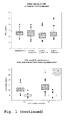
- the median relative change of total cholesterol, LDL and LPC after 3 months of MPL supplementation was analyzed in subjects stratified according to the presence of the T/T-G/G-G/G-G/G allele variation.
- the results are shown in Figure 5 .
- the table in Figure 5 shows a statistically significant difference between subjects with and without T/T-G/G-G/G-G/G in the group of patients without PCa and with inactive PCa, which again demonstrates the effect of the T/T-G/G-G/G-G/G allele variation. In patients suffering from active PCa, which have an increased demand on LPC and LDL, the differences are not significant.
Landscapes
- Chemical & Material Sciences (AREA)
- Life Sciences & Earth Sciences (AREA)
- Health & Medical Sciences (AREA)
- Proteomics, Peptides & Aminoacids (AREA)
- Organic Chemistry (AREA)
- Genetics & Genomics (AREA)
- Analytical Chemistry (AREA)
- Zoology (AREA)
- Wood Science & Technology (AREA)
- Engineering & Computer Science (AREA)
- Pathology (AREA)
- Immunology (AREA)
- Microbiology (AREA)
- Molecular Biology (AREA)
- Biotechnology (AREA)
- Biophysics (AREA)
- Physics & Mathematics (AREA)
- Biochemistry (AREA)
- Bioinformatics & Cheminformatics (AREA)
- General Engineering & Computer Science (AREA)
- General Health & Medical Sciences (AREA)
- Hospice & Palliative Care (AREA)
- Oncology (AREA)
- Measuring Or Testing Involving Enzymes Or Micro-Organisms (AREA)
Priority Applications (1)
| Application Number | Priority Date | Filing Date | Title |
|---|---|---|---|
| EP14163779.3A EP2930246B1 (de) | 2014-04-07 | 2014-04-07 | Neue mit Prostatakrebs assoziierte Einzelnukleotidpolymorphismen |
Applications Claiming Priority (1)
| Application Number | Priority Date | Filing Date | Title |
|---|---|---|---|
| EP14163779.3A EP2930246B1 (de) | 2014-04-07 | 2014-04-07 | Neue mit Prostatakrebs assoziierte Einzelnukleotidpolymorphismen |
Publications (2)
| Publication Number | Publication Date |
|---|---|
| EP2930246A1 true EP2930246A1 (de) | 2015-10-14 |
| EP2930246B1 EP2930246B1 (de) | 2018-11-14 |
Family
ID=50434136
Family Applications (1)
| Application Number | Title | Priority Date | Filing Date |
|---|---|---|---|
| EP14163779.3A Active EP2930246B1 (de) | 2014-04-07 | 2014-04-07 | Neue mit Prostatakrebs assoziierte Einzelnukleotidpolymorphismen |
Country Status (1)
| Country | Link |
|---|---|
| EP (1) | EP2930246B1 (de) |
Cited By (1)
| Publication number | Priority date | Publication date | Assignee | Title |
|---|---|---|---|---|
| CN107653310A (zh) * | 2017-09-07 | 2018-02-02 | 中国医学科学院阜外医院 | 与血脂水平相关的单核苷酸多态性rs4377290检测系统及相关应用 |
Citations (6)
| Publication number | Priority date | Publication date | Assignee | Title |
|---|---|---|---|---|
| US4988617A (en) | 1988-03-25 | 1991-01-29 | California Institute Of Technology | Method of detecting a nucleotide change in nucleic acids |
| US5846710A (en) | 1990-11-02 | 1998-12-08 | St. Louis University | Method for the detection of genetic diseases and gene sequence variations by single nucleotide primer extension |
| US5856092A (en) | 1989-02-13 | 1999-01-05 | Geneco Pty Ltd | Detection of a nucleic acid sequence or a change therein |
| US5888819A (en) | 1991-03-05 | 1999-03-30 | Molecular Tool, Inc. | Method for determining nucleotide identity through primer extension |
| US6004744A (en) | 1991-03-05 | 1999-12-21 | Molecular Tool, Inc. | Method for determining nucleotide identity through extension of immobilized primer |
| EP2085089A1 (de) | 2008-02-01 | 2009-08-05 | KTB-Tumorforschungs GmbH | Phospholipide mit Omega-3-Fettsäuren zur Behandlung von Übergewicht, Adipositas und Suchtverhalten |
-
2014
- 2014-04-07 EP EP14163779.3A patent/EP2930246B1/de active Active
Patent Citations (6)
| Publication number | Priority date | Publication date | Assignee | Title |
|---|---|---|---|---|
| US4988617A (en) | 1988-03-25 | 1991-01-29 | California Institute Of Technology | Method of detecting a nucleotide change in nucleic acids |
| US5856092A (en) | 1989-02-13 | 1999-01-05 | Geneco Pty Ltd | Detection of a nucleic acid sequence or a change therein |
| US5846710A (en) | 1990-11-02 | 1998-12-08 | St. Louis University | Method for the detection of genetic diseases and gene sequence variations by single nucleotide primer extension |
| US5888819A (en) | 1991-03-05 | 1999-03-30 | Molecular Tool, Inc. | Method for determining nucleotide identity through primer extension |
| US6004744A (en) | 1991-03-05 | 1999-12-21 | Molecular Tool, Inc. | Method for determining nucleotide identity through extension of immobilized primer |
| EP2085089A1 (de) | 2008-02-01 | 2009-08-05 | KTB-Tumorforschungs GmbH | Phospholipide mit Omega-3-Fettsäuren zur Behandlung von Übergewicht, Adipositas und Suchtverhalten |
Non-Patent Citations (30)
| Title |
|---|
| AUGUSTSSON ET AL.: "A Prospective Study of Intake of Fish and Marine Fatty Acids and Prostate Cancer.", CANCER EPIDEMIOL BIOMARKERS PREV, vol. 12, no. 1, 2003, pages 64 - 7 |
| AUSUBEL ET AL.: "Current Protocols in Molecular Biology", 1994, CURRENT PROTOCOLS PUBLISHING |
| BOSCO ET AL.: "Effects of increase in fish oil intake on intestinal eicosanoids and inflammation in a mouse model of colitis.", LIPIDS HEALTH DIS., vol. 12, no. 1, 2013, pages 81 |
| BROWN ET AL.: "Promotion of prostatic metastatic migration towards human bone marrow stoma by Omega 6 and its inhibition by Omega 3 PUFAs.", BRITISH JOURNAL OF CANCER, vol. 94, no. 6, 2006, pages 842 - 853 |
| FENTON ET AL.: "Immunomodulation by dietary long chain omega-3 fatty acids and the potential for adverse health outcomes.", PROSTAGLANDINS LEUKOT ESSENT FATTY ACIDS, vol. 89, no. 6, 2013, pages 379 - 90 |
| FRADET V ET AL: "DIETARY LONG-CHAIN OMEGA-3 FATTY ACIDS, COX2 GENE POLYMORPHISM, AND AGGRESSIVE PROSTATE CANCER", JOURNAL OF UROLOGY, LIPPINCOTT WILLIAMS & WILKINS, BALTIMORE, MD, US, vol. 179, no. 4, 1 April 2008 (2008-04-01), pages 149, XP025797110, ISSN: 0022-5347, [retrieved on 20080401], DOI: 10.1016/S0022-5347(08)60427-9 * |
| GILES ET AL.: "Omega-3 fatty acids influence mood in healthy and depressed individuals.", NUTR REV., vol. 71, no. 11, 2013, pages 727 - 41 |
| GOW ET AL.: "Omega-3 fatty acids are inversely related to callous and unemotional traits in adolescent boys with attention deficit hyperactivity disorder.", PROSTAGLANDINS LEUKOT ESSENT FATTY ACIDS, vol. 88, no. 6, 2013, pages 411 - 8 |
| HOWELL ET AL.: "Dynamic allele-specific hybridization. A new method for scoring single nucleotide polymorphisms.", NAT BIOTECHNOL., vol. 17, no. 1, 1999, pages 87 - 8 |
| JANTSCHEFF ET AL.: "Lysophosphatidylcholine Pretreatment Reduces VLA-4 and P-Selectin- mediated B 16.fl 0 Melanoma Cell Adhesion in Vitro and Inhibits Metastasis-like Lung Invasion in Vivo.", MOLECULAR CANCER THERAPEUTICS, vol. 10, no. 1, 2011, pages 186 - 197 |
| KATARINA AUGUSTSSON ET AL: "2003;12:64-67. Cancer Epidemiol Biomarkers Prev A Prospective Study of Intake of Fish and Marine Fatty Acids", AMERICAN ASSOCIATION FOR CANCER RESEARCH. CEBP.AACRJOURNALS.ORG DOWNLOADED FROM ON JULY, 1 January 2003 (2003-01-01), XP055131426, Retrieved from the Internet <URL:http://cebp.aacrjournals.org/content/12/1/64.full.pdf#page=1&view=FitH> [retrieved on 20140724] * |
| KIILLENBERG ET AL.: "Health effects of dietary phospholipids.", LIPIDS HEALTH DIS., vol. 11, 2012, pages 3 |
| LARSSON: "Dietary Long-chain N-3 Fatty Acids for the Prevention of Cancer: a Review of Potential Mechanisms.", AM J CLIN NUTR, vol. 79, no. 6, 2004, pages 935 - 45 |
| LEE; PARK: "The association between n-3 polyunsaturated fatty acid levels in erythrocytes and the risk of rheumatoid arthritis in Korean women.", ANN NUTR METAB., vol. 63, no. 1-2, 2013, pages 88 - 95 |
| MARIA HEDELIN ET AL: "Association of frequent consumption of fatty fish with prostate cancer risk is modified by COX-2 polymorphism", INTERNATIONAL JOURNAL OF CANCER, vol. 120, no. 2, 25 October 2006 (2006-10-25), pages 398 - 405, XP055041268, ISSN: 0020-7136, DOI: 10.1002/ijc.22319 * |
| MURAKAMI ET AL.: "Lipid Mediators in Life Science.", EXPERIMENTAL ANI- MALS/JAPANESE ASSOCIATION FOR LABORATORY ANIMAL SCIENCE, vol. 60, no. 1, 2011, pages 7 - 20 |
| MURPHY ET AL.: "Supplementation with fish oil increases first-line chemotherapy efficacy in patients with advanced non-small cell lung cancer.", CANCER, vol. 117, no. 16, 2011, pages 3774 - 80 |
| OLIVIER ET AL.: "The Invader assay for SNP genotyping.", MUTAT RES., vol. 573, no. 1-2, 2005, pages 103 - 10 |
| ROSSMEISL ET AL.: "Omega-3 phospholipids from fish suppress hepatic steatosis by integrated inhibition of biosynthetic pathways in dietary obese mice.", BIOCHIM BIOPHYS ACTA, vol. 1841, no. 2, 2013, pages 267 - 278 |
| SAMBROOK ET AL.: "Molecular Cloning: A Laboratory Manual", 1989, CSH PRESS |
| SARBOLOUKI ET AL.: "Eicosapentaenoic acid improves insulin sensitivity and blood sugar in overweight type 2 diabetes mellitus patients: a double-blind randomised clinical trial.", SINGAPORE MED J., vol. 54, no. 7, 2013, pages 387 - 90 |
| SHINTO ET AL.: "A randomized placebo-controlled pilot trial of omega-3 fatty acids and alpha lipoic acid in Alzheimer's disease.", J ALZHEIMERS DIS., vol. 38, no. 1, 2014, pages 111 - 20 |
| SHIROUCHI ET AL.: "Effect of dietary omega 3 phosphatidylcholine on obesity-related disorders in obese Otsuka Long-Evans Tokushima fatty rats.", J AGRIC FOOD CHEM., vol. 55, no. 17, 2007, pages 7170 - 6 |
| SNPDEV: "Reference SNP (refSNP) Cluster Report: rs2678379", 25 September 2001 (2001-09-25), XP055131188, Retrieved from the Internet <URL:http://www.ncbi.nlm.nih.gov/projects/SNP/snp_ref.cgi?rs=2678379> [retrieved on 20140723] * |
| SOHRABI ET AL.: "Evaluation of the effect of omega-3 fatty acids in the treatment of premenstrual syndrome: a pilot trial.", COMPLEMENT THER MED., vol. 21, no. 3, 2013, pages 141 - 6 |
| SZYMANSKI ET AL.: "Fish Consumption and Prostate Cancer Risk: a Review and Meta-analysis.", AM J CLIN NUTR, vol. 92, no. 5, 2010, pages 1223 - 33 |
| TOUSOULIS ET AL.: "Omega-3 PUFAs improved endothelial function and arterial stiffness with a parallel antiinflammatory effect in adults with metabolic syndrome.", J ATHEROSCLEORSIS, vol. 232, no. 1, 2014, pages 10 - 6 |
| V. FRADET ET AL: "Dietary Omega-3 Fatty Acids, Cyclooxygenase-2 Genetic Variation, and Aggressive Prostate Cancer Risk", CLINICAL CANCER RESEARCH, vol. 15, no. 7, 1 January 2009 (2009-01-01), pages 2559 - 2566, XP055041370, ISSN: 1078-0432, DOI: 10.1158/1078-0432.CCR-08-2503 * |
| WEN ET AL.: "Effects of Omega-3 fatty acid on major cardiovascular events and mortality in patients with coronary heart disease: A meta-analysis of randomized controlled trials.", NUTR METAB CARDIOVASC DIS., 25 December 2013 (2013-12-25) |
| ZHAO ET AL.: "Plasma Lysophosphatidylcholine Levels: Potential Biomarkers for Colorectal Cancer.", JOURNAL OF CLINICAL ONCOLOGY: OFFICIAL JOURNAL OF THE AMERICAN SOCIETY OF CLINICAL ONCOLOGY, vol. 25, no. 19, 2007, pages 2696 - 2701 |
Cited By (2)
| Publication number | Priority date | Publication date | Assignee | Title |
|---|---|---|---|---|
| CN107653310A (zh) * | 2017-09-07 | 2018-02-02 | 中国医学科学院阜外医院 | 与血脂水平相关的单核苷酸多态性rs4377290检测系统及相关应用 |
| CN107653310B (zh) * | 2017-09-07 | 2021-10-29 | 中国医学科学院阜外医院 | 与血脂水平相关的单核苷酸多态性rs4377290检测系统及相关应用 |
Also Published As
| Publication number | Publication date |
|---|---|
| EP2930246B1 (de) | 2018-11-14 |
Similar Documents
| Publication | Publication Date | Title |
|---|---|---|
| Schaeffer et al. | Common genetic variants of the FADS1 FADS2 gene cluster and their reconstructed haplotypes are associated with the fatty acid composition in phospholipids | |
| JP5819065B2 (ja) | 認知機能減少の治療のためのゲノム試験およびケトン体生成化合物の使用 | |
| Howard et al. | DNA methylation in an enhancer region of the FADS cluster is associated with FADS activity in human liver | |
| EP2192196A1 (de) | Vorhersage von physiologischen Suszeptibilitäten im Zusammenhang mit dem Lipid-Metabotyp | |
| JP2005130764A (ja) | Narc−1遺伝子上の多型を利用した脂質代謝異常に起因する疾患の検査方法、および創薬のための用途 | |
| Hermant et al. | Identification of a functional FADS1 3′ UTR variant associated with erythrocyte n-6 polyunsaturated fatty acids levels | |
| JP2010535501A (ja) | チオプリン薬抵抗性およびチオプリン薬不耐性のリスクがある個体を同定する方法 | |
| Védie et al. | A new DNA polymorphism in the 5′ untranslated region of the human SREBP-1a is related to development of atherosclerosis in high cardiovascular risk population | |
| EP2930246B1 (de) | Neue mit Prostatakrebs assoziierte Einzelnukleotidpolymorphismen | |
| US9663824B2 (en) | Compositions and methods for epigenetic regulation of long chain polyunsaturated fatty acid production | |
| Wei et al. | A study of the combined effect of the CLDN5 locus and the genes for the phospholipid metabolism pathway in schizophrenia | |
| KR20120016897A (ko) | 심혈관 질환과 연관된 단일염기다형성 및 그의 용도 | |
| Buzza et al. | Apolipoprotein AI and CIII gene polymorphisms and their association with lipid levels in Italian, Greek and Anglo-Irish populations of Australia | |
| JP5904501B2 (ja) | 2型糖尿病の検出方法 | |
| Didona et al. | Novel and recurrent ALDH3A2 mutations in Italian patients with Sjögren–Larsson syndrome | |
| KR102272639B1 (ko) | 아스피린 과민성 천식 진단용 tmem196 유전자 다형성 마커 | |
| CN103194463B (zh) | 包括1009c>a突变的cyp2c9基因片段、所编码的蛋白质片段及其应用 | |
| Takahashi et al. | CYP7A1, NPC1L1, ABCB1, and CD36 polymorphisms are associated with increased serum coenzyme Q (10) after long-term supplementation in women. Antioxidants(Basel) 2021; 10: 431 | |
| AU2014259587B2 (en) | Use of genomic testing and ketongenic compounds for treatment of reduced cognitive function | |
| Smith | Molecular and biochemical characterisation of a dual proteolytic system in vine weevil larvae (Otiorhynchus sulcatus Coleoptera: Curculionidae) | |
| JP2009203204A (ja) | 睡眠障害の治療及び診断方法 | |
| Lagudah | Molecular and biochemical characterisation of a dual proteolytic system in vine weevil larvae (Otiorhynchus sulcatus Coleoptera: Curculionidae) | |
| CA2365673A1 (en) | Methods, compositions and kits relating to cardiovascular disease | |
| Møller | Association of markers close to the FATP genes in patients with Cystic Fibrosis | |
| Mustafina et al. | Association of the HindIII Polymorphism of the Lipoprotein Lipase Gene with Myocardial Infarction. |
Legal Events
| Date | Code | Title | Description |
|---|---|---|---|
| PUAI | Public reference made under article 153(3) epc to a published international application that has entered the european phase |
Free format text: ORIGINAL CODE: 0009012 |
|
| AK | Designated contracting states |
Kind code of ref document: A1 Designated state(s): AL AT BE BG CH CY CZ DE DK EE ES FI FR GB GR HR HU IE IS IT LI LT LU LV MC MK MT NL NO PL PT RO RS SE SI SK SM TR |
|
| AX | Request for extension of the european patent |
Extension state: BA ME |
|
| 19U | Interruption of proceedings before grant |
Effective date: 20150423 |
|
| 19W | Proceedings resumed before grant after interruption of proceedings |
Effective date: 20160801 |
|
| STAA | Information on the status of an ep patent application or granted ep patent |
Free format text: STATUS: REQUEST FOR EXAMINATION WAS MADE |
|
| 17P | Request for examination filed |
Effective date: 20170130 |
|
| RBV | Designated contracting states (corrected) |
Designated state(s): AL AT BE BG CH CY CZ DE DK EE ES FI FR GB GR HR HU IE IS IT LI LT LU LV MC MK MT NL NO PL PT RO RS SE SI SK SM TR |
|
| STAA | Information on the status of an ep patent application or granted ep patent |
Free format text: STATUS: EXAMINATION IS IN PROGRESS |
|
| 17Q | First examination report despatched |
Effective date: 20170518 |
|
| GRAP | Despatch of communication of intention to grant a patent |
Free format text: ORIGINAL CODE: EPIDOSNIGR1 |
|
| STAA | Information on the status of an ep patent application or granted ep patent |
Free format text: STATUS: GRANT OF PATENT IS INTENDED |
|
| INTG | Intention to grant announced |
Effective date: 20171208 |
|
| GRAJ | Information related to disapproval of communication of intention to grant by the applicant or resumption of examination proceedings by the epo deleted |
Free format text: ORIGINAL CODE: EPIDOSDIGR1 |
|
| STAA | Information on the status of an ep patent application or granted ep patent |
Free format text: STATUS: EXAMINATION IS IN PROGRESS |
|
| INTC | Intention to grant announced (deleted) | ||
| GRAP | Despatch of communication of intention to grant a patent |
Free format text: ORIGINAL CODE: EPIDOSNIGR1 |
|
| STAA | Information on the status of an ep patent application or granted ep patent |
Free format text: STATUS: GRANT OF PATENT IS INTENDED |
|
| INTG | Intention to grant announced |
Effective date: 20180530 |
|
| GRAS | Grant fee paid |
Free format text: ORIGINAL CODE: EPIDOSNIGR3 |
|
| GRAA | (expected) grant |
Free format text: ORIGINAL CODE: 0009210 |
|
| STAA | Information on the status of an ep patent application or granted ep patent |
Free format text: STATUS: THE PATENT HAS BEEN GRANTED |
|
| AK | Designated contracting states |
Kind code of ref document: B1 Designated state(s): AL AT BE BG CH CY CZ DE DK EE ES FI FR GB GR HR HU IE IS IT LI LT LU LV MC MK MT NL NO PL PT RO RS SE SI SK SM TR |
|
| REG | Reference to a national code |
Ref country code: CH Ref legal event code: EP Ref country code: AT Ref legal event code: REF Ref document number: 1064877 Country of ref document: AT Kind code of ref document: T Effective date: 20181115 |
|
| REG | Reference to a national code |
Ref country code: IE Ref legal event code: FG4D |
|
| REG | Reference to a national code |
Ref country code: DE Ref legal event code: R096 Ref document number: 602014035874 Country of ref document: DE |
|
| REG | Reference to a national code |
Ref country code: NL Ref legal event code: MP Effective date: 20181114 |
|
| REG | Reference to a national code |
Ref country code: LT Ref legal event code: MG4D |
|
| REG | Reference to a national code |
Ref country code: AT Ref legal event code: MK05 Ref document number: 1064877 Country of ref document: AT Kind code of ref document: T Effective date: 20181114 |
|
| PG25 | Lapsed in a contracting state [announced via postgrant information from national office to epo] |
Ref country code: FI Free format text: LAPSE BECAUSE OF FAILURE TO SUBMIT A TRANSLATION OF THE DESCRIPTION OR TO PAY THE FEE WITHIN THE PRESCRIBED TIME-LIMIT Effective date: 20181114 Ref country code: LV Free format text: LAPSE BECAUSE OF FAILURE TO SUBMIT A TRANSLATION OF THE DESCRIPTION OR TO PAY THE FEE WITHIN THE PRESCRIBED TIME-LIMIT Effective date: 20181114 Ref country code: LT Free format text: LAPSE BECAUSE OF FAILURE TO SUBMIT A TRANSLATION OF THE DESCRIPTION OR TO PAY THE FEE WITHIN THE PRESCRIBED TIME-LIMIT Effective date: 20181114 Ref country code: NO Free format text: LAPSE BECAUSE OF FAILURE TO SUBMIT A TRANSLATION OF THE DESCRIPTION OR TO PAY THE FEE WITHIN THE PRESCRIBED TIME-LIMIT Effective date: 20190214 Ref country code: HR Free format text: LAPSE BECAUSE OF FAILURE TO SUBMIT A TRANSLATION OF THE DESCRIPTION OR TO PAY THE FEE WITHIN THE PRESCRIBED TIME-LIMIT Effective date: 20181114 Ref country code: AT Free format text: LAPSE BECAUSE OF FAILURE TO SUBMIT A TRANSLATION OF THE DESCRIPTION OR TO PAY THE FEE WITHIN THE PRESCRIBED TIME-LIMIT Effective date: 20181114 Ref country code: BG Free format text: LAPSE BECAUSE OF FAILURE TO SUBMIT A TRANSLATION OF THE DESCRIPTION OR TO PAY THE FEE WITHIN THE PRESCRIBED TIME-LIMIT Effective date: 20190214 Ref country code: ES Free format text: LAPSE BECAUSE OF FAILURE TO SUBMIT A TRANSLATION OF THE DESCRIPTION OR TO PAY THE FEE WITHIN THE PRESCRIBED TIME-LIMIT Effective date: 20181114 Ref country code: IS Free format text: LAPSE BECAUSE OF FAILURE TO SUBMIT A TRANSLATION OF THE DESCRIPTION OR TO PAY THE FEE WITHIN THE PRESCRIBED TIME-LIMIT Effective date: 20190314 |
|
| PG25 | Lapsed in a contracting state [announced via postgrant information from national office to epo] |
Ref country code: GR Free format text: LAPSE BECAUSE OF FAILURE TO SUBMIT A TRANSLATION OF THE DESCRIPTION OR TO PAY THE FEE WITHIN THE PRESCRIBED TIME-LIMIT Effective date: 20190215 Ref country code: NL Free format text: LAPSE BECAUSE OF FAILURE TO SUBMIT A TRANSLATION OF THE DESCRIPTION OR TO PAY THE FEE WITHIN THE PRESCRIBED TIME-LIMIT Effective date: 20181114 Ref country code: PT Free format text: LAPSE BECAUSE OF FAILURE TO SUBMIT A TRANSLATION OF THE DESCRIPTION OR TO PAY THE FEE WITHIN THE PRESCRIBED TIME-LIMIT Effective date: 20190314 Ref country code: RS Free format text: LAPSE BECAUSE OF FAILURE TO SUBMIT A TRANSLATION OF THE DESCRIPTION OR TO PAY THE FEE WITHIN THE PRESCRIBED TIME-LIMIT Effective date: 20181114 Ref country code: AL Free format text: LAPSE BECAUSE OF FAILURE TO SUBMIT A TRANSLATION OF THE DESCRIPTION OR TO PAY THE FEE WITHIN THE PRESCRIBED TIME-LIMIT Effective date: 20181114 Ref country code: SE Free format text: LAPSE BECAUSE OF FAILURE TO SUBMIT A TRANSLATION OF THE DESCRIPTION OR TO PAY THE FEE WITHIN THE PRESCRIBED TIME-LIMIT Effective date: 20181114 |
|
| PG25 | Lapsed in a contracting state [announced via postgrant information from national office to epo] |
Ref country code: IT Free format text: LAPSE BECAUSE OF FAILURE TO SUBMIT A TRANSLATION OF THE DESCRIPTION OR TO PAY THE FEE WITHIN THE PRESCRIBED TIME-LIMIT Effective date: 20181114 Ref country code: CZ Free format text: LAPSE BECAUSE OF FAILURE TO SUBMIT A TRANSLATION OF THE DESCRIPTION OR TO PAY THE FEE WITHIN THE PRESCRIBED TIME-LIMIT Effective date: 20181114 Ref country code: DK Free format text: LAPSE BECAUSE OF FAILURE TO SUBMIT A TRANSLATION OF THE DESCRIPTION OR TO PAY THE FEE WITHIN THE PRESCRIBED TIME-LIMIT Effective date: 20181114 Ref country code: PL Free format text: LAPSE BECAUSE OF FAILURE TO SUBMIT A TRANSLATION OF THE DESCRIPTION OR TO PAY THE FEE WITHIN THE PRESCRIBED TIME-LIMIT Effective date: 20181114 |
|
| REG | Reference to a national code |
Ref country code: DE Ref legal event code: R097 Ref document number: 602014035874 Country of ref document: DE |
|
| PG25 | Lapsed in a contracting state [announced via postgrant information from national office to epo] |
Ref country code: EE Free format text: LAPSE BECAUSE OF FAILURE TO SUBMIT A TRANSLATION OF THE DESCRIPTION OR TO PAY THE FEE WITHIN THE PRESCRIBED TIME-LIMIT Effective date: 20181114 Ref country code: SM Free format text: LAPSE BECAUSE OF FAILURE TO SUBMIT A TRANSLATION OF THE DESCRIPTION OR TO PAY THE FEE WITHIN THE PRESCRIBED TIME-LIMIT Effective date: 20181114 Ref country code: SK Free format text: LAPSE BECAUSE OF FAILURE TO SUBMIT A TRANSLATION OF THE DESCRIPTION OR TO PAY THE FEE WITHIN THE PRESCRIBED TIME-LIMIT Effective date: 20181114 Ref country code: RO Free format text: LAPSE BECAUSE OF FAILURE TO SUBMIT A TRANSLATION OF THE DESCRIPTION OR TO PAY THE FEE WITHIN THE PRESCRIBED TIME-LIMIT Effective date: 20181114 |
|
| PLBE | No opposition filed within time limit |
Free format text: ORIGINAL CODE: 0009261 |
|
| STAA | Information on the status of an ep patent application or granted ep patent |
Free format text: STATUS: NO OPPOSITION FILED WITHIN TIME LIMIT |
|
| 26N | No opposition filed |
Effective date: 20190815 |
|
| PG25 | Lapsed in a contracting state [announced via postgrant information from national office to epo] |
Ref country code: SI Free format text: LAPSE BECAUSE OF FAILURE TO SUBMIT A TRANSLATION OF THE DESCRIPTION OR TO PAY THE FEE WITHIN THE PRESCRIBED TIME-LIMIT Effective date: 20181114 |
|
| REG | Reference to a national code |
Ref country code: CH Ref legal event code: PL |
|
| REG | Reference to a national code |
Ref country code: BE Ref legal event code: MM Effective date: 20190430 |
|
| GBPC | Gb: european patent ceased through non-payment of renewal fee |
Effective date: 20190407 |
|
| PG25 | Lapsed in a contracting state [announced via postgrant information from national office to epo] |
Ref country code: MC Free format text: LAPSE BECAUSE OF FAILURE TO SUBMIT A TRANSLATION OF THE DESCRIPTION OR TO PAY THE FEE WITHIN THE PRESCRIBED TIME-LIMIT Effective date: 20181114 Ref country code: LU Free format text: LAPSE BECAUSE OF NON-PAYMENT OF DUE FEES Effective date: 20190407 |
|
| PG25 | Lapsed in a contracting state [announced via postgrant information from national office to epo] |
Ref country code: CH Free format text: LAPSE BECAUSE OF NON-PAYMENT OF DUE FEES Effective date: 20190430 Ref country code: LI Free format text: LAPSE BECAUSE OF NON-PAYMENT OF DUE FEES Effective date: 20190430 Ref country code: GB Free format text: LAPSE BECAUSE OF NON-PAYMENT OF DUE FEES Effective date: 20190407 |
|
| PG25 | Lapsed in a contracting state [announced via postgrant information from national office to epo] |
Ref country code: BE Free format text: LAPSE BECAUSE OF NON-PAYMENT OF DUE FEES Effective date: 20190430 Ref country code: FR Free format text: LAPSE BECAUSE OF NON-PAYMENT OF DUE FEES Effective date: 20190430 |
|
| PG25 | Lapsed in a contracting state [announced via postgrant information from national office to epo] |
Ref country code: TR Free format text: LAPSE BECAUSE OF FAILURE TO SUBMIT A TRANSLATION OF THE DESCRIPTION OR TO PAY THE FEE WITHIN THE PRESCRIBED TIME-LIMIT Effective date: 20181114 |
|
| PG25 | Lapsed in a contracting state [announced via postgrant information from national office to epo] |
Ref country code: IE Free format text: LAPSE BECAUSE OF NON-PAYMENT OF DUE FEES Effective date: 20190407 |
|
| PG25 | Lapsed in a contracting state [announced via postgrant information from national office to epo] |
Ref country code: CY Free format text: LAPSE BECAUSE OF FAILURE TO SUBMIT A TRANSLATION OF THE DESCRIPTION OR TO PAY THE FEE WITHIN THE PRESCRIBED TIME-LIMIT Effective date: 20181114 |
|
| PG25 | Lapsed in a contracting state [announced via postgrant information from national office to epo] |
Ref country code: MT Free format text: LAPSE BECAUSE OF FAILURE TO SUBMIT A TRANSLATION OF THE DESCRIPTION OR TO PAY THE FEE WITHIN THE PRESCRIBED TIME-LIMIT Effective date: 20181114 Ref country code: HU Free format text: LAPSE BECAUSE OF FAILURE TO SUBMIT A TRANSLATION OF THE DESCRIPTION OR TO PAY THE FEE WITHIN THE PRESCRIBED TIME-LIMIT; INVALID AB INITIO Effective date: 20140407 |
|
| PG25 | Lapsed in a contracting state [announced via postgrant information from national office to epo] |
Ref country code: MK Free format text: LAPSE BECAUSE OF FAILURE TO SUBMIT A TRANSLATION OF THE DESCRIPTION OR TO PAY THE FEE WITHIN THE PRESCRIBED TIME-LIMIT Effective date: 20181114 |
|
| PGFP | Annual fee paid to national office [announced via postgrant information from national office to epo] |
Ref country code: DE Payment date: 20250422 Year of fee payment: 12 |