EP2934158B1 - Procédés de pasteurisation de lait de femme - Google Patents
Procédés de pasteurisation de lait de femme Download PDFInfo
- Publication number
- EP2934158B1 EP2934158B1 EP13814820.0A EP13814820A EP2934158B1 EP 2934158 B1 EP2934158 B1 EP 2934158B1 EP 13814820 A EP13814820 A EP 13814820A EP 2934158 B1 EP2934158 B1 EP 2934158B1
- Authority
- EP
- European Patent Office
- Prior art keywords
- human milk
- milk
- activity
- milk product
- human
- Prior art date
- Legal status (The legal status is an assumption and is not a legal conclusion. Google has not performed a legal analysis and makes no representation as to the accuracy of the status listed.)
- Active
Links
Images






Classifications
-
- A—HUMAN NECESSITIES
- A23—FOODS OR FOODSTUFFS; TREATMENT THEREOF, NOT COVERED BY OTHER CLASSES
- A23B—PRESERVATION OF FOODS, FOODSTUFFS OR NON-ALCOHOLIC BEVERAGES; CHEMICAL RIPENING OF FRUIT OR VEGETABLES
- A23B11/00—Preservation of milk or dairy products
- A23B11/10—Preservation of milk or milk preparations
- A23B11/16—Preservation of milk or milk preparations by irradiation, e.g. by microwaves
- A23B11/164—Preservation of milk or milk preparations by irradiation, e.g. by microwaves by ultraviolet or infrared radiation
-
- A—HUMAN NECESSITIES
- A23—FOODS OR FOODSTUFFS; TREATMENT THEREOF, NOT COVERED BY OTHER CLASSES
- A23C—DAIRY PRODUCTS, e.g. MILK, BUTTER OR CHEESE; MILK OR CHEESE SUBSTITUTES; PREPARATION THEREOF
- A23C9/00—Milk preparations; Milk powder or milk powder preparations
- A23C9/20—Dietetic milk products not covered by groups A23C9/12 - A23C9/18
- A23C9/206—Colostrum; Human milk
Definitions
- the present invention relates to a method for the inactivation of a biological contaminant in a human milk product.
- Pasteurization refers to a process of killing or inactivating microorganisms present in a food, typically liquids, to prevent spoilage of the food by the growth of the microorganisms in the food. Pasteurization occurs by heating the food to a specific temperature for a specific period of time so as to reduce the number of viable microorganisms in the food. This process is referred to as thermal pasteurization.
- Thermal pasteurization of bovine milk has been used for over one hundred years.
- Two common methods of thermal pasteurization involve exposure of milk to a high temperature for a short period of time, followed by immediate cooling.
- the first method of thermal pasteurization is referred to as High Temperature Short Time (HTST) where milk is exposed to a temperature of approximately 72°C for 15-20 seconds.
- the second thermal pasteurization method is referred to as low temperature long time (LTLT) or "Holder-" pasteurization, where milk is heated to 62.5°C and kept for 30 minutes.
- thermal pasteurization is the only pasteurization method used for human milk and is currently employed for milk banking where milk is donated, screened and supplied to an infant when milk from the infant's mother is not available.
- Human milk is very seldom sterile.
- pathogenic bacteria such as S. aureus, Enterobacteriaceae and Enterococci.
- CFU/ml colony forming units
- HAV Human immunodeficiency virus
- CMV cytomegalovirus
- HTLV Human T-lymphotropic virus
- other viruses may be transmitted by human milk and cause infections and disease.
- transmission of disease can also be mediated through heat resistant spores that survive thermal pasteurization.
- Human milk can be pasteurized by HTST or LTLT methods.
- Holder Pasteurization is capable of causing a 5-log 10 reduction of a variety of bacterial species including Escherichia coli, Staphylococcus epidermidis, Enterobacter cloacae, Bacillus cereus and Staphylococcus aureus in human milk ( Czank C, et al, Pediatric Research 2009; 66:374-379 ). Therefore, thermal pasteurization minimizes the risk of transmission of diseases via human milk.
- UV light treatment has been employed for the pasteurization and decontamination of drinking water, beer, wine and fruit juices, cut and whole fruit and also for air purification and packaging of fresh food. Exposure of substances to UV, or UV treatment, is classified as a non-thermal disinfection method. This has been referred to by some in the art as “UV-” or “Cold Pasteurization”.
- Ultraviolet light is defined as electromagnetic radiation having wavelengths shorter than visible light but longer than X-rays. Effective UV treatment of a liquid to be pasteurized requires a sufficient dosage, i.e. sufficient exposure of the biological contaminants to the UV. The degree to which UV penetrates the liquid depends on the solubility, density and turbidity of the liquid.
- UV treatment could be used to reduce the microbial load of opaque liquids.
- milk is difficult to treat with UV due to its high absorption coefficient of 300cm -1 at a wavelength of 254nm compared to the absorption coefficient of drinking water and beer with 0.1 and 20cm -1 , respectively.
- present methods are directed towards the treatment of large volumes of milk which are required to be pumped from a source to a UV reactor and subsequently recirculated or passed through a plurality of reactors. Human milk can only be collected in small volumes and such small volumes would be lost in those large reactors.
- Pasteurization of human milk is based on the technology developed by the dairy industry. The aim of the dairy industry is to reduce the enzymatic activity in bovine milk to increase self-life. In human milk the enzymatic activity is needed to transfer the whole benefit of human milk to the infant.
- Human milk has been shown to inhibit the growth of Escherichia coli, Staphylococcus aureus and Candida sp. This bacteriostatic property of human milk is thought to be predominantly due to immunological proteins including lactoferrin, lysozyme and slgA.
- Lactoferrin is an iron-binding protein that reduces the availability of free iron required by iron-dependent pathogens such as E. coli and therefore inhibits their growth, as well as disrupting the bacterial cell membrane by binding to the lipid-A portion of lipopolysaccharides on the bacterial cell surface.
- Lysozyme lyses the cell walls of most gram-positive bacteria such as S.
- slgA secretory IgA
- slgA is an antibody, which is secreted specifically in response to the pathogens the mother and infant are exposed to and therefore, is boosting the infant's immune defence system. slgA is more able to persist in the intestinal tract than other immunoglobulins due to its resistance to proteolytic enzymes.
- slgA Although slgA has no known antimicrobial activity in human milk it enhances the antimicrobial activity of lactoferrin and lysozyme and it plays a major role in the infant's immune defence when digested. The activity and retention of such bioactive components can be adversely impacted using thermal pasteurization.
- the pasteurization of human milk is required for the reduction of risk in disease transmission from the milk to the recipient. Furthermore, the ability to sufficiently inactivate biological contaminants in human milk, whilst preserving or retaining activity of important bioactive components present in human milk, is needed.
- the present invention concerns a method of inactivating or reducing an amount of a biological contaminant present in a human milk product comprising exposing the human milk product to ultraviolet light (UV) having a wavelength from 250 nm to 270 nm, and imparting a vortical flow to the human milk product to facilitate exposure of the biological contaminant in the milk product to the UV light; wherein exposure of the biological contaminant to the UV light inactivates or reduces the amount of the biological contaminant in the milk product and wherein the activity of a bioactive component present in the milk product is not substantially reduced.
- UV ultraviolet light
- an apparatus for inactivating or reducing an amount of a biological contaminant in a human milk product comprising a container for containing a volume of a human milk product, wherein a UV light source is associated with the container such that the human milk product is exposed to UV light; and a means to apply a vortical flow to said milk product retained inside said container so as to facilitate exposure of the contaminant to the UV light source.
- a provided human milk product prepared by the method comprising exposing the milk product to ultraviolet light (UV) and imparting a vortical flow to the milk product to facilitate exposure of the contaminant in the milk product to the UV light; wherein exposure of the contaminant to the UV light inactivates or reduces the amount of the contaminant in the milk product and wherein the activity of a bioactive component present in the milk product is not substantially reduced.
- UV ultraviolet light
- Human milk contains nutritional and bioactive components that cannot be provided to an infant by formula. Therefore, donor human milk is regarded as the best alternative if mothers' own milk is not available, especially for a preterm infant ( Wight, NE. Donor human milk for preterm infants. J Perinatol 2001; 21:249-254 ). Donor milk has also been demonstrated to benefit term infants and immune incompetent adults. To minimize the risk of transmission of diseases from a donor mother to a preterm infant, the donor human milk is pasteurized. Current methods of thermal pasteurization of human milk result in the reduction and/or loss of activity of various important bioactive components present in human milk. Such reduction and or/loss can result in a milk of inferior quality. Studies have demonstrated a reduction in fat absorption and growth rate in infants fed thermally pasteurized human milk compared to infants fed raw human milk.
- human milk product refers to human milk or a product derived from or containing human milk. It can refer to whole milk, milk to which a substance has been added or a fraction of human milk derived from a processing or separation technique including separation, extraction concentration, centrifugation or filtration including ultra filtration or nano filtration.
- Such milk products may include fresh milk or milk that has been stored at room temperature, refrigerated or frozen (for example at or below 0°C, -20°C or - 80°C); colostrum, fortified breast milk; a low fat milk product, a sugar/lactose free milk product, casein, cream, whey or milk solids.
- inactivation of a biological contaminant in human milk enables the retention of the biological activity of key bioactives present in human milk and also enables the overall composition of the milk to be maintained.
- the method enables the provision of a human milk product of a quality superior to that achieved using Holder pasteurization.
- biological contaminant refers to but is not limited to micro-organisms such as viruses, bacteria, protozoa, yeasts, spores, moulds and algae.
- viruses including viral nucleic acids
- B-type retrovirus-like particles
- CMV Cytomegalovirus
- Ebola virus Echovirus 18, Epstein-Barr virus (EBV)
- Hepatitis B virus Hepatitis C virus
- Hepatitis E virus Herpes simplex virus type 1, Human herpesvirus 6, Human herpesvirus 7, Human immunodeficiency virus (HIV) type 1 (and 2), Human T-lymphotropic virus (HTLV), Human papillomavirus 16, Rotavirus, Rubella virus, Sinopi (no name) hantavirus RNA, Transfusion-transmission virus (TTV), Varicella-zoster virus, West Nile virus; Bacteria and fungi including but not
- E. coli Bacillus cereus, Borrelia burgdorferi, Brucella melitensis, Burkholderia pseudomallei, Candida albicans, Citrobacter freundii, Coxiella burnetti, Enterbacter aerogenes, E.
- the detection of a biological contaminant in human milk may be achieved using standard methods known to those in the art. These include but are not limited to culture based assays and nucleic acid-based methods of detection.
- the presence of a bacterial contaminant may be achieved through the culture of a sample of a human milk product with an appropriate medium, such as Blood agar, MacConckey's agar, etc. for an appropriate time such as 48h, at 37°C.
- the bacterial contaminant may be further identified with a Gram stain.
- nucleic acid-based methods of detection such as PCR detection methods may be applied.
- culture-, or nucleic acid-based methods may be employed for the detection of viral or parasitic contaminants.
- the positive detection of a contaminant in a sample of milk will depend on the method employed for detection. Contamination of a sample refers to detection of the presence of a contaminant in the sample.
- Bacterial contamination of human milk can occur through the use of non-sterile breast pump-sets and containers. In some situations, such as in milk banks, the upper limit of total bacterial contamination, as detected by bacteriological culture, before pasteurization is 100,000 CFU/ml. Additionally, in Australia, the pre-pasteurization sample has to be free of pathogenic bacteria that produce heat stable enterotoxins (e.g. S. aureus, Enterobacteriaceae and Enterococci etc.). The most common bacteria found to contaminate human milk include E. coli, S. aureus, S. epidermidis, B. cereus, and E. cloacae. The most common viruses found to contaminate human milk include CMV, HIV, HTLV.
- enterotoxins e.g. S. aureus, Enterobacteriaceae and Enterococci etc.
- the most common bacteria found to contaminate human milk include E. coli, S. aureus, S. epidermidis, B. cereus, and E.
- the present invention provides a method that inactivates or reduces the amount of a biological contaminant present in human milk, wherein the contaminant is selected from E. coli, Staphylococcus spp., Streptococcus spp., Bacillus spp., Enterococcus spp. and Enterobacter spp.
- the present invention provides a method that inactivates or reduces the amount of a biological contaminant present in human milk, wherein the contaminant is selected from CMV, HIV and HTLV.
- UV light introduces damage, including breaks and dimers, to strands of nucleic acids. Such damage can impair or inhibit the capacity of a contaminant to replicate their genetic material and lead to death or destruction of the contaminant.
- the term "inactivate” means the actual destruction, eradication of a contaminant, or a direct or indirect effect on the contaminant that substantially inhibits its ability to replicate or otherwise to adversely affect a living recipient.
- the method of the invention reduces the amount of a biological contaminant present in the milk.
- reduce when applied to a biological contaminant refers to a lowering in the amount of biological contaminant or a reduction in the number of contaminants that are active and/or capable of replicating and/or infecting an individual.
- Inactivation of a biological contaminant or a reduction in the amount of a biological contaminant, in human milk may be measured using methods of detection known to those in the art.
- the inactivation of a biological contaminant may also be determined using assays of the bioactivity of a biological contaminant.
- the inactivation or reduction may be ascertained by comparison of data generated from analysis of a sample before and after exposure to UV.
- the determination of the ability of a virus to infect a cell before and after exposure to UV is an example of an assay of the bioactivity of a contaminant. In such an assay, a reduction in the ability of a virus to infect a cell following exposure to UV would represent inactivation.
- Such inactivation of a biological contaminant may occur despite a lack of reduction of the total amount of contaminant detected in the sample.
- the amount of viral DNA or RNA in a sample may remain unchanged following UV exposure despite a reduction in the number of cells infected with the virus.
- decimal reduction dose refers to the dose of UV required for the surviving population of a contaminant to be reduced by 1 log cycle, that is, the dose required to destroy or inactivate 90% of population of a contaminant.
- the method of the invention reduces the level of a contaminant by at least a Log 10 -unit. In a further preferred embodiment, the method of the invention reduces the contaminant by at least 2, 3, 4 or 5 Log 10 -units. In still a further preferred embodiment, the method of the invention reduces the contaminant by at least 5 Log 10 -units.
- the method of the invention inactivates or reduces the level of a contaminant in a human milk product such that the milk product may be safely used.
- the level of a contaminant is inactivated or reduced to a level of 20000 CFU/ml. More preferably, the contaminant is reduced to a level less than a level selected from the group including 10000, 9000, 8000, 7000, 6000, 5000, 4000, 3000, 2000, 1000, 900, 800, 700, 600, 500, 400, 300, 200, 100, 90, 80, 70, 60, 50 40, 30, 20, 10, and 5 CFU/ml.
- UV-C The form of UV light used for inactivating biological contaminants is UV-C.
- UV-C is defined as UV light having a wavelength in the range of 200 and 280nm.
- the method according to the invention comprises exposing human milk to UV-C in the range of 250nm to 270nm including a wavelength of 255nm, 260nm, 265nm. In an preferred embodiment, the method comprises exposing the human milk to UV-C at a wavelength of approximately 254nm.
- UV-C The penetration depth of UV-C depends on solubility, density and turbidity of the liquid. UV treatment of opaque or turbid liquids can result in absorbance or reflection of the UV. Milk has a high absorption coefficient of 300cm-1 at a wavelength of 254nm compared to the absorption coefficient of liquids such as drinking water and beer which have absorption coefficients of 0.1 and 20cm-1, respectively ( Shama G. Ultraviolet light. In: Encyclopaedia of food microbiology. Academic Press (Elsevier) 1999 ). Hence, treatment of milk with UV-C is difficult due to its high absorption coefficient.
- the method comprises measuring the total solids present in a volume of human milk and adjusting the dose of UV, preferably UV-C, required to inactivate a biological contaminant present in the milk.
- the amount of UV exposure, or UV dose is calculated according to the output of the UV source used in performing the method of the invention and the duration of exposure. Accordingly, the UV dose may be varied according to the output of a given UV source, the number of UV sources employed or the duration of exposure. UV dose may be expressed in a variety of ways and is typically defined as an amount of energy delivered per surface area treated (e.g. Millijoules per square centimetre, mJ/cm 2 ). As described herein, the amount of UV exposure or UV dose is expressed as joules per litre (J/I). In a preferred embodiment, the method of the present invention comprises exposing human milk to UV light at a dose within the range of 100 - 10,000 J/I.
- the human milk product is exposed to a UV light source at a dose selected from the group including 100, 200, 300, 400, 500, 600, 700, 800, 900, 1000, 1100 ,1200, 1300, 1400, 1500, 1600, 1700, 1800, 1900, 2000, 2100, 2200, 2300, 2400, 2500, 2600, 2700, 2800, 2900, 3000, 3100, 3200, 3300, 3400, 3500, 3600, 3700, 3800, 3900, 4000, 4100, 4200, 4300, 4400, 4500, 4600, 4700, 4800, 4900, 5000, 5100, 5200, 5300, 5400, 5500, 5600, 5700, 5800, 5900, 6000, 6100, 6200, 6300, 6400, 6500, 6600, 6700, 6800, 6900, 7000, 7100, 7200, 7300, 7400, 7500, 7600, 7700, 7800, 7900, 8000, 8100,
- the activity of a bioactive component present in the milk is not substantially reduced after exposure to UV.
- bioactive component refers to an agent having a biological effect. Examples include but are not limited to carbohydrates, lipids, peptides, fatty acids, enzymes, antibodies, growth factors, cytokines, chemokines, hormones, antimicrobial compounds, metabolites, vitamins and cells including but not limited to stem cells and immune cells such as leukocytes.
- the bioactive components are peptides, proteins, enzymes, antibodies, growth factors, hormones and steroids.
- the term "substantially reduced” refers to a reduction in the activity or concentration of a bioactive component or a bacteriostatic property of a human milk product which is greater than 50%. That is, according to the present invention, the activity or concentration of a bioactive component present in a human milk product, or a bacteriostatic property of a human milk product, after inactivation of a biological contaminant by UV exposure is at least 50% of the activity or concentration of the bioactive component, or a bacteriostatic property of a human milk product, before UV exposure. In a preferred embodiment, the reduction in activity or concentration of the bioactive component, or a bacteriostatic property of a human milk product, is not more than 40%, 30% or 20%. In a further preferred embodiment, the activity or concentration of a bioactive component, or a bacteriostatic property of a human milk product, is not reduced by greater than 10%.
- bacteriostatic refers the arrest, retardation or inhibition of the growth, division, multiplication or replication of bacteria.
- BSSL bile salt stimulated lipase
- BSSL breaks down triacylglycerol into monoacylglycerides and free fatty acids and therefore aids in digestion of fat by infants.
- BSSL is a very heat labile enzyme and depending on exposure time the inactivation can start at 45°C.
- the supply of BSSL through human milk is particularly important in preterm infants due to their low endogenous lipase activity. Studies have shown that preterm infants fed thermal pasteurized human milk have a lower fat absorption and growth rate compared to preterm infants fed raw milk. It is likely that the inactivation of BSSL through the thermal pasteurization process is responsible for these lower growth rates.
- alkaline phosphatase Another enzyme completely lost with Holder pasteurization is alkaline phosphatase (ALP).
- ALP has been used in the dairy industry as a biomarker to detect inadequate pasteurization of the milk due to the fact that alkaline phosphatase in milk is inactivated slightly above the pasteurization condition that is required to destroy the targeted micro-organisms in milk.
- the activity of a bioactive protein present in the milk is not substantially reduced.
- the protein is an enzyme.
- the bioactive protein is selected from a group including bile salt stimulated lipase, alkaline phosphatase, lactoferrin, lysozymes, lactoperoxidase, myeloperoxidase, glutathione peroxidase, catalase, superoxide dismutase, or lactoferrin.
- the bioactive protein is an antibody, growth factor, cytokine or chemokine.
- a bacteriostatic property of a human milk product is not substantially reduced.
- the concentration of a bioactive protein present in the milk is not substantially reduced. In a further preferred embodiment the concentration of an enzyme present in the milk is not substantially reduced.
- the concentration of a bioactive protein selected from a group including bile salt stimulated lipase, alkaline phosphatase, secretory IgA (slgA), lactoferrin, and lysozyme is not substantially reduced.
- concentration of bile salt stimulated lipase, alkaline phosphatase and/or lactoferrin is not substantially reduced.
- the activity of anti-oxidant components such as, but not limited to the group comprising lactoperoxidase, myeloperoxidase, glutathione peroxidase, catalase, superoxide dismutase, lactoferrin, vitamin C and vitamin E is not substantially reduced. Accordingly, in yet another preferred embodiment the antioxidant activity of the milk is not substantially reduced.
- Treating opaque liquids in a flow-through reactor using laminar flow presents a problem because the layers in the centre of a flow through the reactor will not be exposed to the UV.
- Human milk from an individual can only be collected in small volumes.
- the volume of breast milk expressed by an individual at any given time has a large amount of inter-individual variability.
- the average weight of breast milk that may be expressed can range from approximately 30 grams to approximately 150 grams (i.e. approximately 30 to 150ml).
- such small volumes would be lost in large reactors and flow through reactors.
- other problems arise where there is a need to pump milk in a flow through reactor.
- undesirable properties can be imparted to the milk which include formation of butter from coalescence of milk fat globules.
- a flow such as a vortical flow is imparted to milk which facilitates the exposure of a contaminant in the milk to the UV.
- vortical flow refers to a flow of liquid wherein the liquid flows in layers in a rotary or spinning motion about an imaginary axis. The axis may be straight or curved. There may be some disruption or mixing in the flow between layers and some turbulences which may occur at various points in the flow of a liquid within a container but the majority of the liquid flows in a vortical fashion.
- human milk is retained within a container for containing the milk and a vortical flow is imparted to the milk.
- the application of a vortical flow of a sufficiently reduced velocity, to the milk facilitates the exposure of a contaminant to the UV while maintaining the consistency of the milk. That is, by imparting a vortical flow of a sufficiently reduced velocity to the milk, undesirable changes to the consistency of the milk such as formation of butter from coalescence of milk fat globules resulting from applied to the milk may be avoided.
- velocity refers to the rotational speed or strength of rotation.
- a vortical flow having a sufficiently reduced velocity is a vortical flow that has a speed or strength of rotation that is decreased so as to not impart undesirable changes to the milk.
- the flow must also be such that the velocity is sufficiently reduced, but flow is continuous such that the milk continues to move to ensure that it facilitates the exposure of a contaminant in the milk to the UV light without imparting and any undesirable physical damage to the milk.
- a vortical flow may be imparted to the milk by any means known to the skilled addressee. This enables the milk to be flowed in a gentle fashion which facilitates the exposure of a contaminant in the milk to the UV light without imparting and any undesirable physical damage to the milk, such as the formation of a butter-oil layer on the milk surface or the formation of butter.
- a vortical flow is imparted by a vortex that is created using a magnetic bar and a device to rotate the magnetic bar.
- the device to rotate the magnetic bar is a magnetic stirrer.
- a magnetic bar is placed into a container for containing the milk.
- a low velocity vortex and hence vortical flow in the milk is achieved by rotating the magnetic bar with the magnetic stirrer.
- the size of the magnetic bar may be varied according to the volume of milk to be treated or the size of the container. For example, where a larger container is used to contain the milk, a larger magnetic bar may be employed. Alternatively, where a smaller volume of milk is to be treated, a smaller magnetic bar may be used. Similarly, the speed at which the magnetic bar rotates may also be varied.
- the speed at which the magnetic bar rotates may be increased or decreased, respectively, to a speed which maintains a vortical flow and which facilitates exposure of a biological contaminant in a milk product to the UV light.
- a balance may be applied in creating a fast enough flow for optimal microorganism exposure to the UV-C photons and minimizing the risk of damaging the human milk. This can be achieved by adjusting the revolution speed and/or the method of stirring. Furthermore the size and shape of the stirring means may be adjusted to reduce shear forces. A rotating container may also be used.
- a vortical flow having a sufficiently reduced velocity may be applied to 380ml of human milk in a container for containing 400ml of a liquid using a magnetic bar of 8x40mm rotated at a rate of 500rpm or equivalent thereof.
- a preferred embodiment of the apparatus not according to the invention as exemplified therein comprises a container (1), for containing a volume of a milk product (2) into which a UV light source (3) is introduced.
- the introduction of the UV light source to the milk product enables the exposure of a contaminant present in the milk product to the UV light which in turn inactivates the contaminant after a sufficient amount of exposure.
- a vortical flow is imparted to the milk.
- a vortical flow is created using a magnetic bar (4) which is caused to rotate at a rate sufficient to create and to maintain the vortex.
- the magnetic bar is caused to rotate through the use of a magnetic stirrer (5).
- the magnetic stirrer may be controlled so as to specify the rate at which the magnetic bar rotates, such that a low velocity vortical flow is imparted to the milk and maintained.
- FIG 11 schematically illustrates a structural arrangement for an apparatus not according to an embodiment of the invention.
- This arrangement of apparatus includes a stand (8) having a base (6) wherein the magnetic stirrer (5) (for driving the magnetic bar (4)) is incorporated within the base (6).
- the base (6) is preferably configured such that it appropriately positions and holds the container (1) when the container (1) is placed thereon.
- the container (1) includes a cover (10), having an aperture (12), wherein the cover (10) is relatively attachable to the container (1) such that spillage and contamination of a milk product within the container is minimized.
- the stand (8) includes an overhead structure (18) which includes an electrical socket (20) inside which the UV light source (3), which is a lamp, is plugged.
- the overhead structure (18) extends over the container (1) when the container (1) is located on base (6) such that the UV lamp (3) which passes through the aperture (12) in cover (10) is supported and positioned within the container (1) at an appropriate depth. Electrical connections for driving the stirrer (5) and the socket (20) for the UV lamp (3) are via an electrical cable (14) and plug (16) for connection to a normal/household GPO. It is anticipated that the separate component of this apparatus, namely the stand (8) (incorporating the base (6) with magnetic stirrer (5), overhead structure (18), socket (20) and electrical cable and plug (14/16), UV lamp (3), container (1) and cover (10), and magnetic bar (4), may be packaged and sold either individually or together as a unit/single package together with instructions for use of the apparatus.
- the apparatus comprises a container into which a volume of human milk may be directly expressed, collected or stored.
- the volume of breast milk expressed by an individual at any given time has a large amount of inter-individual variability. Studies have demonstrated that the average weight of breast milk that may be expressed can range from approximately 30 grams to approximately 150 grams (i.e. approximately 30 to 150ml).
- the container is for a volume of human milk ranging from approximately 30ml to approximately 10000ml.
- the container is for a volume of a human milk product selected from 50ml, 100ml, 200ml, 300ml, 400ml, 500ml, 600ml, 700ml, 800ml, 900ml, 1000ml, 1100ml ,1200ml, 1300ml, 1400ml, 1500ml, 1600ml, 1700ml, 1800ml, 1900ml, 2000ml, 2500ml, 3000ml, 3500ml, 4000ml, 4500ml, 5000ml, 5500ml, 6000ml, 6500ml, 6500ml, 700ml, 7500ml, 8000ml, 8500ml, 9000ml, 9500ml and 10000ml.
- a human milk product selected from 50ml, 100ml, 200ml, 300ml, 400ml, 500ml, 600ml, 700ml, 800ml, 900ml, 1000ml, 1100ml ,1200ml
- the container may be a closed or open and comprised of any suitable material including glass, stainless steel or food grade materials including plastics selected from the group including Polyethylene Terephthalate (PET), High Density Polyethylene (HDPE), Low Density Polyethylene (LDPE), Polyvinyl Chloride (PVC) and Polypropylene (PP).
- PET Polyethylene Terephthalate
- HDPE High Density Polyethylene
- LDPE Low Density Polyethylene
- PVC Polyvinyl Chloride
- PP Polypropylene
- the apparatus further comprises a cover adapted to engage with the container.
- the container is adapted to receive the cover.
- the cover such as a lid, is capable of preventing leakage or spillage from the container.
- the cover may also serve to prevent the introduction of a contaminant into the container during exposure of a milk product retained within the container to UV light or after the exposure, such as during storage of the milk product.
- the cover is adapted to receive a UV light source and/or a means to impart a vortical flow to the milk inside said container.
- the cover may be adapted to receive a UV light source and/or a means to impart a vortical flow to milk inside said container such as by an aperture that may be opened and closed.
- the UV light source may comprise one or more UV lamps.
- the UV lamps may be of any particular shape or size.
- the UV light source emits UV-C, preferably in the range of 250nm to 270nm, and most preferably at 254nm.
- the UV light source may be arranged such that it is located inside or outside the container and may be orientated in any particular fashion sufficient to expose a human milk product in the container to UV light, preferably UV-C.
- the UV light source is positioned outside of a container, the one or more UV lamps may be positioned at various points around the container.
- the UV light source is introduced into the container to contact a human milk product in the container.
- the container will be formed from a material allowing for sufficient transmission of UV light through a surface of the container, preferably with minimal absorbance of the UV light by the container.
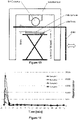
- FIG 12 schematically illustrates a structural arrangement for an apparatus according to an embodiment of the invention, wherein the UV light source is located on the outside of a container.
- This arrangement of apparatus includes a stand (8) having a base (6) wherein the magnetic stirrer (5) (for driving the magnetic bar (4)) is incorporated within the base (6).
- the base (6) is preferably configured such that it appropriately positions and holds the container (1) when the container (1) is placed thereon.
- the container (1) includes a cover (10), wherein the cover (10) is relatively attachable to the container (1) such that spillage and contamination of a milk product within the container is minimized.
- the stand (8) includes an electrical socket (20) inside which the UV light source (3), which is a lamp, is plugged.
- the stand (8) extends adjacent the container (1) when the container (1) is located on base (6) such that the UV lamp (3) is supported and positioned at an appropriate proximity to the container (1). Electrical connections for driving the stirrer (5) and the socket (20) for the UV lamp (3) are via an electrical cable (14) and plug (16) for connection to a normal/household GPO. It is anticipated that the separate component of this apparatus, namely the stand (8) (incorporating the base (6) with magnetic stirrer (5), socket (20) and electrical cable and plug (14/16), UV lamp (3), container (1) and cover (10), and magnetic bar (4), may be packaged and sold either individually or together as a unit/single package together with instructions for use of the apparatus.
- the means that imparts a flow that is a vortical to the milk may include stirring devices including overhead stirrers and magnetic stirrers.
- Overhead stirrers may comprise a shaft with a blade disposed at one end which may be introduced into a liquid and rotated in the milk so as to create a vortical flow.
- a magnetic stirring device may be used.
- the container containing the milk may be moved or rotated so as to impart a vortical flow.
- the means adapted to impart a vortical flow to the milk is a magnet and magnetic stirrer.
- a magnetic stirrer applies a magnetic force to a magnet which causes the magnet to rotate so as to generate a vortex in the milk product and thereby imparting a vortical flow to the milk.
- the container may be moved relative the UV source so as to create a vortex and hence a vortical flow in the milk.
- the magnet may be of any appropriate shape or size.
- the magnet is a magnetic stirring bar.
- the size of the magnetic bar may be varied according to the volume of milk to be treated or the size of the container. For example, where a larger container is used to contain the milk, a larger magnetic bar may be employed. Alternatively, where a smaller volume of milk is to be treated, a smaller magnetic bar may be used.
- the container is adapted to contain 400ml of a human milk product and the magnetic bar is 8x40mm. A vortex may be created to impart a substantially vortical flow in a volume of 380ml of human milk in a container adapted to contain 400ml, when a magnetic bar of 8x40mm is rotated at 500rpm.
- the UV light source may operate as the means by which a vortex is applied to the milk.
- a UV lamp may be introduced to the milk retained within the container and caused to move so as to create a vortex and hence vortical flow in the milk.
- a UV lamp may be inserted into a volume of milk retained within the container and rotated in a stirring fashion to create a vortex and hence vortical flow in the milk.
- the present invention provides a human milk product prepared according to the methods as set forth in this specification. It is expected that a human milk product prepared according to the methods of the present invention, having a biological contaminant present in the milk product inactivated and/or reduced, may be stored for a longer period of time as compared to unpasteurized human milk products. Additionally, the milk product according to the present invention will have a superior bioactivity as compared to human milk products that have been pasteurized using thermal methods.
- a partially covered (57mm open out of 211mm arc length) germicidal UV-C lamp (95% of UV-output at 253.7nm) (GPH287T5L, Infralight Pty Ltd, Helensburgh, NSW, Australia) was put into the glass beaker ( Figure 1 ).
- the UV output of the 57mm open lamp was 1.1W.
- the germicidal UV-C lamp (95% of UV-output at 253.7nm) (GPH287T5L, Infralight Pty Ltd, Helensburgh, NSW, Australia) was put diagonally into the container ( Figure 1 ).
- the milk was stirred with an 8x40mm magnetic stirrer bar at 500rpm (C-MAG HS 7, IKA, Staufen, Germany) to create a low velocity vortex.
- the human milk was exposed to UV-C and 1ml samples were taken at different time points and portioned in to tubes for the different analyses. Aliquots for enzymatic and fatty acid analyses (described below) were kept frozen at -80°C until the assay was performed. Bacterial analyses were performed immediately.
- Staphylococcus epidermidis ATCC 12228
- Enterobacter cloacae ATCC 27508
- Bacillus cereus ATCC 10702
- Escherichia coli K12 ATCC1498, Southern Biological, Nunawading, Vic, Australia
- Staphylococcus aureus (ATCC 6538) (American Type Culture Collection Inc, Manassas, VA, USA) was cultured in tryptic soy broth (BBL Trypticase Soy Broth, Becton Dickinson & Co, Franklin Lakes, NJ, USA) over night at 33°C. Then, bacteria were enumerated using the optical density method with previously constructed standard curves. Cultures were diluted and inoculated into the total solids adjusted human milk samples to a maximum accepted concentration in milk banks of 10 5 CFU/ml (colony forming units per millilitre).
- a high positive correlation (P ⁇ 0.01) was found between the decimal reduction dosage and total solids measured in the human milk.
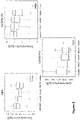
- the samples had a total solids concentration of 107.0, 110.5, 120.0, 121.0, 125.0, 126.0, 131.5, 133.0, 139.5 and 146 g/l and the correlating decimal reduction dosage were 289 ⁇ 17, 396 ⁇ 52, 470 ⁇ 51, 454 ⁇ 36, 380 ⁇ 39, 437 ⁇ 72, 774 ⁇ 98, 805 ⁇ 74, 721 ⁇ 64 and 945 ⁇ 164 J/I, respectively ( Figure 2 ).
- a lipase assay kit QuantiChrom Lipase Assay Kit, BioAssay Systems, Hayward, CA, USA.
- the kit linear detection range is between 40 and 1600 U/ml lipase activity in the 96-well plate assay.
- Unit definition one unit of enzyme catalyzes the cleavage of 1.0 ⁇ M of substrate per minute under the assay conditions (pH 8.5).
- the coefficient of variation (CV) within groups was ⁇ 7%.
- Untreated human milk samples had a BSSL activity of 116.5 ⁇ 36.6 U/ml.
- the alkaline phosphatase causes the hydrolysis of the p-nitrophenyl phosphate and forms a yellow complex whose intensity, measured at 405nm, is directly proportional to the concentration of ALP in the sample.
- ALP activity was analysed using the enzymatic assay based on Walter and Schütt (23).
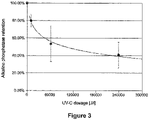
- Untreated human milk samples had an ALP activity of 0.200 ⁇ 0.050 U/ml. After treatment with an UV-C dosage as in Example 1 of 2084, 3474 and 4863 J/I the ALP activity was not significantly reduced with 0.199 ⁇ 0.056, 0.199 ⁇ 0.047 and 0.204 ⁇ 0.057 U/ml respectively (n 10).
- FA Fatty acids
- Each sample (3 ⁇ l) was then injected onto the column using an automatic injector (AOC-20i, Shimadzu Co., Kyoto, Japan) at a split ratio of 20:1.
- the injector temperature was set at 250°C and the detector (flame ionisation) temperature at 300°C.
- the initial oven temperature was 130°C.
- the temperature was initially programmed to rise to 155°C within 5min, then slowly to 165°C within 1min, then to 230°C within 5min and finally to 250°C within 10min where it is held for 5 minutes.
- Helium was used as the carrier gas at a velocity of 4 ml/min.
- Fatty acids were identified based on retention time to authentic lipid standards (Sigma-Aldrich Co., St Louis, MO, USA). Individual FA peaks were quantified as the total area under FA peaks. The coefficient of variation of the area under the FA peaks over 5 separate extractions was ⁇ 4.2%.
- the FA concentration had a large variation between the individual untreated samples but did not significantly change during the UV-C treatment as in Example 1.
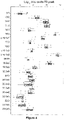
- Ten human milk samples as in Example 1 were analysed and all fatty acids (FA) were detected in all ten samples except the FA 17:0, 20:5n3, 20:0 and 22:1n9 which were detected in nine samples and the FA 18:2tt in eight samples.
- the FA 8:0 had the smallest and the c-18:1n9 the largest concentration with a median area untreated of 11,270 (range 4233 to 24,513) and 6,819,353 (1,157,398 to 11,613,614), respectively.
- the median area of those two FA treated with 4863 J/I UV-C was 13,304 (3612 to 30,132) and 7,285,795 (1,067,547 to 13,459,439), respectively ( Figure 4 ).
- UV-C irradiation facilitates the required reduction in vegetative bacteria contamination and preserves the activity of heat sensitive enzymes such as BSSL and ALP with no change of FA thereby improving the quality of donor human milk.
- Murine or human CMV was innoculated into cell culture media or pasteurized breast milk and dispensed into a container to provide a 0.5mm layer.
- Samples were subsequently exposed to a UV light source for a period of 10, 20, 30 or 60 seconds at distances of 1, 2, 3, and 4cm from the UV light source. The difference in distance of the UV light source facilitated the delivery of a different dose of UV to the samples.
- inactivation of virus present in the samples was assessed using a plaque assay or a Tissue Culture Infective Dose (TCID) 50 assay.
- TCID Tissue Culture Infective Dose
- TCID 50 assay media or breast milk spiked with Human CMV (HCMV) were prepared. Two replicates of media or milk either exposed to UV at the different distances, or untreated, were serially diluted and added cultured human foreskin fibroblasts (HFFs) and incubated for 3 weeks. The cyotpathic effect of the viruses present in the treated or untreated samples was subsequently assessed on a daily basis. Results were analysed using a calculator created by Brett D. Lindenbach (Yale University) based on the protocol of Reed and Muench ( Reed LJ, Muench HA. The American Journal of Hygiene. 1938; 27:493-497 ). Values are provided as TCID 50 / ml.
- Example 7 Bacteriostatic Property of UV Treated Milk and Holder Pasteurized Milk
- Escherichia coli K12 (ATCC1498, Southern Biological, Nunawading, Vic, Australia) and Staphylococcus aureus (ATCC6538, American Type Culture Collection Inc, Manassas, VA, USA) were cultured in nutrient broth (Nutrient Broth No. 2, Oxoid Australia Pty Ltd, Sydney, SA, Australia) overnight at 37°C. After enumeration using the optical density method with previously constructed standard curves, the cultures were diluted and inoculated into untreated, UV-C irradiated and Holder pasteurized samples to bacterial loads of E. coli and S. aureus of 2000 CFU/ml (colony forming units per millilitre).
- Untreated human milk had a bacterial growth rate of 2.7 ⁇ 1.1 fold per hour.
- Holder pasteurized human milk had a bacterial growth rate of 5.1 ⁇ 1.4 fold per hour.
- the bacterial growth rate of Holder pasteurized human milk was significantly higher than both untreated and UV-C irradiated human milk (p ⁇ 0.001).
- EIA Human Lysozyme enzyme immune assay
- ROS reactive oxygen species
- Human milk contains anti-oxidant components such as lactoperoxidase, myeloperoxidase, glutathione peroxidase, catalase, superoxide dismutase, lactoferrin, vitamin C and vitamin E.
- This example investigates the hydrogen peroxide (H 2 O 2 ) status of human milk and whether Holder pasteurization or UV-C irradiation changes the H 2 O 2 level and hence the activity of anti-oxidant components in human milk.
- each human milk sample 150 ⁇ l was placed in a 0.4 mm layer under a UV-C lamp (4 W at 254 nm, 40 mW/cm2 @ 1 meter, GPH287T5L, Infralight Technology, Helensburgh, NSW, Australia) with a distance of 8 mm and irradiated for 3 minutes as set up in Figure 13 . Under these conditions a treatment time of 10 seconds is required to reduce cytomegalovirus in human milk (Marchant, 2011).
- each human milk sample (1.6 ml) was transferred into a 2 ml polypropylene micro tube.
- the samples were placed into a preheated water bath (CC-1, Huber GmbH, Offenburg, Germany) and brought to 62.5°C and kept for 30 minutes, then, the samples were immediately cooled to 4°C in an ice bath and either analyzed or exposed to further treatments.
- CC-1 preheated water bath
- the Amplex red assay (Life Technologies, Carlsbad, CA, USA) was used to detect hydrogen peroxide activity and read at 544 nm excitation and 590 nm emission and 10 flashes.
- untreated and UV-C irradiated human milk has a baseline of H 2 O 2 and has a regulation process, which keeps that baseline level constant.
- UV-C irradiation creates H 2 O 2 in human milk but within 3 minutes after treatment it is reduced back to the pre treatment level. Holder pasteurized human milk lost its regulation process and the H 2 O 2 level can be changed by environmental stress. This finding suggests that UV-C irradiation does not cause significant damage to the anti-oxidant components in human milk.
Landscapes
- Engineering & Computer Science (AREA)
- Life Sciences & Earth Sciences (AREA)
- Chemical & Material Sciences (AREA)
- Food Science & Technology (AREA)
- Polymers & Plastics (AREA)
- Health & Medical Sciences (AREA)
- Nutrition Science (AREA)
- Zoology (AREA)
- Wood Science & Technology (AREA)
- Dairy Products (AREA)
- Medicines Containing Material From Animals Or Micro-Organisms (AREA)
- Apparatus For Disinfection Or Sterilisation (AREA)
- Toxicology (AREA)
Claims (13)
- Méthode d'inactivation ou de réduction d'une quantité d'un contaminant biologique dans un produit de lait humain, comprenant l'exposition du produit de lait humain à de la lumière ultraviolette (UV) ayant une longueur d'onde allant de 250 nm à 270 nm, et la transmission d'un flux tourbillonnaire au produit de lait humain afin de faciliter l'exposition du contaminant biologique à la lumière UV ; où ladite exposition inactive ou réduit la quantité du contaminant biologique dans le produit de lait humain ; et où une activité d'un composant bioactif présent dans le produit de lait n'est pas sensiblement réduite, de sorte qu'après l'inactivation du contaminant biologique par l'exposition à la lumière UV, l'activité du composant bioactif présent dans le produit de lait humain constitue au moins 50% de l'activité du composant bioactif avant l'exposition à la lumière UV.
- Méthode selon la revendication 1, dans laquelle ledit flux tourbillonnaire est transmis au produit de lait humain par un vortex.
- Méthode selon la revendication 1 ou 2, dans laquelle la lumière UV présente une longueur d'onde de 254 nm.
- Méthode selon l'une quelconque des revendications précédentes, dans laquelle le flux tourbillonnaire est transmis à l'aide d'un moyen d'agitation.
- Méthode selon la revendication 4, dans laquelle le flux tourbillonnaire est transmis à une vitesse suffisante pour exposer le contaminant biologique à la lumière UV sans réduire sensiblement l'activité du composant bioactif, de sorte qu'après l'inactivation du contaminant biologique par l'exposition à la lumière UV, l'activité du composant bioactif présent dans le produit de lait humain constitue au moins 50% de l'activité du composant bioactif avant l'exposition à la lumière UV.
- Méthode selon l'une quelconque des revendications précédentes, dans laquelle la quantité de contaminant biologique est inactivée ou réduite d'un ordre de grandeur d'au moins 1 Log10, préférablement 5 Log10.
- Méthode selon l'une quelconque des revendications précédentes, dans laquelle une dose d'UV appliquée au lait se trouve dans la plage de 100-10 000 J/I.
- Méthode selon l'une quelconque des revendications précédentes, dans laquelle ledit contaminant biologique est choisi dans le groupe comprenant E. coli, Staphylococcus spp., Streptococcus spp., Bacillus spp., Enterococcus spp. et Enterobacter spp., Cytomégalovirus, le Virus de l'Immunodéficience Humaine ou le Virus T-lymphotrope Humain.
- Méthode selon l'une quelconque des revendications précédentes, dans laquelle ledit composant bioactif est un glucide, un lipide, une protéine, un acide gras, une enzyme, un anticorps, un facteur de croissance, une cytokine, une chimiokine, une hormone, un composé antimicrobien ou un métabolite.
- Méthode selon la revendication 9, dans laquelle ledit composant bioactif est une protéine choisie dans le groupe comprenant la lipase stimulée par les sels biliaires, la phosphatase alcaline, la lactoperoxydase, la lactoferrine, le lysozyme et l'lgA sécrétoire, la myéloperoxydase, la glutathion peroxydase, la catalase, la superoxyde dismutase, ou la lactoferrine, préférablement la lipase stimulée par les sels biliaires, la phosphatase alcaline, la lactoferrine, le lysozyme et l'IgA sécrétoire, plus préférablement la lipase stimulée par les sels biliaires, la phosphatase alcaline et la lactoferrine.
- Méthode selon l'une quelconque des revendications précédentes, dans laquelle une propriété bactériostatique dudit produit de lait humain ; ou une concentration en composant bioactif ou une activité antioxydante n'est pas sensiblement réduite, de sorte qu'après l'inactivation du contaminant biologique par l'exposition à la lumière UV, l'activité du composant bioactif présent dans le produit de lait humain constitue au moins 50% de l'activité du composant bioactif avant l'exposition à la lumière UV.
- Méthode selon l'une quelconque des revendications précédentes, dans laquelle le produit de lait humain est constitué de lait humain.
- Produit de lait humain préparé selon la méthode selon l'une quelconque des revendications 1 à 12.
Applications Claiming Priority (3)
| Application Number | Priority Date | Filing Date | Title |
|---|---|---|---|
| AU2012905577A AU2012905577A0 (en) | 2012-12-18 | Device and Methods for Pasteurization of Human Milk | |
| AU2013901438A AU2013901438A0 (en) | 2013-04-24 | Apparatus and methods for pasteurization of human milk | |
| PCT/CH2013/000224 WO2014094189A1 (fr) | 2012-12-18 | 2013-12-13 | Appareil et procédés de pasteurisation de lait de femme |
Publications (2)
| Publication Number | Publication Date |
|---|---|
| EP2934158A1 EP2934158A1 (fr) | 2015-10-28 |
| EP2934158B1 true EP2934158B1 (fr) | 2022-07-20 |
Family
ID=49886551
Family Applications (1)
| Application Number | Title | Priority Date | Filing Date |
|---|---|---|---|
| EP13814820.0A Active EP2934158B1 (fr) | 2012-12-18 | 2013-12-13 | Procédés de pasteurisation de lait de femme |
Country Status (11)
| Country | Link |
|---|---|
| US (1) | US20150305357A1 (fr) |
| EP (1) | EP2934158B1 (fr) |
| JP (1) | JP2015536681A (fr) |
| CN (1) | CN104936457B (fr) |
| AU (1) | AU2013362767B2 (fr) |
| BR (1) | BR112015014295A2 (fr) |
| CA (1) | CA2895362C (fr) |
| IL (1) | IL239411A0 (fr) |
| RU (1) | RU2015126762A (fr) |
| SG (1) | SG11201504166WA (fr) |
| WO (1) | WO2014094189A1 (fr) |
Families Citing this family (6)
| Publication number | Priority date | Publication date | Assignee | Title |
|---|---|---|---|---|
| EP2957177A1 (fr) * | 2014-06-16 | 2015-12-23 | Carag AG | Dispositif de pasteurisation de lait humain |
| EP3294855B1 (fr) * | 2015-05-14 | 2021-08-11 | University of South Africa | Récupération de déchets de bière |
| EP3331369B1 (fr) | 2015-08-07 | 2021-11-10 | Tamarack Biotics LLC | Procédés de production d'un produit laitier immunoactif et utilisations associées |
| WO2017103661A1 (fr) * | 2015-12-18 | 2017-06-22 | Edel-For-Life Sa | Essais de contrôle de qualité pour surveiller la complétude de traitements d'inactivation de cellules pathogènes ou ciblées dans des produits biologiques, des aliments, des boissons et des produits cosmétiques |
| JP7458187B2 (ja) * | 2016-10-04 | 2024-03-29 | ラクタロジックス, インコーポレイテッド | 滅菌人乳製品を生成するための方法およびシステム |
| WO2021144321A1 (fr) * | 2020-01-15 | 2021-07-22 | Société des Produits Nestlé SA | Détection de microparticules de plastique dans un échantillon à base de lait par cytométrie de flux |
Citations (1)
| Publication number | Priority date | Publication date | Assignee | Title |
|---|---|---|---|---|
| EP1337280B1 (fr) * | 2000-11-13 | 2013-09-04 | Bayer Intellectual Property GmbH | Procede d'inactivation de micro-organismes presents dans un fluide au moyen de rayonnement ultraviolet |
Family Cites Families (17)
| Publication number | Priority date | Publication date | Assignee | Title |
|---|---|---|---|---|
| FR667668A (fr) * | 1928-04-12 | 1929-10-19 | J Laroche Lechat Ets | Commande d'armures par tambours de cames jumelés pour métiers à toiles multiples |
| FR667660A (fr) * | 1928-12-29 | 1929-10-19 | Appareil combiné pour la pasteurisation et l'irradiation du lait | |
| GB324503A (en) * | 1929-01-07 | 1930-01-30 | Patent Treuhand Ges Fuer Elektrische Gluehlampen Mbh | Arrangement for treating liquids with ultra-violet rays |
| US2072417A (en) * | 1934-01-19 | 1937-03-02 | R U V Engineering Corp | Method of irradiating substances with active rays |
| US2457761A (en) * | 1944-12-08 | 1948-12-28 | Wilton W Wesner | Irradiation of liquids using ultraviolet light |
| ES2122333T3 (es) | 1993-10-06 | 1998-12-16 | Water Recovery Plc | Aparato de rayos ultravioletas (u.v.) para tratamiento de fluidos. |
| US5567616A (en) | 1994-03-07 | 1996-10-22 | Dill Instruments | Apparatus for supporting and driving a rotating cylinder |
| DE19831768A1 (de) | 1998-07-15 | 2000-02-17 | Paa Lab Gmbh | Vorrichtung zur Bestrahlung einer Flüssigkeit |
| CA2425987C (fr) | 1999-10-12 | 2010-06-01 | Surepure Operations Ag | Sterilisation de liquides par rayonnement ultra-violet |
| US6576201B1 (en) | 2000-01-28 | 2003-06-10 | Baxter International Inc. | Device and method for pathogen inactivation of therapeutic fluids with sterilizing radiation |
| US7507370B2 (en) * | 2002-10-24 | 2009-03-24 | Georgia Tech Research Corporation | Systems and methods for disinfection |
| EP1496114A1 (fr) * | 2003-07-07 | 2005-01-12 | Margraf, Stefan, Dr.med. | Procédé d'inactivation de microorganismes |
| US20110142817A1 (en) * | 2004-02-04 | 2011-06-16 | Pharmaaware Sepsis B.V. | Means and method for treating and/or preventing necrotizing enterocolitis |
| US7993580B2 (en) * | 2004-08-24 | 2011-08-09 | Baxter International Inc. | Methods for the inactivation of microorganisms in biological fluids, flow through reactors and methods of controlling the light sum dose to effectively inactivate microorganisms in batch reactors |
| US8127667B2 (en) * | 2009-03-27 | 2012-03-06 | Gea Farm Technologies, Inc. | Apparatus for pasteurizing milk for feeding to calves |
| DK2629790T3 (en) * | 2010-10-21 | 2016-10-24 | Swedish Orphan Biovitrum Ab (Publ) | Approach to increase growth rate of human babies |
| WO2012122639A1 (fr) * | 2011-03-16 | 2012-09-20 | Fédération Des Producteurs Acéricoles Du Québec | Appareil et procédé pour la pasteurisation de sève et produit de sève |
-
2013
- 2013-12-13 RU RU2015126762A patent/RU2015126762A/ru not_active Application Discontinuation
- 2013-12-13 CN CN201380066571.9A patent/CN104936457B/zh active Active
- 2013-12-13 CA CA2895362A patent/CA2895362C/fr active Active
- 2013-12-13 SG SG11201504166WA patent/SG11201504166WA/en unknown
- 2013-12-13 AU AU2013362767A patent/AU2013362767B2/en active Active
- 2013-12-13 US US14/653,394 patent/US20150305357A1/en not_active Abandoned
- 2013-12-13 JP JP2015546790A patent/JP2015536681A/ja active Pending
- 2013-12-13 EP EP13814820.0A patent/EP2934158B1/fr active Active
- 2013-12-13 BR BR112015014295A patent/BR112015014295A2/pt not_active Application Discontinuation
- 2013-12-13 WO PCT/CH2013/000224 patent/WO2014094189A1/fr not_active Ceased
-
2015
- 2015-06-15 IL IL239411A patent/IL239411A0/en unknown
Patent Citations (1)
| Publication number | Priority date | Publication date | Assignee | Title |
|---|---|---|---|---|
| EP1337280B1 (fr) * | 2000-11-13 | 2013-09-04 | Bayer Intellectual Property GmbH | Procede d'inactivation de micro-organismes presents dans un fluide au moyen de rayonnement ultraviolet |
Also Published As
| Publication number | Publication date |
|---|---|
| SG11201504166WA (en) | 2015-07-30 |
| AU2013362767A1 (en) | 2015-06-18 |
| HK1213438A1 (en) | 2016-07-08 |
| JP2015536681A (ja) | 2015-12-24 |
| CA2895362C (fr) | 2021-05-11 |
| CN104936457B (zh) | 2018-04-03 |
| CA2895362A1 (fr) | 2014-06-26 |
| RU2015126762A (ru) | 2017-01-25 |
| WO2014094189A1 (fr) | 2014-06-26 |
| US20150305357A1 (en) | 2015-10-29 |
| CN104936457A (zh) | 2015-09-23 |
| IL239411A0 (en) | 2015-07-30 |
| EP2934158A1 (fr) | 2015-10-28 |
| BR112015014295A2 (pt) | 2017-07-11 |
| AU2013362767B2 (en) | 2016-05-12 |
Similar Documents
| Publication | Publication Date | Title |
|---|---|---|
| Christen et al. | Ultraviolet-C irradiation: a novel pasteurization method for donor human milk | |
| AU2013362767B2 (en) | Apparatus and methods for pasteurization of human milk | |
| Chawla et al. | UV light application as a mean for disinfection applied in the dairy industry | |
| Shabbir et al. | Effect of non-thermal processing techniques on pathogenic and spoilage microorganisms of milk and milk products | |
| Aadil et al. | Combined effects of pulsed electric field and ultrasound on bioactive compounds and microbial quality of grapefruit juice | |
| Soni et al. | Applications of novel processing technologies to enhance the safety and bioactivity of milk | |
| Unluturk et al. | Microbial safety and shelf life of UV‐C treated freshly squeezed white grape juice | |
| Koh et al. | Bile salt-stimulated lipase activity in donor breast milk influenced by pasteurization techniques | |
| Artíguez et al. | Improved process for decontamination of whey by a continuous flow-through pulsed light system | |
| Unluturk et al. | Uv‐c irradiation of freshly squeezed grape juice and modeling inactivation kinetics | |
| Gabriel et al. | Inactivation behaviors of selected bacteria in ultraviolet-C-treated human breast milk | |
| EP3331369B1 (fr) | Procédés de production d'un produit laitier immunoactif et utilisations associées | |
| Gopisetty et al. | UV‑C irradiation as an alternative treatment technique: Study of its effect on microbial inactivation, cytotoxicity, and sensory properties in cranberry-flavored water | |
| Monyethabeng et al. | The effect of UV-C treatment on various spoilage microorganisms inoculated into Rooibos iced tea | |
| Moro et al. | New alternatives to holder pasteurization in processing donor milk in human milk banks | |
| Liu et al. | Current progress of emerging technologies in human and animals’ milk processing: Retention of immune‐active components and microbial safety | |
| Datta et al. | Ultraviolet and pulsed light technologies in dairy processing | |
| Lu et al. | UV inactivation of microorganisms in beer by a novel thin-film apparatus | |
| Stinson et al. | Effect of Holder pasteurization and UV-C irradiation on bacteriophage titres in human milk | |
| Lu et al. | Inactivation of microorganisms in apple juice using an ultraviolet silica-fiber optical device | |
| Gomes et al. | Impact of ultrasound treatment on viability of Staphylococcus aureus and the human milk antioxidant activity | |
| US10638773B2 (en) | Device for pasteurization of human milk | |
| HK1213438B (en) | Methods for pasteurization of human milk | |
| CN106455599B (zh) | 用于制备待储存之人乳的方法及设备 | |
| Chen et al. | Non-thermal food pasteurization processes: an introduction |
Legal Events
| Date | Code | Title | Description |
|---|---|---|---|
| PUAI | Public reference made under article 153(3) epc to a published international application that has entered the european phase |
Free format text: ORIGINAL CODE: 0009012 |
|
| 17P | Request for examination filed |
Effective date: 20150521 |
|
| AK | Designated contracting states |
Kind code of ref document: A1 Designated state(s): AL AT BE BG CH CY CZ DE DK EE ES FI FR GB GR HR HU IE IS IT LI LT LU LV MC MK MT NL NO PL PT RO RS SE SI SK SM TR |
|
| AX | Request for extension of the european patent |
Extension state: BA ME |
|
| DAX | Request for extension of the european patent (deleted) | ||
| REG | Reference to a national code |
Ref country code: HK Ref legal event code: DE Ref document number: 1213438 Country of ref document: HK |
|
| STAA | Information on the status of an ep patent application or granted ep patent |
Free format text: STATUS: EXAMINATION IS IN PROGRESS |
|
| 17Q | First examination report despatched |
Effective date: 20180913 |
|
| GRAP | Despatch of communication of intention to grant a patent |
Free format text: ORIGINAL CODE: EPIDOSNIGR1 |
|
| STAA | Information on the status of an ep patent application or granted ep patent |
Free format text: STATUS: GRANT OF PATENT IS INTENDED |
|
| INTG | Intention to grant announced |
Effective date: 20220215 |
|
| GRAS | Grant fee paid |
Free format text: ORIGINAL CODE: EPIDOSNIGR3 |
|
| GRAA | (expected) grant |
Free format text: ORIGINAL CODE: 0009210 |
|
| STAA | Information on the status of an ep patent application or granted ep patent |
Free format text: STATUS: THE PATENT HAS BEEN GRANTED |
|
| AK | Designated contracting states |
Kind code of ref document: B1 Designated state(s): AL AT BE BG CH CY CZ DE DK EE ES FI FR GB GR HR HU IE IS IT LI LT LU LV MC MK MT NL NO PL PT RO RS SE SI SK SM TR |
|
| RAP1 | Party data changed (applicant data changed or rights of an application transferred) |
Owner name: CARAG AG |
|
| REG | Reference to a national code |
Ref country code: GB Ref legal event code: FG4D |
|
| REG | Reference to a national code |
Ref country code: CH Ref legal event code: EP |
|
| REG | Reference to a national code |
Ref country code: DE Ref legal event code: R096 Ref document number: 602013082120 Country of ref document: DE |
|
| REG | Reference to a national code |
Ref country code: AT Ref legal event code: REF Ref document number: 1504970 Country of ref document: AT Kind code of ref document: T Effective date: 20220815 |
|
| REG | Reference to a national code |
Ref country code: IE Ref legal event code: FG4D |
|
| REG | Reference to a national code |
Ref country code: SE Ref legal event code: TRGR |
|
| REG | Reference to a national code |
Ref country code: NL Ref legal event code: FP |
|
| REG | Reference to a national code |
Ref country code: LT Ref legal event code: MG9D |
|
| PG25 | Lapsed in a contracting state [announced via postgrant information from national office to epo] |
Ref country code: RS Free format text: LAPSE BECAUSE OF FAILURE TO SUBMIT A TRANSLATION OF THE DESCRIPTION OR TO PAY THE FEE WITHIN THE PRESCRIBED TIME-LIMIT Effective date: 20220720 Ref country code: PT Free format text: LAPSE BECAUSE OF FAILURE TO SUBMIT A TRANSLATION OF THE DESCRIPTION OR TO PAY THE FEE WITHIN THE PRESCRIBED TIME-LIMIT Effective date: 20221121 Ref country code: NO Free format text: LAPSE BECAUSE OF FAILURE TO SUBMIT A TRANSLATION OF THE DESCRIPTION OR TO PAY THE FEE WITHIN THE PRESCRIBED TIME-LIMIT Effective date: 20221020 Ref country code: LV Free format text: LAPSE BECAUSE OF FAILURE TO SUBMIT A TRANSLATION OF THE DESCRIPTION OR TO PAY THE FEE WITHIN THE PRESCRIBED TIME-LIMIT Effective date: 20220720 Ref country code: LT Free format text: LAPSE BECAUSE OF FAILURE TO SUBMIT A TRANSLATION OF THE DESCRIPTION OR TO PAY THE FEE WITHIN THE PRESCRIBED TIME-LIMIT Effective date: 20220720 Ref country code: FI Free format text: LAPSE BECAUSE OF FAILURE TO SUBMIT A TRANSLATION OF THE DESCRIPTION OR TO PAY THE FEE WITHIN THE PRESCRIBED TIME-LIMIT Effective date: 20220720 Ref country code: ES Free format text: LAPSE BECAUSE OF FAILURE TO SUBMIT A TRANSLATION OF THE DESCRIPTION OR TO PAY THE FEE WITHIN THE PRESCRIBED TIME-LIMIT Effective date: 20220720 |
|
| REG | Reference to a national code |
Ref country code: AT Ref legal event code: MK05 Ref document number: 1504970 Country of ref document: AT Kind code of ref document: T Effective date: 20220720 |
|
| PG25 | Lapsed in a contracting state [announced via postgrant information from national office to epo] |
Ref country code: PL Free format text: LAPSE BECAUSE OF FAILURE TO SUBMIT A TRANSLATION OF THE DESCRIPTION OR TO PAY THE FEE WITHIN THE PRESCRIBED TIME-LIMIT Effective date: 20220720 Ref country code: IS Free format text: LAPSE BECAUSE OF FAILURE TO SUBMIT A TRANSLATION OF THE DESCRIPTION OR TO PAY THE FEE WITHIN THE PRESCRIBED TIME-LIMIT Effective date: 20221120 Ref country code: HR Free format text: LAPSE BECAUSE OF FAILURE TO SUBMIT A TRANSLATION OF THE DESCRIPTION OR TO PAY THE FEE WITHIN THE PRESCRIBED TIME-LIMIT Effective date: 20220720 Ref country code: GR Free format text: LAPSE BECAUSE OF FAILURE TO SUBMIT A TRANSLATION OF THE DESCRIPTION OR TO PAY THE FEE WITHIN THE PRESCRIBED TIME-LIMIT Effective date: 20221021 |
|
| REG | Reference to a national code |
Ref country code: DE Ref legal event code: R097 Ref document number: 602013082120 Country of ref document: DE |
|
| PG25 | Lapsed in a contracting state [announced via postgrant information from national office to epo] |
Ref country code: SM Free format text: LAPSE BECAUSE OF FAILURE TO SUBMIT A TRANSLATION OF THE DESCRIPTION OR TO PAY THE FEE WITHIN THE PRESCRIBED TIME-LIMIT Effective date: 20220720 Ref country code: RO Free format text: LAPSE BECAUSE OF FAILURE TO SUBMIT A TRANSLATION OF THE DESCRIPTION OR TO PAY THE FEE WITHIN THE PRESCRIBED TIME-LIMIT Effective date: 20220720 Ref country code: DK Free format text: LAPSE BECAUSE OF FAILURE TO SUBMIT A TRANSLATION OF THE DESCRIPTION OR TO PAY THE FEE WITHIN THE PRESCRIBED TIME-LIMIT Effective date: 20220720 Ref country code: CZ Free format text: LAPSE BECAUSE OF FAILURE TO SUBMIT A TRANSLATION OF THE DESCRIPTION OR TO PAY THE FEE WITHIN THE PRESCRIBED TIME-LIMIT Effective date: 20220720 Ref country code: AT Free format text: LAPSE BECAUSE OF FAILURE TO SUBMIT A TRANSLATION OF THE DESCRIPTION OR TO PAY THE FEE WITHIN THE PRESCRIBED TIME-LIMIT Effective date: 20220720 |
|
| PLBE | No opposition filed within time limit |
Free format text: ORIGINAL CODE: 0009261 |
|
| STAA | Information on the status of an ep patent application or granted ep patent |
Free format text: STATUS: NO OPPOSITION FILED WITHIN TIME LIMIT |
|
| PG25 | Lapsed in a contracting state [announced via postgrant information from national office to epo] |
Ref country code: SK Free format text: LAPSE BECAUSE OF FAILURE TO SUBMIT A TRANSLATION OF THE DESCRIPTION OR TO PAY THE FEE WITHIN THE PRESCRIBED TIME-LIMIT Effective date: 20220720 Ref country code: EE Free format text: LAPSE BECAUSE OF FAILURE TO SUBMIT A TRANSLATION OF THE DESCRIPTION OR TO PAY THE FEE WITHIN THE PRESCRIBED TIME-LIMIT Effective date: 20220720 |
|
| 26N | No opposition filed |
Effective date: 20230421 |
|
| P01 | Opt-out of the competence of the unified patent court (upc) registered |
Effective date: 20230519 |
|
| PG25 | Lapsed in a contracting state [announced via postgrant information from national office to epo] |
Ref country code: AL Free format text: LAPSE BECAUSE OF FAILURE TO SUBMIT A TRANSLATION OF THE DESCRIPTION OR TO PAY THE FEE WITHIN THE PRESCRIBED TIME-LIMIT Effective date: 20220720 |
|
| PG25 | Lapsed in a contracting state [announced via postgrant information from national office to epo] |
Ref country code: SI Free format text: LAPSE BECAUSE OF FAILURE TO SUBMIT A TRANSLATION OF THE DESCRIPTION OR TO PAY THE FEE WITHIN THE PRESCRIBED TIME-LIMIT Effective date: 20220720 Ref country code: LU Free format text: LAPSE BECAUSE OF NON-PAYMENT OF DUE FEES Effective date: 20221213 |
|
| PG25 | Lapsed in a contracting state [announced via postgrant information from national office to epo] |
Ref country code: IE Free format text: LAPSE BECAUSE OF NON-PAYMENT OF DUE FEES Effective date: 20221213 |
|
| PG25 | Lapsed in a contracting state [announced via postgrant information from national office to epo] |
Ref country code: FR Free format text: LAPSE BECAUSE OF NON-PAYMENT OF DUE FEES Effective date: 20221231 |
|
| PG25 | Lapsed in a contracting state [announced via postgrant information from national office to epo] |
Ref country code: HU Free format text: LAPSE BECAUSE OF FAILURE TO SUBMIT A TRANSLATION OF THE DESCRIPTION OR TO PAY THE FEE WITHIN THE PRESCRIBED TIME-LIMIT; INVALID AB INITIO Effective date: 20131213 |
|
| PG25 | Lapsed in a contracting state [announced via postgrant information from national office to epo] |
Ref country code: CY Free format text: LAPSE BECAUSE OF FAILURE TO SUBMIT A TRANSLATION OF THE DESCRIPTION OR TO PAY THE FEE WITHIN THE PRESCRIBED TIME-LIMIT Effective date: 20220720 |
|
| PG25 | Lapsed in a contracting state [announced via postgrant information from national office to epo] |
Ref country code: MK Free format text: LAPSE BECAUSE OF FAILURE TO SUBMIT A TRANSLATION OF THE DESCRIPTION OR TO PAY THE FEE WITHIN THE PRESCRIBED TIME-LIMIT Effective date: 20220720 Ref country code: IT Free format text: LAPSE BECAUSE OF FAILURE TO SUBMIT A TRANSLATION OF THE DESCRIPTION OR TO PAY THE FEE WITHIN THE PRESCRIBED TIME-LIMIT Effective date: 20220720 |
|
| PG25 | Lapsed in a contracting state [announced via postgrant information from national office to epo] |
Ref country code: MC Free format text: LAPSE BECAUSE OF FAILURE TO SUBMIT A TRANSLATION OF THE DESCRIPTION OR TO PAY THE FEE WITHIN THE PRESCRIBED TIME-LIMIT Effective date: 20220720 |
|
| PG25 | Lapsed in a contracting state [announced via postgrant information from national office to epo] |
Ref country code: TR Free format text: LAPSE BECAUSE OF FAILURE TO SUBMIT A TRANSLATION OF THE DESCRIPTION OR TO PAY THE FEE WITHIN THE PRESCRIBED TIME-LIMIT Effective date: 20220720 Ref country code: MC Free format text: LAPSE BECAUSE OF FAILURE TO SUBMIT A TRANSLATION OF THE DESCRIPTION OR TO PAY THE FEE WITHIN THE PRESCRIBED TIME-LIMIT Effective date: 20220720 |
|
| PG25 | Lapsed in a contracting state [announced via postgrant information from national office to epo] |
Ref country code: BG Free format text: LAPSE BECAUSE OF FAILURE TO SUBMIT A TRANSLATION OF THE DESCRIPTION OR TO PAY THE FEE WITHIN THE PRESCRIBED TIME-LIMIT Effective date: 20220720 |
|
| PG25 | Lapsed in a contracting state [announced via postgrant information from national office to epo] |
Ref country code: MT Free format text: LAPSE BECAUSE OF FAILURE TO SUBMIT A TRANSLATION OF THE DESCRIPTION OR TO PAY THE FEE WITHIN THE PRESCRIBED TIME-LIMIT Effective date: 20220720 |
|
| REG | Reference to a national code |
Ref country code: GB Ref legal event code: 732E Free format text: REGISTERED BETWEEN 20241010 AND 20241016 |
|
| REG | Reference to a national code |
Ref country code: DE Ref legal event code: R081 Ref document number: 602013082120 Country of ref document: DE Owner name: MEDELA HOLDING AG, CH Free format text: FORMER OWNER: CARAG AG, BAAR, CH |
|
| REG | Reference to a national code |
Ref country code: DE Ref legal event code: R079 Ref document number: 602013082120 Country of ref document: DE Free format text: PREVIOUS MAIN CLASS: A23C0003070000 Ipc: A23B0011160000 |
|
| REG | Reference to a national code |
Ref country code: NL Ref legal event code: PD Owner name: MEDELA HOLDING AG; CH Free format text: DETAILS ASSIGNMENT: CHANGE OF OWNER(S), ASSIGNMENT; FORMER OWNER NAME: CARAG AG Effective date: 20241203 |
|
| REG | Reference to a national code |
Ref country code: BE Ref legal event code: PD Owner name: MEDELA HOLDING AG; CH Free format text: DETAILS ASSIGNMENT: CHANGE OF OWNER(S), ASSIGNMENT; FORMER OWNER NAME: CARAG AG Effective date: 20241008 |
|
| REG | Reference to a national code |
Ref country code: CH Ref legal event code: U11 Free format text: ST27 STATUS EVENT CODE: U-0-0-U10-U11 (AS PROVIDED BY THE NATIONAL OFFICE) Effective date: 20260101 |
|
| PGFP | Annual fee paid to national office [announced via postgrant information from national office to epo] |
Ref country code: DE Payment date: 20251211 Year of fee payment: 13 |
|
| PGFP | Annual fee paid to national office [announced via postgrant information from national office to epo] |
Ref country code: GB Payment date: 20251219 Year of fee payment: 13 |
|
| PGFP | Annual fee paid to national office [announced via postgrant information from national office to epo] |
Ref country code: NL Payment date: 20251219 Year of fee payment: 13 |
|
| PGFP | Annual fee paid to national office [announced via postgrant information from national office to epo] |
Ref country code: BE Payment date: 20251219 Year of fee payment: 13 |
|
| PGFP | Annual fee paid to national office [announced via postgrant information from national office to epo] |
Ref country code: SE Payment date: 20251219 Year of fee payment: 13 |
|
| PGFP | Annual fee paid to national office [announced via postgrant information from national office to epo] |
Ref country code: CH Payment date: 20260101 Year of fee payment: 13 |