EP2940152A2 - Amorces pour la détection et la typifiction de souches bactériennes productrices de carbapenemases, kit et méthode de détection correspondants - Google Patents
Amorces pour la détection et la typifiction de souches bactériennes productrices de carbapenemases, kit et méthode de détection correspondants Download PDFInfo
- Publication number
- EP2940152A2 EP2940152A2 EP14718156.4A EP14718156A EP2940152A2 EP 2940152 A2 EP2940152 A2 EP 2940152A2 EP 14718156 A EP14718156 A EP 14718156A EP 2940152 A2 EP2940152 A2 EP 2940152A2
- Authority
- EP
- European Patent Office
- Prior art keywords
- seq
- primers
- pair
- carbapenemase
- detection
- Prior art date
- Legal status (The legal status is an assumption and is not a legal conclusion. Google has not performed a legal analysis and makes no representation as to the accuracy of the status listed.)
- Granted
Links
Images

Classifications
-
- C—CHEMISTRY; METALLURGY
- C12—BIOCHEMISTRY; BEER; SPIRITS; WINE; VINEGAR; MICROBIOLOGY; ENZYMOLOGY; MUTATION OR GENETIC ENGINEERING
- C12Q—MEASURING OR TESTING PROCESSES INVOLVING ENZYMES, NUCLEIC ACIDS OR MICROORGANISMS; COMPOSITIONS OR TEST PAPERS THEREFOR; PROCESSES OF PREPARING SUCH COMPOSITIONS; CONDITION-RESPONSIVE CONTROL IN MICROBIOLOGICAL OR ENZYMOLOGICAL PROCESSES
- C12Q1/00—Measuring or testing processes involving enzymes, nucleic acids or microorganisms; Compositions therefor; Processes of preparing such compositions
- C12Q1/68—Measuring or testing processes involving enzymes, nucleic acids or microorganisms; Compositions therefor; Processes of preparing such compositions involving nucleic acids
- C12Q1/6876—Nucleic acid products used in the analysis of nucleic acids, e.g. primers or probes
- C12Q1/6888—Nucleic acid products used in the analysis of nucleic acids, e.g. primers or probes for detection or identification of organisms
- C12Q1/689—Nucleic acid products used in the analysis of nucleic acids, e.g. primers or probes for detection or identification of organisms for bacteria
-
- C—CHEMISTRY; METALLURGY
- C12—BIOCHEMISTRY; BEER; SPIRITS; WINE; VINEGAR; MICROBIOLOGY; ENZYMOLOGY; MUTATION OR GENETIC ENGINEERING
- C12Q—MEASURING OR TESTING PROCESSES INVOLVING ENZYMES, NUCLEIC ACIDS OR MICROORGANISMS; COMPOSITIONS OR TEST PAPERS THEREFOR; PROCESSES OF PREPARING SUCH COMPOSITIONS; CONDITION-RESPONSIVE CONTROL IN MICROBIOLOGICAL OR ENZYMOLOGICAL PROCESSES
- C12Q2600/00—Oligonucleotides characterized by their use
- C12Q2600/156—Polymorphic or mutational markers
-
- C—CHEMISTRY; METALLURGY
- C12—BIOCHEMISTRY; BEER; SPIRITS; WINE; VINEGAR; MICROBIOLOGY; ENZYMOLOGY; MUTATION OR GENETIC ENGINEERING
- C12Q—MEASURING OR TESTING PROCESSES INVOLVING ENZYMES, NUCLEIC ACIDS OR MICROORGANISMS; COMPOSITIONS OR TEST PAPERS THEREFOR; PROCESSES OF PREPARING SUCH COMPOSITIONS; CONDITION-RESPONSIVE CONTROL IN MICROBIOLOGICAL OR ENZYMOLOGICAL PROCESSES
- C12Q2600/00—Oligonucleotides characterized by their use
- C12Q2600/16—Primer sets for multiplex assays
Definitions
- the present invention refers to primers for rapid detection and/or typing of carbapenemase-producing bacterial strains.
- the invention also discloses a kit for the rapid detection of carbapenemases so as to identify multi-resistant organisms producing said enzymes, to be used in clinical practice for prevention and epidemiologic control of infection outbreaks, for example hospital-acquired infection outbreaks, and to be particularly used in Intensive Care Units and in Neonatal Intensive Care Units (NICU).
- the invention also refers to a method for the detection and/or typing of carbapenemase-producing bacterial strains using said primers.
- Biomolecular techniques are used in epidemiology to analyse certain bacterial characteristics suitable as epidemiological markers. Techniques derived from biochemistry, immunology and genetics are included.
- Genotypic typing methods are based on the study of chromosomal or extra-chromosomal DNA.
- the main methods include plasmid analysis, restriction endonuclease analysis, DNA-probe fingerprinting and PCR-based fingerprinting.
- polymerase chain reaction or PCR techniques there are several PCR variations that can be used. One of them consists of using primers complementary to repetitive regions found in the bacterial genome, and it features two modalities (REP-PCR and ERIC-PCR). Another variation is the PCR in which arbitrary primers are used (AP-PCR). Of all these techniques, REP-PCR is the one showing more discrimination and reproducibility capacity, and it may also be used both in gram-negative and gram-positive bacteria. PCR may also be combined with restriction endonucleases technique, obtaining fragments which are then electrophoretically analysed (PCR-RFLP).
- PCR-RFLP restriction endonucleases technique
- PCR and other amplification techniques may have a deep effect on reducing time to and increasing certainty of diagnosis for a variety of microorganism infections.
- the use of this technique is interesting mainly in those infections for which other alternative methods are costly and troublesome or in which a delay in the diagnosis is caused by the slow growth of microorganisms in conventional culture means.
- WO2008124670-A refers to a method for identification of all known isoforms of KPC gene, which includes a new pair of primers and a new probe for enzyme detection by means of amplification methods such as PCR technique.
- This system may be presented in the form of a kit for detection of carbapenemases in samples from patients.
- the system described herein is the closest to that disclosed in the present invention but it is much more limited, since it only detects KPC carbapenemases.
- the invention refers to primers and probes identified in the appended claims.
- the primers and probes object of this invention may be used for the preparation of a kit for carbapenemase gene identification and detection, preferably carbapenemase genes contained in and produced by carbapenemase-producing bacterial strains.
- the invention also provides a diagnosis method using said primers and probes.
- Another object described in the present invention refers to a kit for carbapenemase gene identification and detection, preferably carbapenemase genes contained in and produced by carbapenemase-producing bacterial strains, comprising the primers and probes according to this invention.
- the kit comprises primers and probes specific for recognizing different carbapenemase genes, for example those indicated in Table 1, included below.
- the invention also comprises a method for detection and typing of carbapenemase-producing bacterial strains, consisting of binding and hybridising the primers of the invention to a specific DNA sequence of the gene to be tested, performing a selective specific amplification of carbapenemase genes and identifying the amplification product with the specific probe of the genetic sequence or genetic fragment of diagnostic interest.
- the identification method of carbapenemase genes disclosed in this invention is characterized in that it preferably uses multiplex reactions where, for example, two or three primers-probe reactions work together to detect different types of carbapenemase genes.
- the reactions that can work together are shown in Table 1.
- the method for carbapenemase genes identification of this invention is characterized in that each forward and reverse primer from a multiplex reaction binds to specific DNA sequences so that they can be PCR amplified, and, preferably, at the same time each specific probe labelled with a determined fluorophore binds to these amplicons which are formed in the case of carbapenemase genes presence.
- DNA sequences are preferably subjected to PCR (polymerase chain reaction technique) which is, more preferably, Multiplex real-time PCR.
- PCR polymerase chain reaction technique
- the method allows detection of different targets (carbapenemases) in a single reaction and makes it possible to detect a number greater than 170 carbapenemase enzymes being comprised in, but not limited to, the following types:
- the main contribution of the invention lies in the oligonucleotide sequences of the disclosed primers, which may be used together in a single amplification reaction allowing the detection of a great number of carbapenemase genes potentially present in a biological sample.
- the method does not share the same technology as other commercially available systems which can detect carbapenemases (for example, the products from check-points line), and is preferably based on taqman technology, that is, it is preferably a detection method of carbapenemases by means of Taqman technology.
- the innovation lies in using a series of oligonucleotides designed by the inventors which, combined among them and preferably together with taqman technology, can detect most of the carbapenemases described in the literature, going beyond any system described so far.
- the technique has other additional advantages as that of being an essay with capacity to be adapted to any laboratory being provided with a PCR thermal cycler, preferably in real time, without the need of exclusive equipment or software, thus reducing costs and increasing accessibility to the technique by any laboratory.
- Oligonucleotides disclosed are specific for each group of carbapenemases and have been designed to hybridise against DNA regions conserved for each group, such that all different variants belonging to the same group can be detected with a probe.
- the technique used is, preferably, Multiplex real-time PCR which, as it is well known, is a technique being capable of detecting more than one target at the same time in a DNA amplification reaction (PCR). More preferably, each amplicon formed by the amplification reaction with two specific oligonucleotides is distinguished from each other thanks to a third oligonucleotide labelled with a determined fluorophore in such a way that, depending on which fluorophore detects the real-time PCR apparatus in a sample, there will be present one target or the other.
- PCR DNA amplification reaction
- the number of targets that can be detected at the same time is limited by two factors:
- a first aspect of the invention refers to a pair of primers, hereinafter "pair of primers of the invention", for detection and typing of carbapanemase-producing bacterial strains, selected from the list consisting of: SEQ ID No: 67-SEQ ID No: 68, SEQ ID No: 1-SEQ ID No: 2, SEQ ID No: 4-SEQ ID No: 5, SEQ ID No: 7-SEQ ID No: 8, SEQ ID No: 10-SEQ ID No: 11, SEQ ID No: 13-SEQ ID No: 14, SEQ ID No: 16-SEQ ID No: 17, SEQ ID No: 19-SEQ ID No: 20, SEQ ID No: 22-SEQ ID No: 23, SEQ ID No: 25-SEQ ID No: 26, SEQ ID No: 28-SEQ ID No: 29, SEQ ID No: 31-SEQ ID No: 32, SEQ ID No: 34-SEQ ID No: 35, SEQ ID No: 37-SEQ ID No: 38, SEQ ID No: 40-SEQ ID
- Table 1 shown below, indicates what type of cabapenemase is capable of amplifying each one of these pairs of primers.
- kit of the invention to be used in the detection of carbapenemase encoding genes, comprising at least a pair of primers of the invention and reagents required to perform an amplification reaction.
- said kit comprises at least a probe capable of hybridization to the amplification product of said pair of primers.
- kits required to perform an amplification reaction is meant, without limitation, the use of buffers, enzymes, polymerase enzymes, cofactors to obtain an optimal activity thereof, agents to prevent contamination, etc.
- the kit may include all supports and recipients necessary for its operation and optimisation.
- the kit may also contain other molecules, genes, proteins or probes of interest, which are suitable as negative and positive controls.
- the kit also comprises instructions to perform the method of the invention described above.
- probe indicates, in the present text, the nucleotide sequence specific to recognize or detect selectively carbapenemase encoding genes, contained and produced by bacterial strains.
- the primers are used to activate an amplification reaction of a DNA fragment, preferably by polymerase chain reaction or PCR.
- the probe is used for specific detection of the target of interest formed by said amplification reaction, preferably PCR, and its sequence will be complementary to that of said target of interest or amplification product produced by the pair of primers of the invention.
- Primers are sequences of oligonucleotides used as forward primer or reverse primer to activate the amplification reaction, preferably PCR, with the characteristic of binding specific regions of carbapenemases.
- hybridises or “hybridization” as used herein, refers to a process in which two complementary strands of nucleic acid recognize each other, and bind under appropriate astringency conditions.
- Hybridizations to which the present invention refer to are carried out typically and preferably with nucleic acid sequences having a length between 10-100 nucleotides, more preferably between 10-50 nucleotides, even more preferably between 10-30 nucleotides.
- the techniques and conditions of hybridization of nucleic acids are well known in the art. The average expert in the matter is capable of estimating and adjusting the rigor of the hybridization conditions.
- the kit of the invention, the pair of primers of the invention or the probe is labelled with a fluorophore.
- Fluorophore is understood to be any compound which can emit a light or coloured signal after being excited.
- fluorophores include, but are not limited to: fluorescein, rhodamine, coumarin, cyanine, and derivatives thereof, GFP, YFP and RFP, oregon green, eosin, Texas red, naphthalene derivatives, coumarin derivatives, oxadiazol derivatives, pyrene derivatives, oxacin derivatives (as Nile red or Nile blue), acridine derivatives, tetrapyrrole, Alexa Fluor, DyLight Fluor, CY5, TAMRA, JOE or biotin.
- the probe is labelled with CY5, TAMRA or JOE.
- at least one of the primers in the pair of primers of the invention is labelled with biotin.
- the probe comprises, more preferably consists of, the sequence:
- the kit of the invention comprises the pairs of primers SEQ ID No: 28-SEQ ID No: 29, SEQ ID No: 46-SEQ ID No: 47, SEQ ID No: 55-SEQ ID No: 56, SEQ ID No: 67-SEQ ID No: 68 and SEQ ID No: 72-SEQ ID No: 73 and probes capable of hybridising with the amplification products of said pairs of primers, more preferably the probes of SEQ ID No: 30, SEQ ID No: 48, SEQ ID No: 57, SEQ ID No: 69, SEQ ID No: 70, SEQ ID No: 71 and SEQ ID No: 74.
- These pairs of primers are capable of amplifying type KPC carbapenemases (class A), OXA-48 (class D) and NDM, IMP and VIM (class B) (see Table 1).
- the kit of the invention comprises all the pairs of primers of the invention, that is, the pairs or primers SEQ ID No: 67-SEQ ID No: 68, SEQ ID No: 1-SEQ ID No: 2, SEQ ID No: 4-SEQ ID No: 5, SEQ ID No: 7-SEQ ID No: 8, SEQ ID No: 10-SEQ ID No: 11, SEQ ID No: 13-SEQ ID No: 14, SEQ ID No: 16-SEQ ID No: 17, SEQ ID No: 19-SEQ ID No: 20, SEQ ID No: 22-SEQ ID No: 23, SEQ ID No: 25-SEQ ID No: 26, SEQ ID No: 28-SEQ ID No: 29, SEQ ID No: 31-SEQ ID No: 32, SEQ ID No: 34-SEQ ID No: 35, SEQ ID No: 37-SEQ ID No: 38, SEQ ID No: 40-SEQ ID No: 41, SEQ ID No: 43-SEQ ID No: 44, SEQ ID No: 46-SEQ ID No:
- pairs of primers of the invention and the kit of the invention are useful for detection and/or typing of carbapenemase genes in biological samples, such that they can be used in a diagnostic method in vitro where if presence of said genes is detected, it can be stated that the tested sample is infected with bacteria producing them.
- another aspect of the invention refers to the use in vitro of the pair of primers of the invention or the kit of the invention, for the detection and/or typing of carbapenemase-producing bacterial strains.
- carbapenemase-producing bacterial strains include, but are not limited to, Acinetobacter baumanii, Pseduomonas sp., those bacteria that belong to the Enterobacteriaceae family (hereinafter Carbapenemase-Producing Enterobacteriaceae CPE), among which Klebsiella pneumoniae, Escherichia coli, Proteus mirabilis, Enterobacter spp., Serratia marcescens, Morganella moraganii, or Citrobacter spp can be cited.
- Acinetobacter baumanii Pseduomonas sp.
- Pseduomonas sp. those bacteria that belong to the Enterobacteriaceae family
- Klebsiella pneumoniae Escherichia coli
- Proteus mirabilis Enterobacter spp.
- Serratia marcescens Enterobacter spp
- Morganella moraganii or Citrobacter spp
- Infection caused by carbapenemase-producing bacteria may be treated with specific antimicrobial agents or any combination thereof.
- the preferred antimicrobial agents for treatment of CPE infections are selected from the list comprising: Carbapenems (preferably meropenem and doripenem), Aztreonam, Colistin, Aminoglycosides (preferably Amikacin), Fosfomycin, Tigecycline, Quinolones (preferably Ciprofloxacin) or Trimethoprim/Sulfamethoxazole.
- the antimicrobial agents In order to choose the antimicrobial agents to be used, it is necessary to consider the typing of the bacterium or bacteria causing the infection, and alternatively to determine the microbiological activity thereof to the antimicrobial agent (for example, determining the mininum inhibitory concentration, MIC).
- the choice of the treatment with the aforementioned antimicrobial agent, or with any combination of the mentioned antimicrobial agents, as well as concentrations thereof, could be determined by the expert in the art once the carbapenemase-producing bacterial species and/or the concrete strain present in the analysed sample are identified, as it is described in the present invention.
- the carbapenemases are selected from the list consisting of:
- Another aspect of the invention refers to a method in vitro for detection and/or typing of carbapenemase-producing bacterial strains in an isolated biological sample, characterized in that it comprises:
- detection of step (iii) comprises hybridization of the amplification product obtained in step (ii) to at least a probe capable of hybridising to the amplification product of the pair of primers used in step (i).
- the probe used in the method of the invention or present in the kit of the invention may be fixed on a support, in such a way that the product resulting from amplification of step (ii) is subsequently passed over said support on which the probe is fixed for detection thereof.
- the term "fixed” as it is used in the present description refers to the fact that the probe can be attached to a support without losing its activity.
- the support may be an array surface (for example a nylon array), of a membrane, a microtiter plate (for example, 96 wells) or a similar plastic support, or beads (spheres, for example, agarose spheres or small superparamagnetic microspheres consisting of biodegradable arrays).
- the pair of primers used in step (i) or the probe used for detection in step (iii) is labelled with a fluorophore.
- the fluorophore is selected from the list consisting of: CY5, TAMRA, JOE and biotin.
- at least one of the primers in the pair of primers of the invention is labelled with biotin.
- the probe comprises, more preferably consists of, the sequence:
- step (i) the isolated biological sample is contacted with the pairs of primers SEQ ID No: 28-SEQ ID No: 29, SEQ ID No: 46-SEQ ID No: 47, SEQ ID No: 55-SEQ ID No: 56, SEQ ID No: 67-SEQ ID No: 68 and SEQ ID No: 72-SEQ ID No: 73.
- step (i) the isolated biological sample is contacted with all the pairs of primers of the invention.
- step (ii) is carried out by PCR, more preferably real-time PCR and even more preferably Multiplex real-time PCR.
- the term “multiplex” indicates a mixture constitution capable of detecting different classes of carbapenemases in a single reaction (for example, "Oxa-like number", “VIM-GIM-SPM, "KPC_SME_NMC”).
- isolated biological sample comprising DNA refers to, but is not limited to, tissues and/or biological fluids from any origin obtained by means of any method known by an expert in the art which is suitable for such a purpose.
- the biological sample may come from a floor, water, tissue sample (such as for example, but not limited to, skin), for example from, but not limited to, a biopsy or fine needle aspiration, or it may be a biological fluid, for example, but not limited to, blood, sputum, plasma, serum, urine or exudate (for example, rectal, pus).
- the sample may also come from an in vitro culture, as for example, but not limited to, from a hemoculture previously inoculated with blood from an individual, preferably with bacteraemia.
- the sample may be taken from a human, but also from non-human mammals, such as for example, but not limited to, rodents, ruminants, felines or canidae.
- the biological sample comes from an individual, more preferably from a human individual.
- the biological sample is blood, sputum, exudate, skin or henoculture previously inoculated with blood from an individual preferably having bacteraemia.
- the method of the invention is a diagnosis method in vitro also comprising:
- steps of the method of the invention may be completely or partially automated, for example, but not limited to, by means of robotic equipment for detection, in step (iii), of the amplification product.
- the method of the invention may comprise other additional steps, for example, but not limited to, related to the pre-treatment of the biological sample isolated prior to the analysis thereof, for example with the purpose of extracting the genetic material from that sample.
- the method of the invention may additionally comprise primers and probes capable of hybridising, and amplifying in the case of primers, a DNA sequence present in the sample to be tested acting as control.
- the invention is illustrated below with tests carried out by the inventors demonstrating the effectiveness of the pairs of primers of the invention in detection and/or typing of different groups of carbapenemases.
- Primers and probes of the present invention have the following sequences selected from the group of: SEQ ID Nos: 1-77 described in Table 1 below. The primers are indicated in the two first columns and the probe is indicated in the third column. In each case, a triplet of two primers and a probe was used for detection.
- oligonucleotides were used for carbapenemases encoding genes. Two oligonucleotides act as forward primer and reverse primer, and a third one was used being labelled with a "dye” or fluorophore and located in the middle of the amplicon which is being synthesized by PCR, and when the taq polymerase passes over it, it cleaves the "dye” which is thus released into the medium emitting its typical fluorescence.
- the PCR amplification profile was: pre PCR: 2 min at 50°C, 2 min at 94°C PCR: (15 seconds at 94°C, 50 seconds at 60°C)x40 reps.
- the fluorescence reading was performed in the 50 seconds step at 60°C.
- different targets may be detected in a single reaction.
- the experiments performed meaning by experiment each of the 10 different reactions of target detection realized in several multiplex, in reactions using 2 or 3 different probes in each well of the plate in real-time PCR, have been designed using the programme Beacon Designer v8 under the Taqman experimental profile, having the capacity of generating multiplex reactions upon introducing the different sequences of the desired genes to be amplified at the same time.
- the DNA regions conserved among carbapenemases of the same group ej. KPC, Oxa_23 etc.
- probes capable of detecting most of the variants inside the same group with a single PCR were designed.
- Table 2 A second table (Table 2) is shown below with all the carbapenemases detected by the method disclosed. It should be noted that these are the carbapenemases which the system detects as a minimum, since, considering that the experiment is designed towards conserved DNA regions, it is likely that as new carbapenemases are found which have not been described in the literature yet, as long as they belong to any of the groups detected by the system, they can probably also be detected.
- Example 2 Carbapanemases detection and typing system using real-time PCR combined with Taqman technology.
- the system designed consists of 25 Taqman probes which, grouped in multiplex reactions of 2 or 3 targets, formed 8 multiplex reactions.
- each probe was labelled with a different fluorophore, such that the 3 targets could be detected at the same time if they were present in the sample.
- All the multiplex reactions included in this assay worked under the same temperature conditions and had a minimum score of 8 out of 10, according to the software used for its design, so all combinations worked equally well.
- Each probe was designed to hybridise in the PCR reaction against regions highly conserved within a class of carbapenemases. So the system has the capacity to detect all variants within the same group of carbapenemases. In principle, the system is capable of detecting more than 200 known variants.
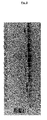
- Figure 3 shows the results obtained from 3 different strains of Acinetobacter baumanii from a strain collection, previously well-characterized.
- the system was applied to a collection of 600 bacterial strains consecutively isolated, wherein a screening for reduced sensitivity to carbapenems had been previously carried out, with the purpose of getting to know the carbapenemases most frequently found in our environment.
- Example 3 Carbapanemases detection and typing system using PCR technique without Taqman probes
- the primers described herein can also be used in a PCR amplification technology, where said primers are labelled with biotin, and a subsequent hybridization against a membrane carrying a DNA fragment complementary to the amplicon of interest. After hybridization, by means of a chemical reaction, the biotin darkens the membrane in the hybridization site, and depending on the darkening extent of the site, a software considers the reaction positive or negative.
- a Real-time PCR system to genetically detect carbapenemase-producing strains was designed.
- the real-time multiplex reactions (grouped in threes), were adapted in a single conventional PCR reaction, wherein instead of carrying out multiplex reactions in groups of three targets, all those reactions were put together in a single reaction, wherein all the primers designed for the real-time PCR system were present.
- the conventional PCR programme used for amplification was as follows:
- the most important stage of the programme is that of 45 seconds at 50°C.
- the primers were designed to work at a range from 50 to 52 grades (theoretical data obtained from simulation programmes). However, said primers could unexpectedly work optimally in assays in temperature ranges from 57°C to 60°C. Simulation programmes did not predict the primers could work at temperatures higher than 52°C.
Landscapes
- Chemical & Material Sciences (AREA)
- Life Sciences & Earth Sciences (AREA)
- Analytical Chemistry (AREA)
- Proteomics, Peptides & Aminoacids (AREA)
- Organic Chemistry (AREA)
- Zoology (AREA)
- Wood Science & Technology (AREA)
- Health & Medical Sciences (AREA)
- Engineering & Computer Science (AREA)
- Microbiology (AREA)
- Immunology (AREA)
- Molecular Biology (AREA)
- Biotechnology (AREA)
- Biophysics (AREA)
- Physics & Mathematics (AREA)
- Biochemistry (AREA)
- Bioinformatics & Cheminformatics (AREA)
- General Engineering & Computer Science (AREA)
- General Health & Medical Sciences (AREA)
- Genetics & Genomics (AREA)
- Measuring Or Testing Involving Enzymes Or Micro-Organisms (AREA)
Priority Applications (2)
| Application Number | Priority Date | Filing Date | Title |
|---|---|---|---|
| EP18168831.8A EP3392346A1 (fr) | 2012-12-31 | 2014-02-28 | Amorces pour la détection et le typage de carbapénèmase produisant des souches bactériennes et procédé de détection et kit |
| EP18168826.8A EP3392350A1 (fr) | 2012-12-31 | 2014-02-28 | Amorces pour la détection et le typage de carbapénèmase produisant des souches bactériennes et procédé de détection et kit |
Applications Claiming Priority (2)
| Application Number | Priority Date | Filing Date | Title |
|---|---|---|---|
| ES201232077 | 2012-12-31 | ||
| PCT/IB2014/000230 WO2014102761A2 (fr) | 2012-12-31 | 2014-02-28 | Amorces pour la détection et la typifiction de souches bactériennes productrices de carbapenemases, nécessaire et méthode de détection correspondants |
Related Child Applications (4)
| Application Number | Title | Priority Date | Filing Date |
|---|---|---|---|
| EP18168826.8A Division-Into EP3392350A1 (fr) | 2012-12-31 | 2014-02-28 | Amorces pour la détection et le typage de carbapénèmase produisant des souches bactériennes et procédé de détection et kit |
| EP18168826.8A Division EP3392350A1 (fr) | 2012-12-31 | 2014-02-28 | Amorces pour la détection et le typage de carbapénèmase produisant des souches bactériennes et procédé de détection et kit |
| EP18168831.8A Division-Into EP3392346A1 (fr) | 2012-12-31 | 2014-02-28 | Amorces pour la détection et le typage de carbapénèmase produisant des souches bactériennes et procédé de détection et kit |
| EP18168831.8A Division EP3392346A1 (fr) | 2012-12-31 | 2014-02-28 | Amorces pour la détection et le typage de carbapénèmase produisant des souches bactériennes et procédé de détection et kit |
Publications (2)
| Publication Number | Publication Date |
|---|---|
| EP2940152A2 true EP2940152A2 (fr) | 2015-11-04 |
| EP2940152B1 EP2940152B1 (fr) | 2018-06-27 |
Family
ID=50513378
Family Applications (3)
| Application Number | Title | Priority Date | Filing Date |
|---|---|---|---|
| EP14718156.4A Active EP2940152B1 (fr) | 2012-12-31 | 2014-02-28 | Amorces pour la détection et la typification de souches bactériennes productrices de carbapenemases, kit et méthode de détection correspondants |
| EP18168826.8A Withdrawn EP3392350A1 (fr) | 2012-12-31 | 2014-02-28 | Amorces pour la détection et le typage de carbapénèmase produisant des souches bactériennes et procédé de détection et kit |
| EP18168831.8A Withdrawn EP3392346A1 (fr) | 2012-12-31 | 2014-02-28 | Amorces pour la détection et le typage de carbapénèmase produisant des souches bactériennes et procédé de détection et kit |
Family Applications After (2)
| Application Number | Title | Priority Date | Filing Date |
|---|---|---|---|
| EP18168826.8A Withdrawn EP3392350A1 (fr) | 2012-12-31 | 2014-02-28 | Amorces pour la détection et le typage de carbapénèmase produisant des souches bactériennes et procédé de détection et kit |
| EP18168831.8A Withdrawn EP3392346A1 (fr) | 2012-12-31 | 2014-02-28 | Amorces pour la détection et le typage de carbapénèmase produisant des souches bactériennes et procédé de détection et kit |
Country Status (4)
| Country | Link |
|---|---|
| US (3) | US9914980B2 (fr) |
| EP (3) | EP2940152B1 (fr) |
| ES (1) | ES2689308T3 (fr) |
| WO (1) | WO2014102761A2 (fr) |
Cited By (1)
| Publication number | Priority date | Publication date | Assignee | Title |
|---|---|---|---|---|
| CN105671148A (zh) * | 2016-01-15 | 2016-06-15 | 武汉艾米森生命科技有限公司 | 用于检测耐碳青霉烯类肠杆菌试剂盒与检测方法 |
Families Citing this family (4)
| Publication number | Priority date | Publication date | Assignee | Title |
|---|---|---|---|---|
| CN107460242B (zh) * | 2017-08-15 | 2022-06-10 | 北京紫萌医药科技有限公司 | 一种能同时检测多种高耐药基因的检测试剂盒及其应用 |
| CN107828856B (zh) * | 2017-11-23 | 2020-05-26 | 中国人民解放军南京军区南京总医院 | 一种pcr-lf技术检测碳青霉烯类耐药基因kpc和ndm的引物组合物及其应用 |
| CN110904199A (zh) * | 2019-11-22 | 2020-03-24 | 南方医科大学南方医院 | 检测碳青霉烯酶blaKPC基因的引物、方法及试剂盒 |
| TR2021019090A1 (tr) | 2021-12-04 | 2023-12-21 | Trakya Ueniversitesi Rektoerluegue | Direk Karbapenemaz Üçlü (Kpc-2, Oxa-48, Ndm-1) PCR Tanı Kiti |
Family Cites Families (10)
| Publication number | Priority date | Publication date | Assignee | Title |
|---|---|---|---|---|
| CN1246474C (zh) * | 2001-07-13 | 2006-03-22 | 刘元 | 采用基因芯片技术检测耐药基因 |
| US7842800B2 (en) * | 2004-04-02 | 2010-11-30 | Rosetta Genomics Ltd. | Bioinformatically detectable group of novel regulatory bacterial and bacterial associated oligonucleotides and uses thereof |
| AU2007267805A1 (en) | 2006-05-25 | 2007-12-06 | Creighton University | Primers for use in detecting metallo-beta-lactamases |
| KR100868765B1 (ko) * | 2006-09-29 | 2008-11-17 | 삼성전자주식회사 | 항생제 내성 박테리아의 표적 서열을 증폭시킬 수 있는프라이머 세트, 박테리아의 표적 서열에 특이적으로혼성화하는 프로브 세트, 상기 프로브 세트가 고정화되어있는 마이크로어레이 및 상기 프로브 세트를 이용하여박테리아의 존재를 검출하는 방법 |
| ATE534753T1 (de) | 2007-04-06 | 2011-12-15 | Becton Dickinson Co | Zusammensetzungen und verfahren zur identifikation eines carbapenemase-gens |
| FI20095544A0 (fi) * | 2009-05-15 | 2009-05-15 | Juha Kirveskari | Menetelmä ja kitti antibioottiresistenttien bakteerien tunnistusta varten |
| RU2415932C1 (ru) | 2009-10-23 | 2011-04-10 | Закрытое акционерное общество "Научно-производственное предприятие ИММУНОТЕХ" (ЗАО "НПП ИММУНОТЕХ") | Способ идентификации генов бета-лактамаз расширенного спектра действия класса а |
| US20130065790A1 (en) | 2010-05-05 | 2013-03-14 | Check-Points Holding B.V. | Assays, compositions and methods for detecting drug resistant micro-organisms |
| EP2694685B1 (fr) * | 2011-04-08 | 2019-01-09 | Azzazy, Hassan, Mohamed, Ei-said | Détection d'acides nucléiques à l'aide de nanoparticules d'or non modifiées |
| CN102603875B (zh) * | 2011-12-26 | 2014-07-09 | 台州市立医院 | 鲍曼复合醋酸钙不动杆菌oxa-23 突变基因的荧光定量pcr 试剂盒 |
-
2014
- 2014-02-28 EP EP14718156.4A patent/EP2940152B1/fr active Active
- 2014-02-28 WO PCT/IB2014/000230 patent/WO2014102761A2/fr not_active Ceased
- 2014-02-28 EP EP18168826.8A patent/EP3392350A1/fr not_active Withdrawn
- 2014-02-28 ES ES14718156.4T patent/ES2689308T3/es active Active
- 2014-02-28 EP EP18168831.8A patent/EP3392346A1/fr not_active Withdrawn
- 2014-02-28 US US14/758,458 patent/US9914980B2/en active Active
-
2018
- 2018-01-23 US US15/877,851 patent/US20180230520A1/en not_active Abandoned
- 2018-01-23 US US15/877,834 patent/US20180179583A1/en not_active Abandoned
Non-Patent Citations (1)
| Title |
|---|
| See references of WO2014102761A2 * |
Cited By (1)
| Publication number | Priority date | Publication date | Assignee | Title |
|---|---|---|---|---|
| CN105671148A (zh) * | 2016-01-15 | 2016-06-15 | 武汉艾米森生命科技有限公司 | 用于检测耐碳青霉烯类肠杆菌试剂盒与检测方法 |
Also Published As
| Publication number | Publication date |
|---|---|
| EP2940152B1 (fr) | 2018-06-27 |
| US20160122805A1 (en) | 2016-05-05 |
| EP3392350A1 (fr) | 2018-10-24 |
| WO2014102761A2 (fr) | 2014-07-03 |
| WO2014102761A8 (fr) | 2014-08-28 |
| US20180230520A1 (en) | 2018-08-16 |
| EP3392346A1 (fr) | 2018-10-24 |
| US20180179583A1 (en) | 2018-06-28 |
| WO2014102761A3 (fr) | 2015-03-12 |
| US9914980B2 (en) | 2018-03-13 |
| ES2689308T3 (es) | 2018-11-13 |
Similar Documents
| Publication | Publication Date | Title |
|---|---|---|
| EP2430188B1 (fr) | Procédé et kit pour détecter des bactéries résistant aux antibiotiques | |
| Barken et al. | Advances in nucleic acid-based diagnostics of bacterial infections | |
| Costa et al. | Rapid detection of mecA and nuc genes in staphylococci by real-time multiplex polymerase chain reaction | |
| US11674189B2 (en) | Detection of methicillin-resistant Staphylococcus aureus in biological samples | |
| US20180230520A1 (en) | Primers for the detection and typing of carbapenemase-producing bacterial strains and detection method and kit | |
| US20090226895A1 (en) | Method of detecting vibrio parahaemolyticus via real-time PCR-hybridization | |
| JP5916740B2 (ja) | 核酸標的の定量的多重同定 | |
| EP2999798B1 (fr) | Procédé de détection simultanée de bactéries et de champignons dans une préparation biologique par pcr, amorces ainsi que trousse de détection de bactéries et de champignons | |
| JP2006508669A (ja) | ブドウ球菌属、腸球菌属、および連鎖球菌属から選択される病原性グラム陽性細菌の検出のための方法 | |
| RU2619258C2 (ru) | Способ определения устойчивости микобактерий туберкулеза к рифампицину и изониазиду | |
| EP2231866B1 (fr) | Procédés et oligonucléotides pour la détection de bactéries provoquant une mastite | |
| EP3438280B1 (fr) | Procédé de détection d'hémoplasme | |
| US7749696B2 (en) | Method and kit for the specific detection of M. tuberculosis | |
| JP6873903B2 (ja) | 強毒型クロストリジウムディフィシル株の存在を検出するための方法 | |
| Figueroa et al. | Principles and Applications of Genomic Diagnostic Techniques | |
| RU2809735C1 (ru) | Способ определения бактерии вида Mycobacterium tuberculosis методом петлевой изотермической амплификации (LAMP) | |
| KR20200059766A (ko) | ceuE 타겟 유전자를 통해 캠필로박터 콜리를 신속검출할 수 있는 Singleplex Real-Time PCR 키트의 개발 | |
| WO2024247811A1 (fr) | Ensemble d'amorces, procédé de détection et kit de détection pour la détection d'une bactérie enterobacteriaceae produisant une carbapénémase | |
| ÖZER | A REVIEW OF CULTURAL AND MOLECULAR DETECTION OF Listeria monocytogenesIN FOOD | |
| US20090191561A1 (en) | Methods and oligonucleotides for detection of mastitis causing bacteria |
Legal Events
| Date | Code | Title | Description |
|---|---|---|---|
| PUAI | Public reference made under article 153(3) epc to a published international application that has entered the european phase |
Free format text: ORIGINAL CODE: 0009012 |
|
| 17P | Request for examination filed |
Effective date: 20150703 |
|
| AK | Designated contracting states |
Kind code of ref document: A2 Designated state(s): AL AT BE BG CH CY CZ DE DK EE ES FI FR GB GR HR HU IE IS IT LI LT LU LV MC MK MT NL NO PL PT RO RS SE SI SK SM TR |
|
| AX | Request for extension of the european patent |
Extension state: BA ME |
|
| RIN1 | Information on inventor provided before grant (corrected) |
Inventor name: RODRIGUEZ DIAZ, JUAN CARLOS Inventor name: GALIANA CABRERA, ANTONIO JOSE Inventor name: ROYO GARCIA, GLORIA |
|
| DAX | Request for extension of the european patent (deleted) | ||
| STAA | Information on the status of an ep patent application or granted ep patent |
Free format text: STATUS: EXAMINATION IS IN PROGRESS |
|
| 17Q | First examination report despatched |
Effective date: 20170217 |
|
| REG | Reference to a national code |
Ref country code: DE Ref legal event code: R079 Ref document number: 602014027523 Country of ref document: DE Free format text: PREVIOUS MAIN CLASS: C12Q0001680000 Ipc: C12Q0001689000 |
|
| GRAJ | Information related to disapproval of communication of intention to grant by the applicant or resumption of examination proceedings by the epo deleted |
Free format text: ORIGINAL CODE: EPIDOSDIGR1 |
|
| STAA | Information on the status of an ep patent application or granted ep patent |
Free format text: STATUS: GRANT OF PATENT IS INTENDED |
|
| GRAP | Despatch of communication of intention to grant a patent |
Free format text: ORIGINAL CODE: EPIDOSNIGR1 |
|
| RIC1 | Information provided on ipc code assigned before grant |
Ipc: C12Q 1/689 20180101AFI20180201BHEP |
|
| INTG | Intention to grant announced |
Effective date: 20180301 |
|
| GRAJ | Information related to disapproval of communication of intention to grant by the applicant or resumption of examination proceedings by the epo deleted |
Free format text: ORIGINAL CODE: EPIDOSDIGR1 |
|
| STAA | Information on the status of an ep patent application or granted ep patent |
Free format text: STATUS: EXAMINATION IS IN PROGRESS |
|
| GRAR | Information related to intention to grant a patent recorded |
Free format text: ORIGINAL CODE: EPIDOSNIGR71 |
|
| GRAS | Grant fee paid |
Free format text: ORIGINAL CODE: EPIDOSNIGR3 |
|
| STAA | Information on the status of an ep patent application or granted ep patent |
Free format text: STATUS: GRANT OF PATENT IS INTENDED |
|
| GRAA | (expected) grant |
Free format text: ORIGINAL CODE: 0009210 |
|
| STAA | Information on the status of an ep patent application or granted ep patent |
Free format text: STATUS: THE PATENT HAS BEEN GRANTED |
|
| INTC | Intention to grant announced (deleted) | ||
| INTG | Intention to grant announced |
Effective date: 20180516 |
|
| AK | Designated contracting states |
Kind code of ref document: B1 Designated state(s): AL AT BE BG CH CY CZ DE DK EE ES FI FR GB GR HR HU IE IS IT LI LT LU LV MC MK MT NL NO PL PT RO RS SE SI SK SM TR |
|
| REG | Reference to a national code |
Ref country code: GB Ref legal event code: FG4D |
|
| REG | Reference to a national code |
Ref country code: CH Ref legal event code: NV Representative=s name: COSMOVICI INTELLECTUAL PROPERTY SARL, CH |
|
| REG | Reference to a national code |
Ref country code: AT Ref legal event code: REF Ref document number: 1012406 Country of ref document: AT Kind code of ref document: T Effective date: 20180715 |
|
| REG | Reference to a national code |
Ref country code: IE Ref legal event code: FG4D |
|
| REG | Reference to a national code |
Ref country code: DE Ref legal event code: R096 Ref document number: 602014027523 Country of ref document: DE |
|
| PG25 | Lapsed in a contracting state [announced via postgrant information from national office to epo] |
Ref country code: NO Free format text: LAPSE BECAUSE OF FAILURE TO SUBMIT A TRANSLATION OF THE DESCRIPTION OR TO PAY THE FEE WITHIN THE PRESCRIBED TIME-LIMIT Effective date: 20180927 Ref country code: FI Free format text: LAPSE BECAUSE OF FAILURE TO SUBMIT A TRANSLATION OF THE DESCRIPTION OR TO PAY THE FEE WITHIN THE PRESCRIBED TIME-LIMIT Effective date: 20180627 Ref country code: BG Free format text: LAPSE BECAUSE OF FAILURE TO SUBMIT A TRANSLATION OF THE DESCRIPTION OR TO PAY THE FEE WITHIN THE PRESCRIBED TIME-LIMIT Effective date: 20180927 Ref country code: SE Free format text: LAPSE BECAUSE OF FAILURE TO SUBMIT A TRANSLATION OF THE DESCRIPTION OR TO PAY THE FEE WITHIN THE PRESCRIBED TIME-LIMIT Effective date: 20180627 Ref country code: LT Free format text: LAPSE BECAUSE OF FAILURE TO SUBMIT A TRANSLATION OF THE DESCRIPTION OR TO PAY THE FEE WITHIN THE PRESCRIBED TIME-LIMIT Effective date: 20180627 |
|
| REG | Reference to a national code |
Ref country code: NL Ref legal event code: MP Effective date: 20180627 |
|
| REG | Reference to a national code |
Ref country code: LT Ref legal event code: MG4D |
|
| REG | Reference to a national code |
Ref country code: ES Ref legal event code: FG2A Ref document number: 2689308 Country of ref document: ES Kind code of ref document: T3 Effective date: 20181113 |
|
| PG25 | Lapsed in a contracting state [announced via postgrant information from national office to epo] |
Ref country code: GR Free format text: LAPSE BECAUSE OF FAILURE TO SUBMIT A TRANSLATION OF THE DESCRIPTION OR TO PAY THE FEE WITHIN THE PRESCRIBED TIME-LIMIT Effective date: 20180928 Ref country code: HR Free format text: LAPSE BECAUSE OF FAILURE TO SUBMIT A TRANSLATION OF THE DESCRIPTION OR TO PAY THE FEE WITHIN THE PRESCRIBED TIME-LIMIT Effective date: 20180627 Ref country code: RS Free format text: LAPSE BECAUSE OF FAILURE TO SUBMIT A TRANSLATION OF THE DESCRIPTION OR TO PAY THE FEE WITHIN THE PRESCRIBED TIME-LIMIT Effective date: 20180627 Ref country code: LV Free format text: LAPSE BECAUSE OF FAILURE TO SUBMIT A TRANSLATION OF THE DESCRIPTION OR TO PAY THE FEE WITHIN THE PRESCRIBED TIME-LIMIT Effective date: 20180627 |
|
| REG | Reference to a national code |
Ref country code: AT Ref legal event code: MK05 Ref document number: 1012406 Country of ref document: AT Kind code of ref document: T Effective date: 20180627 |
|
| PG25 | Lapsed in a contracting state [announced via postgrant information from national office to epo] |
Ref country code: NL Free format text: LAPSE BECAUSE OF FAILURE TO SUBMIT A TRANSLATION OF THE DESCRIPTION OR TO PAY THE FEE WITHIN THE PRESCRIBED TIME-LIMIT Effective date: 20180627 |
|
| PG25 | Lapsed in a contracting state [announced via postgrant information from national office to epo] |
Ref country code: IS Free format text: LAPSE BECAUSE OF FAILURE TO SUBMIT A TRANSLATION OF THE DESCRIPTION OR TO PAY THE FEE WITHIN THE PRESCRIBED TIME-LIMIT Effective date: 20181027 Ref country code: EE Free format text: LAPSE BECAUSE OF FAILURE TO SUBMIT A TRANSLATION OF THE DESCRIPTION OR TO PAY THE FEE WITHIN THE PRESCRIBED TIME-LIMIT Effective date: 20180627 Ref country code: AT Free format text: LAPSE BECAUSE OF FAILURE TO SUBMIT A TRANSLATION OF THE DESCRIPTION OR TO PAY THE FEE WITHIN THE PRESCRIBED TIME-LIMIT Effective date: 20180627 Ref country code: CZ Free format text: LAPSE BECAUSE OF FAILURE TO SUBMIT A TRANSLATION OF THE DESCRIPTION OR TO PAY THE FEE WITHIN THE PRESCRIBED TIME-LIMIT Effective date: 20180627 Ref country code: RO Free format text: LAPSE BECAUSE OF FAILURE TO SUBMIT A TRANSLATION OF THE DESCRIPTION OR TO PAY THE FEE WITHIN THE PRESCRIBED TIME-LIMIT Effective date: 20180627 Ref country code: SK Free format text: LAPSE BECAUSE OF FAILURE TO SUBMIT A TRANSLATION OF THE DESCRIPTION OR TO PAY THE FEE WITHIN THE PRESCRIBED TIME-LIMIT Effective date: 20180627 Ref country code: PL Free format text: LAPSE BECAUSE OF FAILURE TO SUBMIT A TRANSLATION OF THE DESCRIPTION OR TO PAY THE FEE WITHIN THE PRESCRIBED TIME-LIMIT Effective date: 20180627 |
|
| REG | Reference to a national code |
Ref country code: CH Ref legal event code: PK Free format text: BERICHTIGUNGEN |
|
| RIC2 | Information provided on ipc code assigned after grant |
Ipc: C12Q 1/689 20180101AFI20180201BHEP |
|
| PG25 | Lapsed in a contracting state [announced via postgrant information from national office to epo] |
Ref country code: SM Free format text: LAPSE BECAUSE OF FAILURE TO SUBMIT A TRANSLATION OF THE DESCRIPTION OR TO PAY THE FEE WITHIN THE PRESCRIBED TIME-LIMIT Effective date: 20180627 Ref country code: IT Free format text: LAPSE BECAUSE OF FAILURE TO SUBMIT A TRANSLATION OF THE DESCRIPTION OR TO PAY THE FEE WITHIN THE PRESCRIBED TIME-LIMIT Effective date: 20180627 |
|
| REG | Reference to a national code |
Ref country code: DE Ref legal event code: R097 Ref document number: 602014027523 Country of ref document: DE |
|
| PLBE | No opposition filed within time limit |
Free format text: ORIGINAL CODE: 0009261 |
|
| STAA | Information on the status of an ep patent application or granted ep patent |
Free format text: STATUS: NO OPPOSITION FILED WITHIN TIME LIMIT |
|
| PG25 | Lapsed in a contracting state [announced via postgrant information from national office to epo] |
Ref country code: DK Free format text: LAPSE BECAUSE OF FAILURE TO SUBMIT A TRANSLATION OF THE DESCRIPTION OR TO PAY THE FEE WITHIN THE PRESCRIBED TIME-LIMIT Effective date: 20180627 |
|
| 26N | No opposition filed |
Effective date: 20190328 |
|
| PG25 | Lapsed in a contracting state [announced via postgrant information from national office to epo] |
Ref country code: SI Free format text: LAPSE BECAUSE OF FAILURE TO SUBMIT A TRANSLATION OF THE DESCRIPTION OR TO PAY THE FEE WITHIN THE PRESCRIBED TIME-LIMIT Effective date: 20180627 |
|
| PG25 | Lapsed in a contracting state [announced via postgrant information from national office to epo] |
Ref country code: MC Free format text: LAPSE BECAUSE OF FAILURE TO SUBMIT A TRANSLATION OF THE DESCRIPTION OR TO PAY THE FEE WITHIN THE PRESCRIBED TIME-LIMIT Effective date: 20180627 Ref country code: LU Free format text: LAPSE BECAUSE OF NON-PAYMENT OF DUE FEES Effective date: 20190228 |
|
| REG | Reference to a national code |
Ref country code: BE Ref legal event code: MM Effective date: 20190228 |
|
| REG | Reference to a national code |
Ref country code: IE Ref legal event code: MM4A |
|
| PG25 | Lapsed in a contracting state [announced via postgrant information from national office to epo] |
Ref country code: AL Free format text: LAPSE BECAUSE OF FAILURE TO SUBMIT A TRANSLATION OF THE DESCRIPTION OR TO PAY THE FEE WITHIN THE PRESCRIBED TIME-LIMIT Effective date: 20180627 |
|
| PG25 | Lapsed in a contracting state [announced via postgrant information from national office to epo] |
Ref country code: IE Free format text: LAPSE BECAUSE OF NON-PAYMENT OF DUE FEES Effective date: 20190228 |
|
| PG25 | Lapsed in a contracting state [announced via postgrant information from national office to epo] |
Ref country code: BE Free format text: LAPSE BECAUSE OF NON-PAYMENT OF DUE FEES Effective date: 20190228 |
|
| PG25 | Lapsed in a contracting state [announced via postgrant information from national office to epo] |
Ref country code: TR Free format text: LAPSE BECAUSE OF FAILURE TO SUBMIT A TRANSLATION OF THE DESCRIPTION OR TO PAY THE FEE WITHIN THE PRESCRIBED TIME-LIMIT Effective date: 20180627 |
|
| PG25 | Lapsed in a contracting state [announced via postgrant information from national office to epo] |
Ref country code: PT Free format text: LAPSE BECAUSE OF FAILURE TO SUBMIT A TRANSLATION OF THE DESCRIPTION OR TO PAY THE FEE WITHIN THE PRESCRIBED TIME-LIMIT Effective date: 20181029 Ref country code: MT Free format text: LAPSE BECAUSE OF NON-PAYMENT OF DUE FEES Effective date: 20190228 |
|
| PG25 | Lapsed in a contracting state [announced via postgrant information from national office to epo] |
Ref country code: CY Free format text: LAPSE BECAUSE OF FAILURE TO SUBMIT A TRANSLATION OF THE DESCRIPTION OR TO PAY THE FEE WITHIN THE PRESCRIBED TIME-LIMIT Effective date: 20180627 |
|
| PG25 | Lapsed in a contracting state [announced via postgrant information from national office to epo] |
Ref country code: HU Free format text: LAPSE BECAUSE OF FAILURE TO SUBMIT A TRANSLATION OF THE DESCRIPTION OR TO PAY THE FEE WITHIN THE PRESCRIBED TIME-LIMIT; INVALID AB INITIO Effective date: 20140228 |
|
| PG25 | Lapsed in a contracting state [announced via postgrant information from national office to epo] |
Ref country code: MK Free format text: LAPSE BECAUSE OF FAILURE TO SUBMIT A TRANSLATION OF THE DESCRIPTION OR TO PAY THE FEE WITHIN THE PRESCRIBED TIME-LIMIT Effective date: 20180627 |
|
| P01 | Opt-out of the competence of the unified patent court (upc) registered |
Effective date: 20230505 |
|
| PGFP | Annual fee paid to national office [announced via postgrant information from national office to epo] |
Ref country code: CH Payment date: 20250304 Year of fee payment: 12 |
|
| PGFP | Annual fee paid to national office [announced via postgrant information from national office to epo] |
Ref country code: GB Payment date: 20250227 Year of fee payment: 12 |
|
| PGFP | Annual fee paid to national office [announced via postgrant information from national office to epo] |
Ref country code: ES Payment date: 20260302 Year of fee payment: 13 |
|
| PGFP | Annual fee paid to national office [announced via postgrant information from national office to epo] |
Ref country code: DE Payment date: 20260226 Year of fee payment: 13 |
|
| PGFP | Annual fee paid to national office [announced via postgrant information from national office to epo] |
Ref country code: FR Payment date: 20260225 Year of fee payment: 13 |