EP2944504A2 - Vorrichtung und Verfahren zur Darstellung einer Betriebsstrategie eines Elektro- oder Hybridfahrzeuges - Google Patents
Vorrichtung und Verfahren zur Darstellung einer Betriebsstrategie eines Elektro- oder Hybridfahrzeuges Download PDFInfo
- Publication number
- EP2944504A2 EP2944504A2 EP15160866.8A EP15160866A EP2944504A2 EP 2944504 A2 EP2944504 A2 EP 2944504A2 EP 15160866 A EP15160866 A EP 15160866A EP 2944504 A2 EP2944504 A2 EP 2944504A2
- Authority
- EP
- European Patent Office
- Prior art keywords
- route
- evaluation unit
- operating strategy
- designed
- operating
- Prior art date
- Legal status (The legal status is an assumption and is not a legal conclusion. Google has not performed a legal analysis and makes no representation as to the accuracy of the status listed.)
- Granted
Links
Images

Classifications
-
- B—PERFORMING OPERATIONS; TRANSPORTING
- B60—VEHICLES IN GENERAL
- B60L—PROPULSION OF ELECTRICALLY-PROPELLED VEHICLES; SUPPLYING ELECTRIC POWER FOR AUXILIARY EQUIPMENT OF ELECTRICALLY-PROPELLED VEHICLES; ELECTRODYNAMIC BRAKE SYSTEMS FOR VEHICLES IN GENERAL; MAGNETIC SUSPENSION OR LEVITATION FOR VEHICLES; MONITORING OPERATING VARIABLES OF ELECTRICALLY-PROPELLED VEHICLES; ELECTRIC SAFETY DEVICES FOR ELECTRICALLY-PROPELLED VEHICLES
- B60L15/00—Methods, circuits, or devices for controlling the traction-motor speed of electrically-propelled vehicles
- B60L15/20—Methods, circuits, or devices for controlling the traction-motor speed of electrically-propelled vehicles for control of the vehicle or its driving motor to achieve a desired performance, e.g. speed, torque, programmed variation of speed
- B60L15/2045—Methods, circuits, or devices for controlling the traction-motor speed of electrically-propelled vehicles for control of the vehicle or its driving motor to achieve a desired performance, e.g. speed, torque, programmed variation of speed for optimising the use of energy
-
- B—PERFORMING OPERATIONS; TRANSPORTING
- B60—VEHICLES IN GENERAL
- B60L—PROPULSION OF ELECTRICALLY-PROPELLED VEHICLES; SUPPLYING ELECTRIC POWER FOR AUXILIARY EQUIPMENT OF ELECTRICALLY-PROPELLED VEHICLES; ELECTRODYNAMIC BRAKE SYSTEMS FOR VEHICLES IN GENERAL; MAGNETIC SUSPENSION OR LEVITATION FOR VEHICLES; MONITORING OPERATING VARIABLES OF ELECTRICALLY-PROPELLED VEHICLES; ELECTRIC SAFETY DEVICES FOR ELECTRICALLY-PROPELLED VEHICLES
- B60L53/00—Methods of charging batteries, specially adapted for electric vehicles; Charging stations or on-board charging equipment therefor; Exchange of energy storage elements in electric vehicles
- B60L53/60—Monitoring or controlling charging stations
- B60L53/65—Monitoring or controlling charging stations involving identification of vehicles or their battery types
-
- B—PERFORMING OPERATIONS; TRANSPORTING
- B60—VEHICLES IN GENERAL
- B60L—PROPULSION OF ELECTRICALLY-PROPELLED VEHICLES; SUPPLYING ELECTRIC POWER FOR AUXILIARY EQUIPMENT OF ELECTRICALLY-PROPELLED VEHICLES; ELECTRODYNAMIC BRAKE SYSTEMS FOR VEHICLES IN GENERAL; MAGNETIC SUSPENSION OR LEVITATION FOR VEHICLES; MONITORING OPERATING VARIABLES OF ELECTRICALLY-PROPELLED VEHICLES; ELECTRIC SAFETY DEVICES FOR ELECTRICALLY-PROPELLED VEHICLES
- B60L58/00—Methods or circuit arrangements for monitoring or controlling batteries or fuel cells, specially adapted for electric vehicles
- B60L58/10—Methods or circuit arrangements for monitoring or controlling batteries or fuel cells, specially adapted for electric vehicles for monitoring or controlling batteries
- B60L58/12—Methods or circuit arrangements for monitoring or controlling batteries or fuel cells, specially adapted for electric vehicles for monitoring or controlling batteries responding to state of charge [SoC]
-
- B—PERFORMING OPERATIONS; TRANSPORTING
- B60—VEHICLES IN GENERAL
- B60L—PROPULSION OF ELECTRICALLY-PROPELLED VEHICLES; SUPPLYING ELECTRIC POWER FOR AUXILIARY EQUIPMENT OF ELECTRICALLY-PROPELLED VEHICLES; ELECTRODYNAMIC BRAKE SYSTEMS FOR VEHICLES IN GENERAL; MAGNETIC SUSPENSION OR LEVITATION FOR VEHICLES; MONITORING OPERATING VARIABLES OF ELECTRICALLY-PROPELLED VEHICLES; ELECTRIC SAFETY DEVICES FOR ELECTRICALLY-PROPELLED VEHICLES
- B60L58/00—Methods or circuit arrangements for monitoring or controlling batteries or fuel cells, specially adapted for electric vehicles
- B60L58/10—Methods or circuit arrangements for monitoring or controlling batteries or fuel cells, specially adapted for electric vehicles for monitoring or controlling batteries
- B60L58/24—Methods or circuit arrangements for monitoring or controlling batteries or fuel cells, specially adapted for electric vehicles for monitoring or controlling batteries for controlling the temperature of batteries
- B60L58/25—Methods or circuit arrangements for monitoring or controlling batteries or fuel cells, specially adapted for electric vehicles for monitoring or controlling batteries for controlling the temperature of batteries by controlling the electric load
-
- G—PHYSICS
- G01—MEASURING; TESTING
- G01C—MEASURING DISTANCES, LEVELS OR BEARINGS; SURVEYING; NAVIGATION; GYROSCOPIC INSTRUMENTS; PHOTOGRAMMETRY OR VIDEOGRAMMETRY
- G01C21/00—Navigation; Navigational instruments not provided for in groups G01C1/00 - G01C19/00
- G01C21/26—Navigation; Navigational instruments not provided for in groups G01C1/00 - G01C19/00 specially adapted for navigation in a road network
- G01C21/34—Route searching; Route guidance
- G01C21/3453—Special cost functions, i.e. other than distance or default speed limit of road segments
- G01C21/3469—Fuel consumption; Energy use; Emission aspects
-
- G—PHYSICS
- G01—MEASURING; TESTING
- G01C—MEASURING DISTANCES, LEVELS OR BEARINGS; SURVEYING; NAVIGATION; GYROSCOPIC INSTRUMENTS; PHOTOGRAMMETRY OR VIDEOGRAMMETRY
- G01C21/00—Navigation; Navigational instruments not provided for in groups G01C1/00 - G01C19/00
- G01C21/26—Navigation; Navigational instruments not provided for in groups G01C1/00 - G01C19/00 specially adapted for navigation in a road network
- G01C21/34—Route searching; Route guidance
- G01C21/36—Input/output arrangements for on-board computers
- G01C21/3667—Display of a road map
-
- G—PHYSICS
- G01—MEASURING; TESTING
- G01C—MEASURING DISTANCES, LEVELS OR BEARINGS; SURVEYING; NAVIGATION; GYROSCOPIC INSTRUMENTS; PHOTOGRAMMETRY OR VIDEOGRAMMETRY
- G01C21/00—Navigation; Navigational instruments not provided for in groups G01C1/00 - G01C19/00
- G01C21/26—Navigation; Navigational instruments not provided for in groups G01C1/00 - G01C19/00 specially adapted for navigation in a road network
- G01C21/34—Route searching; Route guidance
- G01C21/36—Input/output arrangements for on-board computers
- G01C21/3697—Output of additional, non-guidance related information, e.g. low fuel level
-
- Y—GENERAL TAGGING OF NEW TECHNOLOGICAL DEVELOPMENTS; GENERAL TAGGING OF CROSS-SECTIONAL TECHNOLOGIES SPANNING OVER SEVERAL SECTIONS OF THE IPC; TECHNICAL SUBJECTS COVERED BY FORMER USPC CROSS-REFERENCE ART COLLECTIONS [XRACs] AND DIGESTS
- Y02—TECHNOLOGIES OR APPLICATIONS FOR MITIGATION OR ADAPTATION AGAINST CLIMATE CHANGE
- Y02T—CLIMATE CHANGE MITIGATION TECHNOLOGIES RELATED TO TRANSPORTATION
- Y02T10/00—Road transport of goods or passengers
- Y02T10/60—Other road transportation technologies with climate change mitigation effect
- Y02T10/64—Electric machine technologies in electromobility
-
- Y—GENERAL TAGGING OF NEW TECHNOLOGICAL DEVELOPMENTS; GENERAL TAGGING OF CROSS-SECTIONAL TECHNOLOGIES SPANNING OVER SEVERAL SECTIONS OF THE IPC; TECHNICAL SUBJECTS COVERED BY FORMER USPC CROSS-REFERENCE ART COLLECTIONS [XRACs] AND DIGESTS
- Y02—TECHNOLOGIES OR APPLICATIONS FOR MITIGATION OR ADAPTATION AGAINST CLIMATE CHANGE
- Y02T—CLIMATE CHANGE MITIGATION TECHNOLOGIES RELATED TO TRANSPORTATION
- Y02T10/00—Road transport of goods or passengers
- Y02T10/60—Other road transportation technologies with climate change mitigation effect
- Y02T10/70—Energy storage systems for electromobility, e.g. batteries
-
- Y—GENERAL TAGGING OF NEW TECHNOLOGICAL DEVELOPMENTS; GENERAL TAGGING OF CROSS-SECTIONAL TECHNOLOGIES SPANNING OVER SEVERAL SECTIONS OF THE IPC; TECHNICAL SUBJECTS COVERED BY FORMER USPC CROSS-REFERENCE ART COLLECTIONS [XRACs] AND DIGESTS
- Y02—TECHNOLOGIES OR APPLICATIONS FOR MITIGATION OR ADAPTATION AGAINST CLIMATE CHANGE
- Y02T—CLIMATE CHANGE MITIGATION TECHNOLOGIES RELATED TO TRANSPORTATION
- Y02T10/00—Road transport of goods or passengers
- Y02T10/60—Other road transportation technologies with climate change mitigation effect
- Y02T10/7072—Electromobility specific charging systems or methods for batteries, ultracapacitors, supercapacitors or double-layer capacitors
-
- Y—GENERAL TAGGING OF NEW TECHNOLOGICAL DEVELOPMENTS; GENERAL TAGGING OF CROSS-SECTIONAL TECHNOLOGIES SPANNING OVER SEVERAL SECTIONS OF THE IPC; TECHNICAL SUBJECTS COVERED BY FORMER USPC CROSS-REFERENCE ART COLLECTIONS [XRACs] AND DIGESTS
- Y02—TECHNOLOGIES OR APPLICATIONS FOR MITIGATION OR ADAPTATION AGAINST CLIMATE CHANGE
- Y02T—CLIMATE CHANGE MITIGATION TECHNOLOGIES RELATED TO TRANSPORTATION
- Y02T10/00—Road transport of goods or passengers
- Y02T10/60—Other road transportation technologies with climate change mitigation effect
- Y02T10/72—Electric energy management in electromobility
-
- Y—GENERAL TAGGING OF NEW TECHNOLOGICAL DEVELOPMENTS; GENERAL TAGGING OF CROSS-SECTIONAL TECHNOLOGIES SPANNING OVER SEVERAL SECTIONS OF THE IPC; TECHNICAL SUBJECTS COVERED BY FORMER USPC CROSS-REFERENCE ART COLLECTIONS [XRACs] AND DIGESTS
- Y02—TECHNOLOGIES OR APPLICATIONS FOR MITIGATION OR ADAPTATION AGAINST CLIMATE CHANGE
- Y02T—CLIMATE CHANGE MITIGATION TECHNOLOGIES RELATED TO TRANSPORTATION
- Y02T90/00—Enabling technologies or technologies with a potential or indirect contribution to GHG emissions mitigation
- Y02T90/10—Technologies relating to charging of electric vehicles
- Y02T90/12—Electric charging stations
-
- Y—GENERAL TAGGING OF NEW TECHNOLOGICAL DEVELOPMENTS; GENERAL TAGGING OF CROSS-SECTIONAL TECHNOLOGIES SPANNING OVER SEVERAL SECTIONS OF THE IPC; TECHNICAL SUBJECTS COVERED BY FORMER USPC CROSS-REFERENCE ART COLLECTIONS [XRACs] AND DIGESTS
- Y02—TECHNOLOGIES OR APPLICATIONS FOR MITIGATION OR ADAPTATION AGAINST CLIMATE CHANGE
- Y02T—CLIMATE CHANGE MITIGATION TECHNOLOGIES RELATED TO TRANSPORTATION
- Y02T90/00—Enabling technologies or technologies with a potential or indirect contribution to GHG emissions mitigation
- Y02T90/10—Technologies relating to charging of electric vehicles
- Y02T90/16—Information or communication technologies improving the operation of electric vehicles
-
- Y—GENERAL TAGGING OF NEW TECHNOLOGICAL DEVELOPMENTS; GENERAL TAGGING OF CROSS-SECTIONAL TECHNOLOGIES SPANNING OVER SEVERAL SECTIONS OF THE IPC; TECHNICAL SUBJECTS COVERED BY FORMER USPC CROSS-REFERENCE ART COLLECTIONS [XRACs] AND DIGESTS
- Y02—TECHNOLOGIES OR APPLICATIONS FOR MITIGATION OR ADAPTATION AGAINST CLIMATE CHANGE
- Y02T—CLIMATE CHANGE MITIGATION TECHNOLOGIES RELATED TO TRANSPORTATION
- Y02T90/00—Enabling technologies or technologies with a potential or indirect contribution to GHG emissions mitigation
- Y02T90/10—Technologies relating to charging of electric vehicles
- Y02T90/16—Information or communication technologies improving the operation of electric vehicles
- Y02T90/167—Systems integrating technologies related to power network operation and communication or information technologies for supporting the interoperability of electric or hybrid vehicles, i.e. smartgrids as interface for battery charging of electric vehicles [EV] or hybrid vehicles [HEV]
-
- Y—GENERAL TAGGING OF NEW TECHNOLOGICAL DEVELOPMENTS; GENERAL TAGGING OF CROSS-SECTIONAL TECHNOLOGIES SPANNING OVER SEVERAL SECTIONS OF THE IPC; TECHNICAL SUBJECTS COVERED BY FORMER USPC CROSS-REFERENCE ART COLLECTIONS [XRACs] AND DIGESTS
- Y04—INFORMATION OR COMMUNICATION TECHNOLOGIES HAVING AN IMPACT ON OTHER TECHNOLOGY AREAS
- Y04S—SYSTEMS INTEGRATING TECHNOLOGIES RELATED TO POWER NETWORK OPERATION, COMMUNICATION OR INFORMATION TECHNOLOGIES FOR IMPROVING THE ELECTRICAL POWER GENERATION, TRANSMISSION, DISTRIBUTION, MANAGEMENT OR USAGE, i.e. SMART GRIDS
- Y04S30/00—Systems supporting specific end-user applications in the sector of transportation
- Y04S30/10—Systems supporting the interoperability of electric or hybrid vehicles
- Y04S30/14—Details associated with the interoperability, e.g. vehicle recognition, authentication, identification or billing
Definitions
- the invention relates to a device and a method for representing an operating strategy of an electric or hybrid vehicle.
- a mode is determined in a control unit depending on certain parameters such as load requirements.
- there may be various modes such as pure electric driving, electric motor-assisted driving, internal combustion engine driving with charging the battery, internal combustion engine driving while maintaining the state of charge of the battery, or boosting.
- a method for operating vehicles with electric drive wherein the electric drive is operated with a route to be traveled dependent control strategy.
- the vehicle may be an electric vehicle or a hybrid vehicle.
- the electric drive itself is operated by the route-dependent control strategy and not just made a choice between an internal combustion engine and an electric machine.
- the route to be covered can be determined, for example, by entering a destination into a navigation system and provided to a control system for operating the at least one energy store (eg the traction battery).
- a communication link between a vehicle dynamics predictor and a navigation system is further provided. By entering the destination into the navigation system, the route can be simulated with the driving habits of a customer.
- the intelligent drive control performs in an exemplary embodiment, a comparison with states of charge and provides the driver with energy shortage feedback how far the driver can drive.
- this can be done with a Navigation system can be combined to find the nearest charging station and tell the driver.
- Another exemplary embodiment provides a look-ahead strategy.
- the look-ahead strategy always provides and displays a predictive optimal drive strategy adapted to the situation as a recommendation / orientation to the driver.
- a display device of a hybrid vehicle which displays, via a navigation device, a map corresponding to a current vehicle position.
- a navigation device which displays, via a navigation device, a map corresponding to a current vehicle position.
- at least two areas can be faded into the map, namely a first area which can be reached by utilizing the available electrical energy in a purely electromotive drive, and a second area , which is additionally accessible by taking advantage of the available amount of fuel in pure internal combustion engine and / or combined electric and internal combustion engine drive.
- a problem with the automatic determination of control and / or operating strategies is that for the driver, the behavior of his vehicle is not always understandable for him and he does not know whether the behavior is intentional or based on an error. This can lead to unnecessary intervention by the driver in the operating strategy.
- the invention is based on the technical problem of providing a device for representing an operating strategy of an electric or hybrid vehicle as well as providing a method for representing an operating strategy of an electric or hybrid vehicle, by means of which the risk of unnecessary intervention in the operating strategy is reduced.
- the device for representing an operating strategy of an electric or hybrid vehicle comprises an evaluation unit and a display unit.
- the evaluation unit is such designed such that it determines an operating strategy in dependence on parameters of a specified route.
- the specified route is made available for example by a navigation system.
- the parameters of the specified route are, for example, the type of road (eg, highway, highway, inner city roads, environmental zones), slope of the roads, construction sites and / or traffic information and / or the availability and location of refueling stations and / or charging stations along the route. Any combinations of the parameters enumerated by way of example are possible.
- the specified route is shown, wherein sections of the route is assigned graphically and / or alphanumerically the respective operating mode.
- the subdivision of the operating mode is dependent on the motor vehicle (for example, whether electric vehicle or hybrid vehicle) and on the respective existing different operating modes.
- a hybrid vehicle may have different modes of operation with an active internal combustion engine.
- the invention can then be provided both that this subdivision is also displayed or only a higher-level operating mode is shown in a hybrid vehicle, for example, only the two modes "purely electric” and "active internal combustion engine".
- the display on the display unit can be, for example, a 2D or 3D map display.
- the representation may be a 1D representation or a list representation.
- a graphical and / or alphanumeric element is displayed which explains the choice of operating mode.
- the user recognizes why the system has selected a specific operating mode or why at any point on the route the operating mode is changed. This makes the operating strategy transparent or transparent for the user, so that he has a better basis for decision-making for a manual intervention (if it exists) or fails to do so.
- the evaluation unit takes into account user priorities when determining the operating strategy. For example, a user priority is to drive the last section purely electrically before reaching the destination.
- the evaluation unit adjusts the selected operating strategy depending on vehicle data and / or external information.
- vehicle data are, for example, the vehicle speed and / or the state of charge of the traction battery and / or the fill level of the fuel tank. If, for example, there is a very low speed on the motorway, which presumably results in a traffic jam, it is possible to switch to "purely electric" driving. Furthermore, the energy consumption may have increased due to unforeseen conditions. This will then be done in near real time by the Evaluation unit considered.
- the external information is in particular current traffic news for the route, which can then also be used for a subsequent adaptation of the operating strategy.
- a mode of operation or the operating strategy may be changed manually.
- the user may change the selected mode for a link, which, strictly speaking, is also a change in the operating strategy (as the sum of the respective modes over the respective sections).
- the evaluation unit must check whether this has consequences for the further operating strategy. It can be provided that after the manual input, the consequences are calculated first and the user must confirm the manual change with knowledge of these consequences.
- the user manually switches over to an operating mode which is then retained as long as it is possible. For example, the user manually switches to "purely electric driving", which is then carried out until the traction battery is empty.
- the evaluation unit determines, as a function of a detected and / or predicted state of charge of a traction battery and / or a filling level of a fuel tank, charging recommendations and / or tank recommendations, which are then displayed on the display unit at the relevant section of the route.
- the evaluation unit is designed such that upon selection of a charging recommendation and / or a tank recommendation of at least one charging station and / or refueling station is displayed, due to the input of at least one charging and / or tank parameters, the evaluation unit calculates an adapted operating strategy and on represents the display unit.
- the charging or tank parameter consists only in the statement as to whether it is charged or refueled or not.
- the evaluation unit can then estimate an amount of charge or amount of tank.
- the charging parameter is preferably the charging time or the amount of tank.
- the evaluation can estimate the amount of charge very accurately.
- the user can select from preselected loading times.
- the current operating strategy and the adjusted operating strategy are superimposed on the display unit due to a recommended charge or refueling.
- the user can determine, for example by varying the charging time, to what extent this has effects on the operating strategy.
- an electrical residual range and / or a total range are shown on the display unit.
- the user can then immediately recognize what has a variation of the charging time for effects on operating strategy and range.
- the evaluation unit is designed in such a way that it is switched by means of an input element between two types of representation of the route. For example, it is possible to switch over between a 2D map display and a 1D map display and / or list display, since different information can be detected in different representations with different degrees of ease.
- a device 1 for representing an operating strategy of a hybrid vehicle which has an evaluation unit 2 and a display unit 3. Furthermore, the device 1 comprises at least one input element 4.
- the at least one Input element be a touch-screen operation of the display unit 3 and / or be designed as a button.
- the input element 4 may be formed as a voice control.
- the evaluation unit 2 is connected to the display unit 3. Further, the evaluation unit 2 is connected to a navigation system 5 and at least one control unit 6 for the drive.
- the control unit 6 is for example a hybrid control unit or an engine control unit.
- the navigation system 5 is connected to the display unit 3. Alternatively, this data transfer can also take place exclusively via the evaluation unit 2.
- the navigation system 5 is connected to a module 7 for receiving traffic information. Additionally or alternatively, this module 7 may also be connected to the evaluation unit 2.
- the basic operation of the device is as follows. Based on input from the user, the navigation system calculates a route to a destination. This route can also be calculated offline and recorded in the navigation system 5. In the route planning, the navigation system 5 takes into account current traffic reports of the module 7. Based on this calculated route as a result of route planning, the evaluation unit 2 now calculates an operating strategy for the hybrid vehicle, taking into account parameters of the route. These are stored in a digital road map of the navigation system 5. Examples of such parameters are, for example, road type, expected traffic flow types, traffic zones and slopes of the route. Furthermore, the evaluation unit 2 takes into account user priorities that have been entered in advance via the input element 4, for example. Such a user priority, for example, is that the last few kilometers before the finish should be driven purely electrically. Finally, the evaluation unit 2 also takes into account the state of charge of a traction battery and the fill level of a fuel tank, also in anticipation of future planned charging and / or refueling stops. This data is received by the evaluation unit 2 from the control unit 6.
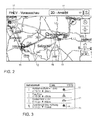
- Such a calculated operating strategy is in the Fig. 2 shown.
- the sections of the route depending on the assigned mode, for example, assigned a different color, which is characterized in the illustration by different hatching.
- each section of the route is assigned at least one graphic and / or alphanumeric element 11, which explains the choice of the mode.
- a driving operation with active internal combustion engine is provided for the second section after leaving Wolfsburg.
- the element 11 shows a pictogram of a highway, which explains why to drive in this section with active internal combustion engine. Accordingly, at the city boundary of Braunschweig is the first Intermediate target (marked by the flag with the 1) an element 11 showing a city. This element 11 explains why this section is to be driven purely electrically.
- a charging recommendation 12 is shown.
- the associated section is labeled both with the color for active internal combustion engine and with a color for "possible purely electric driving", for example, this color is slightly lighter than the color for "purely electric driving”.
- the user receives the information that, when this assumes the charging recommendation, is switched to purely electric driving, for example, to specifically reduce the state of charge of the traction battery before charging.
- the element 11 in front of Hildesheim shows a city, so that the user knows that therefore is switched to "purely electric driving". Subsequently, an element 11 shows a highway and the section is to be driven with an active internal combustion engine. Finally, the last element 11 shows a house with an arrow, which explains that there is a fixed distance to the destination point is reached and is switched back to purely electric driving due to the user priority.
- the device 1 can then calculate and display a possible adapted operating strategy. However, since the charging process has not yet been carried out in reality, the current operating strategy initially remains active. It can be provided that these are superimposed together or alternately individually representable. It should be noted that the procedure for a tank recommendation is appropriate.
- the device 1 also responds to current changes such as traffic information. Furthermore, changed conditions along the route lead to an adaptation of the operating strategy. For example, causes the illustrated construction site a traffic jam, in which the vehicle can only move in stop and go, can be switched to purely electric driving, as this is energetically cheaper.
- the evaluation unit 2 calculates a new operating strategy on the basis of the manual specification.
- the calculated operating strategy of the evaluation unit 2 can be transmitted to the control unit 6 and can then be automatically implemented by the latter.
- FIG. 3 is an alternative representation to the 2D map representation according to Fig. 2 shown, with the operating modes (operating modes) again highlighted by different colors (represented by different hatching).
- the operating mode "current internal combustion engine”, which serves as a hazard indication and is, for example, red.
- the first intermediate destination is characterized as a small circle in the bar of the operating mode.
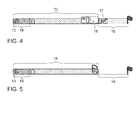
- Fig. 4 Via an input element 4, the user can manually override the operating strategy at any time and, for example, switch to purely electric driving.
- Fig. 4 shown in a 1D representation.
- the manual switching is indicated by an element 13.
- an electrical residual range 14 is shown. Due to the changed color or hatching, the total range 15 is then displayed.
- the unreachable portion 16 to the destination point is then optically rearranged along with an empty traction battery symbol 17 and an empty fuel tank. Therefore, a tank recommendation 18 is displayed. If this is selected, a search for suitable filling stations takes place again. If the user selects a tank recommendation, the presentation changes, whereby the previously unavailable part 16 is now displayed visually differently, since the destination is now reached subject to the refueling process. This possible part 19 is in Fig. 5 shown.
Landscapes
- Engineering & Computer Science (AREA)
- Remote Sensing (AREA)
- Radar, Positioning & Navigation (AREA)
- Power Engineering (AREA)
- Transportation (AREA)
- Mechanical Engineering (AREA)
- Sustainable Energy (AREA)
- Sustainable Development (AREA)
- Life Sciences & Earth Sciences (AREA)
- Automation & Control Theory (AREA)
- Physics & Mathematics (AREA)
- General Physics & Mathematics (AREA)
- Electric Propulsion And Braking For Vehicles (AREA)
- Hybrid Electric Vehicles (AREA)
- Instrument Panels (AREA)
Abstract
Description
- Die Erfindung betrifft eine Vorrichtung und ein Verfahren zur Darstellung einer Betriebsstrategie eines Elektro- oder Hybridfahrzeugs.
- Bei bekannten Hybridfahrzeugen ist es bekannt, dass der Nutzer mittels eines Tasters manuell auf reinen elektrischen Betrieb umschalten kann. Ansonsten wird in einer Steuereinheit abhängig von bestimmten Parametern wie beispielsweise Lastanforderungen eine Betriebsart festgelegt. Je nach Hybridfahrzeug können dabei verschiedene Betriebsarten vorkommen wie beispielsweise reines elektrisches Fahren, verbrennungsmotorisches Fahren mit elektrischer Unterstützung, verbrennungsmotorisches Fahren mit Laden der Batterie, verbrennungsmotorisches Fahren mit Halten des Ladezustandes der Batterie oder Boosten.
- Aus der
DE 10 2009 046 568 A1 ist ein Verfahren zum Betrieb von Fahrzeugen mit elektrischem Antrieb bekannt, wobei der elektrische Antrieb mit einer zurückzulegenden Fahrtstrecke abhängigen Regelungsstrategie betrieben wird. Das Fahrzeug kann ein Elektrofahrzeug oder ein Hybridfahrzeug sein. Dabei wird der elektrische Antrieb selbst durch die fahrstreckenabhängige Regelungsstrategie betrieben und nicht lediglich eine Auswahl zwischen einer Verbrennungskraftmaschine und einer Elektromaschine getroffen. Die zurückzulegende Fahrtstrecke kann beispielsweise durch Zieleingabe in ein Navigationssystem ermittelt und einem Steuersystem zum Betrieb des mindestens einen Energiespeichers (z.B. die Traktionsbatterie) zur Verfügung gestellt werden. Dabei ist weiter eine Kommunikationsverbindung zwischen einem Fahrdynamik-Prediktor und einem Navigationssystem vorgesehen. Durch Zieleingabe in das Navigationssystem kann die Fahrstrecke mit Fahrgewohnheiten eines Kunden simuliert werden. Damit lassen sich beliebig genaue Aufteilungen von Fahrtstrecke in Teilstrecken mit zugehörigem Straßenbewertungsindex realisieren und ein kundenspezifisches Lastprofil zusammensetzen und vorausberechnen. Dies erlaubt eine frühzeitige, vorausschauende Bereitstellung von Antriebsenergie. Die intelligente Antriebsregelung führt in einer beispielhaften Ausführungsform einen Abgleich mit Ladezuständen durch und liefert dem Fahrer bei Energiemangel ein Feedback, wie weit der Fahrer noch fahren kann. Optional kann dies mit einem Navigationssystem kombiniert werden, um die nächste Stromtankstelle aufzufinden und dem Fahrer mitzuteilen. Eine andere beispielhafte Ausführungsform sieht eine Vorausschau-Strategie vor. Die Vorausschau-Strategie liefert und zeigt stets eine der Situation angepasste, vorausschauende optimale Antriebsstrategie an als eine Empfehlung/Orientierung für den Fahrer. - Aus der
DE 10 2010 010 445 A1 ist eine Anzeigevorrichtung eines Hybridfahrzeugs bekannt, die gesteuert über eine Navigationseinrichtung eine zu einer aktuellen Fahrzeugposition korrespondierende Landkarte anzeigt. Abhängig von der zur Verfügung stehenden Kraftstoffmenge und abhängig von der zur Verfügung stehenden elektrischen Energie sind in die Karte mindestens zwei Bereiche einblendbar, nämlich ein erster Bereich, der unter Ausnutzung der zur Verfügung stehenden elektrischen Energie bei rein elektromotorischer Fahrt erreichbar ist, und ein zweiter Bereich, der zusätzlich unter Ausnutzung der zur Verfügung stehenden Kraftstoffmenge bei rein verbrennungsmotorischer und/oder kombinierter elektro- und verbrennungsmotorischer Fahrt erreichbar ist. - Aus der
DE 10 2010 039 075 A1 ist eine Energiemengeninformationsausgabevorrichtung bekannt, bei der Ladestationen und deren Verfügbarkeit einem Fahrer zur Verfügung gestellt werden. - Ein Problem bei der automatischen Bestimmung von Regelungs- und/oder Betriebsstrategien ist, dass für den Fahrer das Verhalten seines Fahrzeugs für ihn nicht immer nachvollziehbar ist und dieser nicht weiß, ob das Verhalten gewollt oder auf einem Fehler beruht. Dies kann zu unnötigen Eingriffen des Fahrers in die Betriebsstrategie führen.
- Der Erfindung liegt das technische Problem zugrunde, eine Vorrichtung zur Darstellung einer Betriebsstrategie eines Elektro- oder Hybridfahrzeuges zu schaffen sowie ein Verfahren zur Darstellung einer Betriebsstrategie eines Elektro- oder Hybridfahrzeuges zur Verfügung zu stellen, mittels derer die Gefahr unnötiger Eingriffe in die Betriebsstrategie reduziert wird.
- Die Lösung des technischen Problems ergibt sich durch die Vorrichtung mit den Merkmalen des Anspruchs 1 sowie das Verfahren mit den Merkmalen des Anspruchs 10. Weitere vorteilhafte Ausgestaltungen der Erfindung ergeben sich aus den Unteransprüchen.
- Die Vorrichtung zur Darstellung einer Betriebsstrategie eines Elektro- oder Hybridfahrzeugs umfasst eine Auswerteeinheit und eine Anzeigeeinheit. Die Auswerteeinheit ist derart ausgebildet, dass diese in Abhängigkeit von Parametern einer festgelegten Fahrtstrecke eine Betriebsstrategie ermittelt. Die festgelegte Fahrtstrecke wird beispielsweise von einem Navigationssystem zur Verfügung gestellt. Die Parameter der festgelegten Fahrtstrecke sind beispielsweise die Art der Straße (z.B. Autobahn, Landstraße, innerstädtische Straßen, Umweltzonen), Steigung (Gefälle) der Straßen, Baustellen und/oder die Fahrtstrecke betreffende Verkehrsinformationen und/oder Verfügbarkeit und Lage von Tankstationen und/oder Ladestationen entlang der Fahrtstrecke. Dabei sind beliebige Kombinationen der beispielhaft aufgezählten Parameter möglich. Auf der Anzeigeeinheit wird die festgelegte Fahrtstrecke dargestellt, wobei Abschnitten der Fahrtstrecke grafisch und/oder alphanumerisch die jeweilige Betriebsart zugeordnet ist. Die Unterteilung der Betriebsart ist dabei abhängig von Kraftfahrzeug (z.B. ob Elektrofahrzeug oder Hybridfahrzeug) und von den jeweils vorhandenen unterschiedlichen Betriebsarten. Beispielsweise kann ein Hybridfahrzeug verschiedene Betriebsarten mit aktiver Verbrennungskraftmaschine aufweisen. Erfindungsgemäß kann dann sowohl vorgesehen sein, dass diese Unterteilung auch dargestellt wird oder aber nur eine übergeordnete Betriebsart dargestellt wird, bei einem Hybridfahrzeug beispielsweise nur die beiden Betriebsarten "rein elektrisch" und "aktive Verbrennungskraftmaschine". Die Darstellung auf der Anzeigeeinheit kann dabei beispielsweise eine 2D- oder 3D- Kartendarstellung sein. Alternativ kann die Darstellung eine 1D-Darstellung oder eine Listendarstellung sein. Zusätzlich zu der jeweiligen Betriebsart wird ein grafisches und/oder alphanumerisches Element angezeigt, das die Wahl der Betriebsart erläutert. Hierdurch erkennt der Nutzer, warum das System eine bestimmte Betriebsart ausgewählt hat bzw. warum an irgendeiner Stelle auf der Fahrtstrecke die Betriebsart gewechselt wird. Hierdurch wird die Betriebsstrategie für den Nutzer transparent bzw. transparenter, sodass dieser eine bessere Entscheidungsgrundlage für einen manuellen Eingriff hat (falls dieser vorhanden ist) bzw. diesen unterlässt.
- In einer Ausführungsform berücksichtigt die Auswerteeinheit Nutzer-Prioritäten bei der Ermittlung der Betriebsstrategie. Eine Nutzer-Priorität ist beispielsweise, den letzten Abschnitt vor dem Erreichen des Ziels rein elektrisch zu fahren.
- In einer weiteren Ausführungsform passt die Auswerteeinheit abhängig von Fahrzeugdaten und/oder externen Informationen die gewählte Betriebsstrategie an. Die Fahrzeugdaten sind beispielsweise die Kraftfahrzeuggeschwindigkeit und/oder der Ladezustand der Traktionsbatterie und/oder der Füllstand des Kraftstofftanks. Ergibt beispielsweise eine sehr niedrige Geschwindigkeit auf der Autobahn, dass vermutlich ein Stau vorliegt, so kann auf "rein elektrische" Fahrt umgestellt werden. Des Weiteren kann sich durch unvorhergesehene Bedingungen der Energieverbrauch erhöht haben. Dies wird dann nahezu in Echtzeit von der Auswerteeinheit berücksichtigt. Die externen Informationen sind insbesondere aktuelle Verkehrsnachrichten für die Fahrtstrecke, die dann ebenfalls für eine nachträgliche Anpassung der Betriebsstrategie herangezogen werden können.
- In einer weiteren Ausführungsform kann manuell eine Betriebsart oder die Betriebsstrategie geändert werden. Beispielsweise kann der Nutzer die gewählte Betriebsart für einen Streckenabschnitt ändern, was dann streng genommen auch eine Änderung der Betriebsstrategie (als Summe der jeweiligen Betriebsarten über den jeweiligen Abschnitten) ist. Dabei muss dann nach der manuellen Eingabe die Auswerteeinheit überprüfen, ob dies Folgen für die weitere Betriebsstrategie hat. Dabei kann vorgesehen sein, dass nach der manuellen Eingabe die Folgen zunächst berechnet werden und der Nutzer unter Kenntnis dieser Folgen die manuelle Änderung bestätigen muss. Weiter kann vorgesehen sein, dass der Nutzer manuell auf eine Betriebsart umschaltet, die dann, solange es möglich ist, beibehalten wird. Beispielsweise schaltet der Nutzer manuell auf "rein elektrisches Fahren" um, was dann solange ausgeführt wird, bis die Traktionsbatterie leer ist.
- In einer weiteren Ausführungsform ermittelt die Auswerteeinheit in Abhängigkeit eines erfassten und/oder vorausberechneten Ladezustandes einer Traktionsbatterie und/oder eines Füllstandes eines Kraftstofftanks Ladeempfehlungen und/oder Tankempfehlungen, die dann auf der Anzeigeeinheit an dem betreffenden Abschnitt der Fahrtstrecke angezeigt werden.
- In einer weiteren Ausführungsform ist die Auswerteeinheit derart ausgebildet, dass bei Auswahl einer Ladeempfehlung und/oder einer Tankempfehlung mindestens einer Ladestation und/oder Tankstation angezeigt wird, wobei aufgrund der Eingabe mindestens eines Lade- und/oder Tankparameters die Auswerteeinheit eine angepasste Betriebsstrategie berechnet und auf der Anzeigeeinheit darstellt. Im einfachsten Fall besteht der Lade- oder Tankparameter nur in der Aussage, ob geladen oder getankt wird oder nicht. Die Auswerteeinheit kann dann eine Lademenge oder Tankmenge schätzen. Vorzugsweise ist der Ladeparameter hingegen die Ladezeit bzw. die Tankmenge. Somit kann die Auswerteeinheit die Lademenge sehr genau schätzen. Vorzugsweise kann dabei der Nutzer aus vorgewählten Ladezeiten auswählen.
- Dabei kann weiter vorgesehen sein, dass die aktuelle Betriebsstrategie und die angepasste Betriebsstrategie aufgrund einer empfohlenen Ladung bzw. Betankung überlagernd auf der Anzeigeeinheit dargestellt werden. Dadurch kann der Nutzer beispielsweise durch Variation der Ladezeit feststellen, inwieweit dies Auswirkungen auf die Betriebsstrategie hat.
- In einer weiteren Ausführungsform sind auf der Anzeigeeinheit eine elektrische Restreichweite und/oder eine Gesamt-Reichweite dargestellt. Insbesondere im Zusammenhang mit der angepassten Betriebsstrategie aufgrund eines angenommenen Ladevorganges kann der Nutzer dann unmittelbar erkennen, was eine Variation der Ladezeit für Auswirkungen auf Betriebsstrategie und Reichweite hat.
- In einer weiteren Ausführungsform ist die Auswerteeinheit derart ausgebildet, das mittels eines Eingabeelements zwischen zwei Darstellungsarten der Fahrtstrecke umgeschaltet wird. So kann beispielsweise zwischen einer 2D-Kartendarstellung und einer 1 D-Kartendarstellung und/oder Listendarstellung umgeschaltet werden, da verschiedene Informationen unterschiedlich einfach in den unterschiedlichen Darstellungen erfassbar sind.
- Hinsichtlich der verfahrensmäßigen Ausgestaltung kann vollinhaltlich auf die vorangegangen Ausführungen zur Vorrichtung Bezug genommen werden.
- Die Erfindung wird nachfolgend anhand bevorzugter Ausführungsbeispiele näher erläutert werden. Die Figuren zeigen:
- Fig. 1
- ein schematisches Blockschaltbild einer Vorrichtung zur Darstellung einer Betriebsstrategie eines Hybridfahrzeugs,
- Fig. 2
- eine beispielhafte Darstellung auf der Anzeigeeinheit in einer 2D-Kartendarstellung,
- Fig. 3
- eine beispielhafte Darstellung eines Teils der Fahrtstrecke gemäß
Fig. 2 in Form einer Liste, - Fig. 4
- eine beispielhafte Darstellung einer 1D-Darstellung bei manueller Umschaltung auf rein elektrischen Fahrbetrieb und
- Fig. 5
- eine beispielhafte Darstellung einer 1D-Darstellung gemäß
Fig. 4 mit einer erfolgten Tankplanung. - In der
Fig. 1 ist eine Vorrichtung 1 zur Darstellung einer Betriebsstrategie eines Hybridfahrzeugs dargestellt, die eine Auswerteeinheit 2 und eine Anzeigeeinheit 3 aufweist. Des Weiteren umfasst die Vorrichtung 1 mindestens ein Eingabeelement 4. Dabei kann das mindestens eine Eingabeelement eine Touch-Screen-Bedienung der Anzeigeeinheit 3 sein und/oder als Taster ausgebildet sein. Ebenso kann das Eingabeelement 4 als Sprachsteuerung ausgebildet sein. Die Auswerteeinheit 2 ist mit der Anzeigeeinheit 3 verbunden. Weiter ist die Auswerteeinheit 2 mit einem Navigationssystem 5 und mindestens einem Steuergerät 6 für den Antrieb verbunden. Das Steuergerät 6 ist beispielsweise ein Hybridsteuergerät oder ein Motorsteuergerät. Das Navigationssystem 5 ist mit der Anzeigeeinheit 3 verbunden. Alternativ kann dieser Datentransfer auch ausschließlich über die Auswerteeinheit 2 erfolgen. Weiter ist das Navigationssystem 5 mit einem Modul 7 zum Empfang von Verkehrsnachrichten verbunden. Zusätzlich oder alternativ kann dieses Modul 7 auch mit der Auswerteeinheit 2 verbunden sein. - Die prinzipielle Arbeitsweise der Vorrichtung ist wie folgt. Aufgrund von Eingaben des Nutzers berechnet das Navigationssystem eine Fahrtstrecke zu einem Zielpunkt. Diese Fahrtstrecke kann auch offline berechnet und in das Navigationssystem 5 eingespielt werden. Bei der Routenplanung berücksichtigt das Navigationssystem 5 aktuelle Verkehrsmeldungen des Moduls 7. Ausgehend von dieser berechneten Fahrtstrecke als Ergebnis der Routenplanung berechnet nun die Auswerteeinheit 2 eine Betriebsstrategie für das Hybridfahrzeug unter Berücksichtigung von Parametern der Fahrtstrecke. Diese sind in einer digitalen Straßenkarte des Navigationssystems 5 abgelegt. Beispiele für derartige Parameter sind beispielsweise Straßenart, erwartete Verkehrsflussarten, Verkehrszonen und Steigungen der Fahrstrecke. Weiter berücksichtigt die Auswerteeinheit 2 Nutzer-Prioritäten, die beispielsweise vorab über das Eingabeelement 4 eingegeben wurden. Eine solche Nutzer-Priorität ist beispielsweise, dass die letzten Kilometer vor dem Ziel rein elektrisch gefahren werden sollen. Schließlich berücksichtigt die Auswerteeinheit 2 auch noch den Ladezustand einer Traktionsbatterie und den Füllstand eines Kraftstofftanks auch in Vorausschau auf zukünftig geplante Lade- und/oder Tankstopps. Diese Daten erhält die Auswerteeinheit 2 vom Steuergerät 6.
- Eine solche berechnete Betriebsstrategie ist in der
Fig. 2 dargestellt. Dabei wird den Abschnitten der Fahrtstrecke je nach zugeordneter Betriebsart beispielsweise eine andere Farbe zugeordnet, was in der Darstellung durch unterschiedliche Schraffuren gekennzeichnet ist. Zusätzlich ist jedem Abschnitt der Fahrtstrecke mindestens ein grafisches und/oder alphanumerisches Element 11 zugeordnet, das die Wahl der Betriebsart erläutert. Beispielsweise ist für den zweiten Abschnitt nach Verlassen von Wolfsburg ein Fahrbetrieb mit aktiver Verbrennungskraftmaschine vorgesehen. Das Element 11 zeigt ein Piktogramm einer Autobahn, was erläutert, warum in diesem Abschnitt mit aktiver Verbrennungskraftmaschine gefahren werden soll. Entsprechend ist an der Stadtgrenze von Braunschweig als erstem Zwischenziel (gekennzeichnet durch die Fahne mit der 1) ein Element 11 dargestellt, das eine Stadt zeigt. Dieses Element 11 erläutert, warum dieser Abschnitt rein elektrisch befahren werden soll. Hinter der Stadt Braunschweig ist ein weiteres Element 11 angeordnet, das eine Überlandstraße kennzeichnet und so erläutert, warum wieder mit aktiver Verbrennungskraftmaschine gefahren wird. Dabei wird das zweite Zwischenziel (gekennzeichnet durch die Fahne mit der 2) passiert. Vor dem dritten Zwischenziel ist eine Ladeempfehlung 12 dargestellt. In diesem Bereich ist der zugehörige Abschnitt sowohl mit der Farbe für aktive Verbrennungskraftmaschine als auch mit einer Farbe für "mögliches rein elektrisches Fahren" gekennzeichnet, wobei diese Farbe beispielsweise etwas heller als die Farbe für "rein elektrisches Fahren" ist. Dabei erhält der Nutzer die Information, dass, wenn dieser die Ladeempfehlung annimmt, auf rein elektrisches Fahren umgeschaltet wird, beispielsweise um den Ladezustand der Traktionsbatterie vor dem Ladevorgang gezielt zu erniedrigen. Das Element 11 vor Hildesheim zeigt eine Stadt, sodass der Nutzer weiß, dass deshalb auf "rein elektrisches Fahren" umgeschaltet wird. Anschließend zeigt ein Element 11 eine Autobahn und der Abschnitt soll mit aktiver Verbrennungskraftmaschine befahren werden. Schließlich zeigt das letzte Element 11 ein Haus mit Pfeil, das erläutert, dass dort eine festgelegte Entfernung zum Zielpunkt erreicht wird und aufgrund der Nutzer-Priorität wieder auf rein elektrisches Fahren umgeschaltet wird. - Dabei ist der Darstellung in
Fig. 2 weiter zu entnehmen, dass aufgrund des Ladezustandes und des Füllzustandes des Kraftstofftanks der Zielpunkt erreichbar ist. Andernfalls wird der nicht erreichbare Teil der Fahrtstrecke optisch anders gekennzeichnet, was später noch näher erläutert wird. - Wählt der Nutzer die Ladeempfehlung 12 aus, so werden geeignete Ladestationen mittels der Datenbasis des Navigationssystems 5 gesucht und angezeigt. Dabei kann dann vorgesehen sein, dass der Nutzer eine Ladestation auswählt und eine gewünschte Ladezeit auswählt. Abhängig von diesen Eingaben kann dann die Vorrichtung 1 eine mögliche angepasste Betriebsstrategie berechnen und darstellen. Da der Ladevorgang jedoch in Realität noch nicht durchgeführt wurde, bleibt die aktuelle Betriebsstrategie zunächst noch aktiv. Dabei kann vorgesehen sein, dass diese überlagernd zusammen oder wechselweise einzeln darstellbar sind. Dabei sei angemerkt, dass die Vorgehensweise bei einer Tankempfehlung entsprechend ist.
- Die Vorrichtung 1 reagiert des Weiteren auch auf aktuelle Änderungen wie beispielsweise Verkehrsinformationen. Des Weiteren können geänderte Bedingungen entlang der Fahrtstrecke zu einer Anpassung der Betriebsstrategie führen. Bewirkt beispielsweise die dargestellte Baustelle einen Stau, bei dem das Fahrzeug nur noch in Stop and Go sich fortbewegen kann, kann auf rein elektrisches Fahren umgeschaltet werden, da dies energetisch günstiger ist.
- Des Weiteren kann vorgesehen sein, dass der Nutzer für einzelne Abschnitte die Betriebsart ändern kann, beispielsweise über das Eingabeelement 4. In diesem Fall berechnet die Auswerteeinheit 2 eine neue Betriebsstrategie auf Grundlage der manuellen Vorgabe.
- Weiter sei angemerkt, dass die berechnete Betriebsstrategie der Auswerteeinheit 2 an das Steuergerät 6 übermittelt werden kann und von dieser dann automatisch umgesetzt werden kann.
- In der
Fig. 3 ist eine alternative Darstellung zur 2D-Kartendarstellung gemäßFig. 2 dargestellt, wobei die Betriebsarten (Betriebsmodi) wieder durch unterschiedliche Farben (dargestellt durch unterschiedliche Schraffuren) hervorgehoben werden. Bei der Baustelle ist eine weitre Schraffur neben der Betriebsart "aktuelle Vertrennungskraftmaschine" dargestellt, die als Gefahrenhinweis dient und beispielsweise rot ist. Das erste Zwischenziel ist dabei als kleiner Kreis in dem Balken der Betriebsart gekennzeichnet. - Über ein Eingabeelement 4 kann der Nutzer jederzeit manuell die Betriebsstrategie überstimmen und beispielsweise auf rein elektrisches Fahren umschalten. Eine solche Situation ist in
Fig. 4 in einer 1D-Darstellung gezeigt. Die manuelle Umschaltung ist dabei durch ein Element 13 angezeigt. Dabei ist eine elektrische Restreichweite 14 dargestellt. Durch die geänderte Farbe bzw. Schraffur wird dann die Gesamt-Reichweite 15 dargestellt. Der nicht erreichbare Teil 16 bis zum Zielpunkt wird dann optisch anders dargestellt zusammen mit einem Symbol 17 für eine leere Traktionsbatterie und einen leeren Kraftstofftank. Daher wird eine Tankempfehlung 18 eingeblendet. Wird diese ausgewählt, erfolgt wieder eine Suche nach geeigneten Tankstellen. Wählt der Nutzer eine Tankempfehlung aus, so ändert sich die Darstellung, wobei der zuvor nicht erreichbare Teil 16 nun optisch anders dargestellt ist, da der Zielpunkt nun vorbehaltlich des Tankvorganges erreicht wird. Dieser mögliche Teil 19 ist inFig. 5 dargestellt.
Claims (10)
- Vorrichtung (1) zur Darstellung einer Betriebsstrategie eines Elektro- oder Hybridfahrzeugs, umfassend eine Auswerteeinheit (2), die derart ausgebildet ist, dass diese mindestens in Abhängigkeit von Parametern einer festgelegten Fahrtstrecke eine Betriebsstrategie ermittelt, und mindestens eine Anzeigeeinheit (3), auf der die festgelegte Fahrtstrecke dargestellt ist, wobei Abschnitten der Fahrtstrecke grafisch und/oder alphanumerisch die jeweilige Betriebsart zugeordnet ist,
dadurch gekennzeichnet,
dass
zusätzlich zu der jeweiligen Betriebsart ein grafisches und/oder alphanumerisches Element (11) angezeigt ist, das die Wahl der Betriebsart erläutert. - Vorrichtung nach Anspruch 1, dadurch gekennzeichnet, dass die Auswerteeinheit (2) derart ausgebildet ist, dass vorgegebene Nutzer-Prioritäten bei der Ermittlung der Betriebsstrategien berücksichtigt werden.
- Vorrichtung nach Anspruch 1 oder 2, dadurch gekennzeichnet, dass die Auswerteeinheit (2) derart ausgebildet ist, dass diese abhängig von Fahrzeugdaten und/oder externen Informationen die gewählte Betriebsstrategie anpasst.
- Vorrichtung nach einem der vorangegangenen Ansprüche, dadurch gekennzeichnet, dass die Auswerteeinheit (2) derart ausgebildet ist, dass mittels mindestens eines Eingabeelements (4) manuell eine Betriebsart oder die Betriebsstrategie geändert werden kann.
- Vorrichtung nach einem der vorangegangenen Ansprüche, dadurch gekennzeichnet, dass die Auswerteeinheit (2) derart ausgebildet ist, dass diese in Abhängigkeit eines erfassten und/oder eines vorausberechneten Ladezustandes einer Traktionsbatterie und/oder eines Füllzustandes eines Kraftstofftanks Ladeempfehlungen (12) und/oder Tankempfehlungen (18) ermittelt und an der dargestellten Fahrtstrecke anzeigt.
- Vorrichtung nach Anspruch 5, dadurch gekennzeichnet, dass die Auswerteeinheit (2) derart ausgebildet ist, dass bei Anwahl einer Ladeempfehlung (12) und/oder einer Tankempfehlung (18) mindestens eine Ladestation und/oder Tankstation angezeigt wird, wobei aufgrund der Eingabe mindestens eines Lade- und/oder Tankparameters die Auswerteeinheit (2) eine angepasste Betriebsstrategie berechnet und auf die Anzeigeeinheit (3) darstellt.
- Vorrichtung nach Anspruch 6, dadurch gekennzeichnet, dass die Auswerteeinheit (2) derart ausgebildet ist, dass die aktuelle und die angepasste Betriebsstrategie überlagernd auf der Anzeigeeinheit (3) dargestellt werden.
- Vorrichtung nach einem der vorangegangenen Ansprüche, dadurch gekennzeichnet, dass eine elektrische Restreichweite (14) und/oder eine Gesamt-Restreichweite (15) auf der Anzeigeeinheit (3) dargestellt sind.
- Vorrichtung nach einem der vorangegangenen Ansprüche, dadurch gekennzeichnet, dass die Auswerteeinheit (2) derart ausgebildet ist, dass mittels eines Eingabeelements (4) zwischen zwei Darstellungsarten der Fahrtstrecke umgeschaltet wird.
- Verfahren zur Darstellung einer Betriebsstrategie eines Elektro- oder Hybridfahrzeugs, mittels einer Auswerteeinheit (2), die mindestens in Abhängigkeit von Parametern einer festgelegten Fahrtstrecke eine Betriebsstrategie ermittelt, und mindestens einer Anzeigeeinheit (3), auf der die festgelegte Fahrtstrecke dargestellt ist, wobei Abschnitten der Fahrtstrecke grafisch und/oder alphanumerisch die jeweilige Betriebsart zugeordnet ist,
dadurch gekennzeichnet, dass
zusätzlich zu der jeweiligen Betriebsart ein grafisches und/oder alphanumerisches Element (11) angezeigt ist, das die Wahl der Betriebsart erläutert.
Applications Claiming Priority (1)
| Application Number | Priority Date | Filing Date | Title |
|---|---|---|---|
| DE102014206540.2A DE102014206540A1 (de) | 2014-04-04 | 2014-04-04 | Vorrichtung und Verfahren zur Darstellung einer Betriebsstrategie eines Elektro- oder Hybridfahrzeuges |
Publications (3)
| Publication Number | Publication Date |
|---|---|
| EP2944504A2 true EP2944504A2 (de) | 2015-11-18 |
| EP2944504A3 EP2944504A3 (de) | 2016-01-20 |
| EP2944504B1 EP2944504B1 (de) | 2023-08-02 |
Family
ID=52784948
Family Applications (1)
| Application Number | Title | Priority Date | Filing Date |
|---|---|---|---|
| EP15160866.8A Active EP2944504B1 (de) | 2014-04-04 | 2015-03-25 | Vorrichtung und Verfahren zur Darstellung einer Betriebsstrategie eines Hybridfahrzeuges |
Country Status (2)
| Country | Link |
|---|---|
| EP (1) | EP2944504B1 (de) |
| DE (1) | DE102014206540A1 (de) |
Cited By (4)
| Publication number | Priority date | Publication date | Assignee | Title |
|---|---|---|---|---|
| DE102018201472A1 (de) * | 2018-01-31 | 2019-08-01 | Bayerische Motoren Werke Aktiengesellschaft | Steuereinheit und Verfahren zur Konditionierung eines Energiespeichers eines Fahrzeugs |
| CN110194175A (zh) * | 2018-02-27 | 2019-09-03 | 现代自动车株式会社 | 驾驶员的驾驶倾向性确定装置及确定方法 |
| CN110214104A (zh) * | 2017-05-05 | 2019-09-06 | 宝马股份公司 | 一种用于混合动力车辆的显示单元 |
| DE102018209997A1 (de) | 2018-06-20 | 2019-12-24 | Volkswagen Aktiengesellschaft | Verfahren zum Ermitteln einer Richtgeschwindigkeit für ein elektrisch betriebenes Fahrzeug |
Families Citing this family (1)
| Publication number | Priority date | Publication date | Assignee | Title |
|---|---|---|---|---|
| EP3173305B1 (de) * | 2015-11-25 | 2024-10-23 | Volkswagen Aktiengesellschaft | Verfahren zum betreiben eines kraftfahrzeugs mit einem elektrischen fahrzeugantrieb und einem verbrennungsmotor und kraftfahrzeug |
Citations (3)
| Publication number | Priority date | Publication date | Assignee | Title |
|---|---|---|---|---|
| DE102010039075A1 (de) | 2009-08-07 | 2011-02-10 | Denso Corporation, Kariya-City | Ausgabevorrichtung und -System für Informationen über eine elektrische Energiemenge |
| DE102009046568A1 (de) | 2009-11-10 | 2011-05-12 | SB LiMotive Company Ltd., Suwon | Verfahren und Anordnung zum Betrieb von Fahrzeugen mit elektrischem Antrieb sowie ein entsprechendes Computerprogramm und ein entsprechendes computerlesbares Speichermedium |
| DE102010010445A1 (de) | 2010-02-25 | 2011-08-25 | Dr. Ing. h.c. F. Porsche Aktiengesellschaft, 70435 | Anzeigevorrichtung eines Kraftfahrzeugs |
Family Cites Families (6)
| Publication number | Priority date | Publication date | Assignee | Title |
|---|---|---|---|---|
| US20030236601A1 (en) * | 2002-03-18 | 2003-12-25 | Club Car, Inc. | Control and diagnostic system for vehicles |
| JP4314257B2 (ja) * | 2006-09-28 | 2009-08-12 | トヨタ自動車株式会社 | 車両の表示装置および車両の表示装置の制御方法、プログラム、およびプログラムを記録した記録媒体 |
| JP4687698B2 (ja) * | 2007-09-06 | 2011-05-25 | トヨタ自動車株式会社 | 省燃費運転支援装置 |
| DE102008061512A1 (de) * | 2008-12-10 | 2009-09-17 | Daimler Ag | Verfahren zur Steuerung eines Hybridantriebs eines Fahrzeugs |
| DE102010048323A1 (de) * | 2010-10-13 | 2012-04-19 | Man Truck & Bus Ag | Fahrerassistenzsystem und entsprechendes Betriebsverfahren zur Anzeige oder Mitteilung einer Kraftstoffeinsparungssituation zur Senkung des Kraftstoffverbrauchs eines Kraftfahrzeugs |
| EP2596977B1 (de) * | 2011-11-24 | 2014-09-03 | ATS Group (IP Holdings) Limited | Leistungsanzeige für ein elektrisches Fahrzeug |
-
2014
- 2014-04-04 DE DE102014206540.2A patent/DE102014206540A1/de not_active Withdrawn
-
2015
- 2015-03-25 EP EP15160866.8A patent/EP2944504B1/de active Active
Patent Citations (3)
| Publication number | Priority date | Publication date | Assignee | Title |
|---|---|---|---|---|
| DE102010039075A1 (de) | 2009-08-07 | 2011-02-10 | Denso Corporation, Kariya-City | Ausgabevorrichtung und -System für Informationen über eine elektrische Energiemenge |
| DE102009046568A1 (de) | 2009-11-10 | 2011-05-12 | SB LiMotive Company Ltd., Suwon | Verfahren und Anordnung zum Betrieb von Fahrzeugen mit elektrischem Antrieb sowie ein entsprechendes Computerprogramm und ein entsprechendes computerlesbares Speichermedium |
| DE102010010445A1 (de) | 2010-02-25 | 2011-08-25 | Dr. Ing. h.c. F. Porsche Aktiengesellschaft, 70435 | Anzeigevorrichtung eines Kraftfahrzeugs |
Cited By (8)
| Publication number | Priority date | Publication date | Assignee | Title |
|---|---|---|---|---|
| CN110214104A (zh) * | 2017-05-05 | 2019-09-06 | 宝马股份公司 | 一种用于混合动力车辆的显示单元 |
| US11400815B2 (en) | 2017-05-05 | 2022-08-02 | Bayerische Motoren Werke Aktiengesellschaft | Display unit for a hybrid vehicle |
| CN110214104B (zh) * | 2017-05-05 | 2022-08-30 | 宝马股份公司 | 一种用于混合动力车辆的显示单元 |
| DE102018201472A1 (de) * | 2018-01-31 | 2019-08-01 | Bayerische Motoren Werke Aktiengesellschaft | Steuereinheit und Verfahren zur Konditionierung eines Energiespeichers eines Fahrzeugs |
| CN110194175A (zh) * | 2018-02-27 | 2019-09-03 | 现代自动车株式会社 | 驾驶员的驾驶倾向性确定装置及确定方法 |
| CN110194175B (zh) * | 2018-02-27 | 2023-06-13 | 现代自动车株式会社 | 驾驶员的驾驶倾向性确定装置及确定方法 |
| DE102018209997A1 (de) | 2018-06-20 | 2019-12-24 | Volkswagen Aktiengesellschaft | Verfahren zum Ermitteln einer Richtgeschwindigkeit für ein elektrisch betriebenes Fahrzeug |
| WO2019243276A1 (de) | 2018-06-20 | 2019-12-26 | Volkswagen Aktiengesellschaft | Verfahren zum ermitteln einer richtgeschwindigkeit für ein elektrisch betriebenes fahrzeug |
Also Published As
| Publication number | Publication date |
|---|---|
| DE102014206540A1 (de) | 2015-10-08 |
| EP2944504B1 (de) | 2023-08-02 |
| EP2944504A3 (de) | 2016-01-20 |
Similar Documents
| Publication | Publication Date | Title |
|---|---|---|
| EP2720902B1 (de) | Verfahren zur anzeige der reichweite eines fahrzeugs mit elektroantrieb und anzeigeeinrichtung | |
| DE102011108381B4 (de) | Verfahren zum Unterstützen einer Person beim Planen einer Fahrt mit einem Elektrofahrzeug und Kraftfahrzeug mit einer Navigationseinrichtung | |
| DE102016124109B4 (de) | Energieverwaltungssystem für ein elektrofahrzeug | |
| DE102017119453A1 (de) | Energieoptimierte Fahrzeugroutenauswahl | |
| DE102010003760A1 (de) | Verfahren sowie Einrichtung für ein Reichweitenmanagement eines Fahrzeugs mit elektromotorischem Antrieb | |
| EP3472027A1 (de) | Verfahren zum betrieb eines kraftfahrzeugs | |
| DE102012003292A1 (de) | Verfahren und Vorrichtung zum Bereitstellen einer Navigationsfunktion in einem Kraftfahrzeug | |
| EP2944504A2 (de) | Vorrichtung und Verfahren zur Darstellung einer Betriebsstrategie eines Elektro- oder Hybridfahrzeuges | |
| EP3034371A2 (de) | Verfahren und vorrichtung zum prognostizieren einer reichweite eines fahrzeugs mit zumindest teilweise elektrischem antrieb | |
| DE102010003762A1 (de) | Verfahren sowie Einrichtung für ein Reichweitenmanagement eines Fahrzeugs mit elektromotorischem Antrieb | |
| EP1162559A2 (de) | Verfahren zur elektronischen Terminplanung und elektronischer Terminplaner hierfür | |
| DE102009001341A1 (de) | Verfahren zum Ausarbeiten von Routen mit Tankstopp für ein Kraftfahrzeug und Navigationssystem | |
| DE102015005902A1 (de) | Verfahren zum Betreiben eines Kraftwagens und Ampelassistent für einen Kraftwagen | |
| DE102011112382A1 (de) | Verfahren zum Regeln der Energiezufuhr für den Antrieb eines Fahrzeugs | |
| EP3314207A1 (de) | Verfahren zur bestimmung eines zeitlichen fahrtverlaufs eines kraftfahrzeugs und kraftfahrzeug | |
| DE102016209494A1 (de) | Anzeige der gesamtreichweite der fahrzeugfahrt, die leicht verständlich ist und reichweitenängste minimiert | |
| EP3197737A1 (de) | Verfahren zur fahrerinformation und kraftfahrzeug | |
| EP2598846A1 (de) | Verbrauchsanzeigesystem für ein fahrzeug | |
| DE102012001163A1 (de) | Verfahren und Vorrichtung zum Bestimmen einer zu fahrenden Navigationsroute eines Fahrzeugs | |
| DE102009040968B4 (de) | Vorrichtung zur Darstellung einer verbleibenden Reichweite bei geplanter Rückkehr zu einem Ausgangspunkt | |
| DE102013000367B4 (de) | Verfahren zum Betreiben einer Navigationsvorrichtung für ein Kraftfahrzeug | |
| DE102022001844A1 (de) | Verfahren zum Ermitteln einer Navigationsroute | |
| DE102014206539A1 (de) | Vorrichtung zur Darstellung und Änderung einer Betriebsstrategie eines Hybridfahrzeuges | |
| DE102012210103A1 (de) | Reichweitenbestimmung für ein Kraftfahrzeug | |
| EP1635144B1 (de) | Verfahren zur adaptiven Routenführung und adaptives Routenführungssystem |
Legal Events
| Date | Code | Title | Description |
|---|---|---|---|
| PUAI | Public reference made under article 153(3) epc to a published international application that has entered the european phase |
Free format text: ORIGINAL CODE: 0009012 |
|
| AK | Designated contracting states |
Kind code of ref document: A2 Designated state(s): AL AT BE BG CH CY CZ DE DK EE ES FI FR GB GR HR HU IE IS IT LI LT LU LV MC MK MT NL NO PL PT RO RS SE SI SK SM TR |
|
| AX | Request for extension of the european patent |
Extension state: BA ME |
|
| PUAL | Search report despatched |
Free format text: ORIGINAL CODE: 0009013 |
|
| AK | Designated contracting states |
Kind code of ref document: A3 Designated state(s): AL AT BE BG CH CY CZ DE DK EE ES FI FR GB GR HR HU IE IS IT LI LT LU LV MC MK MT NL NO PL PT RO RS SE SI SK SM TR |
|
| AX | Request for extension of the european patent |
Extension state: BA ME |
|
| RIC1 | Information provided on ipc code assigned before grant |
Ipc: B60L 11/18 20060101AFI20151211BHEP Ipc: B60L 15/20 20060101ALI20151211BHEP Ipc: G01C 21/36 20060101ALI20151211BHEP |
|
| 17P | Request for examination filed |
Effective date: 20160720 |
|
| RBV | Designated contracting states (corrected) |
Designated state(s): AL AT BE BG CH CY CZ DE DK EE ES FI FR GB GR HR HU IE IS IT LI LT LU LV MC MK MT NL NO PL PT RO RS SE SI SK SM TR |
|
| STAA | Information on the status of an ep patent application or granted ep patent |
Free format text: STATUS: EXAMINATION IS IN PROGRESS |
|
| 17Q | First examination report despatched |
Effective date: 20201023 |
|
| REG | Reference to a national code |
Ref country code: DE Ref legal event code: R079 Free format text: PREVIOUS MAIN CLASS: B60L0011180000 Ipc: B60L0015200000 Ref country code: DE Ref legal event code: R079 Ref document number: 502015016514 Country of ref document: DE Free format text: PREVIOUS MAIN CLASS: B60L0011180000 Ipc: B60L0015200000 |
|
| GRAP | Despatch of communication of intention to grant a patent |
Free format text: ORIGINAL CODE: EPIDOSNIGR1 |
|
| STAA | Information on the status of an ep patent application or granted ep patent |
Free format text: STATUS: GRANT OF PATENT IS INTENDED |
|
| RIC1 | Information provided on ipc code assigned before grant |
Ipc: G01C 21/36 20060101ALI20230413BHEP Ipc: B60L 15/20 20060101AFI20230413BHEP |
|
| INTG | Intention to grant announced |
Effective date: 20230503 |
|
| GRAS | Grant fee paid |
Free format text: ORIGINAL CODE: EPIDOSNIGR3 |
|
| GRAA | (expected) grant |
Free format text: ORIGINAL CODE: 0009210 |
|
| STAA | Information on the status of an ep patent application or granted ep patent |
Free format text: STATUS: THE PATENT HAS BEEN GRANTED |
|
| AK | Designated contracting states |
Kind code of ref document: B1 Designated state(s): AL AT BE BG CH CY CZ DE DK EE ES FI FR GB GR HR HU IE IS IT LI LT LU LV MC MK MT NL NO PL PT RO RS SE SI SK SM TR |
|
| REG | Reference to a national code |
Ref country code: GB Ref legal event code: FG4D Free format text: NOT ENGLISH |
|
| REG | Reference to a national code |
Ref country code: CH Ref legal event code: EP |
|
| REG | Reference to a national code |
Ref country code: DE Ref legal event code: R096 Ref document number: 502015016514 Country of ref document: DE |
|
| REG | Reference to a national code |
Ref country code: IE Ref legal event code: FG4D Free format text: LANGUAGE OF EP DOCUMENT: GERMAN |
|
| P01 | Opt-out of the competence of the unified patent court (upc) registered |
Effective date: 20230816 |
|
| REG | Reference to a national code |
Ref country code: LT Ref legal event code: MG9D |
|
| REG | Reference to a national code |
Ref country code: NL Ref legal event code: MP Effective date: 20230802 |
|
| PG25 | Lapsed in a contracting state [announced via postgrant information from national office to epo] |
Ref country code: GR Free format text: LAPSE BECAUSE OF FAILURE TO SUBMIT A TRANSLATION OF THE DESCRIPTION OR TO PAY THE FEE WITHIN THE PRESCRIBED TIME-LIMIT Effective date: 20231103 |
|
| PG25 | Lapsed in a contracting state [announced via postgrant information from national office to epo] |
Ref country code: IS Free format text: LAPSE BECAUSE OF FAILURE TO SUBMIT A TRANSLATION OF THE DESCRIPTION OR TO PAY THE FEE WITHIN THE PRESCRIBED TIME-LIMIT Effective date: 20231202 |
|
| PG25 | Lapsed in a contracting state [announced via postgrant information from national office to epo] |
Ref country code: SE Free format text: LAPSE BECAUSE OF FAILURE TO SUBMIT A TRANSLATION OF THE DESCRIPTION OR TO PAY THE FEE WITHIN THE PRESCRIBED TIME-LIMIT Effective date: 20230802 Ref country code: RS Free format text: LAPSE BECAUSE OF FAILURE TO SUBMIT A TRANSLATION OF THE DESCRIPTION OR TO PAY THE FEE WITHIN THE PRESCRIBED TIME-LIMIT Effective date: 20230802 Ref country code: PT Free format text: LAPSE BECAUSE OF FAILURE TO SUBMIT A TRANSLATION OF THE DESCRIPTION OR TO PAY THE FEE WITHIN THE PRESCRIBED TIME-LIMIT Effective date: 20231204 Ref country code: NO Free format text: LAPSE BECAUSE OF FAILURE TO SUBMIT A TRANSLATION OF THE DESCRIPTION OR TO PAY THE FEE WITHIN THE PRESCRIBED TIME-LIMIT Effective date: 20231102 Ref country code: NL Free format text: LAPSE BECAUSE OF FAILURE TO SUBMIT A TRANSLATION OF THE DESCRIPTION OR TO PAY THE FEE WITHIN THE PRESCRIBED TIME-LIMIT Effective date: 20230802 Ref country code: LV Free format text: LAPSE BECAUSE OF FAILURE TO SUBMIT A TRANSLATION OF THE DESCRIPTION OR TO PAY THE FEE WITHIN THE PRESCRIBED TIME-LIMIT Effective date: 20230802 Ref country code: LT Free format text: LAPSE BECAUSE OF FAILURE TO SUBMIT A TRANSLATION OF THE DESCRIPTION OR TO PAY THE FEE WITHIN THE PRESCRIBED TIME-LIMIT Effective date: 20230802 Ref country code: IS Free format text: LAPSE BECAUSE OF FAILURE TO SUBMIT A TRANSLATION OF THE DESCRIPTION OR TO PAY THE FEE WITHIN THE PRESCRIBED TIME-LIMIT Effective date: 20231202 Ref country code: HR Free format text: LAPSE BECAUSE OF FAILURE TO SUBMIT A TRANSLATION OF THE DESCRIPTION OR TO PAY THE FEE WITHIN THE PRESCRIBED TIME-LIMIT Effective date: 20230802 Ref country code: GR Free format text: LAPSE BECAUSE OF FAILURE TO SUBMIT A TRANSLATION OF THE DESCRIPTION OR TO PAY THE FEE WITHIN THE PRESCRIBED TIME-LIMIT Effective date: 20231103 Ref country code: FI Free format text: LAPSE BECAUSE OF FAILURE TO SUBMIT A TRANSLATION OF THE DESCRIPTION OR TO PAY THE FEE WITHIN THE PRESCRIBED TIME-LIMIT Effective date: 20230802 |
|
| PG25 | Lapsed in a contracting state [announced via postgrant information from national office to epo] |
Ref country code: PL Free format text: LAPSE BECAUSE OF FAILURE TO SUBMIT A TRANSLATION OF THE DESCRIPTION OR TO PAY THE FEE WITHIN THE PRESCRIBED TIME-LIMIT Effective date: 20230802 |
|
| PG25 | Lapsed in a contracting state [announced via postgrant information from national office to epo] |
Ref country code: ES Free format text: LAPSE BECAUSE OF FAILURE TO SUBMIT A TRANSLATION OF THE DESCRIPTION OR TO PAY THE FEE WITHIN THE PRESCRIBED TIME-LIMIT Effective date: 20230802 |
|
| PG25 | Lapsed in a contracting state [announced via postgrant information from national office to epo] |
Ref country code: SM Free format text: LAPSE BECAUSE OF FAILURE TO SUBMIT A TRANSLATION OF THE DESCRIPTION OR TO PAY THE FEE WITHIN THE PRESCRIBED TIME-LIMIT Effective date: 20230802 Ref country code: RO Free format text: LAPSE BECAUSE OF FAILURE TO SUBMIT A TRANSLATION OF THE DESCRIPTION OR TO PAY THE FEE WITHIN THE PRESCRIBED TIME-LIMIT Effective date: 20230802 Ref country code: ES Free format text: LAPSE BECAUSE OF FAILURE TO SUBMIT A TRANSLATION OF THE DESCRIPTION OR TO PAY THE FEE WITHIN THE PRESCRIBED TIME-LIMIT Effective date: 20230802 Ref country code: EE Free format text: LAPSE BECAUSE OF FAILURE TO SUBMIT A TRANSLATION OF THE DESCRIPTION OR TO PAY THE FEE WITHIN THE PRESCRIBED TIME-LIMIT Effective date: 20230802 Ref country code: DK Free format text: LAPSE BECAUSE OF FAILURE TO SUBMIT A TRANSLATION OF THE DESCRIPTION OR TO PAY THE FEE WITHIN THE PRESCRIBED TIME-LIMIT Effective date: 20230802 Ref country code: CZ Free format text: LAPSE BECAUSE OF FAILURE TO SUBMIT A TRANSLATION OF THE DESCRIPTION OR TO PAY THE FEE WITHIN THE PRESCRIBED TIME-LIMIT Effective date: 20230802 Ref country code: SK Free format text: LAPSE BECAUSE OF FAILURE TO SUBMIT A TRANSLATION OF THE DESCRIPTION OR TO PAY THE FEE WITHIN THE PRESCRIBED TIME-LIMIT Effective date: 20230802 |
|
| REG | Reference to a national code |
Ref country code: DE Ref legal event code: R097 Ref document number: 502015016514 Country of ref document: DE |
|
| PG25 | Lapsed in a contracting state [announced via postgrant information from national office to epo] |
Ref country code: IT Free format text: LAPSE BECAUSE OF FAILURE TO SUBMIT A TRANSLATION OF THE DESCRIPTION OR TO PAY THE FEE WITHIN THE PRESCRIBED TIME-LIMIT Effective date: 20230802 |
|
| PLBE | No opposition filed within time limit |
Free format text: ORIGINAL CODE: 0009261 |
|
| STAA | Information on the status of an ep patent application or granted ep patent |
Free format text: STATUS: NO OPPOSITION FILED WITHIN TIME LIMIT |
|
| 26N | No opposition filed |
Effective date: 20240503 |
|
| PG25 | Lapsed in a contracting state [announced via postgrant information from national office to epo] |
Ref country code: SI Free format text: LAPSE BECAUSE OF FAILURE TO SUBMIT A TRANSLATION OF THE DESCRIPTION OR TO PAY THE FEE WITHIN THE PRESCRIBED TIME-LIMIT Effective date: 20230802 |
|
| REG | Reference to a national code |
Ref country code: CH Ref legal event code: PL |
|
| PG25 | Lapsed in a contracting state [announced via postgrant information from national office to epo] |
Ref country code: BG Free format text: LAPSE BECAUSE OF FAILURE TO SUBMIT A TRANSLATION OF THE DESCRIPTION OR TO PAY THE FEE WITHIN THE PRESCRIBED TIME-LIMIT Effective date: 20230802 |
|
| PG25 | Lapsed in a contracting state [announced via postgrant information from national office to epo] |
Ref country code: LU Free format text: LAPSE BECAUSE OF NON-PAYMENT OF DUE FEES Effective date: 20240325 |
|
| PG25 | Lapsed in a contracting state [announced via postgrant information from national office to epo] |
Ref country code: MC Free format text: LAPSE BECAUSE OF FAILURE TO SUBMIT A TRANSLATION OF THE DESCRIPTION OR TO PAY THE FEE WITHIN THE PRESCRIBED TIME-LIMIT Effective date: 20230802 |
|
| PG25 | Lapsed in a contracting state [announced via postgrant information from national office to epo] |
Ref country code: MC Free format text: LAPSE BECAUSE OF FAILURE TO SUBMIT A TRANSLATION OF THE DESCRIPTION OR TO PAY THE FEE WITHIN THE PRESCRIBED TIME-LIMIT Effective date: 20230802 Ref country code: LU Free format text: LAPSE BECAUSE OF NON-PAYMENT OF DUE FEES Effective date: 20240325 Ref country code: BG Free format text: LAPSE BECAUSE OF FAILURE TO SUBMIT A TRANSLATION OF THE DESCRIPTION OR TO PAY THE FEE WITHIN THE PRESCRIBED TIME-LIMIT Effective date: 20230802 |
|
| REG | Reference to a national code |
Ref country code: BE Ref legal event code: MM Effective date: 20240331 |
|
| PG25 | Lapsed in a contracting state [announced via postgrant information from national office to epo] |
Ref country code: BE Free format text: LAPSE BECAUSE OF NON-PAYMENT OF DUE FEES Effective date: 20240331 |
|
| PG25 | Lapsed in a contracting state [announced via postgrant information from national office to epo] |
Ref country code: IE Free format text: LAPSE BECAUSE OF NON-PAYMENT OF DUE FEES Effective date: 20240325 |
|
| PG25 | Lapsed in a contracting state [announced via postgrant information from national office to epo] |
Ref country code: IE Free format text: LAPSE BECAUSE OF NON-PAYMENT OF DUE FEES Effective date: 20240325 Ref country code: BE Free format text: LAPSE BECAUSE OF NON-PAYMENT OF DUE FEES Effective date: 20240331 Ref country code: CH Free format text: LAPSE BECAUSE OF NON-PAYMENT OF DUE FEES Effective date: 20240331 |
|
| REG | Reference to a national code |
Ref country code: AT Ref legal event code: MM01 Ref document number: 1594320 Country of ref document: AT Kind code of ref document: T Effective date: 20240325 |
|
| PG25 | Lapsed in a contracting state [announced via postgrant information from national office to epo] |
Ref country code: AT Free format text: LAPSE BECAUSE OF NON-PAYMENT OF DUE FEES Effective date: 20240325 |
|
| PG25 | Lapsed in a contracting state [announced via postgrant information from national office to epo] |
Ref country code: CY Free format text: LAPSE BECAUSE OF FAILURE TO SUBMIT A TRANSLATION OF THE DESCRIPTION OR TO PAY THE FEE WITHIN THE PRESCRIBED TIME-LIMIT; INVALID AB INITIO Effective date: 20150325 |
|
| PG25 | Lapsed in a contracting state [announced via postgrant information from national office to epo] |
Ref country code: HU Free format text: LAPSE BECAUSE OF FAILURE TO SUBMIT A TRANSLATION OF THE DESCRIPTION OR TO PAY THE FEE WITHIN THE PRESCRIBED TIME-LIMIT; INVALID AB INITIO Effective date: 20150325 |
|
| PG25 | Lapsed in a contracting state [announced via postgrant information from national office to epo] |
Ref country code: TR Free format text: LAPSE BECAUSE OF FAILURE TO SUBMIT A TRANSLATION OF THE DESCRIPTION OR TO PAY THE FEE WITHIN THE PRESCRIBED TIME-LIMIT Effective date: 20230802 |
|
| PGFP | Annual fee paid to national office [announced via postgrant information from national office to epo] |
Ref country code: GB Payment date: 20260323 Year of fee payment: 12 |
|
| PGFP | Annual fee paid to national office [announced via postgrant information from national office to epo] |
Ref country code: DE Payment date: 20260331 Year of fee payment: 12 |
|
| PGFP | Annual fee paid to national office [announced via postgrant information from national office to epo] |
Ref country code: FR Payment date: 20260323 Year of fee payment: 12 |