EP2950830B1 - Adhésif polymère - Google Patents
Adhésif polymère Download PDFInfo
- Publication number
- EP2950830B1 EP2950830B1 EP14702015.0A EP14702015A EP2950830B1 EP 2950830 B1 EP2950830 B1 EP 2950830B1 EP 14702015 A EP14702015 A EP 14702015A EP 2950830 B1 EP2950830 B1 EP 2950830B1
- Authority
- EP
- European Patent Office
- Prior art keywords
- polymer
- adhesive
- dendritic
- bone
- pda
- Prior art date
- Legal status (The legal status is an assumption and is not a legal conclusion. Google has not performed a legal analysis and makes no representation as to the accuracy of the status listed.)
- Not-in-force
Links
- 230000001070 adhesive effect Effects 0.000 title claims description 136
- 239000000853 adhesive Substances 0.000 title claims description 126
- 229920000642 polymer Polymers 0.000 title claims description 79
- 238000000034 method Methods 0.000 claims description 46
- 229920000736 dendritic polymer Polymers 0.000 claims description 37
- 229920000587 hyperbranched polymer Polymers 0.000 claims description 35
- VYFYYTLLBUKUHU-UHFFFAOYSA-N dopamine Chemical compound NCCC1=CC=C(O)C(O)=C1 VYFYYTLLBUKUHU-UHFFFAOYSA-N 0.000 claims description 32
- 239000000178 monomer Substances 0.000 claims description 27
- 125000000391 vinyl group Chemical group [H]C([*])=C([H])[H] 0.000 claims description 27
- 239000004971 Cross linker Substances 0.000 claims description 23
- YCIMNLLNPGFGHC-UHFFFAOYSA-N catechol Chemical group OC1=CC=CC=C1O YCIMNLLNPGFGHC-UHFFFAOYSA-N 0.000 claims description 22
- 238000004132 cross linking Methods 0.000 claims description 22
- 210000001562 sternum Anatomy 0.000 claims description 20
- 239000002639 bone cement Substances 0.000 claims description 19
- 108010049003 Fibrinogen Proteins 0.000 claims description 17
- 102000008946 Fibrinogen Human genes 0.000 claims description 17
- 229960003638 dopamine Drugs 0.000 claims description 17
- 229940012952 fibrinogen Drugs 0.000 claims description 17
- 229920002554 vinyl polymer Polymers 0.000 claims description 12
- 239000000203 mixture Substances 0.000 claims description 11
- 230000008569 process Effects 0.000 claims description 11
- 150000001412 amines Chemical group 0.000 claims description 10
- VTLYFUHAOXGGBS-UHFFFAOYSA-N Fe3+ Chemical compound [Fe+3] VTLYFUHAOXGGBS-UHFFFAOYSA-N 0.000 claims description 9
- 238000006845 Michael addition reaction Methods 0.000 claims description 9
- DAKWPKUUDNSNPN-UHFFFAOYSA-N Trimethylolpropane triacrylate Chemical compound C=CC(=O)OCC(CC)(COC(=O)C=C)COC(=O)C=C DAKWPKUUDNSNPN-UHFFFAOYSA-N 0.000 claims description 9
- 125000000217 alkyl group Chemical group 0.000 claims description 9
- 125000000524 functional group Chemical group 0.000 claims description 9
- 229960004502 levodopa Drugs 0.000 claims description 8
- 229940096522 trimethylolpropane triacrylate Drugs 0.000 claims description 8
- 125000002887 hydroxy group Chemical group [H]O* 0.000 claims description 7
- 238000007254 oxidation reaction Methods 0.000 claims description 7
- 239000004568 cement Substances 0.000 claims description 6
- 150000004820 halides Chemical class 0.000 claims description 5
- 238000004519 manufacturing process Methods 0.000 claims description 5
- CERQOIWHTDAKMF-UHFFFAOYSA-M methacrylate group Chemical group C(C(=C)C)(=O)[O-] CERQOIWHTDAKMF-UHFFFAOYSA-M 0.000 claims description 5
- 230000003647 oxidation Effects 0.000 claims description 5
- KAKZBPTYRLMSJV-UHFFFAOYSA-N Butadiene Chemical group C=CC=C KAKZBPTYRLMSJV-UHFFFAOYSA-N 0.000 claims description 4
- 150000004985 diamines Chemical class 0.000 claims description 4
- 125000002228 disulfide group Chemical group 0.000 claims description 4
- 229920001661 Chitosan Polymers 0.000 claims description 3
- 150000001414 amino alcohols Chemical group 0.000 claims description 3
- 229910052794 bromium Inorganic materials 0.000 claims description 3
- 229910052740 iodine Inorganic materials 0.000 claims description 3
- 150000002978 peroxides Chemical class 0.000 claims description 3
- 239000003431 cross linking reagent Substances 0.000 claims description 2
- 230000000694 effects Effects 0.000 claims description 2
- 239000003999 initiator Substances 0.000 claims description 2
- 238000011017 operating method Methods 0.000 claims description 2
- 238000000425 proton nuclear magnetic resonance spectrum Methods 0.000 claims description 2
- 125000004151 quinonyl group Chemical group 0.000 claims description 2
- 108010001336 Horseradish Peroxidase Proteins 0.000 claims 2
- WTDRDQBEARUVNC-UHFFFAOYSA-N L-Dopa Natural products OC(=O)C(N)CC1=CC=C(O)C(O)=C1 WTDRDQBEARUVNC-UHFFFAOYSA-N 0.000 claims 1
- MHUWZNTUIIFHAS-CLFAGFIQSA-N dioleoyl phosphatidic acid Chemical compound CCCCCCCC\C=C/CCCCCCCC(=O)OCC(COP(O)(O)=O)OC(=O)CCCCCCC\C=C/CCCCCCCC MHUWZNTUIIFHAS-CLFAGFIQSA-N 0.000 claims 1
- 229920001690 polydopamine Polymers 0.000 description 69
- 210000000988 bone and bone Anatomy 0.000 description 60
- 238000012360 testing method Methods 0.000 description 54
- 239000003795 chemical substances by application Substances 0.000 description 28
- 206010052428 Wound Diseases 0.000 description 20
- 208000027418 Wounds and injury Diseases 0.000 description 20
- 108010080379 Fibrin Tissue Adhesive Proteins 0.000 description 19
- LFQSCWFLJHTTHZ-UHFFFAOYSA-N Ethanol Chemical compound CCO LFQSCWFLJHTTHZ-UHFFFAOYSA-N 0.000 description 18
- 230000006835 compression Effects 0.000 description 18
- 238000007906 compression Methods 0.000 description 18
- WTDRDQBEARUVNC-LURJTMIESA-N L-DOPA Chemical group OC(=O)[C@@H](N)CC1=CC=C(O)C(O)=C1 WTDRDQBEARUVNC-LURJTMIESA-N 0.000 description 17
- 230000035876 healing Effects 0.000 description 14
- 239000002609 medium Substances 0.000 description 14
- 229920003229 poly(methyl methacrylate) Polymers 0.000 description 14
- 238000001356 surgical procedure Methods 0.000 description 14
- 239000003106 tissue adhesive Substances 0.000 description 14
- 210000001519 tissue Anatomy 0.000 description 13
- 239000000412 dendrimer Substances 0.000 description 12
- 239000000243 solution Substances 0.000 description 12
- 230000015572 biosynthetic process Effects 0.000 description 11
- 108010073385 Fibrin Proteins 0.000 description 10
- 102000009123 Fibrin Human genes 0.000 description 10
- BWGVNKXGVNDBDI-UHFFFAOYSA-N Fibrin monomer Chemical compound CNC(=O)CNC(=O)CN BWGVNKXGVNDBDI-UHFFFAOYSA-N 0.000 description 10
- 210000004027 cell Anatomy 0.000 description 10
- 229950003499 fibrin Drugs 0.000 description 10
- 229910021578 Iron(III) chloride Inorganic materials 0.000 description 9
- 238000002474 experimental method Methods 0.000 description 9
- RBTARNINKXHZNM-UHFFFAOYSA-K iron trichloride Chemical compound Cl[Fe](Cl)Cl RBTARNINKXHZNM-UHFFFAOYSA-K 0.000 description 9
- 238000011068 loading method Methods 0.000 description 9
- 239000002184 metal Substances 0.000 description 9
- 229910052751 metal Inorganic materials 0.000 description 9
- 229920001223 polyethylene glycol Polymers 0.000 description 9
- 238000003786 synthesis reaction Methods 0.000 description 9
- 235000019687 Lamb Nutrition 0.000 description 8
- -1 PDLLA Polymers 0.000 description 8
- 238000006731 degradation reaction Methods 0.000 description 8
- 239000000463 material Substances 0.000 description 8
- 238000005259 measurement Methods 0.000 description 8
- 238000011160 research Methods 0.000 description 8
- JQWHASGSAFIOCM-UHFFFAOYSA-M sodium periodate Chemical compound [Na+].[O-]I(=O)(=O)=O JQWHASGSAFIOCM-UHFFFAOYSA-M 0.000 description 8
- 239000000758 substrate Substances 0.000 description 8
- 230000000699 topical effect Effects 0.000 description 8
- 229920001651 Cyanoacrylate Polymers 0.000 description 7
- VGGSQFUCUMXWEO-UHFFFAOYSA-N Ethene Chemical group C=C VGGSQFUCUMXWEO-UHFFFAOYSA-N 0.000 description 7
- 239000005977 Ethylene Substances 0.000 description 7
- 239000002202 Polyethylene glycol Substances 0.000 description 7
- 125000003277 amino group Chemical group 0.000 description 7
- 239000002114 nanocomposite Substances 0.000 description 7
- 150000003254 radicals Chemical class 0.000 description 7
- 229920000954 Polyglycolide Polymers 0.000 description 6
- 230000015556 catabolic process Effects 0.000 description 6
- 238000006243 chemical reaction Methods 0.000 description 6
- 238000005227 gel permeation chromatography Methods 0.000 description 6
- 125000002496 methyl group Chemical group [H]C([H])([H])* 0.000 description 6
- 238000012986 modification Methods 0.000 description 6
- 230000004048 modification Effects 0.000 description 6
- 231100000252 nontoxic Toxicity 0.000 description 6
- 230000003000 nontoxic effect Effects 0.000 description 6
- 230000001590 oxidative effect Effects 0.000 description 6
- 239000004633 polyglycolic acid Substances 0.000 description 6
- 239000000047 product Substances 0.000 description 6
- 229940075469 tissue adhesives Drugs 0.000 description 6
- 238000011282 treatment Methods 0.000 description 6
- XLYOFNOQVPJJNP-UHFFFAOYSA-N water Substances O XLYOFNOQVPJJNP-UHFFFAOYSA-N 0.000 description 6
- AHMIDUVKSGCHAU-LURJTMIESA-N L-dopaquinone Chemical compound [O-]C(=O)[C@@H]([NH3+])CC1=CC(=O)C(=O)C=C1 AHMIDUVKSGCHAU-LURJTMIESA-N 0.000 description 5
- 125000002947 alkylene group Chemical group 0.000 description 5
- 230000003592 biomimetic effect Effects 0.000 description 5
- 125000001495 ethyl group Chemical group [H]C([H])([H])C([H])([H])* 0.000 description 5
- 229910001447 ferric ion Inorganic materials 0.000 description 5
- XEEYBQQBJWHFJM-UHFFFAOYSA-N iron Substances [Fe] XEEYBQQBJWHFJM-UHFFFAOYSA-N 0.000 description 5
- 230000007246 mechanism Effects 0.000 description 5
- 229910001220 stainless steel Inorganic materials 0.000 description 5
- 229940033618 tisseel Drugs 0.000 description 5
- 230000029663 wound healing Effects 0.000 description 5
- 125000004169 (C1-C6) alkyl group Chemical group 0.000 description 4
- AZQWKYJCGOJGHM-UHFFFAOYSA-N 1,4-benzoquinone Chemical compound O=C1C=CC(=O)C=C1 AZQWKYJCGOJGHM-UHFFFAOYSA-N 0.000 description 4
- CQVWXNBVRLKXPE-UHFFFAOYSA-N 2-octyl cyanoacrylate Chemical compound CCCCCCC(C)OC(=O)C(=C)C#N CQVWXNBVRLKXPE-UHFFFAOYSA-N 0.000 description 4
- CSCPPACGZOOCGX-UHFFFAOYSA-N Acetone Chemical compound CC(C)=O CSCPPACGZOOCGX-UHFFFAOYSA-N 0.000 description 4
- XKRFYHLGVUSROY-UHFFFAOYSA-N Argon Chemical compound [Ar] XKRFYHLGVUSROY-UHFFFAOYSA-N 0.000 description 4
- AHMIDUVKSGCHAU-UHFFFAOYSA-N Dopaquinone Natural products OC(=O)C(N)CC1=CC(=O)C(=O)C=C1 AHMIDUVKSGCHAU-UHFFFAOYSA-N 0.000 description 4
- 206010017076 Fracture Diseases 0.000 description 4
- 239000004677 Nylon Substances 0.000 description 4
- 206010072170 Skin wound Diseases 0.000 description 4
- 239000000654 additive Substances 0.000 description 4
- 150000001408 amides Chemical class 0.000 description 4
- 238000013459 approach Methods 0.000 description 4
- 230000004888 barrier function Effects 0.000 description 4
- 239000000316 bone substitute Substances 0.000 description 4
- 125000002091 cationic group Chemical group 0.000 description 4
- NLCKLZIHJQEMCU-UHFFFAOYSA-N cyano prop-2-enoate Chemical class C=CC(=O)OC#N NLCKLZIHJQEMCU-UHFFFAOYSA-N 0.000 description 4
- 238000011161 development Methods 0.000 description 4
- 230000018109 developmental process Effects 0.000 description 4
- 125000004427 diamine group Chemical group 0.000 description 4
- 230000002500 effect on skin Effects 0.000 description 4
- 150000002148 esters Chemical class 0.000 description 4
- 239000003292 glue Substances 0.000 description 4
- 230000006872 improvement Effects 0.000 description 4
- 238000011835 investigation Methods 0.000 description 4
- 229920001778 nylon Polymers 0.000 description 4
- ZRSNZINYAWTAHE-UHFFFAOYSA-N p-methoxybenzaldehyde Chemical compound COC1=CC=C(C=O)C=C1 ZRSNZINYAWTAHE-UHFFFAOYSA-N 0.000 description 4
- 238000006116 polymerization reaction Methods 0.000 description 4
- 239000011148 porous material Substances 0.000 description 4
- 239000012286 potassium permanganate Substances 0.000 description 4
- 230000008439 repair process Effects 0.000 description 4
- 239000013638 trimer Substances 0.000 description 4
- IAZDPXIOMUYVGZ-UHFFFAOYSA-N Dimethylsulphoxide Chemical compound CS(C)=O IAZDPXIOMUYVGZ-UHFFFAOYSA-N 0.000 description 3
- 208000002193 Pain Diseases 0.000 description 3
- FAPWRFPIFSIZLT-UHFFFAOYSA-M Sodium chloride Chemical compound [Na+].[Cl-] FAPWRFPIFSIZLT-UHFFFAOYSA-M 0.000 description 3
- 238000007792 addition Methods 0.000 description 3
- 230000000996 additive effect Effects 0.000 description 3
- 230000001464 adherent effect Effects 0.000 description 3
- 238000004026 adhesive bonding Methods 0.000 description 3
- 230000008901 benefit Effects 0.000 description 3
- 239000012620 biological material Substances 0.000 description 3
- 210000000038 chest Anatomy 0.000 description 3
- 238000012669 compression test Methods 0.000 description 3
- 230000008878 coupling Effects 0.000 description 3
- 238000010168 coupling process Methods 0.000 description 3
- 238000005859 coupling reaction Methods 0.000 description 3
- 230000006378 damage Effects 0.000 description 3
- 238000002297 emergency surgery Methods 0.000 description 3
- 239000012530 fluid Substances 0.000 description 3
- 230000012010 growth Effects 0.000 description 3
- 208000015181 infectious disease Diseases 0.000 description 3
- 230000003993 interaction Effects 0.000 description 3
- 230000001788 irregular Effects 0.000 description 3
- 230000000813 microbial effect Effects 0.000 description 3
- 230000003278 mimic effect Effects 0.000 description 3
- VLKZOEOYAKHREP-UHFFFAOYSA-N n-Hexane Chemical compound CCCCCC VLKZOEOYAKHREP-UHFFFAOYSA-N 0.000 description 3
- 230000017074 necrotic cell death Effects 0.000 description 3
- 229920001432 poly(L-lactide) Polymers 0.000 description 3
- 229920000117 poly(dioxanone) Polymers 0.000 description 3
- 239000000565 sealant Substances 0.000 description 3
- 229920001059 synthetic polymer Polymers 0.000 description 3
- 150000007944 thiolates Chemical class 0.000 description 3
- LEJBBGNFPAFPKQ-UHFFFAOYSA-N 2-(2-prop-2-enoyloxyethoxy)ethyl prop-2-enoate Chemical compound C=CC(=O)OCCOCCOC(=O)C=C LEJBBGNFPAFPKQ-UHFFFAOYSA-N 0.000 description 2
- KUDUQBURMYMBIJ-UHFFFAOYSA-N 2-prop-2-enoyloxyethyl prop-2-enoate Chemical compound C=CC(=O)OCCOC(=O)C=C KUDUQBURMYMBIJ-UHFFFAOYSA-N 0.000 description 2
- 208000027502 Ankle fracture Diseases 0.000 description 2
- 208000010392 Bone Fractures Diseases 0.000 description 2
- 206010011224 Cough Diseases 0.000 description 2
- RTZKZFJDLAIYFH-UHFFFAOYSA-N Diethyl ether Chemical compound CCOCC RTZKZFJDLAIYFH-UHFFFAOYSA-N 0.000 description 2
- BWGNESOTFCXPMA-UHFFFAOYSA-N Dihydrogen disulfide Chemical compound SS BWGNESOTFCXPMA-UHFFFAOYSA-N 0.000 description 2
- 206010061218 Inflammation Diseases 0.000 description 2
- JVTAAEKCZFNVCJ-REOHCLBHSA-N L-lactic acid Chemical compound C[C@H](O)C(O)=O JVTAAEKCZFNVCJ-REOHCLBHSA-N 0.000 description 2
- MWCLLHOVUTZFKS-UHFFFAOYSA-N Methyl cyanoacrylate Chemical compound COC(=O)C(=C)C#N MWCLLHOVUTZFKS-UHFFFAOYSA-N 0.000 description 2
- BHHGXPLMPWCGHP-UHFFFAOYSA-N Phenethylamine Chemical class NCCC1=CC=CC=C1 BHHGXPLMPWCGHP-UHFFFAOYSA-N 0.000 description 2
- 208000035965 Postoperative Complications Diseases 0.000 description 2
- 229910000831 Steel Inorganic materials 0.000 description 2
- 208000002847 Surgical Wound Diseases 0.000 description 2
- 208000031737 Tissue Adhesions Diseases 0.000 description 2
- 230000004913 activation Effects 0.000 description 2
- 239000002998 adhesive polymer Substances 0.000 description 2
- 210000003423 ankle Anatomy 0.000 description 2
- 239000003963 antioxidant agent Substances 0.000 description 2
- 230000003078 antioxidant effect Effects 0.000 description 2
- 235000006708 antioxidants Nutrition 0.000 description 2
- 229910052786 argon Inorganic materials 0.000 description 2
- 230000005587 bubbling Effects 0.000 description 2
- 239000000872 buffer Substances 0.000 description 2
- 239000007853 buffer solution Substances 0.000 description 2
- 125000000484 butyl group Chemical group [H]C([*])([H])C([H])([H])C([H])([H])C([H])([H])[H] 0.000 description 2
- 239000006227 byproduct Substances 0.000 description 2
- 238000013132 cardiothoracic surgery Methods 0.000 description 2
- 230000003833 cell viability Effects 0.000 description 2
- 238000012512 characterization method Methods 0.000 description 2
- 229910052801 chlorine Inorganic materials 0.000 description 2
- 150000001875 compounds Chemical class 0.000 description 2
- 229920001577 copolymer Polymers 0.000 description 2
- 238000005520 cutting process Methods 0.000 description 2
- 231100000135 cytotoxicity Toxicity 0.000 description 2
- 238000009826 distribution Methods 0.000 description 2
- 238000005553 drilling Methods 0.000 description 2
- 239000003814 drug Substances 0.000 description 2
- 210000002950 fibroblast Anatomy 0.000 description 2
- 229910052731 fluorine Inorganic materials 0.000 description 2
- 210000001624 hip Anatomy 0.000 description 2
- 239000000017 hydrogel Substances 0.000 description 2
- 239000001257 hydrogen Substances 0.000 description 2
- 229910052739 hydrogen Inorganic materials 0.000 description 2
- 230000002209 hydrophobic effect Effects 0.000 description 2
- 238000000338 in vitro Methods 0.000 description 2
- 238000001727 in vivo Methods 0.000 description 2
- 230000004054 inflammatory process Effects 0.000 description 2
- 239000003112 inhibitor Substances 0.000 description 2
- 208000014674 injury Diseases 0.000 description 2
- 229910052742 iron Inorganic materials 0.000 description 2
- 210000003127 knee Anatomy 0.000 description 2
- 230000033001 locomotion Effects 0.000 description 2
- 235000013372 meat Nutrition 0.000 description 2
- 230000002503 metabolic effect Effects 0.000 description 2
- 238000002156 mixing Methods 0.000 description 2
- 238000009448 modified atmosphere packaging Methods 0.000 description 2
- 235000019837 monoammonium phosphate Nutrition 0.000 description 2
- 239000002245 particle Substances 0.000 description 2
- 230000000149 penetrating effect Effects 0.000 description 2
- 239000004814 polyurethane Substances 0.000 description 2
- 229920002635 polyurethane Polymers 0.000 description 2
- 230000002980 postoperative effect Effects 0.000 description 2
- 125000001436 propyl group Chemical group [H]C([*])([H])C([H])([H])C([H])([H])[H] 0.000 description 2
- 238000010526 radical polymerization reaction Methods 0.000 description 2
- 238000011084 recovery Methods 0.000 description 2
- 230000009467 reduction Effects 0.000 description 2
- 230000002787 reinforcement Effects 0.000 description 2
- 230000002441 reversible effect Effects 0.000 description 2
- 239000011780 sodium chloride Substances 0.000 description 2
- 241000894007 species Species 0.000 description 2
- 239000010959 steel Substances 0.000 description 2
- 231100000378 teratogenic Toxicity 0.000 description 2
- 230000003390 teratogenic effect Effects 0.000 description 2
- 150000003512 tertiary amines Chemical group 0.000 description 2
- 231100000419 toxicity Toxicity 0.000 description 2
- 230000001988 toxicity Effects 0.000 description 2
- 238000012546 transfer Methods 0.000 description 2
- 230000008733 trauma Effects 0.000 description 2
- 230000000472 traumatic effect Effects 0.000 description 2
- 230000035899 viability Effects 0.000 description 2
- 230000004580 weight loss Effects 0.000 description 2
- 210000000707 wrist Anatomy 0.000 description 2
- JEQYWIBQETUPEM-UHFFFAOYSA-N (ethenyldisulfanyl)ethene Chemical compound C=CSSC=C JEQYWIBQETUPEM-UHFFFAOYSA-N 0.000 description 1
- 238000005160 1H NMR spectroscopy Methods 0.000 description 1
- DPBJAVGHACCNRL-UHFFFAOYSA-N 2-(dimethylamino)ethyl prop-2-enoate Chemical compound CN(C)CCOC(=O)C=C DPBJAVGHACCNRL-UHFFFAOYSA-N 0.000 description 1
- BEXLXSRWUSGOOV-UHFFFAOYSA-N 2-cyanohept-2-enoic acid Chemical class CCCCC=C(C#N)C(O)=O BEXLXSRWUSGOOV-UHFFFAOYSA-N 0.000 description 1
- WHBMMWSBFZVSSR-UHFFFAOYSA-N 3-hydroxybutyric acid Chemical compound CC(O)CC(O)=O WHBMMWSBFZVSSR-UHFFFAOYSA-N 0.000 description 1
- NIXOWILDQLNWCW-UHFFFAOYSA-M Acrylate Chemical compound [O-]C(=O)C=C NIXOWILDQLNWCW-UHFFFAOYSA-M 0.000 description 1
- 235000011330 Armoracia rusticana Nutrition 0.000 description 1
- 240000003291 Armoracia rusticana Species 0.000 description 1
- 241000894006 Bacteria Species 0.000 description 1
- UXVMQQNJUSDDNG-UHFFFAOYSA-L Calcium chloride Chemical compound [Cl-].[Cl-].[Ca+2] UXVMQQNJUSDDNG-UHFFFAOYSA-L 0.000 description 1
- 102000008186 Collagen Human genes 0.000 description 1
- 108010035532 Collagen Proteins 0.000 description 1
- 208000024779 Comminuted Fractures Diseases 0.000 description 1
- CTENFNNZBMHDDG-UHFFFAOYSA-N Dopamine hydrochloride Chemical compound Cl.NCCC1=CC=C(O)C(O)=C1 CTENFNNZBMHDDG-UHFFFAOYSA-N 0.000 description 1
- 239000006144 Dulbecco’s modified Eagle's medium Substances 0.000 description 1
- 108090000790 Enzymes Proteins 0.000 description 1
- 102000004190 Enzymes Human genes 0.000 description 1
- PIICEJLVQHRZGT-UHFFFAOYSA-N Ethylenediamine Chemical compound NCCN PIICEJLVQHRZGT-UHFFFAOYSA-N 0.000 description 1
- 206010016654 Fibrosis Diseases 0.000 description 1
- 208000005422 Foreign-Body reaction Diseases 0.000 description 1
- 206010020649 Hyperkeratosis Diseases 0.000 description 1
- 206010020751 Hypersensitivity Diseases 0.000 description 1
- 208000034693 Laceration Diseases 0.000 description 1
- 206010024774 Localised infection Diseases 0.000 description 1
- ISWSIDIOOBJBQZ-UHFFFAOYSA-N Phenol Chemical compound OC1=CC=CC=C1 ISWSIDIOOBJBQZ-UHFFFAOYSA-N 0.000 description 1
- 206010056745 Postoperative thoracic procedure complication Diseases 0.000 description 1
- PLXBWHJQWKZRKG-UHFFFAOYSA-N Resazurin Chemical compound C1=CC(=O)C=C2OC3=CC(O)=CC=C3[N+]([O-])=C21 PLXBWHJQWKZRKG-UHFFFAOYSA-N 0.000 description 1
- 239000004830 Super Glue Substances 0.000 description 1
- 239000004826 Synthetic adhesive Substances 0.000 description 1
- 108090000190 Thrombin Proteins 0.000 description 1
- 241000700605 Viruses Species 0.000 description 1
- HVVWZTWDBSEWIH-UHFFFAOYSA-N [2-(hydroxymethyl)-3-prop-2-enoyloxy-2-(prop-2-enoyloxymethyl)propyl] prop-2-enoate Chemical compound C=CC(=O)OCC(CO)(COC(=O)C=C)COC(=O)C=C HVVWZTWDBSEWIH-UHFFFAOYSA-N 0.000 description 1
- 230000002378 acidificating effect Effects 0.000 description 1
- NIXOWILDQLNWCW-UHFFFAOYSA-N acrylic acid group Chemical group C(C=C)(=O)O NIXOWILDQLNWCW-UHFFFAOYSA-N 0.000 description 1
- 239000013466 adhesive and sealant Substances 0.000 description 1
- 150000003973 alkyl amines Chemical class 0.000 description 1
- 150000001413 amino acids Chemical class 0.000 description 1
- 238000000540 analysis of variance Methods 0.000 description 1
- 238000004458 analytical method Methods 0.000 description 1
- 125000002490 anilino group Chemical class [H]N(*)C1=C([H])C([H])=C([H])C([H])=C1[H] 0.000 description 1
- 230000000844 anti-bacterial effect Effects 0.000 description 1
- 239000007864 aqueous solution Substances 0.000 description 1
- 238000011882 arthroplasty Methods 0.000 description 1
- 125000004429 atom Chemical group 0.000 description 1
- QVGXLLKOCUKJST-UHFFFAOYSA-N atomic oxygen Chemical compound [O] QVGXLLKOCUKJST-UHFFFAOYSA-N 0.000 description 1
- 230000009286 beneficial effect Effects 0.000 description 1
- 230000003115 biocidal effect Effects 0.000 description 1
- 229920000249 biocompatible polymer Polymers 0.000 description 1
- 230000000740 bleeding effect Effects 0.000 description 1
- 239000008280 blood Substances 0.000 description 1
- 210000004369 blood Anatomy 0.000 description 1
- 230000023555 blood coagulation Effects 0.000 description 1
- 238000010504 bond cleavage reaction Methods 0.000 description 1
- 230000010478 bone regeneration Effects 0.000 description 1
- 230000000711 cancerogenic effect Effects 0.000 description 1
- 125000004432 carbon atom Chemical group C* 0.000 description 1
- 231100000315 carcinogenic Toxicity 0.000 description 1
- 229920006317 cationic polymer Polymers 0.000 description 1
- 150000001768 cations Chemical class 0.000 description 1
- 238000004113 cell culture Methods 0.000 description 1
- 230000001413 cellular effect Effects 0.000 description 1
- 239000001913 cellulose Substances 0.000 description 1
- 229920002678 cellulose Polymers 0.000 description 1
- 239000013522 chelant Substances 0.000 description 1
- 239000007795 chemical reaction product Substances 0.000 description 1
- 239000003153 chemical reaction reagent Substances 0.000 description 1
- 230000015271 coagulation Effects 0.000 description 1
- 238000005345 coagulation Methods 0.000 description 1
- 229920001436 collagen Polymers 0.000 description 1
- 238000010668 complexation reaction Methods 0.000 description 1
- 230000001010 compromised effect Effects 0.000 description 1
- 238000009833 condensation Methods 0.000 description 1
- 238000011109 contamination Methods 0.000 description 1
- 239000002537 cosmetic Substances 0.000 description 1
- 230000003013 cytotoxicity Effects 0.000 description 1
- 230000009849 deactivation Effects 0.000 description 1
- 230000003247 decreasing effect Effects 0.000 description 1
- 230000007547 defect Effects 0.000 description 1
- 239000007857 degradation product Substances 0.000 description 1
- 230000023753 dehiscence Effects 0.000 description 1
- 230000003111 delayed effect Effects 0.000 description 1
- 230000001627 detrimental effect Effects 0.000 description 1
- 125000004386 diacrylate group Chemical group 0.000 description 1
- HPNMFZURTQLUMO-UHFFFAOYSA-N diethylamine Chemical compound CCNCC HPNMFZURTQLUMO-UHFFFAOYSA-N 0.000 description 1
- 239000000539 dimer Substances 0.000 description 1
- 125000000118 dimethyl group Chemical group [H]C([H])([H])* 0.000 description 1
- 238000006073 displacement reaction Methods 0.000 description 1
- 229960001149 dopamine hydrochloride Drugs 0.000 description 1
- 229940079593 drug Drugs 0.000 description 1
- 238000012377 drug delivery Methods 0.000 description 1
- 210000001513 elbow Anatomy 0.000 description 1
- 238000005516 engineering process Methods 0.000 description 1
- 229940088598 enzyme Drugs 0.000 description 1
- 239000003822 epoxy resin Substances 0.000 description 1
- 230000004761 fibrosis Effects 0.000 description 1
- 102000034240 fibrous proteins Human genes 0.000 description 1
- 108091005899 fibrous proteins Proteins 0.000 description 1
- 239000000945 filler Substances 0.000 description 1
- 210000002683 foot Anatomy 0.000 description 1
- 238000013467 fragmentation Methods 0.000 description 1
- 238000006062 fragmentation reaction Methods 0.000 description 1
- 239000000499 gel Substances 0.000 description 1
- 229910052736 halogen Inorganic materials 0.000 description 1
- 125000005843 halogen group Chemical group 0.000 description 1
- 150000002367 halogens Chemical class 0.000 description 1
- LNEPOXFFQSENCJ-UHFFFAOYSA-N haloperidol Chemical compound C1CC(O)(C=2C=CC(Cl)=CC=2)CCN1CCCC(=O)C1=CC=C(F)C=C1 LNEPOXFFQSENCJ-UHFFFAOYSA-N 0.000 description 1
- 230000036541 health Effects 0.000 description 1
- 230000023597 hemostasis Effects 0.000 description 1
- 230000002439 hemostatic effect Effects 0.000 description 1
- LNCPIMCVTKXXOY-UHFFFAOYSA-N hexyl 2-methylprop-2-enoate Chemical group CCCCCCOC(=O)C(C)=C LNCPIMCVTKXXOY-UHFFFAOYSA-N 0.000 description 1
- 229920006158 high molecular weight polymer Polymers 0.000 description 1
- 230000036571 hydration Effects 0.000 description 1
- 238000006703 hydration reaction Methods 0.000 description 1
- 239000000416 hydrocolloid Substances 0.000 description 1
- XLYOFNOQVPJJNP-UHFFFAOYSA-M hydroxide Chemical compound [OH-] XLYOFNOQVPJJNP-UHFFFAOYSA-M 0.000 description 1
- 238000011065 in-situ storage Methods 0.000 description 1
- 230000036512 infertility Effects 0.000 description 1
- 230000000977 initiatory effect Effects 0.000 description 1
- 229910010272 inorganic material Inorganic materials 0.000 description 1
- 239000011147 inorganic material Substances 0.000 description 1
- 230000003834 intracellular effect Effects 0.000 description 1
- ICIWUVCWSCSTAQ-UHFFFAOYSA-M iodate Chemical compound [O-]I(=O)=O ICIWUVCWSCSTAQ-UHFFFAOYSA-M 0.000 description 1
- 229940005633 iodate ion Drugs 0.000 description 1
- XMBWDFGMSWQBCA-UHFFFAOYSA-M iodide Chemical compound [I-] XMBWDFGMSWQBCA-UHFFFAOYSA-M 0.000 description 1
- 229940006461 iodide ion Drugs 0.000 description 1
- INQOMBQAUSQDDS-UHFFFAOYSA-N iodomethane Chemical compound IC INQOMBQAUSQDDS-UHFFFAOYSA-N 0.000 description 1
- LZKLAOYSENRNKR-LNTINUHCSA-N iron;(z)-4-oxoniumylidenepent-2-en-2-olate Chemical compound [Fe].C\C(O)=C\C(C)=O.C\C(O)=C\C(C)=O.C\C(O)=C\C(C)=O LZKLAOYSENRNKR-LNTINUHCSA-N 0.000 description 1
- 230000007794 irritation Effects 0.000 description 1
- JVTAAEKCZFNVCJ-UHFFFAOYSA-N lactic acid Chemical compound CC(O)C(O)=O JVTAAEKCZFNVCJ-UHFFFAOYSA-N 0.000 description 1
- 229960000448 lactic acid Drugs 0.000 description 1
- 239000007788 liquid Substances 0.000 description 1
- 238000010550 living polymerization reaction Methods 0.000 description 1
- 229960005015 local anesthetics Drugs 0.000 description 1
- 210000004072 lung Anatomy 0.000 description 1
- 229920002521 macromolecule Polymers 0.000 description 1
- 239000011159 matrix material Substances 0.000 description 1
- 238000010297 mechanical methods and process Methods 0.000 description 1
- 230000001404 mediated effect Effects 0.000 description 1
- OKPYIWASQZGASP-UHFFFAOYSA-N n-(2-hydroxypropyl)-2-methylprop-2-enamide Chemical compound CC(O)CNC(=O)C(C)=C OKPYIWASQZGASP-UHFFFAOYSA-N 0.000 description 1
- 239000004081 narcotic agent Substances 0.000 description 1
- 231100001223 noncarcinogenic Toxicity 0.000 description 1
- 231100000065 noncytotoxic Toxicity 0.000 description 1
- 230000002020 noncytotoxic effect Effects 0.000 description 1
- 238000010899 nucleation Methods 0.000 description 1
- 239000011368 organic material Substances 0.000 description 1
- 238000012829 orthopaedic surgery Methods 0.000 description 1
- 230000011164 ossification Effects 0.000 description 1
- 239000007800 oxidant agent Substances 0.000 description 1
- 239000001301 oxygen Substances 0.000 description 1
- 229910052760 oxygen Inorganic materials 0.000 description 1
- 230000001575 pathological effect Effects 0.000 description 1
- 125000001147 pentyl group Chemical group C(CCCC)* 0.000 description 1
- KHIWWQKSHDUIBK-UHFFFAOYSA-M periodate Chemical compound [O-]I(=O)(=O)=O KHIWWQKSHDUIBK-UHFFFAOYSA-M 0.000 description 1
- KHIWWQKSHDUIBK-UHFFFAOYSA-N periodic acid Chemical compound OI(=O)(=O)=O KHIWWQKSHDUIBK-UHFFFAOYSA-N 0.000 description 1
- 229940117803 phenethylamine Drugs 0.000 description 1
- 230000002186 photoactivation Effects 0.000 description 1
- 230000004962 physiological condition Effects 0.000 description 1
- 229920000867 polyelectrolyte Polymers 0.000 description 1
- 229920000647 polyepoxide Polymers 0.000 description 1
- 229920002959 polymer blend Polymers 0.000 description 1
- 239000002244 precipitate Substances 0.000 description 1
- 238000001556 precipitation Methods 0.000 description 1
- 238000002360 preparation method Methods 0.000 description 1
- 108090000765 processed proteins & peptides Proteins 0.000 description 1
- 230000001737 promoting effect Effects 0.000 description 1
- 238000000746 purification Methods 0.000 description 1
- 230000029058 respiratory gaseous exchange Effects 0.000 description 1
- 150000003839 salts Chemical class 0.000 description 1
- 229920006395 saturated elastomer Polymers 0.000 description 1
- 230000007017 scission Effects 0.000 description 1
- 210000002832 shoulder Anatomy 0.000 description 1
- 239000013464 silicone adhesive Substances 0.000 description 1
- 238000001179 sorption measurement Methods 0.000 description 1
- 239000010935 stainless steel Substances 0.000 description 1
- 238000010561 standard procedure Methods 0.000 description 1
- 239000007858 starting material Substances 0.000 description 1
- 238000003756 stirring Methods 0.000 description 1
- 238000003860 storage Methods 0.000 description 1
- 239000000126 substance Substances 0.000 description 1
- 239000003894 surgical glue Substances 0.000 description 1
- 230000002194 synthesizing effect Effects 0.000 description 1
- 150000003573 thiols Chemical class 0.000 description 1
- 210000000115 thoracic cavity Anatomy 0.000 description 1
- 229960004072 thrombin Drugs 0.000 description 1
- 231100000331 toxic Toxicity 0.000 description 1
- 230000002588 toxic effect Effects 0.000 description 1
- 229910052723 transition metal Inorganic materials 0.000 description 1
- 150000003624 transition metals Chemical class 0.000 description 1
- 230000014599 transmission of virus Effects 0.000 description 1
- 230000002792 vascular Effects 0.000 description 1
- 239000011800 void material Substances 0.000 description 1
- 238000003260 vortexing Methods 0.000 description 1
- 230000037314 wound repair Effects 0.000 description 1
Images




Classifications
-
- A—HUMAN NECESSITIES
- A61—MEDICAL OR VETERINARY SCIENCE; HYGIENE
- A61L—METHODS OR APPARATUS FOR STERILISING MATERIALS OR OBJECTS IN GENERAL; DISINFECTION, STERILISATION OR DEODORISATION OF AIR; CHEMICAL ASPECTS OF BANDAGES, DRESSINGS, ABSORBENT PADS OR SURGICAL ARTICLES; MATERIALS FOR BANDAGES, DRESSINGS, ABSORBENT PADS OR SURGICAL ARTICLES
- A61L24/00—Surgical adhesives or cements; Adhesives for colostomy devices
- A61L24/04—Surgical adhesives or cements; Adhesives for colostomy devices containing macromolecular materials
- A61L24/06—Surgical adhesives or cements; Adhesives for colostomy devices containing macromolecular materials obtained by reactions only involving carbon-to-carbon unsaturated bonds
-
- A—HUMAN NECESSITIES
- A61—MEDICAL OR VETERINARY SCIENCE; HYGIENE
- A61L—METHODS OR APPARATUS FOR STERILISING MATERIALS OR OBJECTS IN GENERAL; DISINFECTION, STERILISATION OR DEODORISATION OF AIR; CHEMICAL ASPECTS OF BANDAGES, DRESSINGS, ABSORBENT PADS OR SURGICAL ARTICLES; MATERIALS FOR BANDAGES, DRESSINGS, ABSORBENT PADS OR SURGICAL ARTICLES
- A61L27/00—Materials for grafts or prostheses or for coating grafts or prostheses
- A61L27/14—Macromolecular materials
- A61L27/16—Macromolecular materials obtained by reactions only involving carbon-to-carbon unsaturated bonds
-
- C—CHEMISTRY; METALLURGY
- C08—ORGANIC MACROMOLECULAR COMPOUNDS; THEIR PREPARATION OR CHEMICAL WORKING-UP; COMPOSITIONS BASED THEREON
- C08F—MACROMOLECULAR COMPOUNDS OBTAINED BY REACTIONS ONLY INVOLVING CARBON-TO-CARBON UNSATURATED BONDS
- C08F222/00—Copolymers of compounds having one or more unsaturated aliphatic radicals, each having only one carbon-to-carbon double bond, and at least one being terminated by a carboxyl radical and containing at least one other carboxyl radical in the molecule; Salts, anhydrides, esters, amides, imides, or nitriles thereof
- C08F222/10—Esters
- C08F222/1006—Esters of polyhydric alcohols or polyhydric phenols
- C08F222/103—Esters of polyhydric alcohols or polyhydric phenols of trialcohols, e.g. trimethylolpropane tri(meth)acrylate
-
- C—CHEMISTRY; METALLURGY
- C09—DYES; PAINTS; POLISHES; NATURAL RESINS; ADHESIVES; COMPOSITIONS NOT OTHERWISE PROVIDED FOR; APPLICATIONS OF MATERIALS NOT OTHERWISE PROVIDED FOR
- C09J—ADHESIVES; NON-MECHANICAL ASPECTS OF ADHESIVE PROCESSES IN GENERAL; ADHESIVE PROCESSES NOT PROVIDED FOR ELSEWHERE; USE OF MATERIALS AS ADHESIVES
- C09J201/00—Adhesives based on unspecified macromolecular compounds
- C09J201/005—Dendritic macromolecules
-
- C—CHEMISTRY; METALLURGY
- C08—ORGANIC MACROMOLECULAR COMPOUNDS; THEIR PREPARATION OR CHEMICAL WORKING-UP; COMPOSITIONS BASED THEREON
- C08G—MACROMOLECULAR COMPOUNDS OBTAINED OTHERWISE THAN BY REACTIONS ONLY INVOLVING UNSATURATED CARBON-TO-CARBON BONDS
- C08G83/00—Macromolecular compounds not provided for in groups C08G2/00 - C08G81/00
- C08G83/002—Dendritic macromolecules
Definitions
- the invention relates to the provision of biocompatible and biodegradable tissue adhesives which are based on dendritic/hyperbranched polymers.
- the tissue adhesives of the invention may be used as a wet tissue adhesive, for example, as a sternum bone closure adhesive, an incisional or laceration wound closure adhesive.
- Wound closure and healing are essential for achieving optimal outcomes for all surgical patients.
- the healing process is facilitated by proper closure of the surgical wound.
- wound healing has been a particularly invasive practice.
- Devices such as sutures and staples have been used for many years. These methods can be traumatic to the patient.
- the ideal incision closure should be simple, effective, safe, rapid, inexpensive, painless, cosmetic and bactericidal.
- tissue adhesives can significantly decrease health-care costs and is preferred by patients.
- Adhesives provide a needle-free method of wound closure, an important consideration in light of the risks presented by blood-borne viruses. In addition, adhesives do not require local anaesthetics.
- the wound With a fast curing adhesive, the wound can be closed quickly and it wears off after four or five days, which makes the process simpler and better.
- the topical skin adhesive adheres to the skin and itself, forming a clean strong adherent bond that holds the edges of skin wounds together so that the wounds can heal normally underneath the film. When intact, the film acts as a microbial barrier to protect the wound from potential contamination.
- Topical tissue adhesives slough from the skin in five to ten days as the skin heals underneath and it is no longer required, thus eliminating the need for non-absorbable suture or staple removal.
- Current adhesives available in the market for wound healing can be categorized into three groups: fibrin glue, synthetic polymer adhesive and biomimetic polymer adhesive.
- Fibrin sealants which are the end product of the coagulation cascade, serve as a primary hemostatic plug as well as a matrix to enhance wound healing.
- fibrin sealants In contrast to synthetic adhesives, fibrin sealants have the advantage of being biocompatible and biodegradable. The fibrin clot is resorbed within days to weeks as a part of the normal wound-healing process. As such, they are not associated with inflammation, foreign body reactions, tissue necrosis, or extensive fibrosis.
- fibrin glues widely used in surgical practice do not provide significant adhesive strength, optimal application requires dry substrates, and is high cost and associated with risk of viral transmission.
- Topical cyanoacrylate skin adhesives offer many advantages over traditional wound closure devices.
- the cyanoacrylates function as waterproof occlusive dressings, have microbial barrier properties against gram-positive organisms, and may also reduce infections. Topical skin adhesives, therefore, provide not only primary closure but an effective microbial barrier throughout this critical time period.
- Cyanoacrylates are synthetic glues that rapidly polymerize on contact with water or blood. n-Butyl-cyanoacrylates have shorter molecular chain lengths, this allows the product to require only one layer and dry significantly faster while still maintaining its efficacy and strength.
- Polyethylene glycol (PEG) polymers are hydrogels that are used for tissue adhesion.
- FocalSeal-L is a water-soluble, bioabsorbable compound that requires a significant amount of time for photoactivation, which is a limitation for its use in hemostasis.
- Another PEG polymer, CoSeal is the first PEG-based sealant approved by FDA for use in the US, does not require the same activation source and is currently being used in Europe for similar purposes.
- FocalSeal has thus far proved useful in decreasing air leaks after major thoracic surgery but has not yet been used in the GI endoscopic domain. Coseal allows surgeons to operate vascular-related surgeries with improved safety and efficiency.
- the polyethylene glycol (PEG) glues have the disadvantages of being applied as a two-step process and some still require UV photo-crosslinking.
- PEG polyethylene glycol
- Biomimetic adhesives are seen as an alternative to biological adhesives. Biomimetic adhesives are designed to mimic the crosslinking process that occurs naturally in blood clotting. There has been increased interest and research into biomimetic adhesives as they have shown the appealing adhesive properties in wet environments. However, there are currently no biomimetic skin adhesive products on the market today.
- a median sternotomy the most commonly performed procedure in cardiothoracic surgery with over 1.4 million performed annually worldwide. This procedure is performed by separating the tissue over the sternum with a scalpel and then dividing the sternum with an electric saw. During the operation the sternum is held open with a sternal retractor. After the procedure the sternum must be held together to allow for healing. The quality with which the sternum is held together is of vital important to the healing process as it affects pain, the possibility of morbidity and mortality, healing time and the strength of the bone when repaired. The standard methods for closing this wound use stainless steel wire and pins which pierce the bone. However there are a number of associated problems.
- the first method of closure is to pierce the bone, and suture the bone closed using stainless steel wire. This is normally done using 6 wires. This is the standard of care despite evidence of pathologic sternal displacement (>2 mm) during physiologic distracting forces (coughing). Unstable median sternotomy closure can lead to significant post-operative morbidity.
- Adhesives especially bone adhesives, are resorbed and degraded to non-toxic products after fulfilling their function in contact with the living organism.
- the use of such bone adhesives has found growing interest in all fields of medicine in the last 50 years.
- the first bone adhesive was described in 1931 by Hedri and was a mixture of collagen and fibrous protein 'ossocol'. Good initial bonding strength and healing of fractures were reported, but severe allergic reactions prevented its use.
- KRYPTONITETM which allows the breast bone to adhere together within hours instead of several weeks as is the case when using traditional methods, is the first adhesive which have found a way to help open heart surgery patients to recover better and faster. It is suggested that the use of adhesive in chest surgery increased mechanical strength of the breastbone closure by 5 to 10 times that of wires alone, reduces the normal recovery time by half and patients have less physical disability in the first six weeks after surgery and can breathe deeply sooner. Patients are able to cough with less discomfort and require significantly less medication such as narcotics to manage pain. However the bonding strength in the first 24 hours is too high to allow for easy emergency surgery.
- a median sternotomy is a procedure which makes a vertical inline incision in the sternum allowing surgeons access the heart and lungs.
- Biodegradable bone adhesives are materials that induce complete bone regeneration and disappear as soon as the bone recovers, since they are gradually self-degrading in the body. Biodegradable adhesives thus serve as an alternative to conventional adhesives and have the advantage of not being necessary to remove once the fracture has healed.
- a number of biodegradable materials have been shown to be safe as bone adhesives for the majority of ankle fractures but unsafe for unstable or comminuted fractures.
- biomaterials include polyglycolic acid (PGA), poly-L-lactic acid (PLLA), poly-DL-lactic acid (PDLLA), PGA/trimethylenecarbonate copolymers (PGA/TMC), poly-p-dioxanone (PDS) and poly-beta-hydroxybutyric acid (PBHBA).
- PGA polyglycolic acid
- PLLA poly-L-lactic acid
- PLLA poly-DL-lactic acid
- PGA/TMC PGA/trimethylenecarbonate copolymers
- PDS poly-p-dioxanone
- PHBA poly-beta-hydroxybutyric acid
- KRYPTONITETM Bone Cement represents a major advance in treating cranial defects due to trauma and surgery and it is the first non-toxic, low exotherm cement and bone void filler approved for cranioplasty applications that offers strong adhesive properties to organic and inorganic materials.
- KRYPTONITETM Bone Cement is a selfsetting bone cement formed by combining three naturally occurring components to create an adhesive, non-toxic bone repair solution that cures with porous properties and is engineered to mimic natural bone.
- KRYPTONITETM should not be used in sternal closure cases, since its crosslinking speed is too high. Within just six minutes it will reach high adhesion strength. It has been used in some cases and provides an improvement over steel wire and pins, however a more appropriate alternative is still needed. The high strength which the cement reaches within a short time means it is not recommended for patients at risk of internal bleeding or other post surgical complications as use of this adhesive would delay the emergency surgery. These complications are likely to arise within 24 hours of the operation. Also this bone cement is used in conjunction with the traditional method of stainless steel wires, which still requires a second surgery for removal.
- bio-compatible topical skin adhesive with the following qualities: good biocompatibility, good wet adhesion, relatively strong strength within 15 mins of application.
- a dendritic or hyperbranched polymer comprising a plurality of branches, wherein at least one of the branches comprises at least one catechol moiety that is oxidisible to a semiquinone moiety and/or a quinone moiety, characterised in that the polymer further comprises at least one other functional group selected from the group consisting of: a vinyl functionality which may an unsubstituted vinyl or a functionalized vinyl group, an amine functionality, a disulfide functionality, at least one ionisable amine, diamine, tri-amine, amino alcohol functionality, and/or combinations thereof and wherein optionally at least one of the plurality of polymeric branches terminates with a hydroxyl functionality or terminates with a halide selected from the group consisting of: F, Cl, Br and I.
- the dendritic or hyperbranched polymer of the invention is bioresorbable, biodegradable, and/or bioabsorbable.
- the catechol moiety is derived from a DOPA moiety or dopamine moiety or substituted phenethylamine.
- DOPA dihydroxyphenylalanine
- a dopamine moiety means dopamine (DA) that can be unsubstitued or substituted with at least one other functional groups, such as amine groups.
- each of the plurality of polymeric branches may comprise an alkyl based chain from which further alkyl based chains split off to form further branches.
- the dendritic or hyperbranched polymer of the invention comprises at least one other functional group.
- the at least one other functional group is selected from the group consisting of: a vinyl functionality which may an unsubstituted vinyl or a functionalized vinyl group, an amine functionality, a disulfide functionality, at least one ionisable amine, diamine, tri-amine, amino alcohol functionality, and/or combinations thereof.
- the amine group may be a primary, a secondary or a tertiary amine group or a diamine group of general formula -NH-alkyl-NH 2 , wherein the alkyl group is a linear or branched alkyl group having from 1 to 6 carbon atoms, and which can be substituted or unsubstituted with C 1-6 alkyl.
- the amine group or diamine groups comprise cationic amine groups or amine groups that become cationic under certain conditions, i.e., ionisable.
- ionisable i.e., physiological conditions.
- physiological conditions i.e., physiological conditions.
- tertiary amines as they are easily protonated at acidic pH.
- the terminating vinyl group may be provided as a methacrylate group which can be unsubstituted or substituted with C 1-6 alkyl.
- the vinyl group may also be provided as C 1 - C 6 alkylmethacrylate, for example, methyl, ethyl propyl, butyl, pentyl or hexyl methacrylate group.
- the alkyl groups in these instances may be substituted or unsubstituted with at least one methyl or ethyl group.
- At least one co-vinyl monomers or trimer may be used in the process of the invention for copolymerisation with the catechol moiety and may have the general structure: wherein R 1 is C 1 - C 6 alkyl-amine selected from the group consisting of: C 0 - C 6 alkyl-NH 2 , C 0 - C 6 alkyl-NHR 2 , C 0 - C 6 alkyl-NR 2 R 3 , wherein independently R 2 and R 3 are -H or C 0 - C 6 alkyl, and R 2 is C 0 - C 6 alkyl.
- Particularly preferred alkyl groups are methyl, ethyl, propyl or butyl groups, which can be linear or branched.
- a preferred alkyl group is methyl.
- R 1 is methyl, ethyl or propyl, or combinations thereof.
- the amine is dimethyl or diethyl amine. Trimer type starting materials for copolymerisation are useful where dendrimers are required, whereas monomers are used where hyperbranched polymers are desired.
- particularly preferred monomer are: poly(ethylene glycol) methacrylate, N-(2-hydroxypropyl)methacrylamide., 2-dimethylaminoethyl prop-2-enoate, 2(dimethylamino ethyl) methacrylate or 2(dimethyleamino ethyl) acrylate, although other monomers having vinyl and amine groups can be used.
- trimer is trimethylol-propane triacrylate (TMPTA) or Pentaerythritol triacrylate and the dimer is Poly(ethylene glycol) diacrylate, ethylene glycol diacrylate and Diethylene glycol diacrylate
- the ratios of divinyl disulfide monomer or trimer to co-vinyl monomer may be in the range of from 1:99 to 99:1.
- a preferred polymer with some knotting has a ration of 10:90.
- At least one of the plurality of polymeric branches terminates with a hydroxyl functionality.
- at least one of the each of the plurality of polymeric branches terminates with a halide selected from the group consisting of: F, Cl, Br and I.
- the dendritic or hyperbranched polymer of the invention is polydisperse and has a relative high polydispersity index meaning that there will be a lot of molecular weight enhancement when go crosslinking as determined by gel permeation chromatography (GPC).
- GPC gel permeation chromatography
- the alkyl based chain of the polymer may be an ethylene chain which may be unsubstituted or substituted with a linear or branched C 1-6 alkyl. Unsubstituted ethylene chains are particularly preferred.
- the polymer of the invention is hyperbranched and comprises a plurality of branched alkylene chains, wherein at least one of the alkylene branches comprises at least one DOPA moiety or dopamine moiety in the alkylene chain, and the alkylene sidechain is further substituted with at least one vinyl group or vinyl functionality; and wherein at least one of the alkylene branches terminates with at least one of a carbocation, a halide, an ionisable amine, diamine and a hydroxyl group.
- a polymer comprising at least one polymeric ethylene backbone having: at least one first sidechain repeating unit, wherein one end of each sidechain is covalently bonded to the ethylene backbone by an ester, amide or thioate linkage, and wherein the other end of each first sidechain comprises a catechol moiety, such as DOPA moiety or dopamine moiety and at least one of a vinyl group, a hydroxide, a halide, an amine group or a diamine group to form a polymer or comprises at least one an ester, amide or thioate linkage to a polymeric ethylene backbone (which can be same or different) to form a branched polymer having at least two polymeric ethylene backbones, and wherein each of the first sidechains further comprises at least one disulfide group located between either ends of the first sidechain repeating unit; and at least one second sidechain repeating unit, wherein one end of each sidechain is covalently bonded to the
- the polymer further comprises a plurality of additional polymer backbone chains having the at least one first sidechain repeating unit and the at least one second sidechain repeating unit as defined above, the plurality of additional polymer backbone chains being arranged in a branched polymeric repeating pattern to form a hyperbranched polymer.
- the invention provides a linear, branched or hyperbranched polymer having controlled molecular weights and narrow molecular weight distributions.
- the molecular weight, and the composition (i.e. the number and ratio) of first and second sidearm chains can be controlled or adjusted by appropriate choice of the co-monomer composition used to provide the polymer (for example, by a Michael Addition, click chemistry, RAFT, ATRP or DE-ATRP or other controlled living polymerization process).
- quaternisation reaction of the polymer with reagents such as methyl iodide can leads to water-soluble cationic polyelectrolytes with linear, branched or hyperbranched structures.
- the polymers of the invention are a significant achievement, as it is known in the art that synthesis of well-defined branched polymers with ionic or ionisable groups is difficult.
- the polymer of the invention is a knotted polymer which can be single cyclized or multi-cyclized.
- the vinyl group or vinyl functionality is a methacrylate group which can be unsubstituted or substituted with a linear or branched C 1-6 alkyl. Methyl and ethyl substituents are preferred.
- At least one of the plurality of polymeric branches comprises at least one of an ester, ether, thioate or amide functionality.
- a dendritic or hyperbranched polymer having the 1 H NMR spectrum shown in Figure 7 .
- the polymer of the invention may be derived from co-polymerisation of dopamine HCl monomer and trimethylol propane triacrylate monomer (TMPTA).
- TMPTA trimethylol propane triacrylate monomer
- the polymer is poly-dopamine-co-acrylate.
- At least one of the plurality of branches may be crosslinked with a crosslinking agent or crosslinker system, which can optionally be used with a crosslinking promoter.
- the branches may be crosslinked with chitosan or a crosslinker system that is promoted by oxidation.
- the crosslinker system is permanganate, Fe(III), fibrinogen, HPR and peroxide, or combinations thereof.
- the Fe(III) may be provided in the form of FeCl 3 , Fe(acaC) 3 or other Fe(III) salt.
- the polymer of the invention or a composition of a polymer of the invention may be used as medical adhesive or bone cement.
- the medical adhesive is an adhesive for skin incision and/or internal wound closure.
- the bone cement is a cement for sternum bone closure or other orthopaedic operating procedure. Accordingly, the polymer of the invention may be used in the manufacture of a medical adhesive or a bone cement.
- a process for synthesising a dendritic or hyperbranched polymer comprising at least one catechol moiety by polymerising a divinyl monomer or a triacrylate with other optional polymerisable monomers and/or initiators including those having at least one catechol moiety under suitable polymerisation conditions to effect polymerisation of the monomer by a Michael Addition, a click chemistry or a living polymerisation process.
- the invention pertains to the development of an adhesive for application in repairing the sternum following a median sternotomy and also for topical skin closures or for use in other orthopaedic operating treatments, such as shoulder, elbow, spine, hip, knee, wrist, foot and ankle surgery.
- the inventors have developed a catechol modified dendritic polymer, which achieves this goal.
- the adhesive of the invention is biocompatible and safe for internal use. It has wet adhesive qualities. It has a controllable curing speed with the help of different crosslinkers to allow for emergency operation within the first 24 hours and also skin closure in a short time (15 mins).
- crosslink rate can be tailored, as well as a number of other qualities, to achieve this.
- the strength of the adhesive must increase to securely fixate the sternum for repair, and must achieve this strength without excessive heat production, which would cause necrosis to the surrounding tissue.
- the adhesive must degrade into non-toxic/carcinogenic/teratogenic by products that can be safely metabolised in the body.
- the adhesives displays high adhesion strength in 15mins which is enough to close the wound.
- the polymerisation rate over the first few days can be controlled and the adhesive of the invention shows excellent adhesive properties to the bone samples.
- the by-products of the degradation process of the adhesive of the invention polymer also fulfil the biocompatible necessities outlined earlier.
- the adhesive and its degradation products must be non-toxic, non-carcinogenic, and non-teratogenic.
- the adhesive must be biocompatible to bone and surrounding tissue (no tissue irritation or tissue necrosis) with minimal heat development during polymerization. It should be biodegradable in a prefixed time - by degradation and cellular resorption - without acting as a barrier to callus formation (osteogenesis).
- the degradation process should act inversely proportional to healing, to ensure mechanical stability.
- the adhesive must bond in moist environment (high bonding strength in situ) to allow early weight bearing, needs sufficient elasticity to ensure stability to tensile strength. Easy preparation, practicability and applicability, minimal compression of volume, stability during storage, sterility and efficiency of bone adhesive. For this specific application the adhesive will also need an initially slow polymerization to allow for quick access in case of emergency operation within the first 24 hours.
- This invention focuses on developing catechol-modified dendritic polymer adhesives to overcome the drawbacks of current tissue adhesives using their unique structures and functionalities ( Figure 1 ).
- This strategy has been successfully applied on incisional skin wounds in the inventors group and has shown very promising results. The successful outcome will result in major advances in healthcare - most notably for treatment of internal wound and surgical incisions wound, but also for other wound healing treatments in the future. These exciting results lead us to extend this new approach for bone adhesive application.
- the preliminary test results demonstrated that the pilot catechol-modified polymer that was developed showed excellent adhesion and mechanical properties for the bone model. Even more exciting is the adhesive strength can be controlled within the first week to allow easy access within the first day of bonding and gaining strength throughout the week.
- PDA was selected for this project as it contains dopa structure, which allows for wet adhesion, and also the functional groups present in PDA allow for tailoring of the mechanical properties.
- poly-dopamine-co-acrylate was targeted as wet tissue adhesive materials, for example, adhesives for internal use.
- PDA can easily crosslink with a variety of different crosslinkers, so that the adhesive of the invention can either work as strong, secure and fast curing adhesive for topical wound closure or as controllable curing adhesives for sternum bone closure cases.
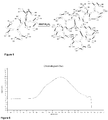
- Dendritic/hyperbranched polymer poly-dopamine-co-acrylate was successfully synthesised through the self-condensation of dopamine and trimethylol-propane triacrylate (TMPTA) monomer by Michael additions to obtain high molecular weight polymers (around 90.0kDa) ( Figure 2 ).
- the targeted dendritic polymers poly-dopamine-co-acrylate (PDA) consists of catechol, vinyl and hydroxyl functional groups, leading to tailorable functionality, crosslinking (with crosslinker), biodegradability, low cytotoxicity and desired mechanical properties on dry/wet tissue.
- Adhesive bonding to surfaces is derived from the reduced form. Cohesion in the bulk is provided by the one-electron (semiquinone) or two-electron (quinone) oxidized forms of dopamine.
- PDA has a tailored crosslinking speed by utilising crosslinker (KMnO 4 , Fe 3+ , HRP/H 2 O 2 or denatured fibrinogen).
- crosslinker KMnO 4 , Fe 3+ , HRP/H 2 O 2 or denatured fibrinogen.
- NaIO 4 a kind of strong oxidant as curing agent DOPA is immediately converted to DOPA-quinone which triggers intermolecular crosslinking, promoting the cohesive strength of PDA polymer. The reaction is relatively rapid although some of the adhesion strength might be compromised.
- periodate (NaIO 4 ) to crosslink PDA polymer might be a potential source of hidden peril for clinical use in consideration of its oxidizing properties.
- sodium periodate is widely used for clinical use for its oxidizing properties, for example, it is used to oxidize cellulose and create a biocompatible and biodegradable compound that can be used as suture, as a scaffold for tissue engineering, or for drug delivery. Consumption of electrons in DOPA by an oxidation reaction will be accompanied by the acquisition of electrons in periodate ion to form reduction product iodate ion (IO 3 - ) an additive in salt, which can be further reduced to iodide ion (I - ) which is non-toxic.
- Ethanol is also involved in the crosslinking system when the crosslinker is oxidative as Fe 3+ / C 2 H 5 OH or NaIO 4 / C 2 H 5 OH is a redox pair which can generate radicals in aqueous solution which can react with the vinyl groups in PDA and thus speed up crosslinking speed.
- fibrinogen is better at achieving a relatively higher adhesion strength in a short curing time as thiols resulting from the scission of S-S bond can couple with DOPA - quinone formed by DOPA oxidation which is crucial for improving cohesion strength among the adhesive polymer as well as providing an anti-oxidant environment which is beneficial for preserving adhesion strength.
- the redox systems of disulfide and thiolates may be efficiently adapted to be firstly an antioxidant ( FIG.4 a and b) which ensures enough adhesion strength in the initial stage. Later the disulfide and thiolates act as a cross-linking partner for DOPA-quinone which is crucial for improving cohesion strength among the adhesive polymer ( Fig.4c ).
- HRP is a hemoprotein that enables cross-linking between phenol and aniline derivatives with decomposed H 2 O 2 in the presence of phenolic hydroxyl groups8. It has been proved that the HRP concentration affects the crosslinking kinetics, while the variation in the H 2 O 2 concentration primarily affects the mechanical properties.
- HRP in H 2 O 2 is a non-cytotoxic curing agent for PDA which can achieve a high adhesion strength (76 ⁇ 13.4 KPa) after one day curing time.
- HRP-H 2 O 2 we propose the crosslinking mechanism of PDA with HRP-H 2 O 2 in Fig. 5 .
- Trimethylolpropane triacrylate monomer(2.96 g, 10 mmol), Dopamine hydrochloride monomer(1.90g, 10 mmol) and DMSO(10 g) were added into the two neck flask.
- 60 ⁇ L inhibitor(4-Methoxy-benzaldehyde) was added into the mixture to get rid of the possibility of free radical polymerization.
- the mixtures were stirred until a clear solution formed. Oxygen was removed by bubbling argon through the solution for 10 mins at room temperature.
- TEA (1.42 g, 14 mmol) was added at last when going through bubbling argon and magnetically stirred for 5 mins more.
- the solution was stirred at 600 rpm and the polymerization was conducted at 60deg C for 2 h in an oil bath. Take GPC sample every one hour.
- PDA was first dissolved in acetone to a concentration of 50 wt% by vortexing for 1 min.
- FeCl 3 and NaIO 4 as a crosslinker
- 60 ⁇ l 2mmol/L, 20 mmol/L and 200mmol/L FeCl 3 /H 2 O or 1 wt%, 2 wt% and 3 wt% NaIO 4 /H 2 O were mixed with 60 ⁇ l of pure ethanol in an eppendorf tube.
- fibrinogen as a curing agent, fibrinogen were dissolved in 0.9% saline water to a 1 wt%, 2 wt% and 3 wt% concentration and 60 ⁇ l solution was used for each test.
- PDA adhesive was prepared by mixing 300 ⁇ l 50 wt% PDA solution with crosslinker solution and then the fully mixed adhesive fluid was applied at room temperature to both surfaces of porcine skin tissue substrates which were put in PBS buffer solutions before tests.
- For the enzyme mediated oxidative crosslinker 20 ⁇ l 0.1 wt%, 0.2wt% and 0.3wt% horseradish peroxide were mixed with PDA solution before 20 ⁇ l 0.1 wt%, 0.2wt% and 0.3wt% H 2 O 2 were added and gently vortexed to ensure homogeneous mixing. Control specimens with no crosslinker were treated in the same manner as the adhesive samples. The two skin pieces were then overlapped ensuring that the proper overlap area (2 cm x 1.5cm) was maintained. Gauze saturated with PBS was wrapped around the samples to maintain hydration throughout the duration of the curing time. The samples were left curing at room temperature for a period of 15 mins, 1 hour, and 24 hours before strength testing.
- tissue surfaces were adhered together using a commercial fibrin surgical sealant (TISSEEL ® , Baxter) which was prepared according to manufacturer's instructions.
- Fibrinogen was mixed with aprotonin solution then thrombin was combined with a calcium chloride solution.
- the two mixtures were then loaded into a set of duplex syringes. As they were dispensed, the two components were mixed at the outlet of the syringe system where they cross-linked to form the fibrin adhesive. 300 ⁇ L of fibrin was applied in the same manner as the PDA adhesive samples.
- the tissue adhesive properties of PDA polymer with four different curing agents were studied on porcine dermal skin surfaces after curing the adhesive for 15 mins, 1 hour and 1 day at room temperature.
- concentration of curing agents was optimised by carrying out shear lap tests on PDA-Medium polymer with four curing agents in low/medium/high concentrations after curing time of 15 mins ( Fig. 8(c) ).
- the molecular weight of PDA polymer was optimised by carrying out shear lap tests on PDA-Low, PDA-Medium and PDA-High polymers with the optimized concentration of fibrinogen (3 wt %) after a curing time of 15 mins ( Fig. 8(d) ).
- the tissue adhesive properties of PDA-Medium polymer (optimised) with optimised concentration of four curing agents were studied on porcine dermal skin surfaces after curing the adhesive for 15 mins, 1 hour and 1 day at room temperature. Control experiments were carried out on PDA polymer without curing agent and TISSEEL® fibrin glue ( Fig. 8(f) ). Fibrin glue showed no signs of adhesion in the 15 minutes of curing time as all specimens failed before or during attempts to load into the mechanical test machine.
- Shear-Lap stress measurements were performed on PMMA sheets to get the longitudinal shear modulus following the procedures described in ASTM standard F2255-05. Slight modifications to the protocol were used where appropriate.
- Samples of PMMA measuring 60 mm x15 mm x 3 mm were used as bone substitute for shear lap tests.
- a Zwick tensile tester with a 1000 N load cell was used, which comprised of a fixed member that carried one substrate holder and a movable member that carried the loading cell, two compatible holders which fixed the test specimens between two members and a driving mechanism that allowed the moving member to move at a constant rate as required.
- Nylon was selected as the material for use as the substrate holders. Nylon provided sufficient strength to withstand the shear stresses imposed on the piece.
- G-clamps were used to fix the samples onto the holders. The bonded fixtures were loaded until failure at a cross-head speed of 5 mm/min. A minimum of five samples per group were tested using this approach.
- Ex-vivo mechanical strength measurements The Instron 4467 materials testing systems were used both in compression and lateral distraction testing. The adhesion strength at failure by loading compression and lateral distraction strength were measured with lamb sternal bone specimens bonded while wet. Each sternum was cut vertically in half as in a median sternotomy using a band-saw and then was cut horizontally into 10 samples. After cutting the samples, 5 pairs of samples were tied together with elastic bands and placed in PBS buffer for 24 hours.
- the lateral distraction tests were performed on lamb sternal bones following the procedures described in ASTM standard D2095-96 with modifications.
- the bones were drilled through using a 3 mm drill bit and hand drill. The hole was drilled a little back from the adhesion site to prevent damaging the surface area.
- the samples were glued and left curing for certain periods, then the bonding samples were clamped sideways in the machine by a pair of vices which move at a constant rate of 5 mm/min in the opposite direction.
- a metal strip with holes was used to fix the bones to the vice.
- the metal strip was held to the bone using a 3 mm threaded bar and nuts. The ends of the metal strip that were not connected to the bone were clamped in the vices.
- the adhesive strength of the nanocomposites was investigated by shear-lap tests (in-vitro longitudinal shear) on two PMMA sheets as bone substitute, bonded together because of the difficulty in obtaining bone samples of the appropriate geometry and size ( Figure 9(c) ).
- the concentration of curing agents was optimized by carrying out shear lap tests on PDA polymer with two curing agents (FeCl 3 and KMnO 4 ) in low/medium/high concentrations (2 mmol/L, 20 mmol/L and 200 mmol/L) ( Figure 9(a) ).
- PDA adhesive has a controllable curing speed, allowing setting to take place over one week due to its unique structures and functionalities.
- Ex-vivo compression ( Figure 10(a) and (b) ) and lateral distraction measurements ( Figure 10(c) and (b) ) yielded the mechanical strength by loading compression and lateral distraction on PDA nanocomposite adhesive bonding the two lamb sternal halves. After introducing HA particles into the hydrophobic PDA polymer, the adhesive is less fluid, making it better for sticking to the bone and not prematurely slipping away or penetrating into the bone pores.
- the tissue adhesive properties of PDA polymer with four different curing agents were studied on porcine dermal skin surfaces after curing the adhesive for 15 mins, 1 hour and 1 day at room temperature.
- the concentration of curing agents was optimised by carrying out shear lap tests on PDA-Medium polymer with four curing agents in low/medium/high concentrations after curing time of 15 mins ( Fig. 8(c) ).
- the molecular weight of PDA polymer was optimised by carrying out shear lap tests on PDA-Low, PDA-Medium and PDA-High polymers with the optimized concentration of fibrinogen (3 wt %) after a curing time of 15 mins ( Fig.
- Shear-Lap stress measurements were performed on PMMA sheets to get the longitudinal shear modulus following the procedures described in ASTM standard F2255-05. Slight modifications to the protocol were used where appropriate.
- Samples of PMMA measuring 60 mm x15 mm x 3 mm were used as bone substitute for shear lap tests.
- a Zwick tensile tester with a 1000 N load cell was used, which comprised of a fixed member that carried one substrate holder and a movable member that carried the loading cell, two compatible holders which fixed the test specimens between two members and a driving mechanism that allowed the moving member to move at a constant rate as required.
- Nylon was selected as the material for use as the substrate holders. Nylon provided sufficient strength to withstand the shear stresses imposed on the piece.
- G-clamps were used to fix the samples onto the holders. The bonded fixtures were loaded until failure at a cross-head speed of 5 mm/min. A minimum of five samples per group were tested using this approach.
- Ex-vivo mechanical strength measurements The Instron 4467 materials testing systems were used both in compression and lateral distraction testing. The adhesion strength at failure by loading compression and lateral distraction strength were measured with lamb sternal bone specimens bonded while wet. Each sternum was cut vertically in half as in a median sternotomy using a band-saw and then was cut horizontally into 10 samples. After cutting the samples, 5 pairs of samples were tied together with elastic bands and placed in PBS buffer for 24 hours.
- the lateral distraction tests were performed on lamb sternal bones following the procedures described in ASTM standard D2095-96 with modifications.
- the bones were drilled through using a 3 mm drill bit and hand drill. The hole was drilled a little back from the adhesion site to prevent damaging the surface area.
- the samples were glued and left curing for certain periods, then the bonding samples were clamped sideways in the machine by a pair of vices which move at a constant rate of 5 mm/min in the opposite direction.
- a metal strip with holes was used to fix the bones to the vice.
- the metal strip was held to the bone using a 3 mm threaded bar and nuts. The ends of the metal strip that were not connected to the bone were clamped in the vices.
- the adhesive strength of the nanocomposites was investigated by shear-lap tests (in-vitro longitudinal shear) on two PMMA sheets as bone substitute, bonded together because of the difficulty in obtaining bone samples of the appropriate geometry and size ( Figure 9(c) ).
- the concentration of curing agents was optimized by carrying out shear lap tests on PDA polymer with two curing agents (FeCl 3 and KMnO 4 ) in low/medium/high concentrations (2 mmol/L, 20 mmol/L and 200 mmol/L) ( Figure 9(a) ).
- PDA adhesive has a controllable curing speed, allowing setting to take place over one week due to its unique structures and functionalities.
- Ex-vivo compression ( Figure 10(a) and (b) ) and lateral distraction measurements ( Figure 10(c) and (b) ) yielded the mechanical strength by loading compression and lateral distraction on PDA nanocomposite adhesive bonding the two lamb sternal halves. After introducing HA particles into the hydrophobic PDA polymer, the adhesive is less fluid, making it better for sticking to the bone and not prematurely slipping away or penetrating into the bone pores.
- 3T3 fibroblasts were cultured in DMEM supplemented with 10% FBS and 1% Pen/Step under standard sterile cell culture conditions at 37°C and 5% CO 2 .
- the cells were seeded in 48 well-plates at a concentration of 10, 000 cells per well.
- 1 mg of the adhesives, with various crosslinkers, were added to the cells one day after seeding to result in a final concentration of 2 mg/ml.
- the AlamarBlue ® cell metabolic activity method was used as described previously. Cell viability was obtained by normalising metabolic activity to cells receiving no treatment.
- the PDA adhesive without a crosslinker and TISSEEL ® fibrin glue were used for comparisons. ( Figure 13).
- Dendritic polymers belong to a class of synthetic tree-like macromolecules called dendritic polymers. They are polymers with densely branched structure and a large number of end groups. Dendritic polymers include dendrimers which have completely branched star-like topologies and hyperbranched polymers which have imperfectly branched or irregular structures. Both dendrimer and hyperbranched polymer molecules are composed of repeating units emanating from a central core. The core is characterised by its functionality, which is the number of chemical bonds through which it can be connected to the external parts of the molecule. The functionality of the core is normally three (e.g. amine) or four (e.g. ethylenediamine).
- the layers of linear units are attached to the core and each of these arms is terminated with the multifunctional branched unit.
- Larger molecules are created by adding shells of linear units to the end groups of the layer beneath. If all of these units are attached to the molecule perfectly, a dendrimer is formed. In contrast, the absence of any of these units in the molecule will result in a hyperbranched polymer structure.
- the invention provides a synthesis platform suitable for the production of specifically designed adhesives that are demonstrated to deliver improved adhesive properties within the context of the invention.
- the methods provided herein are capable of synthesizing polymers with impressive biodegradable properties [intracellular] and the specific addition of modifiable functional groups, making attachment of moieties of a variety of other applications attachment a genuine prospect.
- the Inventors have demonstrated the synthesis and characterisation of hyperbranched or linearly branched cationic polymers suitable for use as medical adhesives, and/or bone cements.
- a vinyl monomer of structure AB can be used, where A is a vinyl group and B is a functional group that can be converted into an initiating group B* by an external stimulus.
- This species is known as an inimer.
- the activated species can be a "living" free radical, an electrophilic cationic moiety or a carbanion.
- Inimers often comprise halogen groups, whereby activation occurs by removing the halogen to form either a cation or a radical.
- Controlled/living radical polymerisation is a widely used technique that allows the synthesis of defined polymer architectures through precise control of molecular weights and distributions.
- the architectures of polymers prepared by the CRP techniques are reported to be the linear, crosslinked, branched/dendritic structures.
- branching is introduced by the multi-functional vinyl monomers in a controlled fashion and the cross linking reaction is delayed.
- DE-ATRP allows the simple use of readily available and inexpensive multi-functional vinyl momomers to synthesis soluble hyperbranced polymers with a high degree of branching and controlled chain structure via homo- and copolymerisations.
- the key to the strategy is to control competition between chain growth and revesible chain termination via a deactivation enhanced method.
- the polymer chains can grow effectively and brancing is introduced by multifunctional vinyl monomer in a controlled fashion, leading to the formation of hyperbranced polymers rather than cross linked gel.
- the adhesives of the invention are synthetic polymers that are synthesised by the process of Atom Transfer Radical Polymerisation (ATRP) or Reversible Addition Fragmentation Chain-transfer (RAFT) polymerization to yield hyperbranched or linearly branched polymers.
- ATRP Atom Transfer Radical Polymerisation
- RAFT Reversible Addition Fragmentation Chain-transfer
- Other synthetic possibilities include Michael Addition and click chemistry processes.
Landscapes
- Health & Medical Sciences (AREA)
- Chemical & Material Sciences (AREA)
- Chemical Kinetics & Catalysis (AREA)
- Public Health (AREA)
- Medicinal Chemistry (AREA)
- Life Sciences & Earth Sciences (AREA)
- Animal Behavior & Ethology (AREA)
- General Health & Medical Sciences (AREA)
- Organic Chemistry (AREA)
- Veterinary Medicine (AREA)
- Epidemiology (AREA)
- Polymers & Plastics (AREA)
- Surgery (AREA)
- Dermatology (AREA)
- Oral & Maxillofacial Surgery (AREA)
- Transplantation (AREA)
- Materials For Medical Uses (AREA)
- Adhesives Or Adhesive Processes (AREA)
Claims (14)
- Polymère dendritique ou hyper-ramifié comprenant une pluralité de branches, dans lequel au moins l'une des branches comprend au moins une fraction catéchol qui est oxydable en une fraction semi-quinone et/ou une fraction quinone, caractérisé en ce que le polymère comprend en outre au moins un autre groupe fonctionnel sélectionné dans le groupe constitué par une fonctionnalité vinyle qui peut être un vinyle non substitué ou un groupe vinyle fonctionnalisé, une fonctionnalité amine, une fonctionnalité disulfure, au moins l'une d'une amine, diamine, tri-amine ionisable, une fonctionnalité alcool aminé, et/ou leurs combinaisons, et dans lequel optionnellement au moins l'une de la pluralité de branches du polymère se termine par une fonctionnalité hydroxyle ou se termine par un halogénure sélectionné dans le groupe constitué de F, Cl, Br et I.
- Polymère dendritique ou hyper-ramifié selon la revendication 1, dans lequel la fraction catéchol est dérivée de DOPA ou de dopamine.
- Polymère dendritique ou hyper-ramifié selon l'une quelconque des revendications précédentes, dans lequel le polymère dendritique ou hyper-ramifié est poly-dispersé et optionnellement est monocyclique ou multi-cyclique.
- Polymère dendritique ou hyper-ramifié selon l'une quelconque des revendications précédentes, dans lequel le groupe vinyle ou la fonctionnalité vinyle est un groupe méthacrylate qui peut être non substitué ou substitué avec un alkyle C1-6 linéaire ou ramifié.
- Polymère dendritique ou hyper-ramifié selon la revendication 1, dans lequel le polymère est dérivé de la copolymérisation de monomère dopamine HCl et de monomère triacrylate de triméthylolpropane (TMPTA) et a un spectre 1H NMR représenté en figure 7.
- Polymère dendritique ou hyper-ramifié selon la revendication 1, dans lequel le polymère est un polydopamine-co-acrylate.
- Polymère dendritique ou hyper-ramifié selon l'une quelconque des revendications précédentes, dans lequel au moins l'une de la pluralité de branches est réticulée à l'aide d'un agent de réticulation ou d'un système de réticulation qui peut optionnellement être utilisé avec un promoteur de réticulation.
- Polymère dendritique ou hyper-ramifié selon la revendication 7, dans lequel les branches sont réticulées avec du fibrinogène, du chitosane ou un système de réticulation qui est favorisé par une réaction d'oxydation.
- Polymère dendritique ou hyper-ramifié selon la revendication 8, dans lequel le système de réticulation favorisé par une oxydation est du permanganate, du Fe(III), du HPR (peroxydase de raifort) et du peroxyde, ou une de leurs combinaisons.
- Polymère selon l'une quelconque des revendications précédentes ou composition de polymère selon l'une quelconque des revendications précédentes, pour utilisation comme adhésif médical ou comme ciment osseux.
- Polymère ou composition pour utilisation selon la revendication 10, dans lequel le ciment osseux est un ciment pour la fermeture du sternum ou une autre procédure d'opération orthopédique.
- Utilisation d'un polymère selon l'une quelconque des revendications 1 à 11 dans la fabrication d'un adhésif médical.
- Procédé de synthèse d'un polymère dendritique ou hyper-ramifié comprenant au moins une fraction catéchol, en polymérisant un monomère di-vinylique ou un triacrylate avec d'autres monomères polymérisables optionnels et/ou des initiateurs comprenant ceux comportant au moins une fraction catéchol dans des conditions de polymérisation appropriées pour effectuer une polymérisation du monomère par une addition de Michael, une chimie clic ou un procédé de polymérisation vivante.
- Procédé pour durcir un adhésif ou un ciment osseux comprenant un polymère tel que défini dans l'une quelconque des revendications 1 à 9, comprenant l'étape consistant à réticuler la pluralité de branches du polymère à l'aide d'un système de réticulation tel que défini dans la revendication 7.
Priority Applications (1)
| Application Number | Priority Date | Filing Date | Title |
|---|---|---|---|
| EP14702015.0A EP2950830B1 (fr) | 2013-01-31 | 2014-01-30 | Adhésif polymère |
Applications Claiming Priority (3)
| Application Number | Priority Date | Filing Date | Title |
|---|---|---|---|
| EP13153503.1A EP2762171A1 (fr) | 2013-01-31 | 2013-01-31 | Adhésif polymère |
| EP14702015.0A EP2950830B1 (fr) | 2013-01-31 | 2014-01-30 | Adhésif polymère |
| PCT/EP2014/051779 WO2014118266A1 (fr) | 2013-01-31 | 2014-01-30 | Adhésif polymère |
Publications (2)
| Publication Number | Publication Date |
|---|---|
| EP2950830A1 EP2950830A1 (fr) | 2015-12-09 |
| EP2950830B1 true EP2950830B1 (fr) | 2016-12-28 |
Family
ID=47665962
Family Applications (2)
| Application Number | Title | Priority Date | Filing Date |
|---|---|---|---|
| EP13153503.1A Withdrawn EP2762171A1 (fr) | 2013-01-31 | 2013-01-31 | Adhésif polymère |
| EP14702015.0A Not-in-force EP2950830B1 (fr) | 2013-01-31 | 2014-01-30 | Adhésif polymère |
Family Applications Before (1)
| Application Number | Title | Priority Date | Filing Date |
|---|---|---|---|
| EP13153503.1A Withdrawn EP2762171A1 (fr) | 2013-01-31 | 2013-01-31 | Adhésif polymère |
Country Status (5)
| Country | Link |
|---|---|
| EP (2) | EP2762171A1 (fr) |
| CN (1) | CN105358183B (fr) |
| AU (1) | AU2014211405B2 (fr) |
| CA (1) | CA2936705A1 (fr) |
| WO (1) | WO2014118266A1 (fr) |
Cited By (1)
| Publication number | Priority date | Publication date | Assignee | Title |
|---|---|---|---|---|
| EP3628712B1 (fr) * | 2017-08-22 | 2024-03-13 | National Institute for Materials Science | Agent de revêtement, procédé pour la production d'un film de revêtement, procédé de traitement d'apprêt, procédé pour la réparation de béton et procédé pour la construction d'une route |
Families Citing this family (28)
| Publication number | Priority date | Publication date | Assignee | Title |
|---|---|---|---|---|
| KR101799003B1 (ko) * | 2015-09-16 | 2017-12-20 | 포항공과대학교 산학협력단 | 카테콜 유도체 기반의 접착성 조성물 및 이의 제조방법 |
| CN106267324A (zh) * | 2016-08-09 | 2017-01-04 | 西北师范大学 | 一种温度响应型高分子生物医用胶黏剂及其合成方法 |
| CN107840958A (zh) * | 2016-09-21 | 2018-03-27 | 天津大学 | 基于季戊四醇三丙烯酸酯的聚合物及其制备方法 |
| CN107840966B (zh) * | 2016-09-21 | 2020-06-12 | 天津大学 | 季戊四醇三丙烯酸酯-多巴胺-吡咯聚合物及其应用 |
| CN107840955B (zh) * | 2016-09-21 | 2020-06-23 | 天津大学 | 导电粘合剂及其制备方法 |
| KR102283811B1 (ko) * | 2016-09-28 | 2021-07-30 | 코오롱인더스트리 주식회사 | 퀴논 경화형 조성물 및 이를 포함하는 접착제 조성물 |
| CN110573544B (zh) * | 2017-04-28 | 2022-08-16 | 罗伯特·博世有限公司 | 用于锂离子电池的复合粘结剂及其制备方法 |
| CN107625991B (zh) * | 2017-08-18 | 2020-10-23 | 中国人民解放军第四军医大学 | 一种仿贻贝功能化骨折粘合剂的制备方法 |
| CN107469135B (zh) * | 2017-08-25 | 2021-11-16 | 杭州亚慧生物科技有限公司 | 一种心脏封合凝胶及其制备方法 |
| CN107626002B (zh) * | 2017-10-02 | 2021-11-16 | 杭州亚慧生物科技有限公司 | 一种响应型医用凝胶及其制备方法与应用 |
| US11608454B2 (en) | 2018-05-14 | 2023-03-21 | University Of Connecticut | High performance adhesives; methods of making; and use |
| CN109111863A (zh) * | 2018-06-22 | 2019-01-01 | 哈尔滨工业大学无锡新材料研究院 | 一种uv固化防水胶粘剂、其制备方法及应用 |
| CN109260519B (zh) * | 2018-09-18 | 2021-02-09 | 朱飞燕 | 一种粘合剂型水凝胶及其制备方法和应用 |
| EP4017709A4 (fr) * | 2019-08-20 | 2022-09-28 | The Regents Of The University Of Michigan | Substrats fonctionnalisés en surface et leurs procédés de fabrication |
| CA3155411A1 (fr) * | 2019-10-21 | 2021-04-29 | Charles Terrell Williams | Composition adhesive sensible a la pression thermofusible et ses utilisations |
| CA3159190A1 (fr) | 2019-10-31 | 2021-05-06 | Dentsply Sirona Inc. | Vernis dentaire |
| CN111019597B (zh) * | 2019-12-02 | 2020-11-13 | 福建农林大学 | 一种植物蛋白基胶黏剂及其制备方法和应用 |
| CN111135338A (zh) * | 2019-12-31 | 2020-05-12 | 瑞希(重庆)生物科技有限公司 | 一种止血凝胶及其制备方法 |
| CN111234244B (zh) * | 2020-01-14 | 2020-09-29 | 四川东为氢源科技有限公司 | 超支化聚合物粘合剂、质子交换膜及其制备方法 |
| US11499076B2 (en) | 2020-03-13 | 2022-11-15 | Nautilus Solutions, Llc | Bearings and components thereof comprising a hot-melt pressure sensitive adhesive and methods of their preparation |
| WO2021225167A1 (fr) * | 2020-05-08 | 2021-11-11 | 国立大学法人九州大学 | Matériau adhésif pouvant se désintégrer facilement |
| CN111849370A (zh) * | 2020-07-15 | 2020-10-30 | 京东方科技集团股份有限公司 | 保护膜及盖板 |
| US11643574B2 (en) | 2021-05-28 | 2023-05-09 | Cohesys Inc. | Adhesive devices and uses thereof |
| CN113769156B (zh) * | 2021-08-26 | 2022-10-14 | 四川大学 | 兼具止血和创面修复的杂化纤维海绵及其制备方法 |
| CN114209872B (zh) * | 2021-09-14 | 2022-11-22 | 上海意久泰医疗科技有限公司 | 一种双组份糊剂、应用和骨水泥的制备方法 |
| CN114276570B (zh) * | 2021-12-29 | 2023-12-19 | 江苏鱼跃凯立特生物科技有限公司 | 一种葡萄糖限制膜液及其制备方法与应用 |
| CN115160599B (zh) * | 2022-08-03 | 2023-06-02 | 苏州大学 | 一种按需降解的聚多巴胺交联聚乙二醇水凝胶材料及其制备方法与应用 |
| CN116036354A (zh) * | 2023-01-05 | 2023-05-02 | 上海利康瑞生物工程有限公司 | 基于改性纤维蛋白的强粘附止血抗菌材料及其制备方法 |
Family Cites Families (3)
| Publication number | Priority date | Publication date | Assignee | Title |
|---|---|---|---|---|
| US9603941B2 (en) * | 2006-01-24 | 2017-03-28 | Minghui Chai | Method of preparing dendritic drugs |
| US8119742B2 (en) * | 2008-09-28 | 2012-02-21 | Knc Ner Acquisition Sub, Inc. | Multi-armed catechol compound blends |
| US8337497B2 (en) * | 2009-10-07 | 2012-12-25 | Doctors Research Group, Inc. | Methods for sternal closure |
-
2013
- 2013-01-31 EP EP13153503.1A patent/EP2762171A1/fr not_active Withdrawn
-
2014
- 2014-01-30 CA CA2936705A patent/CA2936705A1/fr not_active Abandoned
- 2014-01-30 WO PCT/EP2014/051779 patent/WO2014118266A1/fr not_active Ceased
- 2014-01-30 CN CN201480019180.6A patent/CN105358183B/zh not_active Expired - Fee Related
- 2014-01-30 EP EP14702015.0A patent/EP2950830B1/fr not_active Not-in-force
- 2014-01-30 AU AU2014211405A patent/AU2014211405B2/en not_active Ceased
Non-Patent Citations (1)
| Title |
|---|
| None * |
Cited By (1)
| Publication number | Priority date | Publication date | Assignee | Title |
|---|---|---|---|---|
| EP3628712B1 (fr) * | 2017-08-22 | 2024-03-13 | National Institute for Materials Science | Agent de revêtement, procédé pour la production d'un film de revêtement, procédé de traitement d'apprêt, procédé pour la réparation de béton et procédé pour la construction d'une route |
Also Published As
| Publication number | Publication date |
|---|---|
| CA2936705A1 (fr) | 2014-08-07 |
| AU2014211405B2 (en) | 2017-03-16 |
| EP2762171A1 (fr) | 2014-08-06 |
| CN105358183A (zh) | 2016-02-24 |
| WO2014118266A1 (fr) | 2014-08-07 |
| CN105358183B (zh) | 2017-06-23 |
| EP2950830A1 (fr) | 2015-12-09 |
| AU2014211405A1 (en) | 2015-09-17 |
Similar Documents
| Publication | Publication Date | Title |
|---|---|---|
| EP2950830B1 (fr) | Adhésif polymère | |
| Zhang et al. | Mussel-inspired hyperbranched poly (amino ester) polymer as strong wet tissue adhesive | |
| RU2530653C2 (ru) | Адгезивные комплексные коацерваты и способы их получения и применения | |
| KR102469682B1 (ko) | 생체 손상 수선 또는 지혈용 제제 및 이를 위한 방법 | |
| CA2817215C (fr) | Composes adhesifs pour utilisation dans la reparation de hernie | |
| RU2241494C2 (ru) | Материал для наложения швов на раны на базе метилиденмалоната | |
| US8551136B2 (en) | High swell, long-lived hydrogel sealant | |
| Bhagat et al. | Degradable adhesives for surgery and tissue engineering | |
| EP2209504B1 (fr) | Amines tertiaires dérivatisées et leurs utilisations | |
| AU2020280018B2 (en) | Methods for improving the tissue sealing properties of hydrogels and the use thereof | |
| US20100015231A1 (en) | Low swell, long-lived hydrogel sealant | |
| KR101804501B1 (ko) | 카테콜 기를 가지는 감마 폴리글루탐산, 이의 제조 방법 및 이를 포함하는 조직 접착제 | |
| JP2023516335A (ja) | 止血被覆材及びその製造方法 | |
| JP6913676B2 (ja) | 接着剤組成物 | |
| CN114209874A (zh) | 一种医用水凝胶粘合剂及其制备方法和用途 | |
| CN112876597B (zh) | 一种交联剂、生物粘合剂及其制备方法和应用 | |
| CN112007201A (zh) | 一种可粘附抗菌止血海绵及其制备方法 | |
| Bhatia | Traumatic injuries | |
| Bhatia | Adhesive Biomaterials for Tissue Repair and Reconstruction | |
| KR101823054B1 (ko) | 폴리갈산 중합체를 포함하는 생체접착제용 첨가제 조성물 | |
| CN115867329B (zh) | 外科粘合剂 | |
| Balakrishnan | Evaluating mechanical performance of hydrogel-based adhesives for soft tissue applications | |
| Bhagat | Poly (Ester Urea) Based Biomimetic Bone and Soft Tissue Adhesives | |
| Amin et al. | Effects of Orticochea Pharyngoplasty on Hypernasality and Speech Regurgitation after Cleft Palate Repair | |
| EA048656B1 (ru) | Двойная гидрогелевая мультисшивающаяся гемостатическая композиция и способ ее изготовления |
Legal Events
| Date | Code | Title | Description |
|---|---|---|---|
| PUAI | Public reference made under article 153(3) epc to a published international application that has entered the european phase |
Free format text: ORIGINAL CODE: 0009012 |
|
| 17P | Request for examination filed |
Effective date: 20150827 |
|
| AK | Designated contracting states |
Kind code of ref document: A1 Designated state(s): AL AT BE BG CH CY CZ DE DK EE ES FI FR GB GR HR HU IE IS IT LI LT LU LV MC MK MT NL NO PL PT RO RS SE SI SK SM TR |
|
| AX | Request for extension of the european patent |
Extension state: BA ME |
|
| DAX | Request for extension of the european patent (deleted) | ||
| GRAP | Despatch of communication of intention to grant a patent |
Free format text: ORIGINAL CODE: EPIDOSNIGR1 |
|
| INTG | Intention to grant announced |
Effective date: 20160624 |
|
| GRAS | Grant fee paid |
Free format text: ORIGINAL CODE: EPIDOSNIGR3 |
|
| GRAJ | Information related to disapproval of communication of intention to grant by the applicant or resumption of examination proceedings by the epo deleted |
Free format text: ORIGINAL CODE: EPIDOSDIGR1 |
|
| GRAL | Information related to payment of fee for publishing/printing deleted |
Free format text: ORIGINAL CODE: EPIDOSDIGR3 |
|
| RAP1 | Party data changed (applicant data changed or rights of an application transferred) |
Owner name: UNIVERSITY COLLEGE DUBLIN, NATIONAL UNIVERSITY OF |
|
| GRAR | Information related to intention to grant a patent recorded |
Free format text: ORIGINAL CODE: EPIDOSNIGR71 |
|
| GRAA | (expected) grant |
Free format text: ORIGINAL CODE: 0009210 |
|
| INTC | Intention to grant announced (deleted) | ||
| AK | Designated contracting states |
Kind code of ref document: B1 Designated state(s): AL AT BE BG CH CY CZ DE DK EE ES FI FR GB GR HR HU IE IS IT LI LT LU LV MC MK MT NL NO PL PT RO RS SE SI SK SM TR |
|
| INTG | Intention to grant announced |
Effective date: 20161121 |
|
| REG | Reference to a national code |
Ref country code: GB Ref legal event code: FG4D |
|
| REG | Reference to a national code |
Ref country code: CH Ref legal event code: EP |
|
| REG | Reference to a national code |
Ref country code: AT Ref legal event code: REF Ref document number: 856750 Country of ref document: AT Kind code of ref document: T Effective date: 20170115 |
|
| REG | Reference to a national code |
Ref country code: FR Ref legal event code: PLFP Year of fee payment: 4 |
|
| REG | Reference to a national code |
Ref country code: IE Ref legal event code: FG4D |
|
| REG | Reference to a national code |
Ref country code: DE Ref legal event code: R096 Ref document number: 602014005829 Country of ref document: DE |
|
| PG25 | Lapsed in a contracting state [announced via postgrant information from national office to epo] |
Ref country code: LV Free format text: LAPSE BECAUSE OF FAILURE TO SUBMIT A TRANSLATION OF THE DESCRIPTION OR TO PAY THE FEE WITHIN THE PRESCRIBED TIME-LIMIT Effective date: 20161228 |
|
| REG | Reference to a national code |
Ref country code: LT Ref legal event code: MG4D |
|
| PG25 | Lapsed in a contracting state [announced via postgrant information from national office to epo] |
Ref country code: SE Free format text: LAPSE BECAUSE OF FAILURE TO SUBMIT A TRANSLATION OF THE DESCRIPTION OR TO PAY THE FEE WITHIN THE PRESCRIBED TIME-LIMIT Effective date: 20161228 Ref country code: GR Free format text: LAPSE BECAUSE OF FAILURE TO SUBMIT A TRANSLATION OF THE DESCRIPTION OR TO PAY THE FEE WITHIN THE PRESCRIBED TIME-LIMIT Effective date: 20170329 Ref country code: NO Free format text: LAPSE BECAUSE OF FAILURE TO SUBMIT A TRANSLATION OF THE DESCRIPTION OR TO PAY THE FEE WITHIN THE PRESCRIBED TIME-LIMIT Effective date: 20170328 Ref country code: LT Free format text: LAPSE BECAUSE OF FAILURE TO SUBMIT A TRANSLATION OF THE DESCRIPTION OR TO PAY THE FEE WITHIN THE PRESCRIBED TIME-LIMIT Effective date: 20161228 |
|
| REG | Reference to a national code |
Ref country code: NL Ref legal event code: MP Effective date: 20161228 |
|
| REG | Reference to a national code |
Ref country code: AT Ref legal event code: MK05 Ref document number: 856750 Country of ref document: AT Kind code of ref document: T Effective date: 20161228 |
|
| PG25 | Lapsed in a contracting state [announced via postgrant information from national office to epo] |
Ref country code: FI Free format text: LAPSE BECAUSE OF FAILURE TO SUBMIT A TRANSLATION OF THE DESCRIPTION OR TO PAY THE FEE WITHIN THE PRESCRIBED TIME-LIMIT Effective date: 20161228 Ref country code: HR Free format text: LAPSE BECAUSE OF FAILURE TO SUBMIT A TRANSLATION OF THE DESCRIPTION OR TO PAY THE FEE WITHIN THE PRESCRIBED TIME-LIMIT Effective date: 20161228 Ref country code: RS Free format text: LAPSE BECAUSE OF FAILURE TO SUBMIT A TRANSLATION OF THE DESCRIPTION OR TO PAY THE FEE WITHIN THE PRESCRIBED TIME-LIMIT Effective date: 20161228 Ref country code: BE Free format text: LAPSE BECAUSE OF NON-PAYMENT OF DUE FEES Effective date: 20170131 |
|
| PG25 | Lapsed in a contracting state [announced via postgrant information from national office to epo] |
Ref country code: NL Free format text: LAPSE BECAUSE OF FAILURE TO SUBMIT A TRANSLATION OF THE DESCRIPTION OR TO PAY THE FEE WITHIN THE PRESCRIBED TIME-LIMIT Effective date: 20161228 |
|
| PG25 | Lapsed in a contracting state [announced via postgrant information from national office to epo] |
Ref country code: SK Free format text: LAPSE BECAUSE OF FAILURE TO SUBMIT A TRANSLATION OF THE DESCRIPTION OR TO PAY THE FEE WITHIN THE PRESCRIBED TIME-LIMIT Effective date: 20161228 Ref country code: EE Free format text: LAPSE BECAUSE OF FAILURE TO SUBMIT A TRANSLATION OF THE DESCRIPTION OR TO PAY THE FEE WITHIN THE PRESCRIBED TIME-LIMIT Effective date: 20161228 Ref country code: IS Free format text: LAPSE BECAUSE OF FAILURE TO SUBMIT A TRANSLATION OF THE DESCRIPTION OR TO PAY THE FEE WITHIN THE PRESCRIBED TIME-LIMIT Effective date: 20170428 Ref country code: CZ Free format text: LAPSE BECAUSE OF FAILURE TO SUBMIT A TRANSLATION OF THE DESCRIPTION OR TO PAY THE FEE WITHIN THE PRESCRIBED TIME-LIMIT Effective date: 20161228 Ref country code: RO Free format text: LAPSE BECAUSE OF FAILURE TO SUBMIT A TRANSLATION OF THE DESCRIPTION OR TO PAY THE FEE WITHIN THE PRESCRIBED TIME-LIMIT Effective date: 20161228 |
|
| PG25 | Lapsed in a contracting state [announced via postgrant information from national office to epo] |
Ref country code: PT Free format text: LAPSE BECAUSE OF FAILURE TO SUBMIT A TRANSLATION OF THE DESCRIPTION OR TO PAY THE FEE WITHIN THE PRESCRIBED TIME-LIMIT Effective date: 20170428 Ref country code: BE Free format text: LAPSE BECAUSE OF FAILURE TO SUBMIT A TRANSLATION OF THE DESCRIPTION OR TO PAY THE FEE WITHIN THE PRESCRIBED TIME-LIMIT Effective date: 20161228 Ref country code: BG Free format text: LAPSE BECAUSE OF FAILURE TO SUBMIT A TRANSLATION OF THE DESCRIPTION OR TO PAY THE FEE WITHIN THE PRESCRIBED TIME-LIMIT Effective date: 20170328 Ref country code: IT Free format text: LAPSE BECAUSE OF FAILURE TO SUBMIT A TRANSLATION OF THE DESCRIPTION OR TO PAY THE FEE WITHIN THE PRESCRIBED TIME-LIMIT Effective date: 20161228 Ref country code: ES Free format text: LAPSE BECAUSE OF FAILURE TO SUBMIT A TRANSLATION OF THE DESCRIPTION OR TO PAY THE FEE WITHIN THE PRESCRIBED TIME-LIMIT Effective date: 20161228 Ref country code: AT Free format text: LAPSE BECAUSE OF FAILURE TO SUBMIT A TRANSLATION OF THE DESCRIPTION OR TO PAY THE FEE WITHIN THE PRESCRIBED TIME-LIMIT Effective date: 20161228 Ref country code: PL Free format text: LAPSE BECAUSE OF FAILURE TO SUBMIT A TRANSLATION OF THE DESCRIPTION OR TO PAY THE FEE WITHIN THE PRESCRIBED TIME-LIMIT Effective date: 20161228 Ref country code: SM Free format text: LAPSE BECAUSE OF FAILURE TO SUBMIT A TRANSLATION OF THE DESCRIPTION OR TO PAY THE FEE WITHIN THE PRESCRIBED TIME-LIMIT Effective date: 20161228 |
|
| REG | Reference to a national code |
Ref country code: CH Ref legal event code: PL |
|
| PG25 | Lapsed in a contracting state [announced via postgrant information from national office to epo] |
Ref country code: MC Free format text: LAPSE BECAUSE OF FAILURE TO SUBMIT A TRANSLATION OF THE DESCRIPTION OR TO PAY THE FEE WITHIN THE PRESCRIBED TIME-LIMIT Effective date: 20161228 |
|
| REG | Reference to a national code |
Ref country code: DE Ref legal event code: R097 Ref document number: 602014005829 Country of ref document: DE |
|
| PG25 | Lapsed in a contracting state [announced via postgrant information from national office to epo] |
Ref country code: LI Free format text: LAPSE BECAUSE OF NON-PAYMENT OF DUE FEES Effective date: 20170131 Ref country code: CH Free format text: LAPSE BECAUSE OF NON-PAYMENT OF DUE FEES Effective date: 20170131 |
|
| PLBE | No opposition filed within time limit |
Free format text: ORIGINAL CODE: 0009261 |
|
| STAA | Information on the status of an ep patent application or granted ep patent |
Free format text: STATUS: NO OPPOSITION FILED WITHIN TIME LIMIT |
|
| PG25 | Lapsed in a contracting state [announced via postgrant information from national office to epo] |
Ref country code: LU Free format text: LAPSE BECAUSE OF NON-PAYMENT OF DUE FEES Effective date: 20170130 Ref country code: DK Free format text: LAPSE BECAUSE OF FAILURE TO SUBMIT A TRANSLATION OF THE DESCRIPTION OR TO PAY THE FEE WITHIN THE PRESCRIBED TIME-LIMIT Effective date: 20161228 |
|
| 26N | No opposition filed |
Effective date: 20170929 |
|
| REG | Reference to a national code |
Ref country code: FR Ref legal event code: PLFP Year of fee payment: 5 |
|
| PG25 | Lapsed in a contracting state [announced via postgrant information from national office to epo] |
Ref country code: SI Free format text: LAPSE BECAUSE OF FAILURE TO SUBMIT A TRANSLATION OF THE DESCRIPTION OR TO PAY THE FEE WITHIN THE PRESCRIBED TIME-LIMIT Effective date: 20161228 |
|
| PG25 | Lapsed in a contracting state [announced via postgrant information from national office to epo] |
Ref country code: MT Free format text: LAPSE BECAUSE OF NON-PAYMENT OF DUE FEES Effective date: 20170130 |
|
| PG25 | Lapsed in a contracting state [announced via postgrant information from national office to epo] |
Ref country code: HU Free format text: LAPSE BECAUSE OF FAILURE TO SUBMIT A TRANSLATION OF THE DESCRIPTION OR TO PAY THE FEE WITHIN THE PRESCRIBED TIME-LIMIT; INVALID AB INITIO Effective date: 20140130 |
|
| REG | Reference to a national code |
Ref country code: DE Ref legal event code: R119 Ref document number: 602014005829 Country of ref document: DE |
|
| PG25 | Lapsed in a contracting state [announced via postgrant information from national office to epo] |
Ref country code: CY Free format text: LAPSE BECAUSE OF FAILURE TO SUBMIT A TRANSLATION OF THE DESCRIPTION OR TO PAY THE FEE WITHIN THE PRESCRIBED TIME-LIMIT Effective date: 20161228 Ref country code: DE Free format text: LAPSE BECAUSE OF NON-PAYMENT OF DUE FEES Effective date: 20190801 |
|
| REG | Reference to a national code |
Ref country code: DE Ref legal event code: R073 Ref document number: 602014005829 Country of ref document: DE |
|
| PG25 | Lapsed in a contracting state [announced via postgrant information from national office to epo] |
Ref country code: MK Free format text: LAPSE BECAUSE OF FAILURE TO SUBMIT A TRANSLATION OF THE DESCRIPTION OR TO PAY THE FEE WITHIN THE PRESCRIBED TIME-LIMIT Effective date: 20161228 |
|
| REG | Reference to a national code |
Ref country code: DE Ref legal event code: R074 Ref document number: 602014005829 Country of ref document: DE |
|
| PG25 | Lapsed in a contracting state [announced via postgrant information from national office to epo] |
Ref country code: DE Free format text: LAPSE BECAUSE OF NON-PAYMENT OF DUE FEES Effective date: 20190801 |
|
| PGRI | Patent reinstated in contracting state [announced from national office to epo] |
Ref country code: DE Effective date: 20191205 |
|
| PG25 | Lapsed in a contracting state [announced via postgrant information from national office to epo] |
Ref country code: TR Free format text: LAPSE BECAUSE OF FAILURE TO SUBMIT A TRANSLATION OF THE DESCRIPTION OR TO PAY THE FEE WITHIN THE PRESCRIBED TIME-LIMIT Effective date: 20161228 |
|
| PG25 | Lapsed in a contracting state [announced via postgrant information from national office to epo] |
Ref country code: AL Free format text: LAPSE BECAUSE OF FAILURE TO SUBMIT A TRANSLATION OF THE DESCRIPTION OR TO PAY THE FEE WITHIN THE PRESCRIBED TIME-LIMIT Effective date: 20161228 |
|
| PGFP | Annual fee paid to national office [announced via postgrant information from national office to epo] |
Ref country code: IE Payment date: 20230111 Year of fee payment: 10 Ref country code: FR Payment date: 20230111 Year of fee payment: 10 |
|
| PGFP | Annual fee paid to national office [announced via postgrant information from national office to epo] |
Ref country code: GB Payment date: 20230109 Year of fee payment: 10 Ref country code: DE Payment date: 20230109 Year of fee payment: 10 |
|
| REG | Reference to a national code |
Ref country code: DE Ref legal event code: R119 Ref document number: 602014005829 Country of ref document: DE |
|
| GBPC | Gb: european patent ceased through non-payment of renewal fee |
Effective date: 20240130 |
|
| PG25 | Lapsed in a contracting state [announced via postgrant information from national office to epo] |
Ref country code: DE Free format text: LAPSE BECAUSE OF NON-PAYMENT OF DUE FEES Effective date: 20240801 |
|
| PG25 | Lapsed in a contracting state [announced via postgrant information from national office to epo] |
Ref country code: GB Free format text: LAPSE BECAUSE OF NON-PAYMENT OF DUE FEES Effective date: 20240130 |
|
| PG25 | Lapsed in a contracting state [announced via postgrant information from national office to epo] |
Ref country code: FR Free format text: LAPSE BECAUSE OF NON-PAYMENT OF DUE FEES Effective date: 20240131 |
|
| PG25 | Lapsed in a contracting state [announced via postgrant information from national office to epo] |
Ref country code: GB Free format text: LAPSE BECAUSE OF NON-PAYMENT OF DUE FEES Effective date: 20240130 Ref country code: FR Free format text: LAPSE BECAUSE OF NON-PAYMENT OF DUE FEES Effective date: 20240131 Ref country code: DE Free format text: LAPSE BECAUSE OF NON-PAYMENT OF DUE FEES Effective date: 20240801 |
|
| PG25 | Lapsed in a contracting state [announced via postgrant information from national office to epo] |
Ref country code: IE Free format text: LAPSE BECAUSE OF NON-PAYMENT OF DUE FEES Effective date: 20240130 |
|
| PG25 | Lapsed in a contracting state [announced via postgrant information from national office to epo] |
Ref country code: IE Free format text: LAPSE BECAUSE OF NON-PAYMENT OF DUE FEES Effective date: 20240130 |