EP2951274B2 - Agent améliorant l'écoulement à froid avec une large applicabilité en diesel minérale, biodiesel et leurs mélanges - Google Patents
Agent améliorant l'écoulement à froid avec une large applicabilité en diesel minérale, biodiesel et leurs mélanges Download PDFInfo
- Publication number
- EP2951274B2 EP2951274B2 EP14702273.5A EP14702273A EP2951274B2 EP 2951274 B2 EP2951274 B2 EP 2951274B2 EP 14702273 A EP14702273 A EP 14702273A EP 2951274 B2 EP2951274 B2 EP 2951274B2
- Authority
- EP
- European Patent Office
- Prior art keywords
- weight
- ethylene
- mol
- composition
- meth
- Prior art date
- Legal status (The legal status is an assumption and is not a legal conclusion. Google has not performed a legal analysis and makes no representation as to the accuracy of the status listed.)
- Active
Links
Classifications
-
- C—CHEMISTRY; METALLURGY
- C10—PETROLEUM, GAS OR COKE INDUSTRIES; TECHNICAL GASES CONTAINING CARBON MONOXIDE; FUELS; LUBRICANTS; PEAT
- C10L—FUELS NOT OTHERWISE PROVIDED FOR; NATURAL GAS; SYNTHETIC NATURAL GAS OBTAINED BY PROCESSES NOT COVERED BY SUBCLASSES C10G OR C10K; LIQUIFIED PETROLEUM GAS; USE OF ADDITIVES TO FUELS OR FIRES; FIRE-LIGHTERS
- C10L10/00—Use of additives to fuels or fires for particular purposes
- C10L10/14—Use of additives to fuels or fires for particular purposes for improving low temperature properties
-
- C—CHEMISTRY; METALLURGY
- C10—PETROLEUM, GAS OR COKE INDUSTRIES; TECHNICAL GASES CONTAINING CARBON MONOXIDE; FUELS; LUBRICANTS; PEAT
- C10L—FUELS NOT OTHERWISE PROVIDED FOR; NATURAL GAS; SYNTHETIC NATURAL GAS OBTAINED BY PROCESSES NOT COVERED BY SUBCLASSES C10G OR C10K; LIQUIFIED PETROLEUM GAS; USE OF ADDITIVES TO FUELS OR FIRES; FIRE-LIGHTERS
- C10L1/00—Liquid carbonaceous fuels
-
- C—CHEMISTRY; METALLURGY
- C08—ORGANIC MACROMOLECULAR COMPOUNDS; THEIR PREPARATION OR CHEMICAL WORKING-UP; COMPOSITIONS BASED THEREON
- C08F—MACROMOLECULAR COMPOUNDS OBTAINED BY REACTIONS ONLY INVOLVING CARBON-TO-CARBON UNSATURATED BONDS
- C08F255/00—Macromolecular compounds obtained by polymerising monomers on to polymers of hydrocarbons as defined in group C08F10/00
- C08F255/02—Macromolecular compounds obtained by polymerising monomers on to polymers of hydrocarbons as defined in group C08F10/00 on to polymers of olefins having two or three carbon atoms
-
- C—CHEMISTRY; METALLURGY
- C08—ORGANIC MACROMOLECULAR COMPOUNDS; THEIR PREPARATION OR CHEMICAL WORKING-UP; COMPOSITIONS BASED THEREON
- C08F—MACROMOLECULAR COMPOUNDS OBTAINED BY REACTIONS ONLY INVOLVING CARBON-TO-CARBON UNSATURATED BONDS
- C08F255/00—Macromolecular compounds obtained by polymerising monomers on to polymers of hydrocarbons as defined in group C08F10/00
- C08F255/02—Macromolecular compounds obtained by polymerising monomers on to polymers of hydrocarbons as defined in group C08F10/00 on to polymers of olefins having two or three carbon atoms
- C08F255/026—Macromolecular compounds obtained by polymerising monomers on to polymers of hydrocarbons as defined in group C08F10/00 on to polymers of olefins having two or three carbon atoms on to ethylene-vinylester copolymers
-
- C—CHEMISTRY; METALLURGY
- C08—ORGANIC MACROMOLECULAR COMPOUNDS; THEIR PREPARATION OR CHEMICAL WORKING-UP; COMPOSITIONS BASED THEREON
- C08L—COMPOSITIONS OF MACROMOLECULAR COMPOUNDS
- C08L23/00—Compositions of homopolymers or copolymers of unsaturated aliphatic hydrocarbons having only one carbon-to-carbon double bond; Compositions of derivatives of such polymers
- C08L23/02—Compositions of homopolymers or copolymers of unsaturated aliphatic hydrocarbons having only one carbon-to-carbon double bond; Compositions of derivatives of such polymers not modified by chemical after-treatment
- C08L23/04—Homopolymers or copolymers of ethene
- C08L23/08—Copolymers of ethene
-
- C—CHEMISTRY; METALLURGY
- C08—ORGANIC MACROMOLECULAR COMPOUNDS; THEIR PREPARATION OR CHEMICAL WORKING-UP; COMPOSITIONS BASED THEREON
- C08L—COMPOSITIONS OF MACROMOLECULAR COMPOUNDS
- C08L23/00—Compositions of homopolymers or copolymers of unsaturated aliphatic hydrocarbons having only one carbon-to-carbon double bond; Compositions of derivatives of such polymers
- C08L23/02—Compositions of homopolymers or copolymers of unsaturated aliphatic hydrocarbons having only one carbon-to-carbon double bond; Compositions of derivatives of such polymers not modified by chemical after-treatment
- C08L23/04—Homopolymers or copolymers of ethene
- C08L23/08—Copolymers of ethene
- C08L23/0846—Copolymers of ethene with unsaturated hydrocarbons containing atoms other than carbon or hydrogen
- C08L23/0853—Ethylene vinyl acetate copolymers
-
- C—CHEMISTRY; METALLURGY
- C08—ORGANIC MACROMOLECULAR COMPOUNDS; THEIR PREPARATION OR CHEMICAL WORKING-UP; COMPOSITIONS BASED THEREON
- C08L—COMPOSITIONS OF MACROMOLECULAR COMPOUNDS
- C08L33/00—Compositions of homopolymers or copolymers of compounds having one or more unsaturated aliphatic radicals, each having only one carbon-to-carbon double bond, and only one being terminated by only one carboxyl radical, or of salts, anhydrides, esters, amides, imides or nitriles thereof; Compositions of derivatives of such polymers
- C08L33/04—Homopolymers or copolymers of esters
- C08L33/06—Homopolymers or copolymers of esters of esters containing only carbon, hydrogen and oxygen, which oxygen atoms are present only as part of the carboxyl radical
- C08L33/10—Homopolymers or copolymers of methacrylic acid esters
-
- C—CHEMISTRY; METALLURGY
- C08—ORGANIC MACROMOLECULAR COMPOUNDS; THEIR PREPARATION OR CHEMICAL WORKING-UP; COMPOSITIONS BASED THEREON
- C08L—COMPOSITIONS OF MACROMOLECULAR COMPOUNDS
- C08L51/00—Compositions of graft polymers in which the grafted component is obtained by reactions only involving carbon-to-carbon unsaturated bonds; Compositions of derivatives of such polymers
- C08L51/06—Compositions of graft polymers in which the grafted component is obtained by reactions only involving carbon-to-carbon unsaturated bonds; Compositions of derivatives of such polymers grafted on to homopolymers or copolymers of aliphatic hydrocarbons containing only one carbon-to-carbon double bond
-
- C—CHEMISTRY; METALLURGY
- C10—PETROLEUM, GAS OR COKE INDUSTRIES; TECHNICAL GASES CONTAINING CARBON MONOXIDE; FUELS; LUBRICANTS; PEAT
- C10L—FUELS NOT OTHERWISE PROVIDED FOR; NATURAL GAS; SYNTHETIC NATURAL GAS OBTAINED BY PROCESSES NOT COVERED BY SUBCLASSES C10G OR C10K; LIQUIFIED PETROLEUM GAS; USE OF ADDITIVES TO FUELS OR FIRES; FIRE-LIGHTERS
- C10L1/00—Liquid carbonaceous fuels
- C10L1/02—Liquid carbonaceous fuels essentially based on components consisting of carbon, hydrogen, and oxygen only
-
- C—CHEMISTRY; METALLURGY
- C10—PETROLEUM, GAS OR COKE INDUSTRIES; TECHNICAL GASES CONTAINING CARBON MONOXIDE; FUELS; LUBRICANTS; PEAT
- C10L—FUELS NOT OTHERWISE PROVIDED FOR; NATURAL GAS; SYNTHETIC NATURAL GAS OBTAINED BY PROCESSES NOT COVERED BY SUBCLASSES C10G OR C10K; LIQUIFIED PETROLEUM GAS; USE OF ADDITIVES TO FUELS OR FIRES; FIRE-LIGHTERS
- C10L1/00—Liquid carbonaceous fuels
- C10L1/10—Liquid carbonaceous fuels containing additives
- C10L1/14—Organic compounds
- C10L1/146—Macromolecular compounds according to different macromolecular groups, mixtures thereof
-
- C—CHEMISTRY; METALLURGY
- C10—PETROLEUM, GAS OR COKE INDUSTRIES; TECHNICAL GASES CONTAINING CARBON MONOXIDE; FUELS; LUBRICANTS; PEAT
- C10L—FUELS NOT OTHERWISE PROVIDED FOR; NATURAL GAS; SYNTHETIC NATURAL GAS OBTAINED BY PROCESSES NOT COVERED BY SUBCLASSES C10G OR C10K; LIQUIFIED PETROLEUM GAS; USE OF ADDITIVES TO FUELS OR FIRES; FIRE-LIGHTERS
- C10L1/00—Liquid carbonaceous fuels
- C10L1/10—Liquid carbonaceous fuels containing additives
- C10L1/14—Organic compounds
- C10L1/18—Organic compounds containing oxygen
-
- C—CHEMISTRY; METALLURGY
- C10—PETROLEUM, GAS OR COKE INDUSTRIES; TECHNICAL GASES CONTAINING CARBON MONOXIDE; FUELS; LUBRICANTS; PEAT
- C10L—FUELS NOT OTHERWISE PROVIDED FOR; NATURAL GAS; SYNTHETIC NATURAL GAS OBTAINED BY PROCESSES NOT COVERED BY SUBCLASSES C10G OR C10K; LIQUIFIED PETROLEUM GAS; USE OF ADDITIVES TO FUELS OR FIRES; FIRE-LIGHTERS
- C10L1/00—Liquid carbonaceous fuels
- C10L1/10—Liquid carbonaceous fuels containing additives
- C10L1/14—Organic compounds
- C10L1/18—Organic compounds containing oxygen
- C10L1/192—Macromolecular compounds
- C10L1/195—Macromolecular compounds obtained by reactions involving only carbon-to-carbon unsaturated bonds
- C10L1/196—Macromolecular compounds obtained by reactions involving only carbon-to-carbon unsaturated bonds derived from monomers containing a carbon-to-carbon unsaturated bond and a carboxyl group or salts, anhydrides or esters thereof homo- or copolymers of compounds having one or more unsaturated aliphatic radicals each having one carbon bond to carbon double bond, and at least one being terminated by a carboxyl radical or of salts, anhydrides or esters thereof
-
- C—CHEMISTRY; METALLURGY
- C10—PETROLEUM, GAS OR COKE INDUSTRIES; TECHNICAL GASES CONTAINING CARBON MONOXIDE; FUELS; LUBRICANTS; PEAT
- C10L—FUELS NOT OTHERWISE PROVIDED FOR; NATURAL GAS; SYNTHETIC NATURAL GAS OBTAINED BY PROCESSES NOT COVERED BY SUBCLASSES C10G OR C10K; LIQUIFIED PETROLEUM GAS; USE OF ADDITIVES TO FUELS OR FIRES; FIRE-LIGHTERS
- C10L10/00—Use of additives to fuels or fires for particular purposes
- C10L10/04—Use of additives to fuels or fires for particular purposes for minimising corrosion or incrustation
-
- C—CHEMISTRY; METALLURGY
- C10—PETROLEUM, GAS OR COKE INDUSTRIES; TECHNICAL GASES CONTAINING CARBON MONOXIDE; FUELS; LUBRICANTS; PEAT
- C10L—FUELS NOT OTHERWISE PROVIDED FOR; NATURAL GAS; SYNTHETIC NATURAL GAS OBTAINED BY PROCESSES NOT COVERED BY SUBCLASSES C10G OR C10K; LIQUIFIED PETROLEUM GAS; USE OF ADDITIVES TO FUELS OR FIRES; FIRE-LIGHTERS
- C10L10/00—Use of additives to fuels or fires for particular purposes
- C10L10/14—Use of additives to fuels or fires for particular purposes for improving low temperature properties
- C10L10/16—Pour-point depressants
-
- C—CHEMISTRY; METALLURGY
- C08—ORGANIC MACROMOLECULAR COMPOUNDS; THEIR PREPARATION OR CHEMICAL WORKING-UP; COMPOSITIONS BASED THEREON
- C08L—COMPOSITIONS OF MACROMOLECULAR COMPOUNDS
- C08L2205/00—Polymer mixtures characterised by other features
- C08L2205/03—Polymer mixtures characterised by other features containing three or more polymers in a blend
-
- C—CHEMISTRY; METALLURGY
- C08—ORGANIC MACROMOLECULAR COMPOUNDS; THEIR PREPARATION OR CHEMICAL WORKING-UP; COMPOSITIONS BASED THEREON
- C08L—COMPOSITIONS OF MACROMOLECULAR COMPOUNDS
- C08L91/00—Compositions of oils, fats or waxes; Compositions of derivatives thereof
- C08L91/06—Waxes
-
- C—CHEMISTRY; METALLURGY
- C10—PETROLEUM, GAS OR COKE INDUSTRIES; TECHNICAL GASES CONTAINING CARBON MONOXIDE; FUELS; LUBRICANTS; PEAT
- C10L—FUELS NOT OTHERWISE PROVIDED FOR; NATURAL GAS; SYNTHETIC NATURAL GAS OBTAINED BY PROCESSES NOT COVERED BY SUBCLASSES C10G OR C10K; LIQUIFIED PETROLEUM GAS; USE OF ADDITIVES TO FUELS OR FIRES; FIRE-LIGHTERS
- C10L1/00—Liquid carbonaceous fuels
- C10L1/10—Liquid carbonaceous fuels containing additives
- C10L1/14—Organic compounds
- C10L1/16—Hydrocarbons
- C10L1/1625—Hydrocarbons macromolecular compounds
- C10L1/1633—Hydrocarbons macromolecular compounds homo- or copolymers obtained by reactions only involving carbon-to carbon unsaturated bonds
- C10L1/1641—Hydrocarbons macromolecular compounds homo- or copolymers obtained by reactions only involving carbon-to carbon unsaturated bonds from compounds containing aliphatic monomers
-
- C—CHEMISTRY; METALLURGY
- C10—PETROLEUM, GAS OR COKE INDUSTRIES; TECHNICAL GASES CONTAINING CARBON MONOXIDE; FUELS; LUBRICANTS; PEAT
- C10L—FUELS NOT OTHERWISE PROVIDED FOR; NATURAL GAS; SYNTHETIC NATURAL GAS OBTAINED BY PROCESSES NOT COVERED BY SUBCLASSES C10G OR C10K; LIQUIFIED PETROLEUM GAS; USE OF ADDITIVES TO FUELS OR FIRES; FIRE-LIGHTERS
- C10L1/00—Liquid carbonaceous fuels
- C10L1/10—Liquid carbonaceous fuels containing additives
- C10L1/14—Organic compounds
- C10L1/18—Organic compounds containing oxygen
- C10L1/192—Macromolecular compounds
- C10L1/195—Macromolecular compounds obtained by reactions involving only carbon-to-carbon unsaturated bonds
- C10L1/196—Macromolecular compounds obtained by reactions involving only carbon-to-carbon unsaturated bonds derived from monomers containing a carbon-to-carbon unsaturated bond and a carboxyl group or salts, anhydrides or esters thereof homo- or copolymers of compounds having one or more unsaturated aliphatic radicals each having one carbon bond to carbon double bond, and at least one being terminated by a carboxyl radical or of salts, anhydrides or esters thereof
- C10L1/1963—Macromolecular compounds obtained by reactions involving only carbon-to-carbon unsaturated bonds derived from monomers containing a carbon-to-carbon unsaturated bond and a carboxyl group or salts, anhydrides or esters thereof homo- or copolymers of compounds having one or more unsaturated aliphatic radicals each having one carbon bond to carbon double bond, and at least one being terminated by a carboxyl radical or of salts, anhydrides or esters thereof mono-carboxylic
-
- C—CHEMISTRY; METALLURGY
- C10—PETROLEUM, GAS OR COKE INDUSTRIES; TECHNICAL GASES CONTAINING CARBON MONOXIDE; FUELS; LUBRICANTS; PEAT
- C10L—FUELS NOT OTHERWISE PROVIDED FOR; NATURAL GAS; SYNTHETIC NATURAL GAS OBTAINED BY PROCESSES NOT COVERED BY SUBCLASSES C10G OR C10K; LIQUIFIED PETROLEUM GAS; USE OF ADDITIVES TO FUELS OR FIRES; FIRE-LIGHTERS
- C10L1/00—Liquid carbonaceous fuels
- C10L1/10—Liquid carbonaceous fuels containing additives
- C10L1/14—Organic compounds
- C10L1/18—Organic compounds containing oxygen
- C10L1/192—Macromolecular compounds
- C10L1/195—Macromolecular compounds obtained by reactions involving only carbon-to-carbon unsaturated bonds
- C10L1/197—Macromolecular compounds obtained by reactions involving only carbon-to-carbon unsaturated bonds derived from monomers containing a carbon-to-carbon unsaturated bond and an acyloxy group of a saturated carboxylic or carbonic acid
- C10L1/1973—Macromolecular compounds obtained by reactions involving only carbon-to-carbon unsaturated bonds derived from monomers containing a carbon-to-carbon unsaturated bond and an acyloxy group of a saturated carboxylic or carbonic acid mono-carboxylic
-
- C—CHEMISTRY; METALLURGY
- C10—PETROLEUM, GAS OR COKE INDUSTRIES; TECHNICAL GASES CONTAINING CARBON MONOXIDE; FUELS; LUBRICANTS; PEAT
- C10L—FUELS NOT OTHERWISE PROVIDED FOR; NATURAL GAS; SYNTHETIC NATURAL GAS OBTAINED BY PROCESSES NOT COVERED BY SUBCLASSES C10G OR C10K; LIQUIFIED PETROLEUM GAS; USE OF ADDITIVES TO FUELS OR FIRES; FIRE-LIGHTERS
- C10L2200/00—Components of fuel compositions
- C10L2200/04—Organic compounds
- C10L2200/0407—Specifically defined hydrocarbon fractions as obtained from, e.g. a distillation column
- C10L2200/0438—Middle or heavy distillates, heating oil, gasoil, marine fuels, residua
- C10L2200/0446—Diesel
-
- C—CHEMISTRY; METALLURGY
- C10—PETROLEUM, GAS OR COKE INDUSTRIES; TECHNICAL GASES CONTAINING CARBON MONOXIDE; FUELS; LUBRICANTS; PEAT
- C10L—FUELS NOT OTHERWISE PROVIDED FOR; NATURAL GAS; SYNTHETIC NATURAL GAS OBTAINED BY PROCESSES NOT COVERED BY SUBCLASSES C10G OR C10K; LIQUIFIED PETROLEUM GAS; USE OF ADDITIVES TO FUELS OR FIRES; FIRE-LIGHTERS
- C10L2200/00—Components of fuel compositions
- C10L2200/04—Organic compounds
- C10L2200/0461—Fractions defined by their origin
- C10L2200/0469—Renewables or materials of biological origin
-
- C—CHEMISTRY; METALLURGY
- C10—PETROLEUM, GAS OR COKE INDUSTRIES; TECHNICAL GASES CONTAINING CARBON MONOXIDE; FUELS; LUBRICANTS; PEAT
- C10L—FUELS NOT OTHERWISE PROVIDED FOR; NATURAL GAS; SYNTHETIC NATURAL GAS OBTAINED BY PROCESSES NOT COVERED BY SUBCLASSES C10G OR C10K; LIQUIFIED PETROLEUM GAS; USE OF ADDITIVES TO FUELS OR FIRES; FIRE-LIGHTERS
- C10L2200/00—Components of fuel compositions
- C10L2200/04—Organic compounds
- C10L2200/0461—Fractions defined by their origin
- C10L2200/0469—Renewables or materials of biological origin
- C10L2200/0476—Biodiesel, i.e. defined lower alkyl esters of fatty acids first generation biodiesel
-
- C—CHEMISTRY; METALLURGY
- C10—PETROLEUM, GAS OR COKE INDUSTRIES; TECHNICAL GASES CONTAINING CARBON MONOXIDE; FUELS; LUBRICANTS; PEAT
- C10L—FUELS NOT OTHERWISE PROVIDED FOR; NATURAL GAS; SYNTHETIC NATURAL GAS OBTAINED BY PROCESSES NOT COVERED BY SUBCLASSES C10G OR C10K; LIQUIFIED PETROLEUM GAS; USE OF ADDITIVES TO FUELS OR FIRES; FIRE-LIGHTERS
- C10L2250/00—Structural features of fuel components or fuel compositions, either in solid, liquid or gaseous state
- C10L2250/04—Additive or component is a polymer
-
- C—CHEMISTRY; METALLURGY
- C10—PETROLEUM, GAS OR COKE INDUSTRIES; TECHNICAL GASES CONTAINING CARBON MONOXIDE; FUELS; LUBRICANTS; PEAT
- C10L—FUELS NOT OTHERWISE PROVIDED FOR; NATURAL GAS; SYNTHETIC NATURAL GAS OBTAINED BY PROCESSES NOT COVERED BY SUBCLASSES C10G OR C10K; LIQUIFIED PETROLEUM GAS; USE OF ADDITIVES TO FUELS OR FIRES; FIRE-LIGHTERS
- C10L2270/00—Specifically adapted fuels
- C10L2270/02—Specifically adapted fuels for internal combustion engines
- C10L2270/026—Specifically adapted fuels for internal combustion engines for diesel engines, e.g. automobiles, stationary, marine
-
- Y—GENERAL TAGGING OF NEW TECHNOLOGICAL DEVELOPMENTS; GENERAL TAGGING OF CROSS-SECTIONAL TECHNOLOGIES SPANNING OVER SEVERAL SECTIONS OF THE IPC; TECHNICAL SUBJECTS COVERED BY FORMER USPC CROSS-REFERENCE ART COLLECTIONS [XRACs] AND DIGESTS
- Y02—TECHNOLOGIES OR APPLICATIONS FOR MITIGATION OR ADAPTATION AGAINST CLIMATE CHANGE
- Y02E—REDUCTION OF GREENHOUSE GAS [GHG] EMISSIONS, RELATED TO ENERGY GENERATION, TRANSMISSION OR DISTRIBUTION
- Y02E50/00—Technologies for the production of fuel of non-fossil origin
- Y02E50/10—Biofuels, e.g. bio-diesel
Definitions
- compositions comprising at least one polyalkyl(meth)acrylate polymer, a graft copolymer comprising a copolymer based on ethylene as graft base and one or more polyalkyl(meth)acrylate polymer(s) grafted thereon and at least one non-grafted ethylene-based copolymer, as well as the use of such compositions to improve the performance, especially the cold flow properties and injector nozzle coking tendency of middle distillates, especially diesel fuels, biodiesel and blends thereof.
- US 2007/0094920 A1 (BASF AG) and US 2010/0048439 A1 (BASF AG) relate to the use of polymers which contain, in copolymerized form, an alpha-olefin, a vinyl ester and an ester of an alpha,beta-unsaturated carboxylic acid as an additive for fuel oils and lubricants and in particular as a cold flow improver in fuels.
- US 2006/0137242 relates to additives for low-sulfur mineral oil distillates having improved cold flowability and paraffin dispersancy, comprising a graft copolymer, to fuel oils additized with them and to the use of the additives.
- Polyalkyl(meth)acrylates with the presence of methyl (meth)acrylate e.g. US Patent No. 5,312,884, Rohm & Haas
- methyl (meth)acrylate e.g. US Patent No. 3,869,396 , Shell Oil
- COF biodiesel cold flow improver
- US 2009/0064568 discloses a composition of biodiesel fuel, particularly PME, containing polyalkyl(meth)acrylates as cold flow improver.
- WO 2008/154558 discloses the invention of alkyl (meth)acrylic block copolymers or homopolymers, synthesized by a controlled free radical process and the use as cold flow modifiers in biofuels.
- CFI cold flow improver
- EVA ethylene vinyl acetate copolymer
- US 6,565,616 discloses an additive for improving the cold flow properties containing blend of EVA and copolymers containing maleic anhydride or alkyl acrylates.
- EP 406684 (Röhm GmbH) discloses a flow improver additive containing mixture of grafted-EVA copolymer and polyalkyl(meth)acrylates.
- US 4,932,980 and EP 406684 (both of Röhm GmbH) disclose flow improvers based on a graft polymer consisting of 80-20% EVA copolymer as the backbone and 20-80% alkyl (meth)acrylate as the grafting monomer.
- GB 2189251 discloses oil-flow-improving additives specifically directed to crude oils, gas oils and middles distillates and which are based on liquid highly concentrated emulsions of copolymers of ethylene with vinyl esters of aliphatic C 1 - 24 -carboxylic acids, and/or polyalkyl(meth)acrylate and an emulsifier being a EVA-graft-polyalkyl(meth)acrylate.
- the inventors in GB 2189251 try to develop cold flow improvers in liquid form having the highest possible content of EVA copolymers, but still showing good handling properties for the treatment of crude oils, gas oils and middles distillates, even at low temperatures.
- EP 2 305 753 B1 is directed to a composition
- a composition comprising at least one polyalkyl(meth)acrylate polymer having a number average molecular weight M n of from 1000 to 10000 g/mol and a polydispersity M w /M n of from 1 to 8 and at least one ethylene vinyl acetate copolymer comprising units being derived from at least one alkyl (meth)acrylate having 1 to 30 carbon atoms in the alkyl residue.
- Some of the additives mentioned above improve the cold flow properties at a very specific treat rate in the fuel oil. However, below or above that very specific treat rate, the cold flow properties are significantly worse. Furthermore, some of the additives may have an acceptable efficiency regarding a very special type of fuel oil, such as rapeseed oil methyl ester (RME). However, in other fuel oils, such as mineral diesel fuel or palm oil methyl ester (PME), these additives show a low performance.
- RME rapeseed oil methyl ester
- PME palm oil methyl ester
- the commercially available fuel oils are specified in aspects such as cold flow properties, boiling range and the chemical composition of the fuel oil.
- biodiesel fuel oils can have various compositions of fatty acid esters. Furthermore, recent engines may use mineral fuel oils and biodiesel fuel oils in different fractions.
- composition comprising at least one polyalkyl(meth)acrylate polymer, a graft polymer comprising a copolymer based on ethylene as graft base and one or more polyalkyl(meth)acrylates grafted thereon and at least one non-grafted ethylene-based copolymer having a low number average molecular weight, significantly reduced pour point (PP) and cold filter plugging point (CFPP) of mineral diesel, biodiesel and mixtures thereof better than either of the components alone or mixtures of only two of the components.
- PP significantly reduced pour point
- CFPP cold filter plugging point
- the present invention further allows improving cold flow properties of mineral fuel, biodiesel fuel and mixtures thereof with the same additive.
- the achievable CFPP and/or PP value is lower than with state-of-the-art products.
- composition comprising:
- Polyalkyl(meth)acrylate polymers are polymers comprising units being derived from alkyl(meth)acrylate monomers.
- alkyl (meth)acrylate refers to both the alkyl acrylate and the alkyl methacrylate species or a mixture thereof.
- Alkyl methacrylates are preferred; i.e. compounds wherein R is methyl.
- the monomers can be used individually or as mixtures of different alkyl(meth)acrylate monomers to obtain the polyalkyl(meth)acrylate polymers useful for the present invention.
- the polyalkyl(meth)acrylate polymers comprise at least 50% by weight, preferably at least 70% by weight and more preferably at least 90% by weight, alkyl(meth)acrylate monomers.
- Non-limiting examples of component (A1) and (B2) include acrylates and methacrylates which derive from saturated alcohols such as methyl (meth)acrylate, ethyl (meth)acrylate, n-propyl (meth)acrylate, isopropyl (meth)acrylate, n-butyl (meth)acrylate, tert -butyl (meth)acrylate, pentyl (meth)acrylate, hexyl (meth)acrylate, 2-ethylhexyl (meth)acrylate, heptyl (meth)acrylate, octyl (meth)acrylate and nonyl (meth)acrylate 2-tert-butylheptyl (meth)acrylate, 3-isopropylheptyl (meth)acrylate, 2-n-propylheptyl (meth)acrylate, decyl (meth)acrylate, undecyl (meth)acrylate, 5-methyl
- the preferred alkyl groups include the methyl, ethyl, propyl, isopropyl, 1-butyl, 2-butyl, 2-methylpropyl, tert-butyl, pentyl, 2-methylbutyl, 1,1-dimethylpropyl, hexyl, heptyl, octyl, 1,1,3,3-tetramethylbutyl, nonyl, 1-decyl, 2-decyl, undecyl, dodecyl, tetradecyl, pentadecyl, hexadecyl, octadecyl and the eicosyl group.
- the preferred cycloalkyl groups include the cyclopropyl, cyclobutyl, cyclopentyl, cyclohexyl, cycloheptyl and the cyclooctyl group, which optionally are substituted by branched or non-branched alkyl groups.
- the ester compounds with a long-chain alcohol residue can be obtained, for example, by reacting (meth)acrylates and/or the corresponding acids with long chain fatty alcohols, where in general a mixture of esters such as (meth)acrylates with different long chain alcohol residues results.
- Oxo Alcohol ® 7911 and Oxo Alcohol ® 7900 Oxo Alcohol ® 1100 (Monsanto); Alphanol ® 79 (ICI); Nafol ® 1620, Alfol ® 610 and Alfol ® 810 (Sasol); Epal ® 610 and Epal ® 810 (Ethyl Corporation); Linevol ® 79, Linevol ® 911 and Dobanol ® 25L (Shell AG); Lial 125 (Sasol); Dehydad ® and Dehydad ® and Lorol ® (Cognis).
- Monomer (A1) is present in an amount of 10% to 100% by weight, preferably 20% to 90% by weight, based on the total weight of components (A1) and (A2).
- the polyalkyl (meth)acrylates of component (A1) according to the present invention typically have a number average molecular weight M n of 1000 to 10000 g/mol, preferably in the range of 2000 to 7000 g/mol and more preferably in the range of 3000 to 6000 g/mol, as measured by size exclusion chromatography, calibrated versus a polymethylmethacrylate standard.
- the polydispersity M w /M n of the polyalkyl(meth)acrylate polymers (A1) is preferably in the range of from 1 to 8, especially from 1.5 to 5.0.
- the weight average molecular weight M w , the number average molecular weight M n and the polydispersity M w /M n can be determined by GPC using a polymethylmethacrylate as standard.
- the molecular weight and the polydispersity can be determined by known methods. For example, gel permeation chromatography (GPC) can be used. It is equally possible to use an osmometric process, for example vapour phase osmometry, to determine the molecular weights.
- GPC gel permeation chromatography
- osmometric process for example vapour phase osmometry
- the architecture of the polyalkyl(meth)acrylate polymers (A1) is not critical for many applications and properties. Accordingly, these polymers may be random copolymers, gradient copolymers, block copolymers, star polymers and/or hyperbranched polymers. Block copolymers and gradient copolymers can be obtained, for example, by altering the monomer composition discontinuously during the chain growth. According to the present invention, either homopolymers or random copolymers are prepared.
- the diluent (A2) is present in an amount of 0% to 90% by weight, preferably 10% to 80% by weight, based on the total weight of components (A1) and (A2).
- Suitable diluents or solvents are, for example, fractions obtained in mineral oil processing, such as kerosene, naphtha or brightstock. Additionally suitable are aromatic and aliphatic hydrocarbons, esters and alkoxyalkanols. Diluents used with preference in the case of middle distillates, especially in the case of diesel fuels and heating oils, are naphtha, kerosene, diesel fuels, aromatic hydrocarbons such as Solvent Naphtha heavy, Solvesso ® or Shellsol ® , and mixtures of these solvents and diluents.
- the diluents used as component (A2), (B3) and (C3) can be the same or different.
- the polymer (B1) used as graft base has a number average molecular weight M n of 10000 to 80000, preferably 20000 to 60000 g/mol, as measured by size exclusion chromatography, calibrated versus a polymethylmethacrylate standard.
- the diluent (B3) is present in an amount of 0% to 90% by weight, preferably 10% to 80% by weight, based on the total weight of components (B1), (B2) and (B3).
- the ethylene-based copolymer of composition (C) has a number average molecular weight M n of 2000 to 10000 g/mol, preferably of 2000 to 8000 g/mol, even more preferably of 2000 to 6000 g/mol, even more preferably of 2000 to 5000g/mol, calibrated versus a polymethylmethacrylate standard. Indeed, according to the invention, it is essential that the ethylene-based copolymer of composition (C) has a number average molecular weight falling within the above range.
- the polydispersity M w /M n of the ethylene-based copolymer of composition (C) is preferably in the range of from 1.5 to 5.0 and even more preferably from 2 to 4.
- the weight average molecular weight M w , the number average molecular weight M n and the polydispersity M w /M n can be determined by GPC using a polymethylmethacrylate as standard.
- the ethylene-based copolymer of composition (C) comprises 80 to 88 mol% of ethylene and 12 to 20 mol% of one or more compound(s) selected from vinyl esters, acrylates, methacrylates and alpha-olefines, preferably vinyl acetate and acrylates.
- the ethylene-based copolymer of composition (C) comprises 83 to 88 mol% of ethylene and 12 to 17 mol% of one or more compound(s) selected from vinyl esters, acrylates, methacrylates and alpha-olefines, preferably vinyl acetate and acrylates.
- the ethylene-based copolymer of composition (C) comprises 80 to 88 mol% of ethylene copolymerized with 12 to 20 mol% of vinyl acetate and one or more acrylates.
- non-limiting examples of acrylate compounds (C2) include acrylates which derive from saturated alcohols such as methyl acrylate, ethyl acrylate, n-propyl acrylate, isopropyl acrylate, n-butyl acrylate, tert -butyl acrylate, pentyl acrylate, hexyl acrylate, 2-ethylhexyl acrylate, heptyl acrylate, octyl acrylate and nonyl acrylate 2- tert -butylheptyl acrylate, 3-isopropylheptyl acrylate, 2-n-propylheptyl acrylate, decyl acrylate, undecyl acrylate, 5-methylundecyl acrylate, dodecyl acrylate, 2-methyldodecyl acrylate, tridecyl acrylate, 5-methyltridecyl acrylate, 5-methyltridec
- the diluent (C3) is present in an amount of 0% to 90% by weight, preferably 10% to 80% by weight, based on the total weight of components (C1), (C2) and (C3).
- polyalkyl(meth)acrylate polymers from the above-described monomers of formula (I) is known per se.
- these polymers can be obtained in particular by free-radical polymerization and related processes, for example ATRP (Atom Transfer Radical Polymerization), RAFT (Reversible Addition Fragmentation Chain Transfer) or NMP processes (nitroxide-mediated polymerization).
- ATRP Atom Transfer Radical Polymerization
- RAFT Reversible Addition Fragmentation Chain Transfer
- NMP processes nitroxide-mediated polymerization
- these polymers are also available by anionic polymerisation.
- a polymerization initiator is used for this purpose.
- the usable initiators include the azo initiators widely known in the technical field, such as 2,2'-azo-bis-isobutyronitrile (AIBN), 2,2'-azo-bis-(2-methylbutyronitrile) (AMBN) and 1,1-azobiscyclohexanecarbonitrile, and also peroxy compounds such as methyl ethyl ketone peroxide, acetylacetone peroxide, dilauryl peroxide, tert -butyl peroxypivalate, tert -butyl peroxy-2-ethylhexanoate, tert -amyl peroxy-2-ethylhexanoate, ketone peroxide, tert -butyl peroctoate, methyl isobutyl ketone peroxide,
- AIBN 2,2'-azo-bis-isobutyronitrile
- AMBN 2,2'-azo-bis-
- chain transfer agents can be used. Suitable chain transfer agents are in particular oil-soluble mercaptans, for example dodecyl mercaptan or 2-mercaptoethanol, or other chain transfer agents from the class of the terpenes, for example terpineols.
- the polymers can be achieved by using high amounts of initiator and low amounts of chain transfer agents.
- the mixture to obtain the polyalkyl(meth)acrylate polymer useful for the present invention may comprise 0.5 to 15% by weight, preferably 1 to 10% by weight and more preferable 2 to 8% by weight initiator based on the amount of monomers.
- the amount of chain transfer agents can be used in an amount of 0 to 2% by weight, preferably 0 to 1% by weight and more preferable 0 to 0.1 % by weight based on the amount of monomers.
- the ATRP process is known per se. It is assumed that it is a "living" free-radical polymerization, without any intention that this should restrict the description of the mechanism.
- a transition metal compound is reacted with a compound which has a transferable atom group. This transfers the transferable atom group to the transition metal compound, which oxidizes the metal. This reaction forms a radical which adds onto ethylenic groups.
- the transfer of the atom group to the transition metal compound is reversible, so that the atom group is transferred back to the growing polymer chain, which forms a controlled polymerization system.
- the structure of the polymer, the molecular weight and the molecular weight distribution can be controlled correspondingly. This reaction is described, for example, by J S.
- catalytic chain transfer processes using cobalt (II) chelates complex can be used to prepare the polymers useful for the present invention as disclosed in US 4,694,054 (Du Pont Co) or US 4,526,945 (SCM Co).
- the documents US 4,694,054 (Du Pont Co) filed with the United States Patent and Trademark Office January 27, 1986 under the Application number 821,321 and US 4,526,945 (SCM Co) filed with the United States Patent and Trademark Office March 21, 1984 under the Application number 591,804 are enclosed herein by reference.
- the polymers may be obtained, for example, also via RAFT methods. This process is presented in detail, for example, in WO 98/01478 and WO 2004/083169 , to which reference is made explicitly for the purposes of disclosure.
- polymers are also obtainable by NMP processes (nitroxide-mediated polymerization), which is described, inter alia, in U.S. Patent No. 4,581,429 .
- the anionic polymerisation is well known in the art and described, inter alia, in Ullmann's Encyclopedia of Industrial Chemistry, Sixth Edition.
- the polyalkyl(meth)acrylate polymer can be obtained according to a method described in US 4,056,559 (Rohm & Haas Co).
- the document US 4,056,559 is enclosed herein by reference.
- potassium methoxide solution can be used as initiator.
- the polymerization may be carried out at standard pressure, reduced pressure or elevated pressure.
- the polymerization temperature is uncritical. However, it is generally in the range of -200°C to 200°C, especially 0°C to 190°C, preferably 60°C to 180°C and more preferably 120°C to 170°C. Higher temperatures are especially preferred in free radical polymerizations together with high amounts of initiators.
- the polymerization is preferably carried out in a solvent of low polarity.
- solvents include hydrocarbon solvents, for example aromatic solvents such as toluene, benzene and xylene, saturated hydrocarbons, for example cyclohexane, heptane, octane, nonane, decane, dodecane, which may also be present in branched form.
- solvents may be used individually and as a mixture.
- Particularly preferred solvents are mineral oils, diesel fuels of mineral origin, naphthenic solvents, natural vegetable and animal oils, biodiesel fuels and synthetic oils (e.g. ester oils such as dinonyl adipate), and also mixtures thereof.
- mineral oils, mineral diesel fuels and naphthenic solvent e.g. commercially available Shellsol ® A150, Solvesso ® A150).
- the composition of the present invention comprises at least one graft copolymer comprising ethylene and at least one compound selected from vinyl esters, acrylates, methacrylates and alpha-olefines, preferably vinyl acetate and vinyl propionate, as graft base and units being derived from at least one alkyl (meth)acrylate grafted thereon.
- the ethylene vinyl acetate copolymer differs from the polyalkyl(meth)acrylate copolymer.
- Ethylene-vinyl acetate copolymers are commercially available from a number of suppliers.
- the alkyl (meth)acrylates are described above and reference is made thereto.
- ethylene vinyl acetate copolymers may contain 60% by weight to 85% by weight of units being derived from ethylene, based on the total of the repeating units of the ethylene-vinyl acetate copolymers.
- the amount of alkyl (meth)acrylates is in the range of from 10% by weight to 90% by weight, especially in the range of from 30% by weight to 80% by weight and more preferably in the range of from 60% by weight to 80% by weight based on the total of the repeating units in the final graft-copolymer.
- Suitable alpha-olefins include propene, butene, hexene, 4-methylpentene, octene, decene and/or norbornene.
- ester-comprising polymers may be random copolymers, gradient copolymers, block copolymers and/or graft copolymers.
- the weight ratio of graft base to graft layer is in the range of from 9:1 to 1:9 more preferably 1:1.5 to 1:4.
- the ethylene vinyl acetate copolymers to be used in accordance with the invention can be prepared by the free radical polymerization method mentioned above and reference is made thereto.
- the ethylene vinyl acetate copolymers can be manufactured according to the method described in EP 406684 A , to which reference is made explicitly for the purposes of disclosure.
- the composition according to the present invention can be prepared by mixing the polymers mentioned above.
- Diluting oil can be used for accomplishing the mixing.
- Preferred diluting oils have a flash point above 180°C, a pour point below -15°C (according to ASTM D97) and sulphur content below 50 ppm.
- Such diluting oils can be achieved by dewaxing of mineral oils.
- the ethylene-based copolymer (C), as defined in the concentrate comprises 80 to 88 mol% of ethylene copolymerized with 12 to 20 mol% of vinyl acetate and one or more acrylates.
- Suitable diluents or solvents are, for example, fractions obtained in mineral oil processing, such as kerosene, naphtha or brightstock. Additionally suitable are aromatic and aliphatic hydrocarbons, esters and alkoxyalkanols. Diluents used with preference in the case of middle distillates, especially in the case of diesel fuels and heating oils, are naphtha, kerosene, diesel fuels, aromatic hydrocarbons such as Solvent Naphtha heavy, Solvesso ® or Shellsol ® , and mixtures of these solvents and diluents.
- a third aspect of the present invention there is provided the use of the composition as defined above for improving the cold flow properties of middle distillates (heating oils or diesel fuels), biodiesel and blends thereof.
- a preferred object of the present invention is directed to the use of the composition as defined above for lowering the pour point of middle distillates (heating oils or diesel fuels), biodiesel and blends thereof.
- a preferred object of the present invention is directed to the use of the composition as defined above for lowering the cold filter plugging point of middle distillates (heating oils or diesel fuels), biodiesel and blends thereof.
- a further object of the present invention is directed to a method for improving the cold flow properties of fuel oil compositions, comprising the steps of:
- the addition is preferably done at temperatures well above the cloud point of the used fuels, preferably at least 10°C above the cloud point.
- Mineral diesel fuel is widely known per se and is commercially available. This is understood to mean a mixture of different hydrocarbons which is suitable as a fuel for a diesel engine.
- Diesel can be obtained as a middle distillate, in particular by distillation of crude oil.
- the main constituents of the diesel fuel preferably include alkanes, cycloalkanes and aromatic hydrocarbons with an average of about 10 to 22 carbon atoms per molecule.
- Preferred diesel fuels of mineral origin boil in the range of 120°C to 450°C, more preferably 170°C and 390°C.
- They are preferably those middle distillates which have been subjected to refining under hydrogenating conditions, and which therefore contain only small proportions of polyaromatic and polar compounds.
- Synthetic fuels are preferably those middle distillates which have 95% distillation points below 370°C, in particular below 360°C and in special cases below 330°C.
- Synthetic fuels as obtainable, for example, by the Fischer-Tropsch process or gas to liquid processes (GTL), are also suitable as diesel fuels.
- the kinematic viscosity of diesel fuels of mineral origin to be used with preference is in the range of 0.5 to 8 mm 2 /s, more preferably 1 to 5 mm 2 /s, and especially preferably 2 to 4.5 mm 2 /s or 1.5 to 3 mm 2 /s, measured at 40°C according to ASTM D 445.
- the present fuel composition may comprise at least one biodiesel fuel component.
- Biodiesel fuel is a substance, especially an oil, which is obtained from vegetable or animal material or both, or a derivative thereof which can be used in principle as a replacement for mineral diesel fuel.
- Biodiesel is a domestic, renewable fuel for diesel engines made from agricultural co-products and by-products such as soybean oil, other natural oils, and greases. Biodiesel can be used in blends with petroleum diesel fuel.
- Biodiesel is made through a chemical process called transesterification whereby the glycerine is separated from the fat or vegetable oil.
- the process leaves behind two products: Fatty acid methyl esters (the chemical name for biodiesel) and glycerin (a valuable byproduct usually sold to be used in soaps and other products).
- biodiesel is in many cases understood to mean a mixture of fatty acid esters, usually fatty acid methyl esters (FAMEs), with chain lengths of the fatty acid fraction of 14 to 24 carbon atoms with 0 to 3 double bonds. The higher the carbon number and the fewer double bonds are present, the higher is the melting point of the FAME.
- Typical raw materials are vegetable oils (i.e. glycerides) such as rapeseed oils, sunflower oils, soya oils, palm oils, coconut oils and, in isolated cases, even used vegetable oils. These are converted to the corresponding FAMEs by transesterification, usually with methanol under basic catalysis.
- pour point (PP) test as mentioned in ASTM D97
- filterability limit via cold filter plugging point (CFPP) test measured to DIN EN 116 or ASTM D6371
- cloud point (CP) test as described in ASTM D2500.
- rapeseed oil methyl ester is the preferred stock for biodiesel production in Europe as rapeseed produces a high percentage of oil per unit of land area and offers relatively good cold flow properties.
- RME rapeseed oil methyl ester
- mixtures of RME with other feedstock, such as soybean (SME) or palm methyl ester (PME) have been exploited as well.
- Soybean is the preferred feedstock in America and palm oil is preferred in Asia.
- mixtures of fossil diesel i.e. the middle distillate of crude oil distillation, and biodiesel are also of interest owing to the improved low-temperature properties and better combustion characteristics.
- the biodiesel fuel which is frequently also referred to as “biodiesel” or “biofuel” comprises fatty acid alkyl esters formed from fatty acids having preferably 6 to 30, more preferably 12 to 24 carbon atoms, and monohydric alcohols having 1 to 4 carbon atoms. In many cases, some of the fatty acids may contain one, two or three double bonds.
- the monohydric alcohols include in particular methanol, ethanol, propanol and butanol, methanol being preferred.
- oils which derive from animal or vegetable material and which can be used in accordance with the invention are palm oil, rapeseed oil, coriander oil, soya oil, cottonseed oil, sunflower oil, castor oil, olive oil, groundnut oil, corn oil, almond oil, palm oil, palm kernel oil, coconut oil, mustard seed oil, oils which are derived from animal tallow, especially beef tallow, bone oil, fish oils and used cooking oils.
- oils which derive from cereal, wheat, jute, sesame, rice husks, jatropha, algae, arachis oil, tobacco oil and linseed oil may be obtained from these oils by processes known in the prior art.
- Suitable biodiesel fuels are lower alkyl esters of fatty acids.
- Useful examples here are commercial mixtures of the ethyl, propyl, butyl and especially methyl esters of fatty acids having 6 to 30, preferably 12 to 24, more preferably 14 to 22 carbon atoms, for example of caprylic acid, capric acid, lauric acid, myristic acid, palmitic acid, margaric acid, stearic acid, arachic acid, behenic acid, lignoceric acid, cerotic acid, palmitoleic acid, stearic acid, oleic acid, elaidic acid, petroselic acid, ricinoleic acid, elaeostearic acid, linoleic acid, linolenic acid, eicosanoic acid, gadoleic acid, docosanoic acid or erucic acid.
- Biodiesel fuels usable in accordance with the invention preferably have an iodine number of at most 150, in particular at most 125.
- the iodine number is a measure known per se for the content in a fat or oil of unsaturated compounds, which can be determined to DIN 53241-1.
- a fuel oil composition comprising
- a preferred object of the present invention is directed to the use of a composition comprising
- a preferred object of the present invention is directed to the use of the composition as defined above for lowering the cold filter plugging point of middle distillates comprising
- the inventive fuel composition may comprise further additives in order to achieve specific solutions to problems.
- additives include dispersants, for example wax dispersants and dispersants for polar substances, demulsifiers, defoamers, lubricity additives, antioxidants, cetane number improvers, detergents, dyes, corrosion inhibitors, metal deactivators, metal passivators and/or odourants.
- the composition may comprise ethylene vinyl acetate (EVA) having no units being derived from alkyl (meth)acrylates.
- the cold flow properties of fuel oils additized with them are significantly improved.
- the PP (pour point) and/or the CFPP (cold filter plugging point) are lowered significantly.
- the polymers to be used in accordance with the invention feature particularly good handling properties.
- Fuel systems typically employ multiple closed-nozzle fuel injectors to inject fuel at high pressure into the combustion chambers of an engine.
- Each of these fuel injectors includes a nozzle assembly having a cylindrical bore with a nozzle supply passageway and a nozzle outlet.
- the efficiency of the nozzle outlet or orifice is a measure of how effectively the energy stored in the fuel as pressure is converted into kinetic energy. The greater the kinetic energy, the more the fuel is broken apart (atomized), improving combustion completeness and lowering soot.
- nozzles have a great propensity to exhibit coking, or injector spray hole fouling, which is the deposition of coked fuel layers on the orifice wall (internal) and on the outside surface of the nozzle tip (external).
- Coking is when the by-products of combustion accumulate on or near the injector nozzle openings. As the deposits build up, they can clog the injector nozzle orifices and adversely affect the performance of the fuel injectors. This can lead to reduced fuel economy and can increase the amount of pollutants released into the atmosphere through exhaust.
- composition of the present invention can reduce tendency of diesel injector nozzle fouling.
- Component (A) polyalkyl(meth)acrylate polymers
- solvent naphta heavy e.g. Shellsol ® or Solvesso ® A150
- solvent naphta heavy e.g. Shellsol ® or Solvesso ® A150
- DPMA dodecyl pentadecyl methacrylate
- MMA methyl methacrylate
- 2,2-bis( tert -butylperoxy)butane had been prepared.
- the monomer mixture was fed at 140°C for 5 hours to the reactor containing solvent.
- the reaction was held for another 120 minutes at 140°C.
- the mixture was cooled down to 100°C. Thereafter, 0.15 g of tert -butylperoxy-2-ethylhexanoate was added.
- the reaction mixture was stirred for another 90 minutes at 100°C.
- SMA stearyl methacrylate
- LMA lauryl methacrylate
- SMA C 16 -C 18 -alkyl based methacrylate ester
- 100% linearity average C-number 16.8-17.7 C number % by weight C 12 0-2 C 14 4-7
- LMA C 12 -C 14 -alkyl based methacrylate ester
- M w 8500 g/mol
- M n 4940 g/mol
- the monomer mixture was fed at 100°C for 3.5 hours to the reactor containing solvent. The reaction was held for another 120 minutes at 100°C. Thereafter, 0.08 g of tert-butylperoxy-2-ethyl-hexanoate was added.
- tert -amyl per-2-ethyl-hexanoate was added into the reactor.
- the monomer mixture was fed at 100°C for 3.5 hours to the reactor containing solvent. The reaction was held for another 120 minutes at 100°C. Thereafter, 0.124 g of tert -butylperoxy-2-ethyl-hexanoate was added. Afterwards the mixture was diluted by adding 29.222 g of napthenic gas oil solvent. The reaction mixture was stirred for another 60 minutes at 100°C.
- 0.778 g of 100N oil was loaded in a 1 L 4-neck reactor under dry nitrogen and stirred at 95°C.
- a monomer mixture containing 61.92 g DPMA, 0.385 g C 12 -C 15 -alkyl methacrylate, 0.7 g SMA, 6.3 g 2-hydroxyethyl methacrylate, 0.7 g methyl methacrylate, 1.19 g n-dodecyl mercapatane and 0.84 g tert -butylperoxy-2-ethylhexanoate had been prepared.
- the monomer mixture was fed at 95°C for 3.5 hours to the reactor containing solvent. The reaction was held for another 120 minutes at 95°C.
- Component (B) EVA-graft-polyalkyl(meth)acrylate copolymers
- DPMA dodecyl pentadecyl methacrylate
- Component (C) ethylene-based copolymers
- Ethylene-vinyl acetate-acrylate copolymer solution Keroflux from BASF SE (Ethylene-based copolymer in Solvent Naphtha Heavy, solvent content: 40% by weight /Polymer content: 60% by weight) with the following composition and molecular weight: Ethylene [mol %] Vinyl acetate [mol %] Acrylate [mol %] M n [g/mol] 86 16 3 4140
- the composition can contain traces of initiator and/or modifier fragments.
- Ethylene-based copolymer solution with the following composition and molecular weight: Ethylene [mol %] Comonomer (mixture of vinyl esters) [mol %] M n [g/mol] 88 12 3000
- the composition can contain traces of initiator and/or modifier fragments.
- ethylene-vinyl acetate copolymer with the following composition and molecular weight (no dilution in any solvent): Ethylene [mol %] Vinyl acetate [mol %] M n [g/mol] 86 14 4800
- the composition can contain traces of initiator and/or modifier fragments.
- ethylene-vinyl acetate copolymer with the following composition and molecular weight (no dilution in any solvent): Ethylene [mol %] Vinyl acetate [mol %] M n [g/mol] 85 15 3800
- the composition can contain traces of initiator and/or modifier fragments.
- ethylene-vinyl acetate copolymer with the following composition and molecular weight (no dilution in any solvent): Ethylene [mol %] Vinyl acetate [mol %] M n [g/mol] 86 14 6000
- the composition can contain traces of initiator and/or modifier fragments.
- ethylene-vinyl acetate copolymer with the following composition and molecular weight (no dilution in any solvent): Ethylene [mol %] Vinyl acetate [mol %] M n [g/mol] 86 14 25000
- the composition can contain traces of initiator and/or modifier fragments.
- Example 15 Polymer M-3 (composition according to the present invention)
- Polymer C-1 25 g of Polymer C-1 is diluted with 5 g of solvent naphta heavy (e.g. Shellsol ® or Solvesso ® A150) at 90°C for at least 60 min. Afterwards 70 g of Polymer M-1 is added to the polymer wax dilution and mixed at 90°C for at least another 1 hour.
- solvent naphta heavy e.g. Shellsol ® or Solvesso ® A150
- Example 16 Polymer M-4 (composition according to the present invention)
- 15 g of Polymer C-5 is diluted with 15 g of solvent naphta heavy (e.g. Shellsol ® or Solvesso ® A150) at 90°C for at least 60 min. Afterwards 70 g of Polymer M-1 is added to the polymer wax dilution and mixed at 90°C for at least another 1 hour.
- solvent naphta heavy e.g. Shellsol ® or Solvesso ® A150
- 15 g of Polymer C-6 is diluted with 15 g of solvent naphta heavy (e.g. Shellsol ® or Solvesso ® A150) at 90°C for at least 60 min. Afterwards 70 g of Polymer M-1 is added to the polymer wax dilution and mixed at 90°C for at least another 1 hour.
- solvent naphta heavy e.g. Shellsol ® or Solvesso ® A150
- the common methods to evaluate the cold flow properties are the pour point (PP) test measured according to ASTM D97 and the filterability limit via cold filter plugging point (CFPP) test measured according to DIN EN 116 or ASTM D6371.
- Table 1.4(c) shows that the addition of 500 ppm Polymer M-2 does not change the cold filter plugging point (CFPP), whereas the additional treatment with only 1000 ppm of the inventive polymer composition Polymer M-3 leads to a reduction of the CFPP to -22°C and further down to -25 °C at 2500 ppm treat rate.
- compositions comprising a polyalkyl(meth)acrylate, an EVA-graft-polyalkyl(meth)acrylate copolymer and varying amounts of ethylene-copolymers.
- the compositions are outlined in the following Table 1.5(c).
- compositions (A), (B) and (C) must comprise an ethylene-based copolymer of composition (C) having a number average molecular weight M n of 2000 to 10000g/mol.
- This test method is designed to evaluate the tendency of a diesel fuel to form deposits on the injector nozzles of an indirect injection diesel engine. Results of test runs to this method are expressed in terms of the percentage airflow loss at various injector needle lift points. Airflow measurements are accomplished with an airflow rig complying with ISO 4010.
- the engine used for this test is a Peugeot XUD9AL unit supplied by PSA specifically for Nozzle Coking Testing.
- Engine part number 70100 Swept volume: 1.9 litre
- Injection Pump Roto Diesel DCP R 84 43 B910A
- Injector body Lucas LCR 67307
- Injector nozzle Lucas RDNO SDC 6850 (unflatted)
- Firing order 1,3,4,2 (No. 1 at flywheel end)
- the injector nozzles are cleaned and checked for airflow at 0.05, 0.1, 0.2, 0.3 and 0.4 mm lift. Nozzles are discarded if the airflow is outside of the range 250 mL/min to 320 mL/min @ 0.1 mm lift.
- the nozzles are assembled into the injector bodies and the opening pressures set to 115 ⁇ 5 bar.
- a slave set of injectors is fitted to the engine.
- the previous test fuel is drained from the system.
- the engine is run for 25 minutes in order to flush through the fuel system. During this time all the spill-off fuel is discarded and not returned.
- the engine is then set to test speed and load and all specified parameters checked and adjusted to the test specification.
- the slave injectors are then replaced with the test units.
- test fuel was a CEC reference diesel, DF79, and is additized with a commercial performance package of Innospec Inc., Octimise D3026 to bring fouling tendency into the sensitive 50% range.
- Blend #5 is equivalent to Polymer M-3.
Landscapes
- Chemical & Material Sciences (AREA)
- Organic Chemistry (AREA)
- Oil, Petroleum & Natural Gas (AREA)
- Chemical Kinetics & Catalysis (AREA)
- Engineering & Computer Science (AREA)
- Health & Medical Sciences (AREA)
- Medicinal Chemistry (AREA)
- Polymers & Plastics (AREA)
- Combustion & Propulsion (AREA)
- General Chemical & Material Sciences (AREA)
- Emergency Medicine (AREA)
- Liquid Carbonaceous Fuels (AREA)
- Lubricants (AREA)
- Compositions Of Macromolecular Compounds (AREA)
Claims (17)
- Composition comprenant :(A) au moins une composition de polymère poly((méth)acrylate d'alkyle) comprenant(A1) au moins un polymère comprenant un ou plusieurs composés à insaturation éthylénique de formule générale (I)
 R est H ou CH3 etR1 est un groupe alkyle linéaire ou ramifié, saturé ou insaturé comprenant 1 à 22 atomes de carbone,le nombre moyen d'atomes de carbone dudit groupe alkyle R1 dans toute la molécule étant de 11 à 16 et dans au moins 60 % en poids des composés de formule générale (I), sur la base de la quantité totale de composés de formule générale (I) utilisés, le résidu R1 désignant un groupe alkyle comprenant 12 à 18 atomes de carbone, et(A2) au moins un diluant ;(B) au moins une composition de copolymère greffé comprenant(B1) un copolymère à base d'éthylène en tant que base de greffage, ladite base de greffage comprenant 60 à 85 % en poids d'éthylène et 15 à 40 % en poids d'un composé choisi parmi les esters vinyliques, les acrylates, les méthacrylates et les alpha-oléfines, de préférence l'acétate de vinyle et le propionate de vinyle, le poids moléculaire moyen en nombre Mn du composant (B1) étant de 10 000 à 80 000 g/mole ;(B2) un polymère poly((méth)acrylate d'alkyle) comprenant un ou plusieurs composés à insaturation éthylénique de formule générale (I)
 R est H ou CH3 etR1 est un groupe alkyle linéaire ou ramifié, saturé ou insaturé comprenant 1 à 22 atomes de carbone,le nombre moyen d'atomes de carbone dudit groupe alkyle R1 dans toute la molécule étant de 11 à 16 et dans au moins 60 % en poids des composés de formule générale (I), sur la base de la quantité totale de composés de formule générale (I) utilisés, le résidu R1 désignant un groupe alkyle comprenant 12 à 18 atomes de carbone, lequel polymère poly((méth)acrylate d'alkyle) est greffé sur la base de greffage telle que mentionnée en (B1) ; et(B3) au moins un diluant ; et(C) au moins une composition de copolymère à base d'éthylène comprenant(C1) 80 à 88 % en mole d'éthylène ;(C2) 12 à 20 % en mole d'un ou plusieurs composés choisis parmi les esters vinyliques, les acrylates, les méthacrylates et les alpha-oléfines, de préférence l'acétate de vinyle et les acrylates, et(C3) au moins un diluant,le copolymère à base d'éthylène de la composition (C) ayant un poids moléculaire moyen en nombre Mn de 2 000 à 10 000 g/mole.
 - Composition selon la revendication 1, dans laquelle le poids moléculaire moyen en nombre Mn du composant (B1) est de 20 000 à 60 000 g/mole.
- Composition selon la revendication 1 ou 2, dans laquelle le composant (B1) est un copolymère comprenant 60 à 85 % en poids d'éthylène et 15 à 40 % en poids d'acétate de vinyle.
- Composition selon la revendication 1, 2 ou 3, dans laquelle le copolymère à base d'éthylène de la composition (C) comprend 80 à 88 % en mole d'éthylène copolymérisé avec 12 à 20 % en mole d'esters vinyliques et éventuellement d'acrylates et/ou de méthacrylates.
- Composition selon la revendication 4, dans laquelle le copolymère à base d'éthylène de la composition (C) comprend 80 à 88 % en mole d'éthylène copolymérisé avec 12 à 20 % en mole d'acétate de vinyle et un ou plusieurs acrylates.
- Composition selon la revendication 1, 2, 3, 4 ou 5, dans laquelle le poids moléculaire moyen en nombre Mn du copolymère à base d'éthylène de la composition (C) est de 2 000 à 8 000 g/mole.
- Composition selon la revendication 1, 2, 3, 4 ou 5, dans laquelle le poids moléculaire moyen en nombre Mn du copolymère à base d'éthylène de la composition (C) est de 2 000 à 6 000 g/mole.
- Composition selon la revendication 1, 2, 3, 4 ou 5, dans laquelle le poids moléculaire moyen en nombre Mn du copolymère à base d'éthylène de la composition (C) est de 2 000 à 5 000 g/mole.
- Composition selon la revendication 1, 2, 3, 4, 5, 6, 7 ou 8, dans laquelle la polydispersité Mw/Mn du copolymère à base d'éthylène de la composition (C) est de 1,5 à 5.
- Utilisation d'une composition selon la revendication 1, 2, 3, 4, 5, 6, 7, 8 ou 9 pour l'amélioration des propriétés d'écoulement à froid de distillats moyens, de biodiesel et de mélanges de ceux-ci.
- Utilisation de la composition selon la revendication 1, 2, 3, 4, 5, 6, 7, 8 ou 9 pour l'abaissement du point d'écoulement de distillats moyens, de biodiesel et de mélanges de ceux-ci.
- Utilisation de la composition selon la revendication 1, 2, 3, 4, 5, 6, 7, 8 ou 9 pour l'abaissement du point de filtrabilité à froid de distillats moyens, de biodiesel et de mélanges de ceux-ci.
- Utilisation de la composition selon la revendication 1, 2, 3, 4, 5, 6, 7, 8 ou 9 pour réduire la tendance à l'encrassement de buse d'injecteur de diesel dans des moteurs à combustion fonctionnant avec des distillats moyens, en particulier des carburants diesels, du biodiesel et des mélanges de ceux-ci.
- Composition de mazout comprenant(a) 0,001 à 1 % en poids, de préférence 0,005 à 0,5 % en poids, de la composition selon la revendication 1, 2, 3, 4, 5, 6, 7, 8 ou 9, sur la base de la quantité totale des composants (a), (b) et (c) ;(b) 0 à 100 % en poids, de préférence 0 à 98 % en poids, de carburant diesel d'origine minérale, sur la base de la quantité totale des composants (a), (b) et (c) ; et(c) 0 à 100 % en poids, de préférence 2 à 100 % en poids, de carburant biodiesel, sur la base de la quantité totale des composants (a), (b) et (c).
- Concentré comprenant(A) au moins un polymère poly((méth)acrylate d'alkyle) comprenant un ou plusieurs composés à insaturation éthylénique de formule générale (I)
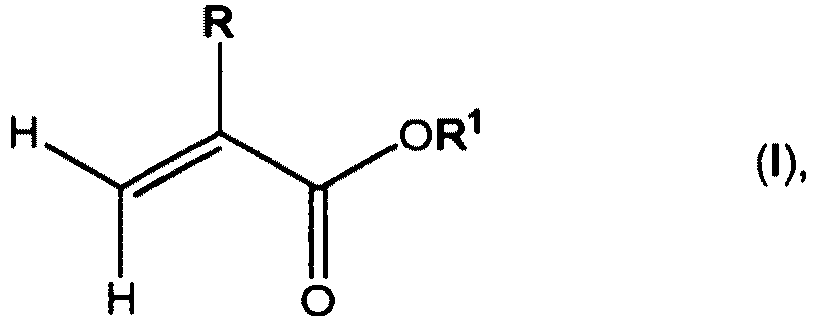 R est H ou CH3 etR1 est un groupe alkyle linéaire ou ramifié, saturé ou insaturé comprenant 1 à 22 atomes de carbone,le nombre moyen de carbone dudit groupe alkyle R1 dans toute la molécule étant de 11 à 16 et dans au moins 60 % en poids des composés de formule générale (I), sur la base de la quantité totale de composés de formule générale (I) utilisés, le résidu R1 désignant un groupe alkyle comprenant 12 à 18 atomes de carbone ;(B) au moins un copolymère greffé comprenant(B1) un copolymère à base d'éthylène en tant que base de greffage, ladite base de greffage comprenant 60 à 85 % en poids d'éthylène et 15 à 40 % en poids d'un composé choisi parmi les esters vinyliques, les acrylates, les méthacrylates et les alpha-oléfines, de préférence l'acétate de vinyle et le propionate de vinyle, le poids moléculaire moyen en nombre Mn du composant (B1) étant de 10 000 à 80 000 g/mole, et(B2) un polymère poly((méth)acrylate d'alkyle) comprenant un ou plusieurs composés à insaturation éthylénique de formule générale (I)
 R est H ou CH3 etR1 est un groupe alkyle linéaire ou ramifié, saturé ou insaturé comprenant 1 à 22 atomes de carbone,le nombre moyen de carbone dudit groupe alkyle R1 dans toute la molécule étant de 11 à 16 et dans au moins 60 % en poids des composés de formule générale (I), sur la base de la quantité totale de composés de formule générale (I) utilisés, le résidu R1 désignant un groupe alkyle comprenant 12 à 18 atomes de carbone, lequel polymère poly((méth)acrylate d'alkyle) est greffé sur la base de greffage telle que mentionnée en (B1) ;(C) au moins un copolymère à base d'éthylène ayant un poids moléculaire moyen en nombre Mn de 2 000 à 10 000 g/mole comprenant(C1) 80 à 88 % en mole d'éthylène ;(C2) 12 à 20 % en mole d'un ou plusieurs composés choisis parmi les esters vinyliques, les acrylates, les méthacrylates et les alpha-oléfines, de préférence l'acétate de vinyle et les acrylates ;(D) éventuellement un ou plusieurs autres additifs pour carburant, et(E) un ou plusieurs diluants.
 - Concentré selon la revendication 15, dans lequel le copolymère à base d'éthylène de la composition (C) comprend 80 à 88 % en mole d'éthylène copolymérisé avec 12 à 20 % en mole d'acétate de vinyle et d'acrylates.
- Concentré selon la revendication 15 ou 16, dans lequel l'autre additif ou les autres additifs pour carburant du composant (D) sont choisis dans le groupe constitué par les dispersants de cire, les dispersants pour des substances polaires, les désémulsifiants, les antimousses, les additifs conférant un pouvoir lubrifiant, les antioxydants, les agents améliorant l'indice de cétane, les détergents, les colorants, les inhibiteurs de corrosion, les désactivateurs de métaux, les agents de passivation de métaux et/ou les substances odorantes.
Priority Applications (1)
| Application Number | Priority Date | Filing Date | Title |
|---|---|---|---|
| EP14702273.5A EP2951274B2 (fr) | 2013-02-04 | 2014-02-03 | Agent améliorant l'écoulement à froid avec une large applicabilité en diesel minérale, biodiesel et leurs mélanges |
Applications Claiming Priority (5)
| Application Number | Priority Date | Filing Date | Title |
|---|---|---|---|
| US201361760379P | 2013-02-04 | 2013-02-04 | |
| EP13154415 | 2013-02-07 | ||
| US201361823624P | 2013-05-15 | 2013-05-15 | |
| PCT/EP2014/052053 WO2014118370A1 (fr) | 2013-02-04 | 2014-02-03 | Agent améliorant l'écoulement à froid présentant une large applicabilité dans du diesel minéral, du biodiesel et des mélanges de ceux-ci |
| EP14702273.5A EP2951274B2 (fr) | 2013-02-04 | 2014-02-03 | Agent améliorant l'écoulement à froid avec une large applicabilité en diesel minérale, biodiesel et leurs mélanges |
Publications (3)
| Publication Number | Publication Date |
|---|---|
| EP2951274A1 EP2951274A1 (fr) | 2015-12-09 |
| EP2951274B1 EP2951274B1 (fr) | 2016-04-27 |
| EP2951274B2 true EP2951274B2 (fr) | 2024-12-11 |
Family
ID=47666025
Family Applications (1)
| Application Number | Title | Priority Date | Filing Date |
|---|---|---|---|
| EP14702273.5A Active EP2951274B2 (fr) | 2013-02-04 | 2014-02-03 | Agent améliorant l'écoulement à froid avec une large applicabilité en diesel minérale, biodiesel et leurs mélanges |
Country Status (12)
| Country | Link |
|---|---|
| US (1) | US10604715B2 (fr) |
| EP (1) | EP2951274B2 (fr) |
| JP (1) | JP6345190B2 (fr) |
| KR (1) | KR102038904B1 (fr) |
| CN (1) | CN104968768B (fr) |
| BR (1) | BR112015018196B1 (fr) |
| CA (1) | CA2899444C (fr) |
| ES (1) | ES2584839T5 (fr) |
| PL (1) | PL2951274T5 (fr) |
| RU (1) | RU2656213C2 (fr) |
| SG (1) | SG11201505998RA (fr) |
| WO (1) | WO2014118370A1 (fr) |
Families Citing this family (16)
| Publication number | Priority date | Publication date | Assignee | Title |
|---|---|---|---|---|
| EP3243075B1 (fr) * | 2015-01-05 | 2019-08-28 | Saudi Arabian Oil Company | Caractérisation de pétrole brut et de ses fractions par analyse thermogravimétrique |
| DE102015226635A1 (de) | 2015-12-23 | 2017-06-29 | Clariant International Ltd | Polymerzusammensetzungen mit verbesserter Handhabbarkeit |
| WO2017217419A1 (fr) * | 2016-06-15 | 2017-12-21 | 住友化学株式会社 | Polymère, corps moulé, mousse, composition de résine et procédé de production de polymère |
| CN107540783B (zh) * | 2016-06-28 | 2020-02-28 | 中国石油化工股份有限公司 | 丙烯酸酯系聚合物及其应用和润滑油降凝剂及其制备方法 |
| US20200017793A1 (en) * | 2016-09-21 | 2020-01-16 | The Lubrizol Corporation | Polyacrylate Antifoam Components With Improved Thermal Stability |
| RU2635107C1 (ru) * | 2017-03-03 | 2017-11-09 | Публичное акционерное общество "Нефтяная компания "Роснефть" (ПАО "НК "Роснефть") | Способ получения депрессорной присадки к дизельному топливу и депрессорная присадка к дизельному топливу |
| CN107384491B (zh) * | 2017-08-01 | 2019-03-19 | 安徽工程大学 | 一种高效柴油降凝剂的制备方法 |
| ES3029636T3 (en) * | 2017-09-21 | 2025-06-24 | Lubrizol Corp | Polyacrylate antifoam components for use in fuels |
| EP3710503B1 (fr) | 2017-11-15 | 2022-01-05 | Evonik Operations GmbH | Polymères fonctionnalisés |
| US11643610B2 (en) | 2017-12-19 | 2023-05-09 | ExxonMobil Technology and Engineering Company | Dewaxed diesel fuel composition |
| SG10202002189PA (en) * | 2019-03-11 | 2020-10-29 | Evonik Operations Gmbh | Novel Viscosity Index Improvers |
| JP6756864B2 (ja) * | 2019-03-11 | 2020-09-16 | エボニック オペレーションズ ゲーエムベーハー | 新規の粘度指数向上剤 |
| US20250011637A1 (en) * | 2021-11-15 | 2025-01-09 | Evonik Operations Gmbh | Ethylene vinyl acetate-based dispersions suitable as pour point depressants with improved performance and stability |
| WO2023126103A1 (fr) * | 2021-12-28 | 2023-07-06 | Shell Internationale Research Maatschappij B.V. | Craquage autothermique d'hydrocarbures |
| CN117186960B (zh) * | 2023-10-18 | 2024-11-08 | 电子科技大学 | 一种安全绿色用于火焰喷射器的生物燃料 |
| FI4599031T3 (fi) * | 2023-12-21 | 2026-02-18 | Evonik Operations Gmbh | Alentuneen jähmettymispisteen omaava pyrolyysiöljy |
Citations (4)
| Publication number | Priority date | Publication date | Assignee | Title |
|---|---|---|---|---|
| DE3613247A1 (de) † | 1986-04-19 | 1987-10-22 | Roehm Gmbh | Konzentrierte emulsionen aus ethylen-vinylester-copolymeren |
| EP1674554A1 (fr) † | 2004-12-24 | 2006-06-28 | Clariant Produkte (Deutschland) GmbH | Additifs pour distillats d'huiles minérales, à faible contenu en soufre, comprenant un copolymère greffé à base de copolymères d'éthylène-acétate de vinyle. |
| EP1808450A1 (fr) † | 2006-01-11 | 2007-07-18 | Clariant International Ltd. | Additifs pour distillats d'huile minérale à faible teneur en soufre, comprenant des copolymères greffés sur la base de vinyl ethylène ester copolymer |
| EP1857530A1 (fr) † | 2006-05-16 | 2007-11-21 | Clariant International Ltd. | Composition d'huiles combustibles |
Family Cites Families (31)
| Publication number | Priority date | Publication date | Assignee | Title |
|---|---|---|---|---|
| US4056559A (en) | 1971-04-23 | 1977-11-01 | Rohm And Haas Company | Novel polymers of alkyl methacrylates |
| GB1347713A (en) | 1971-05-05 | 1974-02-27 | Shell Int Research | Alkyl methacrylate polymer compositions suitable as luboil additives |
| IT1109299B (it) | 1978-12-22 | 1985-12-16 | Cida Ind Mat Plastiche | Procedimento e stampo per ottenere una suola per calzatura od una calzatura con suola in materiale plastico in almeno tre colori |
| US4581429A (en) | 1983-07-11 | 1986-04-08 | Commonwealth Scientific And Industrial Research Organization | Polymerization process and polymers produced thereby |
| US4526945A (en) | 1984-03-21 | 1985-07-02 | Scm Corporation | Low molecular weight polymers and copolymers |
| US4694054A (en) | 1985-03-01 | 1987-09-15 | E. I. Du Pont De Nemours And Company | Cobalt(II) chelates as chain transfer agents in free radical polymerizations |
| DE3725059A1 (de) | 1987-07-29 | 1989-02-09 | Roehm Gmbh | Polymere fliessverbesserer fuer mitteldestillate |
| DE3905681A1 (de) * | 1989-02-24 | 1990-08-30 | Basf Ag | Konzentrierte mischungen von pfropfcopolymerisaten aus estern von ungesaettigten saeuren und ethylen-vinylester-copolymerisaten |
| DE3922146A1 (de) | 1989-07-06 | 1991-01-17 | Roehm Gmbh | Additive fuer dieselkraftstoff |
| GB9222458D0 (en) | 1992-10-26 | 1992-12-09 | Exxon Chemical Patents Inc | Oil additives and compositions |
| US5312884A (en) | 1993-04-30 | 1994-05-17 | Rohm And Haas Company | Copolymer useful as a pour point depressant for a lubricating oil |
| US5763548A (en) | 1995-03-31 | 1998-06-09 | Carnegie-Mellon University | (Co)polymers and a novel polymerization process based on atom (or group) transfer radical polymerization |
| US5807937A (en) | 1995-11-15 | 1998-09-15 | Carnegie Mellon University | Processes based on atom (or group) transfer radical polymerization and novel (co) polymers having useful structures and properties |
| US6310149B1 (en) | 1996-06-12 | 2001-10-30 | University Of Warwick | Polymerization catalyst and process |
| US7714075B1 (en) | 1996-07-10 | 2010-05-11 | Commonwealth Scientific And Industrial Research Organisation | Polymerization with living characteristics |
| TW593347B (en) | 1997-03-11 | 2004-06-21 | Univ Carnegie Mellon | Improvements in atom or group transfer radical polymerization |
| JPH10265787A (ja) * | 1997-03-25 | 1998-10-06 | Sanyo Chem Ind Ltd | 燃料油用低温流動性向上剤および燃料油 |
| US6071980A (en) | 1997-08-27 | 2000-06-06 | E. I. Du Pont De Nemours And Company | Atom transfer radical polymerization |
| DE10012267B4 (de) | 2000-03-14 | 2005-12-15 | Clariant Gmbh | Copolymermischungen und ihre Verwendung als Additiv zur Verbesserung der Kaltfließeigenschaften von Mitteldestillaten |
| US7276264B1 (en) | 2002-02-11 | 2007-10-02 | Battelle Energy Alliance, Llc | Methods for coating conduit interior surfaces utilizing a thermal spray gun with extension arm |
| US6841695B2 (en) | 2003-03-18 | 2005-01-11 | Rohmax Additives Gmbh | Process for preparing dithioesters |
| US20070094920A1 (en) | 2004-12-03 | 2007-05-03 | Basf Aktiengesellschaft | Fuel oil compositions with improved cold flow properties |
| DE102006016588A1 (de) | 2006-04-06 | 2007-10-18 | Rohmax Additives Gmbh | Kraftstoffzusammensetzungen umfassend nachwachsende Rohstoffe |
| JP5038650B2 (ja) * | 2006-04-21 | 2012-10-03 | 東邦化学工業株式会社 | 原油用流動性改良剤 |
| EP1923454A1 (fr) | 2006-11-17 | 2008-05-21 | Basf Se | Agent d'amélioration de l'écoulement à froid. |
| WO2008154558A2 (fr) | 2007-06-11 | 2008-12-18 | Arkema Inc. | Modificateurs de débit basse température polymères acryliques dans des biocarburants |
| PL2305753T3 (pl) * | 2009-09-25 | 2012-07-31 | Evonik Oil Additives Gmbh | Kompozycja poprawiająca płynność olejów pędnych na zimno |
| DE102010001040A1 (de) * | 2010-01-20 | 2011-07-21 | Evonik RohMax Additives GmbH, 64293 | (Meth)acrylat-Polymere zur Verbesserung des Viskositätsindexes |
| US20110192076A1 (en) * | 2010-02-05 | 2011-08-11 | Evonik Rohmax Additives Gmbh | Composition having improved filterability |
| US9284505B2 (en) * | 2011-03-25 | 2016-03-15 | Evonik Oil Additives Gmbh | Composition to improve oxidation stability of fuel oils |
| CN102559302B (zh) * | 2011-12-28 | 2014-03-12 | 临沂实能德环保燃料化工有限责任公司 | 一种柴油降凝剂及制备方法 |
-
2014
- 2014-02-03 CA CA2899444A patent/CA2899444C/fr active Active
- 2014-02-03 WO PCT/EP2014/052053 patent/WO2014118370A1/fr not_active Ceased
- 2014-02-03 RU RU2015137590A patent/RU2656213C2/ru active
- 2014-02-03 BR BR112015018196-1A patent/BR112015018196B1/pt active IP Right Grant
- 2014-02-03 US US14/763,309 patent/US10604715B2/en active Active
- 2014-02-03 PL PL14702273.5T patent/PL2951274T5/pl unknown
- 2014-02-03 SG SG11201505998RA patent/SG11201505998RA/en unknown
- 2014-02-03 JP JP2015555740A patent/JP6345190B2/ja not_active Expired - Fee Related
- 2014-02-03 ES ES14702273T patent/ES2584839T5/es active Active
- 2014-02-03 EP EP14702273.5A patent/EP2951274B2/fr active Active
- 2014-02-03 KR KR1020157020741A patent/KR102038904B1/ko active Active
- 2014-02-03 CN CN201480007141.4A patent/CN104968768B/zh active Active
Patent Citations (4)
| Publication number | Priority date | Publication date | Assignee | Title |
|---|---|---|---|---|
| DE3613247A1 (de) † | 1986-04-19 | 1987-10-22 | Roehm Gmbh | Konzentrierte emulsionen aus ethylen-vinylester-copolymeren |
| EP1674554A1 (fr) † | 2004-12-24 | 2006-06-28 | Clariant Produkte (Deutschland) GmbH | Additifs pour distillats d'huiles minérales, à faible contenu en soufre, comprenant un copolymère greffé à base de copolymères d'éthylène-acétate de vinyle. |
| EP1808450A1 (fr) † | 2006-01-11 | 2007-07-18 | Clariant International Ltd. | Additifs pour distillats d'huile minérale à faible teneur en soufre, comprenant des copolymères greffés sur la base de vinyl ethylène ester copolymer |
| EP1857530A1 (fr) † | 2006-05-16 | 2007-11-21 | Clariant International Ltd. | Composition d'huiles combustibles |
Also Published As
| Publication number | Publication date |
|---|---|
| CA2899444C (fr) | 2019-09-24 |
| KR102038904B1 (ko) | 2019-10-31 |
| BR112015018196B1 (pt) | 2020-10-13 |
| EP2951274A1 (fr) | 2015-12-09 |
| EP2951274B1 (fr) | 2016-04-27 |
| RU2015137590A (ru) | 2017-03-10 |
| PL2951274T5 (pl) | 2025-04-28 |
| JP6345190B2 (ja) | 2018-06-20 |
| CA2899444A1 (fr) | 2014-08-07 |
| CN104968768A (zh) | 2015-10-07 |
| US10604715B2 (en) | 2020-03-31 |
| ES2584839T5 (en) | 2025-04-22 |
| BR112015018196A2 (pt) | 2017-07-18 |
| ES2584839T3 (es) | 2016-09-29 |
| RU2656213C2 (ru) | 2018-06-01 |
| CN104968768B (zh) | 2017-03-08 |
| KR20150115754A (ko) | 2015-10-14 |
| PL2951274T3 (pl) | 2016-11-30 |
| JP2016511305A (ja) | 2016-04-14 |
| WO2014118370A1 (fr) | 2014-08-07 |
| SG11201505998RA (en) | 2015-08-28 |
| US20150344801A1 (en) | 2015-12-03 |
Similar Documents
| Publication | Publication Date | Title |
|---|---|---|
| EP2951274B2 (fr) | Agent améliorant l'écoulement à froid avec une large applicabilité en diesel minérale, biodiesel et leurs mélanges | |
| CA2789034C (fr) | Composition ayant une filtrabilite amelioree | |
| EP2305753B1 (fr) | Composition pour améliorer les propriétés d'écoulement à froid d'huiles combustibles | |
| CA2648150C (fr) | Compositions de carburants contenant des polymeres comprenant des groupements ester | |
| EP3464399B1 (fr) | Copolymère et son utilisation pour la diminution de la cristallisation de cristaux de paraffine dans des carburants | |
| EP2841538A1 (fr) | Utilisation de compositions d'agent améliorant le fluage à froid pour des combustibles, leurs mélanges avec des biocombustibles et leurs formulations | |
| CN102282242A (zh) | 具有改进的浊点和改进的储存性能的燃料组合物 | |
| US9284505B2 (en) | Composition to improve oxidation stability of fuel oils |
Legal Events
| Date | Code | Title | Description |
|---|---|---|---|
| PUAI | Public reference made under article 153(3) epc to a published international application that has entered the european phase |
Free format text: ORIGINAL CODE: 0009012 |
|
| 17P | Request for examination filed |
Effective date: 20150720 |
|
| AK | Designated contracting states |
Kind code of ref document: A1 Designated state(s): AL AT BE BG CH CY CZ DE DK EE ES FI FR GB GR HR HU IE IS IT LI LT LU LV MC MK MT NL NO PL PT RO RS SE SI SK SM TR |
|
| AX | Request for extension of the european patent |
Extension state: BA ME |
|
| GRAP | Despatch of communication of intention to grant a patent |
Free format text: ORIGINAL CODE: EPIDOSNIGR1 |
|
| DAX | Request for extension of the european patent (deleted) | ||
| INTG | Intention to grant announced |
Effective date: 20160202 |
|
| GRAS | Grant fee paid |
Free format text: ORIGINAL CODE: EPIDOSNIGR3 |
|
| GRAA | (expected) grant |
Free format text: ORIGINAL CODE: 0009210 |
|
| AK | Designated contracting states |
Kind code of ref document: B1 Designated state(s): AL AT BE BG CH CY CZ DE DK EE ES FI FR GB GR HR HU IE IS IT LI LT LU LV MC MK MT NL NO PL PT RO RS SE SI SK SM TR |
|
| REG | Reference to a national code |
Ref country code: GB Ref legal event code: FG4D |
|
| REG | Reference to a national code |
Ref country code: CH Ref legal event code: EP |
|
| REG | Reference to a national code |
Ref country code: AT Ref legal event code: REF Ref document number: 794827 Country of ref document: AT Kind code of ref document: T Effective date: 20160515 |
|
| REG | Reference to a national code |
Ref country code: IE Ref legal event code: FG4D |
|
| REG | Reference to a national code |
Ref country code: DE Ref legal event code: R096 Ref document number: 602014001728 Country of ref document: DE |
|
| REG | Reference to a national code |
Ref country code: NL Ref legal event code: FP |
|
| REG | Reference to a national code |
Ref country code: SE Ref legal event code: TRGR |
|
| REG | Reference to a national code |
Ref country code: LT Ref legal event code: MG4D |
|
| REG | Reference to a national code |
Ref country code: AT Ref legal event code: MK05 Ref document number: 794827 Country of ref document: AT Kind code of ref document: T Effective date: 20160427 |
|
| REG | Reference to a national code |
Ref country code: ES Ref legal event code: FG2A Ref document number: 2584839 Country of ref document: ES Kind code of ref document: T3 Effective date: 20160929 |
|
| PG25 | Lapsed in a contracting state [announced via postgrant information from national office to epo] |
Ref country code: NO Free format text: LAPSE BECAUSE OF FAILURE TO SUBMIT A TRANSLATION OF THE DESCRIPTION OR TO PAY THE FEE WITHIN THE PRESCRIBED TIME-LIMIT Effective date: 20160727 Ref country code: LT Free format text: LAPSE BECAUSE OF FAILURE TO SUBMIT A TRANSLATION OF THE DESCRIPTION OR TO PAY THE FEE WITHIN THE PRESCRIBED TIME-LIMIT Effective date: 20160427 |
|
| PG25 | Lapsed in a contracting state [announced via postgrant information from national office to epo] |
Ref country code: LV Free format text: LAPSE BECAUSE OF FAILURE TO SUBMIT A TRANSLATION OF THE DESCRIPTION OR TO PAY THE FEE WITHIN THE PRESCRIBED TIME-LIMIT Effective date: 20160427 Ref country code: PT Free format text: LAPSE BECAUSE OF FAILURE TO SUBMIT A TRANSLATION OF THE DESCRIPTION OR TO PAY THE FEE WITHIN THE PRESCRIBED TIME-LIMIT Effective date: 20160829 Ref country code: AT Free format text: LAPSE BECAUSE OF FAILURE TO SUBMIT A TRANSLATION OF THE DESCRIPTION OR TO PAY THE FEE WITHIN THE PRESCRIBED TIME-LIMIT Effective date: 20160427 Ref country code: HR Free format text: LAPSE BECAUSE OF FAILURE TO SUBMIT A TRANSLATION OF THE DESCRIPTION OR TO PAY THE FEE WITHIN THE PRESCRIBED TIME-LIMIT Effective date: 20160427 Ref country code: RS Free format text: LAPSE BECAUSE OF FAILURE TO SUBMIT A TRANSLATION OF THE DESCRIPTION OR TO PAY THE FEE WITHIN THE PRESCRIBED TIME-LIMIT Effective date: 20160427 |
|
| REG | Reference to a national code |
Ref country code: DE Ref legal event code: R026 Ref document number: 602014001728 Country of ref document: DE |
|
| PG25 | Lapsed in a contracting state [announced via postgrant information from national office to epo] |
Ref country code: DK Free format text: LAPSE BECAUSE OF FAILURE TO SUBMIT A TRANSLATION OF THE DESCRIPTION OR TO PAY THE FEE WITHIN THE PRESCRIBED TIME-LIMIT Effective date: 20160427 Ref country code: SK Free format text: LAPSE BECAUSE OF FAILURE TO SUBMIT A TRANSLATION OF THE DESCRIPTION OR TO PAY THE FEE WITHIN THE PRESCRIBED TIME-LIMIT Effective date: 20160427 Ref country code: CZ Free format text: LAPSE BECAUSE OF FAILURE TO SUBMIT A TRANSLATION OF THE DESCRIPTION OR TO PAY THE FEE WITHIN THE PRESCRIBED TIME-LIMIT Effective date: 20160427 Ref country code: EE Free format text: LAPSE BECAUSE OF FAILURE TO SUBMIT A TRANSLATION OF THE DESCRIPTION OR TO PAY THE FEE WITHIN THE PRESCRIBED TIME-LIMIT Effective date: 20160427 Ref country code: RO Free format text: LAPSE BECAUSE OF FAILURE TO SUBMIT A TRANSLATION OF THE DESCRIPTION OR TO PAY THE FEE WITHIN THE PRESCRIBED TIME-LIMIT Effective date: 20160427 |
|
| REG | Reference to a national code |
Ref country code: GR Ref legal event code: EP Ref document number: 20160401791 Country of ref document: GR Effective date: 20161020 |
|
| PLBI | Opposition filed |
Free format text: ORIGINAL CODE: 0009260 |
|
| REG | Reference to a national code |
Ref country code: FR Ref legal event code: PLFP Year of fee payment: 4 |
|
| PG25 | Lapsed in a contracting state [announced via postgrant information from national office to epo] |
Ref country code: SM Free format text: LAPSE BECAUSE OF FAILURE TO SUBMIT A TRANSLATION OF THE DESCRIPTION OR TO PAY THE FEE WITHIN THE PRESCRIBED TIME-LIMIT Effective date: 20160427 |
|
| 26 | Opposition filed |
Opponent name: CLARIANT PRODUKTE (DEUTSCHLAND) GMBH Effective date: 20170124 |
|
| PLAX | Notice of opposition and request to file observation + time limit sent |
Free format text: ORIGINAL CODE: EPIDOSNOBS2 |
|
| PG25 | Lapsed in a contracting state [announced via postgrant information from national office to epo] |
Ref country code: SI Free format text: LAPSE BECAUSE OF FAILURE TO SUBMIT A TRANSLATION OF THE DESCRIPTION OR TO PAY THE FEE WITHIN THE PRESCRIBED TIME-LIMIT Effective date: 20160427 |
|
| PLBB | Reply of patent proprietor to notice(s) of opposition received |
Free format text: ORIGINAL CODE: EPIDOSNOBS3 |
|
| PG25 | Lapsed in a contracting state [announced via postgrant information from national office to epo] |
Ref country code: MC Free format text: LAPSE BECAUSE OF FAILURE TO SUBMIT A TRANSLATION OF THE DESCRIPTION OR TO PAY THE FEE WITHIN THE PRESCRIBED TIME-LIMIT Effective date: 20160427 |
|
| REG | Reference to a national code |
Ref country code: CH Ref legal event code: PL |
|
| PG25 | Lapsed in a contracting state [announced via postgrant information from national office to epo] |
Ref country code: CH Free format text: LAPSE BECAUSE OF NON-PAYMENT OF DUE FEES Effective date: 20170228 Ref country code: LI Free format text: LAPSE BECAUSE OF NON-PAYMENT OF DUE FEES Effective date: 20170228 |
|
| REG | Reference to a national code |
Ref country code: IE Ref legal event code: MM4A |
|
| PG25 | Lapsed in a contracting state [announced via postgrant information from national office to epo] |
Ref country code: LU Free format text: LAPSE BECAUSE OF NON-PAYMENT OF DUE FEES Effective date: 20170203 |
|
| REG | Reference to a national code |
Ref country code: FR Ref legal event code: PLFP Year of fee payment: 5 |
|
| PG25 | Lapsed in a contracting state [announced via postgrant information from national office to epo] |
Ref country code: IE Free format text: LAPSE BECAUSE OF NON-PAYMENT OF DUE FEES Effective date: 20170203 |
|
| PG25 | Lapsed in a contracting state [announced via postgrant information from national office to epo] |
Ref country code: MT Free format text: LAPSE BECAUSE OF NON-PAYMENT OF DUE FEES Effective date: 20170203 |
|
| PG25 | Lapsed in a contracting state [announced via postgrant information from national office to epo] |
Ref country code: AL Free format text: LAPSE BECAUSE OF FAILURE TO SUBMIT A TRANSLATION OF THE DESCRIPTION OR TO PAY THE FEE WITHIN THE PRESCRIBED TIME-LIMIT Effective date: 20160427 |
|
| PLCK | Communication despatched that opposition was rejected |
Free format text: ORIGINAL CODE: EPIDOSNREJ1 |
|
| STAA | Information on the status of an ep patent application or granted ep patent |
Free format text: STATUS: THE PATENT HAS BEEN GRANTED |
|
| APBM | Appeal reference recorded |
Free format text: ORIGINAL CODE: EPIDOSNREFNO |
|
| APBP | Date of receipt of notice of appeal recorded |
Free format text: ORIGINAL CODE: EPIDOSNNOA2O |
|
| APAH | Appeal reference modified |
Free format text: ORIGINAL CODE: EPIDOSCREFNO |
|
| APBQ | Date of receipt of statement of grounds of appeal recorded |
Free format text: ORIGINAL CODE: EPIDOSNNOA3O |
|
| PG25 | Lapsed in a contracting state [announced via postgrant information from national office to epo] |
Ref country code: HU Free format text: LAPSE BECAUSE OF FAILURE TO SUBMIT A TRANSLATION OF THE DESCRIPTION OR TO PAY THE FEE WITHIN THE PRESCRIBED TIME-LIMIT; INVALID AB INITIO Effective date: 20140203 |
|
| PG25 | Lapsed in a contracting state [announced via postgrant information from national office to epo] |
Ref country code: BG Free format text: LAPSE BECAUSE OF FAILURE TO SUBMIT A TRANSLATION OF THE DESCRIPTION OR TO PAY THE FEE WITHIN THE PRESCRIBED TIME-LIMIT Effective date: 20160427 |
|
| RAP2 | Party data changed (patent owner data changed or rights of a patent transferred) |
Owner name: EVONIK DEGUSSA GMBH |
|
| PG25 | Lapsed in a contracting state [announced via postgrant information from national office to epo] |
Ref country code: CY Free format text: LAPSE BECAUSE OF FAILURE TO SUBMIT A TRANSLATION OF THE DESCRIPTION OR TO PAY THE FEE WITHIN THE PRESCRIBED TIME-LIMIT Effective date: 20160427 |
|
| PG25 | Lapsed in a contracting state [announced via postgrant information from national office to epo] |
Ref country code: MK Free format text: LAPSE BECAUSE OF FAILURE TO SUBMIT A TRANSLATION OF THE DESCRIPTION OR TO PAY THE FEE WITHIN THE PRESCRIBED TIME-LIMIT Effective date: 20160427 |
|
| RAP2 | Party data changed (patent owner data changed or rights of a patent transferred) |
Owner name: EVONIK OPERATIONS GMBH |
|
| APAH | Appeal reference modified |
Free format text: ORIGINAL CODE: EPIDOSCREFNO |
|
| PG25 | Lapsed in a contracting state [announced via postgrant information from national office to epo] |
Ref country code: IS Free format text: LAPSE BECAUSE OF FAILURE TO SUBMIT A TRANSLATION OF THE DESCRIPTION OR TO PAY THE FEE WITHIN THE PRESCRIBED TIME-LIMIT Effective date: 20160827 |
|
| REG | Reference to a national code |
Ref country code: DE Ref legal event code: R081 Ref document number: 602014001728 Country of ref document: DE Owner name: EVONIK OPERATIONS GMBH, DE Free format text: FORMER OWNER: EVONIK OIL ADDITIVES GMBH, 64293 DARMSTADT, DE |
|
| REG | Reference to a national code |
Ref country code: NL Ref legal event code: HC Owner name: EVONIK OPERATIONS GMBH; DE Free format text: DETAILS ASSIGNMENT: CHANGE OF OWNER(S), CHANGE OF OWNER(S) NAME; FORMER OWNER NAME: EVONIK DEGUSSA GMBH Effective date: 20210209 Ref country code: NL Ref legal event code: PD Owner name: EVONIK DEGUSSA GMBH; DE Free format text: DETAILS ASSIGNMENT: CHANGE OF OWNER(S), MERGE; FORMER OWNER NAME: EVONIK OIL ADDITIVES GMBH Effective date: 20210209 |
|
| REG | Reference to a national code |
Ref country code: GB Ref legal event code: 732E Free format text: REGISTERED BETWEEN 20210325 AND 20210331 |
|
| PGFP | Annual fee paid to national office [announced via postgrant information from national office to epo] |
Ref country code: GR Payment date: 20210210 Year of fee payment: 8 Ref country code: FI Payment date: 20210218 Year of fee payment: 8 |
|
| REG | Reference to a national code |
Ref country code: BE Ref legal event code: HC Owner name: EVONIK OPERATIONS GMBH; DE Free format text: DETAILS ASSIGNMENT: CHANGE OF OWNER(S), CHANGE OF OWNER(S) NAME Effective date: 20210223 Ref country code: BE Ref legal event code: PD Owner name: EVONIK DEGUSSA GMBH; DE Free format text: DETAILS ASSIGNMENT: CHANGE OF OWNER(S), MERGE Effective date: 20210223 |
|
| PGFP | Annual fee paid to national office [announced via postgrant information from national office to epo] |
Ref country code: SE Payment date: 20210217 Year of fee payment: 8 Ref country code: TR Payment date: 20210129 Year of fee payment: 8 |
|
| REG | Reference to a national code |
Ref country code: FI Ref legal event code: MAE |
|
| APBU | Appeal procedure closed |
Free format text: ORIGINAL CODE: EPIDOSNNOA9O |
|
| REG | Reference to a national code |
Ref country code: SE Ref legal event code: EUG |
|
| PG25 | Lapsed in a contracting state [announced via postgrant information from national office to epo] |
Ref country code: SE Free format text: LAPSE BECAUSE OF NON-PAYMENT OF DUE FEES Effective date: 20220204 Ref country code: GR Free format text: LAPSE BECAUSE OF NON-PAYMENT OF DUE FEES Effective date: 20220905 Ref country code: FI Free format text: LAPSE BECAUSE OF NON-PAYMENT OF DUE FEES Effective date: 20220203 |
|
| PLAY | Examination report in opposition despatched + time limit |
Free format text: ORIGINAL CODE: EPIDOSNORE2 |
|
| PGFP | Annual fee paid to national office [announced via postgrant information from national office to epo] |
Ref country code: NL Payment date: 20230216 Year of fee payment: 10 |
|
| PLAB | Opposition data, opponent's data or that of the opponent's representative modified |
Free format text: ORIGINAL CODE: 0009299OPPO |
|
| R26 | Opposition filed (corrected) |
Opponent name: CLARIANT PRODUKTE (DEUTSCHLAND) GMBH Effective date: 20170124 |
|
| PLBC | Reply to examination report in opposition received |
Free format text: ORIGINAL CODE: EPIDOSNORE3 |
|
| PGFP | Annual fee paid to national office [announced via postgrant information from national office to epo] |
Ref country code: GB Payment date: 20230221 Year of fee payment: 10 Ref country code: BE Payment date: 20230216 Year of fee payment: 10 |
|
| P01 | Opt-out of the competence of the unified patent court (upc) registered |
Effective date: 20230411 |
|
| PLAY | Examination report in opposition despatched + time limit |
Free format text: ORIGINAL CODE: EPIDOSNORE2 |
|
| PLBC | Reply to examination report in opposition received |
Free format text: ORIGINAL CODE: EPIDOSNORE3 |
|
| PLAB | Opposition data, opponent's data or that of the opponent's representative modified |
Free format text: ORIGINAL CODE: 0009299OPPO |
|
| R26 | Opposition filed (corrected) |
Opponent name: CLARIANT PRODUKTE (DEUTSCHLAND) GMBH Effective date: 20170124 |
|
| REG | Reference to a national code |
Ref country code: NL Ref legal event code: MM Effective date: 20240301 |
|
| GBPC | Gb: european patent ceased through non-payment of renewal fee |
Effective date: 20240203 |
|
| PUAH | Patent maintained in amended form |
Free format text: ORIGINAL CODE: 0009272 |
|
| STAA | Information on the status of an ep patent application or granted ep patent |
Free format text: STATUS: PATENT MAINTAINED AS AMENDED |
|
| PG25 | Lapsed in a contracting state [announced via postgrant information from national office to epo] |
Ref country code: NL Free format text: LAPSE BECAUSE OF NON-PAYMENT OF DUE FEES Effective date: 20240301 |
|
| PG25 | Lapsed in a contracting state [announced via postgrant information from national office to epo] |
Ref country code: NL Free format text: LAPSE BECAUSE OF NON-PAYMENT OF DUE FEES Effective date: 20240301 |
|
| REG | Reference to a national code |
Ref country code: BE Ref legal event code: MM Effective date: 20240229 |
|
| 27A | Patent maintained in amended form |
Effective date: 20241211 |
|
| AK | Designated contracting states |
Kind code of ref document: B2 Designated state(s): AL AT BE BG CH CY CZ DE DK EE ES FI FR GB GR HR HU IE IS IT LI LT LU LV MC MK MT NL NO PL PT RO RS SE SI SK SM TR |
|
| REG | Reference to a national code |
Ref country code: DE Ref legal event code: R102 Ref document number: 602014001728 Country of ref document: DE |
|
| PG25 | Lapsed in a contracting state [announced via postgrant information from national office to epo] |
Ref country code: BE Free format text: LAPSE BECAUSE OF NON-PAYMENT OF DUE FEES Effective date: 20240229 |
|
| PG25 | Lapsed in a contracting state [announced via postgrant information from national office to epo] |
Ref country code: GB Free format text: LAPSE BECAUSE OF NON-PAYMENT OF DUE FEES Effective date: 20240203 |
|
| PG25 | Lapsed in a contracting state [announced via postgrant information from national office to epo] |
Ref country code: GB Free format text: LAPSE BECAUSE OF NON-PAYMENT OF DUE FEES Effective date: 20240203 Ref country code: BE Free format text: LAPSE BECAUSE OF NON-PAYMENT OF DUE FEES Effective date: 20240229 |
|
| PGFP | Annual fee paid to national office [announced via postgrant information from national office to epo] |
Ref country code: DE Payment date: 20250218 Year of fee payment: 12 |
|
| REG | Reference to a national code |
Ref country code: ES Ref legal event code: DC2A Ref document number: 2584839 Country of ref document: ES Kind code of ref document: T5 Effective date: 20250422 |
|
| PG25 | Lapsed in a contracting state [announced via postgrant information from national office to epo] |
Ref country code: GR Free format text: LAPSE BECAUSE OF FAILURE TO SUBMIT A TRANSLATION OF THE DESCRIPTION OR TO PAY THE FEE WITHIN THE PRESCRIBED TIME-LIMIT Effective date: 20250312 |
|
| PGFP | Annual fee paid to national office [announced via postgrant information from national office to epo] |
Ref country code: FR Payment date: 20250221 Year of fee payment: 12 |
|
| PGFP | Annual fee paid to national office [announced via postgrant information from national office to epo] |
Ref country code: IT Payment date: 20250224 Year of fee payment: 12 |
|
| PGFP | Annual fee paid to national office [announced via postgrant information from national office to epo] |
Ref country code: PL Payment date: 20250124 Year of fee payment: 12 |
|
| PGFP | Annual fee paid to national office [announced via postgrant information from national office to epo] |
Ref country code: ES Payment date: 20250331 Year of fee payment: 12 |
|
| PG25 | Lapsed in a contracting state [announced via postgrant information from national office to epo] |
Ref country code: GR Free format text: LAPSE BECAUSE OF FAILURE TO SUBMIT A TRANSLATION OF THE DESCRIPTION OR TO PAY THE FEE WITHIN THE PRESCRIBED TIME-LIMIT Effective date: 20220905 |