EP2953647B1 - Positiv geladene polysaccharide zur rna-transfektion - Google Patents
Positiv geladene polysaccharide zur rna-transfektion Download PDFInfo
- Publication number
- EP2953647B1 EP2953647B1 EP14748479.4A EP14748479A EP2953647B1 EP 2953647 B1 EP2953647 B1 EP 2953647B1 EP 14748479 A EP14748479 A EP 14748479A EP 2953647 B1 EP2953647 B1 EP 2953647B1
- Authority
- EP
- European Patent Office
- Prior art keywords
- starch
- cells
- complexes
- sirna
- ultrasound
- Prior art date
- Legal status (The legal status is an assumption and is not a legal conclusion. Google has not performed a legal analysis and makes no representation as to the accuracy of the status listed.)
- Active
Links
Images











Classifications
-
- C—CHEMISTRY; METALLURGY
- C12—BIOCHEMISTRY; BEER; SPIRITS; WINE; VINEGAR; MICROBIOLOGY; ENZYMOLOGY; MUTATION OR GENETIC ENGINEERING
- C12N—MICROORGANISMS OR ENZYMES; COMPOSITIONS THEREOF; PROPAGATING, PRESERVING, OR MAINTAINING MICROORGANISMS; MUTATION OR GENETIC ENGINEERING; CULTURE MEDIA
- C12N15/00—Mutation or genetic engineering; DNA or RNA concerning genetic engineering, vectors, e.g. plasmids, or their isolation, preparation or purification; Use of hosts therefor
- C12N15/09—Recombinant DNA-technology
- C12N15/11—DNA or RNA fragments; Modified forms thereof; Non-coding nucleic acids having a biological activity
- C12N15/113—Non-coding nucleic acids modulating the expression of genes, e.g. antisense oligonucleotides; Antisense DNA or RNA; Triplex- forming oligonucleotides; Catalytic nucleic acids, e.g. ribozymes; Nucleic acids used in co-suppression or gene silencing
-
- A—HUMAN NECESSITIES
- A61—MEDICAL OR VETERINARY SCIENCE; HYGIENE
- A61K—PREPARATIONS FOR MEDICAL, DENTAL OR TOILETRY PURPOSES
- A61K41/00—Medicinal preparations obtained by treating materials with wave energy or particle radiation ; Therapies using these preparations
- A61K41/0047—Sonopheresis, i.e. ultrasonically-enhanced transdermal delivery, electroporation of a pharmacologically active agent
-
- A—HUMAN NECESSITIES
- A61—MEDICAL OR VETERINARY SCIENCE; HYGIENE
- A61K—PREPARATIONS FOR MEDICAL, DENTAL OR TOILETRY PURPOSES
- A61K47/00—Medicinal preparations characterised by the non-active ingredients used, e.g. carriers or inert additives; Targeting or modifying agents chemically bound to the active ingredient
- A61K47/50—Medicinal preparations characterised by the non-active ingredients used, e.g. carriers or inert additives; Targeting or modifying agents chemically bound to the active ingredient the non-active ingredient being chemically bound to the active ingredient, e.g. polymer-drug conjugates
- A61K47/51—Medicinal preparations characterised by the non-active ingredients used, e.g. carriers or inert additives; Targeting or modifying agents chemically bound to the active ingredient the non-active ingredient being chemically bound to the active ingredient, e.g. polymer-drug conjugates the non-active ingredient being a modifying agent
- A61K47/56—Medicinal preparations characterised by the non-active ingredients used, e.g. carriers or inert additives; Targeting or modifying agents chemically bound to the active ingredient the non-active ingredient being chemically bound to the active ingredient, e.g. polymer-drug conjugates the non-active ingredient being a modifying agent the modifying agent being an organic macromolecular compound, e.g. an oligomeric, polymeric or dendrimeric molecule
- A61K47/61—Medicinal preparations characterised by the non-active ingredients used, e.g. carriers or inert additives; Targeting or modifying agents chemically bound to the active ingredient the non-active ingredient being chemically bound to the active ingredient, e.g. polymer-drug conjugates the non-active ingredient being a modifying agent the modifying agent being an organic macromolecular compound, e.g. an oligomeric, polymeric or dendrimeric molecule the organic macromolecular compound being a polysaccharide or a derivative thereof
-
- A—HUMAN NECESSITIES
- A61—MEDICAL OR VETERINARY SCIENCE; HYGIENE
- A61K—PREPARATIONS FOR MEDICAL, DENTAL OR TOILETRY PURPOSES
- A61K9/00—Medicinal preparations characterised by special physical form
- A61K9/48—Preparations in capsules, e.g. of gelatin, of chocolate
- A61K9/50—Microcapsules having a gas, liquid or semi-solid filling; Solid microparticles or pellets surrounded by a distinct coating layer, e.g. coated microspheres, coated drug crystals
- A61K9/51—Nanocapsules; Nanoparticles
- A61K9/5107—Excipients; Inactive ingredients
- A61K9/513—Organic macromolecular compounds; Dendrimers
- A61K9/5161—Polysaccharides, e.g. alginate, chitosan, cellulose derivatives; Cyclodextrin
-
- C—CHEMISTRY; METALLURGY
- C12—BIOCHEMISTRY; BEER; SPIRITS; WINE; VINEGAR; MICROBIOLOGY; ENZYMOLOGY; MUTATION OR GENETIC ENGINEERING
- C12N—MICROORGANISMS OR ENZYMES; COMPOSITIONS THEREOF; PROPAGATING, PRESERVING, OR MAINTAINING MICROORGANISMS; MUTATION OR GENETIC ENGINEERING; CULTURE MEDIA
- C12N15/00—Mutation or genetic engineering; DNA or RNA concerning genetic engineering, vectors, e.g. plasmids, or their isolation, preparation or purification; Use of hosts therefor
- C12N15/09—Recombinant DNA-technology
- C12N15/11—DNA or RNA fragments; Modified forms thereof; Non-coding nucleic acids having a biological activity
- C12N15/111—General methods applicable to biologically active non-coding nucleic acids
-
- C—CHEMISTRY; METALLURGY
- C12—BIOCHEMISTRY; BEER; SPIRITS; WINE; VINEGAR; MICROBIOLOGY; ENZYMOLOGY; MUTATION OR GENETIC ENGINEERING
- C12N—MICROORGANISMS OR ENZYMES; COMPOSITIONS THEREOF; PROPAGATING, PRESERVING, OR MAINTAINING MICROORGANISMS; MUTATION OR GENETIC ENGINEERING; CULTURE MEDIA
- C12N2310/00—Structure or type of the nucleic acid
- C12N2310/10—Type of nucleic acid
- C12N2310/14—Type of nucleic acid interfering nucleic acids [NA]
-
- C—CHEMISTRY; METALLURGY
- C12—BIOCHEMISTRY; BEER; SPIRITS; WINE; VINEGAR; MICROBIOLOGY; ENZYMOLOGY; MUTATION OR GENETIC ENGINEERING
- C12N—MICROORGANISMS OR ENZYMES; COMPOSITIONS THEREOF; PROPAGATING, PRESERVING, OR MAINTAINING MICROORGANISMS; MUTATION OR GENETIC ENGINEERING; CULTURE MEDIA
- C12N2320/00—Applications; Uses
- C12N2320/30—Special therapeutic applications
- C12N2320/32—Special delivery means, e.g. tissue-specific
Definitions
- the present invention relates to transfection of nucleic acids, particularly to transfection of RNA.
- RNAi RNA interference
- the transfection process includes introduction of a complex of carrier and nucleic acid which binds to the cell membrane, endocytotic cellular uptake of the complex by the plasma membrane, escape of the nucleic acid from the endosome (endosomal release) into the cell cytoplasm, and complex unpacking.
- the process also includes a crucial step of transport to the nucleus and entrance of the DNA into the nucleus.
- the rate-limiting steps appear to be the endosomal release and unpacking.
- Non-viral gene delivery systems have become increasingly desirable in both basic research and clinical settings as they eliminate some of the problems associated with viral vectors.
- non-viral carriers used for gene transfer consist mostly of liposomal formulations and synthetic cationic polymers.
- Non-viral gene delivery systems based on natural polysaccharides may be advantageous over the current available synthetic ones, due to several characteristics, such as biodegradability, biocompatibility, low immunogenicity and minimal cytotoxicity.
- biodegradability biocompatibility
- low immunogenicity low immunogenicity
- minimal cytotoxicity cytotoxicity
- the present inventors modified polysaccharides into cationic polysaccharides by the process of quaternization, which is the introduction of quaternary ammonium groups to the polysaccharide.
- the cationic polysaccharide has permanent or induced cationic charge and was shown to interact electrostatically with the negatively charged DNA to form complexes, thus condensing it effectively for delivery into cells.
- CN 102 268 096 refers to quaternized cellulose that may be used in gene therapy.
- Sizovs et al. provide an overview regarding the use of (cationic) polysaccharides for nucleic acid delivery.
- CN 102 657 880 relates to quaternized chitosan/siRNA particles.
- CN 102 408 488 uses quaternized starch as carrier material for controlled release of a drug, and mentions DNA and RNA, but only DNA is exemplified.
- quaternized starch (Q-starch) is an efficient delivery vehicle for RNA transfection.
- the invention is directed to a complex comprising RNA and a quaternized starch, wherein said quaternized starch is quaternized to its full capacity and has at least 3.5 - 4% nitrogen per monomeric unit, by weight.
- the invention is directed to the use of the complex of the invention in the process of transfection of RNA into cells.
- the invention is directed to a pharmaceutical composition
- a pharmaceutical composition comprising RNA and quaternized starch, wherein said quaternized starch is quaternized to its full capacity and has at least 3.5 - 4% nitrogen per monomeric unit, by weight, and a pharmaceutically acceptable carrier.
- the invention is directed to a method for RNA transfection into cells, comprising contacting said cells with a complex comprising a quaternized starch, wherein said quaternized starch is quaternized to its full capacity and has at least 3.5 - 4% nitrogen per monomeric unit, by weight, and RNA.
- the invention is directed to the complex of the invention for use in gene therapy.
- the invention is directed to the complex of the invention for use in the treatment of a disease, disorder or condition selected from a tumor, asthma and psoriasis.
- Transfection is the process of uptake of nucleic acids into cells.
- electrostatic interaction of a positively charged polymer with the negatively charged nucleic acid is needed. Consequently, for a polysaccharide to function as carrier for nucleic acid in gene delivery systems, unless it is naturally cationic, it has to be modified to a cationic polymer.
- RNA into mammalian cells is effectively facilitated by complexation with a quaternized starch, wherein said quaternized starch is quaternized to its full capacity and has at least 3.5 - 4% nitrogen per monomeric unit, by weight.
- Starch polysaccharide is composed of amylose (linear polymer) and amylopectin (branched polymer) with repetitive units of glucose.
- the repeating units of amylose are linked by ⁇ (1- 4) linkages, and the amylopectin consists of an ⁇ (1- 4) linked backbone and ⁇ (1- 6) linked branches.
- Dextrin is a group of low-molecular-weight carbohydrates produced by the hydrolysis of starch or glycogen, which is a multi-branched polysaccharide of glucose. Since starch is not cationic, it has to be modified in order to be an effective carrier for transfection.
- Galactan is a polysaccharide made of galactose monomers, and is a component of pectin. Galactan also has to be modified to be cationic in order to be an effective carrier for transfection. It contains galactose chains which can serve as potential ligands for membrane receptor interaction. Since galactins (a family of galactose-binding lectin receptors) have altered levels in various cancers cells, they can provide a potential path for cancer gene silencing using modified pectic galactan (the part of pectin mainly comprising galactan), as a gene carrier.
- modified pectic galactan the part of pectin mainly comprising galactan
- Chitosan is a linear polysaccharide composed of randomly distributed ⁇ -(1-4)-linked D-glucosamine (deacetylated unit) and N-acetyl-D-glucosamine (acetylated unit). Because of the deacetylated amine groups, chitosan is positively charged at physiological pH and does not necessarily need to be modified to be an effective carrier for RNA transfection. However, since the positive charge of chitosan is pH dependent, it is advantageous to modify chitosan to have a permanent positive charge.
- GAGs glycosaminoglycans
- RNA transfection for example chondroitin sulfate, dermatan sulfate, keratan sulfate, heparin, heparan sulfate and hyaluronan. All of these GAGs, except for hyaluronan, are sulfated and therefore have a negative charge. Therefore they should be modified in order be effective carrier for RNA Transfection
- the starch in order to be used in accordance with the invention, the starch must be positively charged at a physiological pH, which is between pH 7 and pH 8 by being modified.
- the present invention thus provides a complex comprising RNA and quaternized starch, wherein said quaternized starch is quaternized to its full capacity and has at least 3.5 - 4% nitrogen per monomeric unit, by weight.
- modified refers to a polysaccharide which is substantially identical to the original polysaccharide but differing by the presence of at least a positively charged group, which can be introduced by various chemical modifications, such as esterification, etherification, oxidation, sialylation, fucosylation, sulphatation, methylation or acetylation.
- the starch was modified to become positively charged by a process of quaternization (Geresh et al., 2000).
- the modified starch is a quaternized starch.
- Quaternization is the process of introducing quaternary ammonium groups to a polysaccharide.
- the hydroxyl groups of the polysaccharide are the site of incorporation of the ammonium groups, however, not all hydroxyl groups have the same likelihood of being modified in this method.
- the hydroxyl group at the 6' position of the glucose monomer is the most susceptible to quaternization.
- Quaternization of polysaccharides can be performed by various methods, such as, e.g., those described in US 4,031,307 ; Yudovin-Farber et al. (2005) Bioconjugate Chem 16:1196-1203 ; Houbin et al. (2004) Colloids and Surfaces A: Physiochem. Eng. Aspects 242:1-8 ; Huiqun et al. (2007) Carbohydrate Polymers 69:29-40 ; and Zhishen et al. (2001) Carbohydrate Research 333:1-6 .
- the starch is quaternized to its full capacity and has at least 3.5-4% nitrogen per monomeric unit, by weight. This most likely corresponds to quaternization on the 6' position on the glucose in all monomers.
- the shape and size of the RNA-starch complexes are key factors in the transfection process.
- the molecular weight of the carrier and the molar ratio of positively charged amine groups on the polysaccharide to negatively charged phosphates on the RNA backbone (termed herein "N/P ratio") affect the shape and size of the complex, because the interaction between the positively charged polysaccharides and the negatively charged RNA causes the complex to condense into compact, ordered particles.
- the molar ratio of positively charged amine groups on the quaternized starch and negatively charged phosphates on the RNA backbone i.e. the N/P ratio
- the N/P ratio is in a range selected from about 0.1-100, about 1-5, or the ratio is about 2.
- N/P ratio as related to the molar ratio of positively charged amine groups and negatively charged phosphates (N/P ratio) means that N/P ratios that are 10% or less above or below the indicated values are also included.
- the quaternized starch described above can be used as carrier for the transfection of various RNA species.
- the RNA is single stranded RNA.
- the RNA comprises a double stranded region of RNA (such as a hairpin structure), for example, a small interfering RNA (siRNA), short hairpin RNA (shRNA), or microRNA (miRNA), or long double stranded RNA (dsRNA), or antisense RNA (asRNA), or comprises a tertiary structure, such as a ribozyme.
- RNA can be used to silence genes via the RNA interference mechanism (RNAi).
- the RNA is siRNA, shRNA, miRNA or ribozyme.
- the RNA is an siRNA or a miRNA.
- the RNA is an siRNA.
- the RNA is a miRNA.
- RNA interference is a process within living cells that moderates the activity of their genes. miRNA and siRNA, which are central to RNA interference, can bind to other specific messenger RNA (mRNA) molecules and either increase or decrease their activity, the latter, for example, by preventing an mRNA from producing a protein. RNA interference has an important role in defending cells against parasitic genes - viruses and transposons - but also in directing development as well as gene expression in general.
- siRNA refers to small interfering RNA which includes a sequence specific to a target mRNA. Such RNA is generally double stranded and of varying length, usually between 17 and 30 base pairs. siRNAs can include unpaired overhangs at the 5' and/or 3' ends and can form hairpin loop structures.
- microRNA refers to a naturally found short RNA molecule, typically about 22 nucleotides long, having a sequence which is encoded by a genomic sequence and that can bind to a complementary sequence on a target mRNA transcript.
- ribozyme refers to an RNA molecule which is capable of performing a chemical reaction.
- Starches, as well as amylose or amylopectin, from various sources can be used with this invention.
- the major sources of starch are the cereals (rice, wheat, and maize) and the root vegetables (potatoes and cassava).
- Other sources may include acorns, arrowroot, arracacha, bananas, barley, breadfruit, buckwheat, canna, colacasia, katakuri, kudzu, malanga, millet, oats, oca, polynesian arrowroot, sago, sorghum, sweet potatoes, rye, taro, chestnuts, water chestnuts and yams, and many kinds of beans, such as favas, lentils, mung beans, peas, and chickpeas.
- starch can be modified and used as carriers in accordance with the present invention.
- high molecular weight (MW) starches (10 6 Da) from potato, corn or rice, lower MW starches (10 4 -10 5 Da), and very low MW starches (10 3 Da), which are obtained by cleavage, such as enzymatic cleavage or cleavage by ultrasound of the starch before or after quaternization.
- the starches from different plant sources may also differ in their amylose/amylopectin content.
- the polysaccharide is starch.
- the starch is selected from rice starch, corn starch, potato starch, and potato soluble starch.
- the positively charged modified polysaccharide is quaternized starch.
- Potato soluble starch used with this invention is produced by degradation of potato starch by enzymatic cleavage, and it contains 20-30% amylose and 70-80% amylopectin.
- the molecular weight of the starch is in a range selected from about 10 3 to about 10 6 daltons, about 10 4 to about 10 5 daltons, about 10 4 to 5 ⁇ 10 4 daltons, or the molecular weight is about 26,500 daltons.
- Transfection efficiency greatly depends on polysaccharide size and cell type, and its rate appears to be limited by starch-RNA complex endosomal release and unpacking. Transfection efficiency can be improved by facilitating the release of the complex from the lysosome, i.e. by increasing the carrier lysosomotropic ability.
- the lysosomotropic ability may be increased by conjugating to the starch a lysosomotropic agent such as an amine of intermediate pK, e.g., imidazole or morpholine.
- the lysosomotropic agent can be grafted on a positively charged polysaccharide, e.g., a fully or partially quaternized starch.
- the complex further comprises one or more lysosomotropic agent covalently attached to the quaternized starch.
- the lysosomotropic agent is an imidazole group or derivative thereof.
- Gene therapy refers to the introduction of genetic information into cells in order to treat disease. Often DNA encoding a functional gene is used to replace a mutated gene, but other forms of gene therapy exist, involving inserting a therapeutic protein drug or influencing the expression of endogenous genes, such as for example, by RNAi. Some obstacles to successful gene delivery include induction of an immune response, cytotoxicity to healthy cells, and difficulty in achieving an effective concentration of the drug at the site to be treated, and therefore it is advantageous to direct the drug to the target cells, thereby enabling more effective treatment with fewer side effects. This can be achieved, inter alia, by adding targeting moieties such as ligands to the delivery system to mediate binding and internalization by receptors on the surface of target cells.
- targeting moieties such as ligands
- This approach can be useful in diseases of specific organs, such as, for example human immunodeficiency virus (HIV) or severe combined immunodeficiency syndrome (SCID) which involve hematopoietic cells, cystic fibrosis, which mainly involves airway epithelia, diabetes, which involves pancreatic cells, and tumors.
- HCV human immunodeficiency virus
- SCID severe combined immunodeficiency syndrome
- mannose crosslinked to molecular conjugates was used to target gene delivery to mannose receptors expressed by macrophages, and specifically to deliver the gene encoding ⁇ 1-antitrypsin specifically to pulmonary macrophages (reviewed in Schaffer and Lauffenburger, 2000).
- cancer therapy often involves potentially life-threatening side effects that are caused by the cytotoxicity of the therapeutic agents.
- the agents can be coupled to ligands such as antibodies or other molecules which can bind to antigens that are specific to or more abundantly expressed on the target cells. This allows for more specific delivery of drugs to the target cells.
- non-targeting moieties may be used, for example polyethylene glycol (PEG) for stabilization of the complex and protection from enzymatic degradation, nuclear localization signal (NLS) for directing the complexes to the nucleus, or mitochondrial localization signal (MLS).
- PEG polyethylene glycol
- NLS nuclear localization signal
- MLS mitochondrial localization signal
- the complex of the present invention may be useful in the transfection of RNA into cells and/or in gene therapy.
- the present invention further provides the use of the complex of the invention as defined herein above, in transfection of RNA into cells.
- Non-limiting examples include plant cells, bacterial cells, and animal cells such as insect cells or mammalian cells.
- the cells are mammalian cells.
- the cells are rodent cells.
- the cells are human cells.
- the transfected cells can be cells in culture or can be in a tissue.
- the cells can also be grown in a bioreactor for mass production.
- the transfected cells can be tumor cells.
- the cells are skin cells.
- transfection refers to the uptake of nucleic acids by a host cell via any suitable method known in the art, such as methods disclosed in Graham et al., 1973; Sambrook et al. (1989) Molecular Cloning, a laboratory manual, Cold Spring Harbor Laboratories, New York , Davis et al. (1986) Basic Methods in Molecular Biology, Elsevier , particularly calcium phosphate co-precipitation, direct microinjection into cultured cells, ultrasound-mediated gene transfection, and electroporation.
- the transfection is in vitro, for example, transfection into cells in culture or into cells in an isolated tissue. Such cells can be later introduced into an individual for use in treatment.
- the transfection is in vivo, for example, to directly treat a condition in an individual in need.
- the complex of the invention is for use in gene therapy.
- the complex of the invention is for use in gene therapy for treating any disease, disorder or condition that is amenable to treatment with siRNA or with miRNA.
- the complex of the invention can be used for treating any disease, disorder or condition treatable by RNAi-based drugs, such as those that are already in clinical trials, for example a solid tumor, pancreatic cancer, familial adenomatous polyposis, acute renal failure, amyloidosis, Cicatrix scar prevention, complications of kidney transplant, delayed graft function, hypercholesterolaemia, kidney injury, pachyonychia congenital, age-related macular degeneration, choroidal neovascularization, diabetic retinopathy, diabetic macular edema, dry-eye syndrome, non-arteritic anterior ischaemic ocular hypertension, ocular pain, open-angle glaucoma optic atrophy, optic neuropathy, or infection by Ebola virus, respiratory syncytial virus or Hepatitis B virus.
- RNAi-based drugs such as those that are already in clinical trials, for example a solid tumor, pancreatic cancer, familial adenomatous polyposis, acute renal failure, am
- the complex of the invention is for use in the treatment of diseases or disorders affecting the skin. In certain embodiments, the complex of the invention is for use in the treatment of diseases or disorders which can be treated by transfection of the complex of the invention into skin cells.
- the complex of the invention is for use in the treatment of psoriasis.
- psoriasis can be treated by silencing one of the genes Bcl-xL, IGF-1R or FGFR2 (Lerman et al., 2011, Xu et al., 2011).
- the complex of the invention is for use in the treatment of asthma.
- asthma can be treated by silencing the gene Syk kinase.
- the complex of the invention is for use in the treatment of a tumor.
- treating includes alleviating, abrogating, substantially inhibiting, slowing, reducing or reversing the progression of a condition, substantially ameliorating or reducing clinical symptoms of a condition, substantially preventing the appearance of clinical symptoms of a condition, or complete cure of the disease.
- cancer the term refers to preventing or delaying cancer recurrence, inhibiting tumor growth or causing death of cancer cells.
- Such treatment can also lead to regression of tumor growth, i.e., to decrease in size or complete regression of the tumor, and to elimination of metastases.
- tumor and cancer
- tumor refers to an abnormal mass of tissue, the growth of which exceeds and is uncoordinated with that of the normal tissues, and persists in the same excessive manner after cessation of the stimulus which evoked the change. Normal cells, if they propagate, do so in a controlled manner. This term also refers to metastases i.e. secondary cancerous growth formed by transmission of cancerous cells from a primary growth located elsewhere in the body.
- Tumors which can be treated by the use of the complex of the invention include, for example, carcinomas of breast, colon, rectum, lung, oropharynx, hypopharynx, esophagus, stomach, pancreas, liver, gallbladder and bile ducts, small intestine, urinary tract such as kidney, bladder and urothelium, female genital tract such as cervix, uterus, ovaries, choriocarcinoma and gestational trophoblastic disease, male genital tract such as prostate, seminal vesicles, testes and germ cell tumors, endocrine glands such as the thyroid, adrenal, and pituitary glands, skin such as hemangiomas and melanomas; sarcomas such as those arising from bone and soft tissues as well as Kaposi's sarcoma; malignancies of the brain, eyes and meninges such as astrocytomas, gliomas, glioblast
- the complex of the invention is for use in the treatment of a disease, disorder or condition selected from psoriasis, asthma or a tumor.
- the complex of the invention may be used for treating additional diseases or disorders which can be treated by siRNA or by miRNA, e.g. diabetes, metabolic syndrome, obesity and alopecia.
- the present invention provides a pharmaceutical composition
- a pharmaceutical composition comprising RNA and quaternized starch, wherein said quaternized starch is quaternized to its full capacity and has at least 3.5 - 4% nitrogen per monomeric unit, by weight, and a pharmaceutically acceptable carrier.
- compositions for use in accordance with the present invention thus may be formulated in conventional manner using one or more physiologically acceptable carriers comprising excipients and auxiliaries, which facilitate processing of the active agents into preparations that can be used pharmaceutically. Proper formulation is dependent upon the route of administration chosen.
- pharmaceutically acceptable carrier refers to a vehicle which delivers the active components to the intended target and which will not cause harm to humans or other recipient organisms.
- pharmaceutical will be understood to encompass both human and veterinary pharmaceuticals.
- Useful carriers include, for example, water, acetone, ethanol, ethylene glycol, propylene glycol, butane-1, 3-diol, isopropyl myristate, isopropyl palmitate, mineral oil and polymers composed of chemical substances like polyglycolic acid or polyhydroxybutyrate or natural polymers like collagen, fibrin or polysaccharides like chitosan and alginate.
- the carrier may be in any form appropriate to the mode of delivery, for example, solutions, colloidal dispersions, emulsions (oil-in-water or water-in-oil), suspensions, creams, lotions, gels, foams, mousses, sprays and the like.
- solutions colloidal dispersions, emulsions (oil-in-water or water-in-oil), suspensions, creams, lotions, gels, foams, mousses, sprays and the like.
- composition of the invention can be administered in a variety of ways.
- routes of administration include, but are not limited to, intratumoral, intraliver, intradermal, transdermal (e.g. in slow release formulations), intramuscular, intraperitoneal, intravenous, intracoronary, subcutaneous, oral, epidural, intraocular, auricular (otic), intrauterine extra-amniotic, vaginal, topical, and intranasal routes.
- the composition of the invention can be administered also as eye-drops or ear-drops. Any other therapeutically efficacious route of administration can be used.
- the active ingredients of the compositions of the invention may be formulated in aqueous solutions, preferably in physiologically compatible buffers such as Hank's solution, Ringer's solution, or physiological saline buffer.
- physiologically compatible buffers such as Hank's solution, Ringer's solution, or physiological saline buffer.
- penetrants appropriate to the barrier to be permeated are used in the formulation.
- penetrants for example DMSO, or polyethylene glycol are generally known in the art.
- compositions can be formulated readily by combining with pharmaceutically acceptable carriers well known in the art.
- Such carriers enable the compositions of the invention to be formulated as tablets, pills, dragees, capsules, liquids, gels, syrups, slurries, suspensions, and the like, for oral ingestion by a patient.
- Pharmacological preparations for oral use can be made using a solid excipient, optionally grinding the resulting mixture, and processing the mixture of granules, after adding suitable auxiliaries if desired, to obtain tablets or dragee cores.
- Suitable excipients are, in particular, fillers such as sugars, including lactose, sucrose, mannitol, or sorbitol; cellulose preparations such as, for example, maize starch, wheat starch, rice starch, potato starch, gelatin, gum tragacanth, methyl cellulose, hydroxypropylmethyl-cellulose, sodium carbomethylcellulose; and/or physiologically acceptable polymers such as polyvinylpyrrolidone (PVP).
- disintegrating agents may be added, such as cross-linked polyvinyl pyrrolidone, agar, or alginic acid or a salt thereof such as sodium alginate.
- Dragee cores are provided with suitable coatings.
- suitable coatings For this purpose, concentrated sugar solutions may be used which may optionally contain gum arabic, talc, polyvinyl pyrrolidone, carbopol gel, polyethylene glycol, titanium dioxide, lacquer solutions and suitable organic solvents or solvent mixtures.
- Dyestuffs or pigments may be added to the tablets or dragee coatings for identification or to characterize different combinations of active compound doses.
- compositions for parenteral administration include aqueous solutions of the active preparation in water-soluble form.
- suspensions of the active compounds may be prepared as appropriate oily injection suspensions.
- Suitable lipophilic solvents or vehicles include fatty oils such as sesame oil, or synthetic fatty acids esters such as ethyl oleate, triglycerides or liposomes.
- Aqueous injection suspensions may contain substances, which increase the viscosity of the suspension, such as sodium carboxymethyl cellulose, sorbitol or dextran.
- the suspension may also contain suitable stabilizers or agents, which increase the solubility of the compounds, to allow for the preparation of highly concentrated solutions.
- compositions of the present invention may also be formulated in rectal compositions such as suppositories or retention enemas, using, e.g., conventional suppository bases such as cocoa butter or other glycerides.
- compositions of this invention can also be administered topically to a subject, e.g., by the direct laying on or spreading of the composition on the epidermal or epithelial tissue of the subject, or transdermally via a "patch".
- Such compositions include, for example, ointments, lotions, creams, solutions, gels and solids, with or without chemical enhancers, which are substances used for affecting penetration or permeation of drugs.
- Chemical penetration enhancers can increase permeability by acting as solvents dissolving lipids or denaturing skin proteins. In other cases, CPEs can modify drug solubility in the skin thus increasing drug penetration.
- Examples for CPEs include alcohols, amines and amides, urea, amino acids and their esters, fatty acids and their esters, macrocyclic compounds, sulfoxides, and tensides.
- compositions suitable for use in context of the present invention include compositions wherein the active ingredients are contained in an amount effective to achieve the intended purpose. More specifically, a "therapeutically effective amount” means an amount of an active ingredient effective to prevent, alleviate or ameliorate symptoms of a disease or disorder or prolong the survival of the subject being treated.
- dosing can be of a single or a plurality of administrations or a single administration of a slow release composition, with course of treatment lasting from several days to several weeks or until cure is effected or diminution of the disease state is achieved.
- compositions to be administered will, of course, be dependent on the subject being treated, the severity of the affliction, the manner of administration, the judgment of the prescribing physician, etc.
- a positively charged modified polysaccharide the polysaccharide being selected from starch, amylose, amylopectin, galactan, chitosan, or dextrin in RNA transfection into cells.
- the present invention provides a method for RNA transfection into cells, comprising contacting the cells with a complex comprising RNA and quaternized starch, wherein said quaternized starch is quaternized to its full capacity and has at least 3.5-4% nitrogen per monomeric unit, by weight.
- the term "contacting" as used herein relates to physical contact of the complexes and the target cells.
- the contacting can be direct, i.e. directly applying the complexes to the target cells, such as when applying a solution of complexes to cells in culture or by topical administration to the skin when the target cells are skin cells of the outer layer, or it can be indirect, such as when applying the complexes to the outer layer of the skin when the target cells are keratinocytes in the basal layer, when applying the complexes to the blood stream by intravenous administration when the target cells are tumor cells of an internal organ, or in other uses when the complexes are not applied directly to the target cells, such as applying the complexes to a membrane, such as to the eardrum (tympanic membrane), amniotic sac, the eye, or by an intratumoral, subcutaneous or intramuscular injection.
- a membrane such as to the eardrum (tympanic membrane), amniotic sac, the eye, or by an intratumoral,
- the present invention also provides the complex of the invention for use in gene therapy of a subject in need thereof, comprising administering to the subject a complex of RNA and quaternized starch, wherein said quaternized starch is quaternized to its full capacity and has at least 3.5-4% nitrogen per monomeric unit, by weight.
- the complex of the invention can further be used for genetic engineering of food, plants or other biological products, for fuel replacement, or as a metabolic engineering tool for bioreactor cell growth.
- the present invention additionally provides the complex of the invention for use in the treatment of a disease, disorder or condition selected from a tumor, asthma or psoriasis in a subject in need thereof, comprising administering to the subject a complex of RNA and quaternized starch, wherein said quaternized starch is quaternized to its full capacity and has at least 3.5-4% nitrogen per monomeric unit, by weight.
- Methods for RNA transfection, gene therapy and treatment of diseases or disorders may also include the application of ultrasound to increase transfection efficiency.
- the ultrasound may be applied at different times relative to application of the complexes, depending on the method of application of the complexes of the invention, on the organ treated and on the desired effect of the ultrasound. For example, when the complexes are administered by an intratumoral injection, the ultrasound may be applied immediately after administration of the complexes; when the complexes are administered intravenously, the ultrasound may be applied a few hours after administration, for example, 24 hour after the intravenous injection; alternatively, when the complexes are administered intravenously, the ultrasound can be applied prior to administration; when the complexes are applied topically, the ultrasound may be applied before, during and/or after administration of the complexes.
- the method of the invention further comprises applying ultrasound to the cells prior to, at the same time, and/or following contacting the cells with the complex.
- ultrasound is applied to the cells before, during and/or after the transfection process.
- transfection process is meant from the time of contacting the cells with the complex and until the time of entry of the complex into the cells.
- after the transfection process is meant from the time of entry of the complex into the cells until the time of gene silencing.
- the ultrasound When the ultrasound is applied before application of the complexes, it can be applied 24 hours, 12 hours, 2 hours, 60 minutes, 30 minutes, 10 minutes, or immediately before application of the complexes. In certain embodiments, the ultrasound is applied immediately before application of the complexes.
- the ultrasound When the ultrasound is first applied after application of the complexes, it can be applied three days, two days, one day, 12 hours, 6 hours, 2 hours, 60 minutes, 30 minutes, 10 minutes, or immediately after application of the complexes. In some embodiments, the ultrasound application is stopped when gene silencing has been achieved. In certain embodiments, the ultrasound is applied 30 or 60 minutes after application of the complexes.
- a low frequency ultrasound and a high-intensity focused ultrasound (HIFU).
- the low frequency ultrasound is more applicable for superficial applications, for example, cell in culture or topical application in live animals.
- the high intensity focused ultrasound can be applied. This instrument can focus the waves to the site of interest, based on MRI imaging or based on calculations.
- the acoustic intensity of the low frequency ultrasound can vary between 2 mW/cm 2 and 15 W/cm 2 and usually varies depending on the target cells, tissue or organ and the instrument used.
- the ultrasound instrument is configured to provide an acoustic intensity of 2.14 mW/cm 2 .
- the ultrasound instrument is configured to provide an acoustic intensity of 8.2 W/ cm 2 .
- the acoustic intensity is focused on the target point and can be between 1W to 50 W.
- the ultrasound may be applied for a duration of between 2 seconds and 30 minutes. In some embodiments, the ultrasound is applied for a duration of 2, 5, 10, 20 or 30 seconds. In some embodiments, the ultrasound is applied for a duration of 1, 2, 5, 10, 20 or 30 minutes.
- the ultrasound may be applied for between 2 and 30 seconds at an acoustic intensity of 2.14 mW/cm 2 . In some embodiments, the ultrasound is applied for 5, 10 or 20 seconds at an acoustic intensity of 2.14 mW/cm 2 .
- the ultrasound may be applied for between 5 seconds and 30 minutes at an acoustic intensity of 8.2 W/cm 2 . In some embodiments, the ultrasound is applied for 10 minutes at an acoustic intensity of 8.2 W/cm 2 .
- the application of ultrasound may enhance various steps of the treatment, such as delivery of the complexes through skin layers or another tissue until reaching the target cells, entry into the cells, endosomal escape, decomplexation, and transport in the cytoplasm.
- the ultrasound may be applied more than once, at different times during treatment. In some embodiments, the ultrasound may be applied more than once after application of the complexes.
- the second application of the ultrasound may be according to the same parameters as the first application, such as for the same duration or at the same intensity.
- the parameters of the second application e.g. duration, or intensity, may be different from those of the first application.
- the parameters of any of the following applications of the ultrasound may be the same as or different from those of the first application.
- Soluble starch (101252) was purchased from Merck. Sodium hydroxide (S-0399), 3-Chloro-2hydroxypropyltrimethylammonium chloride (348287), Dialysis cellulose membrane (D9652), Phosphate buffered saline (PBS) (P4417), for TAE buffer preparation (prepared in our lab as x50 stock solution), Triz base (T6791), Ethylenediaminetetraacetic acid (EDTA) pH 8 (E1644) and Thiazolyl Blue Tetra-zolium Bromide (MTT) (M2128) were purchased from Sigma-Aldrich Inc.
- Non-targeting siRNA control non-silencing, sense-5'-UGGUUUACAUGUCGACUAA-3', SEQ ID NO: 1 (Non-targeting siRNA #5, D-001210-05-50), siRNA targeting against the human gene ABCB1 which encodes for P-glycoprotein (sense-5'-GACCAUAAAUGUAAGGUUU-3', SEQ ID NO: 2) (D-003868-05-005) and the same siRNA fluorescently labeled by DY677 (cy5 alternative) (especially constructed for our lab) were purchased from Thermo Scientific.
- RPMI 1640 medium (01-104-1A), a 22-nucleotide long microRNA was purchased from Ambion, Fetal Bovine Serum (FBS) (04-121-1A), Trypsin Ethylenediaminetetraacetic acid (EDTA) (03-052-1B), L-glutamine (03-020-1B), Penicillin-streptomycin (03-031-1B) were purchased from Biological Industries Beit Haemek.
- Lipofectamine 2000 ® (11668-027), Wheat germ agglutinin Alexa Fluor 555 conjugate (W32464) and Prolong gold antifade reagent with DAPI (P36935) were purchased from Invitrogen.
- Antibodies were purchased from abcam: primary antibody- mouse monoclonal to P-glycoprotein (ab10333), secondary antibody-goat polyclonal secondary antibody to mouse IgG-H&L (FITC) (ab6785) and isotype control- mouse IgG2a [ICIGGaA] (ab91361).
- Starch quaternization Starch modification with quaternary amine groups to obtain quaternized starch (Q-starch) was carried out according to Geresh et al., 2000). Briefly, 500 mg of soluble potato starch (hydrolyzed potato starch, Mw 26,765 Da, Sieradzki et al., 2008) were dissolved in sodium hydroxide solution (0.19 g/ml) to obtain 50mg/ml starch concentration. The solution was then stirred continuously for 30 min at room temperature.
- RNA for siRNA experiments, the non-targeting negative control siRNA sequence was UGGUUUACAUGUCGACUAA (SEQ ID NO: 1), the sequence of si-P-gp used for targeting the gene ABCB 1 was GACCAUAAAUGUAAGGUUU (SEQ ID NO: 2). For microRNA experiment, a 22 nucleotide long miRNA was used.
- Q-starch / siRNA complex's preparation Complexes of Q-starch and siRNA were prepared at various N/P molar ratios (molar ratio between positive nitrogen groups on Q-starch and negative phosphate groups on siRNA backbone). Q-starch dissolved in double distilled water (DDW) (0.4mg/mL) was added in aliquots, to solutions containing siRNA (amounts determined by the desired N/P ratio). Following gentle vortexing, the samples were incubated at room temperature for 40 min before use for complex formation through self-assembly.
- DDW double distilled water
- Agarose gel electrophoresis For gel preparation, 3 gr of agarose powder were dissolved in 100 mL of x1 TAE buffer solution (composed of 40mM Tris-acetate and 1 mM EDTA , pH 8.0) and stained with ethidium bromide (0.2 ⁇ g/ml). The solution was warmed and poured into an electrophoresis tray with a plastic comb to form the loading wells. The gel was left to solidify for 30 min, after which it was placed in a horizontal electrophoresis apparatus (Wide Mini-Sub cell GT, BioRad) containing x1 TAE buffer solution.
- Wide Mini-Sub cell GT BioRad
- Atomic Force Microscopy Complex size and geometry were visualized by atomic force microscope. Before imaging, 5 ⁇ L of each sample was dispensed onto individual freshly cleaved mica surface, incubated at room temperature for 20 minutes, and dried with nitrogen gas. AFM measurements were performed at ambient conditions at room temperature using a Digital Instrument Dimension 3100 mounted on an active anti-vibration table. A 100 ⁇ m scanner was used (Microfabricated Si oxide NSC11 ⁇ 50 type Ultralsharp with integrated pyramidal). The 512 ⁇ 512 pixel images were taken in tapping mode with a scan size of up to 5 ⁇ m at a scan rate of 1 Hz.
- DLS Dynamic Light Scattering
- Spectra were collected by using CGS-3, (ALV, Langen, Germany).
- the laser power was 20mW at the He-Ne laser line (632.8nm).
- Correlograms were calculated by ALV/LSE 5003 correlator, which were collected at 90°, during 10s for 20 times, at 25°C.
- the correlograms were fitted with version of the program CONTIN (provencher, 1982). Samples of complexes were each diluted to a final volume of 1mL in DDW. Each sample was measured twice and solutions were further diluted until results were independent of dilution rate.
- NAR cell line Ovarian cancer cell line NCI/ADR-RES (NAR) overexpressing the gene ABCB1, which encodes the protein P-glycoprotein (P-gp) were cultured in RPMI growth media containing 1% L-glutamine, 1% penicillin-streptomycin and 10% fetal bovine serum (FBS) at 37°C and 5% CO 2 .
- NAR Ovarian cancer cell line NCI/ADR-RES
- ABCB1 protein P-glycoprotein
- FBS fetal bovine serum
- NAR cells were seeded in a 6-well plate 24 hours before transfection in RPMI growth media at a density of 1.5*10 5 cells/well. On the day of transfection, the culture media was removed, the cells were washed once with PBS and 800 ⁇ L of serum and antibiotic free media were added to each well.
- Q-starch/siRNA complexes either with non-targeting siRNA or with siRNA targeting P-gp (siP-gp), were prepared at various N/P ratios as described above to reach 50nM siRNA concentration in each well.
- Lipofectamine 2000 ® was used as a positive control carrier and prepared according to manufacturer's procedure.
- Untreated cells (negative control) were supplemented with serum and antibiotic free media (200 ⁇ L).
- the transfection complexes (200 ⁇ L) were added to the cells and incubated at 37°C and 5% CO 2 .
- 500 ⁇ L of growth media containing 30% serum and without antibiotics were added and further incubation was continued (24 or 72 hr) until FACS analysis was conducted.
- FACS fluorescence activated cell sorter
- the second was cells labeled with primary (I') antibody (mouse monoclonal specifically attaches to P-glycoprotein), and secondary (II') antibody (fluorescently labeled by FITC, which specifically attaches to the primary antibody).
- the third tube was cells incubated with secondary (II') and isotype (control) antibodies, for detecting non-specific attachment of antibodies to the cells. Each treatment with antibody was done as follows: The cells were centrifuged for 5 min at 250g and 4°C. The cell pellet was incubated under ice for 30 min with 50 ⁇ L each antibody. For the second tube the cells were first incubated with the I' antibody (5 ⁇ g/mL) and then with the II' antibody (5 ⁇ g/mL).
- the cells were incubated with a mix of both the II' (5 ⁇ g/mL) and isotype (1 ⁇ g/mL) antibodies. Following incubation the cells were pelleted and re-suspended in 450 ⁇ L of FACS buffer. Gene silencing was measured by flow cytometry using FACS caliber instrument (BD) equipped with a 488nm Argon laser and a 530/30 band pass filter and the data analysis was done with BD Cellquest pro TM software version 5.1.1. Percentage of gene expression was calculated by reducing the autofluorescence of the non-labeled cells from the fluorescence of the labeled cells and dividing by the fluorescence of the negative control untreated cells. Untreated cells were considered as 100% of gene expression.
- BD FACS caliber instrument
- Cell viability was assessed for the toxic effect of Q-starch/siRNA complexes and exposure to ultrasound separately using MTT assay.
- NAR cells were seeded in a 6-well plate 24 hours before transfection in RPMI growth media at a density of 2.5*10 5 cells/well. The next day the culture media was removed, the cells were washed once with PBS and 2mL of RPMI starvation medium (containing 1% L-glutamine, 1% penicillin-streptomycin and 5% FBS) were added to each well. Each cell plate was placed on top of a foamed polyethylene layer (as described above) in an ultrasonic 13cm plate horn (20kHz Misonix-ultrasonic liquid processor S4000-010, max intensity 600W) filled with 4 cm of water.
- RPMI starvation medium containing 1% L-glutamine, 1% penicillin-streptomycin and 5% FBS
- the cell media was replaced by 1 mL of fresh starvation media and 100 ⁇ L of MTT ((3-(4,5-Dimethylthiazol-2-yl)-2,5-diphenyltetrazolium bromide, a tetrazole)) solution (5mg/mL in PBS) was added to each well.
- MTT ((3-(4,5-Dimethylthiazol-2-yl)-2,5-diphenyltetrazolium bromide, a tetrazole)
- MTT solvent acidified isopropanol 0.04M
- the percentage of viable cells after exposure to ultrasound was calculated as the ratio between the absorbance of treated cells and cells that were not exposed to ultrasound.
- the percentage of viable cells after exposure to Q-starch/siRNA complexes was relative to the cells that were not treated with complexes.
- NAR cells were seeded in a 12-well plate on an 18 mm glass coverslip 24 hours before transfection in RPMI growth media at a density of 1.2X10⁵ cells/well. On the day of transfection the culture medium was removed, the cells were washed gently once with PBS, and 400 ⁇ L of serum- and antibiotic-free RPMI medium was added.
- Complexes were prepared as described above at N/P ratios of 1 and 2 using fluorescently labeled siP-gp (referred to as siP-gp lab ) to give Q-starch/siP-gp lab complexes at 250nM (to reach 50nM final concentration inside the well).
- the cell coverslip was mounted by fluorescent mounting medium containing DAPI for nucleus staining (ProLong ® Gold antifade reagent with DAPI).
- Confocal microscopy was performed on a FluoView 11 FV-1000 (Olympus) spectral confocal laser-scanning microscope using excitation of 405 nm, 559 nm, and 635 nm for DAPI, Alexa 555, and DY677 fluorophores, respectively. Images were processed using FV10-ASW 4.0 Viewer browser software and for each treatment the presented images represent the entire slide.
- Porcine skin electrical conductivity measurements Ag/AgCl 4 mm disc electrodes were introduced into both diffusion cell compartments. Voltage of 100 mV AC at 10 Hz was applied using a function generator and the current measured with a Multimeter. Skin resistance was calculated using Ohm's law multiplied by the skin area to achieve skin resistivity (skin conductivity is the reciprocal of skin resistivity). Only intact skin samples with initial resistivity of 30 K ⁇ *cm 2 or higher were used.
- Example 1 Chemical analysis of quaternized starch.
- Starch modification is essential for the purpose of adding a positive charge to the starch polymer backbone.
- the introduction of the cationic group, CHMAC, into the polysaccharide was done as described at Geresh et al., 2000.
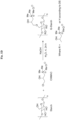
- Starch quaternization was confirmed by comparing the H 1 NMR spectrum of the quaternization reagent ( Fig. 1A ), native starch ( Fig. 1B ) and modified starch (Q-starch, Fig. 1C ).
- the peaks in each H 1 NMR spectrum represent the hydrogen atoms in each of the tested molecules.
- the most significant peak that characterizes the reagent is the peak that appears at 3.1 ppm ( Fig.
- Example 2 Q-starch/siRNA complex formation.
- Q-starch/siRNA complex formation is based on electrostatic interaction between positively charged Q-starch and negatively charged siRNA.
- the desired N/P ratio is the ratio in which Q-starch is able to form a condensed polyplex with siRNA and none of the siRNA remains free. Free siRNA at gel electrophoresis runs along the gel towards the positive electrode and can be visualized by the bright band that matches its size of 19 base pairs as determined by the DNA ladder. As N/P ratio increases, free fragments of siRNA are entrapped within the Q-starch/siRNA complexes and the free siRNA band gets less bright. The complexes are bigger in size than free siRNA and cannot run along the gel because of its agarose density.
- the complex band at the well gets brighter.
- the minimal N/P ratio for full complexation was 2, because the complex band at the well is brightest and no free siRNA band is detected.
- N/P ratio of 1.5 although the free siRNA band is too light to be detected, the complex band at the well is less bright than in N/P ratio of 2 and therefore the complexation is not full at this ratio.
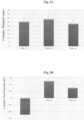
- the diameter and charge of the siRNA/Q-starch polyplexes are shown in Fig. 3 for N/P ratios of 1, 2 and 3.
- the mean size of self-assembled Q-starch/siRNA complexes as measured by Dynamic Light Scattering (DLS) was small and independent of the N/P ratio (between 28.3-34.0 nm in diameter).
- DLS Dynamic Light Scattering
- Mw ⁇ 26 kDa
- the zeta potential is negative since free fragments of siRNA is still present in the polyplex solution, while above that ratio, the zeta potential turns positive.
- the relatively small complex size (diameter smaller than 100 nm) and positive charge of the siRNA polyplexes at N/P ratio of 2 and above indicate the capability of these complexes to enter cells through endocytosis.
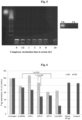
- AFM scan confirmed the DLS results, as shown in Fig. 4 . According to particle analysis by AFM, the mean size of complexes is in the range of 29.1-68.8 nm and the mean diameter is 44.4 nm.
- complexes with DNA are much larger than complexes with siRNA (as seen in Fig. 3A ), and are condensed to a suitable transfection size (150-200 nm) only at N/P ratios of 3 and above.
- N/P ratio for DNA complexes was shown to increase the number of nitrogen positive groups that are able to interact with the negative phosphate groups on the DNA backbone and condense the relatively large plasmid DNA to a smaller particle.
- complexes size show that the carrier does not have the same effect in the case of siRNA. As seen from Fig.
- siRNA/polycation complexes was independent of N/P ratio. The reason is that siRNA is already small ( ⁇ 13nm) and unable to be condensed into a smaller size (Gary et al., 2007). It appears likely that in the case of siRNA, the carrier in fact helps it become large enough to be effectively be taken up by the cells and not be degraded.
- Example 5 Complex stability in human serum.
- siRNA/Q-starch must be able to protect siRNA from nuclease degradation for optimal gene silencing.
- the effectiveness of the developed Q-starch-based delivery system was investigated by measuring the gene silencing efficiency in transfection experiments.
- the in vitro study was conducted utilizing the model cell line NCI-ADR/Res (human ovarian cancer cell line NAR), which highly expresses the P-glycoprotein (P-gp) extrusion pump, the silenced protein in the transfection experiments.
- the cells were treated with different formulations containing 50nM of free siP-gp or siRNA (siP-gp or nt-siRNA) complexed with Q-starch.
- the transfection efficiency was measured by FACS 24 and 72 hours post-treatment.
- the silenced protein, P-gp in each experimental group was fluorescently labeled by two antibodies, a primary P-gp-specific antibody and a secondary antibody labeled by FITC.
- the cells were also treated by a control mixture of secondary and isotype control antibodies (data not shown).
- % gene expression (RFU treated - RFU unstained )/(RFU untreated - RFU unstained ), where RFU is the relative fluorescence unit and unstained relates to non-labeled cells (auto-fluorescence).
- Lipofectamine 2000 a commercially available transfection reagent, served as a positive control and resulted in 66 ⁇ 19% and 24 ⁇ 8% of gene silencing after 24 and 72 hours of incubation with NAR cells, respectively. Although highly efficient, Lipofectamine 2000 is not a therapeutic agent because of its previously reported toxicity that interferes with its therapeutic application
- Example 7 cell viability.
- the toxic effect of a delivery system is one of the main parameters that should be evaluated when developing a delivery carrier.
- the leading motivation for using polysaccharides as delivery carriers is to address these issues.
- Polysaccharides are known as biocompatible materials that have low toxicity effects.
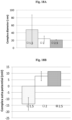
- Q-starch/siP-gp complexes NAR cells were incubated with complexes or complex components (siRNA and Q-starch separately) for 72 hours, after which an MTT cell viability assay for cellular proliferation was conducted. The percentage of cell viability was normalized to the control group of untreated cells (100% viability); the results are summarized in Fig. 7 .
- Example 8 cellular uptake of naked siRNA vs. Q-starch/siRNA complexes.
- RNAi The site of action of RNAi is the cytosol, because of which, along the transfection process siRNA complexes face multiple delivery barriers including the non-permeable plasma membrane (extra-cellular barrier), endosomal escape, and decomplexation of siRNA complexes (intra-cellular barriers).
- extra-cellular barrier the non-permeable plasma membrane
- endosomal escape the endosomal escape
- decomplexation of siRNA complexes intra-cellular barriers.
- Fig. 6 NAR cells exposed to complexes at N/P 1 didn't induce significant P-gp silencing through the whole transfection timeline (until 72 hours of incubation with the complexes).
- cells exposed to complexes at N/P 2 did not induce significant P-gp silencing after 24-hour incubation with the complexes, while further incubation time with the complexes efficiently induced P-gp silencing.
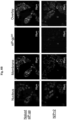
- DAPI blue staining defines the nucleus area and cell borders are labeled by WGA Alxa 555 ® (yellow) staining in order to demonstrate intracellular trafficking of the complexes.
- the massive uptake of complexes is shown and that the complexes are mainly detected inside the cytoplasm.
- naked siP-gp lab entrance was negligible, and entrapment by Q-starch significantly improved its potential to enter NAR cells and finally integrate into the RNAi mechanism.
- the ultrasound experimental setup is outlined in Fig. 9 and described in the methods section.
- 24 hours incubation with no ultrasound results in approximately 90% expression ( Fig. 6 , left bar in the 4 th pair from left and Fig. 10 , left bar of 2 nd pair from left), while 72 hours incubation time results in approximately 50% expression ( Fig. 6 , right bar in the 4 th pair from left).
- Fig. 9 The ultrasound experimental setup is outlined in Fig. 9 and described in the methods section.
- 24 hours incubation with no ultrasound results in approximately 90% expression ( Fig. 6 , left bar in
- the enhanced kinetics of gene silencing after ultrasound exposure could be the result of intracellular effects of ultrasound.
- ultrasound may affect the endosomal escape stage and the decomplexation stage of transfection. It was previously shown (Sieradzki et al., 2008) that the rate limiting step in gene delivery with the same carrier was also the endosome escape of the complexes. It was mainly confirmed by the increased transfection efficiency demonstrated after Q-starch was modified by a lysosomotropic agent. Since the endosome is surrounded by a membrane, the disruption of the endosome can be influenced by ultrasound and as a result the complexes are released to the cell cytoplasm.
- Another possible scenario is that the decomplexation stage was affected by ultrasound.
- Example 12 cellular uptake of Q-starch/siRNA complexes in keratinocytes.
- HaCaT Keratinocyte were seeded in a 12- well plate with a glass coverslip at a density of 6*10 4 cells/well in culture medium (FBS, L-glutamine and Penicillin-streptomycin in Minimum Essential Medium (MEM-EAGLE)) 24 hours before transfection, and reached 40-50% confluence on the day of transfection.
- FBS FBS, L-glutamine and Penicillin-streptomycin in Minimum Essential Medium (MEM-EAGLE)
- MEM-EAGLE Minimum Essential Medium
- 1 ⁇ M of naked siRNA was used as negative control (panel d), and a commercial carrier, X-tremeGENE ® (Roche Applied Science) was used at a complex concentration of 5nM as positive control (panel e).
- Example 13 ultrasound induces enhanced cellular uptake of Q-starch/siRNA complexes in keratinocytes.
- HaCaT Keratinocyte were treated as in the previous example, and the 12-well tissue culture plate was placed in an aqueous medium above an ultrasound plate horn bath (as shown in Fig. 9 ). Ultrasound application of 20 seconds at 2.14 mW/cm 2 was carried out 60 minutes after adding the Q-starch/siRNA complex solution, in order to assess the dynamic of the complexes entry. After incubation of 4 hours with the complexes, the cells were fixed with 4% paraformaldehyde and the membrane was labeled with a fluorescent dye, Wheat Germ Agglutinin, Alexa Fluor ® 555 Conjugate. The uptake of complexes was determined by confocal microscopy.
- Ultrasound affects cell membrane permeability causing increased cellular internalization, and hence, increase the efficiency of the delivery mechanism.
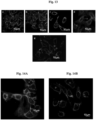
- Fig. 14 show that at a concentration of 0.05 ⁇ M, complexes can be visualized in the cells after ultrasound treatment (14A), but no complexes could be visualized in cells transfected with 0.05 ⁇ M of complexes and not treated with ultrasound ( 14B, as done in Example 12 ).
- These results confirmed the beneficial effect of ultrasound application as an added means to reach higher efficiency of entrance of complexes to HaCaT cell line.
- ultrasound application allows introducing into the cells siRNA concentration at two orders of magnitude lower than established for transfection without ultrasound.
- Efficient topical treatment for skin disorders such as psoriasis will have to allow siRNA to be efficiently delivered across the stratum corneum, and enable functional uptake by keratinocytes.
- the experiments were performed in diffusion cells composed of 8.5 mL donor and 5.5 mL receiver compartments with a transport cross-section area of 2.27 cm 2 ( Fig. 15 ).
- the integrity of each skin sample was measured by means of conductivity.
- the skin was mounted with the stratum corneum facing the donor compartment.
- the donor compartment was filled with coupling medium 1% sodium lauryl sulfate (SLS) in PBS while the receiver compartment was filled with PBS.
- SLS sodium lauryl sulfate
- One conductivity electrode was placed in the lower chamber and the other electrode was placed in the ultrasound medium.
- Ultrasound application was for 10 minutes at 8.2 W/cm 2 and was stopped when conductivity reached 40-60 fold of the initial conductivity.
- Ultrasound operated at a frequency of 20 KHz equipped with a 13 mm probe, located in the donor compartment.
- Example 15 Q-starch/miRNA complex formation.
- miRNAs are small non-coding RNA molecule (about 22 nucleotides) found in plants, animals, and some viruses, which functions in transcriptional and post-transcriptional regulation of gene expression. Aberrant expression of miRNAs has been implicated in numerous disease states, and miRNA-based therapies are under investigation. Therefore the inventors examined whether the method of the invention could also be applied to miRNA transfection.
- N/P ratio is the ratio in which Q-starch is able to form a condensed polyplex with miRNA and none of the miRNA remains free. Free miRNA at gel electrophoresis runs along the gel towards the positive electrode and can be visualized by the bright band that matches its size of 22 base pairs as determined by the DNA ladder ( Fig. 17 , left lane). As N/P ratio increases, free fragments of miRNA are entrapped within the Q-starch/miRNA complexes and the free miRNA band gets less bright. The complexes are bigger in size than free miRNA and cannot run along the gel because of its agarose density. The minimal N/P ratio for full complexation was 1, since no free miRNA could be seen in the lane ( Fig. 17 , third lane from right).
- the diameter and charge of the miRNA/Q-starch polyplexes are shown in Fig. 18 for N/P ratios of 1.5, 2 and 2.5.
- the zeta potential is negative ( Fig. 18B ) since free fragments of miRNA are still present in the polyplex solution, while above that ratio, the zeta potential turns positive.
- AFM scan confirmed the DLS results, as shown in Fig. 19 .
- the relatively small complex size (diameter smaller than 100 nm, Fig. 19B ) and positive charge of the miRNA polyplexes at N/P ratio of 2 and above indicate the capability of these complexes to enter cells through endocytosis.
- the experiments were performed in diffusion cells composed of 8.5 mL donor and 5.5 mL receiver compartments with a transport cross-section area of 2.27 cm 2 ( Fig. 15 ).
- the integrity of each skin sample was measured by means of conductivity.
- the skin was mounted with the stratum corneum facing the donor compartment.
- the donor compartment was filled with coupling medium 1% sodium lauryl sulfate (SLS) in PBS while the receiver compartment was filled with PBS.
- SLS sodium lauryl sulfate
- One conductivity electrode was placed in the lower chamber and the other electrode was placed in the ultrasound medium.
- Ultrasound application was for 7 minutes at 8.2 W/cm 2 and was stopped when conductivity reached 40-60 fold of the initial conductivity.
- Ultrasound operated at a frequency of 20 KHz equipped with a 13 mm probe, located in the donor compartment.
- the results, shown in Fig. 20 verified the ability of ultrasound to enhance transdermal delivery.
- the results show that complexes could be visualized at the basal keratinocyte cell layer of the epidermis when transfected after ultrasound treatment, but not when ultrasound output was set to zero.
- This efficient transdermal delivery across the stratum corneum and possibly enhanced ability of uptake by keratinocytes enables miRNA uptake by keratinocytes and therefore should allow efficient topical treatment for skin disorders such as psoriasis by the method of the invention.
- Example 18 In vivo experiments with a psoriasis mouse model
- Psoriasis mouse models are generated as described in J. Gudjonsson et al., 2007, Mouse models for psoriasis, J. Invest. Dermatol. 127(6): 1292-1308 .
- ultrasound is applied to the mouse skin on top the psoriatic plaque.
- the ultrasound medium 1% SLS in PBS
- Temperature measurements are taken during all ultrasound experiments.
- Ultrasound medium is replaced every 10-40 sec, in order to eliminate temperature influence.
- conductivity measurements are conducted during ultrasound exposure. One conductivity electrode is placed subcutaneously and the other electrode is placed in the ultrasound medium.
- the ultrasound application is stopped when conductivity reaches 40-60 fold of the initial conductivity.
- Example 19 In vivo experiments on a mouse model of laryngeal cancer
- Example 20 treating a patient having a cancerous tumor with siRNA/quaternized starch complex.
- a patient suffering from a tumor is treated by administering by an intratumoral injection a therapeutically effective amount of KSP (kinesin spindle protein)-siRNA complexed with quaternized starch at N/P ratio 2. It would be expected that the patient would improve his/her condition or recover.
- KSP Kerat spindle protein
- Example 21 Treating a patient having a tumor with siRNA/quaternized starch complexes and ultrasound.
- a patient suffering from a tumor is treated by administering by intravenous (i.v.) injection a therapeutically effective amount of KSP-siRNA complexed with quaternized starch at N/P ratio 2.
- a high intensity focused ultrasound (HIFU) is applied at a therapeutically effective intensity for a therapeutically effective time period at the tumor site. It would be expected that the patient would improve his condition or recover.
- Example 22 Treating psoriasis in a human patient with siRNA/quaternized starch complexes and ultrasound.
- ultrasound is applied topically at the psoriatic lesion at a therapeutically effective intensity.
- conductivity measurements are conducted during ultrasound exposure.
- One conductivity electrode is the ultrasound probe and the other electrode is placed on the body of the patient. The ultrasound application is stopped when conductivity reaches 40-60 fold of the initial conductivity.
- a solution (which can be in the form of an ointment) containing the complexes is applied to the skin during or after the use of ultrasound.
- Example 23 Treating asthma in a human patient with siRNA/quaternized starch complexes.
- An asthma patient is treated by inhalation of a therapeutically effective amount of Syk kinase-siRNA complexed with quaternized starch. It would be expected that the patient would improve his condition compared to treatment with naked siRNA which is currently undergoing clinical trials.
Landscapes
- Health & Medical Sciences (AREA)
- Life Sciences & Earth Sciences (AREA)
- Engineering & Computer Science (AREA)
- Chemical & Material Sciences (AREA)
- Biomedical Technology (AREA)
- Genetics & Genomics (AREA)
- Bioinformatics & Cheminformatics (AREA)
- General Health & Medical Sciences (AREA)
- Molecular Biology (AREA)
- Biotechnology (AREA)
- Zoology (AREA)
- Organic Chemistry (AREA)
- General Engineering & Computer Science (AREA)
- Wood Science & Technology (AREA)
- Pharmacology & Pharmacy (AREA)
- Medicinal Chemistry (AREA)
- Veterinary Medicine (AREA)
- Public Health (AREA)
- Animal Behavior & Ethology (AREA)
- Epidemiology (AREA)
- Biophysics (AREA)
- Physics & Mathematics (AREA)
- Microbiology (AREA)
- Plant Pathology (AREA)
- Biochemistry (AREA)
- Dermatology (AREA)
- Nanotechnology (AREA)
- Optics & Photonics (AREA)
- Pharmaceuticals Containing Other Organic And Inorganic Compounds (AREA)
Claims (12)
- Komplex, umfassend RNA und eine quaternisierte Stärke, wobei die quaternisierte Stärke auf ihre vollständige Kapazität quaternisiert ist und mindestens 3,5 - 4 % Stickstoff pro Monomereinheit bezogen auf das Gewicht aufweist.
- Komplex nach Anspruch 1, wobei das Molverhältnis von positiv geladenen Amingruppen an der quaternisierten Stärke und negativ geladenen Phosphaten an der RNA-Hauptkette in einem Bereich liegt, der aus etwa 0,1 - 100, etwa 1 - 5 ausgewählt ist, oder das Verhältnis etwa 2 beträgt.
- Komplex nach Anspruch 2, wobei das Molverhältnis von positiv geladenen Amingruppen an der quaternisierten Stärke und negativ geladenen Phosphaten an der RNA-Hauptkette etwa 2 beträgt.
- Komplex nach Anspruch 1, wobei die RNA siRNA, shRNA, miRNA oder Ribozym ist.
- Komplex nach Anspruch 1, wobei das Molekulargewicht der Stärke in einem Bereich, ausgewählt aus etwa 103 bis etwa 108 Dalton, etwa 104 bis etwa 105 Dalton, etwa 104 bis 5×10⁴ Dalton, liegt oder das Molekulargewicht etwa 26.500 Dalton beträgt.
- Verwendung des Komplexes nach einem der Ansprüche 1 - 5 in dem Prozess der Transfektion von RNA in Zellen.
- Verwendung nach Anspruch 6, wobei vor, während und/oder nach dem Transfektionsprozess Ultraschall auf die Zellen angewendet wird.
- Verwendung nach Anspruch 7, wobei die Zellen Hautzellen sind.
- Komplex nach einem der Ansprüche 1 - 5 zur Verwendung bei der Gentherapie.
- Komplex nach einem der Ansprüche 1 - 5 zur Verwendung bei der Behandlung einer Krankheit, Störung oder eines Leidens, ausgewählt aus einem Tumor, Asthma und Psoriasis.
- Pharmazeutische Zusammensetzung, umfassend den Komplex nach einem der Ansprüche 1 - 5 und einen pharmazeutisch akzeptablen Träger.
- Verfahren für RNA-Transfektion in Zellen in vitro, umfassend das Kontaktieren der Zellen mit dem Komplex nach einem der Ansprüche 1 - 5.
Applications Claiming Priority (2)
| Application Number | Priority Date | Filing Date | Title |
|---|---|---|---|
| US201361761014P | 2013-02-05 | 2013-02-05 | |
| PCT/IL2014/050126 WO2014122648A1 (en) | 2013-02-05 | 2014-02-05 | Positively charged polysaccharides for rna transfection |
Publications (3)
| Publication Number | Publication Date |
|---|---|
| EP2953647A1 EP2953647A1 (de) | 2015-12-16 |
| EP2953647A4 EP2953647A4 (de) | 2016-11-30 |
| EP2953647B1 true EP2953647B1 (de) | 2024-07-17 |
Family
ID=51299288
Family Applications (1)
| Application Number | Title | Priority Date | Filing Date |
|---|---|---|---|
| EP14748479.4A Active EP2953647B1 (de) | 2013-02-05 | 2014-02-05 | Positiv geladene polysaccharide zur rna-transfektion |
Country Status (3)
| Country | Link |
|---|---|
| US (1) | US9566346B2 (de) |
| EP (1) | EP2953647B1 (de) |
| WO (1) | WO2014122648A1 (de) |
Families Citing this family (3)
| Publication number | Priority date | Publication date | Assignee | Title |
|---|---|---|---|---|
| WO2016201523A1 (en) | 2015-06-19 | 2016-12-22 | The University Of Queensland | Composition |
| US10350235B2 (en) * | 2015-08-19 | 2019-07-16 | Joseph Kost | Cationic polysaccharides for delivery of phosphoinositides to cells for therapeutic purpose |
| CA3011692A1 (en) | 2015-11-23 | 2017-06-01 | The Regents Of The University Of Colorado, A Body Corporate | Methods and compositions for reprogramming cells |
Family Cites Families (9)
| Publication number | Priority date | Publication date | Assignee | Title |
|---|---|---|---|---|
| US4031307A (en) | 1976-05-03 | 1977-06-21 | Celanese Corporation | Cationic polygalactomannan compositions |
| EP1789447B1 (de) * | 2004-08-16 | 2012-04-25 | Immune Disease Institute, Inc. | Verfahren zur lieferung von rna-interferenz und verwendungen damit |
| CN101346393B (zh) * | 2005-11-02 | 2015-07-22 | 普洛体维生物治疗公司 | 修饰的siRNA分子及其应用 |
| GB0609619D0 (en) * | 2006-05-16 | 2006-06-21 | Astrazeneca Ab | Combination |
| CN101918554B (zh) | 2007-12-18 | 2013-07-03 | 独立行政法人产业技术综合研究所 | 多糖/双链rna复合物 |
| WO2009086428A2 (en) * | 2007-12-28 | 2009-07-09 | The Regents Of The University Of California | Methods and compositions for increasing gene expression |
| CN102268096B (zh) | 2011-07-07 | 2013-08-07 | 中科院广州化学有限公司 | 一种高取代度的阳离子纤维素及其制备方法与应用 |
| CN102408488B (zh) | 2011-08-31 | 2013-07-24 | 华南理工大学 | 季铵型阳离子淀粉基因控释载体材料及其制备方法和应用 |
| CN102657880A (zh) | 2012-05-08 | 2012-09-12 | 浙江大学 | 一种季铵化壳聚糖/siRNA复合粒子及其制备方法 |
-
2014
- 2014-02-05 EP EP14748479.4A patent/EP2953647B1/de active Active
- 2014-02-05 WO PCT/IL2014/050126 patent/WO2014122648A1/en not_active Ceased
- 2014-02-05 US US14/765,790 patent/US9566346B2/en active Active
Non-Patent Citations (7)
| Title |
|---|
| AMAR-LEWIS ELIZ ET AL: "Quaternized starch-based carrier for siRNA delivery: From cellular uptake to gene silencing", JOURNAL OF CONTROLLED RELEASE, vol. 185, 29 April 2014 (2014-04-29), pages 109 - 120, XP028854116, ISSN: 0168-3659, DOI: 10.1016/J.JCONREL.2014.04.031 * |
| DAVIS M E ET AL: "SELF-ASSEMBLING NUCLEIC ACID DELIVERY VEHICLES VIA LINEAR, WATER-SOLUBLE, CYCLODEXTRIN-CONTAINING POLYMERS", CURRENT MEDICINAL CHEMISTRY, vol. 11, no. 2, 2004, pages 179 - 197, XP009064353, ISSN: 0929-8673, DOI: 10.2174/0929867043456179 * |
| DEHOUSSE V ET AL: "Development of pH-responsive nanocarriers using trimethylchitosans and methacrylic acid copolymer for siRNA delivery", BIOMATERIALS, vol. 31, no. 7, March 2010 (2010-03-01), pages 1839 - 1849, XP026827545, ISSN: 0142-9612, [retrieved on 20091130] * |
| GONZALEZ H ET AL: "New class of polymers for the delivery of macromolecular therapeutics", BIOCONJUGATE CHEMISTRY, vol. 10, no. 6, 24 September 1999 (1999-09-24), pages 1068 - 1074, XP002207019, ISSN: 1043-1802, DOI: 10.1021/BC990072J * |
| HOWARD ET AL: "RNA Interference in Vitro and in Vivo Using a Novel Chitosan/siRNA Nanoparticle System", MOLECULAR THERAPY, vol. 14, no. 4, October 2006 (2006-10-01), pages 476 - 484, XP005644831, ISSN: 1525-0016, DOI: 10.1016/J.YMTHE.2006.04.010 * |
| KAVALIAUSKAITE R ET AL: "Factors influencing production of cationic starches", CARBOHYDRATE POLYMERS, vol. 73, no. 4, February 2008 (2008-02-01), pages 665 - 675, XP029237581, ISSN: 0144-8617, DOI: 10.1016/J.CARBPOL.2008.01.019 * |
| ZHIPENG CHEN ET AL: "Hierarchical targeted hepatocyte mitochondrial multifunctional chitosan nanoparticles for anticancer drug delivery", BIOMATERIALS, vol. 52, June 2015 (2015-06-01), pages 240 - 250, XP055742250, ISSN: 0142-9612, DOI: 10.1016/j.biomaterials.2015.02.001 * |
Also Published As
| Publication number | Publication date |
|---|---|
| US20150366979A1 (en) | 2015-12-24 |
| EP2953647A1 (de) | 2015-12-16 |
| WO2014122648A1 (en) | 2014-08-14 |
| US9566346B2 (en) | 2017-02-14 |
| EP2953647A4 (de) | 2016-11-30 |
Similar Documents
| Publication | Publication Date | Title |
|---|---|---|
| Xiao et al. | Mannosylated bioreducible nanoparticle-mediated macrophage-specific TNF-α RNA interference for IBD therapy | |
| Yang et al. | Impact of PEG chain length on the physical properties and bioactivity of PEGylated chitosan/siRNA nanoparticles in vitro and in vivo | |
| Huang et al. | Orally targeted galactosylated chitosan poly (lactic-co-glycolic acid) nanoparticles loaded with TNF-ɑ siRNA provide a novel strategy for the experimental treatment of ulcerative colitis | |
| Amar-Lewis et al. | Quaternized starch-based carrier for siRNA delivery: from cellular uptake to gene silencing | |
| He et al. | Multifunctional polymeric nanoparticles for oral delivery of TNF-α siRNA to macrophages | |
| Lallana et al. | Chitosan/hyaluronic acid nanoparticles: rational design revisited for RNA delivery | |
| Huh et al. | Tumor-homing glycol chitosan/polyethylenimine nanoparticles for the systemic delivery of siRNA in tumor-bearing mice | |
| Malmo et al. | Effect of chitosan chain architecture on gene delivery: comparison of self-branched and linear chitosans | |
| Gao et al. | Targeting delivery of oligonucleotide and plasmid DNA to hepatocyte via galactosylated chitosan vector | |
| Upadhyay et al. | Biomimetic doxorubicin loaded polymersomes from hyaluronan-block-poly (γ-benzyl glutamate) copolymers | |
| Zhang et al. | Galactosylated trimethyl chitosan–cysteine nanoparticles loaded with Map4k4 siRNA for targeting activated macrophages | |
| Mobarakeh et al. | Optimization of chitosan nanoparticles as an anti-HIV siRNA delivery vehicle | |
| Guo et al. | RNA interference-based nanosystems for inflammatory bowel disease therapy | |
| Gangopadhyay et al. | Folate receptor-mediated siRNA delivery: recent developments and future directions for RNAi therapeutics | |
| Kim et al. | Hyaluronic acid complexed to biodegradable poly l‐arginine for targeted delivery of siRNAs | |
| Zhao et al. | Thiolated trimethyl chitosan nanocomplexes as gene carriers with high in vitro and in vivo transfection efficiency | |
| Chen et al. | Chondroitin sulfate-functionalized polyamidoamine as a tumor-targeted carrier for miR-34a delivery | |
| Chen et al. | A pH-responsive cyclodextrin-based hybrid nanosystem as a nonviral vector for gene delivery | |
| Gu et al. | Reversal of P-glycoprotein-mediated multidrug resistance by CD44 antibody-targeted nanocomplexes for short hairpin RNA-encoding plasmid DNA delivery | |
| Park et al. | Preparation and characterization of nonaarginine-modified chitosan nanoparticles for siRNA delivery | |
| US20100015232A1 (en) | Nanoparticles for nucleic acid delivery | |
| Yang et al. | Binary‐copolymer system base on low‐density lipoprotein‐coupled N‐succinyl chitosan lipoic acid micelles for co‐delivery MDR1 siRNA and paclitaxel, enhances antitumor effects via reducing drug | |
| US9744241B2 (en) | Method for nucleic acid delivery using hyaluronic acid | |
| Chu et al. | Effects of mannose density on in vitro and in vivo cellular uptake and RNAi efficiency of polymeric nanoparticles | |
| Wang et al. | Harnessing pH-sensitive polycation vehicles for the efficient siRNA delivery |
Legal Events
| Date | Code | Title | Description |
|---|---|---|---|
| PUAI | Public reference made under article 153(3) epc to a published international application that has entered the european phase |
Free format text: ORIGINAL CODE: 0009012 |
|
| 17P | Request for examination filed |
Effective date: 20150820 |
|
| AK | Designated contracting states |
Kind code of ref document: A1 Designated state(s): AL AT BE BG CH CY CZ DE DK EE ES FI FR GB GR HR HU IE IS IT LI LT LU LV MC MK MT NL NO PL PT RO RS SE SI SK SM TR |
|
| AX | Request for extension of the european patent |
Extension state: BA ME |
|
| RAP1 | Party data changed (applicant data changed or rights of an application transferred) |
Owner name: RAMOT AT TEL-AVIV UNIVERSITY LTD. Owner name: B.G. NEGEV TECHNOLOGIES AND APPLICATIONS LTD. |
|
| DAX | Request for extension of the european patent (deleted) | ||
| RIC1 | Information provided on ipc code assigned before grant |
Ipc: A61K 41/00 20060101ALI20160818BHEP Ipc: A61K 47/48 20060101AFI20160818BHEP Ipc: A61K 48/00 20060101ALI20160818BHEP Ipc: C12N 15/11 20060101ALI20160818BHEP Ipc: A61K 47/36 20060101ALI20160818BHEP |
|
| A4 | Supplementary search report drawn up and despatched |
Effective date: 20161031 |
|
| RIC1 | Information provided on ipc code assigned before grant |
Ipc: A61K 47/48 20060101AFI20161025BHEP Ipc: C12N 15/11 20060101ALI20161025BHEP Ipc: A61K 48/00 20060101ALI20161025BHEP Ipc: A61K 41/00 20060101ALI20161025BHEP Ipc: A61K 47/36 20060101ALI20161025BHEP |
|
| STAA | Information on the status of an ep patent application or granted ep patent |
Free format text: STATUS: EXAMINATION IS IN PROGRESS |
|
| 17Q | First examination report despatched |
Effective date: 20200116 |
|
| REG | Reference to a national code |
Ref country code: DE Ref legal event code: R079 Free format text: PREVIOUS MAIN CLASS: A61K0047480000 Ipc: A61K0047610000 Ref country code: DE Ref legal event code: R079 Ref document number: 602014090516 Country of ref document: DE Free format text: PREVIOUS MAIN CLASS: A61K0047480000 Ipc: A61K0047610000 |
|
| GRAP | Despatch of communication of intention to grant a patent |
Free format text: ORIGINAL CODE: EPIDOSNIGR1 |
|
| STAA | Information on the status of an ep patent application or granted ep patent |
Free format text: STATUS: GRANT OF PATENT IS INTENDED |
|
| RIC1 | Information provided on ipc code assigned before grant |
Ipc: A61K 48/00 20060101ALI20240111BHEP Ipc: C12N 15/11 20060101ALI20240111BHEP Ipc: A61K 47/36 20060101ALI20240111BHEP Ipc: A61K 41/00 20060101ALI20240111BHEP Ipc: A61K 47/61 20170101AFI20240111BHEP |
|
| INTG | Intention to grant announced |
Effective date: 20240208 |
|
| RAP1 | Party data changed (applicant data changed or rights of an application transferred) |
Owner name: B.G. NEGEV TECHNOLOGIES AND APPLICATIONS LTD. |
|
| GRAS | Grant fee paid |
Free format text: ORIGINAL CODE: EPIDOSNIGR3 |
|
| P01 | Opt-out of the competence of the unified patent court (upc) registered |
Effective date: 20240508 |
|
| GRAA | (expected) grant |
Free format text: ORIGINAL CODE: 0009210 |
|
| STAA | Information on the status of an ep patent application or granted ep patent |
Free format text: STATUS: THE PATENT HAS BEEN GRANTED |
|
| AK | Designated contracting states |
Kind code of ref document: B1 Designated state(s): AL AT BE BG CH CY CZ DE DK EE ES FI FR GB GR HR HU IE IS IT LI LT LU LV MC MK MT NL NO PL PT RO RS SE SI SK SM TR |
|
| REG | Reference to a national code |
Ref country code: GB Ref legal event code: FG4D |
|
| REG | Reference to a national code |
Ref country code: CH Ref legal event code: EP |
|
| REG | Reference to a national code |
Ref country code: DE Ref legal event code: R096 Ref document number: 602014090516 Country of ref document: DE |
|
| REG | Reference to a national code |
Ref country code: IE Ref legal event code: FG4D |
|
| REG | Reference to a national code |
Ref country code: LT Ref legal event code: MG9D |
|
| REG | Reference to a national code |
Ref country code: NL Ref legal event code: MP Effective date: 20240717 |
|
| PG25 | Lapsed in a contracting state [announced via postgrant information from national office to epo] |
Ref country code: PT Free format text: LAPSE BECAUSE OF FAILURE TO SUBMIT A TRANSLATION OF THE DESCRIPTION OR TO PAY THE FEE WITHIN THE PRESCRIBED TIME-LIMIT Effective date: 20241118 |
|
| REG | Reference to a national code |
Ref country code: AT Ref legal event code: MK05 Ref document number: 1703520 Country of ref document: AT Kind code of ref document: T Effective date: 20240717 |
|
| PG25 | Lapsed in a contracting state [announced via postgrant information from national office to epo] |
Ref country code: NL Free format text: LAPSE BECAUSE OF FAILURE TO SUBMIT A TRANSLATION OF THE DESCRIPTION OR TO PAY THE FEE WITHIN THE PRESCRIBED TIME-LIMIT Effective date: 20240717 |
|
| PG25 | Lapsed in a contracting state [announced via postgrant information from national office to epo] |
Ref country code: PT Free format text: LAPSE BECAUSE OF FAILURE TO SUBMIT A TRANSLATION OF THE DESCRIPTION OR TO PAY THE FEE WITHIN THE PRESCRIBED TIME-LIMIT Effective date: 20241118 Ref country code: NL Free format text: LAPSE BECAUSE OF FAILURE TO SUBMIT A TRANSLATION OF THE DESCRIPTION OR TO PAY THE FEE WITHIN THE PRESCRIBED TIME-LIMIT Effective date: 20240717 |
|
| PG25 | Lapsed in a contracting state [announced via postgrant information from national office to epo] |
Ref country code: NO Free format text: LAPSE BECAUSE OF FAILURE TO SUBMIT A TRANSLATION OF THE DESCRIPTION OR TO PAY THE FEE WITHIN THE PRESCRIBED TIME-LIMIT Effective date: 20241017 |
|
| PG25 | Lapsed in a contracting state [announced via postgrant information from national office to epo] |
Ref country code: FI Free format text: LAPSE BECAUSE OF FAILURE TO SUBMIT A TRANSLATION OF THE DESCRIPTION OR TO PAY THE FEE WITHIN THE PRESCRIBED TIME-LIMIT Effective date: 20240717 Ref country code: PL Free format text: LAPSE BECAUSE OF FAILURE TO SUBMIT A TRANSLATION OF THE DESCRIPTION OR TO PAY THE FEE WITHIN THE PRESCRIBED TIME-LIMIT Effective date: 20240717 Ref country code: GR Free format text: LAPSE BECAUSE OF FAILURE TO SUBMIT A TRANSLATION OF THE DESCRIPTION OR TO PAY THE FEE WITHIN THE PRESCRIBED TIME-LIMIT Effective date: 20241018 |
|
| PG25 | Lapsed in a contracting state [announced via postgrant information from national office to epo] |
Ref country code: BG Free format text: LAPSE BECAUSE OF FAILURE TO SUBMIT A TRANSLATION OF THE DESCRIPTION OR TO PAY THE FEE WITHIN THE PRESCRIBED TIME-LIMIT Effective date: 20240717 |
|
| PG25 | Lapsed in a contracting state [announced via postgrant information from national office to epo] |
Ref country code: LV Free format text: LAPSE BECAUSE OF FAILURE TO SUBMIT A TRANSLATION OF THE DESCRIPTION OR TO PAY THE FEE WITHIN THE PRESCRIBED TIME-LIMIT Effective date: 20240717 |
|
| PG25 | Lapsed in a contracting state [announced via postgrant information from national office to epo] |
Ref country code: IS Free format text: LAPSE BECAUSE OF FAILURE TO SUBMIT A TRANSLATION OF THE DESCRIPTION OR TO PAY THE FEE WITHIN THE PRESCRIBED TIME-LIMIT Effective date: 20241117 Ref country code: AT Free format text: LAPSE BECAUSE OF FAILURE TO SUBMIT A TRANSLATION OF THE DESCRIPTION OR TO PAY THE FEE WITHIN THE PRESCRIBED TIME-LIMIT Effective date: 20240717 |
|
| PG25 | Lapsed in a contracting state [announced via postgrant information from national office to epo] |
Ref country code: HR Free format text: LAPSE BECAUSE OF FAILURE TO SUBMIT A TRANSLATION OF THE DESCRIPTION OR TO PAY THE FEE WITHIN THE PRESCRIBED TIME-LIMIT Effective date: 20240717 |
|
| PG25 | Lapsed in a contracting state [announced via postgrant information from national office to epo] |
Ref country code: RS Free format text: LAPSE BECAUSE OF FAILURE TO SUBMIT A TRANSLATION OF THE DESCRIPTION OR TO PAY THE FEE WITHIN THE PRESCRIBED TIME-LIMIT Effective date: 20241017 Ref country code: ES Free format text: LAPSE BECAUSE OF FAILURE TO SUBMIT A TRANSLATION OF THE DESCRIPTION OR TO PAY THE FEE WITHIN THE PRESCRIBED TIME-LIMIT Effective date: 20240717 |
|
| PG25 | Lapsed in a contracting state [announced via postgrant information from national office to epo] |
Ref country code: RS Free format text: LAPSE BECAUSE OF FAILURE TO SUBMIT A TRANSLATION OF THE DESCRIPTION OR TO PAY THE FEE WITHIN THE PRESCRIBED TIME-LIMIT Effective date: 20241017 Ref country code: PL Free format text: LAPSE BECAUSE OF FAILURE TO SUBMIT A TRANSLATION OF THE DESCRIPTION OR TO PAY THE FEE WITHIN THE PRESCRIBED TIME-LIMIT Effective date: 20240717 Ref country code: NO Free format text: LAPSE BECAUSE OF FAILURE TO SUBMIT A TRANSLATION OF THE DESCRIPTION OR TO PAY THE FEE WITHIN THE PRESCRIBED TIME-LIMIT Effective date: 20241017 Ref country code: LV Free format text: LAPSE BECAUSE OF FAILURE TO SUBMIT A TRANSLATION OF THE DESCRIPTION OR TO PAY THE FEE WITHIN THE PRESCRIBED TIME-LIMIT Effective date: 20240717 Ref country code: IS Free format text: LAPSE BECAUSE OF FAILURE TO SUBMIT A TRANSLATION OF THE DESCRIPTION OR TO PAY THE FEE WITHIN THE PRESCRIBED TIME-LIMIT Effective date: 20241117 Ref country code: HR Free format text: LAPSE BECAUSE OF FAILURE TO SUBMIT A TRANSLATION OF THE DESCRIPTION OR TO PAY THE FEE WITHIN THE PRESCRIBED TIME-LIMIT Effective date: 20240717 Ref country code: GR Free format text: LAPSE BECAUSE OF FAILURE TO SUBMIT A TRANSLATION OF THE DESCRIPTION OR TO PAY THE FEE WITHIN THE PRESCRIBED TIME-LIMIT Effective date: 20241018 Ref country code: FI Free format text: LAPSE BECAUSE OF FAILURE TO SUBMIT A TRANSLATION OF THE DESCRIPTION OR TO PAY THE FEE WITHIN THE PRESCRIBED TIME-LIMIT Effective date: 20240717 Ref country code: ES Free format text: LAPSE BECAUSE OF FAILURE TO SUBMIT A TRANSLATION OF THE DESCRIPTION OR TO PAY THE FEE WITHIN THE PRESCRIBED TIME-LIMIT Effective date: 20240717 Ref country code: BG Free format text: LAPSE BECAUSE OF FAILURE TO SUBMIT A TRANSLATION OF THE DESCRIPTION OR TO PAY THE FEE WITHIN THE PRESCRIBED TIME-LIMIT Effective date: 20240717 Ref country code: AT Free format text: LAPSE BECAUSE OF FAILURE TO SUBMIT A TRANSLATION OF THE DESCRIPTION OR TO PAY THE FEE WITHIN THE PRESCRIBED TIME-LIMIT Effective date: 20240717 |
|
| PG25 | Lapsed in a contracting state [announced via postgrant information from national office to epo] |
Ref country code: RO Free format text: LAPSE BECAUSE OF FAILURE TO SUBMIT A TRANSLATION OF THE DESCRIPTION OR TO PAY THE FEE WITHIN THE PRESCRIBED TIME-LIMIT Effective date: 20240717 Ref country code: DK Free format text: LAPSE BECAUSE OF FAILURE TO SUBMIT A TRANSLATION OF THE DESCRIPTION OR TO PAY THE FEE WITHIN THE PRESCRIBED TIME-LIMIT Effective date: 20240717 Ref country code: SM Free format text: LAPSE BECAUSE OF FAILURE TO SUBMIT A TRANSLATION OF THE DESCRIPTION OR TO PAY THE FEE WITHIN THE PRESCRIBED TIME-LIMIT Effective date: 20240717 |
|
| REG | Reference to a national code |
Ref country code: DE Ref legal event code: R097 Ref document number: 602014090516 Country of ref document: DE |
|
| PG25 | Lapsed in a contracting state [announced via postgrant information from national office to epo] |
Ref country code: EE Free format text: LAPSE BECAUSE OF FAILURE TO SUBMIT A TRANSLATION OF THE DESCRIPTION OR TO PAY THE FEE WITHIN THE PRESCRIBED TIME-LIMIT Effective date: 20240717 |
|
| PG25 | Lapsed in a contracting state [announced via postgrant information from national office to epo] |
Ref country code: CZ Free format text: LAPSE BECAUSE OF FAILURE TO SUBMIT A TRANSLATION OF THE DESCRIPTION OR TO PAY THE FEE WITHIN THE PRESCRIBED TIME-LIMIT Effective date: 20240717 |
|
| PG25 | Lapsed in a contracting state [announced via postgrant information from national office to epo] |
Ref country code: SK Free format text: LAPSE BECAUSE OF FAILURE TO SUBMIT A TRANSLATION OF THE DESCRIPTION OR TO PAY THE FEE WITHIN THE PRESCRIBED TIME-LIMIT Effective date: 20240717 |
|
| PLBE | No opposition filed within time limit |
Free format text: ORIGINAL CODE: 0009261 |
|
| STAA | Information on the status of an ep patent application or granted ep patent |
Free format text: STATUS: NO OPPOSITION FILED WITHIN TIME LIMIT |
|
| 26N | No opposition filed |
Effective date: 20250422 |
|
| PG25 | Lapsed in a contracting state [announced via postgrant information from national office to epo] |
Ref country code: SE Free format text: LAPSE BECAUSE OF FAILURE TO SUBMIT A TRANSLATION OF THE DESCRIPTION OR TO PAY THE FEE WITHIN THE PRESCRIBED TIME-LIMIT Effective date: 20240717 |
|
| PG25 | Lapsed in a contracting state [announced via postgrant information from national office to epo] |
Ref country code: MC Free format text: LAPSE BECAUSE OF FAILURE TO SUBMIT A TRANSLATION OF THE DESCRIPTION OR TO PAY THE FEE WITHIN THE PRESCRIBED TIME-LIMIT Effective date: 20240717 |
|
| REG | Reference to a national code |
Ref country code: CH Ref legal event code: PL |
|
| PG25 | Lapsed in a contracting state [announced via postgrant information from national office to epo] |
Ref country code: LU Free format text: LAPSE BECAUSE OF NON-PAYMENT OF DUE FEES Effective date: 20250205 |
|
| PG25 | Lapsed in a contracting state [announced via postgrant information from national office to epo] |
Ref country code: CH Free format text: LAPSE BECAUSE OF NON-PAYMENT OF DUE FEES Effective date: 20250228 |
|
| REG | Reference to a national code |
Ref country code: BE Ref legal event code: MM Effective date: 20250228 |
|
| PGFP | Annual fee paid to national office [announced via postgrant information from national office to epo] |
Ref country code: GB Payment date: 20251218 Year of fee payment: 13 |
|
| PGFP | Annual fee paid to national office [announced via postgrant information from national office to epo] |
Ref country code: FR Payment date: 20251208 Year of fee payment: 13 |
|
| PG25 | Lapsed in a contracting state [announced via postgrant information from national office to epo] |
Ref country code: BE Free format text: LAPSE BECAUSE OF NON-PAYMENT OF DUE FEES Effective date: 20250228 |
|
| PG25 | Lapsed in a contracting state [announced via postgrant information from national office to epo] |
Ref country code: IE Free format text: LAPSE BECAUSE OF NON-PAYMENT OF DUE FEES Effective date: 20250205 |
|
| PG25 | Lapsed in a contracting state [announced via postgrant information from national office to epo] |
Ref country code: IT Free format text: LAPSE BECAUSE OF FAILURE TO SUBMIT A TRANSLATION OF THE DESCRIPTION OR TO PAY THE FEE WITHIN THE PRESCRIBED TIME-LIMIT Effective date: 20240717 |
|
| PGFP | Annual fee paid to national office [announced via postgrant information from national office to epo] |
Ref country code: DE Payment date: 20251210 Year of fee payment: 13 |