EP2954324B1 - Veerwendung von copeptin zur vorhersage des ausbrechens von präeklampsie - Google Patents
Veerwendung von copeptin zur vorhersage des ausbrechens von präeklampsie Download PDFInfo
- Publication number
- EP2954324B1 EP2954324B1 EP14749529.5A EP14749529A EP2954324B1 EP 2954324 B1 EP2954324 B1 EP 2954324B1 EP 14749529 A EP14749529 A EP 14749529A EP 2954324 B1 EP2954324 B1 EP 2954324B1
- Authority
- EP
- European Patent Office
- Prior art keywords
- preeclampsia
- copeptin
- avp
- vasopressin
- hypertension
- Prior art date
- Legal status (The legal status is an assumption and is not a legal conclusion. Google has not performed a legal analysis and makes no representation as to the accuracy of the status listed.)
- Active
Links
Images




Classifications
-
- A—HUMAN NECESSITIES
- A61—MEDICAL OR VETERINARY SCIENCE; HYGIENE
- A61K—PREPARATIONS FOR MEDICAL, DENTAL OR TOILETRY PURPOSES
- A61K31/00—Medicinal preparations containing organic active ingredients
- A61K31/33—Heterocyclic compounds
- A61K31/395—Heterocyclic compounds having nitrogen as a ring hetero atom, e.g. guanethidine or rifamycins
- A61K31/495—Heterocyclic compounds having nitrogen as a ring hetero atom, e.g. guanethidine or rifamycins having six-membered rings with two or more nitrogen atoms as the only ring heteroatoms, e.g. piperazine or tetrazines
- A61K31/505—Pyrimidines; Hydrogenated pyrimidines, e.g. trimethoprim
- A61K31/519—Pyrimidines; Hydrogenated pyrimidines, e.g. trimethoprim ortho- or peri-condensed with heterocyclic rings
-
- A—HUMAN NECESSITIES
- A61—MEDICAL OR VETERINARY SCIENCE; HYGIENE
- A61K—PREPARATIONS FOR MEDICAL, DENTAL OR TOILETRY PURPOSES
- A61K31/00—Medicinal preparations containing organic active ingredients
- A61K31/33—Heterocyclic compounds
- A61K31/395—Heterocyclic compounds having nitrogen as a ring hetero atom, e.g. guanethidine or rifamycins
- A61K31/40—Heterocyclic compounds having nitrogen as a ring hetero atom, e.g. guanethidine or rifamycins having five-membered rings with one nitrogen as the only ring hetero atom, e.g. sulpiride, succinimide, tolmetin, buflomedil
- A61K31/403—Heterocyclic compounds having nitrogen as a ring hetero atom, e.g. guanethidine or rifamycins having five-membered rings with one nitrogen as the only ring hetero atom, e.g. sulpiride, succinimide, tolmetin, buflomedil condensed with carbocyclic rings, e.g. carbazole
- A61K31/404—Indoles, e.g. pindolol
-
- A—HUMAN NECESSITIES
- A61—MEDICAL OR VETERINARY SCIENCE; HYGIENE
- A61K—PREPARATIONS FOR MEDICAL, DENTAL OR TOILETRY PURPOSES
- A61K31/00—Medicinal preparations containing organic active ingredients
- A61K31/33—Heterocyclic compounds
- A61K31/395—Heterocyclic compounds having nitrogen as a ring hetero atom, e.g. guanethidine or rifamycins
- A61K31/55—Heterocyclic compounds having nitrogen as a ring hetero atom, e.g. guanethidine or rifamycins having seven-membered rings, e.g. azelastine, pentylenetetrazole
-
- A—HUMAN NECESSITIES
- A61—MEDICAL OR VETERINARY SCIENCE; HYGIENE
- A61K—PREPARATIONS FOR MEDICAL, DENTAL OR TOILETRY PURPOSES
- A61K38/00—Medicinal preparations containing peptides
- A61K38/04—Peptides having up to 20 amino acids in a fully defined sequence; Derivatives thereof
- A61K38/08—Peptides having 5 to 11 amino acids
- A61K38/095—Oxytocins; Vasopressins; Related peptides
-
- A—HUMAN NECESSITIES
- A61—MEDICAL OR VETERINARY SCIENCE; HYGIENE
- A61K—PREPARATIONS FOR MEDICAL, DENTAL OR TOILETRY PURPOSES
- A61K45/00—Medicinal preparations containing active ingredients not provided for in groups A61K31/00 - A61K41/00
- A61K45/06—Mixtures of active ingredients without chemical characterisation, e.g. antiphlogistics and cardiaca
-
- A—HUMAN NECESSITIES
- A61—MEDICAL OR VETERINARY SCIENCE; HYGIENE
- A61P—SPECIFIC THERAPEUTIC ACTIVITY OF CHEMICAL COMPOUNDS OR MEDICINAL PREPARATIONS
- A61P9/00—Drugs for disorders of the cardiovascular system
- A61P9/12—Antihypertensives
-
- C—CHEMISTRY; METALLURGY
- C12—BIOCHEMISTRY; BEER; SPIRITS; WINE; VINEGAR; MICROBIOLOGY; ENZYMOLOGY; MUTATION OR GENETIC ENGINEERING
- C12Y—ENZYMES
- C12Y304/00—Hydrolases acting on peptide bonds, i.e. peptidases (3.4)
- C12Y304/11—Aminopeptidases (3.4.11)
- C12Y304/11003—Cystinyl aminopeptidase (3.4.11.3)
-
- G—PHYSICS
- G01—MEASURING; TESTING
- G01N—INVESTIGATING OR ANALYSING MATERIALS BY DETERMINING THEIR CHEMICAL OR PHYSICAL PROPERTIES
- G01N33/00—Investigating or analysing materials by specific methods not covered by groups G01N1/00 - G01N31/00
- G01N33/48—Biological material, e.g. blood, urine; Haemocytometers
- G01N33/50—Chemical analysis of biological material, e.g. blood, urine; Testing involving biospecific ligand binding methods; Immunological testing
- G01N33/68—Chemical analysis of biological material, e.g. blood, urine; Testing involving biospecific ligand binding methods; Immunological testing involving proteins, peptides or amino acids
- G01N33/689—Chemical analysis of biological material, e.g. blood, urine; Testing involving biospecific ligand binding methods; Immunological testing involving proteins, peptides or amino acids related to pregnancy or the gonads
-
- A—HUMAN NECESSITIES
- A61—MEDICAL OR VETERINARY SCIENCE; HYGIENE
- A61K—PREPARATIONS FOR MEDICAL, DENTAL OR TOILETRY PURPOSES
- A61K31/00—Medicinal preparations containing organic active ingredients
- A61K31/33—Heterocyclic compounds
- A61K31/395—Heterocyclic compounds having nitrogen as a ring hetero atom, e.g. guanethidine or rifamycins
- A61K31/435—Heterocyclic compounds having nitrogen as a ring hetero atom, e.g. guanethidine or rifamycins having six-membered rings with one nitrogen as the only ring hetero atom
- A61K31/44—Non condensed pyridines; Hydrogenated derivatives thereof
- A61K31/4427—Non condensed pyridines; Hydrogenated derivatives thereof containing further heterocyclic ring systems
- A61K31/444—Non condensed pyridines; Hydrogenated derivatives thereof containing further heterocyclic ring systems containing a six-membered ring with nitrogen as a ring heteroatom, e.g. amrinone
-
- A—HUMAN NECESSITIES
- A61—MEDICAL OR VETERINARY SCIENCE; HYGIENE
- A61K—PREPARATIONS FOR MEDICAL, DENTAL OR TOILETRY PURPOSES
- A61K31/00—Medicinal preparations containing organic active ingredients
- A61K31/33—Heterocyclic compounds
- A61K31/395—Heterocyclic compounds having nitrogen as a ring hetero atom, e.g. guanethidine or rifamycins
- A61K31/495—Heterocyclic compounds having nitrogen as a ring hetero atom, e.g. guanethidine or rifamycins having six-membered rings with two or more nitrogen atoms as the only ring heteroatoms, e.g. piperazine or tetrazines
- A61K31/498—Pyrazines or piperazines ortho- and peri-condensed with carbocyclic ring systems, e.g. quinoxaline, phenazine
-
- G—PHYSICS
- G01—MEASURING; TESTING
- G01N—INVESTIGATING OR ANALYSING MATERIALS BY DETERMINING THEIR CHEMICAL OR PHYSICAL PROPERTIES
- G01N2800/00—Detection or diagnosis of diseases
- G01N2800/36—Gynecology or obstetrics
- G01N2800/368—Pregnancy complicated by disease or abnormalities of pregnancy, e.g. preeclampsia, preterm labour
Definitions
- preeclampsia affects 5-7% of all pregnancies, approximately 300,000 pregnancies a year. Yet, it disproportionately represents 15% of all maternal-fetal morbidity and mortality.
- Preeclampsia is known to cause immediate maternal-fetal morbidities such as growth restriction, oligohydramnios, fetal death, maternal seizures, stroke, cerebrovascular hemorrhage, and maternal death (73).
- Mothers with a history of preeclampsia are at increased risk of future cardiac disease including myocardial infarction and stroke (23, 52, 53).
- preeclampsia Children born from preeclamptic pregnancies are also at increased risk of stroke (40), epilepsy (91), and metabolic, nutritional and blood disease (90) in later childhood or as an adult.
- preeclampsia has immediate and long term effects on both the fetus and mother.
- pathogenesis is poorly understood. Consequently, preventative, therapeutic, and curative modalities for preeclampsia are elusive.
- the only true cure for preeclampsia is the delivery of the fetus and dysfunctional placenta. This delivery is often preterm and contributes to additional morbidity and mortality (73). This fact emphasizes the importance of finding appropriate unifying pathways to be able to treat preeclampsia.
- AVP arginine vasopressin
- FIG. 1 The neurohypophysial hormone, arginine vasopressin (AVP; FIG. 1 ), is a known regulator of blood pressure and composition in human and animal models.
- AVP is a major player in blood pressure control in selected populations including African Americans (4), the elderly (19), and in patients with congestive heart (25) or renal failure (3).
- This hormone appears to specifically be causative in patients with low-renin hypertension (76), which makes up a larger portion of the human essential hypertensive population (27%) than high-renin hypertension (16%) (49).
- Copeptin is translated together with AVP and is released into the plasma in a 1:1 stoichiometric ratio to AVP ( FIG. 1 ). Because copeptin is much more stable than AVP in the circulation, measurements of this peptide are much more consistent and reliable than direct measures of AVP. Late-trimester plasma copeptin levels have been correlated with the severity of preeclampsia and with associated abnormal placental Doppler velocimetry in humans (21, 101). Yet, the expression pattern of copeptin in early pregnancies is undetermined.
- the present invention is directed to a method of diagnosing or predicting the likelihood of occurrence of preeclampsia in a subject, the method comprising measuring differences in copeptin levels in a sample collected from a subject during the first trimester of pregnancy compared to a control using an antibody detection assay, wherein the sample is blood, serum, plasma or urine, and wherein an increase in copeptin levels of about 1/4 fold compared to a control is predictive of the occurrence of preeclampsia during the subject's pregnancy.
- the method further comprising taking Doppler velocimetry measurements on at least one of the subject's uterine and umbilical arteries.
- the sample is urine
- the assay comprises a test strip or an ELISA.
- kits for diagnosing or predicting the likelihood of occurrence of preeclampsia in a subject includes an antibody detection assay specific for the detection of copeptin in a sample taken from the subject during the first trimester of pregnancy.
- the sample includes at least one of blood, serum, plasma, or urine.
- the sample is urine.
- the assay includes a test strip or an ELISA.
- an increase in copeptin levels of about 1/4 fold compared to a control is predictive of the occurrence of preeclampsia during the subject's pregnancy.
- the antibody detection assay also detects vasopressin and neurophysin II.
- kits for diagnosing or predicting the likelihood of occurrence of preeclampsia in a subject includes an enzyme detection assay specific for the detection of LNPEP in a sample taken from the subject.
- the enzyme detection assay is an antibody detection assay.
- the enzyme detection assay is an enzymatic activity assay.
- the kit further includes an antibody detection assay specific for copeptin.
- a decrease in LNPEP levels and an increase in copeptin levels of about 1/4 fold compared to a control is predictive of the occurrence of preeclampsia during the subject's pregnancy.
- a test device for predicting whether a subject is predisposed to developing preeclampsia includes a substrate including a test assay for detection of a protein product of the vasopressin gene, a sample application area, and a read out area. Upon application of a sample from a subject by a user, the test device provides information to the user indicating whether the subject is pregnant and whether the subject is predisposed to developing preeclampsia.
- the substrate comprises at least one of plastic, glass, metal, cellulosic material, a polymer, and a cloth, and combinations thereof.
- the sample application area is fluidly connected to the readout area.
- the detection assay upon application of a sample from a subject by a user to the sample application area, the detection assay may be engaged within the device.
- the information provided to the user comprises an indicium in the read out area.
- the device further includes user instructions for interpreting the information provided by the device.
- the test device comprises a plurality of test assays.
- the present invention is based, at least in part, on the discovery that early measurement of copeptin levels during pregnancy is diagnostic of a subject developing preeclampsia later in pregnancy. Furthermore, measurement of serum levels of LNPEP (a leucyl/cystinyl aminopeptidase), which is a zinc-dependent aminopeptidase that breaks down vasopressin and other peptide hormones, is also believed to be diagnostic of a subject developing preeclampsia later in pregnancy.
- LNPEP a leucyl/cystinyl aminopeptidase
- Assays and methods for detection of these indicators of development of preeclampsia may be combined and further coupled with additional assays for preeclampsia including Doppler velocimetry measurements on at least one of a subject's uterine and umbilical arteries. It is further contemplated that additional assays may be combined with those disclosed herein, such as serum screening for aneuploidy, and others known in the art. In this way, a single device may be used to screen for multiple conditions that may affect the mother and/or the fetus.
- an assay for diagnosing the development of preeclampsia by measuring levels of copeptin and/or LNPEP may further incorporate means for measuring soluble Flt-1 (s-Flt-1) and/or P1GF (placental growth factor), such as antibody-mediated detection and the like.
- sFlt-1 soluble fms-like tyrosine kinase-1 - also known as VEGF receptor-1 binds and reduces free circulating levels of the proangiogenic factors VEGF (vascular endothelial growth factor) and P1GF.
- Additional markers may also be assessed along with or in addition to copeptin to predict preeclampsia including any biomarker associated with preeclampsia, such as, for example, sEng, VEGF, P1GF, uterine artery Dopplers, hCG, inhibin, papp-a, afp, estriol, nuchal translucency, interleukins such as IL-1 ⁇ or IL-6, high sensitivity C-reactive protein, and PAPP-A.
- biomarker associated with preeclampsia such as, for example, sEng, VEGF, P1GF, uterine artery Dopplers, hCG, inhibin, papp-a, afp, estriol, nuchal translucency, interleukins such as IL-1 ⁇ or IL-6, high sensitivity C-reactive protein, and PAPP-A.
- measurement of copeptin levels alone or in concert with other preeclampsia markers in a patient already with the diagnosis of preeclampsia may be a prognosticator of worsening disease and help a doctor decide further management decisions such as outpatient expectant management, inpatient expectant management, or immediate delivery of the fetus.
- kits for diagnosing or predicting the likelihood of occurrence of preeclampsia in a subject may include one or more antibody detection or other assays (test assays) specific for at least the detection of copeptin and/or LNPEP in a sample taken from the subject.
- the sample is taken early in pregnancy from the subject, for example, in the first trimester of pregnancy. It is further contemplated that later pregnancy stage samples may be measured, as well, including second and third trimesters.
- pre-pregnancy samples may also be assessed as controls for pregnant women and/or as predictive samples themselves.
- kits may further include positive and negative control samples, assay reagents, as well as instructions.
- Samples contemplated in the present disclosure include whole blood, blood fractions, including serum and/or plasma, urine, tissues, cells, and bodily fluids, including, for example, sweat and tears.
- One preferred sample is plasma.
- Another preferred sample is serum.
- Another preferred sample is urine.
- a kit includes an antibody detection assay that may be used with plasma, serum or urine, in other words, any bodily sample may be used for the single assay.
- an assay may include a test strip, an ELISA, or other antibody-based or other target-specific assay, such as an enzyme activity assay where the presence of a targeted enzyme is detected by chromogenic means and the like due to enzyme activity.
- Test strips may be prepared in the conventional manner such as is described in U.S. Patent Nos. 6,210,971 or 5,733,787 to Bayer Corporation (Elkhart, IN) . It is contemplated that the test strips may couple attachment of the targeted epitope with the initiation of one or more of a chromogenic, fluorogenic, or luminescent reaction, as is known in the art, to indicate binding of the desired target.
- a test strip may be characterized as an absorbent substrate capable of immobilizing metabolites bound to a layer of support material.
- Well-known solid phase supports may include paper, cellulose, fabrics made of synthetic resin, e.g. nylon or unwoven fabric.
- the absorbent material is typically bound to a layer of support material such as glass fiber or a synthetic polymer sheet to provide structural support.
- Other suitable solid phase supports are contemplated herein.
- two (or more, such as three or four) assays may be combined in a single assay device, such as, for example a pregnancy test that uses chromogenic or other means (for example, based on urine analysis or other sample).
- a pregnancy test that uses chromogenic or other means (for example, based on urine analysis or other sample).
- one or more tests for prediction of preeclampsia would be included.
- a "positive" result for pregnancy (the subject is pregnant) may be indicated by a first indicium and a "positive" result for the preeclampsia test (indicating a predisposition for preeclampsia) may be indicated by second indicium.
- a three test assay is contemplated that tests for pregnancy and multiple preeclampsia predictive markers, such as copeptin and LNPEP. In this way, a greater specificity for prediction of preeclampsia accompanying pregnancy may be had in a single test.
- Test assays may be incorporated into single use devices that may be purchased by the end user (for example, a woman seeking to know whether she is pregnant and at risk for preeclampsia).
- the test assay devices may be employed by application of a urine, blood, and other some other sample to a single or multiple portions thereof, incubating the test assay for a prescribed period of time, such as about 1 minute, about 5 minutes, about 10 minutes, about 15 minutes, or about 1 hour, and comparing the result to an interpretation key associated with a package in which the test assay device was purchased or on the test assay device itself.
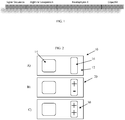
- a contemplated test device 10 is depicted in FIG. 2 .
- the test device 10 has a substrate 12, a sample application area 14, and a readout area 16.
- the substrate may, for example, be made of plastic, glass, metal, cellulosic material, a polymer, a cloth, and combinations thereof.
- the sample application area 14 may be fluidly connected to the readout area 16 within the substrate 12 and/or on a surface of the substrate. Fluid communication may be via one or more microfluidic channels, a wick, a space adapted to cause capillary action, and the like.
- an auxiliary substance such as for example, a liquid carrier and/or assay reagent.
- auxiliary substance examples include water, saline, a pH buffering agent, a color changing agent, a protein, an enzyme, and/or a peptide.
- the test assay may provide a read out to the user in the read out area 16 that indicates the result of the test(s).
- Panel B depicts a scenario where the sample applied to the test device 10 came from a pregnant woman (indicated by the plus sign) without predisposition to preeclampsia (indicated by the minus sign).
- Panel C depicts a scenario where the sample applied to the test device 10 came from a pregnant woman with a predisposition for preeclampsia (double positive signs). Any indicia may be used with the device.
- a scenario where the sample applied to the test device came from a non-pregnant woman may have double negative signs or no signs at all (not shown).
- Increases in copeptin levels in a sample compared to control are considered to be predictive of the occurrence of preeclampsia during the subject's pregnancy including, for example, of about 1/100 fold, or about 1/50 fold, or about 1/25 fold, or about 1/16 fold, or about 1/8 fold, or about 1/4 fold, or about 2 fold, or greater or less.
- decreases in LNPEP levels in a sample compared to control are considered to be predictive of the occurrence of preeclampsia during the subject's pregnancy, including, for example, of about 1/100 fold, or about 1/50 fold, or about 1/25 fold, or about 1/16 fold, or about 1/8 fold, or about 1/4 fold, or about 2 fold, or greater or less.
- a method of diagnosing or predicting the likelihood of occurrence of preeclampsia in a subject may include collecting a sample, such as, urine, from a subject during the first trimester of pregnancy, measuring copeptin levels in the sample using an antibody detection assay or other assay, and determining whether the subject is likely to develop preeclampsia later in pregnancy by comparing the subject's copeptin levels to a control.
- Assays may provide data, for example, by color changes, light emission, changes in light emission intensity, densitometry, or changes in opacity/ translucence of a substrate. These data, in turn, may be converted to data points that may be plotted compared to controls.
- the method may further include taking Doppler velocimetry measurements on at least one of the subject's uterine and umbilical arteries.
- early pregnancy we mean at least before 20 weeks of amenorrhrea, more preferably, at least before about 16, or about 12, or about 8, or about 4 weeks of pregnancy. Early in pregnancy may also be during the first trimester.
- a predetermined control may also be a negative predetermined control.
- a negative predetermined control comprises one or multiple subjects who developed preeclampsia during pregnancy.
- Antibody detection assays contemplated here may include assays the use antibodies or antibody subparts to target a specific molecule of interest. Detection of the molecule may occur via antibody attachment to the molecule in combination with an indicator associated with the antibody or antibody subpart, such as fluorescent molecule, enzyme, chromagen, chemi-luminescence, or radio chemical, and combinations thereof. It is further envisioned that the molecule of interest, for example copeptin or other AVP gene protein product, may be measured by column chromatography, gas chromatography, mass spectrometry, and combinations thereof.
- An antibody detection assay is an ELISA.
- An ELISA may include antibodies specific for antigens or epitopes of copeptin or other coexpressed regions of the protein product of the vasopressin (AVP) gene, such as vasopressin and neurophysin II ( FIG. 1 ).
- An antigen can be a natural or synthetic protein or fragment thereof, polysaccharide, or nucleic acid. Skilled artisans know that antigens can induce an immune response and elicit antibody formation.
- Antibodies can be molecules synthesized in response to the presence of a foreign substance, wherein each antibody has specific affinity for the foreign material that stimulated its synthesis.
- Antibodies can be, for example, a natural or synthetic protein or fragment thereof or nucleic acids (e.g ., aptamers) with protein-binding or other antigen-binding characteristics. Antibodies can be produced in response to antigenic stimuli including, but not limited to, exposure to foreign proteins, microorganisms, and toxins.
- an immunocomplex forms between the antigen and the antibody specific for the antigen.
- an immunocomplex forms between the antigen and the antibody specific for the antigen.
- suitable additional assays to assess immunocomplex formation contemplated herein include phage immunoblot and radioimmunoassay. See, e.g., ( Dubovsky et al., J. Immunother. 30:675-683 (2007 ).
- Example 1 Hypertension in mice with transgenic activation of the brain renin-angiotensin system is vasopressin dependent.
- RAS local tissue renin-angiotensin system
- AVP arginine vasopressin
- ADH antidiuretic hormone
- argipressin arginine vasopressin
- hindbrain and brain stem actions of the RAS alter baroreflex function and sympathetic output (28, 32).
- a population of AVP-expressing neurons project from the PVN to the hindbrain and spinal cord and appear to be involved in the regulation of sympathetic nervous activity, suggesting a possible AVP-mediated cross-talk between these two mechanisms.
- AVP has been implicated as a significant contributor to blood pressure control in selected populations of humans (25, 62). Specifically, African Americans (4), the elderly (19), and patients with congestive heart failure (25) or chronic renal failure (3) all exhibit AVP-dependent hemodynamic changes (9). Importantly, these populations of humans all exhibit low levels of circulating renin (98). As low-renin hypertension accounts for a larger (27%) fraction of human essential hypertensives than high-renin hypertension (16%) (49), it is unclear whether therapeutic targeting of AVP may have been prematurely overlooked as an antihypertensive therapy for selected populations of hypertensive patients.
- Double-transgenic (sRA) mice were generated as previously described (27, 71). Briefly, “sR” mice expressing human renin under transcriptional control by the neuron-specific synapsin promoter were bred with “A” mice expressing human angiotensinogen under transcriptional control by its own promoter (line 11110/2 X 4284/1). Because of the species specificity of the reaction, human angiotensinogen is only cleaved to form angiotensin I by human renin. Hyperactivity of the RAS is thereby restricted to sites of overlapping transgene expression in sRA offspring (i.e., subsections of the central nervous system that normally produce angiotensinogen).
- Immunohistochemistry Immunohistochemical detection of AVP in the brain was performed on 50 ⁇ m thick sections using a rabbit polyclonal antibody to a synthetic peptide corresponding to the first six amino acids of arginine8-vasopressin (Phoenix Pharmaceuticals, Burlingame, CA). Sections were cut from six (3 sRA, 3 wild type) brains perfusion fixed with 4% paraformaldehyde and 0.5% glutaraldehyde and incubated in a 1:1,000 dilution of antibody for 24 h at 4°C. The brains of sRA mice were "notched" for identification and incubated with sections from wild-type animals.
- Blood pressure (tail-cuff).
- mice were acclimated to warmed restraint boxes daily for 1 wk. Once acclimated, 30 measurements of systolic blood pressure were averaged from each animal daily for 2 wk to assess baseline blood pressure.
- Conivaptan (Vaprisol, YM 087, 22 ng/h sc, Baxter Healthcare) or tolvaptan (OPC-41061, 22 ng/h sc, Sigma Aldrich) was delivered to distinct subsets of mice by osmotic minipump (model 1004, Alzet). After osmotic minipump implantation, pressures were recorded daily for 10 days to assess drug effects.
- Radiotelemetric blood pressures were recorded from the carotid artery essentially as previously reported (27). Briefly, a telemeter probe (DSI, model TA11PA-C10) was inserted into the common carotid artery under ketamine-xylazine anesthesia. After >2 days of recovery, blood pressure, heart rate, and spontaneous physical activity were recorded for 30 s every 5 min using the Dataquest program (DSI). After baseline recordings, mice were chronically delivered conivaptan and tolvaptan via osmotic minipump that was implanted through an interscapular incision into the subcutaneous space of the back under isoflurane anesthesia.
- DSI Dataquest program
- Aortic Vascular Reactivity Abdominal aortic rings were assessed for vascular reactivity as previously described (30). Briefly, mice were euthanized by overdose of pentobarbital (50 mg, i.p.), and the abdominal aorta was quickly removed and placed in Kreb's buffer containing (in mmol/L): 118.3 NaCl, 4.7 KCl, 1.2 MgSO4, 1.2 KH2PO4, 25 NaHCO3, 2.5 CaCl2 and 11 glucose. Vascular rings (4-5 mm in length) were suspended in oxygenated Kreb's buffer (95% 02 / 5% CO2) in organ baths at 37°C and connected to a force transducer via steel hooks.
- the artery was then superfused with calcium-free Krebs buffer containing 10-5 mol/L sodium nitroprusside and 2 mmol/L EGTA to maximally dilate the vessel. Internal and external diameters were measured at 75 mm Hg. Wall thickness, media/lumen ratio and cross sectional area (CSA) were calculated as previously described by Neves, et al. (58).
- RNA was extracted in Trizol®. Total RNA was isolated using an RNA Purelink® Minikit (Invitrogen) following the manufacturer's protocol. Concentrations were determined using a NanoDrop ND-1000. cDNA was generated by RT-PCR using SuperScript III® (Invitrogen).
- qRT-PCR was performed using TaqMan gene expression assays (Applied Biosystems): RGS2 (Mm00501385_m1), RGS5 (Mm00501393_m1), VIA (Mm00444092_m1), ETA (Mm01243722_m1), GAPDH (4352932E), or SYBR188 green assays (primer sequences in Table 1: NKCC2, NCC, NHE3, ENaC- ⁇ , FNaC- ⁇ , ENaC- ⁇ , NKA- ⁇ , V2R, AQP1, AQP2, AQP3, AQP4, PGES, and UT1-A) normalized against ⁇ -actin.
- Plasma was obtained by collecting whole blood by submandibular bleed into lithium heparin coated tubes, then centrifuged at 5,000 x g for 5 minutes, and the supernatant transferred to a fresh tube and frozen at -80°C until analysis.
- Urine was collected using Nalgene single-mouse metabolism cages as previously described (20). Copeptin was measured using an ELISA kit (USCN Life Sciences), according to the manufacturer's instructions. Blood chemistries and urine creatinine were determined using a handheld iSTAT clinical chemistry analyzer (Abbott), with CHEM8+ cartridges. Urine protein was determined using a bicinchoninic acid assay kit (Thermo Fisher/Pierce), according to the manufacturer's instructions.
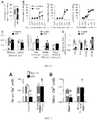
- Copeptin is the COOH-terminal fragment of the fully translated AVP proprotein and is therefore translated in a 1:1 molar ratio with AVP. Because it exhibits a far greater biological half-life than AVP, it has been proposed as a more reliable measure of chronic AVP release than AVP itself (84). Copeptin levels were significantly reduced in plasma from sRA mice ( FIG. 3 C ). Because of its small size (38 amino acids, 4.22 kDa), however, this protein is rapidly cleared from the plasma by the kidneys. Copeptin concentrations appeared elevated in the urine from sRA mice, though the difference was not significantly different.
- vascular reactivity assays Additional evidence for chronic hypertension and vasopressin-specific changes in sRA mice comes from vascular reactivity assays.
- abdominal aortic rings were examined ex vivo for reactivity to selected vasoconstrictor and vasodilator compounds.
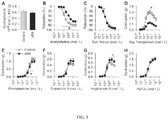
- Aortic rings from sRA mice exhibited normal constrictor responses to potassium chloride ( FIG. 5 A ).
- Abdominal aortic rings exhibited a robust rightward shift in responses to the vasodilator acetylcholine (Table 2), but normal responses to sodium nitroprusside, indicating endothelial dysfunction typical in chronic hypertension models ( FIG. 5 , B and C ).
- Mesenteric arteries exhibited normal contractile responses to PE, with no change in efficacy or potency.
- mesenteric arteries from sRA mice exhibited a normal maximal response and a small but statistically significant leftward potency shift.
- These data confirm an AVP-specific desensitization in smaller arteries of sRA mice, further supporting the conclusion that AVP is chronically elevated in sRA mice.
- Mesenteric arteries from sRA mice exhibited substantial eutrophic inward remodeling, providing further evidence of chronic hypertension in this model. While no difference in external diameter was detected between control and sRA mice ( FIG. 6C ), lumen diameter was significantly smaller in sRA mice because of increased wall thickness. This resulted in an increased media-tolumen ratio but no significant change in cross-sectional area.
- mice also exhibited alterations in chloride, total CO2, glucose, blood urea nitrogen, creatinine, hematocrit, and anion gap, and whereas tolvaptan treatment did affect some of these endpoints (potassium, chloride, and blood urea nitrogen), it did so in a manner independent of genotype as no genotype X drug interactions were uncovered (Table 4).
- V2 receptors had a potent antihypertensive action in sRA mice and normalized the hyponatremia typical of this model. Together, these data strongly support a required role for AVP, acting at V2 receptors, in the maintenance of brain RAS-derived hypertension.
- AVP signaling has been suggested as a mechanism for the hypertension in many models. Mice with either tightly regulated or strongly overexpressed transgenic hyperactivity of the RAS throughout the body require elevated AVP signaling to maintain hypertension (17, 57).
- Deoxycorticosterone acetate (DOCA)-salt hypertension which is dependent on elevated brain RAS activity (38, 48, 65), also depends on AVP signaling. DOCA-salt treatment results in elevated plasma AVP levels (14, 54, 56, 92).
- Intracerebroventricular infusion of the angiotensin-converting enzyme inhibitor captopril into rats both prevented and reversed DOCA-salt hypertension and was associated with a reduction in plasma vasopressin levels despite a reduced blood pressure (38).
- ANG II-mediated hyperactivity in the supraopticneurohypophysial pathway implicates ANG II-mediated hyperactivity in the supraopticneurohypophysial pathway as leading to elevated AVP in sRA mice.
- ANG II injections into the SON depolarize neurosecretory cells (93), ANG II-immunoreactive neurons and axon terminals are found in the rodent SON intermingled with AVP immunoreactive neurons, and ANG II and AVP are colocalized in some neurons (39). It is thus likely that local production and/or actions of ANG II within the SON regulate AVP production and secretion.
- AVP is an endogenous agonist for at least four subtypes of receptors.
- the V1A receptor subtype is primarily found in the vasculature, signals primarily through Gaq, and mediates vasoconstriction. V1A receptors are also present in neurons and appear to signal through cAMP to regulate neuronal function (2, 89).
- the V1B receptor subtype is primarily found in the brain, signals through Gaq, and stimulates adrenocorticotropic hormone.
- the V2 receptor subtype is primarily found in the collecting duct of kidney nephrons, signals through Gas, and stimulates water reabsorption through aquaporin mobilization.
- V2 receptors are also an agonist at the VACM-1 receptor, also known as Cullin-5, where it elicits calcium mobilization in endothelial cells and renal collecting ducts (7, 8).
- VACM-1 receptor also known as Cullin-5
- mesenteric artery V1A receptors were downregulated in sRA mice but renal V2 receptor expression was unchanged may suggest a greater role for AVP-mediated renal water retention in the hypertension of sRA mice. Though not directly tested herein, this conclusion is supported by the slow time course for the effects of conivaptan (several days of infusion to see an effect, FIG.
- RGS2 is expressed throughout the cardiovascular system and acts to negatively regulate Gaq-mediated GPCR signaling, and therefore oppose vasoconstrictor responses (75). Studies in human patients have revealed a negative correlation between RGS2 expression and blood pressure, with hypertensive patients showing reduced RGS2 expression and hypotensive patients exhibiting elevated RGS2 expression (35, 75, 94).
- RGS2 hypertensive animal models (10, 11) and was again observed in the present study ( FIG. 5D ).
- RGS2 is known to be regulated in a tissue-specific manner, and within cardiovascular tissues RGS2 is controlled through multiple biphasic mechanisms (97).
- Acute activation of Gaq by various hormone/receptor combinations upregulates RGS2 rapidly, possibly to serve as a negative feedback mechanism.
- chronic stimulation of Gaq systems appears to cause a tonic suppression of RGS2 expression (10, 11, 88, 97).
- Mice deficient for RGS2 exhibit robust hypertension due to chronic increases in peripheral vasoconstriction (31, 34).
- Vasopressin-induced calcium transients in vascular smooth muscle cells from RGS2 knockout mice are augmented, highlighting the relationship between RGS2 and AVP signaling, presumably through V1A receptors (86) as these receptors utilize Gaq signaling (2, 89).
- RGS2 knockout mice also exhibit substantially greater end-organ damage from chronic hypertension than do wild-type animals (81).
- RGS2 also attenuates cAMP signaling in the kidney through modulation of adenylyl cyclases (29, 85), which may result in modulation of AVP signaling through V2 receptors, Gas, and cAMP. Indeed, modulation of RGS2 greatly affects renal V2 receptor signaling and the renal effects of AVP in vivo (72).
- sRA mouse as an experimental model of the SIADH (24) or other diseases characterized by elevated AVP production or reduced clearance.
- the brain-specific generation and action of angiotensin peptides is gaining substantial interest for the regulation of cardiovascular function, fluid balance, metabolic control, and even learning and memory.
- Vasopressin is also well-recognized for its role in fluid balance, blood pressure regulation, and various behaviors (pair bonding, altruism, learning, memory, fluid, and food intake), and its production and release are well known to be stimulated by angiotensins within the brain.
- vasopressin as a primary mediator of angiotensinergic hypertension simultaneously 1) identifies vasopressin as a possible mediator of other newly recognized functions of the brain RAS (e.g., metabolic control, learning and memory, etc.); and 2) identifies angiotensinsensitive, vasopressin-producing brain structures (e.g., the supraoptic nucleus) as major cardiovascular regulatory centers that may deserve substantially more investigation for therapeutically targeting hypertension and other disorders, especially in selected human populations with low-renin hypertension (3, 4, 9, 19, 25, 49, 62, 63, 98).
- Example 2 Copeptin as an early clinical screen for mothers likely to develop preeclampsia.
- Pregnant women were recruited from the beginning of their prenatal care. Women who enrolled into the Maternal Fetal Tissue Bank (MFTB) provided a maternal blood sample for research whenever they had clinically indicated blood draws throughout pregnancy. In addition, amniotic fluid samples, urine samples, fetal cord blood, and placental tissue from clinically indicated tests or procedures are collected and are utilized for research. Short and long term clinical information regarding the health of the mother and child were also extracted to correlate with the samples. To date, over 1500 women are currently enrolled in the MFTB with over 25,000 aliquoted samples.
- MFTB Maternal Fetal Tissue Bank
- Preeclampsia affects 5-7% of all pregnancies, approximately 300,000 per year in the U.S. Yet, it disproportionately causes 15% of all maternal-fetal morbidity and mortality (73).
- Preeclampsia is known to cause immediate and long term maternal-fetal morbidities such as fetal growth restriction, maternal-fetal death, and future adult neurological and cardiovascular diseases for mother and child (23, 40, 52, 53, 90, 91). Because its pathogenesis is poorly understood, preventative, therapeutic, and curative modalities for preeclampsia are elusive. This emphasizes the importance of finding appropriate unifying pathways to be able to predict and treat preeclampsia.
- One potential pathway is the vasopressin pathway.
- Vasopressin exhibits a short biological half-life (on the order of 5-20 minutes in blood), which complicates direct measurement of this hormone. Vasopressin is translated in 1:1 stoichiometric ratio with a small, inactive pro-segment, copeptin. Copeptin is eliminated primarily by renal excretion and is very stable in plasma. Consequently, it is a very useful biomarker for vasopressin secretion (3). Zulfikaroglu et al. (101) recently documented a late second/early third trimester elevation in circulating copeptin in preeclamptics. Furthermore, selected populations exhibit vasopressin-dependent hypertension, including African Americans, the elderly, and patients in chronic heart or renal failure (3, 4, 9, 19).
- MFTB Maternal Fetal Tissue Bank
- MFTB inclusion criteria include any women > 18 years old receiving prenatal care at the University of Iowa Hospitals & Clinics who are English speaking.
- the MFTB exclusion criteria include prisoners, HIV+ or Hepatitis C positive women. Women who enroll into the MFTB provide a maternal blood sample for research whenever they have clinically indicated blood draws throughout pregnancy. All maternal blood in the MFTB is uniformly processed. Maternal plasma and the buffy coat are isolated, aliquoted, and stored at -80°C.
- Maternal and neonatal clinical data obtained by the MFTB is obtained via data extraction from the electronic medical record using standardized data extraction forms. Extracted clinical data is routinely monitored for accuracy and completeness by two of the authors (MKS and DAS). Additional data is also extracted by bioinformatics collaborators from the University of Iowa Institute for Clinical and Translational Science who are able to query the central electronic medical record database.
- Inclusion criteria for preeclampsia cases included women who delivered at UIHC, were enrolled in the MFTB, and carried the diagnosis of preeclampsia at the time of delivery.
- the diagnosis and classification of cases of preeclampsia were based on the standard American College of Obstetrics and Gynecology (ACOG) definitions for analysis (1). These cases were identified by cross-referencing the MFTB database with the bioinformatics query of mild and severe preeclampsia ICD-9 codes (642.4x, 642.5x, 642.7x, 642.9x) of bank participants at the time of delivery.
- the electronic medical record of each potential case was evaluated to confirm the diagnosis of preeclampsia by the ACOG definitions.
- Maternal age-matched plasma samples and corresponding clinical data for the control population were obtained by utilizing the MFTB database.
- the gestational age at the time of the collection of the samples were classified by trimesters: first trimester ( ⁇ 13 completed gestational weeks), second trimester (13-26 completed gestational weeks), and third trimester (>26 weeks).
- mice Female C57B1/6J mice were obtained from Jackson Laboratories between 8-12 weeks of age. Osmotic minipumps infusing vasopressin (240 ng/hr) or saline vehicle were inserted into the subcutaneous space via incision between the scapulae. Following three days of recovery, females were mated with male C57B1/6J mice. Presence of a vaginal plug indicated gestational day 0.5. Blood pressure was tracked before mating and throughout gestation by tail-cuff plethysmography. On gestational day 18, females were sacrificed for necropsy. Pup weight was recorded. Dam kidney sections were generated and imaged by electron microscopy by the University of Iowa Department of Pathology. All studies were approved by the University of Iowa Animal Care and Use Committee (ACURF# 1211239).
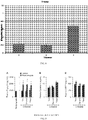
- copeptin concentration was still significantly associated with the development of preeclampsia in the first, second and third trimester (Table 6).
- the model including the second trimester [copeptin] cutoff and a history of preeclampsia all models significantly predict the development of preeclampsia.
- copeptin is a strong predictor of the development of preeclampsia. More importantly, it is predictive of the development of preeclampsia throughout pregnancy as early as the sixth gestational week. This finding represents a major advance in the prediction of preeclampsia.
- anti-angiogenic factors like sFLT-1 and Endoglin are elevated as early as 12 weeks before the diagnosis of preeclampsia (50).
- sFLT-1, Endoglin, and other anti-angiogenic factors suggest that testing characteristics of these factors are poor in application to clinical practice (44).
- a limitation of these factors is that the significant changes in antiangiogenic factors overall have been reported to occur only as early as the second trimester.
- first trimester predictors of preeclampsia In recent years, substantial effort has been invested to identify first trimester predictors of preeclampsia. These investigations have included first trimester circulating hyperglycosylated human chorionic gonadotropin (hCG) (41), Interleukin-1 ⁇ (78), high sensitivity C-reactive protein (42), and Pregnancy-associated plasma protein-A (PAPPA) (15). These factors have been shown to be poor to moderately predictive of preeclampsia. Given the promise of antiangiogenic markers in the pathogenesis of preeclampsia, they have been investigated in the first trimester.
- hCG human chorionic gonadotropin
- 78 Interleukin-1 ⁇
- PAPPA Pregnancy-associated plasma protein-A
- copeptin represents the first simple and individually predictive biomarker. Coupling plasma copeptin measures with other known first-trimester assays may further increase predictive power. Multiple processes involving placental dysregulation, endothelial cell dysfunction, immunology, oxidative stress, altered vascular biology, and angiogenesis make finding a singular cause of preeclampsia nearly impossible.
- preeclampsia is a disease resulting from multiple pathways
- the development of a predictive model and the search for a therapeutic pathway for preeclampsia treatment may need to come from the upstream regulators or inducers of these multiple pathways.
- Vasopressin sits at the crux of many of these pathways.
- the acknowledgement of copeptin, and thereby vasopressin secretion, as a novel, very early-pregnancy diagnostic biomarker for preeclampsia, plus results from our vasopressin-infused mouse model collectively support the hypothesis that elevated vasopressin secretion in early pregnancy may contribute to the development of preeclampsia.
- Arginine vasopressin is a peptide hormone synthesized primarily within magnocellular neurons of the supraoptic nucleus and paraventricular nuclei of the brain, though it is produced by selected peripheral tissues in small quantities. Axonal projections from magnocellular neurons comprise the posterior pituitary gland, and upon stimulation vasopressin is released into the circulation. Vasopressin then acts upon multiple receptor types to ultimately increase blood volume, vascular constriction, and reduce osmolality (70).
- vasopressin has a variety of immunomodulatory effects. Depending on site of action and dose, vasopressin is known to affect and be affected by tumor necrosis factor- ⁇ , interleukin-1 ⁇ , interferon- ⁇ , ⁇ -endorphin, and prostaglandin E2 - many of which are altered in preeclampsia. Vasopressin is known to stimulate the autologous mixed lymphocyte response.
- Vasopressin is produced by, and acts upon, human T cells, B cells, and monocytes/macrophages. High doses of vasopressin cause an amplification of prostaglandin E2 synthesis by human dermal fibroblasts. Further, vasopressin-deficient hypertension Brattleboro rats exhibit substantial changes in circulating immune cell populations and function, including increased neutrophils. These data suggest a potential link between the elevated vasopressin secretion in early pregnancy observed in the present study with excessive peripheral immune activation, and the subsequent development of preeclampsia. Based on our data and others, we therefore posit that vasopressin may play an important role in initiating the immunologic milieu that precipitates preeclampsia.
Landscapes
- Health & Medical Sciences (AREA)
- Life Sciences & Earth Sciences (AREA)
- Chemical & Material Sciences (AREA)
- General Health & Medical Sciences (AREA)
- Medicinal Chemistry (AREA)
- Engineering & Computer Science (AREA)
- Animal Behavior & Ethology (AREA)
- Public Health (AREA)
- Veterinary Medicine (AREA)
- Pharmacology & Pharmacy (AREA)
- Epidemiology (AREA)
- Immunology (AREA)
- Organic Chemistry (AREA)
- Urology & Nephrology (AREA)
- Bioinformatics & Cheminformatics (AREA)
- Molecular Biology (AREA)
- Hematology (AREA)
- Biomedical Technology (AREA)
- Biochemistry (AREA)
- Proteomics, Peptides & Aminoacids (AREA)
- Analytical Chemistry (AREA)
- Food Science & Technology (AREA)
- Pathology (AREA)
- Biotechnology (AREA)
- Cell Biology (AREA)
- Microbiology (AREA)
- General Physics & Mathematics (AREA)
- Physics & Mathematics (AREA)
- Pregnancy & Childbirth (AREA)
- Reproductive Health (AREA)
- Gynecology & Obstetrics (AREA)
- Zoology (AREA)
- Genetics & Genomics (AREA)
- General Engineering & Computer Science (AREA)
- Wood Science & Technology (AREA)
- Gastroenterology & Hepatology (AREA)
- General Chemical & Material Sciences (AREA)
- Cardiology (AREA)
- Heart & Thoracic Surgery (AREA)
- Chemical Kinetics & Catalysis (AREA)
Claims (4)
- Verfahren zur Diagnose oder Voraussage der Wahrscheinlichkeit des Auftretens von Präeklampsie in einem Lebewesen, wobei das Verfahren umfasst:Messen von Unterschieden in Copeptin-Spiegeln in einer Probe, die einem Lebewesen während des ersten Schwangerschaftstrimesters entnommen wurde, im Vergleich zu einer Kontrolle unter Verwendung eines Antikörpernachweis-Assays, wobei die Probe Blut, Serum, Plasma oder Urin ist, undwobei ein Anstieg in Copeptin-Spiegeln von etwa 1/4 -fach im Vergleich zu einer Kontrolle voraussagend für das Auftreten von Präeklampsie während der Schwangerschaft des Lebewesens ist.
- Verfahren nach Anspruch 1, das ferner ein Durchführen von Doppler-Velozimetrie-Messungen an mindestens einer der Gebärmutter- und Nabelarterien des Lebewesens umfasst.
- Verfahren nach Anspruch 1, wobei die Probe Urin ist.
- Verfahren nach Anspruch 1, wobei der Assay einen Teststreifen oder einen ELISA umfasst.
Applications Claiming Priority (4)
| Application Number | Priority Date | Filing Date | Title |
|---|---|---|---|
| US201361762831P | 2013-02-08 | 2013-02-08 | |
| US201361762830P | 2013-02-08 | 2013-02-08 | |
| US201361906074P | 2013-11-19 | 2013-11-19 | |
| PCT/US2014/015627 WO2014124392A1 (en) | 2013-02-08 | 2014-02-10 | Diagnostic tools to predict onset of preeclampsia |
Publications (3)
| Publication Number | Publication Date |
|---|---|
| EP2954324A1 EP2954324A1 (de) | 2015-12-16 |
| EP2954324A4 EP2954324A4 (de) | 2017-01-04 |
| EP2954324B1 true EP2954324B1 (de) | 2019-07-31 |
Family
ID=51300184
Family Applications (1)
| Application Number | Title | Priority Date | Filing Date |
|---|---|---|---|
| EP14749529.5A Active EP2954324B1 (de) | 2013-02-08 | 2014-02-10 | Veerwendung von copeptin zur vorhersage des ausbrechens von präeklampsie |
Country Status (8)
| Country | Link |
|---|---|
| US (3) | US20150377876A1 (de) |
| EP (1) | EP2954324B1 (de) |
| JP (1) | JP2016507753A (de) |
| KR (1) | KR20150119009A (de) |
| CN (1) | CN105308456A (de) |
| CA (1) | CA2900366A1 (de) |
| MX (1) | MX2015010174A (de) |
| WO (2) | WO2014124392A1 (de) |
Families Citing this family (13)
| Publication number | Priority date | Publication date | Assignee | Title |
|---|---|---|---|---|
| EP3259600B1 (de) * | 2015-02-18 | 2024-07-24 | MirZyme Therapeutics Limited | Diagnostischer assay und behandlung von präeklampsie |
| TWI800009B (zh) | 2015-07-15 | 2023-04-21 | 美商蓋斯特維炫股份有限公司 | 用於檢測折疊錯誤蛋白質之裝置及其使用方法 |
| JP6868015B2 (ja) * | 2015-10-05 | 2021-05-12 | ザ・フェインスタイン・インスティチュート・フォー・メディカル・リサーチThe Feinstein Institute for Medical Research | 母性脳反応性抗体に対するおとり抗原を使用する自閉スペクトラム症の抑制 |
| CA2929810A1 (en) * | 2016-04-29 | 2017-10-29 | University Of Iowa Research Foundation | Improved early prediction of preeclampsia |
| WO2018076134A1 (en) * | 2016-10-24 | 2018-05-03 | Ldx Prognostics Limited Co. | Methods and kits for providing a preeclampsia assessment and prognosing preterm birth |
| WO2018191406A1 (en) * | 2017-04-11 | 2018-10-18 | University Of Iowa Research Foundation | Detection of predictors of preeclampsia |
| JP6895165B2 (ja) * | 2017-06-06 | 2021-06-30 | 知和 松浦 | α1−アンチキモトリプシンを含むバイオマーカー |
| CN108152495A (zh) * | 2017-12-27 | 2018-06-12 | 江苏华鸣生物科技有限公司 | 一种检测酪氨酸的胶体金试纸 |
| CN113439214A (zh) * | 2019-02-21 | 2021-09-24 | 勃拉姆斯有限公司 | 用于诊断经历了胃肠道手术的患者的macce的方法 |
| US10844435B1 (en) | 2020-07-17 | 2020-11-24 | Par Pharmaceutical, Inc. | Method to treat hypotension using vasopressin in certain genotypes |
| CN112126683A (zh) * | 2020-08-31 | 2020-12-25 | 中山大学 | 用于迟发型子痫前期诊断的标志物 |
| WO2023076257A1 (en) * | 2021-10-25 | 2023-05-04 | H. Lee Moffitt Cancer Center And Research Institute, Inc. | Methods for diagnosing leptominingeal metastasis |
| CN120028553B (zh) * | 2025-04-23 | 2025-08-22 | 北京水木济衡生物技术有限公司 | 一种多项目复合产前筛查质控品及其制备方法 |
Family Cites Families (12)
| Publication number | Priority date | Publication date | Assignee | Title |
|---|---|---|---|---|
| US5733787A (en) | 1996-06-17 | 1998-03-31 | Bayer Corporation | Method for the detection of creatinine |
| US6210971B1 (en) | 1999-01-25 | 2001-04-03 | Bayer Corporation | Assay for the detection of creatinine |
| US20030121067A1 (en) * | 2001-09-24 | 2003-06-26 | Brennan Thomas J. | V1a arginine vasopressin receptor disruptions, compositions and methods relating thereto |
| ES2332523T3 (es) * | 2004-02-09 | 2010-02-08 | Rapid Pathogen Screening Inc. | Metodo para el diagnostico rapido de blancos en fluidos corporales humanos. |
| CA2563963A1 (en) * | 2004-04-28 | 2005-11-10 | Pfizer Inc. | 3-heterocyclyl-4-phenyl-triazole derivatives as inhibitors of the vasopressin v1a receptor |
| GB0600916D0 (en) | 2006-01-17 | 2006-02-22 | Perkinelmer Instr Las Inc | detecting and predicting pre-eclampsia |
| DE102006034142A1 (de) * | 2006-07-24 | 2008-01-31 | B.R.A.H.M.S. Aktiengesellschaft | Verfahren zur Steuerung der Therapie von Patienten mit Herzinsuffizienz anhand der vitro Bestimmung von Schwellenwerten von vasoaktiven Peptiden |
| SI3461503T1 (sl) * | 2007-04-11 | 2022-04-29 | Biomarin Pharmaceutical Inc. | Postopki za dajanje tetrahidrobiopterina, povezani sestavki in postopki merjenja |
| US20110251094A1 (en) * | 2010-04-13 | 2011-10-13 | Pronota N.V. | Biomarkers for hypertensive disorders of pregnancy |
| EP2569253A4 (de) * | 2010-05-14 | 2013-10-02 | Beth Israel Hospital | Extrakorporale vorrichtungen und verfahren zur behandlung von komplikationen während einer schwangerschaft |
| JP5684904B2 (ja) | 2010-06-18 | 2015-03-18 | セザンヌ ソシエテ パ アクシオンス シンプリフィエ | 妊娠高血圧症及び子癇前症の予後診断とリスクの評価のためのマーカー |
| CN103415769B (zh) * | 2010-12-06 | 2017-04-12 | 迈卡蒂斯股份有限公司 | 用于妊娠性高血压疾病的生物标志物和参数 |
-
2014
- 2014-02-10 KR KR1020157024420A patent/KR20150119009A/ko not_active Withdrawn
- 2014-02-10 WO PCT/US2014/015627 patent/WO2014124392A1/en not_active Ceased
- 2014-02-10 WO PCT/US2014/015631 patent/WO2014124396A1/en not_active Ceased
- 2014-02-10 CA CA2900366A patent/CA2900366A1/en not_active Abandoned
- 2014-02-10 CN CN201480019578.XA patent/CN105308456A/zh active Pending
- 2014-02-10 US US14/766,528 patent/US20150377876A1/en not_active Abandoned
- 2014-02-10 EP EP14749529.5A patent/EP2954324B1/de active Active
- 2014-02-10 JP JP2015557180A patent/JP2016507753A/ja active Pending
- 2014-02-10 MX MX2015010174A patent/MX2015010174A/es unknown
- 2014-02-10 US US14/766,574 patent/US9937182B2/en active Active
-
2018
- 2018-02-27 US US15/906,844 patent/US20180228806A1/en not_active Abandoned
Non-Patent Citations (1)
| Title |
|---|
| None * |
Also Published As
| Publication number | Publication date |
|---|---|
| EP2954324A1 (de) | 2015-12-16 |
| EP2954324A4 (de) | 2017-01-04 |
| JP2016507753A (ja) | 2016-03-10 |
| US20150377876A1 (en) | 2015-12-31 |
| MX2015010174A (es) | 2016-03-31 |
| CA2900366A1 (en) | 2014-08-14 |
| CN105308456A (zh) | 2016-02-03 |
| WO2014124392A1 (en) | 2014-08-14 |
| US20150374698A1 (en) | 2015-12-31 |
| KR20150119009A (ko) | 2015-10-23 |
| US20180228806A1 (en) | 2018-08-16 |
| US9937182B2 (en) | 2018-04-10 |
| WO2014124396A1 (en) | 2014-08-14 |
Similar Documents
| Publication | Publication Date | Title |
|---|---|---|
| US20150377876A1 (en) | Diagnostic tools to predict onset of preeclampsia | |
| EP2281203B1 (de) | Marker für implantatfehler und mortalität | |
| Buhimschi et al. | The receptor for advanced glycation end products (RAGE) system in women with intraamniotic infection and inflammation | |
| Littlejohn et al. | Hypertension in mice with transgenic activation of the brain renin-angiotensin system is vasopressin dependent | |
| US20130035290A1 (en) | Chitinase-3-Like Protein 1 as a Biomarker of Recovery from Kidney Injury | |
| JP6898417B2 (ja) | 炎症を検出および/または処置するための組成物および方法 | |
| Pain et al. | T cells promote bronchial epithelial cell secretion of matrix metalloproteinase-9 via a CC chemokine receptor type 2 pathway: implications for chronic lung allograft dysfunction | |
| US20100160171A1 (en) | Methods For Detection Of Sepsis | |
| RU2663724C2 (ru) | Способы определения восприимчивости пациента к внутрибольничной инфекции и составления прогноза развития септического синдрома | |
| WO2018141840A1 (en) | Proadm as marker indicating an adverse event | |
| EP2625202B1 (de) | Neues verfahren zur diagnose von hypertonie sowie kardiomyopathien | |
| US20170097352A1 (en) | Immunoglobulin-bound extracellular vesicles and uses thereof | |
| US20250327817A1 (en) | Detection of predictors of preeclampsia | |
| EP3431992A1 (de) | Pd-marker des hepatozytenwachstumsfaktors (hgf) | |
| CN109952511A (zh) | 用于确定先兆子痫的风险的测定方法 | |
| Li et al. | Granzyme K-A novel marker to identify the presence and rupture of abdominal aortic aneurysm | |
| US12607622B2 (en) | Method for diagnosing and monitoring inflammatory disease progression | |
| US20240272178A1 (en) | A method for predicting sepsis and septic shock | |
| CN109891241A (zh) | 能够进行糖尿病性肾病的早期病情的特异性诊断的检查方法 | |
| US20130149713A1 (en) | Biomarkers of hemorrhagic shock | |
| Liu et al. | Decreased RSPO3 and β-Catenin in Preeclampsia: Correlation with Blood Pressure and Pregnancy Outcomes | |
| US20230332237A1 (en) | Molecular Biomarkers for Predicting Patient Response to Steroid Therapy | |
| Opichka | Placental and Syncytiotrophoblast-Specific GAQ Signaling in the Pathogenesis of Preeclampsia | |
| US8999338B2 (en) | Method for diagnosis for multiple sclerosis involving anti1-receptor antibody | |
| Baker | Platelet angiotensin II binding in non-pregnant women and in normotensive pregnant and hypertensive pregnant women |
Legal Events
| Date | Code | Title | Description |
|---|---|---|---|
| PUAI | Public reference made under article 153(3) epc to a published international application that has entered the european phase |
Free format text: ORIGINAL CODE: 0009012 |
|
| 17P | Request for examination filed |
Effective date: 20150803 |
|
| AK | Designated contracting states |
Kind code of ref document: A1 Designated state(s): AL AT BE BG CH CY CZ DE DK EE ES FI FR GB GR HR HU IE IS IT LI LT LU LV MC MK MT NL NO PL PT RO RS SE SI SK SM TR |
|
| AX | Request for extension of the european patent |
Extension state: BA ME |
|
| DAX | Request for extension of the european patent (deleted) | ||
| RIC1 | Information provided on ipc code assigned before grant |
Ipc: A61K 38/11 20060101ALI20160725BHEP Ipc: G01N 33/573 20060101ALI20160725BHEP Ipc: A61K 31/519 20060101ALI20160725BHEP Ipc: A61K 31/55 20060101ALI20160725BHEP Ipc: C07K 7/16 20060101ALI20160725BHEP Ipc: G01N 33/53 20060101AFI20160725BHEP Ipc: A61P 9/12 20060101ALI20160725BHEP Ipc: G01N 33/68 20060101ALI20160725BHEP Ipc: G01N 33/543 20060101ALI20160725BHEP Ipc: A61K 31/404 20060101ALI20160725BHEP |
|
| A4 | Supplementary search report drawn up and despatched |
Effective date: 20161201 |
|
| RIC1 | Information provided on ipc code assigned before grant |
Ipc: A61K 38/11 20060101ALI20161125BHEP Ipc: C07K 7/16 20060101ALI20161125BHEP Ipc: G01N 33/68 20060101ALI20161125BHEP Ipc: G01N 33/573 20060101ALI20161125BHEP Ipc: A61K 31/519 20060101ALI20161125BHEP Ipc: A61K 31/404 20060101ALI20161125BHEP Ipc: G01N 33/543 20060101ALI20161125BHEP Ipc: A61K 31/55 20060101ALI20161125BHEP Ipc: A61P 9/12 20060101ALI20161125BHEP Ipc: G01N 33/53 20060101AFI20161125BHEP |
|
| STAA | Information on the status of an ep patent application or granted ep patent |
Free format text: STATUS: EXAMINATION IS IN PROGRESS |
|
| 17Q | First examination report despatched |
Effective date: 20171124 |
|
| GRAP | Despatch of communication of intention to grant a patent |
Free format text: ORIGINAL CODE: EPIDOSNIGR1 |
|
| STAA | Information on the status of an ep patent application or granted ep patent |
Free format text: STATUS: GRANT OF PATENT IS INTENDED |
|
| RIC1 | Information provided on ipc code assigned before grant |
Ipc: A61K 31/404 20060101ALI20181026BHEP Ipc: G01N 33/543 20060101AFI20181026BHEP Ipc: A61K 38/11 20060101ALI20181026BHEP |
|
| INTG | Intention to grant announced |
Effective date: 20181203 |
|
| RAP1 | Party data changed (applicant data changed or rights of an application transferred) |
Owner name: UNIVERSITY OF IOWA RESEARCH FOUNDATION |
|
| GRAJ | Information related to disapproval of communication of intention to grant by the applicant or resumption of examination proceedings by the epo deleted |
Free format text: ORIGINAL CODE: EPIDOSDIGR1 |
|
| REG | Reference to a national code |
Ref country code: DE Ref legal event code: R079 Ref document number: 602014050877 Country of ref document: DE Free format text: PREVIOUS MAIN CLASS: G01N0033530000 Ipc: G01N0033543000 |
|
| STAA | Information on the status of an ep patent application or granted ep patent |
Free format text: STATUS: EXAMINATION IS IN PROGRESS |
|
| GRAP | Despatch of communication of intention to grant a patent |
Free format text: ORIGINAL CODE: EPIDOSNIGR1 |
|
| STAA | Information on the status of an ep patent application or granted ep patent |
Free format text: STATUS: GRANT OF PATENT IS INTENDED |
|
| INTC | Intention to grant announced (deleted) | ||
| RIC1 | Information provided on ipc code assigned before grant |
Ipc: G01N 33/543 20060101AFI20190128BHEP Ipc: A61K 31/55 20060101ALI20190128BHEP Ipc: G01N 33/68 20060101ALI20190128BHEP Ipc: A61K 31/519 20060101ALI20190128BHEP Ipc: A61K 31/404 20060101ALI20190128BHEP Ipc: A61K 38/095 20190101ALI20190128BHEP |
|
| INTG | Intention to grant announced |
Effective date: 20190221 |
|
| GRAS | Grant fee paid |
Free format text: ORIGINAL CODE: EPIDOSNIGR3 |
|
| GRAA | (expected) grant |
Free format text: ORIGINAL CODE: 0009210 |
|
| STAA | Information on the status of an ep patent application or granted ep patent |
Free format text: STATUS: THE PATENT HAS BEEN GRANTED |
|
| AK | Designated contracting states |
Kind code of ref document: B1 Designated state(s): AL AT BE BG CH CY CZ DE DK EE ES FI FR GB GR HR HU IE IS IT LI LT LU LV MC MK MT NL NO PL PT RO RS SE SI SK SM TR |
|
| REG | Reference to a national code |
Ref country code: CH Ref legal event code: EP Ref country code: GB Ref legal event code: FG4D |
|
| REG | Reference to a national code |
Ref country code: AT Ref legal event code: REF Ref document number: 1161465 Country of ref document: AT Kind code of ref document: T Effective date: 20190815 |
|
| REG | Reference to a national code |
Ref country code: IE Ref legal event code: FG4D |
|
| REG | Reference to a national code |
Ref country code: DE Ref legal event code: R096 Ref document number: 602014050877 Country of ref document: DE |
|
| REG | Reference to a national code |
Ref country code: NL Ref legal event code: MP Effective date: 20190731 |
|
| REG | Reference to a national code |
Ref country code: LT Ref legal event code: MG4D |
|
| REG | Reference to a national code |
Ref country code: AT Ref legal event code: MK05 Ref document number: 1161465 Country of ref document: AT Kind code of ref document: T Effective date: 20190731 |
|
| PG25 | Lapsed in a contracting state [announced via postgrant information from national office to epo] |
Ref country code: LT Free format text: LAPSE BECAUSE OF FAILURE TO SUBMIT A TRANSLATION OF THE DESCRIPTION OR TO PAY THE FEE WITHIN THE PRESCRIBED TIME-LIMIT Effective date: 20190731 Ref country code: AT Free format text: LAPSE BECAUSE OF FAILURE TO SUBMIT A TRANSLATION OF THE DESCRIPTION OR TO PAY THE FEE WITHIN THE PRESCRIBED TIME-LIMIT Effective date: 20190731 Ref country code: HR Free format text: LAPSE BECAUSE OF FAILURE TO SUBMIT A TRANSLATION OF THE DESCRIPTION OR TO PAY THE FEE WITHIN THE PRESCRIBED TIME-LIMIT Effective date: 20190731 Ref country code: NL Free format text: LAPSE BECAUSE OF FAILURE TO SUBMIT A TRANSLATION OF THE DESCRIPTION OR TO PAY THE FEE WITHIN THE PRESCRIBED TIME-LIMIT Effective date: 20190731 Ref country code: BG Free format text: LAPSE BECAUSE OF FAILURE TO SUBMIT A TRANSLATION OF THE DESCRIPTION OR TO PAY THE FEE WITHIN THE PRESCRIBED TIME-LIMIT Effective date: 20191031 Ref country code: PT Free format text: LAPSE BECAUSE OF FAILURE TO SUBMIT A TRANSLATION OF THE DESCRIPTION OR TO PAY THE FEE WITHIN THE PRESCRIBED TIME-LIMIT Effective date: 20191202 Ref country code: NO Free format text: LAPSE BECAUSE OF FAILURE TO SUBMIT A TRANSLATION OF THE DESCRIPTION OR TO PAY THE FEE WITHIN THE PRESCRIBED TIME-LIMIT Effective date: 20191031 Ref country code: SE Free format text: LAPSE BECAUSE OF FAILURE TO SUBMIT A TRANSLATION OF THE DESCRIPTION OR TO PAY THE FEE WITHIN THE PRESCRIBED TIME-LIMIT Effective date: 20190731 Ref country code: FI Free format text: LAPSE BECAUSE OF FAILURE TO SUBMIT A TRANSLATION OF THE DESCRIPTION OR TO PAY THE FEE WITHIN THE PRESCRIBED TIME-LIMIT Effective date: 20190731 |
|
| PG25 | Lapsed in a contracting state [announced via postgrant information from national office to epo] |
Ref country code: RS Free format text: LAPSE BECAUSE OF FAILURE TO SUBMIT A TRANSLATION OF THE DESCRIPTION OR TO PAY THE FEE WITHIN THE PRESCRIBED TIME-LIMIT Effective date: 20190731 Ref country code: ES Free format text: LAPSE BECAUSE OF FAILURE TO SUBMIT A TRANSLATION OF THE DESCRIPTION OR TO PAY THE FEE WITHIN THE PRESCRIBED TIME-LIMIT Effective date: 20190731 Ref country code: AL Free format text: LAPSE BECAUSE OF FAILURE TO SUBMIT A TRANSLATION OF THE DESCRIPTION OR TO PAY THE FEE WITHIN THE PRESCRIBED TIME-LIMIT Effective date: 20190731 Ref country code: IS Free format text: LAPSE BECAUSE OF FAILURE TO SUBMIT A TRANSLATION OF THE DESCRIPTION OR TO PAY THE FEE WITHIN THE PRESCRIBED TIME-LIMIT Effective date: 20191130 Ref country code: GR Free format text: LAPSE BECAUSE OF FAILURE TO SUBMIT A TRANSLATION OF THE DESCRIPTION OR TO PAY THE FEE WITHIN THE PRESCRIBED TIME-LIMIT Effective date: 20191101 Ref country code: LV Free format text: LAPSE BECAUSE OF FAILURE TO SUBMIT A TRANSLATION OF THE DESCRIPTION OR TO PAY THE FEE WITHIN THE PRESCRIBED TIME-LIMIT Effective date: 20190731 |
|
| PG25 | Lapsed in a contracting state [announced via postgrant information from national office to epo] |
Ref country code: TR Free format text: LAPSE BECAUSE OF FAILURE TO SUBMIT A TRANSLATION OF THE DESCRIPTION OR TO PAY THE FEE WITHIN THE PRESCRIBED TIME-LIMIT Effective date: 20190731 |
|
| PG25 | Lapsed in a contracting state [announced via postgrant information from national office to epo] |
Ref country code: DK Free format text: LAPSE BECAUSE OF FAILURE TO SUBMIT A TRANSLATION OF THE DESCRIPTION OR TO PAY THE FEE WITHIN THE PRESCRIBED TIME-LIMIT Effective date: 20190731 Ref country code: EE Free format text: LAPSE BECAUSE OF FAILURE TO SUBMIT A TRANSLATION OF THE DESCRIPTION OR TO PAY THE FEE WITHIN THE PRESCRIBED TIME-LIMIT Effective date: 20190731 Ref country code: IT Free format text: LAPSE BECAUSE OF FAILURE TO SUBMIT A TRANSLATION OF THE DESCRIPTION OR TO PAY THE FEE WITHIN THE PRESCRIBED TIME-LIMIT Effective date: 20190731 Ref country code: RO Free format text: LAPSE BECAUSE OF FAILURE TO SUBMIT A TRANSLATION OF THE DESCRIPTION OR TO PAY THE FEE WITHIN THE PRESCRIBED TIME-LIMIT Effective date: 20190731 Ref country code: PL Free format text: LAPSE BECAUSE OF FAILURE TO SUBMIT A TRANSLATION OF THE DESCRIPTION OR TO PAY THE FEE WITHIN THE PRESCRIBED TIME-LIMIT Effective date: 20190731 |
|
| PG25 | Lapsed in a contracting state [announced via postgrant information from national office to epo] |
Ref country code: SM Free format text: LAPSE BECAUSE OF FAILURE TO SUBMIT A TRANSLATION OF THE DESCRIPTION OR TO PAY THE FEE WITHIN THE PRESCRIBED TIME-LIMIT Effective date: 20190731 Ref country code: SK Free format text: LAPSE BECAUSE OF FAILURE TO SUBMIT A TRANSLATION OF THE DESCRIPTION OR TO PAY THE FEE WITHIN THE PRESCRIBED TIME-LIMIT Effective date: 20190731 Ref country code: IS Free format text: LAPSE BECAUSE OF FAILURE TO SUBMIT A TRANSLATION OF THE DESCRIPTION OR TO PAY THE FEE WITHIN THE PRESCRIBED TIME-LIMIT Effective date: 20200224 Ref country code: CZ Free format text: LAPSE BECAUSE OF FAILURE TO SUBMIT A TRANSLATION OF THE DESCRIPTION OR TO PAY THE FEE WITHIN THE PRESCRIBED TIME-LIMIT Effective date: 20190731 |
|
| REG | Reference to a national code |
Ref country code: DE Ref legal event code: R097 Ref document number: 602014050877 Country of ref document: DE |
|
| PLBE | No opposition filed within time limit |
Free format text: ORIGINAL CODE: 0009261 |
|
| STAA | Information on the status of an ep patent application or granted ep patent |
Free format text: STATUS: NO OPPOSITION FILED WITHIN TIME LIMIT |
|
| PG2D | Information on lapse in contracting state deleted |
Ref country code: IS |
|
| PG25 | Lapsed in a contracting state [announced via postgrant information from national office to epo] |
Ref country code: IS Free format text: LAPSE BECAUSE OF FAILURE TO SUBMIT A TRANSLATION OF THE DESCRIPTION OR TO PAY THE FEE WITHIN THE PRESCRIBED TIME-LIMIT Effective date: 20191030 |
|
| 26N | No opposition filed |
Effective date: 20200603 |
|
| PG25 | Lapsed in a contracting state [announced via postgrant information from national office to epo] |
Ref country code: SI Free format text: LAPSE BECAUSE OF FAILURE TO SUBMIT A TRANSLATION OF THE DESCRIPTION OR TO PAY THE FEE WITHIN THE PRESCRIBED TIME-LIMIT Effective date: 20190731 |
|
| REG | Reference to a national code |
Ref country code: CH Ref legal event code: PL |
|
| GBPC | Gb: european patent ceased through non-payment of renewal fee |
Effective date: 20200210 |
|
| REG | Reference to a national code |
Ref country code: BE Ref legal event code: MM Effective date: 20200229 |
|
| PG25 | Lapsed in a contracting state [announced via postgrant information from national office to epo] |
Ref country code: LU Free format text: LAPSE BECAUSE OF NON-PAYMENT OF DUE FEES Effective date: 20200210 Ref country code: MC Free format text: LAPSE BECAUSE OF FAILURE TO SUBMIT A TRANSLATION OF THE DESCRIPTION OR TO PAY THE FEE WITHIN THE PRESCRIBED TIME-LIMIT Effective date: 20190731 |
|
| PG25 | Lapsed in a contracting state [announced via postgrant information from national office to epo] |
Ref country code: LI Free format text: LAPSE BECAUSE OF NON-PAYMENT OF DUE FEES Effective date: 20200229 Ref country code: CH Free format text: LAPSE BECAUSE OF NON-PAYMENT OF DUE FEES Effective date: 20200229 |
|
| PG25 | Lapsed in a contracting state [announced via postgrant information from national office to epo] |
Ref country code: GB Free format text: LAPSE BECAUSE OF NON-PAYMENT OF DUE FEES Effective date: 20200210 Ref country code: IE Free format text: LAPSE BECAUSE OF NON-PAYMENT OF DUE FEES Effective date: 20200210 Ref country code: FR Free format text: LAPSE BECAUSE OF NON-PAYMENT OF DUE FEES Effective date: 20200229 |
|
| PG25 | Lapsed in a contracting state [announced via postgrant information from national office to epo] |
Ref country code: BE Free format text: LAPSE BECAUSE OF NON-PAYMENT OF DUE FEES Effective date: 20200229 |
|
| PG25 | Lapsed in a contracting state [announced via postgrant information from national office to epo] |
Ref country code: MT Free format text: LAPSE BECAUSE OF FAILURE TO SUBMIT A TRANSLATION OF THE DESCRIPTION OR TO PAY THE FEE WITHIN THE PRESCRIBED TIME-LIMIT Effective date: 20190731 Ref country code: CY Free format text: LAPSE BECAUSE OF FAILURE TO SUBMIT A TRANSLATION OF THE DESCRIPTION OR TO PAY THE FEE WITHIN THE PRESCRIBED TIME-LIMIT Effective date: 20190731 |
|
| PG25 | Lapsed in a contracting state [announced via postgrant information from national office to epo] |
Ref country code: MK Free format text: LAPSE BECAUSE OF FAILURE TO SUBMIT A TRANSLATION OF THE DESCRIPTION OR TO PAY THE FEE WITHIN THE PRESCRIBED TIME-LIMIT Effective date: 20190731 |
|
| PGFP | Annual fee paid to national office [announced via postgrant information from national office to epo] |
Ref country code: DE Payment date: 20260227 Year of fee payment: 13 |