EP2955874B1 - Procédé et dispositif de découverte de liaison - Google Patents
Procédé et dispositif de découverte de liaison Download PDFInfo
- Publication number
- EP2955874B1 EP2955874B1 EP14779346.7A EP14779346A EP2955874B1 EP 2955874 B1 EP2955874 B1 EP 2955874B1 EP 14779346 A EP14779346 A EP 14779346A EP 2955874 B1 EP2955874 B1 EP 2955874B1
- Authority
- EP
- European Patent Office
- Prior art keywords
- tlv
- directly connected
- connected device
- lldp packet
- security level
- Prior art date
- Legal status (The legal status is an assumption and is not a legal conclusion. Google has not performed a legal analysis and makes no representation as to the accuracy of the status listed.)
- Active
Links
Images
Classifications
-
- H—ELECTRICITY
- H04—ELECTRIC COMMUNICATION TECHNIQUE
- H04L—TRANSMISSION OF DIGITAL INFORMATION, e.g. TELEGRAPHIC COMMUNICATION
- H04L63/00—Network architectures or network communication protocols for network security
- H04L63/10—Network architectures or network communication protocols for network security for controlling access to devices or network resources
- H04L63/105—Multiple levels of security
-
- H—ELECTRICITY
- H04—ELECTRIC COMMUNICATION TECHNIQUE
- H04L—TRANSMISSION OF DIGITAL INFORMATION, e.g. TELEGRAPHIC COMMUNICATION
- H04L12/00—Data switching networks
- H04L12/28—Data switching networks characterised by path configuration, e.g. LAN [Local Area Networks] or WAN [Wide Area Networks]
- H04L12/46—Interconnection of networks
- H04L12/4604—LAN interconnection over a backbone network, e.g. Internet, Frame Relay
- H04L12/462—LAN interconnection over a bridge based backbone
- H04L12/4625—Single bridge functionality, e.g. connection of two networks over a single bridge
-
- H—ELECTRICITY
- H04—ELECTRIC COMMUNICATION TECHNIQUE
- H04L—TRANSMISSION OF DIGITAL INFORMATION, e.g. TELEGRAPHIC COMMUNICATION
- H04L12/00—Data switching networks
- H04L12/64—Hybrid switching systems
- H04L12/6418—Hybrid transport
-
- H—ELECTRICITY
- H04—ELECTRIC COMMUNICATION TECHNIQUE
- H04L—TRANSMISSION OF DIGITAL INFORMATION, e.g. TELEGRAPHIC COMMUNICATION
- H04L41/00—Arrangements for maintenance, administration or management of data switching networks, e.g. of packet switching networks
- H04L41/08—Configuration management of networks or network elements
- H04L41/0803—Configuration setting
- H04L41/0806—Configuration setting for initial configuration or provisioning, e.g. plug-and-play
-
- H—ELECTRICITY
- H04—ELECTRIC COMMUNICATION TECHNIQUE
- H04L—TRANSMISSION OF DIGITAL INFORMATION, e.g. TELEGRAPHIC COMMUNICATION
- H04L41/00—Arrangements for maintenance, administration or management of data switching networks, e.g. of packet switching networks
- H04L41/28—Restricting access to network management systems or functions, e.g. using authorisation function to access network configuration
-
- H—ELECTRICITY
- H04—ELECTRIC COMMUNICATION TECHNIQUE
- H04L—TRANSMISSION OF DIGITAL INFORMATION, e.g. TELEGRAPHIC COMMUNICATION
- H04L45/00—Routing or path finding of packets in data switching networks
- H04L45/26—Route discovery packet
-
- H—ELECTRICITY
- H04—ELECTRIC COMMUNICATION TECHNIQUE
- H04L—TRANSMISSION OF DIGITAL INFORMATION, e.g. TELEGRAPHIC COMMUNICATION
- H04L47/00—Traffic control in data switching networks
- H04L47/10—Flow control; Congestion control
- H04L47/28—Flow control; Congestion control in relation to timing considerations
- H04L47/286—Time to live
-
- H—ELECTRICITY
- H04—ELECTRIC COMMUNICATION TECHNIQUE
- H04L—TRANSMISSION OF DIGITAL INFORMATION, e.g. TELEGRAPHIC COMMUNICATION
- H04L63/00—Network architectures or network communication protocols for network security
- H04L63/08—Network architectures or network communication protocols for network security for authentication of entities
- H04L63/0876—Network architectures or network communication protocols for network security for authentication of entities based on the identity of the terminal or configuration, e.g. MAC address, hardware or software configuration or device fingerprint
-
- H—ELECTRICITY
- H04—ELECTRIC COMMUNICATION TECHNIQUE
- H04L—TRANSMISSION OF DIGITAL INFORMATION, e.g. TELEGRAPHIC COMMUNICATION
- H04L63/00—Network architectures or network communication protocols for network security
- H04L63/16—Implementing security features at a particular protocol layer
- H04L63/162—Implementing security features at a particular protocol layer at the data link layer
-
- Y—GENERAL TAGGING OF NEW TECHNOLOGICAL DEVELOPMENTS; GENERAL TAGGING OF CROSS-SECTIONAL TECHNOLOGIES SPANNING OVER SEVERAL SECTIONS OF THE IPC; TECHNICAL SUBJECTS COVERED BY FORMER USPC CROSS-REFERENCE ART COLLECTIONS [XRACs] AND DIGESTS
- Y02—TECHNOLOGIES OR APPLICATIONS FOR MITIGATION OR ADAPTATION AGAINST CLIMATE CHANGE
- Y02D—CLIMATE CHANGE MITIGATION TECHNOLOGIES IN INFORMATION AND COMMUNICATION TECHNOLOGIES [ICT], I.E. INFORMATION AND COMMUNICATION TECHNOLOGIES AIMING AT THE REDUCTION OF THEIR OWN ENERGY USE
- Y02D30/00—Reducing energy consumption in communication networks
Definitions
- the present invention relates to the field of network management technologies, and in particular, to a link discovery method and apparatus.
- US 2008/0141359A1 refers to a method for preventing unauthorized connection in network systems.
- XP 802.1AB refers to a protocol for station and media access control connectivity discovery.
- the LLDP provides a neighbor discovery protocol at the data link layer.
- information of a device such as main capabilities, a management address, a chassis identifier and a port identifier, is organized into different TLVs (Type-Length-Values, type-length-values), and the TLVs are encapsulated in an LLDPDU (Link Layer Discovery Protocol Data Unit, Link Layer Discovery Protocol data unit) and distributed to a neighbor directly connected to the device.
- the neighbor After receiving the information, the neighbor stores the information in a form of a standard MIB (Management Information Base, management information base) for a network management system to query and determine a communication condition of a link.
- MIB Management Information Base
- the LLDPDU always starts with a Chassis ID TLV (Chassis Identifier TLV, chassis identifier type-length-value), a Port ID TLV (Port Identifier TLV, port identifier type-length-value) and a Time to Live TLV (a neighbor life cycle type-length-value), and ends with an End of LLDPDU TLV (an end type-length-value).
- Chassis ID TLV Chassis Identifier TLV, chassis identifier type-length-value
- Port ID TLV Port Identifier TLV, port identifier type-length-value
- Time to Live TLV a neighbor life cycle type-length-value
- the first network device receives an LLDPDU sent from a second network device, the first network device checks whether the LLDPDU includes a valid authorization key; if the authorization key does not exist or is invalid, the first network device blocks all encapsulated packets sent by the second network device, to implement a function of preventing an unauthorized second network device from connecting and using a network transmission service provided by the first network device.
- the authorization key is obtained by adding a password to a MAC (Medium Access Control, Medium Access Control) address.
- the inventor finds that at least the following problem exists in the prior art: device information of the first network device may leak in the prior art.
- embodiments of the present invention provide a link discovery method and apparatus.
- an embodiment of the present invention provides a link discovery method, where the method includes:
- the method before the determining a security level of the directly connected device according to an authentication TLV of the first LLDP packet, the method further includes:
- the determining a security level of the directly connected device according to the authentication TLV of the first LLDP packet includes:
- the first LLDP packet further includes a System Capabilities TLV
- the System Capabilities TLV includes a system capabilities field used to describe a device function
- the determining the device type of the directly connected device according to the first LLDP packet includes:
- the method before the determining a device type of the directly connected device according to the first LLDP packet, the method further includes:
- the sending a second LLDP packet to the directly connected device according to the device type of the directly connected device includes:
- the method before the sending a second LLDP packet to the directly connected device according to the device type of the directly connected device, the method further includes:
- the method further includes:
- an embodiment of the present invention further provides a link discovery apparatus, where the apparatus includes:
- the apparatus further includes:
- the first determining module includes:
- the first LLDP packet further includes a System Capabilities TLV
- the System Capabilities TLV includes a system capabilities field used to describe a device function
- the second determining module is configured to acquire, according to the system capabilities field in the System Capabilities TLV, a function provided by the directly connected device, and determine the device type of the directly connected device according to the function provided by the directly connected device.
- the second determining module is further configured to, before the determining a device type of the directly connected device according to the first LLDP packet, determine whether the first LLDP packet carries a System Capabilities TLV, and when the first LLDP packet carries a System Capabilities TLV, determine the device type of the directly connected device according to the System Capabilities TLV, or the sending module is further configured to: when the first LLDP packet does not carry a System Capabilities TLV, send the second LLDP packet to the directly connected device, where the TLV in the second LLDP packet includes all types of TLVs.
- the sending module is configured to:
- a directly connected device of the network device In this embodiment of the present invention, another network device directly connected to a network device is referred to as a directly connected device of the network device.
- Each network device exchanges an LLDP packet with a directly connected device of the network device.
- a Switch A Switch A, A for short hereinafter
- a Switch B Switch B, B for short hereinafter
- a and B exchange an LLDP packet and establish an LLDP neighbor relationship.
- MIB Management Information Base, management information base
- NMS Network Management System, network management system
- the LLDP packet is an Ethernet packet encapsulated with an LLDPDU.
- the LLDP packet uses Ethernet II (Ethernet II) encapsulation or SNAP (SubNetwork Access Protocol, SubNetwork Access Protocol) encapsulation.
- Ethernet II Ethernet II
- SNAP SubNetwork Access Protocol, SubNetwork Access Protocol
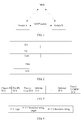
- the LLDP packet includes: a DA (Destination address, destination address), an SA (source address, source address), a Type (type), Data (data) and an FCS (Frame Check Sequence, frame check sequence); specifically, the DA refers to a destination MAC (Medium Access Control, Medium Access Control) address, and the address in the LLDP packet may be a multicast address, for example, 01-80-C2-00-00-0E; the SA refers to a source MAC address, namely, a MAC address of a sending device; the Type refers to a packet type, and the type in the LLDP packet is 0x88CC; the Data is a data subject of the LLDP, namely, an LLDPDU; and the FCS is a frame check sequence.
- DA Disposination address, destination address
- an SA source address, source address
- Type Type
- Data data
- FCS Frame Check Sequence, frame check sequence
- an LLDPDU includes several TLVs.
- One LLDPDU always starts with a Chassis ID TLV, a Port ID TLV, and a Time to Live TLV, and ends with an End of LLDPDU TLV. These four TLVs are mandatory TLVs. These four TLVs are minimum security level TLVs in the embodiments of the present invention.
- One LLDPDU may further include other optional TLV, and a device may self-define whether the optional TLV are included in the LLDPDU.
- Chassis ID TLV includes a Chassis ID (Chassis Identifier, chassis identifier) of a device
- a Port ID TLV includes a Port ID (Port Identifier, port identifier).
- each TLV includes the following fields: a TLV Type, a TLV information string Length and a TLV information string.
- the TLV Type is the type of the TLV.
- the type value of each TLV is different from that of another TLV, for example, a type value of the End of LLDPDU TLV is 0.
- the TLV information string Length indicates a length of a TLV information string field.
- the first byte of the TLV information string refers to a subtype of the TLV, and the rest bytes are a value of the TLV.
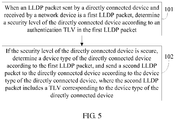
- This embodiment of the present invention provides a link discovery method. Referring to FIG. 5 , the method includes:
- a device type of the directly connected device is determined, and a TLV corresponding to the device type is selected according to the device type and sent, which avoids that all types of TLVs are sent to a directly connected device every time in the prior art, and reduces a possibility of device information leakage. It is ensured that a sent LLDP packet is more proper, thereby reducing a link overhead and avoiding a problem that a directly connected device cannot perform processing and consequently cannot operate normally.
- a first network device, and a second network device directly connected to the first network device are used as an example, to further describe the link discovery method provided by the present invention.
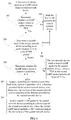
- the method includes:
- the authentication TLV is obtained by encrypting the Chassis ID and the Port ID of the second network device by the second network device by using an irreversible encryption algorithm (for example, the MD5 (Message Digest Algorithm 5, message digest algorithm version 5)). It can be easily learnt that the authentication TLV may further be generated according to other information of the second network device, for example, a MAC (Medium Access Control, Medium Access Control) address.
- an irreversible encryption algorithm for example, the MD5 (Message Digest Algorithm 5, message digest algorithm version 5).
- 203 includes:
- the determining TLV is calculated by using the same irreversible encryption algorithm as that for calculating the authentication TLV by the second network device.
- the irreversible encryption algorithm may be set on the device before delivery of the device.
- a TLV of the first LLDP packet includes the authentication TLV and a minimum security level TLV
- the minimum security level TLV includes: an End of LLDPDU TLV, a Chassis ID TLV, a Port ID TLV, and a Time to Live TLV.
- the first network device when the first network device determines that the security level of the second network device is secure, the first network device identifies the second network device as a "secure neighbor"; or when the first network device determines that the security level of the second network device is insecure or a first LLDP packet sent by the second network device does not include an authentication TLV, the first network device identifies the second network device as an "insecure neighbor.”
- the System Capabilities TLV includes four fields: TLV Type, TLV information string Length, System Capabilities, and Enabled Capabilities (enabled capabilities); the System Capabilities field is used to describe a device function.
- the System Capabilities field generally includes 16 bits, where each bit is used to indicate a function, when the bit is set to 1, it indicates that the function is provided, and when the bit is set to 0, it indicates that the function is not provided.
- the first network device sends a second LLDP packet to the second network device, where a TLV in the second LLDP packet includes all types of TLVs.
- all types of TLVs include: a Chassis ID TLV, a Port ID TLV, a Time to Live TLV, an End of LLDPDU TLV, a Port Description (port description) TLV, a System Name (system name) TLV, a System Description (system description) TLV, a System Capabilities TLV, a Management Address (management address) TLV, a Port VLAN ID (Port Virtual Local Area Network Identifier, port virtual local area network identifier) TLV, a Port And Protocol VLAN ID (Port And Protocol Virtual Local Area Network Identifier, port and protocol virtual local area network identifier) TLV, a VLAN Name (virtual local area network name) TLV, a Protocol Identifier (protocol identifier) TLV, a MAC/PHY Configuration/Status (data link and physical
- the device type includes but is not limited to a repeater (repeater), a telephone (Internet protocol telephone), a bridge (bridge), a router (router), and the like.
- a basis of the determining is the device function described in the System Capabilities field in the System Capabilities TLV, for example, when the device type is a repeater, a telephone, a bridge, and a router, a value respectively corresponding to the first, the fifth, the second, and the fourth bits in the System Capabilities field is 1.
- the foregoing sending the second LLDP packet corresponding to the device type to the second network device according to the device type is mainly determined according to the following two points:
- 208 may include the following:
- the second network device is a bridge or a router, sending the second LLDP packet to the second network device, where the TLV in the second LLDP packet includes all types of TLVs; specifically, all types of TLVs include: a Chassis ID TLV, a Port ID TLV, a Time to Live TLV, an End of LLDPDU TLV, a Port Description TLV, a System Name TLV, a System Description TLV, a System Capabilities TLV, a Management Address TLV, a Port VLAN ID TLV, a Port And Protocol VLAN ID TLV, a VLAN Name TLV, a Protocol Identifier TLV, a MAC/PHY Configuration/Status TLV, a Power Via MDI TLV, a Link Aggregation TLV, a Maximum Frame Size TLV, an LLDP-MED Capabilities TLV, a Network Policy TLV, an Extended Power-via-MDI TLV, a Hardware Revision TLV, a Firmware Revision TLV,
- the second network device is an Internet protocol telephone, sending the second LLDP packet to the second network device, where the TLV in the second LLDP packet includes the minimum security level TLV, a Port Description TLV, a System Name TLV, a System Description TLV, a System Capabilities TLV, a Port VLAN ID TLV, and an Extended Power-via-MDI TLV.
- the minimum security level TLV includes: a Chassis ID TLV, a Port ID TLV, a Time to Live TLV, and an End of LLDPDU TLV.
- a correspondence between a device type and a TLV may be prestored in a network device. It can be easily learnt that the foregoing correspondence may be further classified according to the device type, and details are not repeatedly described herein.
- the method before the sending the second LLDP packet to the second network device according to the device type of the second network device, the method further includes: encrypting the TLV in the second LLDP packet by using a reversible algorithm. Specifically, a value of the TLV in the second LLDP packet is encrypted by using the reversible algorithm. It can be easily learnt that the reversible algorithm may be written into a device when the manufacturer produces the device.
- the first network device may further store a correspondence between a port of the first network device and a directly connected device, a security level and device information of the directly connected device, and the like.
- the correspondence is generally stored in a MIB of the device.
- the method in this embodiment may further include:
- the deleting a directly connected device, with a security level being insecure, connected to the port includes:
- a priority of a directly connected device with a security level being insecure is lower than that of a directly connected device with a security level being secure, which not only ensures a compatibility with a directly connected device with a security level being insecure, and avoids a problem that a directly connected device with a security level being insecure exhausts a quantity of neighbors.
- the deleting at least one directly connected device with a security level being insecure ensures access of a new directly connected device with a security level being secure.
- a security level of a directly connected device is determined by using an authentication TLV.
- a device type of the directly connected device is determined, and a TLV corresponding to the device type is selected according to the device type and sent, which avoids that all types of TLVs are sent to a directly connected device every time in the prior art, and reduces a possibility of device information leakage. It is ensured that a sent LLDP packet is more proper, thereby reducing a link overhead and avoiding a problem that a directly connected device cannot perform processing and consequently cannot operate normally.
- an LLDP packet including only a minimum security level TLV is sent, which can meet a security requirement and also ensure normal access of a low-end device and an old device.
- the embodiment of the present invention provides a link discovery apparatus.
- the apparatus is applicable to the link discovery method provided by Embodiment 1.
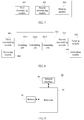
- the apparatus includes:
- a device type of the directly connected device is determined, and a TLV corresponding to the device type is selected according to the device type and sent, which avoids that all types of TLVs are sent to a directly connected device every time in the prior art, and reduces a possibility of device information leakage. It is ensured that a sent LLDP packet is more proper, thereby reducing a link overhead and avoiding a problem that a directly connected device cannot perform processing and consequently cannot operate normally.
- this embodiment of the present invention provides a link discovery apparatus.
- the apparatus is applicable to the link discovery method provided by Embodiment 2.
- the apparatus includes:
- the sending module 303 is further configured to: when a security level of a directly connected device is insecure, send a first LLDP packet to the directly connected device, where a TLV in the first LLDP packet includes an authentication TLV and a minimum security level TLV.
- the apparatus further includes:
- the sending module 303 is further configured to send the first LLDP packet to the directly connected device when the LLDP packet does not carry an authentication TLV.
- the first determining module 301 includes:
- the first LLDP packet further includes a System Capabilities TLV
- the second determining module 302 is configured to acquire, according to a System Capabilities field in the System Capabilities TLV, a function provided by the directly connected device, and determine a device type of the directly connected device according to the function provided by the directly connected device.
- the device type includes a repeater (repeater), a telephone (Internet protocol telephone), a bridge (bridge), a router (router), and the like.
- the second determining module 302 is further configured to: before determining the device type of the directly connected device according to the first LLDP packet, determine whether the first LLDP packet carries a System Capabilities TLV, and when the first LLDP packet carries a System Capabilities TLV, determine the device type of the directly connected device according to the System Capabilities TLV.
- the sending module 303 is further configured to: when the first LLDP packet does not carry a System Capabilities TLV, send a second LLDP packet to the directly connected device, where a TLV in the second LLDP packet includes all types of TLVs.
- the sending module 303 is configured to:
- the apparatus further includes an encryption module 406, configured to encrypt the TLV in the second LLDP packet by using a reversible algorithm.
- the apparatus further includes a management module, configured to: when a quantity of directly connected devices connected to one port of a network device reaches an upper limit, and a security level of a directly connected device that is newly accessed on the port is secure, delete at least one directly connected device connected to the port, where a security level of the at least one directly connected device is insecure.
- a management module configured to: when a quantity of directly connected devices connected to one port of a network device reaches an upper limit, and a security level of a directly connected device that is newly accessed on the port is secure, delete at least one directly connected device connected to the port, where a security level of the at least one directly connected device is insecure.
- a security level of a directly connected device is determined by using an authentication TLV.
- a device type of the directly connected device is determined, and a TLV corresponding to the device type is selected according to the device type and sent, which avoids that all types of TLVs are sent to a directly connected device every time in the prior art, and reduces a possibility of device information leakage. It is ensured that a sent LLDP packet is more proper, thereby reducing a link overhead and avoiding a problem that a directly connected device cannot perform processing and consequently cannot operate normally.
- an LLDP packet including only a minimum security level TLV is sent, which can meet a security requirement and also ensure normal access of a low-end device and an old device.
- the foregoing link discovery apparatus FIG. 7 and FIG. 8 may be a computer or a server, as shown in FIG. 9 .
- the link discovery apparatus generally includes components such as a memory 91, a processor 92, and a network interface 93.
- components such as a memory 91, a processor 92, and a network interface 93.
- FIG. 9 does not impose any limitation on the apparatus, and the apparatus may include more or fewer components than those shown in the figure, or some components may be combined, or different components may be deployed.
- the processor 92 is a control center of the computer 90, and connects parts of the entire computer by using various interfaces and lines.
- the processor 92 may implement the following: when an LLDP packet received by the network interface 93 and sent by a directly connected device is a first LLDP packet, determining a security level of the directly connected device according to an authentication TLV in the first LLDP packet, where the security level includes "secure” and "insecure", the first LLDP packet includes the authentication TLV and a minimum security level TLV, and the minimum security level TLV includes: a Chassis ID TLV, a Port ID TLV, a Time to Live TLV, and an End of LLDPDU TLV; and
- the network interface 93 is further configured to: when the security level of a directly connected device is insecure, send the first LLDP packet to the directly connected device, where a TLV in the first LLDP packet includes an authentication TLV and a minimum security level TLV.
- the processor 92 may implement the following: receiving, by using the network interface 93, an LLDP packet sent by the directly connected device, and determining whether the received LLDP packet carries an authentication TLV; and
- the processor 92 may implement the following: obtaining a Chassis ID and a Port ID according to the Chassis ID TLV and the Port ID TLV that are carried in the first LLDP packet sent by the directly connected device;
- the processor 92 may implement the following: acquiring, according to a System Capabilities field in a System Capabilities TLV, a function provided by the directly connected device, and determining the device type of the directly connected device according to the function provided by the directly connected device.
- the processor 92 may implement the following: before determining the device type of the directly connected device according to the first LLDP packet, determining whether the first LLDP packet carries a System Capabilities TLV; and when the first LLDP packet carries a System Capabilities TLV, determining the device type of the directly connected device according to the System Capabilities TLV; or
- the processor 92 may implement the following: when the directly connected device is a repeater, sending the second LLDP packet to the directly connected device by using the network interface 93, where the TLV in the second LLDP packet includes only the minimum security level TLV;
- processor 92 may further implement the following: encrypting, by using a reversible algorithm, the TLV carried in the second LLDP packet.
- the processor 92 may implement the following: when a quantity of directly connected devices connected to one port of a network device reaches an upper limit, and a security level of a directly connected device that is newly accessed on the port is secure, deleting at least one directly connected device connected to the port, where a security level of the at least one directly connected device is insecure.
- the link discovery apparatus provided in the foregoing embodiment performs link discovery
- division of the foregoing function modules is used merely as an example for description.
- the foregoing functions may be allocated, according to a requirement, to different function modules for implementation, that is, an internal structure of the link discovery apparatus is divided into different function modules to implement all or a part of the functions described above.
- the link discovery apparatus provided in the foregoing embodiments is based on the same conception of the link discovery method embodiments. For a specific implementation process of the link discovery apparatus, refer to the method embodiments, and details are not repeatedly described herein.
- the program may be stored in a computer-readable storage medium.
- the storage medium may include: a read-only memory, a magnetic disk, or an optical disc.
Landscapes
- Engineering & Computer Science (AREA)
- Computer Networks & Wireless Communication (AREA)
- Signal Processing (AREA)
- Computer Security & Cryptography (AREA)
- Computer Hardware Design (AREA)
- Computing Systems (AREA)
- General Engineering & Computer Science (AREA)
- Power Engineering (AREA)
- Small-Scale Networks (AREA)
- Data Exchanges In Wide-Area Networks (AREA)
- Communication Control (AREA)
Claims (14)
- Procédé de découverte de liaison, dans lequel le procédé comprend :lorsqu'un dispositif de réseau reçoit un premier paquet de protocole de découverte de couche de liaison, LLDP, envoyé par un dispositif directement connecté, déterminer (101) un niveau de sécurité du dispositif directement connecté selon un TLV, type-longueur-valeur, d'authentification dans le premier paquet LLDP, le niveau de sécurité comportant « sécurisé » et « non sécurisé », le premier paquet LLDP comportant le TLV d'authentification et un TLV de niveau de sécurité minimum, et le TLV de niveau de sécurité minimum comprenant : un TLV d'ID de châssis, un TLV d'ID de port, un TLV de cycle de vie de voisin, et un TLV de fin d'unité de données LLDP ; etlorsque le niveau de sécurité du dispositif directement connecté est sécurisé, déterminer (102) un type de dispositif du dispositif directement connecté selon le premier paquet LLDP, et envoyer un deuxième paquet LLDP au dispositif directement connecté selon le type de dispositif du dispositif directement connecté, le deuxième paquet LLDP comportant un TLV correspondant au type de dispositif du dispositif directement connecté.
- Procédé selon la revendication 1 dans lequel, avant l'étape consistant à déterminer (101) un niveau de sécurité du dispositif directement connecté selon un TLV d'authentification dans le premier paquet LLDP, le procédé comprend en outre :recevoir un paquet LLDP envoyé par le dispositif directement connecté, et déterminer si le paquet LLDP reçu contient un TLV d'authentification,si le paquet LLDP contient un TLV d'authentification, le paquet LLDP étant le premier paquet LLDP.
- Procédé selon la revendication 1, dans lequel l'étape consistant à déterminer (101) un niveau de sécurité du dispositif directement connecté selon un TLV d'authentification dans le premier paquet LLDP comprend :obtenir un identifiant de châssis et un identifiant de port du dispositif directement connecté selon le TLV d'ID de châssis et le TLV d'ID de port ;calculer un TLV de détermination en utilisant l'identifiant de châssis et l'identifiant de port ; etdéterminer, en les comparant, si le TLV de détermination et le TLV d'authentification sont les mêmes, et si le TLV de détermination et le TLV d'authentification sont les mêmes, déterminer que le niveau de sécurité du dispositif directement connecté est sécurisé, ou si le TLV de détermination et le TLV d'authentification sont différents, déterminer que le niveau de sécurité du dispositif directement connecté est non sécurisé.
- Procédé selon la revendication 1, dans lequel le premier paquet LLDP comprend en outre un TLV de capacités système, le TLV de capacités système comportant un champ de capacités système utilisé pour décrire une fonction de dispositif, et l'étape consistant à déterminer (102) un type de dispositif du dispositif directement connecté selon le premier paquet LLDP comprend :acquérir, selon le champ de capacités système dans le TLV de capacités système, une fonction fournie par le dispositif directement connecté ; etdéterminer le type de dispositif du dispositif directement connecté selon la fonction fournie par le dispositif directement connecté.
- Procédé selon la revendication 4 dans lequel, avant l'étape consistant à déterminer (102) un type de dispositif du dispositif directement connecté selon le premier paquet LLDP, le procédé comprend en outre :déterminer si le premier paquet LLDP contient un TLV de capacités système ; etsi le premier paquet LLDP ne contient pas un TLV de capacités système, envoyer le deuxième paquet LLDP au dispositif directement connecté, le TLV dans le deuxième paquet LLDP comprenant tous les types de TLV ; ousi le premier paquet LLDP contient un TLV de capacités système, déterminer le type de dispositif du dispositif directement connecté selon le TLV de capacités système.
- Procédé selon la revendication 1, dans lequel l'étape consistant à envoyer (102) un deuxième paquet LLDP au dispositif directement connecté selon le type de dispositif du dispositif directement connecté comprend :lorsque le dispositif directement connecté est un répéteur, envoyer le deuxième paquet LLDP au dispositif directement connecté, le TLV dans le deuxième paquet LLDP comportant uniquement le TLV de niveau de sécurité minimum ;lorsque le dispositif directement connecté est un pont ou un routeur, envoyer le deuxième paquet LLDP au dispositif directement connecté, le TLV dans le deuxième paquet LLDP comportant tous les types de TLV ; oulorsque le dispositif directement connecté est un téléphone de protocole Internet, envoyer le deuxième paquet LLDP au dispositif directement connecté, le TLV dans le deuxième paquet LLDP comportant le TLV de niveau de sécurité minimum, un TLV de description de port, un TLV de nom de système, un TLV de description de système, un TLV de capacités système, un TLV d'identifiant de réseau local virtuel de port, et un TLV de capacité d'alimentation de dispositif.
- Procédé selon l'une quelconque des revendications 1 à 6 dans lequel, avant l'étape consistant à envoyer (102) un deuxième paquet LLDP au dispositif directement connecté selon le type de dispositif du dispositif directement connecté, le procédé comprend en outre :crypter le TLV dans le deuxième paquet LLDP en utilisant un algorithme réversible.
- Procédé selon l'une quelconque des revendications 1 à 6, dans lequel le procédé comprend en outre :lorsqu'une quantité de dispositifs directement connectés, connectés à un port du dispositif réseau atteint une limite supérieure, et qu'un niveau de sécurité d'un dispositif directement connecté qui est nouvellement accédé sur le port est sécurisé, supprimer au moins un dispositif directement connecté, connecté au port, un niveau de sécurité dudit dispositif directement connecté étant non sécurisé.
- Appareil de découverte de liaison, dans lequel l'appareil comprend :un premier module de détermination (301), configuré pour : lorsqu'un dispositif réseau reçoit un premier paquet de protocole de découverte de couche de liaison, LLDP, envoyé par un dispositif directement connecté, déterminer un niveau de sécurité du dispositif directement connecté selon un TLV, type-longueur-valeur, d'authentification, dans le premier paquet LLDP, le niveau de sécurité comportant « sécurisé » et « non sécurisé », le premier paquet LLDP comportant le TLV d'authentification et un TLV de niveau de sécurité minimum, et le TLV de niveau de sécurité minimum comprenant : un TLV d'ID de châssis, un TLV d'ID de port, un TLV de cycle de vie de voisin, et un TLV de fin d'unité de données LLDP ;un deuxième module de détermination (302), configuré pour : lorsque le premier module de détermination (301) détermine que le niveau de sécurité du dispositif directement connecté est sécurisé, déterminer un type de dispositif du dispositif directement connecté selon le premier paquet LLDP ; etun module d'envoi (303), configuré pour envoyer un deuxième paquet LLDP au dispositif directement connecté selon le type de dispositif du dispositif directement connecté, le deuxième paquet LLDP comportant un TLV correspondant au type de dispositif du dispositif directement connecté.
- Appareil selon la revendication 9, dans lequel l'appareil comprend en outre :un module de réception (404), configuré pour recevoir un paquet LLDP envoyé par le dispositif directement connecté ; etun troisième module de détermination (405), configuré pour déterminer si le paquet LLDP reçu par le module de réception (404) contient un TLV d'authentification, et lorsque le paquet LLDP contient un TLV d'authentification, déterminer que le paquet LLDP est le premier paquet LLDP.
- Appareil selon la revendication 9, dans lequel le premier module de détermination (301) comprend :une unité d'acquisition (3011), configurée pour obtenir un identifiant de châssis et un identifiant de port du dispositif directement connecté selon le TLV d'ID de châssis et le TLV d'ID de port ;une unité de calcul (3012), configurée pour calculer un TLV de détermination en utilisant l'identifiant de châssis et l'identifiant de port ; etune unité de comparaison (3013), configurée pour déterminer, en les comparant, si le TLV de détermination et le TLV d'authentification sont les mêmes, et si le TLV de détermination et le TLV d'authentification sont les mêmes, déterminer que le niveau de sécurité du dispositif directement connecté est sécurisé, ou si le TLV de détermination et le TLV d'authentification sont différents, déterminer que le niveau de sécurité du dispositif directement connecté est non sécurisé.
- Appareil selon la revendication 9, dans lequel le premier paquet LLDP comprend en outre un TLV de capacités système, le TLV de capacités système comportant un champ de capacités système utilisé pour décrire une fonction de dispositif, et
le deuxième module de détermination (302) est configuré pour acquérir, selon le champ de capacités système dans le TLV de capacités système, une fonction fournie par le dispositif directement connecté, et déterminer le type de dispositif du dispositif directement connecté selon la fonction fournie par le dispositif directement connecté. - Appareil selon la revendication 12, dans lequel le deuxième module de détermination (302) est en outre configuré pour, avant l'étape consistant à déterminer le type de dispositif du dispositif directement connecté selon le premier paquet LLDP, déterminer si le premier paquet LLDP contient un TLV de capacités système, et lorsque le premier paquet LLDP contient un TLV de capacités système, déterminer le type de dispositif du dispositif directement connecté selon le TLV de capacités système, ou
le module d'envoi (303) est en outre configuré pour : lorsque le premier paquet LLDP ne contient pas un TLV de capacités système, envoyer le deuxième paquet LLDP au dispositif directement connecté, le TLV dans le deuxième paquet LLDP comprenant tous les types de TLV. - Appareil selon la revendication 9, dans lequel le module d'envoi (303) est configuré pour :lorsque le dispositif directement connecté est un répéteur, envoyer le deuxième paquet LLDP au dispositif directement connecté, le TLV dans le deuxième paquet LLDP comportant uniquement le TLV de niveau de sécurité minimum ;lorsque le dispositif directement connecté est un pont ou un routeur, envoyer le deuxième paquet LLDP au dispositif directement connecté, le TLV dans le deuxième paquet LLDP comportant tous les types de TLV ; oulorsque le dispositif directement connecté est un téléphone de protocole Internet, envoyer le deuxième paquet LLDP au dispositif directement connecté, le TLV dans le deuxième paquet LLDP comportant le TLV de niveau de sécurité minimum, un TLV de description de port, un TLV de nom de système, un TLV de description de système, un TLV de capacités système, un TLV d'identifiant de réseau local virtuel de port, et un TLV de capacité d'alimentation de dispositif.
Applications Claiming Priority (2)
| Application Number | Priority Date | Filing Date | Title |
|---|---|---|---|
| CN201310115610.1A CN103236941B (zh) | 2013-04-03 | 2013-04-03 | 一种链路发现方法和装置 |
| PCT/CN2014/072886 WO2014161416A2 (fr) | 2013-04-03 | 2014-03-05 | Procédé et dispositif de découverte de liaison |
Publications (3)
| Publication Number | Publication Date |
|---|---|
| EP2955874A2 EP2955874A2 (fr) | 2015-12-16 |
| EP2955874A4 EP2955874A4 (fr) | 2016-02-17 |
| EP2955874B1 true EP2955874B1 (fr) | 2017-11-08 |
Family
ID=48884959
Family Applications (1)
| Application Number | Title | Priority Date | Filing Date |
|---|---|---|---|
| EP14779346.7A Active EP2955874B1 (fr) | 2013-04-03 | 2014-03-05 | Procédé et dispositif de découverte de liaison |
Country Status (4)
| Country | Link |
|---|---|
| US (1) | US9917845B2 (fr) |
| EP (1) | EP2955874B1 (fr) |
| CN (1) | CN103236941B (fr) |
| WO (1) | WO2014161416A2 (fr) |
Families Citing this family (29)
| Publication number | Priority date | Publication date | Assignee | Title |
|---|---|---|---|---|
| CN103236941B (zh) | 2013-04-03 | 2015-09-30 | 华为技术有限公司 | 一种链路发现方法和装置 |
| EP3029905B1 (fr) * | 2013-09-03 | 2017-08-09 | Huawei Technologies Co., Ltd. | Procédé de découverte de liaison et organe de commande de sdn |
| CN104580116B (zh) * | 2013-10-25 | 2018-09-14 | 新华三技术有限公司 | 一种安全策略的管理方法和设备 |
| CN105450432A (zh) * | 2014-07-31 | 2016-03-30 | 华为技术有限公司 | 一种用于定位端口连接错误的方法和相关设备 |
| US10289384B2 (en) | 2014-09-12 | 2019-05-14 | Oracle International Corporation | Methods, systems, and computer readable media for processing data containing type-length-value (TLV) elements |
| CN105357127B (zh) * | 2015-12-17 | 2018-10-26 | 上海市共进通信技术有限公司 | 携带公告协商tlv的lldp报文的处理系统及方法 |
| US9979693B2 (en) * | 2016-01-28 | 2018-05-22 | Fiber Logic Communications, Inc. | IP allocation method for use in telecommunication network automatic construction |
| CN105656791A (zh) * | 2016-01-28 | 2016-06-08 | 浪潮(北京)电子信息产业有限公司 | 一种tlv发送方法及系统 |
| CN106330893A (zh) * | 2016-08-22 | 2017-01-11 | 浪潮(北京)电子信息产业有限公司 | 一种设备信息交换方法及系统 |
| US10193802B2 (en) | 2016-09-13 | 2019-01-29 | Oracle International Corporation | Methods, systems, and computer readable media for processing messages using stateful and stateless decode strategies |
| US9667619B1 (en) * | 2016-10-14 | 2017-05-30 | Akamai Technologies, Inc. | Systems and methods for utilizing client side authentication to select services available at a given port number |
| CN107968751B (zh) * | 2016-10-20 | 2021-01-19 | 中兴通讯股份有限公司 | 一种信息处理方法及装置 |
| AU2016432045B2 (en) * | 2016-12-09 | 2022-03-31 | Robert Bosch Gmbh | Computer network and method for running a computer network |
| CN106790232B (zh) * | 2017-01-18 | 2021-02-26 | 上海市共进通信技术有限公司 | 通过lldp报文实现voip语音业务的方法及系统 |
| US10341411B2 (en) * | 2017-03-29 | 2019-07-02 | Oracle International Corporation | Methods, systems, and computer readable media for providing message encode/decode as a service |
| US11552994B2 (en) | 2017-12-19 | 2023-01-10 | Telefonaktiebolaget Lm Ericsson (Publ) | Methods and nodes for handling LLDP messages in a communication network |
| EP3729764B1 (fr) | 2017-12-19 | 2024-12-18 | Telefonaktiebolaget LM Ericsson (publ) | Procédé et noeud de gestion dans un réseau de communication, de prise en charge de gestion de noeuds de réseau sur la base de messages de lldp |
| US11362935B2 (en) * | 2018-01-19 | 2022-06-14 | Super Micro Computer, Inc. | Automatic multi-chassis link aggregation configuration with link layer discovery |
| US11561997B2 (en) | 2019-03-13 | 2023-01-24 | Oracle International Corporation | Methods, systems, and computer readable media for data translation using a representational state transfer (REST) application programming interface (API) |
| CN110266530B (zh) * | 2019-06-14 | 2022-05-27 | 浪潮思科网络科技有限公司 | 一种基于Opendaylight框架的链路发现方法及装置 |
| US11095691B2 (en) | 2019-06-26 | 2021-08-17 | Oracle International Corporation | Methods, systems, and computer readable media for establishing a communication session between a public switched telephone network (PSTN) endpoint and a web real time communications (WebRTC) endpoint |
| US11323287B2 (en) * | 2019-07-18 | 2022-05-03 | International Business Machines Corporation | Link layer method of configuring a bare-metal server in a virtual network |
| CN112866118B (zh) * | 2019-11-12 | 2022-09-02 | 北京华为数字技术有限公司 | 网络设备的端口能力信息的检测方法、装置及存储介质 |
| CN112866186B (zh) * | 2019-11-28 | 2022-01-25 | 大唐移动通信设备有限公司 | 一种安全等级确定方法及装置 |
| CN111585965B (zh) * | 2020-04-10 | 2021-05-14 | 华南理工大学 | 一种防御软件定义网络中lldp中继攻击的方法 |
| EP3917086B1 (fr) * | 2020-05-30 | 2023-04-05 | Huawei Technologies Co., Ltd. | Procédé, dispositif et système de découverte de topologie de réseau |
| CN113411220A (zh) * | 2021-06-30 | 2021-09-17 | 新华三技术有限公司 | 一种生成树协议边缘端口配置方法及装置 |
| CN114301578A (zh) * | 2021-12-17 | 2022-04-08 | 苏州浪潮智能科技有限公司 | 一种通信报文的处理方法、装置、电子设备及存储介质 |
| CN116801281A (zh) * | 2022-03-18 | 2023-09-22 | 华为技术有限公司 | 通信方法、装置、系统及存储介质 |
Family Cites Families (13)
| Publication number | Priority date | Publication date | Assignee | Title |
|---|---|---|---|---|
| US7152111B2 (en) * | 2002-08-15 | 2006-12-19 | Digi International Inc. | Method and apparatus for a client connection manager |
| TWI340578B (en) * | 2006-12-10 | 2011-04-11 | Cameo Communications Inc | A method for anti-rogue connection in a network system |
| CN101207475B (zh) * | 2006-12-15 | 2010-05-26 | 友劲科技股份有限公司 | 一种网络系统的防止非授权连结方法 |
| US7969888B2 (en) * | 2007-04-27 | 2011-06-28 | Futurewei Technologies, Inc. | Data communications network for the management of an ethernet transport network |
| US20090116404A1 (en) * | 2007-11-01 | 2009-05-07 | Telefonaktiebolaget Lm Ericsson (Publ) | Topology discovery in heterogeneous networks |
| US8514712B1 (en) * | 2007-12-06 | 2013-08-20 | Force10 Networks, Inc. | Non-stop VoIP support |
| US8201005B2 (en) * | 2009-03-17 | 2012-06-12 | Intel Corporation | Negotiating a transmit wake time |
| CN101945245B (zh) | 2010-09-06 | 2013-09-25 | 华为终端有限公司 | 视讯会议应用的实现方法、装置及系统 |
| TW201212614A (en) * | 2010-09-07 | 2012-03-16 | Accton Technology Corp | Network devices and authentication protocol methods thereof |
| CN102684985B (zh) * | 2011-03-17 | 2017-03-29 | 中兴通讯股份有限公司 | 一种多链接互连网络分域互连的方法和系统 |
| US20150207793A1 (en) * | 2012-07-31 | 2015-07-23 | Parvez Syed Mohamed | Feature Enablement or Disablement Based on Discovery Message |
| US9043884B2 (en) * | 2013-01-25 | 2015-05-26 | Cisco Technology, Inc. | Autonomic network protection based on neighbor discovery |
| CN103236941B (zh) * | 2013-04-03 | 2015-09-30 | 华为技术有限公司 | 一种链路发现方法和装置 |
-
2013
- 2013-04-03 CN CN201310115610.1A patent/CN103236941B/zh active Active
-
2014
- 2014-03-05 EP EP14779346.7A patent/EP2955874B1/fr active Active
- 2014-03-05 WO PCT/CN2014/072886 patent/WO2014161416A2/fr not_active Ceased
-
2015
- 2015-09-24 US US14/864,464 patent/US9917845B2/en active Active
Non-Patent Citations (1)
| Title |
|---|
| None * |
Also Published As
| Publication number | Publication date |
|---|---|
| EP2955874A4 (fr) | 2016-02-17 |
| US20160014142A1 (en) | 2016-01-14 |
| WO2014161416A2 (fr) | 2014-10-09 |
| EP2955874A2 (fr) | 2015-12-16 |
| US9917845B2 (en) | 2018-03-13 |
| CN103236941B (zh) | 2015-09-30 |
| CN103236941A (zh) | 2013-08-07 |
| WO2014161416A3 (fr) | 2014-11-20 |
Similar Documents
| Publication | Publication Date | Title |
|---|---|---|
| EP2955874B1 (fr) | Procédé et dispositif de découverte de liaison | |
| JP6884818B2 (ja) | Vxlan実装方法、ネットワークデバイス、および通信システム | |
| US10122574B2 (en) | Methods and apparatus for a common control protocol for wired and wireless nodes | |
| CN102137395B (zh) | 配置接入设备的方法、装置及系统 | |
| JP4989745B2 (ja) | 通信を中継するための装置、方法、およびプログラム | |
| US20150207793A1 (en) | Feature Enablement or Disablement Based on Discovery Message | |
| WO2018040529A1 (fr) | Procédé, dispositif et système de traitement de message | |
| CN112422397B (zh) | 业务转发方法及通信装置 | |
| CN108092893A (zh) | 一种专线开通方法及装置 | |
| CN108737183B (zh) | 一种转发表项的监测方法及装置 | |
| CN103781071B (zh) | 访问接入点的方法及相关设备 | |
| CN106162387A (zh) | 光接入模块的认证注册方法、装置及系统 | |
| CN101388796B (zh) | 信息发送处理方法、通信设备与通信系统 | |
| CN117528844B (zh) | 网络隔离方法、装置、设备及存储介质 | |
| CN114884667B (zh) | 一种通信鉴权方法、设备及存储介质 | |
| CN101557397B (zh) | 表项管理方法及设备 | |
| CN115941466A (zh) | 一种支持设备初始化配置与发现的网管系统及方法 | |
| CN106656921A (zh) | 一种安全策略服务器的地址获取方法和设备 | |
| WO2017211162A1 (fr) | Procédé et dispositif de connexion automatique pour appareil d'extension de port dans un environnement d'empilement vertical | |
| CN104683211A (zh) | 一种对虚拟网络隧道加速的方法及系统 | |
| CN105471594B (zh) | 管理资源的方法和设备 | |
| Zhang et al. | Evolving intelligent devices for the future via named data networking | |
| EP4207705A1 (fr) | Procédé, dispositif et système d'acheminement de paquets sur la base d'un groupe d'utilisateurs | |
| CN118265035A (zh) | Cpe下挂终端设备的安全接入方法、系统、设备及介质 | |
| CN102333034B (zh) | 在环路拓扑中传输用户信息的方法及装置 |
Legal Events
| Date | Code | Title | Description |
|---|---|---|---|
| PUAI | Public reference made under article 153(3) epc to a published international application that has entered the european phase |
Free format text: ORIGINAL CODE: 0009012 |
|
| 17P | Request for examination filed |
Effective date: 20150907 |
|
| AK | Designated contracting states |
Kind code of ref document: A2 Designated state(s): AL AT BE BG CH CY CZ DE DK EE ES FI FR GB GR HR HU IE IS IT LI LT LU LV MC MK MT NL NO PL PT RO RS SE SI SK SM TR |
|
| AX | Request for extension of the european patent |
Extension state: BA ME |
|
| A4 | Supplementary search report drawn up and despatched |
Effective date: 20160118 |
|
| RIC1 | Information provided on ipc code assigned before grant |
Ipc: H04L 12/24 20060101AFI20160112BHEP Ipc: H04L 12/64 20060101ALI20160112BHEP |
|
| DAX | Request for extension of the european patent (deleted) | ||
| REG | Reference to a national code |
Ref country code: DE Ref legal event code: R079 Ref document number: 602014016973 Country of ref document: DE Free format text: PREVIOUS MAIN CLASS: H04L0012240000 Ipc: H04L0012640000 |
|
| GRAP | Despatch of communication of intention to grant a patent |
Free format text: ORIGINAL CODE: EPIDOSNIGR1 |
|
| STAA | Information on the status of an ep patent application or granted ep patent |
Free format text: STATUS: GRANT OF PATENT IS INTENDED |
|
| RIC1 | Information provided on ipc code assigned before grant |
Ipc: H04L 12/841 20130101ALI20170502BHEP Ipc: H04L 12/721 20130101ALI20170502BHEP Ipc: H04L 12/24 20060101ALI20170502BHEP Ipc: H04L 12/46 20060101ALI20170502BHEP Ipc: H04L 12/64 20060101AFI20170502BHEP Ipc: H04L 29/06 20060101ALI20170502BHEP |
|
| INTG | Intention to grant announced |
Effective date: 20170518 |
|
| GRAS | Grant fee paid |
Free format text: ORIGINAL CODE: EPIDOSNIGR3 |
|
| GRAA | (expected) grant |
Free format text: ORIGINAL CODE: 0009210 |
|
| STAA | Information on the status of an ep patent application or granted ep patent |
Free format text: STATUS: THE PATENT HAS BEEN GRANTED |
|
| AK | Designated contracting states |
Kind code of ref document: B1 Designated state(s): AL AT BE BG CH CY CZ DE DK EE ES FI FR GB GR HR HU IE IS IT LI LT LU LV MC MK MT NL NO PL PT RO RS SE SI SK SM TR |
|
| REG | Reference to a national code |
Ref country code: GB Ref legal event code: FG4D |
|
| REG | Reference to a national code |
Ref country code: CH Ref legal event code: EP Ref country code: AT Ref legal event code: REF Ref document number: 945151 Country of ref document: AT Kind code of ref document: T Effective date: 20171115 |
|
| REG | Reference to a national code |
Ref country code: IE Ref legal event code: FG4D |
|
| REG | Reference to a national code |
Ref country code: DE Ref legal event code: R096 Ref document number: 602014016973 Country of ref document: DE |
|
| REG | Reference to a national code |
Ref country code: FR Ref legal event code: PLFP Year of fee payment: 5 |
|
| REG | Reference to a national code |
Ref country code: NL Ref legal event code: MP Effective date: 20171108 |
|
| REG | Reference to a national code |
Ref country code: LT Ref legal event code: MG4D |
|
| REG | Reference to a national code |
Ref country code: AT Ref legal event code: MK05 Ref document number: 945151 Country of ref document: AT Kind code of ref document: T Effective date: 20171108 |
|
| PG25 | Lapsed in a contracting state [announced via postgrant information from national office to epo] |
Ref country code: NL Free format text: LAPSE BECAUSE OF FAILURE TO SUBMIT A TRANSLATION OF THE DESCRIPTION OR TO PAY THE FEE WITHIN THE PRESCRIBED TIME-LIMIT Effective date: 20171108 Ref country code: ES Free format text: LAPSE BECAUSE OF FAILURE TO SUBMIT A TRANSLATION OF THE DESCRIPTION OR TO PAY THE FEE WITHIN THE PRESCRIBED TIME-LIMIT Effective date: 20171108 Ref country code: SE Free format text: LAPSE BECAUSE OF FAILURE TO SUBMIT A TRANSLATION OF THE DESCRIPTION OR TO PAY THE FEE WITHIN THE PRESCRIBED TIME-LIMIT Effective date: 20171108 Ref country code: FI Free format text: LAPSE BECAUSE OF FAILURE TO SUBMIT A TRANSLATION OF THE DESCRIPTION OR TO PAY THE FEE WITHIN THE PRESCRIBED TIME-LIMIT Effective date: 20171108 Ref country code: NO Free format text: LAPSE BECAUSE OF FAILURE TO SUBMIT A TRANSLATION OF THE DESCRIPTION OR TO PAY THE FEE WITHIN THE PRESCRIBED TIME-LIMIT Effective date: 20180208 Ref country code: LT Free format text: LAPSE BECAUSE OF FAILURE TO SUBMIT A TRANSLATION OF THE DESCRIPTION OR TO PAY THE FEE WITHIN THE PRESCRIBED TIME-LIMIT Effective date: 20171108 |
|
| PG25 | Lapsed in a contracting state [announced via postgrant information from national office to epo] |
Ref country code: RS Free format text: LAPSE BECAUSE OF FAILURE TO SUBMIT A TRANSLATION OF THE DESCRIPTION OR TO PAY THE FEE WITHIN THE PRESCRIBED TIME-LIMIT Effective date: 20171108 Ref country code: LV Free format text: LAPSE BECAUSE OF FAILURE TO SUBMIT A TRANSLATION OF THE DESCRIPTION OR TO PAY THE FEE WITHIN THE PRESCRIBED TIME-LIMIT Effective date: 20171108 Ref country code: GR Free format text: LAPSE BECAUSE OF FAILURE TO SUBMIT A TRANSLATION OF THE DESCRIPTION OR TO PAY THE FEE WITHIN THE PRESCRIBED TIME-LIMIT Effective date: 20180209 Ref country code: AT Free format text: LAPSE BECAUSE OF FAILURE TO SUBMIT A TRANSLATION OF THE DESCRIPTION OR TO PAY THE FEE WITHIN THE PRESCRIBED TIME-LIMIT Effective date: 20171108 Ref country code: BG Free format text: LAPSE BECAUSE OF FAILURE TO SUBMIT A TRANSLATION OF THE DESCRIPTION OR TO PAY THE FEE WITHIN THE PRESCRIBED TIME-LIMIT Effective date: 20180208 Ref country code: HR Free format text: LAPSE BECAUSE OF FAILURE TO SUBMIT A TRANSLATION OF THE DESCRIPTION OR TO PAY THE FEE WITHIN THE PRESCRIBED TIME-LIMIT Effective date: 20171108 Ref country code: IS Free format text: LAPSE BECAUSE OF FAILURE TO SUBMIT A TRANSLATION OF THE DESCRIPTION OR TO PAY THE FEE WITHIN THE PRESCRIBED TIME-LIMIT Effective date: 20180308 |
|
| PG25 | Lapsed in a contracting state [announced via postgrant information from national office to epo] |
Ref country code: CY Free format text: LAPSE BECAUSE OF FAILURE TO SUBMIT A TRANSLATION OF THE DESCRIPTION OR TO PAY THE FEE WITHIN THE PRESCRIBED TIME-LIMIT Effective date: 20171108 Ref country code: EE Free format text: LAPSE BECAUSE OF FAILURE TO SUBMIT A TRANSLATION OF THE DESCRIPTION OR TO PAY THE FEE WITHIN THE PRESCRIBED TIME-LIMIT Effective date: 20171108 Ref country code: SK Free format text: LAPSE BECAUSE OF FAILURE TO SUBMIT A TRANSLATION OF THE DESCRIPTION OR TO PAY THE FEE WITHIN THE PRESCRIBED TIME-LIMIT Effective date: 20171108 Ref country code: CZ Free format text: LAPSE BECAUSE OF FAILURE TO SUBMIT A TRANSLATION OF THE DESCRIPTION OR TO PAY THE FEE WITHIN THE PRESCRIBED TIME-LIMIT Effective date: 20171108 Ref country code: DK Free format text: LAPSE BECAUSE OF FAILURE TO SUBMIT A TRANSLATION OF THE DESCRIPTION OR TO PAY THE FEE WITHIN THE PRESCRIBED TIME-LIMIT Effective date: 20171108 |
|
| REG | Reference to a national code |
Ref country code: DE Ref legal event code: R097 Ref document number: 602014016973 Country of ref document: DE |
|
| PG25 | Lapsed in a contracting state [announced via postgrant information from national office to epo] |
Ref country code: PL Free format text: LAPSE BECAUSE OF FAILURE TO SUBMIT A TRANSLATION OF THE DESCRIPTION OR TO PAY THE FEE WITHIN THE PRESCRIBED TIME-LIMIT Effective date: 20171108 Ref country code: RO Free format text: LAPSE BECAUSE OF FAILURE TO SUBMIT A TRANSLATION OF THE DESCRIPTION OR TO PAY THE FEE WITHIN THE PRESCRIBED TIME-LIMIT Effective date: 20171108 Ref country code: SM Free format text: LAPSE BECAUSE OF FAILURE TO SUBMIT A TRANSLATION OF THE DESCRIPTION OR TO PAY THE FEE WITHIN THE PRESCRIBED TIME-LIMIT Effective date: 20171108 Ref country code: IT Free format text: LAPSE BECAUSE OF FAILURE TO SUBMIT A TRANSLATION OF THE DESCRIPTION OR TO PAY THE FEE WITHIN THE PRESCRIBED TIME-LIMIT Effective date: 20171108 |
|
| PLBE | No opposition filed within time limit |
Free format text: ORIGINAL CODE: 0009261 |
|
| STAA | Information on the status of an ep patent application or granted ep patent |
Free format text: STATUS: NO OPPOSITION FILED WITHIN TIME LIMIT |
|
| 26N | No opposition filed |
Effective date: 20180809 |
|
| REG | Reference to a national code |
Ref country code: CH Ref legal event code: PL |
|
| PG25 | Lapsed in a contracting state [announced via postgrant information from national office to epo] |
Ref country code: SI Free format text: LAPSE BECAUSE OF FAILURE TO SUBMIT A TRANSLATION OF THE DESCRIPTION OR TO PAY THE FEE WITHIN THE PRESCRIBED TIME-LIMIT Effective date: 20171108 Ref country code: MC Free format text: LAPSE BECAUSE OF FAILURE TO SUBMIT A TRANSLATION OF THE DESCRIPTION OR TO PAY THE FEE WITHIN THE PRESCRIBED TIME-LIMIT Effective date: 20171108 |
|
| REG | Reference to a national code |
Ref country code: BE Ref legal event code: MM Effective date: 20180331 |
|
| REG | Reference to a national code |
Ref country code: IE Ref legal event code: MM4A |
|
| PG25 | Lapsed in a contracting state [announced via postgrant information from national office to epo] |
Ref country code: LU Free format text: LAPSE BECAUSE OF NON-PAYMENT OF DUE FEES Effective date: 20180305 |
|
| PG25 | Lapsed in a contracting state [announced via postgrant information from national office to epo] |
Ref country code: IE Free format text: LAPSE BECAUSE OF NON-PAYMENT OF DUE FEES Effective date: 20180305 |
|
| PG25 | Lapsed in a contracting state [announced via postgrant information from national office to epo] |
Ref country code: LI Free format text: LAPSE BECAUSE OF NON-PAYMENT OF DUE FEES Effective date: 20180331 Ref country code: CH Free format text: LAPSE BECAUSE OF NON-PAYMENT OF DUE FEES Effective date: 20180331 Ref country code: BE Free format text: LAPSE BECAUSE OF NON-PAYMENT OF DUE FEES Effective date: 20180331 |
|
| PG25 | Lapsed in a contracting state [announced via postgrant information from national office to epo] |
Ref country code: MT Free format text: LAPSE BECAUSE OF NON-PAYMENT OF DUE FEES Effective date: 20180305 |
|
| PG25 | Lapsed in a contracting state [announced via postgrant information from national office to epo] |
Ref country code: TR Free format text: LAPSE BECAUSE OF FAILURE TO SUBMIT A TRANSLATION OF THE DESCRIPTION OR TO PAY THE FEE WITHIN THE PRESCRIBED TIME-LIMIT Effective date: 20171108 |
|
| PG25 | Lapsed in a contracting state [announced via postgrant information from national office to epo] |
Ref country code: PT Free format text: LAPSE BECAUSE OF FAILURE TO SUBMIT A TRANSLATION OF THE DESCRIPTION OR TO PAY THE FEE WITHIN THE PRESCRIBED TIME-LIMIT Effective date: 20171108 |
|
| PG25 | Lapsed in a contracting state [announced via postgrant information from national office to epo] |
Ref country code: HU Free format text: LAPSE BECAUSE OF FAILURE TO SUBMIT A TRANSLATION OF THE DESCRIPTION OR TO PAY THE FEE WITHIN THE PRESCRIBED TIME-LIMIT; INVALID AB INITIO Effective date: 20140305 Ref country code: MK Free format text: LAPSE BECAUSE OF NON-PAYMENT OF DUE FEES Effective date: 20171108 |
|
| PG25 | Lapsed in a contracting state [announced via postgrant information from national office to epo] |
Ref country code: AL Free format text: LAPSE BECAUSE OF FAILURE TO SUBMIT A TRANSLATION OF THE DESCRIPTION OR TO PAY THE FEE WITHIN THE PRESCRIBED TIME-LIMIT Effective date: 20171108 |
|
| PGFP | Annual fee paid to national office [announced via postgrant information from national office to epo] |
Ref country code: GB Payment date: 20260202 Year of fee payment: 13 |
|
| PGFP | Annual fee paid to national office [announced via postgrant information from national office to epo] |
Ref country code: DE Payment date: 20260204 Year of fee payment: 13 |
|
| PGFP | Annual fee paid to national office [announced via postgrant information from national office to epo] |
Ref country code: FR Payment date: 20260209 Year of fee payment: 13 |