EP2956474B1 - Polypeptide gegen pflanzenpathogene pilze - Google Patents
Polypeptide gegen pflanzenpathogene pilze Download PDFInfo
- Publication number
- EP2956474B1 EP2956474B1 EP14701200.9A EP14701200A EP2956474B1 EP 2956474 B1 EP2956474 B1 EP 2956474B1 EP 14701200 A EP14701200 A EP 14701200A EP 2956474 B1 EP2956474 B1 EP 2956474B1
- Authority
- EP
- European Patent Office
- Prior art keywords
- polypeptide
- seq
- polypeptide according
- complementary strand
- terminal
- Prior art date
- Legal status (The legal status is an assumption and is not a legal conclusion. Google has not performed a legal analysis and makes no representation as to the accuracy of the status listed.)
- Active
Links
Images






Classifications
-
- C—CHEMISTRY; METALLURGY
- C12—BIOCHEMISTRY; BEER; SPIRITS; WINE; VINEGAR; MICROBIOLOGY; ENZYMOLOGY; MUTATION OR GENETIC ENGINEERING
- C12N—MICROORGANISMS OR ENZYMES; COMPOSITIONS THEREOF; PROPAGATING, PRESERVING, OR MAINTAINING MICROORGANISMS; MUTATION OR GENETIC ENGINEERING; CULTURE MEDIA
- C12N15/00—Mutation or genetic engineering; DNA or RNA concerning genetic engineering, vectors, e.g. plasmids, or their isolation, preparation or purification; Use of hosts therefor
- C12N15/09—Recombinant DNA-technology
- C12N15/63—Introduction of foreign genetic material using vectors; Vectors; Use of hosts therefor; Regulation of expression
- C12N15/79—Vectors or expression systems specially adapted for eukaryotic hosts
- C12N15/82—Vectors or expression systems specially adapted for eukaryotic hosts for plant cells, e.g. plant artificial chromosomes (PACs)
- C12N15/8241—Phenotypically and genetically modified plants via recombinant DNA technology
- C12N15/8261—Phenotypically and genetically modified plants via recombinant DNA technology with agronomic (input) traits, e.g. crop yield
- C12N15/8271—Phenotypically and genetically modified plants via recombinant DNA technology with agronomic (input) traits, e.g. crop yield for stress resistance, e.g. heavy metal resistance
- C12N15/8279—Phenotypically and genetically modified plants via recombinant DNA technology with agronomic (input) traits, e.g. crop yield for stress resistance, e.g. heavy metal resistance for biotic stress resistance, pathogen resistance, disease resistance
- C12N15/8282—Phenotypically and genetically modified plants via recombinant DNA technology with agronomic (input) traits, e.g. crop yield for stress resistance, e.g. heavy metal resistance for biotic stress resistance, pathogen resistance, disease resistance for fungal resistance
-
- A—HUMAN NECESSITIES
- A01—AGRICULTURE; FORESTRY; ANIMAL HUSBANDRY; HUNTING; TRAPPING; FISHING
- A01N—PRESERVATION OF BODIES OF HUMANS OR ANIMALS OR PLANTS OR PARTS THEREOF; BIOCIDES, e.g. AS DISINFECTANTS, AS PESTICIDES OR AS HERBICIDES; PEST REPELLANTS OR ATTRACTANTS; PLANT GROWTH REGULATORS
- A01N37/00—Biocides, pest repellants or attractants, or plant growth regulators containing organic compounds containing a carbon atom having three bonds to hetero atoms with at the most two bonds to halogen, e.g. carboxylic acids
- A01N37/44—Biocides, pest repellants or attractants, or plant growth regulators containing organic compounds containing a carbon atom having three bonds to hetero atoms with at the most two bonds to halogen, e.g. carboxylic acids containing at least one carboxylic group or a thio analogue, or a derivative thereof, and a nitrogen atom attached to the same carbon skeleton by a single or double bond, this nitrogen atom not being a member of a derivative or of a thio analogue of a carboxylic group, e.g. amino-carboxylic acids
- A01N37/46—N-acyl derivatives
-
- A—HUMAN NECESSITIES
- A01—AGRICULTURE; FORESTRY; ANIMAL HUSBANDRY; HUNTING; TRAPPING; FISHING
- A01N—PRESERVATION OF BODIES OF HUMANS OR ANIMALS OR PLANTS OR PARTS THEREOF; BIOCIDES, e.g. AS DISINFECTANTS, AS PESTICIDES OR AS HERBICIDES; PEST REPELLANTS OR ATTRACTANTS; PLANT GROWTH REGULATORS
- A01N63/00—Biocides, pest repellants or attractants, or plant growth regulators containing microorganisms, viruses, microbial fungi, animals or substances produced by, or obtained from, microorganisms, viruses, microbial fungi or animals, e.g. enzymes or fermentates
- A01N63/50—Isolated enzymes; Isolated proteins
-
- C—CHEMISTRY; METALLURGY
- C07—ORGANIC CHEMISTRY
- C07K—PEPTIDES
- C07K14/00—Peptides having more than 20 amino acids; Gastrins; Somatostatins; Melanotropins; Derivatives thereof
-
- C—CHEMISTRY; METALLURGY
- C07—ORGANIC CHEMISTRY
- C07K—PEPTIDES
- C07K14/00—Peptides having more than 20 amino acids; Gastrins; Somatostatins; Melanotropins; Derivatives thereof
- C07K14/435—Peptides having more than 20 amino acids; Gastrins; Somatostatins; Melanotropins; Derivatives thereof from animals; from humans
- C07K14/43504—Peptides having more than 20 amino acids; Gastrins; Somatostatins; Melanotropins; Derivatives thereof from animals; from humans from invertebrates
- C07K14/43563—Peptides having more than 20 amino acids; Gastrins; Somatostatins; Melanotropins; Derivatives thereof from animals; from humans from invertebrates from insects
- C07K14/43577—Peptides having more than 20 amino acids; Gastrins; Somatostatins; Melanotropins; Derivatives thereof from animals; from humans from invertebrates from insects from flies
Definitions
- the present invention relates to polypeptides that are effective against fungi, especially against fungi causing plant diseases, and against fungi colonizing agricultural products.
- the invention further relates to processes for preparing such polypeptides, and to nucleic acids coding for such polypeptides.
- the invention relates to processes and preparations for treating plants using the polypeptides according to the invention, and to the use of the nucleic acids according to the invention for producing crops that are protected against damage from fungi.
- fungi may also cause significant damage to plants. Yield losses because of infections of crops by fungi are among the greatest problems of modern agriculture. More than 8000 fungal species that may cause a plant disease are known. For example, Phytophthora species cause the rotting of potato plants, so that 20% of the potato harvest are lost per year worldwide. Of particular importance are Fusarium species, which infest cereal plants, such as wheat, corn and barley. For example, Fusarium graminearum causes diseases in these plants that are manifested as eye spots on the stalks, leaf necrosis or damaged roots, as well as cob rot in corn. The damage caused by Fusarium graminearum in wheat cultivation in the U.S.A.
- dithiocarbamates and thiuram disulfides are the most important fungicides employed in agriculture, followed by azoles.
- the application of dithiocarbamates and thiuram disulfides is regarded with skepticism, in particular because of their water-polluting potential and their little specific mechanisms of action (Bayerisches Austinamt für Wasserelle, Leaflet No. 4.5/14, as of July 25, 2005).
- the problems in the use of azoles, such as propiconazole or triticonazole, in plant protection mainly reside in the fact that chemically related substances with the same mechanism of action (inhibition of fungal-specific lanosterol-14 ⁇ -demethylase) are also employed in medicine.
- fungi In addition to the infestation of growing cultures, fungi also represent an important problem in the storage and stocking of seeds, cereals, fruits and other agricultural products. Colonization with fungi not only leads to immediate losses when products have to be discarded, but also carries the risk of severe poisoning if foods and feeds contaminated by mycotoxins are ingested.
- the use of fungicides in stock protection which is possible in principle and desirable from an economical point of view, is highly restricted. In plant protection, usually enough time elapses between the application of pesticides and the harvest, so that the active substances can be degraded. In contrast, for stored crops, their sale or consumption is to be expected any time. Thus, many highly effective pesticides cannot be applied in stock protection for hygienic or toxicological reasons.
- Trichoderma stromaticum A preparation formulated on the basis of Trichoderma stromaticum was approved in Brazil in February 2012.
- Other preparations based on symbiotic or endophytic Trichoderma species are under development for use against black rot of cocoa, which is caused by Phytophthoras palmivora, and against Moniliophthora roreri, the pathogen causing Monilia fruit rot of cocoa.
- antimicrobial peptides include gene-encoded oligopeptides that typically consist of 15 to 45 proteinogenic amino acids linked together in a linear chain ( Zasloff, M. Antimicrobial peptides of multicellular organisms. Nature 2002, 415: 389-95 ; Boman, H.G. Antibacterial peptides: basic facts and emerging concepts. J Intern Med. 2003, 254: 197-215 ). Antimicrobial peptides have been found in the large majority of polycellular organisms, and are also an important component of the immune system in mammals including humans.
- Antimicrobial peptides are of utmost importance to the immune defense of organisms like insects and other arthropods, which do not have an adaptive immune system. Most of the known antimicrobial peptides have an amphipathic structure, wherein the hydrophilic moiety bears a positive charge. This enables peptides to interact with the typically negatively charged membrane of bacteria, and to form pore-like structures after embedding into the membrane. Since the membranes of eukaryotes usually bear no or only a weak negative charge, the activity of most antimicrobial peptides is primarily antibacterial, the effectiveness often being more pronounced against either Gram-positive or Gram-negative bacteria.
- a few antimicrobial peptides such as the peptides cecropin, sarcotoxin and stomoxyn, which are characterized by an alpha-helical structure, show a broad range of activities and are also active, to various extents, against fungi, protozoans and tumor cells.
- a tendency to non-specific interactions of such antimicrobial peptides with biological membranes often also results in a hemolytic activity and thus toxicity for mammals.
- Further limitations to the practical application of many antimicrobial peptides are due to the reduction of the activity thereof by higher salt concentrations, often even by the physiological NaCl concentration of 150 mM ( Marr et al. Antibacterial peptides for therapeutic use: obstacles and realistic outlook. Curr Opin Pharmacol.
- antimicrobial peptides include gallerimycin, heliomicin, proin, Alo3, drosomycin, PsD1 and NaD1 ( Lobo et al. Antifungal Pisum sativum defensin 1 interacts with Neurospora crassa cyclin F related to the cell cycle. Biochemistry. 2007, 46: 987-96 ; van der Weerden et al. The plant defensin, NaD1, enters the cytoplasm of Fusarium oxysporum hyphae.
- a compact three-dimensional structure stabilized by three or four disulfide bridges is characteristic of such antimicrobial peptides.
- Antimicrobial peptides having such structural features are referred to as defensins independently of their range of activities and of the organisms by which they are produced.
- Alo3 is a special case because it is the only known defensin that exclusively consists of three beta strands without the alpha-helical portions found in other defensins.
- the recognition of fungal membranes takes place independently of charges, at least in some cases by specific binding to neutral glucosylceramides ( Aerts et al.
- fungicidally active peptides in medicine and cosmetics appears to be reasonable, above all, by application to the skin or mucosae, for example, in the form of powders, creams, gels, lotions, shampoos, sprays, mouth washes or toothpastes.
- oral application or injection for example, in the case of a life-threatening acute infection.
- External application is also possible in the field of plant protection and stock protection, for example, by spraying or applying powdery formulations.
- the preparation of active peptides can be effected synthetically, primarily by solid-phase synthesis, or by the heterological expression of corresponding nucleic acids in different host organisms.
- nucleic acids coding for the active peptides to be produced were introduced. Because the constant production of such active substances by the plant is undesirable in some cases, it may be advantageous to introduce the nucleic acids in such a way that the expression thereof is under the control of promoters that are activated directly by the fungal infestation, or by the stress reactions by the plant associated therewith.
- Nucleic acids coding for the defensins heliomicin and drosomycin were introduced into tobacco plants and could mediate a small, but statistically significant resistance against Cercospora nicotianae ( Banzet et al. Expression of insect cysteine-rich antifungal peptides in transgenic tobacco enhances resistance to a fungal disease. Plant Sci. 2002, 162: 995-1006 ). Similarly, resistance against powdery mildew Erysiphe cichoracearum and Sclerotinia minor could be achieved by introducing nucleic acids coding for gallerimycin into tobacco plants ( Langen et al.
- antimicrobial fungi are suitable in principle for controlling fungal infections in plants and in stock protection.
- these peptides having a specific activity against fungi in general and, in particular, against plant-pathogenic fungi are currently known.
- the use of peptides having a broad range of activities bears the risk that the growth of useful bacteria, for example, those associated with the plants as symbionts, is impeded.
- the presence of such peptides in products intended for human or animal ingestion may lead to interference with the natural intestinal flora and thus adversely affect health. Further problems arise from the fact that most of the known antimicrobial peptides bear a positive net charge at physiological pH values.
- EP 0 798 381 A2 discloses a polypeptide from flies of the order Diptera and the use thereof for preparing transgenic plants having an increased resistance against Fusarium.
- polypeptides have fungicidal activity.
- polypeptide according to the invention is identical with SEQ ID No. 1 or SEQ ID No. 2.
- the polypeptide according to the invention is effective against the growth of organisms of the genera Fusarium and/or Phytophthora.
- the polypeptide according to the invention may be derivatized, especially at the N terminal, C terminal and/or in the peptide chain.
- the derivatization of the N terminal may include partial or complete alkylation, acylation or another N modification.
- the derivatization of the C terminal may include amidation, esterification or another modification of the terminal carboxy group.
- the derivatization of the polypeptide chain may include, in particular, a modification to improve the properties of the polypeptide according to the invention, for example, PEGylation, HESylation or the like.
- the polypeptide according to the invention may also be coupled to structural units having binding affinity for cellular structures of the organism against which the polypeptide according to the invention is to be employed. Suitable derivatizations for achieving modified properties of polypeptides are known to the skilled person. Derivatives of the polypeptide according to the invention having the mentioned activities are also claimed according to the invention.
- the present invention relates to a polypeptide with the following sequence:
- Z 2 may have an amino acid sequence of SHGY-Z 3 , wherein Z 3 is the C-terminal end of the polypeptide, or a derivative of the terminal carboxy group of the polypeptide, or a chain of up to six arbitrary amino acids.
- the polypeptide according to the invention may have D-amino acids or a D-retro-inverso peptide structure in part or completely in the peptide chain.
- the invention also relates to the use of a polynucleotide coding for the polypeptide according to the invention for producing the polypeptide according to the invention, or for controlling fungi, wherein said polynucleotide has a sequence that hybridizes under conditions of stringency using 0.2xSSC at 42 °C for washing with an oligo- or polynucleotide probe selected from the group:
- the present invention also relates to the use of the polypeptide according to the invention or of a nucleic acid according to the invention coding for such a polypeptide for controlling fungi, especially fungi causing plant diseases; organisms of the genera Fusarium and/or Phytophthora; organisms of the class Peronosporomycetes.
- the present invention relates to a process for producing the polypeptide according to the invention.
- the present invention also relates to a cell, except wild type cells of Lucilia sericata, containing a nucleic acid for the expression of a polypeptide according to the invention, especially a polypeptide of SEQ ID Nos. 1 or 2.
- the invention also relates to a transgenic crop containing a cell according to the invention.
- fungicidal activity is understood to mean the killing of fungi, the inhibition of fungal growth, and the prevention of the germination of fungal spores. These effects can be completely or partially pronounced.
- control of fungi is understood to mean the killing of fungi, or the inhibition of the growth of existing fungi as well as the prevention of fungal colonization, and the prevention of the germination of fungal spores.
- fungi is also understood to mean those organisms that are colloquially referred to as fungi (or molds), even though this does not correctly reflect the scientific evidence relating to phylogenesis.
- fungi according to the invention is intended to include representatives of the class Peronosporomycetes (former designations Oomycota or Oomycetes), including the genus Phytophthora.
- polypeptides according to the invention are suitable for controlling fungi that cause health-related or economical damage.
- polypeptides according to the invention are employed for controlling fungi that cause plant diseases or damage in the storage of agricultural products.
- polypeptides according to the invention are employed for controlling fungi of the genera Phytophthora and Fusarium.
- the polypeptides according to the invention can be used in a pure form or in the form of different formulations for controlling fungi.
- the polypeptides can be diluted to form a liquid solution or suspension containing from 0.01 to 30 mg/ml of the respective polypeptide, or mixed with an extender solid for application as a dust or powder.
- Methods for adapting common methods for application to particular crops and pathogens are known in the literature ( Methods for Evaluating Pesticides for Control of Plant Pathogens, K.D. Hickey, Ed., The American Phytopathological Society, 1986 ). Methods for application include the singular or periodically performed aqueous and non-aqueous spraying of plants or plant parts, seed coating, and the incorporation in spraying systems.
- Auxiliary additives that may be added to the formulation include stabilizers, agents for improving the dissolving performance, and wetting agents, and also agents that allow microencapsulation.
- the polypeptides according to the invention can be employed in combination with other fungicidally active substances. Also, combination with bactericidal, antiviral, nematocidal, insecticidal and other active substances common in plant protection is possible. Combination with fertilizers, plant hormones and growth regulators is also possible.
- One possibility of controlling fungi by means of the polypeptides according to the invention is to genetically engineer plants by introducing polynucleotide sequences coding for such polypeptides into their genetic material by a process known as transformation. Methods for preparing such genetically engineered plants according to the invention are known to the skilled person ( Methods for Plant Molecular Biology, A. Weissbach, H.
- artificial gene constructs of suitably modified vectors are incorporated into plants, plant parts or plant cells by bombardment with DNA-coated microparticles, by the so-called floral dip method, or by Agrobacterium- mediated transformation.
- Other possible methods include, for example, microinjection, chemical permeabilization, electroporation, and protoplast fusion with DNA-containing units, such as cells, minicells, protoplasts, or liposomes.
- a gene coding for a polypeptide according to the invention is prepared synthetically, in which the nucleotide triplets, which code for one amino acid each, are adapted to the preferred codon usage of the genetically engineered plant. Further, it is possible to place the foreign gene to be transferred under the control of a promoter that is activatable by injury and auxine activity according to a known method, whereby an enhanced expression after fungal colonization is achieved ( Rahnamaeian. Insect peptide metchnikowin confers on barley a selective capacity for resistance to fungal ascomycetes pathogens. J Exp Bot. 2009, 60: 4105-14 ).
- corn and/or potato plants are genetically engineered to be able to produce the polypeptides according to the invention.
- a polypeptide corresponding to SEQ ID No. 1 or No. 2 can be used for controlling fungi.
- polypeptides or oligopeptides resulting from the addition of further amino acid residues can be employed.
- variants of the polypeptide that have additional sequence elements having been added for example, in order to achieve a higher yield in the preparation in a recombinant form, or a facilitated purification.
- oligopeptides consisting of at least twelve contiguous amino acid residues of SEQ ID No. 1.
- Such changes are also possible when proceeding from truncated or extended variants of the polypeptide.
- residues of the amino acids are mutually interchangeable within the following groups:
- the screening may also be effected using antibodies raised against polypeptides corresponding to SEQ ID No. 1, SEQ ID No. 2, or fragments of these sequences.
- polypeptides according to the invention can be prepared by methods of chemical peptide synthesis (Example 1). This may involve the use of known solid-phase methods, for example, according to B. Merrifield. The synthesis may be effected manually or with the aid of an automated peptide synthesizer using Fmoc or Boc protective group strategy. It is possible to synthesize the polypeptides in smaller fragments, which are subsequently linked together.
- the preparation of the polypeptides according to the invention may also be effected by the heterologous expression of suitable nucleic acid constructs in different receptor organisms and receptor cells.
- suitable nucleic acid constructs in different receptor organisms and receptor cells.
- the required methods of genetic engineering are described in Sambrook and Russell 2001 Molecular Cloning: A Laboratory Manual, Cold Spring Harbor Laboratory Press, NJ .
- Prokaryotic systems for example, Escherichia coli or Pseudomonas fluorescens
- eukaryotic systems for example, insect cells, plant cells or mammal cells
- the preparation is effected in E. coli as a fusion polypeptide with thioredoxin and a hexahistidine sequence, wherein a specific protease recognition sequence is provided for the cleavage of the polypeptide according to the invention (Examples 2, 3 and 4).
- polypeptides according to the invention obtained by heterologous expression can be purified from cell lysates or supernatants of the genetically engineered organisms or cells by a number of known methods. Particularly suitable methods include immobilized metal ion affinity chromatography, anion-exchange chromatography, and reverse-phase chromatography (Example 3).
- the polypeptide having the amino acid sequence according to SEQ ID No. 1 was prepared completely by solid-phase synthesis on a polymeric support resin.
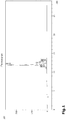
- An analysis of the product by reverse-phase chromatography (column: Alltech Alltima C18 4.6 x 250 mm, Fischer Scientific) with an ascending methanol gradient in water yielded an essentially homogeneous peak, so that a purity of at least 80% could be assumed ( Figure 1 ).
- ESI-MS electrospray ionization mass spectrometry
- a synthetic gene was prepared that codes for the sequence of the polypeptide LserFCP1-77 (SEQ ID No. 1).
- the codon usage was adapted to that of the receptor organism E. coli K12.
- the gene synthesis was performed by the company Eurofins MWG Operon (Anzingerstr. 7a, 85560 Ebersberg, Germany) on a contract basis. Further sequences enabling the insertion into the vector pASK-IBA33plus were added to the coding sequence at the 5' and 3' terminals.
- the complete synthetically prepared polynucleotide had the sequence as shown in SEQ ID No. 4.
- the synthetic gene was inserted into the vector pASK-IBA33plus in an oriented way by using two BsaI restriction endonuclease cleaving sites.
- the thus obtained construct was used for the transformation of E. coli cells of the strains TOP10 and BL21.
- the synthetic gene was recloned into the vector pET-32a(+).
- the recloning was performed to obtain a plasmid coding for a fusion polypeptide consisting of thioredoxin, a hexahistidine sequence, a protease recognition sequence, and the polypeptide LserFCP1-77.
- Two variants of this plasmid were prepared; in one, the encoded recognition sequence was specific for enterokinase, and in the other, for coagulation factor Xa. Accordingly, the plasmids were designated as pET-32-FCP-EK and pET-32-FCP-Xa.
- pET-32-FCP-EK was constructed using the forward primer 1 consisting of a KpnI restriction site, a linking sequence, a sequence coding for the enterokinase recognition sequence, and a specific sequence coding for the first amino acid residues of the polypeptide LserFCP1-77.
- pET-32-FCP-Xa was constructed using the forward primer 2 consisting of a KpnI restriction site, a linking sequence, a sequence coding for the factor Xa recognition sequence, and a specific sequence coding for the first amino acid residues of the polypeptide LserFCP1-77.
- the reverse primer 3 consisting of an EcoRI restriction site, a stop codon and a specific sequence coding for the last amino acid residues of the polypeptide LserFCP1-77 was used.
- the PCR products were inserted through the KpnI and EcoRI restriction sites into the vector pET-32a(+), and the constructs obtained were used for the transformation of E. coli cells of the strain BL21(DE3) (Novagen/Merck).
- the identification of transformed cells was effected by selection on ampicillin-containing nutrient medium.
- the E. coli strain employed contains a lysogenic lambda phage on which a gene coding for T7 RNA polymerase is under the control of a lacUV5 promoter.
- T7 RNA polymerase gene and thus the expression of the foreign gene being under the control of a T7 promoter on the expression plasmid is induced by adding isopropyl-beta-D-thiogalactopyranoside (IPTG).
- IPTG isopropyl-beta-D-thiogalactopyranoside
- E. coli cells of the strain BL21(DE3) (Novagen/Merck) were transformed with the plasmid pET-32-FCP-Xa constructed as described in Example 2, and cultured in six one-liter Erlenmeyer flasks with baffles, each of which contained 400 ml of LB medium supplemented with 300 mg/l ampicillin, at 37 °C with shaking at 250 rpm. After an absorption value of 0.4 at 600 nm as observed by turbidity measurement had been achieved, the induction was effected by adding 1 mM IPTG. After the culture had been continued for 3 hours, the bacterial cells were harvested by centrifugation (10,000 x g, 10 min, 4 °C).
- the pellet was resuspended in 200 ml of buffer A (100 mM NaCl, 30 mM Tris, pH 7.5), and the cells were lysed by shear forces in a high-pressure homogenizer (Microfluidizer M110PS, Microfluidics, 30 Ossipee Road, Newton, MA 02464 U.S.A.). After centrifugation (70,000 x g, 30 min, 4°C), the supernatant was filtered through a 0.22 mm membrane.
- buffer A 100 mM NaCl, 30 mM Tris, pH 7.5
- a high-pressure homogenizer Microfluidizer M110PS, Microfluidics, 30 Ossipee Road, Newton, MA 02464 U.S.A.
- the cell lysate was charged at a flow rate of 4 ml/min onto an immobilized metal ion affinity chromatographic column loaded with Co 2+ ions (16 x 100 mm, TALON Superflow Resin, Clontech Laboratories, 1290 Terra Bella Avenue, Mountain View, CA 94043, U.S.A.).
- the column had previously been equilibrated with buffer A. After the sample had been charged, the column was washed with buffer A until the detection at 280 nm yielded a constant value.
- the elution was effected with a step gradient from 30 mM to 100 mM imidazole in buffer A.
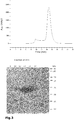
- the main quantity of the fusion polypeptide was eluted with the 100 mM imidazole step.
- An analysis by SDS PAGE followed by Coomassie blue staining yielded a purity of more than 90% ( Figure 3 ).
- the fusion polypeptide was rebuffered by gel permeation chromatography (HiPrep Desalting Column 26/10, GE Healthcare, Buckinghamshire, UK) in 10 mM NaCl, 10 mM Tris, pH 7.5. Ten micrograms of the fusion polypeptide was incubated with 500 units of factor Xa (Merck) in 10 ml of cleavage buffer (100 mM Tris-HCI, 20 mM NaCl, pH 7.5) for 16 h at room temperature.
- factor Xa Merck
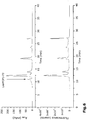
- the reaction product was charged at a flow rate of 1 ml/min onto a strong ionexchange column (MonoQ 5/50 GL, GE Healthcare) equilibrated with 10 mM Tris-HCI, pH 8, and the column was washed with the same buffer. The elution was effected with a gradient from 0 to 300 mM NaCl over 20 minutes.
- An analysis by SDS PAGE showed that the polypeptide LserFCP1-77, which was obtained as a cleaving product and eluted at 11 min, was completely separated from the remaining polypeptide components ( Figure 4 ). The corresponding peak in the chromatogram was visible only by detection by UV absorption, but not by fluorescence measurement.
- LserFCP1-77 exhibited an apparent molecular mass of 30 kDa instead of the expected 8.2 kDa. This atypical electrophoretic behavior is possibly accounted for by ineffective binding of SDS molecules to the polypeptide.
- the identity of the polypeptide was checked by reverse-phase chromatography (column: BioBasic 8, 2 x 150 mm, Dionex; gradient: 10-80% acetonitrile in water with 0.1% formic acid) with direct injection into an ESI mass spectrometer (amaZon ETD, Bruker Daltonik, Fahrenheitstr. 4, D-28359 Bremen).
- the predominant molecular ion observed at m/z 684 corresponded to the twelve times protonated target molecule ( Figure 5 ).
- E. coli cells of the strain BL21(DE3) (Novagen/Merck) were transformed with the plasmid pET-32-FCP-EK constructed as described in Example 2.
- the culturing of the cells and the processing of the cell lysate were performed by analogy with the operations described in Example 3, except that 0.1 units of enterokinase (Novagen) were employed for cleaving the fusion polypeptide.
- enterokinase Novagen
- the mass-spectrometric analysis micrOTOF II, Bruker Daltonik, Fahrenheitstr.
- Fusarium graminearum was cultured on SNA-agar plates at room temperature to sporulation. The spores were swept off the plate with water, adjusted to a density of 20,000 spores/ml, and stored at 4 °C until further use. For performing the tests, 0.05 ml each of the spore suspension was combined with 0.05 ml each of differently concentrated LserFCP1-77 solutions in the wells of a 96-well microtitration plate. After incubation for 24 h at room temperature, the spores were examined microscopically for germination using objective lenses with 4 fold and 10 fold magnifications. The result was documented photographically ( Figure 7 ).
- LserFCP1-73 The effectiveness of LserFCP1-73 at a concentration of 100 ⁇ M was determined as compared to a water control by means of the test system described in Example 5. A complete inhibition of spore germination by LserFCP1-73 was observed ( Figure 9 ).
- Phytophthora parasitica was cultured on Rye B agar plates for 8 days at 25 °C. The sporangia were washed off with water, and the sporangia suspension obtained was incubated for 4 h at 4 °C to induce the formation of zoospores. After 1:50 dilution in RPMI 1640 medium, the spore density was determined and adjusted to 20,000 spores/ml. The further performance of the test was effected by using the methods described in Example 5. The result was also documented photographically ( Figure 10 ).
- amino acids were abbreviated according to the IUPAC nomenclature as follows: alanine A, arginine R, asparagine N, aspartic acid E, cysteine C, glutamic acid D, glutamine Q, glycine G, histidine H, isoleucine I, leucine L, lysine K, methionine M, phenylalanine F, proline P, serine S, threonine T, tryptophan W, tyrosine Y, valine V
- the non-coding sequence segments added for cloning are printed in oblique characters.
Landscapes
- Life Sciences & Earth Sciences (AREA)
- Health & Medical Sciences (AREA)
- Genetics & Genomics (AREA)
- Zoology (AREA)
- Chemical & Material Sciences (AREA)
- Engineering & Computer Science (AREA)
- General Health & Medical Sciences (AREA)
- Organic Chemistry (AREA)
- Wood Science & Technology (AREA)
- Molecular Biology (AREA)
- Biotechnology (AREA)
- Plant Pathology (AREA)
- Biophysics (AREA)
- Biochemistry (AREA)
- Proteomics, Peptides & Aminoacids (AREA)
- Bioinformatics & Cheminformatics (AREA)
- General Engineering & Computer Science (AREA)
- Biomedical Technology (AREA)
- Insects & Arthropods (AREA)
- Microbiology (AREA)
- Environmental Sciences (AREA)
- Pest Control & Pesticides (AREA)
- Dentistry (AREA)
- Agronomy & Crop Science (AREA)
- Medicinal Chemistry (AREA)
- Gastroenterology & Hepatology (AREA)
- Cell Biology (AREA)
- Physics & Mathematics (AREA)
- Tropical Medicine & Parasitology (AREA)
- Toxicology (AREA)
- Virology (AREA)
- Peptides Or Proteins (AREA)
- Agricultural Chemicals And Associated Chemicals (AREA)
- Physiology (AREA)
- Botany (AREA)
- Developmental Biology & Embryology (AREA)
- Breeding Of Plants And Reproduction By Means Of Culturing (AREA)
- Preparation Of Compounds By Using Micro-Organisms (AREA)
- Micro-Organisms Or Cultivation Processes Thereof (AREA)
Claims (14)
- Polypeptid, das eine Aminosäuresequenz umfasst, die identisch mit mindestens 12 zusammenhängenden Aminosäureresten von SEQ ID NO: 2 ist, wobei das Polypeptid eine Aminosäuresequenz umfasst, die identisch mit SEQ ID NO: 1 oder SEQ ID NO: 2 ist.
- Polypeptid nach Anspruch 1, das bei einer Konzentration von 1 bis 1 000 µM, insbesondere 2 µm, zu einer halbmaximalen Hemmung der Sporenkeimung von Fusarium graminearum führt.
- Polypeptid nach mindestens einem der Ansprüche 1 bis 2, das wirksam gegen das Wachstum von Organismen der Gattungen Fusarium und/oder Phytophthora ist.
- Polypeptid nach mindestens einem der Ansprüche 1 bis 3, wobei der N-Terminus durch teilweise oder vollständige Alkylierung oder durch Acylierung derivatisiert ist.
- Polypeptid nach mindestens einem der Ansprüche 1 bis 4, wobei der C-Terminus durch Amidierung oder Veresterung derivatisiert ist.
- Polypeptid nach mindestens einem der Ansprüche 1 bis 5, wobei die Peptidkette durch PEGylierung oder HESylierung derivatisiert ist.
- Polypeptid nach mindestens einem der Ansprüche 1 bis 6, das die folgende Sequenzaufweist, worin
 Z1 das N-terminale Ende des Polypeptids oder ein Derivat der terminalen Aminogruppe des Polypeptids oder eine Kette von bis zu zehn beliebigen Aminosäuren ist;Z2 das C-terminale Ende des Polypeptids oder ein Derivat der terminalen Carboxygruppe des Polypeptids oder eine Kette von bis zu zehn beliebigen Aminosäuren ist.
 - Polypeptid nach mindestens einem der Ansprüche 1 bis 7, wobei Z2 eine Aminosäuresequenz von SHGY-Z3 aufweist, worin Z3 das C-terminale Ende des Polypeptids oder ein Derivat der terminalen Carboxygruppe des Polypeptids oder eine Kette von bis zu sechs beliebigen Aminosäuren ist.
- Polypeptid nach mindestens einem der Ansprüche 1 bis 8, wobei das Polypeptid teilweise oder vollständig D-Aminosäuren aufweist oder eine D-Retroinversopeptid-Struktur aufweist.
- Polynucleotid, das das Polypeptid nach Anspruch 1 oder 9 codiert.
- Verwendung des Polypeptids nach mindestens einem der Ansprüche 1 bis 9 oder eines Polynucleotids, das ein derartiges Polypeptid codiert und eine Sequenz aufweist, die unter Stringenzbedingungen unter Verwendung von 0,2xSSC bei 42 °C für das Waschen mit einer Oligo- oder Polynucleotidsonde hybridisiert, die aus der Gruppe ausgewählt ist:dem komplementären Strang zu den Nucleotidresten 1 bis 231 von SEQ ID NO: 3;dem komplementären Strang zu den Nucleotidresten 1 bis 102 von SEQ ID NO: 3;dem komplementären Strang zu den Nucleotidresten 103 bis 331 von SEQ ID NO: 3;dem komplementären Strang zu den Nucleotidresten 18 bis 251 von SEQ ID NO: 4;dem komplementären Strang zu den Nucleotidresten 18 bis 119 von SEQ ID NO: 4;dem komplementären Strang zu den Nucleotidresten 120 bis 251 von SEQ ID NO: 4;für die Bekämpfung von Pilzen, insbesondere von Pilzen, die Pflanzenkrankheiten hervorrufen; Organismen der Gattungen Fusarium und/oder Phytophthora; Organismen der Klasse Peronosporomycetes.
- Verfahren zum Herstellen eines Polypeptids nach mindestens einem der Ansprüche 1 bis 9.
- Zelle, mit Ausnahme von Wildtypzellen von Lucilia sericata, wobei die Zellen eine Nukleinsäure für die Expression eines Polypeptids mit der SEQ ID NO: 1 oder 2 enthalten.
- Transgene Pflanze, die eine Zelle nach Anspruch 13 enthält.
Priority Applications (1)
| Application Number | Priority Date | Filing Date | Title |
|---|---|---|---|
| EP14701200.9A EP2956474B1 (de) | 2013-02-12 | 2014-01-23 | Polypeptide gegen pflanzenpathogene pilze |
Applications Claiming Priority (4)
| Application Number | Priority Date | Filing Date | Title |
|---|---|---|---|
| US201361763585P | 2013-02-12 | 2013-02-12 | |
| EP13154940 | 2013-02-12 | ||
| PCT/EP2014/051345 WO2014124786A1 (en) | 2013-02-12 | 2014-01-23 | Polypeptides against plant pathogenic fungi |
| EP14701200.9A EP2956474B1 (de) | 2013-02-12 | 2014-01-23 | Polypeptide gegen pflanzenpathogene pilze |
Publications (2)
| Publication Number | Publication Date |
|---|---|
| EP2956474A1 EP2956474A1 (de) | 2015-12-23 |
| EP2956474B1 true EP2956474B1 (de) | 2018-08-22 |
Family
ID=47681797
Family Applications (1)
| Application Number | Title | Priority Date | Filing Date |
|---|---|---|---|
| EP14701200.9A Active EP2956474B1 (de) | 2013-02-12 | 2014-01-23 | Polypeptide gegen pflanzenpathogene pilze |
Country Status (7)
| Country | Link |
|---|---|
| US (1) | US10266842B2 (de) |
| EP (1) | EP2956474B1 (de) |
| JP (1) | JP6396330B2 (de) |
| KR (1) | KR102171336B1 (de) |
| CN (1) | CN105102476B (de) |
| ES (1) | ES2693036T3 (de) |
| WO (1) | WO2014124786A1 (de) |
Families Citing this family (4)
| Publication number | Priority date | Publication date | Assignee | Title |
|---|---|---|---|---|
| FR3109494B1 (fr) * | 2020-04-24 | 2022-04-08 | Institut National De Rech Pour L’Agriculture L’Alimentation Et L’Environnement | Methodes pour inhiber la production de mycotoxines par fusarium |
| AU2022315304A1 (en) * | 2021-07-23 | 2024-02-08 | Flagship Pioneering Innovations Vii, Llc | Compositions for fungal control and related methods |
| WO2024137878A1 (en) * | 2022-12-20 | 2024-06-27 | Innatrix Inc. | Bioprotectant peptides for the prevention of late blight |
| CN120518718B (zh) * | 2025-07-24 | 2025-10-28 | 北京大学现代农业研究院 | 多肽、植物免疫诱抗剂和提高植物抗病能力的方法 |
Family Cites Families (4)
| Publication number | Priority date | Publication date | Assignee | Title |
|---|---|---|---|---|
| US6750381B2 (en) * | 1996-03-25 | 2004-06-15 | National Institute Of Agrobiological Sciences | Pathogen-resistant plants transformed with a DNA encoding sarcotoxin 1A linked to a signal peptide and a method for production thereof |
| US7053266B2 (en) * | 2002-03-27 | 2006-05-30 | Council Of Scientfic And Industrial Research | Chimeric cry1E δendotoxin and methods of controlling insects |
| GB0700946D0 (en) | 2007-01-18 | 2007-02-28 | Uws Ventures Ltd | Antimicrobial composition and a method of controlling contamination and infection using said composition |
| NZ601099A (en) * | 2009-12-16 | 2014-10-31 | Dow Agrosciences Llc | Use of vip3ab in combination with cry1ca for management of resistant insects |
-
2014
- 2014-01-23 JP JP2015556444A patent/JP6396330B2/ja not_active Expired - Fee Related
- 2014-01-23 CN CN201480007267.1A patent/CN105102476B/zh not_active Expired - Fee Related
- 2014-01-23 EP EP14701200.9A patent/EP2956474B1/de active Active
- 2014-01-23 ES ES14701200.9T patent/ES2693036T3/es active Active
- 2014-01-23 WO PCT/EP2014/051345 patent/WO2014124786A1/en not_active Ceased
- 2014-01-23 US US14/766,776 patent/US10266842B2/en active Active
- 2014-01-23 KR KR1020157020000A patent/KR102171336B1/ko not_active Expired - Fee Related
Non-Patent Citations (1)
| Title |
|---|
| None * |
Also Published As
| Publication number | Publication date |
|---|---|
| US10266842B2 (en) | 2019-04-23 |
| US20160002663A1 (en) | 2016-01-07 |
| EP2956474A1 (de) | 2015-12-23 |
| JP6396330B2 (ja) | 2018-09-26 |
| WO2014124786A1 (en) | 2014-08-21 |
| KR102171336B1 (ko) | 2020-10-28 |
| CN105102476A (zh) | 2015-11-25 |
| KR20150117254A (ko) | 2015-10-19 |
| ES2693036T3 (es) | 2018-12-07 |
| JP2016507541A (ja) | 2016-03-10 |
| CN105102476B (zh) | 2019-09-10 |
Similar Documents
| Publication | Publication Date | Title |
|---|---|---|
| ES2435777T3 (es) | Una nueva proteína, un gen que la codifica, y un método para su uso | |
| EP2956474B1 (de) | Polypeptide gegen pflanzenpathogene pilze | |
| KR101676917B1 (ko) | 항진균 및 살충용 토종벌 유래 ick 펩타이드 | |
| CN108026155B (zh) | 新抗微生物肽、它们的变体和用途 | |
| JP2024528407A (ja) | 修飾された抗微生物ペプチド | |
| EP4638471A1 (de) | Antimikrobielle peptide und ihre modifikationen | |
| EP3423477B1 (de) | Neue antimikrobielle peptide, deren varianten und verwendungen | |
| US20250282822A1 (en) | Synthetic antimicrobial peptides | |
| EP1443054B1 (de) | Antimikrobielle proteine, für die proteine codierende gene und verfahren zu deren anwendung | |
| US20040087771A1 (en) | Antimicrobial peptides of the family of defensins, polynucleotides encoding said peptides, transformed vectors and organisms containing them | |
| WO2002095076A2 (en) | Modified polypeptides having protease-resistance and/or protease-sensitivity | |
| US11096985B2 (en) | Antimicrobial peptides, their variants and uses | |
| Montesinos Seguí | Functional peptides for plant disease control | |
| KUDDUS | Construction of the over-expression system of cysteine-rich plant antimicrobial peptide snakin-1 | |
| JP2000083675A (ja) | 新規タンパク質、それをコードする遺伝子及びそれらの利用法 | |
| KR20040066628A (ko) | 식물체의 병저항성 신호전달 유전자 |
Legal Events
| Date | Code | Title | Description |
|---|---|---|---|
| PUAI | Public reference made under article 153(3) epc to a published international application that has entered the european phase |
Free format text: ORIGINAL CODE: 0009012 |
|
| 17P | Request for examination filed |
Effective date: 20150909 |
|
| AK | Designated contracting states |
Kind code of ref document: A1 Designated state(s): AL AT BE BG CH CY CZ DE DK EE ES FI FR GB GR HR HU IE IS IT LI LT LU LV MC MK MT NL NO PL PT RO RS SE SI SK SM TR |
|
| AX | Request for extension of the european patent |
Extension state: BA ME |
|
| DAX | Request for extension of the european patent (deleted) | ||
| STAA | Information on the status of an ep patent application or granted ep patent |
Free format text: STATUS: EXAMINATION IS IN PROGRESS |
|
| 17Q | First examination report despatched |
Effective date: 20170105 |
|
| GRAP | Despatch of communication of intention to grant a patent |
Free format text: ORIGINAL CODE: EPIDOSNIGR1 |
|
| STAA | Information on the status of an ep patent application or granted ep patent |
Free format text: STATUS: GRANT OF PATENT IS INTENDED |
|
| INTG | Intention to grant announced |
Effective date: 20180321 |
|
| GRAS | Grant fee paid |
Free format text: ORIGINAL CODE: EPIDOSNIGR3 |
|
| GRAA | (expected) grant |
Free format text: ORIGINAL CODE: 0009210 |
|
| STAA | Information on the status of an ep patent application or granted ep patent |
Free format text: STATUS: THE PATENT HAS BEEN GRANTED |
|
| AK | Designated contracting states |
Kind code of ref document: B1 Designated state(s): AL AT BE BG CH CY CZ DE DK EE ES FI FR GB GR HR HU IE IS IT LI LT LU LV MC MK MT NL NO PL PT RO RS SE SI SK SM TR |
|
| REG | Reference to a national code |
Ref country code: GB Ref legal event code: FG4D |
|
| REG | Reference to a national code |
Ref country code: CH Ref legal event code: EP |
|
| REG | Reference to a national code |
Ref country code: AT Ref legal event code: REF Ref document number: 1032347 Country of ref document: AT Kind code of ref document: T Effective date: 20180915 |
|
| REG | Reference to a national code |
Ref country code: IE Ref legal event code: FG4D |
|
| REG | Reference to a national code |
Ref country code: DE Ref legal event code: R096 Ref document number: 602014030797 Country of ref document: DE |
|
| REG | Reference to a national code |
Ref country code: NL Ref legal event code: FP |
|
| REG | Reference to a national code |
Ref country code: CH Ref legal event code: NV Representative=s name: RENTSCH PARTNER AG, CH |
|
| REG | Reference to a national code |
Ref country code: ES Ref legal event code: FG2A Ref document number: 2693036 Country of ref document: ES Kind code of ref document: T3 Effective date: 20181207 |
|
| REG | Reference to a national code |
Ref country code: LT Ref legal event code: MG4D |
|
| PG25 | Lapsed in a contracting state [announced via postgrant information from national office to epo] |
Ref country code: RS Free format text: LAPSE BECAUSE OF FAILURE TO SUBMIT A TRANSLATION OF THE DESCRIPTION OR TO PAY THE FEE WITHIN THE PRESCRIBED TIME-LIMIT Effective date: 20180822 Ref country code: FI Free format text: LAPSE BECAUSE OF FAILURE TO SUBMIT A TRANSLATION OF THE DESCRIPTION OR TO PAY THE FEE WITHIN THE PRESCRIBED TIME-LIMIT Effective date: 20180822 Ref country code: LT Free format text: LAPSE BECAUSE OF FAILURE TO SUBMIT A TRANSLATION OF THE DESCRIPTION OR TO PAY THE FEE WITHIN THE PRESCRIBED TIME-LIMIT Effective date: 20180822 Ref country code: BG Free format text: LAPSE BECAUSE OF FAILURE TO SUBMIT A TRANSLATION OF THE DESCRIPTION OR TO PAY THE FEE WITHIN THE PRESCRIBED TIME-LIMIT Effective date: 20181122 Ref country code: NO Free format text: LAPSE BECAUSE OF FAILURE TO SUBMIT A TRANSLATION OF THE DESCRIPTION OR TO PAY THE FEE WITHIN THE PRESCRIBED TIME-LIMIT Effective date: 20181122 Ref country code: IS Free format text: LAPSE BECAUSE OF FAILURE TO SUBMIT A TRANSLATION OF THE DESCRIPTION OR TO PAY THE FEE WITHIN THE PRESCRIBED TIME-LIMIT Effective date: 20181222 Ref country code: GR Free format text: LAPSE BECAUSE OF FAILURE TO SUBMIT A TRANSLATION OF THE DESCRIPTION OR TO PAY THE FEE WITHIN THE PRESCRIBED TIME-LIMIT Effective date: 20181123 Ref country code: SE Free format text: LAPSE BECAUSE OF FAILURE TO SUBMIT A TRANSLATION OF THE DESCRIPTION OR TO PAY THE FEE WITHIN THE PRESCRIBED TIME-LIMIT Effective date: 20180822 |
|
| PG25 | Lapsed in a contracting state [announced via postgrant information from national office to epo] |
Ref country code: HR Free format text: LAPSE BECAUSE OF FAILURE TO SUBMIT A TRANSLATION OF THE DESCRIPTION OR TO PAY THE FEE WITHIN THE PRESCRIBED TIME-LIMIT Effective date: 20180822 Ref country code: LV Free format text: LAPSE BECAUSE OF FAILURE TO SUBMIT A TRANSLATION OF THE DESCRIPTION OR TO PAY THE FEE WITHIN THE PRESCRIBED TIME-LIMIT Effective date: 20180822 Ref country code: AL Free format text: LAPSE BECAUSE OF FAILURE TO SUBMIT A TRANSLATION OF THE DESCRIPTION OR TO PAY THE FEE WITHIN THE PRESCRIBED TIME-LIMIT Effective date: 20180822 |
|
| PG25 | Lapsed in a contracting state [announced via postgrant information from national office to epo] |
Ref country code: CZ Free format text: LAPSE BECAUSE OF FAILURE TO SUBMIT A TRANSLATION OF THE DESCRIPTION OR TO PAY THE FEE WITHIN THE PRESCRIBED TIME-LIMIT Effective date: 20180822 Ref country code: PL Free format text: LAPSE BECAUSE OF FAILURE TO SUBMIT A TRANSLATION OF THE DESCRIPTION OR TO PAY THE FEE WITHIN THE PRESCRIBED TIME-LIMIT Effective date: 20180822 Ref country code: EE Free format text: LAPSE BECAUSE OF FAILURE TO SUBMIT A TRANSLATION OF THE DESCRIPTION OR TO PAY THE FEE WITHIN THE PRESCRIBED TIME-LIMIT Effective date: 20180822 Ref country code: RO Free format text: LAPSE BECAUSE OF FAILURE TO SUBMIT A TRANSLATION OF THE DESCRIPTION OR TO PAY THE FEE WITHIN THE PRESCRIBED TIME-LIMIT Effective date: 20180822 |
|
| REG | Reference to a national code |
Ref country code: DE Ref legal event code: R097 Ref document number: 602014030797 Country of ref document: DE |
|
| PG25 | Lapsed in a contracting state [announced via postgrant information from national office to epo] |
Ref country code: DK Free format text: LAPSE BECAUSE OF FAILURE TO SUBMIT A TRANSLATION OF THE DESCRIPTION OR TO PAY THE FEE WITHIN THE PRESCRIBED TIME-LIMIT Effective date: 20180822 Ref country code: SM Free format text: LAPSE BECAUSE OF FAILURE TO SUBMIT A TRANSLATION OF THE DESCRIPTION OR TO PAY THE FEE WITHIN THE PRESCRIBED TIME-LIMIT Effective date: 20180822 Ref country code: SK Free format text: LAPSE BECAUSE OF FAILURE TO SUBMIT A TRANSLATION OF THE DESCRIPTION OR TO PAY THE FEE WITHIN THE PRESCRIBED TIME-LIMIT Effective date: 20180822 |
|
| PLBE | No opposition filed within time limit |
Free format text: ORIGINAL CODE: 0009261 |
|
| STAA | Information on the status of an ep patent application or granted ep patent |
Free format text: STATUS: NO OPPOSITION FILED WITHIN TIME LIMIT |
|
| REG | Reference to a national code |
Ref country code: AT Ref legal event code: UEP Ref document number: 1032347 Country of ref document: AT Kind code of ref document: T Effective date: 20180822 |
|
| 26N | No opposition filed |
Effective date: 20190523 |
|
| PG25 | Lapsed in a contracting state [announced via postgrant information from national office to epo] |
Ref country code: MC Free format text: LAPSE BECAUSE OF FAILURE TO SUBMIT A TRANSLATION OF THE DESCRIPTION OR TO PAY THE FEE WITHIN THE PRESCRIBED TIME-LIMIT Effective date: 20180822 Ref country code: SI Free format text: LAPSE BECAUSE OF FAILURE TO SUBMIT A TRANSLATION OF THE DESCRIPTION OR TO PAY THE FEE WITHIN THE PRESCRIBED TIME-LIMIT Effective date: 20180822 |
|
| PG25 | Lapsed in a contracting state [announced via postgrant information from national office to epo] |
Ref country code: LU Free format text: LAPSE BECAUSE OF NON-PAYMENT OF DUE FEES Effective date: 20190123 |
|
| REG | Reference to a national code |
Ref country code: BE Ref legal event code: MM Effective date: 20190131 |
|
| REG | Reference to a national code |
Ref country code: IE Ref legal event code: MM4A |
|
| PG25 | Lapsed in a contracting state [announced via postgrant information from national office to epo] |
Ref country code: BE Free format text: LAPSE BECAUSE OF NON-PAYMENT OF DUE FEES Effective date: 20190131 |
|
| PG25 | Lapsed in a contracting state [announced via postgrant information from national office to epo] |
Ref country code: IE Free format text: LAPSE BECAUSE OF NON-PAYMENT OF DUE FEES Effective date: 20190123 |
|
| PG25 | Lapsed in a contracting state [announced via postgrant information from national office to epo] |
Ref country code: TR Free format text: LAPSE BECAUSE OF FAILURE TO SUBMIT A TRANSLATION OF THE DESCRIPTION OR TO PAY THE FEE WITHIN THE PRESCRIBED TIME-LIMIT Effective date: 20180822 |
|
| PG25 | Lapsed in a contracting state [announced via postgrant information from national office to epo] |
Ref country code: PT Free format text: LAPSE BECAUSE OF FAILURE TO SUBMIT A TRANSLATION OF THE DESCRIPTION OR TO PAY THE FEE WITHIN THE PRESCRIBED TIME-LIMIT Effective date: 20181222 Ref country code: MT Free format text: LAPSE BECAUSE OF NON-PAYMENT OF DUE FEES Effective date: 20190123 |
|
| PG25 | Lapsed in a contracting state [announced via postgrant information from national office to epo] |
Ref country code: CY Free format text: LAPSE BECAUSE OF FAILURE TO SUBMIT A TRANSLATION OF THE DESCRIPTION OR TO PAY THE FEE WITHIN THE PRESCRIBED TIME-LIMIT Effective date: 20180822 |
|
| PG25 | Lapsed in a contracting state [announced via postgrant information from national office to epo] |
Ref country code: HU Free format text: LAPSE BECAUSE OF FAILURE TO SUBMIT A TRANSLATION OF THE DESCRIPTION OR TO PAY THE FEE WITHIN THE PRESCRIBED TIME-LIMIT; INVALID AB INITIO Effective date: 20140123 |
|
| PG25 | Lapsed in a contracting state [announced via postgrant information from national office to epo] |
Ref country code: MK Free format text: LAPSE BECAUSE OF FAILURE TO SUBMIT A TRANSLATION OF THE DESCRIPTION OR TO PAY THE FEE WITHIN THE PRESCRIBED TIME-LIMIT Effective date: 20180822 |
|
| P01 | Opt-out of the competence of the unified patent court (upc) registered |
Effective date: 20230524 |
|
| REG | Reference to a national code |
Ref country code: DE Ref legal event code: R082 Ref document number: 602014030797 Country of ref document: DE Representative=s name: ROTH, ANDY STEFAN, DIPL.-BIOL. DR. SC. HUM., DE |
|
| PGFP | Annual fee paid to national office [announced via postgrant information from national office to epo] |
Ref country code: NL Payment date: 20240123 Year of fee payment: 11 |
|
| PGFP | Annual fee paid to national office [announced via postgrant information from national office to epo] |
Ref country code: ES Payment date: 20240216 Year of fee payment: 11 |
|
| PGFP | Annual fee paid to national office [announced via postgrant information from national office to epo] |
Ref country code: AT Payment date: 20240118 Year of fee payment: 11 |
|
| PGFP | Annual fee paid to national office [announced via postgrant information from national office to epo] |
Ref country code: DE Payment date: 20240119 Year of fee payment: 11 Ref country code: GB Payment date: 20240124 Year of fee payment: 11 Ref country code: CH Payment date: 20240202 Year of fee payment: 11 |
|
| PGFP | Annual fee paid to national office [announced via postgrant information from national office to epo] |
Ref country code: IT Payment date: 20240131 Year of fee payment: 11 Ref country code: FR Payment date: 20240123 Year of fee payment: 11 |
|
| REG | Reference to a national code |
Ref country code: DE Ref legal event code: R119 Ref document number: 602014030797 Country of ref document: DE |
|
| REG | Reference to a national code |
Ref country code: CH Ref legal event code: PL |
|
| REG | Reference to a national code |
Ref country code: NL Ref legal event code: MM Effective date: 20250201 |
|
| REG | Reference to a national code |
Ref country code: AT Ref legal event code: MM01 Ref document number: 1032347 Country of ref document: AT Kind code of ref document: T Effective date: 20250123 |
|
| GBPC | Gb: european patent ceased through non-payment of renewal fee |
Effective date: 20250123 |
|
| PG25 | Lapsed in a contracting state [announced via postgrant information from national office to epo] |
Ref country code: DE Free format text: LAPSE BECAUSE OF NON-PAYMENT OF DUE FEES Effective date: 20250801 |
|
| PG25 | Lapsed in a contracting state [announced via postgrant information from national office to epo] |
Ref country code: NL Free format text: LAPSE BECAUSE OF NON-PAYMENT OF DUE FEES Effective date: 20250201 |
|
| PG25 | Lapsed in a contracting state [announced via postgrant information from national office to epo] |
Ref country code: GB Free format text: LAPSE BECAUSE OF NON-PAYMENT OF DUE FEES Effective date: 20250123 |
|
| PG25 | Lapsed in a contracting state [announced via postgrant information from national office to epo] |
Ref country code: FR Free format text: LAPSE BECAUSE OF NON-PAYMENT OF DUE FEES Effective date: 20250131 Ref country code: AT Free format text: LAPSE BECAUSE OF NON-PAYMENT OF DUE FEES Effective date: 20250123 |
|
| PG25 | Lapsed in a contracting state [announced via postgrant information from national office to epo] |
Ref country code: CH Free format text: LAPSE BECAUSE OF NON-PAYMENT OF DUE FEES Effective date: 20250131 |
|
| PG25 | Lapsed in a contracting state [announced via postgrant information from national office to epo] |
Ref country code: IT Free format text: LAPSE BECAUSE OF NON-PAYMENT OF DUE FEES Effective date: 20250123 |
|
| REG | Reference to a national code |
Ref country code: ES Ref legal event code: FD2A Effective date: 20260302 |
|
| PG25 | Lapsed in a contracting state [announced via postgrant information from national office to epo] |
Ref country code: ES Free format text: LAPSE BECAUSE OF NON-PAYMENT OF DUE FEES Effective date: 20250124 |