EP2957629A1 - Verbesserte Herstellung von Vanilloiden durch Fermentation - Google Patents
Verbesserte Herstellung von Vanilloiden durch Fermentation Download PDFInfo
- Publication number
- EP2957629A1 EP2957629A1 EP14305939.2A EP14305939A EP2957629A1 EP 2957629 A1 EP2957629 A1 EP 2957629A1 EP 14305939 A EP14305939 A EP 14305939A EP 2957629 A1 EP2957629 A1 EP 2957629A1
- Authority
- EP
- European Patent Office
- Prior art keywords
- acid
- yeast
- vanilloid
- vanillin
- recombinant yeast
- Prior art date
- Legal status (The legal status is an assumption and is not a legal conclusion. Google has not performed a legal analysis and makes no representation as to the accuracy of the status listed.)
- Withdrawn
Links
Images






Classifications
-
- C—CHEMISTRY; METALLURGY
- C12—BIOCHEMISTRY; BEER; SPIRITS; WINE; VINEGAR; MICROBIOLOGY; ENZYMOLOGY; MUTATION OR GENETIC ENGINEERING
- C12P—FERMENTATION OR ENZYME-USING PROCESSES TO SYNTHESISE A DESIRED CHEMICAL COMPOUND OR COMPOSITION OR TO SEPARATE OPTICAL ISOMERS FROM A RACEMIC MIXTURE
- C12P7/00—Preparation of oxygen-containing organic compounds
- C12P7/24—Preparation of oxygen-containing organic compounds containing a carbonyl group
-
- C—CHEMISTRY; METALLURGY
- C12—BIOCHEMISTRY; BEER; SPIRITS; WINE; VINEGAR; MICROBIOLOGY; ENZYMOLOGY; MUTATION OR GENETIC ENGINEERING
- C12N—MICROORGANISMS OR ENZYMES; COMPOSITIONS THEREOF; PROPAGATING, PRESERVING, OR MAINTAINING MICROORGANISMS; MUTATION OR GENETIC ENGINEERING; CULTURE MEDIA
- C12N1/00—Microorganisms; Compositions thereof; Processes of propagating, maintaining or preserving microorganisms or compositions thereof; Processes of preparing or isolating a composition containing a microorganism; Culture media therefor
- C12N1/32—Processes using, or culture media containing, lower alkanols, i.e. C1 to C6
-
- C—CHEMISTRY; METALLURGY
- C12—BIOCHEMISTRY; BEER; SPIRITS; WINE; VINEGAR; MICROBIOLOGY; ENZYMOLOGY; MUTATION OR GENETIC ENGINEERING
- C12N—MICROORGANISMS OR ENZYMES; COMPOSITIONS THEREOF; PROPAGATING, PRESERVING, OR MAINTAINING MICROORGANISMS; MUTATION OR GENETIC ENGINEERING; CULTURE MEDIA
- C12N15/00—Mutation or genetic engineering; DNA or RNA concerning genetic engineering, vectors, e.g. plasmids, or their isolation, preparation or purification; Use of hosts therefor
- C12N15/09—Recombinant DNA-technology
- C12N15/11—DNA or RNA fragments; Modified forms thereof; Non-coding nucleic acids having a biological activity
- C12N15/52—Genes encoding for enzymes or proenzymes
Definitions
- Vanilloids are defined as chemical compounds possessing a vanillyl group whose chemical structure is shown below: wherein R is selected from the group consisting of an hydrogen H, a methyl-CH 3 , an ethyl -CH 2 CH 3 , an aldehyde and a carboxylic acid.
- R is selected from the group consisting of an hydrogen H, a methyl-CH 3 , an ethyl -CH 2 CH 3 , an aldehyde and a carboxylic acid.
- the OH group can be substituted with an O-glycosyl group.
- vanilloids include vanillyl alcohol, vanillin, vanillic acid, vanillin ⁇ -D-glucoside, acetovanillon, vanillylmandelic acid, homovanillic acid and capsaicin.
- vanilloids also preferably includes chemical compounds possessing a group whose chemical structure is shown below: wherein R is selected from the group consisting of an hydrogen H, a methyl - CH 3 , an ethyl -CH 2 CH 3 , an aldehyde and a carboxylic acid.
- R is selected from the group consisting of an hydrogen H, a methyl - CH 3 , an ethyl -CH 2 CH 3 , an aldehyde and a carboxylic acid.
- the OH group can be substituted with an O-glycosyl group.
- these chemical compunds include ethylvanillyl alcohol, ethylvanillin, ethylvanillic acid, ethylvanillin ⁇ -D-glucoside, acetoethylvanillon, ethylvanillylmandelic acid and homoethylvanillic acid.
- vanillin of chemical name 4-hydroxy-3-methoxybenzaldehyde
- vanillin was historically extracted from Vanilla planifolia, Vanilla tahitiensis and Vanilla pompona pods. The demand getting higher today, less than 5% of worldwide vanillin production comes from natural vanilla pods.
- chemical synthesis is the most important process for producing vanillin.
- bioconversion processes The use of microbial cells and their enzymes as biocatalysts for the synthesis of chemicals and flavor compounds have attracted much attention lately.
- the products of such bioconversion may be considered 'natural' by legislations, such as the EU one.
- Bioconversion processes are based on the following substrates: lignin, phenolic stilbenes, isoeugenol, eugenol, ferulic acid, sugars, phenolic stilbenes, waste residues and aromatic amino acids.
- Kaur B, Chakraborty D. Biotechnological and molecular approaches for vanillin production: a review.” Appl Biochem Biotechnol. 2013 Feb; 169(4):1353-72 ) list several biosynthetic pathways and appropriate cells used for bioconversion of vanilloids.
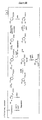
- the engineered pathway involves a 3-dehydroshikimate dehydratase (3DSD), an aromatic carboxylic acid reductase (ACAR) and an O-methyltransferase, as shown in figure 2 , pathways 1 and 2.
- 3DSD 3-dehydroshikimate dehydratase
- ACR aromatic carboxylic acid reductase
- O-methyltransferase as shown in figure 2 , pathways 1 and 2.
- S. cerevisiae because the ACAR enzyme requires an activation mediated by a phosphopantetheinyl transferase, the latter enzyme was also introduced in the yeast.
- Prevention of reduction of vanillin to vanillyl alcohol was achieved by deleting the host alcohol dehydrogenase encoding gene adh6. Later, the same authors improved their engineered pathway by using mutants of human Catechol O-methyltransferase having better substrate specificity, thereby limiting the production of isovanillin ( WO 2013/022881 ).
- Another engineered pathway for producing a vanilloid in yeast is inspired from the natural biosynthesis pathway observed in the Vanilla planifolia orchid, such as described in patent application US 2003/0070188 .
- This engineered pathway comprises the following enzymes: phenylalanine/tyrosine ammonia lyase (PAL/TAL), cinnamate-4-hydrolase (C4H), 4-coumarate coenzyme A ligase (4CL), enoyl-CoA hydratase/aldolase (ECH), a hydroxybenzoic acid hydroxylase (HBH) and a caffeic acid O-methyltransferase (COMT), as shown in figures 1 and 2 , pathway 3.
- PAL/TAL phenylalanine/tyrosine ammonia lyase
- C4H cinnamate-4-hydrolase
- 4CL 4-coumarate coenzyme A ligase
- EH enoyl-CoA hydratase/
- This pathway uses aromatic amino acids such as phenylalanine and tyrosine as primary substrates. Enzymes of this pathway have been successfully introduced into yeast, able to bio-synthetize vanilloids (patent application EP13156021.1 , not published, herein incorporated by reference).
- alcohol dehydrogenases ADH6 & ADH7 are known to convert vanillin into its corresponding vanillyl alcohol. Studies have suggested the deletion of the adh6 gene in vanillin-producing yeasts (Hansen et al., 2009, previously cited).
- Inventors present here genetically modified yeast cells and specific culture conditions, both allowing a significant improvement of vanilloid production from a source of carbon, by fermentation.
- the present invention is related to a genetically modified yeast, optimized for the production of a vanilloid or a precursor thereof from a source of carbon, comprising enzymes required for production of a vanilloid or a precursor thereof, and wherein the said genetically modified yeast has a reduced ability to decarboxylate phenylacrylic acids.
- the genetically modified yeast of the invention presents also a decreased ability for degrading aldehydes, and ensures an improved availability of aromatic amino acids.
- the present invention is also related to an improved method for producing a vanilloid or a precursor thereof by fermentation.
- Culture conditions such as carbon sources, biphasic media bioconversion and volume of the culture were explored to optimize vanillin production.
- the present invention is also related to a method for producing a vanilloid or a precursor thereof from a specific source of carbon, by fermentation of genetically modified yeasts.
- the present invention is also related to a method for producing a vanilloid or a precursor thereof, and separating it from the culture medium by biphasic culture media to avoid the toxic effect of vanillin.
- the step of the yeast culture is performed in an appropriate medium comprising two phases, an aqueous phase and a water immiscible solvent.
- the present invention is related to a composition comprising a vanilloid or a precursor thereof obtainable by the method as disclosed above, and to the use of said composition as a flavoring in the human and animal nutrition field, in pharmacy, and as a fragrance in the cosmetics, perfumery and detergency industries.
- the present invention is related to a recombinant yeast, optimized for the production of a vanilloid or a precursor thereof, comprising a set of exogenous nucleic acids, with each nucleic acid encoding a polypeptide involved in the biosynthesis pathway of a vanilloid, said set of exogenous nucleic acids encoding a set of polypeptides selected in a group comprising:
- This invention also pertains to a recombinant yeast, optimized for the production of a vanilloid or a precursor thereof, expressing a set of polypeptides involved in the biosynthesis pathway of a vanilloid, said set of polypeptides being encoded by one or more exogenous nucleic acids, and said set of polypeptides being selected in a group comprising:
- Yeasts are eukaryotic unicellular microorganisms. Yeasts are chemoorganotrophs, as they use organic compounds as a source of energy and do not require sunlight to grow. Over 1,500 species are currently known. An extensively studied genus of yeast is Saccharomyces.
- yeast or "genetically modified yeast” is meant a yeast organism whose genetic material has been modified by genetic engineering methods, either by suppression or inactivation of genes, and/or by addition of exogenous genetic material.
- vanilloid is meant a chemical compound which possesses a vanillyl group whose chemical structure is shown below: wherein R is selected from the group consisting of H, -CH 3 , -CH 2 CH 3 , an aldehyde and a carboxylic acid.
- R is selected from the group consisting of H, -CH 3 , -CH 2 CH 3 , an aldehyde and a carboxylic acid.
- the OH group can be substituted with an O-glycosyl group.
- vanilloids also preferably include chemical compounds possessing a group whose chemical structure is shown below: wherein R has the same meaning as defined above.
- the present invention relates to a method for producing a vanilloid of formula (I) or of formula (II), preferably of formula (I):
- R 2 being different from a methyl (-CH 3 ), in particular R 2 being selected from the group consisting of H, sulfate, phosphate and a glycoside. According to a preferred embodiment, R 2 can be H.
- Vanilloids include, in a non limitative manner, vanillyl alcohol, vanillin, vanillic acid, vanillin-glycoside, acetovanillon, vanillylmandelic acid, homovanillic acid, capsaicin and ethylvanillin.
- an "exogenous nucleic acid encoding a polypeptide” means a nucleic acid comprising a one or more expression regulatory sequences and an Open Reading Frame (which may also be termed “ORF” or “coding sequence”), that has been initially introduced into a yeast cell by a genetic engineering method, thus allowing the said yeast cell to express a polypeptide encoded by the said ORF.
- an exogenous nucleic acid also comprises at least a transcription terminator. Nucleic acids are exogenous to the host cell, i.e. are introduced in said host cell; they can be naturally absent or present in said host cell, but in all cases they are introduced by human manipulation.
- an "exogenous nucleic acid encoding a polypeptide" is not naturally present in the genome of the said yeast cell.
- An example of an exogenous nucleic acid is a nucleic acid which originates from a yeast species different from the host yeast cell species.
- Another example of an exogenous nucleic acid is a construct comprising an endogenous ORF which is placed under the control of a promoter which is not the naturally-occurring promoter of the said endogenous ORF.
- a "set" of exogenous nucleic acids means a plurality of exogenous nucleic acids as defined above, the said plurality of exogenous nucleic acids allowing when expressed in yeast cells wherein they have been introduced, the production of the corresponding set of polypeptides.
- the examples herein illustrate embodiments of yeast cells in which a set of exogenous nucleic acids has been introduced, the said set of exogenous nucleic acids encoding a set of polypeptides selected in a group comprising:
- a set of exogenous nucleic acids is comprised in a unique polynucleotide, which unique polynucleotide has been introduced in the yeast organism, e.g. within a specific location in a yeast chromosome.
- a set of exogenous nucleic acids is initially comprised in a plurality of polynucleotides which are then fused before introduction in the yeast organism, e.g. within a specific location in a yeast chromosome.
- a set of exogenous nucleic acids is comprised in a plurality of polynucleotides, each polynucleotide being introduced in the yeast organism, e.g. within a plurality of locations in a yeast chromosome.
- a recombinant yeast organism “comprises" exogenous nucleic acids when the said exogenous nucleic acids are part of the genetic material thereof, either (i) because the said exogenous nucleic acids are integrated into the chromosomal genetic material of the said yeast organism, (ii) or because the said exogenous nucleic acids are included within the genetic material of the said yeast organism outside chromosomes, which encompasses inclusion of the exogenous nucleic acids into nucleic acid vectors, e.g. plasmids.
- biosynthesis pathway refers to the different enzymes involved in specific biochemical steps and intermediates enabling the biosynthesis of products from a substrate in vivo by recombinant host cells.
- a biosynthesis pathway may be termed "artificial" when one or more of the enzymes comprised therein are encoded by exogenous nucleic acids, i.e. nucleic acids that have been introduced 'artificially' into a host cell, most preferably by using genetic engineering methods.
- aromatic amino acid designates an amino acid that includes an aromatic ring.
- aromatic amino acids four of them consist of aromatic amino acids: phenylalanine, tryptophan, histidine and tyrosine.
- dehydroshikimic acid also called 3-DHS designates the compound of the systemic name (4S,5R)-4,5-D-dihydroxy-3-oxocyclohexene-1-carboxylic acid, whose complete formula is shown in figure 2 .
- prevention of the reduction of vanillin into vanillyl alcohol can be achieved by the inactivation or the deletion of at least one gene coding for host alcohol dehydrogenases, in particular by the inactivation or the deletion of the gene adh6.
- the recombinant yeast is devoid of a functional gene adh6.
- a functional gene is absent or "said yeast does not comprise a functional gene” or "said yeast is devoid of a functional gene” means that the said gene does not allow the production of the expected functional polypeptide, e.g. does not allow the production of the expected active enzyme.
- the said gene is not expressed in the yeast cell, e.g. the said gene is not transcribed or the corresponding transcription product is not translated into a protein, e.g. into an enzyme, having its usual activity.
- the said gene may be 'inactivated'. The man skilled in the art knows various means to obtain such absence of functionality/inactivation of a gene, such as:
- absence of a functional gene refers to an endogenous gene having been inactivated by introduction of a DNA insert, or refers to a gene whose coding sequence has been partially of completely deleted.
- Phenylacrylic acids include cinnamic acid, coumaric acid and ferulic acid, all of them present in numerous plants. These carboxylic acids are intermediates in the pathway of catabolism of aromatic amino acids. Mukai et al. have shown that genes encoding PAD1 and FDC1 are essential for the decarboxylation of phenylacrylic acids in S. cerevisiae ( Mukai N, Masaki K, Fujii T, Kawamukai M, Iefuji H. "PAD1 and FDC1 are essential for the decarboxylation of phenylacrylic acids in Saccharomyces cerevisiae.” J Biosci Bioeng. 2010 Jun;109(6):564-9 ).
- the expression "reduced ability to decarboxylate phenylacrylic acids” means, for the purpose of the present description, that the intermediates in the vanilloid biosynthesis pathway, such as cinnamic acid, coumaric acid, and ferulic acid, are less converted by decarboxylases than in a wild-type corresponding yeast, and therefore that the availability of these compounds for the biosynthesis pathway of vanilloid is increased.
- the yeast cell is genetically modified so as to possess a low capacity of decarboxylating phenylacrylic acids, because of the absence of at least one functional gene coding for the decarboxylases Pad1p and/or Fdclp. Respective contribution of the Pad1p and Fdclp proteins to the decarboxylation of phenylacrylic acids is disclosed in the article of Mukai et al. (2010), previously cited.
- the genetically modified yeast is further modified to decrease the consumption of aromatic amino acids in other biosynthesis pathways than the vanilloid biosynthesis pathway.
- the expression and/or activity of enzymes using aromatic amino acids as substrates could be decreased, except for the enzymes phenylalanine ammonia lyase and tyrosine ammonia lyase.
- the genetically modified yeast does not comprise a functional gene aro10.
- Aro10 gene encodes a phenylpyruvate decarboxylase that is involved in the consumption of phenylalanine and tyrosine ( Vuralhan Z, Morais MA, Tai SL, Piper MD, Pronk JT. « Identification and characterization ofphenylpyruvate decarboxylase genes in Saccharomyces cerevisiae » Appl Environ Microbiol. 2003 Aug; 69(8):4534-41 ). The disruption of aro10 causes an improved availability of phenylalanine for the biosynthesis pathway towards vanilloids.
- aldehydes which are known to be substrates of many endogenous enzymes leading to their corresponding alcohol or acid derivative.
- aldehydes tend to be oxidized immediately after the reduction chain reaction, and as a consequence no vanillin is detected.
- a carboxylic acid reductase protein may be added, that is able to convert aromatic carboxylic acid into corresponding aldehyde.
- the CAR enzyme requires activation by phosphopantetheinylation (this post-translation modification is done by PPTase).
- the genetically modified yeast does not comprise a functional gene ald6, coding for an aldehyde dehydrogenase. Its disruption causes an improved availability of aldehyde intermediates in the biosynthesis pathway towards vanilloids.
- the genetically modified yeast is further devoid of a functional gene pdcl.
- Pdc1 gene encodes a pyruvate decarboxylase, converting pyruvate into acetaldehyde. Pyruvate is a key metabolite in S. cerevisiae metabolism and the branch point between respiratory and fermentation metabolism. It has been shown that deletion of pdc1 results in a reduction of 30% of total pyruvate decarboxylase activity; leading to an increased production of vanillin (Brochado et al., 2010, previously cited).
- a recombinant yeast comprising a set of exogenous nucleic acids encoding a set of enzymes allowing conversion of an aromatic amino acid into a vanilloid, presents one of the following phenotypes: ⁇ ahd6 ⁇ fdc1, ⁇ ahd6 ⁇ fdc1 ⁇ aro10, ⁇ ahd6 ⁇ fdc1 ⁇ ald6, ⁇ ahd6 ⁇ fdc1 ⁇ pdc1, ⁇ ahd6 ⁇ fdc1 ⁇ aro10 ⁇ ald6, ⁇ ahd6 ⁇ fdc1 ⁇ aro10 ⁇ pdc1, ⁇ ahd6 ⁇ fdc1 ⁇ a1d6 ⁇ pdc1, ⁇ ahd6 ⁇ fdc1 ⁇ aro10 ⁇ ald6 ⁇ pdc1, ⁇ ahd6 ⁇ pad1, ⁇ ahd6 ⁇ pad1 ⁇ aro10, ⁇ ahd6 ⁇ pad1 ⁇ ald6, ⁇ ahd6Apad1 ⁇ pdc1,
- a recombinant yeast comprising a set of exogenous nucleic acids encoding a set of enzymes allowing conversion of an dehydroshikimic acid into a vanilloid, presents one of the following phenotypes: ⁇ ahd6 ⁇ fdc1, ⁇ ahd6 ⁇ fdc1 ⁇ aro10, ⁇ ahd6 ⁇ fdc1 ⁇ ald6, ⁇ ahd6 ⁇ fdc1 ⁇ pdc1, ⁇ ahd6 ⁇ fdc1 ⁇ aro10 ⁇ ald6, ⁇ ahd6 ⁇ fdc1 ⁇ aro10 ⁇ pdc1, ⁇ ahd6 ⁇ fdc1 ⁇ ald6 ⁇ pdc1, ⁇ ahd6 ⁇ fdc1 ⁇ aro10 ⁇ ald6 ⁇ pdc1, ⁇ ahd6 ⁇ pad1, ⁇ ahd6 ⁇ pad1 ⁇ aro10, ⁇ ahd6 ⁇ pad1 ⁇ aro10, ⁇ ahd6 ⁇ pad1 ⁇ ald6,
- enzymes are identified by their specific activities. This definition thus includes all polypeptides that have the defined specific activity also present in other organisms. Enzymes with similar activities can be identified by homology. Using the references given in GenBank for known genes, those skilled in the art are able to determine the equivalent genes in other organisms, bacterial strains, yeasts, plants, etc. This routine work is advantageously done using consensus sequences that can be determined by carrying out sequence alignments with genes derived from other microorganisms, and designing degenerate probes to clone the corresponding gene in another organism. These methods of molecular biology are well known to those skilled in the art, and are described, for example, in Green & Sambrook (Molecular Cloning: a Laboratory Manual. 4th ed. 2012 Cold Spring Harbor Lab., Cold Spring Harbor, New York ).
- the artificial vanillin pathway uses endogenous aromatic amino acids (AAA) as primary substrates.
- AAA endogenous aromatic amino acids
- Endogenously produced phenylalanine or tyrosine is diverted to the synthesis of vanillin.
- Exogenous phenylalanine and/or tyrosine can also be added into the culture medium of the yeast.
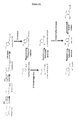
- Six enzymes are required for the conversion of L-phenylalanine/tyrosine to vanillin (see figures 1A and 1B ).
- phenylalanine is converted to coumarate by the successive actions of the enzymes phenylalanine ammonia lyase (PAL) and cinnamate-4-hydroxylase (C4H).
- the following step is the reduction chain reaction of the coumaric acid leading to the 4-hydroxybenzaldehyde.
- the reaction is initiated by the activation of coumaric acid to coumaroyl-CoA provided by 4CL enzyme (4-coumarate coenzyme A ligase), followed by a ß-oxidation performed by ECH enzyme (enoyl-CoA hydratase/aldolase, an enzyme of a crotonase family).
- the next step is the hydroxylation on 3-position of the phenyl ring carried out by HBH enzyme (hydroxybenzoic acid hydroxylase, 3-monooxygenase enzyme family).
- the final step is the 3-O-methylation leading to vanillin final product.
- This step is catalyzed by the COMT enzyme (caffeic acid O-methyltransferase, O-methyltransferase enzyme family).
- carboxylic acid reductase (CAR) protein is preferentially added.
- the CAR enzyme requires activation by phosphopantetheinylation, and this is achieved by co-expression of a phosphopantetheinyl transferase (PPTase).
- the aromatic acid is phenylalanine
- the recombinant yeast comprises a set of exogenous nucleic acids coding for the following enzymes: phenylalanine ammonia lyase (PAL), cinnamate-4-hydrolase (C4H), 4-coumarate coenzyme A ligase (4CL), enoyl-coA hydratase/aldolase (ECH), a hydroxybenzoic acid hydroxylase (HBH) and a caffeic acid O-methyltransferase (COMT).
- PAL phenylalanine ammonia lyase
- C4H cinnamate-4-hydrolase
- 4CL 4-coumarate coenzyme A ligase
- EH enoyl-coA hydratase/aldolase
- HH hydroxybenzoic acid hydroxylase
- CTR caffeic acid O-methyltransferase
- the aromatic amino acid is tyrosine
- the genetically modified yeast comprises a set of exogenous nucleic acids coding for the following enzymes: tyrosine ammonia lyase (TAL), cinnamate-4-hydrolase (C4H), 4-coumarate coenzyme A ligase (4CL), enoyl-CoA hydratase/aldolase (ECH), a hydroxybenzoic acid hydroxylase (HBH), and a caffeic acid O-methyltransferase (COMT).
- the phenylalanine ammonia lyase is an enzyme catalyzing the tyrosine deamination reaction classified EC 4.3.1.23.
- the tyrosine ammonia lyase is an enzyme catalyzing the phenylalanine deamination reaction classified EC 4.3.1.24.
- Another enzyme is known for catalyzing the phenylalanine or tyrosine deamination reaction, classified EC 4.3.1.25, and called PAL/TAL.
- the PAL enzyme is issued from Petunia species or Populus species.
- a PAL/TAL enzyme from maize ( Rösler, Krekel, Amrhein, Schmid.
- the cinnamic acid hydroxylase is an enzyme catalyzing the cinnamate 4-hydroxylation, classified EC 1.14.13.11. It is a P450-dependent enzyme.
- the C4H enzyme is issued from Petunia species or Glycin species.
- the 4-coumarate coenzyme A ligase is an enzyme catalyzing the CoA esterification of coumaric acid, classified EC 6.2.1.12. This enzyme belongs to the family of ligases, specifically those forming carbon-sulfur bounds as acid-thiol ligases. In a specific embodiment, the 4CL enzyme is issued from Populus species.
- the enoyl-CoA hydratase/aldolase is an enzyme catalyzing the hydratation of 2-trans-enoyl-CoA into 3-hydroxyacyl-CoA, belonging to the family of crotonases, and is classified EC 4.2.1.17.
- the ECH enzyme is issued from Pseudomonas fluorescens or Azotobacter vinelandii.
- the hydroxybenzoic acid hydrolase is an enzyme catalyzing the hydroxylation of 4-hydroxybenzaldehyde.
- the HBH enzyme is also known as 4-hydroxybenzoate-3-monooxygenase (EC 1.14.13.2).
- the HBH enzyme is issued from Pseudomonas fluorescens or Azotobacter vinelandii.
- the caffeic acid O-methyltransferase is an enzyme catalyzing the chemical conversion of 3,4-dihydroxy-trans-cinnamate (caffeic acid) to 3-methoxy-4-hydroxy-trans-cinnamate (ferulic acid). This enzyme is also capable of converting protocacheuic aldehyde to vanillin. This enzyme is classified EC 2.1.1.68 and belongs to the family of methyltransferases.
- the genetically modified yeast further comprises exogenous nucleic acid coding for a carboxyreductase (CAR, EC1.2.99.6) and a phosphopantetheinyl transferase (PPTase).
- CAR carboxyreductase
- PPTase phosphopantetheinyl transferase
- the CAR enzyme is issued from the organism Nocardia iowensis or Micobacterium smegmatis and the PPTase is issued from Nocardia iowensis or Micobacterium smegmatis.
- the artificial vanillin pathway is introduced into the locus bud31 of modified yeast cells.
- Nine synthetic DNA fragments are needed to introduce artificial vanillin pathway in yeast genome ( Figure 4 ). All genes possess one promoter and one terminator. Gene promoters allow constitutive expression of proteins from the pathway. Fragment hybridizes and recombines together in the region of the entire ORF of each couple of gene. By that way, the whole pathway is assembled in the yeast cell, and then integrated into the chromosome.
- Tg 5' and Tg 3' correspond to the target sequences on the yeast genome that corresponds to the insertion site in the BUD 31 locus of the yeast chromosome triggering the homologous integration into the desired chromosome site.
- HIS3 and LEU2 are the flanking markers enabling the double selection of the recombinant pathway. After assembly of the fragments by homologous recombination in yeast, a functional complete pathway of 30Kbp is reconstituted and the double selection permits the isolation of recombinants.
- the genetically modified yeast further comprises exogenous nucleic acids coding for a vanillyl alcohol oxidase (EC 1.1.3.38) that catalyzes the chemical conversion of vanillyl alcohol and O 2 into vanillin and H 2 O 2 . Presence of this enzyme allows a better yield of vanillin since all vanillyl alcohol produced via the artificial biosynthetic pathway can be converted into vanillin.
- a specifically preferred vanillyl alcohol oxidase is the enzyme described in patent US 5,721,125 .
- the artificial vanillin pathway derives from the acid dehydroshikimic pathway, such as disclosed in Hansen et al., 2009 (cited above).
- the genetically modified yeast comprises a set of exogenous nucleic acids coding for the following enzymes able to convert an acid dehydroshikimic into a vanilloid: a 3-dehydroshikimate dehydratase (3DSD), an aromatic carboxylic acid reductase (ACAR) and a catechol O-methyltransferase or a caffeic acid O-methyltransferase (both designed as COMT).
- the genetically modified yeast further comprises a phosphopantetheinyl transferase (PPTase).
- the exogenous nucleic acid encoding the caffeic acid O-methyltransferase is preferentially issued from the plants Medicago sativa, Vanilla planifolia or Rosa chinensis.
- these enzymes have a high selectivity for methylation, and their final product is pure vanillin (100% of selectivity) instead of a mixture of vanillin and isovanillin.
- exogenous nucleic acids encoding polypeptides that are introduced into the yeast are "codon-optimized” to be expressed efficiently into the yeast.
- the man skilled in the art knows some 'Codon Optimization Tools' that allows the preparation of synthetic genes from one host organism for an optimized expression in another, in particular in the yeast according to the invention.
- Exogenous nucleic acids encoding the heterologous polypeptides are introduced into the yeast by transformation and this manipulation results into incorporation and expression of exogenous genetic material. Transformation of yeast can be performed by means well known by the man skilled in the art : yeast cells may be treated with enzymes to degrade their cell walls, may be exposed to alkali cations such as lithium acetate, or to polyethylene glycol. Electroporation using electric shock is also a technique that allows exogenous DNA to enter into yeasts. Some of useful techniques are reviewed in the review ( Kawai S, Hashimoto W, Murata K. "Transformation of Saccharomyces cerevisiae and other fungi: methods and possible underlying mechanism. " Bioeng Bugs. 2010 Nov-Dec;1(6):395-403 ).
- transformations of competent yeast cells are performed as described by Gietz and Woods ( Gietz and Woods. "Transformation of yeast by the LiAc/ss Carrier DNA/PEG method. " Meth. Enzymol., 350, 87-96 ).
- An equimolar mix of fragments is used to transform yeast.
- the polypeptides are encoded by exogenous genes stably integrated into the yeast genome.
- the nucleic acids encoding heterologous polypeptides are integrated into the yeast genome by the technique of homologous recombination.
- An example of integration into genome of the yeast is shown in figure 4 .
- the exogenous nucleic acids are assembled into a cluster and said cluster is integrated into the yeast genome.
- polynucleotides encoding a series of enzymes are provided as full-length polynucleotides of different origin, wherein :
- each nucleic acid encoding a polypeptide included in an exogenous nucleic acid as described herein comprises, from its 5'-end to its 3'-end, (1) a regulatory sequence comprising one or more promoter sequences, the said regulatory sequence being functional in the yeast organism wherein it has been introduced, (ii) an ORF encoding a polypeptide of interest and (iii) one or more transcription terminator sequences.
- the polynucleotides encoding the enzymes may be in the order of the consecutive enzymatic reactions required for the biosynthesis pathway which is under consideration, or in any other order, provided that the required enzymes are actually produced.
- the invention also relates to a recombinant yeast having a reduced alcohol dehydrogenase activity, in the genome of which has been inserted a DNA construct comprising :
- the invention also relates to a recombinant yeast such as described above, in the genome of which has been inserted a DNA construct comprising:
- the invention also relates to a recombinant yeast having a reduced alcohol dehydrogenase activity, in the genome of which has been inserted a DNA construct comprising:
- the yeast is from the genera Saccharomyces or Schizosaccharomyces.
- the modified yeast belongs to the following species: Saccharomyces cerevisiae Schizosaccharomyces pombe, Pichia pastoris, Yarrowia lipolytica.
- the present invention is also related to a method for producing a vanilloid or a precursor thereof, comprising the following successive steps:
- recombinant yeast comprising enzymes necessary for vanilloid biosynthesis designates a genetically modified yeast, expressing enzymes allowing the biosynthesis of a vanilloid in said yeast by any biosynthesis pathway.
- exogenous nucleic acids are inserted into said yeast, said nucleic acids coding for enzymes involved in the biosynthesis pathway of a vanilloid, being chosen among the following groups of enzymes:
- said recombinant yeast does not comprise a functional gene adh6. More particularly, said yeast does not comprise a functional gene adh6 neither a functional gene fdc1. More particularly, said yeast does not comprise a functional gene adh6 neither a functional gene pad1.
- said recombinant yeast does not comprise functional genes adh6, pdc1, fdc1.
- said recombinant yeast does not comprise functional genes adh6, pad1, fdc1.
- said recombinant yeast does not comprise functional genes adh6, pad1, pdc1.
- said recombinant yeast does not comprise functional genes adh6, fdc1, pad1 and aro10.
- At least one of the genetically modified yeasts described in the present application is cultivated in this method.
- precursor refers to a substrate molecule that is subject to enzymatic reactions and can be converted into a product by this specific reaction.
- a precursor of vanilloid is meant a precursor or an intermediate in the biosynthesis pathway of a vanilloid, which is in particular a hydroxybenzaldehyde or a respective acid or a respective alcohol, an aromatic amino acid, or an acid dehydroshikimic.
- This term includes in particular: protocatechuic aldehyde, 4-hydroxyaldehyde, protocacheuic alcohol, 4-hydroxybenzoic acid, 4-hydroxybenzyl alcohol, protocacheuic acid, protocacheuic alcohol, 4-hydroxyaldehyde, 4-hydroxyl alcohol, cinnamic acid, coumaric acid, caffeic acid and ferulic acid.
- the term 'cultivating' is used to denote the growth of yeast.
- appropriate medium designates a medium (e.g., a sterile, liquid media) comprising nutrients essential or beneficial to the maintenance and/or growth of the cell such as carbon sources or carbon substrates, nitrogen sources, urea, ammonium sulfate, ammonium chloride, ammonium nitrate and ammonium phosphate; phosphorus sources; metal salts, for example magnesium salts, cobalt salts and/or manganese salts; as well as growth factors such as amino acids and vitamins.
- Typical medium is composed of 10 g/l of yeast extract, 20 g/l of peptone and 20 g/l of carbon source.
- source of carbon or "carbon substrate” according to the present invention denotes any source of carbon that can be used by those skilled in the art to support the normal growth of a yeast.
- Yeasts use sugars as their main carbon and energy source, but non-conventional carbon sources can be accepted too.
- the major source for energy production in the yeast is glucose and glycolysis is the general pathway for conversion of glucose to pyruvate, whereby production of energy in form of ATP is coupled to the generation of intermediates and reducing power in form of NADH for biosynthetic pathways.
- Fructose is also a hexose that can be uptake and metabolized by yeast.
- Galactose is a 'non-conventional' nutrient for yeast, which however can be used as a sole carbon source when glucose is absent from the medium.
- yeast cells supplied with glucose the GAL genes are repressed. They are activated a thousand fold in cells that are starved for glucose, and this one of the few pathways in yeast which is regulated in a nearly 'all-or-nothing' mode.
- Enzymes implied in conversion of galactose to glucose 1-phosphate are: galactose kinase, galactose-1-phosphate-urydiltransferase, and UDP-glucose-4-epimerase.
- Glycerol functions as a compatible solute in osmoregulation in osmotolerant yeasts that are capable of growing in high sugar or salt environments. Many types of yeast can grow on glycerol as a sole carbon source under aerobic conditions, but glycerol is a non-fermentable carbon source for many yeast species, including S. cerevisiae. To serve as a carbon source, glycerol after internalization has to convert by glycerol kinase to glycerol-3-phosphate, which is then transformed into dihydroxyacetone phosphate by glycerol-3-phosphate dehydrogenase that is a substrate in gluconeogenesis.
- yeast have the capability of metabolizing ethanol or methanol.
- ADH2 the enzyme that converts ethanol back into acetaldehyde, is expressed.
- Acetaldehyde is subsequently converted into acetyl-CoA, the substrate for the citric acid cycle.
- the source of carbon is selected among the group consisting of glucose, fructose, mannose, xylose, arabinose, galactose, lactose, ethanol, cellobiose, glycerol and polysaccharides such as cellulose, and mixtures thereof.
- An especially preferred substrate is ethanol.
- the volume of the culture is at least one liter. Indeed, when the culture volume is low (about 1 ml), vanillin is produced but is quickly converted to vanillic acid. This conversion is not observed in stable continuous culture in larger volume, of at least one liter.
- the cultivation process comprises a fermentation process (batch, fed-batch or continuous mode) under controlled conditions of pH, temperature, pO 2 and aeration, conditions well known to a person skilled in the art.
- the vanilloid isolated from the medium is selected from the group consisting of: vanillin, vanillic acid, vanillyl alcohol and vanillin-glycoside.
- the vanilloid precursor isolated from the medium is selected from the group consisting of protocatechuic aldehyde, protocacheuic acid, protocacheuic alcohol, 4-hydroxyaldehyde, 4-hydrobenzoic acid, 4-hydroxyl alcohol, cinnamic acid, coumaric acid, caffeic acid and ferulic acid.
- the present invention is related to a method for producing a vanilloid comprising the following successive steps:
- Vanillin cytotoxicity is a bottleneck in the microbial bioconversion including yeasts.
- the bioconversion is performed in a medium comprising an aqueous phase containing the biocatalyst (cells) and hydrophobic organic solvent (water-immiscible phase) containing organic compounds as substrates and / or products.
- the organic solvent acts as a reservoir for hydrophobic compounds.
- the biphasic system enables continuous supply of substrate depending on the metabolic demand and without inhibiting the enzymatic reaction.
- the product of the reaction is progressively extracted into the organic phase.
- a major advantage is to reduce the cytotoxicity of substrates and/or products of the bioconversion. This system allows raising yields of bioconversion.
- PPG is a polymer of propylene glycol also called propane-1,2-diol or 1,2-propanediol.
- the present invention is also related to a method for producing a vanilloid or a precursor thereof, comprising:
- the appropriate medium comprises precursors of the step b) or mixtures of thereof, either in pure grade or technical grade.
- the cultivation process comprises a fermentation process (batch, fed-batch or continuous mode) under controlled conditions of pH, temperature, pO 2 and aeration, conditions well known to a person skilled in the art.
- recombinant yeast comprising enzymes necessary for vanilloid biosynthesis designates a genetically modified yeast, expressing enzymes allowing the biosynthesis of a vanilloid in said yeast by any biosynthesis pathway.
- exogenous nucleic acids are inserted into said yeast, said nucleic acids coding for enzymes involved in the biosynthesis pathway of a vanilloid, being chosen among the following groups of enzymes:
- said recombinant yeast does not comprise a functional gene adh6. More particularly, said yeast does not comprise a functional gene adh6 neither a functional gene fdcl. More particularly, said yeast does not comprise a functional gene adh6 neither a functional gene fdc1. More particularly, said yeast does not comprise a functional gene adh6 neither functional genes fdc1 nor pad1.
- said recombinant yeast does not comprise functional genes adh6, pad1, pdc1.
- said recombinant yeast does not comprise functional genes adh6, fdc1, pad1 and aro10.
- the genetically modified yeasts described in the present application are cultivated according to this method, in a bi-phase medium, wherein said medium comprises two phases, an aqueous phase and a water immiscible phase, said water immiscible phase preferably consisting of: polymer of propylene glycol, fatty alcohol, fatty acid, fatty ester or an oil.
- composition comprising vanilloid or a precursor thereof
- the present invention is also related to a composition comprising a vanilloid or a precursor thereof obtainable by the method as disclosed above, and to the use of said composition as a flavoring in the human and animal nutrition field, in pharmacy, and as a fragrance in the cosmetics, perfumery and detergency industries.
- Vanillin is a compound well-known for its aromatic properties.
- the flavor profile of an aromatic composition is dependent on for instance byproducts and impurities, and consequently on the preparation process.
- the composition comprising a vanilloid or a precursor thereof obtainable by the method of the invention may thus show aromatic notes different from other aromatic composition.
- Saccharomyces cerevisiae strains used in this work were isogenic haploids from BY4741 and were obtained from EUROSCARF (haploid a-mater BY00 or ⁇ -mater BY10).
- Yeast strain BY47 derived from a strain collection that contains knock outs of auxotrophic (-ura3, -leu2, -his3) marker genes. Enrichment and propagation of clones were made in YPD liquid cultures (10 g/l bacto-yeast extract, 20 g/l bacto-peptone and 2% dextrose) at 30°C.
- Recombinants were selected on dropout agar plates (YNB + CSM) in the absence of uracil, leucine or histidine.
- the gene defects in uracil, histidine and leucine biosynthetic pathway result in auxotrophy.
- All ORF used for the pathway were synthesized by GeneArt (Germany) and then amplified by PCR. Amplification was performed using high fidelity PhusionTaq (New England Biolabs). Amplicons were cleaned up by using the Wizard PCR Clean-up System (Promega) and used for transformation assays.
- Table 1 Reference identities of the genes/proteins used in this example Protein Species Reference NCBI Length in amino acids SEQ ID PAL Petroselinum crispum X81158.1 GI:534892 718 AA NO. 2 Populus trichocarpa x Populus deltoides L11747.1 GI:169453 715 AA NO. 1 C4H Glycine max FJ770468.1 GI:225194700 506 AA NO. 3 Petroselinum crispum Q43033.1 GI:3915088 506 AA NO. 4 4CL Populus tremuloides AF041049.1 GI:3258634 570 AA NO.
- the complete pathway was assembled using a somatic in vivo DNA assembly. Eight fragments containing (F1 to F8) the 6 genes of the vanillin pathway were designed by computational analysis. Fragments hybridize and recombine together in the region of the entire ORF of each couple of gene. That way enabled the whole pathway assembly in the yeast cell, and its integration into the chromosome. T 5' and T 3' correspond to the bud31 target sequences on the yeast genome allowing homologous integration onto the chromosome locus. Overlapping sequences correspond to the 5' part and the 3' part of the marker genes. HIS6 and LEU2 are the flanking markers enabling the double selection of the recombinant pathway.
- Each gene is under the control of one promoter and one terminator sequences allowing its expression in yeast cells. After assembly of the fragments by homologous recombination in yeast, a functional complete pathway is reconstituted and the double selection permits the isolation of recombinants.
- Transformations of competent yeast cells were performed as described by Gietz and Woods (Transformation of yeast by the LiAc/ss Carrier DNA/PEG method. Meth. Enzymol., 350, 87-96 ). Analysis of clones revealed that the genes had assembled, resulting in correct ORFs.
- HPLC HPLC was used to measure the production of vanillin and pathway intermediates in S. cerevisiae cultures. Analysis showed that chromatograms from cells expressing vanillin pathway genes contained additional peaks compared to a yeast control. These peaks were identified as cinnamic acid, coumaric acid, 4-hydroxybenzoic acid, 3,4-dihydroxybenzoic acid, vanillic acid and vanillin were identified.
- the PAL protein uses endogenous phenylalanine.
- the pathway is fully functional as 3,4-dihydroxybenzoic acid and vanillic acid were detected but the yield is reduced 4 times when compared to the phenylalanine supplemented medium. Only 1 ⁇ M of vanillin was detected in the non-adapted strain.
- CAR carboxylic acid reductase protein
- PPTase coupling protein phosphopantetheinyl transferase
- the bicistronic construction was integrated to yeast genome by homologous recombination using URA as selection marker into ADH6 locus. Prevention of reduction of vanillin to vanillyl alcohol was achieved by knockout of the host alcohol dehydrogenase ADH6. In order to take off selection marker, flanking repeated sequences were added to URA3 gene in order to permit URA3 gene excision. Recombinant cells were selected on -URA selective medium and the right integration was verified by PCR.
- Vanillin biosynthesis pathway used in our production process implies three aldehydes including the final product vanillin.
- One way to increase vanillin production yield during a bioproduction using S. cerevisiae is to reduce aldehyde oxidase or aldehyde reductase endogenous activity in the production strain.
- a large number of Euroscarf deletion strains have been screened; these strains were firstly selected on the basis of a biochemical study and rational targeting of potentially interesting genes such as ADH (alcohol dehydrogenases), ALD (aldehyde dehydrogenases), GRE (aldehyde reductases), OYE, AAD (aryl alcohol dehydrogenase) & ARI (aldehyde reductase).
- ADH alcohol dehydrogenases
- ALD aldehyde dehydrogenases
- GRE aldehyde reductases
- OYE oxygen dehydrogenase
- AAD aryl alcohol dehydrogenase
- ARI aldehyde reductase
- Table 2 Euroscarf deletion strains Gene Name Description Systematic Name Alias(es) Euroscarf Acc N° ADH5 Alcohol dehydrogenase iso enzyme V YBR145W alcohol dehydrogenase ADH5 Y03284 ADH7 NADPH-dependent medium chain alcohol dehydrogenase YCR105W ADHVII Y05821 SFA1 Bifunctional alcohol dehydrogenase and formaldehyde dehydrogenase YDL168W ADH5, bifunctional alcohol dehydrogenase/S-(hydroxymethyl)glutathione dehydrogenase Y03866 ADH4 Alcohol dehydrogenase iso enzyme type IV YGL256W NRC465, ZRG5, alcohol dehydrogenase ADH4 Y04623 ADH3 Mitochondrial alcohol dehydrogenase isozyme III YMR083W alcohol dehydrogenase ADH3 Y06217 ADH2 Glucose-repressible alcohol de
- a screening has been performed to evaluate stability of the three aldehydes of the vanilloid pathway with these 22 strains and results have been compared with the same approach with a wild-type S. cerevisiae strain.
- Principle of the assay is to grow yeasts for a first 24h in rich-medium in a 96-well microplates. Then cells are two fold diluted using the same quantity of medium and let grown 24h more in presence of 500 ⁇ M of the aldehyde to be evaluated (4-hydroxybenzaldehyde, 3,4-dihydroxybenzaldehyde and vanillin).
- Figure 3 shows the titers obtained for three oxidative states (aldehyde, acid, alcohol) related to the feeding.
- adh6 deletion also has an impact on the quantity of acid formed (more acid than the wild type cells). ALD6 could work on the conversion of aldehyde to alcohol. The third strong effect concerns ADH3. Actually, alcohol concentration is higher in ⁇ adh3 cells than in the WT. ADH3 probably catalyzes the conversion of aldehyde into its acid form. A very small effect has been detected for ⁇ gre3 and ⁇ ald2. These genes were then assayed in combination with the most promising ones. Looking at all these results, the goal was then to combine gene deletions in the same cell. An expression of the van pathway in such a genetic context could favor vanillin synthesis.
- Figures 3 show that the major effect is given by ADH6 deletion in WT cells, as expected. However a little effect is also detected when ADH3 deletion is added to that of ADH6. Indeed, alcohol concentration is a little lower in this strain.
- ⁇ ald6 is another deletion that significantly disturbs the equilibrium between the three oxidation states of 4HB and 3,4diHB. Since it doesn't show a strong impact on vanillin, we did not try it during the first assay of multi-deletion. However, the low impact of the other double deletions convinced us to try a deletion of ald6 in combination with ⁇ adh6.
- Aro10 deletion increases the intrinsic concentration of phenylalanine, which is the branching point of our pathway.
- Fdc1 and pad1 deletions prevent the decarboxylation of intermediate metabolites, such as cinnamic and coumaric acids.
- a deletion cassette is obtained by PCR on an appropriate plasmid (pUG72 or pUG73 from Euroscarf).
- the forward Primers used for amplification of the deletion K7 are designed to add upstream of the 5' side of the selection marker a track of 50 bp homologous to the last 50 bp of the promoter of the gene to be deleted.
- the reverse ones are designed to add downstream of the 3' side of the selection marker a track of 50 bp homologous to the first 50 bp of the terminator of the gene to be deleted.
- the selection marker (Ura3 or Leu2) is integrated in the yeast genome and it strictly replaces the ORF of the targeted gene.
- the selection marker is framed by two identical sequences (LoxP) that allow marker excision under the action of a Cre enzyme obtained by a new transformation of the new strain using a pSH62 plasmid (Euroscarf). His3 selection marker of the pSH62 is then removed by a little growth of the transformed cells in a rich medium.
- This deletion system has been used to successively delete genes and to retrieve selection markers for next transformations. Each new gene deletion is followed by evaluation of cinnamic and coumaric acids production capacities after a transformation of the cells by a ZmPAL expression cassette.
- Recombinant modified clones containing vanillin pathway were cultured in rich medium with galactose as carbon source using 100ml Erlenmeyer. After three days, clarified supernatants were analyzed by HPLC and concentration of metabolites form the pathway was evaluated. Total concentration of metabolites from vanillin pathway was evaluated.
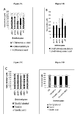
- Figure 5 shows the impact of deletions on the flow of the vanillin pathway.
- the total metabolites concentration comprises cinnamic acid, coumaric acid, 4-hydroxybenzaldehyde, 4-hydroxybenzoic acid, 3,4-dihydroxybenzoic acid, 3,4-dihydroxybenzaldehyde, vanillin, vanillic acid and vanillyl alcohol concentrations.
- Amount of final products vanillin, vanillyl alcohol and vanillic acid
- vanillin concentration is indicated with black bars.
- Aro10 deletion by increasing the concentration of phenylalanine produced by the yeast, clearly increases the overall flow of the vanillin pathway. The total metabolite concentration is multiplied 4-fold. When the deletion of ald6 is added, flow is also increased. In contrast, the adh3 deletion decreases the flow of the pathway. Vanillin produced equilibrates into acid and alcohol oxidation states. The results show that aro10 deletion has little effect on the final concentration of metabolites (vanillin, vanillic acid & vanillyl alcohol). Besides increasing the flow of the pathway, ald6 deletion significantly increases the concentration of end metabolites.
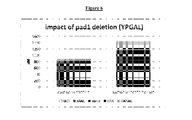
- Figure 6 shows the profile of supernatants of strains presenting the following deletions: ⁇ adh6 ⁇ aro10 ⁇ fdc1 and ⁇ adh6 ⁇ aro10 ⁇ fdc1 ⁇ pdc1.
- the deletion of pad1 is beneficial for the vanillin biosynthesis pathway in these strains.
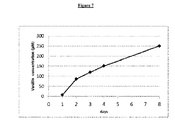
- vanillin was evaluated based on the volume of culture for bioconversion. From a pre-culture, YPD medium was inoculated to an OD 600 of 0.1. The cells were then distributed into the different kind of media support from 96-well plate to a 1 liter Erlenmeyer flask. The concentration of vanillin was found to be clearly dependent on the volume of the support. Culture in 96-well plate allows good growth of yeast, but very little metabolite pathway vanillin are produced. Using 24-well plates, vanillin is produced, but quickly converted to vanillic acid. In contrast, when the bioconversion takes place in 1 liter Erlenmeyer flask, the synthesis of vanillin is continuous and stable and reaches 250 ⁇ M after 8 days, and then the concentration drops down ( Figure 7 ).
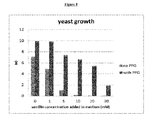
- FIG. 8 The toxicity of vanillin for yeast was evaluated ( Figure 8 ).
- a yeast culture of ⁇ adh6 ⁇ dc1 ⁇ pad1 strain expressing vanillin pathway was inoculated in YPDE to an OD 600 of 0.05 and yeast growth was monitored in the presence of different concentrations of vanillin (0 to 30 mM). The same experiment was carried out by adding 30% PPG 1200.
- Figure 7 shows that the toxicity threshold is multiplied by a factor 10.
- sugars such as hexoses (glucose, fructose, galactose) as well as alcohol compounds with two carbons (ethanol) or three carbons (glycerol).
- Enrichment and propagation of clones were classically made in YPD liquid cultures (10 g/l bacto-yeast extract, 20 g/l bacto-peptone and 2% dextrose) at 30°C.
- YPGal (10 g/l bacto-yeast extract, 20 g/l bacto-peptone and 3% galactose); YPF (10 g/l bacto-yeast extract, 20 g/l bacto-peptone and 2% fructose); YPDE (10 g/l bacto-yeast extract, 20 g/l bacto-peptone, 2% dextrose and 2% ethanol); YPGE (10 g/l bacto-yeast extract, 20 g/l bacto-peptone, 2% glycerol and 2% ethanol); YPG (10 g/l bacto-yeast extract, 20 g/l bacto-peptone, 2% glycerol); YPE (10 g/l bacto-yeast extract, 20 g/l bacto-peptone and 2% ethanol).
- Vanillin producing cells were precultured in YPD or YPGal medium in a 10 mL for 24h, and used to inoculate 50mL appropriate medium in a 250 mL Erlenmeyer flask. Metabolites concentrations were monitored.
- Figure 10 shows that when yeasts grow on glucose carbon source, vanillin concentration reaches 100 ⁇ M over 3 days, then concentration decreases in favor of vanillic acid. Results are similar when yeasts grow on galactose carbon source, but vanillin is more stable. Fructose carbon source gives concentration of vanillin smaller than both other sugars. However, YPDE and YPGE give same results, vanillin concentration grows. According to concentration of vanillin when yeasts grow on glyceraldehyde carbon source as to compare to ethanol alone, ethanol was the key factor to increase vanillin concentration. Ethanol is a normal by-product of glucose fermentation, transiently accumulated in the yeast culture medium.
- ethanol influences integrity of cellular membrane and carbon metabolism of S. cerevisiae. Addition of ethanol significantly changes the permeability of the cytoplasmic membrane, and results in a marked decrease in the mitochondrial membrane potential. In the present case, ethanol significantly increases vanillin synthesis.
Landscapes
- Health & Medical Sciences (AREA)
- Life Sciences & Earth Sciences (AREA)
- Engineering & Computer Science (AREA)
- Genetics & Genomics (AREA)
- Chemical & Material Sciences (AREA)
- Organic Chemistry (AREA)
- Zoology (AREA)
- Wood Science & Technology (AREA)
- Biotechnology (AREA)
- Bioinformatics & Cheminformatics (AREA)
- Biomedical Technology (AREA)
- General Engineering & Computer Science (AREA)
- Microbiology (AREA)
- Biochemistry (AREA)
- General Health & Medical Sciences (AREA)
- Molecular Biology (AREA)
- Medicinal Chemistry (AREA)
- Physics & Mathematics (AREA)
- Biophysics (AREA)
- Plant Pathology (AREA)
- Tropical Medicine & Parasitology (AREA)
- Virology (AREA)
- Chemical Kinetics & Catalysis (AREA)
- General Chemical & Material Sciences (AREA)
- Micro-Organisms Or Cultivation Processes Thereof (AREA)
- Preparation Of Compounds By Using Micro-Organisms (AREA)
Priority Applications (2)
| Application Number | Priority Date | Filing Date | Title |
|---|---|---|---|
| EP14305939.2A EP2957629A1 (de) | 2014-06-18 | 2014-06-18 | Verbesserte Herstellung von Vanilloiden durch Fermentation |
| PCT/EP2015/063546 WO2015193348A1 (en) | 2014-06-18 | 2015-06-17 | Improved production of vanilloids by fermentation |
Applications Claiming Priority (1)
| Application Number | Priority Date | Filing Date | Title |
|---|---|---|---|
| EP14305939.2A EP2957629A1 (de) | 2014-06-18 | 2014-06-18 | Verbesserte Herstellung von Vanilloiden durch Fermentation |
Publications (1)
| Publication Number | Publication Date |
|---|---|
| EP2957629A1 true EP2957629A1 (de) | 2015-12-23 |
Family
ID=50981449
Family Applications (1)
| Application Number | Title | Priority Date | Filing Date |
|---|---|---|---|
| EP14305939.2A Withdrawn EP2957629A1 (de) | 2014-06-18 | 2014-06-18 | Verbesserte Herstellung von Vanilloiden durch Fermentation |
Country Status (2)
| Country | Link |
|---|---|
| EP (1) | EP2957629A1 (de) |
| WO (1) | WO2015193348A1 (de) |
Cited By (7)
| Publication number | Priority date | Publication date | Assignee | Title |
|---|---|---|---|---|
| WO2017207950A1 (fr) * | 2016-06-03 | 2017-12-07 | Lesaffre Et Compagnie | Production de frambinone par un microorganisme fongique recombinant |
| CN109289931A (zh) * | 2018-09-04 | 2019-02-01 | 中山大学 | 一种用于香兰醇氧化制香兰素的核壳型催化剂及其制备方法和应用 |
| US10612006B2 (en) | 2015-10-27 | 2020-04-07 | Ajinomoto Co., Inc. | Method for producing aldehyde |
| WO2021022216A1 (en) * | 2019-08-01 | 2021-02-04 | Amyris, Inc. | Modified host cells for high efficiency production of vanillin |
| EP3022291B1 (de) | 2013-07-16 | 2023-06-07 | International Flavors & Fragrances Inc. | Zusammensetzungen und verfahren für die biosynthese von vanillin oder vanillin-beta-d-glucosid |
| WO2025049431A3 (en) * | 2023-08-28 | 2025-05-01 | Inscripta, Inc. | Control of flux toward 2-phenylethanol production |
| US12516357B1 (en) | 2019-08-01 | 2026-01-06 | Amyris, Inc. | Modified host cells for high efficiency production of vanillin |
Families Citing this family (7)
| Publication number | Priority date | Publication date | Assignee | Title |
|---|---|---|---|---|
| EP2963110A1 (de) * | 2014-07-01 | 2016-01-06 | Rhodia Opérations | Mikroorganismen und -verfahren zur Herstellung von Vanillin |
| CN111849794B (zh) * | 2020-06-29 | 2022-05-31 | 扬州大学 | 一种酿酒酵母重组菌及其构建方法和应用 |
| US20240060079A1 (en) * | 2020-10-23 | 2024-02-22 | Elo Life Systems | Methods for producing vanilla plants with improved flavor and agronomic production |
| US20230383535A1 (en) * | 2022-05-26 | 2023-11-30 | Green Canopy NODE Technologies, INC | Modular wall component and a method for manufacturing a modular wall component |
| CN116622532B (zh) * | 2022-11-25 | 2024-05-17 | 深圳先进技术研究院 | 合成阿魏酸的酵母菌株和构建方法及其在制备阿魏酸及胡椒代谢物中的应用 |
| CN115960736B (zh) * | 2023-03-01 | 2024-05-28 | 石河子大学 | 一种产香草胺和辣椒碱的酿酒酵母工程菌及其构建方法与应用 |
| CN116716325B (zh) * | 2023-06-21 | 2025-03-14 | 天津大学合成生物前沿研究院 | 整合位点作为靶点在合成香兰素中的应用 |
Citations (4)
| Publication number | Priority date | Publication date | Assignee | Title |
|---|---|---|---|---|
| US5721125A (en) | 1993-07-06 | 1998-02-24 | Quest International B.V. | Enzymatic process for producing 4-hydroxy-cinnamyl alcohols |
| US20030070188A1 (en) | 1997-07-15 | 2003-04-10 | Daphna Havkin-Frenkel | Vanillin biosynthetic pathway enzyme from Vanilla planifolia |
| WO2013022881A1 (en) | 2011-08-08 | 2013-02-14 | International Flavors & Fragrances Inc. | Compositions and methods for the biosynthesis of vanillin or vanillin beta-d-glucoside |
| EP2749644A1 (de) * | 2012-12-27 | 2014-07-02 | Eviagenics S.A. | Rekombinante Wirtszelle zur biosynthetischen Herstellung von Vanillin |
-
2014
- 2014-06-18 EP EP14305939.2A patent/EP2957629A1/de not_active Withdrawn
-
2015
- 2015-06-17 WO PCT/EP2015/063546 patent/WO2015193348A1/en not_active Ceased
Patent Citations (4)
| Publication number | Priority date | Publication date | Assignee | Title |
|---|---|---|---|---|
| US5721125A (en) | 1993-07-06 | 1998-02-24 | Quest International B.V. | Enzymatic process for producing 4-hydroxy-cinnamyl alcohols |
| US20030070188A1 (en) | 1997-07-15 | 2003-04-10 | Daphna Havkin-Frenkel | Vanillin biosynthetic pathway enzyme from Vanilla planifolia |
| WO2013022881A1 (en) | 2011-08-08 | 2013-02-14 | International Flavors & Fragrances Inc. | Compositions and methods for the biosynthesis of vanillin or vanillin beta-d-glucoside |
| EP2749644A1 (de) * | 2012-12-27 | 2014-07-02 | Eviagenics S.A. | Rekombinante Wirtszelle zur biosynthetischen Herstellung von Vanillin |
Non-Patent Citations (14)
| Title |
|---|
| BROCHADO ANA RITA ET AL: "Improved vanillin production in baker's yeast through in silico design", MICROBIAL CELL FACTORIES, BIOMED CENTRAL, LONDON, NL, vol. 9, no. 1, 8 November 2010 (2010-11-08), pages 84, XP021077232, ISSN: 1475-2859, DOI: 10.1186/1475-2859-9-84 * |
| BROCHADO AR; MATOS C; MOLLER BL; HANSEN J; MORTENSEN UH; PATIL KR.: "Improved vanillin production in baker's yeast through in silico design", MICROB CELL FACT., vol. 8, no. 9, November 2010 (2010-11-01), pages 84 |
| ESBEN H HANSEN ET AL: "De Novo Biosynthesis of Vanillin in Fission Yeast (Schizosaccharomyces pombe) and Baker's Yeast (Saccharomyces cerevisiae)", APPLIED AND ENVIRONMENTAL MICROBIOLOGY, AMERICAN SOCIETY FOR MICROBIOLOGY, US, vol. 75, no. 9, 1 May 2009 (2009-05-01), pages 2765 - 2774, XP002666446, ISSN: 0099-2240, [retrieved on 20090301], DOI: 10.1128/AEM.02681-08 * |
| GIETZ; WOODS: "Transformation of yeast by the LiAclss Carrier DNA/PEG method", METH. ENZYMOL., vol. 350, pages 87 - 96 |
| GREEN; SAMBROOK: "Molecular Cloning: a Laboratory Manual, 4th ed.", 2012, COLD SPRING HARBOR LAB. |
| HANSEN EH; MOLLER BL; KOCK GR; BUNNER CM; KRISTENSEN C; JENSEN OR; OKKELS FT; OLSEN CE; MOTAWIA MS; HANSEN J.: "De novo biosynthesis of vanillin in fission yeast (Schizosaccharomyces pombe) and baker's yeast (Saccharomyces cerevisiae)", APPL ENVIRON MICROBIOL., vol. 75, no. 9, May 2009 (2009-05-01), pages 2765 - 74, XP002666446, DOI: doi:10.1128/aem.02681-08 |
| JIANG H ET AL: "METABOLIC ENGINEERING OF THE PHENYLPROPANOID PATHWAY IN SACCHAROMYCES CEREVISIAE", APPLIED AND ENVIRONMENTAL MICROBIOLOGY, AMERICAN SOCIETY FOR MICROBIOLOGY, US, vol. 71, no. 6, 1 June 2005 (2005-06-01), pages 2962 - 2969, XP008053136, ISSN: 0099-2240, DOI: 10.1128/AEM.71.6.2962-2969.2005 * |
| KAUR B; CHAKRABORTY D.: "Biotechnological and molecular approaches for vanillin production: a review", APPL BIOCHEM BIOTECHNOL., vol. 169, no. 4, February 2013 (2013-02-01), pages 1353 - 72, XP055064352, DOI: doi:10.1007/s12010-012-0066-1 |
| KAWAI S; HASHIMOTO W; MURATA K: "Transformation of Saccharomyces cerevisiae and other fungi: methods and possible underlying mechanism", BIOENG BUGS, vol. 1, no. 6, November 2010 (2010-11-01), pages 395 - 403 |
| METH. ENZYMOL., vol. 350, pages 87 - 96 |
| MUKAI N; MASAKI K; FUJII T; KAWAMUKAI M; IEFUJI H.: "PADI and FDC] are essential for the decarboxylation of phenylacrylic acids in Saccharomyces cerevisiae", J BIOSCI BIOENG., vol. 109, no. 6, June 2010 (2010-06-01), pages 564 - 9 |
| R6SLER; KREKEL; AMRHEIN; SCHMID: "Maize phenylalanine ammonia-lyase has tyrosine ammonia-lyase activity", PLANT PHYSIOL., vol. 113, no. 1, January 1997 (1997-01-01), pages 175 - 179 |
| SO-YEON SHIN ET AL: "Production of resveratrol from tyrosine in metabolically engineered Saccharomyces cerevisiae", ENZYME AND MICROBIAL TECHNOLOGY, vol. 51, no. 4, 1 September 2012 (2012-09-01), pages 211 - 216, XP055148585, ISSN: 0141-0229, DOI: 10.1016/j.enzmictec.2012.06.005 * |
| VURALHAN Z; MORAIS MA; TAI SL; PIPER MD; PRONK JT.: "Identyication and characterization ofphenylpyruvate decarboxylase genes in Saccharomyces cerevisiae", APPL ENVIRON MICROBIOL., vol. 69, no. 8, August 2003 (2003-08-01), pages 4534 - 41 |
Cited By (15)
| Publication number | Priority date | Publication date | Assignee | Title |
|---|---|---|---|---|
| EP3022291B1 (de) | 2013-07-16 | 2023-06-07 | International Flavors & Fragrances Inc. | Zusammensetzungen und verfahren für die biosynthese von vanillin oder vanillin-beta-d-glucosid |
| US10612006B2 (en) | 2015-10-27 | 2020-04-07 | Ajinomoto Co., Inc. | Method for producing aldehyde |
| WO2017207950A1 (fr) * | 2016-06-03 | 2017-12-07 | Lesaffre Et Compagnie | Production de frambinone par un microorganisme fongique recombinant |
| FR3052170A1 (fr) * | 2016-06-03 | 2017-12-08 | Lesaffre & Cie | Production de frambinone par un microorganisme fongique recombinant |
| US10793880B2 (en) | 2016-06-03 | 2020-10-06 | Lesaffre Et Compagnie | Production of frambinone by a recombinant fungal microorganism |
| US11345936B2 (en) | 2016-06-03 | 2022-05-31 | Lesaffre Et Compagnie | Production of frambinone by a recombinant fungal microorganism |
| CN109289931B (zh) * | 2018-09-04 | 2021-06-01 | 中山大学 | 一种用于香兰醇氧化制香兰素的核壳型催化剂及其制备方法和应用 |
| CN109289931A (zh) * | 2018-09-04 | 2019-02-01 | 中山大学 | 一种用于香兰醇氧化制香兰素的核壳型催化剂及其制备方法和应用 |
| CN114174489A (zh) * | 2019-08-01 | 2022-03-11 | 阿迈瑞斯公司 | 用于高效生成香兰素的经修饰宿主细胞 |
| WO2021022216A1 (en) * | 2019-08-01 | 2021-02-04 | Amyris, Inc. | Modified host cells for high efficiency production of vanillin |
| JP2022542228A (ja) * | 2019-08-01 | 2022-09-30 | アミリス, インコーポレイテッド | バニリンの高効率生成のための改変宿主細胞 |
| CN114174489B (zh) * | 2019-08-01 | 2024-11-08 | 阿迈瑞斯公司 | 用于高效生成香兰素的经修饰宿主细胞 |
| US12480101B2 (en) | 2019-08-01 | 2025-11-25 | Amyris, Inc. | Modified host cells for high efficiency production of vanillin |
| US12516357B1 (en) | 2019-08-01 | 2026-01-06 | Amyris, Inc. | Modified host cells for high efficiency production of vanillin |
| WO2025049431A3 (en) * | 2023-08-28 | 2025-05-01 | Inscripta, Inc. | Control of flux toward 2-phenylethanol production |
Also Published As
| Publication number | Publication date |
|---|---|
| WO2015193348A1 (en) | 2015-12-23 |
Similar Documents
| Publication | Publication Date | Title |
|---|---|---|
| WO2015193348A1 (en) | Improved production of vanilloids by fermentation | |
| US9834793B2 (en) | Metabolically engineered cells for the production of resveratrol or an oligomeric or glycosidically-bound derivative thereof | |
| EP2046966B1 (de) | Stoffwechseltechnisch manipulierte zellen zur herstellung von pinosylvin | |
| Shen et al. | Overexpressing enzymes of the Ehrlich pathway and deleting genes of the competing pathway in Saccharomyces cerevisiae for increasing 2-phenylethanol production from glucose | |
| Hansen et al. | De novo biosynthesis of vanillin in fission yeast (Schizosaccharomyces pombe) and baker's yeast (Saccharomyces cerevisiae) | |
| US9249430B2 (en) | Recombinant microorganisms having phosphoketolase activity and diminished phosphofructokinase activity and/or glucose-6 phosphate dehydrogenase activity | |
| AU2009345976B2 (en) | Enhanced pyruvate to acetolactate conversion in yeast | |
| EP2505656A1 (de) | Verfahren zur Herstellung von 3-Hydroxypropionsäure unter Verwendung eines Malon-Semialdehyd-reduzierenden Pfades | |
| EP3158069B1 (de) | Verbesserte selektivität zur herstellung von vanilloiden in einem rekombinanten einzelligen wirt | |
| US20180179499A1 (en) | Biobased production of functionalized alpha-substituted acrylates and c4-dicarboxylates | |
| EP2749644B1 (de) | Rekombinante Wirtszelle zur biosynthetischen Herstellung von Vanillin | |
| US20160340698A1 (en) | Genetically engineered yeast cell having increased nadph production, method of increasing nadph level in yeast cell, method of preparing yeast cell, and method of producing lactate using yeast cell | |
| EP3880807A2 (de) | Modulation des kohlenstoffflusses durch die meg- und c3-pfade zur verbesserten herstellung von monoethylenglycol und c3-verbindungen | |
| Hitschler | Engineering of yeast for the production of 3-alkylphenols mediated by a polyketide synthase and decarboxylase | |
| Gottardi et al. | Optimisation oftrans-cinnamic acid and hydrocinnamyl alcohol production with recombinantSaccharomyces cerevisiaeand identification of cinnamyl methyl ketone as a by-product |
Legal Events
| Date | Code | Title | Description |
|---|---|---|---|
| PUAI | Public reference made under article 153(3) epc to a published international application that has entered the european phase |
Free format text: ORIGINAL CODE: 0009012 |
|
| AK | Designated contracting states |
Kind code of ref document: A1 Designated state(s): AL AT BE BG CH CY CZ DE DK EE ES FI FR GB GR HR HU IE IS IT LI LT LU LV MC MK MT NL NO PL PT RO RS SE SI SK SM TR |
|
| AX | Request for extension of the european patent |
Extension state: BA ME |
|
| STAA | Information on the status of an ep patent application or granted ep patent |
Free format text: STATUS: THE APPLICATION IS DEEMED TO BE WITHDRAWN |
|
| 18D | Application deemed to be withdrawn |
Effective date: 20160624 |