EP2958251B1 - Verfahren und knoten zur erkennung eines subframe-sequenzfehlers in der inversen multiplexierung - Google Patents
Verfahren und knoten zur erkennung eines subframe-sequenzfehlers in der inversen multiplexierung Download PDFInfo
- Publication number
- EP2958251B1 EP2958251B1 EP14751519.1A EP14751519A EP2958251B1 EP 2958251 B1 EP2958251 B1 EP 2958251B1 EP 14751519 A EP14751519 A EP 14751519A EP 2958251 B1 EP2958251 B1 EP 2958251B1
- Authority
- EP
- European Patent Office
- Prior art keywords
- subframe
- received
- otuc
- range
- oduc
- Prior art date
- Legal status (The legal status is an assumption and is not a legal conclusion. Google has not performed a legal analysis and makes no representation as to the accuracy of the status listed.)
- Active
Links
- 238000000034 method Methods 0.000 title claims description 18
- 230000003287 optical effect Effects 0.000 claims description 33
- 238000001228 spectrum Methods 0.000 description 23
- 101000633815 Homo sapiens TELO2-interacting protein 1 homolog Proteins 0.000 description 12
- 102100029253 TELO2-interacting protein 1 homolog Human genes 0.000 description 12
- 230000005540 biological transmission Effects 0.000 description 12
- 238000010586 diagram Methods 0.000 description 8
- 208000037918 transfusion-transmitted disease Diseases 0.000 description 8
- 238000012545 processing Methods 0.000 description 7
- 238000013507 mapping Methods 0.000 description 6
- 239000012634 fragment Substances 0.000 description 4
- 230000003595 spectral effect Effects 0.000 description 4
- 239000013307 optical fiber Substances 0.000 description 3
- 101000633807 Homo sapiens TELO2-interacting protein 2 Proteins 0.000 description 2
- 102100029259 TELO2-interacting protein 2 Human genes 0.000 description 2
- 238000013459 approach Methods 0.000 description 2
- 239000002131 composite material Substances 0.000 description 2
- 230000007547 defect Effects 0.000 description 2
- 238000011161 development Methods 0.000 description 2
- 239000011159 matrix material Substances 0.000 description 2
- 238000012986 modification Methods 0.000 description 2
- 230000004048 modification Effects 0.000 description 2
- 230000001427 coherent effect Effects 0.000 description 1
- 230000001419 dependent effect Effects 0.000 description 1
- 239000000835 fiber Substances 0.000 description 1
- 230000010363 phase shift Effects 0.000 description 1
- 238000006467 substitution reaction Methods 0.000 description 1
Images


Classifications
-
- H—ELECTRICITY
- H04—ELECTRIC COMMUNICATION TECHNIQUE
- H04L—TRANSMISSION OF DIGITAL INFORMATION, e.g. TELEGRAPHIC COMMUNICATION
- H04L43/00—Arrangements for monitoring or testing data switching networks
- H04L43/10—Active monitoring, e.g. heartbeat, ping or trace-route
-
- H—ELECTRICITY
- H04—ELECTRIC COMMUNICATION TECHNIQUE
- H04B—TRANSMISSION
- H04B10/00—Transmission systems employing electromagnetic waves other than radio-waves, e.g. infrared, visible or ultraviolet light, or employing corpuscular radiation, e.g. quantum communication
- H04B10/07—Arrangements for monitoring or testing transmission systems; Arrangements for fault measurement of transmission systems
-
- H—ELECTRICITY
- H04—ELECTRIC COMMUNICATION TECHNIQUE
- H04J—MULTIPLEX COMMUNICATION
- H04J14/00—Optical multiplex systems
- H04J14/08—Time-division multiplex systems
-
- H—ELECTRICITY
- H04—ELECTRIC COMMUNICATION TECHNIQUE
- H04J—MULTIPLEX COMMUNICATION
- H04J3/00—Time-division multiplex systems
- H04J3/16—Time-division multiplex systems in which the time allocation to individual channels within a transmission cycle is variable, e.g. to accommodate varying complexity of signals, to vary number of channels transmitted
- H04J3/1605—Fixed allocated frame structures
- H04J3/1652—Optical Transport Network [OTN]
-
- H—ELECTRICITY
- H04—ELECTRIC COMMUNICATION TECHNIQUE
- H04L—TRANSMISSION OF DIGITAL INFORMATION, e.g. TELEGRAPHIC COMMUNICATION
- H04L49/00—Packet switching elements
- H04L49/55—Prevention, detection or correction of errors
- H04L49/552—Prevention, detection or correction of errors by ensuring the integrity of packets received through redundant connections
-
- H—ELECTRICITY
- H04—ELECTRIC COMMUNICATION TECHNIQUE
- H04Q—SELECTING
- H04Q11/00—Selecting arrangements for multiplex systems
- H04Q11/0001—Selecting arrangements for multiplex systems using optical switching
- H04Q11/0062—Network aspects
- H04Q11/0066—Provisions for optical burst or packet networks
-
- H—ELECTRICITY
- H04—ELECTRIC COMMUNICATION TECHNIQUE
- H04J—MULTIPLEX COMMUNICATION
- H04J2203/00—Aspects of optical multiplex systems other than those covered by H04J14/05 and H04J14/07
- H04J2203/0001—Provisions for broadband connections in integrated services digital network using frames of the Optical Transport Network [OTN] or using synchronous transfer mode [STM], e.g. SONET, SDH
- H04J2203/0089—Multiplexing, e.g. coding, scrambling, SONET
- H04J2203/0094—Virtual Concatenation
-
- H—ELECTRICITY
- H04—ELECTRIC COMMUNICATION TECHNIQUE
- H04Q—SELECTING
- H04Q11/00—Selecting arrangements for multiplex systems
- H04Q11/0001—Selecting arrangements for multiplex systems using optical switching
- H04Q11/0062—Network aspects
- H04Q2011/0079—Operation or maintenance aspects
- H04Q2011/0083—Testing; Monitoring
Definitions
- the present invention relates to the optical transmission technical field, and particularly, to a method and a node for detecting subframe misordering in inverse multiplexing.
- Optical transmission technology development trends present a single channel, a higher rate (e.g. single channel transmission at a rate of 400G/1T), higher frequency spectral efficiency and a high-order modulation mode, thereby the clearest and the most important direction of the development for the optical transmission is still to continue improving the rate.
- a higher rate e.g. single channel transmission at a rate of 400G/1T
- higher frequency spectral efficiency e.g. single channel transmission at a rate of 400G/1T
- a high-order modulation mode e.g. single channel transmission at a rate of 400G/1T
- the optical transmission technology develops to high frequency spectral efficiency convergence transmission and high service interface transmission, if the frequency spectral efficiency cannot continue to be improved, the retransmission converging from a low speed to a high speed makes little sense, since there may be a high speed Ethernet interface at client side, it still needs to consider the problem of the high speed interface transmission, 400G will be a critical point in the spectrum efficiency limit; in another aspect, the optical transmission technology develops to a long distance (a long span and multiple spans), although a system Optical Signal to Noise Ratio(OSNR) is improved by means of adopting a low-loss fiber, a low noise amplifier, and reduction of span spacing, etc., but the improvement is limited and it is difficult to achieve a significant breakthrough and implement in engineering.
- OSNR System Optical Signal to Noise Ratio
- WDM Wavelength Division Multiplexing
- the introduction of the Flexible Grid technology will result in that frequency spectrum fragments will occur.
- the beyond-100G service for example, when the Ethernet service of a IT rate are transmitted on an optical layer, it is impossible to find a successive frequency spectrum, of which frequency spectrum width is large enough, to transmit the service, thereby it is needed to inversely multiplex a electrical layer container of a IT rate to a plurality of non-successive frequency spectrum to be transmitted, therefore the frequency spectrum utilization can be improved and frequency spectrum fragment resources will be used as much as possible.
- optical devices for coherent receiving technology are provided, the optical devices can dynamically and correctly receive optical signals according to configured information to be received, such as the center frequency, frequency spectral width and modulation mode, etc.
- the embodiments of the present invention provide a method for detecting subframe misordering in inverse multiplexing according to claim 1 and a node for detecting subframe misordering in inverse multiplexing according to claim 8, which is able to effectively detect the subframe misordering after the inverse multiplexing is further introduced. Further improvements and embodiments are provided in the dependent claims.
- the desired trail trace identifier of the subframe to be received is a trail trace identifier carried in an OTUC subframe under an OTUC High-speed Administrative Group (OTUCnAG) to be received, wherein OTUC subframes under a same OTUCnAG carries same trail trace identifiers.
- OTUCnAG OTUC High-speed Administrative Group
- the desired trail trace identifier of the subframe to be received is a trail trace identifier carried in an ODUC subframe under an ODUC high-speed (ODUCn) to be received, wherein ODUC subframes under a same ODUCn carry same trail trace identifiers.
- ODUC optical channel data unit for continue rate
- a receiving node receiving subframes from a transmitting node comprises: receiving OTUC subframes under a plurality of OTUC high-speed transport groups (OTUCmTG) to which an OTUCnAG to be received has been inversely multiplexed, respectively; wherein the range of the desired subframe number values of the subframe to be received is a range of the subframe number values of the OTUC subframe in the OTUCnAG in the OTUCmTG under the OTUCnAG to be received; and judging whether a subframe number value carried in each subframe belongs to a range of desired subframe number values of the subframe to be received, comprises: judging whether a subframe number value carried in each OTUC subframe under each OTUCmTG received belongs to a range of subframe number values of the OTUC subframe in the OTUCnAG in a corresponding OTUCmTG under the OTUCnAG to be received, if it has been judged that a subframe number value carried in the
- a receiving node receiving subframes from a transmitting node comprises: receiving ODUC subframes under a plurality of OTUCmTGs to which a plurality of the ODUCmTGs, to which the ODUCn to be received is inversely multiplexed, are respectively mapped; wherein the range of desire subframe number values of the subframe to be received is a range of subframe number values of the OTUC subframe in ODUCn in the ODUCmTG under the ODUCn; and judging whether a subframe number value carried in each subframe belongs to a range of desired subframe number values of the subframe to be received, comprises: judging whether a subframe number value carried in each ODUC subframe under each ODUCmTG received belongs to a range of subframe number values of an ODUC subframe in the ODUCn in a corresponding ODUCmTG under an ODUCn to be received, if it has been judged that the subframe number value carried in the received subframe
- the desired trail trace identifier of the subframe to be received is configured for the receiving node by an administration plane or a control plane; the range of the desire subframe number values is configured for the receiving node by the administration plane or the control plane.
- the receiving node determines that there is subframe misordering; and After determining that there is subframe misordering, the receiving node generates an alarm for the subframe misordering.
- a node comprising: a receiving unit, a first judging unit and a second judging unit, and wherein:
- the desired trail trace identifier of the subframe to be received is a trail trace identifier carried in an OTUC subframe under an OTUC high-speed administrative group (OTUCnAG) to be received, wherein OTUC subframes under a same OTUCnAG carry same trail trace identifiers
- the desired trail trace identifier of the subframe to be received is a trail trace identifier carried in an ODUC subframe under an ODUC high-speed (ODUCn) to be received, wherein ODUC subframes under a same ODUC carry same trail trace identifiers.
- ODUC optical channel data unit for continue rate
- the receiving unit is configured to receive OTUC subframes under a plurality of OTUC high-speed transport group (OTUCmTG) to which an OTUCnAG to be received is inversely multiplexed, respectively; wherein the range of the desired subframe number values of the subframe to be received is a range of the subframe number values of the OTUC subframe in the OTUCnAG in the OTUCmTG under the OTUCnAG to be received; and the second judging unit is configured to judge whether a subframe number value carried in each OTUC subframe under each OTUCmTG received belongs to a range of subframe number values of the OTUC subframe in the OTUCnAG in a corresponding OTUCmTG under the OTUCnAG to be received, if it has been judged that the subframe number value carried in the received subframe does not belong to the range of the subframe number values of the OTUC subframe in OTUCnAG in the corresponding OTUCmTG, determine that there is sub
- the receiving unit is configured to receive ODUC subframes under a plurality of ODUCmTGs to which a plurality of the ODUCmTGs, to which the ODUCn to be received is inversely multiplexed, are mapped respectively; wherein the range of desire subframe number values of the subframe to be received is a range of subframe number values of the OTUC subframe in ODUCn in the ODUCmTG under the ODUCn to be received; and the second judging unit is configured to judge whether a subframe number value carried in each ODUC subframe under each ODUCmTG received belongs to a range of subframe number values of an ODUC subframe in the ODUCn in a corresponding ODUCmTG under an ODUCn to be received , if it has been judged that the subframe number value carried in the received subframe does not belong to the range of the subframe number values of the ODUC subframe in the ODUCn in the corresponding ODUCmTG, determine that
- WDM Wavelength Division Multiplexing
- an ODUCn loading a beyond-100G service is finally transported in an optical layer by mapping and multiplexing processing of ODUCn-OTUCnAG-OChAG.
- An OChAG at least includes one OCh-P.
- ODUCn OTU High-speed Administrative Group
- OChAG OCh Administrative Group
- the OTUCnAG is an OTU High-speed Administrative Group, which is a composite signal of N ⁇ 100 gigabits per second, and composed of N 100G OTU frames, for example, OTUC2AG is 200 gigabits per second, and OTUC4AG represents 400 gigabits per second;
- OChAG represents a set of optical channel signals used to bear the OTUCnAG, if these optical channel signal pass through a same route, the OChAG provides a single entity to administrate these signals; if these signals pass through different routes, a plurality of optical channels (OCh) are needed, the signals passing through the same route are administered by one optical channel.
- An ODU4 bearing a low-order optical channel data unit (ODUk) or packet service data can also be combined with a low-order ODUCm (m ⁇ n) bearing packet service data to multiplex to a high-order ODUCn, wherein, the ODUk at least comprises one of the following: ODU0, ODU1, ODU2, ODU2e, ODU3, and ODUflex; and the high-order ODUCn is mapped to the OTUCnAG.
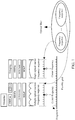
- Fig. 2 depicts an inverse multiplexing method and is a schematic diagram depicting the ODUCn-OTUCnAG-z*OTUCmTG-OChAG mapping and multiplexing processing, wherein, a plurality of optical signals contained in the OChAG are born by discrete frequency spectrum and pass through different routes, as shown in Fig.2 , the ODUCn is mapped to the OTUCnAG, and then the OTUCnAG is mapped to the OChAG, which comprises: the OTUCnAG is inversely multiplexed to a plurality of OTUC high-speed transport groups (OTUCmTG), and then the OTUCmTG is mapped to a corresponding optical channel (OCh); wherein, the rates of the OTUCmTGs are all M times of 100 gigabits per second, M is greater than or equal to land M is less than N.
- OTUCmTG OTUC high-speed transport groups
- An OTUCm Transport Group (OTUCmTG, m ⁇ n) is a composite signal and is a signal of m ⁇ 100 gigabits per second. Each of the OTUCmTGs has a same rate level, or all the OTUCmTGs have different rate levels.
- Fig.3 provides an inverse multiplexing example according to the inverse multiplexing process described in Fig.2 , and is a schematic diagram of five signals being mapped and multiplexed on a same optical fiber and a flow of the optical signal transport processing , as shown in Fig.3 , there are five services transported on the same optical fiber, #1 and #4 are signals of 100 gigabits per second, each of which occupies 50GHz frequency spectrum resource respectively and adopts single-carrier transmission of a Polarization-multiplexed Quadrature Phase Shift Keying (PM-QPSK) modulation mode.
- PM-QPSK Polarization-multiplexed Quadrature Phase Shift Keying
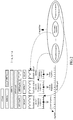
- an ODUCn (the rate is n ⁇ 100Gbit/s) container is mapped to an OTUCnAG
- the OTUCnAG (the rate is n ⁇ 100Gbit/s) is inversely multiplexed to a pluraliy of OTUCm transport group (OTUCmTG), which are OTUCm1TG, OTUCm2TG Vietnamese, OTUCm(i-1)TG and OTUCmiTG respectively and are formed by means of m1,m2... m(i-1) and m i OTUC subframes byte-interleaving
- the OTUC subframe is a subframe of 4 ⁇ 4080 currently defined in G.709.
- a complete OTUCnAG frame is further assembled by means of byte-interleaving, a structure of the OTUCnAG frame is 4 rows and 4808 ⁇ n columns.
- the subframe number value of an OTUC subframe in the OTUCnAG is carried in overhead of each OTUC subframe in each OTUCmTG.
- Trail Trace Identifiers (TTI) carried in overhead of all the OTUC subframesin in one OTUCnAG are required to be the same, indicating that these OTUC subframes belong to the same OTUCnAG.
- TTIs carried in overhead of all the OTUC subframes in another different OTUCnAG are required to be different from the TTIs carried in overhead of all the OTUC subframes in other OTUCnAGs.
- TTI values carried in overhead of all OTUC subrames in a first OTUCIOAG are TTI1
- subframe number values carried in overhead of 10 OTUC subframes are 1 to 10.
- TTI values carried in overhead of all OTUC subframes in a second OTUCIOAG are TTI2
- subframe number values carried in overhead of 10 OTUC subframes are 1 to 10.
- the node B would receive a wrong OTUC subframe, for example, a certain OTUC4TG subframe in the first OTUC10AG is received by the second OTUC10AG, but the OTUC4TG belonging to the second OTUC10AG is received by the first OTUC10AG, which will cause that the OTUC10AGs cannot be assembled correctly.
- a desired trail trace identifier (called a desired TTI for short in following) needs to be configured for the node at the far-end by an administration plane and a control plane, at this point the desired trail trace identifier is a trail trace identifier carried in the OTUC subframe under the OTUCmAG to be received, and at this point, a range of desired subframe number values of the subframe to be received (called a range of desired subframe number values for short in following) is a range of subframe number values of all OTUC subframes in the OTUCnAG in OTUCmTG under the OTUCnAG to be received.
- the receiving node After receiving OTUCm 1 TG, OTUCm 2 TG, OTUCm (i-1) TG and OTUCm 1 TG, the receiving node firstly compares whether the TTI value carried in the overhead of the OTUC frame equals to the configured desired TTI value of each received OTUC frame, if the TTI value carried in the overhead of the OTUC frame does not equal to the configured desired TTI value, an alarm for subframe misordering is generated. Otherwise, it is to compare whether the subframe number values of all the OTUC subframes in the OTUCmTG belong to the configured range of the desired subframe number values. If the subframe number values of all the OTUC subframes in the OTUCmTG do not belong to the configured range of the desired subframe number values, it is to generate the alarm for subframe misordering, otherwise, it is not needed to generate any alarm.
- an ODUCn (the rate is n ⁇ 100Gbit/s) is inversely multiplexed to a plurality of ODUCm transport groups (ODUCmTG), which are ODUCm i TG, ODUCm 2 TG... ODUCm (i-1) TG and ODUCm i TG respectively and are formed by means of m 1 , m 2 ... m (i-1) and m i ODUC subframes byte-interleaving, the ODUC subframe is a subframe of 4 ⁇ 3824 currently defined in G.709.
- ODUCmTG ODUCm transport groups
- a structure of the ODUCn frame is 4 rows and 3824 ⁇ n columns.
- the subframe number value of an ODUC subframes in the ODUCn is carried in overhead of each ODUC subframe in each ODUCmTG.
- trail trace identifiers carried in overhead of all the ODUC suframes in one ODUCn are required to be the same, indicating that these ODUC subframes belong to the same ODUCn.
- TTIs carried in overhead of all the ODUC subframes in another different ODUCn are required to be different from the TTIs carried in overhead of all the ODUC subframes in other ODUCns.
- TTI values carried in overhead of all ODUC subframes in the first ODUC10 are TTI1
- subframe number values carried in overhead of 10 ODUC subframes are 1 to 10.
- TTI values carried in overhead of all ODUC subframes in the second ODUC10 are TTI2
- subframe number values carried in overhead of 10 ODUC subframes are 1 to 10.
- the node B would receive a wrong ODUC subframe, for example, a certain ODUC4TG subframe in the first ODUC10 is received by the second ODUC10, but the ODUC4TG belonging to the second ODUC10 is received by the first ODUC10, which will cause that the ODUCn cannot be assembled correctly.
- the desired TTI needs to be configured for the node at the far-end by an administration plane and a control plane, at this point the desired TTI is a trail trace identifier carried in the ODUC subframe under the ODUCn to be received, and at this point, a range of desired subframe number values is a range of subframe number values of all ODUC subframes in the ODUCn in ODUCmTG under the ODUCn to be received.
- the receiving node After receiving ODUCm i TG, ODUCm 2 TG, ODUCm (i-1) TG and ODUCm i TG, the receiving node firstly compares whether the TTI value carried in the overhead of the ODUC frame equals to the configured desired TTI value of each received ODUC frame, if the TTI value carried in the overhead of the ODUC frame does not equal to the configured desired TTI value, an alarm for subframe misordering is generated. Otherwise, it is to compare whether the subframe number values of all the ODUC subframes in the ODUCmTG belong to the configured range of the desired subframe number values. If the subframe number values of all the ODUC subframes in the ODUCmTG do not belong to the configured range of the desired subframe number values, it is to generate the alarm for subframe misordering, otherwise, it is not needed to generate any alarm.
- the embodiment provides the method for detecting misordering by illustrating that misordering occurs for an OTUC subframe in an OTUCnAG in a node B, which solves the problem that, after misordering occurs for the OTUC subframe in the OTUCnAG, the OTUCnAG frame cannot be assembled correctly.
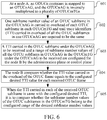
- step 601 at a node A, an ODUCn (the rate is n ⁇ 100Gbit/s) container is mapped to an OTUCnAG, and the OTUCnAG is inversely multiplexed to a pluraliy of OTUCm transport groups (OTUCmTG), which are OTUCm 1 TG, OTUCm 2 TG..., OTUCm (i-1) TG and OTUCm i TG respectively and are formed by means of m 1 ,m 2 ... m (i-1) and m i OTUC subframes byte-interleaving respectively;
- OTUCmTG OTUCm transport groups
- the OTUC subframe is a subframe of 4 ⁇ 4080 currently defined in G.709.
- one subframe number value of an OTUC subframe in the OTUCnAG is carried in overhead of each OTUC subframe in each OTUCmTG and trail trace identifiers (TTI) carried in overhead of all the OTUC subframes in one OTUCnAG are required to be the same, indicating that these OTUC subframes belong to the same OTUCnAG.
- TTI trail trace identifiers
- one subframe number value is carried in the overhead of each of m 1 OTUC subframes in the OTUCm 1 TG, the subframe number values from the first OTUC subframe to the m1th OTUC subframe are assigned as 1, 2, 3, ..., m 1 , respectively.
- One subframe number value is carried in the overhead of each of m 2 OTUC subframes in OTUCm 2 TG, the subframe number values from the first OTUC subframe to the m 2 th OTUC subframe are assigned as m 1 +1, m 1 +2, m 1 +3, ...
- one subframe number value is carried in the overhead of each of m (i-1) OTUC subframes in the m (i-1) th OTUCm 1 TG, the subframe number values from the first OTUC subframe to the m (i-1) th OTUC subframe are assigned as m 1 + m 2 +...+m (i-2) +1, m 1 +m 2 +...+m (i-2) +2, m 1 +m 2 +...+m (i-2) +3, ..., m 1 +m 2 +...+m (i-2) +m (i-1) .
- One subframe number value is carried in the overhead of each of mi OTUC subframes in the m i th OTUCmiTG, the subframe number values from the first OTUC subframe to the m i th OTUC subframe are assigned as m 1 +m 2 +...+m (i-2) +m (i-1) +1, m 1 +m 2 +...+m (i-2) +m (i-1) +2, m 1 + m 2 +...+m (i-2) +m (i-1) +3, ..., m 1 +m 2 +...+m (i-2) +m (i-1) +m i .
- n m 1 +m 2 +...+m( i - 2 )+m (i-1) +m i .
- the TTIs in all the OTUC subframes are assigned as TTI1.
- a TTI (a desired TTI of the subframe to be received) carried in the OTUC subframe under the OTUCnAG to be received and a range of subframe number values of all the OTCU subframs in OTUCnAG in the OTUCmTG under the OTUCnAG to be received (a range of the desired subframe values of the subframe to be received) are configured for the node B by the administration plane or the control plane.
- the configured desired TTIs of the m 1 subframes are TTI1
- the range of the desired subframe number values is 1, 2, 3, ... , m 1
- the subframe number value of each OTUC subframe cannot be the same with each other, and it just belongs to [1, 2, 3, ..., m 1 ].
- the configured desired TTI of the m 2 subframes are TTI1
- the range of the desired subframe number values is m 1 +1, m 1 +2, m 1 +3, ..., m 1 +m 2
- the subframe number value of each OTUC subframe can not be the same with each other, and it just belongs to [m 1 +1, m 1 +2, m 1 +3, ..., m 1 +m 2 ].
- the configured desired TTIs of the m (i-1) subframes are TTI1
- the range of the desired subframe number values is m 1 +m 2 +...+m (i-2) +1, m 1 +m 2 +...+m (i-2) +2, m 1 +m 2 +...+m (i-2) +3, ...
- each OTUC subframe cannot be the same with each other, and it just belongs to [m 1 +m 2 +...+m (i-2) +1, m 1 +m 2 +...+m (i-2) +2, m 1 +m 2 +...+m (i-2) +3, ..., m 1 + m 2 +...+m (i-2) +m (i-1) ].
- the configured desired TTI of m i subframes are TTI1
- the range of the desired subframe number values is m 1 + m 2 +...+m (i-2) +m (i-1) +1, m 1 +m 2 +...+m (i-2) +m (i-1) +2, m 1 +m 2 +...+m (i-2) +m (i-1) +3, ..., m 1 + m 2 +...+m( i-2 )+m (i-1 )+m i
- the subframe number value of each OTUC subframe cannot be the same with each other, and it just belongs to [m 1 +m 2 +...+m (i-2) +m (i-i) +1, m 1 +m 2 +...+m (i-2) + m (i-1) +2, m 1 +m 2 +...+m( i - 2 )+m (i
- step 604 after the OTUCm 1 TG, OTUCm 2 TG, OTUCm (i-1) TG and OTUCm (i-1) TG are transported to the node B at the far-end, for each received OTUC frame, the node B firstly compares whether the TTI value carried in the overhead of the OTUC frame equals to the configured desired TTI value in step 603, if the TTI value carried in the overhead of the OTUC frame does not equal to the configured desired TTI value, an alarm for subframe misordering is generated.
- step 605 when the TTI carried in each received OTUC subframe is same with the configured desired TTI, it is to compare whether the subframe number values of all the OTUC subframes in the OTUCmTG belong to the configured range of the desired subframe number values.
- the embodiment Preferably, it is to compare whether the subframe number values of m i OTUC subframes in the OTUCm (i-1) TG belong to the configured range of the desired subframe number values, i.e.[1, 2, 3, ... , m 1 ], if not, the alarm for OTUC subframe misordering is generated, otherwise, it is not needed to generate any alarm.
- the subframe number values of m 2 OTUC subframes in the OTUCm 2 TG belong to the configured range of the desired subframe number values, i.e.[m 1 +1, m 1 +2, m 1 +3, ... , m 1 +m 2 ], if not, the alarm for OTUC subframe misordering is generated, otherwise, it is not needed to generate any alarm.
- the subframe number values of m (i-1) OTUC subframes in the OTUCm (i-1) TG belong to the configured range of the desired subframe number values, i.e.[m 1 +m 2 +...+m (i-2) +1, m 1 +m 2 +...+m (i-2) +2, m 1 +m 2 +...+m (i-2) +3, ..., m 1 +m 2 +...+m( i-2 )+m (i-1) ], if not, the alarm for OTUC subframe misordering is generated, otherwise, it is not needed to generate any alarm.
- OTUC subframes in the OTUCm (i-1) TG belong to the configured range of the desired subframe number values, i.e.[m 1 + m 2 +...+m (i-2) +m (i-1) +1, m 1 +m 2 +...+m (i-2) +m (i-1) +2, m 1 +m 2 +...+m (i-2) +m (i-1) +3, ..., m 1 + m 2 +...+m( i - 2 )+m (i-1) +m 1 ], if not, the alarm for OTUC subframe misordering is generated, otherwise, it is not needed to generate any alarm.
- the embodiment provides the method for detecting misordering by illustrating that misordering occurs for f an ODUC subframe in a certain ODUCn in a node B, which solves the problem that, after misordering occurs for the ODUC subframe in the ODUCn, the ODUCn frame cannot be assembled correctly.
- an ODUCn is inversely multiplexed to a plurality of ODUCm transport groups (ODUCmTG), which are ODUCm 1 TG, ODUCm 2 TG..., ODUCm (i-1) TG and ODUCm i TG respectively and are formed by means of m 1 , m 2 ... m (i-1) and m i OTUC subframes byte-interleaving, and each of the ODUCmTGs is mapped to one OTUCmTG;
- ODUCm transport groups ODUCm transport groups
- the ODUC subframe is a subframe of 4 ⁇ 4080 currently defined in G.709.
- the subframe number value of the ODUC subframe in the ODUCn is carried in overhead of each ODUC subframe in each ODUCmTG and the trail trace identifiers (TTI) carried in overhead of all the ODUC subframes in one ODUCn are required to be the same, indicating that these ODUC subframes belong to the same ODUCn;
- one subframe number value is carried in the overhead of each of m 1 ODUC subframes in ODUCm 1 TG, the subframe number values from the first ODUC subframe to the m i th ODUC are assigned as 1, 2, 3, ... , m 1 , respectively.
- One subframe number value is carried in the overhead of each of m 2 ODUC subframes in ODUC m 2 TG, the subframe number values from the first ODUC subframe to the m 2 th ODUC subframe are assigned as m 1 +1, m 1 +2, m 1 +3, ...
- one subframe number value is carried in the overhead of each of m (i-1) ODUC subframes in the m (i-1) th ODUCm(i-I)TG, the subframe number values from the first ODUC subframe to the m (i-1) th ODUC subframe are assigned as m 1 +m 2 +...+m (i-2) +1, m 1 + m 2 +...+m (i-2) +2, m 1 +m 2 +... +m (i-2) +3, ..., m 1 +m 2 +...+m( i-2 )+m (i-1).
- One subframe number value is carried in the overhead of each of m i ODUC subframes in the m i th ODUCm i TG, the subframe number values from the first ODUC subframe to the m i th ODUC subframe are assigned respectively as m 1 +m 2 +...+m (i-2) +m (i-1) +1, m 1 +m 2 +...+m( i-2 )+m (i-1) +2, m 1 +m 2 +...+m( i-2 )+m (i-1) +3, ... , m 1 +m 2 +...+m (i-2) +m (i-1) +m i .
- n m 1 +m 2 +...+m (i-2) +m (i-1) +m i .
- the TTI in all the ODUC subframes are assigned as TTI1.
- a TTI (a desired TTI of the subframe to be received) carried in the ODUC subframe under the ODUCn to be received and a range of subframe number values of all the ODUC subframes in ODUCn in the ODUCmTG under the ODUCn to be received (a range of the desired subframe values of the subframe to be received) are configured for the node B by the administration plane or the control plane;
- the configured desired TTI are TTI1
- the range of the desired subframe number values is 1, 2, 3, ...
- the subframe number value of each OTUC subframe cannot be the same with each other, and it just belongs to [1, 2, 3, ..., m 1 ];
- the configured desired TTI of m 2 subframes are TTI1
- the range of the desired subframe number values is m 1 +1, m 1 +2, m 1 +3, ..., m 1 +m 2
- the subframe number value of each ODUC subframe cannot be the same with each other, and it just belongs to [m 1 +1, m 1 +2, m 1 +3, ..., m 1 +m 2 ]
- the configured desired TTIs of the m (i-1) subframes are TTI1
- the range of the desired subframe number values is
- the configured desired TTI of m i subframes are TTI1
- the range of the desired subframe number values is m 1 + m 2 +...+m (i-2) +m (i-1) +1, m 1 +m 2 +...+m (i-2) +m (i-1) +2, m 1 +m 2 +...+m (i-2) +m (i-1) +3, ..., m 1 + m 2 +...+m( i-2 )+m (i-1 )+m i
- the subframe number value of each ODUC subframe cannot be the same with each other, and it just belongs to [m 1 +m 2 +...+m (i-2) +m (i-1) +1, m 1 +m 2 +...+m (i-2) +m (i-1) +2, m 1 +m 2 +...+m (i-2) +m (i-1) +3,
- step 704 after the ODUCm 1 TG, ODUCm 2 TG, ODUCm (i-1) TG and ODUCm (i-1) TG are transported to the node B at the far-end, for each received ODUC frame, the node B firstly compares whether the TTI value carried in the overhead of the ODUC frame equals to the configured desired TTI value in step 703, if the TTI value carried in the overhead of the ODUC frame does not equal to the configured desired TTI value, an alarm for subframe misordering is generate; In step 705, in the case that the TTI values are the same, it is to compare whether the subframe number values of all the ODUC subframes in the ODUCmTG belong to the configured range of the desired subframe number values.
- the subframe number values of m 1 ODUC subframes in the ODUC m1TG belong to the configured range of the desired subframe number values, i.e.[1, 2, 3, ... , m 1 ], if not, the alarm for OTUC subframe misordering is generated, otherwise, it is not needed to generate any alarm.
- the subframe number values of m 2 ODUC subframes in the ODUCm 2 TG belong to the configured range of the desired subframe number values, i.e.[m 1 +1, m 1 +2, m 1 +3, ..., m 1 +m 2 ], if not, the alarm for ODUC subframe misordering is generated, otherwise, it is not needed to generate any alarm.
- the subframe number values of m (i-1) ODUC subframes in the ODUCm (i-1) TG belong to the configured range of the desired subframe number values, i.e.[m 1 +m 2 +...+m (i-2) +1, m 1 +m 2 +...+m (i-2) +2, m 1 +m 2 +...+m (i-2) +3, ..., m 1 +m 2 +...+m( i-2 )+m (i-1) ], if not, the alarm for ODUC subframe misordering is generated, otherwise, it is not needed to generate any alarm.
- the subframe number values of m i OTUC subframes in the ODUCm (i-1) TG belong to the configured range of the desired subframe number values, i.e.[m 1 +m 2 +...+m (i-2) +m (i-1) +1, m 1 +m 2 +...+m (i-2) +m (i-1) +2, m 1 +m 2 +...+m (i-2) +m (i1)+ 3, ..., m 1 +m 2 +...+m (i-2) +m (i-1) +m i ], if not, the alarm for ODUC subframe misordering is generated, otherwise, it is not needed to generate any alarm.
- the embodiments of the present invention provide the method for processing the mapping and multiplexing of the data and the corresponding optical node.
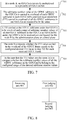
- the embodiment provides a node, comprising: a receiving unit 801, a first judging unit 802 and a second judging unit 803, and wherein:
- the desired trail trace identifier of the subframe to be received is a trail trace identifier carried in an OTUC subframe under an OTUC high-speed administrative group (OTUCnAG) to be received, wherein OTUC subframes under a same OTUCnAG carry same trail trace identifiers.
- OTUCnAG OTUC high-speed administrative group
- the receiving unit is configured to receive OTUC subframes under a plurality of OTUC high-speed transport groups (OTUCmTG) to which an OTUCnAG to be received is inversely multiplexed, respectively; wherein the range of the desired subframe number values of the subframe to be received is a range of the subframe number values of the OTUC subframe in the OTUCnAG in the OTUCmTG under the OTUCnAG to be received; and the second judging unit is configured to judge whether a subframe number value carried in each OTUC under each OTUCmTG received belongs to a range of subframe number values of the OTUC subframe in the OTUCnAG in a corresponding OTUCmTG under the OTUCnAG to be received, if it has been judged that the subframe number value does not belong to the range of the subframe number values of the OTUC subframe in OTUCnAG in the corresponding OTUCmTG, determine that there is subframe misordering.
- the desired trail trace identifier of the subframe to be received is a trail trace identifier carried in an ODUC subframe under an ODUC high-speed (ODUCn) to be received, wherein ODUC subframes under a same ODUC carry same trail trace identifiers.
- ODUC optical channel data unit for continue rate
- the receiving unit is configured to receive ODUC subframes a plurality of ODUCmTGs to which a plurality of the ODUCmTGs, to which the ODUCn to be received is inversely multiplexed, are mapped respectively; wherein the range of desire subframe number values of the subframe to be received is a range of subframe number values of the OTUC subframe in ODUCn in the ODUCmTG under the ODUCn to be received; and the second judging unit is configured to judge whether a subframe number value carried in each ODUC under each ODUCmTG received belongs to a range of subframe number values of an ODUC subframe in the ODUCn in a corresponding ODUCmTG under an ODUCn to be received, if it has been judged that the subframe number value carried in the received subframe does not belong to the range of the subframe number values of the ODUC subframe in the ODUCn in the corresponding ODUCmTG, determine that there is subframe misorder
- modules or steps of the present invention can be implemented through a universal calculating device, and they can be integrated on a single calculating device or distributed in a network consisting of multiple calculating devices.
- the modules or steps can be implemented through program codes which can be executed by the calculating device, thus, they can be stored in a storage device to be executed by the calculating device, or they can be made into multiple integrated circuit modules respectively, or multiple modules or steps of them can be made into a single integrated circuit module to be implemented. Therefore, the present invention is not limited to any specific combination of hardware and software.
Landscapes
- Engineering & Computer Science (AREA)
- Computer Networks & Wireless Communication (AREA)
- Signal Processing (AREA)
- Physics & Mathematics (AREA)
- Electromagnetism (AREA)
- Health & Medical Sciences (AREA)
- Cardiology (AREA)
- General Health & Medical Sciences (AREA)
- Computer Security & Cryptography (AREA)
- Time-Division Multiplex Systems (AREA)
Claims (12)
- Ein Verfahren zum Erkennen einer Fehlanordnung von Teilrahmen beim inversen Multiplexen, beinhaltend:durch einen Empfangsknoten, Empfangen von Teilrahmen von einem Übertragungsknoten und Beurteilen, ob eine in jedem empfangenen Teilrahmen getragene Trail-Trace-Kennung mit einer gewünschten Trail-Trace-Kennung eines zu empfangenden Teilrahmens übereinstimmt (S604, S704); undfalls die in jedem empfangenen Teilrahmen getragene Trail-Trace-Kennung mit der gewünschten Trail-Trace-Kennung des zu empfangenden Teilrahmens übereinstimmt, Beurteilen, durch den Empfangsknoten, ob ein in jedem Teilrahmen getragener Teilrahmenzahlenwert zu einem Bereich gewünschter Teilrahmenzahlenwerte des zu empfangenden Teilrahmens gehört, und falls die Beurteilung ergibt, dass der in dem empfangenen Teilrahmen getragene Teilrahmenzahlenwert nicht zu dem Bereich der gewünschten Teilrahmenzahlenwerte des zu empfangenden Teilrahmens gehört, Bestimmen, dass eine Fehlanordnung von Teilrahmen vorliegt (S605, S705).
- Verfahren gemäß Anspruch 1, wobei
wenn der Teilrahmen ein Teilrahmen einer optischen Kanaltransporteinheit für weitergehende Raten, OTUC, ist, die gewünschte Trail-Trace-Kennung des zu empfangenden Teilrahmens eine Trail-Trace-Kennung, die in einem OTUC-Teilrahmen innerhalb einer zu empfangenden OTUC-Hochgeschwindigkeitsadministrationsgruppe, OTUCnAG, getragen wird, ist, wobei OTUC-Teilrahmen innerhalb einer gleichen OTUCnAG gleiche Trail-Trace-Kennungen tragen. - Verfahren gemäß Anspruch 1, wobei
wenn der Teilrahmen ein Teilrahmen einer optischen Kanaldateneinheit für weitergehende Raten, ODUC, ist, die gewünschte Trail-Trace-Kennung des zu empfangenden Teilrahmens eine Trail-Trace-Kennung, die in einem ODUC-Teilrahmen innerhalb einer zu empfangenden Hochgeschwindigkeits-ODUC, ODUCn, getragen wird, ist, wobei ODUC-Teilrahmen innerhalb einer gleichen ODUCn gleiche Trail-Trace-Kennungen tragen. - Verfahren gemäß Anspruch 2, wobei
das Empfangen, durch einen Empfangsknoten, von Teilrahmen von einem Übertragungsknoten Folgendes beinhaltet: Empfangen von OTUC-Teilrahmen innerhalb einer Vielzahl von OTUC-Hochgeschwindigkeitstransportgruppen, OTUCmTG, in die eine zu empfangende OTUCnAG jeweils invers gemultiplext wurde; wobei der Bereich der gewünschten Teilrahmenzahlenwerte des zu empfangenden Teilrahmens ein Bereich der Teilrahmenzahlenwerte des OTUC-Teilrahmens in der OTUCnAG in der OTUCmTG innerhalb der zu empfangenden OTUCnAG ist; und das Beurteilen, ob ein in jedem Teilrahmen getragener Teilrahmenzahlenwert zu einem Bereich gewünschter Teilrahmenzahlenwerte des zu empfangenden Teilrahmens gehört, Folgendes beinhaltet: Beurteilen, ob ein in jedem OTUC-Teilrahmen innerhalb jeder empfangenen OTUCmTG getragener Teilrahmenzahlenwert zu einem Bereich von Teilrahmenzahlenwerten des OTUC-Teilrahmens in der OTUCnAG in einer entsprechenden OTUCmTG innerhalb der zu empfangenden OTUCnAG gehört, und falls die Beurteilung ergibt, dass ein in dem empfangenen Teilrahmen getragener Teilrahmenzahlenwert nicht zu dem Bereich von Teilrahmenzahlenwerten des OTUC-Teilrahmens in der OTUCnAG in der entsprechenden OTUCmTG gehört, Bestimmen, dass eine Fehlanordnung von Teilrahmen vorliegt. - Verfahren gemäß Anspruch 3, wobei
das Empfangen, durch einen Empfangsknoten, von Teilrahmen von einem Übertragungsknoten Folgendes beinhaltet: Empfangen von ODUC-Teilrahmen innerhalb einer Vielzahl von ODUCmTGs, in die die zu empfangende ODUCn invers gemultiplext wird, jeweils abgebildet sind; wobei der Bereich gewünschter Teilrahmenzahlenwerte des zu empfangenden Teilrahmens ein Bereich von Teilrahmenzahlenwerten des OTUC-Teilrahmens in ODUCn in der ODUCmTG innerhalb der zu empfangenden ODUCn ist; und
das Beurteilen, ob ein in jedem Teilrahmen getragener Teilrahmenzahlenwert zu einem Bereich gewünschter Teilrahmenzahlenwerte des zu empfangenden Teilrahmens gehört, Folgendes beinhaltet: Beurteilen, ob ein in jedem ODUC-Teilrahmen innerhalb jeder empfangenen ODUCmTG getragener Teilrahmenzahlenwert zu einem Bereich von Teilrahmenzahlenwerten eines ODUC-Teilrahmens in der ODUCn in einer entsprechenden ODUCmTG innerhalb einer zu empfangenden ODUCn gehört, und falls die Beurteilung ergibt, dass der in dem empfangenen Teilrahmen getragene Teilrahmenzahlenwert nicht zu dem Bereich der Teilrahmenzahlenwerte des ODUC-Teilrahmens in der ODUCn in der entsprechenden ODUCmTG gehört, Bestimmen, dass eine Fehlanordnung von Teilrahmen vorliegt. - Verfahren gemäß Anspruch 1, wobei die gewünschte Trail-Trace-Kennung des zu empfangenden Teilrahmens für den Empfangsknoten durch eine Verwaltungsebene oder eine Steuerebene konfiguriert ist; wobei der Bereich der gewünschten Teilrahmenzahlenwerte für den Empfangsknoten durch die Verwaltungsebene oder die Steuerebene konfiguriert ist.
- Verfahren gemäß einem der Ansprüche 1-5, ferner beinhaltend:nach dem Beurteilen, dass sich die in dem empfangenen Teilrahmen getragene Trail-Trace-Kennung von der gewünschten Trail-Trace-Kennung des zu empfangenden Teilrahmens unterscheidet, Bestimmen, durch den Empfangsknoten, dass eine Fehlanordnung von Teilrahmen vorliegt; undnach dem Bestimmen, dass eine Fehlanordnung von Teilrahmen vorliegt, Erzeugen, durch den Empfangsknoten, eines Alarms für die Fehlanordnung von Teilrahmen.
- Ein Knoten, beinhaltend: eine Empfangseinheit (801), eine erste Beurteilungseinheit (802) und eine zweite Beurteilungseinheit (803), und wobei:die Empfangseinheit (801) konfiguriert ist, um Teilrahmen von einem Übertragungsknoten zu empfangen;die erste Beurteilungseinheit (802) konfiguriert ist, um zu beurteilen, ob eine in jedem empfangenen Teilrahmen getragene Trail-Trace-Kennung mit einer gewünschten Trail-Trace-Kennung eines zu empfangenden Teilrahmens übereinstimmt; unddie zweite Beurteilungseinheit (803) konfiguriert ist, um, wenn die Beurteilung durch die erste Beurteilungseinheit ergeben hat, dass die in jedem empfangenen Teilrahmen getragene Trail-Trace-Kennung mit der gewünschten Trail-Trace-Kennung des zu empfangenden Teilrahmens übereinstimmt, zu beurteilen, ob ein in jedem Teilrahmen getragener Teilrahmenzahlenwert zu einem Bereich gewünschter Teilrahmenzahlenwerte des zu empfangenden Teilrahmens gehört, und falls die Beurteilung ergibt, dass der in dem empfangenen Teilrahmen getragene Teilrahmenzahlenwert nicht zu dem Bereich der gewünschten Teilrahmenzahlenwerte des zu empfangenden Teilrahmens gehört, zu bestimmen, dass eine Fehlanordnung von Teilrahmen vorliegt.
- Knoten gemäß Anspruch 8, wobei
wenn der Teilrahmen ein Teilrahmen einer optischen Transporteinheit für weitergehende Raten, OTUC, ist, die gewünschte Trail-Trace-Kennung des zu empfangenden Teilrahmens eine Trail-Trace-Kennung, die in einem OTUC-Teilrahmen innerhalb einer zu empfangenden OTUC-Hochgeschwindigkeitsadministrationsgruppe, OTUCnAG, getragen wird, ist, wobei OTUC-Teilrahmen innerhalb einer gleichen OTUCnAG gleiche Trail-Trace-Kennungen tragen. - Knoten gemäß Anspruch 8, wobei
wenn der Teilrahmen ein Teilrahmen einer optischen Kanaldateneinheit für weitergehende Raten, ODUC, ist, die gewünschte Trail-Trace-Kennung des zu empfangenden Teilrahmens eine Trail-Trace-Kennung, die in einem ODUC-Teilrahmen innerhalb einer zu empfangenden Hochgeschwindigkeits-ODUC, ODUCn, getragen wird, ist, wobei ODUC-Teilrahmen innerhalb einer gleichen ODUCn gleiche Trail-Trace-Kennungen tragen. - Knoten gemäß Anspruch 9, wobei
die Empfangseinheit (801) konfiguriert ist, um OTUC-Teilrahmen innerhalb einer Vielzahl von OTUC-Hochgeschwindigkeitstransportgruppen, OTUCmTG, zu empfangen, in die eine zu empfangende OTUCnAG jeweils invers gemultiplext wird; wobei der Bereich der gewünschten Teilrahmenzahlenwerte des zu empfangenden Teilrahmens ein Bereich der Teilrahmenzahlenwerte des OTUC-Teilrahmens in der OTUCnAG in der OTUCmTG innerhalb der zu empfangenden OTUCnAG ist; und die zweite Beurteilungseinheit (803) konfiguriert ist, um zu beurteilen, ob ein in jedem OTUC-Teilrahmen innerhalb jeder empfangenen OTUCmTG getragener Teilrahmenzahlenwert zu einem Bereich von Teilrahmenzahlenwerten des OTUC-Teilrahmens in der OTUCnAG in einer entsprechenden OTUCmTG innerhalb der zu empfangenden OTUCnAG gehört, und falls die Beurteilung ergibt, dass der in dem empfangenen Teilrahmen getragene Teilrahmenzahlenwert nicht zu dem Bereich der Teilrahmenzahlenwerte des OTUC-Teilrahmens in der OTUCnAG in der entsprechenden OTUCmTG gehört, zu bestimmen, dass eine Fehlanordnung von Teilrahmen vorliegt. - Knoten gemäß Anspruch 10, wobei
die Empfangseinheit (801) konfiguriert ist, um ODUC-Teilrahmen innerhalb einer Vielzahl von ODUCmTGs, in die die zu empfangende ODUCn invers gemultiplext wird, jeweils abgebildet sind, zu empfangen; wobei der Bereich gewünschter Teilrahmenzahlenwerte des zu empfangenden Teilrahmens ein Bereich von Teilrahmenzahlenwerten des OTUC-Teilrahmens in ODUCn in der ODUCmTG innerhalb der zu empfangenden ODUCn ist;
die zweite Beurteilungseinheit (803) konfiguriert ist, um zu beurteilen, ob ein in jedem ODUC-Teilrahmen innerhalb jeder empfangenen ODUCmTG getragener Teilrahmenzahlenwert zu einem Bereich von Teilrahmenzahlenwerten eines ODUC-Teilrahmens in der ODUCn in einer entsprechenden ODUCmTG innerhalb einer zu empfangenden ODUCn gehört, und falls die Beurteilung ergibt, dass der in dem empfangenen Teilrahmen getragene Teilrahmenzahlenwert nicht zu dem Bereich der Teilrahmenzahlenwerte des ODUC-Teilrahmens in der ODUCn in der entsprechenden ODUCmTG gehört, zu bestimmen, dass eine Fehlanordnung von Teilrahmen vorliegt.
Applications Claiming Priority (2)
| Application Number | Priority Date | Filing Date | Title |
|---|---|---|---|
| CN201310051897.6A CN103997426B (zh) | 2013-02-17 | 2013-02-17 | 一种反向复用中子帧错序的检测方法及节点 |
| PCT/CN2014/071893 WO2014124589A1 (zh) | 2013-02-17 | 2014-02-08 | 一种反向复用中子帧错序的检测方法及节点 |
Publications (3)
| Publication Number | Publication Date |
|---|---|
| EP2958251A1 EP2958251A1 (de) | 2015-12-23 |
| EP2958251A4 EP2958251A4 (de) | 2016-10-26 |
| EP2958251B1 true EP2958251B1 (de) | 2019-06-19 |
Family
ID=51311435
Family Applications (1)
| Application Number | Title | Priority Date | Filing Date |
|---|---|---|---|
| EP14751519.1A Active EP2958251B1 (de) | 2013-02-17 | 2014-02-08 | Verfahren und knoten zur erkennung eines subframe-sequenzfehlers in der inversen multiplexierung |
Country Status (4)
| Country | Link |
|---|---|
| US (1) | US9571375B2 (de) |
| EP (1) | EP2958251B1 (de) |
| CN (1) | CN103997426B (de) |
| WO (1) | WO2014124589A1 (de) |
Families Citing this family (8)
| Publication number | Priority date | Publication date | Assignee | Title |
|---|---|---|---|---|
| CN103997426B (zh) * | 2013-02-17 | 2018-11-16 | 中兴通讯股份有限公司 | 一种反向复用中子帧错序的检测方法及节点 |
| CN104009802A (zh) * | 2013-02-22 | 2014-08-27 | 中兴通讯股份有限公司 | 一种延长无源光网络系统传输距离的方法和光线路终端 |
| CN106559141B (zh) | 2015-09-25 | 2020-01-10 | 华为技术有限公司 | 一种信号发送、接收方法、装置及系统 |
| CN108322367B (zh) * | 2017-01-16 | 2022-01-14 | 中兴通讯股份有限公司 | 一种业务传递的方法、设备和系统 |
| CN110365439B (zh) * | 2018-04-09 | 2021-09-03 | 中兴通讯股份有限公司 | 信号映射方法、装置、服务器及计算机可读存储介质 |
| CN113328901B (zh) * | 2020-02-28 | 2023-04-28 | 华为技术有限公司 | 报文乱序检测方法、装置及系统 |
| CN112653234A (zh) * | 2020-11-27 | 2021-04-13 | 国网宁夏电力有限公司固原供电公司 | 一种用于变电站的光纤监测系统 |
| CN113285852B (zh) * | 2021-05-14 | 2022-11-11 | 李国志 | 一种实现多路e1信号同步测试的方法 |
Family Cites Families (39)
| Publication number | Priority date | Publication date | Assignee | Title |
|---|---|---|---|---|
| US9615151B2 (en) * | 1990-09-11 | 2017-04-04 | Menara Networks, Inc. | Virtualized optical transport network systems and methods |
| US5987030A (en) * | 1996-09-27 | 1999-11-16 | Cisco Technology, Inc. | Transparent circuit emulation for packet switching network |
| FI107672B (fi) * | 1999-05-24 | 2001-09-14 | Nokia Networks Oy | Menetelmä ja järjestely TTI-tunnisteen käsittelyn parantamiseksi |
| US6553029B1 (en) * | 1999-07-09 | 2003-04-22 | Pmc-Sierra, Inc. | Link aggregation in ethernet frame switches |
| US6600581B1 (en) * | 1999-08-31 | 2003-07-29 | Lucent Technologies Inc. | Connection verification in optical cross-connect arrangements |
| US7065103B1 (en) * | 2000-04-19 | 2006-06-20 | Nortel Networks Limited | Hyper-concatenation across multiple parallel channels |
| US7143161B2 (en) * | 2001-11-16 | 2006-11-28 | Nortel Networks Limited | Tandem connection monitoring parallel processing |
| KR100509150B1 (ko) * | 2002-12-27 | 2005-08-19 | 한국전자통신연구원 | 광트랜스폰더의 운용 장치 및 그 운용 방법 |
| CN1224219C (zh) * | 2003-03-04 | 2005-10-19 | 深圳市迪威视讯技术有限公司 | 多路网络接口的反向复用方法 |
| CN100373847C (zh) * | 2004-12-14 | 2008-03-05 | 华为技术有限公司 | 在光传送网中传输低速率业务信号的方法 |
| JP2007096499A (ja) * | 2005-09-27 | 2007-04-12 | Fujitsu Ltd | 光受信装置及び光受信装置における分散補償方法 |
| CN100413259C (zh) * | 2006-02-07 | 2008-08-20 | 华为技术有限公司 | 一种自动实现串联连接监测的方法和装置 |
| CN101411099B (zh) * | 2006-03-31 | 2012-04-25 | 英国电讯有限公司 | 将外围站引入到光学网络中的方法及外围站 |
| US9319143B2 (en) * | 2006-10-13 | 2016-04-19 | Menara Networks, Inc. | 40G/100G/200G/400G pluggable optical transceivers with advanced functionality |
| CN1946012A (zh) * | 2006-11-01 | 2007-04-11 | 华为技术有限公司 | 光传送网信号调度方法和装置 |
| CN101272182A (zh) * | 2007-03-20 | 2008-09-24 | 华为技术有限公司 | 一种检测光纤连接的方法、系统及装置 |
| US8045863B2 (en) * | 2007-12-26 | 2011-10-25 | Ciena Corporation | Byte-interleaving systems and methods for 100G optical transport enabling multi-level optical transmission |
| CN101471837B (zh) * | 2007-12-27 | 2011-07-06 | 华为技术有限公司 | 光信道数据单元共享保护环、信号传输方法及网络节点 |
| US8155145B2 (en) * | 2008-03-28 | 2012-04-10 | Telefonaktiebolaget L M Ericsson (Publ) | Method and system for telecommunications using layer 3 packets obtained from a sequence of layer 2 radio link control layer data frames |
| JP5187081B2 (ja) * | 2008-09-01 | 2013-04-24 | 富士通株式会社 | フレーム生成装置およびフレーム生成方法 |
| CN101860889B (zh) * | 2009-04-09 | 2012-10-03 | 大唐移动通信设备有限公司 | 一种ima e1链路混线的检测方法、装置及系统 |
| ES2652019T3 (es) * | 2009-06-09 | 2018-01-31 | Huawei Technologies Co., Ltd. | Método de ajuste sin pérdida del ancho de banda de un canal ODUflex y canal ODUflex |
| JP5482182B2 (ja) * | 2009-12-18 | 2014-04-23 | 富士通株式会社 | 通信装置および通信方法 |
| US20120230674A1 (en) * | 2011-03-10 | 2012-09-13 | Catherine Haiyan Yuan | Triggers to Fault Information Insertion in Optical Transport Network |
| KR101306377B1 (ko) * | 2011-09-29 | 2013-09-09 | 엘지전자 주식회사 | 상향링크 전송 방법 및 장치 |
| US9253067B2 (en) * | 2011-11-04 | 2016-02-02 | Infinera Corporation | OAM in OTN networks: GMPLS signaling for TCM |
| US9485015B2 (en) * | 2011-11-14 | 2016-11-01 | Infinera Corporation | Optical layer status exchange over OSC-OAM method for ROADM networks |
| US8830989B2 (en) * | 2011-12-06 | 2014-09-09 | Cisco Technology, Inc. | Automatic configuration of packet network services over dense wavelength division multiplex communication links using optical transport network frames |
| WO2013125621A1 (ja) * | 2012-02-22 | 2013-08-29 | 日本電信電話株式会社 | マルチレーン伝送装置及びマルチレーン伝送方法 |
| US8953433B1 (en) * | 2012-02-23 | 2015-02-10 | Juniper Networks, Inc. | Fast re-route for optical networks |
| EP2875591B1 (de) * | 2012-07-20 | 2017-03-22 | Telefonaktiebolaget LM Ericsson (publ) | Einstellung einer empfangs- und übertragungs-zeitplanung für schaltfehler in einem kommunikationssystem |
| US9560566B2 (en) * | 2012-07-30 | 2017-01-31 | Telefonaktiebolaget L M Ericsson (Publ) | Methods and apparatuses for operating a radio network controller during a soft handover process |
| CN103997426B (zh) * | 2013-02-17 | 2018-11-16 | 中兴通讯股份有限公司 | 一种反向复用中子帧错序的检测方法及节点 |
| CN103997387B (zh) * | 2013-02-18 | 2018-08-24 | 中兴通讯股份有限公司 | 数据的映射、复用、解复用和解映射方法及装置 |
| JP6123882B2 (ja) * | 2013-03-19 | 2017-05-10 | 富士通株式会社 | 伝送装置、伝送システム、及び伝送方法 |
| KR20150094956A (ko) * | 2014-02-12 | 2015-08-20 | 한국전자통신연구원 | 보호 경로를 위한 링크 활성화 방법 및 장치 |
| US9680588B2 (en) * | 2014-06-11 | 2017-06-13 | Ciena Corporation | OTN switching systems and methods using an SDN controller and match/action rules |
| US9496980B2 (en) * | 2014-09-04 | 2016-11-15 | Ciena Corporation | Method for detecting wavelength usage conflicts in an optical network |
| US9949183B2 (en) * | 2014-09-18 | 2018-04-17 | Telefonaktiebolaget Lm Ericsson (Publ) | Method and apparatus for performing radio measurements in autonomous gaps in multi-connectivity scenarios |
-
2013
- 2013-02-17 CN CN201310051897.6A patent/CN103997426B/zh not_active Expired - Fee Related
-
2014
- 2014-02-08 US US14/768,243 patent/US9571375B2/en not_active Expired - Fee Related
- 2014-02-08 EP EP14751519.1A patent/EP2958251B1/de active Active
- 2014-02-08 WO PCT/CN2014/071893 patent/WO2014124589A1/zh not_active Ceased
Non-Patent Citations (1)
| Title |
|---|
| None * |
Also Published As
| Publication number | Publication date |
|---|---|
| WO2014124589A1 (zh) | 2014-08-21 |
| CN103997426B (zh) | 2018-11-16 |
| EP2958251A4 (de) | 2016-10-26 |
| EP2958251A1 (de) | 2015-12-23 |
| US20160006636A1 (en) | 2016-01-07 |
| CN103997426A (zh) | 2014-08-20 |
| US9571375B2 (en) | 2017-02-14 |
Similar Documents
| Publication | Publication Date | Title |
|---|---|---|
| EP2958251B1 (de) | Verfahren und knoten zur erkennung eines subframe-sequenzfehlers in der inversen multiplexierung | |
| US12483334B2 (en) | Method and apparatus for transmitting and receiving client signal in optical transport network | |
| EP2745476B1 (de) | Neuformung eines bestehenden verkehrsflusses in einem optischen transportnetz | |
| CN102349310B (zh) | 一种可变速率信号的处理方法、装置及系统 | |
| US9979487B2 (en) | Method for processing optical signal, optical signal sending node and optical node | |
| CN103716108A (zh) | 光传送网的数据映射方法及装置 | |
| CN103997371B (zh) | 光信号的检测方法、装置和系统 | |
| US9025623B2 (en) | Method and apparatus for implementing self-adaption of cross granularity in optical transport network | |
| CN103997388A (zh) | 数据的映射、解映射方法及装置 | |
| CN103780327A (zh) | 数据传送方法及装置 | |
| JPWO2015198571A1 (ja) | マルチキャリア光送信器、マルチキャリア光受信器、およびマルチキャリア光伝送方法 | |
| EP2884687B1 (de) | Verfahren und vorrichtung zur datenabbildung in einem optischen transportnetz | |
| US10079641B1 (en) | Systems and methods of transporting data over an optical transport network | |
| EP2466767A1 (de) | Adaptervorrichtung und verfahren dafür |
Legal Events
| Date | Code | Title | Description |
|---|---|---|---|
| PUAI | Public reference made under article 153(3) epc to a published international application that has entered the european phase |
Free format text: ORIGINAL CODE: 0009012 |
|
| 17P | Request for examination filed |
Effective date: 20150917 |
|
| AK | Designated contracting states |
Kind code of ref document: A1 Designated state(s): AL AT BE BG CH CY CZ DE DK EE ES FI FR GB GR HR HU IE IS IT LI LT LU LV MC MK MT NL NO PL PT RO RS SE SI SK SM TR |
|
| AX | Request for extension of the european patent |
Extension state: BA ME |
|
| DAX | Request for extension of the european patent (deleted) | ||
| REG | Reference to a national code |
Ref country code: DE Ref legal event code: R079 Ref document number: 602014048653 Country of ref document: DE Free format text: PREVIOUS MAIN CLASS: H04B0010070000 Ipc: H04J0003160000 |
|
| A4 | Supplementary search report drawn up and despatched |
Effective date: 20160923 |
|
| RIC1 | Information provided on ipc code assigned before grant |
Ipc: H04L 12/26 20060101ALI20160919BHEP Ipc: H04B 10/07 20130101ALI20160919BHEP Ipc: H04J 14/02 20060101ALI20160919BHEP Ipc: H04J 3/16 20060101AFI20160919BHEP |
|
| GRAP | Despatch of communication of intention to grant a patent |
Free format text: ORIGINAL CODE: EPIDOSNIGR1 |
|
| STAA | Information on the status of an ep patent application or granted ep patent |
Free format text: STATUS: GRANT OF PATENT IS INTENDED |
|
| INTG | Intention to grant announced |
Effective date: 20190110 |
|
| GRAS | Grant fee paid |
Free format text: ORIGINAL CODE: EPIDOSNIGR3 |
|
| GRAA | (expected) grant |
Free format text: ORIGINAL CODE: 0009210 |
|
| STAA | Information on the status of an ep patent application or granted ep patent |
Free format text: STATUS: THE PATENT HAS BEEN GRANTED |
|
| RIN1 | Information on inventor provided before grant (corrected) |
Inventor name: ZHANG, XINLING Inventor name: FU, XIHUA |
|
| AK | Designated contracting states |
Kind code of ref document: B1 Designated state(s): AL AT BE BG CH CY CZ DE DK EE ES FI FR GB GR HR HU IE IS IT LI LT LU LV MC MK MT NL NO PL PT RO RS SE SI SK SM TR |
|
| REG | Reference to a national code |
Ref country code: GB Ref legal event code: FG4D |
|
| REG | Reference to a national code |
Ref country code: CH Ref legal event code: EP |
|
| REG | Reference to a national code |
Ref country code: IE Ref legal event code: FG4D |
|
| REG | Reference to a national code |
Ref country code: DE Ref legal event code: R096 Ref document number: 602014048653 Country of ref document: DE |
|
| REG | Reference to a national code |
Ref country code: AT Ref legal event code: REF Ref document number: 1146846 Country of ref document: AT Kind code of ref document: T Effective date: 20190715 |
|
| REG | Reference to a national code |
Ref country code: NL Ref legal event code: MP Effective date: 20190619 |
|
| PG25 | Lapsed in a contracting state [announced via postgrant information from national office to epo] |
Ref country code: NO Free format text: LAPSE BECAUSE OF FAILURE TO SUBMIT A TRANSLATION OF THE DESCRIPTION OR TO PAY THE FEE WITHIN THE PRESCRIBED TIME-LIMIT Effective date: 20190919 Ref country code: FI Free format text: LAPSE BECAUSE OF FAILURE TO SUBMIT A TRANSLATION OF THE DESCRIPTION OR TO PAY THE FEE WITHIN THE PRESCRIBED TIME-LIMIT Effective date: 20190619 Ref country code: LT Free format text: LAPSE BECAUSE OF FAILURE TO SUBMIT A TRANSLATION OF THE DESCRIPTION OR TO PAY THE FEE WITHIN THE PRESCRIBED TIME-LIMIT Effective date: 20190619 Ref country code: HR Free format text: LAPSE BECAUSE OF FAILURE TO SUBMIT A TRANSLATION OF THE DESCRIPTION OR TO PAY THE FEE WITHIN THE PRESCRIBED TIME-LIMIT Effective date: 20190619 Ref country code: SE Free format text: LAPSE BECAUSE OF FAILURE TO SUBMIT A TRANSLATION OF THE DESCRIPTION OR TO PAY THE FEE WITHIN THE PRESCRIBED TIME-LIMIT Effective date: 20190619 Ref country code: AL Free format text: LAPSE BECAUSE OF FAILURE TO SUBMIT A TRANSLATION OF THE DESCRIPTION OR TO PAY THE FEE WITHIN THE PRESCRIBED TIME-LIMIT Effective date: 20190619 |
|
| REG | Reference to a national code |
Ref country code: LT Ref legal event code: MG4D |
|
| PG25 | Lapsed in a contracting state [announced via postgrant information from national office to epo] |
Ref country code: GR Free format text: LAPSE BECAUSE OF FAILURE TO SUBMIT A TRANSLATION OF THE DESCRIPTION OR TO PAY THE FEE WITHIN THE PRESCRIBED TIME-LIMIT Effective date: 20190920 Ref country code: BG Free format text: LAPSE BECAUSE OF FAILURE TO SUBMIT A TRANSLATION OF THE DESCRIPTION OR TO PAY THE FEE WITHIN THE PRESCRIBED TIME-LIMIT Effective date: 20190919 Ref country code: RS Free format text: LAPSE BECAUSE OF FAILURE TO SUBMIT A TRANSLATION OF THE DESCRIPTION OR TO PAY THE FEE WITHIN THE PRESCRIBED TIME-LIMIT Effective date: 20190619 Ref country code: LV Free format text: LAPSE BECAUSE OF FAILURE TO SUBMIT A TRANSLATION OF THE DESCRIPTION OR TO PAY THE FEE WITHIN THE PRESCRIBED TIME-LIMIT Effective date: 20190619 |
|
| REG | Reference to a national code |
Ref country code: AT Ref legal event code: MK05 Ref document number: 1146846 Country of ref document: AT Kind code of ref document: T Effective date: 20190619 |
|
| PG25 | Lapsed in a contracting state [announced via postgrant information from national office to epo] |
Ref country code: SK Free format text: LAPSE BECAUSE OF FAILURE TO SUBMIT A TRANSLATION OF THE DESCRIPTION OR TO PAY THE FEE WITHIN THE PRESCRIBED TIME-LIMIT Effective date: 20190619 Ref country code: EE Free format text: LAPSE BECAUSE OF FAILURE TO SUBMIT A TRANSLATION OF THE DESCRIPTION OR TO PAY THE FEE WITHIN THE PRESCRIBED TIME-LIMIT Effective date: 20190619 Ref country code: PT Free format text: LAPSE BECAUSE OF FAILURE TO SUBMIT A TRANSLATION OF THE DESCRIPTION OR TO PAY THE FEE WITHIN THE PRESCRIBED TIME-LIMIT Effective date: 20191021 Ref country code: AT Free format text: LAPSE BECAUSE OF FAILURE TO SUBMIT A TRANSLATION OF THE DESCRIPTION OR TO PAY THE FEE WITHIN THE PRESCRIBED TIME-LIMIT Effective date: 20190619 Ref country code: NL Free format text: LAPSE BECAUSE OF FAILURE TO SUBMIT A TRANSLATION OF THE DESCRIPTION OR TO PAY THE FEE WITHIN THE PRESCRIBED TIME-LIMIT Effective date: 20190619 Ref country code: RO Free format text: LAPSE BECAUSE OF FAILURE TO SUBMIT A TRANSLATION OF THE DESCRIPTION OR TO PAY THE FEE WITHIN THE PRESCRIBED TIME-LIMIT Effective date: 20190619 Ref country code: CZ Free format text: LAPSE BECAUSE OF FAILURE TO SUBMIT A TRANSLATION OF THE DESCRIPTION OR TO PAY THE FEE WITHIN THE PRESCRIBED TIME-LIMIT Effective date: 20190619 |
|
| PG25 | Lapsed in a contracting state [announced via postgrant information from national office to epo] |
Ref country code: IT Free format text: LAPSE BECAUSE OF FAILURE TO SUBMIT A TRANSLATION OF THE DESCRIPTION OR TO PAY THE FEE WITHIN THE PRESCRIBED TIME-LIMIT Effective date: 20190619 Ref country code: ES Free format text: LAPSE BECAUSE OF FAILURE TO SUBMIT A TRANSLATION OF THE DESCRIPTION OR TO PAY THE FEE WITHIN THE PRESCRIBED TIME-LIMIT Effective date: 20190619 Ref country code: IS Free format text: LAPSE BECAUSE OF FAILURE TO SUBMIT A TRANSLATION OF THE DESCRIPTION OR TO PAY THE FEE WITHIN THE PRESCRIBED TIME-LIMIT Effective date: 20191019 Ref country code: SM Free format text: LAPSE BECAUSE OF FAILURE TO SUBMIT A TRANSLATION OF THE DESCRIPTION OR TO PAY THE FEE WITHIN THE PRESCRIBED TIME-LIMIT Effective date: 20190619 |
|
| PG25 | Lapsed in a contracting state [announced via postgrant information from national office to epo] |
Ref country code: TR Free format text: LAPSE BECAUSE OF FAILURE TO SUBMIT A TRANSLATION OF THE DESCRIPTION OR TO PAY THE FEE WITHIN THE PRESCRIBED TIME-LIMIT Effective date: 20190619 |
|
| PG25 | Lapsed in a contracting state [announced via postgrant information from national office to epo] |
Ref country code: PL Free format text: LAPSE BECAUSE OF FAILURE TO SUBMIT A TRANSLATION OF THE DESCRIPTION OR TO PAY THE FEE WITHIN THE PRESCRIBED TIME-LIMIT Effective date: 20190619 Ref country code: DK Free format text: LAPSE BECAUSE OF FAILURE TO SUBMIT A TRANSLATION OF THE DESCRIPTION OR TO PAY THE FEE WITHIN THE PRESCRIBED TIME-LIMIT Effective date: 20190619 |
|
| PGFP | Annual fee paid to national office [announced via postgrant information from national office to epo] |
Ref country code: GB Payment date: 20200116 Year of fee payment: 7 Ref country code: DE Payment date: 20200117 Year of fee payment: 7 |
|
| PG25 | Lapsed in a contracting state [announced via postgrant information from national office to epo] |
Ref country code: IS Free format text: LAPSE BECAUSE OF FAILURE TO SUBMIT A TRANSLATION OF THE DESCRIPTION OR TO PAY THE FEE WITHIN THE PRESCRIBED TIME-LIMIT Effective date: 20200224 |
|
| REG | Reference to a national code |
Ref country code: DE Ref legal event code: R097 Ref document number: 602014048653 Country of ref document: DE |
|
| PGFP | Annual fee paid to national office [announced via postgrant information from national office to epo] |
Ref country code: FR Payment date: 20200113 Year of fee payment: 7 |
|
| PLBE | No opposition filed within time limit |
Free format text: ORIGINAL CODE: 0009261 |
|
| STAA | Information on the status of an ep patent application or granted ep patent |
Free format text: STATUS: NO OPPOSITION FILED WITHIN TIME LIMIT |
|
| PG2D | Information on lapse in contracting state deleted |
Ref country code: IS |
|
| 26N | No opposition filed |
Effective date: 20200603 |
|
| PG25 | Lapsed in a contracting state [announced via postgrant information from national office to epo] |
Ref country code: SI Free format text: LAPSE BECAUSE OF FAILURE TO SUBMIT A TRANSLATION OF THE DESCRIPTION OR TO PAY THE FEE WITHIN THE PRESCRIBED TIME-LIMIT Effective date: 20190619 |
|
| REG | Reference to a national code |
Ref country code: CH Ref legal event code: PL |
|
| REG | Reference to a national code |
Ref country code: BE Ref legal event code: MM Effective date: 20200229 |
|
| PG25 | Lapsed in a contracting state [announced via postgrant information from national office to epo] |
Ref country code: LU Free format text: LAPSE BECAUSE OF NON-PAYMENT OF DUE FEES Effective date: 20200208 Ref country code: MC Free format text: LAPSE BECAUSE OF FAILURE TO SUBMIT A TRANSLATION OF THE DESCRIPTION OR TO PAY THE FEE WITHIN THE PRESCRIBED TIME-LIMIT Effective date: 20190619 |
|
| PG25 | Lapsed in a contracting state [announced via postgrant information from national office to epo] |
Ref country code: LI Free format text: LAPSE BECAUSE OF NON-PAYMENT OF DUE FEES Effective date: 20200229 Ref country code: CH Free format text: LAPSE BECAUSE OF NON-PAYMENT OF DUE FEES Effective date: 20200229 |
|
| PG25 | Lapsed in a contracting state [announced via postgrant information from national office to epo] |
Ref country code: IE Free format text: LAPSE BECAUSE OF NON-PAYMENT OF DUE FEES Effective date: 20200208 |
|
| PG25 | Lapsed in a contracting state [announced via postgrant information from national office to epo] |
Ref country code: BE Free format text: LAPSE BECAUSE OF NON-PAYMENT OF DUE FEES Effective date: 20200229 |
|
| REG | Reference to a national code |
Ref country code: DE Ref legal event code: R119 Ref document number: 602014048653 Country of ref document: DE |
|
| GBPC | Gb: european patent ceased through non-payment of renewal fee |
Effective date: 20210208 |
|
| PG25 | Lapsed in a contracting state [announced via postgrant information from national office to epo] |
Ref country code: DE Free format text: LAPSE BECAUSE OF NON-PAYMENT OF DUE FEES Effective date: 20210901 Ref country code: GB Free format text: LAPSE BECAUSE OF NON-PAYMENT OF DUE FEES Effective date: 20210208 Ref country code: FR Free format text: LAPSE BECAUSE OF NON-PAYMENT OF DUE FEES Effective date: 20210228 |
|
| PG25 | Lapsed in a contracting state [announced via postgrant information from national office to epo] |
Ref country code: MT Free format text: LAPSE BECAUSE OF FAILURE TO SUBMIT A TRANSLATION OF THE DESCRIPTION OR TO PAY THE FEE WITHIN THE PRESCRIBED TIME-LIMIT Effective date: 20190619 Ref country code: CY Free format text: LAPSE BECAUSE OF FAILURE TO SUBMIT A TRANSLATION OF THE DESCRIPTION OR TO PAY THE FEE WITHIN THE PRESCRIBED TIME-LIMIT Effective date: 20190619 |
|
| PG25 | Lapsed in a contracting state [announced via postgrant information from national office to epo] |
Ref country code: MK Free format text: LAPSE BECAUSE OF FAILURE TO SUBMIT A TRANSLATION OF THE DESCRIPTION OR TO PAY THE FEE WITHIN THE PRESCRIBED TIME-LIMIT Effective date: 20190619 |