EP2958571B1 - Agents d'hypométhylation de l'adn pour thérapie anticancéreuse - Google Patents
Agents d'hypométhylation de l'adn pour thérapie anticancéreuse Download PDFInfo
- Publication number
- EP2958571B1 EP2958571B1 EP14706539.5A EP14706539A EP2958571B1 EP 2958571 B1 EP2958571 B1 EP 2958571B1 EP 14706539 A EP14706539 A EP 14706539A EP 2958571 B1 EP2958571 B1 EP 2958571B1
- Authority
- EP
- European Patent Office
- Prior art keywords
- agent
- cancer
- inhibitor
- aza
- tumor
- Prior art date
- Legal status (The legal status is an assumption and is not a legal conclusion. Google has not performed a legal analysis and makes no representation as to the accuracy of the status listed.)
- Active
Links
Images





Classifications
-
- A—HUMAN NECESSITIES
- A61—MEDICAL OR VETERINARY SCIENCE; HYGIENE
- A61K—PREPARATIONS FOR MEDICAL, DENTAL OR TOILETRY PURPOSES
- A61K31/00—Medicinal preparations containing organic active ingredients
- A61K31/70—Carbohydrates; Sugars; Derivatives thereof
- A61K31/7042—Compounds having saccharide radicals and heterocyclic rings
- A61K31/7052—Compounds having saccharide radicals and heterocyclic rings having nitrogen as a ring hetero atom, e.g. nucleosides, nucleotides
- A61K31/706—Compounds having saccharide radicals and heterocyclic rings having nitrogen as a ring hetero atom, e.g. nucleosides, nucleotides containing six-membered rings with nitrogen as a ring hetero atom
-
- A—HUMAN NECESSITIES
- A61—MEDICAL OR VETERINARY SCIENCE; HYGIENE
- A61K—PREPARATIONS FOR MEDICAL, DENTAL OR TOILETRY PURPOSES
- A61K31/00—Medicinal preparations containing organic active ingredients
- A61K31/70—Carbohydrates; Sugars; Derivatives thereof
- A61K31/7042—Compounds having saccharide radicals and heterocyclic rings
- A61K31/7052—Compounds having saccharide radicals and heterocyclic rings having nitrogen as a ring hetero atom, e.g. nucleosides, nucleotides
- A61K31/706—Compounds having saccharide radicals and heterocyclic rings having nitrogen as a ring hetero atom, e.g. nucleosides, nucleotides containing six-membered rings with nitrogen as a ring hetero atom
- A61K31/7064—Compounds having saccharide radicals and heterocyclic rings having nitrogen as a ring hetero atom, e.g. nucleosides, nucleotides containing six-membered rings with nitrogen as a ring hetero atom containing condensed or non-condensed pyrimidines
- A61K31/7068—Compounds having saccharide radicals and heterocyclic rings having nitrogen as a ring hetero atom, e.g. nucleosides, nucleotides containing six-membered rings with nitrogen as a ring hetero atom containing condensed or non-condensed pyrimidines having oxo groups directly attached to the pyrimidine ring, e.g. cytidine, cytidylic acid
-
- A—HUMAN NECESSITIES
- A61—MEDICAL OR VETERINARY SCIENCE; HYGIENE
- A61K—PREPARATIONS FOR MEDICAL, DENTAL OR TOILETRY PURPOSES
- A61K39/00—Medicinal preparations containing antigens or antibodies
- A61K39/395—Antibodies; Immunoglobulins; Immune serum, e.g. antilymphocytic serum
- A61K39/39533—Antibodies; Immunoglobulins; Immune serum, e.g. antilymphocytic serum against materials from animals
- A61K39/39558—Antibodies; Immunoglobulins; Immune serum, e.g. antilymphocytic serum against materials from animals against tumor tissues, cells, antigens
-
- A—HUMAN NECESSITIES
- A61—MEDICAL OR VETERINARY SCIENCE; HYGIENE
- A61K—PREPARATIONS FOR MEDICAL, DENTAL OR TOILETRY PURPOSES
- A61K45/00—Medicinal preparations containing active ingredients not provided for in groups A61K31/00 - A61K41/00
- A61K45/06—Mixtures of active ingredients without chemical characterisation, e.g. antiphlogistics and cardiaca
-
- A—HUMAN NECESSITIES
- A61—MEDICAL OR VETERINARY SCIENCE; HYGIENE
- A61P—SPECIFIC THERAPEUTIC ACTIVITY OF CHEMICAL COMPOUNDS OR MEDICINAL PREPARATIONS
- A61P35/00—Antineoplastic agents
-
- A—HUMAN NECESSITIES
- A61—MEDICAL OR VETERINARY SCIENCE; HYGIENE
- A61K—PREPARATIONS FOR MEDICAL, DENTAL OR TOILETRY PURPOSES
- A61K39/00—Medicinal preparations containing antigens or antibodies
- A61K2039/505—Medicinal preparations containing antigens or antibodies comprising antibodies
Definitions
- the present invention relates to a combination of an effective amount of a DNA hypomethylating agent and an effective amount of at least one immunomodulatory agent and optionally an effective amount of at least one targeted therapy agent for use in the treatment and/or in the prevention of cancer.
- DNA hypomethylating agents have been shown to be able to restore the altered immune profile of cancer cells, through a positive modulation of different immune molecules (e.g., Cancer Testis Antigens (CTA), HLA antigens, accessory/co-stimulatory molecules), directly involved in cellular and humoral immune recognition of cancer cells ( Sigalotti L, et al. Semin Oncol. 2005;32:473-8 ; Coral S, et al. J Cell Physiol. 2006;207:58-66 ; Fratta E, et al. J Cell Physiol.
- CTA Cancer Testis Antigens
- the prototype of these immunomodulating agents are the anti-CTLA-4 mAb that represent novel therapeutic tools that can be effectively utilized to up-regulate anti-cancer immune responses by blocking inhibitory pathways of T-cell activation ( O'Day SJ, et al. Cancer 2007; 110:2614-2627 ).
- Blockade of CTLA-4 signaling has been shown to induce tumor rejection in animal models, ( Leach DR, et al. Science 1996;271:1734-1736 ; Weber J, Semin Oncol 2010;37:430-439 ) and has been proved effective in inducing long lasting clinical responses and improved survival in metastatic melanoma patients ( Hodi FS, et al.
- a new promising therapeutic approach for the treatment of cancer is represented by therapies targeting the BRAF/mitogen-activated protein kinase (MAPK) pathway ( Flaherty KT Cancer 2010 Nov 1;116(21):4902-13 ). Mutations in BRAF have been detected in a variety of tumor types, with the highest incidence in melanoma (ranging from 27% to 70%) ( Maldonado JL, et al. J Natl Cancer Inst 2003 Dec 17;95(24):1878-90 .). The identification of somatic mutations in BRAF, especially the V600E ( Davies H, et al.
- PI3K phosphoinositide3-kinase
- AKT phosphoinositide3-kinase
- PI3K inhibitors and demethylating agents i.e., azacytidine
- azacytidine inhibit the PI3K pathway and synergize with BRAF inhibitors in growth inhibition of BRAF mut CRC cell line.
- H. Yang Induction of PD-1 and PD-1 Ligand Expression by Hypomethylating Agents (HMA) in Myelodysplastic Syndromes and Acute Myelogenous Leukemia Suggest a Role for T Cell Function in Clinical Resistance to Hmas, 2012 , retrieved from the internet, URL: https://ash.confex.com/ash/2012/webprogram/Paper54064.html shows that treatment with DNA hypomethylating agents up-regulates PD-1, PD-L1, PD-L2 and CTLA-4 expression in cancer cells.
- HMA Hypomethylating Agents
- US2002114809 discloses a method comprising delivering to a patient suffering from cancer an inhibitor of DNA methylation in combination with immunotherapy treatment.
- the authors utilized a syngeneic murine cancer model to perform a pre-clinical evaluation of the anti-tumor activities of the DHA designated 5-aza-2'-deoxycytidine (5-AZA-CdR), administered in combination with different immunostimulatory mAb.
- a strong anti-tumor effect was induced by the combination therapy, and a direct involvement of host's immune response was demonstrated.
- the authors' in vivo evidences provide a strong scientific rationale for the development of new combined chemo (i.e., DHA)-immuno (i.e., immunomodulatory mAb) therapeutic approaches for cancer treatment.
- novel combinations of DHA with other immunotherapeutic agents such as cancer vaccines, therapeutic cytokines, cellular therapies (including but not restricted to T cells, stem cells, dendritic cells, gene-modified and pharmacologically-modified immune and cancer cells) may generate more effective anti-cancer therapies.
- immunotherapeutic agents such as cancer vaccines, therapeutic cytokines, cellular therapies (including but not restricted to T cells, stem cells, dendritic cells, gene-modified and pharmacologically-modified immune and cancer cells) may generate more effective anti-cancer therapies.
- DHA represent a useful therapeutic strategy to overcome resistance to BRAF inhibitors ( Mao et al Clin Cancer Res 2013; 19:657-667 ).
- the limited duration of response to selective BRAF inhibitors may be overcome by combining BRAF/MAPK-targeted agents with immunotherapy.
- the BRAF inhibitor, Vemurafenib exerts potent effects on BRAFmut cancer cells, leading to improved antigen presentation and recognition by anti-tumor T cells that appear to be associated with the up-regulation of tumor antigens and different molecules involved in MHC class I antigen processing and presentation pathways ( Donia et al Oncoimmunology 2012; 1:9, 1476-1483 ; Boni A, et al.
- the DNA hypomethylating agent is 5-aza-2'-deoxycytidine (5-AZA-CdR) [Dacogen].
- the immunomodulatory agent is an anti-CTLA-4 antibody.
- the targeted therapy agent is selected from the group consisting of: a MAP kinase pathway inhibitor or a WNT pathway inhibitor.
- the MAP kinase pathway inhibitor is selected from the group consisting of: a BRAF inhibitor, a MEK inhibitor, a PI3K inhibitor or a c-KIT inhibitor.
- the BRAF inhibitor is selected from the group consisting of: GDC-0879 ((E)-5-[1-(2-Hydroxy-ethyl)-3-pyridin-4-yl-1H-pyrazol-4-yl]-indan-1-one oxime), PLX-4720 ((Propane-1-sulfonic acid [3-(5-chloro-1H-pyrrolo[2,3-b]pyridine-3-carbonyl)-2,4-difluoro-phenyl]-amide), Sorafenib Tosylate (4- ⁇ 4-[3-(4-Chloro-3-methylphenyl)-ureido]-phenoxy ⁇ -pyridine-2-carboxylic acid methylamide tosylate), dabrafenib (N- ⁇ 3-[5-(2-aminopyrimidin-4-yl)-2-tert-butyl-1,3-thiazol-4-yl]-2-fluorophenyl ⁇ -2,
- the MEK inhibitor is selected from the group consisting in: GSK1120212 (N-(3- ⁇ 3-Cyclopropyl-5-[(2-fluoro-4-iodophenyl)amino]-6,8-dimethyl-2,4,7-trioxo-3,4,6,7-tetrahydropyrido[4,3-d]pyrimidin-1(2H)-yl ⁇ phenyl)acetamide), selumetinib (6-(4-bromo-2-chloroanilino)-7-fluoro-N-(2-hydroxyethoxy)-3-methylbenzimidazole-5-carboxamide) or MEK162 (5-((4-bromo-2-fluorophenyl)amino)-4-fluoro-N-(2-hydroxyethoxy)-1-methyl-1H-benzo[d]imidazole-6-carboxamide).
- the WNT pathway inhibitor is selected from the group consisting of: a beta catenin inhibitor or a frizzled inhibitor.
- the beta catenin inhibitor is selected from the group consisting of: niclosamide (5-cloro-N-(2-cloro-4-nitrofenil)-2-idrossibenzamide), XAV-939 (3,5,7,8-Tetrahydro-2-[4-(trifluoromethyl)phenyl]-4H-thiopyrano[4,3-d]pyrimidin-4-one), FH 535 (2,5-Dichloro-N-(2-methyl-4-nitrophenyl)-benzenesulfonamide) or ICG 001 ((6S,9aS)-6-(4-hydroxybenzyl)-N-benzyl-8-(naphthalen-1-ylmethyl)-4,7-dioxo-hexahydro-2H-pyrazino[1,2-a]pyrimidine-1(6H)-car
- the cancer is caused by a solid or hematopoietic tumor.
- the tumour is breast cancer, skin cancer, bone cancer, prostate cancer, non-small cell lung cancer, leukemias, lymphomas, melanoma, epidermoid carcinomas, hepatocellular carcinoma squamous non-small cell lung adenocarcinoma, brain cancer, cancer of the larynx, pancreas, rectum, parathyroid, thyroid, adrenal, neural tissue, head and neck, colon, stomach, bronchi, and kidney cancer, basal cell carcinoma, squamous cell carcinoma of both ulcerating and papillary type, liver cancer, lung cancer, Ewing's sarcoma, myeloma, giant cell tumour, small-cell lung tumour, gallstones, islet cell tumour, primary brain tumour, acute and chronic lymphocytic and granulocytic tumours, metastatic skin carcinoma, osteo sarcoma, adenoma, hyperplasia, mucosal
- the tumour is breast cancer.
- the tumor is resistant or refractory to anti-tumor therapies, in particular to BRAF inhibitors.
- the DNA hypomethylating agent and the at least one immunomodulatory agent and optionally the least one targeted therapy agent are administered simultaneously or sequentially.
- the DNA hypomethylating agent may be administered before or after the at least one immunomodulatory agent and optionally the least one targeted therapy agent.
- a pharmaceutical composition comprising a DNA hypomethylating agent and at least one immunomodulatory agent and optionally at least one targeted therapy agent as defined above for use in the treatment and/or in the prevention of cancer, as defined above.
- kits comprising a DNA hypomethylating agent and at least one immunomodulatory agent and optionally at least one targeted therapy agent as defined above for use in the treatment and/or in the prevention of cancer wherein the DNA hypomethylating agent and the at least one immunomodulatory agent and/or optionally the at least one targeted therapy agent are in separated containers or in the same container.
- a DNA hypomethylating agent may be a compound able to inhibit DNA methyltransferase activity reversing aberrant hypermethylation of a multitude of genes, restoring their expression and functional activity ( Sigalotti L et al. Epigenetic drugs as immunomodulators for combination therapies in solid tumors Pharmacol Ther. 2013 Dec 30 .).
- An immunomodulatory agent is defined as a compound that induces or increases immunogenicity and immune recognition of cancer cells by host's immune system.
- a targeted therapy agent is defined as compound that blocks the growth of cancer cells by interfering with specific targeted molecules needed for carcinogenesis and tumor growth.
- a Mitogen-activated protein kinase kinase (MEK) inhibitor e.g., GSK1120212 (N-(3- ⁇ 3-Cyclopropyl-5-[(2-fluoro-4-iodophenyl)amino]-6,8-dimethyl-2,4,7-trioxo-3,4,6,7-tetrahydropyrido[4,3-d]pyrimidin-1(2H)-yl ⁇ phenyl)acetamide), selumetinib (6-(4-bromo-2-chloroanilino)-7-fluoro-N-(2-hydroxyethoxy)-3-methylbenzimidazole-5-carboxamide), MEK162 (5-((4-bromo-2-fluorophenyl)amino)-4-fluoro-N-(2-hydroxyethoxy)-1-methyl-1H-benzo[d]imidazole-6-carboxamide)) is a chemical compound that inhibits Mitogen
- a Phosphoinositide 3-kinase (PI3K) inhibitor e.g., Wortmannin (11-(acetyloxy)-1S,6bR,7,8,9aS,10,11R,11bR-octahydro-1-(methoxymethyl)-9a,11b-dimethyl-3H-furo[4,3,2-de]indeno[4,5-h]-2-benzopyran-3,6,9-trione), LY294002 (2-Morpholin-4-yl-8-phenylchromen-4-one), perifosine (1,1-Dimethylpiperidinium-4-yl octadecyl phosphate)) is a potential medical drug that functions by inhibiting a Phosphoinositide 3-kinase resulting in tumor suppression.
- Wortmannin 11-(acetyloxy)-1S,6bR,7,8,9aS,10,11R,11bR-octahydro-1-
- a c-KIT inhibitor e.g., nilotinib (4-methyl-N-[3-(4-methyl-1H-imidazol-1-yl)- 5-(trifluoromethyl)phenyl]-3- [(4-pyridin-3-ylpyrimidin-2-yl) amino]benzamide), imatinib (4-[(4-methylpiperazin-1-yl)methyl]-N-(4-methyl-3- ⁇ [4-(pyridin-3-yl)pyrimidin-2-yl]amino ⁇ phenyl)benzamide))
- imatinib 4-[(4-methylpiperazin-1-yl)methyl]-N-(4-methyl-3- ⁇ [4-(pyridin-3-yl)pyrimidin-2-yl]amino ⁇ phenyl)benzamide
- c-KIT e.g., nilotinib (4-methyl-N-[3-(4-methyl-1H-imidazol-1
- Refractory or resistant cancer is defined as a cancer that does not respond to existing anticancer therapy or treatment (i.e., chemotherapy, radiation therapy, targeted therapies).
- existing therapies may be a chemotherapy drug including: Abitrexate (Methotrexate Injection), Abraxane (Paclitaxel Injection), Adcetris (Brentuximab Vedotin Injection), Adriamycin (Doxorubicin) Adrucil Injection (5-FU (fluorouracil)) , Afinitor (Everolimus) , Afinitor Disperz (Everolimus) , Alimta (PEMETREXED), Alkeran Injection (Melphalan Injection), Alkeran Tablets (Melphalan), Aredia (Pamidronate), Arimidex (Anastrozole), Aromasin (Exemestane), Arranon (Nelarabine), Arzerra (Ofatumumab Injection), Avastin (Bevacizumab), Bexxar
- Radiotherapy means the use of radiation, usually X-rays, to treat illness. X-rays were discovered in 1895 and since then radiation has been used in medicine for diagnosis and investigation (X-rays) and treatment (radiotherapy). Radiotherapy may be from outside the body as external radiotherapy, using X-rays, cobalt irradiation, electrons, and more rarely other particles such as protons. It may also be from within the body as internal radiotherapy, which uses radioactive metals or liquids (isotopes) to treat cancer.
- Targeted therapy may be enzyme inhibitors such as Tyrosine kinase inhibitors, mTOR inhibitors, Proteosome inhibitors, Growth factor inhibitors, Signal-transduction inhibitors, Multi-targeted kinase molecule which blocks many different enzymes. It may also be called a multikinase inhibitor. Some targeted therapies change proteins within the cancer cells and cause the cells to die. These are called apoptosis-inducing drugs. Targeted therapy included also angiogenesis inhibitors, working for instance by blocking vascular endothelial growth factor, also called VEGF.
- VEGF is a family of protein growth factors made by some tumors. The VEGF proteins can attach to the VEGF receptors of blood vessel cells. This causes new blood vessels to form around the tumors. Blocking this process prevents angiogenesis, which would form new blood vessels to feed tumors so they could grow.
- the term "effective amount” shall mean an amount which achieves a desired effect or therapeutic effect as such effect is understood by those of ordinary skill in the art.
- the DNA hypomethylating agent and the immunomodulatory agent may be administered simultaneously or sequentially and they may be administered with a targeted therapy agent that may replace the immunomodulatory agent.
- compositions containing the DNA hypomethylating agent and the immunomodulatory agent and optionally the targeted therapy agent of the present invention may be manufactured by processes well known in the art, e.g., using a variety of well-known mixing, dissolving, granulating, levigating, emulsifying, encapsulating, entrapping or lyophilizing processes.
- the compositions may be formulated in conjunction with one or more physiologically acceptable carriers comprising excipients and auxiliaries which facilitate processing of the active compounds into preparations which can be used pharmaceutically. Proper formulation is dependent upon the route of administration chosen. Parenteral routes are preferred in many aspects of the invention.
- the compounds of the invention may be formulated in aqueous solutions, preferably in physiologically compatible buffers such as physiological saline buffer or polar solvents including, without limitation, a pyrrolidone or dimethylsulfoxide.
- physiologically compatible buffers such as physiological saline buffer or polar solvents including, without limitation, a pyrrolidone or dimethylsulfoxide.
- the compounds are preferably formulated for parenteral administration, e.g., by bolus injection or continuous infusion.
- Formulations for injection may be presented in unit dosage form, e.g.j in ampoules or in multi-dose containers.
- Useful compositions include, without limitation, suspensions, solutions or emulsions in oily or aqueous vehicles, and may contain adjuncts such as suspending, stabilizing and/or dispersing agents.
- Pharmaceutical compositions for parenteral administration include aqueous solutions of a water soluble form, such as, without limitation, a salt of the active compound. Additionally, suspensions of the active compounds may be prepared in a lipophilic vehicle.
- Suitable lipophilic vehicles include fatty oils such as sesame oil, synthetic fatty acid esters such as ethyl oleate and triglycerides, or materials such as liposomes.
- Aqueous injection suspensions may contain substances that increase the viscosity of the suspension, such as sodium carboxym ethyl cellulose, sorbitol, or dextran.
- the suspension may also contain suitable stabilizers and/or agents that increase the solubility of the compounds to allow for the preparation of highly concentrated solutions.
- the active ingredient may be in powder form for constitution with a suitable vehicle, e.g., sterile, pyrogen-free water, before use.
- the compounds can be formulated by combining the active compounds with pharmaceutically acceptable carriers well-known in the art.
- Such carriers enable the compounds of the invention to be formulated as tablets, pills, lozenges, dragees, capsules, liquids, gels, syrups, pastes, slurries, solutions, suspensions, concentrated solutions and suspensions for diluting in the drinking water of a patient, premixes for dilution in the feed of a patient, and the like, for oral ingestion by a patient.
- Pharmaceutical preparations for oral use can be made using a solid excipient, optionally grinding the resulting mixture, and processing the mixture of granules, after adding other suitable auxiliaries if desired, to obtain tablets or dragee cores.
- Useful excipients are, in particular, fillers such as sugars, including lactose, sucrose, mannitol, or sorbitol, cellulose preparations such as, for example, maize starch, wheat starch, rice starch and potato starch and other materials such as gelatin, gum tragacanth, methyl cellulose, hydroxypropyl- methylcellulose, sodium carboxymethylcellulose, and/or polyvinylpyrrolidone (PVP).
- disintegrating agents may be added, such as cross-linked polyvinyl pyrrolidone, agar, or alginic acid. A salt such as sodium alginate may also be used.
- the compounds of the present invention can conveniently be delivered in the form of an aerosol spray using a pressurized pack or a nebulizer and a suitable propellant
- the compounds may also be formulated in rectal compositions such as suppositories or retention enemas, using, e.g., conventional suppository bases such as cocoa butter or other glycerides.
- the compounds may also be formulated as depot preparations. Such long acting formulations may be administered by implantation (for example, subcutaneously or intramuscularly) or by intramuscular injection.
- the compounds of this invention may be formulated for this route of administration with suitable polymeric or hydrophobic materials (for instance, in an emulsion with a pharmacologically acceptable oil), with ion exchange resins, or as a sparingly soluble derivative such as, without limitation, a sparingly soluble salt.
- the compounds may be delivered using a sustained-release system, such as semi-permeable matrices of solid hydrophobic polymers containing the therapeutic agent.
- sustained-release materials have been established and are well known by those skilled in the art.
- Sustained-release capsules may, depending on their chemical nature, release the compounds for a few weeks up to over 100 days. Depending on the chemical nature and the biological stability of the particular compound, additional stabilization strategies may be employed.
- a therapeutically effective amount refers to an amount of compound effective to prevent, alleviate or ameliorate cancer symptoms. Determination of a therapeutically effective amount is well within the capability of those skilled in the art, especially in light of the disclosure herein.
- the therapeutically effective amount can be estimated initially from in vitro assays. Then, the dosage can be formulated for use in animal models so as to achieve a circulating concentration range that includes the effective dosage. Such information can then be used to more accurately determine dosages useful in patients.
- the amount of the composition that is administered will depend upon the parent molecule included therein. Generally, the amount used is that amount which effectively achieves the desired therapeutic result in mammals. Naturally, the dosages of the various compounds can vary somewhat depending upon the compound, rate of in vivo hydrolysis, etc. In addition, the dosage, of course, can vary depending upon the dosage form and route of administration.
- DNA hypomethylating agent and immunomodulatory agent administration should follow the current clinical guidelines.
- the immunomodulatory agent may be administered as the commercialized immunotherapeutic mAb, ipilimumab.
- the DNA hypomethylating agent described herein can be administered in amounts ranging from about 0.1 to about 3000 mg/m 2 , preferably from about 0.1 to 1500 mg/m 2 , still preferably from 1 to about 1000 mg/m 2 , yet preferably from 1 to about 500 mg/m 2 , yet preferably from 1 to about 200 mg/m 2 , yet preferably from 1 to about 100 mg/m 2 , yet preferably from 10 to about 100 mg/m 2 .
- the immunomodulating antibody described herein can be administered in amounts ranging from about 0.1 to about 60 mg/kg and preferably from about 0.1 to about 20 mg/ kg, still preferably from about 0.2 to about 10 mg/kg, yet preferably from about 0.6 to about 6 mg/kg.
- the range set forth above is illustrative and those skilled in the art will determine the optimal dosing of the compound selected based on clinical experience and the treatment indication.
- the exact formulation, route of administration and dosage can be selected by the individual physician in view of the patient's condition and of the most effective route of administration (e.g., intravenous, subcutaneous, intradermal).
- the treatment of the present invention includes administering the compounds described herein in an amount of from about 0.3 to about 6 mg/kg/dose to a mammal with a cancer.
- the amounts of the compounds administered can be based on body surface of human or other mammals.
- the amounts of the compounds described herein range from about 0.2 to about 25 mg/m 2 dose/body surface.
- Some preferred doses include one of the following: 1.25, 2.0, 2.5, 3.3, 5, 10, and 16.5 mg/m 2 .
- the amounts administered can range from about 1.25 to about 16.5 mg/m 2 body surface/dose.
- they can be from about 2.5 to about 13 mg/m 2 body surface/dose or from about 2 to about 5 mg/m 2 body surface/dose.
- the treatment protocol can be based on a single dose administered once every three weeks or divided into multiple doses which are given as part of a multi-week treatment protocol.
- the treatment regimens can include one dose every three weeks for each treatment cycle and, alternatively one dose weekly for three weeks followed by one week off for each cycle.
- the precise dose and schedule of administration will depend on the stage and severity of the condition, and the individual characteristics of the patient being treated, as well as the most effective biological activity of treatment as will be appreciated by one of ordinary skill in the art. It is also contemplated that the treatment continues until satisfactory results are observed, which can be as soon as after 1 cycle although from about 3 to about 6 cycles or more cycles may be required such as in a maintenance schedule of administration.
- the treatment protocol includes administering the amount ranging from about 1.25 to about 16.5 mg/m 2 body surface/dose every three weeks repeating for about 3 cycles or more.
- the amount administered per each cycle can range more preferably from about 2.5 to about 16.5 mg/m 2 body surface/dose.
- the compounds described herein can be administered weekly for three weeks, followed by one week without treatment and repeating for about 3 cycles or more until the desired results are observed. It is contemplated that the treatment will be given for one or more cycles until the desired clinical and biological result is obtained.
- the exact amount, frequency and period of administration of the compound of the present invention will vary, of course, depending upon the sex, age and medical condition of the patient as well as the severity and type of the disease as determined by the attending clinician.
- Still further aspects include combining the therapy described herein with other anticancer therapies for synergistic or additive benefit.
- the schedule of treatment with the combinations can foresee that DHA is administered concomitantly, before and/or after any of the "partner" immunomodulatory agent (eg, immunomodulatory mAb, vaccines, etc, etc) identified above.
- the "partner" immunomodulatory agent eg, immunomodulatory mAb, vaccines, etc, etc
- the dose of DHA and of the "partner" immunomodulatory agent eg, immunomodulatory mAb, vaccines, etc, etc
- Combination therapies can be utilized for advanced stage of disease but also, prospectively, in the adjuvant and neo-adjuvant setting.
- mice were sc injected in the flank region with TS/A cells (2 ⁇ 10 5 ) resuspended in 0.1 ml of physiologic saline. Animals were examined daily and after a latency period of 1 week, mice bearing clearly palpable and visible tumor grafts (diameter ⁇ 0.2 cm) were ip injected with 0.2 ml/injection of: i) 15mg/kg/day of 5-AZA-CdR, three times a day every three hours on days 0 and 7 and on days 42 and 49 for the 2 nd cycle of treatment; ii) 100 ⁇ g/mouse of anti-CTLA-4 mAb, on days 2, 5 and 8 and on days 44, 47 and 50 for the 2 nd cycle of treatment; iii) 100 ⁇ g/mouse of anti-PDL-1 mAb on days 2, 5 and 8; iv) combined administration of 5-AZA-CdR and anti-CTLA-4 mAb according to the above reported schedules or;
- mice were ip injected with 0.2 ml of saline solution. Animals were weekly monitored for changes in the tumor size or sacrificed by CO 2 overdose; for the latter, tumor tissues were surgically removed, and each specimen, divided under sterile conditions, were snap-frozen in liquid nitrogen and stored at -80°C until used for RNA and DNA extraction. For experiments reported in Fig. 6 , animals received using the same schedule and dose only the first treatment cycle up to day 8.
- RNA and DNA were extracted from tissues sections, removed from control and treated mice one week after the end of the first cycle treatment (day 8) and homogenized with the aid of Tissue Lyser II (QIAGEN) in Trizol reagent or lysis buffer, respectively.
- Total RNA was extracted following the manufacturer's instructions and stored at -80°C.
- Total genomic DNA was extracted by digestion with 100 ⁇ g/ml proteinase K in the presence of 0.5% SDS at 50°C overnight, followed by phenol/chloroform extraction and ethanol precipitation. Genomic DNA was eluted in TE buffer and stored at -20°C
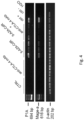
- RT-PCR reactions were performed using oligonucleotide primer sequences and PCR amplification programs specific for P1A and Mage-a family ( Coral S, Covre A et al, Br J Cancer. 2012 Sep 25;107(7):1116-24 ).
- the integrity of RNA and random primers-synthesized cDNA was confirmed by the amplification of all cDNA samples with ⁇ -actin-specific primers, as previously described ( Coral S, Covre A et al, Br J Cancer. 2012 Sep 25;107(7):1116-24 ).
- Five ⁇ l of each RT-PCR sample were run on a 2% agarose gel and visualized by ethidium bromide staining.
- cDNA standards were obtained by RT-PCR amplification of the specific mRNAs and quantitated by NanoDrop ® ND-1000 UV-Vis Spectrophotometer.
- SYBR Green quantitative RT-PCR reactions were performed on 10 ng retrotranscribed total RNA in a final volume of 25 ⁇ l 1X SYBR Green Master Mix (Applied Biosystems).
- the primers utilized for real-time RT-PCR assays were: P1A, forward 5'-GGTGCCGGAGCTGAGGA-3' (SEQ ID No. 1) and reverse 5'-TAGACACCAGGAAATTAGGGTCG-3' (SEQ ID No. 2); mouse ⁇ -actin, forward 5'-ACCAGTTCGCCATGGATGAC-3' (SEQ ID No.
- SYBR green qMSP reactions were performed on 2 ⁇ l of bisulfite-modified genomic DNA in a final volume of 25 ⁇ l 1X Power SYBR green mastermix (Applyed Biosystems) at 95°C for 10 min, followed by 45 cycles of 15 sec at 95°C and 1 min at 60°C, using methylated- or unmethylated-specific primer pairs. The copy number of methylated or unmethylated sequences for the target gene was established in each sample by extrapolation from the standard curves. The percentage of methylation was defined as the ratio between methylated molecules and the sum of methylated and unmethylated molecules.
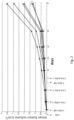
- TS/A cells were inoculated in syngeneic BALB/c mice that were then treated with 5-AZA-CdR either alone or in combination with anti-CTLA-4 mAb. Tumor volumes were monitored twice a week throughout the experiment ( Figure 1 ). From day 12, a scanty, not statistically significant, reduction of tumor growth was detected in mice treated with anti-CTLA-4 mAb alone, as compared to control mice, and remained evident (range: 33,1% - 54,6%) at different investigated time-points throughout the study ( Figure 1 ).
- 5-AZA-CdR-treated mice showed a tumor mass significantly ( p values ranging from p ⁇ 0.05 to p ⁇ 0.001) smaller (range: 0,14 cm 3 ⁇ 0,05 to 1.80 cm 3 ⁇ 0,38), than that of control mice (range: 0,25 cm 3 ⁇ 0,05 to 3.87 cm 3 ⁇ 0,74), indicating a tumor growth inhibition ranging from 40.7 % to 67.6 % at days 15 and 35, respectively ( Figure 1 ).
- the maximum anti-tumor effect was induced by the combined administration of 5-AZA-CdR and anti-CTLA-4 mAb.
- mice from 5-AZA-CdR and from 5-AZA-CdR and anti-CTLA-4 mAb groups were treated with a 2 nd cycle of treatment, at day 42 nd .
- a significant ( p ⁇ 0.05 and p ⁇ 0.01) and persistent reduction of tumor growth was observed in mice treated with the combination of 5-AZA-CdR and anti-CTLA-4 mAb, whose tumor volumes ranged from 1,07 cm 3 ⁇ 0,43 to 1,11 cm 3 ⁇ 0,42, as compared to the tumor volumes from mice treated with 5-AZA-CdR alone (range: 2,10 cm 3 ⁇ 0,62 to 2,46 cm 3 ⁇ 0,32).
- the maintenance of body weight, for the duration of the treatment, in all investigated mice demonstrated the good tolerability of the investigated therapies (data not shown).
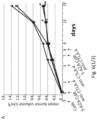
- TS/A cells were inoculated in syngeneic BALB/c that were then treated with 5-AZA-CdR either alone or in combination with anti-PDL-1 mAb; the anti-CTLA-4 mAb was utilized as "reference" for its demonstrated ( Figure 1 ) anti-tumor activity when combined with DHA. Tumor volumes were monitored twice a week throughout the experiment ( Figure 2 ).
- mice treated with 5-AZA-CdR combined with anti-PDL-1 mAb range: 53,7 - 76,3 %); noteworthy, this antiproliferative effect was similar to that observed utilizing 5-AZA-CdR in combination with anti-CTLA-4 mAb (range: 50,4 - 69,5 %). Both regimens induced a significant ( p ⁇ 0.05 and p ⁇ 0.01) reduction in tumor growth, as compared to control mice.
- mice were inoculated with TS/A cells and treated with 5-AZA-CdR and/or anti-CTLA-4 mAb, according to the previously reported regimens.
- the DNA hypomethylating activity of DHA was investigated by qMSP analysis on genomic DNA from tumor tissues excised one week after the end of the first cycle treatment (day 8) from treated and control mice, by measuring changes induced in CpG dinucleotides located in the promoter region of P1A.
- immunodeficient i.e., T cell-deficient athymic nude mice ( Fig 6A ), T-cell-, B-cell- and natural killer cell-deficient (SCID/Beige) ( Fig 6B )
- immunocompetent mice i.e., BALB/c ( Fig 6C ) mice were grafted with TS/A cells and treated according to the previously utilized regimens.
- the anti-CTLA-4 mAb did not impair tumor growth in T cell-deficient athymic nude mice ( Fig 6A ) and in SCID/Beige mice ( Fig 6B ).
- 5-AZA-CdR alone significantly ( p ⁇ 0.05 and p ⁇ 0.01) reduced tumor growth both in T cell-deficient athymic nude mice ( Fig 6A ) and in SCID/Beige mice ( Fig 6B ); noteworthy, no difference in the reduction of tumor growth was observed in immunocompromised mice treated with 5-AZA-CdR alone or in combination with anti-CTLA-4 mAb ( Fig 6 A , B ). Concomitant treatment of immunocompetent mice led to results ( Fig 6C ) similar to those previously obtained in independent experiments ( Fig 1 and 2 ).
- MHC Major Histocompatibility Complex
- tumour necrosis does not induce tumour necrosis and induces little lymphocyte infiltration into the tumour.
- Treatment with 5-AZA-CdR does not induce tumour necrosis neither induces lymphocyte infiltration into the tumour.
- treatment with the combination of anti-CTLA-4 and 5-AZA-CdR induces massive tumour necrosis and large lymphocyte infiltration into the tumour.
- the present invention demonstrates that 5-AZA-CdR in combination with anti-CTLA-4 and/or anti-PDL-1 immunomodulating mAb induces a profound inhibition of tumor cell growth as compared to the agents utilized alone.
- These results may be generalized for any DNA hypomethylating agent because of their common effect in terms of DNA hypomethylation.
- these results may be generalized for any immunomodulatory agent, in particular immunomodulating mAb that are all able to activate the immune system either by blocking inhibitory signals (e.g., anti-CTLA-4, anti-PD1, anti-PDL-1 and -2) or by delivering activating signals (e.g., anti-CD137, anti-CD40, anti-OX-40).
- DHA are able to modulate the immune phenotype (CTA, HLA class I antigens, co-stimulatory molecules and other immune molecules) in solid and hemopoietic tumors of different histotype. Therefore, the therapeutic combination of immunomodulating mAb and DHA is applicable across different human tumors. Experiments reported with immunodeficient mice indicate that host's immune cells and particularly T lymphocytes, but possible also other immune cells and antibodies, are necessary for the therapeutic efficacy of the combinations.
Landscapes
- Health & Medical Sciences (AREA)
- Life Sciences & Earth Sciences (AREA)
- Chemical & Material Sciences (AREA)
- Medicinal Chemistry (AREA)
- Veterinary Medicine (AREA)
- Animal Behavior & Ethology (AREA)
- General Health & Medical Sciences (AREA)
- Public Health (AREA)
- Pharmacology & Pharmacy (AREA)
- Epidemiology (AREA)
- Molecular Biology (AREA)
- Engineering & Computer Science (AREA)
- Bioinformatics & Cheminformatics (AREA)
- Biomedical Technology (AREA)
- Oncology (AREA)
- Immunology (AREA)
- Microbiology (AREA)
- Mycology (AREA)
- Organic Chemistry (AREA)
- Nuclear Medicine, Radiotherapy & Molecular Imaging (AREA)
- General Chemical & Material Sciences (AREA)
- Chemical Kinetics & Catalysis (AREA)
- Pharmaceuticals Containing Other Organic And Inorganic Compounds (AREA)
- Medicines That Contain Protein Lipid Enzymes And Other Medicines (AREA)
Claims (7)
- Agent hypométhylant d'ADN constitué de 5-aza-2'-désoxycytidine (5-AZA-CdR) et d'au moins un agent immunomodulateur et éventuellement d'au moins un agent de thérapie ciblée, destinés à être utilisés dans le traitement et/ou dans la prévention du cancer l'agent immunomodulateur étant un anticorps anti-CTLA-4 et l'agent de thérapie ciblée étant choisi dans le groupe constitué par : un inhibiteur de voie de MAP kinase ou un inhibiteur de voie de WNT, de préférence l'inhibiteur de la voie de MAP kinase est choisi dans le groupe constitué par : un inhibiteur de BRAF, un inhibiteur de MEK, un inhibiteur de P13K ou un inhibiteur de c-KIT, de préférence l'inhibiteur de BRAF est choisi dans le groupe constitué par : GDC-0879, PLX-4720, le tosylate de scrafénib, le dabrafénib ou LGX818, de préférence l'inhibiteur de MEK est choisi dans le groupe constitué par : GSK1120212, le sélumétinib ou MEK162, de préférence l'inhibiteur de la voie de WNT est choisi dans le groupe constitué par : un inhibiteur de béta caténine ou un inhibiteur de frizzled, de préférence l'inhibiteur de béta caténine est choisi dans le groupe constitué par : le niclosamide, XAV-939, FH 535 ou ICG 001.
- Agent hypométhylant d'ADN et l'au moins un agent immunomodulateur et éventuellement l'au moins un agent de thérapie ciblée destinés à être utilisés selon l'une quelconque de la précédente revendication dans lesquels le cancer est provoqué par une tumeur solide ou hématopoïétique.
- Agent hypométhylant d'ADN et l'au moins un agent immunomodulateur et éventuellement l'au moins un agent de thérapie ciblée destinés à être utilisés selon l'une quelconque des revendications précédentes dans lesquels la tumeur est résistante ou réfractaire à au moins une thérapie anti-tumeur.
- Agent hypométhylant d'ADN et l'au moins un agent immunomodulateur et éventuellement l'au moins un agent de thérapie ciblée destinés à être utilisés selon l'une quelconque des revendications précédentes dans lesquels l'agent hypométhylant d'ADN et au moins un agent immunomodulateur et/ou éventuellement l'au moins un agent de thérapie ciblée sont administrés simultanément ou séquentiellement.
- Composition pharmaceutique comprenant un agent hypométhylant d'ADN et au moins un agent immunomodulateur et éventuellement au moins un agent de thérapie ciblée selon l'une quelconque des revendications 1 à 4 destinés à être utilisés dans le traitement et/ou dans la prévention du cancer.
- Composition pharmaceutique destinée à être utilisée selon la revendication 5 comprenant en outre un agent anti-tumoral.
- Kit comprenant un agent hypométhylant d'ADN et au moins un agent immunomodulateur et éventuellement au moins un agent de thérapie ciblée selon l'une quelconque des revendications 1 à 4 destinés à être utilisés dans le traitement et/ou la prévention du cancer l'agent hypométhylant d'ADN et l'au moins un agent immunomodulateur et/ou éventuellement l'au moins un agent de thérapie ciblée étant dans des récipients distincts.
Applications Claiming Priority (2)
| Application Number | Priority Date | Filing Date | Title |
|---|---|---|---|
| US201361767517P | 2013-02-21 | 2013-02-21 | |
| PCT/EP2014/053397 WO2014128245A1 (fr) | 2013-02-21 | 2014-02-21 | Agents d'hypométhylation de l'adn pour thérapie anticancéreuse |
Publications (3)
| Publication Number | Publication Date |
|---|---|
| EP2958571A1 EP2958571A1 (fr) | 2015-12-30 |
| EP2958571C0 EP2958571C0 (fr) | 2024-04-10 |
| EP2958571B1 true EP2958571B1 (fr) | 2024-04-10 |
Family
ID=50179593
Family Applications (1)
| Application Number | Title | Priority Date | Filing Date |
|---|---|---|---|
| EP14706539.5A Active EP2958571B1 (fr) | 2013-02-21 | 2014-02-21 | Agents d'hypométhylation de l'adn pour thérapie anticancéreuse |
Country Status (3)
| Country | Link |
|---|---|
| US (2) | US11083743B2 (fr) |
| EP (1) | EP2958571B1 (fr) |
| WO (1) | WO2014128245A1 (fr) |
Families Citing this family (17)
| Publication number | Priority date | Publication date | Assignee | Title |
|---|---|---|---|---|
| AU2009333580B2 (en) | 2008-12-09 | 2016-07-07 | Genentech, Inc. | Anti-PD-L1 antibodies and their use to enhance T-cell function |
| EP2958571B1 (fr) | 2013-02-21 | 2024-04-10 | Michele Maio | Agents d'hypométhylation de l'adn pour thérapie anticancéreuse |
| SI2961388T1 (sl) * | 2013-03-01 | 2019-10-30 | Astex Pharmaceuticals Inc | Kombinacije zdravil |
| WO2015035112A1 (fr) * | 2013-09-05 | 2015-03-12 | The Johns Hopkins University | Thérapie anticancéreuse par l'intermédiaire d'une combinaison de modulation épigénétique et modulation immunitaire |
| WO2016040238A1 (fr) * | 2014-09-08 | 2016-03-17 | Celgene Corporation | Procédés de traitement d'une maladie ou d'un trouble avec des formulations orales d'analogues de cytidine en combinaison avec un anticorps monoclonal anti-pd1 ou anti-pdl1 |
| AU2016219204B2 (en) * | 2015-02-12 | 2021-01-21 | Beyondspring Pharmaceuticals, Inc. | Use of Plinabulin in combination with immune checkpoint inhibitors |
| CA2984794A1 (fr) | 2015-05-07 | 2016-11-10 | Agenus Inc. | Anticorps anti-ox40 et procedes d'utilisation de ceux-ci |
| WO2016180781A1 (fr) * | 2015-05-08 | 2016-11-17 | Michele Maio | Polythérapie du mésothéliome |
| EP3302467A4 (fr) * | 2015-05-31 | 2019-01-02 | Curegenix Corporation | Compositions de combinaison pour l'immunothérapie |
| BR112017027227B1 (pt) * | 2015-06-16 | 2023-12-12 | Eisai R&D Management Co., Ltd | Agente anti-câncer |
| EP3313388A4 (fr) | 2015-06-24 | 2019-05-15 | Duke University | Modulateurs chimiques des voies de signalisation et utilisation thérapeutique |
| IL299072A (en) | 2015-12-02 | 2023-02-01 | Memorial Sloan Kettering Cancer Center | Antibodies and methods for using them |
| CN105769775A (zh) * | 2016-03-24 | 2016-07-20 | 浙江华海药业股份有限公司 | 一种注射用阿扎胞苷的制备方法 |
| MA46770A (fr) | 2016-11-09 | 2019-09-18 | Agenus Inc | Anticorps anti-ox40, anticorps anti-gitr, et leurs procédés d'utilisation |
| JP6581320B2 (ja) | 2017-02-08 | 2019-09-25 | エーザイ・アール・アンド・ディー・マネジメント株式会社 | 腫瘍治療用医薬組成物 |
| JP7297672B2 (ja) | 2017-04-13 | 2023-06-26 | アジェナス インコーポレイテッド | 抗cd137抗体およびその使用方法 |
| EP4232012A4 (fr) * | 2020-10-23 | 2024-12-11 | Massachusetts Institute of Technology | Méthodes et compositions de différenciation de cellules souches |
Family Cites Families (6)
| Publication number | Priority date | Publication date | Assignee | Title |
|---|---|---|---|---|
| GB9828840D0 (en) * | 1998-12-30 | 1999-02-17 | Univ Nottingham Trent | Prostate cancer associated genes and their products |
| US6613753B2 (en) * | 2001-02-21 | 2003-09-02 | Supergen, Inc. | Restore cancer-suppressing functions to neoplastic cells through DNA hypomethylation |
| ATE422367T1 (de) * | 2004-05-26 | 2009-02-15 | Biovaxim Ltd | Zusammensetzungen aus demethylierenden mitteln als verstärker der immuntherapie zur behanldung von chronischen infektionen und neoplastischen erkrankungen und behandlungsverfahren dafür |
| HRP20131167T1 (hr) * | 2007-06-18 | 2014-01-03 | Merck Sharp & Dohme B.V. | Antitijela za humani receptor programirane smrti pd-1 |
| US20100222381A1 (en) * | 2009-02-27 | 2010-09-02 | Hariprasad Vankayalapati | Cyclopentathiophene/cyclohexathiophene DNA methyltransferase inhibitors |
| EP2958571B1 (fr) | 2013-02-21 | 2024-04-10 | Michele Maio | Agents d'hypométhylation de l'adn pour thérapie anticancéreuse |
-
2014
- 2014-02-21 EP EP14706539.5A patent/EP2958571B1/fr active Active
- 2014-02-21 US US14/767,743 patent/US11083743B2/en active Active
- 2014-02-21 WO PCT/EP2014/053397 patent/WO2014128245A1/fr not_active Ceased
-
2021
- 2021-07-12 US US17/373,129 patent/US20210338701A1/en active Pending
Also Published As
| Publication number | Publication date |
|---|---|
| EP2958571C0 (fr) | 2024-04-10 |
| US20210338701A1 (en) | 2021-11-04 |
| US11083743B2 (en) | 2021-08-10 |
| WO2014128245A1 (fr) | 2014-08-28 |
| EP2958571A1 (fr) | 2015-12-30 |
| US20150374731A1 (en) | 2015-12-31 |
Similar Documents
| Publication | Publication Date | Title |
|---|---|---|
| US20210338701A1 (en) | Dna hypomethylating agents for cancer therapy | |
| JP2020525427A (ja) | 癌を処置するための方法 | |
| CA3054443A1 (fr) | Remplacement de preconditionnement cytotoxique avant une immunotherapie cellulaire | |
| IL298473A (en) | Zbtb32 inhibitors and uses thereof | |
| JP2020517652A5 (fr) | ||
| TWI771372B (zh) | Wnt抑制劑與抗-pd-1抗體分子組合之給藥方案 | |
| WO2016180781A1 (fr) | Polythérapie du mésothéliome | |
| WO2016172494A2 (fr) | Combinaison d'immunothérapie avec chimiothérapie locale pour le traitement de tumeurs malignes | |
| US20240342211A1 (en) | Short-term activated dc1s and methods for their production and use | |
| TW202327610A (zh) | 具有檢查點抑制劑抗性或抗性易感性之晚期性/轉移性癌症之改良治療 | |
| US20230086099A1 (en) | Combination therapy for treatment of cancer and cancer metastasis | |
| EP3934690A1 (fr) | Administration de médicament pour l'association d'une modulation épigénétique et d'un blocage de point de contrôle immunitaire | |
| TW201806970A (zh) | 嵌合抗原受體、及其利用 | |
| WO2024081858A1 (fr) | Récepteurs de lymphocytes t spécifiques à un néo-antigène kras/tp53 | |
| AU2022355091A1 (en) | Engineered nk cells and uses thereof | |
| WO2022040341A1 (fr) | Thérapie abscopale contre le cancer | |
| NL2035852B1 (en) | Enhancement of t cell mediated therapies | |
| JP7407452B2 (ja) | がんの治療及び/又は予防のための医薬 | |
| HK40121706A (zh) | Car-t细胞的原位募集、重编程与释放 | |
| HK40112650A (zh) | 有机化合物 | |
| CN118922191A (zh) | 有机化合物 | |
| CA2955386C (fr) | Traitement du cancer au moyen d'un recepteur d'antigene chimerique anti-bcma humanise | |
| HK40008076B (en) | Replacement of cytotoxic preconditioning before cellular immunotherapy | |
| HK40008076A (en) | Replacement of cytotoxic preconditioning before cellular immunotherapy | |
| BR112017003104B1 (pt) | Molécula de ácido nucleico isolada que codifica um receptor de antígeno quimérico (car), polipeptídeo do car isolado, domínio de ligação a cd123, vetor, método in vitro ou ex vivo para preparação de uma célula ou para geração de uma população de células, usos de uma célula, e composição farmacêutica |
Legal Events
| Date | Code | Title | Description |
|---|---|---|---|
| PUAI | Public reference made under article 153(3) epc to a published international application that has entered the european phase |
Free format text: ORIGINAL CODE: 0009012 |
|
| 17P | Request for examination filed |
Effective date: 20150916 |
|
| AK | Designated contracting states |
Kind code of ref document: A1 Designated state(s): AL AT BE BG CH CY CZ DE DK EE ES FI FR GB GR HR HU IE IS IT LI LT LU LV MC MK MT NL NO PL PT RO RS SE SI SK SM TR |
|
| AX | Request for extension of the european patent |
Extension state: BA ME |
|
| DAX | Request for extension of the european patent (deleted) | ||
| STAA | Information on the status of an ep patent application or granted ep patent |
Free format text: STATUS: EXAMINATION IS IN PROGRESS |
|
| 17Q | First examination report despatched |
Effective date: 20180126 |
|
| TPAC | Observations filed by third parties |
Free format text: ORIGINAL CODE: EPIDOSNTIPA |
|
| GRAP | Despatch of communication of intention to grant a patent |
Free format text: ORIGINAL CODE: EPIDOSNIGR1 |
|
| STAA | Information on the status of an ep patent application or granted ep patent |
Free format text: STATUS: GRANT OF PATENT IS INTENDED |
|
| RIC1 | Information provided on ipc code assigned before grant |
Ipc: A61K 31/706 20060101ALI20230926BHEP Ipc: A61K 45/06 20060101ALI20230926BHEP Ipc: A61K 39/395 20060101ALI20230926BHEP Ipc: C07K 16/28 20060101ALI20230926BHEP Ipc: A61P 35/00 20060101ALI20230926BHEP Ipc: A61K 31/7068 20060101AFI20230926BHEP |
|
| INTG | Intention to grant announced |
Effective date: 20231018 |
|
| GRAS | Grant fee paid |
Free format text: ORIGINAL CODE: EPIDOSNIGR3 |
|
| GRAA | (expected) grant |
Free format text: ORIGINAL CODE: 0009210 |
|
| STAA | Information on the status of an ep patent application or granted ep patent |
Free format text: STATUS: THE PATENT HAS BEEN GRANTED |
|
| AK | Designated contracting states |
Kind code of ref document: B1 Designated state(s): AL AT BE BG CH CY CZ DE DK EE ES FI FR GB GR HR HU IE IS IT LI LT LU LV MC MK MT NL NO PL PT RO RS SE SI SK SM TR |
|
| REG | Reference to a national code |
Ref country code: GB Ref legal event code: FG4D |
|
| REG | Reference to a national code |
Ref country code: CH Ref legal event code: EP |
|
| REG | Reference to a national code |
Ref country code: DE Ref legal event code: R096 Ref document number: 602014089892 Country of ref document: DE |
|
| REG | Reference to a national code |
Ref country code: IE Ref legal event code: FG4D |
|
| U01 | Request for unitary effect filed |
Effective date: 20240502 |
|
| U07 | Unitary effect registered |
Designated state(s): AT BE BG DE DK EE FI FR IT LT LU LV MT NL PT SE SI Effective date: 20240515 |
|
| U1N | Appointed representative for the unitary patent procedure changed after the registration of the unitary effect |
Representative=s name: PACE NAPOLEONE, MARIA; IT |
|
| PG25 | Lapsed in a contracting state [announced via postgrant information from national office to epo] |
Ref country code: IS Free format text: LAPSE BECAUSE OF FAILURE TO SUBMIT A TRANSLATION OF THE DESCRIPTION OR TO PAY THE FEE WITHIN THE PRESCRIBED TIME-LIMIT Effective date: 20240810 |
|
| PG25 | Lapsed in a contracting state [announced via postgrant information from national office to epo] |
Ref country code: HR Free format text: LAPSE BECAUSE OF FAILURE TO SUBMIT A TRANSLATION OF THE DESCRIPTION OR TO PAY THE FEE WITHIN THE PRESCRIBED TIME-LIMIT Effective date: 20240410 |
|
| PG25 | Lapsed in a contracting state [announced via postgrant information from national office to epo] |
Ref country code: GR Free format text: LAPSE BECAUSE OF FAILURE TO SUBMIT A TRANSLATION OF THE DESCRIPTION OR TO PAY THE FEE WITHIN THE PRESCRIBED TIME-LIMIT Effective date: 20240711 |
|
| PG25 | Lapsed in a contracting state [announced via postgrant information from national office to epo] |
Ref country code: ES Free format text: LAPSE BECAUSE OF FAILURE TO SUBMIT A TRANSLATION OF THE DESCRIPTION OR TO PAY THE FEE WITHIN THE PRESCRIBED TIME-LIMIT Effective date: 20240410 |
|
| PG25 | Lapsed in a contracting state [announced via postgrant information from national office to epo] |
Ref country code: PL Free format text: LAPSE BECAUSE OF FAILURE TO SUBMIT A TRANSLATION OF THE DESCRIPTION OR TO PAY THE FEE WITHIN THE PRESCRIBED TIME-LIMIT Effective date: 20240410 |
|
| PG25 | Lapsed in a contracting state [announced via postgrant information from national office to epo] |
Ref country code: PL Free format text: LAPSE BECAUSE OF FAILURE TO SUBMIT A TRANSLATION OF THE DESCRIPTION OR TO PAY THE FEE WITHIN THE PRESCRIBED TIME-LIMIT Effective date: 20240410 Ref country code: NO Free format text: LAPSE BECAUSE OF FAILURE TO SUBMIT A TRANSLATION OF THE DESCRIPTION OR TO PAY THE FEE WITHIN THE PRESCRIBED TIME-LIMIT Effective date: 20240710 Ref country code: IS Free format text: LAPSE BECAUSE OF FAILURE TO SUBMIT A TRANSLATION OF THE DESCRIPTION OR TO PAY THE FEE WITHIN THE PRESCRIBED TIME-LIMIT Effective date: 20240810 Ref country code: HR Free format text: LAPSE BECAUSE OF FAILURE TO SUBMIT A TRANSLATION OF THE DESCRIPTION OR TO PAY THE FEE WITHIN THE PRESCRIBED TIME-LIMIT Effective date: 20240410 Ref country code: GR Free format text: LAPSE BECAUSE OF FAILURE TO SUBMIT A TRANSLATION OF THE DESCRIPTION OR TO PAY THE FEE WITHIN THE PRESCRIBED TIME-LIMIT Effective date: 20240711 Ref country code: ES Free format text: LAPSE BECAUSE OF FAILURE TO SUBMIT A TRANSLATION OF THE DESCRIPTION OR TO PAY THE FEE WITHIN THE PRESCRIBED TIME-LIMIT Effective date: 20240410 Ref country code: RS Free format text: LAPSE BECAUSE OF FAILURE TO SUBMIT A TRANSLATION OF THE DESCRIPTION OR TO PAY THE FEE WITHIN THE PRESCRIBED TIME-LIMIT Effective date: 20240710 |
|
| REG | Reference to a national code |
Ref country code: DE Ref legal event code: R097 Ref document number: 602014089892 Country of ref document: DE |
|
| PG25 | Lapsed in a contracting state [announced via postgrant information from national office to epo] |
Ref country code: CZ Free format text: LAPSE BECAUSE OF FAILURE TO SUBMIT A TRANSLATION OF THE DESCRIPTION OR TO PAY THE FEE WITHIN THE PRESCRIBED TIME-LIMIT Effective date: 20240410 |
|
| PG25 | Lapsed in a contracting state [announced via postgrant information from national office to epo] |
Ref country code: RO Free format text: LAPSE BECAUSE OF FAILURE TO SUBMIT A TRANSLATION OF THE DESCRIPTION OR TO PAY THE FEE WITHIN THE PRESCRIBED TIME-LIMIT Effective date: 20240410 Ref country code: SK Free format text: LAPSE BECAUSE OF FAILURE TO SUBMIT A TRANSLATION OF THE DESCRIPTION OR TO PAY THE FEE WITHIN THE PRESCRIBED TIME-LIMIT Effective date: 20240410 |
|
| PG25 | Lapsed in a contracting state [announced via postgrant information from national office to epo] |
Ref country code: SM Free format text: LAPSE BECAUSE OF FAILURE TO SUBMIT A TRANSLATION OF THE DESCRIPTION OR TO PAY THE FEE WITHIN THE PRESCRIBED TIME-LIMIT Effective date: 20240410 |
|
| PG25 | Lapsed in a contracting state [announced via postgrant information from national office to epo] |
Ref country code: SM Free format text: LAPSE BECAUSE OF FAILURE TO SUBMIT A TRANSLATION OF THE DESCRIPTION OR TO PAY THE FEE WITHIN THE PRESCRIBED TIME-LIMIT Effective date: 20240410 Ref country code: SK Free format text: LAPSE BECAUSE OF FAILURE TO SUBMIT A TRANSLATION OF THE DESCRIPTION OR TO PAY THE FEE WITHIN THE PRESCRIBED TIME-LIMIT Effective date: 20240410 Ref country code: RO Free format text: LAPSE BECAUSE OF FAILURE TO SUBMIT A TRANSLATION OF THE DESCRIPTION OR TO PAY THE FEE WITHIN THE PRESCRIBED TIME-LIMIT Effective date: 20240410 Ref country code: CZ Free format text: LAPSE BECAUSE OF FAILURE TO SUBMIT A TRANSLATION OF THE DESCRIPTION OR TO PAY THE FEE WITHIN THE PRESCRIBED TIME-LIMIT Effective date: 20240410 |
|
| PLBE | No opposition filed within time limit |
Free format text: ORIGINAL CODE: 0009261 |
|
| STAA | Information on the status of an ep patent application or granted ep patent |
Free format text: STATUS: NO OPPOSITION FILED WITHIN TIME LIMIT |
|
| U20 | Renewal fee for the european patent with unitary effect paid |
Year of fee payment: 12 Effective date: 20250129 |
|
| 26N | No opposition filed |
Effective date: 20250113 |
|
| PGFP | Annual fee paid to national office [announced via postgrant information from national office to epo] |
Ref country code: CH Payment date: 20250301 Year of fee payment: 12 |
|
| PG25 | Lapsed in a contracting state [announced via postgrant information from national office to epo] |
Ref country code: MC Free format text: LAPSE BECAUSE OF FAILURE TO SUBMIT A TRANSLATION OF THE DESCRIPTION OR TO PAY THE FEE WITHIN THE PRESCRIBED TIME-LIMIT Effective date: 20240410 |
|
| PG25 | Lapsed in a contracting state [announced via postgrant information from national office to epo] |
Ref country code: IE Free format text: LAPSE BECAUSE OF NON-PAYMENT OF DUE FEES Effective date: 20250221 |
|
| REG | Reference to a national code |
Ref country code: CH Ref legal event code: U11 Free format text: ST27 STATUS EVENT CODE: U-0-0-U10-U11 (AS PROVIDED BY THE NATIONAL OFFICE) Effective date: 20260301 |
|
| U20 | Renewal fee for the european patent with unitary effect paid |
Year of fee payment: 13 Effective date: 20260216 |
|
| PGFP | Annual fee paid to national office [announced via postgrant information from national office to epo] |
Ref country code: GB Payment date: 20260219 Year of fee payment: 13 |