EP2960329A1 - Verfahren zum Erhöhen der mesenchymalen Stromazellenproduktion, Zusammensetzungen und Kit dafür - Google Patents
Verfahren zum Erhöhen der mesenchymalen Stromazellenproduktion, Zusammensetzungen und Kit dafür Download PDFInfo
- Publication number
- EP2960329A1 EP2960329A1 EP15151675.4A EP15151675A EP2960329A1 EP 2960329 A1 EP2960329 A1 EP 2960329A1 EP 15151675 A EP15151675 A EP 15151675A EP 2960329 A1 EP2960329 A1 EP 2960329A1
- Authority
- EP
- European Patent Office
- Prior art keywords
- cells
- cell
- passage
- media
- culture media
- Prior art date
- Legal status (The legal status is an assumption and is not a legal conclusion. Google has not performed a legal analysis and makes no representation as to the accuracy of the status listed.)
- Withdrawn
Links
- 238000000034 method Methods 0.000 title claims abstract description 222
- 210000002536 stromal cell Anatomy 0.000 title claims abstract description 47
- 239000000203 mixture Substances 0.000 title claims description 81
- 238000004519 manufacturing process Methods 0.000 title abstract description 40
- 210000004027 cell Anatomy 0.000 claims abstract description 654
- 230000008569 process Effects 0.000 claims abstract description 172
- 238000010899 nucleation Methods 0.000 claims abstract description 61
- 230000035899 viability Effects 0.000 claims abstract description 51
- 239000001963 growth medium Substances 0.000 claims description 95
- 108091003079 Bovine Serum Albumin Proteins 0.000 claims description 79
- 102000003974 Fibroblast growth factor 2 Human genes 0.000 claims description 75
- 108090000379 Fibroblast growth factor 2 Proteins 0.000 claims description 75
- 238000012258 culturing Methods 0.000 claims description 65
- IAZDPXIOMUYVGZ-UHFFFAOYSA-N Dimethylsulphoxide Chemical group CS(C)=O IAZDPXIOMUYVGZ-UHFFFAOYSA-N 0.000 claims description 57
- 229940098773 bovine serum albumin Drugs 0.000 claims description 41
- 238000005406 washing Methods 0.000 claims description 41
- 239000012091 fetal bovine serum Substances 0.000 claims description 37
- 238000007710 freezing Methods 0.000 claims description 37
- 230000008014 freezing Effects 0.000 claims description 37
- IJGRMHOSHXDMSA-UHFFFAOYSA-N Atomic nitrogen Chemical compound N#N IJGRMHOSHXDMSA-UHFFFAOYSA-N 0.000 claims description 34
- 239000000659 freezing mixture Substances 0.000 claims description 32
- 230000001225 therapeutic effect Effects 0.000 claims description 27
- 238000005119 centrifugation Methods 0.000 claims description 23
- 239000007788 liquid Substances 0.000 claims description 17
- 229910052757 nitrogen Inorganic materials 0.000 claims description 17
- UCSJYZPVAKXKNQ-HZYVHMACSA-N streptomycin Chemical compound CN[C@H]1[C@H](O)[C@@H](O)[C@H](CO)O[C@H]1O[C@@H]1[C@](C=O)(O)[C@H](C)O[C@H]1O[C@@H]1[C@@H](NC(N)=N)[C@H](O)[C@@H](NC(N)=N)[C@H](O)[C@H]1O UCSJYZPVAKXKNQ-HZYVHMACSA-N 0.000 claims description 14
- ZDXPYRJPNDTMRX-UHFFFAOYSA-N glutamine Natural products OC(=O)C(N)CCC(N)=O ZDXPYRJPNDTMRX-UHFFFAOYSA-N 0.000 claims description 12
- 229930182555 Penicillin Natural products 0.000 claims description 10
- JGSARLDLIJGVTE-MBNYWOFBSA-N Penicillin G Chemical compound N([C@H]1[C@H]2SC([C@@H](N2C1=O)C(O)=O)(C)C)C(=O)CC1=CC=CC=C1 JGSARLDLIJGVTE-MBNYWOFBSA-N 0.000 claims description 10
- 229940049954 penicillin Drugs 0.000 claims description 10
- 241000283690 Bos taurus Species 0.000 claims description 9
- 230000014759 maintenance of location Effects 0.000 claims description 9
- 229960005322 streptomycin Drugs 0.000 claims description 9
- 238000002156 mixing Methods 0.000 claims description 8
- 210000004748 cultured cell Anatomy 0.000 claims description 7
- 238000009827 uniform distribution Methods 0.000 claims description 7
- FAPWRFPIFSIZLT-UHFFFAOYSA-M Sodium chloride Chemical compound [Na+].[Cl-] FAPWRFPIFSIZLT-UHFFFAOYSA-M 0.000 claims description 6
- 238000011176 pooling Methods 0.000 claims description 6
- 239000011780 sodium chloride Substances 0.000 claims description 6
- 239000008363 phosphate buffer Substances 0.000 claims description 5
- 239000012591 Dulbecco’s Phosphate Buffered Saline Substances 0.000 claims description 4
- 239000002552 dosage form Substances 0.000 claims description 2
- 238000002372 labelling Methods 0.000 claims description 2
- OZFAFGSSMRRTDW-UHFFFAOYSA-N (2,4-dichlorophenyl) benzenesulfonate Chemical compound ClC1=CC(Cl)=CC=C1OS(=O)(=O)C1=CC=CC=C1 OZFAFGSSMRRTDW-UHFFFAOYSA-N 0.000 claims 2
- 102000006354 HLA-DR Antigens Human genes 0.000 abstract description 22
- 108010058597 HLA-DR Antigens Proteins 0.000 abstract description 22
- 238000003306 harvesting Methods 0.000 abstract description 20
- 238000002360 preparation method Methods 0.000 abstract description 19
- 230000006727 cell loss Effects 0.000 abstract description 17
- 238000011084 recovery Methods 0.000 abstract description 17
- 230000003833 cell viability Effects 0.000 abstract description 15
- 230000009467 reduction Effects 0.000 abstract description 9
- 230000004663 cell proliferation Effects 0.000 abstract description 5
- 230000003389 potentiating effect Effects 0.000 abstract description 5
- 238000010955 robust manufacturing process Methods 0.000 abstract 1
- 229940126602 investigational medicinal product Drugs 0.000 description 55
- 239000000047 product Substances 0.000 description 33
- 210000001185 bone marrow Anatomy 0.000 description 30
- 238000003860 storage Methods 0.000 description 27
- 238000005138 cryopreservation Methods 0.000 description 25
- 230000035755 proliferation Effects 0.000 description 19
- 210000004271 bone marrow stromal cell Anatomy 0.000 description 18
- 230000008859 change Effects 0.000 description 18
- 239000012467 final product Substances 0.000 description 17
- 239000012595 freezing medium Substances 0.000 description 14
- 230000001506 immunosuppresive effect Effects 0.000 description 14
- 239000000243 solution Substances 0.000 description 14
- XEYBRNLFEZDVAW-ARSRFYASSA-N dinoprostone Chemical compound CCCCC[C@H](O)\C=C\[C@H]1[C@H](O)CC(=O)[C@@H]1C\C=C/CCCC(O)=O XEYBRNLFEZDVAW-ARSRFYASSA-N 0.000 description 13
- 239000002609 medium Substances 0.000 description 13
- 229960002986 dinoprostone Drugs 0.000 description 12
- XEYBRNLFEZDVAW-UHFFFAOYSA-N prostaglandin E2 Natural products CCCCCC(O)C=CC1C(O)CC(=O)C1CC=CCCCC(O)=O XEYBRNLFEZDVAW-UHFFFAOYSA-N 0.000 description 12
- 239000006143 cell culture medium Substances 0.000 description 11
- 230000004069 differentiation Effects 0.000 description 11
- 238000007799 mixed lymphocyte reaction assay Methods 0.000 description 10
- 239000008188 pellet Substances 0.000 description 10
- 102000005789 Vascular Endothelial Growth Factors Human genes 0.000 description 9
- 108010019530 Vascular Endothelial Growth Factors Proteins 0.000 description 9
- 238000002659 cell therapy Methods 0.000 description 9
- 230000000735 allogeneic effect Effects 0.000 description 8
- 239000006285 cell suspension Substances 0.000 description 8
- 238000012384 transportation and delivery Methods 0.000 description 8
- 108091006905 Human Serum Albumin Proteins 0.000 description 7
- 102000008100 Human Serum Albumin Human genes 0.000 description 7
- 238000003556 assay Methods 0.000 description 7
- 210000001612 chondrocyte Anatomy 0.000 description 7
- 230000001965 increasing effect Effects 0.000 description 7
- 238000011031 large-scale manufacturing process Methods 0.000 description 7
- 210000005087 mononuclear cell Anatomy 0.000 description 7
- 238000005457 optimization Methods 0.000 description 7
- 210000003819 peripheral blood mononuclear cell Anatomy 0.000 description 7
- 210000000130 stem cell Anatomy 0.000 description 7
- 238000010257 thawing Methods 0.000 description 7
- WSFSSNUMVMOOMR-UHFFFAOYSA-N Formaldehyde Chemical compound O=C WSFSSNUMVMOOMR-UHFFFAOYSA-N 0.000 description 6
- 102000004142 Trypsin Human genes 0.000 description 6
- 108090000631 Trypsin Proteins 0.000 description 6
- 230000008901 benefit Effects 0.000 description 6
- 229960001760 dimethyl sulfoxide Drugs 0.000 description 6
- 239000012535 impurity Substances 0.000 description 6
- FVVLHONNBARESJ-NTOWJWGLSA-H magnesium;potassium;trisodium;(2r,3s,4r,5r)-2,3,4,5,6-pentahydroxyhexanoate;acetate;tetrachloride;nonahydrate Chemical compound O.O.O.O.O.O.O.O.O.[Na+].[Na+].[Na+].[Mg+2].[Cl-].[Cl-].[Cl-].[Cl-].[K+].CC([O-])=O.OC[C@@H](O)[C@@H](O)[C@H](O)[C@@H](O)C([O-])=O FVVLHONNBARESJ-NTOWJWGLSA-H 0.000 description 6
- 210000002901 mesenchymal stem cell Anatomy 0.000 description 6
- 229940081858 plasmalyte a Drugs 0.000 description 6
- 238000012545 processing Methods 0.000 description 6
- 239000012588 trypsin Substances 0.000 description 6
- HJCMDXDYPOUFDY-WHFBIAKZSA-N Ala-Gln Chemical compound C[C@H](N)C(=O)N[C@H](C(O)=O)CCC(N)=O HJCMDXDYPOUFDY-WHFBIAKZSA-N 0.000 description 5
- 108020004414 DNA Proteins 0.000 description 5
- 230000002491 angiogenic effect Effects 0.000 description 5
- 239000003636 conditioned culture medium Substances 0.000 description 5
- 238000007865 diluting Methods 0.000 description 5
- 238000002955 isolation Methods 0.000 description 5
- 238000006386 neutralization reaction Methods 0.000 description 5
- 238000010186 staining Methods 0.000 description 5
- 239000006228 supernatant Substances 0.000 description 5
- 208000032064 Chronic Limb-Threatening Ischemia Diseases 0.000 description 4
- 239000006144 Dulbecco’s modified Eagle's medium Substances 0.000 description 4
- 206010062016 Immunosuppression Diseases 0.000 description 4
- NWIBSHFKIJFRCO-WUDYKRTCSA-N Mytomycin Chemical compound C1N2C(C(C(C)=C(N)C3=O)=O)=C3[C@@H](COC(N)=O)[C@@]2(OC)[C@@H]2[C@H]1N2 NWIBSHFKIJFRCO-WUDYKRTCSA-N 0.000 description 4
- 206010034576 Peripheral ischaemia Diseases 0.000 description 4
- 230000022159 cartilage development Effects 0.000 description 4
- 230000002519 immonomodulatory effect Effects 0.000 description 4
- 201000008482 osteoarthritis Diseases 0.000 description 4
- 210000001519 tissue Anatomy 0.000 description 4
- XLYOFNOQVPJJNP-UHFFFAOYSA-N water Substances O XLYOFNOQVPJJNP-UHFFFAOYSA-N 0.000 description 4
- WOVKYSAHUYNSMH-RRKCRQDMSA-N 5-bromodeoxyuridine Chemical compound C1[C@H](O)[C@@H](CO)O[C@H]1N1C(=O)NC(=O)C(Br)=C1 WOVKYSAHUYNSMH-RRKCRQDMSA-N 0.000 description 3
- 241000282412 Homo Species 0.000 description 3
- 210000000577 adipose tissue Anatomy 0.000 description 3
- 210000000845 cartilage Anatomy 0.000 description 3
- 238000004113 cell culture Methods 0.000 description 3
- 230000010261 cell growth Effects 0.000 description 3
- 238000011161 development Methods 0.000 description 3
- 230000018109 developmental process Effects 0.000 description 3
- 238000009826 distribution Methods 0.000 description 3
- 238000011194 good manufacturing practice Methods 0.000 description 3
- 210000004698 lymphocyte Anatomy 0.000 description 3
- 230000003472 neutralizing effect Effects 0.000 description 3
- 239000002245 particle Substances 0.000 description 3
- 239000000546 pharmaceutical excipient Substances 0.000 description 3
- SQGYOTSLMSWVJD-UHFFFAOYSA-N silver(1+) nitrate Chemical compound [Ag+].[O-]N(=O)=O SQGYOTSLMSWVJD-UHFFFAOYSA-N 0.000 description 3
- 238000012360 testing method Methods 0.000 description 3
- CIWBSHSKHKDKBQ-JLAZNSOCSA-N Ascorbic acid Chemical compound OC[C@H](O)[C@H]1OC(=O)C(O)=C1O CIWBSHSKHKDKBQ-JLAZNSOCSA-N 0.000 description 2
- 102000004127 Cytokines Human genes 0.000 description 2
- 108090000695 Cytokines Proteins 0.000 description 2
- 241000701022 Cytomegalovirus Species 0.000 description 2
- KCXVZYZYPLLWCC-UHFFFAOYSA-N EDTA Chemical compound OC(=O)CN(CC(O)=O)CCN(CC(O)=O)CC(O)=O KCXVZYZYPLLWCC-UHFFFAOYSA-N 0.000 description 2
- 238000008157 ELISA kit Methods 0.000 description 2
- DHCLVCXQIBBOPH-UHFFFAOYSA-N Glycerol 2-phosphate Chemical compound OCC(CO)OP(O)(O)=O DHCLVCXQIBBOPH-UHFFFAOYSA-N 0.000 description 2
- 208000009329 Graft vs Host Disease Diseases 0.000 description 2
- 241000725303 Human immunodeficiency virus Species 0.000 description 2
- 206010048858 Ischaemic cardiomyopathy Diseases 0.000 description 2
- 102000003979 Mineralocorticoid Receptors Human genes 0.000 description 2
- 108090000375 Mineralocorticoid Receptors Proteins 0.000 description 2
- PXIPVTKHYLBLMZ-UHFFFAOYSA-N Sodium azide Chemical compound [Na+].[N-]=[N+]=[N-] PXIPVTKHYLBLMZ-UHFFFAOYSA-N 0.000 description 2
- 230000009471 action Effects 0.000 description 2
- 206010000891 acute myocardial infarction Diseases 0.000 description 2
- 230000001464 adherent effect Effects 0.000 description 2
- 230000002293 adipogenic effect Effects 0.000 description 2
- 230000004888 barrier function Effects 0.000 description 2
- 230000009816 chondrogenic differentiation Effects 0.000 description 2
- 230000002648 chondrogenic effect Effects 0.000 description 2
- 208000019425 cirrhosis of liver Diseases 0.000 description 2
- 238000003501 co-culture Methods 0.000 description 2
- 238000011018 current good manufacturing practice Methods 0.000 description 2
- 210000003074 dental pulp Anatomy 0.000 description 2
- UREBDLICKHMUKA-CXSFZGCWSA-N dexamethasone Chemical compound C1CC2=CC(=O)C=C[C@]2(C)[C@]2(F)[C@@H]1[C@@H]1C[C@@H](C)[C@@](C(=O)CO)(O)[C@@]1(C)C[C@@H]2O UREBDLICKHMUKA-CXSFZGCWSA-N 0.000 description 2
- 229960003957 dexamethasone Drugs 0.000 description 2
- 239000012153 distilled water Substances 0.000 description 2
- 231100000673 dose–response relationship Toxicity 0.000 description 2
- 239000003814 drug Substances 0.000 description 2
- 230000000694 effects Effects 0.000 description 2
- 238000005516 engineering process Methods 0.000 description 2
- 238000001914 filtration Methods 0.000 description 2
- 238000000684 flow cytometry Methods 0.000 description 2
- 238000009472 formulation Methods 0.000 description 2
- 208000024908 graft versus host disease Diseases 0.000 description 2
- 230000012010 growth Effects 0.000 description 2
- 239000003102 growth factor Substances 0.000 description 2
- 231100001261 hazardous Toxicity 0.000 description 2
- 230000005847 immunogenicity Effects 0.000 description 2
- 230000004957 immunoregulator effect Effects 0.000 description 2
- 230000006872 improvement Effects 0.000 description 2
- 238000011534 incubation Methods 0.000 description 2
- CGIGDMFJXJATDK-UHFFFAOYSA-N indomethacin Chemical compound CC1=C(CC(O)=O)C2=CC(OC)=CC=C2N1C(=O)C1=CC=C(Cl)C=C1 CGIGDMFJXJATDK-UHFFFAOYSA-N 0.000 description 2
- NOESYZHRGYRDHS-UHFFFAOYSA-N insulin Chemical compound N1C(=O)C(NC(=O)C(CCC(N)=O)NC(=O)C(CCC(O)=O)NC(=O)C(C(C)C)NC(=O)C(NC(=O)CN)C(C)CC)CSSCC(C(NC(CO)C(=O)NC(CC(C)C)C(=O)NC(CC=2C=CC(O)=CC=2)C(=O)NC(CCC(N)=O)C(=O)NC(CC(C)C)C(=O)NC(CCC(O)=O)C(=O)NC(CC(N)=O)C(=O)NC(CC=2C=CC(O)=CC=2)C(=O)NC(CSSCC(NC(=O)C(C(C)C)NC(=O)C(CC(C)C)NC(=O)C(CC=2C=CC(O)=CC=2)NC(=O)C(CC(C)C)NC(=O)C(C)NC(=O)C(CCC(O)=O)NC(=O)C(C(C)C)NC(=O)C(CC(C)C)NC(=O)C(CC=2NC=NC=2)NC(=O)C(CO)NC(=O)CNC2=O)C(=O)NCC(=O)NC(CCC(O)=O)C(=O)NC(CCCNC(N)=N)C(=O)NCC(=O)NC(CC=3C=CC=CC=3)C(=O)NC(CC=3C=CC=CC=3)C(=O)NC(CC=3C=CC(O)=CC=3)C(=O)NC(C(C)O)C(=O)N3C(CCC3)C(=O)NC(CCCCN)C(=O)NC(C)C(O)=O)C(=O)NC(CC(N)=O)C(O)=O)=O)NC(=O)C(C(C)CC)NC(=O)C(CO)NC(=O)C(C(C)O)NC(=O)C1CSSCC2NC(=O)C(CC(C)C)NC(=O)C(NC(=O)C(CCC(N)=O)NC(=O)C(CC(N)=O)NC(=O)C(NC(=O)C(N)CC=1C=CC=CC=1)C(C)C)CC1=CN=CN1 NOESYZHRGYRDHS-UHFFFAOYSA-N 0.000 description 2
- 235000015110 jellies Nutrition 0.000 description 2
- 239000008274 jelly Substances 0.000 description 2
- 230000007246 mechanism Effects 0.000 description 2
- 229960004857 mitomycin Drugs 0.000 description 2
- 230000002188 osteogenic effect Effects 0.000 description 2
- 239000008194 pharmaceutical composition Substances 0.000 description 2
- 239000000825 pharmaceutical preparation Substances 0.000 description 2
- 238000003908 quality control method Methods 0.000 description 2
- 230000028327 secretion Effects 0.000 description 2
- YEENEYXBHNNNGV-XEHWZWQGSA-M sodium;3-acetamido-5-[acetyl(methyl)amino]-2,4,6-triiodobenzoate;(2r,3r,4s,5s,6r)-2-[(2r,3s,4s,5r)-3,4-dihydroxy-2,5-bis(hydroxymethyl)oxolan-2-yl]oxy-6-(hydroxymethyl)oxane-3,4,5-triol Chemical compound [Na+].CC(=O)N(C)C1=C(I)C(NC(C)=O)=C(I)C(C([O-])=O)=C1I.O[C@H]1[C@H](O)[C@@H](CO)O[C@]1(CO)O[C@@H]1[C@H](O)[C@@H](O)[C@H](O)[C@@H](CO)O1 YEENEYXBHNNNGV-XEHWZWQGSA-M 0.000 description 2
- 239000012192 staining solution Substances 0.000 description 2
- 239000013589 supplement Substances 0.000 description 2
- 231100000419 toxicity Toxicity 0.000 description 2
- 230000001988 toxicity Effects 0.000 description 2
- 238000012546 transfer Methods 0.000 description 2
- 238000002054 transplantation Methods 0.000 description 2
- 238000011282 treatment Methods 0.000 description 2
- 239000011534 wash buffer Substances 0.000 description 2
- APIXJSLKIYYUKG-UHFFFAOYSA-N 3 Isobutyl 1 methylxanthine Chemical compound O=C1N(C)C(=O)N(CC(C)C)C2=C1N=CN2 APIXJSLKIYYUKG-UHFFFAOYSA-N 0.000 description 1
- YXHLJMWYDTXDHS-IRFLANFNSA-N 7-aminoactinomycin D Chemical compound C[C@H]1OC(=O)[C@H](C(C)C)N(C)C(=O)CN(C)C(=O)[C@@H]2CCCN2C(=O)[C@@H](C(C)C)NC(=O)[C@H]1NC(=O)C1=C(N)C(=O)C(C)=C2OC(C(C)=C(N)C=C3C(=O)N[C@@H]4C(=O)N[C@@H](C(N5CCC[C@H]5C(=O)N(C)CC(=O)N(C)[C@@H](C(C)C)C(=O)O[C@@H]4C)=O)C(C)C)=C3N=C21 YXHLJMWYDTXDHS-IRFLANFNSA-N 0.000 description 1
- 108700012813 7-aminoactinomycin D Proteins 0.000 description 1
- 206010002091 Anaesthesia Diseases 0.000 description 1
- 208000023275 Autoimmune disease Diseases 0.000 description 1
- 208000006545 Chronic Obstructive Pulmonary Disease Diseases 0.000 description 1
- 206010056370 Congestive cardiomyopathy Diseases 0.000 description 1
- 201000010046 Dilated cardiomyopathy Diseases 0.000 description 1
- 238000011891 EIA kit Methods 0.000 description 1
- 238000002965 ELISA Methods 0.000 description 1
- 239000012981 Hank's balanced salt solution Substances 0.000 description 1
- 208000005176 Hepatitis C Diseases 0.000 description 1
- 101000808011 Homo sapiens Vascular endothelial growth factor A Proteins 0.000 description 1
- 102000004877 Insulin Human genes 0.000 description 1
- 108090001061 Insulin Proteins 0.000 description 1
- 108700018351 Major Histocompatibility Complex Proteins 0.000 description 1
- 241001465754 Metazoa Species 0.000 description 1
- NPGIHFRTRXVWOY-UHFFFAOYSA-N Oil red O Chemical compound Cc1ccc(C)c(c1)N=Nc1cc(C)c(cc1C)N=Nc1c(O)ccc2ccccc12 NPGIHFRTRXVWOY-UHFFFAOYSA-N 0.000 description 1
- 108090000526 Papain Proteins 0.000 description 1
- 239000004365 Protease Substances 0.000 description 1
- 239000012980 RPMI-1640 medium Substances 0.000 description 1
- 241000219289 Silene Species 0.000 description 1
- 239000004133 Sodium thiosulphate Substances 0.000 description 1
- 230000005867 T cell response Effects 0.000 description 1
- 208000007536 Thrombosis Diseases 0.000 description 1
- GLNADSQYFUSGOU-GPTZEZBUSA-J Trypan blue Chemical compound [Na+].[Na+].[Na+].[Na+].C1=C(S([O-])(=O)=O)C=C2C=C(S([O-])(=O)=O)C(/N=N/C3=CC=C(C=C3C)C=3C=C(C(=CC=3)\N=N\C=3C(=CC4=CC(=CC(N)=C4C=3O)S([O-])(=O)=O)S([O-])(=O)=O)C)=C(O)C2=C1N GLNADSQYFUSGOU-GPTZEZBUSA-J 0.000 description 1
- 238000002835 absorbance Methods 0.000 description 1
- 238000010521 absorption reaction Methods 0.000 description 1
- 230000002378 acidificating effect Effects 0.000 description 1
- 239000013543 active substance Substances 0.000 description 1
- 210000001789 adipocyte Anatomy 0.000 description 1
- 230000009815 adipogenic differentiation Effects 0.000 description 1
- 210000004504 adult stem cell Anatomy 0.000 description 1
- 238000011129 allogeneic cell therapy Methods 0.000 description 1
- 210000004381 amniotic fluid Anatomy 0.000 description 1
- 238000001949 anaesthesia Methods 0.000 description 1
- 230000037005 anaesthesia Effects 0.000 description 1
- 230000033115 angiogenesis Effects 0.000 description 1
- 239000003146 anticoagulant agent Substances 0.000 description 1
- 229940127219 anticoagulant drug Drugs 0.000 description 1
- 235000010323 ascorbic acid Nutrition 0.000 description 1
- 229960005070 ascorbic acid Drugs 0.000 description 1
- 239000011668 ascorbic acid Substances 0.000 description 1
- 239000007640 basal medium Substances 0.000 description 1
- 230000009286 beneficial effect Effects 0.000 description 1
- 238000010256 biochemical assay Methods 0.000 description 1
- 230000004071 biological effect Effects 0.000 description 1
- 210000004369 blood Anatomy 0.000 description 1
- 239000008280 blood Substances 0.000 description 1
- 210000000988 bone and bone Anatomy 0.000 description 1
- 230000001201 calcium accumulation Effects 0.000 description 1
- 238000004364 calculation method Methods 0.000 description 1
- 210000004413 cardiac myocyte Anatomy 0.000 description 1
- 230000003848 cartilage regeneration Effects 0.000 description 1
- 210000000170 cell membrane Anatomy 0.000 description 1
- 238000002967 competitive immunoassay Methods 0.000 description 1
- 239000000470 constituent Substances 0.000 description 1
- 238000007796 conventional method Methods 0.000 description 1
- 239000013078 crystal Substances 0.000 description 1
- 230000034373 developmental growth involved in morphogenesis Effects 0.000 description 1
- 206010012601 diabetes mellitus Diseases 0.000 description 1
- IPZJQDSFZGZEOY-UHFFFAOYSA-N dimethylmethylene Chemical group C[C]C IPZJQDSFZGZEOY-UHFFFAOYSA-N 0.000 description 1
- 238000011038 discontinuous diafiltration by volume reduction Methods 0.000 description 1
- 201000010099 disease Diseases 0.000 description 1
- 208000037265 diseases, disorders, signs and symptoms Diseases 0.000 description 1
- 229940126534 drug product Drugs 0.000 description 1
- 230000008030 elimination Effects 0.000 description 1
- 238000003379 elimination reaction Methods 0.000 description 1
- 230000002708 enhancing effect Effects 0.000 description 1
- 210000003754 fetus Anatomy 0.000 description 1
- 239000012737 fresh medium Substances 0.000 description 1
- 230000008570 general process Effects 0.000 description 1
- 230000002068 genetic effect Effects 0.000 description 1
- 208000002672 hepatitis B Diseases 0.000 description 1
- 210000003494 hepatocyte Anatomy 0.000 description 1
- 102000058223 human VEGFA Human genes 0.000 description 1
- 230000001900 immune effect Effects 0.000 description 1
- 238000003018 immunoassay Methods 0.000 description 1
- 238000000338 in vitro Methods 0.000 description 1
- 238000010348 incorporation Methods 0.000 description 1
- 229960000905 indomethacin Drugs 0.000 description 1
- 230000036512 infertility Effects 0.000 description 1
- 229940125396 insulin Drugs 0.000 description 1
- 238000012007 large scale cell culture Methods 0.000 description 1
- 230000007774 longterm Effects 0.000 description 1
- 239000003550 marker Substances 0.000 description 1
- 238000011177 media preparation Methods 0.000 description 1
- 230000001404 mediated effect Effects 0.000 description 1
- 239000013028 medium composition Substances 0.000 description 1
- 229960000907 methylthioninium chloride Drugs 0.000 description 1
- 238000001000 micrograph Methods 0.000 description 1
- 239000003226 mitogen Substances 0.000 description 1
- 210000002569 neuron Anatomy 0.000 description 1
- QYSGYZVSCZSLHT-UHFFFAOYSA-N octafluoropropane Chemical compound FC(F)(F)C(F)(F)C(F)(F)F QYSGYZVSCZSLHT-UHFFFAOYSA-N 0.000 description 1
- 210000000963 osteoblast Anatomy 0.000 description 1
- 230000004072 osteoblast differentiation Effects 0.000 description 1
- 238000012856 packing Methods 0.000 description 1
- 229940055729 papain Drugs 0.000 description 1
- 235000019834 papain Nutrition 0.000 description 1
- 230000003076 paracrine Effects 0.000 description 1
- 239000011236 particulate material Substances 0.000 description 1
- 229940127557 pharmaceutical product Drugs 0.000 description 1
- 238000004321 preservation Methods 0.000 description 1
- 238000011002 quantification Methods 0.000 description 1
- 230000001172 regenerating effect Effects 0.000 description 1
- 238000011069 regeneration method Methods 0.000 description 1
- 230000001105 regulatory effect Effects 0.000 description 1
- 230000008439 repair process Effects 0.000 description 1
- 238000011160 research Methods 0.000 description 1
- OARRHUQTFTUEOS-UHFFFAOYSA-N safranin Chemical compound [Cl-].C=12C=C(N)C(C)=CC2=NC2=CC(C)=C(N)C=C2[N+]=1C1=CC=CC=C1 OARRHUQTFTUEOS-UHFFFAOYSA-N 0.000 description 1
- 238000009738 saturating Methods 0.000 description 1
- 238000013341 scale-up Methods 0.000 description 1
- 238000012216 screening Methods 0.000 description 1
- 238000000926 separation method Methods 0.000 description 1
- 210000002966 serum Anatomy 0.000 description 1
- 229910052709 silver Inorganic materials 0.000 description 1
- AKHNMLFCWUSKQB-UHFFFAOYSA-L sodium thiosulfate Chemical compound [Na+].[Na+].[O-]S([O-])(=O)=S AKHNMLFCWUSKQB-UHFFFAOYSA-L 0.000 description 1
- 235000019345 sodium thiosulphate Nutrition 0.000 description 1
- 230000006641 stabilisation Effects 0.000 description 1
- 238000013112 stability test Methods 0.000 description 1
- 238000011105 stabilization Methods 0.000 description 1
- 238000010561 standard procedure Methods 0.000 description 1
- 230000004936 stimulating effect Effects 0.000 description 1
- 239000000758 substrate Substances 0.000 description 1
- 230000001502 supplementing effect Effects 0.000 description 1
- 230000020382 suppression by virus of host antigen processing and presentation of peptide antigen via MHC class I Effects 0.000 description 1
- 229940124597 therapeutic agent Drugs 0.000 description 1
- 210000001912 transporting cell Anatomy 0.000 description 1
- 238000010200 validation analysis Methods 0.000 description 1
- DGVVWUTYPXICAM-UHFFFAOYSA-N β‐Mercaptoethanol Chemical compound OCCS DGVVWUTYPXICAM-UHFFFAOYSA-N 0.000 description 1
Images








Classifications
-
- C—CHEMISTRY; METALLURGY
- C12—BIOCHEMISTRY; BEER; SPIRITS; WINE; VINEGAR; MICROBIOLOGY; ENZYMOLOGY; MUTATION OR GENETIC ENGINEERING
- C12N—MICROORGANISMS OR ENZYMES; COMPOSITIONS THEREOF; PROPAGATING, PRESERVING, OR MAINTAINING MICROORGANISMS; MUTATION OR GENETIC ENGINEERING; CULTURE MEDIA
- C12N5/00—Undifferentiated human, animal or plant cells, e.g. cell lines; Tissues; Cultivation or maintenance thereof; Culture media therefor
- C12N5/06—Animal cells or tissues; Human cells or tissues
- C12N5/0602—Vertebrate cells
- C12N5/0652—Cells of skeletal and connective tissues; Mesenchyme
- C12N5/0662—Stem cells
- C12N5/0663—Bone marrow mesenchymal stem cells (BM-MSC)
-
- C—CHEMISTRY; METALLURGY
- C12—BIOCHEMISTRY; BEER; SPIRITS; WINE; VINEGAR; MICROBIOLOGY; ENZYMOLOGY; MUTATION OR GENETIC ENGINEERING
- C12N—MICROORGANISMS OR ENZYMES; COMPOSITIONS THEREOF; PROPAGATING, PRESERVING, OR MAINTAINING MICROORGANISMS; MUTATION OR GENETIC ENGINEERING; CULTURE MEDIA
- C12N5/00—Undifferentiated human, animal or plant cells, e.g. cell lines; Tissues; Cultivation or maintenance thereof; Culture media therefor
- C12N5/0068—General culture methods using substrates
-
- C—CHEMISTRY; METALLURGY
- C12—BIOCHEMISTRY; BEER; SPIRITS; WINE; VINEGAR; MICROBIOLOGY; ENZYMOLOGY; MUTATION OR GENETIC ENGINEERING
- C12N—MICROORGANISMS OR ENZYMES; COMPOSITIONS THEREOF; PROPAGATING, PRESERVING, OR MAINTAINING MICROORGANISMS; MUTATION OR GENETIC ENGINEERING; CULTURE MEDIA
- C12N2501/00—Active agents used in cell culture processes, e.g. differentation
- C12N2501/10—Growth factors
- C12N2501/115—Basic fibroblast growth factor (bFGF, FGF-2)
-
- C—CHEMISTRY; METALLURGY
- C12—BIOCHEMISTRY; BEER; SPIRITS; WINE; VINEGAR; MICROBIOLOGY; ENZYMOLOGY; MUTATION OR GENETIC ENGINEERING
- C12N—MICROORGANISMS OR ENZYMES; COMPOSITIONS THEREOF; PROPAGATING, PRESERVING, OR MAINTAINING MICROORGANISMS; MUTATION OR GENETIC ENGINEERING; CULTURE MEDIA
- C12N2511/00—Cells for large scale production
Definitions
- the present disclosure relates to a method of processing mesenchymal stromal cells to obtain viable and potent stem cell composition.
- the present disclosure relates to a process for obtaining consistency in high cell yield, increased viability, low HLA-DR and potency of mesenchymal stromal cells for clinical and therapeutic applications.
- the present disclosure also relates to an end to end production process and reduction in manipulation of the final composition before or during the administration for said applications.
- hMSCs Human mesenchymal stromal cells
- the hMSCs with their attributes of (1) ease of isolation, (2) high expansion potential, (3) genetic stability, (4) reproducible characteristics and (5) compatibility with tissue engineering principles, have the potential to enhance repair in many damaged tissues.
- MSCs and MSC-like cells have now been isolated from various tissues other than the bone marrow which includes adipose tissue, amniotic fluid, periostium and fetal tissues, and show phenotypic heterogeneity.
- Mesenchymal stromal cells obtained from human sources such as bone marrow (hBMSCs) have been widely studied because of their relative easy access and differentiation potential to the osteogenic, adipogenic and chondrogenic lineages, and other kind of tissues or cells, including hepatocytes, cardiomyocytes and neurons.
- Their multipotentiality and self-renewal has increased the attention to this stem cell as a self-renewing cell source with applications in regenerative medicine.
- their isolation based on the adherence to the culture substrates constitutes a straightforward strategy for elimination of non-mensenchymal lineages, reducing the dependency on complex cell isolation methods which rely on the expression of specific surface markers.
- adherent mesenchymal stem cells for therapeutic use are typically produced using planar technologies (flasks).
- Ten-layer stacks or vessels have been used to progress several allogeneic cell therapy products into early, mid to late-stage clinical development. Scaling up traditional flask-based culture processes from laboratory scale usually involves commercially available stacked-plate systems such as Corning Cell STACKS. These multilayer vessels have been used for large-scale cell culture.
- Traditional 10-layer Cell STACKS have been adopted for manufacturing processing and are being used as a platform in the good manufacturing practice (GMP) production of allogeneic mesenchymal stromal cells for therapeutic applications.
- GMP good manufacturing practice
- MSCs Mesenchymal Stromal cells
- MSCs are multipotent and are capable of differentiating into osteoblasts, chondrocytes, and adipocytes.
- BM-derived MSCs have been more widely used and there is a much greater quantity of data regarding their clinical safety and practice. To meet this clinical demand, a fast and robust MSC expansion method is required for manufacturing and storage of a large-scale inventory of a uniform, off-the-shelf product.
- PCT Application no. PCT/US2009/053891 discloses pharmaceutical compositions comprising mesenchymal stem cells that have reduced immunogenicity and methods of manufacturing the same using centrifugal filtration.
- PCT/US2011/022054 focuses on methods and apparatus for manufacturing cell therapy product and washing the cell therapy product by volume reduction using TFF the technology to reduce the BSA content in a subsequent procedure.
- BSA levels is in the range of about 100ng/ml which is considered not suitable for therapeutic applications.
- bFGF growth factors
- the present disclosure relates to a process for culturing of mesenchymal stromal cells, said process comprising act of: allowing the mesenchymal stromal cells cultured till a first predetermined passage, to expand to a second predetermined passage in presence of culture media comprising basic fibroblast growth factor (bFGF), wherein said expansion is carried out by contacting the cells with said culture media when said cells achieve at least one pre-determined confluency; and wherein the process increases number of the cells at the end of the second predetermined passage by 2000 folds when compared to number of the cells at the first predetermined passage.
- bFGF basic fibroblast growth factor
- the present disclosure also relates to a method of reducing amount of BSA to a level of below 50ng/ml for a predetermined dosage formulated for clinical or therapeutic application, said dosage comprising mesenchymal stromal cells obtained by culturing of said cells, said method comprising act of subjecting the composition to a combination of centrifugation and washing with phosphate buffer saline to reduce the amount of said BSA.
- the present disclosure also relates to a process for storing mesenchymal stromal cells, said process comprising step of subjecting the cells to a freezing mixture at a cell density ranging from about 5 million cells to about 25 million cells per ml of the freezing mixture, and storing the cells at a temperature ranging from about -75 degrees Celsius to about -85 degrees Celsius or at a temperature ranging from about -190 degrees Celsius to about -200 degrees Celsius.
- the present disclosure relates to a process for culturing of mesenchymal stromal cells, said process comprising act of:
- the increase in the number of cells occurs in a maximum period of 21 days.
- the cells at the first predetermined passage are allowed to expand to the second predetermined passage by consecutive passages; and wherein the first predetermined passage ranges from passage 2 to passage 9; and the second predetermined passage ranges from passage 5 to passage 10.
- the first predetermined passage is passage 3; and the second predetermined passage is passage 5.
- number of the cells seeded for said expansion ranges from about 0.6 million to about 0.7 million cells; and number of the cells obtained after said expansion is at least about 1800 million cells; and wherein the process increases the number of cells by at least 2000 folds.
- components of the culture media are Dulbecco's Modified Eagle Medium-KnockOut [DMEM-KO] at a concentration ranging from about 75% to 95%, Fetal Bovine Serum [FBS] at a concentration ranging from about 5% to 15%, Glutamine at a concentration ranging from about 0.5% to 2%, Pen-Strep having penicillin at a concentration of about 50 to about 100 U/ml and streptomycin at a concentration of about 50 to about 100 ⁇ g/ml, and basic Fibroblast Growth Factor (bFGF) at a concentration ranging from about 0.5 ng/ml to 5 ng/ml.
- DMEM-KO Dulbecco's Modified Eagle Medium-KnockOut
- FBS Fetal Bovine Serum
- Glutamine at a concentration ranging from about 0.5% to 2%
- the culture media is prepared by a process of master mixing of the components in a manner so as to avoid volumetric error and provide uniform distribution of the bFGF within multiple aliquots of the media, said process comprising acts of:
- the at least one pre-determined confluency is selected from ranges of confluencies comprising about 30% to about 40%; about 40% to about 50%; and about 60% to about 70%, or any combination thereof.
- the expansion by contacting the cells with the culture media comprises acts of:
- the expansion increases the number of cells by at least 30 folds.
- the expansion by contacting the cells with the culture media comprises acts of:
- the expansion increases the number of cells by at least 40 folds.
- the expansion by contacting the cells with the culture media comprises acts of:
- the expansion increases the number of cells by at least 2000 folds.
- the cells obtained after said culturing are subjected to freezing with a freezing mixture at cell density ranging from about 5 million cells to about 25 million cells per ml of the freezing mixture.
- the freezing is carried out at a temperature ranging from about -75 degrees Celsius to about -85 degrees Celsius or at a temperature ranging from about - 190 degrees Celsius to about -200 degrees Celsius; and wherein the freezing mixture comprises a cryopreservant at a concentration ranging from about 2% to about 15%, preferably about 5%; and wherein the cryopreservant is preferably DMSO.
- the freezing at said cell density allows retention of viability and post-thaw functionality.
- said process comprises act of:
- the expansion by contacting the cells with the culture media comprises acts of:
- the cells obtained upon said culturing process are further subjected to a combination of centrifugation and wash process prior to being formulated into a predetermined dosage form for clinical or therapeutic application; and wherein the said combination reduces the levels of bovine serum albumin [BSA] present to an amount of below 50ng/ml for said predetermined dosage, wherein said BSA is provided to the cells during the culturing process by the FBS in the culture media.
- BSA bovine serum albumin
- the present disclosure also relates to a method of reducing amount of BSA to a level of below 50ng/ml for a predetermined dosage formulated for clinical or therapeutic application, said dosage comprising mesenchymal stromal cells obtained by culturing of said cells, said method comprising act of subjecting the composition to a combination of centrifugation and washing with phosphate buffer saline to reduce the amount of said BSA.
- the BSA at an amount of above 50ng/ml is provided to the cells during the culturing of said cells involving use of components of bovine origin; and wherein the level of below 50ng/ml is regardless of the number of the cells in the dosage.
- the method comprises acts of:
- the present disclosure further relates to a process for storing mesenchymal stromal cells, said process comprising step of subjecting the cells to a freezing mixture at a cell density ranging from about 5 million cells to about 25 million cells per ml of the freezing mixture, and storing the cells at a temperature ranging from about -75 degrees Celsius to about -85 degrees Celsius or at a temperature ranging from about -190 degrees Celsius to about -200 degrees Celsius.
- the storing of mesenchymal stromal cells in a freezing mixture at a cell density ranging from about 5 million cells to about 25 million cells per ml of the freezing mixture, and at a temperature ranging from about -75 degrees Celsius to about -85 degrees Celsius allows retention of viability and post-thaw functionality for a period of at least 1 week without liquid nitrogen.
- the storing of mesenchymal stromal cells in a freezing mixture at a cell density ranging from about 5 million cells to about 25 million cells per ml of the freezing mixture, and at a temperature ranging from about -190 degrees Celsius to about -200 degrees Celsius allows retention of viability and post-thaw functionality for a period of at least 1 month.
- the freezing mixture comprises a cryopreservant at a concentration ranging from about 4% to about 11%, preferably about 5%; and wherein the cryopreservant is preferably DMSO.
- the freezing at said cell density allows retention of viability and post-thaw functionality.
- the mesenchymal stromal cells are obtained by culturing of said cells by process as described above.
- the process eliminates reconstitution of the cells prior to administration for a therapeutic purpose to a subject in need thereof.
- the present disclosure relates to a large scale manufacturing process of mesenchymal stromal cells (MSCs) having reduced culture duration, for producing consistent, viable and high cell yield.
- MSCs mesenchymal stromal cells
- An embodiment of the present disclosure relates to a process for production of MSCs with low HLA-DR expression.
- Another embodiment of the present disclosure provides an enhanced wash process to remove impurities and reduce/minimize the cell loss during centrifugation.
- Yet another embodiment of the present disclosure relates to a process for production of immunosuppressive and immunopotent MSC population for preparing final cell composition which is highly effective for clinical applications.
- the present disclosure further provides a method of cryopreserving MSCs at high cell density in low volume without affecting the post thaw viability.
- a method is disclosed to cryopreserve MSCs at high density in a cryopreservation solution without affecting the post-thaw cell viability and potency.
- An embodiment of the present disclosure discloses a means for storage, transportation and delivery of final cell product without the need of reconstitution or manipulation.
- mesenchymal stromal cells includes but is not limited to mesenchymal stem cells and adult stem cells derived from various sources including but not limiting to bone marrow, adipose tissue, Wharton's Jelly, Dental pulp etc.
- the MSCs within the purview of the present disclosure include mesenchymal stem cells derived preferably from bone marrow.
- the mesenchymal stromal cells employed in the present disclosure are isolated from different human sources such as bone marrow, adipose tissue, Wharton's Jelly, Dental pulp, etc by established conventional methods in the art.
- the bone marrow obtained from healthy volunteers are diluted in diluting culture medium comprising DMEM-KO, FBS, glutamine and penicillin-streptomycin instead of using saline/Hank's solutions.
- the complete culture medium is used from the step of isolation and throughout the process of culturing, harvesting and cryopreservation to reduce any cell stress.
- Still another embodiment of the present disclosure relates to an end-to-end production process for final mesenchymal stromal cell composition or the IMP (Investigational Medicinal Product) including proper culturing, manufacturing and cryopreservation and storage of the final cell product in order to achieve consistency in cell yield, superior cell viability, good cell recovery, improved cell proliferation, low HLA-DR expression, purity and potency with reduction in culture duration and reduction in manipulations at the clinical trials site.
- IMP Investigational Medicinal Product
- the instant disclosure provides a method for culturing of MSCs in a manner so that the no. of cells initially cultured grow multi-fold, thereby leading to high yield of the MSCs by the time the culturing process is completed.
- the washing process of the instant disclosure further provides beneficial effects on the MSCs obtained by said culturing and reduces or completely eliminates the cells of residual BSA levels that may be present due to use of bovine components during the process of culturing.
- these MSCs are either stored along with a suitable cryopreservation solution known in the art or are formulated using various vehicles/excipients.
- the term cell composition refers to a final composition comprising allogeneic mesenchymal stromal cells obtained by the above mentioned culturing process of the instant disclosure along with appropriate vehicles/excipients. It is also referred to as Investigational medicinal product/ Investigational product.
- the terms "Investigational Medicinal Product (IMP) or Investigational product (IP) or therapeutic composition or composition” all means a composition comprising mainly of bone marrow derived allogenic Mesenchymal stromal cells, preferably Mesenchymal stem cells, with commercially available ready to use cryopreservation solution such as CryoStor 5 and CryoStor10, or with in-house prepared cryopreservation solution comprising of Human Serum Albumin, Plasmalyte A and Dimethyl sulfoxide (DMSO).
- the allogeneic MSCs provided in the composition or IMP or IP of the present disclosure may comprise cells from a single donor or multiple donors. In cases where the cells are provided by more than one donor, the cells are pooled.
- the cell composition/IMP/IP comprises pooled MSCs in CS5.
- clinical and/or therapeutic applications of the MSCs cultured by the culturing process of the instant disclosure, or by the IMP formulated from the MSCs of the instant disclosure include but not limited to Dilated Cardiomyopathy, Osteoarthritis (OA), Chronic Obstructive Pulmonary Disease (COPD), Ischemic Cardiomyopathy (ICM), Critical Limb Ischemia (CLI), Liver Cirrhosis (LC), Diabetes Mellitus and Acute Myocardial Infarction (AMI).
- OA Osteoarthritis
- COPD Chronic Obstructive Pulmonary Disease
- ICM Ischemic Cardiomyopathy
- CLI Critical Limb Ischemia
- LC Liver Cirrhosis
- Diabetes Mellitus and Acute Myocardial Infarction
- the culture media provided to each stage of the culturing is at a concentration ranging from about 0.15 to about 0.35 ml/ cm 2 , and thus the amount of media is provided according to the surface area used for culturing of the cells, regardless of the amount of cells so cultured.
- the containers or stack, and respective surface areas may change, as long as the seeding density and the relative no. of cells and respective amounts of culture medium as disclosed in the instant disclosure coincide with such scaling up, the results obtained will be the same.
- the present disclosure presents a method of large scale expansion for therapeutic application of bone marrow derived MSCs. It also discloses essential method of preserving/storing of freshly harvested Mesenchymal Stromal cells (MSCs/ frozen-thawed MSCs for/before transplantation in optimal conditions so as to maintain their viability and multipotentiality for specified durations.
- the present disclosure also relates to a composition comprising Mesenchymal Stromal/Stem cells (MSCs) along with CS5, CS10 or Human Serum Albumin, Plasmalyte A and Dimethyl sulfoxide (DMSO) and other pharmaceutically acceptable excipients used in cell composition for clinical applications.
- the stromal cells isolated from the bone marrow are cultured in a complete cell culture medium.
- the complete cell culture medium (Table 2) comprises of DMEM-KO, FBS, Glutamine, Pen-Strep and basic Fibroblast growth Factor (bFGF).
- Mononuclear cells (MNC) from bone marrow are obtained by any of the methods established in the prior art.
- Table 1 The table 1 depicts the seeding density of the stromal cells at various passages during the large scale expansion: Passages Seeding Density: P0 (MNC) 40-50 Million cells P1-P5 1000-7000cells/cm 2
- the process of cell expansion in general comprises steps of cell culturing, cell harvesting and thawing at each passage. These steps are carried out after aspirating the cells from biological source such as bone marrow and thereafter diluting in cell culture media as iterated above.
- the general process of diluting is followed by culturing, harvesting and cryopreservation as disclosed below up to passage 3:
- the cryopreservation medium is cryostro-5 or cryostro-10 or a combination thereof.
- the cells could be directly passaged without pooling to Passage 2 followed by Passage 3(P3).
- the cells harvested at passage 3 are either cryopreserved or can be further passaged to P4.
- the cryopreserved P3 cells are thawed and seeded into complete cell culture medium.
- the cell are further cultured and harvested to arrive at P4.
- Culturing and cell harvesting is carried out as per the above disclosed process of cell culturing and harvesting or even any known process in art can be employed.
- the P4 cells are thawed and cultured in large scale using the large scale process as described further to obtain cell composition comprising potent, viable, MSCs free of particles/impurities etc.
- optimization of the process minimizes the cost of the goods (COGs) and, therefore, improves overall commercial viability of the product.
- optimization of the IMP manufacturing processes must be based on industry requirements and/or standards of GMP practice.
- Development and manufacturing of a therapeutic stromal/stem cell product requires extensive quality control (QC) to ensure the purity of the cells.
- the present disclosure relates to culturing and expanding cells followed by harvesting, washing with DPBS and centrifuging to obtain viable and high cell yield with reduce the BSA levels in the final product which facilitates further optimization of the manufacturing process.
- processes used conventionally may also be employed within the purview of the instant disclosure.
- a person skilled in the art will recognize the optimum process of culturing for arriving at the cells at P3 and proceed to large scale production as disclosed below.
- the large scale production in the present disclosure begins with preparing complete culture medium in a correct proportion of required components to achieve an optimal cell culture medium in order to manufacture cell of clinical quality consistently in large scale.
- bFGF is one of the important components in the cell culture medium and its concentration is very critical in the process for cell proliferation and HLA-DR expression.
- a bFGF master mix is prepared which is mixed with the culture medium along with other components to obtain the complete culture medium.
- bFGF is present, it is added to each culture flask/vessel thus leading to a large variation in the cell quality.
- bFGF master mix avoids volumetric error and provides uniform distribution of bFGF to media. Further, feeding bFGF media to all the cell stacks improves the consistency in growth characteristics and cell yield. Hence bFGF master mix provides significant contribution towards maintaining the consistency in production process, with respect to higher cell yield and quality of cells.
- the next important step is to prepare seed master mix which provides uniform cell distribution to all the Cell Stacks thus enhancing the uniform proliferation of MSCs and achieving uniform confluency throughout the Cell Stacks during the large scale expansion.
- feeding schedule /feeding cycle when culture is ongoing Another critical aspect for large scale expansion is feeding schedule /feeding cycle when culture is ongoing.
- the feeding cycle frequency is defined by the cell confluency in the culture vessel. This ensures high cell proliferation, consistency in cell yield and reduces the culture duration.
- the specific number of P3 vials are optionally revived (when cryopreserved) and counted.
- the culture media provided to each stage of the culturing is at a concentration ranging from about 0.15 to about 0.35 ml/ cm 2 , and thus the amount of media is provided according to the surface area used for culturing of the cells, regardless of the amount of cells so cultured.
- the cells at passage 3 are then expanded to passage 4 by seeding the cells at a seeding density ranging from about 1000 cells/cm 2 to about 7000 cells/cm 2 , replenishing the cells with about 0.15 to about 0.35 ml/ cm 2 of the media on day 1 of the culture and further replenishing the cells with about 0.15 to about 0.35 ml/ cm 2 of the media when a confluency of about 40 to 50% is achieved.
- the number of the cells at this stage increases by at least about 30 folds when compared to the cell number at the end of passage 3.
- these cells are expanded into passage 5 by seeding the cells at a seeding density ranging from about 1000 cells /cm 2 to about 7000 cells/cm 2 . These cells are replenished with about 0.15 to about 0.35 ml/ cm 2 of the culture media on the first day of the cultures. Upon achieving a confluency of about 30 to 40%, about 0.15 to about 0.35 ml/ cm 2 of the culture media is added, without removing the spent medium (media top up). Thereafter, when, the cultures reach a confluency of about 60 to 70%, a step of complete media change is performed, wherein spent media is removed completely from all TCS and 0.15 to about 0.35 ml/ cm 2 of the culture media is added. The number of the cells at this stage increases by at least about 2000 folds when compared to the cell number initially at the end of passage 3.
- the cells at passage 3 are expanded to passage 4 by seeding the cells in one cell stack (having a surface area of about 636 cm 2 ) at a seeding density of about 1000 cells/cm 2 , replenishing the cells with about 150 ml of the media on day 1 of the culture and further replenishing the cells with about 150 ml of the media when a confluency of about 40 to 50% is achieved.
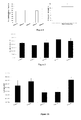
- the yield obtained at this stage is about 25-40 ⁇ 10 6 cells per 1CS and the total duration required for this process is about 8 to 9 days ( Figure 1A and 1B ).
- the cells may be seeded at a density ranging from about 1000 cells/cm 2 to about 7000 cells/cm 2 .
- the duration of culturing shall accordingly vary and indeed be reduced.
- the media consumption shall also be less, as lesser number of cell stacks will be required to seed more number of cells.
- the aforementioned process of media feeding plays an important role in large scale expansion as media top up at about 30% to 40 % confluency improves the proliferation of the MSCs. Further complete media change (CMC) at about 60% to 70% confluency enhances the proliferation without compromising the viability and quality of large scale cultures. Further CMC improves the consistency in cell yield and reduces the culture duration.
- CMC complete media change
- the cells harvested from large scale expansion process are then subjected to a wash process to remove all the impurity /particles especially BSA which is found in the harvested cells due to use of FBS during the cell culture.
- the cell composition used for clinical and/or therapeutic applications needs to be free of all xeno components, and the levels of BSA always needs to be less than 50ng for each of such compositions, regardless of the number of cells or volume of such composition.
- the wash process followed herein involves the following steps:
- the washing steps as indicated above to minimize the BSA levels (i.e. ⁇ 50ng) and maintain good viability and reduce cell loss in the production process of the final product which is a composition comprising mainly of bone marrow derived allogenic Mesenchymal stromal cells, CS5, or CS10 or Human Serum Albumin, Plasmalyte A and Dimethyl sulfoxide (DMSO).
- the cells are formulated as IMP or cell compositions as per the required dosage for clinical and/or therapeutic applications.
- the levels of BSA in any such IMP or cell compositions are always maintained below 50ng regardless of the number of cells or volume of the composition.
- the present disclosure discloses a method by which the cell composition can be easily administered without requiring a process of reconstitution at the site of clinical administration. This is carried out by storing the MSCs obtained by the culturing process of the instant disclosure directly in a freezing mixture which has relatively lower amounts of DMSO.
- a freezing mixture which has relatively lower amounts of DMSO.
- One such suitable freezing mixture is Cryostor 5 (CS5).
- the IMP of the instant disclosure is thus obtained by preserving the MSCs directly in the low DMSO cryopreservation media preferably Cryostor 5 (CS5) in Crystal Zenith vials (CZ vials).
- This step is not mandatory to the process of preparing the IMP or arriving at the required number of cells through culturing steps of the instant disclosure, but is important for final delivery of the cell product in the market for clinical and/or therapeutic use.
- the high freezing density of cells is about 5-25 million cells per ml of the freezing mixture.
- the cells normally are cryopreserved for any duration of time at minus (-) 196°C, whereas in the present disclosure, high cell density in low volume (of about 5-25 million cells per ml of the cryopreservation mixture/freezing mixture) is cryopreserved at minus (-) 80°C for shorter durations and (-) 196°C for longer durations. Stability tests are conducted using direct stability study to check for the product shelf life.
- the present disclosure also relates to a concept called as 'direct stability' to improve the shelf life period of IMP, wherein the MSCs are frozen at 25Million cells per ml of CryoStor 5 in CZ vials and stored directly at minus (-) 80°C.
- This method of storage of the cells does not involve any exposure to liquid nitrogen at -196°C as conventionally done.
- This procedure provides for superior short term storage of MSCs for a period of about 1 month at -80°C and is free from hazardous and costlier liquid nitrogen based cryostore procedures.
- the cells obtained from the culturing and washing process of the present disclosure is cryopreserved at high cell density of about 5 million to about 25 million cells per ml of the cryopreservation solution, preferably CS5, at (-) 196°C.
- high freezing density and storage at minus (-) 196°C does not impact the cell viability and cell recovery on thawing.
- the combination of high freezing density and CS5 in storage at minus (-) 80°C or (-) 196°C does not impact the cell viability and cell recovery on thawing.
- the cells obtained from the process employed above to prepare various doses of IMP after DPBS washes are stored at high freezing density in CS5 at minus (-) 80°C or (-) 196°C, as per the requirements for optimum results.
- the present disclosure thus provides for enhanced final composition for various clinical and/or therapeutic applications by applying multiple optimizations in the overall culturing and storing processes of MSCs.
- the said optimizations of the present disclosure are summarized as below:
- HBV human immunodeficiency virus
- HBV hepatitis B
- HCV hepatitis C
- CMV cytomegalovirus
- Bone marrow processing and subsequent cultures are carried out in a current good manufacturing practice (cGMP). Briefly, bone marrow is diluted (1: 1) with complete culture media comprising Dulbecco's modified Eagle's medium knock-out (DMEM-KO) 80%, Fetal Bovine Serum (10%), 1M mol Glutamine and 50 to 100U/ml penicillin and 50 to 100 ⁇ g/ml streptomycin and centrifuged at about 1200 to about 1800 r.p.m. for about 10 minutes to about 20 minutes to remove the anticoagulant. The complete culture media used for diluting above is devoid of bFGF. The supernatant is removed and the bone marrow is again diluted with complete culture media without bFGF.
- DMEM-KO Dulbecco's modified Eagle's medium knock-out
- Fetal Bovine Serum 10%
- 1M mol Glutamine 50 to 100U/ml penicillin and 50 to 100 ⁇ g/ml streptomycin
- the bone marrow derived mononuclear cells are separated by the density gradient methods using Lymphoprep in 50 ml centrifuge tubes (Falcon, BectonDickinson). This process involved taking another centrifuge tube lymphoprep [density gradient solution] and adding double the volume of diluted bone marrow and centrifuging at about 1200 rpm to 1800 rpm for about 10 minutes to 20 minutes at room temperature, wherein the room temperature is 20°C to 25°C. Bone marrow MNCs accumulated on the buffy layer interface are isolated and washed again with complete culture media devoid of bFGF.
- Isolated mononuclear cells at passage 0(P0) are plated into T-75 culture flasks (Falcon, BectonDickinson) and cultured in DMEM-KO supplemented with 10% fetal bovine serum (HyClone), 200 m M glutamax (Gibco-Invitrogen), 50 to 100U/ml penicillin and 50 to 100 ⁇ g/ml streptomycin_and incubated at 37 °C and 5% humidified CO 2 .
- the non-adherent cells are removed after 48 h and first complete change of culture medium is carried out. Subsequently the medium is replenished every 48 h.
- trypsin is neutralized with neutralization media comprising DMEM KO, 10% FBS and Pen-Strep [50 to 100U/ml penicillin and 50 to 100 ⁇ g/ml streptomycin] and the neutralized sample is collected and centrifuge at about 1200 rpm to 1500 rpm for about 10 minutes to 20 minutes at room temperature. To the pellet add complete media, followed by cell counting. Thereafter, freeze MSCs in vials at concentration of about 1 million per ml using the freezing media comprising of about 85% to 95% FBS and about 5% to 15% DMSO, this is referred to as Passage 0 (P0) Cells (i.e.1-2 vials).
- neutralization media comprising DMEM KO, 10% FBS and Pen-Strep [50 to 100U/ml penicillin and 50 to 100 ⁇ g/ml streptomycin]
- the neutralized sample is collected and centrifuge at about 1200 rpm to 1500 rpm for about 10 minutes to 20 minutes at room temperature.
- the rest of the cells are cultured/expanded in cell stacks at a seeding density of about 6,666 cells per sq.cm with complete media change on 7 th or 8 th day (culture age) and the cells are harvested with 0.25% trypsin/EDTA (Gibco-Invitrogen) between 14 to 18th day.
- Trypsinized cells are neutralized with neutralization media comprising DMEM KO, 10% FBS and Pen-Strep [50 to 100U/ml penicillin and 50 to 100 ⁇ g/ml streptomycin] and collected in a centrifugation tube for centrifugation at about 1200 rpm to 1500 rpm for about 10 minutes to 20 minutes.
- Pellet is resuspended in complete media to assess cell count.
- Passage 1 Freeze harvested cells in vials at a concentration of about 1 million cells to 3 million cells per ml in the freezing media comprising of about 85% to 95% FBS and about 5% to 15% DMSO this is referred as Passage 1 (P1) cells.
- MSCs from Passage 1 is re-plated in a single one-cell stack with a seeding density of 6,666 cells per sq.cm and cultured in DMEM-KO supplemented with 10% fetal bovine serum (HyClone), 200 m M glutamax (Gibco-Invitrogen), 50 to 100U/ml penicillin and 50 to 100 ⁇ g/ml streptomycin_and incubated at 37 °C and 5% humidified CO 2 .
- the process is as follows: One vial each of P1 cells is taken, and counted and optionally pooled in equal proposition of each donor, in cases where the initial bone marrow was aspirated from more than one donor. After counting and optional pooling of donor cells, cells are checked for viability; and viable cells are plated into 2 -10 chambers as per the cell counts obtained. Thereafter, transfer the culture chambers to a 5% CO 2 incubator at about 37°C. After every 48 -72 hours observe the cell stacks under microscope and take two representative microphotographs. Replenish the complete culture medium every 7th to 8th day with the freshly prepared complete media comprising DMEM-KO, FBS, Glutamine, Pen-Strep and basic Fibroblast growth Factor (bFGF). The cells are cultured until the cells in the chambers are about 80%-85% confluent.
- Passage 1 cultures are confluent they are further expanded up to passage 3 by harvesting confluent cultures and seeding at seeding density of 1000 cells/cm 2 and cultured in DMEM-KO supplemented with 10% fetal bovine serum (HyClone), 200 mM glutamax (Gibco-Invitrogen), 50 to 100U/ml penicillin and 50 to 100 ⁇ g/ml streptomycin_and additionally adding growth factor of 2ng/ml basic fibroblast growth factor (bFGF) and incubated at 37 °C and 5% humidified CO 2 .
- MSCs at P3 are plated onto one 10-cell stack (Corning Life Sciences).
- the process is as follows: When the P1 cells attain about 80% to 85% confluency, the complete media is aspirated out and the cell stacks are washed twice with DPBS. After washing trypsin is added, and the cells are incubated at about 37°C for about 4 minutes to 5 minutes, thereafter neutralize them with neutralization media. The neutralized sample is collected and centrifuged at about 1200 rpm to 1800 rpm for about 10 minutes to 20 minutes at room temperature. To the pellet hence obtained, complete media is added and the cells counted. Thereafter culture/expand the cells in the cell stacks for another passage, harvest the cells and centrifuge. To the pellet obtained, complete media is added and the cells are counted.
- the vials are frozen at about -196°C, such that each vial contains about 1-3 million MSCs in freezing mix comprising about 85% to 95% FBS and about 5% to 15% DMSO. This forms the cells at Passage 3 (P3) and thereafter used for future large scale expansion.
- P3 Passage 3
- the process for preparing IMP or the final composition of bone marrow derived MSCs begins by initially culturing the cells beyond passage 3 to obtain high yield of MSCs which possess high quality and immune properties.
- the process after Passage 3 begins by initially preparing the bFGF master mix and the culture medium comprising this master mix for uniform distribution of said bFGF without any volumetric error. Thereafter, the process comprises preparation of seed master mix, followed by seeding of the cells, culturing and changing of media as per a defined schedule for further expansion of cells.
- the expanded culture is then washed to remove BSA, and the cells proceed for preparation of the final composition or the IMP, as per the required clinical and/or therapeutic applications.
- the process is further defined sequentially below.
- Preparation of bFGF master mix avoids volumetric error and provides uniform distribution of bFGF to complete cell culture medium used for cell culturing/expansion.
- prepared complete cell culture medium when added to the cell stacks ensures that uniform concentration of bFGF is provided to the cells.
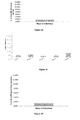
- This process ( Figure 5A ) improves the consistency in growth characteristics and cell yield in all the ten layer stacks.
- bFGF master mix provides significant contribution towards maintaining the consistency in production process, higher cell yield and quality of cells.
- Seed master mix avoids volumetric error and provides uniform cell distribution to all Cell STACKs. Seed master mix ( Figure 5B ) provides significant contribution towards process of uniform proliferation and the consistency of in cell yield in all TCS.
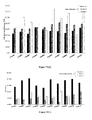
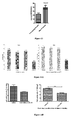
- Figures 6A and 6B provides the details of batch consistency data and reduced HLA-DR expression using the bFGF and seed master mix during the large scale production. The figures also show comparison with previously known processes that do not involve such bFGF master mix and seed master mix.
- the cells at passage 3 are expanded to passage 4 by seeding the cells in one cell stack at a seeding density of 1000 cells/cm 2 , replenishing the cells with 150 ml of the media prepared above on day 1 of the culture and further replenishing the cells with 150 ml of the media when a confluency of 40-50% is achieved.
- the yield obtained at this stage is about 25-40 ⁇ 10 6 cells per 1CS and the total duration required for this process is about 8 -9 days.
- these cells are expanded into passage 5 by seeding the cells in ten cell stacks, at a seeding density of 1000 cells /cm 2 . These cells are replenished with 1.5 L of the media on the first day of the cultures. Upon achieving a confluency of about 30-40%, 0.5 L of the media is added to each cell stack, without removing the spent medium (media top up). When, the cultures reach a confluency of about 60-70%, a step of complete media change is performed, wherein spent media is removed completely from all TCS and 2L of the media is added to each cell stack. The yield obtained at this stage is 450-600 ⁇ 10 6 cells per 10CS and the total duration required for this process is about 09-10 days compared to previously known process of 14 days.
- the total number of cells obtained at the end of passage 5 ranges from about 1800 million cells to about 4200 million cells.
- the complete cell culture medium used for cell expansion after passage 3 (as provided in table 2), FBS is employed as a supplement which is of bovine origin and hence Bovine Serum Albumin (BSA) needs to be removed from the product before clinical application.
- BSA Bovine Serum Albumin
- the washing steps as indicated above reduces the BSA levels (i.e. ⁇ 50ng) in the final product, which is a composition comprising mainly of bone marrow derived allogenic MSCs in CS 5.
- the cell composition can be used in combination with CS10 or in combination with Human Serum Albumin, Plasmalyte A and Dimethyl sulfoxide (DMSO).
- the final cell composition comprises about 25 to about 200 million mesenchymal stromal cells in about 1 to about 8 ml of CS5.
- the final composition of the cell density/ml can be 25million cells/ ml of CS5, 50 million cell/2ml of CS5; 100 million in 4 ml of CS5 and/or 200 million cells in 8 ml of CS5.
- the Figure 8A clearly shows reduction of BSA in the IMP following the above disclosed wash procedure.
- the IMP thus obtained is cryopreserved in the formulation media Cryostor 5 (CS5) in Crystal Zenith vials (CZ vials). It can be also cryopreserved in a bag/vial and in any other cryopreservation medium used for cell preservation.
- This step is not mandatory to the process of preparing the IMP but is important for final delivery.
- the high freezing density of cells is 5-25 million cells per ml of the freezing mixture, and the MSCs are directly stored at minus (-) 80°C.
- This method of storage of the cells is ideal for shorter duration, and does not involve any exposure to liquid nitrogen at -196°C. This process ensures superior short term storage of the cells, including high cell viability and cell recovery on thawing.
- the cells obtained from the culturing and washing process of the present disclosure is cryopreserved at high cell density of about 5 million to about 25 million cells per ml of the cryopreservation solution at (-) 196°C.
- high freezing density and storage at minus (-) 196°C does not impact the cell viability and cell recovery on thawing.
- the above procedure is mainly related to the final delivery to the market as a ready to use bedside product.
- the main challenge in cell based product is to deliver the cell based product in such a way that it can be used without any further manipulation.
- cell product stored in liquid nitrogen is thawed and processed for reconstitution before being administered to patient. This process requires clean room facility and skilled person which is a challenge for final market delivery.
- Use of liquid nitrogen for storage and transportation of the cell product is an expensive method and hence the present procedure of storing and transportation of the cell composition at minus (-) 80°C is cost effective.
- the present disclosure provides a procedure for formulating, storing and transporting cell composition, wherein high number of cells is frozen in less volume of cryopreservation solution, wherein the cells are cryopreserved at a cell density of 5-25 million/ml of CryoStor 5 and these are directly stored at (-) 80°C for short duration requirement.
- the combination of high freezing density in CS5 and storage at minus (-) 80°C does not diminish the cell viability and recovery.
- the IMP comprises of 25 million cells to 200 million cells at a freezing concentration of 25 million cells/ml of freezing mixture of CryoStor 5 and stored in CZ vials of 5ml to 10ml packing size at either -80°C or -196°C, as per the required duration of freezing or storing.
- CMC complete media change
- Washing process to remove the impurities/particles is very critical and fine tuning of the process of wash step is very essential to achieve the required cell quality consistently, and even a slight variation can give varying results.
- optimization of the manufacturing process for washing and centrifugation minimizes cell loss while reducing the BSA levels and consistently improving post thaw viability of the final product.
- Many cell therapies are administered intravenously wherein carryover of particulates or intact microcarriers into final products poses a serious safety risk.
- Extensive optimization and validation for processing large scale cultures to ensure that all particulates are removed from cell suspension increases a system's effective yield. Sequential washing steps with DPBS and centrifugation can facilitate cell separation and help in the removal of particulate materials.
- the BSA levels in the final product is minimized in the previously known process by following a wash process involving a first wash with 200 ml of DPBS and centrifugation at 1800 rpm for 10 minutes [wash-I]; followed by a second wash with 200 ml of DPBS and centrifugation at 1800 rpm for 10 minutes [wash-II].
- This is compared with the wash process used in the current process of the present disclosure which involves a first wash with 200 ml of DPBS, centrifugation at 1800 rpm for 10 minutes [wash-I]; followed by a second wash with 90 ml of DPBS centrifugation at 1800 rpm for 7 minutes [wash-II].
- the present disclosure aims at developing high freezing density using completely xenofree, serum free freezing media that enhances superior cell viability and multipotency function following thawing. It should allow storage of cell therapy products in a frozen state with high post-thaw viability (years of storage at -196°C). Different freezing concentrations of MSCs were critically evaluated and the concentration of 25M cells per ml of CryoStor 5 was found to be ideal for freezing concentration of final cell therapy product for storage and delivery.
- BM-MSCs are frozen using CryoStor 5 in different concentrations of 5, 10, 12.5, 15 and 25 million cells per ml of cryopreservation media CryoStor 5.
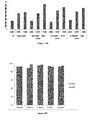
- Post-thaw cell recovery and viability are analysed at different time points of 0, 1week, 2weeks, 4weeks, 12 weeks and 24 weeks. In all time points, viability and cell recovery ( Figures 9A and 9B ) is shown to be >98%.
- the cells so manufactured using the current process of the present disclosure are hypoimmunogeneic and immunomodulatory. These characteristics of the cells are further analyzed in the below examples.
- the MSCs of the IMP developed by the current process exhibit hypoimmunogenic, immunomodulatory and angiogenic properties.
- MSCs Mesenchymal stromal cells
- MHC/HLA major histocompatibility complex
- PGE-2 Prostaglandin-E2
- Immunosuppressive capacity of the IMP was determined by the following method:
- MLR mixed lymphocyte reaction
- MLRs were established using peripheral blood mononuclear cells (PBMC) from HLA-mismatched donors and cultured in either the presence or absence of growth-arrested MSC at different MSC : MLR ratios, using the protocol described above.
- PBMC peripheral blood mononuclear cells
- MLR ratios MLR ratios
- the IMP comprising cells of the current disclosure therefore has potent immunosuppressive capacity, and secreted large amounts of the immunoregulatory cytokine PGE-2. These properties make the IMP suitable for transplantation in an unrelated recipient, as well as for treatment of immune-related diseases such as graft versus host disease (GvHD) and other autoimmune diseases.
- the amount of VEGF and sGAG produced by the final product is estimated for analyzing the potency of the IMP for Critical Limb Ischemia (CLI) and Osteoarthritis (OA) respectively.
- the IMP obtained by following the process of the instant disclosure [having confluency based media change regime, washing process of Wash-II and taking into account the master and seed mix preparation of Example 1] is thawed at passage 5 and plated at a density of 1 million in a T75 flask.
- the conditioned medium is collected at 48 hours and 72 hours and the VEGF content is estimated by ELISA. This is compared with a previously known process of obtaining the final cell composition, wherein the process media changes are done based on no. of days as opposed to confluencies, washing process of Wash-I is followed and wherein no master and seed mix preparation are carried out.
- the IMP obtained by following the process of the instant disclosure [having confluency based media change regime, washing process of Wash-II and taking into account the master and seed mix preparation of Example 1] is thawed at passage 5 and induced for chondro differentiation. After 21 days of differentiation, sGAG and DNA is estimated. The final GAG value is normalized to the DNA content. This is compared with a previously known process of obtaining the final cell composition, wherein the process media changes are done based on no. of days as opposed to confluencies, washing process of Wash-I is followed and wherein no master and seed mix preparation are carried out ( Figure 13 ).
- the value for the previously known process on an average was 22.54 ⁇ 2.983 ug/ug of DNA, whereas for the process of the instant disclosure, the value on an average was 39.38 ⁇ 5.212 ug/ug of DNA, thereby making the values significantly enhanced.
- sGAG produced by the chondrocyte help stabilize the cartilage structure, and therefore it would be important to determine if the MSCs produced by the method of the instant disclosure can differentiate to chondrocyte and produce sGAG under in-vitro condition.
- the biochemical assay for measuring the sGAG is established, which is one of the important cartilage components and comprises of about 3 - 6% of total cartilage components. Following is the protocol for estimating GAG content:
- Accelerated Stability Standard practice of accelerated stability study involves control rate freezing (-80°C) and then shifting vials to liquid nitrogen storage and again after one week from liquid nitrogen storage to -80°C deep freezing to establish accelerated stability conditions. Usually, after control rate freezing, the MSCs must be placed in liquid nitrogen and the cells are highly unstable at -80°C after CRF.
- Direct Stability On the other hand, the instant disclosure provides for direct stability concept wherein higher freezing concentration of MSCs plus the process/conditions of stability enables a superior performance, efficiency and stability than standard accelerated method.
- MSCs active substances
- the MSCs show promising or superior results than previously known accelerated stability studies for short term storage mostly for transportation of the product.
- control rate freezing ends at - 135°C, and thereafter the MSCs are moved to liquid nitrogen.
- stabilization of MSCs at -80°C is unique and provides advantages for short time storage and transportation without use of liquid nitrogen which is costly.
- BM-MSCs were harvested and re-suspended in wash buffer at a concentration of 1x10 6 cells/mL.
- Wash buffer consisted of phosphate buffer saline (PBS) supplemented with 1% (v/v) FBS and 1% (w/v) sodium azide.
- Cell viability was measured by flow cytometry using 7- amino actinomycin D (7AAD, which can penetrate through cell membrane of dead cells). The 100 ⁇ l of cell suspension were incubated in the dark for 10 minutes at room temperature with saturating concentrations of 7AAD of 3 ⁇ l in one well of 96 well plate and unstained cells in another well as auto. Run the flow cytometry first with auto to set and adjust the voltage and compensation parameters to fall within the histogram. Run the test samples as 7AAD while fixing those previous setting.
- Control represents post-thaw proliferation of 1 million cell vials of BM-MSCs (cryo-vial) of same batch and cryopreserved in regular standard procedure,.
- Overall results show that post-thaw proliferation rate and yield were higher in direct stability compared to accelerated conditions, harvest culture age: 8 th day.
- Osteoblast differentiation of BM-MSCs was induced by supplementing the cells with 10- 8 M dexamethasone (Sigma-Aldrich), 30 ⁇ g/mL ascorbic acid (Sigma-Aldrich) and 10 mM ⁇ -glycerophosphate (Sigma-Aldrich) for 3 weeks. Calcium accumulation was assessed by Von Kossa Staining. The differentiated cells were washed with PBS and fixed with 10% formalin for 30 minutes. The fixed cells were incubated with 5% AgNO 3 for 60 minutes under UV light and then treated with 2.5% sodium thiosulphate for 5 minutes and images were captured.
- BM-MSCs were supplemented with 1 ⁇ M dexamethasone, 0.5 mM isobutylmethylxanthine, 1 ⁇ g/mL insulin and 100 ⁇ M indomethacin (all Sigma-Aldrich) for 21 days. Then supernatant were aspirated and cells were fixed in 10% formalin for 20 minutes. Further 200 ⁇ l of oil red O staining solution was added and incubated for 10 minutes at room temperature. The cells were rinsed five times with distilled water and images were captured.
- chondrogenesis differentiation medium Chondrogenesis differentiation medium (Chondrocyte differentiation basal medium with chondrogenesis supplement). Chondrogenesis differentiation medium was replenished every 3 days. For staining, cells were fixed with 4% formalin for 30 minutes. Safranine O staining solution was added and incubated for 5 minutes. The cells were rinsed with distilled water and images were captured.
- BM-MSCs differentiated towards osteogenic, chondrogenic and adipogenic images were captured using Nikon Eclipse 90i microscope (Nikon Corporation, Japan, www.nikon.com) and Image-Pro Express software (Media Cybernetics, Inc, Silver Spring, MD, www.mediacy.com ).
Landscapes
- Health & Medical Sciences (AREA)
- Life Sciences & Earth Sciences (AREA)
- Engineering & Computer Science (AREA)
- Biomedical Technology (AREA)
- Chemical & Material Sciences (AREA)
- Genetics & Genomics (AREA)
- Organic Chemistry (AREA)
- Zoology (AREA)
- Biotechnology (AREA)
- Wood Science & Technology (AREA)
- Bioinformatics & Cheminformatics (AREA)
- Cell Biology (AREA)
- Microbiology (AREA)
- Developmental Biology & Embryology (AREA)
- Biochemistry (AREA)
- General Engineering & Computer Science (AREA)
- General Health & Medical Sciences (AREA)
- Rheumatology (AREA)
- Hematology (AREA)
- Immunology (AREA)
- Micro-Organisms Or Cultivation Processes Thereof (AREA)
- Medicines Containing Material From Animals Or Micro-Organisms (AREA)
Applications Claiming Priority (1)
| Application Number | Priority Date | Filing Date | Title |
|---|---|---|---|
| IN3072CH2014 | 2014-06-24 |
Publications (1)
| Publication Number | Publication Date |
|---|---|
| EP2960329A1 true EP2960329A1 (de) | 2015-12-30 |
Family
ID=52444106
Family Applications (1)
| Application Number | Title | Priority Date | Filing Date |
|---|---|---|---|
| EP15151675.4A Withdrawn EP2960329A1 (de) | 2014-06-24 | 2015-01-19 | Verfahren zum Erhöhen der mesenchymalen Stromazellenproduktion, Zusammensetzungen und Kit dafür |
Country Status (7)
| Country | Link |
|---|---|
| EP (1) | EP2960329A1 (de) |
| JP (1) | JP2016007214A (de) |
| CN (1) | CN105274051A (de) |
| CA (1) | CA2878299A1 (de) |
| HK (1) | HK1216107A1 (de) |
| PH (1) | PH12015000014A1 (de) |
| SG (1) | SG10201500543UA (de) |
Families Citing this family (2)
| Publication number | Priority date | Publication date | Assignee | Title |
|---|---|---|---|---|
| AU2018228352B2 (en) * | 2017-02-28 | 2024-08-01 | Centre Hospitalier Régional Universitaire De Nancy | Mesenchymal stem cells obtained from Wharton's jelly for the treatment of sepsis |
| CN120555339A (zh) * | 2025-05-28 | 2025-08-29 | 北京贝来药业有限公司 | 一种治疗神经系统疾病的间充质干细胞的培养方法、用途及检测方法 |
Citations (3)
| Publication number | Priority date | Publication date | Assignee | Title |
|---|---|---|---|---|
| US20100015710A1 (en) * | 2008-04-25 | 2010-01-21 | Sunghoon Jung | Methods and Compositions for Isolating, Maintaining and Serially Expanding Human Mesenchymal Stem Cells |
| WO2011064733A1 (en) * | 2009-11-27 | 2011-06-03 | Stempeutics Research Pvt. Ltd. | Methods of preparing mesenchymal stem cells, compositions and kit thereof |
| WO2011101834A1 (en) * | 2010-02-22 | 2011-08-25 | Advanced Neuro-Science Allies Private Limited | A method for obtaining mesenchymal stem cells, media, methods and composition thereof |
Family Cites Families (5)
| Publication number | Priority date | Publication date | Assignee | Title |
|---|---|---|---|---|
| JP2006000059A (ja) * | 2004-06-17 | 2006-01-05 | Two Cells Co Ltd | 細胞外基質を用いた動物細胞の増殖及び分化促進方法 |
| JP2006325445A (ja) * | 2005-05-24 | 2006-12-07 | Toyobo Co Ltd | 間葉系幹細胞増殖培地 |
| JP2009065884A (ja) * | 2007-09-12 | 2009-04-02 | Sapporo Medical Univ | 細胞増殖方法ならびに組織の修復および再生のための医薬 |
| WO2011087103A1 (ja) * | 2010-01-15 | 2011-07-21 | 株式会社ジェイ・エム・エス | 間葉系幹細胞の増殖促進剤、それを用いた間葉系幹細胞の増殖促進方法および製造方法 |
| EP2545928B1 (de) * | 2010-03-10 | 2016-07-20 | Two Cells Co., Ltd | Zellpräparat mit mesenchymalen stammzellen und herstellungsverfahren dafür |
-
2015
- 2015-01-13 PH PH12015000014A patent/PH12015000014A1/en unknown
- 2015-01-19 EP EP15151675.4A patent/EP2960329A1/de not_active Withdrawn
- 2015-01-19 CA CA2878299A patent/CA2878299A1/en not_active Abandoned
- 2015-01-23 SG SG10201500543UA patent/SG10201500543UA/en unknown
- 2015-03-03 JP JP2015041086A patent/JP2016007214A/ja active Pending
- 2015-03-03 CN CN201510095622.1A patent/CN105274051A/zh active Pending
-
2016
- 2016-04-11 HK HK16104112.7A patent/HK1216107A1/zh unknown
Patent Citations (3)
| Publication number | Priority date | Publication date | Assignee | Title |
|---|---|---|---|---|
| US20100015710A1 (en) * | 2008-04-25 | 2010-01-21 | Sunghoon Jung | Methods and Compositions for Isolating, Maintaining and Serially Expanding Human Mesenchymal Stem Cells |
| WO2011064733A1 (en) * | 2009-11-27 | 2011-06-03 | Stempeutics Research Pvt. Ltd. | Methods of preparing mesenchymal stem cells, compositions and kit thereof |
| WO2011101834A1 (en) * | 2010-02-22 | 2011-08-25 | Advanced Neuro-Science Allies Private Limited | A method for obtaining mesenchymal stem cells, media, methods and composition thereof |
Non-Patent Citations (2)
| Title |
|---|
| MURALI KRISHNA MAMIDI ET AL: "Comparative cellular and molecular analyses of pooled bone marrow multipotent mesenchymal stromal cells during continuous passaging and after successive cryopreservation", JOURNAL OF CELLULAR BIOCHEMISTRY, vol. 113, no. 10, 9 October 2012 (2012-10-09), pages 3153 - 3164, XP055182430, ISSN: 0730-2312, DOI: 10.1002/jcb.24193 * |
| NEKANTI U ET AL: "Optimization and scale-up of Wharton's jelly-derived mesenchymal stem cells for clinical applications", STEM CELL RESEARCH, ELSEVIER, NL, vol. 5, no. 3, 1 November 2010 (2010-11-01), pages 244 - 254, XP027408720, ISSN: 1873-5061, [retrieved on 20100928] * |
Also Published As
| Publication number | Publication date |
|---|---|
| JP2016007214A (ja) | 2016-01-18 |
| PH12015000014A1 (en) | 2016-10-17 |
| SG10201500543UA (en) | 2016-01-28 |
| CA2878299A1 (en) | 2015-12-24 |
| CN105274051A (zh) | 2016-01-27 |
| HK1216107A1 (zh) | 2016-10-14 |
Similar Documents
| Publication | Publication Date | Title |
|---|---|---|
| AU2015200117A1 (en) | Methods of upscaling mesenchymal stromal cell production, compositions and kit thereof | |
| US20160002601A1 (en) | Methods of upscaling mesenchymal stromal cell production, compositions and kit thereof | |
| EP2807923B1 (de) | Serumfreies gefriermedium enthaltend einen hohen gehalt an ksr und aufbau einer bibliothek von aus fettgewebe gewonnenen stammzellen | |
| US11447748B2 (en) | Encapsulated adipose-derived stem cells, methods for preparation and theraputic use | |
| US20130089565A1 (en) | Immune privileged and modulatory progenitor cells | |
| KR20210070349A (ko) | 중간엽 기질 세포의 증식 방법 | |
| CN116077448B (zh) | 人间充质干细胞注射液及其应用 | |
| JP2018531269A (ja) | 脂肪由来幹細胞に基づく幹細胞治療 | |
| JP2018531269A6 (ja) | 脂肪由来幹細胞に基づく幹細胞治療 | |
| EP2960329A1 (de) | Verfahren zum Erhöhen der mesenchymalen Stromazellenproduktion, Zusammensetzungen und Kit dafür | |
| CZ200649A3 (cs) | Zpusob pestování lidských mezenchymových kmenových bunek, zejména pro lécbu nehojících se fraktur, a bioreaktor k provádení tohoto zpusobu | |
| KR101938182B1 (ko) | 치료용 세포의 시험관 내 보존 | |
| CN117701500B (zh) | 一种间充质干细胞的培养方法及其应用 | |
| WO2013016194A1 (en) | Endometrial derived stem cells and their methods of use | |
| EP4190892A1 (de) | Blutplättchenlysat aus autologen blutplättchen | |
| CN117098542A (zh) | 用于储存干细胞的方法 | |
| CN103789260A (zh) | 分离和扩增血液间充质干细胞的方法 |
Legal Events
| Date | Code | Title | Description |
|---|---|---|---|
| PUAI | Public reference made under article 153(3) epc to a published international application that has entered the european phase |
Free format text: ORIGINAL CODE: 0009012 |
|
| AK | Designated contracting states |
Kind code of ref document: A1 Designated state(s): AL AT BE BG CH CY CZ DE DK EE ES FI FR GB GR HR HU IE IS IT LI LT LU LV MC MK MT NL NO PL PT RO RS SE SI SK SM TR |
|
| AX | Request for extension of the european patent |
Extension state: BA ME |
|
| 17P | Request for examination filed |
Effective date: 20160118 |
|
| RBV | Designated contracting states (corrected) |
Designated state(s): AL AT BE BG CH CY CZ DE DK EE ES FI FR GB GR HR HU IE IS IT LI LT LU LV MC MK MT NL NO PL PT RO RS SE SI SK SM TR |
|
| 17Q | First examination report despatched |
Effective date: 20160621 |
|
| STAA | Information on the status of an ep patent application or granted ep patent |
Free format text: STATUS: THE APPLICATION IS DEEMED TO BE WITHDRAWN |
|
| 18D | Application deemed to be withdrawn |
Effective date: 20170103 |