EP2960334A1 - Metabolisch verbessertes cyanobakterium mit sequenziell induzierbaren produktionsgenen zur herstellung einer ersten chemischen verbindung - Google Patents
Metabolisch verbessertes cyanobakterium mit sequenziell induzierbaren produktionsgenen zur herstellung einer ersten chemischen verbindung Download PDFInfo
- Publication number
- EP2960334A1 EP2960334A1 EP15181279.9A EP15181279A EP2960334A1 EP 2960334 A1 EP2960334 A1 EP 2960334A1 EP 15181279 A EP15181279 A EP 15181279A EP 2960334 A1 EP2960334 A1 EP 2960334A1
- Authority
- EP
- European Patent Office
- Prior art keywords
- production
- promoter
- gene
- under
- plasmid
- Prior art date
- Legal status (The legal status is an assumption and is not a legal conclusion. Google has not performed a legal analysis and makes no representation as to the accuracy of the status listed.)
- Withdrawn
Links
Images

















Classifications
-
- C—CHEMISTRY; METALLURGY
- C12—BIOCHEMISTRY; BEER; SPIRITS; WINE; VINEGAR; MICROBIOLOGY; ENZYMOLOGY; MUTATION OR GENETIC ENGINEERING
- C12P—FERMENTATION OR ENZYME-USING PROCESSES TO SYNTHESISE A DESIRED CHEMICAL COMPOUND OR COMPOSITION OR TO SEPARATE OPTICAL ISOMERS FROM A RACEMIC MIXTURE
- C12P7/00—Preparation of oxygen-containing organic compounds
- C12P7/02—Preparation of oxygen-containing organic compounds containing a hydroxy group
- C12P7/04—Preparation of oxygen-containing organic compounds containing a hydroxy group acyclic
- C12P7/06—Ethanol, i.e. non-beverage
- C12P7/065—Ethanol, i.e. non-beverage with microorganisms other than yeasts
-
- C—CHEMISTRY; METALLURGY
- C12—BIOCHEMISTRY; BEER; SPIRITS; WINE; VINEGAR; MICROBIOLOGY; ENZYMOLOGY; MUTATION OR GENETIC ENGINEERING
- C12N—MICROORGANISMS OR ENZYMES; COMPOSITIONS THEREOF; PROPAGATING, PRESERVING, OR MAINTAINING MICROORGANISMS; MUTATION OR GENETIC ENGINEERING; CULTURE MEDIA
- C12N15/00—Mutation or genetic engineering; DNA or RNA concerning genetic engineering, vectors, e.g. plasmids, or their isolation, preparation or purification; Use of hosts therefor
- C12N15/09—Recombinant DNA-technology
- C12N15/11—DNA or RNA fragments; Modified forms thereof; Non-coding nucleic acids having a biological activity
- C12N15/52—Genes encoding for enzymes or proenzymes
-
- C—CHEMISTRY; METALLURGY
- C12—BIOCHEMISTRY; BEER; SPIRITS; WINE; VINEGAR; MICROBIOLOGY; ENZYMOLOGY; MUTATION OR GENETIC ENGINEERING
- C12N—MICROORGANISMS OR ENZYMES; COMPOSITIONS THEREOF; PROPAGATING, PRESERVING, OR MAINTAINING MICROORGANISMS; MUTATION OR GENETIC ENGINEERING; CULTURE MEDIA
- C12N15/00—Mutation or genetic engineering; DNA or RNA concerning genetic engineering, vectors, e.g. plasmids, or their isolation, preparation or purification; Use of hosts therefor
- C12N15/09—Recombinant DNA-technology
- C12N15/63—Introduction of foreign genetic material using vectors; Vectors; Use of hosts therefor; Regulation of expression
- C12N15/74—Vectors or expression systems specially adapted for prokaryotic hosts other than E. coli, e.g. Lactobacillus, Micromonospora
-
- C—CHEMISTRY; METALLURGY
- C12—BIOCHEMISTRY; BEER; SPIRITS; WINE; VINEGAR; MICROBIOLOGY; ENZYMOLOGY; MUTATION OR GENETIC ENGINEERING
- C12N—MICROORGANISMS OR ENZYMES; COMPOSITIONS THEREOF; PROPAGATING, PRESERVING, OR MAINTAINING MICROORGANISMS; MUTATION OR GENETIC ENGINEERING; CULTURE MEDIA
- C12N15/00—Mutation or genetic engineering; DNA or RNA concerning genetic engineering, vectors, e.g. plasmids, or their isolation, preparation or purification; Use of hosts therefor
- C12N15/09—Recombinant DNA-technology
- C12N15/63—Introduction of foreign genetic material using vectors; Vectors; Use of hosts therefor; Regulation of expression
- C12N15/79—Vectors or expression systems specially adapted for eukaryotic hosts
- C12N15/82—Vectors or expression systems specially adapted for eukaryotic hosts for plant cells, e.g. plant artificial chromosomes (PACs)
- C12N15/8241—Phenotypically and genetically modified plants via recombinant DNA technology
- C12N15/8242—Phenotypically and genetically modified plants via recombinant DNA technology with non-agronomic quality (output) traits, e.g. for industrial processing; Value added, non-agronomic traits
- C12N15/8243—Phenotypically and genetically modified plants via recombinant DNA technology with non-agronomic quality (output) traits, e.g. for industrial processing; Value added, non-agronomic traits involving biosynthetic or metabolic pathways, i.e. metabolic engineering, e.g. nicotine, caffeine
-
- Y—GENERAL TAGGING OF NEW TECHNOLOGICAL DEVELOPMENTS; GENERAL TAGGING OF CROSS-SECTIONAL TECHNOLOGIES SPANNING OVER SEVERAL SECTIONS OF THE IPC; TECHNICAL SUBJECTS COVERED BY FORMER USPC CROSS-REFERENCE ART COLLECTIONS [XRACs] AND DIGESTS
- Y02—TECHNOLOGIES OR APPLICATIONS FOR MITIGATION OR ADAPTATION AGAINST CLIMATE CHANGE
- Y02E—REDUCTION OF GREENHOUSE GAS [GHG] EMISSIONS, RELATED TO ENERGY GENERATION, TRANSMISSION OR DISTRIBUTION
- Y02E50/00—Technologies for the production of fuel of non-fossil origin
- Y02E50/10—Biofuels, e.g. bio-diesel
Definitions
- This invention is related to the field of production of chemical compounds by using metabolically enhanced cyanobacterial cells.
- the term “comprising” means “including”.
- the singular forms “a” or “an” or “the” expressly include the plural references unless the context clearly dictates otherwise.
- Referring to "at least one" or “at least two” object(s) expressly includes additional objects falling into the specification of said at least one or at least two objects according to the present invention.
- “at least two first production genes” can also include a third or further additional first production gene used inventively according to the criteria of the present invention.
- the EC numbers cited throughout this patent application are enzyme commission numbers which is a numerical classification scheme for enzymes based on the chemical reactions which are catalyzed by the enzymes.
- a promoter that is gradually inducible in a dose-dependent manner is a promoter that results in an inductor dose dependent expression of the corresponding promoter-controlled production gene.
- the term "metabolically enhanced” refers to any change in the endogenous genome of a wild type cyanobacterial cell or to the addition of endogenous and non-endogenous, exogenous genetic code to a wild type cyanobacterial cell, for example the introduction of a heterologous gene. More specifically, such changes are made by the hand of man through the use of recombinant DNA technology or mutagenesis. The changes can involve protein coding sequences or non-protein coding sequences in the genome such as regulatory sequences, non-coding RNA, antisense RNA, promoters or enhancers. Aspects of the invention utilize techniques and methods common to the fields of molecular biology, microbiology and cell culture.
- Denominations of genes are in the following presented in a three letter lower case name followed by a capitalized letter if more than one related gene exists, for example ziaA for the gene encoding a zinc transporting ATPase.
- the respective protein encoded by that gene is denominated by the same name with the first letter capitalized, such as ZiaA.
- Denominations for promoter sequences, which control the transcription of a certain gene in their natural environment are given by a capitalized letter "P" followed by the gene name according to the above described nomenclature, for example "PziaA" for the promoter controlling the transcription of the ziaA gene.
- Denominations for enzyme names can be given in a two or three letter code indicating the origin of the enzyme, followed by the above mentioned three letter code for the enzyme itself, such as SynAdh (Zn 2+ dependent alcohol dehydrogenase from Synechocystis PCC6803), ZmPdc (pyruvate decarboxylase from Zymomonas mobilis).
- SynAdh Zn 2+ dependent alcohol dehydrogenase from Synechocystis PCC6803
- ZmPdc pyruvate decarboxylase from Zymomonas mobilis
- nucleic acid is intended to include nucleic acid molecules, such as polynucleotides which include an open reading frame encoding a polypeptide, and can further include non-coding regulatory sequences of genes, such as promoters and enhancers as well as non-coding RNAs.
- the terms are intended to include one or more genes that are part of a functional operon.
- the terms are intended to include a specific gene for a selected purpose. The gene can be endogenous to the host cell or can be recombinantly introduced into the host cell.
- the invention also provides nucleic acids, which are at least 60%, 70%, 80%, 90% or 95% identical to the promoter nucleic acids or to the nucleic acids encoding either the first or second biocatalysts for the production of the first chemical compound disclosed therein.
- nucleic acids which are at least 60%, 70%, 80%, 90% or 95% identical to the promoter nucleic acids or to the nucleic acids encoding either the first or second biocatalysts for the production of the first chemical compound disclosed therein.
- the promoters truncated versions of the promoters including only a small portion of the native promoters upstream of the transcription start point, such as the region ranging from -35 to the transcription start can often be used.
- nucleotide changes in the untranslated region into the promoter sequence e.g.
- the operator sequence and/or the ribosomal binding site can be used to tailor or optimise the promoter for a certain purpose.
- the invention also provides amino acid sequences for enzymes for the production of the first chemical compounds, which are at least 60%, 70%, 80%, 90% or 95% identical to the amino acid sequences disclosed therein.
- the invention also provides nucleic acids encoding first biocatalysts or second biocatalysts, wherein biocatalysts catalyzing the same chemical reaction are encoded by non-identical gene sequences.
- the invention provides nucleic acid sequences for biocatalysts catalyzing the same chemical reaction which are less than 80%, 70%, 60% or 50% identical to each other.
- the percentage of identity of two nucleic acid sequences or two amino acid sequences can be determined using the algorithm of Thompson et al. (Clustal W, 1994 Nucleic Acid Research 22: pages 4673 to 4680 ).
- a nucleotide sequence or an amino acid sequence can also be used as a so-called "query sequence" to perform a nucleic acid or amino acid sequence search against public nucleic acid or protein sequence databases in order to, for example identify further unknown homologous promoters, or homologous protein sequences and nucleic acid sequences which can also be used in embodiments of this invention.
- any nucleic acid sequences or protein sequences disclosed in this patent application can also be used as a "query sequence" in order to identify yet unknown sequences in public databases, which can encode for example new enzymes which could be useful in this invention.
- Such searches can be performed using the algorithm of Karlin and Altschul (1990 Proceedings of the National Academy of Sciences USA 87: pages 2264 to 2268 ), modified as in Karlin and Altschul (1993 Proceedings of the National Academy of Sciences USA, 90: pages 5873 to 5877 ). Such an algorithm is incorporated in the Nblast and Xblast programs of Altschul et al.
- Suitable parameters for these database searches with these programs are, for example, a score of 100 and a word length of 12 for blast nucleotide searches as performed with the Nblast program.
- Blast protein searches are performed with the Xblast program with a score of 50 and a word length of 3. Where gaps exist between two sequences, gapped blast is utilized as described in Altschul et al. (1997 Nucleic Acid Research, 25: pages 3389 to 3402 ).
- cyanobacteria such as Synechococcus sp.
- PCC 7002 can include at least up to 6 extrachromosomal plasmids in their wild type form.
- biocatalysts in the following refers to biomolecules which catalyse a chemical reaction.
- a biocatalyst can be a protein with catalytic activity, e.g. an enzyme, or a nucleic acid with catalytic activity, e.g. a ribozyme.
- uninduced state of a promoter refers to a state where only less than or equal to 20%, preferably less than or equal to 15%, more preferably less than or equal to 10%, most preferred less than or equal to 5% of the first chemical compound per OD 750nm (optical density of the cell suspension at 750 nm wavelength as a parameter of cell density) of the cyanobacteria are produced compared to the induced state of said promoter.
- promoters as being “different” or “separately inducible under different conditions” denotes promoters, wherein conditions for induction of one promoter maintain a second or further promoter in an uninduced state according to the criteria detailed above.
- numerated promoters e.g. first, second, third or further promoters are considered different promoters according the invention and fulfil the specifications detailed above.
- the induction factor is defined as the quotient of the production rate of the first chemical compound per OD 750nm in the induced state divided by the production rate of the first chemical compound per OD 750nm in the uninduced state.
- temporary separated method steps refers to method steps which are sequentially initiated during the method for producing the first chemical compound.
- said sequential initiation requires a change of cultivation conditions, for example for the selective induction of the first, second or further promoter for the first production gene.
- Said change of cultivation conditions can be decidedly made, either directly or indirectly.
- said change of cultivation conditions can be inherent to the cultivation, for example due to the consumption of a compound.
- Said temporal separation of method steps thus stipulates the incorporation of inducible promoters to meet the criteria detailed above for each method step, as opposed for instance to the incorporation of constitutive promoters.
- the cyanobacterial host cells for the production of a specific chemical compound of interest are metabolically enhanced hybrid lines, which have been transformed with genetic elements containing corresponding production genes under the control of either constitutive or inducible promoters.
- inducible promoters transcription of the production genes is coupled to specific induction conditions, for instance the addition or depletion of certain metals such as Cu, Zn etc. to, or from, the culture medium.
- the invention described herein discloses a metabolically enhanced cyanobacterium for the production of a first chemical compound, comprising:
- This invention further discloses a method for producing a metabolically enhanced cyanobacterium as above, comprising the method steps of:
- This invention also discloses a method for producing a first chemical compound using any of the metabolically enhanced cyanobacterium as above, comprising the method steps of:
- This invention further discloses a metabolically enhanced cyanobacterium for the production of a first chemical compound, comprising:
- this invention discloses a method for producing a first chemical compound using any of the metabolically enhanced cyanobacteria above, comprising the method steps of:
- the first aspect of the invention provides a metabolically enhanced cyanobacterium for the production of a first chemical compound, comprising:
- first and a second promoter for the first production gene allows for the first biocatalyst under the control of said first promoter to be expressed whereas at the same time the first biocatalyst under the control of the second promoter is not expressed, and vice versa.
- first promoter When the first promoter is induced, the first biocatalyst is expressed and the first chemical compound is produced, whereupon genetic alterations can occur in the corresponding first production gene.
- the second promoter for the first production gene is maintained in an uninduced state and the corresponding second of the first biocatalysts is not expressed, thus better preserving the genetic integrity of the corresponding non-induced first production gene compared to the induced one.
- the inventors of the present invention surprisingly found that metabolically enhanced hybrid strains of cyanobacteria can be genetically stably maintained for much longer periods under non-inducing conditions than under induced cultivation conditions.
- the inventors discovered that under non-inducing conditions when the first biocatalysts, which divert fixed carbon-flux from the metabolic pathways for bacterial growth, are not expressed, the genes encoding these first biocatalysts do not accumulate mutations in contrast to their induced state.
- Figure 1A schematically shows a cyanobacterial hybrid strain as conventionally used for the production of a first chemical compound.
- the cyanobacterial cell (CB) has been transformed with a vector (VC1), indicated by the circles, carrying a heterologous production gene which is under the transcriptional control of a first inducible promoter, indicated by the horizontal bars on top of the circles, and maintains multiple copies of the vector within one cyanobacterial cell.
- the large oval in the cyanobacterial cell indicates the bacterial chromosome (CH), whereas the smaller ovals indicate endogenous plasmids (EP).
- CH bacterial chromosome
- EP endogenous plasmids
- the promoter is induced, driving the expression of the corresponding heterologous production gene, the cyanobacterial cell producing the first chemical compound.
- mutations X MT1 accumulate in copies of the heterologous production gene, resulting in a decreased expression of functional gene products (e.g. enzymes), thus leading to a decrease of the production of the first chemical compound.
- the revertants grow faster than the metabolically enhanced cyanobacterial cells due to the disposal of the additional metabolic burden that the synthesis of the first chemical compound poses, eventually overgrowing the producing cells.
- the metabolically enhanced production strain reverts to the metabolic wild type version, i.e. a strain which is no longer able to produce the first chemical compound.
- these revertants can still carry the selection advantage of, for instance, antibiotic resistance or prototrophy in the case of auxotrophic host strains.
- the revertants exhibit even under selection pressure a significant growth advantage over the first chemical compound-producing metabolically enhanced cyanobacterium strain, since their fixed carbon-flux does not longer bypass anabolic reactions and cell growth for synthesis of the first chemical compound.
- this metabolic wild type population overgrows the metabolically enhanced hybrid strain, the productivity in the culture decreases significantly.
- the solution is a metabolically enhanced cyanobacterial strain, which comprises two or more first production genes, each of which transcriptionally driven by different inducible promoters.
- Each inducible promoter controls the transcription of an operably linked first production gene and is separately inducible under different conditions.
- the metabolically enhanced cyanobacterial hybrid line comprises the first production genes encoding first biocatalysts for the production of the first chemical compound that are under the transcriptional control of a first promoter for the first production gene and a second promoter for the other first production gene, and wherein the first promoter and second promoter are separately inducible under different conditions.
- Promoters that are separately inducible under different conditions can for example be promoters that require different inductors for induction.
- Such promoters can for instance be different metal-ion inducible promoters, e.g. Zn 2+ , Ni 2+ or Co 2+ inducible promoters.
- such promoters can be inducible by the same inductor but require different concentrations of inductor compared to each other.
- the first and second promoter are both Zn 2+ inducible promoters, but the first promoter is induced in a concentration range of 1-10 ⁇ M Zn 2+ , whereas the second promoter is induced in a concentration range of 10-20 ⁇ M Zn 2+ , so that conditions for induction of the first promoter can be chosen which maintain the second promoter in an uninduced state according to the definition of the present invention.
- the corresponding first biocatalyst directs the metabolic carbon flux of the photoautotrophic cyanobacterium towards the production of the first chemical compound, for instance ethanol.
- the first biocatalyst under the transcriptional control of the second promoter for the first production gene is not expressed and is better preserved from accumulating inactivating genetic alterations.
- the second promoter for the first production gene which has not yet accumulated inactivating alterations can be induced, so that the second of the first biocatalysts is expressed which catalyzes the same reaction as the first of the two first biocatalysts, thus leading to a recovery of the production of the first chemical compound and enabling the temporal extension of the production phase of the first chemical compound.
- the metabolically enhanced cyanobacterium further comprises at least one second production gene encoding a second biocatalyst for the production of the first chemical compound.
- the chemical reaction catalyzed by the first biocatalyst is different from the chemical reaction catalyzed by the second biocatalyst.
- the first biocatalysts can produce an intermediate, which is further converted by the second biocatalyst to the first chemical compound.
- the at least one second production gene is also under the transcriptional control of a first promoter for the second production gene.
- said first promoter for the second production gene is inducible under the same conditions as the first promoter for the first production gene.
- the first promoter for the second production gene and the first promoter for the first production gene are the same single promoter.
- Cyanobacteria according to certain embodiments of the invention can also comprise a whole sequence of recombinant genes coding for biocatalysts for the production of the first chemical compound in the case that a cascade, for example a series of different enzymes, is necessary to produce the first chemical compound.
- the first biocatalyst encoded by the first production gene can produce a first intermediate which is further converted by the second biocatalyst encoded by the second production gene into another second intermediate, which in turn is then further converted by a third biocatalyst encoded by a third production gene into a third intermediate, so that a sequence of consecutive recombinant biocatalysts, which provide intermediates for the next recombinant enzyme for the production of the first chemical compound can be introduced into the cyanobacteria.
- the metabolically enhanced cyanobacterium comprises multiple first production genes, all encoding first biocatalysts catalysing the same chemical reaction, wherein each of the multiple first production genes is under the transcriptional control of a promoter for the first production gene which is separately inducible under different conditions in comparison to the other promoters for the first production gene.
- the metabolically enhanced cyanobacterium comprises a further third first production gene under the transcriptional control of a third promoter for the first production gene.
- the metabolically enhanced cyanobacterium comprises a fourth first production gene under the transcriptional control of a fourth promoter for the first production gene.
- the metabolically enhanced cyanobacterium comprises at least a further fifth first production gene under the transcriptional control of a fifth promoter for the first production gene.
- the metabolically enhanced cyanobacterium comprises more than one second production gene, all encoding second biocatalysts catalysing the same chemical reaction.
- the metabolically enhanced cyanobacterium comprises two second production genes, wherein one of the two second production genes is under the transcriptional control of a first promoter for the second production gene and the other of the two second production genes is under the transcriptional control of a second promoter for the second production gene.
- the metabolically enhanced cyanobacterium comprises a further third second production gene under the transcriptional control of a third promoter for the second production gene.
- the metabolically enhanced cyanobacterium comprises a fourth second production gene under the transcriptional control of a fourth promoter for the second production gene.
- the metabolically enhanced cyanobacterium comprises at least a further fifth second production gene under the transcriptional control of a fifth promoter for the second production gene.
- the promoters for the first production genes and the promoters for the second production genes are inducible under the same conditions, so that the first production gene and the second production gene are co-expressed under the same cultivation conditions. This ensures that the first chemical compound can be produced via the enzymatic action of the first and second biocatalyst.
- the first promoter for the first production gene and the first promoter for the second production gene are inducible under the same conditions.
- the second promoter for the first production gene and the second promoter for the second production gene are inducible under the same conditions.
- at least a further third promoter for the first production gene and a further third promoter for the second production gene are inducible under the same conditions.
- the metabolically enhanced cyanobacterium with a first production gene and a second production gene which are transcriptionally controlled by the same single promoter.
- a single first promoter is operably linked with a first production gene and a second production gene to form a functional operon.
- An operon is a functional unit of DNA which contains a cluster of genes under the control of a single regulatory signal or promoter. Accordingly, both the first production gene and the second production gene of an operon are co-ordinately expressed upon induction of the corresponding promoter.
- the metabolically enhanced cyanobacterium comprises one single first promoter controlling the transcription of both the first production gene and the second production gene, thus forming the first operon.
- the metabolically enhanced cyanobacterium further comprises one single second promoter controlling the transcription of both a second first production gene and a second production gene, thus forming a second operon.
- the metabolically enhanced cyanobacterium can comprise a third, fourth or further additional operon under the transcriptional control of a third, fourth or further promoter controlling the transcription of a first production gene and a second production gene.
- the metabolically enhanced cyanobacterium comprises a second production gene that is endogenous.
- the wild type cyanobacterium endogeneously expresses the second biocatalyst that is required and sufficient to convert the intermediate produced by the first biocatalysts into the first chemical compound
- the endogenous second production gene can also be non-recombinant, i.e. not affected by any manipulation.
- the metabolically enhanced cyanobacterium comprises a second production gene encoding a biocatalyst that catalyzes a chemical reaction that is also present in the wild type cyanobacterium.
- the inventors surprisingly discovered that under these conditions the genetic stability of the second production gene is much higher compared to the first production gene. Therefore, in some preferred embodiments, the second production gene encoding a biocatalyst that catalyzes a chemical reaction that is also present in the wild type cyanobacterium is under the transcriptional control of a constitutive promoter.
- the metabolically enhanced cyanobacterium comprises a second production gene that is recombinant.
- the nucleotide sequence of an endogenous cyanobacterial gene can be altered to form a recombinant second production gene.
- Such alterations include for instance degenerated variants of a production gene in order to minimise the risk of homologous recombination with other closely related genes in the same strain, which might lead to the inactivation of the gene.
- an endogenous cyanobacterial gene is recombinantly put under the transcriptional control of a promoter that is different from the promoter transcriptionally controlling the gene in its native context to form a recombinant second production gene.
- a recombinant second production gene comprises an altered nucleotide sequence of an endogenous cyanobacterial gene under the transcriptional control of a promoter that is different from the promoter transcriptionally controlling the gene in its native context.
- this promoter is a constitutive promoter.
- an endogenous second production gene is operably linked to an inducible promoter to form a recombinant second production gene.
- an endogenous second production gene is operably linked with a first production gene and an inducible promoter to form part of an operon comprising a recombinant second production gene.
- the second production can also be heterologous instead of endogenous.
- a recombinant second production gene can comprises an altered nucleotide sequence of heterologous gene under the transcriptional control of a promoter, which can in some preferred instances be a constitutive promoter and in some other preferred instances an inducible promoter.
- Some preferred embodiments comprise a combination of recombinant and non-recombinant second production genes.
- additional copies of an endogenous second production gene can be recombinantly introduced into the cyanobacterium to increase the gene copy number.
- the cyanobacterial genome harboring an endogenous second production gene can be complemented with one or more additional heterologous second production genes.
- cyanobacteria known to endogenously harbor alcohol dehydrogenases could be complemented with a recombinant second production gene encoding an alcohol dehydrogenase enzyme derived from Synechocystis sp. PCC 6803.
- recombinant second production genes comprise degenerated versions if one or more endogenous second production gene is present in order to avoid the risk of inactivation by homologous recombination.
- the first biocatalyst catalyzes a chemical reaction which is not present in the wild type cyanobacteria.
- the introduction of the recombinant first production gene re-directs the metabolic flux of the photoautotrophic cyanobacterium towards the production of the first chemical compound.
- the first biocatalyst is integrated with the natural metabolism of the cyanobacterium using primary or secondary metabolic products as substrate.
- the chemical reaction catalyzed by the first biocatalyst diverts carbon flux for the production of the first chemical compound via pyruvate as a naturally occurring metabolite towards the production of the first chemical compound.
- the first biocatalyst diverts carbon flux for the production of the first chemical compound via acetyl-CoA as a naturally occurring metabolite towards the production of the first chemical compound.
- the first biocatalyst utilizes secondary metabolites from valine biosynthesis and non-mevalonate pathways from valine and isoprenoid synthesis as precursors for the production of the first chemical compound, for example isoprene or isobutanol.
- the first biocatalyst catalyzes a chemical reaction which diverts acyl-ACP molecules from membrane biosynthesis to produce free fatty acids and alkanes.
- only the at least two first production genes encoding the first biocatalysts are under the transcriptional control of inducible promoters. This is based on the discovery by the inventors that in order to balance cell growth and production of the first chemical compound, and thus improve the genetic stability of the cyanobacterial strain, the control of the metabolic carbon flux of the genetically enhanced cyanobacterium requires only to put such production genes under the control of the inducible promoters that encode biocatalysts catalyzing a chemical reaction that separates the carbon flux from the cell growth and biomass accumulation, respectively, and is not present in the wild type cyanobacterium.
- the cyanobacterial culture in the uninduced state can accumulate biomass without being prone to inactivating alterations in the first production gene. Only when sufficient biomass is reached, the first production gene will be induced so that a high level of production of the first chemical compound can be achieved.
- the second biocatalyst catalyzes a chemical reaction which is present in the wild type cyanobacteria and has no influence on the carbon flux as it converts the intermediate produced by the first biocatalyst.
- the at least one second production gene encoding the second biocatalyst is under the transcriptional control of a constitutive promoter. The inventors found that a cyanobacterial hybrid strain which is metabolically enhanced according to the embodiments detailed above is less prone to accumulation of mutations in the first and second production genes and allows for a particularly prolonged production of the first chemical compound, for instance ethanol.
- the first production genes are co-located on the same genetic element.
- a genetic element is selected from a group comprising a vector, an endogenous plasmid, a chromosome and combinations thereof.
- two first production genes one of the two first production genes under the transcriptional control of a first promoter for a first production gene, the other first production gene under the transcriptional control of a second promoter for the first production gene, respectively, are co-located on the same genetic element.
- a third, fourth or further first production gene under the transcriptional control of a third, fourth or further promoter for the first production gene is co-located with said two first production genes on the same genetic element.
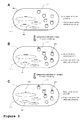
- Figure 2 shows an exemplary embodiment wherein three first production genes are co-located on the same genetic element.
- the cyanobacterial cells CB
- CB cyanobacterial cells
- VC123 self-replicating vectors
- the cyanobacterial cell maintains multiple copies of the vector.
- the large oval in the cyanobacterial cell indicates the bacterial chromosome (CH), whereas the smaller ovals indicate endogenous plasmids EP).
- Figure 2A shows the cyanobacterial cell prior to, or at the beginning of, the cultivation.
- FIG. 2B shows the situation of the culture after long-term cultivation. Mutations (MT1) have accumulated in the first production genes that have been expressed, indicated by the X in the respective first small horizontal bar depicting the first production genes, consequently leading to a decrease of the productivity of the cyanobacterial culture, as revealed by culture monitoring.
- MT1 Mutations
- the second inducible promoter for the second of the first production genes is induced, driving the expression of the second of the first production genes, thus leading to a recovery of the production of the first chemical compound.
- Figure 2C depicts the final phase of this example.
- MT2 Mutations (MT2) have now also accumulated in the second of the first production genes, indicated by the X in the respective second small horizontal bar depicting the second first production genes, and the third inducible promoter of the first production gene is now induced in order to recover the production of the first chemical compound.
- the figures serve illustrative purposes only. It is for example evident to those skilled in the art that the production genes of Figure 2 could also be harbored by a bacterial chromosome (CH) or one or more endogenous plasmids (EP).
- CH bacterial chromosome
- EP endogenous plasmids
- said different versions of the first production genes of Figure 2 could, for instance, be different operons instead, each comprising a first and a second production gene which are operably linked and under the transcriptional control of a single promoter driving the expression of the respective operon.
- the at least one second production gene is located on a different genetic element, distinct from the genetic element harboring the first production genes.
- the first production genes are co-located on a vector, whereas the at least one second production gene is located on a bacterial chromosome.
- the first production genes are co-located on an endogenous plasmid.
- the first production genes are co-located on a bacterial chromosome.
- a plurality of said genetic elements is present.
- the at least one second production gene is also co-located with the first production genes on the same genetic element.
- said genetic element comprises at least one first production gene which is operably linked with a second production gene and wherein the first and second production gene are under the transcriptional control of one single first promoter to form an operon.
- the genetic element comprises one first operon under the transcriptional control of a first promoter and at least one second operon under the transcriptional control of a second inducible promoter.
- the genetic element comprises at least one further third operon under the transcriptional control of a third inducible promoter.
- said first production genes are located on different genetic elements ( Figure 3 ).
- a metabolically enhanced cyanobacterium comprises multiple identical copies of a self-replicating vector (VC1), indicated by the circles, harboring a first production gene under the control of the first inducible promoter for the first production gene, indicated by the horizontal bar on top of the circles.
- the cell has been further transformed with a second first production gene under the transcriptional control of the second inducible promoter for the first production which has been recombined into the bacterial chromosome (CH2), indicated by the horizontal bar on top of the large oval; and a third first production gene under the transcriptional control of the third inducible promoter for the first production gene which has been recombined into several copies of an endogenous plasmid (EP3), indicated by the horizontal bars on top of the small ovals.
- Figure 3A shows the metabolically enhanced cyanobacterial strain prior to, or at the start of, the cultivation.
- the first production gene Upon induction of the first promoter, the first production gene is expressed, which is in this case located on the vectors (VC1), and the bacterial culture commences production of the first chemical compound.
- mutations (MT1) After a certain period of time ( Fig. 3B ), mutations (MT1) have accumulated in the first production genes driven by the first promoter for the first production genes, indicated by the X, as determined by continuous culture monitoring, thus leading to a decrease of the production of the first chemical compound.
- the second promoter is initiated, driving the expression of the alternative second first production gene on the bacterial chromosome (CH2), thus leading to a recovery of the production of the first chemical compound.
- CH2 bacterial chromosome
- mutations also accumulate in the second first production gene on the bacterial chromosome, indicated by the X, which is detected by continuous culture monitoring.
- a final cultivation phase is then initiated by inducing the third promoter for the third first production gene driving the expression of the first production genes located on the endogenous plasmids (EP3).
- the at least one second production gene can be either co-located with one or more of the first production genes, or distinct from the first production genes on one or more different genetic element.
- Said genetic elements are selected from a group comprising a vector, an endogenous plasmid or a bacterial chromosome and combinations thereof.
- the metabolically enhanced cyanobacterium can comprise multiple copies of one or more of said genetic elements, thus increasing the gene dosage of the first and/or second production genes.
- at least one first production gene and one second production gene are operably linked and are under the transcriptional control of one single first inducible promoter to form a first operon.
- the metabolically enhanced cyanobacterium comprises two or more of said operons, each of which is under the transcriptional control of a different inducible promoter, and wherein said operons are located on different genetic elements. For instance, a first operon is located on a vector, a second operon is located on an endogenous plasmid, and a third operon is located on the bacterial chromosome.
- the copy number of said operons is increased due to the presence of multiple copies of said genetic elements.
- the inventors discovered that the genetic stability of a metabolically enhanced cyanobacterium, comprising first production genes that are located on different genetic elements is improved so that cyanobacterial hybrid strains according to the embodiments above allow for a particularly prolonged production of the first chemical compound.
- the metabolically enhanced cyanobacterium comprises combinations of first production genes that are co-located on the same genetic element as well as first production genes that located on different genetic elements.
- the cyanobacterium can comprise two first production genes that are located on the same genetic element, e.g. multiple identical copies of a self-replicating plasmid, and at least a further third first production gene that is located on a different genetic element, e.g. integrated into endogenous plasmids or bacterial chromosomes, as well as combinations thereof if more than a third first production gene is present.
- the cyanobacterium comprises two first production genes that are co-located on endogenous plasmids and at least a further third first production gene that is located on the bacterial chromosomes or on a self-replicating plasmid, as well as combinations thereof if more than a third first production gene is present.
- the at least one second production gene can be co-located with at least one of the first production genes, or be located on different genetic elements, as well as combinations thereof if more than one second production gene is present.
- the inventors found these embodiments are also particularly suitable to counteract genetic instability as well as intramolecular and intermolecular recombination of the production genes compared to the co-location of all first production genes, and thus aid prolonged production of the first chemical compound.
- Preferred vectors for the transformation of cyanobacteria comprise for instance self-replicating broad-host range vectors based on RSF1010, such as pVZ and pDAG vectors.
- vectors based on pDU1 can be advantageous.
- Preferred genetic elements for integration of first and second production genes are for instance the chromosome, and the endogenous cyanobacterial plasmids.
- At least one first production gene is located on at least one type of endogenous plasmid present in cyanobacterial host cells.
- endogenous plasmids comprise the pAQ4 plasmid, the pAQ3 plasmid and/or the pAQ1 plasmid.
- the endogenous plasmid comprises the pAQ4 plasmid.
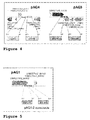
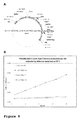
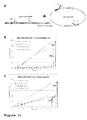
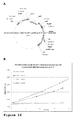
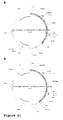
- the inventors specifically created a novel integration site for homologous recombination of production genes into pAQ4 ( Figure 4 left). They designed two regions of homology, pAQ4-FA and pAQ4-FB, flanking the respective genetic construct, which recombine with homologous regions in pAQ4 between gene loci SYNPCC7002_D0017 (hypothetical protein, 237 nt, 78 aa) and SYNPCC7002_D0018 (CRISPR-associated protein Cas2, 294 nt, 97 aa). The inventors found particularly good production characteristics of Synechococcus sp.
- the endogenous plasmid comprises the pAQ3 plasmid.
- the inventors implemented a method described by Xu and colleagues (2011) for homologous recombination of production genes into pAQ3 ( Figure 4 right) and found particularly good production characteristics of Synechococcus sp. PCC 7002 strains which were metabolically enhanced in this way.
- the endogenous plasmid comprises the pAQ1 plasmid.
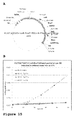
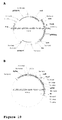
- the inventors modified a method described by Xu and colleagues (2011), to accomplish an improved homologous recombination of production genes into pAQ1 between gene loci SYNPCC7002_B0001 and SYNPCC7002_B0002 ( Figure 5 ), which leads only to a minor deletion of 57 bp in the plasmid.
- Synechococcus sp. PCC 7002 strains metabolically enhanced in this way exhibited particularly good production characteristics.
- the inventors discovered that the implementation of more than one type of these endogenous plasmids as a carrier for the production gene(s) in the same strain resulted metabolically enhanced hybrid strains with unexpectedly good production properties.
- a combination comprising the pAQ4 plasmid harboring at least one first production gene with the pAQ3 plasmid harboring at least one further first production gene, in addition to at least one additional genetic element harboring at least one further first production gene, e.g. a self-replicating plasmid, pAQ1 plasmid and/or bacterial chromosome, resulted in Synechococcus sp. PCC 7002 hybrid strains with particularly good production characteristics.
- the endogenous plasmids comprise the pSYSG plasmid endogenous to Synechocystis sp. PCC 6803.
- the inventors found that metabolically enhanced Synechocystis sp. PCC 6803 comprising the pSYSG plasmid harboring at least one first production gene in addition to at least one additional genetic element harboring at least one further first production gene, e.g. a self-replicating plasmid and/or bacterial chromosome, resulted in hybrid strains with particularly good production characteristics.
- the first biocatalysts and the second biocatalysts are ethanologenic enzymes.
- the first production genes encode a pyruvate decarboxylase enzyme catalyzing the reaction from pyruvate to acetaldehyde.
- the first production genes encode an AdhE enzyme (alcohol dehydrogenase E) which directly converts acetyl coenzyme A to ethanol. If the first production genes encode an AdhE enzyme, only the first production genes encoding first biocatalysts are required to produce ethanol.
- the second production gene encodes an Adh enzyme (alcohol dehydrogenase), catalyzing the reaction from acetaldehyde to ethanol.
- Adh enzyme alcohol dehydrogenase
- the pyruvate decarboxylase enzyme as first biocatalyst catalyzes the conversion of pyruvate to acetaldehyde
- the alcohol dehydrogenase Adh enzyme as second biocatalyst catalyzes the further conversion of acetaldehyde to the final first chemical compound ethanol.
- the pyruvate decarboxylase can, for example, be from Zymomonas mobilis, Zymobacter palmae, Sarcina ventriculi or the yeasts Saccharomyces cerevisiae, Pichia pastoris and Klyveromyces lactis.
- pdc enzymes of plant origin like Populus deltroides, Ipomea batatas or Zea mays and pdc enzymes from other host species capable of expression in cyanobacteria can be used.
- the Adh enzyme can, for example, be the Adh enzyme from Synechocystis sp. PCC 6803 (SynAdh), a Zn 2+ dependent alcohol dehydrogenase such as AdhI from Zymomonas mobilis (ZmAdh), or the Adh from other cyanobacteria.
- the enzyme can also be an iron-independent alcohol dehydrogenase (for example AdhII from Zymomonas mobilis). Both native and degenerated Adh enzymes can be used.
- Degenerated enzymes denote enzymes encoded by gene sequences which have been altered without changing the encoded amino acid sequence.
- Degenerated gene sequences include for instance changes in the wobble bases in the triplet codon which do not change the amino acid encoded by this triplet.
- the Zn 2+ dependent alcohol dehydrogenase can, for example, be an alcohol dehydrogenase enzyme having at least 60%, 70%, preferably 80% and most preferred 90% or even more than 90% sequence identity to the amino acid sequence of Zn 2+ dependent Synechocystis Adh.
- Synechocystis alcohol dehydrogenase (slr1192) is able to ensure a high ethanol production in metabolically enhanced cyanobacteria due to the fact that the forward reaction, the reduction of acetaldehyde to ethanol is much more preferred for Synechocystis alcohol dehydrogenase enzyme than the unwanted back reaction from ethanol to acetaldehyde.
- other alcohol dehydrogenase enzymes from other host species can be used that are capable of expression in cyanobacteria.
- the AdhE is an iron-dependent, bifunctional enzyme containing a CoA-depending aldehyde dehydrogenase and an alcohol dehydrogenase activity.
- One characteristic of iron-dependent alcohol dehydrogenases (for example AdhE and AdhII) is the sensitivity to oxygen.
- AdhE and AdhII iron-dependent alcohol dehydrogenases
- the site of the mutation was determined in the coding region at the codon position 568.
- the G-to-A nucleotide transition in this codon results in an amino acid exchange from glutamic acid to lysine (E568K).
- E568K The E568K derivative of the E.
- AdhE is active both aerobically and anaerobically ( Holland-Staley et al., Aerobic Activity of Escherichia coli Alcohol Dehydrogenase is determined by a single amino acid, J Bacteriology 2000, 182, 6049-54 ).
- Adh enzymes directly converting acetyl coenzyme A to ethanol can preferably be from a thermophilic source thereby conferring an enhanced degree of stability.
- the AdhE can be from Thermosynechococchus elongatus BP-1 or also can be a non-thermophilic AdhE enzyme from E. coli.
- the invention further provides biocatalysts catalyzing the same chemical reaction which are encoded by non-identical gene sequences.
- non-identical gene sequences By this means, multiple versions of e.g. first production genes can be transformed into the cyanobacterial host cell, yet reducing the genes' risk of inactivation via homologous recombination after genetic alterations have occurred in some of these genes.
- non-identical gene sequences share less than 80%, less than 70%, less than 60% or less than 50% sequence identity, or combinations thereof.
- Such non-identical sequences comprise, for instance, enzyme isoforms, gene sequences comprising conservative mutations, degenerated sequences comprising codon usage bias based on tRNA wobble bases, and combinations thereof.
- enzyme isoforms of the first biocatalyst can comprise a pyruvate decarboxylase from Zymomonas mobilis, a second pyruvate decarboxylase from Zymobacter palmae, and a third pyruvate decarboxylase of the yeast Saccharomyces cerevisiae.
- Non-identical gene sequences comprising conservative mutations denote DNA or RNA sequences wherein a change in the nucleotide sequence leads to the replacement of one amino acid with a biochemically similar one, for instance a glutamic acid for an aspartic acid or an isoleucine for a valine.
- Gene sequences which are degenerated in order to reduce the risk of homologous recombination include in particular changes in the wobble bases in the triplet codon for the amino acids of the protein encoded by these genes which do not change the amino acid encoded by this triplet (Table 1). For instance, a specific nucleotide in the triplet can be replaced by another nucleotide so that the base triplet still codes for the same amino acid in the first or second biocatalysts.
- the term "SynADH deg" denotes a degenerated DNA sequence having a sequence identity of 61% to the wild type Synechocystis adh gene coding for the Synechocystis sp.
- PCC 6803 alcohol dehydrogenase enzyme the terms “zmPDC deg " and” zpPDC deg " denote degenerated DNA sequences having a sequence identity of 63.6% and 64.8% to the wild type Zymomonas mobilis pdc and Zymobacter palmae pdc, respectively.
- the biocatalysts catalyzing the same chemical reaction can also be encoded by identical gene sequences.
- Table 1 Codon usage of Synechocystis sp.
- PCC 6803 implemented to generate degenerated and/or codon-optimised gene sequences encoding the first or second production genes.
- suitable cyanobacterial host organisms can be metabolically enhanced to produce the first chemical compound according to the principles of the invention.
- suitable cyanobacteria include but are not limited to genera of the group comprising Synechocystis, Synechococcus, Anabaena, Chroococcidiopsis, Chlorogloeopsis, Cyanothece, Lyngbya, Phormidium, Nostoc, Spirulina, Arthrospira, Trichodesmium, Leptolyngbya, Plectonema, Myxosarcina, Pleurocapsa, Oscillatoria, Pseudanabaena.
- the cyanobacterial host organisms comprise Synechococcus sp. PCC 7002 and other Synechococcus strains, Synechocystis sp. PCC 6803 strains, Chlorogloeopsis strains, and Chroococcidiopsis strains.
- the cyanobacterial host organisms comprise Synechococcus sp. PCC 7002 strains and Synechocystis sp. PCC 6803 strains.
- inducible promoters and promoter combinations are devised within the invention. Certain aspects and preferred embodiments of the invention require orthogonally inducible promoters in order to allow for the separate, sequential induction of the expression of the corresponding promoter-controlled first and/or second production genes by means of a change in the cultivation conditions.
- the different inducible promoters are inducible by the same inductor, but require inductor concentrations which are so different that the different promoters can be separately induced.
- the induction conditions for different inducible promoters are so different from each other that a cross-induction is minimized or ideally eliminated.
- a first and second promoter that are separately inducible under different conditions means that whilst the first promoter is induced, the second promoter is maintained in an uninduced state, i.e. only less than or equal to 20%, preferably less than or equal to 15%, more preferably less than or equal to 10%, most preferred less than or equal to 5% of the first chemical compound per OD 750nm of the cyanobacteria are produced via the corresponding uninduced gene compared to the induced state of the second promoter.
- the inventors discovered that with such a tight control of the expression of production genes which direct the metabolic flux away from the wild type cyanobacterial metabolism the genetic stability of the cyanobacterial hybrid strain can be greatly enhanced, thus enabling particularly long-termed production of the first chemical compound.
- the first and second promoters and/or further promoters can be inducible using different inductors such as different metal ions, different external stimuli such as heat, cold or light.
- the inducible promoters are induced under conditions selected from a group comprising: by nutrient starvation, by stationary growth phase, by heat shock, by cold shock, by oxidative stress, by salt stress, by light, by darkness, by metal ions, by organic chemical compounds, and combinations thereof.
- a particularly tight control of the expression of the first production genes can be achieved if these genes are under the transcriptional control of a Zn, Ni, or Co inducible promoter.
- the Co and Ni inducible promoters can be used for the transcriptional control of the first production genes if the cultivation of the cyanobacteria is done in mBG11 medium.
- the metabolically enhanced cyanobacteria can further comprise at least one recombinant regulator gene that is co-transformed with the corresponding inducible promoter, encoding a transcription factor such as a repressor or an activator binding to the inducible promoter in the case that the respective inducible promoter is heterologous to the metabolically enhanced cyanobacterium.
- a regulator gene codes for a repressor protein binding to the respective promoter in its uninduced state and said promoter is recombinantly introduced into a cyanobacterium as heterologous gene without the respective regulator gene, the promoter would be a constitutive promoter.
- the recombinant regulator gene is an activator protein which binds to the respective promoter in the induced state and promotes binding of RNA polymerase to initiate transcription
- these promoters would not be functional without the activator protein when they are heterologous to the metabolically enhanced cyanobacterium.
- the inducible promoters are selected from a group comprising: PntcA, PnblA, PisiA, PpetJ, PpetE, PggpS, PpsbA2, PpsaA, PsigB, PlrtA, PhtpG, PnirA, PnarB, PnrtA, PhspA, PclpB1, PhliB, PcrhC, PziaA, PsmtA, PcorT, PnrsB, PnrsB916, PaztA, PbmtA, Pbxa1, PzntA, PczrB, PnmtA.
- truncated or partially truncated versions of these promoters including only a small portion of the native promoters upstream of the transcription start point, such as the region ranging from - 35 to the transcription start can often be used.
- introducing nucleotide changes into the promoter sequence e.g. into the TATA box, the operator sequence, 5'-untranslated region and/or the ribosomal binding site (RBS) can be used to tailor or optimise the promoter strength and/or its induction conditions, e.g. the concentration of inductor required for induction.
- the different inducible promoters are inducible by different metal ions.
- the first promoter for a first and/or second production gene can be the PpetE or PpetJ promoter, such that the induction occurs under copper-addition or copper-depletion.
- the second promoter for the first and/or second production gene can then be the 2n 2+ -inducible promoter PziaA, PsmtA or PaztA.
- a further third promoter for the first and/or second production gene can be the Co 2+ -inducible promoter PcorT.
- a further fourth promoter for the first and/or second production gene can be the Ni 2+ -inducible promoter PnrsB.
- the second production gene encodes a biocatalyst that does not affect the metabolic carbon flow of the cyanobacterial cell by its expression and therefore has no influence on the metabolic competition between cell growth and production of the chemical compound. Accordingly, genetic alterations in this gene do not provide a selection advantage and do not lead to overgrowing of the culture by corresponding revertants. For this reason, in some preferred embodiments, such second production genes can be put under the control of promoters different from the inducible promoters, for example constitutive promoters such as the Prbc promoter or an improved variant therof.
- This promoter controls the transcription of the genes encoding the ribulose biphosphate carboxylase/oxygenase (rbcLXS genes: slr0009, slr0011 and slr0012), which is a constitutive and strong promoter.
- rbcLXS genes ribulose biphosphate carboxylase/oxygenase
- a third or further production gene encoding biocatalysts such as enzymes which catalyze metabolic reactions that do not affect the metabolic carbon flow of the cyanobacterial cell by their expression can be put under the control of a constitutive promoter.
- said second or further production gene can for instance encode a biocatalyst which catalyzes metabolic reactions already present in the wild type cyanobacterium.
- metabolically enhanced cyanobacteria comprise a first production gene which is under the transcriptional control of the Zn-inducible promoter PziaA or the Zn-inducible promoter PsmtA, a second first production gene under the transcriptional control of the nickel-inducible promoter PnrsB and a third first production gene under the transcriptional control of the cobalt-inducible promoter PcorT, whereas the second production gene is under the transcriptional control of the constitutive Prbc promoter or an improved veriant thereof.
- the metabolically enhanced cyanobacterium can comprise two or more first production genes under the transcriptional control of a first, second or further promoter, wherein the promoters are inducible by the same inductor, but wherein the concentration of inductor required for induction of the first promoter is different from the concentration of inductor required for induction of the second or further promoter, and the concentration of inductor required for induction of the second promoter is different from the concentration of inductor required for the further promoter.
- the concentration of inductor required for the induction of the first promoter is lower compared to the concentration of inductor required for induction of the second promoter, and the concentration of inductor required for the induction of the second promoter is lower compared to the concentration of inductor required for induction of the third promoter.
- the concentration of inductor required for the induction of the first promoter is higher compared to the concentration of inductor required for induction of the second promoter and the concentration of inductor required for the induction of the second promoter is higher compared to the concentration of inductor required for induction of the third promoter.
- the first, second and a further third promoter are all Zn-inducible promoters, but the first promoter requires a concentration of 1-5 ⁇ M Zn 2+ for induction, the second promoter requires a concentration of 5-10 ⁇ M Zn 2+ for induction, and the third promoter requires a concentration of >10 ⁇ M Zn 2+ for induction, such that these promoters can be used inventively using distinct concentrations of the same inductor for sequential induction of the first production genes.
- Suitable different promoters which require different concentrations of inductor could be for instance the Zn-inducible promoters PziaA, PsmtA and PaztA.
- modified variants of the same promoter could be used, for instance recombinantly modified versions of the Zn-inducible PziaA promoter, which have been tailored to respond to different concentrations of the inductor.
- the first chemical compound according to the present invention can be selected for example from the group of alcohols, alkanes, polyhydroxyalkanoates, e.g. PHB, fatty acids, fatty acid esters, carboxylic acids, such as amino acids, terpenes and terpenoids, peptides, polyketides, hydrogen, alkaloids, lactams, such as pyrrolidone, alkenes and ethers, such as THF and combinations thereof.
- the first chemical compound comprises a biofuel.
- the first chemical compound comprises a hydrocarbon-based biofuel which is selected from the group comprising ethanol, isobutanol, fatty acid esters, alkanols, alkenes and alkanes.
- the first chemical compound comprises ethanol.
- the first chemical compound can also comprise ethylene or isoprene.
- the respective first production genes encoding enzymes for the production of these first chemical compounds have to be introduced into the cyanobacteria.
- the first production gene encoding enzymes for ethanol production can be Pdc enzymes catalyzing the reaction from pyruvate to acetaldehyde or an AdhE enzyme which directly converts acetyl coenzyme A to ethanol.
- the second production gene can for instance be an Adh enzyme catalyzing the conversion of acetaldehyde to the first chemical compound ethanol.
- propanol and butanol Two other alcohols which are relatively widespread are propanol and butanol. Similar to ethanol, they can be produced by fermentation processes.
- the following enzymes are involved in isopropanol fermentation and can be encoded first and/or second production genes according to the present invention: acetyl-CoA acetyltransferase (EC:2.3.1.9), acetyl-CoA:acetoacetyl-CoA transferase (EC:2.8.3.8), acetoacetate decarboxylase (EC:4.1.1.4) and isopropanol dehydrogenase (EC:1.1.1.80).
- acetolactate synthase (EC:2.2.1.6), acetolactate reductoisomerase (EC:1.1.1.86), 2,3-dihydroxy-3-methylbutanoate dehydratase (EC:4.2.1.9), ⁇ -ketoisovalerate decarboxylase (EC:4.1.1.74), and alcohol dehydrogenase (EC:1.1.1.1).
- the first production gene encodes an enzyme for ethylene formation, in particular the ethylene-forming enzyme 1-aminocyclopropane-1-carboxylate oxidase (EC 1.14.17.4), which catalyzes the last step of ethylene formation, the oxidation of 1-aminocyclopropane-1-carboxylic acid to ethylene.
- the substrate for the ethylene-forming enzyme is synthesized by the enzyme 1-aminocyclopropane-1-carboxylic acid synthase (EC 4.4.1.14) from the amino acid methionine.
- the first production gene encodes an enzyme such as isoprene synthase.
- isoprene synthase (EC 4.2.3.27) catalyzes the chemical reaction from dimethylallyl diphosphate to isoprene and diphosphate.
- Terpenes are a large and very diverse class of organic compounds, produced primarily by a wide variety of plants, particularly conifers. Terpenes are derived biosynthetically from units of isoprene and are major biosynthetic building blocks in nearly every living organism. For example, steroids are derivatives of the triterpene squalene. When terpenes are chemically modified, for instance by oxidation or rearrangement of the carbon skeleton, the resulting compounds are generally referred to as terpenoids. Terpenes and terpenoids are the primary constituents of the essential oils for many types of plants and flowers.
- biosynthetic enzymes examples include farnesyl pyrophosphate synthase (EC 2.5.1.1), which catalyzes the reaction of dimethylallylpyrophosphate and isopentenyl pryrophosphate yielding farnesyl pyrophosphate.
- farnesyl pyrophosphate synthase EC 2.5.1.1
- geranylgeranyl pyrophosphate synthase EC 2.5.1.29
- geranylgeranyl pyrophosphate synthase EC 2.5.1.29
- the first production genes can for example code for hydrogenase, an enzyme catalyzing the following reaction: 12H + + 12X reduced ⁇ 6 H 2 + 12X + oxidized , wherein X is an electron carrier such as ferredoxin.
- first chemical compounds are the so-called non-ribosomal peptides (NRP) and the polyketides (PK). These compounds are synthesized by plants, fungi and only a few bacteria such as actinomycetes, myxobacteria and cyanobacteria. They are a group of structurally diverse secondary metabolites and often possess bioactivities of high pharmacological relevance. Hybrids of non-ribosomal peptides and polyketides also exist, exhibiting both a peptide and a polyketide part.
- First production genes for the production of non-ribosomal peptides as the first chemical compounds are for example gene clusters encoding for non-ribosomal peptide synthetases (NRPS).
- NRPS are characteristic modular multidomain enzyme complexes encoded by modular non-ribosomal peptide synthetases gene clusters.
- non-ribosomal peptide synthetases are actinomycin synthetase and gramicidin synthetase.
- Type I polyketides are synthesized by modular polyketide synthases (PKS), which are characteristic modular multidomain enzyme complexes encoded by modular PKS gene clusters.
- PKS modular polyketide synthases
- first production genes for the production of type I polyketides are the rapamycin synthase gene cluster and the oleandomycin synthase gene cluster.
- first production gene for type II polyketides is the actinorhodin polyketide synthase gene cluster.
- Examples for first production genes for the production of hybrids of polyketides and non-ribosomal peptides are the microcystin synthetase gene cluster, microginin synthetase gene cluster, myxothiazole synthetase gene cluster.
- first chemical compounds are alkaloids.
- Alkaloids are a compound group which is synthesized by plants. Alkaloids have highly complex chemical structures and pronounced pharmacological activities.
- An example for biosynthetic enzymes for alkaloids which can be encoded by first production genes for the production of the chemical compound according to the present invention is strictosidine synthase, which catalyzes the stereoselective Pictet-Spengler reaction of tryptamine and horroganin to form 3a(S)-strictosidine.
- strictosidine catalyzes the stereoselective Pictet-Spengler reaction of tryptamine and Nurseryoganin to form 3a(S)-strictosidine.
- the primary importance of strictosidine is not only its precursor role for the biosynthetic pathway of ajmaline but also because it initiates all pathways leading to the entire monoterpene indol alkaloid family.
- Another example of an enzyme encoded by a first production gene is strictosidine glucosidase from the ajmaline biosynthetic pathway. This enzyme is able to activate strictosidine by deglycosylation thus generating an aglycon.
- This aglycon of strictosidine is the precursor for more than 2,000 monoterpenoid indol alkaloids.
- enzymes encoded by first production genes are:
- Vitamins as yet further examples of first chemical compounds, are organic compounds that are essential nutrients for certain organisms and act mainly as cofactors in enzymatic reactions but can also have further importance, e.g. as anti oxidants in case of vitamin C.
- Vitamin C can be synthesized via the L-Ascorbic acid (L-AA) biosynthetic pathway from D-glucose in plants.
- L-AA L-Ascorbic acid
- the following enzymes are involved in vitamin C synthesis and can be encoded by first and/or second production genes according to the present invention: Hexokinase, Glucose-6-phosphate isomerase, Mannose-6-phosphate isomerase, Phosphomannomutase, Mannose-1-phosphate guanylyltransferase, GDP-mannose-3,5-epimerase, GDP-L-galactose phosphorylase, L-Galactose 1-phosphate phosphatase, L-galactose dehydrogenase, L-galactono-1,4-lactone dehydrogenase.
- Lactams as another example of first chemical compounds, are cyclic amides wherein the prefixes indicate how many carbon atoms (apart from the carbonyl moiety) are present in the ring: ⁇ -lactam (2 carbon atoms outside the carbonyl, 4 ring atoms in total), ⁇ -lactam (3 and 5), ⁇ -lactam (4 and 6).
- ⁇ -lactam 2 carbon atoms outside the carbonyl, 4 ring atoms in total
- ⁇ -lactam (3 and 5)
- ⁇ -lactam (4 and 6).
- a ⁇ -lactam is pyrrolidone, a colorless liquid which is used in industrial settings as a high-boiling, noncorrosive, polar solvent for a wide variety of applications. It is also an intermediate in the manufacture of polymers such as polyvinylpyrrolidone and polypyrrolidone.
- first chemical compounds according to the present invention are ethers, a class of organic compounds that contain an ether group - an oxygen atom connected to two alkyl or aryl groups - of general formula R-O-R.
- ethers a class of organic compounds that contain an ether group - an oxygen atom connected to two alkyl or aryl groups - of general formula R-O-R.
- a well-known example is tetrahydrofuran (THF), a colorless, water-miscible organic liquid.
- THF tetrahydrofuran
- This heterocyclic compound is one of the most polar ethers with a wide liquid range, it is a useful solvent. Its main use, however, is as a precursor to polymers.
- ethers One example for the natural occurring ethers are the divinyl ether oxylipins.
- the main enzymes involved in their biosynthesis are the lipoxygenase and especially the divinyl ether synthase.
- Alkanes also known as saturated hydrocarbons, are chemical compounds that consist only of the elements carbon and hydrogen (i.e., hydrocarbons), wherein these atoms are linked together exclusively by single bonds (i.e., they are saturated compounds). Each carbon atom must have 4 bonds (either C-H or C-C bonds), and each hydrogen atom must be joined to a carbon atom (H-C bonds).
- the simplest possible alkane is methane, CH 4 . There is no limit to the number of carbon atoms that can be linked together.
- Alkanes observed throughout nature, are produced directly from fatty acid metabolites. A two-gene pathway widespread in cyanobacteria is responsible for alkane biosynthesis and can be included in the first and/or second production genes.
- An acyl-ACP reductase (EC: 1.3.1.9) converts a fatty acyl-ACP into a fatty aldehyde that is subsequently converted into an alkane/alkene by an aldehyde decarbonylase (EC:4.1.99.5.).
- first chemical compound examples include biopolymers such as polyhydroxyalkanoates or PHAs which are linear polyesters produced in nature by bacterial fermentation of sugar or lipids. They are produced by the bacteria to store carbon and energy.
- PHA poly-3-hydroxybutyrate
- P4HB poly-4-hydroxybutyrate
- PV polyhydroxyvalerate
- PH polyhydroxyhexanoate
- PHO polyhydroxyoctanoate
- the main enzymes involved in PHA synthesis are as follows: For P3HB synthesis two molecules of acetyl-CoA were condensed by a ⁇ -ketothiolase (EC:2.3.1.9) to synthesize acetoacetyl-CoA, which is converted to (R)-3-hydroxybutyryl-CoA (3HBCoA) by NADPH-dependent acetoacetyl-CoA reductase (EC:1.1.1.36). The 3HBCoA is subsequently polymerized by poly(3-hydroxyalkanoate) synthase (EC:2.3.1.-) and converted to (P3HB). These can be included in the first and/or second production genes according to the present invention.
- esters with lower chain alcohols methyl-, ethyl-, n-propyl-, isopropyl-, and butyl esters
- Esters of fatty acids with more complex alcohols such as sorbitol, ethylene glycol, diethylene glycol and polyethylene glycol are consumed in foods, personal care, paper, water treatment, metal working fluids, rolling oils and synthetic lubricants.
- Fatty acids are typically present in the raw materials used for the production of biodiesel.
- a fatty acid ester can be created by a transesterification reaction between fats or fatty acids and alcohols.
- the molecules in biodiesel are primarily fatty acid methyl esters FAMEs, usually obtained from vegetable oils by transesterification with methanol.
- FAMEs fatty acid methyl esters
- the esterification of the ethanol with the acyl moieties of coenzyme A thioesters of fatty acids can be realized enzymatically by an unspecific long-chain-alcohol 0-fatty-acyltransferase (EC 2.3.1.75) from Acinetobacter baylyi strain ADP1.
- the metabolically enhanced cyanobacteria allow for a long-term production of the first chemical compound of at least or more than 60 days.
- Metabolically enhanced cyanobacteria can also include another production pathway for a second chemical compound so that these cyanobacteria produce the first and the second chemical compound.
- the second chemical compound differs from the first chemical compound and can also be selected from the above mentioned chemicals
- the second aspect of the present invention is directed to a method for producing metabolically enhanced cyanobacteria according to the first aspect of the invention, comprising the following method steps:
- the at least two transformable nucleic acid sequences are provided on one genetic construct which is transformed into the cyanobacterial cell. In other embodiments, the at least two transformable nucleic acid sequences are provided on different genetic constructs which are separately transformed into the cyanobacterial cell. In yet other embodiments, a third or further transformable nucleic acid sequence is provided, either on one genetic construct with at least one of said at least two transformable nucleic acid sequences, or as one or more separate genetic constructs, and is transformed into the cyanobacterial cell.
- a transformable nucleic acid sequence as used herein means a nucleotide sequence (DNA sequence) capable of directing expression of a particular nucleotide sequence in the cyanobacterial host cell.
- Nucleic acid sequences of interest can, for instance, be obtained from the GenBank database or derived from protein databases. The sequence information may, for instance, be used to amplify the nucleic acid sequence of interest from a host organism using the polymerase chain reaction (PCR) technique. Suitable primer pairs for the PCR can be designed on the basis of the available sequence information using design algorithms or design rules which are known to those skilled in the art. The design of the primers can also accommodate non-coding flanking sequences which can facilitate the cloning and expression of the nucleic acid sequence.
- restriction endonuclease recognition sites can be incorporated into the primers to enable the specific ligation of the nucleic acid sequence into a cloning and/or expression vector.
- the design can incorporate nucleic acid sequences which facilitate the insertion of the genetic construct into genetic elements via homologous recombination.
- the nucleic acid sequences can be synthetically produced.
- additional features can be considered, for instance incorporating an optimized codon-usage for cyanobacteria, introducing conservative mutations, elimination of restriction sites, or incorporating degenerated nucleic acid sequences.
- the nucleic acid sequence may further be inserted into a suitable cloning or expression vehicle to provide the transformable genetic construct of method step a). To this end, the restriction sites
- nucleic acid sequences are preferably designed to match appropriate restriction sites of the vehicle of choice.
- the nucleic acid sequences can for example also be inserted into vehicles by recombination, if their design incorporates a suitable recombination site and the vehicle of choice contains a cognate recombination site as well.
- Vehicles of choice may, for instance, be vectors suitable for amplification and/or expression in cyanobacterial cells. Such vectors may also be used to facilitate further cloning steps, shuttling between vector systems, expression of the inserted product in cyanobacterial host cells, or integration of the inserted product into the genome of the cyanobacterial host cell.
- transforming the cyanobacteria cells means that the genetic construct may be maintained as a non-integrated, self-replicating vector, for example a plasmid, or alternatively may be integrated into the host cell genome, for instance an endogenous plasmid or a bacterial chromosome. Transformation by direct uptake is possible for several cyanobacterial species that are naturally competent, i.e. capable of transporting DNA across the cell membrane. For instance, Synechocystis sp.
- PCC6803 Synechococcus elongatus PCC 7942, Synechococcus sp. PCC 7002 and Thermosynechococcus elongatus BP-1 are naturally transformable.
- transformation of cyanobacterial cells can be accomplished by conjugation.
- transformation by conjugation has been successfully for Anabaena sp. PCC 7120, Anabaena variabilis ATCC 29413, Nostoc punctiforme ATCC 290133, Nostoc sp. PCC 7422, Synecococcus sp. MA19, Synechococcus sp.
- the transformable genetic construct therefore further comprises an individual selection marker which allows selection of positive transformants carrying said transformable genetic construct.
- the cyanobacterial cells can comprise different transformed genetic constructs located on the same as well as different genetic elements, these transformable genetic constructs have to carry different selective markers to accordingly select positive transformation events with each genetic construct and each genetic element.
- the transformable genetic construct further comprises a ubiquitous selection marker, i.e. a selection marker which is common to all the different transformable genetic constructs transformed into the cyanobacterium. The ubiquitous selection marker allows for selection of positive transformants carrying any of said transformable genetic constructs.
- the method comprises the use of selection markers that are based on antibiotic resistance, selection markers independent of antibiotic resistance, as well as combinations thereof.
- a variety of antibiotic resistance cassettes can be used as selective markers with cyanobacteria, for instance ABR cassettes for ampicillin, kanamycin, neomycin, gentamycin, streptomycin, spectinomycin, chloramphenicol, erythromycin, zeozin.
- Antibiotic resistance-free systems comprise, for example, selection markers that confer prototrophy to an auxotrophic cyanobacterial strain, or confer resistance against certain heavy metal ions as cobalt or zinc.
- the invention provides a method for producing a first chemical compound using a metabolically enhanced cyanobacterium comprising the method steps of:
- Suitable growth media for cyanobacteria comprise, for instance, the BG11 medium, which can be prepared with fresh water (BG11), sea water (mBG11) or brackish water.
- the recipe for the cyanobacterial growth medium mBG11 is as follows:
- the recipe for the trace metal mix A5 is:
- the cyanobacteria Due to the first production genes being under the control of inducible promoters, the cyanobacteria can be grown to a high density prior to method step A) in the uninduced state, since the flux of fixed-carbon is not diverted from the cells' natural metabolism, i.e. cell growth.
- the conditions for induction of the first promoter for the first production gene in method step A) can be, for instance, the depletion of copper, copper addition, the addition of Zn 2+ , Co 2+ or Ni 2+ to the culture medium, iron starvation, nitrogen starvation, selected nitrogen sources in the medium, or any other suitable induction condition.
- the cyanobacteria can for example be induced by adding at least 2 ⁇ M Zn 2+ , Co 2+ or Ni 2+ to the growth medium.
- concentration of the inducing agent in the growth medium for an induction of the promoters can be for instance between 5 ⁇ M and 20 ⁇ M.
- the high cell density of the cyanobacterial culture together with the strength of the inducible promoter allows for a high production rate of the first chemical compound during method step A). If for example a drop in the production rate of the first chemical compound during method step A) is registered, method step B) is initiated by a change in the cultivation conditions, so that the second promoter for the first production gene is induced.
- induction of method step B) leads to a recovery of the production of the first chemical compound.
- a fundamental feature of the method is that the method step A) and method step B) are temporally separated.
- the method steps are sequentially initiated during the method for producing the first chemical compound by a change of cultivation conditions for selective induction of the first and second promoter for the first production gene.
- method step B) is initiated after method step A).
- the conditions for induction of the first promoter for the first production gene of method step A) are maintained. For instance, if a Zn 2+ salt was added for induction of the first promoter for the first production gene in method step A), it is not required that this Zn 2+ salt is removed from the cultivation medium in method step B).
- the temporal separation of method steps A) and B) only requires that the second promoter for the first production gene of method step B) is maintained in an uninduced state during method step A).
- the inventors found that under these conditions the likelihood of reverted non-producing cells that can enrich and finally overgrow non-reverted producing cells is reduced, thereby enabling the long-term production of the first chemical compound according to the principle of the invention by a temporarily separated sequential induction of production genes encoding biocatalysts catalyzing the same reaction for the production of the first chemical compound.
- the method comprises at least one further method step C) of ⁇ culturing the metabolically enhanced cyanobacterium under conditions for induction of at least one further third promoter for the first production gene, the cyanobacterium producing the first chemical compound; wherein method step A), method step B) and method step C) are temporally separated from each other; wherein the third promoter for the first production gene of method step C) is maintained in an uninduced state during method steps A) and B).
- the method provided by the invention can also comprise additional method steps which can be easily derived following the same principles as detailed for method steps A), B) and C).
- method steps A), B) and - if present - C) and further method steps comprise the expression of the at least one second production gene encoding the second biocatalyst for the production of the first chemical compound.
- the expression of the at least one second production gene in the respective method step can be controlled by an inducible promoter or can be constitutive.
- the method steps comprise the constitutive expression of the at least one second production gene.
- the inventors discovered that if the second biocatalyst catalyzes a reaction that does not affect the metabolic carbon flow of the cyanobacterial cell and therefore has no influence on the metabolic competition between cell growth and production of the chemical compound, the genetic pressure on the second production encoding the second biocatalyst is significantly lower compared to the genetic pressure on the first production gene encoding a biocatalyst that separates the carbon flux from the cell growth and biomass accumulation, respectively. Accordingly, genetic alterations in this gene do not provide a selection advantage and do not lead to overgrowing of the culture by corresponding revertants.
- the second production gene can for instance encode an alcohol dehydrogenase
- the first production genes encode a pyruvate decarboxylase enzyme, in the case the first chemical compound is ethanol.
- the first promoter for the second production gene is induced in method step A).
- the second promoter for the second production gene is induced in method step B).
- at least a further third promoter for the second production gene is induced in at least one further method step C).
- the second promoter for the second production gene of method step B) is maintained in an uninduced state during method step A
- the third promoter for the second production gene of method step C) is maintained in an uninduced state during method steps A) and B).
- the simultaneous induction of the first, second and - if present - third or further promoters for the first and second production gene can be realized in different ways.
- the first, second and, if present, third promoter or further promoter for the first and second production gene are either the same promoters or are promoters which are inducible under the same conditions.
- the first promoter for the first production gene is the zinc-inducible promoter PziaA
- the first promoter for the second production gene is the zinc-inducible promoter PsmtA
- the cultivation conditions in method step A) comprise a zinc concentration which is sufficient to induce both the first promoter for the first production gene and the first promoter for the second production gene.
- the promoters for the first and second production gene are the same promoters, for instance the first promoter for the first production gene and the first promoter for the second production gene are both the zinc-inducible promoter PziaA or the zinc-inducible promoter PsmtA.
- both the first production genes and the second production genes of method step A) and/or method step B) and/or method step C) are transcriptionally controlled by the same single promoter.
- the first production gene and second production gene of the respective method step are operably linked and under the control of the same single promoter to form a functional operon.
- a first production gene and a second production gene of a particular method step are operably linked in an operon and are co-ordinately expressed by induction of a single promoter which could be, for instance, a zinc-inducible promoter PziaA.
- the metabolically enhanced cyanobacteria are subjected to sunlight and CO 2 during method steps A), B) and, if present, during method step C) and further method steps.
- Cyanobacteria are photoautotrophic prokaryotes that perform oxygen photosynthesis.
- the cyanobacteria interconnect atmospheric levels of carbon dioxide through photosynthesis according to the following generic equation: CO 2 + H 2 O ⁇ (CH 2 O) n + O 2 .
- (CH 2 O) n represents organic matter with fixed carbon that is fed into the metabolic pathways of the cyanobacteria and can subsequently be also converted into the first chemical compound.
- culture monitoring is applied during the method steps.
- the culturing conditions of method step A) are maintained for a period of time and/or until monitoring indicates a threshold productivity decrease of the first chemical compound, before the next method step B) is initiated.
- the culturing conditions of method step B) are maintained for a period of time and/or until monitoring indicates a threshold productivity decrease of the first chemical compound, before the next method step C) is initiated.
- the monitoring of the cyanobacterial culture is selected from at least one method of the group comprising: biocatalyst activity tests, determining of the concentration of the first chemical compound in the growth medium and/or in the space above the growth medium, gene expression analysis on mRNA and/or protein level, detection of mutations e.g. by enzymatic mismatch detection using a mismatch-specific DNA endonuclease (CEL-I) from celery rods as described by Qiu et al.
- CEL-I mismatch-specific DNA endonuclease
- biocatalysts activity tests comprise testing the enzymatic activity of the pyruvate decarboxylase enzyme when the first chemical compound is ethanol.
- concentration of ethanol can be determined in the growth medium or in the space above the growth medium using gas chromatography.
- real-time PCR assays have proven to be a powerful tool for rapid monitoring of the genetic condition of cyanobacterial hybrid strains.
- amplification of a core sequence within the production gene in question, followed by melt curve analysis of the amplificates can provide qualitative information about the genetic integrity of the production genes.
- Suitable real-time PCR routines can be devised by those skilled in the art.
- Real-Time PCR in Microbiology From Diagnosis to Characterization, by Ian M. Mackay (ed.), Caister Academic Press 2007 .
- a threshold productivity decrease according to the present invention can for example be indicated by stagnation of the content of the first chemical compound during cultivation; i.e. even though the culture might be still growing, the total concentration of the first chemical compound (e.g. ethanol) in the culture does not increase anymore.
- the content of the first chemical compound for three subsequent days increases 0.05%(v/v) or less, 0.03%(v/v) or less, 0.01%(v/v) or less compared to the content of the previous day, a threshold productivity decrease has set in.
- a threshold productivity decrease according to the present invention can also be defined by decrease of the content of the first chemical compound during cultivation.
- a threshold productivity decrease as determined by biocatalyst activity tests can for example be constituted by a decrease in PDC activity of at least or under 0.5 ⁇ mol min -1 mg -1 protein, at least or under 0.4 ⁇ mol min -1 mg -1 protein, at least or under 0.3 ⁇ mol min -1 mg -1 protein or at least or under 0.2 ⁇ mol min -1 mg -1 protein.
- the next method step is initiated if for instance if at least or more than 10%, at least or more than 20%, or at least or more than 40% of the cyanobacterial population are reverted.
- the cyanobacterium is selected from a group comprising Synechocystis, Synechococcus, Anabaena, Chroococcidiopsis, Chlorogloeopsis, Cyanothece, Lyngbya, Phormidium, Nostoc, Spirulina, Arthrospira, Trichodesmium, Leptolyngbya, Plectonema, Myxosarcina, Pleurocapsa, Oscillatoria, Pseudanabaena. Cyanobacterium, Geitlerinema, Euhalothece, Calothrix.
- the cyanobacterial host organisms comprise Synechococcus sp. PCC 7002 and other Synechococcus strains, Synechocystis sp. PCC 6803 and other Synechocystis strains, Chlorogloeopsis strains, Chroococcidiopsis strains, and Cyanobacterium strains.
- the cyanobacterial host organisms comprise Synechococcus sp. PCC 7002 strains and Synechocystis sp. PCC 6803 strains.
- the invention provides a metabolically enhanced cyanobacterium for the production of a first chemical compound, comprising:
- the use of the same inducible promoter for the first production genes allows for the first biocatalysts under the control of said promoter to be cumulatively expressed under the same induction conditions.
- said promoter for the first production genes is gradually inducible in a dose-dependent manner, the choice of induction conditions allows modulating the expression level of the first biocatalysts in an incrementing way.
- conditions for induction can be employed that do not induce the full activity of the promoter but still lead to a cumulative expression level of the first biocatalysts that is suitable to produce the first chemical compound.
- the overall expression of the first biocatalysts remains high because all corresponding first production genes are expressed and the higher gene copy number compensates for the lower induction level.
- genetic alterations can occur in the corresponding first production genes.
- the inventors found that after genetic alterations occurred in one or more copies of the first production genes, the optimal expression level can yet be assured by a subsequent higher induction of the promoter for the first production genes that then increasedly drives the remaining non-altered copies of the first production genes.
- the solution is a metabolically enhanced cyanobacterial strain, which comprises two or more first production genes which are transcriptionally driven by the same promoter, and wherein this promoter allows for a stepwise induction depending on the concentration of the inductor, thereby enabling the systematic modulation of the expression level of the first biocatalysts.
- increasing the dose of the first production genes in conjunction with the cumulative expression of said genes allows compensating the shortfall of expression of the first biocatalysts even though each individual of the first production gene might not be fully induced.
- the metabolically enhanced cyanobacterial strain can comprise two first production genes encoding first biocatalysts for the production of the first chemical compound that are under the transcriptional control of the corresponding gradually inducible promoter for the first production genes.
- first biocatalysts for the production of the first chemical compound that are under the transcriptional control of the corresponding gradually inducible promoter for the first production genes.
- the bacterial culture Upon induction of the promoter, for instance to an induction level of approximately 50% compared to the full induction, the bacterial culture commences producing the first chemical compound.
- a full induction of the promoter follows to now use the full capacity of the available first production genes, i.e. to increase the chance of transcription of those gene copies which have not accumulated inactivating alterations yet and thus maintain an optimal expression level for production of the first chemical compound. In this way, a temporal extension of the production phase of the first chemical compound can be accomplished.
- the metabolically enhanced cyanobacterium comprises at least one further first production gene under the transcriptional control of the same inducible promoter for the first production genes.
- the accumulated expression level of the first production genes can be maintained sufficiently high under even lower starting doses of induction of the promoter. Consequently, this allows including additional discrete induction steps to further prolong the productive phase of the bacterial culture according to the principles detailed above. For example, an induction level of approximately 33% compared to the full induction at the start of the production of the first chemical compound, followed by an induction level of approximately 66%, and finally a full induction level towards the end of the production.
- additional first production genes can be included according to the present invention in order to be able to further reduce the starting dose of induction and/or to be able to include additional doses of induction, i.e. to choose smaller increments between the doses of different induction steps.
- the same single inducible promoter controls the transcription of the first production genes.
- the first production genes are operably linked to form an operon, which is transcriptionally controlled by a single gradually inducible promoter.
- the gradually inducible promoter is chosen from a group comprising dose-dependent metal-ion inducible promoters.
- the metabolically enhanced cyanobacterium can further comprise any metabolic enhancement according to the first aspect of the invention.
- all independent and dependent claims 1-38 of the first aspect of the invention can also be applied to the claims of the fourth aspect of the invention.
- a cyanobacterium comprising a first set of at least two first production genes according to the fourth aspect of the invention can further comprise a second or further set of first production genes according to the first aspect of the invention, i.e. each of said first, second or further set of first production genes is under the transcriptional control of (a) different gradually inducible promoter, such that each set is separately inducible under different conditions.
- the invention provides a method for producing a first chemical compound using a metabolically enhanced cyanobacterium comprising the method steps of:
- a first fundamental feature of the method is that in method step A1) the first production genes are simultaneously expressed, but under conditions that effect only partial induction of the promoter for the first production genes.
- the expression level of each of the first biocatalysts alone is lower compared to conditions for full induction of the respective first production gene, but is compensated by the cumulative expression of the first production genes, so that suitable amounts of the first biocatalysts are produced for the production of the first chemical compound.
- a second fundamental feature of the method is that method step A1) and method step A2) are temporally separated, meaning that the method steps are sequentially initiated during the method for producing the first chemical compound. In this sense, method step A2) is initiated after method step A1).
- the method comprises at least one further method step A3) of culturing the metabolically enhanced cyanobacterium under a third condition for induction of the promoter for the first production genes, the cyanobacterium producing the first chemical compound; wherein method step A1), method step A2) and method step A3) are temporally separated from each other and wherein the second condition for induction results in a lower induction of the promoter for the first production genes than the third condition of induction.
- the addition of a third or further method steps can be balanced with the number of first production genes being simultaneously induced, i.e. also involve a third or further first production gene.
- the starting dose of induction of the gradually inducible promoter for the first production genes in method step A1) can be further reduced because the corresponding loss of expression is compensated by the higher number of the first production genes.
- additional levels of induction i.e. smaller increments of induction levels between consecutive method steps can be chosen.
- the method provided by the invention can also comprise additional method steps which can be easily derived following the same principles as detailed for method steps A1), A2) and A3).
- the method comprises additional method steps according to the features of the third aspect of the invention.
- the method steps A1), A2) and, if present, A3) or further method steps of the fifth aspect of the invention form substeps of method step A) of the third aspect of the invention.
- the steps A1), A2) and, if present, A3) or further method steps of the fifth aspect of the invention can be used inventively as substeps B1), B2) and, if present, B3) or further substep of method step B) of the third aspect of the invention.
- a first set of first production genes under the transcriptional control of a gradually inducible promoter according to the fifth aspect of the invention can be used inventively to form substeps A1) to A3) of method step A) of the third aspect of the invention.
- a second set of first production genes under the transcriptional control of a different gradually inducible promoter according to the fifth aspect of the invention can be used inventively to form substeps B1) to B3) of method step B) of the third aspect of the invention.
- the gradually inducible promoter of said second set of first production genes of method step B) is separately inducible under different conditions compared to the gradually inducible promoter of said first set of first production genes of method step A).
- FIG. 1 schematically show, inter alia, several maps of plasmids used in representative embodiments of the present invention.
- Some of these plasmids harbour only one first production gene under the transcriptional control of an inducible promoter for the first production gene, for example the plasmids shown in Figures 7-9 , 14-16 and 19 .
- the use of one of these plasmids for generating a metabolically enhanced cyanobacterium according to the present invention therefore requires that at least a second first production gene under the transcriptional control of a second inducible promoter for the first production gene is present in the cyanobacteria, e.g. on a different genetic element, to obtain a metabolically enhanced cyanobacterium according to the present invention.
- some other plasmids harbor already two first production genes under the transcriptional control of a first and a second inducible promoter for the first production gene according to the present invention, for instance plasmids shown in Figures 10 , 17 and 18 .
- the corresponding metabolically enhanced cyanobacteria have to comprise at least one second production gene encoding an alcohol dehydrogenase enzyme located on another genetic element in addition to the first production genes encoding pyruvate decarboxylases shown in Figures 10 , 17 and 18 .
- Plasmid maps shown in the following include restriction sites for the correspondingly denoted restriction endonucleases.
- Gm denotes a gene conferring resistance to Gentamycin
- aph (KanR2) denotes a gene coding for aminoglycoside (3') phosphotransferase conferring resistance to Kanamycin.
- Sp/Sm designates a gene imparting resistance for spectinomycin/streptomycin
- Cm depicts a gene conferring resistance to Chloramphenicol.
- the bold circumferential arrows in the plasmid maps illustrate the position and the orientation of inserted genes. Note that the regulator genes generally run in antisense orientation from 3' to 5'. The protruding angled arrows illustrate the position of the specified promoter sequence.
- plasmids were generated by inserting DNA constructs comprising the promoters and the production genes into the plasmids pVZ322a, pVZ324 and pVZ325a as well as pGEM via the multiple cloning site using corresponding restriction/ligation protocols.
- the shown plasmids can, however, alternatively be synthetically produced by gene synthesis.
- Figure 1 schematically illustrates the problem of genetic instability and the corresponding decrease of production of the first chemical compound under long-term cultivation conditions using conventional cyanobacterial hybrid strains.
- Figure 2A schematically shows a metabolically enhanced cyanobacterial cell according to the principles of the present invention, wherein the production genes are co-located on one genetic element prior to, or at the start of, method step A).
- Figure 2B shows the cyanobacterial cell with the production genes co-located on one genetic element in the transition phase from method step A) to method step B).
- Figure 2C shows the cyanobacterial cell with the production genes co-located on one genetic element in the transition phase from method step B) to method step C).
- Figure 3A schematically illustrates a metabolically enhanced cyanobacterium according to the principles of the present invention, wherein the different production genes are located on different genetic elements, prior to, or at the start of, method step A).
- Figure 3B shows the cyanobacterial cell with the different production genes located on different genetic elements in the transition phase from method step A) to method step B).
- Figure 3C shows the cyanobacterial cell with the different production genes located on different genetic elements in the transition phase from method step B) to method step C).
- Figure 4 illustrates the chosen integration site for homologous recombination of genetic constructs into the endogenous plasmid pAQ4, and a previously published integration site into the endogenous plasmid pAQ3 of Synechococcus PCC7002/ABCC 1535 via recombined flanking regions FA and FB.
- Figure 5 illustrates the chosen integration site for homologous recombination of genetic constructs into the endogenous plasmid pAQ1 of Synechococcus PCC7002 via recombined flanking regions FA2 and FB2.
- Figure 6 illustrates the generation of a transformable genetic construct harboring an operon comprising a first production gene encoding a Pdc enzyme and a second production gene enoding an Adh enzyme under the control of an inducible promoter as well as an antibiotic resistance cassette C.K3.
- the construct is ligated into the cloning vector pGEM-TK in between flanking regions FA and FB, amplified, cut-out at restriction sites NsiI and SpeI to incorporate the flanking regions and can then be transformed via homologous recombination into e.g. pQ4, pAQ3 or pAQ1 depending on the chosen flanking regions.
- Figure 7A depicts the map of construct #1145 for chromosomal integration comprising a pdc gene from Zymomonas mobilis under the transcriptional control of the Zn 2+ -inducible promoter ziaR-PziaA and a degenerated adh from Synechocystis PCC 6803 under the transcriptional control of the constitutive promoter Prbc.
- Figure 7B shows the ethanol production per OD of Synechocystis PCC 6803 strain #1145 after induction with Co, Ni or Zn as well as a control without addition of these metal ions.
- Figure 8A depicts the map of the self-replicating broad host range vector pVZ325 #1217 comprising a pdc from Zymomonas mobilis under the transcriptional control of the Co 2+ -inducible promoter corR-PcorT and a degenerated adh from Synechocystis PCC 6803 under the transcriptional control of the constitutive promoter Prbc*.
- Figure 8B shows the ethanol production per OD 750nm of Synechocystis PCC 6803 strain #1217 after induction with Co, Ni or Zn as well as a control without addition of these metals.
- Figure 9A depicts the map of self-replicating broad host range vector pVZ325 #1227 comprising a pdc from Zymomonas mobilis under the transcriptional control of the Ni 2+ -inducible promoter nrsR-PnrsB and a degenerated adh from Synechocystis PCC 6803 under the transcriptional control of the constitutive promoter Prbc*.
- Figure 9B shows the ethanol production per OD of Synechocystis PCC 6803 strain #1227 after induction with Co, Ni or Zn as well as a control without addition of these metal ions.
- Figure 10A depicts the map of self-replicating broad host range vector pVZ325 #1329 comprising a first production gene encoding a pdc from Zymomobacter palmae under the transcriptional control of the Ni 2+ -inducible promoter nrsR-PnrsB and a second first production gene encoding a codon-optimised pdc from Zymomonas mobilis under the transcriptional control of the Co 2+ -inducible promoter corR-PcorT.
- Figure 10B depicts the map of self-replicating broad host range vector pVZ325 #1379 comprising a first production gene encoding a pdc from Zymomobacter palmae under the transcriptional control of the Ni 2+ -inducible promoter nrsR-PnrsB and a second first production gene encoding a degenerated pdc from Zymomonas mobilis under the transcriptional control of the Co 2+ -inducible promoter corR-PcorT.
- Figure 11A illustrates the genetic constructs used to generate the Synechocystis PCC 6803 strain #1145/#1329.
- Strain #1145 harboring a first production gene encoding a pdc enzyme from Zymomonas mobilis under the transcriptional control of the Zn 2+ -inducible first promoter ziaR-PziaA and a second production gene which is a degenerated adh-gene from Synechocystis PCC 6803 under the transcriptional control of the constitutive Prbc promoter recombined into its chromosome was further transformed with the self-replicating broad host range vector pVZ325 #1329 comprising a second first production gene encoding a Pdc enzyme from Zymobacter palmae under the transcriptional control of the Ni 2+ -inducible second promoter nrsR-PnrsB and a third first production gene which is a codon-optimised pdc gene from Zymomonas mobilis
- Figure 11B shows the ethanol production per OD of a wild type Synechocystis PCC 6803 transformed with construct #1329 after selective induction with Zn, Co and Ni as well as a control without addition of these metal ions.
- Figure 11C shows the ethanol production per OD of Synechocystis PCC 6803 strain #1145/#1329 after selective induction with Zn, Co and Ni as well as a control without addition of these metal ions.
- Figure 12A shows the ethanol production per OD of Synechocystis PCC 6803 strain #1145/#1329 without induction, after induction with Ni 2+ , after induction with Co 2+ , and after combined induction with Ni 2+ and Co 2+ .
- Figure 12B shows the ethanol production per OD of Synechocystis PCC 6803 strain #1145/#1329 without induction, after induction with Co 2+ , after induction with Zn 2+ , and after combined induction with Zn 2+ and Co 2+ .
- Figure 13 shows the specific Pdc activities of Synechocystis PCC 6803 #1145/#1329 without induction, after selective induction with Zn 2+ , Zn 2+ + Co 2+ , and Zn 2+ + Co 2+ + Ni 2+ .
- Figure 14A depicts the map of construct TK115 for integration into the endogenous pAQ4 plasmid comprising a first production gene encoding a pdc from Zymomonas mobilis under the transcriptional control of the Zn 2+ -inducible promoter smtB-PsmtA and a degenerated adh-encoding gene from Synechocystis PCC 6803 as second production gene under the transcriptional control of the constitutive promoter Prbc.
- Figure 14B shows the ethanol production per OD of Synechococcus PCC 7002 strain TK115 without induction and after selective induction with Zn, Co or Ni, respectively.
- Figure 15A depicts the map of the self-replicating pVZ325a vector #1217.4 comprising a first production gene encoding a pdc from Zymomonas mobilis under the transcriptional control of the Co 2+ -inducible promoter corR-PcorT and a degenerated adh-encoding gene from Synechocystis PCC 6803 as second production gene under the transcriptional control of the constitutive promoter Prbc*.
- Figure 15B shows the ethanol production per OD of Synechococcus PCC 7002 strain #1217.4 without induction and after selective induction with Zn, Co or Ni, respectively.
- Figure 16A depicts the map of the self-replicating pVZ325a vector #1356 comprising a first production gene encoding a pdc from Zymobacter palmae under the transcriptional control of the Ni 2+ -inducible promoter nrsRS-PnrsB* and a degenerated adh-encoding gene from Synechocystis PCC 6803 as second production gene under the transcriptional control of the constitutive promoter Prbc*.
- Figure 16B shows the ethanol production per OD of Synechococcus PCC 7002 strain #1356 without induction and after selective induction with Zn, Co or Ni, respectively.
- Figure 17A depicts the map of self-replicating pVZ325a vector #1375 comprising a first production gene encoding a pdc from Zymobacter palmae under the transcriptional control of the Ni 2+ -inducible first promoter nrsRS-PnrsB and a second first production gene which is a degenerated pdc-encoding gene from Zymomonas mobilis under the transcriptional control of the Co 2+ -inducible second promoter corR-PcorT*.
- Figure 17B depicts the map of self-replicating pVZ325a vector #1376 comprising a first production gene encoding a pdc from Zymobacter palmae under the transcriptional control of the Ni 2+ -inducible first promoter nrsRS-PnrsB* and a second first production gene which is a degenerated pdc-encoding gene from Zymomonas mobilis under the transcriptional control of the Co 2+ -inducible second promoter corR-PcorT*.
- Figure 18A depicts the map of self-replicating pVZ325a vector #1381 comprising a first production gene encoding a pdc from Zymobacter palmae under the transcriptional control of the Ni 2+ -inducible first promoter nrsRS-PnrsB and a second first production gene which is a degenerated pdc-encoding gene from Zymomonas mobilis under the transcriptional control of the Co 2+ -inducible second promoter corR-PcorT.
- Figure 18B depicts the map of self-replicating pVZ325a vector #1383 comprising a first production gene encoding a pdc from Zymobacter palmae under the transcriptional control of the Ni 2+ -inducible first promoter nrsRS-PnrsB* and a second first production gene which is a degenerated pdc-encoding gene from Zymomonas mobilis under the transcriptional control of the Co 2+ -inducible second promoter corR-PcorT.
- Figure 19A depicts the map of construct #1389 for integration into the endogenous pSYSG plasmid comprising a first production gene which is a degenerated pdc-encoding gene from Zymobacter palmae under the transcriptional control of the Ni 2+ -inducible promoter nrsRS-PnrsB.
- Figure 19B depicts the map of self-replicating pVZ324 vector #1391 comprising a first production gene which is a pdc from Zymomobacter palmae under the transcriptional control of the Co 2+ -inducible promoter corR-PcorT.
- Figure 20A depicts the map of self-replicating broad host range vector pVZ322a with Gm (gentamycin), Cm (chloramphenicol) and aph (kanamycin/neomycin) antibiotic resistance cassettes, based on the RSF1010 plasmid backbone.
- Gm gentamycin
- Cm chloramphenicol
- aph kanamycin/neomycin
- Figure 20B depicts the map of self-replicating broad host range vector pVZ325a with Gm (gentamycin), Cm (chloramphenicol) and Sp/Sm (spectinomycin/streptomycin) antibiotic resistance cassettes, based on the RSF1010 plasmid backbone.
- Gm gentamycin
- Cm chloramphenicol
- Sp/Sm spectinomycin/streptomycin
- Figure 21 illustrates the genetic constructs used to generate the Synechocystis PCC 6803 strain #1145/#1391/#1389.
- Strain #1145 harboring a first production gene encoding a pdc enzyme from Zymomonas mobilis under the transcriptional control of the Zn 2+ -inducible first promoter ziaR-PziaA and a second production gene which is a degenerated adh-encoding gene from Synechocystis PCC 6803 under the transcriptional control of the constitutive Prbc promoter recombined into its chromosome was further transformed with the self-replicating vector pVZ324 #1391 comprising a second first production gene encoding a pdc enzyme from Zymobacter palmae under the transcriptional control of the Co 2+ -inducible second promoter corR-PcorT and with the plasmid pSYSG #1389 for integration into the endogenous pSYSG plasmid comprising a third first
- Figure 22 illustrates the genetic constructs used to generate the Synechococcus PCC 7002 strain TK115/#1391/TK193.
- Strain TK115 harboring a first production gene encoding a pdc enzyme from Zymomonas mobilis under the transcriptional control of the Zi 2+ -inducible first promoter smtB-PsmtA and a second production gene which is a degenerated adh-encoding gene from Synechocystis PCC 6803 under the transcriptional control of the constitutive Prbc promoter recombined into its endogenous pAQ4 plasmid was further transformed with the self-replicating vector pVZ324 #1391 comprising a second first production gene encoding a pdc enzyme from Zymobacter palmae under the transcriptional control of the Co 2+ -inducible second promoter corR-PcorT and with a further third first production gene which is a degenerated gene encoding the pdc enzyme from
- Figure 23 shows the map of the plasmid TK193 pGEM-AQ3::nrsRS-PnrsB-zpPDC(deg)-Gm designed for integration into the endogenous plasmid pAQ3 of Synechococcus sp.
- PCC 7002 comprising a first production gene encoding a pdc from Zymobacter palmae under the transcriptional control of the Ni 2+ -inducible promoter nrsRS-PnrsB.
- This plasmid is used with other constructs to generate Synechococcus PCC 7002 strain TK115/#1391/TK193.
- Figure 24 depicts the map of construct TK162 pGEM-AQ3::smtB-PsmtA-zmPDC_oop-PrbcL-synADHdeg_oop for integration into the endogenous pAQ3 plasmid of Synechococcus sp. 7002, comprising a first production gene encoding a pdc from Zymomonas mobilis under the transcriptional control of the Zn 2+ -inducible promoter smtB-PsmtA and a degenerated adh-encoding gene from Synechocystis sp. PCC 6803 as second production gene under the transcriptional control of the constitutive promoter Prbc.
- Figure 25 depicts the map of construct #1233 pGEM-AQ4::smtB-PsmtA-zpPDC-PrbcL*-synADHdeg for integration into the endogenous pAQ4 plasmid of Synechococcus sp. 7002, comprising a first production gene encoding a pdc from Zymomobacter palmae under the transcriptional control of the Zn 2+ -inducible promoter smtB-PsmtA and a degenerated adh-encoding gene from Synechocystis sp. PCC 6803 as second production gene under the transcriptional control of the constitutive promoter Prbc.
- Figure 26 depicts the map of self-replicating broad host range vector pVZ325a-based construct #1374 pVZ325a-nrsR-PnrsB-zpPDC ter-corR-PcorT*1-zmPDCdeg spf ter for transformation of Synechocystis sp.
- PCC6803 comprising a first production gene encoding a pdc from Zymomobacter palmae under the transcriptional control of the Ni 2+ -inducible promoter nrsR-PnrsB and a second first production gene encoding a degenerated pdc from Zymomonas mobilis under the transcriptional control of the Co 2+ -inducible promoter corR-PcorT*1 construct having an optimised RBS in comparison to the native corR-PcorT.
- Figure 27A schematically illustrates the genetic constructs used to generate the Synechocystis PCC 6803 strain #1145/#1374.
- Strain #1145 harboring, recombined into its chromosome, a first production gene encoding a pdc enzyme from Zymomonas mobilis under the transcriptional control of the Zn 2+ -inducible first promoter ziaR-PziaA and a second production gene which is a degenerated adh-gene from Synechocystis PCC 6803 under the transcriptional control of the constitutive Prbc promoter was further transformed with the self-replicating vector pVZ325a #1374 comprising a second first production gene encoding a Pdc enzyme from Zymobacter palmae under the transcriptional control of the Ni 2+ -inducible second promoter nrsR-PnrsB and a third first production gene which is a codon-degenerated pdc gene from Zymomonas
- Figure 27B shows the specific ethanol production per OD of the metabolically enhanced Synechocystis sp. PCC 6803 strain #1145/#1374 as a function of time after selective induction with Zn, Co and Ni as well as a control without addition of these metal ions.
- Figure 27C illustrates the specific activity of the three different Pdc enzymes of Synechocystis PCC 6803 strain #1145/#1374 in terms of ⁇ mol per min and mg protein after selective induction with Ni, Co and Zn in comparison to a control without addition of these metal ions.
- Figure 28A shows the results of culture growth monitoring of Synechocystis PCC 6803 strain #1145/#1374 in 0.5L photobioreactor scale in terms of culture OD at 750 nm as a function of cultivation time in days during sequential selective induction with Zn 2+ , Co 2+ and Ni 2+ of the corresponding Pdc genes.
- Figure 28B shows the results of culture growth monitoring of Synechocystis PCC 6803 strain #1145 in 0.5L photobioreactor scale in terms of culture OD at 750 nm as a function of cultivation time in days during sequential selective addition of Zn 2+ , Co 2+ and Ni 2+ to the culture medium.
- Figure 29A shows the results of ethanol production of Synechocystis PCC 6803 strain #1145/#1374 in 0.5L photobioreactor scale in %(v/v) as a function of cultivation time in days during sequential selective induction with Zn 2+ , Co 2+ and Ni 2+ of the corresponding Pdc genes.
- Figure 29B shows the results of ethanol production of Synechocystis PCC 6803 strain #1145 in 0.5L photobioreactor scale in %(v/v) as a function of cultivation time in days during sequential selective addition of Zn 2+ , Co 2+ and Ni 2+ to the culture medium.
- Figure 30A shows the results of ethanol production of Synechocystis PCC 6803 strain #1145/#1374 in 0.5L photobioreactor scale in %(v/v) normalised per culture OD at 750 nm as a function of cultivation time in days during sequential selective induction with Zn 2+ , Co 2+ and Ni 2+ of the corresponding Pdc genes.
- Figure 30B shows the results of ethanol production of Synechocystis PCC 6803 strain #1145 in 0.5L photobioreactor scale in %(v/v) normalised per culture OD at 750 nm as a function of cultivation time in days during sequential selective addition of Zn 2+ , Co 2+ and Ni 2+ to the culture medium.
- Figure 31A depicts the map of self-replicating broad host range vector pVZ325a-based construct #1460 pVZ325a-nrsRS-PnrsB916-PDCdsrA-Prbc*-synADHdeg for transformation of Synechococcus sp.
- PCC7002 comprising a first production gene encoding a Pdc from Zymomonas mobilis under the transcriptional control of the Ni 2+ -inducible promoter nrsRS-PnrsB916 and a degenerated adh-encoding gene from Synechocystis sp.
- PCC 6803 as second production gene under the transcriptional control of the constitutive promoter Prbc*.
- Figure 31B shows the ethanol production in %(v/v) per OD of Synechococcus sp. PCC 7002 strain #1460 without induction and after selective induction with Zn, Co or Ni, respectively.
- Figure 32 depicts the vector map of construct #1470 pAQ3-corR-PcorT*1-zmPDCdeg_spf-Prbc*-synADHoop for integration into the endogenous pAQ3 plasmid of Synechococcus sp.
- PCC7002 comprising a codon-degenerated Pdc from Zymomonas mobilis as a first production gene under the transcriptional control of the Co 2+ -inducible promoter corR-PcorT*1 and an adh-encoding gene from Synechocystis sp.
- PCC 6803 as second production gene under the transcriptional control of the constitutive promoter Prbc*.
- Figure 33 depicts the vector map of construct #1473 pAQ1::nrsRS-PnrsB193-PDC-PrbcL*-synADH_oop-Sp for integration into the endogenous pAQ1 plasmid of Synechococcus sp.
- PCC7002 comprising a first production gene encoding Pdc from Zymomonas mobilis under the transcriptional control of the Ni 2+ -inducible promoter nrsRS-PnrsB193 and an adh-encoding gene from Synechocystis sp.
- PCC 6803 as second production gene under the transcriptional control of the constitutive Prbc* promoter.
- Figure 34 depicts the vector map of construct #1332 pGEM-AQ4::corR-PcorT-zpPDC_ter-PrbcL*-synADH_oop-Nm for integration into the endogenous pAQ4 plasmid of Synechococcus sp.
- PCC7002 comprising a first production gene encoding Pdc from Zymobacter palmae under the transcriptional control of the Co 2+ -inducible promoter corR-PcorT and an adh-encoding gene from Synechocystis sp.
- PCC 6803 as second production gene under the transcriptional control of the constitutive PrbcL* promoter.
- Figure 35 depicts the vector map of self-replicating broad host range vector pVZ325-based construct #1627 pVZ326a-PnrsB(ABCC916)-PDC_dsrA-Prbc*(optRBS)-synADHoop-nrsRSBAD(ABCC916) for transformation of Synechococcus sp.
- PCC7002 comprising a first production gene encoding Pdc from Zymomonas mobilis under the transcriptional control of the Ni 2+ -inducible promoter PnrsB(ABCC916) along with the nickel-resistance conferring nrsRSBAD gene cluster derived from a Synechococcus species closely related to Synechococcus PCC7002, an adh-encoding gene from Synechocystis sp. PCC 6803 as second production gene under the transcriptional control of the constitutive Prbc* promoter.
- Figure 36A schematically illustrates the metabolic enhancements incorporated in Synechococcus sp.
- the strain harbors a first production gene encoding Pdc from Zymomonas mobilis under the transcriptional control of the Zn 2+ -inducible promoter smtB-PsmtA and a degenerated adh-gene from Synechocystis sp.
- PCC6803 under the transcriptional control of the constitutive Prbc promoter integrated into the endogenous plasmid pAQ4, a second first production gene encoding a degenerated pdc from Zymomonas mobilis under the transcriptional control of the Co 2+ -inducible promoter corR-PcorT*1 and a second production gene which is an adh-gene from Synechocystis sp.
- PCC6803 under the transcriptional control of the constitutive Prbc* promoter integrated into the endogenous pAQ3 plasmid, and a pdc gene from Zymomonas mobilis as the third first production gene under the transcriptional control of the Ni 2+ -inducible promoter nrsRS-PnrsB916 as well as an adh-gene from Synechocystis sp.
- PCC6803 under the transcriptional control of the constitutive Prbc* promoter integrated into the endogenous pAQ1 plasmid.
- Figure 36B shows digital images of agarose gels after electrophoretic analysis of PCR products from amplification of promoter constructs smtB-PsmtA integrated in pAQ4, corR-PcorT integrated in pAQ3 and nrsRS-PnrsB integrated in pAQ1, and combinations thereof, in metabolically enhanced Synechococcus sp.
- Figure 36C shows the results of ethanol production of Synechococcus sp. PCC7002 strain TK115/#1470/#1473 in %(v/v) normalised per culture OD at 750 nm as a function of cultivation time in hours during selective induction with either Zn 2+ , Co 2+ or Ni 2+ , as well as a control without induction.
- Figure 36D shows the results of ethanol production of Synechococcus sp. PCC7002 strain TK115/#1470 in %(v/v) normalised per culture OD at 750 nm as a function of cultivation time in hours during selective induction with either Zn 2+ , Co 2+ or Ni 2+ , as well as a control without induction.
- Figure 37A schematically illustrates the metabolic enhancements incorporated in Synechococcus sp.
- the strain harbors a first production gene encoding Pdc from Zymobacter palmae under the transcriptional control of the Co 2+ -inducible promoter corR-PcorT and a second production gene which is an adh-gene from Synechocystis sp.
- PCC6803 under the transcriptional control of the constitutive Prbc* promoter integrated into the endogenous pAQ4 plasmid, and a second first production gene encoding Pdc from Zymomonas mobilis under the transcriptional control of the Zn 2+ -inducible promoter smtB-PsmtA and a degenerated adh-gene from Synechocystis sp.
- PCC6803 under the transcriptional control of the constitutive Prbc promoter integrated into the endogenous plasmid pAQ3.
- Figure 37B shows DNA agarose gel images from PCR analysis for confirmation of successful transformation of Synechococcus sp. PCC7002 hybrid strain #1332/TK162.
- Figure 37C shows the results of ethanol production in %(v/v) per OD of Synechococcus sp. PCC 7002 strain #1332/TK162 without induction and after selective induction with Zn 2+ and two different concentrations of Co 2+ .
- Figure 38A depicts the vector map of construct #1480 pAQ3-aztR-PaztA-zmPDCdeg_spf-Prbc*-synADH_oop for integration into the endogenous pAQ3 plasmid of Synechococcus sp.
- PCC7002 comprising a degenerated version of the gene encoding Pdc from Zymomonas mobilis under the transcriptional control of the Zn 2+ -inducible promoter aztR-PaztA (regulator gene/promoter) and an adh-encoding gene from Synechocystis sp. PCC6803 as second production gene under the transcriptional control of the constitutive PrbcL* promoter.
- Figure 38B schematically illustrates the metabolic enhancements incorporated in Synechococcus sp. PCC7002 strain TK115/#1480.
- the strain harbors a first production gene encoding Pdc from Zymomonas mobilis under the transcriptional control of the Zn 2+ -inducible promoter smtB-PsmtA and a second production gene which is a degenerated adh-gene from Synechocystis sp. PCC6803 under the transcriptional control of the constitutive Prbc6803 promoter integrated into the endogenous pAQ4 plasmid.
- the strain further harbors a second first production gene which is a degenerated version of the gene encoding Pdc from Zymomonas mobilis under the transcriptional control of the Zn 2+ -inducible promoter aztR-PaztA and an adh-gene from Synechocystis sp. PCC6803 under the transcriptional control of the constitutive Prbc* promoter integrated into the endogenous plasmid pAQ3.
- a second first production gene which is a degenerated version of the gene encoding Pdc from Zymomonas mobilis under the transcriptional control of the Zn 2+ -inducible promoter aztR-PaztA and an adh-gene from Synechocystis sp. PCC6803 under the transcriptional control of the constitutive Prbc* promoter integrated into the endogenous plasmid pAQ3.
- Figure 38C shows DNA agarose gel images from PCR analysis for confirmation of successful transformation of Synechococcus sp. PCC7002 hybrid strain TK115/#1480.
- Figure 38D shows the results of ethanol production in %(v/v) per OD over cultivation time in hours of Synechococcus sp.
- Figure 38E shows the results of ethanol production in %(v/v) per OD over cultivation time in hours of Synechococcus sp.
- Figure 39A depicts the vector map of construct #1563 pGEM-gpA::smtB-PsmtA-zmPDC_dsrA-Prbc*-synADH_oop for chromosomal integration in Synechococcus sp.
- PCC7002 between gene loci A0124 and A0125 (integration site A), comprising a first production gene encoding Pdc from Zymomonas mobilis under the transcriptional control of the Zn 2+ -inducible promoter smtB-PsmtA (regulator gene/promoter) and an adh-encoding gene from Synechocystis sp.
- PCC6803 as second production gene under the transcriptional control of the constitutive Prbc* promoter.
- Figure 39B depicts the vector map of construct #1568 pGEM-gpB::smtB-PsmtA-zmPDCdeg_spf-Prbc*-synADH_oop for chromosomal integration in Synechococcus sp.
- PCC7002 between gene loci A1330 and A1331 (integration site B), comprising a degenerated version of the gene encoding Pdc from Zymomonas mobilis as a first production gene under the transcriptional control of the Zn 2+ -inducible promoter smtB-PsmtA (regulator gene/promoter) and an adh-encoding gene from Synechocystis sp.
- PCC6803 as second production gene under the transcriptional control of the constitutive Prbc* promoter.
- Figure 39C depicts the vector map of construct #1692 pGEM-gpC::smtB-PsmtA-zmPDC_oop-PrbcL-synADHdeg_oop for chromosomal integration in Synechococcus sp.
- PCC7002 between gene loci A2578 and A2579 (integration site C), comprising a first production gene encoding Pdc from Zymomonas mobilis under the transcriptional control of the Zn 2+ -inducible promoter smtB-PsmtA (regulator gene/promoter) and a degenerated version of the adh-encoding gene from Synechocystis sp.
- PCC6803 as second production gene under the transcriptional control of the constitutive PrbcL promoter.
- Figure 40A schematically illustrates chromosomal integration sites A-C for constructs #1563, #1568 and #1692 in Synechococcus sp. PCC7002, each construct harbouring a Pdc gene under the transcriptional control of the same Zn 2+ -inducible promoter smtB-PsmtA.
- Figure 40B shows DNA agarose gel images from PCR analysis for confirmation of successful transformation of Synechococcus sp. PCC7002 hybrid strain 1563/#1568/#1692.
- Figure 40C shows the results of ethanol production in %(v/v) per OD over cultivation time in hours of Synechococcus sp.
- Figure 40D shows the results of ethanol production in %(v/v) per OD over cultivation time in hours of Synechococcus sp. PCC 7002 strain #1568 under selective induction with 5 ⁇ M Zn 2+ and 10 ⁇ M Zn 2+ .
- Figure 40E shows the results of ethanol production in %(v/v) per OD over cultivation time in hours of Synechococcus sp. PCC 7002 strain #1563/#1568 under selective induction with 5 ⁇ M Zn 2+ and 10 ⁇ M Zn 2+ .
- Figure 40F shows the results of ethanol production in %(v/v) per OD over cultivation time in hours of Synechococcus sp. PCC 7002 strain #1563/#1568/#1692 under selective induction with 5 ⁇ M Zn 2+ and 10 ⁇ M Zn 2+ .
- Figure 41A shows the vector map of construct #1564 pGEM-gpA::corR-PcorT-zmPDC_dsrA-Prbc*synADH_oop for chromosomal integration in Synechococcus sp.
- PCC7002 between gene loci A0124 and A0125 (integration site A), comprising a first production gene encoding Pdc from Zymomonas mobilis under the transcriptional control of the Co 2+ -inducible promoter corR-PcorT (regulator gene/promoter) and an adh-encoding gene from Synechocystis sp.
- PCC6803 as second production gene under the transcriptional control of the constitutive Prbc* promoter.
- Figure 41B shows the vector map of construct #1633 pGEM-gpB::corR-PcorT*1-zmPDCdeg_spf-Prbc*-synADH_oop for chromosomal integration in Synechococcus sp.
- PCC7002 between gene loci A1330 and A1331 (integration site B), comprising a degenerated version of the gene encoding Pdc from Zymomonas mobilis as a first production gene under the transcriptional control of the Co 2+ -inducible promoter corR-PcorT (regulator gene/promoter) and an adh-encoding gene from Synechocystis sp.
- PCC6803 as second production gene under the transcriptional control of the constitutive Prbc* promoter.
- Figure 41C shows the vector map of construct #1574 pGEM-gpC::corR-PcorT-zpPDC_ter-Prbc*-synADHdeg_oop for chromosomal integration in Synechococcus sp.
- PCC7002 between gene loci A2578 and A2579 (integration site C), comprising a first production gene encoding Pdc from Zymobacter palmae under the transcriptional control of the Co 2+ -inducible promoter corR-PcorT (regulator gene/promoter) and a degenerated version of the adh-encoding gene from Synechocystis sp.
- PCC6803 as second production gene under the transcriptional control of the constitutive Prbc* promoter.
- Figure 42A schematically illustrates chromosomal integration sites A-C for constructs #1564, #1633 and #1574 in Synechococcus sp. PCC7002, each construct harbouring a different Pdc gene under the transcriptional control of the same Co 2+ -inducible promoter corR-PcorT.
- Figure 42B shows DNA agarose gel images from PCR analysis for confirmation of successful transformation of Synechococcus sp. PCC7002 hybrid strain #1564/#1633/#1574.
- inducible promoters are denominated as "regulator gene-promoter sequence", as for example in “ziaR-PziaA”, wherein ziaR denotes the regulator gene and PziaA denotes the promoter sequence of the zinc inducible promoter.
- promoter sequence in gene names, the term “deg” denotes degenerated versions of the corresponding wild type genes, and the terms “deg” and “fco” denote codon-degenerated and full-codon optimised versions, respectively, of the corresponding wild type genes.
- the asterisk (*) in promoter names denotes promoters with optimised ribosome binding site.
- NB Asterisks (*) mark promoter variants with optimised ribosome binding site.
- Plasmid #1145 The pJET base plasmid was designed for genomic integration into Synechocystis sp. PCC 6803. Two regions of homology, glgA-P1 and glgA-P2, corresponding to adjacent upstream and downstream regions of glgA1 (sll1393) gene flank the genetic construct to allow for homologous integration into the glgA1 locus of the Synechocystis sp. PCC 6803 genome. The plasmid was designed with two antibiotic resistance cassettes, the Cm and Amp cassettes, to confer resistance against chloramphenicol and ampicillin, respectively.
- a genetic insert was generated, comprising the pyruvate decarboxylase gene from Zymomonas mobilis (zmPDC, SEQ ID NO:16) under the transcriptional control of the ziaR-PziaA promoter-regulator gene construct (ziaR-sll0792, ziaA-slr0798, SEQ ID NO:1), to give the first production gene under the transcriptional control of a zinc-inducible promoter.
- the insert further comprised the second production gene, which was the degenerated gene encoding the alcohol dehydrogenase from Synechocystis sp. PCC 6803 (synADHdeg, SEQ ID NO:56) under the transcriptional control of the constitutive Prbc promoter.
- the insert was ligated into the plasmid via SalI and SbfI restriction endonuclease sites.
- the map of plasmid #1145 is depicted in Figure 7A , and the sequence is deposited under SEQ ID NO:30. Plasmid annotations are as follows: 3614..3644 terminator oop; 2603..3613 CDS synADH ⁇ deg; 2308..2340 terminator oop; 2341..2599 promoter PrbcL; 8465..9124 marker Gm; 6774..7565 recombination insert glgA-P1; 4830..5687 marker Amp; 567..2267 CDS zmPDC; 10..408 CDS ziaR; 416..559 promoter PziaA; 3651..4233 recombination insert glgA-P2.
- Plasmid #1217 The pVZ325a base plasmid ( Figure 20B , SEQ ID NO:21) was designed for self-replication in Synechocystis sp. PCC 6803. The plasmid was designed with two antibiotic resistance cassettes, the Sp/Sm and the Gm cassettes, to confer resistance against spectinomycin, streptomycin and gentamycin, respectively.
- a genetic insert was generated (SEQ ID NO:23), comprising the pyruvate decarboxylase gene from Zymomonas mobilis (zmPDC) under the transcriptional control of the corR-PcorT promoter-regulator gene construct (corR-sll0794, PcorT-slr0797, SEQ ID NO:2) as a first production gene under the transcriptional control of a cobalt-inducible promoter, and a second production gene, which was the degenerated gene encoding the alcohol dehydrogenase from Synechocystis sp. PCC 6803 (synADHdeg) under the transcriptional control of the constitutive Prbc* promoter.
- the insert was cloned into the plasmid via SalI and SbfI restriction endonuclease sites.
- the map of plasmid #1217 is depicted in Figure 8A , and the plasmid sequence is deposited under SEQ ID NO:76.
- Plasmid annotations are as follows: 3068..3132 promoter Prbc*; 10317..10847 CDS Gm; 11185..12195 CDS Sp/Sm; 1255..2955 CDS zmPDC; 2981..3026 dsrA; 4145..4175 terminator oop; 3134..4144 CDS synADH ⁇ deg; 57..1166 CDS corR(6803); 1167..1249 promoter PcorT(6803).
- Plasmid #1227 This construct is also based on the pVZ325a base plasmid.
- a genetic insert was generated (SEQ ID NO:24), comprising the pyruvate decarboxylase gene from Zymomonas mobilis (zmPDC) under the transcriptional control of the nrsR-PnrsB promoter-regulator gene construct (nrsS-sll0798, nrsR-sll0797, nrsB-sll0793, SEQ ID NO:3) as a first production gene under the transcriptional control of a nickel-inducible promoter, and a second production gene, which was the degenerated gene encoding the alcohol dehydrogenase from Synechocystis sp.
- PCC 6803 (SynADHdeg) under the transcriptional control of the constitutive Prbc* promoter.
- the insert was cloned into the plasmid via SalI and SbfI restriction endonuclease sites.
- the map of plasmid #1227 is depicted in Figure 9 .
- the plasmid sequence is deposited under SEQ ID NO:77.
- Plasmid annotations are as follows: 2676..2740 promoter Prbc*; 9925..10455 CDS Gm; 10793..11803 CDS Sp/Sm; 863..2563 CDS zmPDC; 2589..2634 dsrA; 3753..3783 terminator oop; 2742..3752 CDS synADHdeg; 33..734 CDS nrsR(6803); 736..855 promoter PnrsB(6803).
- Plasmid #1329 This construct is also based on the pVZ325a base plasmid.
- a genetic insert was generated (SEQ ID NO:26), comprising a first production gene encoding the pyruvate decarboxylase gene from Zymobacter palmae (zpPDC, SEQ ID NO:17) under the transcriptional control of the nickel-inducible nrsR-PnrsB promoter-regulator gene construct, and a second first production gene which was a codon-optimised (for cyanbacterial hosts) version of the gene encoding the pyruvate decarboxylase from Zymomonas mobilis (zmPDC(fco), SEQ ID NO:58) under the transcriptional control of the cobalt-inducible corR-PcorT promoter-regulator gene construct.
- Plasmid #1329 is particularly designed to be transformed into cyanobacterial host cells which harbor at least one additional copy of a recombinant pdc gene in their genome.
- Plasmid #1379 This construct is also based on the pVZ325a base plasmid.
- a genetic insert was generated (SEQ ID NO:29), comprising a first production gene encoding the pyruvate decarboxylase gene from Zymobacter palmae (zpPDC) under the transcriptional control of the nickel-inducible nrsR-PnrsB promoter-regulator gene construct, and a second first production gene which was a degenerated version of the gene encoding the pyruvate decarboxylase from Zymomonas mobilis (zmPDCdeg, SEQ ID NO:18) under the transcriptional control of the corR-PcorT promoter-regulator gene construct.
- Plasmid #1379 is particularly designed to be transformed into cyanobacterial host cells which harbor at least one additional copy of a recombinant pdc gene in their genome.
- Plasmid #1389 The plasmid is based on the pJET base vector and was designed as a cloning vector for amplification of constructs to be integrated into the endogenous pSYSG plasmid of Synechocystis sp. PCC 6803 by homologous recombination.
- a genetic insert was generated (SEQ ID NO:50), comprising a first production gene which was a degenerated version of the gene encoding the encoding the pyruvate decarboxylase gene from Zymobacter palmae (zpPDCdeg, SEQ ID NO:19) under the transcriptional control of the nickel-inducible nrsRS-PnrsB promoter-regulator gene construct.
- the insert was flanked by two regions of homology, pSYSG-P1 and pSYSG-P2, corresponding to positions slr1816 and sll1817 of pSYSG, to allow for homologous integration into the corresponding endogenous plasmid.
- the plasmid further harbored Amp and Gm antibiotic resistance cassettes.
- the map of plasmid #1389 is depicted in Figure 19A .
- Plasmid #1391 The cloning vector for #1391 was generated by first removing the gentamycin resistance cassette Gm from the base vector pVZ325a by a MluI restriction endonuclease digestion/re-ligation, to give the pVZ324a plasmid with remaining Sp/Sm resistance cassette.
- a genetic insert was generated (SEQ ID NO:51), comprising a first production gene encoding the pyruvate decarboxylase gene from Zymobacter palmae (zpPDC) under the transcriptional control of the cobalt-inducible corR-PcorT promoter-regulator gene construct.
- the insert was cloned into the plasmid via SalI and SbfI restriction endonuclease sites.
- the map of plasmid #1391 is depicted in Figure 19B .
- Plasmid #1374 This construct is also based on the pVZ325a base plasmid.
- a genetic insert was generated, comprising a first production gene encoding the pyruvate decarboxylase gene from Zymobacter palmae (zpPDC, SEQ ID NO:17) under the transcriptional control of the nickel-inducible nrsR-PnrsB promoter-regulator gene construct, and a second first production gene which was a degenerated version of the gene encoding the pyruvate decarboxylase from Zymomonas mobilis (zmPDCdeg, SEQ ID NO:18) under the transcriptional control of the corR-PcorT*1 promoter-regulator gene construct incorporating an optimised ribosome binding site for Synechocystis sp.
- the map of plasmid #1374 is depicted in Figure 26 .
- the sequence of plasmid #1374 is deposited under SEQ ID NO:67. Plasmid annotations are as follows: 3858..3937 promoter PcorT*1; 5648..5695 terminator spf ⁇ ter; 3938..5644 CDS zmPDCdeg; 2744..3856 CDS corR; 909..2582 CDS zpPDC; 785..908 promoter PnrsB; 11842..12372 CDS Gm; 12710..13720 CDS Sp/Sm; 2583..2679 terminator ter.
- NB Asterisks (*) mark promoter variants with optimised ribosome binding site.
- Plasmid TK115 The pGEM-TK base plasmid was tailored as a cloning vector for amplification of constructs to be homologously recombined into the endogenous plasmid pAQ4 of Synechococcus sp. PCC 7002 (see also Figure 4 and Figure 6 ).
- flanking region pAQ4-FA (751 nt) incorporating NsiI/SalI endonuclease restriction sites (SEQ ID NO:32) and flanking region pAQ4-FB (551 nt) incorporating NotI/SpeI endonuclease restriction sites (SEQ ID NO:35) were designed to integrate into pAQ4 between gene loci SYNPCC7002_D0017 (hypothetical protein, 237 nt, 78 aa) and SYNPCC7002_D0018 (CRISPR-associated protein Cas2, 294 nt, 97 aa).
- flanking regions were amplified from pAQ4 by PCR using the primer pairs #323 and #324 (SEQ ID NOs:33 and 34) and #325 and #326 (SEQ ID NOs:36 and 37).
- the flanking regions pAQ4-FA and pAQ4-FB were then cloned into the pGEM-TK vector via the restriction endonuclease sites NsiI/SalI or NotI/SpeI, respectively.
- a genetic insert was generated, comprising a first production gene encoding the pyruvate decarboxylase from Zymomonas mobilis (zmPDC) under the transcriptional control of the zinc-inducible smtB-PsmtA promoter-regulator gene construct (SEQ ID NO:4), and a second production gene which was the degenerated gene encoding the alcohol dehydrogenase from Synechocystis sp. PCC 6803 (synADHdeg) under the transcriptional control of the constitutive Prbc promoter, as well as a neomycin (Nm) resistance cassette.
- the insert was cloned in between flanking regions pAQ4-FA and pAQ4-FB via restriction endonuclease sites SalI and NotI into the modified pGEM-TK plasmid.
- the map of plasmid TK115 is depicted in Figure 14A , and the sequence is deposited under SEQ ID NO:31.
- Plasmid annotations are as follows: 393..492 promoter PsmtA; 6..392 CDS smtB; 4698..5237 intron pAQ4-FB; 3610..3670 promoter PpsbA; 3710..4491 marker Nm; 6105..6962 marker Amp; 8179..8915 intron pAQ4-FA; 2276..2534 promoter PrbcL(6803); 2243..2275 terminator oop; 2538..3548 CDS synADHdeg; 3549..3579 terminator oop; 502..2202 CDS zmPDC.
- Plasmid TK193 The pGEM-TK base plasmid was tailored as a cloning vector for amplification of constructs to be homologously recombined into the endogenous plasmid pAQ3 of Synechococcus sp. PCC 7002 (see also Figure 4 and Figure 6 ).
- flanking region pAQ3-FA incorporating NsiI/SalI endonuclease restriction sites and flanking region pAQ3-FB incorporating NotI/SpeI endonuclease restriction sites were designed to integrate into pAQ3 between gene loci SYNPCC7002_C0006 and SYNPCC7002_C0007 as previously described by Xu and colleagues (2011).
- the flanking regions were amplified from pAQ3 by PCR using the primer pairs #327 and #328 (SEQ ID NO:38 and SEQ ID NO:39) and #329 and #330 (SEQ ID NO:40 and SEQ ID NO:41).
- flanking regions pAQ3-FA and pAQ3-FB were then cloned into the pGEM-TK vector via the restriction endonuclease sites NsiI/SalI or NotI/SpeI, respectively.
- a genetic insert was generated, comprising a first production gene which was the degenerated version of the gene encoding the pyruvate decarboxylase from Zymobacter palmae (zpPDC) under the transcriptional control of the nickel-inducible nrsRS-PnrsB promoter-regulator gene construct, as well as a gentamycin (Gm) resistance cassette.
- the insert was cloned in between flanking regions pAQ3-FA and pAQ3-FB via restriction endonuclease sites SalI and NotI into the modified pGEM-TK plasmid.
- the map of plasmid TK193 is shown in Figure 23 , and the sequence is deposited under SEQ ID NO:52.
- Plasmid TK162 The pGEM-TK base plasmid was tailored as a cloning vector for amplification of constructs to be homologously recombined into the endogenous plasmid pAQ3 of Synechococcus sp. PCC 7002 as described above.
- the plasmid was further furnished with a genetic insert comprising a Pdc gene from Zymomonas mobilis as a first production gene under the transcriptional control of the zinc-inducible smtB-PsmtA promoter-regulator gene construct, and a degenerated version of the gene encoding the alcohol dehydrogenase from Synechocystis sp.
- PCC 6803 (synADHdeg) as a second production gene under the transcriptional control of the constitutive PrbcL promoter.
- the insert was cloned in between flanking regions pAQ3-FA and pAQ3-FB into the modified pGEM-TK plasmid.
- the map of plasmid TK162 is shown in Figure 24 , and the sequence is deposited under SEQ ID NO:65.
- Plasmid annotations are as follows: 8408..8794 CDS smtB; 8795..8894 promoter PsmtA; 5..1705 CDS Pdc; 3052..3082 terminator oop; 2041..3051 CDS synADH ⁇ deg; 1746..1778 terminator oop; 1779..2037 promoter PrbcL ⁇ 6803; 7834..8402 intron pAQ3-FA; 5760..6617 marker Amp; 3298..4306 marker Sp/Sm; 4406..4892 intron pAQ3-FB.
- the pGEM-TK base plasmid was tailored as a cloning vector for amplification of constructs to be homologously recombined into the endogenous plasmid pAQ1 of Synechococcus sp. PCC 7002 (see also Figure 5 and Figure 6 ).
- flanking region pAQ1-FA (SEQ ID NO:42) incorporating NsiI/SalI endonuclease restriction sites and flanking region pAQ1-FB (SEQ ID NO:45) incorporating NotI/SpeI endonuclease restriction sites were designed to integrate into a so far unpublished site of pAQ1 between gene loci SYNPCC7002_B0001 and SYNPCC7002_B0002.
- the flanking regions were amplified from pAQ1 by PCR using the primer pairs #336 and #337 (SEQ ID NO:43 and SEQ ID NO:44) and #338 and #339 (SEQ ID NO:46 and SEQ ID NO:47).
- flanking regions pAQ1-FA and pAQ1-FB were then cloned into the pGEM-TK vector via the restriction endonuclease sites NsiI/SalI or NotI/SpeI, respectively.
- Genetic inserts were cloned in between flanking regions pAQ1-FA and pAQ1-FB via restriction endonuclease sites SalI and NotI into the modified pGEM-TK plasmid.
- Plasmid #1217 The plasmid is based on the pVZ325a plasmid and was designed for self-replication in Synechococcus sp. PCC 7002. It is produced as described for plasmid #1217 in Example 1 and carries two antibiotic resistance markers, a gentamycin (Gm) and a spectinomycin/streptomycin (Sp/Sm) cassette. The map of plasmid #1217 is depicted in Figure 15 .
- Plasmid #1356 The plasmid is based on the pVZ325a plasmid and was designed for self-replication in Synechococcus sp. PCC 7002.
- a genetic insert was generated (SEQ ID NO:57), comprising a first production gene encoding the pyruvate decarboxylase gene from Zymobacter palmae (zpPDC) under the transcriptional control of the nickel-inducible nrsRS-PnrsB* promoter-regulator gene construct, and a second production gene which was a degenerated version of the gene encoding the alcohol dehydrogenase from Synechocystis sp.
- PCC 6803 (synADHdeg) under the transcriptional control of the constitutive Prbc* promoter.
- the insert was cloned into the plasmid via SalI and SbfI restriction endonuclease sites.
- the plasmid further harbored Gm and Sp/Sm antibiotic resistance cassettes.
- the map of plasmid #1356 is depicted in Figure 16A , and the plasmid sequence is deposited under SEQ ID NO:75.
- Plasmid annotations are as follows: 2304..3977 CDS zpPDC; 4116..4180 promoter Prbc*; 11365..11895 CDS Gm; 12233..13243 CDS Sp/Sm; 5193..5223 terminator oop; 4182..5192 CDS synADH ⁇ deg; 3978..4074 terminator ter; 1476..2179 CDS nrsR(6803); 2180..2300 promoter PnrsB*; 117..1478 CDS nrsS(6803).
- Plasmid #1375 The plasmid is based on the pVZ325a plasmid and was designed for self-replication in Synechococcus sp. PCC 7002.
- a genetic insert was generated (SEQ ID NO:27), comprising a first production gene encoding the pyruvate decarboxylase gene from Zymobacter palmae (zpPDC) under the transcriptional control of the nickel-inducible nrsRS-PnrsB promoter-regulator gene construct, and a second first production gene which was a degenerated version of the gene encoding the pyruvate decarboxylase from Zymomonas mobilis (zmPDCdeg) under the transcriptional control of the cobalt-inducible corR-PcorT* promoter-regulator gene construct.
- the plasmid further harbored Gm and Sp/Sm antibiotic resistance cassettes.
- the map of plasmid #1375 is depicted in Figure 17A
- Plasmid #1376 The plasmid is based on the pVZ325a plasmid and was designed for self-replication in Synechococcus sp. PCC 7002.
- a genetic insert was generated (SEQ ID NO:28), comprising a first production gene encoding the pyruvate decarboxylase gene from Zymobacter palmae (zpPDC) under the transcriptional control of the nickel-inducible nrsRS-PnrsB* promoter-regulator gene construct, and a second first production gene which was a degenerated version of the gene encoding the pyruvate decarboxylase from Zymomonas mobilis (zmPDCdeg) under the transcriptional control of the cobalt-inducible corR-PcorT* promoter-regulator gene construct.
- the plasmid further harbored Gm and Sp/Sm antibiotic resistance cassettes.
- the map of plasmid #1376 is depicted in Figure
- Plasmid #1381 The plasmid is based on the pVZ325a plasmid and was designed for self-replication in Synechococcus sp. PCC 7002.
- a genetic insert was generated (SEQ ID NO:48), comprising a first production gene encoding the pyruvate decarboxylase gene from Zymobacter palmae (zpPDC) under the transcriptional control of the nickel-inducible nrsRS-PnrsB promoter-regulator gene construct, and a second first production gene which was a degenerated version of the gene encoding the pyruvate decarboxylase from Zymomonas mobilis (zmPDCdeg) under the transcriptional control of the cobalt-inducible corR-PcorT promoter-regulator gene construct promoter.
- the plasmid further harbored Gm and Sp/Sm antibiotic resistance cassettes.
- the map of plasmid #1381 is depicted in Figure
- Plasmid #1383 The plasmid is based on the pVZ325a plasmid and was designed for self-replication in Synechococcus sp. PCC 7002.
- a genetic insert was generated (SEQ ID NO:49), comprising a first production gene encoding the pyruvate decarboxylase gene from Zymobacter palmae (zpPDC) under the transcriptional control of the nickel-inducible nrsRS-nrsB* promoter-regulator gene construct, and a second first production gene which was the degenerated version of the gene encoding the pyruvate decarboxylase from Zymomonas mobilis (zmPDCdeg) under the transcriptional control of the cobalt-inducible corR-PcorT promoter-regulator gene construct promoter.
- the plasmid further harbored Gm and Sp/Sm antibiotic resistance cassettes.
- the map of plasmid #1383 is depicted in Figure 18
- Plasmid #1460 The plasmid is based on the pVZ325a plasmid and was designed for self-replication in Synechococcus sp.
- PCC 7002. A genetic insert was generated, comprising a first production gene encoding the pyruvate decarboxylase gene from Zymomonas mobilis (zmPDC) under the transcriptional control of the nickel-inducible nrsRS-PnrsB916 promoter-regulator gene construct, and a second production gene which was a degenerated version of the gene encoding the alcohol dehydrogenase from Synechocystis sp.
- zmPDC Zymomonas mobilis
- PCC 6803 (synADHdeg) under the transcriptional control of the constitutive PrbcL* promoter.
- the insert was cloned into the plasmid via SalI and SbfI restriction endonuclease sites.
- the plasmid further harbored Gm and Sp/Sm antibiotic resistance cassettes.
- the map of plasmid #1460 is depicted in Figure 31A , and the sequence is deposited under SEQ ID NO:68.
- Plasmid annotations are as follows: 100..1461 CDS nrsS ⁇ (ABCC916); 1458..2153 CDS nrsR ⁇ (ABCC916); 2154..2282 promoter PnrsB ⁇ (ABCC916); 4169..5179 CDS synADH ⁇ deg; 5180..5210 terminator oop; 4016..4061 insertion sequence dsrA ⁇ ter; 2290..3990 CDS zmPDC; 12220..13230 CDS Sp/Sm; 11352..11882 CDS Gm; 4103..4167 promoter PrbcL*.
- Plasmid #1470 The pGEM-TK base plasmid was tailored as a cloning vector for amplification of constructs to be homologously recombined into the endogenous plasmid pAQ3 of Synechococcus sp. PCC 7002 as already described above.
- a genetic insert was generated, comprising a first production gene which was the degenerated version of the gene encoding the pyruvate decarboxylase from Zymomonas mobilis (zmPDCdeg) under the transcriptional control of the cobalt-inducible corR-PcorT*1 promoter-regulator gene construct with optimised ribosome binding site, as well as the alcohol dehydrogenase from Synechocystis sp. PCC 6803 (synADH) as second production gene under the transcriptional control of the constitutive Prbc* promoter.
- the map of the plasmid is shown in Figure 32 , and the sequence is deposited under SEQ ID NO:69.
- Plasmid annotations are as follows: 1226..1305 promoter PcorT*1; 3016..3063 terminator spf ⁇ ter; 1306..3012 CDS zmPDCdeg; 112..1224 CDS corR; 3083..3147 promoter Prbc*; 3149..4159 CDS synADH; 4189..4220 terminator oop; 8956..9448 intron pAQ3-FB; 7231..8088 marker Amp; 5446..6014 intron pAQ3-FA; 4495..5028 marker Gm.
- Plasmid #1473 The pGEM-TK base plasmid was tailored as a cloning vector for amplification of constructs to be homologously recombined into the endogenous plasmid pAQ1 of Synechococcus sp. PCC 7002 as described above.
- a genetic insert was generated, comprising the pyruvate decarboxylase from Zymomonas mobilis (zmPDC) as a first production gene under the transcriptional control of the nickel-inducible nrsRS-PnrsB916 promoter-regulator gene construct, as well as the alcohol dehydrogenase from Synechocystis sp.
- PCC 6803 (synADH) as second production gene under the transcriptional control of the constitutive Prbc* promoter.
- the map of the plasmid is shown in Figure 33 , and the sequence is deposited under SEQ ID NO:70. Plasmid annotations are as follows: 100..1461 CDS nrsS ⁇ (ABCC916); 1458..2153 CDS nrsR ⁇ (ABCC916); 2154..2282 promoter PnrsB(ABCC916); 2290..3990 CDS zmPDC; 4029..4093 promoter Prbc*; 4095..5105 CDS synADH; 5135..5166 terminator oop; 6493..7000 intron pAQ1-FB2; 7868..8725 marker Amp; 9942..10612 intron pAQ1-FA2; 5381..6389 marker Sp/Sm.
- Plasmid #1332 The pGEM-TK base plasmid was tailored as a cloning vector for amplification of constructs to be homologously recombined into the endogenous plasmid pAQ4 of Synechococcus sp. PCC 7002 as described above.
- a genetic insert comprising a first production gene encoding the pyruvate decarboxylase gene from Zymobacter palmae (zpPDC) under the transcriptional control of the cobalt-inducible corR-PcorT promoter-regulator gene construct, as well as the alcohol dehydrogenase from Synechocystis sp.
- PCC 6803 (synADH) as second production gene under the transcriptional control of the constitutive Prbc* promoter with optimised ribosome binding site was inserted.
- the map of the plasmid is shown in Figure 34 , and the sequence is deposited under SEQ ID No:71.
- Plasmid annotations are as follows: 2925..3021 native terminator of zpPDC; 1251..2924 CDS zmPDC; 1167..1249 promoter PcorT; 57..1166 CDS corR; 4147..4178 terminator oop; 3107..4117 CDS synADH; 3041..3105 promoter Prbc*; 8777..9513 intron pAQ4-FA; 6703..7560 marker Amp; 4308..5089 Nm; 4208..4268 promoter PpsbA; 5296..5835 intron pAQ4-FB.
- the plasmid is based on the pVZ325a plasmid and was designed for self-replication in Synechococcus sp. PCC 7002.
- the plasmid was furnished with genetic inserts comprising a first production gene encoding the pyruvate decarboxylase gene from Zymomonas mobilis under the transcriptional control of the nickel-inducible PnrsB(ABCC916) promoter and the alcohol dehydrogenase from Synechocystis sp.
- PCC 6803 synADH
- Ni 2+ resistance conferring gene cluster nrsRSBAD(ABCC916) that is derived from a Synechococcus species closely related Synechococcus PCC7002 was further inserted.
- the plasmid map is depicted in Figure 35 , and the sequence is deposited under SEQ ID NO:72.
- Plasmid annotations are as follows: 1889..1957 promoter Prbc*(optRBS); 1843..1888 insertion sequence dsrA_ter; 1958..2968 CDS synADH; 2998..3028 terminator oop; 117..1817 CDS PDC; 9170..9700 CDS Gm; 10428..11789 CDS nrsS(ABCC916); 11786..12481 CDS nrsR(ABCC916); 12611..13294 CDS nrsB(ABCC916); 13338..16505 CDS nrsA(ABCC916); 16628..17290 CDS nrsD(ABCC916); 17321..17941 CDS nrsD'(ABCC916); 6..109 promoter PnrsB ⁇ ABCC916.
- Plasmid #1480 The plasmid was tailored as a cloning vector for amplification of constructs to be homologously recombined into the endogenous plasmid pAQ3 of Synechococcus sp. PCC 7002 as described above.
- the plasmid was further furnished with a genetic insert comprising a degenerated version of the pyruvate decarboxylase gene from Zymomonas mobilis (zmPDCdeg) as a first production gene under the transcriptional control of the zinc-inducible aztR-PaztA promoter-regulator gene construct from Anabaena PCC7120, as well as the alcohol dehydrogenase from Synechocystis sp. PCC 6803 (synADH) as second production gene under the transcriptional control of the constitutive PrbcL* promoter.
- the map of the plasmid is shown in Figure 38A , and the sequence is deposited under SEQ ID No:78.
- Plasmid annotations are as follows: 3830..4363 marker Gm; 4781..5349 intron pAQ3-FA; 6566..7423 marker Amp; 8291..8783 intron pAQ3-FB; 3524..3555 terminator oop; 2484..3494 CDS synADH; promoter 2418..2482 PrbcL*; 2351..2398 terminator spf; 97..507 CDS aztR(7120); 520..642 promoter PaztA(7120); 641..2347 CDS zmPDCdeg.
- Plasmid #1563 The plasmid pGEM was tailored as a cloning vector for amplification of constructs to be homologously recombined into the Synechococcus sp. PCC 7002 chromosome between gene loci A0124 and A0125. Two regions of homology, P-A1 and P-A2, flank the genetic construct to allow for chromosomal homologous integration.
- the plasmid was furnished with a genetic insert comprising a pyruvate decarboxylase gene from Zymomonas mobilis (zmPDC) as a first production gene under the transcriptional control of the zinc-inducible smtB-PsmtA promoter-regulator gene construct, as well as the alcohol dehydrogenase from Synechocystis sp. PCC 6803 (synADH) as second production gene under the transcriptional control of the constitutive Prbc* promoter.
- the map of the plasmid is shown in Figure 39A , and the sequence is deposited under SEQ ID No:79.
- Plasmid annotations are as follows: 4739..6059 intron P-A2; 3621..4629 marker Sp/Sm; 6906..7763 marker Amp; 3375..3406 terminator oop; 2335..3345 CDS synADH; 2269..2333 promoter Prbc*, 6..392 CDS smtB; 393..492 promter PsmtA; 2216..2240 terminator dsrA; 502..2204 CDS zmPDC; 8981..10291 intron P-A1.
- Plasmid #1568 The plasmid pGEM was tailored as a cloning vector for amplification of constructs to be homologously recombined into the Synechococcus sp. PCC 7002 chromosome between gene loci A1330 and A1331. Two regions of homology, P-B1 and P-B2, flank the genetic construct to allow for chromosomal homologous integration.
- the plasmid was furnished with a genetic insert comprising a degenerated pyruvate decarboxylase gene from Zymomonas mobilis (zmPDCdeg) as a first production gene under the transcriptional control of the zinc-inducible smtB-PsmtA promoter-regulator gene construct, as well as the alcohol dehydrogenase from Synechocystis sp. PCC 6803 (synADH) as second production gene under the transcriptional control of the constitutive Prbc* promoter.
- the map of the plasmid is shown in Figure 39B , and the sequence is deposited under SEQ ID No:80.
- Plasmid annotations are as follows: 4447..5530 intron P-B2; 8452..9516 intron P-B1; 66..392 CDS smtB; 393..492 promoter PsmtA; 3684..4217 marker Gm; 6747..7604 marker Amp; 3378..3409 terminator oop; 2338..3348 CDS synADH; 2272..2336 promoter Prbc*; 2205..2252 terminator spf; 495..2201 CDS zmPDCdeg.
- Plasmid #1692 The plasmid pGEM was tailored as a cloning vector for amplification of constructs to be homologously recombined into the Synechococcus sp. PCC 7002 chromosome between gene loci A2578 and A2579. Two regions of homology, P-C1 and P-C2, flank the genetic construct to allow for chromosomal homologous integration.
- the plasmid was furnished with a genetic insert comprising a pyruvate decarboxylase gene from Zymomonas mobilis (zmPDC) as a first production gene under the transcriptional control of the zinc-inducible smtB-PsmtA promoter-regulator gene construct, as well as the degenerated alcohol dehydrogenase gene from Synechocystis sp. PCC 6803 (synADHdeg) as second production gene under the transcriptional control of the constitutive PrbcL promoter.
- the map of the plasmid is shown in Figure 39C and the sequence is deposited under SEQ ID No:81.
- Plasmid annotations are as follows: 4691..5875 intron P-C2; 3710..4491 marker Nm; 7283..8140 marker Amp; 9357..10553 intron P-C1; 502..2202 CDS zmPDC; 3549..3579 terminator oop; 2538..3548 CDS synADHdeg; 2243..2275 terminator oop; 2276..2534 promoter PrbcL(6803); 6..392 CDS smtB; 393..492 promoter PsmtA.
- Plasmid #1564 The plasmid pGEM was tailored as a cloning vector for amplification of constructs to be homologously recombined into the Synechococcus sp.
- a genetic insert comprising a pyruvate decarboxylase gene from Zymomonas mobilis (zmPDC) as a first production gene under the transcriptional control of the cobalt-inducible corR-PcorT promoter-regulator gene construct, as well as the alcohol dehydrogenase from Synechocystis sp.
- PCC 6803 (synADH) as second production gene under the transcriptional control of the constitutive Prbc* promoter were inserted between flanking regions P-A1 and P-A2.
- the map of the plasmid is shown in Figure 41A , and the sequence is deposited under SEQ ID No:82.
- Plasmid annotations are as follows: 1167..1249 promoter PcorT(6803); 57..1166 CDS corR(6803); 2969..2993 terminator dsrA; 1255..2957 CDS zmPDC; 9734..11044 intron P-A1; 3022..3086 promoter Prbc*; 3088..4098 CDS synADH; 4128..4159 terminator oop; 7659..8516 marker Amp; 4374..5382 marker Sp/Sm; 5492..6812 intron P-A2.
- Plasmid #1633 The plasmid pGEM was tailored as a cloning vector for amplification of constructs to be homologously recombined into the Synechococcus sp. PCC 7002 chromosome between gene loci A1330 and A1331 as outlined above.
- the plasmid was further furnished with a genetic insert comprising a degenerated pyruvate decarboxylase gene from Zymomonas mobilis (zmPDCdeg) as a first production gene under the transcriptional control of the cobalt-inducible corR-PcorT*1 promoter-regulator gene construct with optimised ribosome binding site, as well as the alcohol dehydrogenase from Synechocystis sp. PCC 6803 (synADH) as second production gene under the transcriptional control of the constitutive Prbc* promoter.
- the map of the plasmid is shown in Figure 41B , and the sequence is deposited under SEQ ID No:83.
- Plasmid annotations are as follows: 54..1166 CDS corR(6803); 1168..1247 promoter PcorT*1; 5200..6283 intron P-B2; 9205..10269 intron P-B1; 4437..4970 marker Gm; 7500..8357 marker Amp; 4131..4162 terminator oop; 3091..4101 CDS synADH; 3025..3089 promoter Prbc*; 2958..3005 terminator spf; 1248..2954 CDS zmPDCdeg.
- Plasmid #1574 The plasmid pGEM was tailored as a cloning vector for amplification of constructs to be homologously recombined into the Synechococcus sp.
- a genetic insert comprising a pyruvate decarboxylase gene from Zymobacter palmae (zpPDC) as a first production gene under the transcriptional control of the cobalt-inducible corR-PcorT promoter-regulator gene construct, as well as the degenerated alcohol dehydrogenase gene from Synechocystis sp.
- PCC 6803 (synADHdeg) as second production gene under the transcriptional control of the constitutive Prbc* promoter were inserted between the flanking regions p-C1 and P-C2.
- the map of the plasmid is shown in Figure 41C and the sequence is deposited under SEQ ID No:84.
- Plasmid annotations are as follows: 5259..6443 intron P-C2; 4117..4147 terminator oop; 3106..4116 CDS synADHdeg; 4278..5059 marker Nm; 7851..8708 marker Amp; 9925..11121 intron P-C1; 3040..3104 promoter Prbc*; 56..1165 CDS corR(6803); 1166..1248 promoter PcorT(6803); 1250..2923 CDS zpPDC; 2924..3020 terminator ter.
- Synechocystis sp PCC 6803 is a naturally competent bacterium and is characterised by spontaneous uptake of free DNA without any pre-treatment.
- 10 ml of the bacterial culture in a logarithmic growth phase (OD 750nm ⁇ 0.8) were centrifuged for 10 min at 4000 rpm. The bulk of the supernatant was discarded and the bacterial pellet was resuspended in the remaining supernatant (approximately 100-200 ⁇ l). The resulting bacterial culture concentrate was then incubated with approximately 500-1000 ng of the respective transformable DNA for 1-2 hours under non-selective conditions, i.e.
- 250 ⁇ l of the overnight culture were mixed with about 10 ml LB medium without antibiotics and further cultured in 100 ml Erlenmeyer flasks for another 2.5 hours at 37°C with shaking.
- Bacteria were harvested by centrifugation in two 15 ml falcon tubes at 2500 rpm for 8 min at room temperature in a Hettich Rotina 240R centrifuge.
- the bacterial pellets were resuspended in 1 ml LB medium each, then mixed together in 2 ml Eppendorf tubes and centrifuged again (5 min, 2500 rpm in Hettich Mirco 200R centrifuge).
- the resulting pellet was resuspended in 100 ⁇ l LB medium and incubated without shaking 1 h at 30°C.
- 1.9 ml Synechocystis culture of a mid-log growth phase (OD ⁇ 0.8) was added, shaken slightly and centrifuged.
- the pellet was resuspended in approximately 50 ⁇ l BG-11 medium and dispensed dropwise on a HATF (nitrocellulose membrane) filter (Millipore Durapore Membrane Filter, 0.22 ⁇ m), which was located on a prepared culture plate (of 20 ml 2x BG-11 medium, 20 ml cyanoagar and 2 ml LB medium).
- HATF nitrocellulose membrane
- Example 5 Quantitative determination of acetaldehyde and/or ethanol content in growth media by headspace gas chromatography (GC online measurement)
- the ethanol production of the respective cyanobacterial culture has to be induced 1-3 days prior to the GC measurement to trigger the overexpression of the pdc and Synadh production genes.
- the induction of the ziaA promoter occurred under zinc addition whereas the corT and the nrsB promoter were induced by cobalt and nickel addition, respectively.
- the induced hybrid cells were either scratched from BG11 plates or harvested from liquid cultures by centrifugation and then resuspended in appropriate fresh marine medium ensuring that the induction conditions were maintained (e.g.
- mBG11 with 10 ⁇ M zinc sulfate prepared with artificial seawater, or an instant ocean supplement for ziaA promoter The medium was further supplemented with 50 mM TES, pH 7.3 and 20 mM NaHCO3. The sample was adjusted to an OD 750nm of about 1. 2 mL sample were then aliquoted per 20 mL GC vial loaded with 3 ml pure CO 2 . The tightly closed GC vials were placed onto the illuminated (150 ⁇ E m -2 s -1 ) headspace auto sampler and were analyzed on the same day on a Shimadzu GC-2010 gas chromatograph equipped with medium-bore capillary column (FS-CS-624, length 30 m; I.D.
- FS-CS-624 medium-bore capillary column
- the final OD 750nm was determined to normalise the ethanol production rate according to the average OD 750nm of the bacterial sample.
- the average OD 750nm was calculated as the arithmetic mean of the OD 750nm at the time of sample preparation and the OD 750nm after completion of the GC measurement.
- Example 6A Validation of the ziaR-PziaA promoter specificity and tightness in Synechocystis sp. PCC6803
- a prerequisite for the inventively-used serial induction of different inducible promoters is a high specificity of each promoter to the respective inductor, as well as a tight repression of each promoter in its uninduced state.
- This prerequisite was tested for each of the metal-inducible promoters that were incorporated in the genetic constructs for the generation of metabolically enhanced Synechocystis sp.
- PCC 6803 set forth in Example 1.
- Particular focus was given to a potential cross-reactivity of different promoters upon addition of the respective alternative, i.e. unrelated, inductors.
- Figure 7B the ethanol production of the ethanologenic, chromosome-integrative strain #1145 (for plasmid map refer to Fig.
- Example 6B Validation of the corR-PcorT promoter specificity and tightness in Synechocystis sp. PCC6803
- Figure 8B shows the ethanol production of the ethanologenic hybrid strain carrying the extrachromosomal plasmid #1217 (for plasmid map refer to Fig. 8A , for nucleotide sequence see SEQ ID NO:23) analyzed by GC online measurement in the presence of either 10 ⁇ M Co 2+ , 10 ⁇ M Ni 2+ or 10 ⁇ M Zn 2+ , as well as without added metal-ions.
- the results proof that the corR-PcorT promoter regulating the pdc gene on plasmid #1217 responds very specific to cobalt, leading to a substantial ethanol production exclusively upon addition of cobalt. Therefore, the corR-PcorT promoter tested in this experiment is particularly suitable for use in metabolically enhanced cyanobacteria according to the invention.
- Example 6C Validation of the nrsR-PnrsB promoter specificity and tightness in Synechocystis sp. PCC6803
- nrsR-PnrsB promoter was tested regarding its specificity and tightness.
- the ethanol production of the ethanologenic strain #1227 (for plasmid map refer to Fig. 9A , for nucleotide sequence see SEQ ID NO:24) is pictured in Figure 9B .
- the ethanol production was analyzed by GC online measurements in the presence of either 10 ⁇ M Co 2+ , 10 ⁇ M Ni 2+ or 10 ⁇ M Zn 2+ , as well as without added metal-ions.
- the results demonstrate that the nrsR-PnrsB promoter is very tight as long as no nickel is present in the growth medium. Upon nickel addition, the ethanol production increases significantly. Since the nrsR-PnrsB promoter responds specifically to the presence of nickel, it is, too, well-suitable for use in metabolically enhanced cyanobacteria according to the present invention.
- Example 7 Generation of metabolically enhanced Synechocystis sp. PCC 6803 hybrid strains with multiple first production genes and a second production gene
- Synechocystis sp. PCC 6803 was transformed with constructs #1145 and #1329 to generate and test a metabolically enhanced cyanobacterium harboring three first production genes under the transcriptional control of different inducible promoters and a second production gene under the transcriptional control of a constitutive promoter.
- constructs #1145 and #1329 were transformed with the integrative construct #1145 (pJET-glgA::ziaR-PziaA-ZmPDC-PrbcL-synADH(deg)-Cm) via natural DNA uptake as described in Example 3.
- the plasmid map is shown in Fig.
- the nucleotide sequence is deposited as SEQ ID NO:30.
- the ⁇ glgA (sll1393) mutant containing the ethanologenic gene cassette under control of the zinc-inducible ziaR-PziaA promoter was generated ( ⁇ glgA::ziaR-PziaA-ZmPDC-PrbcL-synADHdeg).
- the self-replicating plasmid #1329 (pVZ325a-nrsR-PnrsB-zpPDC-corR_PcorT-zmPDC(fco)) was introduced into the ethanologenic ⁇ glgA mutant by conjugation as described in Example 4.
- the plasmid comprised two different pdc copies, namely the pdc from Zymobacter palmae and a codon optimized pdc from Zymomonas mobilis, under control of two different promoters, namely the nrsR-PnrsB and corR-PcorR.
- the map of plasmid #1329 is shown in Figure 10A and corresponding DNA sequence is provided as SEQ ID NO:26. The presence of all the three different promoter-pdc constructs in the transformants was verified by PCR.
- the production gene assembly in the metabolically enhanced hybrid strain Synechocystis sp. PCC 6803 #1145/#1329 is schematically represented in Figure 11A , i.e. one genomic integration of a pdc gene and an adh gene as well as two pdc genes on the pVZ vector #1329.
- PCC 6803 hybrid thus carried the chromosome-integrative construct #1145 with the Zymomonas mobilis pdc gene under the transcriptional control of the zinc-inducible ziaR-PziaA promoter as a first production gene, the replicative pVZ vector #1391 with the Zymobacter palmae pdc under the transcriptional control of the cobalt-inducible corR-PcorT promoter as the second first production gene and the pSYSG construct #1389 with the degenerated Zymobacter palmae pdc under the transcriptional control of the nickel-inducible nrsRS-PnrsB promoter as the third first production gene, as is schematically shown in Figure 21 .
- PCC 6803 hybrid #1145/1373 thus harboured three independently inducible pdc gene copies, namely the Zymomonas mobilis Pdc gene under the transcriptional control of the zinc-inducible ziaR-PziaA promoter as a first production gene, the Zymobacter palmae Pdc under the transcriptional control of the nickel-inducible nrsRS-PnrsB promoter as the second first production gene and the degenerated Zymomonas mobilis Pdc under the transcriptional control of the cobalt-inducible corR-PcorT*1 promoter as the third first production gene.
- nrsR-PnrsB was repressed in the absence of Ni-salts and in the presence of Zn-salts, respectively, and was specifically induced by the presence of Ni 2+ .
- CorR-PcorT was not induced in absence of Co-salts and upon addition of Zn-salts or Ni-salts, respectively, but was solely induced upon addition of Co 2+ .
- all three pdc genes remained silent, i.e. no significant EtOH production ( ⁇ 0,0005%v/v EtOH per OD 750nm ) was detectable as a results of the very tight repression of the promoters used.
- Figure 11B shows that similar behaviours were observed for the separate addition of zinc and cobalt in comparison to zinc plus cobalt: Simultaneous addition of zinc and cobalt resulted in a higher ethanol production rate than found for the separate addition of either one of the metal ions.
- Figures 12A and 12B indicate that each of the three pdc genes present in strain #1145/1329 can be selectively induced by the addition of the respective metal ion, thus providing the prerequisite of a selective sequential induction of the three first production genes according to the present invention to minimise genetic alteration and prolong the duration of ethanol production.
- Figure 13 shows the results of an experiment investigating the accumulated Pdc activities upon simultaneous induction of different promoters of the three pdc production genes in strain #1145/1329. As expected, simultaneous addition of zinc, nickel and cobalt resulted in the highest Pdc activity, followed by the dual induction compared the sole addition of each metal ion. If none of the metal ions was added, the Pdc activity remained very low, demonstrating the tight repression of all three used inducible promoters.
- culture monitoring included pdc enzyme activity tests as well as determination of ethanol content in the growth media by headspace gas chromatography.
- mutations in the pdc gene(s) were monitored by sequencing, enzymatic mismatches detection and/or melting point mismatch detection as well as combinations thereof.
- Pdc activity test The procedure investigates the activity of the overexpressed enzyme pyruvat decarboxylase (Pdc) in induced, ethanol producing cultures.
- the assay is an optical-enzymatic test wherein the kinetic reaction can be recorded using a spectrophotometer that measures absorbance of a sample over time. Pyruvate is enzymatically converted to acetaldehyde by Pdc, which is reduced to ethanol by ethanol dehydrogenase under NADH oxidation.
- the determined Pdc activity is related to the protein content, which is measured by Lowry protein assay for determining the total level of protein in solution. For further laboratory reference see for instance Hoppner et al. (1983).
- Enzymatic mismatch detection is performed according to Qiu et al. using the Surveyor Mutation Detection Kit (Transgenomic, NE, USA) according to the manufacturer's instructions. Briefly, the mismatch specific CEL-1 endonuclease from celery rods recognizes mismatches in fragments up to 2 kb. The amplification of two overlapping fragments of the pdc gene is necessary to cover the whole gene sequence. CEL-1 cleaves with high specificity at the 3'-end of any mismatch site in both DNA strands, i.e. base substitutions and insertions or deletions of nucleotides are recognized. To this end, whole DNA is prepared from the bacterial culture in regular intervals throughout the cultivation.
- the non-mutated and mutated pdc gene copies are amplified by conventional PCR.
- both types of amplified products are denatured and then re-annealed under non-stringent conditions, leading to mismatched DNA-hybrids consisting of one strand of the original pdc gene and one strand of the mutant version.
- the DNA-hybrids are then digested with CEL-I endonuclease, leading to a degree of DNA fragmentation proportional to the extent of mutations accumulated in the pdc gene. The degree of DNA fragmentation is determined by DNA gel electrophoresis.
- Example 10 Long-term cultivation of metabolically enhanced Synechocystis sp. PCC 6803 strain #1145/#1374 with sequential induction of multiple first production genes
- Upscale of the pre-culture in a main culture using mBG-11 medium (35 psu, artificial seawater salts) without addition of metal ions (Zn, Ni, Co) maintained repression of the three different promoters PziaA, PnrsB and PcorT*1.
- mBG-11 medium 35 psu, artificial seawater salts
- metal ions Zn, Ni, Co
- chloramphenicol in a concentration of 100 mg L -1 for #1145 and gentamycin in a concentration of 200 mg L -1 for #1145/1374 was used.
- Figures 28A and B show the results of this long-term cultivation experiment.
- Figure 28A shows the development of culture cell density as OD 750nm over the cultivation time in days for the hybrid strain #1145/#1374, whereas Figure 28B shows the same measurement for the control strain #1145.
- Figure 29A shows the corresponding ethanol production in %(v/v) for the hybrid strain #1145/#1374 in this experiment, whereas Figure 29B shows this measurement again for the control strain #1145.
- Figure 30A additionally shows the corresponding ethanol production in %(v/v) normalised to the culture OD for the hybrid strain #1145/#1374 in this experiment, whereas Figure 30B shows this measurement again for the control strain #1145.
- the graphs represent the results from double-experiments using biological replicates.
- the experiment was performed for a total cultivation period of about eight weeks.
- the cells were induced by zinc addition.
- 5 ⁇ M zinc sulfate was added to the culture on the first cultivation day, and further 10 ⁇ M zinc sulfate on the second cultivation day, to give 15 ⁇ M zinc sulphate in total.
- Thenceforth the productivity of the culture was monitored. After about two weeks, a stagnation or decline of the cell density and/or ethanol productivity was detected.
- a medium exchange was performed by spinning the culture down at 6500 rpm for 10 minutes and replacing the supernatant using fresh mBG-11 medium, thereby adjusting the cell density to an OD 750nm of about 1.
- the second induction was then realized by addition of 5 ⁇ M cobalt sulphate.
- a stagnation or decline of the cell density and/or ethanol productivity was again detected which was again followed by a medium exchange as outlined above, and one week cultivation under repressed condition for culture recovery.
- medium exchange used in the present example may be omitted by directly adding the second or further inducing agent to the culture without the need to remove previously added inducing agent by change of medium.
- Synechococcus PCC 7002 was transformed with an ApaI/NsiI digested TK115 construct (pGEM-pAQ4::smtB-PsmtA-PDC-PrbcL-synADHdeg) via natural DNA uptake as set forth in Example 3 for Synechocystis sp. PCC 6803.
- the ApaI/NsiI part of TK115 contains regions of pAQ4 which flank the ethanologenic gene cassette and its promoter smtB-PsmtA (Zn inducible).
- PCC 7002 strain TK115 strain produced EtOH with a rate of ⁇ 0.01% (v/v) OD -1 d -1 . Without Zn and in the presence of Co and Ni the smtB-PsmtA promoter was tight ( Fig. 14B ).
- Example 12 Generation of metabolically enhanced Synechococcus sp. PCC 7002 hybrid strains with different combinations of multiple first production genes and at least one second production gene
- Synechococcus sp. PCC 7002 strain TK115 was transformed by conjugation according to the method detailed in Example 4 for Synechocystis sp. PCC 6803, except that a specific medium for transformation of Synechococcus sp. PCC 7002 (according to Stevens et al. 1973) was used for growing Synechococcus sp. PCC 7002 prior to conjugation.
- a variety of different self-replicating ethanologenic pVZ plasmids harboring different combinations of pdc production genes and inducible promoters were used.
- All plasmids contained two different pdc copies: the native version from Zymobacter palmae and a degenerated version of the Zymomonas mobilis pdc under control of two different promoters, namely nrsRS-PnrsB and corR-PcorRT.
- nrsRS-PnrsB was incorporated to provide the Ni inducible and corR-PcorRT was incorporated to provide the Co inducible promoter.
- the plasmids differed only in the incorporation of optimized ribosomal binding sites (RBS) in some of the promoters, upstream of the Zymomonas mobilis and/or Zymobacter palmae pdc, which are highlighted in the Figures and sequence denominations with an asterisk (*).
- RBS ribosomal binding sites
- the specific modifications of the RBS were incorporated by primer design, i.e. reverse primers PcorT*-EcoRI-rev (SEQ ID NO:53) and PnrsB*-EcoRI-rev (SEQ ID NO:54).
- PCC 7002 with plasmid #1217 responds specifically to Co without any activation by Zn or Ni ( Figure 15B ).
- tests with Synechococcus sp. PCC 7002 transformed with the self-replicating pVZ plasmid #1356 ( Figure 16A ) showed that the nrsRS-PnrsB* promoter controlling the zmPDC gene responded specifically to Ni without detectable activation by Zn ( Figure 16B ).
- a cross-induction of the nrsRS-PnrsB* promoter by Co was observed.
- a production gene transcriptionally controlled by the Ni-inducible promoter nrsRS-PnrsB would have to be induced first, i.e. prior to a production gene transcriptionally controlled by the Co-inducible promoter corR-PcorT.
- the observed cross-induction would not be of relevance for the sequential induction of the production genes.
- the results further demonstrate the required monospecifity of Zn and Ni, and, with certain limitations, also of Co for induction of smtB-PsmtA, nrsRS-PnrsB and corR-PcorT in the transformants Synechococcus sp.
- PCC 7002 TK115 #1375 Synechococcus sp.
- PCC 7002 TK115 #137 Synechococcus sp.
- PCC 7002 TK115 #1381 Synechococcus sp.
- PCC 7002 TK115 #1383 Synechococcus sp.
- Zn selectively induces smtB-PsmtA
- Ni selectively induces nrsRS-PnrsB
- Co selectively induces corR-PcorT but the least with slight cross-induction of nrsRS-PnrsB.
- the pVZ325a based construct #1460 ( Figure 31 , SEQ ID NO:68) comprising the Pdc gene from Zymomonas mobilis under control of a further nickel-inducible promoter was tested in Synechococcus sp. PCC7002.
- the promoter PnrsB(ABCC916) was identified in the genome of a Synechococcus species that is closely related to Synechococcus PCC7002.
- Construct #1460 also comprises the Ni 2+ dependent regulator genes nrsR and nrsS from said Synechococcus species, whose gene products act as transcriptional regulators of the nickel-inducible nrsB promotor.
- Figure 31B shows the corresponding test of ethanol production of Synechococcus PCC7002 hybrid strain #1460 determined by GC online measurement under selective induction conditions.
- Addition of 2 ⁇ M nickel (crosshair markers) specifically induces ethanol production in PCC7002 hybrid strain #1460, whereas no significant ethanol production is observed in samples with 5 ⁇ M zinc (square markers), 5 ⁇ M cobalt (triangle markers) and with no metal-ions added (diamond markers), respectively.
- cobalt addition did not interfere with the action of the PnrsB(ABCC916) promoter from Synechococcus.
- nrsRS-PnrsB(ABCC916) promoter system derived from the Synechococcus species is a particular advantageous Ni 2+ inducible promoter when used for the purpose of sequential induction of multiple pdc copies in Synechococcus PCC7002.
- Figure 36A schematically shows a further variant of metabolic enhancements in Synechococcus sp. PCC7002 hybrid strain TK115/#1470/#1473.
- the strain comprises three independently inducible pdc gene copies due to integration of each specific pdc cassette in one of the three different endogenous plasmids pAQ4, pAQ3 and pAQ1.
- the respective plasmid maps and sequences of the constructs TK115, #1470 and #1473 that were used for transformation of Synechococcus sp. PCC7002 were already detailed above.
- Figure 36B shows the corresponding PCR analysis for confirmation of the presence of the three Pdc gene copies introduced into the endogenous plasmids pAQ4, pAQ3 and pAQ1 of Synechococcus sp. PCC7002 hybrid strain TK115/#1470/#1473.
- the expected PCR products specific for successful integration of each Pdc cassette into the respective endogenous plasmid were only obtained for the desired hybrid strain, whereas the parental strains TK115 and TK115/#1470 were found to produce only one or two positive PCR products, respectively, as expected.
- the expected size of the PCR product is indicated by the arrow on the left hand side of the shown picture of the DNA agarose gels.
- Figure 36C shows the ethanol production in %(v/v) per culture OD observed with Synechococcus sp.
- Figure 36D shows the corresponding ethanol production in %(v/v) per culture OD observed with Synechococcus sp.
- Figure 37A schematically shows the two genetic manipulations realised in Synechococcus sp. PCC7002 hybrid strain #1332/TK162 harbouring two independently inducible pdc gene copies by integration of two distinct pdc/adh cassettes into the endogenous plasmids pAQ4 and pAQ3, respectively.
- Figure 37B shows the results from PCR analysis for confirmation of the two pdc gene copies introduced into the endogenous plasmids pAQ4 and pAQ3 of Synechococcus PCC7002.
- the hybrid strain #1332/TK162 exhibits the expected PCR products confirming the successful integration of both pdc cassettes into the respective endogenous plasmid, whereas the parental hybrid strain #1332 exhibits only one positive PCR product, as expected.
- the predicted size of the PCR product is indicated by an arrow on the left hand side of the DNA agarose gel image.
- Figure 37C shows the results from ethanol production in %(v/v) per OD of Synechococcus PCC7002 hybrid strain #1332/TK162, as determined by GC online measurement under selective induction conditions.
- Example 13 Long-term cultivation of metabolically enhanced Synechococcus sp. PCC7002 hybrid strain TK115/#1470/#1473 with sequential induction of multiple first production genes
- Synechococcus sp. PCC7002 hybrid strain TK115/#1470/#1473 is grown as pre-culture in mBG11 liquid medium supplemented with kanamycin, gentamycin and streptomycin to apply selection pressure for constructs TK115, #1470 and #1473.
- kanamycin, gentamycin and streptomycin to apply selection pressure for constructs TK115, #1470 and #1473.
- Neither Zn, Ni or Co will be added to the culture at this stage in order to avoid diverting fixed-carbon from cell growth, but to grow the uninduced culture to a high cell density.
- Cells will be cultivated in 0.5 L round bottles with a culture volume of 0.4 L. Mixing will be achieved with a magnetic stir bar at 250 rpm, applied continously. For instance, a light/dark photoperiod of 12 h/12 h will be used. Illumination of the cultures will be realized by fluorescence lamps (Sylvania Grolux FHO 39W/T5/GRO). The light intensity will be dynamically adjusted according to the cell density, for instance increasing from 140 ⁇ E m -2 s -1 to up to 450 ⁇ E m -2 s -1 , whilst illumination may be provided from two sides of the culture vessels. The temperature regime may be set to 25-28°C during the dark phase and 36-39°C during the light phase. CO 2 enriched air may be bubbled through the cultures by injection of 0.5% CO 2 at a flow rate of 20 mL min -1 .
- the cells may be induced by zinc addition.
- 5 ⁇ M zinc sulfate may be added to the culture on the first cultivation day, and further 5 ⁇ M zinc sulfate on the second cultivation day, to give 10 ⁇ M zinc sulphate in total.
- the productivity of the culture will be monitored.
- a stagnation or decline of the cell density and/or ethanol productivity may be detected.
- a medium exchange can be performed, for instance by spinning the culture down at 6500 rpm for 10 minutes and replacing the supernatant using fresh mBG-11 medium, thereby adjusting the cell density to an OD 750nm of about 1.
- a recovery phase of about one week may be maintained under repressed conditions, i.e. without addition of Zn, Co or Ni.
- the medium exchange and recovery phase may be omitted by directly entering the next induction step.
- the second induction may then realized by addition of 5 ⁇ M cobalt sulphate.
- a stagnation or decline of the cell density and/or ethanol productivity may again be detected which may again be followed by a medium exchange as outlined above, and one week cultivation under repressed condition for culture recovery.
- the medium exchange and recovery phase may again be omitted by directly entering the next induction step.
- the third induction may subsequently be accomplished with addition of 2 ⁇ M nickel sulfate. Accordingly, a third ethanol production phase may be observed, until after several weeks further cultivation time a stagnation or decline of the cell density and/or ethanol productivity may again be detected and the experiment may be terminated.
- serial induction of the three inducible promoters controlling the recombinant first production genes in Synechococcus sp. PCC7002 hybrid strain TK115/#1470/#1473 may allow to significantly prolong the production period with the metabolically enhanced cyanobacterium set forth by the present invention when compared to a hybrid strain harbouring only one production gene.
- Example 14 Generation of metabolically enhanced Synechococcus sp. PCC 7002 strains with multiple first production genes under the transcriptional control of different promoters which require different concentrations of the same inducing agent for induction
- Synechococcus sp. PCC 7002 was transformed with constructs TK115 and #1480 to generate and test a metabolically enhanced cyanobacterium harboring two first production genes under the transcriptional control of different inducible promoters, as well as a second production gene under the transcriptional control of a constitutive promoter.
- the promoters controlling the two first production genes are chosen to be both inducible by zinc, but require different concentrations of zinc for full induction.
- Figure 38B is a schematic illustration of the two genetic manipulations realised in Synechococcus sp. PCC7002 hybrid strain #TK115/#1480, harbouring two inducible pdc gene copies both controlled by zinc inducible promoters smtB-PsmtA and aztR-PaztA, respectively, integrated into the endogenous plasmids pAQ4 and pAQ3.
- Figure 38C shows the corresponding results from PCR analysis for confirmation of the presence of the two pdc gene copies introduced in the endogenous plasmids pAQ4 and pAQ3 of Synechococcus PCC7002.
- the hybrid strain TK115/#1480 exhibits the expected PCR products which specifically confirm the successful integration of both pdc cassettes into the respective endogenous plasmid, whereas the parental hybrid strain TK115 exhibits only one positive PCR product, as expected.
- the predicted size of the expected PCR product is indicated by an arrow on the left hand side of the shown picture of the DNA agarose gel images.
- Figure 38D shows the results of the corresponding ethanol production achieved with Synechococcus sp. PCC7002 hybrid strain TK115/#1480 compared to the strains TK115 and #1480 harbouring a single pdc gene only, as determined by GC online measurement using a zinc concentration of 5 ⁇ M for induction. Data represent the arithmetic mean of biological duplicates.
- Figure 38E shows the corresponding results from ethanol production when 10 ⁇ M Zn 2+ were used for induction of the promoters. It can be derived that under these inducing conditions hybrid strain TK115 exhibits an increased ethanol production compared to induction with 5 ⁇ M zinc. The ethanol production of TK115 is very similar to TK115/#1480. In contrast, only a minor increase in the ethanol production rate is observed for #1480 at 10 ⁇ M zinc induction.
- This example illustrates how a metabolically enhanced cyanobacterium with multiple first production genes under control of inducible promoters requiring different concentrations of the same inducing agent can be used inventively for long-term ethanol production to accomplish an essentially constant level of ethanol production.
- two first production genes under the transcriptional control of inducible promoters which are inducible by the same inducing agent but require different concentrations of inducing agent for full induction, may be present in the cyanobacterium.
- a low concentration of inducing agent may be established, leading to high expression of the first production gene under the transcriptional control of the inducible promoter requiring a low inducing agent concentration, whereas the other first production gene under the transcriptional control of the inducible promoter requiring a higher inducing agent concentration may be not expressed or only slightly expressed.
- the genetic selection pressure on the latter first production gene is kept low.
- a higher concentration of inducing agent may be added in order to increase the expression level of the first production gene under the transcriptional control of the inducible promoter requiring the higher inducing agent concentration.
- the functional loss of first production genes under transcriptional control of the promoter requiring a lower inducing concentration for full induction can be compensated, and the ethanol production can be maintained over a longer period of time by subsequent full induction of the remaining functional pdc gene copy under control of the promoter requiring the higher inducing concentration. Consequently, the ethanol production can be significantly prolonged in comparison to ethanol production with a conventional cyanobacterium harbouring only one first production gene.
- Synechococcus sp. PCC 7002 may be transformed with constructs TK162 and a modified version of #1233, hereinafter named #1233*, to generate and test a metabolically enhanced cyanobacterium harboring two first production genes under the transcriptional control of modified variants of the same inducible promoter based on the smtB-PsmtA promoter, as well as a second production gene under the transcriptional control of a constitutive promoter.
- constructs TK162 and a modified version of #1233, hereinafter named #1233*
- PCC 7002 may be transformed with the integrative construct TK162 via natural DNA uptake as described before.
- the plasmid map is shown in Figure 24 , and the nucleotide sequence is deposited as SEQ ID NO:65.
- PCC 7002 strain TK162 containing the ethanologenic gene cassette under control of the zinc-inducible smtB-PsmtA promoter may be generated.
- the integrative plasmid #1233* may be introduced into the ethanologenic Synechococcus sp. PCC 7002 strain TK162 by natural uptake as described before.
- the plasmid #1233* may comprise a different pdc copy than TK162, namely the pdc from Zymobacter palmae while TK162 contains the pdc from Zymomonas mobilis.
- the plasmid #1233* may comprise a modified variant of the smtB-PsmtA promoter (smtB-PsmtA*) in control of the pdc-encoding gene.
- a variant of the smtB-PsmtA promoter may comprise base pair substitutions and/or deletions in the operator region, the TATA box and/or ribosome binding sites, respectively, of PsmtA, which change the Zn concentration required for induction of the promoter smtB-PsmtA* compared to its wild-type version.
- the expression of the pdc from Zymobacter palmae on the variant of #1233* may require a different concentration of the inductor Zn 2+ than the expression of the pdc from Zymomonas mobilis on TK162 controlled by the unmodified smtB-PsmtA promoter.
- a third and fourth pdc version under control of smtB-PsmtA promoter variants may be introduced on a replicative pVZ version, such as vector #1375 shown in Figure 17A , after the promoters nrsRS-PnrsB and/or corR-PcorT* have been replaced by further promoter variants smtB-PsmtA** and smtB-PsmtA*** variants which may again differ from each other as well as from smtB-PsmtA* and the wild type promoter with respect to the Zn concentration required for induction.
- smtB-PsmtA promoter may be used to drive sequentially different pdc genes by increasing the concentration of the same inducing agent.
- ziaR-PziaA from Synechocystis sp. PCC6803
- aztR-PaztA from Anabaena sp. PCC7120
- smtB-PsmtA may be used to drive sequentially different pdc genes by increasing the concentration of the same inducing agent.
- nrsRS-PnrsB in combination with correspondingly modified variants
- nrsRS-PnrsB in combination with correspondingly modified variants
- Example 15 Long-term cultivation of metabolically enhanced Synechococcus sp. PCC 7002 strain TK162/#1233* with sequential induction of multiple first production genes under the transcriptional control of variants of the same promoter requiring different concentrations of the same inducing agent for induction
- Synechococcus sp. PCC 7002 strain TK162/#1233* can be grown as a pre-culture in mBG11 liquid medium supplemented with kanamycin and streptomycin to apply selection pressure for constructs TK162 and #1233*.
- Zn is not added to the culture at this stage in order to avoid diverting fixed-carbon from cell growth, but to grow the uninduced culture to a high cell density. Upscale of the pre-culture into a main culture without addition of metal Zn, maintains repression of the smtB-PsmtA promoters driving the two pdc genes present on TK162 and #1233*.
- 100 ml pre-culture can be used to inoculate the main culture in 500 ml Crison-PBRS.
- the culture may be induced with 5 ⁇ M Zn, leading to expression of the ethanologenic genes with Zymomonas mobilis pdc on the endogenous plasmid pAQ3 (TK162).
- TK162 endogenous plasmid pAQ3
- smtB-PsmtA* modified variant of the PsmtA promoter present on #1233* may remain essentially uninduced.
- Induction of smtB-PsmtA on TK162 leads to the production of ethanol. Thenceforth the productivity of the culture may be monitored.
- the Zymobacter palmae pdc gene present on #1233* may be induced by addition of additional 5-10 ⁇ M Zn 2+ leading to expression of this second pdc gene and the recovery of ethanol productivity in the culture before the culture may later become unproductive.
- serial induction of the inducible promoters controlling the recombinant first production genes can allow to significantly prolong the production period with the metabolically enhanced cyanobacterium set forth by the present invention compared to a conventional hybrid strain.
- the production phase can be further extended by a third and further fourth selective induction of the expression of the corresponding third and fourth pdc gene using the required further increased Zn 2+ concentrations.
- Example 16 Generation of metabolically enhanced Synechococcus sp. PCC 7002 strain with multiple first production genes under the transcriptional control of the same gradually inducible promoter
- Synechococcus sp. PCC7002 hybrid strain #1563/#1568/#1692 was generated by sequentially introducing three zinc-inducible pdc gene copies controlled by the smtB-PsmtA promoter into different locations of the Synechococcus PCC7002 chromosome as shown in Figure 40A .
- the construct #1563 was used for integration of a first pdc gene from Zymomonas mobilis and an adh gene from Synechocystis sp.
- the metabolically enhanced hybrid strain #1563/#1568/#1692 exhibits at both zinc induction concentrations of 5 ⁇ M and 10 ⁇ M a substantially higher ethanol production compared to the precursor strains with only one pdc gene.
- the production rate is approximately 171% higher compared to strain #1563, and approximately 239% higher compared to #1568.
- still an approximately 112% higher ethanol production rate is observed with hybrid strain #1563/#1568/#1692 in comparison to the precursor strain #1563/#1568 with two pdc genes at both zinc induction concentrations of 5 ⁇ M and 10 ⁇ M.
- a Synechococcus sp. PCC7002 hybrid strain #1564/#1633/#1574 was generated by sequentially introducing three cobalt-inducible pdc gene copies controlled by the corR-PcorT promoter into different locations of the Synechococcus PCC7002 chromosome as shown in Figure 42A .
- the construct #1564 was used for integration of a first pdc gene from Zymomonas mobilis and an adh gene from Synechocystis sp.
- the ethanol production with the metabolically enhanced hybrid strain Synechococcus sp. PCC7002 #1564/#1633/#1574 will compared with the ethanol production of the precursor strains #1564, #1633 and #1564/#1633 harbouring a single pdc gene and two pdc genes only, respectively, by GC online measurement at cobalt concentrations of 0, 5 and 10 ⁇ M.
- the metabolically enhanced hybrid strain #1564/#1633/#1574 with the three pdc genes may exhibit a higher ethanol production compared to precursor strain #1564, #1633 and #1564/#1633 with one or two pdc gene copies only.
- Synechococcus sp. PCC 7002 can be transformed with constructs TK162 and #1233 to generate and test a metabolically enhanced cyanobacterium harboring two first production genes under the transcriptional control of the same inducible promoter, namely the Zn-inducible promoter smtB-PsmtA, and a second production gene under the transcriptional control of a constitutive promoter.
- Synechococcus sp. PCC 7002 can be transformed with the integrative construct TK162 (pGEM-AQ3::smtB-PsmtA-zmPDC-PrbcL-synADHdeg) via natural DNA uptake as described above.
- the plasmid map is shown in Figure 24 , and the nucleotide sequence is deposited as SEQ ID NO:65.
- the transformant Synechococcus sp. PCC 7002 strain TK162 containing the ethanologenic gene cassette under control of the zinc-inducible smtB-PsmtA promoter is generated (pAQ3::smtB-PsmtA-zmPDC-PrbcL-synADHdeg).
- the integrative plasmid #1233 (pGEM-AQ4::smtB-PsmtA-zpPDC-PrbcL-synADHdeg.) can be introduced into the ethanologenic transformant strain TK162 by natural uptake as described previously.
- the plasmid #1233 comprises a different pdc copy than TK162, namely the pdc from Zymobacter palmae while TK162 contains the pdc from Zymomonas mobilis.
- the transformant strain TK162/#1233 (pAQ3::smtB-zmPDC-PrbcL-synADHdeg, pAQ4::smtB-PsmtA-zpPDC-PrbcL-synADHdeg) is generated. Selection of transformant TK162 occurrs via Sm/St and selection of TK162/#1233 via Km/Nm.
- the map of plasmid #1233 is shown in Figure 25 , the corresponding DNA sequence is provided as SEQ ID NO:66. The presence of both different pdc constructs in the transformant can be verified by PCR.
- a third and fourth pdc version under control of smtB-PsmtA can be further introduced into hybrid strain TK162/#1233 on a self-replicative pVZ plasmid, such as plasmid #1375 shown in figure Figure 17A , after the nrsRS-PnrsB and/or corR-PcorT* of #1375 have been replaced by smtB-PsmtA, to produce the Synechococcus sp.
- PCC 7002 strain TK162/#1233/#1375* The selection of respective transformants can occur via Gentamycin resistance.
- telomeres can be also used to drive different pdc genes in a dose-dependent manner by increasing the concentration of corresponding inductor metal in subsequent method steps.
- the different pdc genes are located on different genetic elements.
- Example 17 Long-term cultivation of metabolically enhanced Synechococcus sp. PCC 7002 hybrid strains #1563/#1568/#1692 or #1564/#1633/#1574 with sequential gradual induction of multiple first production genes
- Synechococcus sp. PCC 7002 #1563/#1568/#1692 or #1564/#1633/#1574 are grown as a pre-culture in mBG11 liquid medium supplemented with Sp, Gm and Km to apply selection pressure for constructs #1563, #1568 and #1692, or #1564, #1633 and #1574, respectively.
- Zn/Co are not added to the cultures at this stage in order to avoid diverting fixed-carbon from cell growth, but to grow the uninduced culture to a high cell density.
- the #1563/#1568/#1692 culture can be induced with 2.5-5 ⁇ M Zn 2+ , leading to dose-dependent expression of the pdc genes under control of the smtB-PsmtA promoter.
- the #1564/#1633/#1574 culture can be induced with 2.5-5 ⁇ M Co 2+ , leading to dose-dependent expression of the pdc genes under control of the corR-PcorT promoter.
- a relatively high ethanol production rate can be expected already at a low induction conditions, e.g.
- the dose of the inductor Zn 2+ or Co 2+ may be increased to 5-10 ⁇ M to increase induction of the smtB-PsmtA or corR-PcorT promoter. This will cause elevated transcription of the pdc genes and lead to the recovery of pdc enzyme activity and ethanol productivity in the cultures.
- another decline of the productivity and the pdc enzyme activity may be detected.
- the production phase can be further extended by a third dose-dependent induction, which may occur at 10-15 ⁇ M Zn 2+ or Co 2+ , respectively, to further increase induction of the smtB-PsmtA or corR-PcorT promoter.
- the dose-dependent gradual induction of the smtB-PsmtA promoter by different levels of Zn 2+ allows to significantly prolong the production period of the first chemical compound with the metabolically enhanced cyanobacterium set forth by the present invention compared to a conventional hybrid strain.
- the same principle applies to the dose-dependent gradual induction of the corR-PcorT promoter by different levels of Co 2+ .
- metabolically enhanced cyanobacterial hybrid strains with multiple first production genes under the transcriptional control of the same gradually inducible promoter can be used inventively by stepwisely increasing induction of the promoters to compensate the loss of functional pdc genes, which may for instance happen due to occurrence of a "loss of function" mutation.
- ethanol production can be sustained at the same level by appropriate addition of inducing agent, for instance up to 15 ⁇ M zinc or 20 ⁇ M cobalt, when the number of remaining functional pdc copies is noticeably decreasing.
- inducing agent for instance up to 15 ⁇ M zinc or 20 ⁇ M cobalt
- Example 18 Long-term cultivation of metabolically enhanced Synechococcus sp. PCC7002 hybrid strains TK162/#1233 with sequential gradual induction of multiple first production genes
- Synechococcus sp. PCC 7002 strain TK162/#1233 is grown as a pre-culture in mBG11 liquid medium supplemented with kanamycin and streptomycin to apply selection pressure for constructs TK162 and #1233.
- Zn is not added to the culture at this stage in order to avoid diverting fixed-carbon from cell growth, but to grow the uninduced culture to a high cell density. Upscale of the pre-culture into a main culture without addition of Zn maintains repression of the smtB-PsmtA promoter driving the two pdc genes present on #1233 and TK162.
- 100 ml pre-culture may be used to inoculate the main culture in 500 ml Crison-PBRS.
- the culture may be induced with 2.5-5 ⁇ M Zn 2+ , leading to dose-dependent expression of the ethanologenic genes encoding the Zymomonas mobilis and Zymobacter palmae pdc under control of the smtB-PsmtA promoter on construct TK162 and #1233, and to the production of ethanol. Thenceforth the productivity of the culture may be monitored. After a time period which may be several weeks or a few months, a decline of the productivity and the pdc enzyme activity may be detected. Hereupon the dose of the inductor Zn 2+ may be increased to 10 ⁇ M to fully induce the smtB-PsmtA promoter.
- the dose-dependent gradual induction of the smtB-PsmtA promoter by different levels of Zn 2+ e.g. a moderate prior to a complete induction, can allow to significantly prolong the production period of the first chemical compound with the metabolically enhanced cyanobacterium set forth by the present invention compared to a conventional hybrid strain.
- production phase can be further extended by a third method step for gradual induction of the promoter.
- the first dose-dependent induction may occur at 3.3 ⁇ M Zn 2+
- the second dose-dependent induction may occur at 6.6 ⁇ M Zn 2+
- the third dose-dependent induction may occur at 10 ⁇ M Zn 2+ .
Landscapes
- Health & Medical Sciences (AREA)
- Genetics & Genomics (AREA)
- Life Sciences & Earth Sciences (AREA)
- Engineering & Computer Science (AREA)
- Chemical & Material Sciences (AREA)
- Organic Chemistry (AREA)
- Zoology (AREA)
- Wood Science & Technology (AREA)
- Biotechnology (AREA)
- General Engineering & Computer Science (AREA)
- Bioinformatics & Cheminformatics (AREA)
- Biomedical Technology (AREA)
- Molecular Biology (AREA)
- Microbiology (AREA)
- General Health & Medical Sciences (AREA)
- Biochemistry (AREA)
- Physics & Mathematics (AREA)
- Biophysics (AREA)
- Plant Pathology (AREA)
- General Chemical & Material Sciences (AREA)
- Chemical Kinetics & Catalysis (AREA)
- Nutrition Science (AREA)
- Cell Biology (AREA)
- Micro-Organisms Or Cultivation Processes Thereof (AREA)
- Preparation Of Compounds By Using Micro-Organisms (AREA)
Applications Claiming Priority (3)
| Application Number | Priority Date | Filing Date | Title |
|---|---|---|---|
| US201161581976P | 2011-12-30 | 2011-12-30 | |
| US201261583580P | 2012-01-05 | 2012-01-05 | |
| EP12809823.3A EP2798068B1 (de) | 2011-12-30 | 2012-12-21 | Metabolisch verbessertes cyanobakterium mit sequenziell induzierbaren produktionsgenen zur herstellung einer ersten chemischen verbindung |
Related Parent Applications (1)
| Application Number | Title | Priority Date | Filing Date |
|---|---|---|---|
| EP12809823.3A Division EP2798068B1 (de) | 2011-12-30 | 2012-12-21 | Metabolisch verbessertes cyanobakterium mit sequenziell induzierbaren produktionsgenen zur herstellung einer ersten chemischen verbindung |
Publications (1)
| Publication Number | Publication Date |
|---|---|
| EP2960334A1 true EP2960334A1 (de) | 2015-12-30 |
Family
ID=47501271
Family Applications (2)
| Application Number | Title | Priority Date | Filing Date |
|---|---|---|---|
| EP12809823.3A Not-in-force EP2798068B1 (de) | 2011-12-30 | 2012-12-21 | Metabolisch verbessertes cyanobakterium mit sequenziell induzierbaren produktionsgenen zur herstellung einer ersten chemischen verbindung |
| EP15181279.9A Withdrawn EP2960334A1 (de) | 2011-12-30 | 2012-12-21 | Metabolisch verbessertes cyanobakterium mit sequenziell induzierbaren produktionsgenen zur herstellung einer ersten chemischen verbindung |
Family Applications Before (1)
| Application Number | Title | Priority Date | Filing Date |
|---|---|---|---|
| EP12809823.3A Not-in-force EP2798068B1 (de) | 2011-12-30 | 2012-12-21 | Metabolisch verbessertes cyanobakterium mit sequenziell induzierbaren produktionsgenen zur herstellung einer ersten chemischen verbindung |
Country Status (4)
| Country | Link |
|---|---|
| US (2) | US9315820B2 (de) |
| EP (2) | EP2798068B1 (de) |
| AU (1) | AU2012360932A1 (de) |
| WO (1) | WO2013098265A1 (de) |
Cited By (1)
| Publication number | Priority date | Publication date | Assignee | Title |
|---|---|---|---|---|
| US9765364B2 (en) | 2011-12-30 | 2017-09-19 | Algenol Biotech LLC | Metabolically enhanced cyanobacterium with sequentially inducible production genes for the production of a first chemical compound |
Families Citing this family (10)
| Publication number | Priority date | Publication date | Assignee | Title |
|---|---|---|---|---|
| AU2012360934A1 (en) | 2011-12-30 | 2014-07-31 | Algenol Biofuels Inc. | Genetically enhanced cyanobacteria for the production of a first chemical compound harbouring Zn2+, Co2+ or Ni2+ -inducible promoters |
| US9157101B2 (en) * | 2012-12-21 | 2015-10-13 | Algenol Biotech LLC | Cyanobacterium sp. for production of compounds |
| WO2015090422A1 (en) | 2013-12-19 | 2015-06-25 | Algenol Biofuels Inc. | Chlorogloeopsis sp. host cell for producing ethanol and method for producing ethanol using the same |
| MX2017008289A (es) | 2014-12-23 | 2017-10-02 | Algenol Biotech LLC | Metodos para aumentar la estabilidad de la produccion de compuestos en celulas huesped microbianas. |
| JP6585392B2 (ja) * | 2015-06-12 | 2019-10-02 | 旭化成株式会社 | 微細藻類用培地 |
| US10876124B2 (en) * | 2015-06-26 | 2020-12-29 | The Regents Of The University Of California | Fusion constructs as protein over-expression vectors |
| US10138489B2 (en) | 2016-10-20 | 2018-11-27 | Algenol Biotech LLC | Cyanobacterial strains capable of utilizing phosphite |
| CN109852628B (zh) * | 2019-02-14 | 2021-10-22 | 湖北大学 | 一种基于诱导性启动子鉴定微生物基因功能的方法 |
| WO2020231426A1 (en) | 2019-05-15 | 2020-11-19 | Algenol Biotech LLC | Production of mycosporine-like amino acids employing enhanced production strains and novel enzymes |
| WO2024148264A1 (en) * | 2023-01-06 | 2024-07-11 | University Of Florida Research Foundation, Incorporated | Heterologous production of the c33-c45 polyketide fragment of anticancer apratoxins in a cyanobacterial host |
Citations (3)
| Publication number | Priority date | Publication date | Assignee | Title |
|---|---|---|---|---|
| US5750380A (en) | 1981-06-30 | 1998-05-12 | City Of Hope Research Institute | DNA polymerase mediated synthesis of double stranded nucleic acids |
| US6472184B1 (en) | 1997-08-22 | 2002-10-29 | Peter Hegemann | Method for producing nucleic acid polymers |
| WO2009098089A2 (en) | 2008-02-08 | 2009-08-13 | Kerstin Baier | Genetically modified photoautotrophic ethanol producing host cells, method for producing the host cells, constructs for the transformation of the host cells, method for testing a photoautotrophic strain for a desired growth property and method of producing ethanol using the host cells |
Family Cites Families (7)
| Publication number | Priority date | Publication date | Assignee | Title |
|---|---|---|---|---|
| US20160040191A1 (en) | 2008-03-03 | 2016-02-11 | Joule Unlimited Technologies, Inc. | Engineered co2 fixing microorganisms producing carbon-based products of interest |
| CA2728285A1 (en) | 2008-03-03 | 2009-09-11 | Joule Unlimited, Inc. | Engineered co2 fixing microorganisms producing carbon-based products of interest |
| CN103725717A (zh) | 2008-10-17 | 2014-04-16 | 焦耳无限科技公司 | 微生物的乙醇生产 |
| WO2013098265A1 (en) | 2011-12-30 | 2013-07-04 | Algenol Biofuels Inc. | Metabolically enhanced cyanobacterium with sequentially inducible production genes for the production of a first chemical compound |
| AU2012360934A1 (en) | 2011-12-30 | 2014-07-31 | Algenol Biofuels Inc. | Genetically enhanced cyanobacteria for the production of a first chemical compound harbouring Zn2+, Co2+ or Ni2+ -inducible promoters |
| US8846369B2 (en) | 2012-12-21 | 2014-09-30 | Algenol Biofuels Inc. | Cyanobacterium sp. host cell and vector for production of chemical compounds in cyanobacterial cultures |
| US9157101B2 (en) | 2012-12-21 | 2015-10-13 | Algenol Biotech LLC | Cyanobacterium sp. for production of compounds |
-
2012
- 2012-12-21 WO PCT/EP2012/076786 patent/WO2013098265A1/en not_active Ceased
- 2012-12-21 EP EP12809823.3A patent/EP2798068B1/de not_active Not-in-force
- 2012-12-21 EP EP15181279.9A patent/EP2960334A1/de not_active Withdrawn
- 2012-12-21 AU AU2012360932A patent/AU2012360932A1/en not_active Abandoned
-
2014
- 2014-06-30 US US14/320,477 patent/US9315820B2/en not_active Expired - Fee Related
-
2016
- 2016-04-14 US US15/099,102 patent/US9765364B2/en not_active Expired - Fee Related
Patent Citations (3)
| Publication number | Priority date | Publication date | Assignee | Title |
|---|---|---|---|---|
| US5750380A (en) | 1981-06-30 | 1998-05-12 | City Of Hope Research Institute | DNA polymerase mediated synthesis of double stranded nucleic acids |
| US6472184B1 (en) | 1997-08-22 | 2002-10-29 | Peter Hegemann | Method for producing nucleic acid polymers |
| WO2009098089A2 (en) | 2008-02-08 | 2009-08-13 | Kerstin Baier | Genetically modified photoautotrophic ethanol producing host cells, method for producing the host cells, constructs for the transformation of the host cells, method for testing a photoautotrophic strain for a desired growth property and method of producing ethanol using the host cells |
Non-Patent Citations (34)
| Title |
|---|
| "Current Protocols in Microbiology", 2007, JOHN WILEY AND SONS, INC. |
| "Handbook Of Microalgal Culture: Biotechnology And Applied Phycology", 2003, BLACKWELL PUBLISHING |
| "Real-Time PCR in Microbiology: From Diagnosis to Characterization", 2007, ACADEMIC PRESS |
| "The cyanobacteria, Molecular Biology, Genomics and Evolution", 2008, ACADEMIC PRESS |
| "The Cyanobacteria, Molecular Biology, Genomics and Evolution", 2008, CAISTER ACADEMIC PRESS |
| "The Molecular Biology of Cyanobacteria", 1994, KLUWER ACADEMIC PUBLISHERS |
| "The Molecular Biology of Cyanobacteria", 1994, SPRINGER NETHERLANDS |
| ALTSCHUL ET AL., JOURNAL OF MOLECULAR BIOLOGY, vol. 215, 1990, pages 403 - 410 |
| ALTSCHUL ET AL., NUCLEIC ACID RESEARCH, vol. 25, 1997, pages 3389 - 3402 |
| ALTSCHUL, S.F.; GISH, W.; MILLER, W.; MYERS, E.W.; LIPMAN, D.J.: "Basic local alignment search tool", J MOL BIOL., vol. 215, 1990, pages 403 - 10, XP002949123, DOI: doi:10.1006/jmbi.1990.9999 |
| ALTSCHUL, S.F.; MADDEN, T.L.; SCHAFFER, A.A.; ZHANG, J.; ZHANG, Z.; MILLER, W.; LIPMAN, D.J.: "Gapped BLAST and PSI-BLAST: a new generation of protein database search programs", NUCLEIC ACIDS RES., vol. 25, 1997, pages 3389 - 402, XP002905950, DOI: doi:10.1093/nar/25.17.3389 |
| ANNE M. RUFFING: "Engineered cyanobacteria: Teaching an old bug new tricks", BIOENGINEERED BUGS, vol. 2, no. 3, 1 May 2011 (2011-05-01), pages 136 - 149, XP055037901, ISSN: 1949-1018, DOI: 10.4161/bbug.2.3.15285 * |
| CLUSTAL W, NUCLEIC ACID RESEARCH, vol. 22, 1994, pages 4673 - 4680 |
| COICO, R.: "Emerging Technologies. Current Protocols in Microbiology", vol. 17, 2007, JOHN WILEY AND SONS, INC, pages: 1.0.1 - 1.0.4 |
| DENG M-D ET AL: "Ethanol synthesis by genetic engineering in cyanobacteria", APPLIED AND ENVIRONMENTAL MICROBIOLOGY, AMERICAN SOCIETY FOR MICROBIOLOGY, US, vol. 65, no. 2, 1 February 1999 (1999-02-01), pages 523 - 528, XP003016237, ISSN: 0099-2240 * |
| HOLLAND-STALEY ET AL.: "Aerobic Activity of Escherichia coli Alcohol Dehydrogenase is determined by a single amino acid", J BACTERIOLOGY, vol. 182, 2000, pages 6049 - 54, XP002472512, DOI: doi:10.1128/JB.182.21.6049-6054.2000 |
| HOLLAND-STALEY, C.A.; LEE, K.; CLARK, D.P.; CUNNINGHAM, P.R.: "Aerobic Activity of Escherichia Coli Alcohol Dehydrogenase is determined by a single amino acid", J BACTERIOLOGY, vol. 182, 2000, pages 6049 - 54, XP002472512, DOI: doi:10.1128/JB.182.21.6049-6054.2000 |
| HOPPNER, T. C.; DOELLE, H. W.: "Purification and kinetic characteristics of pyruvate decarboxylase and ethanol dehydrogenase from Zymomonas mobilis in relation to ethanol production", EUR. J. APPL. MICROBIOL. BIOTECHNOL, vol. 17, 1983, pages 152 - 157 |
| JASON DEXTER ET AL: "Metabolic engineering of cyanobacteria for ethanol production", ENERGY & ENVIRONMENTAL SCIENCE, ROYAL SOCIETY OF CHEMISTRY, UK, vol. 2, 1 June 2009 (2009-06-01), pages 857 - 864, XP002579653, ISSN: 1754-5692, [retrieved on 20090610], DOI: 10.1039/B811937F * |
| KARLIN, S.; ALTSCHUL, S.F.: "Applications and statistics for multiple high-scoring segments in molecular sequences", PROC NATL ACAD SCI USA, vol. 90, 1993, pages 5873 - 7, XP001030852, DOI: doi:10.1073/pnas.90.12.5873 |
| KARLIN, S.; ALTSCHUL, S.F.: "Methods for assessing the statistical significance of molecular sequence features by using general scoring schemes", PROC NATL ACAD SCI USA, vol. 87, 1990, pages 2264 - 8, XP001030853, DOI: doi:10.1073/pnas.87.6.2264 |
| KARLIN; ALTSCHUL, PROCEEDINGS OF THE NATIONAL ACADEMY OF SCIENCES USA, vol. 87, 1990, pages 2264 - 2268 |
| KARLIN; ALTSCHUL, PROCEEDINGS OF THE NATIONAL ACADEMY OF SCIENCES USA, vol. 90, 1993, pages 5873 - 5877 |
| NAKAMURA, Y.; KANEKO, T.; TABATA, S.: "CyanoBase, the genome database for Synechocystis sp. Strain PCC6803: status for the year 2000", NUCLEIC ACID RESEARCH, vol. 28, 2000, pages 72 |
| NILGUN EREKEN TUMER ET AL: "Different promoters for the Anabaena glutamine synthetase gene during growth using molecular or fixed nitrogen", NATURE, vol. 306, no. 5941, 24 November 1983 (1983-11-24), pages 337 - 342, XP055062720, ISSN: 0028-0836, DOI: 10.1038/306337a0 * |
| QIU P; SHANDILYA H; D'ALESSIO JM; O'CONNOR K; DUROCHER J; GERARD GF.: "Mutation detection using Surveyor nuclease", BIOTECHNIQUES, vol. 36, 2004, pages 702 - 7, XP008090053 |
| RUFFING, A.M.: "Engineered cyanobacteria. Teaching an old bug new tricks", BIOENGINEERED BUGS, vol. 2, 2011, pages 136 - 149, XP055037901, DOI: doi:10.4161/bbug.2.3.15285 |
| SAMBROOK, J. ET AL.: "Molecular Cloning: A Laboratory Manual", 2001, COLD SPRING HARBOR LABORATORY PRESS |
| SAMBROOK, J.; RUSSEL, D.: "Molecular Cloning: A Laboratory Manual", 2001, COLD SPRING HARBOR LABORATORY PRESS |
| TAKAHAMA, K.; MATSUOKA, M.; NAGAHAMA, K.; OGAWA, A.: "Construction and Analysis of a Recombinant Cyanobacterium Expressing a Chromosomally Inserted Gene for an Ethylene-Forming Enzyme at the psbAI Locus", J BIOSCIENCE BIOENGINEERING, vol. 95, 2003, pages 302 - 305 |
| TECH. PAP. MAR. SCI., vol. 36, 1980, pages 25 |
| THOMPSON, J.D; HIGGINS, D.G.; GIBSON, T.J.: "CLUSTAL W: improving the sensitivity of progressive multiple sequence alignment through sequence weighting, position-specific gap penalties and weight matrix choice", NUCLEIC ACIDS RES., vol. 22, 1994, pages 4673 - 80, XP002956304 |
| UNESCO, THE PRACTICAL SALINITY SCALE, 1978 |
| YAZUKAZU ET AL.: "CyanoBase, the genome database for Synechocystis sp. Strain PCC6803: status for the year 2000", NUCLEIC ACID RESEARCH, vol. 18, 2000, pages 72 |
Cited By (1)
| Publication number | Priority date | Publication date | Assignee | Title |
|---|---|---|---|---|
| US9765364B2 (en) | 2011-12-30 | 2017-09-19 | Algenol Biotech LLC | Metabolically enhanced cyanobacterium with sequentially inducible production genes for the production of a first chemical compound |
Also Published As
| Publication number | Publication date |
|---|---|
| US20160265004A1 (en) | 2016-09-15 |
| AU2012360932A1 (en) | 2014-07-31 |
| WO2013098265A1 (en) | 2013-07-04 |
| EP2798068B1 (de) | 2015-09-16 |
| US9765364B2 (en) | 2017-09-19 |
| US20140322799A1 (en) | 2014-10-30 |
| US9315820B2 (en) | 2016-04-19 |
| EP2798068A1 (de) | 2014-11-05 |
Similar Documents
| Publication | Publication Date | Title |
|---|---|---|
| US9765364B2 (en) | Metabolically enhanced cyanobacterium with sequentially inducible production genes for the production of a first chemical compound | |
| US12595494B2 (en) | Biological production of multi-carbon compounds from methane | |
| US8846369B2 (en) | Cyanobacterium sp. host cell and vector for production of chemical compounds in cyanobacterial cultures | |
| EP2935566B1 (de) | Cyanobacterium sp. zur herstellung von verbindungen | |
| US9551014B2 (en) | Genetically enhanced cyanobacteria for the production of a first chemical compound harbouring Zn2+, Co2+ or Ni2+ -inducible promoters | |
| Islam et al. | A modular metabolic engineering approach for the production of 1, 2-propanediol from glycerol by Saccharomyces cerevisiae | |
| US9476067B2 (en) | Shuttle vector capable of transforming multiple genera of cyanobacteria | |
| US20140154762A1 (en) | Genetically Enhanced Cyanobacteria Lacking Functional Genes Conferring Biocide Resistance for the Production of Chemical Compounds | |
| US9914947B2 (en) | Biological production of organic compounds | |
| JP2020501595A (ja) | キシリトールを生産するメチニコビア種 | |
| US10174329B2 (en) | Methods for increasing the stability of production of compounds in microbial host cells | |
| EP2508597A1 (de) | Herstellung von Butanol durch Fermentation in Arxula sp. | |
| US20140272949A1 (en) | Methods for Fully Segregating Recombinant Marine Cyanobacteria | |
| WO2025101633A1 (en) | Fungal expression systems for low oxygen conditions |
Legal Events
| Date | Code | Title | Description |
|---|---|---|---|
| PUAI | Public reference made under article 153(3) epc to a published international application that has entered the european phase |
Free format text: ORIGINAL CODE: 0009012 |
|
| 17P | Request for examination filed |
Effective date: 20150817 |
|
| AC | Divisional application: reference to earlier application |
Ref document number: 2798068 Country of ref document: EP Kind code of ref document: P |
|
| AK | Designated contracting states |
Kind code of ref document: A1 Designated state(s): AL AT BE BG CH CY CZ DE DK EE ES FI FR GB GR HR HU IE IS IT LI LT LU LV MC MK MT NL NO PL PT RO RS SE SI SK SM TR |
|
| STAA | Information on the status of an ep patent application or granted ep patent |
Free format text: STATUS: THE APPLICATION IS DEEMED TO BE WITHDRAWN |
|
| 18D | Application deemed to be withdrawn |
Effective date: 20160701 |