EP2968229B1 - Verbindungen zur stabilisierung von ryanodinrezeptoren aus aberranten calciumfreisetzungskonzentrationen - Google Patents
Verbindungen zur stabilisierung von ryanodinrezeptoren aus aberranten calciumfreisetzungskonzentrationen Download PDFInfo
- Publication number
- EP2968229B1 EP2968229B1 EP14763243.4A EP14763243A EP2968229B1 EP 2968229 B1 EP2968229 B1 EP 2968229B1 EP 14763243 A EP14763243 A EP 14763243A EP 2968229 B1 EP2968229 B1 EP 2968229B1
- Authority
- EP
- European Patent Office
- Prior art keywords
- alkylamino
- alkyl
- compound
- independently selected
- carbamyl
- Prior art date
- Legal status (The legal status is an assumption and is not a legal conclusion. Google has not performed a legal analysis and makes no representation as to the accuracy of the status listed.)
- Active
Links
- 0 COc1ccccc1-c1ccc(C=**2(CC2)C(*CN)=O)[o]1 Chemical compound COc1ccccc1-c1ccc(C=**2(CC2)C(*CN)=O)[o]1 0.000 description 3
- QNYMXATYSVXPLA-UHFFFAOYSA-N CC(C)NC(c(cc1)ccc1[NH+]([O-])I)=O Chemical compound CC(C)NC(c(cc1)ccc1[NH+]([O-])I)=O QNYMXATYSVXPLA-UHFFFAOYSA-N 0.000 description 1
- RTBBBJIGQARFRL-RQZCQDPDSA-N CCC(N/N=C/c1ccc(C2C3C=C(C)C=CC23)[o]1)=O Chemical compound CCC(N/N=C/c1ccc(C2C3C=C(C)C=CC23)[o]1)=O RTBBBJIGQARFRL-RQZCQDPDSA-N 0.000 description 1
- RWHGHRWMENJZEM-UHFFFAOYSA-N Cc1cc([N+]([O-])=O)ccc1-c1ccc(C=C)[o]1 Chemical compound Cc1cc([N+]([O-])=O)ccc1-c1ccc(C=C)[o]1 RWHGHRWMENJZEM-UHFFFAOYSA-N 0.000 description 1
- LKNNSZQDPORROY-RGVLZGJSSA-N [O-][N+](c(cc1)ccc1C(N/N=C/c1ccc(-c(cc2)ccc2Br)[o]1)=O)=O Chemical compound [O-][N+](c(cc1)ccc1C(N/N=C/c1ccc(-c(cc2)ccc2Br)[o]1)=O)=O LKNNSZQDPORROY-RGVLZGJSSA-N 0.000 description 1
Images





Classifications
-
- C—CHEMISTRY; METALLURGY
- C07—ORGANIC CHEMISTRY
- C07D—HETEROCYCLIC COMPOUNDS
- C07D307/00—Heterocyclic compounds containing five-membered rings having one oxygen atom as the only ring hetero atom
- C07D307/02—Heterocyclic compounds containing five-membered rings having one oxygen atom as the only ring hetero atom not condensed with other rings
- C07D307/34—Heterocyclic compounds containing five-membered rings having one oxygen atom as the only ring hetero atom not condensed with other rings having two or three double bonds between ring members or between ring members and non-ring members
- C07D307/38—Heterocyclic compounds containing five-membered rings having one oxygen atom as the only ring hetero atom not condensed with other rings having two or three double bonds between ring members or between ring members and non-ring members with substituted hydrocarbon radicals attached to ring carbon atoms
- C07D307/52—Radicals substituted by nitrogen atoms not forming part of a nitro radical
-
- A—HUMAN NECESSITIES
- A61—MEDICAL OR VETERINARY SCIENCE; HYGIENE
- A61K—PREPARATIONS FOR MEDICAL, DENTAL OR TOILETRY PURPOSES
- A61K31/00—Medicinal preparations containing organic active ingredients
- A61K31/33—Heterocyclic compounds
- A61K31/335—Heterocyclic compounds having oxygen as the only ring hetero atom, e.g. fungichromin
- A61K31/34—Heterocyclic compounds having oxygen as the only ring hetero atom, e.g. fungichromin having five-membered rings with one oxygen as the only ring hetero atom, e.g. isosorbide
- A61K31/341—Heterocyclic compounds having oxygen as the only ring hetero atom, e.g. fungichromin having five-membered rings with one oxygen as the only ring hetero atom, e.g. isosorbide not condensed with another ring, e.g. ranitidine, furosemide, bufetolol, muscarine
-
- A—HUMAN NECESSITIES
- A61—MEDICAL OR VETERINARY SCIENCE; HYGIENE
- A61K—PREPARATIONS FOR MEDICAL, DENTAL OR TOILETRY PURPOSES
- A61K31/00—Medicinal preparations containing organic active ingredients
- A61K31/33—Heterocyclic compounds
- A61K31/395—Heterocyclic compounds having nitrogen as a ring hetero atom, e.g. guanethidine or rifamycins
- A61K31/41—Heterocyclic compounds having nitrogen as a ring hetero atom, e.g. guanethidine or rifamycins having five-membered rings with two or more ring hetero atoms, at least one of which being nitrogen, e.g. tetrazole
- A61K31/4164—1,3-Diazoles
- A61K31/4166—1,3-Diazoles having oxo groups directly attached to the heterocyclic ring, e.g. phenytoin
-
- A—HUMAN NECESSITIES
- A61—MEDICAL OR VETERINARY SCIENCE; HYGIENE
- A61K—PREPARATIONS FOR MEDICAL, DENTAL OR TOILETRY PURPOSES
- A61K31/00—Medicinal preparations containing organic active ingredients
- A61K31/33—Heterocyclic compounds
- A61K31/395—Heterocyclic compounds having nitrogen as a ring hetero atom, e.g. guanethidine or rifamycins
- A61K31/435—Heterocyclic compounds having nitrogen as a ring hetero atom, e.g. guanethidine or rifamycins having six-membered rings with one nitrogen as the only ring hetero atom
- A61K31/44—Non condensed pyridines; Hydrogenated derivatives thereof
- A61K31/4427—Non condensed pyridines; Hydrogenated derivatives thereof containing further heterocyclic ring systems
-
- A—HUMAN NECESSITIES
- A61—MEDICAL OR VETERINARY SCIENCE; HYGIENE
- A61P—SPECIFIC THERAPEUTIC ACTIVITY OF CHEMICAL COMPOUNDS OR MEDICINAL PREPARATIONS
- A61P25/00—Drugs for disorders of the nervous system
-
- A—HUMAN NECESSITIES
- A61—MEDICAL OR VETERINARY SCIENCE; HYGIENE
- A61P—SPECIFIC THERAPEUTIC ACTIVITY OF CHEMICAL COMPOUNDS OR MEDICINAL PREPARATIONS
- A61P25/00—Drugs for disorders of the nervous system
- A61P25/14—Drugs for disorders of the nervous system for treating abnormal movements, e.g. chorea, dyskinesia
-
- A—HUMAN NECESSITIES
- A61—MEDICAL OR VETERINARY SCIENCE; HYGIENE
- A61P—SPECIFIC THERAPEUTIC ACTIVITY OF CHEMICAL COMPOUNDS OR MEDICINAL PREPARATIONS
- A61P25/00—Drugs for disorders of the nervous system
- A61P25/14—Drugs for disorders of the nervous system for treating abnormal movements, e.g. chorea, dyskinesia
- A61P25/16—Anti-Parkinson drugs
-
- A—HUMAN NECESSITIES
- A61—MEDICAL OR VETERINARY SCIENCE; HYGIENE
- A61P—SPECIFIC THERAPEUTIC ACTIVITY OF CHEMICAL COMPOUNDS OR MEDICINAL PREPARATIONS
- A61P25/00—Drugs for disorders of the nervous system
- A61P25/28—Drugs for disorders of the nervous system for treating neurodegenerative disorders of the central nervous system, e.g. nootropic agents, cognition enhancers, drugs for treating Alzheimer's disease or other forms of dementia
-
- A—HUMAN NECESSITIES
- A61—MEDICAL OR VETERINARY SCIENCE; HYGIENE
- A61P—SPECIFIC THERAPEUTIC ACTIVITY OF CHEMICAL COMPOUNDS OR MEDICINAL PREPARATIONS
- A61P43/00—Drugs for specific purposes, not provided for in groups A61P1/00-A61P41/00
-
- A—HUMAN NECESSITIES
- A61—MEDICAL OR VETERINARY SCIENCE; HYGIENE
- A61P—SPECIFIC THERAPEUTIC ACTIVITY OF CHEMICAL COMPOUNDS OR MEDICINAL PREPARATIONS
- A61P9/00—Drugs for disorders of the cardiovascular system
-
- C—CHEMISTRY; METALLURGY
- C07—ORGANIC CHEMISTRY
- C07D—HETEROCYCLIC COMPOUNDS
- C07D307/00—Heterocyclic compounds containing five-membered rings having one oxygen atom as the only ring hetero atom
- C07D307/02—Heterocyclic compounds containing five-membered rings having one oxygen atom as the only ring hetero atom not condensed with other rings
- C07D307/34—Heterocyclic compounds containing five-membered rings having one oxygen atom as the only ring hetero atom not condensed with other rings having two or three double bonds between ring members or between ring members and non-ring members
- C07D307/38—Heterocyclic compounds containing five-membered rings having one oxygen atom as the only ring hetero atom not condensed with other rings having two or three double bonds between ring members or between ring members and non-ring members with substituted hydrocarbon radicals attached to ring carbon atoms
- C07D307/54—Radicals substituted by carbon atoms having three bonds to hetero atoms with at the most one bond to halogen, e.g. ester or nitrile radicals
-
- C—CHEMISTRY; METALLURGY
- C07—ORGANIC CHEMISTRY
- C07D—HETEROCYCLIC COMPOUNDS
- C07D405/00—Heterocyclic compounds containing both one or more hetero rings having oxygen atoms as the only ring hetero atoms, and one or more rings having nitrogen as the only ring hetero atom
- C07D405/02—Heterocyclic compounds containing both one or more hetero rings having oxygen atoms as the only ring hetero atoms, and one or more rings having nitrogen as the only ring hetero atom containing two hetero rings
- C07D405/12—Heterocyclic compounds containing both one or more hetero rings having oxygen atoms as the only ring hetero atoms, and one or more rings having nitrogen as the only ring hetero atom containing two hetero rings linked by a chain containing hetero atoms as chain links
-
- C—CHEMISTRY; METALLURGY
- C07—ORGANIC CHEMISTRY
- C07D—HETEROCYCLIC COMPOUNDS
- C07D407/00—Heterocyclic compounds containing two or more hetero rings, at least one ring having oxygen atoms as the only ring hetero atoms, not provided for by group C07D405/00
- C07D407/02—Heterocyclic compounds containing two or more hetero rings, at least one ring having oxygen atoms as the only ring hetero atoms, not provided for by group C07D405/00 containing two hetero rings
- C07D407/12—Heterocyclic compounds containing two or more hetero rings, at least one ring having oxygen atoms as the only ring hetero atoms, not provided for by group C07D405/00 containing two hetero rings linked by a chain containing hetero atoms as chain links
Definitions
- AD Alzheimer's disease
- Parkinson's disease Huntington's disease
- Huntington's disease Huntington's disease
- fronto-temporal dementia as well as brain injury, such as traumatic brain injury (TBI) and related cognitive deficits, and CTE (chronic traumatic encephalopathy).
- TBI traumatic brain injury
- CTE chronic traumatic encephalopathy
- AD amyloid precursor protein
- amyloid levels were reduced in many of the clinical trials, there was no positive effect on memory performance.
- complications such as toxicity problems and worsened cognitive functions have emerged ( Golde et al., 2009, Science 324:603-604 ; Kerchner & Boxer, 2010, Expert Opinion on Biological Therapy 10:1121-1130 ; Chakroborty and Stutzmann, 2013 Dec.
- An alternative approach to treatment of AD and other neurodegenerative diseases is to target aberrant pathogenic calcium signaling cascades. Stabilization of calcium signaling targets a pathogenic mechanism that is tied to many major features and risk factors of neurodegenerative diseases. Rather than targeting a single diagnostic endpoint, such as amyloid aggregation, this strategy aims to normalize a pathogenic accelerant-namely, sustained calcium dyshomeostasis-that is linked to amyloid pathology, tau hyperphosphorylation, apoptosis, synaptic pathophysiology, and memory deficits.
- ER calcium signaling in neurons is fundamental to numerous critical functions, including gene transcription, cell death, synaptic integrity, synaptic plasticity, and memory encoding.
- endoplasmic reticulum (ER) calcium release through ryanodine receptor (RyR) channels occur in a host of AD models, and in cells from familial and sporadic AD patients.
- RyR isoform 2 (RyR2) expression is altered in AD patients and mouse models as well.
- Neuronal calcium dyshomeostasis is linked to all the major risk factors, histopathological features, synaptic deficits, and cognitive impairments that define AD; therefore, stabilizing ER calcium can broadly impact a range of AD-linked pathologies.
- compositions comprising novel RyR-targeted small molecule compounds.
- Treatment with the RyR channel stabilizers disclosed herein normalizes aberrant ER calcium signaling and preserves synaptic functions toward treating neurodegenerative diseases, such as Alzheimer's disease, where RyR channel stabilizers reduce amyloid pathology.
- the term “substantially” is utilized herein to represent the inherent degree of uncertainty that can be attributed to any quantitative comparison, value, measurement, or other representation.
- the term “substantially” is also utilized herein to represent the degree by which a quantitative representation can vary from a stated reference without resulting in a change in the basic function of the subject matter at issue.
- trade names When trade names are used, it is intended to independently include the trade name product formulation, the generic drug and the active pharmaceutical ingredient(s) of the trade name product.
- alkoxy as used herein, means an alkyl group, as defined herein, appended to the parent molecular moiety through an oxygen atom.
- Representative examples of alkoxy include, but are not limited to, methoxy, ethoxy, propoxy, 2-propoxy, butoxy, tert-butoxy, pentyloxy, and hexyloxy.
- alkyl as used herein, means a straight or branched chain hydrocarbon containing from 1 to 20 carbon atoms unless otherwise specified.
- Representative examples of alkyl include, but are not limited to, methyl, ethyl, n-propyl, iso-propyl, n-butyl, sec-butyl, iso-butyl, tert-butyl, n-pentyl, isopentyl, neopentyl, n-hexyl, 3-methylhexyl, 2,2-dimethylpentyl, 2,3-dimethylpentyl, n-heptyl, n-octyl, n-nonyl, and n-decyl.
- alkylene refers to a divalent alkyl group, where alkyl is as defined herein.
- aryl means a phenyl ( i.e ., monocyclic aryl), or a bicyclic ring system containing at least one phenyl ring or an aromatic bicyclic ring containing only carbon atoms in the aromatic bicyclic ring system, or a polycyclic ring system containing at least one phenyl ring.
- the bicyclic aryl can be azulenyl, naphthyl, or a phenyl fused to a monocyclic cycloalkyl, a monocyclic cycloalkenyl, or a monocyclic heterocyclyl.
- the bicyclic aryl is attached to the parent molecular moiety through any carbon atom contained within the phenyl portion of the bicyclic system, or any carbon atom with the napthyl or azulenyl ring.
- cyano and "nitrile” as used herein, mean a -CN group.
- halo or halogen as used herein, means -Cl, -Br, -I or -F.
- haloalkyl and “haloalkoxy” refer to an alkyl or alkoxy group, as the case may be, which is substituted with one or more halogen atoms.
- heteroaryl means a monocyclic heteroaryl or a bicyclic ring system containing at least one heteroaromatic ring.
- the monocyclic heteroaryl can be a 5 or 6 membered ring.
- the 5 membered ring consists of two double bonds and one, two, three or four nitrogen atoms and optionally one oxygen or sulfur atom.
- the 6 membered ring consists of three double bonds and one, two, three or four nitrogen atoms.
- the 5 or 6 membered heteroaryl is connected to the parent molecular moiety through any carbon atom or any nitrogen atom contained within the heteroaryl.
- the bicyclic heteroaryl consists of a monocyclic heteroaryl fused to a phenyl, a monocyclic cycloalkyl, a monocyclic cycloalkenyl, a monocyclic heterocyclyl, or a monocyclic heteroaryl.
- the bicyclic heteroaryl may be attached through either cyclic moiety (e.g., either through heteroaryl or through phenyl.)
- heteroaryl include, but are not limited to, furyl, imidazolyl, isoxazolyl, isothiazolyl, oxadiazolyl, oxazolyl, pyridinyl, pyridazinyl, pyrimidinyl, pyrazinyl, pyrazolyl, pyrrolyl, tetrazolyl, thiadiazolyl, thiazolyl, thienyl, triazolyl, triazinyl, benzimidazolyl, benzofuranyl, benzothienyl, benzoxadiazolyl, benzoxathiadiazolyl, benzothiazolyl, cinnolinyl, 5,6-dihydroquinolin-2-yl, 5,6-dihydroisoquinolin-1-yl, fur
- heterocyclyl as used herein, means a monocyclic heterocycle or a bicyclic heterocycle.
- the monocyclic heterocycle is a 3, 4, 5, 6 or 7 membered ring containing at least one heteroatom independently selected from the group consisting of O, N, and S where the ring is saturated or unsaturated, but not aromatic.
- the 3 or 4 membered ring contains 1 heteroatom selected from the group consisting of O, N and S.
- the 5 membered ring can contain zero or one double bond and one, two or three heteroatoms selected from the group consisting of O, N and S.
- the 6 or 7 membered ring contains zero, one or two double bonds and one, two or three heteroatoms selected from the group consisting of O, N and S.
- the bicyclic heterocycle is a monocyclic heterocycle fused to either a phenyl, a monocyclic cycloalkyl, a monocyclic cycloalkenyl, a monocyclic heterocycle, or a monocyclic heteroaryl.
- the bicyclic heterocycle may be attached through either cyclic moiety (e.g., either through heterocycle or through phenyl.)
- Representative examples of heterocycle include, but are not limited to, aziridinyl, diazepanyl, 1,3-dioxanyl, 1,3-dioxolanyl, 1,3-dithiolanyl, 1,3-dithianyl, imidazolinyl, imidazolidinyl, isothiazolinyl, isothiazolidinyl, isoxazolinyl, isoxazolidinyl, morpholinyl, oxadiazolinyl, oxadiazolidinyl, oxazolinyl, oxazolidinyl, piperazinyl, piperidinyl, pyranyl, pyrazolinyl, pyrazolidinyl, pyrrolinyl, pyrrolidinyl, tetrahydrofur
- substituents refers to a number of substituents that equals from one to the maximum number of substituents possible based on the number of available bonding sites, provided that the above conditions of stability and chemical feasibility are met.
- an optionally substituted group may have a substituent at each substitutable position of the group, and the substituents may be either the same or different.
- independently selected means that the same or different values may be selected for multiple instances of a given variable in a single compound.
- substituted means that a hydrogen radical of the designated moiety is replaced with the radical of a specified substituent, provided that the substitution results in a stable or chemically feasible compound.
- substituted when used in reference to a designated atom, means that attached to the atom is a hydrogen radical, which can be replaced with the radical of a suitable substituent.
- the disclosure provides compounds and compositions comprising these compounds for use in treating neuronal or neurodegenerative disorders, such as Alzheimer's disease.
- normalize refers to returning an aberrant or abnormal biological quantity to normal or typical levels, such as levels typical of healthy neurons; alternatively, “normalize” refers to returning a state of disregulation or dyshomeostasis to a regulated state or a state of homeostasis, such as in healthy, typical, or normally functioning neurons.
- calcium dyshomeostasis refers to the disregulation of intracellular calcium in a cell, for example a neuron, for example, due to changes in the permeability of calcium channels, such as RyR channels.
- the calcium ion (Ca 2+ ) is the main chemical messenger that helps transmit synaptic activity and depolarization status to the biochemical systems of a neuron.
- Ca 2+ The calcium ion
- the term "calcium signaling" refers to all of the Ca 2+ signaling that occurs within neurons.
- stabilize when used with respect to an ion channel,” such as an RyR channel, refers to modulating the flow or flux of ions through the channel, for example decreasing an abnormally high ion flux or increasing an abnormally low ion flux.
- stabilizing an RyR channel with an RyR-channel stabilizing compound decreases the Ca 2+ flux through the channel, such that calcium dyshomeostasis or disregulation in a neuron is normalized and calcium homeostasis is restored.
- Rhodine receptors are a class of intracellular calcium channels localized to the endoplasmic reticulum (ER) in various forms of excitable animal tissue like muscles and neurons. RyRs are activated by Ca 2+ itself in a regenerative process termed Ca 2+ -induced Ca 2+ release (CICR).
- AD Alzheimer's disease
- N-methyl-D-aspartate receptor (NMDAR) activation will now trigger an aberrant CICR response.
- RyR-Ca 2+ release occurs in synaptic compartments such as distal dendrites and spine heads; normally, RyR-Ca 2+ release is observed in low levels in these regions in NonTg neurons (see Figure 1 ).
- the synaptic calcium dyshomeostasis disrupts synaptic transmission and plasticity encoding, and can drive dendritic spine loss.
- Neuronal calcium dyshomeostasis is likely a central component of AD which drives early pathogenesis, and sustains amyloid pathology in sporadic AD. Furthermore, the dysregulation in synaptic calcium signals observed in the AD models is closely associated with synaptic dysfunction and structural impairment.
- the RyR is directly implicated in accelerating amyloid deposition ( Querfurth et al., 1997, Journal of Neurochemistry 69:1580-1591 ), and in human brain studies, elevated RyRs are observed in MCI and AD patients, and are linked to cognitive decline and synaptic pathology ( Kelliher et al., 1999, Neuroscience 92:499-513 ; Galeotti et al., 2008, Learning & Memory 15:315-323 ).
- the compounds and compositions disclosed herein comprise compounds that allosterically modulate the RyR channel, rather than non-selectively block activity as per conventional pharmacological antagonists. In this manner, the disclosed compounds normalize aberrant Ca 2+ signals and halt or prevent pathogenesis caused by calcium dyshomeostasis while leaving functional Ca 2+ signals intact.
- ryanodine receptor isoform 1 (RyR1) is primarily expressed in skeletal muscle; ryanodine receptor isoform 2 (RyR2) is expressed primarily in myocardium (heart muscle), but is also highly expressed in the hippocampus, as discussed below; ryanodine receptor isoform 3 (RyR3) is expressed more widely, but especially in the brain.
- RyR2 isoform
- hippocampus is involved in memory encoding, and is upregulated early in AD mouse models and human MCI patients.
- RyR2 is the primary cardiac isoform, and systemically 'blocking' this channel may generate undesirable off-target effects. Therefore, in some embodiments, the disclosure provides compounds with higher affinity for the RyR2 isoform compared to other isoforms.
- the disclosed RyR2-stabilizing compounds cause reduction in the rate of cognitive decline in early and mid-stage AD patients, along with a reduction in amyloid deposition, hyperphosphorylated tau, and a reduced conversion from MCI to AD. These effects are likely due to preservation of synaptic structure and synaptic plasticity that is compromised under conditions of sustained calcium dysregulation, such as seen during AD pathogenesis.
- the disclosed compounds are designed to stabilize RyR channel release properties through allosteric modulation of the RyR channel phosphorylation and oxidation sites, and do not serve as classical antagonists which block or reduce channel activity, there are likely no profound side effects on cardiac function (cardiac myocytes express RyR2). Rather, the compounds disclosed herein maintain normal physiological function rather than indiscriminately block calcium released from RyR channels.
- compositions comprising the disclosed RyR-stabilizing compounds are orally available and taken daily.
- the compounds and compositions disclosed herein are administered subcutaneously, and in some embodiments are administered every other day.
- the compounds' effects last weeks to months. In other embodiments, the compounds' effects last over a shorter period, such as when the calcium dyshomeostasis is downstream of a pre-existing pathology.
- the compositions and compounds disclosed herein have long-term therapeutic effects.
- any of the compounds disclosed herein can be provided as a derivative or prodrug, depending, e.g., on the desired end properties of the compositions and compounds.
- RyR channel stabilizers may be modified with a suitable prodrug group that metabolizes or otherwise transforms under conditions of use to yield an RyR channel stabilizer.
- Derivatives of RyR channel stabilizers to be used for the compositions and compounds of the present disclosure are within the skill of the person skilled in the art using routine trial and experimentation.
- pharmaceutical formulation refers to a preparation which is in such form as to permit the biological activity of the active ingredient to be effective, and which contains no additional components which are unacceptably toxic to a subject to which the formulation would be administered.
- the active ingredients of the compositions and disclosed herein are formulated as a pharmaceutically acceptable salt.
- pharmaceutically acceptable salt includes acid and base addition salts.
- “Pharmaceutically acceptable acid addition salt” refers to those salts that retain the biological effectiveness of the free bases and that are not biologically or otherwise undesirable, formed with inorganic acids such as hydrochloric acid, hydrobromic acid, sulfuric acid, nitric acid, phosphoric acid, and the like, as well as organic acids such as acetic acid, trifluoroacetic acid, propionic acid, glycolic acid, pyruvic acid, oxalic acid, maleic acid, malonic acid, succinic acid, fumaric acid, tartaric acid, citric acid, benzoic acid, cinnamic acid, mandelic acid, methanesulfonic acid, ethanesulfonic acid, p -toluenesulfonic acid, salicylic acid and the like.
- inorganic acids such as hydrochloric acid, hydrobromic acid, sulfuric acid, nitric acid, phosphoric acid, and the like
- organic acids such as acetic acid, trifluor
- “Pharmaceutically acceptable base addition salts” include those derived from inorganic bases such as sodium, potassium, lithium, ammonium, calcium, magnesium, iron, zinc, copper, manganese, aluminum salts and the like. Exemplary salts are the ammonium, potassium, sodium, calcium, and magnesium salts.
- Salts derived from pharmaceutically acceptable organic non-toxic bases include, but are not limited to, salts of primary, secondary, and tertiary amines, substituted amines including naturally occurring substituted amines, cyclic amines and basic ion exchange resins, such as isopropylamine, trimethylamine, diethylamine, triethylamine, tripropylamine, ethanolamine, 2-dimethylaminoethanol, 2-diethylaminoethanol, dicyclohexylamine, lysine, arginine, histidine, caffeine, procaine, hydrabamine, choline, betaine, ethylenediamine, glucosamine, methylglucamine, theobromine, purines, piperazine, piperidine, N-ethylpiperidine, polyamine resins, and the like.
- salts of primary, secondary, and tertiary amines substituted amines including naturally occurring substituted amines, cyclic amines
- Exemplary organic bases are isopropylamine, diethylamine, ethanolamine, trimethylamine, dicyclohexylamine, choline, and caffeine. (See, for example, S. M. Berge, et al., "Pharmaceutical Salts,” J. Pharm. Sci., 1977;66:1-19 ).
- the disclosure provides compounds of formula (I) for use in treating a neurological or neurodegenerative disorder in a subject: or a pharmaceutically acceptable salt thereof, wherein
- the disclosure also provides synthetic intermediates that are useful in making the compounds of formula II.
- the disclosure also provides methods of preparing compounds of the disclosure and the intermediates used in those methods.
- composition comprising a pharmaceutically acceptable carrier, solvent, adjuvant or diluent and one or more compounds of formula I.
- the disclosure also provides compounds of formula I, wherein Ar is aryl optionally substituted with 1, 2, 3, 4, or 5 R 6 groups.
- Particular embodiments based on formula I include those where Ar is phenyl optionally substituted with 1, 2, or 3 R 6 groups.
- R 6 is independently selected from halo, CN, nitro, hydroxy, C 1-6 alkyl, C 1-6 haloalkyl, C 1-6 alkoxy, C 1-6 haloalkoxy, amino, C 1-6 alkylamino, di-C 1-4 -alkylamino, carboxy, carbamyl, C 1-6 alkylcarbamyl, and di(C 1-4 alkyl)carbamyl.
- Ar may be phenyl, 4-chlorophenyl, 3-nitrophenyl, 2-methoxyphenyl, and 2,3-dimethyl-4-nitrophenyl.
- R a1 , R a2 , and R a3 are independently selected from hydrogen, halo, CN, nitro, hydroxy, C 1-6 alkyl, C 1-6 haloalkyl, C 1-6 alkoxy, C 1-6 haloalkoxy, amino, C 1-6 alkylamino, di-C 1-4 -alkylamino, carboxy, carbamyl, C 1-6 alkylcarbamyl, and di(C 1-4 alkyl)carbamyl; and R 1 , R 2 , W, and Y are as defined herein.
- R a1 , R a2 , and R a3 are independently selected from hydrogen, halo, nitro, hydroxy, C 1-6 alkyl, C 1-6 haloalkyl, C 1-6 alkoxy, and C 1-6 haloalkoxy.
- R a1 , R a2 , and R a3 are independently selected from hydrogen, halo, nitro, and C 1-6 alkoxy.
- W is O.
- Embodiments based on formula I or II and any preceding embodiment include those where R 1 and R 2 are each independently selected from hydrogen, C 1-6 alkyl, C 1-6 haloalkyl, C 1-6 alkoxy, C 1-6 haloalkoxy, amino, C 1-6 alkylamino, and di-C 1-4 -alkylamino.
- R 1 and R 2 are each independently selected from hydrogen, C 1-6 alkyl, C 1-6 haloalkyl, C 1-6 alkoxy, C 1-6 haloalkoxy, amino, C 1-6 alkylamino, and di-C 1-4 -alkylamino.
- R 1 and R 2 are both hydrogen.
- one of R 1 and R 2 is hydrogen are the other is C 1-6 alkyl.
- Z is C 1-6 alkyl, benzyl, aryl, or heteroaryl, each optionally substituted with 1, 2, 3, 4, or 5 independently selected R 7 groups.
- Z may be C 1-6 alkyl, such as methyl or ethyl.
- Z is benzyl.
- Other embodiments provide for compounds where Z is aryl or heteroaryl, each optionally substituted with 1, 2, 3, 4, or 5 independently selected R 7 groups.
- Z is aryl optionally substituted with 1, 2, or 3 R 7 groups.
- Z is phenyl optionally substituted with 1, 2, or 3 R 7 groups.
- Other embodiments provide for compounds where Z is heteroaryl optionally substituted with 1 or 2 R 7 groups.
- Z is pyridinyl.
- This embodiment also provides for compounds wherein Z is NR 4 R 5 .
- R 4 and R 5 are each independently selected from hydrogen, C 1-6 alkyl, C 1-6 haloalkyl, amino, C 1-6 alkylamino, di-C 1-4 -alkylamino, carboxy, carbamyl, C 1-6 alkylcarbamyl, di(C 1-4 alkyl)carbamyl, C 1-6 alkylcarbonyl, C 1-6 alkoxycarbonyl, C 1-6 alkylcarbonyloxy, C 1-6 alkylsulfonyl, C 1-6 alkylcarbonylamino, C 1-6 alkylsulfonylamino, aminosulfonyl, C 1-6 alkylaminosulfonyl, di-C 1-4 alkylaminosulfonyl, aminosulfonylamino, C 1-6 alkylaminosulfonylamino, di-C 1-4 alkylaminosulfonyl, aminosulfonylamino, C 1-6 alkylami
- R 4 and R 5 together with nitrogen to which they are attached optionally forms a heterocyclic ring optionally substituted at a suitable position with 1, 2, or 3 groups independently selected from halo, CN, hydroxy, C 1-3 alkyl, C 1-3 alkoxy, amino, C 1-3 alkylamino, and di-C 1-3 -alkylamino.
- Other embodiments provide for compounds where R 4 and R 5 together with nitrogen form piperazinyl ring optionally substituted with C 1-3 alkyl, C 1-3 alkoxy, amino, C 1-3 alkylamino, and di-C 1-3 -alkylamino.
- the compound of formula (I) is selected from compounds shown in Tables 1 and 2 or pharmaceutically acceptable salts thereof.
- the invention provides pharmaceutical compositions comprising one or more compounds of formula (I) and a pharmaceutically acceptable carrier, excipient, or diluent.
- Administration of the compounds of the invention, or their pharmaceutically acceptable salts, in pure form or in an appropriate pharmaceutical composition, can be carried out via any of the accepted modes of administration or agents for serving similar utilities.
- administration can be, for example, orally, nasally, parenterally (intravenous, intramuscular, or subcutaneous), topically, transdermally, intravaginally, intravesically, intracistemally, rectally, or via urethral, ocular intratumoral, intraventricular, intrathecal, pulmonary and irrigation method, in the form of solid, semi-solid, lyophilized powder, or liquid dosage forms, such as, for example, tablets, suppositories, pills, soft elastic and hard gelatin capsules, powders, solutions, suspensions, or aerosols, or the like, preferably in unit dosage forms suitable for simple administration of precise dosages.
- compositions will include a conventional pharmaceutical carrier or excipient and a compound of the invention as the/an active agent, and, in addition, may include other medicinal agents, pharmaceutical agents, carriers, adjuvants, etc.
- Compositions of the invention may be used in combination with anticancer or other agents that are generally administered to a patient being treated for cancer or other disorder.
- Adjuvants include preserving, wetting, suspending, sweetening, flavoring, perfuming, emulsifying, and dispensing agents. Prevention of the action of microorganisms can be ensured by various antibacterial and antifungal agents, for example, parabens, chlorobutanol, phenol, sorbic acid, and the like. It may also be desirable to include isotonic agents, for example sugars, sodium chloride, and the like. Prolonged absorption of the injectable pharmaceutical form can be brought about by the use of agents delaying absorption, for example, aluminum monostearate and gelatin.
- a pharmaceutical composition of the invention may also contain minor amounts of auxiliary substances such as wetting or emulsifying agents, pH buffering agents, antioxidants, and the like, such as, for example, citric acid, sorbitan monolaurate, triethanolamine oleate, butylalted hydroxytoluene, etc.
- auxiliary substances such as wetting or emulsifying agents, pH buffering agents, antioxidants, and the like, such as, for example, citric acid, sorbitan monolaurate, triethanolamine oleate, butylalted hydroxytoluene, etc.
- the dosage form can be designed as a sustained release or timed release.
- compositions suitable for parenteral injection may comprise physiologically acceptable sterile aqueous or nonaqueous solutions, dispersions, suspensions or emulsions, and sterile powders for reconstitution into sterile injectable solutions or dispersions.
- suitable aqueous and nonaqueous carriers, diluents, solvents or vehicles include water, ethanol, polyols (propyleneglycol, polyethyleneglycol, glycerol, and the like), dextrose, mannitol, polyvinylpyrrolidone, gelatin, hydroxycellulose, acacia, suitable mixtures thereof, vegetable oils (such as olive oil) and injectable organic esters such as ethyl oleate.
- Proper fluidity can be maintained, for example, by the use of a coating such as lecithin, by the maintenance of the required particle size in the case of dispersions and by the use of surfactants.
- the liquid formulation can be buffered, isotonic solution.
- Solid dosage forms for oral administration include capsules, tablets, pills, powders, and granules.
- the active compound is admixed with at least one inert customary excipient (or carrier) such as sodium citrate or dicalcium phosphate or
- fillers or extenders as for example, starches, lactose, sucrose, glucose, mannitol, and silicic acid
- binders as for example, cellulose derivatives, starch, alignates, gelatin, polyvinylpyrrolidone, sucrose, and gum acacia
- humectants as for example, glycerol
- disintegrating agents as for example, agar-agar, calcium carbonate, potato or tapioca starch, alginic acid, croscarmellose sodium, complex silicates, and sodium carbonate
- solution retarders as for example paraffin
- absorption accelerators as for example, quaternary
- Solid dosage forms as described above can be prepared with coatings and shells, such as enteric coatings and others well known in the art. They may contain pacifying agents, and can also be of such composition that they release the active compound or compounds in a certain part of the intestinal tract in a delayed manner. Examples of embedded compositions that can be used are polymeric substances and waxes. The active compounds can also be in microencapsulated form, if appropriate, with one or more of the above-mentioned excipients.
- Liquid dosage forms for oral administration include pharmaceutically acceptable emulsions, solutions, suspensions, syrups, and elixirs. Such dosage forms are prepared, for example, by dissolving, dispersing, etc., a compound(s) of the invention, or a pharmaceutically acceptable salt thereof, and optional pharmaceutical adjuvants in a carrier, such as, for example, water, saline, aqueous dextrose, glycerol, ethanol and the like; solubilizing agents and emulsifiers, as for example, ethyl alcohol, isopropyl alcohol, ethyl carbonate, ethyl acetate, benzyl alcohol, benzyl benzoate, propyleneglycol, 1,3-butyleneglycol, dimethylformamide; oils, in particular, cottonseed oil, groundnut oil, corn germ oil, olive oil, castor oil and sesame oil, glycerol, tetrahydrofurfuryl alcohol, polyethylene
- Suspensions in addition to the active compounds, may contain suspending agents, as for example, ethoxylated isostearyl alcohols, polyoxyethylene sorbitol and sorbitan esters, microcrystalline cellulose, aluminum metahydroxide, bentonite, agar-agar and tragacanth, or mixtures of these substances, and the like.
- suspending agents as for example, ethoxylated isostearyl alcohols, polyoxyethylene sorbitol and sorbitan esters, microcrystalline cellulose, aluminum metahydroxide, bentonite, agar-agar and tragacanth, or mixtures of these substances, and the like.
- compositions for rectal administrations are, for example, suppositories that can be prepared by mixing the compounds of the present invention with for example suitable non-irritating excipients or carriers such as cocoa butter, polyethyleneglycol or a suppository wax, which are solid at ordinary temperatures but liquid at body temperature and therefore, melt while in a suitable body cavity and release the active component therein.
- suitable non-irritating excipients or carriers such as cocoa butter, polyethyleneglycol or a suppository wax, which are solid at ordinary temperatures but liquid at body temperature and therefore, melt while in a suitable body cavity and release the active component therein.
- Dosage forms for topical administration of a compound of this invention include ointments, powders, sprays, and inhalants.
- the active component is admixed under sterile conditions with a physiologically acceptable carrier and any preservatives, buffers, or propellants as may be required.
- Ophthalmic formulations, eye ointments, powders, and solutions are also contemplated as being within the scope of this invention.
- the pharmaceutically acceptable compositions will contain about 0.01% to about 99.99% by weight of one or more compounds of the invention, or a pharmaceutically acceptable salt thereof, and 99.99% to 0.01% by weight of a suitable pharmaceutical excipient.
- the composition will be between about 0.5% and about 75% by weight of a compound of the invention, or a pharmaceutically acceptable salt thereof, with the rest being suitable pharmaceutical excipients.
- composition to be administered will, in any event, contain a therapeutically effective amount of a compound of the invention, or a pharmaceutically acceptable salt thereof, for treatment of a disease-state in accordance with the teachings of this invention.
- the disclosure provides compounds for use in normalizing neuronal calcium dyshomeostasis in a subject comprising administering to the subject one or more compounds of formula (I).
- the subject is a human subject.
- the disclosure provides compounds for use in treating a neurological or neurodegenerative disorder in a subject comprising administering to the subject one or more compounds of formula (I).
- the neurological or neurodegenerative disorder is Alzheimer's disease, Parkinson's disease, Huntington's disease, fronto-temporal dementia, Pick's disease, chronic traumatic encepholopathy, traumatic brain injury, stroke, cerebellar ataxia, multiple sclerosis, Down syndrome, or an aging-related CNS disorder.
- the neurological or neurodegenerative disorder is Alzheimer's disease.
- the subject is a human subject.
- the compounds of the invention are administered in an "effective amount” or "therapeutically effective amount” which will vary depending upon a variety of factors including the activity of the specific compound employed, the metabolic stability and length of action of the compound, the age, body weight, general health, sex, diet, mode and time of administration, rate of excretion, drug combination, the severity of the particular disease-states, and the host undergoing therapy.
- the compounds of the present invention can be administered to a patient at dosage levels in the range of about 70 to about 1400 mg per day. For a normal human adult having a body weight of about 70 kilograms, a dosage in the range of about 1 to about 20 mg per kilogram of body weight per day is an example. The specific dosage used, however, can vary.
- the dosage can depend on a number of factors including the requirements of the patient, the severity of the condition being treated, and the pharmacological activity of the compound being used.
- the determination of optimum dosages for a particular patient is well known to one of ordinary skill in the art.
- mice were anesthetized with halothane, decapitated, and the brain removed into ice-cold sucrose cutting solution (200 mM sucrose, 1.5 mM KCl, 0.5 mM CaCl 2 , 4.0 mM MgCl 2 , 1.0 mM KH 2 PO 4 , 25 mM NaHCO 3 , 10 mM Na-ascorbate, and 20 mM dextrose, equilibrated with 95% O 2 /5% CO 2 ).
- sucrose cutting solution 200 mM sucrose, 1.5 mM KCl, 0.5 mM CaCl 2 , 4.0 mM MgCl 2 , 1.0 mM KH 2 PO 4 , 25 mM NaHCO 3 , 10 mM Na-ascorbate, and 20 mM dextrose, equilibrated with 95% O 2 /5% CO 2 ).
- Horizontal hippocampal slices were prepared in a Camden Instruments vibratome with the chamber filled with ice-cold sucrose cutting solution and then transferred to and maintained in standard artificial cerebrospinal fluid (aCSF; 130 mM NaCl, 2.5 mM KCl, 2.0 mM CaCl 2 , 1.2 mM MgSO4, 1.25 mM NaH 2 PO 4 , 25 mM NaHCO 3 , and 10 mM dextrose [305-310 mOsm], equilibrated with 95% O 2 /5% CO 2 , pH 7.3-7.4) at 32° C for at least 1 hour before use.
- aCSF artificial cerebrospinal fluid
- Membrane potentials were obtained in current-clamp mode, acquired at 10 kHz with a Digidata 1322 A-D converter and Multiclamp 700B amplifier, and recorded and analyzed using pClamp 10.2 (Molecular Devices).
- Minianalysis 6.0.7 (Synaptosoft, Fort Lee, NJ) was used to detect and measure spontaneous excitatory postsynaptic potential (sEPSP) events with a minimal amplitude of 0.2 mV and minimal area of 3 mV*msec. See Chakroborty et al., 2012, J. Neurosci. 32(24):8341-53 for further experimental details.
- VGCC Voltage-gated Ca 2+ channel
- Traumatic brain injury induction Mice are deeply anesthetized with isoflurane, and have a small craniotomy performed over the sensorimotor cortex (3x3 mm) and then are given a single CCI (controlled cortical impact)with settings to produce mild TBI using the Benchmark Impactor Stereotaxic TBI device.
- the cortical contusion injury is administered using modified procedures developed previously ( Sutton et al., 1993, J. Neurotrauma 10(2):135-49 ).
- the injury is produced by a flat and circular impactor tip (2 mm diameter). The impactor is angled 18.0 degrees away from vertical which enables the flat impactor tip to be perpendicular to the surface of the brain at the site of injury.
- the impactor tip penetrates the exposed brain at 3.0 m/s at a depth of 0.6 mm below the cortical surface based on a stereotactic mouse brain atlas
- the injury is delivered unilaterally and the extent of cortical injury will be defined by changes in cytoarchitectural distribution following CCI.
- the scalp is sutured closed with monofilament nylon sutures using a continuous suture or an interrupted pattern and treated with lidocaine.
- mice are transcardially perfused, and the brains fixed with 4% paraformaldehyde. Subsequent immunostaining using standard protocols to measure phospho-tau species and amyloid species are performed in saline treated and drug treated mice.
- mice are deeply anesthetized with urethane, the thoracic cavity opened, and cannula inserted into the left ventricle of the heart, and a small hole cut into the right atrium. Ice cold saline (3 mL) and then 4% paraformaldehyde (5 mL), or 4% paraformaldehyde / 1% glutaraldehyde are perfused through the circulatory system. Following this, the mice are decapitated with sharp scissors and the brain prepared for staining or microscopy.
- N2a cells (ATCC #CCL-131) were cultured in 50:50 Dulbecco's modified Eagle's medium: Opti-modified Eagle's medium (Gibco 11995-065:Gibco 31985-070), 5% Fetal Bovine Serum (Gibco 26140-079), 1% ABAM (Gibco 15240), and incubated at 37 °C with 10% CO 2 . Cells were passaged using 0.05% Trypsin-EDTA (Gibco 25300-062) for 5 minutes at room temperature for non-mechanical dissociation from plate.
- Dulbecco's modified Eagle's medium Opti-modified Eagle's medium (Gibco 11995-065:Gibco 31985-070), 5% Fetal Bovine Serum (Gibco 26140-079), 1% ABAM (Gibco 15240), and incubated at 37 °C with 10% CO 2 . Cells were passaged using 0.05% Trypsin-EDTA (G
- Enzyme action was halted with 10% FBS in DMEM and cells plated onto Poly-L coated round glass slip covers (Chemglass CLS-1760-012) at 30% confluency and then grown overnight in 2.5% FBS in 50:50 DMEM:OptiMEM at 37 °C with 10% CO 2 .
- the fluorescent calcium indicator, fura-2AM (Invitrogen F1201), was diluted in DMSO to 1 mM.
- N2a cells were incubated in 5 ⁇ M fura-2AM (diluted in fresh media) for 30 minutes, then washed in 1x PBS, fresh media was added (50:50), and allowed to de-esterify for a minimum of 15 minutes. 10 ⁇ M of dantrolene or test compound was added and incubated for 30 minutes. All incubations and washes were at 37 °C with 10% CO 2 .
- Laser excitation was provided by 100 fs pulses at 780 nm (80 MHz) from a Ti:sapphire laser (Mai Tai Broadband, Spectra-Physics).
- the laser beam was scanned by a resonant galvanometer (General Scanning Lumonics), allowing rapid (7.9 kHz) bidirectional scanning in the x-axis, and by a conventional linear galvanometer in the y-axis, to provide a full-frame scan rate of 30 frames/s.
- the laser beam was focused onto the cells through an Olympus 40x water-immersion objective (numerical aperture 0.8).
- Example 1 The procedures set forth in Example 1 were used to investigate whether an RyR-stabilizing compound (dantrolene) is capable of affecting neuronal properties relating to AD pathogenesis and traumatic brain injury.
- an RyR-stabilizing compound dantrolene
- the 20 aryl halide R1 derivatives included diverse substituted benzenes and heteroaromatic aryl halides.
- the five R2 hydrazines included hydantoin, urea, and amide functionalities as well as different aryl groups that imparted diverse drug metabolism pharmacokinetics (DMPK) profiles.
- DMPK drug metabolism pharmacokinetics
- EXAMPLE 4 Structure-activity relationships of first-generation compounds.
- nitro substituent on the left-hand phenyl ring appears to be important for activity as dantrolene and the most active compounds, RD09 and RD11, have this functionality.
- nitro groups are associated with reduced solubility and bioavailability.
- RD05 does not possess the nitro group, yet retains all activity nonetheless.
- the brain levels of RD05 are >50 times those of dantrolene.
- Medicinal chemistry optimization was done to provide compounds that are potent, selective, and systemically available in vivo.
- PK pharmacokinetic
- the synthetic chemistry strategy was based on the established lead series pharmacophore, exemplified by compound RD05, which exhibited significant in vitro blockage of calcium release, reasonable brain-plasma concentrations in vivo, and a potential for efficacy in our AD mouse models.
- EXAMPLE 6 Rapid screening assay in cell culture systems and neurons from AD mice.
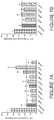
- Example 5 The RyR2-stabilizing compounds presented in Example 5 were tested using a RyR2-expressing N2A cell line, grown on 96 well-plates, and tested on a high speed automated imaging system as disclosed in Example 1. Compounds were screened for the ability to reduce RyR-evoked calcium in response to strong agonist stimulation, as similarly demonstrated with dantrolene ( Figure 7 ).
- NonTg non-transgenic
- AD PS1/APP mice
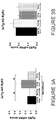
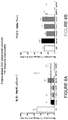
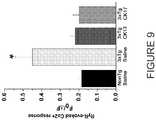
- FIG. 8A As with dantrolene, treatment with CK013 and CK017 normalized aberrant RyR-evoked calcium signals. Treatment with all of the compounds tested had minimal effects on control NonTg mice, nor did it affect other fundamental Ca 2+ signaling events not altered in the AD mice, such as voltage-gated Ca 2+ channel influx, passive membrane properties, or spiking properties ( Figures 8B-8D ).
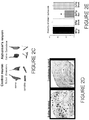
- CA1 pyramidal neurons Ca 2+ signaling and electrophysiological properties of CA1 pyramidal neurons were studied in hippocampal brain slices according to the protocols disclosed in Example 1. Briefly, 3xTg-AD mice were treated with either saline (0.9%), CK013 or CK017 for four weeks (10 mg/kg; ip), and then acute hippocampal brain slice preparations were made for the purposes of performing whole cell patch clamp recordings and 2-photon calcium imaging in CA1 pyramidal neurons. The objective was to determine if our compounds could restore normal RyR-mediated calcium signaling in the AD mice and maintain normal membrane physiology.
Landscapes
- Health & Medical Sciences (AREA)
- Chemical & Material Sciences (AREA)
- Organic Chemistry (AREA)
- General Health & Medical Sciences (AREA)
- Veterinary Medicine (AREA)
- Public Health (AREA)
- Medicinal Chemistry (AREA)
- Animal Behavior & Ethology (AREA)
- Life Sciences & Earth Sciences (AREA)
- Pharmacology & Pharmacy (AREA)
- Bioinformatics & Cheminformatics (AREA)
- Engineering & Computer Science (AREA)
- Epidemiology (AREA)
- Biomedical Technology (AREA)
- Nuclear Medicine, Radiotherapy & Molecular Imaging (AREA)
- Chemical Kinetics & Catalysis (AREA)
- Neurosurgery (AREA)
- Neurology (AREA)
- General Chemical & Material Sciences (AREA)
- Psychology (AREA)
- Heart & Thoracic Surgery (AREA)
- Hospice & Palliative Care (AREA)
- Psychiatry (AREA)
- Cardiology (AREA)
- Pharmaceuticals Containing Other Organic And Inorganic Compounds (AREA)
- Furan Compounds (AREA)
- Plural Heterocyclic Compounds (AREA)
Claims (12)
- Verbindung, ausgewählt aus:


einem pharmazeutisch verträglichen Salz davon. - Pharmazeutische Zusammensetzung, umfassend eine Verbindung nach Anspruch 1 und einen pharmazeutisch verträglichen Träger, Lösungsmittel, Adjuvans oder Verdünnungsmittel.
- Verbindung nach Anspruch 1 zur Verwendung bei der Normalisierung der neuronalen Calciumdyshomeostase in einem Subjekt.
- Verbindung zur Verwendung nach Anspruch 3, wobei das Subjekt ein menschliches Subjekt ist.
- Verbindung nach Anspruch 1 zur Verwendung bei der Behandlung einer neurologischen oder neurodegenerativen Störung in einem Subjekt.
- Verbindung zur Verwendung nach Anspruch 5, wobei die neurologische oder neurodegenerative Störung Alzheimer-Krankheit, Parkinson-Krankheit, Huntington-Krankheit, frontotemporale Demenz, Pick-Krankheit, chronischtraumatische Enzephalopathie, traumatische Hirnverletzung, Schlaganfall, Kleinhirnataxie, Multiple Sklerose, Down-Syndrom oder eine alterungsbedingte ZNS-Störung ist.
- Verbindung zur Verwendung nach Anspruch 6, wobei die neurologische oder neurodegenerative Störung die Alzheimer-Krankheit ist.
- Verbindung zur Verwendung bei der Behandlung einer neurologischen oder neurodegenerativen Störung in einem Subjekt, wobei die Verbindung die Struktur aufweist:
 Ar Aryl oder Heteroaryl ist, von denen jedes gegebenenfalls mit 1, 2, 3, 4 oder 5 R6-Gruppen substituiert ist;W O ist;Ywobei
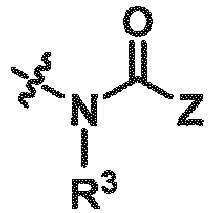 Z C1-6-Alkyl, Benzyl, Aryl, Heteroaryl oder NR4R5 ist, wobei Alkyl, Benzyl, Aryl oder Heteroaryl gegebenenfalls mit 1, 2, 3, 4 oder 5 unabhängig voneinander ausgewählten R7-Gruppen substituiert ist;R3 Wasserstoff ist;R1 und R2 jeweils unabhängig voneinander ausgewählt sind aus Wasserstoff, Halogen, CN, Nitro, Hydroxy, C1-6-Alkyl, C1-6-Halogenalkyl, C1-6-Alkoxy, C1-6-Halogenalkoxy, Amino, C1-6-Alkylamino, Di-C1-4-alkylamino, Carboxy, Carbamyl, C1-6-Alkylcarbamyl, Di(C1-4-alkyl)carbamyl, C1-6-Alkylcarbonyl, C1-6-Alkoxycarbonyl, C1-6-Alkylcarbonyloxy, C1-6-Alkylsulfonyl, C1-6-Alkylcarbonylamino, C1-6-Alkylsulfonylamino, Aminosulfonyl, C1-6-Alkylaminosulfonyl, Di-C1-4-Alkylaminosulfonyl, Aminosulfonylamino, C1-6-Alkylaminosulfonylamino und Di-C1-4-Alkylaminosulfonylamino; wobei jedes gegebenenfalls an einer geeigneten Position mit 1, 2 oder 3 Gruppen, unabhängig voneinander ausgewählt aus Halogen, CN, Hydroxy, C1-3-Alkyl, C1-3-Alkoxy, Amino, C1-3-Alkylamino und Di-C1-3-Alkylamino, substituiert ist;R4 und R5 jeweils unabhängig voneinander ausgewählt sind aus Wasserstoff, C1-6-Alkyl, C1-6-Halogenalkyl, Amino, C1-6-Alkylamino, Di-C1-4-alkylamino, Carboxy, Carbamyl, C1-6-Alkylcarbamyl, Di(C1-4-alkyl)carbamyl, C1-6-Alkylcarbonyl, C1-6-Alkoxycarbonyl, C1-6-Alkylcarbonyloxy, C1-6-Alkylsulfonyl, C1-6-Alkylcarbonylamino, C1-6-Alkylsulfonylamino, Aminosulfonyl, C1-6-Alkylaminosulfonyl, Di-C1-4-Alkylaminosulfonyl, Aminosulfonylamino, C1-6-Alkylaminosulfonylamino, Di-C1-4-Alkylaminosulfonylamino und (Aryl)-Heteroaryl-CH=N-, oder R4 und R5 zusammen mit Stickstoff, an den sie gebunden sind, einen heterocyclischen Ring bilden, wobei jeder Teil gegebenenfalls an einer geeigneten Position mit 1, 2 oder 3 Gruppen, unabhängig voneinander ausgewählt aus Halogen, CN, Hydroxy, C1-3-Alkyl, C1-3-Alkoxy, Amino, C1-3-Alkylamino und Di-C1-3-Alkylamino, substituiert ist; undR6 und R7 jeweils unabhängig voneinander ausgewählt sind aus Halogen, CN, Nitro, Hydroxy, C1-6-Alkyl, C1-6-Halogenalkyl, C1-6-Alkoxy, C1-6-Halogenalkoxy, Amino, C1-6-Alkylamino, Di-C1-4-alkylamino, Carboxy, Carbamyl, C1-6-Alkylcarbamyl, Di(C1-4-alkyl)carbamyl, C1-6-Alkylcarbonyl, C1-6-Alkoxycarbonyl, C1-6-Alkylcarbonyloxy, C1-6-Alkylsulfonyl, C1-6-Alkylcarbonylamino, C1-6-Alkylsulfonylamino, Aminosulfonyl, C1-6-Alkylaminosulfonyl, Di-C1-4-Alkylaminosulfonyl, Aminosulfonylamino, C1-6-Alkylaminosulfonylamino, Di-C1-4-Alkylaminosulfonylamino und Oxo, wobei jedes gegebenenfalls an einer geeigneten Position mit 1, 2 oder 3 Gruppen, unabhängig voneinander ausgewählt aus Halogen, CN, Hydroxy, C1-3-Alkyl, C1-3-Alkoxy, Amino, C1-3-Alkylamino und Di-C1-3-Alkylamino, substituiert ist.
 - Verbindung zur Verwendung nach Anspruch 8, wobei die neurologische oder neurodegenerative Störung Alzheimer-Krankheit, Parkinson-Krankheit, Huntington-Krankheit, frontotemporale Demenz, Pick-Krankheit, chronischtraumatische Enzephalopathie, traumatische Hirnverletzung, Schlaganfall, Kleinhirnataxie, Multiple Sklerose, Down-Syndrom oder eine alterungsbedingte ZNS-Störung ist.
- Verbindung nach Anspruch 8 zur Verwendung bei der Behandlung einer neurologischen oder neurodegenerativen Störung durch Normalisierung der neuronalen Calciumdyshomeostase in einem Subjekt, wobei die Verbindung die Struktur aufweist:
 Ar Aryl oder Heteroaryl ist, von denen jedes gegebenenfalls mit 1, 2, 3, 4 oder 5 R6-Gruppen substituiert ist;W O ist;Ywobei
 Z C1-6-Alkyl, Benzyl, Aryl, Heteroaryl oder NR4R5 ist, wobei Alkyl, Benzyl, Aryl oder Heteroaryl gegebenenfalls mit 1, 2, 3, 4 oder 5 unabhängig voneinander ausgewählten R7-Gruppen substituiert ist;R3 Wasserstoff ist;R1 und R2 jeweils unabhängig voneinander ausgewählt sind aus Wasserstoff, Halogen, CN, Nitro, Hydroxy, C1-6-Alkyl, C1-6-Halogenalkyl, C1-6-Alkoxy, C1-6-Halogenalkoxy, Amino, C1-6-Alkylamino, Di-C1-4-alkylamino, Carboxy, Carbamyl, C1-6-Alkylcarbamyl, Di(C1-4-alkyl)carbamyl, C1-6-Alkylcarbonyl, C1-6-Alkoxycarbonyl, C1-6-Alkylcarbonyloxy, C1-6-Alkylsulfonyl, C1-6-Alkylcarbonylamino, C1-6-Alkylsulfonylamino, Aminosulfonyl, C1-6-Alkylaminosulfonyl, Di-C1-4-Alkylaminosulfonyl, Aminosulfonylamino, C1-6-Alkylaminosulfonylamino und Di-C1-4-Alkylaminosulfonylamino; wobei jedes gegebenenfalls an einer geeigneten Position mit 1, 2 oder 3 Gruppen, unabhängig voneinander ausgewählt aus Halogen, CN, Hydroxy, C1-3-Alkyl, C1-3-Alkoxy, Amino, C1-3-Alkylamino und Di-C1-3-Alkylamino, substituiert ist;R4 und R5 jeweils unabhängig voneinander ausgewählt sind aus Wasserstoff, C1-6-Alkyl, C1-6-Halogenalkyl, Amino, C1-6-Alkylamino, Di-C1-4-alkylamino, Carboxy, Carbamyl, C1-6-Alkylcarbamyl, Di(C1-4-alkyl)carbamyl, C1-6-Alkylcarbonyl, C1-6-Alkoxycarbonyl, C1-6-Alkylcarbonyloxy, C1-6-Alkylsulfonyl, C1-6-Alkylcarbonylamino, C1-6-Alkylsulfonylamino, Aminosulfonyl, C1-6-Alkylaminosulfonyl, Di-C1-4-Alkylaminosulfonyl, Aminosulfonylamino, C1-6-Alkylaminosulfonylamino, Di-C1-4-Alkylaminosulfonylamino und (Aryl)-Heteroaryl-CH=N-, oder R4 und R5 zusammen mit Stickstoff, an den sie gebunden sind, einen heterocyclischen Ring bilden, wobei jeder Teil gegebenenfalls an einer geeigneten Position mit 1, 2 oder 3 Gruppen, unabhängig voneinander ausgewählt aus Halogen, CN, Hydroxy, C1-3-Alkyl, C1-3-Alkoxy, Amino, C1-3-Alkylamino und Di-C1-3-Alkylamino, substituiert ist; undR6 und R7 jeweils unabhängig voneinander ausgewählt sind aus Halogen, CN, Nitro, Hydroxy, C1-6-Alkyl, C1-6-Halogenalkyl, C1-6-Alkoxy, C1-6-Halogenalkoxy, Amino, C1-6-Alkylamino, Di-C1-4-alkylamino, Carboxy, Carbamyl, C1-6-Alkylcarbamyl, Di(C1-4-alkyl)carbamyl, C1-6-Alkylcarbonyl, C1-6-Alkoxycarbonyl, C1-6-Alkylcarbonyloxy, C1-6-Alkylsulfonyl, C1-6-Alkylcarbonylamino, C1-6-Alkylsulfonylamino, Aminosulfonyl, C1-6-Alkylaminosulfonyl, Di-C1-4-Alkylaminosulfonyl, Aminosulfonylamino, C1-6-Alkylaminosulfonylamino, Di-C1-4-Alkylaminosulfonylamino und Oxo, wobei jedes gegebenenfalls an einer geeigneten Position mit 1, 2 oder 3 Gruppen, unabhängig voneinander ausgewählt aus Halogen, CN, Hydroxy, C1-3-Alkyl, C1-3-Alkoxy, Amino, C1-3-Alkylamino und Di-C1-3-Alkylamino, substituiert ist.
 - Verbindung zur Verwendung nach einem der Ansprüche 8 bis 10, wobei die Verbindung ausgewählt ist aus:


einem pharmazeutisch verträglichen Salz davon. - Verbindung zur Verwendung nach einem der Ansprüche 8 bis 10, wobei Ar Phenyl ist, das gegebenenfalls mit 1, 2 oder 3 R6-Gruppen substituiert ist.
Applications Claiming Priority (2)
| Application Number | Priority Date | Filing Date | Title |
|---|---|---|---|
| US201361794455P | 2013-03-15 | 2013-03-15 | |
| PCT/US2014/029155 WO2014144654A1 (en) | 2013-03-15 | 2014-03-14 | Compounds for stabilizing ryanodine receptors from aberrant levels of calcium release |
Publications (3)
| Publication Number | Publication Date |
|---|---|
| EP2968229A1 EP2968229A1 (de) | 2016-01-20 |
| EP2968229A4 EP2968229A4 (de) | 2017-02-22 |
| EP2968229B1 true EP2968229B1 (de) | 2019-12-04 |
Family
ID=51529960
Family Applications (1)
| Application Number | Title | Priority Date | Filing Date |
|---|---|---|---|
| EP14763243.4A Active EP2968229B1 (de) | 2013-03-15 | 2014-03-14 | Verbindungen zur stabilisierung von ryanodinrezeptoren aus aberranten calciumfreisetzungskonzentrationen |
Country Status (6)
| Country | Link |
|---|---|
| US (1) | US9102645B2 (de) |
| EP (1) | EP2968229B1 (de) |
| JP (2) | JP2016514685A (de) |
| CN (1) | CN105209030B (de) |
| CA (1) | CA2906168C (de) |
| WO (1) | WO2014144654A1 (de) |
Families Citing this family (2)
| Publication number | Priority date | Publication date | Assignee | Title |
|---|---|---|---|---|
| SG11202003452XA (en) | 2017-10-20 | 2020-05-28 | Eagle Res Labs Limited | Dantrolene prodrugs and methods of their use |
| BR112021026597A2 (pt) * | 2019-06-28 | 2022-03-15 | Univ Pennsylvania | Administração intranasal de dantroleno para tratamento contra doença de alzheimer |
Family Cites Families (11)
| Publication number | Priority date | Publication date | Assignee | Title |
|---|---|---|---|---|
| JPS5083373A (de) * | 1973-11-26 | 1975-07-05 | ||
| US8557855B2 (en) * | 2002-07-03 | 2013-10-15 | Allergan, Inc. | Methods of using ryanodine antagonists in treating neural injury |
| JP2007024705A (ja) * | 2005-07-19 | 2007-02-01 | Dainippon Sumitomo Pharma Co Ltd | リアノジン受容体安定化剤のスクリーニング方法 |
| US8183236B2 (en) * | 2007-04-12 | 2012-05-22 | University Of Southern California | Compounds with HIV-1 integrase inhibitory activity and use thereof as anti-HIV/AIDS therapeutics |
| JP2009079001A (ja) * | 2007-09-26 | 2009-04-16 | Okayama Prefecture Industrial Promotion Foundation | 薬物依存症治療剤 |
| EP2219605B1 (de) * | 2007-10-09 | 2015-08-19 | US Worldmeds LLC | Co-lösungsmittelzusammensetzungen und verfahren zur verbesserten abgabe von dantrolen als therapeutischen mittel |
| BRPI0911518A2 (pt) * | 2008-04-29 | 2017-06-13 | Pharnext | novas aproximações terapêuticas para o tratamento da doença de alzheimer e doenças relacionadas através de uma modulação de resposta ao estresse de célula |
| US20100035932A1 (en) * | 2008-08-07 | 2010-02-11 | Schepetkin Igor A | Novel formyl peptide receptor like 1 agonists that induce macrophage tumor necrosis factor alpha and computational structure-activity relationship analysis of thereof |
| CN101402620A (zh) * | 2008-11-25 | 2009-04-08 | 中国农业大学 | 一类具有抗肿瘤活性的苯甲酰腙类化合物 |
| US20110077250A1 (en) * | 2009-06-26 | 2011-03-31 | Ryder Sean | Compounds for modulating rna binding proteins and uses therefor |
| EP2708535A1 (de) | 2012-05-11 | 2014-03-19 | Les Laboratoires Servier | Mittel zur Behandlung von Erkrankungen durch Modulation von Ryanodin-Rezeptoren |
-
2014
- 2014-03-14 JP JP2016502997A patent/JP2016514685A/ja active Pending
- 2014-03-14 US US14/213,614 patent/US9102645B2/en active Active
- 2014-03-14 EP EP14763243.4A patent/EP2968229B1/de active Active
- 2014-03-14 CN CN201480026561.7A patent/CN105209030B/zh active Active
- 2014-03-14 CA CA2906168A patent/CA2906168C/en active Active
- 2014-03-14 WO PCT/US2014/029155 patent/WO2014144654A1/en not_active Ceased
-
2017
- 2017-02-27 JP JP2017034947A patent/JP6321844B2/ja active Active
Non-Patent Citations (1)
| Title |
|---|
| None * |
Also Published As
| Publication number | Publication date |
|---|---|
| CA2906168A1 (en) | 2014-09-18 |
| JP2016514685A (ja) | 2016-05-23 |
| US20140275112A1 (en) | 2014-09-18 |
| EP2968229A1 (de) | 2016-01-20 |
| EP2968229A4 (de) | 2017-02-22 |
| JP6321844B2 (ja) | 2018-05-09 |
| CA2906168C (en) | 2018-07-24 |
| US9102645B2 (en) | 2015-08-11 |
| CN105209030B (zh) | 2018-06-12 |
| CN105209030A (zh) | 2015-12-30 |
| WO2014144654A1 (en) | 2014-09-18 |
| JP2017088628A (ja) | 2017-05-25 |
Similar Documents
| Publication | Publication Date | Title |
|---|---|---|
| US11345656B2 (en) | PCNA inhibitors | |
| DE60305193T2 (de) | Neue 2-amino-4-oxochinazolone als partielle lxr-kernrezeptoragonisten | |
| US11542257B2 (en) | Arylnaphthalene compounds as vacuolar-ATPase inhibitors and the use thereof | |
| AU2017272151B2 (en) | Benzylideneguanidine derivatives and therapeutic use for the treatment of protein misfolding diseases | |
| JP5747142B2 (ja) | Dyrkを阻害する化合物を含有する医薬組成物 | |
| CN117582439A (zh) | 异喹啉类化合物在治疗肿瘤中的应用 | |
| EP2780332A1 (de) | Morpholinylbenzotriazine zur anwendung in der krebstherapie | |
| US20190070154A1 (en) | New methods of use for an anti-diarrhea agent | |
| KR20070064414A (ko) | 세포 증식 제어를 위한 chk1 억제제의 용도 | |
| JP2014514259A (ja) | 疼痛および他の障害の処置のための化合物および方法 | |
| US10011578B2 (en) | Compounds for stabilizing ryanodine receptors from aberrant levels of calcium release | |
| JP6321844B2 (ja) | 異常レベルのカルシウム放出からリアノジン受容体を安定化するための化合物 | |
| JP2008510719A (ja) | Chk1の阻害に有用な化合物 | |
| ES2974742T3 (es) | Compuestos de 1-(3,3-difluoropiperidin-4-il)-imidazo[4,5-c]quinolin-2-ona sustituidos con capacidad de penetración en la barrera hematoencefálica | |
| CN104244934A (zh) | 用于治疗白血病的化合物和方法 | |
| EP4501918A1 (de) | 3-phenylisoxazolderivat und pharmazeutische zusammensetzung zur prävention oder behandlung von augenerkrankungen damit als wirkstoff | |
| US11884653B2 (en) | Arylnaphthalene compounds as vacuolar-ATPase inhibitors and the use thereof | |
| JP2008504283A (ja) | Chk1の阻害に有用なビスアリール尿素誘導体 | |
| WO2014182688A1 (en) | Modulators of the g protein-coupled mas receptor and the treatment of disorders related thereto | |
| WO2017192665A1 (en) | Inhibitors of ires-mediated protein synthesis | |
| CN119997950A (zh) | 用于治疗疾病的单羧酸转运蛋白4的杂环抑制剂的盐 | |
| WO2020253870A1 (zh) | 具有a2a腺苷受体激动剂活性的6-肼基腺苷类化合物 | |
| BR112015016433B1 (pt) | Uso de um composto de formula (i) para tratar um disturbio associado com a tensão do dobramento incorreto da proteína | |
| WO2014164222A1 (en) | Compounds for the treatment of neurological disorders |
Legal Events
| Date | Code | Title | Description |
|---|---|---|---|
| PUAI | Public reference made under article 153(3) epc to a published international application that has entered the european phase |
Free format text: ORIGINAL CODE: 0009012 |
|
| 17P | Request for examination filed |
Effective date: 20150917 |
|
| AK | Designated contracting states |
Kind code of ref document: A1 Designated state(s): AL AT BE BG CH CY CZ DE DK EE ES FI FR GB GR HR HU IE IS IT LI LT LU LV MC MK MT NL NO PL PT RO RS SE SI SK SM TR |
|
| AX | Request for extension of the european patent |
Extension state: BA ME |
|
| DAX | Request for extension of the european patent (deleted) | ||
| RIC1 | Information provided on ipc code assigned before grant |
Ipc: A61P 25/28 20060101ALI20160912BHEP Ipc: C07D 307/52 20060101ALI20160912BHEP Ipc: A61K 31/15 20060101AFI20160912BHEP Ipc: C07D 307/54 20060101ALI20160912BHEP Ipc: C07D 405/12 20060101ALI20160912BHEP |
|
| RIC1 | Information provided on ipc code assigned before grant |
Ipc: C07D 307/52 20060101ALI20161202BHEP Ipc: C07D 307/54 20060101ALI20161202BHEP Ipc: A61P 25/28 20060101ALI20161202BHEP Ipc: C07D 405/12 20060101ALI20161202BHEP Ipc: A61K 31/15 20060101AFI20161202BHEP |
|
| A4 | Supplementary search report drawn up and despatched |
Effective date: 20170120 |
|
| STAA | Information on the status of an ep patent application or granted ep patent |
Free format text: STATUS: EXAMINATION IS IN PROGRESS |
|
| 17Q | First examination report despatched |
Effective date: 20171206 |
|
| GRAP | Despatch of communication of intention to grant a patent |
Free format text: ORIGINAL CODE: EPIDOSNIGR1 |
|
| STAA | Information on the status of an ep patent application or granted ep patent |
Free format text: STATUS: GRANT OF PATENT IS INTENDED |
|
| INTG | Intention to grant announced |
Effective date: 20190626 |
|
| RIN1 | Information on inventor provided before grant (corrected) |
Inventor name: DAHL, RUSSELL Inventor name: KAIHO, CHRISTOPHER, H. Inventor name: STUTZMANN, GRACE, E. |
|
| GRAS | Grant fee paid |
Free format text: ORIGINAL CODE: EPIDOSNIGR3 |
|
| GRAA | (expected) grant |
Free format text: ORIGINAL CODE: 0009210 |
|
| STAA | Information on the status of an ep patent application or granted ep patent |
Free format text: STATUS: THE PATENT HAS BEEN GRANTED |
|
| AK | Designated contracting states |
Kind code of ref document: B1 Designated state(s): AL AT BE BG CH CY CZ DE DK EE ES FI FR GB GR HR HU IE IS IT LI LT LU LV MC MK MT NL NO PL PT RO RS SE SI SK SM TR |
|
| REG | Reference to a national code |
Ref country code: GB Ref legal event code: FG4D |
|
| REG | Reference to a national code |
Ref country code: CH Ref legal event code: EP |
|
| REG | Reference to a national code |
Ref country code: AT Ref legal event code: REF Ref document number: 1208527 Country of ref document: AT Kind code of ref document: T Effective date: 20191215 |
|
| REG | Reference to a national code |
Ref country code: DE Ref legal event code: R096 Ref document number: 602014057833 Country of ref document: DE |
|
| REG | Reference to a national code |
Ref country code: IE Ref legal event code: FG4D |
|
| REG | Reference to a national code |
Ref country code: NL Ref legal event code: MP Effective date: 20191204 |
|
| REG | Reference to a national code |
Ref country code: LT Ref legal event code: MG4D |
|
| PG25 | Lapsed in a contracting state [announced via postgrant information from national office to epo] |
Ref country code: GR Free format text: LAPSE BECAUSE OF FAILURE TO SUBMIT A TRANSLATION OF THE DESCRIPTION OR TO PAY THE FEE WITHIN THE PRESCRIBED TIME-LIMIT Effective date: 20200305 Ref country code: NO Free format text: LAPSE BECAUSE OF FAILURE TO SUBMIT A TRANSLATION OF THE DESCRIPTION OR TO PAY THE FEE WITHIN THE PRESCRIBED TIME-LIMIT Effective date: 20200304 Ref country code: FI Free format text: LAPSE BECAUSE OF FAILURE TO SUBMIT A TRANSLATION OF THE DESCRIPTION OR TO PAY THE FEE WITHIN THE PRESCRIBED TIME-LIMIT Effective date: 20191204 Ref country code: BG Free format text: LAPSE BECAUSE OF FAILURE TO SUBMIT A TRANSLATION OF THE DESCRIPTION OR TO PAY THE FEE WITHIN THE PRESCRIBED TIME-LIMIT Effective date: 20200304 Ref country code: SE Free format text: LAPSE BECAUSE OF FAILURE TO SUBMIT A TRANSLATION OF THE DESCRIPTION OR TO PAY THE FEE WITHIN THE PRESCRIBED TIME-LIMIT Effective date: 20191204 Ref country code: LV Free format text: LAPSE BECAUSE OF FAILURE TO SUBMIT A TRANSLATION OF THE DESCRIPTION OR TO PAY THE FEE WITHIN THE PRESCRIBED TIME-LIMIT Effective date: 20191204 Ref country code: LT Free format text: LAPSE BECAUSE OF FAILURE TO SUBMIT A TRANSLATION OF THE DESCRIPTION OR TO PAY THE FEE WITHIN THE PRESCRIBED TIME-LIMIT Effective date: 20191204 |
|
| PG25 | Lapsed in a contracting state [announced via postgrant information from national office to epo] |
Ref country code: HR Free format text: LAPSE BECAUSE OF FAILURE TO SUBMIT A TRANSLATION OF THE DESCRIPTION OR TO PAY THE FEE WITHIN THE PRESCRIBED TIME-LIMIT Effective date: 20191204 Ref country code: RS Free format text: LAPSE BECAUSE OF FAILURE TO SUBMIT A TRANSLATION OF THE DESCRIPTION OR TO PAY THE FEE WITHIN THE PRESCRIBED TIME-LIMIT Effective date: 20191204 |
|
| PG25 | Lapsed in a contracting state [announced via postgrant information from national office to epo] |
Ref country code: AL Free format text: LAPSE BECAUSE OF FAILURE TO SUBMIT A TRANSLATION OF THE DESCRIPTION OR TO PAY THE FEE WITHIN THE PRESCRIBED TIME-LIMIT Effective date: 20191204 |
|
| PG25 | Lapsed in a contracting state [announced via postgrant information from national office to epo] |
Ref country code: NL Free format text: LAPSE BECAUSE OF FAILURE TO SUBMIT A TRANSLATION OF THE DESCRIPTION OR TO PAY THE FEE WITHIN THE PRESCRIBED TIME-LIMIT Effective date: 20191204 Ref country code: ES Free format text: LAPSE BECAUSE OF FAILURE TO SUBMIT A TRANSLATION OF THE DESCRIPTION OR TO PAY THE FEE WITHIN THE PRESCRIBED TIME-LIMIT Effective date: 20191204 Ref country code: PT Free format text: LAPSE BECAUSE OF FAILURE TO SUBMIT A TRANSLATION OF THE DESCRIPTION OR TO PAY THE FEE WITHIN THE PRESCRIBED TIME-LIMIT Effective date: 20200429 Ref country code: EE Free format text: LAPSE BECAUSE OF FAILURE TO SUBMIT A TRANSLATION OF THE DESCRIPTION OR TO PAY THE FEE WITHIN THE PRESCRIBED TIME-LIMIT Effective date: 20191204 Ref country code: CZ Free format text: LAPSE BECAUSE OF FAILURE TO SUBMIT A TRANSLATION OF THE DESCRIPTION OR TO PAY THE FEE WITHIN THE PRESCRIBED TIME-LIMIT Effective date: 20191204 Ref country code: RO Free format text: LAPSE BECAUSE OF FAILURE TO SUBMIT A TRANSLATION OF THE DESCRIPTION OR TO PAY THE FEE WITHIN THE PRESCRIBED TIME-LIMIT Effective date: 20191204 |
|
| PG25 | Lapsed in a contracting state [announced via postgrant information from national office to epo] |
Ref country code: IS Free format text: LAPSE BECAUSE OF FAILURE TO SUBMIT A TRANSLATION OF THE DESCRIPTION OR TO PAY THE FEE WITHIN THE PRESCRIBED TIME-LIMIT Effective date: 20200404 Ref country code: SM Free format text: LAPSE BECAUSE OF FAILURE TO SUBMIT A TRANSLATION OF THE DESCRIPTION OR TO PAY THE FEE WITHIN THE PRESCRIBED TIME-LIMIT Effective date: 20191204 Ref country code: SK Free format text: LAPSE BECAUSE OF FAILURE TO SUBMIT A TRANSLATION OF THE DESCRIPTION OR TO PAY THE FEE WITHIN THE PRESCRIBED TIME-LIMIT Effective date: 20191204 |
|
| REG | Reference to a national code |
Ref country code: DE Ref legal event code: R097 Ref document number: 602014057833 Country of ref document: DE |
|
| REG | Reference to a national code |
Ref country code: AT Ref legal event code: MK05 Ref document number: 1208527 Country of ref document: AT Kind code of ref document: T Effective date: 20191204 |
|
| PLBE | No opposition filed within time limit |
Free format text: ORIGINAL CODE: 0009261 |
|
| STAA | Information on the status of an ep patent application or granted ep patent |
Free format text: STATUS: NO OPPOSITION FILED WITHIN TIME LIMIT |
|
| PG25 | Lapsed in a contracting state [announced via postgrant information from national office to epo] |
Ref country code: DK Free format text: LAPSE BECAUSE OF FAILURE TO SUBMIT A TRANSLATION OF THE DESCRIPTION OR TO PAY THE FEE WITHIN THE PRESCRIBED TIME-LIMIT Effective date: 20191204 Ref country code: MC Free format text: LAPSE BECAUSE OF FAILURE TO SUBMIT A TRANSLATION OF THE DESCRIPTION OR TO PAY THE FEE WITHIN THE PRESCRIBED TIME-LIMIT Effective date: 20191204 |
|
| REG | Reference to a national code |
Ref country code: CH Ref legal event code: PL |
|
| 26N | No opposition filed |
Effective date: 20200907 |
|
| PG25 | Lapsed in a contracting state [announced via postgrant information from national office to epo] |
Ref country code: AT Free format text: LAPSE BECAUSE OF FAILURE TO SUBMIT A TRANSLATION OF THE DESCRIPTION OR TO PAY THE FEE WITHIN THE PRESCRIBED TIME-LIMIT Effective date: 20191204 Ref country code: PL Free format text: LAPSE BECAUSE OF FAILURE TO SUBMIT A TRANSLATION OF THE DESCRIPTION OR TO PAY THE FEE WITHIN THE PRESCRIBED TIME-LIMIT Effective date: 20191204 |
|
| REG | Reference to a national code |
Ref country code: BE Ref legal event code: MM Effective date: 20200331 |
|
| PG25 | Lapsed in a contracting state [announced via postgrant information from national office to epo] |
Ref country code: LU Free format text: LAPSE BECAUSE OF NON-PAYMENT OF DUE FEES Effective date: 20200314 |
|
| PG25 | Lapsed in a contracting state [announced via postgrant information from national office to epo] |
Ref country code: IT Free format text: LAPSE BECAUSE OF FAILURE TO SUBMIT A TRANSLATION OF THE DESCRIPTION OR TO PAY THE FEE WITHIN THE PRESCRIBED TIME-LIMIT Effective date: 20191204 Ref country code: CH Free format text: LAPSE BECAUSE OF NON-PAYMENT OF DUE FEES Effective date: 20200331 Ref country code: IE Free format text: LAPSE BECAUSE OF NON-PAYMENT OF DUE FEES Effective date: 20200314 Ref country code: LI Free format text: LAPSE BECAUSE OF NON-PAYMENT OF DUE FEES Effective date: 20200331 |
|
| PG25 | Lapsed in a contracting state [announced via postgrant information from national office to epo] |
Ref country code: BE Free format text: LAPSE BECAUSE OF NON-PAYMENT OF DUE FEES Effective date: 20200331 |
|
| PG25 | Lapsed in a contracting state [announced via postgrant information from national office to epo] |
Ref country code: TR Free format text: LAPSE BECAUSE OF FAILURE TO SUBMIT A TRANSLATION OF THE DESCRIPTION OR TO PAY THE FEE WITHIN THE PRESCRIBED TIME-LIMIT Effective date: 20191204 Ref country code: MT Free format text: LAPSE BECAUSE OF FAILURE TO SUBMIT A TRANSLATION OF THE DESCRIPTION OR TO PAY THE FEE WITHIN THE PRESCRIBED TIME-LIMIT Effective date: 20191204 Ref country code: CY Free format text: LAPSE BECAUSE OF FAILURE TO SUBMIT A TRANSLATION OF THE DESCRIPTION OR TO PAY THE FEE WITHIN THE PRESCRIBED TIME-LIMIT Effective date: 20191204 |
|
| PG25 | Lapsed in a contracting state [announced via postgrant information from national office to epo] |
Ref country code: MK Free format text: LAPSE BECAUSE OF FAILURE TO SUBMIT A TRANSLATION OF THE DESCRIPTION OR TO PAY THE FEE WITHIN THE PRESCRIBED TIME-LIMIT Effective date: 20191204 |
|
| P01 | Opt-out of the competence of the unified patent court (upc) registered |
Effective date: 20230526 |
|
| PG25 | Lapsed in a contracting state [announced via postgrant information from national office to epo] |
Ref country code: SI Free format text: LAPSE BECAUSE OF FAILURE TO SUBMIT A TRANSLATION OF THE DESCRIPTION OR TO PAY THE FEE WITHIN THE PRESCRIBED TIME-LIMIT Effective date: 20191204 |
|
| PGFP | Annual fee paid to national office [announced via postgrant information from national office to epo] |
Ref country code: GB Payment date: 20260219 Year of fee payment: 13 |
|
| PGFP | Annual fee paid to national office [announced via postgrant information from national office to epo] |
Ref country code: DE Payment date: 20260219 Year of fee payment: 13 |
|
| PGFP | Annual fee paid to national office [announced via postgrant information from national office to epo] |
Ref country code: FR Payment date: 20260219 Year of fee payment: 13 |