EP2969002B1 - Verwendung von levocetirizin und montelukast zur behandlung traumatischer verletzungen - Google Patents
Verwendung von levocetirizin und montelukast zur behandlung traumatischer verletzungen Download PDFInfo
- Publication number
- EP2969002B1 EP2969002B1 EP14779507.4A EP14779507A EP2969002B1 EP 2969002 B1 EP2969002 B1 EP 2969002B1 EP 14779507 A EP14779507 A EP 14779507A EP 2969002 B1 EP2969002 B1 EP 2969002B1
- Authority
- EP
- European Patent Office
- Prior art keywords
- montelukast
- levocetirizine
- combination
- administered
- treatment
- Prior art date
- Legal status (The legal status is an assumption and is not a legal conclusion. Google has not performed a legal analysis and makes no representation as to the accuracy of the status listed.)
- Active
Links
Images



Classifications
-
- A—HUMAN NECESSITIES
- A61—MEDICAL OR VETERINARY SCIENCE; HYGIENE
- A61K—PREPARATIONS FOR MEDICAL, DENTAL OR TOILETRY PURPOSES
- A61K31/00—Medicinal preparations containing organic active ingredients
- A61K31/33—Heterocyclic compounds
- A61K31/395—Heterocyclic compounds having nitrogen as a ring hetero atom, e.g. guanethidine or rifamycins
- A61K31/495—Heterocyclic compounds having nitrogen as a ring hetero atom, e.g. guanethidine or rifamycins having six-membered rings with two or more nitrogen atoms as the only ring heteroatoms, e.g. piperazine or tetrazines
-
- A—HUMAN NECESSITIES
- A61—MEDICAL OR VETERINARY SCIENCE; HYGIENE
- A61K—PREPARATIONS FOR MEDICAL, DENTAL OR TOILETRY PURPOSES
- A61K31/00—Medicinal preparations containing organic active ingredients
- A61K31/33—Heterocyclic compounds
- A61K31/395—Heterocyclic compounds having nitrogen as a ring hetero atom, e.g. guanethidine or rifamycins
- A61K31/40—Heterocyclic compounds having nitrogen as a ring hetero atom, e.g. guanethidine or rifamycins having five-membered rings with one nitrogen as the only ring hetero atom, e.g. sulpiride, succinimide, tolmetin, buflomedil
- A61K31/407—Heterocyclic compounds having nitrogen as a ring hetero atom, e.g. guanethidine or rifamycins having five-membered rings with one nitrogen as the only ring hetero atom, e.g. sulpiride, succinimide, tolmetin, buflomedil condensed with other heterocyclic ring systems, e.g. ketorolac, physostigmine
-
- A—HUMAN NECESSITIES
- A61—MEDICAL OR VETERINARY SCIENCE; HYGIENE
- A61K—PREPARATIONS FOR MEDICAL, DENTAL OR TOILETRY PURPOSES
- A61K31/00—Medicinal preparations containing organic active ingredients
- A61K31/33—Heterocyclic compounds
- A61K31/395—Heterocyclic compounds having nitrogen as a ring hetero atom, e.g. guanethidine or rifamycins
- A61K31/41—Heterocyclic compounds having nitrogen as a ring hetero atom, e.g. guanethidine or rifamycins having five-membered rings with two or more ring hetero atoms, at least one of which being nitrogen, e.g. tetrazole
- A61K31/42—Oxazoles
- A61K31/424—Oxazoles condensed with heterocyclic ring systems, e.g. clavulanic acid
-
- A—HUMAN NECESSITIES
- A61—MEDICAL OR VETERINARY SCIENCE; HYGIENE
- A61K—PREPARATIONS FOR MEDICAL, DENTAL OR TOILETRY PURPOSES
- A61K31/00—Medicinal preparations containing organic active ingredients
- A61K31/33—Heterocyclic compounds
- A61K31/395—Heterocyclic compounds having nitrogen as a ring hetero atom, e.g. guanethidine or rifamycins
- A61K31/41—Heterocyclic compounds having nitrogen as a ring hetero atom, e.g. guanethidine or rifamycins having five-membered rings with two or more ring hetero atoms, at least one of which being nitrogen, e.g. tetrazole
- A61K31/425—Thiazoles
- A61K31/429—Thiazoles condensed with heterocyclic ring systems
- A61K31/43—Compounds containing 4-thia-1-azabicyclo [3.2.0] heptane ring systems, i.e. compounds containing a ring system of the formula, e.g. penicillins, penems
-
- A—HUMAN NECESSITIES
- A61—MEDICAL OR VETERINARY SCIENCE; HYGIENE
- A61K—PREPARATIONS FOR MEDICAL, DENTAL OR TOILETRY PURPOSES
- A61K31/00—Medicinal preparations containing organic active ingredients
- A61K31/33—Heterocyclic compounds
- A61K31/395—Heterocyclic compounds having nitrogen as a ring hetero atom, e.g. guanethidine or rifamycins
- A61K31/41—Heterocyclic compounds having nitrogen as a ring hetero atom, e.g. guanethidine or rifamycins having five-membered rings with two or more ring hetero atoms, at least one of which being nitrogen, e.g. tetrazole
- A61K31/425—Thiazoles
- A61K31/429—Thiazoles condensed with heterocyclic ring systems
- A61K31/43—Compounds containing 4-thia-1-azabicyclo [3.2.0] heptane ring systems, i.e. compounds containing a ring system of the formula, e.g. penicillins, penems
- A61K31/431—Compounds containing 4-thia-1-azabicyclo [3.2.0] heptane ring systems, i.e. compounds containing a ring system of the formula, e.g. penicillins, penems containing further heterocyclic rings, e.g. ticarcillin, azlocillin, oxacillin
-
- A—HUMAN NECESSITIES
- A61—MEDICAL OR VETERINARY SCIENCE; HYGIENE
- A61K—PREPARATIONS FOR MEDICAL, DENTAL OR TOILETRY PURPOSES
- A61K31/00—Medicinal preparations containing organic active ingredients
- A61K31/33—Heterocyclic compounds
- A61K31/395—Heterocyclic compounds having nitrogen as a ring hetero atom, e.g. guanethidine or rifamycins
- A61K31/435—Heterocyclic compounds having nitrogen as a ring hetero atom, e.g. guanethidine or rifamycins having six-membered rings with one nitrogen as the only ring hetero atom
- A61K31/47—Quinolines; Isoquinolines
-
- A—HUMAN NECESSITIES
- A61—MEDICAL OR VETERINARY SCIENCE; HYGIENE
- A61K—PREPARATIONS FOR MEDICAL, DENTAL OR TOILETRY PURPOSES
- A61K31/00—Medicinal preparations containing organic active ingredients
- A61K31/33—Heterocyclic compounds
- A61K31/395—Heterocyclic compounds having nitrogen as a ring hetero atom, e.g. guanethidine or rifamycins
- A61K31/495—Heterocyclic compounds having nitrogen as a ring hetero atom, e.g. guanethidine or rifamycins having six-membered rings with two or more nitrogen atoms as the only ring heteroatoms, e.g. piperazine or tetrazines
- A61K31/496—Non-condensed piperazines containing further heterocyclic rings, e.g. rifampin, thiothixene or sparfloxacin
-
- A—HUMAN NECESSITIES
- A61—MEDICAL OR VETERINARY SCIENCE; HYGIENE
- A61K—PREPARATIONS FOR MEDICAL, DENTAL OR TOILETRY PURPOSES
- A61K31/00—Medicinal preparations containing organic active ingredients
- A61K31/33—Heterocyclic compounds
- A61K31/395—Heterocyclic compounds having nitrogen as a ring hetero atom, e.g. guanethidine or rifamycins
- A61K31/495—Heterocyclic compounds having nitrogen as a ring hetero atom, e.g. guanethidine or rifamycins having six-membered rings with two or more nitrogen atoms as the only ring heteroatoms, e.g. piperazine or tetrazines
- A61K31/505—Pyrimidines; Hydrogenated pyrimidines, e.g. trimethoprim
-
- A—HUMAN NECESSITIES
- A61—MEDICAL OR VETERINARY SCIENCE; HYGIENE
- A61K—PREPARATIONS FOR MEDICAL, DENTAL OR TOILETRY PURPOSES
- A61K31/00—Medicinal preparations containing organic active ingredients
- A61K31/33—Heterocyclic compounds
- A61K31/395—Heterocyclic compounds having nitrogen as a ring hetero atom, e.g. guanethidine or rifamycins
- A61K31/535—Heterocyclic compounds having nitrogen as a ring hetero atom, e.g. guanethidine or rifamycins having six-membered rings with at least one nitrogen and one oxygen as the ring hetero atoms, e.g. 1,2-oxazines
- A61K31/5375—1,4-Oxazines, e.g. morpholine
- A61K31/5383—1,4-Oxazines, e.g. morpholine ortho- or peri-condensed with heterocyclic ring systems
-
- A—HUMAN NECESSITIES
- A61—MEDICAL OR VETERINARY SCIENCE; HYGIENE
- A61K—PREPARATIONS FOR MEDICAL, DENTAL OR TOILETRY PURPOSES
- A61K31/00—Medicinal preparations containing organic active ingredients
- A61K31/33—Heterocyclic compounds
- A61K31/395—Heterocyclic compounds having nitrogen as a ring hetero atom, e.g. guanethidine or rifamycins
- A61K31/54—Heterocyclic compounds having nitrogen as a ring hetero atom, e.g. guanethidine or rifamycins having six-membered rings with at least one nitrogen and one sulfur as the ring hetero atoms, e.g. sulthiame
- A61K31/542—Heterocyclic compounds having nitrogen as a ring hetero atom, e.g. guanethidine or rifamycins having six-membered rings with at least one nitrogen and one sulfur as the ring hetero atoms, e.g. sulthiame ortho- or peri-condensed with heterocyclic ring systems
- A61K31/545—Compounds containing 5-thia-1-azabicyclo [4.2.0] octane ring systems, i.e. compounds containing a ring system of the formula:, e.g. cephalosporins, cefaclor, or cephalexine
- A61K31/546—Compounds containing 5-thia-1-azabicyclo [4.2.0] octane ring systems, i.e. compounds containing a ring system of the formula:, e.g. cephalosporins, cefaclor, or cephalexine containing further heterocyclic rings, e.g. cephalothin
-
- A—HUMAN NECESSITIES
- A61—MEDICAL OR VETERINARY SCIENCE; HYGIENE
- A61K—PREPARATIONS FOR MEDICAL, DENTAL OR TOILETRY PURPOSES
- A61K31/00—Medicinal preparations containing organic active ingredients
- A61K31/557—Eicosanoids, e.g. leukotrienes or prostaglandins
- A61K31/5575—Eicosanoids, e.g. leukotrienes or prostaglandins having a cyclopentane, e.g. prostaglandin E2, prostaglandin F2-alpha
-
- A—HUMAN NECESSITIES
- A61—MEDICAL OR VETERINARY SCIENCE; HYGIENE
- A61K—PREPARATIONS FOR MEDICAL, DENTAL OR TOILETRY PURPOSES
- A61K31/00—Medicinal preparations containing organic active ingredients
- A61K31/557—Eicosanoids, e.g. leukotrienes or prostaglandins
- A61K31/558—Eicosanoids, e.g. leukotrienes or prostaglandins having heterocyclic rings containing oxygen as the only ring hetero atom, e.g. thromboxanes
-
- A—HUMAN NECESSITIES
- A61—MEDICAL OR VETERINARY SCIENCE; HYGIENE
- A61K—PREPARATIONS FOR MEDICAL, DENTAL OR TOILETRY PURPOSES
- A61K31/00—Medicinal preparations containing organic active ingredients
- A61K31/63—Compounds containing para-N-benzenesulfonyl-N-groups, e.g. sulfanilamide, p-nitrobenzenesulfonyl hydrazide
- A61K31/635—Compounds containing para-N-benzenesulfonyl-N-groups, e.g. sulfanilamide, p-nitrobenzenesulfonyl hydrazide having a heterocyclic ring, e.g. sulfadiazine
-
- A—HUMAN NECESSITIES
- A61—MEDICAL OR VETERINARY SCIENCE; HYGIENE
- A61K—PREPARATIONS FOR MEDICAL, DENTAL OR TOILETRY PURPOSES
- A61K31/00—Medicinal preparations containing organic active ingredients
- A61K31/65—Tetracyclines
-
- A—HUMAN NECESSITIES
- A61—MEDICAL OR VETERINARY SCIENCE; HYGIENE
- A61K—PREPARATIONS FOR MEDICAL, DENTAL OR TOILETRY PURPOSES
- A61K31/00—Medicinal preparations containing organic active ingredients
- A61K31/70—Carbohydrates; Sugars; Derivatives thereof
- A61K31/7042—Compounds having saccharide radicals and heterocyclic rings
- A61K31/7052—Compounds having saccharide radicals and heterocyclic rings having nitrogen as a ring hetero atom, e.g. nucleosides, nucleotides
-
- A—HUMAN NECESSITIES
- A61—MEDICAL OR VETERINARY SCIENCE; HYGIENE
- A61K—PREPARATIONS FOR MEDICAL, DENTAL OR TOILETRY PURPOSES
- A61K31/00—Medicinal preparations containing organic active ingredients
- A61K31/70—Carbohydrates; Sugars; Derivatives thereof
- A61K31/7042—Compounds having saccharide radicals and heterocyclic rings
- A61K31/7052—Compounds having saccharide radicals and heterocyclic rings having nitrogen as a ring hetero atom, e.g. nucleosides, nucleotides
- A61K31/7056—Compounds having saccharide radicals and heterocyclic rings having nitrogen as a ring hetero atom, e.g. nucleosides, nucleotides containing five-membered rings with nitrogen as a ring hetero atom
-
- A—HUMAN NECESSITIES
- A61—MEDICAL OR VETERINARY SCIENCE; HYGIENE
- A61K—PREPARATIONS FOR MEDICAL, DENTAL OR TOILETRY PURPOSES
- A61K38/00—Medicinal preparations containing peptides
- A61K38/04—Peptides having up to 20 amino acids in a fully defined sequence; Derivatives thereof
- A61K38/14—Peptides containing saccharide radicals; Derivatives thereof, e.g. bleomycin, phleomycin, muramylpeptides or vancomycin
-
- A—HUMAN NECESSITIES
- A61—MEDICAL OR VETERINARY SCIENCE; HYGIENE
- A61K—PREPARATIONS FOR MEDICAL, DENTAL OR TOILETRY PURPOSES
- A61K45/00—Medicinal preparations containing active ingredients not provided for in groups A61K31/00 - A61K41/00
- A61K45/06—Mixtures of active ingredients without chemical characterisation, e.g. antiphlogistics and cardiaca
-
- A—HUMAN NECESSITIES
- A61—MEDICAL OR VETERINARY SCIENCE; HYGIENE
- A61P—SPECIFIC THERAPEUTIC ACTIVITY OF CHEMICAL COMPOUNDS OR MEDICINAL PREPARATIONS
- A61P11/00—Drugs for disorders of the respiratory system
-
- A—HUMAN NECESSITIES
- A61—MEDICAL OR VETERINARY SCIENCE; HYGIENE
- A61P—SPECIFIC THERAPEUTIC ACTIVITY OF CHEMICAL COMPOUNDS OR MEDICINAL PREPARATIONS
- A61P25/00—Drugs for disorders of the nervous system
-
- A—HUMAN NECESSITIES
- A61—MEDICAL OR VETERINARY SCIENCE; HYGIENE
- A61P—SPECIFIC THERAPEUTIC ACTIVITY OF CHEMICAL COMPOUNDS OR MEDICINAL PREPARATIONS
- A61P29/00—Non-central analgesic, antipyretic or antiinflammatory agents, e.g. antirheumatic agents; Non-steroidal antiinflammatory drugs [NSAID]
-
- A—HUMAN NECESSITIES
- A61—MEDICAL OR VETERINARY SCIENCE; HYGIENE
- A61P—SPECIFIC THERAPEUTIC ACTIVITY OF CHEMICAL COMPOUNDS OR MEDICINAL PREPARATIONS
- A61P31/00—Antiinfectives, i.e. antibiotics, antiseptics, chemotherapeutics
- A61P31/04—Antibacterial agents
-
- A—HUMAN NECESSITIES
- A61—MEDICAL OR VETERINARY SCIENCE; HYGIENE
- A61P—SPECIFIC THERAPEUTIC ACTIVITY OF CHEMICAL COMPOUNDS OR MEDICINAL PREPARATIONS
- A61P43/00—Drugs for specific purposes, not provided for in groups A61P1/00-A61P41/00
-
- A—HUMAN NECESSITIES
- A61—MEDICAL OR VETERINARY SCIENCE; HYGIENE
- A61P—SPECIFIC THERAPEUTIC ACTIVITY OF CHEMICAL COMPOUNDS OR MEDICINAL PREPARATIONS
- A61P9/00—Drugs for disorders of the cardiovascular system
- A61P9/10—Drugs for disorders of the cardiovascular system for treating ischaemic or atherosclerotic diseases, e.g. antianginal drugs, coronary vasodilators, drugs for myocardial infarction, retinopathy, cerebrovascula insufficiency, renal arteriosclerosis
Definitions
- Acute lung injury (ALI) and acute respiratory distress syndrome (ARDS) were defined by a panel of experts in 2011 (an initiative of the European Society of Intensive Care Medicine endorsed by the American Thoracic Society and the Society of Critical Care Medicine) as the Berlin Definition. Presently there are three stages: mild, moderate, and severe with an associated increased mortality and increased median duration of mechanical ventilation in survivors. As shown by the Berlin Definition of Acute Respiratory Distress Syndrome (Table VII), the categories of ARDS are based in part on the degree of hypoxemia determined by the ratio of PaO2/FiO2, where the PaO2 is the partial pressure of oxygen in arterial blood and the FiO2 is the fraction of inspired oxygen.
- ARDS Management of ARDS includes treatment of the underlying condition, mechanical or noninvasive ventilation, fluid and hemodynamic therapy, treatment of opportunistic infection, nutrition, and pharmacologic therapy.
- pharmacologic therapy for ALI/ARDS.
- Agents that have failed in large trials include in part, glucocorticoids, alprostadil, surfactant, ketoconazole, N-acetylcysteine, procysteine, lisofylline, and site-inactivated recombinant factor VIIa.
- glucocorticoids alprostadil
- surfactant ketoconazole
- ketoconazole ketoconazole
- procysteine procysteine
- lisofylline site-inactivated recombinant factor VIIa
- Hypoxic-ischemic brain injury is a general classification of brain injury which includes, in part, brain trauma, cardiac arrest, vascular catastrophe (hemorrhagic, thrombotic stroke), poisoning (such as carbon monoxide or drug overdose) and central nervous system infection. Improved techniques have resulted in greater numbers of patients surviving with variable degrees of brain injury. The evolution of hypothermic treatment has been particularly useful in improving neurologic morbidity and decreasing mortality in survivors of cardiac arrest and major brain trauma. The induction of mild to moderate hypothermia to a target temperature of has improved the neurologic outcomes; however, refinement of existing protocols with validated studies are needed.
- Severe traumatic brain injury is defined as head trauma associated with a GlasgowComa Scale (GCS) score of 3-8.
- GCS GlasgowComa Scale
- steroids were used in high doses for the treatment of traumatic brain injury to decrease the swelling and edema cause by the primary injury (such as skull fracture, cerebral contusion, and hemorrhage).
- primary injury such as skull fracture, cerebral contusion, and hemorrhage.
- high-dose steroids increase the risk of secondary infection, gastric ulceration, electrolyte imbalance, fluid retention, and steroid induced diabetes mellitus.
- high-dose methylprednisolone in the treatment of patients with severe traumatic brain injury was recently considered a contraindication.
- traumatic brain injury or a symptom of traumatic brain injury in a patient in need thereof, comprising administering an effective amount of a combination of levocetirizine and montelukast to the patient.
- treatment of a brain injury in a patient in need comprising administering to the patient an effective amount of a combination of levocetirizine and montelukast.
- treatment of a symptom of a brain injury in a patient in need thereof comprising administering to the patient an effective amount of a combination of levocetirizine and montelukast.
- levocetirizine and montelukast may be administered at the onset of symptoms for any of the disclosed methods.
- the symptoms could precede the overt clinical presentation depending upon the nature and extent of the disease process, by days, weeks, months or even years, e.g., headache preceding a major stroke.
- levocetirizine and montelukast may be administered at the time of diagnosis for any of the disclosed embodiments/variations.
- levocetirizine and montelukast may be administered in a sequential manner for any of the disclosed embodiments/variations.
- levocetirizine and montelukast may be administered in a substantially simultaneous manner for any of the disclosed embodiments/variations.
- an additional active agent may be administered.
- Additional active agents include, but are not limited to, the broad spectrum of antibiotics, antivirals, anti-parasitics, antifungals, vasopressors, diuretics, anticoagulants, anti-seizure medications, proton pump inhibitors, glucocorticoids, H2 receptor antagonists, anti-inflammatories and anti-neoplastic drugs, or combinations thereof.
- the antibiotic can be vancomycin, meropenem, amoxicillin/beta clauvulanic acid, levofloxacin, piperacillin/tazobactam, ceftriaxone, clindamycin, azithromycin, trimethoprim/sulfamethoxazole, doxycycline or combinations thereof.
- the combination may be administered to the patient by one or more of the routes consisting of enteral, intravenous, intraperitoneal, inhalation, intramuscular, subcutaneous and oral.
- the levocetirizine and montelukast may be administered by the same route.
- One embodiment is directed to formulations and kits for treating brain injuries.
- the methods and formulations include, but are not limited to, methods and formulations for delivering effective concentrations of levocetirizine and montelukast to a patient in need.
- the methods and formulations can comprise conventional and/or modified-release elements, providing for drug delivery to the patient.
- a combination of levocetirizine and montelukast may be administered as an emergency medication.
- a combination of levocetirizine and montelukast may be administered immediately at the onset of symptoms.
- a combination of levocetirizine and montelukast may be administered substantially close to the onset of symptoms or at the time of diagnosis.
- the treatment, formulations and kits may include e.g., a bilayer tablet, comprising levocetirizine and montelukast in separate layers, for daily administration.
- each medication may be administered separately (one tablet of levocetirizine and one tablet of montelukast per day in the evening).
- a combination of levocetirizine and montelukast may be administered for 1, 2, 3, 4, 5, 6, 7, 8, 9, 10, 11, 12, 13, 14, or 15 days for the treatment of lung or brain injury.
- the bilayer tablets or the separate tablets may be packaged in a blister pack supplied for a 7 to 10 day course of therapy, with instructions including indications, administration instructions and precautions.
- a combination of levocetirizine and montelukast may be administered for approximately 15, 20, 30, 60, 90 or more days or more for the treatment of lung or brain injury.
- an extended treatment period may be required to clear blood from the perinasal sinuses and/or to foreshorten healing times, particularly in those patients undergoing multiple procedures during their hospitalization.
- the bilayer tablets or the separate tablets may be packaged in a blister pack supplied for a 30 day course of therapy, with instructions including indications, administration instructions and precautions.
- the levocetirizine and montelukast may be independently administered via nasogastric tube 1, 2, 3, 4, 5, 6, 7 or 8 times per day.
- the present invention is defined in an by the appended claims.
- the present embodiments relate to the combination of levocetirizine and montelukast as a medicament for the treatment of acute, subacute and chronic inflammation.
- Several embodiments relate to the combination of levocetirizine and montelukast for the treatment of non-IgE-mediated, IgE-mediated, and/or combined non-IgE-mediated and IgE-mediated inflammation.
- Traditional allergic rhinitis is an IgE mediated disease; up to 70-80% of patients with asthma also have allergic rhinitis (atopic asthma).
- levocetirizine and montelukast in combination exhibits synergistic effects and unexpectedly superior results in the treatment of influenza, common cold, allergic rhinitis and acute, subacute, and chronic inflammation. Moreover, combinations of levocetirizine and montelukast can be used safely in conjunction with many existing treatment protocols.
- Levocetirizine is an antihistamine and montelukast is a leukotriene receptor antagonist. As described herein, synergy between levocetirizine and montelukast shortens the course of the disease processes, thereby decreasing morbidity and mortality. This combined therapy also can improve quality of life from the amelioration of symptoms / side effects / disease process itself, and can decrease health-care costs. This synergistic effect can be observed in the use of a combination of levocetirizine and montelukast to treat non-IgE-mediated inflammation and combined non-IgE-mediated and IgE-mediated inflammation.
- the non-IgE-mediated response may be related, at least in part, to the fact that both levocetirizine and montelukast affect eosinophil migration, the leukocyte that is considered a hallmark of inflammation.
- Levocetirizine a potent H1- antihistamine, acts primarily by down-regulating the H1 receptor on the surface of mast cells and basophils to block the IgE-mediated release of histamine which cause the cardinal symptoms of allergic rhinitis: sneezing, rhinorrhea, nasal congestion, itchy palate and itchy red and watery eyes.
- Levocetirizine offers a short time to peak plasma level, 0.9 hr., a short time to steady state level, 40 hours, a low volume of distribution, 0.4 L/kg, and an enhanced receptor affinity of 5x over first generation mepyramine in an acidic pH (many acute inflammatory disease states are associated with acidosis, a low physiologic pH).
- Levocetirizine has a 24 hour receptor occupancy of -75%, the highest of the commercially available antihistamines. Receptor occupancy of the second generation antihistamines appears to correlate with the pharmacodynamic activity in skin wheal and flare studies and with efficacy in allergen challenge chamber studies. Levocetirizine is approved in the US for the treatment of perennial allergic rhinitis and chronic idiopathic urticaria down to six months of age.
- Levocetirizine has been objectively established as the most potent of the five modern generation antihistamines through histamine induced wheal and flare data. For example, levocetirizine at 5 mg per day is more effective than fexofenadine at its commonly prescribed dose of 180 mg per day in the United States. In Europe the adult dose is 120 mg per day. Levocetirizine has a lower volume of distribution, greater histamine receptor affinity in an inflamed state (low pH), and greater receptor occupancy at 24 hours at physiologic doses than fexofenadine. The corresponding values are shown in Table I.
- the cellular mechanism of action is a proposed reduction of the activation of the intracellular protein complex NF-kB (nuclear factor kappa B) which is in turn responsible for the reduction of I-CAM-1.
- I-CAM-1 a transmembrane protein, is viewed as the portal of entry of human rhinovirus into the cell.
- Rhinovirus can be found in ⁇ 50% of cases of acute asthma and is responsible for 30-50% cases of the 'common cold.' A one-log reduction in viral titers has been independently determined to correlate with improved symptoms.
- levocetirizine has been shown to decrease eosinophil migration and decrease inflammatory mediators, IL-4, IL-6, and IL-8.
- IL-6 a signaling protein, regulates in part: fever, the body's response to trauma, and the acute (immediate) phase of the allergic reaction.
- Montelukast a leukotriene receptor antagonist, acts by binding with high affinity and selectivity to the CysLT1 receptor to inhibit the physiologic actions of the leukotriene LTD4.
- Leukotrienes are fatty signaling molecules whose effects include airway edema, smooth muscle contraction and altered cellular activity associated with the inflammatory process. Overproduction of leukotriene is a major cause of inflammation in asthma and allergic rhinitis.
- the cysteinyl leukotrienes (LTC4, LTD4, LDE4) are products of arachidonic acid metabolism. These leukotrienes are released from various cells including mast cells and eosinophils.
- cysteinyl leukotrienes have been correlated with the pathophysiology of asthma and allergic rhinitis.
- Leukotriene D 4 is the most potent of the cysteinyl leukotrienes in contracting airway smooth muscle.
- Leukotriene receptors such as CysLT 1
- CysLT 1 are found throughout the cells of the respiratory tree (including airway smooth muscle cells and airway macrophages) as well as on other pro-inflammatory cells in the body, particularly eosinophils and certain myeloid stem cells.
- Leukotrienes also function to promote the recruitment of eosinophils, dendritic cells and T cells. Eosinophil infiltration is considered by some authorities as a hallmark of inflammation.
- Montelukast is FDA approved in the US for the treatment of perennial allergic rhinitis, asthma, seasonal allergic rhinitis, and exercised induced bronchospasm. Montelukast has been shown to be ineffective in improving asthma control or cold symptom scores caused by experimental rhinovirus infection. See Kloepfer KM, et al., Effects of montelukast in patients with asthma after experimental inoculation with human rhinovirus 16. Annals Allergy Asthma Immunology. 2011;106:252-257 . Unlike levocetirizine, no decrease in viral shedding was observed in rhinovirus-infected individuals treated with montelukast and there was no significant difference in reported cold symptom scores compared to placebo-treated individuals.
- montelukast may protect against reductions in lung function and increases in sputum eosinophils caused by common cold infections.
- the percentage of sputum eosinophils was elevated in the placebo group, while the montelukast group remained at baseline levels. Further, peak expiratory flow was not decreased in the montelukast-treated patients.
- Other studies have shown that montelukast treatment has no effect on the respiratory symptoms of patients with acute respiratory syncitial virus bronchiolitis. See Bisgaard, H., et al., Study of montelukast for the treatment of respiratory symptoms of post-respiratory syncitial virus bronchiolitis in children, Am. J.
- Montelukast reaches a steady state level, like the second generation antihistamine, levocetirizine, in less than two days.
- a steady state level like the second generation antihistamine, levocetirizine, in less than two days.
- zileuton and zafirlukast routine monitoring of liver function tests is not required.
- warfarin theophylline, digoxin, terfenadine, oral contraceptives, or prednisone.
- the two molecules are safe, i.e., FDA approved in the United States for allergic disorders down to age six months. They can be given primarily or in conjunction with many of the existing therapeutic protocols for the treatment of inflammation, including but not limited to, influenza, acute asthma and the common cold. Both medications are pregnancy category B (Table II). TABLE II PREGNANCY CATEGORY DEFINITIONS Category Definition Explanation A Generally acceptable Controlled studies in pregnant women show no evidence of fetal risk. B May be acceptable Either animal studies show no risk but human studies not available or animal showed minor risks and human studies were done and showed no risk. C Use with caution if benefits outweigh risks Animal studies show risk and human studies not available or neither animal nor human studies were done. D Use in life-threatening emergencies when no safer drug is available Positive evidence of human fetal risk. X Do not use in pregnancy Risks involved outweigh potential benefits. Safer alternatives exist.
- Steroids which are widely used to treat inflammation, have significant short and long-term side-effects (Table III).
- nasal steroids have their limitations, particularly in the elderly and those patients on aspirin, clopidogrel or warfarin prescribed to reduce the risk of stroke and heart attack. Even in patients who do not take these traditional "blood thinners,” the risk of spontaneous epistaxis from nasal steroid sprays is between 4-22%. The risk of epistaxis is medication dependent. Epistaxis is a significant consideration in many patients 55 or older.
- the typical daily dosage for levocetirizine is 5mg for adults, and levocetirizine exhibits the following advantageous properties: i) Short time to reach peak plasma levels - 0.9 hr; ii) Short time to steady state level - 40 hrs; iii) Low volume of distribution (goes directly to the target receptor); iv) High receptor occupancy at 24 hours ⁇ 75%; v) Increased receptor affinity in inflamed tissue (acidic pH; up to 5x that of first generation molecules); vi) Pregnancy category B; vii) FDA approved down to six months for other disease states, i.e., perennial allergic rhinitis and chronic idiopathic urticaria; viii) Anti-inflammatory properties; and ix) Anti-viral properties. Studies in humans have shown that doses of levocetirizine up to 30 mg/day can be safely administered.
- Montelukast acts concurrently to protect the respiratory tree as well as block mediators in the inflammatory cascade.
- the typical daily dosage of montelukast is 10 mg for adults, and montelukast exhibits the following advantageous properties: i) montelukast is a selective receptor antagonist, inhibiting the physiologic action of LTD 4 at the CysLT 1 receptor; ii) montelukast binds with high affinity and selectivity to the CysLT 1 receptor without producing any agonist activity; iii) montelukast is rapidly absorbed; iv) montelukast reaches a peak plasma concentration in 3-4 hours; v) the oral bioavailability and C max of montelukast are not affected by a standard meal; vi) montelukast has a linear pharmacokinetics to 50 mg; vii) doses as low as 5 mg in adults cause substantial blockage of LTD 4 -induced bronchoconstriction; viii
- both levocetirizine and montelukast are pregnancy category B in the United States and are FDA approved in the United States down to six months of age for other disease processes. Moreover, both drugs have only once daily dosing, and no routine monitoring of blood work is necessary for most clinical situations. Further, both drugs exhibit minimal clinically relevant interactions with other medications. As described herein, both levocetirizine and montelukast [administered orally] reach steady state levels within two days to rapidly produce a synergistic and complementary anti-inflammatory effect.
- Allergic rhinitis also known as pollenosis or hay fever, is an allergic inflammation of the nasal airways which occurs when an allergen such as pollen or dust is inhaled by an individual with a genetically susceptible immune system (estimated at greater than 20 percent of the population).
- the allergen triggers antibody production, a serum specific immunoglobulin E (IgE), which in turn can bind to mast cells and basophils containing histamine.
- IgE serum specific immunoglobulin E
- a combination of montelukast and fexofenadine reduced nasal congestion both subjectively, using patient diary and VAS evaluations, and objectively, using rhinomanometry and physical examination, with statistical significance compared to fexofenadine alone or fexofenadine with placebo.
- Levocetirizine exhibits a low volume of distribution (0.4L/kg), prolonged dissolution time from the H1 receptor in an acidic pH, enhanced receptor affinity as a pure isomer of cetirizine, and the highest receptor occupancy at 24 hours of any currently available antihistamine.
- Such parameters impart an inflammatory effect by down regulating IL-4, IL-6, IL-8 as well as cellular adhesion molecules.
- levocetirizine has been shown in vivo to decrease ICAM-1, IL-6, IL-8, TLR3 expression and NF-kappa B activation resulting in decreased human rhinovirus titers by log-2.
- Many rhinovirus serotypes share the same cellular receptor identifying ICAM-1 as the portal of entry into the cell.
- Levocetirizine inhibits rhinovirus-induced ICAM-1 and cytokine expression and viral replication in airway epithelial cells.
- HRV-infected (human rhinovirus) patients are a homogeneous group of inducible immunoglobulins, integrins and selectins involved in cell-to-cell adhesion, cellular recruitment, homing and healing.
- levocetirizine has been shown in vivo to decrease ICAM-1, IL-6, IL-8, TLR3 expression and NF-kappa B activation resulting in decreased human rhinovirus titers by log-2.
- Many rhinovirus serotypes share the same cellular receptor
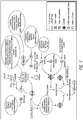
- the steroid model suggests that levocetirizine acts in a non-IgE-mediated capacity at the level of NF-kB ( See Figure 1 ) whereas montelukast acts at the CysLT1 receptor to inhibit the physiologic actions of LTD4. Both molecules are known to reduce the quantity of eosinophils or their migration to site of inflammation. Montelukast, in addition, also decreases the recruitment of dendritic cells and T cells.
- levocetirizine plus montelukast surpass the individual physiologic mechanisms of each, well beyond the treatment of allergic rhinitis and asthma. At least in part, it is the anti-viral and anti-inflammatory properties of levocetirizine vis-a-vis nuclear factor kB; the inhibition of the actions of LTD4 by montelukast, underscored by ability of both levocetirizine and montelukast to inhibit the eosinophil quantity/migration, which impart synergy. This synergy is reflected by significantly improved clinical outcomes in a myriad of acute and chronic inflammatory disease states.
- Embodiments described herein relate to treating inflammation of the entire respiratory tree, including in part, the nose and paranasal sinuses known as rhinosinusitis with montelukast and levocetirizine.
- Rhinosinusitis considered on a timeline may be acute, with a duration of less than six weeks (usually 4-6 weeks), subacute, having a duration of six to twelve weeks, or chronic, having a duration of greater than or equal to twelve weeks.
- Acute rhinosinusitis may be precipitated by multiple factors not limited to chemical irritation, trauma, allergic rhinitis or an earlier upper respiratory tract infection, which may be bacterial, viral, or, less commonly, fungal in origin.
- Bacterial sinusitis tends to be more persistent than viral rhinosinusitis, i.e., the common cold, which typically lasts for 7 to 10 days.
- montelukast and levocetirizine are taken prophylactically to prevent a viral respiratory tract infection from escalating to an acute, often opportunistic, secondary bacterial sinusitis, bronchitis and/or pneumonia.
- montelukast and levocetirizine are administered immediately, one hour, 6 hours, 12 hours, 1 day, 2 days, 3 days, 4 days, 5 days, 6 days, 7 days, 8 days, 9 days, 10 days, 11 days, 12 days, 13 days, 14 days, 15 days, 16 days, 17 days, 18 days, 19 days, 20 days, 21 days, 22 days, 23 days, 24 days, 25 days, 26 days, 27 days, 28 days, 29 days, and/or 30 days after exposure to the pathogens (virus, bacteria, fungi, etc.).
- pathogens virus, bacteria, fungi, etc.
- montelukast and levocetirizine treatment reduces the duration of influenza. In some embodiments, montelukast and levocetirizine treatment reduces the severity of influenza symptoms.
- montelukast and levocetirizine treatment reduces the duration of influenza. In some embodiments, montelukast and levocetirizine treatment reduces the severity of cold symptoms.
- Chronic rhinosinusitis is an inflammatory condition/disease of the nose and paranasal sinuses lasting for greater than or equal to twelve weeks. Symptoms include in part, any combination of nasal congestion, facial pain, headache, coughing, an increase in asthma symptoms, malaise, discharge, feeling of facial tightness, dizziness, and/or aching teeth.
- Rhinosinusitis in general can be categorized into four categories: (1) acute bacterial rhinosinusitis (ABRS), (2) chronic rhinosinusitis without nasal polyposis (CRSsNP), (3) chronic sinusitis with nasal polyposis (CRSwNP), and (4) allergic fungal rhinosinusitis (AFRS). See Meltzer, EO. Rhinosinusitis: Developing guidance for clinical trials.
- Nasal polyposis is a subgroup of chronic rhinosinusitis in which the inflammation of the nose is associated with two or more of the following signs and symptoms: nasal obstruction or congestion, nasal discharge, hyposmia or anosmia, facial pain or feeling of pressure, endoscopic evidence of polyps or mucopurulent discharge from middle meatus with or without edema or mucosal obstruction of the meatus and CT images which show mucosal changes of osteomeatal complex or paranasal sinuses. See Fokkens W, et. al. EAACI position paper on rhinosinusitis and nasal polyps executive summary.
- Mometasone furoate monohydrate a topical nasal steroid spray, is the only FDA approved medication in the United States for the treatment of nasal polyposis. The recommended dose is two squirts each nostril twice a day.
- Embodiments described herein relate to the treatment of chronic rhinosinusitis with montelukast and levocetirizine.
- Several embodiments described herein relate to the treatment of nasal polyposis with montelukast and levocetirizine.
- montelukast and levocetirizine treatment reduces the size and/or number of polyps.
- Some embodiments relate to the treatment of chronic rhinosinusitis with montelukast and levocetirizine in the absence of steroids, antibiotics or surgical treatment.
- montelukast and levocetirizine are administered in conjunction with antibiotics and/or steroids and/or surgical treatment as deemed clinically applicable.
- the chronic rhinosinusitis treatment protocol with or without other treatment modalities is shown in Table IV.
- Patients may be seen at least quarterly in the office with endoscopic review of the nose/paranasal sinuses when clinically appropriate.
- a pretreatment and follow-up CT scan of the perinasal sinuses at 6 months to one year post initiation of therapy may be performed to provide objective data on which to tailor existing medical therapy.
- Rhinitis inflammation of the nasal passages, is commonly caused by a viral or bacterial infection, including the common cold, the latter of which is caused primarily by Rhinoviruses and Coronaviruses. See Eccles R. Understanding the Symptoms of the Common Cold and Influenza. Lancet Infectious Diseases 2005; 5(11): 718-725 . Rhinitis is categorized as: (i) infective rhinitis; (ii) nonallergic rhinitis; and (iii) allergic rhinitis.
- Several embodiments relate to a method of treating infective rhinitis with montelukast and levocetirizine. Some embodiments relate to a method of treating nonallergic rhinitis with montelukast and levocetirizine. Some embodiments relate to a method of treating allergic rhinitis with montelukast and levocetirizine.
- Several embodiments described herein relate to the treatment of chronic rhinosinusitis with montelukast and levocetirizine. Some embodiments, relate to the treatment of chronic rhinosinusitis with montelukast and levocetirizine in the absence of steroid or antibiotic treatment. In other embodiments, montelukast and levocetirizine are administered in conjunction with antibiotics and/or steroids.
- Several embodiments relate to non-IgE-based inflammation with montelukast and levocetirizine.
- Several embodiments relate to treating combined IgE and non-IgE-mediated inflammation with montelukast and levocetirizine.
- Table V shows the existing U.S. national guidelines for dosages in the treatment of allergic disorders.
- Levocetirizine - US Adults 5 mg / day Children: 6-11 years of age: 2.5 mg /day Children: 6 months to 5 years 1.25 mg / day
- Montelukast - US Adults 10 mg orally /day Children 6-14 years of age: 5 mg orally/day Children 6 months -5 years of age: 4 mg orally / day
- Several embodiments relate to the use of a combination of levocetirizine and montelukast to treat a bacterial infection.
- bacterial infections that may be treated by a combination of levocetirizine and montelukast include, but are not limited to, acute bacterial rhinosinusitis (ABRS).
- levocetirizine and montelukast may be administered with an antibiotic as determined by local presentation.
- levocetirizine and montelukast may be administered with antibiotics to treat for example, acute otitis media with purulent middle ear effusion.
- levocetirizine and montelukast may be administered without antibiotics to treat chronic middle ear effusion, for example, chronic otitis media.
- levocetirizine and montelukast may be administered with other treatment modalities such as, but not limited to, steroids and/or antiviral agents.
- levocetirizine and montelukast may be administered with other treatment modalities such as, but not limited to, steroids and/or an antifungal agent.
- Intravenous therapy of levocetirizine and montelukast would enhance the individual and combined clinical response presently seen with the administration of oral medication.
- the IV montelukast plasma concentration area under the curve profile, 7 mg is comparable to the approved 10 mg oral montelukast tablet.
- the former has been shown in acute asthmatics to significantly improve FEV1 (forced expiratory volume at one sec) at 10 minutes when compared with placebo.
- the dosing for acute inflammation could be daily as delineated above individually in the same setting, as a dual-layer tablet(s), and/or as a blister pack containing both medications for a 10 day course of therapy.
- the levocetirizine component can be given at time zero (5 mg), 12 hours (5mg) and 24 hours (5 mg), during the first 24 hour day, in order to achieve a steady state level of the molecule in less than 40 hours.
- Levocetirizine human dosing safety studies have been performed at up to 30 mg/day. Sedation is the principal side effect experienced at higher doses. Independent research has shown that levocetirizine alone can be dosed at 20 mg /day to treat severe cases of idiopathic urticaria.
- the application for the combination of levocetirizine and montelukast includes, but is not limited to treating, ameliorating, or preventing the following symptoms.
- the combination can be useful to shorten the course of seasonal flu and prevent or minimize the development of lower respiratory tract infections / complications, and/or to establish an improved, safe, world-wide protocol for influenza prior to the next pandemic, e.g., H5N1 with its associated 50% mortality rate.
- the combination can be useful to limit the infection itself, and/or to prevent or reduce the potential development of secondary sinusitis, bronchitis and pneumonia.
- the combination can be useful for treatment of Ebstein-Barr Virus, particularly, but not limited to those patients with respiratory involvement.
- the combination can be useful to shorten the course of the event, reduce hospitalizations and death.
- the combination can be useful for pre-treatment of patients allergic to one or more classes of antibiotics requiring antimicrobial therapy. These patients are at risk, 4-10x over the general population, of developing a subsequent ALE (allergic-like event).
- ALE antirgic-like event
- the combination can be useful to reduce the probability of developing a side-effect(s) from the primary treatment medications.
- the combination can be useful during and following radiation therapy to ameliorate the inflammatory response.
- the combination can be useful for patients requiring steroids for the treatment of inflammation who are otherwise at increased risk for the development of steroid induced complications. Examples include but are not limited to the following: i) A severe insulin dependent diabetic with an infection such as facial paralysis, and ii) Patient with latent Tuberculosis.
- the combination can be used to prevent complications related to the medication(s) as well as complications associated with the disease process itself.
- the combination can be used to treat serum sickness, with or without steroids.
- the combination can be used to prevent or ameliorate the risk of a systemic reaction.
- Examples of high risk patients with the potential to develop a life-threatening, systemic event include but are not limited to severe asthmatics, those patients with a concurrent respiratory tract infection, and those patients with a prior history of a systemic reaction.
- the combination can be used to ameliorate side effects associated with the administration of chemotherapeutic drug(s).
- the combination can be used to limit the side effects/life threatening event during the initial reaction and in preparation for any requisite subsequent transfusion.
- the useful in vivo dosage of levocetirizine and montelukast to be administered and the particular mode of administration will vary depending upon the age, weight, medical condition of the patient, the severity of the condition to be treated, the route of administration, the renal and hepatic function of the patient, and mammalian species treated, the particular compounds employed, and the specific use for which these compounds are employed.
- the determination of effective dosage levels that is the dosage levels necessary to achieve the desired result, can be accomplished by one skilled in the art using routine pharmacological methods. Typically, human clinical applications of products are commenced at lower dosage levels, with dosage level being increased until the desired effect is achieved.
- compounds of the present embodiments may be administered, for example, in a single daily dose, or the total daily dosage may be administered in divided doses of two, three or four times daily.
- the doses in Table VI can be modified.
- the age appropriate dose for levocetirizine may be given at time zero (at presentation) with an additional age appropriate dose at 12 hours.
- a dose of montelukast may be given at time zero (at presentation) with an additional age appropriate dose of montelukast at 12 hours. In this fashion the steady state level of the two drugs would approach 24 hours.
- Montelukast like levocetirizine, is considered a very safe molecule.
- Montelukast has been administered at doses up to 200 mg/ day (20x the standard adult daily dose) to adult patients for 22 weeks and in short-term studies, up to 900 mg/day (90x the standard adult daily dose) to patients for approximately one week without clinically important adverse events.
- Dosing duration may parallel the generally accepted protocols for their respective disease states. For example, conventional therapy for an acute infectious disease process is typically administered for 5-14 days. A course of combined levocetirizine once daily plus montelukast once daily may be given for the same duration. For the treatment of chronic inflammatory disease states, an age appropriate once daily dosing of each medication may also be administered.
- Hypoxic-ischemic brain injury is a general classification of brain injury which includes in part, brain trauma, cardiac arrest, vascular catastrophe (hemorrhagic, thrombotic stroke), and poisoning (such as carbon monoxide or drug overdose) and central nervous system infection. Improved techniques have resulted in greater numbers of patients surviving with variable degrees of brain injury. The evolution of hypothermic treatment has been particularly useful in improving neurologic morbidity and decreasing mortality in survivors of cardiac arrest and major brain trauma. The induction of mild to moderate hypothermia to a target temperature of 32-34° C has improved the neurologic outcomes; however, refinement of existing protocols with validated studies are needed.
- Severe traumatic brain injury is defined as head trauma associated with a Glasgow Coma Scale (GCS) score of 3-8.
- GCS Glasgow Coma Scale
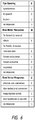
- the GCS ranges from 3-15 and is an assessment tool used by emergency medical providers to objectively provide a degree of consciousness.
- E + M + V 3 to 15;
- Figure 6 provides a definition for each of these variables.
- a GCS score greater than or equal to 9 typically indicates that a patient is not in coma. More specifically, a score of 9-11 indicates moderate severity, and a score greater than or equal to 12 indicates a minor injury.
- a GCS score of 8 is thus a critical score: 50% of patients with a GCS score of less than or equal to 8 at 6 hours die and 90% of patients with a GCS score of less than or equal to 8 are in coma.
- TBI traumatic brain injury
- the primary brain injury is the physical damage to the parenchyma (tissue, vessels) that occurs during the traumatic event, e.g., skull fracture, cerebral contusion and hemorrhage.
- the secondary injury is the result of a complex process that occurs over the ensuing hours to days.
- Numerous secondary brain insults may occur as the result of intracranial, extracranial, and systemic therapy or the lack thereof.
- Secondary brain insults mainly ischemic in nature, include in part, cerebral edema, hematomas, hydrocephalus, intracranial hypertension, vasospasm, metabolic derangement, excitotoxicity, calcium ions toxicity, infection, and seizures.
- Other disorders for example, bacterial meningitis
- steroids were used in high doses (for example, 24 mg dexamethasone in 24 hours) for the treatment of traumatic brain injury to decrease the swelling and edema cause by the primary injury (such as skull fracture, cerebral contusion, and hemorrhage).
- Steroids were effective, at least in part, in ameliorating the posttraumatic ischemia associated with the release of oxygen free radicals, excitatory amino acids, cytokines and other inflammatory mediators.
- a CRASH study published data on 10,008 patients that showed the risk of death from all causes within 2 weeks of traumatic brain injury was higher in the steroid versus placebo groups (21.1% and 17.9%, respectively).
- glucocorticoids for the treatment of secondary ischemia related to, for example, bacterial meningitis
- some studies have reported that adults receiving dexamethasone for the treatment of bacterial meningitis had a lower percentage of unfavorable outcomes, including death, as compared to subjects who received placebo; in a study of pediatric patients, patients receiving dexamethasone also showed a reduction of meningeal inflammation and decreased audiologic and neurologic sequelae as compared to patients who received placebo.
- patients treated with steroids for hemophilus influenza Type B infections have less long-term hearing loss than patients treated with antibiotics alone.
- dexamethasone can also decrease antibiotic penetration into the central nervous system, and thus the use of steroids can impede eradication of highly resistant bacterial strains from the cerebral spinal fluid and aggravate neuronal damage in the hippocampal formation.
- levocetirizine and montelukast exhibits synergistic effects and unexpectedly superior results in the treatment of brain injuries, particularly traumatic brain injuries.
- levocetirizine and montelukast work to block the H1 and leukotriene receptors, respectively.
- levocetirizine and montelukast quickly block the release of histamine to reduce systemic swelling and improved lung function by inhibiting the release of leukotrienes.
- levocetirizine and montelukast combination synergistically decrease eosinophil (the white blood cell considered the hallmark of inflammation) migration and quantity.
- levocetirizine blocks IL-6 (Interleukin 6).
- IL-6 is one of the most important mediators of the acute phase reaction to injury and fever. Importantly, IL-6 is capable of crossing the blood-brain brain barrier, which makes it a significant cytokine even in the presence of a less severe, closed head injury.
- the use of steroids can be avoided.
- the combination of levocetirizine and montelukast can also enhance a patient's clinical response (foreshortened healing time) following the addition of the combination of levocetirizine and montelukast to an acute brain trauma protocol.
- the combinations of levocetirizine and montelukast can be used safely in conjunction with many existing treatment protocols (e.g., acute brain injury, acute lung injury, acute stroke, meningitis, pneumonia, sepsis).
- antibiotics can be administered to a patient in combination with levocetirizine and montelukast; such antibiotics include but are not limited to vancomycin, meropenem, amoxicillin/beta clauvulanic acid, levofloxacin, piperacillin/tazobactam, ceftriaxone, clindamycin, azithromycin, trimethoprim/sulfamethoxazole, doxycycline or combinations thereof. Additional agents also include, but are not limited to, the broad spectrum of antibiotics, antivirals, anti-parasitics and antifungals.
- the combination can be administered with many common classes of medications used in an intensive care, hospital or outpatient setting, including but not limited to the vasopressors, diuretics, anticoagulants, anti-seizure medications, proton pump inhibitors, glucocorticoids (if necessary), H2 receptor antagonists, antipyretic agents, anti-inflammatories and anti-neoplastic drugs.
- vasopressors diuretics
- anticoagulants e.g. significant drug interaction
- anti-seizure medications proton pump inhibitors
- glucocorticoids glucocorticoids (if necessary)
- H2 receptor antagonists if necessary
- antipyretic agents e.g. significant drug interaction
- the combination of levocetirizine and montelukast may be administered to the patient by one or more of the routes, such as enteral, intraperitoneal, inhalation, intramuscular, subcutaneous and oral. Furthermore, the combination of levocetirizine and montelukast may be administered intravenously, for example, to quickly deliver the combination as a dual emergency medication, thereby eliciting an even more robust response.
- the useful in vivo dosage of levocetirizine and montelukast to be administered and the particular mode of administration will vary depending upon the age, weight, medical condition of the patient, the severity of the condition to be treated, the route of administration, the renal and hepatic function of the patient, and mammalian species treated, the particular compounds employed, and the specific use for which these compounds are employed.
- the determination of effective dosage levels can be accomplished by one skilled in the art using routine pharmacological methods. Typically, human clinical applications of products are commenced at lower dosage levels, with dosage level being increased until the desired effect is achieved.
- compounds of the present embodiments may be administered, for example, in a single daily dose, or the total daily dosage may be administered in divided doses of two, three or four times daily.
- Acute lung injury (ALI) and acute respiratory distress syndrome (ARDS) were defined by a panel of experts in 2011 (an initiative of the European Society of Intensive Care Medicine endorsed by the American Thoracic Society and the Society of Critical Care Medicine) as the Berlin Definition. Presently there are three stages: mild, moderate, and severe with an associated increased mortality (27%; 95% CI, 24%-30%; 32%; 95% CI, 29%-34%; and 45%; 95% CI, 42%-48%, respectively; P ⁇ .001) and increased median duration of mechanical ventilation in survivors (5 days; interquartile [IQR], 2-11; 7 days; IQR, 4-14; and 9 days; IQR, 5-17, respectively; P ⁇ .001).
- the definition was empirically evaluated using patient-level meta-analysis of 4188 patients with ARDS from 4 multicenter clinical data sets and 269 patients with ARDS from 3 single-center data sets containing physiologic information.
- the categories of ARDS are based on the degree of hypoxemia determined by the ratio of PaO2/FiO2 where the PaO2 is the partial pressure of oxygen in arterial blood and the FiO2 is the fraction of inspired oxygen.
- the categorization is as follows: (1) Mild ARDS: 200 mm Hg ⁇ PaO2/FiO2 and less than or equal to 300 mm Hg; (2) Moderate ARDS: 100 mm Hg ⁇ PaO2/FiO2 and less than or equal to ⁇ 200 mm Hg; and (3) Severe ARDS: PaO2/FiO2 is less than or equal to 100 mm Hg.
- Table VII shows the complete Berlin Definition of Acute Respiratory Distress Syndrome.
- ARDS The causes of ARDS have been enumerated at more than 60 with the most common being: sepsis, aspiration, pneumonia, severe trauma (bilateral lung contusion, fat embolism after long bone fracture, sepsis that develops several days after severe trauma or burns, and massive traumatic tissue injury), massive transfusion, transfusion related acute lung injury, lung and hematopoietic stem cell transplantation, drugs and alcohol, and genetic determinants such as mutations in the surfactant protein B (SP-B) gene.
- SP-B surfactant protein B
- ALI/ARDS characterized by migration of neutrophils into the alveolar compartment which in turn release injurious substances such a proteases and gelatinases A and B.
- the acute phase is depicted by the onset of radiographic infiltrates, consistent with pulmonary edema, hypoxemia and increased work of breathing.
- a late phase apparent after seven to 10 days is characterized by fibrosing alveolitis.
- Radiographically, linear opacities develop underscored by airspaces filled with granulation tissue. Characteristically there is a need for continued mechanical ventilation with high levels of PEEP (positive end expiratory pressure) and high levels of inspired oxygen (FiO2).
- PEEP positive end expiratory pressure
- FiO2 inspired oxygen
- ARDS Management of ARDS (Table VIII) includes treatment of the underlying condition, mechanical or noninvasive ventilation, fluid and hemodynamic therapy, treatment of opportunistic infection, nutrition, and pharmacologic therapy.
- pharmacologic therapy for ALI/ARDS.
- Agents that have failed in large trials include in part, glucocorticoids, alprostadil, surfactant, ketoconazole, N-acetylcysteine, procysteine, lisofylline, and site-inactivated recombinant factor VIIa.
- PBW Predicted Body Weight
- Males: PBW (kg) 50 + 2.3[(height in inches) - 60] or 50 + 0.91 [(height in cm) - 152.4].
- Females: IBW (kg) 45.5 + 2.3[(height in inches) - 60] or 45.5 + 0.91 [(height in cm) - 152.4].
- Ventilator Mode Volume assist/control until weaning.
- Tidal Volume (VT) • Initial VT: 6 mL/kg predicted body weight. • Measure inspiratory plateau pressure (Pplat, 0.5 sec inspiratory pause) every 4 hours AND after each change in PEEP or VT.
- levocetirizine plus montelukast fills an unmet need in this area of critical care medicine.
- levocetirizine is not only an effective antihistamine but also acts at physiologic doses to block IL-8 (Interleukin-8).
- Il-8 is the signaling protein (chemokine) which regulates the influx of neutrophils witnessed in the acute phase of ALI/ARDS.
- levocetirizine blocks IL-6 (Interleukin-6), the signaling protein which acts as a major mediator of both the acute phase response to injury and fever.
- Montelukast is a safe, effective leukotriene receptor antagonist and blocks the action of LTD4, the most potent of the cysteinyl leukotrienes in contracting smooth airway muscle. Given orally or intravenously, a 15% improvement in the FEV1 (forced expiratory volume at 1 sec) can be realized in minutes to hours as shown in Figure 7 .
- both molecules act synergistically to decrease eosinophil quantity and/or migration, where the eosinophil is considered the hallmark of the inflammation.
- the combination of levocetirizine plus montelukast can be used safely in a myriad of ICU clinical settings to augment existing treatment protocols, thereby decreasing morbidity/mortality.
- the combination of levocetirizine and montelukast will decrease the requirement for operative procedures such as bronchoscopy and tracheotomy by facilitating early extubation. This in turn will lead to a reduction in complications commonly found in the Intensive Care Unit, e.g., nosocomial infection, pneumothorax secondary to mechanical ventilation, thromboemboli, secondary bleeding, stress and decubitus ulcers.
- Intensive Care Unit e.g., nosocomial infection, pneumothorax secondary to mechanical ventilation, thromboemboli, secondary bleeding, stress and decubitus ulcers.
- Foreshortened lung and CNS (central nervous system) healing times will effectively decrease the length of the hospital stays and reduce the requirement for digital imaging and revision surgery in addition to the nonexclusive list of complications previously mentioned. Patients will benefit from improved lung function and neurological outcomes.
- the patient with a closed head injury and moderate ARDS by international criteria was treated with a combination of levocetirizine plus montelukast via nasogastric tube. He was extubated on day 2 and discharged from the hospital on day 4. The statistical mean time for intubation alone in this category of lung injury is 7 days.
- glucocorticoids can be avoided.
- combinations of levocetirizine and montelukast can be used safely in conjunction with many existing treatment protocols (e.g., acute brain injury, acute lung injury, acute stroke, meningitis, pneumonia, sepsis).
- antibiotics can be administered to a patient in combination with levocetirizine and montelukast; such antibiotics include but are not limited to vancomycin, meropenem, amoxicillin/beta clauvulanic acid, levofloxacin, piperacillin/tazobactam, ceftriaxone, clindamycin, azithromycin, trimethoprim/sulfamethoxazole, doxycycline or combinations thereof. Additional agents would also include, but are not limited to, the broad spectrum of antibiotics, antivirals, anti-parasitics and antifungals.
- the combination can be administered with many common classes of medications used in an intensive care, hospital or outpatient setting, including but not limited to the vasopressors, diuretics, anticoagulants, anti-seizure medications, proton pump inhibitors, glucocorticoids (if necessary), H2 receptor antagonists, antipyretic agents, anti-inflammatories and anti-neoplastic drugs.
- vasopressors diuretics
- anticoagulants e.g. significant drug interaction
- anti-seizure medications proton pump inhibitors
- glucocorticoids glucocorticoids (if necessary)
- H2 receptor antagonists if necessary
- antipyretic agents e.g. significant drug interaction
- the combination of levocetirizine and montelukast may be administered to the patient by one or more of the routes, such as enteral, intraperitoneal, inhalation, intramuscular, subcutaneous and oral. Furthermore, the combination of levocetirizine and montelukast may be administered intravenously, for example, to quickly deliver the combination as an emergency combination.
- the useful in vivo dosage of levocetirizine and montelukast to be administered and the particular mode of administration will vary depending upon the age, weight, medical condition of the patient, the severity of the condition to be treated, the route of administration, the renal and hepatic function of the patient, and mammalian species treated, the particular compounds employed, and the specific use for which these compounds are employed.
- the determination of effective dosage levels can be accomplished by one skilled in the art using routine pharmacological methods. Typically, human clinical applications of products are commenced at lower dosage levels, with dosage level being increased until the desired effect is achieved.
- compounds of the present embodiments may be administered, for example, in a single daily dose, or the total daily dosage may be administered in divided doses of two, three or four times daily. Definitions
- an effective amount includes an amount effective, at dosages and for periods of time necessary, to achieve the desired result, e.g., sufficient to treat lung and/or brain injuries.
- An effective amount of levocetirizine and montelukast may vary according to factors such as the disease state, age, and weight of the subject, and the ability of levocetirizine and montelukast to elicit a desired response in the subject. Dosage regimens may be adjusted to provide the optimum therapeutic response.
- An effective amount is also one in which any toxic or detrimental effects (e.g., side effects) of levocetirizine and montelukast are outweighed by the therapeutically beneficial effects.
- “Ameliorate,” “amelioration,” “improvement” or the like refers to, for example, a detectable improvement or a detectable change consistent with improvement that occurs in a subject or in at least a minority of subjects, e.g., in at least about 2%, 5%, 10%, 15%, 20%, 25%, 30%, 40%, 50%, 60%, 70%, 75%, 80%, 85%, 90%, 95%, 98%, 100% or in a range between any two of these values.
- Such improvement or change may be observed in treated subjects as compared to subjects not treated with levocetirizine and montelukast, where the untreated subjects have, or are subject to developing, the same or similar disease, condition, symptom or the like.
- Amelioration of a disease, condition, symptom or assay parameter may be determined subjectively or objectively, e.g., self assessment by a subject(s), by a clinician's assessment or by conducting an appropriate assay or measurement, including, e.g., a quality of life assessment, a slowed progression of a disease(s) or condition(s), a reduced severity of a disease(s) or condition(s), or a suitable assay(s) for the level or activity(ies) of a biomolecule(s), cell(s), by detection of respiratory or inflammatory disorders in a subject, and/or by modalities such as, but not limited to photographs, video, digital imaging and pulmonary function tests.
- Amelioration may be transient, prolonged or permanent or it may be variable at relevant times during or after levocetirizine and montelukast are administered to a subject or is used in an assay or other method described herein or a cited reference, e.g., within timeframes described infra, or about 1 hour after the administration or use of levocetirizine and montelukast to about 28 days, or 1, 3, 6, 9 months or more after a subject(s) has received such treatment.
- the "modulation" of, e.g., a symptom, level or biological activity of a molecule, or the like refers, for example, to the symptom or activity, or the like that is detectably increased or decreased. Such increase or decrease may be observed in treated subjects as compared to subjects not treated with levocetirizine and montelukast, where the untreated subjects have, or are subject to developing, the same or similar disease, condition, symptom or the like.
- Such increases or decreases may be at least about 2%, 5%, 10%, 15%, 20%, 25%, 30%, 40%, 50%, 60%, 70%, 75%, 80%, 85%, 90%, 95%, 98%, 100%, 150%, 200%, 250%, 300%, 400%, 500%, 1000% or more or within any range between any two of these values.
- Modulation may be determined subjectively or objectively, e.g., by the subject's self-assessment, by a clinician's assessment or by conducting an appropriate assay or measurement, including, e.g., quality of life assessments, suitable assays for the level or activity of molecules, cells or cell migration within a subject and/or by modalities such as, but not limited to photographs, video, digital imaging and pulmonary function tests.
- Modulation may be transient, prolonged or permanent or it may be variable at relevant times during or after levocetirizine and montelukast are administered to a subject or is used in an assay or other method described herein or a cited reference, e.g., within times described infra, or about 1 hour after the administration or use of levocetirizine and montelukast to about 3, 6, 9 months or more after a subject(s) has received levocetirizine and montelukast.
- prevent refers to the prevention of the recurrence, onset, or development of lung and/or brain injury. Preventing includes protecting against the occurrence and severity of upper and/or lower respiratory tract infections.
- prophylactically effective amount refers to the amount of a therapy (e.g., a pharmaceutical composition comprising montelukast and levocetirizine) which is sufficient to result in the prevention of the development, recurrence, or onset of lung and/or brain injury or to enhance or improve the prophylactic effect(s) of another therapy.
- a therapy e.g., a pharmaceutical composition comprising montelukast and levocetirizine
- subject includes organisms which are capable of suffering from lung and/or brain injury or other disorder treatable by a combination of montelukast and levocetirizine or who could otherwise benefit from the administration of montelukast and levocetirizine as described herein, such as human and non-human animals.
- Preferred human animals include human subjects.
- non-human animals includes all vertebrates, e.g., mammals, e.g., rodents, e.g., mice, and non-mammals, such as non-human primates, e.g., sheep, dog, cow, chickens, amphibians, reptiles, etc.
- the patient is a 18-year-old male seen and evaluated in the Santa Barbara Cottage Hospital Surgical ICU after falling off a cliff in Isla Vista, California at approximately midnight 02/17/2012.
- the estimated height of the fall was 30-35 feet.
- His Glasgow Coma scale on admission was 7/15, reflecting a greater than fifty percent chance of mortality.
- Contributing factor alcohol with the consumption of 10 drinks between 9 PM and midnight. (BAC .252 g/dL).
- Ears gray tympanic membranes, no hemotympanum noted Nose: serosanguinous drainage right. Laceration of the right nasolabial groove - sutured Throat: intubated Eyes: right upper lid ecchymosis Face: equivocal depression of the right cheek Lungs: decreased breath sounds in the right lower lung field Heart: S1, S2 distinct, no pathological murmur
- Focal laceration of the right lobe of the liver Treatment Regimen Trauma Protocol for severe brain injury: • Induced coma with external ventricular drain • Licox (brain tissue oxygen) monitoring • Intravascular central cooling catheter Prophylactic antibiotic coverage to include: • vancomycin and meropenem to cover opportunistic pathogens associated with the brain, lung and facial injuries Levocetirizine 5mg per nasogastric tube / orally every 12 hours x 2, then every 24 hours plus montelukast 10 mg per nasogastric tube / orally every 12 hours x 2, then every 24 hours initiated 02/19/2012 (hospital day #2) through 03/04/2012 (hospital #16: 15 days of therapy) • abort the inflammatory response in the brain and face • address the acute lung injury without the use of steroids.
- Increasing deterioration with an associated PaO2/FiO2 of 247.4 led to the administration of levocetirizine and montelukast therapy via nasogastric tube the evening of 02/19/2012, hospital day #2.
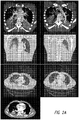
- a CT scan of the patient's chest (depicted in Figure 2A ) taken at 09:30 hours, 02/21/2012, hospital day #4, 36 hours into therapy, revealed: (1) a patchy infiltrate in the right upper lobe with a multinodular appearance and denser consolidation in the right lower lobe, suggesting multifocal pneumonia. Aspiration could not be ruled out. (2) Noted as well were small bilateral pleural effusions, right greater than left with (3) consolidation in the posterior left lower lobe indicating atelectasis or a third area of pneumonia. There was no CT evidence of pulmonary embolism.
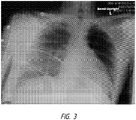
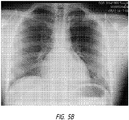
- a follow-up chest x-ray on 02/25/2012, hospital day #8 demonstrated nearly resolved bibasilar opacities (and thus likely reflecting volume loss) with no blunting of the costophrenic angles (otherwise reflecting fluid or atelectasis).
- the x-ray also showed no new infiltrate, effusion, or congestive heart failure.
- the left subclavian line remained in place.
- the rapid resolution of the aspiration pneumonia was aided by the use of levocetirizine plus montelukast (significantly shorter clearing time by several days when compared to conventional therapy, i.e., almost complete clearing between day #4, the day of the foreign body removal and day # 8) using imaging as an objective marker. No additional pulmonary intervention was required during the hospitalization.
- the findings reflect an enhanced clinical response (foreshortened healing time) in less than 2.5 days following the addition of levocetirizine + montelukast (02/19/2012 PM, hospital day #2) to the brain trauma protocol. An even more robust response would be realized from the combination of IV levocetirizine + montelukast (currently not available) given on presentation to the Emergency Room (time zero).
- the patient was extubated at 09:30 hours, 02/23/2012 post injury day #5 despite the aspiration and two bronchoscopies. He emerged from the coma, was stabilized and was transferred 03/02/2012, hospital day #14 to the Cottage Rehabilitation Hospital at essentially a Collinso 4 level of cognitive function. Maxillofacial fractures were corrected on 03/01/2012 prior to transfer. He was discharged 03/14/2012 to his parents for travel home to the East Coast.
- the patient is a 19 year old male status post 20 foot fall from a building in Isla Vista, California at 01:00 hours, Sunday, 10/28/2012, with resultant significant mid-facial fractures, lung contusion, aspiration and closed head injury.
- the Glasgow Coma Scale as an index of consciousness at the scene was 3/15 (normal 15/15). He had no spontaneous movement and appeared to have severe facial trauma.
- EL was subsequently transported via ambulance to the Santa Barbara Cottage Hospital Emergency Room for evaluation and admission.
- At the time of the initial Otolaryngology evaluation he was intubated on a respirator in the SICU (Surgical Intensive Care Unit). Respirator settings were as follows: FIO2 60% (inspired oxygen), PEEP five cm H2O, tidal volume 500 ml, SMIV, pressure support 10 cm H2O
- Respiratory rate 29 - 32 breaths /minute B/P 117/50 mmHg
- Ears AS left: gray tympanic membrane
- AD right: scant hemotympanum Nose occlusion of the left anterior airway from swelling of the left inferior turbinate and deviated nasal septum.
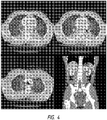
- CT Scan of the chest 01:59 hours., 10/28/2012: demonstrated bilateral pulmonary contusions/aspiration (as shown in Figure 4 ).
- Antibiotics Vancomycin 1 gram IV q 8 hours, Zosyn® (piperacillin/tazobactam) 3.375 mg IV q 6 hours representing standard therapy for listed injuries (open facial trauma + aspiration pneumonia)
- levocetirizine and montelukast were administered to achieve steady state levels at ⁇ 24 hours (as opposed to ⁇ 40 hours); synergistically block the acute inflammatory response without using steroids.
- the patient was extubated hospital day # 2 and discharged hospital day # 4.
- the mean intubation time alone for moderate ARDS as delineated by the Berlin definition is 7 days with an associated risk of mortality of 32%.
- ARDS adult Respiratory Distress Syndrome
- moderate ARDS patients suffering from severe ARDS.
- severe ARDS patients suffering from severe ARDS.
- the following particular parameters are monitored: length of hospital stay, number of days on a ventilator (intubated), mortality, and secondary infection. All patients are given the combination of levocetirizine and montelukast upon presentation.
- an initial group of 20 patients are compared with retrospective data gleaned from patients treated with existing protocols.
- Anticipated outcomes include the following:
- montelukast alone would improve lung function and potentially decrease total intubation times while levocetirizine would not be potent enough by itself to clear a patient's lungs.
- levocetirizine would not be potent enough by itself to clear a patient's lungs.
- the combination of levocetirizine and montelukast exhibits synergy to effectively treat ARDS and its related symptoms in the three classes of patients identified above (mild, moderate, severe).
- Levocetirzine blocks the acute or innate phase response to injury not only as an antihistamine but through its anti-inflammatory properties which include in part, the modulation of toll-like receptors, Interleukin 6 (IL-6) and Interleukin 8 (IL-8).
- IL-6 is one of the most important mediators of the acute phase reaction to injury and fever.
- LICOX brain tissue O2 and temperature data
- a neurological baseline assessment and corresponding data taken after patients have been treated with the combination of levocetirizine and montelukast for 30 days the Glasgow Coma Scale (statistically significant for mortality in the first two weeks of hospitalization), APACHE III scores (statistically significant for mortality after two weeks of hospitalization), length of hospital stay, number of days on a ventilator (intubated), mortality, and secondary infection. All patients are given the combination of levocetirizine and montelukast upon presentation. Given the intrinsic safety of the molecules and synergistic manner in which multiple pathways are blocked during the acute or innate phase response to trauma, an initial group of 20 patients are compared with retrospective data gleaned from patients treated with existing protocols.
- Anticipated outcomes include the following:
- montelukast alone would have minimal effect while levocetirizine would decrease swelling and limit tissue hypoxia/ischemia.
- levocetirizine would decrease swelling and limit tissue hypoxia/ischemia.
- the combination of levocetirizine and montelukast safely exhibits a remarkable synergy to effectively treat acute brain injury or traumatic brain injury and their related symptoms.
- IL-6 is one of the most important mediators of the acute phase reaction to injury and fever. Importantly, IL-6 is capable of crossing the blood-brain brain, which makes it a significant cytokine even in the presence of a less severe, closed head injury.
- LTD4 is the most potent of the cysteinyl leukotrienes in contracting airway smooth muscle. It promotes the recruitment of eosinophils, dendritic cells (antigen presenting cells) and T cells, which in turn in increases cell recruitment and activation. Clinically, montelukast has been shown to increase FEV1 by 15% in minutes to hours following administration.
Landscapes
- Health & Medical Sciences (AREA)
- Life Sciences & Earth Sciences (AREA)
- Veterinary Medicine (AREA)
- Public Health (AREA)
- General Health & Medical Sciences (AREA)
- Animal Behavior & Ethology (AREA)
- Medicinal Chemistry (AREA)
- Chemical & Material Sciences (AREA)
- Pharmacology & Pharmacy (AREA)
- Epidemiology (AREA)
- Bioinformatics & Cheminformatics (AREA)
- Engineering & Computer Science (AREA)
- Nuclear Medicine, Radiotherapy & Molecular Imaging (AREA)
- Organic Chemistry (AREA)
- Chemical Kinetics & Catalysis (AREA)
- General Chemical & Material Sciences (AREA)
- Molecular Biology (AREA)
- Proteomics, Peptides & Aminoacids (AREA)
- Immunology (AREA)
- Gastroenterology & Hepatology (AREA)
- Pulmonology (AREA)
- Vascular Medicine (AREA)
- Pain & Pain Management (AREA)
- Biomedical Technology (AREA)
- Neurology (AREA)
- Neurosurgery (AREA)
- Communicable Diseases (AREA)
- Rheumatology (AREA)
- Oncology (AREA)
- Urology & Nephrology (AREA)
- Cardiology (AREA)
- Heart & Thoracic Surgery (AREA)
- Pharmaceuticals Containing Other Organic And Inorganic Compounds (AREA)
- Medicines That Contain Protein Lipid Enzymes And Other Medicines (AREA)
- Otolaryngology (AREA)
- Dermatology (AREA)
Claims (10)
- Kombination von Levocetirizin und Montelukast in einer wirksamen Menge zur Anwendung bei der Behandlung einer traumatischen Hirnverletzung oder eines Symptoms einer traumatischen Hirnverletzung eines behandlungsbedürftigen Patienten.
- Kombination zur Anwendung nach Anspruch 1, wobei die Kombination beim Beginn der Symptome verabreicht wird.
- Kombination zur Anwendung nach Anspruch 1, wobei die Kombination zum Zeitpunkt der Diagnose verabreicht wird.
- Kombination zur Anwendung nach Anspruch 1, wobei die Kombination sequentiell verabreicht wird.
- Kombination zur Anwendung nach Anspruch 1, wobei die Kombination im Wesentlichen simultan verabreicht wird.
- Kombination zur Anwendung nach Anspruch 1, weiter umfassend ein zusätzliches aktives Mittel.
- Kombination zur Anwendung nach Anspruch 6, wobei das zusätzliche aktive Mittel aus der Gruppe, bestehend aus einem Antibiotikum, einem antiviralen, antiparasitären, antifungalen, vasopressorischen, diuretischen Mittel, einem Antikoagulans, Antianfall-Medikamenten, einem Protonenpumpeninhibitor, einem H2-Rezeptorantagonisten, einem antipyretischen Mittel, einem entzündungshemmenden Medikament, einem antineoplastischen Medikament und Kombinationen davon, ausgewählt ist.
- Kombination zur Anwendung nach Anspruch 7, wobei das Antibiotikum Vancomycin, Meropenem, Amoxicillin/Beta-Clavulansäure, Levofloxacin, Piperacillin/Tazobactam, Ceftriaxon, Clindamycin, Azithromycin, Trimethoprim/Sulfamethoxazol, Doxycyclin oder Kombinationen davon umfasst.
- Kombination zur Anwendung nach Anspruch 1, wobei die Kombination über einen oder mehrere der Wege, bestehend aus enteraler, intravenöser, intraperitonealer, inhalativer, intramuskulärer, subkutaner und oraler Verabreichung, an den Patienten verabreicht wird.
- Kombination zur Anwendung nach Anspruch 1, wobei das Levocetirizin und Montelukast über den gleichen Weg verabreicht werden.
Priority Applications (1)
| Application Number | Priority Date | Filing Date | Title |
|---|---|---|---|
| EP17205910.7A EP3308835B1 (de) | 2013-03-13 | 2014-03-07 | Verwendung von levocetirizin und montelukast zur behandlung traumatischer verletzungen |
Applications Claiming Priority (2)
| Application Number | Priority Date | Filing Date | Title |
|---|---|---|---|
| US201361780336P | 2013-03-13 | 2013-03-13 | |
| PCT/US2014/021706 WO2014164282A1 (en) | 2013-03-13 | 2014-03-07 | Use of levocetirizine and montelukast in the treatment of traumatic injury |
Related Child Applications (2)
| Application Number | Title | Priority Date | Filing Date |
|---|---|---|---|
| EP17205910.7A Division-Into EP3308835B1 (de) | 2013-03-13 | 2014-03-07 | Verwendung von levocetirizin und montelukast zur behandlung traumatischer verletzungen |
| EP17205910.7A Division EP3308835B1 (de) | 2013-03-13 | 2014-03-07 | Verwendung von levocetirizin und montelukast zur behandlung traumatischer verletzungen |
Publications (4)
| Publication Number | Publication Date |
|---|---|
| EP2969002A1 EP2969002A1 (de) | 2016-01-20 |
| EP2969002A4 EP2969002A4 (de) | 2016-08-31 |
| EP2969002B1 true EP2969002B1 (de) | 2018-01-10 |
| EP2969002B8 EP2969002B8 (de) | 2018-02-21 |
Family
ID=51658846
Family Applications (2)
| Application Number | Title | Priority Date | Filing Date |
|---|---|---|---|
| EP17205910.7A Active EP3308835B1 (de) | 2013-03-13 | 2014-03-07 | Verwendung von levocetirizin und montelukast zur behandlung traumatischer verletzungen |
| EP14779507.4A Active EP2969002B8 (de) | 2013-03-13 | 2014-03-07 | Verwendung von levocetirizin und montelukast zur behandlung traumatischer verletzungen |
Family Applications Before (1)
| Application Number | Title | Priority Date | Filing Date |
|---|---|---|---|
| EP17205910.7A Active EP3308835B1 (de) | 2013-03-13 | 2014-03-07 | Verwendung von levocetirizin und montelukast zur behandlung traumatischer verletzungen |
Country Status (12)
| Country | Link |
|---|---|
| US (4) | US9522148B2 (de) |
| EP (2) | EP3308835B1 (de) |
| JP (1) | JP6313414B2 (de) |
| KR (1) | KR20150135339A (de) |
| CN (1) | CN105517631A (de) |
| AU (1) | AU2014249531B2 (de) |
| CA (1) | CA2901410C (de) |
| ES (2) | ES2660494T3 (de) |
| HK (1) | HK1222818A1 (de) |
| MX (1) | MX382776B (de) |
| RU (1) | RU2672871C2 (de) |
| WO (1) | WO2014164282A1 (de) |
Families Citing this family (8)
| Publication number | Priority date | Publication date | Assignee | Title |
|---|---|---|---|---|
| MX352824B (es) | 2010-06-16 | 2017-12-11 | Inflammatory Response Res Inc | Uso de levocetirizina y montelukast en el tratamiento de influenza, resfriado común e inflamación. |
| RU2015134423A (ru) | 2013-03-13 | 2017-04-26 | Инфламматори Респонс Ресёрч, Инк. | Применение левоцитиризина и монтелукаста при лечении аутоиммуных расстройств |
| EP2968309A4 (de) | 2013-03-13 | 2016-08-31 | Inflammatory Response Res Inc | Verwendung von levocetirizin und montelukast bei der behandlung von vaskulitis |
| AU2014249531B2 (en) | 2013-03-13 | 2018-11-29 | IRR, Inc. | Use of levocetirizine and montelukast in the treatment of traumatic injury |
| WO2016044095A1 (en) | 2014-09-15 | 2016-03-24 | Inflammatory Response Research, Inc. | Levocetirizine and montelukast in the treatment of inflammation mediated conditions |
| JP2019517581A (ja) * | 2016-06-03 | 2019-06-24 | アイ・アール・アール・インコーポレイテッド | 放射線媒介性状態の処置におけるレボセチリジン及びモンテルカスト |
| CN113491696A (zh) * | 2017-07-05 | 2021-10-12 | 江阴优培尔康药业有限公司 | 包含孟鲁司特与贻贝粘附蛋白的组合的局部制剂 |
| WO2021236518A1 (en) * | 2020-05-19 | 2021-11-25 | IRR, Inc. | Levocetirizine and montelukast in the treatment of sepsis and symptoms thereof |
Family Cites Families (59)
| Publication number | Priority date | Publication date | Assignee | Title |
|---|---|---|---|---|
| US4801612A (en) | 1986-07-03 | 1989-01-31 | Regents Of The University Of California | Method of inhibiting inflammatory response |
| US5211958A (en) | 1987-11-30 | 1993-05-18 | Gist-Brocades, N.V. | Pharmaceutical composition and process for its preparation |
| US5147637A (en) * | 1988-06-07 | 1992-09-15 | The Rockefeller University | Method of inhibiting the influx of leukocytes into organs during sepsis or other trauma |
| DE69226372T2 (de) * | 1991-11-14 | 1999-04-01 | Alliance Pharmaceutical Corp., San Diego, Calif. | Vorrichtung zur teilweisen flüssigen beatmung mit fluorkohlenwasserstoffen |
| WO1995009652A1 (en) | 1993-10-06 | 1995-04-13 | The Kennedy Institute For Rheumatology | Treatment of autoimmune and inflammatory disorders |
| JP2001511134A (ja) | 1997-01-24 | 2001-08-07 | オートイミューン インク | メトトレキサートと組合せる耐性化を用いる自己免疫疾患の治療 |
| NZ520907A (en) | 1997-12-23 | 2004-05-28 | Schering Corp | Composition for treating respiratory and skin diseases, comprising at least one leukotriene antagonist and at least one antihistamine |
| WO1999037155A1 (en) * | 1998-01-27 | 1999-07-29 | Nutramax Laboratories, Inc. | Combinations of tyrosine, methylating agents, phospholipids, fatty acids, and st. john's wort for the treatment of mental disturbances |
| US6384038B1 (en) | 1998-04-14 | 2002-05-07 | Sepracor Inc. | Methods and compositions using cetirizine in combination with leukotriene inhibitors or decongestants |
| US7186555B1 (en) * | 1999-04-13 | 2007-03-06 | The Feinstein Institute For Medical Research | Prevention of brain damage in stroke |
| US20020052312A1 (en) | 2000-05-30 | 2002-05-02 | Reiss Theodore F. | Combination therapy of chronic obstructive pulmonary disease using muscarinic receptor antagonists |
| EP1307189B1 (de) | 2000-07-28 | 2006-05-10 | Immupharm APS | Verwendung von hydroxyethylrutosiden zur behandlung von erkältungssymptomen, symptomen der allergischen rhinitis und atemwegsinfektionen |
| US7718198B2 (en) | 2001-06-20 | 2010-05-18 | Metaproteomics, Llc | Treatment modalities for autoimmune diseases |
| SI1404304T1 (sl) | 2001-06-28 | 2009-10-31 | Ucb Farchim Sa Z I Planchy | Tableta, obsegajoča cetirizin in psevdoefedrin |
| EP1471907B1 (de) | 2001-06-29 | 2008-07-16 | AB Science | Die verwendung von c-kithemmern zur behandlung von autoimmunerkrankungen |
| HU224941B1 (en) | 2001-08-10 | 2006-04-28 | Bgi Innovacios Kft | Phototerapy apparatus |
| WO2003101434A2 (en) | 2001-12-21 | 2003-12-11 | Sampad Bhattacharya | Intranasal pharmaceutical compositions comprising an antihistamine and a leukotriene inhibitor |
| DE50312523D1 (de) | 2002-05-24 | 2010-04-29 | Carl-Fr Coester | Pharmazeutische wirkstoffkombination sowie deren verwendung |
| US7291331B1 (en) | 2002-09-11 | 2007-11-06 | La Jolla Institute For Allergy And Immunology | Methods of treating OX40 medicated recall immune responses |
| US20040180868A1 (en) | 2003-03-12 | 2004-09-16 | Mullally John P. | Composition and method for treating inflammations by reducing C-reactive protein |
| US7666417B2 (en) | 2003-04-22 | 2010-02-23 | Fred Hutchinson Cancer Research Center | Methods and compositions for treating autoimmune diseases or conditions |
| US20060263350A1 (en) | 2003-09-26 | 2006-11-23 | Fairfield Clinical Trials Llc | Combination antihistamine medication |
| WO2006010283A1 (en) * | 2004-07-28 | 2006-02-02 | Universität Zürich | Prevention and treatment of thrombus formation |
| RU2411956C2 (ru) | 2004-10-05 | 2011-02-20 | Дженентек, Инк. | Способ лечения васкулита |
| US20070225285A1 (en) | 2005-11-04 | 2007-09-27 | Amira Pharmaceuticals, Inc. | 5-lipoxygenase-activating protein (flap) inhibitors |
| US20070244128A1 (en) | 2005-11-04 | 2007-10-18 | Amira Pharmaceuticals, Inc. | 5-lipoxygenase-activating protein (flap) inhibitors |
| WO2007056510A2 (en) * | 2005-11-09 | 2007-05-18 | The Children's Hospital Of Philadelphia | Chloride transport upregulation for the treatment of traumatic brain injury |
| WO2007071313A2 (en) | 2005-12-21 | 2007-06-28 | Meda Pharma Gmbh & Co Kg | Combination of anticholinergics, glucocorticoids, beta2-ag0nists, pde4 inhibitor and antileukotriene for the treatment of inflammatory diseases |
| US7589076B2 (en) * | 2006-05-18 | 2009-09-15 | Pgx Health, Llc | Substituted aryl piperidinylalkynyladenosines as A2AR agonists |
| EP2170317A4 (de) | 2007-02-12 | 2011-03-23 | Mike Nicolaou | Behandlung von copd, gastroösophagealer reflux-krankheit (gerd), lebensmittelallergien und anderen gastrointestinalen erkrankungen und störungen, die durch richtiges histamin-management gelindert werden, mit einer kombination von histidindecarboxylase-hemmern, lra-arzneimitteln und/oder anti-h2-arzneimitteln |
| EP2650303A1 (de) * | 2007-02-26 | 2013-10-16 | Ironwood Pharmaceuticals, Inc. | Verfahren und Zusammensetzungen zur Behandlung von Herzinsuffizienz und anderen Erkrankungen |
| EP2175856A4 (de) | 2007-08-15 | 2011-08-24 | Chemagis Ltd | Neues verfahren für die herstellung von hochreinem levocetirizin und salzen daraus |
| AU2008316284A1 (en) * | 2007-10-25 | 2009-04-30 | Merck Frosst Canada Ltd. | Novel crystalline salts of montelukast |
| US20090227018A1 (en) | 2007-10-25 | 2009-09-10 | Revalesio Corporation | Compositions and methods for modulating cellular membrane-mediated intracellular signal transduction |
| JP5613565B2 (ja) | 2007-10-25 | 2014-10-22 | リバルシオ コーポレイション | 細胞膜媒介細胞内シグナル伝達を調節するための組成物および方法 |
| US8946265B2 (en) | 2009-03-02 | 2015-02-03 | Generics [Uk] Limited | Process for the preparation of lenalidomide |
| WO2010107404A1 (en) | 2009-03-16 | 2010-09-23 | Mahmut Bilgic | Stable pharmaceutical combinations |
| US8263581B2 (en) | 2009-07-03 | 2012-09-11 | Jdp Therapeutics, Inc. | Non-sedating antihistamine injection formulations and methods of use thereof |
| GB2474748B (en) * | 2009-10-01 | 2011-10-12 | Amira Pharmaceuticals Inc | Polycyclic compounds as lysophosphatidic acid receptor antagonists |
| US20130030000A1 (en) * | 2010-01-28 | 2013-01-31 | Chobanian Harry R | Pharmaceutical compositions for the treatment of pain and other indications |
| MX352824B (es) * | 2010-06-16 | 2017-12-11 | Inflammatory Response Res Inc | Uso de levocetirizina y montelukast en el tratamiento de influenza, resfriado común e inflamación. |
| JP2013535456A (ja) * | 2010-07-28 | 2013-09-12 | ベーリンガー インゲルハイム インターナショナル ゲゼルシャフト ミット ベシュレンクテル ハフツング | 呼吸器系及び炎症性疾患の治療用医薬組成物 |
| TR201009398A2 (tr) * | 2010-11-11 | 2012-05-21 | Bi̇lgi̇ç Mahmut | Fiziksel özellikleri geliştirilmiş tablet formülasyonları |
| WO2012092594A2 (en) | 2010-12-30 | 2012-07-05 | Harish Ziv M D | Preparations for topical prevention and/or treatment of oral allergic symptoms due to oral contact with fruits and/or vegetables |
| US20130030009A1 (en) | 2010-12-30 | 2013-01-31 | Ziv Harish | Method for the treatment and/or prevention of oral allergic symptions of the lips due to oral contact with a food allergen |
| KR20140020321A (ko) | 2011-04-13 | 2014-02-18 | 레발레시오 코퍼레이션 | 염증성 신경변성 질환에 관여하는 작동자 t 세포를 억제하고/하거나 조절하기 위한 조성물 및 방법 |
| EP2520292A1 (de) | 2011-05-06 | 2012-11-07 | Helmholtz-Zentrum für Infektionsforschung GmbH | Verwendung von Spirangienen zur Behandlung oder Prävention von IL-8- oder IL-6-vermittelten Erkrankungen |
| KR20130009553A (ko) * | 2011-07-15 | 2013-01-23 | 한미약품 주식회사 | 몬테루카스트 또는 이의 약학적으로 허용가능한 염 및 레보세티리진 또는 이의 약학적으로 허용가능한 염을 함유하는 캡슐 제제 |
| CA2843022C (en) | 2011-07-26 | 2019-09-24 | Boehringer Ingelheim International Gmbh | Substituted quinolines and their use as medicaments |
| CN102895661A (zh) | 2011-07-28 | 2013-01-30 | 中国科学院上海药物研究所 | 靶向CysLT1的药物在制备用于预防或治疗自身免疫性疾病的药物中的用途 |
| SG11201406142XA (en) | 2012-03-27 | 2014-10-30 | Univ Duke | Compositions and methods for the prevention and treatment of mast cell-induced vascular leakage |
| CN103505731A (zh) | 2012-06-15 | 2014-01-15 | 中国药科大学 | 1型半胱氨酰白三烯受体拮抗剂在制备用于治疗阿尔茨海默病的药物中的用途 |
| WO2014090990A1 (en) | 2012-12-13 | 2014-06-19 | Ludwig Aigner | Leukotriene pathway antagonists for the treatment of dementia, cognitive deficits in parkinson's disease and/or learning and memory deficiencies in parkinson's disease |
| EP2968309A4 (de) | 2013-03-13 | 2016-08-31 | Inflammatory Response Res Inc | Verwendung von levocetirizin und montelukast bei der behandlung von vaskulitis |
| AU2014249531B2 (en) | 2013-03-13 | 2018-11-29 | IRR, Inc. | Use of levocetirizine and montelukast in the treatment of traumatic injury |
| RU2015134423A (ru) | 2013-03-13 | 2017-04-26 | Инфламматори Респонс Ресёрч, Инк. | Применение левоцитиризина и монтелукаста при лечении аутоиммуных расстройств |
| CN105163806A (zh) | 2013-03-13 | 2015-12-16 | 炎症反应研究公司 | 左西替利嗪和孟鲁司特在治疗过敏反应中的用途 |
| WO2016044095A1 (en) | 2014-09-15 | 2016-03-24 | Inflammatory Response Research, Inc. | Levocetirizine and montelukast in the treatment of inflammation mediated conditions |
| JP2019517581A (ja) | 2016-06-03 | 2019-06-24 | アイ・アール・アール・インコーポレイテッド | 放射線媒介性状態の処置におけるレボセチリジン及びモンテルカスト |
-
2014
- 2014-03-07 AU AU2014249531A patent/AU2014249531B2/en active Active
- 2014-03-07 HK HK16111011.4A patent/HK1222818A1/zh unknown
- 2014-03-07 EP EP17205910.7A patent/EP3308835B1/de active Active
- 2014-03-07 ES ES14779507.4T patent/ES2660494T3/es active Active
- 2014-03-07 CN CN201480013699.3A patent/CN105517631A/zh active Pending
- 2014-03-07 EP EP14779507.4A patent/EP2969002B8/de active Active
- 2014-03-07 ES ES17205910T patent/ES2770760T3/es active Active
- 2014-03-07 RU RU2015134421A patent/RU2672871C2/ru active
- 2014-03-07 CA CA2901410A patent/CA2901410C/en active Active
- 2014-03-07 KR KR1020157027768A patent/KR20150135339A/ko not_active Ceased
- 2014-03-07 JP JP2016500815A patent/JP6313414B2/ja active Active
- 2014-03-07 WO PCT/US2014/021706 patent/WO2014164282A1/en not_active Ceased
- 2014-03-07 MX MX2015012315A patent/MX382776B/es unknown
-
2015
- 2015-08-20 US US14/831,469 patent/US9522148B2/en active Active
-
2016
- 2016-11-10 US US15/348,253 patent/US9937166B2/en active Active
-
2018
- 2018-02-28 US US15/908,387 patent/US11103500B2/en active Active
-
2021
- 2021-07-27 US US17/443,769 patent/US20220096465A1/en not_active Abandoned
Non-Patent Citations (1)
| Title |
|---|
| None * |
Also Published As
| Publication number | Publication date |
|---|---|
| CA2901410A1 (en) | 2014-10-09 |
| CA2901410C (en) | 2023-09-12 |
| AU2014249531A1 (en) | 2015-08-27 |
| US20150352104A1 (en) | 2015-12-10 |
| ES2770760T3 (es) | 2020-07-03 |
| US20170056395A1 (en) | 2017-03-02 |
| EP2969002B8 (de) | 2018-02-21 |
| MX2015012315A (es) | 2015-12-16 |
| EP2969002A1 (de) | 2016-01-20 |
| US11103500B2 (en) | 2021-08-31 |
| MX382776B (es) | 2025-03-13 |
| EP3308835B1 (de) | 2020-01-01 |
| ES2660494T8 (es) | 2018-04-19 |
| RU2672871C2 (ru) | 2018-11-20 |
| WO2014164282A1 (en) | 2014-10-09 |
| RU2015134421A3 (de) | 2018-03-19 |
| EP2969002A4 (de) | 2016-08-31 |
| JP6313414B2 (ja) | 2018-04-18 |
| US9937166B2 (en) | 2018-04-10 |
| EP3308835A1 (de) | 2018-04-18 |
| RU2015134421A (ru) | 2017-04-19 |
| US20180185357A1 (en) | 2018-07-05 |
| ES2660494T3 (es) | 2018-03-22 |
| AU2014249531B2 (en) | 2018-11-29 |
| KR20150135339A (ko) | 2015-12-02 |
| US20220096465A1 (en) | 2022-03-31 |
| HK1222818A1 (zh) | 2017-07-14 |
| JP2016516033A (ja) | 2016-06-02 |
| US9522148B2 (en) | 2016-12-20 |
| CN105517631A (zh) | 2016-04-20 |
Similar Documents
| Publication | Publication Date | Title |
|---|---|---|
| US11103500B2 (en) | Use of levocetirizine and montelukast in the treatment of traumatic injury | |
| AU2014249456B2 (en) | Use of levocetirizine and montelukast in the treatment of autoimmune disorders | |
| KR101801864B1 (ko) | 인플루엔자, 감기 및 염증의 치료에서 레보세티리진 및 몬테루카스트의 용도 | |
| AU2014249534B2 (en) | Use of levocetirizine and montelukast in the treatment of vasculitis | |
| US20200101067A1 (en) | Use of levocetirizine and montelukast in the treatment of anaphylaxis | |
| KR102766876B1 (ko) | 타우로데옥시콜린산 또는 이의 약학적으로 허용가능한 염을 유효성분으로 함유하는 코로나바이러스감염증-19(covid-19) 치료용 조성물 | |
| US20230270724A1 (en) | PDE3 inhibitors for treating viral infections |
Legal Events
| Date | Code | Title | Description |
|---|---|---|---|
| PUAI | Public reference made under article 153(3) epc to a published international application that has entered the european phase |
Free format text: ORIGINAL CODE: 0009012 |
|
| 17P | Request for examination filed |
Effective date: 20150928 |
|
| AK | Designated contracting states |
Kind code of ref document: A1 Designated state(s): AL AT BE BG CH CY CZ DE DK EE ES FI FR GB GR HR HU IE IS IT LI LT LU LV MC MK MT NL NO PL PT RO RS SE SI SK SM TR |
|
| AX | Request for extension of the european patent |
Extension state: BA ME |
|
| DAX | Request for extension of the european patent (deleted) | ||
| A4 | Supplementary search report drawn up and despatched |
Effective date: 20160802 |
|
| RIC1 | Information provided on ipc code assigned before grant |
Ipc: A61P 11/00 20060101ALI20160727BHEP Ipc: A61K 31/47 20060101ALI20160727BHEP Ipc: A61K 31/495 20060101ALI20160727BHEP Ipc: A61P 29/00 20060101AFI20160727BHEP Ipc: A61P 9/10 20060101ALI20160727BHEP |
|
| GRAP | Despatch of communication of intention to grant a patent |
Free format text: ORIGINAL CODE: EPIDOSNIGR1 |
|
| STAA | Information on the status of an ep patent application or granted ep patent |
Free format text: STATUS: GRANT OF PATENT IS INTENDED |
|
| INTG | Intention to grant announced |
Effective date: 20170508 |
|
| GRAS | Grant fee paid |
Free format text: ORIGINAL CODE: EPIDOSNIGR3 |
|
| GRAJ | Information related to disapproval of communication of intention to grant by the applicant or resumption of examination proceedings by the epo deleted |
Free format text: ORIGINAL CODE: EPIDOSDIGR1 |
|
| GRAL | Information related to payment of fee for publishing/printing deleted |
Free format text: ORIGINAL CODE: EPIDOSDIGR3 |
|
| STAA | Information on the status of an ep patent application or granted ep patent |
Free format text: STATUS: REQUEST FOR EXAMINATION WAS MADE |
|
| GRAP | Despatch of communication of intention to grant a patent |
Free format text: ORIGINAL CODE: EPIDOSNIGR1 |
|
| STAA | Information on the status of an ep patent application or granted ep patent |
Free format text: STATUS: GRANT OF PATENT IS INTENDED |
|
| INTC | Intention to grant announced (deleted) | ||
| INTG | Intention to grant announced |
Effective date: 20171009 |
|
| GRAA | (expected) grant |
Free format text: ORIGINAL CODE: 0009210 |
|
| STAA | Information on the status of an ep patent application or granted ep patent |
Free format text: STATUS: THE PATENT HAS BEEN GRANTED |
|
| AK | Designated contracting states |
Kind code of ref document: B1 Designated state(s): AL AT BE BG CH CY CZ DE DK EE ES FI FR GB GR HR HU IE IS IT LI LT LU LV MC MK MT NL NO PL PT RO RS SE SI SK SM TR |
|
| REG | Reference to a national code |
Ref country code: CH Ref legal event code: EP Ref country code: AT Ref legal event code: REF Ref document number: 961752 Country of ref document: AT Kind code of ref document: T Effective date: 20180115 Ref country code: FR Ref legal event code: PLFP Year of fee payment: 5 |
|
| RAP2 | Party data changed (patent owner data changed or rights of a patent transferred) |
Owner name: INFLAMMATORY RESPONSE RESEARCH, INC. |
|
| REG | Reference to a national code |
Ref country code: IE Ref legal event code: FG4D |
|
| REG | Reference to a national code |
Ref country code: DE Ref legal event code: R096 Ref document number: 602014019874 Country of ref document: DE |
|
| REG | Reference to a national code |
Ref country code: SE Ref legal event code: TRGR |
|
| REG | Reference to a national code |
Ref country code: ES Ref legal event code: FG2A Ref document number: 2660494 Country of ref document: ES Kind code of ref document: T3 Effective date: 20180322 |
|
| REG | Reference to a national code |
Ref country code: NL Ref legal event code: MP Effective date: 20180110 |
|
| REG | Reference to a national code |
Ref country code: AT Ref legal event code: MK05 Ref document number: 961752 Country of ref document: AT Kind code of ref document: T Effective date: 20180110 |
|
| PG25 | Lapsed in a contracting state [announced via postgrant information from national office to epo] |
Ref country code: NL Free format text: LAPSE BECAUSE OF FAILURE TO SUBMIT A TRANSLATION OF THE DESCRIPTION OR TO PAY THE FEE WITHIN THE PRESCRIBED TIME-LIMIT Effective date: 20180110 |
|
| PG25 | Lapsed in a contracting state [announced via postgrant information from national office to epo] |
Ref country code: NO Free format text: LAPSE BECAUSE OF FAILURE TO SUBMIT A TRANSLATION OF THE DESCRIPTION OR TO PAY THE FEE WITHIN THE PRESCRIBED TIME-LIMIT Effective date: 20180410 Ref country code: HR Free format text: LAPSE BECAUSE OF FAILURE TO SUBMIT A TRANSLATION OF THE DESCRIPTION OR TO PAY THE FEE WITHIN THE PRESCRIBED TIME-LIMIT Effective date: 20180110 Ref country code: CY Free format text: LAPSE BECAUSE OF FAILURE TO SUBMIT A TRANSLATION OF THE DESCRIPTION OR TO PAY THE FEE WITHIN THE PRESCRIBED TIME-LIMIT Effective date: 20180110 Ref country code: LT Free format text: LAPSE BECAUSE OF FAILURE TO SUBMIT A TRANSLATION OF THE DESCRIPTION OR TO PAY THE FEE WITHIN THE PRESCRIBED TIME-LIMIT Effective date: 20180110 Ref country code: FI Free format text: LAPSE BECAUSE OF FAILURE TO SUBMIT A TRANSLATION OF THE DESCRIPTION OR TO PAY THE FEE WITHIN THE PRESCRIBED TIME-LIMIT Effective date: 20180110 |
|
| PG25 | Lapsed in a contracting state [announced via postgrant information from national office to epo] |
Ref country code: IS Free format text: LAPSE BECAUSE OF FAILURE TO SUBMIT A TRANSLATION OF THE DESCRIPTION OR TO PAY THE FEE WITHIN THE PRESCRIBED TIME-LIMIT Effective date: 20180510 Ref country code: LV Free format text: LAPSE BECAUSE OF FAILURE TO SUBMIT A TRANSLATION OF THE DESCRIPTION OR TO PAY THE FEE WITHIN THE PRESCRIBED TIME-LIMIT Effective date: 20180110 Ref country code: GR Free format text: LAPSE BECAUSE OF FAILURE TO SUBMIT A TRANSLATION OF THE DESCRIPTION OR TO PAY THE FEE WITHIN THE PRESCRIBED TIME-LIMIT Effective date: 20180411 Ref country code: RS Free format text: LAPSE BECAUSE OF FAILURE TO SUBMIT A TRANSLATION OF THE DESCRIPTION OR TO PAY THE FEE WITHIN THE PRESCRIBED TIME-LIMIT Effective date: 20180110 Ref country code: PL Free format text: LAPSE BECAUSE OF FAILURE TO SUBMIT A TRANSLATION OF THE DESCRIPTION OR TO PAY THE FEE WITHIN THE PRESCRIBED TIME-LIMIT Effective date: 20180110 Ref country code: BG Free format text: LAPSE BECAUSE OF FAILURE TO SUBMIT A TRANSLATION OF THE DESCRIPTION OR TO PAY THE FEE WITHIN THE PRESCRIBED TIME-LIMIT Effective date: 20180410 Ref country code: AT Free format text: LAPSE BECAUSE OF FAILURE TO SUBMIT A TRANSLATION OF THE DESCRIPTION OR TO PAY THE FEE WITHIN THE PRESCRIBED TIME-LIMIT Effective date: 20180110 |
|
| REG | Reference to a national code |
Ref country code: DE Ref legal event code: R097 Ref document number: 602014019874 Country of ref document: DE |
|
| PG25 | Lapsed in a contracting state [announced via postgrant information from national office to epo] |
Ref country code: EE Free format text: LAPSE BECAUSE OF FAILURE TO SUBMIT A TRANSLATION OF THE DESCRIPTION OR TO PAY THE FEE WITHIN THE PRESCRIBED TIME-LIMIT Effective date: 20180110 Ref country code: AL Free format text: LAPSE BECAUSE OF FAILURE TO SUBMIT A TRANSLATION OF THE DESCRIPTION OR TO PAY THE FEE WITHIN THE PRESCRIBED TIME-LIMIT Effective date: 20180110 Ref country code: RO Free format text: LAPSE BECAUSE OF FAILURE TO SUBMIT A TRANSLATION OF THE DESCRIPTION OR TO PAY THE FEE WITHIN THE PRESCRIBED TIME-LIMIT Effective date: 20180110 |
|
| REG | Reference to a national code |
Ref country code: CH Ref legal event code: PL |
|
| PLBE | No opposition filed within time limit |
Free format text: ORIGINAL CODE: 0009261 |
|
| STAA | Information on the status of an ep patent application or granted ep patent |
Free format text: STATUS: NO OPPOSITION FILED WITHIN TIME LIMIT |
|
| PG25 | Lapsed in a contracting state [announced via postgrant information from national office to epo] |
Ref country code: MC Free format text: LAPSE BECAUSE OF FAILURE TO SUBMIT A TRANSLATION OF THE DESCRIPTION OR TO PAY THE FEE WITHIN THE PRESCRIBED TIME-LIMIT Effective date: 20180110 Ref country code: CZ Free format text: LAPSE BECAUSE OF FAILURE TO SUBMIT A TRANSLATION OF THE DESCRIPTION OR TO PAY THE FEE WITHIN THE PRESCRIBED TIME-LIMIT Effective date: 20180110 Ref country code: SK Free format text: LAPSE BECAUSE OF FAILURE TO SUBMIT A TRANSLATION OF THE DESCRIPTION OR TO PAY THE FEE WITHIN THE PRESCRIBED TIME-LIMIT Effective date: 20180110 Ref country code: SM Free format text: LAPSE BECAUSE OF FAILURE TO SUBMIT A TRANSLATION OF THE DESCRIPTION OR TO PAY THE FEE WITHIN THE PRESCRIBED TIME-LIMIT Effective date: 20180110 Ref country code: DK Free format text: LAPSE BECAUSE OF FAILURE TO SUBMIT A TRANSLATION OF THE DESCRIPTION OR TO PAY THE FEE WITHIN THE PRESCRIBED TIME-LIMIT Effective date: 20180110 |
|
| REG | Reference to a national code |
Ref country code: BE Ref legal event code: MM Effective date: 20180331 |
|
| 26N | No opposition filed |
Effective date: 20181011 |
|
| REG | Reference to a national code |
Ref country code: IE Ref legal event code: MM4A |
|
| PG25 | Lapsed in a contracting state [announced via postgrant information from national office to epo] |
Ref country code: LU Free format text: LAPSE BECAUSE OF NON-PAYMENT OF DUE FEES Effective date: 20180307 |
|
| PG25 | Lapsed in a contracting state [announced via postgrant information from national office to epo] |
Ref country code: IE Free format text: LAPSE BECAUSE OF NON-PAYMENT OF DUE FEES Effective date: 20180307 |
|
| PG25 | Lapsed in a contracting state [announced via postgrant information from national office to epo] |
Ref country code: LI Free format text: LAPSE BECAUSE OF NON-PAYMENT OF DUE FEES Effective date: 20180331 Ref country code: CH Free format text: LAPSE BECAUSE OF NON-PAYMENT OF DUE FEES Effective date: 20180331 Ref country code: SI Free format text: LAPSE BECAUSE OF FAILURE TO SUBMIT A TRANSLATION OF THE DESCRIPTION OR TO PAY THE FEE WITHIN THE PRESCRIBED TIME-LIMIT Effective date: 20180110 Ref country code: BE Free format text: LAPSE BECAUSE OF NON-PAYMENT OF DUE FEES Effective date: 20180331 |
|
| REG | Reference to a national code |
Ref country code: DE Ref legal event code: R082 Ref document number: 602014019874 Country of ref document: DE Representative=s name: STRAUS, ALEXANDER, DIPL.-CHEM.UNIV. DR.PHIL., DE Ref country code: DE Ref legal event code: R082 Ref document number: 602014019874 Country of ref document: DE Representative=s name: 2K PATENT- UND RECHTSANWAELTE PARTNERSCHAFT MB, DE |
|
| PG25 | Lapsed in a contracting state [announced via postgrant information from national office to epo] |
Ref country code: MT Free format text: LAPSE BECAUSE OF NON-PAYMENT OF DUE FEES Effective date: 20180307 |
|
| PG25 | Lapsed in a contracting state [announced via postgrant information from national office to epo] |
Ref country code: TR Free format text: LAPSE BECAUSE OF FAILURE TO SUBMIT A TRANSLATION OF THE DESCRIPTION OR TO PAY THE FEE WITHIN THE PRESCRIBED TIME-LIMIT Effective date: 20180110 |
|
| PG25 | Lapsed in a contracting state [announced via postgrant information from national office to epo] |
Ref country code: PT Free format text: LAPSE BECAUSE OF FAILURE TO SUBMIT A TRANSLATION OF THE DESCRIPTION OR TO PAY THE FEE WITHIN THE PRESCRIBED TIME-LIMIT Effective date: 20180110 |
|
| PG25 | Lapsed in a contracting state [announced via postgrant information from national office to epo] |
Ref country code: HU Free format text: LAPSE BECAUSE OF FAILURE TO SUBMIT A TRANSLATION OF THE DESCRIPTION OR TO PAY THE FEE WITHIN THE PRESCRIBED TIME-LIMIT; INVALID AB INITIO Effective date: 20140307 Ref country code: MK Free format text: LAPSE BECAUSE OF NON-PAYMENT OF DUE FEES Effective date: 20180110 |
|
| P01 | Opt-out of the competence of the unified patent court (upc) registered |
Effective date: 20230525 |
|
| REG | Reference to a national code |
Ref country code: DE Ref legal event code: R082 Ref document number: 602014019874 Country of ref document: DE Representative=s name: STRAUS, ALEXANDER, DIPL.-CHEM.UNIV. DR.PHIL., DE |
|
| PGFP | Annual fee paid to national office [announced via postgrant information from national office to epo] |
Ref country code: ES Payment date: 20250410 Year of fee payment: 12 |
|
| PGFP | Annual fee paid to national office [announced via postgrant information from national office to epo] |
Ref country code: FR Payment date: 20251231 Year of fee payment: 13 |
|
| PGFP | Annual fee paid to national office [announced via postgrant information from national office to epo] |
Ref country code: SE Payment date: 20260105 Year of fee payment: 13 |
|
| PGFP | Annual fee paid to national office [announced via postgrant information from national office to epo] |
Ref country code: GB Payment date: 20260106 Year of fee payment: 13 |
|
| PGFP | Annual fee paid to national office [announced via postgrant information from national office to epo] |
Ref country code: DE Payment date: 20260102 Year of fee payment: 13 |
|
| PGFP | Annual fee paid to national office [announced via postgrant information from national office to epo] |
Ref country code: IT Payment date: 20260220 Year of fee payment: 13 |