EP2979708A1 - Composition pour le traitement ou l'inhibition de la métastase de cancers qui comprend un inhibiteur de l'expression de p34 ou un inhibiteur de l'activité p34 comme principe actif - Google Patents
Composition pour le traitement ou l'inhibition de la métastase de cancers qui comprend un inhibiteur de l'expression de p34 ou un inhibiteur de l'activité p34 comme principe actif Download PDFInfo
- Publication number
- EP2979708A1 EP2979708A1 EP14774765.3A EP14774765A EP2979708A1 EP 2979708 A1 EP2979708 A1 EP 2979708A1 EP 14774765 A EP14774765 A EP 14774765A EP 2979708 A1 EP2979708 A1 EP 2979708A1
- Authority
- EP
- European Patent Office
- Prior art keywords
- cancer
- nedd4
- pten
- protein
- inhibitor
- Prior art date
- Legal status (The legal status is an assumption and is not a legal conclusion. Google has not performed a legal analysis and makes no representation as to the accuracy of the status listed.)
- Withdrawn
Links
Images






















Classifications
-
- C—CHEMISTRY; METALLURGY
- C12—BIOCHEMISTRY; BEER; SPIRITS; WINE; VINEGAR; MICROBIOLOGY; ENZYMOLOGY; MUTATION OR GENETIC ENGINEERING
- C12N—MICROORGANISMS OR ENZYMES; COMPOSITIONS THEREOF; PROPAGATING, PRESERVING, OR MAINTAINING MICROORGANISMS; MUTATION OR GENETIC ENGINEERING; CULTURE MEDIA
- C12N15/00—Mutation or genetic engineering; DNA or RNA concerning genetic engineering, vectors, e.g. plasmids, or their isolation, preparation or purification; Use of hosts therefor
- C12N15/09—Recombinant DNA-technology
- C12N15/11—DNA or RNA fragments; Modified forms thereof; Non-coding nucleic acids having a biological activity
- C12N15/113—Non-coding nucleic acids modulating the expression of genes, e.g. antisense oligonucleotides; Antisense DNA or RNA; Triplex- forming oligonucleotides; Catalytic nucleic acids, e.g. ribozymes; Nucleic acids used in co-suppression or gene silencing
- C12N15/1137—Non-coding nucleic acids modulating the expression of genes, e.g. antisense oligonucleotides; Antisense DNA or RNA; Triplex- forming oligonucleotides; Catalytic nucleic acids, e.g. ribozymes; Nucleic acids used in co-suppression or gene silencing against enzymes
-
- A—HUMAN NECESSITIES
- A23—FOODS OR FOODSTUFFS; TREATMENT THEREOF, NOT COVERED BY OTHER CLASSES
- A23L—FOODS, FOODSTUFFS OR NON-ALCOHOLIC BEVERAGES, NOT OTHERWISE PROVIDED FOR; PREPARATION OR TREATMENT THEREOF
- A23L33/00—Modifying nutritive qualities of foods; Dietetic products; Preparation or treatment thereof
- A23L33/10—Modifying nutritive qualities of foods; Dietetic products; Preparation or treatment thereof using additives
- A23L33/13—Nucleic acids or derivatives thereof
-
- A—HUMAN NECESSITIES
- A61—MEDICAL OR VETERINARY SCIENCE; HYGIENE
- A61K—PREPARATIONS FOR MEDICAL, DENTAL OR TOILETRY PURPOSES
- A61K31/00—Medicinal preparations containing organic active ingredients
- A61K31/33—Heterocyclic compounds
- A61K31/395—Heterocyclic compounds having nitrogen as a ring hetero atom, e.g. guanethidine or rifamycins
- A61K31/41—Heterocyclic compounds having nitrogen as a ring hetero atom, e.g. guanethidine or rifamycins having five-membered rings with two or more ring hetero atoms, at least one of which being nitrogen, e.g. tetrazole
- A61K31/4245—Oxadiazoles
-
- A—HUMAN NECESSITIES
- A61—MEDICAL OR VETERINARY SCIENCE; HYGIENE
- A61P—SPECIFIC THERAPEUTIC ACTIVITY OF CHEMICAL COMPOUNDS OR MEDICINAL PREPARATIONS
- A61P35/00—Antineoplastic agents
-
- A—HUMAN NECESSITIES
- A61—MEDICAL OR VETERINARY SCIENCE; HYGIENE
- A61P—SPECIFIC THERAPEUTIC ACTIVITY OF CHEMICAL COMPOUNDS OR MEDICINAL PREPARATIONS
- A61P35/00—Antineoplastic agents
- A61P35/02—Antineoplastic agents specific for leukemia
-
- A—HUMAN NECESSITIES
- A61—MEDICAL OR VETERINARY SCIENCE; HYGIENE
- A61P—SPECIFIC THERAPEUTIC ACTIVITY OF CHEMICAL COMPOUNDS OR MEDICINAL PREPARATIONS
- A61P35/00—Antineoplastic agents
- A61P35/04—Antineoplastic agents specific for metastasis
-
- A—HUMAN NECESSITIES
- A61—MEDICAL OR VETERINARY SCIENCE; HYGIENE
- A61P—SPECIFIC THERAPEUTIC ACTIVITY OF CHEMICAL COMPOUNDS OR MEDICINAL PREPARATIONS
- A61P43/00—Drugs for specific purposes, not provided for in groups A61P1/00-A61P41/00
-
- C—CHEMISTRY; METALLURGY
- C12—BIOCHEMISTRY; BEER; SPIRITS; WINE; VINEGAR; MICROBIOLOGY; ENZYMOLOGY; MUTATION OR GENETIC ENGINEERING
- C12N—MICROORGANISMS OR ENZYMES; COMPOSITIONS THEREOF; PROPAGATING, PRESERVING, OR MAINTAINING MICROORGANISMS; MUTATION OR GENETIC ENGINEERING; CULTURE MEDIA
- C12N15/00—Mutation or genetic engineering; DNA or RNA concerning genetic engineering, vectors, e.g. plasmids, or their isolation, preparation or purification; Use of hosts therefor
- C12N15/09—Recombinant DNA-technology
- C12N15/11—DNA or RNA fragments; Modified forms thereof; Non-coding nucleic acids having a biological activity
- C12N15/113—Non-coding nucleic acids modulating the expression of genes, e.g. antisense oligonucleotides; Antisense DNA or RNA; Triplex- forming oligonucleotides; Catalytic nucleic acids, e.g. ribozymes; Nucleic acids used in co-suppression or gene silencing
-
- C—CHEMISTRY; METALLURGY
- C12—BIOCHEMISTRY; BEER; SPIRITS; WINE; VINEGAR; MICROBIOLOGY; ENZYMOLOGY; MUTATION OR GENETIC ENGINEERING
- C12Q—MEASURING OR TESTING PROCESSES INVOLVING ENZYMES, NUCLEIC ACIDS OR MICROORGANISMS; COMPOSITIONS OR TEST PAPERS THEREFOR; PROCESSES OF PREPARING SUCH COMPOSITIONS; CONDITION-RESPONSIVE CONTROL IN MICROBIOLOGICAL OR ENZYMOLOGICAL PROCESSES
- C12Q1/00—Measuring or testing processes involving enzymes, nucleic acids or microorganisms; Compositions therefor; Processes of preparing such compositions
- C12Q1/68—Measuring or testing processes involving enzymes, nucleic acids or microorganisms; Compositions therefor; Processes of preparing such compositions involving nucleic acids
- C12Q1/6876—Nucleic acid products used in the analysis of nucleic acids, e.g. primers or probes
- C12Q1/6883—Nucleic acid products used in the analysis of nucleic acids, e.g. primers or probes for diseases caused by alterations of genetic material
- C12Q1/6886—Nucleic acid products used in the analysis of nucleic acids, e.g. primers or probes for diseases caused by alterations of genetic material for cancer
-
- G—PHYSICS
- G01—MEASURING; TESTING
- G01N—INVESTIGATING OR ANALYSING MATERIALS BY DETERMINING THEIR CHEMICAL OR PHYSICAL PROPERTIES
- G01N33/00—Investigating or analysing materials by specific methods not covered by groups G01N1/00 - G01N31/00
- G01N33/48—Biological material, e.g. blood, urine; Haemocytometers
- G01N33/50—Chemical analysis of biological material, e.g. blood, urine; Testing involving biospecific ligand binding methods; Immunological testing
- G01N33/5005—Chemical analysis of biological material, e.g. blood, urine; Testing involving biospecific ligand binding methods; Immunological testing involving human or animal cells
- G01N33/5008—Chemical analysis of biological material, e.g. blood, urine; Testing involving biospecific ligand binding methods; Immunological testing involving human or animal cells for testing or evaluating the effect of chemical or biological compounds, e.g. drugs, cosmetics
- G01N33/5011—Chemical analysis of biological material, e.g. blood, urine; Testing involving biospecific ligand binding methods; Immunological testing involving human or animal cells for testing or evaluating the effect of chemical or biological compounds, e.g. drugs, cosmetics for testing antineoplastic activity
-
- A—HUMAN NECESSITIES
- A23—FOODS OR FOODSTUFFS; TREATMENT THEREOF, NOT COVERED BY OTHER CLASSES
- A23V—INDEXING SCHEME RELATING TO FOODS, FOODSTUFFS OR NON-ALCOHOLIC BEVERAGES AND LACTIC OR PROPIONIC ACID BACTERIA USED IN FOODSTUFFS OR FOOD PREPARATION
- A23V2002/00—Food compositions, function of food ingredients or processes for food or foodstuffs
-
- C—CHEMISTRY; METALLURGY
- C12—BIOCHEMISTRY; BEER; SPIRITS; WINE; VINEGAR; MICROBIOLOGY; ENZYMOLOGY; MUTATION OR GENETIC ENGINEERING
- C12N—MICROORGANISMS OR ENZYMES; COMPOSITIONS THEREOF; PROPAGATING, PRESERVING, OR MAINTAINING MICROORGANISMS; MUTATION OR GENETIC ENGINEERING; CULTURE MEDIA
- C12N2310/00—Structure or type of the nucleic acid
- C12N2310/10—Type of nucleic acid
- C12N2310/11—Antisense
-
- C—CHEMISTRY; METALLURGY
- C12—BIOCHEMISTRY; BEER; SPIRITS; WINE; VINEGAR; MICROBIOLOGY; ENZYMOLOGY; MUTATION OR GENETIC ENGINEERING
- C12N—MICROORGANISMS OR ENZYMES; COMPOSITIONS THEREOF; PROPAGATING, PRESERVING, OR MAINTAINING MICROORGANISMS; MUTATION OR GENETIC ENGINEERING; CULTURE MEDIA
- C12N2310/00—Structure or type of the nucleic acid
- C12N2310/10—Type of nucleic acid
- C12N2310/12—Type of nucleic acid catalytic nucleic acids, e.g. ribozymes
-
- C—CHEMISTRY; METALLURGY
- C12—BIOCHEMISTRY; BEER; SPIRITS; WINE; VINEGAR; MICROBIOLOGY; ENZYMOLOGY; MUTATION OR GENETIC ENGINEERING
- C12N—MICROORGANISMS OR ENZYMES; COMPOSITIONS THEREOF; PROPAGATING, PRESERVING, OR MAINTAINING MICROORGANISMS; MUTATION OR GENETIC ENGINEERING; CULTURE MEDIA
- C12N2310/00—Structure or type of the nucleic acid
- C12N2310/10—Type of nucleic acid
- C12N2310/12—Type of nucleic acid catalytic nucleic acids, e.g. ribozymes
- C12N2310/122—Hairpin
-
- C—CHEMISTRY; METALLURGY
- C12—BIOCHEMISTRY; BEER; SPIRITS; WINE; VINEGAR; MICROBIOLOGY; ENZYMOLOGY; MUTATION OR GENETIC ENGINEERING
- C12N—MICROORGANISMS OR ENZYMES; COMPOSITIONS THEREOF; PROPAGATING, PRESERVING, OR MAINTAINING MICROORGANISMS; MUTATION OR GENETIC ENGINEERING; CULTURE MEDIA
- C12N2310/00—Structure or type of the nucleic acid
- C12N2310/10—Type of nucleic acid
- C12N2310/14—Type of nucleic acid interfering nucleic acids [NA]
-
- C—CHEMISTRY; METALLURGY
- C12—BIOCHEMISTRY; BEER; SPIRITS; WINE; VINEGAR; MICROBIOLOGY; ENZYMOLOGY; MUTATION OR GENETIC ENGINEERING
- C12N—MICROORGANISMS OR ENZYMES; COMPOSITIONS THEREOF; PROPAGATING, PRESERVING, OR MAINTAINING MICROORGANISMS; MUTATION OR GENETIC ENGINEERING; CULTURE MEDIA
- C12N2310/00—Structure or type of the nucleic acid
- C12N2310/50—Physical structure
- C12N2310/53—Physical structure partially self-complementary or closed
- C12N2310/531—Stem-loop; Hairpin
-
- C—CHEMISTRY; METALLURGY
- C12—BIOCHEMISTRY; BEER; SPIRITS; WINE; VINEGAR; MICROBIOLOGY; ENZYMOLOGY; MUTATION OR GENETIC ENGINEERING
- C12Q—MEASURING OR TESTING PROCESSES INVOLVING ENZYMES, NUCLEIC ACIDS OR MICROORGANISMS; COMPOSITIONS OR TEST PAPERS THEREFOR; PROCESSES OF PREPARING SUCH COMPOSITIONS; CONDITION-RESPONSIVE CONTROL IN MICROBIOLOGICAL OR ENZYMOLOGICAL PROCESSES
- C12Q2600/00—Oligonucleotides characterized by their use
- C12Q2600/136—Screening for pharmacological compounds
-
- C—CHEMISTRY; METALLURGY
- C12—BIOCHEMISTRY; BEER; SPIRITS; WINE; VINEGAR; MICROBIOLOGY; ENZYMOLOGY; MUTATION OR GENETIC ENGINEERING
- C12Q—MEASURING OR TESTING PROCESSES INVOLVING ENZYMES, NUCLEIC ACIDS OR MICROORGANISMS; COMPOSITIONS OR TEST PAPERS THEREFOR; PROCESSES OF PREPARING SUCH COMPOSITIONS; CONDITION-RESPONSIVE CONTROL IN MICROBIOLOGICAL OR ENZYMOLOGICAL PROCESSES
- C12Q2600/00—Oligonucleotides characterized by their use
- C12Q2600/158—Expression markers
Definitions
- the present invention relates to pharmaceutical compositions for treatment or metastasis suppression of cancers comprising p34 expression inhibitors or activity inhibitors as active ingredients.
- Cancers are one of major diseases which threaten human's health, and are diseases caused by a process where cells are subjected to a series of mutations, and proliferated and immortalized in an unlimited and uncontrolled manner.
- causes of cancer occurrence are environmental or external sources such as chemical substances, viruses, bacteria, ionizing radiation, and the like, or internal sources such as inherited genetic change, and the like ( Klaunig & Kamendulis, Annu Rev Pharmacol Toxicol., 44:239-267, 2004 ).
- therapy such as surgery, radiation therapy, chemotherapy, and the like, can be performed, but there are big concerns that side effects are accompanied therewith.
- terminal cancers or metastatic cancers there are no special therapies and patients are given limited time period to live.
- PTEN phosphatase and tensin homolog
- PI3K phosphatidylinositol-3-kinase
- the present inventors found during the studies on PTEN mechanism related to ubiquitination that p34 protein, a binding partner of neuronal precursor cell-expressed developmentally down-regulated 4-1 (NEDD4-1), controls the stability of NEDD4-1 protein, and thereby controls the conversion of PTEN mono- and poly-ubiquitination.
- NEDD4-1 neuronal precursor cell-expressed developmentally down-regulated 4-1
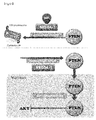
- an increase in p34 expression interacts with the WW1 domain of NEDD4-1, an E3 ubiquitin ligase, and enhances its protein stability, which result in PTEN poly-ubiquitination and PTEN protein degradation, whereas p34 knockdown causes PTEN mono-ubiquitination and promotes nuclear localization of PTEN, which result in inhibiting Akt pathways related to survival, proliferation, invasive properties, and metastatic properties of tumors.
- p34 may act as a key regulator in PTEN ubiquitination pathway by regulating NEDD4-1 protein stability, and particularly may be an effective target for treatment of a cancer associated with NEDD4-1 and PTEN, and then completed the present invention.
- the present invention is to provide a composition for prevention or treatment of a cancer comprising a p34 gene expression inhibitor or a p34 protein activity inhibitor as an active ingredient.
- the present invention is to provide a composition for metastasis suppression of a cancer comprising a p34 gene expression inhibitor or a p34 protein activity inhibitor as an active ingredient.
- the present invention is to provide a method for treatment or metastasis suppression of a cancer comprising administering a p34 gene expression inhibitor or a p34 protein activity inhibitor to an individual.
- the present invention is to provide a method for screening a candidate substance for treatment or metastasis suppression of a cancer using p34.
- the present invention is to provide a method for predicting treatment effect of a p34 gene expression inhibitor or a p34 protein activity inhibitor on a cancer, comprising treating a biological sample with an NEDD4-1 expression inhibitor or activity inhibitor.
- the present invention provides a pharmaceutical composition for prevention or treatment of a cancer comprising a p34 gene expression inhibitor or a p34 protein activity inhibitor as an active ingredient.
- the present invention provides a food composition for prevention or improvement of a cancer comprising a p34 gene expression inhibitor or a p34 protein activity inhibitor as an active ingredient.
- the present invention provides a pharmaceutical composition for metastasis suppression of a cancer comprising a p34 gene expression inhibitor or a p34 protein activity inhibitor as an active ingredient.
- the present invention provides a method for treatment or metastasis suppression of a cancer comprising administering a p34 gene expression inhibitor or a p34 protein activity inhibitor to an individual.
- the present invention provides a method for screening a candidate substance for treatment or metastasis suppression of a cancer comprising the following steps:
- the present invention provides a method for predicting the treatment effect of a p34 gene expression inhibitor or a p34 protein activity inhibitor on a cancer comprising the following steps:
- the knock-down of p34 protein causes mono-ubiquitination of PTEN and accordingly nuclear localization of PTEN is induced.
- an Akt pathway which is related to survival, proliferation, invasive properties and metastatic properties of tumors is inhibited, and thus there is an effect of significantly reducing clonogenic potential and tumor forming potential of various cancer cells which co-express PTEN and NEDD4-1. Consequently, the p34 gene expression inhibitor or p34 protein activity inhibitor according to the present invention can be effectively used as a treatment agent or a metastasis suppression agent for cancers.
- the present invention provides a composition for prevention or treatment of a cancer comprising a p34 gene expression inhibitor or a p34 protein activity inhibitor as an active ingredient.
- the present invention provides a composition for metastasis suppression of a cancer comprising a p34 gene expression inhibitor or a p34 protein activity inhibitor as an active ingredient.
- the composition includes a pharmaceutical composition or a food composition.
- the p34 gene expression inhibitor according to the present invention may be at least one selected from the group consisting of an antisense nucleotide, a small hairpin RNA (shRNA), a small interfering RNA (siRNA), and a ribozyme, binding complementarily to mRNA of the p34 gene, but is not limited thereto.
- an antisense nucleotide a small hairpin RNA (shRNA), a small interfering RNA (siRNA), and a ribozyme, binding complementarily to mRNA of the p34 gene, but is not limited thereto.
- the p34 protein activity inhibitor according to the present invention may be at least one selected from the group consisting of a compound, a peptide, a peptide mimetic, a substrate analog, an aptamer, and an antibody, binding specifically to p34 protein, but is not limited thereto.
- the antisense nucleotide is hybridized with a complementary sequence of DNA, immature-mRNA or mature-mRNA to interrupt the transmission of genetic information as a protein in DNA.
- the siRNA is composed of a sense sequence of 15 to 30-mers selected from the mRNA base sequence of a gene that encodes the p34 protein and an antisense sequence complementarily binding to the sense sequence.
- the sense sequence may be composed of 25 nucleotides, but is not particularly limited thereto.
- the compound includes any compounds capable of specifically binding to p34 protein and inhibiting its activity, and preferably has the activity of inhibiting p34 and NEDD4-1 proteins binding, but is not limited thereto.
- An example of the present invention provides, as an example of a compound specifically binding to p34 protein, a compound represented by the following formula 1 or a pharmaceutically acceptable salt thereof:
- the term "pharmaceutically acceptable salt” refers to any organic or inorganic addition salt of the compound represented by the formula 1 in a concentration with efficacy which is relatively nontoxic and harmless to an individual, where side effects caused by the salt do not lower beneficial efficacy of the compound.
- the pharmaceutically acceptable salt of the compound represented by the formula 1 includes all salts of acidic or alkaline groups which may be present in compounds represented by the formula 1, unless indicated otherwise.
- the peptide mimetics act to inhibit the activity of p34 protein by inhibiting the binding domain of p34 protein.
- the peptide mimetics may be peptides or non-peptides, and may include amino acids linked by non-peptide bonds, like psi bonds.
- the peptide mimetics may be "conformationally constrained" peptides, cyclic mimetics, and cyclic mimetics including at least one exocyclic domain, a linking moiety (a linking amino acid) and an active region.
- the peptide mimetics can be constructed to resemble secondary structural features of p34 protein and mimic inhibitory features of large molecules such as antibodies or soluble receptors, and may be novel small molecules which can act with the effect equivalent to natural antagonists.
- the aptamer a single-stranded DNA or RNA molecule, may be obtained by isolating oligomers binding to specific chemical molecules or biological molecules with high affinity and selectivity by an evolutionary process using an oligonucleotide library called as systematic evolution of ligands by exponential enrichment (SELEX).
- the aptamer may bind specifically to a target to regulate its activity and may inhibit the function of the target through bonds, for example.
- the antibody may effectively inhibit the activity of p34 protein by specifically and directly binding to p34 protein.
- a polyclonal antibody or a monoclonal antibody may be preferably used.
- An antibody specifically binding to p34 protein may be produced by a process known to those skilled in the art, or a commercially available p34 antibody may be purchased and used.
- the antibody may be produced by injecting p34 protein, as an immunogen, into an external host, according to a conventional method known to those skilled in the art.
- the external host includes mammals such as a mouse, a rat, a sheep, a rabbit, and the like.
- the immunogen is injected through intramuscular, intraperitoneal or subcutaneous injection, and is generally administered with an adjuvant for improving antigenicity.
- Blood samples may be taken from the external host at regular intervals and serum exhibiting titer and specificity to the antigen may be collected to separate an antibody therefrom.
- the inhibition of p34 causes mono-ubiquitination of PTEN and accordingly nuclear localization of PTEN is induced.
- an Akt pathway which is related to survival, proliferation, invasive properties and metastatic properties of tumors is inhibited.
- the p34 gene expression inhibitor or p34 protein activity inhibitor can be effectively used as a treatment agent or a metastasis suppression agent for cancers.
- the cancer includes oral cancer, liver cancer, stomach cancer, colon cancer, breast cancer, lung cancer, bone cancer, pancreatic cancer, skin cancer, head cancer, neck cancer, cervical cancer, ovarian cancer, colorectal cancer, small intestinal cancer, rectal cancer, fallopian tube cancer, anal cancer, endometrial carcinoma, carcinoma of vagina, vulval cancer, Hodgkin's disease, esophageal cancer, lymphoma, bladder cancer, gallbladder cancer, endocrine glandular cancer, thyroid cancer, parathyroid cancer, adrenal cancer, soft tissue sarcoma, urethral cancer, testicular cancer, prostate cancer, chronic leukemia, acute leukemia, lymphocytic lymphoma, kidney cancer, ureter cancer, kidney cell cancer, renal pelvic cancer, CNS tumor, primary CNS lymphoma, spinal cord tumor, brain-stem glioma, pituitary adenoma, and the like, and preferably includes breast cancer, colon cancer, stomach cancer, liver cancer, lung cancer, prostate
- the cancer includes all cancers simultaneously expressing p34 and NEDD4-1, but is not limited thereto.
- composition of the present invention may further include at least one of known active ingredients having anticancer effect.
- composition of the present invention may be formulated in a suitable form with a pharmaceutically acceptable carrier.
- a pharmaceutically acceptable carrier may include a carrier for oral administration, such as lactose, starch, a cellulose derivative, magnesium stearate, stearic acid, and the like, and a carrier for parenteral administration, such as water, suitable oil, saline solution, aqueous glucose, glycol, and the like, and may further include a stabilizer and a preservative in addition thereto.
- suitable stabilizer may include an antioxidant, such as sodium bisulfite, sodium sulfite, or ascorbic acid.
- Suitable preservative may include benzalkonium chloride, methyl- or propyl-paraben, and chlorobutanol.
- the carriers as disclosed in the following document can be referred ( Remington's Pharmaceutical Sciences, 19th ed., Mack Publishing Company, Easton, Pa., 1995 ).
- the pharmaceutical composition of the present invention may be administered orally or parenterally (e.g., intravenously, subcutaneously, intraperitoneally or topically) according to the intended use.
- the dosage of the composition may vary depending on a patient's weight, age, health condition, diet, administration time, administration method, administration period or interval, excretion rate, constitutional peculiarity, properties of a formulation, and the like.
- the dosage of the pharmaceutical composition of the present invention is about 0.001 to 1000 mg/kg per day and may be added or reduced according to clinical test results.
- the pharmaceutical composition may be administered once or several times a day.
- the pharmaceutical composition of the present invention may be formulated in an administration unit form.
- the formulated administration unit may include 1, 2, 3, or 4 times, or 1/2, 1/3, or 1/4 times of a single administration amount per day of the active compound.
- the single administration amount may contain the amount where the active compound is administered once, which corresponds to all of the dosage a day, or 1/2, 1/3, or 1/4 times thereof.
- composition of the present invention may be variously used in a medicine, a food and a beverage, which are effective in preventing or improving a cancer.
- Examples of the food to which the p34 gene expression inhibitor or p34 protein activity inhibitor of the present invention may be added include various foods, beverages, gum, tea, vitamin complexes, dietary supplements, and the like, and may be used in the form of powders, granules, tablets, capsules, or drinks.
- the amount of the active ingredient in the food or beverage product may be generally added in an amount of 0.01 to 15 wt% with respect to the total weight of the food, and may be added in an amount of 0.02 to 10 g with respect to 100 mL of a health beverage composition, and preferably in an amount of 0.3 to 1 g.
- the health functional food of the present invention may include food acceptable additives such as various flavoring agents or natural carbohydrates, and the like, as additional ingredients.
- natural carbohydrates may include common sugars, including monosaccharides, such as glucose, fructose, and the like, disaccharides, such as maltose, sucrose, and the like, and polysaccharides, such as dextrin, cyclodextrin, and the like, and sugar alcohols, such as xylitol, sorbitol, erythritol, and the like.
- flavorings may be advantageously used, including natural flavoring agents (thaumatin, stevia extracts (e.g., rebaudioside A, glycyrrhizin, and the like)) and synthetic flavoring agents (saccharin, aspartame, and the like).
- the content of the natural carbohydrates is generally about 1 to 20 g per 100 mL of the health functional food of the present invention.
- the health functional food of the present invention may contain various nutrients, vitamins, minerals (electrolytes), flavoring agents, such as synthetic flavoring agents, natural flavoring agents, and the like, coloring agents, extenders (cheese, chocolate, and the like), pectic acid and its salt, alginic acid and its salt, organic acid, protective colloid thickeners, PH adjusters, stabilizers, preservatives, glycerin, alcohols, carbonating agents used for carbonated drinks, and the like.
- the health functional food of the present invention may contain pulp that may be used for preparing natural fruit juice, fruit juice beverage, and vegetable beverage. Such components may be used independently or in combination with other ingredients.
- the present invention provides a method for treatment or metastasis suppression of a cancer, comprising administering to an individual a p34 gene expression inhibitor or a p34 protein activity inhibitor.
- the method for treatment or metastasis suppression of a cancer of the present invention includes administering to an individual a p34 gene expression inhibitor or a p34 protein activity inhibitor in a therapeutically effective amount.
- the therapeutically effective amount is preferably determined based on various factors, including the type and degree of reaction to be achieved, specific compositions including whether other formulations may be used depending on cases, patient's age, body weight, general health condition, gender and diet, the administration time and route and excretion rate of the composition, the treatment period, the drug administered in combination or simultaneously with the specific composition, and like factors well known in the medical arts. Accordingly, the effective amount of the composition suitable for the purpose of the present invention is preferably determined based on the above matters.
- the subject may be any mammals with cancers, and the mammals include humans and primates, and livestock including cow, pig, sheep, horse, dog, cat, and the like.
- the present invention provides a method for screening a candidate substance for treatment or metastasis suppression of a cancer, comprising 1) treating a p34 protein expression cell line with a testing substance; 2) measuring a 34 gene expression level or a p34 protein activity level in the cell line; and 3) selecting a testing substance where the p34 gene expression level or p34 protein activity level are reduced compared with a control group which is not treated with a testing substance.
- the cell line in the step 1) includes all cancer cell lines, and preferably includes a cancer cell line simultaneously expressing p34 and NEDD4-1, but is not limited thereto.
- the gene expression level in the step 2) may be measured by Reverse Transcription Polymerase Chain Reaction (RT-PCR), Northern blotting, cDNA microarray hybridization reaction, in situ hybridization reaction, and the like, and may be measured by all techniques measuring the amount of gene, which are known to those skilled in the art, but is not limited thereto.
- RT-PCR Reverse Transcription Polymerase Chain Reaction
- Northern blotting Northern blotting
- cDNA microarray hybridization reaction cDNA microarray hybridization reaction
- in situ hybridization reaction and the like
- the protein active level in the step 2) may be measured by immunoprecipitation, radioimmunoassay (RIA), immunosorbent assay (ELISA), immunohistochemistry, Western blotting, fluorescence activated cell sorter (FACS), and the like, and may be measured by all techniques measuring the amount of protein, which are known to those skilled in the art, but is not limited thereto.
- RIA radioimmunoassay
- ELISA immunosorbent assay
- FACS fluorescence activated cell sorter
- the present invention provides a method for predicting treatment effect of a p34 gene expression inhibitor or a p34 protein activity inhibitor on a cancer, comprising 1) treating a biological sample with an expression inhibitor or an activity inhibitor of neuronal precursor cell-expressed developmentally down-regulated 4-1 (NEDD4-1); and 2) measuring proliferation of cancer cells in the biological sample.
- NEDD4-1 neuronal precursor cell-expressed developmentally down-regulated 4-1
- the biological sample in the step 1) may include blood, urine, salvia, and tissues of an individual with a cancer, but is not limited thereto.
- the method further includes 3) predicting that the p34 expression inhibitor or activity inhibitor has no treatment effect on the cancer if cancer cells of the biological sample proliferate, and that the p34 expression inhibitor or activity inhibitor has treatment effect on the cancer if cancer cells of the biological sample do not proliferate.
- the treatment with the p34 gene expression inhibitor or p34 protein activity inhibitor may not have treatment effect, and in cancers simultaneously expressing NEDD4-1, PTEN, and p34, the treatment with the p34 gene expression inhibitor or p34 protein activity inhibitor may have anti-cancer effect.
- Example 1 In vivo and in vitro interaction between p34 and NEDD4-1, and analysis of p34 on NEDD4-1 protein stability
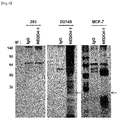
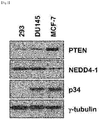
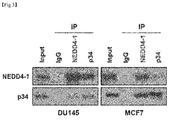
- Example 1-1 Analysis of interaction between endogenous p34 and NEDD4-1
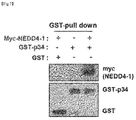
- Example 1-2 Analysis of interaction between exogenous p34 and NEDD4-1
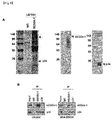
- GFP-tagged p34 was detected in myc-tagged NEDD4-1 immunoprecipitates of 293 cells. Thus, it can be confirmed that there was an interaction between exogenously expressed p34 and NEDD4-1.
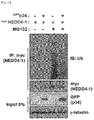
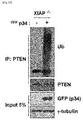
- Example 1-3 Analysis of interaction between p34, NEDD4-1, and PTEN
- Example 1-4 Analysis of NEDD4-1 domain interacting with p 34
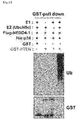
- GST-PTEN fusion proteins were incubated with the lysing solution of cells expressing Myc-NEDD4-1 and His-p34, and then GST-pull down assay was performed. As a control group, GST proteins were used. The result is illustrated in FIG. 11 .
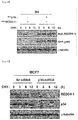
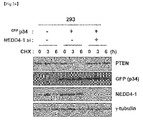
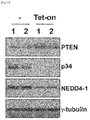
- NEDD4-1 protein levels in p34 knockdown cells using siRNA against p34 was significantly decreased compared with cells treated with scrambled siRNA. From this, it is confirmed that p34 stabilizes the NEDD4-1 protein.
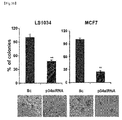
- Soft-agar assay was performed as follows. Soft-agar plates were prepared by adding 1.6% agarose in 2X DMEM or 2X RPMI-1640 supplemented with 10% FBS to 6-well plates. The cells (1 X10 4 ) which were floated in 0.7% agarose and 2X DMEM or 2X RPMI-1640 supplemented with 10% FBS were seeded. The plates were then incubated for 2 to 3 weeks in a 37°C incubator. The colonies were counted under a microscope. The results are illustrated in FIGS. 36 to 38 . As illustrated in FIG.
- cDNA Complementary DNA
- RT premix Booneer, Daejeon, Korea
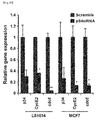
- oligo dT16-18 primers Thereafter, RT-qPCR was performed on p34, cdc6, cyclin E2 genes using the primer sets in the following Table 1. The result is illustrated in FIG. 39 .
- TetR-expressing plasmid pcDNA6.0/TR (Invitrogen)
- blasticidin 10 ⁇ g/ml blasticidin 10 ⁇ g/ml
- TetR-expressing clone cells were confirmed from immunoblot analysis with an anti-TetR antibody.
- TetR-overexpressing clones were transfected again with the H1-p34-shRNA vector (5'-CCCTCTTTGACCTCTCAGT-3'), and these cells were selected with zeocin (300 mg/ml) for 3 weeks to establish tet-on inducible p34 cell lines.
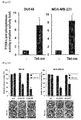
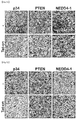
- FIGS. 44 and 45 the cell growth of the DU145 or MDA-MB231 mutants was observed and BrdU assays were performed. The results are illustrated in FIGS. 44 and 45 . As illustrated in FIG. 44 , the growth of cells treated with tetracycline dramatically decreased compared with cells not-treated with tetracycline. Also, as illustrated in FIG. 45 , for cells treated with tetracycline, BrdU incorporation was remarkably reduced.
- Hs578T cells where p34 is not detected were transfected with the retroviral vector pBabe-puro (control group) or pBabe-puro-p34, and then selected using puromycin (2 ⁇ g/ml) for 2 weeks.
- the expression of p34 was confirmed by Western blotting using anti-p34 antibodies.
- Western blotting was performed, and colony formation was observed. The result is illustrated in FIG. 46 .
- the expression of PTEN decreased and colony formation significantly increased in Hs578T cells which stably express p34, compared with cells which express the control group vector. From these results, it is confirmed that p34 inhibits cancer cell proliferation through PTEN.
- FIG. 61 illustrates a schematic diagram of general interaction between p34, NEDD4-1 and PTEN.
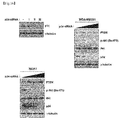
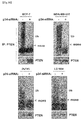
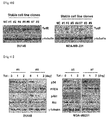
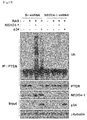
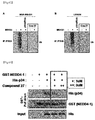
- the p34 activity inhibitor, Compound 27, in a concentration of 1 ⁇ M was treated with human breast cancer cell lines MDA-MB-231 and colorectal cancer cell lines LS1034 for 24 hours, and immunoprecipitation was performed using a PTEN antibody. Thereafter, Western blotting was performed using an ubiquitin antibody. The result is illustrated in FIG. 62 .
- the p34 activity inhibitor As illustrated in FIG. 62 , it is confirmed that the p34 activity inhibitor, Compound 27, has the activity of inhibiting PTEN ubiquitination in human breast cancer and colorectal cancer cells.
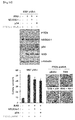
- NEDD4-1 protein and p34 protein were treated with a reaction buffer (20 mM Tirs-HCl pH7.5, 120 mM NaCl) and the p34 activity inhibitor Compound 27 in a concentration of 1 mM or 3mM, and reacted at 30 °C for 1 hour. Thereafter, the reaction was stopped using GST-pull down buffer (20mM Tirs-HCl pH8.0, 500 mM NaCl, 1% Triton X-100, 0.02% BSA, 5 mM mercaptoethanol), and then pulled down with glutathione-sepharose beads at 4 °C. Western blotting was performed using anti-His and anti-GST antibodies. The result is illustrated in FIG. 63 .
- Human breast cancer cell lines MDA-MB-231 were treated with the p34 activity inhibitor Compound 27 per each concentration for 48 hours, and then trypan blue dye and Western blotting were performed. The result is illustrated in FIG. 64 .
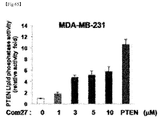
- human breast cancer cell lines MDA-MB-231 were treated with p34 activity inhibitor Compound 27 per each concentration for 48 hours, and cell sap was collected and immunoprecipitation was performed using a PTEN antibody. Thereafter, it was reacted with a reaction buffer solution (100 mM Tris-HCl pH8.0, 10 mM DTT) containing watersoluble diC8-phosphatidylinositol 3,4,5 tri-phosphate at 37 °C for 40 minutes, and only the supernatant was collected to be reacted with Biomol Green solution at room temperature for 30 minutes. Then, PTEN lipid phosphatase activity was measured at OD 650 nm. The result is illustrated in FIG. 65 .
- preparation examples of the pharmaceutical composition and food composition of the present invention are described for illustrative purposes only, and the present invention is not intended to be limited by the following preparation examples.
- p34 expression or activity inhibitor 100 mg corn starch 100 mg lactose 100 mg magnesium stearate 2 mg
- p34 expression or activity inhibitor 100 mg corn starch 100 mg lactose 100 mg magnesium stearate 2 mg
- the above ingredients were mixed and filled into a gelatin capsule according to a general capsule preparation method to prepare the formulation a capsule formulation.
- p34 expression or activity inhibitor 100 mg vitamin mixture adequate vitamin A acetate 70 g vitamin E 1.0 mg vitamin B1 0.13 mg vitamin B2 0.15 mg vitamin B6 0.5 mg vitamin B12 0.2 g vitamin C 10 mg biotin 10 g nicotinic acid amide 1.7 mg folic acid 50 g calcium pantothenate 0.5 mg mixture of minerals adequate ferrous sulfate 1.75 mg zinc oxide 0.82 mg magnesium carbonate 25.3 mg potassium phosphate, monobasic 15 mg calcium phosphate, dibasic 55 mg potassium citrate 90 mg calcium carbonate 100 mg magnesium chloride 24.8 mg
- a health care food composition may be prepared according to a conventional method of preparing a health care food, the method including the steps of mixing the above ingredients, preparing granules, and using the granules in the same manner as the conventional method.
Landscapes
- Health & Medical Sciences (AREA)
- Life Sciences & Earth Sciences (AREA)
- Chemical & Material Sciences (AREA)
- Engineering & Computer Science (AREA)
- Genetics & Genomics (AREA)
- Organic Chemistry (AREA)
- Biomedical Technology (AREA)
- Molecular Biology (AREA)
- General Health & Medical Sciences (AREA)
- Bioinformatics & Cheminformatics (AREA)
- Biotechnology (AREA)
- Wood Science & Technology (AREA)
- Zoology (AREA)
- General Engineering & Computer Science (AREA)
- Biochemistry (AREA)
- Medicinal Chemistry (AREA)
- Public Health (AREA)
- Pharmacology & Pharmacy (AREA)
- Veterinary Medicine (AREA)
- Animal Behavior & Ethology (AREA)
- Immunology (AREA)
- Physics & Mathematics (AREA)
- Microbiology (AREA)
- Biophysics (AREA)
- General Chemical & Material Sciences (AREA)
- Nuclear Medicine, Radiotherapy & Molecular Imaging (AREA)
- Chemical Kinetics & Catalysis (AREA)
- Analytical Chemistry (AREA)
- Proteomics, Peptides & Aminoacids (AREA)
- Pathology (AREA)
- Hematology (AREA)
- Food Science & Technology (AREA)
- Plant Pathology (AREA)
- Oncology (AREA)
- Urology & Nephrology (AREA)
- Epidemiology (AREA)
- Polymers & Plastics (AREA)
- Nutrition Science (AREA)
- Mycology (AREA)
- General Physics & Mathematics (AREA)
Applications Claiming Priority (2)
| Application Number | Priority Date | Filing Date | Title |
|---|---|---|---|
| KR20130032957 | 2013-03-27 | ||
| PCT/KR2014/002617 WO2014157965A1 (fr) | 2013-03-27 | 2014-03-27 | Composition pour le traitement ou l'inhibition de la métastase de cancers qui comprend un inhibiteur de l'expression de p34 ou un inhibiteur de l'activité p34 comme principe actif |
Publications (1)
| Publication Number | Publication Date |
|---|---|
| EP2979708A1 true EP2979708A1 (fr) | 2016-02-03 |
Family
ID=51624828
Family Applications (1)
| Application Number | Title | Priority Date | Filing Date |
|---|---|---|---|
| EP14774765.3A Withdrawn EP2979708A1 (fr) | 2013-03-27 | 2014-03-27 | Composition pour le traitement ou l'inhibition de la métastase de cancers qui comprend un inhibiteur de l'expression de p34 ou un inhibiteur de l'activité p34 comme principe actif |
Country Status (6)
| Country | Link |
|---|---|
| US (1) | US9752151B2 (fr) |
| EP (1) | EP2979708A1 (fr) |
| JP (1) | JP6170613B2 (fr) |
| KR (1) | KR101652010B1 (fr) |
| CN (1) | CN105283206B (fr) |
| WO (1) | WO2014157965A1 (fr) |
Families Citing this family (3)
| Publication number | Priority date | Publication date | Assignee | Title |
|---|---|---|---|---|
| WO2018044875A1 (fr) * | 2016-08-30 | 2018-03-08 | Beth Israel Deaconess Medical Center | Compositions et méthodes pour le traitement du cancer |
| KR20190063746A (ko) * | 2017-11-30 | 2019-06-10 | (주)인핸스드바이오 | p34 단백질 및 NEDD4-1 단백질의 결합 억제제로서의 신규 화합물 및 이의 용도 |
| KR20190063745A (ko) | 2017-11-30 | 2019-06-10 | (주)인핸스드바이오 | p34 단백질 및 NEDD4-1 단백질의 결합 억제제로서의 신규 화합물 및 이의 용도 |
Family Cites Families (4)
| Publication number | Priority date | Publication date | Assignee | Title |
|---|---|---|---|---|
| US5625031A (en) * | 1994-02-08 | 1997-04-29 | Bristol-Myers Squibb Company | Peptide inhibitors of the p33cdk2 and p34cdc2 cell cycle regulatory kinases and human papillomavirus E7 oncoprotein |
| WO1996017605A1 (fr) * | 1994-12-06 | 1996-06-13 | Paracelsian, Inc. | Utilisation de composes andrographolide dans le traitement ou l a prevention de la pathogenicite de certaines maladies |
| AU7296896A (en) * | 1995-11-01 | 1997-05-22 | Novartis Ag | Purine derivatives and processes for their preparation |
| JP5832721B2 (ja) * | 2007-03-14 | 2015-12-16 | バイオンシル・エス.アール.エル.Bionsil S.R.L. | 上皮腫瘍細胞における薬剤耐性のモジュレータ化合物 |
-
2014
- 2014-03-27 KR KR1020140036179A patent/KR101652010B1/ko not_active Expired - Fee Related
- 2014-03-27 WO PCT/KR2014/002617 patent/WO2014157965A1/fr not_active Ceased
- 2014-03-27 EP EP14774765.3A patent/EP2979708A1/fr not_active Withdrawn
- 2014-03-27 CN CN201480029088.8A patent/CN105283206B/zh not_active Expired - Fee Related
- 2014-03-27 US US14/779,874 patent/US9752151B2/en not_active Expired - Fee Related
- 2014-03-27 JP JP2016505402A patent/JP6170613B2/ja not_active Expired - Fee Related
Also Published As
| Publication number | Publication date |
|---|---|
| CN105283206B (zh) | 2019-11-08 |
| CN105283206A (zh) | 2016-01-27 |
| WO2014157965A1 (fr) | 2014-10-02 |
| KR20140118910A (ko) | 2014-10-08 |
| KR101652010B1 (ko) | 2016-08-29 |
| JP2016522162A (ja) | 2016-07-28 |
| JP6170613B2 (ja) | 2017-07-26 |
| US20160040168A1 (en) | 2016-02-11 |
| US9752151B2 (en) | 2017-09-05 |
Similar Documents
| Publication | Publication Date | Title |
|---|---|---|
| Byth et al. | AZD5438, a potent oral inhibitor of cyclin-dependent kinases 1, 2, and 9, leads to pharmacodynamic changes and potent antitumor effects in human tumor xenografts | |
| Cristiano et al. | A specific role for AKT3 in the genesis of ovarian cancer through modulation of G2-M phase transition | |
| Arai et al. | RECQL1 and WRN proteins are potential therapeutic targets in head and neck squamous cell carcinoma | |
| Mondello et al. | Dual inhibition of histone deacetylases and phosphoinositide 3-kinase enhances therapeutic activity against B cell lymphoma | |
| Hung et al. | SET antagonist enhances the chemosensitivity of non-small cell lung cancer cells by reactivating protein phosphatase 2A | |
| US20240398804A1 (en) | Methods of treating cancer having an active wnt/beta-catenin pathway | |
| KR20220061190A (ko) | Atp-기반 세포 분류 및 과증식성 암 줄기 세포 | |
| US9752151B2 (en) | Composition for treatment or metastasis suppression of cancers which includes p34 expression inhibitor or activity inhibitor as active ingredient | |
| US20130344140A1 (en) | Novel pharmaceutical combinations and methods for treating cancer | |
| WO2014200180A1 (fr) | Composition pharmaceutique contenant une protéine se liant à la thiorédoxine au titre de principe actif et son utilisation | |
| US11225653B2 (en) | Methods and compounds for reducing threonyl-tRNA synthetase activity | |
| EP3808350A1 (fr) | Composition comprenant un inhibiteur de flt3 utilisé comme principe actif pour inhiber une résistance aux médicaments dans la leucémie myélogène chronique | |
| KR102791823B1 (ko) | 대장암 진단용 바이오마커 및 대장암 예방 또는 치료용 약학적 조성물 | |
| Nandi | Cellular and metabolic reprogramming in breast Cancer and its therapeutic implications | |
| KR101598905B1 (ko) | 티오레독신-결합 단백질을 유효성분으로 포함하는 약학적 조성물 및 이의 용도 | |
| KR102169323B1 (ko) | 유방암에서 sarnp의 용도 | |
| CN114908158B (zh) | Cdk1在晚期胃肠间质瘤的诊断和治疗中的应用 | |
| KR102571503B1 (ko) | 암질환 예방 또는 치료용 조성물 | |
| KR101987970B1 (ko) | 아스파라기닐 tRNA 합성효소 (Asparaginyl tRNA synthetase, NRS)의 발현 또는 활성을 억제하는 물질을 포함하는, 암의 예방 또는 치료용 약학적 조성물 | |
| KR20260009439A (ko) | Sox5 억제제를 유효성분으로 포함하는 암 예방 또는 치료용 조성물 | |
| Orgler | The potential to identify and explore innovative anticancer targets by using the natural products Vioprolide A and Lagunamide A | |
| Simic | Targeting HDAC5 to Improve Cancer Chemotherapy | |
| CN116808034A (zh) | Cd47抑制剂联合idh1-r132h靶向抑制剂在治疗胶质瘤中的应用 | |
| KR101078091B1 (ko) | 코르다 필럼(Chorda Filum) 추출물을 유효 성분으로 포함하는 암의 예방 및 치료용 조성물 | |
| KR20230092999A (ko) | 감마 하위단위 예방 전이를 표적화하는 미토콘드리아 atp 억제제 |
Legal Events
| Date | Code | Title | Description |
|---|---|---|---|
| PUAI | Public reference made under article 153(3) epc to a published international application that has entered the european phase |
Free format text: ORIGINAL CODE: 0009012 |
|
| 17P | Request for examination filed |
Effective date: 20150928 |
|
| AK | Designated contracting states |
Kind code of ref document: A1 Designated state(s): AL AT BE BG CH CY CZ DE DK EE ES FI FR GB GR HR HU IE IS IT LI LT LU LV MC MK MT NL NO PL PT RO RS SE SI SK SM TR |
|
| AX | Request for extension of the european patent |
Extension state: BA ME |
|
| DAX | Request for extension of the european patent (deleted) | ||
| STAA | Information on the status of an ep patent application or granted ep patent |
Free format text: STATUS: THE APPLICATION IS DEEMED TO BE WITHDRAWN |
|
| 18D | Application deemed to be withdrawn |
Effective date: 20161001 |