EP2983686B1 - Vaccins de trimère d'enveloppe (env) de virus d'immunodéficience humaine (vih) stabilisés et procédés d'utilisation de ceux-ci - Google Patents
Vaccins de trimère d'enveloppe (env) de virus d'immunodéficience humaine (vih) stabilisés et procédés d'utilisation de ceux-ci Download PDFInfo
- Publication number
- EP2983686B1 EP2983686B1 EP14735323.9A EP14735323A EP2983686B1 EP 2983686 B1 EP2983686 B1 EP 2983686B1 EP 14735323 A EP14735323 A EP 14735323A EP 2983686 B1 EP2983686 B1 EP 2983686B1
- Authority
- EP
- European Patent Office
- Prior art keywords
- menv
- hiv
- seq
- trimer
- cenv
- Prior art date
- Legal status (The legal status is an assumption and is not a legal conclusion. Google has not performed a legal analysis and makes no representation as to the accuracy of the status listed.)
- Active
Links
Images







Classifications
-
- A—HUMAN NECESSITIES
- A61—MEDICAL OR VETERINARY SCIENCE; HYGIENE
- A61K—PREPARATIONS FOR MEDICAL, DENTAL OR TOILETRY PURPOSES
- A61K39/00—Medicinal preparations containing antigens or antibodies
- A61K39/12—Viral antigens
- A61K39/21—Retroviridae, e.g. equine infectious anemia virus
-
- A—HUMAN NECESSITIES
- A61—MEDICAL OR VETERINARY SCIENCE; HYGIENE
- A61K—PREPARATIONS FOR MEDICAL, DENTAL OR TOILETRY PURPOSES
- A61K39/00—Medicinal preparations containing antigens or antibodies
- A61K39/12—Viral antigens
-
- A—HUMAN NECESSITIES
- A61—MEDICAL OR VETERINARY SCIENCE; HYGIENE
- A61P—SPECIFIC THERAPEUTIC ACTIVITY OF CHEMICAL COMPOUNDS OR MEDICINAL PREPARATIONS
- A61P31/00—Antiinfectives, i.e. antibiotics, antiseptics, chemotherapeutics
- A61P31/12—Antivirals
- A61P31/14—Antivirals for RNA viruses
- A61P31/18—Antivirals for RNA viruses for HIV
-
- C—CHEMISTRY; METALLURGY
- C07—ORGANIC CHEMISTRY
- C07K—PEPTIDES
- C07K14/00—Peptides having more than 20 amino acids; Gastrins; Somatostatins; Melanotropins; Derivatives thereof
- C07K14/005—Peptides having more than 20 amino acids; Gastrins; Somatostatins; Melanotropins; Derivatives thereof from viruses
-
- C—CHEMISTRY; METALLURGY
- C07—ORGANIC CHEMISTRY
- C07K—PEPTIDES
- C07K14/00—Peptides having more than 20 amino acids; Gastrins; Somatostatins; Melanotropins; Derivatives thereof
- C07K14/005—Peptides having more than 20 amino acids; Gastrins; Somatostatins; Melanotropins; Derivatives thereof from viruses
- C07K14/08—RNA viruses
- C07K14/15—Retroviridae, e.g. bovine leukaemia virus, feline leukaemia virus human T-cell leukaemia-lymphoma virus
- C07K14/155—Lentiviridae, e.g. human immunodeficiency virus [HIV], visna-maedi virus or equine infectious anaemia virus
- C07K14/16—HIV-1 ; HIV-2
- C07K14/162—HIV-1 ; HIV-2 env, e.g. gp160, gp110/120, gp41, V3, peptid T, CD4-Binding site
-
- A—HUMAN NECESSITIES
- A61—MEDICAL OR VETERINARY SCIENCE; HYGIENE
- A61K—PREPARATIONS FOR MEDICAL, DENTAL OR TOILETRY PURPOSES
- A61K39/00—Medicinal preparations containing antigens or antibodies
- A61K2039/555—Medicinal preparations containing antigens or antibodies characterised by a specific combination antigen/adjuvant
- A61K2039/55505—Inorganic adjuvants
-
- A—HUMAN NECESSITIES
- A61—MEDICAL OR VETERINARY SCIENCE; HYGIENE
- A61K—PREPARATIONS FOR MEDICAL, DENTAL OR TOILETRY PURPOSES
- A61K39/00—Medicinal preparations containing antigens or antibodies
- A61K2039/555—Medicinal preparations containing antigens or antibodies characterised by a specific combination antigen/adjuvant
- A61K2039/55511—Organic adjuvants
- A61K2039/55561—CpG containing adjuvants; Oligonucleotide containing adjuvants
-
- A—HUMAN NECESSITIES
- A61—MEDICAL OR VETERINARY SCIENCE; HYGIENE
- A61K—PREPARATIONS FOR MEDICAL, DENTAL OR TOILETRY PURPOSES
- A61K39/00—Medicinal preparations containing antigens or antibodies
- A61K2039/555—Medicinal preparations containing antigens or antibodies characterised by a specific combination antigen/adjuvant
- A61K2039/55511—Organic adjuvants
- A61K2039/55566—Emulsions, e.g. Freund's adjuvant, MF59
-
- C—CHEMISTRY; METALLURGY
- C12—BIOCHEMISTRY; BEER; SPIRITS; WINE; VINEGAR; MICROBIOLOGY; ENZYMOLOGY; MUTATION OR GENETIC ENGINEERING
- C12N—MICROORGANISMS OR ENZYMES; COMPOSITIONS THEREOF; PROPAGATING, PRESERVING, OR MAINTAINING MICROORGANISMS; MUTATION OR GENETIC ENGINEERING; CULTURE MEDIA
- C12N2740/00—Reverse transcribing RNA viruses
- C12N2740/00011—Details
- C12N2740/10011—Retroviridae
- C12N2740/16011—Human Immunodeficiency Virus, HIV
- C12N2740/16034—Use of virus or viral component as vaccine, e.g. live-attenuated or inactivated virus, VLP, viral protein
-
- C—CHEMISTRY; METALLURGY
- C12—BIOCHEMISTRY; BEER; SPIRITS; WINE; VINEGAR; MICROBIOLOGY; ENZYMOLOGY; MUTATION OR GENETIC ENGINEERING
- C12N—MICROORGANISMS OR ENZYMES; COMPOSITIONS THEREOF; PROPAGATING, PRESERVING, OR MAINTAINING MICROORGANISMS; MUTATION OR GENETIC ENGINEERING; CULTURE MEDIA
- C12N2740/00—Reverse transcribing RNA viruses
- C12N2740/00011—Details
- C12N2740/10011—Retroviridae
- C12N2740/16011—Human Immunodeficiency Virus, HIV
- C12N2740/16111—Human Immunodeficiency Virus, HIV concerning HIV env
-
- C—CHEMISTRY; METALLURGY
- C12—BIOCHEMISTRY; BEER; SPIRITS; WINE; VINEGAR; MICROBIOLOGY; ENZYMOLOGY; MUTATION OR GENETIC ENGINEERING
- C12N—MICROORGANISMS OR ENZYMES; COMPOSITIONS THEREOF; PROPAGATING, PRESERVING, OR MAINTAINING MICROORGANISMS; MUTATION OR GENETIC ENGINEERING; CULTURE MEDIA
- C12N2740/00—Reverse transcribing RNA viruses
- C12N2740/00011—Details
- C12N2740/10011—Retroviridae
- C12N2740/16011—Human Immunodeficiency Virus, HIV
- C12N2740/16111—Human Immunodeficiency Virus, HIV concerning HIV env
- C12N2740/16122—New viral proteins or individual genes, new structural or functional aspects of known viral proteins or genes
-
- C—CHEMISTRY; METALLURGY
- C12—BIOCHEMISTRY; BEER; SPIRITS; WINE; VINEGAR; MICROBIOLOGY; ENZYMOLOGY; MUTATION OR GENETIC ENGINEERING
- C12N—MICROORGANISMS OR ENZYMES; COMPOSITIONS THEREOF; PROPAGATING, PRESERVING, OR MAINTAINING MICROORGANISMS; MUTATION OR GENETIC ENGINEERING; CULTURE MEDIA
- C12N2740/00—Reverse transcribing RNA viruses
- C12N2740/00011—Details
- C12N2740/10011—Retroviridae
- C12N2740/16011—Human Immunodeficiency Virus, HIV
- C12N2740/16111—Human Immunodeficiency Virus, HIV concerning HIV env
- C12N2740/16134—Use of virus or viral component as vaccine, e.g. live-attenuated or inactivated virus, VLP, viral protein
Definitions
- WO 2010/059732 A1 discloses a polyvalent vaccine comprising computationally-optimized viral polypeptides for the treatment or prevention of viral infections, such as HIV.
- the invention features a stabilized trimer having three gp140 polypeptides wherein each of said gp140 polypeptides comprises an amino acid sequence comprising amino acids 30-724 of SEQ ID NO: 2.
- the invention features a composition comprising a stabilized trimer having three gp140 polypeptides, wherein each of said gp140 polypeptides comprises an amino acid sequence comprising amino acids 30-724 of SEQ ID NO: 2.
- the stabilized trimers are heterotrimers.
- the stabilized polypeptide heterotrimers may include two mosaic Env1 gp140 polypeptides (e.g., mEnv and/or mEnv+) each including an amino acid sequence having at least 90% identity (e.g., at least 91%, 92%, 93%, 94%, 95%, 96%, 97%, 98%, or 99% identity) to, or the sequence of, SEQ ID NO: 1 or 2, and one clade C Env gp140 polypeptide (e.g., "cEnv" having SEQ ID NO: 3) including an amino acid sequence having at least 90% identity (e.g., at least 91%, 92%, 93%, 94%, 95%, 96%, 97%, 98%, or 99% identity) to, or the sequence of, SEQ ID NO: 3 (cEnv) (e.g., two mEnv and one cEnv; two mEnv+ and one cEnv; or one
- the stabilized heterotrimers may include one mosaic Env1 gp140 polypeptide (e.g., mEnv and/or mEnv+) including an amino acid sequence having at least 90% identity (e.g., at least 91%, 92%, 93%, 94%, 95%, 96%, 97%, 98%, or 99% identity) to, or the sequence of, SEQ ID NO: 1 or 2, and two clade C Env gp140 polypeptides (e.g., cEnv) each including an amino acid sequence having at least 90% (e.g., at least 91%, 92%, 93%, 94%, 95%, 96%, 97%, 98%, or 99% identity) to, or the sequence of, SEQ ID NO: 3 (e.g., one mEnv and two cEnv; one mEnv+ and two cEnv).
- one mosaic Env1 gp140 polypeptide e.g., mEnv and/or mEnv+
- the stabilized heterotrimer includes a combination of two different mosaic Env1 sequences (e.g., one mEnv and two mEnv+; two mEnv and one mEnv+; or one mEnv, one mEnv+, and cEnv).
- the stabilized heterotrimer includes cEnv and two of the same Env1 polypeptides (e.g., two mEnv and one cEnv; two mEnv+ and one cEnv).
- the stabilized heterotrimer includes one cEnv and two different mosaic Env1 polypeptides (e.g., one cEnv, one mEnv, and one mEnv+). In yet other aspects of the disclosure, the stabilized heterotrimer includes two cEnv polypeptides and one mosaic Env1 polypeptide (e.g., two cEnv and one mEnv; or two cEnv and one mEnv+).
- stabilized gp140 Env trimers of the disclosure can be prepared in which one or two of the gp140 Env polypeptides in the trimer has a sequence of SEQ ID NO: 4 (mosaic gp140 Env2, "mEnv2”) or SEQ ID NO: 5 (mosaic gp140 Env3, "mEnv3").
- stabilized trimers have three gp140 polypeptides in which at least one (e.g., two or each) of the gp140 polypeptides includes an amino acid sequence having at least 90% identity (e.g., at least 91%, 92%, 93%, 94%, 95%, 96%, 97%, 98%, or 99% identity) to, or the sequence of, SEQ ID NO: 4 or 5.
- mEnv2 or mEnv3 is modified in a similar manner to that of mEnv, mEnv+, or cEnv, which each possess a trimerization domain, as discussed herein below.
- stabilized gp140 Env trimers can be prepared which have the following constituent polypeptides: one mEnv and two mEnv2; two mEnv and one mEnv2; one mEnv+ and two mEnv2; two mEnv+ and one mEnv2; one cEnv and two mEnv2; two cEnv and one mEnv2; one mEnv, one mEnv+, and one mEnv2; one mEnv, one cEnv, and mEnv2; one mEnv+, one cEnv, and one mEnv2; one mEnv and two mEnv3; two mEnv and one mEnv3; one mEnv and one mEnv3; one mEnv+ and two mEnv3; two mEnv+ and one mEnv3; one cEnv and two mEnv3; two cEnv and two mEn
- the invention features a composition including a stabilized trimer of the first or second aspect and one or more different stabilized trimer(s).
- the different stabilized trimer(s) has three gp140 polypeptides in which at least one (e.g., two or each) of the gp140 polypeptides comprises an amino acid sequence having at least 90% identity (e.g., at least 91%, 92%, 93%, 94%, 95%, 96%, 97%, 98%, or 99% identity) to, or the sequence of, SEQ ID NOs: 1, 2, 3, 4 or 5.
- the different stabilized trimer(s) may be a homotrimer or a heterotrimer.
- the compositions of the third aspect further include a pharmaceutically acceptable carrier, excipient, or diluent, and/or an adjuvant.
- the invention features a vaccine including any one of the compositions of the second or third aspect.
- the vaccine is used for treating or reducing the risk of a human immunodeficiency virus (HIV) infection in a subject in need thereof.
- the vaccine elicits production of neutralizing anti-HIV antisera (e.g., neutralizing anti-HIV-1 antisera) after administration to the subject.
- the anti-HIV antisera can neutralize HIV (e.g., HIV-1), for example, selected from any one or more of clade A, clade B, and clade C.
- the invention features a nucleic acid molecule having a nucleotide sequence that encodes at least one (e.g., two, or three or more) gp140 polypeptide, wherein the at least one gp140 polypeptide comprises an amino acid sequence comprising amino acids 30-724 of SEQ ID NO: 2 .
- the nucleic acid molecule further includes a nucleotide sequence that encodes one or more different (e.g., a second, third, or fourth) gp140 polypeptides (e.g., gp140 polypeptides having at least 95% identity (e.g., at least 96%, 97%, 98%, or 99% identity) to, or the sequence of, SEQ ID NO: 1, 2, 3, 4 and/or 5).
- the nucleic acid molecule includes one or more internal ribosome entry site (IRES) sequences to allow for the expression of multiple peptide or polypeptide chains from the single nucleic acid molecule transcript.
- IVS internal ribosome entry site
- the invention features a vector including one or more nucleic acid molecules of the fifth aspect.
- the vector is an adenovirus vector or a poxvirus vector.
- the adenovirus vector may be derived, for example, from a recombinant adenovirus serotype 11 (Ad11), adenovirus serotype 15 (Ad15), adenovirus serotype 24 (Ad24), adenovirus serotype 26 (Ad26), adenovirus serotype 34 (Ad34), adenovirus serotype 35 (Ad35), adenovirus serotype 48 (Ad48), adenovirus serotype 49 (Ad49), adenovirus serotype 50 (Ad50), Pan9 (AdC68), or a chimeric variant thereof (e.g., adenovirus serotype 5 HVR48 (Ad5HVR48)).
- the poxvirus vector may be derived, for example, from adeno
- the invention provides the composition, vaccine, a nucleic acid molecule and/or a vector of the invention for use in a method of treating or reducing the risk of an HIV infection in a subject in need thereof. Treating, according to this seventh aspect of the invention, can be therapeutic or prophylactic.
- the use comprises reducing an HIV-mediated activity in a subject infected with HIV.
- the HIV-mediated activity is viral spread, infection, or cell fusion. Cell fusion may be, for example, target cell entry or syncytial formation.
- the HIV titer in the subject infected with HIV is decreased (e.g., by at least about 5%, 10%, 15%, 20%, 25%, 30%, 35%, 40%, 45%, 50%, 55%, 60%, 65%, 70%, 75%, 80%, 85%, 90%, 91%, 92%, 93%, 94%, 95%, 96%, 97%, 98%, 99% or more compared to HIV titer of the subject prior to treatment or a control subject infected with HIV but not treated with the composition(s) of the invention) after administration of the vaccine to the subject, such as a mammal, for example, a human.
- the subject such as a mammal, for example, a human.
- the composition (e.g., a vaccine) is for administration intramuscularly, intravenously, intradermally, percutaneously, intraarterially, intraperitoneally, intralesionally, intracranially, intraarticularly, intraprostatically, intrapleurally, intratracheally, intranasally, intravitreally, intravaginally, intrarectally, topically, intratumorally, peritoneally, subcutaneously, subconjunctivally, intravesicularlly, mucosally, intrapericardially, intraumbilically, intraocularly, orally, topically, locally, by inhalation, by injection, by infusion, by continuous infusion, by localized perfusion bathing target cells directly, by catheter, by lavage, by gavage, in cremes, or in lipid compositions.
- the subject is administered at least one dose (e.g., 1, 2, 3, 4, 5, 6, 7, 8, 9, 10, or more doses) of the composition or is administered at least one dose (e.g., 1, 2, 3, 4, 5, 6, 7, 8, 9, 10, or more doses) daily, weekly, monthly, or yearly.
- the administration period may be defined (e.g., 1-4 weeks, 1-12 months, 1-20 years) or may be for the life of the subject.
- the subject is administered at least two doses (e.g., 2, 3, 4, 5, 6, 7, 8, 9, 10, or more doses) of the composition.
- the composition is for administration to said subject as a prime or a boost composition or in a prime-boost regimen.
- one or more composition(s) (e.g., a vaccine) of the invention is for administration as a boost.
- the invention features the composition, vaccine, a nucleic acid molecule and/or a vector of the invention for use in a method of treating or reducing the risk of an HIV infection in a subject by administering, as the prime composition in a prime-boost vaccination regimen, a vaccine that includes a first polypeptide having at least 85% amino acid sequence identity (e.g., 86%, 87%, 88%, 89%, 90%, 91%, 92%, 93%, 94%, 95%, 96%, 97%, 98%, or 99% identity) to, or the sequence of, SEQ ID NO: 6, or at least a first vector (e.g., an adenoviral or poxvirus vector) that includes a first nucleic acid molecule that encodes this first polypeptide.
- a first polypeptide having at least 85% amino acid sequence identity (e.g., 86%, 87%, 88%, 89%, 90%, 91%, 92%, 93%, 94%, 95%, 96%, 97%, 98%, or
- a second polypeptide having at least 85% identity e.g., 86%, 87%, 88%, 89%, 90%, 91%, 92%, 93%, 94%, 95%, 96%, 97%, 98%, or 99% identity
- a second vector e.g., an adenoviral or poxvirus vector
- a second nucleic acid molecule that encodes the second polypeptide may be administered in combination with the first vector.
- the boost composition in this prime-boost regimen may include one or more of the composition(s) of the invention (e.g., any one of the stabilized trimers of the first aspect, the compositions of the second or third aspect, the vaccines of the fourth aspect, the nucleic acid molecules of the fifth aspect, and/or the vectors of the sixth aspect).
- the composition(s) of the invention e.g., any one of the stabilized trimers of the first aspect, the compositions of the second or third aspect, the vaccines of the fourth aspect, the nucleic acid molecules of the fifth aspect, and/or the vectors of the sixth aspect.
- the prime composition in this prime-boost regimen may include polypeptide(s) having the sequence(s) of any one of SEQ ID Nos: 8-32, or one or more vectors including nucleic acid molecules that encode any one of SEQ ID Nos: 8-32, followed by a boost including one or more of the composition(s) of the invention (e.g., any one of the stabilized trimers of the first aspect, the compositions of the second or third aspect, the vaccines of the fourth aspect, the nucleic acid molecules of the fifth aspect, and/or the vectors of the sixth aspect).
- a boost including one or more of the composition(s) of the invention e.g., any one of the stabilized trimers of the first aspect, the compositions of the second or third aspect, the vaccines of the fourth aspect, the nucleic acid molecules of the fifth aspect, and/or the vectors of the sixth aspect.
- one or more composition(s) of the invention is administered for use as the prime composition in a prime-boost regimen and the boost composition is a different vaccine composition, e.g., a vaccine that includes one or more polypeptides having at least 85% amino acid sequence identity (e.g., 86%, 87%, 88%, 89%, 90%, 91%, 92%, 93%, 94%, 95%, 96%, 97%, 98%, or 99% identity) to, or the sequence of, any one or more of SEQ ID NOs: 6-32 (preferably the polypeptide of SEQ ID NO: 6 and/or 7), or one or more vectors (e.g., adenoviral or poxvirus vectors) each of which includes a nucleic acid molecule that encodes one or more polypeptides having at least 85% identity (e.g., 86%, 87%, 88%, 89%, 90%, 91%, 92%, 93%, 94%, 95%,
- a vaccine that includes one or more polypeptides having
- the subject may, for example, be administered polypeptide compositions of the invention (e.g., stabilized gp140 Env trimers of the invention) in a non-vectored composition.
- the polypeptide composition administered may include between approximately 1 ⁇ g and 1 mg of stabilized Env trimers, and more preferably between 50 ⁇ g and 300 ⁇ g of stabilized Env trimers of the invention.
- the subject can be administered at least about 1 ⁇ 10 3 viral particles (vp)/dose or between 1 ⁇ 10 1 and 1 ⁇ 10 14 vp/dose, preferably between 1 ⁇ 10 3 and 1 ⁇ 10 12 vp/dose, and more preferably between 1 ⁇ 10 5 and 1 ⁇ 10 11 vp/dose.
- vp viral particles
- the composition may be administered, for example, 1, 2, 3, 4, 5, 6, 7, 8, 9, 10, 15, 20, 30, 35, 40, 45, 50, 55, or 60 minutes, 2, 4, 6, 10, 15, or 24 hours, 2, 3, 5, or 7 days, 2, 4, 6 or 8 weeks, or even 3, 4, or 6 months pre-exposure or pre-diagnosis, or may be administered to the subject 15-30 minutes or 1, 2, 3, 4, 5, 6, 7, 8, 9, 10, 12, 20, 24, 48, or 72 hours, 2, 3, 5, or 7 days, 2, 4, 6 or 8 weeks, 3, 4, 6, or 9 months, 1, 2, 3, 4, 5, 6, 7, 8, 9, 10, 15, 20 years or longer post-diagnosis or post-exposure or to HIV.
- the subject is administered one or more doses of the composition once daily, weekly, monthly, or yearly.
- composition(s) of the invention may be administered to the subject either before the occurrence of symptoms of an HIV infection or disease/syndrome (e.g., acquired immune deficiency syndrome (AIDS)) or a definitive diagnosis, or after diagnosis or symptoms become evident.
- AIDS acquired immune deficiency syndrome
- the composition(s) may be administered, for example, immediately after diagnosis or the clinical recognition of symptoms or 2, 4, 6, 10, 15, or 24 hours, 2, 3, 5, or 7 days, 2, 4, 6 or 8 weeks, or even 3, 4, or 6 months after diagnosis or detection of symptoms.
- the invention provides methods of manufacturing a vaccine for treating or reducing the risk of an HIV infection in a subject in need thereof.
- the method includes the steps of: (a) contacting a a vector of the sixth aspect with a cell; and (b) expressing the at least one gp140 polypeptide to form a stabilized trimer.
- the method is performed in vitro or ex vivo.
- the cell is a bacterial, plant, or mammalian cell (e.g., a human or non-human mammalian cell).
- the mammalian cell is a 293T cell.
- kits including: (a) a composition of the invention (e.g., any one of the stabilized trimers of the first aspect, the compositions of the second or third aspect, the vaccines of the fourth aspect, the nucleic acid molecules of the fifth aspect, and/or the vectors of the sixth aspect, e.g., a vaccine including mEnv and/or mEnv+ trimers and cEnv trimers); (b) a pharmaceutically acceptable carrier, excipient, or diluent; and (c) instructions for use thereof.
- the kit may optionally include an adjuvant.
- the subject is a mammal, preferably a primate, such as a human.
- references to methods of treatment in the subsequent paragraphs of this description are to be interpreted as references to the compounds, pharmaceutical compositions and medicaments of the present invention for use in a method for treatment of the human (or animal) body by therapy.
- adenovirus is meant a medium-sized (90-100 nm), non-enveloped icosahedral virus that includes a capsid and a double-stranded linear DNA genome.
- the adenovirus can be a naturally occurring, but isolated, adenovirus (e.g., sAd4287, sAd4310A, or sAd4312) or a recombinant adenovirus (e.g., replication-defective or replication competent sAd4287, sAd4310A, or sAd4312, or a chimeric variant thereof).
- administering is meant a method of giving a dosage of a pharmaceutical composition (e.g., a composition of the invention, such as any one of the vaccines of the fourth aspect, the compositions of the second or third aspect, the nucleic acid molecules of the fifth aspect, and/or the vectors of the sixth aspect) to a subject.
- a pharmaceutical composition e.g., a composition of the invention, such as any one of the vaccines of the fourth aspect, the compositions of the second or third aspect, the nucleic acid molecules of the fifth aspect, and/or the vectors of the sixth aspect
- compositions utilized in the methods described herein can be administered, for example, intramuscularly, intravenously, intradermally, percutaneously, intraarterially, intraperitoneally, intralesionally, intracranially, intraarticularly, intraprostatically, intrapleurally, intratracheally, intranasally, intravitreally, intravaginally, intrarectally, topically, intratumorally, peritoneally, subcutaneously, subconjunctivally, intravesicularlly, mucosally, intrapericardially, intraumbilically, intraocularly, orally, topically, locally, by inhalation, by injection, by infusion, by continuous infusion, by localized perfusion bathing target cells directly, by catheter, by lavage, by gavage, in cremes, or in lipid compositions.
- the preferred method of administration can vary depending on various factors (e.g., the components of the composition being administered and the severity of the condition being treated).
- clade refers to related human immunodeficiency viruses (HIVs) classified according to their degree of genetic similarity.
- HIVs human immunodeficiency viruses
- M major strains
- O outer strains
- Group N is a new HIV-1 isolate that has not been categorized in either group M or O.
- a composition of the invention e.g., any one of the vaccines of the fourth aspects, the compositions of the second or third aspect, the nucleic acid molecules of the fifth aspect, and/or the vectors of the sixth aspect
- an immune response e.g., neutralizing anti-HIV antisera
- two, three, four, five, six, seven, eight, nine, ten or more clades and/or two or more groups of HIV e.g., neutralizing anti-HIV antisera
- envelope glycoprotein refers, but is not limited to, the glycoprotein that is expressed on the surface of the envelope of HIV virions and the surface of the plasma membrane of HIV infected cells.
- the env gene encodes gp160, which is proteolytically cleaved into the gp120 and gp41 Envelope (Env) proteins.
- Gp120 binds to the CD4 receptor on a target cell that has such a receptor, such as, e.g., a T-helper cell.
- Gp41 is non-covalently bound to gp120, and provides the second step by which HIV enters the cell. It is originally buried within the viral envelope, but when gp120 binds to a CD4 receptor, gp120 changes its conformation causing gp41 to become exposed, where it can assist in fusion with the host cell.
- gene product is meant to include mRNAs transcribed from a gene as well as polypeptides translated from those mRNAs.
- heterologous nucleic acid molecule or “heterologous gene” is meant any exogenous nucleic acid molecule (e.g., a nucleic acid molecule encoding an optimized gp140 Env polypeptide of the invention) that can be inserted into the a vector of the invention (e.g., an adenovirus or poxvirus vector) for transfer into a cell, tissue, or organism, for subsequent expression of a gene product of interest or fragment thereof encoded by the heterologous nucleic acid molecule or gene.
- a vector of the invention e.g., an adenovirus or poxvirus vector
- the heterologous nucleic acid molecule which can be administered to a cell or subject as part of the present invention, can include, but is not limited to, a nucleic acid molecule encoding at least one optimized mosaic Env polypeptide (e.g., a mosaic Env1 polypeptide, such as mEnv and mEnv+) and/or a clade C Env polypeptide (e.g., a clade C Env1 polypeptide, such as cEnv).
- a nucleic acid molecule encoding at least one optimized mosaic Env polypeptide (e.g., a mosaic Env1 polypeptide, such as mEnv and mEnv+) and/or a clade C Env polypeptide (e.g., a clade C Env1 polypeptide, such as cEnv).
- HIV human immunodeficiency virus
- HIV-1 HIV type 1
- HIV-2 HIV type 2
- immune response is meant any response to an antigen or antigenic determinant by the immune system of a subject (e.g., a human).
- exemplary immune responses include humoral immune responses (e.g., production of antigen-specific antibodies, e.g., neutralizing antibodies (NAbs)) and cell-mediated immune responses (e.g., lymphocyte proliferation).
- humoral immune responses e.g., production of antigen-specific antibodies, e.g., neutralizing antibodies (NAbs)
- cell-mediated immune responses e.g., lymphocyte proliferation
- reducing with respect to HIV refers to a reduction or decrease of an HIV-mediated activity (e.g., infection, fusion (e.g., target cell entry and/or syncytia formation), viral spread, etc.) and/or a decrease in viral titer.
- an HIV-mediated activity e.g., infection, fusion (e.g., target cell entry and/or syncytia formation), viral spread, etc.
- HIV-mediated activity and/or HIV titer may be decreased by 5%, 10%, 15%, 20%, 25%, 30%, 35%, 40%, 45%, 50%, 55%, 60%, 65%, 70%, 75%, 80%, 81%, 82%, 83%, 84%, 85%, 86%, 87%, 88%, 89%, 90%, 91%, 92%, 93%, 94%, 95%, 96%, 97%, 98%, 99%, 99.1%, 99.2%, 99.3%, 99.4%, 99.5%, 99.6%, 99.7%, 99.8%, 99.9% or more compared to that of a control subject (e.g., an untreated subject or a subject treated with a placebo).
- a control subject e.g., an untreated subject or a subject treated with a placebo.
- neutralizing antibody or “NAb” is meant an antibody which either is purified from, or is present in, serum and which recognizes a specific antigen (e.g., HIV Env glycoprotein, such as a gp140 polypeptide or a gp120 polypeptide) and inhibits the effect(s) of the antigen in the host (e.g., a human).
- a specific antigen e.g., HIV Env glycoprotein, such as a gp140 polypeptide or a gp120 polypeptide
- the antibody can be a single antibody or a plurality of antibodies.
- Nucleic acid or “polynucleotide,” as used interchangeably herein, refer to polymers of nucleotides of any length, and include DNA and RNA.
- the nucleotides can be deoxyribonucleotides, ribonucleotides, modified nucleotides or bases, and/or their analogs, or any substrate that can be incorporated into a polymer by DNA or RNA polymerase, or by a synthetic reaction.
- a polynucleotide may comprise modified nucleotides, such as methylated nucleotides and their analogs. If present, modification to the nucleotide structure may be imparted before or after assembly of the polymer.
- the sequence of nucleotides may be interrupted by non-nucleotide components.
- a polynucleotide may be further modified after synthesis, such as by conjugation with a label.
- Other types of modifications include, for example, "caps,” substitution of one or more of the naturally occurring nucleotides with an analog, internucleotide modifications such as, for example, those with uncharged linkages (e.g., methyl phosphonates, phosphotriesters, phosphoamidates, carbamates, etc.) and with charged linkages (e.g., phosphorothioates, phosphorodithioates, etc.), those containing pendant moieties, such as, for example, proteins (e.g., nucleases, toxins, antibodies, signal peptides, poly-L-lysine, etc.), those with intercalators (e.g., acridine, psoralen, etc.), those containing chelators (e.g., metals, radio
- any of the hydroxyl groups ordinarily present in the sugars may be replaced, for example, by phosphonate groups, phosphate groups, protected by standard protecting groups, or activated to prepare additional linkages to additional nucleotides, or may be conjugated to solid or semi-solid supports.
- the 5' and 3' terminal OH can be phosphorylated or substituted with amines or organic capping group moieties of from 1 to 20 carbon atoms.
- Other hydroxyls may also be derivatized to standard protecting groups.
- Polynucleotides can also contain analogous forms of ribose or deoxyribose sugars that are generally known in the art, including, for example, 2'-O-methyl-, 2'-O-allyl, 2'-fluoro- or 2'-azido-ribose, carbocyclic sugar analogs, alpha-anomeric sugars, epimeric sugars such as arabinose, xyloses or lyxoses, pyranose sugars, furanose sugars, sedoheptuloses, acyclic analogs and a basic nucleoside analogs such as methyl riboside.
- One or more phosphodiester linkages may be replaced by alternative linking groups.
- linking groups include, but are not limited to, embodiments wherein phosphate is replaced by P(O)S("thioate"), P(S)S ("dithioate"), "(O)NR 2 ("amidate"), P(O)R, P(O)OR', CO or CH 2 ("formacetal"), in which each R or R' is independently H or substituted or unsubstituted alkyl (1-20 C) optionally containing an ether (-O-) linkage, aryl, alkenyl, cycloalkyl, cycloalkenyl or araldyl. Not all linkages in a polynucleotide need be identical. The preceding description applies to all polynucleotides referred to herein, including RNA and DNA.
- optically-derived polypeptide that is not a naturally-occurring peptide, polypeptide, or protein, such as a non-naturally occurring viral polypeptide (e.g., a gp140 polypeptide of the invention).
- Optimized viral polypeptide sequences are initially generated by modifying the amino acid sequence of one or more naturally-occurring viral gene products (e.g., peptides, polypeptides, and proteins, e.g., a viral Env polypeptide, e.g., a viral Env1, Env2, and/or Env3 polypeptide) to increase the breadth, intensity, depth, or longevity of the antiviral immune response (e.g., cellular or humoral immune responses) generated upon immunization (e.g., when incorporated into a composition of the invention, e.g., vaccine of the invention) of a subject (e.g., a human).
- a naturally-occurring viral gene products e.g., peptides, polypeptides, and proteins, e.g., a viral Env polypeptide, e.g., a viral Env1, Env2, and/or Env3 polypeptide
- the antiviral immune response e.g.
- the optimized viral polypeptide may correspond to a "parent" viral gene sequence; alternatively, the optimized viral polypeptide may not correspond to a specific "parent” viral gene sequence but may correspond to analogous sequences from various strains or quasi-species of a virus. Modifications to the viral gene sequence that can be included in an optimized viral polypeptide include amino acid additions, substitutions, and deletions.
- the optimized polypeptide is a mosaic envelope protein, such as mosaic Env1 gp140 (see, e.g., U.S. Patent Publication No.
- the corresponding polypeptide can be produced or administered by standard techniques (e.g., recombinant viral vectors, such as the adenoviral vectors disclosed in International Patent Application Publications WO 2006/040330 and WO 2007/104792 ) and optionally assembled in conjunction with one or more other viral polypeptides of the invention to form a stabilized polypeptide trimer.
- standard techniques e.g., recombinant viral vectors, such as the adenoviral vectors disclosed in International Patent Application Publications WO 2006/040330 and WO 2007/104792 .
- pharmaceutically acceptable diluent, excipient, carrier, or adjuvant is meant a diluent, excipient, carrier, or adjuvant which is physiologically acceptable to the subject while retaining the therapeutic properties of the pharmaceutical composition with which it is administered.
- a pharmaceutically acceptable carrier is physiological saline.
- physiologically acceptable diluents, excipients, carriers, or adjuvants and their formulations are known to one skilled in the art (see, e.g., U.S. Pub. No. 2012/0076812 ).
- recombinant with respect to a composition (e.g., a vector of the invention, such as an adenovirus or poxvirus vector), is meant a composition that has been manipulated in vitro (e.g., using standard cloning techniques) to introduce changes (e.g., changes to the composition, e.g., adenovirus or poxvirus genome of an adenovirus or poxvirus vector, respectively) that enable binding to or containment of a therapeutic agent and/or that promote the introduction of a therapeutic agent into a subject (e.g., a human) or a host cell.
- changes e.g., changes to the composition, e.g., adenovirus or poxvirus genome of an adenovirus or poxvirus vector, respectively
- the recombinant composition of the invention may therefore be an adenoviral or poxviral transport vector (e.g., a replication-defective adenoviral or poxviral vector) for delivery of one or more of the stabilized Env polypeptide trimers of the invention.
- adenoviral or poxviral transport vector e.g., a replication-defective adenoviral or poxviral vector
- sequence identity or “sequence similarity” is meant that the identity or similarity between two or more amino acid sequences, or two or more nucleotide sequences, is expressed in terms of the identity or similarity between the sequences.
- Sequence identity can be measured in terms of “percentage (%) identity,” wherein the higher the percentage, the more identity shared between the sequences.
- Sequence similarity can be measured in terms of percentage similarity (which takes into account conservative amino acid substitutions); the higher the percentage, the more similarity shared between the sequences.
- Homologs or orthologs of nucleic acid or amino acid sequences possess a relatively high degree of sequence identity/similarity when aligned using standard methods.
- Sequence identity may be measured using sequence analysis software on the default setting (e.g., Sequence Analysis Software Package of the Genetics Computer Group, University of Wisconsin Biotechnology Center, 1710 University Avenue, Madison, WI 53705 ). Such software may match similar sequences by assigning degrees of homology to various substitutions, deletions, and other modifications.
- the term "stabilized polypeptide trimer” refers, but is not limited to, an oligomer that includes a protein and/or polypeptide sequence that increases the stability (e.g., via the presence of one or more oligomerization domains) of the trimeric structure (e.g., reduces dissociation of a trimer into monomeric units).
- the stabilized polypeptide trimer is composed of three mosaic Env proteins (e.g., Env1, Env2, and/or Env3), three clade C Env proteins, or a combination of one or more mosaic Env proteins and one or more clade C Env proteins, in which at least one Env protein includes an oligomerization domain.
- oligomerization domain refers, but is not limited to, a polypeptide sequence that can be used to increase the stability of an oligomeric envelope protein such as, e.g., to increase the stability of a HIV gp140 trimer. Oligomerization domains can be used to increase the stability of homooligomeric polypeptides as well as heterooligomeric polypeptides. Oligomerization domains are well known in the art, and include "trimerization domains.” A trimerization domain refers to an oligomerization domain that stabilizes trimeric polypeptides (e.g., trimers consisting of one or more of the gp140 polypeptides of the invention).
- trimerization domains include, but are not limited to, the T4-fibritin "foldon" trimerization domain; the coiled-coil trimerization domain derived from GCN4 ( Yang et al. (2002) J. Virol. 76:4634 ); and the catalytic subunit of E . coli aspartate transcarbamoylase as a trimer tag ( Chen et al. (2004) J. Virol. 78:4508 ).
- a "subject” is a vertebrate, such as a mammal (e.g., a human). Mammals also include, but are not limited to, farm animals (such as cows), sport animals (e.g., horses), pets (such as cats and dogs), mice, and rats.
- a subject to be treated according to the methods described herein e.g., a subject having an HIV infection or a subject at risk of an HIV infection
- a subject in whom the risk of an HIV infection is to be reduced or prevented may or may not have received such a diagnosis.
- a subject to be treated according to the present invention may have been subjected to standard tests or may have been identified, without examination, as one at high risk due to the presence of one or more risk factors (e.g., a needle stick or known exposure to HIV or an HIV infected individual).
- risk factors e.g., a needle stick or known exposure to HIV or an HIV infected individual.
- having substantially the sequence of with respect to constructs of the invention is meant having at least 99% sequence identity to a recited reference sequence (e.g., having no more than 7 amino acid residue differences, e.g., 1, 2, 3, 4, 5, or 6 amino acid residue differences (e.g., additions, deletions, or conservative amino acid substitutions), relative to a recited reference sequence).
- a recited reference sequence e.g., having no more than 7 amino acid residue differences, e.g., 1, 2, 3, 4, 5, or 6 amino acid residue differences (e.g., additions, deletions, or conservative amino acid substitutions), relative to a recited reference sequence).
- therapeutically effective amount is meant an amount of a therapeutic agent that alone, or together with one or more additional (optional) therapeutic agents, produces beneficial or desired results upon administration to a mammal.
- the therapeutically effective amount depends upon the context in which the therapeutic agent is applied.
- the therapeutically effective amount of the vaccine composition is an amount sufficient to achieve a reduction in the level of HIV (e.g., as measured by a stabilization or decrease in HIV titer compared to a non-treated control), and/or an increase in the level of neutralizing anti-HIV antisera (e.g., as measured by an increase in serum neutralizing antibody levels relative to a non-treated control in a luciferase-based virus neutralization assay) as compared to a response obtained without administration of a composition of the invention (e.g., a vaccine composition), and/or to prevent the propagation of an infectious virus (e.g., HIV) in a subject (e.g., a human) having an increased risk of viral infection.
- an infectious virus e.g., HIV
- a therapeutically effective amount provides a therapeutic effect without causing a substantial cytotoxic effect in the subject.
- a therapeutically effective amount of a composition administered to a subject will vary depending upon a number of factors associated with that subject, for example the overall health of the subject, the condition to be treated, or the severity of the condition.
- a therapeutically effective amount of a composition can be determined by varying the dosage of the product and measuring the resulting therapeutic response.
- treatment is an approach for obtaining beneficial or desired results, such as clinical results.
- beneficial or desired results can include, but are not limited to, alleviation or amelioration of one or more symptoms or conditions; diminishment of extent of disease, disorder, or condition; stabilization (i.e., not worsening) of a state of disease, disorder, or condition; prevention of spread of disease, disorder, or condition; delay or slowing the progress of the disease, disorder, or condition; amelioration or palliation of the disease, disorder, or condition; and remission (whether partial or total), whether detectable or undetectable.
- “Palliating" a disease, disorder, or condition means that the extent and/or undesirable clinical manifestations of the disease, disorder, or condition are lessened and/or time course of the progression is slowed or lengthened, as compared to the extent or time course in the absence of treatment.
- vacun is defined as material used to provoke an immune response (e.g., the production of neutralizing anti-HIV antisera).
- Administration of the vaccine to a subject may confer at least partial immunity against HIV infection.
- vector is meant to include, but is not limited to, a virus (e.g., adenovirus or poxvirus), naked DNA, oligonucleotide, cationic lipid (e.g., liposome), cationic polymer (e.g., polysome), virosome, nanoparticle, or dentrimer.
- a virus e.g., adenovirus or poxvirus
- naked DNA oligonucleotide
- cationic lipid e.g., liposome
- cationic polymer e.g., polysome
- virosome e.g., nanoparticle, or dentrimer.
- adenovirus vector is meant a composition that includes one or more genes (non-structural or structural), or fragments thereof, from an adenoviral species (e.g., adenovirus serotype 11 (Ad11), adenovirus serotype 15 (Ad15), adenovirus serotype 24 (Ad24), adenovirus serotype 26 (Ad26), adenovirus serotype 34 (Ad34), adenovirus serotype 35 (Ad35), adenovirus serotype 48 (Ad48), adenovirus serotype 49 (Ad49), adenovirus serotype 50 (Ad50), Pan9 (AdC68), or a chimeric variant thereof (e.g., adenovirus serotype 5 HVR48 (Ad5HVR48))) that may be used to transmit one or more heterologous genes (e.g., one or more of the optimized gp140 polypeptides of the invention) from an
- the nucleic acid material of the viral vector may be encapsulated, e.g., in a lipid membrane or by structural proteins (e.g., capsid proteins), that may include one or more viral polypeptides (e.g., an envelope glycoprotein).
- the viral vector can be used to infect cells of a subject, which, in turn, promotes the translation of the heterologous gene(s) of the viral vector into a protein product (e.g., one or more of the gp140 Env polypeptides described herein, such that a stabilized trimer of the invention is formed).
- virus is defined as an infectious agent that is unable to grow or reproduce outside a host cell and that infects mammals (e.g., humans) or birds.
- HIV human immunodeficiency virus
- HIV-1 HIV type 1
- HIV-1 HIV type 1
- One of the biggest challenges in HIV vaccine development is to design a HIV envelope immunogen that can induce protective, neutralizing antibodies effective against the diverse HIV strains that characterize the global pandemic. Indeed, the generation of "broadly neutralizing" antibodies that recognize relatively conserved regions on the envelope glycoprotein are rare.
- the present invention is based in part on the discovery of stabilized trimeric HIV envelope (Env) proteins and combinations thereof that elicit a surprisingly broad neutralizing antibody response in vivo.
- the invention features novel stabilized HIV gp140 Env polypeptide trimers.
- Stabilized trimers of the invention feature optimized gp140 Env polypeptides. These polypeptides may have, or may be modified to include, one or more of the following domains and/or mutations.
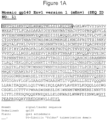
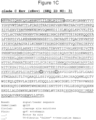
- the gp140 Env polypeptide constituents may include a T4-fibritin "foldon" trimerization domain sequence to support stable trimer formation (see, e.g., Figures 1A , 1B , and 1C , depicting the amino acid sequences of mEnv (SEQ ID NO: 1), mEnv+ (SEQ ID NO: 2), and cEnv (SEQ ID NO: 3), respectively, which each include a C-terminal trimerization domain).
- the optimized gp140 Env polypeptides may also include cleavage site mutations to enhance stability, for example, by eliminating cleavage by a peptidase (see, e.g., Figures 1B and 1C , which depict the mutated residues as circled residues in the mEnv+ and cEnv amino acid sequence, respectively, between the gp120 and gp41 moieties).
- the optimized gp140 Env polypeptides may additionally have a signal/leader sequence to maximize protein expression (see, e.g., the signal/leader sequence of mEnv+ or cEnv, demarcated in Figures 1B and 1C , respectively).
- the optimized gp140 Env polypeptides may include a Factor Xa cleavage site (SRIEGR), which may, for example, be incorporated upstream of (N-terminal to) the trimerization domain (see, e.g., Figures 1B and 1C , which depict the location of the Factor Xa cleavage site in the amino acid sequence of mEnv+ and cEnv, respectively).
- SRIEGR Factor Xa cleavage site
- the stabilized trimers of the invention are preferably homotrimers (e.g., trimers composed of three identical polypeptides).
- Heterotrimers e.g., trimers composed of three polypeptides that are not all identical) of the invention are also envisioned.
- the stabilized trimers of the invention are stabilized homotrimers that include, for example, three gp140 polypeptides, wherein each of said gp140 polypeptides comprises an amino acid sequence comprising amino acids 30-724 of SEQ ID NO: 2.
- the disclosure also features stabilized homotrimers including three gp140 polypeptides, wherein each of said gp140 polypeptides includes an amino acid sequence having substantially the sequence of (e.g., 99% or more identity), or the sequence of, SEQ ID NO: 1 (mEnv) or SEQ ID NO: 3 (cEnv) or SEQ ID NO: 4 or SEQ ID NO: 5.
- Exemplary homotrimers of the invention and/or disclosure include Trimers 1, 2, and 3 in Table 1 below.
- the stabilized trimer of the disclosure may be a stabilized heterotrimer.
- the stabilized trimer may be a stabilized heterotrimer that includes a combination of two different mosaic Env1 sequences (e.g., one mEnv and two mEnv+; two mEnv and one mEnv+; or one mEnv, one mEnv+, and cEnv).
- the stabilized heterotrimer includes cEnv and two of the same Env1 polypeptides (e.g., two mEnv and one cEnv; two mEnv+ and one cEnv).
- the stabilized heterotrimer includes one cEnv and two different mosaic Env1 polypeptides (e.g., one cEnv, one mEnv, and one mEnv+).
- the stabilized heterotrimer may include one, two or three constituent Env polypeptides including an amino acid sequence of SEQ ID NO: 4 (mosaic gp140 Env2, "mEnv2”) or SEQ ID NO: 5 (mosaic gp140 Env3, "mEnv3").
- mEnv2 or mEnv3 is modified in a similar manner to that of mEnv, mEnv+, or cEnv, which each possess a trimerization domain, as discussed above and as depicted in Figures 1A-1C .
- other stabilized heterotrimers of the disclosure include trimers having the following constituent polypeptides: one mEnv and two mEnv2; two mEnv and one mEnv2; one mEnv+ and two mEnv2; two mEnv+ and one mEnv2; one cEnv and two mEnv2; two cEnv and one mEnv2; one mEnv, one mEnv+, and one mEnv2; one mEnv, one cEnv, and mEnv2; one mEnv+, one cEnv, and one mEnv2; one mEnv and two mEnv3; two mEnv and one mEnv3; one mEnv+ and two mEnv3; two mEnv+ and one mEnv3; one cEnv and two mEnv3; one cEnv and two mEnv3; one mEnv, one mEnv,
- Exemplary heterotrimers of the disclosure include Trimers 4-31 in Table 1 below. Table 1.
- any one of the stabilized gp140 Env trimers of the invention can be included in compositions (e.g., pharmaceutical compositions). Accordingly, the invention features a composition including at least one of the stabilized gp140 Env trimers described above (e.g., at least 2, 3, 4, 5, or more different types of stabilized gp140 Env trimers may be included in a single composition or vaccine).
- a composition including a homotrimer of mEnv or mEnv+ may additionally include an additional stabilized trimer form, for example, an additional stabilized trimer form that includes three gp140 polypeptides, wherein each of the gp140 polypeptides comprises an amino acid sequence having at least 90% identity (e.g., at least 91%, 92%, 93%, 94%, 95%, 96%, 97%, 98%, or 99% identity) to, or the sequence of, SEQ ID NO: 3 (cEnv).
- an additional stabilized trimer form that includes three gp140 polypeptides, wherein each of the gp140 polypeptides comprises an amino acid sequence having at least 90% identity (e.g., at least 91%, 92%, 93%, 94%, 95%, 96%, 97%, 98%, or 99% identity) to, or the sequence of, SEQ ID NO: 3 (cEnv).
- compositions may include a stabilized homotrimer including three mosaic Env1 polypeptides, for example, three polypeptides of mEnv or three polypeptides of mEnv+ or three optimized clade C Env polypeptides, such as the cEnv polypeptide of SEQ ID NO: 3.
- the compositions may also include a stabilized heterotrimer.
- the composition e.g., a vaccine
- the composition may include at least one stabilized heterotrimer that includes a combination of two different mosaic Env1 sequences (e.g., one mEnv and two mEnv+; and two mEnv and one mEnv+).
- the composition e.g., a vaccine
- the composition includes at least one stabilized heterotrimer that includes cEnv and Env1 polypeptide (e.g., two mEnv and one cEnv; two mEnv+ and one cEnv; two cEnv and one mEnv; and two cEnv and one mEnv+).
- the compositions include at least one stabilized heterotrimer that includes one cEnv and two different mosaic Env1 polypeptides (e.g., one cEnv, one mEnv, and one mEnv+).
- compositions may include at least one stabilized heterotrimer having one, two or three constituent Env polypeptides including an amino acid sequence of SEQ ID NO: 4 (mosaic gp140 Env2, "mEnv2”) or SEQ ID NO: 5 (mosaic gp140 Env3, "mEnv3").
- mEnv2 or mEnv3 may be, and is preferably, modified in a similar manner to that of mEnv, mEnv+, or cEnv, which each possess a trimerization domain, as discussed above and depicted in Figures 1A-1C .
- other vaccines of the invention may include stabilized heterotrimers having the following constituent polypeptides: one mEnv and two mEnv2; two mEnv and one mEnv2; one mEnv+ and two mEnv2; two mEnv+ and one mEnv2; one cEnv and two mEnv2; two cEnv and one mEnv2; one mEnv, one mEnv+, and one mEnv2; one mEnv, one cEnv, and mEnv2; one mEnv+, one cEnv, and one mEnv2; one mEnv and two mEnv3; two mEnv and one mEnv3; one mEnv+ and two mEnv3; two mEnv+ and one mEnv3; one cEnv and two mEnv3; one cEnv and two mEnv3; one cEnv and two mEnv
- compositions of the invention may further include a pharmaceutically acceptable carrier, excipient, or diluent, and/or an adjuvant.
- the invention features vaccines including at least one of the compositions of the invention described herein and above.
- the vaccine may be used for treating or reducing the risk of a human immunodeficiency virus (HIV) infection in a subject in need thereof.
- the vaccine may elicit production of neutralizing anti-HIV antisera (e.g., neutralizing anti-HIV-1 antisera) after administration to the subject.
- neutralizing anti-HIV antisera e.g., neutralizing anti-HIV-1 antisera
- the anti-HIV antisera may also be able to neutralize HIV (e.g., HIV-1), for example, selected from any one or more of clade A, clade B, and clade C.
- the vaccines of the invention include one or more nucleic acid molecules of the invention, such as a nucleic acid molecule having a nucleotide sequence that encodes a gp140 polypeptide, in which the gp140 polypeptide comprises an amino acid sequence comprising amino acids 30-724 of SEQ ID NO: 2.
- vectors e.g., viral vectors, such as an adenovirus or poxvirus vector
- vaccines of the invention may include one or more of these vectors.
- the stabilized gp140 Env trimer polypeptides of the invention can be recombinantly expressed in a cell or organism, or can be directly administered to a subject (e.g., a human) infected with, or at risk of becoming infected with, HIV (e.g., HIV-1).
- a subject e.g., a human
- HIV e.g., HIV-1
- the invention features vectors including one or more of the nucleic acid molecules of the invention.
- the vector can be, for example, a carrier (e.g., a liposome), a plasmid, a cosmid, a yeast artificial chromosome, or a virus (e.g., an adenovirus vector or a poxvirus vector) that includes one or more of the nucleic acid molecules of the invention.
- An adenovirus vector of the invention can be derived from a recombinant adenovirus serotype 11 (Ad11), adenovirus serotype 15 (Ad15), adenovirus serotype 24 (Ad24), adenovirus serotype 26 (Ad26), adenovirus serotype 34 (Ad34), adenovirus serotype 35 (Ad35), adenovirus serotype 48 (Ad48), adenovirus serotype 49 (Ad49), adenovirus serotype 50 (Ad50), Pan9 (AdC68), or a chimeric variant thereof (e.g., adenovirus serotype 5 HVR48 (Ad5HVR48)).
- a poxvirus vector of the invention may be derived, for example, from modified vaccinia virus Ankara (MVA). These vectors can include additional nucleic acid sequences from several sources.
- Vectors of the invention can be constructed using any recombinant molecular biology technique known in the art.
- the vector upon transfection or transduction of a target cell or organism, can be extrachromosomal or integrated into the host cell chromosome.
- the nucleic acid component of a vector can be in single or multiple copy number per target cell, and can be linear, circular, or concatamerized.
- the vectors can also include internal ribosome entry site (IRES) sequences to allow for the expression of multiple peptide or polypeptide chains from a single nucleic acid transcript (e.g., a polycistronic vector, e.g., a bi- or tri-cistronic vector).
- IVS internal ribosome entry site
- Vectors of the invention can also include gene expression elements that facilitate the expression of the encoded polypeptide(s) of the invention (i.e. SEQ ID NO: 2).
- Gene expression elements include, but are not limited to, (a) regulatory sequences, such as viral transcription promoters and their enhancer elements, such as the SV40 early promoter, Rous sarcoma virus LTR, and Moloney murine leukemia virus LTR; (b) splice regions and polyadenylation sites such as those derived from the SV40 late region; and (c) polyadenylation sites such as in SV40.
- plasmid origins of replication include antibiotic resistance or selection genes, multiple cloning sites (e.g., restriction enzyme cleavage loci), and other viral gene sequences (e.g., sequences encoding viral structural, functional, or regulatory elements, such as the HIV long terminal repeat (LTR)).
- antibiotic resistance or selection genes include multiple cloning sites (e.g., restriction enzyme cleavage loci), and other viral gene sequences (e.g., sequences encoding viral structural, functional, or regulatory elements, such as the HIV long terminal repeat (LTR)).
- multiple cloning sites e.g., restriction enzyme cleavage loci
- other viral gene sequences e.g., sequences encoding viral structural, functional, or regulatory elements, such as the HIV long terminal repeat (LTR)
- adenoviruses offer several significant advantages for use as vectors for the expression of, for example, one or more of the optimized gp140 Env polypeptides of the invention.
- the viruses can be prepared to high titer, can infect non-replicating cells, and can confer high-efficiency transduction of target cells ex vivo following contact with a target cell population.
- adenoviruses do not integrate their DNA into the host genome. Thus, their use as expression vectors has a reduced risk of inducing spontaneous proliferative disorders. In animal models, adenoviral vectors have generally been found to mediate high-level expression for approximately one week.
- transgene expression expression of a nucleic acid molecule of the invention
- the duration of transgene expression can be prolonged by using cell or tissue-specific promoters.
- Other improvements in the molecular engineering of the adenovirus vector itself have produced more sustained transgene expression and less inflammation. This is seen with so-called "second generation" vectors harboring specific mutations in additional early adenoviral genes and "gutless” vectors in which virtually all the viral genes are deleted utilizing a Cre-Lox strategy ( Engelhardt et al., Proc. Natl. Acad. Sci. USA 91:6196 (1994 ) and Kochanek et al., Proc. Natl. Acad. Sci. USA 93:5731 (1996 )).
- adenovirus serotype 11 (Ad11), adenovirus serotype 15 (Ad15), adenovirus serotype 24 (Ad24), adenovirus serotype 26 (Ad26), adenovirus serotype 34 (Ad34), adenovirus serotype 35 (Ad35), adenovirus serotype 48 (Ad48), adenovirus serotype 49 (Ad49), adenovirus serotype 50 (Ad50), Pan9 (AdC68), or a chimeric variant thereof (e.g., adenovirus serotype 5 HVR48 (Ad5HVR48) can encode and/or deliver one or more of the optimized gp140 Env polypeptides of the invention to facilitate formation and presentation of g
- Adeno-associated viruses derived from non-pathogenic parvoviruses, can also be used to facilitate delivery and/or expression of one or more of the optimized gp140 Env polypeptides of the invention as these vectors evoke almost no anti-vector cellular immune response, and produce transgene expression lasting months in most experimental systems.
- Retroviruses are useful for the expression of optimized gp140 Env polypeptides of the invention.
- the retroviral genome is based in RNA.
- RNA messenger RNA
- the viral RNA molecules from the retrovirus will produce a double-stranded DNA copy, called a provirus, through a process called reverse transcription.
- the proviral DNA is integrated in a host cell chromosome, permanently altering the genome of the transduced cell and any progeny cells that may derive from this cell.
- the ability to permanently introduce a gene into a cell or organism is the defining characteristic of retroviruses used for gene therapy.
- Stabilized trimers of the invention may be produced upon expression of the gp140 Env polypeptides described herein using a retrovirus vector.
- viral vectors and techniques are known in the art that can be used to facilitate delivery and/or expression of one or more of the optimized gp140 Env polypeptides of the invention in a cell (e.g., a blood cell, such as a lymphocyte) or subject (e.g., a human) in order to promote formation of the trimers of the invention.
- viruses include poxviruses (e.g., vaccinia virus and modified vaccinia virus Ankara (MVA); see, e.g., U.S. Patent Nos.
- herpesviruses e.g., Venezuelan Equine Encephalitis virus; see, e.g., U.S. Patent No. 5,643,576
- picornaviruses e.g., poliovirus; see, e.g., U.S. Patent No. 5,639,649
- baculoviruses and others described by Wattanapitayakul and Bauer (Biomed. Pharmacother. 54:487 (2000 )).
- Naked DNA or oligonucleotides encoding one or more of the optimized gp140 Env polypeptides of the invention can also be used to express these polypeptides in a cell or a subject (e.g., a human) in order to promote formation of the trimers of the invention.
- a cell or a subject e.g., a human
- lipoplexes e.g., liposomes
- polyplexes can be used to protect the nucleic acid from undesirable degradation during the transfection process.
- the nucleic acid molecules can be covered with lipids in an organized structure like a micelle or a liposome. When the organized structure is complexed with the nucleic acid molecule it is called a lipoplex.
- anionic negatively-charged
- neutral neutral
- cationic positively-charged
- Lipoplexes that utilize cationic lipids have proven utility for gene transfer. Cationic lipids, due to their positive charge, naturally complex with the negatively-charged nucleic acid. Also as a result of their charge they interact with the cell membrane, endocytosis of the lipoplex occurs, and the nucleic acid is released into the cytoplasm. The cationic lipids also protect against degradation of the nucleic acid by the cell.
- polyplexes Complexes of polymers with nucleic acids are called polyplexes. Most polyplexes consist of cationic polymers and their production is regulated by ionic interactions.
- One large difference between the methods of action of polyplexes and lipoplexes is that polyplexes cannot release their nucleic acid load into the cytoplasm, so, to this end, co-transfection with endosome-lytic agents (to lyse the endosome that is made during endocytosis) such as inactivated adenovirus must occur.
- endosome-lytic agents to lyse the endosome that is made during endocytosis
- polymers such as polyethylenimine have their own method of endosome disruption as does chitosan and trimethylchitosan.
- Exemplary cationic lipids and polymers that can be used in combination with one or more of the nucleic acid molecules encoding one or more of the optimized gp140 Env polypeptides of the invention to form lipoplexes or polyplexes include, but are not limited to, polyethylenimine, lipofectin, lipofectamine, polylysine, chitosan, trimethylchitosan, and alginate.
- Virosomes for example, combine lipoplexes (e.g., liposomes) with an inactivated virus. This approach has been shown to result in more efficient gene transfer in respiratory epithelial cells compared to either viral or liposomal methods alone.
- Other methods involve mixing other viral vectors with cationic lipids or hybridizing viruses. Each of these methods can be used to facilitate transfer of one or more of the nucleic acid molecules of the invention encoding one or more of the optimized gp140 Env polypeptides of the invention into a cell or subject in order to promote formation of the trimers of the invention.
- Dendrimers may be also be used to transfer one or more of the nucleic acid molecules of the invention encoding one or more of the optimized gp140 Env polypeptides of the invention into a cell or subject in order to promote formation of the trimers of the invention.
- a dendrimer is a highly branched macromolecule with a spherical shape.
- the surface of the particle may be functionalized in many ways, and many of the properties of the resulting construct are determined by its surface. In particular it is possible to construct a cationic dendrimer (i.e., one with a positive surface charge).
- charge complimentarity leads to a temporary association of the nucleic acid with the cationic dendrimer.
- the dendrimer-nucleic acid complex is then taken into the cell via endocytosis.
- references to methods of treatment in the subsequent paragraphs of this description are to be interpreted as references to the compounds, pharmaceutical compositions and medicaments of the present invention for use in a method for treatment of the human (or animal) body by therapy.
- the invention features methods for the in vivo administration of a therapeutically effective amount of one or more of the compositions (i.e., vaccines, vectors, stabilized trimer(s), nucleic acids, polypeptides, stabilized trimer, or other composition thereof described herein) of the invention to a subject (e.g., a human, e.g., a human infected with HIV or a human at risk of an HIV infection) in need thereof.
- a subject e.g., a human, e.g., a human infected with HIV or a human at risk of an HIV infection
- the stabilized trimers of the invention can elicit protective or therapeutic immune responses (e.g., cellular or humoral immune responses, e.g., neutralizing anti-HIV antisera production, e.g., anti-HIV antisera that neutralizes HIV selected from clade A, clade B, and/or clade C HIV) directed against the viral immunogens.
- protective or therapeutic immune responses e.g., cellular or humoral immune responses, e.g., neutralizing anti-HIV antisera production, e.g., anti-HIV antisera that neutralizes HIV selected from clade A, clade B, and/or clade C HIV
- the method may be used to treat or reduce the risk of an HIV infection in a subject in need thereof.
- the subject may be infected with HIV or may be at risk of exposure to HIV.
- the compositions of the invention can be administered to a subject infected with HIV to treat AIDS.
- Examples of symptoms of diseases caused by a viral infection, such as AIDS, that can be treated using the compositions of the invention include, for example, fever, muscle aches, coughing, sneezing, runny nose, sore throat, headache, chills, diarrhea, vomiting, rash, weakness, dizziness, bleeding under the skin, in internal organs, or from body orifices like the mouth, eyes, or ears, shock, nervous system malfunction, delirium, seizures, renal (kidney) failure, personality changes, neck stiffness, dehydration, seizures, lethargy, paralysis of the limbs, confusion, back pain, loss of sensation, impaired bladder and bowel function, and sleepiness that can progress into coma or death.
- These symptoms, and their resolution during treatment may be measured by, for example, a physician during a physical examination or by other tests and methods known in the art.
- the method may be used to reduce an HIV-mediated activity (e.g., infection, fusion (e.g., target cell entry and/or syncytia formation), viral spread, etc.) and/or to decrease HIV titer in the subject.
- HIV-mediated activity e.g., infection, fusion (e.g., target cell entry and/or syncytia formation), viral spread, etc.
- HIV-mediated activity and/or HIV titer may be decreased, for example, by 5%, 10%, 15%, 20%, 25%, 30%, 35%, 40%, 45%, 50%, 55%, 60%, 65%, 70%, 75%, 80%, 81%, 82%, 83%, 84%, 85%, 86%, 87%, 88%, 89%, 90%, 91%, 92%, 93%, 94%, 95%, 96%, 97%, 98%, 99%, 99.1%, 99.2%, 99.3%, 99.4%, 99.5%, 99.6%, 99.7%, 99.8%, 99.9% or more compared to that of a control subject (e.g., an untreated subject or a subject treated with a placebo).
- a control subject e.g., an untreated subject or a subject treated with a placebo.
- compositions of the invention may also be administered in the form of a vaccine for prophylactic treatment of a subject (e.g., a human) at risk of an HIV infection.
- a subject e.g., a human
- compositions utilized in the methods described herein can be formulated, for example, for administration intramuscularly, intravenously, intradermally, percutaneously, intraarterially, intraperitoneally, intralesionally, intracranially, intraarticularly, intraprostatically, intrapleurally, intratracheally, intranasally, intravitreally, intravaginally, intrarectally, topically, intratumorally, peritoneally, subcutaneously, subconjunctivally, intravesicularlly, mucosally, intrapericardially, intraumbilically, intraocularly, orally, topically, locally, by inhalation, by injection, by infusion, by continuous infusion, by localized perfusion bathing target cells directly, by catheter, by lavage, by gavage, in cremes, or in lipid compositions.
- Formulations suitable for oral or nasal administration may consist of liquid solutions, such as an effective amount of the composition dissolved in a diluent (e.g., water, saline, or PEG-400), capsules, sachets, tablets, or gels, each containing a predetermined amount of the chimeric Ad5 vector composition of the invention.
- a diluent e.g., water, saline, or PEG-400
- capsules, sachets, tablets, or gels each containing a predetermined amount of the chimeric Ad5 vector composition of the invention.
- the pharmaceutical composition may also be an aerosol formulation for inhalation, for example, to the bronchial passageways. Aerosol formulations may be mixed with pressurized, pharmaceutically acceptable propellants (e.g., dichlorodifluoromethane, propane, or nitrogen).
- administration by inhalation can be accomplished by using, for example, an aerosol containing sorbitan trioleate or oleic acid, for example, together with trichlorofluoromethane, dichlorofluoromethane, dichlorotetrafluoroethane, or any other biologically compatible propellant gas.
- an aerosol containing sorbitan trioleate or oleic acid for example, together with trichlorofluoromethane, dichlorofluoromethane, dichlorotetrafluoroethane, or any other biologically compatible propellant gas.
- Immunogenicity of the composition of the invention may be significantly improved if it is co-administered with an immunostimulatory agent or adjuvant.
- Suitable adjuvants well-known to those skilled in the art include, for example, aluminum phosphate, aluminum hydroxide, QS21, Quil A (and derivatives and components thereof), calcium phosphate, calcium hydroxide, zinc hydroxide, glycolipid analogs, octodecyl esters of an amino acid, muramyl dipeptides, polyphosphazene, lipoproteins, ISCOM matrix, DC-Chol, DDA, cytokines, Adju-Phos, Matrix M, CpG/Emulsigen, and other adjuvants and derivatives thereof.
- compositions according to the invention described herein may be formulated to release the composition immediately upon administration (e.g., targeted delivery) or at any predetermined time period after administration using controlled or extended release formulations.
- Administration of the composition in controlled or extended release formulations is useful where the composition, either alone or in combination, has (i) a narrow therapeutic index (e.g., the difference between the plasma concentration leading to harmful side effects or toxic reactions and the plasma concentration leading to a therapeutic effect is small; generally, the therapeutic index, TI, is defined as the ratio of median lethal dose (LD 50 ) to median effective dose (ED 50 )); (ii) a narrow absorption window at the site of release (e.g., the gastrointestinal tract); or (iii) a short biological half-life, so that frequent dosing during a day is required in order to sustain a therapeutic level.
- a narrow therapeutic index e.g., the difference between the plasma concentration leading to harmful side effects or toxic reactions and the plasma concentration leading to a therapeutic effect is small; generally, the therapeutic index,
- controlled release can be obtained by the appropriate selection of formulation parameters and ingredients, including, for example, appropriate controlled release compositions and coatings.
- suitable formulations are known to those of skill in the art. Examples include single or multiple unit tablet or capsule compositions, oil solutions, suspensions, emulsions, microcapsules, microspheres, nanoparticles, patches, and liposomes.
- compositions of the invention may be administered to provide pre-infection prophylaxis or after a subject has been diagnosed with an HIV infection or a disease with an etiology traceable to an HIV infection (e.g., AIDS).
- the composition may be administered, for example, 1, 2, 3, 4, 5, 6, 7, 8, 9, 10, 15, 20, 30, 35, 40, 45, 50, 55, or 60 minutes, 2, 4, 6, 10, 15, or 24 hours, 2, 3, 5, or 7 days, 2, 4, 6 or 8 weeks, or even 3, 4, or 6 months pre-infection or pre-diagnosis, or may be administered to the subject 15-30 minutes or 1, 2, 3, 4, 5, 6, 7, 8, 9, 10, 12, 20, 24, 48, or 72 hours, 2, 3, 5, or 7 days, 2, 4, 6 or 8 weeks, 3, 4, 6, or 9 months, 1, 2, 3, 4, 5, 6, 7, 8, 9, 10, 15, or 20 years or longer post-diagnosis or post-infection to HIV.
- the subject can be administered a single dose of the composition(s) (or, e.g., 2, 3, 4, 5, 6, 7, 8, 9, 10, or more doses) or the subject can be administered at least one dose (e.g., 1, 2, 3, 4, 5, 6, 7, 8, 9, 10, or more doses) daily, weekly, monthly, or yearly.
- the administration period may be defined (e.g., 1-4 weeks, 1-12 months, 1-20 years) or may be for the life of the subject.
- the composition(s) may also be administered to said subject as a prime or a boost composition or in a prime-boost regimen.
- the composition (e.g., vaccine) of the invention is administered as a boost following administration of an additional composition (e.g., vaccine) as a prime, where the prime includes at least a first vector including a first nucleic acid molecule that encodes a polypeptide having at least 85% amino acid sequence identity (e.g., 86%, 87%, 88%, 89%, 90%, 91%, 92%, 93%, 94%, 95%, 96%, 97%, 98%, or 99% identity) to, or the sequence of, SEQ ID NO: 6, and optionally a second vector including a second nucleic acid molecule that encodes a polypeptide having at least 85% identity (e.g., 85%, 86%, 87%, 88%, 89%, 90%, 91%, 92%, 93%, 94%, 95%, 96%, 97%, 98%, or 99% identity) to, or the sequence of, SEQ ID NO: 7.
- the prime includes at least a first vector including a first nucleic acid molecule
- the boost in this regimen includes one or more of the composition(s) of the invention (e.g., any one of the stabilized trimers, the compositions, the vaccines, the nucleic acid molecules, and/or the vectors of the invention).
- the prime includes at least a first vector including a nucleic acid molecule that encodes a polypeptide having the sequence of any one of SEQ ID NOs: 8-32.
- the composition (e.g., vaccine) of the invention is administered as a prime.
- a different vaccine e.g., a vaccine including at least a first vector including a first nucleic acid molecule that encodes a polypeptide having at least 85% amino acid sequence identity (e.g., 86%, 87%, 88%, 89%, 90%, 91%, 92%, 93%, 94%, 95%, 96%, 97%, 98%, or 99% identity) to, or the sequence of, SEQ ID NO: 6, and optionally a second vector including a second nucleic acid molecule that encodes a polypeptide having at least 85% identity (e.g., 85%, 86%, 87%, 88%, 89%, 90%, 91%, 92%, 93%, 94%, 95%, 96%, 97%, 98%, or 99% identity) to, or the sequence of, SEQ ID NO: 7; or a vaccine including at least a first vector including a nucleic acid molecule that encodes a polypeptide having the sequence of
- compositions of the invention may be administered to the subject either before the occurrence of symptoms or a definitive diagnosis or after diagnosis or symptoms become evident.
- the composition may be administered, for example, immediately after diagnosis or the clinical recognition of symptoms or 2, 4, 6, 10, 15, or 24 hours, 2, 3, 5, or 7 days, 2, 4, 6 or 8 weeks, or even 3, 4, or 6 months after diagnosis or detection of symptoms.
- compositions of the invention may be administered to the patient in therapeutically effective amounts (i.e., amounts that eliminate or reduce the patient's viral burden).
- the compositions may be administered to a human patient in accord with known methods, such as intravenous administration, e.g., as a bolus or by continuous infusion over a period of time, by intramuscular, intraperitoneal, intracerobrospinal, subcutaneous, intraarticular, intrasynovial, intrathecal, oral, topical, or inhalation routes.
- compositions may be administered parenterally, when possible, at the target cell site, or intravenously. Intravenous or subcutaneous administration of the composition is preferred in certain embodiments.
- Therapeutic compositions of the invention may be administered to a patient or subject systemically, parenterally, or locally.
- compositions may be sterilized by conventional sterilization techniques, or may be sterile filtered.
- the resulting aqueous solutions may be packaged for use as is, or lyophilized, the lyophilized preparation may be administered in powder form or combined with a sterile aqueous carrier prior to administration.
- the pH of the preparations typically will be between 3 and 11, more preferably between 5 and 9 or between 6 and 8, and most preferably between 7 and 8, such as 7 to 7.5.
- compositions in solid form may be packaged in multiple single dose units, each containing a fixed amount of any one or more of the optimized gp140 Env nucleic acids required to support formation of one or more of the stabilized trimers of the invention and/or one or more of the stabilized trimers of the invention of the invention and, if desired, one or more immunomodulatory agents, such as in a sealed package of tablets or capsules, or in a suitable dry powder inhaler (DPI) capable of administering one or more doses.
- DPI dry powder inhaler
- the dose of a composition of the invention e.g., a vaccine including one or more of the stabilized gp140 Env trimers of the invention
- the number of treatments using a composition of the invention may be increased or decreased based on the severity of, occurrence of, or progression of, the HIV infection and/or disease related to the HIV infection (e.g., AIDS) in the subject (e.g., based on the severity of one or more symptoms of HIV infection/AIDS described above).
- the stabilized gp140 Env trimer compositions of the invention can be administered in a therapeutically effective amount that provides an immunogenic and/or protective effect against HIV or target protein of HIV (e.g., gp140).
- the subject may, for example, be administered polypeptide compositions of the invention (e.g., stabilized gp140 Env trimers of the invention) in a non-vectored composition.
- the polypeptide composition administered may include between approximately 1 ⁇ g and 1 mg of stabilized Env trimers, and more preferably between 50 ⁇ g and 300 ⁇ g of stabilized Env trimers of the invention.
- the subject may be administered, in the form of a viral vector, at least about 1 ⁇ 10 3 viral particles (vp)/dose or between 1 ⁇ 10 1 and 1 ⁇ 10 14 vp/dose, preferably between 1 ⁇ 10 3 and 1 ⁇ 10 12 vp/dose, and more preferably between 1 ⁇ 10 5 and 1 ⁇ 10 11 vp/dose.
- vp viral particles
- Viral particles include nucleic acid molecules encoding one or more of the optimized gp140 Env polypeptides of the invention and are surrounded by a protective coat (a protein-based capsid with hexon and fiber proteins). Viral particle number can be measured based on, for example, lysis of vector particles, followed by measurement of the absorbance at 260 nm (see, e.g,. Steel, Curr. Opin. Biotech., 1999 ).
- the dosage administered depends on the subject to be treated (e.g., the age, body weight, capacity of the immune system, and general health of the subject being treated), the form of administration (e.g., as a solid or liquid), the manner of administration (e.g., by injection, inhalation, dry powder propellant), and the cells targeted (e.g., epithelial cells, such as blood vessel epithelial cells, nasal epithelial cells, or pulmonary epithelial cells).
- the form of administration e.g., as a solid or liquid
- the manner of administration e.g., by injection, inhalation, dry powder propellant
- the cells targeted e.g., epithelial cells, such as blood vessel epithelial cells, nasal epithelial cells, or pulmonary epithelial cells.
- composition is preferably administered in an amount that provides a sufficient level of the stabilized gp140 Env trimer gene product (e.g., a level of stabilized gp140 Env trimer that elicits an immune response without undue adverse physiological effects in the subject caused by the immunogenic trimer).
- a sufficient level of the stabilized gp140 Env trimer gene product e.g., a level of stabilized gp140 Env trimer that elicits an immune response without undue adverse physiological effects in the subject caused by the immunogenic trimer.
- single or multiple administrations of the compositions of the present invention may be given (pre- or post-infection and/or pre- or post-diagnosis) to a subject (e.g., one administration or administration two or more times).
- subjects who are particularly susceptible to, for example, HIV infection may require multiple treatments to establish and/or maintain protection against the virus.
- Levels of induced immunity provided by the pharmaceutical compositions described herein can be monitored by, for example, measuring amounts of neutralizing anti-HIV secretory and serum antibodies.
- the dosages may then be adjusted or repeated as necessary to trigger the desired level of immune response.
- the immune response triggered by a single administration (prime) of a composition of the invention may not be sufficiently potent and/or persistent to provide effective protection.
- repeated administration such that a prime-boost regimen is established, may significantly enhance humoral and cellular responses to the antigen of the composition.
- the efficacy of treatment can be determined by monitoring the level of the one or more optimized gp140 Env trimers expressed by or present in a subject (e.g., a human) following administration of the compositions of the invention.
- a subject e.g., a human
- the blood or lymph of a subject can be tested for the immunogenic trimer(s) using, for example, standard assays known in the art (see, e.g., Human Interferon-Alpha Multi-Species ELISA kit (Product No. 41105) and the Human Interferon-Alpha Serum Sample kit (Product No. 41110) from Pestka Biomedical Laboratories (PBL), Piscataway, New Jersey).
- a single dose of one or more of the compositions of the invention can also be used to achieve therapy in subjects being treated for a disease. Multiple doses (e.g., 2, 3, 4, 5, or more doses) can also be administered, in necessary, to these subjects.
- compositions of the invention may be prepared using standard methods known in the art by mixing the active ingredient having the desired degree of purity with optional physiologically acceptable carriers, excipients, or stabilizers ( Remington's Pharmaceutical Sciences (20th edition), ed. A. Gennaro, 2000, Lippincott, Williams & Wilkins, Philadelphia, PA ).
- the formulation contains a pharmaceutically acceptable salt, preferably sodium chloride, and preferably at about physiological concentrations.
- the formulations of the invention can contain a pharmaceutically acceptable preservative.
- the preservative concentration ranges from 0.1 to 2.0%, typically v/v. Suitable preservatives include those known in the pharmaceutical arts. Benzyl alcohol, phenol, m-cresol, methylparaben, and propylparaben are preferred preservatives.
- the formulations of the invention can include a pharmaceutically acceptable surfactant at a concentration of 0.005 to 0.02%.
- compositions of the invention can be formulated to include, be administered concurrently with, and/or be administered in series with one or more pharmaceutically acceptable adjuvants to increase the immunogenicity of the composition (e.g., upon administration to a subject in need thereof, e.g., a subject infected with HIV or at risk of an HIV infection).
- adjuvants approved for human use include aluminum salts (alum). These adjuvants have been useful for some vaccines including hepatitis B, diphtheria, polio, rabies, and influenza.
- CFA Complete Freund's Adjuvant
- IFA Incomplete Freund's Adjuvant
- MDP muramyl dipeptide
- MTP-PE Adju-Phos
- Matrix M CpG/Emulsigen
- compositions containing a metabolizable oil and an emulsifying agent wherein the oil and emulsifying agent are present in the form of an oil-in-water emulsion having oil droplets substantially all of which are less than one micron in diameter.
- the present invention also provides for the ex vivo transfection or transduction of cells, followed by administration of these cells back into a subject (e.g., human) to allow for the expression of one or more of the optimized gp140 Env polypeptides of the invention that have immunogenic properties.
- the cells are autologous to the treated subject.
- Cells can be transfected or transduced ex vivo with, for example, one or more vectors of the invention to allow for the temporal or permanent expression of one or more of the optimized gp140 Env polypeptides in the treated subject.
- the one or more vectors of the invention Upon administering these modified cells to the subject, the one or more vectors of the invention will be expressed, eliciting protective or therapeutic immune responses (e.g., cellular or humoral immune responses, e.g., production of neutralizing anti-HIV antisera) directed against the gp140 immunogenic trimer or trimers that form.
- protective or therapeutic immune responses e.g., cellular or humoral immune responses, e.g., production of neutralizing anti-HIV antisera
- Cells that can be isolated and transfected or transduced ex vivo according to the methods of invention include, but are not limited to, blood cells, skin cells, fibroblasts, endothelial cells, skeletal muscle cells, hepatocytes, prostate epithelial cells, and vascular endothelial cells.
- Stem cells are also appropriate cells for transduction or transfection with a vector of the invention.
- Totipotent, pluripotent, multipotent, or unipotent stem cells including bone marrow progenitor cells and hematopoietic stem cells (HSC)
- HSC hematopoietic stem cells
- the method of transfection or transduction has a strong influence on the strength and longevity of protein expression (e.g., stabilized gp140 trimer expression) in the transfected or transduced cell, and subsequently, in the subject (e.g., human) receiving the cell.
- the present invention provides vectors that are temporal (e.g., adenoviral vectors) or long-lived (e.g., retroviral vectors) in nature. Regulatory sequences (e.g., promoters and enhancers) are known in the art that can be used to regulate protein expression.
- the type of cell being transfected or transduced also has a strong bearing on the strength and longevity of protein expression. For example, cell types with high rates of turnover can be expected to have shorter periods of protein expression.
- compositions of the present invention can be combined with other therapeutic regimens.
- the combined administration includes co-administration, using separate formulations or a single pharmaceutical formulation, and consecutive administration in either order, wherein preferably there is a time period while both (or all) active agents simultaneously exert their biological activities.
- Preferably such combined therapy results in a synergistic therapeutic effect.
- an agent e.g., an antibody or antibody fragment
- Passive immunization has proven to be an effective and safe strategy for the prevention and treatment of viral diseases (see Keller et al., Clin. Microbiol. Rev. 13:602- 14 (2000 ); Casadevall, Nat. Biotechnol.
- HIV antibodies and fragments thereof specifically bind or preferentially bind to infected cells, as compared to normal control uninfected cells and tissue.
- these HIV antibodies can be used to selectively target infected cells or tissues in a patient, biological sample, or cell population, e.g., as part of a combination therapy with compositions of the present invention.
- US Provisional Application No. 61/886,932 discloses HIV clade C Env trimers, the polypeptides of which may be used in combination with polypeptides disclosed herein to form trimers of the present invention.
- US Provisional Application No. 61/884,414 discloses methods of treating subjects infected with HIV and blocking HIV infections in subjects at risk of HIV infection using H332 glycan-dependent antibodies.
- PCT application WO 2012/030904 discloses broadly neutralizing antibodies against HIV, any of which can be used in methods of treating HIV in a subject in need thereof according to the present invention. Exemplary antibodies include VRC01, PGT121, PGT126, PG9, PG16, and 3BNC117.
- kits that include a pharmaceutical composition containing a vaccine, vector, stabilized trimer, or optimized viral polypeptide of the invention, and a pharmaceutically-acceptable carrier, in a therapeutically effective amount for preventing or treating a viral infection.
- the kits include instructions to allow a clinician (e.g., a physician or nurse) to administer the composition contained therein.
- kits include multiple packages of the single-dose pharmaceutical composition(s) containing an effective amount of a vaccine, vector, stabilized trimer, or optimized viral polypeptide of the invention.
- instruments or devices necessary for administering the pharmaceutical composition(s) may be included in the kits.
- a kit of this disclosure may provide one or more pre-filled syringes containing an effective amount of a vaccine, vector, stabilized trimer, or optimized viral polypeptide of the invention.
- the kits may also include additional components such as instructions or administration schedules for a patient infected with or at risk of being infected with a virus to use the pharmaceutical composition(s) containing a vaccine, vector, stabilized trimer, or optimized viral polypeptide of the invention.
- volumes containing 10- ⁇ g equivalents of DNA expression vectors pVRC8400 empty, pVRC8400 mosaic gp140 version-1 (expression vector for a polypeptide including the amino acid sequence of SEQ ID NO: 1), or pVRC8400 mosaic gp140 version-2 (expression vector for a polypeptide including the amino acid sequence of SEQ ID NO: 2) were each made up to 100 ⁇ l with Dulbeco's Modified Eagle Medium (DMEM; Invitrogen). 40 ⁇ l of Lipofectamine (Invitrogen) transfection reagent was then added 60 ⁇ l DMEM and 100 ⁇ l of this mix added to each DNA vector followed by gentle agitation and incubation at room temperature for 30 minutes.
- DMEM Dulbeco's Modified Eagle Medium
- 293T cells grown to approximately 70-80% confluency in T-25 flasks were washed once with 2.5 ml DMEM, 2.3 ml of DMEM added followed by 200 ⁇ l DNA/Lipofectamine mix. Cells were then incubated at 37°C, 10% CO 2 for 48 hours. 48 hours post-transfection, 0.5ml of supernatant from each T-25 flask was harvested, briefly spun and 20 ⁇ l placed in a fresh eppendorf tube. 5 ⁇ l of 5x reducing sample buffer (Pierce) was added to each tube, each sample heated for 5 minutes at 100°C and then place on ice to cool.
- 5x reducing sample buffer Pieris
- DMEM growth media supplemented with 10% Fetal Bovine Serum (FBS) was used to grow 293T to confluence in Cell Bind ® roller bottles (Corning), growth media removed, followed by addition of 250 ml of pre-warmed Freestyle 293 expression medium (Invitrogen) and incubation for 2 hours at 37°C, 5% CO 2 .
- FBS Fetal Bovine Serum
- DNA expression vector pVRC8400 mosaic gp140 version-2 250 ⁇ g of DNA expression vector pVRC8400 mosaic gp140 version-2 was mixed with 320 ⁇ l of polyethylenimine (PEI) (1 mg/ml) added to 20 ml of room temperature freestyle 293 medium, incubated at room temperature for 20 minutes and then added in each roller bottle followed by incubation for 6 days in 37°C, 5% CO 2 The cell supernatant was harvested at 6 days after medium change.
- PEI polyethylenimine
- the Histidine-tagged optimized mosaic gp140 Env version-2 protein, including SEQ ID NO: 2 was purified by Ni-NTA (Qiagen) followed by size-exclusion chromatography.
- the cell supernatant was loaded onto a nickel column at a flow rate of 0.8 mL/min and was washed with 20 mM imidazole in PBS followed by further washing with 40 mM imidazole in PBS.
- the protein then was eluted with 300 mM imidazole in PBS.
- the fractions containing the purified protein were pooled, concentrated, and further purified by gel-filtration chromatography on Superose 6 (GE Healthcare) in a column running buffer containing 25 mM Tris (pH 7.5) and 150 mM NaCl.
- the purified proteins were concentrated, frozen in liquid nitrogen, and stored at-80 °C.
- Guinea pigs were immunized by bilateral intramuscular injections in the upper quadriceps with clade C gp140 Env polypeptide (i.e., homotrimer of three molecules including the amino acid sequence of cEnv (SEQ ID NO: 3)), mosaic gp140 Env (i.e., homotrimer of three molecules including the amino acid sequence of mEnv (SEQ ID NO: 1)), or a clade C gp140 Env/mosaic gp140 Env mixture (100 ⁇ g/animal) at 4-week intervals (weeks 0, 4, and 8) using 500 ⁇ l of a dual adjuvant combination comprising 15% (v/v) oil-in-water Emulsigen (MVP Laboratories)/PBS and 50 ⁇ g of immunostimulatory di-nu
- Neutralizing antibody responses against HIV-1 Env pseudoviruses were measured using luciferase-based virus neutralization assays in TZM.bl cells. These assays measure the reduction in luciferase reporter gene expression in TZM-bl cells following a single round of virus infection.
- the ID 50 was calculated as the serum dilution that resulted in a 50% reduction in relative luminescence units compared with the virus control wells after the subtraction of cell control relative luminescence units. Briefly, threefold serial dilutions of serum samples were performed in duplicate (96-well flat-bottomed plate) in 10% DMEM growth medium (100 ⁇ l per well).
- Virus was added to each well in a volume of 50 ⁇ l, and the plates were incubated for 1 hour at 37 °C. Then TZM.bl cells were added (1 ⁇ 10 4 per well in 100 ⁇ l volume) in 10% DMEM growth medium containing diethylaminoethyldextran (Sigma) at a final concentration of 11 ⁇ g/ml.
- Murine leukemia virus (MuLV) negative controls were included in all assays.
- HIV-1 Envelope pseudoviruses included clade A (MS208.A1 and Q23.17) isolates, clade B (SF162.LS, BaL.26, SS1196.1 and 6535.3), and clade C (MW965.26, TV1.21, ZM109F.PB4 and ZM197M.PB7) isolates.
- mEnv+ (polypeptide including the amino acid sequence of SEQ ID NO: 2) has been modified from mEnv (polypeptide including the amino acid sequence of SEQ ID NO: 1) in the following manner.
- the leader peptide secretion sequence has been made identical to that used in the stabilized clade C gp140 Env (cEnv) trimer polypeptide constituent (SEQ ID NO: 3).
- cleavage site mutations have been incorporated between gp120 and gp41 moieties to further enhance stability.
- a factor Xa protease cleavage site (SRIEGR) has been incorporated upstream of the foldon trimerization domain.
- SRIEGR factor Xa protease cleavage site
- Figure 2 depicts a Western blot showing the expression levels of mEnv and mEnv+ in lanes 3 and 4, respectively. Notably, the expression levels of mEnv+ were remarkably higher compared to that of mEnv or cEnv, which was used as a positive control (see lane 1). In this experiment, empty pVRC8400 was used as a negative control (see lane 2).
- the mEnv+ was expressed in 293T cells and purified following cell lysis and clarification by virtue of a His-tag using a Ni-NTA (Qiagen) column.
- the collected fractions following imidazole elution were pooled, concentrated, and further purified by gel-filtration chromatography on Superose 6 (GE Healthcare) in a column running buffer containing 25 mM Tris (pH 7.5) and 150 mM NaCl.
- a chromatography trace of depicting mEnv+ elution from the Superose 6 column is depicted in Figure 3 .
- the peak fractions (i.e., the fractions obtained under the peak curve in Figure 3 ) were then individually analyzed on a 4-15% pre-case SDS-PAGE gel ( Figure 4 ).
- the SDS-PAGE gel demonstrates that the gel-filtration purification successivefully resulted in the isolation of a homogenous population of mEnv+ polypeptides.
- the immunogenicity of these stabilized gp140 Env trimers both homotrimers of mEnv and mEnv+, as well as a combination of mEnv and cEnv homotrimers was assessed in guinea pigs using a panel of tier 1 isolates from clades A, B, and C.
- Luciferase-based virus neutralization assays in TZM.b1 cells Li et al. (2005) J. Virol. 79:10108 ; Montefiori (2005) Curr. Prot. Immunol. Chapter 12: Unit 1211 ) have been developed as high throughput assay that can be standardized ( Montefiori (2009) Methods Mol. Biol. 485:395 ; Polonis et al. (2008) Virology 375:315 ).
- a luciferase reporter gene assay was performed in TZM-b1 cells (a genetically engineered cell line that expresses CD4, CXCR4 and CCR5 and contains Tat-inducible Luc and ⁇ -Gal reporter reporter genes) based on single round infection with molecularly cloned Env-pseudotyped viruses.
- This assay resulted in a high success rate in single round infections, increased assay capacity (e.g., a two day assay), increased precision (e.g., accurately measured 50% neutralization), and an improved level of standardization (e.g., a stable cell line).
- the luciferase reporter gene assay was optimized and validated.
- TZM.b1 assays were performed in which guinea pig sera obtained pre-vaccination (Pre) and four weeks after the third vaccination (Post) with cEnv homotrimers, mEnv homotrimers, or both cEnv and mEnv homotrimers were tested against a multi-clade panel of tier 1 neutralization-sensitive isolates including clade B (SF162.LS and Bal.26), and clade C (MW965.26 and TV1.21) HIV-1 Envelope pseudoviruses and Murine lukemia virus (MuLV) (negative control) ( Figures 5A-5C ).
- TZM.b1 assays were also performed in which guinea pig sera obtained pre-vaccination (Pre) and four weeks after the third vaccination (Post) using cEnv homotrimers, mEnv homotrimers, or both cEnv and mEnv homotrimers were tested against HIV-1 Envelope pseudoviruses of intermediate neutralization-sensitive tier-1 (Tier 1B) clade A isolates (MS208.A1 and Q23.17) ( Figures 6A-6B ), highly neutralization sensitive (Tier 1A) and Tier 1B clade B isolates (SF162.LS, BaL.26, SS1196.1, and 6535.3) ( Figures 7A-7D ), and Tier 1A and Tier 1B clade C isolates (MW965.26, TV1.21, ZM109F.PB4, and ZM197M.PB7) ( Figures 8A-8D ).
- Tier 1B intermediate neutralization-sensitive tier-1
- clade A isolates MS208.A1 and Q23.17
- Example 4 Treating or reducing the risk of an HIV infection in a subject using the compositions of the invention
- composition of the invention may be administered to a subject (e.g., a human infected with HIV or at risk of an HIV infection) in a prime-boost vaccination regimen to treat or reduce the risk of an HIV infection in a subject in need thereof.
- a subject e.g., a human infected with HIV or at risk of an HIV infection
- a prime-boost vaccination regimen to treat or reduce the risk of an HIV infection in a subject in need thereof.
- a subject e.g., a human infected with HIV or at risk of an HIV infection
- a prime-boost vaccination regimen to treat or reduce the risk of an HIV infection in a subject in need thereof.
- a subject e.g., a human infected with HIV or at risk of an HIV infection
- cEnv trimers e.g., a combination of mEnv with cEnv or mEnv+ with cEnv trimers
- the subject Prior to administration of the boost, the subject is administered as a prime vaccination at least a first vector including a first nucleic acid molecule that encodes a polypeptide having at least 85% amino acid sequence identity (e.g., 86%, 87%, 88%, 89%, 90%, 91%, 92%, 93%, 94%, 95%, 96%, 97%, 98%, or 99% identity) to, or the sequence of, SEQ ID NO: 6, and optionally a second vector including a second nucleic acid molecule that encodes a polypeptide having at least 85% identity (e.g., 86%, 87%, 88%, 89%, 90%, 91%, 92%, 93%, 94%, 95%, 96%, 97%, 98%, or 99% identity) to, or the sequence of, SEQ ID NO: 7.
- a first vector including a first nucleic acid molecule that encodes a polypeptide having at least 85% amino acid sequence identity (e.g., 86%, 87%, 88%,
- the composition is preferably administered in an amount that provides a sufficient level of the stabilized gp140 Env trimer gene product (e.g., a level of stabilized gp140 Env trimer that elicits an immune response without undue adverse physiological effects in the subject caused by the immunogenic trimer).
- the polypeptide composition administered may include between approximately 1 ⁇ g and 1 mg of stabilized Env trimers, and more preferably between 50 ⁇ g and 300 ⁇ g of stabilized Env trimers of the invention.
- the subject may be administered, in the form of a viral vector, at least about 1 ⁇ 10 3 viral particles (vp)/dose or between 1 ⁇ 10 1 and 1 ⁇ 10 14 vp/dose, preferably between 1 ⁇ 10 3 and 1 ⁇ 10 12 vp/dose, and more preferably between 1 ⁇ 10 5 and 1 ⁇ 10 11 vp/dose.
- vp viral particles
- the patient can be assessed for changes in one or more symptoms or, in particular, the level of HIV titer in the treated subject, and the regimen can be repeated as necessary as described herein above.
- HIV-1 Env glycoprotein immunogens that can elicit both binding and nAbs against diverse, circulating HIV-1 strains is a major goal of HIV-1 vaccine development ( Stephenson et al. (2013) Immunol. Rev. 254:295 ; Srivastava et al. (2005) Hum. Vaccin. 1:45 ; Barouch (2008) Nature. 455:613 ; Karlsson Hedestam et al. (2008) Nat. Rev. Microbiol. 6:143 ; Mascola et al. (2010) Annu. Rev. Immunol. 28:413 ).
- the surface Env glycoprotein which is the primary target of neutralizing antibodies, comprises the gp120 receptor-binding subunit and the gp41 fusion subunit associated by non-covalent interactions and is present as a trimeric spike (gp120/gp41) 3 on the viral surface.
- gp120/gp41 trimeric spike
- Env-based immunogens posing major challenges in the development of globally relevant Env-based immunogens. It has been reported, however, that approximately 10-25% of HIV-1 infected individuals have the ability to produce broadly neutralizing antibodies (bnAbs) ( Stamatatos et al. (2009) Nat. Med. 15:866 ) providing the rationale that similar responses may be achievable with appropriate Env immunogens. Recent studies have highlighted the therapeutic efficacy such bnAbs have in rhesus monkeys chronically infected with the pathogenic simian-human immunodeficiency virus SHIV-SF162P3 Barouch et al. (2013) Nature. 503:224 ).
- bnAbs broadly neutralizing antibodies
- mEnv Three synthetic gp140 mosaic M Env gene sequences designated mEnv, mEnv2 ( Barouch et al. (2010) Nat. Med. 16:319 ) and mEnv3, all containing point mutations to eliminate cleavage and fusion activity, were derived from a previously described computational optimization method ( Fischer et al. (2007) Nat. Med. 13:100 ; Barouch et al. (2010) Nat. Med. 16:319 ). Human codon optimized versions were synthesized by GeneArt (Life Technologies). Each construct was engineered to express a C-terminal T4 bacteriophage fibritin 'fold-on' trimerization domain and polyhistidine motif by PCR amplification with custom primers.
- DMEM Dulbeco's Modified Eagle Medium
- FBS penicillin/streptomycin and puromycin
- Freestyle 293 expression medium Invitrogen
- Cell supernatants were harvested at 96-108 hours after medium change and the His-tagged gp140 proteins purified by Ni-NTA (Qiagen) and size-exclusion chromatography as previously described ( Kovacs et al. (2012) Proc. Natl. Acad. Sci. U.S.A. 109:12111 ; Nkolola et al. (2010) J. Virol. 84:3270 ).
- the synthetic gene for full-length mosaic M gp120 with a C-terminal His-tag was generated from the mEnv construct by PCR amplification with custom primers, produced in 293T cells utilizing transient transfections with polyethylenimine and subsequently purified by Ni-NTA (Qiagen) and size-exclusion chromatography on Superdex 200 (GE Healthcare).
- the synthetic gene for full-length mosaic M gp160 used in the TZM.bl assay was synthesized by GeneArt (Life Technologies) and cloned into a pcDNA TM 3.1V/5-His-TOPO vector (Invitrogen).
- the PVDF membrane was incubated for 1 hour with PBS-T containing a 1:2000 dilution of monoclonal antibody penta His-HRP (Qiagen), washed 5 times with PBS-T and developed using the Amersham ECL plus Western blotting detection system (GE Healthcare).
- clade A 92UG037.8
- gp140 Kovacs et al. (2012) Proc. Natl. Acad. Sci. U.S.A. 109:12111 ; Nkolola et al. (2010) J. Virol. 84:3270
- mosaic M gp140 proteins were processed as above.
- SPR Surface plasmon resonance
- 17b hybridoma was kindly provided by James Robinson (Tulane University, New Jersey, LA) and purified as previously described ( Kovacs et al. (2012) Proc. Natl. Acad. Sci. U.S.A. 109:12111 ).
- VRC01 was obtained through the NIH AIDS Reagent Program, Division of AIDS, NIAID, NIH: HIV-1 gp120 mAb (VRC01), from John Mascola ( Wu et al. (2010) Science. 329:856 ).
- 3BNC117 was kindly provided by Michel Nussenzweig (Rockefeller University, New York, NY).
- PGT121 and PGT126 were generously provided by Dennis Burton (The Scripps Research Institute, La Jolla, CA).
- Guinea pigs were immunized intramuscularly (i.m.) with either mosaic M or clade C gp140 Env protein trimers (100 ⁇ g/animal) at weeks 0, 4, 8 in 500 ⁇ l injection volumes divided between the right and left quadriceps.
- Adjuvants co-administered with the proteins were a previously described combination comprising 15% (vol/vol) oil-in-water Emulsigen (MVP Laboratories)/PBS and 50 ⁇ g of immunostimulatory di-nucleotide type B oCpG DNA (5'-TCGTCGTTGTCGTTTTGTCGTT-3') (Midland Reagent Company) ( Kovacs et al. (2012) Proc. Natl. Acad. Sci. U.S.A. 109:12111 ) or the ISCOM-based Matrix M (Isconova, Sweden).
- the groups of animals receiving the mixture of clade C and mosaic M gp140s were such that 50 ⁇ g of each was mixed for a total of 100 ⁇ g administered/animal. Serum samples were obtained from the vena cava of anesthetized animals 4 weeks after each immunization.
- Serum binding antibody titers against mosaic M or clade C gp140 Env trimers were determined by endpoint enzyme-linked immunosorbent assays (ELISAs) as previously described ( Kovacs et al. (2012) Proc. Natl. Acad. Sci. U.S.A. 109:12111 ; Nkolola et al. (2010) J. Virol. 84:3270 ).
- ELISA endpoint titers were defined as the highest reciprocal serum dilution that yielded an absorbance >2-fold over background values.
- ELISA plates were coated with either 2F5 or 4E10 IgG, antigen added, and detected utilizing anti-his tag HRP mAb (Abcam).
- 2F5 and 4E10 were obtained commercially (Polymun Scientific) and GCN gp41-lnter ( Frey et al. (2010) Nat. Struct. Mol. Biol. 17:1486 ) used as a positive control in 4E10 and 2F5 ELISAs was kindly provided by Bing Chen (Children's Hospital Boston).
- Neutralizing antibody responses against tier 1 HIV-1 Env pseudoviruses were measured using luciferase-based virus neutralization assays with TZM.bl cells as previously described ( Kovacs et al. (2012) Proc. Natl. Acad. Sci. U.S.A. 109:12111 ; Nkolola et al. (2010) J. Virol. 84:3270 ; Mascola et al. (2005) J. Virol. 79:10103 ). These assays measure the reduction in luciferase reporter gene expression levels in TZM-bl cells following a single round of virus infection.
- the 50% inhibitory concentration (IC50) was calculated as the serum dilution that resulted in a 50% reduction in relative luminescence units compared with the virus control wells after the subtraction of cell control relative luminescence units.
- the panel of tier 1 viruses analyzed included easy-to-neutralize tier 1A viruses (SF162.LS, MW965.26) and an extended panel of tier 1B viruses (DJ263.8, Bal.26, TV1.21, MS208, Q23.17, SS1196.1, 6535.3, ZM109.F, ZM197M).
- Murine leukemia virus (MuLV) negative controls were included in all assays.
- Tier 2 nAb responses were evaluated using the A3R5 assay as previously described ( Kovacs et al. (2012) Proc. Natl. Acad. Sci. U.S.A. 109:12111 ). Briefly, serial dilutions of serum samples were performed in 10% RPMI growth medium (100 ⁇ L per well) in 96-well flat-bottomed plates. IMC HIV-1 expressing Renilla luciferase ( Edmonds et al. (2010) Virology. 408:1 ) was added to each well in a volume of 50 ⁇ l, and plates were incubated for 1 hour at 37°C.
- A3R5 cells were then added (9 ⁇ 10 4 cells per well in a volume of 100 ⁇ l) in 10% RPMI growth medium containing diethylaminoethyl-dextran (11 ⁇ g/ml).
- Assay controls included replicate wells of A3R5 cells alone (cell control) and A3R5 cells with virus (virus control). After incubation for 4 days at 37°C, 90 ⁇ l of medium was removed from each assay well, and 75 ⁇ l of cell suspension was transferred to a 96-well white, solid plate. Diluted ViviRen Renilla luciferase substrate (Promega) was added to each well (30 ⁇ l), and after 4 minutes the plates were read on a Victor 3 luminometer.
- Tier 2 clade B IMC Renilla luciferase viruses included SC22.3C2.LucR, SUMA.LucR and REJO.LucR.
- Tier 2 clade C IMC Renilla luciferase viruses included Du422.1.LucR.T2A.ecto, Ce2010_F5.LucR.T2A.ecto, and e1086_B2.LucR.T2A.ecto and were generously provided by C. Ochsenbauer (University of Alabama at Birmingham, Birmingham, AL). Viral stocks were prepared in 293T/17 cells as previously described ( Edmonds et al. (2010) Virology. 408:1 ).
- Eukaryotic pCMV DNA vectors expressing HIV-1 mEnv, mEnv2, and mEnv3 were transfected into 293T cells, and protein expression and stability were assessed after 48 hours.
- Western blot analysis revealed a band size of the appropriate size for mEnv gp140 but not for mEnv2 or mEnv3 ( Figure 9A ), suggesting that the mEnv was a more stable and intact protein than the others.
- Size exclusion chromatography (SEC) using material generated from a stable 293T cell line expressing mEnv demonstrated a mono-disperse peak corresponding to the expected size for a gp140 trimer and confirmed the homogeneity of the trimer ( Figure 9B ).
- PG9 and PG16 bind preferentially to intact Env trimers and target N-linked glycans and variable loops 1 and 2 (V1/V2) and N-linked glycans in this region ( Walker et al. (2009) Science. 326:285 ; McLellan et al. (2011) Nature. 480:336 ).
- tier 1 psuedoviruses comprising easy-to-neutralize tier 1A viruses (SF162.LS, MW965.26) and an extended panel of intermediate tier 1B viruses (DJ263.8, Bal.26, TV1.21, MS208, Q23.17, SS1196.1, 6535.3, ZM109.F, ZM197M). Background pre-vaccination titers were observed as negative to low ( ⁇ 20).
- mEnv+ (lane 4) is expressed at higher levels than cEnv (lane 1) or mEnv (lane 2).
- mEnv+ also demonstrates robust purity and stability, as shown by size exclusion chromatography ( Figures 17A- 17B ) and by SDS-PAGE profile ( Figure 17C ).
- the immunogenicity of mEnv+ was comparable to that of mEnv, regardless of adjuvant used ( Figures 18A - B ).
- Neutralization assays further demonstrated the comparable immunogenicity of mEnv+ as compared to mEnv ( Figure 19 ).
Landscapes
- Health & Medical Sciences (AREA)
- Life Sciences & Earth Sciences (AREA)
- Chemical & Material Sciences (AREA)
- Virology (AREA)
- Medicinal Chemistry (AREA)
- General Health & Medical Sciences (AREA)
- Organic Chemistry (AREA)
- Immunology (AREA)
- Veterinary Medicine (AREA)
- Public Health (AREA)
- Pharmacology & Pharmacy (AREA)
- Animal Behavior & Ethology (AREA)
- Molecular Biology (AREA)
- Epidemiology (AREA)
- Mycology (AREA)
- Microbiology (AREA)
- Communicable Diseases (AREA)
- Proteomics, Peptides & Aminoacids (AREA)
- Biochemistry (AREA)
- Gastroenterology & Hepatology (AREA)
- Biophysics (AREA)
- Genetics & Genomics (AREA)
- Hematology (AREA)
- Oncology (AREA)
- AIDS & HIV (AREA)
- Tropical Medicine & Parasitology (AREA)
- General Chemical & Material Sciences (AREA)
- Chemical Kinetics & Catalysis (AREA)
- Nuclear Medicine, Radiotherapy & Molecular Imaging (AREA)
- Medicines Containing Antibodies Or Antigens For Use As Internal Diagnostic Agents (AREA)
- Medicines That Contain Protein Lipid Enzymes And Other Medicines (AREA)
- Medicines Containing Material From Animals Or Micro-Organisms (AREA)
- Micro-Organisms Or Cultivation Processes Thereof (AREA)
- Peptides Or Proteins (AREA)
- Engineering & Computer Science (AREA)
- Bioinformatics & Cheminformatics (AREA)
- Preparation Of Compounds By Using Micro-Organisms (AREA)
Claims (13)
- Trimère stabilisé comprenant trois polypeptides gp140, chacun desdits polypeptides gp140 comprenant une séquence d'acides aminés comprenant les acides aminés 30 à 724 de la SEQ ID NO: 2.
- Composition comprenant le trimère stabilisé selon la revendication 1.
- Composition selon la revendication 2, comprenant en outre un ou plusieurs trimères stabilisés différents.
- Composition selon la revendication 3, le ou les trimères stabilisés différents comprenant trois polypeptides gp140 et chacun de ces polypeptides gp140 comprenant une séquence d'acides aminés comprenant les acides aminés 30 à 708 de la SEQ ID NO: 3.
- Composition selon l'une quelconque des revendications 2 à 4, comprenant en outre un support, excipient ou diluant pharmaceutiquement acceptable.
- Composition selon l'une quelconque des revendications 2 à 5, comprenant en outre un adjuvant.
- Vaccin comprenant la composition selon l'une quelconque des revendications 2 à 6.
- Molécule d'acide nucléique comprenant une séquence nucléotidique codant pour au moins un polypeptide gp140, ledit polypeptide gp140 comprenant une séquence d'acides aminés comprenant les acides aminés 30 à 724 de la SEQ ID NO: 2.
- Vecteur comprenant la molécule d'acide nucléique selon la revendication 8.
- Quantité thérapeutiquement efficace du trimère stabilisé selon la revendication 1, de la composition selon l'une quelconque des revendications 2 à 6, du vaccin selon la revendication 7, de la molécule d'acide nucléique selon la revendication 8 et/ou du vecteur selon la revendication 9, pour une utilisation dans le traitement ou la réduction du risque d'une infection par le VIH chez un sujet qui en a besoin.
- Quantité thérapeutiquement efficace du trimère stabilisé selon la revendication 1, de la composition selon l'une quelconque des revendications 2 à 6, du vaccin selon la revendication 7, de la molécule d'acide nucléique selon la revendication 8 et/ou du vecteur selon la revendication 9, pour une utilisation selon la revendication 10, l'utilisation réduisant une activité médiée par le VIH chez un sujet infecté par le VIH.
- Quantité thérapeutiquement efficace du trimère stabilisé selon la revendication 1, de la composition selon l'une quelconque des revendications 2 à 6, du vaccin selon la revendication 7, de la molécule d'acide nucléique selon la revendication 8 et/ou du vecteur selon la revendication 9, pour une utilisation selon la revendication 10 ou 11, pour une administration en tant que rappel après une administration d'un vaccin de primo-immunisation comprenant au moins un premier vecteur comprenant une première molécule d'acide nucléique qui code pour un polypeptide ayant au moins 85 % d'identité de séquence d'acides aminés avec la SEQ ID NO: 6 et éventuellement un deuxième vecteur comprenant une deuxième molécule d'acide nucléique qui code pour un polypeptide ayant au moins 85 % d'identité de séquence d'acides aminés avec la SEQ ID NO: 7.
- Procédé in vitro ou ex vivo de fabrication d'un vaccin pour le traitement ou la réduction du risque d'une infection par le VIH chez un sujet qui en a besoin, ledit procédé comprenant les étapes de :(a) mise en contact du vecteur selon la revendication 9 avec une cellule ; et(b) expression dudit au moins un polypeptide gp140 pour former un trimère stabilisé dans ladite cellule.
Applications Claiming Priority (2)
| Application Number | Priority Date | Filing Date | Title |
|---|---|---|---|
| US201361749737P | 2013-01-07 | 2013-01-07 | |
| PCT/US2014/010543 WO2014107744A1 (fr) | 2013-01-07 | 2014-01-07 | Vaccins de trimère d'enveloppe (env) de virus d'immunodéficience humaine (vih) stabilisés et procédés d'utilisation de ceux-ci |
Publications (3)
| Publication Number | Publication Date |
|---|---|
| EP2983686A1 EP2983686A1 (fr) | 2016-02-17 |
| EP2983686A4 EP2983686A4 (fr) | 2016-09-14 |
| EP2983686B1 true EP2983686B1 (fr) | 2024-05-29 |
Family
ID=51062514
Family Applications (1)
| Application Number | Title | Priority Date | Filing Date |
|---|---|---|---|
| EP14735323.9A Active EP2983686B1 (fr) | 2013-01-07 | 2014-01-07 | Vaccins de trimère d'enveloppe (env) de virus d'immunodéficience humaine (vih) stabilisés et procédés d'utilisation de ceux-ci |
Country Status (18)
| Country | Link |
|---|---|
| US (4) | US9932370B2 (fr) |
| EP (1) | EP2983686B1 (fr) |
| JP (1) | JP6357487B2 (fr) |
| KR (1) | KR102020758B1 (fr) |
| CN (1) | CN105263506B (fr) |
| AP (1) | AP2015008634A0 (fr) |
| AU (2) | AU2014203886B2 (fr) |
| CA (1) | CA2897059C (fr) |
| EA (1) | EA030983B1 (fr) |
| HK (1) | HK1214509A1 (fr) |
| IL (1) | IL239805A (fr) |
| MX (1) | MX2015008815A (fr) |
| MY (1) | MY187152A (fr) |
| NZ (1) | NZ710727A (fr) |
| PH (1) | PH12015501526B1 (fr) |
| SG (2) | SG10201705880QA (fr) |
| WO (1) | WO2014107744A1 (fr) |
| ZA (1) | ZA201505608B (fr) |
Families Citing this family (33)
| Publication number | Priority date | Publication date | Assignee | Title |
|---|---|---|---|---|
| US9090673B2 (en) | 2003-12-12 | 2015-07-28 | City Of Hope | Synthetic conjugate of CpG DNA and T-help/CTL peptide |
| SMT202000101T1 (it) | 2008-10-10 | 2020-03-13 | Childrens Medical Center | Vaccino con trimero di env di hiv-1 stabilizzato biochimicamente |
| SG10201705880QA (en) | 2013-01-07 | 2017-08-30 | Beth Israel Deaconess Medical Ct Inc | Stabilized human immunodeficiency virus (hiv) envelope (env) trimer vaccines and methods of using the same |
| WO2015048770A2 (fr) | 2013-09-30 | 2015-04-02 | Beth Israel Deaconess Medical Center, Inc. | Traitements par anticorps pour le virus de l'immunodéficience humaine (vih) |
| DK3052518T3 (da) | 2013-10-04 | 2020-04-06 | Beth Israel Deaconess Medical Ct Inc | Stabiliserede humant immundefektvirus-(hiv)-klade c-kappe-(env)-trimer-vacciner og fremgangsmåder til anvendelse deraf |
| CA2941116A1 (fr) * | 2014-02-28 | 2015-09-03 | Janssen Vaccines & Prevention B.V. | Vecteurs adenoviaux recombines se repliquant, compositions et procedes pour les utiliser |
| JP6522732B2 (ja) | 2014-07-11 | 2019-05-29 | ギリアード サイエンシーズ, インコーポレイテッド | Hivを治療するためのトール様受容体の調節因子 |
| CN106999571B (zh) | 2014-09-26 | 2020-10-02 | 贝斯以色列护理医疗中心有限公司 | 诱导针对人免疫缺陷病毒感染的保护性免疫性的方法和组合物 |
| MA40783A (fr) | 2014-10-03 | 2017-08-08 | Los Alamos Nat Security Llc | Vaccins contre le vih comprenant un ou plusieurs antigènes episensus de population |
| WO2016105492A1 (fr) * | 2014-12-24 | 2016-06-30 | Duke University | Compositions comprenant des enveloppes ch505, et trimères (composition du vih-1 à huit valences et méthodes) |
| WO2016196471A1 (fr) | 2015-06-02 | 2016-12-08 | Cooper Human Systems Llc | Procédés et compositions pour le traitement d'une infection par le vih |
| DK3584252T3 (da) | 2015-12-15 | 2021-11-15 | Janssen Vaccines & Prevention Bv | Human immundefektvirus-antigener, -vektorer, -sammensætninger og fremgangsmåder til anvendelse deraf |
| EP3426353A4 (fr) * | 2016-03-09 | 2020-05-06 | The University of Massachusetts | Utilisation de vih-1 modifié pour la génération d'anticorps complètement humains |
| IL299962A (en) | 2016-05-02 | 2023-03-01 | Scripps Research Inst | Compositions and methods related to HIV-1 immunogens |
| MA45381A (fr) | 2016-06-16 | 2021-04-21 | Janssen Vaccines & Prevention Bv | Formulation de vaccin contre le vih |
| JP2019526580A (ja) | 2016-09-02 | 2019-09-19 | ヤンセン ファッシンズ アンド プリベンション ベーフェーJanssen Vaccines & Prevention B.V. | 抗レトロウイルス処置を受けている対象においてヒト免疫不全ウイルス感染に対する免疫応答を誘発するための方法 |
| PT3512543T (pt) | 2016-09-15 | 2020-10-13 | Janssen Vaccines & Prevention Bv | Trímero que estabiliza mutações das proteínas do envelope do hiv |
| WO2018075559A1 (fr) | 2016-10-17 | 2018-04-26 | Beth Israel Deaconess Medical Center, Inc. | Vaccins contenant un trimère d'enveloppe (env) du virus de l'immunodéficience humaine (vih) à base de signatures et procédés d'utilisation de ceux-ci |
| KR20200015759A (ko) | 2017-06-15 | 2020-02-12 | 얀센 백신스 앤드 프리벤션 비.브이. | Hiv 항원을 인코딩하는 폭스바이러스 벡터, 및 그 사용 방법 |
| AU2018304502B2 (en) | 2017-07-19 | 2022-03-31 | Janssen Vaccines & Prevention B.V. | Trimer stabilizing HIV envelope protein mutations |
| WO2019018724A1 (fr) | 2017-07-21 | 2019-01-24 | Janssen Vaccines & Prevention B.V. | Procédés d'induction sûre d'une immunité croisée multiclades contre une infection par le virus de l'immunodéficience humaine chez l'être humain |
| US20190083620A1 (en) | 2017-09-18 | 2019-03-21 | Janssen Vaccines & Prevention B.V. | Methods for inducing an immune response against human immunodeficiency virus infection in subjects undergoing antiretroviral treatment |
| AU2018358238B2 (en) * | 2017-11-01 | 2022-08-18 | The Scripps Research Institute | Novel scaffolded HIV-1 vaccine immunogens |
| EP3797118A4 (fr) | 2018-05-22 | 2022-06-29 | Beth Israel Deaconess Medical Center, Inc. | Traitements par anticorps pour le virus de l'immunodéficience humaine (vih) |
| WO2019241483A1 (fr) | 2018-06-13 | 2019-12-19 | The Scripps Research Institute | Vaccins nanoparticulaires comprenant de nouveaux constituants structuraux |
| WO2020064621A1 (fr) | 2018-09-25 | 2020-04-02 | Janssen Vaccines & Prevention B.V. | Méthode d'induction d'une réponse immunitaire contre le virus de l'immunodéficience humaine par administration co-localisée de composants vaccinaux |
| US12459989B2 (en) | 2018-11-21 | 2025-11-04 | Beth Israel Deaconess Medical Center, Inc. | Antibody therapies for human immunodeficiency virus (HIV) |
| WO2020237052A1 (fr) | 2019-05-22 | 2020-11-26 | Janssen Vaccines & Prevention B.V. | Procédés pour induire une réponse immunitaire contre une infection par le virus de l'immunodéficience humaine chez des sujets suivant un traitement antirétroviral |
| TWI810456B (zh) | 2019-05-22 | 2023-08-01 | 美商基利科學股份有限公司 | Tlr7調節化合物及hiv疫苗之組合 |
| CN114585639A (zh) | 2019-11-07 | 2022-06-03 | 扬森疫苗与预防公司 | 蛋白质纯化 |
| WO2021146272A1 (fr) * | 2020-01-13 | 2021-07-22 | The Regents Of The University Of California | Procédés de traitement d'infections virales |
| KR20220002156A (ko) * | 2020-06-30 | 2022-01-06 | 포항공과대학교 산학협력단 | 코로나-19 바이러스의 스파이크 단백질의 에스터가수분해효소 활성을 이용한 코로나 바이러스 감염증 치료제 스크리닝 키트 및 상기 키트를 이용하여 스크리닝된 물질을 포함하는 코로나 바이러스 감염증의 예방 또는 치료용 약학 조성물 |
| WO2023198815A1 (fr) | 2022-04-14 | 2023-10-19 | Janssen Vaccines & Prevention B.V. | Administration séquentielle d'adénovirus |
Family Cites Families (30)
| Publication number | Priority date | Publication date | Assignee | Title |
|---|---|---|---|---|
| US4603112A (en) | 1981-12-24 | 1986-07-29 | Health Research, Incorporated | Modified vaccinia virus |
| US5298416A (en) | 1989-01-18 | 1994-03-29 | British Technology Group Ltd. | Attenuated polioviruses |
| DE69233158T2 (de) | 1991-03-07 | 2004-05-13 | Connaught Technology Corp., Greenville | Gentechnologisch hergestellter stamm für impfstoffe |
| US5505947A (en) | 1994-05-27 | 1996-04-09 | The University Of North Carolina At Chapel Hill | Attenuating mutations in Venezuelan Equine Encephalitis virus |
| US6710173B1 (en) * | 1999-06-25 | 2004-03-23 | Progenics Pharmaceuticals, Inc. | Stabilized viral envelope proteins and uses thereof |
| EP1214333A4 (fr) | 1999-09-17 | 2005-01-19 | Dana Farber Cancer Inst Inc | Trimeres stabilises solubles de glycoproteines |
| AU2003291402A1 (en) | 2002-11-07 | 2004-06-03 | Beth Israel Deaconess Medical Center | MIP-1Alpha AND GM-CSF AS ADJUVANTS OF IMMUNE RESPONSE |
| JP2006509039A (ja) | 2002-12-03 | 2006-03-16 | ユニバーシティ オブ マサチューセッツ | 多価初代hiv−1糖タンパク質dnaワクチンおよびワクチン接種方法 |
| US20070298051A1 (en) | 2003-11-19 | 2007-12-27 | Beth Israel Deaconess Medical Center | Adjuvants Of Immune Response |
| EP1766097A4 (fr) | 2004-06-15 | 2008-03-19 | Progenics Pharm Inc | Anticorps de neutralisation du vih-1 elicites par un complexe trimerique de glycoproteines d'enveloppe du vih-1 |
| AU2005274948B2 (en) | 2004-07-16 | 2011-09-22 | Genvec, Inc. | Vaccines against aids comprising CMV/R-nucleic acid constructs |
| AP2351A (en) | 2004-10-13 | 2012-01-25 | Crucell Holland Bv | Improved adenoviral vectors and uses thereof. |
| CA2656741A1 (fr) | 2005-07-06 | 2007-01-11 | University Of Maryland Biotechnology Institute | Immunogene a base d'enveloppe de vih de type limite presentant simultanement des sites de liaison de recepteur et de co-recepteur |
| CN101969996A (zh) | 2005-08-23 | 2011-02-09 | 加利福尼亚大学董事会 | 多价疫苗 |
| WO2007104792A2 (fr) | 2006-03-16 | 2007-09-20 | Crucell Holland B.V. | Adénovirus recombinés basés sur les sérotypes 26 et 48 et utilisation de ceux-ci |
| EP2040747A4 (fr) | 2006-06-19 | 2010-08-25 | Progenics Pharm Inc | Protéines env vih trimériques solubles stabilisées et leurs utilisations |
| US7939083B2 (en) | 2006-10-23 | 2011-05-10 | Progenics Pharmaceuticals Inc. | Soluble, stabilized, proteolytically cleaved, trimeric HIV-1 gp140 proteins comprising modifications in the N-terminus of the gp41 ectodomain |
| SMT202000101T1 (it) * | 2008-10-10 | 2020-03-13 | Childrens Medical Center | Vaccino con trimero di env di hiv-1 stabilizzato biochimicamente |
| NZ602504A (en) | 2008-11-18 | 2014-01-31 | Beth Israel Hospital | Antiviral vaccines with improved cellular immunogenicity |
| PT3556396T (pt) | 2010-08-31 | 2022-07-04 | Scripps Research Inst | Anticorpos neutralizantes do vírus da imunodeficiência humana (vih) |
| WO2013036791A2 (fr) | 2011-09-09 | 2013-03-14 | Beth Israel Deaconess Medical Center, Inc. | Vecteurs adénoviraux modifiés et procédés de traitement dans lesquels ils interviennent |
| CA2789539A1 (fr) | 2011-09-12 | 2013-03-12 | International Aids Vaccine Initiative | Immunoselection de virus de la stomatite vesiculeuse recombinant exprimant des proteines hiv-1 en neutralisant largement les anticorps |
| WO2013055908A1 (fr) | 2011-10-12 | 2013-04-18 | The Scripps Research Institute | Mini boucle v3 de gp120 du vih-1 et ses utilisations |
| US9683268B2 (en) | 2012-09-19 | 2017-06-20 | Beth Israel Deaconess | Viruses associated with immunodeficiency and enteropathy and methods using same |
| US10106781B2 (en) | 2012-11-16 | 2018-10-23 | Beth Israel Deaconess Medical Center, Inc. | Recombinant adenoviruses and use thereof |
| SG10201705880QA (en) | 2013-01-07 | 2017-08-30 | Beth Israel Deaconess Medical Ct Inc | Stabilized human immunodeficiency virus (hiv) envelope (env) trimer vaccines and methods of using the same |
| JP6594306B2 (ja) | 2013-07-08 | 2019-10-23 | ノバルティス アーゲー | キメラ表面タンパク質を有するロタウイルス粒子 |
| TWI617156B (zh) | 2013-09-30 | 2018-03-01 | 高通公司 | 電力線通訊網路中的短封包通訊 |
| WO2015048770A2 (fr) | 2013-09-30 | 2015-04-02 | Beth Israel Deaconess Medical Center, Inc. | Traitements par anticorps pour le virus de l'immunodéficience humaine (vih) |
| DK3052518T3 (da) | 2013-10-04 | 2020-04-06 | Beth Israel Deaconess Medical Ct Inc | Stabiliserede humant immundefektvirus-(hiv)-klade c-kappe-(env)-trimer-vacciner og fremgangsmåder til anvendelse deraf |
-
2014
- 2014-01-07 SG SG10201705880QA patent/SG10201705880QA/en unknown
- 2014-01-07 MX MX2015008815A patent/MX2015008815A/es unknown
- 2014-01-07 CA CA2897059A patent/CA2897059C/fr active Active
- 2014-01-07 WO PCT/US2014/010543 patent/WO2014107744A1/fr not_active Ceased
- 2014-01-07 NZ NZ710727A patent/NZ710727A/en not_active IP Right Cessation
- 2014-01-07 EA EA201591287A patent/EA030983B1/ru unknown
- 2014-01-07 US US14/149,549 patent/US9932370B2/en active Active
- 2014-01-07 KR KR1020157021492A patent/KR102020758B1/ko not_active Expired - Fee Related
- 2014-01-07 JP JP2015551842A patent/JP6357487B2/ja not_active Expired - Fee Related
- 2014-01-07 SG SG11201505229XA patent/SG11201505229XA/en unknown
- 2014-01-07 MY MYPI2015702187A patent/MY187152A/en unknown
- 2014-01-07 HK HK16102466.3A patent/HK1214509A1/zh unknown
- 2014-01-07 AP AP2015008634A patent/AP2015008634A0/xx unknown
- 2014-01-07 AU AU2014203886A patent/AU2014203886B2/en not_active Expired - Fee Related
- 2014-01-07 EP EP14735323.9A patent/EP2983686B1/fr active Active
- 2014-01-07 CN CN201480012440.7A patent/CN105263506B/zh not_active Expired - Fee Related
-
2015
- 2015-07-06 IL IL239805A patent/IL239805A/en active IP Right Grant
- 2015-07-06 PH PH12015501526A patent/PH12015501526B1/en unknown
- 2015-08-04 ZA ZA2015/05608A patent/ZA201505608B/en unknown
-
2018
- 2018-01-30 AU AU2018200696A patent/AU2018200696B2/en not_active Ceased
- 2018-02-15 US US15/897,554 patent/US10160788B2/en active Active
- 2018-11-01 US US16/177,573 patent/US11059863B2/en not_active Expired - Fee Related
-
2021
- 2021-06-23 US US17/304,557 patent/US20210317169A1/en not_active Abandoned
Also Published As
Similar Documents
| Publication | Publication Date | Title |
|---|---|---|
| AU2018200696B2 (en) | Stabilized human immunodeficiency virus (hiv) envelope (env) trimer vaccines and methods of using the same | |
| JP6959289B2 (ja) | ヒト免疫不全ウイルス抗原、ベクター、組成物、およびその使用方法 | |
| EP3052518B1 (fr) | Vaccins de trimères d'enveloppe (env) de clade c du virus de l'immunodéficience humaine (vih) stabilisés et procédés d'utilisation de ceux-ci | |
| EP3526236B1 (fr) | Vaccins contenant un trimère d'enveloppe (env) du virus de l'immunodéficience humaine (vih) à base de signatures et procédés d'utilisation de ceux-ci | |
| JP2009539353A (ja) | Hiv−1クレイドaのコンセンサス配列、抗原及びトランス遺伝子 | |
| OA17893A (en) | Stabilized human immunodeficiency virus (HIV) envelope (Env) trimer vaccines and methods of using the same. | |
| CN112770770A (zh) | 共定位施用疫苗组分诱导针对人类免疫缺陷病毒的免疫应答的方法 | |
| EA021191B1 (ru) | НОВЫЕ АНТИГЕНЫ gp41 | |
| HK1227896B (en) | Stabilized human immunodeficiency virus (hiv) clade c envelope (env) trimer vaccines and methods of using same | |
| HK1227896A1 (en) | Stabilized human immunodeficiency virus (hiv) clade c envelope (env) trimer vaccines and methods of using same | |
| HK40014895B (en) | Human immunodeficiency virus antigens, vectors, compositions, and methods of use thereof | |
| HK40014895A (en) | Human immunodeficiency virus antigens, vectors, compositions, and methods of use thereof | |
| HK1254876B (en) | Human immunodeficiency virus antigens, vectors, compositions, and methods of use thereof | |
| HK1254876A1 (en) | Human immunodeficiency virus antigens, vectors, compositions, and methods of use thereof | |
| HK1099046B (en) | Chimeric type 5/type 11 or type 5/type 35 adenovirus vector for preventing infection with antihuman immunodeficiency virus |
Legal Events
| Date | Code | Title | Description |
|---|---|---|---|
| PUAI | Public reference made under article 153(3) epc to a published international application that has entered the european phase |
Free format text: ORIGINAL CODE: 0009012 |
|
| 17P | Request for examination filed |
Effective date: 20150806 |
|
| AK | Designated contracting states |
Kind code of ref document: A1 Designated state(s): AL AT BE BG CH CY CZ DE DK EE ES FI FR GB GR HR HU IE IS IT LI LT LU LV MC MK MT NL NO PL PT RO RS SE SI SK SM TR |
|
| AX | Request for extension of the european patent |
Extension state: BA ME |
|
| REG | Reference to a national code |
Ref country code: HK Ref legal event code: DE Ref document number: 1214509 Country of ref document: HK |
|
| A4 | Supplementary search report drawn up and despatched |
Effective date: 20160816 |
|
| RIC1 | Information provided on ipc code assigned before grant |
Ipc: A61K 39/12 20060101AFI20160809BHEP |
|
| STAA | Information on the status of an ep patent application or granted ep patent |
Free format text: STATUS: EXAMINATION IS IN PROGRESS |
|
| 17Q | First examination report despatched |
Effective date: 20180320 |
|
| GRAP | Despatch of communication of intention to grant a patent |
Free format text: ORIGINAL CODE: EPIDOSNIGR1 |
|
| STAA | Information on the status of an ep patent application or granted ep patent |
Free format text: STATUS: GRANT OF PATENT IS INTENDED |
|
| INTG | Intention to grant announced |
Effective date: 20231218 |
|
| GRAS | Grant fee paid |
Free format text: ORIGINAL CODE: EPIDOSNIGR3 |
|
| GRAA | (expected) grant |
Free format text: ORIGINAL CODE: 0009210 |
|
| STAA | Information on the status of an ep patent application or granted ep patent |
Free format text: STATUS: THE PATENT HAS BEEN GRANTED |
|
| AK | Designated contracting states |
Kind code of ref document: B1 Designated state(s): AL AT BE BG CH CY CZ DE DK EE ES FI FR GB GR HR HU IE IS IT LI LT LU LV MC MK MT NL NO PL PT RO RS SE SI SK SM TR |
|
| REG | Reference to a national code |
Ref country code: GB Ref legal event code: FG4D |
|
| REG | Reference to a national code |
Ref country code: CH Ref legal event code: EP |
|
| REG | Reference to a national code |
Ref country code: IE Ref legal event code: FG4D |
|
| REG | Reference to a national code |
Ref country code: DE Ref legal event code: R096 Ref document number: 602014090255 Country of ref document: DE |
|
| REG | Reference to a national code |
Ref country code: HK Ref legal event code: WD Ref document number: 1214509 Country of ref document: HK |
|
| REG | Reference to a national code |
Ref country code: LT Ref legal event code: MG9D |
|
| REG | Reference to a national code |
Ref country code: NL Ref legal event code: MP Effective date: 20240529 |
|
| PG25 | Lapsed in a contracting state [announced via postgrant information from national office to epo] |
Ref country code: IS Free format text: LAPSE BECAUSE OF FAILURE TO SUBMIT A TRANSLATION OF THE DESCRIPTION OR TO PAY THE FEE WITHIN THE PRESCRIBED TIME-LIMIT Effective date: 20240929 |
|
| PG25 | Lapsed in a contracting state [announced via postgrant information from national office to epo] |
Ref country code: BG Free format text: LAPSE BECAUSE OF FAILURE TO SUBMIT A TRANSLATION OF THE DESCRIPTION OR TO PAY THE FEE WITHIN THE PRESCRIBED TIME-LIMIT Effective date: 20240529 |
|
| PG25 | Lapsed in a contracting state [announced via postgrant information from national office to epo] |
Ref country code: FI Free format text: LAPSE BECAUSE OF FAILURE TO SUBMIT A TRANSLATION OF THE DESCRIPTION OR TO PAY THE FEE WITHIN THE PRESCRIBED TIME-LIMIT Effective date: 20240529 Ref country code: HR Free format text: LAPSE BECAUSE OF FAILURE TO SUBMIT A TRANSLATION OF THE DESCRIPTION OR TO PAY THE FEE WITHIN THE PRESCRIBED TIME-LIMIT Effective date: 20240529 |
|
| PG25 | Lapsed in a contracting state [announced via postgrant information from national office to epo] |
Ref country code: GR Free format text: LAPSE BECAUSE OF FAILURE TO SUBMIT A TRANSLATION OF THE DESCRIPTION OR TO PAY THE FEE WITHIN THE PRESCRIBED TIME-LIMIT Effective date: 20240830 |
|
| REG | Reference to a national code |
Ref country code: AT Ref legal event code: MK05 Ref document number: 1690090 Country of ref document: AT Kind code of ref document: T Effective date: 20240529 |
|
| PG25 | Lapsed in a contracting state [announced via postgrant information from national office to epo] |
Ref country code: ES Free format text: LAPSE BECAUSE OF FAILURE TO SUBMIT A TRANSLATION OF THE DESCRIPTION OR TO PAY THE FEE WITHIN THE PRESCRIBED TIME-LIMIT Effective date: 20240529 |
|
| PG25 | Lapsed in a contracting state [announced via postgrant information from national office to epo] |
Ref country code: AT Free format text: LAPSE BECAUSE OF FAILURE TO SUBMIT A TRANSLATION OF THE DESCRIPTION OR TO PAY THE FEE WITHIN THE PRESCRIBED TIME-LIMIT Effective date: 20240529 |
|
| PG25 | Lapsed in a contracting state [announced via postgrant information from national office to epo] |
Ref country code: PL Free format text: LAPSE BECAUSE OF FAILURE TO SUBMIT A TRANSLATION OF THE DESCRIPTION OR TO PAY THE FEE WITHIN THE PRESCRIBED TIME-LIMIT Effective date: 20240529 |
|
| PG25 | Lapsed in a contracting state [announced via postgrant information from national office to epo] |
Ref country code: LV Free format text: LAPSE BECAUSE OF FAILURE TO SUBMIT A TRANSLATION OF THE DESCRIPTION OR TO PAY THE FEE WITHIN THE PRESCRIBED TIME-LIMIT Effective date: 20240529 |
|
| PG25 | Lapsed in a contracting state [announced via postgrant information from national office to epo] |
Ref country code: PL Free format text: LAPSE BECAUSE OF FAILURE TO SUBMIT A TRANSLATION OF THE DESCRIPTION OR TO PAY THE FEE WITHIN THE PRESCRIBED TIME-LIMIT Effective date: 20240529 Ref country code: NO Free format text: LAPSE BECAUSE OF FAILURE TO SUBMIT A TRANSLATION OF THE DESCRIPTION OR TO PAY THE FEE WITHIN THE PRESCRIBED TIME-LIMIT Effective date: 20240829 Ref country code: LV Free format text: LAPSE BECAUSE OF FAILURE TO SUBMIT A TRANSLATION OF THE DESCRIPTION OR TO PAY THE FEE WITHIN THE PRESCRIBED TIME-LIMIT Effective date: 20240529 Ref country code: IS Free format text: LAPSE BECAUSE OF FAILURE TO SUBMIT A TRANSLATION OF THE DESCRIPTION OR TO PAY THE FEE WITHIN THE PRESCRIBED TIME-LIMIT Effective date: 20240929 Ref country code: HR Free format text: LAPSE BECAUSE OF FAILURE TO SUBMIT A TRANSLATION OF THE DESCRIPTION OR TO PAY THE FEE WITHIN THE PRESCRIBED TIME-LIMIT Effective date: 20240529 Ref country code: GR Free format text: LAPSE BECAUSE OF FAILURE TO SUBMIT A TRANSLATION OF THE DESCRIPTION OR TO PAY THE FEE WITHIN THE PRESCRIBED TIME-LIMIT Effective date: 20240830 Ref country code: FI Free format text: LAPSE BECAUSE OF FAILURE TO SUBMIT A TRANSLATION OF THE DESCRIPTION OR TO PAY THE FEE WITHIN THE PRESCRIBED TIME-LIMIT Effective date: 20240529 Ref country code: ES Free format text: LAPSE BECAUSE OF FAILURE TO SUBMIT A TRANSLATION OF THE DESCRIPTION OR TO PAY THE FEE WITHIN THE PRESCRIBED TIME-LIMIT Effective date: 20240529 Ref country code: BG Free format text: LAPSE BECAUSE OF FAILURE TO SUBMIT A TRANSLATION OF THE DESCRIPTION OR TO PAY THE FEE WITHIN THE PRESCRIBED TIME-LIMIT Effective date: 20240529 Ref country code: AT Free format text: LAPSE BECAUSE OF FAILURE TO SUBMIT A TRANSLATION OF THE DESCRIPTION OR TO PAY THE FEE WITHIN THE PRESCRIBED TIME-LIMIT Effective date: 20240529 Ref country code: RS Free format text: LAPSE BECAUSE OF FAILURE TO SUBMIT A TRANSLATION OF THE DESCRIPTION OR TO PAY THE FEE WITHIN THE PRESCRIBED TIME-LIMIT Effective date: 20240829 |
|
| PG25 | Lapsed in a contracting state [announced via postgrant information from national office to epo] |
Ref country code: NL Free format text: LAPSE BECAUSE OF FAILURE TO SUBMIT A TRANSLATION OF THE DESCRIPTION OR TO PAY THE FEE WITHIN THE PRESCRIBED TIME-LIMIT Effective date: 20240529 |
|
| PG25 | Lapsed in a contracting state [announced via postgrant information from national office to epo] |
Ref country code: NL Free format text: LAPSE BECAUSE OF FAILURE TO SUBMIT A TRANSLATION OF THE DESCRIPTION OR TO PAY THE FEE WITHIN THE PRESCRIBED TIME-LIMIT Effective date: 20240529 |
|
| PG25 | Lapsed in a contracting state [announced via postgrant information from national office to epo] |
Ref country code: DK Free format text: LAPSE BECAUSE OF FAILURE TO SUBMIT A TRANSLATION OF THE DESCRIPTION OR TO PAY THE FEE WITHIN THE PRESCRIBED TIME-LIMIT Effective date: 20240529 |
|
| PG25 | Lapsed in a contracting state [announced via postgrant information from national office to epo] |
Ref country code: EE Free format text: LAPSE BECAUSE OF FAILURE TO SUBMIT A TRANSLATION OF THE DESCRIPTION OR TO PAY THE FEE WITHIN THE PRESCRIBED TIME-LIMIT Effective date: 20240529 |
|
| PG25 | Lapsed in a contracting state [announced via postgrant information from national office to epo] |
Ref country code: CZ Free format text: LAPSE BECAUSE OF FAILURE TO SUBMIT A TRANSLATION OF THE DESCRIPTION OR TO PAY THE FEE WITHIN THE PRESCRIBED TIME-LIMIT Effective date: 20240529 |
|
| PG25 | Lapsed in a contracting state [announced via postgrant information from national office to epo] |
Ref country code: RO Free format text: LAPSE BECAUSE OF FAILURE TO SUBMIT A TRANSLATION OF THE DESCRIPTION OR TO PAY THE FEE WITHIN THE PRESCRIBED TIME-LIMIT Effective date: 20240529 Ref country code: SK Free format text: LAPSE BECAUSE OF FAILURE TO SUBMIT A TRANSLATION OF THE DESCRIPTION OR TO PAY THE FEE WITHIN THE PRESCRIBED TIME-LIMIT Effective date: 20240529 |
|
| PG25 | Lapsed in a contracting state [announced via postgrant information from national office to epo] |
Ref country code: SM Free format text: LAPSE BECAUSE OF FAILURE TO SUBMIT A TRANSLATION OF THE DESCRIPTION OR TO PAY THE FEE WITHIN THE PRESCRIBED TIME-LIMIT Effective date: 20240529 |
|
| PG25 | Lapsed in a contracting state [announced via postgrant information from national office to epo] |
Ref country code: SM Free format text: LAPSE BECAUSE OF FAILURE TO SUBMIT A TRANSLATION OF THE DESCRIPTION OR TO PAY THE FEE WITHIN THE PRESCRIBED TIME-LIMIT Effective date: 20240529 Ref country code: SK Free format text: LAPSE BECAUSE OF FAILURE TO SUBMIT A TRANSLATION OF THE DESCRIPTION OR TO PAY THE FEE WITHIN THE PRESCRIBED TIME-LIMIT Effective date: 20240529 Ref country code: RO Free format text: LAPSE BECAUSE OF FAILURE TO SUBMIT A TRANSLATION OF THE DESCRIPTION OR TO PAY THE FEE WITHIN THE PRESCRIBED TIME-LIMIT Effective date: 20240529 Ref country code: EE Free format text: LAPSE BECAUSE OF FAILURE TO SUBMIT A TRANSLATION OF THE DESCRIPTION OR TO PAY THE FEE WITHIN THE PRESCRIBED TIME-LIMIT Effective date: 20240529 Ref country code: DK Free format text: LAPSE BECAUSE OF FAILURE TO SUBMIT A TRANSLATION OF THE DESCRIPTION OR TO PAY THE FEE WITHIN THE PRESCRIBED TIME-LIMIT Effective date: 20240529 Ref country code: CZ Free format text: LAPSE BECAUSE OF FAILURE TO SUBMIT A TRANSLATION OF THE DESCRIPTION OR TO PAY THE FEE WITHIN THE PRESCRIBED TIME-LIMIT Effective date: 20240529 |
|
| PG25 | Lapsed in a contracting state [announced via postgrant information from national office to epo] |
Ref country code: IT Free format text: LAPSE BECAUSE OF FAILURE TO SUBMIT A TRANSLATION OF THE DESCRIPTION OR TO PAY THE FEE WITHIN THE PRESCRIBED TIME-LIMIT Effective date: 20240529 |
|
| REG | Reference to a national code |
Ref country code: DE Ref legal event code: R097 Ref document number: 602014090255 Country of ref document: DE |
|
| PLBE | No opposition filed within time limit |
Free format text: ORIGINAL CODE: 0009261 |
|
| STAA | Information on the status of an ep patent application or granted ep patent |
Free format text: STATUS: NO OPPOSITION FILED WITHIN TIME LIMIT |
|
| PG25 | Lapsed in a contracting state [announced via postgrant information from national office to epo] |
Ref country code: SI Free format text: LAPSE BECAUSE OF FAILURE TO SUBMIT A TRANSLATION OF THE DESCRIPTION OR TO PAY THE FEE WITHIN THE PRESCRIBED TIME-LIMIT Effective date: 20240529 |
|
| 26N | No opposition filed |
Effective date: 20250303 |
|
| REG | Reference to a national code |
Ref country code: DE Ref legal event code: R119 Ref document number: 602014090255 Country of ref document: DE |
|
| REG | Reference to a national code |
Ref country code: CH Ref legal event code: PL |
|
| PG25 | Lapsed in a contracting state [announced via postgrant information from national office to epo] |
Ref country code: SE Free format text: LAPSE BECAUSE OF FAILURE TO SUBMIT A TRANSLATION OF THE DESCRIPTION OR TO PAY THE FEE WITHIN THE PRESCRIBED TIME-LIMIT Effective date: 20240529 |
|
| PG25 | Lapsed in a contracting state [announced via postgrant information from national office to epo] |
Ref country code: LU Free format text: LAPSE BECAUSE OF NON-PAYMENT OF DUE FEES Effective date: 20250107 Ref country code: MC Free format text: LAPSE BECAUSE OF FAILURE TO SUBMIT A TRANSLATION OF THE DESCRIPTION OR TO PAY THE FEE WITHIN THE PRESCRIBED TIME-LIMIT Effective date: 20240529 |
|
| GBPC | Gb: european patent ceased through non-payment of renewal fee |
Effective date: 20250107 |
|
| PG25 | Lapsed in a contracting state [announced via postgrant information from national office to epo] |
Ref country code: DE Free format text: LAPSE BECAUSE OF NON-PAYMENT OF DUE FEES Effective date: 20250801 |
|
| PG25 | Lapsed in a contracting state [announced via postgrant information from national office to epo] |
Ref country code: BE Free format text: LAPSE BECAUSE OF NON-PAYMENT OF DUE FEES Effective date: 20250131 Ref country code: GB Free format text: LAPSE BECAUSE OF NON-PAYMENT OF DUE FEES Effective date: 20250107 |
|
| PG25 | Lapsed in a contracting state [announced via postgrant information from national office to epo] |
Ref country code: FR Free format text: LAPSE BECAUSE OF NON-PAYMENT OF DUE FEES Effective date: 20250131 |
|
| PG25 | Lapsed in a contracting state [announced via postgrant information from national office to epo] |
Ref country code: CH Free format text: LAPSE BECAUSE OF NON-PAYMENT OF DUE FEES Effective date: 20250131 |
|
| REG | Reference to a national code |
Ref country code: BE Ref legal event code: MM Effective date: 20250131 |
|
| PG25 | Lapsed in a contracting state [announced via postgrant information from national office to epo] |
Ref country code: IE Free format text: LAPSE BECAUSE OF NON-PAYMENT OF DUE FEES Effective date: 20250107 |
|
| PG25 | Lapsed in a contracting state [announced via postgrant information from national office to epo] |
Ref country code: PT Free format text: LAPSE BECAUSE OF NON-PAYMENT OF DUE FEES Effective date: 20240529 |