EP2984101B1 - Kits et méthodes destinés à isoler une protéine d'échantillons biologiques et environnementaux - Google Patents
Kits et méthodes destinés à isoler une protéine d'échantillons biologiques et environnementaux Download PDFInfo
- Publication number
- EP2984101B1 EP2984101B1 EP14778974.7A EP14778974A EP2984101B1 EP 2984101 B1 EP2984101 B1 EP 2984101B1 EP 14778974 A EP14778974 A EP 14778974A EP 2984101 B1 EP2984101 B1 EP 2984101B1
- Authority
- EP
- European Patent Office
- Prior art keywords
- salts
- solution
- sample
- protein
- beads
- Prior art date
- Legal status (The legal status is an assumption and is not a legal conclusion. Google has not performed a legal analysis and makes no representation as to the accuracy of the status listed.)
- Active
Links
Images

Classifications
-
- G—PHYSICS
- G01—MEASURING; TESTING
- G01N—INVESTIGATING OR ANALYSING MATERIALS BY DETERMINING THEIR CHEMICAL OR PHYSICAL PROPERTIES
- G01N1/00—Sampling; Preparing specimens for investigation
- G01N1/28—Preparing specimens for investigation including physical details of (bio-)chemical methods covered elsewhere, e.g. G01N33/50, C12Q
- G01N1/40—Concentrating samples
- G01N1/4055—Concentrating samples by solubility techniques
-
- C—CHEMISTRY; METALLURGY
- C07—ORGANIC CHEMISTRY
- C07K—PEPTIDES
- C07K1/00—General methods for the preparation of peptides, i.e. processes for the organic chemical preparation of peptides or proteins of any length
- C07K1/14—Extraction; Separation; Purification
- C07K1/145—Extraction; Separation; Purification by extraction or solubilisation
-
- C—CHEMISTRY; METALLURGY
- C12—BIOCHEMISTRY; BEER; SPIRITS; WINE; VINEGAR; MICROBIOLOGY; ENZYMOLOGY; MUTATION OR GENETIC ENGINEERING
- C12N—MICROORGANISMS OR ENZYMES; COMPOSITIONS THEREOF; PROPAGATING, PRESERVING, OR MAINTAINING MICROORGANISMS; MUTATION OR GENETIC ENGINEERING; CULTURE MEDIA
- C12N15/00—Mutation or genetic engineering; DNA or RNA concerning genetic engineering, vectors, e.g. plasmids, or their isolation, preparation or purification; Use of hosts therefor
- C12N15/09—Recombinant DNA-technology
- C12N15/10—Processes for the isolation, preparation or purification of DNA or RNA
- C12N15/1003—Extracting or separating nucleic acids from biological samples, e.g. pure separation or isolation methods; Conditions, buffers or apparatuses therefor
-
- C—CHEMISTRY; METALLURGY
- C12—BIOCHEMISTRY; BEER; SPIRITS; WINE; VINEGAR; MICROBIOLOGY; ENZYMOLOGY; MUTATION OR GENETIC ENGINEERING
- C12Q—MEASURING OR TESTING PROCESSES INVOLVING ENZYMES, NUCLEIC ACIDS OR MICROORGANISMS; COMPOSITIONS OR TEST PAPERS THEREFOR; PROCESSES OF PREPARING SUCH COMPOSITIONS; CONDITION-RESPONSIVE CONTROL IN MICROBIOLOGICAL OR ENZYMOLOGICAL PROCESSES
- C12Q1/00—Measuring or testing processes involving enzymes, nucleic acids or microorganisms; Compositions therefor; Processes of preparing such compositions
- C12Q1/68—Measuring or testing processes involving enzymes, nucleic acids or microorganisms; Compositions therefor; Processes of preparing such compositions involving nucleic acids
- C12Q1/6806—Preparing nucleic acids for analysis, e.g. for polymerase chain reaction [PCR] assay
Definitions
- kits for isolating protein or other biomolecules from biological or environmental samples containing humic substances, e.g. soil, compost, sediment, or manure samples.
- Protein sequences have a wide variety of applications in the field of molecular biology. They are a valuable tool in many analytical and application techniques used in the field of molecular biology, health and medicine, bioterrorism, forensics, space science, and food science. Some examples of these techniques include proteome mapping of microorganisms, detecting pathogens and beneficial microorganisms in soils, water, water filters, biofilms, plants and animals, and forensic identification of biological samples and environmental samples contaminated with different biological entities. All of these techniques are based on identifying a specific sequence of amino acids in either a biological sample, such as a microorganism, plant tissues or animal tissues, or in any environment capable of supporting life.
- target protein sequences directly in biological samples and in environmental samples has the advantages of speed, accuracy, high-throughput, and a low limit of detection of proteins.
- the target protein sequence in order to be used as a diagnostic tool in such applications, should be free of contaminants that inhibit downstream applications. These contaminants are often from the groups that include phenolic and porphyrin substances, such as humic acids, fulvic acids, lignans, heme, chlorophyll, and quinones.
- Humic substances are formed when microbes degrade plant residues and are stabilized to degradation by covalent binding of their reactive sites to metal ions and clay minerals. Humic substances consist of polycyclic aromatics to which saccharides, peptides, and phenols are attached. The predominant types of humic substances in soils are humic acids (molecular weight of 300 kDa and greater) and fulvic acids (molecular weight of as low as 0.1 kDa).
- Humic acids are soluble in alkaline pH and precipitate with hydrochloric or sulphuric acids at pH 1.0 to 2.0, while fulvic acids remain in solution even at acidic pH (Stevenson, 1994). Most frequently, protein extracts from soils showing brown coloration are indicative of contamination with humic-like substances. These brown compounds cannot be easily removed from protein extracts.
- Standard methods for extraction of total protein involve thermally assisted detergent-based cellular lysis using, for example, SDS, followed by precipitation with trichloroacetic acid (TCA).
- TCA trichloroacetic acid
- An exemplary method is described by Chourey et al. (J. Proteome Res. 2010, 9(12):6615-22 ).
- Direct extraction of total protein from soils or sediments usually results in co-extraction of other soil components, mainly humic acids or other humic substances, which negatively interfere with protein detecting processes. Separation of humic substances from protein usually involves time-consuming and tedious steps. What is needed is a method for rapid isolation of protein from biological and environmental samples, in which the protein is effectively separated from the humic substances in the sample.
- the present invention provides a method for purifying or isolating protein from a sample comprising cells and one or more humic substance contaminants, wherein the sample is a soil sample, the method comprising the steps of the steps of:
- the present invention provides a method for removing one or more humic substance contaminants from a soil sample, the method comprising the steps of:
- the present invention provides a method for purifying protein from a sample comprising cells and one or more humic substance contaminants, wherein the sample is a soil sample, the method comprising the steps of:
- the present invention provides a kit for performing a method according to any one of claims 1-20, comprising
- the present invention pertains to the use of a kit for performing a method according to any one of claims 1-20, the kit comprising
- a method for removing one or more contaminants from a biological or environmental sample comprising the steps of: (a) contacting the sample with a first solution comprising a detergent, a buffer, one or more inorganic salts, and a polyol; and (b) contacting the resulting mixture of step (a) with a second solution comprising an inorganic salt.
- the second solution comprises an inorganic salt which is sodium chloride.
- the first solution further comprises a chelating agent.
- the first solution further comprises an anti-foaming agent.
- the first solution comprises two or more inorganic salts.
- the method further comprises contacting the sample with a disulfide-reducing agent following step (a).
- the disulfide-reducing agent is DTT (dithiothreitol).
- the method further comprises the step of agitating the resulting mixture of step (a), for example, in the presence of beads.
- the method further comprises the step of agitating the resulting mixture of step (b), for example, in the presence of beads.
- Also disclosed is a method for removing one or more contaminants from a biological or environmental sample comprising the steps of: (a) contacting the sample with a first solution comprising a detergent, a buffer, one or more inorganic salts, and a polyol; (b) agitating the resulting mixture of step (a) in the presence of beads; (c) contacting the resulting mixture of step (b) with a second solution comprising an inorganic salt; and (d) agitating the resulting mixture of step (c) in the presence of beads.
- the first solution further comprises a chelating agent.
- the first solution further comprises an anti-foaming agent.
- the second solution comprises an inorganic salt which is sodium chloride.
- the method further comprises contacting the sample with a disulfide-reducing agent following step (a).
- the disulfide-reducing agent is DTT.
- a method for purifying or isolating a biomolecule e.g., protein, DNA, RNA, or lipid, from a sample comprising cells and one or more contaminants, the method comprising extracting the biomolecule into a solution, wherein the biomolecule is at least partially soluble in the solution, and the one or more contaminants are at least partially insoluble in the solution.
- the method further comprises the step of lysing the cells.
- the method further comprises the step of agitating the sample.
- the method further comprises contacting the sample with a disulfide-reducing agent (e.g., DTT).
- the biomolecule is partially soluble in the solution.
- the biomolecule is mostly soluble in the solution. In some embodiments, the biomolecule is fully soluble in the solution. In some embodiments, the one or more contaminants are partially insoluble in the solution. In some embodiments, the one or more contaminants are mostly insoluble in the solution. In some embodiments, the one or more contaminants are fully insoluble in the solution.
- a method for purifying or isolating a biomolecule e.g., protein, DNA, RNA, or lipid, from a sample comprising cells and one or more contaminants, the method comprising the steps of: (a) contacting the sample with a first solution comprising a detergent, a buffer, one or more inorganic salts, and a polyol; and (b) contacting the resulting mixture of step (a) with a second solution comprising an inorganic salt.
- the first solution further comprises a chelating agent.
- the first solution further comprises an anti-foaming agent.
- the first solution comprises two or more inorganic salts.
- the method further comprises contacting the sample with a disulfide-reducing agent (e.g., DTT) following step (a). In some embodiments, the method further comprises the step of agitating the resulting mixture of step (a) in the presence of beads. In some embodiments, the method further comprises the step of agitating the resulting mixture of step (b) in the presence of beads.
- a disulfide-reducing agent e.g., DTT
- the first solution further comprises a chelating agent.
- the first solution further comprises an anti-foaming agent.
- the second solution comprises an inorganic salt which is sodium chloride.
- the method further comprises contacting the sample with a disulfide-reducing agent (e.g., DTT) following step (a).
- a disulfide-reducing agent e.g., DTT
- the first solution further comprises an anti-foaming agent.
- the beads are glass or ceramic beads.
- the first solution further comprises an anti-foaming agent.
- kits comprising (a) a first solution comprising a detergent, a buffer, one or more inorganic salts, and a polyol; and (b) a second solution comprising an inorganic salt.
- the first solution further comprises a chelating agent.
- the first solution further comprises an anti-foaming agent.
- the second solution comprises an inorganic salt which is sodium chloride.
- the kit further comprises instructions describing a method for use according to any of the methods described herein.
- the kit further comprises beads.
- the kit further comprises an apparatus that can be used to agitate a sample in the presence of beads.
- the kit further comprises an adaptor for connecting a vessel containing the sample to a vortex apparatus (e.g., Vortex Adapter, Mo Bio Laboratories, Carlsbad, CA).
- a vortex apparatus e.g., Vortex Adapter, Mo Bio Laboratories, Carlsbad, CA.
- the kit comprises one or more tube vessels useful for performing the method of use. Where tube vessels are included in the kit, the vessels can be sterile.
- the kit includes components useful for further processing an isolated biomolecule, e.g., protein, DNA, RNA, or lipid.
- kits comprising (a) a first solution comprising Tris Base, EDTA, KCl, MgCl 2 , glycerol, and Triton X-100, (b) a second solution comprising sodium chloride, and (c) glass or ceramic beads.
- the kit further comprises instructions describing a method of use according to any of the methods described herein.
- the first solution further comprises an anti-foaming agent.
- kits for isolating a biomolecule from sources containing contaminating substances that interfere with use of the purified biomolecules in subsequent applications.
- methods and kits for purifying a biomolecule, e.g., protein, DNA, RNA, or lipid, from a biological or environmental sample to be free of contaminants that may impede analysis or identification of the biomolecules.
- the environmental samples include but are not limited to soil, sediment, sludge, decomposing biological matter, archaeological remains, peat bogs, compost and water that are terrestrial or subterranean in origin.
- Biomolecules isolated using the kits and methods provided herein may be used in the areas of molecular biological application, including, for example, analytical, cloning, diagnostic, and detection in the fields of agriculture, horticulture, forestry, forensics, biological research, organism and sample composition identification, characterization, applied microbiology, proteomics, environmental analysis, water testing, and combating bioterrorism.
- biological sample refers to a sample obtained from a biological subject, including sample of biological tissue or fluid origin obtained in vivo or in vitro. Such samples can be, but are not limited to, body fluid (e.g., blood, blood plasma, serum, or urine), organs, tissues, stool, swab samples, fractions and cells isolated from mammals (e.g., humans), biofilms (e.g., oral biofilms, environmental biofilms), filtered water samples. Biological samples also may include sections of the biological sample including tissues (e.g., sectional portions of an organ or tissue).
- biological sample may also include extracts from a biological sample, for example, an antigen from a biological fluid (e.g., blood or urine).
- a biological sample may be of prokaryotic origin (e.g., bacteria, archaea) or eukaryotic origin (e.g., fungi, plants, insects, protozoa, birds, fish, reptiles).
- the biological sample is mammalian (e.g., rat, mouse, cow, dog, donkey, guinea pig, or rabbit).
- the biological sample is of primate origin (e.g., example, chimpanzee or human).
- environment and “environmental sample” include any environmental material, e.g., material contained in the earth and space, including space dust, airborne and waterborne locations and will include any organism, structure, and component considered alive, dead, dormant or inactive, whole, complete, undecaying and decaying that contains a biomolecule, e.g., protein, DNA, RNA, or lipid.
- Environmental and “environmental sample” include material and organisms that may be isolated from the environment as dust or suspended material collected by filtration.
- soil refers to environmental samples of soil, sediment, manure, compost, and the like, e.g., commercial potting mixtures, commercial soil amendments.
- the term also includes a broad range of organic carbon and nitrogen content and varying sand, silt and/or clay compositions.
- Soil includes any composition containing components commonly associated with habitable and uninhabitable areas of the earth and space, including for example varying descriptions, e.g., indoor dust, outdoor dust, dirt, mud, muck, silt, ground, sewage, compost, composting landfills at various depths.
- soil samples include but are not limited to landfill (e.g., 0-3 inches deep or 3-6 inches deep); late-stage compost; coffee compost; marine sediment; lake sediment; mud sediment; animal manure (e.g., horse manure); mulch, e.g., mulch top soil; the ocean floor, hillsides, mountaintops and may extend from the surface to any depth.
- the sample may be collected by any means using any commercially available or improvised method and tested directly.
- a biomolecule, e.g., protein, DNA, RNA, or lipid may be extracted using a kit or method provided herein at the site of collection, or the sample may be stored before a biomolecule, e.g., protein, DNA, RNA, or lipid, is isolated therefrom.
- the one or more contaminants include, without limitation, humic substances, such as humic acids, fulvic acids, and lignans, heme, chlorophyll, and quinones.
- contaminants include phenolic or porphyrin compounds other than proteins, oligopeptides, amino acids, DNA, RNA, oligonucleotides, nucleic acids, and lipids.
- contaminants are phenolic or porphyrin components of natural organic matter in soil and water as well as in geological organic deposits such as lake sediments, peats, brown coals, and shales.
- contaminants are complex and heterogeneous mixtures of polydispersed materials formed by reactions during the decay and transformation of plant and microbial remains and may be derived from components such as plant lignin, polysaccharides, melanin, cutin, proteins, lipids, nucleic acids, and fine char particles.
- the first solution is added to the sample prior to addition of the second solution.
- the first solution may be added to the sample at room temperature, or it may be added at a temperature below room temperature.
- the sample may be kept on ice or otherwise kept below room temperature before, during, or after addition of the first solution.
- a disulfide-reducing agent e.g., dithiothreitol
- Addition of the first solution, optionally followed by addition of a disulfide-reducing agent may create a hypotonic environment for the sample.
- the sample is agitated by any of the methods described herein after addition of the first solution or after addition of the disulfide-reducing agent. Agitation may be for 1, 2, 5, 10, 15, 20, 25, 30, 40, 50, or 60 minutes. Agitation may be carried out at room temperature or at a temperature below room temperature, for example, at 4 °C. Agitation at low temperature may be desirable for native protein extraction. In some variations, the sample may be incubated on at room temperature or at a temperature below room temperature, for example, at 4 °C, prior to or following agitation. Incubation may be for 1, 2, 5, 10, 15, 20, 25, 30, 40, 50, or 60 minutes.
- the sample is centrifuged prior to addition of the second solution. Centrifugation may help remove residual soil, beads, buffer, or other components of the sample solution from the sides or cap of the vessel containing the solution before adding the second solution.
- the sample may be centrifuged at room temperature or at a temperature below room temperature, for example, at 4 °C. The sample may be centrifuged in a refrigerated centrifuge.
- the sample is agitated by any of the methods described herein after addition of the second solution or after addition of the disulfide-reducing agent. Agitation may be for 1, 2, 5, 10, 15, 20, 25, 30, 40, 50, or 60 minutes. Agitation may be carried out at room temperature or at a temperature below room temperature, for example, at 4 °C. Agitation at low temperature may be desirable for native protein extraction. In some variations, the sample may be incubated on at room temperature or at a temperature below room temperature, for example, at 4 °C, prior to or following agitation. Incubation may be for 1, 2, 5, 10, 15, 20, 25, 30, 40, 50, or 60 minutes.
- the sample is centrifuged following addition of the second solution. Centrifugation may help separate the extracted biomolecule, e.g., protein, DNA, RNA, or lipid, from the soil particles, bead, and other undissolved material in the vessel.
- the sample may be centrifuged at room temperature or at a temperature below room temperature, for example, at 4 °C.
- the sample may be centrifuged in a refrigerated centrifuge. Following centrifugation, the supernatant may be collected and centrifuged an additional time. This may help to remove fine soil particles and other undissolved material from the extracted biomolecule, e.g., protein, DNA, RNA, or lipid.
- the first solution comprises a detergent, a buffer, one or more inorganic salts, and a polyol. In some variations, the first solution further comprises a chelating agent. In some variations, the first solution further comprises an anti-foaming agent.
- the first solution contains a detergent.
- the detergent may be any non-ionic detergent.
- Particular detergents that can be used in the compositions and methods described herein include, without limitation, Triton X-100, Triton X-114, Brij 58, Brij 35, sodium taurocholate, Tween 20, Tween 80, polysorbate 20, polysorbate 80, NP-40 (nonyl phenoxypolyethoxylethanol), CHAPS 3-[(3-cholamidopropyl)dimethylammonio]-1-propanesulfonate), and CHAPSO (3-[(3-cholamidopropyl)dimethylammonio]-2-hydroxy-1-propanesulfonate).
- the first solution may contain 0.01 to 2, 0.1 to 1, 0.5 to 1, 0.5 to 1.5 or 0.75 to 1.25 vol% detergent.
- the first solution may contain at least about 0.01, about 0.1, about 0.5, about 0.75, or about 1 vol% detergent.
- the first solution may contain up to about 0.1, about 0.25, about 0.5, about 0.75, about 1, about 1.5, or about 2 vol% detergent.
- the first solution contains 0.1 to 1 vol% Triton X-100 detergent.
- the first solution contains about 1 vol% Triton X-100 detergent.
- the first solution contains a chelating agent.
- the chelating agent may be EDTA (ethylenediaminetetraacetic acid), or it may be a salt form of EDTA, such as a sodium, potassium, or calcium salt of EDTA.
- the first solution may contain 0.01 to 4, 0.1 to 3, 0.1 to 2, 1 to 2, 1.5 to 2.5, 0.1 to 1, 0.5 to 2, or 0.5 to 1 mM chelating agent.
- the first solution may contain at least about 0.01, about 0.1, about 0.25, about 0.5, about 0.75, about 1, about 1.25, about 1.5, about 2, or about 3 mM chelating agent.
- the first solution may contain up to about 0.1, about 0.25, about 0.5, about 0.75, about 1, about 1.25, about 1.5, about 2, about 3, or about 4 mM chelating agent. In some instances, the first solution contains 0.1 to 2 mM EDTA. In other instances, the first solution contains about 2 mM EDTA.
- the first solution contains a buffer.
- the buffer may be a basic buffer.
- the buffer may be any buffer that is amenable to culturing cells.
- the buffer may be any buffer that is useful for maintaining the first solution at physiological pH.
- Particular buffers that can be used in the compositions and methods described herein include, without limitation, Tris Base (tris(hydroxymethyl)aminomethane), Bis-Tris (Bis(2-hydroxyethyl)-amino-tris(hydroxymethyl)-methane), HEPES (4-(2-hydroxyethyl)-1-piperazineethanesulfonic acid), PBS (phosphate buffered saline), MOPS (3-(N-morpholino)propanesulfonic acid), MES (2-(N-morpholino)ethanesulfonic acid), and CAPS (N-cyclohexyl-3-aminopropanesulfonic acid).
- Tris Base tris(hydroxymethyl)aminomethane
- Bis-Tris Bis(2-hydroxyethyl)-amino-tris(hydroxymethyl)-methane
- HEPES 4-(2-hydroxyethyl)-1-piperazineethanesulfonic acid
- PBS phosphate buffere
- the first solution may contain 1 to 200, 10 to 100, 10 to 80, 1 to 50, 1 to 20, 10 to 50, 10 to 30, 10 to 20, 20 to 50, or 15 to 25 mM buffer.
- the first solution may contain at least about 1, about 10, about 20, about 30, about 40, about 50, about 60, about 70, about 80, about 90, or about 100 mM buffer.
- the first solution may contain up to about 10, about 20, about 30, about 40, about 50, about 60, about 70, about 80, about 90, about 100, about 150, or about 200 mM buffer.
- the first solution contains 10 to 100 mM Tris Base buffer.
- the first solution contains about 20 mM Tris Base buffer.
- the first solution contains a polyol.
- the polyol is a disaccharide.
- Particular polyols that can be used in the compositions and methods described herein include, without limitation, glycerol, sucrose, and trehalose.
- the polyol is glycerol.
- the first solution may contain 1 to 30, 5 to 20, 5 to 10, 10 to 20, 5 to 15, or 10 to 15 vol% polyol.
- the first solution may contain at least about 1, about 5, about 10, about 15, about 20, or about 25 vol% polyol.
- the first solution may contain up to about 5, about 10, about 15, about 20, about 25, or about 30 vol% polyol.
- the first solution contains 5 to 20 vol% glycerol.
- the first solution contains 10 vol% glycerol.
- the first solution contains one or more salts.
- the salts may be inorganic salts, such as sodium salts, potassium salts, calcium salts, magnesium salts, chloride salts, bicarbonate salts, or sulfate salts.
- the salts contain monovalent cations or divalent cations.
- Particular salts that can be used in the compositions and methods described herein include, without limitation, KCl, NaCl, NaHCO 3 , NaSO 4 , MgCl 2 , and CaCl 2 .
- the first solution contains two or more different salts, such as a potassium salt and a magnesium salt.
- the first solution contains one salt selected from MgCl 2 and CaCl 2 , and one salt selected from KCl, NaCl, NaHCO 3 , and NaSO 4 .
- the first solution contains MgCl 2 and KCl.
- the first solution contains CaCl 2 and does not contain NaCl.
- the first solution may contain 1 to 300, 10 to 250, 20 to 200, 10 to 100, 20 to 50, 10 to 30, or 20 to 40 mM salt.
- the first solution may contain at least about 1, about 10, about 20, about 30, about 40, about 50, about 60, about 70, about 80, about 90, about 100, about 150, about 200, or about 250 mM salt.
- the first solution may contain up to about 10, about 20, about 30, about 40, about 50, about 60, about 70, about 80, about 90, about 100, about 150, about 200, about 250, or about 300 mM salt.
- the first solution contains 10 to 100 mM salt selected from KCl, NaCl, NaHC03, and NaSO 4 , and 10 to 100 mM salt selected from MgCl 2 and CaCl 2 .
- the first solution contains 10 to 100 mM KCl and 10 to 100 mM MgCl 2 .
- the first solution contains about 10 mM KCl and about 10 mM MgCl 2 .
- the first solution contains an anti-foaming agent.
- the anti-foaming agent may be a silica-based anti-foaming agent.
- Particular anti-foaming agents that can be used in the compositions and methods described herein include 100% active silicone, poly(methylsiloxane) in silicone oil, or silicone emulsions.
- Particular silicone emulsions contain from 10 to 30% silicone and one or more emulsifiers.
- the first solution contains Tris Base, KCl, MgCl 2 , glycerol, Triton X-100, and EDTA.
- the first solution contains about 20 mM Tris Base, about 2 mM EDTA, about 10 mM KCl, about 10 mM MgCl 2 , about 10% glycerol, and about 1% Triton X-100.
- the second solution contains one or more salts.
- the salts may be inorganic salts, such as sodium salts, potassium salts, calcium salts, magnesium salts, chloride salts, bicarbonate salts, or sulfate salts.
- the salts contain monovalent cations or divalent cations.
- the salts contain monovalent cations.
- Particular salts that can be used in the compositions and methods described herein include, without limitation, KCl, NaCl, NaHCO 3 , NaSO 4 , MgCl 2 , and CaCl 2 .
- the first solution contains a sodium salt or a potassium salt.
- the first solution contains a chloride salt.
- the second solution contains NaCl. In some embodiments, the second solution contains MgCl 2 . In some embodiment, the second solution contains CaCl 2 .
- the second solution may contain 1 to 6, 2 to 5, 3 to 5, 4 to 5, 3.5 to 4.5, or 4 to 4.5 M salt.
- the second solution may contain at least about 1, about 2, about 3, about 4, or about 5 M salt.
- the second solution may contain up to about 1, about 2, about 3, about 4, about 5 or about 6 M salt.
- the total concentration of salt in the sample after addition of the second solution is 0.01 to 1, 0.1 to 0.5, 0.2 to 0.4, 0.1 to 0.3, or 0.3 to 0.5 M.
- the total concentration of salt in the sample after addition of the second solution is at least about 0.01, about 0.1, about 0.2, about 0.3, about 0.4, about 0.5, about 0.6, or about 0.7 M. In some variations, the total concentration of salt in the sample after addition of the second solution is up to about 0.1, about 0.2, about 0.3, about 0.4, about 0.5, about 0.6, about 0.7 M, or about 1 M. In some variations, the second solution contains 4.2 M NaCl. In some variations, the total concentration of NaCl in the sample after addition of the second solution is about 140 to 500 mM.
- the methods and compositions described herein may comprise one or more steps or components for agitation of the sample.
- Agitation may be achieved by any method known in the art, including, without limitation, sonication, blending, mechanical homogenization (e.g., shear homogenization, rotor-stator homogenization), manual homogenization (e.g., mortar and pestle or dounce homogenization), or high pressure homogenization (e.g., French Pressure Cell).
- Agitation may be carried out at room temperature or at a temperature below room temperature.
- the sample is agitated at about 4 °C.
- the sample is agitated in the presence of beads (i.e. "bead beating").
- the beads may be homogenizing beads.
- the beads may be made of any solid material that is nonreactive with the samples, solutions, or other reagents used in the method.
- the beads may be round or irregularly shaped.
- the beads may be of uniform size or of varying sizes.
- the beads may be of uniform material or of heterogeneous material.
- the beads are ceramic.
- the beads are glass.
- the beads have an average diameter of 0.01 to 10, 0.1 to 5, 0.1 to 3, 0.2 to 3, 0.1 to 2, or 1 to 3 mm.
- the beads have an average diameter of at least about 0.01, about 0.1, about 0.2, about 0.5, about 1, about 2, about 3, or about 5 mm.
- the beads have an average diameter of up to about 0.1, about 0.2, about 0.5, about 1, about 2, about 3, about 5, or about 10 mm. In some instances, the beads are 0.2, 1.4, or 2.8 mm ceramic beads. In some instances, the beads are 0.1 or 0.5 mm glass beads. In a particular variation, the beads are 0.2 mm ceramic beads. In another particular variation, the beads are 0.1 mm glass beads. In yet another particular variation, the beads are a mixture of 0.1 mm glass beads and 0.2 mm ceramic beads. Agitation of the sample in the presence of beads may be achieved by physical force, such as shaking or vibration. Vibration can be introduced by any convenient means, such as by a sonication or a vortex apparatus using a Vortex Adapter (Mo Bio Laboratories, Carlsbad, CA), for example.
- a Vortex Adapter Vortex Adapter
- the methods and compositions described herein can be used to remove one or more contaminants from a sample that contains a biomolecule, e.g., protein, DNA, RNA, or lipid.
- a biomolecule e.g., protein, DNA, RNA, or lipid.
- the resulting a biomolecule, e.g., protein, DNA, RNA, or lipid may contain less than 40%, less than 30%, less than 20%, less than 10%, less than 5%, less than 2%, less than 1%, less than 0.1%, less than 0.01%, less than 0.001%, or less than 0.0001% by weight of contaminants.
- the purity of the resulting protein or other biomolecule is at least 50%, at least 60%, at least 70%, at least 80%, at least 90%, at least 95%, at least 98%, at least 99%, at least 99.9%, or at least 99.99% by weight. In some instances, at least 50%, at least 60%, at least 70%, at least 80%, at least 90%, at least 95%, at least 98%, at least 99%, at least 99.9%, or at least 99.99% by weight of the contaminants present in the sample are removed using any of the methods or compositions described herein.
- the sample is a 10, 50, 100, or 500 mg sample. In some variations, the sample is a 1, 2, 5, 10, 20, 50, 100, 500, or 1,000 gram sample.
- the methods and compositions described herein may be used to recover a biological molecule from a biological or environmental sample.
- the biological molecule may be a protein, DNA, RNA, or lipid.
- the protein recovered from the sample is denatured protein.
- Addition of DTT to the sample (e.g., to a final concentration of 10 mM) following addition of the first solution may facilitate recovery of denatured protein.
- Agitation of the sample in the presence of beads following addition of the first solution to the sample and/or following addition of the second solution to the sample may also facilitate recovery of denatured protein.
- the protein recovered from the sample is native protein or extracellular protein.
- Addition of DTT to the sample (e.g., to a final concentration of 1 mM) and/or addition of protease inhibitors following addition of the first solution may facilitate recovery of native or extracellular protein.
- agitation of the sample in the presence of beads may be for a shortened time period, or the agitation step may be absent.
- any of the methods described herein may also include subsequent steps to further separate, isolate, or purify a biomolecule, e.g., protein, DNA, RNA, or lipid, from the contaminants.
- a biomolecule e.g., protein, DNA, RNA, or lipid
- the solution containing a dissolved biomolecule, e.g., protein, DNA, RNA, or lipid can be substantially removed from contact with the undissolved portions of the sample and any other components with which it is in contact, such as homogenizing beads, via methods known in the art.
- Such methods include filtration (e.g., microfiltration, ultrafiltration) and centrifugation (e.g., ultracentrifugation). In some instances, multiple centrifugation and/or filtration steps may be used. Centrifugation or filtration may be carried out at a temperature below room temperature (e.g., 4 °C) to minimize degradation of the biomolecule, e.g., protein, DNA, RNA, or lipid.
- the biomolecule e.g., protein, DNA, RNA, or lipid
- a precipitation agent such as trichloroacetic acid (TCA).
- TCA trichloroacetic acid
- incubation for 10 minutes to 24 hours may be required.
- Subsequent washing with acetone or other organic solvent may be performed to remove residual TCA and/or detergent.
- the sample may be pelleted using centrifugation. The washing and pelleting steps may be repeated multiple times.
- compositions described herein have many medical and veterinary applications, e.g., for diagnosis, prognosis, epidemiology, inspection of contamination of materials (e.g., drugs, dressing, instruments, implants), foods (e.g., inspections of meat, vegetables, seafood, etc.), including medical and veterinary analysis of feces (including manure analysis for animals).
- Medical and veterinary applications include detection of soils, e.g., for bioterrorism purposes, e.g., anthrax, viruses, nematodes, and the like.
- Virus detection using the compositions and methods provided herein can also be used to analyze manure and soil, water, water filters, biofilms, air and the like.
- Viruses that can be detected by compositions and methods provided herein include enterovirus, norovirus, variola, varicella, reovirus, retroviruses (e.g., HIV), viral hemorrhagic fevers (e.g., Ebola, Marburg, Machupo, Lassa), Variola major , viral encephalitis and the like, as listed in Table 1, below.
- the compositions and methods provided herein can also be used to detect spores, toxins and biologically produced poisons, for example, by detecting Bacillus anthracis , anthrax spores are also detected (albeit, indirectly), detection of Clostridium perferinges implies presence of toxin, etc.
- Gram negative bacteria examples include but are not limited to Gram negative rods (e.g., anaerobes such as bacteroidaceae (e.g., Bacteroides fragilis ), facultative anaerobes, enterobacteriaceae (e.g., Escherichia coli ), vibrionaceae (e.g., Vibrio cholerae ), pasteurellae (e.g., Haemophilus influenzae ), and aerobes such as pseudomonadaceae (e.g., Pseudomonas aeruginosa ); Gram negative cocci (e.g., aerobes such as Neisseriaceae (e.g., Neisseria meningitidis ) and Gram negative obligate intracellular parasites (e.g., Rickett
- anaerobes such as bacteroidaceae (e.g., Bacteroides fragilis ), facultative anaerobes, entero
- Gram negative bacteria families that can be detected and/or whose biomolecules, e.g. proteins, DNA, RNA, or lipids, can be isolated include but are not limited to Acetobacteriaceae, Alcaligenaceae, Bacteroidaceae, Chromatiaceae, Enterobacteriaceae, Legionellaceae, Neisseriaceae, Nitrobacteriaceae, Pseudomonadaceae, Rhizobiaceae, Rickettsiaceae and Spirochaetaceae.
- Gram positive bacteria examples include but are not limited to A. globiformis, B. subtilis, C. renale, M. luteus, R. erythropolis, Ea39, Ben-28 and S. lividans.
- Gram positive bacteria that can be detected and/or whose biomolecules, e.g. proteins, DNA, RNA, or lipids, can be isolated also are in groups that include, for example, Corynebacterium, Mycobacterium, Nocardia; Peptococcus (e.g., P.
- Peptostreptococcus e.g., Ps. anaerobius ; some species in the group form clumps and clusters; some species in the group form diplococci (the latter of which are distinguished by their ability to form butyrate); and some species in the group are capable of fermentation, reduction of nitrate, production of indole, urease, coagulase or catalase); Ruminococcus; Sarcina; Coprococcus; Arthrobacter (e.g., A. globiformis, A. citreus or A. nicotianae ); Micrococcus (e.g., M. luteus (previously known as M. lysodeikticus ), M.
- M. luteus previously known as M. lysodeikticus
- Bacillus e.g., B. anthracis, B. azotoformans , B. cereus , B. coagulans , B. israelensis , B. larvae , B. mycoides, B. polymyxa , B. pumilis, B. stearothormophillus , B. subtilis , B. thuringiensis , B. validus, B. weihenstephanensis and B. pseudomycoides ); Sporolactobacillus; Sporocarcina; Filibacter; Caryophanum and Desulfotomaculum.
- Clostridium which often include peritrichous flagellation, often degrade organic materials to acids, alcohols, CO 2 , H 2 and minerals (acids, particularly butyric acid, are frequent products of clostridial fermentation), and in one aspect form ellipsoidal or spherical endospores, which may or may not swell the sporangium.
- Species of Clostridium that can be detected and/or whose nucleic acid can be isolated include psychrophilic, mesophilic or thermophilic species, saccharolytic species, proteolytic species and/or specialist species, and those that are both saccharolytic and proteolytic species.
- Saccharolytic species of Clostridium that can be detected and/or whose biomolecules, e.g. proteins, DNA, RNA, or lipids, can be isolated include but are not limited to Cl. aerotolerans , Cl. aurantibutyricum , Cl. beijerinckii , Cl. botulinum B , E , F *, Cl. butyricum , Cl. chauvoei , Cl. difficile , Cl. intestinale , Cl. novyi A, Cl. pateurianum , Cl. saccharolyticum , Cl. septicum , Cl. thermoaceticum , and Cl. thermosaccharolyticum.
- Proteolytic species of Clostridium that can be detected and/or whose biomolecules, e.g. proteins, DNA, RNA, or lipids, can be isolated include but are not limited to Cl. argeninense , Cl. ghoni , Cl. limosum , Cl. putrefaciens , Cl. subterminale and Cl. tetani.
- Species that are proteolytic and saccharolytic that can be detected and/or whose biomolecules, e.g. proteins, DNA, RNA, or lipids, can be isolated include but are not limited to Cl. acetobutylicum , Cl. bifermenans , Cl. botulinum A , B, F (prot.) *, Cl.
- Cl. botulinum is subdivided into a number of types according to the serological specificities of the toxins produced.
- Specialist Clostridium species that can be detected and/or whose biomolecules, e.g. proteins, DNA, RNA, or lipids, can be isolated include but are not limited to Cl. acidiurici , Cl. irregularis , Cl. kluyveri , Cl.
- Clostridium species that can be detected and/or whose biomolecules, e.g. proteins, DNA, RNA, or lipids, can be isolated include those that produce botulinum toxins.
- Examples of fungi that can be detected and/or whose biomolecules, e.g. proteins, DNA, RNA, or lipids, can be isolated using the kits and methods provided herein include but are not limited to Halocyphina villosa , Hypoxylon oceanicum , Verruculina enalia , Nia vibrissa , Antennospora quadricornuta , Lulworthia spp. and Aigialus parvus.
- Examples of algae that can be detected and/or whose biomolecules, e.g. proteins, DNA, RNA, or lipids, can be isolated include but are not limited to brown algae (e.g., Phylum Phaeophycota Dictyota sp.
- Organisms that can be detected by the kits and methods provided herein in a sample include but are not limited to Pseudomonas spp., Serratia spp., Bacillus spp., Flavobacterium spp., Actinomycetes and fungi; in polluted soils include but are not limited to Pseudomonas spp.
- bacterium detected in soil samples for use in combating bioterrorism using methods and kits provided herein is Bacillus anthracis.
- Pathogens and toxins that can be detected by kits and methods provided herein include, without limitation, those listed in Table 1, below: Table 1 Disease / Type Organism / agent CDC Group Specific Type General Class Detection Type 1° Target Anthrax Bacillus anthracis A G+ Spore Bacterium DNA Human Plague Yersinia pestis A G-Veg Bacterium DNA Human Tularemia Francisella tularensis A G- Veg Bacterium DNA Human Brucellosis Brucella spp.
- kits and methods provided herein can be used to isolate the total protein in a biological or environmental sample, or they may be used to isolate one or more specific proteins in the sample, for example, in order to assess the activity of such specific protein.
- the specific protein may be, for example, a fungal protein or a protein from a Gram positive bacterium.
- the specific protein may be an extracellular protein. It may be desirable, in some instances, to collect native (e.g., undigested) protein from the sample. In other instances, it may be desirable to collect digested protein.
- Biomolecules e.g., protein, DNA, RNA, or lipids, isolated or purified using any of the methods or compositions described herein can be detected, analyzed, characterized, and/or further purified using any method known in the art.
- Particular methods of detecting, analyzing, characterizing, and/or further purifying biomolecules, e.g., protein, DNA, RNA, or lipids, isolated or purified using any of the methods or compositions described herein include 1-dimensional polyacrylamide gel electrophoresis (ID PAGE), 2- dimensional polyacrylamide gel electrophoresis (2D PAGE), ELISA-type assays for assessment of native protein activity, other enzyme-based assays, western blotting, sequencing, and antibody production (e.g., injecting proteins into animals such as rabbits or making monoclonal antibodies).
- ID PAGE 1-dimensional polyacrylamide gel electrophoresis
- 2D PAGE 2- dimensional polyacrylamide gel electrophoresis
- ELISA-type assays for assessment of
- compositions and methods will be further described with reference to the following examples; however, it is to be understood that the kits and methods are not limited to such examples.
- a MO BIO Vortex Adapter for 50 ml tubes was utilized for the bead beating step. Samples were collected in the tube by brief centrifugation in a refrigerated centrifuge at 4°C. The second solution was added (1.5 ml) and samples vortexed to mix and incubated on ice at 4°C for 30 minutes. This was followed by a second round of bead beating on the vortex in the 50 ml tube adapters for 10 minutes at the highest setting. Samples were collected by centrifugation at 4500 x g, in a refrigerated centrifuge set at 4°C for 20 minutes.
- the supernatant containing the protein was transferred to a clean 50 ml centrifuge tube and centrifuged again at 4500 x g in refrigerated centrifuge set at 4°C for 20 minutes. The supernatant was transferred to a clean 50 ml centrifuge tube. Samples were precipitated using 0.25 ml of 100% trichloroacetic acid (TCA) to each 1 ml of supernatant, vortexed to mix, and incubated overnight at -20°C.
- TCA trichloroacetic acid
- the precipitated protein was recovered by centrifugation of the 50 ml tubes at 4500 x g for 20 minutes. The supernatant was discarded. The protein pellets were washed by resuspension in 1 ml of ice cold HPLC-grade acetone and pelleted by centrifugation at 4500 x g for 10 minutes. The acetone was decanted and the wash step was repeated using 1 ml of ice cold acetone. Protein was pelleted by centrifugation at 4500 x g for 10 minutes. The wash step was repeated a third time and the final pellets were dried in a biological safety hood or with N 2 gas.
- the final protein pellets were resuspended in 200 ⁇ l of Tris-HCl, pH 8.45. 10 ⁇ L of the suspension were combined with 10 ⁇ L of Laemmli buffer, heated at 70 °C for 10 minutes, and then loaded onto an SDS-PAGE gel.
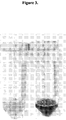
- Figure 1 shows the SDS-PAGE gel of the final protein collected from each sample, as well as an E. coli culture control sample.
- Figure 2 shows an SDS-PAGE gel of protein extracted from 5 g of E. coli -spiked soil using thermally assisted detergent-based cellular lysis with SDS, followed by TCA precipitation, as described by Chourey et al., (J. Proteome Res. 2010, 9(12): 6615-22 ).
- the gel in Figure 2 has significant background staining, which can make it difficult to see the protein bands. In contrast, the bands in the gel of Figure 1 have little to no background staining.
Landscapes
- Chemical & Material Sciences (AREA)
- Health & Medical Sciences (AREA)
- Life Sciences & Earth Sciences (AREA)
- Organic Chemistry (AREA)
- Engineering & Computer Science (AREA)
- Genetics & Genomics (AREA)
- Analytical Chemistry (AREA)
- Wood Science & Technology (AREA)
- Zoology (AREA)
- General Health & Medical Sciences (AREA)
- Biochemistry (AREA)
- General Engineering & Computer Science (AREA)
- Biophysics (AREA)
- Biomedical Technology (AREA)
- Biotechnology (AREA)
- Proteomics, Peptides & Aminoacids (AREA)
- Molecular Biology (AREA)
- Bioinformatics & Cheminformatics (AREA)
- Physics & Mathematics (AREA)
- Microbiology (AREA)
- Immunology (AREA)
- Plant Pathology (AREA)
- Medicinal Chemistry (AREA)
- Chemical Kinetics & Catalysis (AREA)
- Crystallography & Structural Chemistry (AREA)
- General Physics & Mathematics (AREA)
- Pathology (AREA)
- Measuring Or Testing Involving Enzymes Or Micro-Organisms (AREA)
- Investigating Or Analysing Biological Materials (AREA)
Claims (24)
- Procédé destiné à purifier ou à isoler une protéine à partir d'un échantillon comprenant des cellules et un ou plusieurs contaminants de substances humiques, où l'échantillon est un échantillon de sol, le procédé comprenant les étapes consistant à :(a) mettre en contact l'échantillon de sol avec une première solution comprenant au moins 0,1 % en volume de détergent non ionique, au moins 10 mM de tampon Tris, de 10 à 100 mM de sel où la première solution comprend un ou plusieurs sels inorganiques, et au moins 1 % en volume de polyol, où les un ou plusieurs sels inorganiques dans la première solution sont sélectionnés parmi des sels de sodium, des sels de potassium, des sels de calcium, des sels de magnésium, des sels de chlorure, des sels de bicarbonate et des sels de sulfate ; et(b) mettre en contact le mélange résultant de l'étape (a) avec une deuxième solution comprenant de 1 à 6 M de sel inorganique, où le sel inorganique dans la deuxième solution est sélectionné parmi des sels de sodium, des sels de potassium, des sels de calcium, des sels de magnésium, des sels de chlorure, des sels de bicarbonate et des sels de sulfate, et où la concentration totale en sels dans le mélange après l'ajout de la deuxième solution va de 0,2 à 1 M ; et(c) extraire une protéine du mélange.
- Procédé destiné à éliminer un ou plusieurs contaminants de substances humiques d'un échantillon de sol, le procédé comprenant les étapes consistant à :(a) mettre en contact l'échantillon de sol avec une première solution comprenant au moins 0,1 % en volume de détergent non ionique, au moins 10 mM de tampon Tris, de 10 à 100 mM de sel où la première solution comprend un ou plusieurs sels inorganiques, et au moins 1 % en volume de polyol, où les un ou plusieurs sels inorganiques dans la première solution sont sélectionnés parmi des sels de sodium, des sels de potassium, des sels de calcium, des sels de magnésium, des sels de chlorure, des sels de bicarbonate et des sels de sulfate ; et(b) mettre en contact le mélange résultant de l'étape (a) avec une deuxième solution comprenant de 1 à 6 M de sel inorganique, où le sel inorganique dans la deuxième solution est sélectionné parmi des sels de sodium, des sels de potassium, des sels de calcium, des sels de magnésium, des sels de chlorure, des sels de bicarbonate et des sels de sulfate, et où la concentration totale en sels dans le mélange après l'ajout de la deuxième solution va de 0,2 à 1 M ; et(c) éliminer les un ou plusieurs contaminants de substances humiques.
- Procédé selon la revendication 2, comprenant le fait d'obtenir une solution contenant une protéine dissoute et d'en extraire une protéine.
- Procédé selon l'une quelconque des revendications 1 à 3, dans lequel la première solution comprend un agent de chélation.
- Procédé selon l'une quelconque des revendications 1 à 4, dans lequel la première solution comprend un agent anti-moussant.
- Procédé selon l'une quelconque des revendications 1 à 5, dans lequel la deuxième solution comprend un sel inorganique, lequel est le chlorure de sodium.
- Procédé selon l'une quelconque des revendications 1 à 6, comprenant en outre le fait de mettre en contact l'échantillon avec un agent réducteur de disulfure après l'étape (a).
- Procédé selon l'une quelconque des revendications 1 à 7, comprenant en outre l'un ou les deux des faits suivants :(i) le fait d'agiter le mélange résultant de l'étape (a), de préférence en présence de billes ; et(ii) le fait d'agiter le mélange résultant de l'étape (b), de préférence en présence de billes.
- Procédé selon l'une quelconque des revendications 1 à 8, dans lequel l'échantillon est agité après l'ajout de la première solution ou après l'ajout de l'agent réducteur de disulfure, optionnellement où(i) l'agitation est effectuée à température ambiante ou à une température inférieure à la température ambiante, par exemple à 4 °C ; et/ou(ii) où l'échantillon est incubé à température ambiante ou à une température inférieure à la température ambiante, par exemple à 4 °C, avant ou après l'agitation.
- Procédé selon l'une quelconque des revendications 1 à 9, dans lequel l'échantillon est agité après l'ajout de la deuxième solution ou après l'ajout de l'agent réducteur de disulfure, optionnellement où(i) l'agitation est effectuée à température ambiante ou à une température inférieure à la température ambiante, par exemple à 4 °C ; et/ou(ii) où l'échantillon est incubé à température ambiante ou à une température inférieure à la température ambiante, par exemple à 4 °C, avant ou après l'agitation.
- Procédé selon l'une quelconque des revendications 1 à 10, comprenant en outre l'un ou les deux des faits suivants :(i) le fait de centrifuger le mélange résultant de l'étape (a) ; et(ii) le fait de centrifuger le mélange résultant de l'étape (b).
- Procédé selon l'une quelconque des revendications 1 à 11, où le procédé comprend le fait de centrifuger l'échantillon après l'ajout de la deuxième solution afin de séparer la matière non dissoute de la protéine extraite.
- Procédé selon l'une quelconque des revendications 1 à 12, comprenant le fait d'obtenir une solution qui comprend la protéine dissoute et où la protéine est extraite de la solution en ajoutant un agent de précipitation afin de faire précipiter la protéine pour la séparer de la solution, optionnellement où la solution comprenant la protéine dissoute est obtenue en éliminant la matière non dissoute par filtration ou centrifugation.
- Procédé selon l'une quelconque des revendications 1 à 13, dans lequel la première solution comprend :(i) de 0,1 à 2 % en volume de détergent non ionique ;(ii) de 10 à 200 mM de tampon Tris ;(iii) de 0,01 à 4 mM d'un agent de chélation ;(iv) de 10 à 100 mM d'un ou de plusieurs sels inorganiques ; et(v) de 1 à 30 % en volume d'un polyol.
- Procédé selon l'une quelconque des revendications 1 à 14, dans lequel l'étape (a) comprend le fait de mettre en contact l'échantillon avec une première solution comprenant du Tris-base, de l'EDTA, du KCl, du MgCl2, du glycérol, et du Triton X-100 ; et où la deuxième solution utilisée lors de l'étape (b) comprend du chlorure de sodium.
- Procédé selon l'une quelconque des revendications 1 à 15, comprenant l'un ou les deux des faits suivants :(i) le fait d'agiter le mélange résultant de l'étape (a) en présence de billes de céramique, de billes de verre ou d'un mélange de celles-ci ; et(ii) le fait d'agiter le mélange résultant de l'étape (b) en présence de billes de céramique, de billes de verre ou d'un mélange de celles-ci.
- Procédé destiné à purifier une protéine à partir d'un échantillon comprenant des cellules et un ou plusieurs contaminants de substances humiques, où l'échantillon est un échantillon de sol, le procédé comprenant les étapes consistant à :(a) mettre en contact l'échantillon avec une première solution comprenant au moins 10 mM de Tris-base, de l'EDTA, de 10 à 100 mM de KCl, de 10 à 100 mM de MgCl2, au moins 1 % en volume de glycérol, et au moins 0,1 % en volume de Triton X-100 ;(b) mettre en contact le mélange résultant de l'étape (a) avec une deuxième solution comprenant de 1 à 6 M de chlorure de sodium, où la concentration totale en sels dans le mélange après l'ajout de la deuxième solution va de 0,2 à 1 M ; et(c) éliminer les un ou plusieurs contaminants de substances humiques.
- Procédé selon l'une quelconque des revendications 1 à 17, dans lequel la première solution comprend de 10 à 100 mM de Tris-base, de 0,1 à 2 mM d'EDTA, de 10 à 100 mM de KCl, de 10 à 100 mM de MgCl2, de 5 à 20 % en volume de glycérol, et de 0,1 à 1 % en volume de Triton X-100, optionnellement où ladite première solution contient 20 mM de Tris-base, 2 mM d'EDTA, 10 mM de KCl, 10 mM de MgCl2, 10 % en volume de glycérol et 1 % en volume de Triton X-100.
- Procédé selon l'une quelconque des revendications 1 à 18, dans lequel la deuxième solution comprend de 2 à 5 M ou de 4 à 4,5 M de NaCl.
- Procédé selon l'une quelconque des revendications 1 à 19, dans lequel l'échantillon de sol est sélectionné parmi un sédiment, du fumier, du compost, de la poudre, de la poussière, de la boue, de la terre, de la terre de remblai ou de décharge et du paillis et/ou les une ou plusieurs substances humiques sont sélectionnées parmi des acides humiques et des acides fulviques.
- Kit destiné à réaliser un procédé selon l'une quelconque des revendications 1 à 20, comprenant(a) une première solution comprenant au moins 0,1 % en volume de détergent non ionique, au moins 10 mM de tampon Tris, de 10 à 100 mM de sel, où la première solution comprend un ou plusieurs sels inorganiques, et au moins 1 % en volume de polyol, où les un ou plusieurs sels inorganiques dans la première solution sont sélectionnés parmi des sels de sodium, des sels de potassium, des sels de calcium, des sels de magnésium, des sels de chlorure, des sels de bicarbonate et des sels de sulfate ;(b) une deuxième solution comprenant de 1 à 6 M de sel inorganique, où le sel inorganique dans la deuxième solution est sélectionné parmi des sels de sodium, des sels de potassium, des sels de calcium, des sels de magnésium, des sels de chlorure, des sels de bicarbonate et des sels de sulfate ; et(c) des billes d'homogénéisation, optionnellement où les billes sont des billes de verre, des billes de céramique ou un mélange de celles-ci.
- Kit selon la revendication 21, dans lequel la première solution présente une ou plusieurs des caractéristiques suivantes :(i) la première solution comprend :(aa) de 0,1 à 2 % en volume de détergent non ionique ;(bb) de 10 à 200 mM de tampon Tris ;(cc) de 0,01 à 4 mM d'un agent de chélation ;(dd) de 10 à 100 mM d'un ou de plusieurs sels inorganiques ; et(ee) de 1 à 30 % en volume d'un polyol ;(ii) la première solution comprend du Tris-base, de l'EDTA, du KCl, du MgCl2, du glycérol, et du Triton X-100, optionnellement où la première solution comprend de 10 à 100 mM de Tris-base, de 0,1 à 2 mM d'EDTA, de 10 à 100 mM de KCl, de 10 à 100 mM de MgCl2, de 5 à 20 % en volume de glycérol, et de 0,1 à 1 % en volume de Triton X-100 ;
et/ou(iii) la première solution comprend un agent anti-moussant. - Kit selon la revendication 21 ou 22, présentant une ou plusieurs des caractéristiques suivantes :(i) la deuxième solution comprenant du chlorure de sodium, optionnellement où la deuxième solution comprend de 2 à 5 M de NaCl ;(ii) les billes sont des billes de verre, des billes de céramique ou un mélange de celles-ci ;(iii) le kit comprend un récipient tubulaire stérile.
- Utilisation d'un kit destiné à réaliser un procédé selon l'une quelconque des revendications 1 à 20, le kit comprenant(a) une première solution comprenant au moins 0,1 % en volume de détergent non ionique, au moins 10 mM de tampon Tris, de 10 à 100 mM de sel, où la première solution comprend un ou plusieurs sels inorganiques, et au moins 1 % en volume de polyol, où les un ou plusieurs sels inorganiques dans la première solution sont sélectionnés parmi des sels de sodium, des sels de potassium, des sels de calcium, des sels de magnésium, des sels de chlorure, des sels de bicarbonate et des sels de sulfate ; et(b) une deuxième solution comprenant de 1 à 6 M de sel inorganique, où le sel inorganique dans la deuxième solution est sélectionné parmi des sels de sodium, des sels de potassium, des sels de calcium, des sels de magnésium, des sels de chlorure, des sels de bicarbonate et des sels de sulfate.
Applications Claiming Priority (2)
| Application Number | Priority Date | Filing Date | Title |
|---|---|---|---|
| US201361809237P | 2013-04-05 | 2013-04-05 | |
| PCT/US2014/032995 WO2014165769A1 (fr) | 2013-04-05 | 2014-04-04 | Kits et méthodes destinés à isoler une protéine d'échantillons biologiques et environnementaux |
Publications (3)
| Publication Number | Publication Date |
|---|---|
| EP2984101A1 EP2984101A1 (fr) | 2016-02-17 |
| EP2984101A4 EP2984101A4 (fr) | 2017-03-29 |
| EP2984101B1 true EP2984101B1 (fr) | 2020-08-19 |
Family
ID=51659232
Family Applications (1)
| Application Number | Title | Priority Date | Filing Date |
|---|---|---|---|
| EP14778974.7A Active EP2984101B1 (fr) | 2013-04-05 | 2014-04-04 | Kits et méthodes destinés à isoler une protéine d'échantillons biologiques et environnementaux |
Country Status (5)
| Country | Link |
|---|---|
| US (3) | US20150185126A1 (fr) |
| EP (1) | EP2984101B1 (fr) |
| AU (1) | AU2014247991B2 (fr) |
| CA (1) | CA2911195A1 (fr) |
| WO (1) | WO2014165769A1 (fr) |
Families Citing this family (8)
| Publication number | Priority date | Publication date | Assignee | Title |
|---|---|---|---|---|
| US11242518B2 (en) | 2015-09-04 | 2022-02-08 | QIAGEN Sciences, LLP | Methods for co-isolation of nucleic acids and proteins |
| WO2017209990A1 (fr) | 2016-05-31 | 2017-12-07 | Exxonmobil Upstream Research Company | Procédés permettant d'isoler des acides nucléiques d'échantillons |
| WO2018005522A1 (fr) | 2016-07-01 | 2018-01-04 | Exxonmobil Upstream Research Company | Procédés d'identification de réservoirs d'hydrocarbure |
| EP3784796A1 (fr) | 2018-04-24 | 2021-03-03 | Qiagen Sciences, LLC | Isolement d'acide nucléique et élimination d'inhibiteur vis-à-vis d'échantillons complexes |
| US12460196B2 (en) | 2018-04-27 | 2025-11-04 | Qiagen Gmbh | Method for isolating nucleic acids from plant samples |
| CN120081893A (zh) * | 2019-07-11 | 2025-06-03 | 浮萍蛋白食品公司 | 从植物材料分离高纯度蛋白质制品的工艺及其产品 |
| EP4030933A4 (fr) * | 2019-09-16 | 2023-10-18 | Kiverdi, Inc. | Compositions d'hydrolysat de protéines microbiennes et leurs procédés de préparation |
| WO2023039419A2 (fr) | 2021-09-08 | 2023-03-16 | Plantible Foods Inc. | Systèmes et procédés de mesure de la densité d'un tapis d'une biomasse aquatique |
Citations (1)
| Publication number | Priority date | Publication date | Assignee | Title |
|---|---|---|---|---|
| US5834282A (en) * | 1994-07-22 | 1998-11-10 | Seikagaku Kogyo Kabushiki Kaisha | Heparan sulfate 6-O-sulfotransferase |
Family Cites Families (22)
| Publication number | Priority date | Publication date | Assignee | Title |
|---|---|---|---|---|
| US4748234A (en) * | 1985-06-26 | 1988-05-31 | Cetus Corporation | Process for recovering refractile bodies containing heterologous proteins from microbial hosts |
| US5081010A (en) * | 1989-02-09 | 1992-01-14 | Eastman Kodak Company | Extraction composition, test kit and their use to extract or determine herpes simplex viral antigen |
| US5391497A (en) * | 1992-10-13 | 1995-02-21 | University Of Colorado Foundation, Inc. | Human k-casein |
| US5665359A (en) * | 1994-04-29 | 1997-09-09 | Ho; Walter Kwok Keung | Method and compositions for lowering blood lipids |
| US6579697B1 (en) * | 1995-05-11 | 2003-06-17 | Yeda Research And Development Co. Ltd. | Modulator of TNF/NGF superfamily receptors and soluble oligomeric TNF/NGF superfamily receptors |
| AU7014896A (en) * | 1995-09-11 | 1997-04-01 | Aviron | Methods and compositions for treatment of hsv-2 infections and conditions |
| US7923015B2 (en) * | 1997-08-14 | 2011-04-12 | Institut Pasteur | Methods for direct visualization of active synapses |
| US6599496B2 (en) * | 1999-04-30 | 2003-07-29 | Chek-Med Systems, Inc. | Endoscopy tissue stain |
| IL131719A0 (en) * | 1999-09-02 | 2001-03-19 | Yeda Res & Dev | Iren protein its preparation and use |
| US20030153083A1 (en) * | 2000-01-31 | 2003-08-14 | Alexei Shir | Selective killing of cells by activation of double-stranded rna dependent protein kniase-pkr |
| CA2526985A1 (fr) * | 2003-05-16 | 2004-12-02 | Wisconsin Alumni Research Foundation | Procede pour isoler et cloner des molecules de polynucleotides de poids moleculaire eleve a partir de l'environnement |
| US8377447B2 (en) * | 2003-09-05 | 2013-02-19 | Oregon Health & Science University | Monomeric recombinant MHC molecules useful for manipulation of antigen-specific T cells |
| CA2567599C (fr) * | 2004-05-21 | 2015-07-21 | Mo Bio Laboratories, Inc. | Trousses et procedes permettant d'eliminer des contaminants d'acides nucleiques dans des echantillons environnementaux et biologiques |
| US7923219B2 (en) * | 2005-06-02 | 2011-04-12 | The University Of North Carolina At Chapel Hill | Ubiquitin E3 ligase |
| US20080038753A1 (en) * | 2006-08-01 | 2008-02-14 | Illumigen Biosciences, Inc. | Pharmaceutical manufacturing methods |
| US9017966B2 (en) * | 2007-05-23 | 2015-04-28 | Nature Technology Corporation | E. coli plasmid DNA production |
| US8158623B2 (en) * | 2007-05-29 | 2012-04-17 | Shanghai Institute Of Materia Medica Chinese Academy Of Sciences | Heptacyclic compounds and the pharmaceutical uses thereof for preventing and treating diabetes and metabolic syndrome |
| HRP20161004T1 (hr) * | 2007-09-27 | 2016-10-21 | Dow Agrosciences Llc | Tehnološki konstruirani proteini cinkovi prsti koji imaju kao cilj gene za sintazu 5-enolpiruvilshikimat-3-fosfata |
| WO2009140313A1 (fr) * | 2008-05-12 | 2009-11-19 | Synthetic Genomics, Inc. | Procédés pour stimuler une production de méthane biogénique à partir de formation contenant des hydrocarbures |
| US8288346B2 (en) * | 2008-10-09 | 2012-10-16 | University Of Maryland, Baltimore | Composition and method for the treatment of hyperkalemia |
| CA2824404C (fr) * | 2011-01-06 | 2023-01-03 | Meso Scale Technologies, Llc | Cartouches d'essai destinees a l'analyse pcr et methodes d'utilisation associees |
| WO2012135081A2 (fr) * | 2011-03-25 | 2012-10-04 | Children's Medical Center Corporation | Régulation par lin28 de la biogenèse de let-7 |
-
2014
- 2014-04-04 EP EP14778974.7A patent/EP2984101B1/fr active Active
- 2014-04-04 AU AU2014247991A patent/AU2014247991B2/en active Active
- 2014-04-04 WO PCT/US2014/032995 patent/WO2014165769A1/fr not_active Ceased
- 2014-04-04 CA CA2911195A patent/CA2911195A1/fr active Pending
-
2015
- 2015-03-09 US US14/642,556 patent/US20150185126A1/en not_active Abandoned
-
2021
- 2021-07-28 US US17/387,019 patent/US20220003645A1/en not_active Abandoned
- 2021-09-24 US US17/484,352 patent/US20220011202A1/en not_active Abandoned
Patent Citations (1)
| Publication number | Priority date | Publication date | Assignee | Title |
|---|---|---|---|---|
| US5834282A (en) * | 1994-07-22 | 1998-11-10 | Seikagaku Kogyo Kabushiki Kaisha | Heparan sulfate 6-O-sulfotransferase |
Non-Patent Citations (4)
| Title |
|---|
| K C DUONG-LY ET AL: "Salting out of proteins using ammonium sulfate precipitation", METHODS ENZYMOL., vol. 541, 1 January 2014 (2014-01-01), pages 85 - 87, XP055635437 * |
| LUKASZ P. KOZLOWSKI: "Proteome- pI : proteome isoelectric point database", NUCLEIC ACIDS RESEARCH, vol. 45, no. D1, 4 January 2017 (2017-01-04), pages D1112 - D1116, XP055422709, ISSN: 0305-1048, DOI: 10.1093/nar/gkw978 * |
| MST KAMRUN NAHAR ET AL: "Effect of pH and Salt Concentration on Protein Solubility of Slaughtered and Non-Slaughtered Broiler Chicken Meat", SAINS MALAYSIANA : JOURNAL OF NATURAL SCIENCES, vol. 46, no. 5, 31 May 2017 (2017-05-31), pages 719 - 724, XP055635438, ISSN: 0126-6039, DOI: 10.17576/jsm-2017-4605-06 * |
| ZAHUCZKY G ET AL: "Cloning of the bovine leukemia virus proteinase in Escherichia coli and comparison of its specificity to that of human T-cell leukemia virus proteinase", BIOCHIMICA ET BIOPHYSICA ACTA. PROTEIN STRUCTURE AND MOLECULAR ENZYMOLOGY, ELSEVIER, AMSTERDAM; NL, vol. 1478, no. 1, 16 March 2000 (2000-03-16), pages 1 - 8, XP004278906, ISSN: 0167-4838, DOI: 10.1016/S0167-4838(99)00240-X * |
Also Published As
| Publication number | Publication date |
|---|---|
| US20220011202A1 (en) | 2022-01-13 |
| CA2911195A1 (fr) | 2014-10-09 |
| US20220003645A1 (en) | 2022-01-06 |
| AU2014247991A1 (en) | 2015-11-19 |
| WO2014165769A1 (fr) | 2014-10-09 |
| EP2984101A1 (fr) | 2016-02-17 |
| AU2014247991B2 (en) | 2019-05-09 |
| US20150185126A1 (en) | 2015-07-02 |
| EP2984101A4 (fr) | 2017-03-29 |
Similar Documents
| Publication | Publication Date | Title |
|---|---|---|
| US20220003645A1 (en) | Kits and methods for isolating protein from biological and environmental samples | |
| AU2005323451B2 (en) | Kits and processes for removing contaminants from nucleic acids in environmental and biological samples | |
| Nuccio et al. | HT-SIP: a semi-automated stable isotope probing pipeline identifies cross-kingdom interactions in the hyphosphere of arbuscular mycorrhizal fungi | |
| Yang et al. | Comparison of methods for total community DNA extraction and purification from compost | |
| Tournier et al. | Modification of a commercial DNA extraction kit for safe and rapid recovery of DNA and RNA simultaneously from soil, without the use of harmful solvents | |
| CA2969245A1 (fr) | Criblage de bacteries de forme l | |
| Capo et al. | Lake Sedimentary DNA Research on Past Terrestrial and Aquatic Biodiversity: Overview and Recommendations. Quaternary 2021, 4, 6 | |
| Shahriar et al. | Effect of proteinase-K on genomic DNA extraction from gram-positive strains | |
| Jahan et al. | Genomic DNA extraction methods: a comparative case study with gram–negative organisms | |
| CN107974511B (zh) | 粉棒束孢特异性检测试剂盒及其检测方法 | |
| Cabrol et al. | Assessing the bias linked to DNA recovery from biofiltration woodchips for microbial community investigation by fingerprinting | |
| Staley et al. | Critical evaluation of solid waste sample processing for DNA-based microbial community analysis | |
| JP2006067890A (ja) | 核酸抽出方法および核酸抽出キット | |
| Taher et al. | Isolation and identification normal flora bacteria from different areas of Ninava governorate. | |
| JP7452794B2 (ja) | セレン還元菌を含むセレン汚染試料を用いたセレンの還元処理方法 | |
| Damann | Human decomposition ecology at the university of tennessee anthropology research facility | |
| CN111876362A (zh) | 一种生态微生物菌剂的制备工艺 | |
| Milling et al. | Nucleic acid extraction from environmental samples | |
| Elawati et al. | Metagenomic Analysis of Microbial Communities from Coal Waste | |
| JP7266804B2 (ja) | セレン還元菌を含むセレン汚染試料を用いたセレンの還元処理方法 | |
| Wu et al. | Optimization of the Quantification of Antibiotic Resistance Genes in Multimedia from the Yangtze River Estuary | |
| Eshananda | APPLICATION OF PROTEINASE K TO FACILITATE FUNGAL CELL LYSIS IN COMMERCIAL SILICA COLUMN-BASED DNA ISOLATION KIT | |
| Kostešić | Microbial diversity, functionality and metabolic activity of thermal biofilms in Croatia | |
| Parkinson | Forensic DNA profiling of bacterial communities in soil | |
| JP2026036807A (ja) | セレン汚染試料のセレンの還元処理方法 |
Legal Events
| Date | Code | Title | Description |
|---|---|---|---|
| PUAI | Public reference made under article 153(3) epc to a published international application that has entered the european phase |
Free format text: ORIGINAL CODE: 0009012 |
|
| 17P | Request for examination filed |
Effective date: 20151102 |
|
| AK | Designated contracting states |
Kind code of ref document: A1 Designated state(s): AL AT BE BG CH CY CZ DE DK EE ES FI FR GB GR HR HU IE IS IT LI LT LU LV MC MK MT NL NO PL PT RO RS SE SI SK SM TR |
|
| AX | Request for extension of the european patent |
Extension state: BA ME |
|
| RIN1 | Information on inventor provided before grant (corrected) |
Inventor name: CALLAHAN, HEATHER Inventor name: KENNEDY, SUZANNE Inventor name: BROLASKI, MARK |
|
| DAX | Request for extension of the european patent (deleted) | ||
| RIC1 | Information provided on ipc code assigned before grant |
Ipc: C12Q 1/68 20060101ALI20161223BHEP Ipc: C12N 15/10 20060101ALI20161223BHEP Ipc: C07K 1/14 20060101AFI20161223BHEP |
|
| A4 | Supplementary search report drawn up and despatched |
Effective date: 20170228 |
|
| RIC1 | Information provided on ipc code assigned before grant |
Ipc: C07K 1/14 20060101AFI20170222BHEP Ipc: C12Q 1/68 20060101ALI20170222BHEP Ipc: C12N 15/10 20060101ALI20170222BHEP |
|
| STAA | Information on the status of an ep patent application or granted ep patent |
Free format text: STATUS: REQUEST FOR EXAMINATION WAS MADE |
|
| STAA | Information on the status of an ep patent application or granted ep patent |
Free format text: STATUS: EXAMINATION IS IN PROGRESS |
|
| 17Q | First examination report despatched |
Effective date: 20180309 |
|
| RAP1 | Party data changed (applicant data changed or rights of an application transferred) |
Owner name: QIAGEN SCIENCES, LLC |
|
| GRAP | Despatch of communication of intention to grant a patent |
Free format text: ORIGINAL CODE: EPIDOSNIGR1 |
|
| STAA | Information on the status of an ep patent application or granted ep patent |
Free format text: STATUS: GRANT OF PATENT IS INTENDED |
|
| INTG | Intention to grant announced |
Effective date: 20200225 |
|
| GRAJ | Information related to disapproval of communication of intention to grant by the applicant or resumption of examination proceedings by the epo deleted |
Free format text: ORIGINAL CODE: EPIDOSDIGR1 |
|
| STAA | Information on the status of an ep patent application or granted ep patent |
Free format text: STATUS: EXAMINATION IS IN PROGRESS |
|
| GRAR | Information related to intention to grant a patent recorded |
Free format text: ORIGINAL CODE: EPIDOSNIGR71 |
|
| GRAS | Grant fee paid |
Free format text: ORIGINAL CODE: EPIDOSNIGR3 |
|
| STAA | Information on the status of an ep patent application or granted ep patent |
Free format text: STATUS: GRANT OF PATENT IS INTENDED |
|
| GRAA | (expected) grant |
Free format text: ORIGINAL CODE: 0009210 |
|
| STAA | Information on the status of an ep patent application or granted ep patent |
Free format text: STATUS: THE PATENT HAS BEEN GRANTED |
|
| INTC | Intention to grant announced (deleted) | ||
| AK | Designated contracting states |
Kind code of ref document: B1 Designated state(s): AL AT BE BG CH CY CZ DE DK EE ES FI FR GB GR HR HU IE IS IT LI LT LU LV MC MK MT NL NO PL PT RO RS SE SI SK SM TR |
|
| INTG | Intention to grant announced |
Effective date: 20200713 |
|
| REG | Reference to a national code |
Ref country code: CH Ref legal event code: EP |
|
| REG | Reference to a national code |
Ref country code: DE Ref legal event code: R096 Ref document number: 602014069183 Country of ref document: DE |
|
| REG | Reference to a national code |
Ref country code: AT Ref legal event code: REF Ref document number: 1303819 Country of ref document: AT Kind code of ref document: T Effective date: 20200915 |
|
| REG | Reference to a national code |
Ref country code: IE Ref legal event code: FG4D |
|
| REG | Reference to a national code |
Ref country code: LT Ref legal event code: MG4D |
|
| REG | Reference to a national code |
Ref country code: NL Ref legal event code: MP Effective date: 20200819 |
|
| PG25 | Lapsed in a contracting state [announced via postgrant information from national office to epo] |
Ref country code: PT Free format text: LAPSE BECAUSE OF FAILURE TO SUBMIT A TRANSLATION OF THE DESCRIPTION OR TO PAY THE FEE WITHIN THE PRESCRIBED TIME-LIMIT Effective date: 20201221 Ref country code: HR Free format text: LAPSE BECAUSE OF FAILURE TO SUBMIT A TRANSLATION OF THE DESCRIPTION OR TO PAY THE FEE WITHIN THE PRESCRIBED TIME-LIMIT Effective date: 20200819 Ref country code: SE Free format text: LAPSE BECAUSE OF FAILURE TO SUBMIT A TRANSLATION OF THE DESCRIPTION OR TO PAY THE FEE WITHIN THE PRESCRIBED TIME-LIMIT Effective date: 20200819 Ref country code: FI Free format text: LAPSE BECAUSE OF FAILURE TO SUBMIT A TRANSLATION OF THE DESCRIPTION OR TO PAY THE FEE WITHIN THE PRESCRIBED TIME-LIMIT Effective date: 20200819 Ref country code: NO Free format text: LAPSE BECAUSE OF FAILURE TO SUBMIT A TRANSLATION OF THE DESCRIPTION OR TO PAY THE FEE WITHIN THE PRESCRIBED TIME-LIMIT Effective date: 20201119 Ref country code: BG Free format text: LAPSE BECAUSE OF FAILURE TO SUBMIT A TRANSLATION OF THE DESCRIPTION OR TO PAY THE FEE WITHIN THE PRESCRIBED TIME-LIMIT Effective date: 20201119 Ref country code: GR Free format text: LAPSE BECAUSE OF FAILURE TO SUBMIT A TRANSLATION OF THE DESCRIPTION OR TO PAY THE FEE WITHIN THE PRESCRIBED TIME-LIMIT Effective date: 20201120 Ref country code: LT Free format text: LAPSE BECAUSE OF FAILURE TO SUBMIT A TRANSLATION OF THE DESCRIPTION OR TO PAY THE FEE WITHIN THE PRESCRIBED TIME-LIMIT Effective date: 20200819 |
|
| REG | Reference to a national code |
Ref country code: AT Ref legal event code: MK05 Ref document number: 1303819 Country of ref document: AT Kind code of ref document: T Effective date: 20200819 |
|
| PG25 | Lapsed in a contracting state [announced via postgrant information from national office to epo] |
Ref country code: PL Free format text: LAPSE BECAUSE OF FAILURE TO SUBMIT A TRANSLATION OF THE DESCRIPTION OR TO PAY THE FEE WITHIN THE PRESCRIBED TIME-LIMIT Effective date: 20200819 Ref country code: NL Free format text: LAPSE BECAUSE OF FAILURE TO SUBMIT A TRANSLATION OF THE DESCRIPTION OR TO PAY THE FEE WITHIN THE PRESCRIBED TIME-LIMIT Effective date: 20200819 Ref country code: LV Free format text: LAPSE BECAUSE OF FAILURE TO SUBMIT A TRANSLATION OF THE DESCRIPTION OR TO PAY THE FEE WITHIN THE PRESCRIBED TIME-LIMIT Effective date: 20200819 Ref country code: RS Free format text: LAPSE BECAUSE OF FAILURE TO SUBMIT A TRANSLATION OF THE DESCRIPTION OR TO PAY THE FEE WITHIN THE PRESCRIBED TIME-LIMIT Effective date: 20200819 Ref country code: IS Free format text: LAPSE BECAUSE OF FAILURE TO SUBMIT A TRANSLATION OF THE DESCRIPTION OR TO PAY THE FEE WITHIN THE PRESCRIBED TIME-LIMIT Effective date: 20201219 |
|
| PG25 | Lapsed in a contracting state [announced via postgrant information from national office to epo] |
Ref country code: CZ Free format text: LAPSE BECAUSE OF FAILURE TO SUBMIT A TRANSLATION OF THE DESCRIPTION OR TO PAY THE FEE WITHIN THE PRESCRIBED TIME-LIMIT Effective date: 20200819 Ref country code: DK Free format text: LAPSE BECAUSE OF FAILURE TO SUBMIT A TRANSLATION OF THE DESCRIPTION OR TO PAY THE FEE WITHIN THE PRESCRIBED TIME-LIMIT Effective date: 20200819 Ref country code: EE Free format text: LAPSE BECAUSE OF FAILURE TO SUBMIT A TRANSLATION OF THE DESCRIPTION OR TO PAY THE FEE WITHIN THE PRESCRIBED TIME-LIMIT Effective date: 20200819 Ref country code: RO Free format text: LAPSE BECAUSE OF FAILURE TO SUBMIT A TRANSLATION OF THE DESCRIPTION OR TO PAY THE FEE WITHIN THE PRESCRIBED TIME-LIMIT Effective date: 20200819 Ref country code: SM Free format text: LAPSE BECAUSE OF FAILURE TO SUBMIT A TRANSLATION OF THE DESCRIPTION OR TO PAY THE FEE WITHIN THE PRESCRIBED TIME-LIMIT Effective date: 20200819 |
|
| REG | Reference to a national code |
Ref country code: DE Ref legal event code: R097 Ref document number: 602014069183 Country of ref document: DE |
|
| PG25 | Lapsed in a contracting state [announced via postgrant information from national office to epo] |
Ref country code: AT Free format text: LAPSE BECAUSE OF FAILURE TO SUBMIT A TRANSLATION OF THE DESCRIPTION OR TO PAY THE FEE WITHIN THE PRESCRIBED TIME-LIMIT Effective date: 20200819 Ref country code: AL Free format text: LAPSE BECAUSE OF FAILURE TO SUBMIT A TRANSLATION OF THE DESCRIPTION OR TO PAY THE FEE WITHIN THE PRESCRIBED TIME-LIMIT Effective date: 20200819 Ref country code: ES Free format text: LAPSE BECAUSE OF FAILURE TO SUBMIT A TRANSLATION OF THE DESCRIPTION OR TO PAY THE FEE WITHIN THE PRESCRIBED TIME-LIMIT Effective date: 20200819 |
|
| PLBE | No opposition filed within time limit |
Free format text: ORIGINAL CODE: 0009261 |
|
| STAA | Information on the status of an ep patent application or granted ep patent |
Free format text: STATUS: NO OPPOSITION FILED WITHIN TIME LIMIT |
|
| PG25 | Lapsed in a contracting state [announced via postgrant information from national office to epo] |
Ref country code: SK Free format text: LAPSE BECAUSE OF FAILURE TO SUBMIT A TRANSLATION OF THE DESCRIPTION OR TO PAY THE FEE WITHIN THE PRESCRIBED TIME-LIMIT Effective date: 20200819 |
|
| 26N | No opposition filed |
Effective date: 20210520 |
|
| PG25 | Lapsed in a contracting state [announced via postgrant information from national office to epo] |
Ref country code: SI Free format text: LAPSE BECAUSE OF FAILURE TO SUBMIT A TRANSLATION OF THE DESCRIPTION OR TO PAY THE FEE WITHIN THE PRESCRIBED TIME-LIMIT Effective date: 20200819 |
|
| PG25 | Lapsed in a contracting state [announced via postgrant information from national office to epo] |
Ref country code: MC Free format text: LAPSE BECAUSE OF FAILURE TO SUBMIT A TRANSLATION OF THE DESCRIPTION OR TO PAY THE FEE WITHIN THE PRESCRIBED TIME-LIMIT Effective date: 20200819 |
|
| PG25 | Lapsed in a contracting state [announced via postgrant information from national office to epo] |
Ref country code: LU Free format text: LAPSE BECAUSE OF NON-PAYMENT OF DUE FEES Effective date: 20210404 |
|
| REG | Reference to a national code |
Ref country code: BE Ref legal event code: MM Effective date: 20210430 |
|
| PG25 | Lapsed in a contracting state [announced via postgrant information from national office to epo] |
Ref country code: LI Free format text: LAPSE BECAUSE OF NON-PAYMENT OF DUE FEES Effective date: 20210430 Ref country code: CH Free format text: LAPSE BECAUSE OF NON-PAYMENT OF DUE FEES Effective date: 20210430 |
|
| PG25 | Lapsed in a contracting state [announced via postgrant information from national office to epo] |
Ref country code: IE Free format text: LAPSE BECAUSE OF NON-PAYMENT OF DUE FEES Effective date: 20210404 |
|
| PG25 | Lapsed in a contracting state [announced via postgrant information from national office to epo] |
Ref country code: IS Free format text: LAPSE BECAUSE OF FAILURE TO SUBMIT A TRANSLATION OF THE DESCRIPTION OR TO PAY THE FEE WITHIN THE PRESCRIBED TIME-LIMIT Effective date: 20201219 |
|
| PG25 | Lapsed in a contracting state [announced via postgrant information from national office to epo] |
Ref country code: BE Free format text: LAPSE BECAUSE OF NON-PAYMENT OF DUE FEES Effective date: 20210430 |
|
| PG25 | Lapsed in a contracting state [announced via postgrant information from national office to epo] |
Ref country code: HU Free format text: LAPSE BECAUSE OF FAILURE TO SUBMIT A TRANSLATION OF THE DESCRIPTION OR TO PAY THE FEE WITHIN THE PRESCRIBED TIME-LIMIT; INVALID AB INITIO Effective date: 20140404 |
|
| P01 | Opt-out of the competence of the unified patent court (upc) registered |
Effective date: 20230512 |
|
| PG25 | Lapsed in a contracting state [announced via postgrant information from national office to epo] |
Ref country code: CY Free format text: LAPSE BECAUSE OF FAILURE TO SUBMIT A TRANSLATION OF THE DESCRIPTION OR TO PAY THE FEE WITHIN THE PRESCRIBED TIME-LIMIT Effective date: 20200819 |
|
| PG25 | Lapsed in a contracting state [announced via postgrant information from national office to epo] |
Ref country code: MK Free format text: LAPSE BECAUSE OF FAILURE TO SUBMIT A TRANSLATION OF THE DESCRIPTION OR TO PAY THE FEE WITHIN THE PRESCRIBED TIME-LIMIT Effective date: 20200819 |
|
| PG25 | Lapsed in a contracting state [announced via postgrant information from national office to epo] |
Ref country code: MT Free format text: LAPSE BECAUSE OF FAILURE TO SUBMIT A TRANSLATION OF THE DESCRIPTION OR TO PAY THE FEE WITHIN THE PRESCRIBED TIME-LIMIT Effective date: 20200819 |
|
| PGFP | Annual fee paid to national office [announced via postgrant information from national office to epo] |
Ref country code: DE Payment date: 20250422 Year of fee payment: 12 |
|
| PGFP | Annual fee paid to national office [announced via postgrant information from national office to epo] |
Ref country code: GB Payment date: 20250423 Year of fee payment: 12 |
|
| PGFP | Annual fee paid to national office [announced via postgrant information from national office to epo] |
Ref country code: IT Payment date: 20250424 Year of fee payment: 12 |
|
| PGFP | Annual fee paid to national office [announced via postgrant information from national office to epo] |
Ref country code: FR Payment date: 20250425 Year of fee payment: 12 |
|
| PG25 | Lapsed in a contracting state [announced via postgrant information from national office to epo] |
Ref country code: TR Free format text: LAPSE BECAUSE OF FAILURE TO SUBMIT A TRANSLATION OF THE DESCRIPTION OR TO PAY THE FEE WITHIN THE PRESCRIBED TIME-LIMIT Effective date: 20200819 |