EP2995132B1 - Vorrichtung, system und verfahren zur anpassung von übertragungsintervallen für erkennungsrahmen - Google Patents
Vorrichtung, system und verfahren zur anpassung von übertragungsintervallen für erkennungsrahmen Download PDFInfo
- Publication number
- EP2995132B1 EP2995132B1 EP14795206.3A EP14795206A EP2995132B1 EP 2995132 B1 EP2995132 B1 EP 2995132B1 EP 14795206 A EP14795206 A EP 14795206A EP 2995132 B1 EP2995132 B1 EP 2995132B1
- Authority
- EP
- European Patent Office
- Prior art keywords
- wireless communication
- value
- discovery
- time period
- transmit
- Prior art date
- Legal status (The legal status is an assumption and is not a legal conclusion. Google has not performed a legal analysis and makes no representation as to the accuracy of the status listed.)
- Active
Links
Images

Classifications
-
- H—ELECTRICITY
- H04—ELECTRIC COMMUNICATION TECHNIQUE
- H04W—WIRELESS COMMUNICATION NETWORKS
- H04W74/00—Wireless channel access
- H04W74/08—Non-scheduled access, e.g. ALOHA
-
- H—ELECTRICITY
- H04—ELECTRIC COMMUNICATION TECHNIQUE
- H04L—TRANSMISSION OF DIGITAL INFORMATION, e.g. TELEGRAPHIC COMMUNICATION
- H04L47/00—Traffic control in data switching networks
- H04L47/10—Flow control; Congestion control
- H04L47/27—Evaluation or update of window size, e.g. using information derived from acknowledged [ACK] packets
-
- H—ELECTRICITY
- H04—ELECTRIC COMMUNICATION TECHNIQUE
- H04L—TRANSMISSION OF DIGITAL INFORMATION, e.g. TELEGRAPHIC COMMUNICATION
- H04L47/00—Traffic control in data switching networks
- H04L47/10—Flow control; Congestion control
- H04L47/28—Flow control; Congestion control in relation to timing considerations
-
- H—ELECTRICITY
- H04—ELECTRIC COMMUNICATION TECHNIQUE
- H04W—WIRELESS COMMUNICATION NETWORKS
- H04W28/00—Network traffic management; Network resource management
- H04W28/02—Traffic management, e.g. flow control or congestion control
- H04W28/0205—Traffic management, e.g. flow control or congestion control at the air interface
-
- H—ELECTRICITY
- H04—ELECTRIC COMMUNICATION TECHNIQUE
- H04W—WIRELESS COMMUNICATION NETWORKS
- H04W28/00—Network traffic management; Network resource management
- H04W28/02—Traffic management, e.g. flow control or congestion control
- H04W28/0247—Traffic management, e.g. flow control or congestion control based on conditions of the access network or the infrastructure network
-
- H—ELECTRICITY
- H04—ELECTRIC COMMUNICATION TECHNIQUE
- H04W—WIRELESS COMMUNICATION NETWORKS
- H04W74/00—Wireless channel access
- H04W74/08—Non-scheduled access, e.g. ALOHA
- H04W74/0808—Non-scheduled access, e.g. ALOHA using carrier sensing, e.g. carrier sense multiple access [CSMA]
-
- H—ELECTRICITY
- H04—ELECTRIC COMMUNICATION TECHNIQUE
- H04W—WIRELESS COMMUNICATION NETWORKS
- H04W8/00—Network data management
- H04W8/005—Discovery of network devices, e.g. terminals
Definitions
- Embodiments described herein generally relate to adjusting transmission intervals for discovery frames.
- communication may be performed during discovery windows (DWs).
- DWs discovery windows
- Stations may be allowed to transmit a discovery frame during a DW, in order to enable the stations to discover other devices or services that are running on the other devices.
- Transmissions may be preformed during the DW based on a contention mechanism.
- a plurality of stations may attempt to transmit discovery frames during the DWs, which may be relatively short. These attempts may result in a relatively high level of congestion within the network. The congestion may result in failure to transmit the discovery frames.
- U.S. Application Publication No. 2009/287827 is directed towards managing a discovery in a wireless peer-to-peer network.
- U.S. Application Publication No. 2011/085455 is directed towards methods and an apparatus for controlling channel utilization.
- U.S. Application Publication No. 2012/182890 is directed towards adaptive peer discovery based on non-peer discovery transmissions and device density for Wi-Fi.
- an apparatus including a wireless communication device is defined in appended claim 1.
- Corresponding method and product are defined in claims 10 and 14 respectively.
- Discussions herein utilizing terms such as, for example, “processing”, “computing”, “calculating”, “determining”, “establishing”, “analyzing”, “checking”, or the like, may refer to operation(s) and/or process(es) of a computer, a computing platform, a computing system, or other electronic computing device, that manipulate and/or transform data represented as physical (e.g., electronic) quantities within the computer's registers and/or memories into other data similarly represented as physical quantities within the computer's registers and/or memories or other information storage medium that may store instructions to perform operations and/or processes.
- processing may refer to operation(s) and/or process(es) of a computer, a computing platform, a computing system, or other electronic computing device, that manipulate and/or transform data represented as physical (e.g., electronic) quantities within the computer's registers and/or memories into other data similarly represented as physical quantities within the computer's registers and/or memories or other information storage medium that may store instructions to perform operations and/or processes.
- plural and “a plurality”, as used herein, include, for example, “multiple” or “two or more”.
- a plurality of items includes two or more items.
- references to "one embodiment”, “an embodiment”, “demonstrative embodiment”, “various embodiments” etc. indicate that the embodiment(s) so described may include a particular feature, structure, or characteristic, but not every embodiment necessarily includes the particular feature, structure, or characteristic. Further, repeated use of the phrase “in one embodiment” does not necessarily refer to the same embodiment, although it may.
- Some embodiments may be used in conjunction with various devices and systems, for example, a Personal Computer (PC), a desktop computer, a mobile computer, a laptop computer, a notebook computer, a tablet computer, a server computer, a handheld computer, a handheld device, a Personal Digital Assistant (PDA) device, a handheld PDA device, an on-board device, an off-board device, a hybrid device, a vehicular device, a non-vehicular device, a mobile or portable device, a consumer device, a non-mobile or non-portable device, a wireless communication station, a wireless communication device, a wireless Access Point (AP), a wired or wireless router, a wired or wireless modem, a video device, an audio device, an audio-video (A/V) device, a wired or wireless network, a wireless area network, a Wireless Video Area Network (WVAN), a Local Area Network (LAN), a Wireless LAN (WLAN), a Personal Area Network (PAN), a Wireless PAN (W
- Some embodiments may be used in conjunction with devices and/or networks operating in accordance with existing Wireless-Gigabit-Alliance (WGA) specifications ( Wireless Gigabit Alliance, Inc WiGig MAC and PHY Specification Version 1.1, April 2011, Final specification ) and/or future versions and/or derivatives thereof, devices and/or networks operating in accordance with existing IEEE 802.11 standards ( IEEE 802.11-2012, IEEE Standard for Information technology--Telecommunications and information exchange between systems Local and metropolitan area networks--Specific requirements Part 11: Wireless LAN Medium Access Control (MAC) and Physical Layer (PHY) Specifications, March 29, 2012 ; IEEE802.11 task group ac (TGac) ("IEEE802.11-09 / 0308r12 - TGac Channel Model Addendum Document"); IEEE 802.11 task group ad (TGad) ( IEEE P802.11ad-2012, IEEE Standard for Information Technology - Telecommunications and Information Exchange Between Systems - Local and Metropolitan Area Networks - Specific Requirements - Part 11: Wireless LAN
- Some embodiments may be used in conjunction with one way and/or two-way radio communication systems, cellular radio-telephone communication systems, a mobile phone, a cellular telephone, a wireless telephone, a Personal Communication Systems (PCS) device, a PDA device which incorporates a wireless communication device, a mobile or portable Global Positioning System (GPS) device, a device which incorporates a GPS receiver or transceiver or chip, a device which incorporates an RFID element or chip, a Multiple Input Multiple Output (MIMO) transceiver or device, a Single Input Multiple Output (SIMO) transceiver or device, a Multiple Input Single Output (MISO) transceiver or device, a device having one or more internal antennas and/or external antennas, Digital Video Broadcast (DVB) devices or systems, multistandard radio devices or systems, a wired or wireless handheld device, e.g., a Smartphone, a Wireless Application Protocol (WAP) device, or the like.
- WAP Wireless Application Protocol
- Some embodiments may be used in conjunction with one or more types of wireless communication signals and/or systems, for example, Radio Frequency (RF), Infra Red (IR), Frequency-Division Multiplexing (FDM), Orthogonal FDM (OFDM), Time-Division Multiplexing (TDM), Time-Division Multiple Access (TDMA), Extended TDMA (E-TDMA), General Packet Radio Service (GPRS), extended GPRS, Code-Division Multiple Access (CDMA), Wideband CDMA (WCDMA), CDMA 2000, single-carrier CDMA, multi-carrier CDMA, Multi-Carrier Modulation (MDM), Discrete Multi-Tone (DMT), Bluetooth®, Global Positioning System (GPS), Wi-Fi, Wi-Max, ZigBeeTM, Ultra-Wideband (UWB), Global System for Mobile communication (GSM), 2G, 2.5G, 3G, 3.5G, 4G, Fifth Generation (5G) mobile networks, 3GPP, Long Term Evolution (LTE), LTE advanced
- wireless device includes, for example, a device capable of wireless communication, a communication device capable of wireless communication, a communication station capable of wireless communication, a portable or non-portable device capable of wireless communication, or the like.
- a wireless device may be or may include a peripheral that is integrated with a computer, or a peripheral that is attached to a computer.
- the term "wireless device” may optionally include a wireless service.
- a wireless communication unit which is capable of communicating a wireless communication signal, may include a wireless transmitter to transmit the wireless communication signal to at least one other wireless communication unit, and/or a wireless communication receiver to receive the wireless communication signal from at least one other wireless communication unit.
- Some demonstrative embodiments may be used in conjunction with suitable limited-range or short-range wireless communication networks, for example, a wireless area network, a "piconet", a WPAN, a WVAN and the like. Other embodiments may be used in conjunction with any other suitable wireless communication network.
- suitable limited-range or short-range wireless communication networks for example, a wireless area network, a "piconet", a WPAN, a WVAN and the like.
- Other embodiments may be used in conjunction with any other suitable wireless communication network.
- Some demonstrative embodiments may be used in conjunction with a wireless communication network communicating over a frequency band of 60GHz.
- other embodiments may be implemented utilizing any other suitable wireless communication frequency bands, for example, an Extremely High Frequency (EHF) band (the millimeter wave (mmWave) frequency band), e.g., a frequency band within the frequency band of between 20Ghz and 300GHZ, a WLAN frequency band, a WPAN frequency band, a frequency band according to the WGA specification, and the like.
- EHF Extremely High Frequency
- antenna may include any suitable configuration, structure and/or arrangement of one or more antenna elements, components, units, assemblies and/or arrays.
- the antenna may implement transmit and receive functionalities using separate transmit and receive antenna elements.
- the antenna may implement transmit and receive functionalities using common and/or integrated transmit/receive elements.
- the antenna may include, for example, a phased array antenna, a single element antenna, a set of switched beam antennas, and/or the like.
- STA station
- MAC medium access control
- PHY physical layer
- access point may include an entity that contains one station (STA) and provides access to distribution services, via the WM for associated STAs.
- non-access-point (non-AP) station may relate to a STA that is not contained within an AP.
- peer to peer (PTP or P2P) communication may relate to device-to-device communication over a wireless link ("peer-to-peer link") between a pair of devices.
- the P2P communication may include, for example, wireless communication over a direct link within a QoS basic service set (BSS), a tunneled direct-link setup (TDLS) link, a STA-to-STA communication in an independent basic service set (IBSS), or the like.
- BSS QoS basic service set
- TDLS tunneled direct-link setup
- IBSS independent basic service set
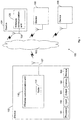
- FIG. 1 schematically illustrates a block diagram of a system 100, in accordance with some demonstrative embodiments.
- system 100 may include a wireless communication network including one or more wireless communication devices, e.g., wireless communication devices 102, 104, 106 and/or 108, capable of communicating content, data, information and/or signals over a wireless communication medium 103, for example, a radio channel, an IR channel, a RF channel, a Wireless Fidelity (WiFi) channel, and the like.
- a wireless communication medium 103 for example, a radio channel, an IR channel, a RF channel, a Wireless Fidelity (WiFi) channel, and the like.
- WiFi Wireless Fidelity
- wireless communication devices 102, 104 106 and/or 108 may include, for example, a PC, a desktop computer, a mobile computer, a laptop computer, a notebook computer, a tablet computer, a server computer, a handheld computer, a handheld device, a PDA device, a handheld PDA device, an on-board device, an off-board device, a hybrid device (e.g., combining cellular phone functionalities with PDA device functionalities), a consumer device, a vehicular device, a non-vehicular device, a mobile or portable device, a non-mobile or non-portable device, a mobile phone, a cellular telephone, a PCS device, a PDA device which incorporates a wireless communication device, a mobile or portable GPS device, a DVB device, a relatively small computing device, a non-desktop computer, a "Carry Small Live Large” (CSLL) device, an Ultra Mobile Device (UMD), an Ultra Mobile PC (UMPC), a
- CSLL Car
- wireless communication devices 102, 104, 106 and/or 108 may include wireless communication units, to perform wireless communication between wireless communication devices 102, 104, 106 and/or 108 and/or with one or more other wireless communication devices.
- device 102 may include a wireless communication unit 110 and device 104 may include a wireless communication unit 120, e.g., as described below.
- Wireless communication devices 102, 104, 106 and/or 108 may also include, for example, one or more of a processor 191, an input unit 192, an output unit 193, a memory unit 194, and a storage unit 195.
- Wireless communication devices 102, 104, 106 and/or 108 may optionally include other suitable hardware components and/or software components.
- some or all of the components of one or more of wireless communication devices 102, 104, 106 and/or 108 may be enclosed in a common housing or packaging, and may be interconnected or operably associated using one or more wired or wireless links.
- components of one or more of wireless communication devices 102, 104, 106 and/or 108 may be distributed among multiple or separate devices.
- Processor 191 includes, for example, a Central Processing Unit (CPU), a Digital Signal Processor (DSP), one or more processor cores, a single-core processor, a dual-core processor, a multiple-core processor, a microprocessor, a host processor, a controller, a plurality of processors or controllers, a chip, a microchip, one or more circuits, circuitry, a logic unit, an Integrated Circuit (IC), an Application-Specific IC (ASIC), or any other suitable multi-purpose or specific processor or controller.
- Processor 191 executes instructions, for example, of an Operating System (OS) of wireless communication devices 102, 104, 106 and/or 108 and/or of one or more suitable applications.
- OS Operating System
- Input unit 192 includes, for example, a keyboard, a keypad, a mouse, a touch-screen, a touch-pad, a track-ball, a stylus, a microphone or, other suitable pointing device or input device.
- Output unit 193 includes, for example, a monitor, a screen, a touch-screen, a flat panel display, a Cathode Ray Tube (CRT) display unit, a Liquid Crystal Display (LCD) display unit, a plasma display unit, one or more audio speakers or earphones, or other suitable output devices.
- CTR Cathode Ray Tube
- LCD Liquid Crystal Display
- Memory unit 194 includes, for example, a Random Access Memory (RAM), a Read Only Memory (ROM), a Dynamic RAM (DRAM), a Synchronous DRAM (SD-RAM), a flash memory, a volatile memory, a non-volatile memory, a cache memory, a buffer, a short term memory unit, a long term memory unit, or other suitable memory units.
- Storage unit 195 includes, for example, a hard disk drive, a floppy disk drive, a Compact Disk (CD) drive, a CD-ROM drive, a DVD drive, or other suitable removable or non-removable storage units.
- Memory unit 194 and/or storage unit 195 may store data processed by wireless communication devices 102, 104, 106 and/or 108.
- wireless medium 103 may include, for example, a Radio Frequency (RF) channel, a WiFi channel, a Bluetooth channel, a cellular channel, a Global Navigation Satellite System (GNSS) Channel, a Near Field Communication (NFC) channel, a Hybrid Digital Radio (HDR) channel, a Frequency Modulation (FM) channel, and the like.
- RF Radio Frequency
- WiFi Wireless Fidelity
- Bluetooth Wireless Fidelity
- cellular channel a Global Navigation Satellite System (GNSS) Channel
- GNSS Global Navigation Satellite System
- NFC Near Field Communication
- HDR Hybrid Digital Radio
- FM Frequency Modulation
- wireless communication medium 103 may include a wireless communication channel over a 2.4 Gigahertz (GHz) frequency band, or a 5GHz frequency band.
- GHz Gigahertz
- wireless communication medium 103 may include any other channel, e.g., a wireless communication channel over a 60 Gigahertz (GHz) frequency band, or any other frequency band.
- GHz Gigahertz
- wireless communication units 110 and 120 may include, or may be associated with, one or more antennas 107 and 109, respectively.
- Antennas 107 and 109 may include any type of antennas suitable for transmitting and/or receiving wireless communication signals, blocks, frames, transmission streams, packets, messages and/or data.
- antennas 107 and 109 may include any suitable configuration, structure and/or arrangement of one or more antenna elements, components, units, assemblies and/or arrays.
- Antennas 107 and 109 may include, for example, antennas suitable for directional communication.
- antennas 107 and 109 may include a phased array antenna, a single element antenna, a set of switched beam antennas, and/or the like.
- antennas 107 and 109 may implement transmit and receive functionalities using separate transmit and receive antenna elements.
- antennas 107 and 109 may implement transmit and receive functionalities using common and/or integrated transmit/receive elements.
- wireless communication units 110 and/or 120 include, for example, one or more radios 114, e.g., including one or more wireless transmitters, receivers and/or transceivers able to send and/or receive wireless communication signals, RF signals, frames, blocks, transmission streams, packets, messages, data items, and/or data.
- wireless communication units 110 and/or 120 may include or may be implemented as part of a wireless Network Interface Card (NIC), and the like.
- NIC wireless Network Interface Card
- wireless communication devices 102, 104, 106 and/or 108 may form a wireless local area network (WLAN).
- WLAN wireless local area network
- wireless communication medium 103 may include a wireless communication link over the mmWave band, e.g., the DMG band.
- devices 102, 104, 106 and/or 108 may perform the functionality of mmWave STAs, e.g., DMG stations ("DMG STA").
- DMG STA DMG stations
- devices 102, 104, 106 and/or may be configured to communicate over the DMG band.
- wireless communication medium 103 may include a wireless gigabit (WiGig) link.
- WiGig wireless gigabit
- wireless communication medium 103 may include a wireless beamformed link over the 60 GHZ frequency band.
- wireless communication devices 102, 104, 106 and/or 108 may form a WiFi network.
- wireless communication medium 103 may include a direct link, e.g., a P2P link, for example, to enable direct communication between device 102 and devices 104, 106 and/or 108.
- a direct link e.g., a P2P link
- wireless communication devices 102, 104, 106 and/or 108 may perform the functionality of WFA P2P devices.
- device 102 may perform the functionality of a P2P group owner, and devices 104, 106 and/or 108 may perform the functionality of a P2P client device.
- wireless communication devices 102, 104, 106 and/or 108 may form a WiFi NAN network.
- wireless communication devices 102, 104, 106 and/or 108 may form a neighbor awareness networking (NAN) network.
- NAN neighbor awareness networking
- devices 102, 104, 106 and/or 108 may include NAN devices, which may share a common set of NAN parameters, e.g., including a common time period between consecutive discovery windows (DWs), e.g., as described below.
- DWs consecutive discovery windows
- wireless communication unit 110 may perform the functionality of a NAN device capable of discovering other NAN devices according to a discovery scheme.
- wireless communication devices 102, 104, 106 and/or 108 may form any other network.
- wireless communication devices 102, 104, 106 and/or 108 may perform the functionality of any other wireless communication devices.
- one or more of devices 102, 104, 106 and/or 108 may perform a discovery procedure, for example, to discover each other and/or to establish a directional and/or high throughput wireless communication link.
- devices 102, 104, 106 and/or 108 may transmit discovery frames according to a discovery scheme including a plurality of discovery windows.
- devices 102, 104, 106 and/or 108 may communicate during a discovery window according to a contention mechanism. For example, devices 102, 104, 106 and/or 108 may check whether or not a channel is unoccupied prior to an attempt to transmit a discovery frame during the discovery window.
- a device of devices 102, 104, 106 and/or 108 may not transmit the discovery frame during the DW, e.g., if the channel is occupied.
- device 102 may transmit the discovery frame during the DW, e.g., if the channel is unoccupied.
- the discovery frame may be transmitted as a group addressed, e.g., broadcast or multicast, discovery frame. In other embodiments, the discovery frame may be transmitted as any other frame.
- the discovery frame may not require an acknowledgement frame. Therefore, a transmitter of the discovery frame may not backoff a transmission of the discovery frame.
- the discovery frame transmitted by device 102 during the DW may enable other devices or services that are running on other devices to discover the device.
- the DW may be relatively short.
- a congestion of wireless communication medium 103 during a DW may be related to a duration of the DW and/or a number of devices in the network attempting a transmission during the DW. For example, the congestion may increase if the duration of the DW decreases and/or if the number of devices attempting to transmit discovery frames increases.
- the congestion may result in failure to transmit the discovery frame.
- an increased level of congestion over wireless communication medium 103 may result in an increased power consumption of device 102, e.g., since a number of attempts by device 102 to transmit the discovery frame may increase.
- spreading the transmissions of discovery frames across multiple discovery windows and/or increasing the size of the discovery windows may mitigate the congestion in the discovery windows.
- spreading the transmissions of the discovery frames and/or increasing the size of the DWs may require estimating the number of devices in the network.
- estimating the number of devices in the network may be difficult, e.g., since each device may see a different number of devices around it.
- collisions between discovery frames within a DW may be mitigated, for example, even without estimating the number of devices, e.g., as described in detail below.
- the success or failure of device 102 to transmit a discovery frame during a predefined time period of the discovery window may indicate a level of congestion of medium 103.
- the ability of device 102 to transmit a discovery frame before the end of the discovery window may indicate that medium 103 is not highly congested.
- the probability that device 102 may not be able to transmit the discovery frame during the discovery window may increase, e.g., if medium 103 is observed to be busy during a predefined time period of the discovery window.
- wireless communication unit 110 may be configured to schedule transmissions of discovery frames based on the observation of whether or not the medium is busy during the DWs, e.g., as described below.
- wireless communication unit 110 may transmit the discovery frame during a selected discovery window according to a transmission interval (TI), e.g., as described below.
- TI transmission interval
- wireless communication unit 110 may schedule the transmission of the discovery frame for the discovery window, e.g., as described below.
- wireless communication unit 110 may adjust the transmission interval based on whether or not wireless communication medium 103 is observed to be busy during a predefined time period of the discovery window, e.g., as described in detail below.
- wireless communication unit 110 may increase the TI, e.g., if wireless communication medium 103 is observed to be congested during the predefined time period of the discovery window.
- wireless communication unit 110 may decrease the TI, e.g., if wireless communication medium 103 is not observed to be congested during the predefined time period of the discovery window.
- the predefined time period may be related to a sensitivity of the TI to congestion.
- a first time period may result in an adjustment of the TI, e.g., when wireless communication medium 103 has at least a first congestion level
- a second time period e.g., shorter than the first time period
- may result in an adjustment of the TI e.g., when wireless communication medium 103 has at least a second congestion level, e.g., lesser than the first congestion level.
- the predefined time period may include a time period beginning at a start time of a DW, e.g., an n-th DW, and ending within the DW.
- the predefined time period denoted T
- wireless communication unit 110 may determine a number of discovery windows between successive attempts to transmit the discovery frame, and select the discovery window according to the number of discovery windows, e.g., as described below.
- wireless communication unit 110 may select the number of discovery windows between a minimal transmission interval and the transmission interval, e.g., as described below.
- the transmission interval may include a Service Discovery frame transmission window ( TW ).
- TW Service Discovery frame transmission window
- device 102 may maintain the value of TW and a minimal TW value, denoted TW min .
- TW min 1 , or any other value.
- wireless communication unit 110 may adjust the transmission interval based on whether or not wireless communication medium 103 is observed to be busy during the predefined time period of the discovery window, e.g., as described in detail below.
- wireless communication unit 110 may increase the transmission interval, e.g., if the medium is observed to be busy during the predefined time period.
- the TI may be increased, e.g., if device 102 cannot transmit the discovery frame during the predefined time period in the n - th DW.
- wireless communication unit 110 may increase the TI, for example, if wireless communication unit 110 observes medium 103 is busy for more than the time period T.
- wireless communication unit 110 may decrease the transmission interval, for example if medium 103 is not observed to be busy for the predefined time period.
- the TI may be decreased, e.g., if device 102 can transmit the discovery frame during the predefined time period of the n - th DW.
- wireless communication unit 110 may decrease the TI, for example, if wireless communication unit 110 observes medium 103 is not busy for more than the time period T .
- wireless communication unit 110 may transmit the discovery frame according to any other discovery scheme, e.g., as described below.
- wireless communication unit 110 may select a DW, for example, a DW separated by TI i DWs from a current DW.
- wireless communication unit 110 may attempt to transmit the discovery frame within the selected DW.
- wireless communication unit 110 may adjust the TI based on whether or not wireless communication medium 103 is observed to be busy during the predefined time period of the DW.
- wireless communication unit 110 may decrease the selected transmission interval, e.g., if device 102 is able to transmit the discovery frame before the end of the selected DW.
- wireless communication unit 110 may increase the selected transmission interval, e.g., if device 102 is not able to transmit the discovery frame before the end of the discovery window.
- Fig. 2 schematically illustrates a discovery scheme including a plurality of discovery windows 210, 211, 212, 213, 214, 215, 216, 217 and/or 218, in accordance with some demonstrative embodiments.
- devices 102, 104, 106 and/or 108 may be allowed to attempt transmitting discovery frames during DWs 210, 211, 212, 213, 214, 215, 216, 217 and/or 218.
- wireless communication unit 110 may set a TI 201, for example, including two DWs, e.g., DW 210 and DW 211.
- wireless communication unit 110 may select a DW within TI 201.
- wireless communication unit 110 may schedule a transmission of the discovery frame during the selected DW 210.
- device 102 may attempt to transmit the discovery frame within the selected DW 210.
- wireless communication unit 110 may adjust the transmission interval, e.g., based on whether or not wireless communication medium 103 ( Fig. 1 ) is observed to be busy during a predefined time period of discovery window 210.
- wireless communication unit 110 may set a TI 202 successive to TI 201, e.g., based on whether or not device 102 ( Fig. 1 ) is able to transmit the discovery frame during the predefined time period in DW 210.
- TI 202 may be longer than TI 201, e.g., if device 102 ( Fig.1 ) is unable to transmit the discovery frame during the time period T within DW 210.
- TI 202 may include four DWs, e.g., DWs 212, 213, 214 and/or 215.
- wireless communication unit 110 may select a DW within TI 202.
- wireless communication unit 110 may schedule a transmission of the discovery frame during the selected DW 215.
- device 102 may attempt to transmit the discovery frame within the selected DW 215.
- wireless communication unit 110 may adjust the transmission interval based on whether or not wireless communication medium 103 ( Fig. 1 ) is observed to be busy during a predefined time period of discovery window 215.
- wireless communication unit 110 may set a TI 203 successive to TI 202, e.g., based on whether or not device 102 ( Fig. 1 ) is able to transmit the discovery frame during the predefined time period in DW 215.
- TI 203 may be shorter than TI 202, e.g., if device 102 ( Fig.1 ) is able to transmit the discovery frame during DW 215.
- TI 203 may include three DWs, e.g., DWs 216, 217 and/or 218.
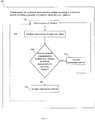
- Fig. 3 schematically illustrates a method of adjusting transmission intervals for discovery frames, in accordance with some demonstrative embodiments.
- a wireless communication system e.g., system 100 ( Fig. 1 ); a wireless communication device, e.g., devices 102, 104, 106 and/or 108 ( Fig. 1 ); and/or a wireless communication unit, e.g., wireless communication units 110 and/or 120 ( Fig. 1 ).
- the method may include communicating over a wireless communication medium according to a discovery scheme including a plurality of discovery windows.
- wireless communication unit 110 may communicate over wireless communication medium 103 ( Fig. 1 ) according to discovery scheme 200 ( Fig. 2 ), e.g., as described above.
- the method may include selecting a DW according to a TI.
- wireless communication unit 110 may select DW 210 ( Fig.2 ), according to TI 201 ( Fig.2 ), e.g., as described above.
- the method may include scheduling the transmission of the discovery frame for the selected DW.
- wireless communication unit 110 Fig. 1
- the method may include adjusting the transmission interval based on whether or not the wireless communication medium is observed to be busy during the predefined time period of the DW.
- wireless communication unit 110 Fig.1
- wireless communication unit 110 may adjust the TI based on whether or not wireless communication medium 103 ( Fig. 1 ) is busy.
- the method may include increasing the transmission interval, e.g., if the wireless communication medium is observed to be busy during the predefined time period of the DW.
- wireless communication medium 110 Fig. 1
- the method may include decreasing the transmission interval, e.g., if the wireless communication medium is observed not to be busy during the predefined time period of the DW.
- wireless communication medium 110 Fig. 1
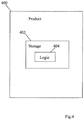
- Fig. 4 schematically illustrates a product of manufacture 400, in accordance with some demonstrative embodiments.
- Product 400 may include a non-transitory machine-readable storage medium 402 to store logic 404, which may be used, for example, to perform at least part of the functionality of device 102 ( Fig. 1 ), device 104 ( Fig. 1 ), device 106 ( Fig. 1 ), device 108 ( Fig. 1 ), wireless communication unit 110 ( Fig. 1 ), wireless communication unit 120 ( Fig. 1 ) and/or to perform one or more operations of the method of Fig. 3 .
- the phrase "non-transitory machine-readable medium" is directed to include all computer-readable media, with the sole exception being a transitory propagating signal.
- product 400 and/or machine-readable storage medium 402 may include one or more types of computer-readable storage media capable of storing data, including volatile memory, non-volatile memory, removable or non-removable memory, erasable or non-erasable memory, writeable or re-writeable memory, and the like.
- machine-readable storage medium 402 may include, RAM, DRAM, Double-Data-Rate DRAM (DDR-DRAM), SDRAM, static RAM (SRAM), ROM, programmable ROM (PROM), erasable programmable ROM (EPROM), electrically erasable programmable ROM (EEPROM), Compact Disk ROM (CD-ROM), Compact Disk Recordable (CD-R), Compact Disk Rewriteable (CD-RW), flash memory (e.g., NOR or NAND flash memory), content addressable memory (CAM), polymer memory, phase-change memory, ferroelectric memory, silicon-oxide-nitride-oxide-silicon (SONOS) memory, a disk, a floppy disk, a hard drive, an optical disk, a magnetic disk, a card, a magnetic card, an optical card, a tape, a cassette, and the like.
- RAM random access memory
- DDR-DRAM Double-Data-Rate DRAM
- SDRAM static RAM
- ROM read-only memory
- the computer-readable storage media may include any suitable media involved with downloading or transferring a computer program from a remote computer to a requesting computer carried by data signals embodied in a carrier wave or other propagation medium through a communication link, e.g., a modem, radio or network connection.
- a communication link e.g., a modem, radio or network connection.
- logic 404 may include instructions, data, and/or code, which, if executed by a machine, may cause the machine to perform a method, process and/or operations as described herein.
- the machine may include, for example, any suitable processing platform, computing platform, computing device, processing device, computing system, processing system, computer, processor, or the like, and may be implemented using any suitable combination of hardware, software, firmware, and the like.
- logic 404 may include, or may be implemented as, software, a software module, an application, a program, a subroutine, instructions, an instruction set, computing code, words, values, symbols, and the like.
- the instructions may include any suitable type of code, such as source code, compiled code, interpreted code, executable code, static code, dynamic code, and the like.
- the instructions may be implemented according to a predefined computer language, manner or syntax, for instructing a processor to perform a certain function.
- the instructions may be implemented using any suitable high-level, low-level, object-oriented, visual, compiled and/or interpreted programming language, such as C, C++, Java, BASIC, Matlab, Pascal, Visual BASIC, assembly language, machine code, and the like.
- an apparatus comprises a wireless communication unit to communicate over a wireless communication medium according to a discovery scheme including a plurality of contention-based discovery windows.
- the wireless communication unit of this example is to select a discovery window according to a transmission interval, to schedule transmission of a discovery frame for the discovery window, and to adjust the transmission interval based on whether or not the wireless communication medium is observed to be busy during a predefined time period of the discovery window.
- the wireless communication unit may be to determine a number of discovery windows between successive attempts to transmit the discovery frame, and to select the discovery window according to the number of discovery windows.
- the wireless communication unit may be to select the number of discovery windows between a minimal transmission interval and the transmission interval.
- the wireless communication unit may be to increase the transmission interval if the medium is observed to be busy during the predefined time period. For example, the wireless communication unit may be to increase the transmission interval from a first value, denoted TW , to a second value, TW + a, wherein a denotes a predefined value.
- the wireless communication unit may be to decrease the transmission interval if the medium is observed not to be busy during the predefined time period. For example the wireless communication unit may be to decrease the transmission interval from a first value, denoted TW , to a second value, the second value is a greatest of a minimal transmission interval, denoted TWmin, and a difference (TW-b), wherein b denotes a predefined value.
- the predefined time period may comprise a time period beginning at a start time of the discovery window and ending within the discovery window.
- the predefined time period may comprise an entirety of the discovery window.
- the transmission interval may comprise a Service Discovery frame transmission window (TW).
- TW Service Discovery frame transmission window
- the wireless communication medium may comprise a wireless communication channel over a 2.4 Gigahertz (GHz) frequency band or a 5 GHz frequency band.
- GHz Gigahertz
- the wireless communication unit may be to perform the functionality of a Neighbor Awareness Networking (NAN) device to discover other NAN devices according to the discovery scheme.
- NAN Neighbor Awareness Networking
- a system of wireless communication comprises a wireless communication device including at least one antenna to communicate over a wireless communication medium.
- the system of the second example further comprises a wireless communication unit to communicate over the wireless communication medium according to a discovery scheme including a plurality of contention-based discovery windows.
- the wireless communication unit of this example is to select a discovery window within a transmission interval, to schedule transmission of a discovery frame within the discovery window, and to adjust the transmission interval based on whether or not the medium is observed to be busy during a predefined time period of the discovery window.
- a method of wireless communication comprises selecting a discovery window from a plurality of contention-based discovery windows according to a transmission interval, scheduling for the discovery window transmission of a discovery frame over a wireless communication medium, attempting to transmit the discovery frame during the discovery window, and adjusting the transmission interval based on whether or not the wireless communication medium is observed to be busy during a predefined time period of the discovery window.
- the method may comprise, based on the transmission interval, determining a number of discovery windows between successive attempts to transmit the discovery frame, and selecting the discovery window according to the number of discovery windows.
- the method may comprise selecting the number of discovery windows between a minimal transmission interval and the transmission interval.
- the method may comprise increasing the transmission interval if the medium is observed to be busy during the predefined time period. For example, the method may comprise increasing the transmission interval from a first value, denoted TW, to a second value, TW+a, wherein a denotes a predefined value.
- the method may comprise decreasing the transmission interval if the medium is observed not to be busy during the predefined time period. For example, the method may comprise decreasing the transmission interval from a first value, denoted TW , to a second value, the second value is a greatest of a minimal transmission interval, denoted TWmin, and a difference (TW - b) , wherein b denotes a predefined value.
- the predefined time period may comprise a time period beginning at a start time of the discovery window and ending within the discovery window.
- the predefined time period may comprise an entirety of the discovery window.
- the transmission interval may comprise a Service Discovery frame transmission window (TW).
- TW Service Discovery frame transmission window
- the wireless communication medium may comprise a wireless communication channel over a 2.4 Gigahertz (GHz) frequency band or a 5 GHz frequency band.
- GHz Gigahertz
- the method may comprise performing the functionality of a Neighbor Awareness Networking (NAN) device to discover other NAN devices according to the discovery scheme.
- NAN Neighbor Awareness Networking
- a product including a non-transitory storage medium having stored thereon instructions that, when executed by a machine, result in selecting a discovery window from a plurality of contention-based discovery windows according to a transmission interval; scheduling for the discovery window transmission of a discovery frame over a wireless communication medium, attempting to transmit the discovery frame during the discovery window, and adjusting the transmission interval based on whether or not the wireless communication medium is observed to be busy during a predefined time period of the discovery window.
- the instructions may result in determining, based on the transmission interval, a number of discovery windows between successive attempts to transmit the discovery frame, and selecting the discovery window according to the number of discovery windows.
- the instructions may result in selecting the number of discovery windows between a minimal transmission interval and the transmission interval.
- the instructions may result in increasing the transmission interval if the medium is observed to be busy during the predefined time period.
- the instructions may result in increasing the transmission interval from a first value, denoted TW , to a second value, TW + a , wherein a denotes a predefined value.
- the instructions may result in decreasing the transmission interval if the medium is observed not to be busy during the predefined time period.
- the instructions may result in decreasing the transmission interval from a first value, denoted TW , to a second value, the second value is a greatest of a minimal transmission interval, denoted TWmin, and a difference (TW-b) , wherein b denotes a predefined value.
- the instructions may result in performing the functionality of a Neighbor Awareness Networking (NAN) device to discover other NAN devices according to the discovery scheme.
- NAN Neighbor Awareness Networking
- an apparatus of wireless communication comprises means for selecting a discovery window from a plurality of contention-based discovery windows according to a transmission interval.
- the apparatus of this example further comprises means for scheduling for the discovery window transmission of a discovery frame over a wireless communication medium.
- the apparatus of this example further comprises means for attempting to transmit the discovery frame during the discovery window.
- the apparatus of this example further comprises means for adjusting the transmission interval based on whether or not the wireless communication medium is observed to be busy during a predefined time period of the discovery window.
- the apparatus may further comprise means for determining, based on the transmission interval, a number of discovery windows between successive attempts to transmit the discovery frame, and selecting the discovery window according to the number of discovery windows.
- the apparatus may further comprise means for selecting the number of discovery windows between a minimal transmission interval and the transmission interval.
- the apparatus may further comprise means for increasing the transmission interval if the medium is observed to be busy during the predefined time period.
- the apparatus may comprise means for increasing the transmission interval from a first value, denoted TW , to a second value, TW + a, wherein a denotes a predefined value.
- the apparatus may further comprise means for decreasing the transmission interval if the medium is observed not to be busy during the predefined time period.
- the apparatus may comprise means for decreasing the transmission interval from a first value, denoted TW , to a second value, the second value is a greatest of a minimal transmission interval, denoted TWmin, and a difference (TW - b) , wherein b denotes a predefined value.
Landscapes
- Engineering & Computer Science (AREA)
- Computer Networks & Wireless Communication (AREA)
- Signal Processing (AREA)
- Databases & Information Systems (AREA)
- Mobile Radio Communication Systems (AREA)
- Computer Security & Cryptography (AREA)
Claims (14)
- Vorrichtung, enthaltend eine drahtlose Kommunikationseinheit (110), konfiguriert zum Kommunizieren über ein drahtloses Kommunikationsmedium gemäß einem Entdeckungsschema, enthaltend eine Vielzahl von konkurrenzbasierten Entdeckungsfenstern, die drahtlose Kommunikationseinheit konfiguriert zum:Auswählen (304) eines Entdeckungsfensters, DW, (210) in einem drahtlosen Kommunikationsnetzwerk (103) gemäß einem ersten Wert eines Übertragungsfensters, TW;Versuchen, gemäß einem Konkurrenzmechanismus, einen Dienstentdeckungsrahmen während des DW zu übertragen;Einstellen eines zweiten Werts des TW basierend darauf, ob die drahtlose Kommunikationsvorrichtung imstande ist oder nicht, den Dienstentdeckungsrahmen während einer Zeitperiode innerhalb des DW zu übertragen, wobei Einstellen des zweiten Werts des TW umfasst, das TW von dem ersten Wert zu dem zweiten Wert zu verkleinern (312), wenn die drahtlose Kommunikationsvorrichtung imstande ist, den Dienstentdeckungsrahmen innerhalb der Zeitperiode zu übertragen, und wobei Einstellen des zweiten Werts des TW umfasst, das TW von dem ersten Wert zu dem zweiten Wert zu vergrößern (310), wenn die drahtlose Kommunikationsvorrichtung nicht imstande ist, den Dienstentdeckungsrahmen innerhalb der Zeitperiode zu übertragen; undAuswählen eines anderen DW für eine andere Dienstentdeckungsrahmen-Übertragung gemäß dem zweiten Wert des TW.
- Vorrichtung nach Anspruch 1, wobei die drahtlose Kommunikationseinheit konfiguriert ist zum Einstellen des zweiten Werts des TW wie folgt:

- Vorrichtung nach Anspruch 2, wobei b eins ist.
- Vorrichtung nach einem der Ansprüche 1-3 zum Bewirken, dass die drahtlose Kommunikationsvorrichtung das TW von dem ersten Wert zu dem zweiten Wert durch Vergrößern des TW um zwei vergrößert.
- Vorrichtung nach einem der Ansprüche 1-4, wobei die Zeitperiode innerhalb des DW auf einer Dauer des DW basiert.
- Vorrichtung nach Anspruch 5, wobei die Zeitperiode innerhalb des DW zu einer Anfangszeit des DW beginnen soll und eine Dauer von drei Vierteln der Dauer des Entdeckungsfensters haben soll.
- Vorrichtung nach einem der Ansprüche 1-6 zum Bewirken, dass die drahtlose Kommunikationsvorrichtung das DW gemäß dem ersten Wert des TW durch Auswählen einer Zufallszahl zwischen einem Minimalwert und dem ersten Wert des TW und Auswählen des DW gemäß der Zufallszahl auswählt.
- Vorrichtung nach einem der Ansprüche 1-7, umfassend einen Sender zum Übertragen des Entdeckungsrahmens.
- Vorrichtung nach einem der Ansprüche 1-8, umfassend eine oder mehrere Antennen (107), einen Speicher (194) und einen Prozessor (191).
- Verfahren, durchzuführen durch eine drahtlose Kommunikationsvorrichtung (102) zum Kommunizieren über ein drahtloses Kommunikationsmedium gemäß einem Entdeckungsschema, enthaltend eine Vielzahl von konkurrenzbasierten Entdeckungsfenstern, das Verfahren umfassend:Auswählen (304) eines Entdeckungsfensters, DW, (210) in einem drahtlosen Kommunikationsnetzwerk (103) gemäß einem ersten Wert eines Übertragungsfensters, TW;Versuchen, gemäß einem Konkurrenzmechanismus, einen Dienstentdeckungsrahmen während des DW zu übertragen;Einstellen eines zweiten Werts des TW basierend darauf, ob die drahtlose Kommunikationsvorrichtung imstande ist oder nicht, den Dienstentdeckungsrahmen während einer Zeitperiode innerhalb des DW zu übertragen, wobei Einstellen des zweiten Werts des TW umfasst, das TW von dem ersten Wert zu dem zweiten Wert zu verkleinern (312), wenn die drahtlose Kommunikationsvorrichtung imstande ist, den Dienstentdeckungsrahmen innerhalb der Zeitperiode zu übertragen, und wobei Einstellen des zweiten Werts des TW umfasst, das TW von dem ersten Wert zu dem zweiten Wert zu vergrößern (310), wenn die drahtlose Kommunikationsvorrichtung nicht imstande ist, den Dienstentdeckungsrahmen innerhalb der Zeitperiode zu übertragen; undAuswählen eines anderen DW für eine andere Dienstentdeckungsrahmen-Übertragung gemäß dem zweiten Wert des TW.
- Verfahren nach Anspruch 10, wobei die Zeitperiode innerhalb des DW auf einer Dauer des DW basiert.
- Verfahren nach Anspruch 11, wobei die Zeitperiode innerhalb des DW zu einer Anfangszeit des DW beginnen soll und eine Dauer von drei Vierteln der Dauer des Entdeckungsfensters haben soll.
- Verfahren nach einem der Ansprüche 10-12, wobei das Verfahren umfasst, den zweiten Wert des TW wie folgt einzustellen:

- Produkt (400), enthaltend ein oder mehrere materielle computerlesbare nicht vergängliche Speichermedien (402), umfassend computerausführbare Anweisungen (404), die funktionsfähig sind, wenn sie durch mindestens einen Computerprozessor (191) ausgeführt werden, den mindestens einen Computerprozessor in die Lage zu versetzen, das Verfahren nach einem der Ansprüche 10-13 zu implementieren.
Applications Claiming Priority (3)
| Application Number | Priority Date | Filing Date | Title |
|---|---|---|---|
| US201361819736P | 2013-05-06 | 2013-05-06 | |
| US14/011,965 US20140328168A1 (en) | 2013-05-06 | 2013-08-28 | Apparatus, system and method of adjusting transmission intervals for discovery frames |
| PCT/US2014/036731 WO2014182587A1 (en) | 2013-05-06 | 2014-05-05 | Apparatus, system and method of adjusting transmission intervals for discovery frames |
Publications (3)
| Publication Number | Publication Date |
|---|---|
| EP2995132A1 EP2995132A1 (de) | 2016-03-16 |
| EP2995132A4 EP2995132A4 (de) | 2017-03-29 |
| EP2995132B1 true EP2995132B1 (de) | 2019-11-06 |
Family
ID=51841372
Family Applications (1)
| Application Number | Title | Priority Date | Filing Date |
|---|---|---|---|
| EP14795206.3A Active EP2995132B1 (de) | 2013-05-06 | 2014-05-05 | Vorrichtung, system und verfahren zur anpassung von übertragungsintervallen für erkennungsrahmen |
Country Status (5)
| Country | Link |
|---|---|
| US (2) | US20140328168A1 (de) |
| EP (1) | EP2995132B1 (de) |
| KR (1) | KR101719945B1 (de) |
| CN (1) | CN105191421B (de) |
| WO (1) | WO2014182587A1 (de) |
Families Citing this family (28)
| Publication number | Priority date | Publication date | Assignee | Title |
|---|---|---|---|---|
| US20140328168A1 (en) | 2013-05-06 | 2014-11-06 | Minyoung Park | Apparatus, system and method of adjusting transmission intervals for discovery frames |
| US9544754B1 (en) | 2013-05-28 | 2017-01-10 | Marvell International Ltd. | Systems and methods for scheduling discovery-related communication in a wireless network |
| US9143979B1 (en) * | 2013-06-18 | 2015-09-22 | Marvell International Ltd. | Method and apparatus for limiting a number of mobile devices that can contend for a time slot in a wireless network |
| KR102076030B1 (ko) * | 2013-07-15 | 2020-02-12 | 삼성전자 주식회사 | 네트워크 부하가 적은 무선랜 ap 탐색을 위한 빠른 스캔 방법 및 장치 |
| JP6294704B2 (ja) | 2014-02-26 | 2018-03-14 | キヤノン株式会社 | 通信装置、制御方法、及びプログラム |
| US9699713B2 (en) | 2014-02-27 | 2017-07-04 | Qualcomm Incorporated | Enhanced trigger frame based discovery for a neighbor awareness network |
| US9723582B1 (en) * | 2014-04-07 | 2017-08-01 | Marvell International Ltd. | Methods and apparatus for synchronizing beacon transmissions in a neighbor awareness network (NAN) |
| US10159079B2 (en) * | 2014-05-21 | 2018-12-18 | Arizona Board Of Regents On Behalf Of Arizona State University | Systems and methods for social-aware cooperative device-to-device communications |
| KR102251326B1 (ko) * | 2014-11-25 | 2021-05-12 | 삼성전자주식회사 | 근접 네트워크 구성 방법 및 그 전자 장치 |
| US10098168B2 (en) | 2014-12-08 | 2018-10-09 | Apple Inc. | Neighbor awareness networking datapath |
| WO2016126137A1 (ko) * | 2015-02-05 | 2016-08-11 | 엘지전자 주식회사 | 무선 통신 시스템에서 nan 단말의 신호 송수신 방법 및 장치 |
| US9872234B2 (en) | 2015-02-12 | 2018-01-16 | Intel IP Corporation | Apparatus, system and method of communicating in an awareness cluster |
| WO2016131196A1 (zh) * | 2015-02-17 | 2016-08-25 | 华为技术有限公司 | 一种用于在邻近感知网络中进行数据传输的方法及相关设备 |
| US10455401B2 (en) | 2015-02-24 | 2019-10-22 | Apple Inc. | Neighbor awareness networking datapath—reciprocation and coexistence |
| WO2016144088A1 (ko) * | 2015-03-09 | 2016-09-15 | 엘지전자 주식회사 | 무선 통신 시스템에서 멀티 채널을 이용하여 데이터를 전송하는 방법 및 장치 |
| US10212574B2 (en) | 2015-03-20 | 2019-02-19 | Apple Inc. | Neighbor awareness networking datapath—base scheduling, scheduler rank, and further service discovery |
| US9723472B2 (en) | 2015-05-19 | 2017-08-01 | Qualcomm Incorporated | Telescopic tunneled direct link setup discovery method |
| US10893083B2 (en) | 2015-05-25 | 2021-01-12 | Apple Inc. | Neighbor awareness networking datapath—scheduling, scheduler rank, and pre-datapath operation triggering |
| JP6702671B2 (ja) * | 2015-08-31 | 2020-06-03 | キヤノン株式会社 | 通信装置、制御方法及びプログラム |
| WO2017039379A1 (ko) * | 2015-09-03 | 2017-03-09 | 엘지전자 주식회사 | 이웃 인식 네트워크의 데이터 링크를 위한 스케줄링 방법 및 이를 이용한 기기 |
| WO2017052213A1 (ko) * | 2015-09-22 | 2017-03-30 | 엘지전자 주식회사 | 이웃 인식 네트워크의 스케줄링 방법 및 이를 이용한 기기 |
| CN115955261B (zh) | 2015-10-12 | 2026-01-06 | 诺基亚技术有限公司 | 在蜂窝系统中的发现信号传输 |
| CN105404253B (zh) * | 2015-10-30 | 2021-08-13 | 青岛海尔智能家电科技有限公司 | 一种控制指令发送方法、响应方法及装置 |
| US10098135B2 (en) * | 2016-02-22 | 2018-10-09 | Intel IP Corporation | Action frame for schedule update in a NAN |
| US20200068378A1 (en) * | 2016-11-18 | 2020-02-27 | Nokia Technologies Oy | Opportunistic use of drs instances in lte-u stand alone systems |
| US10778781B2 (en) * | 2017-05-10 | 2020-09-15 | Microsoft Technology Licensing, Llc | Contention management in communication networks |
| US11147126B2 (en) | 2018-05-15 | 2021-10-12 | Apple Inc. | Neighbor awareness networking discovery window congestion mitigation |
| CN109195149B (zh) * | 2018-08-20 | 2021-03-09 | Oppo广东移动通信有限公司 | Nan扫描调整方法及相关设备 |
Family Cites Families (13)
| Publication number | Priority date | Publication date | Assignee | Title |
|---|---|---|---|---|
| KR101217208B1 (ko) * | 2006-02-10 | 2012-12-31 | 삼성전자주식회사 | 휴대단말의 프로토콜 계층간 데이터 전송 제어방법 |
| TW201028024A (en) * | 2006-08-18 | 2010-07-16 | Fujitsu Ltd | Communication systems |
| KR101390344B1 (ko) * | 2007-12-14 | 2014-05-02 | 삼성전자주식회사 | 무선 이동통신시스템에서 공통 제어정보 전송 방법 및 장치 |
| US9848314B2 (en) * | 2008-05-19 | 2017-12-19 | Qualcomm Incorporated | Managing discovery in a wireless peer-to-peer network |
| US8189508B2 (en) * | 2008-06-27 | 2012-05-29 | Qualcomm Incorporated | Methods and apparatus for peer discovery assist |
| KR101506041B1 (ko) * | 2009-07-13 | 2015-03-26 | 삼성전자주식회사 | Wban에서 통신 방법 및 장치 |
| US8817709B2 (en) * | 2009-10-14 | 2014-08-26 | Qualcomm Incorporated | Methods and apparatus for controlling channel utilization |
| US9042243B2 (en) * | 2011-01-19 | 2015-05-26 | Qualcomm Incorporated | Adaptive peer discovery based on non peer discovery transmissions and device density for Wi-Fi |
| US8867512B2 (en) * | 2012-07-30 | 2014-10-21 | Qualcomm Incorporated | Autonomous discovery for enhanced wifi devices |
| US9820131B2 (en) * | 2013-01-11 | 2017-11-14 | Qualcomm Incorporated | Systems and methods for formatting frames in neighborhood aware networks |
| US9055513B2 (en) * | 2013-02-26 | 2015-06-09 | Qualcomm Incorporated | Scalable discovery in contention-based peer-to-peer wireless networks |
| US9094778B2 (en) * | 2013-03-01 | 2015-07-28 | Qualcomm Incorporated | Autonomous adaptation of discovery packet transmission frequency |
| US20140328168A1 (en) | 2013-05-06 | 2014-11-06 | Minyoung Park | Apparatus, system and method of adjusting transmission intervals for discovery frames |
-
2013
- 2013-08-28 US US14/011,965 patent/US20140328168A1/en not_active Abandoned
-
2014
- 2014-05-05 KR KR1020157027511A patent/KR101719945B1/ko active Active
- 2014-05-05 WO PCT/US2014/036731 patent/WO2014182587A1/en not_active Ceased
- 2014-05-05 CN CN201480019668.9A patent/CN105191421B/zh active Active
- 2014-05-05 EP EP14795206.3A patent/EP2995132B1/de active Active
-
2015
- 2015-02-08 US US14/616,716 patent/US9686806B2/en active Active
Non-Patent Citations (1)
| Title |
|---|
| ZIMU YUAN ET AL: "History-Aware Adaptive Backoff for Neighbor Discovery in Wireless Networks", MOBILE AD-HOC AND SENSOR NETWORKS (MSN), 2011 SEVENTH INTERNATIONAL CONFERENCE ON, IEEE, 16 December 2011 (2011-12-16), pages 174 - 181, XP032084255, ISBN: 978-1-4577-2178-6, DOI: 10.1109/MSN.2011.38 * |
Also Published As
| Publication number | Publication date |
|---|---|
| EP2995132A4 (de) | 2017-03-29 |
| US20150156797A1 (en) | 2015-06-04 |
| CN105191421B (zh) | 2018-11-09 |
| EP2995132A1 (de) | 2016-03-16 |
| US9686806B2 (en) | 2017-06-20 |
| KR20150121725A (ko) | 2015-10-29 |
| CN105191421A (zh) | 2015-12-23 |
| US20140328168A1 (en) | 2014-11-06 |
| WO2014182587A1 (en) | 2014-11-13 |
| KR101719945B1 (ko) | 2017-03-24 |
Similar Documents
| Publication | Publication Date | Title |
|---|---|---|
| EP2995132B1 (de) | Vorrichtung, system und verfahren zur anpassung von übertragungsintervallen für erkennungsrahmen | |
| EP2859666B1 (de) | Vorrichtung, system und verfahren zur kommunikation während einer a-bft-peridoe | |
| US9887756B2 (en) | Apparatus, system and method of beamforming | |
| US10548070B2 (en) | Apparatus, system and method of communicating in a neighbor awareness networking cluster | |
| US9351313B2 (en) | Device, system and method of communicating during a contention based access period | |
| US20160198327A1 (en) | Apparatus, system and method of communicating a beacon frame | |
| EP3087681A1 (de) | Vorrichtung, system und verfahren zur selektiven reaktion auf drahtlose übertragungen | |
| US10028124B2 (en) | Apparatus, system and method of awareness networking communications over a sub 1 gigahertz band | |
| US10149313B2 (en) | Apparatus, system and method of communicating in a neighbor awareness networking (NAN) cluster | |
| EP3228139B1 (de) | Vorrichtung, produkt und verfahren zur dynamischen zuweisung mittels berechtigungsrahmen | |
| US10051664B2 (en) | Apparatus, system and method of communicating during a discovery window | |
| EP3117646B1 (de) | Vorrichtung und verfahren für simultane drahtlose übertragungen | |
| US10015812B2 (en) | Apparatus, system and method of setting transmit slots in a wireless communication network | |
| HK1207752B (en) | Device, system and method of communicating during an association beamforming training (a-bft) period |
Legal Events
| Date | Code | Title | Description |
|---|---|---|---|
| PUAI | Public reference made under article 153(3) epc to a published international application that has entered the european phase |
Free format text: ORIGINAL CODE: 0009012 |
|
| 17P | Request for examination filed |
Effective date: 20151007 |
|
| AK | Designated contracting states |
Kind code of ref document: A1 Designated state(s): AL AT BE BG CH CY CZ DE DK EE ES FI FR GB GR HR HU IE IS IT LI LT LU LV MC MK MT NL NO PL PT RO RS SE SI SK SM TR |
|
| AX | Request for extension of the european patent |
Extension state: BA ME |
|
| DAX | Request for extension of the european patent (deleted) | ||
| A4 | Supplementary search report drawn up and despatched |
Effective date: 20170227 |
|
| RIC1 | Information provided on ipc code assigned before grant |
Ipc: H04W 48/16 20090101AFI20170221BHEP Ipc: H04W 72/12 20090101ALI20170221BHEP Ipc: H04W 8/00 20090101ALI20170221BHEP |
|
| STAA | Information on the status of an ep patent application or granted ep patent |
Free format text: STATUS: EXAMINATION IS IN PROGRESS |
|
| 17Q | First examination report despatched |
Effective date: 20171012 |
|
| GRAP | Despatch of communication of intention to grant a patent |
Free format text: ORIGINAL CODE: EPIDOSNIGR1 |
|
| STAA | Information on the status of an ep patent application or granted ep patent |
Free format text: STATUS: GRANT OF PATENT IS INTENDED |
|
| INTG | Intention to grant announced |
Effective date: 20190107 |
|
| RIN1 | Information on inventor provided before grant (corrected) |
Inventor name: QI, EMILY H. Inventor name: PARK, MINYOUNG |
|
| GRAJ | Information related to disapproval of communication of intention to grant by the applicant or resumption of examination proceedings by the epo deleted |
Free format text: ORIGINAL CODE: EPIDOSDIGR1 |
|
| STAA | Information on the status of an ep patent application or granted ep patent |
Free format text: STATUS: EXAMINATION IS IN PROGRESS |
|
| GRAP | Despatch of communication of intention to grant a patent |
Free format text: ORIGINAL CODE: EPIDOSNIGR1 |
|
| STAA | Information on the status of an ep patent application or granted ep patent |
Free format text: STATUS: GRANT OF PATENT IS INTENDED |
|
| INTC | Intention to grant announced (deleted) | ||
| INTG | Intention to grant announced |
Effective date: 20190606 |
|
| GRAS | Grant fee paid |
Free format text: ORIGINAL CODE: EPIDOSNIGR3 |
|
| GRAA | (expected) grant |
Free format text: ORIGINAL CODE: 0009210 |
|
| STAA | Information on the status of an ep patent application or granted ep patent |
Free format text: STATUS: THE PATENT HAS BEEN GRANTED |
|
| AK | Designated contracting states |
Kind code of ref document: B1 Designated state(s): AL AT BE BG CH CY CZ DE DK EE ES FI FR GB GR HR HU IE IS IT LI LT LU LV MC MK MT NL NO PL PT RO RS SE SI SK SM TR |
|
| REG | Reference to a national code |
Ref country code: GB Ref legal event code: FG4D |
|
| REG | Reference to a national code |
Ref country code: CH Ref legal event code: EP Ref country code: AT Ref legal event code: REF Ref document number: 1200587 Country of ref document: AT Kind code of ref document: T Effective date: 20191115 |
|
| REG | Reference to a national code |
Ref country code: IE Ref legal event code: FG4D |
|
| REG | Reference to a national code |
Ref country code: DE Ref legal event code: R096 Ref document number: 602014056394 Country of ref document: DE |
|
| REG | Reference to a national code |
Ref country code: NL Ref legal event code: FP |
|
| REG | Reference to a national code |
Ref country code: LT Ref legal event code: MG4D |
|
| PG25 | Lapsed in a contracting state [announced via postgrant information from national office to epo] |
Ref country code: LT Free format text: LAPSE BECAUSE OF FAILURE TO SUBMIT A TRANSLATION OF THE DESCRIPTION OR TO PAY THE FEE WITHIN THE PRESCRIBED TIME-LIMIT Effective date: 20191106 Ref country code: BG Free format text: LAPSE BECAUSE OF FAILURE TO SUBMIT A TRANSLATION OF THE DESCRIPTION OR TO PAY THE FEE WITHIN THE PRESCRIBED TIME-LIMIT Effective date: 20200206 Ref country code: FI Free format text: LAPSE BECAUSE OF FAILURE TO SUBMIT A TRANSLATION OF THE DESCRIPTION OR TO PAY THE FEE WITHIN THE PRESCRIBED TIME-LIMIT Effective date: 20191106 Ref country code: GR Free format text: LAPSE BECAUSE OF FAILURE TO SUBMIT A TRANSLATION OF THE DESCRIPTION OR TO PAY THE FEE WITHIN THE PRESCRIBED TIME-LIMIT Effective date: 20200207 Ref country code: PL Free format text: LAPSE BECAUSE OF FAILURE TO SUBMIT A TRANSLATION OF THE DESCRIPTION OR TO PAY THE FEE WITHIN THE PRESCRIBED TIME-LIMIT Effective date: 20191106 Ref country code: PT Free format text: LAPSE BECAUSE OF FAILURE TO SUBMIT A TRANSLATION OF THE DESCRIPTION OR TO PAY THE FEE WITHIN THE PRESCRIBED TIME-LIMIT Effective date: 20200306 Ref country code: NO Free format text: LAPSE BECAUSE OF FAILURE TO SUBMIT A TRANSLATION OF THE DESCRIPTION OR TO PAY THE FEE WITHIN THE PRESCRIBED TIME-LIMIT Effective date: 20200206 Ref country code: LV Free format text: LAPSE BECAUSE OF FAILURE TO SUBMIT A TRANSLATION OF THE DESCRIPTION OR TO PAY THE FEE WITHIN THE PRESCRIBED TIME-LIMIT Effective date: 20191106 Ref country code: SE Free format text: LAPSE BECAUSE OF FAILURE TO SUBMIT A TRANSLATION OF THE DESCRIPTION OR TO PAY THE FEE WITHIN THE PRESCRIBED TIME-LIMIT Effective date: 20191106 |
|
| PG25 | Lapsed in a contracting state [announced via postgrant information from national office to epo] |
Ref country code: RS Free format text: LAPSE BECAUSE OF FAILURE TO SUBMIT A TRANSLATION OF THE DESCRIPTION OR TO PAY THE FEE WITHIN THE PRESCRIBED TIME-LIMIT Effective date: 20191106 Ref country code: HR Free format text: LAPSE BECAUSE OF FAILURE TO SUBMIT A TRANSLATION OF THE DESCRIPTION OR TO PAY THE FEE WITHIN THE PRESCRIBED TIME-LIMIT Effective date: 20191106 Ref country code: IS Free format text: LAPSE BECAUSE OF FAILURE TO SUBMIT A TRANSLATION OF THE DESCRIPTION OR TO PAY THE FEE WITHIN THE PRESCRIBED TIME-LIMIT Effective date: 20200306 |
|
| PG25 | Lapsed in a contracting state [announced via postgrant information from national office to epo] |
Ref country code: AL Free format text: LAPSE BECAUSE OF FAILURE TO SUBMIT A TRANSLATION OF THE DESCRIPTION OR TO PAY THE FEE WITHIN THE PRESCRIBED TIME-LIMIT Effective date: 20191106 |
|
| PG25 | Lapsed in a contracting state [announced via postgrant information from national office to epo] |
Ref country code: RO Free format text: LAPSE BECAUSE OF FAILURE TO SUBMIT A TRANSLATION OF THE DESCRIPTION OR TO PAY THE FEE WITHIN THE PRESCRIBED TIME-LIMIT Effective date: 20191106 Ref country code: CZ Free format text: LAPSE BECAUSE OF FAILURE TO SUBMIT A TRANSLATION OF THE DESCRIPTION OR TO PAY THE FEE WITHIN THE PRESCRIBED TIME-LIMIT Effective date: 20191106 Ref country code: DK Free format text: LAPSE BECAUSE OF FAILURE TO SUBMIT A TRANSLATION OF THE DESCRIPTION OR TO PAY THE FEE WITHIN THE PRESCRIBED TIME-LIMIT Effective date: 20191106 Ref country code: ES Free format text: LAPSE BECAUSE OF FAILURE TO SUBMIT A TRANSLATION OF THE DESCRIPTION OR TO PAY THE FEE WITHIN THE PRESCRIBED TIME-LIMIT Effective date: 20191106 Ref country code: EE Free format text: LAPSE BECAUSE OF FAILURE TO SUBMIT A TRANSLATION OF THE DESCRIPTION OR TO PAY THE FEE WITHIN THE PRESCRIBED TIME-LIMIT Effective date: 20191106 |
|
| REG | Reference to a national code |
Ref country code: DE Ref legal event code: R097 Ref document number: 602014056394 Country of ref document: DE |
|
| REG | Reference to a national code |
Ref country code: AT Ref legal event code: MK05 Ref document number: 1200587 Country of ref document: AT Kind code of ref document: T Effective date: 20191106 |
|
| PG25 | Lapsed in a contracting state [announced via postgrant information from national office to epo] |
Ref country code: SK Free format text: LAPSE BECAUSE OF FAILURE TO SUBMIT A TRANSLATION OF THE DESCRIPTION OR TO PAY THE FEE WITHIN THE PRESCRIBED TIME-LIMIT Effective date: 20191106 Ref country code: SM Free format text: LAPSE BECAUSE OF FAILURE TO SUBMIT A TRANSLATION OF THE DESCRIPTION OR TO PAY THE FEE WITHIN THE PRESCRIBED TIME-LIMIT Effective date: 20191106 |
|
| PLBE | No opposition filed within time limit |
Free format text: ORIGINAL CODE: 0009261 |
|
| STAA | Information on the status of an ep patent application or granted ep patent |
Free format text: STATUS: NO OPPOSITION FILED WITHIN TIME LIMIT |
|
| 26N | No opposition filed |
Effective date: 20200807 |
|
| PG25 | Lapsed in a contracting state [announced via postgrant information from national office to epo] |
Ref country code: SI Free format text: LAPSE BECAUSE OF FAILURE TO SUBMIT A TRANSLATION OF THE DESCRIPTION OR TO PAY THE FEE WITHIN THE PRESCRIBED TIME-LIMIT Effective date: 20191106 Ref country code: AT Free format text: LAPSE BECAUSE OF FAILURE TO SUBMIT A TRANSLATION OF THE DESCRIPTION OR TO PAY THE FEE WITHIN THE PRESCRIBED TIME-LIMIT Effective date: 20191106 |
|
| PG25 | Lapsed in a contracting state [announced via postgrant information from national office to epo] |
Ref country code: LI Free format text: LAPSE BECAUSE OF NON-PAYMENT OF DUE FEES Effective date: 20200531 Ref country code: CH Free format text: LAPSE BECAUSE OF NON-PAYMENT OF DUE FEES Effective date: 20200531 Ref country code: MC Free format text: LAPSE BECAUSE OF FAILURE TO SUBMIT A TRANSLATION OF THE DESCRIPTION OR TO PAY THE FEE WITHIN THE PRESCRIBED TIME-LIMIT Effective date: 20191106 Ref country code: IT Free format text: LAPSE BECAUSE OF FAILURE TO SUBMIT A TRANSLATION OF THE DESCRIPTION OR TO PAY THE FEE WITHIN THE PRESCRIBED TIME-LIMIT Effective date: 20191106 |
|
| REG | Reference to a national code |
Ref country code: BE Ref legal event code: MM Effective date: 20200531 |
|
| PG25 | Lapsed in a contracting state [announced via postgrant information from national office to epo] |
Ref country code: LU Free format text: LAPSE BECAUSE OF NON-PAYMENT OF DUE FEES Effective date: 20200505 |
|
| PG25 | Lapsed in a contracting state [announced via postgrant information from national office to epo] |
Ref country code: IE Free format text: LAPSE BECAUSE OF NON-PAYMENT OF DUE FEES Effective date: 20200505 |
|
| PG25 | Lapsed in a contracting state [announced via postgrant information from national office to epo] |
Ref country code: BE Free format text: LAPSE BECAUSE OF NON-PAYMENT OF DUE FEES Effective date: 20200531 |
|
| REG | Reference to a national code |
Ref country code: DE Ref legal event code: R081 Ref document number: 602014056394 Country of ref document: DE Owner name: SOLID, INC., SEONGNAM-SI, KR Free format text: FORMER OWNER: INTEL CORPORATION, SANTA CLARA, CALIF., US |
|
| REG | Reference to a national code |
Ref country code: GB Ref legal event code: 732E Free format text: REGISTERED BETWEEN 20211202 AND 20211209 |
|
| REG | Reference to a national code |
Ref country code: NL Ref legal event code: PD Owner name: SOLID, INC.; KR Free format text: DETAILS ASSIGNMENT: CHANGE OF OWNER(S), ASSIGNMENT; FORMER OWNER NAME: INTEL CORPORATION Effective date: 20220217 |
|
| PG25 | Lapsed in a contracting state [announced via postgrant information from national office to epo] |
Ref country code: TR Free format text: LAPSE BECAUSE OF FAILURE TO SUBMIT A TRANSLATION OF THE DESCRIPTION OR TO PAY THE FEE WITHIN THE PRESCRIBED TIME-LIMIT Effective date: 20191106 Ref country code: MT Free format text: LAPSE BECAUSE OF FAILURE TO SUBMIT A TRANSLATION OF THE DESCRIPTION OR TO PAY THE FEE WITHIN THE PRESCRIBED TIME-LIMIT Effective date: 20191106 Ref country code: CY Free format text: LAPSE BECAUSE OF FAILURE TO SUBMIT A TRANSLATION OF THE DESCRIPTION OR TO PAY THE FEE WITHIN THE PRESCRIBED TIME-LIMIT Effective date: 20191106 |
|
| PG25 | Lapsed in a contracting state [announced via postgrant information from national office to epo] |
Ref country code: MK Free format text: LAPSE BECAUSE OF FAILURE TO SUBMIT A TRANSLATION OF THE DESCRIPTION OR TO PAY THE FEE WITHIN THE PRESCRIBED TIME-LIMIT Effective date: 20191106 |
|
| P01 | Opt-out of the competence of the unified patent court (upc) registered |
Effective date: 20230522 |
|
| PGFP | Annual fee paid to national office [announced via postgrant information from national office to epo] |
Ref country code: NL Payment date: 20250522 Year of fee payment: 12 |
|
| PGFP | Annual fee paid to national office [announced via postgrant information from national office to epo] |
Ref country code: DE Payment date: 20250519 Year of fee payment: 12 |
|
| PGFP | Annual fee paid to national office [announced via postgrant information from national office to epo] |
Ref country code: FR Payment date: 20250523 Year of fee payment: 12 |
|
| PGFP | Annual fee paid to national office [announced via postgrant information from national office to epo] |
Ref country code: GB Payment date: 20260324 Year of fee payment: 13 |