EP2995376B1 - Synthesis catalyst and synthesis method for unsaturated carboxylic acid and/or derivative thereof - Google Patents
Synthesis catalyst and synthesis method for unsaturated carboxylic acid and/or derivative thereof Download PDFInfo
- Publication number
- EP2995376B1 EP2995376B1 EP14794943.2A EP14794943A EP2995376B1 EP 2995376 B1 EP2995376 B1 EP 2995376B1 EP 14794943 A EP14794943 A EP 14794943A EP 2995376 B1 EP2995376 B1 EP 2995376B1
- Authority
- EP
- European Patent Office
- Prior art keywords
- derivative
- alkali metal
- mass
- acid
- unsaturated carboxylic
- Prior art date
- Legal status (The legal status is an assumption and is not a legal conclusion. Google has not performed a legal analysis and makes no representation as to the accuracy of the status listed.)
- Active
Links
Images

Classifications
-
- B—PERFORMING OPERATIONS; TRANSPORTING
- B01—PHYSICAL OR CHEMICAL PROCESSES OR APPARATUS IN GENERAL
- B01J—CHEMICAL OR PHYSICAL PROCESSES, e.g. CATALYSIS OR COLLOID CHEMISTRY; THEIR RELEVANT APPARATUS
- B01J27/00—Catalysts comprising the elements or compounds of halogens, sulfur, selenium, tellurium, phosphorus or nitrogen; Catalysts comprising carbon compounds
- B01J27/14—Phosphorus; Compounds thereof
- B01J27/16—Phosphorus; Compounds thereof containing oxygen, i.e. acids, anhydrides and their derivates with N, S, B or halogens without carriers or on carriers based on C, Si, Al or Zr; also salts of Si, Al and Zr
- B01J27/18—Phosphorus; Compounds thereof containing oxygen, i.e. acids, anhydrides and their derivates with N, S, B or halogens without carriers or on carriers based on C, Si, Al or Zr; also salts of Si, Al and Zr with metals other than Al or Zr
-
- C—CHEMISTRY; METALLURGY
- C07—ORGANIC CHEMISTRY
- C07C—ACYCLIC OR CARBOCYCLIC COMPOUNDS
- C07C67/00—Preparation of carboxylic acid esters
- C07C67/30—Preparation of carboxylic acid esters by modifying the acid moiety of the ester, such modification not being an introduction of an ester group
- C07C67/317—Preparation of carboxylic acid esters by modifying the acid moiety of the ester, such modification not being an introduction of an ester group by splitting-off hydrogen or functional groups; by hydrogenolysis of functional groups
- C07C67/327—Preparation of carboxylic acid esters by modifying the acid moiety of the ester, such modification not being an introduction of an ester group by splitting-off hydrogen or functional groups; by hydrogenolysis of functional groups by elimination of functional groups containing oxygen only in singly bound form
-
- B—PERFORMING OPERATIONS; TRANSPORTING
- B01—PHYSICAL OR CHEMICAL PROCESSES OR APPARATUS IN GENERAL
- B01J—CHEMICAL OR PHYSICAL PROCESSES, e.g. CATALYSIS OR COLLOID CHEMISTRY; THEIR RELEVANT APPARATUS
- B01J27/00—Catalysts comprising the elements or compounds of halogens, sulfur, selenium, tellurium, phosphorus or nitrogen; Catalysts comprising carbon compounds
- B01J27/14—Phosphorus; Compounds thereof
- B01J27/16—Phosphorus; Compounds thereof containing oxygen, i.e. acids, anhydrides and their derivates with N, S, B or halogens without carriers or on carriers based on C, Si, Al or Zr; also salts of Si, Al and Zr
- B01J27/18—Phosphorus; Compounds thereof containing oxygen, i.e. acids, anhydrides and their derivates with N, S, B or halogens without carriers or on carriers based on C, Si, Al or Zr; also salts of Si, Al and Zr with metals other than Al or Zr
- B01J27/1802—Salts or mixtures of anhydrides with compounds of other metals than V, Nb, Ta, Cr, Mo, W, Mn, Tc, Re, e.g. phosphates, thiophosphates
- B01J27/1806—Salts or mixtures of anhydrides with compounds of other metals than V, Nb, Ta, Cr, Mo, W, Mn, Tc, Re, e.g. phosphates, thiophosphates with alkaline or alkaline earth metals
-
- B—PERFORMING OPERATIONS; TRANSPORTING
- B01—PHYSICAL OR CHEMICAL PROCESSES OR APPARATUS IN GENERAL
- B01J—CHEMICAL OR PHYSICAL PROCESSES, e.g. CATALYSIS OR COLLOID CHEMISTRY; THEIR RELEVANT APPARATUS
- B01J35/00—Catalysts, in general, characterised by their form or physical properties
- B01J35/70—Catalysts, in general, characterised by their form or physical properties characterised by their crystalline properties, e.g. semi-crystalline
-
- B—PERFORMING OPERATIONS; TRANSPORTING
- B01—PHYSICAL OR CHEMICAL PROCESSES OR APPARATUS IN GENERAL
- B01J—CHEMICAL OR PHYSICAL PROCESSES, e.g. CATALYSIS OR COLLOID CHEMISTRY; THEIR RELEVANT APPARATUS
- B01J37/00—Processes, in general, for preparing catalysts; Processes, in general, for activation of catalysts
- B01J37/08—Heat treatment
- B01J37/10—Heat treatment in the presence of water, e.g. steam
-
- C—CHEMISTRY; METALLURGY
- C07—ORGANIC CHEMISTRY
- C07C—ACYCLIC OR CARBOCYCLIC COMPOUNDS
- C07C51/00—Preparation of carboxylic acids or their salts, halides or anhydrides
- C07C51/347—Preparation of carboxylic acids or their salts, halides or anhydrides by reactions not involving formation of carboxyl groups
-
- C—CHEMISTRY; METALLURGY
- C07—ORGANIC CHEMISTRY
- C07C—ACYCLIC OR CARBOCYCLIC COMPOUNDS
- C07C51/00—Preparation of carboxylic acids or their salts, halides or anhydrides
- C07C51/347—Preparation of carboxylic acids or their salts, halides or anhydrides by reactions not involving formation of carboxyl groups
- C07C51/377—Preparation of carboxylic acids or their salts, halides or anhydrides by reactions not involving formation of carboxyl groups by splitting-off hydrogen or functional groups; by hydrogenolysis of functional groups
Definitions
- the present invention relates to a method for synthesizing an unsaturated carboxylic acid and/or a derivative thereof from a hydroxycarboxylic acid and/or a derivative thereof, and a catalyst used therefor.
- Acrylic acid is a raw material monomer for polyacrylic acid or acrylic acid copolymers. Because of an increase in the amount of a water-absorption resin (sodium polyacrylate) used, the amount of acrylic acid produced has been increased. Acrylic acid is generally produced by synthesizing acrolein from propylene that is a raw material derived from petroleum and then by converting this acrolein to acrylic acid by catalytic gas-phase oxidation (Patent Document 1). However, there is a fear that such a petroleum-derived raw material will be depleted in the future.
- Patent Document 2 a method for synthesizing an unsaturated carboxylic acid or an ester thereof from an ammonium salt of hydroxycarboxylic acid has been disclosed (Patent Document 2).
- the method described in the Patent Document 2 comprises complicated steps, such as the necessity of separating the ammonium salt of hydroxycarboxylic acid into a hydroxycarboxylic acid and a non-aqueous ammonium cation-containing exchange resin.
- the present inventors Upon the synthesis of an unsaturated carboxylic acid or a derivative thereof from a hydroxycarboxylic acid or a derivative thereof, the present inventors have focused on an apatite compound to be used as a catalyst, and have started studies regarding the improvement of the yield of the unsaturated carboxylic acid or a derivative thereof. However, although the inventors have altered the molar ratio Ca/P in hydroxyapatite and have examined the catalytic activity, effects higher than the conventional results could not be obtained. Thus, the present inventors have conducted further studies, and as a result, they have found that the yield of the unsaturated carboxylic acid or a derivative thereof is improved by allowing the apatite compound to contain an alkali metal.
- the inventors have also found that when the content percentage of the alkali metal is in a specific range, the yield of the synthesized unsaturated carboxylic acid or a derivative thereof is significantly increased.
- the present invention has been completed based on the aforementioned findings.
- the present invention relates to: (1) a synthetic catalyst for synthesizing an unsaturated carboxylic acid and/or a derivative thereof from a hydroxycarboxylic acid and/or a derivative thereof by a dehydration reaction, wherein the synthetic catalyst comprises an apatite compound containing an alkali metal in a crystal structure thereof, wherein the content percentage of the alkali metal in the apatite compound is 0.2 to 3.0% by mass, and wherein the apatite compound comprises calcium, phosphorus and an alkali metal, and (calcium + alkali metal)/phosphorus is 1.58 to 1.73 at a molar ratio; (2) the synthetic catalyst according to (1) above, wherein the alkali metal is sodium and/or potassium; (3) the synthetic catalyst according to (2) above, wherein when the alkali metal is sodium, the content percentage of the sodium in the apatite compound is 0.5 to 3.0% by mass, and when the alkali metal is potassium, the content percentage of the potassium in the apatite compound
- the present invention relates to: (5) a method for synthesizing an unsaturated carboxylic acid and/or a derivative thereof, which method comprises contacting a hydroxycarboxylic acid and/or a derivative thereof with a catalyst to synthesize the unsaturated carboxylic acid and/or a derivative thereof by a dehydration reaction, wherein the catalyst is the synthetic catalyst according to any one of (1) to (4) above; and (6) the method for synthesizing an unsaturated carboxylic acid and/or a derivative thereof according to (5) above, which method comprises contacting the hydroxycarboxylic acid and/or a derivative thereof with the catalyst at a temperature of 325°C to 400°C.
- a catalyst capable of synthesizing an unsaturated carboxylic acid and/or a derivative thereof from a hydroxycarboxylic acid and/or a derivative thereof at a high yield can be provided.
- a catalyst which is less likely to be influenced by the concentration of the hydroxycarboxylic acid and/or a derivative thereof to be added to the synthetic reaction and which is capable of maintaining a high yield without depending on the aforementioned concentration, can be provided, and further, a catalyst, which is less likely to be influenced by a temperature in a predetermined temperature range and with which a synthetic reaction is carried out at a stable yield, can be provided.
- a method for synthesizing an unsaturated carboxylic acid and/or a derivative thereof at a high yield, in which the aforementioned catalyst is used can be provided, and further, a synthetic method which is less likely to be influenced by the concentration of a raw material, or a synthetic method which is less likely to be influenced by a temperature in a predetermined temperature range, can be provided.
- the synthetic catalyst described herein used for synthesizing an unsaturated carboxylic acid and/or a derivative thereof is characterized in that it comprises an apatite compound containing an alkali metal in a crystal structure thereof.
- the apatite compound is a compound having an apatite structure.
- the concept of the apatite compound includes a solid solution, and the compound represented by a general formula: M a (M'O b ) c X 2 .
- a basic apatite compound is represented by M 10 (M'O 4 ) 6 X 2 , wherein a is 10, b is 4, c is 6, and a/c is 1.67.
- the apatite compound containing an alkali metal in a crystal structure thereof (hereinafter referred to as an "apatite composition") is not limited to the above described basic apatite compound, and a case in which a, b and c do not have the above described values is also included in the present apatite composition.
- the apatite compound is a solid solution, when a/c is deviated from 1.67, when elements other than divalent elements are included in M, when elements other than pentavalent elements, such as C or S, are included in M', and the like, a, b and c have values different from the above described values.
- a/c is preferably between 1.5 and 1.8.
- M in the above-mentioned general formula is not particularly limited, and M can be, for example, one or more selected from Ca, Sr, Pb, Mg, Cd, Fe, Co, Ni, Cu, Zn, La, and H. Among these elements, Ca is preferable.
- M' is not particularly limited, and M' can be, for example, one or more selected from P, V, As, C, and S. Among these elements, P or a combination of P with another element is preferable.
- X is not particularly limited, and examples of the X include OH, F, and C1.
- the apatite composition of the present invention further contains an alkali metal in a crystal structure thereof.
- an alkali metal include one or more selected from lithium (Li), sodium (Na), potassium (K), rubidium (Rb), cesium (Cs), and francium (Fr).
- lithium, potassium, or a combination of sodium with potassium is preferable.
- the content percentage of an alkali metal in the apatite composition of the present invention is 0.2 to 3.0% by mass.
- the content percentage of the sodium is more preferably 0.5% to 3.0 by mass, even more preferably 0.5 to 1.6% by mass, and further preferably 0.7 to 1.6% by mass.
- the content percentage of the potassium is more preferably 0.2 to 2.5% by mass, even more preferably 0.2 to 1.5% by mass, and further preferably 0.3 to 1.5% by mass.
- the unsaturated carboxylic acid or a derivative thereof can be obtained at a high yield.
- the apatite composition of the present invention contains an alkali metal in a crystal structure thereof, it can also contain such an alkali metal outside of the crystal structure.
- the content percentage (% by mass) of an alkali metal means the ratio of the mass of the alkali metal to the total mass of an apatite compound (apatite composition) containing the alkali metal in a crystal structure thereof.
- the above-mentioned mass of the alkali metal means a total of the mass of an alkali metal contained in a crystal structure and the mass of an alkali metal contained in the outside of the crystal structure as a result of adhesion or deposition of the alkali metal on the surface of the apatite compound. Furthermore, the alkali metal is contained in the crystal structure of the apatite compound preferably in the above described content percentage range.
- the content percentage of the sodium contained in the crystal structure is preferably 0.5 to 1.6% by mass, and more preferably 0.7 to 1.6% by mass.
- the content percentage of the potassium contained in the crystal structure is preferably 0.2 to 1.5% by mass, more preferably 0.3 to 1.5% by mass, and even more preferably 0.4 to 0.7% by mass.
- the content percentage of the alkali metal contained in the crystal structure means the ratio of the mass of the alkali metal contained in the crystal structure to the total mass of an apatite composition.
- the relationship among the alkali metal and the M and M' in the aforementioned general formula ((M + alkali metal)/M') is 1.58 to 1.73 at a molar ratio. If the molar ratio is in the above described range, the yield of the unsaturated carboxylic acid or a derivative thereof can be further enhanced.
- M is calcium (Ca), and M' is phosphorus (P).
- (Ca + Na)/P is preferably 1.58 to 1.73, and more preferably 1.61 to 1.67 at a molar ratio.
- (Ca + K)/P is preferably 1.60 to 1.71, and more preferably 1.64 to 1.71 at a molar ratio.
- the number of moles of the alkali metal in the above described molar ratio means a total number of moles of the number of moles of the alkali metal contained in the crystal structure and the number of moles of the alkali metal contained in the outside of the crystal structure as a result of adhesion or deposition of the alkali metal on the surface of the apatite compound.
- the relationship among the alkali metal contained in the crystal structure of the apatite compound and the M and M' in the aforementioned general formula ((M + the alkali metal contained in the crystal structure)/M') is preferably 1.58 to 1.73 at a molar ratio.
- the alkali metal contained in the crystal structure is sodium
- the above described molar ratio is preferably 1.58 to 1.73, and more preferably 1.61 to 1.67.
- the alkali metal contained in the crystal structure is potassium
- the molar ratio is preferably 1.60 to 1.71, and more preferably 1.64 to 1.71.
- an alkali metal is contained in the crystal structure of the apatite compound.
- the apatite compound in the crystal structure of which the alkali metal is contained, has a higher effect as a catalyst than a case in which the alkali metal adheres to or deposited on the surface of the apatite compound, and thus, it is able to further enhance the yield of the unsaturated carboxylic acid or a derivative thereof.
- the alkali metal is contained in the crystal structure of the apatite compound, the apatite compound is also excellent in terms of stability as a catalyst.
- the catalyst of the present invention is a synthetic catalyst used for synthesizing an unsaturated carboxylic acid and/or a derivative thereof, which is characterized in that it comprises the apatite composition of the present invention.
- the synthetic catalyst of the present invention can only consist of the apatite composition of the present invention, or can also comprise other components. When the present synthetic catalyst comprises other components, it is preferable to apply substances and additive amounts that do not inhibit the catalytic function of the above described apatite composition.
- the hydroxycarboxylic acid and/or a derivative thereof used as a raw material compound in the present invention are not particularly limited.
- the hydroxycarboxylic acid and/or a derivative thereof include hydroxycarboxylic acids such as lactic acid, citric acid, 3-hydroxypropionic acid, 3-hydroxy-2-methylpropionic acid, 3-hydroxybutanoic acid, 3-hydroxy-2-methylbutanoic acid and 2,3-dimethyl-3-hydroxybutanoic acid, and the derivatives thereof, such as their salts or esters.
- biomass-derived hydroxycarboxylic acids can also be used.
- the unsaturated carboxylic acid and/or a derivative thereof synthesized in the present invention are not particularly limited, and examples include unsaturated carboxylic acids such as acrylic acid and methacrylic acid, and the derivatives thereof such as their esters.
- the apatite composition of the present invention can be synthesized, for example, by a hydrothermal reaction.
- the hydrothermal reaction can be carried out, for example, by mixing the aqueous solutions of individual raw material compounds including alkali metal sources such as phosphoric acid, calcium nitrate and sodium hydroxide, adjusting the pH of the obtained mixture, and then reacting it at a temperature of approximately 50°C to 300°C under a pressure of approximately 1 ⁇ 10 5 to 1 ⁇ 10 7 Pa. By adjusting the ratio of the amounts of individual raw material compounds used and the pH, the content percentage of the alkali metal can be changed.
- the method of the present invention for synthesizing an unsaturated carboxylic acid and/or a derivative thereof is a method for synthesizing an unsaturated carboxylic acid and/or a derivative thereof, which method comprises contacting a hydroxycarboxylic acid and/or a derivative thereof used as a raw material compound with the synthetic catalyst of the present invention, so as to synthesize the unsaturated carboxylic acid and/or a derivative thereof by a dehydration reaction.
- the synthetic method of the present invention is preferably carried out by vaporizing an aqueous solution of a hydroxycarboxylic acid or a derivative thereof and then contacting it with the synthetic catalyst of the present invention.
- the reaction temperature is preferably 325°C to 400°C, and more preferably 325°C to 375°C.
- the reaction pressure can be any condition of an ordinary pressure, an increased pressure, and a reduced pressure.
- the concentration of an aqueous solution of a hydroxycarboxylic acid or a derivative thereof is not particularly limited. Taking into consideration efficiency, the concentration of the aqueous solution of the hydroxycarboxylic acid or a derivative thereof is preferably 20 to 50% by mass.
- the solution of the hydroxycarboxylic acid or a derivative thereof can contain a solvent other than water. In the case of hydroxycarboxylic acid, a hydrophilic organic solvent such as alcohol or ether can be used together with water, or instead of water.
- the reaction can be carried out without using solvents, or an organic solvent that can solubilize the hydroxycarboxylic acid ester can be used.
- the reaction type for carrying out the synthetic reaction is not particularly limited, and examples of the reaction type include such as a fixed bed type, a moving bed type, and a fluidized bed type. Further, as a carrier gas, an inert gas such as nitrogen, argon or helium can be used. In the case of using a fixed bed fluidized-type reactor, for example, inert filler such as silica wool or quartz sand can be used to the upstream or downstream of a catalytic layer.
- the reaction product is purified by known purification means such as distillation or crystallization, so that a high-purity unsaturated carboxylic acid or a derivative thereof can be obtained.
- Solution A prepared by adding 7 mmol of NH 3 water to 2.35 mmol of H 3 PO 4 aqueous solution was mixed with Solution B prepared by dissolving 3.53 mmol of Ca(NO 3 ) 2 •4H 2 O in distilled water, and the mixed solution was then subjected to a hydrothermal treatment at 110°C for 14 hours. Thereafter, the obtained white solid was centrifuged, was then washed with water, and was then dried at 60°C. The obtained powders were molded into powders having a particle diameter of 250 to 500 ⁇ m, and were then used in a catalytic reaction test.
- Solution A prepared by adding 7 mmol of NH 3 water to 2.35 mmol of H 3 PO 4 aqueous solution was mixed with Solution B prepared by dissolving 4.40 mmol of Ca(NO 3 ) 2 •4H 2 O in distilled water, and the mixed solution was then subjected to a hydrothermal treatment at 110°C for 14 hours. Thereafter, the obtained white solid was centrifuged, was then washed with water, and was then dried at 60°C. The obtained powders were molded into powders having a particle diameter of 250 to 500 ⁇ m, and were then used in a catalytic reaction test.
- Solution A prepared by adding each of 1, 3, 5, 7, 14 and 20 mmol of NaOH to 2.35 mmol of H 3 PO 4 aqueous solution was mixed with Solution B prepared by dissolving 3.53 mmol of Ca(NO 3 ) 2 •4H 2 O in distilled water, and the mixed solution was then subjected to a hydrothermal treatment at 110°C for 14 hours. Thereafter, the obtained white solid was centrifuged, was then washed with water, and was then dried at 60°C. The obtained powders were molded into powders having a particle diameter of 250 to 500 ⁇ m, and were then used in a catalytic reaction test.
- Solution A prepared by adding 7 mmol of NaOH to 2.35 mmol of H 3 PO 4 aqueous solution was mixed with Solution B prepared by dissolving each of 3.65 and 3.77 mmol of Ca(NO 3 ) 2 •4H 2 O in distilled water, and the mixed solution was then subjected to a hydrothermal treatment at 110°C for 14 hours. Thereafter, the obtained white solid was centrifuged, was then washed with water, and was then dried at 60°C. The obtained powders were molded into powders having a particle diameter of 250 to 500 ⁇ m, and were then used in a catalytic reaction test.
- Solution A prepared by adding 8 mmol of KOH to 2.53 mmol of H 3 PO 4 aqueous solution was mixed with Solution B prepared by dissolving 3.53 mmol of Ca(NO 3 ) 2 •4H 2 O in distilled water, and the mixed solution was then subjected to a hydrothermal treatment at 110°C for 14 hours. Thereafter, the obtained white solid was centrifuged, was then washed with water, and was then dried at 60°C. The obtained powders were molded into powders having a particle diameter of 250 to 500 ⁇ m, and were then used in a catalytic reaction test.
- the apatite compounds in the thus prepared Samples 3 and 5 to 14 contained Na.
- the apatite compounds in the aforementioned Samples 1 to 3 were defined as comparative examples.
- a reaction of synthesizing acrylic acid from lactic acid was carried out.
- An ordinary pressure fixed bed fluidized-type reactor was used in the reaction, and as a pretreatment of a catalyst, calcination was performed under an Ar current at 500°C for 3 hours. Lactic acid having a concentration of 38% by mass that was used as a reaction raw material was introduced into the preheated Ar current, so that it was allowed to come into contact with the catalyst.
- the amount of the catalyst was set at 1.0 g, and the reaction was carried out at a reaction temperature of 350°C for 6 hours.
- a liquid product captured in an ice bath and a gaseous product discharged from the outlet of an ice bath trap were recovered separately.
- the liquid product was analyzed by mass measurement using an electronic balance, high performance liquid chromatography (HPLC), GC-MS, GC-FID, GC-TCD, and a total organic carbon meter.
- HPLC high performance liquid chromatography
- GC-MS GC-MS
- GC-FID GC-TCD
- a total organic carbon meter The gaseous product was analyzed using GC-FID and GC-TCD.
- the reaction results are summarized in Table 1.
- the lactic acid conversion was obtained by the formula ⁇ 1-(area value of lactic acid of product/area value of standard sample) ⁇ ⁇ 100, and the yield of the synthesized acrylic acid was obtained by the formula (area value of acrylic acid/area value of standard sample) ⁇ 100.
- the standard sample of lactic acid was defined as a solution obtained by adding 30 ml of 0.46 M NaOH aqueous solution to 0.5 g of 38% by mass of lactic acid aqueous solution
- the standard sample of acrylic acid was defined as a solution obtained by adding 30 ml of 0.46 M NaOH aqueous solution to 30.4% by mass of acrylic acid aqueous solution.
- the apatite compounds in the thus prepared Samples 4 and 15 to 19 contained K.
- the apatite compounds in the aforementioned Samples 1, 2 and 4 were defined as comparative examples.
- a reaction of synthesizing acrylic acid from lactic acid was carried out under the same reaction conditions as those in Example 1.
- the reaction results are summarized in Table 2. As shown in Table 2, when the apatite compounds containing K in Samples 15 to 19 were each allowed to come into contact with lactic acid, and thus they were reacted, acrylic acid was synthesized by a dehydration reaction.
- Sample 1 and Sample 8 were subjected to a synthetic reaction under the same reaction conditions as those in Example 1, with the exceptions that the concentration of a lactic acid aqueous solution was changed to 1, 10, 20, and 38% by mass, and that the amount of the catalyst was changed to 0.4 g.
- the concentration of a lactic acid aqueous solution was changed to 1, 10, 20, and 38% by mass, and that the amount of the catalyst was changed to 0.4 g.
- the lactic acid conversion and the yield of acrylic acid significantly decreased, as the concentration of lactic acid increased.
- the yield of acrylic acid was 53% at a lactic acid concentration of 38% by mass.
- Sample 8 that contained sodium, such reductions were small, and the yield of acrylic acid was maintained at a high standard (76%) at a lactic acid concentration of 38% by mass.
- the results are shown in Figure 7 .
- Ethyl lactate was used as a raw material compound, instead of lactic acid, and a reaction of synthesizing ethyl acrylate was carried out using Samples 1 and 8.
- the reaction was carried out under the same reaction conditions as those in Example 1, with the exceptions that ethyl lactate was used instead of lactic acid, and that the concentration of the ethyl lactate was set at 100% by mass.
- the reaction product was analyzed in the same manner as that in Example 1, with the exception that it was 10 times diluted with methanol when it was analyzed by GC-MS and GC-FID.
- the conversion of ethyl lactate was 55% in the case of Sample 1, whereas it was 65% in the case of Sample 8.
- the yield of ethyl acrylate was 18% in the case of Sample 1, whereas it was 26% in the case of Sample 8.
- an unsaturated carboxylic acid and/or a derivative thereof can be synthesized from a hydroxycarboxylic acid and/or a derivative thereof at a high yield, and for example, a hydroxycarboxylic acid and/or a derivative thereof derived from biomass can be used. Therefore, it becomes possible to synthesize an industrially useful unsaturated carboxylic acid and/or a derivative thereof without relying on petroleum feedstock.
Landscapes
- Chemical & Material Sciences (AREA)
- Organic Chemistry (AREA)
- Engineering & Computer Science (AREA)
- Chemical Kinetics & Catalysis (AREA)
- Materials Engineering (AREA)
- Oil, Petroleum & Natural Gas (AREA)
- Physics & Mathematics (AREA)
- Thermal Sciences (AREA)
- Organic Low-Molecular-Weight Compounds And Preparation Thereof (AREA)
- Catalysts (AREA)
- Low-Molecular Organic Synthesis Reactions Using Catalysts (AREA)
Description
- The present invention relates to a method for synthesizing an unsaturated carboxylic acid and/or a derivative thereof from a hydroxycarboxylic acid and/or a derivative thereof, and a catalyst used therefor.
- Acrylic acid is a raw material monomer for polyacrylic acid or acrylic acid copolymers. Because of an increase in the amount of a water-absorption resin (sodium polyacrylate) used, the amount of acrylic acid produced has been increased. Acrylic acid is generally produced by synthesizing acrolein from propylene that is a raw material derived from petroleum and then by converting this acrolein to acrylic acid by catalytic gas-phase oxidation (Patent Document 1). However, there is a fear that such a petroleum-derived raw material will be depleted in the future. Because of such a fear, studies have been conducted for the purpose of obtaining an unsaturated carboxylic acid from biomass, and for instance, a method for synthesizing an unsaturated carboxylic acid or an ester thereof from an ammonium salt of hydroxycarboxylic acid has been disclosed (Patent Document 2). However, the method described in the Patent Document 2 comprises complicated steps, such as the necessity of separating the ammonium salt of hydroxycarboxylic acid into a hydroxycarboxylic acid and a non-aqueous ammonium cation-containing exchange resin.
- Hence, a method for synthesizing an unsaturated carboxylic acid or a derivative thereof from a biomass-derived hydroxycarboxylic acid or a derivative thereof by a dehydration reaction using hydroxyapatite (Ca10(PO4)6(OH)2) or Sr10(PO4)6(OH)2 as a catalyst has been proposed (Patent Document 3). Nevertheless, when acrylic acid is synthesized from lactic acid using the aforementioned hydroxyapatite, the yield of the acrylic acid is only approximately 50% to 70%, and when Sr10(PO4)6(OH)2, in which Ca in hydroxyapatite is replaced with Sr, is used as a catalyst, the yield of the acrylic acid is reduced to approximately 30%. Thus, it has been desired to develop a method for synthesizing an unsaturated carboxylic acid such as acrylic acid, or an ester thereof, at a higher yield.
-
- Patent Document 1: Japanese unexamined Patent Application Publication No.
2006-15330 - Patent Document 2: Japanese unexamined Patent Application Publication No.
2009-67775 - Patent Document 3: International Publication No.
WO 2011/052178 andEP 2 495 233 A1 . - It is an object of the present invention to provide a catalyst, which solves a problem in that when an unsaturated carboxylic acid or a derivative thereof has been conventionally synthesized from a hydroxycarboxylic acid or a derivative thereof by a dehydration reaction using a catalyst, the yield has been low, and which is capable of synthesizing the unsaturated carboxylic acid or a derivative thereof at a high yield, and also to provide a synthetic method capable of synthesizing the unsaturated carboxylic acid or a derivative thereof at a high yield.
- Upon the synthesis of an unsaturated carboxylic acid or a derivative thereof from a hydroxycarboxylic acid or a derivative thereof, the present inventors have focused on an apatite compound to be used as a catalyst, and have started studies regarding the improvement of the yield of the unsaturated carboxylic acid or a derivative thereof. However, although the inventors have altered the molar ratio Ca/P in hydroxyapatite and have examined the catalytic activity, effects higher than the conventional results could not be obtained. Thus, the present inventors have conducted further studies, and as a result, they have found that the yield of the unsaturated carboxylic acid or a derivative thereof is improved by allowing the apatite compound to contain an alkali metal. Moreover, the inventors have also found that when the content percentage of the alkali metal is in a specific range, the yield of the synthesized unsaturated carboxylic acid or a derivative thereof is significantly increased. The present invention has been completed based on the aforementioned findings.
- Specifically, the present invention relates to: (1) a synthetic catalyst for synthesizing an unsaturated carboxylic acid and/or a derivative thereof from a hydroxycarboxylic acid and/or a derivative thereof by a dehydration reaction, wherein the synthetic catalyst comprises an apatite compound containing an alkali metal in a crystal structure thereof, wherein the content percentage of the alkali metal in the apatite compound is 0.2 to 3.0% by mass, and wherein the apatite compound comprises calcium, phosphorus and an alkali metal, and (calcium + alkali metal)/phosphorus is 1.58 to 1.73 at a molar ratio; (2) the synthetic catalyst according to (1) above, wherein the alkali metal is sodium and/or potassium; (3) the synthetic catalyst according to (2) above, wherein when the alkali metal is sodium, the content percentage of the sodium in the apatite compound is 0.5 to 3.0% by mass, and when the alkali metal is potassium, the content percentage of the potassium in the apatite compound is 0.2 to 2.5% by mass; and (4) the synthetic catalyst according to (2) or (3) above, wherein when the alkali metal is sodium, the content percentage of the sodium comprised in the crystal structure of the apatite compound is 0.5 to 1.6% by mass, and when the alkali metal is potassium, the content percentage of the potassium comprised in the crystal structure of the apatite compound is 0.2 to 1.5% by mass.
- Moreover, the present invention relates to: (5) a method for synthesizing an unsaturated carboxylic acid and/or a derivative thereof, which method comprises contacting a hydroxycarboxylic acid and/or a derivative thereof with a catalyst to synthesize the unsaturated carboxylic acid and/or a derivative thereof by a dehydration reaction, wherein the catalyst is the synthetic catalyst according to any one of (1) to (4) above; and (6) the method for synthesizing an unsaturated carboxylic acid and/or a derivative thereof according to (5) above, which method comprises contacting the hydroxycarboxylic acid and/or a derivative thereof with the catalyst at a temperature of 325°C to 400°C.
- According to the present invention, a catalyst capable of synthesizing an unsaturated carboxylic acid and/or a derivative thereof from a hydroxycarboxylic acid and/or a derivative thereof at a high yield can be provided. Moreover, a catalyst, which is less likely to be influenced by the concentration of the hydroxycarboxylic acid and/or a derivative thereof to be added to the synthetic reaction and which is capable of maintaining a high yield without depending on the aforementioned concentration, can be provided, and further, a catalyst, which is less likely to be influenced by a temperature in a predetermined temperature range and with which a synthetic reaction is carried out at a stable yield, can be provided. Furthermore, a method for synthesizing an unsaturated carboxylic acid and/or a derivative thereof at a high yield, in which the aforementioned catalyst is used, can be provided, and further, a synthetic method which is less likely to be influenced by the concentration of a raw material, or a synthetic method which is less likely to be influenced by a temperature in a predetermined temperature range, can be provided.
-
-
Figure 1 is a view showing the relationship between the additive amount of NaOH and the content (content percentage) of Na in the synthesized apatite compound upon preparation ofSamples -
Figure 2 is a view showing the relationship between the molar ratio (Ca + Na)/P and the content (content percentage) of Na in the synthesized apatite compound upon preparation ofSamples -
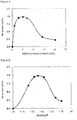
Figure 3 is a view showing the relationship between the content (content percentage) of Na and the yield of acrylic acid in Example 1. -
Figure 4 is a view showing the relationship between the molar ratio (Ca + Na) /P and the yield of acrylic acid in Example 1. -
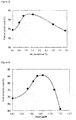
Figure 5 is a view showing the relationship between the content (content percentage) of K and the yield of acrylic acid in Example 2. -
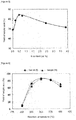
Figure 6 is a view showing the relationship between the reaction temperature and the yield of acrylic acid in Example 3. -
Figure 7 is a view showing the relationship between the lactic acid concentration and the lactic acid conversion/the yield of acrylic acid in Example 4. - The synthetic catalyst described herein used for synthesizing an unsaturated carboxylic acid and/or a derivative thereof is characterized in that it comprises an apatite compound containing an alkali metal in a crystal structure thereof. In general, the apatite compound is a compound having an apatite structure. The concept of the apatite compound includes a solid solution, and the compound represented by a general formula: Ma(M'Ob)cX2. A basic apatite compound is represented by M10(M'O4)6X2, wherein a is 10, b is 4, c is 6, and a/c is 1.67. However, the apatite compound containing an alkali metal in a crystal structure thereof (hereinafter referred to as an "apatite composition") is not limited to the above described basic apatite compound, and a case in which a, b and c do not have the above described values is also included in the present apatite composition. When the apatite compound is a solid solution, when a/c is deviated from 1.67, when elements other than divalent elements are included in M, when elements other than pentavalent elements, such as C or S, are included in M', and the like, a, b and c have values different from the above described values. In the case of the apatite composition described herein, a/c is preferably between 1.5 and 1.8. In addition, in the case of the apatite composition described herein, M in the above-mentioned general formula is not particularly limited, and M can be, for example, one or more selected from Ca, Sr, Pb, Mg, Cd, Fe, Co, Ni, Cu, Zn, La, and H. Among these elements, Ca is preferable. Moreover, M' is not particularly limited, and M' can be, for example, one or more selected from P, V, As, C, and S. Among these elements, P or a combination of P with another element is preferable. X is not particularly limited, and examples of the X include OH, F, and C1. The apatite composition of the present invention further contains an alkali metal in a crystal structure thereof. Examples of such an alkali metal include one or more selected from lithium (Li), sodium (Na), potassium (K), rubidium (Rb), cesium (Cs), and francium (Fr). Among these elements, sodium, potassium, or a combination of sodium with potassium is preferable.
- From the viewpoint of further enhancement of the yield of an unsaturated carboxylic acid or a derivative thereof, the content percentage of an alkali metal in the apatite composition of the present invention is 0.2 to 3.0% by mass. When sodium is used as such an alkali metal, the content percentage of the sodium is more preferably 0.5% to 3.0 by mass, even more preferably 0.5 to 1.6% by mass, and further preferably 0.7 to 1.6% by mass. When potassium is used as such an alkali metal, the content percentage of the potassium is more preferably 0.2 to 2.5% by mass, even more preferably 0.2 to 1.5% by mass, and further preferably 0.3 to 1.5% by mass. Moreover, when potassium is used, even if the content percentage of the potassium is low (0.4 to 0.7% by mass), the unsaturated carboxylic acid or a derivative thereof can be obtained at a high yield. Although the apatite composition of the present invention contains an alkali metal in a crystal structure thereof, it can also contain such an alkali metal outside of the crystal structure. Herein, the content percentage (% by mass) of an alkali metal means the ratio of the mass of the alkali metal to the total mass of an apatite compound (apatite composition) containing the alkali metal in a crystal structure thereof. The above-mentioned mass of the alkali metal means a total of the mass of an alkali metal contained in a crystal structure and the mass of an alkali metal contained in the outside of the crystal structure as a result of adhesion or deposition of the alkali metal on the surface of the apatite compound.
Furthermore, the alkali metal is contained in the crystal structure of the apatite compound preferably in the above described content percentage range. When the alkali metal is sodium, the content percentage of the sodium contained in the crystal structure is preferably 0.5 to 1.6% by mass, and more preferably 0.7 to 1.6% by mass. When the alkali metal is potassium, the content percentage of the potassium contained in the crystal structure is preferably 0.2 to 1.5% by mass, more preferably 0.3 to 1.5% by mass, and even more preferably 0.4 to 0.7% by mass. Herein, the content percentage of the alkali metal contained in the crystal structure means the ratio of the mass of the alkali metal contained in the crystal structure to the total mass of an apatite composition. - In the apatite composition of the present invention, the relationship among the alkali metal and the M and M' in the aforementioned general formula ((M + alkali metal)/M') is 1.58 to 1.73 at a molar ratio. If the molar ratio is in the above described range, the yield of the unsaturated carboxylic acid or a derivative thereof can be further enhanced. In addition, M is calcium (Ca), and M' is phosphorus (P). When the alkali metal is sodium (Na), (Ca + Na)/P is preferably 1.58 to 1.73, and more preferably 1.61 to 1.67 at a molar ratio. When the alkali metal is potassium (K), (Ca + K)/P is preferably 1.60 to 1.71, and more preferably 1.64 to 1.71 at a molar ratio. The number of moles of the alkali metal in the above described molar ratio means a total number of moles of the number of moles of the alkali metal contained in the crystal structure and the number of moles of the alkali metal contained in the outside of the crystal structure as a result of adhesion or deposition of the alkali metal on the surface of the apatite compound. Moreover, the relationship among the alkali metal contained in the crystal structure of the apatite compound and the M and M' in the aforementioned general formula ((M + the alkali metal contained in the crystal structure)/M') is preferably 1.58 to 1.73 at a molar ratio. When the alkali metal contained in the crystal structure is sodium, the above described molar ratio is preferably 1.58 to 1.73, and more preferably 1.61 to 1.67. When the alkali metal contained in the crystal structure is potassium, the molar ratio is preferably 1.60 to 1.71, and more preferably 1.64 to 1.71.
- In the apatite composition of the present invention, an alkali metal is contained in the crystal structure of the apatite compound. The apatite compound, in the crystal structure of which the alkali metal is contained, has a higher effect as a catalyst than a case in which the alkali metal adheres to or deposited on the surface of the apatite compound, and thus, it is able to further enhance the yield of the unsaturated carboxylic acid or a derivative thereof. Moreover, if the alkali metal is contained in the crystal structure of the apatite compound, the apatite compound is also excellent in terms of stability as a catalyst. The catalyst of the present invention is a synthetic catalyst used for synthesizing an unsaturated carboxylic acid and/or a derivative thereof, which is characterized in that it comprises the apatite composition of the present invention. The synthetic catalyst of the present invention can only consist of the apatite composition of the present invention, or can also comprise other components. When the present synthetic catalyst comprises other components, it is preferable to apply substances and additive amounts that do not inhibit the catalytic function of the above described apatite composition.
- The hydroxycarboxylic acid and/or a derivative thereof used as a raw material compound in the present invention are not particularly limited. Examples of the hydroxycarboxylic acid and/or a derivative thereof include hydroxycarboxylic acids such as lactic acid, citric acid, 3-hydroxypropionic acid, 3-hydroxy-2-methylpropionic acid, 3-hydroxybutanoic acid, 3-hydroxy-2-methylbutanoic acid and 2,3-dimethyl-3-hydroxybutanoic acid, and the derivatives thereof, such as their salts or esters. In addition, biomass-derived hydroxycarboxylic acids can also be used. The unsaturated carboxylic acid and/or a derivative thereof synthesized in the present invention are not particularly limited, and examples include unsaturated carboxylic acids such as acrylic acid and methacrylic acid, and the derivatives thereof such as their esters.
- The apatite composition of the present invention can be synthesized, for example, by a hydrothermal reaction. The hydrothermal reaction can be carried out, for example, by mixing the aqueous solutions of individual raw material compounds including alkali metal sources such as phosphoric acid, calcium nitrate and sodium hydroxide, adjusting the pH of the obtained mixture, and then reacting it at a temperature of approximately 50°C to 300°C under a pressure of approximately 1 × 10⁵ to 1 × 10⁷ Pa. By adjusting the ratio of the amounts of individual raw material compounds used and the pH, the content percentage of the alkali metal can be changed. For example, in the case of a calcium- or phosphorus-based apatite compound, since calcium (Ca)/phosphorus (P) is 1.67 at a molar ratio in an apatite compound having a basic structure, raw materials are mixed with one another, such that the molar ratio Ca/P can be smaller than 1.67, and an apatite compound is then synthesized in a state in which Ca is insufficient, so that the alkali metal can be incorporated into the crystal structure of the apatite compound.
- The method of the present invention for synthesizing an unsaturated carboxylic acid and/or a derivative thereof is a method for synthesizing an unsaturated carboxylic acid and/or a derivative thereof, which method comprises contacting a hydroxycarboxylic acid and/or a derivative thereof used as a raw material compound with the synthetic catalyst of the present invention, so as to synthesize the unsaturated carboxylic acid and/or a derivative thereof by a dehydration reaction. The synthetic method of the present invention is preferably carried out by vaporizing an aqueous solution of a hydroxycarboxylic acid or a derivative thereof and then contacting it with the synthetic catalyst of the present invention. This is because condensation of the hydroxycarboxylic acid or a derivative thereof before it is introduced into a reaction tube can be suppressed, and also because if the reaction product is cooled in an ice bath trap or the like, it is converted to an aqueous solution containing an unsaturated carboxylic acid or a derivative thereof, and thus it is easily recovered. However, even if there is no solvent, the reaction progresses. In order to further enhance the yield of the unsaturated carboxylic acid or a derivative thereof to be synthesized, the reaction temperature is preferably 325°C to 400°C, and more preferably 325°C to 375°C. The reaction pressure can be any condition of an ordinary pressure, an increased pressure, and a reduced pressure. The concentration of an aqueous solution of a hydroxycarboxylic acid or a derivative thereof is not particularly limited. Taking into consideration efficiency, the concentration of the aqueous solution of the hydroxycarboxylic acid or a derivative thereof is preferably 20 to 50% by mass. The solution of the hydroxycarboxylic acid or a derivative thereof can contain a solvent other than water. In the case of hydroxycarboxylic acid, a hydrophilic organic solvent such as alcohol or ether can be used together with water, or instead of water. Moreover, when a hydroxycarboxylic acid ester that is a derivative of hydroxycarboxylic acid is unlikely to be dissolved or is not dissolved in water, the reaction can be carried out without using solvents, or an organic solvent that can solubilize the hydroxycarboxylic acid ester can be used.
- The reaction type for carrying out the synthetic reaction is not particularly limited, and examples of the reaction type include such as a fixed bed type, a moving bed type, and a fluidized bed type. Further, as a carrier gas, an inert gas such as nitrogen, argon or helium can be used. In the case of using a fixed bed fluidized-type reactor, for example, inert filler such as silica wool or quartz sand can be used to the upstream or downstream of a catalytic layer. The reaction product is purified by known purification means such as distillation or crystallization, so that a high-purity unsaturated carboxylic acid or a derivative thereof can be obtained.
- Hereinafter, the present invention will be more specifically described in the following examples. However, the technical scope of the present invention is not limited to these examples.
- Solution A prepared by adding 7 mmol of NH3 water to 2.35 mmol of H3PO4 aqueous solution was mixed with Solution B prepared by dissolving 3.53 mmol of Ca(NO3)2•4H2O in distilled water, and the mixed solution was then subjected to a hydrothermal treatment at 110°C for 14 hours. Thereafter, the obtained white solid was centrifuged, was then washed with water, and was then dried at 60°C. The obtained powders were molded into powders having a particle diameter of 250 to 500 µm, and were then used in a catalytic reaction test.
- Solution A prepared by adding 7 mmol of NH3 water to 2.35 mmol of H3PO4 aqueous solution was mixed with Solution B prepared by dissolving 4.40 mmol of Ca(NO3)2•4H2O in distilled water, and the mixed solution was then subjected to a hydrothermal treatment at 110°C for 14 hours. Thereafter, the obtained white solid was centrifuged, was then washed with water, and was then dried at 60°C. The obtained powders were molded into powders having a particle diameter of 250 to 500 µm, and were then used in a catalytic reaction test.
- 1 g of Sample 2 was impregnated with 0.6 mmol of NaOH, and it was then dried at 60°C. The obtained powders were molded into powders having a particle diameter of 250 to 500 µm, and were then used in a catalytic reaction test.
- 1 g of Sample 2 was impregnated with 0.6 mmol of KOH, and it was then dried at 60°C. The obtained powders were molded into powders having a particle diameter of 250 to 500 µm, and were then used in a catalytic reaction test.
- Solution A prepared by adding each of 1, 3, 5, 7, 14 and 20 mmol of NaOH to 2.35 mmol of H3PO4 aqueous solution was mixed with Solution B prepared by dissolving 3.53 mmol of Ca(NO3)2•4H2O in distilled water, and the mixed solution was then subjected to a hydrothermal treatment at 110°C for 14 hours. Thereafter, the obtained white solid was centrifuged, was then washed with water, and was then dried at 60°C. The obtained powders were molded into powders having a particle diameter of 250 to 500 µm, and were then used in a catalytic reaction test.
- Solution A prepared by adding 7 mmol of NaOH to 2.35 mmol of H3PO4 aqueous solution was mixed with Solution B prepared by dissolving each of 3.65 and 3.77 mmol of Ca(NO3)2•4H2O in distilled water, and the mixed solution was then subjected to a hydrothermal treatment at 110°C for 14 hours. Thereafter, the obtained white solid was centrifuged, was then washed with water, and was then dried at 60°C. The obtained powders were molded into powders having a particle diameter of 250 to 500 µm, and were then used in a catalytic reaction test.
- White solids, which had been obtained by mixing the same raw materials at the same mixing ratios as those of
Samples 8 and 11 and then subjecting the mixed solutions to a hydrothermal treatment under the same conditions as those forSamples 8 and 11, were centrifuged, and were then dried at 60°C, without being subjected to water washing. The obtained samples were defined as Samples 13 and 14, respectively. The obtained powders were molded into powders having a particle diameter of 250 to 500 µm, and were then used in a catalytic reaction test. - Solution A prepared by adding 8 mmol of KOH to 2.53 mmol of H3PO4 aqueous solution was mixed with Solution B prepared by dissolving 3.53 mmol of Ca(NO3)2•4H2O in distilled water, and the mixed solution was then subjected to a hydrothermal treatment at 110°C for 14 hours. Thereafter, the obtained white solid was centrifuged, was then washed with water, and was then dried at 60°C. The obtained powders were molded into powders having a particle diameter of 250 to 500 µm, and were then used in a catalytic reaction test.
- White solids, which had been obtained by mixing the same raw materials at the same mixing ratios as those of
Samples Samples - The apatite compounds in the thus
prepared Samples 3 and 5 to 14 contained Na. The apatite compounds in theaforementioned Samples 1 to 3 were defined as comparative examples. UsingSamples 1 to 3 and 5 to 14, a reaction of synthesizing acrylic acid from lactic acid was carried out. An ordinary pressure fixed bed fluidized-type reactor was used in the reaction, and as a pretreatment of a catalyst, calcination was performed under an Ar current at 500°C for 3 hours. Lactic acid having a concentration of 38% by mass that was used as a reaction raw material was introduced into the preheated Ar current, so that it was allowed to come into contact with the catalyst. The amount of the catalyst was set at 1.0 g, and the reaction was carried out at a reaction temperature of 350°C for 6 hours. Among gases passing through the catalytic layer, a liquid product captured in an ice bath and a gaseous product discharged from the outlet of an ice bath trap were recovered separately. The liquid product was analyzed by mass measurement using an electronic balance, high performance liquid chromatography (HPLC), GC-MS, GC-FID, GC-TCD, and a total organic carbon meter. The gaseous product was analyzed using GC-FID and GC-TCD. The reaction results are summarized in Table 1. Based on the area ratios of lactic acid and acrylic acid standard solutions in the HPLC chart, the lactic acid conversion was obtained by the formula {1-(area value of lactic acid of product/area value of standard sample)} × 100, and the yield of the synthesized acrylic acid was obtained by the formula (area value of acrylic acid/area value of standard sample) × 100. It is to be noted that the standard sample of lactic acid was defined as a solution obtained by adding 30 ml of 0.46 M NaOH aqueous solution to 0.5 g of 38% by mass of lactic acid aqueous solution, and that the standard sample of acrylic acid was defined as a solution obtained by adding 30 ml of 0.46 M NaOH aqueous solution to 30.4% by mass of acrylic acid aqueous solution.[Table 1] Composition of raw materials In apatite compound Lactic acid conversion (%) Yield of acrylic acid (%) Additive amount of alkali metal source (mmol) Ca/P Ca/P (Ca+Na)/P Na (mmol/g) Na content percentage (wt%) Sample 10 1.50 1.50 1.50 0.00 0.00 99 69 Sample 2 0 1.87 1.67 1.67 0.00 0.00 92 53 Sample 3 0.6 1.67 1.67 1.76 0.52 1.20 84 32 Sample 51 1.50 1.50 1.58 0.10 1.10 99 76 Sample 6 3 1.50 1.51 1.61 0.66 1.52 96 81 Sample 7 5 1.50 1.53 1.63 0.68 1.56 97 85 Sample 87 1.50 1.56 1.66 0.65 1.50 97 86 Sample 9 14 1.50 1.68 1.72 0.22 0.51 88 75 Sample 1020 1.50 1.73 1.75 0.15 0.35 80 61 Sample 11 7 1.55 1.61 1.67 0.34 0.78 96 84 Sample 12 7 1.60 1.67 1.73 0.21 0.48 91 77 Sample 13 7 1.50 1.56 1.71 1.29 2.97 95 75 Sample 14 7 1.55 1.60 1.82 1.68 3.86 89 68 (Lactic acid concentration: 38% by mass, reaction temperature: 350°C, catalytic amount: 1.0 g, Ar flow rate: 40 mL/min)) - As shown in Table 1, when the apatite compounds containing Na in
Samples 5 to 14 were each allowed to come into contact with lactic acid, and thus they were reacted, acrylic acid was synthesized by a dehydration reaction.Samples Samples Figure 1 . In addition, in the stoichiometric composition of hydroxyapatite, the molar ratio Ca/P was approximately 1.67. Upon preparation ofSamples Samples Figure 2 . On the other hand, in the case of Samples 13 and 14, which had been prepared under the same conditions as those forSamples 8 and 11 and had not been subjected to water washing, the content percentage of Na increased in comparison toSamples 8 and 11. From these results, it is found that Na was contained in the crystal structure of the apatite compound inSamples 5 to 12, whereas in Samples 13 and 14, Na was contained in the crystal structure of the apatite compound, and was also contained in a state in which it was adhered to or was deposited on the surface of the compound. Moreover, since Sample 3 was obtained by impregnating Sample 2 containing no Na with NaOH, Na was not contained in the crystal structure of the apatite compound, but was adhered to or was deposited on the surface of the compound. Thus, even if Sample 3 contained Na, the yield of acrylic acid was significantly decreased in comparison toSample 1 or 2 that did not contain Na. Hence, it is found that when Na is not contained in the crystal structure of the apatite compound, but is deposited on the surface of the compound, the catalytic activity was rather poisoned with Na. It is to be noted that "% by mass" is indicated as "wt%" in the figures and tables. - Furthermore, when the content percentage of Na in the apatite compound was in the range of 0.5 to 3.0% by mass, acrylic acid could be obtained at a high yield such as 75% to 86%. If the content percentage of Na exceeded 3% by mass, the yield of acrylic acid became the same level as in the case of not containing Na. Hence, catalytic effects could be improved by allowing the apatite compound to contain Na in the crystal structure thereof. When the amount of Na that was not incorporated into the crystal structure increased, catalytic effects rather reduced. The relationship between the content (content percentage) of Na and the yield of acrylic acid in the results of
Samples Figure 3 . Moreover, when the molar ratio (Ca + Na)/P was in the range of 1.58 to 1.73, acrylic acid could be obtained at a high yield such as 75% or more. The relationship between the molar ratio (Ca + Na)/P and the yield of acrylic acid inSamples Figure 4 . - The apatite compounds in the thus
prepared Samples 4 and 15 to 19 contained K. The apatite compounds in theaforementioned Samples 1, 2 and 4 were defined as comparative examples. UsingSamples Samples 15 to 19 were each allowed to come into contact with lactic acid, and thus they were reacted, acrylic acid was synthesized by a dehydration reaction. In the case of Samples 18 and 19, which had been prepared under the same conditions as those forSamples Samples Samples 15 to 17, K was contained in the crystal structure of the apatite compound, and in Samples 18 and 19, K was contained in the crystal structure of the apatite compound and was also contained in a state in which it was adhered to or was deposited on the surface of the compound. In addition, when the content percentage of K in the apatite compound was in the range of 0.2 to 3.0% by mass, acrylic acid could be obtained at a high yield such as 76% to 84%. If the content percentage of K exceeded 3% by mass, the yield of acrylic acid came close to the case of not containing K. Hence, catalytic effects could be improved by allowing the apatite compound to contain K in the crystal structure thereof. When the amount of K that was not incorporated into the crystal structure increased, catalytic effects rather reduced. The relationship between the content (content percentage) of K and the yield of acrylic acid in the results ofSamples Figure 5 . Moreover, when the molar ratio (Ca + K)/P was in the range of 1.64 to 1.71, acrylic acid could be obtained at a high yield such as 72% or more. In case of using potassium, when the content percentage of potassium is 0.2-2.5% by mass, acrylic acid could be obtained at a high yield of 75% or more, and even when the content percentage of potassium is as low as 0.4-0.7% by mass, acrylic acid could be obtained at a high yield of 80% or more. Thus, acrylic acid could be obtained at a high yield, although the content percentage of K was lower than the content percentage of Na. Moreover, since Sample 4 was obtained by impregnating Sample 2 containing no K with KOH, K was not contained in the crystal structure of the apatite compound, but was adhered to or was deposited on the surface of the compound. Thus, even if Sample 4 contained K, the yield of acrylic acid was significantly reduced in comparison toSample 1 or 2 that did not contain K. Hence, it is found that when K is not contained in the crystal structure of the apatite compound, but is deposited on the surface of the apatite compound, the catalytic activity was rather poisoned with K.[Table 2] Composition of raw materials In apatite compound Lactic acid conversion (%) Yield of acrylic acid (%) Additive amount of alkali metal source (mmol) Ca/P Ca/P (Ca+K) /P K (mmol/g) K content percentage (wt%) Sample 10 1.50 1.50 1.50 0.00 0.00 99 69 Sample 2 0 1.87 1.67 1.67 0.00 0.00 92 53 Sample 4 0.6 1.67 1.67 1.76 0.58 2.26 78 28 Sample 158 1.50 1.61 1.64 0.18 0.70 95 83 Sample 168 1.55 1.63 1.65 0.12 0.47 94 84 Sample 17 8 1.60 1.68 1.71 0.05 0.20 95 79 Sample 18 8 1.50 1.60 1.68 0.62 2.42 95 76 Sample 19 8 1.55 1.64 1.70 0.99 3.86 95 72 (Lactic acid concentration: 38% by mass, reaction temperature: 350°C, catalytic amount: 1.0 g, Ar flow rate: 40 mL/min) -
Sample 8 andSample 16 were subjected to a synthetic reaction under the same reaction conditions as those in Example 1, with the exception that the reaction temperature was altered in the range of 300°C to 400°C. The relationship between the reaction temperature and the yield of acrylic acid in the obtained results is shown inFigure 6 . When the reaction temperature was 300°C, a large amount of lactide was generated, and thus, the yield of acrylic acid was low. On the other hand, when the reaction temperature was 325°C or higher, acrylic acid was obtained as a main product at a high yield. A reduction in the yield of acrylic acid at a reaction temperature of 400°C was mainly caused by generation of a coke component. In a reaction temperature range of 325°C to 400°C, and in particular, of 325°C to 375°C, acrylic acid was stably obtained at a high yield, without being influenced by the temperature. -
Sample 1 andSample 8 were subjected to a synthetic reaction under the same reaction conditions as those in Example 1, with the exceptions that the concentration of a lactic acid aqueous solution was changed to 1, 10, 20, and 38% by mass, and that the amount of the catalyst was changed to 0.4 g. In the case ofSample 1 that did not contain sodium, the lactic acid conversion and the yield of acrylic acid significantly decreased, as the concentration of lactic acid increased. The yield of acrylic acid was 53% at a lactic acid concentration of 38% by mass. In contrast, in the case ofSample 8 that contained sodium, such reductions were small, and the yield of acrylic acid was maintained at a high standard (76%) at a lactic acid concentration of 38% by mass. The results are shown inFigure 7 . - Ethyl lactate was used as a raw material compound, instead of lactic acid, and a reaction of synthesizing ethyl acrylate was carried out using
Samples Sample 1, whereas it was 65% in the case ofSample 8. In addition, the yield of ethyl acrylate was 18% in the case ofSample 1, whereas it was 26% in the case ofSample 8. - According to the method of the present invention, an unsaturated carboxylic acid and/or a derivative thereof can be synthesized from a hydroxycarboxylic acid and/or a derivative thereof at a high yield, and for example, a hydroxycarboxylic acid and/or a derivative thereof derived from biomass can be used. Therefore, it becomes possible to synthesize an industrially useful unsaturated carboxylic acid and/or a derivative thereof without relying on petroleum feedstock.
Claims (6)
- A synthetic catalyst for synthesizing an unsaturated carboxylic acid and/or a derivative thereof from a hydroxycarboxylic acid and/or a derivative thereof by a dehydration reaction, wherein the synthetic catalyst comprises an apatite compound containing an alkali metal in a crystal structure thereof, wherein the content percentage of the alkali metal in the apatite compound is 0.2 to 3.0% by mass, and wherein the apatite compound comprises calcium, phosphorus and an alkali metal, and (calcium + alkali metal)/phosphorus is 1.58 to 1.73 at a molar ratio.
- The synthetic catalyst according to claim 1, wherein the alkali metal is sodium and/or potassium.
- The synthetic catalyst according to claim 2, wherein when the alkali metal is sodium, the content percentage of the sodium in the apatite compound is 0.5 to 3.0% by mass, and when the alkali metal is potassium, the content percentage of the potassium in the apatite compound is 0.2 to 2.5% by mass.
- The synthetic catalyst according to claim 2 or 3, wherein when the alkali metal is sodium, the content percentage of the sodium comprised in the crystal structure of the apatite compound is 0.5 to 1.6% by mass, and when the alkali metal is potassium, the content percentage of the potassium comprised in the crystal structure of the apatite compound is 0.2 to 1.5% by mass.
- A method for synthesizing an unsaturated carboxylic acid and/or a derivative thereof, which method comprises contacting a hydroxycarboxylic acid and/or a derivative thereof with a catalyst to synthesize the unsaturated carboxylic acid and/or a derivative thereof by a dehydration reaction, wherein the catalyst is the synthetic catalyst according to any one of claims 1 to 4.
- The method for synthesizing an unsaturated carboxylic acid and/or a derivative thereof according to claim 5, which method comprises contacting the hydroxycarboxylic acid and/or a derivative thereof with the catalyst at a temperature of 325°C to 400°C.
Applications Claiming Priority (2)
| Application Number | Priority Date | Filing Date | Title |
|---|---|---|---|
| JP2013100404 | 2013-05-10 | ||
| PCT/JP2014/002448 WO2014181545A1 (en) | 2013-05-10 | 2014-05-08 | Synthesis catalyst and synthesis method for unsaturated carboxylic acid and/or derivative thereof |
Publications (3)
| Publication Number | Publication Date |
|---|---|
| EP2995376A1 EP2995376A1 (en) | 2016-03-16 |
| EP2995376A4 EP2995376A4 (en) | 2016-12-28 |
| EP2995376B1 true EP2995376B1 (en) | 2019-03-20 |
Family
ID=51867033
Family Applications (1)
| Application Number | Title | Priority Date | Filing Date |
|---|---|---|---|
| EP14794943.2A Active EP2995376B1 (en) | 2013-05-10 | 2014-05-08 | Synthesis catalyst and synthesis method for unsaturated carboxylic acid and/or derivative thereof |
Country Status (6)
| Country | Link |
|---|---|
| US (1) | US9409158B2 (en) |
| EP (1) | EP2995376B1 (en) |
| JP (1) | JP6405507B2 (en) |
| CN (1) | CN105163850B (en) |
| BR (1) | BR112015026628B1 (en) |
| WO (1) | WO2014181545A1 (en) |
Families Citing this family (4)
| Publication number | Priority date | Publication date | Assignee | Title |
|---|---|---|---|---|
| CN106946686A (en) * | 2017-05-05 | 2017-07-14 | 佛山慧创正元新材料科技有限公司 | A kind of method for producing acrylic acid being catalyzed based on doping vario-property hydroxyapatite |
| EP4212506A4 (en) | 2020-11-11 | 2024-04-03 | Lg Chem, Ltd. | Method for preparing acrylic acid |
| CN115427145B (en) * | 2020-11-27 | 2024-09-13 | 株式会社Lg化学 | Method for producing catalyst for dehydrogenation of 3-hydroxypropionic acid, catalyst for dehydrogenation of 3-hydroxypropionic acid, and method for producing acrylic acid using the catalyst |
| WO2024063412A1 (en) * | 2022-09-19 | 2024-03-28 | 주식회사 엘지화학 | Catalyst for preparing unsaturated carboxylic acids and derivatives therof |
Family Cites Families (11)
| Publication number | Priority date | Publication date | Assignee | Title |
|---|---|---|---|---|
| US4792620A (en) * | 1983-10-14 | 1988-12-20 | Bp Chemicals Limited | Carbonylation catalysts |
| US4729978A (en) * | 1987-05-04 | 1988-03-08 | Texaco Inc. | Catalyst for dehydration of lactic acid to acrylic acid |
| JP2000169417A (en) | 1998-12-08 | 2000-06-20 | Mitsubishi Rayon Co Ltd | Method for producing methacrylic acid |
| MXPA05010550A (en) * | 2003-04-02 | 2005-11-16 | Uop Llc | LOW-TRAINING COQUE CATALYSTS AND PROCESS FOR THE PRODUCTION OF REFORMATION AND SYNTHESIS GASES. |
| JP4437969B2 (en) | 2004-06-02 | 2010-03-24 | 株式会社日本触媒 | Acrylic acid production catalyst and acrylic acid production method using the same |
| JP2009067775A (en) | 2007-09-17 | 2009-04-02 | Rohm & Haas Co | Method for converting hydroxycarboxylic acid or salt thereof to unsaturated carboxylic acid and / or ester thereof |
| BRPI0903506B1 (en) * | 2009-08-17 | 2017-12-19 | Kabushiki Kaisha Sangi | A METHOD OF SYNTHESIS OF ALCOHOL FOR THE SYNTHESIS OF BUTANOL FROM ETHANOL ?? |
| CN102596883B (en) * | 2009-10-29 | 2015-03-25 | 三仪股份有限公司 | Method for synthesizing unsaturated carboxylic acid and/or derivative of same |
| JP2012071267A (en) | 2010-09-29 | 2012-04-12 | Nippon Shokubai Co Ltd | Catalyst for dehydrating glycerin and method for producing acrolein |
| CN103209764B (en) * | 2010-11-11 | 2016-04-20 | 璐彩特国际英国有限公司 | For the production of method and the catalyst thereof of ethylenic unsaturated carboxylic acid or ester |
| US8957250B2 (en) * | 2011-05-16 | 2015-02-17 | Council Of Scientific & Industrial Research | Process for catalytic dehydration of lactic acid to acrylic acid |
-
2014
- 2014-05-08 US US14/889,277 patent/US9409158B2/en active Active
- 2014-05-08 BR BR112015026628-2A patent/BR112015026628B1/en active IP Right Grant
- 2014-05-08 WO PCT/JP2014/002448 patent/WO2014181545A1/en not_active Ceased
- 2014-05-08 EP EP14794943.2A patent/EP2995376B1/en active Active
- 2014-05-08 JP JP2015515790A patent/JP6405507B2/en active Active
- 2014-05-08 CN CN201480024653.1A patent/CN105163850B/en active Active
Non-Patent Citations (1)
| Title |
|---|
| None * |
Also Published As
| Publication number | Publication date |
|---|---|
| WO2014181545A1 (en) | 2014-11-13 |
| CN105163850A (en) | 2015-12-16 |
| CN105163850B (en) | 2018-03-06 |
| US9409158B2 (en) | 2016-08-09 |
| US20160096166A1 (en) | 2016-04-07 |
| JP6405507B2 (en) | 2018-10-17 |
| BR112015026628B1 (en) | 2020-05-26 |
| EP2995376A4 (en) | 2016-12-28 |
| EP2995376A1 (en) | 2016-03-16 |
| JPWO2014181545A1 (en) | 2017-02-23 |
| BR112015026628A2 (en) | 2017-07-25 |
Similar Documents
| Publication | Publication Date | Title |
|---|---|---|
| EP2495233B1 (en) | Method for synthesizing unsaturated carboxylic acid and/or derivative of same | |
| TW201228726A (en) | A process for the production of ethylenically unsaturated carboxylic acids or esters and a catalyst therefor | |
| US8232433B2 (en) | Catalyst and alcohol synthesis method | |
| CN103339230A (en) | Catalysts for Fischer-Tropsch Synthesis | |
| EP2995376A1 (en) | Synthesis catalyst and synthesis method for unsaturated carboxylic acid and/or derivative thereof | |
| JP2014210262A (en) | Catalyst and synthetic method of alcohol | |
| US20130303363A1 (en) | Conversion of ethanol to a reaction product comprising 1-butanol using hydroxyapatite catalysts | |
| EP0536013B1 (en) | New catalytic system and use thereof in the oxydehydrogenation of saturated carboxylic acids and the oxidation of aldehydes into acids | |
| JP2016533263A (en) | Bismuth molybdate catalyst having zeolite coating layer, method for producing the same, and method for producing 1,3-butadiene using the same | |
| KR100970084B1 (en) | Method for producing a catalyst with suppressed loss of active substance | |
| EP0130068B1 (en) | A process for producing formaldehyde | |
| CA3190829A1 (en) | Method for producing methanol | |
| JP2016079145A (en) | Producing method of isobutanol | |
| US9873653B2 (en) | Heterogeneous catalyst for production of 3-hydroxypropionic acid from allyl alcohol, and method for preparation of 3-hydroxypropionic acid from allyl alcohol using the same | |
| EP0673914A2 (en) | Preparation of alpha-keto acid ester | |
| JP2012071267A (en) | Catalyst for dehydrating glycerin and method for producing acrolein | |
| JP5362370B2 (en) | Method for producing catalyst for synthesis of methacrylic acid | |
| KR101648284B1 (en) | Method for producing acrylonitrile | |
| US11691139B2 (en) | Acid/metal bifunctional catalyst systems produced with carbon coatings | |
| SG184652A1 (en) | Method for regenerating catalyst for production of methacrylic acid and process for producing methacrylic acid | |
| JPH08183753A (en) | Method for producing pyruvic acid | |
| JP3800676B2 (en) | Method for producing glyoxylic acid | |
| JPH10287610A (en) | Method for producing methylglyoxal | |
| WO2009025486A1 (en) | Method of preparing catalyst for production of acrylic acid using reactive ball milling | |
| JPWO1991013856A1 (en) | Method for producing methacrylic acid |
Legal Events
| Date | Code | Title | Description |
|---|---|---|---|
| PUAI | Public reference made under article 153(3) epc to a published international application that has entered the european phase |
Free format text: ORIGINAL CODE: 0009012 |
|
| 17P | Request for examination filed |
Effective date: 20151105 |
|
| AK | Designated contracting states |
Kind code of ref document: A1 Designated state(s): AL AT BE BG CH CY CZ DE DK EE ES FI FR GB GR HR HU IE IS IT LI LT LU LV MC MK MT NL NO PL PT RO RS SE SI SK SM TR |
|
| AX | Request for extension of the european patent |
Extension state: BA ME |
|
| DAX | Request for extension of the european patent (deleted) | ||
| A4 | Supplementary search report drawn up and despatched |
Effective date: 20161124 |
|
| RIC1 | Information provided on ipc code assigned before grant |
Ipc: B01J 27/18 20060101ALI20161118BHEP Ipc: C07C 51/377 20060101AFI20161118BHEP Ipc: C07C 69/54 20060101ALI20161118BHEP Ipc: C07C 57/04 20060101ALI20161118BHEP Ipc: C07C 67/327 20060101ALI20161118BHEP |
|
| STAA | Information on the status of an ep patent application or granted ep patent |
Free format text: STATUS: EXAMINATION IS IN PROGRESS |
|
| 17Q | First examination report despatched |
Effective date: 20180205 |
|
| GRAP | Despatch of communication of intention to grant a patent |
Free format text: ORIGINAL CODE: EPIDOSNIGR1 |
|
| STAA | Information on the status of an ep patent application or granted ep patent |
Free format text: STATUS: GRANT OF PATENT IS INTENDED |
|
| RIC1 | Information provided on ipc code assigned before grant |
Ipc: C07C 69/54 20060101ALI20180920BHEP Ipc: C07C 51/377 20060101ALI20180920BHEP Ipc: B01J 35/00 20060101ALI20180920BHEP Ipc: C07C 67/327 20060101ALI20180920BHEP Ipc: B01J 27/18 20060101AFI20180920BHEP Ipc: B01J 37/10 20060101ALI20180920BHEP Ipc: C07C 57/04 20060101ALI20180920BHEP |
|
| INTG | Intention to grant announced |
Effective date: 20181010 |
|
| GRAS | Grant fee paid |
Free format text: ORIGINAL CODE: EPIDOSNIGR3 |
|
| GRAA | (expected) grant |
Free format text: ORIGINAL CODE: 0009210 |
|
| STAA | Information on the status of an ep patent application or granted ep patent |
Free format text: STATUS: THE PATENT HAS BEEN GRANTED |
|
| AK | Designated contracting states |
Kind code of ref document: B1 Designated state(s): AL AT BE BG CH CY CZ DE DK EE ES FI FR GB GR HR HU IE IS IT LI LT LU LV MC MK MT NL NO PL PT RO RS SE SI SK SM TR |
|
| REG | Reference to a national code |
Ref country code: GB Ref legal event code: FG4D |
|
| REG | Reference to a national code |
Ref country code: CH Ref legal event code: EP |
|
| REG | Reference to a national code |
Ref country code: DE Ref legal event code: R096 Ref document number: 602014043319 Country of ref document: DE |
|
| REG | Reference to a national code |
Ref country code: AT Ref legal event code: REF Ref document number: 1109981 Country of ref document: AT Kind code of ref document: T Effective date: 20190415 |
|
| REG | Reference to a national code |
Ref country code: IE Ref legal event code: FG4D |
|
| REG | Reference to a national code |
Ref country code: NL Ref legal event code: MP Effective date: 20190320 |
|
| PG25 | Lapsed in a contracting state [announced via postgrant information from national office to epo] |
Ref country code: LT Free format text: LAPSE BECAUSE OF FAILURE TO SUBMIT A TRANSLATION OF THE DESCRIPTION OR TO PAY THE FEE WITHIN THE PRESCRIBED TIME-LIMIT Effective date: 20190320 Ref country code: NO Free format text: LAPSE BECAUSE OF FAILURE TO SUBMIT A TRANSLATION OF THE DESCRIPTION OR TO PAY THE FEE WITHIN THE PRESCRIBED TIME-LIMIT Effective date: 20190620 Ref country code: SE Free format text: LAPSE BECAUSE OF FAILURE TO SUBMIT A TRANSLATION OF THE DESCRIPTION OR TO PAY THE FEE WITHIN THE PRESCRIBED TIME-LIMIT Effective date: 20190320 Ref country code: FI Free format text: LAPSE BECAUSE OF FAILURE TO SUBMIT A TRANSLATION OF THE DESCRIPTION OR TO PAY THE FEE WITHIN THE PRESCRIBED TIME-LIMIT Effective date: 20190320 |
|
| REG | Reference to a national code |
Ref country code: LT Ref legal event code: MG4D |
|
| PG25 | Lapsed in a contracting state [announced via postgrant information from national office to epo] |
Ref country code: HR Free format text: LAPSE BECAUSE OF FAILURE TO SUBMIT A TRANSLATION OF THE DESCRIPTION OR TO PAY THE FEE WITHIN THE PRESCRIBED TIME-LIMIT Effective date: 20190320 Ref country code: GR Free format text: LAPSE BECAUSE OF FAILURE TO SUBMIT A TRANSLATION OF THE DESCRIPTION OR TO PAY THE FEE WITHIN THE PRESCRIBED TIME-LIMIT Effective date: 20190621 Ref country code: LV Free format text: LAPSE BECAUSE OF FAILURE TO SUBMIT A TRANSLATION OF THE DESCRIPTION OR TO PAY THE FEE WITHIN THE PRESCRIBED TIME-LIMIT Effective date: 20190320 Ref country code: RS Free format text: LAPSE BECAUSE OF FAILURE TO SUBMIT A TRANSLATION OF THE DESCRIPTION OR TO PAY THE FEE WITHIN THE PRESCRIBED TIME-LIMIT Effective date: 20190320 Ref country code: BG Free format text: LAPSE BECAUSE OF FAILURE TO SUBMIT A TRANSLATION OF THE DESCRIPTION OR TO PAY THE FEE WITHIN THE PRESCRIBED TIME-LIMIT Effective date: 20190620 Ref country code: NL Free format text: LAPSE BECAUSE OF FAILURE TO SUBMIT A TRANSLATION OF THE DESCRIPTION OR TO PAY THE FEE WITHIN THE PRESCRIBED TIME-LIMIT Effective date: 20190320 |
|
| REG | Reference to a national code |
Ref country code: AT Ref legal event code: MK05 Ref document number: 1109981 Country of ref document: AT Kind code of ref document: T Effective date: 20190320 |
|
| PG25 | Lapsed in a contracting state [announced via postgrant information from national office to epo] |
Ref country code: SK Free format text: LAPSE BECAUSE OF FAILURE TO SUBMIT A TRANSLATION OF THE DESCRIPTION OR TO PAY THE FEE WITHIN THE PRESCRIBED TIME-LIMIT Effective date: 20190320 Ref country code: PT Free format text: LAPSE BECAUSE OF FAILURE TO SUBMIT A TRANSLATION OF THE DESCRIPTION OR TO PAY THE FEE WITHIN THE PRESCRIBED TIME-LIMIT Effective date: 20190720 Ref country code: ES Free format text: LAPSE BECAUSE OF FAILURE TO SUBMIT A TRANSLATION OF THE DESCRIPTION OR TO PAY THE FEE WITHIN THE PRESCRIBED TIME-LIMIT Effective date: 20190320 Ref country code: AL Free format text: LAPSE BECAUSE OF FAILURE TO SUBMIT A TRANSLATION OF THE DESCRIPTION OR TO PAY THE FEE WITHIN THE PRESCRIBED TIME-LIMIT Effective date: 20190320 Ref country code: CZ Free format text: LAPSE BECAUSE OF FAILURE TO SUBMIT A TRANSLATION OF THE DESCRIPTION OR TO PAY THE FEE WITHIN THE PRESCRIBED TIME-LIMIT Effective date: 20190320 Ref country code: RO Free format text: LAPSE BECAUSE OF FAILURE TO SUBMIT A TRANSLATION OF THE DESCRIPTION OR TO PAY THE FEE WITHIN THE PRESCRIBED TIME-LIMIT Effective date: 20190320 Ref country code: IT Free format text: LAPSE BECAUSE OF FAILURE TO SUBMIT A TRANSLATION OF THE DESCRIPTION OR TO PAY THE FEE WITHIN THE PRESCRIBED TIME-LIMIT Effective date: 20190320 Ref country code: EE Free format text: LAPSE BECAUSE OF FAILURE TO SUBMIT A TRANSLATION OF THE DESCRIPTION OR TO PAY THE FEE WITHIN THE PRESCRIBED TIME-LIMIT Effective date: 20190320 |
|
| PG25 | Lapsed in a contracting state [announced via postgrant information from national office to epo] |
Ref country code: PL Free format text: LAPSE BECAUSE OF FAILURE TO SUBMIT A TRANSLATION OF THE DESCRIPTION OR TO PAY THE FEE WITHIN THE PRESCRIBED TIME-LIMIT Effective date: 20190320 Ref country code: SM Free format text: LAPSE BECAUSE OF FAILURE TO SUBMIT A TRANSLATION OF THE DESCRIPTION OR TO PAY THE FEE WITHIN THE PRESCRIBED TIME-LIMIT Effective date: 20190320 |
|
| REG | Reference to a national code |
Ref country code: CH Ref legal event code: PL |
|
| PG25 | Lapsed in a contracting state [announced via postgrant information from national office to epo] |
Ref country code: IS Free format text: LAPSE BECAUSE OF FAILURE TO SUBMIT A TRANSLATION OF THE DESCRIPTION OR TO PAY THE FEE WITHIN THE PRESCRIBED TIME-LIMIT Effective date: 20190720 Ref country code: AT Free format text: LAPSE BECAUSE OF FAILURE TO SUBMIT A TRANSLATION OF THE DESCRIPTION OR TO PAY THE FEE WITHIN THE PRESCRIBED TIME-LIMIT Effective date: 20190320 |
|
| REG | Reference to a national code |
Ref country code: DE Ref legal event code: R097 Ref document number: 602014043319 Country of ref document: DE |
|
| PLBE | No opposition filed within time limit |
Free format text: ORIGINAL CODE: 0009261 |
|
| STAA | Information on the status of an ep patent application or granted ep patent |
Free format text: STATUS: NO OPPOSITION FILED WITHIN TIME LIMIT |
|
| PG25 | Lapsed in a contracting state [announced via postgrant information from national office to epo] |
Ref country code: LI Free format text: LAPSE BECAUSE OF NON-PAYMENT OF DUE FEES Effective date: 20190531 Ref country code: DK Free format text: LAPSE BECAUSE OF FAILURE TO SUBMIT A TRANSLATION OF THE DESCRIPTION OR TO PAY THE FEE WITHIN THE PRESCRIBED TIME-LIMIT Effective date: 20190320 Ref country code: CH Free format text: LAPSE BECAUSE OF NON-PAYMENT OF DUE FEES Effective date: 20190531 Ref country code: MC Free format text: LAPSE BECAUSE OF FAILURE TO SUBMIT A TRANSLATION OF THE DESCRIPTION OR TO PAY THE FEE WITHIN THE PRESCRIBED TIME-LIMIT Effective date: 20190320 |
|
| REG | Reference to a national code |
Ref country code: BE Ref legal event code: MM Effective date: 20190531 |
|
| 26N | No opposition filed |
Effective date: 20200102 |
|
| PG25 | Lapsed in a contracting state [announced via postgrant information from national office to epo] |
Ref country code: SI Free format text: LAPSE BECAUSE OF FAILURE TO SUBMIT A TRANSLATION OF THE DESCRIPTION OR TO PAY THE FEE WITHIN THE PRESCRIBED TIME-LIMIT Effective date: 20190320 Ref country code: LU Free format text: LAPSE BECAUSE OF NON-PAYMENT OF DUE FEES Effective date: 20190508 |
|
| PG25 | Lapsed in a contracting state [announced via postgrant information from national office to epo] |
Ref country code: TR Free format text: LAPSE BECAUSE OF FAILURE TO SUBMIT A TRANSLATION OF THE DESCRIPTION OR TO PAY THE FEE WITHIN THE PRESCRIBED TIME-LIMIT Effective date: 20190320 |
|
| PG25 | Lapsed in a contracting state [announced via postgrant information from national office to epo] |
Ref country code: IE Free format text: LAPSE BECAUSE OF NON-PAYMENT OF DUE FEES Effective date: 20190508 |
|
| PG25 | Lapsed in a contracting state [announced via postgrant information from national office to epo] |
Ref country code: BE Free format text: LAPSE BECAUSE OF NON-PAYMENT OF DUE FEES Effective date: 20190531 |
|
| PG25 | Lapsed in a contracting state [announced via postgrant information from national office to epo] |
Ref country code: CY Free format text: LAPSE BECAUSE OF FAILURE TO SUBMIT A TRANSLATION OF THE DESCRIPTION OR TO PAY THE FEE WITHIN THE PRESCRIBED TIME-LIMIT Effective date: 20190320 |
|
| PG25 | Lapsed in a contracting state [announced via postgrant information from national office to epo] |
Ref country code: MT Free format text: LAPSE BECAUSE OF FAILURE TO SUBMIT A TRANSLATION OF THE DESCRIPTION OR TO PAY THE FEE WITHIN THE PRESCRIBED TIME-LIMIT Effective date: 20190320 Ref country code: HU Free format text: LAPSE BECAUSE OF FAILURE TO SUBMIT A TRANSLATION OF THE DESCRIPTION OR TO PAY THE FEE WITHIN THE PRESCRIBED TIME-LIMIT; INVALID AB INITIO Effective date: 20140508 |
|
| PG25 | Lapsed in a contracting state [announced via postgrant information from national office to epo] |
Ref country code: MK Free format text: LAPSE BECAUSE OF FAILURE TO SUBMIT A TRANSLATION OF THE DESCRIPTION OR TO PAY THE FEE WITHIN THE PRESCRIBED TIME-LIMIT Effective date: 20190320 |
|
| PGFP | Annual fee paid to national office [announced via postgrant information from national office to epo] |
Ref country code: DE Payment date: 20250521 Year of fee payment: 12 |
|
| PGFP | Annual fee paid to national office [announced via postgrant information from national office to epo] |
Ref country code: GB Payment date: 20250527 Year of fee payment: 12 |
|
| PGFP | Annual fee paid to national office [announced via postgrant information from national office to epo] |
Ref country code: FR Payment date: 20250528 Year of fee payment: 12 |