EP2996362B1 - Procédé, dispositif, équipement et système de transmission de service - Google Patents
Procédé, dispositif, équipement et système de transmission de service Download PDFInfo
- Publication number
- EP2996362B1 EP2996362B1 EP13886048.1A EP13886048A EP2996362B1 EP 2996362 B1 EP2996362 B1 EP 2996362B1 EP 13886048 A EP13886048 A EP 13886048A EP 2996362 B1 EP2996362 B1 EP 2996362B1
- Authority
- EP
- European Patent Office
- Prior art keywords
- service
- subframe
- configuration information
- configuration
- time frequency
- Prior art date
- Legal status (The legal status is an assumption and is not a legal conclusion. Google has not performed a legal analysis and makes no representation as to the accuracy of the status listed.)
- Active
Links
Images



Classifications
-
- H—ELECTRICITY
- H04—ELECTRIC COMMUNICATION TECHNIQUE
- H04W—WIRELESS COMMUNICATION NETWORKS
- H04W4/00—Services specially adapted for wireless communication networks; Facilities therefor
- H04W4/06—Selective distribution of broadcast services, e.g. multimedia broadcast multicast service [MBMS]; Services to user groups; One-way selective calling services
-
- H—ELECTRICITY
- H04—ELECTRIC COMMUNICATION TECHNIQUE
- H04W—WIRELESS COMMUNICATION NETWORKS
- H04W72/00—Local resource management
- H04W72/30—Resource management for broadcast services
-
- H—ELECTRICITY
- H04—ELECTRIC COMMUNICATION TECHNIQUE
- H04L—TRANSMISSION OF DIGITAL INFORMATION, e.g. TELEGRAPHIC COMMUNICATION
- H04L12/00—Data switching networks
- H04L12/02—Details
- H04L12/16—Arrangements for providing special services to substations
- H04L12/18—Arrangements for providing special services to substations for broadcast or conference, e.g. multicast
-
- H—ELECTRICITY
- H04—ELECTRIC COMMUNICATION TECHNIQUE
- H04W—WIRELESS COMMUNICATION NETWORKS
- H04W4/00—Services specially adapted for wireless communication networks; Facilities therefor
- H04W4/90—Services for handling of emergency or hazardous situations, e.g. earthquake and tsunami warning systems [ETWS]
-
- H—ELECTRICITY
- H04—ELECTRIC COMMUNICATION TECHNIQUE
- H04W—WIRELESS COMMUNICATION NETWORKS
- H04W72/00—Local resource management
- H04W72/04—Wireless resource allocation
- H04W72/044—Wireless resource allocation based on the type of the allocated resource
-
- H—ELECTRICITY
- H04—ELECTRIC COMMUNICATION TECHNIQUE
- H04L—TRANSMISSION OF DIGITAL INFORMATION, e.g. TELEGRAPHIC COMMUNICATION
- H04L67/00—Network arrangements or protocols for supporting network services or applications
- H04L67/50—Network services
- H04L67/60—Scheduling or organising the servicing of application requests, e.g. requests for application data transmissions using the analysis and optimisation of the required network resources
Definitions
- the present invention relates to the field of communications, and in particular, to a service transmission method, apparatus, device, and system.
- An MBMS Multimedia Broadcast Multicast Service, multimedia broadcast multicast service
- LTE LongTermEvolution, Long Term Evolution
- a current MBMS transmission process is approximately as follows: an eNB (Evolved NodeB, evolved NodeB) provides an MBSFN subframe configuration and a program information table to UE (User Equipment, user equipment), where the program information table may be carried in a PMCH-InfoList (Physical Multicast Channel Information List, physical multicast channel information list). After receiving the program information table, the UE may choose to listen to which program based on a subscription or favorite policy, and then receive an MBMS service corresponding to the program according to the MBSFN subframe configuration.
- eNB evolved NodeB, evolved NodeB
- PMCH-InfoList Physical Multicast Channel Information List, physical multicast channel information list
- the prior art has at least the following problem: for an MBMS service, a program information table needs to be provided to UE in advance, so that the UE selectively receives a program.
- a program information table needs to be provided to UE in advance, so that the UE selectively receives a program.
- triggering of an emergency service or a burst service cannot be predicted, and information such as the program information table cannot be provided to the UE in advance, and therefore a conventional MBMS cannot transmit the emergency service or the burst service.
- EP 2 487 939 A1 as well as EP 2 512 160 A1 disclose a methods for monitoring Multicast Control Channel (MCCH) notification information in a cell that includes more than one MCCH by determining, by the UE, whether there is a correspondence between one of the MCCH and a required MBMS and, then, only monitoring the MCCH which corresponds to the requires service.
- MCCH Multicast Control Channel
- MX 2011 000387 A discloses a mthod for improving the enhanced multimedia broadcast multicast service transmission (EMBMS) receiving quality of the UE.
- EMBMS enhanced multimedia broadcast multicast service transmission
- CN 101656915 A discloses a method for transmitting disaster notification information and emergency notification information in an emergency alarm system using the universal territorial radio access network.
- embodiments of the present invention provide a service transmission method, apparatus, device, and system.
- the technical solution is as follows:
- the configuration information of the service includes:
- the MBSFN subframe configuration corresponding to the service includes:
- the subframe configuration corresponding to the service includes:
- the sending configuration information of the service to user equipment UE includes:
- the sending the configuration information of the service to the UE by using a broadcast message includes:
- the sending an arrival indication of the service to the UE includes:
- the method further includes:
- the sending a service stop indication to the UE includes:
- the method before the sending configuration information of the service to user equipment UE, the method further includes:
- the method before the receiving the configuration information of the service sent by a multi-cell/multicast coordination entity MCE, the method further includes:
- the configuration information of the service includes: the time frequency resource corresponding to the service in the MBSFN subframe; or the MBSFN subframe corresponding to the service, and the time frequency resource corresponding to the service in the MBSFN subframe,
- the configuration information of the service includes: the time frequency resource corresponding to the service in the subframe; or the subframe corresponding to the service, and the time frequency resource corresponding to the service in the subframe,
- a service transmission method which is applied to a terminal, where the method includes:
- the configuration information of the service includes:
- the MBSFN subframe configuration corresponding to the service includes:
- the subframe configuration corresponding to the service includes:
- the receiving configuration information of the service sent by a base station includes:
- the receiving the configuration information of the service that is sent by the base station by using a broadcast message includes:
- the receiving an arrival indication of the service sent by the base station includes:
- the method further includes:
- the receiving a service stop indication sent by the base station includes:
- the configuration information of the service includes: the time frequency resource corresponding to the service in the MBSFN subframe; or the MBSFN subframe corresponding to the service, and the time frequency resource corresponding to the service in the MBSFN subframe,
- the configuration information of the service includes: the time frequency resource corresponding to the service in the subframe; or the subframe corresponding to the service, and the time frequency resource corresponding to the service in the subframe,
- a service transmission method which is applied to a multi-cell/multicast coordination entity MCE, where the method includes:
- the method before the sending configuration information of the service to a base station, the method further includes:
- the configuration information of the service includes:
- the MBSFN subframe configuration corresponding to the service includes:
- the subframe configuration corresponding to the service includes:
- a service transmission apparatus which is applied to a base station, where the apparatus includes:
- the configuration information of the service includes:
- the MBSFN subframe configuration corresponding to the service includes:
- the subframe configuration corresponding to the service includes:
- the configuration sending module includes: a first configuration sending unit or a second configuration sending unit, where
- the first configuration sending unit is configured to send the configuration information of the service to the UE by using a system information block SIB in the broadcast message, where the SIB is any SIB.
- the arrival sending module includes: a first arrival sending unit, a second arrival sending unit, or a third arrival sending unit, where
- the apparatus further includes: a stop sending module, where
- the stop sending module includes:
- the apparatus further includes: a configuration obtaining module, where
- the apparatus further includes: a request sending module, where
- the configuration information of the service includes: the time frequency resource corresponding to the service in the MBSFN subframe; or the MBSFN subframe corresponding to the service, and the time frequency resource corresponding to the service in the MBSFN subframe,
- the configuration information of the service includes: the time frequency resource corresponding to the service in the subframe; or the subframe corresponding to the service, and the time frequency resource corresponding to the service in the subframe,
- a service transmission apparatus which is applied to a terminal, where the apparatus includes:
- the configuration information of the service includes:
- the MBSFN subframe configuration corresponding to the service includes:
- the subframe configuration corresponding to the service includes:
- the configuration receiving module includes: a first configuration receiving unit or a second configuration receiving unit, where
- the first configuration receiving unit is configured to receive the configuration information of the service that is sent by the base station by using a system information block SIB in broadcast information, where the SIB is any SIB.
- the arrival receiving module includes: a first arrival receiving unit, a second arrival receiving unit, or a third arrival receiving unit, where
- the apparatus further includes: a stop receiving module and a service receiving module, where
- the stop receiving module includes:
- the configuration information of the service includes: the time frequency resource corresponding to the service in the MBSFN subframe; or the MBSFN subframe corresponding to the service, and the time frequency resource corresponding to the service in the MBSFN subframe,
- the configuration information of the service includes: the time frequency resource corresponding to the service in the subframe; or the subframe corresponding to the service, and the time frequency resource corresponding to the service in the subframe,
- a service transmission apparatus which is applied to a multi-cell/multicast coordination entity MCE, where the apparatus includes:
- the apparatus further includes:
- the configuration information of the service includes:
- the MBSFN subframe configuration corresponding to the service includes:
- the subframe configuration corresponding to the service includes:
- a service transmission system including a base station and user equipment UE, where the base station and the UE are connected to each other by using a wireless network;
- a service transmission system including a multi-cell/multicast coordination entity MCE, a base station, and user equipment UE, where the MCE and the base station are connected by using a wired network, and the base station and the UE are connected to each other by using a wireless network;
- a base station includes: a processor, a memory, and a transmitter, where
- the configuration information of the service includes:
- the MBSFN subframe configuration corresponding to the service includes:
- the subframe configuration corresponding to the service includes:
- the processor is configured to control the transmitter to send, by using a broadcast message, the configuration information of the service to the UE; or
- the processor is configured to control the transmitter to send, by using a system information block SIB in the broadcast message, the configuration information of the service to the UE, where the SIB is any SIB.
- the processor is configured to control the transmitter to send, by using a paging message, the arrival indication of the service to the UE; or the processor is configured to control the transmitter to send, by using a broadcast message, configuration information of an MCCH change notification corresponding to the service to the UE, where the MCCH change notification is used for sending the arrival indication of the service to the UE; or
- the processor is further configured to control the transmitter to send a service stop indication to the UE, so that after receiving the service stop indication, the UE stops receiving the service.
- the processor is configured to control the transmitter to send, by using a paging message, the service stop indication to the UE;
- the base station further includes a receiver, where
- the processor is configured to control the transmitter to send an M2 setup request to the MCE;
- the configuration information of the service includes: the time frequency resource corresponding to the service in the MBSFN subframe; or the MBSFN subframe corresponding to the service, and the time frequency resource corresponding to the service in the MBSFN subframe,
- the configuration information of the service includes: the time frequency resource corresponding to the service in the subframe; or the subframe corresponding to the service, and the time frequency resource corresponding to the service in the subframe,
- a terminal includes: a receiver, a processor, and a memory, where
- the configuration information of the service includes:
- the MBSFN subframe configuration corresponding to the service includes:
- the subframe configuration corresponding to the service includes:
- the receiver is configured to receive the configuration information of the service that is sent by the base station by using a broadcast message;
- the receiver is configured to receive the configuration information of the service that is sent by the base station by using a system information block SIB in broadcast information, where the SIB is any SIB.
- the receiver is configured to receive the arrival indication of the service that is sent by the base station by using a paging message;
- the receiver is configured to receive a service stop indication sent by the base station.
- the receiver is configured to receive the service stop indication that is sent by the base station to the UE by using a paging message;
- a ninth possible implementation manner when the configuration information of the service includes: the time frequency resource corresponding to the service in the MBSFN subframe; or the MBSFN subframe corresponding to the service, and the time frequency resource corresponding to the service in the MBSFN subframe,
- the configuration information of the service includes: the time frequency resource corresponding to the service in the subframe; or the subframe corresponding to the service, and the time frequency resource corresponding to the service in the subframe,
- a multi-cell/multicast coordination entity MCE includes: a processor, a memory, and a transmitter, where
- the MCE further includes a receiver, where
- the configuration information of the service includes:
- the MBSFN subframe configuration corresponding to the service includes:
- the subframe configuration corresponding to the service includes:
- a service transmission system including a base station and user equipment UE, where the base station and the UE are connected to each other by using a wireless network;
- a service transmission system including a multi-cell/multicast coordination entity MCE, a base station, and user equipment UE, where the MCE and the base station are connected by using a wired network, and the base station and the UE are connected to each other by using a wireless network;
- a “service” described herein mainly refers to a service whose triggering time is unpredictable, where the service includes but is not limited to: an emergency service and a burst service.
- the emergency service refers to a service brought about by an emergency event such as an unexpected earthquake, tsunami, or terror attack
- the burst service refers to a service such as video streaming with a variable rate or file transmission.
- the emergency service is further characterized by sensitivity to time delay, area relevance, and high priority.
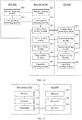
- FIG. 1 shows a schematic structural diagram of a wireless communications system involved in a service transmission method according to an embodiment of the present invention.
- An implementation environment is an LTE (Long Term Evolution, Long Term Evolution) wireless communications system, where the LTE wireless communications system includes an MCE (Multi-Cell/Multicast Coordination Entity, multi-cell/multicast coordination entity), an eNB (Evolved NodeB, evolved NodeB), and UE (User Equipment, user equipment).
- MCE Multi-Cell/Multicast Coordination Entity, multi-cell/multicast coordination entity
- eNB evolved NodeB
- UE User Equipment, user equipment
- the MCE communicates with the eNB by using an M2 (E-UTRAN internal control plane interface, E-UTRAN internal control plane interface); and the eNB communicates with the UE by using a wireless network.
- M2 E-UTRAN internal control plane interface, E-UTRAN internal control plane interface
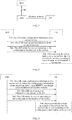
- FIG. 2 shows a method flowchart of a service transmission method according to an embodiment of the present invention.
- the service transmission method includes:
- the configuration information of the service is used for indicating a transmission manner of the service, and the service includes an emergency service or a burst service.
- the UE receives the configuration information of the service sent by the eNB.
- Step 204 The eNB sends an arrival indication of the service to the UE.
- the eNB When the service needs to be sent, the eNB sends the arrival indication of the service to the UE.
- the UE receives the arrival indication of the service sent by the eNB.
- Step 206 The eNB sends the service according to the configuration information of the service.
- the eNB sends the service to the UE according to the configuration information of the service.
- Step 208 After receiving the arrival indication of the service, the UE receives the service according to the configuration information of the service.
- a base station sends configuration information of the service to UE, and triggers, by using an arrival indication of the service, the UE to receive a service, so as to resolve a problem that a conventional MBMS cannot transmit an emergency service or a burst service, and achieve an effect that the UE may be triggered by using the arrival indication of the service to receive the service, thereby satisfying a transmission requirement brought about by unpredictability of an emergency service or a burst service.
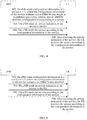
- FIG. 3 shows a method flowchart of a service transmission method according to another embodiment of the present invention.
- the service transmission method includes:
- a service in this embodiment is an emergency service or a burst service, and assuming that all MBSFN subframes are used for transmitting the emergency service or the burst service, in this case, the configuration information of the service that the eNB needs to provide to the UE includes two pieces of content: the non-MBSFN area length and the modulation and coding scheme.
- the non-MBSFN area length refers that: in an MBSFN subframe, not all symbols are used for MBSFN transmission, and several symbols in the front of the MBSFN subframe are not used for MBSFN transmission; and a length of these several symbols, that is, a non-MBSFN area length needs to be indicated. That is, the non-MBSFN area length denotes a length of an area that is not used for transmitting an MBMS service and is in the MBSFN subframe; another area in the MBSFN subframe except the area identified by the non-MBSFN area length is an area used for transmitting the MBMS service, and the MBMS service in this case is an emergency service or a burst service.
- an MBSFN area length denotes a length of an area that is used for transmitting the MBMS service and is in the MBSFN subframe.
- the modulation and coding scheme refers to: a modulation and coding scheme of the MBMS service.
- the UE receives the configuration information of the service sent by the eNB.
- the eNB may send the configuration information of the service to the UE by using a broadcast message or a paging message.
- Step 304 The eNB sends an arrival indication of the service to the UE.
- the eNB When an emergency service or a burst service that needs to be sent exists, the eNB sends the arrival indication of the service to the UE.
- the UE receives the arrival indication of the service sent by the eNB.
- the eNB may send the arrival indication of the service to the UE by using a broadcast message and/or a paging message.
- Step 306 The eNB sends the service according to the configuration information of the service.
- the eNB sends the service to the UE in a transmission manner indicated by the configuration information of the service.
- the eNB sends the emergency service or the burst service to the UE according to the MBSFN subframe and the modulation and coding scheme that are indicated by the configuration information of the service.
- Step 308 After receiving the arrival indication of the service, the UE receives the service according to the configuration information of the service.
- the UE After receiving the arrival indication of the service, the UE receives the service in the transmission manner indicated by the configuration information of the service.
- the UE receives the emergency service or the burst service according to the MBSFN subframe and the modulation and coding scheme that are indicated by the configuration information of the service.
- an MBMS subframe is further used to transmit an emergency service or a burst service; because an MBMS subframe itself is designed for a multicast or broadcast multimedia service, when an MBMS subframe is used to transmit an emergency service or a burst service, service data does not need to be divided into small data packets, and the service data may be transmitted by making full use of time frequency resources in multiple MBMS subframes.
- a time delay during transmission of an emergency service or a burst service is very small, which can satisfy a requirement of an emergency service or a burst service with a large data volume on time delay performance.
- FIG. 4 shows a method flowchart of a service transmission method according to still another embodiment of the present invention.
- the service transmission method includes:
- the service in this embodiment is an emergency service or a burst service, and assuming that only some subframes of all MBSFN subframes are used for transmitting the emergency service or the burst service, in this case, the configuration information of the service that the eNB needs to provide to the UE includes three pieces of content: the non-MBSFN area length, the modulation and coding scheme, and the MBSFN subframe configuration corresponding to the service.
- the newly added "MBSFN subframe configuration corresponding to the service" is used for indicating an MBSFN subframe resource in all the MBSFN subframes that is exclusively used for transmitting an emergency service or a burst service.
- the MBSFN subframe configuration corresponding to the service includes any one of the following three configurations:
- the first configuration only some MBSFN subframes of all the MBSFN subframes are used for transmitting an emergency service or a burst service. However, if an MBSFN subframe is used for transmitting an emergency service or a burst service, all time frequency resources in the MBSFN subframe that are used for MBSFN transmission are used for transmitting the emergency service or the burst service.
- all MBSFN subframes are used for transmitting an emergency service or a burst service, but only some time frequency resources in each MBSFN subframe are used for transmitting the emergency service or the burst service.
- the some time frequency resources refer to: some symbols in a time domain and all subcarriers in a frequency domain in an MBSFN subframe; or some subcarriers in a frequency domain and all symbols in a time domain in an MBSFN subframe; or some symbols in a time domain and some subcarriers in a frequency domain in an MBSFN subframe.
- the third configuration only some MBSFN subframes are used for transmitting an emergency service or a burst service, and moreover, if an MBSFN subframe is used for transmitting an emergency service or a burst service, only some time frequency resources in the MBSFN subframe are used for transmitting the emergency service or the burst service as well.
- the UE receives the configuration information of the service sent by the eNB.
- the eNB may send the configuration information of the service to the UE by using a broadcast message or a paging message.
- Step 404 The eNB sends an arrival indication of the service to the UE.
- the eNB When an emergency service or a burst service that needs to be sent exists, the eNB sends the arrival indication of the service to the UE.
- the UE receives the arrival indication of the service sent by the eNB.
- the eNB may send the arrival indication of the service to the UE by using a broadcast message and/or a paging message.
- Step 406 The eNB sends the service according to the configuration information of the service.
- the eNB sends the service to the UE in a transmission manner indicated by the configuration information of the service.
- the eNB sends the emergency service or the burst service to the UE according to the MBSFN subframe and the modulation and coding scheme that are indicated by the configuration information of the service.
- Step 408 After receiving the arrival indication of the service, the UE receives the service according to the configuration information of the service.
- the UE After receiving the arrival indication of the service, the UE receives the service in the transmission manner indicated by the configuration information of the service.
- the UE receives the emergency service or the burst service according to the MBSFN subframe and the modulation and coding scheme that are indicated by the configuration information of the service.
- an MBMS subframe is further used to transmit an emergency service or a burst service; because an MBMS subframe itself is designed for a multicast or broadcast multimedia service, when an MBMS subframe is used to transmit an emergency service or a burst service, service data does not need to be divided into small data packets, and the service data may be transmitted by making full use of time frequency resources in multiple MBMS subframes.
- a time delay during transmission of an emergency service or a burst service is very small, which can satisfy a requirement of an emergency service or a burst service with a large data volume on time delay performance.
- FIG. 5 shows a method flowchart of a service transmission method according to still another embodiment of the present invention.
- the service transmission method includes:
- a service in this embodiment is an emergency service or a burst service, and assuming that all MBSFN subframes in an MBSFN area are used for transmitting the emergency service or the burst service, in this case, the configuration information of the service that the eNB needs to provide to the UE may include only one piece of content: the MBSFN area identifier.
- Each MBSFN area corresponds to one MBSFN area identifier, and each MBSFN area identifier has corresponding configuration information in SIB13 in a broadcast message, where the configuration information includes: a non-MBSFN area length and a modulation and coding scheme.
- the UE receives the configuration information of the service sent by the eNB.
- the eNB may send the configuration information of the service to the UE by using a broadcast message or a paging message.
- the UE obtains, from broadcast information according to the MBSFN area identifier, the non-MBSFN area length and the modulation and coding scheme that correspond to the MBSFN area identifier.
- Step 504 The eNB sends an arrival indication of the service to the UE.
- the eNB When an emergency service or a burst service that needs to be sent exists, the eNB sends the arrival indication of the service to the UE.
- the UE receives the arrival indication of the service sent by the eNB.
- the eNB may send the arrival indication of the service to the UE by using a broadcast message and/or a paging message.
- Step 506 The eNB sends the service according to the configuration information of the service.
- the eNB sends the service to the UE in a transmission manner indicated by the configuration information of the service.
- the eNB sends the emergency service or the burst service to the UE according to the MBSFN subframe resource and the modulation and coding scheme that are indicated by the configuration information of the service.
- Step 508 After receiving the arrival indication of the service, the UE receives the service according to the configuration information of the service.
- the UE After receiving the arrival indication of the service, the UE receives the service in the transmission manner indicated by the configuration information of the service.
- the UE receives the emergency service or the burst service according to the MBSFN subframe resource and the modulation and coding scheme that are indicated by the configuration information of the service.
- an MBMS subframe is further used to transmit an emergency service or a burst service; because an MBMS subframe itself is designed for a multicast or broadcast multimedia service, when an MBMS subframe is used to transmit an emergency service or a burst service, service data does not need to be divided into small data packets, and the service data may be transmitted by making full use of time frequency resources in multiple MBMS subframes.
- a time delay during transmission of an emergency service or a burst service is very small, which can satisfy a requirement of an emergency service or a burst service with a large data volume on time delay performance.
- FIG.6 shows a method flowchart of a service transmission method according to still another embodiment of the present invention.
- the service transmission method includes:
- the service in this embodiment is an emergency service or a burst service, and different from the embodiment shown in FIG. 4 , in this embodiment, an emergency service or a burst service is transmitted by using a subframe, where the subframe includes but is not limited to an MBSFN subframe, and may be another subframe that can transmit an emergency service and a burst service.
- the configuration information of the service that the eNB needs to provide to the UE includes two pieces of content: the subframe configuration corresponding to the service and the modulation and coding scheme.
- the subframe configuration corresponding to the service is used for indicating a subframe resource in all the subframes that is exclusively used for transmitting an emergency service or a burst service.
- the subframe configuration corresponding to the service includes any one of the following three configurations:
- the first configuration only some subframes of all subframes are used for transmitting an emergency service or a burst service. However, if a subframe is used for transmitting an emergency service or a burst service, all time frequency resources in the subframe that are used for service transmission are used for transmitting the emergency service or the burst service.
- all subframes are used for transmitting an emergency service or a burst service, but only some time frequency resources in each subframe are used for transmitting the emergency service or the burst service.
- the some time frequency resources refer to: some symbols in a time domain and all subcarriers in a frequency domain in a subframe; or some subcarriers in a frequency domain and all symbols in a time domain in a subframe; or some symbols in a time domain and some subcarriers in a frequency domain in a subframe.
- the third configuration only some subframes are used for transmitting an emergency service or a burst service, and moreover, if a subframe is used for transmitting an emergency service or a burst service, only some time frequency resources in the subframe are used for transmitting the emergency service or the burst service as well.
- the modulation and coding scheme is a modulation and coding scheme of the subframe.
- the UE receives the configuration information of the service sent by the eNB.
- the eNB may send the configuration information of the service to the UE by using a broadcast message or a paging message.
- Step 604 The eNB sends an arrival indication of the service to the UE.
- the eNB When an emergency service or a burst service that needs to be sent exists, the eNB sends the arrival indication of the service to the UE.
- the UE receives the arrival indication of the service sent by the eNB.
- the eNB may send the arrival indication of the service to the UE by using a broadcast message and/or a paging message.
- Step 606 The eNB sends the service according to the configuration information of the service.
- the eNB sends the service to the UE in a transmission manner indicated by the configuration information of the service.
- the eNB sends the emergency service or the burst service to the UE according to the subframe resource and the modulation and coding scheme that are indicated by the configuration information of the service.
- Step 608 After receiving the arrival indication of the service, the UE receives the service according to the configuration information of the service.
- the UE After receiving the arrival indication of the service, the UE receives the service in the transmission manner indicated by the configuration information of the service.
- the UE receives the emergency service or the burst service according to the subframe resource and the modulation and coding scheme that are indicated by the configuration information of the service.
- a subframe is further used to transmit an emergency service or a burst service; because a subframe itself is designed for transmitting service data, when a subframe is used to transmit an emergency service or a burst service, service data does not need to be divided into small data packets, and the service data may be transmitted by making full use of time frequency resources in multiple subframes.
- a time delay during transmission of an emergency service or a burst service is very small, which can satisfy a requirement of an emergency service or a burst service with a large data volume on time delay performance.
- the configuration information of the service that is sent by eNB to the UE may be delivered in advance by an MCE to the eNB, and for a specific process, reference may be made to the following embodiment:
- the MCE sends the configuration information of the service to the eNB in advance.
- this process may be completed in an M2 session setup process between the eNB and the MCE.
- the eNB first sends an M2 setup request to the MCE, and then, the MCE feeds back an M2 setup response to the eNB, where the M2 setup response carries the configuration information of the service.
- the configuration information of the service is used for indicating a transmission manner of the service, and the service includes an emergency service or a burst service.
- the configuration information of the service may be of any of four types, and therefore the configuration information of the service sent by the MCE may also be of any of the four types. That is, the configuration information of the service includes:
- the eNB receives the configuration information of the service sent by the MCE.
- Step 704 The eNB sends configuration information of the service to UE.
- This step may be implemented by using either of the following two substeps:
- the UE receives the configuration information of the service sent by the eNB, which may also be implemented by using either of the following two substeps that correspond to those on the eNB side:
- Step 706 The eNB sends an arrival indication of the service to the UE.
- the eNB When the service needs to be sent, the eNB sends the arrival indication of the service to the UE. This step may be implemented by using any one of the following three substeps:
- the UE receives the arrival indication of the service sent by the eNB, which may also be implemented by using one of the following three substeps that correspond to those on the eNB side:
- Step 708 The eNB sends the service according to the configuration information of the service.
- the eNB sends the service to the UE in the transmission manner indicated by the configuration information of the service.
- Step 710 After receiving the arrival indication of the service, the UE receives the service according to the configuration information of the service.
- the UE After receiving the arrival indication of the service, the UE receives the service in the transmission manner indicated by the configuration information of the service.
- Step 712 The eNB sends a service stop indication to the UE.
- the eNB After the service sending is completed, the eNB sends the service stop indication to the UE.
- This step may be implemented by using any one of the following three substeps:
- the UE receives the service stop indication sent by the eNB.
- This step may be implemented by using one of the following three substeps that correspond to those on the eNB side:
- Step 714 After receiving the service stop indication, the UE stops receiving the service.
- a base station sends configuration information of the service to UE, and triggers, by using an arrival indication of the service, the UE to receive a service, so as to resolve a problem that a conventional MBMS cannot transmit an emergency service or a burst service, and achieve an effect that the UE may be triggered by using the arrival indication of the service to receive the service, thereby satisfying a transmission requirement brought about by unpredictability of an emergency service or a burst service.
- step 704 there are two possible implementation manners for step 704
- Combination of different implementation manners of the foregoing parts into different specific embodiments can be easily figured out by a person skilled in the art, and is not described herein again due to a limitation on article length.
- the UE sends the capability indication to the eNB, where the capability indication denotes that the UE possesses a capability of receiving the service and another service simultaneously in the subframe corresponding to the service, and the service is an emergency service or a burst service; and the another service refers to a paging message, a broadcast message, or a unicast service.
- the UE may report the capability indication to the eNB in a process of accessing a wireless network.
- the eNB receives the capability indication sent by the UE.
- Step 804 The eNB sends configuration information of the service to the UE.
- the UE receives the configuration information of the service sent by the eNB.
- the configuration information of the service may be of either of the following two types:
- the UE receives the configuration information of the service sent by the eNB.
- Step 806 The eNB sends an arrival indication of the service to the UE.
- the eNB When an emergency service or a burst service that needs to be sent exists, the eNB sends the arrival indication of the service to the UE.
- the UE receives the arrival indication of the service sent by the eNB.
- Step 808 The eNB sends the service according to the configuration information of the service.
- step 804 the eNB sends the configuration information of the service of the first type, the eNB sends the service in the time frequency resource corresponding to the service in the MBSFN subframe configured in the configuration information of the service, and sends another service in a time frequency resource not corresponding to the service in the MBSFN subframe.
- step 804 the eNB sends the configuration information of the service of the second type, the eNB sends the service in the time frequency resource corresponding to the service in the subframe, the time frequency being configured in the configuration information of the service, and sends another service in a time frequency resource not corresponding to the service in the subframe.
- the another service may refer to a paging message, a broadcast message, or a unicast service.
- Step 810 After receiving the arrival indication of the service, the UE receives the service according to the configuration information of the service.
- step 804 the eNB sends the configuration information of the service of the first type, the UE receives the service in the time frequency resource corresponding to the service in the MBSFN subframe configured in the configuration information of the service, and detects whether another service exists in a time frequency resource not corresponding to the service in the MBSFN subframe; and if a detection result is that the another service exists, receives the another service in the time frequency resource not corresponding to the service in the MBSFN subframe.
- step 804 the eNB sends the configuration information of the service of the second type, the UE receives the service in the time frequency resource corresponding to the service in the subframe, the time frequency being configured in the configuration information of the service, and detects whether another service exists in a time frequency resource not corresponding to the service in the subframe; and if a detection result is that the another service exists, receives the another service in the time frequency resource not corresponding to the service in the subframe.
- the another service may refer to a paging message, a broadcast message, or a unicast service.
- Step 812 The eNB sends a service stop indication to the UE.
- the eNB After the service sending is completed, the eNB sends the service stop indication to the UE.
- the UE receives the service stop indication sent by the eNB.
- Step 814 After receiving the service stop indication, the UE stops receiving the service.
- an eNB not only transmits an emergency service or a burst service by using some time frequency resources in a subframe or an MBSFN subframe, but also schedules an area not corresponding to the emergency service or the burst service in the subframe or the MBSFN subframe for sending another service, where the another service may be a paging message, a broadcast message, a unicast service, or the like, so that in the subframe or the MBSFN subframe, not only is the emergency service or the burst service transmitted, but also the another service can be transmitted, thereby improving transmission and utilization efficiency of subframe resources.
- an emergency event such as an earthquake or a tsunami occurs, in a scenario in which available communications resources may be greatly reduced due to device damage, this embodiment can be of relatively great practical use.
- FIG. 9 shows a schematic structural diagram of a service transmission system according to an embodiment of the present invention.
- the service transmission system includes a base station 900 and UE 1000 (where the UE 1000 is optional in structural composition of the system), where the base station 900 and the UE 1000 are connected to each other by using a wireless network.
- a base station 900 and UE 1000 where the UE 1000 is optional in structural composition of the system
- the base station 900 and the UE 1000 are connected to each other by using a wireless network.
- the configuration sending module 920 is configured to send configuration information of a service to user equipment UE;
- the UE 1000 includes a service transmission apparatus implemented by using software or hardware or a combination thereof, and the service transmission apparatus includes: a configuration receiving module 1020, an arrival receiving module 1040, and a service receiving module 1060.
- the configuration receiving module 1020 is configured to receive configuration information of the service sent by a base station
- a base station sends configuration information of the service to UE, and triggers, by using an arrival indication of the service, the UE to receive a service, so as to resolve a problem that a conventional MBMS cannot transmit an emergency service or a burst service, and achieve an effect that the UE may be triggered by using the arrival indication of the service to receive the service, thereby satisfying a transmission requirement brought about by unpredictability of an emergency service or a burst service.
- FIG. 10 shows a schematic structural diagram of a service transmission system according to another embodiment of the present invention.
- the service transmission system includes an MCE 800, a base station 900 and UE 1000 (where the UE 1000 is optional in structural composition of the system), where the MCE 800 is connected to the base station 900 by using a wired network (such as an optic fiber), and the base station 900 and the UE 1000 are connected to each other by using a wireless network.
- a wired network such as an optic fiber
- the configuration delivering module 820 is configured to send configuration information of the service to the base station 900, so that the base station 900 receives the configuration information of the service, sends the configuration information of the service to the user equipment UE 1000, sends an arrival indication of the service to the UE 1000, and sends the service according to the configuration information of the service, so that after receiving the arrival indication of the service, the UE 1000 receives the service according to the configuration information of the service.
- the service transmission apparatus further includes: a request receiving module 840.
- the request receiving module 840 is configured to receive an M2 setup request sent by the base station.
- the configuration information of the service is preferably of any of the following four types:
- the MBSFN subframe configuration corresponding to the service includes:
- the subframe configuration corresponding to the service includes:
- the base station 900 includes a service transmission apparatus implemented by using software or hardware or a combination thereof, and the service transmission apparatus includes: a configuration sending module 920, an arrival sending module 940, a service sending module 960, and a stop sending module 980.
- the configuration sending module 920 is configured to send configuration information of a service to user equipment UE;
- the stop sending module 980 is configured to send a service stop indication to the UE, so that after receiving the service stop indication, the UE stops receiving the service.
- the configuration sending module 920 includes: a first configuration sending unit or a second configuration sending unit, where
- the first configuration sending unit is configured to send the configuration information of the service to the UE by using a system information block SIB in the broadcast message, where the SIB is any SIB.
- the arrival sending module 940 includes: a first arrival sending unit, a second arrival sending unit, or a third arrival sending unit, where
- the stop sending module 980 includes: a first stop sending unit, a second stop sending unit, or a third stop sending unit, where
- the base station 900 further includes: a configuration obtaining module 910, where
- the base station 900 further includes: a request sending module 905, where
- the configuration information of the service includes: the time frequency resource corresponding to the service in the MBSFN subframe; or the MBSFN subframe corresponding to the service, and the time frequency resource corresponding to the service in the MBSFN subframe,
- the configuration information of the service includes: the time frequency resource corresponding to the service in the subframe; or the subframe corresponding to the service, and the time frequency resource corresponding to the service in the subframe,
- the UE 1000 includes a service transmission apparatus implemented by using software or hardware or a combination thereof, and the service transmission apparatus includes: a configuration receiving module 1020, an arrival receiving module 1040, a service receiving module 1060 and a stop receiving module 1080.
- the configuration receiving module 1020 is configured to receive configuration information of a service sent by a base station;
- the stop receiving module 1080 is configured to receive a service stop indication sent by the base station.
- the configuration receiving module 1020 includes: a first configuration receiving unit or a second configuration receiving unit, where
- the first configuration receiving unit is configured to receive the configuration information of the service that is sent by the base station by using a system information block SIB in broadcast information, where the SIB is any SIB.
- the arrival receiving module 1040 includes: a first arrival receiving unit, a second arrival receiving unit, or a third arrival receiving unit, where
- the stop receiving module 1080 includes: a first stop receiving unit, a second stop receiving unit, or a third stop receiving unit, where
- the configuration information of the service includes: the time frequency resource corresponding to the service in the MBSFN subframe; or the MBSFN subframe corresponding to the service, and the time frequency resource corresponding to the service in the MBSFN subframe,
- the configuration information of the service includes: the time frequency resource corresponding to the service in the subframe; or the subframe corresponding to the service, and the time frequency resource corresponding to the service in the subframe,
- a subframe (which includes but is not limited to an MBSFN subframe) is further used to transmit an emergency service or a burst service; because a subframe itself is designed for transmitting service data, when a subframe is used to transmit an emergency service or a burst service, service data does not need to be divided into small data packets, and the service data may be transmitted by making full use of time frequency resources in multiple subframes.
- a time delay during transmission of an emergency service or a burst service is very small, which can satisfy a requirement of an emergency service or a burst service with a large data volume on time delay performance.
- a base station not only transmits an emergency service or a burst service by using some time frequency resources in a subframe or an MBSFN subframe, but also schedules an area not corresponding to the emergency service or the burst service in the subframe or the MBSFN subframe for sending another service, where the another service may be a paging message, a broadcast message, a unicast service, or the like, so that in the subframe or the MBSFN subframe, not only is the emergency service or the burst service transmitted, but also the another service can be transmitted, thereby improving transmission and utilization efficiency of subframe resources.
- an emergency event such as an earthquake or a tsunami occurs, in a scenario in which available communications resources may be greatly reduced due to device damage, this embodiment can be of relatively great practical use.
- FIG. 11 shows a structural block diagram of a service transmission system according to an embodiment of the present invention.
- the service transmission system includes a base station 1100 and UE 1200 (where the UE 1200 is optional in structural composition of the system), where the base station 1100 and the UE 1200 are connected to each other by using a wireless network.
- a base station 1100 and UE 1200 where the UE 1200 is optional in structural composition of the system
- the base station 1100 and the UE 1200 are connected to each other by using a wireless network.
- the UE 1200 includes: a receiver 1220, a processor 1240, and a memory 1260, where
- a base station sends configuration information of the service to UE, and triggers, by using an arrival indication of the service, the UE to receive a service, so as to resolve a problem that a conventional MBMS cannot transmit an emergency service or a burst service, and achieve an effect that the UE may be triggered by using the arrival indication of the service to receive the service, thereby satisfying a transmission requirement brought about by unpredictability of an emergency service or a burst service.
- FIG. 12 shows a structural block diagram of a service transmission system according to an embodiment of the present invention.
- the service transmission system includes an MCE 1300, a base station 1100 and UE 1200 (where the UE 1000 is optional in composition of the system), where the MCE 1300 and the base station 1100 are connected by using a wired network (such as an optic fiber), and the base station 1100 and the UE 1200 are connected to each other by using a wireless network.
- a wired network such as an optic fiber
- the MCE 1300 further includes: a receiver 1380, where
- the configuration information of the service is preferably of any of the following four types:
- the MBSFN subframe configuration corresponding to the service includes:
- the subframe configuration corresponding to the service includes:
- the base station 1100 includes: a processor 1120, a memory 1140, a transmitter 1160, and a receiver 1180, where
- the processor 1120 is further configured to control the transmitter 1160 to send a service stop indication to the UE, so that after receiving the service stop indication, the UE stops receiving the service.
- the processor 1120 is configured to control the transmitter 1160 to send, by using a broadcast message, the configuration information of the service to the UE; or
- the processor 1120 is configured to control the transmitter 1160 to send, by using a system information block SIB in the broadcast message, the configuration information of the service to the UE, where the SIB is any SIB.
- SIB system information block
- the processor 1120 is configured to control the transmitter 1160 to send, by using a paging message, the arrival indication of the service to the UE; or
- the processor 1120 is configured to control the transmitter 1160 to send, by using a paging message, the service stop indication to the UE;
- the receiver 1180 is configured to receive the configuration information of the service sent by a multi-cell/multicast coordination entity MCE; and
- the processor 1120 is configured to control the transmitter 1160 to send an M2 setup request to the MCE;
- the configuration information of the service includes: the time frequency resource corresponding to the service in the MBSFN subframe; or the MBSFN subframe corresponding to the service, and the time frequency resource corresponding to the service in the MBSFN subframe,
- the configuration information of the service includes: the time frequency resource corresponding to the service in the subframe; or the subframe corresponding to the service, and the time frequency resource corresponding to the service in the subframe,
- the terminal 1200 includes: a receiver 1220, a processor 1240, and a memory 1260, where
- the receiver 1220 is configured to receive the configuration information of the service that is sent by the base station by using a broadcast message; or
- the receiver 1220 is configured to receive the configuration information of the service that is sent by the base station by using a system information block SIB in broadcast information, where the SIB is any SIB.
- the receiver 1220 is configured to receive the arrival indication of the service that is sent by the base station by using a paging message; or
- the receiver 1220 is configured to receive a service stop indication sent by the base station.
- the receiver 1220 is configured to receive the service stop indication that is sent by the base station to the UE by using a paging message; or
- the configuration information of the service includes: the time frequency resource corresponding to the service in the MBSFN subframe; or the MBSFN subframe corresponding to the service, and the time frequency resource corresponding to the service in the MBSFN subframe,
- the configuration information of the service includes: the time frequency resource corresponding to the service in the subframe; or the subframe corresponding to the service, and the time frequency resource corresponding to the service in the subframe,
- a subframe (which includes but is not limited to an MBSFN subframe) is further used to transmit an emergency service or a burst service; because a subframe itself is designed for transmitting service data, when a subframe is used to transmit an emergency service or a burst service, service data does not need to be divided into small data packets, and the service data may be transmitted by making full use of time frequency resources in multiple subframes.
- a time delay during transmission of an emergency service or a burst service is very small, which can satisfy a requirement of an emergency service or a burst service with a large data volume on time delay performance.
- a base station not only transmits an emergency service or a burst service by using some time frequency resources in a subframe or an MBSFN subframe, but also schedules an area not corresponding to the emergency service or the burst service in the subframe or the MBSFN subframe for sending another service, where the another service may be a paging message, a broadcast message, a unicast service, or the like, so that in the subframe or the MBSFN subframe, not only is the emergency service or the burst service transmitted, but also the another service can be transmitted, thereby improving transmission and utilization efficiency of subframe resources.
- an emergency event such as an earthquake or a tsunami occurs, in a scenario in which available communications resources may be greatly reduced due to device damage, this embodiment can be of relatively great practical use.
- the program may be stored in a computer-readable storage medium.
- the storage medium may include: a read-only memory, a magnetic disk, or an optical disc.
Landscapes
- Engineering & Computer Science (AREA)
- Computer Networks & Wireless Communication (AREA)
- Signal Processing (AREA)
- Multimedia (AREA)
- Business, Economics & Management (AREA)
- Health & Medical Sciences (AREA)
- Emergency Management (AREA)
- Environmental & Geological Engineering (AREA)
- Public Health (AREA)
- Mobile Radio Communication Systems (AREA)
Claims (4)
- Procédé de transmission de service, appliqué à une station de base, dans lequel le procédé consiste à :envoyer (202 ; 302 ; 402) des informations de configuration d'un service à un équipement utilisateur (UE) à l'aide d'un message de diffusion ou d'un message de radiomessagerie ;envoyer (204 ; 304 ; 404) une indication d'arrivée du service à l'UE, dans lequel l'indication d'arrivée du service est utilisée pour que l'UE reçoive le service en provenance de la station de base en fonction des informations de configuration du service après que l'UE reçoit l'indication d'arrivée du service ; etenvoyer (206 ; 306 ; 406) le service en fonction des informations de configuration du service ;dans lequel le service se réfère à un service dont le déclenchement est imprévisible ;et dans lequel le service comprend un service d'urgence ou un service en rafale ;dans lequel une sous-trame de service de diffusion multimédia (MBMS) est utilisée pour transmettre le service d'urgence ou le service en rafale de telle sorte que des données de service ne soient pas divisées en petits paquets et les données de service sont transmises en faisant plein usage des ressources temps-fréquence dans de multiples sous-trames de service MBMS ;dans lequel les informations de configuration du service comprennent :une longueur de zone de réseau monofréquence de service de diffusion et de multidiffusion (MBSFN) qui n'est pas multimédia et un schéma de modulation et de codage ; ouune longueur de zone de réseau non MBSFN, un schéma de modulation et de codage et une configuration de sous-trame de réseau MBSFN correspondant au service ; ouun identifiant de zone de réseau MBSFN ; ouune configuration de sous-trame correspondant au service et un schéma de modulation et de codage ;dans lequel la configuration de sous-trame de réseau MBSFN correspondant au service comprend :une sous-trame de réseau MBSFN correspondant au service ; ouune ressource temps-fréquence correspondant au service dans une sous-trame de réseau MBSFN ; ouune sous-trame de réseau MBSFN correspondant au service et une ressource temps-fréquence correspondant au service dans la sous-trame de réseau MBSFN ;dans lequel la configuration de sous-trame correspondant au service comprend :une sous-trame correspondant au service ; ouune ressource temps-fréquence correspondant au service dans une sous-trame ; ouune sous-trame correspondant au service et une ressource temps-fréquence correspondant au service dans la sous-trame ;dans lequel l'envoi de l'indication d'arrivée du service à l'UE consiste à :envoyer l'indication d'arrivée du service à l'UE en utilisant un message de radiomessagerie ; ouenvoyer des informations de configuration d'une notification de changement de canal MCCH correspondant au service à l'UE en utilisant un message de diffusion, dans lequel la notification de changement de canal MCCH est utilisée pour envoyer l'indication d'arrivée du service à l'UE.
- Procédé de transmission de service, appliqué à un équipement utilisateur (UE), dans lequel le procédé consiste à :recevoir (202 ; 302 ; 402) des informations de configuration d'un service qui sont envoyées par la station de base à l'aide d'un message de diffusion ou d'un message de radiomessagerie ;recevoir (204 ; 304 ; 404) une indication d'arrivée du service envoyé par la station de base ; etaprès la réception de l'indication d'arrivée du service, recevoir (206 ; 306 ; 406) le service en fonction des informations de configuration du service, dans lequel le service est envoyé par la station de base en fonction des informations de configuration du service ;dans lequel le service se réfère à un service dont le déclenchement est imprévisible ;et dans lequel le service comprend un service d'urgence ou un service en rafale ;dans lequel une sous-trame de service de diffusion multimédia (MBMS) est utilisée pour transmettre le service d'urgence ou le service en rafale de telle sorte que des données de service ne soient pas divisées en petits paquets et les données de service sont transmises en faisant plein usage des ressources temps-fréquence dans de multiples sous-trames de service MBMS ;dans lequel les informations de configuration du service comprennent :une longueur de zone de réseau monofréquence de service de diffusion et de multidiffusion (MBSFN) qui n'est pas multimédia et un schéma de modulation et de codage ; ouune longueur de zone de réseau non MBSFN, un schéma de modulation et de codage et une configuration de sous-trame de réseau MBSFN correspondant au service ; ouun identifiant de zone de réseau MBSFN ; ouune configuration de sous-trame correspondant au service et un schéma de modulation et de codage ;dans lequel la configuration de sous-trame de réseau MBSFN correspondant au service comprend :une sous-trame de réseau MBSFN correspondant au service ; ouune ressource temps-fréquence correspondant au service dans une sous-trame de réseau MBSFN ; ouune sous-trame de réseau MBSFN correspondant au service et une ressource temps-fréquence correspondant au service dans la sous-trame de réseau MBSFN ;dans lequel la configuration de sous-trame correspondant au service comprend :une sous-trame correspondant au service ; ouune ressource temps-fréquence correspondant au service dans une sous-trame ; ouune sous-trame correspondant au service et une ressource temps-fréquence correspondant au service dans la sous-trame ;dans lequel la réception de l'indication d'arrivée du service envoyé par la station de base consiste à :recevoir l'indication d'arrivée du service qui est envoyé par la station de base en utilisant un message de radiomessagerie ; ourecevoir des informations de configuration, envoyées par la station de base, en utilisant un message de diffusion, d'une notification de changement de canal MCCH correspondant au service ; et écouter la notification de changement de canal MCCH en fonction des informations de configuration de la notification de changement de canal MCCH, dans lequel la notification de changement de canal MCCH est utilisée pour envoyer l'indication d'arrivée du service à l'UE.
- Station de base, dans laquelle la station de base comprend :un module d'envoi de configuration (920), configuré pour envoyer des informations de configuration du service à un équipement utilisateur (UE) ;un module d'envoi d'arrivée (940), configuré pour envoyer une indication d'arrivée du service à l'UE, dans laquelle l'indication d'arrivée du service est utilisée pour que l'UE reçoive le service en provenance de la station de base en fonction des informations de configuration du service après que l'UE reçoit l'indication d'arrivée du service ; etun module d'envoi de service (960), configuré pour envoyer le service en fonction des informations de configuration du service ;dans laquelle le service se réfère à un service dont le déclenchement est imprévisible ; et dans laquelle le service comprend un service d'urgence ou un service en rafale ;dans laquelle une sous-trame de service de diffusion multimédia (MBMS) est utilisée pour transmettre le service d'urgence ou le service en rafale de telle sorte que des données de service ne soient pas divisées en petits paquets et les données de service sont transmises en faisant plein usage des ressources temps-fréquence dans de multiples sous-trames de service MBMS ;dans laquelle les informations de configuration du service comprennent :une longueur de zone de réseau monofréquence de service de diffusion et de multidiffusion (MBSFN) qui n'est pas multimédia et un schéma de modulation et de codage ; ouune longueur de zone de réseau non MBSFN, un schéma de modulation et de codage et une configuration de sous-trame de réseau MBSFN correspondant au service ; ouun identifiant de zone de réseau MBSFN ; ouune configuration de sous-trame correspondant au service et un schéma de modulation et de codage ;dans laquelle la configuration de sous-trame de réseau MBSFN correspondant au service comprend :une sous-trame de réseau MBSFN correspondant au service ; ouune ressource temps-fréquence correspondant au service dans une sous-trame de réseau MBSFN ; ouune sous-trame de réseau MBSFN correspondant au service et une ressource temps-fréquence correspondant au service dans la sous-trame de réseau MBSFN ;dans laquelle la configuration de sous-trame correspondant au service comprend :une sous-trame correspondant au service ; ouune ressource temps-fréquence correspondant au service dans une sous-trame ; ouune sous-trame correspondant au service et une ressource temps-fréquence correspondant au service dans la sous-trame ;dans laquelle le module d'envoi de configuration comprend : une première unité d'envoi de configuration ou une seconde unité d'envoi de configuration, dans laquelle la première unité d'envoi de configuration est configurée pour envoyer les informations de configuration du service à l'UE en utilisant un message de diffusion ;etla seconde unité d'envoi de configuration est configurée pour envoyer les informations de configuration du service à l'UE en utilisant un message de radiomessagerie ;dans laquelle le module d'envoi d'arrivée comprend : une première unité d'envoi d'arrivée ou une seconde unité d'envoi d'arrivée, dans laquelle la première unité d'envoi d'arrivée est configurée pour envoyer l'indication d'arrivée du service à l'UE en utilisant un message de radiomessagerie ;la seconde unité d'envoi d'arrivée est configurée pour envoyer des informations de configuration d'une notification de changement de canal MCCH correspondant au service à l'UE en utilisant un message de diffusion, dans laquelle la notification de changement de canal MCCH est utilisée pour envoyer l'indication d'arrivée du service à l'UE.
- Équipement utilisateur (UE), dans lequel l'UE comprend :un module de réception de configuration (1020), configuré pour recevoir des informations de configuration du service envoyé par une station de base ;un module de réception d'arrivée (1040), configuré pour recevoir une indication d'arrivée du service envoyé par la station de base ; etun module de réception de service (1060), configuré : après que l'indication d'arrivée du service est reçue, pour recevoir le service en fonction des informations de configuration du service, dans lequel le service est envoyé par la station de base en fonction des informations de configuration du service ;dans lequel le service se réfère à un service dont le déclenchement est imprévisible ;et dans lequel le service comprend un service d'urgence ou un service en rafale ;dans lequel une sous-trame de service de diffusion multimédia (MBMS) est utilisée pour transmettre le service d'urgence ou le service en rafale de telle sorte que des données de service ne soient pas divisées en petits paquets et les données de service sont transmises en faisant plein usage des ressources temps-fréquence dans de multiples sous-trames de service MBMS ; dans lequel les informations de configuration du service comprennent :une longueur de zone de réseau monofréquence de service de diffusion et de multidiffusion (MBSFN) qui n'est pas multimédia et un schéma de modulation et de codage ; ouune longueur de zone de réseau non MBSFN, un schéma de modulation et de codage et une configuration de sous-trame de réseau MBSFN correspondant au service ; ou un identifiant de zone de réseau MBSFN ; ouune configuration de sous-trame correspondant au service et un schéma de modulation et de codage ;dans lequel la configuration de sous-trame de réseau MBSFN correspondant au service comprend :une sous-trame de réseau MBSFN correspondant au service ; ouune ressource temps-fréquence correspondant au service dans une sous-trame de réseau MBSFN ; ouune sous-trame de réseau MBSFN correspondant au service et une ressource temps-fréquence correspondant au service dans la sous-trame de réseau MBSFN ;dans lequel la configuration de sous-trame correspondant au service comprend :une sous-trame correspondant au service ; ouune ressource temps-fréquence correspondant au service dans une sous-trame ; ouune sous-trame correspondant au service et une ressource temps-fréquence correspondant au service dans la sous-trame ;dans lequel le module de réception de configuration comprend : une première unité de réception de configuration ou une seconde unité de réception de configuration, où la première unité de réception de configuration est configurée pour recevoir les informations de configuration du service qui est envoyé par la station de base en utilisant un message de diffusion ; etla seconde unité de réception de configuration est configurée pour recevoir les informations de configuration du service qui est envoyé par la station de base en utilisant un message de radiomessagerie ;dans lequel le module de réception d'arrivée comprend : une première unité de réception d'arrivée ou une seconde unité de réception d'arrivée, dans lequel la première unité de réception d'arrivée est configurée pour recevoir l'indication d'arrivée du service qui est envoyé par la station de base en utilisant un message de radiomessagerie ;la seconde unité de réception d'arrivée est configurée pour recevoir des informations de configuration, envoyées par la station de base en utilisant un message de diffusion, d'une notification de changement de canal MCCH correspondant au service ; et écouter la notification de changement de canal MCCH en fonction des informations de configuration de la notification de changement de canal MCCH, dans lequel la notification de changement de canal MCCH est utilisée pour envoyer l'indication d'arrivée du service à l'UE.
Applications Claiming Priority (1)
| Application Number | Priority Date | Filing Date | Title |
|---|---|---|---|
| PCT/CN2013/076341 WO2014190493A1 (fr) | 2013-05-28 | 2013-05-28 | Procédé, dispositif, équipement et système de transmission de service |
Publications (3)
| Publication Number | Publication Date |
|---|---|
| EP2996362A1 EP2996362A1 (fr) | 2016-03-16 |
| EP2996362A4 EP2996362A4 (fr) | 2016-06-01 |
| EP2996362B1 true EP2996362B1 (fr) | 2017-10-11 |
Family
ID=51987854
Family Applications (1)
| Application Number | Title | Priority Date | Filing Date |
|---|---|---|---|
| EP13886048.1A Active EP2996362B1 (fr) | 2013-05-28 | 2013-05-28 | Procédé, dispositif, équipement et système de transmission de service |
Country Status (4)
| Country | Link |
|---|---|
| US (1) | US20160081061A1 (fr) |
| EP (1) | EP2996362B1 (fr) |
| CN (1) | CN104521251B (fr) |
| WO (1) | WO2014190493A1 (fr) |
Families Citing this family (5)
| Publication number | Priority date | Publication date | Assignee | Title |
|---|---|---|---|---|
| CN107733616A (zh) * | 2016-08-12 | 2018-02-23 | 中兴通讯股份有限公司 | 一种业务处理方法及装置 |
| CN112087761B (zh) * | 2017-01-05 | 2023-10-03 | 华为技术有限公司 | 资源映射方法及用户设备 |
| US12563076B2 (en) * | 2022-06-10 | 2026-02-24 | Capital One Services, Llc | Systems and methods for risk aware outbound communication scanning |
| GB2642236A (en) * | 2024-06-27 | 2026-01-07 | Nokia Technologies Oy | Supporting extreme bit rate service |
| GB2642234A (en) * | 2024-06-27 | 2026-01-07 | Nokia Technologies Oy | Supporting extreme bit rate service |
Family Cites Families (12)
| Publication number | Priority date | Publication date | Assignee | Title |
|---|---|---|---|---|
| ATE394766T1 (de) * | 2004-12-23 | 2008-05-15 | Ericsson Telefon Ab L M | Verfahren zum informieren mehrerer mobiler endgeräte über ein notereignis |
| CN101626545A (zh) * | 2008-07-10 | 2010-01-13 | 大唐移动通信设备有限公司 | 一种传输embms的方法、系统及装置 |
| CN101707737B (zh) * | 2008-08-11 | 2013-04-17 | 华为技术有限公司 | 标识发送、获取方法及演进基站、终端和通信系统 |
| CN101656915A (zh) * | 2008-08-18 | 2010-02-24 | 中兴通讯股份有限公司 | 应急告警系统中灾难通知信息及紧急通知信息的传送方法 |
| CN101771429B (zh) * | 2008-12-30 | 2013-06-12 | 中兴通讯股份有限公司 | 基于多载波系统的信道处理方法 |
| CN101998264B (zh) * | 2009-08-17 | 2013-03-20 | 华为技术有限公司 | 一种mbsfn子帧位置、用途的通知方法及装置 |
| CN102158807B (zh) * | 2010-02-11 | 2015-01-28 | 中兴通讯股份有限公司 | Mcch通知信息的监听方法及装置、用户设备 |
| CN102158808B (zh) * | 2010-02-11 | 2016-03-30 | 中兴通讯股份有限公司 | Mcch信息的接收方法及装置、用户设备 |
| CN102611993B (zh) * | 2011-01-19 | 2015-04-29 | 华为技术有限公司 | 组播控制信道变更通知的传输方法、装置及系统 |
| US9936472B2 (en) * | 2011-02-08 | 2018-04-03 | Qualcomm Incorporated | Method and apparatus for counting devices related to broadcast data services |
| CN102572713B (zh) * | 2012-01-30 | 2014-08-20 | 电信科学技术研究院 | 一种mbms接收和能力传输方法及其装置 |
| US9603066B2 (en) * | 2012-06-18 | 2017-03-21 | Qualcomm Incorporated | EMBMS service continuity during UE mobility |
-
2013
- 2013-05-28 EP EP13886048.1A patent/EP2996362B1/fr active Active
- 2013-05-28 CN CN201380003395.4A patent/CN104521251B/zh active Active
- 2013-05-28 WO PCT/CN2013/076341 patent/WO2014190493A1/fr not_active Ceased
-
2015
- 2015-11-25 US US14/952,415 patent/US20160081061A1/en not_active Abandoned
Non-Patent Citations (1)
| Title |
|---|
| None * |
Also Published As
| Publication number | Publication date |
|---|---|
| CN104521251B (zh) | 2018-12-25 |
| US20160081061A1 (en) | 2016-03-17 |
| WO2014190493A1 (fr) | 2014-12-04 |
| EP2996362A1 (fr) | 2016-03-16 |
| EP2996362A4 (fr) | 2016-06-01 |
| CN104521251A (zh) | 2015-04-15 |
Similar Documents
| Publication | Publication Date | Title |
|---|---|---|
| KR101500474B1 (ko) | Mbms 카운팅 응답 요청 및 피드백 방법 | |
| EP3076690B1 (fr) | Procédé et dispositif de maintien de continuité de service | |
| EP2445284B1 (fr) | Procédé et système de notification pour mises à jour de contenu de canal de commande de service multidiffusion/diffusion multimédia | |
| CN102158808B (zh) | Mcch信息的接收方法及装置、用户设备 | |
| CN102158807B (zh) | Mcch通知信息的监听方法及装置、用户设备 | |
| KR101341934B1 (ko) | 브로드캐스트 멀티캐스트 시스템에서 제어 정보를 전송하고 획득하기 위한 방법, 기지국 및 사용자 장치 | |
| US20180317066A1 (en) | Vehicle network v2x service forwarding method and apparatus | |
| EP2827620A1 (fr) | Procédé et appareil pour une rétroaction de service de services de diffusion/multidiffusion multimédia (MBMS) | |
| CN107135486B (zh) | 多播或组播业务的传输方法及装置 | |
| US12225434B2 (en) | Method and apparatus for transmitting and receiving data in wireless communication system | |
| EP2584798B1 (fr) | Procédé, dispositif et terminal utilisateur permettant d'obtenir un état de réception de service d'un côté terminal utilisateur par un côté réseau | |
| US20190149958A1 (en) | Methods, Apparatuses and Computer Program for Transmission Format/Retransmission Adaptation in Wireless Network | |
| CN105635985B (zh) | 确定挂起业务的方法及装置、指示信息处理方法及装置 | |
| EP2996362B1 (fr) | Procédé, dispositif, équipement et système de transmission de service | |
| EP3125466B1 (fr) | Procédé de traitement d'erreur mbms, noeud de communication, système de communication et support d'informations | |
| US20230007445A1 (en) | Service transmission method, service transmission mode configuration method, and related device | |
| CN102948177B (zh) | 传送多媒体广播多播业务接收状态的方法及装置 | |
| US9692610B2 (en) | Method and related device for indicating and identifying physical resource block PRB | |
| CN102905224A (zh) | 通知信息的发送方法、基站及系统 | |
| CN103581832B (zh) | 一种集群业务的下发、接收的方法、设备和系统 | |
| HK1166920B (en) | Notification method and system for content updates of multimedia broadcast multicast service control channel |
Legal Events
| Date | Code | Title | Description |
|---|---|---|---|
| PUAI | Public reference made under article 153(3) epc to a published international application that has entered the european phase |
Free format text: ORIGINAL CODE: 0009012 |
|
| 17P | Request for examination filed |
Effective date: 20151208 |
|
| AK | Designated contracting states |
Kind code of ref document: A1 Designated state(s): AL AT BE BG CH CY CZ DE DK EE ES FI FR GB GR HR HU IE IS IT LI LT LU LV MC MK MT NL NO PL PT RO RS SE SI SK SM TR |
|
| AX | Request for extension of the european patent |
Extension state: BA ME |
|
| A4 | Supplementary search report drawn up and despatched |
Effective date: 20160429 |
|
| RIC1 | Information provided on ipc code assigned before grant |
Ipc: H04W 4/06 20090101AFI20160422BHEP |
|
| DAX | Request for extension of the european patent (deleted) | ||
| GRAP | Despatch of communication of intention to grant a patent |
Free format text: ORIGINAL CODE: EPIDOSNIGR1 |
|
| INTG | Intention to grant announced |
Effective date: 20170420 |
|
| GRAS | Grant fee paid |
Free format text: ORIGINAL CODE: EPIDOSNIGR3 |
|
| GRAA | (expected) grant |
Free format text: ORIGINAL CODE: 0009210 |
|
| AK | Designated contracting states |
Kind code of ref document: B1 Designated state(s): AL AT BE BG CH CY CZ DE DK EE ES FI FR GB GR HR HU IE IS IT LI LT LU LV MC MK MT NL NO PL PT RO RS SE SI SK SM TR |
|
| REG | Reference to a national code |
Ref country code: GB Ref legal event code: FG4D |
|
| REG | Reference to a national code |
Ref country code: CH Ref legal event code: EP |
|
| REG | Reference to a national code |
Ref country code: IE Ref legal event code: FG4D |
|
| REG | Reference to a national code |
Ref country code: AT Ref legal event code: REF Ref document number: 937015 Country of ref document: AT Kind code of ref document: T Effective date: 20171115 |
|
| REG | Reference to a national code |
Ref country code: DE Ref legal event code: R096 Ref document number: 602013027980 Country of ref document: DE |
|
| REG | Reference to a national code |
Ref country code: NL Ref legal event code: MP Effective date: 20171011 |
|
| REG | Reference to a national code |
Ref country code: LT Ref legal event code: MG4D |
|
| REG | Reference to a national code |
Ref country code: AT Ref legal event code: MK05 Ref document number: 937015 Country of ref document: AT Kind code of ref document: T Effective date: 20171011 |
|
| PG25 | Lapsed in a contracting state [announced via postgrant information from national office to epo] |
Ref country code: NL Free format text: LAPSE BECAUSE OF FAILURE TO SUBMIT A TRANSLATION OF THE DESCRIPTION OR TO PAY THE FEE WITHIN THE PRESCRIBED TIME-LIMIT Effective date: 20171011 |
|
| PG25 | Lapsed in a contracting state [announced via postgrant information from national office to epo] |
Ref country code: FI Free format text: LAPSE BECAUSE OF FAILURE TO SUBMIT A TRANSLATION OF THE DESCRIPTION OR TO PAY THE FEE WITHIN THE PRESCRIBED TIME-LIMIT Effective date: 20171011 Ref country code: ES Free format text: LAPSE BECAUSE OF FAILURE TO SUBMIT A TRANSLATION OF THE DESCRIPTION OR TO PAY THE FEE WITHIN THE PRESCRIBED TIME-LIMIT Effective date: 20171011 Ref country code: NO Free format text: LAPSE BECAUSE OF FAILURE TO SUBMIT A TRANSLATION OF THE DESCRIPTION OR TO PAY THE FEE WITHIN THE PRESCRIBED TIME-LIMIT Effective date: 20180111 Ref country code: SE Free format text: LAPSE BECAUSE OF FAILURE TO SUBMIT A TRANSLATION OF THE DESCRIPTION OR TO PAY THE FEE WITHIN THE PRESCRIBED TIME-LIMIT Effective date: 20171011 Ref country code: LT Free format text: LAPSE BECAUSE OF FAILURE TO SUBMIT A TRANSLATION OF THE DESCRIPTION OR TO PAY THE FEE WITHIN THE PRESCRIBED TIME-LIMIT Effective date: 20171011 |
|
| PG25 | Lapsed in a contracting state [announced via postgrant information from national office to epo] |
Ref country code: LV Free format text: LAPSE BECAUSE OF FAILURE TO SUBMIT A TRANSLATION OF THE DESCRIPTION OR TO PAY THE FEE WITHIN THE PRESCRIBED TIME-LIMIT Effective date: 20171011 Ref country code: HR Free format text: LAPSE BECAUSE OF FAILURE TO SUBMIT A TRANSLATION OF THE DESCRIPTION OR TO PAY THE FEE WITHIN THE PRESCRIBED TIME-LIMIT Effective date: 20171011 Ref country code: RS Free format text: LAPSE BECAUSE OF FAILURE TO SUBMIT A TRANSLATION OF THE DESCRIPTION OR TO PAY THE FEE WITHIN THE PRESCRIBED TIME-LIMIT Effective date: 20171011 Ref country code: GR Free format text: LAPSE BECAUSE OF FAILURE TO SUBMIT A TRANSLATION OF THE DESCRIPTION OR TO PAY THE FEE WITHIN THE PRESCRIBED TIME-LIMIT Effective date: 20180112 Ref country code: IS Free format text: LAPSE BECAUSE OF FAILURE TO SUBMIT A TRANSLATION OF THE DESCRIPTION OR TO PAY THE FEE WITHIN THE PRESCRIBED TIME-LIMIT Effective date: 20180211 Ref country code: BG Free format text: LAPSE BECAUSE OF FAILURE TO SUBMIT A TRANSLATION OF THE DESCRIPTION OR TO PAY THE FEE WITHIN THE PRESCRIBED TIME-LIMIT Effective date: 20180111 Ref country code: AT Free format text: LAPSE BECAUSE OF FAILURE TO SUBMIT A TRANSLATION OF THE DESCRIPTION OR TO PAY THE FEE WITHIN THE PRESCRIBED TIME-LIMIT Effective date: 20171011 |
|
| REG | Reference to a national code |
Ref country code: DE Ref legal event code: R097 Ref document number: 602013027980 Country of ref document: DE |
|
| PG25 | Lapsed in a contracting state [announced via postgrant information from national office to epo] |
Ref country code: CZ Free format text: LAPSE BECAUSE OF FAILURE TO SUBMIT A TRANSLATION OF THE DESCRIPTION OR TO PAY THE FEE WITHIN THE PRESCRIBED TIME-LIMIT Effective date: 20171011 Ref country code: SK Free format text: LAPSE BECAUSE OF FAILURE TO SUBMIT A TRANSLATION OF THE DESCRIPTION OR TO PAY THE FEE WITHIN THE PRESCRIBED TIME-LIMIT Effective date: 20171011 Ref country code: EE Free format text: LAPSE BECAUSE OF FAILURE TO SUBMIT A TRANSLATION OF THE DESCRIPTION OR TO PAY THE FEE WITHIN THE PRESCRIBED TIME-LIMIT Effective date: 20171011 Ref country code: DK Free format text: LAPSE BECAUSE OF FAILURE TO SUBMIT A TRANSLATION OF THE DESCRIPTION OR TO PAY THE FEE WITHIN THE PRESCRIBED TIME-LIMIT Effective date: 20171011 |
|
| PLBE | No opposition filed within time limit |
Free format text: ORIGINAL CODE: 0009261 |
|
| STAA | Information on the status of an ep patent application or granted ep patent |
Free format text: STATUS: NO OPPOSITION FILED WITHIN TIME LIMIT |
|
| PG25 | Lapsed in a contracting state [announced via postgrant information from national office to epo] |
Ref country code: RO Free format text: LAPSE BECAUSE OF FAILURE TO SUBMIT A TRANSLATION OF THE DESCRIPTION OR TO PAY THE FEE WITHIN THE PRESCRIBED TIME-LIMIT Effective date: 20171011 Ref country code: IT Free format text: LAPSE BECAUSE OF FAILURE TO SUBMIT A TRANSLATION OF THE DESCRIPTION OR TO PAY THE FEE WITHIN THE PRESCRIBED TIME-LIMIT Effective date: 20171011 Ref country code: SM Free format text: LAPSE BECAUSE OF FAILURE TO SUBMIT A TRANSLATION OF THE DESCRIPTION OR TO PAY THE FEE WITHIN THE PRESCRIBED TIME-LIMIT Effective date: 20171011 Ref country code: PL Free format text: LAPSE BECAUSE OF FAILURE TO SUBMIT A TRANSLATION OF THE DESCRIPTION OR TO PAY THE FEE WITHIN THE PRESCRIBED TIME-LIMIT Effective date: 20171011 |
|
| 26N | No opposition filed |
Effective date: 20180712 |
|
| PG25 | Lapsed in a contracting state [announced via postgrant information from national office to epo] |
Ref country code: SI Free format text: LAPSE BECAUSE OF FAILURE TO SUBMIT A TRANSLATION OF THE DESCRIPTION OR TO PAY THE FEE WITHIN THE PRESCRIBED TIME-LIMIT Effective date: 20171011 |
|
| REG | Reference to a national code |
Ref country code: CH Ref legal event code: PL |
|
| GBPC | Gb: european patent ceased through non-payment of renewal fee |
Effective date: 20180528 |
|
| REG | Reference to a national code |
Ref country code: BE Ref legal event code: MM Effective date: 20180531 |
|
| PG25 | Lapsed in a contracting state [announced via postgrant information from national office to epo] |
Ref country code: MC Free format text: LAPSE BECAUSE OF FAILURE TO SUBMIT A TRANSLATION OF THE DESCRIPTION OR TO PAY THE FEE WITHIN THE PRESCRIBED TIME-LIMIT Effective date: 20171011 |
|
| REG | Reference to a national code |
Ref country code: IE Ref legal event code: MM4A |
|
| PG25 | Lapsed in a contracting state [announced via postgrant information from national office to epo] |
Ref country code: CH Free format text: LAPSE BECAUSE OF NON-PAYMENT OF DUE FEES Effective date: 20180531 Ref country code: LI Free format text: LAPSE BECAUSE OF NON-PAYMENT OF DUE FEES Effective date: 20180531 |
|
| PG25 | Lapsed in a contracting state [announced via postgrant information from national office to epo] |
Ref country code: LU Free format text: LAPSE BECAUSE OF NON-PAYMENT OF DUE FEES Effective date: 20180528 |
|
| PG25 | Lapsed in a contracting state [announced via postgrant information from national office to epo] |
Ref country code: GB Free format text: LAPSE BECAUSE OF NON-PAYMENT OF DUE FEES Effective date: 20180528 Ref country code: FR Free format text: LAPSE BECAUSE OF NON-PAYMENT OF DUE FEES Effective date: 20180531 Ref country code: IE Free format text: LAPSE BECAUSE OF NON-PAYMENT OF DUE FEES Effective date: 20180528 |
|
| PG25 | Lapsed in a contracting state [announced via postgrant information from national office to epo] |
Ref country code: BE Free format text: LAPSE BECAUSE OF NON-PAYMENT OF DUE FEES Effective date: 20180531 |
|
| PG25 | Lapsed in a contracting state [announced via postgrant information from national office to epo] |
Ref country code: MT Free format text: LAPSE BECAUSE OF NON-PAYMENT OF DUE FEES Effective date: 20180528 |
|
| PG25 | Lapsed in a contracting state [announced via postgrant information from national office to epo] |
Ref country code: TR Free format text: LAPSE BECAUSE OF FAILURE TO SUBMIT A TRANSLATION OF THE DESCRIPTION OR TO PAY THE FEE WITHIN THE PRESCRIBED TIME-LIMIT Effective date: 20171011 |
|
| PG25 | Lapsed in a contracting state [announced via postgrant information from national office to epo] |
Ref country code: PT Free format text: LAPSE BECAUSE OF FAILURE TO SUBMIT A TRANSLATION OF THE DESCRIPTION OR TO PAY THE FEE WITHIN THE PRESCRIBED TIME-LIMIT Effective date: 20171011 |
|
| PG25 | Lapsed in a contracting state [announced via postgrant information from national office to epo] |
Ref country code: HU Free format text: LAPSE BECAUSE OF FAILURE TO SUBMIT A TRANSLATION OF THE DESCRIPTION OR TO PAY THE FEE WITHIN THE PRESCRIBED TIME-LIMIT; INVALID AB INITIO Effective date: 20130528 Ref country code: MK Free format text: LAPSE BECAUSE OF NON-PAYMENT OF DUE FEES Effective date: 20171011 Ref country code: CY Free format text: LAPSE BECAUSE OF FAILURE TO SUBMIT A TRANSLATION OF THE DESCRIPTION OR TO PAY THE FEE WITHIN THE PRESCRIBED TIME-LIMIT Effective date: 20171011 |
|
| PG25 | Lapsed in a contracting state [announced via postgrant information from national office to epo] |
Ref country code: AL Free format text: LAPSE BECAUSE OF FAILURE TO SUBMIT A TRANSLATION OF THE DESCRIPTION OR TO PAY THE FEE WITHIN THE PRESCRIBED TIME-LIMIT Effective date: 20171011 |
|
| PGFP | Annual fee paid to national office [announced via postgrant information from national office to epo] |
Ref country code: DE Payment date: 20250402 Year of fee payment: 13 |