EP2997159B1 - Procédé de détermination de la prédisposition d'un individu humain à contracter une maladie myeloïde hematopoïetique maligne - Google Patents
Procédé de détermination de la prédisposition d'un individu humain à contracter une maladie myeloïde hematopoïetique maligne Download PDFInfo
- Publication number
- EP2997159B1 EP2997159B1 EP14723796.0A EP14723796A EP2997159B1 EP 2997159 B1 EP2997159 B1 EP 2997159B1 EP 14723796 A EP14723796 A EP 14723796A EP 2997159 B1 EP2997159 B1 EP 2997159B1
- Authority
- EP
- European Patent Office
- Prior art keywords
- dnmt3a
- dnam
- dna
- methylation level
- aml
- Prior art date
- Legal status (The legal status is an assumption and is not a legal conclusion. Google has not performed a legal analysis and makes no representation as to the accuracy of the status listed.)
- Active
Links
Images






Classifications
-
- C—CHEMISTRY; METALLURGY
- C12—BIOCHEMISTRY; BEER; SPIRITS; WINE; VINEGAR; MICROBIOLOGY; ENZYMOLOGY; MUTATION OR GENETIC ENGINEERING
- C12Q—MEASURING OR TESTING PROCESSES INVOLVING ENZYMES, NUCLEIC ACIDS OR MICROORGANISMS; COMPOSITIONS OR TEST PAPERS THEREFOR; PROCESSES OF PREPARING SUCH COMPOSITIONS; CONDITION-RESPONSIVE CONTROL IN MICROBIOLOGICAL OR ENZYMOLOGICAL PROCESSES
- C12Q1/00—Measuring or testing processes involving enzymes, nucleic acids or microorganisms; Compositions therefor; Processes of preparing such compositions
- C12Q1/68—Measuring or testing processes involving enzymes, nucleic acids or microorganisms; Compositions therefor; Processes of preparing such compositions involving nucleic acids
- C12Q1/6876—Nucleic acid products used in the analysis of nucleic acids, e.g. primers or probes
- C12Q1/6883—Nucleic acid products used in the analysis of nucleic acids, e.g. primers or probes for diseases caused by alterations of genetic material
- C12Q1/6886—Nucleic acid products used in the analysis of nucleic acids, e.g. primers or probes for diseases caused by alterations of genetic material for cancer
-
- C—CHEMISTRY; METALLURGY
- C12—BIOCHEMISTRY; BEER; SPIRITS; WINE; VINEGAR; MICROBIOLOGY; ENZYMOLOGY; MUTATION OR GENETIC ENGINEERING
- C12Q—MEASURING OR TESTING PROCESSES INVOLVING ENZYMES, NUCLEIC ACIDS OR MICROORGANISMS; COMPOSITIONS OR TEST PAPERS THEREFOR; PROCESSES OF PREPARING SUCH COMPOSITIONS; CONDITION-RESPONSIVE CONTROL IN MICROBIOLOGICAL OR ENZYMOLOGICAL PROCESSES
- C12Q2600/00—Oligonucleotides characterized by their use
- C12Q2600/106—Pharmacogenomics, i.e. genetic variability in individual responses to drugs and drug metabolism
-
- C—CHEMISTRY; METALLURGY
- C12—BIOCHEMISTRY; BEER; SPIRITS; WINE; VINEGAR; MICROBIOLOGY; ENZYMOLOGY; MUTATION OR GENETIC ENGINEERING
- C12Q—MEASURING OR TESTING PROCESSES INVOLVING ENZYMES, NUCLEIC ACIDS OR MICROORGANISMS; COMPOSITIONS OR TEST PAPERS THEREFOR; PROCESSES OF PREPARING SUCH COMPOSITIONS; CONDITION-RESPONSIVE CONTROL IN MICROBIOLOGICAL OR ENZYMOLOGICAL PROCESSES
- C12Q2600/00—Oligonucleotides characterized by their use
- C12Q2600/154—Methylation markers
Definitions
- the invention relates to a method for determining a human individual's predisposition to contract a hematopoietic malignant myeloid disease.
- the invention also concerns a method for evaluating a human individual's response to a therapy for treating a hematopoietic malignant myeloid disease.
- DNA-methylation (DNAm) of CpG dinucleotides is a key epigenetic process. Upon cell division, the DNAm pattern is maintained on the newly synthesized DNA strand particularly by DNA methytransferase 1 (DNMT1), whereas DNMT3A and DNMT3B act as de novo methyltransferases.
- DNMT1 DNA methytransferase 1
- DNMT3A and DNMT3B act as de novo methyltransferases.
- DNMT3L co-regulatory methyltransferase-like protein
- active demethylation is promoted by methyl-CpG binding proteins or via a hydroxymethylate intermediate step.
- DNMT1, -3A, and -3B comprise two domains: the highly conserved C-terminal region containing catalytic motifs and the less conserved N-terminal regulatory domains that, in the case of DNMT3A and DNMT3B (as well as DNMT3L), include a PWWP domain (Pro-Trp-Trp-Pro motif) and a PHD finger-like domain (plant homeodomain). These two domains are required for targeting DNMT3s to heterochromatin and contribute to protein-protein interactions (such as recognition of unmethylated histone 3 lysine 4 (H3K4) or interaction with the H3K9 trimethylase SETDB1).
- H3K4 unmethylated histone 3 lysine 4
- Conditional ablation of DNMT3A in mice has been shown to increase the stem cell pool and to impair differentiation 1 .
- the relevance of DNMT3A is further supported by frequent mutations in acute myeloid leukemia (AML) 2;3 and myelodysplastic syndromes (MDS) 4 .
- AML acute myeloid leukemia
- MDS myelodysplastic syndromes
- DNMT3A are associated alterations of DNAm and/or gene expression profiles (such as HOXB genes) 6 . Furthermore, mutations in DNMT3A are associated with poor prognosis in AML and have hence been suggested for risk stratification 7 . Recently, high expression of DNMT3B has also been shown to be a poor prognostic marker in AML 8 . Furthermore, the role of DNMT-Inhibitors in the treatment of MDS and AML has been addressed in multiple clinical trials: treatment with azacytidine resulted in a longer overall survival, a lower transfusion frequency and a later transformation of MDS into AML. However, the exact mode of action of DNMT-inhibitors, predictive biomarkers, best schedule of administration and combination with other treatment modalities are still unknown.
- the de novo methyltransferases DNMT3A and DNMT3B play a pivotal role in epigenetic regulation and development of malignant diseases such as AML.
- malignant diseases such as AML.
- WO 2012/078288 A2 discloses methods for determining the risk of adverse outcome in a subject diagnosed with acute myeloid leukemia (AML) or myelodysplastic syndrome (MDS).
- the methods comprise providing a sample comprising bone marrow cells and/or peripheral blood from a subject diagnosed with AML or MDS, sequencing at least one exon of DNMT3A comprised by the sample, and identifying mutations, if any, in the DNMT3A gene.
- the object of the invention is to provide methods for use in diagnostics, approaches and selection of therapeutic regimen.
- the object is achieved by providing a method for determining a human individual's predisposition to contract a hematopoietic malignant myeloid disease, wherein the myeloid disease is acute myeloid leukemia (AML) or myelodysplastic syndrome (MDS), comprising:
- AML acute myeloid leukemia
- MDS myelodysplastic syndrome
- the reference methylation level may be an empirically determined methylation level of the specific region of healthy individuals and/or an average methylation level of the specific region of healthy individuals. That is, the reference value may be determined by way of an empirical study with healthy individuals, i.e. persons that do neither exhibit the disease nor belong to a risk-group. In order to achieve a reliable value for the percentage of methylated CpG-dinucleotides of a given CpG-dinucleotide site, an average methylation level can be determined to define the reference value.
- the object is further achieved by providing a method for evaluating a human individual's response to a therapy for treating a hematopoietic malignant myeloid disease, wherein the myeloid disease is acute myeloid leukemia (AML) or myelodysplastic syndrome (MDS), and wherein the therapy has been performed by administering at least one DNA-methyltransferase inhibitor or at least one anthracycline antibiotic, comprising:
- the first methylation level is a methylation level of a specific CpG-dinucleotide before the therapy is performed
- the second methylation level is a methylation level of the same specific CpG-dinucleotide after the therapy was performed.
- the DNA-methyltransferase inhibitor is azacitidine or decitabine.
- the anthracycline antibiotic may be daunorubicine or idarubicine.
- the specific region comprises at least one promoter region.
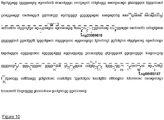
- the specific region comprises the nucleotide sequence of SEQ ID NO: 1.
- DNMT3A and DNMT3B are de novo DNA-methyltransferases which play pivotal roles in development of malignant diseases such as acute myeloid leukemia (AML). Both of them are alternatively spliced in a tissue- and disease-specific manner. However, so far little is known about the functional role of specific splice variants and their impact on the DNA methylation (DNAm) pattern. With the present invention it was discovered that an internal promoter region of DNMT3A is significantly hypermethylated in about 40% of AML patients (P ⁇ 10 -7 ) which is associated with down-regulation of specific DNMT3A transcripts.
- AML acute myeloid leukemia
- the determined methylation level is increased compared to the reference methylation level, wherein the increased methylation level indicates an increased risk of the human individual to contract the malignant disease.
- the determined methylation level is 10 % or higher. That is, the risk of a human individual to contract acute myeloid leukemia is increased if the determined methylation level is 10% or higher.
- an increased methylation level in the sense of the present invention can be in the range of 10 % to 50 %, 10 % to 45 %, 10 % to 40 %, 10 % to 35 %, 10% to 30 %, 10 % to 25 %, 15 % to 45 %, 20 % to 40 %, 25 % to 35 %, 20 % to 50 %, or 30 % to 50 %.
- the DNA is derived from blood cells selected from the group consisting of monocytes, T cells, hematopoietic progenitor cells (HPCs), lymphocytes, mononuclear cells (MNCs), and leucocytes.
- the blood cells are provided in the form of at least one peripheral blood sample of the human individual.
- PCR F1 GGTTTGGGTTTATTGTAGGAAGGTTATTAAGGT (SEQ ID NO: 3)
- PCR R1 AATCCAAAACCCCCCTATCACGAAA (SEQ ID NO: 4)
- Sequencing S1 GTGGGGGGAGATAAA (SEQ ID NO: 5)
- PCR F3 TTAGGTTCGGGAGTATTAGGGGGAGG (SEQ ID NO: 6)
- PCR R3 AACAAAACCAAACAAAATAAATAAAACAACCC SEQ ID NO: 7
- Sequencing S3 AAATAAAACAACCCTTAAAA (SEQ ID NO: 8)
- the methylation level of the specific region may be determined, for example, by methylation specific PCR, sequence analysis of bisulfite-treated DNA, CHIP-sequencing (Illumina Human Methylation BeadChip Technology), Methyl-CAP-sequencing, Next-Generation-Sequencing, COBRA-Assay and methylation-specific restriction patterns.
- CHIP-sequencing Illumina Human Methylation BeadChip Technology
- Methyl-CAP-sequencing Methyl-CAP-sequencing
- COBRA-Assay COBRA-Assay
- methylation-specific restriction patterns COBRA-Assay
- the methylation status is determined by pyrosequencing of bisulfite-treated DNA as described in more detail herein below, and which allows identifying whether a specific CpG-dinucleotide was methylated or not, and thereby provides an accurate value for the percentage of methylated CpG-dinucleotides of a given CpG-dinucleotide site.
- methylation of the at least one CpG-dinucleotide is determined by sequence analysis of bisulfite treated DNA.
- the method of methylation analysis utilizing sequence analysis of bisulfite-treated DNA involves bisulfite treatment of the DNA to be analyzed, PCR amplification of the bisulfite treated DNA, cloning of the amplification product, and standard dideoxynucleotide DNA sequencing of the cloned DNA fragments to directly determine the nucleotides resistant to bisulfite conversion.
- Preferred primers for PCR amplification are designed to be strand-specific but not methylation-specific, i.e.
- the nucleotide sequence of the preferred primers do not comprise a sequence corresponding to a nucleotide sequence including a CpG dinucleotide.
- the preferred primers for PCR amplification flank but do not involve the methylation site or methylation sites of interest.
- at least one or both, the forward primer and the reverse primer for PCR amplification may cover one or more CpG-dinucleotides.
- a mixture of primers may be utilized, wherein the mixture of strand primers consists of primers having a pyrimidine nucleotide (Y) for the cytosine of the CpG dinucleotide within the DNA fragment to be amplified and covered by said strand primer, i. e. a C for amplification of said DNA fragment which is methylated at said C, or a T for amplification of said DNA fragment which is not methylated at said C. Therefore, the PCR amplification will amplify both methylated and unmethylated sequences, in contrast to methylation-specific PCR.
- Y pyrimidine nucleotide
- All sites of unmethylated cytosines are displayed as thymines in the resulting amplified sequence of the sense strand, and as adenines in the amplified antisense strand.
- This method requires cloning of the PCR products prior to sequencing for adequate sensitivity. Alternatively, nested PCR methods can be used to enhance the product for sequencing. Pyrosequencing may also be used to analyze bisulfite-treated DNA without using methylation-specific PCR. Following PCR amplification of the region of interest, pyrosequencing is used to determine the bisulfite-converted sequence of specific CpG sites in the region. The status of C-to-T at individual sites can be determined quantitatively based on the amount of C and T incorporation during the sequence extension.
- the analysis comprises the detection of splice variants of the specific transcript.
- HPCs hematopoietic stem and progenitor cells
- Infinium Methylation Assays are well-suited to quantitatively interrogate methylation sites at single-nucleotide resolution.
- the HumanMethylation27 BeadChip allows interrogation of 27,578 CpG loci, covering more than 14,000 genes.
- the HumanMethylation450 BeadChip offers a unique combination of comprehensive, expert-selected coverage of >450,000 methylation sites, high throughput, and low price, making it ideal for screening genome-wide association study (GWAS) populations.
- GWAS genome-wide association study
- Genomic DNA was isolated from blood cells using the QIAGEN DNA Blood Midi-Kit. DNA quality was assessed with a NanoDrop ND-1000 spectrometer (NanoDrop Technologies, Wilmington, USA) and gel electrophoresis. 600 ng DNA were subsequently bisulfite converted using the EpiTect Bisulfite Kit (Qiagen, Hilden, Germany).
- DNA methylation profiles were analyzed using the HumanMethylation27 or HumanMethylation450 Bead Chip (Illumina, San Diego, USA) according to the manufacturer's instructions. InfiniumHumanMethylation450 BeadChips (Illumina, San Diego, USA). This makes assays more than 480 000 CpG sites at single base resolution (covering 99% of RefSeq genes and 96% of CpG islands) 13 . During hybridization, the DNA molecules anneal to two different bead types with locus-specific DNA oligomers - one corresponds to the methylated (C) and the other to the unmethylated (T) state.
- C methylated
- T unmethylated
- Allele-specific primer annealing is followed by single-base extension using DNP- and Biotin-labeled ddNTPs. After extension, the array is fluorescently stained, scanned, and the intensities of the unmethylated and methylated bead types measured. Hybridization and initial data analysis with the BeadStudio Methylation Module were performed at the DKFZ Gene Core Facility in Heidelberg.
- PCR F1 GGTTTGGGTTTATTGTAGGAAGGTTATTAAGGT (SEQ ID NO: 3) 33 74.9 36.4
- PCR R1 AATCCAAAACCCCCCTATCACGAAA (SEQ ID NO: 4) 25 76.8 44.0 ⁇ Sequencing S1 GTGGGGGGAGATAAA (SEQ ID NO: 5) 15 50.9 53.3 Sequence to Analyze PCR F3 TTAGGTTCGGGAGTATTAGGGGGAGG (SEQ ID NO: 6) 26 76.5 53.8 PCR R3 AACAAAACCAAACAAAATAAATAAAACAACCC (SEQ ID NO: 7) 32 73.9 25.0 ⁇ Sequencing S3 AAATAAAACAACCCTTAAAA (SEQ ID NO: 8) 20 50.5 20.0 Sequence to Analyze
- Genomic DNA was isolated using the QIAamp DNA Blood Mini Kit (Qiagen, Hilden, Germany). One microgram of DNA was sodium bisulfite modified using the EZ DNA Methylation Kit (Zymo Research, Irvine, CA, USA). The region of interest was amplified by polymerase chain reaction (PCR) using the first primer pair (Table 2). A single-strand linear DNA was prepared from the PCR product with the PyroMark TM Vacuum Prep Workstation (Qiagen). The sequencing PCR was then performed with a gene-specific sequencing primer on a PyroMark Q96 ID System (Qiagen, Hilden, Germany) and analyzed with PyroMark Q CpG software (Qiagen).
- PCR polymerase chain reaction
- DNMT3A hotspot region in exon 23, and for the frequently mutated exons 18 and 19 was analyzed. Fifty nanograms of DNA were amplified using PCR primers that had been described before. The PCR product was purified using QIAquick PCR Purification Kit (Qiagen) and Sanger sequencing was performed at MWG (Louisville, KY, USA). qRT-PCR analysis of variant transcripts. Expression of DNMT3A transcripts was analyzed by quantitative real-time PCR (qRT-PCR) using the StepOne Instrument (Applied Biosystems, Darmstadt, Germany). RNA was isolated using the miRNeasy Mini Kit (Qiagen).
- RNA concentration was carried out with a NanoDrop Spectrophotometer (Thermo Scientific, Wilmington, DE, USA).
- Total RNA (1 ⁇ g) was reverse-transcribed using the high-capacity cDNA Reverse Transcription Kit (Applied Biosystems) and amplified using FAST SYBR Green PCR Master Mix (Applied Biosystems). Because of differential expression of the housekeeping gene (GAPDH) in AML versus healthy control samples (data not presented) and high interindividual variation of DNMT3A expression, we have normalized expression of either transcript 2 or 4 towards the expression of DNMT3A transcripts 1 and 3 (which cannot be distinguished by the primers; Table 3).
- GPDH housekeeping gene
- Hierarchical clustering (Euclidian distance), principal component analysis and heatmaps were calculated in R.
- AML samples reveal differentially methylated regions in DNMT3A:
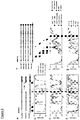
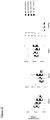
- the gene DNMT3A comprises 23 exons and four main transcripts have been described ( Figure 4a ).
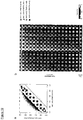
- a large data set of Hannum and co-workers with 656 blood samples of healthy donors revealed little interindividual variation in the DNAm pattern of CpG sites related to DNMT3A ( Figure 4b ).
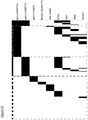
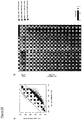
- bone marrow-derived blood samples of 194 AML patients from TCGA repository data revealed three differentially methylated regions (DMRs) within DNMT3A ( Figure 4c ): in comparison with normal blood, DMR1 was hypomethylated in some AMLs. This hypomethylation revealed relatively little overlap with DNA hypermethylation that occurred at DMR2 and DMR3 ( Figure 8 ).
- DMR2 and DMR3 comprised each a CGI ( Figure 4a ). Notably, they correspond to an upstream promoter region of transcript 2, which we have recently identified in hematopoietic stem and progenitor cells: particularly DMR2 was non-methylated in CD34+ cells from cord blood and revealed some of the most significant hypermethylation upon culture expansion in vitro (P ⁇ 10-46). This led us to the assumption that this region is of particular relevance for maintenance of normal hematopoietic integrity and therefore we focused on DNAm at DMR2.
- the DNAm level was always below 10% in controls, whereas it was increased in many patients with myeloproliferative neoplasms.
- Very high DNAm levels at DMR2 were exclusively found in a subset of AML samples ( Figure d).
- qRT-PCR quantitative real-time PCR
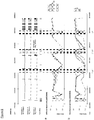
- RNA-sequencing data from the TCGA9 revealed that 205 genes were differentially expressed in AML samples with or without DNMT3A epimutation (samples with DNMT3A mutation were excluded from this comparison): 81 genes were significantly downregulated, whereas 124 genes were upregulated, the latter including HOXA1, A2, A3, A4, A5, A6, A7, A9, A10, B3, B4, B5 and B6.
- CGP Chemical and genetic perturbations
- HOXA9 is significantly upregulated in both categories of DNMT3A modifications and this has been associated with poor prognosis in AML before ( Figure 6d ).
- almost the entire HOXA and HOXB cluster were significantly upregulated in AML samples with either epimutation or mutation in DNMT3A.
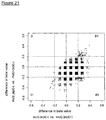
- the clear correlation of differentially expressed genes indicates that the molecular sequel of epimutation and mutation in DNMT3A might be related ( Figure 6e ).
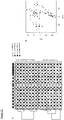
- a significant compensatory upregulation in gene expression of DNMT1, DNMT3B or DNMT3L was not observed ( Figure 23 ).
- DNMT3A epimutations are associated with poor prognosis:
- Epimutations define heritable changes in gene activity, which, unlike classical gene mutations, are not due to changes in DNA sequence. They occur in somatic cells, particularly in tumor suppressor genes. RB methylation was identified as the first example of epimutation and subsequently many other oncogenes have been shown to be methylated in sporadic cancers. In this study, we describe that AML patients often reveal aberrant hypermethylation in DNMT3A and the same effect was also observed in AML cell lines. We used an absolute threshold of 10% DNAm level to select patients with epimutations-this threshold was not reached in controls and other authors used even lower cutoffs to define epimutations.
- microarray data as well as bisulfite pyrosequencing indicated that the methylation level was sometimes even above 50%.
- very high aberrant DNA hypermethylation was only observed in AML samples, but not in chronic myeloid leukemia or other myeloproliferative neoplasms. It might be a common phenomenon that epimutations are disease specific if the corresponding genomic mutations are specifically enriched in this disease, too.
- CCCTC-binding factor CCCTC-binding factor
- a CTCF binding site is also located within DMR2 of DNMT3A and hence the epimutation may be relevant for regulation of alternative splicing.
- the epimutation is associated with moderate downregulation of transcripts 2 and 4 when considering the relative expression towards transcript 1.
- HOX genes have a crucial role in regulation of normal hematopoiesis and they appear to be involved in pathogenesis of AML and other cancers. It is therefore conceivable that the molecular sequel of DNMT3A mutations/epimutations on regulation of HOX genes have a central role for disease progression.
- the DNAm level at DMR2 was significantly higher in AML samples without epimutation, but both modifications were significantly associated with mutations of IDH1, IDH2, RUNX1 and NPM1.
- Epimutations and mutations in DNMT3A were enriched in AML samples with an intermediate or poor cytogenetic risk.
- Wakita and co-workers have recently suggested that an initial mutation in an epigenetic-modifying gene-such as DNMT3A-may entail genetic instability leading to resistance to therapy and relapse. A similar effect might also apply for epimutations.
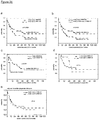
- analysis of TCGA data revealed that both of them are associated with significantly shorter event-free survival.
- DNMT inhibitors are particularly effective in patients with epimutations in DNMT3A as they reflect aberrant DNA hypermethylation at many CpG sites. Furthermore, it has been demonstrated that in patients with genomic mutations in DNMT3A the relative resistance to chemotherapy can be overcome with high-dose daunorubicin treatment, which then improved survival rates. It needs to be assessed if the epimutation in DNMT3A has a significant effect on the outcome with dose-intensive chemotherapy, too.
- Primer Sequence assay 1 forward 5'-GGTTTGGGTTTATTGTAGGAAGGTTATTAAGGT-3' (SEQ ID NO: 3) assay 1 reverse 5'-AATCCAAAACCCCCCTATCACGAAA-Bio-3' (SEQ ID NO: 4) assay 1 sequencing 5'-GTGGGGGGAGATAAA-3' (SEQ ID NO: 5) assay 2 forward 5'-Bio-TTAGGTTCGGGAGTATTAGGGGGAGG-3' (SEQ ID NO: 6) assay 2 reverse 5'-AACAAAACCAAACAAAATAAATAAAACAACCC-3' (SEQ ID NO: 7) assay 2 sequencing 5'-AAATAAAACAACCCTTAAAA-3' (SEQ ID NO: 8) Table 3: Primers for qRT-PCR.
Landscapes
- Chemical & Material Sciences (AREA)
- Life Sciences & Earth Sciences (AREA)
- Health & Medical Sciences (AREA)
- Organic Chemistry (AREA)
- Proteomics, Peptides & Aminoacids (AREA)
- Engineering & Computer Science (AREA)
- Immunology (AREA)
- Pathology (AREA)
- Analytical Chemistry (AREA)
- Zoology (AREA)
- Genetics & Genomics (AREA)
- Wood Science & Technology (AREA)
- Physics & Mathematics (AREA)
- Biotechnology (AREA)
- Microbiology (AREA)
- Molecular Biology (AREA)
- Hospice & Palliative Care (AREA)
- Biophysics (AREA)
- Oncology (AREA)
- Biochemistry (AREA)
- Bioinformatics & Cheminformatics (AREA)
- General Engineering & Computer Science (AREA)
- General Health & Medical Sciences (AREA)
- Measuring Or Testing Involving Enzymes Or Micro-Organisms (AREA)
Claims (7)
- Procédé de détermination de la prédisposition d'un individu humain à contracter une maladie myéloïde hématopoïétique maligne, dans lequel la maladie myéloïde est la leucémie myéloïde aiguë (LMA) ou le syndrome myélodysplasique (MDS), comprenant :- la fourniture d'au moins un acide nucléique de l'individu humain ;- la détermination d'un niveau de méthylation d'au moins une région spécifique de l'acide nucléique comprenant au moins un dinucléotide CpG, dans lequel la région spécifique est constituée du gène de l'ADN méthyltransférase DNMT3A ; et- la comparaison du niveau de méthylation déterminé à au moins un niveau de méthylation de référence de la (des) région(s) spécifique(s), dans lequel le risque que l'individu humain contracte la maladie myéloïde est accru si le niveau de méthylation déterminé est plus élevé comparé au niveau de méthylation de référence.
- Procédé d'évaluation de la réponse d'un individu humain à une thérapie pour le traitement d'une maladie myéloïde hématopoïétique maligne, dans lequel la maladie myéloïde est la leucémie myéloïde aiguë (LMA) ou le syndrome myélodysplasique (MDS), et dans lequel la thérapie a été réalisée par administration d'au moins un inhibiteur de l'ADN-méthyltransférase ou d'au moins un antibiotique anthracycline, comprenant :- la fourniture d'au moins un premier acide nucléique de l'individu humain ;- la détermination d'un premier niveau de méthylation d'au moins une région une région spécifique du premier acide nucléique comprenant au moins un dinucléotide CpG, dans lequel la région spécifique est constituée du gène de l'ADN méthyltransférase DNMT3A ;- la fourniture d'au moins un second acide nucléique de l'individu humain après la réalisation de la thérapie ;- la détermination d'un second niveau de méthylation de la (des) région(s) spécifique(s) du second acide nucléique, dans lequel le second niveau de méthylation est un niveau de méthylation du même dinucléotide CpG spécifique ; et- la comparaison du premier niveau de méthylation au second niveau de méthylation, dans lequel la thérapie a un effet positif sur la maladie myéloïde si le second niveau de méthylation est réduit comparé au premier niveau de méthylation.
- Procédé selon la revendication 2, dans lequel l'inhibiteur de l'ADN méthyltransférase est l'azacitidine ou la décitabine, ou dans lequel l'antibiotique anthracycline est la daunorubicine ou l'idarubidine.
- Procédé selon l'une quelconque des revendications 1 à 3, dans lequel la région spécifique comprend au moins une région de promoteur.
- Procédé selon l'une quelconque des revendications 1 à 4, dans lequel la région spécifique comprend la séquence nucléotidique SEQ ID NO : 1.
- Procédé selon l'une quelconque des revendications 1, 4 et 5, dans lequel le niveau de méthylation déterminé est de 10 % ou plus.
- Procédé selon l'une quelconque des revendications 1 à 6, dans lequel l'ADN est dérivé de cellules sanguines sélectionnées dans le groupe constitué par les monocytes, les lymphocytes T, les cellules progénitrices hématopoïétiques (CPH), les lymphocytes, les cellules mononucléaires (CMN), et les leucocytes.
Priority Applications (1)
| Application Number | Priority Date | Filing Date | Title |
|---|---|---|---|
| EP14723796.0A EP2997159B1 (fr) | 2013-05-13 | 2014-05-13 | Procédé de détermination de la prédisposition d'un individu humain à contracter une maladie myeloïde hematopoïetique maligne |
Applications Claiming Priority (3)
| Application Number | Priority Date | Filing Date | Title |
|---|---|---|---|
| EP13167411 | 2013-05-13 | ||
| EP14723796.0A EP2997159B1 (fr) | 2013-05-13 | 2014-05-13 | Procédé de détermination de la prédisposition d'un individu humain à contracter une maladie myeloïde hematopoïetique maligne |
| PCT/EP2014/059784 WO2014184199A1 (fr) | 2013-05-13 | 2014-05-13 | Procédé de détermination de la prédisposition d'un individu humain à contracter une maladie maligne |
Publications (2)
| Publication Number | Publication Date |
|---|---|
| EP2997159A1 EP2997159A1 (fr) | 2016-03-23 |
| EP2997159B1 true EP2997159B1 (fr) | 2019-07-24 |
Family
ID=48325499
Family Applications (1)
| Application Number | Title | Priority Date | Filing Date |
|---|---|---|---|
| EP14723796.0A Active EP2997159B1 (fr) | 2013-05-13 | 2014-05-13 | Procédé de détermination de la prédisposition d'un individu humain à contracter une maladie myeloïde hematopoïetique maligne |
Country Status (2)
| Country | Link |
|---|---|
| EP (1) | EP2997159B1 (fr) |
| WO (1) | WO2014184199A1 (fr) |
Cited By (1)
| Publication number | Priority date | Publication date | Assignee | Title |
|---|---|---|---|---|
| EP4428250A4 (fr) * | 2021-11-05 | 2025-09-17 | Seoul Nat Univ Hospital | Procédé de prédiction de la réactivité à des médicaments anticancéreux par analyse de l'état de méthylation de l'adn génomique |
Families Citing this family (2)
| Publication number | Priority date | Publication date | Assignee | Title |
|---|---|---|---|---|
| TWI895765B (zh) | 2014-07-18 | 2025-09-01 | 香港中文大學 | Dna混合物中之組織甲基化模式分析 |
| CA3039685A1 (fr) | 2016-11-30 | 2018-06-07 | The Chinese University Of Hong Kong | Analyse d'adn acellulaire dans l'urine et d'autres echantillons |
Citations (1)
| Publication number | Priority date | Publication date | Assignee | Title |
|---|---|---|---|---|
| WO2012078288A2 (fr) * | 2010-11-08 | 2012-06-14 | Washington University | Méthodes de détermination du risque d'évolutions défavorables dans la leucémie myéloïde aiguë |
Family Cites Families (5)
| Publication number | Priority date | Publication date | Assignee | Title |
|---|---|---|---|---|
| US20090119022A1 (en) * | 1998-09-25 | 2009-05-07 | Timberlake William E | Emericella Nidulans Genome Sequence On Computer Readable Medium and Uses Thereof |
| WO2005085471A2 (fr) * | 2004-03-03 | 2005-09-15 | Universität Leipzig | Procede et agent pour diagnostiquer de maniere differentielle des tumeurs de la glande thyroide |
| KR20110042607A (ko) * | 2009-10-19 | 2011-04-27 | 부산대학교 산학협력단 | 흑마늘 추출물을 함유하는 항염증 조성물 |
| US20120251619A1 (en) * | 2011-03-31 | 2012-10-04 | Gunaratne Preethi H | MicroRNA-29a,b,c as a Tumor Suppressor and Sensitizing Agent for Chemotherapy |
| WO2013022872A1 (fr) * | 2011-08-10 | 2013-02-14 | Celgene Corporation | Biomarqueurs de méthylation génique et leurs procédés d'utilisation |
-
2014
- 2014-05-13 EP EP14723796.0A patent/EP2997159B1/fr active Active
- 2014-05-13 WO PCT/EP2014/059784 patent/WO2014184199A1/fr not_active Ceased
Patent Citations (1)
| Publication number | Priority date | Publication date | Assignee | Title |
|---|---|---|---|---|
| WO2012078288A2 (fr) * | 2010-11-08 | 2012-06-14 | Washington University | Méthodes de détermination du risque d'évolutions défavorables dans la leucémie myéloïde aiguë |
Cited By (1)
| Publication number | Priority date | Publication date | Assignee | Title |
|---|---|---|---|---|
| EP4428250A4 (fr) * | 2021-11-05 | 2025-09-17 | Seoul Nat Univ Hospital | Procédé de prédiction de la réactivité à des médicaments anticancéreux par analyse de l'état de méthylation de l'adn génomique |
Also Published As
| Publication number | Publication date |
|---|---|
| WO2014184199A1 (fr) | 2014-11-20 |
| EP2997159A1 (fr) | 2016-03-23 |
Similar Documents
| Publication | Publication Date | Title |
|---|---|---|
| Kamińska et al. | Prognostic and predictive epigenetic biomarkers in oncology | |
| Jost et al. | Epimutations mimic genomic mutations of DNMT3A in acute myeloid leukemia | |
| Liang et al. | DNA methylation aberrancies as a guide for surveillance and treatment of human cancers | |
| Im et al. | DNMT3A and IDH mutations in acute myeloid leukemia and other myeloid malignancies: associations with prognosis and potential treatment strategies | |
| CA2931181C (fr) | Procede pour la detection de l'inactivation de voie de recombinaison homologue (brca1/2) dans des tumeurs humaines | |
| Lokk et al. | Methylation markers of early-stage non-small cell lung cancer | |
| Asmar et al. | Genome-wide profiling identifies a DNA methylation signature that associates with TET2 mutations in diffuse large B-cell lymphoma | |
| Tobiasson et al. | Comprehensive mapping of the effects of azacitidine on DNA methylation, repressive/permissive histone marks and gene expression in primary cells from patients with MDS and MDS-related disease | |
| Lietz et al. | Genome-wide DNA methylation patterns reveal clinically relevant predictive and prognostic subtypes in human osteosarcoma | |
| Ofran et al. | Genetic profiling in acute myeloid leukaemia─ where are we and what is its role in patient management | |
| Dexheimer et al. | DNA methylation events as markers for diagnosis and management of acute myeloid leukemia and myelodysplastic syndrome | |
| Lee et al. | Ovarian cancer biomarker discovery based on genomic approaches | |
| McDevitt | Clinical applications of epigenetic markers and epigenetic profiling in myeloid malignancies | |
| Guney et al. | Several mechanisms lead to the inactivation of the CDKN2A (P16), P14ARF, or CDKN2B (P15) genes in the GCB and ABC molecular DLBCL subtypes | |
| Wrage et al. | Identification of HERC 5 and its potential role in NSCLC progression | |
| US20220025466A1 (en) | Differential methylation | |
| Fasan et al. | Frequency and prognostic impact of CEBPA proximal, distal and core promoter methylation in normal karyotype AML: a study on 623 cases | |
| Musialik et al. | Promoter methylation and expression levels of selected hematopoietic genes in pediatric B-cell acute lymphoblastic leukemia | |
| Coutinho et al. | TET2 expression level and 5-hydroxymethylcytosine are decreased in refractory cytopenia of childhood | |
| WO2014184199A1 (fr) | Procédé de détermination de la prédisposition d'un individu humain à contracter une maladie maligne | |
| US20100311652A1 (en) | Genetic marker for use in the treatment of leukemia | |
| Szankasi et al. | Combined testing for CCAAT/enhancer-binding protein alpha (CEBPA) mutations and promoter methylation in acute myeloid leukemia demonstrates shared phenotypic features | |
| US12018330B2 (en) | Hypomethylation of TET2 target genes for identifying a curable subgroup of acute myeloid leukemia | |
| Wu et al. | Hypomethylation of MIR‐378 5’‐flanking region predicts poor survival in young patients with myelodysplastic syndrome | |
| Merkerova et al. | Azacitidine-Treated Patients with Myelodysplastic Syndromes and Acute Myeloid Leukemia with |
Legal Events
| Date | Code | Title | Description |
|---|---|---|---|
| PUAI | Public reference made under article 153(3) epc to a published international application that has entered the european phase |
Free format text: ORIGINAL CODE: 0009012 |
|
| 17P | Request for examination filed |
Effective date: 20151023 |
|
| AK | Designated contracting states |
Kind code of ref document: A1 Designated state(s): AL AT BE BG CH CY CZ DE DK EE ES FI FR GB GR HR HU IE IS IT LI LT LU LV MC MK MT NL NO PL PT RO RS SE SI SK SM TR |
|
| AX | Request for extension of the european patent |
Extension state: BA ME |
|
| DAX | Request for extension of the european patent (deleted) | ||
| STAA | Information on the status of an ep patent application or granted ep patent |
Free format text: STATUS: EXAMINATION IS IN PROGRESS |
|
| 17Q | First examination report despatched |
Effective date: 20161213 |
|
| REG | Reference to a national code |
Ref country code: DE Ref legal event code: R079 Ref document number: 602014050430 Country of ref document: DE Free format text: PREVIOUS MAIN CLASS: C12Q0001680000 Ipc: C12Q0001688600 |
|
| RIC1 | Information provided on ipc code assigned before grant |
Ipc: C12Q 1/6886 20180101AFI20180515BHEP |
|
| GRAP | Despatch of communication of intention to grant a patent |
Free format text: ORIGINAL CODE: EPIDOSNIGR1 |
|
| STAA | Information on the status of an ep patent application or granted ep patent |
Free format text: STATUS: GRANT OF PATENT IS INTENDED |
|
| INTG | Intention to grant announced |
Effective date: 20190226 |
|
| GRAS | Grant fee paid |
Free format text: ORIGINAL CODE: EPIDOSNIGR3 |
|
| GRAA | (expected) grant |
Free format text: ORIGINAL CODE: 0009210 |
|
| STAA | Information on the status of an ep patent application or granted ep patent |
Free format text: STATUS: THE PATENT HAS BEEN GRANTED |
|
| AK | Designated contracting states |
Kind code of ref document: B1 Designated state(s): AL AT BE BG CH CY CZ DE DK EE ES FI FR GB GR HR HU IE IS IT LI LT LU LV MC MK MT NL NO PL PT RO RS SE SI SK SM TR |
|
| REG | Reference to a national code |
Ref country code: GB Ref legal event code: FG4D |
|
| REG | Reference to a national code |
Ref country code: CH Ref legal event code: EP |
|
| REG | Reference to a national code |
Ref country code: DE Ref legal event code: R096 Ref document number: 602014050430 Country of ref document: DE |
|
| REG | Reference to a national code |
Ref country code: AT Ref legal event code: REF Ref document number: 1158257 Country of ref document: AT Kind code of ref document: T Effective date: 20190815 |
|
| REG | Reference to a national code |
Ref country code: IE Ref legal event code: FG4D |
|
| REG | Reference to a national code |
Ref country code: NL Ref legal event code: MP Effective date: 20190724 |
|
| REG | Reference to a national code |
Ref country code: LT Ref legal event code: MG4D |
|
| REG | Reference to a national code |
Ref country code: AT Ref legal event code: MK05 Ref document number: 1158257 Country of ref document: AT Kind code of ref document: T Effective date: 20190724 |
|
| PG25 | Lapsed in a contracting state [announced via postgrant information from national office to epo] |
Ref country code: LT Free format text: LAPSE BECAUSE OF FAILURE TO SUBMIT A TRANSLATION OF THE DESCRIPTION OR TO PAY THE FEE WITHIN THE PRESCRIBED TIME-LIMIT Effective date: 20190724 Ref country code: HR Free format text: LAPSE BECAUSE OF FAILURE TO SUBMIT A TRANSLATION OF THE DESCRIPTION OR TO PAY THE FEE WITHIN THE PRESCRIBED TIME-LIMIT Effective date: 20190724 Ref country code: FI Free format text: LAPSE BECAUSE OF FAILURE TO SUBMIT A TRANSLATION OF THE DESCRIPTION OR TO PAY THE FEE WITHIN THE PRESCRIBED TIME-LIMIT Effective date: 20190724 Ref country code: BG Free format text: LAPSE BECAUSE OF FAILURE TO SUBMIT A TRANSLATION OF THE DESCRIPTION OR TO PAY THE FEE WITHIN THE PRESCRIBED TIME-LIMIT Effective date: 20191024 Ref country code: NL Free format text: LAPSE BECAUSE OF FAILURE TO SUBMIT A TRANSLATION OF THE DESCRIPTION OR TO PAY THE FEE WITHIN THE PRESCRIBED TIME-LIMIT Effective date: 20190724 Ref country code: AT Free format text: LAPSE BECAUSE OF FAILURE TO SUBMIT A TRANSLATION OF THE DESCRIPTION OR TO PAY THE FEE WITHIN THE PRESCRIBED TIME-LIMIT Effective date: 20190724 Ref country code: PT Free format text: LAPSE BECAUSE OF FAILURE TO SUBMIT A TRANSLATION OF THE DESCRIPTION OR TO PAY THE FEE WITHIN THE PRESCRIBED TIME-LIMIT Effective date: 20191125 Ref country code: NO Free format text: LAPSE BECAUSE OF FAILURE TO SUBMIT A TRANSLATION OF THE DESCRIPTION OR TO PAY THE FEE WITHIN THE PRESCRIBED TIME-LIMIT Effective date: 20191024 Ref country code: SE Free format text: LAPSE BECAUSE OF FAILURE TO SUBMIT A TRANSLATION OF THE DESCRIPTION OR TO PAY THE FEE WITHIN THE PRESCRIBED TIME-LIMIT Effective date: 20190724 |
|
| PG25 | Lapsed in a contracting state [announced via postgrant information from national office to epo] |
Ref country code: RS Free format text: LAPSE BECAUSE OF FAILURE TO SUBMIT A TRANSLATION OF THE DESCRIPTION OR TO PAY THE FEE WITHIN THE PRESCRIBED TIME-LIMIT Effective date: 20190724 Ref country code: GR Free format text: LAPSE BECAUSE OF FAILURE TO SUBMIT A TRANSLATION OF THE DESCRIPTION OR TO PAY THE FEE WITHIN THE PRESCRIBED TIME-LIMIT Effective date: 20191025 Ref country code: IS Free format text: LAPSE BECAUSE OF FAILURE TO SUBMIT A TRANSLATION OF THE DESCRIPTION OR TO PAY THE FEE WITHIN THE PRESCRIBED TIME-LIMIT Effective date: 20191124 Ref country code: AL Free format text: LAPSE BECAUSE OF FAILURE TO SUBMIT A TRANSLATION OF THE DESCRIPTION OR TO PAY THE FEE WITHIN THE PRESCRIBED TIME-LIMIT Effective date: 20190724 Ref country code: LV Free format text: LAPSE BECAUSE OF FAILURE TO SUBMIT A TRANSLATION OF THE DESCRIPTION OR TO PAY THE FEE WITHIN THE PRESCRIBED TIME-LIMIT Effective date: 20190724 Ref country code: ES Free format text: LAPSE BECAUSE OF FAILURE TO SUBMIT A TRANSLATION OF THE DESCRIPTION OR TO PAY THE FEE WITHIN THE PRESCRIBED TIME-LIMIT Effective date: 20190724 |
|
| PG25 | Lapsed in a contracting state [announced via postgrant information from national office to epo] |
Ref country code: TR Free format text: LAPSE BECAUSE OF FAILURE TO SUBMIT A TRANSLATION OF THE DESCRIPTION OR TO PAY THE FEE WITHIN THE PRESCRIBED TIME-LIMIT Effective date: 20190724 |
|
| PG25 | Lapsed in a contracting state [announced via postgrant information from national office to epo] |
Ref country code: DK Free format text: LAPSE BECAUSE OF FAILURE TO SUBMIT A TRANSLATION OF THE DESCRIPTION OR TO PAY THE FEE WITHIN THE PRESCRIBED TIME-LIMIT Effective date: 20190724 Ref country code: PL Free format text: LAPSE BECAUSE OF FAILURE TO SUBMIT A TRANSLATION OF THE DESCRIPTION OR TO PAY THE FEE WITHIN THE PRESCRIBED TIME-LIMIT Effective date: 20190724 Ref country code: EE Free format text: LAPSE BECAUSE OF FAILURE TO SUBMIT A TRANSLATION OF THE DESCRIPTION OR TO PAY THE FEE WITHIN THE PRESCRIBED TIME-LIMIT Effective date: 20190724 Ref country code: RO Free format text: LAPSE BECAUSE OF FAILURE TO SUBMIT A TRANSLATION OF THE DESCRIPTION OR TO PAY THE FEE WITHIN THE PRESCRIBED TIME-LIMIT Effective date: 20190724 Ref country code: IT Free format text: LAPSE BECAUSE OF FAILURE TO SUBMIT A TRANSLATION OF THE DESCRIPTION OR TO PAY THE FEE WITHIN THE PRESCRIBED TIME-LIMIT Effective date: 20190724 |
|
| PG25 | Lapsed in a contracting state [announced via postgrant information from national office to epo] |
Ref country code: SM Free format text: LAPSE BECAUSE OF FAILURE TO SUBMIT A TRANSLATION OF THE DESCRIPTION OR TO PAY THE FEE WITHIN THE PRESCRIBED TIME-LIMIT Effective date: 20190724 Ref country code: IS Free format text: LAPSE BECAUSE OF FAILURE TO SUBMIT A TRANSLATION OF THE DESCRIPTION OR TO PAY THE FEE WITHIN THE PRESCRIBED TIME-LIMIT Effective date: 20200224 Ref country code: SK Free format text: LAPSE BECAUSE OF FAILURE TO SUBMIT A TRANSLATION OF THE DESCRIPTION OR TO PAY THE FEE WITHIN THE PRESCRIBED TIME-LIMIT Effective date: 20190724 Ref country code: CZ Free format text: LAPSE BECAUSE OF FAILURE TO SUBMIT A TRANSLATION OF THE DESCRIPTION OR TO PAY THE FEE WITHIN THE PRESCRIBED TIME-LIMIT Effective date: 20190724 |
|
| REG | Reference to a national code |
Ref country code: DE Ref legal event code: R097 Ref document number: 602014050430 Country of ref document: DE |
|
| PLBE | No opposition filed within time limit |
Free format text: ORIGINAL CODE: 0009261 |
|
| STAA | Information on the status of an ep patent application or granted ep patent |
Free format text: STATUS: NO OPPOSITION FILED WITHIN TIME LIMIT |
|
| PG2D | Information on lapse in contracting state deleted |
Ref country code: IS |
|
| 26N | No opposition filed |
Effective date: 20200603 |
|
| PG25 | Lapsed in a contracting state [announced via postgrant information from national office to epo] |
Ref country code: SI Free format text: LAPSE BECAUSE OF FAILURE TO SUBMIT A TRANSLATION OF THE DESCRIPTION OR TO PAY THE FEE WITHIN THE PRESCRIBED TIME-LIMIT Effective date: 20190724 |
|
| PG25 | Lapsed in a contracting state [announced via postgrant information from national office to epo] |
Ref country code: MC Free format text: LAPSE BECAUSE OF FAILURE TO SUBMIT A TRANSLATION OF THE DESCRIPTION OR TO PAY THE FEE WITHIN THE PRESCRIBED TIME-LIMIT Effective date: 20190724 |
|
| REG | Reference to a national code |
Ref country code: BE Ref legal event code: MM Effective date: 20200531 |
|
| GBPC | Gb: european patent ceased through non-payment of renewal fee |
Effective date: 20200513 |
|
| PG25 | Lapsed in a contracting state [announced via postgrant information from national office to epo] |
Ref country code: LU Free format text: LAPSE BECAUSE OF NON-PAYMENT OF DUE FEES Effective date: 20200513 |
|
| PG25 | Lapsed in a contracting state [announced via postgrant information from national office to epo] |
Ref country code: FR Free format text: LAPSE BECAUSE OF NON-PAYMENT OF DUE FEES Effective date: 20200531 Ref country code: GB Free format text: LAPSE BECAUSE OF NON-PAYMENT OF DUE FEES Effective date: 20200513 Ref country code: IE Free format text: LAPSE BECAUSE OF NON-PAYMENT OF DUE FEES Effective date: 20200513 |
|
| PG25 | Lapsed in a contracting state [announced via postgrant information from national office to epo] |
Ref country code: BE Free format text: LAPSE BECAUSE OF NON-PAYMENT OF DUE FEES Effective date: 20200531 |
|
| PG25 | Lapsed in a contracting state [announced via postgrant information from national office to epo] |
Ref country code: MT Free format text: LAPSE BECAUSE OF FAILURE TO SUBMIT A TRANSLATION OF THE DESCRIPTION OR TO PAY THE FEE WITHIN THE PRESCRIBED TIME-LIMIT Effective date: 20190724 Ref country code: CY Free format text: LAPSE BECAUSE OF FAILURE TO SUBMIT A TRANSLATION OF THE DESCRIPTION OR TO PAY THE FEE WITHIN THE PRESCRIBED TIME-LIMIT Effective date: 20190724 |
|
| PG25 | Lapsed in a contracting state [announced via postgrant information from national office to epo] |
Ref country code: MK Free format text: LAPSE BECAUSE OF FAILURE TO SUBMIT A TRANSLATION OF THE DESCRIPTION OR TO PAY THE FEE WITHIN THE PRESCRIBED TIME-LIMIT Effective date: 20190724 |
|
| PGFP | Annual fee paid to national office [announced via postgrant information from national office to epo] |
Ref country code: DE Payment date: 20230519 Year of fee payment: 10 Ref country code: CH Payment date: 20230605 Year of fee payment: 10 |
|
| REG | Reference to a national code |
Ref country code: DE Ref legal event code: R119 Ref document number: 602014050430 Country of ref document: DE |
|
| REG | Reference to a national code |
Ref country code: CH Ref legal event code: PL |
|
| PG25 | Lapsed in a contracting state [announced via postgrant information from national office to epo] |
Ref country code: CH Free format text: LAPSE BECAUSE OF NON-PAYMENT OF DUE FEES Effective date: 20240531 |
|
| PG25 | Lapsed in a contracting state [announced via postgrant information from national office to epo] |
Ref country code: DE Free format text: LAPSE BECAUSE OF NON-PAYMENT OF DUE FEES Effective date: 20241203 |