EP3000634B1 - Dispositif de chauffage avec moyen de protection pour véhicule automobile comprenant un élément chauffant et un boîtier et installation de climatisation comportant ce même dispositif - Google Patents
Dispositif de chauffage avec moyen de protection pour véhicule automobile comprenant un élément chauffant et un boîtier et installation de climatisation comportant ce même dispositif Download PDFInfo
- Publication number
- EP3000634B1 EP3000634B1 EP15184992.4A EP15184992A EP3000634B1 EP 3000634 B1 EP3000634 B1 EP 3000634B1 EP 15184992 A EP15184992 A EP 15184992A EP 3000634 B1 EP3000634 B1 EP 3000634B1
- Authority
- EP
- European Patent Office
- Prior art keywords
- housing
- heating
- protection means
- protection
- zones
- Prior art date
- Legal status (The legal status is an assumption and is not a legal conclusion. Google has not performed a legal analysis and makes no representation as to the accuracy of the status listed.)
- Active
Links
Images


Classifications
-
- B—PERFORMING OPERATIONS; TRANSPORTING
- B60—VEHICLES IN GENERAL
- B60H—ARRANGEMENTS OF HEATING, COOLING, VENTILATING OR OTHER AIR-TREATING DEVICES SPECIALLY ADAPTED FOR PASSENGER OR GOODS SPACES OF VEHICLES
- B60H1/00—Heating, cooling or ventilating devices
- B60H1/22—Heating, cooling or ventilating devices the heat source being other than the propulsion plant
- B60H1/2215—Heating, cooling or ventilating devices the heat source being other than the propulsion plant the heat being derived from electric heaters
- B60H1/2221—Heating, cooling or ventilating devices the heat source being other than the propulsion plant the heat being derived from electric heaters arrangements of electric heaters for heating an intermediate liquid
-
- F—MECHANICAL ENGINEERING; LIGHTING; HEATING; WEAPONS; BLASTING
- F24—HEATING; RANGES; VENTILATING
- F24H—FLUID HEATERS, e.g. WATER OR AIR HEATERS, HAVING HEAT-GENERATING MEANS, e.g. HEAT PUMPS, IN GENERAL
- F24H1/00—Water heaters, e.g. boilers, continuous-flow heaters or water-storage heaters
- F24H1/0072—Special adaptations
- F24H1/009—Special adaptations for vehicle systems
-
- F—MECHANICAL ENGINEERING; LIGHTING; HEATING; WEAPONS; BLASTING
- F24—HEATING; RANGES; VENTILATING
- F24H—FLUID HEATERS, e.g. WATER OR AIR HEATERS, HAVING HEAT-GENERATING MEANS, e.g. HEAT PUMPS, IN GENERAL
- F24H1/00—Water heaters, e.g. boilers, continuous-flow heaters or water-storage heaters
- F24H1/10—Continuous-flow heaters, i.e. heaters in which heat is generated only while the water is flowing, e.g. with direct contact of the water with the heating medium
- F24H1/101—Continuous-flow heaters, i.e. heaters in which heat is generated only while the water is flowing, e.g. with direct contact of the water with the heating medium using electric energy supply
- F24H1/102—Continuous-flow heaters, i.e. heaters in which heat is generated only while the water is flowing, e.g. with direct contact of the water with the heating medium using electric energy supply with resistance
-
- F—MECHANICAL ENGINEERING; LIGHTING; HEATING; WEAPONS; BLASTING
- F24—HEATING; RANGES; VENTILATING
- F24H—FLUID HEATERS, e.g. WATER OR AIR HEATERS, HAVING HEAT-GENERATING MEANS, e.g. HEAT PUMPS, IN GENERAL
- F24H1/00—Water heaters, e.g. boilers, continuous-flow heaters or water-storage heaters
- F24H1/10—Continuous-flow heaters, i.e. heaters in which heat is generated only while the water is flowing, e.g. with direct contact of the water with the heating medium
- F24H1/12—Continuous-flow heaters, i.e. heaters in which heat is generated only while the water is flowing, e.g. with direct contact of the water with the heating medium in which the water is kept separate from the heating medium
- F24H1/14—Continuous-flow heaters, i.e. heaters in which heat is generated only while the water is flowing, e.g. with direct contact of the water with the heating medium in which the water is kept separate from the heating medium by tubes, e.g. bent in serpentine form
- F24H1/142—Continuous-flow heaters, i.e. heaters in which heat is generated only while the water is flowing, e.g. with direct contact of the water with the heating medium in which the water is kept separate from the heating medium by tubes, e.g. bent in serpentine form using electric energy supply
-
- F—MECHANICAL ENGINEERING; LIGHTING; HEATING; WEAPONS; BLASTING
- F24—HEATING; RANGES; VENTILATING
- F24H—FLUID HEATERS, e.g. WATER OR AIR HEATERS, HAVING HEAT-GENERATING MEANS, e.g. HEAT PUMPS, IN GENERAL
- F24H9/00—Details
- F24H9/0005—Details for water heaters
- F24H9/001—Guiding means
- F24H9/0015—Guiding means in water channels
-
- F—MECHANICAL ENGINEERING; LIGHTING; HEATING; WEAPONS; BLASTING
- F24—HEATING; RANGES; VENTILATING
- F24H—FLUID HEATERS, e.g. WATER OR AIR HEATERS, HAVING HEAT-GENERATING MEANS, e.g. HEAT PUMPS, IN GENERAL
- F24H9/00—Details
- F24H9/02—Casings; Cover lids; Ornamental panels
-
- F—MECHANICAL ENGINEERING; LIGHTING; HEATING; WEAPONS; BLASTING
- F24—HEATING; RANGES; VENTILATING
- F24H—FLUID HEATERS, e.g. WATER OR AIR HEATERS, HAVING HEAT-GENERATING MEANS, e.g. HEAT PUMPS, IN GENERAL
- F24H9/00—Details
- F24H9/18—Arrangement or mounting of grates or heating means
- F24H9/1809—Arrangement or mounting of grates or heating means for water heaters
- F24H9/1818—Arrangement or mounting of electric heating means
-
- H—ELECTRICITY
- H05—ELECTRIC TECHNIQUES NOT OTHERWISE PROVIDED FOR
- H05B—ELECTRIC HEATING; ELECTRIC LIGHT SOURCES NOT OTHERWISE PROVIDED FOR; CIRCUIT ARRANGEMENTS FOR ELECTRIC LIGHT SOURCES, IN GENERAL
- H05B3/00—Ohmic-resistance heating
- H05B3/40—Heating elements having the shape of rods or tubes
- H05B3/42—Heating elements having the shape of rods or tubes non-flexible
- H05B3/44—Heating elements having the shape of rods or tubes non-flexible heating conductor arranged within rods or tubes of insulating material
-
- B—PERFORMING OPERATIONS; TRANSPORTING
- B60—VEHICLES IN GENERAL
- B60H—ARRANGEMENTS OF HEATING, COOLING, VENTILATING OR OTHER AIR-TREATING DEVICES SPECIALLY ADAPTED FOR PASSENGER OR GOODS SPACES OF VEHICLES
- B60H1/00—Heating, cooling or ventilating devices
- B60H1/22—Heating, cooling or ventilating devices the heat source being other than the propulsion plant
- B60H2001/2268—Constructional features
- B60H2001/2278—Connectors, water supply, housing, mounting brackets
-
- H—ELECTRICITY
- H05—ELECTRIC TECHNIQUES NOT OTHERWISE PROVIDED FOR
- H05B—ELECTRIC HEATING; ELECTRIC LIGHT SOURCES NOT OTHERWISE PROVIDED FOR; CIRCUIT ARRANGEMENTS FOR ELECTRIC LIGHT SOURCES, IN GENERAL
- H05B2203/00—Aspects relating to Ohmic resistive heating covered by group H05B3/00
- H05B2203/022—Heaters specially adapted for heating gaseous material
- H05B2203/023—Heaters of the type used for electrically heating the air blown in a vehicle compartment by the vehicle heating system
Definitions
- the invention relates to a heating device for a motor vehicle comprising a heating element and a housing as well as an air conditioning installation comprising the same device.
- Known heating devices comprise a heating element such as an electrical resistance and a housing serving as protection for the heating element.
- WO 2011/144976 A1 discloses a heating device comprising at least one heating element and a housing, a protection means in the form of an envelope comprising at least one half-shell at least partially surrounding the housing.
- vibrations harmful to the proper operation of the heater may appear.
- the present invention aims to solve at least partially one of these disadvantages, by providing a heating device comprising at least one heating element and a housing.
- the housing further comprises a protection means in the form of an envelope composed of at least one half-shell at least partially surrounding said housing, and a wedging means arranged between the housing and the means of protection.
- the invention also relates to a heating, ventilation and / or air conditioning system comprising a heating device as described above.
- a heating device 2 comprises a heating body comprising one or more, here two, heating modules 3a and 3b.
- the heating device 2 also comprises a control means 11 for controlling the operation of the heating modules 3a and 3b.
- the control means 11 may, for example, take the form of a PCB (printed circuit board), and thus control the power supply of the heating modules 3a, 3b.
- the heating device 2 as shown on the figure 1 also comprises a housing 4 receiving the heating module or modules 3a, 3b and the printed circuit 11.
- This housing as shown in FIG. figure 1 , can guide the fluid to the heating modules 3a, 3b so that the fluid is heated by the modules.
- the housing 4 further comprises a fluid inlet 8a, here made in the form of a pipe, designed for the admission of the fluid to be heated, and at least one fluid outlet 8b and / or 8c, also made in the form a tubing, designed to evacuate the heated fluid by the heating modules 3a, 3b.
- the fluid can come from a circuit such as for example a water circuit of an air conditioning, heating or ventilation system.
- the housing 4 also comprises a housing bottom wall 27 which isolates the printed circuit 11 in a closed space.
- the housing 4 has sealing walls to which may be added sealing means, such as elastomeric seals, to prevent infiltration from the outside to the inside of the device.
- sealing means such as elastomeric seals
- the fluid is admitted through the fluid inlet 8a and passes into a distribution chamber 21 designed to distribute the fluid throughout the space defined by the distribution chamber 21.
- the fluid is then directed through heating modules 3a, 3b, here made in the form of hollow cylinders, in order to be heated by the heating modules 3a, 3b to be subsequently discharged by one or more fluid outlets 8b and / or 8c as represented by the arrows 31, at 35 on the figure 1 .
- the invention is not limited to the flow mode of the fluid or to the arrangement of the fluid inlet and outlet 8a, 8b, 8c.
- the heating modules 3a, 3b are made in the form of a solid bar with the fluid flowing between the housing 4 and the heating modules 3a, 3b.
- the figure 2 illustrates the assembled heating device according to an embodiment different from that of the figure 1 .
- the fluid is admitted by the fluid inlet 8a and is distributed in the distribution chamber 21.
- the fluid then flows through the heating modules and ends in a collection chamber 25 commonly called collector.
- the heated fluid is then removed from the device by the fluid outlet 8b.
- the heating modules 3a, 3b and casing 4 are subjected to internal pressures due to the fluid. It is thus conceivable to place clamping means 14, such as a clamping flange, which make it possible to hold the elements of the heating device together while increasing the resistance of the casing 4 to the internal pressure generated by the flow of the fluid. .
- clamping means 14 such as a clamping flange
- Another way to improve the resistance of the housing 4 against the fluid pressure is to arrange reinforcing ribs on the housing 4.
- the housing 4 shown in the figure 2 may also include an opening 18 for the passage of electrical supply means such as electrical cables 19 supplying, for example, the printed circuit 11 and / or resistive heating elements such as heating modules 3a and 3b.
- electrical supply means such as electrical cables 19 supplying, for example, the printed circuit 11 and / or resistive heating elements such as heating modules 3a and 3b.
- the housing 4 may comprise break zones 17. These zones correspond to zones with specific profiles, such as, for example, a part capable of bending or with a reduced thickness.
- the break zones 17 are adapted to break and disconnect the heater 2 from the rest of the circuit.
- the heating device 2 being free of any mechanical stress, it can move freely and thus avoid being crushed or undergoing efforts that could damage its operation.
- the fluid inlet and outlet 8a, 8b being disconnected from the heating device 2, the fluid will be discharged at the fluid inlet or outlet 8a, 8b, which prevents the printed circuit 11 from being embedded in the fluid .
- break zones 17 in the example shown in FIG. figure 2 are located at the fluid inlet and outlet 8a, 8b. However, it is conceivable to arrange these zones of breaks 17 on other positions of the housing 4 as for example on fixing points adapted to receive the heating device located on the vehicle.
- the housing 4 is made of plastic. Because of its physical properties, plastic is a light material that can be easily modulated according to the manufacturing process.
- the object of the invention relates to a protection means 10 for this housing 4 which is formed as an envelope composed of at least one half-shell 6 surrounding the housing 4.
- the half-shell 6 can be in one or more rooms.
- the half-shell 6 may surround the housing 4 partially as represented on the Figures 4b and 7 or in a complete way as represented on the Figure 4a, 5 and 6 .
- a half-shell 6 is in one piece, it can be fixed to the housing 4 by different securing means such as glue or screws.
- the half-shell 6 consists of two or more parts, these are assembled together over the housing 4 by various securing means, such as for example by crimping, stamping, riveting, welding or by clinching during final assembly.
- various securing means such as for example by crimping, stamping, riveting, welding or by clinching during final assembly.
- the invention is not limited to the assembly of the half-shells
- the protection means 10 is made of a material different from that of the casing 4. So that if the casing 4 is made of plastic, the protection means 10 may be made of metal, for example , aluminum. This characteristic makes it possible to compensate for the risks of electromagnetic incompatibilities that plastic presents. It then becomes possible in this way to avoid the emission or reception of electromagnetic wave from the printed circuit 11.
- the protection means 10 may extend over the entire body of the housing 4 but also on the fluid inlet and outlet 8a, 8b according to specific protection zones referenced on the figure 3 .
- the half-shells 6 may be symmetrical, as illustrated on the figure 5 , or asymmetric according to an embodiment not shown.
- the figure 6 illustrates the heating device 2 with the protection means 10 in cross section.
- a space is available between the housing 4 and the protection means 10.
- a wedging means 29 as for example, a material that can be expelled, polystyrene, or a layer of polypropylene, can extend at least partially in the space defined between the housing 4 and the protection means 10.
- Such a wedging means 29 can wedge the 4 and the heating device 2 and prevent them from being subjected to vibrations that are detrimental to the proper functioning of the heating device 2.
- the setting means 29 can also have other properties, for example it can absorb shocks or be thermal insulation.
- a protection means 10 for the housing 4 by producing a half-shell 6 which partially enclose the housing.
- the half-shell 6 is fixed by any fixing means 43 (screws, clips, ...) to an existing structure of the vehicle 41 so that the heating device 2 remains held between the protection means 10 and the structure 41.
- Such an embodiment makes it possible to gain in volume.
- the invention also relates to a heating, air conditioning and ventilation system comprising a heating device as described above intended to be installed in a motor vehicle.
Landscapes
- Engineering & Computer Science (AREA)
- Physics & Mathematics (AREA)
- Thermal Sciences (AREA)
- Mechanical Engineering (AREA)
- Chemical & Material Sciences (AREA)
- Combustion & Propulsion (AREA)
- General Engineering & Computer Science (AREA)
- Air-Conditioning For Vehicles (AREA)
Description
- L'invention concerne un dispositif de chauffage pour véhicule automobile comprenant un élément chauffant et un boîtier ainsi qu'une installation de climatisation comportant ce même dispositif.
- Les dispositifs de chauffage connus comportent un élément chauffant comme par exemple une résistance électrique et un boîtier servant de protection pour l'élément chauffant.
- Il est connu des dispositifs avec un boîtier intégralement en plastique sujets à des incompatibilités électromagnétiques (plus connues sous le terme anglais EMC Failure pour « Electromagnetic Compatibilty Failure »).Toutefois, ces boîtiers offrent peu de résistance lors d'un accident si bien que, le dispositif n'étant plus protégé, ce dernier sera détruit.
- Il est aussi connu des dispositifs avec un boîtier intégralement en aluminium. Ces boîtiers nécessitent une fabrication plus complexe et onéreuse. De plus, ces boîtiers génèrent plus de contraintes, au niveau de l'étanchéité que les boîtiers en plastique, telles que des traitements de surface ou un usinage précis.
- Le document
WO 2011/144976 A1 décrit un dispositif de chauffage comprenant au moins un élément chauffant et un boîtier, un moyen de protection réalisé sous forme d'une enveloppe composée au moins d'une demi-coquille entourant au moins partiellement le boîtier. Cependant, des vibrations néfastes au bon fonctionnement du dispositif de chauffage peuvent apparaître. - La présente invention a pour objectif de résoudre au moins partiellement l'un de ces inconvénients, en proposant un dispositif de chauffage comprenant au moins un élément chauffant et un boîtier. Selon l'invention, le boîtier comporte en outre un moyen de protection réalisé sous la forme d'une enveloppe composée d'au moins une demi-coquille entourant au moins partiellement ledit boîtier, ainsi qu'un moyen de calage agencé entre le boîtier et le moyen de protection.
- Des modes de réalisations particuliers selon l'invention proposent que :
- le moyen de protection est réalisé en un matériau différent de celui du boîtier ;
- le moyen de protection est réalisé en métal ;
- le moyen de protection comprend en outre des zones de protection spécifiques agencées sur les entrée et sortie de fluide ;
- le moyen de protection comprend des zones de cassures ;
- les zones de cassures sont situées au niveau des zones de protection spécifiques ;
- le moyen de protection est réalisé en deux demi-coquilles symétriques ;
- le dispositif de chauffage est apte à être maintenu entre le moyen de protection et la structure existante du véhicule.
- L'invention concerne également une installation de chauffage, ventilation et/ou climatisation comprenant un dispositif de chauffage comme décrit précédemment.
- D'autres caractéristiques et avantages de l'invention ressortiront à la lecture de la description qui suit, en référence aux figures annexées, qui illustrent :
- La
figure 1 , illustre une vue éclatée d'un dispositif de chauffage selon l'art antérieur ; - La
figure 2 , illustre une vue d'un dispositif de chauffage en vue assemblée selon l'art antérieur; - La
figure 3 , illustre une représentation schématique selon une vue de haut du dispositif selon l'invention avant la mise en place du moyen de protection ; - La
figure 4a et 4b , illustrent une représentation schématique du dispositif selon l'invention après la mise en place du moyen de protection respectivement selon une vue de haut et de profil; - La
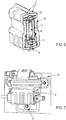
figure 5 , illustre une vue du dispositif selon l'invention en vue assemblée avec un moyen de protection ; - La
figure 6 illustre une vue en coupe transversale du dispositif selon l'invention avec un moyen de protection ; - La
figure 7 illustre une vue du dispositif selon un mode de réalisation particulier de l'invention. - Comme illustré sur la
figure 1 , un dispositif de chauffage 2 selon l'art antérieur comprend un corps de chauffe comportant un ou plusieurs, ici deux, modules de chauffe 3a et 3b. Le dispositif de chauffage 2 comprend aussi un moyen de commande 11 pour contrôler le fonctionnement des modules de chauffe 3a et 3b. Le moyen de commande 11 peut, par exemple, prendre la forme d'un circuit imprimé, type PCB (de l'anglais « printed circuit board »), et commander, ainsi, l'alimentation électrique des modules de chauffe 3a, 3b. - Le dispositif de chauffage 2 tel que représenté sur la
figure 1 , comprend aussi un boîtier 4 réceptionnant le ou les modules de chauffe 3a, 3b ainsi que le circuit imprimé 11. Ce boîtier, tel que représenté sur lafigure 1 , permet de guider le fluide vers les modules de chauffe 3a, 3b afin que ce fluide soit chauffé par les modules. Le boîtier 4 comprend en outre une entrée de fluide 8a, ici réalisée sous la forme d'une tubulure, prévue pour l'admission du fluide à chauffer, et au moins une sortie de fluide 8b et/ou 8c, aussi réalisées sous la forme d'une tubulure, prévue pour évacuer le fluide réchauffé par les modules de chauffe 3a, 3b. Cet écoulement est représenté par les flèches 31 à 35 sur lafigure 1 . Le fluide peut provenir d'un circuit comme par exemple un circuit d'eau d'une installation de climatisation, chauffage ou ventilation. Le boîtier 4 comprend aussi une paroi de fond de boîtier 27 qui permet d'isoler le circuit imprimé 11 dans un espace fermé. - Le boîtier 4 présente des parois étanches auxquelles peuvent être adjoints des moyens d'étanchéité, comme par exemple des joints en élastomère, afin d'éviter toute infiltration de l'extérieur vers l'intérieur du dispositif.
- Comme représenté sur la
figure 1 , le fluide est admis par l'entrée de fluide 8a et passe dans une chambre de distribution 21 conçue de manière à répartir le fluide dans l'ensemble de l'espace définie par la chambre de distribution 21. Le fluide est alors dirigé au travers des modules de chauffe 3a, 3b, ici réalisés sous la forme de cylindres creux, afin d'être réchauffé par les modules de chauffe 3a, 3b pour être ensuite évacué par une ou plusieurs sorties de fluide 8b et/ou 8c comme représenté par les flèches 31, à 35 sur lafigure 1 . Bien entendu, l'invention ne se limite pas au mode d'écoulement du fluide ni à la disposition des entrée et sortie de fluide 8a, 8b, 8c. - Toutefois, selon un mode de réalisation non représenté, il est envisageable que les modules de chauffe 3a, 3b soient réalisés sous la forme d'un barreau plein avec le fluide circulant entre le boîtier 4 et les modules de chauffe 3a, 3b.
- La
figure 2 illustre le dispositif de chauffage assemblé selon un mode de réalisation différent de celui de lafigure 1 . Ici, le fluide est admis par l'entrée de fluide 8a et est réparti dans la chambre de distribution 21. Le fluide circule alors à travers les modules de chauffe et aboutit dans une chambre de collecte 25 communément appelée collecteur. Le fluide chauffé est alors évacué du dispositif par la sortie de fluide 8b. - Les modules de chauffe 3a, 3b et boîtier 4 sont soumis à des pressions internes dues au fluide. Il est ainsi envisageable de placer des moyens de serrage 14, telle qu'une bride de serrage, qui permettent de maintenir les éléments du dispositif de chauffage ensembles tout en augmentant la résistance du boîtier 4 à la pression interne engendrée par l'écoulement du fluide. Un autre moyen pour améliorer la résistance du boîtier 4 face à la pression du fluide est d'agencer des nervures de renforcement sur le boitier 4.
- Le boîtier 4 illustré à la
figure 2 peut aussi comporter une ouverture 18 permettant le passage de moyens d'alimentation électriques tels que des câbles électriques 19 alimentant, par exemple, le circuit imprimé 11 et/ou des éléments résistifs chauffants tels que les modules de chauffe 3a et 3b. - Toujours selon un mode de réalisation illustré à la
figure 2 , le boîtier 4 peut comprendre des zones de cassures 17. Ces zones correspondent à des zones avec des profils spécifiques comme, par exemple, une pièce apte à se fléchir ou avec une épaisseur réduite. En cas d'un événement provoquant un choc mécanique tel qu'une coalition entre deux voitures à grande vitesse, les zones de cassures 17 sont adaptées pour se rompre et désolidariser le dispositif de chauffage 2 du reste du circuit. Le dispositif de chauffage 2 étant libéré de toute contrainte mécanique, il peut se déplacer librement et éviter ainsi d'être écrasé ou de subir des efforts pouvant endommager son fonctionnement. De plus, les entrée et sortie de fluide 8a, 8b étant désolidarisées du dispositif de chauffage 2, le fluide sera évacuée au niveau des entrée ou sortie de fluide 8a, 8b, ce qui empêche le circuit imprimé 11 d'être noyée dans le fluide. - Ces zones de cassures 17 dans l'exemple représenté sur la
figure 2 sont situées au niveau des entrée et sortie de fluide 8a, 8b. Toutefois, il est envisageable d'agencer ces zones de cassures 17 sur d'autres positions du boîtier 4 comme par exemple sur des points de fixation aptes à recevoir le dispositif de chauffage situés sur le véhicule. - Selon un premier mode de réalisation tel qu'illustré à la
figure 3 , le boîtier 4 est réalisé en plastique. Le plastique de par ses propriétés physiques, correspond à un matériau léger, facilement modulable selon le procédé de fabrication. - L'objet de l'invention porte sur un moyen de protection 10 pour ce boîtier 4 qui est réalisé sous la forme d'une enveloppe composée d'au moins une demi-coquille 6 entourant le boîtier 4. La ou les demi-coquilles 6 peuvent être en une ou plusieurs pièces. La ou les demi-coquilles 6 peuvent entourer le boîtier 4 de manière partielle comme représentée sur les
figures 4b et7 ou de manière complète comme représentée sur lafigure 4a, 5 et6 . Dans le cas où une demi-coquille 6 est en une seule pièce, celle-ci peut être fixée au boîtier 4 par différents moyens de solidarisation comme par exemple de la colle ou des vis. Dans l'hypothèse où la demi-coquille 6 est constituée de deux ou plusieurs parties, celles-ci sont assemblées entre elles par-dessus le boîtier 4 par différents moyen de solidarisation, comme par exemple par sertissage, emboutissage, rivetage, soudure ou encore par clinchage lors du montage final. Bien évidement, il est envisageable selon un mode de réalisation non représenté d'avoir deux demi-coquilles 6 solidarisées au boîtier 4. L'invention ne se limite pas au sens d'assemblage des demi-coquilles 6, l'assemblage pouvant se faire par le haut et bas ou par les côtés. - Selon un aspect de l'invention, le moyen de protection 10 est réalisé en un matériau différent de celui du boîtier 4. Si bien que si le boîtier 4 est fait de plastique le moyen de protection 10 peut être réalisé en métal, comme par exemple, de l'aluminium. Cette caractéristique permet de compenser les risques d'incompatibilités électromagnétiques que présente le plastique. Il devient alors possible de cette manière d'éviter l'émission ou la réception d'onde électromagnétique issue du circuit imprimé 11.
- Le moyen de protection 10 peut s'étendre sur l'ensemble du corps du boîtier 4 mais aussi sur les entrée et sortie de fluide 8a, 8b selon des zones de protection spécifiques référencées 15 sur la
figure 3 . - Il est aussi possible d'introduire les zones de cassures 37 au niveau des zones de protection spécifiques 15, comme représenté sur la
figure 5 , afin de pouvoir désolidariser ainsi le dispositif de chauffage 2 du reste du circuit en cas d'accident. - Les demi-coquilles 6 peuvent être symétriques, comme illustré sur la
figure 5 , ou asymétrique selon un mode de réalisation non représenté. - La
figure 6 illustre le dispositif de chauffage 2 avec le moyen de protection 10 selon une coupe transversale. Un espace est disponible entre le boîtier 4 et le moyen de protection 10. Selon la présente invention, un moyen de calage 29, comme par exemple une matière pouvant s'expandre, du polystyrène, ou une couche de polypropylène, peut s'étendre au moins partiellement dans l'espace définit entre le boîtier 4 et le moyen de protection 10. Un tel moyen de calage 29 permet de caler le boîtier 4 et le dispositif de chauffage 2 et éviter qu'ils ne subissent de vibrations néfastes au bon fonctionnement du dispositif de chauffage 2. Le moyen de calage 29 peut présenter aussi d'autres propriétés, il peut par exemple absorber les chocs ou encore être un isolant thermique. - Comme illustré à la
figure 6 , il est aussi possible de prévoir une évacuation 35 avec membrane permettant l'évacuation de condensats stagnants au niveau du circuit imprimé 11 pour éviter la dégradation de celui-ci. - Selon le mode de réalisation particulier illustré à la
figure 7 , il est aussi possible d'envisager un moyen de protection 10 pour le boîtier 4 en réalisant une demi-coquille 6 qui englobent partiellement le boîtier. La demi-coquille 6 est fixée par tout moyen de fixation 43 (vis, clips,...) à une structure existante du véhicule 41 de façon à ce que le dispositif de chauffage 2 reste maintenu entre le moyen de protection 10 et la structure existante 41. Un tel mode de réalisation permet de gagner en volume. - L'invention concerne également une installation de chauffage, climatisation et aération comprenant un dispositif de chauffage comme décrit précédemment destiné à être installé dans un véhicule automobile.
- Il doit être bien entendu toutefois que ces exemples de réalisation sont donnés à titre d'illustration de l'objet de l'invention. L'invention n'est pas limitée à ces modes de réalisation décrits précédemment et fournis uniquement à titre d'exemple. Elle englobe diverses modifications, formes alternatives et autres variantes que pourra envisager l'homme du métier dans le cadre de la présente invention et notamment toutes combinaison des différents modes de réalisation décrits précédemment.
Claims (9)
- Dispositif de chauffage (2) comprenant au moins un élément chauffant (3) et un boîtier (4), un moyen de protection (10) réalisé sous la forme d'une enveloppe composée d'au moins une demi-coquille (6) entourant au moins partiellement ledit boîtier, caractérisé en ce qu'un moyen de calage (29) est agencé entre le boîtier (4) et le moyen de protection (10).
- Dispositif selon la revendication 1, caractérisé en ce que le moyen de protection (10) est réalisé en un matériau différent de celui du boîtier (4).
- Dispositif selon la revendication 1 ou 2, caractérisé en ce que le moyen de protection (10) est réalisé en métal.
- Dispositif selon l'une des revendications précédentes, caractérisé en ce que le moyen de protection (10) comprend en outre des zones de protection spécifiques (15) agencées sur les entrée et sortie de fluide (8a, 8b, 8c).
- Dispositif selon l'une des revendications précédentes, caractérisé en ce que le moyen de protection (10) comprend des zones de cassures (17,37).
- Dispositif selon les revendications 4 et 5 , caractérisé en ce que les zones de cassures (17,37) sont situées au niveau des zones de protection spécifiques (15).
- Dispositif selon l'une des revendications précédentes, caractérisé en ce que le moyen de protection (10) est réalisé en deux demi-coquilles (6) symétriques.
- Dispositif selon l'une des revendications 1 à 6, caractérisé en ce que le dispositif de chauffage est apte à être maintenu entre le moyen de protection (10) et la structure existante du véhicule (41),
- Installation de chauffage, ventilation et/ou climatisation pour véhicule automobile comprenant un dispositif de chauffage (2) selon l'une des revendications précédentes.
Applications Claiming Priority (1)
| Application Number | Priority Date | Filing Date | Title |
|---|---|---|---|
| FR1459008A FR3026266B1 (fr) | 2014-09-24 | 2014-09-24 | Dispositif de chauffage avec moyen de protection pour vehicule automobile comprenant un element chauffant et un boitier et installation de climatisation comportant ce meme dispositif |
Publications (2)
| Publication Number | Publication Date |
|---|---|
| EP3000634A1 EP3000634A1 (fr) | 2016-03-30 |
| EP3000634B1 true EP3000634B1 (fr) | 2018-10-24 |
Family
ID=52423816
Family Applications (1)
| Application Number | Title | Priority Date | Filing Date |
|---|---|---|---|
| EP15184992.4A Active EP3000634B1 (fr) | 2014-09-24 | 2015-09-14 | Dispositif de chauffage avec moyen de protection pour véhicule automobile comprenant un élément chauffant et un boîtier et installation de climatisation comportant ce même dispositif |
Country Status (2)
| Country | Link |
|---|---|
| EP (1) | EP3000634B1 (fr) |
| FR (1) | FR3026266B1 (fr) |
Family Cites Families (5)
| Publication number | Priority date | Publication date | Assignee | Title |
|---|---|---|---|---|
| US9167629B2 (en) * | 2009-11-09 | 2015-10-20 | Dbk David + Baader Gmbh | Electric heater |
| JP5604971B2 (ja) * | 2010-05-17 | 2014-10-15 | 日産自動車株式会社 | 車両の衝突安全装置 |
| FR2983360B1 (fr) * | 2011-11-25 | 2014-01-10 | Renault Sa | Dispositif de protection pour connecteur electrique d'un module d'electronique de puissance |
| FR2987314B1 (fr) * | 2012-02-29 | 2014-03-28 | Valeo Systemes Thermiques | Dispositif de chauffage electrique de fluide pour vehicule automobile et appareil de chauffage et/ou de climatisation associe |
| DE102012107600B4 (de) * | 2012-08-20 | 2015-10-08 | Borgwarner Ludwigsburg Gmbh | Elektrische Heizvorrichtung zum Beheizen von Fluiden |
-
2014
- 2014-09-24 FR FR1459008A patent/FR3026266B1/fr not_active Expired - Fee Related
-
2015
- 2015-09-14 EP EP15184992.4A patent/EP3000634B1/fr active Active
Non-Patent Citations (1)
| Title |
|---|
| None * |
Also Published As
| Publication number | Publication date |
|---|---|
| FR3026266A1 (fr) | 2016-03-25 |
| EP3000634A1 (fr) | 2016-03-30 |
| FR3026266B1 (fr) | 2018-03-23 |
Similar Documents
| Publication | Publication Date | Title |
|---|---|---|
| EP2700115A1 (fr) | Dispositif de gestion thermique d'un pack-batterie | |
| EP3491231B1 (fr) | Répartiteur d'admission à échangeur de chaleur intégré | |
| WO2022029380A1 (fr) | Dispositif d'échappement anti propagation de batteries lithium-ion d'aéronef | |
| FR3104312A1 (fr) | Système de refroidissement et unité d’entraȋnement et véhicule électriques le comportant | |
| WO2019069020A1 (fr) | Boîtier de protection d'un pack batterie intégrant des canaux de circulation d'un fluide caloporteur | |
| FR3029595A1 (fr) | Systeme antigel pour une canalisation | |
| FR3012111A1 (fr) | Fuselage d'aeronef comprenant une isolation externe | |
| WO2015082433A1 (fr) | Installation pour véhicule automobile | |
| EP1609639B1 (fr) | Boîtier à étanchéité du type "labyrinthe", pour une installation de chauffage, ventilation et/ou climatisation d'habitacle | |
| FR3062714A1 (fr) | Circuit de gestion thermique et echangeur thermique associe | |
| EP0687884A1 (fr) | Manchon anti-arcure | |
| EP1609640B1 (fr) | Boîtier à couvercle d'étanchéité externe et de calage, pour une installation de chauffage, ventilation et/ou climatisation d'habitacle | |
| EP3000634A1 (fr) | Dispositif de chauffage avec moyen de protection pour véhicule automobile comprenant un élément chauffant et un boîtier et installation de climatisation comportant ce même dispositif | |
| EP3278393B1 (fr) | Module de batterie, notamment pour véhicule automobile, et échangeur thermique pour module de batterie correspondant | |
| FR3056342A1 (fr) | Gestion de temperature de batterie | |
| FR2869722A1 (fr) | Systeme de pompe a vide et de ventilation | |
| FR3059625A1 (fr) | Cloison de fixation d'au moins un element fonctionnel et vehicule comprenant une telle cloison | |
| FR3104893A1 (fr) | « Dispositif de régulation thermique d’au moins un composant électrique » | |
| FR3026268A1 (fr) | Dispositif de chauffage comprenant un element chauffant et un boitier et installation de climatisation comportant ce meme dispositif | |
| FR3026267A1 (fr) | Dispositif de chauffage comprenant un element chauffant et un boitier et installation de climatisation comportant ce meme dispositif | |
| WO2023143898A1 (fr) | Echangeur de chaleur equipe d'une boite collectrice et ensemble de regulation thermique comportant un tel echangeur de chaleur | |
| FR2853710A1 (fr) | Ensemble thermostatique a commande electrique et vanne thermostatique equipee d'un tel ensemble | |
| EP3436296B1 (fr) | Système pour dispositif de chauffage, de ventilation ou de climatisation d'un véhicule | |
| EP4026409A1 (fr) | Couvercle en plastique de fermeture d'un circuit de refroidissement a fluide, pour un equipement electrique | |
| EP4311983B1 (fr) | Radiateur electrique avec raccord electrique lateral |
Legal Events
| Date | Code | Title | Description |
|---|---|---|---|
| PUAI | Public reference made under article 153(3) epc to a published international application that has entered the european phase |
Free format text: ORIGINAL CODE: 0009012 |
|
| AK | Designated contracting states |
Kind code of ref document: A1 Designated state(s): AL AT BE BG CH CY CZ DE DK EE ES FI FR GB GR HR HU IE IS IT LI LT LU LV MC MK MT NL NO PL PT RO RS SE SI SK SM TR |
|
| AX | Request for extension of the european patent |
Extension state: BA ME |
|
| 17P | Request for examination filed |
Effective date: 20160919 |
|
| RBV | Designated contracting states (corrected) |
Designated state(s): AL AT BE BG CH CY CZ DE DK EE ES FI FR GB GR HR HU IE IS IT LI LT LU LV MC MK MT NL NO PL PT RO RS SE SI SK SM TR |
|
| GRAP | Despatch of communication of intention to grant a patent |
Free format text: ORIGINAL CODE: EPIDOSNIGR1 |
|
| RIC1 | Information provided on ipc code assigned before grant |
Ipc: B60H 1/22 20060101AFI20180503BHEP Ipc: F24H 1/00 20060101ALI20180503BHEP |
|
| STAA | Information on the status of an ep patent application or granted ep patent |
Free format text: STATUS: GRANT OF PATENT IS INTENDED |
|
| INTG | Intention to grant announced |
Effective date: 20180607 |
|
| GRAS | Grant fee paid |
Free format text: ORIGINAL CODE: EPIDOSNIGR3 |
|
| GRAA | (expected) grant |
Free format text: ORIGINAL CODE: 0009210 |
|
| STAA | Information on the status of an ep patent application or granted ep patent |
Free format text: STATUS: THE PATENT HAS BEEN GRANTED |
|
| AK | Designated contracting states |
Kind code of ref document: B1 Designated state(s): AL AT BE BG CH CY CZ DE DK EE ES FI FR GB GR HR HU IE IS IT LI LT LU LV MC MK MT NL NO PL PT RO RS SE SI SK SM TR |
|
| REG | Reference to a national code |
Ref country code: CH Ref legal event code: EP |
|
| REG | Reference to a national code |
Ref country code: IE Ref legal event code: FG4D Free format text: LANGUAGE OF EP DOCUMENT: FRENCH |
|
| REG | Reference to a national code |
Ref country code: AT Ref legal event code: REF Ref document number: 1056247 Country of ref document: AT Kind code of ref document: T Effective date: 20181115 |
|
| REG | Reference to a national code |
Ref country code: DE Ref legal event code: R096 Ref document number: 602015018600 Country of ref document: DE |
|
| REG | Reference to a national code |
Ref country code: NL Ref legal event code: MP Effective date: 20181024 |
|
| REG | Reference to a national code |
Ref country code: LT Ref legal event code: MG4D |
|
| REG | Reference to a national code |
Ref country code: AT Ref legal event code: MK05 Ref document number: 1056247 Country of ref document: AT Kind code of ref document: T Effective date: 20181024 |
|
| PG25 | Lapsed in a contracting state [announced via postgrant information from national office to epo] |
Ref country code: NL Free format text: LAPSE BECAUSE OF FAILURE TO SUBMIT A TRANSLATION OF THE DESCRIPTION OR TO PAY THE FEE WITHIN THE PRESCRIBED TIME-LIMIT Effective date: 20181024 |
|
| PG25 | Lapsed in a contracting state [announced via postgrant information from national office to epo] |
Ref country code: ES Free format text: LAPSE BECAUSE OF FAILURE TO SUBMIT A TRANSLATION OF THE DESCRIPTION OR TO PAY THE FEE WITHIN THE PRESCRIBED TIME-LIMIT Effective date: 20181024 Ref country code: LV Free format text: LAPSE BECAUSE OF FAILURE TO SUBMIT A TRANSLATION OF THE DESCRIPTION OR TO PAY THE FEE WITHIN THE PRESCRIBED TIME-LIMIT Effective date: 20181024 Ref country code: PL Free format text: LAPSE BECAUSE OF FAILURE TO SUBMIT A TRANSLATION OF THE DESCRIPTION OR TO PAY THE FEE WITHIN THE PRESCRIBED TIME-LIMIT Effective date: 20181024 Ref country code: HR Free format text: LAPSE BECAUSE OF FAILURE TO SUBMIT A TRANSLATION OF THE DESCRIPTION OR TO PAY THE FEE WITHIN THE PRESCRIBED TIME-LIMIT Effective date: 20181024 Ref country code: LT Free format text: LAPSE BECAUSE OF FAILURE TO SUBMIT A TRANSLATION OF THE DESCRIPTION OR TO PAY THE FEE WITHIN THE PRESCRIBED TIME-LIMIT Effective date: 20181024 Ref country code: BG Free format text: LAPSE BECAUSE OF FAILURE TO SUBMIT A TRANSLATION OF THE DESCRIPTION OR TO PAY THE FEE WITHIN THE PRESCRIBED TIME-LIMIT Effective date: 20190124 Ref country code: FI Free format text: LAPSE BECAUSE OF FAILURE TO SUBMIT A TRANSLATION OF THE DESCRIPTION OR TO PAY THE FEE WITHIN THE PRESCRIBED TIME-LIMIT Effective date: 20181024 Ref country code: IS Free format text: LAPSE BECAUSE OF FAILURE TO SUBMIT A TRANSLATION OF THE DESCRIPTION OR TO PAY THE FEE WITHIN THE PRESCRIBED TIME-LIMIT Effective date: 20190224 Ref country code: NO Free format text: LAPSE BECAUSE OF FAILURE TO SUBMIT A TRANSLATION OF THE DESCRIPTION OR TO PAY THE FEE WITHIN THE PRESCRIBED TIME-LIMIT Effective date: 20190124 Ref country code: AT Free format text: LAPSE BECAUSE OF FAILURE TO SUBMIT A TRANSLATION OF THE DESCRIPTION OR TO PAY THE FEE WITHIN THE PRESCRIBED TIME-LIMIT Effective date: 20181024 |
|
| PG25 | Lapsed in a contracting state [announced via postgrant information from national office to epo] |
Ref country code: GR Free format text: LAPSE BECAUSE OF FAILURE TO SUBMIT A TRANSLATION OF THE DESCRIPTION OR TO PAY THE FEE WITHIN THE PRESCRIBED TIME-LIMIT Effective date: 20190125 Ref country code: SE Free format text: LAPSE BECAUSE OF FAILURE TO SUBMIT A TRANSLATION OF THE DESCRIPTION OR TO PAY THE FEE WITHIN THE PRESCRIBED TIME-LIMIT Effective date: 20181024 Ref country code: AL Free format text: LAPSE BECAUSE OF FAILURE TO SUBMIT A TRANSLATION OF THE DESCRIPTION OR TO PAY THE FEE WITHIN THE PRESCRIBED TIME-LIMIT Effective date: 20181024 Ref country code: RS Free format text: LAPSE BECAUSE OF FAILURE TO SUBMIT A TRANSLATION OF THE DESCRIPTION OR TO PAY THE FEE WITHIN THE PRESCRIBED TIME-LIMIT Effective date: 20181024 Ref country code: PT Free format text: LAPSE BECAUSE OF FAILURE TO SUBMIT A TRANSLATION OF THE DESCRIPTION OR TO PAY THE FEE WITHIN THE PRESCRIBED TIME-LIMIT Effective date: 20190224 |
|
| REG | Reference to a national code |
Ref country code: DE Ref legal event code: R097 Ref document number: 602015018600 Country of ref document: DE |
|
| PG25 | Lapsed in a contracting state [announced via postgrant information from national office to epo] |
Ref country code: IT Free format text: LAPSE BECAUSE OF FAILURE TO SUBMIT A TRANSLATION OF THE DESCRIPTION OR TO PAY THE FEE WITHIN THE PRESCRIBED TIME-LIMIT Effective date: 20181024 Ref country code: DK Free format text: LAPSE BECAUSE OF FAILURE TO SUBMIT A TRANSLATION OF THE DESCRIPTION OR TO PAY THE FEE WITHIN THE PRESCRIBED TIME-LIMIT Effective date: 20181024 Ref country code: CZ Free format text: LAPSE BECAUSE OF FAILURE TO SUBMIT A TRANSLATION OF THE DESCRIPTION OR TO PAY THE FEE WITHIN THE PRESCRIBED TIME-LIMIT Effective date: 20181024 |
|
| PG25 | Lapsed in a contracting state [announced via postgrant information from national office to epo] |
Ref country code: RO Free format text: LAPSE BECAUSE OF FAILURE TO SUBMIT A TRANSLATION OF THE DESCRIPTION OR TO PAY THE FEE WITHIN THE PRESCRIBED TIME-LIMIT Effective date: 20181024 Ref country code: SK Free format text: LAPSE BECAUSE OF FAILURE TO SUBMIT A TRANSLATION OF THE DESCRIPTION OR TO PAY THE FEE WITHIN THE PRESCRIBED TIME-LIMIT Effective date: 20181024 Ref country code: EE Free format text: LAPSE BECAUSE OF FAILURE TO SUBMIT A TRANSLATION OF THE DESCRIPTION OR TO PAY THE FEE WITHIN THE PRESCRIBED TIME-LIMIT Effective date: 20181024 Ref country code: SM Free format text: LAPSE BECAUSE OF FAILURE TO SUBMIT A TRANSLATION OF THE DESCRIPTION OR TO PAY THE FEE WITHIN THE PRESCRIBED TIME-LIMIT Effective date: 20181024 |
|
| PLBE | No opposition filed within time limit |
Free format text: ORIGINAL CODE: 0009261 |
|
| STAA | Information on the status of an ep patent application or granted ep patent |
Free format text: STATUS: NO OPPOSITION FILED WITHIN TIME LIMIT |
|
| 26N | No opposition filed |
Effective date: 20190725 |
|
| PG25 | Lapsed in a contracting state [announced via postgrant information from national office to epo] |
Ref country code: SI Free format text: LAPSE BECAUSE OF FAILURE TO SUBMIT A TRANSLATION OF THE DESCRIPTION OR TO PAY THE FEE WITHIN THE PRESCRIBED TIME-LIMIT Effective date: 20181024 |
|
| PG25 | Lapsed in a contracting state [announced via postgrant information from national office to epo] |
Ref country code: TR Free format text: LAPSE BECAUSE OF FAILURE TO SUBMIT A TRANSLATION OF THE DESCRIPTION OR TO PAY THE FEE WITHIN THE PRESCRIBED TIME-LIMIT Effective date: 20181024 |
|
| PG25 | Lapsed in a contracting state [announced via postgrant information from national office to epo] |
Ref country code: MC Free format text: LAPSE BECAUSE OF FAILURE TO SUBMIT A TRANSLATION OF THE DESCRIPTION OR TO PAY THE FEE WITHIN THE PRESCRIBED TIME-LIMIT Effective date: 20181024 |
|
| REG | Reference to a national code |
Ref country code: CH Ref legal event code: PL |
|
| PG25 | Lapsed in a contracting state [announced via postgrant information from national office to epo] |
Ref country code: IE Free format text: LAPSE BECAUSE OF NON-PAYMENT OF DUE FEES Effective date: 20190914 Ref country code: LI Free format text: LAPSE BECAUSE OF NON-PAYMENT OF DUE FEES Effective date: 20190930 Ref country code: LU Free format text: LAPSE BECAUSE OF NON-PAYMENT OF DUE FEES Effective date: 20190914 Ref country code: CH Free format text: LAPSE BECAUSE OF NON-PAYMENT OF DUE FEES Effective date: 20190930 |
|
| REG | Reference to a national code |
Ref country code: BE Ref legal event code: MM Effective date: 20190930 |
|
| PG25 | Lapsed in a contracting state [announced via postgrant information from national office to epo] |
Ref country code: BE Free format text: LAPSE BECAUSE OF NON-PAYMENT OF DUE FEES Effective date: 20190930 |
|
| GBPC | Gb: european patent ceased through non-payment of renewal fee |
Effective date: 20190914 |
|
| PG25 | Lapsed in a contracting state [announced via postgrant information from national office to epo] |
Ref country code: GB Free format text: LAPSE BECAUSE OF NON-PAYMENT OF DUE FEES Effective date: 20190914 |
|
| PG25 | Lapsed in a contracting state [announced via postgrant information from national office to epo] |
Ref country code: CY Free format text: LAPSE BECAUSE OF FAILURE TO SUBMIT A TRANSLATION OF THE DESCRIPTION OR TO PAY THE FEE WITHIN THE PRESCRIBED TIME-LIMIT Effective date: 20181024 |
|
| PG25 | Lapsed in a contracting state [announced via postgrant information from national office to epo] |
Ref country code: HU Free format text: LAPSE BECAUSE OF FAILURE TO SUBMIT A TRANSLATION OF THE DESCRIPTION OR TO PAY THE FEE WITHIN THE PRESCRIBED TIME-LIMIT; INVALID AB INITIO Effective date: 20150914 Ref country code: MT Free format text: LAPSE BECAUSE OF FAILURE TO SUBMIT A TRANSLATION OF THE DESCRIPTION OR TO PAY THE FEE WITHIN THE PRESCRIBED TIME-LIMIT Effective date: 20181024 |
|
| PG25 | Lapsed in a contracting state [announced via postgrant information from national office to epo] |
Ref country code: MK Free format text: LAPSE BECAUSE OF FAILURE TO SUBMIT A TRANSLATION OF THE DESCRIPTION OR TO PAY THE FEE WITHIN THE PRESCRIBED TIME-LIMIT Effective date: 20181024 |
|
| P01 | Opt-out of the competence of the unified patent court (upc) registered |
Effective date: 20230528 |
|
| PGFP | Annual fee paid to national office [announced via postgrant information from national office to epo] |
Ref country code: FR Payment date: 20230927 Year of fee payment: 9 |
|
| PG25 | Lapsed in a contracting state [announced via postgrant information from national office to epo] |
Ref country code: FR Free format text: LAPSE BECAUSE OF NON-PAYMENT OF DUE FEES Effective date: 20240930 |
|
| PGFP | Annual fee paid to national office [announced via postgrant information from national office to epo] |
Ref country code: DE Payment date: 20250916 Year of fee payment: 11 |