EP3021839B1 - Compositions for treatment of fibrosis - Google Patents
Compositions for treatment of fibrosis Download PDFInfo
- Publication number
- EP3021839B1 EP3021839B1 EP14825819.7A EP14825819A EP3021839B1 EP 3021839 B1 EP3021839 B1 EP 3021839B1 EP 14825819 A EP14825819 A EP 14825819A EP 3021839 B1 EP3021839 B1 EP 3021839B1
- Authority
- EP
- European Patent Office
- Prior art keywords
- compound
- stat3
- fibrosis
- use according
- compounds
- Prior art date
- Legal status (The legal status is an assumption and is not a legal conclusion. Google has not performed a legal analysis and makes no representation as to the accuracy of the status listed.)
- Active
Links
Images
















Classifications
-
- C—CHEMISTRY; METALLURGY
- C07—ORGANIC CHEMISTRY
- C07D—HETEROCYCLIC COMPOUNDS
- C07D417/00—Heterocyclic compounds containing two or more hetero rings, at least one ring having nitrogen and sulfur atoms as the only ring hetero atoms, not provided for by group C07D415/00
- C07D417/02—Heterocyclic compounds containing two or more hetero rings, at least one ring having nitrogen and sulfur atoms as the only ring hetero atoms, not provided for by group C07D415/00 containing two hetero rings
- C07D417/12—Heterocyclic compounds containing two or more hetero rings, at least one ring having nitrogen and sulfur atoms as the only ring hetero atoms, not provided for by group C07D415/00 containing two hetero rings linked by a chain containing hetero atoms as chain links
-
- A—HUMAN NECESSITIES
- A61—MEDICAL OR VETERINARY SCIENCE; HYGIENE
- A61K—PREPARATIONS FOR MEDICAL, DENTAL OR TOILETRY PURPOSES
- A61K31/00—Medicinal preparations containing organic active ingredients
- A61K31/16—Amides, e.g. hydroxamic acids
- A61K31/18—Sulfonamides
-
- A—HUMAN NECESSITIES
- A61—MEDICAL OR VETERINARY SCIENCE; HYGIENE
- A61K—PREPARATIONS FOR MEDICAL, DENTAL OR TOILETRY PURPOSES
- A61K31/00—Medicinal preparations containing organic active ingredients
- A61K31/33—Heterocyclic compounds
- A61K31/335—Heterocyclic compounds having oxygen as the only ring hetero atom, e.g. fungichromin
- A61K31/34—Heterocyclic compounds having oxygen as the only ring hetero atom, e.g. fungichromin having five-membered rings with one oxygen as the only ring hetero atom, e.g. isosorbide
- A61K31/343—Heterocyclic compounds having oxygen as the only ring hetero atom, e.g. fungichromin having five-membered rings with one oxygen as the only ring hetero atom, e.g. isosorbide condensed with a carbocyclic ring, e.g. coumaran, bufuralol, befunolol, clobenfurol, amiodarone
-
- A—HUMAN NECESSITIES
- A61—MEDICAL OR VETERINARY SCIENCE; HYGIENE
- A61K—PREPARATIONS FOR MEDICAL, DENTAL OR TOILETRY PURPOSES
- A61K31/00—Medicinal preparations containing organic active ingredients
- A61K31/33—Heterocyclic compounds
- A61K31/38—Heterocyclic compounds having sulfur as a ring hetero atom
- A61K31/39—Heterocyclic compounds having sulfur as a ring hetero atom having oxygen in the same ring
-
- A—HUMAN NECESSITIES
- A61—MEDICAL OR VETERINARY SCIENCE; HYGIENE
- A61K—PREPARATIONS FOR MEDICAL, DENTAL OR TOILETRY PURPOSES
- A61K31/00—Medicinal preparations containing organic active ingredients
- A61K31/33—Heterocyclic compounds
- A61K31/395—Heterocyclic compounds having nitrogen as a ring hetero atom, e.g. guanethidine or rifamycins
- A61K31/41—Heterocyclic compounds having nitrogen as a ring hetero atom, e.g. guanethidine or rifamycins having five-membered rings with two or more ring hetero atoms, at least one of which being nitrogen, e.g. tetrazole
- A61K31/4196—1,2,4-Triazoles
-
- A—HUMAN NECESSITIES
- A61—MEDICAL OR VETERINARY SCIENCE; HYGIENE
- A61K—PREPARATIONS FOR MEDICAL, DENTAL OR TOILETRY PURPOSES
- A61K45/00—Medicinal preparations containing active ingredients not provided for in groups A61K31/00 - A61K41/00
- A61K45/06—Mixtures of active ingredients without chemical characterisation, e.g. antiphlogistics and cardiaca
-
- A—HUMAN NECESSITIES
- A61—MEDICAL OR VETERINARY SCIENCE; HYGIENE
- A61P—SPECIFIC THERAPEUTIC ACTIVITY OF CHEMICAL COMPOUNDS OR MEDICINAL PREPARATIONS
- A61P17/00—Drugs for dermatological disorders
- A61P17/02—Drugs for dermatological disorders for treating wounds, ulcers, burns, scars, keloids, or the like
-
- A—HUMAN NECESSITIES
- A61—MEDICAL OR VETERINARY SCIENCE; HYGIENE
- A61P—SPECIFIC THERAPEUTIC ACTIVITY OF CHEMICAL COMPOUNDS OR MEDICINAL PREPARATIONS
- A61P19/00—Drugs for skeletal disorders
- A61P19/04—Drugs for skeletal disorders for non-specific disorders of the connective tissue
-
- A—HUMAN NECESSITIES
- A61—MEDICAL OR VETERINARY SCIENCE; HYGIENE
- A61P—SPECIFIC THERAPEUTIC ACTIVITY OF CHEMICAL COMPOUNDS OR MEDICINAL PREPARATIONS
- A61P35/00—Antineoplastic agents
-
- C—CHEMISTRY; METALLURGY
- C07—ORGANIC CHEMISTRY
- C07C—ACYCLIC OR CARBOCYCLIC COMPOUNDS
- C07C317/00—Sulfones; Sulfoxides
- C07C317/26—Sulfones; Sulfoxides having sulfone or sulfoxide groups and nitrogen atoms, not being part of nitro or nitroso groups, bound to the same carbon skeleton
- C07C317/28—Sulfones; Sulfoxides having sulfone or sulfoxide groups and nitrogen atoms, not being part of nitro or nitroso groups, bound to the same carbon skeleton with sulfone or sulfoxide groups bound to acyclic carbon atoms of the carbon skeleton
-
- C—CHEMISTRY; METALLURGY
- C07—ORGANIC CHEMISTRY
- C07C—ACYCLIC OR CARBOCYCLIC COMPOUNDS
- C07C317/00—Sulfones; Sulfoxides
- C07C317/26—Sulfones; Sulfoxides having sulfone or sulfoxide groups and nitrogen atoms, not being part of nitro or nitroso groups, bound to the same carbon skeleton
- C07C317/30—Sulfones; Sulfoxides having sulfone or sulfoxide groups and nitrogen atoms, not being part of nitro or nitroso groups, bound to the same carbon skeleton with sulfone or sulfoxide groups bound to carbon atoms of rings other than six-membered aromatic rings of the carbon skeleton
-
- C—CHEMISTRY; METALLURGY
- C07—ORGANIC CHEMISTRY
- C07C—ACYCLIC OR CARBOCYCLIC COMPOUNDS
- C07C317/00—Sulfones; Sulfoxides
- C07C317/26—Sulfones; Sulfoxides having sulfone or sulfoxide groups and nitrogen atoms, not being part of nitro or nitroso groups, bound to the same carbon skeleton
- C07C317/32—Sulfones; Sulfoxides having sulfone or sulfoxide groups and nitrogen atoms, not being part of nitro or nitroso groups, bound to the same carbon skeleton with sulfone or sulfoxide groups bound to carbon atoms of six-membered aromatic rings of the carbon skeleton
-
- C—CHEMISTRY; METALLURGY
- C07—ORGANIC CHEMISTRY
- C07D—HETEROCYCLIC COMPOUNDS
- C07D213/00—Heterocyclic compounds containing six-membered rings, not condensed with other rings, with one nitrogen atom as the only ring hetero atom and three or more double bonds between ring members or between ring members and non-ring members
- C07D213/02—Heterocyclic compounds containing six-membered rings, not condensed with other rings, with one nitrogen atom as the only ring hetero atom and three or more double bonds between ring members or between ring members and non-ring members having three double bonds between ring members or between ring members and non-ring members
- C07D213/04—Heterocyclic compounds containing six-membered rings, not condensed with other rings, with one nitrogen atom as the only ring hetero atom and three or more double bonds between ring members or between ring members and non-ring members having three double bonds between ring members or between ring members and non-ring members having no bond between the ring nitrogen atom and a non-ring member or having only hydrogen or carbon atoms directly attached to the ring nitrogen atom
- C07D213/60—Heterocyclic compounds containing six-membered rings, not condensed with other rings, with one nitrogen atom as the only ring hetero atom and three or more double bonds between ring members or between ring members and non-ring members having three double bonds between ring members or between ring members and non-ring members having no bond between the ring nitrogen atom and a non-ring member or having only hydrogen or carbon atoms directly attached to the ring nitrogen atom with hetero atoms or with carbon atoms having three bonds to hetero atoms with at the most one bond to halogen, e.g. ester or nitrile radicals, directly attached to ring carbon atoms
- C07D213/62—Oxygen or sulfur atoms
- C07D213/70—Sulfur atoms
- C07D213/71—Sulfur atoms to which a second hetero atom is attached
-
- C—CHEMISTRY; METALLURGY
- C07—ORGANIC CHEMISTRY
- C07D—HETEROCYCLIC COMPOUNDS
- C07D215/00—Heterocyclic compounds containing quinoline or hydrogenated quinoline ring systems
- C07D215/02—Heterocyclic compounds containing quinoline or hydrogenated quinoline ring systems having no bond between the ring nitrogen atom and a non-ring member or having only hydrogen atoms or carbon atoms directly attached to the ring nitrogen atom
- C07D215/04—Heterocyclic compounds containing quinoline or hydrogenated quinoline ring systems having no bond between the ring nitrogen atom and a non-ring member or having only hydrogen atoms or carbon atoms directly attached to the ring nitrogen atom with only hydrogen atoms or radicals containing only hydrogen and carbon atoms, directly attached to the ring carbon atoms
- C07D215/06—Heterocyclic compounds containing quinoline or hydrogenated quinoline ring systems having no bond between the ring nitrogen atom and a non-ring member or having only hydrogen atoms or carbon atoms directly attached to the ring nitrogen atom with only hydrogen atoms or radicals containing only hydrogen and carbon atoms, directly attached to the ring carbon atoms having only hydrogen atoms, hydrocarbon or substituted hydrocarbon radicals, attached to the ring nitrogen atom
-
- C—CHEMISTRY; METALLURGY
- C07—ORGANIC CHEMISTRY
- C07D—HETEROCYCLIC COMPOUNDS
- C07D231/00—Heterocyclic compounds containing 1,2-diazole or hydrogenated 1,2-diazole rings
- C07D231/02—Heterocyclic compounds containing 1,2-diazole or hydrogenated 1,2-diazole rings not condensed with other rings
- C07D231/10—Heterocyclic compounds containing 1,2-diazole or hydrogenated 1,2-diazole rings not condensed with other rings having two or three double bonds between ring members or between ring members and non-ring members
- C07D231/14—Heterocyclic compounds containing 1,2-diazole or hydrogenated 1,2-diazole rings not condensed with other rings having two or three double bonds between ring members or between ring members and non-ring members with hetero atoms or with carbon atoms having three bonds to hetero atoms with at the most one bond to halogen, e.g. ester or nitrile radicals, directly attached to ring carbon atoms
- C07D231/18—One oxygen or sulfur atom
-
- C—CHEMISTRY; METALLURGY
- C07—ORGANIC CHEMISTRY
- C07D—HETEROCYCLIC COMPOUNDS
- C07D239/00—Heterocyclic compounds containing 1,3-diazine or hydrogenated 1,3-diazine rings
- C07D239/02—Heterocyclic compounds containing 1,3-diazine or hydrogenated 1,3-diazine rings not condensed with other rings
- C07D239/24—Heterocyclic compounds containing 1,3-diazine or hydrogenated 1,3-diazine rings not condensed with other rings having three or more double bonds between ring members or between ring members and non-ring members
- C07D239/28—Heterocyclic compounds containing 1,3-diazine or hydrogenated 1,3-diazine rings not condensed with other rings having three or more double bonds between ring members or between ring members and non-ring members with hetero atoms or with carbon atoms having three bonds to hetero atoms with at the most one bond to halogen, directly attached to ring carbon atoms
- C07D239/46—Two or more oxygen, sulphur or nitrogen atoms
- C07D239/60—Three or more oxygen or sulfur atoms
-
- C—CHEMISTRY; METALLURGY
- C07—ORGANIC CHEMISTRY
- C07D—HETEROCYCLIC COMPOUNDS
- C07D261/00—Heterocyclic compounds containing 1,2-oxazole or hydrogenated 1,2-oxazole rings
- C07D261/02—Heterocyclic compounds containing 1,2-oxazole or hydrogenated 1,2-oxazole rings not condensed with other rings
- C07D261/06—Heterocyclic compounds containing 1,2-oxazole or hydrogenated 1,2-oxazole rings not condensed with other rings having two or more double bonds between ring members or between ring members and non-ring members
- C07D261/10—Heterocyclic compounds containing 1,2-oxazole or hydrogenated 1,2-oxazole rings not condensed with other rings having two or more double bonds between ring members or between ring members and non-ring members with hetero atoms or with carbon atoms having three bonds to hetero atoms with at the most one bond to halogen, e.g. ester or nitrile radicals, directly attached to ring carbon atoms
-
- C—CHEMISTRY; METALLURGY
- C07—ORGANIC CHEMISTRY
- C07D—HETEROCYCLIC COMPOUNDS
- C07D333/00—Heterocyclic compounds containing five-membered rings having one sulfur atom as the only ring hetero atom
- C07D333/02—Heterocyclic compounds containing five-membered rings having one sulfur atom as the only ring hetero atom not condensed with other rings
- C07D333/04—Heterocyclic compounds containing five-membered rings having one sulfur atom as the only ring hetero atom not condensed with other rings not substituted on the ring sulphur atom
- C07D333/26—Heterocyclic compounds containing five-membered rings having one sulfur atom as the only ring hetero atom not condensed with other rings not substituted on the ring sulphur atom with hetero atoms or with carbon atoms having three bonds to hetero atoms with at the most one bond to halogen, e.g. ester or nitrile radicals, directly attached to ring carbon atoms
- C07D333/30—Hetero atoms other than halogen
- C07D333/34—Sulfur atoms
-
- C—CHEMISTRY; METALLURGY
- C07—ORGANIC CHEMISTRY
- C07D—HETEROCYCLIC COMPOUNDS
- C07D409/00—Heterocyclic compounds containing two or more hetero rings, at least one ring having sulfur atoms as the only ring hetero atoms
- C07D409/02—Heterocyclic compounds containing two or more hetero rings, at least one ring having sulfur atoms as the only ring hetero atoms containing two hetero rings
- C07D409/12—Heterocyclic compounds containing two or more hetero rings, at least one ring having sulfur atoms as the only ring hetero atoms containing two hetero rings linked by a chain containing hetero atoms as chain links
-
- C—CHEMISTRY; METALLURGY
- C07—ORGANIC CHEMISTRY
- C07D—HETEROCYCLIC COMPOUNDS
- C07D413/00—Heterocyclic compounds containing two or more hetero rings, at least one ring having nitrogen and oxygen atoms as the only ring hetero atoms
- C07D413/02—Heterocyclic compounds containing two or more hetero rings, at least one ring having nitrogen and oxygen atoms as the only ring hetero atoms containing two hetero rings
- C07D413/12—Heterocyclic compounds containing two or more hetero rings, at least one ring having nitrogen and oxygen atoms as the only ring hetero atoms containing two hetero rings linked by a chain containing hetero atoms as chain links
Definitions
- the present invention generally concerns at least the fields of cell biology, molecular biology, and medicine.
- Fibrosis is a pathological process involving the accumulation of excessive extra-cellular matrix in tissues, leading to tissue damage and organ dysfunction, which can progress to organ failure and death.
- the trigger is postulated to be an autoimmune response that leads to tissue injury, production of growth factors, pro-inflammatory and pro-fibrotic cytokines, and accumulation of myofibroblasts.
- Two potential sources of myofibroblasts are the differentiation of local fibroblasts and the process of epithelial-to-mesenchymal transition (EMT).
- EMT epithelial-to-mesenchymal transition
- IL-6 is a proinflammatory and pro-fibrotic cytokine increasingly recognized as an important mediator of fibrosis that may contribute to the accumulation of myofibroblasts.
- EMT epithelial-to-mesenchymal transition
- IL-6 is a proinflammatory and pro-fibrotic cytokine increasingly recognized as an important mediator of fibrosis that may contribute to the accumulation of myofibroblasts.
- STAT3 becomes phosphoryl
- the present disclosure satisfies a need in the art to provide novel compounds for use in methods for treating and/or preventing fibrosis fibrosis of the skin, heart, intestine, pancreas, joint, liver, retroperitoneum or kidneys in individuals.
- Topal et al,; Rheumatol Int (2013) 33:1-18 relates to scleroderma therapy and provides a clinical overview of trends and perspective.
- Embodiments of the invention include compounds for the treatment, prevention, or reduction in the risk of fibrosis.
- the fibrosis is fibrosis of the skin, heart, intestine, pancreas, joint, liver, retroperitoneum or kidneys.
- Embodiments of the invention include compounds for the treatment of fibrosis in an individual known to have the fibrosis, susceptible to having fibrosis, or at risk for having fibrosis.
- Patients at risk of fibrosis may be those that have autoimmune diseases such as schleroderma or systemic schlerosis, those exposed to certain drugs including chemotherapy, those exposed to environmental or other toxins or allergens, those who have suffered an ischemia/reperfusion injury such as myocardial infarction or hypotension, and/or those with idiopathic pulmonary fibrosis, idiopathic liver fibrosis, hepatitis induced by alcohol, toxins, drugs or infections, liver cirrhosis, primary biliary cirrhosis, viral infections involving the heart, liver, or lung, and idiopathic retroperiotoneal fibrosis.
- the compounds include small molecules as defined in the claims.
- the individual is receiving an additional therapy for fibrosis.
- An individual in need thereof
- an individual is given more than one dose of one or more compounds described herein or functional derivatives thereof.
- the dosing regimen may include doses separated in time by hours, days, months or years. Delivery of the compound of the invention may occur by any suitable route, including systemic or local, although in specific embodiments, the delivery route is oral, intravenous, topical, subcutaneous, intraarterial, intraperitoneal, buccal, and so forth.
- the compounds of the invention are useful for treating and/or preventing and/or reducing the risk or severity of fibrosis, and in specific cases such treatment occurs by inhibiting Stat3 and/or Stat1 activity, although in some aspects the compound(s) does not inhibit Stat3 or Stat1 or both.
- the compounds inhibit Stat3 but fail to inhibit Stat1.
- compounds of the invention interact with the Stat3 SH2 domain, competitively inhibit recombinant Stat3 binding to its immobilized pY-peptide ligand, and/or inhibit IL-6-mediated tyrosine phosphorylation of Stat3, for example.
- the compounds of the invention fulfills the criteria of interaction analysis (CIA): 1) global minimum energy score ⁇ -30; 2) formation of a salt-bridge and/or H-bond network within the pY-residue binding site of Stat3; and/or 3) formation of a H-bond with or blocking access to the amide hydrogen of E638 of Stat3, for example.
- the compound(s) interacts with a hydrophobic binding pocket with the Stat3 SH2 domain.
- the present invention provides a compound for use in a method of treating, preventing, or reducing the risk or severity of fibrosis of the skin, heart, intestine, pancreas, joint, liver, retroperitoneum or kidneys in an individual in need thereof, wherein said compound is selected from the group consisting of N-(1',2-dihydroxy-1,2'-binaphthalen-4'-yl)-4-methoxybenzenesulfonamide, N-(3,1'-Dihydroxy-[1,2']binaphthalenyl-4'-yl)-4-methoxy-benzenesulfonamide, N-(4,1'-Dihydroxy-[1,2']binaphthalenyl-4'-yl)-4-methoxy-benzenesulfonamide, N-(5,1'-Dihydroxy-[1,2']binaphthalenyl-4'-yl)-4-methoxy-benzenesulfonamide, N-(6,1'-Dihydroxy
- the individual does not have cancer and/or is not suspected of having cancer nor has been diagnosed with cancer.
- the compounds for use of the present invention may be for the treatment of mammals, including humans, dogs, cats, horses, cows, pigs, sheep, and goats, for example.
- the fibrosis may occur externally on the individual, such as on the skin, and/or the fibrosis may occur internally in the individual.
- the compound(s) are for use to treat or prevent scarring, such as of a wound or surgical incision, for example.
- the compounds are for use in methods in which the individual is provided the compound in multiple doses, such as multiple doses are separated by hours, days, or weeks.
- the compounds are for use in methods in which the individual is provided with an additional therapy for the fibrosis.
- the compound may inhibit Stat3, Stat1, or both, in specific embodiments.
- the compounds are for use a method which further comprises the step of diagnosing the fibrosis.
- Compounds for use according to the invention may be provided intravenously, intradermally, intraarterially, intraperitoneally, intralesionally, intracranially, intraarticularly, intraprostaticaly, intrapleurally, intratracheally, intranasally, intravitreally, intravaginally, intrarectally, topically, intratumorally, intramuscularly, intraperitoneally, subcutaneously, subconjunctival, intravesicularlly, mucosally, intrapericardially, intraumbilically, intraocularally, orally, topically, locally, injection, infusion, continuous infusion, localized perfusion, via a catheter, via a lavage, in lipid compositions, in liposome compositions, or as an aerosol.
- the compound for use according to the invention may be provided systemically or locally. In certain cases, the individual does not have cancer. In certain cases, the individual is not suspected of having cancer. In specific embodiments, the fibrosis is scleroderma.
- the present invention provides a compound for use in a method of preventing, treating, or reducing the risk or severity of fibrosis of the skin, heart, intestine, pancreas, joint, liver, retroperitoneum or kidneys in an individual in need thereof, wherein the compound is selected from the group consisting of N-(1',2-dihydroxy-1,2'-binaphthalen-4'-yl)-4-methoxybenzenesulfonamide, N-(3,1'-Dihydroxy-[1,2']binaphthalenyl-4'-yl)-4-methoxy-benzenesulfonamide, N-(4,1'-Dihydroxy-[1,2']binaphthalenyl-4'-yl)-4-methoxy-benzenesulfonamide, N-(5,1'-Dihydroxy-[1,2']binaphthalenyl-4'-yl)-4-methoxy-benzenesulfonamide, N-(6,1'-Dihydroxy
- the compound for use according to the invention is delivered in vivo in a mammal.
- the mammal is a human.
- the human is known to have fibrosis is suspected of having fibrosis, or is at risk for developing fibrosis.
- the human is known to have fibrosis and is receiving an additional therapy for the fibrosis and/or an underlying condition that is related to the fibrosis.
- inhibitor refers to one or more molecules that interfere at least in part with the activity of Stat3 to perform one or more activities, including the ability of Stat3 to bind to a molecule and/or the ability to be phosphorylated.
- therapeutically effective amount means that amount of a compound, material, or composition comprising a compound of the present invention that is effective for producing some desired therapeutic effect, e.g., treating ( i.e., preventing and/or ameliorating) cancer in a subject, or inhibiting protein-protein interactions mediated by an SH2 domain in a subject, at a reasonable benefit/risk ratio applicable to any medical treatment.
- the therapeutically effective amount is enough to reduce or eliminate at least one symptom.
- an amount may be considered therapeutically effective even if the cancer is not totally eradicated but improved partially. For example, the spread of the cancer may be halted or reduced, a side effect from the cancer may be partially reduced or completed eliminated, life span of the subject may be increased, the subject may experience less pain, and so forth.
- phrases "pharmaceutically acceptable” is employed herein to refer to those compounds, materials, compositions, and/or dosage forms which are, within the scope of sound medical judgment, suitable for use in contact with the tissues of human beings and animals without excessive toxicity, irritation, allergic response, or other problem or complication, commensurate with a reasonable benefit/risk ratio.
- binding affinity refers to the strength of an interaction between two entities, such as a protein-protein interaction. Binding affinity is sometimes referred to as the K a , or association constant, which describes the likelihood of the two separate entities to be in the bound state.
- association constant is determined by a variety of methods in which two separate entities are mixed together, the unbound portion is separated from the bound portion, and concentrations of unbound and bound are measured.
- the unbound and bound portions may be separated from one another through adsorption, precipitation, gel filtration, dialysis, or centrifugation, for example.
- the measurement of the concentrations of bound and unbound portions may be accomplished, for example, by measuring radioactivity or fluorescence, for example.
- K a also can be inferred indirectly through determination of the K i or inhibitory constant. Determination of the K i can be made several ways for example by measuring the K a of STAT3 binding to its phosphopeptide ligand within the EGFR at position Y1068 and by measuring the concentration of a molecule that reduces binding of STAT3 by 50%.
- the binding affinity of a Stat3 inhibitor for the SH2 domain of Stat3 is similar to or greater than the affinity of the compounds listed herein.
- domain refers to a subsection of a polypeptide that possesses a unique structural and/or functional characteristic; typically, this characteristic is similar across diverse polypeptides.
- the subsection typically comprises contiguous amino acids, although it may also comprise amino acids that act in concert or that are in close proximity due to folding or other configurations.
- An example of a protein domain is the Src homology 2 (SH2) domain of Stat3.
- SH2 domain is art-recognized, and, as used herein, refers to a protein domain involved in protein-protein interactions, such as a domain within the Src tyrosine kinase that regulates kinase activity.
- the invention contemplates modulation of activity, such as activity dependent upon protein-protein interactions, mediated by SH2 domains of proteins (e.g., tyrosine kinases such as Src) or proteins involved with transmission of a tyrosine kinase signal in organisms including mammals, such as humans.
- proteins e.g., tyrosine kinases such as Src
- proteins involved with transmission of a tyrosine kinase signal in organisms including mammals, such as humans.
- a "mammal” is an appropriate subject for the method of the present invention.
- a mammal may be any member of the higher vertebrate class Mammalia, including humans; characterized by live birth, body hair, and mammary glands in the female that secrete milk for feeding the young. Additionally, mammals are characterized by their ability to maintain a constant body temperature despite changing climatic conditions. Examples of mammals are humans, cats, dogs, cows, mice, rats, and chimpanzees. Mammals may be referred to as "patients” or "subjects” or “individuals”.
- General embodiments include one or more coupounds for the treatment and/or prevention of fibrosis. Methods of use are also dislcosed.
- the fibrosis may have an unknown cause or it may be associated with an underlying condition.
- the underlying condition may be a catabolic condition.
- the underlying condition may be autoimmune, chemical intoxication, a viral infection, and so forth.
- an individual is suspected of having fibrosis; such suspicion may be because the individual has changes from normal in the characteristics and function of the skin, lung, heart, liver, and kidneys. In certain aspects, such suspicion may be because the individual has tight skin, shortness of breath with exertion, cough, yellowing of the sclera or skin and/or reduced urine production. In some cases, an individual may have at least one symptom of fibrosis but may have other symptoms as well.
- an individual is at risk of having fibrosis.
- the individual has a medical condition that can be associated with fibrosis and has not had enough progression of the medical condition to manifest fibrosis or has not yet had a detectable symptom of fibrosis.
- the individual is known to have an underlying condition that often has fibrosis as at least one symptom, and that individual may or may have not shown other symptoms or signs of having fibrosis.
- the individual may be provided with an effective amount of one or more compounds of the invention prior to and/or after the appearance of fibrosis.
- the onset of fibrosis may be delayed or completely inhibited and/or the severity of the fibrosis may be reduced, compared to the condition of the individual without having received the compound(s), for example.
- an individual has been diagnosed with an underlying condition known to have fibrosis as at least one symptom, and methods disclosed herein may include steps of diagnosing of the fibrosis and/or the underlying condition of the individual.
- An individual may be tested for fibrosis by standard means in the art.
- Fibrosis can occur in response to or as part of autoimmune diseases such as systemic sclerosis, systemic lupus erythematosus or mixed connective tissue disease, for example. Fibrosis of the liver can occur in reponse to chornic liver disease from viral infections, parasitic infections, and toxins (such as alcohol), for example.
- Embodiments concern STAT3 inhibitors as they related to biological mechanisms associated with fibrosis.
- STAT3 contributes to the development of tissue fibrosis in the lung and skin and whether it does so in part through the modulation of EMT
- fibrotic tissue was examined from systemic sclerosis patients, idiopathic pulmonary fibrosis patients, and mouse models of lung and skin fibrosis. Tissues were assessed by immunohistology using a monoclonal antibody to the pY705 epitope within STAT3. The findings demonstrated that levels of pY705-STAT3 were increased in fibrotic tissue from systemic sclerosis patients, idiopathic pulmonary fibrosis patients, and mouse models of lung and skin fibrosis.
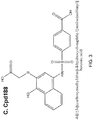
- N-(1',2-dihydroxy-1,2'-binaphthalen-4'-yl)-4-methoxybenzenesulfonamide (herein also referred to as C188-9) was administered to mice in both the intraperitoneal (IP) bleomycin mouse model of lung fibrosis and the subcutaneous (SC) bleomycin mouse model of skin fibrosis.
- C-188-9 administration decreased fibrotic endpoints (collagen deposition by Sircol), expression of alpha-smooth muscle actin (SMA), and improved arterial oxygen saturation) in the IP bleomycin pulmonary fibrosis model.
- C-188-9 also decreased the development of dermal fibrosis in the SC bleomycin model as assessed by decreased dermal thickness, a reduction of alpha-SMA accumulation, and decreased collagen deposition.
- Embodiments of the invention concern compounds for use in methods of treatment and/or prevention of fibrosis of the skin, heart, intestine, pancreas, joint, liver, retroperitoneum or kidneys.
- Fibrosis includes the formation of excess fibrous connective tissue in a reparative or reactive process, such as in an organ or tissue.
- the establishment of fibrosis can be a reactive, benign, or pathological state.
- the fibrosis may be referred to as scarring.
- the fibrosis is relatd to overproduction of the protein collagen.
- the fibrosis may be related to excessive accumulation of extracellular matrix (ECM) proteins.
- ECM extracellular matrix
- the fibrosis may be related to accumulation of myofibroblasts.
- the fibrosis encompasses deposition of connective tissue that can severely impact the structure and/or function of the affected organ and/or tissue.
- fibrosis is the pathological state of excess deposition of fibrous tissue and/or the state of undesirable connective tissue deposition in healing that is not necessarily pathological.
- the fibrosis is skin fibrosis (that may also be referred to as dermal fibrosis), which may or may not be part of scleroderma.
- Diagnosis of skin fibrosis may include examination by a medical care provider and may include a biopsy.
- tissue staining such as Hematoxylin and eosin (H& E) stain, Masson's trichrome stain (extracellular matrix (ECM, collagen)), or Sircol (for collagen); immunohistochemistry; western blot; and/or nucleic acid analysis, for example.
- Exemplary means of nucleic acid analysis includes expression analysis, such as using PCR (such as QRT-PCR); examples of genes for PCR analysis include at least (alpha smooth muscle actin) ⁇ -SMA and collagen, type 1, alpha 1 (Col1a).
- the analysis can include physical exam.
- scleroderma patients have tight and fibrotic skin that starts in their fingers and creeps proximally (in some patients it totally encases them - diffuse systemic sclerosis/scleroderma; while in others it remains distal to the elbows - limited systemic sclerosis/scleroderma).
- the diagnosis can be confirmed by histology/skin biopsy.
- the skin fibrosis may be part of sclerodactyly, scleroderma, Amyloidosis, Dupytren's contracture, Peyronie's disease, Polymyositis, Carcinoid tumour, or Graft versus host disease, for example.
- Causes of skin fibrosis may be of any kind, such as unknown, Ainhum, Amyloidosis, Atrophoderma of Pasini and Pierini, Carcinoid tumours and carcinoid syndrome, Dupuytren's contracture, Eosinophilic fasciitis, Graft versus host disease, Hutchinson-Gilford progeria syndrome, Lichen myxedematosus, Mixed connective tissue disease, Morphoea, Nephrogenic systemic fibrosis, Peyronie's disease, Polymyositis, Porphyria cutanea tarda type 1 (sporadic), Scleredema adultorum, or systemic sclerosis.
- An individual may be at risk for skin fibrosis because of family history or exposure to events or conditions that leaves them prone to fibrosis, such as radiation therapy or surgery.
- cystic fibrosis Another type of fibrosis that may be treated, prevented, or have the risk reduced is cystic fibrosis (CF).
- CF includes scarring and cyst formation within the pancreas and can also affect the lungs, liver, and intestine. Symptoms include breathing difficulty, frequent lung infection, sinus infections, poor growth, infertility, accumulation of thick, sticky mucus, and salty skin. An individual may be at risk for CF if there is a family history, for example. Management of CF symptoms include intravenous, inhaled, and oral antibiotics; transplants; medications and/or mechanical techniques to dislodge and expectorate sputum, and so forth. Compound(s) of the invention may be utilized in conjuction with such management regimen(s).
- Fibrosis of the liver can occur in reponse to chornic liver disease from viral infections, parasitic infections, and toxins (such as alcohol).
- Renal fibrosis can occur from chronic kidney diseases, hypertension, diabetes, and autoimmune diseases, for example.
- Embodiments of the invention encompass compounds for treating, preventing, and/or reducing the risk or severity of fibrosis.
- Specific compounds for use in the present invention are defined in the claims. Functional derivatives of such compounds are also disclosed herein.
- the term "derivative" as used herein is a compound that is formed from a similar compound or a compound that can be considered to arise from another compound, if one atom is replaced with another atom or group of atoms. Derivative can also refer to compounds that at least theoretically can be formed from the precursor compound.
- compounds as described herein are for use in treatment and/or prevention of fibrosis.
- the compounds for use in the present invention may be obtained by any suitable means.
- the derivatives of the invention are provided commercially.
- STAT proteins of which there are seven (1, 2, 3, 4, 5A, 5B and 6), transmit peptide hormone signals from the cell surface to the nucleus.
- Detailed structural information of STAT proteins currently is limited to Stat1 and Stat3.
- Stat1 was the first STAT to be discovered (Fu et al.,, 1992) and is required for signaling by the Type I and II IFNs (Meraz et al,. 1996; Wiederlot-Adam et al,. 2003; Durbin et al,. 1996; Haan et al., 1999).
- Studies in Stat1-deficient mice (Meraz et al,. 1996; Durbin et al,.
- Stat1 is a potent inhibitor of growth and promoter of apoptosis (Bromberg and Darnell, 2000). Also, because tumors from carcinogen-treated wild-type animals grow more rapidly when transplanted into the Stat1-deficient animals than they do in a wild-type host, Stat1 contributes to tumor surveillance (Kaplan et al.,, 1998).
- Stat3 was originally termed acute-phase response factor (APRF) because it was first identified as a transcription factor that bound to IL-6-response elements within the enhancer-promoter region of various acute-phase protein genes (Akira, 1997).
- APRF acute-phase response factor
- other signaling pathways are linked to Stat3 activation include receptors for other type I and type II cytokine receptors, receptor tyrosine kinases, G-protein-coupled receptors and Src kinases (Schindler and Darnell, 1995; Turkson et al.,, 1998).
- Stat1 and Stat3 isoforms .
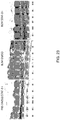
- Two isoforms of Stat1 and Stat3 have been identified- ⁇ (p91 and p92, respectively) and ⁇ (p84 and p83, respectively) (Schindler et al.,, 1992; Schaefer et al.,, 1995; Caldenhoven et al.,, 1996; Chakraborty et al.,, 1996)--that arise due to alternative mRNA splicing ( FIG. 13 ).
- Stat1 ⁇ (712 aa) in which the C-terminal transactivation is simply deleted, the 55 amino acid residues of Stat3 ⁇ are replaced in Stat3 ⁇ by 7 unique amino acid residues at its C-terminus.
- Stat3 ⁇ is not simply a dominant-negative of Stat3 ⁇ (Maritano et al.,, 2004) and regulates gene targets in a manner distinct from Stat3 ⁇ (Maritano et al.,, 2004; Yoo et al.,, 2002).
- Stat3 ⁇ has been demonstrated to contribute to transformation in cell models and many human cancers including breast cancer.
- Stat3 ⁇ was shown to be constitutively activated in fibroblasts transformed by oncoproteins such as v-Src (Yu et al.,, 1995; Garcia and Jove, 1998) and to be essential for v-Src-mediated transformation (Turkson et al.,, 1998; Costa-Pereira et al.,, 2002).
- Stat3 ⁇ In contrast to Stat3 ⁇ , Stat3 ⁇ antagonized v-Src transformation mediated through Stat3 ⁇ (Turkson et al.,, 1998). Overexpression of a constitutively active form of Stat3 ⁇ in immortalized rat or mouse fibroblasts induced their transformation and conferred the ability to form tumors in nude mice (Bromberg et al.,, 1999). Stat3 has been shown to be constitutively activated in a variety of hematological and solid tumors including breast cancer (Dong et al.,, 2003; Redell and Tweardy, 2003) as a result of either autocrine growth factor production or dysregulation of protein tyrosine kinases. In virtually all cases, the isoform demonstrating increased activity is Stat3 ⁇ .
- the compounds of the invention may be for use in specific therapies targeting Stat3 signaling.
- a compound for use as disclosed herein is for use in combination with another agent or therapy method, such as another fibrosis treatment.
- the additional therapy may be phototherapy, such as UVA1 phototherapy, ciprofloxacin, bosentan, methotrexate, E4 peptide (synthetic version of a peptide building block obtained from the natural protein endostatin; Yamaguchi et al., 2012), P144, a compound that is a known inhibitor of TGF- ⁇ ( U.S. Patent No 7582609 ) and so forth.
- the compound(s) may precede or follow the other agent treatment by intervals ranging from minutes to weeks, for example.
- the other agent and the compound of the invention are applied separately to an individual with fibrosis, such as upon delivery to an individual suspected of having fibrosis, known to have fibrosis, or at risk for having fibrosis, one would generally ensure that a significant period of time did not expire between the time of each delivery, such that the agent and compound of the invention would still be able to exert an advantageously combined effect on the individual.
- one may contact the cell, tissue or organism with one, two, three, four or more modalities substantially simultaneously ( i.e., within less than about a minute) with the compound of the invention.
- one or more agents may be administered within about 1 minute, about 5 minutes, about 10 minutes, about 20 minutes about 30 minutes, about 45 minutes, about 60 minutes, about 2 hours, about 3 hours, about 4 hours, about 5 hours, about 6 hours, about 7 hours about 8 hours, about 9 hours, about 10 hours, about 11 hours, about 12 hours, about 13 hours, about 14 hours, about 15 hours, about 16 hours, about 17 hours, about 18 hours, about 19 hours, about 20 hours, about 21 hours, about 22 hours, about 23 hours, about 24 hours, about 25 hours, about 26 hours, about 27 hours, about 28 hours, about 29 hours, about 30 hours, about 31 hours, about 32 hours, about 33 hours, about 34 hours, about 35 hours, about 36 hours, about 37 hours, about 38 hours, about 39 hours, about 40 hours, about 41
- an agent may be administered within of from about 1 day, about 2 days, about 3 days, about 4 days, about 5 days, about 6 days, about 7 days, about 8 days, about 9 days, about 10 days, about 11 days, about 12 days, about 13 days, about 14 days, about 15 days, about 16 days, about 17 days, about 18 days, about 19 days, about 20, to about 21 days prior to and/or after administering the compound of the invention, for example.
- the compound of the invention is "A” and the secondary agent, which can be any other cancer therapeutic agent, is "B”:
- Administration of the therapeutic compounds of the present invention to a patient will follow general protocols for the administration of drugs, taking into account the toxicity. It is expected that the treatment cycles would be repeated as necessary.
- the combination therapy is an antimicrobial agents.
- Any antimicrobial agent(s) may be used, such as one or more of methyl propyl and chlorocresol, for example.
- compositions of the present invention comprise an effective amount of a compound as disclosed herein dissolved or dispersed in a pharmaceutically acceptable carrier.
- pharmaceutically acceptable refer to molecular entities and compositions that do not produce an adverse, allergic or other untoward reaction when administered to an animal, such as, for example, a human, as appropriate.
- the preparation of a pharmaceutical composition that contains at least one Stat3 inhibitor of the invention, and in some cases an additional active ingredient, will be known to those of skill in the art in light of the present disclosure, as exemplified by Remington's Pharmaceutical Sciences, 18th Ed. Mack Printing Company, 1990 .
- preparations should meet sterility, pyrogenicity, general safety and purity standards as required by FDA Office of Biological Standards.
- pharmaceutically acceptable carrier includes any and all solvents, dispersion media, coatings, surfactants, antioxidants, preservatives (e.g., antibacterial agents, antifungal agents), isotonic agents, absorption delaying agents, salts, preservatives, drugs, drug stabilizers, gels, binders, excipients, disintegration agents, lubricants, sweetening agents, flavoring agents, dyes, such like materials and combinations thereof, as would be known to one of ordinary skill in the art (see, for example, Remington's Pharmaceutical Sciences, 18th Ed. Mack Printing Company, 1990, pp. 1289-1329 ). Except insofar as any conventional carrier is incompatible with the active ingredient, its use in the therapeutic or pharmaceutical compositions is contemplated.
- composition(s) may comprise different types of carriers depending on whether it is to be administered in solid, liquid or aerosol form, and whether it needs to be sterile for such routes of administration such as injection.
- the composition(s) can be administered intravenously, intradermally, intraarterially, intraperitoneally, intralesionally, intracranially, intraarticularly, intraprostaticaly, intrapleurally, intratracheally, intranasally, intravitreally, intravaginally, intrarectally, topically, intratumorally, intramuscularly, intraperitoneally, subcutaneously, subconjunctival, intravesicularlly, mucosally, intrapericardially, intraumbilically, intraocularally, orally, topically, locally, injection, infusion, continuous infusion, localized perfusion bathing target cells directly, via a catheter, via a lavage, in lipid compositions (e.g., liposomes), as an aerosol, or by other method or any combination of the forgoing as would be known
- the actual dosage amount of a composition of the present invention administered to an individual can be determined by physical and physiological factors such as body weight, severity of condition, the type of disease being treated, previous or concurrent therapeutic interventions, and the route of administration.
- the practitioner responsible for administration will, in any event, determine the concentration of active ingredient(s) in a composition and appropriate dose(s) for the individual subject.
- compositions may comprise, for example, at least about 0.1% of a compound.
- the active compound may comprise between about 2% to about 75% of the weight of the unit, or between about 25% to about 60%, for example, and any range derivable therein.
- a dose may also comprise from about 0.1 mg/kg/body weight, 0.5 mg/kg/ body weight, 1 mg/kg/body weight, about 5 mg/kg/body weight, about 10 mg/kg/body weight, about 20 mg/kg/body weight, about 30 mg/kg/body weight, about 40 mg/kg/body weight, about 50 mg/kg/body weight, about 75 mg/kg/body weight, about 100 mg/kg/body weight, about 200 mg/kg/body weight, about 350 mg/kg/body weight, about 500 mg/kg/body weight, about 750 mg/kg/body weight, to about 1000 mg/kg/body weight or more per administration, and any range derivable therein.
- a range of about 10 mg/kg/body weight to about 100 mg/kg/body weight, etc. can be administered, based on the numbers described above.
- various dosing mechanisms are contemplated.
- the composition may be given one or more times a day, one or more times a week, or one or more times a month, and so forth.
- the composition may comprise various antioxidants to retard oxidation of one or more component.
- the prevention of the action of microorganisms can be brought about by preservatives such as various antibacterial and antifungal agents, including, but not limited to parabens (e.g. , methylparabens, propylparabens), chlorobutanol, phenol, sorbic acid, thimerosal or combinations thereof.
- parabens e.g. , methylparabens, propylparabens
- chlorobutanol phenol
- sorbic acid thimerosal or combinations thereof.
- composition may be formulated in a free base, neutral or salt form.
- Pharmaceutically acceptable salts include the salts formed with the free carboxyl groups derived from inorganic bases such as for example, sodium, potassium, ammonium, calcium or ferric hydroxides; or such organic bases as isopropylamine, trimethylamine, histidine or procaine.
- a carrier can be a solvent or dispersion medium comprising, but not limited to, water, ethanol, polyol (e.g., glycerol, propylene glycol, liquid polyethylene glycol, etc. ) , lipids (e.g., triglycerides, vegetable oils, liposomes) and combinations thereof.
- the proper fluidity can be maintained, for example, by the use of a coating, such as lecithin; by the maintenance of the required particle size by dispersion in carriers such as, for example, liquid polyol or lipids; by the use of surfactants such as, for example, hydroxypropylcellulose; or combinations thereof such methods.
- isotonic agents such as, for example, sugars, sodium chloride or combinations thereof.
- Sterile injectable solutions are prepared by incorporating the instant invention in the required amount of the appropriate solvent with various amounts of the other ingredients enumerated above, as required, followed by filtered sterilization.
- dispersions are prepared by incorporating the various sterilized active ingredients into a sterile vehicle which contains the basic dispersion medium and/or the other ingredients.
- the preferred methods of preparation are vacuum-drying or freeze-drying techniques which yield a powder of the active ingredient plus any additional desired ingredient from a previously sterile-filtered liquid medium thereof.
- the liquid medium should be suitably buffered if necessary and the liquid diluent first rendered isotonic prior to injection with sufficient saline or glucose.
- the preparation of highly concentrated compositions for direct injection is also contemplated, where the use of DMSO as solvent is envisioned to result in extremely rapid penetration, delivering high concentrations of the active agents to a small area.
- composition must be stable under the conditions of manufacture and storage, and preserved against the contaminating action of microorganisms, such as bacteria and fungi. It will be appreciated that endotoxin contamination should be kept minimally at a safe level, for example, less that 0.5 ng/mg protein.
- prolonged absorption of an injectable composition can be brought about by the use in the compositions of agents delaying absorption, such as, for example, aluminum monostearate, gelatin or combinations thereof.
- kits will thus comprise, in suitable container means, one or more compositions and, in some cases, an additional agent of the present invention.
- agents other than the composition of the disclosure such as one or more other agents for the treatment of fibrosis and/or one or more agents for the treatment of an underlying condition associated with fibrosis.
- kits may be packaged either in aqueous media or in lyophilized form.
- the container means of the kits will generally include at least one vial, test tube, flask, bottle, syringe or other container means, into which a component may be placed, and preferably, suitably aliquoted. Where there are more than one component in the kit, the kit also will generally contain a second, third or other additional container into which the additional components may be separately placed. However, various combinations of components may be comprised in a vial.
- the kits of the present invention also will typically include a means for containing the composition, additional agent, and any other reagent containers in close confinement for commercial sale. Such containers may include injection or blow molded plastic containers into which the desired vials are retained.
- compositions may also be formulated into a syringeable composition.
- the container means may itself be a syringe, pipette, and/or other such like apparatus, from which the formulation may be applied to an infected area of the body, injected into an animal, and/or even applied to and/or mixed with the other components of the kit.
- the components of the kit may be provided as dried powder(s).
- the powder can be reconstituted by the addition of a suitable solvent. It is envisioned that the solvent may also be provided in another container means.
- the inventors isolated the three-dimensional structure of the Stat3 SH2 domain from the core fragment structure of phosphorylated Stat3 homodimers bound to DNA (Becker et al., 1998) deposited in the RCSB Protein Data Bank (PDB) databank (PDB code 1BG1) and converted it to be an Internal Coordinate Mechanics (ICM)- compatible system by adding hydrogen atoms, modifying unusual amino acids, making charge adjustments and performing additional cleanup steps.
- the inventors retrieved the coordinates of the Stat1 SH2 domain from the PDB databank (PDB code 1BF5) for use in computational selectivity analysis (Chen et al., 1998).
- this cube contained the pY residue binding site consisting mainly of R609 and K591 (Shao et al., 2006) and a hydrophobic binding site consisting of Loop ⁇ C_ ⁇ D and Loop ⁇ B- ⁇ C .
- Sequence alignment and overlay of the Stat3 and Stat1 structures revealed substantial differences in sequence of these loops; lack of their superimposition indicated that this region might serve as a selectivity filter (Cohen et al., 2005).
- a flexible docking calculation (Totrov and Abagyan 1997) was performed in order to determine the global minimum energy score and thereby predict the optimum conformation of the compound within the pocket.
- a compound was selected for purchase and biochemical testing based on fulfilling the criteria of interaction analysis (CIA): 1) global minimum energy score ⁇ -30, 2) formation of a salt-bridge and/or H-bond network within the pY-residue binding site and 3) formation of a H-bond with or blocking access to the amide hydrogen of E638. Most, but not all, compounds also interacted with the hydrophobic binding site.
- CIA interaction analysis
- Stat3 SH2/pY-peptide binding assay were performed at 25°C with a BIAcore 3000 biosensor using 20mM Tris buffer pH 8 containing 2mM mercaptoethanol and 5% DMSO as the running buffer (Kim et al., 2005). Phosphorylated and control non-phosphorylated biotinylated EGFR derived dodecapeptides based on the sequence surrounding Y1068 (Shao et al., 2004) were immobilized on a streptavidin coated sensor chip (BIAcore inc., Picataway NJ).
- the binding of Stat3 was conducted in 20mM Tris buffer pH 8 containing 2mM ⁇ -mercaptoethanol at a flow rate of 10uL/min for 1-2 minute. Aliquots of Stat3 at 500nM were premixed with compound to achieve a final concentration of 1-1,000uM and incubated at 4°C prior to being injected onto the sensor chip. The chip was regenerated by injecting 10uL of 100mM glycine at pH 1.5 after each sample injection. A control (Stat3 with DMSO but without compound) was run at the beginning and the end of each cycle (40 sample injections) to ensure that the integrity of the sensor chip was maintained throughout the cycle run. The average of the two controls was normalized to 100% and used to evaluate the effect of each compound on Stat3 binding.
- the human hepatocellular carcinoma cell line (HepG2) was grown in 6-well plates under standard conditions. Cells were pretreated with compounds (0, 1, 3, 10, 30, 100 and 300uM) for 1 hour then stimulated under optimal conditions with either interferon gamma (IFN- ⁇ ; 30 ng/ml for 30 min) to activate Stat1 or interleukin-6 (IL-6; 30 ng/ml for 30 min) to activate Stat3 (30-31). Cultures were then harvested and proteins extracted using high-salt buffer, as described (Shao et al., 2006).
- IFN- ⁇ interferon gamma
- IL-6 interleukin-6
- extracts were mixed with 2X sodium dodecyl sulfate (SDS) sample buffer (125mmol/L Tris-HCL pH 6.8; 4% SDS; 20% glycerol; 10%2-mercaptoethanol) at a 1:1 ratio and heated for 5 minutes at 100°C.
- SDS sodium dodecyl sulfate
- Proteins (20 ⁇ g) were separated by 7.5% SDS-PAGE and transferred to polyvinylidene fluoride (PVDF) membrane (Millipore, Waltham, MA) and immunoblotted. Prestained molecular weight markers (Biorad, Hercules, CA) were included in each gel.
- Membranes were probed serially with antibody against Stat1 pY 701 or Stat3 pY 705 followed by antibody against Stat1 or Stat3 (Transduction labs, Lexington, KY) then antibody against ⁇ -actin (Abcam, Cambridge, MA). Membranes were stripped between antibody probing using RestoreTM Western Blot Stripping Buffer (Thermo Fisher Scientific Inc., Waltham, MA) per the manufacturer's instructions. Horseradish peroxidase-conjugated goat-anti-mouse IgG was used as the secondary antibody (Invitrogen Carlsbad, CA) and the membranes were developed with enhanced chemiluminescence (ECL) detection system (Amersham Life Sciences Inc.; Arlington Heights, IL.).
- ECL enhanced chemiluminescence
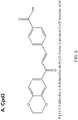
- Similarity screen Three compounds identified in the initial virtual ligand screening (VLS)-Cpd3, Cpd30 and Cpd188-inhibited Stat3 SH2/pY-peptide binding and IL-6-mediated Stat3 phosphorylation and were chosen as reference molecules for similarity screening.
- a fingerprint similarity query for each reference compound was submitted to Molcart/ICM (Max Distance, 0.4). Similarity between each reference molecule and each database molecule was computed and the similarity results were ranked in decreasing order of ICM similarity score (Eckert and Bajorath 2007).
- Electrophoretic Mobility Shift Assay (EMSA) was performed using the hSIE radiolabeled duplex oligonucleotide as a probe as described (Tweardy et al., 1995). Briefly, high salt extracts were prepared from HepG2 cells incubated without or with IL- 6 (30ng/ml) for 30 minutes. Protein concentration was determined by Bradford Assay and 20ug of extract was incubated with compound (300uM) for 60 minutes at 37o C. Bound and unbound hSIE probe was separated by polyacrylamide gel electrophoresis (4.5%). Gels were dried and autoradiographed.
- the initial 3-dimensional configuration of the Stat1 SH2 domain in a complex with each compound was predicted and generated by superimposing, within the computational model, the 3-dimensional features of the Stat1 SH2 onto the 3-dimensional configuration of the Stat3 SH2 domain in a complex with each compound.
- the final computational model of Stat1 SH2 in a complex with each compound was determined by local minimization using Internal Coordinate Force Field (ICFF)-based molecular mechanics (Totrov and Abagyan 1997).
- ICFF Internal Coordinate Force Field
- the inventors computed the van der Waals energy of the complex of Stat1 or 3-SH2 bound with each compound using Lennard-Jones potential with ECEPP/3 force field (Nemethy et al., 1992).
- HTFM Confocal and highthroughput fluorescence microscopy. Confocal and highthroughput fluorescence microscopy (HTFM) of MEF/GFP-Stat3 ⁇ cells were performed as described (Huang et al., 2007). Briefly, for confocal fluorescence microscopy, cells were grown in 6-well plates containing a cover slip. For HTFM, cells were seeded into 96-well CC3 plates at a density of 5,000 cells/well using an automated plating system. Cells were cultured under standard conditions until 85-90% confluent. Cells were pretreated with compound for 1 hour at 37 °C then stimulated with IL-6 (200ng/ml) and IL- 6sR (250ng/ml) for 30 minutes.
- IL-6 200ng/ml
- IL- 6sR 250ng/ml
- Cells were seeded at 2,500 cells/cm 2 into 12-well plates. At 80% confluency, cells were washed with PBS and supplemented with fresh medium containing compound or the topoisomerase I-inhibitor, camptothecin, at 0, 0.1, 03, 1, 3, 10, 30, 100, 300 ⁇ M. At 24 hours, treatment was terminated by removing the medium from each well. Cells were lysed with cell lysis buffer (600 ⁇ l for 30 minutes at 25 °C).
- Cell lysate 200 ⁇ l was centrifuged at 200xg for 10 minutes and 20 ⁇ l of each supernatant was assayed for nucleosomes using the Cell Death Detection ELISA (Roche Applied Science) as described by the manufacturer.
- the percent maximum nucleosome level was calculated by dividing the nucleosome level by the maximum nucleosome level achieved in the assay and multiplying by 100. This value was plotted as a function of the log compound concentration and the best-fitting curve generated using 4-Parameter Logistic Model/Dose Response/XLfit 4.2, IDBS software.
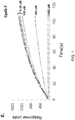
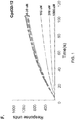
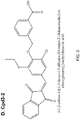
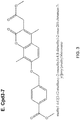
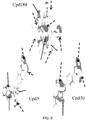
- the VLS protocol was used to evaluate a total of 920,000 drug-like compounds. Of these, 142 compounds fulfilled CIA criteria. These compounds were purchased and tested for their ability to block Stat3 binding to its phosphopeptide ligand in a surface plasmon resonance (SPR)-based binding assay and to inhibit IL-6-mediated phosphorylation of Stat3. SPR competition experiments showed that of the 142 compounds tested, 3 compounds-Cpd3, Cpd30 and Cpd188-were able to directly compete with pY-peptide for binding to Stat3 with IC 50 values of 447, 30, and 20 ⁇ M, respectively ( FIGS. 1 and 3 ; Table 4). Table 4.
- SPR surface plasmon resonance
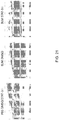
- each compound inhibited IL-6-mediated phosphorylation of Stat3 with IC50 values of 91, 18 and 73 ⁇ M respectively ( FIG. 2 ; Table 4).
- Stat3 While Stat3 contributes to oncogenesis, in part, through inhibition of apoptosis, Stat1 is anti-oncogenic; it mediates the apoptotic effects of interferons and contributes to tumor surveillance (Kaplan et al., 1998; Ramana et al., 2000). Consequently, compounds that target Stat3 while sparing Stat1, leaving its anti-oncogenic functions unopposed, may result in a synergistic anti-tumor effect. To assess the selectivity of the compounds for Stat3 vs .
- Stat1 HepG2 cells were incubated with Cpd3, Cpd30, Cpd188, Cpd3-2, Cpd3- 7, and Cpd30-12 (300 ⁇ M) for 1 hour at 37°C before IFN- ⁇ stimulation ( FIG. 4 ). Only treatment with Cpd30-12 blocked Stat1 phosphorylation while each of the other five compounds-Cpd3, Cpd30, Cpd188, Cpd3-2 and Cpd3-7-did not. Thus, five of the six exemplary compounds identified were selective and inhibited ligand-stimulated phosphorylation of Stat3 but not Stat1.
- Stat3 undergoes a change in conformation from head-to-head dimerization mediated through its N-terminal oligomerization domain to tail-to-tail dimerization mediated by reciprocal SH2/pY705-peptide ligand interactions. This conformational change is followed by nuclear accumulation. Compounds that targeted SH2/pY-peptide ligand interactions of Stat3 would be expected to inhibit nuclear accumulation of Stat3. To determine if this was the case with the compounds herein, a nuclear translocation assay ( FIG.
- MEF-Stat3 ⁇ murine embryonic fibroblast cells that are deficient in endogenous Stat3 but constitutively express GFP-tagged Stat3 ⁇ at endogenous levels
- MEF/GFP-Stat3 ⁇ Huang et al., 2007
- Preincubation of MEF/GFP-Stat3 ⁇ cells with Cpd3, Cpd30, Cpd188, Cpd3-2 and Cpd3-7, but not Cpd30- 12 blocked ligand-mediated nuclear translocation of GFP-Stat3 ⁇ with IC 50 values of 131, 77, 39, 150 and 20 ⁇ M ( FIG. 7 and Table 4).
- Stat3 dimers bind to specific DNA elements to activate and, in some instances, repress gene transcription.
- Tyrosine-phosphorylated dodecapeptides based on motifs within receptors that recruit Stat3 have previously been shown to destabilize Stat3 (Chakraborty et al., 1999; Shao et al., 2003).
- Compounds that bind to the phosphopeptide-binding site of Stat3 might be expected to do the same. To determine if this was the case for any of the identified compounds, extracts of IL-6-stimulated HepG2 cells were incubated in binding reactions containing radiolabeled hSIE ( FIG. 8 ) and each of the five selective compounds (300 ⁇ M).
- compound affinity is improved upon gaining a log greater affinity upon moving from 1 st generation to 2nd generation probes using 3-D pharmacophore analysis.
- selectivity is improved through modeling embodiments, in particular through identification of a distinct hydrophobic binding domain in the phosphopeptide binding pocket of Stat3 SH2 vs . the Stat1 SH2 (Xu et al., 2009).
- Cpd188-38 exhibited a 2 logs greater activity than parent Cpd188 in inhibiting cytoplasmic-to-nuclear translocation in HTFM assay, while Cpd188-15 exhibited a 1 log greater activity than parent Cpd188 in decreasing MSFE (Table 5).
- several of the second-generation 188-like compounds represent a substantial improvement over Cpd188 from a medicinal chemistry, metabolism and bioavailability standpoint.
- Cpd188-9 lacked both carboxyl groups, which in particular cases improves cell permeability and/or the thioether group, which is subject to oxidation.
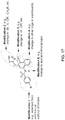
- Group I compounds which are the most potent series of Stat3 probes.
- this is the most important contributor to the inhibitory activity: a total of eight 3-substituents are found in Group I compounds, which invariably enhance the activity by several orders of magnitude.
- Most Stat3 probes in Group II contain a 5- membered ring that combines the 3-R and 4-OR2 groups, such as a furan (188-11).
- the compounds in this group are, in average, ⁇ 5x less active than the Group I compounds, which indicates that in certain aspects the H atom of the 4-hydroxy group (highlighted in blue in the general structure of Group I in FIG. 16 ) is important, e.g., involved in a favorable H-bond with the protein. Lacking the ability to form the H-bond attributes to the weaker activities of Group II probes, in particular cases.
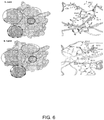
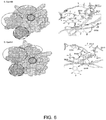
- the crystal structure of Stat3 shows that the SH2 domain has a large, widely dispersed and generally shallow binding area with several valleys and hills that recognize the pY-peptide ligand ( FIG. 18 ).
- Structure-based molecular modeling was useful in identifying the contribution of the hydrophobic binding surface of the Stat3 SH2 domain as a selectivity filter (Xu et al., 2009).
- different docking programs gave distinct binding poses for the same probe over the binding surface with similar predicted binding affinities.
- the inventors therefore in particular embodiments, based on initial SAR results outlined above, use traditional medicinal chemistry to further carry out an exemplary comprehensive structure activity relationship study, to optimize the activity as well as the selectivity of this novel class of sulfamide probes of Stat3.
- Compound 188-15 serves as a scaffold for making the new generation compounds, as shown schematically ( FIG. 16 ).
- thioethers which may be subjected to oxidation/degradation in vivo and lead to an unfavorable pharmacokinetic profile, in particular aspects.
- the central -S- atom is changed to a more metabolically stable isosteres, such as -CH 2 -, -NH-, and -O-, in certain cases.
- the crystal structure of Stat3 SH2 domain also provides strong evidence that more compounds with different electrostatic properties are useful for characterization.
- the electrostatic molecular surface of the protein shows two distinct features, as shown in FIG. 18 . The first one is the negatively charged Glu638 surface stands out in the center. Next, of particular interest is a positively charged area, composed of Arg609 and Lys591 located in the edge of the domain, which is actually the pY (phosphorylated tyrosine) binding site of the receptor. The inventors also found that introducing a negatively charged group targeting the pY binding site leads to particularly active probes, in certain embodiments.
- Modifications 3 and 4 test the effects of changing the substituents at the 4, 5, and 6- positions.
- the -OH at 4-position may be superior to -OR, in certain aspects.
- dehydroxy compounds 7 may also be made, starting from 3-bromonaphthyl-1-amine.
- Each novel sulfamide compound is tested for the ability to inhibit Stat3 binding to its phosphopeptide ligand by SPR and the ability to block IL-6-stimulated cytoplasmic-to-nuclear translocation in the HTFM assay.
- Probes with activity in these assays equivalent to or greater than the most active 2nd generation compounds are tested for inhibition of IL-6-stimulated Stat3 phosphorylation and lack of ability to inhibit IFN- ⁇ -stimulated Stat1 phosphorylation as outlined below.
- Stat3/pY-peptide SPR binding inhibition assay is performed at 25°C using a BIAcore 3000 biosensor as described (Xu et al., 2009). Briefly, phosphorylated and control nonphosphorylated biotinylated EGFR derived dodecapeptides based on the sequence surrounding Y1068 are immobilized on a streptavidin coated sensor chip (BIAcore Inc., Piscataway NJ). The binding of Stat3 is performed in 20mM Tris buffer pH 8 containing 2mM ⁇ -mercaptoethanol at a flow rate of 10uL/min for 1-2 minute.
- EXP IIB High throughput fluorescence microscopy (HTFM), cytoplasm-to-nucleus translocation inhibition assays.
- HTFM of MEF/GFP-Stat3 ⁇ cells is performed to assess the ability of probes to inhibit GFP-Stat3 cytoplasmic-to-nuclear translocation, as described (Xu et al., 2009), using the robotic system available as part of the John S. Dunn Gulf Coast Consortium for Chemical Genomics at the University of Texas-Houston School of Medicine. Briefly, cells are seeded into 96-well CC3 plates at a density of 5,000 cells/well and cultured under standard conditions until 85-90% confluent.
- Cells are pre-treated with compound for 1 hour at 37 °C then stimulated with IL-6 (100ng/ml) and IL-6sR (150ng/ml) for 30 minutes.
- Cells are fixed with 4% formaldehyde in PEM Buffer (80 mM Potassium PIPES, pH 6.8, 5 mM EGTA pH 7.0, 2 mM MgCl 2 ) for 30 minutes at 4 °C, quenched in 1 mg/ml of NaBH 4 (Sigma) in PEM buffer and counterstained for 1 min in 4,6-diamidino-2-phenylindole (DAPI; Sigma; 1mg/ml) in PEM buffer. Plates are analyzed by automated HTFM using the Cell Lab IC Image Cytometer (IC100) platform and CytoshopVersion 2.1 analysis software (Beckman Coulter).
- Nuclear translocation is quantified by using the fraction localized in the nucleus (FLIN) measurement.
- FLIN values are normalized by subtracting the FLIN for unstimulated cells then dividing this difference by the maximum difference (delta, ⁇ ) in FLIN (FLIN in cells stimulated with IL-6/sIL-6R in the absence of compound minus FLIN of unstimulated cells). This ratio is multiplied by 100 to obtain the percentage of maximum difference in FLIN and is plotted as a function of the log compound concentration.
- the best-fitting curve and IC 50 value are determined using 4-Parameter LogisticModel/Dose Response/XLfit 4.2, IDBS software.
- EXP IIC Ligand-mediated pStat3 and pStat1 inhibition assays. Newly synthesized Stat3 probes with activity equivalent to or greater than parent compound 188 in the SPR and HTFM assays will be tested for the ability to selectively inhibit ligand-mediated phosphorylation of Stat3 as described (Xu et al., 2009).
- HepG2 human hepatocellular carcinoma cells
- compounds (0, 0.1, 0.3, 1, 3, 10, 30, 100 ⁇ M) for 1 hour then stimulated under optimal conditions with either interleukin-6 (IL-6; 30 ng/ml for 30 min) to activate Stat3 or interferon gamma (IFN- ⁇ ; 30 ng/ml for 30 min) to activate Stat1.
- IL-6 interleukin-6
- IFN- ⁇ interferon gamma
- Cells are harvested and proteins extracted using high-salt buffer, mixed with 2X sodium dodecyl sulfate (SDS) sample buffer (125mmol/L Tris-HCL pH 6.8; 4% SDS; 20% glycerol; 10%2-mercaptoethanol) at a 1:1 ratio then heated for 5 minutes at 100 °C.
- SDS sodium dodecyl sulfate
- Proteins (20 ⁇ g) are separated by 7.5% SDS-PAGE and transferred to polyvinylidene fluoride (PVDF) membrane (Millipore, Waltham, MA) and immunoblotted.
- PVDF polyvinylidene fluoride
- Membranes are probed serially with antibody against Stat1 pY701 or Stat3 pY705 followed by antibody against Stat1 or Stat3 (Transduction labs, Lexington, KY) then antibody against ⁇ -actin (Abcam, Cambridge, MA).
- Membranes are stripped between antibody probings using RestoreTM Western Blot Stripping Buffer (Thermo Fisher Scientific Inc., Waltham, MA) per the manufacturer's instructions.
- Horseradish peroxidase-conjugated goat-anti-mouse IgG is used as the secondary antibody (Invitrogen Carlsbad, CA) and the membranes are developed with enhanced chemiluminescence (ECL) detection system (Amersham Life Sciences Inc.; Arlington Heights, IL.). Band intensities are quantified by densitometry. The value of each pStat3 band is divided by its corresponding total Stat3 band intensity; the results are normalized to the DMSO-treated control value. This value was plotted as a function of the log compound concentration. The best-fitting curve is determined using 4-Parameter Logistic Model/Dose Response/XLfit 4.2, IDBS software and was used to calculate the IC 50 value.
- EXP IID Molecular modeling of probe-Stat3 interactions.
- Stat1 SH2 domains suggested that the basis for experimental selectivity of probes for Stat3 vs .
- Stat1 rested on the ability of the probes to have greater interaction with the hydrophobic binding site within the pY-peptide binding pocket of Stat3 compared to Stat1.
- the hydrophobic binding site served as a selectivity filter.
- probes with one log or greater activity there is identification of probes with one log or greater activity than 2 nd generation probes in SPR, HTFM and pStat3 assays. Furthermore, in certain aspects some of the most active 3 rd generation probes that emerge from this analysis are selective for Stat3 vs . Stat1 based on their greater interaction with the hydrophobic binding site within the Stat3 vs . Stat1 SH2 pY-peptide binding pocket.
- FIG. 19 Skin biopsies from the subcutaneous bleomycin skin model in wild type mice and human subjects (healthy control vs . scleroderma) are illustrated in FIG. 19 .
- Scleroderma is an autoimmune disease that manifests as fibrosis in the skin and internal organs.
- Both bleomycin injected skin with fibrosis and scleroderma skin demonstrate increased staining for phosphorylated (active) Stat3, indicating activation of Stat3 signaling in these fibrotic tissues.
- FIG. 20 illustrates an exemplary study design using a subutaneous (SQ) bleomycin model for skin fibrosis.
- bleomycin is administered to wild type mice (C57/B16) via subcutaneous injection 5 days a week for a total of 4 weeks.
- PBS is used as a control for the bleomycin.
- Fibrosis is assessed in the biopsied skin on day 28. Fibrosis is assessed using histology (hematoxylin and eosin stain), where the dermal thickness is quantified as the average linear distance from the dermis-epidermis junction to the subQ muscle layer. Masson's trichrome staining is also performed to stain collagen blue.
- FIG. 22 provides quantitation of the images in FIG. 22 , and all 5 in each group are averaged. There was no difference in dermal thickness between PBS-injected mice with treatment with DMSO or STAT3 inhibitor. However, bleomycin increases the dermal thickness that is reduced in the Bleo/STAT3 inhibitor group.
- FIG. 24 wild type mice given Bleomycin (BLM, middle panel) have increased alpha Smooth muscle actin staining (bright pink) that is decreased when given the STAT3 inhibitor (right panel). Images are representative images from 1 mouse per group total of 5 mice per group in the experiment. The aSMA stains myofibroblasts; therefore, STAT3 inhibitor decreases fibrosis and the accumulation of myofibroblasts in the subcutaneous bleomycin model.
- FIG. 25 shows the effect of Cpd188-9 on dermal fibroblast production of type I collagen (Col1a1), smooth muscle actin (aSMA) and the transcription factor Snail.
- Col1a1, aSMA and Snail are important genes involved in the development of fibrosis of the skin and other organs.
- TGFbeta and/or IL-6 can increase the expression of these genes in dermal fibroblasts and contribute to the development of tissue fibrosis.
- Cpd188-9 blocks the increased expression of Col1a1, aSMA and Snail mRNA induced by TGF-beta or IL6 (plus the IL6 receptor) in mouse dermal fibroblasts.
- FIG. 26 provides quantitative real time PCR assessment of fibrotic gene expression in the skin of wild type mice in the subcutaneous bleomycin model treated with control (DMSO) or Cpd188-9 (exemplary Stat3 inhibitor).
- DMSO subcutaneous bleomycin model treated with control
- Cpd188-9 exemplary Stat3 inhibitor
Landscapes
- Chemical & Material Sciences (AREA)
- Organic Chemistry (AREA)
- Health & Medical Sciences (AREA)
- Public Health (AREA)
- Veterinary Medicine (AREA)
- Medicinal Chemistry (AREA)
- Pharmacology & Pharmacy (AREA)
- Life Sciences & Earth Sciences (AREA)
- Animal Behavior & Ethology (AREA)
- General Health & Medical Sciences (AREA)
- Epidemiology (AREA)
- Nuclear Medicine, Radiotherapy & Molecular Imaging (AREA)
- General Chemical & Material Sciences (AREA)
- Engineering & Computer Science (AREA)
- Chemical Kinetics & Catalysis (AREA)
- Bioinformatics & Cheminformatics (AREA)
- Dermatology (AREA)
- Biomedical Technology (AREA)
- Physical Education & Sports Medicine (AREA)
- Acyclic And Carbocyclic Compounds In Medicinal Compositions (AREA)
- Micro-Organisms Or Cultivation Processes Thereof (AREA)
- Medicines Containing Material From Animals Or Micro-Organisms (AREA)
Priority Applications (1)
| Application Number | Priority Date | Filing Date | Title |
|---|---|---|---|
| PL14825819T PL3021839T3 (pl) | 2013-07-18 | 2014-07-18 | Kompozycje do leczenia zwłóknienia |
Applications Claiming Priority (2)
| Application Number | Priority Date | Filing Date | Title |
|---|---|---|---|
| US201361847744P | 2013-07-18 | 2013-07-18 | |
| PCT/US2014/047319 WO2015010102A1 (en) | 2013-07-18 | 2014-07-18 | Methods and compositions for treatment of fibrosis |
Publications (3)
| Publication Number | Publication Date |
|---|---|
| EP3021839A1 EP3021839A1 (en) | 2016-05-25 |
| EP3021839A4 EP3021839A4 (en) | 2017-05-31 |
| EP3021839B1 true EP3021839B1 (en) | 2021-06-23 |
Family
ID=52346772
Family Applications (1)
| Application Number | Title | Priority Date | Filing Date |
|---|---|---|---|
| EP14825819.7A Active EP3021839B1 (en) | 2013-07-18 | 2014-07-18 | Compositions for treatment of fibrosis |
Country Status (9)
| Country | Link |
|---|---|
| US (1) | US10112933B2 (da) |
| EP (1) | EP3021839B1 (da) |
| AU (1) | AU2014290363B2 (da) |
| CA (1) | CA2919517C (da) |
| DK (1) | DK3021839T3 (da) |
| ES (1) | ES2879886T3 (da) |
| PL (1) | PL3021839T3 (da) |
| PT (1) | PT3021839T (da) |
| WO (1) | WO2015010102A1 (da) |
Families Citing this family (14)
| Publication number | Priority date | Publication date | Assignee | Title |
|---|---|---|---|---|
| AU2014290368B2 (en) * | 2013-07-18 | 2019-07-11 | Baylor College Of Medicine | Methods and compositions for treatment of muscle wasting, muscle weakness, and/or cachexia |
| FR3024546B1 (fr) * | 2014-07-29 | 2018-08-24 | Universite De Reims Champagne-Ardenne | Procede de detection et de quantification de la fibrose |
| WO2018054354A1 (zh) * | 2016-09-22 | 2018-03-29 | 陈昆锋 | 含有src同源区2的蛋白酪氨酸磷酸酶-1激动剂用于改善纤维化的用途 |
| JP7411315B2 (ja) * | 2018-04-19 | 2024-01-11 | トゥヴァルディ セラピューティクス,インク. | Stat3阻害剤 |
| US11026905B2 (en) | 2018-04-19 | 2021-06-08 | Tvardi Therapeutics, Inc. | STAT3 inhibitors |
| CN110467551B (zh) * | 2019-07-15 | 2022-07-22 | 温州医科大学 | 一种4-甲氧基-n-(1-萘基)苯磺酰胺类stat3小分子抑制剂及其制备和应用 |
| US20220372135A1 (en) | 2019-09-27 | 2022-11-24 | Disc Medicine, Inc. | Methods for treating myelofibrosis and related conditions |
| JP2023504194A (ja) * | 2019-12-03 | 2023-02-01 | ベイラー カレッジ オブ メディスン | インスリン耐性における使用方法のための治療化合物 |
| JP2023520273A (ja) | 2020-01-24 | 2023-05-17 | トゥヴァルディ セラピューティクス,インク. | 治療化合物、製剤、およびその使用 |
| KR20230012539A (ko) | 2020-05-13 | 2023-01-26 | 디스크 메디슨, 인크. | 골수섬유증을 치료하기 위한 항-헤모주벨린 (hjv) 항체 |
| CN111973578A (zh) * | 2020-08-03 | 2020-11-24 | 天津医科大学 | C188-9、Venetoclax、Bumetanide在纤维化疾病药物中的应用 |
| WO2023126951A1 (en) * | 2022-01-03 | 2023-07-06 | Yeda Research And Development Co. Ltd. | Inhibitors of autophagy-related protein-protein interactions |
| AR128676A1 (es) * | 2022-03-01 | 2024-06-05 | Tvardi Therapeutics Inc | Compuestos terapéuticos, formulaciones, uso y método de preparación |
| CA3254067A1 (en) | 2022-06-15 | 2023-12-21 | Tvardi Therapeutics, Inc. | STAT3 INHIBITOR MEDICINES |
Family Cites Families (6)
| Publication number | Priority date | Publication date | Assignee | Title |
|---|---|---|---|---|
| US20100035793A1 (en) * | 2005-07-27 | 2010-02-11 | Cheh Peng Lim | Modulators |
| US7582609B2 (en) | 2006-03-01 | 2009-09-01 | Digna Biotech, S.L. | Method for the treatment of skin fibrosis and suitable compositions for such treatment |
| EP2299999B1 (en) * | 2008-06-04 | 2017-08-16 | Baylor College Of Medicine | Stat3 inhibitors |
| FR2962649B1 (fr) | 2010-07-19 | 2025-10-24 | Conservatoire Nat Arts Et Metiers | Traitement d'une pathologie liee a un effet excessif du tnf par un compose de benzene sulfonamide |
| US20150031714A1 (en) | 2013-07-18 | 2015-01-29 | Baylor College Of Medicine | Methods and compositions for prevention of allergic reaction |
| AU2014290368B2 (en) | 2013-07-18 | 2019-07-11 | Baylor College Of Medicine | Methods and compositions for treatment of muscle wasting, muscle weakness, and/or cachexia |
-
2014
- 2014-07-18 AU AU2014290363A patent/AU2014290363B2/en active Active
- 2014-07-18 CA CA2919517A patent/CA2919517C/en active Active
- 2014-07-18 EP EP14825819.7A patent/EP3021839B1/en active Active
- 2014-07-18 WO PCT/US2014/047319 patent/WO2015010102A1/en not_active Ceased
- 2014-07-18 ES ES14825819T patent/ES2879886T3/es active Active
- 2014-07-18 PT PT148258197T patent/PT3021839T/pt unknown
- 2014-07-18 DK DK14825819.7T patent/DK3021839T3/da active
- 2014-07-18 PL PL14825819T patent/PL3021839T3/pl unknown
- 2014-07-18 US US14/335,804 patent/US10112933B2/en active Active
Non-Patent Citations (1)
| Title |
|---|
| None * |
Also Published As
| Publication number | Publication date |
|---|---|
| DK3021839T3 (da) | 2021-07-26 |
| CA2919517A1 (en) | 2015-01-22 |
| HK1224210A1 (en) | 2017-08-18 |
| US20150051233A1 (en) | 2015-02-19 |
| WO2015010102A1 (en) | 2015-01-22 |
| EP3021839A1 (en) | 2016-05-25 |
| CA2919517C (en) | 2022-04-19 |
| PL3021839T3 (pl) | 2021-12-20 |
| ES2879886T3 (es) | 2021-11-23 |
| AU2014290363A1 (en) | 2016-02-04 |
| US10112933B2 (en) | 2018-10-30 |
| EP3021839A4 (en) | 2017-05-31 |
| PT3021839T (pt) | 2021-07-30 |
| AU2014290363B2 (en) | 2019-02-21 |
Similar Documents
| Publication | Publication Date | Title |
|---|---|---|
| EP3021839B1 (en) | Compositions for treatment of fibrosis | |
| US11161831B2 (en) | Methods and compositions for treatment of muscle wasting, muscle weakness, and/or cachexia | |
| EP2299999B1 (en) | Stat3 inhibitors | |
| US20220227750A1 (en) | Methods and compositions for prevention of anaphylaxis | |
| HK1224210B (en) | Compositions for treatment of fibrosis | |
| HK40074114A (en) | Methods and compositions for treatment of muscle wasting, muscle weakness, and/or cachexia | |
| HK40074114B (en) | Methods and compositions for treatment of muscle wasting, muscle weakness, and/or cachexia | |
| HK1223275B (en) | Compositions for prevention of allergic reaction | |
| HK1224180B (en) | Methods and compositions for treatment of muscle wasting, muscle weakness, and/or cachexia |
Legal Events
| Date | Code | Title | Description |
|---|---|---|---|
| PUAI | Public reference made under article 153(3) epc to a published international application that has entered the european phase |
Free format text: ORIGINAL CODE: 0009012 |
|
| 17P | Request for examination filed |
Effective date: 20160212 |
|
| AK | Designated contracting states |
Kind code of ref document: A1 Designated state(s): AL AT BE BG CH CY CZ DE DK EE ES FI FR GB GR HR HU IE IS IT LI LT LU LV MC MK MT NL NO PL PT RO RS SE SI SK SM TR |
|
| AX | Request for extension of the european patent |
Extension state: BA ME |
|
| RIN1 | Information on inventor provided before grant (corrected) |
Inventor name: KASEMBELI, MOSES, M. Inventor name: PEDROZA, MESIAS Inventor name: XU, MARVIN, X. Inventor name: AGARWAL, SANDEEP, K. Inventor name: TWEARDY, DAVID, J. |
|
| RIC1 | Information provided on ipc code assigned before grant |
Ipc: A61P 17/02 20060101ALI20170125BHEP Ipc: A61K 31/4196 20060101ALI20170125BHEP Ipc: A61K 31/05 20060101ALI20170125BHEP Ipc: A61K 45/06 20060101ALI20170125BHEP Ipc: A61K 31/18 20060101AFI20170125BHEP Ipc: A61P 35/00 20060101ALI20170125BHEP |
|
| A4 | Supplementary search report drawn up and despatched |
Effective date: 20170504 |
|
| RIC1 | Information provided on ipc code assigned before grant |
Ipc: A61K 45/06 20060101ALI20170426BHEP Ipc: A61K 31/18 20060101AFI20170426BHEP Ipc: A61P 35/00 20060101ALI20170426BHEP Ipc: A61K 31/4196 20060101ALI20170426BHEP Ipc: A61P 17/02 20060101ALI20170426BHEP Ipc: A61K 31/05 20060101ALI20170426BHEP |
|
| REG | Reference to a national code |
Ref country code: HK Ref legal event code: DE Ref document number: 1224210 Country of ref document: HK |
|
| STAA | Information on the status of an ep patent application or granted ep patent |
Free format text: STATUS: REQUEST FOR EXAMINATION WAS MADE |
|
| STAA | Information on the status of an ep patent application or granted ep patent |
Free format text: STATUS: EXAMINATION IS IN PROGRESS |
|
| 17Q | First examination report despatched |
Effective date: 20200121 |
|
| GRAP | Despatch of communication of intention to grant a patent |
Free format text: ORIGINAL CODE: EPIDOSNIGR1 |
|
| STAA | Information on the status of an ep patent application or granted ep patent |
Free format text: STATUS: GRANT OF PATENT IS INTENDED |
|
| RIC1 | Information provided on ipc code assigned before grant |
Ipc: A61K 31/343 20060101ALI20200512BHEP Ipc: A61K 31/05 20060101ALI20200512BHEP Ipc: A61K 45/06 20060101ALI20200512BHEP Ipc: A61P 19/04 20060101ALI20200512BHEP Ipc: A61P 35/00 20060101ALI20200512BHEP Ipc: A61K 31/4196 20060101ALI20200512BHEP Ipc: A61K 31/39 20060101ALI20200512BHEP Ipc: A61P 17/02 20060101ALI20200512BHEP Ipc: A61K 31/18 20060101AFI20200512BHEP |
|
| INTG | Intention to grant announced |
Effective date: 20200528 |
|
| GRAJ | Information related to disapproval of communication of intention to grant by the applicant or resumption of examination proceedings by the epo deleted |
Free format text: ORIGINAL CODE: EPIDOSDIGR1 |
|
| STAA | Information on the status of an ep patent application or granted ep patent |
Free format text: STATUS: EXAMINATION IS IN PROGRESS |
|
| GRAP | Despatch of communication of intention to grant a patent |
Free format text: ORIGINAL CODE: EPIDOSNIGR1 |
|
| STAA | Information on the status of an ep patent application or granted ep patent |
Free format text: STATUS: GRANT OF PATENT IS INTENDED |
|
| INTC | Intention to grant announced (deleted) | ||
| INTG | Intention to grant announced |
Effective date: 20201021 |
|
| GRAJ | Information related to disapproval of communication of intention to grant by the applicant or resumption of examination proceedings by the epo deleted |
Free format text: ORIGINAL CODE: EPIDOSDIGR1 |
|
| STAA | Information on the status of an ep patent application or granted ep patent |
Free format text: STATUS: EXAMINATION IS IN PROGRESS |
|
| GRAJ | Information related to disapproval of communication of intention to grant by the applicant or resumption of examination proceedings by the epo deleted |
Free format text: ORIGINAL CODE: EPIDOSDIGR1 |
|
| GRAP | Despatch of communication of intention to grant a patent |
Free format text: ORIGINAL CODE: EPIDOSNIGR1 |
|
| INTC | Intention to grant announced (deleted) | ||
| GRAP | Despatch of communication of intention to grant a patent |
Free format text: ORIGINAL CODE: EPIDOSNIGR1 |
|
| STAA | Information on the status of an ep patent application or granted ep patent |
Free format text: STATUS: GRANT OF PATENT IS INTENDED |
|
| INTG | Intention to grant announced |
Effective date: 20210315 |
|
| INTG | Intention to grant announced |
Effective date: 20210317 |
|
| GRAS | Grant fee paid |
Free format text: ORIGINAL CODE: EPIDOSNIGR3 |
|
| GRAA | (expected) grant |
Free format text: ORIGINAL CODE: 0009210 |
|
| STAA | Information on the status of an ep patent application or granted ep patent |
Free format text: STATUS: THE PATENT HAS BEEN GRANTED |
|
| AK | Designated contracting states |
Kind code of ref document: B1 Designated state(s): AL AT BE BG CH CY CZ DE DK EE ES FI FR GB GR HR HU IE IS IT LI LT LU LV MC MK MT NL NO PL PT RO RS SE SI SK SM TR |
|
| REG | Reference to a national code |
Ref country code: GB Ref legal event code: FG4D |
|
| REG | Reference to a national code |
Ref country code: CH Ref legal event code: EP |
|
| REG | Reference to a national code |
Ref country code: DE Ref legal event code: R096 Ref document number: 602014078337 Country of ref document: DE Ref country code: AT Ref legal event code: REF Ref document number: 1403689 Country of ref document: AT Kind code of ref document: T Effective date: 20210715 |
|
| REG | Reference to a national code |
Ref country code: IE Ref legal event code: FG4D |
|
| REG | Reference to a national code |
Ref country code: DK Ref legal event code: T3 Effective date: 20210722 |
|
| REG | Reference to a national code |
Ref country code: FI Ref legal event code: FGE |
|
| REG | Reference to a national code |
Ref country code: PT Ref legal event code: SC4A Ref document number: 3021839 Country of ref document: PT Date of ref document: 20210730 Kind code of ref document: T Free format text: AVAILABILITY OF NATIONAL TRANSLATION Effective date: 20210727 |
|
| REG | Reference to a national code |
Ref country code: SE Ref legal event code: TRGR |
|
| REG | Reference to a national code |
Ref country code: NL Ref legal event code: FP |
|
| REG | Reference to a national code |
Ref country code: NO Ref legal event code: T2 Effective date: 20210623 |
|
| REG | Reference to a national code |
Ref country code: LT Ref legal event code: MG9D |
|
| PG25 | Lapsed in a contracting state [announced via postgrant information from national office to epo] |
Ref country code: HR Free format text: LAPSE BECAUSE OF FAILURE TO SUBMIT A TRANSLATION OF THE DESCRIPTION OR TO PAY THE FEE WITHIN THE PRESCRIBED TIME-LIMIT Effective date: 20210623 Ref country code: LT Free format text: LAPSE BECAUSE OF FAILURE TO SUBMIT A TRANSLATION OF THE DESCRIPTION OR TO PAY THE FEE WITHIN THE PRESCRIBED TIME-LIMIT Effective date: 20210623 Ref country code: BG Free format text: LAPSE BECAUSE OF FAILURE TO SUBMIT A TRANSLATION OF THE DESCRIPTION OR TO PAY THE FEE WITHIN THE PRESCRIBED TIME-LIMIT Effective date: 20210923 |
|
| REG | Reference to a national code |
Ref country code: GR Ref legal event code: EP Ref document number: 20210402530 Country of ref document: GR Effective date: 20211013 |
|
| REG | Reference to a national code |
Ref country code: ES Ref legal event code: FG2A Ref document number: 2879886 Country of ref document: ES Kind code of ref document: T3 Effective date: 20211123 |
|
| PG25 | Lapsed in a contracting state [announced via postgrant information from national office to epo] |
Ref country code: RS Free format text: LAPSE BECAUSE OF FAILURE TO SUBMIT A TRANSLATION OF THE DESCRIPTION OR TO PAY THE FEE WITHIN THE PRESCRIBED TIME-LIMIT Effective date: 20210623 Ref country code: LV Free format text: LAPSE BECAUSE OF FAILURE TO SUBMIT A TRANSLATION OF THE DESCRIPTION OR TO PAY THE FEE WITHIN THE PRESCRIBED TIME-LIMIT Effective date: 20210623 |
|
| PG25 | Lapsed in a contracting state [announced via postgrant information from national office to epo] |
Ref country code: RO Free format text: LAPSE BECAUSE OF FAILURE TO SUBMIT A TRANSLATION OF THE DESCRIPTION OR TO PAY THE FEE WITHIN THE PRESCRIBED TIME-LIMIT Effective date: 20210623 Ref country code: EE Free format text: LAPSE BECAUSE OF FAILURE TO SUBMIT A TRANSLATION OF THE DESCRIPTION OR TO PAY THE FEE WITHIN THE PRESCRIBED TIME-LIMIT Effective date: 20210623 Ref country code: SM Free format text: LAPSE BECAUSE OF FAILURE TO SUBMIT A TRANSLATION OF THE DESCRIPTION OR TO PAY THE FEE WITHIN THE PRESCRIBED TIME-LIMIT Effective date: 20210623 Ref country code: SK Free format text: LAPSE BECAUSE OF FAILURE TO SUBMIT A TRANSLATION OF THE DESCRIPTION OR TO PAY THE FEE WITHIN THE PRESCRIBED TIME-LIMIT Effective date: 20210623 |
|
| REG | Reference to a national code |
Ref country code: DE Ref legal event code: R097 Ref document number: 602014078337 Country of ref document: DE |
|
| PG25 | Lapsed in a contracting state [announced via postgrant information from national office to epo] |
Ref country code: MC Free format text: LAPSE BECAUSE OF FAILURE TO SUBMIT A TRANSLATION OF THE DESCRIPTION OR TO PAY THE FEE WITHIN THE PRESCRIBED TIME-LIMIT Effective date: 20210623 |
|
| PLBE | No opposition filed within time limit |
Free format text: ORIGINAL CODE: 0009261 |
|
| STAA | Information on the status of an ep patent application or granted ep patent |
Free format text: STATUS: NO OPPOSITION FILED WITHIN TIME LIMIT |
|
| 26N | No opposition filed |
Effective date: 20220324 |
|
| PG25 | Lapsed in a contracting state [announced via postgrant information from national office to epo] |
Ref country code: LU Free format text: LAPSE BECAUSE OF NON-PAYMENT OF DUE FEES Effective date: 20210718 Ref country code: AL Free format text: LAPSE BECAUSE OF FAILURE TO SUBMIT A TRANSLATION OF THE DESCRIPTION OR TO PAY THE FEE WITHIN THE PRESCRIBED TIME-LIMIT Effective date: 20210623 |
|
| REG | Reference to a national code |
Ref country code: AT Ref legal event code: UEP Ref document number: 1403689 Country of ref document: AT Kind code of ref document: T Effective date: 20210623 |
|
| PG25 | Lapsed in a contracting state [announced via postgrant information from national office to epo] |
Ref country code: HU Free format text: LAPSE BECAUSE OF FAILURE TO SUBMIT A TRANSLATION OF THE DESCRIPTION OR TO PAY THE FEE WITHIN THE PRESCRIBED TIME-LIMIT; INVALID AB INITIO Effective date: 20140718 |
|
| P01 | Opt-out of the competence of the unified patent court (upc) registered |
Effective date: 20230414 |
|
| PG25 | Lapsed in a contracting state [announced via postgrant information from national office to epo] |
Ref country code: CY Free format text: LAPSE BECAUSE OF FAILURE TO SUBMIT A TRANSLATION OF THE DESCRIPTION OR TO PAY THE FEE WITHIN THE PRESCRIBED TIME-LIMIT Effective date: 20210623 |
|
| PG25 | Lapsed in a contracting state [announced via postgrant information from national office to epo] |
Ref country code: MK Free format text: LAPSE BECAUSE OF FAILURE TO SUBMIT A TRANSLATION OF THE DESCRIPTION OR TO PAY THE FEE WITHIN THE PRESCRIBED TIME-LIMIT Effective date: 20210623 |
|
| PG25 | Lapsed in a contracting state [announced via postgrant information from national office to epo] |
Ref country code: MT Free format text: LAPSE BECAUSE OF FAILURE TO SUBMIT A TRANSLATION OF THE DESCRIPTION OR TO PAY THE FEE WITHIN THE PRESCRIBED TIME-LIMIT Effective date: 20210623 |
|
| PGFP | Annual fee paid to national office [announced via postgrant information from national office to epo] |
Ref country code: GB Payment date: 20250626 Year of fee payment: 12 |
|
| PGFP | Annual fee paid to national office [announced via postgrant information from national office to epo] |
Ref country code: PT Payment date: 20250630 Year of fee payment: 12 |
|
| PGFP | Annual fee paid to national office [announced via postgrant information from national office to epo] |
Ref country code: GR Payment date: 20250626 Year of fee payment: 12 |
|
| PGFP | Annual fee paid to national office [announced via postgrant information from national office to epo] |
Ref country code: TR Payment date: 20250626 Year of fee payment: 12 |
|
| PGFP | Annual fee paid to national office [announced via postgrant information from national office to epo] |
Ref country code: SE Payment date: 20250626 Year of fee payment: 12 |
|
| PGFP | Annual fee paid to national office [announced via postgrant information from national office to epo] |
Ref country code: NL Payment date: 20250704 Year of fee payment: 12 |
|
| PGFP | Annual fee paid to national office [announced via postgrant information from national office to epo] |
Ref country code: FI Payment date: 20250715 Year of fee payment: 12 Ref country code: ES Payment date: 20250806 Year of fee payment: 12 |
|
| PGFP | Annual fee paid to national office [announced via postgrant information from national office to epo] |
Ref country code: DK Payment date: 20250714 Year of fee payment: 12 Ref country code: DE Payment date: 20250624 Year of fee payment: 12 |
|
| PGFP | Annual fee paid to national office [announced via postgrant information from national office to epo] |
Ref country code: NO Payment date: 20250709 Year of fee payment: 12 |
|
| PGFP | Annual fee paid to national office [announced via postgrant information from national office to epo] |
Ref country code: PL Payment date: 20250702 Year of fee payment: 12 Ref country code: IT Payment date: 20250626 Year of fee payment: 12 |
|
| PGFP | Annual fee paid to national office [announced via postgrant information from national office to epo] |
Ref country code: BE Payment date: 20250703 Year of fee payment: 12 |
|
| PGFP | Annual fee paid to national office [announced via postgrant information from national office to epo] |
Ref country code: FR Payment date: 20250703 Year of fee payment: 12 Ref country code: AT Payment date: 20250625 Year of fee payment: 12 |
|
| PGFP | Annual fee paid to national office [announced via postgrant information from national office to epo] |
Ref country code: CH Payment date: 20250801 Year of fee payment: 12 |
|
| PGFP | Annual fee paid to national office [announced via postgrant information from national office to epo] |
Ref country code: IE Payment date: 20250702 Year of fee payment: 12 Ref country code: CZ Payment date: 20250715 Year of fee payment: 12 |