EP3040343A1 - Polypeptide à bas poids moléculaire destiné à prévenir et traiter l'inflammation, et son utilisation - Google Patents
Polypeptide à bas poids moléculaire destiné à prévenir et traiter l'inflammation, et son utilisation Download PDFInfo
- Publication number
- EP3040343A1 EP3040343A1 EP14836052.2A EP14836052A EP3040343A1 EP 3040343 A1 EP3040343 A1 EP 3040343A1 EP 14836052 A EP14836052 A EP 14836052A EP 3040343 A1 EP3040343 A1 EP 3040343A1
- Authority
- EP
- European Patent Office
- Prior art keywords
- polypeptide
- group
- amino acid
- inflammation
- acid selected
- Prior art date
- Legal status (The legal status is an assumption and is not a legal conclusion. Google has not performed a legal analysis and makes no representation as to the accuracy of the status listed.)
- Granted
Links
Images


Classifications
-
- C—CHEMISTRY; METALLURGY
- C07—ORGANIC CHEMISTRY
- C07K—PEPTIDES
- C07K14/00—Peptides having more than 20 amino acids; Gastrins; Somatostatins; Melanotropins; Derivatives thereof
- C07K14/435—Peptides having more than 20 amino acids; Gastrins; Somatostatins; Melanotropins; Derivatives thereof from animals; from humans
- C07K14/475—Growth factors; Growth regulators
- C07K14/4753—Hepatocyte growth factor; Scatter factor; Tumor cytotoxic factor II
-
- A—HUMAN NECESSITIES
- A61—MEDICAL OR VETERINARY SCIENCE; HYGIENE
- A61P—SPECIFIC THERAPEUTIC ACTIVITY OF CHEMICAL COMPOUNDS OR MEDICINAL PREPARATIONS
- A61P1/00—Drugs for disorders of the alimentary tract or the digestive system
-
- A—HUMAN NECESSITIES
- A61—MEDICAL OR VETERINARY SCIENCE; HYGIENE
- A61P—SPECIFIC THERAPEUTIC ACTIVITY OF CHEMICAL COMPOUNDS OR MEDICINAL PREPARATIONS
- A61P1/00—Drugs for disorders of the alimentary tract or the digestive system
- A61P1/18—Drugs for disorders of the alimentary tract or the digestive system for pancreatic disorders, e.g. pancreatic enzymes
-
- A—HUMAN NECESSITIES
- A61—MEDICAL OR VETERINARY SCIENCE; HYGIENE
- A61P—SPECIFIC THERAPEUTIC ACTIVITY OF CHEMICAL COMPOUNDS OR MEDICINAL PREPARATIONS
- A61P11/00—Drugs for disorders of the respiratory system
-
- A—HUMAN NECESSITIES
- A61—MEDICAL OR VETERINARY SCIENCE; HYGIENE
- A61P—SPECIFIC THERAPEUTIC ACTIVITY OF CHEMICAL COMPOUNDS OR MEDICINAL PREPARATIONS
- A61P17/00—Drugs for dermatological disorders
-
- A—HUMAN NECESSITIES
- A61—MEDICAL OR VETERINARY SCIENCE; HYGIENE
- A61P—SPECIFIC THERAPEUTIC ACTIVITY OF CHEMICAL COMPOUNDS OR MEDICINAL PREPARATIONS
- A61P19/00—Drugs for skeletal disorders
-
- A—HUMAN NECESSITIES
- A61—MEDICAL OR VETERINARY SCIENCE; HYGIENE
- A61P—SPECIFIC THERAPEUTIC ACTIVITY OF CHEMICAL COMPOUNDS OR MEDICINAL PREPARATIONS
- A61P19/00—Drugs for skeletal disorders
- A61P19/02—Drugs for skeletal disorders for joint disorders, e.g. arthritis, arthrosis
-
- A—HUMAN NECESSITIES
- A61—MEDICAL OR VETERINARY SCIENCE; HYGIENE
- A61P—SPECIFIC THERAPEUTIC ACTIVITY OF CHEMICAL COMPOUNDS OR MEDICINAL PREPARATIONS
- A61P27/00—Drugs for disorders of the senses
- A61P27/02—Ophthalmic agents
-
- A—HUMAN NECESSITIES
- A61—MEDICAL OR VETERINARY SCIENCE; HYGIENE
- A61P—SPECIFIC THERAPEUTIC ACTIVITY OF CHEMICAL COMPOUNDS OR MEDICINAL PREPARATIONS
- A61P29/00—Non-central analgesic, antipyretic or antiinflammatory agents, e.g. antirheumatic agents; Non-steroidal antiinflammatory drugs [NSAID]
-
- A—HUMAN NECESSITIES
- A61—MEDICAL OR VETERINARY SCIENCE; HYGIENE
- A61K—PREPARATIONS FOR MEDICAL, DENTAL OR TOILETRY PURPOSES
- A61K38/00—Medicinal preparations containing peptides
-
- A—HUMAN NECESSITIES
- A61—MEDICAL OR VETERINARY SCIENCE; HYGIENE
- A61K—PREPARATIONS FOR MEDICAL, DENTAL OR TOILETRY PURPOSES
- A61K9/00—Medicinal preparations characterised by special physical form
- A61K9/0012—Galenical forms characterised by the site of application
- A61K9/0014—Skin, i.e. galenical aspects of topical compositions
-
- A—HUMAN NECESSITIES
- A61—MEDICAL OR VETERINARY SCIENCE; HYGIENE
- A61K—PREPARATIONS FOR MEDICAL, DENTAL OR TOILETRY PURPOSES
- A61K9/00—Medicinal preparations characterised by special physical form
- A61K9/0012—Galenical forms characterised by the site of application
- A61K9/0019—Injectable compositions; Intramuscular, intravenous, arterial, subcutaneous administration; Compositions to be administered through the skin in an invasive manner
-
- A—HUMAN NECESSITIES
- A61—MEDICAL OR VETERINARY SCIENCE; HYGIENE
- A61K—PREPARATIONS FOR MEDICAL, DENTAL OR TOILETRY PURPOSES
- A61K9/00—Medicinal preparations characterised by special physical form
- A61K9/0012—Galenical forms characterised by the site of application
- A61K9/0048—Eye, e.g. artificial tears
Definitions
- the present invention relates to the bio-pharmaceutical field. Specifically, the present invention related to a new type of small molecule polypeptide, which is called H-RN, for preventing and treating inflammatory diseases. The present invention further relates to a preparation method and use of said polypeptide, and a pharmaceutical composition comprising the polypeptide.
- H-RN small molecule polypeptide
- Eye uveitis is a kind of immunogenicity disease which is intractable and common in clinical.
- the disease can damage the blood-ocular barrier, and cause hyperplasia of adjacent tissues within the eyes, thereby inducing cataracts, macular edema, secondary glaucoma, and finally ocular tissue damage.
- the disease is of high blinding-rate, seriously affect the visual quality and life quality of patients. In western countries, about 35% of uveitis patients exhibit varying degrees of visual impairment. The blinding-rate of domestic uveitis patients is 18.76%.
- non-steroidal anti-inflammatory drugs hormones and immunosuppressive agents.
- hormones or immunosuppressive agents inevitably induce some serious side effects, such as cataracts, glaucoma, infections, and renal toxicity; while non-steroidal anti-inflammatory drugs have strong local irritation, and large molecular weight, therefore, the local effective concentration of drug in the eye tissue is, to some extent, limited due to the low permeability of the eye barrier.
- uveitis a variety of pathological results caused by uveitis such as angiogenesis, hyperblastosis and the like
- drug screening or symptomatic treatment against a variety of pathological results caused by uveitis can often only relatively alleviate the symptoms, but can not effectively suppress the primary lesion of uveitis, i.e. sthenic inflammatory reaction.
- antioxidants e.g. benfotiamine, N-acetylcysteine, etc.
- plant extracts e.g. benfotiamine, N-acetylcysteine, etc.
- anti-cytokine monoclonal antibody such as Daclizumab, a monoclonal anti-IL-2 receptor ⁇ subunit antibody, Infliximab, a monoclonal anti-TNF- ⁇ antibody
- these biological agents have many deficiencies, such as large molecular weight, complex in vitro synthesis, complicated recombinant expression and purification processes during the preparation and endotoxin residue.
- the bioavailability of ocular drugs is very low.
- the administration concentration of drugs should be increased.
- high concentrations of drugs exhibit significant toxicity, so that high dose cannot be used in either systemic or topical administration.
- polypeptide inhibitors for inflammation Compared with a variety of currently studied protein inhibitors for inflammation, polypeptide inhibitors for inflammation have many outstanding advantages such as simple synthetic method, readiness to be chemically modified, low immunogenicity, high solubility, high bioavailability, strong tissue penetration, various administration route, low cost and so on.
- the object of the invention is to provide a small molecule polypeptide H-RN and fragments, analogues and derivatives thereof, which are safe, effective and suitable for eye ball tissue for inhibiting inflammation.
- Another object of the present invention is to provide preparation methods and uses of said polypeptides.
- the present invention provides a polypeptide of Formula I, or a pharmaceutically acceptable salt thereof [Xaa01-[Xaa1]-[Xaa2l-[Xaa3]-[Xaa4]-[Xaa5]-[Xaa6]-[Xaa7] -[Xaa8]-[Xaa9]-[Xaa10]-[Xaa11]-[Xaa12] (I) wherein,
- Xaa0 and Xaa12 are absent.
- Xaa1 is Arg
- Xaa4 is Arg
- Xaa10 is Pro
- Xaa11 is Trp.
- polypeptide is selected from the group consisting of:
- the present invention also provides dimer and polymer form of the compound of formula I, which exhibit the activity of inhibiting inflammation.
- the present invention provides an isolated nucleic acid molecule encoding the polypeptide according to the present invention.
- the present invention provides a pharmaceutical composition comprising:
- said composition is in the form of eyedrop, injection (such as periocular and intraocular injection), eye gel, or eye ointment.
- said composition is in a slow-release dosage form.
- the present invention provides a use of the polypeptide or a pharmaceutically acceptable salt thereof according to the present invention for preparing medicaments for inhibiting inflammation or treating inflammation related diseases.
- the inflammation related diseases is selected from the group consisting of ocular inflammatory diseases, pancreatitis, inflammatory bowel disease, lung inflammation, skin inflammation, rheumatoid arthritis, ankylosing spondylitis and so on.
- the ocular inflammatory diseases comprises inflammatory diseases involved choroid, retina, conjunctiva, cornea or iris, including blepharitis, conjunctivitis, keratitis, scleritis, uveitis, retinal surrounding vein inflammation, optic neuritis and so on.
- the present invention provides a method for inhibiting inflammation in mammals, comprising the step of administering the polypeptide or a pharmaceutically acceptable salt thereof according to the present invention to a subject in need thereof.
- the subject is human.
- the inflammation is an inflammation associated with ocular inflammatory disease.
- the inventors After extensive and intensive studies, the inventors have firstly prepared a class of small molecular polypeptides exhibiting an activity of inhibiting inflammation with a molecular weight of only 1.254 kD.
- the inventor designed several candidate sequences based on the homology analysis and analysis on the biological properties.
- H-RN a novel class of small molecular polypeptides exhibiting the function of preventing and treating ocular inflammation was obtained, i.e. H-RN.
- the H-RN small peptides of the present invention can penetrate through various ocular tissue barriers and have good water solubility so that they can maintain a relatively high concentration in neutral tears, aqueous humor and vitreous humor. They are highly safe with a minor toxicity or side-effect to the biological tissue.
- the bioavailability in eye topical administration is high, thus the dose can be reduced, and hence the systemic toxicity can also be reduced.
- the inventors finish the present invention.
- HGF Hepatocyte growth factor
- Hepatocyte growth factor is a dimer composed of a heavy chain with a molecular weight of 69 kD and a light chain with a molecular weight of 34kD through disulfide bond.
- the heavy chain has a hairpin structure at N-terminal, and four consecutive Kringle loop region close to its C-terminal.
- Genbank ID of HGF AA64239.1.
- HGF is a cytokine having a wide range of function, in addition to the function on liver cells, but also having a regulatory function on a variety of tissues and cells. Its main biological activity and physiological effects includes: starting liver regeneration, and promoting cell division, promoting cell motility, the role of tumor necrosis.
- the present inventors have screened a large number of fragments, and obtained fragments having the anti-inflammatory activity from HGF with a length of only 11 amino acids.
- the fragments have a small molecular weight, which is easy to penetrate through blood-ocular barrier, and has broad application prospects in the local anti-inflammatory of the eye.
- LPS Lipopolysaccharides
- TNF- ⁇ is a major rapid-response proinflammatory mediator, which is the most upstream media initiating proinflammatory cascade, and, to some extent, can reflect the changes of the disease.
- LPS-induced mice model of inflammation can be widely used in screening and testing anti-inflammatory drugs with a stable and good representativeness.
- the terms "the polypeptide(s) of the present invention”, “H-RN polypeptide(s)”, “H-RN small peptide(s)”, or “peptide(s) H-RN” are interchangeable and refer to a protein or polypeptide having peptide H-RN amino acid sequence (SEQ ID NO: 2) and exhibiting an activity of inhibiting inflammation.
- said terms comprise the variants of SEQ ID NO: 2 which exhibit the function of inhibiting inflammation.
- variations include, but are not limited to, deletions, insertions and/or substitutions of 1-5 (typically 1-4, preferably 1-3, more preferably 1-2, most preferably 1) amino acids, and addition of one or more (typically less than 5, preferably less than 3, more preferably less than 2) amino acids at C-terminus and/or N- terminus.
- 1-5 typically 1-4, preferably 1-3, more preferably 1-2, most preferably 1 amino acids
- one or more (typically less than 5, preferably less than 3, more preferably less than 2) amino acids at C-terminus and/or N- terminus amino acids
- addition of one or more (typically less than 5, preferably less than 3, more preferably less than 2) amino acids at C-terminus and/or N- terminus amino acids
- addition of one or more amino acids at C-terminus and/or N-terminus typically amino acids, and addition of one or more amino acids at C-terminus and/or N-terminus.
- the present invention further includes the active fragments, derivatives and analogs of H-RN protein.
- fragments refer to the polypeptides substantially maintaining the function or activity of inhibiting inflammation.
- the polypeptide fragments, derivatives or analogs of the present invention may be (i) a polypeptide with one or more conservative or non-conservative amino acid residues (preferably the conservative amino acid residues) being substituted, or (ii) a polypeptide having substituted group(s) in one or more amino acid residues, or (iii) a polypeptide formed by fusion of H-RN polypeptide with another compound (such as the compound that prolongs the half life of the polypeptide, such as polyethylene glycol), or (iv) a polypeptide with additional amino acid sequence fused to said polypeptide sequence, such as fusion proteins formed by fusion with leader sequence, secretion sequence or tag sequence, such as 6His. According to the teachings herein, these fragments,
- a class of preferred active derivatives is the polypeptides formed by replacing at most 5, preferably at most 3, more preferably at most 2, most preferably 1 amino acid in the amino acid sequence of formula I with amino acids having similar or analogous properties. These conservative variant polypeptides are preferably formed by carrying out the amino acid replacement according to Table I.
- the present invention also provides analogues of H-RN protein or polypeptide.
- These analogues can differ from naturally occurring H-RN polypeptide in amino acid sequence or in modifications that do not affect the sequence, or both.
- analogues which include residues other than those naturally occurring L-amino acids (e.g., D-amino acids) or non-naturally occurring or synthetic amino acids (e.g., beta- or gamma-amino acids). It is understood that the polypeptides of the present invention are not limited to the representative polypeptides listed hereinabove.
- Modifications include in vivo or in vitro chemical derivation of polypeptides, e.g., acelylation, or carboxylation. Also included is modification of glycosylation, e.g., the polypeptides produced through glycosylation modification during its synthesis and processing or in the further processing steps. These modifications can be conducted by exposing the polypeptide to glycosylation enzymes (e.g., mammalian glycosylation or deglycosylation enzymes).
- glycosylation enzymes e.g., mammalian glycosylation or deglycosylation enzymes.
- sequences that have phosphorylated amino acid residues e.g., phosphotyrosine, phosphoserine, phosphothronine, as well as sequences that have been modified to improve their resistance to proteolytic degradation or to optimize solubility properties.
- the polypeptides of the present invention can be used in a form of pharmaceutically or physiologically acceptable salts derived from acid or base.
- Such salts include, but are not limited to, the salts formed with the following acids: hydrochloric acid, hydrobromic acid, sulfuric acid, citric acid, tartaric acid, phosphoric acid, lactic acid, pyruvic acid, acetic acid, succinic acid, oxalic acid, fumaric acid, maleic acid, oxaloacetic acid, methanesulfonic acid, ethyl-sulfonic acid, benzene sulfonic acid, or isethionic acid.
- Other salts include salts formed with alkali metals or alkaline earth metals (such as sodium, potassium, calcium or magnesium), and esters, carbamate or other conventional "prodrug" forms.
- the present invention further relates to a polynucleotide encoding H-RN polypeptide.
- a preferred encoding sequence is CGAAATCCTCGAGGGGAAGAAGGGGGACCCTGG (SEQ ID NO: 1).
- the polynucleotide of the present invention can be in a form of DNA or RNA.
- DNA can be the coding strand or the non-coding strand.
- the coding sequence encoding the mature polypeptide can be identical with the coding sequence indicated in SEQ ID NO: 1, or can be a degenerate variant thereof.
- degenerate variant refers to a nucleic acid sequence which encodes the protein having the amino acid sequence of SEQ ID NO:2, but is different from the corresponding coding sequence in SEQ ID NO: 1.
- H-RN nucleotide sequence or fragment thereof of the present invention can be obtained via PCR amplification, recombinant method or artificial synthesis.
- the DNA sequence encoding the polypeptide (or fragment or derivative thereof) of the present invention can be prepared completely via chemical synthesis. Then the DNA sequence can be introduced into various existing DNA molecules (or such as vector) and cells known in the art.
- the present invention also includes a vector containing the polynucleotide of the present invention, and a host cell engineered by using the vector or the coding sequence of the H-RN polypeptide of the present invention.
- the present invention further comprises polyclonal antibodies or monoclonal antibodies specific to polypeptides encoded by H-RN DNA or fragments thereof, especially the monoclonal antibodies.
- the polypeptide of the present invention can be a recombinant or synthetic polypeptide.
- the polypeptide of the present invention can be a chemically synthesized or recombinant polypeptide. Accordingly, the polypeptide of the present invention can be artificially synthesized via a conventional method, or can be produced via a recombinant method.
- liquid phase synthesis technique or solid phase synthesis technique such as Boc solid phase process, Fmoc solid phase process, or combination thereof.
- solid phase synthesis a sample can rapidly be obtained, and one can select a suitable resin carrier and synthesis system according to the sequence feature of the target peptide.
- the preferred solid phase carrier in Fmoc system can be, such as Wang resin linked to the C-terminal amino acid of the peptide, wherein the structure of the Wang resin is polystyrene, the arm between the resin and the amino acid is 4-alkoxy benzyl alcohol.
- the Wang resin is treated with 25% hexahydropyridine/dimethylfomamide for 20 minutes at room temperature to remove the Fmoc protective groups.
- the sequence is extended one by one from the C-terminus to the N-terminus according to the predetermined amino acid sequence.
- trifluoroacetic acid containing 4% p-methylphenol is used to cleave the peptide from the resin and the protective groups are removed.
- the resin can be filtered off, and the crude peptide can be obtained via precipitation with ether.
- the solution of the resultant product is freeze-dried, gel-filtered, and purified by reverse phase HPLC to obtain the desired peptide.
- the resin is the PAM resin linked to the C-terminal amino acid of the peptide.
- the structure of the PAM resin is polystyrene, and the arm between the resin and the amino acid is 4-hydroxylmethyl phenylacetamide.
- Boc synthesis system in the circle of deprotection, neutralization, and coupling, TFA/dichloromethane (DCM) is used to remove the protective group Boc, and diisopropylethylamine (DIEA)/ dichloromethane is used for neutralization.
- DCM trifluoride
- HF hydrogen fluoride
- p-methylphenol 5-10%
- acetic acid containing a small amount of mercaptoethanol
- the solution is freeze-dried, and then further isolated and purified by molecular sieve Sephadex G10 or Tsk-40f. Then the desired peptide is obtained via high pressure liquid purification.
- Various coupling agents and coupling methods known in the peptide chemistry can be used to couple each amino acid residue.
- DCC dicyclohexylcarbodiimide
- HOBt hydroxylbenzotriazole
- HBTU 1,1,3,3-tetramethyluronium Hexafluorophosphate
- the polypeptide H-RN of the present invention is prepared by solid phase method according to its sequence, and purified by high performance liquid chromatography, thereby obtaining freeze-dried powder of target peptide with high purity.
- the powder is stored at -20°C.
- Another method is to produce the polypeptide of the present invention by a recombinant technique.
- the polynucleotide of the present invention can be used to express or produce recombinant H-RN polypeptides.
- the method comprises the following steps:
- the recombinant polypeptide may be expressed in the cells, or expressed on the cell membrane, or secreted out of the cell. If desired, the recombinant protein can be isolated and purified according to the physical, chemical and other properties thereof by various isolation methods. These methods are well-known to those skilled in the art and include, but are not limited to, conventional renaturation treatment, treatment by protein precipitant (such as salt precipitation), centrifugation, cell lysis by osmosis, sonication, supercentrifugation, molecular sieve chromatography (gel chromatography), adsorption chromatography, ion exchange chromatography, high performance liquid chromatography (HPLC), and any other liquid chromatography, and combinations thereof.
- protein precipitant such as salt precipitation
- centrifugation such as salt precipitation
- cell lysis by osmosis sonication
- supercentrifugation supercentrifugation
- molecular sieve chromatography gel chromatography
- the present invention further provides a pharmaceutical composition, comprising (a) a safe and effective amount of the polypeptide of the present invention or a pharmaceutically acceptable salt thereof; ans (b) a pharmaceutically acceptable carrier or excipient.
- the amount of the polypeptide of the present invention generally is 10 ⁇ g to 100 mg per dose, preferably 100-1000 ⁇ g per dose.
- the effective dose is about 0.01mg to 50 mg of the polypeptide of the present invention per kg body weight, preferably 0.05mg to 10 mg of the polypeptide of the present invention per kg body weight administered to an individual.
- the polypeptide of the present invention can be used alone, or in combination with other therapeutic agents (for example, formulated into a pharmaceutical composition comprises corticosteroids, immunosuppressants or non-steroidal anti-inflammatory drugs, etc.).
- the pharmaceutical composition can further comprise a pharmaceutically acceptable carrier.
- pharmaceutically acceptable carrier refers to the carrier for using in administering the therapeutic agents.
- the term refers to such drug carriers that themselves do not induce antibody deleterious to the subject receiving the composition, and do not produce excessive toxicity upon administration.
- These carriers are well known by the skilled person in the art. The detailed discussion about pharmaceutically acceptable excipients can be found in Remington's Pharmaceutical Sciences (Mack Pub. Co., N.J., 1991 ).
- Such carriers include, but are not limited to, saline, buffer solution, glucose, water, glycerin, ethanol, adjuvant or combinations thereof.
- the pharmaceutically acceptable carrier in the therapeutic composition can comprise liquid, such as water, saline, glycerin, and ethanol. Moreover, these carriers can contain auxiliary substance(s), such as wetting agent or emulsifying agent, pH buffering substance, etc..
- the therapeutic composition can be formulated into an injectable formulation, such as a liquid solution or suspension; or it may be in a solid form that is suitable to be formulated into a solution or suspension or liquid carrier before injection.
- an injectable formulation such as a liquid solution or suspension
- it may be in a solid form that is suitable to be formulated into a solution or suspension or liquid carrier before injection.
- composition of the present invention can be administered via conventional routes which include, but are not limited to, administering intra-ocularly, intramuscularly, intravenously, subcutaneously, intracutaneously or topically.
- the subject to be prevented or treated may be an animal, especially a human.
- the dosage form of the pharmaceutical composition can be varied according to the uses.
- the dosage form may include eyedrop, injection, ophthalmic gel, and eye ointment.
- the pharmaceutical composition can be formulated by mixing, diluting or dissolving according to the conventional methods. And, occasionally, suitable medicine additives, such as excipients, disintegrating agents, adhesives, lubricants, diluting agents, buffering agents, isotonicities, preservatives, wetting agents, emulsifying agents, dispersing agents, stabilizing agents, and solubility promoters, may be added. Formulation can be carried out in a conventional manner according to the dosage form.
- formulation of eyedrop can be prepared as follows: dissolving polypeptide H-RN or a pharmaceutically acceptable salt thereof and the basic substances in sterile water by heating (surfactant is dissolved in said water), adding polyvinyl pyrrolidine, optionally adding suitable medicine additives, such as preservatives, stabilizing agents, buffering agents, isotonicities, anti-oxidants and tackifiers, and then allowing them completely dissolved.
- the pharmaceutical composition of the present invention can further be administered in a form of slow release formulation.
- the polypeptide H-RN or a salt thereof can be incorporated into a pill or microcapsule in which a slow release polymer is used as carrier, and then the pill or microcapsule is implanted into the tissue to be treated by operation.
- the polypeptide H-RN or a salt thereof can be used by insertion of intra-ocular lens pre-coated with said drugs.
- the slow release polymer include ethylene-ethylene acetate copolymer, polyhydroxymethylacrylate, polyacrylamide, polyvinylpyrrolidone, methyl cellulose, polymer of lactic acid, lactic acid-glycolic acid copolymer, etc..
- Preferable examples of the slow release polymer include the biodegradable polymers, such as polymer of lactic acid, and lactic acid-glycolic acid copolymer.
- the dose of the polypeptide H-RN or a pharmaceutically acceptable salt thereof, as an active ingredient can be suitably determined according to the body weight, age, gender, symptom of each patient.
- the concentration of the active ingredient generally is 0.1-10wt%, preferably 1-5wt%, 2-6 times per day and 1-5 drops for each time.
- Polypeptides of the present invention and derivatives thereof are useful for preparing medicaments for inhibiting inflammation or treating inflammation-related diseases.
- the term "inflammation” includes infectious inflammation and non-infectious inflammation.
- pro-inflammatory cytokines involve in the occurrence and development of inflammation.
- TNF- ⁇ is the earliest appearing and most important inflammatory mediator in the process of inflammation, and can activate neutrophils and lymphocytes, increase permeability of the endothelial cells, regulate metabolic activities of other tissues and promote synthesis and release of other cytokines.
- Inflammation-related diseases of the present invention comprises ocular inflammatory disease, pancreatitis, inflammatory bowel disease, lung inflammation, skin inflammation, rheumatoid arthritis, ankylosing spondylitis.
- the ocular inflammatory diseases of the present invention comprises various ocular inflammatory diseases involved choroid, retina, conjunctiva, cornea or iris, including blepharitis, conjunctivitis, keratitis, scleritis, uveitis, retinal surrounding vein inflammation, optic neuritis and so on.
- the polypeptide of the present invention can inhibit inflammation or treat inflammation-related diseases, as long as the polypeptide can effectively inhibit the pro-inflammatory cytokines TNF- ⁇ .
- the pharmaceutical composition containing the peptide or a pharmaceutically acceptable salt thereof of the present invention as an active ingredient exhibits significant inhibition activity on inflammation.
- the polypeptides of the present invention can not only inhibit the endotoxin-induced uveitis in rats, but also inhibit the expression of proinflammatory cytokines in LPS-induced RAW264.7 cells without significant side effects on the RAW264.7 cells.
- the polypeptide of the present invention can be developed into a medicine for treating inflammatory ophthalmopathy and related inflammatory diseases, such as inflammatory bowel disease, skin inflammation, etc..
- H-RN polypeptide (SEQ ID NO: 2) was synthesized by using the commercially available SYMPHONY polypeptide synthesizer. The steps are listed as follows:
- polypeptide H-RN 120 mg was obtained as white powder with good water solubility, purity >95% and then sealed and stored for use at -20°C.
- the experiment data was shown as X ⁇ s.
- a one-way ANOVA was used to compare the change of inflammatory cell infiltration of rats in each group. P ⁇ 0.05 represents statistical significance.
- H-RN By establishing the endotoxin-induced uveitis model in rats, H-RN was demonstrated having the effect of inhibiting inflammatory cell infiltration through the clinical manifestation observation and scoring, aqueous humor inflammatory cells counting, etc., thereby reducing inflammation reaction and relieving clinical symptoms.
- murine peritoneal macrophage cell strain RAW264.7 were purchased from the Cell Bank of Shanghai Institutes for Biological Sciences, CAS; DMEM high glucose medium was purchased from GIBCO; mouse tumor necrosis factor- ⁇ (TNF- ⁇ ) and interleukin-6 (IL-6) enzyme-linked immunosorbent assay (ELISA) kits were purchased from R & D company, US.
- RAW264.7 cells were cultured in high glucose DMEM medium containing 10% fetal bovine serum (FBS), and 100 U/ml double antibiotics of penicillin and streptomycin, and placed in 37°C, 5% CO 2 incubator for amplification. Cells at Logarithmic growth phase were seeded in 24-well plates at 2.5 ⁇ 10 5 /ml. When adhered cells grew well and were cultured to 80-90% of confluence, the medium was replaced by a DMEM medium without 10% FBS for serum-starved culture for 24 hours. RAW264.7 cells were randomly divided into control group, LPS group, LPS + H-RN group with sextuplicate wells for each group.
- FBS fetal bovine serum
- LPS group and LPS + H-RN group were added with 500 ⁇ l of different concentrations of H-RN (1,10,100 ⁇ M) and LPS (100 ng/ml) and the control group was added with an equal volume of DMEM medium, each group was placed in 37°C, 5% CO 2 incubator and routinely cultured. Cell supernatants were collected after 24 hours.
- the experiment data was shown as X ⁇ s.
- SPSS 11.0 statistical package was used for statistic analysis and one-way ANOVA was used to compare TNF- ⁇ and IL-6 level in supernatant between the groups, and P ⁇ 0.05 represents statistical significance.
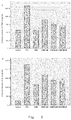
- TNF- ⁇ concentration in cell supernatant of LPS group, the concentration of TNF- ⁇ (1333.00 ⁇ 476.59 pg/ml) was significantly higher than that of the control group (561.00 ⁇ 25.65 pg/ml).
- H-RN intervention (10, 100 ⁇ M) inhibited expression levels of TNF- ⁇ in cell supernatant which were 737.00 ⁇ 155.56 pg/ml and 718.00 ⁇ 79.19 pg/ml respectively.
- the difference was statistically significant (P ⁇ 0.05).
- 1 ⁇ M H-RN intervention group and LPS group showed no significant difference (P > 0.05) ( Fig. 2A ).
- IL-6 concentration in cell supernatant of LPS group, the concentration of IL-6 (2650.00 ⁇ 106.07 pg/ml) was significantly higher than that of the control group (213.00 ⁇ 15.56 pg/ml), and H-RN intervention (10, 100 ⁇ M) significantly inhibited the expression levels of IL-6 in cell supernatant which were 1385.00 ⁇ 101.54 pg/ml and 1355.00 ⁇ 134.35 pg/ml respectively. Compared with the LPS group, the difference was statistically significant (P ⁇ 0.01). However, 1 ⁇ M H-RN intervention group and LPS group showed no significant difference (P > 0.05) ( Figure 2B ).
- a cell model of inflammation was established through stimulating mouse peritoneal macrophage cell strain RAW264.7 using LPS.
- Different concentrations of H-RN polypeptides were used for intervention, and the concentrations of inflammatory cytokines TNF- ⁇ and IL-6 in cell supernatant were analyzed, thereby confirming that H-RN could inhibit the expression of inflammatory cytokines.
- H-GP hybrid peptide molecules was shown in SEQ ID NO.: 9: GPERWRGPNGE
- EIU score of LPS + 10 ⁇ g/ ⁇ l H-GP group was 3.32 ⁇ 0.61, and P > 0.05, compared with LPS group.
- the count of inflammatory cells in aqueous humor of rat of LPS + 10 ⁇ g/ ⁇ l H-GP group was 134.66 ⁇ 98.23 ⁇ 10 5 cells/ml, P> 0.05, compared with LPS group.
- the hybrid peptide H-GP had no inhibitory effect on cell infiltration or pro-inflammatory cytokines.
- H-RN peptide 10 mg Hydroxylpropyl 0.03 g methyl cellulose Sterile water q.s. to 10ml Osmotic pressure 300 Osm pH 6.8-7.1
- Three volunteers of moderate acute uveitis used the eyedrop for one week, 4 times per day (or one time every 2 hours), and 2 drop/eye for each time.
- grading criteria of acute uveitis are listed as follows:
- H-RN polypeptides of the invention has a significant effect in inhibiting inflammation, which is reflected in: H-RN can inhibit the inflammatory cell infiltration of endotoxin-induced uveitis model of rat; H-RN can inhibit the expression of pro-inflammatory cytokines in LPS-induced RAW264.7 cell; H-RN have no significant cytotoxicity within a certain range of concentrations (0.1 ⁇ M- mM).
- H-RN polypeptide has broad application prospects in suppressing inflammation.
Landscapes
- Health & Medical Sciences (AREA)
- Chemical & Material Sciences (AREA)
- Life Sciences & Earth Sciences (AREA)
- Organic Chemistry (AREA)
- Medicinal Chemistry (AREA)
- General Health & Medical Sciences (AREA)
- Nuclear Medicine, Radiotherapy & Molecular Imaging (AREA)
- General Chemical & Material Sciences (AREA)
- Chemical Kinetics & Catalysis (AREA)
- Pharmacology & Pharmacy (AREA)
- Animal Behavior & Ethology (AREA)
- Public Health (AREA)
- Veterinary Medicine (AREA)
- Bioinformatics & Cheminformatics (AREA)
- Engineering & Computer Science (AREA)
- Gastroenterology & Hepatology (AREA)
- Toxicology (AREA)
- Molecular Biology (AREA)
- Proteomics, Peptides & Aminoacids (AREA)
- Genetics & Genomics (AREA)
- Biophysics (AREA)
- Biochemistry (AREA)
- Zoology (AREA)
- Rheumatology (AREA)
- Physical Education & Sports Medicine (AREA)
- Pain & Pain Management (AREA)
- Ophthalmology & Optometry (AREA)
- Orthopedic Medicine & Surgery (AREA)
- Immunology (AREA)
- Pulmonology (AREA)
- Dermatology (AREA)
- Medicines That Contain Protein Lipid Enzymes And Other Medicines (AREA)
- Peptides Or Proteins (AREA)
Applications Claiming Priority (2)
| Application Number | Priority Date | Filing Date | Title |
|---|---|---|---|
| CN201310357596.6A CN104371003B (zh) | 2013-08-15 | 2013-08-15 | 预防和治疗炎症的小分子多肽及其应用 |
| PCT/CN2014/084293 WO2015021924A1 (fr) | 2013-08-15 | 2014-08-13 | Polypeptide à bas poids moléculaire destiné à prévenir et traiter l'inflammation, et son utilisation |
Publications (3)
| Publication Number | Publication Date |
|---|---|
| EP3040343A1 true EP3040343A1 (fr) | 2016-07-06 |
| EP3040343A4 EP3040343A4 (fr) | 2017-03-22 |
| EP3040343B1 EP3040343B1 (fr) | 2021-01-20 |
Family
ID=52468064
Family Applications (1)
| Application Number | Title | Priority Date | Filing Date |
|---|---|---|---|
| EP14836052.2A Not-in-force EP3040343B1 (fr) | 2013-08-15 | 2014-08-13 | Polypeptide à bas poids moléculaire destiné à prévenir et traiter l'inflammation, et son utilisation |
Country Status (4)
| Country | Link |
|---|---|
| US (1) | US10501511B2 (fr) |
| EP (1) | EP3040343B1 (fr) |
| CN (1) | CN104371003B (fr) |
| WO (1) | WO2015021924A1 (fr) |
Families Citing this family (2)
| Publication number | Priority date | Publication date | Assignee | Title |
|---|---|---|---|---|
| US20200087374A1 (en) * | 2017-02-06 | 2020-03-19 | Resiliun B.V. | Interaction between c-peptides and elastin receptor, a model for understanding vascular disease |
| CN111606974B (zh) * | 2019-02-25 | 2024-08-02 | 上海市第一人民医院 | 抑制眼部自身免疫性炎症反应的靶向生物肽的筛选及应用 |
Family Cites Families (5)
| Publication number | Priority date | Publication date | Assignee | Title |
|---|---|---|---|---|
| US20030148950A1 (en) * | 2001-10-09 | 2003-08-07 | Li Xin | Kringle domain 1 of human hepatocyte growth factor and uses therefor |
| FR2971509B1 (fr) * | 2011-02-16 | 2013-02-22 | Centre Nat Rech Scient | Procede de preparation de peptides par assemblage de multiples fragments peptidiques |
| CN102827253B (zh) * | 2011-06-17 | 2017-07-21 | 上海市第一人民医院 | 一种抑制炎症反应的小分子多肽及其应用 |
| US9688726B2 (en) * | 2011-12-19 | 2017-06-27 | Shanghai First People's Hospital | Small molecule polypeptide for inhibiting inflammation |
| CN103897034B (zh) * | 2012-12-27 | 2017-03-15 | 上海市第一人民医院 | 一种预防和/或治疗炎症反应的小分子多肽及其应用 |
-
2013
- 2013-08-15 CN CN201310357596.6A patent/CN104371003B/zh active Active
-
2014
- 2014-08-13 EP EP14836052.2A patent/EP3040343B1/fr not_active Not-in-force
- 2014-08-13 WO PCT/CN2014/084293 patent/WO2015021924A1/fr not_active Ceased
- 2014-08-13 US US15/024,229 patent/US10501511B2/en active Active
Non-Patent Citations (1)
| Title |
|---|
| See references of WO2015021924A1 * |
Also Published As
| Publication number | Publication date |
|---|---|
| CN104371003A (zh) | 2015-02-25 |
| US20170037099A1 (en) | 2017-02-09 |
| EP3040343A4 (fr) | 2017-03-22 |
| WO2015021924A1 (fr) | 2015-02-19 |
| US10501511B2 (en) | 2019-12-10 |
| HK1223631A1 (en) | 2017-08-04 |
| CN104371003B (zh) | 2025-09-02 |
| EP3040343B1 (fr) | 2021-01-20 |
Similar Documents
| Publication | Publication Date | Title |
|---|---|---|
| CN102827253B (zh) | 一种抑制炎症反应的小分子多肽及其应用 | |
| US9023795B2 (en) | Angiogenesis-inhibiting peptide and application thereof | |
| EP3040343B1 (fr) | Polypeptide à bas poids moléculaire destiné à prévenir et traiter l'inflammation, et son utilisation | |
| EP2853537B1 (fr) | Petite molécule polypeptidique destinée à prévenir et à limiter une inflammation et application de celle-ci | |
| CN102336812B (zh) | 一种具有抑制血管生成活性的多肽 | |
| CN103897034B (zh) | 一种预防和/或治疗炎症反应的小分子多肽及其应用 | |
| CN103159851B (zh) | 预防和抑制炎症的小分子多肽及其应用 | |
| HK1223631B (en) | Low molecular polypeptide for preventing and treating inflammation and use thereof | |
| US9266933B2 (en) | Polypeptides inhibiting neovascularization and uses thereof | |
| CN101503458B (zh) | 预防和治疗血管新生的小分子多肽及其应用 | |
| CN104004066B (zh) | 预防或抑制炎症反应和血管新生的小分子多肽及其应用 | |
| US11369657B2 (en) | Small molecule polypeptide for preventing and restraining inflammation and application of same | |
| CN103992376B (zh) | 一种抑制新生血管的小肽及其应用 | |
| CN104004057B (zh) | 一类抑制新生血管的小肽及其应用 | |
| CN102838660B (zh) | 一种抑制炎症免疫反应的小肽及其应用 | |
| CN110092816B (zh) | 预防和治疗纤维化的小分子多肽及其应用 | |
| US8933031B2 (en) | Polypeptide inhibiting angiogenesis and application thereof | |
| CN103992377B (zh) | 一种抑制新生血管的小肽及其应用 | |
| CN105017406A (zh) | 一类新的具有神经保护功能的多肽 |
Legal Events
| Date | Code | Title | Description |
|---|---|---|---|
| PUAI | Public reference made under article 153(3) epc to a published international application that has entered the european phase |
Free format text: ORIGINAL CODE: 0009012 |
|
| 17P | Request for examination filed |
Effective date: 20160314 |
|
| AK | Designated contracting states |
Kind code of ref document: A1 Designated state(s): AL AT BE BG CH CY CZ DE DK EE ES FI FR GB GR HR HU IE IS IT LI LT LU LV MC MK MT NL NO PL PT RO RS SE SI SK SM TR |
|
| AX | Request for extension of the european patent |
Extension state: BA ME |
|
| DAX | Request for extension of the european patent (deleted) | ||
| A4 | Supplementary search report drawn up and despatched |
Effective date: 20170222 |
|
| RIC1 | Information provided on ipc code assigned before grant |
Ipc: C07K 14/475 20060101ALI20170216BHEP Ipc: C12N 15/11 20060101ALI20170216BHEP Ipc: A61P 27/02 20060101ALI20170216BHEP Ipc: A61P 29/00 20060101ALI20170216BHEP Ipc: C07K 7/08 20060101AFI20170216BHEP Ipc: A61K 38/10 20060101ALI20170216BHEP |
|
| REG | Reference to a national code |
Ref country code: HK Ref legal event code: DE Ref document number: 1223631 Country of ref document: HK |
|
| STAA | Information on the status of an ep patent application or granted ep patent |
Free format text: STATUS: EXAMINATION IS IN PROGRESS |
|
| 17Q | First examination report despatched |
Effective date: 20180723 |
|
| GRAP | Despatch of communication of intention to grant a patent |
Free format text: ORIGINAL CODE: EPIDOSNIGR1 |
|
| STAA | Information on the status of an ep patent application or granted ep patent |
Free format text: STATUS: GRANT OF PATENT IS INTENDED |
|
| INTG | Intention to grant announced |
Effective date: 20200813 |
|
| GRAS | Grant fee paid |
Free format text: ORIGINAL CODE: EPIDOSNIGR3 |
|
| GRAA | (expected) grant |
Free format text: ORIGINAL CODE: 0009210 |
|
| STAA | Information on the status of an ep patent application or granted ep patent |
Free format text: STATUS: THE PATENT HAS BEEN GRANTED |
|
| AK | Designated contracting states |
Kind code of ref document: B1 Designated state(s): AL AT BE BG CH CY CZ DE DK EE ES FI FR GB GR HR HU IE IS IT LI LT LU LV MC MK MT NL NO PL PT RO RS SE SI SK SM TR |
|
| REG | Reference to a national code |
Ref country code: GB Ref legal event code: FG4D |
|
| REG | Reference to a national code |
Ref country code: CH Ref legal event code: EP |
|
| REG | Reference to a national code |
Ref country code: DE Ref legal event code: R096 Ref document number: 602014074436 Country of ref document: DE |
|
| REG | Reference to a national code |
Ref country code: AT Ref legal event code: REF Ref document number: 1356322 Country of ref document: AT Kind code of ref document: T Effective date: 20210215 |
|
| REG | Reference to a national code |
Ref country code: IE Ref legal event code: FG4D |
|
| REG | Reference to a national code |
Ref country code: NL Ref legal event code: MP Effective date: 20210120 |
|
| REG | Reference to a national code |
Ref country code: LT Ref legal event code: MG9D |
|
| REG | Reference to a national code |
Ref country code: AT Ref legal event code: MK05 Ref document number: 1356322 Country of ref document: AT Kind code of ref document: T Effective date: 20210120 |
|
| PG25 | Lapsed in a contracting state [announced via postgrant information from national office to epo] |
Ref country code: LT Free format text: LAPSE BECAUSE OF FAILURE TO SUBMIT A TRANSLATION OF THE DESCRIPTION OR TO PAY THE FEE WITHIN THE PRESCRIBED TIME-LIMIT Effective date: 20210120 Ref country code: PT Free format text: LAPSE BECAUSE OF FAILURE TO SUBMIT A TRANSLATION OF THE DESCRIPTION OR TO PAY THE FEE WITHIN THE PRESCRIBED TIME-LIMIT Effective date: 20210520 Ref country code: GR Free format text: LAPSE BECAUSE OF FAILURE TO SUBMIT A TRANSLATION OF THE DESCRIPTION OR TO PAY THE FEE WITHIN THE PRESCRIBED TIME-LIMIT Effective date: 20210421 Ref country code: HR Free format text: LAPSE BECAUSE OF FAILURE TO SUBMIT A TRANSLATION OF THE DESCRIPTION OR TO PAY THE FEE WITHIN THE PRESCRIBED TIME-LIMIT Effective date: 20210120 Ref country code: FI Free format text: LAPSE BECAUSE OF FAILURE TO SUBMIT A TRANSLATION OF THE DESCRIPTION OR TO PAY THE FEE WITHIN THE PRESCRIBED TIME-LIMIT Effective date: 20210120 Ref country code: BG Free format text: LAPSE BECAUSE OF FAILURE TO SUBMIT A TRANSLATION OF THE DESCRIPTION OR TO PAY THE FEE WITHIN THE PRESCRIBED TIME-LIMIT Effective date: 20210420 Ref country code: NO Free format text: LAPSE BECAUSE OF FAILURE TO SUBMIT A TRANSLATION OF THE DESCRIPTION OR TO PAY THE FEE WITHIN THE PRESCRIBED TIME-LIMIT Effective date: 20210420 Ref country code: NL Free format text: LAPSE BECAUSE OF FAILURE TO SUBMIT A TRANSLATION OF THE DESCRIPTION OR TO PAY THE FEE WITHIN THE PRESCRIBED TIME-LIMIT Effective date: 20210120 |
|
| PG25 | Lapsed in a contracting state [announced via postgrant information from national office to epo] |
Ref country code: SE Free format text: LAPSE BECAUSE OF FAILURE TO SUBMIT A TRANSLATION OF THE DESCRIPTION OR TO PAY THE FEE WITHIN THE PRESCRIBED TIME-LIMIT Effective date: 20210120 Ref country code: AT Free format text: LAPSE BECAUSE OF FAILURE TO SUBMIT A TRANSLATION OF THE DESCRIPTION OR TO PAY THE FEE WITHIN THE PRESCRIBED TIME-LIMIT Effective date: 20210120 Ref country code: LV Free format text: LAPSE BECAUSE OF FAILURE TO SUBMIT A TRANSLATION OF THE DESCRIPTION OR TO PAY THE FEE WITHIN THE PRESCRIBED TIME-LIMIT Effective date: 20210120 Ref country code: PL Free format text: LAPSE BECAUSE OF FAILURE TO SUBMIT A TRANSLATION OF THE DESCRIPTION OR TO PAY THE FEE WITHIN THE PRESCRIBED TIME-LIMIT Effective date: 20210120 Ref country code: RS Free format text: LAPSE BECAUSE OF FAILURE TO SUBMIT A TRANSLATION OF THE DESCRIPTION OR TO PAY THE FEE WITHIN THE PRESCRIBED TIME-LIMIT Effective date: 20210120 |
|
| PG25 | Lapsed in a contracting state [announced via postgrant information from national office to epo] |
Ref country code: IS Free format text: LAPSE BECAUSE OF FAILURE TO SUBMIT A TRANSLATION OF THE DESCRIPTION OR TO PAY THE FEE WITHIN THE PRESCRIBED TIME-LIMIT Effective date: 20210520 |
|
| REG | Reference to a national code |
Ref country code: DE Ref legal event code: R097 Ref document number: 602014074436 Country of ref document: DE |
|
| PG25 | Lapsed in a contracting state [announced via postgrant information from national office to epo] |
Ref country code: SM Free format text: LAPSE BECAUSE OF FAILURE TO SUBMIT A TRANSLATION OF THE DESCRIPTION OR TO PAY THE FEE WITHIN THE PRESCRIBED TIME-LIMIT Effective date: 20210120 Ref country code: EE Free format text: LAPSE BECAUSE OF FAILURE TO SUBMIT A TRANSLATION OF THE DESCRIPTION OR TO PAY THE FEE WITHIN THE PRESCRIBED TIME-LIMIT Effective date: 20210120 Ref country code: CZ Free format text: LAPSE BECAUSE OF FAILURE TO SUBMIT A TRANSLATION OF THE DESCRIPTION OR TO PAY THE FEE WITHIN THE PRESCRIBED TIME-LIMIT Effective date: 20210120 |
|
| PLBE | No opposition filed within time limit |
Free format text: ORIGINAL CODE: 0009261 |
|
| STAA | Information on the status of an ep patent application or granted ep patent |
Free format text: STATUS: NO OPPOSITION FILED WITHIN TIME LIMIT |
|
| PG25 | Lapsed in a contracting state [announced via postgrant information from national office to epo] |
Ref country code: DK Free format text: LAPSE BECAUSE OF FAILURE TO SUBMIT A TRANSLATION OF THE DESCRIPTION OR TO PAY THE FEE WITHIN THE PRESCRIBED TIME-LIMIT Effective date: 20210120 Ref country code: ES Free format text: LAPSE BECAUSE OF FAILURE TO SUBMIT A TRANSLATION OF THE DESCRIPTION OR TO PAY THE FEE WITHIN THE PRESCRIBED TIME-LIMIT Effective date: 20210120 Ref country code: SK Free format text: LAPSE BECAUSE OF FAILURE TO SUBMIT A TRANSLATION OF THE DESCRIPTION OR TO PAY THE FEE WITHIN THE PRESCRIBED TIME-LIMIT Effective date: 20210120 Ref country code: RO Free format text: LAPSE BECAUSE OF FAILURE TO SUBMIT A TRANSLATION OF THE DESCRIPTION OR TO PAY THE FEE WITHIN THE PRESCRIBED TIME-LIMIT Effective date: 20210120 |
|
| 26N | No opposition filed |
Effective date: 20211021 |
|
| PG25 | Lapsed in a contracting state [announced via postgrant information from national office to epo] |
Ref country code: AL Free format text: LAPSE BECAUSE OF FAILURE TO SUBMIT A TRANSLATION OF THE DESCRIPTION OR TO PAY THE FEE WITHIN THE PRESCRIBED TIME-LIMIT Effective date: 20210120 |
|
| PG25 | Lapsed in a contracting state [announced via postgrant information from national office to epo] |
Ref country code: SI Free format text: LAPSE BECAUSE OF FAILURE TO SUBMIT A TRANSLATION OF THE DESCRIPTION OR TO PAY THE FEE WITHIN THE PRESCRIBED TIME-LIMIT Effective date: 20210120 |
|
| REG | Reference to a national code |
Ref country code: CH Ref legal event code: PL |
|
| PG25 | Lapsed in a contracting state [announced via postgrant information from national office to epo] |
Ref country code: MC Free format text: LAPSE BECAUSE OF FAILURE TO SUBMIT A TRANSLATION OF THE DESCRIPTION OR TO PAY THE FEE WITHIN THE PRESCRIBED TIME-LIMIT Effective date: 20210120 |
|
| REG | Reference to a national code |
Ref country code: BE Ref legal event code: MM Effective date: 20210831 |
|
| PG25 | Lapsed in a contracting state [announced via postgrant information from national office to epo] |
Ref country code: LI Free format text: LAPSE BECAUSE OF NON-PAYMENT OF DUE FEES Effective date: 20210831 Ref country code: IT Free format text: LAPSE BECAUSE OF FAILURE TO SUBMIT A TRANSLATION OF THE DESCRIPTION OR TO PAY THE FEE WITHIN THE PRESCRIBED TIME-LIMIT Effective date: 20210120 Ref country code: CH Free format text: LAPSE BECAUSE OF NON-PAYMENT OF DUE FEES Effective date: 20210831 |
|
| PG25 | Lapsed in a contracting state [announced via postgrant information from national office to epo] |
Ref country code: IS Free format text: LAPSE BECAUSE OF FAILURE TO SUBMIT A TRANSLATION OF THE DESCRIPTION OR TO PAY THE FEE WITHIN THE PRESCRIBED TIME-LIMIT Effective date: 20210520 Ref country code: LU Free format text: LAPSE BECAUSE OF NON-PAYMENT OF DUE FEES Effective date: 20210813 |
|
| PG25 | Lapsed in a contracting state [announced via postgrant information from national office to epo] |
Ref country code: IE Free format text: LAPSE BECAUSE OF NON-PAYMENT OF DUE FEES Effective date: 20210813 Ref country code: BE Free format text: LAPSE BECAUSE OF NON-PAYMENT OF DUE FEES Effective date: 20210831 |
|
| PG25 | Lapsed in a contracting state [announced via postgrant information from national office to epo] |
Ref country code: HU Free format text: LAPSE BECAUSE OF FAILURE TO SUBMIT A TRANSLATION OF THE DESCRIPTION OR TO PAY THE FEE WITHIN THE PRESCRIBED TIME-LIMIT; INVALID AB INITIO Effective date: 20140813 |
|
| PG25 | Lapsed in a contracting state [announced via postgrant information from national office to epo] |
Ref country code: CY Free format text: LAPSE BECAUSE OF FAILURE TO SUBMIT A TRANSLATION OF THE DESCRIPTION OR TO PAY THE FEE WITHIN THE PRESCRIBED TIME-LIMIT Effective date: 20210120 |
|
| P01 | Opt-out of the competence of the unified patent court (upc) registered |
Effective date: 20230529 |
|
| PGFP | Annual fee paid to national office [announced via postgrant information from national office to epo] |
Ref country code: GB Payment date: 20230822 Year of fee payment: 10 |
|
| PGFP | Annual fee paid to national office [announced via postgrant information from national office to epo] |
Ref country code: FR Payment date: 20230825 Year of fee payment: 10 Ref country code: DE Payment date: 20230821 Year of fee payment: 10 |
|
| PG25 | Lapsed in a contracting state [announced via postgrant information from national office to epo] |
Ref country code: MK Free format text: LAPSE BECAUSE OF FAILURE TO SUBMIT A TRANSLATION OF THE DESCRIPTION OR TO PAY THE FEE WITHIN THE PRESCRIBED TIME-LIMIT Effective date: 20210120 |
|
| PG25 | Lapsed in a contracting state [announced via postgrant information from national office to epo] |
Ref country code: TR Free format text: LAPSE BECAUSE OF FAILURE TO SUBMIT A TRANSLATION OF THE DESCRIPTION OR TO PAY THE FEE WITHIN THE PRESCRIBED TIME-LIMIT Effective date: 20210120 |
|
| PG25 | Lapsed in a contracting state [announced via postgrant information from national office to epo] |
Ref country code: MT Free format text: LAPSE BECAUSE OF FAILURE TO SUBMIT A TRANSLATION OF THE DESCRIPTION OR TO PAY THE FEE WITHIN THE PRESCRIBED TIME-LIMIT Effective date: 20210120 |
|
| REG | Reference to a national code |
Ref country code: DE Ref legal event code: R119 Ref document number: 602014074436 Country of ref document: DE |
|
| GBPC | Gb: european patent ceased through non-payment of renewal fee |
Effective date: 20240813 |
|
| PG25 | Lapsed in a contracting state [announced via postgrant information from national office to epo] |
Ref country code: DE Free format text: LAPSE BECAUSE OF NON-PAYMENT OF DUE FEES Effective date: 20250301 |
|
| PG25 | Lapsed in a contracting state [announced via postgrant information from national office to epo] |
Ref country code: GB Free format text: LAPSE BECAUSE OF NON-PAYMENT OF DUE FEES Effective date: 20240813 |
|
| PG25 | Lapsed in a contracting state [announced via postgrant information from national office to epo] |
Ref country code: FR Free format text: LAPSE BECAUSE OF NON-PAYMENT OF DUE FEES Effective date: 20240831 |