EP3041302A1 - Verfahren, vorrichtung und system zum senden und empfangen von paging-nachrichten - Google Patents
Verfahren, vorrichtung und system zum senden und empfangen von paging-nachrichten Download PDFInfo
- Publication number
- EP3041302A1 EP3041302A1 EP13895501.8A EP13895501A EP3041302A1 EP 3041302 A1 EP3041302 A1 EP 3041302A1 EP 13895501 A EP13895501 A EP 13895501A EP 3041302 A1 EP3041302 A1 EP 3041302A1
- Authority
- EP
- European Patent Office
- Prior art keywords
- user equipment
- paging
- channel
- system broadcast
- broadcast message
- Prior art date
- Legal status (The legal status is an assumption and is not a legal conclusion. Google has not performed a legal analysis and makes no representation as to the accuracy of the status listed.)
- Granted
Links
- 238000000034 method Methods 0.000 title claims abstract description 65
- 230000008859 change Effects 0.000 claims description 214
- 230000005611 electricity Effects 0.000 abstract description 16
- 238000010586 diagram Methods 0.000 description 5
- 230000011664 signaling Effects 0.000 description 2
- 230000006872 improvement Effects 0.000 description 1
- 230000004048 modification Effects 0.000 description 1
- 238000012986 modification Methods 0.000 description 1
- 230000003287 optical effect Effects 0.000 description 1
- 230000008569 process Effects 0.000 description 1
Images

Classifications
-
- H—ELECTRICITY
- H04—ELECTRIC COMMUNICATION TECHNIQUE
- H04W—WIRELESS COMMUNICATION NETWORKS
- H04W52/00—Power management, e.g. Transmission Power Control [TPC] or power classes
- H04W52/02—Power saving arrangements
- H04W52/0209—Power saving arrangements in terminal devices
- H04W52/0212—Power saving arrangements in terminal devices managed by the network, e.g. network or access point is leader and terminal is follower
- H04W52/0219—Power saving arrangements in terminal devices managed by the network, e.g. network or access point is leader and terminal is follower where the power saving management affects multiple terminals
-
- H—ELECTRICITY
- H04—ELECTRIC COMMUNICATION TECHNIQUE
- H04W—WIRELESS COMMUNICATION NETWORKS
- H04W52/00—Power management, e.g. Transmission Power Control [TPC] or power classes
- H04W52/02—Power saving arrangements
- H04W52/0209—Power saving arrangements in terminal devices
- H04W52/0212—Power saving arrangements in terminal devices managed by the network, e.g. network or access point is leader and terminal is follower
- H04W52/0216—Power saving arrangements in terminal devices managed by the network, e.g. network or access point is leader and terminal is follower using a pre-established activity schedule, e.g. traffic indication frame
-
- H—ELECTRICITY
- H04—ELECTRIC COMMUNICATION TECHNIQUE
- H04W—WIRELESS COMMUNICATION NETWORKS
- H04W68/00—User notification, e.g. alerting and paging, for incoming communication, change of service or the like
- H04W68/005—Transmission of information for alerting of incoming communication
-
- H—ELECTRICITY
- H04—ELECTRIC COMMUNICATION TECHNIQUE
- H04W—WIRELESS COMMUNICATION NETWORKS
- H04W68/00—User notification, e.g. alerting and paging, for incoming communication, change of service or the like
- H04W68/02—Arrangements for increasing efficiency of notification or paging channel
-
- H—ELECTRICITY
- H04—ELECTRIC COMMUNICATION TECHNIQUE
- H04W—WIRELESS COMMUNICATION NETWORKS
- H04W72/00—Local resource management
- H04W72/04—Wireless resource allocation
- H04W72/044—Wireless resource allocation based on the type of the allocated resource
- H04W72/0446—Resources in time domain, e.g. slots or frames
-
- H—ELECTRICITY
- H04—ELECTRIC COMMUNICATION TECHNIQUE
- H04W—WIRELESS COMMUNICATION NETWORKS
- H04W72/00—Local resource management
- H04W72/30—Resource management for broadcast services
-
- H—ELECTRICITY
- H04—ELECTRIC COMMUNICATION TECHNIQUE
- H04W—WIRELESS COMMUNICATION NETWORKS
- H04W4/00—Services specially adapted for wireless communication networks; Facilities therefor
- H04W4/70—Services for machine-to-machine communication [M2M] or machine type communication [MTC]
-
- H—ELECTRICITY
- H04—ELECTRIC COMMUNICATION TECHNIQUE
- H04W—WIRELESS COMMUNICATION NETWORKS
- H04W76/00—Connection management
- H04W76/20—Manipulation of established connections
- H04W76/28—Discontinuous transmission [DTX]; Discontinuous reception [DRX]
-
- Y—GENERAL TAGGING OF NEW TECHNOLOGICAL DEVELOPMENTS; GENERAL TAGGING OF CROSS-SECTIONAL TECHNOLOGIES SPANNING OVER SEVERAL SECTIONS OF THE IPC; TECHNICAL SUBJECTS COVERED BY FORMER USPC CROSS-REFERENCE ART COLLECTIONS [XRACs] AND DIGESTS
- Y02—TECHNOLOGIES OR APPLICATIONS FOR MITIGATION OR ADAPTATION AGAINST CLIMATE CHANGE
- Y02D—CLIMATE CHANGE MITIGATION TECHNOLOGIES IN INFORMATION AND COMMUNICATION TECHNOLOGIES [ICT], I.E. INFORMATION AND COMMUNICATION TECHNOLOGIES AIMING AT THE REDUCTION OF THEIR OWN ENERGY USE
- Y02D30/00—Reducing energy consumption in communication networks
- Y02D30/70—Reducing energy consumption in communication networks in wireless communication networks
Definitions
- the present invention relates to the field of communications, and in particular, to a method, an apparatus, and a system for sending and receiving a paging message.
- a network side when a network side pages a user equipment in an idle state, a URA_PCH (UTRAN Registration Area Paging channel, UTRAN registration area paging channel) state, or a CELL_PCH (CELL paging channel, cell paging channel) state, the network side sends a paging message.
- URA_PCH UTRAN Registration Area Paging channel, UTRAN registration area paging channel
- CELL_PCH Cell paging channel, cell paging channel
- a method for sending a paging message is provided, which is specifically: calculating, by a network side, a paging occasion for paged user equipment, and sending a paging message to the paged user equipment on the paging occasion, where the paging message carries an identity of the paged user equipment and paging data.
- the user equipment listens to a PICH (Page Indication Channel, page indicator channel) channel, and parses a page indicator value in the PICH channel. If the page indicator value that is in the PICH channel and obtained by means of parsing is 1, the user equipment receives the paging message.
- PICH Peage Indication Channel
- the user equipment determines whether an identity of the user equipment and an identity carried in the paging message are the same; if the identity of the user equipment and the identity carried in the paging message are the same, keeps the paging data; and if the identity of the user equipment and the identity carried in the paging message are different, discards the paging data.
- a cell includes a relatively large quantity of user equipments, and it may possibly occur that paging occasions of multiple user equipments arrive at a same time and the multiple user equipments will each listen to a PICH channel, if page indicator values obtained by means of parsing by the multiple user equipments are all 1, the multiple user equipments each receive the paging message; after the paging message is received, however, it is determined that the paging message is not sent for a user equipment that receives the paging message; as a result, another user equipment than the paged user equipment, in the multiple user equipments, receives an unnecessary paging message, leading to a relatively large quantity of electricity consumed by the user equipment.
- embodiments of the present invention provide a method, an apparatus, and a system for sending and receiving a system broadcast message.
- the technical solutions are as follows:
- a method for sending a paging message includes:
- the selecting a paging channel for a paged user equipment according to rule information includes:
- the selecting a paging channel for a paged user equipment according to rule information includes:
- the acquiring, according to a user equipment type of the paged user equipment, a corresponding paging channel from the correspondence between a user equipment type and a paging channel includes:
- the calculating a paging occasion for the paged user equipment includes:
- the paged user equipment when the paging data is change information of a system broadcast message, the paged user equipment includes a first user equipment and a second user equipment, where the first user equipment is a user equipment that selects a first paging channel, and the second user equipment is a user equipment that selects a second paging channel; and the, on the paging occasion, sending a page indicator to the paged user equipment through the selected PICH channel and sending a paging message to the paged user equipment through the paging-message-bearer channel includes:
- the change information of the system broadcast message includes a first system frame number SFN and/or a change time point of the system broadcast message.
- the method before the, on the paging occasion, sending a page indicator to the paged user equipment through the selected PICH channel and sending a paging message to the paged user equipment through the paging-message-bearer channel, the method further includes:
- a method for receiving a paging message includes:
- the selecting a paging channel according to the rule information includes:
- the selecting a paging channel according to the rule information includes:
- the calculating a paging occasion includes:
- the method further includes:
- the method when the paging data is change information of the system broadcast message, after the receiving, from the paging-message-bearer channel, a paging message sent by a network side, the method further includes:
- the receiving, according to the change information of the system broadcast message, a changed system broadcast message sent by the network side includes:
- the receiving, according to the change information of the system broadcast message, a changed system broadcast message sent by the network side includes:
- the method further includes:
- the receiving, according to the change information of the system broadcast message, a changed system broadcast message sent by the network side includes:
- an apparatus for sending a paging message includes:
- the first selecting module includes:
- the first selecting module includes:
- the first acquiring unit includes:
- the second acquiring module includes:
- the paged user equipment when the paging data is change information of a system broadcast message, the paged user equipment includes first user equipment and second user equipment, where the first user equipment is a user equipment that selects a first paging channel, and the second user equipment is a user equipment that selects a second paging channel; and the first sending module includes:
- the change information of the system broadcast message includes a first system frame number SFN and/or a change time point of the system broadcast message.
- the apparatus further includes:
- an apparatus for receiving a paging message includes:
- the second selecting module includes:
- the second selecting module includes:
- the second calculating module includes:
- the apparatus further includes:
- the apparatus when the paging data is change information of the system broadcast message, the apparatus further includes:
- the second receiving module includes:
- the second receiving module includes:
- the apparatus further includes:
- the second receiving module includes:
- an apparatus for sending a paging message includes a first memory and a first processor, configured to perform the method for sending a paging message.
- an apparatus for receiving a paging message includes a second memory and a second processor, configured to perform the method for receiving a paging message.
- a system for sending a paging message includes the network side for sending a paging message and the second user equipment for receiving a paging message.
- a discontinuous reception period length of a first user equipment is less than a discontinuous reception period length of a second user equipment; therefore, sending paging messages through different paging channels or limiting a paging occasion for the second user equipment to a first time length mitigates impact of the second user equipment on the first user equipment; for change information of a system broadcast message, when the change information of the system broadcast message is sent to the first user equipment, selecting a paging channel different from that of the second user equipment or limiting the paging occasion for the second user equipment to the first time length reduces a time length for sending the change information of the system broadcast message to the first user equipment, and reduces extra electricity consumed by the first user equipment.
- a changed system broadcast message starts to be sent before all second user equipments are notified, which reduces a delay time for sending the changed system broadcast message.
- This embodiment of the present invention provides a method for sending a paging message.
- the method includes the following steps:
- This embodiment of the present invention may be executed by a network side, and specifically by an RNC (Radio Network Controller, base station controller) and/or a NodeB (NodeB).
- RNC Radio Network Controller, base station controller
- NodeB NodeB
- different paging channels are selected according to rule information, and paging messages are sent through the different paging channels in a paging occasion for a paged user equipment, which reduces a quantity of unnecessary paging messages received by user equipment, and reduces extra electricity consumed by the user equipment.
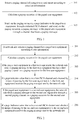
- This embodiment of the present invention provides a method for sending a paging message. Referring to FIG. 2 , the method includes the following steps:
- the rule information includes the quantity of page indicator channels and the preset threshold
- a first paging channel is selected; if the quantity of page indicator channels is greater than or equal to 2 and the discontinuous reception period length of the paged user equipment is greater than the preset threshold, a second paging channel is selected.
- a specific operation of the selecting, by a network side, a paging channel for a paged user equipment according to rule information may also be: if the quantity of page indicator channels is greater than or equal to 2, acquiring, according to a user equipment type of the paged user equipment, a corresponding paging channel from the correspondence between a user equipment type and a paging channel, that is, if the paged user equipment is a non-machine-type communications device, selecting the first paging channel; and if the paged user equipment is a machine-type communications device, selecting the second paging channel.
- a specific operation of the selecting, by a network side, a paging channel for a paged user equipment according to rule information may further be: if the quantity of page indicator channels is greater than or equal to 2 and the paged user equipment is a non-machine-type communications device, or the quantity of page indicator channels is greater than or equal to 2, the paged user equipment is a machine-type communications device, and the discontinuous reception period length of the paged user equipment is less than or equal to the preset threshold, selecting the first paging channel; and if the quantity of page indicator channels is greater than or equal to 2, the paged user equipment is a machine-type communications device, and the discontinuous reception period length of the paged user equipment is greater than the preset threshold, selecting the second paging channel.
- the user equipment may also select the second paging channel, which is not limited herein.
- a first user equipment is a user equipment that selects the first paging channel
- a second user equipment is a user equipment that selects the second paging channel
- the first paging channel includes at least a first PICH channel
- the second paging channel includes at least a second PICH channel.
- the network side may allocate multiple paging channels to the first user equipment; after determining available paging channels according to a discontinuous reception period length of the user equipment and/or a device type of the user equipment, the user equipment then selects one first paging channel from the available paging channels.
- the network side may allocate multiple paging channels to the second user equipment; after determining available paging channels according to a discontinuous reception period length of the user equipment and/or a device type of the user equipment, the user equipment then selects one second paging channel from the available paging channels.
- the user equipments select paging channels according to identities of the user equipments and a quantity of paging channels. For example, the network side performs numbering on the multiple paging channels, the user equipment performs a modulo operation on the quantity of paging channels by using identity information of the user equipment, and uses a channel corresponding to a number the same as a result obtained by means of the modulo operation as a selected paging channel.
- the network side stores a non-machine-type and multiple selectable paging channels in the correspondence between a user equipment type and a paging channel, and stores a machine-type and multiple selectable paging channels in the correspondence between a user equipment type and a paging channel.
- the network side may configure a same S-CCPCH (Secondary Common Control Physical Channel, secondary common control physical channel) channel or different S-CCPCH channels for the first PICH channel and the second PICH channel; or the network side may configure different HS-PDSCH (High Speed Physical Downlink Shared Channel, high speed physical downlink shared channel) channels for the first PICH channel and the second PICH channel, where both the S-CCPCH channel and the HS-PDSCH channel may be configured to bear paging messages.
- S-CCPCH Secondary Common Control Physical Channel, secondary common control physical channel
- HS-PDSCH High Speed Physical Downlink Shared Channel, high speed physical downlink shared channel
- the network side may send the discontinuous reception period length of the user equipment to the user equipment by using a system broadcast message.
- the preset threshold and/or the correspondence between a user equipment type and a paging channel may be agreed by the network side and the user equipment and therefore does not need to be included in a system broadcast message.
- the preset threshold and/or the correspondence between a user equipment type and a paging channel are/is sent to the user equipment by the network side by using dedicated RRC signaling.
- Step 202 Calculate a paging occasion for the paged user equipment.
- the paging occasion for the paged user equipment is calculated according to an IMSI of the paged user equipment and the discontinuous reception period length of the paged user equipment and based on the following formula (1):
- m is a maximum value of n, and when n>m, PO1>4095.
- PO1 is the paging occasion for the paged user equipment
- DRXc11 is the discontinuous reception period length of the paged user equipment
- K is a quantity of channels in the cell that bear paging messages
- % is a modulo operation; for a frequency division multiplexing system, PBP is 1, and FO is 0.
- K is a quantity of paging channels that are selectable by the first user equipment; for the second user equipment, K is a quantity of paging channels that are selectable by the second user equipment.
- a maximum value of an SFN (System Frame Number, system frame number) is 4095.
- the paging occasion for the paged user equipment may also be calculated according to the IMSI of the paged user equipment, a first time length, and the discontinuous reception period length of the paged user equipment and based on the following formula (2):
- m is a maximum value of n, and when n>m, PO1>4095.
- PO2 is a paging occasion for the second user equipment
- DRXcl2 is a discontinuous reception period length of the second user equipment
- DRXcln is the first time length
- Step 203 If the paged user equipment is first user equipment, the network side sends a paging message to the first user equipment through a first paging channel in a paging occasion for the first user equipment.
- the network side When paging data included in the paging message is change information of the system broadcast message, the network side continuously sends page indicators to the first user equipment through the first PICH channel within first duration, and sends, within the first duration, the change information of the system broadcast message to the first user equipment through the paging-message-bearer channel.
- the first duration is a time length during which the network side sends the change information of the system broadcast message to the first user equipment.
- the network side sets a page indicator value in each first PICH channel to 1.
- the network side may continuously send changed system broadcast messages, so that the first user equipment and the second user equipment receive the changed system broadcast messages. In this case, sending the change information of the system broadcast message for the second user equipment may still continue.
- Step 204 If a page indicator value that is in a first PICH channel and obtained by means of parsing by the first user equipment is 1, the first user equipment receives the paging message sent by the network side.
- the first user equipment listens to the first PICH channel, parses the page indicator value according to a page indicator in the first PICH channel, determines that the page indicator value is 1, and receives the paging message sent by the network side.
- the first user equipment may calculate the paging occasion for the first user equipment according to the IMSI of the first user equipment and the discontinuous reception period length of the first user equipment and based on the foregoing formula (1), and the first user equipment listens to the first PICH channel on the calculated paging occasion.
- the first user equipment may calculate the paging occasion for the first user equipment according to an IMSI (International Mobile Subscriber Identity, international mobile subscriber identity) of the first user equipment, the first time length, and the discontinuous reception period length of the first user equipment and based on the foregoing formula (2).
- IMSI International Mobile Subscriber Identity, international mobile subscriber identity
- Step 205 If the paged user equipment is second user equipment, the network side sends a paging message to the second user equipment through a second paging channel in a paging occasion for the second user equipment.
- the network side When paging data included in the paging message is change information of the system broadcast message, the network side continuously sends page indicators to the second user equipment through the second PICH channel within second duration, and sends, within the second duration, the change information of the system broadcast message to the second user equipment through the paging-message-bearer channel.
- the second duration is a total time length during which the network side sends the change information of the system broadcast message to the second user equipment, and the second duration is greater than or equal to the first duration.
- the network side sets a page indicator value in each second PICH channel to 1.
- Step 206 If a page indicator value that is in a second PICH channel and obtained by means of parsing by the second user equipment is 1, the second user equipment receives the paging message sent by the network side.
- the second user equipment listens to the second PICH channel, parses the page indicator value according to a page indicator in the second PICH channel, determines that the page indicator value is 1, and receives the paging message sent by the network side.
- the second user equipment may calculate the paging occasion for the second user equipment according to an IMSI of the second user equipment and the discontinuous reception period length of the second user equipment and based on the foregoing formula (1), and the second user equipment listens to the second PICH channel on the calculated paging occasion.
- the second user equipment may calculate the paging occasion for the second user equipment according to the IMSI of the second user equipment, the first time length, and the discontinuous reception period length of the second user equipment and based on the foregoing formula (2).
- the network side configures the first PICH channel for the first user equipment, and configures the second PICH channel for the second user equipment.
- a quantity of extra paging messages that are sent by the network side for the second user equipment and acquired by the first user equipment is reduced, and extra electricity consumed by the first user equipment is further reduced.
- the second user equipment receives, according to the change information of the system broadcast message from the paging-message-bearer channel, a changed system broadcast message sent by the network side.
- the change information of the system broadcast message includes a first SFN (System Frame Number, system frame number) and/or a change time point of the system broadcast message.
- the change time point of the system broadcast message is used to indicate exact time at which the system broadcast message changes, and a possible form is: hour/minute/second/millisecond; further, the change time point may further include a change date, and a possible form is: date/hour/minute/second/millisecond, or month/date/hour/minute/second/millisecond.
- a current time point is compared with the change time point of the system broadcast message; if the current time point is later than or equal to the change time point of the system broadcast message, the changed system broadcast message sent by the network side is received; if the current time point is earlier than the change time point of the system broadcast message, waiting continues and the changed system broadcast message sent by the network side is received at the change time point of the system broadcast message.
- the change time point included in the system broadcast message is: 06:10:03:012
- a time point at which the change information is received by the second user equipment is: 06:10:03:200
- 06:10:03:200 is later than 06:10:03:012
- the second user equipment receives, after acquiring the change information, the changed system broadcast message sent by the network side; if a time point at which the change information is received by the second user equipment is: 06:10:03:000, the second user equipment determines, when receiving the change information, that the changed system broadcast message has not been sent, and the second user equipment reads the changed system broadcast message at 06:10:03:000.
- the second user equipment acquires a MIB (Master Information Block, master system information block) in the system broadcast message, and compares the acquired MIB with a MIB stored in the second user equipment; if the acquired MIB and the MIB stored in the second user equipment are different, receives the changed system broadcast message sent by the network side; and if the acquired MIB and the MIB stored in the second user equipment are the same, does not receive the changed system broadcast message until a moment at which the system broadcast message changes.
- MIB Master Information Block, master system information block
- the second user equipment acquires a second SFN at which the change information of the system broadcast message is received, and compares the first SFN with the second SFN; if the first SFN is greater than or equal to the second SFN, receives, according to scheduling information at the first SFN, the changed system broadcast message sent by the network side; and if the first SFN is less than the second SFN, receives, at a first SFN included in a next SFN period, the changed system broadcast message sent by the network side, where a master system information block MIB of the system broadcast message or a scheduling block of the system broadcast message includes the scheduling information.
- a master system information block MIB of the system broadcast message or a scheduling block of the system broadcast message includes the scheduling information.
- the second user equipment needs to send uplink data to the network side when the first SFN has not arrived, that is, when a third SFN corresponding to a current time point does not reach the first SFN, the second user equipment needs to send the uplink data to the network side; then, the second user equipment acquires the MIB of the system broadcast message; if the acquired MIB and a MIB that has been stored are different, the second user equipment determines that the system broadcast message changes, and acquires the changed system broadcast message, so as to ensure that a system broadcast message stored by the second user equipment before the uplink data is sent is a latest system broadcast message.
- the second user equipment may not only acquire, according to the foregoing steps, the changed system broadcast message sent by the network side, but also may acquire, according to the following steps, the changed system broadcast message sent by the network side, where the steps include:
- the second user equipment may also acquire all system broadcast messages from the network side.
- a first PICH channel is configured for first user equipment, and a second PICH channel is configured for a second user equipment; paging the second user equipment by a network side does not lead to impact on the first user equipment, which avoids extra electricity consumed by the first user equipment.
- the change information of the system broadcast message is sent to the first user equipment within first duration, and a changed system broadcast message starts to be sent before all second user equipments are notified, which reduces a delay time for sending the changed system broadcast message.
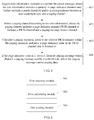
- This embodiment of the present invention provides a method for sending a paging message. Referring to FIG. 3 , the method includes the following steps:
- the network side may configure multiple same paging channels, that is, multiple same PICH channels and multiple same channels that bear paging messages, for a first user equipment and a second user equipment, and the first user equipment and the second user equipment select paging channels according to identities of the first user equipment and the second user equipment and a quantity of paging channels. For example, the network side performs numbering on the multiple paging channels, the user equipment performs a modulo operation on the quantity of paging channels by using identity information of the user equipment, and uses a channel corresponding to a number the same as a result obtained by means of the modulo operation as a selected paging channel.
- a user equipment is determined as the first user equipment when the user equipment meets any one of the following three conditions: Condition 1: a discontinuous reception period length of the user equipment is less than or equal to the preset threshold; condition 2: the user equipment is a non-machine-type communications device; condition 3: the user equipment is a machine-type communications device and the discontinuous reception period length of the user equipment is less than or equal to the preset threshold.
- condition 1 a discontinuous reception period length of the user equipment is less than or equal to the preset threshold
- condition 2 the user equipment is a non-machine-type communications device
- condition 3 the user equipment is a machine-type communications device and the discontinuous reception period length of the user equipment is less than or equal to the preset threshold.
- the discontinuous reception period length of the user equipment is greater than the preset threshold and/or the user equipment is a machine-type communications device, the user equipment is determined as the second user equipment.
- the network side may directly determine a configured PICH channel and a configured paging-message-bearer channel as paging channels for the paged user equipment.
- Step 302 If the paged user equipment is first user equipment, the network side calculates a paging occasion for the first user equipment according to an IMSI of the first user equipment and a discontinuous reception period length of the first user equipment.
- the network side calculates the paging occasion for the first user equipment according to the IMSI of the first user equipment and the discontinuous reception period length of the first user equipment and based on the following formula (1):
- m is a maximum value of n, and when n>m, PO1>4095.
- PO1 is the paging occasion for the first user equipment
- DRXc11 is the discontinuous reception period length of the first user equipment
- K is a quantity of channels in the cell that bear paging messages
- % is a modulo operation
- PBP is 1, and FO is 0.
- Step 303 The network side sends a paging message to the first user equipment through the selected paging channel on the paging occasion of the first user equipment.
- the network side When paging data included in the paging message is change information of a system broadcast message, the network side sends a page indicator to the first user equipment through the selected PICH channel within first duration, and sends, within the first duration, the change information of the system broadcast message to the first user equipment through the paging-message-bearer channel.
- the first duration is a total time length during which the network side sends the change information of the system broadcast message to the first user equipment.
- the network side sets a page indicator value in each selected PICH channel to 1.
- the network side may continuously send changed system broadcast messages, so that the first user equipment and the second user equipment receive the changed system broadcast messages. In this case, sending the change information of the system broadcast message for the second user equipment may still continue.
- Step 304 If a page indicator value that is in the selected PICH channel and obtained by means of parsing by the first user equipment is 1, the first user equipment receives the paging message sent by the network side.
- the first user equipment listens to the selected PICH channel, parses the page indicator value according to a page indicator in the selected PICH channel, determines that the page indicator value is 1, and receives the paging message sent by the network side.
- the first user equipment may calculate the paging occasion for the first user equipment according to the IMSI of the first user equipment and the discontinuous reception period length of the first user equipment and based on the foregoing formula (1), and the first user equipment listens to the selected PICH channel on the calculated paging occasion.
- Step 305 If the paged user equipment is a second user equipment, the network side calculates a paging occasion for the second user equipment according to an IMSI of the second user equipment, a first time length, and a discontinuous reception period length of the second user equipment.
- the network side calculates the paging occasion for the second user equipment according to the IMSI of the second user equipment, the first time length, and the discontinuous reception period length of the second user equipment and based on the following formula (2):
- m is a maximum value of n, and when n>m, PO1>4095.
- PO2 is the paging occasion for the second user equipment
- DRXcl2 is the discontinuous reception period length of the second user equipment
- DRXcln is the first time length
- a maximum value of an SFN is 4095.
- the first time length is sent to a UE by the network side by using a system broadcast message or by using dedicated RRC (radio resource control, radio resource control protocol) signaling.
- RRC radio resource control, radio resource control protocol
- the network side pages the first user equipment on the paging occasion of the first user equipment, and pages the second user equipment on the paging occasion of the second user equipment; the first user equipment listens to a PICH channel on the paging occasion of the first user equipment, and the second user equipment listens to a PICH channel on the paging occasion of the second user equipment.
- the network side may send the discontinuous reception period length of the user equipment of the cell to the user equipment of the cell by using a system broadcast message.
- Step 306 The network side sends a paging message to the second user equipment through the selected paging channel on the paging occasion of the second user equipment.
- the network side When paging data included in the paging message is change information of a system broadcast message, the network side continuously sends page indicators to the second user equipment through the selected PICH channel within the first time length, and sends, within the first time length, the change information of the system broadcast message to the second user equipment through the paging-message-bearer channel.
- the network side sets a page indicator value in a PICH channel selected by each second user equipment to 1.
- Step 307 If a page indicator value that is in the selected PICH channel and obtained by means of parsing by the second user equipment is 1, the second user equipment receives the paging message sent by the network side.
- the second user equipment listens to the selected PICH channel, parses the page indicator value according to a page indicator in the selected PICH channel, determines that the page indicator value is 1, and receives the paging message sent by the network side.
- the second user equipment may calculate the paging occasion for the second user equipment according to the IMSI of the second user equipment, the first time length, and the discontinuous reception period length of the second user equipment and based on the foregoing formula (2), and the second user equipment listens to the selected PICH channel on the calculated paging occasion.
- a time length for paging the second user equipment is shortened, which mitigates impact of paging the second user equipment on the first user equipment, further reduces a quantity of paging messages that are sent by the network side and acquired by the first user equipment in excess, and further reduces extra electricity consumed by the first user equipment.
- the second user equipment receives, according to the change information of the system broadcast message from the paging-message-bearer channel, a changed system broadcast message sent by the network side.
- the change information of the system broadcast message includes a first SFN and/or a change time point of the system broadcast message.
- the change time point of the system broadcast message is used to indicate exact time at which the system broadcast message changes, and a possible form is: hour/minute/second/millisecond; further, the change time point may further include a change date, and a possible form is: date/hour/minute/second/millisecond, or month/date/hour/minute/second/millisecond.
- a current time point is compared with the change time point of the system broadcast message; if the current time point is later than or equal to the change time point of the system broadcast message, the changed system broadcast message sent by the network side is received; otherwise, waiting continues and the changed system broadcast message sent by the network side is received at the change time point of the system broadcast message.
- the change time point included in the system broadcast message is: 06:10:03:012, and a time point at which the change information is received by the UE is: 06:10:03:200; because 06:10:03:200 is later than 06:10:03:012, the UE receives, after acquiring the change information, the changed system broadcast message sent by the network side; if a time point at which the change information is received by the UE is: 06:10:03:000, the UE determines, when receiving the change information, that the changed system broadcast message has not been sent, and the UE reads the changed system broadcast message at 06:10:03:000.
- the second user equipment acquires a MIB in the system broadcast message, and compares the acquired MIB with a MIB stored in the second user equipment; if the acquired MIB and the MIB stored in the second user equipment are different, receives the changed system broadcast message sent by the network side; and if the acquired MIB and the MIB stored in the second user equipment are the same, does not receive the changed system broadcast message until a moment at which the system broadcast message changes.
- the second user equipment acquires a second SFN at which the change information of the system broadcast message is received, and compares the first SFN with the second SFN; if the first SFN is greater than or equal to the second SFN, receives, according to scheduling information at the first SFN, the changed system broadcast message sent by the network side; and if the first SFN is less than the second SFN, receives, at a first SFN included in a next SFN period, the changed system broadcast message sent by the network side, where a master system information block MIB of the system broadcast message or a scheduling block of the system broadcast message includes the scheduling information.
- a master system information block MIB of the system broadcast message or a scheduling block of the system broadcast message includes the scheduling information.
- the second user equipment always determines that an SFN included in the change information of the received system broadcast message is a next SFN that is closest to a current SFN. For example, an SFN at which the second user equipment receives the change information of the system broadcast message is 1022, that is, the second SFN is 1022, and an SFN included in the change information of the system broadcast message is 1010, that is, the first SFN is 1010. Because 1010 is less than 1022, the second user equipment reads a changed system broadcast message when a next 1010 arrives.
- an SFN periodically and progressively increases, after 4095, the SFN is counted from 0 again, 0 to 4095 is an SFN period, and the next 1010 and a current 1022 belong to different SFN periods; if an SFN at which the second user equipment receives the change information of the system broadcast message is 1008, that is, if the second SFN is 1008, because 1010 is greater than 1008, the changed system broadcast message is read when the SFN is 1010.
- the second user equipment needs to send uplink data to the network side when the first SFN has not arrived, that is, when a third SFN corresponding to a current time point does not reach the first SFN, the second user equipment needs to send the uplink data to the network side; then, the second user equipment acquires the MIB of the system broadcast message; if the acquired MIB and a MIB that has been stored are different, the second user equipment determines that the system broadcast message changes, and acquires the changed system broadcast message, so as to ensure that a system broadcast message stored by the second user equipment before the uplink data is sent is a latest system broadcast message.
- the second user equipment may not only acquire, according to the foregoing steps, the changed system broadcast message sent by the network side, but also may acquire, according to the following steps, the changed system broadcast message sent by the network side, where the steps include:
- the second user equipment may also acquire all system broadcast messages from the network side.
- a time length for paging the second user equipment is shortened, which reduces a quantity of paging messages that are sent by the network side and acquired by first user equipment in excess, and further reduces extra electricity consumed by the first user equipment.
- the change information of the system broadcast message is sent to the first user equipment within first duration, which reduces a time length for sending change information of a system broadcast message to the first user equipment, and reduces extra electricity consumed by a UE whose discontinuous reception period length is relatively small.
- a changed system broadcast message starts to be sent after the first duration, so that the first user equipment receives the changed system broadcast message, which reduces a delay time for receiving the changed system broadcast message by the first user equipment.
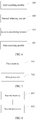
- This embodiment of the present invention provides a method for receiving a paging message. Referring to FIG. 4 , the method includes the following steps:
- the selecting a paging channel according to the rule information includes:
- the selecting a paging channel according to the rule information includes:
- Selecting the paging channel according to the user equipment type of the paged user equipment and the discontinuous reception period length of the paged user equipment includes:
- the user equipment may also select the second paging channel, which is not limited herein.
- the selecting the paging channel for the paged user equipment according to the rule information includes:
- the selected paging channel is referred to as the second paging channel; or if the paged user equipment is a machine-type communications device, the selected paging channel is referred to as the second paging channel; or if the paged user equipment is a machine-type communications device and the discontinuous reception period length of the paged user equipment is greater than the preset threshold, the selected paging channel is referred to as the second paging channel.
- the paging channel selected by the user equipment for which the foregoing condition is not met is referred to as the first paging channel.
- the foregoing first paging channel and second paging channel are distinguished according to a difference of user equipments.
- the first paging channel and the second paging channel may be a same channel, or may be different channels, which depends on a calculation result obtained by performing a modulo operation on the quantity of paging channels according to an identity of user equipment.
- the calculating a paging occasion includes:
- the method further includes:
- the method further includes:
- the receiving, according to the change information of the system broadcast message, a changed system broadcast message sent by the network side includes:
- the receiving, according to the change information of the system broadcast message, a changed system broadcast message sent by the network side includes:
- the method further includes:
- the receiving, according to the change information of the system broadcast message, a changed system broadcast message sent by the network side includes:
- This embodiment of the present invention may be executed by second user equipment.
- a paging occasion for a second user equipment is calculated by using a first time length, so that occasions for paging the second user equipment by a network side are concentrated within the first time length, which mitigates impact on paging first user equipment; for sending a paging message for a change of a system broadcast message, a time length for sending change information of the system broadcast message to the first user equipment is reduced, and extra electricity consumed by a UE whose discontinuous reception period length is relatively small is reduced.
- the network side may send the change information of the system broadcast message before the second user equipment is notified, which reduces a delay time for receiving the changed system broadcast message by the first user equipment.
- This embodiment of the present invention provides an apparatus for sending a paging message.
- the apparatus includes:
- the first selecting module 501 includes:
- the first selecting module 501 includes:
- the first acquiring unit includes:
- the first calculating module 502 is specifically configured to: if the discontinuous reception period length of the paged user equipment is greater than the preset threshold and/or the paged user equipment is a machine-type communications device, calculate the paging occasion for the paged user equipment according to an international mobile subscriber identity IMSI of the paged user equipment, a first time length, and the discontinuous reception period length of the paged user equipment.
- IMSI international mobile subscriber identity
- the paged user equipment When the paging data is change information of a system broadcast message, the paged user equipment includes first user equipment and second user equipment, where the first user equipment is a user equipment that selects the first paging channel, and the second user equipment is a user equipment that selects the second paging channel.
- the first sending module 503 includes:
- the change information of the system broadcast message includes a first system frame number SFN and/or a change time point of the system broadcast message.
- the apparatus further includes:
- a discontinuous reception period length of a first user equipment is less than a discontinuous reception period length of a second user equipment; therefore, sending paging messages through different paging channels or limiting a paging occasion for the second user equipment to a first time length mitigates impact of the second user equipment corresponding to the first user equipment; for change information of a system broadcast message, when the change information of the system broadcast message is sent to the first user equipment, selecting a paging channel different from that of the second user equipment or limiting the paging occasion for the second user equipment to the first time length reduces a time length for sending the change information of the system broadcast message to the first user equipment, and reduces extra electricity consumed by the first user equipment.
- a changed system broadcast message starts to be sent before all second user equipments are notified, which reduces a delay time for sending the changed system broadcast message.
- This embodiment of the present invention provides an apparatus for receiving a paging message.
- the apparatus includes:
- the second selecting module 602 includes:
- the second selecting module 602 includes:
- the second calculating module 603 includes:
- the apparatus further includes:
- the apparatus further includes:
- the second receiving module includes:
- the second receiving module includes:
- the apparatus further includes:
- the second receiving module includes:
- a paging occasion for a second user equipment is calculated by using a first time length, so that occasions for paging the second user equipment by a network side are concentrated within the first time length, which mitigates impact on paging first user equipment; for sending a paging message for a change of a system broadcast message, a time length for sending change information of the system broadcast message to the first user equipment is reduced, and extra electricity consumed by a UE whose discontinuous reception period length is relatively small is reduced.
- the network side may send the change information of the system broadcast message before the second user equipment is notified, which reduces a delay time for receiving the changed system broadcast message by the first user equipment.
- the apparatus includes a first memory 701 and a first processor 702, configured to perform the following method for sending a paging message:
- the selecting a paging channel for a paged user equipment according to rule information includes:
- the selecting a paging channel for a paged user equipment according to rule information includes:
- the acquiring, according to a user equipment type of the paged user equipment, a corresponding paging channel from the correspondence between a user equipment type and a paging channel includes:
- the calculating a paging occasion for the paged user equipment includes:
- the paged user equipment When the paging data is change information of a system broadcast message, the paged user equipment includes first user equipment and second user equipment, where the first user equipment is a user equipment that selects the first paging channel, and the second user equipment is a user equipment that selects the second paging channel.
- sending a page indicator to the paged user equipment through the selected PICH channel and sending a paging message to the paged user equipment through the paging-message-bearer channel includes:
- the change information of the system broadcast message includes a first system frame number SFN and/or a change time point of the system broadcast message.
- the method further includes:
- a discontinuous reception period length of a first user equipment is less than a discontinuous reception period length of a second user equipment; therefore, sending paging messages through different paging channels or limiting a paging occasion for the second user equipment to a first time length mitigates impact of the second user equipment corresponding to the first user equipment; for change information of a system broadcast message, when the change information of the system broadcast message is sent to the first user equipment, selecting a paging channel different from that of the second user equipment or limiting the paging occasion for the second user equipment to the first time length reduces a time length for sending the change information of the system broadcast message to the first user equipment, and reduces extra electricity consumed by the first user equipment.
- a changed system broadcast message starts to be sent before all second user equipments are notified, which reduces a delay time for sending the changed system broadcast message.
- the apparatus includes a second memory 801 and a second processor 802, configured to perform the following method for receiving a paging message, where the method includes:
- the selecting a paging channel according to the rule information includes:
- the selecting a paging channel according to the rule information includes:
- the calculating a paging occasion includes:
- the method further includes:
- the method further includes:
- the receiving, according to the change information of the system broadcast message from the paging-message-bearer channel, a changed system broadcast message sent by the network side includes:
- the receiving, according to the change information of the system broadcast message, a changed system broadcast message sent by the network side includes:
- the method further includes:
- the receiving, according to the change information of the system broadcast message, a changed system broadcast message sent by the network side includes:
- a paging occasion for a second user equipment is calculated by using a first time length, so that occasions for paging the second user equipment by a network side are concentrated within the first time length, which mitigates impact on paging first user equipment; for sending a paging message for a change of a system broadcast message, a time length for sending change information of the system broadcast message to the first user equipment is reduced, and extra electricity consumed by a UE whose discontinuous reception period length is relatively small is reduced.
- the network side may send the change information of the system broadcast message before the second user equipment is notified, which reduces a delay time for receiving the changed system broadcast message by the first user equipment.
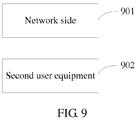
- this embodiment of the present invention provides a system for sending a paging message, and the system includes the network side 901 described in Embodiment 5 and the second user equipment 902 described in Embodiment 6.
- a discontinuous reception period length of a first user equipment is less than a discontinuous reception period length of a second user equipment; therefore, sending paging messages through different paging channels or limiting a paging occasion for the second user equipment to a first time length mitigates impact of the second user equipment corresponding to the first user equipment; for change information of a system broadcast message, when the change information of the system broadcast message is sent to the first user equipment, selecting a paging channel different from that of the second user equipment or limiting the paging occasion for the second user equipment to the first time length reduces a time length for sending the change information of the system broadcast message to the first user equipment, and reduces extra electricity consumed by the first user equipment.
- a changed system broadcast message starts to be sent before all second user equipments are notified, which reduces a delay time for sending the changed system broadcast message.
- the program may be stored in a computer-readable storage medium.
- the storage medium may include: a read-only memory, a magnetic disk, an optical disc, or the like.
Landscapes
- Engineering & Computer Science (AREA)
- Computer Networks & Wireless Communication (AREA)
- Signal Processing (AREA)
- Mobile Radio Communication Systems (AREA)
- Telephonic Communication Services (AREA)
Applications Claiming Priority (1)
| Application Number | Priority Date | Filing Date | Title |
|---|---|---|---|
| PCT/CN2013/085344 WO2015054857A1 (zh) | 2013-10-16 | 2013-10-16 | 一种发送、接收寻呼消息的方法、装置及系统 |
Publications (3)
| Publication Number | Publication Date |
|---|---|
| EP3041302A1 true EP3041302A1 (de) | 2016-07-06 |
| EP3041302A4 EP3041302A4 (de) | 2016-09-21 |
| EP3041302B1 EP3041302B1 (de) | 2018-12-12 |
Family
ID=52827561
Family Applications (1)
| Application Number | Title | Priority Date | Filing Date |
|---|---|---|---|
| EP13895501.8A Not-in-force EP3041302B1 (de) | 2013-10-16 | 2013-10-16 | Verfahren und vorrichtungen zum senden und empfangen von paging-nachrichten |
Country Status (4)
| Country | Link |
|---|---|
| US (1) | US10178618B2 (de) |
| EP (1) | EP3041302B1 (de) |
| CN (1) | CN104756564B (de) |
| WO (1) | WO2015054857A1 (de) |
Cited By (2)
| Publication number | Priority date | Publication date | Assignee | Title |
|---|---|---|---|---|
| WO2019099661A1 (en) * | 2017-11-15 | 2019-05-23 | Idac Holdings, Inc. | Enhanced paging monitoring in 5g |
| EP4160963A4 (de) * | 2020-05-26 | 2024-02-28 | Beijing Xiaomi Mobile Software Co., Ltd. | Verfahren und vorrichtung zur übertragung von funkrufsteuerungsnachrichten und kommunikationsvorrichtung |
Families Citing this family (4)
| Publication number | Priority date | Publication date | Assignee | Title |
|---|---|---|---|---|
| CN109246818B (zh) * | 2017-05-04 | 2024-01-09 | 华为技术有限公司 | 寻呼方法和装置 |
| CN110062461B (zh) * | 2018-01-19 | 2023-05-16 | 华为技术有限公司 | 信号传输的方法和装置 |
| CN108616984A (zh) * | 2018-04-11 | 2018-10-02 | 京信通信系统(中国)有限公司 | 寻呼消息处理方法、装置、基站和存储介质 |
| EP4082264A4 (de) | 2020-06-29 | 2023-09-27 | ZTE Corporation | Funkrufverfahren für gruppen von drahtlosendgeräten |
Family Cites Families (10)
| Publication number | Priority date | Publication date | Assignee | Title |
|---|---|---|---|---|
| DE69928075T2 (de) | 1999-01-11 | 2006-07-13 | Motorola, Inc., Schaumburg | Funkrufverfahren für GPRS |
| EP1283648A1 (de) * | 2001-08-07 | 2003-02-12 | Siemens Aktiengesellschaft | Verfahren,Teilnehmergerät sowie Funkkommunikationssystem zur Übertragung von Gruppennachrichten |
| CN102754500B (zh) * | 2010-02-10 | 2017-06-13 | 瑞典爱立信有限公司 | 电信系统中的方法和装置 |
| WO2011100497A1 (en) * | 2010-02-12 | 2011-08-18 | Interdigital Patent Holdings, Inc. | Group paging for machine-type communications |
| EP2369890A1 (de) * | 2010-03-26 | 2011-09-28 | Panasonic Corporation | Verbindungsspitzenvermeidung für MTC-Vorrichtungen |
| CN101835268B (zh) * | 2010-04-06 | 2012-10-17 | 华为技术有限公司 | 用于终端选择驻留cdma信道的方法及装置 |
| CN102143582B (zh) * | 2011-04-08 | 2013-10-16 | 大唐移动通信设备有限公司 | 一种寻呼方法、系统、网络设备及终端 |
| TWI459777B (zh) * | 2011-07-11 | 2014-11-01 | Mediatek Inc | 加強型傳呼的方法及其機器類型通訊裝置 |
| WO2015051547A1 (zh) * | 2013-10-12 | 2015-04-16 | 华为技术有限公司 | 寻呼方法和装置 |
| WO2016166182A1 (en) * | 2015-04-13 | 2016-10-20 | Telefonaktiebolaget Lm Ericsson (Publ) | Methods of adapting receiver configuration for control channel reception based on drx status |
-
2013
- 2013-10-16 WO PCT/CN2013/085344 patent/WO2015054857A1/zh not_active Ceased
- 2013-10-16 EP EP13895501.8A patent/EP3041302B1/de not_active Not-in-force
- 2013-10-16 CN CN201380001650.1A patent/CN104756564B/zh not_active Expired - Fee Related
-
2016
- 2016-04-14 US US15/099,140 patent/US10178618B2/en active Active
Cited By (3)
| Publication number | Priority date | Publication date | Assignee | Title |
|---|---|---|---|---|
| WO2019099661A1 (en) * | 2017-11-15 | 2019-05-23 | Idac Holdings, Inc. | Enhanced paging monitoring in 5g |
| EP4160963A4 (de) * | 2020-05-26 | 2024-02-28 | Beijing Xiaomi Mobile Software Co., Ltd. | Verfahren und vorrichtung zur übertragung von funkrufsteuerungsnachrichten und kommunikationsvorrichtung |
| US12557069B2 (en) | 2020-05-26 | 2026-02-17 | Beijing Xiaomi Mobile Software Co., Ltd. | Method and apparatus for transmitting paging control message, and communication device |
Also Published As
| Publication number | Publication date |
|---|---|
| CN104756564B (zh) | 2019-01-11 |
| US10178618B2 (en) | 2019-01-08 |
| EP3041302B1 (de) | 2018-12-12 |
| EP3041302A4 (de) | 2016-09-21 |
| CN104756564A (zh) | 2015-07-01 |
| US20160234781A1 (en) | 2016-08-11 |
| WO2015054857A1 (zh) | 2015-04-23 |
Similar Documents
| Publication | Publication Date | Title |
|---|---|---|
| US12309743B2 (en) | Paging optimization method, apparatus, and system | |
| US10178618B2 (en) | Method, apparatus, and system for sending and receiving paging message | |
| US8441984B2 (en) | Wireless device and method for efficiently paging idle-mode mobile stations in multicarrier systems | |
| KR101455982B1 (ko) | 이동 통신 시스템에서의 데이터 통신 방법 | |
| KR101549275B1 (ko) | 다운링크 공유 채널에서의 시스템 정보의 송신 | |
| CN102740407B (zh) | 上行调度方法及系统、终端及基站 | |
| KR101540481B1 (ko) | 이동통신 시스템에서의 시스템정보에 포함된 스케줄링 정보를 이용하여 재해경보 메시지를 수신하는 방법 | |
| EP2941062A1 (de) | Übertragungssteuerungsverfahren und übertragungsverfahren und -vorrichtung | |
| EP3528553B1 (de) | Drahtloskommunikationsverfahren und -vorrichtung | |
| EP3209076B1 (de) | Datenübertragungsverfahren und -vorrichtung | |
| US20160128129A1 (en) | Telecommunications apparatus and methods | |
| CN106961729A (zh) | 监听、发送寻呼、寻呼终端的方法和基站、终端 | |
| CN113347688A (zh) | 使用时域资源分配的指示信息的方法和装置 | |
| WO2016165070A1 (zh) | 发送上行信息、发送与接收下行信息、系统调度方法和装置 | |
| EP3257175B1 (de) | Telekommunikationsvorrichtung und -verfahren | |
| JP6606290B2 (ja) | パワーヘッドルーム報告を指示するための方法及び装置 | |
| US20160143086A1 (en) | Telecommunications apparatus and methods | |
| CN117042152A (zh) | 用于使用关于时域资源分配的指示信息的方法和装置 | |
| EP3567753B1 (de) | Verfahren und vorrichtung für funkruf und computerlesbares speichermedium | |
| CN108616993B (zh) | 一种物理信道资源的调度方法及装置 | |
| US20090285144A1 (en) | Data transmitting system, data transmitting method, base station and mobile station | |
| EP3737193A1 (de) | Datenübertragungsverfahren, -vorrichtung und -system | |
| US10505650B2 (en) | Radio terminal and network apparatus | |
| CN121001196A (zh) | 一种通信方法及相关设备 | |
| EP2485412A1 (de) | Verfahren und benutzerasurüstung zum empfangen einer benachrichtigungsmitteilung für einen multicast-steuerkanal |
Legal Events
| Date | Code | Title | Description |
|---|---|---|---|
| PUAI | Public reference made under article 153(3) epc to a published international application that has entered the european phase |
Free format text: ORIGINAL CODE: 0009012 |
|
| 17P | Request for examination filed |
Effective date: 20160401 |
|
| AK | Designated contracting states |
Kind code of ref document: A1 Designated state(s): AL AT BE BG CH CY CZ DE DK EE ES FI FR GB GR HR HU IE IS IT LI LT LU LV MC MK MT NL NO PL PT RO RS SE SI SK SM TR |
|
| AX | Request for extension of the european patent |
Extension state: BA ME |
|
| A4 | Supplementary search report drawn up and despatched |
Effective date: 20160819 |
|
| RIC1 | Information provided on ipc code assigned before grant |
Ipc: H04W 68/00 20090101AFI20160812BHEP |
|
| DAX | Request for extension of the european patent (deleted) | ||
| STAA | Information on the status of an ep patent application or granted ep patent |
Free format text: STATUS: EXAMINATION IS IN PROGRESS |
|
| 17Q | First examination report despatched |
Effective date: 20170816 |
|
| GRAP | Despatch of communication of intention to grant a patent |
Free format text: ORIGINAL CODE: EPIDOSNIGR1 |
|
| STAA | Information on the status of an ep patent application or granted ep patent |
Free format text: STATUS: GRANT OF PATENT IS INTENDED |
|
| RIC1 | Information provided on ipc code assigned before grant |
Ipc: H04W 52/02 20090101ALI20180430BHEP Ipc: H04W 68/00 20090101AFI20180430BHEP Ipc: H04W 68/02 20090101ALI20180430BHEP Ipc: H04W 72/04 20090101ALI20180430BHEP Ipc: H04W 72/00 20090101ALI20180430BHEP |
|
| INTG | Intention to grant announced |
Effective date: 20180528 |
|
| GRAS | Grant fee paid |
Free format text: ORIGINAL CODE: EPIDOSNIGR3 |
|
| GRAA | (expected) grant |
Free format text: ORIGINAL CODE: 0009210 |
|
| STAA | Information on the status of an ep patent application or granted ep patent |
Free format text: STATUS: THE PATENT HAS BEEN GRANTED |
|
| AK | Designated contracting states |
Kind code of ref document: B1 Designated state(s): AL AT BE BG CH CY CZ DE DK EE ES FI FR GB GR HR HU IE IS IT LI LT LU LV MC MK MT NL NO PL PT RO RS SE SI SK SM TR |
|
| REG | Reference to a national code |
Ref country code: GB Ref legal event code: FG4D |
|
| REG | Reference to a national code |
Ref country code: CH Ref legal event code: EP |
|
| REG | Reference to a national code |
Ref country code: AT Ref legal event code: REF Ref document number: 1077632 Country of ref document: AT Kind code of ref document: T Effective date: 20181215 |
|
| REG | Reference to a national code |
Ref country code: DE Ref legal event code: R096 Ref document number: 602013048278 Country of ref document: DE |
|
| REG | Reference to a national code |
Ref country code: IE Ref legal event code: FG4D |
|
| REG | Reference to a national code |
Ref country code: NL Ref legal event code: MP Effective date: 20181212 |
|
| REG | Reference to a national code |
Ref country code: LT Ref legal event code: MG4D |
|
| PG25 | Lapsed in a contracting state [announced via postgrant information from national office to epo] |
Ref country code: FI Free format text: LAPSE BECAUSE OF FAILURE TO SUBMIT A TRANSLATION OF THE DESCRIPTION OR TO PAY THE FEE WITHIN THE PRESCRIBED TIME-LIMIT Effective date: 20181212 Ref country code: BG Free format text: LAPSE BECAUSE OF FAILURE TO SUBMIT A TRANSLATION OF THE DESCRIPTION OR TO PAY THE FEE WITHIN THE PRESCRIBED TIME-LIMIT Effective date: 20190312 Ref country code: LT Free format text: LAPSE BECAUSE OF FAILURE TO SUBMIT A TRANSLATION OF THE DESCRIPTION OR TO PAY THE FEE WITHIN THE PRESCRIBED TIME-LIMIT Effective date: 20181212 Ref country code: HR Free format text: LAPSE BECAUSE OF FAILURE TO SUBMIT A TRANSLATION OF THE DESCRIPTION OR TO PAY THE FEE WITHIN THE PRESCRIBED TIME-LIMIT Effective date: 20181212 Ref country code: LV Free format text: LAPSE BECAUSE OF FAILURE TO SUBMIT A TRANSLATION OF THE DESCRIPTION OR TO PAY THE FEE WITHIN THE PRESCRIBED TIME-LIMIT Effective date: 20181212 Ref country code: ES Free format text: LAPSE BECAUSE OF FAILURE TO SUBMIT A TRANSLATION OF THE DESCRIPTION OR TO PAY THE FEE WITHIN THE PRESCRIBED TIME-LIMIT Effective date: 20181212 Ref country code: NO Free format text: LAPSE BECAUSE OF FAILURE TO SUBMIT A TRANSLATION OF THE DESCRIPTION OR TO PAY THE FEE WITHIN THE PRESCRIBED TIME-LIMIT Effective date: 20190312 |
|
| REG | Reference to a national code |
Ref country code: AT Ref legal event code: MK05 Ref document number: 1077632 Country of ref document: AT Kind code of ref document: T Effective date: 20181212 |
|
| PG25 | Lapsed in a contracting state [announced via postgrant information from national office to epo] |
Ref country code: GR Free format text: LAPSE BECAUSE OF FAILURE TO SUBMIT A TRANSLATION OF THE DESCRIPTION OR TO PAY THE FEE WITHIN THE PRESCRIBED TIME-LIMIT Effective date: 20190313 Ref country code: SE Free format text: LAPSE BECAUSE OF FAILURE TO SUBMIT A TRANSLATION OF THE DESCRIPTION OR TO PAY THE FEE WITHIN THE PRESCRIBED TIME-LIMIT Effective date: 20181212 Ref country code: RS Free format text: LAPSE BECAUSE OF FAILURE TO SUBMIT A TRANSLATION OF THE DESCRIPTION OR TO PAY THE FEE WITHIN THE PRESCRIBED TIME-LIMIT Effective date: 20181212 Ref country code: AL Free format text: LAPSE BECAUSE OF FAILURE TO SUBMIT A TRANSLATION OF THE DESCRIPTION OR TO PAY THE FEE WITHIN THE PRESCRIBED TIME-LIMIT Effective date: 20181212 |
|
| PG25 | Lapsed in a contracting state [announced via postgrant information from national office to epo] |
Ref country code: NL Free format text: LAPSE BECAUSE OF FAILURE TO SUBMIT A TRANSLATION OF THE DESCRIPTION OR TO PAY THE FEE WITHIN THE PRESCRIBED TIME-LIMIT Effective date: 20181212 |
|
| PG25 | Lapsed in a contracting state [announced via postgrant information from national office to epo] |
Ref country code: IT Free format text: LAPSE BECAUSE OF FAILURE TO SUBMIT A TRANSLATION OF THE DESCRIPTION OR TO PAY THE FEE WITHIN THE PRESCRIBED TIME-LIMIT Effective date: 20181212 Ref country code: PT Free format text: LAPSE BECAUSE OF FAILURE TO SUBMIT A TRANSLATION OF THE DESCRIPTION OR TO PAY THE FEE WITHIN THE PRESCRIBED TIME-LIMIT Effective date: 20190412 Ref country code: CZ Free format text: LAPSE BECAUSE OF FAILURE TO SUBMIT A TRANSLATION OF THE DESCRIPTION OR TO PAY THE FEE WITHIN THE PRESCRIBED TIME-LIMIT Effective date: 20181212 Ref country code: PL Free format text: LAPSE BECAUSE OF FAILURE TO SUBMIT A TRANSLATION OF THE DESCRIPTION OR TO PAY THE FEE WITHIN THE PRESCRIBED TIME-LIMIT Effective date: 20181212 |
|
| PG25 | Lapsed in a contracting state [announced via postgrant information from national office to epo] |
Ref country code: SK Free format text: LAPSE BECAUSE OF FAILURE TO SUBMIT A TRANSLATION OF THE DESCRIPTION OR TO PAY THE FEE WITHIN THE PRESCRIBED TIME-LIMIT Effective date: 20181212 Ref country code: RO Free format text: LAPSE BECAUSE OF FAILURE TO SUBMIT A TRANSLATION OF THE DESCRIPTION OR TO PAY THE FEE WITHIN THE PRESCRIBED TIME-LIMIT Effective date: 20181212 Ref country code: EE Free format text: LAPSE BECAUSE OF FAILURE TO SUBMIT A TRANSLATION OF THE DESCRIPTION OR TO PAY THE FEE WITHIN THE PRESCRIBED TIME-LIMIT Effective date: 20181212 Ref country code: SM Free format text: LAPSE BECAUSE OF FAILURE TO SUBMIT A TRANSLATION OF THE DESCRIPTION OR TO PAY THE FEE WITHIN THE PRESCRIBED TIME-LIMIT Effective date: 20181212 Ref country code: IS Free format text: LAPSE BECAUSE OF FAILURE TO SUBMIT A TRANSLATION OF THE DESCRIPTION OR TO PAY THE FEE WITHIN THE PRESCRIBED TIME-LIMIT Effective date: 20190412 |
|
| REG | Reference to a national code |
Ref country code: DE Ref legal event code: R097 Ref document number: 602013048278 Country of ref document: DE |
|
| PLBE | No opposition filed within time limit |
Free format text: ORIGINAL CODE: 0009261 |
|
| STAA | Information on the status of an ep patent application or granted ep patent |
Free format text: STATUS: NO OPPOSITION FILED WITHIN TIME LIMIT |
|
| PG25 | Lapsed in a contracting state [announced via postgrant information from national office to epo] |
Ref country code: DK Free format text: LAPSE BECAUSE OF FAILURE TO SUBMIT A TRANSLATION OF THE DESCRIPTION OR TO PAY THE FEE WITHIN THE PRESCRIBED TIME-LIMIT Effective date: 20181212 Ref country code: AT Free format text: LAPSE BECAUSE OF FAILURE TO SUBMIT A TRANSLATION OF THE DESCRIPTION OR TO PAY THE FEE WITHIN THE PRESCRIBED TIME-LIMIT Effective date: 20181212 Ref country code: SI Free format text: LAPSE BECAUSE OF FAILURE TO SUBMIT A TRANSLATION OF THE DESCRIPTION OR TO PAY THE FEE WITHIN THE PRESCRIBED TIME-LIMIT Effective date: 20181212 |
|
| 26N | No opposition filed |
Effective date: 20190913 |
|
| PG25 | Lapsed in a contracting state [announced via postgrant information from national office to epo] |
Ref country code: TR Free format text: LAPSE BECAUSE OF FAILURE TO SUBMIT A TRANSLATION OF THE DESCRIPTION OR TO PAY THE FEE WITHIN THE PRESCRIBED TIME-LIMIT Effective date: 20181212 |
|
| PG25 | Lapsed in a contracting state [announced via postgrant information from national office to epo] |
Ref country code: MC Free format text: LAPSE BECAUSE OF FAILURE TO SUBMIT A TRANSLATION OF THE DESCRIPTION OR TO PAY THE FEE WITHIN THE PRESCRIBED TIME-LIMIT Effective date: 20181212 |
|
| REG | Reference to a national code |
Ref country code: CH Ref legal event code: PL |
|
| PG25 | Lapsed in a contracting state [announced via postgrant information from national office to epo] |
Ref country code: CH Free format text: LAPSE BECAUSE OF NON-PAYMENT OF DUE FEES Effective date: 20191031 Ref country code: LI Free format text: LAPSE BECAUSE OF NON-PAYMENT OF DUE FEES Effective date: 20191031 Ref country code: LU Free format text: LAPSE BECAUSE OF NON-PAYMENT OF DUE FEES Effective date: 20191016 |
|
| REG | Reference to a national code |
Ref country code: BE Ref legal event code: MM Effective date: 20191031 |
|
| PG25 | Lapsed in a contracting state [announced via postgrant information from national office to epo] |
Ref country code: BE Free format text: LAPSE BECAUSE OF NON-PAYMENT OF DUE FEES Effective date: 20191031 |
|
| PG25 | Lapsed in a contracting state [announced via postgrant information from national office to epo] |
Ref country code: FR Free format text: LAPSE BECAUSE OF NON-PAYMENT OF DUE FEES Effective date: 20191031 Ref country code: IE Free format text: LAPSE BECAUSE OF NON-PAYMENT OF DUE FEES Effective date: 20191016 |
|
| PG25 | Lapsed in a contracting state [announced via postgrant information from national office to epo] |
Ref country code: CY Free format text: LAPSE BECAUSE OF FAILURE TO SUBMIT A TRANSLATION OF THE DESCRIPTION OR TO PAY THE FEE WITHIN THE PRESCRIBED TIME-LIMIT Effective date: 20181212 |
|
| PG25 | Lapsed in a contracting state [announced via postgrant information from national office to epo] |
Ref country code: MT Free format text: LAPSE BECAUSE OF FAILURE TO SUBMIT A TRANSLATION OF THE DESCRIPTION OR TO PAY THE FEE WITHIN THE PRESCRIBED TIME-LIMIT Effective date: 20181212 Ref country code: HU Free format text: LAPSE BECAUSE OF FAILURE TO SUBMIT A TRANSLATION OF THE DESCRIPTION OR TO PAY THE FEE WITHIN THE PRESCRIBED TIME-LIMIT; INVALID AB INITIO Effective date: 20131016 |
|
| PG25 | Lapsed in a contracting state [announced via postgrant information from national office to epo] |
Ref country code: MK Free format text: LAPSE BECAUSE OF FAILURE TO SUBMIT A TRANSLATION OF THE DESCRIPTION OR TO PAY THE FEE WITHIN THE PRESCRIBED TIME-LIMIT Effective date: 20181212 |
|
| PGFP | Annual fee paid to national office [announced via postgrant information from national office to epo] |
Ref country code: GB Payment date: 20220901 Year of fee payment: 10 |
|
| PGFP | Annual fee paid to national office [announced via postgrant information from national office to epo] |
Ref country code: DE Payment date: 20220621 Year of fee payment: 10 |
|
| REG | Reference to a national code |
Ref country code: DE Ref legal event code: R119 Ref document number: 602013048278 Country of ref document: DE |
|
| GBPC | Gb: european patent ceased through non-payment of renewal fee |
Effective date: 20231016 |
|
| PG25 | Lapsed in a contracting state [announced via postgrant information from national office to epo] |
Ref country code: GB Free format text: LAPSE BECAUSE OF NON-PAYMENT OF DUE FEES Effective date: 20231016 |
|
| PG25 | Lapsed in a contracting state [announced via postgrant information from national office to epo] |
Ref country code: GB Free format text: LAPSE BECAUSE OF NON-PAYMENT OF DUE FEES Effective date: 20231016 Ref country code: DE Free format text: LAPSE BECAUSE OF NON-PAYMENT OF DUE FEES Effective date: 20240501 |