EP3042500B1 - Systeme und verfahren für metadatenbasierte dateierkennung - Google Patents
Systeme und verfahren für metadatenbasierte dateierkennung Download PDFInfo
- Publication number
- EP3042500B1 EP3042500B1 EP14841943.5A EP14841943A EP3042500B1 EP 3042500 B1 EP3042500 B1 EP 3042500B1 EP 14841943 A EP14841943 A EP 14841943A EP 3042500 B1 EP3042500 B1 EP 3042500B1
- Authority
- EP
- European Patent Office
- Prior art keywords
- media
- metadata
- file
- distributed
- version
- Prior art date
- Legal status (The legal status is an assumption and is not a legal conclusion. Google has not performed a legal analysis and makes no representation as to the accuracy of the status listed.)
- Active
Links
Images



Classifications
-
- G—PHYSICS
- G06—COMPUTING OR CALCULATING; COUNTING
- G06F—ELECTRIC DIGITAL DATA PROCESSING
- G06F16/00—Information retrieval; Database structures therefor; File system structures therefor
- G06F16/20—Information retrieval; Database structures therefor; File system structures therefor of structured data, e.g. relational data
- G06F16/21—Design, administration or maintenance of databases
- G06F16/211—Schema design and management
-
- G—PHYSICS
- G06—COMPUTING OR CALCULATING; COUNTING
- G06F—ELECTRIC DIGITAL DATA PROCESSING
- G06F16/00—Information retrieval; Database structures therefor; File system structures therefor
- G06F16/10—File systems; File servers
- G06F16/14—Details of searching files based on file metadata
-
- G—PHYSICS
- G06—COMPUTING OR CALCULATING; COUNTING
- G06F—ELECTRIC DIGITAL DATA PROCESSING
- G06F16/00—Information retrieval; Database structures therefor; File system structures therefor
- G06F16/10—File systems; File servers
- G06F16/13—File access structures, e.g. distributed indices
-
- G—PHYSICS
- G06—COMPUTING OR CALCULATING; COUNTING
- G06F—ELECTRIC DIGITAL DATA PROCESSING
- G06F16/00—Information retrieval; Database structures therefor; File system structures therefor
- G06F16/40—Information retrieval; Database structures therefor; File system structures therefor of multimedia data, e.g. slideshows comprising image and additional audio data
- G06F16/41—Indexing; Data structures therefor; Storage structures
-
- G—PHYSICS
- G06—COMPUTING OR CALCULATING; COUNTING
- G06F—ELECTRIC DIGITAL DATA PROCESSING
- G06F16/00—Information retrieval; Database structures therefor; File system structures therefor
- G06F16/40—Information retrieval; Database structures therefor; File system structures therefor of multimedia data, e.g. slideshows comprising image and additional audio data
- G06F16/43—Querying
- G06F16/438—Presentation of query results
-
- G—PHYSICS
- G06—COMPUTING OR CALCULATING; COUNTING
- G06F—ELECTRIC DIGITAL DATA PROCESSING
- G06F16/00—Information retrieval; Database structures therefor; File system structures therefor
- G06F16/40—Information retrieval; Database structures therefor; File system structures therefor of multimedia data, e.g. slideshows comprising image and additional audio data
- G06F16/48—Retrieval characterised by using metadata, e.g. metadata not derived from the content or metadata generated manually
-
- G—PHYSICS
- G06—COMPUTING OR CALCULATING; COUNTING
- G06F—ELECTRIC DIGITAL DATA PROCESSING
- G06F16/00—Information retrieval; Database structures therefor; File system structures therefor
- G06F16/60—Information retrieval; Database structures therefor; File system structures therefor of audio data
- G06F16/63—Querying
- G06F16/638—Presentation of query results
-
- G—PHYSICS
- G06—COMPUTING OR CALCULATING; COUNTING
- G06F—ELECTRIC DIGITAL DATA PROCESSING
- G06F16/00—Information retrieval; Database structures therefor; File system structures therefor
- G06F16/60—Information retrieval; Database structures therefor; File system structures therefor of audio data
- G06F16/68—Retrieval characterised by using metadata, e.g. metadata not derived from the content or metadata generated manually
-
- G—PHYSICS
- G06—COMPUTING OR CALCULATING; COUNTING
- G06F—ELECTRIC DIGITAL DATA PROCESSING
- G06F16/00—Information retrieval; Database structures therefor; File system structures therefor
- G06F16/70—Information retrieval; Database structures therefor; File system structures therefor of video data
- G06F16/73—Querying
- G06F16/738—Presentation of query results
-
- G—PHYSICS
- G06—COMPUTING OR CALCULATING; COUNTING
- G06F—ELECTRIC DIGITAL DATA PROCESSING
- G06F16/00—Information retrieval; Database structures therefor; File system structures therefor
- G06F16/70—Information retrieval; Database structures therefor; File system structures therefor of video data
- G06F16/78—Retrieval characterised by using metadata, e.g. metadata not derived from the content or metadata generated manually
-
- H—ELECTRICITY
- H04—ELECTRIC COMMUNICATION TECHNIQUE
- H04L—TRANSMISSION OF DIGITAL INFORMATION, e.g. TELEGRAPHIC COMMUNICATION
- H04L65/00—Network arrangements, protocols or services for supporting real-time applications in data packet communication
- H04L65/60—Network streaming of media packets
- H04L65/75—Media network packet handling
- H04L65/762—Media network packet handling at the source
-
- H—ELECTRICITY
- H04—ELECTRIC COMMUNICATION TECHNIQUE
- H04L—TRANSMISSION OF DIGITAL INFORMATION, e.g. TELEGRAPHIC COMMUNICATION
- H04L67/00—Network arrangements or protocols for supporting network services or applications
- H04L67/50—Network services
- H04L67/56—Provisioning of proxy services
- H04L67/561—Adding application-functional data or data for application control, e.g. adding metadata
Definitions
- This disclosure is directed to the field of software, and more particularly to identifying and serving audio and/or video media files in a distributed-media-library system.
- US2010/122285 A1 discloses a system and method for dynamically constructing audio in a video program for this purpose.
- US2007/276823 A1 relates to management of different versions of content in a distributed content storage using content signatures that use file identicality properties.
- two or more devices may each have copies of a given piece of media content, copies that may differ from one another in terms of media format, resolution, bitrate, or the like.
- existing systems may fail to identify multiple copies of the same piece of media content within the system and provide methods for automatically selecting which copy to use for playback in a given context.
- a piece of content can enter a user's repository via various devices.
- the content file is given a unique identifier that is derived from metadata associated with the content file (e.g., based on the file name and a file size), as opposed to being based on the media content itself.
- All devices in the distributed-media-library system use the same process for generating a unique identifier, so a given piece of content will always get the same identifier, no matter where it first enters the distributed-media-library system.
- two video files recorded on two different mobile devices could easily have the same file name (e.g., "movie001.mp4").
- file name e.g., "movie001.mp4"
- an additional metadata element may be introduced.
- a sufficiently unique identifier could be derived from three metadata elements: file name, file size, and content duration.
- a sufficiently unique identifier could be derived from three metadata elements: file name, file size, and creation date or similar timestamp metadata.
- a given piece of content may be transcoded when that content is transferred to from one device to another.
- the transcoded derivative version of a given piece of content would very likely have a different set of metadata elements than the original file.
- media and/or container formats provide support for embedding arbitrary metadata (e.g., the unique identifier) into a given audio and/or video media file.
- arbitrary-metadata support when derivative versions of a given piece of content are made from an original, the unique identifier of the original file is embedded into the derivative version so that the derivative version can be identified as corresponding to the original when the derivative version is subsequently encountered and/or processed by the distributed-media-library system. Consequently, when the distributed-media-library system presents a list of available content to a user, each piece of content can be listed only once, regardless of how many derivative versions may exist on various devices in the distributed-media-library system.
- a processor and/or processing device may be configured (e.g., via non-transitory computer-readable storage media) to perform a first method for introducing audio and/or video media files into a distributed-media-library system, the first method including steps similar to some or all of the following:
- determining that the audio and/or video media file has not previously been processed by any device of the distributed-media-library system may include attempting, but failing to locate an embedded deterministic, system-wide, metadata-derived unique identifier within the audio and/or video media file, or the like.
- determining that no version of the audio and/or video media file already exists in the distributed-media-library system may include querying the distributed media-metadata database to determine that the metadata-derived unique identifier has not been previously recorded in the distributed media-metadata database, or the like.
- the first set of at least two metadata elements consists of a file-name metadata element and a file-size metadata element.
- the first set of at least two metadata elements consists of a file-name metadata element, a file-size metadata element, and a creation or modification timestamp metadata element.
- the first set of at least two metadata elements consists of a file-name metadata element, a file-size metadata element, and a duration metadata element.
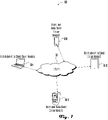
- Figure 1 illustrates a simplified multi-device distributed media library organization system in which distributed-media client/server device 600A, distributed-media client/server device 600B, distributed-media client/server device 600C, and distributed-media client/server device 600D are connected to network 150.
- network 150 may include the Internet, a local area network (“LAN”), a wide area network (“WAN”), and/or other data network.
- LAN local area network
- WAN wide area network
- additional infrastructure e.g., cell sites, routers, gateways, firewalls, and the like
- additional devices may be present.
- FIG. 1 it is not necessary to show such infrastructure and implementation details in Figure 1 in order to describe an illustrative embodiment.
- media files may be resident on various interconnected devices that share media library content.
- the devices may include media scanners, media clients, and/or media servers.
- the devices themselves can interconnect via media servers and media clients resident thereon.
- Figure 2 illustrates a media-introduction routine 200 for introducing audio and/or video media files into a distributed-media-library system, such as may be performed by a distributed-media client/server device 600 in accordance with one embodiment.
- media-introduction routine 200 detects and/or obtains an audio and/or video media file of a given media type for import into the distributed-media-library system.
- media-introduction routine 200 determines whether the audio and/or video media file includes an embedded unique identifier. The presence of an embedded deterministic, system-wide, metadata-derived unique identifier would indicate that the audio and/or video media file has previously been processed by some device of the distributed-media-library system. If so, media-introduction routine 200 proceeds to decision block 225; otherwise, media-introduction routine 200 proceeds to metadata-based ID subroutine 300.
- media-introduction routine 200 calls subroutine 300 (see Fig. 3 , discussed below) to generate a metadata-derived unique identifier corresponding to the audio and/or video media file obtained in block 205.
- media-introduction routine 200 uses a metadata-embedding facility provided by the media and/or container format to embed a deterministic, system-wide, metadata-derived unique identifier into the audio and/or video media file.
- media-introduction routine 200 determines whether a version of the audio and/or video media file already exists in the distributed-media-library system. In some embodiments, media-introduction routine 200 may query a distributed media-metadata database (e.g., distributed media-metadata database) to determine whether the metadata-derived unique identifier has been previously recorded. If so, media-introduction routine 200 proceeds to block 230; otherwise, media-introduction routine 200 proceeds to block 235.
- a distributed media-metadata database e.g., distributed media-metadata database
- media-introduction routine 200 updates the distributed media-metadata database to indicate that a new derivative version (namely, the audio and/or video media file obtained in block 205) of the identified media content has been encountered.
- media-introduction routine 200 creates a record for the metadata-derived unique identifier (representing the media content of the audio and/or video media file) in the distributed media-metadata database.
- media-introduction routine 200 determines whether generate a derivative version of the audio and/or video media file. In some cases when a new piece of content is encountered, the distributed-media-library system may automatically create one or more derivative versions that will be suitable for transfer to the user's other media devices. In other cases, the user may provide a subsequent indication to transcode the audio and/or video media file or otherwise create a derivative version.
- media-introduction routine 200 determines to automatically generate a derivative version or otherwise receives an indication to do so, then at that point, media-introduction routine 200 proceeds to block 245; otherwise, media-introduction routine 200 proceeds to block 255.
- media-introduction routine 200 generates a derivative version of the audio and/or video media file.
- a derivative version is associated with a set of at least two metadata elements that differ from those of the original file.
- the derivative version will generally have a different file name, file size, creation/modification date, and/or other similar metadata compared to the original file from which is was generated.
- media-introduction routine 200 embeds into the derivative version the metadata-derived unique identifier that was derived in subroutine block 300 based on metadata elements associated with the audio and/or video media file obtained in block 205. Embedding the metadata-derived unique identifier in this manner enables the distributed-media-library system to associate the derivative version with the original audio and/or video media file when the derivative version is subsequently encountered in the distributed-media-library system.
- media-introduction routine 200 makes the audio and/or video media file and its associated unique identifier available to serve to the rest of the system.
- the media file is subsequently transferred within the system, it is accompanied by its unique identifier.
- media files may be changed in format by media servers to be adapted to the capabilities of a device, the media file's original identity is preserved, allowing the system to understand on which media servers a media file is resident regardless of its format.
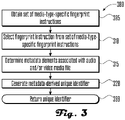
- Figure 3 illustrates a metadata-based ID subroutine 300 for generating a unique identifier for a given audio and/or video media file of a given media type, such as may be performed by a distributed-media client/server device 600 in accordance with one embodiment.
- metadata-based ID subroutine 300 obtains a predetermined set of media-type-specific, fingerprint instructions for generating unique identifiers based on metadata associated with audio and/or video media files of various media types.
- a fingerprint instruction may identify a set of at least two metadata elements and provide instructions for combining those metadata elements into a unique identifier.
- metadata-based ID subroutine 300 selects a fingerprint instruction from the set of media-type-specific fingerprint instructions based at least in part on the given media type.
- metadata-based ID subroutine 300 determines the set of at least two metadata elements associated with the given audio and/or video media file according to the selected fingerprint instruction selected in block 310.
- the set of at least two metadata elements may consist of a file-name metadata element and a file-size metadata element.
- the set of at least two metadata elements when the given audio and/or video media file is of an image media type, the set of at least two metadata elements consists of a file-name metadata element, a file-size metadata element, and a creation or modification timestamp metadata element.
- the set of at least two metadata elements when the given audio and/or video media file is of an audio media type, the set of at least two metadata elements consists of a file-name metadata element, a file-size metadata element, and a duration metadata element.
- metadata-based ID subroutine 300 combines the set of at least two metadata elements according to the selected fingerprint instruction to generate a deterministic, system-wide, metadata-derived unique identifier.
- the selected fingerprint instruction may specify that the set of at least two metadata elements are to be concatenated or joined in a particular order to generate a unique identifier such as "movie004.mp4-3294196" (which consists of the file name string joined to an integer byte count of the file with a hyphen character).
- different methods of combining the set of at least two metadata elements may be employed.
- Metadata-based ID subroutine 300 ends in ending block 399, returning the unique identifier generated in block 320 to the caller.
- Figure 4 illustrates a routine 400 for serving media within a shared media system, such as may be performed by a distributed-media client/server device 600 in accordance with one embodiment.
- routine 400 receives a request, typically from a remote media client, for a media file indicated via a unique identifier.
- routine 400 identifies the indicated media file using the unique identifier.
- routine 400 provides the identified media file, with its associated unique identifier, to the requesting device for playback (rendering) and/or storage.
- Routine 400 ends in ending block 499.
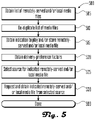
- Figure 5 illustrates a routine 500 for accessing and playing and/or storing media files, such as may be performed by a distributed-media client/server device 600 in accordance with one embodiment.
- routine 500 obtains a list of media files, identified according to unique identifiers, that are available locally and/or from media-servers within a distributed-media-library system.
- routine 500 identifies one or more derivative versions of the same content, such that a given piece of content is presented only once rgardless of how many copies and/or derivative versions exist in the distributed-media-library system.
- routine 500 obtains an indication, such as from a user, to obtain one of the remotely-served and/or local media files.
- routine 500 obtains one or more delivery-preference factors according to which an appropriate source for the indicated remotely-served and/or local media file may be selected.
- a delivery-preference factor may include a list of one or more preferential formats that can be supported on a device.
- a delivery-preference factor may include network connection characteristics between a media server and a media client, device media capability, and the like.
- routine 500 selects a source for the indicated remotely-served and/or local media file based at least in part on the delivery-preference factors obtained in block 520 and the unique identifier of the indicated remotely-served and/or local media file.
- routine 500 sends to the source selected in block 525 a request for the indicated remotely-served and/or local media file. Once obtained, the file may be made available for playback (rendering), local storage, or for other like purposes.
- Routine 500 ends in ending block 599.
- distributed-media client/server device 600 may include a desktop PC, server, workstation, mobile phone, laptop, tablet, set-top box, appliance, or other computing device that is capable of performing operations such as those described herein.
- distributed-media client/server device 600 may include many more components than those shown in Figure 6 . However, it is not necessary that all of these generally conventional components be shown in order to disclose an illustrative embodiment.
- distributed-media client/server device 600 may comprise one or more computing resources provisioned from a "cloud computing" provider, for example, Amazon Elastic Compute Cloud (“Amazon EC2”), provided by Amazon.com, Inc. of Seattle, Washington; Sun Cloud Compute Utility, provided by Sun Microsystems, Inc. of Santa Clara, California; Windows Azure, provided by Microsoft Corporation of Redmond, Washington, and the like.
- Amazon Elastic Compute Cloud (“Amazon EC2”)
- Sun Cloud Compute Utility provided by Sun Microsystems, Inc. of Santa Clara, California
- Windows Azure provided by Microsoft Corporation of Redmond, Washington, and the like.
- Distributed-media client/server device 600 includes a bus 605 interconnecting several components including a network interface 610, a display 615, a central processing unit 620, and a memory 625.
- Memory 625 generally comprises a random access memory (“RAM”) and permanent non-transitory mass storage device, such as a hard disk drive or solid-state drive.
- Memory 625 stores program code for a media-introduction routine 200 for introducing audio and/or video media files into a distributed-media-library system (see Fig. 2 , discussed above); a routine 400 for serving media within a shared media system (see Fig. 4 , discussed above); and a routine 500 for accessing and playing and/or storing media files (see Fig. 5 , discussed above).
- the memory 625 also stores an operating system 635.
- a drive mechanism associated with a non-transitory computer-readable medium 630, such as a floppy disc, tape, DVD/CD-ROM drive, memory card, or the like.
- Memory 625 also includes distributed media-metadata database 640.
- Memory 625 also includes local media datastore 645.
- distributed-media client/server device 600 may communicate with local media datastore 645 via network interface 610, a storage area network ("SAN"), a high-speed serial bus, and/or via the other suitable communication technology.
- SAN storage area network
Landscapes
- Engineering & Computer Science (AREA)
- Theoretical Computer Science (AREA)
- Multimedia (AREA)
- Databases & Information Systems (AREA)
- General Physics & Mathematics (AREA)
- Data Mining & Analysis (AREA)
- Physics & Mathematics (AREA)
- General Engineering & Computer Science (AREA)
- Library & Information Science (AREA)
- Signal Processing (AREA)
- Computer Networks & Wireless Communication (AREA)
- Computational Linguistics (AREA)
- Software Systems (AREA)
- Two-Way Televisions, Distribution Of Moving Picture Or The Like (AREA)
- Information Retrieval, Db Structures And Fs Structures Therefor (AREA)
Claims (18)
- Von einer Medienbibliotheksvorrichtung implementiertes Verfahren zum Einführen von Mediendateien in ein verteiltes Medienbibliothekssystem, wobei das Verfahren Folgendes umfasst:Erhalten, durch eine Medienbibliotheksvorrichtung (600), einer ersten Version einer Mediendatei eines gegebenen Medientyps zum Importieren in das verteilte Medienbibliothekssystem, wobei die Mediendatei mindestens einen von einem Audio- oder Videoinhalt (200) beinhaltet; undBestimmen, dass die Mediendatei zuvor von keiner Vorrichtung des verteilten Medienbibliothekssystems verarbeitet wurde, durch die Medienbibliotheksvorrichtung;Erhalten, durch die Medienbibliotheksvorrichtung, eines vorbestimmten Satzes von medientypspezifischen Fingerabdruckanweisungen zum Generieren eindeutiger Kennungen auf Grundlage von Metadaten, die Mediendateien verschiedener Medientypen zugeordnet sind, und nicht auf Grundlage von Medieninhalten der Mediendateien (305);Auswählen einer Fingerabdruckanweisung aus dem Satz von medientypspezifischen Fingerabdruckanweisungen mindestens teilweise auf Grundlage des gegebenen Medientyps der Mediendatei (310) durch die Medienbibliotheksvorrichtung;Bestimmen eines ersten Metadatenelements und eines zweiten Metadatenelements, die der ersten Version der Mediendatei zugeordnet sind, aus der ausgewählten Fingerabdruckanweisung (210) durch die Medienbibliotheksvorrichtung;Kombinieren des ersten Metadatenelements und des zweiten Metadatenelements, die der ersten Version der Mediendatei zugeordnet sind, entsprechend der ausgewählten Fingerabdruckanweisung durch die Medienbibliotheksvorrichtung, um eine erste deterministische, systemweite, von Metadaten abgeleitete eindeutige Kennung (300) zu generieren;Einbetten der ersten von Metadaten abgeleiteten eindeutigen Kennung in die erste Version der Mediendatei (220) durch die Medienbibliotheksvorrichtung;Aufzeichnen der ersten von Metadaten abgeleiteten eindeutigen Kennung in einer verteilten Medienmetadaten-Datenbank als Reaktion auf eine Bestimmung, dass keine andere Version der Mediendatei bereits in dem verteilten Medienbibliothekssystem (225) vorhanden ist, durch die Medienbibliotheksvorrichtung;Generieren einer zweiten Version der Mediendatei des gegebenen Medientyps (245);Einbetten einer zweiten von Metadaten abgeleiteten Kennung in die zweite Version der Mediendatei, die mit der ersten von Metadaten abgeleiteten Kennung in der ersten Version der Mediendatei (250) übereinstimmt;Verfügbarmachen der Mediendatei für das verteilte Medienbibliothekssystem, einschließlich nur einmaliges Auflisten der Mediendatei des gegebenen Medientyps, als Reaktion darauf, dass die erste von Metadaten abgeleitete Kennung mit der zweiten von Metadaten abgeleiteten Kennung identisch ist, anstatt sowohl die erste als auch die zweite Versionen der Mediendatei in einer Inhaltsliste zur Darstellung für einen Benutzer (255) aufzulisten.
- Verfahren nach Anspruch 1, wobei das Bestimmen, dass die erste Version der Mediendatei zuvor von keiner Vorrichtung des verteilten Medienbibliothekssystems verarbeitet wurde, erfolgloses Versuchen, die erste eingebettete deterministische, systemweite, von Metadaten abgeleitete eindeutige Kennung zu lokalisieren, die in die erste Version der Mediendatei eingebettet ist, umfasst.
- Verfahren nach Anspruch 1, wobei das Bestimmen, dass keine Version der Mediendatei bereits in dem verteilten Medienbibliothekssystem vorhanden ist, Abfragen der verteilten Medienmetadaten-Datenbank umfasst, um zu bestimmen, dass die von Metadaten abgeleitete eindeutige Kennung nicht zuvor in der verteilten Medienmetadaten-Datenbank aufgezeichnet wurde.
- Verfahren nach Anspruch 1, wobei, wenn die Mediendatei von einem Videomedientyp ist, das erste Metadatenelement aus einem Dateinamen-Metadatenelement besteht und das zweite Metadatenelement aus einem Dateigrößen-Metadatenelement besteht.
- Verfahren nach Anspruch 1, wobei, wenn die Mediendatei von einem Bildmedientyp ist, das erste Metadatenelement aus einem Dateinamen-Metadatenelement besteht und das zweite Metadatenelement aus einem Erstellungs- oder Modifikationszeitstempel-Metadatenelement besteht.
- Verfahren nach Anspruch 1, wobei, wenn die Mediendatei von einem Audiomedientyp ist, das erste Metadatenelement aus einem Dateinamen-Metadatenelement besteht und das zweite Metadatenelement aus einem Dauer-Metadatenelement besteht.
- Computereinrichtung zum Einführen von Mediendateien in ein verteiltes Medienbibliothekssystem (600),
wobei die Einrichtung einen Prozessor und einen Speicher umfasst, der Anweisungen speichert, die bei Ausführung durch den Prozessor die Vorrichtung zu Folgendem konfigurieren:Erhalten einer ersten Version einer Mediendatei eines gegebenen Medientyps zum Importieren in das verteilte Medienbibliothekssystem, wobei die Mediendatei mindestens einen von einem Audio- oder Videoinhalt (200) beinhaltet; undBestimmen, dass die Mediendatei zuvor von keiner Vorrichtung des verteilten Medienbibliothekssystems verarbeitet wurde;Erhalten eines vorbestimmten Satzes von medientypspezifischen Fingerabdruckanweisungen zum Generieren eindeutiger Kennungen auf Grundlage von Metadaten, die Mediendateien verschiedener Medientypen zugeordnet sind, und nicht auf Grundlage von Medieninhalten der Mediendateien (305);Auswählen einer Fingerabdruckanweisung aus dem Satz von medientypspezifischen Fingerabdruckanweisungen mindestens teilweise auf Grundlage des gegebenen Medientyps der Mediendatei (310);Bestimmen eines ersten Metadatenelements und eines zweiten Metadatenelements, die der ersten Version der Mediendatei zugeordnet sind, aus der ausgewählten Fingerabdruckanweisung (210);Kombinieren des ersten Metadatenelements und des zweiten Metadatenelements, die der ersten Version der Mediendatei zugeordnet sind, entsprechend der ausgewählten Fingerabdruckanweisung, um eine erste deterministische, systemweite, von Metadaten abgeleitete eindeutige Kennung (300) zu generieren;Einbetten der ersten von Metadaten abgeleiteten eindeutigen Kennung in die erste Version der Mediendatei (220);Aufzeichnen der ersten von Metadaten abgeleiteten eindeutigen Kennung in einer verteilten Medienmetadaten-Datenbank als Reaktion auf eine Bestimmung, dass keine andere Version der Mediendatei bereits in dem verteilten Medienbibliothekssystem (225) vorhanden ist;Generieren einer zweiten Version der Mediendatei des gegebenen Medientyps (245);Einbetten einer zweiten von Metadaten abgeleiteten Kennung in die zweite Version der Mediendatei, die mit der ersten von Metadaten abgeleiteten Kennung in der ersten Version der Mediendatei (250) übereinstimmt;Verfügbarmachen der Mediendatei für das verteilte Medienbibliothekssystem, einschließlich nur einmaliges Auflisten der Mediendatei des gegebenen Medientyps, als Reaktion darauf, dass die erste von Metadaten abgeleitete Kennung mit der zweiten von Metadaten abgeleiteten Kennung identisch ist, anstatt sowohl die erste als auch die zweite Versionen der Mediendatei in einer Inhaltsliste zur Darstellung für einen Benutzer (255) aufzulisten. - Einrichtung nach Anspruch 7, wobei die Anweisungen, welche die Einrichtung dazu konfigurieren, zu bestimmen, dass die erste Version der Mediendatei zuvor von keiner Vorrichtung des verteilten Medienbibliothekssystems verarbeitet wurde, ferner Anweisungen umfassen, welche die Einrichtung dazu konfigurieren, erfolglos zu versuchen, die erste eingebettete deterministische, systemweite, von Metadaten abgeleitete eindeutige Kennung zu lokalisieren, die in die erste Version der Mediendatei eingebettet ist.
- Einrichtung nach Anspruch 7, wobei die Anweisungen, welche die Einrichtung dazu konfigurieren, zu bestimmen, dass keine Version der Mediendatei bereits in dem verteilten Medienbibliothekssystem vorhanden ist, ferner Anweisungen umfassen, welche die Einrichtung dazu konfigurieren, die verteilte Medienmetadaten-Datenbank abzufragen, um zu bestimmen, dass die von Metadaten abgeleitete eindeutige Kennung nicht zuvor in der verteilten Medienmetadaten-Datenbank aufgezeichnet wurde.
- Einrichtung nach Anspruch 7, wobei, wenn die Mediendatei von einem Videomedientyp ist, das erste Metadatenelement aus einem Dateinamen-Metadatenelement besteht und das zweite Metadatenelement aus einem Dateigrößen-Metadatenelement besteht.
- Einrichtung nach Anspruch 7, wobei, wenn die Mediendatei von einem Bildmedientyp ist, das erste Metadatenelement aus einem Dateinamen-Metadatenelement besteht und das zweite Metadatenelement aus einem Erstellungs- oder Modifikationszeitstempel-Metadatenelement besteht.
- Einrichtung nach Anspruch 7, wobei, wenn die Mediendatei von einem Audiomedientyp ist, das erste Metadatenelement aus einem Dateinamen-Metadatenelement, einem Metadatenelement in Dateigröße, besteht und das zweite Metadatenelement aus einem Dauer-Metadatenelement besteht.
- Nichtflüchtiges computerlesbares Speichermedium, auf dem Anweisungen gespeichert sind, die Anweisungen beinhalten, die bei Ausführung durch einen Prozessor den Prozessor zu Folgendem konfigurieren:Erhalten einer ersten Version einer Mediendatei eines gegebenen Medientyps zum Importieren in ein verteiltes Medienbibliothekssystem (600), wobei die Mediendatei mindestens einen von einem Audio- oder Videoinhalt (200) beinhaltet; undBestimmen, dass die Mediendatei zuvor von keiner Vorrichtung des verteilten Medienbibliothekssystems verarbeitet wurde;Erhalten eines vorbestimmten Satzes von medientypspezifischen Fingerabdruckanweisungen zum Generieren eindeutiger Kennungen auf Grundlage von Metadaten, die Mediendateien verschiedener Medientypen zugeordnet sind, und nicht auf Grundlage von Medieninhalten der Mediendateien (305);Auswählen einer Fingerabdruckanweisung aus dem Satz von medientypspezifischen Fingerabdruckanweisungen mindestens teilweise auf Grundlage des gegebenen Medientyps der Mediendatei (310);Bestimmen eines ersten Metadatenelements und eines zweiten Metadatenelements, die der ersten Version der Mediendatei zugeordnet sind, aus der ausgewählten Fingerabdruckanweisung (210);Kombinieren des ersten Metadatenelements und des zweiten Metadatenelements, die der ersten Version der Mediendatei zugeordnet sind, entsprechend der ausgewählten Fingerabdruckanweisung, um eine erste deterministische, systemweite, von Metadaten abgeleitete eindeutige Kennung (300) zu generieren;Einbetten der ersten von Metadaten abgeleiteten eindeutigen Kennung in die erste Version der Mediendatei (220);Aufzeichnen der ersten von Metadaten abgeleiteten eindeutigen Kennung in einer verteilten Medienmetadaten-Datenbank als Reaktion auf eine Bestimmung, dass keine andere Version der Mediendatei bereits in dem verteilten Medienbibliothekssystem (225) vorhanden ist;Generieren einer zweiten Version der Mediendatei des gegebenen Medientyps (245);Einbetten einer zweiten von Metadaten abgeleiteten Kennung in die zweite Version der Mediendatei, die mit der ersten von Metadaten abgeleiteten Kennung in der ersten Version der Mediendatei (250) übereinstimmt;Verfügbarmachen der Mediendatei für das verteilte Medienbibliothekssystem, einschließlich nur einmaliges Auflisten der Mediendatei des gegebenen Medientyps, als Reaktion darauf, dass die erste von Metadaten abgeleitete Kennung mit der zweiten von Metadaten abgeleiteten Kennung identisch ist, anstatt sowohl die erste als auch die zweite Versionen der Mediendatei in einer Inhaltsliste zur Darstellung für einen Benutzer (255) aufzulisten.
- Nicht flüchtiges computerlesbares Speichermedium nach Anspruch 15, wobei die Anweisungen, welche den Prozessor dazu konfigurieren, zu bestimmen, dass die erste Version der Mediendatei zuvor von keiner Vorrichtung des verteilten Medienbibliothekssystems verarbeitet wurde, ferner Anweisungen umfassen, welche den Prozessor dazu konfigurieren, erfolglos zu versuchen, die erste eingebettete deterministische, systemweite, von Metadaten abgeleitete eindeutige Kennung zu lokalisieren, die in die erste Version der Mediendatei eingebettet ist.
- Nicht flüchtiges computerlesbares Speichermedium nach Anspruch 13, wobei die Anweisungen, welche den Prozessor dazu konfigurieren, zu bestimmen, dass keine Version der Mediendatei bereits in dem verteilten Medienbibliothekssystem vorhanden ist, ferner Anweisungen umfassen, welche den Prozessor dazu konfigurieren, die verteilte Medienmetadaten-Datenbank abzufragen, um zu bestimmen, dass die von Metadaten abgeleitete eindeutige Kennung nicht zuvor in der verteilten Medienmetadaten-Datenbank aufgezeichnet wurde.
- Nicht flüchtiges computerlesbares Speichermedium nach Anspruch 13, wobei, wenn die Mediendatei von einem Videomedientyp ist, das erste Metadatenelement aus einem Dateinamen-Metadatenelement besteht und das zweite Metadatenelement aus einem Dateigrößen-Metadatenelement besteht.
- Nichtflüchtiges computerlesbares Speichermedium nach Anspruch 13, wobei, wenn die Mediendatei von einem Bildmedientyp ist, das erste Metadatenelement aus einem Dateinamen-Metadatenelement besteht und das zweite Metadatenelement aus einem Erstellungsoder Modifikationszeitstempel-Metadatenelement besteht.
- Nichtflüchtiges computerlesbares Speichermedium nach Anspruch 13, wobei, wenn die Mediendatei von einem Audiomedientyp ist, das erste Metadatenelement aus einem Dateinamen-Metadatenelement, einem Metadatenelement in Dateigröße, besteht und das zweite Metadatenelement aus einem Dauer-Metadatenelement besteht.
Applications Claiming Priority (2)
| Application Number | Priority Date | Filing Date | Title |
|---|---|---|---|
| US201361874929P | 2013-09-06 | 2013-09-06 | |
| PCT/US2014/054605 WO2015035326A1 (en) | 2013-09-06 | 2014-09-08 | Metadata-based file-identification systems and methods |
Publications (3)
| Publication Number | Publication Date |
|---|---|
| EP3042500A1 EP3042500A1 (de) | 2016-07-13 |
| EP3042500A4 EP3042500A4 (de) | 2017-05-10 |
| EP3042500B1 true EP3042500B1 (de) | 2022-11-02 |
Family
ID=52626602
Family Applications (1)
| Application Number | Title | Priority Date | Filing Date |
|---|---|---|---|
| EP14841943.5A Active EP3042500B1 (de) | 2013-09-06 | 2014-09-08 | Systeme und verfahren für metadatenbasierte dateierkennung |
Country Status (3)
| Country | Link |
|---|---|
| US (1) | US9367572B2 (de) |
| EP (1) | EP3042500B1 (de) |
| WO (1) | WO2015035326A1 (de) |
Families Citing this family (6)
| Publication number | Priority date | Publication date | Assignee | Title |
|---|---|---|---|---|
| US10440432B2 (en) | 2012-06-12 | 2019-10-08 | Realnetworks, Inc. | Socially annotated presentation systems and methods |
| US9811669B1 (en) * | 2013-12-31 | 2017-11-07 | EMC IP Holding Company LLC | Method and apparatus for privacy audit support via provenance-aware systems |
| CN105141672B (zh) * | 2015-08-03 | 2017-09-15 | 广州神马移动信息科技有限公司 | 一种数据存储方法、装置及系统 |
| US10757360B1 (en) * | 2016-03-24 | 2020-08-25 | EMC IP Holding Company LLC | Methods and apparatus for automatic media file transcoding |
| US11206462B2 (en) | 2018-03-30 | 2021-12-21 | Scener Inc. | Socially annotated audiovisual content |
| CN112612912A (zh) * | 2021-01-06 | 2021-04-06 | 当趣网络科技(杭州)有限公司 | 自动生成电影封面墙的方法和系统 |
Citations (4)
| Publication number | Priority date | Publication date | Assignee | Title |
|---|---|---|---|---|
| US20070101147A1 (en) * | 2000-12-21 | 2007-05-03 | Brunk Hugh L | Methods, Apparatus and Programs for Generating and Utilizing Content Signatures |
| US20070276823A1 (en) * | 2003-05-22 | 2007-11-29 | Bruce Borden | Data management systems and methods for distributed data storage and management using content signatures |
| US20080288411A1 (en) * | 2007-05-17 | 2008-11-20 | Devon Copley | Methods, media, and systems for tracking and encrypting content usage |
| US20100205222A1 (en) * | 2009-02-10 | 2010-08-12 | Tom Gajdos | Music profiling |
Family Cites Families (12)
| Publication number | Priority date | Publication date | Assignee | Title |
|---|---|---|---|---|
| US7870575B2 (en) * | 2002-04-29 | 2011-01-11 | The Boeing Company | Methodology for display/distribution of multiple content versions based on demographics |
| US20060282465A1 (en) * | 2005-06-14 | 2006-12-14 | Corescient Ventures, Llc | System and method for searching media content |
| GB0625178D0 (en) | 2006-12-18 | 2007-01-24 | Ubc Media Group Plc | Improvements relating to downloading data |
| US8463924B2 (en) | 2007-02-02 | 2013-06-11 | Apple Inc. | Remote access of media items |
| US20100022285A1 (en) | 2008-03-03 | 2010-01-28 | Wildcharge, Inc. | Apparatus and method for retrofitting a broad range of mobile devices to receive wireless power |
| GB2458309A (en) * | 2008-03-13 | 2009-09-16 | Business Partners Ltd | Search engine |
| US8457770B1 (en) * | 2008-04-08 | 2013-06-04 | Sprint Communications Company L.P. | Ratings-based digital media distribution and reproduction for a wireless network |
| US20100121744A1 (en) * | 2008-11-07 | 2010-05-13 | At&T Intellectual Property I, L.P. | Usage data monitoring and communication between multiple devices |
| US8122468B2 (en) * | 2008-11-07 | 2012-02-21 | At&T Intellectual Property I, L.P. | System and method for dynamically constructing audio in a video program |
| US20120315009A1 (en) * | 2011-01-03 | 2012-12-13 | Curt Evans | Text-synchronized media utilization and manipulation |
| US8543550B2 (en) * | 2011-06-03 | 2013-09-24 | Adobe Systems Incorporated | Prioritized digital media archiving |
| US20140181158A1 (en) * | 2012-12-21 | 2014-06-26 | William Herz | Media file system with associated metadata |
-
2014
- 2014-09-08 WO PCT/US2014/054605 patent/WO2015035326A1/en not_active Ceased
- 2014-09-08 US US14/480,487 patent/US9367572B2/en active Active
- 2014-09-08 EP EP14841943.5A patent/EP3042500B1/de active Active
Patent Citations (4)
| Publication number | Priority date | Publication date | Assignee | Title |
|---|---|---|---|---|
| US20070101147A1 (en) * | 2000-12-21 | 2007-05-03 | Brunk Hugh L | Methods, Apparatus and Programs for Generating and Utilizing Content Signatures |
| US20070276823A1 (en) * | 2003-05-22 | 2007-11-29 | Bruce Borden | Data management systems and methods for distributed data storage and management using content signatures |
| US20080288411A1 (en) * | 2007-05-17 | 2008-11-20 | Devon Copley | Methods, media, and systems for tracking and encrypting content usage |
| US20100205222A1 (en) * | 2009-02-10 | 2010-08-12 | Tom Gajdos | Music profiling |
Also Published As
| Publication number | Publication date |
|---|---|
| US20150074152A1 (en) | 2015-03-12 |
| EP3042500A4 (de) | 2017-05-10 |
| US9367572B2 (en) | 2016-06-14 |
| WO2015035326A1 (en) | 2015-03-12 |
| EP3042500A1 (de) | 2016-07-13 |
Similar Documents
| Publication | Publication Date | Title |
|---|---|---|
| EP3042500B1 (de) | Systeme und verfahren für metadatenbasierte dateierkennung | |
| US8769269B2 (en) | Cloud data management | |
| US9996549B2 (en) | Method to construct a file system based on aggregated metadata from disparate sources | |
| US9300986B2 (en) | Media system with canonical architecture for integrating media productions from different content providers | |
| CN104011698B (zh) | 基于从相应的主应用程序数据导出的标识符来访问补充数据 | |
| US10754632B2 (en) | Converting desktop applications into cloud services | |
| EP3555771B1 (de) | Systeme und verfahren zum listenabruf in einer speichervorrichtung | |
| KR20150004877A (ko) | 네트워크 스토리지 서비스에서 어플리케이션과 파일타입의 관련 | |
| JP5404825B2 (ja) | コンテンツカテゴリ化方法、及びシステム | |
| EP3651421A1 (de) | Multimedia-anzeigeverfahren, vorrichtung und vorrichtung | |
| CN103731489A (zh) | 一种数据存储方法、系统和设备 | |
| CN113395340A (zh) | 一种信息更新方法、装置、设备、系统和可读存储介质 | |
| CN103907311B (zh) | 来自移动设备的远程访问 | |
| EP2686791B1 (de) | Varianten von dateien in einem dateisystem | |
| JP2015028744A (ja) | リソースのアクセスを制御するための機器、方法およびその非一時的なコンピュータ可読記憶媒体 | |
| US20140297953A1 (en) | Removable Storage Device Identity and Configuration Information | |
| JP2016048920A (ja) | メディア資産を比較する方法およびシステム | |
| US10069938B1 (en) | Returning identifiers in default query responses | |
| US20150347448A1 (en) | Secure synchronization apparatus, method, and non-transitory computer readable storage medium thereof | |
| CN116886758A (zh) | 云存储信息安全管理方法、装置、系统及存储介质 | |
| CN108920658B (zh) | 一种移动设备桌面搬家方法、装置及电子设备 | |
| US10628439B1 (en) | System and method for movie digital content version control access during file delivery and playback | |
| US9323777B1 (en) | Distributed file-sharing across personal devices | |
| TW201546641A (zh) | 同步裝置、方法及其電腦程式產品 |
Legal Events
| Date | Code | Title | Description |
|---|---|---|---|
| PUAI | Public reference made under article 153(3) epc to a published international application that has entered the european phase |
Free format text: ORIGINAL CODE: 0009012 |
|
| 17P | Request for examination filed |
Effective date: 20160406 |
|
| AK | Designated contracting states |
Kind code of ref document: A1 Designated state(s): AL AT BE BG CH CY CZ DE DK EE ES FI FR GB GR HR HU IE IS IT LI LT LU LV MC MK MT NL NO PL PT RO RS SE SI SK SM TR |
|
| AX | Request for extension of the european patent |
Extension state: BA ME |
|
| DAX | Request for extension of the european patent (deleted) | ||
| A4 | Supplementary search report drawn up and despatched |
Effective date: 20170406 |
|
| RIC1 | Information provided on ipc code assigned before grant |
Ipc: H04N 21/23 20110101AFI20170401BHEP |
|
| STAA | Information on the status of an ep patent application or granted ep patent |
Free format text: STATUS: EXAMINATION IS IN PROGRESS |
|
| 17Q | First examination report despatched |
Effective date: 20200217 |
|
| REG | Reference to a national code |
Ref country code: DE Ref legal event code: R079 Ref document number: 602014085423 Country of ref document: DE Free format text: PREVIOUS MAIN CLASS: H04N0021230000 Ipc: G06F0016140000 |
|
| GRAP | Despatch of communication of intention to grant a patent |
Free format text: ORIGINAL CODE: EPIDOSNIGR1 |
|
| STAA | Information on the status of an ep patent application or granted ep patent |
Free format text: STATUS: GRANT OF PATENT IS INTENDED |
|
| RIC1 | Information provided on ipc code assigned before grant |
Ipc: H04L 65/75 20220101ALI20220502BHEP Ipc: H04L 67/561 20220101ALI20220502BHEP Ipc: G06F 16/41 20190101ALI20220502BHEP Ipc: G06F 16/438 20190101ALI20220502BHEP Ipc: G06F 16/48 20190101ALI20220502BHEP Ipc: G06F 16/14 20190101AFI20220502BHEP |
|
| INTG | Intention to grant announced |
Effective date: 20220530 |
|
| GRAS | Grant fee paid |
Free format text: ORIGINAL CODE: EPIDOSNIGR3 |
|
| GRAA | (expected) grant |
Free format text: ORIGINAL CODE: 0009210 |
|
| STAA | Information on the status of an ep patent application or granted ep patent |
Free format text: STATUS: THE PATENT HAS BEEN GRANTED |
|
| AK | Designated contracting states |
Kind code of ref document: B1 Designated state(s): AL AT BE BG CH CY CZ DE DK EE ES FI FR GB GR HR HU IE IS IT LI LT LU LV MC MK MT NL NO PL PT RO RS SE SI SK SM TR |
|
| REG | Reference to a national code |
Ref country code: GB Ref legal event code: FG4D |
|
| REG | Reference to a national code |
Ref country code: CH Ref legal event code: EP Ref country code: AT Ref legal event code: REF Ref document number: 1529268 Country of ref document: AT Kind code of ref document: T Effective date: 20221115 |
|
| REG | Reference to a national code |
Ref country code: DE Ref legal event code: R096 Ref document number: 602014085423 Country of ref document: DE |
|
| REG | Reference to a national code |
Ref country code: IE Ref legal event code: FG4D |
|
| REG | Reference to a national code |
Ref country code: LT Ref legal event code: MG9D |
|
| REG | Reference to a national code |
Ref country code: NL Ref legal event code: MP Effective date: 20221102 |
|
| REG | Reference to a national code |
Ref country code: AT Ref legal event code: MK05 Ref document number: 1529268 Country of ref document: AT Kind code of ref document: T Effective date: 20221102 |
|
| PG25 | Lapsed in a contracting state [announced via postgrant information from national office to epo] |
Ref country code: SE Free format text: LAPSE BECAUSE OF FAILURE TO SUBMIT A TRANSLATION OF THE DESCRIPTION OR TO PAY THE FEE WITHIN THE PRESCRIBED TIME-LIMIT Effective date: 20221102 Ref country code: PT Free format text: LAPSE BECAUSE OF FAILURE TO SUBMIT A TRANSLATION OF THE DESCRIPTION OR TO PAY THE FEE WITHIN THE PRESCRIBED TIME-LIMIT Effective date: 20230302 Ref country code: NO Free format text: LAPSE BECAUSE OF FAILURE TO SUBMIT A TRANSLATION OF THE DESCRIPTION OR TO PAY THE FEE WITHIN THE PRESCRIBED TIME-LIMIT Effective date: 20230202 Ref country code: LT Free format text: LAPSE BECAUSE OF FAILURE TO SUBMIT A TRANSLATION OF THE DESCRIPTION OR TO PAY THE FEE WITHIN THE PRESCRIBED TIME-LIMIT Effective date: 20221102 Ref country code: FI Free format text: LAPSE BECAUSE OF FAILURE TO SUBMIT A TRANSLATION OF THE DESCRIPTION OR TO PAY THE FEE WITHIN THE PRESCRIBED TIME-LIMIT Effective date: 20221102 Ref country code: ES Free format text: LAPSE BECAUSE OF FAILURE TO SUBMIT A TRANSLATION OF THE DESCRIPTION OR TO PAY THE FEE WITHIN THE PRESCRIBED TIME-LIMIT Effective date: 20221102 Ref country code: AT Free format text: LAPSE BECAUSE OF FAILURE TO SUBMIT A TRANSLATION OF THE DESCRIPTION OR TO PAY THE FEE WITHIN THE PRESCRIBED TIME-LIMIT Effective date: 20221102 |
|
| PG25 | Lapsed in a contracting state [announced via postgrant information from national office to epo] |
Ref country code: RS Free format text: LAPSE BECAUSE OF FAILURE TO SUBMIT A TRANSLATION OF THE DESCRIPTION OR TO PAY THE FEE WITHIN THE PRESCRIBED TIME-LIMIT Effective date: 20221102 Ref country code: PL Free format text: LAPSE BECAUSE OF FAILURE TO SUBMIT A TRANSLATION OF THE DESCRIPTION OR TO PAY THE FEE WITHIN THE PRESCRIBED TIME-LIMIT Effective date: 20221102 Ref country code: LV Free format text: LAPSE BECAUSE OF FAILURE TO SUBMIT A TRANSLATION OF THE DESCRIPTION OR TO PAY THE FEE WITHIN THE PRESCRIBED TIME-LIMIT Effective date: 20221102 Ref country code: IS Free format text: LAPSE BECAUSE OF FAILURE TO SUBMIT A TRANSLATION OF THE DESCRIPTION OR TO PAY THE FEE WITHIN THE PRESCRIBED TIME-LIMIT Effective date: 20230302 Ref country code: HR Free format text: LAPSE BECAUSE OF FAILURE TO SUBMIT A TRANSLATION OF THE DESCRIPTION OR TO PAY THE FEE WITHIN THE PRESCRIBED TIME-LIMIT Effective date: 20221102 Ref country code: GR Free format text: LAPSE BECAUSE OF FAILURE TO SUBMIT A TRANSLATION OF THE DESCRIPTION OR TO PAY THE FEE WITHIN THE PRESCRIBED TIME-LIMIT Effective date: 20230203 |
|
| REG | Reference to a national code |
Ref country code: GB Ref legal event code: 732E Free format text: REGISTERED BETWEEN 20230602 AND 20230607 |
|
| PG25 | Lapsed in a contracting state [announced via postgrant information from national office to epo] |
Ref country code: NL Free format text: LAPSE BECAUSE OF FAILURE TO SUBMIT A TRANSLATION OF THE DESCRIPTION OR TO PAY THE FEE WITHIN THE PRESCRIBED TIME-LIMIT Effective date: 20221102 |
|
| PG25 | Lapsed in a contracting state [announced via postgrant information from national office to epo] |
Ref country code: SM Free format text: LAPSE BECAUSE OF FAILURE TO SUBMIT A TRANSLATION OF THE DESCRIPTION OR TO PAY THE FEE WITHIN THE PRESCRIBED TIME-LIMIT Effective date: 20221102 Ref country code: RO Free format text: LAPSE BECAUSE OF FAILURE TO SUBMIT A TRANSLATION OF THE DESCRIPTION OR TO PAY THE FEE WITHIN THE PRESCRIBED TIME-LIMIT Effective date: 20221102 Ref country code: EE Free format text: LAPSE BECAUSE OF FAILURE TO SUBMIT A TRANSLATION OF THE DESCRIPTION OR TO PAY THE FEE WITHIN THE PRESCRIBED TIME-LIMIT Effective date: 20221102 Ref country code: DK Free format text: LAPSE BECAUSE OF FAILURE TO SUBMIT A TRANSLATION OF THE DESCRIPTION OR TO PAY THE FEE WITHIN THE PRESCRIBED TIME-LIMIT Effective date: 20221102 Ref country code: CZ Free format text: LAPSE BECAUSE OF FAILURE TO SUBMIT A TRANSLATION OF THE DESCRIPTION OR TO PAY THE FEE WITHIN THE PRESCRIBED TIME-LIMIT Effective date: 20221102 |
|
| REG | Reference to a national code |
Ref country code: DE Ref legal event code: R097 Ref document number: 602014085423 Country of ref document: DE |
|
| PG25 | Lapsed in a contracting state [announced via postgrant information from national office to epo] |
Ref country code: SK Free format text: LAPSE BECAUSE OF FAILURE TO SUBMIT A TRANSLATION OF THE DESCRIPTION OR TO PAY THE FEE WITHIN THE PRESCRIBED TIME-LIMIT Effective date: 20221102 Ref country code: AL Free format text: LAPSE BECAUSE OF FAILURE TO SUBMIT A TRANSLATION OF THE DESCRIPTION OR TO PAY THE FEE WITHIN THE PRESCRIBED TIME-LIMIT Effective date: 20221102 |
|
| PLBE | No opposition filed within time limit |
Free format text: ORIGINAL CODE: 0009261 |
|
| STAA | Information on the status of an ep patent application or granted ep patent |
Free format text: STATUS: NO OPPOSITION FILED WITHIN TIME LIMIT |
|
| 26N | No opposition filed |
Effective date: 20230803 |
|
| PG25 | Lapsed in a contracting state [announced via postgrant information from national office to epo] |
Ref country code: SI Free format text: LAPSE BECAUSE OF FAILURE TO SUBMIT A TRANSLATION OF THE DESCRIPTION OR TO PAY THE FEE WITHIN THE PRESCRIBED TIME-LIMIT Effective date: 20221102 |
|
| REG | Reference to a national code |
Ref country code: DE Ref legal event code: R081 Ref document number: 602014085423 Country of ref document: DE Owner name: REALNETWORKS LLC, SEATTLE, US Free format text: FORMER OWNER: REALNETWORKS, INC., SEATTLE, WA, US |
|
| REG | Reference to a national code |
Ref country code: CH Ref legal event code: PL |
|
| PG25 | Lapsed in a contracting state [announced via postgrant information from national office to epo] |
Ref country code: LU Free format text: LAPSE BECAUSE OF NON-PAYMENT OF DUE FEES Effective date: 20230908 |
|
| REG | Reference to a national code |
Ref country code: BE Ref legal event code: MM Effective date: 20230930 |
|
| PG25 | Lapsed in a contracting state [announced via postgrant information from national office to epo] |
Ref country code: LU Free format text: LAPSE BECAUSE OF NON-PAYMENT OF DUE FEES Effective date: 20230908 Ref country code: IT Free format text: LAPSE BECAUSE OF FAILURE TO SUBMIT A TRANSLATION OF THE DESCRIPTION OR TO PAY THE FEE WITHIN THE PRESCRIBED TIME-LIMIT Effective date: 20221102 Ref country code: MC Free format text: LAPSE BECAUSE OF FAILURE TO SUBMIT A TRANSLATION OF THE DESCRIPTION OR TO PAY THE FEE WITHIN THE PRESCRIBED TIME-LIMIT Effective date: 20221102 |
|
| REG | Reference to a national code |
Ref country code: IE Ref legal event code: MM4A |
|
| PG25 | Lapsed in a contracting state [announced via postgrant information from national office to epo] |
Ref country code: IE Free format text: LAPSE BECAUSE OF NON-PAYMENT OF DUE FEES Effective date: 20230908 |
|
| PG25 | Lapsed in a contracting state [announced via postgrant information from national office to epo] |
Ref country code: CH Free format text: LAPSE BECAUSE OF NON-PAYMENT OF DUE FEES Effective date: 20230930 |
|
| PG25 | Lapsed in a contracting state [announced via postgrant information from national office to epo] |
Ref country code: IE Free format text: LAPSE BECAUSE OF NON-PAYMENT OF DUE FEES Effective date: 20230908 Ref country code: FR Free format text: LAPSE BECAUSE OF NON-PAYMENT OF DUE FEES Effective date: 20230930 Ref country code: CH Free format text: LAPSE BECAUSE OF NON-PAYMENT OF DUE FEES Effective date: 20230930 |
|
| PG25 | Lapsed in a contracting state [announced via postgrant information from national office to epo] |
Ref country code: BE Free format text: LAPSE BECAUSE OF NON-PAYMENT OF DUE FEES Effective date: 20230930 |
|
| PG25 | Lapsed in a contracting state [announced via postgrant information from national office to epo] |
Ref country code: BG Free format text: LAPSE BECAUSE OF FAILURE TO SUBMIT A TRANSLATION OF THE DESCRIPTION OR TO PAY THE FEE WITHIN THE PRESCRIBED TIME-LIMIT Effective date: 20221102 |
|
| PG25 | Lapsed in a contracting state [announced via postgrant information from national office to epo] |
Ref country code: BG Free format text: LAPSE BECAUSE OF FAILURE TO SUBMIT A TRANSLATION OF THE DESCRIPTION OR TO PAY THE FEE WITHIN THE PRESCRIBED TIME-LIMIT Effective date: 20221102 |
|
| PG25 | Lapsed in a contracting state [announced via postgrant information from national office to epo] |
Ref country code: CY Free format text: LAPSE BECAUSE OF FAILURE TO SUBMIT A TRANSLATION OF THE DESCRIPTION OR TO PAY THE FEE WITHIN THE PRESCRIBED TIME-LIMIT; INVALID AB INITIO Effective date: 20140908 |
|
| PG25 | Lapsed in a contracting state [announced via postgrant information from national office to epo] |
Ref country code: HU Free format text: LAPSE BECAUSE OF FAILURE TO SUBMIT A TRANSLATION OF THE DESCRIPTION OR TO PAY THE FEE WITHIN THE PRESCRIBED TIME-LIMIT; INVALID AB INITIO Effective date: 20140908 |
|
| PG25 | Lapsed in a contracting state [announced via postgrant information from national office to epo] |
Ref country code: TR Free format text: LAPSE BECAUSE OF FAILURE TO SUBMIT A TRANSLATION OF THE DESCRIPTION OR TO PAY THE FEE WITHIN THE PRESCRIBED TIME-LIMIT Effective date: 20221102 |
|
| PGFP | Annual fee paid to national office [announced via postgrant information from national office to epo] |
Ref country code: GB Payment date: 20260227 Year of fee payment: 12 |
|
| PGFP | Annual fee paid to national office [announced via postgrant information from national office to epo] |
Ref country code: DE Payment date: 20260227 Year of fee payment: 12 |