EP3050565A1 - Benzimidazolschwefelderivate zur Vorbeugung oder Behandlung von Tuberkulose - Google Patents
Benzimidazolschwefelderivate zur Vorbeugung oder Behandlung von Tuberkulose Download PDFInfo
- Publication number
- EP3050565A1 EP3050565A1 EP15152650.6A EP15152650A EP3050565A1 EP 3050565 A1 EP3050565 A1 EP 3050565A1 EP 15152650 A EP15152650 A EP 15152650A EP 3050565 A1 EP3050565 A1 EP 3050565A1
- Authority
- EP
- European Patent Office
- Prior art keywords
- alkyl
- tuberculosis
- group
- sulfide derivative
- use according
- Prior art date
- Legal status (The legal status is an assumption and is not a legal conclusion. Google has not performed a legal analysis and makes no representation as to the accuracy of the status listed.)
- Withdrawn
Links
- 201000008827 tuberculosis Diseases 0.000 title claims abstract 17
- PQFYBBYXXJFPKM-UHFFFAOYSA-N [S-][n+]1c[nH]c2ccccc12 Chemical class [S-][n+]1c[nH]c2ccccc12 PQFYBBYXXJFPKM-UHFFFAOYSA-N 0.000 title claims abstract 14
- 230000002265 prevention Effects 0.000 title claims abstract 6
- 229940002612 prodrug Drugs 0.000 claims abstract 5
- 239000000651 prodrug Substances 0.000 claims abstract 5
- 125000004169 (C1-C6) alkyl group Chemical group 0.000 claims 13
- -1 C1-C6-alkyl acyloxy Chemical group 0.000 claims 6
- 125000000882 C2-C6 alkenyl group Chemical group 0.000 claims 6
- 239000008194 pharmaceutical composition Substances 0.000 claims 5
- 125000004191 (C1-C6) alkoxy group Chemical group 0.000 claims 3
- 125000004737 (C1-C6) haloalkoxy group Chemical group 0.000 claims 3
- 125000000171 (C1-C6) haloalkyl group Chemical group 0.000 claims 3
- 125000006716 (C1-C6) heteroalkyl group Chemical group 0.000 claims 3
- 241000186359 Mycobacterium Species 0.000 claims 3
- 239000003795 chemical substances by application Substances 0.000 claims 3
- 229910052736 halogen Inorganic materials 0.000 claims 3
- 150000002367 halogens Chemical class 0.000 claims 3
- 208000015181 infectious disease Diseases 0.000 claims 3
- 125000004454 (C1-C6) alkoxycarbonyl group Chemical group 0.000 claims 2
- 125000006552 (C3-C8) cycloalkyl group Chemical group 0.000 claims 2
- 125000002252 acyl group Chemical group 0.000 claims 2
- 125000004423 acyloxy group Chemical group 0.000 claims 2
- 125000003118 aryl group Chemical group 0.000 claims 2
- 125000003178 carboxy group Chemical group [H]OC(*)=O 0.000 claims 2
- MYSWGUAQZAJSOK-UHFFFAOYSA-N ciprofloxacin Chemical compound C12=CC(N3CCNCC3)=C(F)C=C2C(=O)C(C(=O)O)=CN1C1CC1 MYSWGUAQZAJSOK-UHFFFAOYSA-N 0.000 claims 2
- 239000003085 diluting agent Substances 0.000 claims 2
- 229940079593 drug Drugs 0.000 claims 2
- 239000003814 drug Substances 0.000 claims 2
- 239000003937 drug carrier Substances 0.000 claims 2
- AEUTYOVWOVBAKS-UWVGGRQHSA-N ethambutol Chemical compound CC[C@@H](CO)NCCN[C@@H](CC)CO AEUTYOVWOVBAKS-UWVGGRQHSA-N 0.000 claims 2
- 125000001072 heteroaryl group Chemical group 0.000 claims 2
- 125000000592 heterocycloalkyl group Chemical group 0.000 claims 2
- 150000002431 hydrogen Chemical class 0.000 claims 2
- 229910052739 hydrogen Inorganic materials 0.000 claims 2
- 239000001257 hydrogen Substances 0.000 claims 2
- 239000000203 mixture Substances 0.000 claims 2
- 239000000546 pharmaceutical excipient Substances 0.000 claims 2
- 150000003839 salts Chemical class 0.000 claims 2
- UCSJYZPVAKXKNQ-HZYVHMACSA-N streptomycin Chemical compound CN[C@H]1[C@H](O)[C@@H](O)[C@H](CO)O[C@H]1O[C@@H]1[C@](C=O)(O)[C@H](C)O[C@H]1O[C@@H]1[C@@H](NC(N)=N)[C@H](O)[C@@H](NC(N)=N)[C@H](O)[C@H]1O UCSJYZPVAKXKNQ-HZYVHMACSA-N 0.000 claims 2
- 125000003396 thiol group Chemical group [H]S* 0.000 claims 2
- VCOPTHOUUNAYKQ-WBTCAYNUSA-N (3s)-3,6-diamino-n-[[(2s,5s,8e,11s,15s)-15-amino-11-[(6r)-2-amino-1,4,5,6-tetrahydropyrimidin-6-yl]-8-[(carbamoylamino)methylidene]-2-(hydroxymethyl)-3,6,9,12,16-pentaoxo-1,4,7,10,13-pentazacyclohexadec-5-yl]methyl]hexanamide;(3s)-3,6-diamino-n-[[(2s,5s,8 Chemical compound N1C(=O)\C(=C/NC(N)=O)NC(=O)[C@H](CNC(=O)C[C@@H](N)CCCN)NC(=O)[C@H](C)NC(=O)[C@@H](N)CNC(=O)[C@@H]1[C@@H]1NC(N)=NCC1.N1C(=O)\C(=C/NC(N)=O)NC(=O)[C@H](CNC(=O)C[C@@H](N)CCCN)NC(=O)[C@H](CO)NC(=O)[C@@H](N)CNC(=O)[C@@H]1[C@@H]1NC(N)=NCC1 VCOPTHOUUNAYKQ-WBTCAYNUSA-N 0.000 claims 1
- ZLHZLMOSPGACSZ-NSHDSACASA-N (6s)-2-nitro-6-[[4-(trifluoromethoxy)phenyl]methoxy]-6,7-dihydro-5h-imidazo[2,1-b][1,3]oxazine Chemical compound O([C@H]1CN2C=C(N=C2OC1)[N+](=O)[O-])CC1=CC=C(OC(F)(F)F)C=C1 ZLHZLMOSPGACSZ-NSHDSACASA-N 0.000 claims 1
- XUBOMFCQGDBHNK-JTQLQIEISA-N (S)-gatifloxacin Chemical compound FC1=CC(C(C(C(O)=O)=CN2C3CC3)=O)=C2C(OC)=C1N1CCN[C@@H](C)C1 XUBOMFCQGDBHNK-JTQLQIEISA-N 0.000 claims 1
- WUBBRNOQWQTFEX-UHFFFAOYSA-N 4-aminosalicylic acid Chemical compound NC1=CC=C(C(O)=O)C(O)=C1 WUBBRNOQWQTFEX-UHFFFAOYSA-N 0.000 claims 1
- HBAQYPYDRFILMT-UHFFFAOYSA-N 8-[3-(1-cyclopropylpyrazol-4-yl)-1H-pyrazolo[4,3-d]pyrimidin-5-yl]-3-methyl-3,8-diazabicyclo[3.2.1]octan-2-one Chemical class C1(CC1)N1N=CC(=C1)C1=NNC2=C1N=C(N=C2)N1C2C(N(CC1CC2)C)=O HBAQYPYDRFILMT-UHFFFAOYSA-N 0.000 claims 1
- GSDSWSVVBLHKDQ-UHFFFAOYSA-N 9-fluoro-3-methyl-10-(4-methylpiperazin-1-yl)-7-oxo-2,3-dihydro-7H-[1,4]oxazino[2,3,4-ij]quinoline-6-carboxylic acid Chemical compound FC1=CC(C(C(C(O)=O)=C2)=O)=C3N2C(C)COC3=C1N1CCN(C)CC1 GSDSWSVVBLHKDQ-UHFFFAOYSA-N 0.000 claims 1
- 108010065839 Capreomycin Proteins 0.000 claims 1
- DYDCUQKUCUHJBH-UWTATZPHSA-N D-Cycloserine Chemical compound N[C@@H]1CONC1=O DYDCUQKUCUHJBH-UWTATZPHSA-N 0.000 claims 1
- DYDCUQKUCUHJBH-UHFFFAOYSA-N D-Cycloserine Natural products NC1CONC1=O DYDCUQKUCUHJBH-UHFFFAOYSA-N 0.000 claims 1
- GSDSWSVVBLHKDQ-JTQLQIEISA-N Levofloxacin Chemical compound C([C@@H](N1C2=C(C(C(C(O)=O)=C1)=O)C=C1F)C)OC2=C1N1CCN(C)CC1 GSDSWSVVBLHKDQ-JTQLQIEISA-N 0.000 claims 1
- 241001646725 Mycobacterium tuberculosis H37Rv Species 0.000 claims 1
- 241001239969 Mycobacterium tuberculosis HN878 Species 0.000 claims 1
- WKDDRNSBRWANNC-UHFFFAOYSA-N Thienamycin Natural products C1C(SCCN)=C(C(O)=O)N2C(=O)C(C(O)C)C21 WKDDRNSBRWANNC-UHFFFAOYSA-N 0.000 claims 1
- 108010015940 Viomycin Proteins 0.000 claims 1
- OZKXLOZHHUHGNV-UHFFFAOYSA-N Viomycin Natural products NCCCC(N)CC(=O)NC1CNC(=O)C(=CNC(=O)N)NC(=O)C(CO)NC(=O)C(CO)NC(=O)C(NC1=O)C2CC(O)NC(=N)N2 OZKXLOZHHUHGNV-UHFFFAOYSA-N 0.000 claims 1
- ZWBTYMGEBZUQTK-PVLSIAFMSA-N [(7S,9E,11S,12R,13S,14R,15R,16R,17S,18S,19E,21Z)-2,15,17,32-tetrahydroxy-11-methoxy-3,7,12,14,16,18,22-heptamethyl-1'-(2-methylpropyl)-6,23-dioxospiro[8,33-dioxa-24,27,29-triazapentacyclo[23.6.1.14,7.05,31.026,30]tritriaconta-1(32),2,4,9,19,21,24,26,30-nonaene-28,4'-piperidine]-13-yl] acetate Chemical compound CO[C@H]1\C=C\O[C@@]2(C)Oc3c(C2=O)c2c4NC5(CCN(CC(C)C)CC5)N=c4c(=NC(=O)\C(C)=C/C=C/[C@H](C)[C@H](O)[C@@H](C)[C@@H](O)[C@@H](C)[C@H](OC(C)=O)[C@@H]1C)c(O)c2c(O)c3C ZWBTYMGEBZUQTK-PVLSIAFMSA-N 0.000 claims 1
- 125000003545 alkoxy group Chemical group 0.000 claims 1
- 229960004821 amikacin Drugs 0.000 claims 1
- LKCWBDHBTVXHDL-RMDFUYIESA-N amikacin Chemical compound O([C@@H]1[C@@H](N)C[C@H]([C@@H]([C@H]1O)O[C@@H]1[C@@H]([C@@H](N)[C@H](O)[C@@H](CO)O1)O)NC(=O)[C@@H](O)CCN)[C@H]1O[C@H](CN)[C@@H](O)[C@H](O)[C@H]1O LKCWBDHBTVXHDL-RMDFUYIESA-N 0.000 claims 1
- 229960004909 aminosalicylic acid Drugs 0.000 claims 1
- 230000001580 bacterial effect Effects 0.000 claims 1
- 229960000508 bedaquiline Drugs 0.000 claims 1
- QUIJNHUBAXPXFS-XLJNKUFUSA-N bedaquiline Chemical compound C1([C@H](C2=CC3=CC(Br)=CC=C3N=C2OC)[C@@](O)(CCN(C)C)C=2C3=CC=CC=C3C=CC=2)=CC=CC=C1 QUIJNHUBAXPXFS-XLJNKUFUSA-N 0.000 claims 1
- 239000008280 blood Substances 0.000 claims 1
- 210000004369 blood Anatomy 0.000 claims 1
- 229960004602 capreomycin Drugs 0.000 claims 1
- 229960003405 ciprofloxacin Drugs 0.000 claims 1
- 229960002626 clarithromycin Drugs 0.000 claims 1
- AGOYDEPGAOXOCK-KCBOHYOISA-N clarithromycin Chemical compound O([C@@H]1[C@@H](C)C(=O)O[C@@H]([C@@]([C@H](O)[C@@H](C)C(=O)[C@H](C)C[C@](C)([C@H](O[C@H]2[C@@H]([C@H](C[C@@H](C)O2)N(C)C)O)[C@H]1C)OC)(C)O)CC)[C@H]1C[C@@](C)(OC)[C@@H](O)[C@H](C)O1 AGOYDEPGAOXOCK-KCBOHYOISA-N 0.000 claims 1
- 229960003324 clavulanic acid Drugs 0.000 claims 1
- 229960003077 cycloserine Drugs 0.000 claims 1
- 229960000285 ethambutol Drugs 0.000 claims 1
- AEOCXXJPGCBFJA-UHFFFAOYSA-N ethionamide Chemical compound CCC1=CC(C(N)=S)=CC=N1 AEOCXXJPGCBFJA-UHFFFAOYSA-N 0.000 claims 1
- 229960002001 ethionamide Drugs 0.000 claims 1
- 229960003923 gatifloxacin Drugs 0.000 claims 1
- 229960002182 imipenem Drugs 0.000 claims 1
- ZSKVGTPCRGIANV-ZXFLCMHBSA-N imipenem Chemical compound C1C(SCC\N=C\N)=C(C(O)=O)N2C(=O)[C@H]([C@H](O)C)[C@H]21 ZSKVGTPCRGIANV-ZXFLCMHBSA-N 0.000 claims 1
- 229960003350 isoniazid Drugs 0.000 claims 1
- QRXWMOHMRWLFEY-UHFFFAOYSA-N isoniazide Chemical compound NNC(=O)C1=CC=NC=C1 QRXWMOHMRWLFEY-UHFFFAOYSA-N 0.000 claims 1
- 229960000318 kanamycin Drugs 0.000 claims 1
- 229930027917 kanamycin Natural products 0.000 claims 1
- SBUJHOSQTJFQJX-NOAMYHISSA-N kanamycin Chemical compound O[C@@H]1[C@@H](O)[C@H](O)[C@@H](CN)O[C@@H]1O[C@H]1[C@H](O)[C@@H](O[C@@H]2[C@@H]([C@@H](N)[C@H](O)[C@@H](CO)O2)O)[C@H](N)C[C@@H]1N SBUJHOSQTJFQJX-NOAMYHISSA-N 0.000 claims 1
- 229930182823 kanamycin A Natural products 0.000 claims 1
- 229960003376 levofloxacin Drugs 0.000 claims 1
- 229960002260 meropenem Drugs 0.000 claims 1
- DMJNNHOOLUXYBV-PQTSNVLCSA-N meropenem Chemical compound C=1([C@H](C)[C@@H]2[C@H](C(N2C=1C(O)=O)=O)[C@H](O)C)S[C@@H]1CN[C@H](C(=O)N(C)C)C1 DMJNNHOOLUXYBV-PQTSNVLCSA-N 0.000 claims 1
- 229960003702 moxifloxacin Drugs 0.000 claims 1
- FABPRXSRWADJSP-MEDUHNTESA-N moxifloxacin Chemical compound COC1=C(N2C[C@H]3NCCC[C@H]3C2)C(F)=CC(C(C(C(O)=O)=C2)=O)=C1N2C1CC1 FABPRXSRWADJSP-MEDUHNTESA-N 0.000 claims 1
- 229960001699 ofloxacin Drugs 0.000 claims 1
- 229960005206 pyrazinamide Drugs 0.000 claims 1
- IPEHBUMCGVEMRF-UHFFFAOYSA-N pyrazinecarboxamide Chemical compound NC(=O)C1=CN=CC=N1 IPEHBUMCGVEMRF-UHFFFAOYSA-N 0.000 claims 1
- 229960000885 rifabutin Drugs 0.000 claims 1
- 229960001225 rifampicin Drugs 0.000 claims 1
- JQXXHWHPUNPDRT-WLSIYKJHSA-N rifampicin Chemical compound O([C@](C1=O)(C)O/C=C/[C@@H]([C@H]([C@@H](OC(C)=O)[C@H](C)[C@H](O)[C@H](C)[C@@H](O)[C@@H](C)\C=C\C=C(C)/C(=O)NC=2C(O)=C3C([O-])=C4C)C)OC)C4=C1C3=C(O)C=2\C=N\N1CC[NH+](C)CC1 JQXXHWHPUNPDRT-WLSIYKJHSA-N 0.000 claims 1
- 229960002599 rifapentine Drugs 0.000 claims 1
- WDZCUPBHRAEYDL-GZAUEHORSA-N rifapentine Chemical compound O([C@](C1=O)(C)O/C=C/[C@@H]([C@H]([C@@H](OC(C)=O)[C@H](C)[C@H](O)[C@H](C)[C@@H](O)[C@@H](C)\C=C\C=C(C)/C(=O)NC=2C(O)=C3C(O)=C4C)C)OC)C4=C1C3=C(O)C=2\C=N\N(CC1)CCN1C1CCCC1 WDZCUPBHRAEYDL-GZAUEHORSA-N 0.000 claims 1
- 229960005322 streptomycin Drugs 0.000 claims 1
- 229960003457 terizidone Drugs 0.000 claims 1
- ODKYYBOHSVLGNU-IAGONARPSA-N terizidone Chemical compound O=C1NOCC1\N=C\C(C=C1)=CC=C1\C=N\C1C(=O)NOC1 ODKYYBOHSVLGNU-IAGONARPSA-N 0.000 claims 1
- 229960003231 thioacetazone Drugs 0.000 claims 1
- SRVJKTDHMYAMHA-WUXMJOGZSA-N thioacetazone Chemical compound CC(=O)NC1=CC=C(\C=N\NC(N)=S)C=C1 SRVJKTDHMYAMHA-WUXMJOGZSA-N 0.000 claims 1
- 229950001272 viomycin Drugs 0.000 claims 1
- GXFAIFRPOKBQRV-GHXCTMGLSA-N viomycin Chemical compound N1C(=O)\C(=C\NC(N)=O)NC(=O)[C@H](CO)NC(=O)[C@H](CO)NC(=O)[C@@H](NC(=O)C[C@@H](N)CCCN)CNC(=O)[C@@H]1[C@@H]1NC(=N)N[C@@H](O)C1 GXFAIFRPOKBQRV-GHXCTMGLSA-N 0.000 claims 1
- 0 CC1=C(CS(C)=O)N(C)CC=C1* Chemical compound CC1=C(CS(C)=O)N(C)CC=C1* 0.000 description 1
- PAGQISBRWYFPMW-UHFFFAOYSA-N CC1=C(CSC2Nc(cccc3)c3N2)NCC=C1OCCC[O](C)C Chemical compound CC1=C(CSC2Nc(cccc3)c3N2)NCC=C1OCCC[O](C)C PAGQISBRWYFPMW-UHFFFAOYSA-N 0.000 description 1
- WMPYRZSKQJGFNQ-UHFFFAOYSA-N CCC1=C(CC)N=CCN1 Chemical compound CCC1=C(CC)N=CCN1 WMPYRZSKQJGFNQ-UHFFFAOYSA-N 0.000 description 1
- NKBICFMRRCFCFT-UHFFFAOYSA-N Cc(c(CSc1nc(cccc2)c2[nH]1)ncc1)c1Cl Chemical compound Cc(c(CSc1nc(cccc2)c2[nH]1)ncc1)c1Cl NKBICFMRRCFCFT-UHFFFAOYSA-N 0.000 description 1
- YTUHHMNQRUNZTP-UHFFFAOYSA-N Cc1cnc(CSc2nc3cc(OC)ccc3[nH]2)c(C)c1 Chemical compound Cc1cnc(CSc2nc3cc(OC)ccc3[nH]2)c(C)c1 YTUHHMNQRUNZTP-UHFFFAOYSA-N 0.000 description 1
Images




Classifications
-
- A—HUMAN NECESSITIES
- A61—MEDICAL OR VETERINARY SCIENCE; HYGIENE
- A61K—PREPARATIONS FOR MEDICAL, DENTAL OR TOILETRY PURPOSES
- A61K31/00—Medicinal preparations containing organic active ingredients
- A61K31/33—Heterocyclic compounds
- A61K31/395—Heterocyclic compounds having nitrogen as a ring hetero atom, e.g. guanethidine or rifamycins
- A61K31/435—Heterocyclic compounds having nitrogen as a ring hetero atom, e.g. guanethidine or rifamycins having six-membered rings with one nitrogen as the only ring hetero atom
- A61K31/44—Non condensed pyridines; Hydrogenated derivatives thereof
- A61K31/4427—Non condensed pyridines; Hydrogenated derivatives thereof containing further heterocyclic ring systems
- A61K31/4439—Non condensed pyridines; Hydrogenated derivatives thereof containing further heterocyclic ring systems containing a five-membered ring with nitrogen as a ring hetero atom, e.g. omeprazole
-
- A—HUMAN NECESSITIES
- A61—MEDICAL OR VETERINARY SCIENCE; HYGIENE
- A61K—PREPARATIONS FOR MEDICAL, DENTAL OR TOILETRY PURPOSES
- A61K45/00—Medicinal preparations containing active ingredients not provided for in groups A61K31/00 - A61K41/00
- A61K45/06—Mixtures of active ingredients without chemical characterisation, e.g. antiphlogistics and cardiaca
-
- A—HUMAN NECESSITIES
- A61—MEDICAL OR VETERINARY SCIENCE; HYGIENE
- A61P—SPECIFIC THERAPEUTIC ACTIVITY OF CHEMICAL COMPOUNDS OR MEDICINAL PREPARATIONS
- A61P31/00—Antiinfectives, i.e. antibiotics, antiseptics, chemotherapeutics
- A61P31/04—Antibacterial agents
- A61P31/06—Antibacterial agents for tuberculosis
-
- C—CHEMISTRY; METALLURGY
- C07—ORGANIC CHEMISTRY
- C07D—HETEROCYCLIC COMPOUNDS
- C07D401/00—Heterocyclic compounds containing two or more hetero rings, having nitrogen atoms as the only ring hetero atoms, at least one ring being a six-membered ring with only one nitrogen atom
- C07D401/02—Heterocyclic compounds containing two or more hetero rings, having nitrogen atoms as the only ring hetero atoms, at least one ring being a six-membered ring with only one nitrogen atom containing two hetero rings
- C07D401/12—Heterocyclic compounds containing two or more hetero rings, having nitrogen atoms as the only ring hetero atoms, at least one ring being a six-membered ring with only one nitrogen atom containing two hetero rings linked by a chain containing hetero atoms as chain links
-
- A—HUMAN NECESSITIES
- A61—MEDICAL OR VETERINARY SCIENCE; HYGIENE
- A61K—PREPARATIONS FOR MEDICAL, DENTAL OR TOILETRY PURPOSES
- A61K2300/00—Mixtures or combinations of active ingredients, wherein at least one active ingredient is fully defined in groups A61K31/00 - A61K41/00
Definitions
- the present invention relates to the use of benzimidazole sulfide derivatives and prodrugs thereof in the treatment and/or prevention of tuberculosis.
- Tuberculosis resulting from infection with Mycobacterium tuberculosis is a serious global health problem accounting for 1.4 million deaths in 2011.
- a major reason for the high morbidity and mortality caused by Mtb is the long duration of therapy and increasing multidrugresistance of Mycobacterium strains.
- Mtb has been treated with combination therapy for over fifty years.
- Anti-tuberculous first line oral drugs used in the treatment of Mtb are principally Ethambutol (EMB), Isoniazid (INH), Pyrazinamide (PZA), Rifampicin (RMP), Rifampin (RIP) and Rifabutin (RFB).
- MDR-TB multidrug-resistant tuberculosis
- XDR-TB extensively drugresistant tuberculosis
- MDR-TB is defined as resistance to at least Isoniazid and Rifampicin, the two most effective first-line antituberculous drugs.
- the treatment regimen for MDR-TB comprises a later generation fluoroquinolone (moxifloxacin, gatifloxacin, or levofloxacin), an injectable aminoglycosides (either amikacin, kanamycin), any first-line drug to which the isolate is susceptible, and the addition of drugs such as cycloserine/terizidone and ethionamide.
- XDR-TB in addition to the resistance observed for MDR-TB, is defined by a resistance to any fluoroquinolone and any injectable second line aminoglycoside drug.
- the design of a treatment regimen for XDR-TB is more complex.
- the present invention provides a benzimidazole sulfide derivative of general formula (I): wherein R is selected from the group comprising hydrogen, C 1 -C 6 -alkyl, C 1 -C 6 -heteroalkyl, C 1 -C 6 -haloalkyl, aryl, C 1 -C 6 -alkyl aryl, heteroaryl, C 1 -C 6 -alkyl heteroaryl, C 2 -C 6 -alkenyl, C 2 -C 6 -alkenyl aryl, C 2 -C 6 -alkenyl heteroaryl, C 3 -C 8 -cycloalkyl, C 1 -C 6 -alkyl cycloalkyl, heterocycloalkyl, C 1 -C 6 -alkyl heterocycloalkyl, carboxy, C 1 -C 6 -alkyl carboxy, acyl, C 1 -C 6 -alkyl acyl,
- the invention also provides a pharmaceutical composition
- a pharmaceutical composition comprising said benzimidazole sulfide derivative and a pharmaceutically acceptable carrier, diluent or excipient for use in the treatment and/or prevention of tuberculosis.
- the invention further relates to a prodrug of general formula (II): wherein R is selected from the group comprising hydrogen, C 1 -C 6 -alkyl, C 1 -C 6 -heteroalkyl, C 1 -C 6 -haloalkyl, aryl, C 1 -C 6 -alkyl aryl, heteroaryl, C 1 -C 6 -alkyl heteroaryl, C 2 -C 6 -alkenyl, C 2 -C 6 -alkenyl aryl, C 2 -C 6 -alkenyl heteroaryl, C 3 -C 8 -cycloalkyl, C 1 -C 6 -alkyl cycloalkyl, heterocycloalkyl, C 1 -C 6 -alkyl heterocycloalkyl, carboxy, C 1 -C 6 -alkyl carboxy, acyl, C 1 -C 6 -alkyl acyl, acyloxy, C
- composition comprising said prodrug of general formula (II) and a pharmaceutically acceptable carrier, diluent or excipient for use in the treatment and/or prevention of tuberculosis.
- the present invention relates to a benzimidazole sulfide derivative of general formula (I): wherein R is selected from the group comprising hydrogen, C 1 -C 6 -alkyl, C 1 -C 6 -heteroalkyl, C 1 -C 6 -haloalkyl, aryl, C 1 -C 6 -alkyl aryl, heteroaryl, C 1 -C 6 -alkyl heteroaryl, C 2 -C 6 -alkenyl, C 2 -C 6 -alkenyl aryl, C 2 -C 6 -alkenyl heteroaryl, C 3 -C 8 -cycloalkyl, C 1 -C 6 -alkyl cycloalkyl, heterocycloalkyl, C 1 -C 6 -alkyl heterocycloalkyl, carboxy, C 1 -C 6 -alkyl carboxy, acyl, C 1 -C 6 -alkyl acy
- C 1 -C 6 alkyl refers to monovalent straight-chained and branched alkyl groups having 1 to 6 carbon atoms. This term is exemplified by groups such as methyl, ethyl, n-propyl, isopropyl, n-butyl, isobutyl, tert-butyl, n-hexyl and the like.
- C 1 -C 6 -heteroalkyl includes both straight-chained and branched C 1 -C 6 alkyl groups according to the definition above, having at least one or more heteroatoms selected from S, O and N.
- C 1 -C 6 -haloalkyl includes both straight-chained and branched C 1 -C 6 alkyl groups according to the definition above, having at least one or more halogen selected from F, Cl, Br or I.
- Aryl refers to an unsaturated aromatic carbocyclic group of from 6 to 14 carbon atoms having a single ring (e.g., phenyl) or multiple condensed rings (e.g., naphthyl).
- Preferred aryl include phenyl, naphthyl, phenantrenyl and the like.
- C 1 -C 6 , alkyl aryl refers to C 1 -C 6 -alkyl groups having an aryl substituent, including benzyl, phenethyl and the like.
- Heteroaryl refers to a monocyclic heteroaromatic, or a bicyclic or a tricyclic fused-ring heteroaromatic group. Particular examples of heteroaromatic groups include optionally
- heteroaromatic groups is selected from the group comprising pyrrolyl.
- C 1 -C 6 alkyl heteroaryl refers to C 1 -C 6 -alkyl groups having a heteroaryl substituent.
- Preferred heteroaryl substituent is selected from the group comprising pyrrolyl and the like.
- C 2 -C 6 -alkenyl refers to alkenyl groups preferably having from 2 to 6 carbon atoms and having at least 1 or 2 sites of alkenyl unsaturation.
- C 2 -C 6 -alkenyl aryl refers to C 2 -C 6 -alkenyl groups having an aryl substituent, including 2-phenylvinyl and the like.
- C 2 -C 6 -alkenyl heteroaryl refers to C 2 -C 6 -alkenyl groups having a heteroaryl substituent, including 2-(3-pyridinyl)vinyl and the like.
- C 3 -C 8 -cycloalkyl refers to a saturated carbocyclic group of from 3 to 8 carbon atoms having a single ring (e.g., cyclohexyl) or multiple condensed rings (e.g., norborn yl).
- Preferred cycloalkyl include cyclopentyl, cyclohexyl, norbornyl and the like.
- C 1 -C 6 -alkyl cycloalkyl refers to C 1 -C 6 -alkyl groups having a cycloalkyl substituent, including cyclohexylmethyl, cyclopentylpropyl, and the like.
- Heterocycloalkyl refers to C 3 -C 8 -cycloalkyl group according to the definition above, in which up to 3 carbon atoms are replaced by heteroatoms chosen from the group consisting of O, S, NR, R being defined as hydrogen or methyl.
- Preferred heterocycloalkyl include pyrrolidine, piperidine, piperazine, 1-methylpiperazine, morpholine, and the like.
- C 1 -C 6 -alkyl heterocycloalkyl refers to C 1 -C 6 -alkyl groups having a heterocycloalkyl substituent, including 2-(1-pyrrolidinyl)ethyl, 4-morpholinylmethyl, (1-methyl-4-piperidinyl)methyl and the like.
- Carboxy refers to the group -C(O)OH.
- C 1 -C 6 -alkyl carboxy refers to C 1 -C 5 -alkyl groups having a carboxy substituent, including 2-carboxyethyl and the like.
- Acyl refers to the group -C(O)R where R includes " C 1 -C 6 -alkyl", “aryl”, “heteroaryl”, “ C 1 -C 6 -alkyl aryl” or " C 1 -C 6 -alkyl heteroaryl”.
- C 1 -C 6 -alkyl acyl refers to C 1 -C 6 -alkyl groups having an acyl substituent, including 2-acetylethyl and the like.
- Acyloxy refers to the group -OC(O)R' where R' includes "C 1 -C 6 -alkyl", “aryl”, “heteroaryl”, “ C 1 -C 6 -alkyl aryl” or "C 1 -C 6 -alkyl heteroaryl”.
- C 1 -C 6 -alkyl acyloxy refers to C 1 -C 6 -alkyl groups having an acyloxy substituent, including 2-(acetyloxy)ethyl and the like.
- C 1 -C 6 -alkoxy refers to group -O-R' where R' includes both straight-chained and branched " C 1 -C 6 -alkyl” or " C 1 -C 6 -haloalkyl” or " C 1 -C 6 -heteroalkyl” or "aryl” or “hetero- aryl” or "C 1 -C 6 -alkyl aryl” or "C 1 -C 6 -alkyl heteroaryl”.
- Preferred alkoxy groups include by way of example, methoxy, ethoxy, propoxy, butoxy, phenoxy and the like.
- C 1 -C 6 -heteroalkoxy refers to both straight-chained and branched C 1 -C 6 -alkoxy group according to the definition above, having at least one or more heteroatoms selected from S, O and N.
- C 1 -C 6 -haloalkoxy refers to refers to both straight-chained and branched C 1 -C 6 -alkoxy group according to the definition above, having at least one or more halogen selected from F, Cl, Br or I.
- C 1 -C 6 -alkoxycarbonyl refers to the group -C(O)OR' where R' includes H, " C 1 -C 6 -alkyl” or “aryl” or “heteroaryl” or " C 1 -C 6 -alkyl aryl” or " C 1 -C 6 -alkyl heteroaryl”.
- Halogen refers to fluoro, chloro, bromo and iodo atoms.
- Sulfanyl refers to groups -S-R where R includes "C 1 -C 6 -alkyl” or “aryl” or “hetero-aryl” or " C 1 -C 6 -alkyl aryl” or " C 1 -C 6 -alkyl heteroaryl”.
- Preferred sulfanyl groups include methylsulfanyl, ethylsulfanyl, and the like.
- C 1 -C 6 -alkylsulfanyl refers to C 1 -C 6 -alkyl groups having a sulfanyl substituent.
- the present invention also relates to a benzimidazole sulfide derivative of general formula (I):
- R is selected from the group comprising C 1 -C 6 -alkyl, C 1 -C 6 -heteroalkyl, C 1 -C 6 -haloalkyl, C 1 -C 6 -alkoxy, C 1 -C 6 -heteroalkoxy, C 1 -C 6 -haloalkoxy, and halogen, and its pharmaceutically acceptable salts, and/or mixtures thereof for use in the treatment and/or prevention of tuberculosis.
- the present invention relates to a benzimidazole sulfide derivative of general formula (I):
- R is selected from the group comprising C 1 -C 6 -alkoxy, C 1 -C 6 -heteroalkoxy, C 1 -C 6 -haloalkoxy, and halogen, and its pharmaceutically acceptable salts, and/or mixtures thereof for use in the treatment and/or prevention of tuberculosis.
- the benzimidazole sulfide derivative of general formula (I) is selected from the group comprising:
- the invention also relates to salts of the benzimidazole sulfide derivatives of general formula (I), chemical modified compounds, and mixtures thereof.
- these salts are pharmaceutically acceptable.
- pharmaceutically acceptable salts are produced from acidic inorganic or organic compounds, or alkaline inorganic or organic compounds.
- pharmaceutically acceptable salt refers to a salt that retains the biological effectiveness of the free acids and bases of a specified compound and that is not biologically or otherwise undesirable.
- the present invention provides benzimidazole sulfide derivatives of general formula (I) for use in the treatment and/or prevention of tuberculosis, wherein said benzimidazole sulfide derivatives are inhibitors of Mtb, and have an IC50 less than about 50 ⁇ M, preferably less than about 20 ⁇ M, more preferably less than about 15 ⁇ M.
- inhibitor refers to compounds that block or partially block directly or indirectly the mycobacterial growth.
- IC50 represents the concentration of a drug that is required for 50% inhibition.
- Lanzoprazole sulfide has an IC50 of 0,460 ⁇ M
- Rabeprazole sulfide has an IC50 of 5 ⁇ M
- 4-Desmethoxypropoxyl-4-chloro rabebrazole sulfide has an IC50 of 6-12 ⁇ M (Example 4).
- the present invention provides benzimidazole sulfide derivatives of general formula (I) for use in the treatment and/or prevention of tuberculosis, wherein tuberculosis is caused by bacterial strains selected from the group comprising mycobacterial strains, and multi-drug resistant strains of mycobacterium.
- the benzimidazole sulfide derivatives of general formula (I) are highly specific inhibitors of mycobacterial strains and multi-drug resistant strains of mycobacterium, wherein the MIC of said inhibitors is less than about 20 ⁇ M, preferably less than about 10 ⁇ M.
- MIC minimum inhibitory concentration
- the benzimidazole sulfide derivatives of formula (I), preferably lansoprazole sulfate LPZS inhibit specifically the growth of mycobacterium tuberculosis strains selected from the group comprising M. Tuberculosis H37Rv, M. Tuberculosis Erdman and M. Tuberculosis HN878 and the growth of multi-drug resistant strains of mycobacterium selected from the group comprising M. Tuberculosis 59744, M. Tuberculosis MB3649, M. Tuberculosis MI1020, M. Tuberculosis 43061, M. Tuberculosis 45776, and M.
- LPZS has a highly Mtb-selective activity against mycobacterial strains, and multi-drug resistant strains of mycobacterium wherein the MIC is less than about 2 ⁇ M (Table 3 and 4).
- the present invention provides benzimidazole sulfide derivatives of formula (I) for use in the treatment and/or prevention of tuberculosis, wherein the concentration in blood of said benzimidazole sulfide derivatives is at least 50% of Cmax, preferably at least 60% of Cmax, more preferably at least 70% of Cmax at 0.5h after administration.
- Cmax refers to the peak plasma concentration of a drug after administration wherein the concentration is the amount of drug in a given volume of plasma.
- the concentration in blood of the benzimidazole sulfide derivative of formula I is 100% of Cmax at 0.5h after administration (Example 9, Fig. 5 ).
- the pharmacokinetic profile of the benzimidazole sulfide derivatives of general formula (I) is favorable for a fast onset of action of these compounds.
- onset of action refers to the time required after administration of a drug to become effective.
- the present invention also relates to a compound of general formula (II) that is a "prodrug" of a benzimidazole sulfide derivative of general formula (I). Any of the benzimidazole sulfide derivatives of general formula (I) described herein can be administered as a prodrug of general formula (II).
- prodrug refers to a compound that is converted in vitro or through a normal metabolic process in vivo by a reaction with an enzyme, gastric acid or the like under a physiological condition in the living body, e.g. by oxidation, reduction, hydrolysis or the like, each of which is carried out enzymatically.
- the present invention relates to a compound of general formula (II) wherein R is selected from the group comprising hydrogen, C 1 -C 6 -alkyl, C 1 -C 6 -heteroalkyl, C 1 -C 6 -haloalkyl, aryl, C 1 -C 6 -alkyl aryl, heteroaryl, C 1 -C 6 -alkyl heteroaryl, C 2 -C 6 -alkenyl, C 2 -C 6 -alkenyl aryl, C 2 -C 6 -alkenyl heteroaryl, C 3 -C 8 -cycloalkyl, C 1 -C 6 -alkyl cycloalkyl, heterocycloalkyl, C 1 -C 6 -alkyl heterocycloalkyl, carboxy, C 1 -C 6 -alkyl carboxy, acyl, C 1 -C 6 -alkyl acyl, acyloxy, C 1 -
- the compound of general formula (II) is selected from the group comprising:
- Lansoprazole and Rabeprazole are well known proton pump inhibitors (PPIs) including also Omeprazole and Pantoprazole, that are used in the treatment of gastroesophageal reflux disease, peptic ulcer disease as well as the eradication of Helicobacter pylori as a part of combination regimens. They are substituted benzimidazoles that contain the asymmetric chiral sulfur atom in their chemical structure and therefore they exist in form R and S-enantiomers.
- PPIs proton pump inhibitors
- Omeprazole and Pantoprazole are substituted benzimidazoles that contain the asymmetric chiral sulfur atom in their chemical structure and therefore they exist in form R and S-enantiomers.
- compounds of formula (II), their pharmaceutically acceptable salts, enantiomers and/or mixtures thereof are inhibitors of Mtb and have an IC50 less than about 50 ⁇ M, preferably less than about 40 ⁇ M.
- LZ Lansoprazole
- LZS Lansoprazole Sulfide
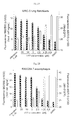
- LCZ inhibits the growth of Mtb as well as Rifampicin or Moxifloxacine in contrast to Omeprazole and Pantoprazole that are not compounds of formula II ( Fig. 1 ).
- LPZ has an IC50 of 32.8 ⁇ M
- the enantiomers R-Lansoprazole and S-Lansoprazole have a similar IC50
- the salt Rabeprazole sodium has an IC50 of 25 ⁇ M (Example 5, Table 2).
- the present invention further relates to a pharmaceutical composition
- a pharmaceutical composition comprising the benzimidazole sulfide derivative of formula (I) and a pharmaceutically acceptable carrier, diluent or excipient for use in the treatment and/or prevention of tuberculosis.
- composition comprising the compound of general formula (11) and a pharmaceutically acceptable carrier, diluent or excipient for use in the treatment and/or prevention of tuberculosis.
- pharmaceutically acceptable carrier means a carrier or excipient that is useful in preparing a pharmaceutical composition that is generally safe, and possesses acceptable toxicities. Acceptable carriers include those that arc acceptable for veterinary use as well as human pharmaceutical use.
- pharmaceutically acceptable carrier as used in the specification and claims includes both one and more than one such carrier.
- the compounds of the invention namely benzimidazole sulfide derivatives of formula (I), and/or compounds of general formula (II) that are used in the treatment and/or prevention of tuberculosis can be incorporated into a variety of formulations and medicaments for therapeutic administration. More particularly, one or more compound(s) as provided herein can be formulated into pharmaceutical compositions by combination with appropriate, pharmaceutically acceptable carriers, and can be formulated into preparations in solid, semi-solid, liquid or gaseous forms, such as tablets, capsules, pills, powders, granules, dragees, gels, slurries, ointments, solutions, suppositories, injections, inhalants and aerosols.
- administration of the compounds can be achieved in various ways, including oral, buccal, rectal, parenteral, intraperitoneal, intradermal, transdermal, intracranial and/or intratracheal administration.
- the compound can be administered in a local rather than systemic manner, in a depot or sustained release formulation.
- the compounds can be formulated with common excipients, diluents or carriers, and compressed into tablets, or formulated as elixirs or solutions for convenient oral administration, or administered by the intramuscular or intravenous routes.
- the compounds can be administered transdermally, and can be formulated as sustained release dosage forms and the like.
- the compounds can be administered alone, in combination with each other, or they can be used in combination with other known compounds.
- Suitable formulations for use in the present invention are found in Remington's Pharmaceutical Sciences (Mack Publishing Company (1985) Philadelphia, PA, 17th ed .), which is incorporated herein by reference. Moreover, for a brief review of methods for drug delivery, see, Langer, Science (1990) 249:1527-1533 , which is incorporated herein by reference.
- Suitable unit doses for the compounds of the present invention can, for example, preferably contain between 0.1 mg to about 1000 mg, between 1 mg to about 500 mg, and between 1 mg to about 300 mg of the active compound. In another example, the unit dose is between 1 mg to about 100 mg.
- Such unit doses can be administered more than once a day, for example, 2, 3, 4, 5 or 6 times a day, but preferably 1 or 2 times per day, so that the total dosage for a 70 kg human adult is in the range of 0.001 to about 15 mg per kg weight of subject per administration.
- a preferred dosage is 0.01 to about 1.5 mg per kg weight of subject per administration, and such therapy can extend for a number of weeks or months, and in some cases, years. It will be understood, however, that the specific dose level for any particular patient will depend on a variety of factors including the activity of the specific compound employed; the age, body weight, general health, sex and diet of the individual being treated; the time and route of administration; the rate of excretion; other drugs that have previously been administered; and the severity of the particular disease undergoing therapy, as is well understood by those of skill in the area.
- a typical dosage can be one 1 mg to about 100 mg tablet or 1 mg to about 300 mg taken once a day, or, multiple times per day, or one time-release capsule or tablet taken once a day and containing a proportionally higher content of active ingredient.
- the time-release effect can be obtained by capsule materials that dissolve at different pH values, by capsules that release slowly by osmotic pressure, or by any other known means of controlled release. It can be necessary to use dosages outside these ranges in some cases as will be apparent to those skilled in the art.
- the pharmaceutical composition comprising the benzimidazole sulfide derivative of formula (I), and/or the compound of general formula (II) and a pharmaceutically acceptable carrier, diluent or excipient for use in the treatment and/or prevention of tuberculosis, further comprises at least one or more additional agents effective against tuberculosis infection.
- the at least one or more additional agents effective against tuberculosis infection is selected from the group comprising rifampin, moxifloxacin, isoniazid, rifapentine, rifabutin, pyrazinamide, ethambutol, streptomycin, kanamycin, amikacin, gatifloxacin, levofloxacin, ofloxacin, ciprofloxacin, capreomycin, ethionamide, cycloserine, para-aminosalicylic acid, thiacetazone, clarithromycin, amoxicillin-clavulanic acid, imipenem, meropenem, viomycin, terizidone, TMC207, PA-824, OPC-7683, LL-3858 and SQ-109.
- rifampin moxifloxacin
- isoniazid rifapentine
- rifabutin pyrazinamide
- ethambutol
- Example 1 High throughput drug screen (HTS)
- Mycobacterial strains were routinely grown in Middlebrook 7H9 broth (supplemented with 0.2% glycerol, 10% ADC and 0.05% Tween-80) or 7H10 agar plates (supplemented with 0.5% glycerol, 10% OADC).
- MRC-5 human lung fibroblasts were grown in MEM-medium supplemented with 10% heat inactivated fetal bovine serum (FBS), 1% non-essential amino acids and 1 mM sodium pyruvate.
- RAW264.7 macrophages were grown in RPMI-medium supplemented with 10% FBS. Both cell lines were grown at 37°C with 5% CO2.
- High throughput drug screen (HTS)
- HTS was performed using the following procedure: compounds of the Prestwick chemical library were added into 384-well microplates (Corning) at a concentration of 100 ⁇ M in 5 ⁇ l of 5% DMSO. MRC-5 cells grown to late log phase were harvested and seeded at 4000 cells/well in a volume of 35 ⁇ l into the plates using an automated microplate dispenser (multidrop combi, Thermo Scientific). Cells were allowed to adhere for 3 hours. Mid-logarithmic phase cultures of Mtb-Erdman were washed twice with complete 7H9 medium and added to the assay plates at an MOI of 10 in 10 ⁇ l of MEM medium. Plates were sealed and incubated at 37°C/5% CO2.
- the host cell-based high throughput screen was performed according to the protocol described above to select compounds that protect MRC-5 lung fibroblasts from Mtb-induced cytotoxicity.
- fibroblasts were infected with high multiplicities of infection (MOI of 10) in the presence of screening compounds. After 72 hours of co-incubation, the majority of infected fibroblasts arc killed by wild-type Mtb strains which can be quantified by fluorescent staining.
- Example 2 Growth of Mtb cells in macrophages or fibroblasts
- Mtb cells that infect macrophages or fibroblasts were performed using an Mtb-Erdman strain expressing GFP.
- Mtb-Erdman strain expressing GFP For fluorescent microscopy, RAW264.7 macrophages were seeded on round 9 mm cover slips in 24 well plates (10 5 cells/well).
- macrophages were infected at an MOI of 2 for 12 hours. Cells were washed several times to remove unphagocytosed bacteria and fresh medium containing compounds or DMSO was added. After incubation for four days, the cells were washed and fixed with 4% paraformaldehyde/PBS and stained with Dapi-Fluoromount-G (SouthernBiotech).
- LPZ reduced the Mtb-GFP signal in a dose dependent manner with an IC50 of 1.47 ⁇ M and this correlates with the protection of MRC-5 cells ( Fig. 2A ).
- Infection experiments were also performed using RAW264.7 macrophages in which growth of intracellular bacteria was inhibited with an IC50 of 2.2 ⁇ M ( Fig. 2B ).
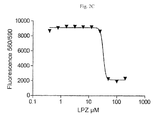
- the antimycobacterial activity of LPZ in common mycobacterial growth medium (7H9 supplemented with ADC) was approximately 16 times higher compared to the intracellular activity (IC50 of 32.8 ⁇ M) ( Fig. 2C ).
- Example 3 LPZ is converted to lansoprazole sulfide (LPZS) in intracellular environment
- MRC-5 cells were seeded in 96 well plates and exposed to 2 ⁇ M of LPZ. At given time-points, cells were extensively washed with PBS and lysed with 0.1%, Triton X-100 in PBS and acetonitrile (1:1 ratio). After spinning at 15,000 g at 4°C, samples were shock frozen in liquid nitrogen and stored at -80°C for MS.
- Quantification in 7H9 broth was performed with 500 nM of LPZ, acetonitrile was added in a 1:1 ratio at given time-points followed by spinning and shock freezing.
- the UPLC separation was done on an Agilent 1290 Infinity LC system including the 1290 Infinity LC system Binary Pump with integrated degasser, the High Performance Autosampler and a thermostatted column compartment.
- the samples (2 ⁇ L) were injected into a Zorbax Extend-C18 (2.1 x 50 mm, 1.8 ⁇ m) analytical column operated at 40°C, using H2O-HCOOH 0.1 % and CH3CN- HCOOH 0.1% as mobile phases A and B (2 to 100% B in 5 min) at a flow rate of 0.4 mL/min.
- the UPLC system was interfaced with a 6530 Accurate-Mass Q-TOF LC/MS system (Agilent Technologies). Electrospray-ionisation MS data were acquired in the positive ionization mode, in the mass range m/z 100-1000 (2 spectra/s).
- LPZS was tested for growth inhibition in broth and intracellular assays. In these experiments, the discrepancy between ex vivo and in vitro activity was not observed ( Fig. 3D / E ). Strikingly, LPZS had strongly improved activity over LPZ in broth at IC50 of 0.46 ⁇ M ( Fig. 3D ) and showed similar intracellular activity at IC50 of 0.59 ⁇ M ( Fig. 3E ). Thus, LPZ is a prodrug that is converted intracellularly to the antimycobacterial drug LPZS which is a potent inhibitor of mycobacterial growth.
- Metabolites of LPZ for activity against Mtb were tested in the intracellular assay and in the assay of Mtb growth in broth.
- Compounds of formula II such as Lansoprazole, its enantiomers R-lansoprazole, S-lansoprazole and the salt Rabeprazole sodium inhibit Mtb and have an IC50 below 40 ⁇ M.
- Example 6 Activity of LPZ against a selection of mycobacterial and non-mycobacterial strains Culture conditions and REMA assay of non-Mtb strains
- Mycobacterium strains were grown in 7H9 broth (Difco) supplemented with Middlebrook albumin-dextrose-catalase (ADC) enrichment, 0.2% glycerol, 0.05% Tween 80.
- Bacillus subtilis, Candida albicans, Corynebacterium glutamicum ATCC13032, Escherichia coli K12, Micrococcus luteus, Pseudomonas putida, Salmonella typhimurium and Staphylococcus aureus were grown in Luria broth base (Sigma).
- Corynebacterium diphtheriae, Enterococcus faecalis, Listeria monocytogenes and Pseudomonas aeruginosa were grown in brain heart infusion broth (Difco). Two-fold serial dilutions of each test compound were prepared in 96-well plates containing bacteria in a total volume of 100 ⁇ l and then incubated at 37°C or 30°C (depend on the strain) before addition of 10 ⁇ l of 0.025% resazurin.
- fluorescence of the resazurin metabolite resorufin was determined (excitation at 560 nm and emission at 590 nm, Gain 80) by using a TECAN Infinite M200 microplate reader.
- LPZS has a highly Mtb-selective activity profile with good activity against Mtb strains such as Mycobacterium tuberculosis H37Rv, Mycobacterium tuberculosis Erdman and Mycobacterium tuberculosis HN878 (Beijing strain) at a MIC less than 2 ⁇ M (Table 3).
- Mtb strains such as Mycobacterium tuberculosis H37Rv, Mycobacterium tuberculosis Erdman and Mycobacterium tuberculosis HN878 (Beijing strain) at a MIC less than 2 ⁇ M (Table 3).
- the MIC was over 100 ⁇ M for other non-Mtb strains such as for Mycobacterium abcessus 2005-0524 or Escherichia coli.
- LPZS has a highly Mtb-selective activity profile with good activity against drug resistant isolates at a MIC less than 2 ⁇ M (Table 4).
- Example 8 Mice acute infection model of tuberculosis
- mice For in vivo efficacy studies mice, BALB/c mice (18-20 g; 4 mice per group) were aerosol infected with Mtb-H37Rv and treated the following day with LPZS 300 mg/kg twice a day for 9 days. The day after final treatment, mice were sacrificed and serial dilutions of lung homogenates were plated on 7H10 agar containing 10 ⁇ g/ml cycloheximide and 25 ⁇ g/ml ampicillin.
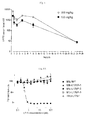
- the compound LPZS significantly reduced the bacterial burden of Mtb-infected mice ( Fig. 4 ).
- mice treated with LPZS doses As high as 300 mg/kg twice a day owing to the favourable cytotoxicity profile of LPZS (Table 5).
- mice For pharmacokinetic studies BALB/c mice (18-20 g) were given 100 mg/kg or 300 mg/kg LPZS in 20% TPGS (D- ⁇ tocopheryl polyethylene glycol 1000 succinate). At given time-points, blood from 3 mice was taken and, after spinning, serum was treated with acetonitrile (1:4 ratio). After a second spin, supernatants were frozen for LC/MS experiments.
- TPGS D- ⁇ tocopheryl polyethylene glycol 1000 succinate
- mice were given 100 mg/kg or 300 mg/kg of LPZS by oral gavage and serum levels were determined after 0.5, 1, 2, 4, 8 and 24 hours ( Fig. 5 ).
- Table 6 LPZS 300 mg/kg LPZS 100 mg/kg time (hours) mouse 1 mouse 2 mouse 3 mouse 4 mouse 5 mouse 6 0 0 0 0 0 0 0 0 0.5 6756 6416 8354 2346 2228 2907 1 1393 1278 2283 484.4378 444.8249 793.9235 2 1321 996 743 459.0981 346.6247 258.3977 4 2816.922 2638.972 2507.601 905.1904 1134.282 722.1395 8 1622.691 2043.333 2202.665 415.8849 424.4725 170.2264 24 6.738747 6.998759 6.704449 7.458679 6.940942 9.317959
- the concentration in blood of the benzimidazole sulfide derivative of formula I, Lansoprazole sulfate LPZS, is 100% of Cmax at 0.5h after administration.
- the pharmacokinetic profile of the benzimidazole sulfide derivatives of general formula (I) such as LPZS is favorable for a fast onset of action of these compounds.
- Example 10 A single-nucleotide polymorphism (SNP) in the cytochrome bc1 complex of Mtb confers LPZS resistance
- LPZS-H37Rv mutants were isolated by plating 10 9 CFU on 7H10 agar containing 20 ⁇ M of LPZS.
- Whole genome sequencing of three LPZS resistant clones was performed using Illumina technology (DNA extraction methods are described in the supplemental information).
- Genomic DNA fragment sequencing libraries were prepared using the NEBnext Ultra DNA kit (New England Biolabs) according to the protocol supplied using 1 ⁇ g of genomic DNA. The resulting genomic DNA fragment library was loaded on Illumina MiSeq Reagent Kit V3 cartridges and sequenced.
- QcrB (Rv2196) from M. tuberculosis was modeled using the software iTasser (http://zhanglab.ccmb.med.umich.edu/I-TASSER/) and the cytochrome bc1 structure from the photosynthetic bacterium Rhodobacter sphaeroides as template (PDB code 1QJY).
- the cytochrome bc1 complex (complex III) is an essential part of the mycobacterial respiratory chain. It is also the target of recently identified imidazopyridine amide compounds such as Q203 which display potent in vitro and in vivo activity against Mtb.
- Q203 imidazopyridine amide compounds
- a model of the mycobacterial QcrB protein was made on the previously published structures of Rhodobacter sphaeroides. Both mutations localized to the ubiquinol oxidation (Qp) site close to the Qp-inhibitor stigmatellin which was co-crystalized with the R.
- the dose-response curve shows that the T313A mutation does not confer high level resistance to LPZS.
- LPZS is active against the mutant Mtb-T313A that is resistant to Q203 ( Fig. 6C ).
Landscapes
- Health & Medical Sciences (AREA)
- Chemical & Material Sciences (AREA)
- Organic Chemistry (AREA)
- Animal Behavior & Ethology (AREA)
- Pharmacology & Pharmacy (AREA)
- Veterinary Medicine (AREA)
- Public Health (AREA)
- Medicinal Chemistry (AREA)
- General Health & Medical Sciences (AREA)
- Life Sciences & Earth Sciences (AREA)
- Epidemiology (AREA)
- Oncology (AREA)
- Communicable Diseases (AREA)
- Pulmonology (AREA)
- Nuclear Medicine, Radiotherapy & Molecular Imaging (AREA)
- General Chemical & Material Sciences (AREA)
- Chemical Kinetics & Catalysis (AREA)
- Pharmaceuticals Containing Other Organic And Inorganic Compounds (AREA)
Priority Applications (4)
| Application Number | Priority Date | Filing Date | Title |
|---|---|---|---|
| EP15152650.6A EP3050565A1 (de) | 2015-01-27 | 2015-01-27 | Benzimidazolschwefelderivate zur Vorbeugung oder Behandlung von Tuberkulose |
| EP16701631.0A EP3250205B1 (de) | 2015-01-27 | 2016-01-26 | Benzimidazolschwefelderivate zur vorbeugung oder behandlung von tuberkulose |
| US15/546,680 US10137116B2 (en) | 2015-01-27 | 2016-01-26 | Benzimidazole sulfide derivatives for the treatment or prevention of tuberculosis |
| PCT/EP2016/051549 WO2016120259A1 (en) | 2015-01-27 | 2016-01-26 | Benzimidazole sulfide derivatives for the treatment or prevention of tuberculosis |
Applications Claiming Priority (1)
| Application Number | Priority Date | Filing Date | Title |
|---|---|---|---|
| EP15152650.6A EP3050565A1 (de) | 2015-01-27 | 2015-01-27 | Benzimidazolschwefelderivate zur Vorbeugung oder Behandlung von Tuberkulose |
Publications (1)
| Publication Number | Publication Date |
|---|---|
| EP3050565A1 true EP3050565A1 (de) | 2016-08-03 |
Family
ID=52394991
Family Applications (2)
| Application Number | Title | Priority Date | Filing Date |
|---|---|---|---|
| EP15152650.6A Withdrawn EP3050565A1 (de) | 2015-01-27 | 2015-01-27 | Benzimidazolschwefelderivate zur Vorbeugung oder Behandlung von Tuberkulose |
| EP16701631.0A Active EP3250205B1 (de) | 2015-01-27 | 2016-01-26 | Benzimidazolschwefelderivate zur vorbeugung oder behandlung von tuberkulose |
Family Applications After (1)
| Application Number | Title | Priority Date | Filing Date |
|---|---|---|---|
| EP16701631.0A Active EP3250205B1 (de) | 2015-01-27 | 2016-01-26 | Benzimidazolschwefelderivate zur vorbeugung oder behandlung von tuberkulose |
Country Status (3)
| Country | Link |
|---|---|
| US (1) | US10137116B2 (de) |
| EP (2) | EP3050565A1 (de) |
| WO (1) | WO2016120259A1 (de) |
Cited By (1)
| Publication number | Priority date | Publication date | Assignee | Title |
|---|---|---|---|---|
| CN116077498A (zh) * | 2022-09-22 | 2023-05-09 | 中山大学 | 一种苯并咪唑类化合物在制备抗结核药中的应用 |
Families Citing this family (2)
| Publication number | Priority date | Publication date | Assignee | Title |
|---|---|---|---|---|
| EP3512840B1 (de) * | 2016-09-14 | 2024-03-06 | Yufeng Jane Tseng | Neuartige substituierte benzimidazolderivate als inhibitoren der d-aminosäure-oxidase (daao) |
| CN116808028B (zh) * | 2023-08-25 | 2023-11-14 | 深圳市第三人民医院(深圳市肝病研究所) | 一种苯并噻唑衍生化合物作为抗结核化合物的应用 |
Citations (4)
| Publication number | Priority date | Publication date | Assignee | Title |
|---|---|---|---|---|
| GB1234058A (de) * | 1968-10-21 | 1971-06-03 | ||
| WO2004036224A2 (en) * | 2002-10-16 | 2004-04-29 | Council Of Scientific & Industrial Research | Screening method |
| EP2548555A1 (de) * | 2011-07-18 | 2013-01-23 | Fondazione IRCCS Istituto Nazionale dei Tumori | Protonenpumpeninhibitoren als Immunmodulatoren |
| WO2015009883A1 (en) * | 2013-07-18 | 2015-01-22 | The Hamner Institutes | Activators of nad-dependent protein deacteylases and uses thereof |
Family Cites Families (1)
| Publication number | Priority date | Publication date | Assignee | Title |
|---|---|---|---|---|
| WO1999013872A1 (en) * | 1997-09-17 | 1999-03-25 | Eisai Co., Ltd. | Antimicrobials |
-
2015
- 2015-01-27 EP EP15152650.6A patent/EP3050565A1/de not_active Withdrawn
-
2016
- 2016-01-26 US US15/546,680 patent/US10137116B2/en active Active
- 2016-01-26 EP EP16701631.0A patent/EP3250205B1/de active Active
- 2016-01-26 WO PCT/EP2016/051549 patent/WO2016120259A1/en not_active Ceased
Patent Citations (4)
| Publication number | Priority date | Publication date | Assignee | Title |
|---|---|---|---|---|
| GB1234058A (de) * | 1968-10-21 | 1971-06-03 | ||
| WO2004036224A2 (en) * | 2002-10-16 | 2004-04-29 | Council Of Scientific & Industrial Research | Screening method |
| EP2548555A1 (de) * | 2011-07-18 | 2013-01-23 | Fondazione IRCCS Istituto Nazionale dei Tumori | Protonenpumpeninhibitoren als Immunmodulatoren |
| WO2015009883A1 (en) * | 2013-07-18 | 2015-01-22 | The Hamner Institutes | Activators of nad-dependent protein deacteylases and uses thereof |
Non-Patent Citations (6)
| Title |
|---|
| "Comprehensive Medicinal Chemistry", vol. 5, 1990, PERGAMON PRESS |
| "Remington's Pharmaceutical Sciences", 1985, MACK PUBLISHING COMPANY |
| H.P. FIEDLCR: "Lexikon der Hilfsstoffe fur Pharmazie, Kosmetik und angrenzende Gebietc", 2002 |
| KATSUHIRO SUZUKI ET AL: "Effect of proton pump inhibitor alone or in combination with clarithromycin on mycobacterial growth in human alveolar macrophages", FEMS MICROBIOLOGY LETTERS, 1 January 2000 (2000-01-01), pages 69 - 72, XP055199927, Retrieved from the Internet <URL:http://ac.els-cdn.com/S0378109799005716/1-s2.0-S0378109799005716-main.pdf?_tid=395c750a-2156-11e5-b4c7-00000aacb35f&acdnat=1435909171_b4154f11f65520f4b2856cd79eb10a9c> [retrieved on 20150703] * |
| LANGER, SCIENCE, vol. 249, 1990, pages 1527 - 1533 |
| VERA KLIMESOVÁ ET AL: "New benzimidazole derivatives as antimycobacterial agents", IL FARMACO, vol. 57, no. 4, 1 April 2002 (2002-04-01), pages 259 - 265, XP055200001, ISSN: 0014-827X, DOI: 10.1016/S0014-827X(02)01218-1 * |
Cited By (2)
| Publication number | Priority date | Publication date | Assignee | Title |
|---|---|---|---|---|
| CN116077498A (zh) * | 2022-09-22 | 2023-05-09 | 中山大学 | 一种苯并咪唑类化合物在制备抗结核药中的应用 |
| CN116077498B (zh) * | 2022-09-22 | 2025-10-21 | 深圳中新生命科技有限公司 | 一种苯并咪唑类化合物在制备抗结核药中的应用 |
Also Published As
| Publication number | Publication date |
|---|---|
| US10137116B2 (en) | 2018-11-27 |
| US20180028517A1 (en) | 2018-02-01 |
| EP3250205B1 (de) | 2019-03-20 |
| WO2016120259A1 (en) | 2016-08-04 |
| EP3250205A1 (de) | 2017-12-06 |
Similar Documents
| Publication | Publication Date | Title |
|---|---|---|
| Kang et al. | Lead optimization of a novel series of imidazo [1, 2-a] pyridine amides leading to a clinical candidate (Q203) as a multi-and extensively-drug-resistant anti-tuberculosis agent | |
| US9937192B2 (en) | Combination therapy to treat mycobacterium diseases | |
| JP4667862B2 (ja) | 抗結核薬剤、組成物および方法 | |
| EP3030519B1 (de) | Tricyclische benzoxaborolverbindungen und verwendungen davon | |
| KR20110063518A (ko) | 결핵에 대한 병용 요법 | |
| Negi et al. | Unraveling dilemmas and lacunae in the escalating drug resistance of Mycobacterium tuberculosis to bedaquiline, delamanid, and pretomanid | |
| Asif | A review of antimycobacterial drugs in development | |
| JP6366709B2 (ja) | アザインドール化合物、その合成、および同化合物の使用方法 | |
| JP7241984B2 (ja) | オキサゾリジノン化合物および抗細菌剤としてのその使用方法 | |
| EP3250205B1 (de) | Benzimidazolschwefelderivate zur vorbeugung oder behandlung von tuberkulose | |
| KR20170117158A (ko) | 4-치환된 벤즈옥사보롤 화합물 및 이의 용도 | |
| EP2461805B1 (de) | Spectinamide als mittel gegen tuberkulose | |
| US10752621B2 (en) | Oxazolidinone compounds and methods of use thereof as antibacterial agents | |
| CN104936964B (zh) | 具有增强抗生素活性的活性的螺异噁唑啉化合物 | |
| JP2007537242A (ja) | 抗マイコバクテリア医薬組成物 | |
| Jain et al. | Recent Biochemical Advances in Antitubercular Drugs: Challenges and Future | |
| WO2016041972A1 (en) | Benzothiophene, benzyloxybenzylidene and indoline derivatives useful for the treatment of tuberculosis | |
| BR112016000712B1 (pt) | Compostos de azaindol, síntese dos mesmos e métodos de uso dos mesmos | |
| Bocanegra-García et al. | Antitubercular drugs development: recent advances in selected therapeutic targets and rational drug design | |
| KR20260041840A (ko) | 베다퀼린, 프레토마니드 또는 델라마니드, 및 시토크롬 bc1 억제제를 포함하는 적어도 세 가지 항생제의 조합 제품 및 미코박테리아 감염 치료에서의 이들의 용도 | |
| EA049211B1 (ru) | Оксазолидиноновое соединение и способы его применения в качестве антибактериального средства | |
| Venditti | Antimycobacterial compounds targeting MmpL3 and tryptophan biosynthetic pathway | |
| Foo et al. | Discovery of new plant-derived inhibitors with potent F420-dependent activity against Mycobacterium tuberculosis | |
| PT106652A (pt) | Piridil hidrazonas para o tratamento de tuberculose e doenças relacionadas | |
| HK1219939B (en) | Tricyclic benzoxaborole compounds and uses thereof |
Legal Events
| Date | Code | Title | Description |
|---|---|---|---|
| PUAI | Public reference made under article 153(3) epc to a published international application that has entered the european phase |
Free format text: ORIGINAL CODE: 0009012 |
|
| AK | Designated contracting states |
Kind code of ref document: A1 Designated state(s): AL AT BE BG CH CY CZ DE DK EE ES FI FR GB GR HR HU IE IS IT LI LT LU LV MC MK MT NL NO PL PT RO RS SE SI SK SM TR |
|
| AX | Request for extension of the european patent |
Extension state: BA ME |
|
| STAA | Information on the status of an ep patent application or granted ep patent |
Free format text: STATUS: THE APPLICATION HAS BEEN PUBLISHED |
|
| STAA | Information on the status of an ep patent application or granted ep patent |
Free format text: STATUS: THE APPLICATION IS DEEMED TO BE WITHDRAWN |
|
| 18D | Application deemed to be withdrawn |
Effective date: 20170204 |