EP3052191B1 - Gezielte differenzierung von astrozyten aus menschlichen pluripotenten stammzellen zur verwendung im drogenscreening und zur behandlung von amyotropher lateralsklerose (als) - Google Patents
Gezielte differenzierung von astrozyten aus menschlichen pluripotenten stammzellen zur verwendung im drogenscreening und zur behandlung von amyotropher lateralsklerose (als) Download PDFInfo
- Publication number
- EP3052191B1 EP3052191B1 EP14851149.6A EP14851149A EP3052191B1 EP 3052191 B1 EP3052191 B1 EP 3052191B1 EP 14851149 A EP14851149 A EP 14851149A EP 3052191 B1 EP3052191 B1 EP 3052191B1
- Authority
- EP
- European Patent Office
- Prior art keywords
- astrocytes
- cells
- human
- als
- neurons
- Prior art date
- Legal status (The legal status is an assumption and is not a legal conclusion. Google has not performed a legal analysis and makes no representation as to the accuracy of the status listed.)
- Active
Links
Images





Classifications
-
- C—CHEMISTRY; METALLURGY
- C12—BIOCHEMISTRY; BEER; SPIRITS; WINE; VINEGAR; MICROBIOLOGY; ENZYMOLOGY; MUTATION OR GENETIC ENGINEERING
- C12N—MICROORGANISMS OR ENZYMES; COMPOSITIONS THEREOF; PROPAGATING, PRESERVING, OR MAINTAINING MICROORGANISMS; MUTATION OR GENETIC ENGINEERING; CULTURE MEDIA
- C12N5/00—Undifferentiated human, animal or plant cells, e.g. cell lines; Tissues; Cultivation or maintenance thereof; Culture media therefor
- C12N5/06—Animal cells or tissues; Human cells or tissues
- C12N5/0602—Vertebrate cells
- C12N5/0618—Cells of the nervous system
- C12N5/0622—Glial cells, e.g. astrocytes, oligodendrocytes; Schwann cells
-
- A—HUMAN NECESSITIES
- A61—MEDICAL OR VETERINARY SCIENCE; HYGIENE
- A61K—PREPARATIONS FOR MEDICAL, DENTAL OR TOILETRY PURPOSES
- A61K35/00—Medicinal preparations containing materials or reaction products thereof with undetermined constitution
- A61K35/12—Materials from mammals; Compositions comprising non-specified tissues or cells; Compositions comprising non-embryonic stem cells; Genetically modified cells
- A61K35/30—Nerves; Brain; Eyes; Corneal cells; Cerebrospinal fluid; Neuronal stem cells; Neuronal precursor cells; Glial cells; Oligodendrocytes; Schwann cells; Astroglia; Astrocytes; Choroid plexus; Spinal cord tissue
-
- A—HUMAN NECESSITIES
- A61—MEDICAL OR VETERINARY SCIENCE; HYGIENE
- A61P—SPECIFIC THERAPEUTIC ACTIVITY OF CHEMICAL COMPOUNDS OR MEDICINAL PREPARATIONS
- A61P21/00—Drugs for disorders of the muscular or neuromuscular system
-
- A—HUMAN NECESSITIES
- A61—MEDICAL OR VETERINARY SCIENCE; HYGIENE
- A61P—SPECIFIC THERAPEUTIC ACTIVITY OF CHEMICAL COMPOUNDS OR MEDICINAL PREPARATIONS
- A61P21/00—Drugs for disorders of the muscular or neuromuscular system
- A61P21/02—Muscle relaxants, e.g. for tetanus or cramps
-
- A—HUMAN NECESSITIES
- A61—MEDICAL OR VETERINARY SCIENCE; HYGIENE
- A61P—SPECIFIC THERAPEUTIC ACTIVITY OF CHEMICAL COMPOUNDS OR MEDICINAL PREPARATIONS
- A61P25/00—Drugs for disorders of the nervous system
-
- A—HUMAN NECESSITIES
- A61—MEDICAL OR VETERINARY SCIENCE; HYGIENE
- A61P—SPECIFIC THERAPEUTIC ACTIVITY OF CHEMICAL COMPOUNDS OR MEDICINAL PREPARATIONS
- A61P25/00—Drugs for disorders of the nervous system
- A61P25/28—Drugs for disorders of the nervous system for treating neurodegenerative disorders of the central nervous system, e.g. nootropic agents, cognition enhancers, drugs for treating Alzheimer's disease or other forms of dementia
-
- C—CHEMISTRY; METALLURGY
- C12—BIOCHEMISTRY; BEER; SPIRITS; WINE; VINEGAR; MICROBIOLOGY; ENZYMOLOGY; MUTATION OR GENETIC ENGINEERING
- C12N—MICROORGANISMS OR ENZYMES; COMPOSITIONS THEREOF; PROPAGATING, PRESERVING, OR MAINTAINING MICROORGANISMS; MUTATION OR GENETIC ENGINEERING; CULTURE MEDIA
- C12N5/00—Undifferentiated human, animal or plant cells, e.g. cell lines; Tissues; Cultivation or maintenance thereof; Culture media therefor
- C12N5/06—Animal cells or tissues; Human cells or tissues
- C12N5/0602—Vertebrate cells
- C12N5/0618—Cells of the nervous system
- C12N5/0619—Neurons
-
- G—PHYSICS
- G01—MEASURING; TESTING
- G01N—INVESTIGATING OR ANALYSING MATERIALS BY DETERMINING THEIR CHEMICAL OR PHYSICAL PROPERTIES
- G01N33/00—Investigating or analysing materials by specific methods not covered by groups G01N1/00 - G01N31/00
- G01N33/48—Biological material, e.g. blood, urine; Haemocytometers
- G01N33/50—Chemical analysis of biological material, e.g. blood, urine; Testing involving biospecific ligand binding methods; Immunological testing
- G01N33/5005—Chemical analysis of biological material, e.g. blood, urine; Testing involving biospecific ligand binding methods; Immunological testing involving human or animal cells
- G01N33/5008—Chemical analysis of biological material, e.g. blood, urine; Testing involving biospecific ligand binding methods; Immunological testing involving human or animal cells for testing or evaluating the effect of chemical or biological compounds, e.g. drugs, cosmetics
- G01N33/5044—Chemical analysis of biological material, e.g. blood, urine; Testing involving biospecific ligand binding methods; Immunological testing involving human or animal cells for testing or evaluating the effect of chemical or biological compounds, e.g. drugs, cosmetics involving specific cell types
- G01N33/5058—Neurological cells
-
- G—PHYSICS
- G01—MEASURING; TESTING
- G01N—INVESTIGATING OR ANALYSING MATERIALS BY DETERMINING THEIR CHEMICAL OR PHYSICAL PROPERTIES
- G01N33/00—Investigating or analysing materials by specific methods not covered by groups G01N1/00 - G01N31/00
- G01N33/48—Biological material, e.g. blood, urine; Haemocytometers
- G01N33/50—Chemical analysis of biological material, e.g. blood, urine; Testing involving biospecific ligand binding methods; Immunological testing
- G01N33/5005—Chemical analysis of biological material, e.g. blood, urine; Testing involving biospecific ligand binding methods; Immunological testing involving human or animal cells
- G01N33/5008—Chemical analysis of biological material, e.g. blood, urine; Testing involving biospecific ligand binding methods; Immunological testing involving human or animal cells for testing or evaluating the effect of chemical or biological compounds, e.g. drugs, cosmetics
- G01N33/5044—Chemical analysis of biological material, e.g. blood, urine; Testing involving biospecific ligand binding methods; Immunological testing involving human or animal cells for testing or evaluating the effect of chemical or biological compounds, e.g. drugs, cosmetics involving specific cell types
- G01N33/5073—Stem cells
-
- C—CHEMISTRY; METALLURGY
- C12—BIOCHEMISTRY; BEER; SPIRITS; WINE; VINEGAR; MICROBIOLOGY; ENZYMOLOGY; MUTATION OR GENETIC ENGINEERING
- C12N—MICROORGANISMS OR ENZYMES; COMPOSITIONS THEREOF; PROPAGATING, PRESERVING, OR MAINTAINING MICROORGANISMS; MUTATION OR GENETIC ENGINEERING; CULTURE MEDIA
- C12N2500/00—Specific components of cell culture medium
- C12N2500/05—Inorganic components
- C12N2500/10—Metals; Metal chelators
- C12N2500/20—Transition metals
- C12N2500/24—Iron; Fe chelators; Transferrin
- C12N2500/25—Insulin-transferrin; Insulin-transferrin-selenium
-
- C—CHEMISTRY; METALLURGY
- C12—BIOCHEMISTRY; BEER; SPIRITS; WINE; VINEGAR; MICROBIOLOGY; ENZYMOLOGY; MUTATION OR GENETIC ENGINEERING
- C12N—MICROORGANISMS OR ENZYMES; COMPOSITIONS THEREOF; PROPAGATING, PRESERVING, OR MAINTAINING MICROORGANISMS; MUTATION OR GENETIC ENGINEERING; CULTURE MEDIA
- C12N2500/00—Specific components of cell culture medium
- C12N2500/30—Organic components
- C12N2500/38—Vitamins
-
- C—CHEMISTRY; METALLURGY
- C12—BIOCHEMISTRY; BEER; SPIRITS; WINE; VINEGAR; MICROBIOLOGY; ENZYMOLOGY; MUTATION OR GENETIC ENGINEERING
- C12N—MICROORGANISMS OR ENZYMES; COMPOSITIONS THEREOF; PROPAGATING, PRESERVING, OR MAINTAINING MICROORGANISMS; MUTATION OR GENETIC ENGINEERING; CULTURE MEDIA
- C12N2501/00—Active agents used in cell culture processes, e.g. differentation
- C12N2501/10—Growth factors
- C12N2501/11—Epidermal growth factor [EGF]
-
- C—CHEMISTRY; METALLURGY
- C12—BIOCHEMISTRY; BEER; SPIRITS; WINE; VINEGAR; MICROBIOLOGY; ENZYMOLOGY; MUTATION OR GENETIC ENGINEERING
- C12N—MICROORGANISMS OR ENZYMES; COMPOSITIONS THEREOF; PROPAGATING, PRESERVING, OR MAINTAINING MICROORGANISMS; MUTATION OR GENETIC ENGINEERING; CULTURE MEDIA
- C12N2501/00—Active agents used in cell culture processes, e.g. differentation
- C12N2501/10—Growth factors
- C12N2501/115—Basic fibroblast growth factor (bFGF, FGF-2)
-
- C—CHEMISTRY; METALLURGY
- C12—BIOCHEMISTRY; BEER; SPIRITS; WINE; VINEGAR; MICROBIOLOGY; ENZYMOLOGY; MUTATION OR GENETIC ENGINEERING
- C12N—MICROORGANISMS OR ENZYMES; COMPOSITIONS THEREOF; PROPAGATING, PRESERVING, OR MAINTAINING MICROORGANISMS; MUTATION OR GENETIC ENGINEERING; CULTURE MEDIA
- C12N2501/00—Active agents used in cell culture processes, e.g. differentation
- C12N2501/30—Hormones
- C12N2501/38—Hormones with nuclear receptors
- C12N2501/385—Hormones with nuclear receptors of the family of the retinoic acid recptor, e.g. RAR, RXR; Peroxisome proliferator-activated receptor [PPAR]
-
- C—CHEMISTRY; METALLURGY
- C12—BIOCHEMISTRY; BEER; SPIRITS; WINE; VINEGAR; MICROBIOLOGY; ENZYMOLOGY; MUTATION OR GENETIC ENGINEERING
- C12N—MICROORGANISMS OR ENZYMES; COMPOSITIONS THEREOF; PROPAGATING, PRESERVING, OR MAINTAINING MICROORGANISMS; MUTATION OR GENETIC ENGINEERING; CULTURE MEDIA
- C12N2502/00—Coculture with; Conditioned medium produced by
- C12N2502/08—Coculture with; Conditioned medium produced by cells of the nervous system
- C12N2502/081—Coculture with; Conditioned medium produced by cells of the nervous system neurons
-
- C—CHEMISTRY; METALLURGY
- C12—BIOCHEMISTRY; BEER; SPIRITS; WINE; VINEGAR; MICROBIOLOGY; ENZYMOLOGY; MUTATION OR GENETIC ENGINEERING
- C12N—MICROORGANISMS OR ENZYMES; COMPOSITIONS THEREOF; PROPAGATING, PRESERVING, OR MAINTAINING MICROORGANISMS; MUTATION OR GENETIC ENGINEERING; CULTURE MEDIA
- C12N2502/00—Coculture with; Conditioned medium produced by
- C12N2502/08—Coculture with; Conditioned medium produced by cells of the nervous system
- C12N2502/086—Coculture with; Conditioned medium produced by cells of the nervous system glial cells
-
- C—CHEMISTRY; METALLURGY
- C12—BIOCHEMISTRY; BEER; SPIRITS; WINE; VINEGAR; MICROBIOLOGY; ENZYMOLOGY; MUTATION OR GENETIC ENGINEERING
- C12N—MICROORGANISMS OR ENZYMES; COMPOSITIONS THEREOF; PROPAGATING, PRESERVING, OR MAINTAINING MICROORGANISMS; MUTATION OR GENETIC ENGINEERING; CULTURE MEDIA
- C12N2503/00—Use of cells in diagnostics
- C12N2503/02—Drug screening
-
- C—CHEMISTRY; METALLURGY
- C12—BIOCHEMISTRY; BEER; SPIRITS; WINE; VINEGAR; MICROBIOLOGY; ENZYMOLOGY; MUTATION OR GENETIC ENGINEERING
- C12N—MICROORGANISMS OR ENZYMES; COMPOSITIONS THEREOF; PROPAGATING, PRESERVING, OR MAINTAINING MICROORGANISMS; MUTATION OR GENETIC ENGINEERING; CULTURE MEDIA
- C12N2503/00—Use of cells in diagnostics
- C12N2503/04—Screening or testing on artificial tissues
-
- C—CHEMISTRY; METALLURGY
- C12—BIOCHEMISTRY; BEER; SPIRITS; WINE; VINEGAR; MICROBIOLOGY; ENZYMOLOGY; MUTATION OR GENETIC ENGINEERING
- C12N—MICROORGANISMS OR ENZYMES; COMPOSITIONS THEREOF; PROPAGATING, PRESERVING, OR MAINTAINING MICROORGANISMS; MUTATION OR GENETIC ENGINEERING; CULTURE MEDIA
- C12N2506/00—Differentiation of animal cells from one lineage to another; Differentiation of pluripotent cells
- C12N2506/02—Differentiation of animal cells from one lineage to another; Differentiation of pluripotent cells from embryonic cells
-
- C—CHEMISTRY; METALLURGY
- C12—BIOCHEMISTRY; BEER; SPIRITS; WINE; VINEGAR; MICROBIOLOGY; ENZYMOLOGY; MUTATION OR GENETIC ENGINEERING
- C12N—MICROORGANISMS OR ENZYMES; COMPOSITIONS THEREOF; PROPAGATING, PRESERVING, OR MAINTAINING MICROORGANISMS; MUTATION OR GENETIC ENGINEERING; CULTURE MEDIA
- C12N2533/00—Supports or coatings for cell culture, characterised by material
- C12N2533/30—Synthetic polymers
- C12N2533/32—Polylysine, polyornithine
-
- C—CHEMISTRY; METALLURGY
- C12—BIOCHEMISTRY; BEER; SPIRITS; WINE; VINEGAR; MICROBIOLOGY; ENZYMOLOGY; MUTATION OR GENETIC ENGINEERING
- C12N—MICROORGANISMS OR ENZYMES; COMPOSITIONS THEREOF; PROPAGATING, PRESERVING, OR MAINTAINING MICROORGANISMS; MUTATION OR GENETIC ENGINEERING; CULTURE MEDIA
- C12N2533/00—Supports or coatings for cell culture, characterised by material
- C12N2533/50—Proteins
- C12N2533/52—Fibronectin; Laminin
-
- C—CHEMISTRY; METALLURGY
- C12—BIOCHEMISTRY; BEER; SPIRITS; WINE; VINEGAR; MICROBIOLOGY; ENZYMOLOGY; MUTATION OR GENETIC ENGINEERING
- C12N—MICROORGANISMS OR ENZYMES; COMPOSITIONS THEREOF; PROPAGATING, PRESERVING, OR MAINTAINING MICROORGANISMS; MUTATION OR GENETIC ENGINEERING; CULTURE MEDIA
- C12N2533/00—Supports or coatings for cell culture, characterised by material
- C12N2533/90—Substrates of biological origin, e.g. extracellular matrix, decellularised tissue
-
- G—PHYSICS
- G01—MEASURING; TESTING
- G01N—INVESTIGATING OR ANALYSING MATERIALS BY DETERMINING THEIR CHEMICAL OR PHYSICAL PROPERTIES
- G01N2510/00—Detection of programmed cell death, i.e. apoptosis
Definitions
- the invention in some embodiments thereof, relates to a method of identifying agents that affect human astrocytes functionality using ex-vivo differentiated pluripotent stem cells (PSC).
- PSC pluripotent stem cells
- ALS Amyotrophic Lateral Sclerosis
- ALS is a motor neurons (MN) disease that is characterized by the loss of upper and lower MNs ( Moloney et al., Front Neurosci 2014, 8:252 ). It affects around 30,000 individuals in United States, about 150,000 patients globally and around 400 individuals in Israel. 5-10% of the ALS cases are familial ALS, whereas the majority of ALS cases are sporadic with unknown causes. Transgenic mice and rats carrying the ALS- associated mutant human SOD1 genes recapitulate many features of the human disease. Important to note that, to date, no effective treatment is available except one FDA-approved compound, Rilutek (Riluzole) that only extends lifespan by a maximum of three months.
- Rilutek Rosuzole
- ALS is diagnosed at a time that a significant cell loss has already occurred.
- the length of MN's axon is up to a meter.
- the MN's axon connects the cell body to its target, the muscle.
- the ability to appropriately rewire and ensure functional connections after MN replacement therapy remains a daunting task with questionable results and there is no evidence to date that this will be possible in humans. Therefore, an attempt to spare further cell loss would have significant impact on MNs survival and patients' quality of life and longevity following diagnosis.
- cellular abnormalities in ALS are not limited to MNs.
- sALS sporadic ALS
- fALS familial
- WO 2010042669 discloses co-culture compositions and methods described for identifying agents that modulate a cellular phenotype, particularly of neurons or pancreatic beta cells, where the methods include co-culturing differentiated cells, wherein at least one of the cell-types are derived from human induced pluripotent stem cells from a subject having or predisposed to a neurodegenerative or metabolic disorder.
- HESC human embryonic stem cell
- TDP-43 transactive response DNA-binding protein
- the authors generated functional astroglia from human induced pluripotent stem cells carrying an ALS-causing TDP-43 mutation and show that mutant astrocytes exhibit increased levels of TDP-43, subcellular mislocalization of TDP-43, and decreased cell survival.
- a method of screening an agent for preventing or treating Amyotrophic Lateral Sclerosis (ALS) comprising::
- the ratio of the population of astrocytes to neurons is greater than 1:1, 10:1, 100:1, 1000:1, or 10,000:1.
- the astrocytes express each of GFAP, GLAST, AQP4, or a combination thereof.
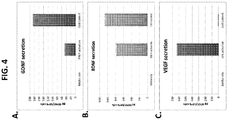
- the astrocytes display secretion of neurotrophic factors selected from the group consisting of BDNF, GDNF and VEGF.
- the oxidative stress is selected from the group consisting of reactive oxygen species (ROS), hydrogen peroxide (H 2 O 2 ), and any derivative thereof.
- ROS reactive oxygen species
- H 2 O 2 hydrogen peroxide
- the quantifying is conducted by counting the number of neurons which are under apoptosis.
- the apoptosis of said neurons is detected by Caspase-3a labeling, Annexin V, Tubulin-B3, HB9 or DAPI.
- the agent is a small molecule.
- Normal human progenitor astrocytes or astrocytes should provide an environment to prevent motor neuron death.
- the present invention in some embodiments thereof, relates to a method of identifying agents that affect human astrocytes functionality using ex-vivo differentiated pluripotent stem cells (PSC).
- PSC pluripotent stem cells
- PSC pluripotent stem cells
- the present invention further disclosed a unique and robust protocol for generating a highly homogenous population of astrocytes (>90% GFAP, S100b) from human pluripotent stem cells (hPSC).
- the differentiation protocol together with the scalable culturing technology, allow the production of large quantities of astrocytes in vitro.
- hPSC-derived astrocytes exhibit similar gene expression pattern as primary human astrocytes as well as functional properties including: I) Secretion of neurotrophic factors that protect motor neurons (BDNF, GDNF and VEGF). II) Capacity of glutamate uptake and III) Protection of neurons from oxidative stress in vitro.
- BDNF, GDNF and VEGF neurotrophic factors that protect motor neurons
- Capacity of glutamate uptake and III) Protection of neurons from oxidative stress in vitro.
- These hPSC derived astrocytes can be kept frozen and used upon need.
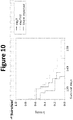
- the therapeutic properties of said human astrocytes were assessed in-vivo, for that aim the cells were transplanted intrathecally into G93A high copy number hSOD1 mice (a mouse model for ALS disease). Human astrocytes transplantation resulted in significant improvement (P ⁇ 0.05) in motor performance in all functional tests. In addition, positive effect on survival and disease duration was observed in transplanted mice.
- ALS is characterized by the death of motor neurons in the cortex, the brain stem, and the spinal cord. ALS is familial in about 5-10% of the cases and is sporadic in the rest. The course of the disease is indistinguishable between familial and sporadic ALS. The disease manifests itself late in life at an average age of 56 years, and once diagnosed, leads to complete paralysis and death within 2-5 years. In a subset of the familial patients, mutations have been found in a gene coding for copper-zinc superoxide dismutase 1 (SOD1). SOD1 is a cytosolic enzyme involved in detoxification of free radicals.
- SOD1 copper-zinc superoxide dismutase 1
- pathogenic human SOD1 protein encoding alleles in motor neurons leads to late-onset, progressive neurodegenerative disease. Studies have led to the identification of intrinsic pathogenic characteristics of ALS motor neurons, including the formation of protein aggregates, cytoskeletal abnormalities, proteosome dysfunction and increased sensitivity to cell death signals. Additionally, overproduction of pathogenic human SOD1 protein encoding alleles in other cells often found associated with motor neurons in vivo, such as but not limited to glial cells (e.g. astrocytes, Schwann cells, etc.) may result in non-cell autonomous motor neuron pathologies. Examples of a pathogenic SOD1 protein encoding allele include but are not limited to SOD1G93A, SOD1G85R, and SOD1G37R.
- Neurodegenerative diseases such as ALS, Alzheimer's disease and Parkinson's disease, are untreatable conditions that collectively represent a major healthcare burden. Improved understanding of the biology of these diseases is required in order to develop neuroprotective and ultimately reparative treatments.
- neurodegenerative diseases have been largely regarded as exclusively neuronal disorders.
- recent findings have challenged this concept, implicating non-cell-autonomous mechanisms of neurodegeneration mediated by astrocytes in acute and chronic disorders.
- Human stem cell biology allows the modeling of human astrocyte-neuronal interaction under physiological and injury paradigms. Although there are robust platforms for the generation of neural stem cells and functional neurons, the generation of enriched and functional human astrocytes is comparatively understudied.
- the mechanisms by which human astrocytes might protect diseased neurons and increase their survival are hypothesized to include: prevention of glutamate neurotoxicity, secretion of neurotrophic factors (NTF) such as BDNF and GDNF, and neurovascular modification by VEGF secretion.
- NTF neurotrophic factors
- the present invention is based in part on the generation of enriched and functional population of human pluripotent stem cells derived progenitor astrocytes and astrocytes in-vitro, and the establishment of a drug screening platform for ALS, in which the neuroprotective effect of human astrocytes on motor neurons under oxidative stress was tested.
- methods and compositions are provided for the identification, characterization and optimization of lead compounds that exhibit neuroprotective effects and enhance human astrocytes functionality.
- Agents which may be tested using the assay of the invention include small molecule agents, chemicals, peptides, proteins, polynucleotide agents (e.g. siRNA agents).
- Contacting the cells with the agent can be performed by any in-vitro method known in the art including for example, adding the agent to the cells such that the agent is in direct contact with the cells.
- the cells are incubated with the agent.
- the conditions used for incubating the cells are selected for a time period/concentration of cells/concentration of agent/ratio between cells and agent and the like, which enable the agent to induce cellular changes, such as changes in transcription and/or translation rate of specific genes, which are analyzed.
- the cells may be contacted with the agent for at least 1 day, 3 days, 5 days, 7 days, 10 days, 14 days or at least 21 days
- Candidate neuroprotective lead compounds may be added to the culture media of cells of the present invention and assayed for desirable properties.
- Compounds exhibiting desirable properties such as compounds that increase the number of viable motor neurons in a culture relative to the number of viable motor neurons in the absence of the candidate neuroprotective lead compound may be selected for further characterization and optimization.
- Compounds may be selected for their ability to increase the viability of motor neurons in a co-culture with human astrocytes, or in conditioned media thereof.
- the high-throughput screens may also be used to identify compounds capable of correcting any disease-associated phenotype, e.g., survival, apoptosis, necrosis, axonal degeneration, axonal guidance, axonal morphology, dendritic morphology, receptor density, synaptogenesis, neurogenesis, synapse density, synaptic transmission, synaptic signaling, receptor trafficking, protein trafficking, protein aggregation, proteasome activity, receptor expression, oxidative stress (ROS), FGFR-signaling and FGF signaling.
- disease-associated phenotype e.g., survival, apoptosis, necrosis, axonal degeneration, axonal guidance, axonal morphology, dendritic morphology, receptor density, synaptogenesis, neurogenesis, synapse density, synaptic transmission, synaptic signaling, receptor trafficking, protein trafficking, protein aggregation, proteasome activity, receptor expression,
- Characterization and optimization of candidate lead compounds selected for their ability to modulate a cellular phenotype include but is not limited to further screening, generation of derivatives and analogues, analysis of Absorption Distribution, Metabolism, and Excretion (ADME) characteristics, safety trials, and efficacy trials.
- optimization efforts may involve developing compounds which are designed to cross the blood brain barrier.
- Drug candidate compounds may be individual small molecules of choice (e.g., a lead compound from a previous drug screen) or in some cases, the drug candidate compounds to be screened come from a combinatorial library, i.e., a collection of diverse chemical compounds generated by either chemical synthesis or biological synthesis by combining a number of chemical "building blocks.”
- a linear combinatorial chemical library such as a polypeptide library is formed by combining a set of chemical building blocks called amino acids in every possible way for a given compound length (i.e., the number of amino acids in a polypeptide compound). Millions of chemical compounds can be synthesized through such combinatorial mixing of chemical building blocks. Indeed, theoretically, the systematic, combinatorial mixing of 100 interchangeable chemical building blocks results in the synthesis of 100 million tetrameric compounds or 10 billion pentameric compounds.
- survival is meant any process by which a cell avoids death.
- survival also refers to the prevention of cell loss as evidenced by necrosis, apoptosis, or the prevention of other mechanisms of cell loss.
- Increasing survival as used herein indicates a decrease in the rate of cell death by at least 10%, 25%, 50%, 75%, 100%, or more relative to an untreated control.
- the rate of survival may be measured by counting cells capable of being stained with a dye specific for dead cells (e.g., propidium iodide) in culture.
- the cells used in the assay of the present invention comprise astrocytes cells which have been ex-vivo differentiated from pluripotent stem cells.
- human embryonic stem cells can be isolated from human 5 blastocysts or delayed blastocyst stage (as described in WO2006/040763 ).
- Human blastocysts are typically obtained from human in-vivo preimplantation embryos or from in-vitro fertilized (IVF) embryos.
- IVF in-vitro fertilized
- a single cell human embryo can be expanded to the blastocyst stage.
- the zona pellucida is removed from the blastocyst and the inner cell mass (ICM) is isolated by immunosurgery, in which the trophectoderm cells are lysed and removed from the intact ICM by gentle pipetting.
- the ICM is then plated in a tissue culture flask containing the appropriate medium which enables its outgrowth. Following 9 to 15 days, the ICM derived outgrowth is dissociated into clumps either by a mechanical dissociation or by an enzymatic degradation and the cells are then re-plated on a fresh tissue culture medium. Colonies demonstrating undifferentiated morphology are individually selected by micropipette, mechanically dissociated into clumps, and re-plated. Resulting ES cells are then routinely split every 1-2 weeks. For further details on methods of preparation human ES cells see Thomson et al., [U.S. Pat. No. 5,843,780 ; Science 282: 1145, 1998 ; Curr. Top. Dev.
- ES cells can be purchased from the NIH human embryonic stem cells registry ( ⁇ http://escr.nih.gov>).
- Non-limiting examples of commercially available embryonic stem cell lines are BG01, BG02, BG03, SA01, TE03 (I3), TE04, TE06 (I6), HES-1, HES-2, HES-3, UC01, UC06, WA01, WA07 and WA09.
- Stem cells used by the present invention can be also derived from induced pluripotent stem cells (IPSc).
- IPSc induced pluripotent stem cells
- stem cells used in accordance with the present invention are at least 50 % purified, 75 % purified or at least 90 % purified.
- the human ES cell colonies are separated from their feeder layer (x-ray irradiated fibroblast-like cells) such as by mechanical and/or enzymatic means to provide substantially pure stem cell populations.
- human stem cells Once human stem cells are obtained, they may be treated to differentiate into astrocytes.
- An exemplary method is described in the Materials and Methods section below. It will be appreciated however, that the present method contemplates additional methods for generating astrocytes, which are known in the art.
- the culture medium used is selected according to the stem cell used.
- a medium suitable for ES cell growth can be, for example, DMEM/F12 (Sigma- Aldrich, St. Lewis, MO) or alpha MEM medium (Life Technologies Inc., Rockville, MD, USA), supplemented with supporting enzymes and hormones. These hormones can be for example insulin (ActRapid; Novo Nordisk, Bagsv ⁇ rd, DENMARK), progesterone and/or Apo transferrin (Biological Industries, Beit Haemek, Israel). Other ingredients are listed in the Examples section.
- retinoic acid refers to an active form (synthetic or natural) of vitamin A, capable of inducing neural cell differentiation.
- retinoic acid forms which can be used in accordance with the invention include, but are not limited to, retinoic acid, retinol, retinal, 11-cis-retinal, all-trans retinoic acid, 13-cis retinoic acid and 9-cis-retinoic acid (all available at Sigma- Aldrich, St. Lewis, MO).
- Retinoic acid may be used at a concentration range of 1-50 ⁇ M.
- the culture medium may be further supplemented with growth factors, which may be present at least in part of the culturing period to promote cell proliferation and facilitate differentiation into the neuronal glial lineages
- growth factors may include for example, EGF (5-50 ng/ml) and bFGF (5-50 ng/ml) (R&D Systems, Minneapolis, MN, Biotest, Dreieich, Germany).
- neurospheres refers to quasi-spherical clusters or spheres containing mainly neural stem cells and early multipotent progenitors that can differentiate into neurons, oligodendrocytes and astrocytes as well as other glial cells.
- the cells are cultured until ripened neurospheres are formed.
- ripened neurospheres refers to neurospheres in which some of the neural stem cells have differentiated to become specialized oligodendrocyte progenitors having acquired makers of the oligodendrocyte lineage (e.g. Sox10, Nkx2.2., NG2, A2B5), while others have differentiated to become neural progenitors or astrocytes progenitors.
- oligodendrocyte progenitors having acquired makers of the oligodendrocyte lineage (e.g. Sox10, Nkx2.2., NG2, A2B5), while others have differentiated to become neural progenitors or astrocytes progenitors.
- the cells may be allowed to culture, for example for 10-30 (e.g., 20-30) days, at the end of which detached neurospheres are formed.
- adherent substrates e.g. matrigel or an extracellular matrix component (e.g., collagen, laminin and fibronectin) and subjected to further expansion with growth factors and eventually to differentiation after removal of growth factors on a cationic adherent substrate (e.g. poly-D- lysine or Polyornithine with fibronectin (FN) or adherent substrates (e.g. matrigel or an extracellular matrix component (e.g., collagen, laminin and fibronectin).
- adherent substrates e.g. matrigel or an extracellular matrix component (e.g., collagen, laminin and fibronectin).
- human astrocyte progenitor cells or “human progenitor astrocytes” mean cells that can generate progeny that are mature astrocytes. Typically, the cells express some of the phenotypic markers that are characteristic of the astrocyte lineage.
- administering and “administration” refer to the process by which a therapeutically effective amount of astrocytes or medicament contemplated herein is delivered to a subject for prevention and/or treatment purposes.
- the astrocytes and medicaments are administered in accordance with good medical practices taking into account the subject's clinical condition, the site and method of administration, dosage, patient age, sex, body weight, and other factors known to physicians.
- treating refers to reversing, alleviating, or inhibiting the progress of a disease, or one or more symptoms of such disease, to which such term applies. Treating includes the management and care of a subject at diagnosis or later. A treatment may be either performed in an acute or chronic way. Depending on the condition of the subject, the term may refer to preventing a disease, and includes preventing the onset of a disease, or preventing the symptoms associated with a disease. The term also refers to reducing the severity of a disease or symptoms associated with such disease prior to affliction with the disease.
- Such prevention or reduction of the severity of a disease prior to affliction refers to administration of astrocytes or medicament comprising same, to a subject that is not at the time of administration afflicted with the disease.
- Preventing also refers to preventing the recurrence of a disease or of one or more symptoms associated with such disease.
- An objective of treatment is to combat the disease and includes administration of the astrocytes to prevent or delay the onset of the symptoms or complications, or alleviating the symptoms or complications, or eliminating or partially eliminating the disease.
- treatment and “therapeutically,” refer to the act of treating, as “treating” is defined above.
- subject refers to an animal including a warm-blooded animal such as a mammal.
- the term "healthy subject” means a subject, in particular a mammal, having no diagnosed or symptoms of ALS.
- a "pharmaceutical composition” refers to a preparation of one or more of the active ingredients or cells described herein with other chemical components such as physiologically suitable carriers and excipients.
- the purpose of a pharmaceutical composition is to facilitate administration of cells or compound to an organism.
- active ingredient refers to an agent which enhance survival or neural function of the population of motor neurons.
- physiologically acceptable carrier and “pharmaceutically acceptable carrier” which may be interchangeably used refer to a carrier or a diluent that does not cause significant irritation to an organism and does not abrogate the biological activity and properties of the administered compound.
- An adjuvant is included under these phrases.
- excipient refers to an inert substance added to a pharmaceutical composition to further facilitate administration of an active ingredient.
- excipients include calcium carbonate, calcium phosphate, various sugars and types of starch, cellulose derivatives, gelatin, vegetable oils and polyethylene glycols.
- “Therapeutically effective amount” relates to the amount or dose of astrocytes or medicament thereof, that will lead to one or more desired effects, in particular, one or more beneficial effects.
- a therapeutically effective amount of a substance can vary according to factors such as the disease state, age, sex, and weight of the subject, and the ability of the substance to elicit a desired response in the subject.
- a dosage regimen may be adjusted to provide the optimum therapeutic response (e.g. beneficial effects, more particularly sustained beneficial effects). For example, several divided doses may be administered daily or the dose may be proportionally reduced as indicated by the exigencies of the therapeutic situation.
- Induced multipotent and pluripotent stem cell lines are referred to as “induced stem cell lines” (iSC lines) herein.
- Induced pluripotent stem cells are referred to as iPS cells or iPSCs.
- Correcting a phenotype refers to altering a phenotype such that it more closely approximates a normal phenotype.
- compositions, method or structure may include additional ingredients, steps and/or parts, but only if the additional ingredients, steps and/or parts do not materially alter the basic and novel characteristics of the claimed composition, method or structure.
- range format is merely for convenience and brevity and should not be construed as an inflexible limitation on the scope of the invention. Accordingly, the description of a range should be considered to have specifically disclosed all the possible sub-ranges as well as individual numerical values within that range. For example, description of a range such as from 1 to 6 should be considered to have specifically disclosed sub ranges such as from 1 to 3, from 1 to 4, from 1 to 5, from 2 to 4, from 2 to 6, from 3 to 6 etc., as well as individual numbers within that range, for example, 1, 2, 3, 4, 5, and 6. This applies regardless of the breadth of the range.
- method refers to manners, means, techniques and procedures for accomplishing a given task including, but not limited to, those manners, means, techniques and procedures either known to, or readily developed from known manners, means, techniques and procedures by practitioners of the chemical, pharmacological, biological, biochemical and medical arts.
- Human ES cell lines were cultured at 37 °C in 5 % CO 2 on feeder layers of human new-born foreskin fibroblasts (HEF).
- the growth medium (ES1) consisted of DMEM/F12 (Sigma), 14 % knockout serum replacement (KSR), nonessential amino acids (1/100), 0.1 mM beta-mercaptoethanol (all three from Invitrogen/Gibco), 1 mM Na pyruvate, 2 ⁇ g/ml heparin (Sigma) and 8 ng/ml human recombinant basic FGF (FGF-2; Preprotech).
- hES cell colonies Five days after seeding, hES cell colonies were detached with 1.2 mg/ml collagenase IV (Worthington) for 45-90 minutes at 37 °C. The aggregates were further cultured as above, or subjected to differentiation as described ( Izrael et al Mol Cell Neurosci 34, 310-323 (2007 ).
- Step 1 Generation of motor neurons from spinal cords of rodents
- the spinal cords from rat embryos were used for each experiment. The meninges were removed from all spinal cords. The spinal cord tissues were chopped to small fragments and divided to 15 ml tubes (five embryos per tube). Trypsin (2 ml, 0.25%) (Gibco #250050014) was added to each tube and incubated for 15 min at 37°C. The cells were re-suspended in NB medium (7 ml) and FCS (1 ml), centrifuged at 300g for five minutes and the supernatant was aspirated. The pellet was re-suspended in NB medium (2 ml).
- Single cells were counted and seeded (120K cell/well) on matrigel (BD #FAL354230) coated 96 well plates (Costar #cc-3596).
- the cells were cultured in NB medium supplemented with 50ng/ml NGF (Alomone #n-100), with 2-day medium changes. Characterization of the motor neurons was conducted after three days of culture. The neurons were stained with Tubulin-b3, Neurofilament and HB9 (motor neuron specific transcription factor). At least 70% of the neurons were positive for these antibodies.
- Step 2 Astrocytes seeding
- the astrocytes were seeded on day 8-10 (after spinal cord operation). Cells were cultured with NB medium supplemented with 50ng/ml NGF (Alomone #n-100).
- Step 3 Astrocyte condition medium generation
- ACM astrocyte condition medium
- Step 4 Oxidative stress induction (conducted on day 9-10)
- 50 ⁇ M or 150 ⁇ M H 2 O 2 (Sigma # 216763) was diluted in N2B27 supplemented with Vitamin C or ACM (150 ⁇ l) and added to each well of the plates seeded with the astrocytes. The plates were incubated for 6hrs at 37°C.
- the plates were fixed with 4% PFA, 100 ⁇ l/well for 10 minutes, and then the plates were washed twice and stored at 4°C until staining.
- Step 5 Motor neurons cell death analysis:
- the cells were incubated with blocking buffer supplemented with Tx-100 0.3% (sigma) for 1hr at room temperature (RT), then washed with PBS (-/-).
- the cells were incubated with the following Antibodies for 1hr at RT: 1 st Antibodies- Rb-anti Caspase-3a (Promega # G7481) (1:250) M-anti- ⁇ -Tub3 (Convence # MMS-435P) (1:500) Rb-anti-HB9 (Abcam # AB-ab92606) (1:100)
- the cells were washed twice using PBS (-/-), and incubated with the following Antibodies for 1hr at RT: 2 nd Antibodies- Goat-anti-Rb-568 (Invitrogen # A11036) (1:1000) Goat-anti-mouse-488 (Invitrogen #A11029) (1:1000)
- the cells were washed twice using PBS (-/-), labeled with DAPI (1:1000), incubated for 5 min and washed twice using PBS (-/-).
- the HCS analysis was conducted using the Scan Array -Cellomics (Thermo-scientific inc).
- N2B27 medium N2B27 medium
- FACS buffer PBS (Gibco #14190-094) 99.5% BSA (sigma #A9418) 0.5%
- Cells were trypsinized for 3 minutes using trypsin (Gibco), inactivated with DTI (Gibco) supplemented with 2mg/ml BSA (Sigma, Cat#: A9418) in DMEM/F12 (Sigma). Cells were collected with the media into conical tube, centrifuged at 300g for 5 minutes at RT and the supernatant was discarded. Cells were re-suspended with cold PBS Buffer (Gibco, Cat#: 14190-094), centrifuged at 300g for 5 minutes at RT and the supernatant was discarded.
- Cells were incubated with Tx-100 0.5% for 30 minutes at 4°C to permeabilize the cell membrane. Cells were centrifuged at 300g for 5 minutes, the supernatant was discarded. Cells were re-suspended in PBS, centrifuged at 300g for 5 minutes and the supernatant was discarded.
- the unconjugated primary antibody and the unconjugated isotype control antibody were diluted separately in FB.
- Primary antibody was diluted at the optimal dilution according to the manufacturer's instructions.
- Cells were re-suspended with the diluted primary antibody or diluted isotype control antibody and incubated for 30 min at 4°C.
- the fluorochrome conjugated primary antibody was diluted in FB according to the manufacturer's instructions. Cells were re-suspended with the conjugated primary antibody and incubated for 15 min at 4°C in dark. Cells were centrifuged at 300g for 5 minutes and the supernatant was discarded. Cells were re-suspended with FB and centrifuged at 300g for 5 minutes and the supernatant was discarded. Cells were re-suspended in 0.5 ml PBS and analyzed on flow cytometer.
- RNA samples were extracted from hPSC derived astrocytes at different developmental stages;
- Trypsin (Invitrogen#25200-056) was added to the cell sample (1 ⁇ 10 ⁇ 6-10 ⁇ 10 ⁇ 6 cells). Cells were incubated for 5 minutes at 37°C. Trypsin was inactivated by addition of 2 volumes of 2mg/ml BSA (Sigma). Cells were centrifuged at 300rpm and supernatant was removed. Pellet was re-suspended in 1ml of RLT (Qiagen) and 10 ⁇ L beta-mercaptoethanol, and stored at -80C.
- RLT Qiagen
- Reverse Transcription was carried out using the High Capacity cDNA Reverse Transcription Kit (Applied Biosystems) and T-Professional basic gradient. The following procedure was based on Invitrogen's protocol.
- RNA/primer mixture was prepared in each tube: RT Buffer 2 ⁇ l Total RNA 1 ⁇ g RT random primers 1 ⁇ l RNase inhibitor 1 ⁇ l Reverse transcriptase 1 ⁇ l 100mM dNTP mix 0.8 ⁇ l DEPC H 2 O to 10 ⁇ l
- thermocycler The automated thermocycler was programed for:
- cDNA was stored at -20°C until use for real-time PCR.
- hPSC derived astrocytes were grown in the absence of growth factors (EGF+bFGF) for at least 20 days.
- Human astrocytes were generated as described above ("Generation of the astrocytes used for the assay") going through steps 1 until 8. For transplantation, human astrocytes precursor cells were allowed to differentiate by removal of growth factors. Two cell populations were used for the experiment: one that was grown in the absence of growth factors for 7 days (“Day7”) and the other for 42 days (“day42”). Human astrocytes of "day7” and “day42” were suspended in DMEM/F12 at a concentration of 2.85 ⁇ 10 5 cells/ ⁇ L.
- mice were immunosuppressed via daily I.P. injections of 10 mg/Kg Cyclosporine (Sandimmun, Novartis) starting 3 days prior transplantation until the end of the experiment, in addition 15mg/kg CellCept (Roche) (per O.S) was given twice a day starting 3 days prior transplantation until day7 after transplantation.
- Immune suppressed animals received transplants at 67 ⁇ 2 days (All groups) and 97 ⁇ 2 (group#3). 7 ⁇ l of media or 2.0 ⁇ 10 6 cells in total volume of 7 ⁇ l were injected Intrathecal through the Cisterna Magna. Cells were delivered using a Hamilton Gastight syringe (10 ⁇ L) with an attached 30-gauge 45° beveled needle (Hamilton; Reno, NV). After the completion of the transplantation session, cell viability was assessed using Nucleocounter and was found to be greater than 85%.
- mice carrying the human SOD1 gene with the G93A mutation were used (B6SJL-Tg(SOD1 ⁇ G93A)1Gur/J). Male and female mice were distributed evenly between experimental groups. Mice were obtained from The Jackson Laboratory (Bar Harbor, ME), and maintained as an in-house colony.
- mice were housed at standard temperature (21°C) and in a light controlled environment with ad libitum access to the food and water, and were maintained in racks of ventilated cages located in the same room. In order to avoid dehydration, access to cage water dishes was provided when animals started to show disease symptoms.
- Motor function was conducted twice a week. Motor function was tested using an acceleration Rota-Rod device (for 180 seconds, Rota-Rod 7650; Ugo Basile, Comerio, Italy). The time by which a mouse failed from the rod was recorded. Animals were trained for one week prior to recording. Recording started one week before implantation.
- Scoring is on the scale of 0 to 5, according to the table below. Mice may be given "in-between” scores (i.e. 0.5, 1.5, 2.5, 3.5) when the clinical picture lies between two defined scores.
- mice are given "in-between" scores (i.e. 0.5, 1.5, 2.5, 3.5) when the clinical picture lies between two defined scores. In most cases mice reach clinical score of 3.5-4 and their clinical signs are worsening from that point forward.
- Body weight was measure twice a week.
- endstage was defined by the inability of mice to right themselves within 30 seconds when placed on their sides.
- HuNA human nuclear antigen; Millipore; Temecula, CA; monoclonal; 1:400
Landscapes
- Health & Medical Sciences (AREA)
- Engineering & Computer Science (AREA)
- Life Sciences & Earth Sciences (AREA)
- Biomedical Technology (AREA)
- Chemical & Material Sciences (AREA)
- Bioinformatics & Cheminformatics (AREA)
- Cell Biology (AREA)
- Neurology (AREA)
- Biotechnology (AREA)
- General Health & Medical Sciences (AREA)
- Organic Chemistry (AREA)
- Immunology (AREA)
- Zoology (AREA)
- Neurosurgery (AREA)
- Medicinal Chemistry (AREA)
- Wood Science & Technology (AREA)
- Genetics & Genomics (AREA)
- Microbiology (AREA)
- Biochemistry (AREA)
- Urology & Nephrology (AREA)
- Molecular Biology (AREA)
- Hematology (AREA)
- Developmental Biology & Embryology (AREA)
- Animal Behavior & Ethology (AREA)
- Public Health (AREA)
- Veterinary Medicine (AREA)
- Pharmacology & Pharmacy (AREA)
- General Engineering & Computer Science (AREA)
- Nuclear Medicine, Radiotherapy & Molecular Imaging (AREA)
- General Chemical & Material Sciences (AREA)
- Chemical Kinetics & Catalysis (AREA)
- Analytical Chemistry (AREA)
- Pathology (AREA)
- General Physics & Mathematics (AREA)
- Food Science & Technology (AREA)
- Physics & Mathematics (AREA)
- Tropical Medicine & Parasitology (AREA)
- Toxicology (AREA)
- Ophthalmology & Optometry (AREA)
- Virology (AREA)
Claims (7)
- Verfahren zum Screening eines Agens zum Vorbeugen oder Behandeln von Amyotropher Lateralsklerose (ALS), wobei das Verfahren umfasst:(a) in Kontakt bringen einer Population von Astrozyten, wobei die Astrozyten aus pluripotenten Stammzellen (PSC) ex-vivo differenziert wurden, und/oder einer Population von Astrozyten-Vorläuferzellen mit dem Agens;(b) Co-Kultivieren der Population von Astrozyten aus Schritt (a) mit einer Population von unter Stress stehenden Neuronen ausgewählt unter Hypoxie, oxidativem Stress, Glutamat-Toxizität oder AMPA/Kainat-Toxizität; und(c) Quantifizieren eines Effektes des Agens das Überleben oder neurale Funktionen der Population von Neuronen zu verstärken.
- Verfahren nach Anspruch 1, wobei in Schritt (b) das Verhältnis der Population von Astrozyten zu Neuronen größer ist als 1:1, 10:1, 100:1, 1000:1, oder 10.000:1.
- Verfahren nach Anspruch 1, wobei die Astrozyten jedes von GFAP, GLAST, AQP4, oder einer Kombination daraus exprimieren; oder
eine Sekretion neurotropher Faktoren ausgewählt aus der Gruppe bestehend aus BDNF, GDNF und VEGF zeigen. - Verfahren nach Anspruch 1, wobei der oxidative Stress ausgewählt ist aus der Gruppe bestehend aus reaktiven Sauerstoffspezies (ROS), H2O2, und jedem Derivat davon.
- Verfahren nach Anspruch 1, wobei das Quantifizieren durch Zählen der Anzahl von Neuronen durchgeführt wird, die unter Apoptose stehen.
- Verfahren nach Anspruch 5, wobei die Apoptose durch Caspase-3a-Markierung, Annexin V, Tubulin-B3, HB9 oder DAPI erfasst wird.
- Verfahren nach Anspruch 1, wobei das Agens ein kleines Molekül ist.
Applications Claiming Priority (3)
| Application Number | Priority Date | Filing Date | Title |
|---|---|---|---|
| US201361885018P | 2013-10-01 | 2013-10-01 | |
| US201462013003P | 2014-06-17 | 2014-06-17 | |
| PCT/IL2014/050846 WO2015049677A1 (en) | 2013-10-01 | 2014-09-23 | Directed differentiation of astrocytes from human pluripotent stem cells for use in drug screening and the treatment of amyotrophic lateral sclerosis (als) |
Publications (3)
| Publication Number | Publication Date |
|---|---|
| EP3052191A1 EP3052191A1 (de) | 2016-08-10 |
| EP3052191A4 EP3052191A4 (de) | 2017-03-08 |
| EP3052191B1 true EP3052191B1 (de) | 2020-03-18 |
Family
ID=52778320
Family Applications (1)
| Application Number | Title | Priority Date | Filing Date |
|---|---|---|---|
| EP14851149.6A Active EP3052191B1 (de) | 2013-10-01 | 2014-09-23 | Gezielte differenzierung von astrozyten aus menschlichen pluripotenten stammzellen zur verwendung im drogenscreening und zur behandlung von amyotropher lateralsklerose (als) |
Country Status (11)
| Country | Link |
|---|---|
| US (3) | US20160237404A1 (de) |
| EP (1) | EP3052191B1 (de) |
| JP (2) | JP6474795B2 (de) |
| KR (1) | KR20160058822A (de) |
| CN (2) | CN119587584A (de) |
| AU (2) | AU2014330807B2 (de) |
| BR (1) | BR112016006851A2 (de) |
| CA (1) | CA2926180A1 (de) |
| ES (1) | ES2796853T3 (de) |
| IL (1) | IL244808B (de) |
| WO (1) | WO2015049677A1 (de) |
Families Citing this family (12)
| Publication number | Priority date | Publication date | Assignee | Title |
|---|---|---|---|---|
| EP2064319B1 (de) | 2006-08-28 | 2017-02-22 | Yeda Research and Development Co. Ltd. | Verfahren zur erzeugung von glia- und neuronalen zellen und verwendung davon für die behandlung medizinischer leiden des zns |
| RU2646446C1 (ru) * | 2016-06-02 | 2018-03-05 | Федеральное государственное бюджетное учреждение науки Институт молекулярной генетики Российской академии наук | Способ оценки нейропротекторных свойств веществ in vitro и тест-система для его осуществления |
| EP3510146B1 (de) * | 2016-09-12 | 2026-02-11 | President and Fellows of Harvard College | Transkriptionsfaktoren, die die differenzierung von stammzellen regulieren |
| AU2018239426A1 (en) * | 2017-03-21 | 2019-10-03 | Memorial Sloan-Kettering Cancer Center | Stem cell-derived astrocytes, methods of making and methods of use |
| EP3717654A4 (de) | 2017-12-01 | 2021-11-10 | President And Fellows Of Harvard College | Verfahren und zusammensetzungen zur herstellung von oligodendrocyten vorläuferzellen |
| US11788131B2 (en) | 2018-04-06 | 2023-10-17 | President And Fellows Of Harvard College | Methods of identifying combinations of transcription factors |
| JP7142694B2 (ja) * | 2018-06-06 | 2022-09-27 | 富士フイルム株式会社 | ヒトa1アストロサイトの製造方法、ヒトa1アストロサイト、及び被験物質の評価方法 |
| EP3851521A4 (de) * | 2018-09-14 | 2022-06-29 | Keio University | Verfahren zur herstellung von astrozyten |
| KR20220027089A (ko) | 2019-05-31 | 2022-03-07 | 프레지던트 앤드 펠로우즈 오브 하바드 칼리지 | Sox9-유도된 핍지교세포 전구 세포 |
| WO2021132600A1 (ja) | 2019-12-27 | 2021-07-01 | 株式会社Rainbow | 頭蓋内に安全に細胞を投与するための総合システム |
| US20230049017A1 (en) * | 2020-01-13 | 2023-02-16 | Corestem Co., Ltd | Differentiation method for procuring large amount of cells by chopping 3d organoids prepared from human pluripotent stem cells |
| US20220387514A1 (en) * | 2021-06-02 | 2022-12-08 | Kadimastem Ltd. | Methods of treating acute respiratory distress syndrome |
Family Cites Families (30)
| Publication number | Priority date | Publication date | Assignee | Title |
|---|---|---|---|---|
| NL154600B (nl) | 1971-02-10 | 1977-09-15 | Organon Nv | Werkwijze voor het aantonen en bepalen van specifiek bindende eiwitten en hun corresponderende bindbare stoffen. |
| NL154598B (nl) | 1970-11-10 | 1977-09-15 | Organon Nv | Werkwijze voor het aantonen en bepalen van laagmoleculire verbindingen en van eiwitten die deze verbindingen specifiek kunnen binden, alsmede testverpakking. |
| NL154599B (nl) | 1970-12-28 | 1977-09-15 | Organon Nv | Werkwijze voor het aantonen en bepalen van specifiek bindende eiwitten en hun corresponderende bindbare stoffen, alsmede testverpakking. |
| US3901654A (en) | 1971-06-21 | 1975-08-26 | Biological Developments | Receptor assays of biologically active compounds employing biologically specific receptors |
| US3853987A (en) | 1971-09-01 | 1974-12-10 | W Dreyer | Immunological reagent and radioimmuno assay |
| US3867517A (en) | 1971-12-21 | 1975-02-18 | Abbott Lab | Direct radioimmunoassay for antigens and their antibodies |
| NL171930C (nl) | 1972-05-11 | 1983-06-01 | Akzo Nv | Werkwijze voor het aantonen en bepalen van haptenen, alsmede testverpakkingen. |
| US3850578A (en) | 1973-03-12 | 1974-11-26 | H Mcconnell | Process for assaying for biologically active molecules |
| US3935074A (en) | 1973-12-17 | 1976-01-27 | Syva Company | Antibody steric hindrance immunoassay with two antibodies |
| US3996345A (en) | 1974-08-12 | 1976-12-07 | Syva Company | Fluorescence quenching with immunological pairs in immunoassays |
| US4034074A (en) | 1974-09-19 | 1977-07-05 | The Board Of Trustees Of Leland Stanford Junior University | Universal reagent 2-site immunoradiometric assay using labelled anti (IgG) |
| US3984533A (en) | 1975-11-13 | 1976-10-05 | General Electric Company | Electrophoretic method of detecting antigen-antibody reaction |
| US4098876A (en) | 1976-10-26 | 1978-07-04 | Corning Glass Works | Reverse sandwich immunoassay |
| US4879219A (en) | 1980-09-19 | 1989-11-07 | General Hospital Corporation | Immunoassay utilizing monoclonal high affinity IgM antibodies |
| US5011771A (en) | 1984-04-12 | 1991-04-30 | The General Hospital Corporation | Multiepitopic immunometric assay |
| US4666828A (en) | 1984-08-15 | 1987-05-19 | The General Hospital Corporation | Test for Huntington's disease |
| US4683202A (en) | 1985-03-28 | 1987-07-28 | Cetus Corporation | Process for amplifying nucleic acid sequences |
| US4801531A (en) | 1985-04-17 | 1989-01-31 | Biotechnology Research Partners, Ltd. | Apo AI/CIII genomic polymorphisms predictive of atherosclerosis |
| US5272057A (en) | 1988-10-14 | 1993-12-21 | Georgetown University | Method of detecting a predisposition to cancer by the use of restriction fragment length polymorphism of the gene for human poly (ADP-ribose) polymerase |
| US5192659A (en) | 1989-08-25 | 1993-03-09 | Genetype Ag | Intron sequence analysis method for detection of adjacent and remote locus alleles as haplotypes |
| US5281521A (en) | 1992-07-20 | 1994-01-25 | The Trustees Of The University Of Pennsylvania | Modified avidin-biotin technique |
| US5843780A (en) | 1995-01-20 | 1998-12-01 | Wisconsin Alumni Research Foundation | Primate embryonic stem cells |
| EP1755647B1 (de) * | 2004-05-27 | 2010-08-25 | VIB, vzw | Behandlung von amyotrohper lateralsklerose |
| WO2006040763A2 (en) | 2004-10-12 | 2006-04-20 | Technion Research & Development Foundation Ltd. | Isolated primate embryonic cells and methods of generating and using same |
| WO2007025306A1 (en) * | 2005-08-26 | 2007-03-01 | University Of Rochester | Transplantation of glial restricted precursor-derived astrocytes for promotion of axon growth |
| EP2064319B1 (de) * | 2006-08-28 | 2017-02-22 | Yeda Research and Development Co. Ltd. | Verfahren zur erzeugung von glia- und neuronalen zellen und verwendung davon für die behandlung medizinischer leiden des zns |
| EP2620493B1 (de) * | 2008-05-28 | 2019-03-27 | Ramot at Tel Aviv University Ltd. | Mesenchymale Stammzellen zur Behandlung von Erkrankungen des Zentralnervensystems |
| EP2334804B1 (de) * | 2008-10-07 | 2013-12-04 | True North Therapeutics, Inc. | Kokulturzusammensetzungen und -verfahren |
| JP2012530054A (ja) * | 2009-06-10 | 2012-11-29 | ブレインステム バイオテック リミテッド | 多能性ストローマ細胞のニューロン分化のための方法、システム及び組成物 |
| WO2013076726A1 (en) * | 2011-11-21 | 2013-05-30 | Ramot At Tel-Aviv University Ltd. | Stem cell-derived neural cells for cell therapy in neurological disorders |
-
2014
- 2014-09-23 CN CN202411652013.7A patent/CN119587584A/zh active Pending
- 2014-09-23 CA CA2926180A patent/CA2926180A1/en active Pending
- 2014-09-23 WO PCT/IL2014/050846 patent/WO2015049677A1/en not_active Ceased
- 2014-09-23 EP EP14851149.6A patent/EP3052191B1/de active Active
- 2014-09-23 AU AU2014330807A patent/AU2014330807B2/en active Active
- 2014-09-23 KR KR1020167008675A patent/KR20160058822A/ko not_active Ceased
- 2014-09-23 ES ES14851149T patent/ES2796853T3/es active Active
- 2014-09-23 US US15/025,946 patent/US20160237404A1/en not_active Abandoned
- 2014-09-23 JP JP2016520086A patent/JP6474795B2/ja active Active
- 2014-09-23 CN CN201480054641.3A patent/CN105960453A/zh active Pending
- 2014-09-23 BR BR112016006851A patent/BR112016006851A2/pt not_active Application Discontinuation
-
2016
- 2016-03-29 IL IL244808A patent/IL244808B/en active IP Right Grant
-
2018
- 2018-01-05 US US15/863,016 patent/US20180230427A1/en not_active Abandoned
- 2018-08-13 JP JP2018152497A patent/JP6983128B2/ja active Active
-
2019
- 2019-09-09 US US16/564,893 patent/US20210054334A1/en active Pending
-
2020
- 2020-10-01 AU AU2020244551A patent/AU2020244551B2/en active Active
Non-Patent Citations (1)
| Title |
|---|
| None * |
Also Published As
| Publication number | Publication date |
|---|---|
| JP6474795B2 (ja) | 2019-02-27 |
| AU2020244551B2 (en) | 2022-08-11 |
| WO2015049677A1 (en) | 2015-04-09 |
| US20210054334A1 (en) | 2021-02-25 |
| US20160237404A1 (en) | 2016-08-18 |
| JP2018172441A (ja) | 2018-11-08 |
| IL244808A0 (en) | 2016-05-31 |
| JP6983128B2 (ja) | 2021-12-17 |
| CA2926180A1 (en) | 2015-04-09 |
| EP3052191A4 (de) | 2017-03-08 |
| JP2016535248A (ja) | 2016-11-10 |
| IL244808B (en) | 2021-03-25 |
| AU2014330807B2 (en) | 2020-07-02 |
| AU2020244551A1 (en) | 2020-10-29 |
| CN105960453A (zh) | 2016-09-21 |
| ES2796853T3 (es) | 2020-11-30 |
| EP3052191A1 (de) | 2016-08-10 |
| US20180230427A1 (en) | 2018-08-16 |
| KR20160058822A (ko) | 2016-05-25 |
| CN119587584A (zh) | 2025-03-11 |
| BR112016006851A2 (pt) | 2017-08-01 |
Similar Documents
| Publication | Publication Date | Title |
|---|---|---|
| EP3052191B1 (de) | Gezielte differenzierung von astrozyten aus menschlichen pluripotenten stammzellen zur verwendung im drogenscreening und zur behandlung von amyotropher lateralsklerose (als) | |
| US11406670B2 (en) | Methods of generating glial and neuronal cells and use of same for the treatment of medical conditions of the CNS | |
| AU2014330807A1 (en) | Directed differentiation of astrocytes from human pluripotent stem cells for use in drug screening and the treatment of Amyotrophic Lateral Sclerosis (ALS) | |
| JP6461602B2 (ja) | 移植用中脳ドーパミン(da)ニューロン | |
| US20150250825A1 (en) | Dopaminergic neurons differentiated from pluripotent stem cells and uses thereof | |
| US20230233617A1 (en) | Methods for differentiating stem cells into dopaminergic progenitor cells | |
| EP3149155B1 (de) | Verfahren zur induzierung der myelinisierung und reifung von oligodendrozyten | |
| TWI642780B (zh) | 從人類滋養層幹細胞中生成神經幹細胞 | |
| Wilcox et al. | Synaptically-competent neurons derived from canine embryonic stem cells by lineage selection with EGF and Noggin | |
| US20200003757A1 (en) | Method of identifying agents that affect maturation, survival and myelination | |
| WO2010059738A1 (en) | Differentiation of stem cells into dopaminergic cells | |
| HK1227932A1 (en) | Directed differentiation of astrocytes from human pluripotent stem cells for use in drug screening and the treatment of amyotrophic lateral sclerosis (als) | |
| Lai et al. | Synaptically-competent neurons derived from canine embryonic stem cells by lineage selection with EGF and noggin | |
| Wilcox et al. | Synaptically-Competent Neurons Derived from Canine Embryonic Stem Cells by Lineage | |
| HK40090062A (zh) | 将干细胞分化为多巴胺能祖细胞的方法 |
Legal Events
| Date | Code | Title | Description |
|---|---|---|---|
| PUAI | Public reference made under article 153(3) epc to a published international application that has entered the european phase |
Free format text: ORIGINAL CODE: 0009012 |
|
| 17P | Request for examination filed |
Effective date: 20160401 |
|
| AK | Designated contracting states |
Kind code of ref document: A1 Designated state(s): AL AT BE BG CH CY CZ DE DK EE ES FI FR GB GR HR HU IE IS IT LI LT LU LV MC MK MT NL NO PL PT RO RS SE SI SK SM TR |
|
| AX | Request for extension of the european patent |
Extension state: BA ME |
|
| DAX | Request for extension of the european patent (deleted) | ||
| REG | Reference to a national code |
Ref country code: DE Ref legal event code: R079 Ref document number: 602014062651 Country of ref document: DE Free format text: PREVIOUS MAIN CLASS: A61P0025280000 Ipc: C12N0005079300 |
|
| A4 | Supplementary search report drawn up and despatched |
Effective date: 20170208 |
|
| RIC1 | Information provided on ipc code assigned before grant |
Ipc: A61P 25/28 20060101ALI20170202BHEP Ipc: C12N 5/0793 20100101AFI20170202BHEP Ipc: C12N 5/07 20100101ALI20170202BHEP Ipc: G01N 33/50 20060101ALI20170202BHEP Ipc: A61K 35/30 20150101ALI20170202BHEP Ipc: C12N 5/079 20100101ALI20170202BHEP Ipc: C12N 5/0735 20100101ALI20170202BHEP |
|
| STAA | Information on the status of an ep patent application or granted ep patent |
Free format text: STATUS: EXAMINATION IS IN PROGRESS |
|
| 17Q | First examination report despatched |
Effective date: 20180221 |
|
| GRAP | Despatch of communication of intention to grant a patent |
Free format text: ORIGINAL CODE: EPIDOSNIGR1 |
|
| STAA | Information on the status of an ep patent application or granted ep patent |
Free format text: STATUS: GRANT OF PATENT IS INTENDED |
|
| INTG | Intention to grant announced |
Effective date: 20191016 |
|
| GRAS | Grant fee paid |
Free format text: ORIGINAL CODE: EPIDOSNIGR3 |
|
| GRAA | (expected) grant |
Free format text: ORIGINAL CODE: 0009210 |
|
| STAA | Information on the status of an ep patent application or granted ep patent |
Free format text: STATUS: THE PATENT HAS BEEN GRANTED |
|
| AK | Designated contracting states |
Kind code of ref document: B1 Designated state(s): AL AT BE BG CH CY CZ DE DK EE ES FI FR GB GR HR HU IE IS IT LI LT LU LV MC MK MT NL NO PL PT RO RS SE SI SK SM TR |
|
| REG | Reference to a national code |
Ref country code: GB Ref legal event code: FG4D |
|
| REG | Reference to a national code |
Ref country code: DE Ref legal event code: R096 Ref document number: 602014062651 Country of ref document: DE |
|
| REG | Reference to a national code |
Ref country code: AT Ref legal event code: REF Ref document number: 1245925 Country of ref document: AT Kind code of ref document: T Effective date: 20200415 Ref country code: IE Ref legal event code: FG4D |
|
| REG | Reference to a national code |
Ref country code: CH Ref legal event code: NV Representative=s name: ROMAN VUILLE, CH |
|
| PG25 | Lapsed in a contracting state [announced via postgrant information from national office to epo] |
Ref country code: NO Free format text: LAPSE BECAUSE OF FAILURE TO SUBMIT A TRANSLATION OF THE DESCRIPTION OR TO PAY THE FEE WITHIN THE PRESCRIBED TIME-LIMIT Effective date: 20200618 Ref country code: FI Free format text: LAPSE BECAUSE OF FAILURE TO SUBMIT A TRANSLATION OF THE DESCRIPTION OR TO PAY THE FEE WITHIN THE PRESCRIBED TIME-LIMIT Effective date: 20200318 Ref country code: RS Free format text: LAPSE BECAUSE OF FAILURE TO SUBMIT A TRANSLATION OF THE DESCRIPTION OR TO PAY THE FEE WITHIN THE PRESCRIBED TIME-LIMIT Effective date: 20200318 |
|
| REG | Reference to a national code |
Ref country code: NL Ref legal event code: MP Effective date: 20200318 |
|
| PG25 | Lapsed in a contracting state [announced via postgrant information from national office to epo] |
Ref country code: BG Free format text: LAPSE BECAUSE OF FAILURE TO SUBMIT A TRANSLATION OF THE DESCRIPTION OR TO PAY THE FEE WITHIN THE PRESCRIBED TIME-LIMIT Effective date: 20200618 Ref country code: LV Free format text: LAPSE BECAUSE OF FAILURE TO SUBMIT A TRANSLATION OF THE DESCRIPTION OR TO PAY THE FEE WITHIN THE PRESCRIBED TIME-LIMIT Effective date: 20200318 Ref country code: SE Free format text: LAPSE BECAUSE OF FAILURE TO SUBMIT A TRANSLATION OF THE DESCRIPTION OR TO PAY THE FEE WITHIN THE PRESCRIBED TIME-LIMIT Effective date: 20200318 Ref country code: GR Free format text: LAPSE BECAUSE OF FAILURE TO SUBMIT A TRANSLATION OF THE DESCRIPTION OR TO PAY THE FEE WITHIN THE PRESCRIBED TIME-LIMIT Effective date: 20200619 Ref country code: HR Free format text: LAPSE BECAUSE OF FAILURE TO SUBMIT A TRANSLATION OF THE DESCRIPTION OR TO PAY THE FEE WITHIN THE PRESCRIBED TIME-LIMIT Effective date: 20200318 |
|
| REG | Reference to a national code |
Ref country code: LT Ref legal event code: MG4D |
|
| PG25 | Lapsed in a contracting state [announced via postgrant information from national office to epo] |
Ref country code: NL Free format text: LAPSE BECAUSE OF FAILURE TO SUBMIT A TRANSLATION OF THE DESCRIPTION OR TO PAY THE FEE WITHIN THE PRESCRIBED TIME-LIMIT Effective date: 20200318 |
|
| PG25 | Lapsed in a contracting state [announced via postgrant information from national office to epo] |
Ref country code: SK Free format text: LAPSE BECAUSE OF FAILURE TO SUBMIT A TRANSLATION OF THE DESCRIPTION OR TO PAY THE FEE WITHIN THE PRESCRIBED TIME-LIMIT Effective date: 20200318 Ref country code: IS Free format text: LAPSE BECAUSE OF FAILURE TO SUBMIT A TRANSLATION OF THE DESCRIPTION OR TO PAY THE FEE WITHIN THE PRESCRIBED TIME-LIMIT Effective date: 20200718 Ref country code: LT Free format text: LAPSE BECAUSE OF FAILURE TO SUBMIT A TRANSLATION OF THE DESCRIPTION OR TO PAY THE FEE WITHIN THE PRESCRIBED TIME-LIMIT Effective date: 20200318 Ref country code: PT Free format text: LAPSE BECAUSE OF FAILURE TO SUBMIT A TRANSLATION OF THE DESCRIPTION OR TO PAY THE FEE WITHIN THE PRESCRIBED TIME-LIMIT Effective date: 20200812 Ref country code: SM Free format text: LAPSE BECAUSE OF FAILURE TO SUBMIT A TRANSLATION OF THE DESCRIPTION OR TO PAY THE FEE WITHIN THE PRESCRIBED TIME-LIMIT Effective date: 20200318 Ref country code: EE Free format text: LAPSE BECAUSE OF FAILURE TO SUBMIT A TRANSLATION OF THE DESCRIPTION OR TO PAY THE FEE WITHIN THE PRESCRIBED TIME-LIMIT Effective date: 20200318 Ref country code: RO Free format text: LAPSE BECAUSE OF FAILURE TO SUBMIT A TRANSLATION OF THE DESCRIPTION OR TO PAY THE FEE WITHIN THE PRESCRIBED TIME-LIMIT Effective date: 20200318 Ref country code: CZ Free format text: LAPSE BECAUSE OF FAILURE TO SUBMIT A TRANSLATION OF THE DESCRIPTION OR TO PAY THE FEE WITHIN THE PRESCRIBED TIME-LIMIT Effective date: 20200318 |
|
| REG | Reference to a national code |
Ref country code: AT Ref legal event code: MK05 Ref document number: 1245925 Country of ref document: AT Kind code of ref document: T Effective date: 20200318 |
|
| REG | Reference to a national code |
Ref country code: ES Ref legal event code: FG2A Ref document number: 2796853 Country of ref document: ES Kind code of ref document: T3 Effective date: 20201130 |
|
| REG | Reference to a national code |
Ref country code: DE Ref legal event code: R097 Ref document number: 602014062651 Country of ref document: DE |
|
| PLBE | No opposition filed within time limit |
Free format text: ORIGINAL CODE: 0009261 |
|
| STAA | Information on the status of an ep patent application or granted ep patent |
Free format text: STATUS: NO OPPOSITION FILED WITHIN TIME LIMIT |
|
| PG25 | Lapsed in a contracting state [announced via postgrant information from national office to epo] |
Ref country code: AT Free format text: LAPSE BECAUSE OF FAILURE TO SUBMIT A TRANSLATION OF THE DESCRIPTION OR TO PAY THE FEE WITHIN THE PRESCRIBED TIME-LIMIT Effective date: 20200318 Ref country code: IT Free format text: LAPSE BECAUSE OF FAILURE TO SUBMIT A TRANSLATION OF THE DESCRIPTION OR TO PAY THE FEE WITHIN THE PRESCRIBED TIME-LIMIT Effective date: 20200318 Ref country code: DK Free format text: LAPSE BECAUSE OF FAILURE TO SUBMIT A TRANSLATION OF THE DESCRIPTION OR TO PAY THE FEE WITHIN THE PRESCRIBED TIME-LIMIT Effective date: 20200318 |
|
| 26N | No opposition filed |
Effective date: 20201221 |
|
| PG25 | Lapsed in a contracting state [announced via postgrant information from national office to epo] |
Ref country code: PL Free format text: LAPSE BECAUSE OF FAILURE TO SUBMIT A TRANSLATION OF THE DESCRIPTION OR TO PAY THE FEE WITHIN THE PRESCRIBED TIME-LIMIT Effective date: 20200318 |
|
| PG25 | Lapsed in a contracting state [announced via postgrant information from national office to epo] |
Ref country code: MC Free format text: LAPSE BECAUSE OF FAILURE TO SUBMIT A TRANSLATION OF THE DESCRIPTION OR TO PAY THE FEE WITHIN THE PRESCRIBED TIME-LIMIT Effective date: 20200318 |
|
| PG25 | Lapsed in a contracting state [announced via postgrant information from national office to epo] |
Ref country code: SI Free format text: LAPSE BECAUSE OF FAILURE TO SUBMIT A TRANSLATION OF THE DESCRIPTION OR TO PAY THE FEE WITHIN THE PRESCRIBED TIME-LIMIT Effective date: 20200318 |
|
| REG | Reference to a national code |
Ref country code: BE Ref legal event code: MM Effective date: 20200930 |
|
| PG25 | Lapsed in a contracting state [announced via postgrant information from national office to epo] |
Ref country code: LU Free format text: LAPSE BECAUSE OF NON-PAYMENT OF DUE FEES Effective date: 20200923 |
|
| PG25 | Lapsed in a contracting state [announced via postgrant information from national office to epo] |
Ref country code: IE Free format text: LAPSE BECAUSE OF NON-PAYMENT OF DUE FEES Effective date: 20200923 Ref country code: BE Free format text: LAPSE BECAUSE OF NON-PAYMENT OF DUE FEES Effective date: 20200930 |
|
| PG25 | Lapsed in a contracting state [announced via postgrant information from national office to epo] |
Ref country code: TR Free format text: LAPSE BECAUSE OF FAILURE TO SUBMIT A TRANSLATION OF THE DESCRIPTION OR TO PAY THE FEE WITHIN THE PRESCRIBED TIME-LIMIT Effective date: 20200318 Ref country code: MT Free format text: LAPSE BECAUSE OF FAILURE TO SUBMIT A TRANSLATION OF THE DESCRIPTION OR TO PAY THE FEE WITHIN THE PRESCRIBED TIME-LIMIT Effective date: 20200318 Ref country code: CY Free format text: LAPSE BECAUSE OF FAILURE TO SUBMIT A TRANSLATION OF THE DESCRIPTION OR TO PAY THE FEE WITHIN THE PRESCRIBED TIME-LIMIT Effective date: 20200318 |
|
| PG25 | Lapsed in a contracting state [announced via postgrant information from national office to epo] |
Ref country code: MK Free format text: LAPSE BECAUSE OF FAILURE TO SUBMIT A TRANSLATION OF THE DESCRIPTION OR TO PAY THE FEE WITHIN THE PRESCRIBED TIME-LIMIT Effective date: 20200318 Ref country code: AL Free format text: LAPSE BECAUSE OF FAILURE TO SUBMIT A TRANSLATION OF THE DESCRIPTION OR TO PAY THE FEE WITHIN THE PRESCRIBED TIME-LIMIT Effective date: 20200318 |
|
| P01 | Opt-out of the competence of the unified patent court (upc) registered |
Effective date: 20230525 |
|
| REG | Reference to a national code |
Ref country code: DE Ref legal event code: R082 Ref document number: 602014062651 Country of ref document: DE Representative=s name: STRAUS, ALEXANDER, DIPL.-CHEM.UNIV. DR.PHIL., DE |
|
| REG | Reference to a national code |
Ref country code: CH Ref legal event code: U11 Free format text: ST27 STATUS EVENT CODE: U-0-0-U10-U11 (AS PROVIDED BY THE NATIONAL OFFICE) Effective date: 20251015 |
|
| PGFP | Annual fee paid to national office [announced via postgrant information from national office to epo] |
Ref country code: GB Payment date: 20250929 Year of fee payment: 12 |
|
| PGFP | Annual fee paid to national office [announced via postgrant information from national office to epo] |
Ref country code: FR Payment date: 20250929 Year of fee payment: 12 |
|
| PGFP | Annual fee paid to national office [announced via postgrant information from national office to epo] |
Ref country code: DE Payment date: 20250929 Year of fee payment: 12 |
|
| PGFP | Annual fee paid to national office [announced via postgrant information from national office to epo] |
Ref country code: CH Payment date: 20251015 Year of fee payment: 12 |
|
| PGFP | Annual fee paid to national office [announced via postgrant information from national office to epo] |
Ref country code: ES Payment date: 20251028 Year of fee payment: 12 |